
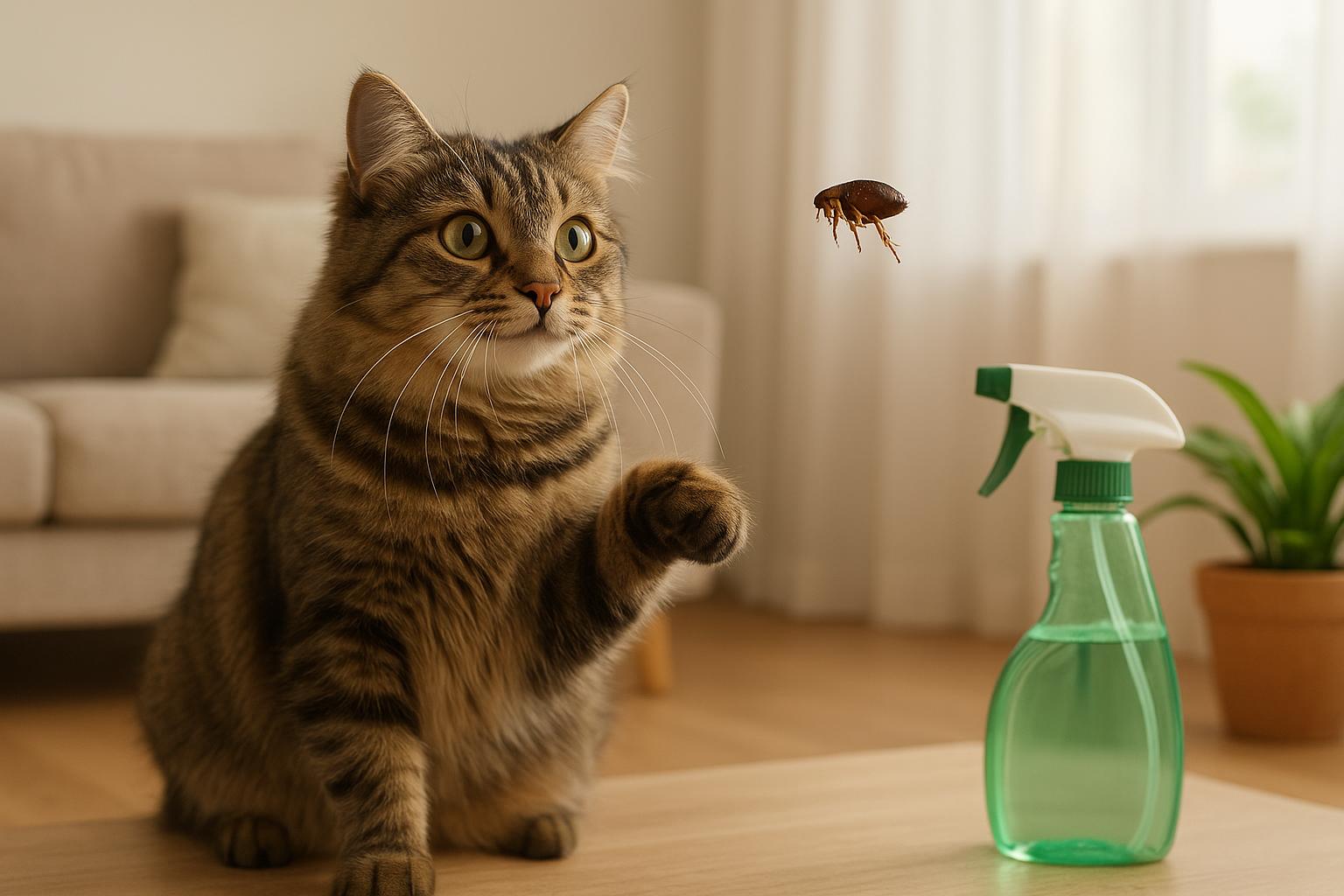
Welcome — if your whiskered roommate has been doing the flea tango, you’re in the right place. Fleas are tenacious little pests, and topical treatments are often the fastest, least disruptive way to get them under control. If you’re hunting for flea treatment cats that actually work, this guide keeps things friendly and practical while giving you the formal how-to when it matters.
## Flea Treatment Cats: Topical Options Explained
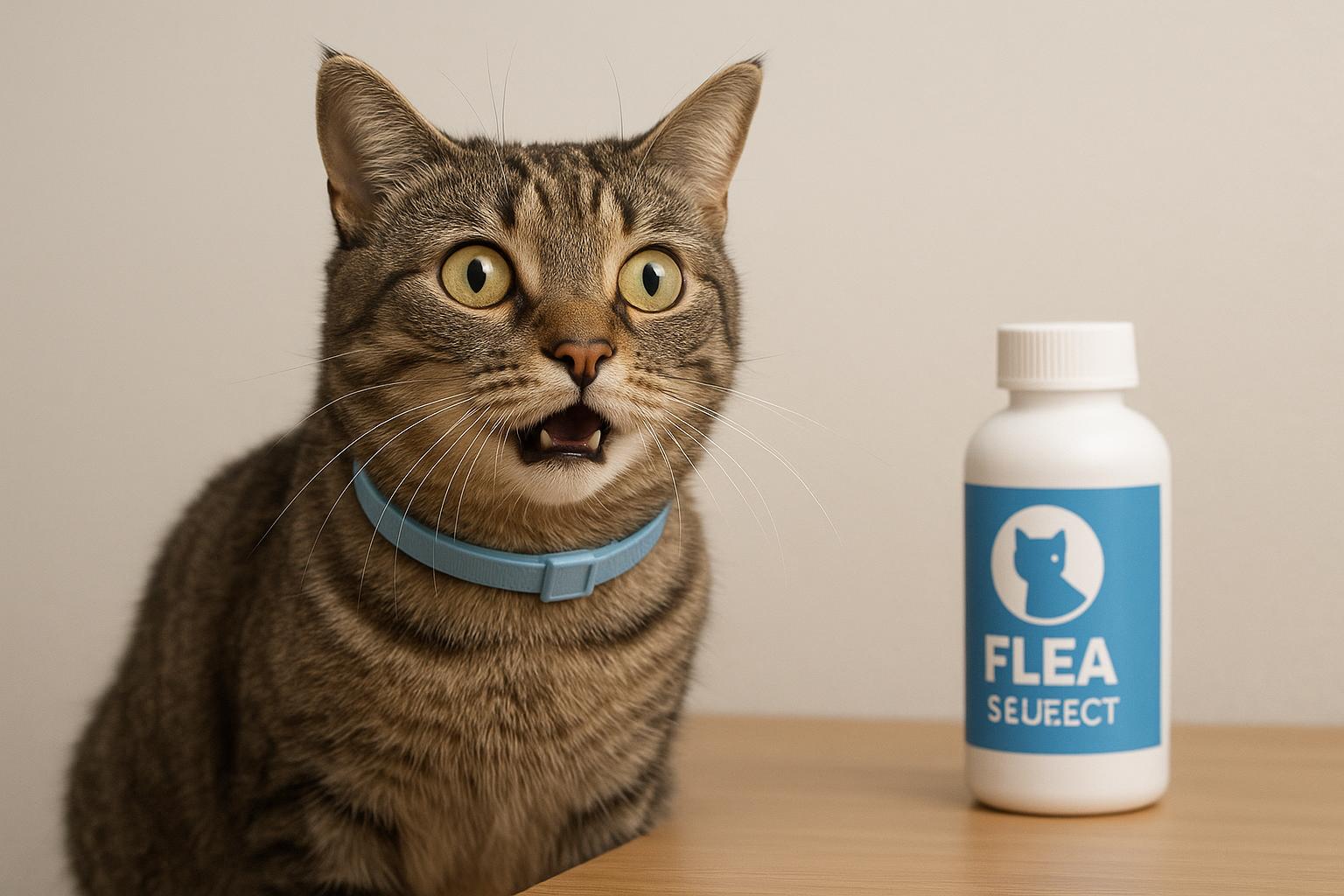
Topical flea products (often called “spot-on” treatments) deliver active ingredients directly to the skin where they spread across the coat and provide ongoing protection. They range from prescription-strength molecules to over-the-counter formulations. Choosing the correct product requires attention to your cat’s weight, age, and health status. When used correctly, topical flea treatment cats options can stop current infestations and prevent new ones by killing adult fleas, inhibiting egg development, or repelling fleas altogether.
### 1. Commercial Spot-On Topical Treatment
These are the most common topical remedies vets recommend for cats. They’re designed, tested, and regulated; for ongoing infestations they’re usually the fastest route to relief.
#### Materials Needed
– Vet-recommended spot-on product labeled for cats (dose matched to your cat’s weight)
– Clean towel
– Disposable gloves (optional, for your comfort)
– Treats for post-application calm
#### Application Steps
1. Read the Product Label: Confirm the product is explicitly labeled for use on cats and matches your cat’s weight bracket.
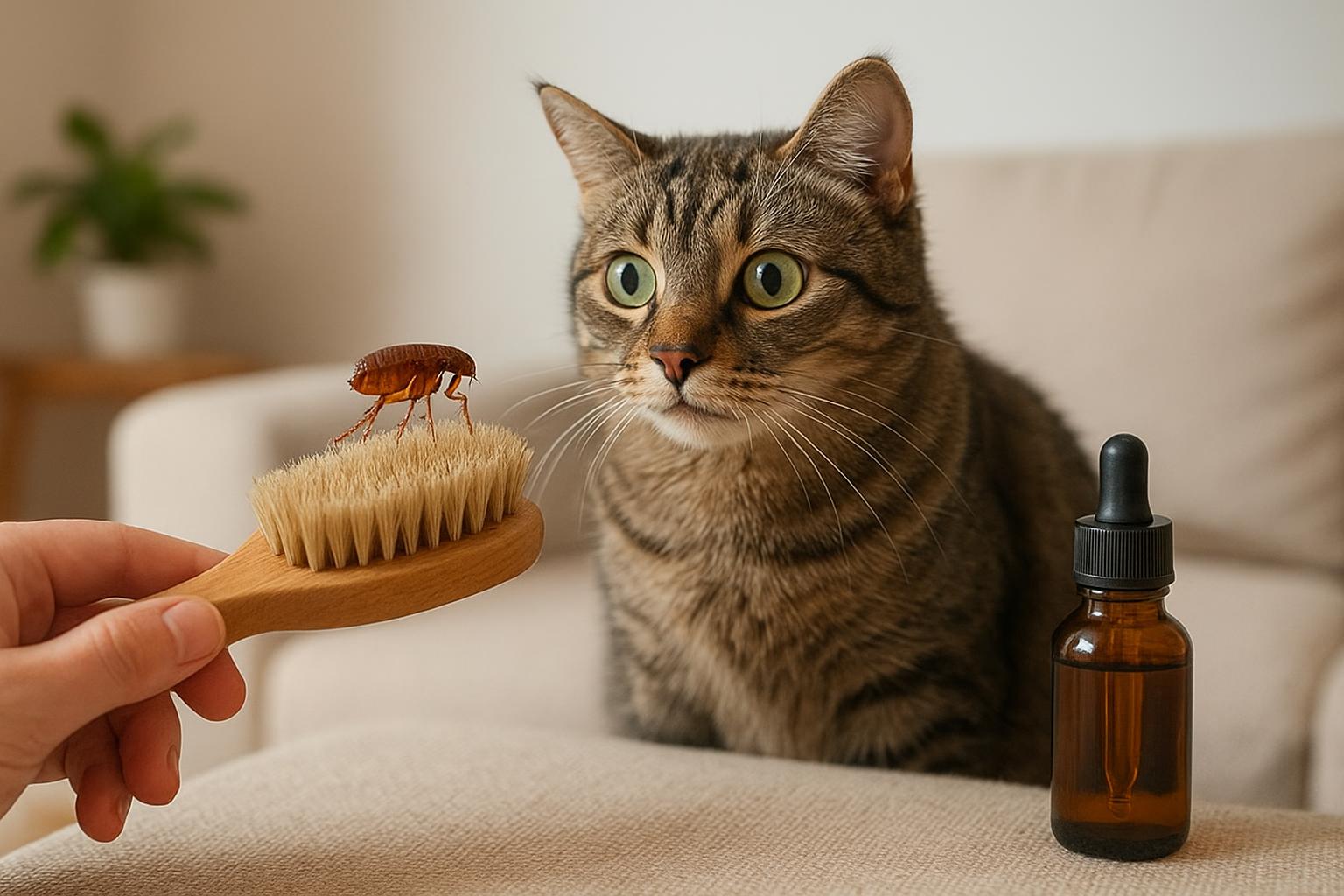
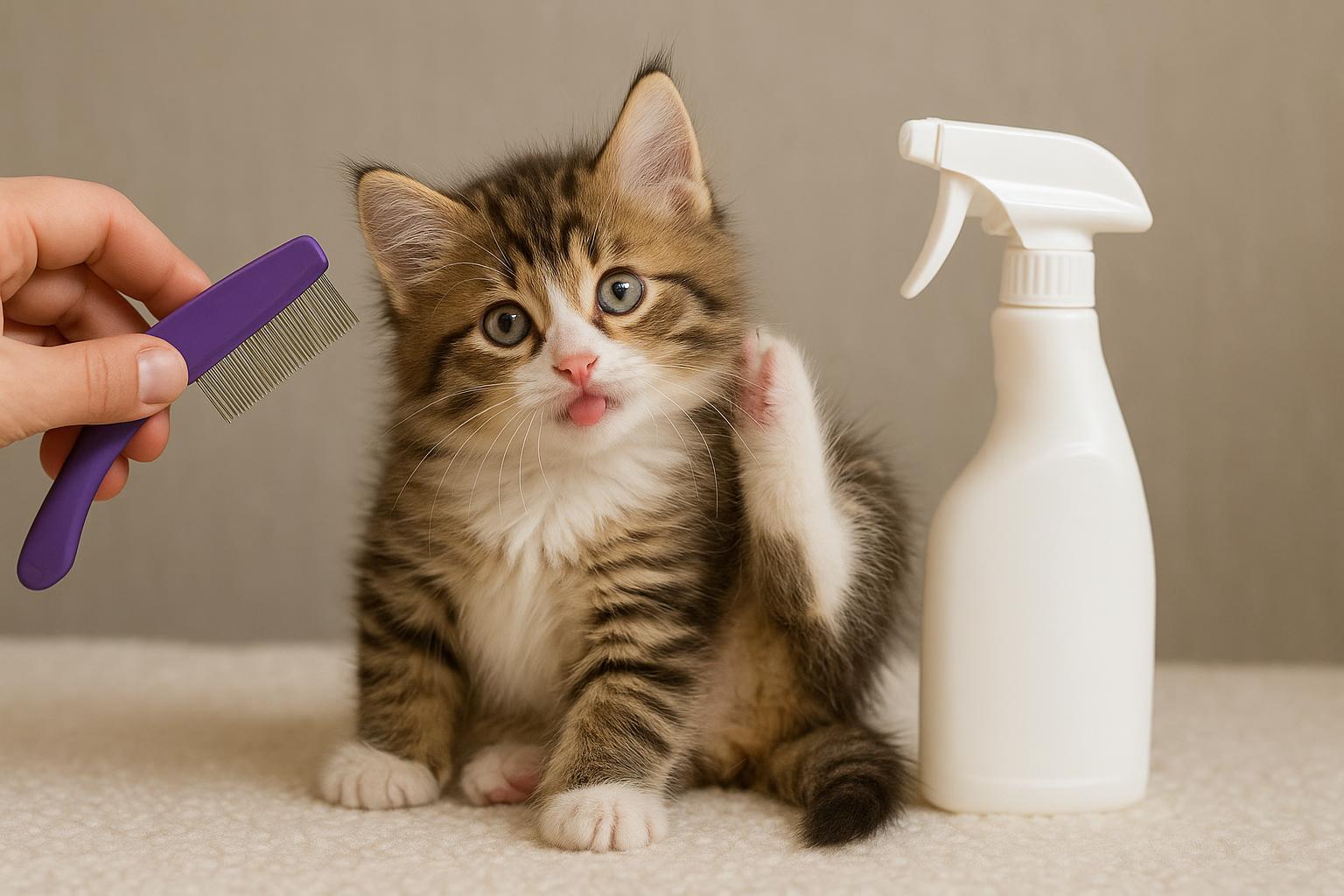
2. Prepare Your Cat: Choose a calm moment. Brush out tangles so the solution reaches skin.
3. Open The Packaging Carefully: Keep the applicator upright to avoid spills.
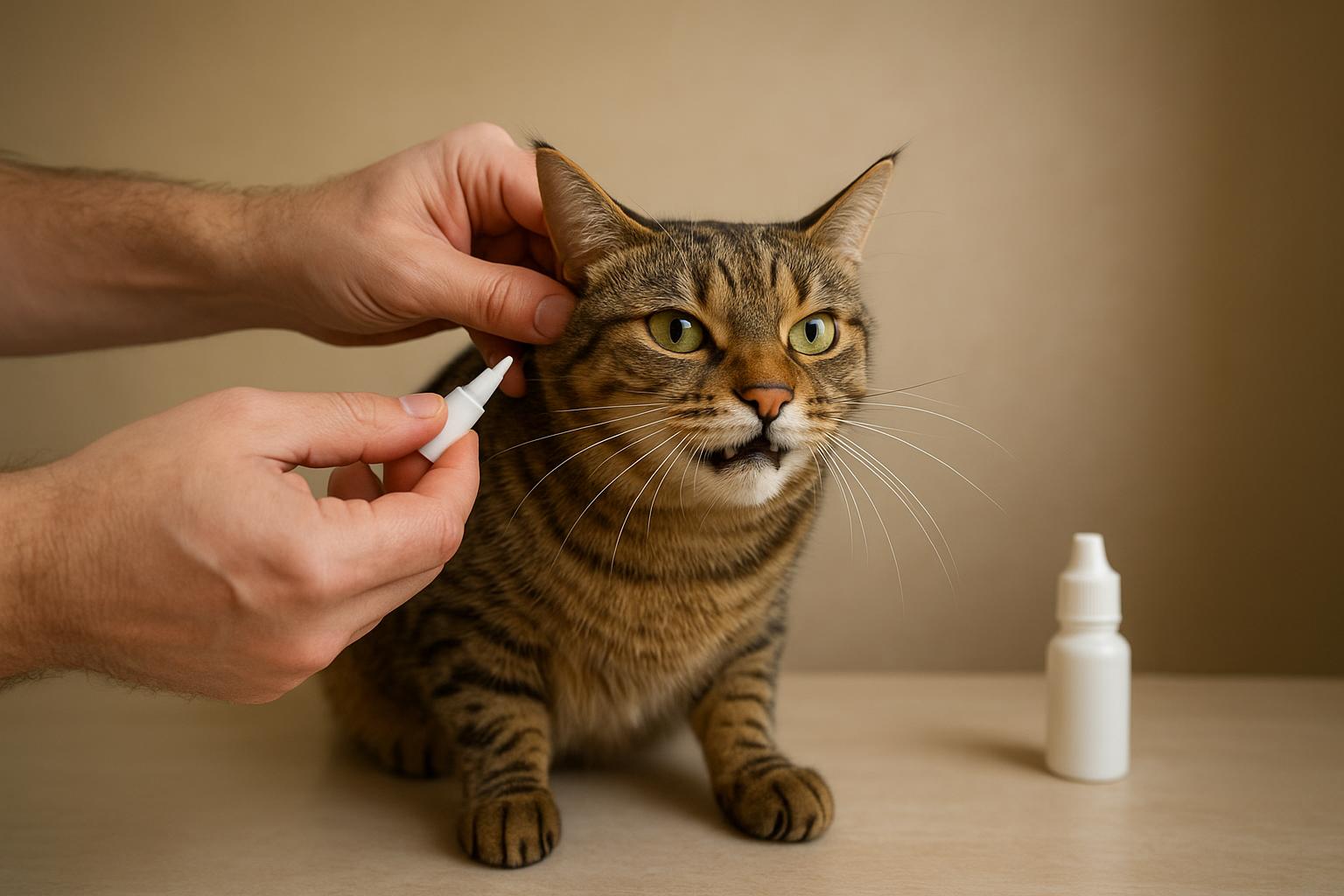
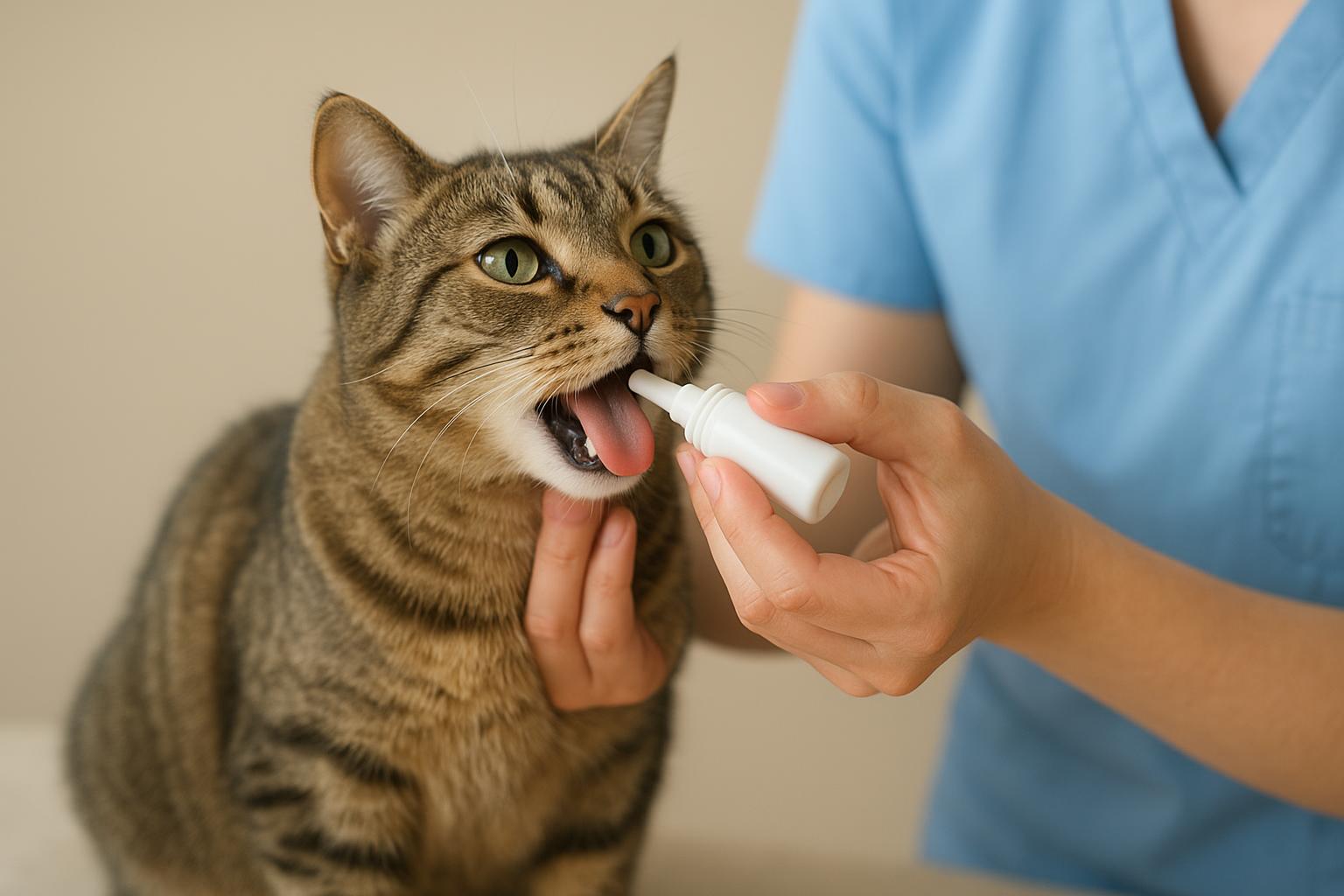
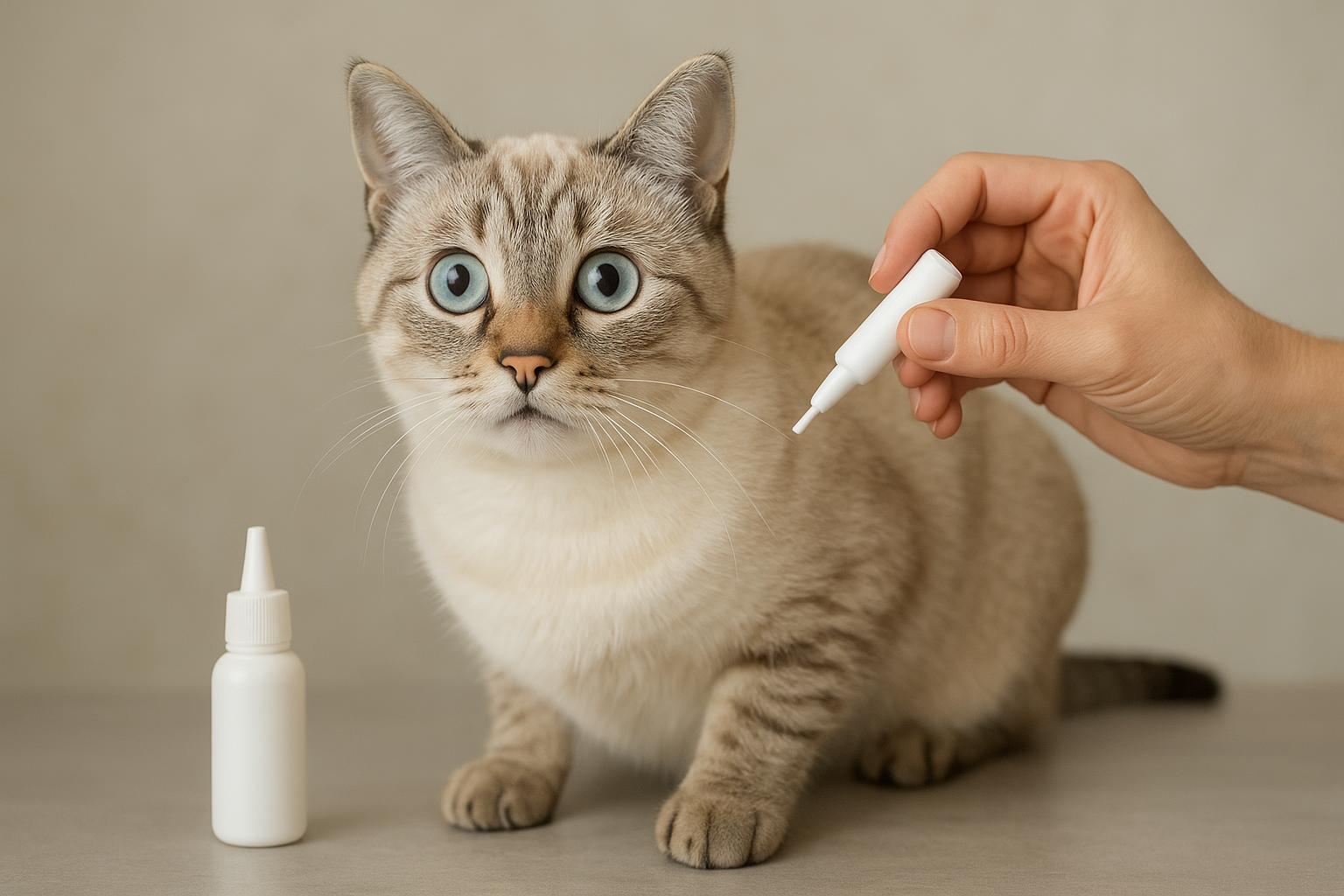
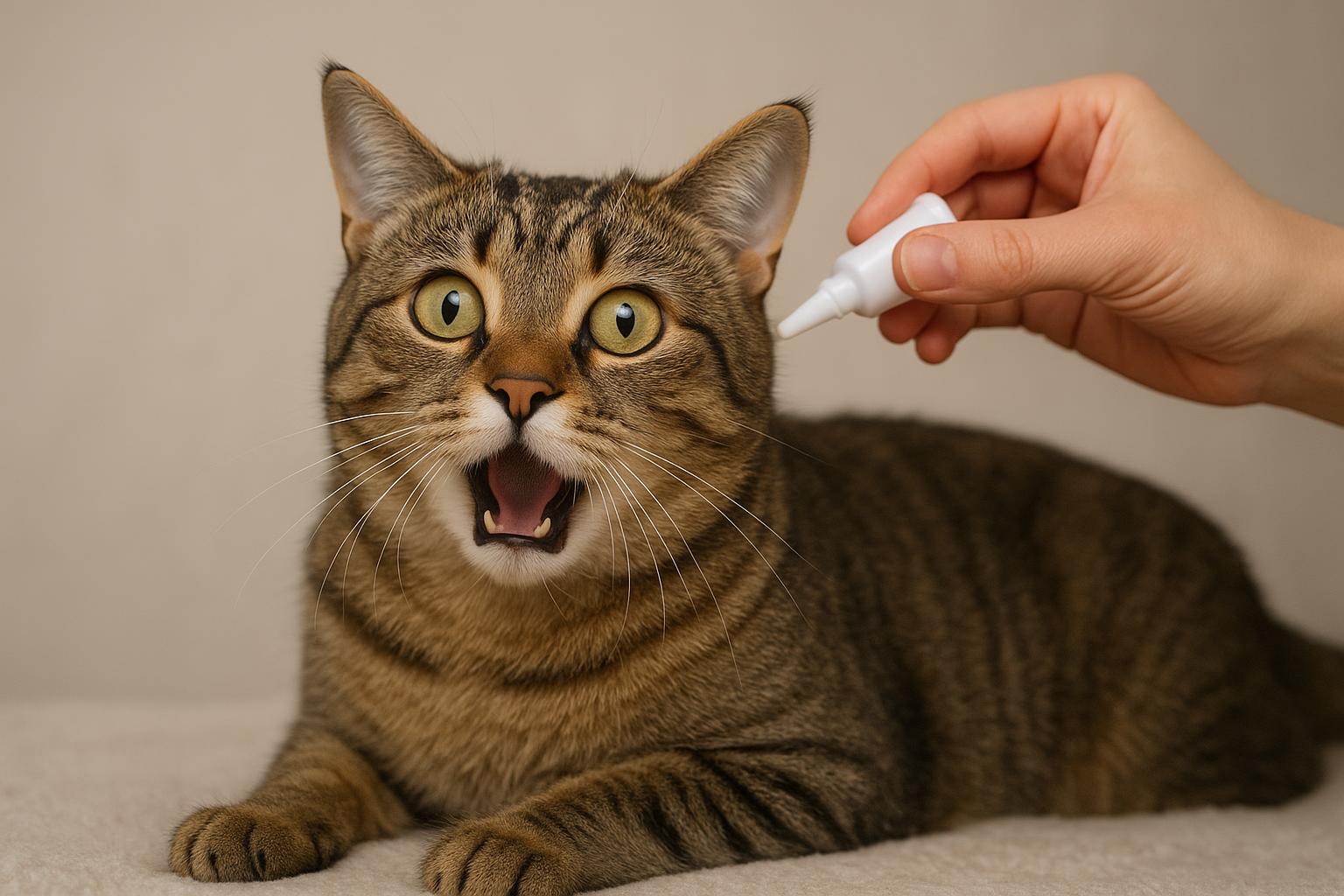
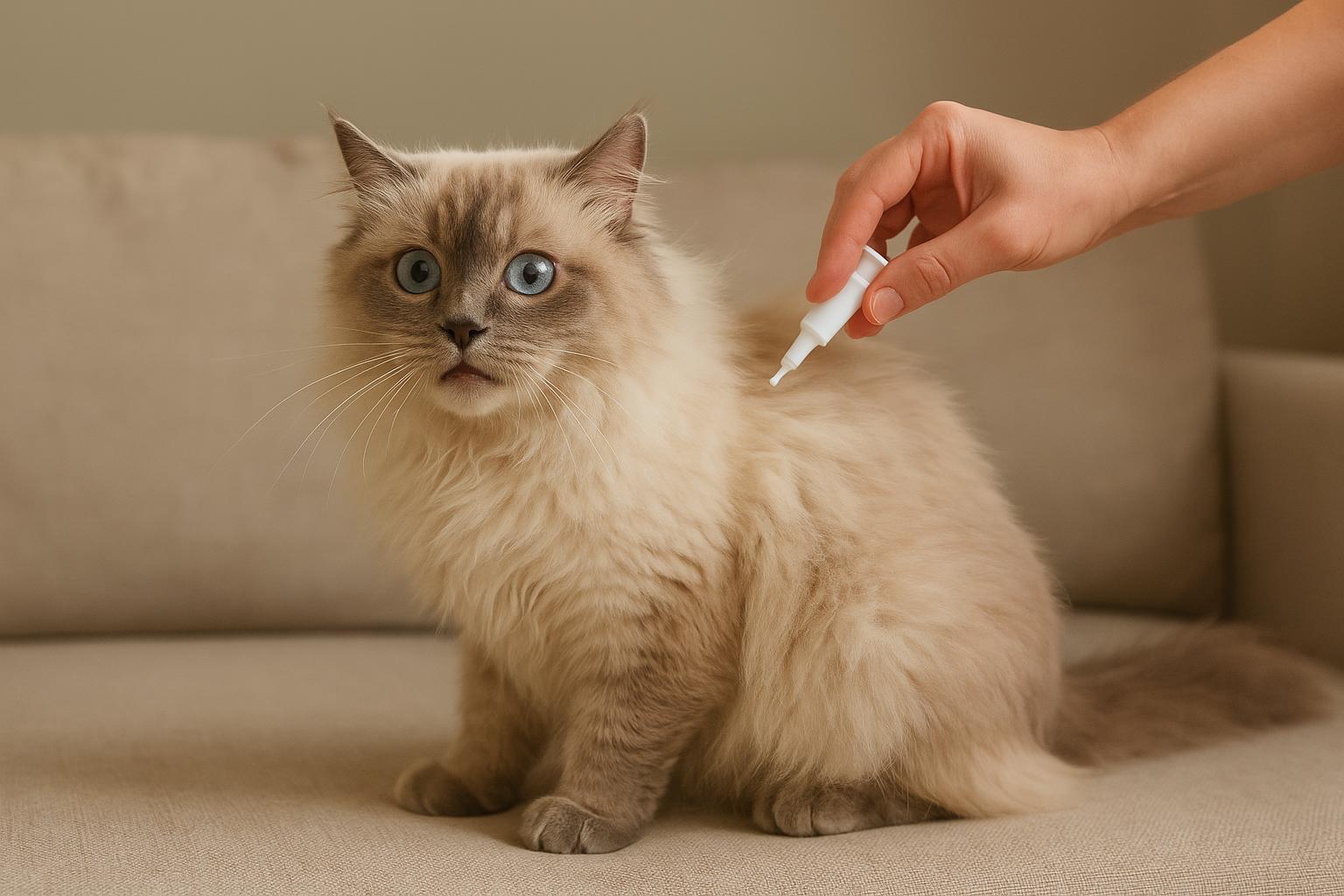
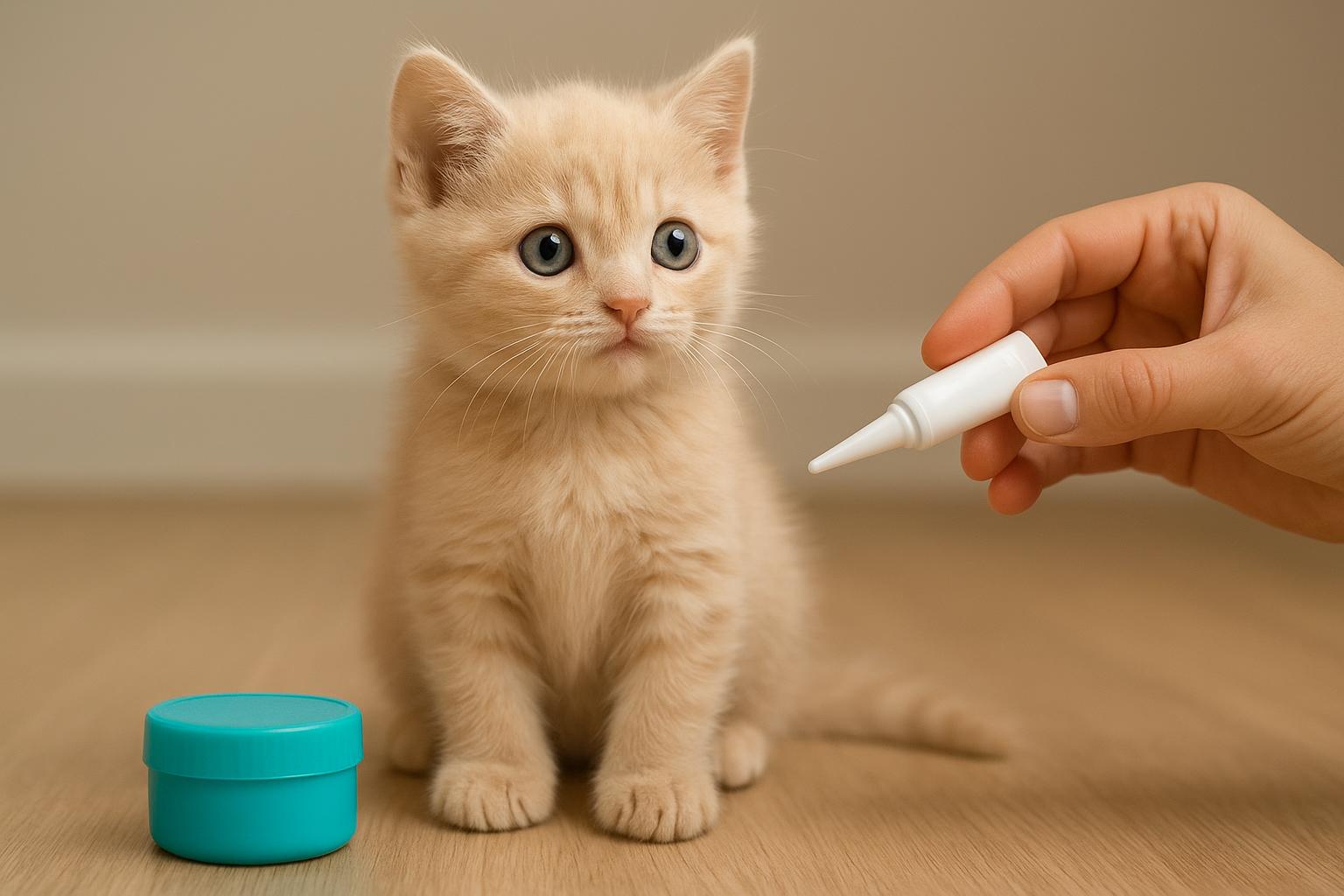
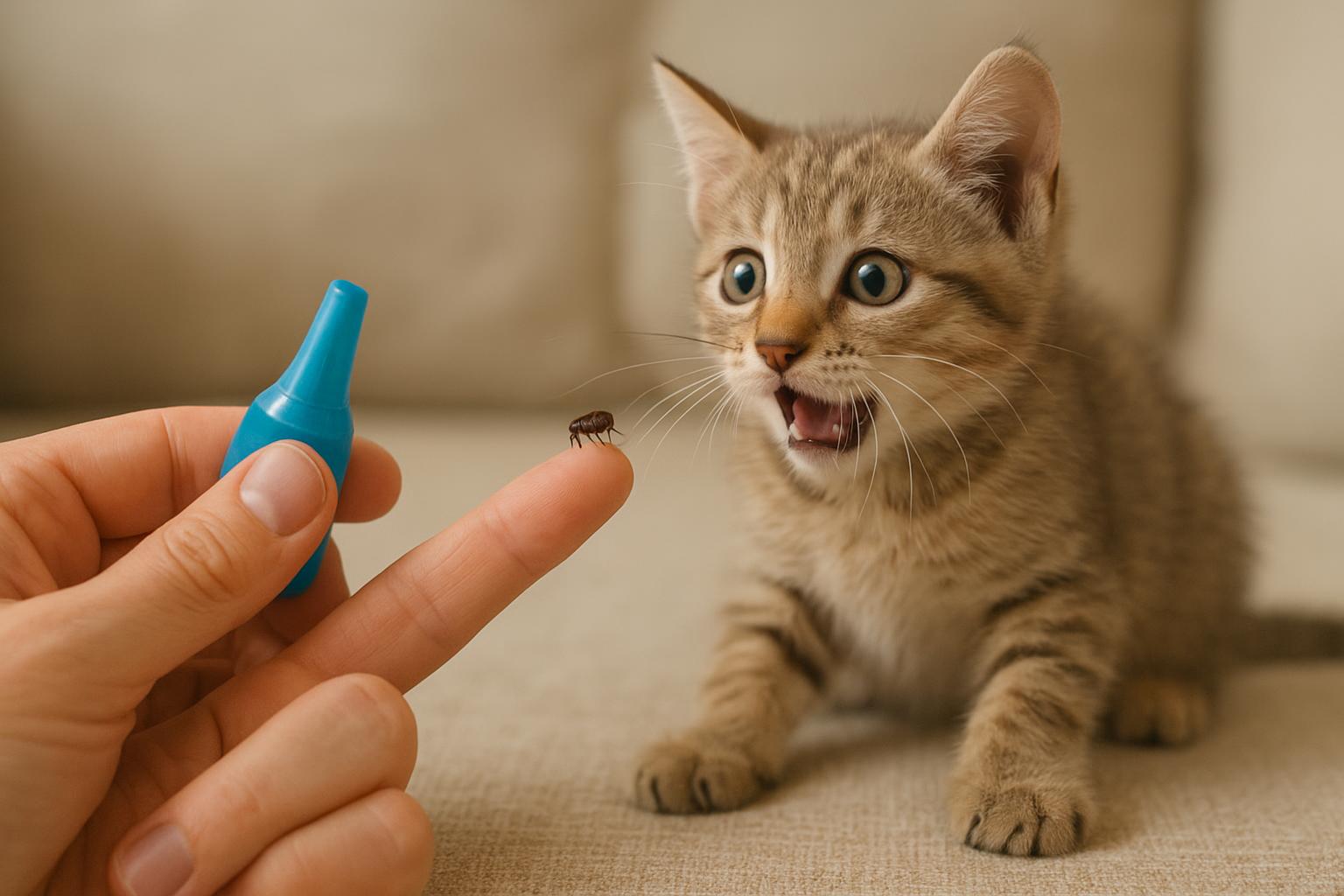
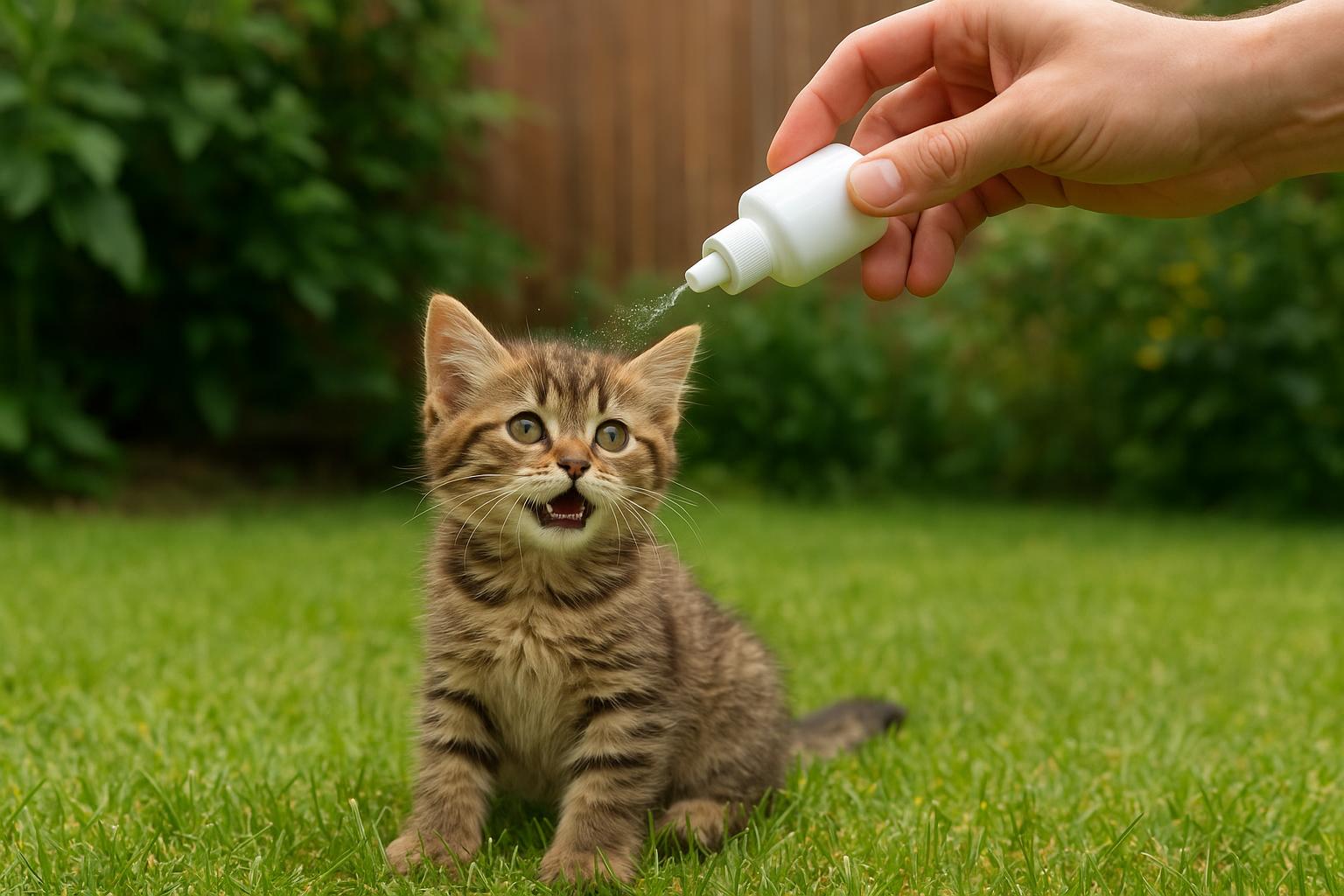
4. Part The Fur: Locate the recommended application site—usually at the base of the skull between the shoulder blades for cats—where the cat can’t lick it off.
5. Apply Directly To Skin: Place the applicator tip on the skin and squeeze the full dose into one or two spots. Do not rub it in.
6. Keep The Cat From Grooming The Area: Prevent licking of the application site until it dries (a few minutes to a few hours depending on product).
7. Wash Hands Afterward: Use soap and water; discard any used applicators per label.
Formal Notes: Follow dosing frequency exactly (monthly, every 8 weeks, etc.). Overdosing can be harmful. If a dose is missed by a few days, administer as soon as possible and then resume the schedule; check the product insert for guidance.
### 2. Topical Herbal Rinse (At-Home Support)
For mild infestations or as a complementary regimen—never as a sole replacement for vet-grade agents—you can use a diluted herbal rinse to soothe irritated skin and repel some fleas. This is not a guaranteed flea-killer and should be combined with proven flea treatment cats methods when infestation is moderate to severe.
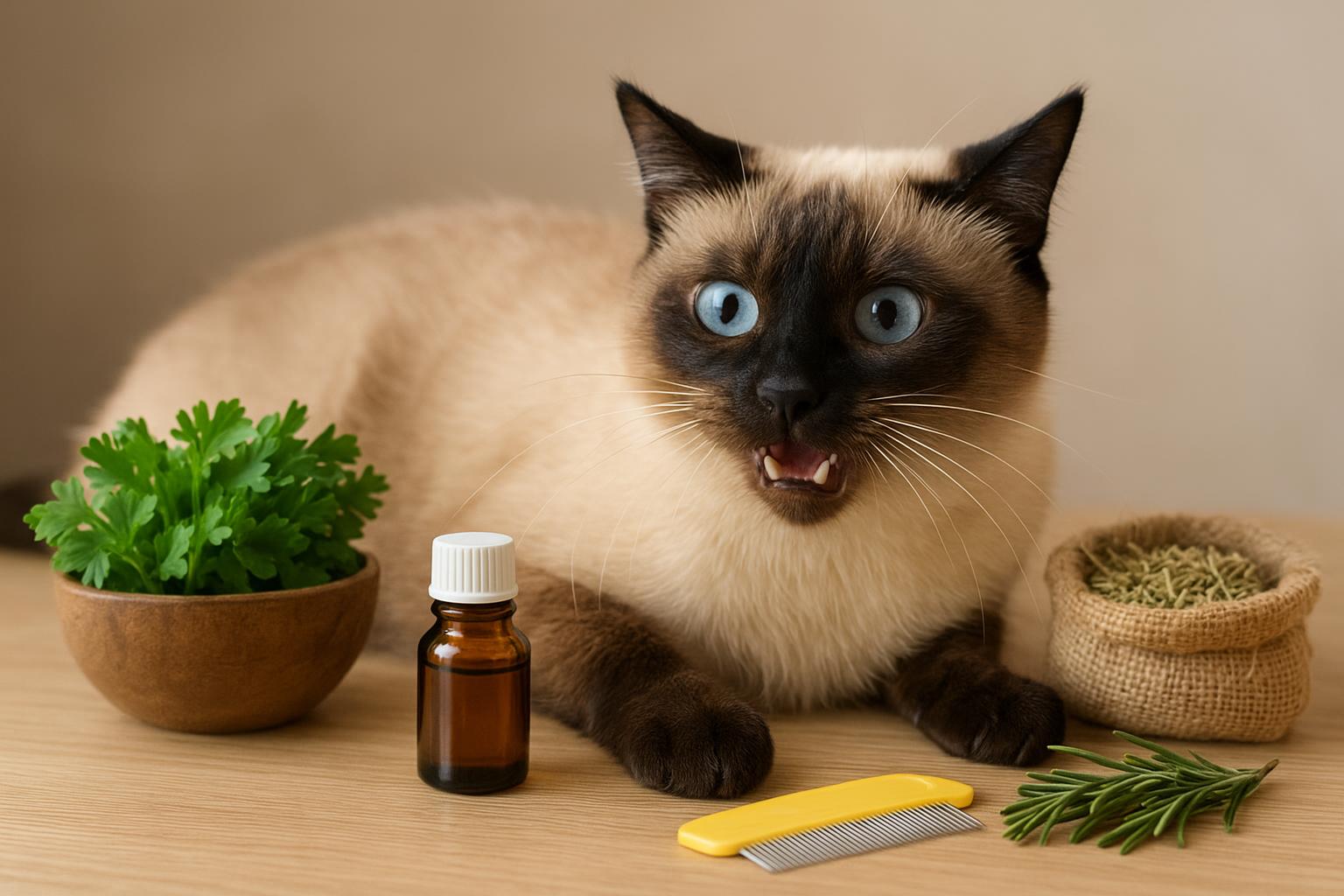
#### Ingredients / Materials
– 2 cups distilled or boiled-and-cooled water
– 1 tablespoon of dried rosemary or 2 tablespoons fresh rosemary
– 10 drops pure lavender essential oil (differentiate product quality; many essential oils are unsafe at high concentrations—see safety notes)
– 1 clean spray bottle or a bowl for application
– Soft towel for drying
#### Creation And Application Steps
1. Brew The Herb: Simmer rosemary in water for 10–15 minutes, then cool to room temperature. Strain solids out.
2. Add Lavender Carefully: Add exactly 10 drops of high-quality lavender oil to the cooled infusion and mix thoroughly. (Do not exceed recommended drops.)
3. Transfer To Bottle: Pour the rinse into a clean spray bottle, shaking to mix.
4. Test Patch: Spray a small patch of fur; observe for 24 hours for any irritation.
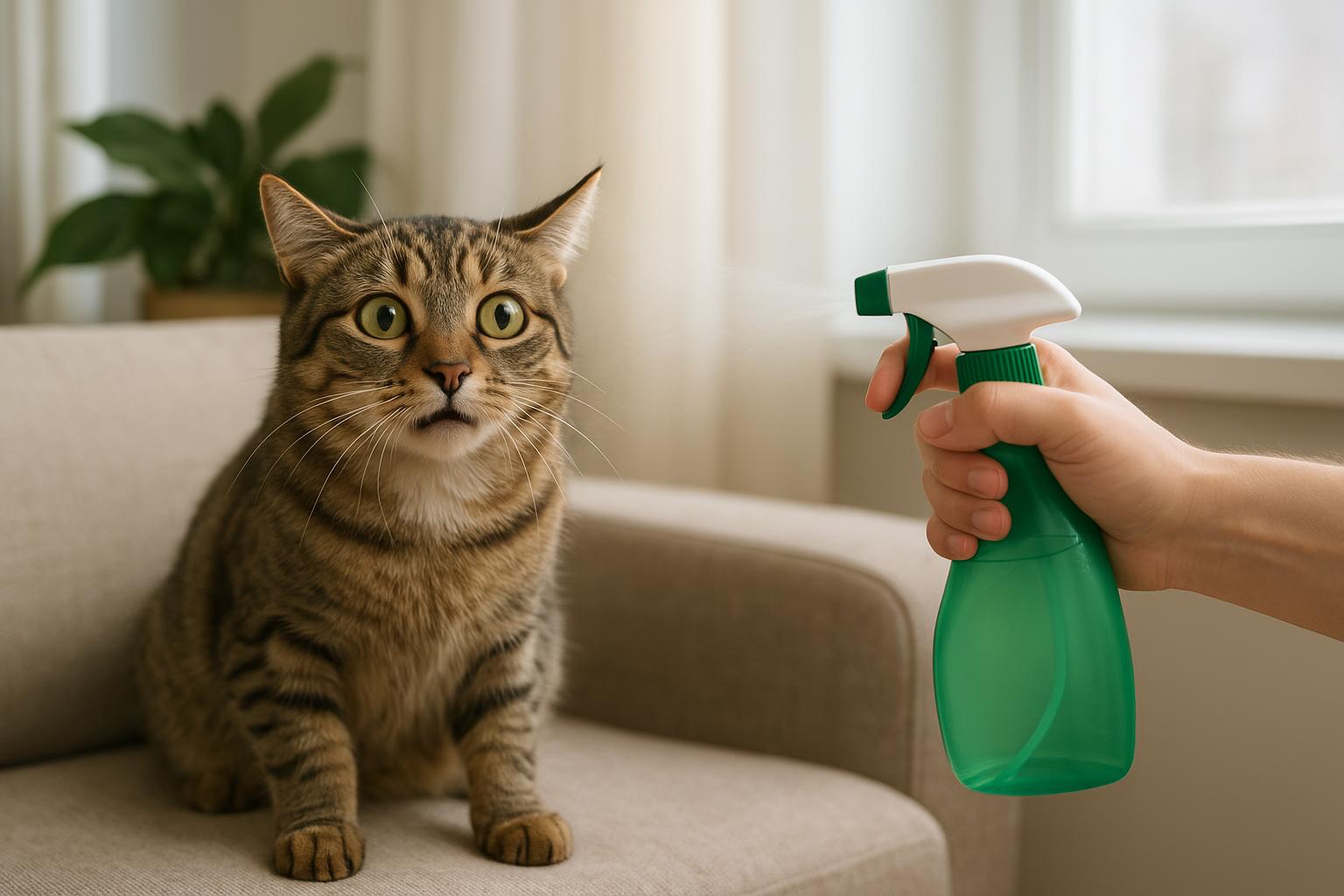
5. Apply Lightly: If no reaction, mist the cat’s coat lightly from a few inches away, avoiding the face, eyes, nose, and genitals.
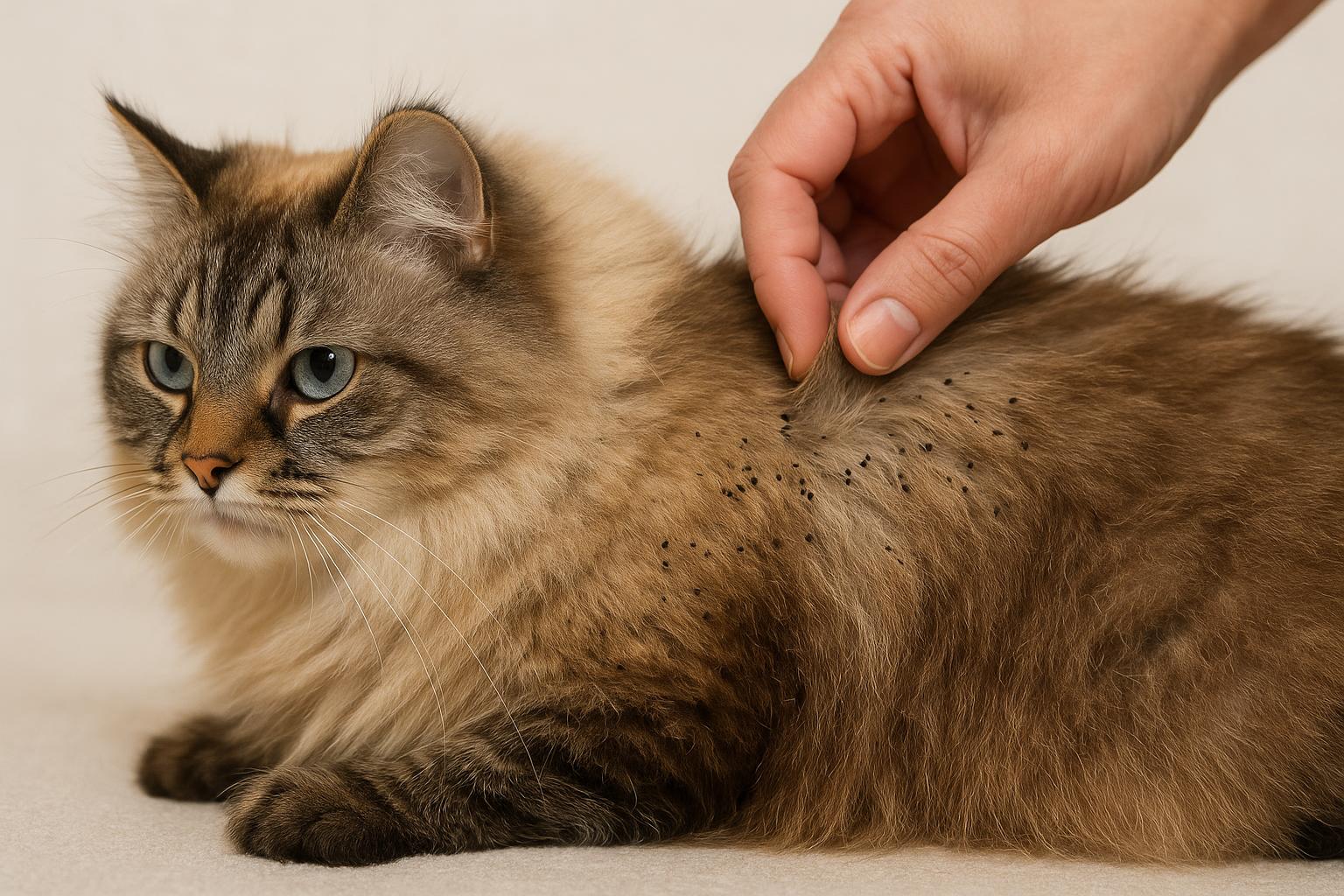
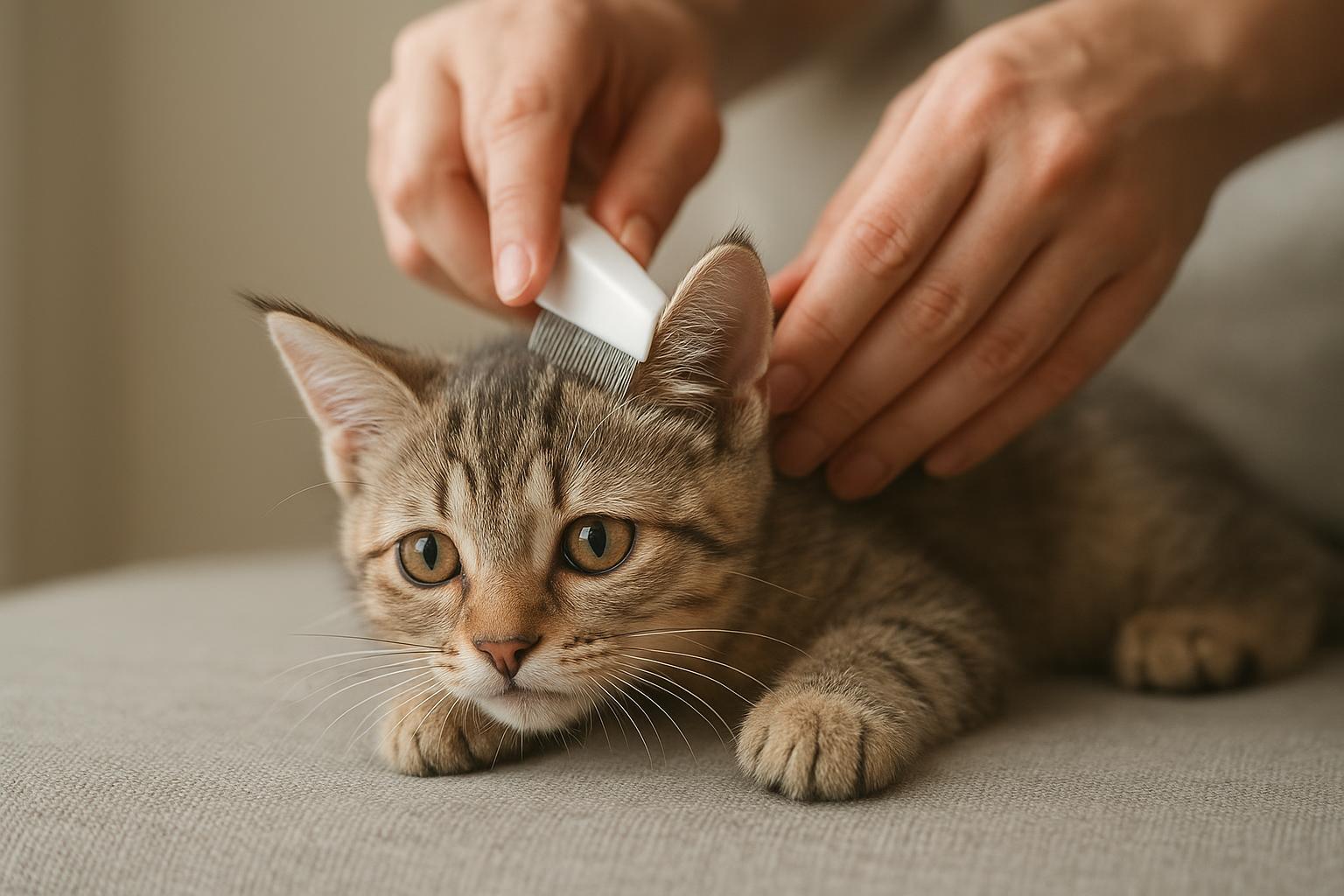
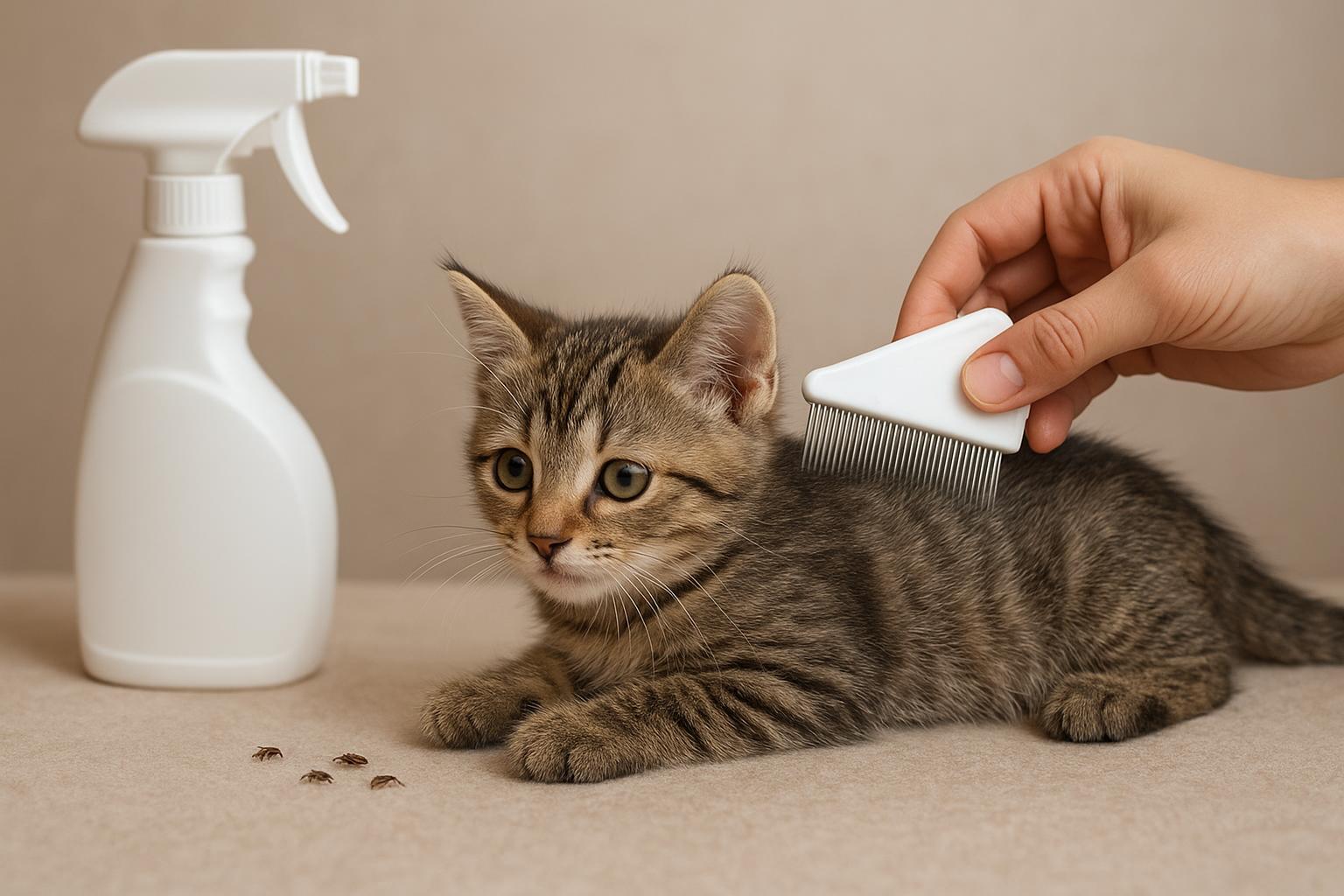
6. Comb Through: Use a fine-tooth flea comb to remove dead fleas and flea dirt after application.
7. Repeat Every 3–4 Days: This is a supportive measure, not a full replacement for vet products.
Formal Notes: Many essential oils are toxic to cats in sufficient amounts because of their metabolism; do not use tea tree or citrus oils. Use herbal rinses sparingly and discontinue at any sign of irritation. Herbal rinses are adjunctive, not primary flea treatment cats solutions for established infestations.
## How Topicals Work And Safety Notes
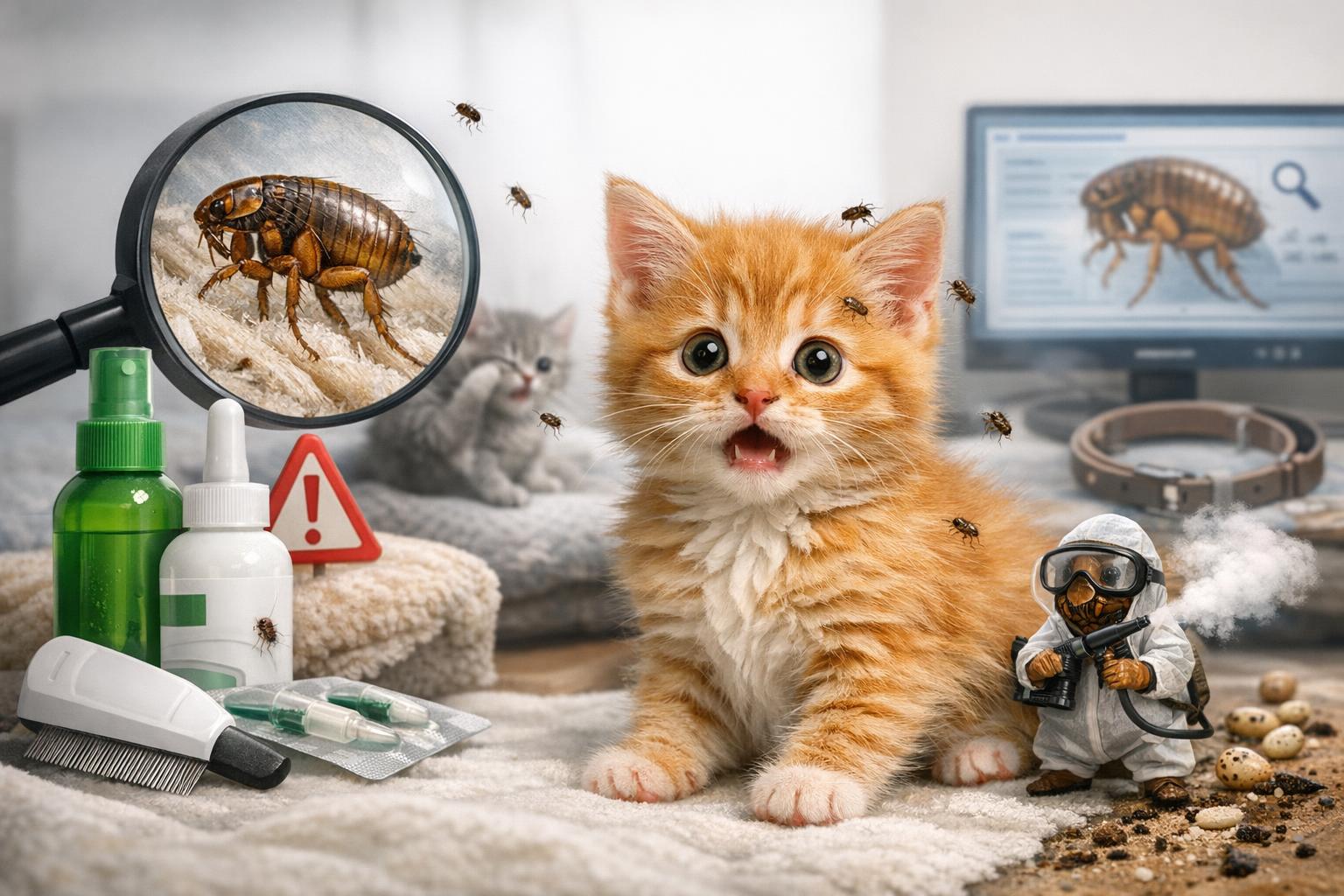
Topical flea agents employ a variety of active ingredients: imidacloprid, fipronil, selamectin, fluralaner, and others—each with different mechanisms such as neurotoxicity to fleas or inhibition of larval development. Product choice should be driven by safety, efficacy, and the parasite life-cycle in your home.
– Always confirm the product is labeled for cats. Never use canine-specific spot-ons on cats—compounds like permethrin are safe for dogs but can be fatal to cats.
– Explain your cat’s health history to your veterinarian: pregnant or nursing cats, kittens, and animals with neurological or skin conditions may require special approaches.
– If your cat reacts with drooling, tremors, vomiting, or significant lethargy after application, contact your vet or emergency animal hospital immediately.
When comparing options, look for evidence of efficacy in flea treatment cats studies and peer-reviewed recommendations. Some newer systemic topicals offer longer protection (up to 3 months) and may be appropriate for households with compliance issues.
### Identifying Treatment Success And When To Call A Vet
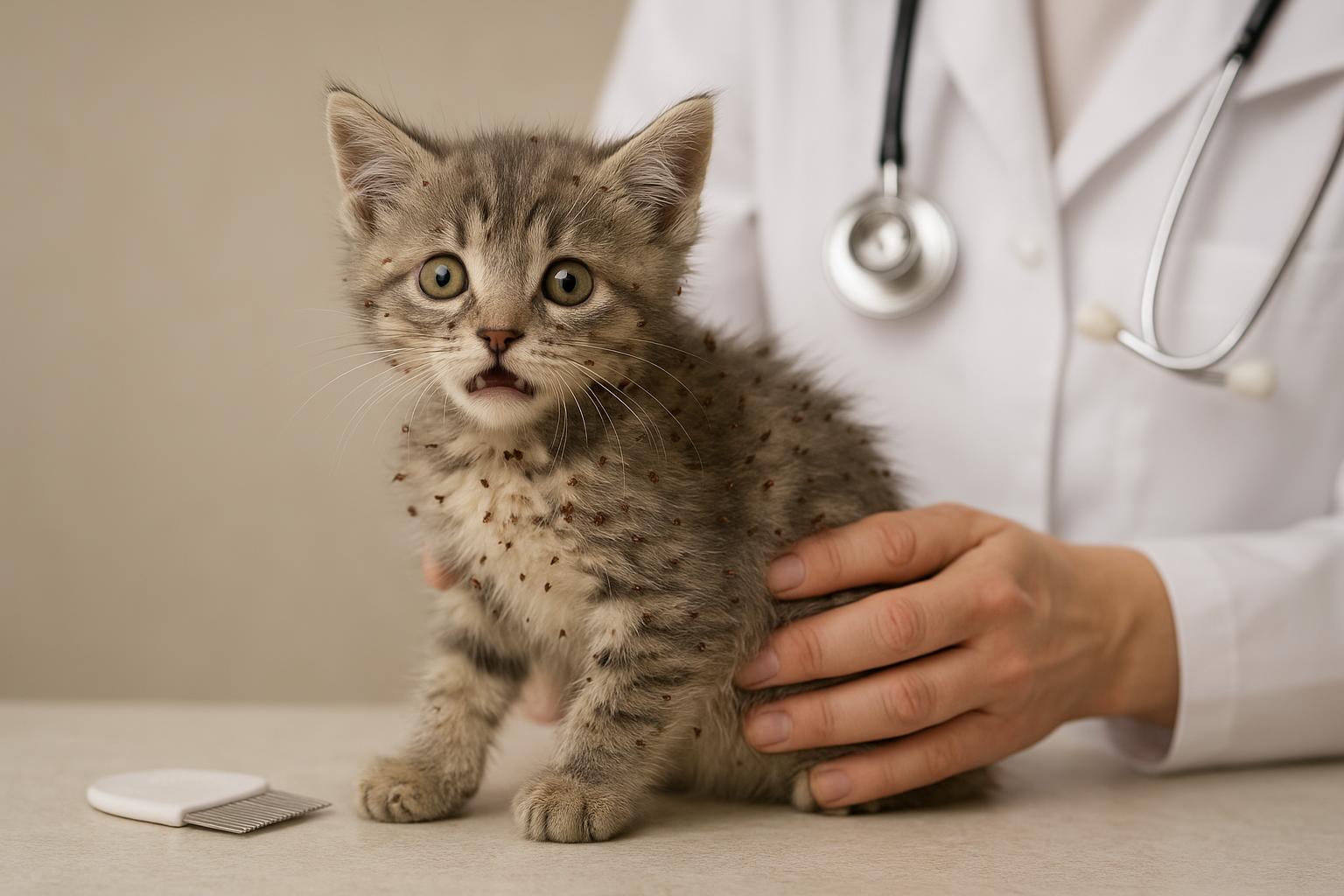
Formal monitoring is straightforward: after application, adult flea counts should drop dramatically within 24–48 hours for adulticides. Expect to re-evaluate in two weeks—if fleas persist, investigate reinfestation sources.
Signs that professional intervention is needed:
– Persistent flea presence after two complete treatment cycles
– Severe anemia in kittens or debilitated cats
– Signs of secondary infection (open sores, excessive grooming, hot spots)
– Neurological or systemic adverse reactions following treatment
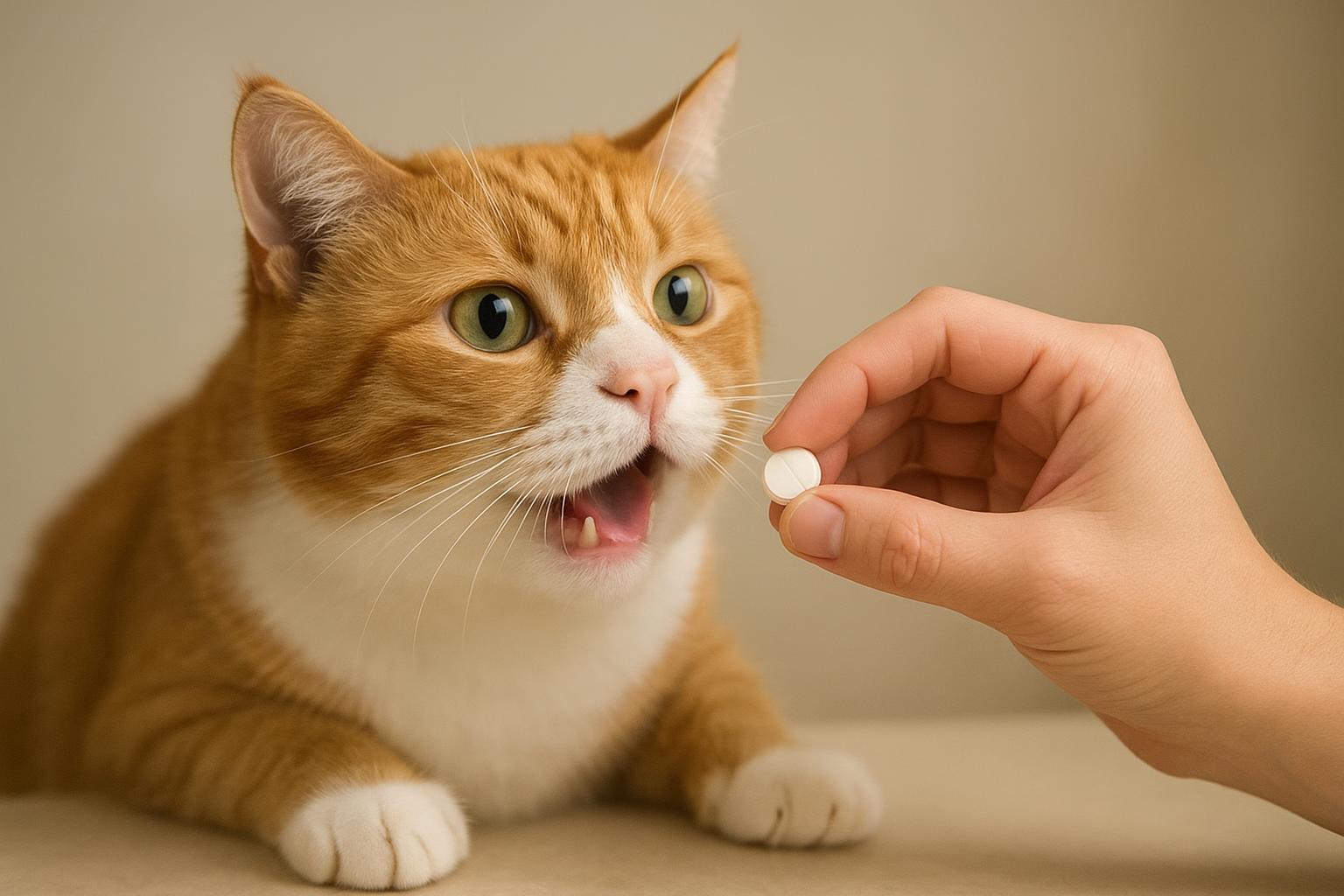
If over-the-counter products don’t control the problem, escalate to prescription flea treatment cats options with your veterinarian. Some infestations need combined approaches: topical plus oral, environmental treatments, and in-home measures.
## Preventing Reinfestation And Home Care
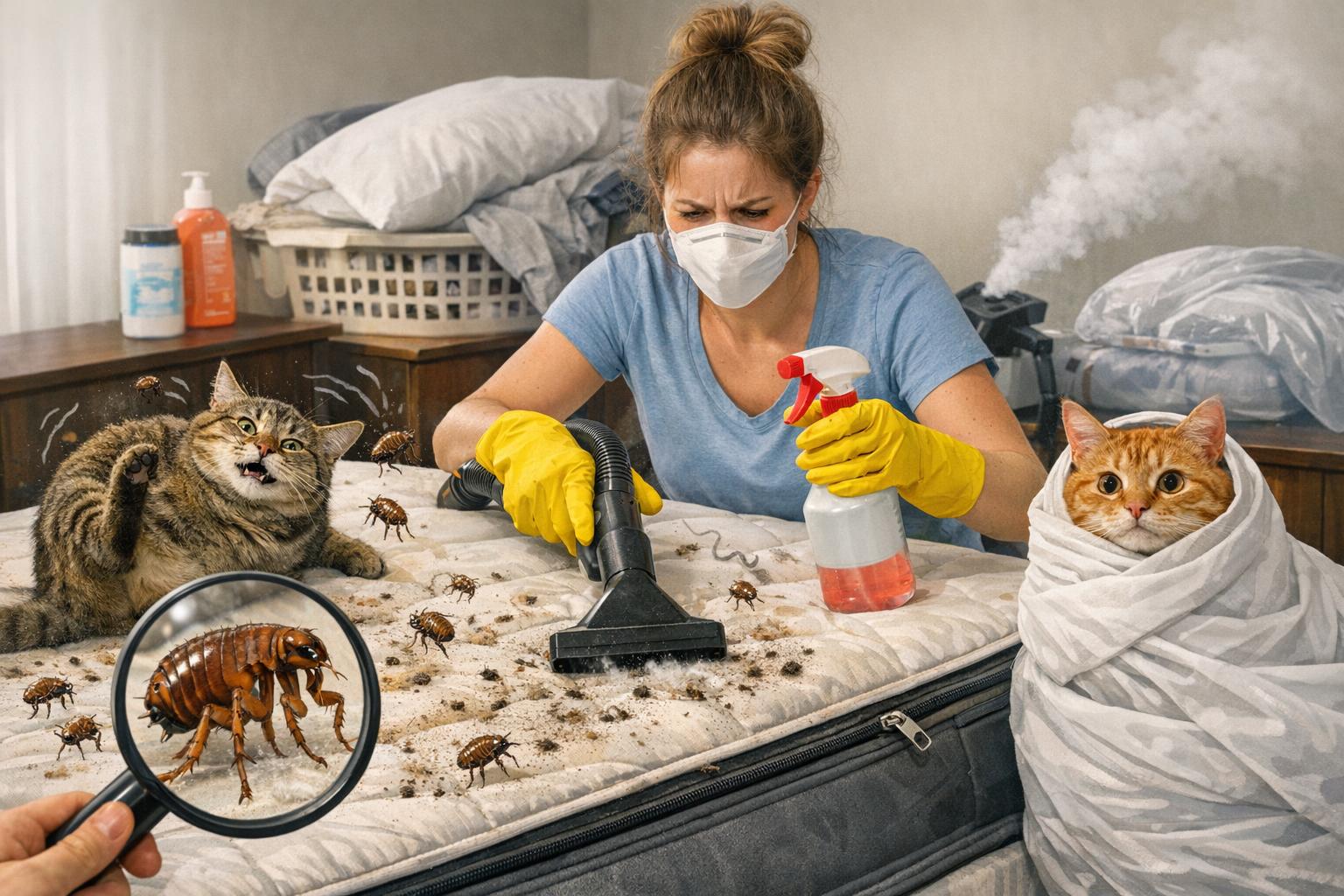
Topical flea treatments protect the cat, but the environment is where eggs, larvae, and pupae hide. Effective control requires addressing the home and other animals.
– Wash Bedding: Launder pet bedding and any human bedding the cat uses weekly in hot water.
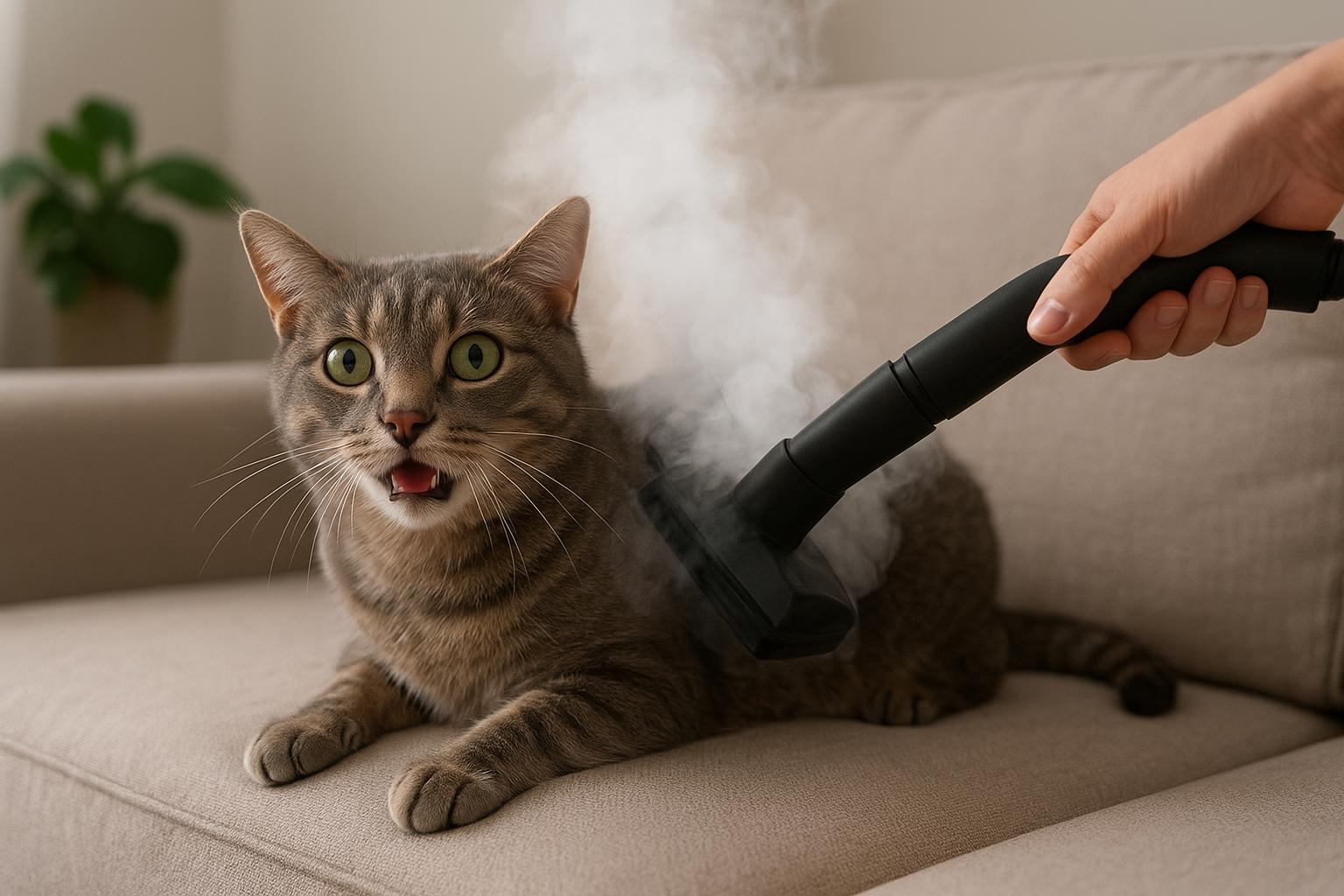
– Vacuum Thoroughly: Vacuum carpets, rugs, furniture crevices, and floor seams frequently. Dispose of vacuum bags or empty canisters outdoors.
– Treat Other Pets: Treat all dogs and cats in the household simultaneously with appropriate products; untreated animals will reintroduce fleas.
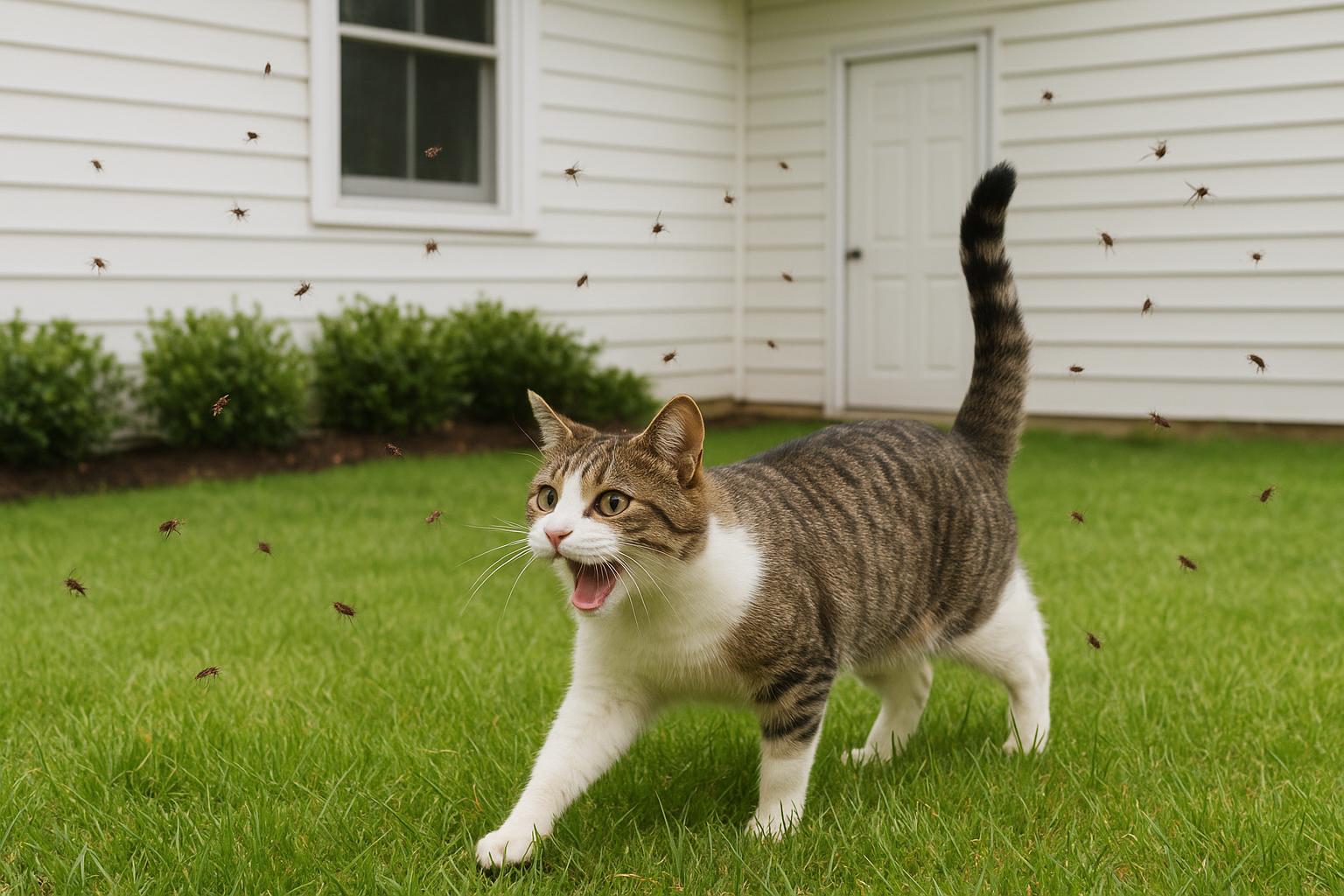
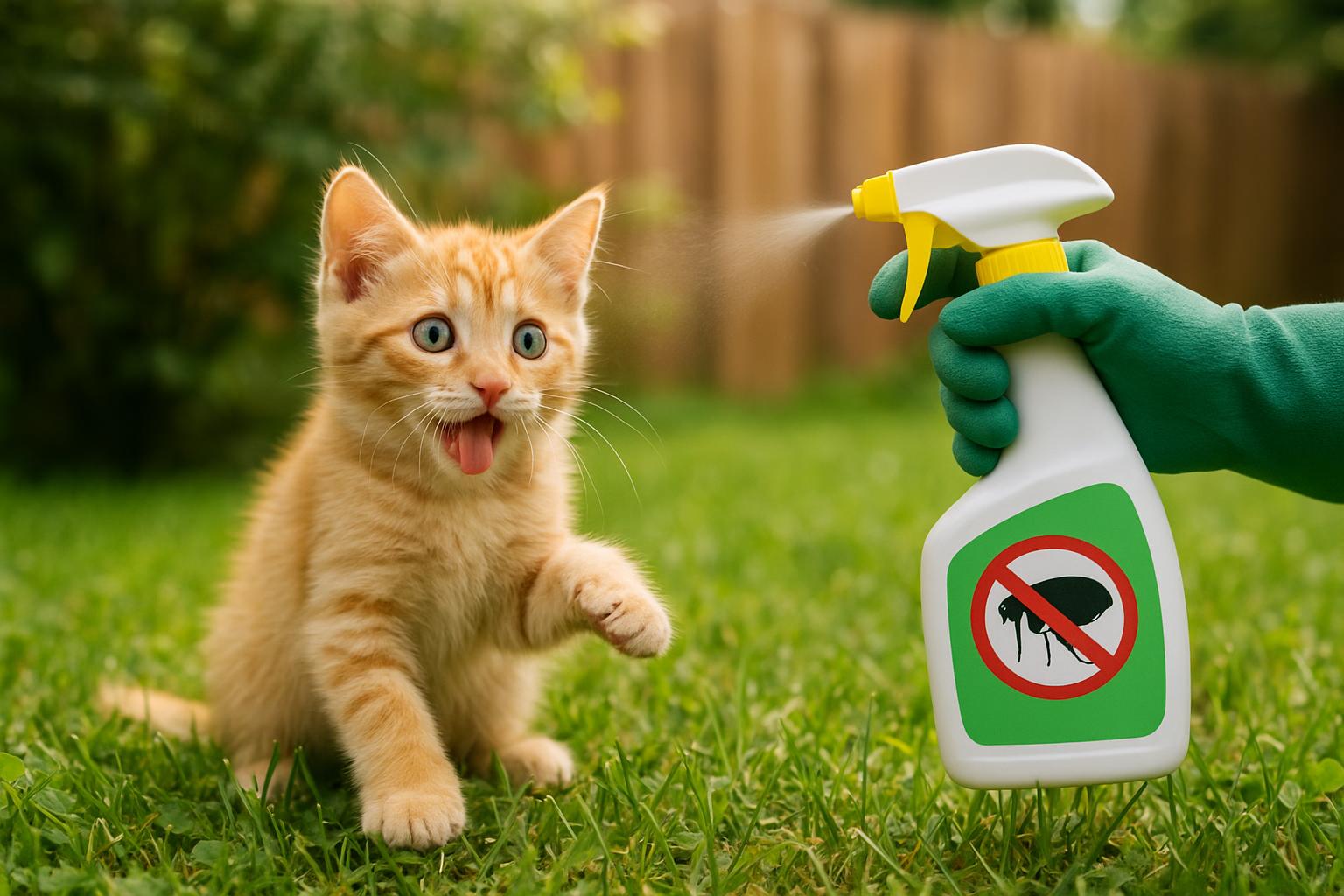
– Yard Management: Mow lawn, remove debris, and consider targeted yard treatments in severe cases; many fleas live in shaded, humid areas.
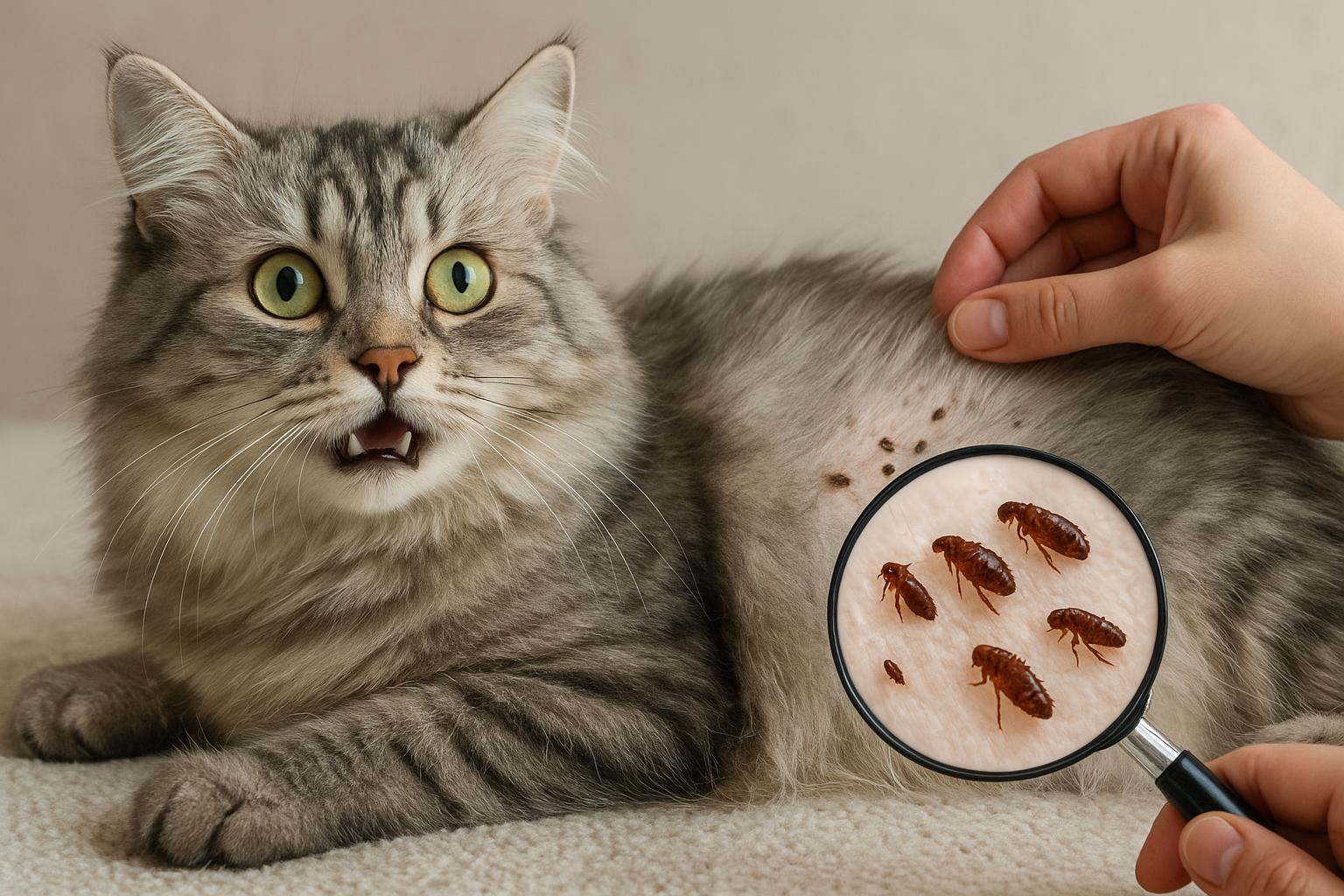
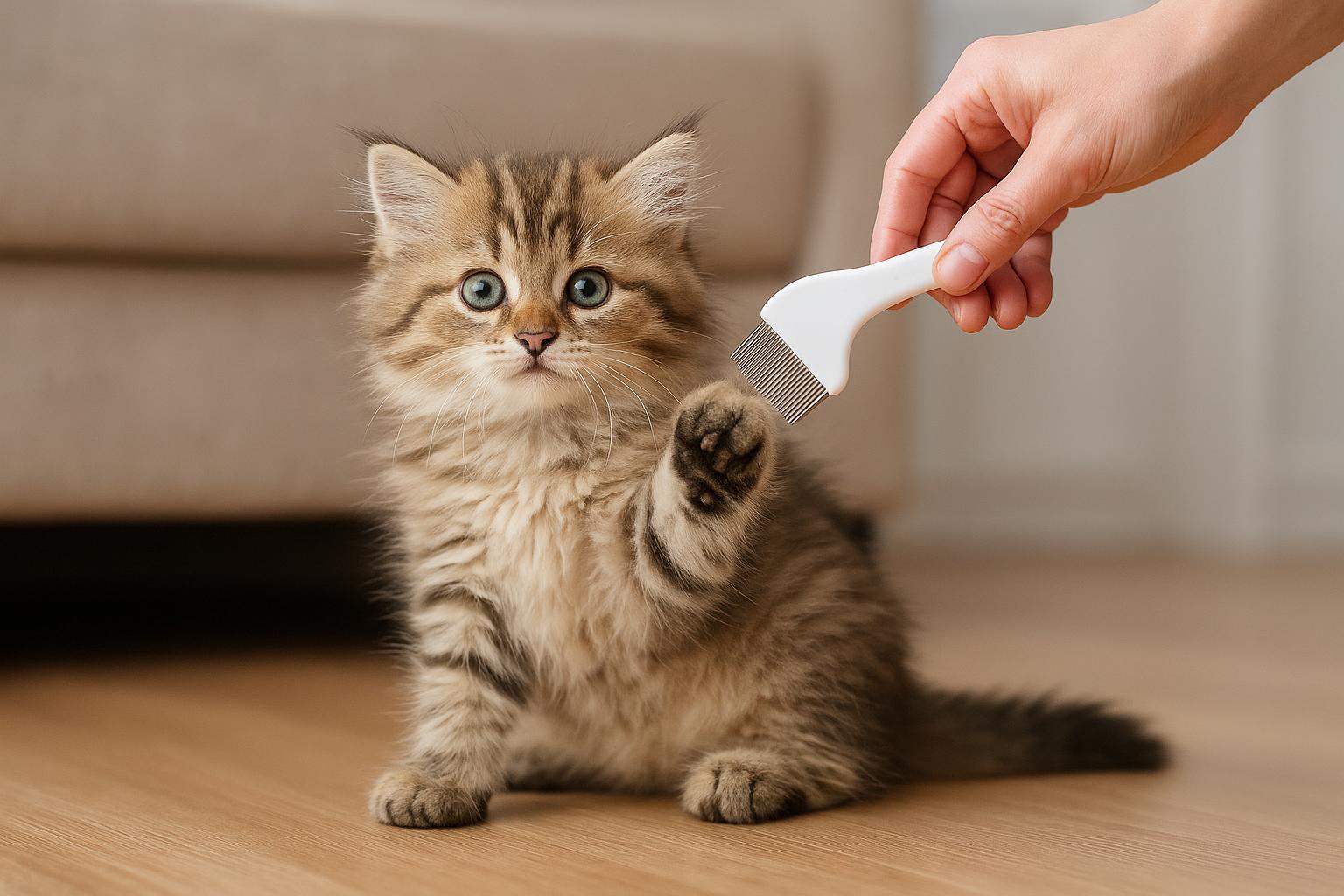
– Flea Combing: Use a fine-tooth comb to remove fleas and flea dirt; dip combed debris in soapy water to kill captured fleas.
For multi-pet homes, coordinate flea treatment cats timing so all animals receive protection at the same time to prevent cycles of reinfestation.
### Common Mistakes To Avoid
– Mixing Products: Don’t stack topical products without veterinary approval. Combining certain ingredients can cause toxicity.
– Using Dog Products On Cats: As noted, canine formulations may contain dangerous compounds.
– Under-Dosing: Using a product designed for a smaller animal or rhesitating doses to “stretch” a tube is risky and ineffective.
– Ignoring The Environment: Focusing only on the cat will lead to constant re-exposure from the home or yard.
If you’re ever unsure which product to choose or how to apply it safely, consult your veterinarian. Proper selection and application of flea treatment cats measures reduce risk and increase the chance of a quick resolution.
Keep your hands clean, your cat calm, and your sense of humor intact. Fleas are annoying, but with the right topical strategy and a bit of persistence, you can get back to peaceful naps and fewer scratches.






Leave a Reply