
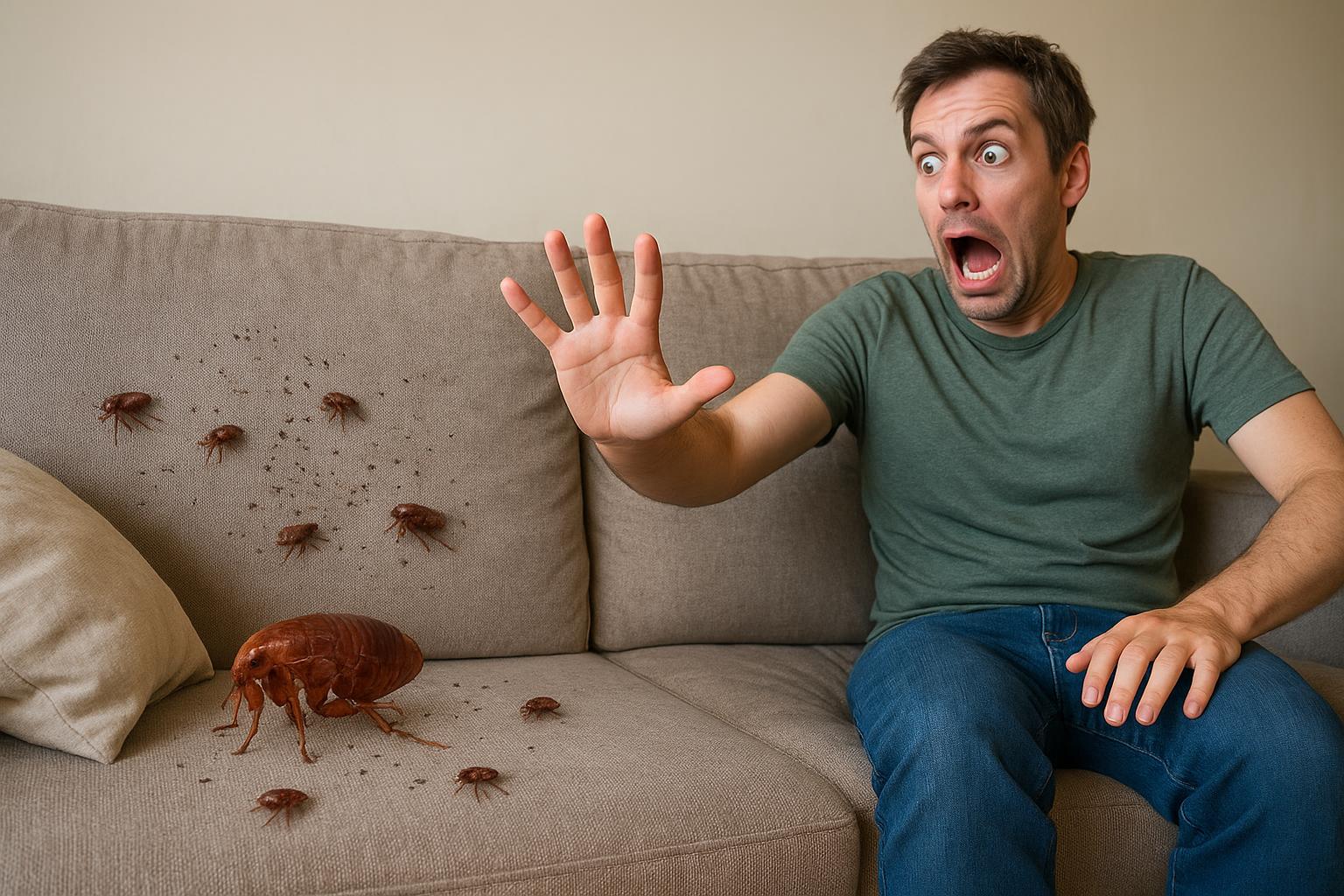
You sat down for a Netflix binge and felt a tiny prick—what are the odds your sofa is moonlighting as a flea nightclub? Welcome to the weird world of sofa fleas: small, fast, and surprisingly good at hide-and-seek. This article will walk you through how to spot them, why your couch is so appealing, and, most importantly, how to beat them with practical remedies that actually work.
## Signs You Have Sofa Fleas
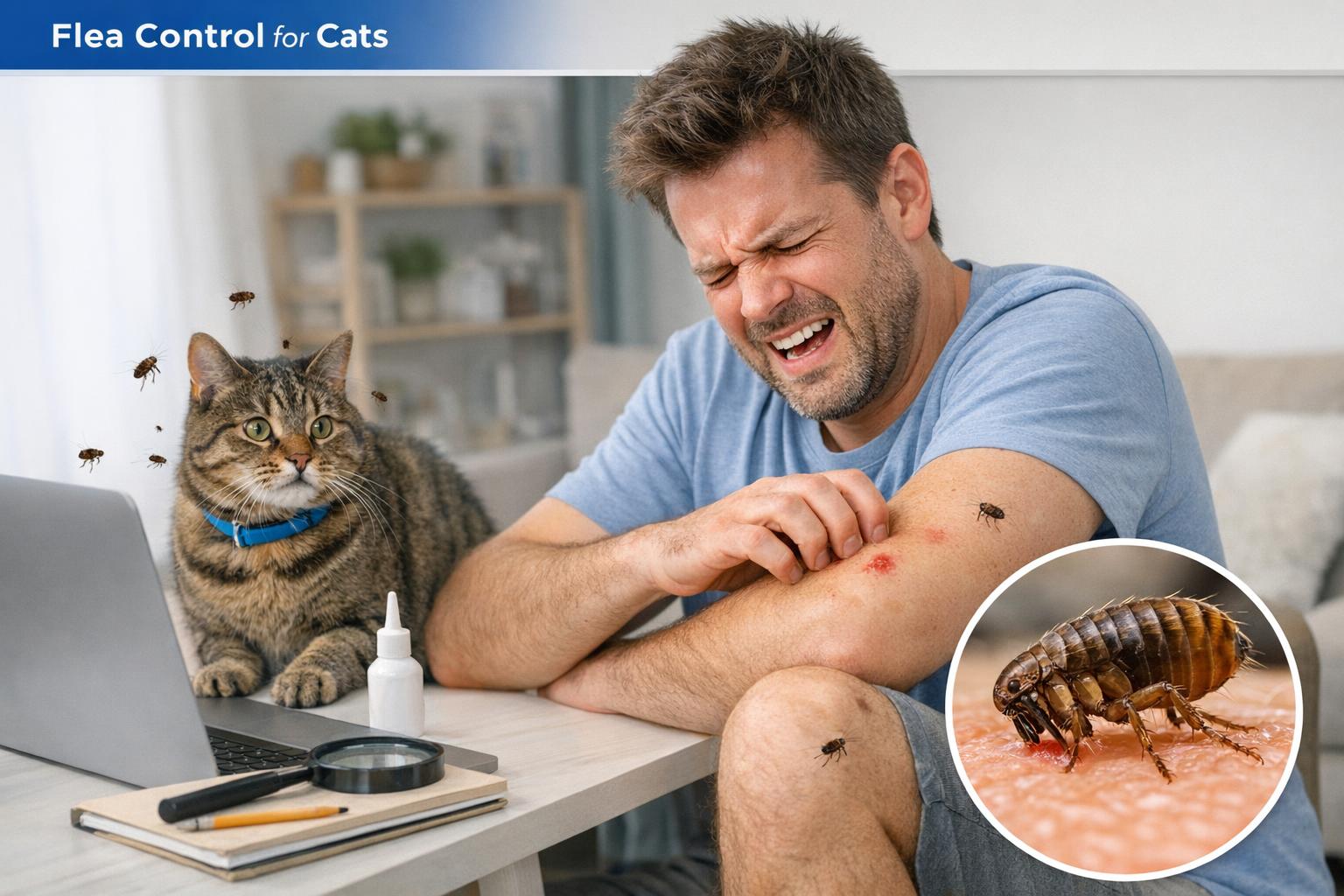
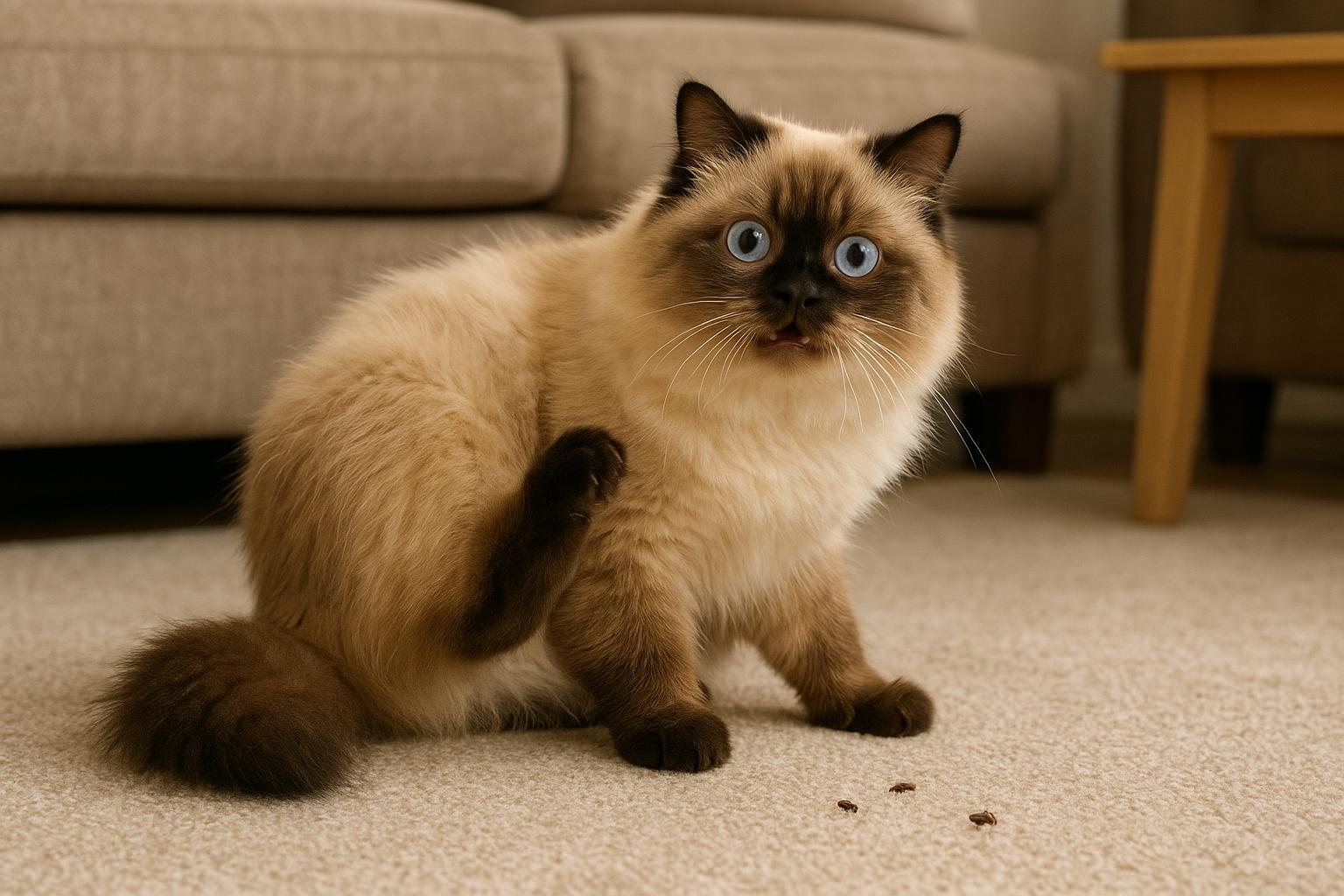
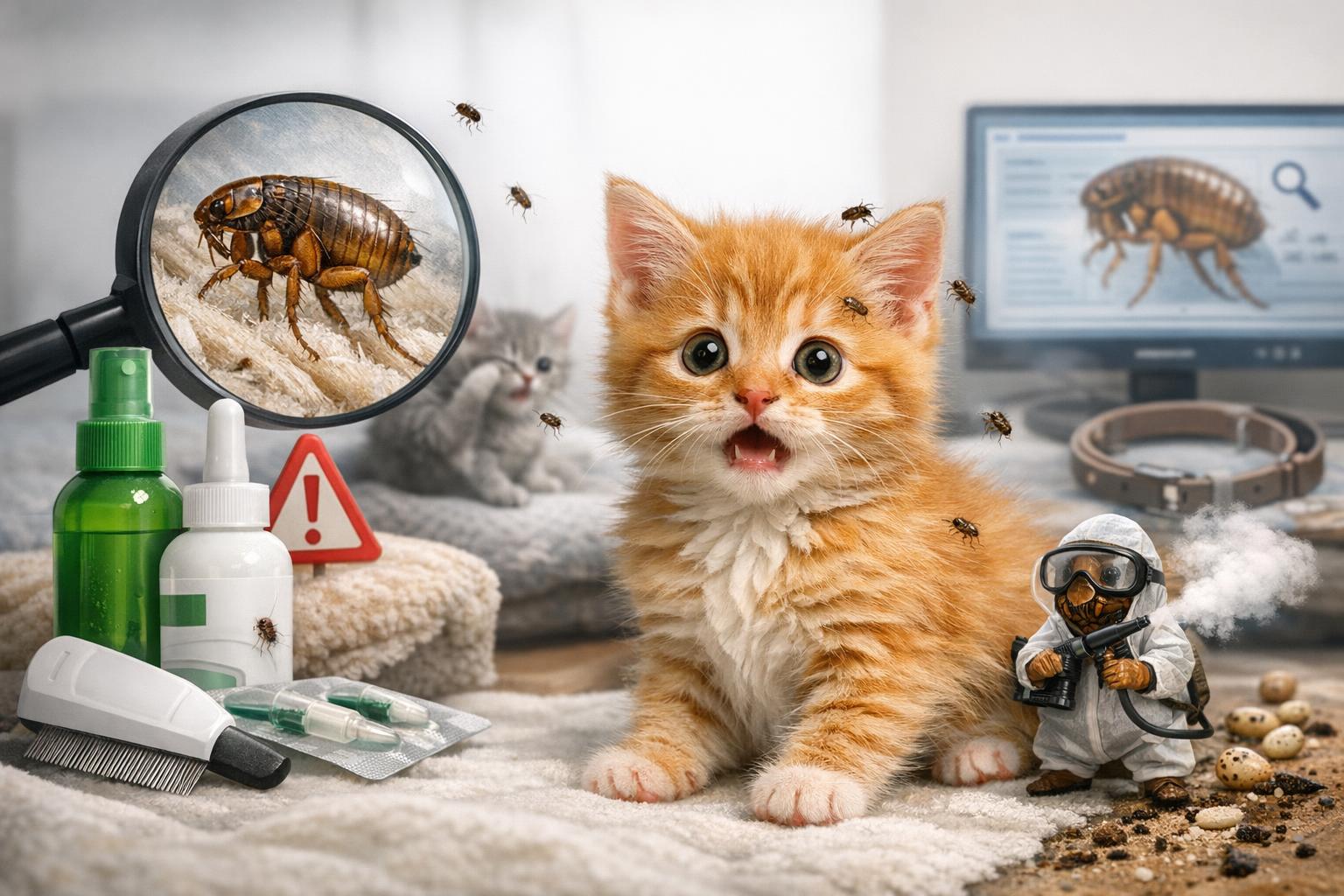
If you’re wondering whether those tiny mystery bites came from your mattress, your cat, or your imagination, here are the most common signs that sofa fleas are present:
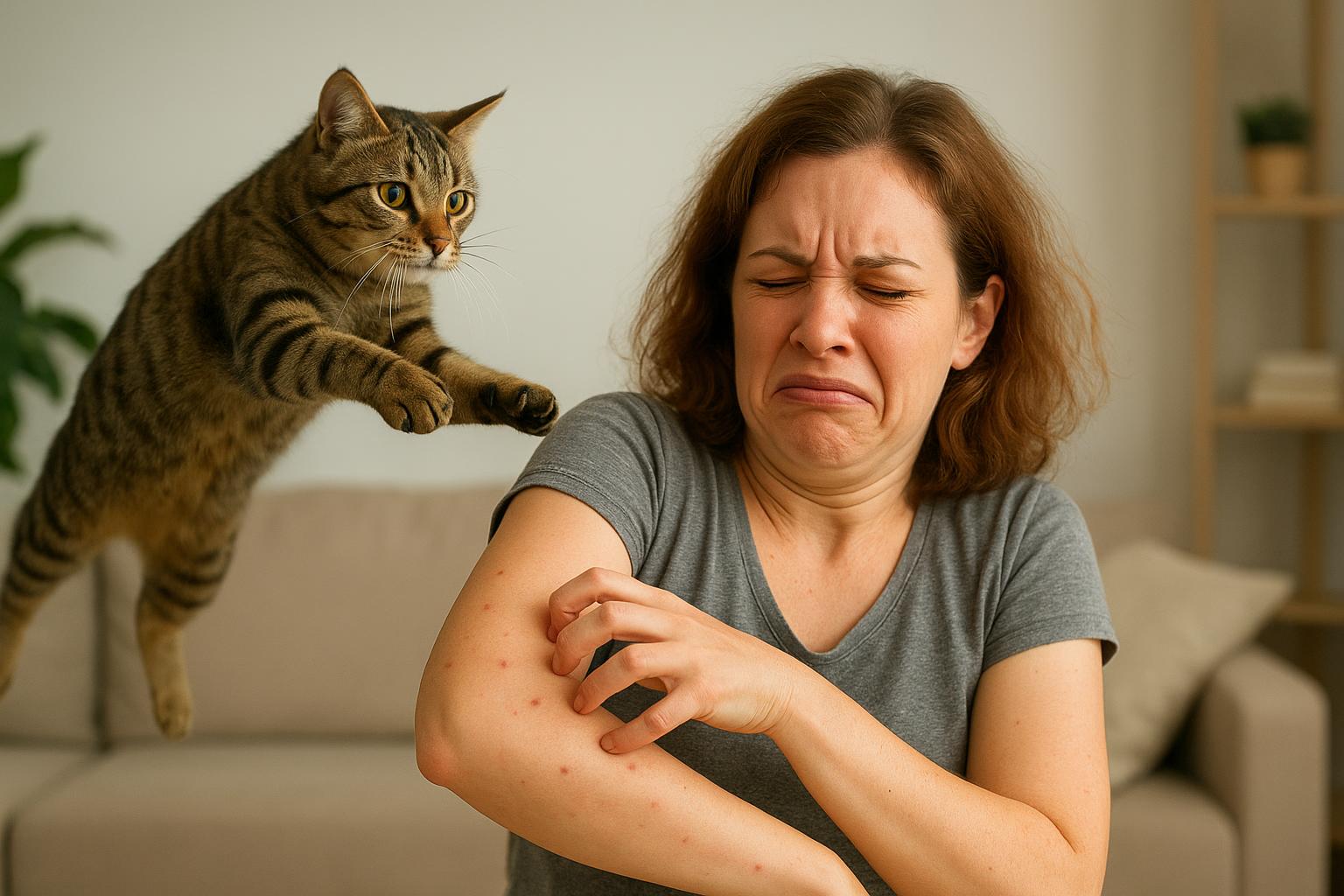
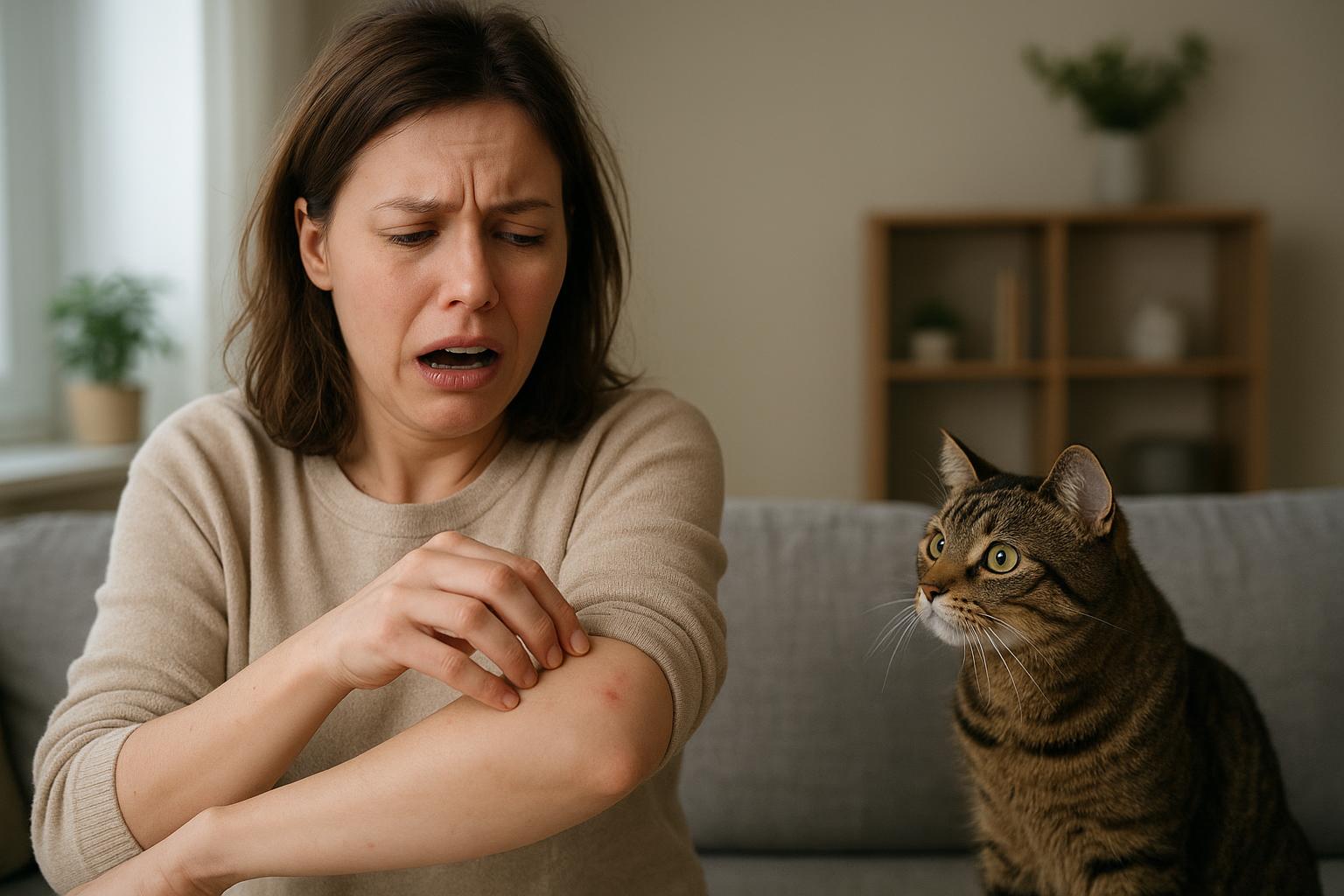
– Small, itchy bites on exposed skin, often grouped near the ankles or legs.
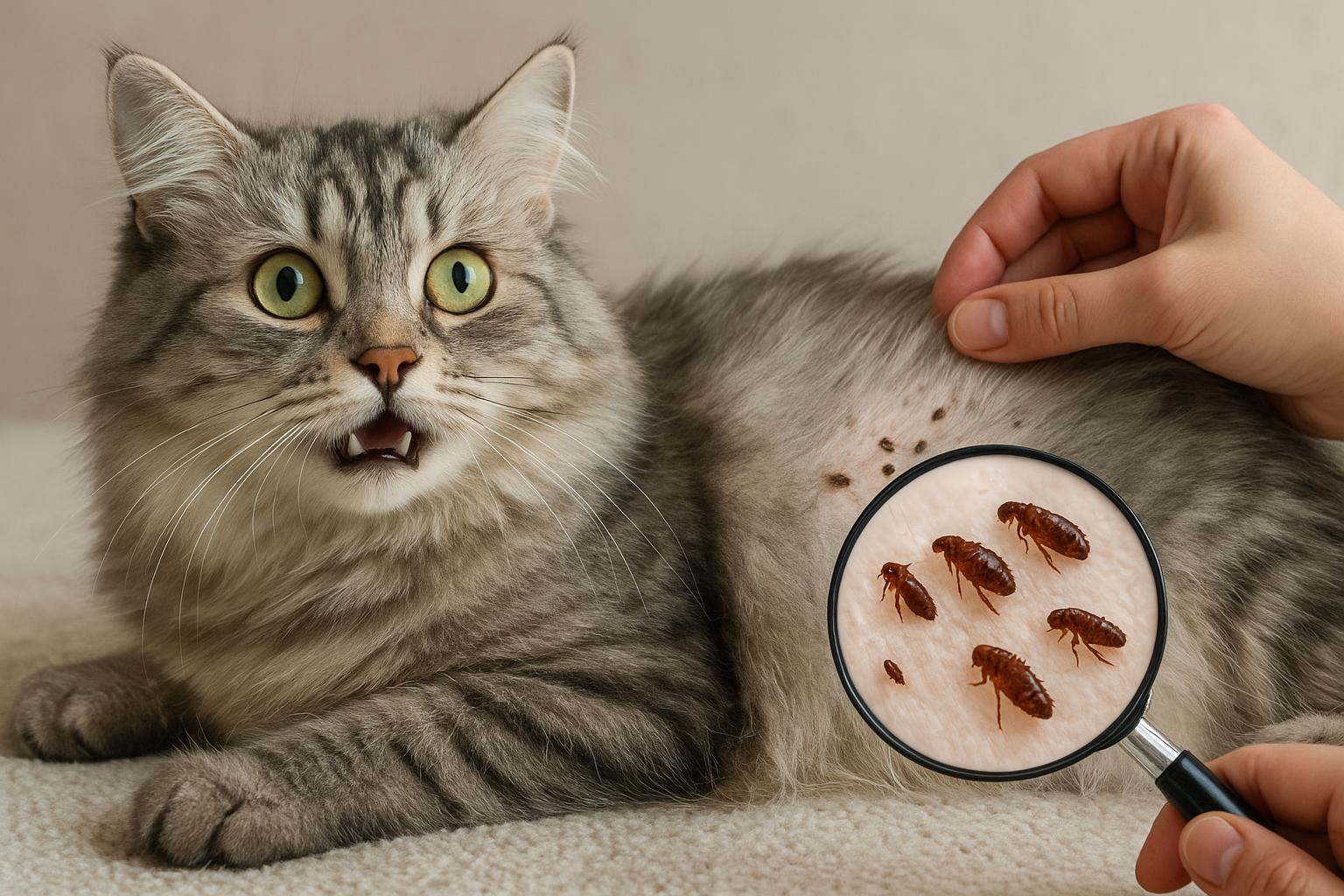
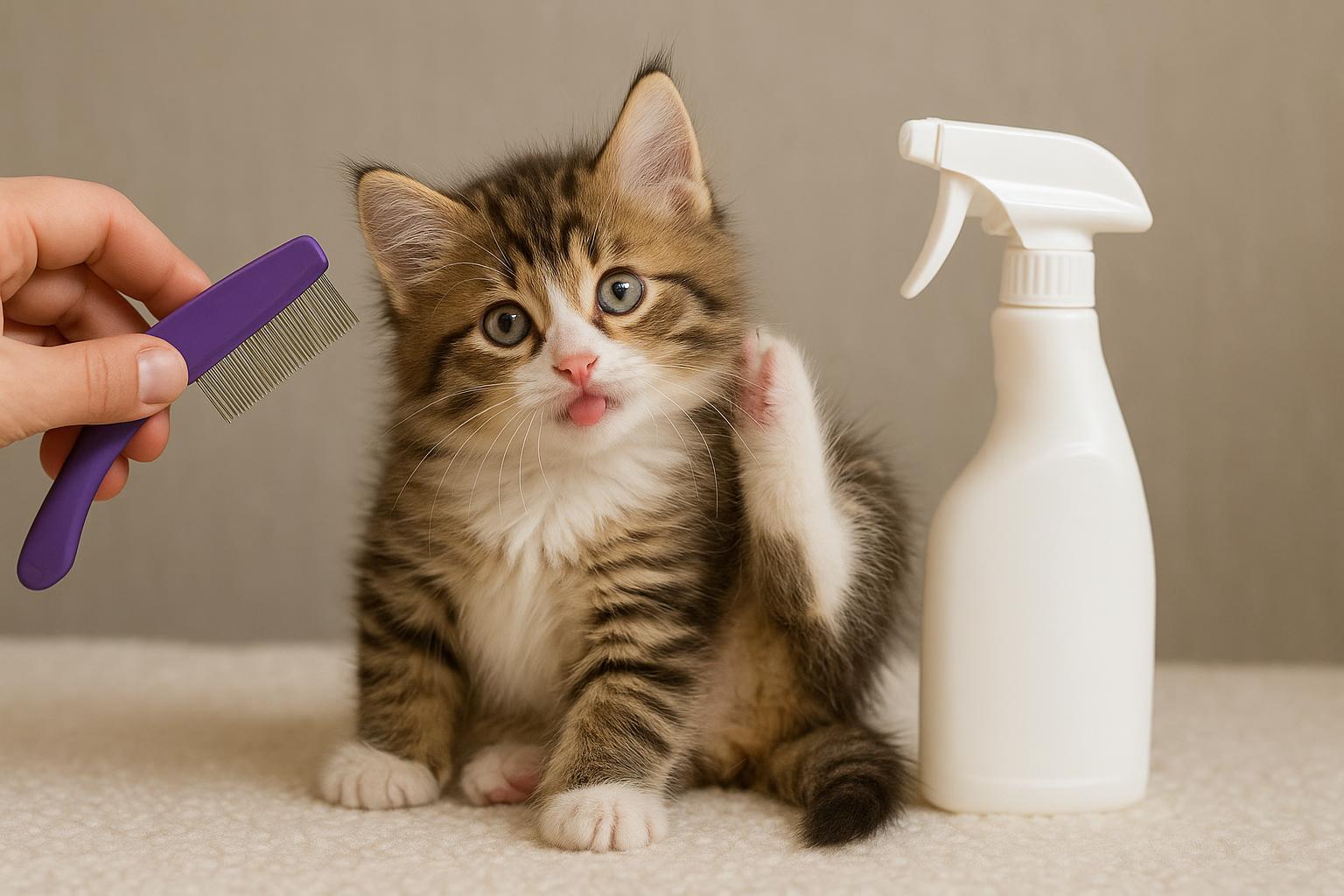
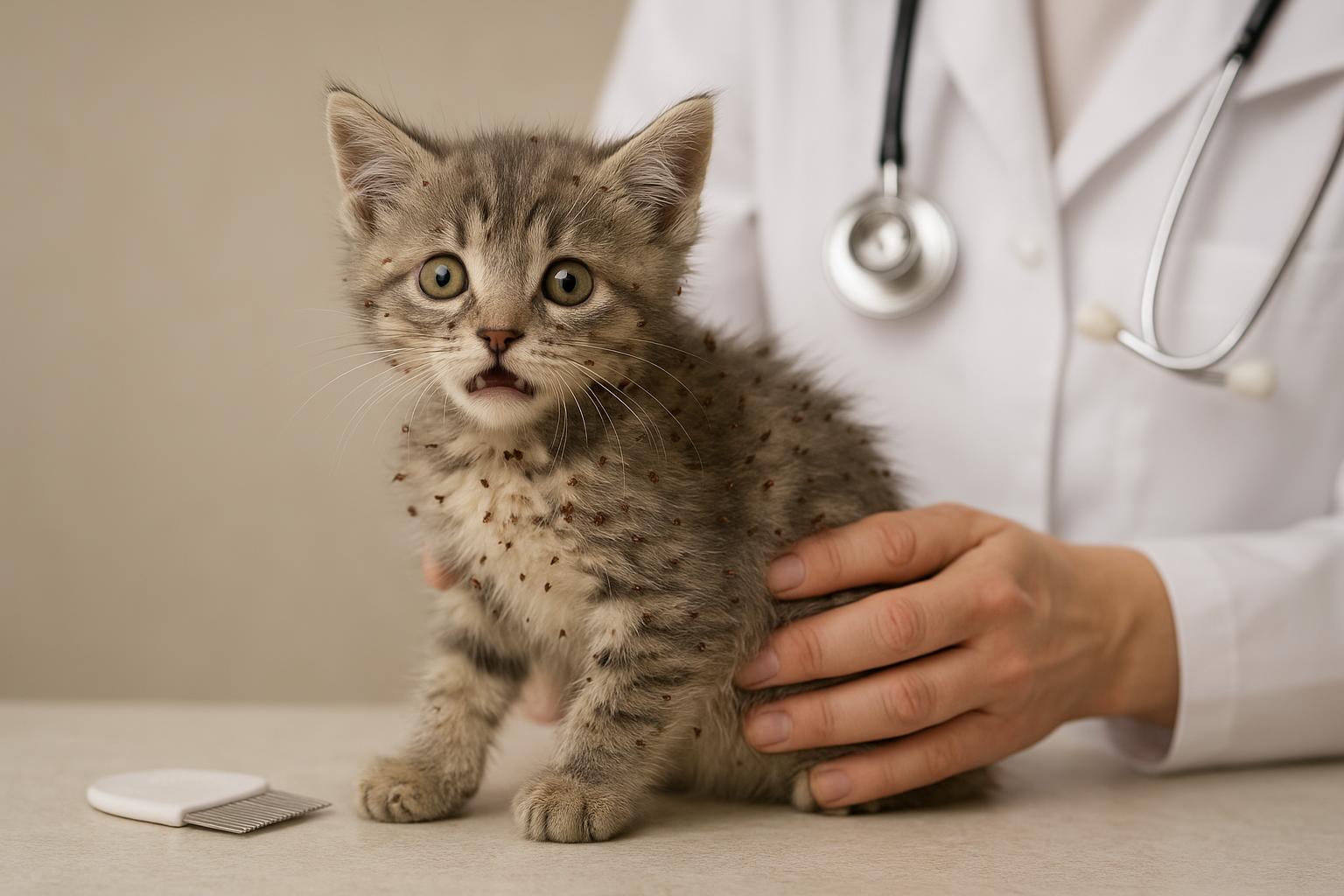
– Pets scratching, licking, or biting themselves more than usual.
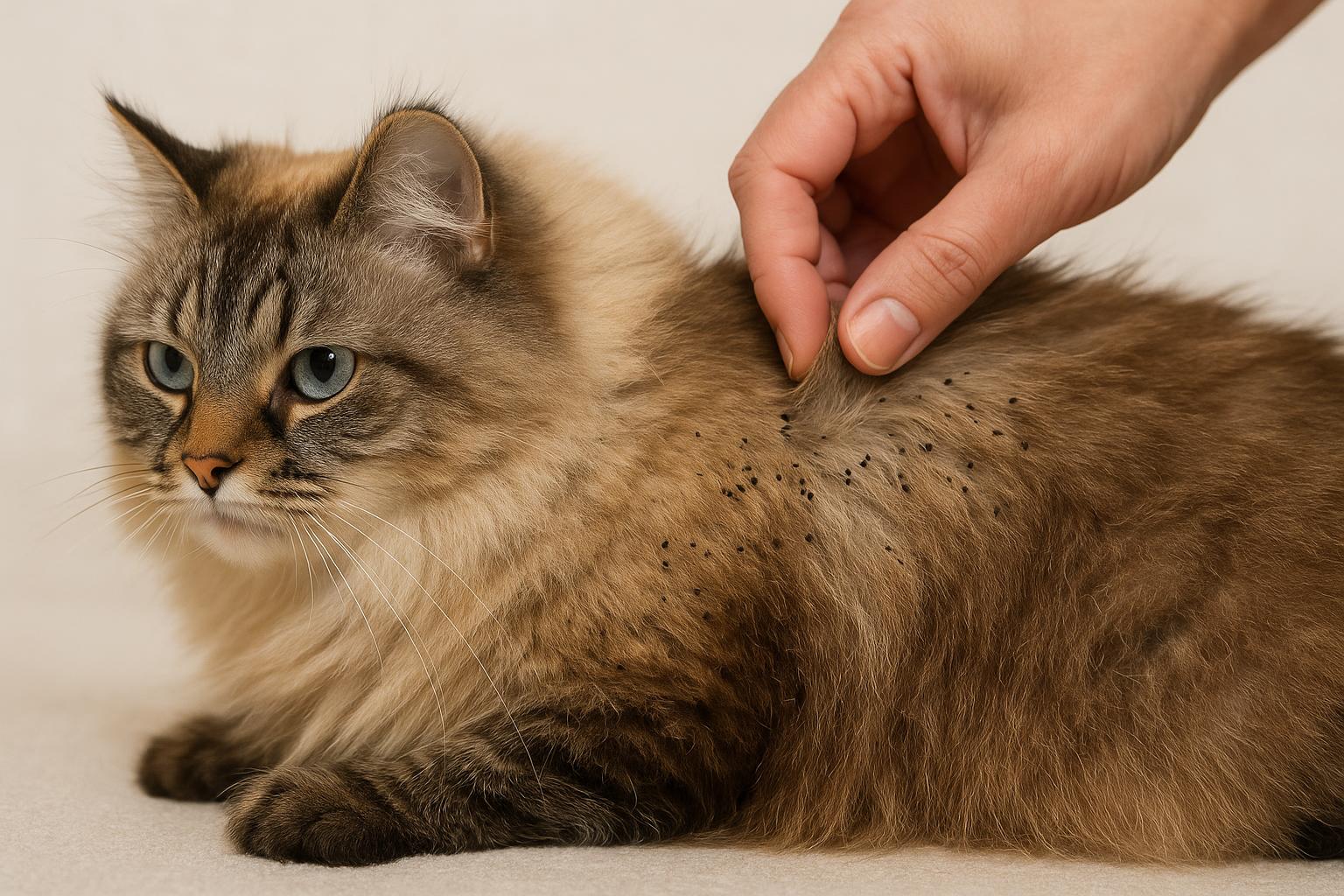
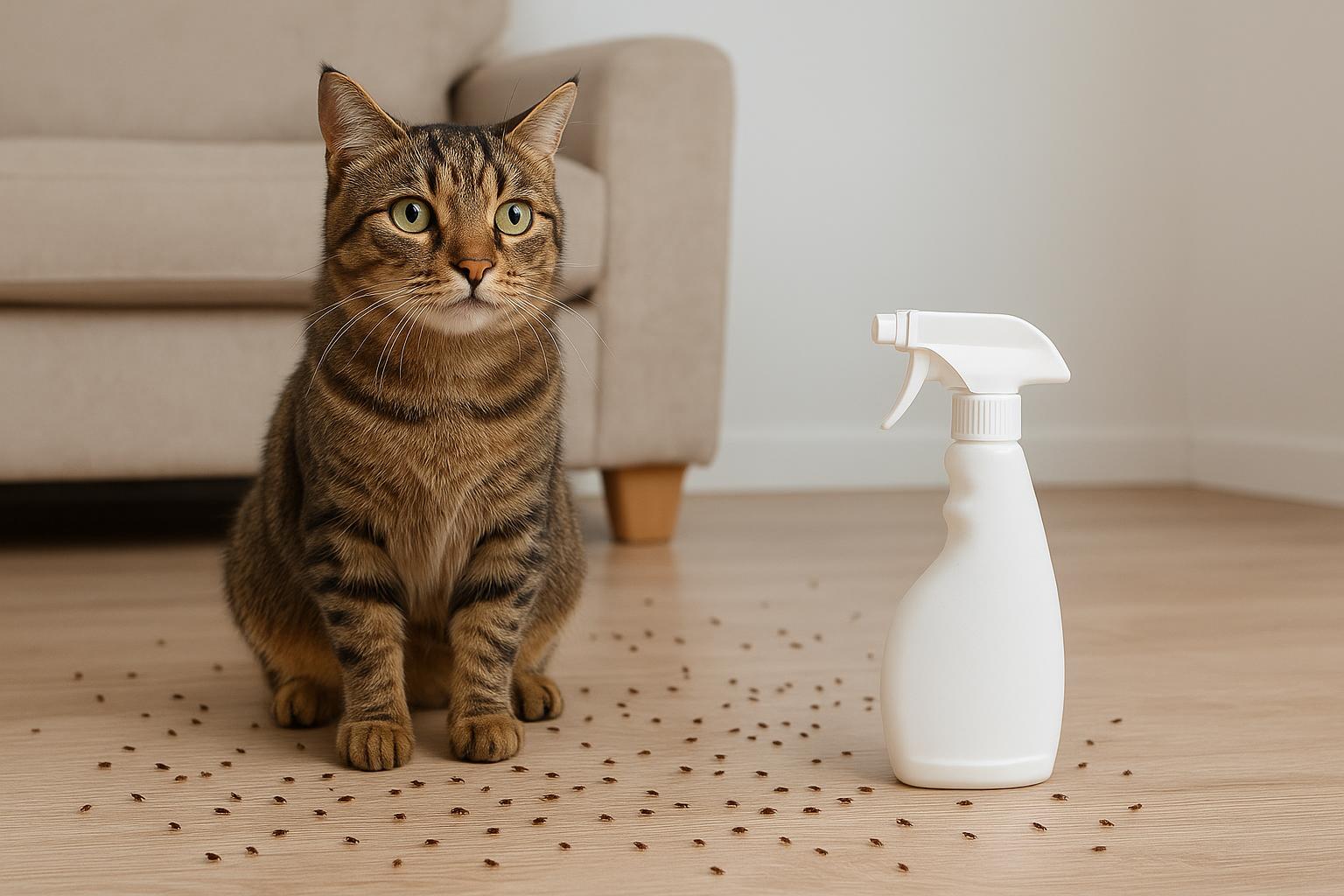
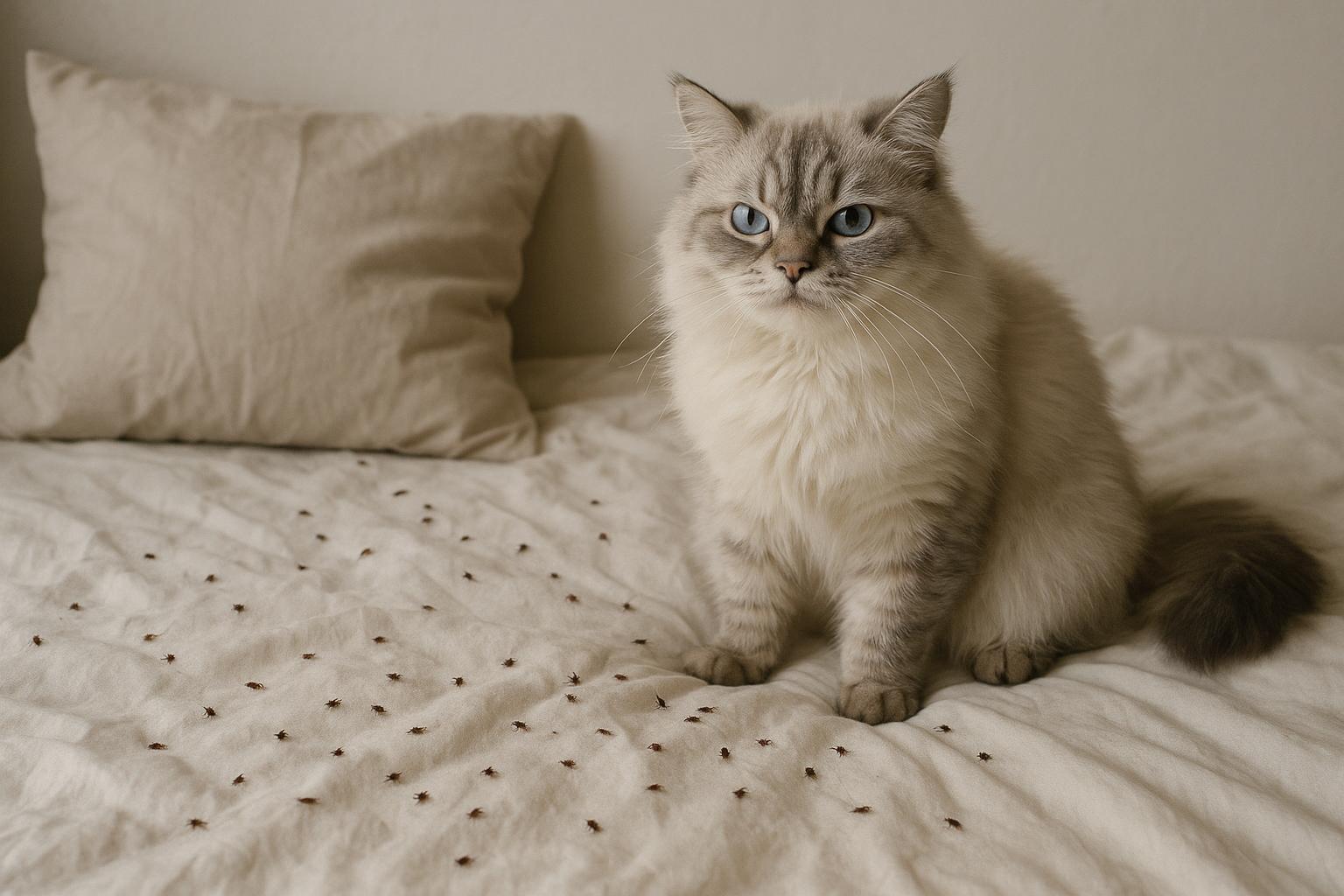
– Tiny black specks (flea dirt) on cushions—wet a paper towel and rub the specks; if they turn reddish-brown, that’s digested blood.
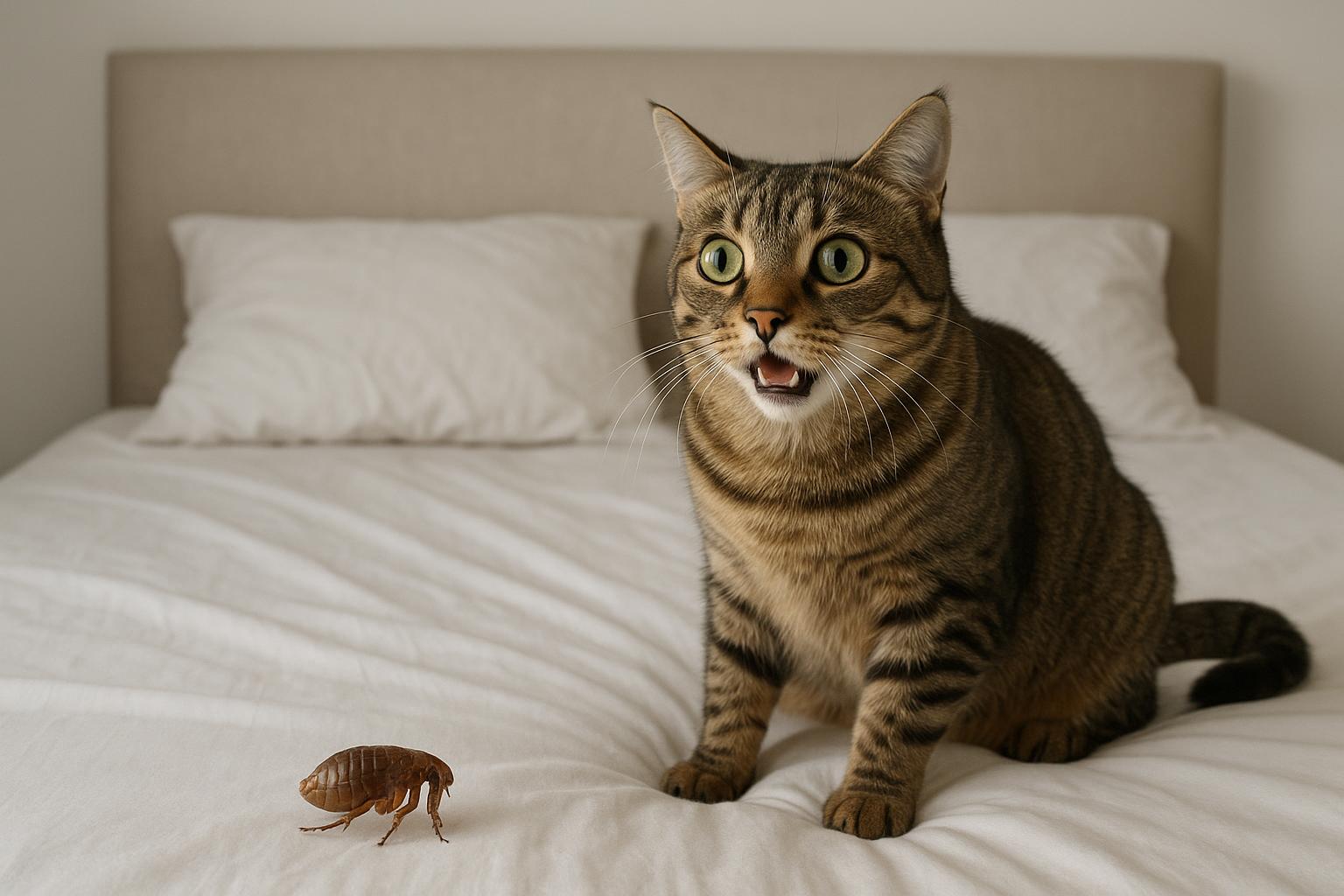
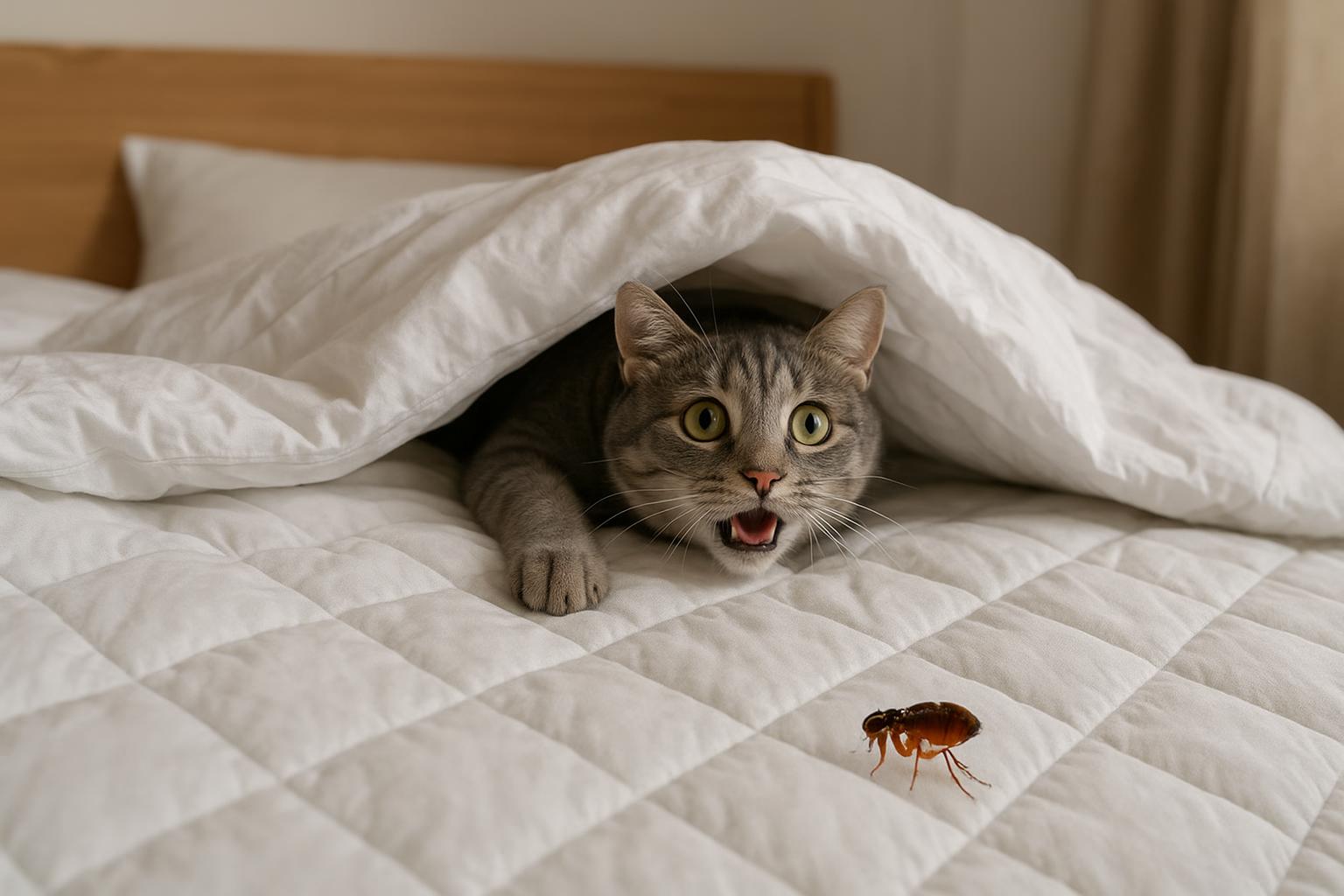
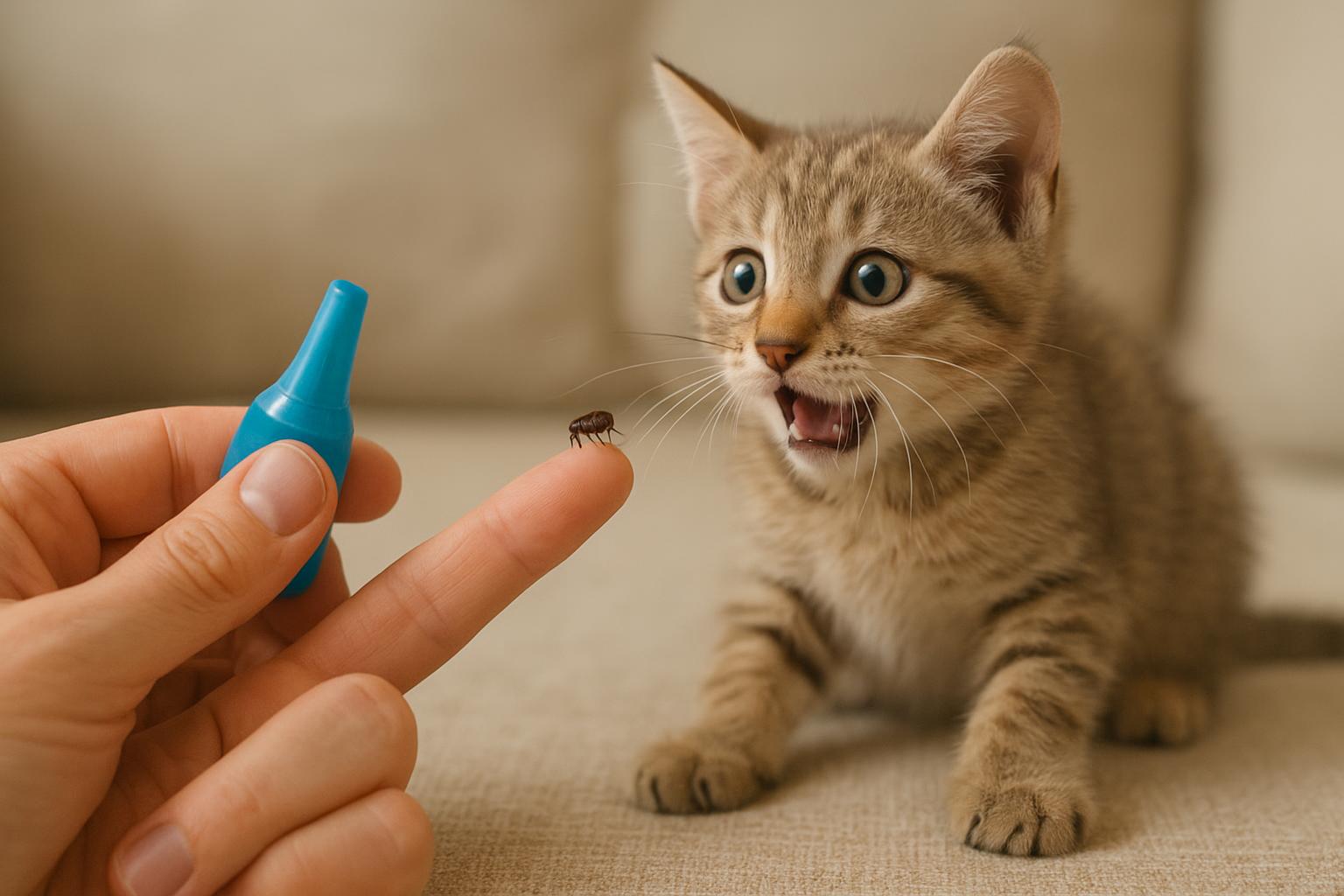
– Jumping insects visible when you flip cushions or shine a flashlight across the seams.
– Eggs and larvae in the crevices, though these are much harder to spot with the naked eye.
A little peace of mind: not every bite is a flea bite, but if multiple signs line up you should act quickly. Fleas reproduce fast and can turn one isolated incident into a full-scale infestation before you finish that bag of popcorn.
## How Sofa Fleas Live And Multiply In Sofas
Fleas are tiny wingless insects that survive by feeding on warm-blooded hosts—humans and pets included. Sofas are an ideal habitat for several reasons:
– They provide dark, warm crevices that protect flea eggs and larvae.
– They often sit near pet traffic and human activity, ensuring a steady food supply.
– Fabric fibers trap hair and skin flakes, which feed flea larvae.
Life Cycle (brief): Adult fleas lay eggs on the host, but eggs fall off into the environment—your sofa cushions are prime real estate. Eggs hatch into larvae, which feed on organic debris, then pupate into cocoons. Pupae can remain dormant for months, emerging when vibrations or carbon dioxide signals indicate a passing host.
### Why Sofas Attract Fleas
Sofas are portable microhabitats. Fleas take advantage of soft fabrics, the presence of pets, and occasional human naps. Even a single flea can seed an infestation: females lay up to 50 eggs per day, and populations can explode in favorable conditions.
#### Hotspots Inside A Couch
– Seams and folds
– Beneath removable cushions
– Under the sofa skirt and in crevices along the frame
– Inside attached fabric backs or arms
## Remedy 1: Diatomaceous Earth Protocol For Sofa Fleas
This is a tried-and-true, low-toxicity home remedy that targets fleas across life stages. Be formal about application and safety: follow measured steps, wear protective gear, and treat thoroughly.
Materials/Ingredients:
– Food-grade diatomaceous earth (DE)
– Vacuum cleaner with crevice tool and HEPA filter if available
– Steam cleaner (optional but highly recommended)
– Washing machine and hot water (for removable covers)
– Protective gear: gloves, dust mask, and eye protection
– A stiff brush or upholstery brush
– Sealed trash bags for disposal
– Timing tool: calendar or reminder (treatment is repeated)
Step-by-Step Application:
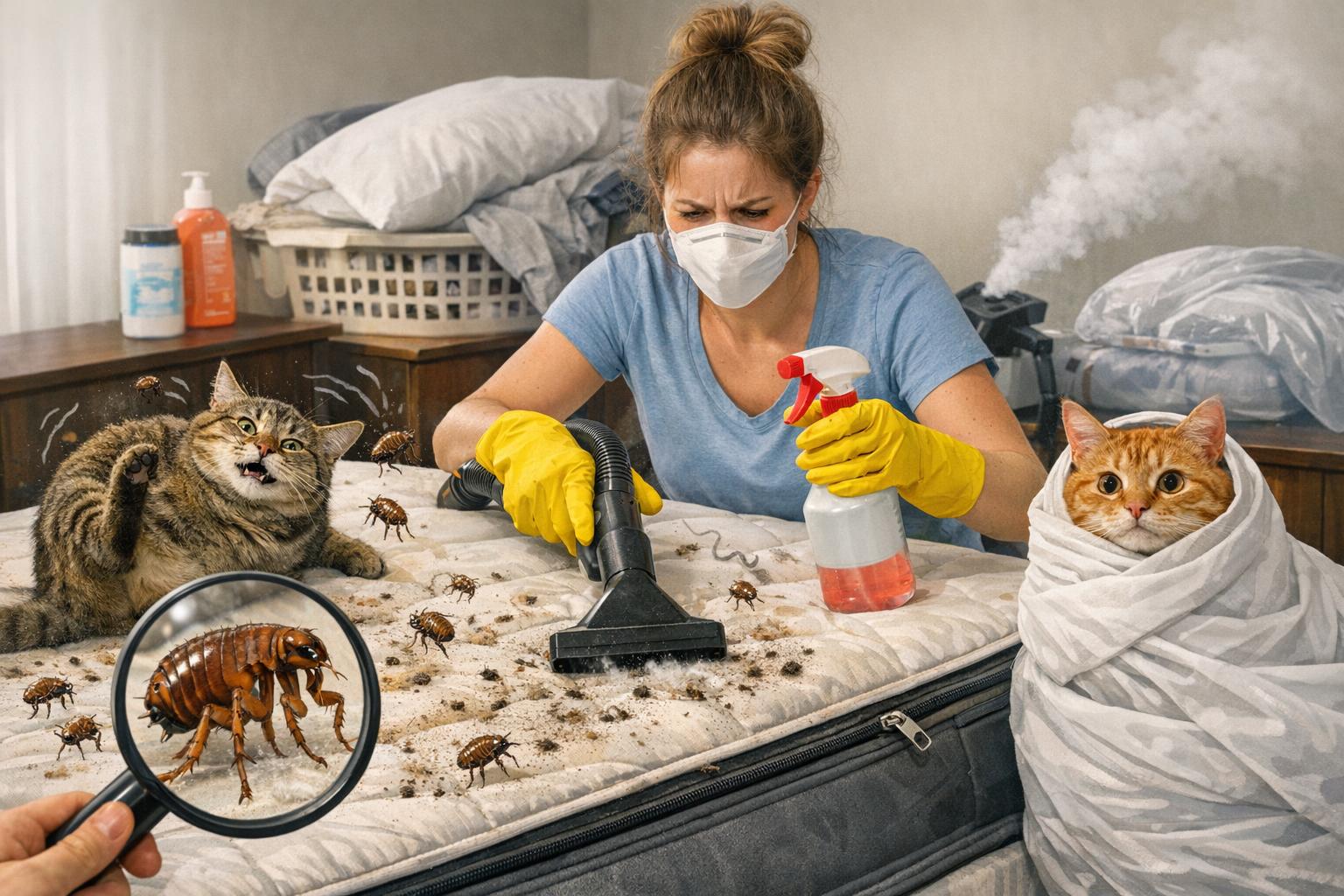
1. Prepare the Area: Remove people and pets from the room. Wear gloves and a dust mask to avoid inhaling DE dust.
2. Strip Washable Covers: Remove any cushion covers, blankets, or throws and wash in hot water (at least 130°F/54°C) if fabric allows. Dry on high heat to kill eggs and larvae.
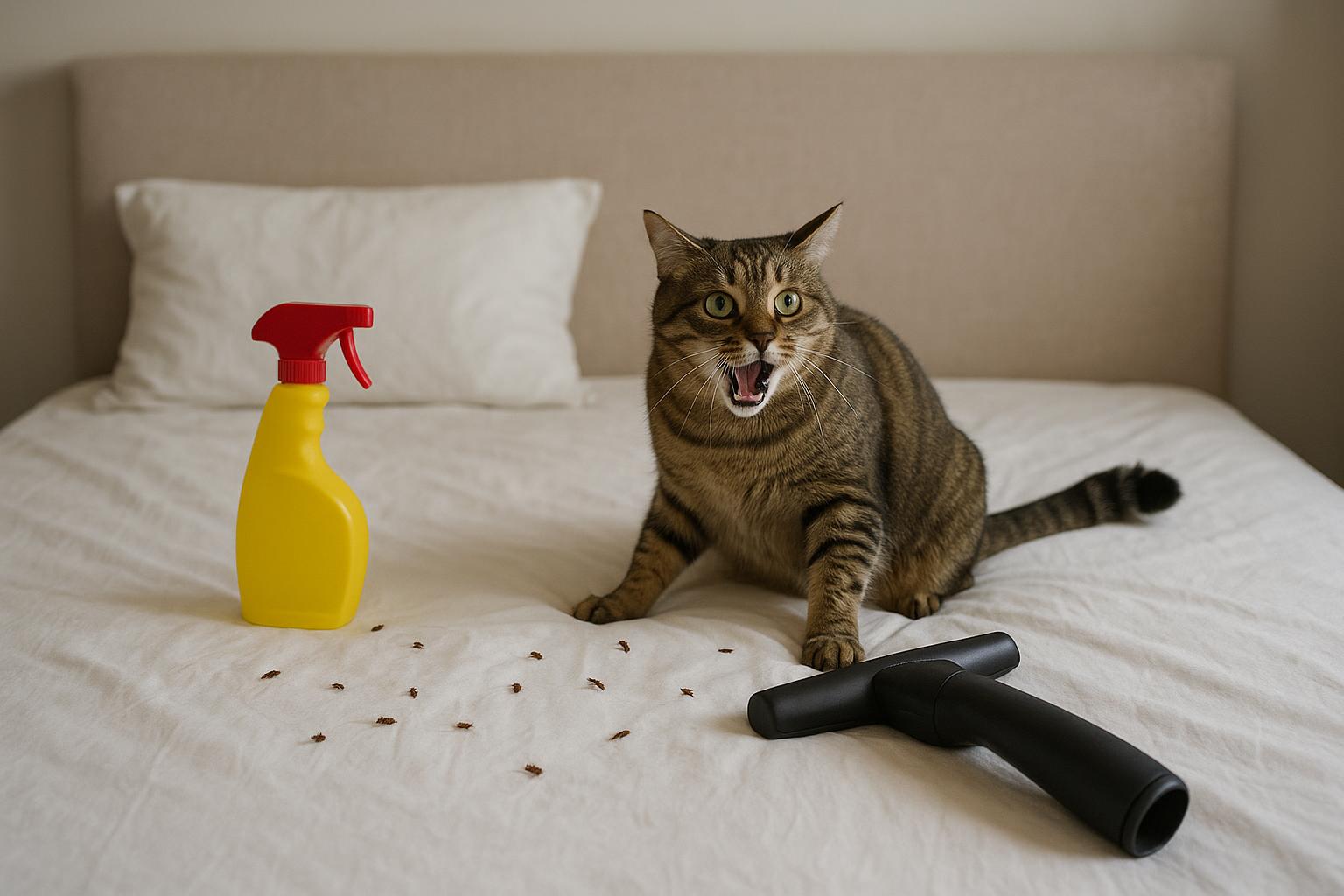
3. Vacuum Thoroughly: Use the crevice tool to vacuum every seam, fold, and under-cushion area. Empty the vacuum canister or replace the bag into a sealed trash bag immediately.
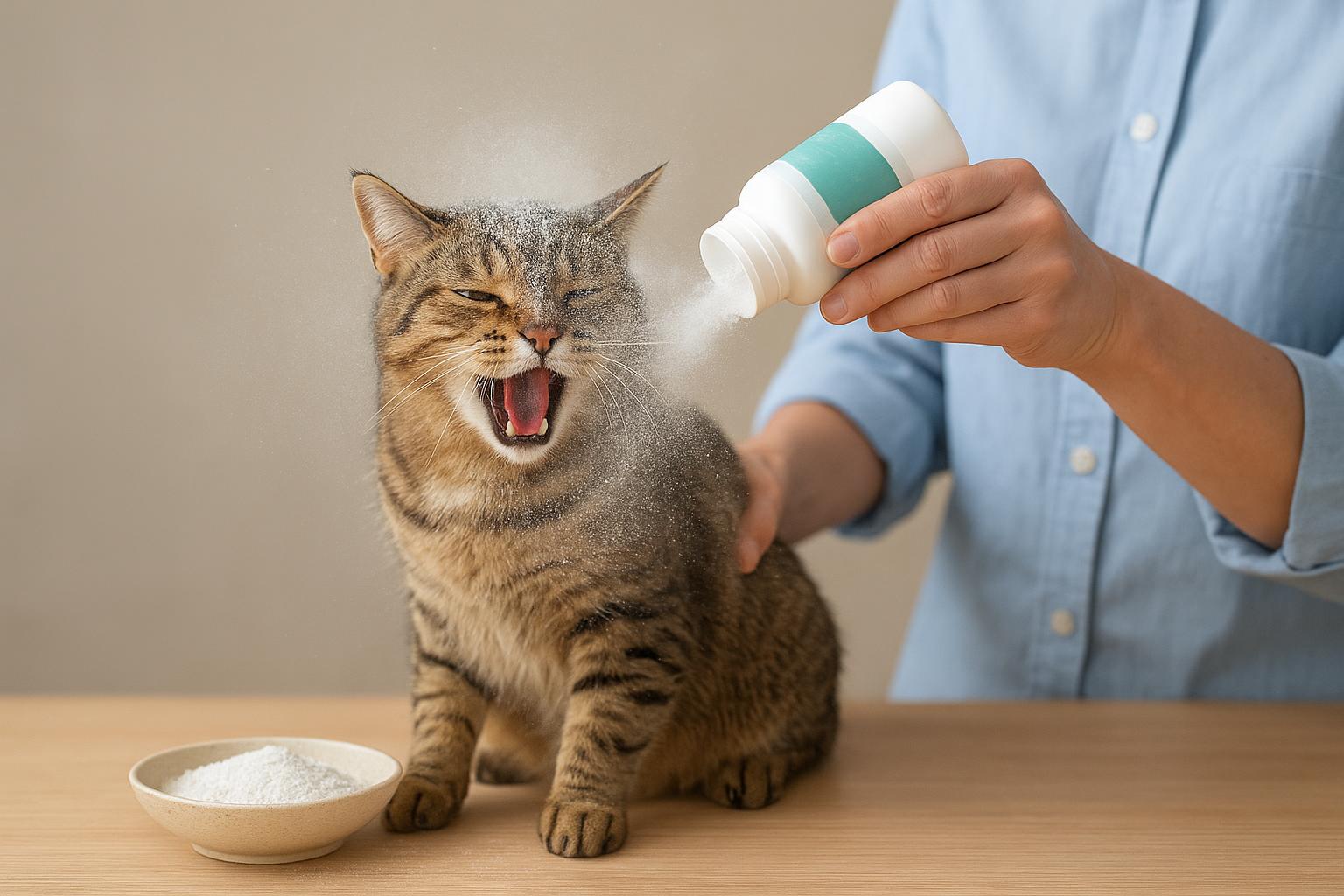
4. Apply DE: Lightly dust the entire sofa interior: seams, backs, under cushions, and the frame. Use a shaker or sieve to distribute a thin, even layer. Avoid clumping; too much DE reduces effectiveness.
5. Work It In: Use a stiff upholstery brush to gently work DE into fibers and seams where eggs and larvae hide.
6. Let Sit: Leave DE in place for 48–72 hours for maximum effect. DE kills by mechanically damaging the flea’s exoskeleton, desiccating larvae and adults.
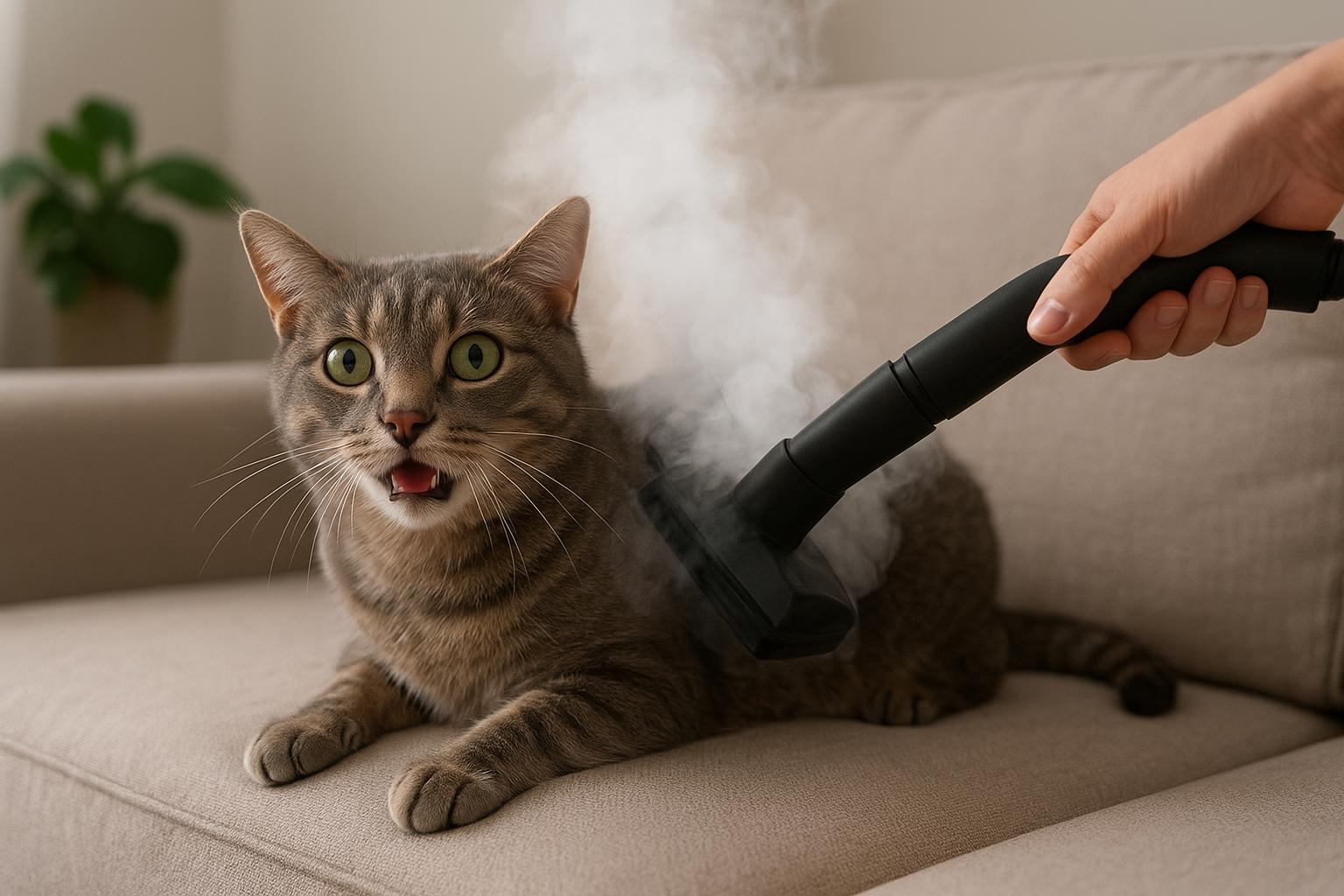
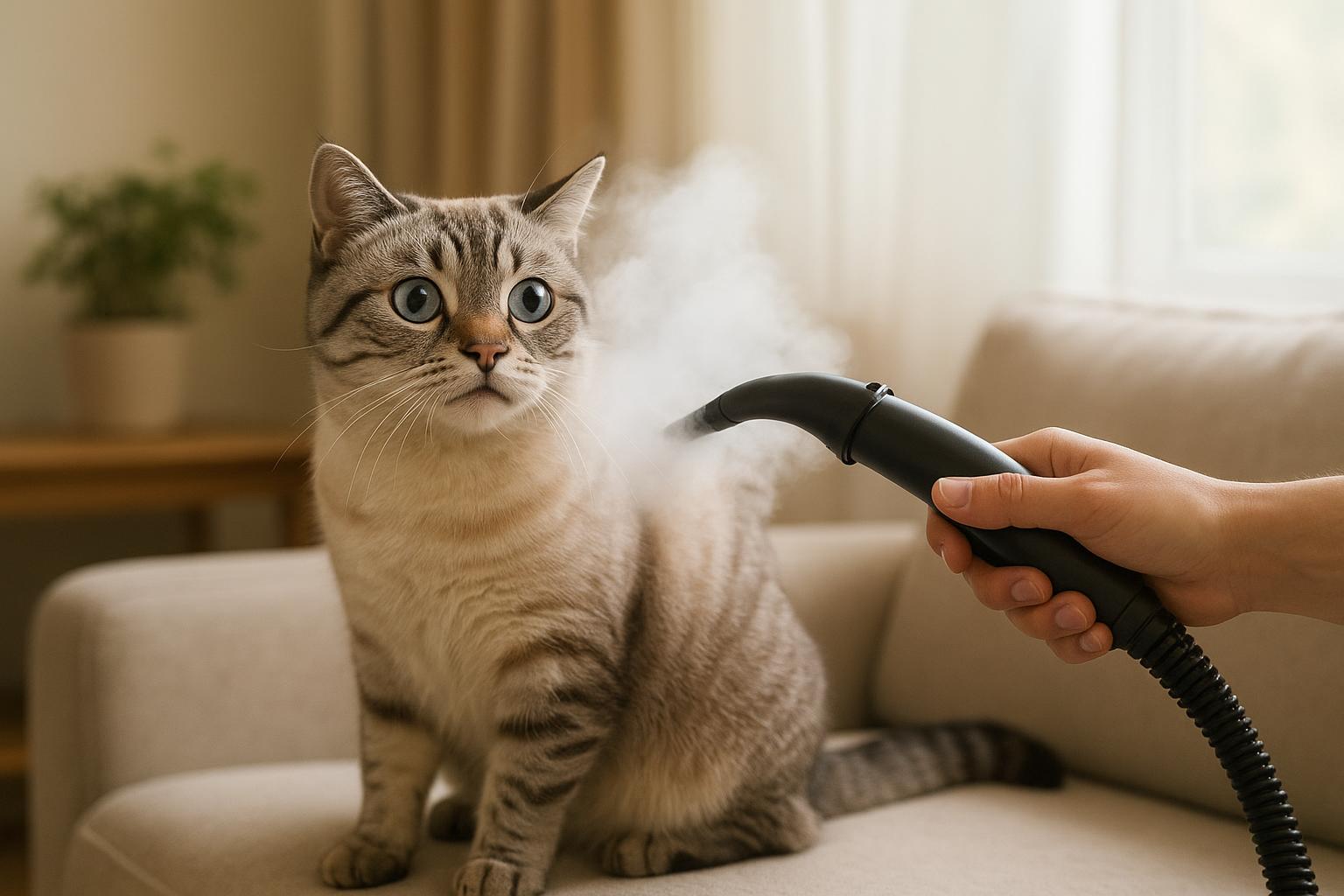
7. Steam Clean (Optional/Recommended): After the DE period, use a steam cleaner along seams and under cushions to kill remaining pupae and sanitize.
8. Final Vacuum: Vacuum thoroughly again, paying special attention to areas where DE was applied. Seal and dispose of vacuum contents.
9. Repeat: Because of the flea life cycle, repeat the entire process every 7–10 days for 3–4 cycles, or as needed until no signs persist.
Safety Notes: Use only food-grade DE indoors. Avoid breathing the dust. Keep it away from pets’ faces while applying; outdoor application of DE is different and requires different precautions.
## Remedy 2: Chemical And Professional Treatments For Sofa Fleas
When home methods aren’t enough, professional or chemical interventions may be necessary. These are effective but require precise application, safety precautions, and sometimes a temporary relocation of people and pets.
Materials/Required:
– Professional-grade insecticide labeled for indoor flea control (pyrethroids, neonicotinoids, or insect growth regulators)
– Insect growth regulator (IGR) products to inhibit egg and larval development
– Personal protective equipment (PPE): gloves, long sleeves, mask, eye protection
– Applicator: pump sprayer or aerosol as directed by label
– Professional pest control technician (optional but recommended for severe infestations)
Step-by-Step Application (Professional/Formal Guidance):
1. Identify Product and Label Instructions: Choose only products specifically labeled for indoor use on upholstery and follow label directions precisely. Misuse can be hazardous.
2. Prepare the Area: Remove pets, cover food and utensils, and ensure occupants follow any re-entry times specified on the product label.
3. Pre-Treatment Cleaning: Vacuum thoroughly and wash removable fabrics as described in Remedy 1 to reduce debris and increase product contact with pests.
4. Apply IGR: Apply an insect growth regulator according to label instructions to disrupt the life cycle. IGRs do not kill adults quickly but prevent eggs and larvae from maturing.
5. Apply Adulticide: Use the adulticide product on seams, under cushions, and perimeter areas as labeled. Maintain recommended application rates and avoid over-wetting fabrics.
6. Allow Drying and Ventilation: Keep the treated area ventilated and follow the product’s safe re-entry interval. Ensure pets do not return until fully cleared.
7. Follow-Up: Chemical treatments often require a follow-up application in 2–3 weeks to address newly emerged adults from pupae.
8. Consult Professionals: For heavy infestations, hire a licensed pest control operator who can combine IGRs, residual sprays, and other methods safely and effectively.
Precaution: Chemical products can be harmful to people, pets, and the environment if misused. Always follow label instructions and consider professional application.
## Preventing Sofa Fleas From Coming Back
Prevention is less dramatic than treatment but infinitely less itchy. Here are practical prevention measures to reduce the chance of another infestation.
### Routine Maintenance Habits
– Vacuum your sofa at least weekly, more often in high-pet households.
– Wash removable covers and pet bedding weekly in hot water.
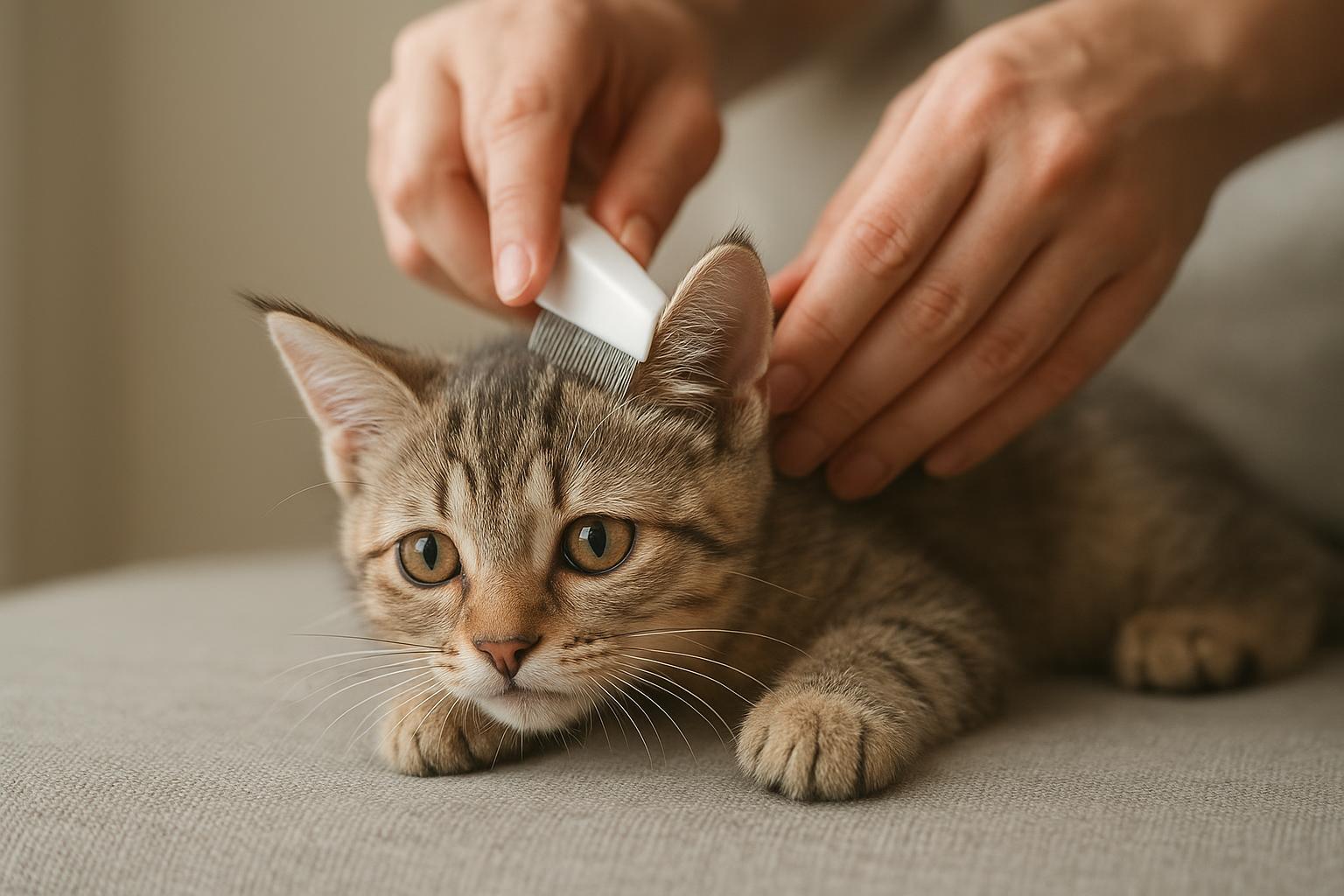
– Groom pets regularly and use veterinarian-recommended flea preventatives year-round.
– Inspect and treat pets immediately if fleas are found—treating only the environment without treating animal hosts is less effective.
#### Environmental Adjustments
– Minimize clutter around sofas where larvae might hide.
– Place a washable throw over favorite pet spots and launder often.
– Consider replacing old cushions or foam if infestation persists deep in the frame.
### When To Call A Pro
If you’ve tried multiple at-home cycles with DE, vacuuming, and steam, and you still see fleas after several weeks, call a licensed pest control company. Professional technicians can perform a thorough inspection, identify hidden hotspots (like nearby carpets or pet beds), and design a targeted treatment plan.
Keep an eye out for the signs, act deliberately, and use the appropriate remedy for the infestation level. Sofa fleas may be tiny, but with consistent action they don’t stand a chance.




Leave a Reply