
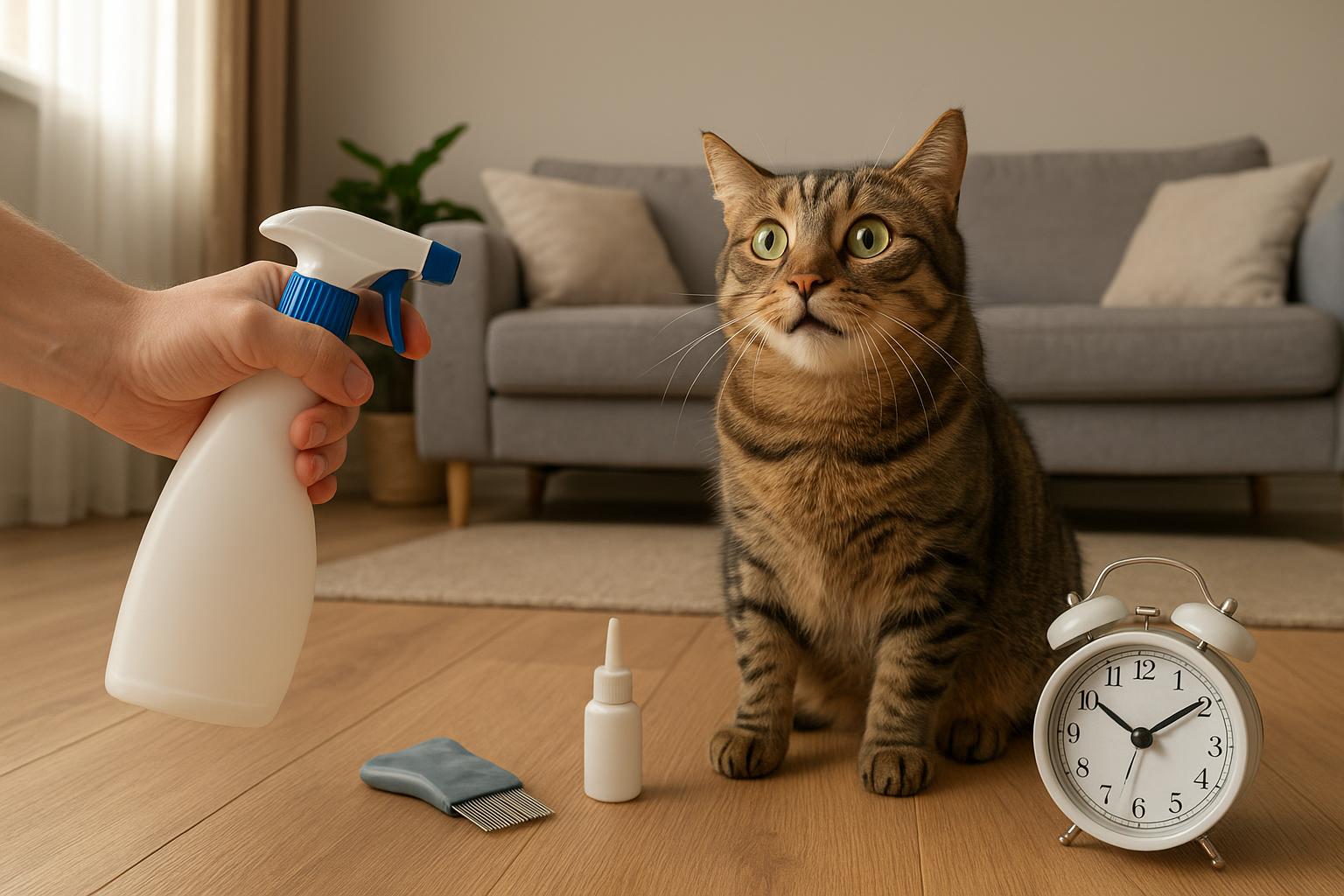
Keeping a cat indoors is one of the best ways to protect them from traffic, predators, and questionable fashion choices. But sometimes tiny freeloaders slip in anyway: fleas. This article walks through realistic, effective steps for keeping your home—and your cat—flea-free, with practical remedies you can use right now.
## Best Indoor Flea Prevention For Indoor Cats That Works
### Why Indoor Flea Prevention Matters
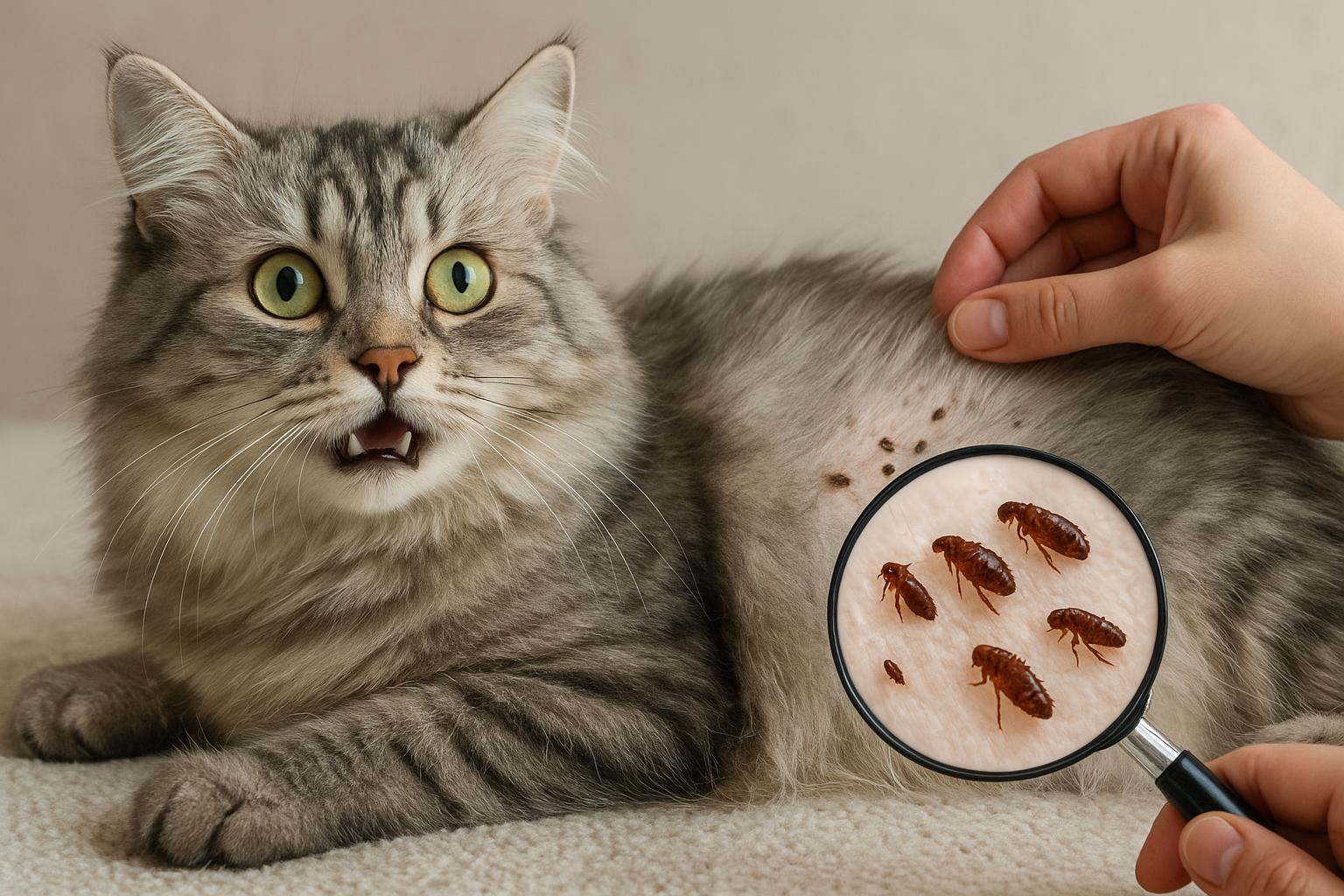
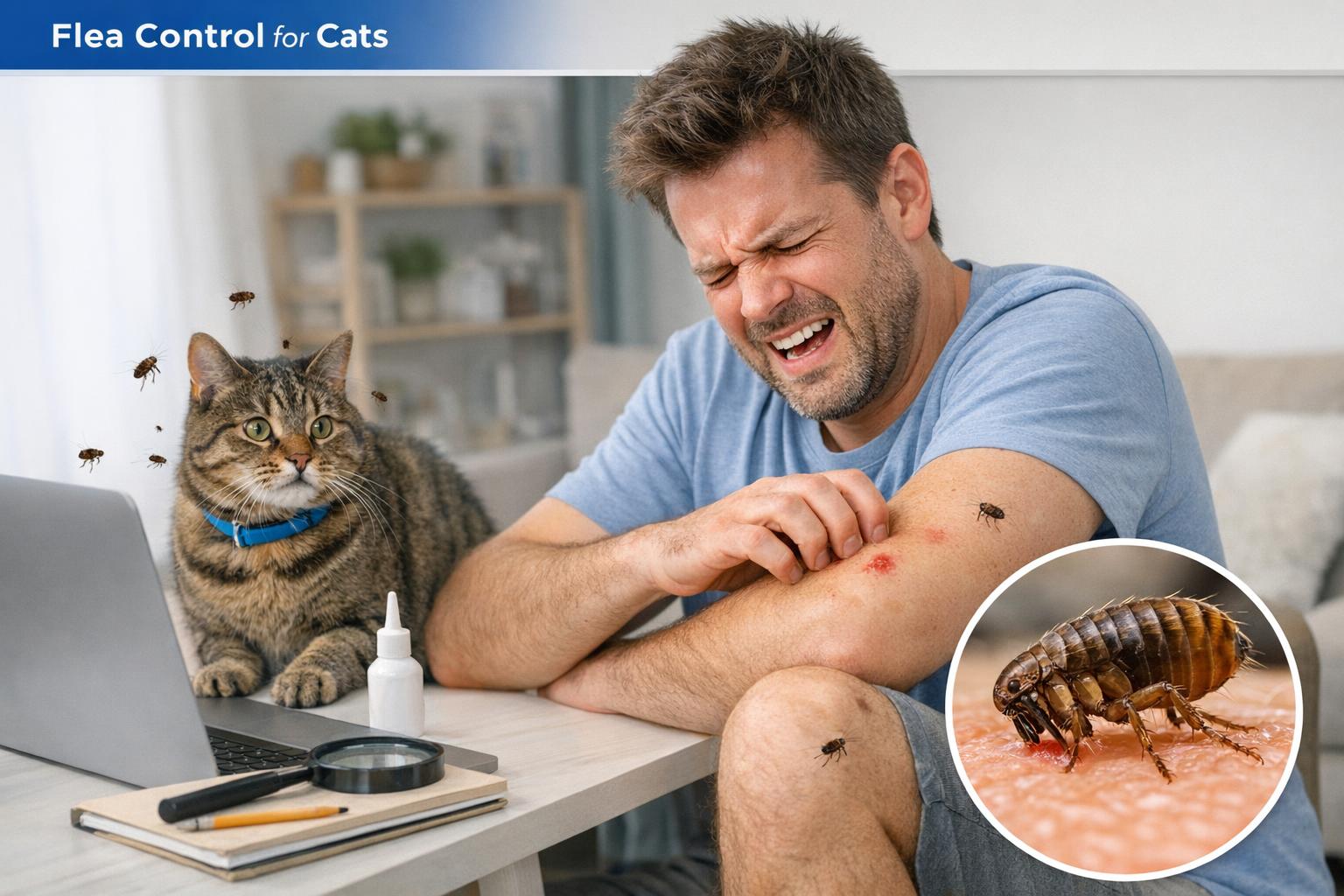
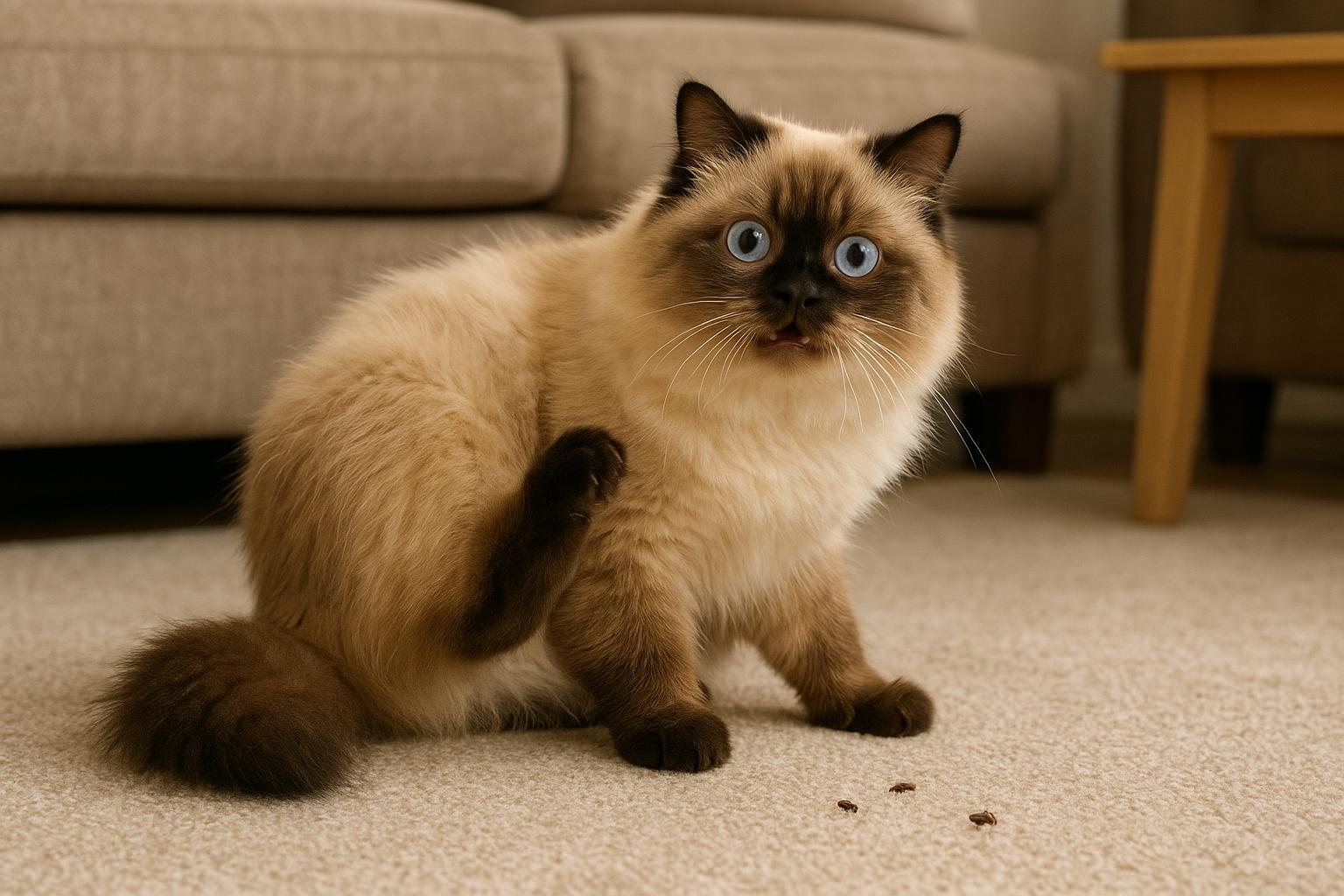
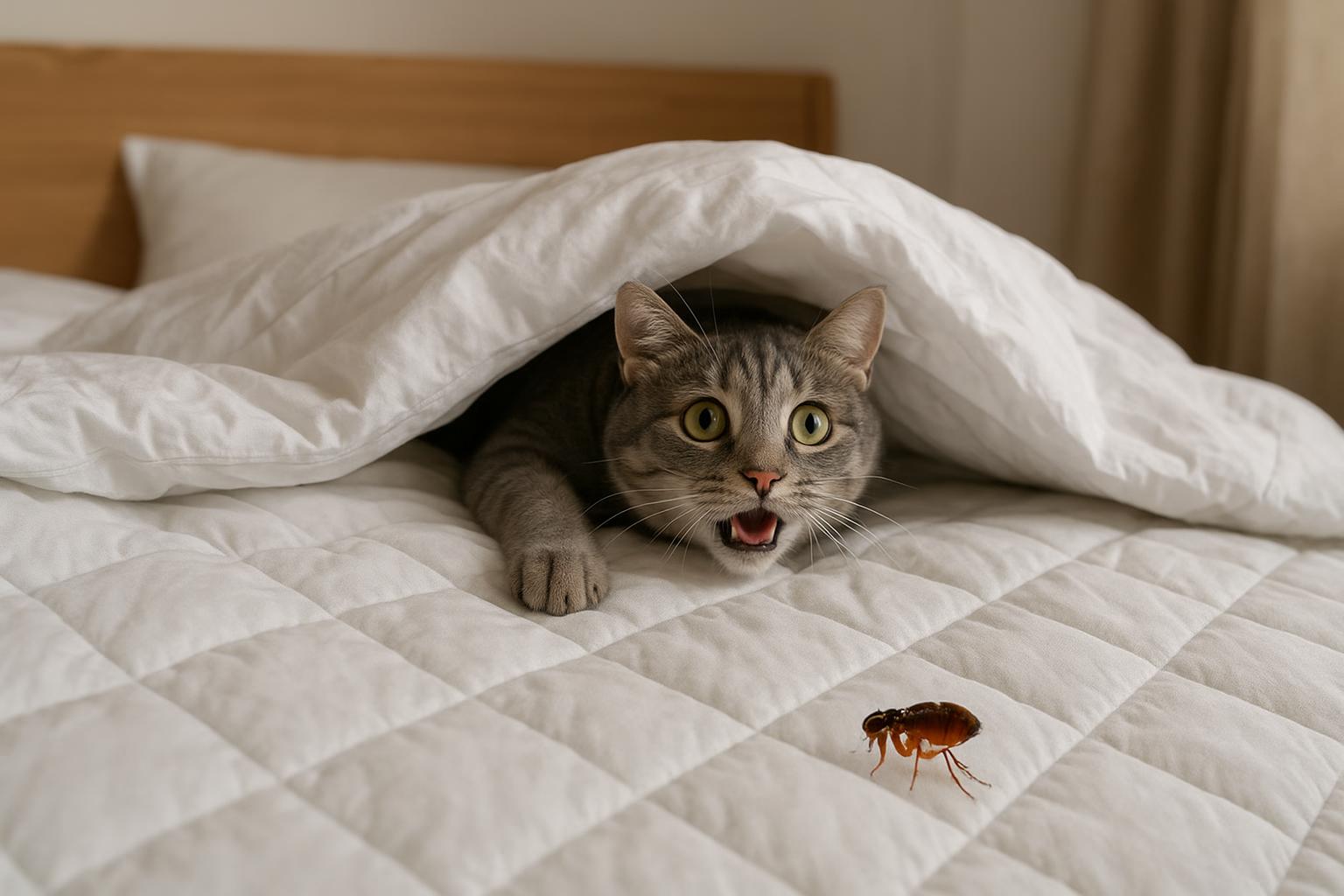
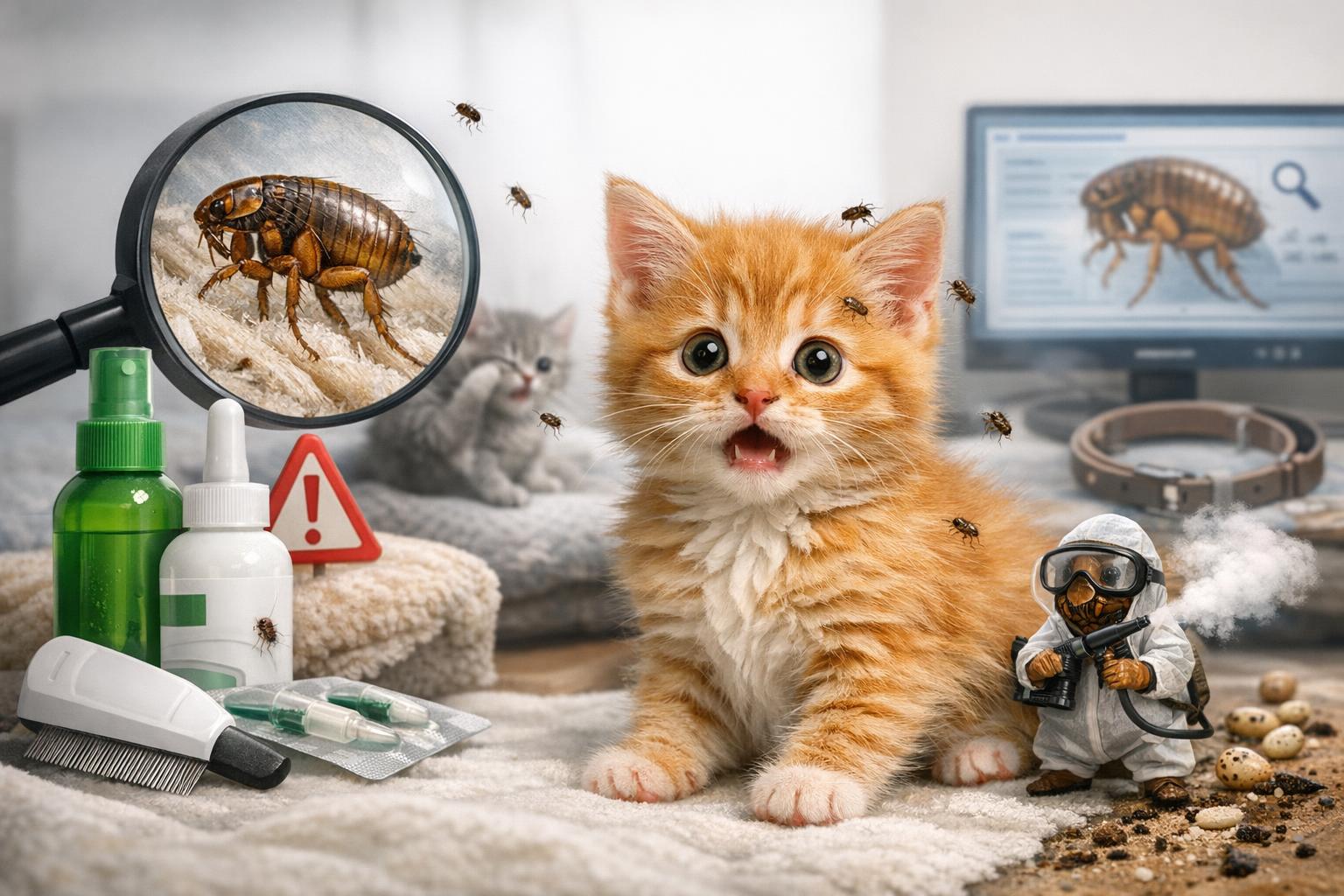
Fleas are more than itchy nuisances. On cats they cause irritation, allergic dermatitis, and can transmit tapeworms and other pathogens. Even when your kitty never sets paw outside, fleas can hitch a ride on visitors, other pets, secondhand furniture, or on your shoes. Good indoor flea prevention protects your cat’s comfort and health, and saves you from an endless cycle of treatment, vacuuming, and muttered curses at 2 a.m.
### How Fleas Make It Inside
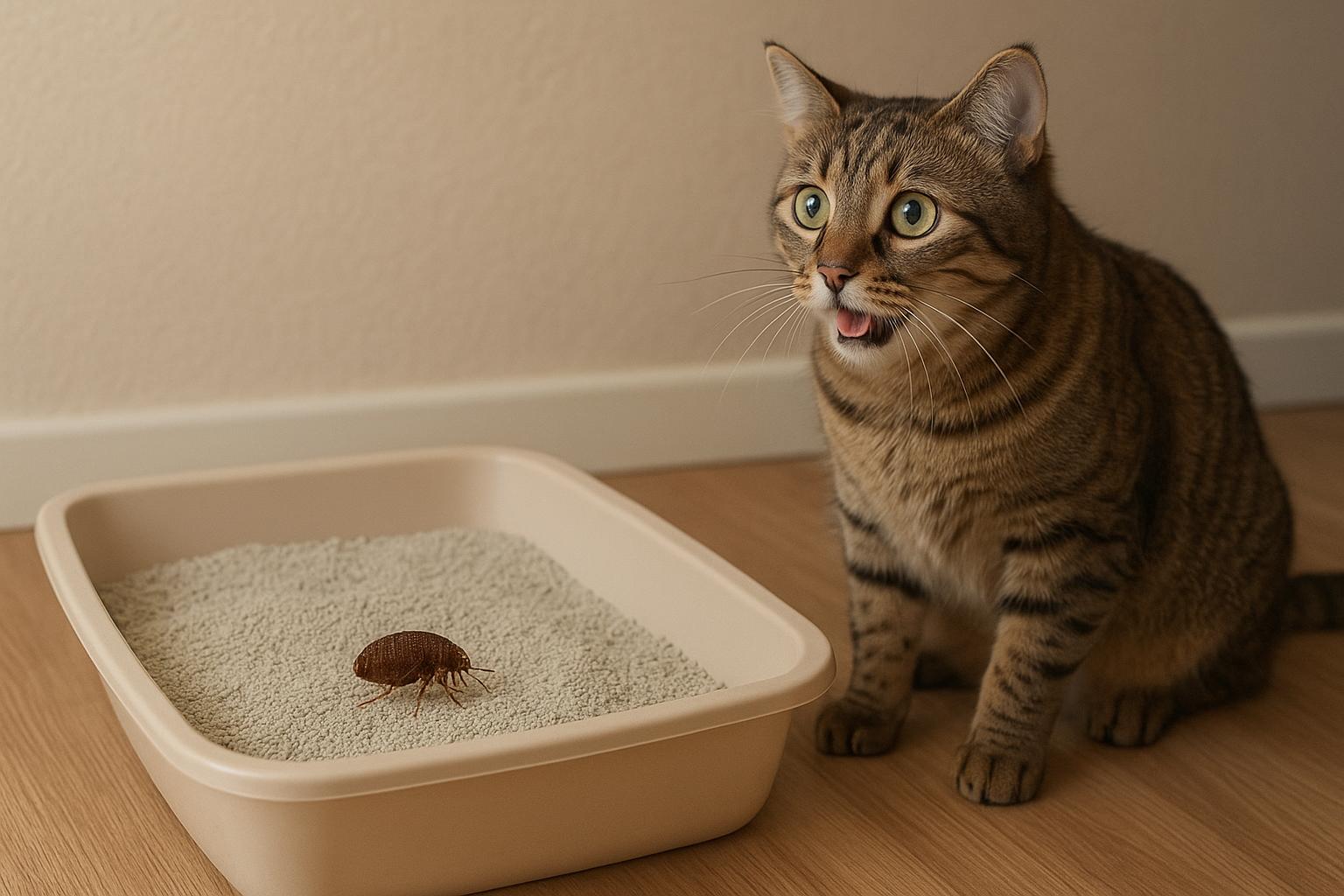
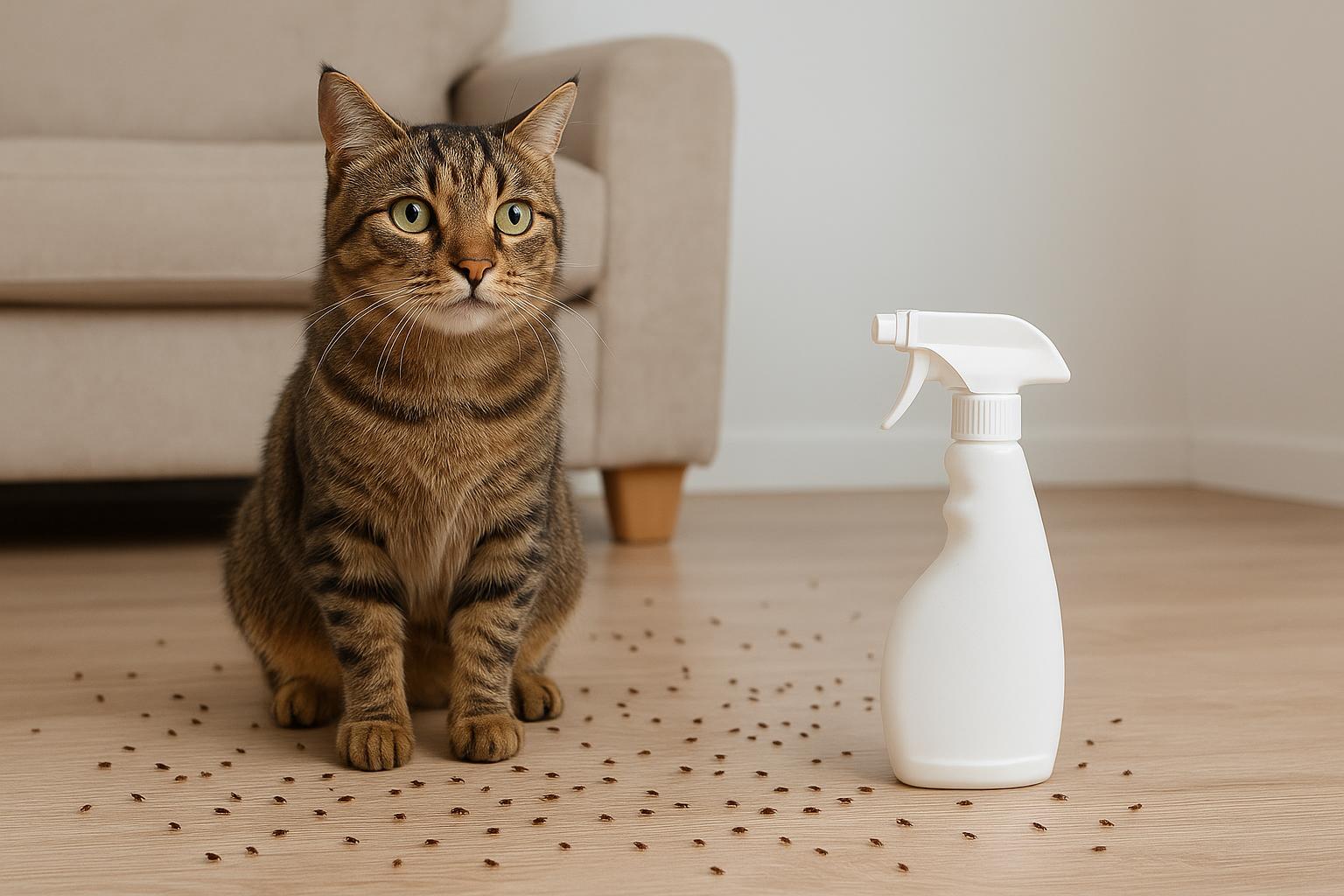
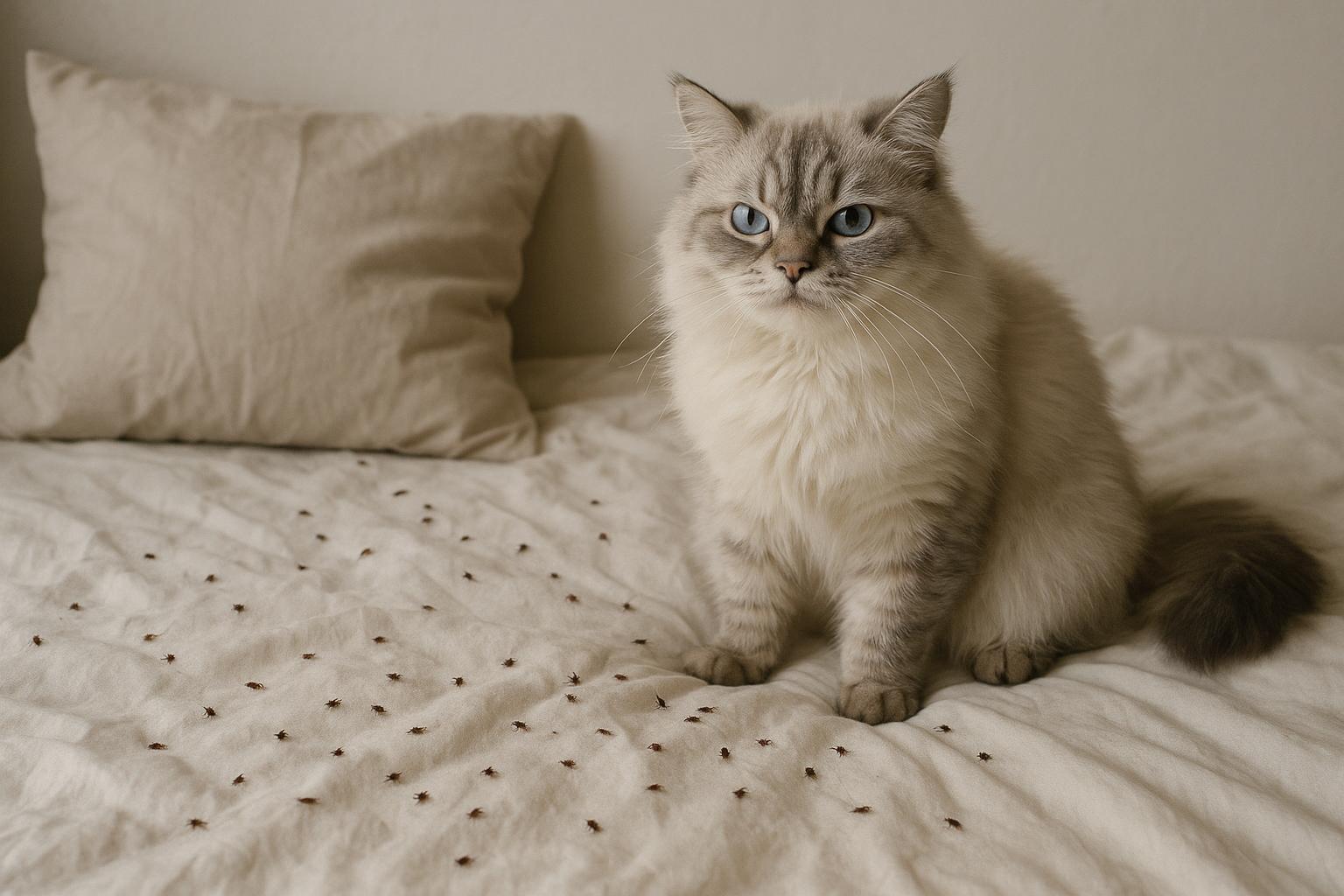
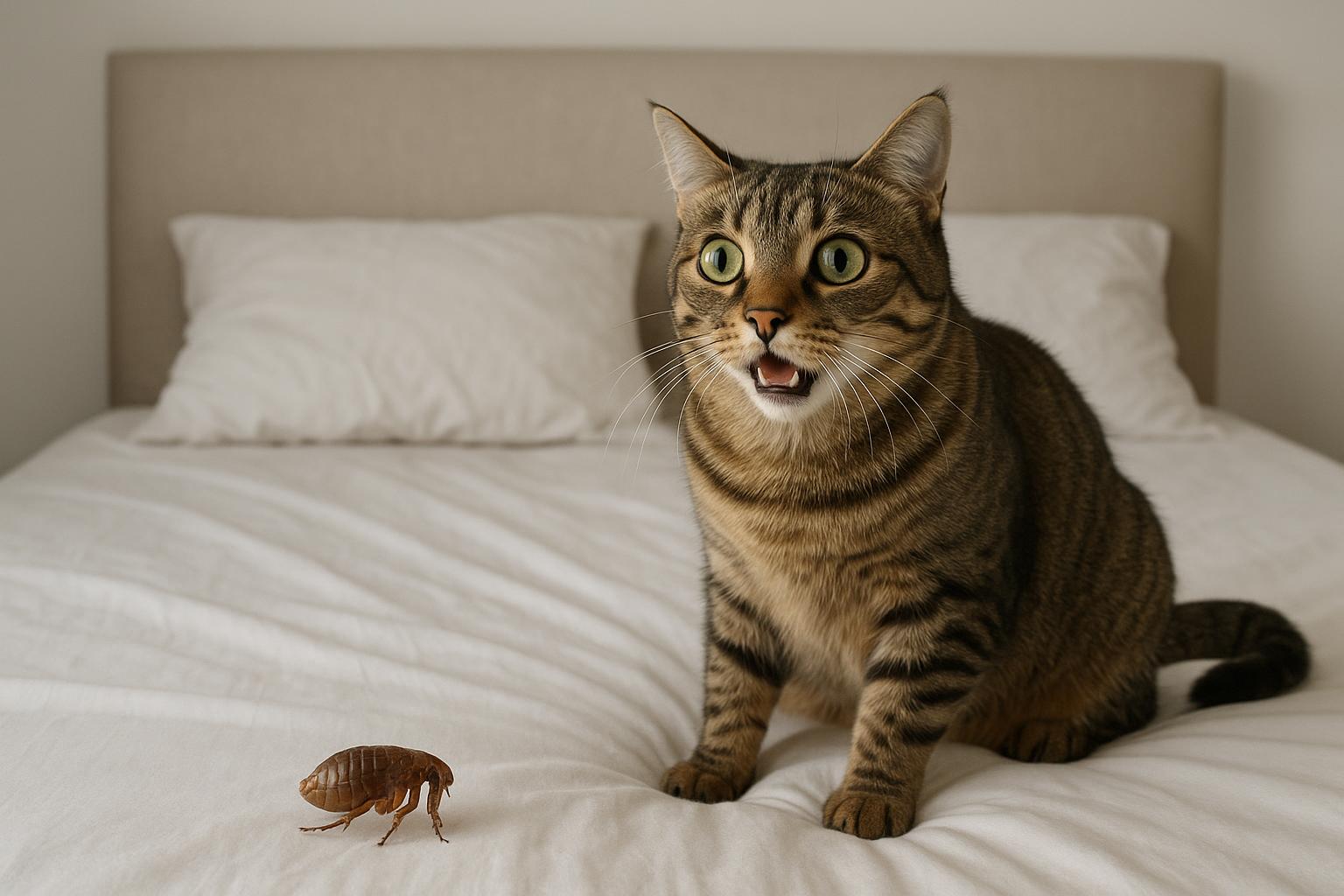
Flea eggs, larvae, and pupae are tiny and sneaky. They can be in carpet fibers, inside pillows, under baseboards, or embedded in secondhand rugs. Adult fleas jump from one host to another, so a visiting dog or a rodent can introduce them. Once inside, a small problem can become a household infestation in weeks unless you have an indoor flea prevention plan.
## 1. Preventive Topical And Oral Treatments
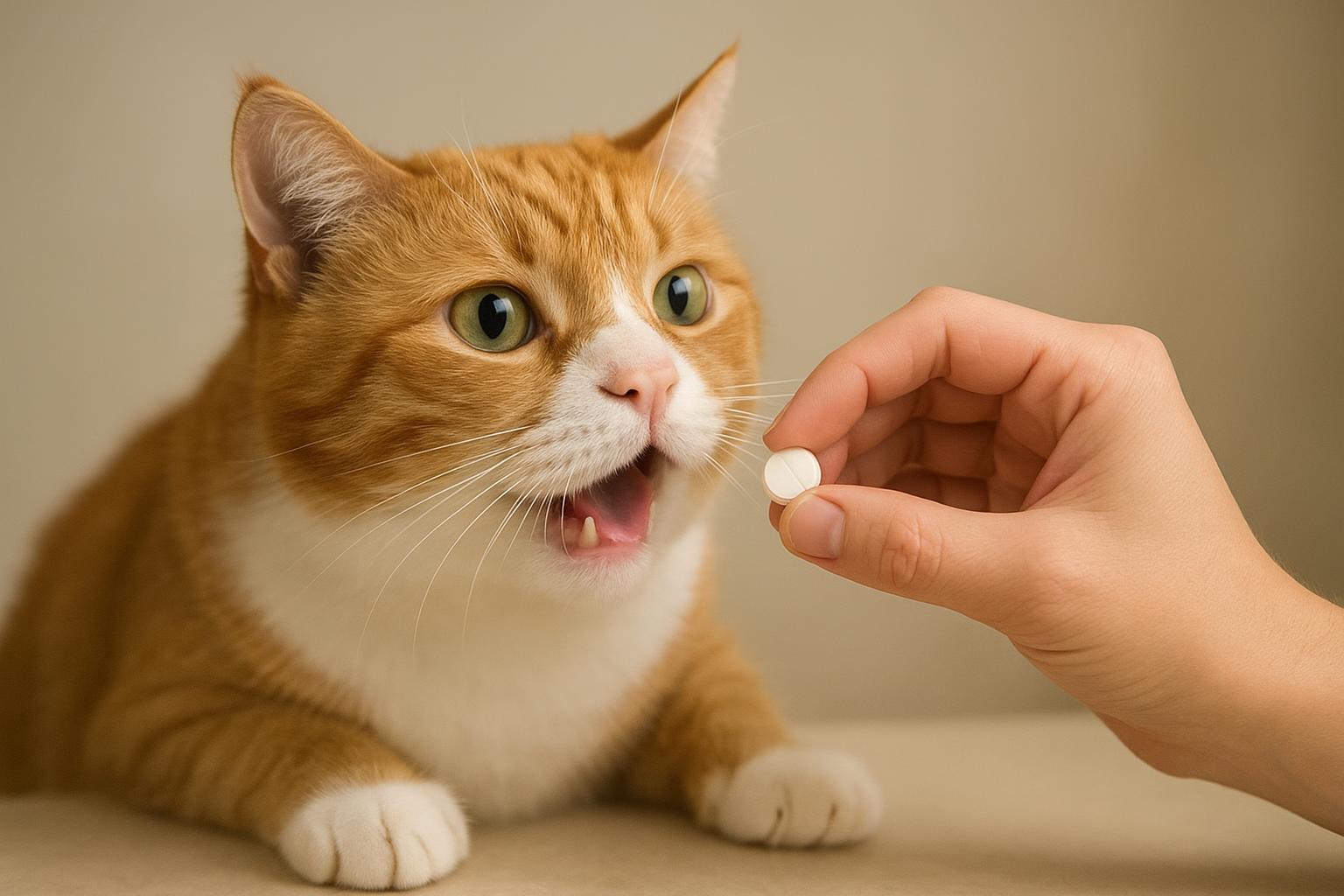
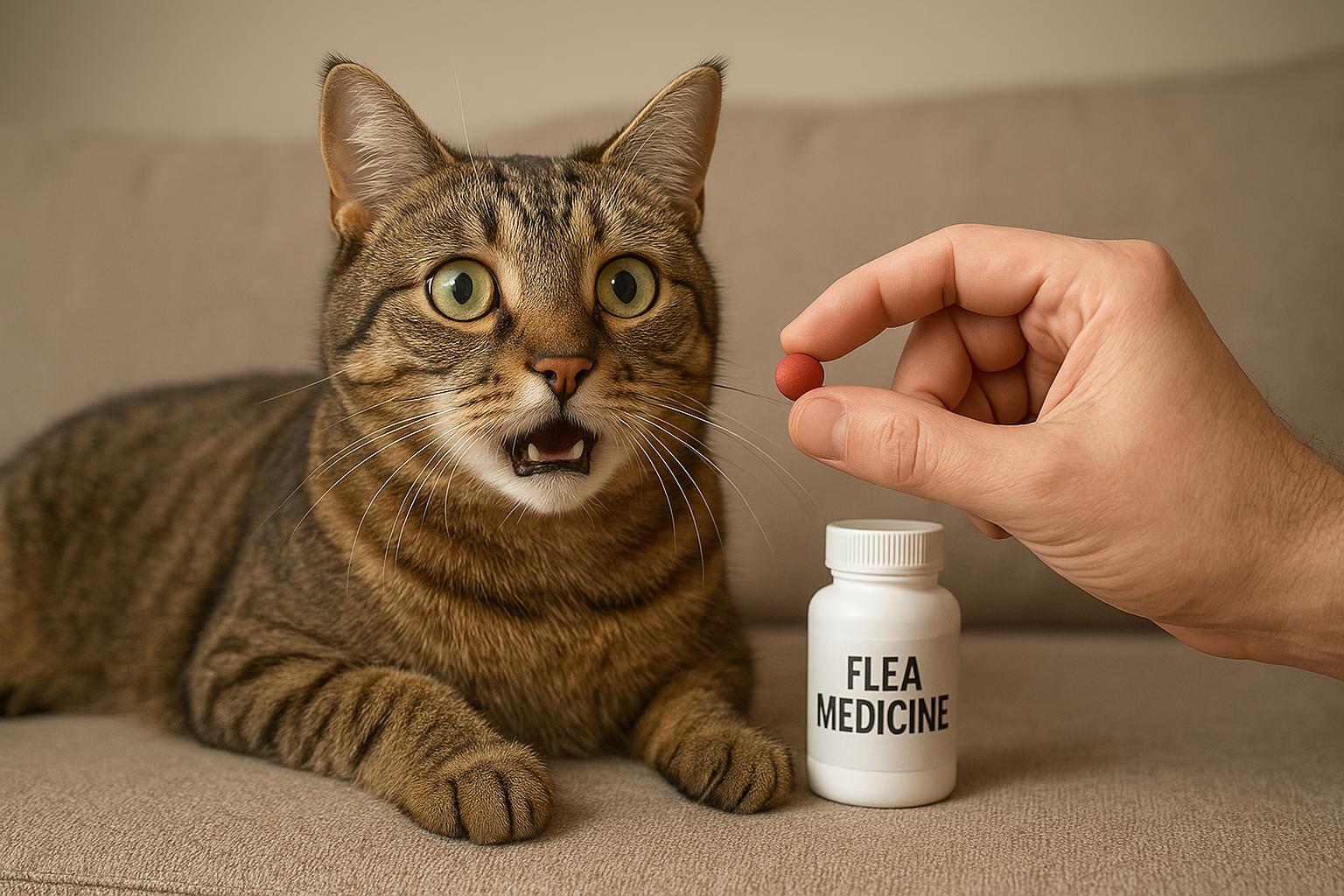
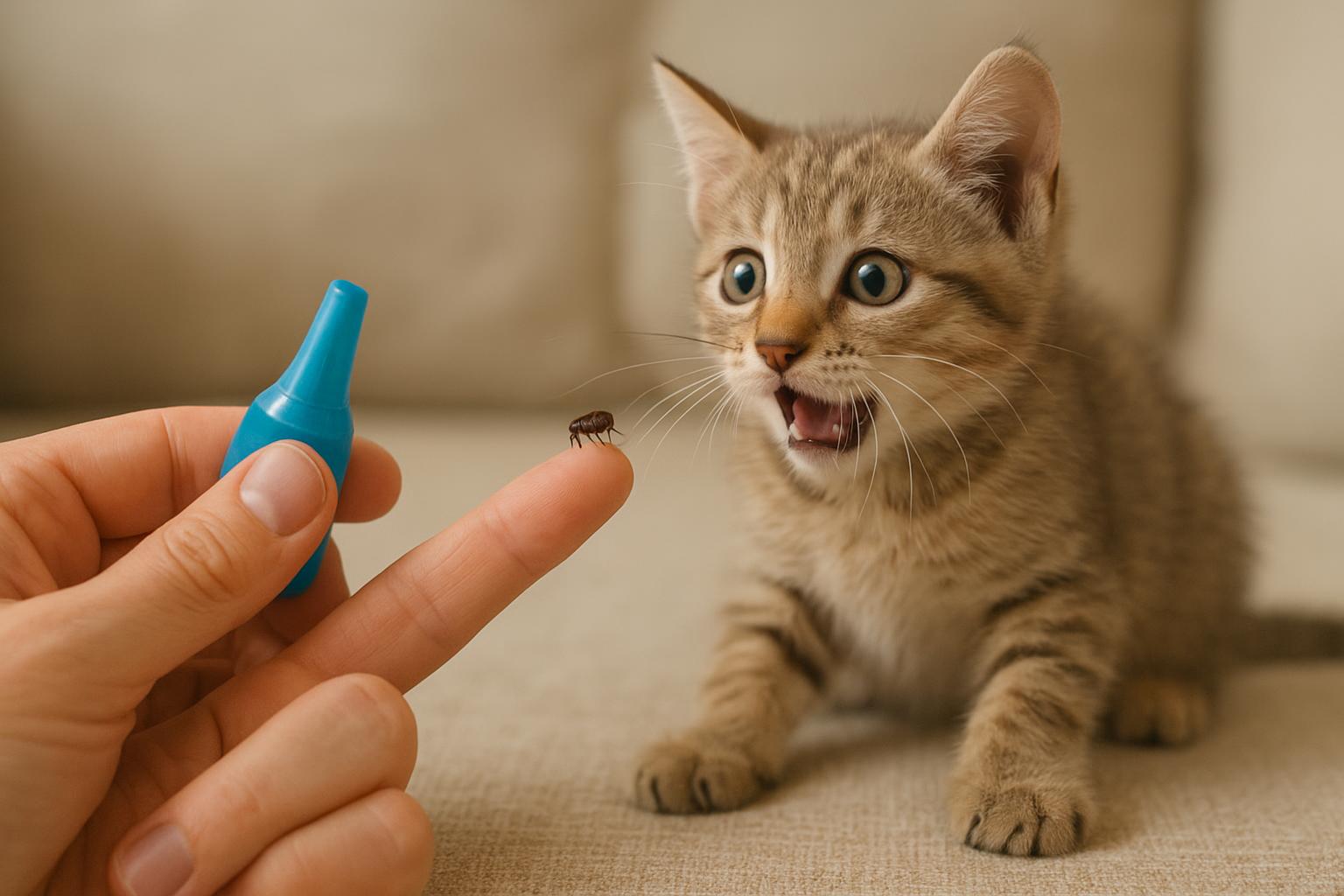
When it comes to stopping fleas before they start, vet-approved preventives are the gold standard. These products are designed to kill adult fleas and interrupt the life cycle by preventing eggs or larvae from surviving.
Materials Required
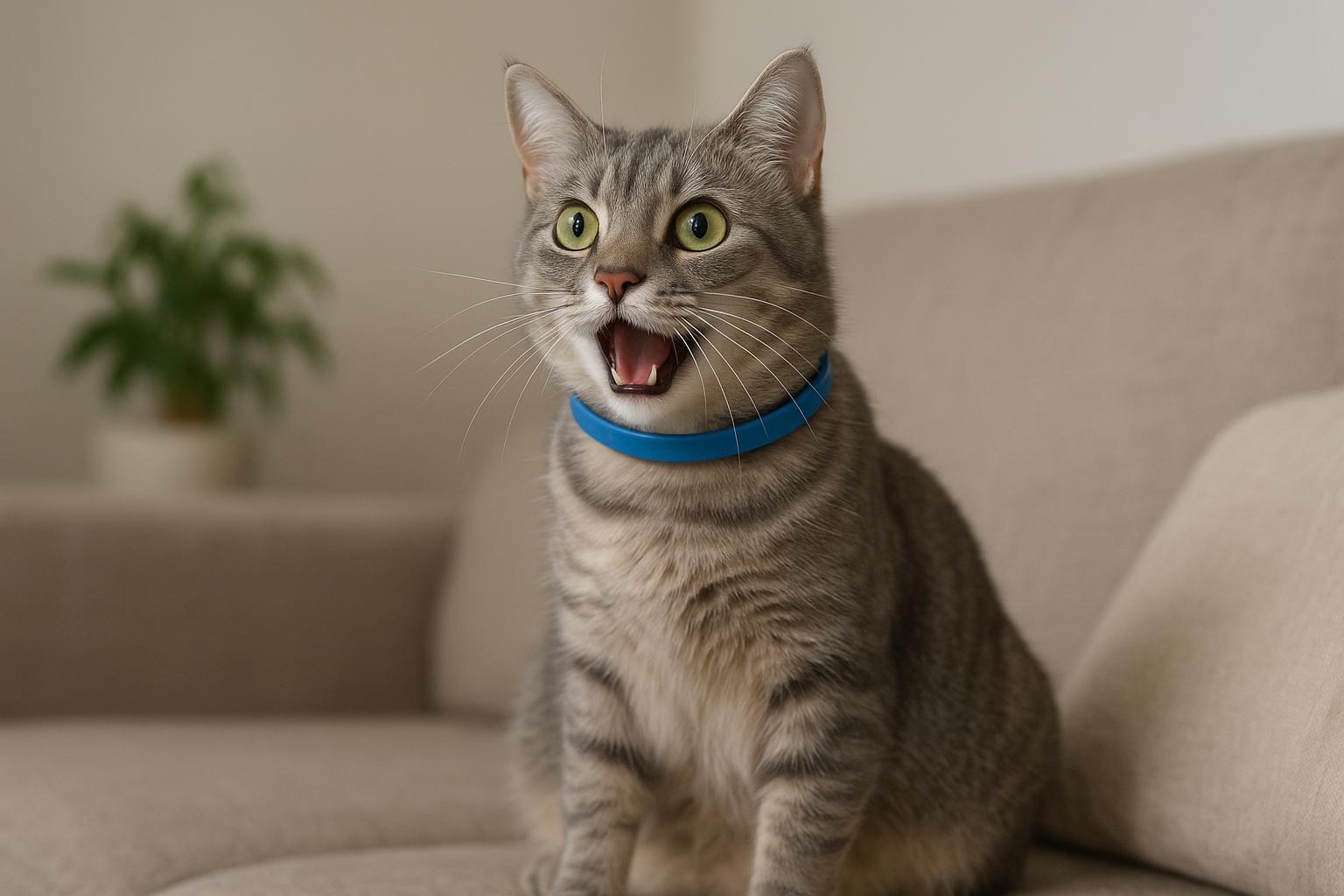
– Prescription or over-the-counter flea medication recommended by your veterinarian (topical spot-on, oral tablet, or collar).
– Gloves (for topical application).
– Calendar or reminder system for dosing schedule.
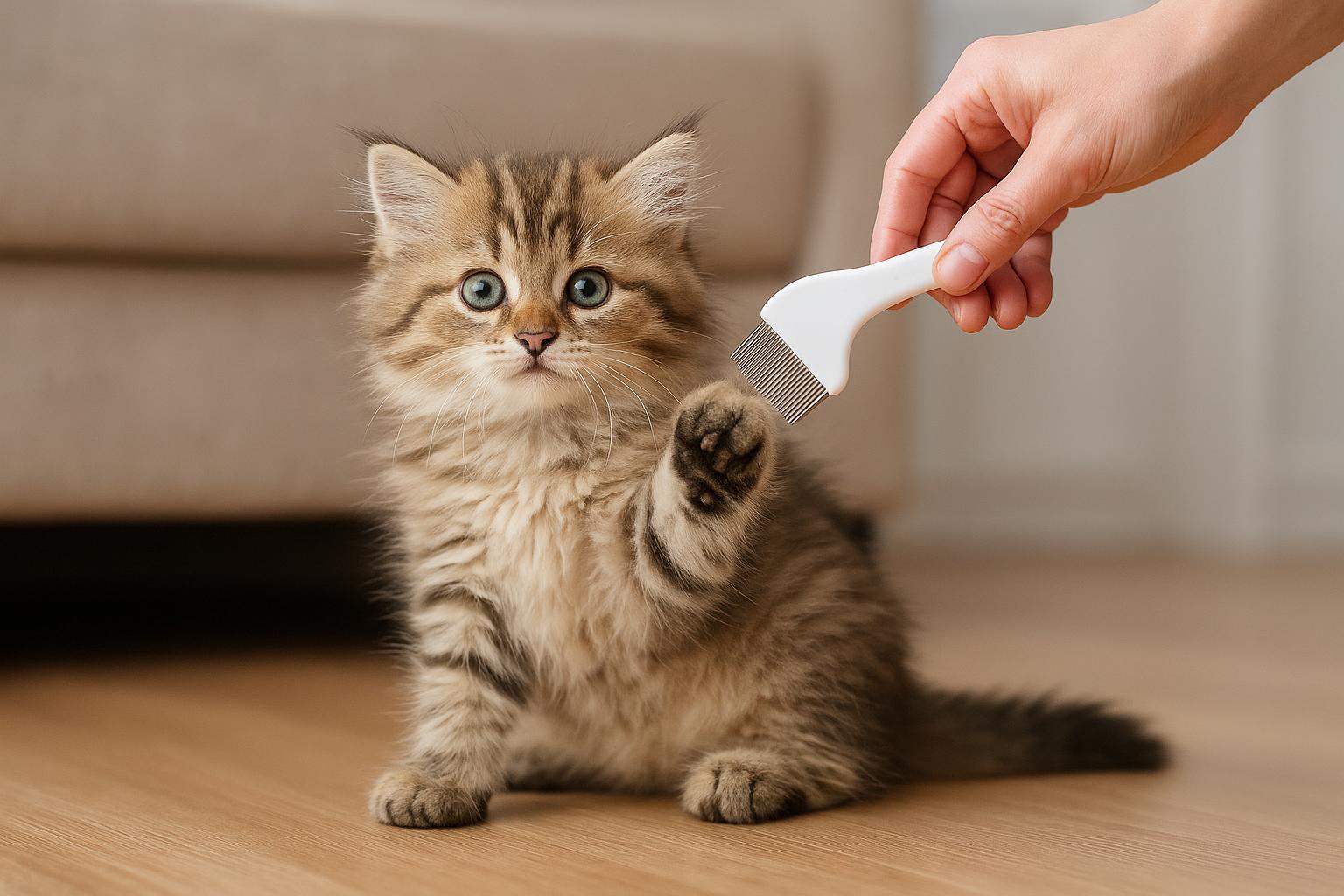
– Flea comb.
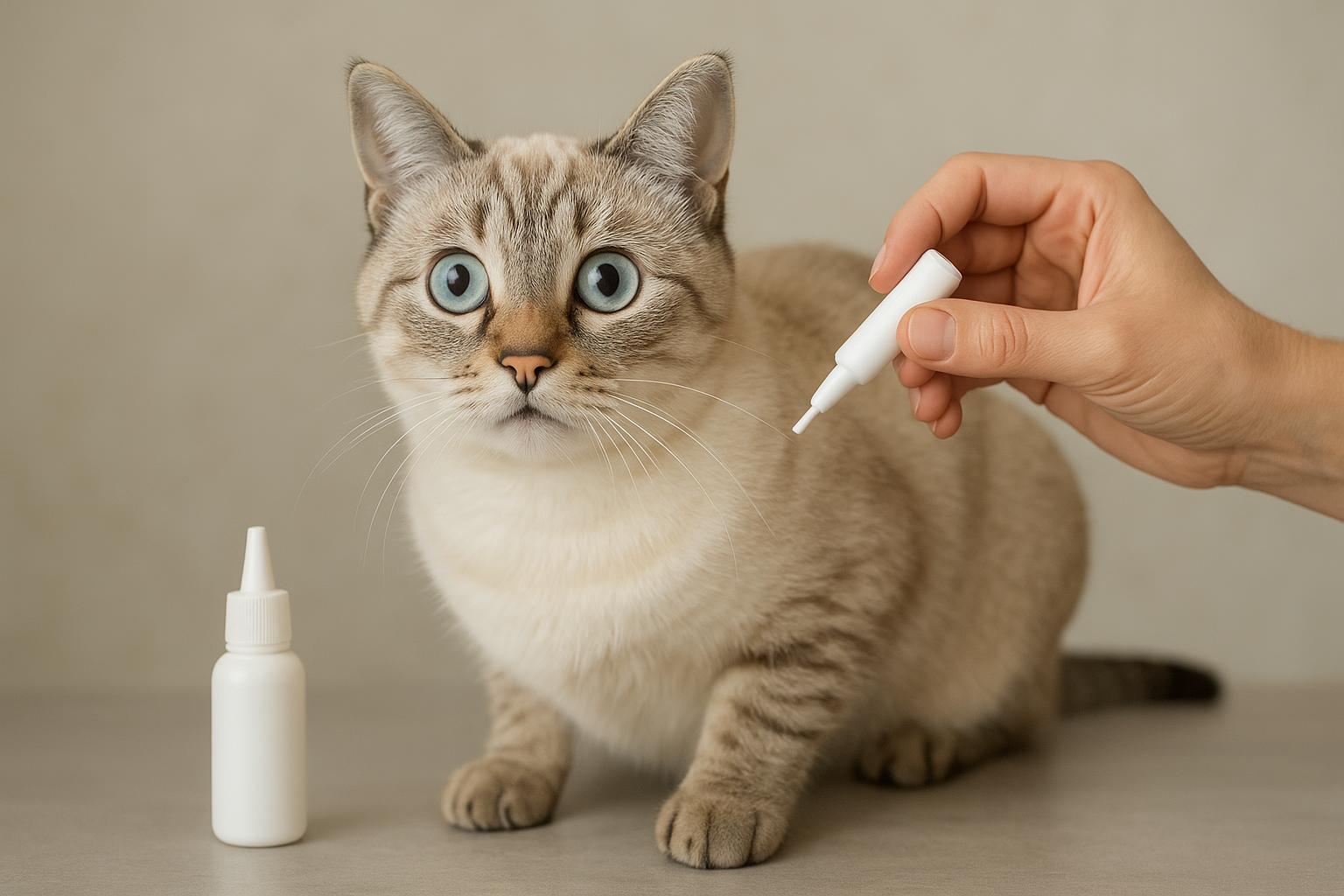
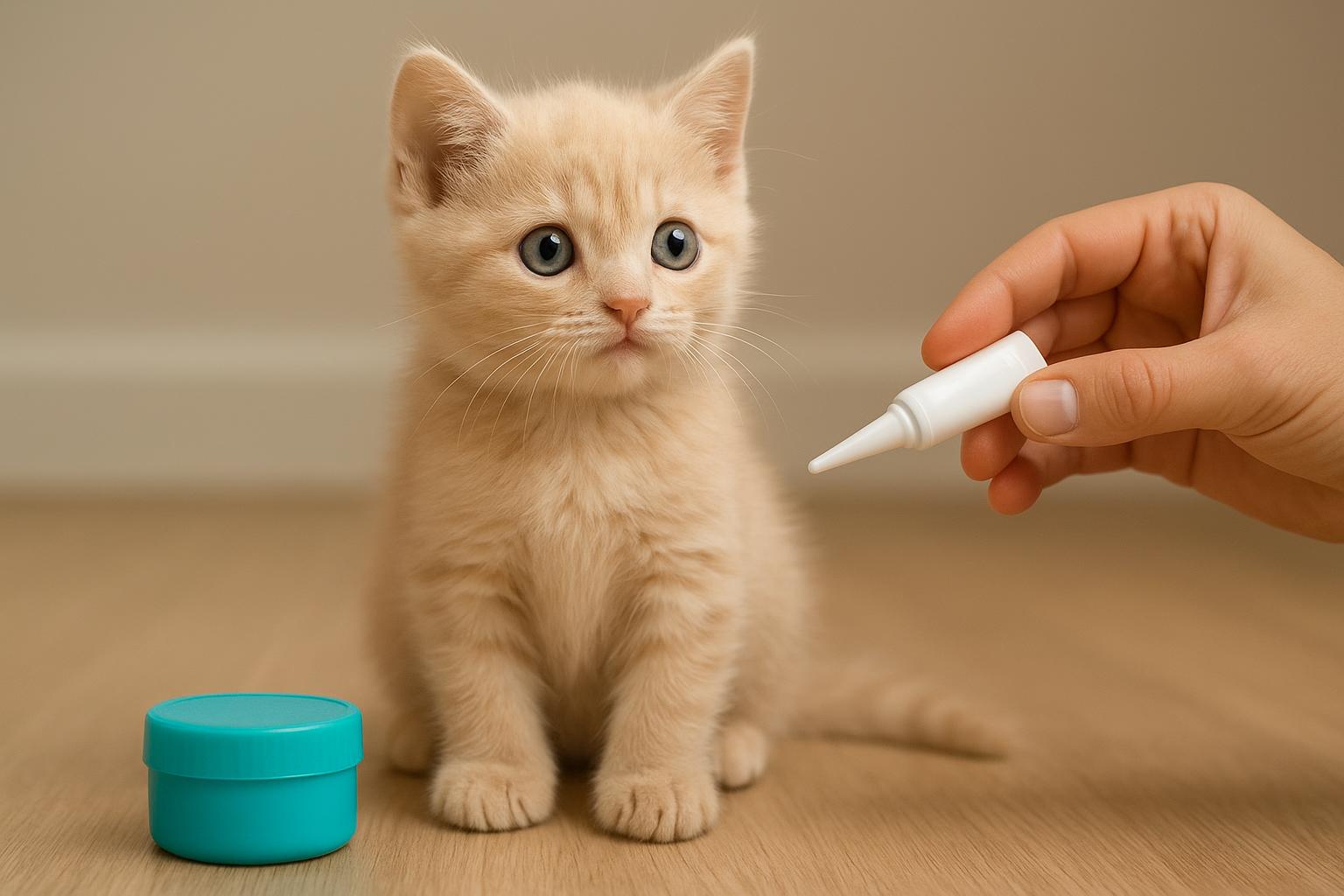
Step-by-Step Application (Topical Spot-On)
1. Consult your veterinarian about the appropriate product and dose for your cat’s age, weight, and medical history. Do not use dog products on cats.
2. Read the product label. Confirm the dose frequency (usually monthly for most spot-on treatments).
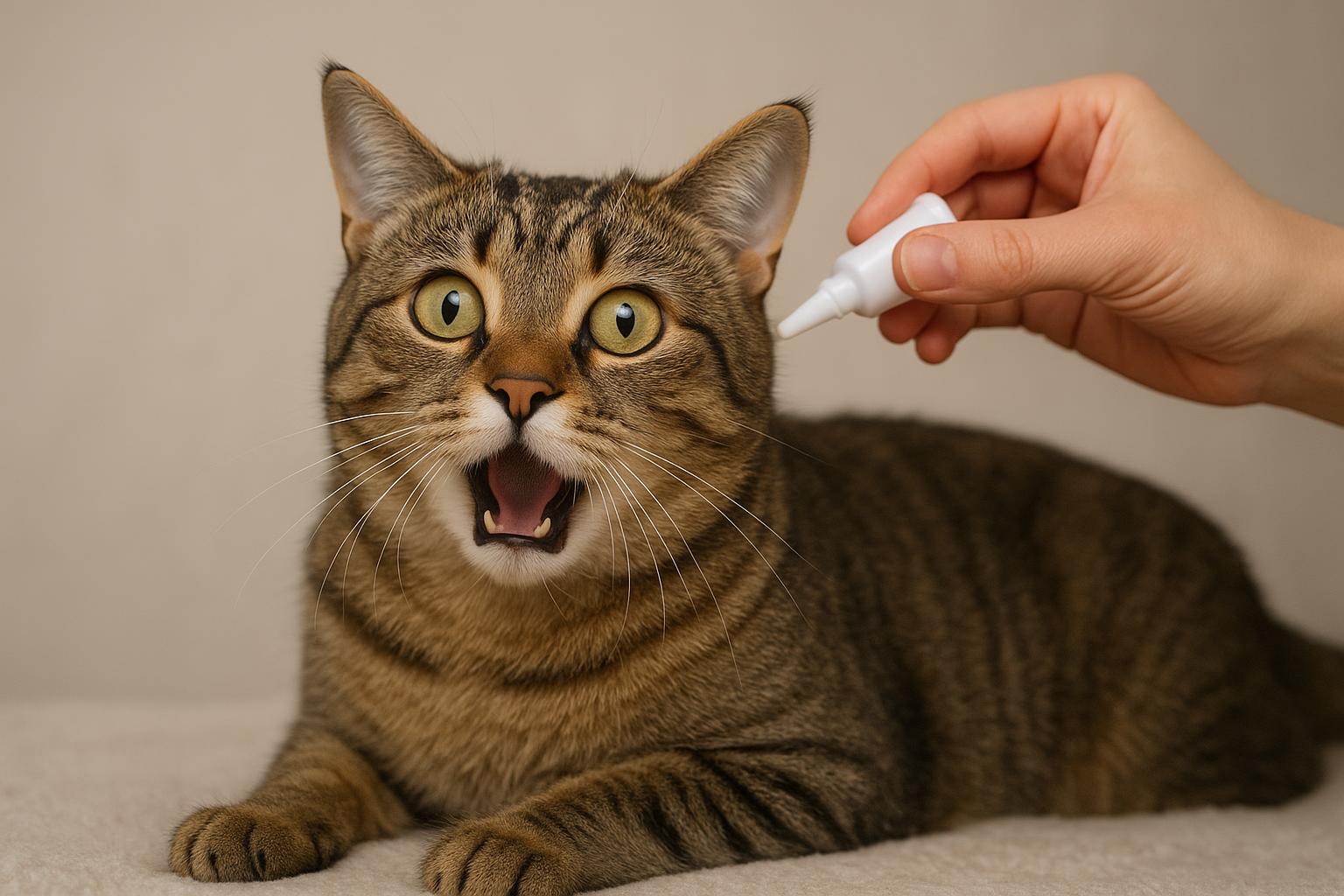
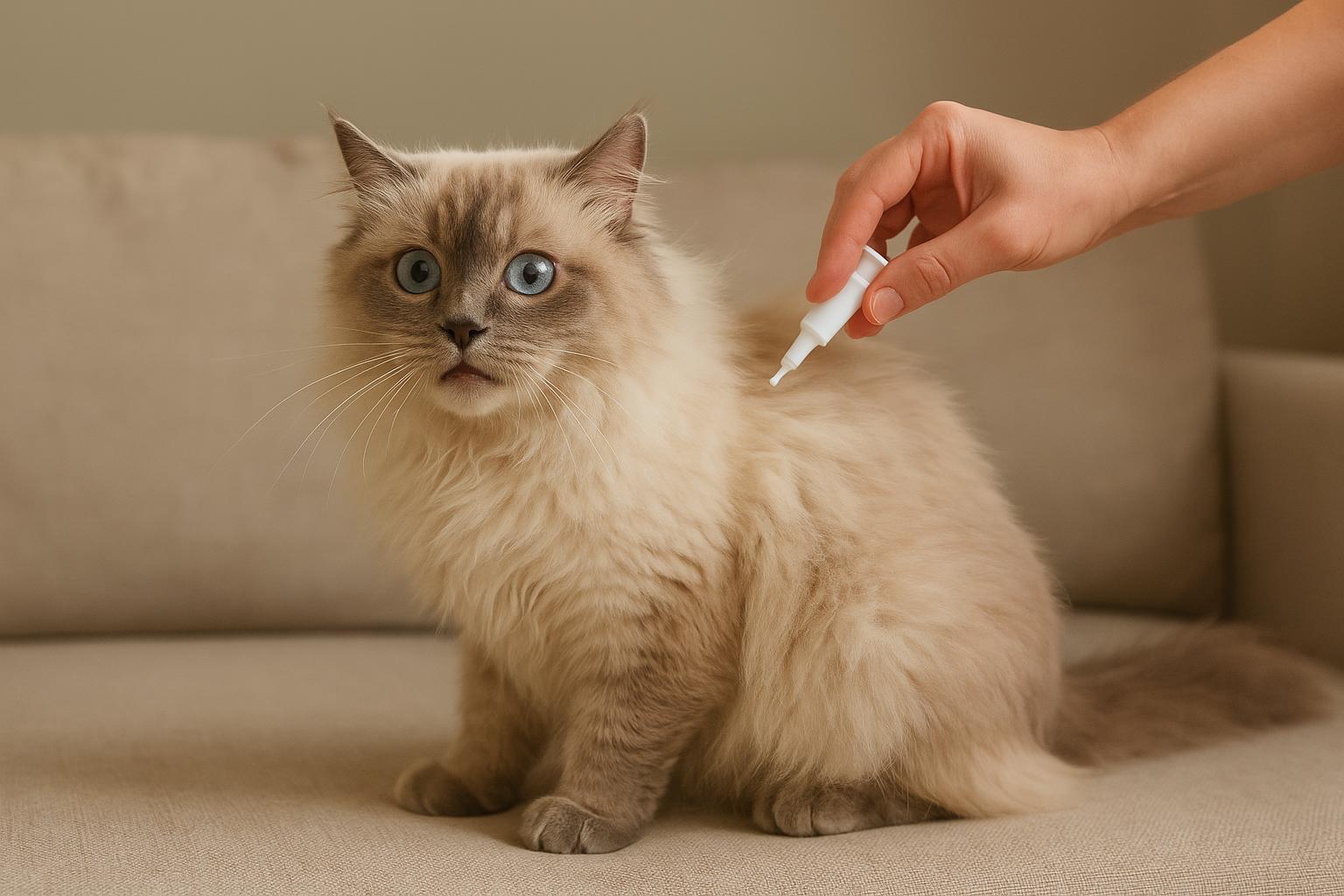
3. Put on gloves. Part the fur between the shoulder blades until the skin is visible.
4. Apply the entire contents of the applicator directly to the skin at the base of the neck. Avoid hair-only applications.
5. Allow the area to dry before handling the cat. Keep the cat indoors and away from other pets for several hours, per label instructions.
6. Mark your calendar for the next dose and monitor your cat for any adverse reactions (lethargy, drooling, vomiting). If you observe anything concerning, contact your vet immediately.
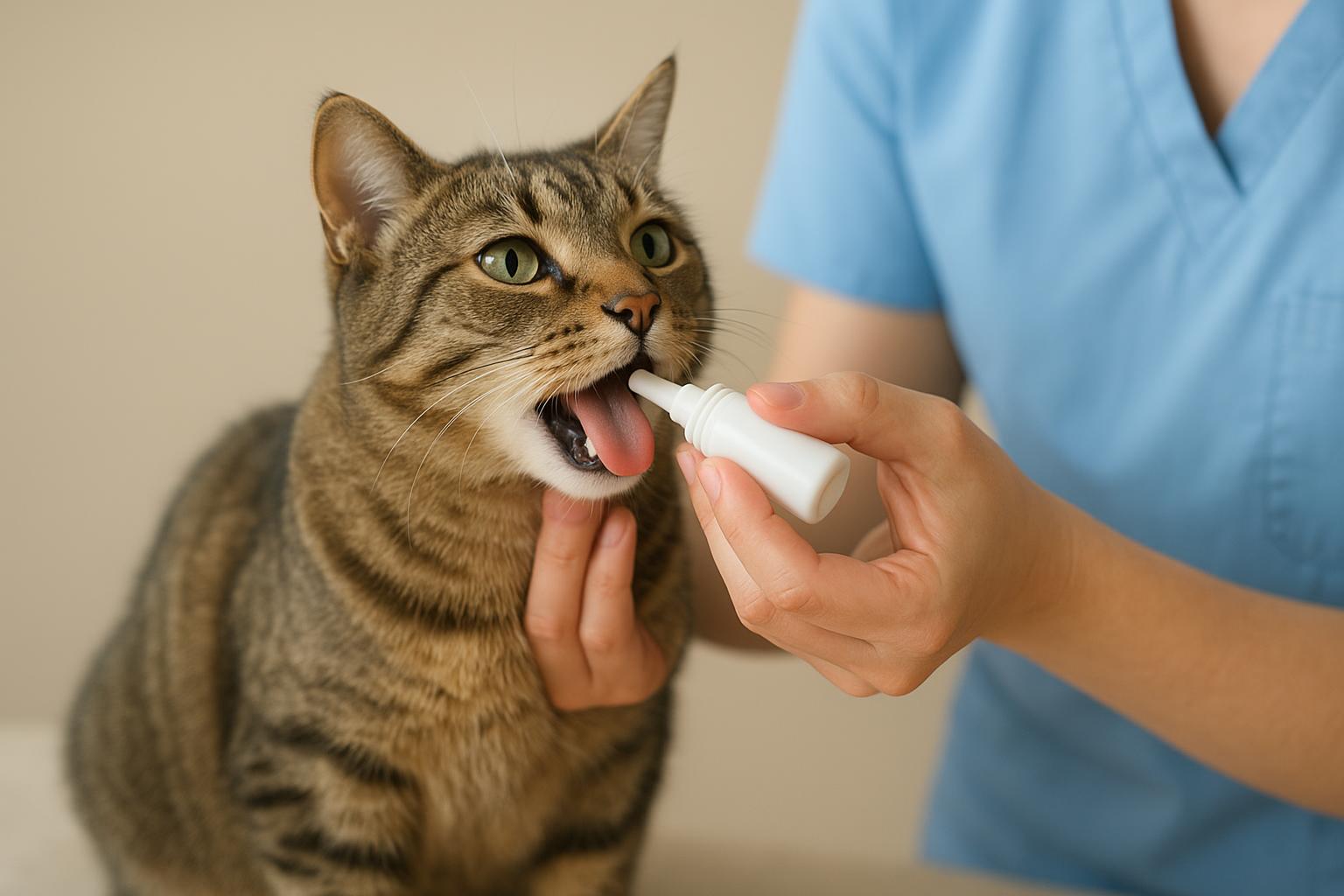
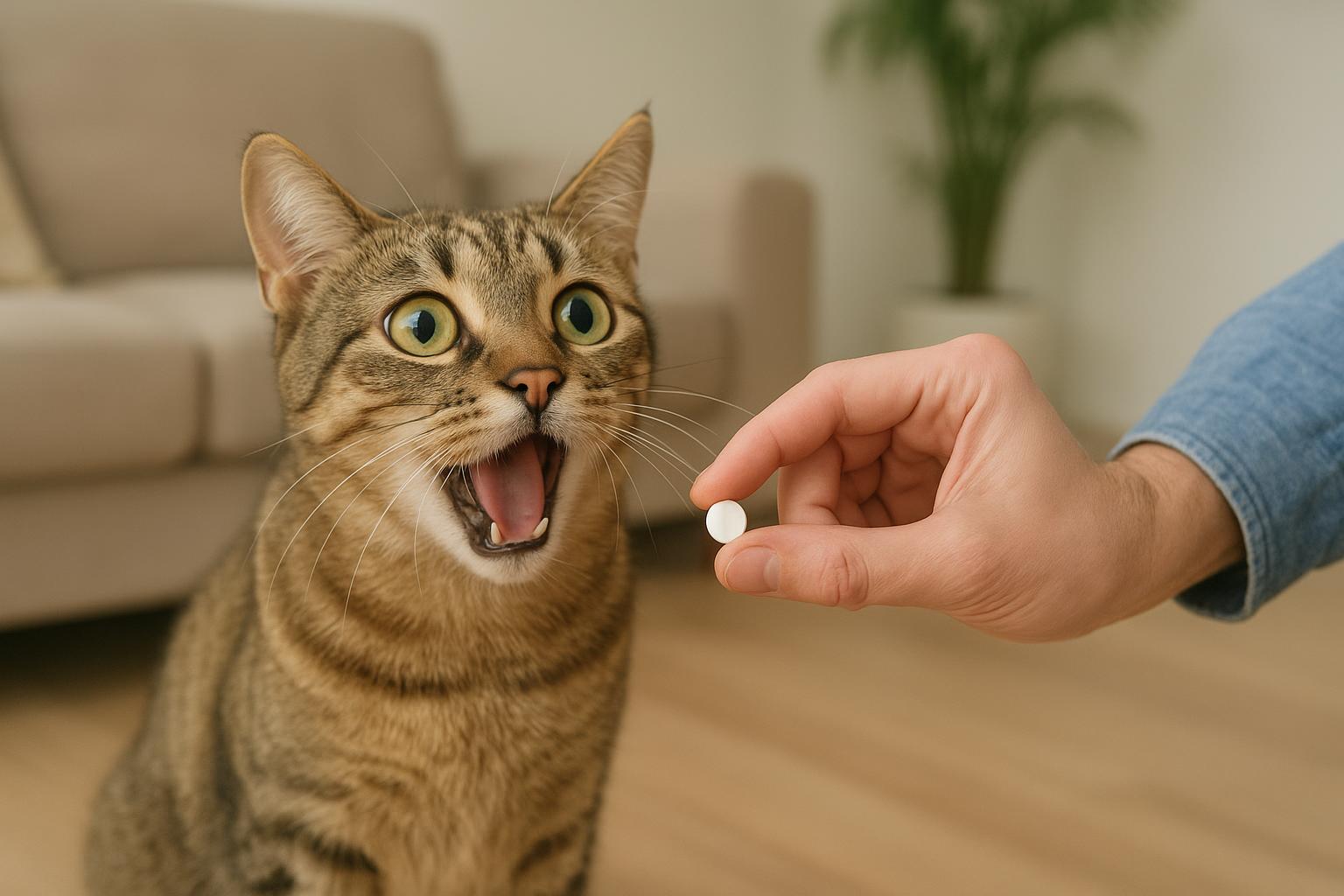
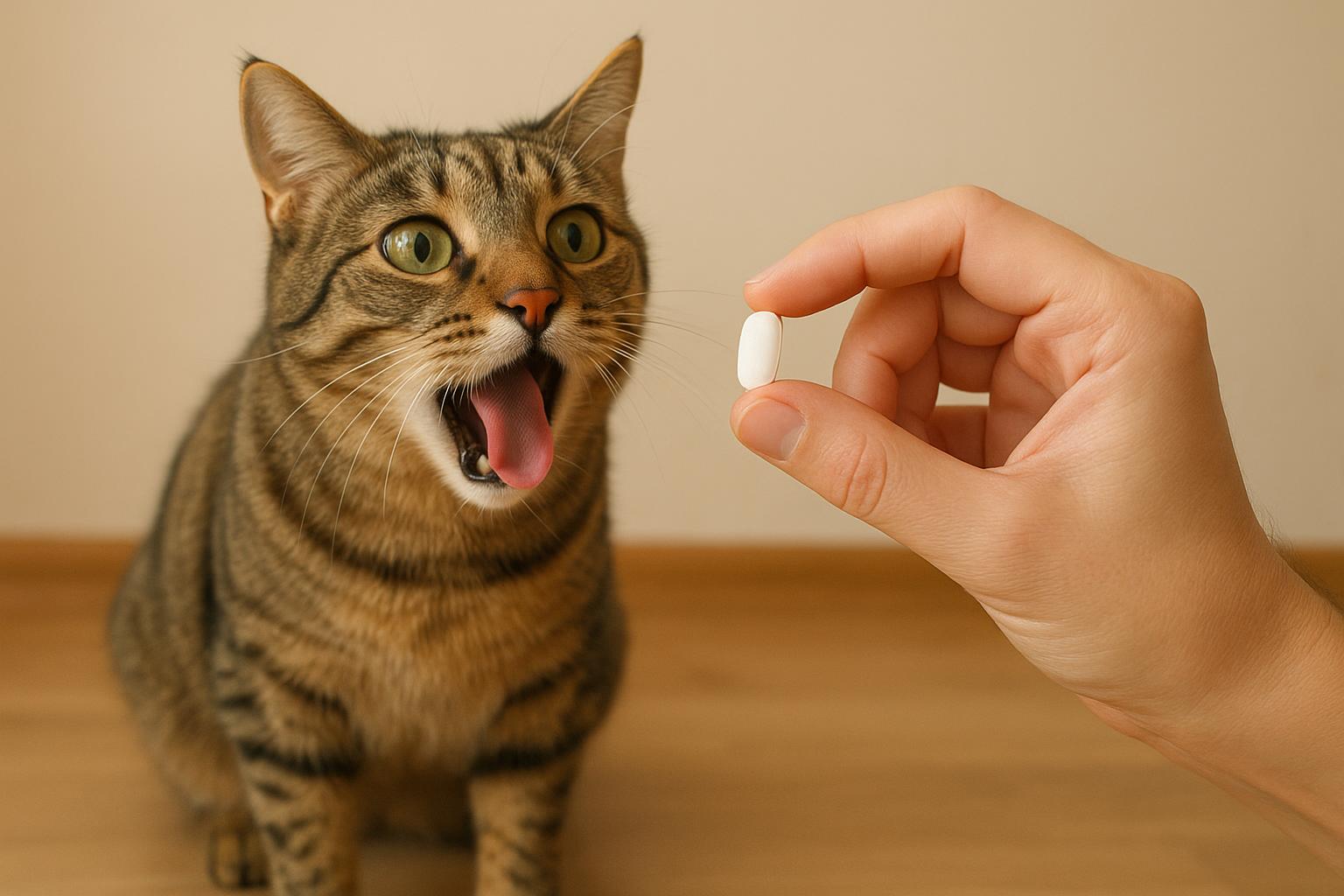
Step-by-Step Application (Oral Tablet)
1. Obtain the correct tablet and dose from your veterinarian.
2. Administer per instructions—some tablets are given with food, others on an empty stomach.
3. Observe your cat for one hour to ensure the pill was swallowed and to watch for side effects.
4. Keep a monthly schedule to maintain protection.
Formal note: These treatments are clinically proven to reduce or eliminate flea infestations and are the backbone of effective indoor flea prevention. Use as directed and maintain dose consistency to prevent gaps in protection.
## 2. Home Environment Control (Vacuuming, Washing, Steam)
Treating the animal is only half the job. The environment must be managed diligently to remove eggs and larvae and to prevent reinfestation.
Materials Required
– Vacuum with a HEPA filter if possible.
– Hot water washing machine (or laundromat access).
– High-heat dryer or sun exposure for bedding.
– Steam cleaner (optional but highly effective).
– Trash bags.
Step-by-Step Cleaning Protocol
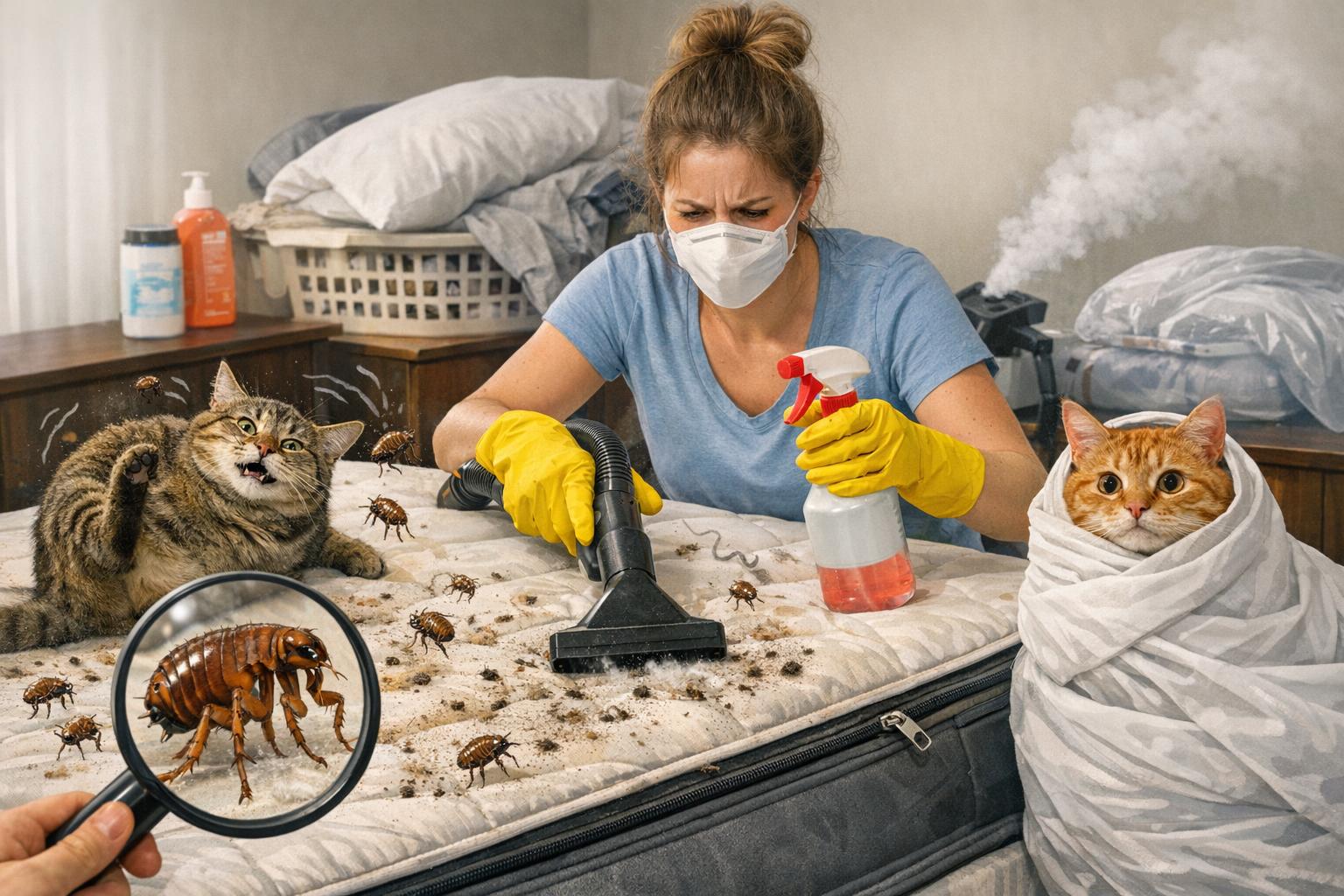
1. Remove all pet bedding, blankets, and fabric toys. Wash in the hottest water safe for the fabric and dry on high heat for at least 30 minutes. High heat kills eggs and larvae.
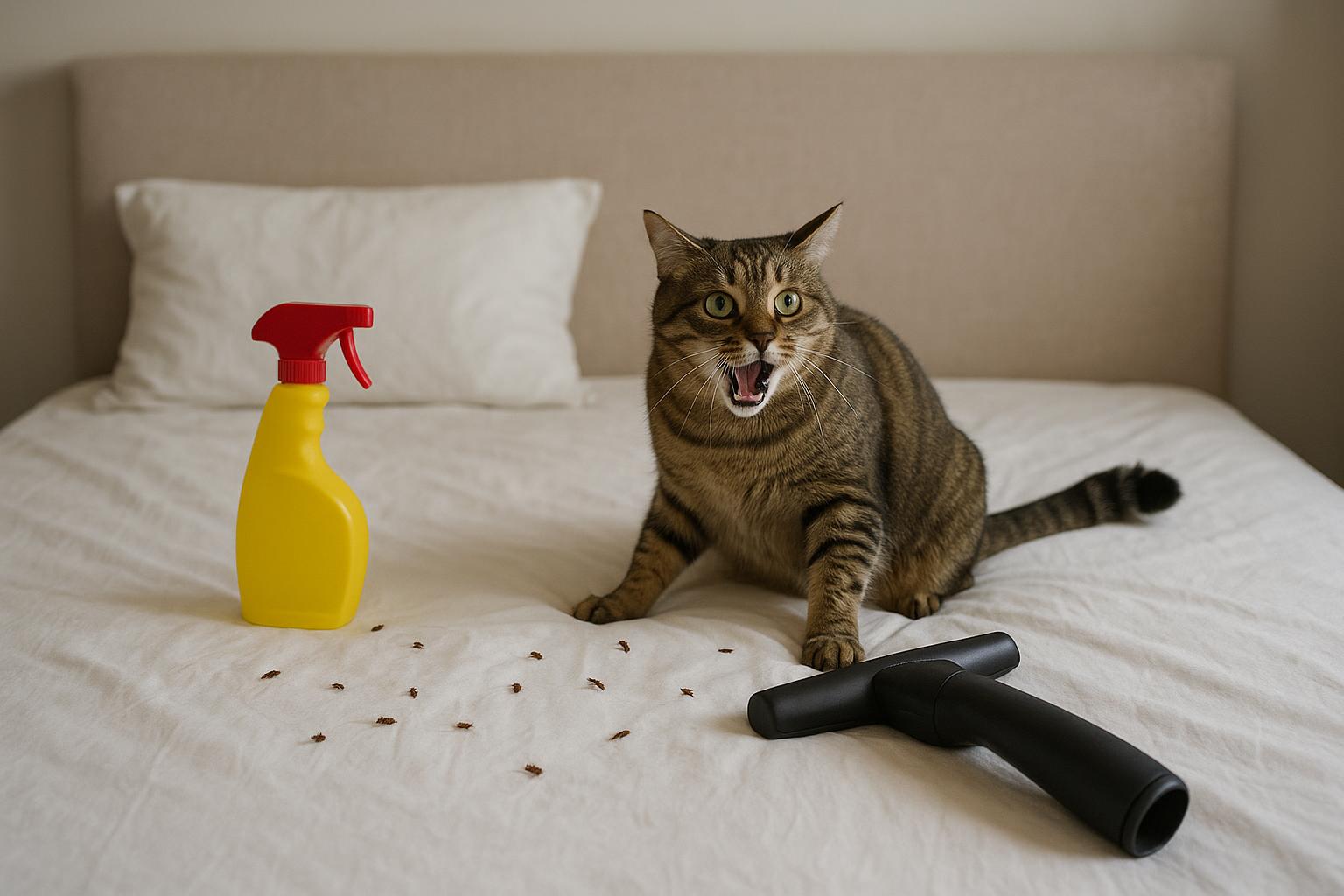
2. Vacuum carpets, rugs, upholstery, and curtains thoroughly. Pay special attention to edges and under furniture. Use attachments to reach crevices.
3. Empty the vacuum canister or replace the bag immediately, seal the contents in a trash bag, and dispose of it outside.
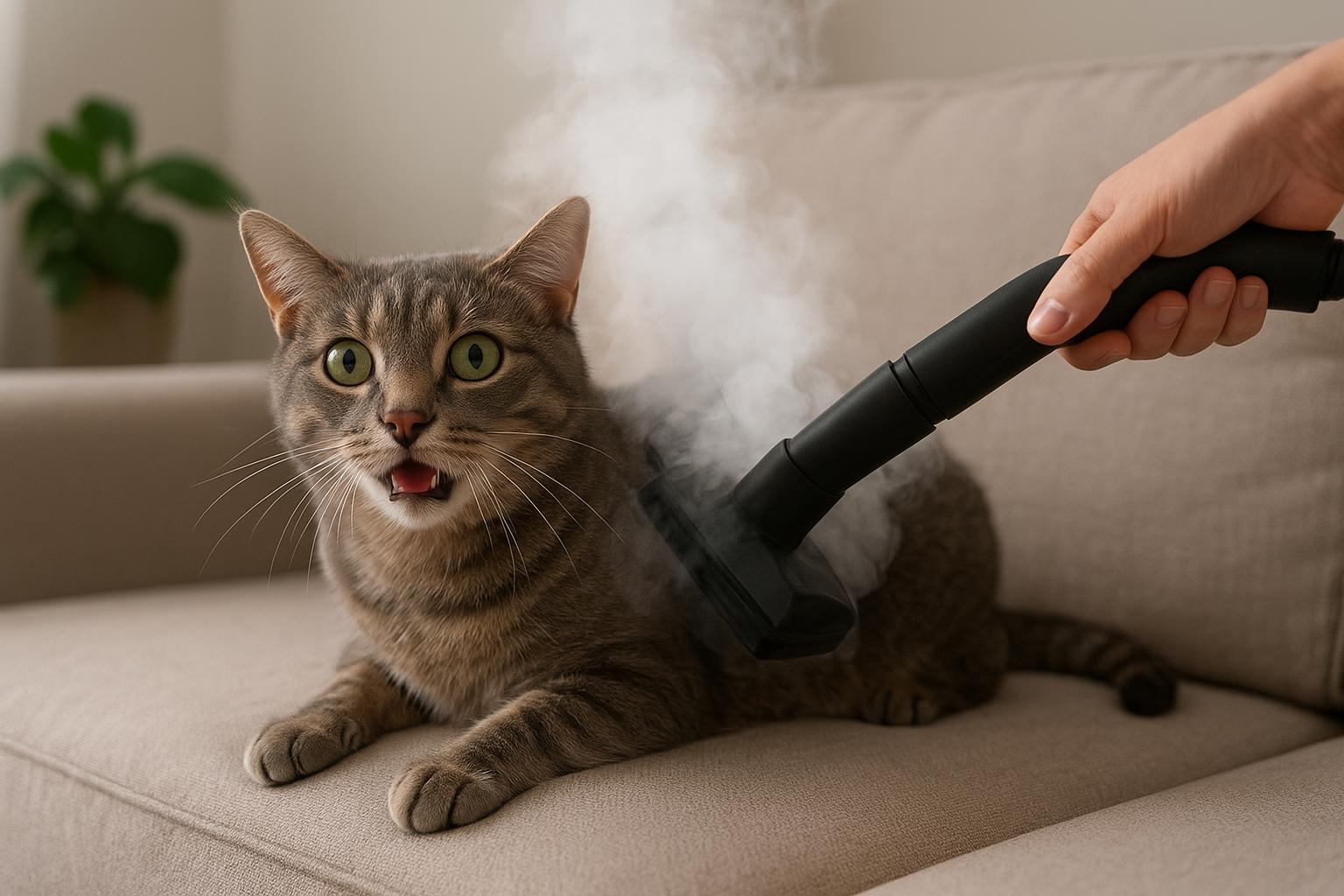
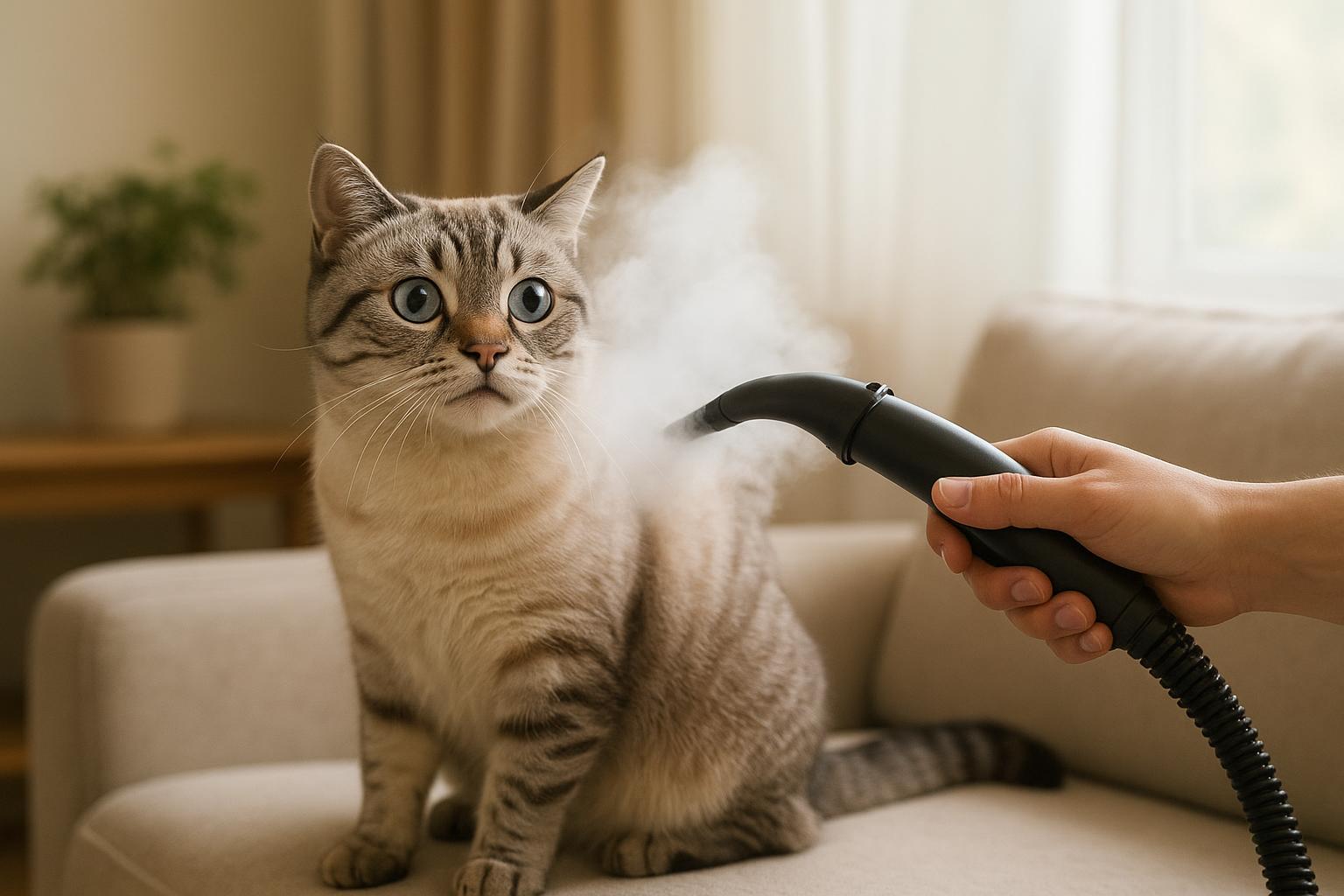
4. If possible, use a steam cleaner on carpets and upholstery; the high temperature reaches larvae and eggs that vacuuming misses.
5. Treat hardwood or tile cracks by vacuuming and then wiping with a mild detergent; diatomaceous earth (food-grade) can be lightly applied to crevices (see caution below).
6. Repeat vacuuming every 2–3 days for at least two weeks, then weekly maintenance for a month to catch late-emerging pupae.
Important: Environment control is essential to indoor flea prevention because many life stages are environmental rather than on the pet.
### Safe Use Of Diatomaceous Earth (Optional)
Materials:
– Food-grade diatomaceous earth (DE).
– Dust mask and gloves.
Steps:
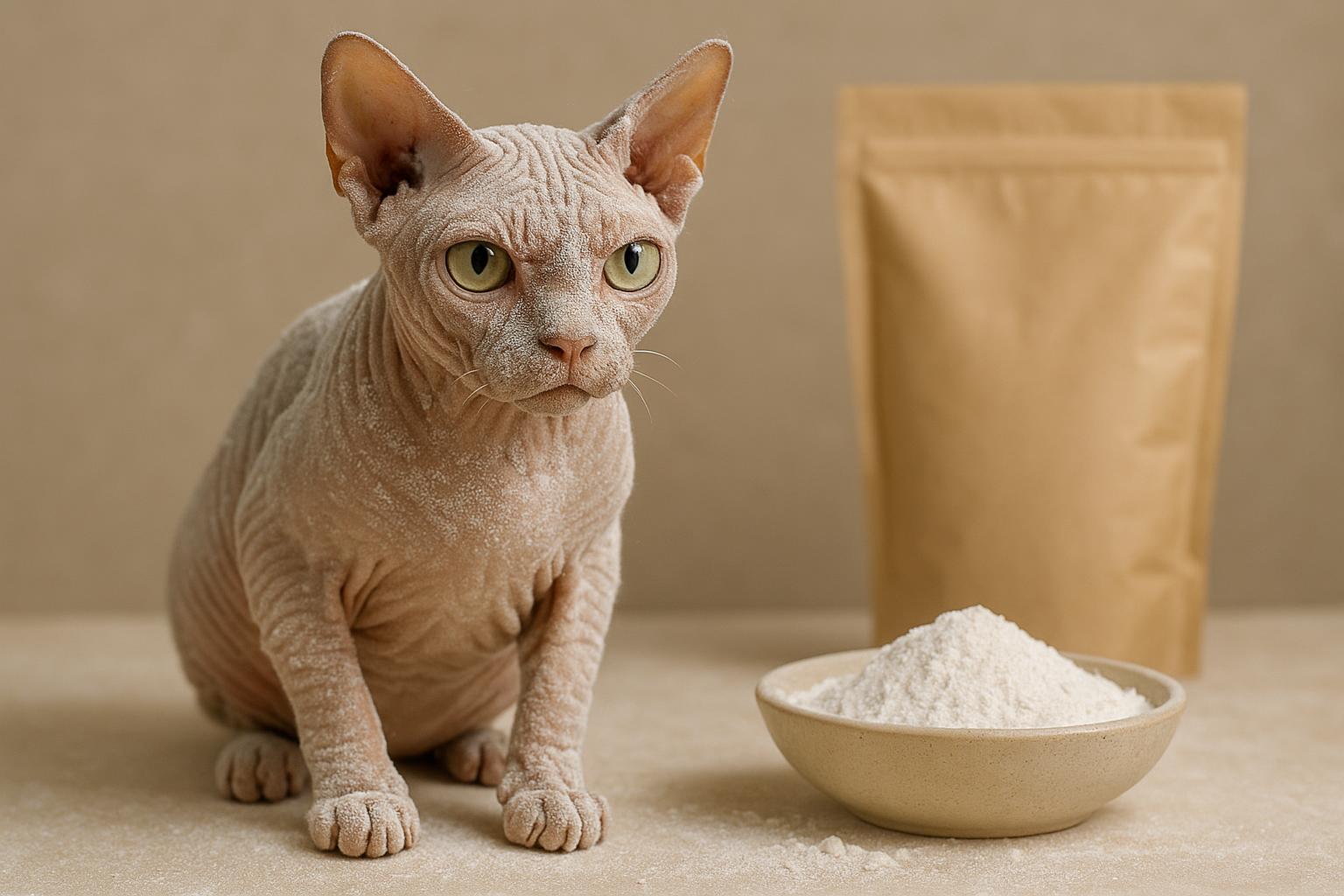
1. Lightly sprinkle DE onto carpets and areas where pets rest.
2. Gently work it into the fibers with a broom.
3. Leave for 48–72 hours, then vacuum thoroughly and dispose of vacuum contents outside.
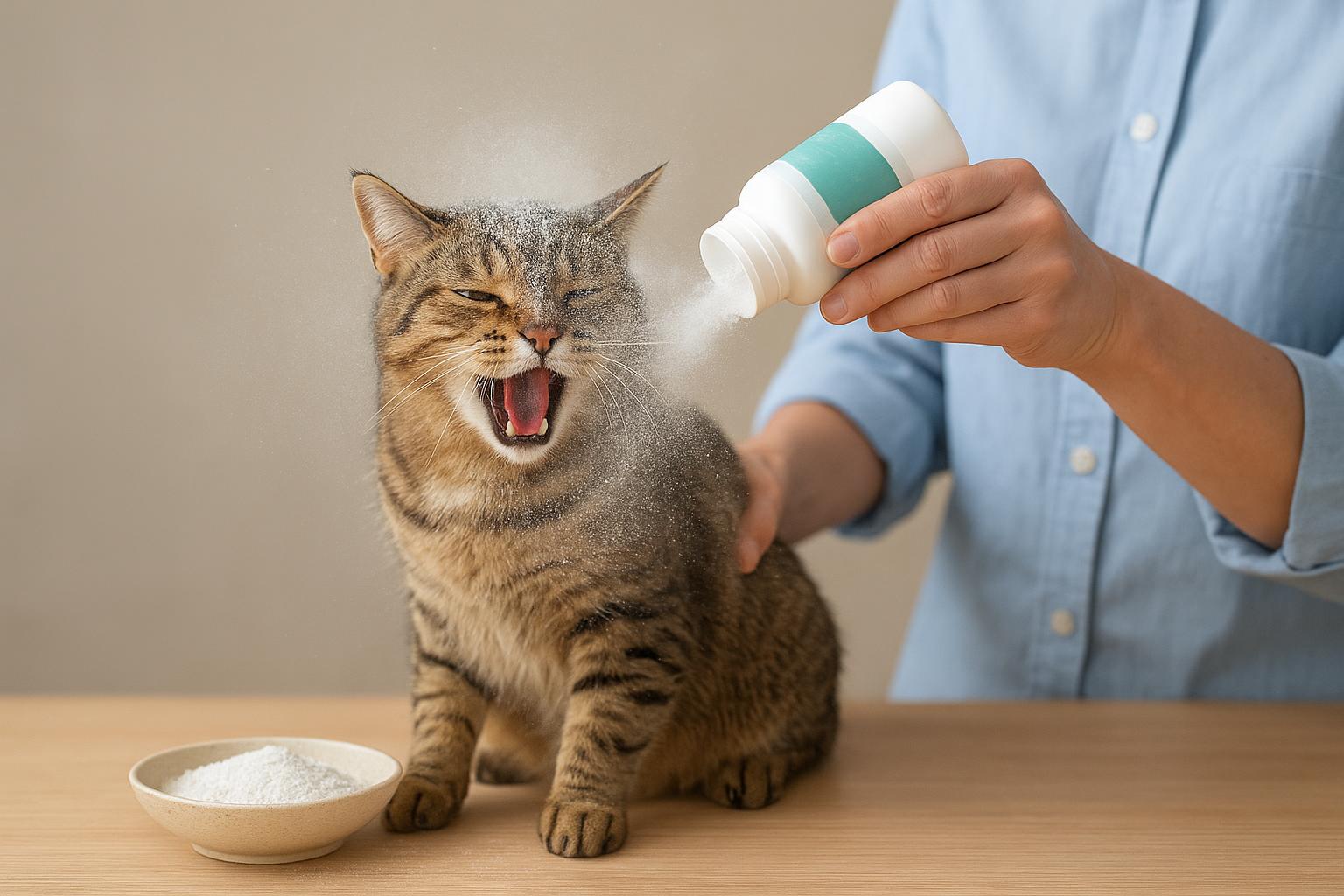
Caution: Use only food-grade DE. Avoid inhalation and keep away from the cat until the area is vacuumed; cats are sensitive to fine powders.
## 3. Natural Repellents And DIY Remedies
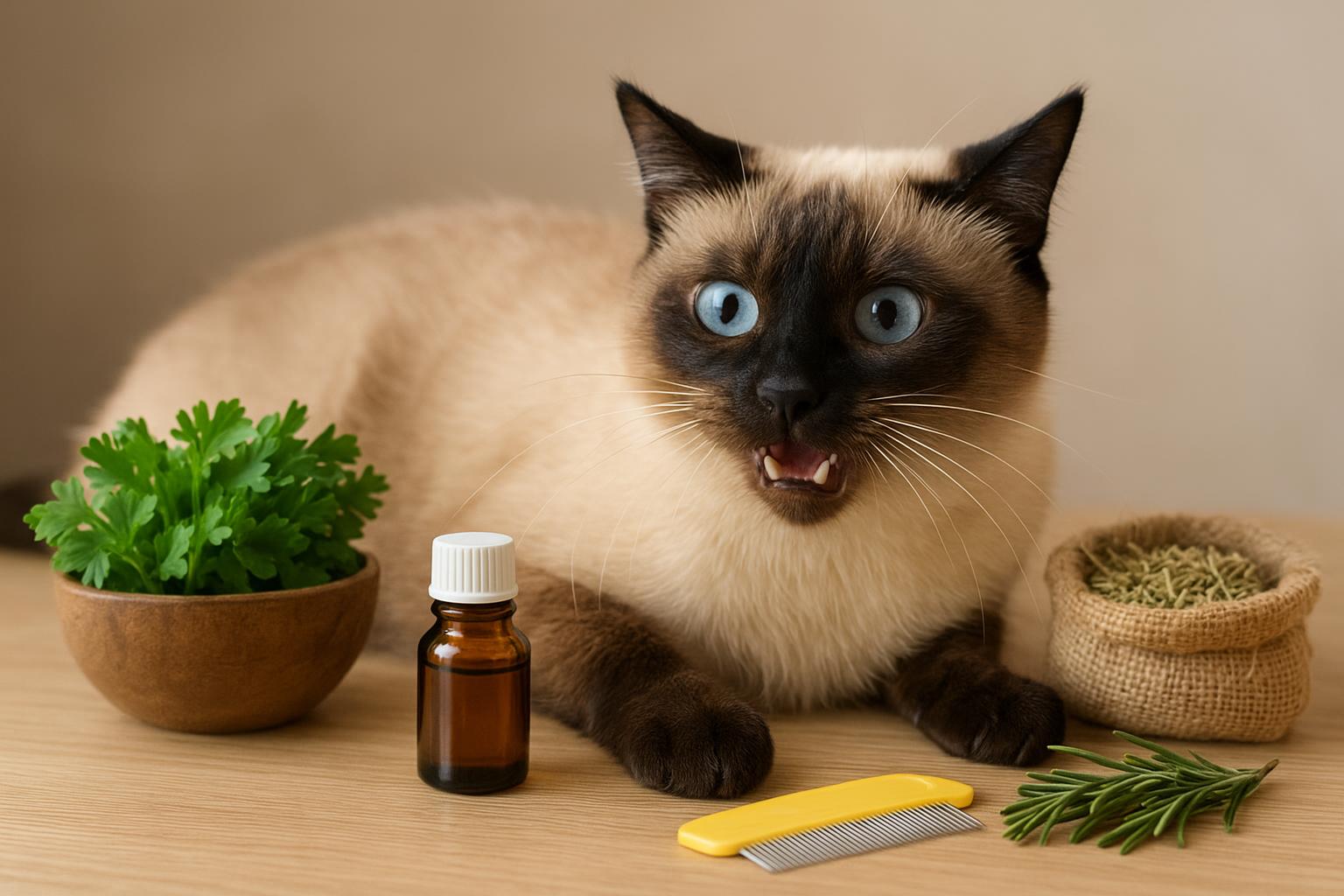
If you prefer low-chemical approaches, some safe, supportive DIY measures can help when used alongside vet-recommended preventives. Be careful: many “natural” products are toxic to cats (certain essential oils, tea tree oil, etc.). The approaches here prioritize safety.
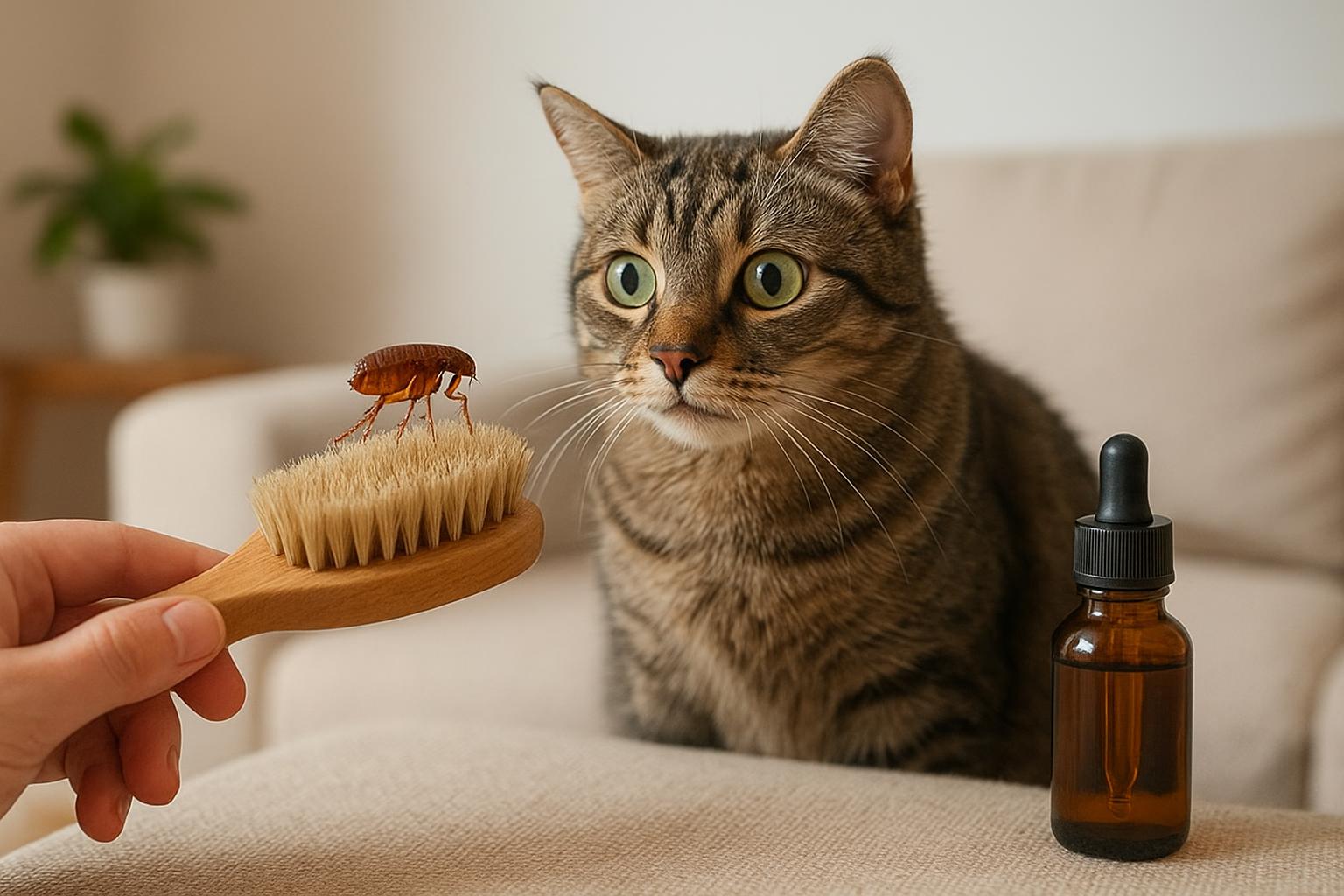
Remedy 3A: Flea Comb Soapy Water Trap
Materials:
– Fine-tooth flea comb.
– Shallow bowl with warm water and a few drops of mild dish soap.
– Towel.
Steps:
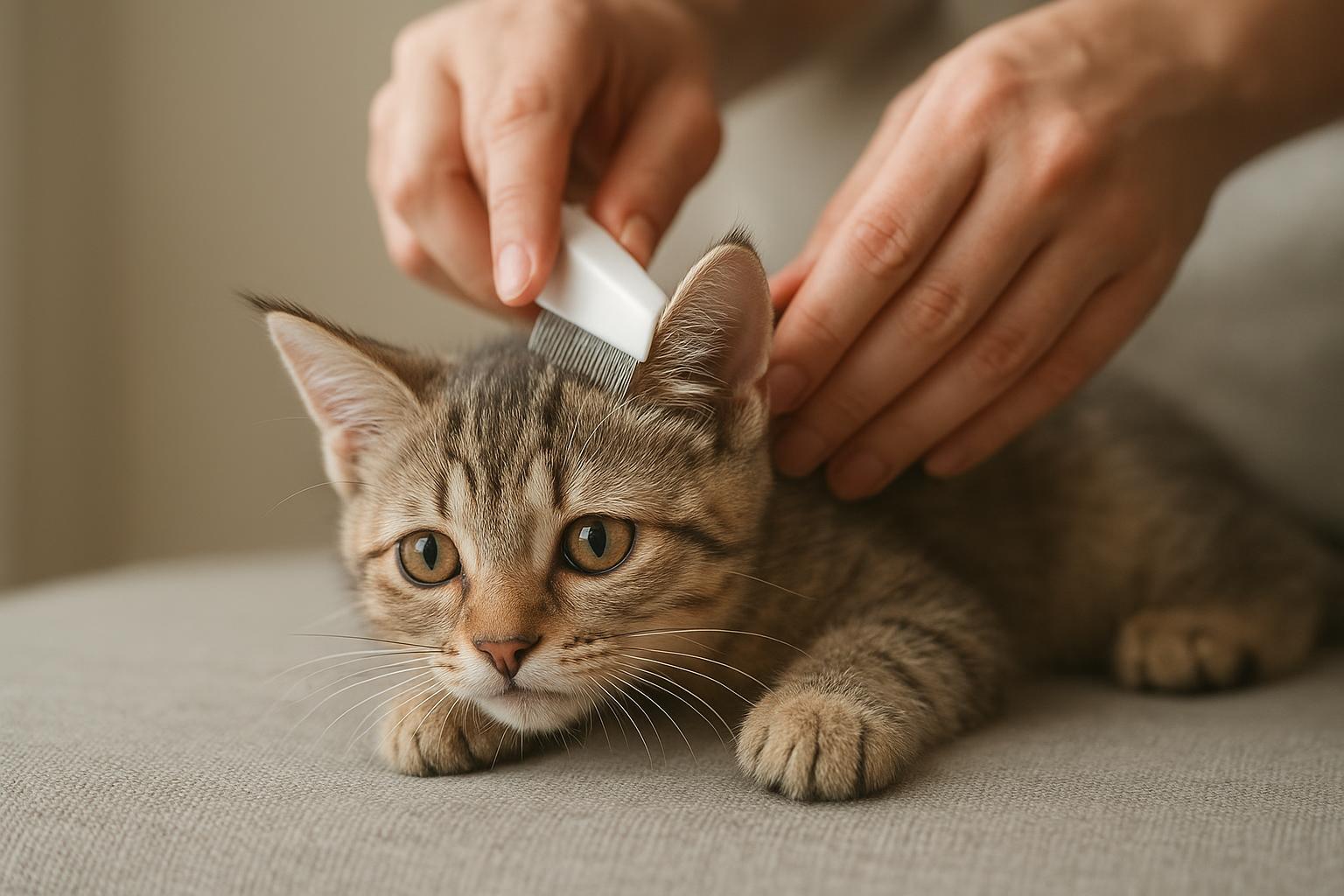
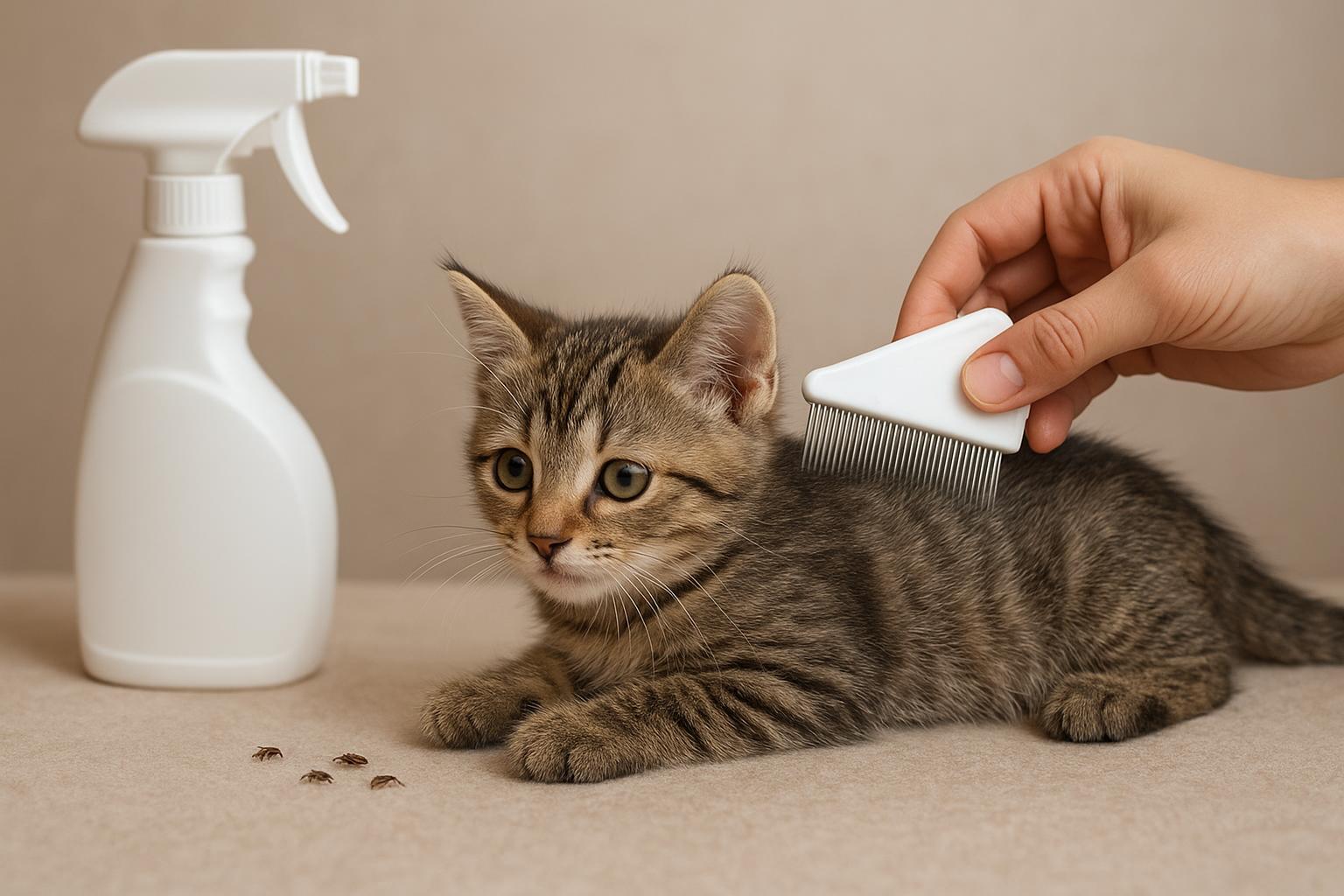
1. Gently comb your cat from head to tail, concentrating on the neck, behind ears, and near the base of the tail.
2. Dip the comb into the soapy water after each pass to remove captured fleas. The soap reduces surface tension so fleas sink.
3. Wipe your cat with a dry towel if needed, and reward them for their patience.
Remedy 3B: Apple Cider Vinegar Rinse (Repellent Only)
Materials:
– Apple cider vinegar (ACV).
– Water.
– Spray bottle (optional).
Steps:
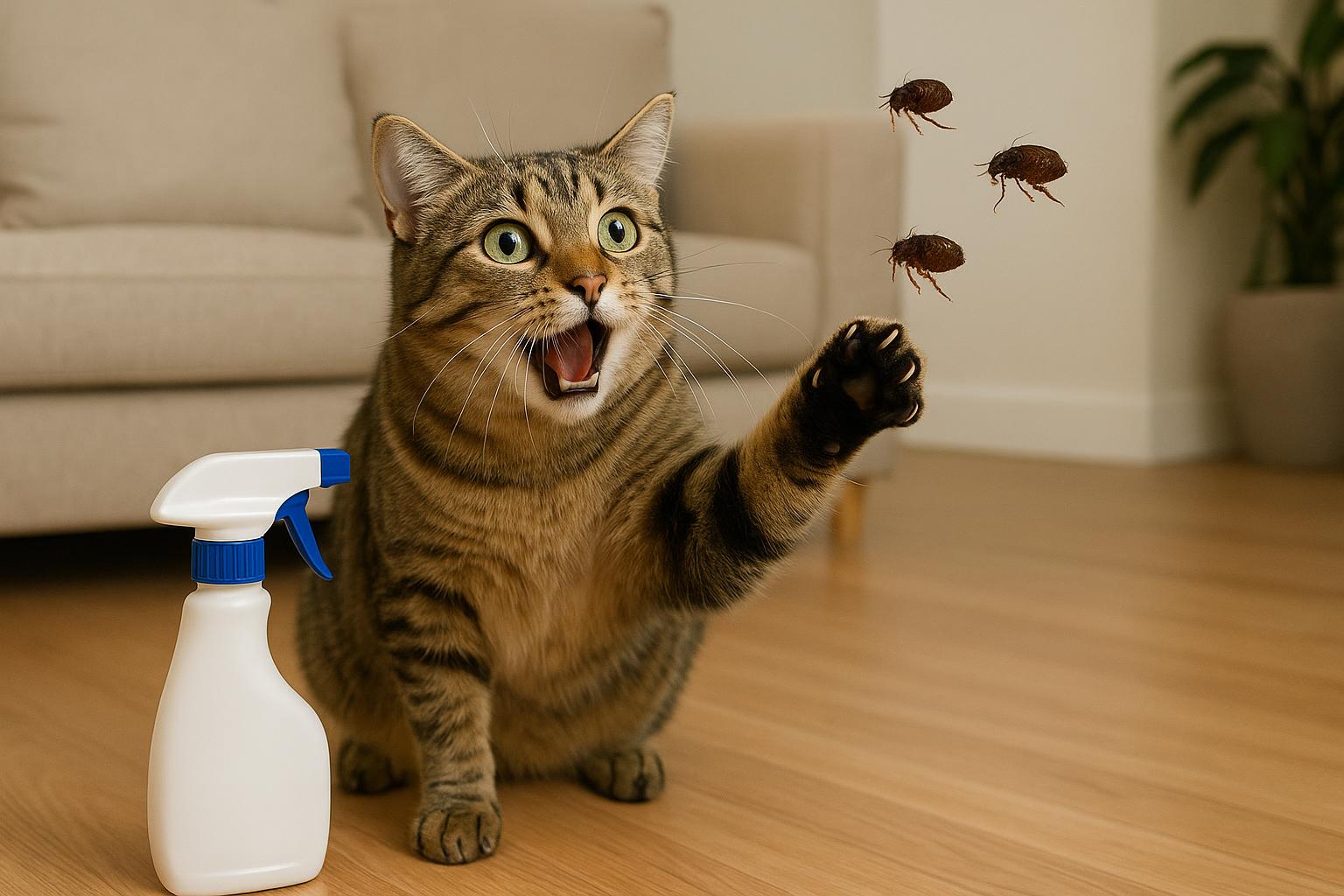
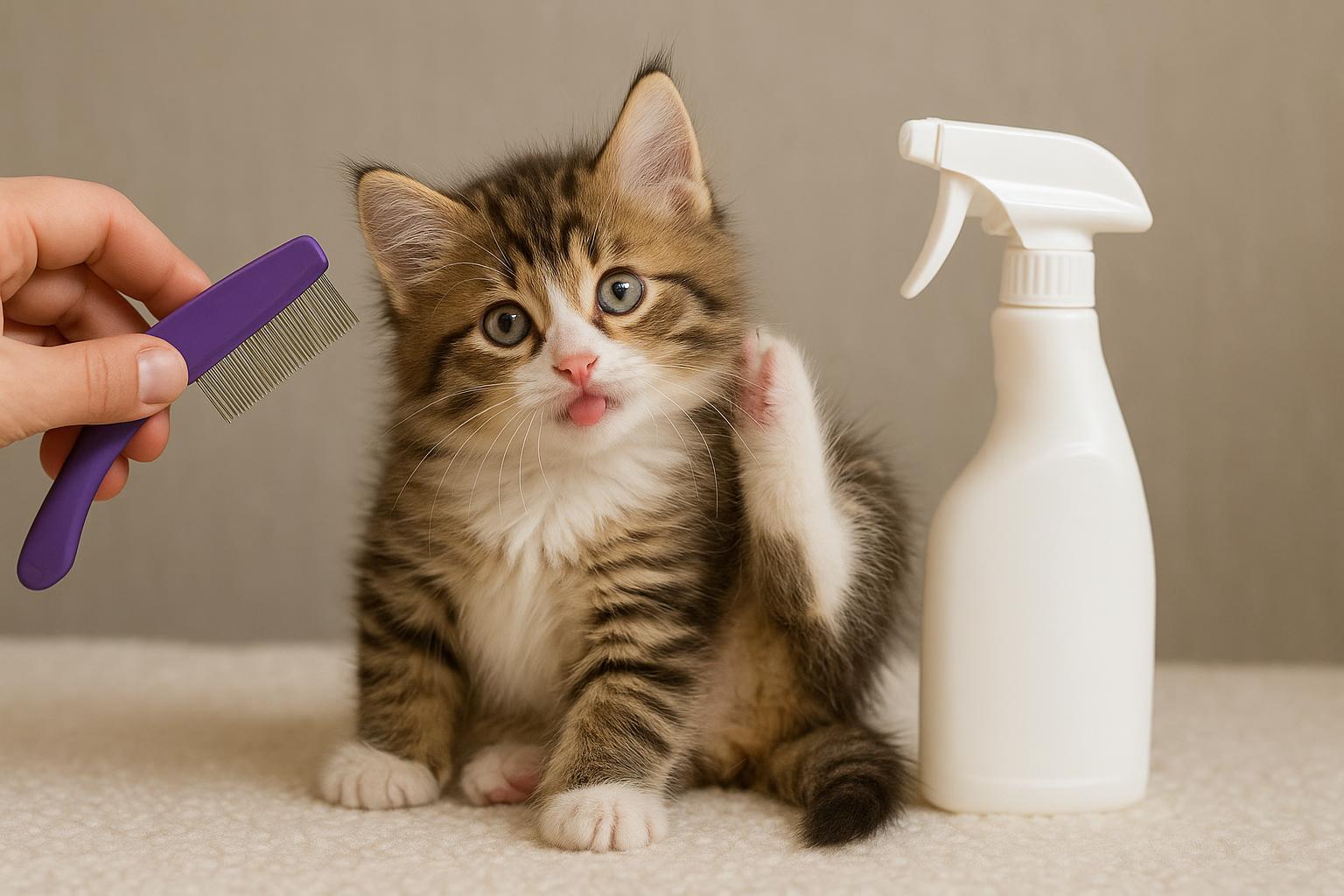
1. Mix one part ACV to two parts water in a spray bottle. Do not use undiluted vinegar on skin.
2. Lightly mist your cat’s fur, avoiding face and eyes, or apply with a cloth to areas your cat tolerates.
3. Apply every few days; this may make your cat’s scent less attractive to fleas but does not kill them.
Caution: This is a mild repellent; do not rely on it as your sole method of control.
Formal note: Natural methods can support but not replace veterinarian-approved treatments. For true infestations, medical-grade products are required to break the flea life cycle.
### When To Call The Vet
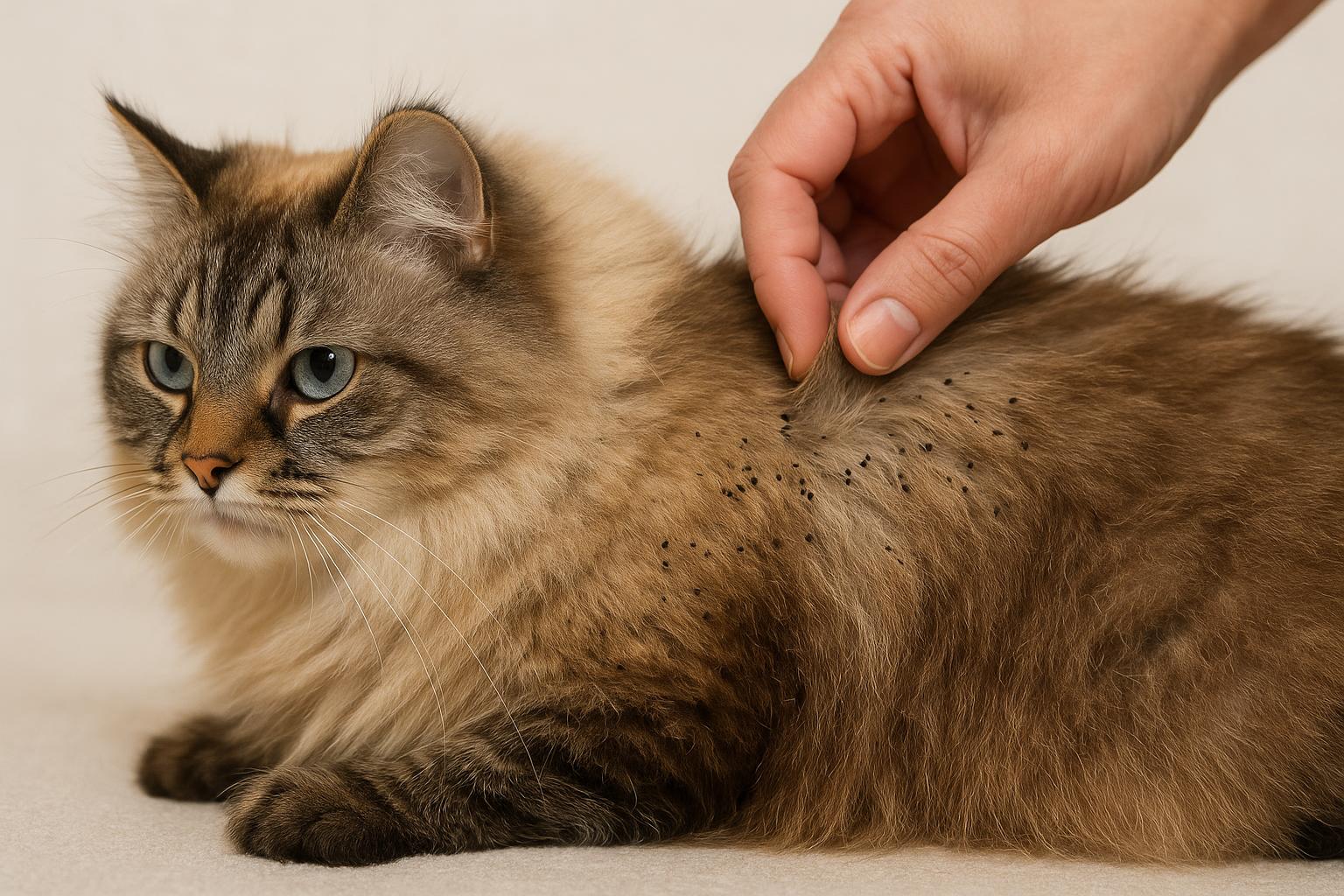
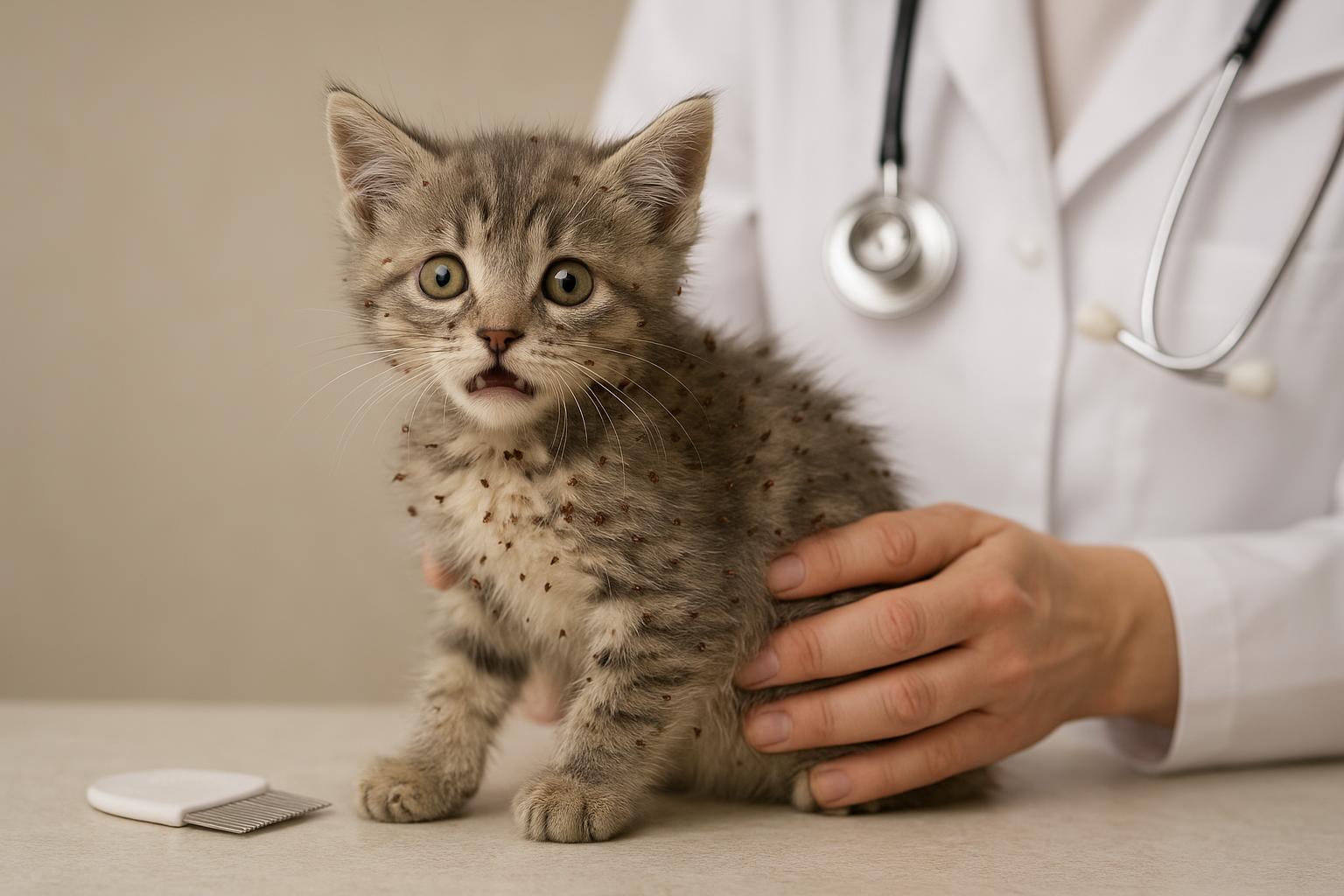
If you notice signs of heavy infestation—excessive scratching, hair loss, scabs, visible fleas, or symptoms of tapeworms (segments in feces)—call your veterinarian. Young kittens, senior cats, or cats with anemia need prompt professional care. Your vet may recommend a coordinated treatment for all pets in the household and environmental interventions.
### Preventing Reinfestation
To keep fleas out long-term:
– Keep up with regular preventive treatments year-round—fleas don’t always follow the calendar.
– Inspect any secondhand furniture before bringing it indoors.
– Wash pet bedding weekly and vacuum high-traffic areas often.
– Comb pets weekly, especially if they’re particularly fluffy.
– If you have outdoor pets or wildlife around the home, treat those vectors as feasible and safe.
### Practical Household Checklist For Indoor Flea Prevention
– Monthly vet-approved preventives on schedule.
– Weekly combing and routine grooming.
– Regular laundering of bedding.
– Targeted vacuuming and occasional steam cleaning.
– Prompt treatment of any new guest pet or furniture.
A little consistency goes a long way. Indoor flea prevention is about breaking the cycle—treat the pet, treat the environment, and keep a routine. Your cat gets back to being a relaxed indoor monarch; you get to stop staging midnight battles with invisible invaders.



Leave a Reply