
## Why Oral Flea Medicine Matters For Your Cat
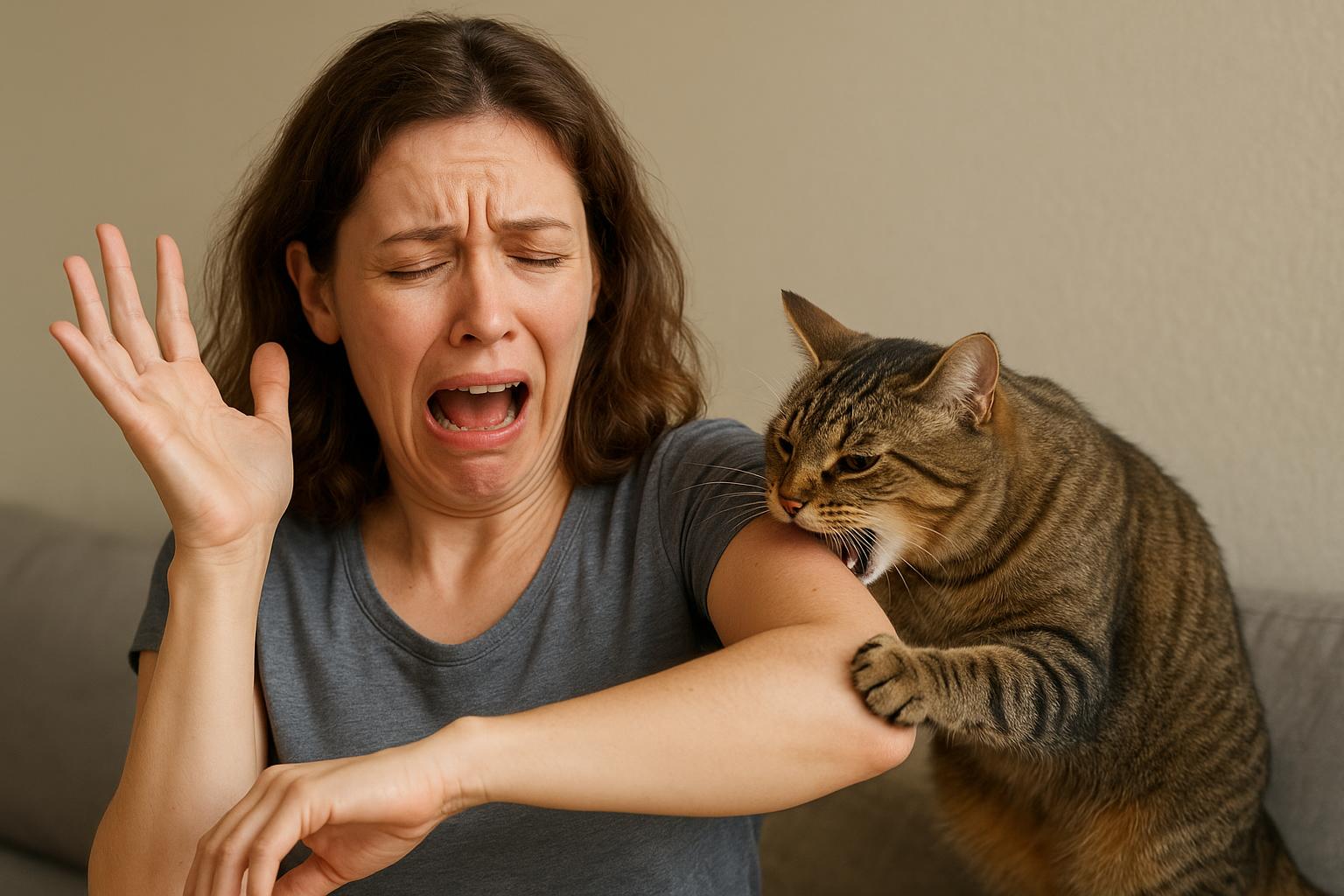
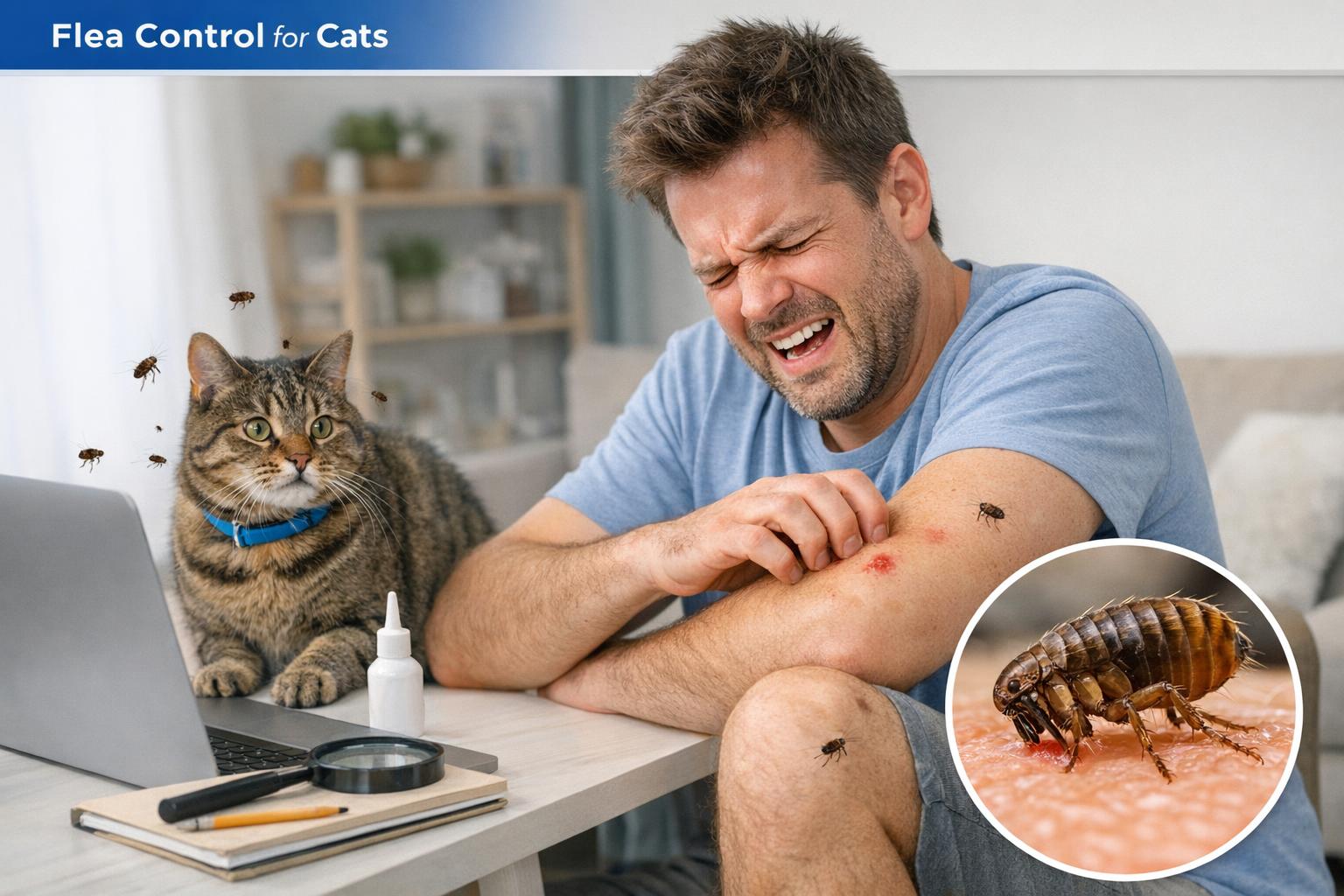
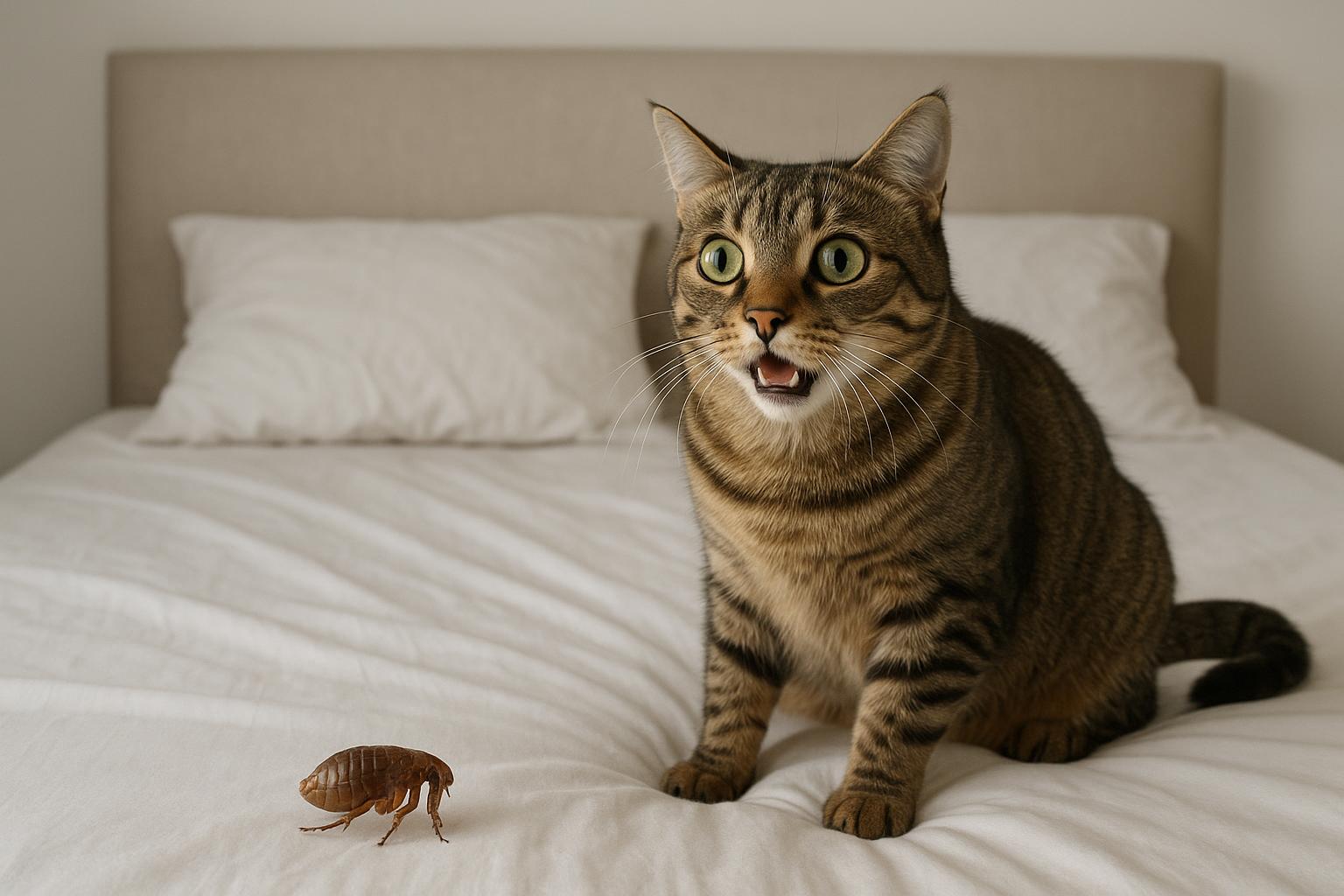
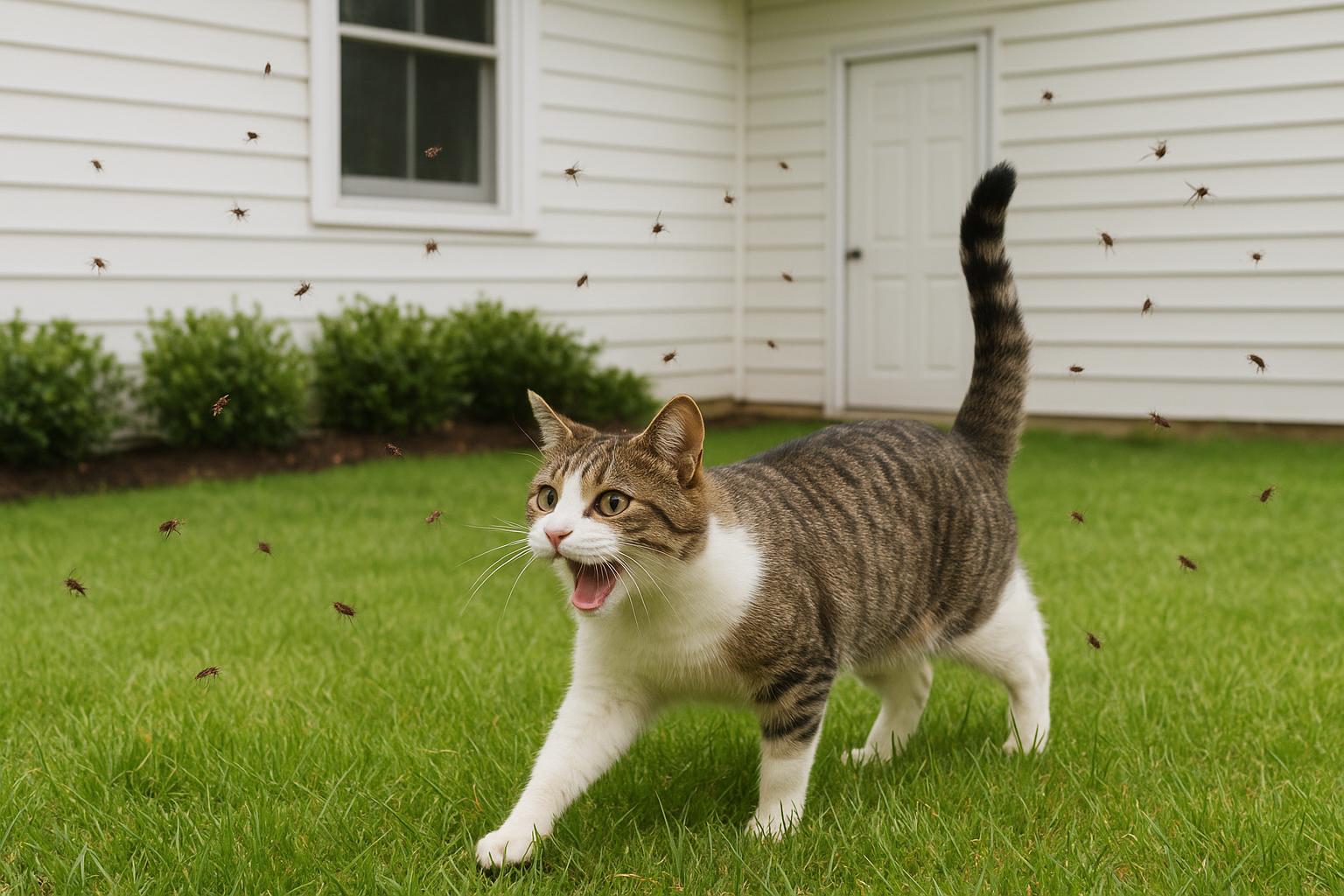
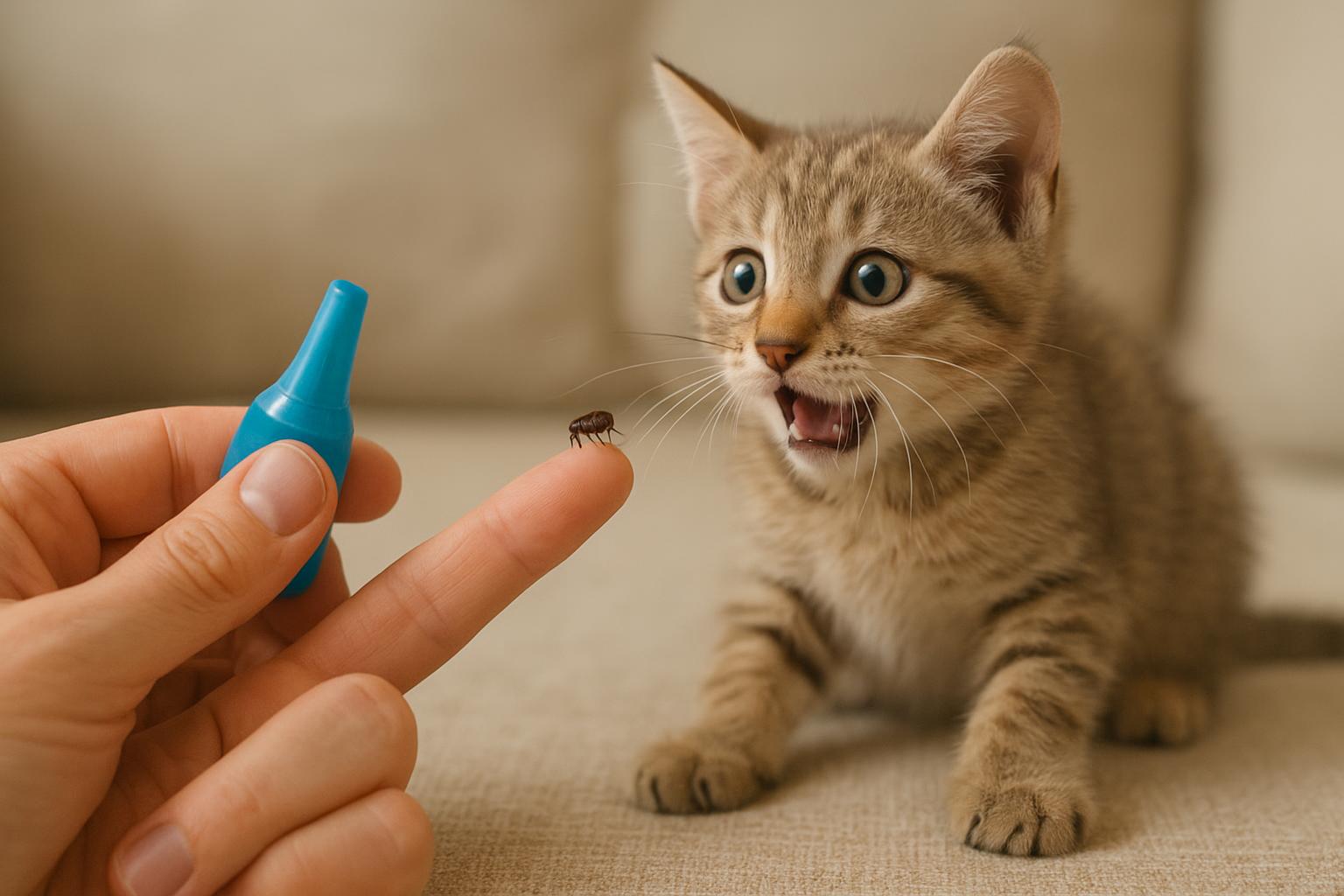
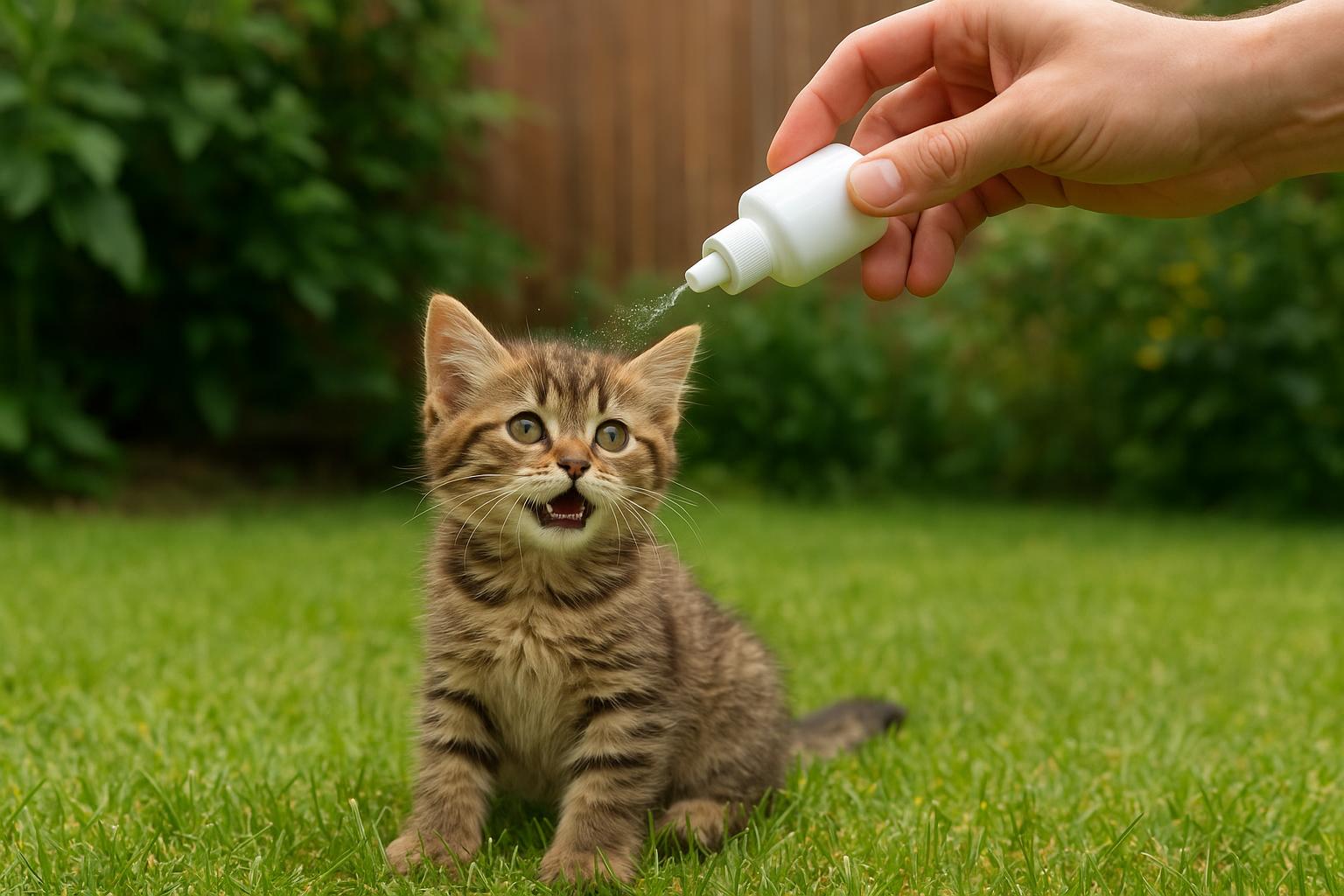
Fleas are tiny but mighty irritants. One bite can turn into a full-blown household problem, and cats—especially those that lick and groom constantly—can suffer from itching, allergic dermatitis, tapeworms, and even anemia in severe cases. That’s why oral flea medicine is a popular, effective option: it treats the parasite from the inside out, often quickly kills adult fleas, and can interrupt the flea lifecycle in ways topical products sometimes do not.
### Recognizing Flea Trouble Early
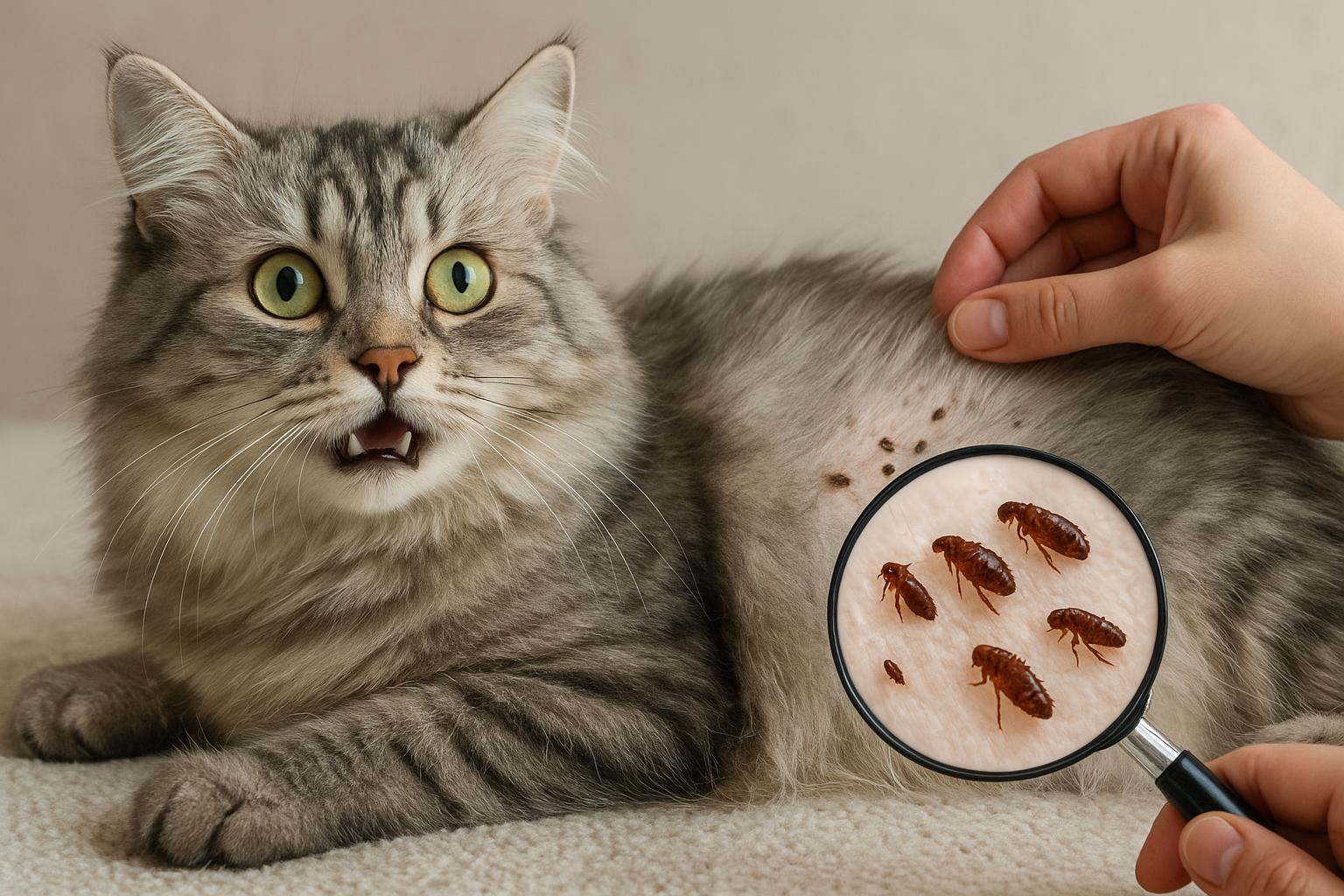
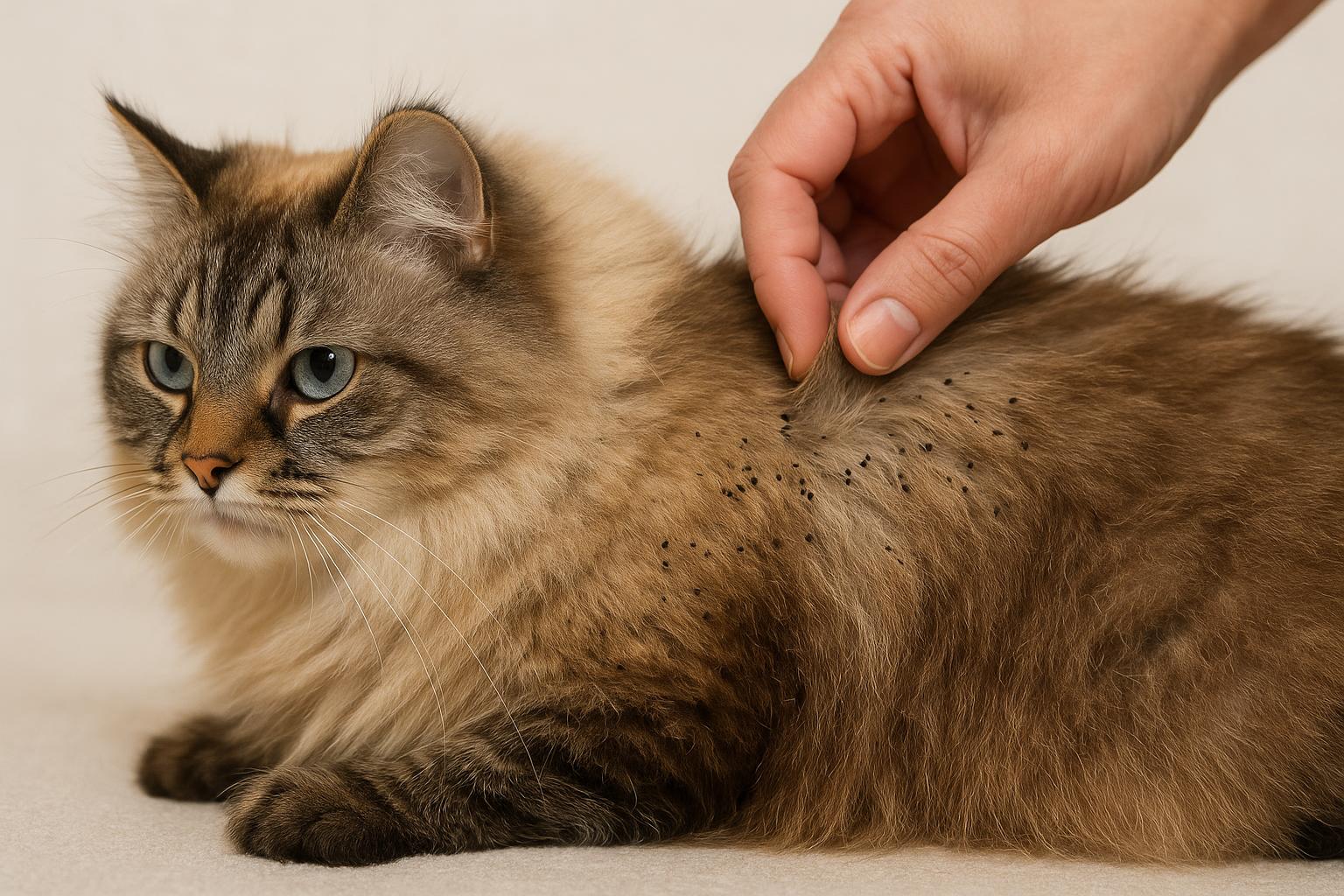
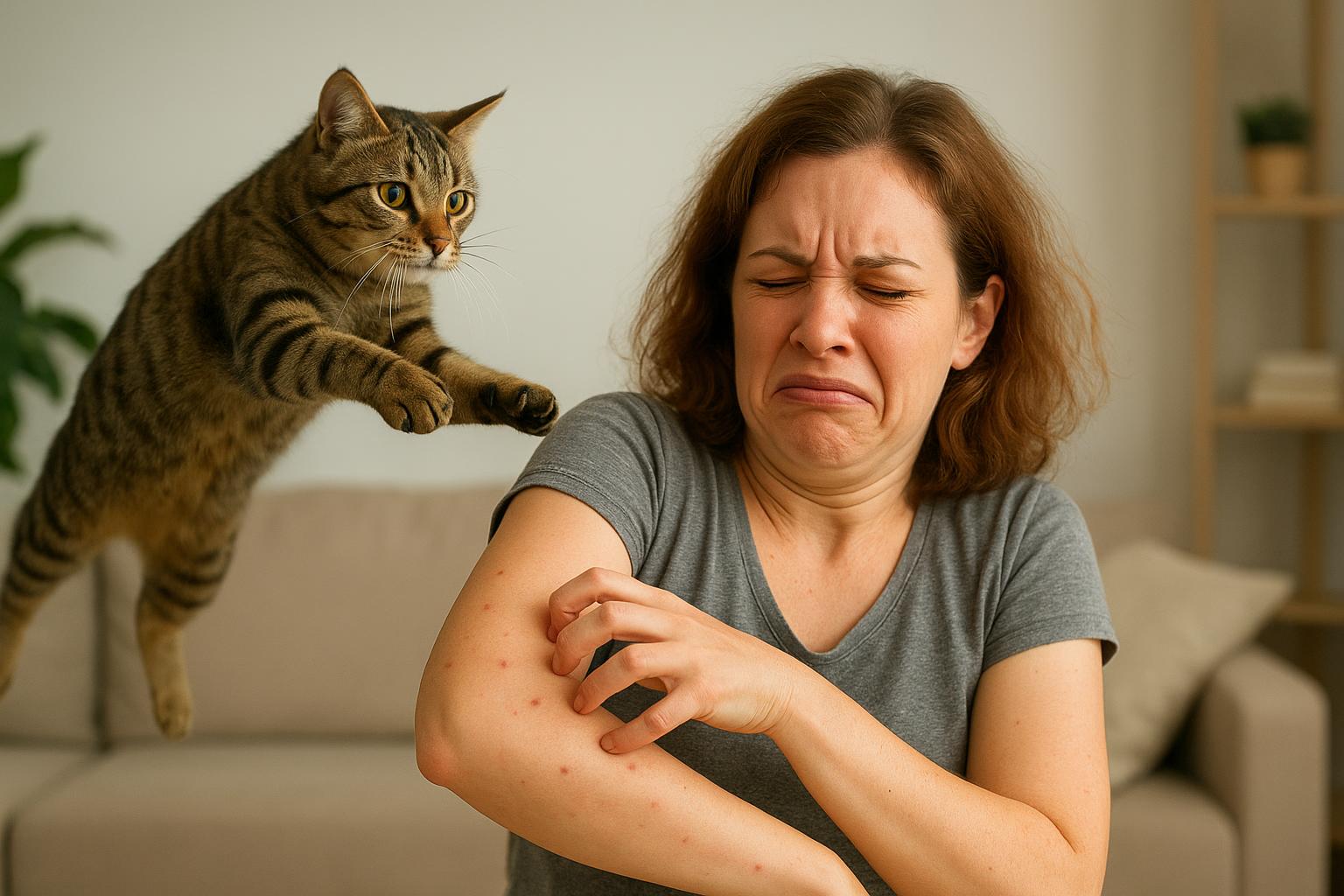
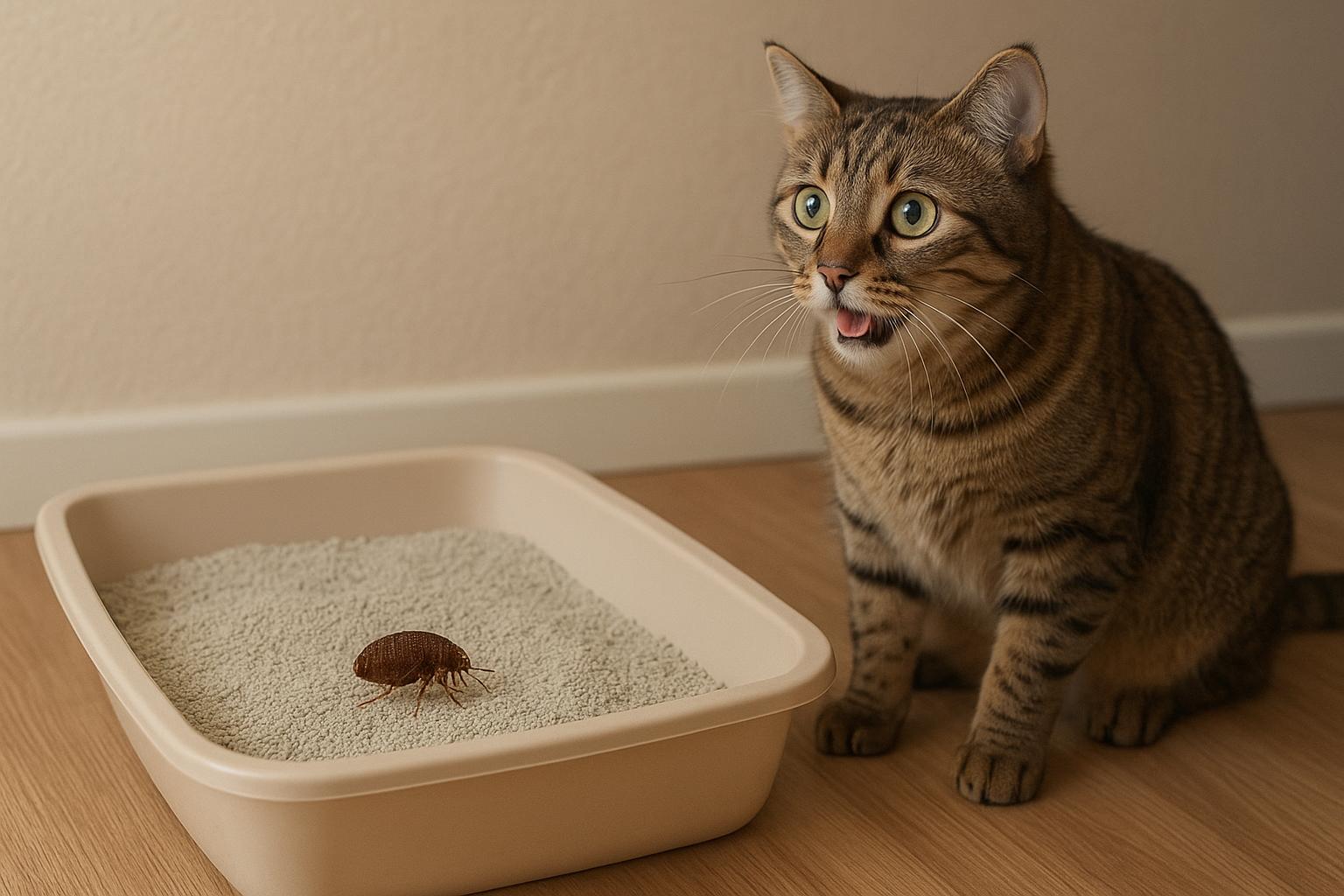
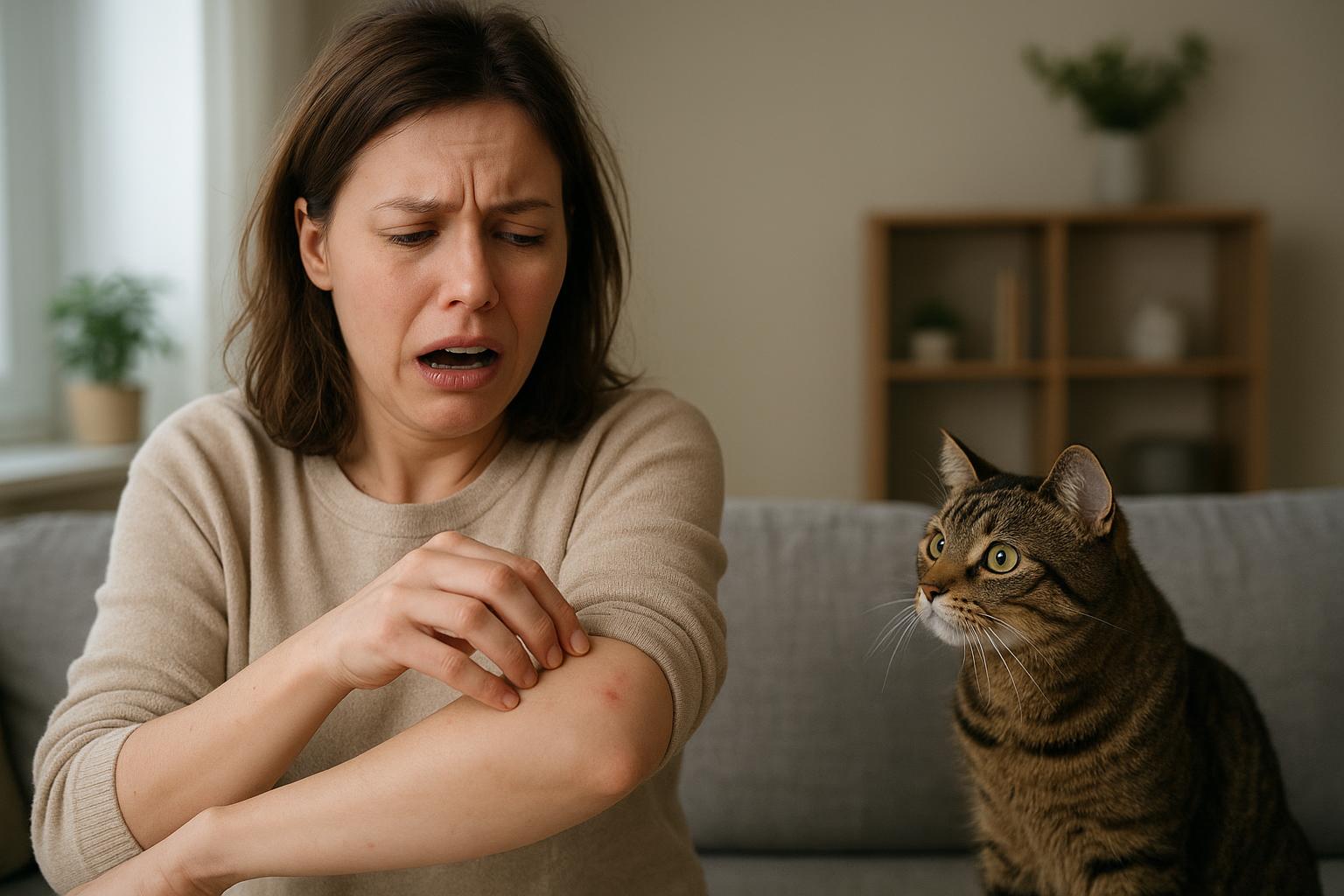
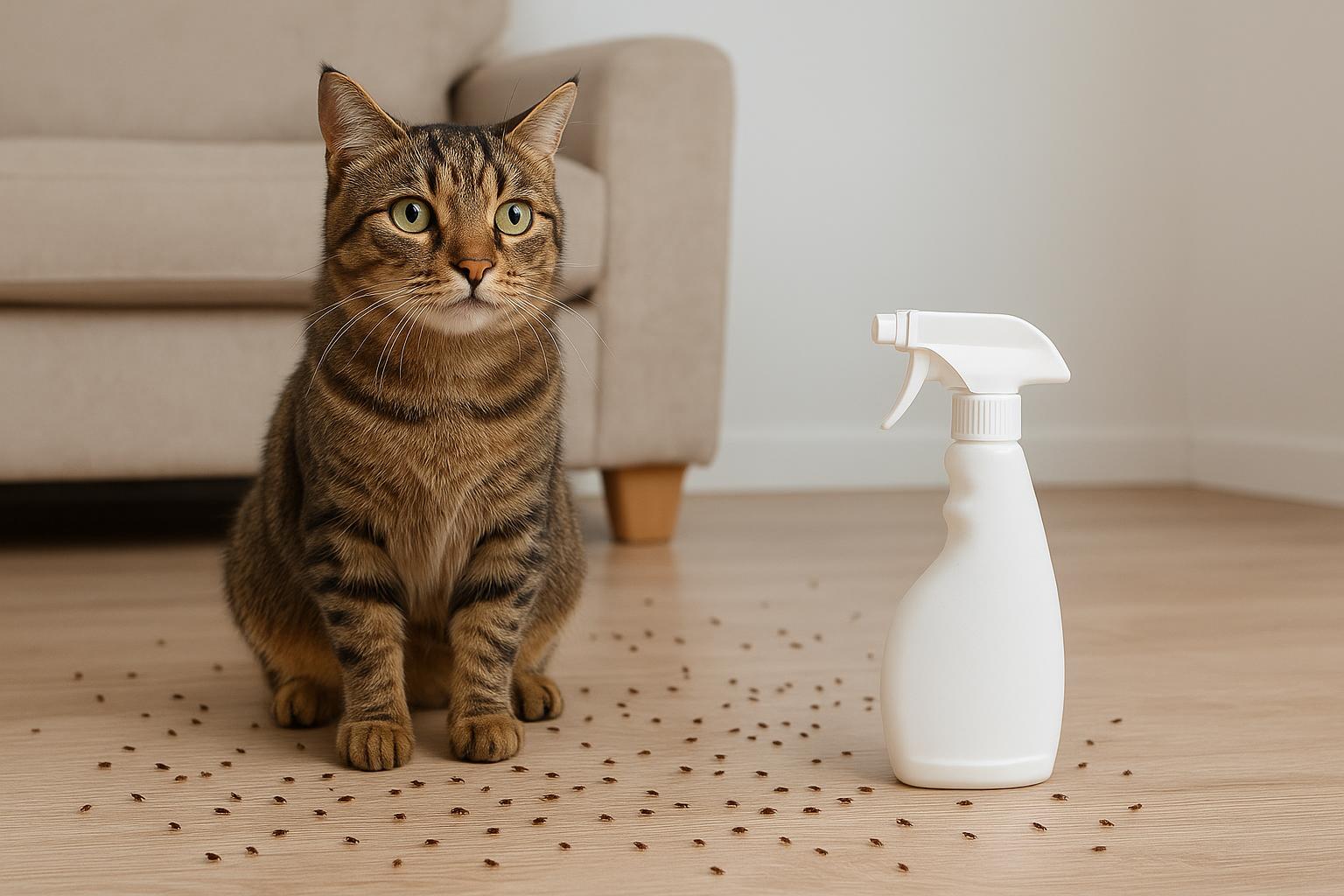
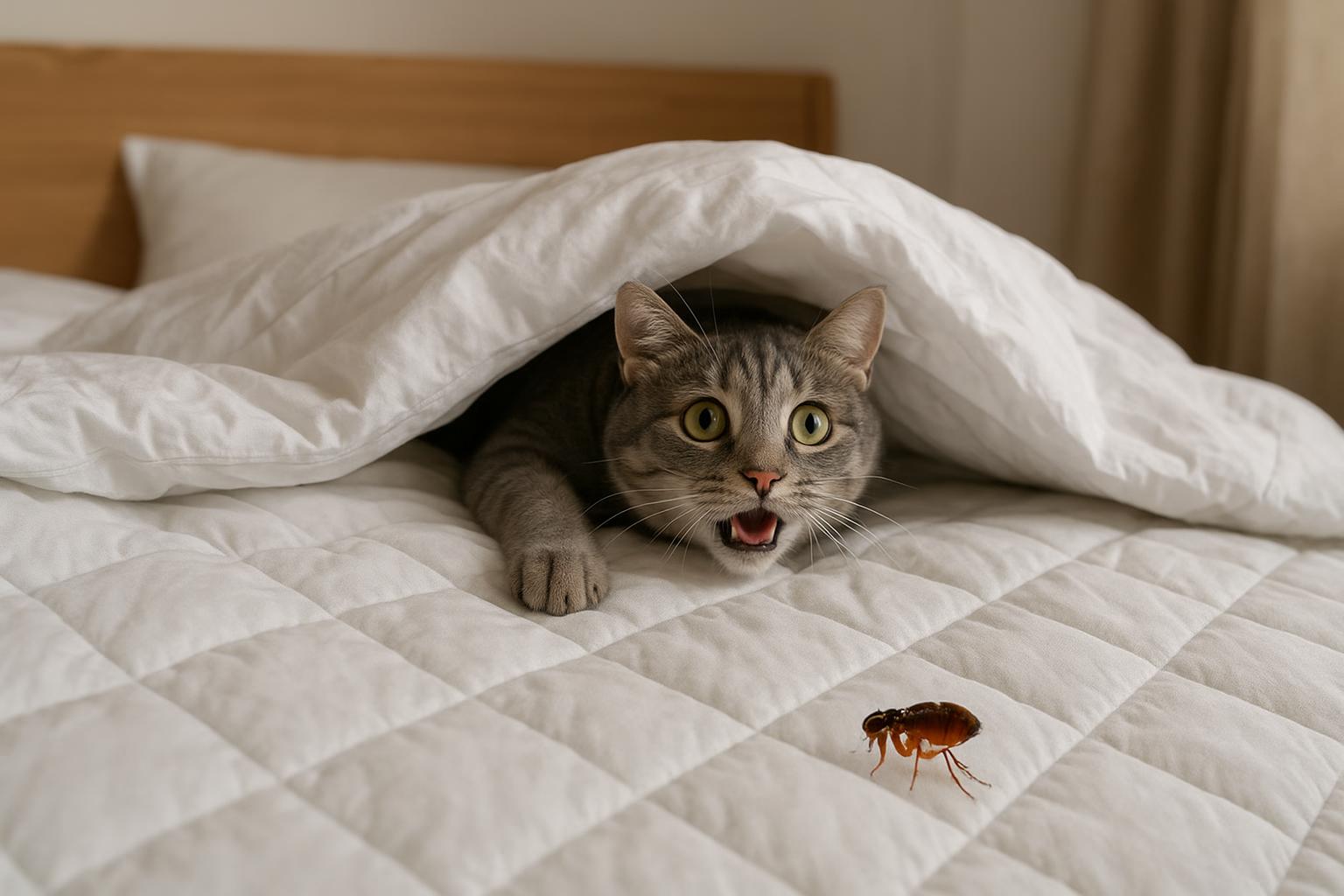
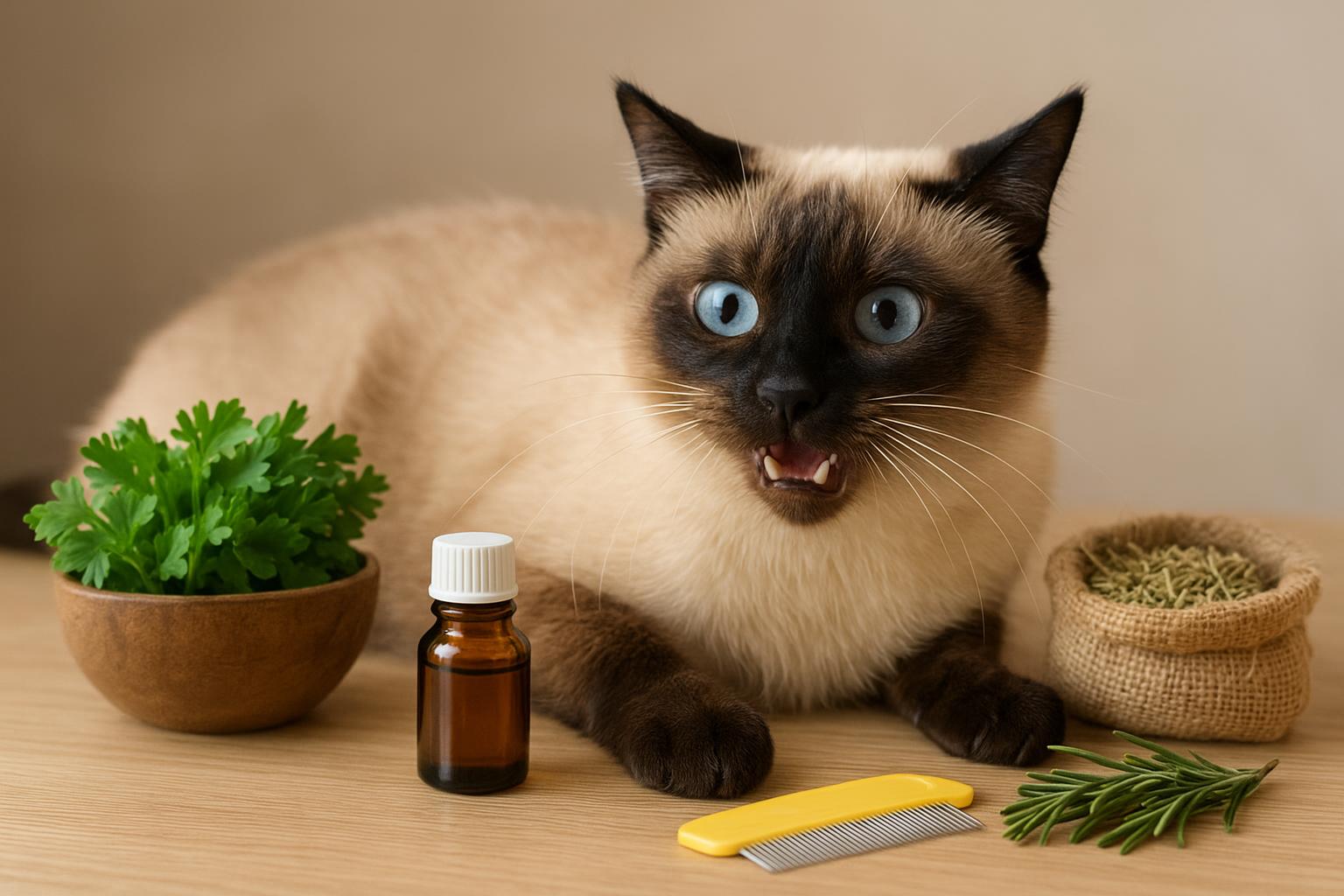
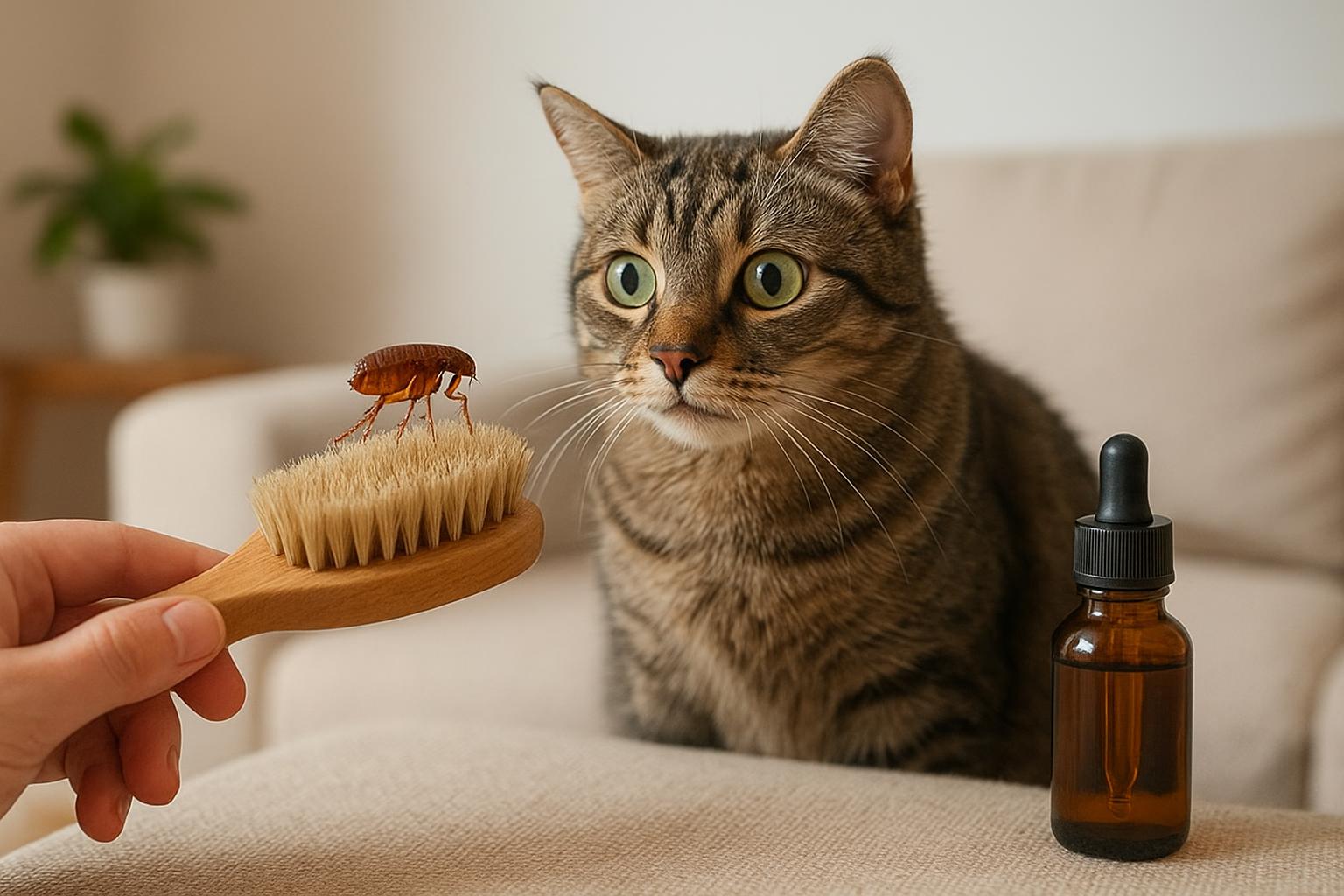
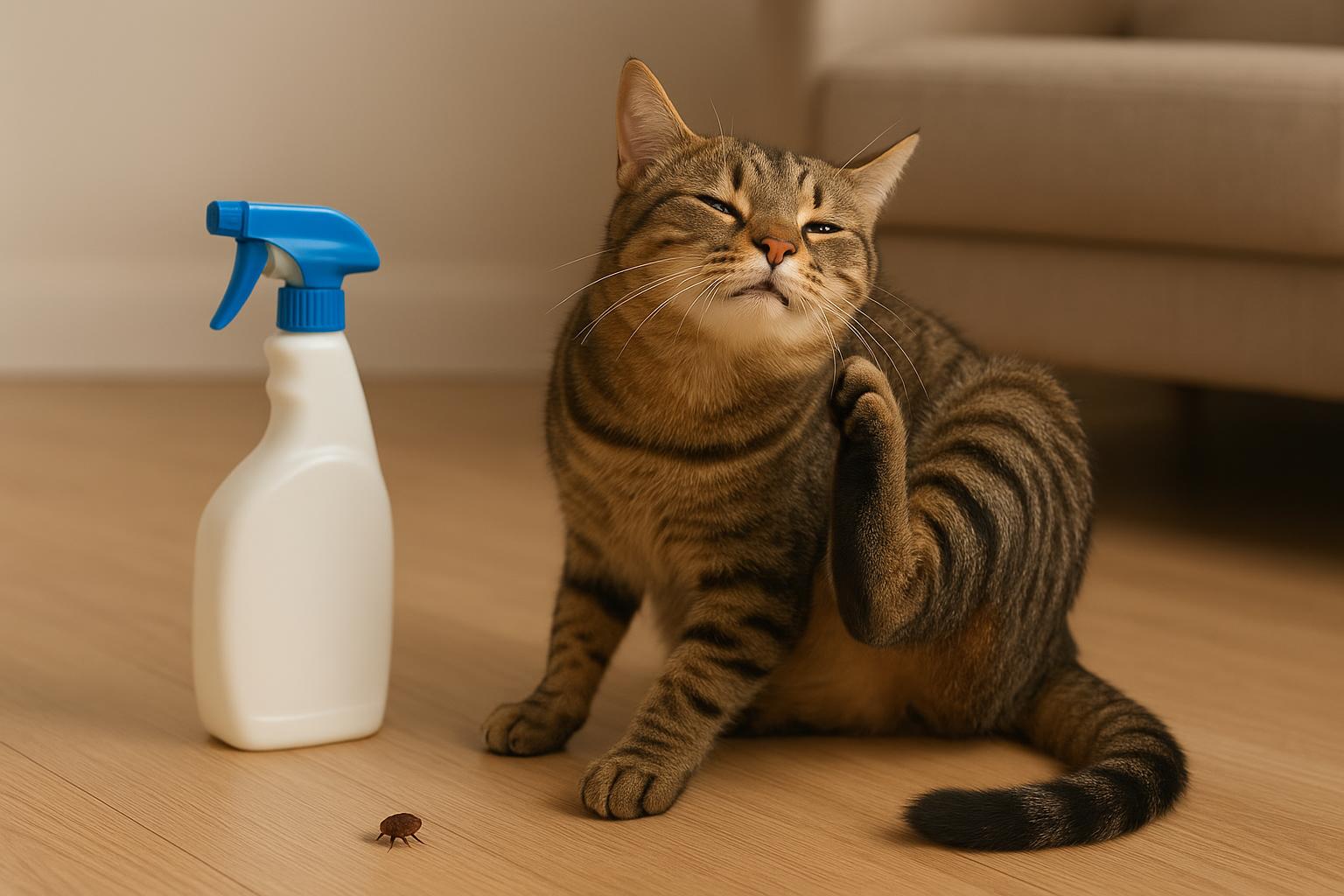
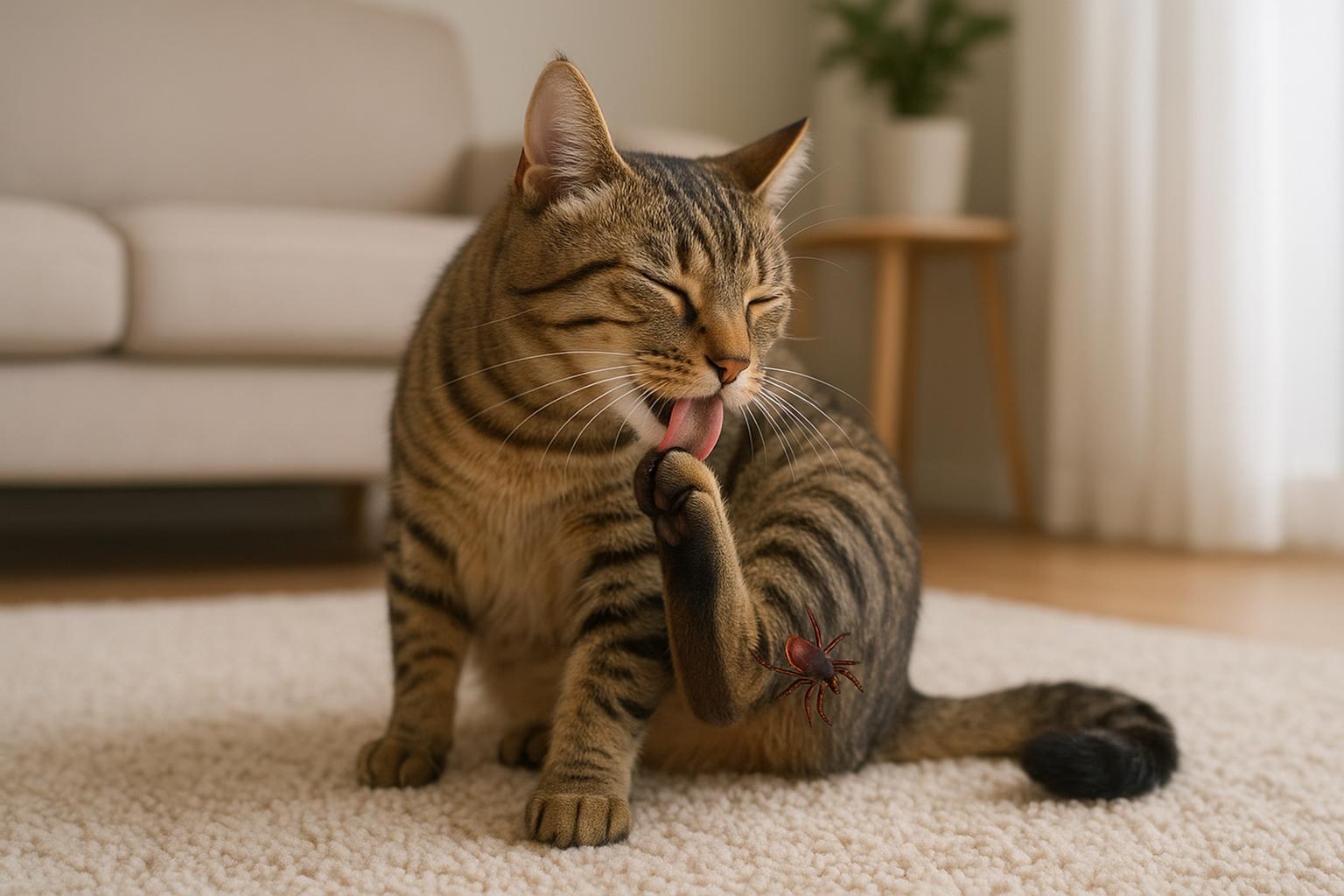
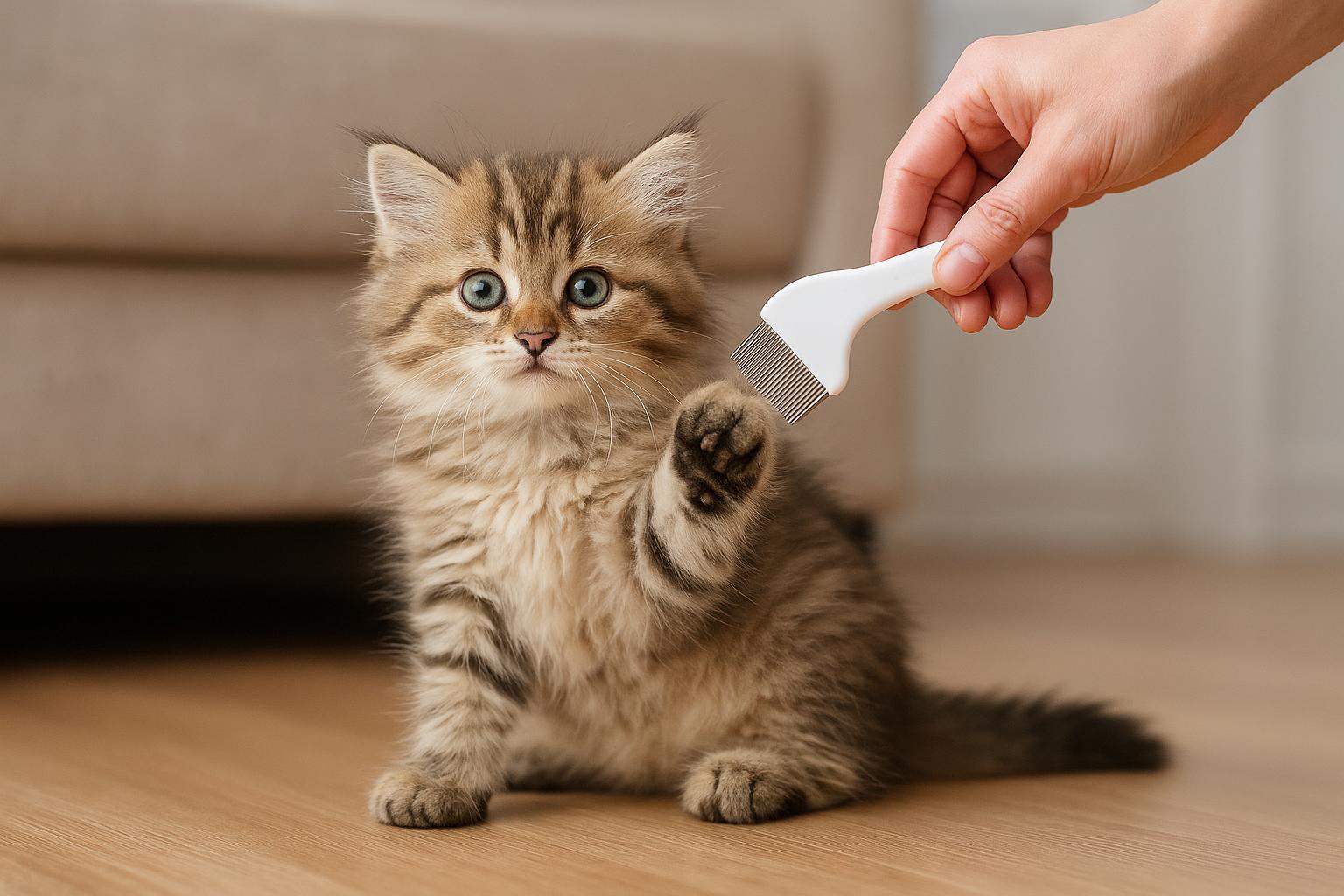
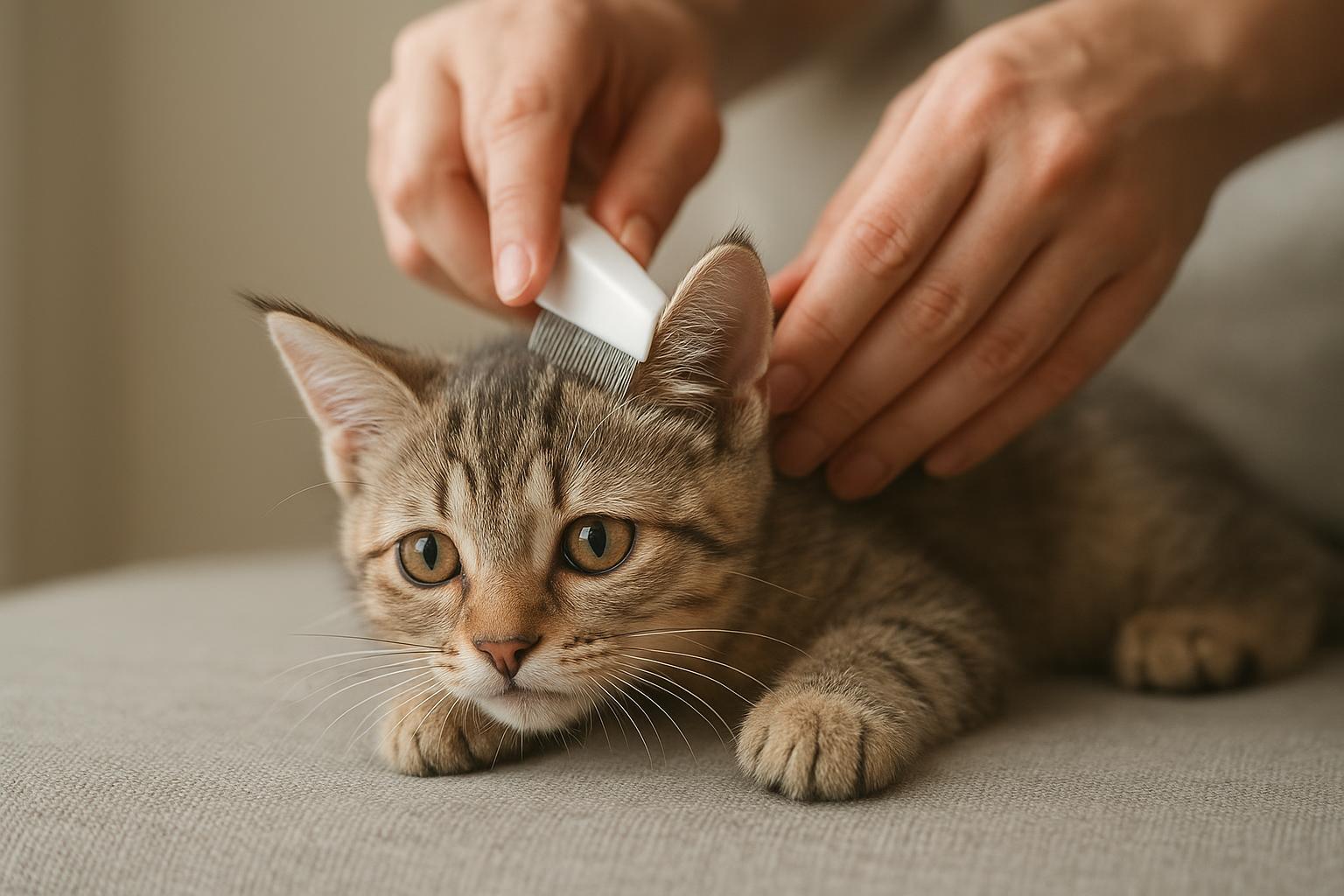
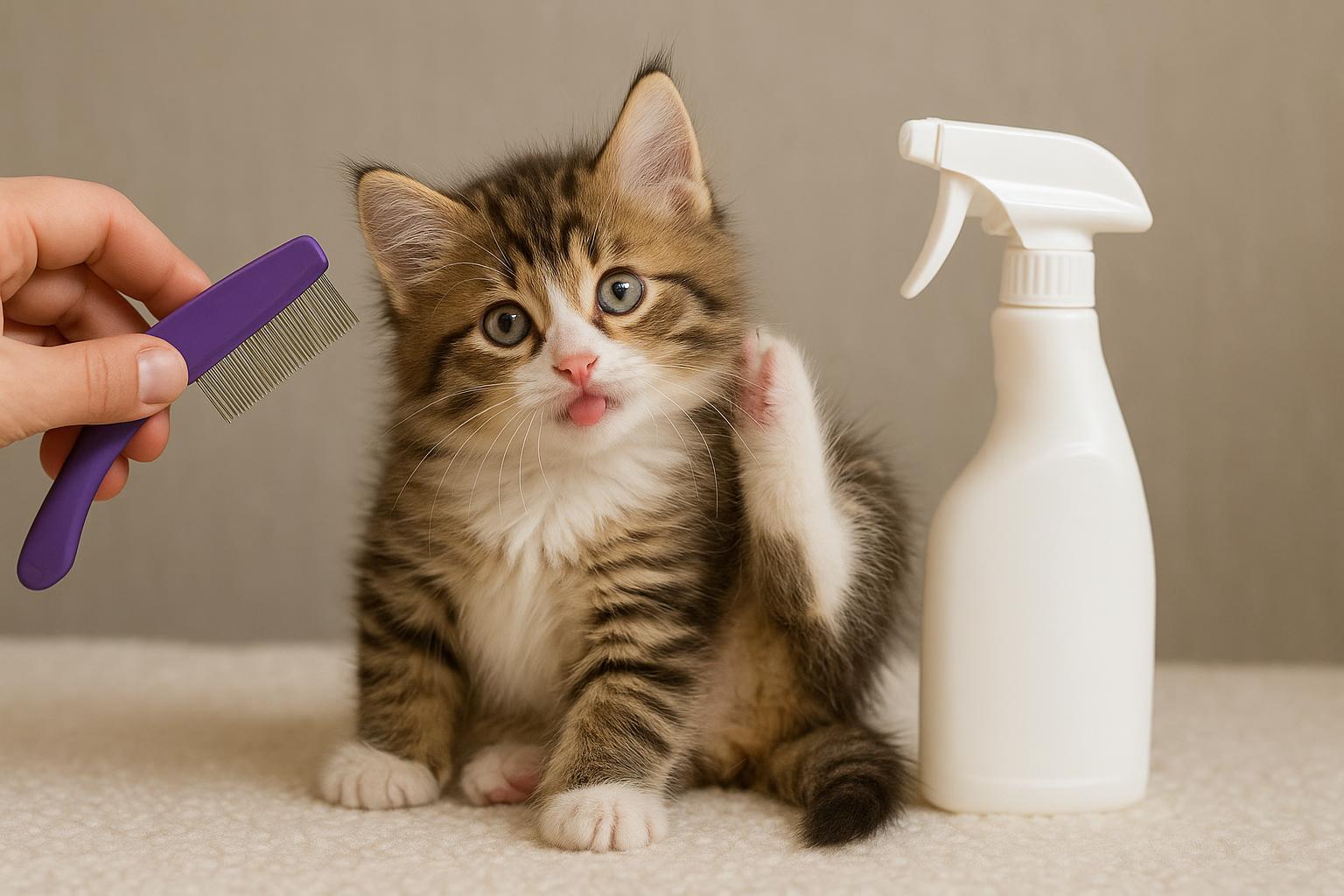
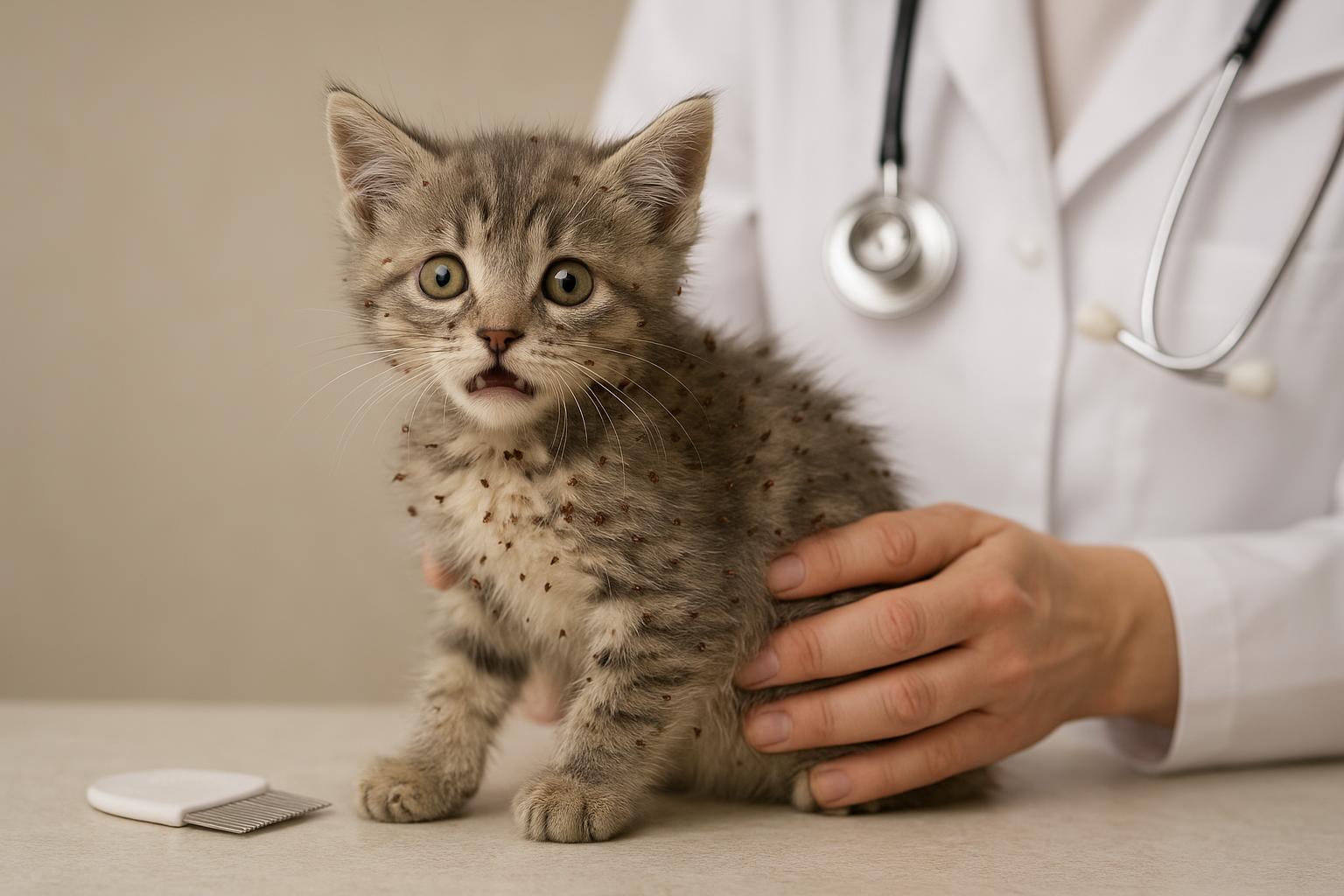
Cats won’t always tell you they’ve got fleas—except by acting like they’ve suddenly become interpretive dancers because “that spot just won’t stop itching.” Look for these signs: excessive scratching, bald patches, tiny black specks (flea dirt), frequent grooming, restlessness, or tiny red bumps on the skin. Using a fine-tooth flea comb is the easiest at-home diagnostic: if the comb picks up black specks that turn red when moistened, that’s flea dirt (dried blood), and fleas are likely present.
### Benefits Of Oral Flea Medicine
When you switch to or start an oral regimen, here’s what you can expect:
– Rapid knockdown of adult fleas (some act within hours).
– No topical residue that can rub off onto furniture or small children.
– Reduced chance of product failure due to bathing or swimming.
– Fewer missed doses from weather-related delays that affect topical treatments.
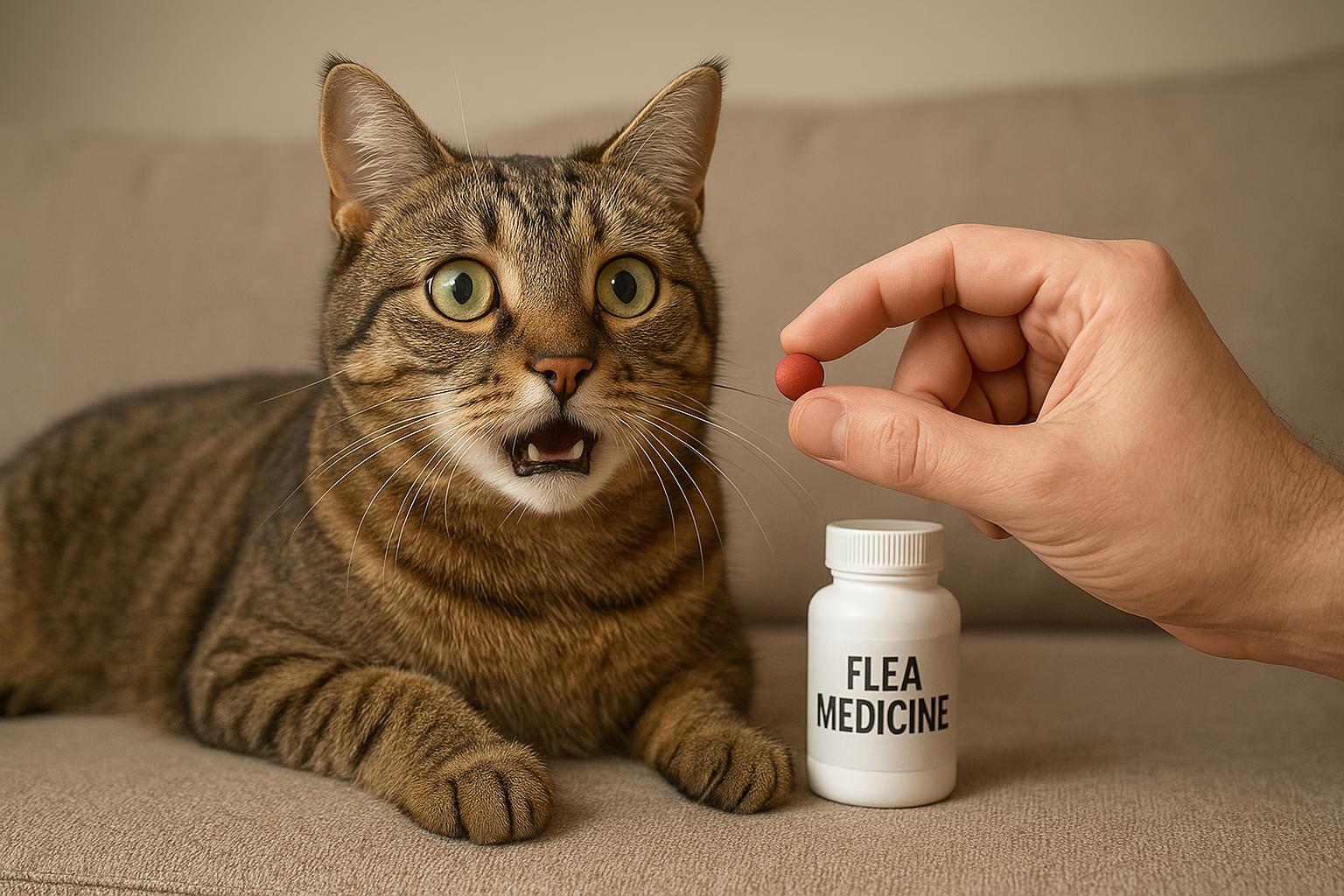
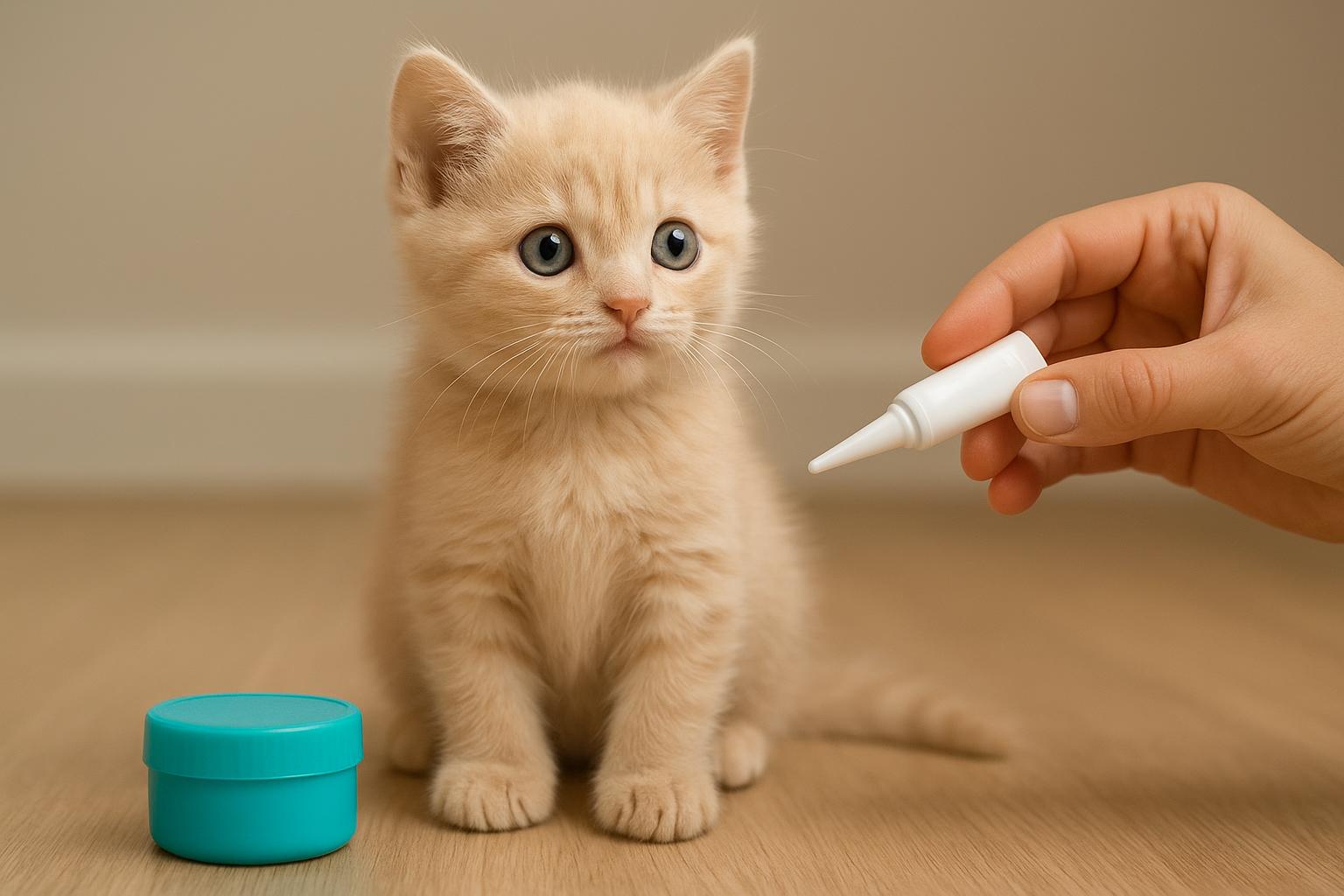
Oral flea medicine tends to be absorption-based and systemic: the active ingredient circulates in the bloodstream and is ingested by fleas when they bite. That mechanism is why these options are especially useful for multi-cat households and for indoor-outdoor cats who sample a variety of environments.
## Choosing The Right Oral Flea Medicine For Your Cat
Choosing a product can feel a bit like decoding an ancient scroll—there are trade names, active ingredients, dosing charts, and age/weight cutoffs. The principal active ingredients you’ll see include spinosad, nitenpyram, fluralaner, and a few others depending on region and brand. Each has its speed of-onset, duration of action, and label-specific safety notes.
### How To Read Labels And Understand Active Ingredients
Check the active ingredient first and look for:
– Approved age and weight ranges (some are only for kittens older than a certain number of weeks).
– Duration of protection (one-time dose vs. monthly vs. longer).
– Warnings about pregnancy, nursing, or concurrent medications.
– Whether it requires a prescription in your area.
When in doubt, your veterinarian can match product characteristics to your cat’s lifestyle: indoor-only, outdoor explorer, multi-cat home, or cats with medical conditions.
### Consulting Your Veterinarian
Formal Recommendation: Before starting any oral flea medicine, schedule a consult. Your vet will assess your cat’s health history, current medications, and potential drug interactions. They will perform an exam for flea-related complications—like flea allergy dermatitis or anemia—so the chosen product is both effective and safe. Provide a full list of supplements and prescriptions, and disclose any known drug sensitivities.
## 1. Vet-Administered Oral Flea Medicine Routine
This is a structured, medically guided “remedy” approach: a formal plan designed to deliver oral flea medicine safely and effectively.
Ingredients / Required Materials:
– Vet-prescribed oral flea medication (specific product and dose as prescribed).
– Pill dosing tool or pill pockets (if applicable).
– Digital scale or access to vet weights to verify current weight.
– Calendar or medication reminder app.
– Flea comb and magnifying glass for monitoring.
– Gloves (optional, for handling if needed).
Step-By-Step Administration And Monitoring:
1. Confirm Prescription: Ensure the medication, strength, and dosing interval are correct for your cat’s current weight and health status.
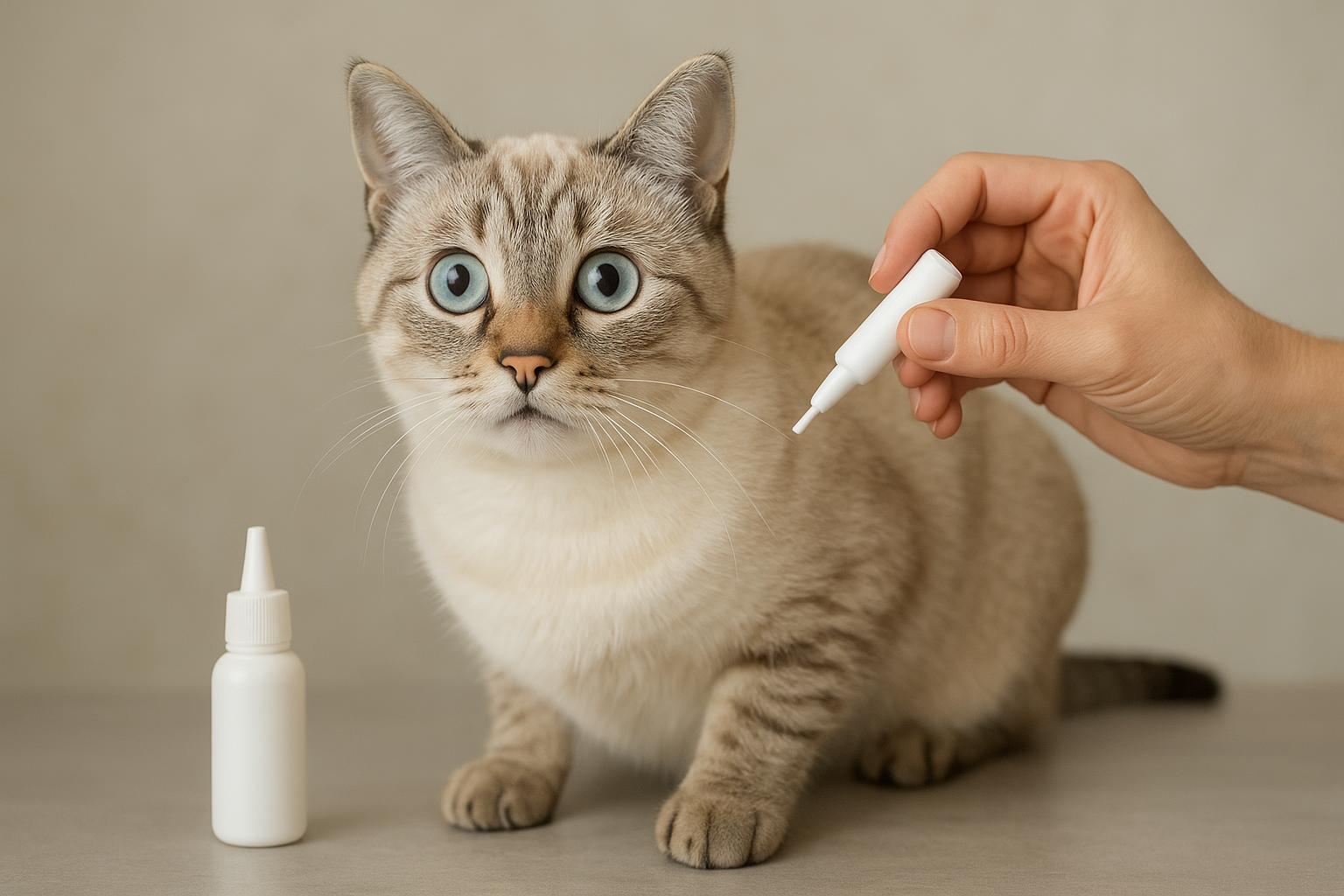
2. Prepare The Dose: Follow label/vet instructions. For whole-tablet formulations, use pill cutters only if advised. For flavored chewables, verify cat will accept them.
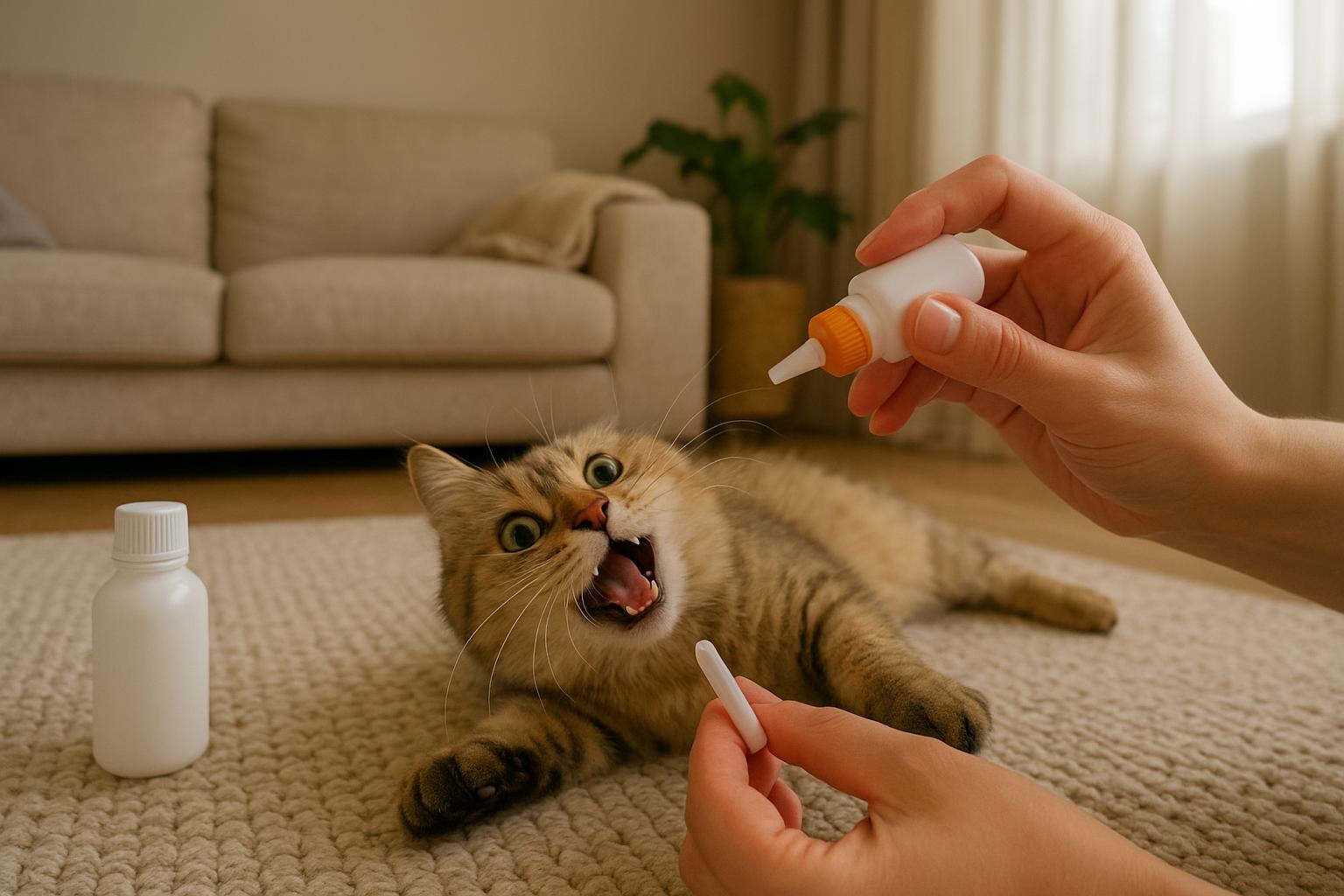
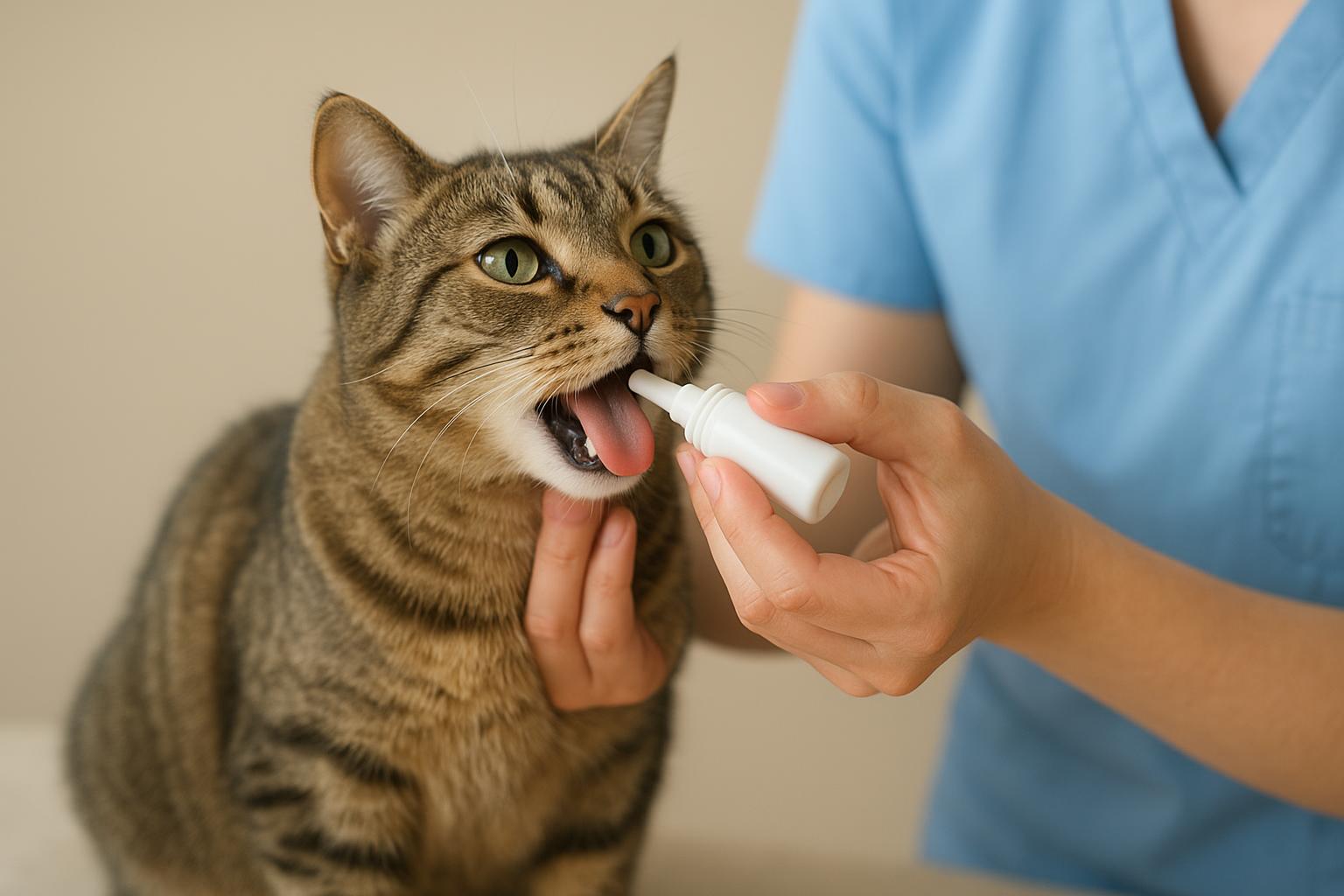
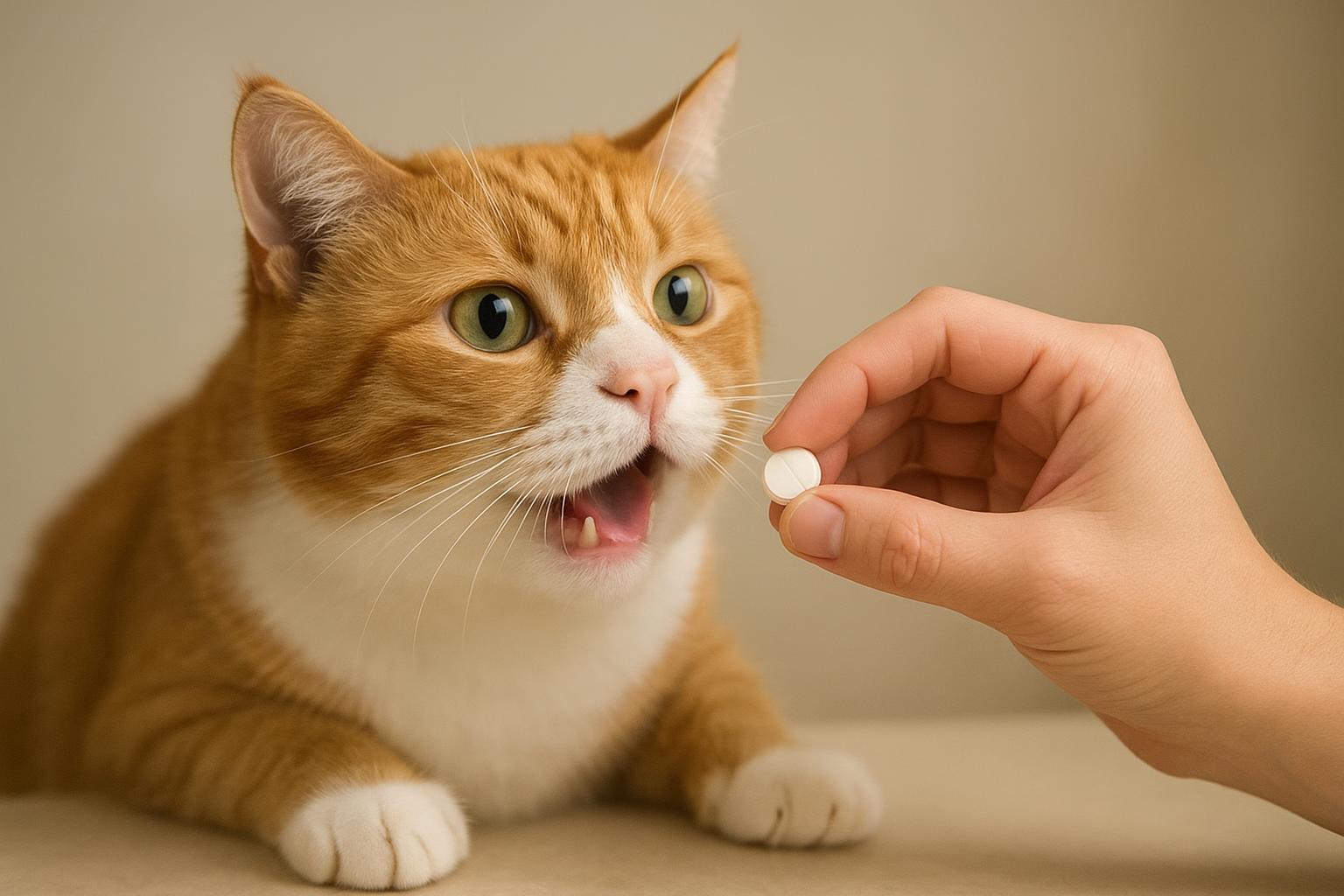
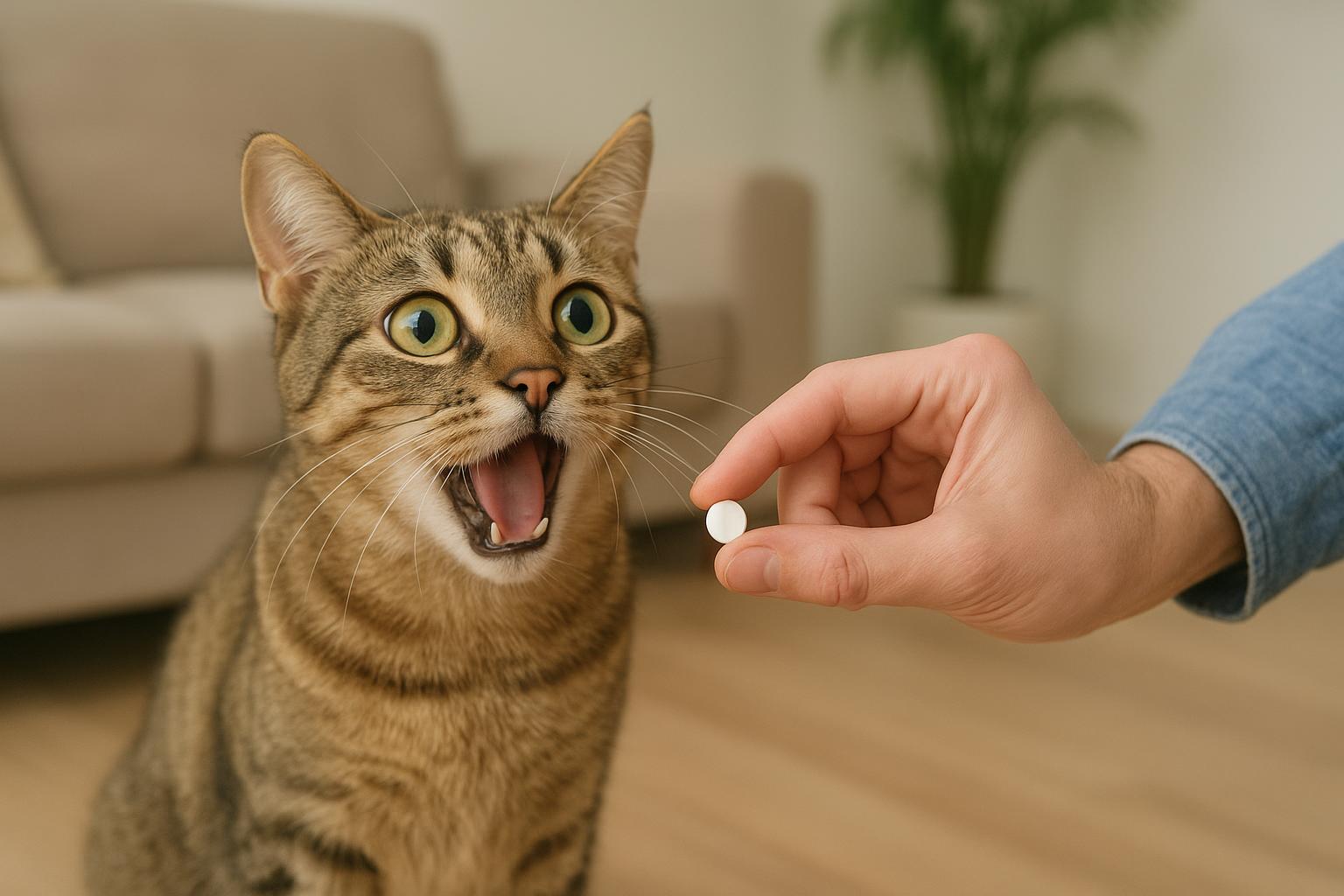
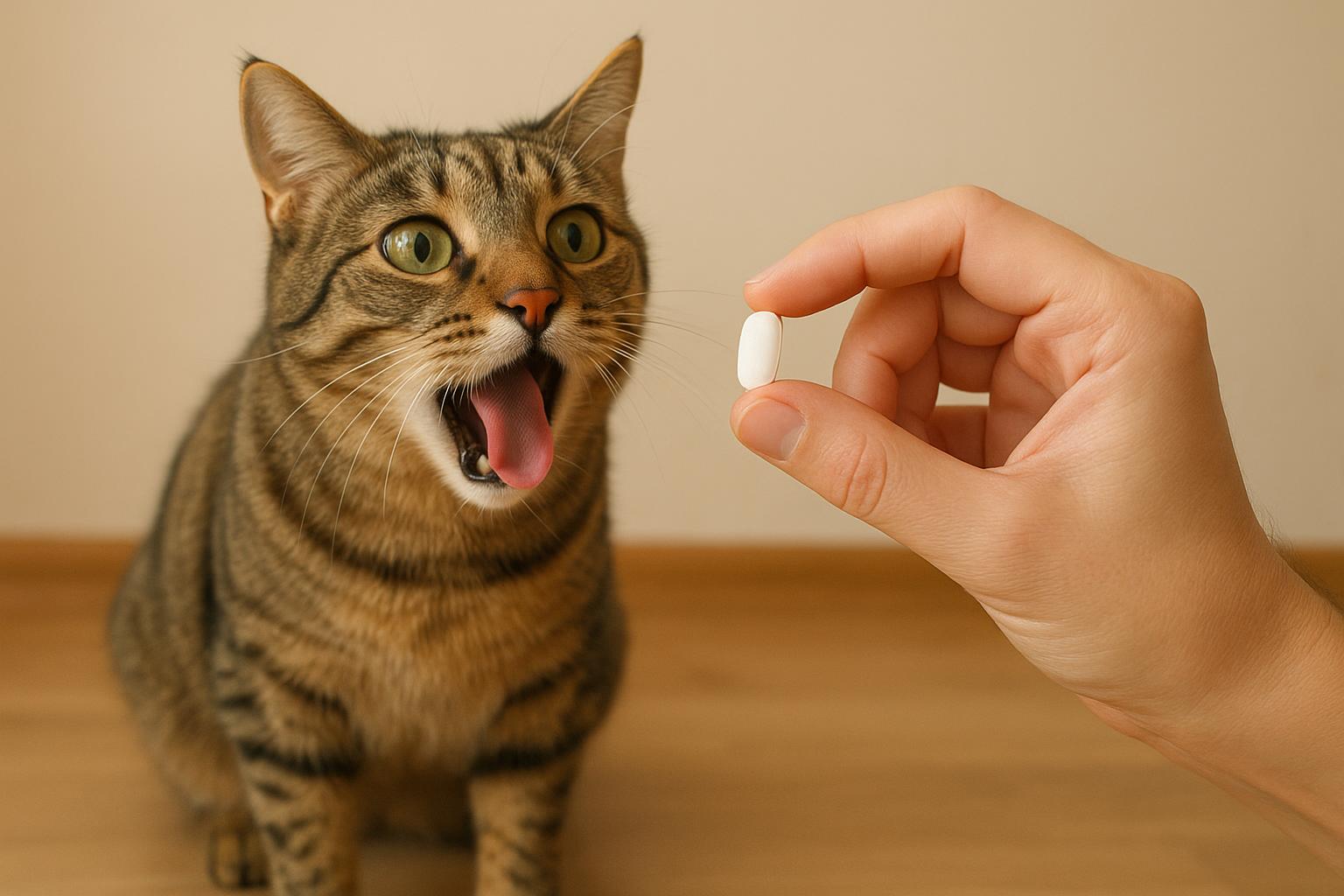
3. Administer The Medication: If using a pill pocket or treat, offer it as directed. Alternatively, use a dosing tool to deliver the tablet to the back of the mouth and gently hold the cat’s mouth closed until swallowing. Follow with a small treat or water if allowed.
4. Document The Dose: Mark the calendar or app immediately after giving the dose to prevent missed or double dosing.
5. Observe For Reactions: Monitor for 24–48 hours for adverse signs—vomiting, tremors, lethargy, or unusual behavior. Record any observations and report adverse reactions to your veterinarian promptly.
6. Reassess At Follow-Up: Bring your cat back for a check if symptoms persist or if fleas seem unchanged after a full treatment cycle. Your vet may adjust products or recommend environmental control.
This formal routine ensures the intended efficacy of oral flea medicine while minimizing risk. Always adhere to the vet’s dosing schedule and do not double-up doses unless instructed.
## 2. Home Environment Flea Control Kit (Complementary)
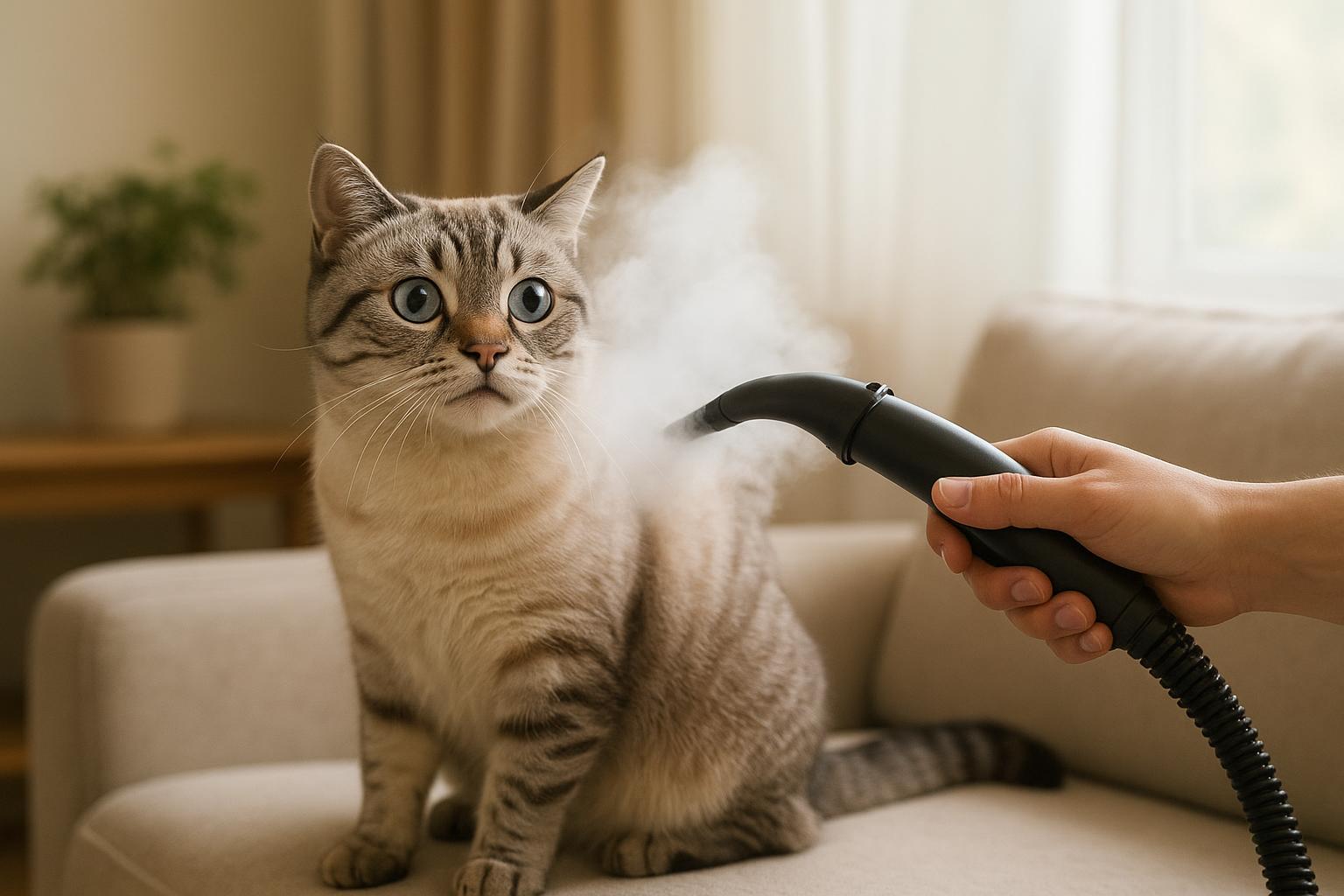
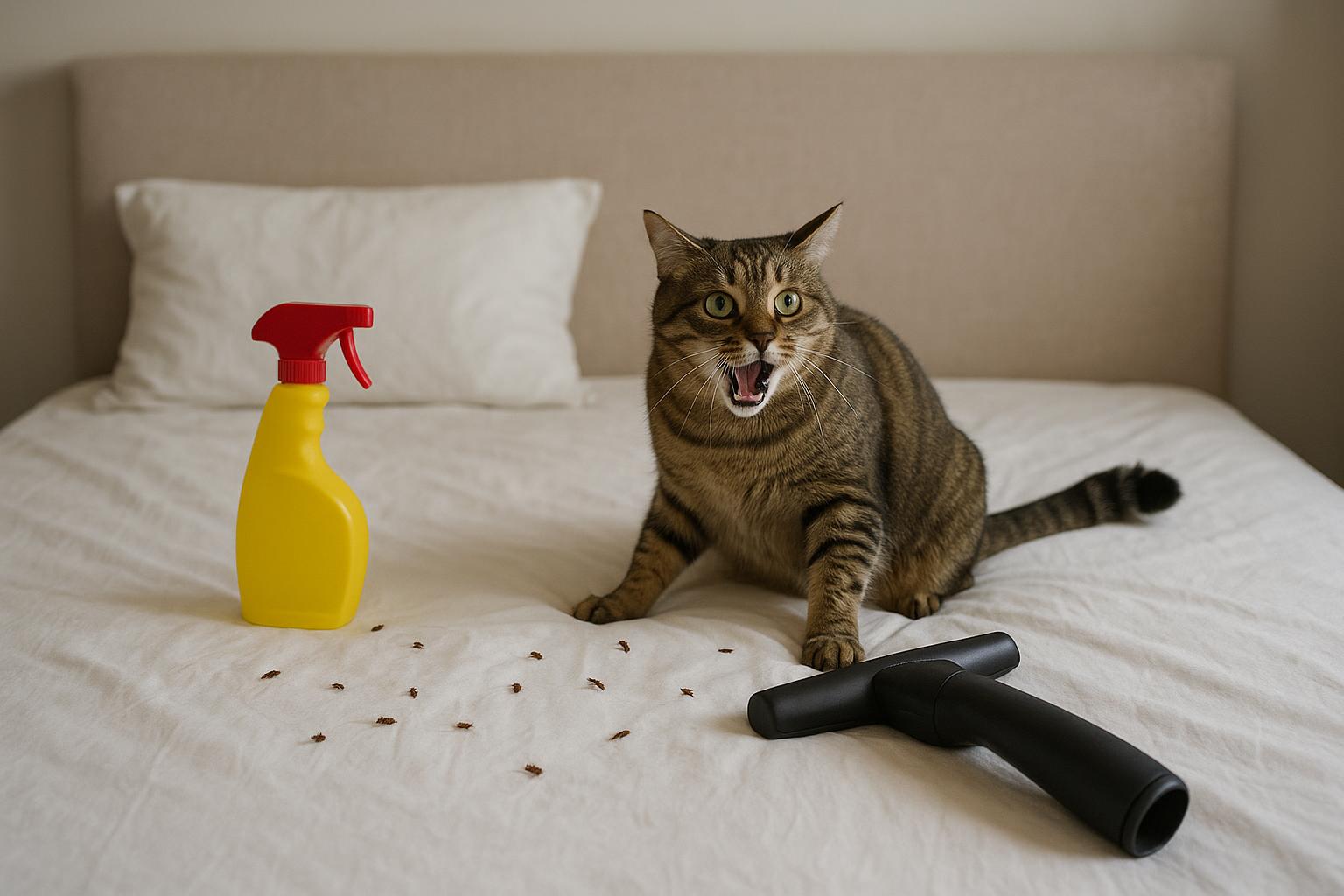
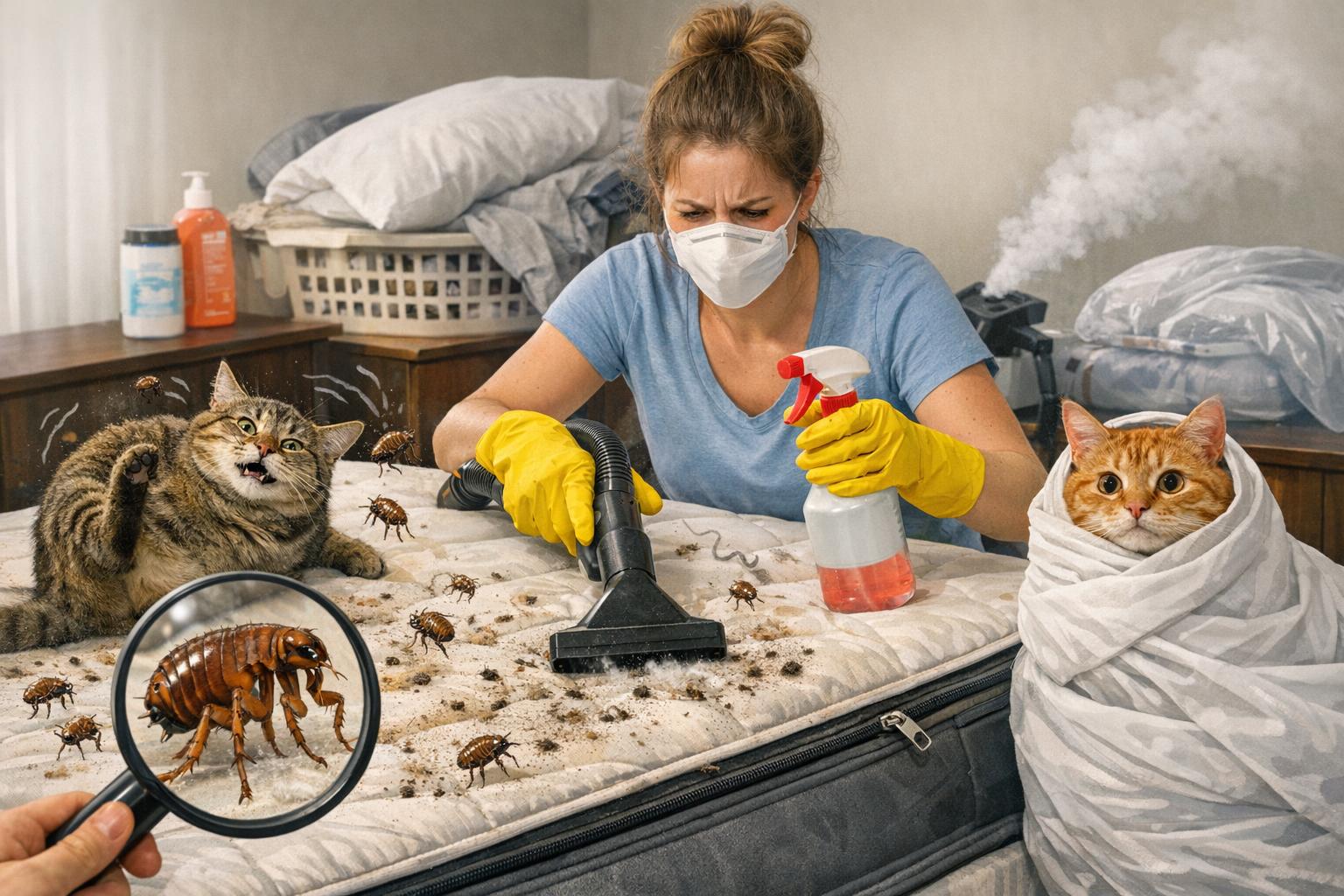
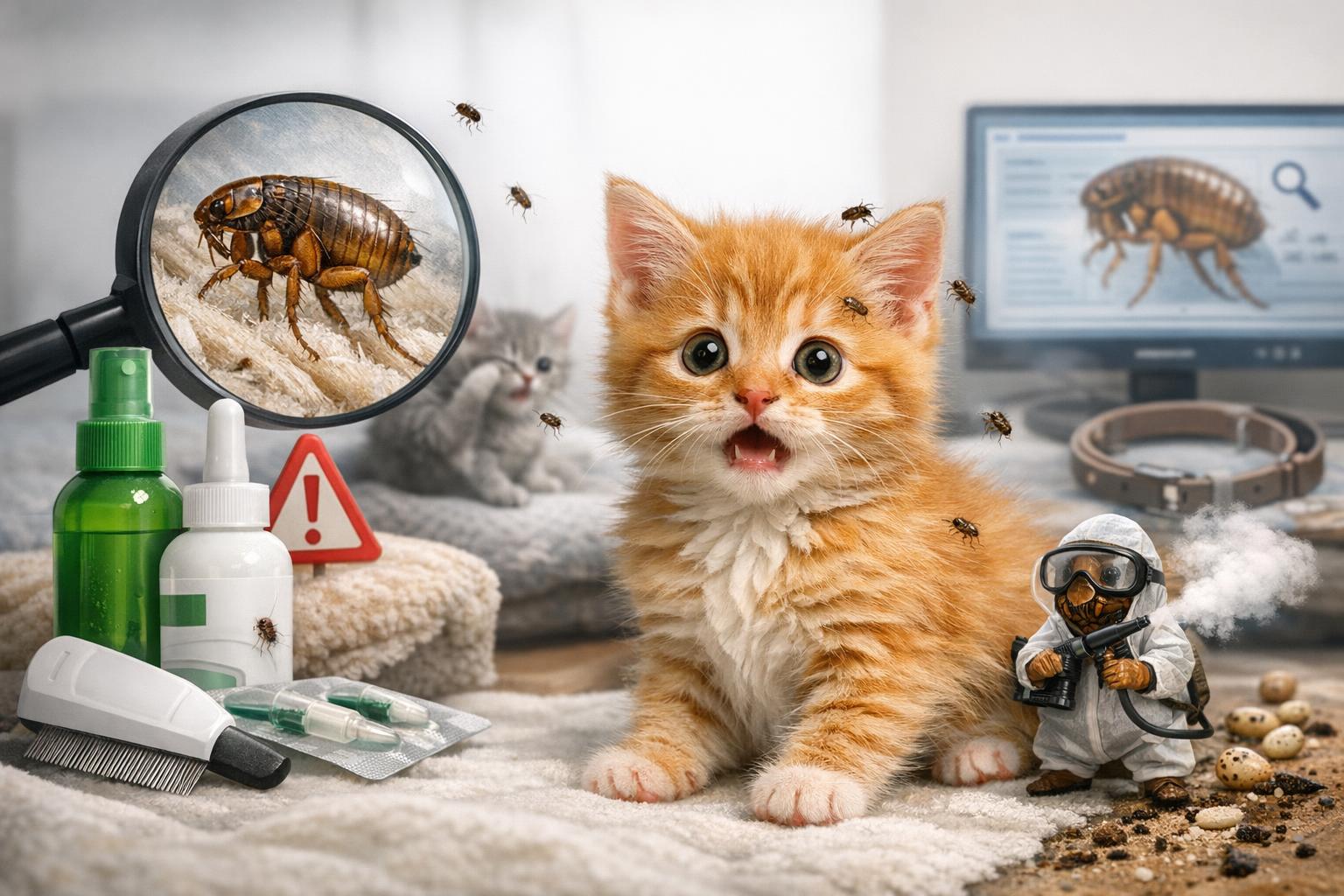
While oral flea medicine treats the animal, you must treat the environment. This complementary kit supports the oral approach and reduces reinfestation risk.
Required Materials:
– Vacuum with attachments.
– Hot-water-capable washing machine and dryer.
– Flea trap (sticky light traps for monitoring).
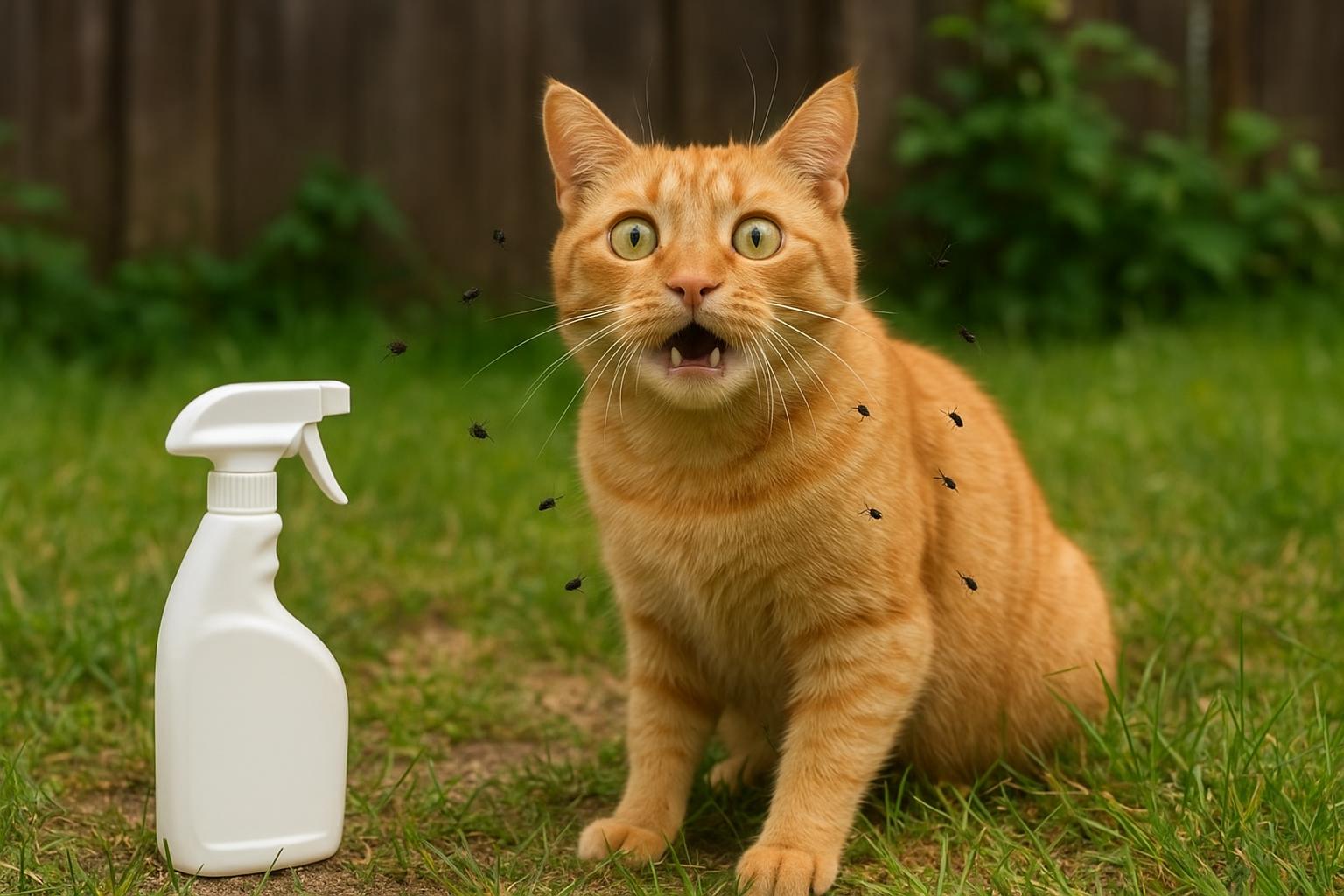
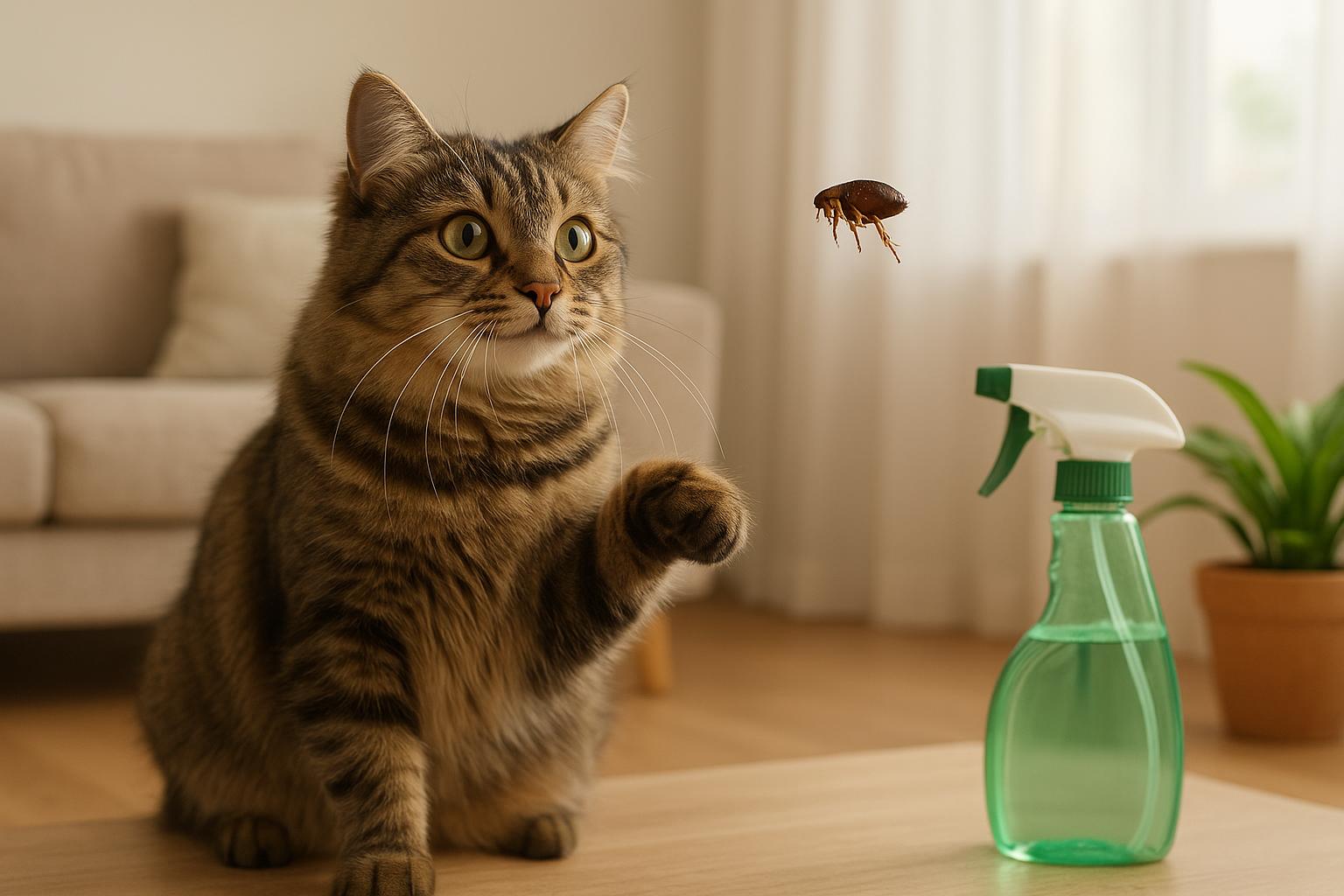
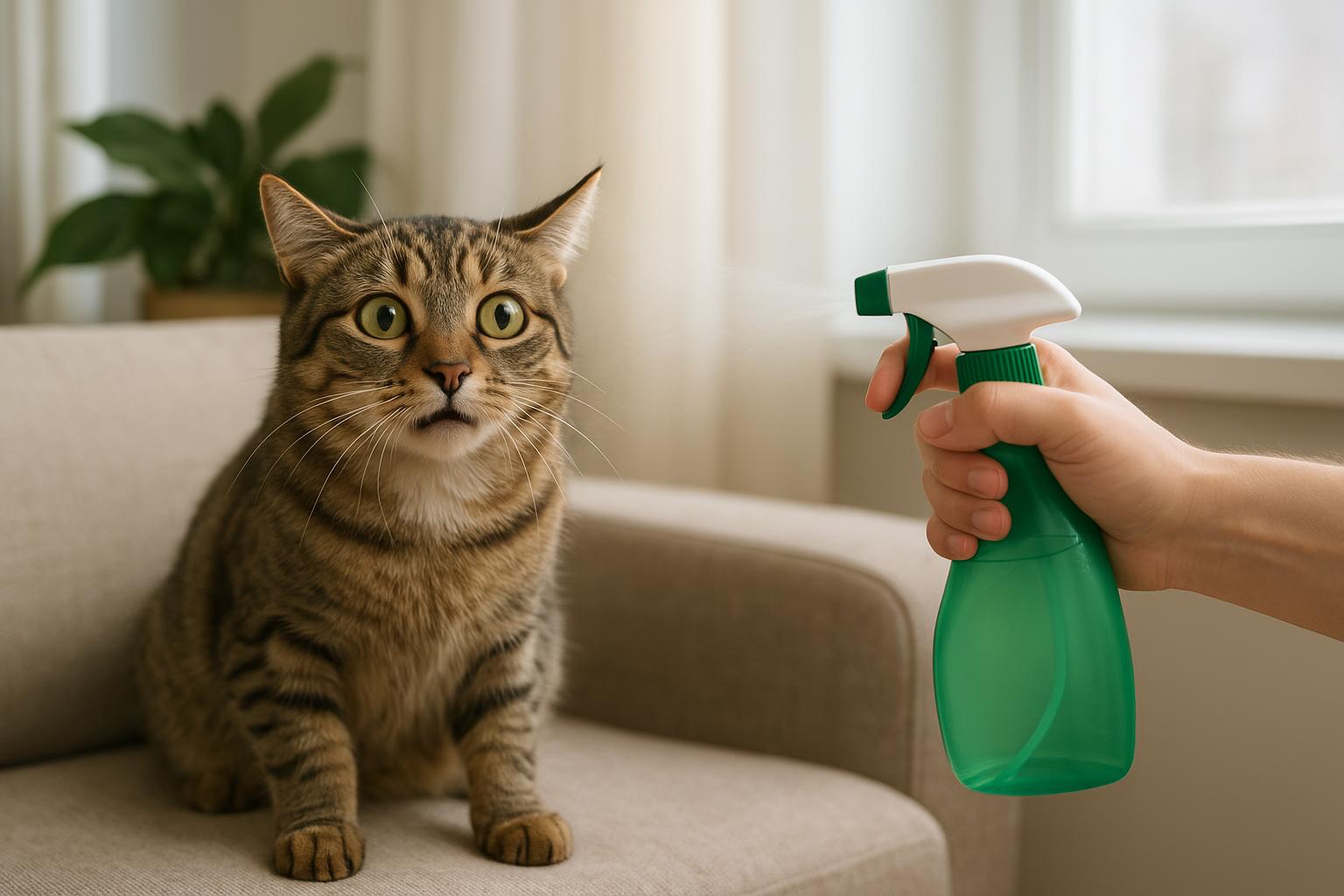
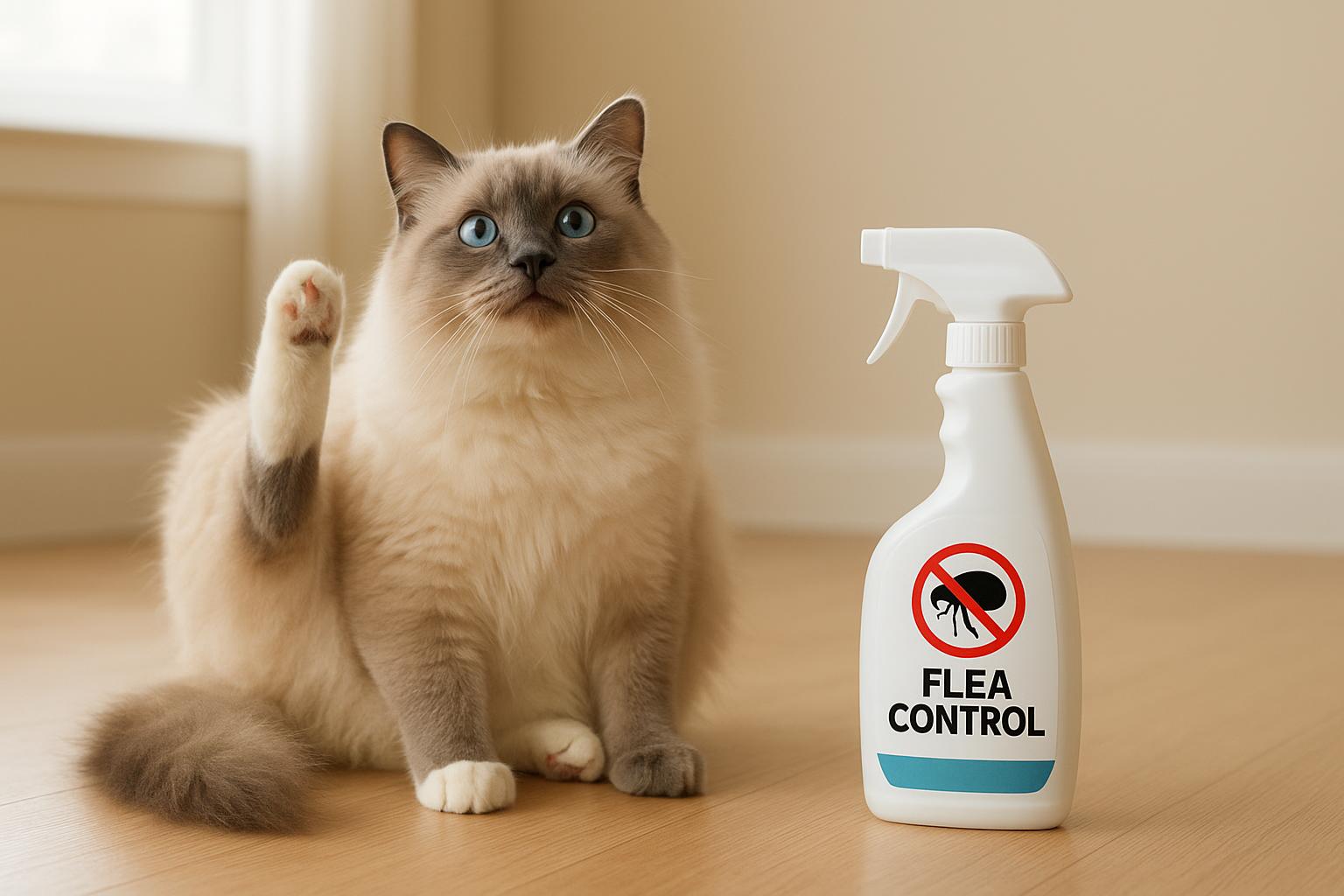
– Pet-safe household flea spray or a product containing an insect growth regulator (IGR) recommended by your vet.
– Food-grade diatomaceous earth (optional—use cautiously and avoid inhalation).
– Laundry bags for transporting bedding.
Step-By-Step Environmental Control:
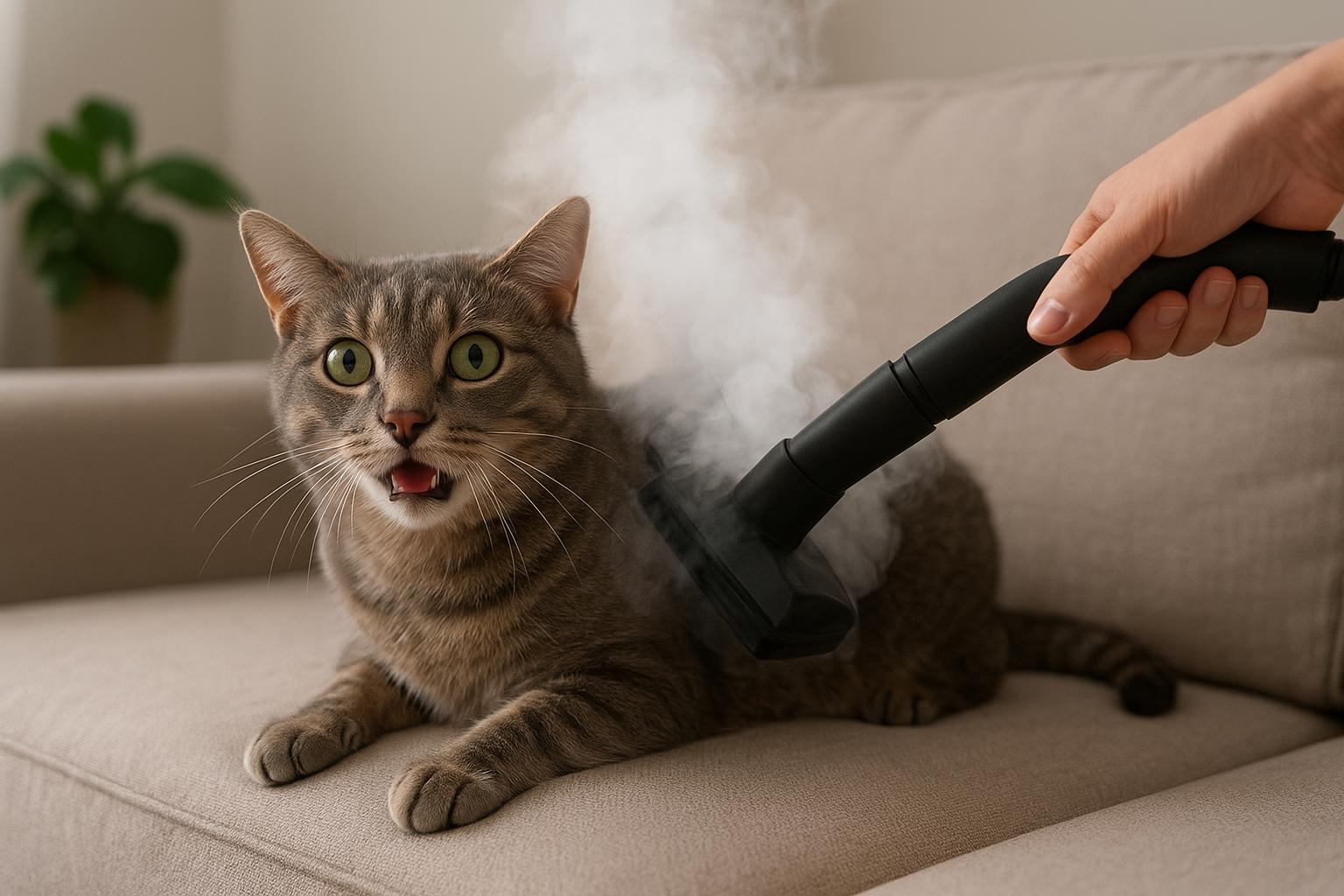
1. Vacuum Thoroughly: Vacuum carpets, rugs, upholstery, and crevices daily for a week, then several times weekly for a month. Empty or seal the vacuum canister/bag immediately.
2. Wash Bedding: Wash all pet bedding, couch covers, and removable linens in hot water and dry on high heat weekly for at least a month.
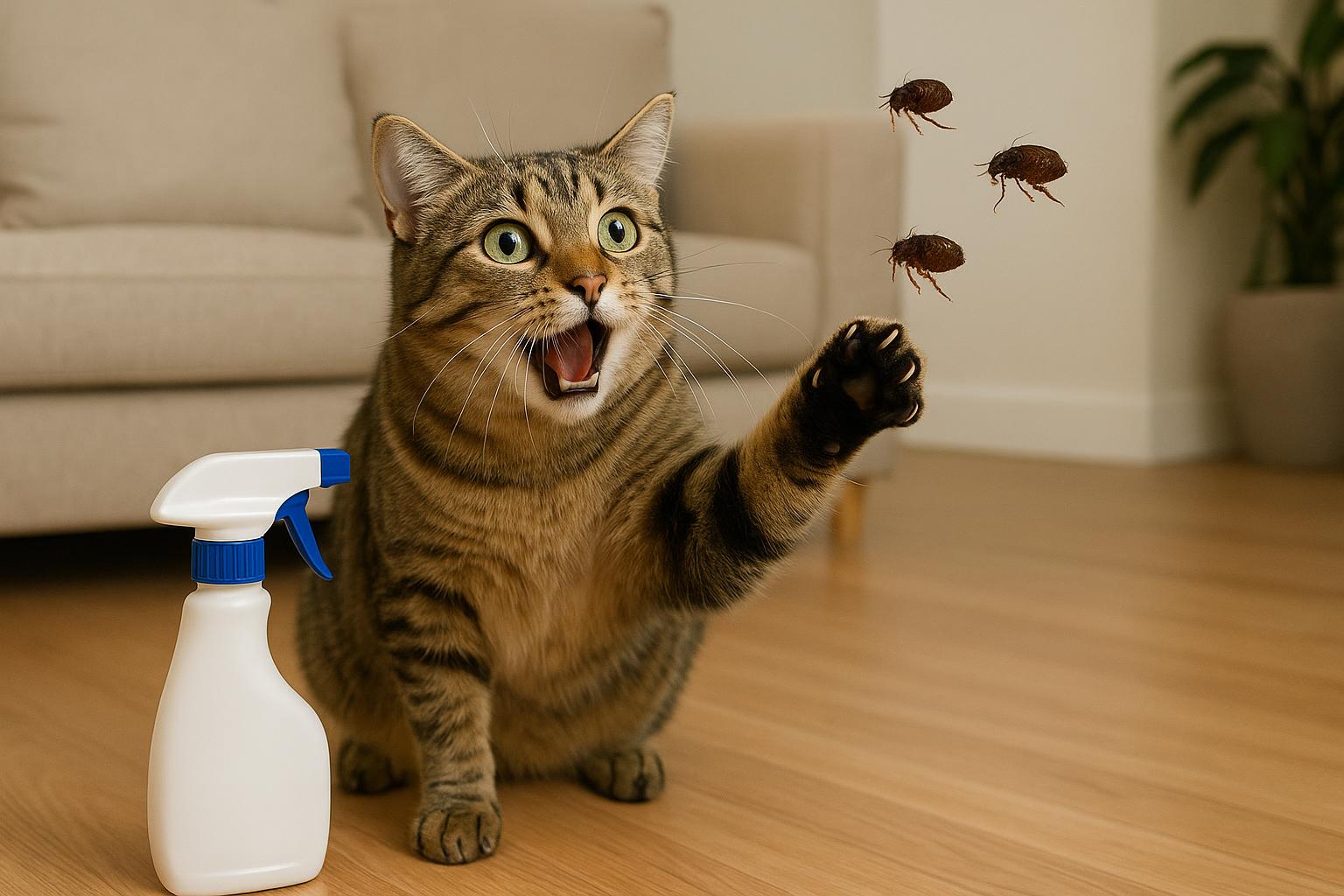
3. Apply Pet-Safe Products: Use a veterinarian-recommended household spray or IGR in areas where pets rest. Follow label directions exactly and keep pets and children away until surfaces are dry.
4. Monitor With Traps: Place a few sticky flea traps near areas where the cat sleeps to gauge ongoing flea activity.
5. Repeat As Needed: Continue environmental measures for at least 6–8 weeks to break the flea lifecycle, as eggs and pupae can persist.
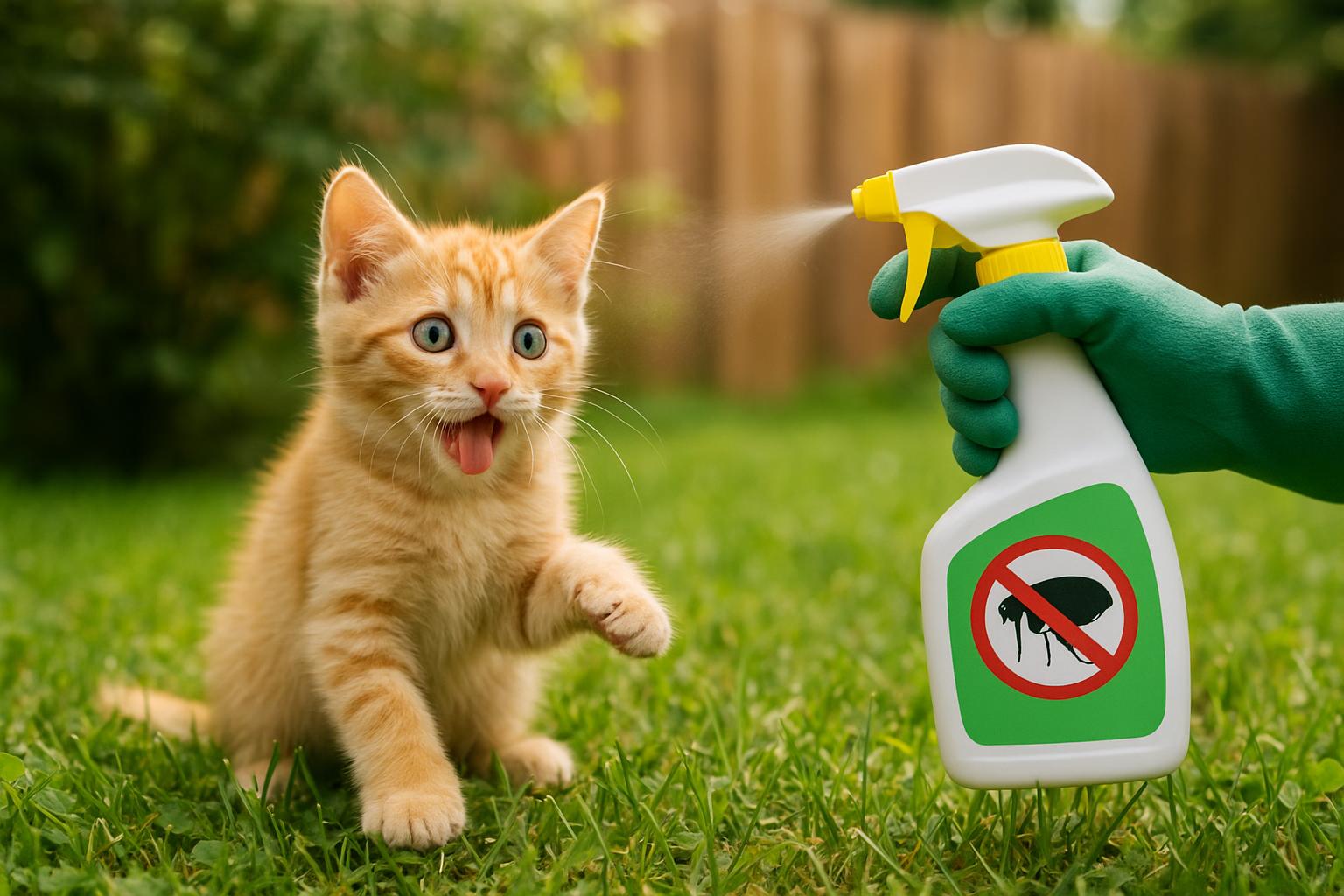
Note: Some household treatments contain chemicals that are unsafe for pets. Before purchasing or applying any product, check labels and consult your veterinarian. When in doubt, opt for vet-recommended IGRs and methods.
### Using A Flea Comb And Bathing
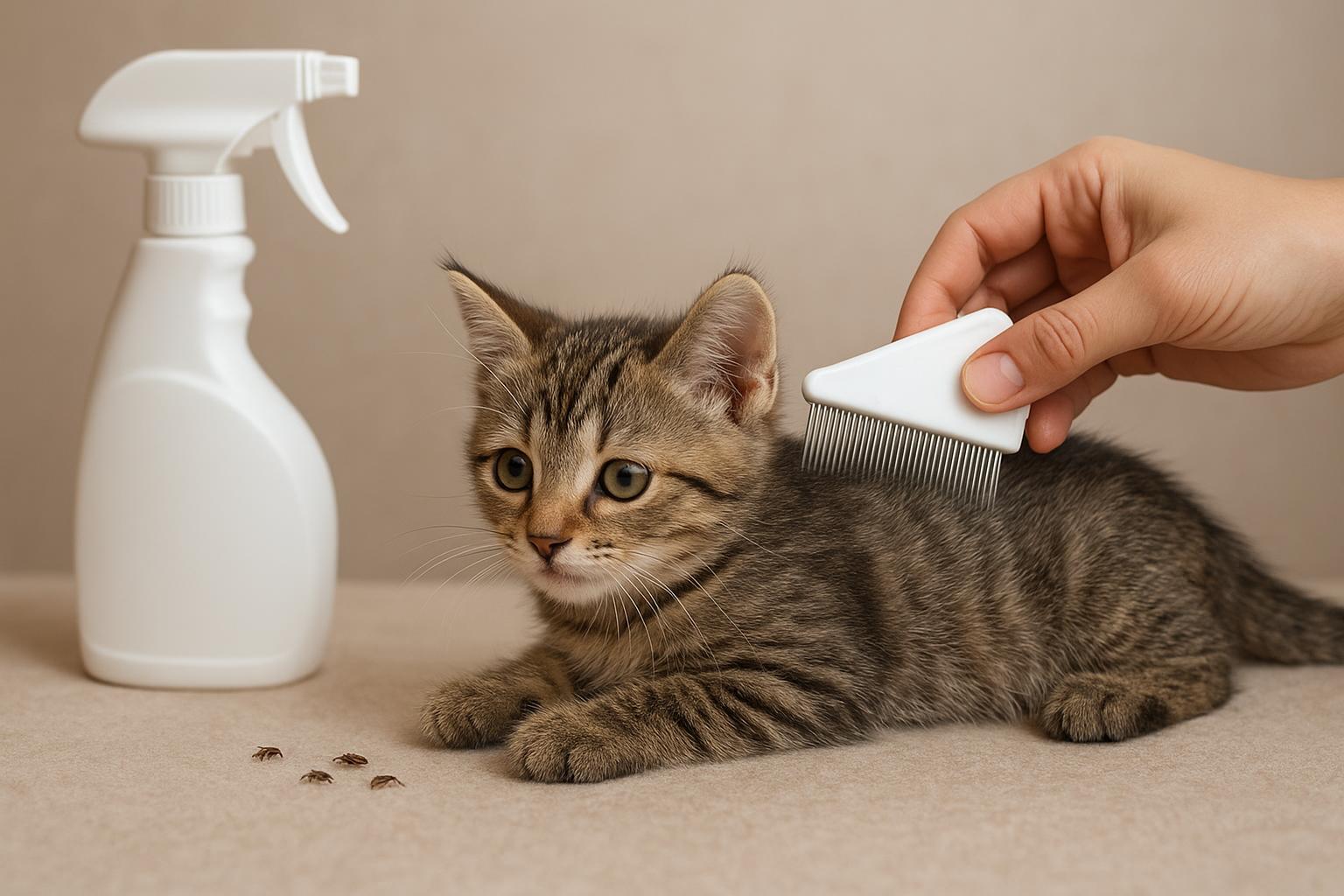
For daily monitoring and immediate relief, use a flea comb on your cat’s coat. Comb over a white towel so you can see any fleas or flea dirt that fall out. Bathing cats is often tricky—many will not tolerate it—but in some infestations, a vet-approved gentle shampoo can help remove live fleas while systemic oral medication does its work. Never use dog flea products on cats.
### Drug Interactions, Breed, And Age Considerations
Some breeds, ages, or cats with neurological conditions may be more sensitive to certain flea medications. Kittens under the product’s minimum age should not receive the drug. Pregnant or nursing cats require special consideration. Always share your cat’s full medical history with the vet before initiating oral flea medicine to avoid contraindications and interactions.
#### When To Seek Immediate Help
If, after administering oral flea medicine, your cat shows signs of severe adverse reaction—difficulty breathing, collapse, severe vomiting, sustained tremors, or extreme lethargy—seek emergency veterinary care immediately. Anaphylaxis and severe neurotoxicity are rare but require prompt intervention.
#### Common Questions About Oral Flea Medicine
– How quickly will I see results? Many oral products begin killing fleas within hours; full household control may take weeks when combined with environmental work.
– Is one treatment enough? Depending on product duration and household exposure, monthly or longer intervals may be necessary.
– Can I use oral flea medicine with other parasite products? Some combinations are safe; others are not. Confirm compatibility with your veterinarian.
– Is it safe for kittens? Only if the specific product label allows it—many are labeled for kittens above a certain age and weight.
Throughout the process, remember a little patience goes a long way. Flea control is an errand that rewards persistence: treat the cat with the appropriate oral flea medicine, treat the environment carefully, and keep a close eye on progress—your cat will be back to snoozing peacefully on that sun-warmed cushion before you know it.






Leave a Reply