
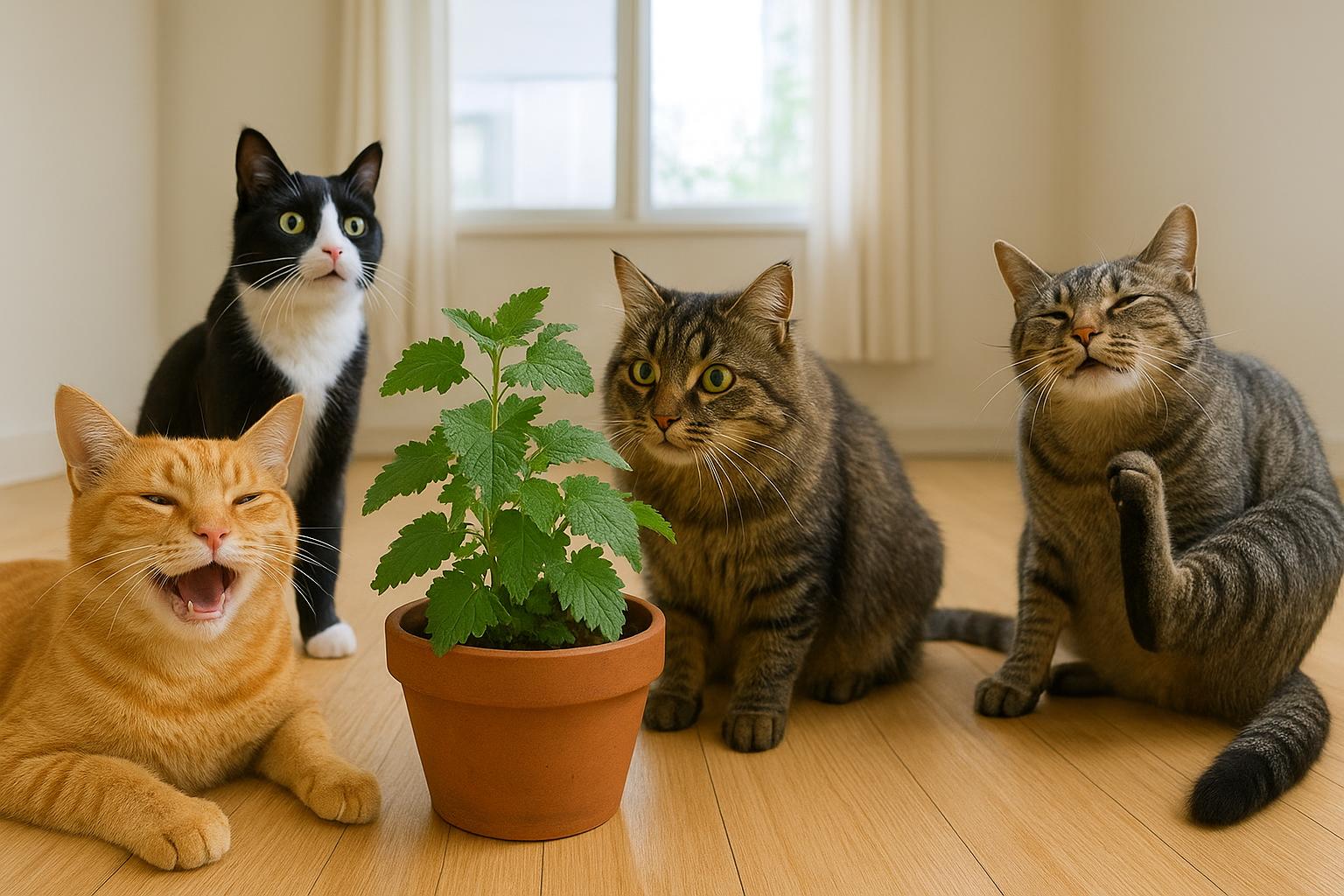
## Herbs Repel Fleas: Natural Options For Cats
If you love your cat and prefer a gentler hand with pest control, you’re in the right place. Fleas are tiny but persistent, and many pet owners want to avoid harsh chemicals when possible. Fortunately, a handful of common herbs can play a supportive role in keeping those little jumpers away. This article walks you through safe options, how and why herbal approaches can help, and practical remedies you can prepare at home. Think of it as low-key garden wizardry for your feline friend—no pointy hats required.
### Why Choose Herbs For Flea Control
Herbs offer a mild, low-toxicity alternative to synthetic insecticides. Many aromatic herbs produce essential oils that are unappealing to fleas; these scents interfere with flea behavior and can reduce their tendency to cling to your pet or linger in bedding. Using herbs as part of an integrated approach—regular grooming, vacuuming, washing bedding, and veterinary-approved treatments—can reduce flea pressure in a household without relying solely on chemicals.
Herbal options aren’t miracle cures; they’re deterrents. When used consistently and correctly, they help create an environment that is less hospitable to fleas, reducing infestations and the need for stronger interventions.
### Common Herbs That Work
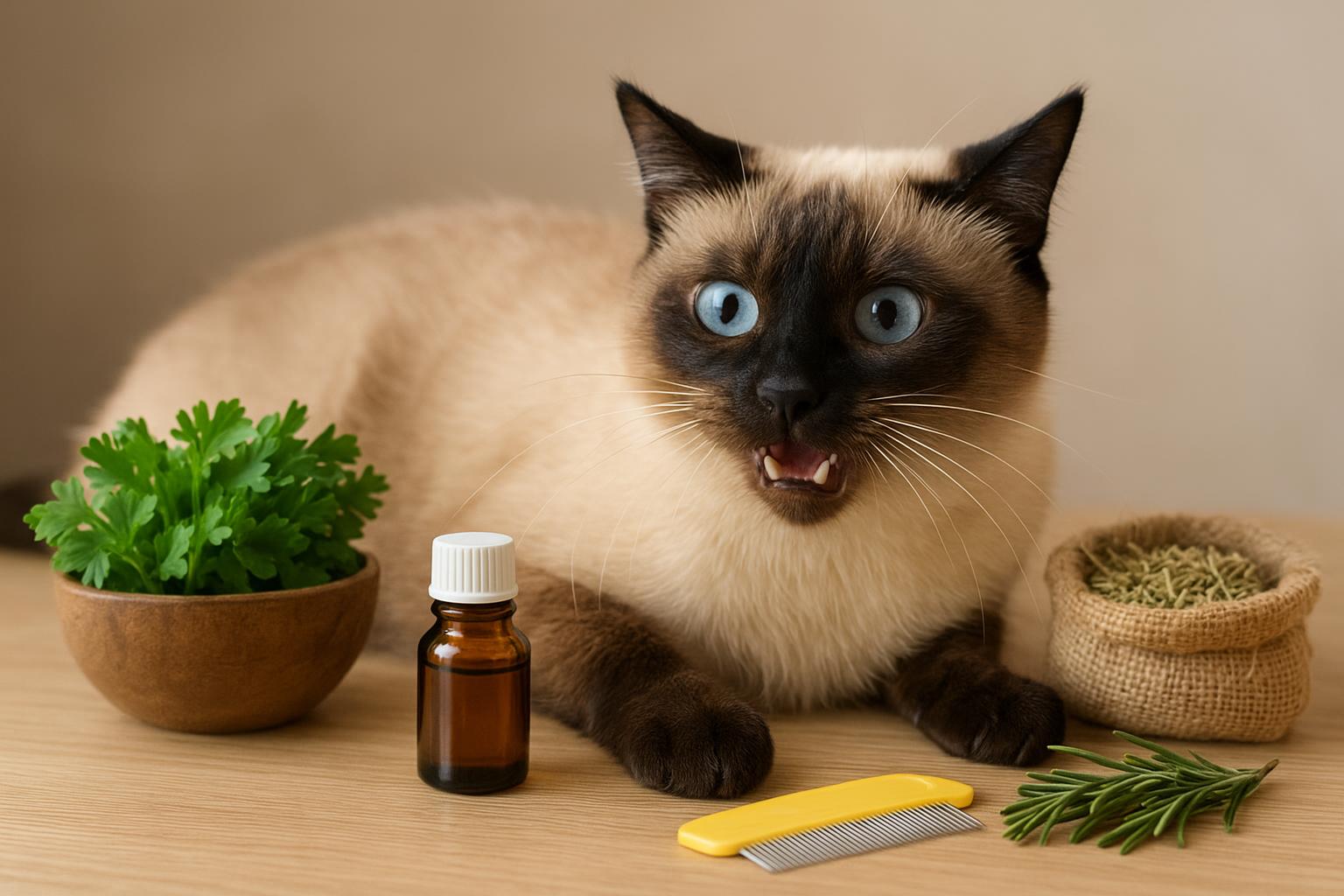
Some herbs known to help repel fleas include:
– Lavender (Lavandula angustifolia)
– Rosemary (Rosmarinus officinalis)
– Lemon balm (Melissa officinalis)
– Pennyroyal (NOT recommended for cats — see safety notes)
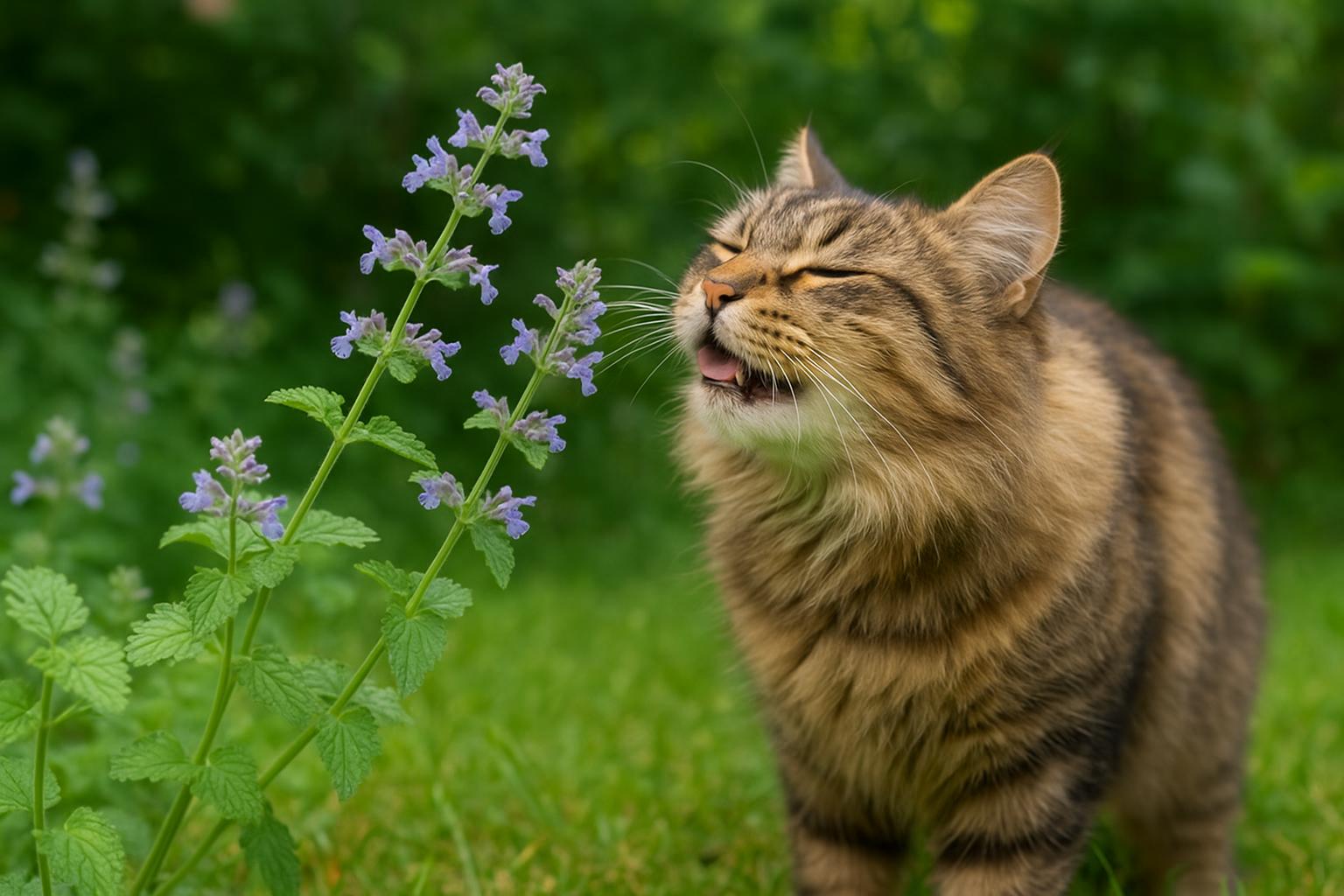
– Mint (various species, used with caution)
– Thyme (Thymus vulgaris)
Not all herbs are safe for cats, and potency varies. The goal is to use gentle, dilute preparations or dried forms that provide scent-based deterrence without risking toxicity.
#### Safety Notes For Cats
Cats metabolize some plant compounds differently than dogs or humans. Essential oils are particularly risky when used undiluted or applied directly to a cat’s skin. Never use undiluted essential oils on a cat. Avoid herbs known to be toxic to cats (e.g., pennyroyal, tea tree oil, some concentrated mints). Always observe your cat after introducing a new scent or product: watch for drooling, lethargy, vomiting, skin irritation, or unusual behavior. If any signs appear, stop use immediately and consult your veterinarian.
## 1. Herbal Spray To Soothe Fur And Repel Fleas
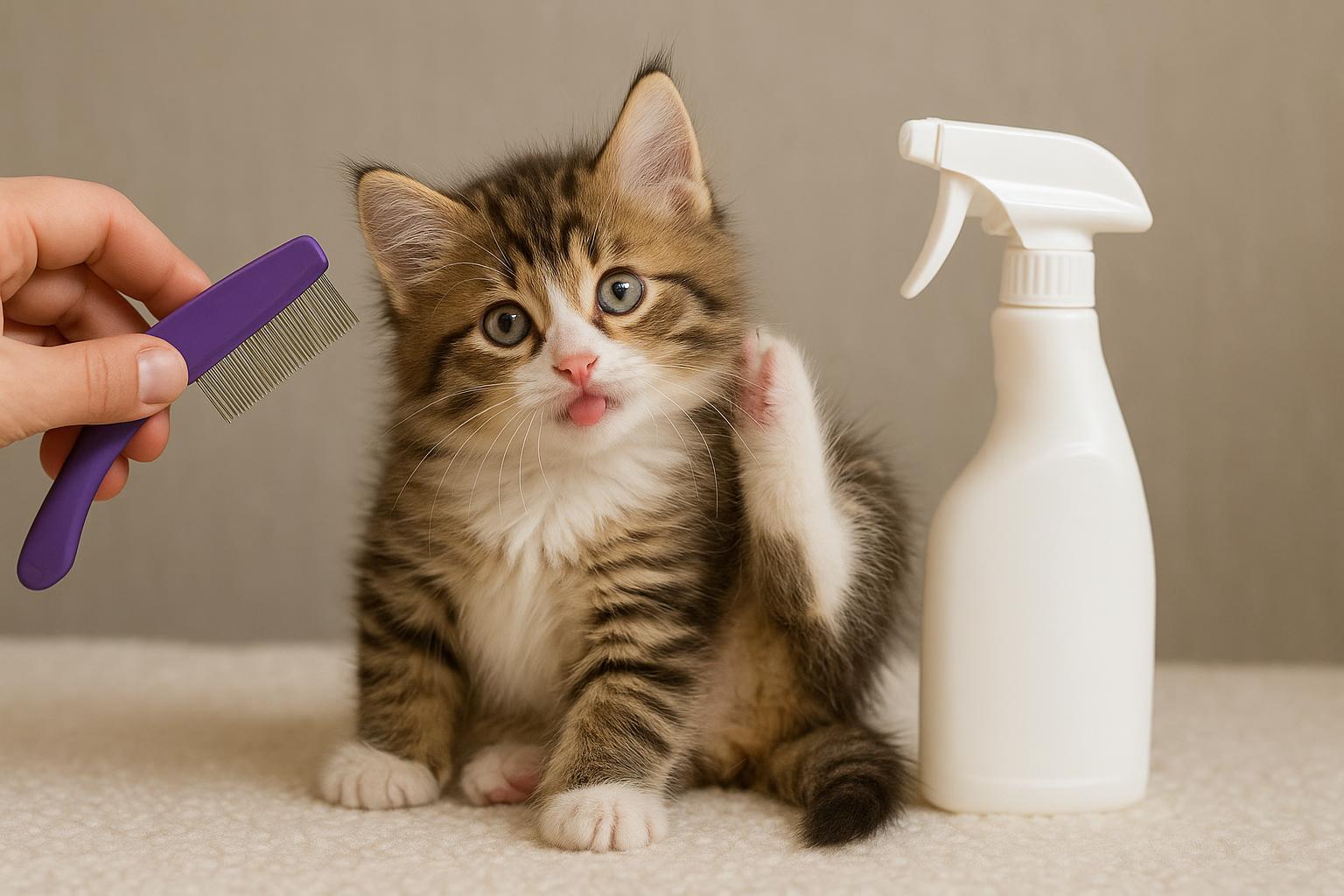
This is a practical, routinely usable remedy to refresh your cat’s coat between baths and help deter fleas from settling. When prepared and applied properly, it’s safe and effective as part of a broader flea-management plan.
### Ingredients And Materials
– 2 cups distilled or filtered water
– 2 tablespoons dried lavender flowers OR 2 tablespoons dried rosemary (or 1 tablespoon each mixed)
– 1 tablespoon dried lemon balm
– 1 teaspoon vegetable glycerin (optional; mild humectant)
– A small saucepan and heat source
– Fine mesh strainer or cheesecloth
– 8–12 oz glass spray bottle (amber preferred)
– Labels and marker
### Preparation (Creation) — Formal Instructions
1. Bring the 2 cups of water to a gentle simmer in the saucepan.
2. Add the dried lavender, rosemary, and lemon balm. Maintain a simmer for 10 minutes, covered, to allow volatile compounds and aroma to infuse the water.
3. Remove from heat and let the infusion steep, covered, for 30–45 minutes to maximize extraction of the herb aroma while avoiding overly concentrated extraction that might be irritating.
4. Strain the infusion through the fine mesh strainer or cheesecloth into a clean bowl, pressing the herbs gently to extract liquid without forcing plant particulates through.
5. Allow the infusion to cool to room temperature. Add the vegetable glycerin if using (this helps the scent cling slightly to fur) and stir gently.
6. Pour the finished infusion into the spray bottle and label with contents and date. Refrigerate between uses; use within 7–10 days.
### Application — Formal Instructions
1. Perform a quick skin-and-coat check on your cat to ensure there are no existing irritations or open wounds.
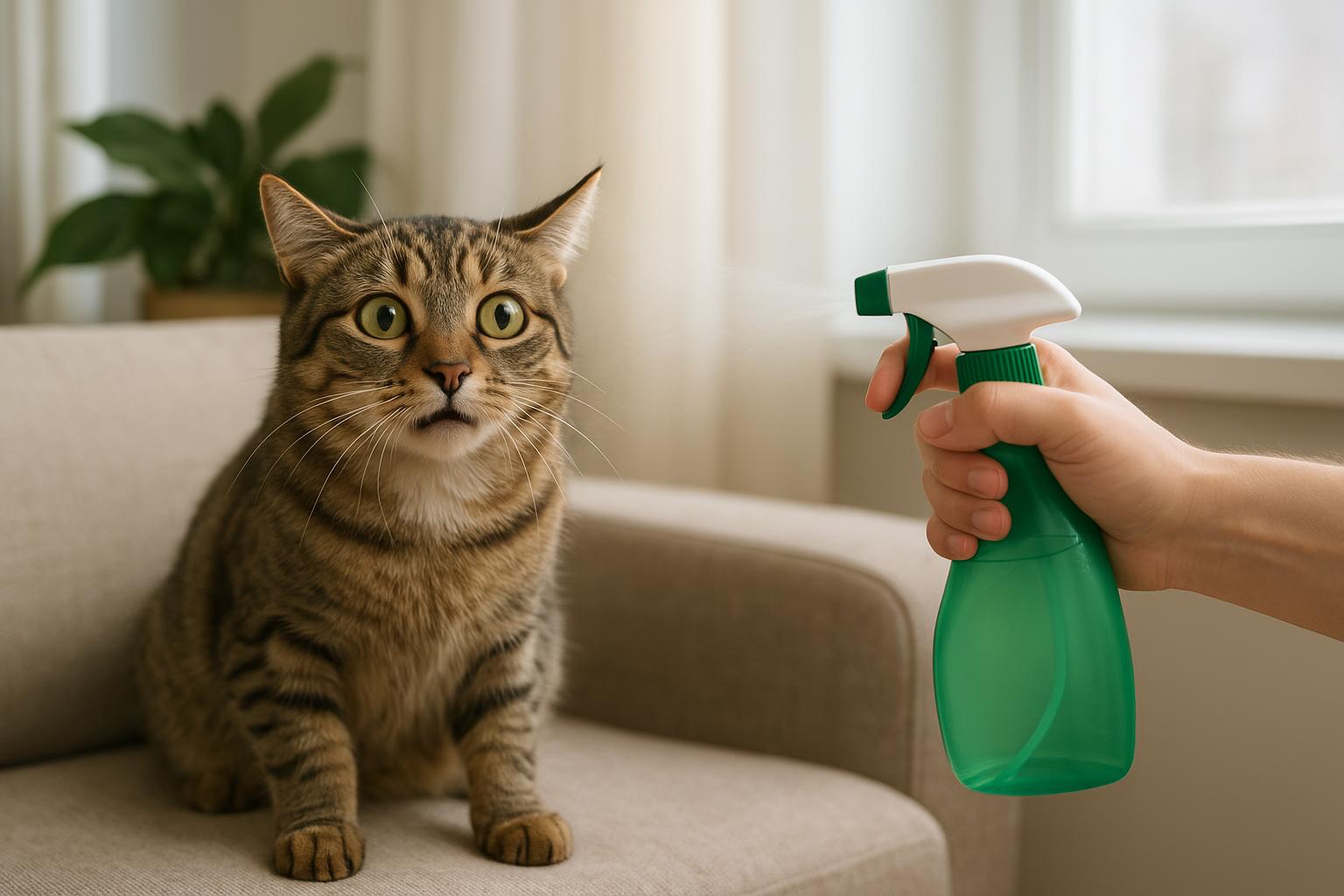
2. In a calm, controlled setting, lightly mist your hands or a soft cloth with the spray. Do not spray directly into your cat’s face, eyes, or nose.
3. Gently stroke the cat’s fur with the dampened hands or cloth, focusing on neck, shoulders, and along the back—areas fleas often frequent. Avoid the belly and areas where the cat grooms intensively.
4. Allow the coat to air dry; avoid any rubbing that could irritate the skin. Reapply once per day if needed, but reduce frequency if your cat grooms excessively or shows skin sensitivity.
5. Monitor for any adverse reactions for 24 hours after the first use. Discontinue if any signs of irritation occur.
Note: This spray is not a systemic flea treatment and will not eliminate an established infestation on its own, but used along with vacuuming, washing bedding, and spot-on treatments if required, it can help reduce flea activity. Use of the phrase herbs repel fleas here illustrates their role as repellents, not sole eradication agents.
## 2. Dried Herb Sachets And Collar Infusers For Bedding And Rest Areas
Sachets offer a passive, long-lasting scent barrier for bedding, cat beds, and resting areas. These can be placed near sleeping spots or loosely tied to a collar as an infuser (ensure the collar setup does not pose a strangulation risk and is breakaway).
### Materials And Ingredients
– Small cotton or muslin sachets (4″ x 6″ or similar), or small breathable pouches
– Dried lavender flowers
– Dried rosemary
– Dried lemon balm or cat-safe mint varieties (use sparingly)
– A small funnel or spoon
– Needle and thread or drawstring closure for resealing, if needed
### Creation And Placement — Formal Instructions
1. Combine dried herbs in a clean bowl using roughly: 2 parts lavender, 1 part rosemary, 1 part lemon balm. Adjust proportions to preference, but keep lavender dominant for calmative properties.
2. Use the funnel or spoon to fill each sachet about three-quarters full. Do not overpack—airflow allows scent diffusion.
3. Seal sachets securely with a drawstring or stitch. Label them if needed.
4. Place sachets in cat bedding, under a blanket (but not inside a cat’s carrier where airflow is restricted), or in nearby drawers where bedding is stored. For collar infusers, place sachet in a small breathable pouch attached to a breakaway collar; attach loosely and check frequently to ensure no chewing or irritation.
5. Replace or refresh sachets every 3–4 weeks or when scent diminishes. If any sachet becomes damp or moldy, discard immediately.
These passive scent sources contribute to an environment where herbs repel fleas by reducing the attractiveness of sleeping areas. They are especially useful in multi-pet homes where centralized treatments are harder to maintain.
### How To Integrate Herbs With Other Flea Control Measures
– Maintain regular vacuuming and wash bedding weekly in hot water.
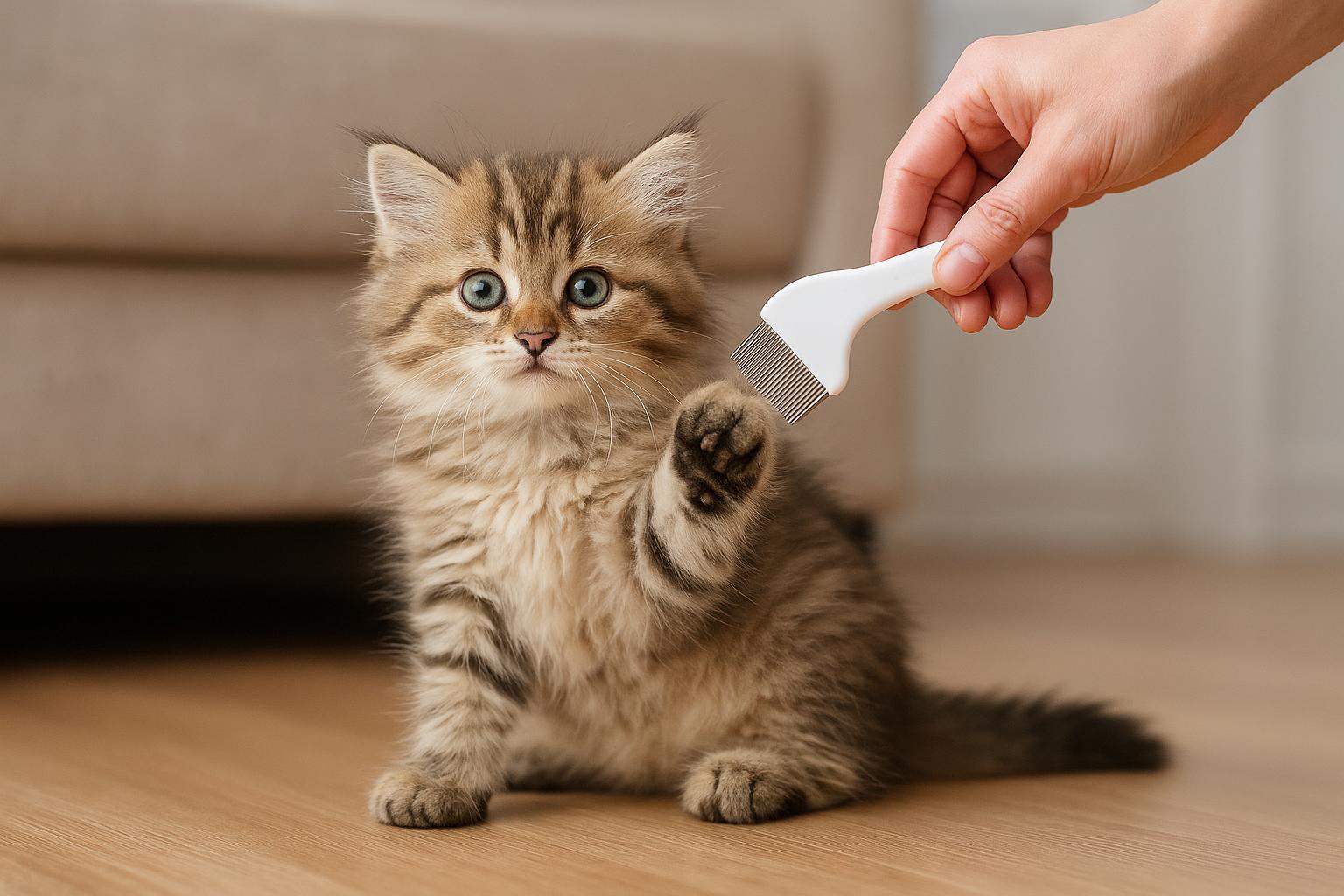
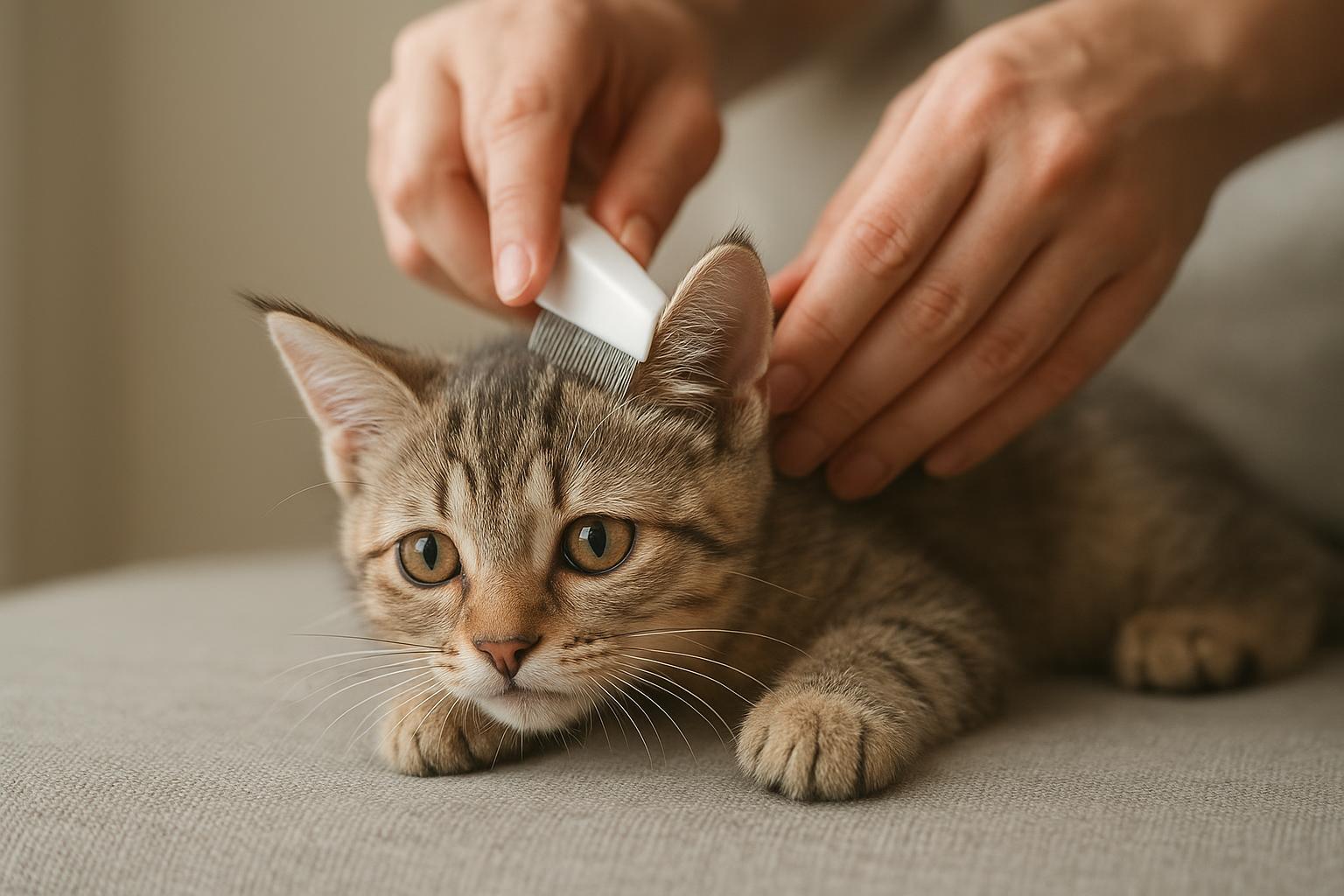
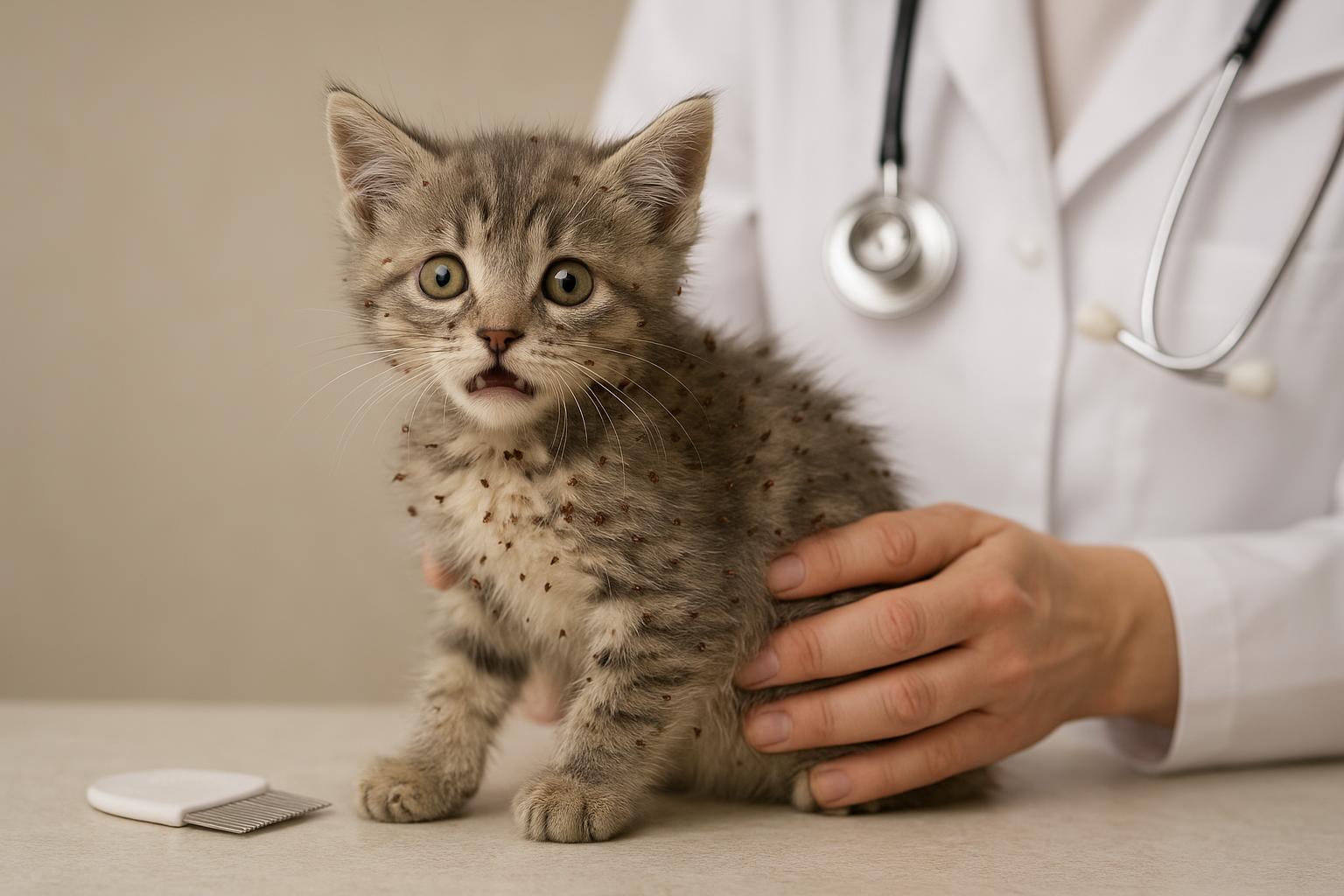
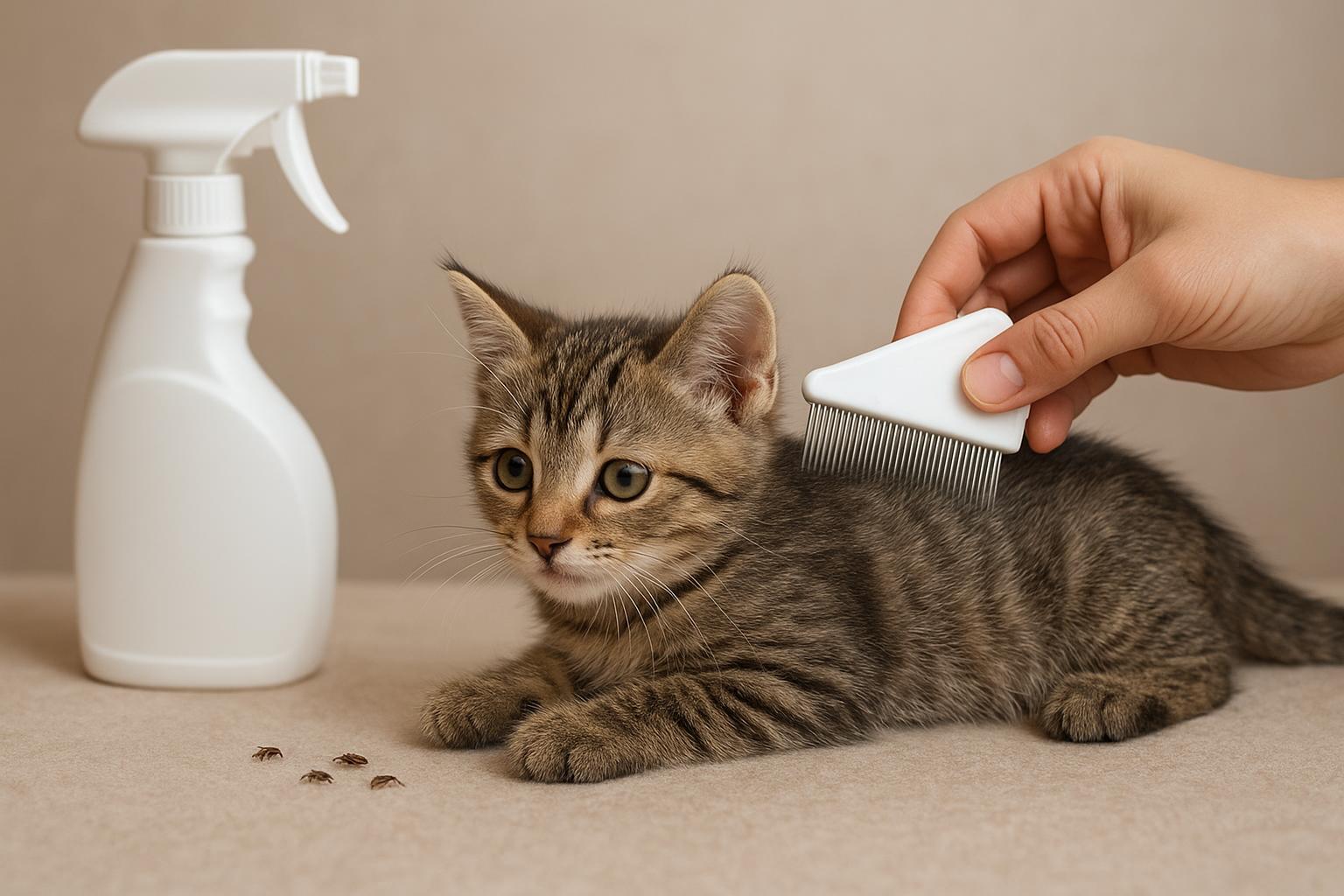
– Groom your cat with a fine-toothed flea comb and check for live fleas; if you find many, consult your veterinarian for a treatment plan.
– Use herbal deterrents as adjuncts, not replacements, for vet-recommended flea preventatives when an active infestation is present.
– Consider environmental measures like diatomaceous earth (food-grade, used carefully) in carpets and furniture, following product safety guidelines.
### Troubleshooting And When To Seek Help
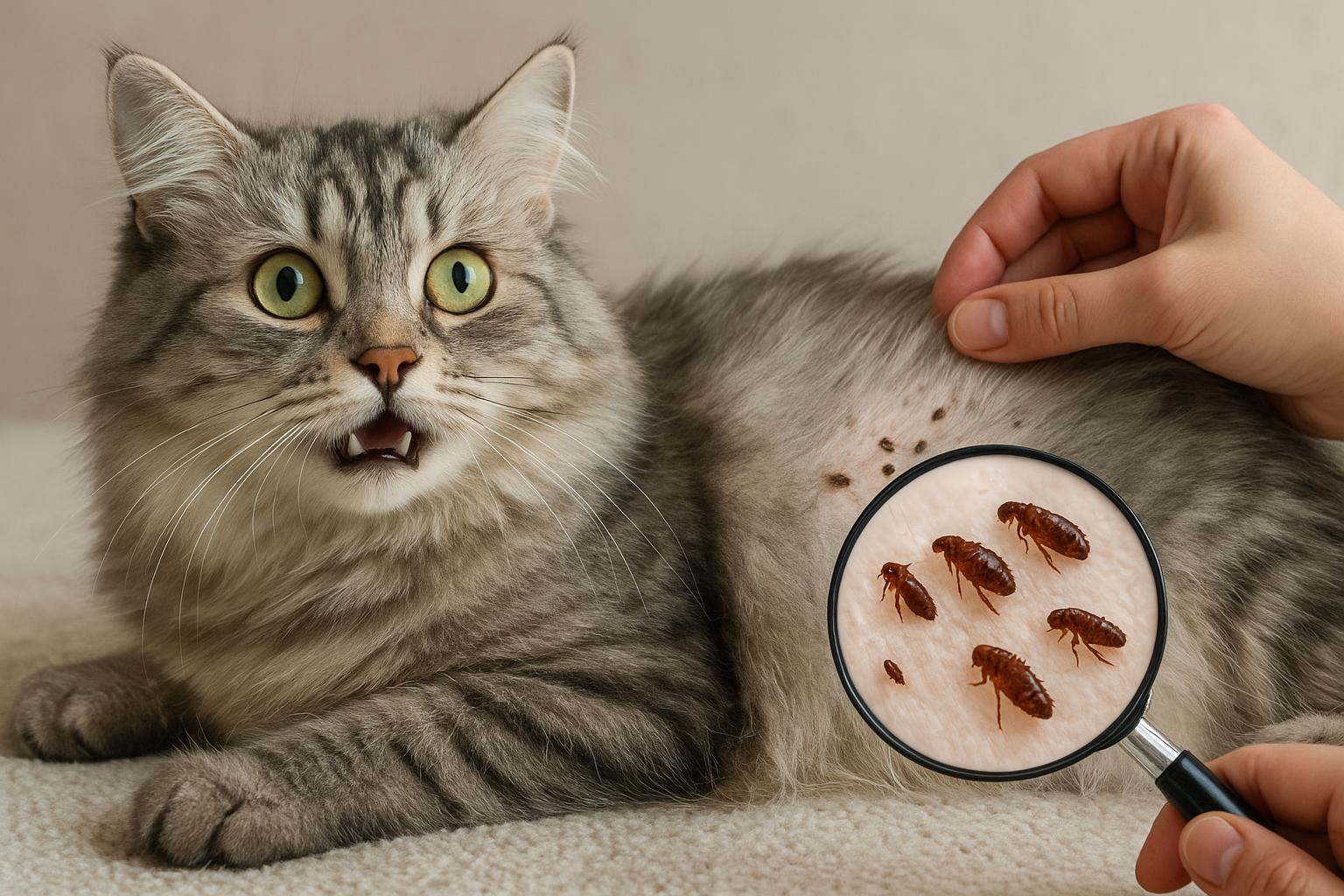
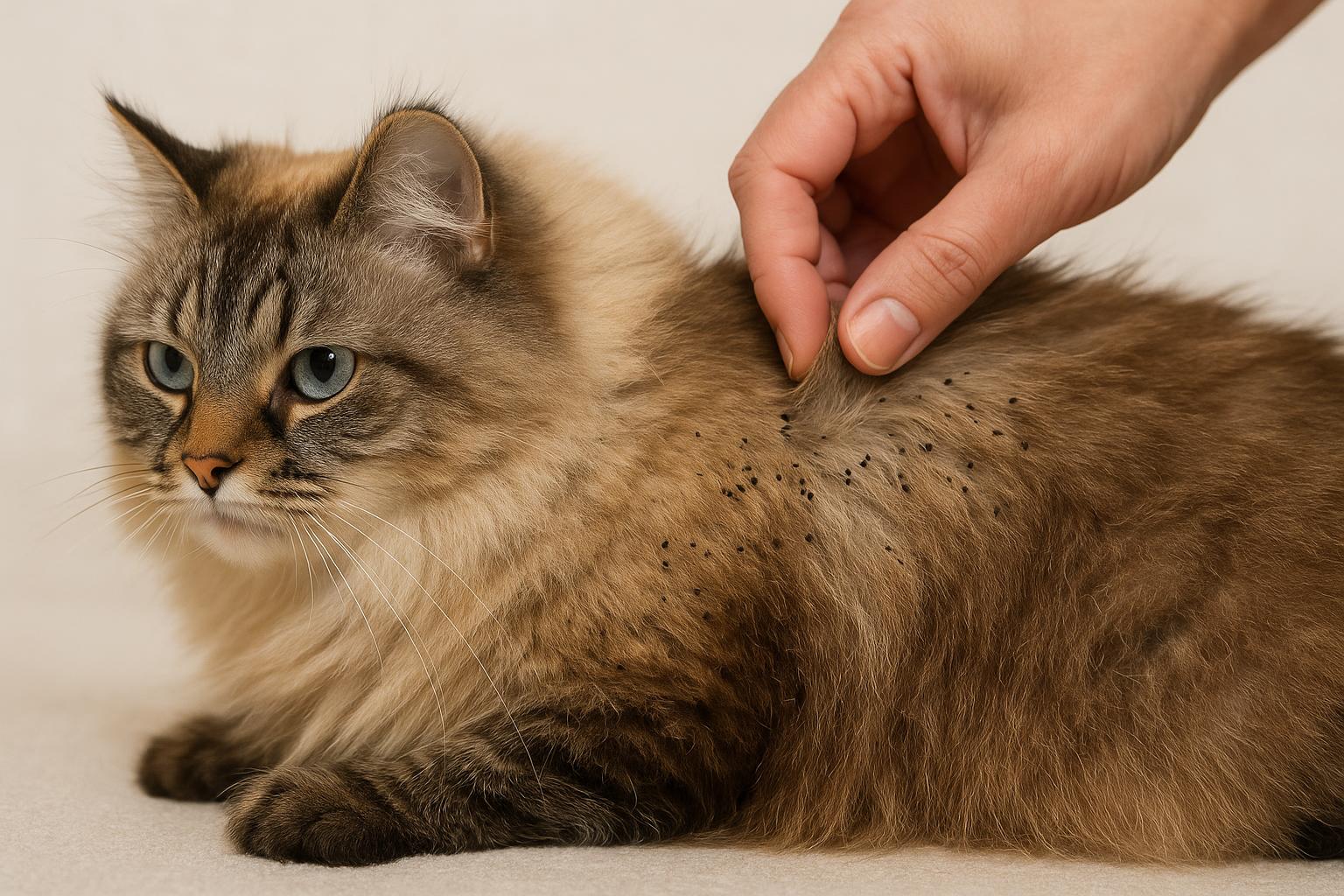
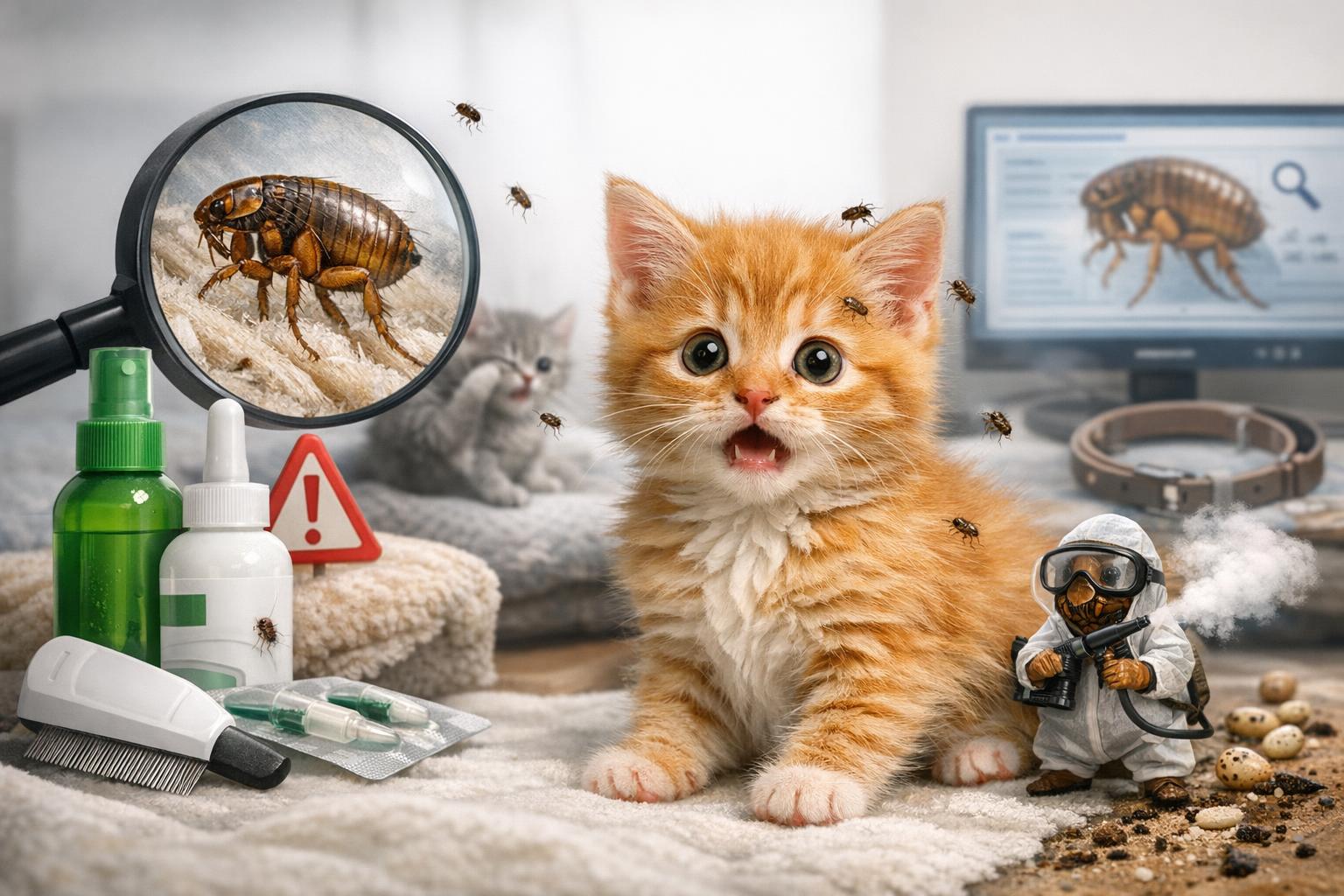
If your cat shows signs of persistent scratching, hair loss, skin lesions, or anemia (pale gums, lethargy), these may indicate a significant flea burden or secondary infection—seek veterinary care. Remember, the phrase herbs repel fleas implies deterrence; severe infestations require targeted veterinary-approved interventions.
Keep it mellow: herbs can be a charming, aromatic part of a flea-management strategy that respects your cat’s health and your home environment. Use them thoughtfully, observe safety tips, and combine them with standard hygiene and veterinary guidance for the best results.
Leave a Reply