

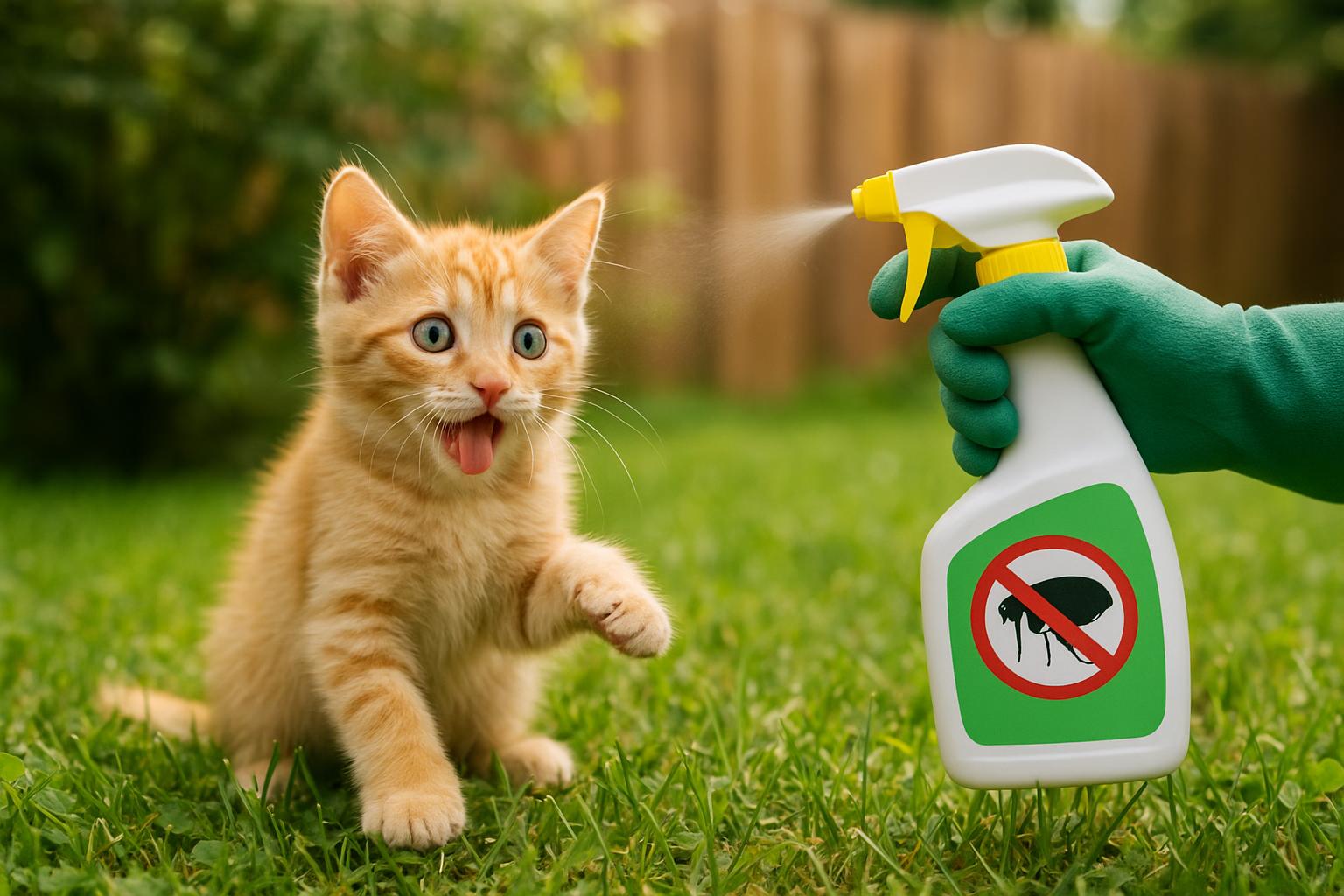
A warm welcome — pull up a chair, set the dog (or cat) on a comfy pillow, and let’s talk about a humble pantry staple that doubles as a backyard superhero: apple cider vinegar. If you’ve been hearing about natural approaches to pest control, you’ve probably bumped into the term “flea vinegar” in online forums and neighborly advice. This article walks you through what that means, why apple cider vinegar is used, and two practical, properly measured remedies to try at home.
## Flea Vinegar: What It Is And How It Works
Apple cider vinegar is often called “flea vinegar” in casual chats because it can be used in solutions intended to deter fleas. It’s not a miracle cure — it won’t instantly vaporize an infestation — but it can be part of an integrated approach to control and prevention. The active appeal is that vinegar is acidic and has a scent profile fleas dislike, while apple cider vinegar also brings trace minerals that some pet owners believe help skin resilience.
### Why Apple Cider Vinegar Is Popular
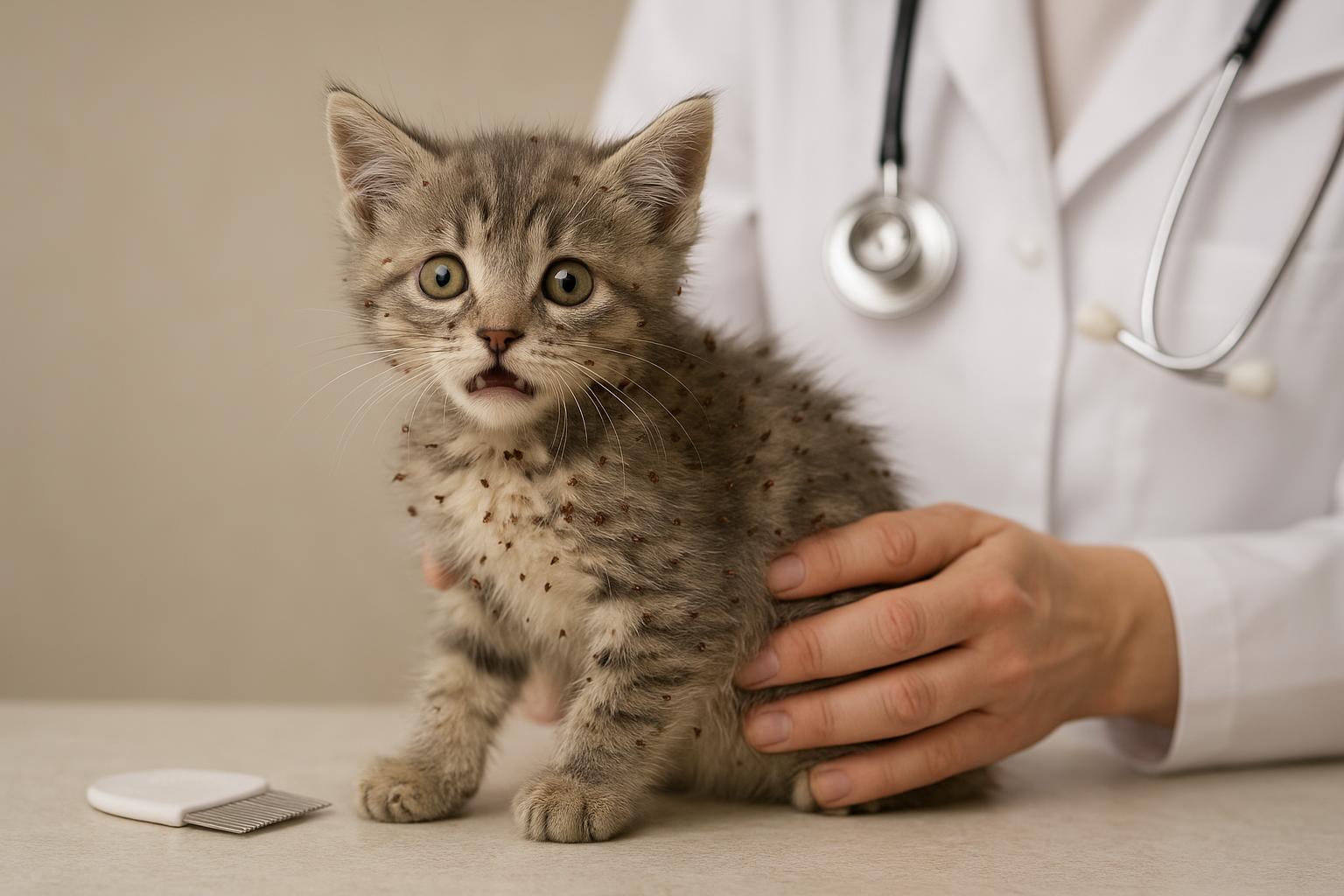
Apple cider vinegar is inexpensive, widely available, and safe when used properly. It’s the sort of thing you can mix up in the kitchen without having to order specialized chemicals. For light flea pressure or as a complement to conventional treatments, flea vinegar-based products can reduce nuisance on pets, bedding, and around resting spots. Keep in mind that heavy infestations almost always require veterinary-approved treatments and environmental management.
### When To Use Flea Vinegar
Use a flea vinegar remedy when you notice occasional fleas, after a vet has treated your pet for a current infestation (as a supplementary deterrent), or as a gentle preventive measure during peak flea season. Avoid relying on it as the sole method in severe cases and discuss with your veterinarian if your pet has skin sensitivities.
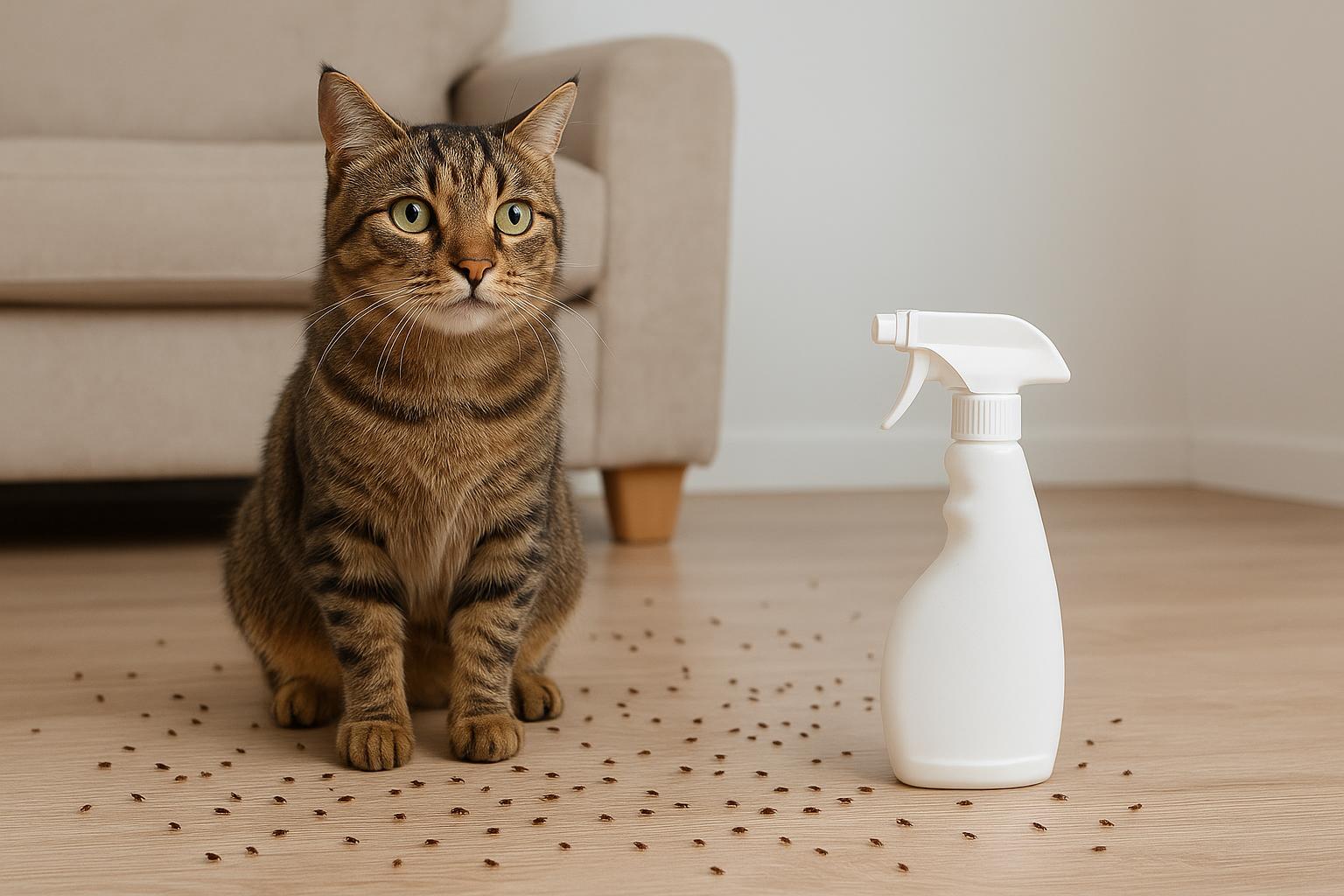
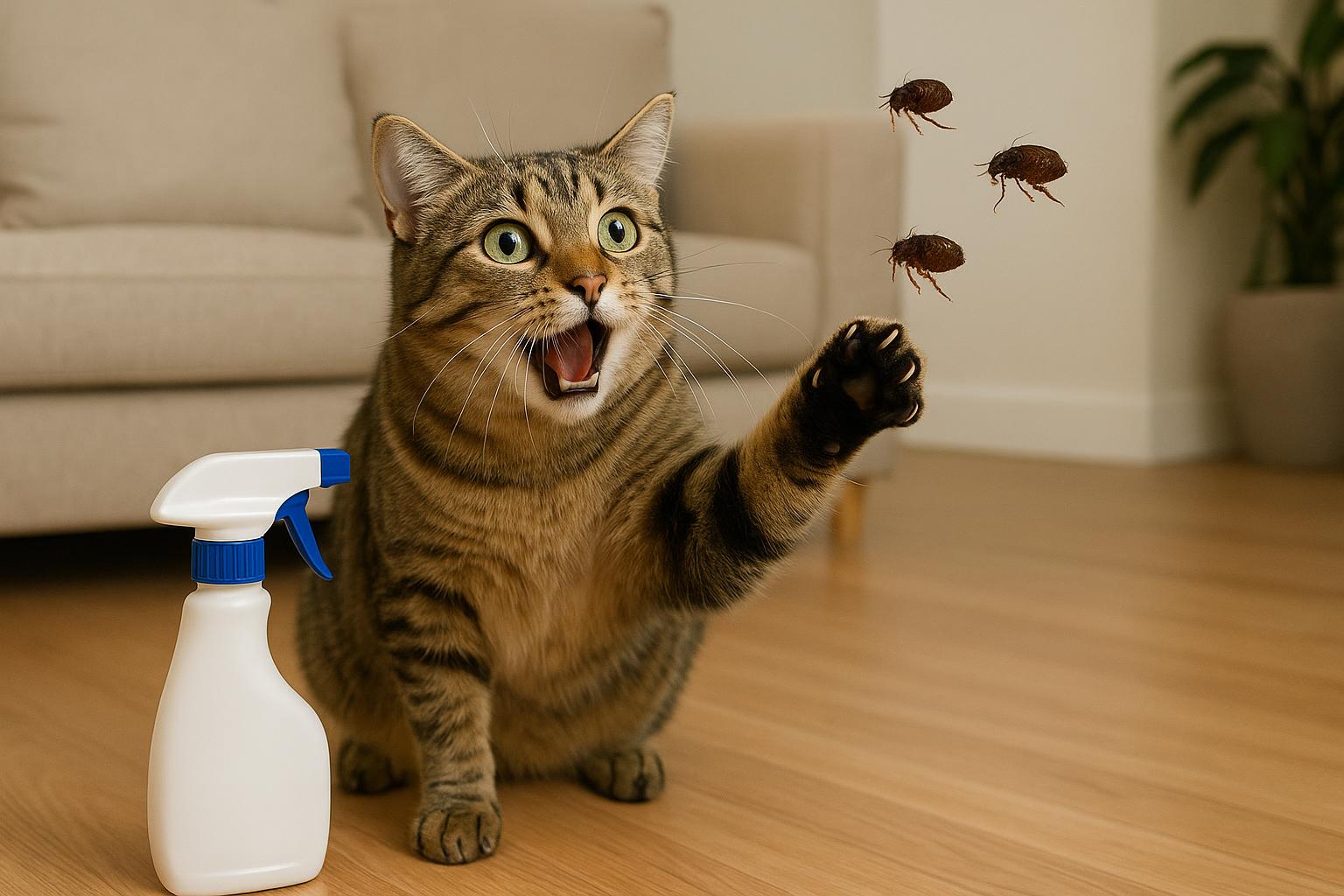
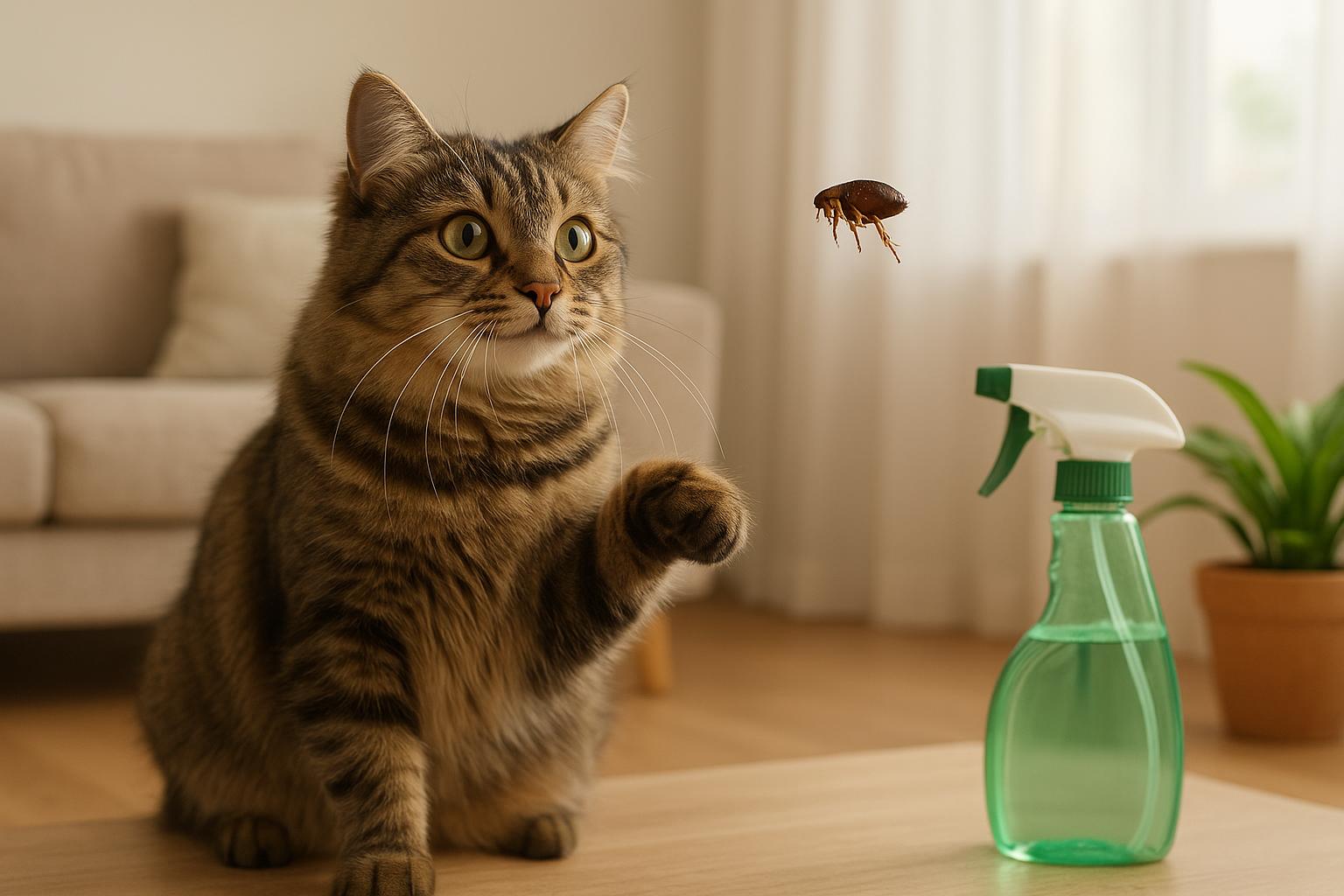
## 1. Basic Flea Vinegar Spray
This is the simplest and most commonly suggested application. The instructions and ingredient list below are presented in a formal, practical manner to ensure safe preparation and correct use.
Ingredients / Materials
– 1 cup clean, filtered water (distilled if possible)
– 1 cup raw, unfiltered apple cider vinegar (not the highly processed kind)
– 1 teaspoon vegetable glycerin (optional; helps with skin moisturizing)
– 1 clean 16-ounce spray bottle with a fine mist nozzle
– Funnel and measuring cup
– Label and permanent marker
Step-by-Step Creation
1. Sanitize all equipment with hot water and mild soap; allow to dry.
2. Using the funnel, pour 1 cup of filtered water into the spray bottle.
3. Add 1 cup of raw apple cider vinegar to the bottle.
4. If desired, add 1 teaspoon of vegetable glycerin to reduce drying on the coat.
5. Secure the spray top and gently invert the bottle several times to mix. Do not shake vigorously to avoid foaming and aerosols.
Application Procedure
1. Test: Before wide use, perform a patch test on your pet — spray a small amount on a discrete area of fur and wait 24 hours to observe for irritation.
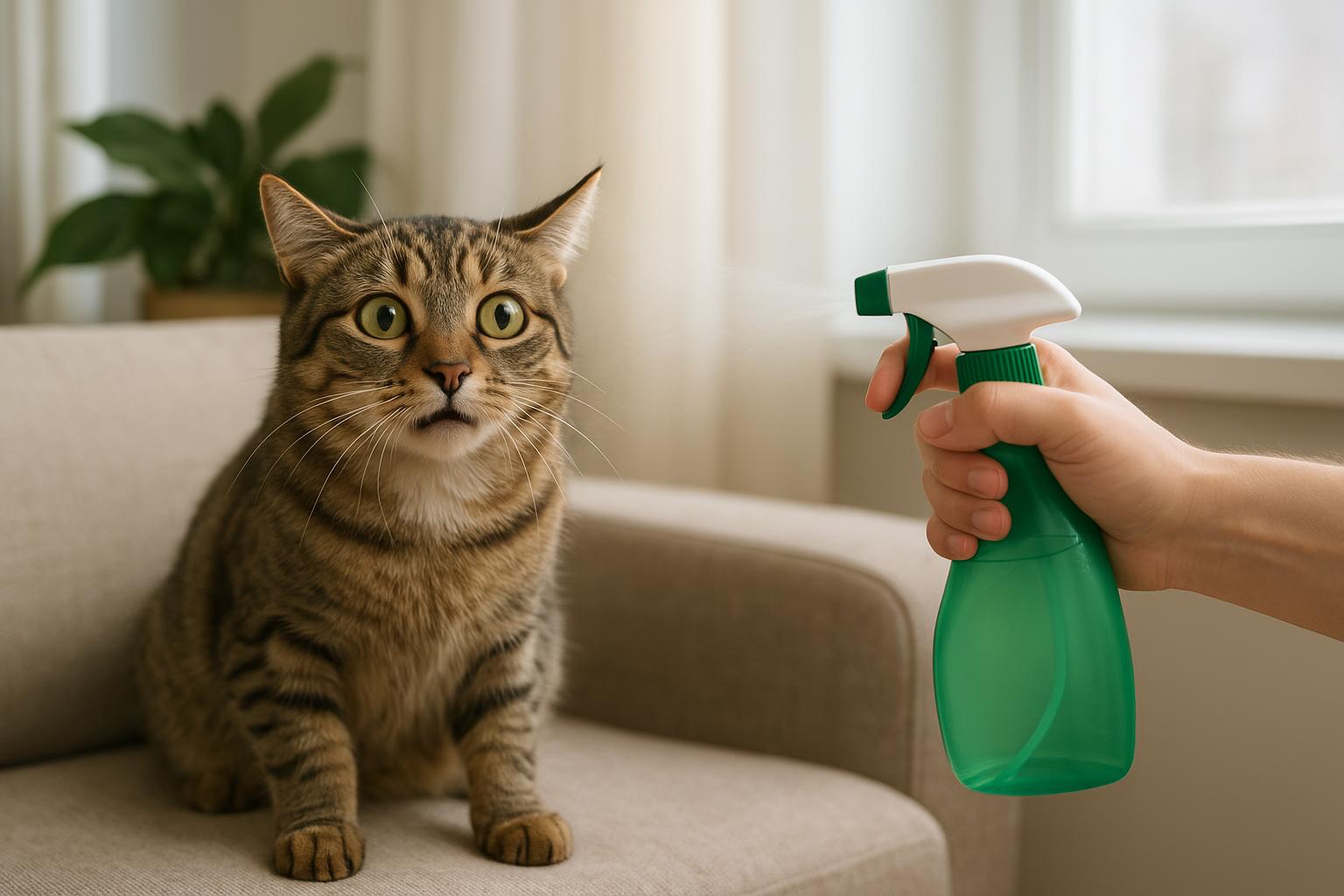
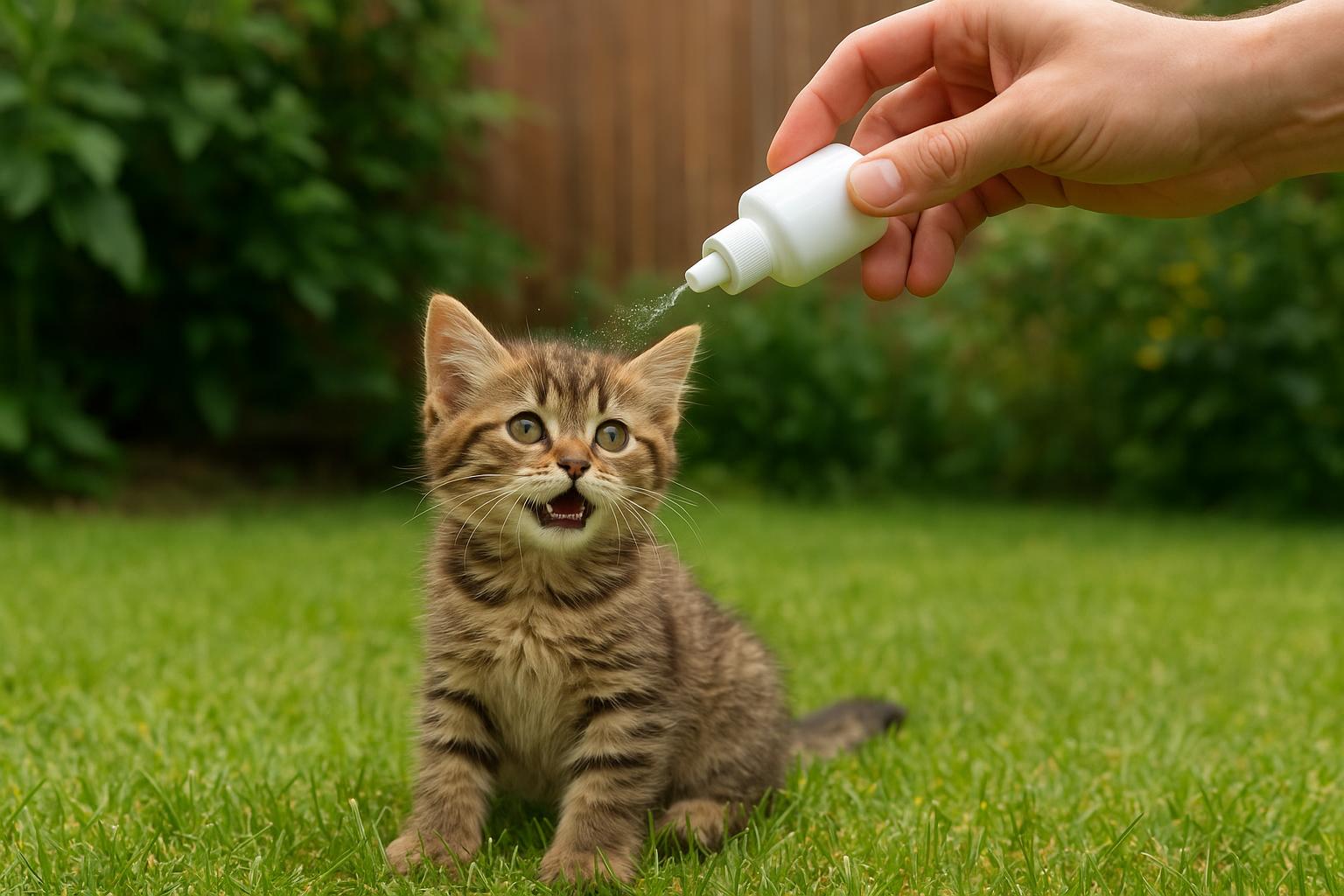
2. If no reaction occurs, lightly mist the pet’s coat, avoiding eyes, nose, mouth, and any open wounds. Hold the nozzle about 8–12 inches from the fur for an even, gentle mist.
3. Focus on areas fleas favor: the base of the tail, underbelly, and behind the ears. Do not saturate the skin or fur; a light coating is sufficient.
4. Reapply every 48–72 hours during active flea season, or after outings where exposure risk is higher.
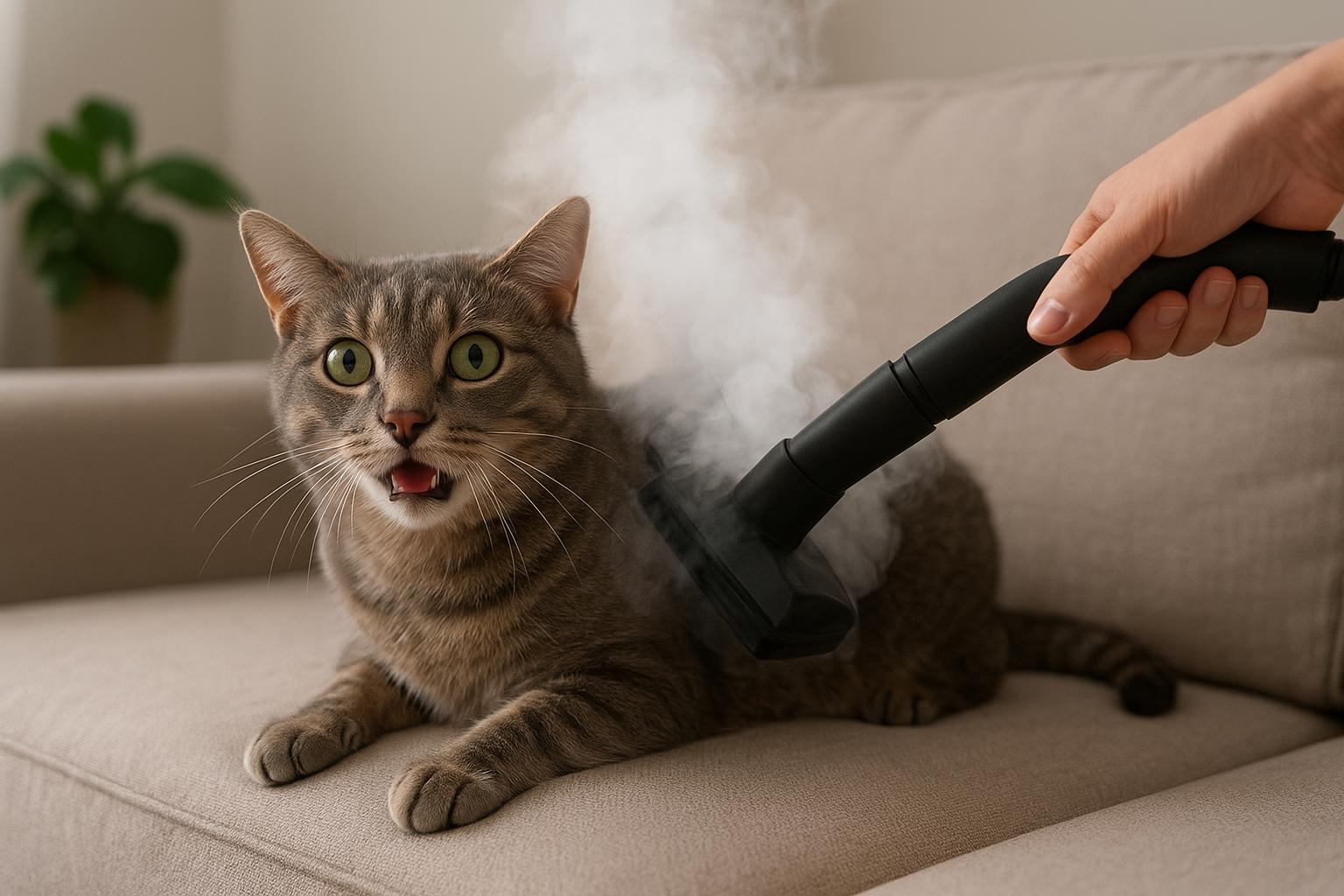
5. Launder bedding and vacuum floors after application to reduce environmental stages of fleas.
Safety Notes
– Do not use on animals with known vinegar sensitivity, open sores, or severe dermatological conditions without veterinary clearance.
– Avoid contact with eyes and mucous membranes. If contact occurs, flush with cool water and seek veterinary advice if irritation persists.
– Store the solution in a cool, dark place and label clearly. Discard within 4 weeks.
## 2. Flea Vinegar Bath Rinse
This second remedy is a supplemental rinse used during bathing. It’s formulated to be milder at a higher dilution and meant for pets that tolerate baths well.
Materials / Ingredients
– 1 gallon warm water (comfortable to the touch)
– 1/2 cup raw apple cider vinegar
– Mild, pet-safe shampoo (optional)
– Large plastic basin or bathtub
– 1 cup measuring container and a pitcher
– Towels for drying
Step-by-Step Creation
1. Prepare the bath area and gather all items so you can work smoothly during the rinse.
2. Fill the basin or tub with 1 gallon of warm water.
3. Measure and add 1/2 cup of raw apple cider vinegar to the water. Stir to combine.
4. If using shampoo, bathe the pet first according to label instructions and rinse thoroughly.
5. Pour the rinse evenly over the pet’s coat, ensuring good coverage but avoiding the face and ears.
6. Allow the rinse to sit for 2–3 minutes before gently rinsing lightly with clean water if desired. Dry the pet with towels.
Application Guidelines
– Use this rinse as an occasional adjunct to your regular bathing schedule, not daily. Typically, once every 1–2 weeks is adequate when using as part of a preventive routine.
– This rinse is not intended for use on very young animals (under 12 weeks) or those with compromised skin barriers without veterinary approval.
– If your pet shows signs of distress, redness, or increased itching after the rinse, discontinue use and contact your veterinarian.
### Dilution Ratios And Why They Matter
A key principle in practical flea vinegar use is correct dilution. Undiluted vinegar is too acidic for repeated topical use on animals and can irritate skin. The spray recipe above provides roughly a 1:1 water-to-vinegar ratio for short, intermittent application, while the bath rinse uses a milder 1/16 ratio suitable for more extensive contact. Adjustments should be conservative and made with attention to your pet’s tolerance.
### Integrated Yard And Home Approach
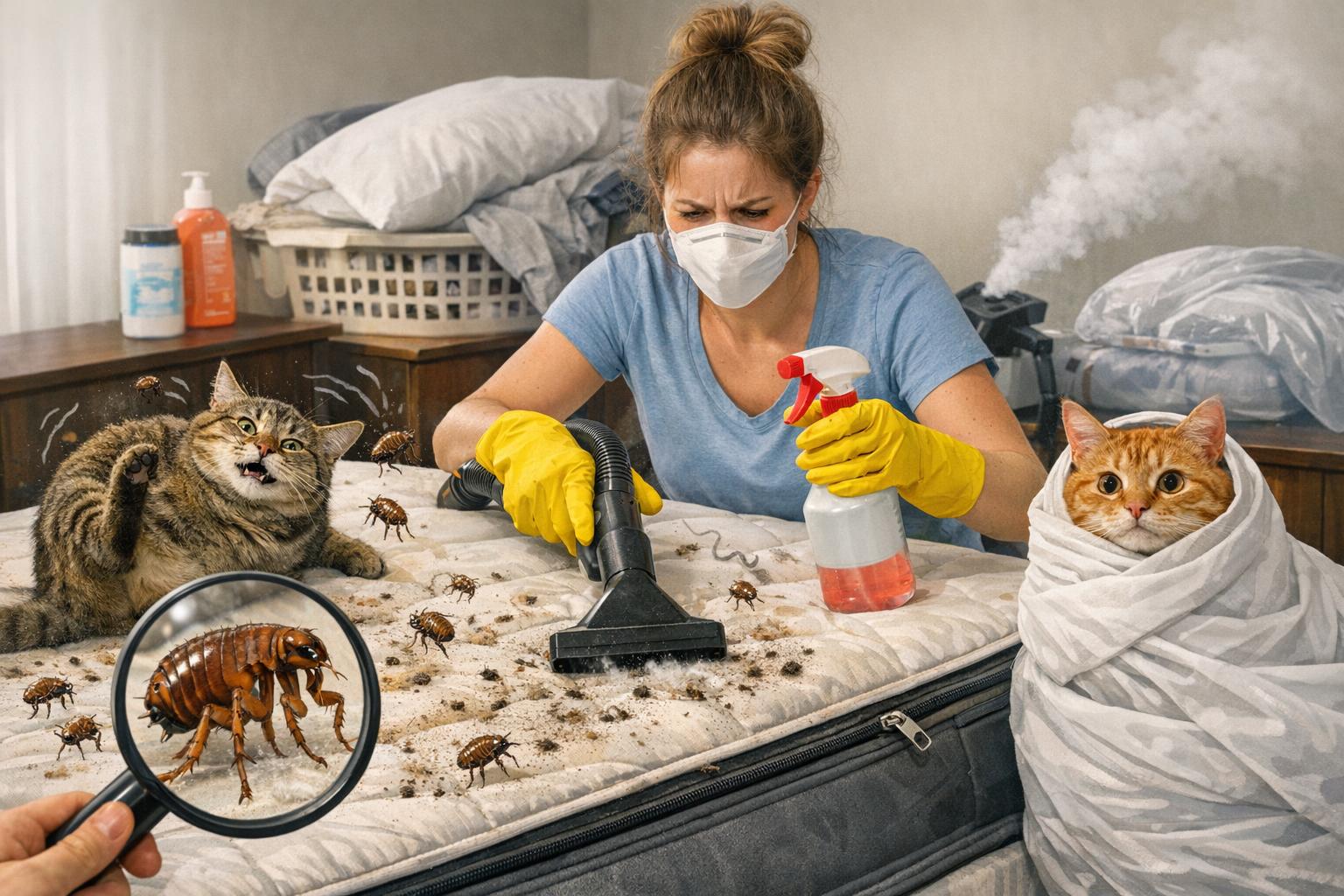
Using flea vinegar is only one part of control. Addressing the environment is crucial: vacuuming carpets, washing bedding in hot water, treating outdoor resting spots, and maintaining lawn height reduce breeding grounds. If you spot persistent fleas despite environmental and topical measures, seek professional pest control or veterinary advice.
### Safety, Legal, And Efficacy Considerations
Flea vinegar solutions can be classified as home remedies; their efficacy varies and is not equivalent to veterinary-approved insecticides in severe infestations. For medical claims or serious infestations, professional products approved by regulatory bodies and prescribed by veterinarians are recommended. Be cautious about mixing flea vinegar with other topical treatments — chemical interactions can be harmful or reduce effectiveness.
### Practical Tips From The Backyard Trenches
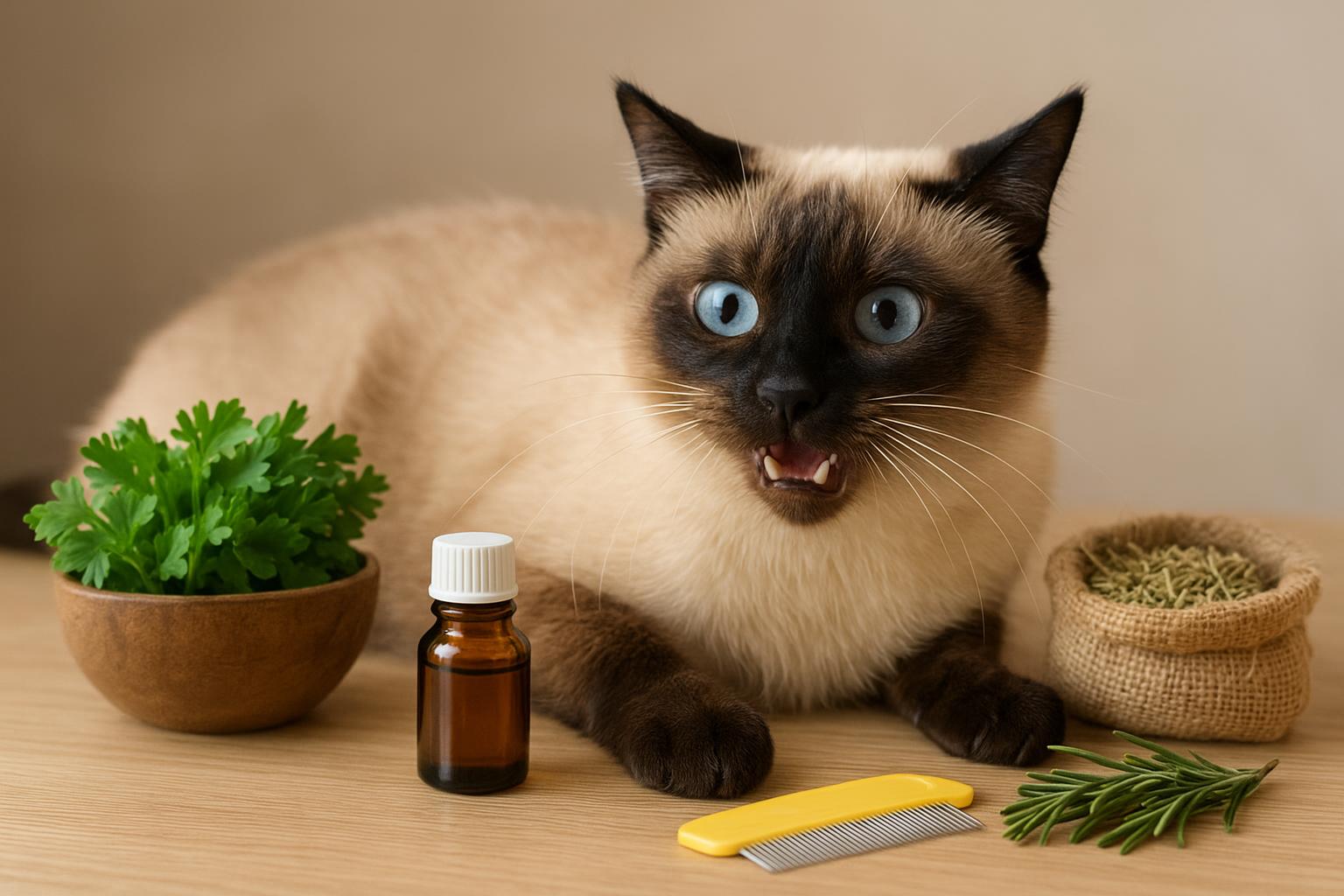
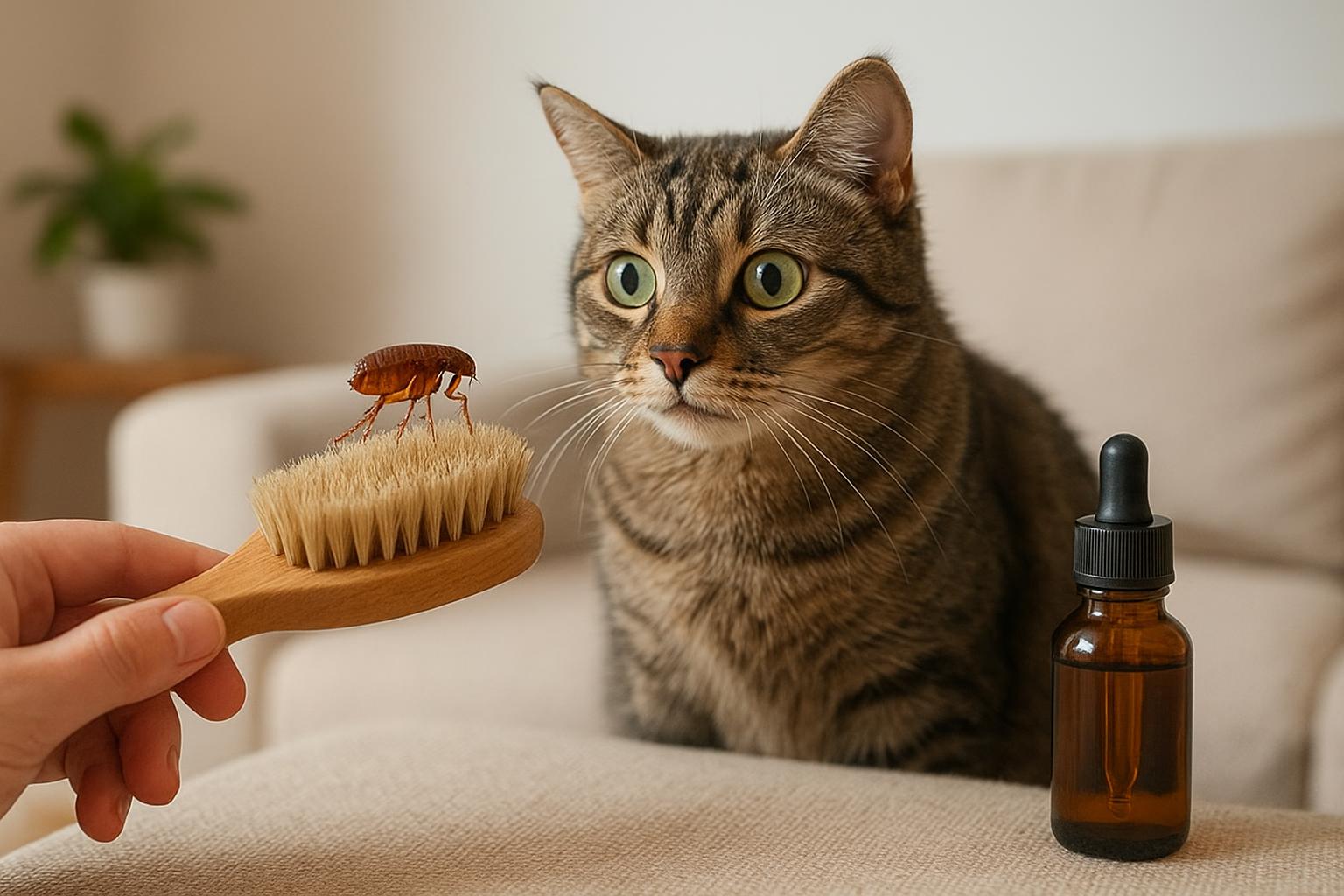
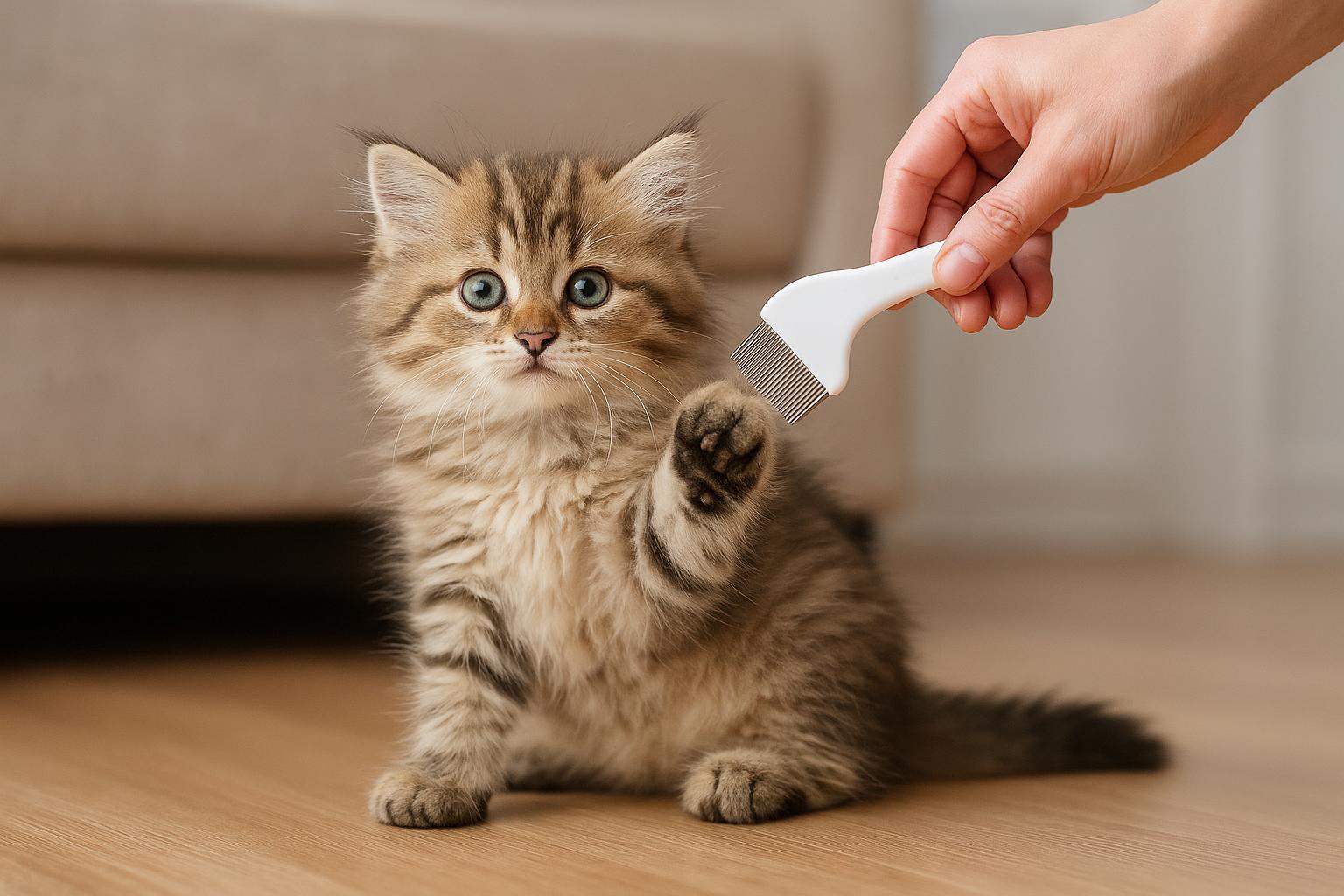
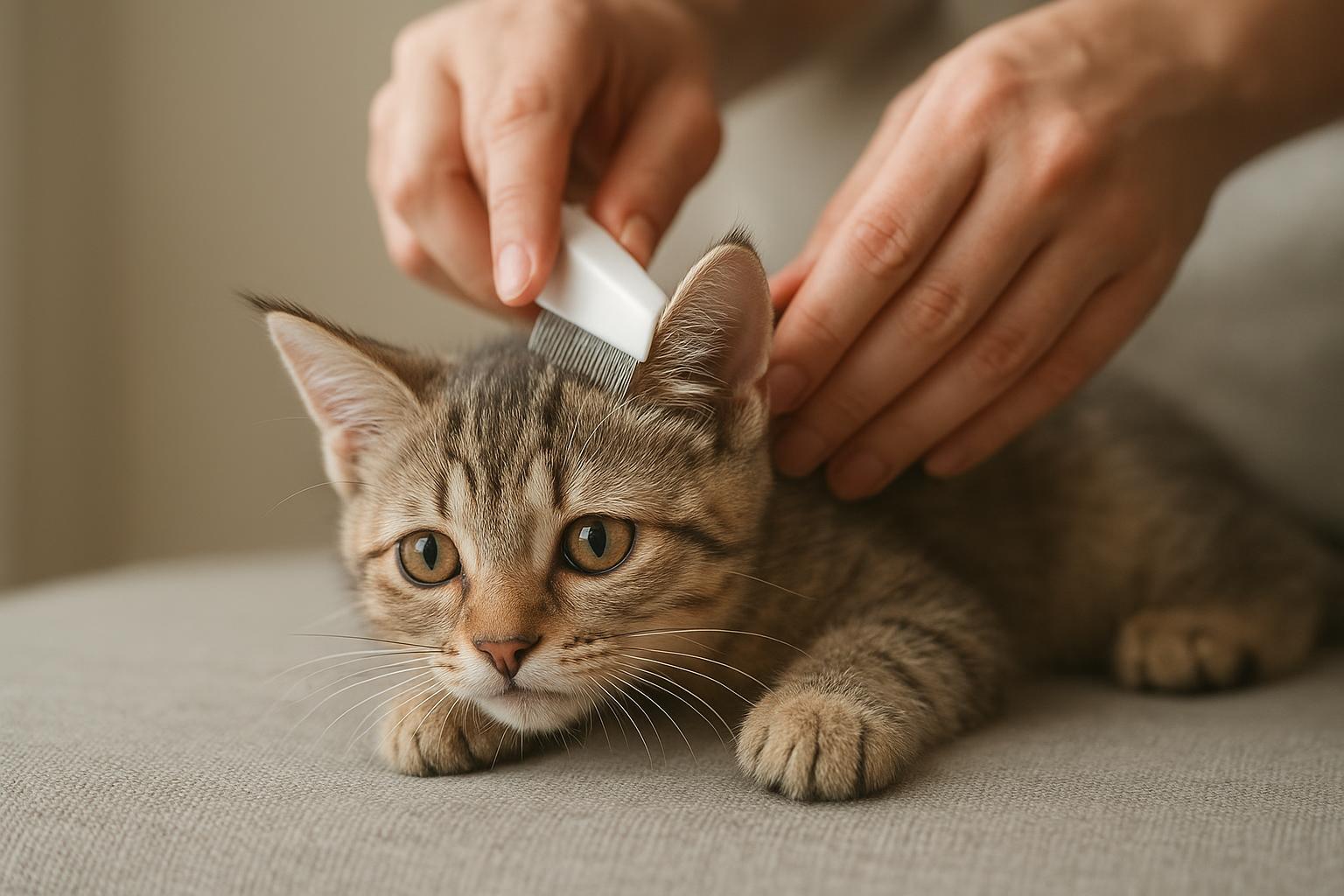
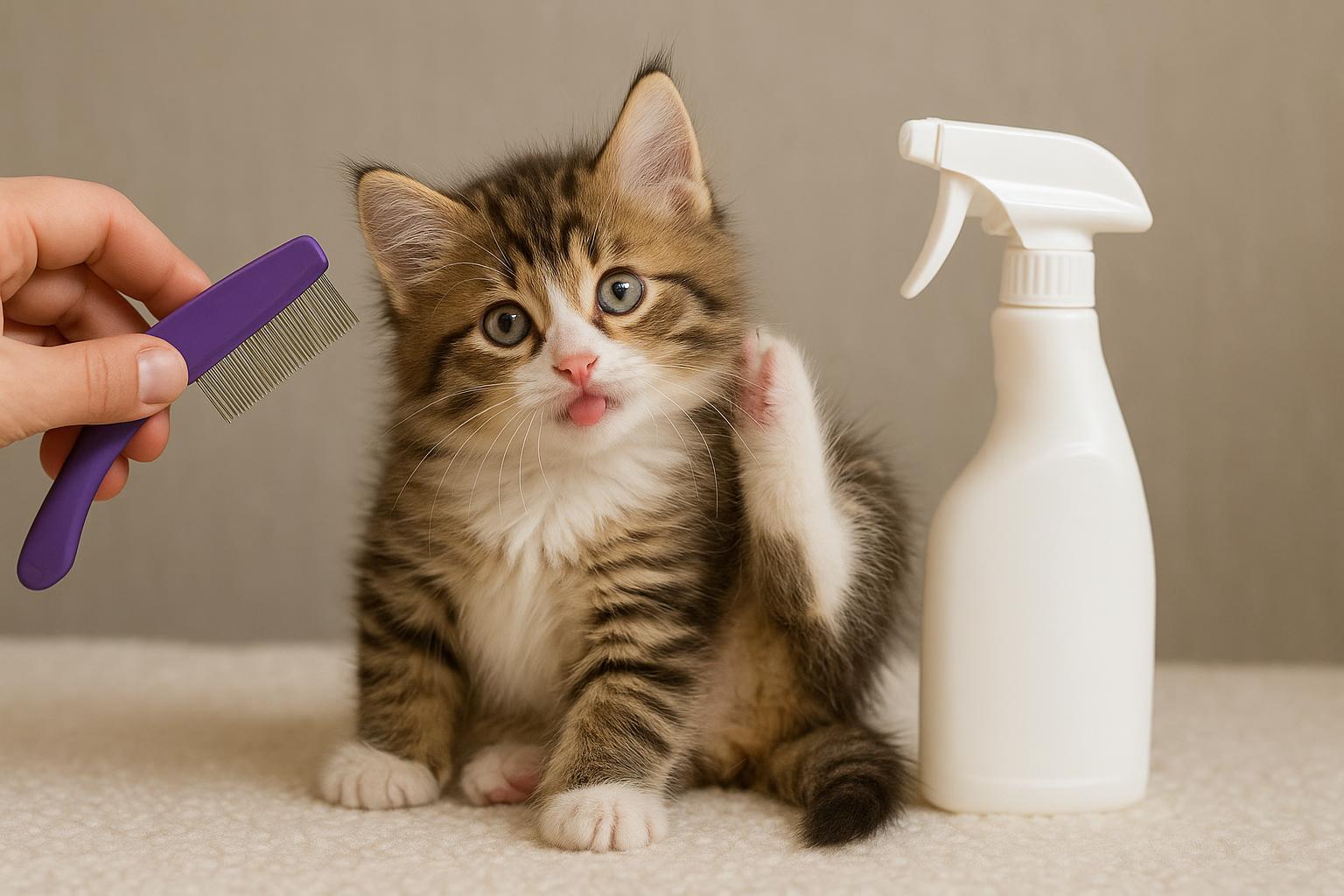
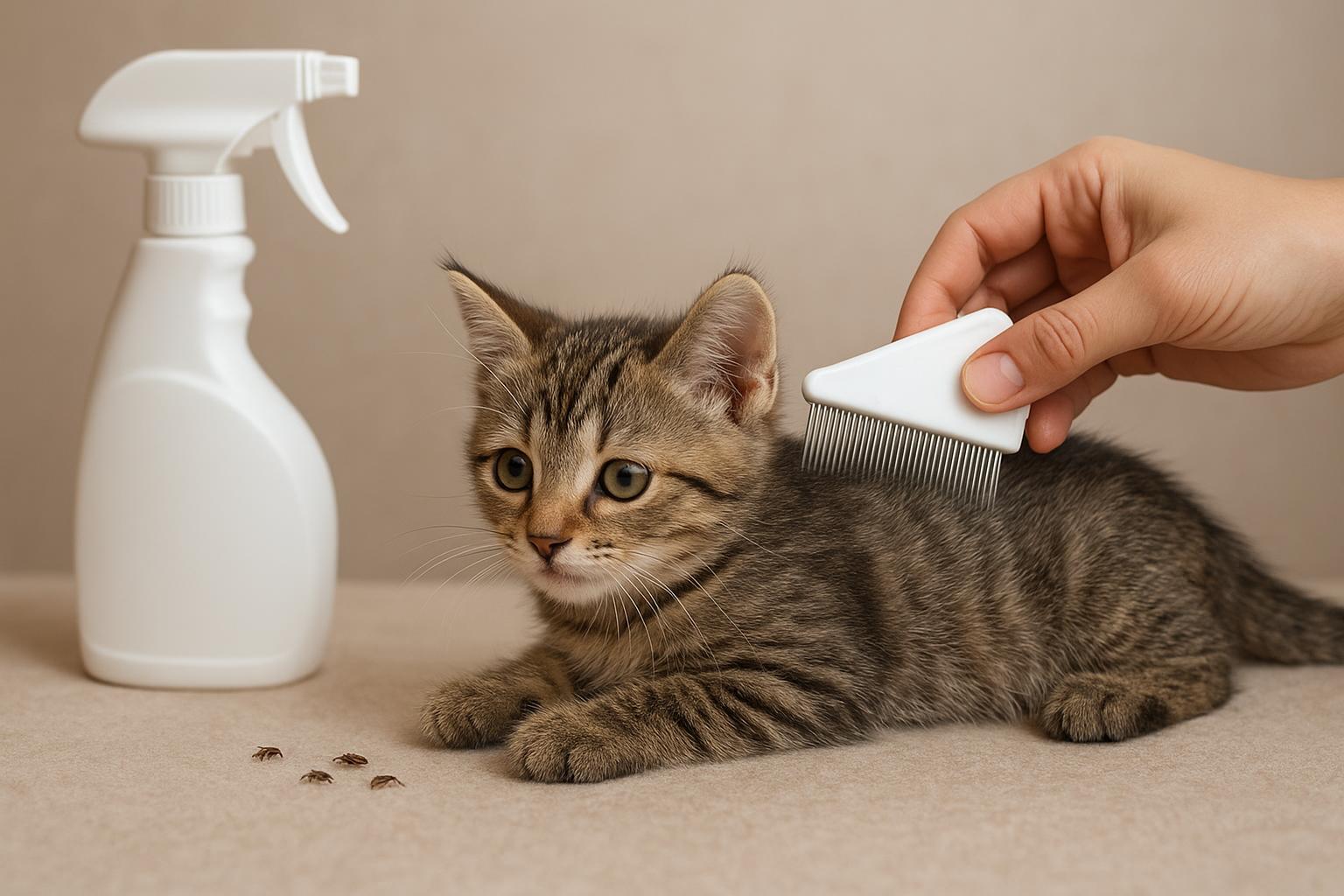
Gently combing your pet with a fine-toothed flea comb after spray application helps remove dead adults and eggs; keep a tray of soapy water beneath the comb to drown captured fleas. If you prefer scent-masking, a few drops of pet-safe essential oils in a carrier are sometimes suggested, but these should be used only with expert guidance — many essential oils are toxic to pets.
A little humor for the road: vinegar won’t write you a thank-you note when it chases off fleas, but it will keep your pet more comfortable — and maybe save a few dollars on short-term prevention. Use it wisely, pair it with good environmental practices, and always prioritize your pet’s health and comfort.




Leave a Reply