
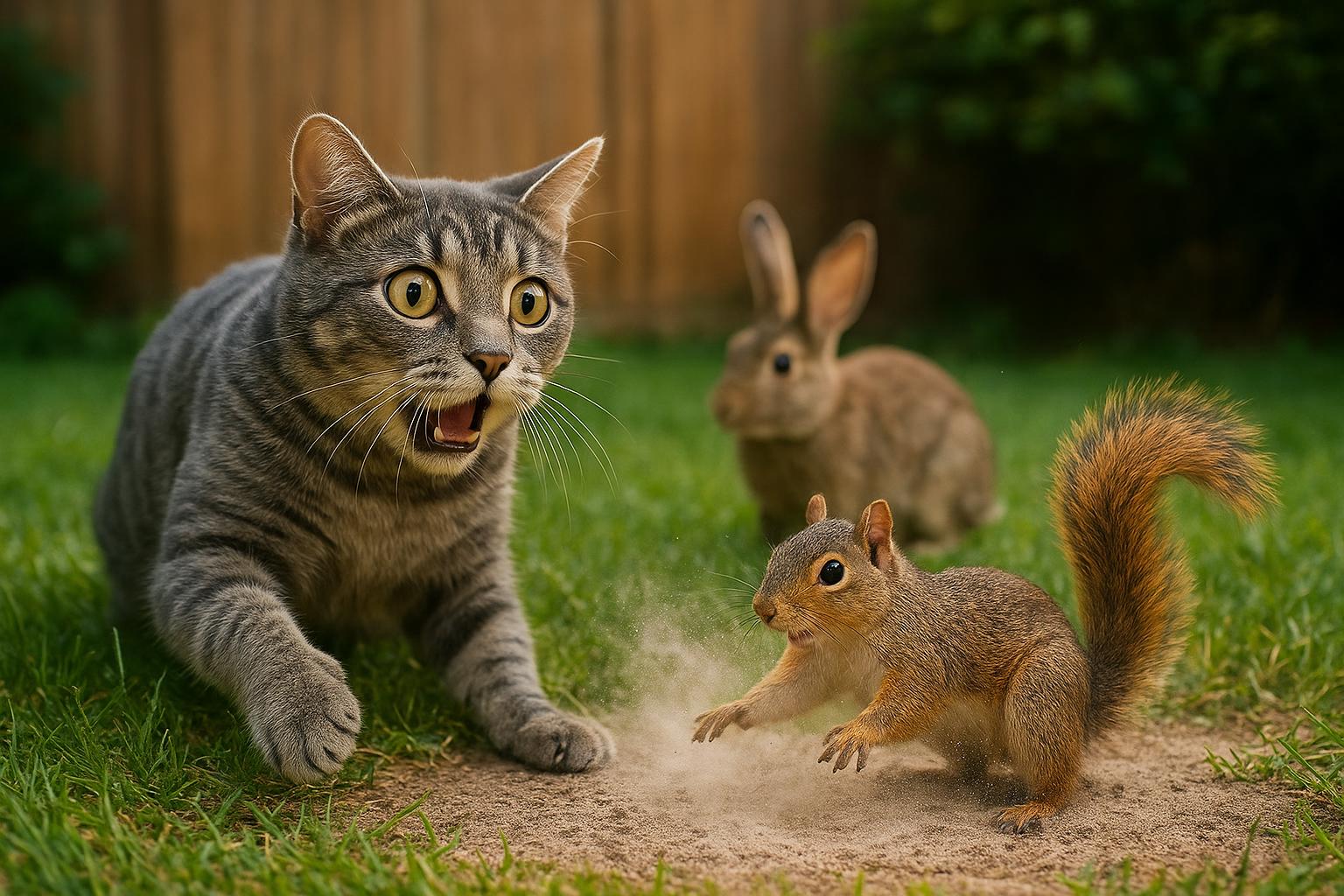
Backyards are full of life: birds, rabbits, hedgehogs, and that squirrel who thinks your feeder is a buffet. With wildlife comes the occasional parasite—fleas, ticks, and other tiny freeloaders that can impact both animals and the people who care for them. If you’re curious about a low-tox option that some homeowners and wildlife caretakers use, this guide looks at diatomaceous approaches for flea prevention in backyard wildlife habitat—what works, what doesn’t, and how to use it responsibly.
## Diatomaceous Earth Flea Prevention For Backyard Wildlife
Diatomaceous earth has a reputation as a gentle-but-effective pest-control tool. Before you picture little fossilized sharks teaming up to fight fleas, here’s the practical takeaway: diatomaceous products are a fine powder that can abrade and dehydrate small arthropods like fleas. Many folks like the idea because it’s non-chemical and often available as “food grade.” That said, real-world use around wild animals requires care and a dose of common sense.
### How Diatomaceous Actually Works On Fleas
Fleas have a waxy or oily outer layer that helps them retain moisture. Diatomaceous powder is made of microscopic silica skeletons from fossilized diatoms; it’s abrasive on a microscopic level. When a flea (or many other tiny pests) moves through the powder, the particles damage the outer layer and speed up water loss, eventually causing desiccation. This physical mode of action means pests are not becoming resistant the way they can with chemical insecticides.
Diatomaceous is most effective against immature flea stages in the environment—larvae and pupae—when those stages come into contact with treated bedding, nesting debris, or soil. It is less reliable as a rapid fix for heavy infestations on live animals, and it loses function when wet, so dry conditions matter.
### Efficacy And Limits You Should Know
– It’s contact-based. Fleas have to touch the powder to be affected. Areas that are not regularly traversed by fleas will see little benefit.
– It’s not a knockdown chemical. Expect a slower decline in flea numbers compared with synthetic insecticides.
– It’s humidity-sensitive. Rain or high moisture reduces effectiveness; reapplication is usually needed after wet weather.
– Scientific data on diatomaceous use specifically for free-ranging wildlife is limited. Many recommendations come from pest-control experience in domestic settings; adapt with caution for wildlife contexts.
## Safety And Environmental Considerations
While diatomaceous products are often labeled “natural” and “food grade,” “natural” isn’t the same as “innocuous.” As a backyard wildlife specialist, I like to treat it like any other tool: useful when used correctly, harmful if misused.
– Respiratory risk: The powder is very fine. Inhaling large amounts of any fine particulate can irritate lungs in humans, pets, and birds. Use masks when applying and avoid wind-blown clouds.
– Impact on insects: Beneficial insects (including ground-dwelling beetles and ants) can be affected where powder is applied. Avoid placing it indiscriminately in areas where pollinators forage or beneficial predators live.
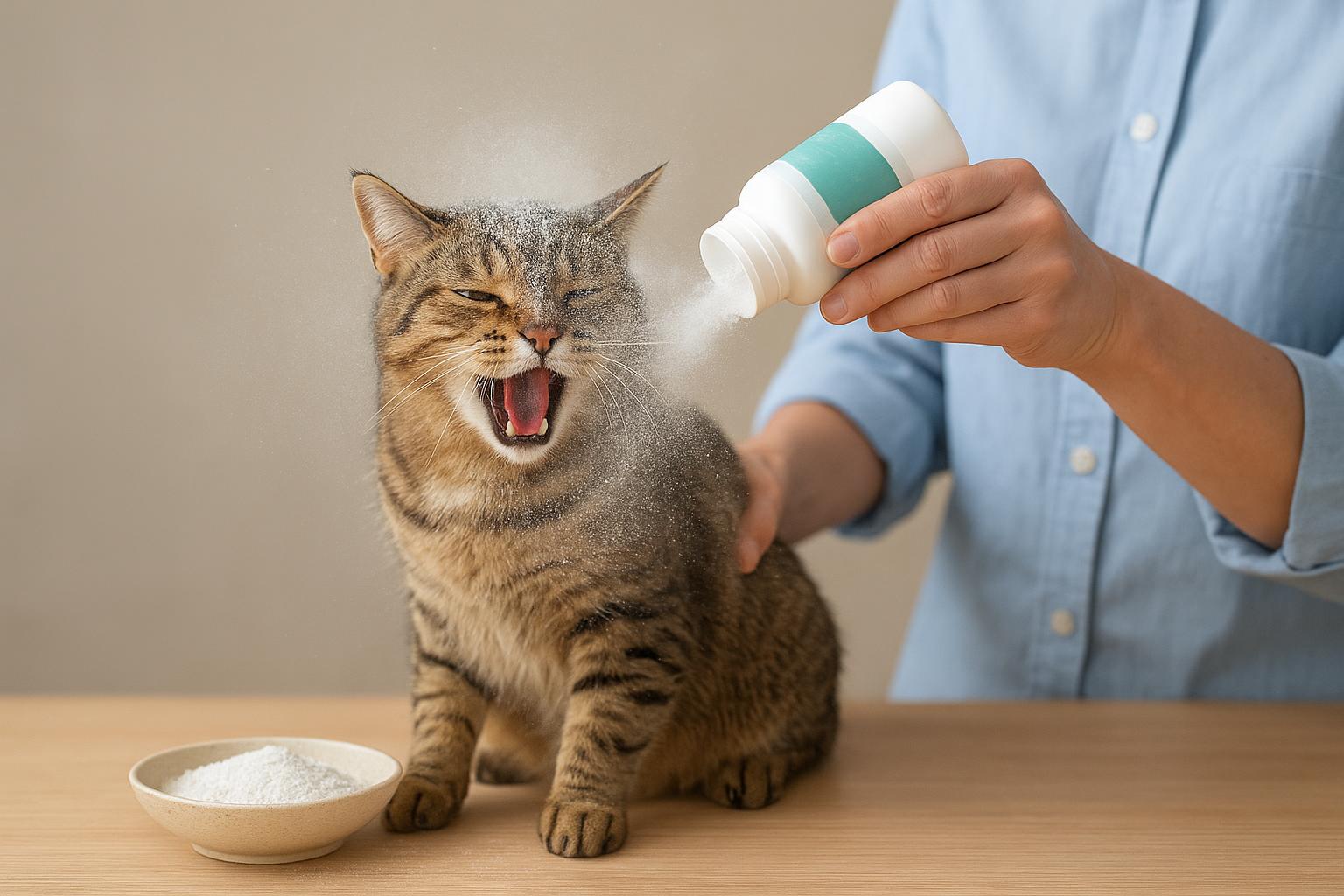
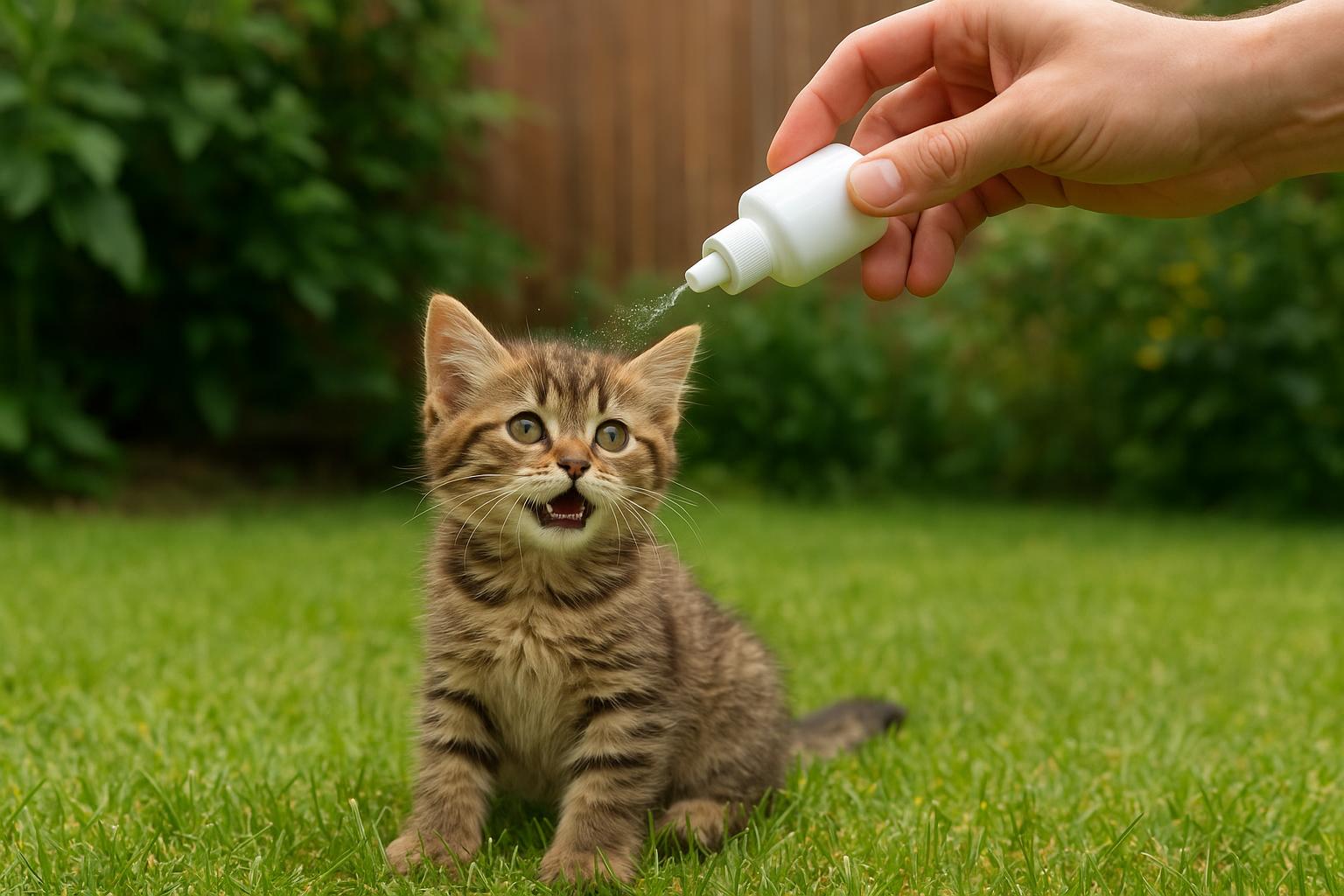
– Direct application to animals: Do not dust wild animals directly unless you are a trained wildlife rehabilitator and using appropriate protocols. Even well-intentioned dusting can irritate skin or lungs and stress animals.
– Water contamination: Do not apply near ponds, streams, or wetland edges where powder can wash into water, as it may impact aquatic invertebrates.
Use the product conservatively and target the habitat features where fleas breed rather than broad, heavy coverage.
## Preparing A Diatomaceous Habitat Treatment
This is the practical remedy section. Read carefully and follow the materials list and step-by-step instructions. This approach is intended to reduce flea pressure in microhabitats (nest boxes, brush piles, around foundation plantings) while minimizing risk to wildlife and beneficial insects.
Materials / Ingredients:
– Food-grade diatomaceous powder (purchase from a reputable supplier)
– Lightweight hand scoop or small garden duster (preferably with directional nozzle)
– N95 mask or equivalent respiratory protection
– Disposable gloves
– Painter’s mask/mesh to cover bird boxes temporarily (optional, for timing only)
– Small brush or broom for light distribution
– Sturdy paper bags or containers for storage (labeled, dry)
Step-By-Step Creation And Application:
1. Choose target locations: Identify nesting boxes, under-deck voids, compost edges, and brush piles where small mammals and birds nest or rest, and where flea larvae might develop. Avoid open flower beds and pollinator corridors.
2. Wear protection: Put on your N95 mask and gloves. Work on a calm day with little wind. Keep pets and children away during application.
3. Prepare a light application: If using a duster, load a small amount—less is more. You want a thin, even dusting, not a blizzard. If using a scoop, sprinkle gently.
4. Apply to nesting substrate and crevices: For bird or bat boxes, remove occupants only if you’re certain it’s safe and legal to do so (many bird species are protected; avoid nesting season). Lightly dust the interior surfaces and nesting ledges; do not saturate. For brush piles and under-staging areas, target the top layer of leaf litter and the perimeter where fleas may transfer.
5. Reapply after moisture events: Diatomaceous loses effectiveness when wet. Reapply a light dusting after a heavy rain or every 2–4 weeks during active flea season, depending on conditions.
6. Clean tools and store dry: Wipe or brush off tools outside, and store diatomaceous in labeled dry containers. Dispose of used gloves and wash hands.
Use restraint. The goal is to alter flea habitat, not blanket the yard.
#### Where Not To Apply (Important)
– Flowering plants and areas with active pollinators.
– Water margins or places where rain will wash powder into aquatic systems.
– Directly onto wildlife, domestic pets, or people.
– Enclosed spaces frequented by humans where powder might become airborne and inhaled.
## Placement Tips And Timing For Best Results
The timing of application matters more than you might think. Fleas have life cycles tied to temperature and host activity.
– Apply in spring and early summer: Target the period when young animals are born or when flea populations begin to rise.
– Monitor wildlife use: Check nest boxes in non-breeding times and apply during maintenance windows. Avoid breeding seasons.
– Spot-treat heavy-use areas: Focus on foundation edges, under porches, and around feeding areas where fleas can accumulate.
If you’re dealing with a known wildlife rehabilitation setting, coordinate application with veterinary guidance. In yards with pets, combine diatomaceous environmental treatment with appropriate veterinary flea control for the animals themselves—environmental powder alone will rarely rid a living host of fleas quickly.
### Avoiding Direct Contact With Animals
A reminder in plain language: don’t dust the animals. Funny as it would be to see a hedgehog wearing sunscreen and diatomaceous glitter, wild animals don’t need the added stress. If you’re caring for an orphaned or injured animal and are licensed to perform parasite treatment, follow your rehab center’s protocols for topical treatments and consult a wildlife veterinarian.
## Complementary Practices To Reduce Flea Pressure
Diatomaceous is one option in an integrated approach. Consider combining it with habitat management and encouraging natural controls.
– Keep the yard tidy: Raking leaf litter away from high-use areas and reducing thick groundcover decreases flea habitat.
– Rotate feeders and clean up spilled seeds: This reduces small-mammal congregation, which can lower flea transfer hotspots.
– Create predator-friendly features: Encourage birds and predatory insects that feed on flea hosts or their larvae (note caution with broad diatomaceous use around insect fauna).
– Vet-check pets: Domestic animals can shuttle fleas between wild areas and home; keep their flea control current.
– Use targeted mechanical treatments: For nest boxes and artificial shelters, remove old nesting material during inactive seasons and replace with fresh, dry substrate.
A thoughtful mix of habitat modification, targeted diatomaceous use, and animal-focused measures offers the best chance of reducing flea problems without harming the very wildlife you want to protect.
### When To Call A Pro
If you find unusually high flea loads on wildlife, or if you’re dealing with a zoonotic risk (fleas carrying disease), consult a wildlife rehabilitator or pest management professional who has experience with wildlife and ecological considerations. Professional guidance is especially important if you’re considering more aggressive control measures.
Sprinkle some care, not careless powder, and you can make your backyard a less itchy place for both critters and humans. If you want, I can walk you through selecting a specific food-grade diatomaceous product or map likely flea hotspots in your yard—just tell me about your property and the wildlife you see.

Leave a Reply