
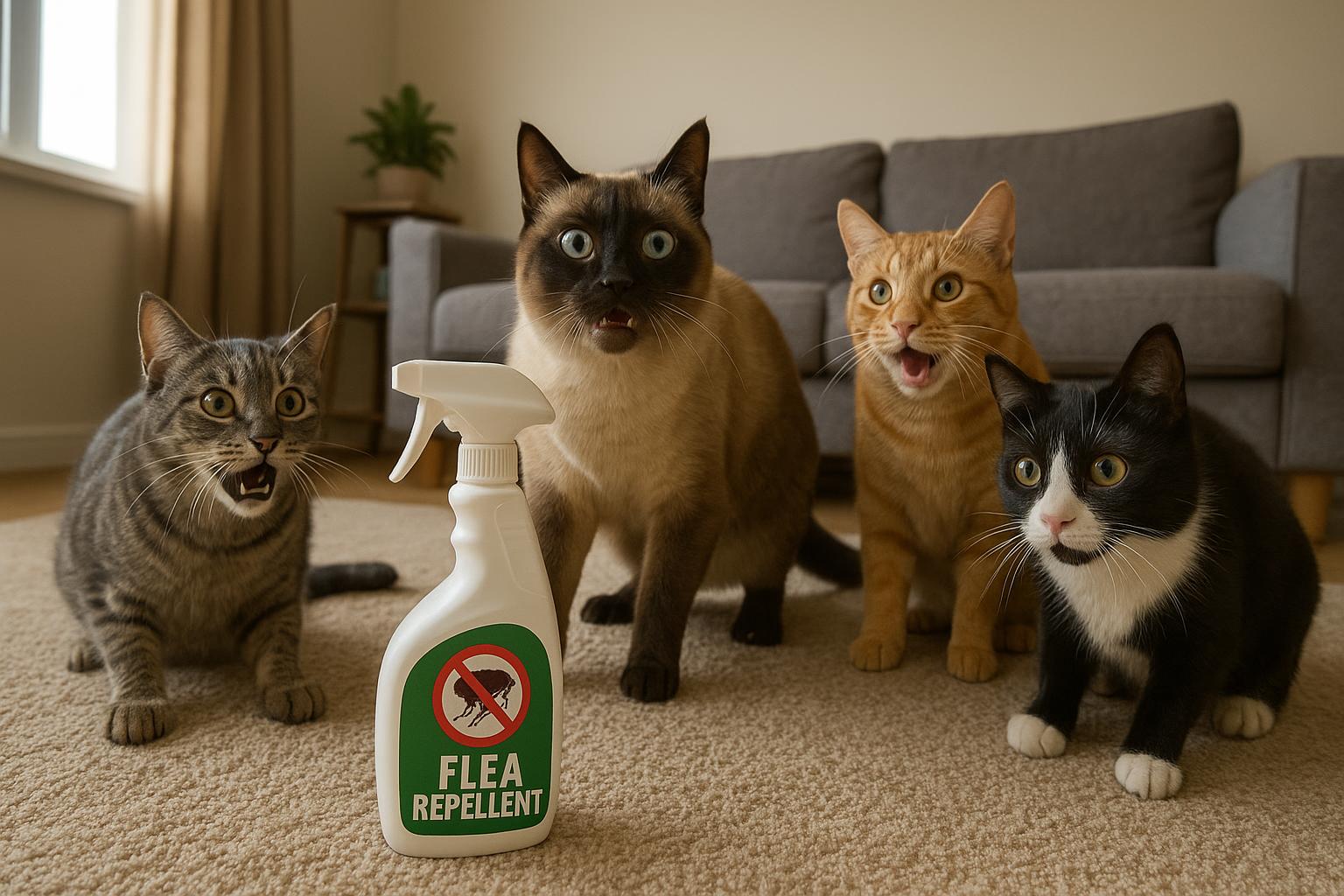
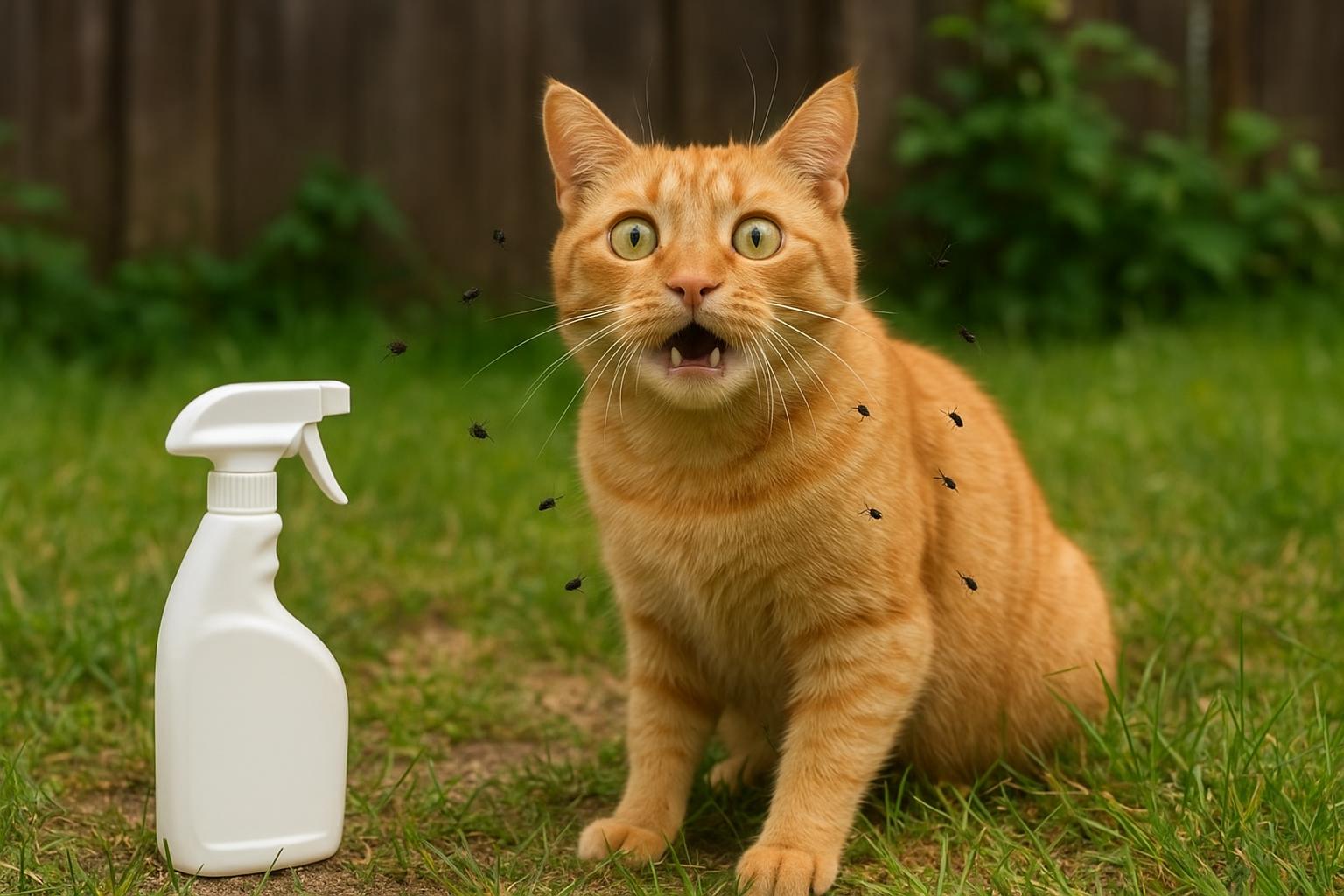
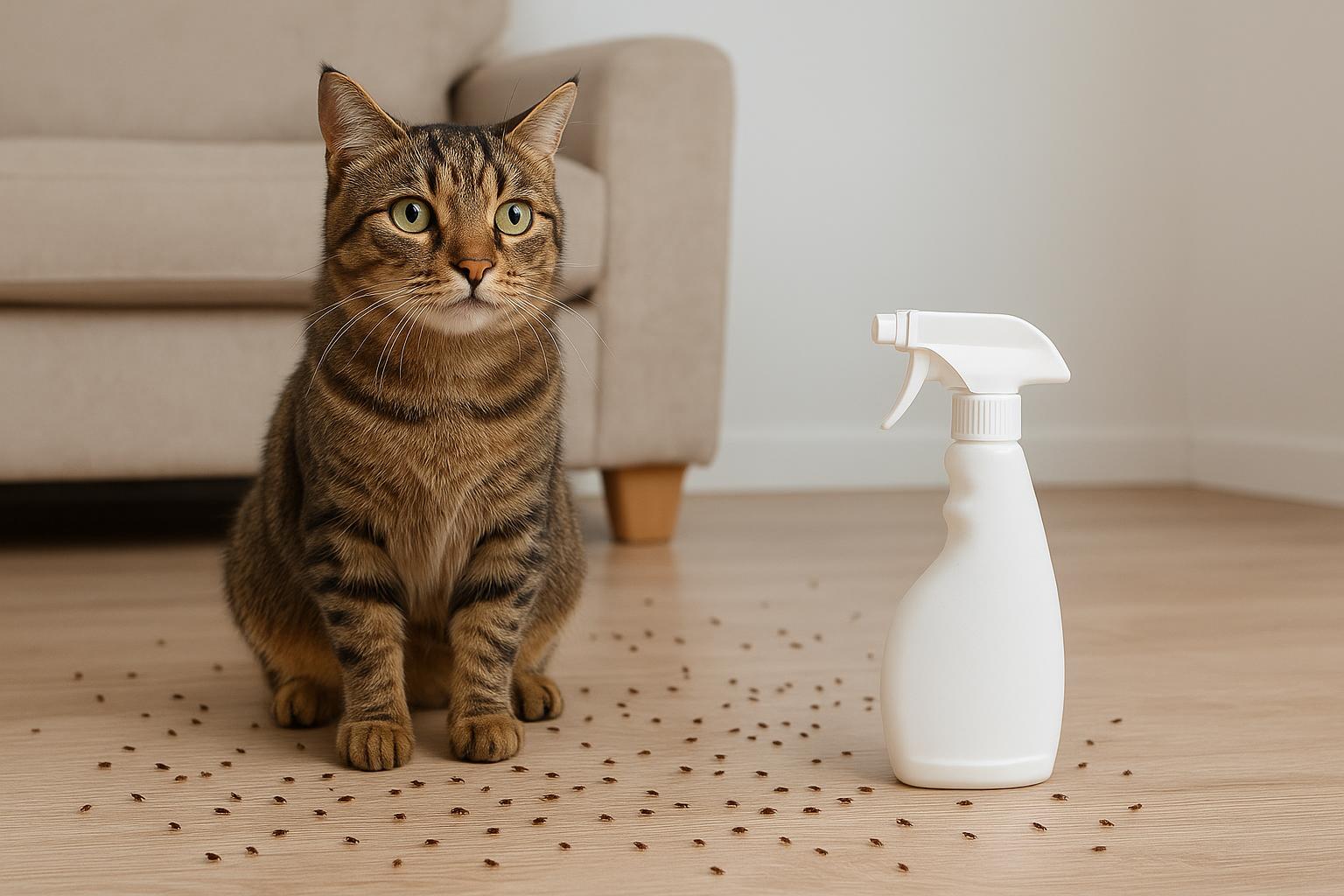
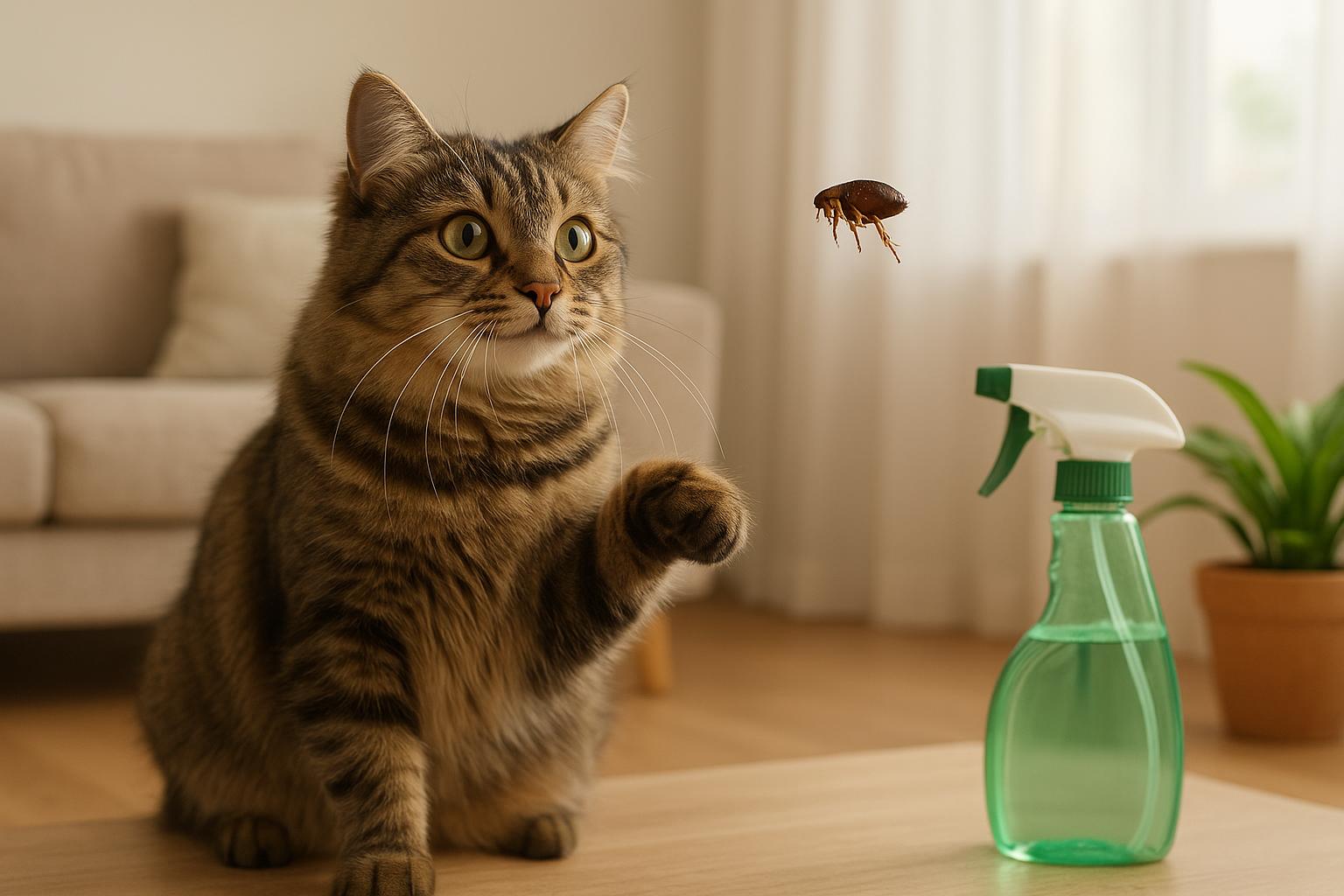
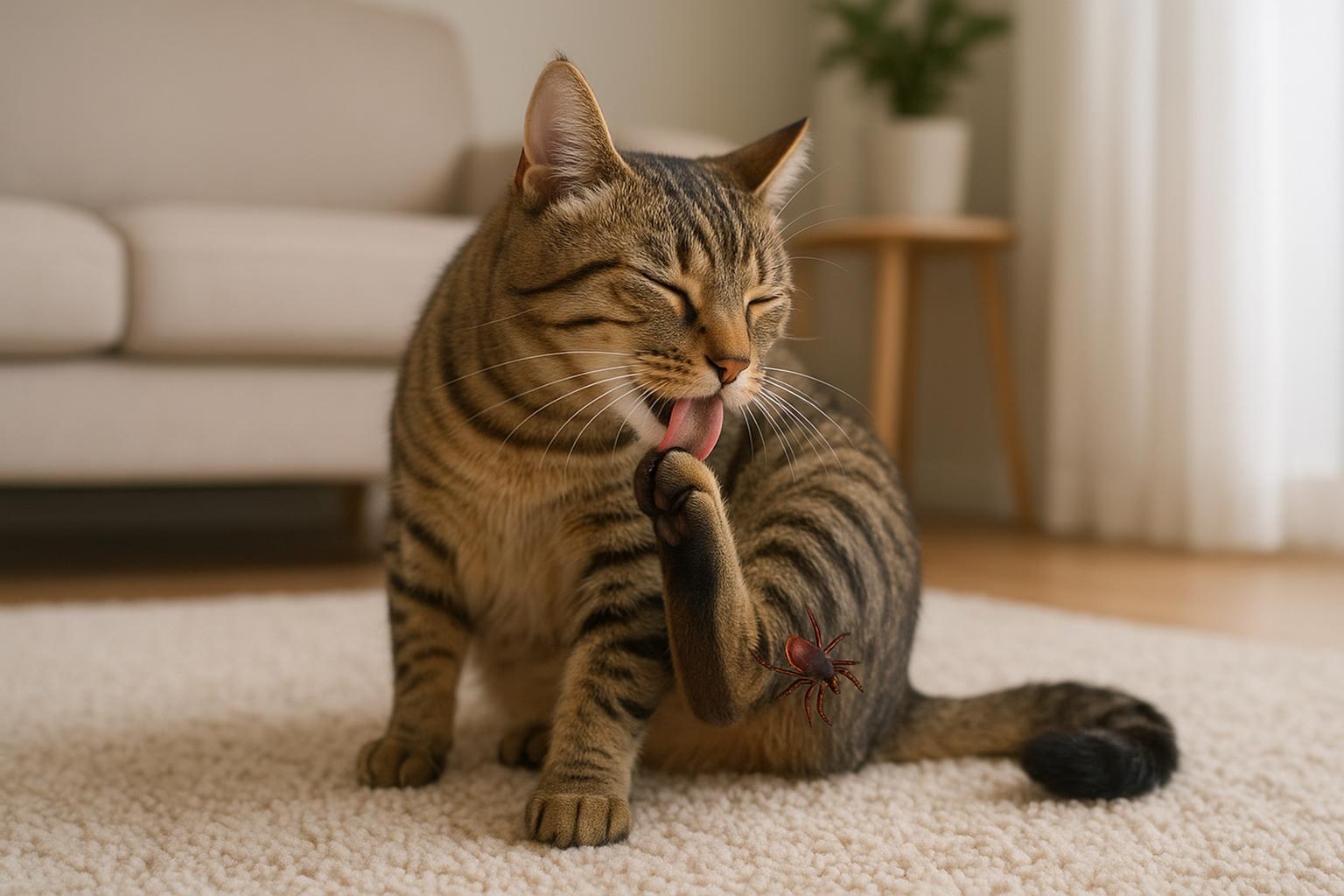
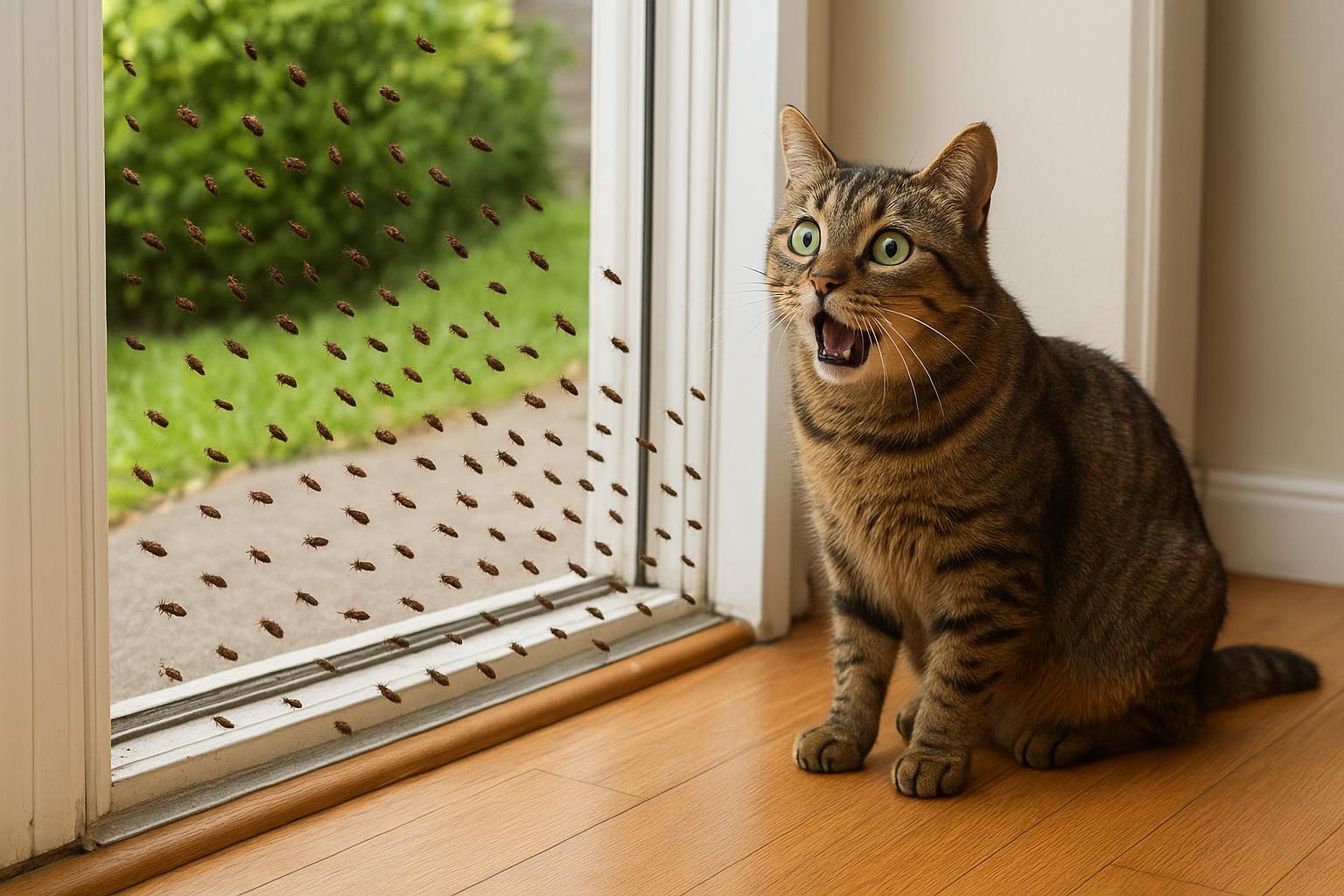
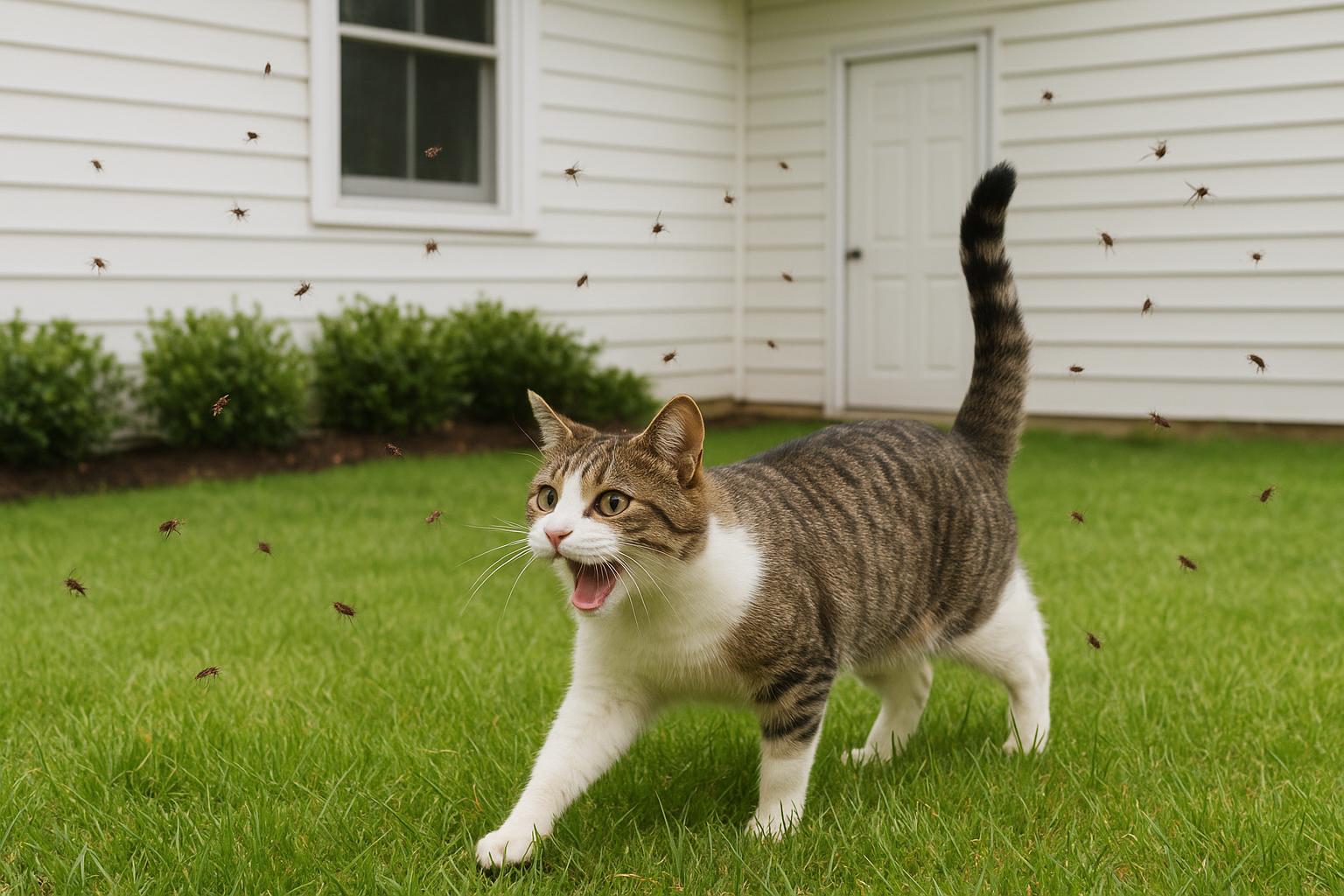
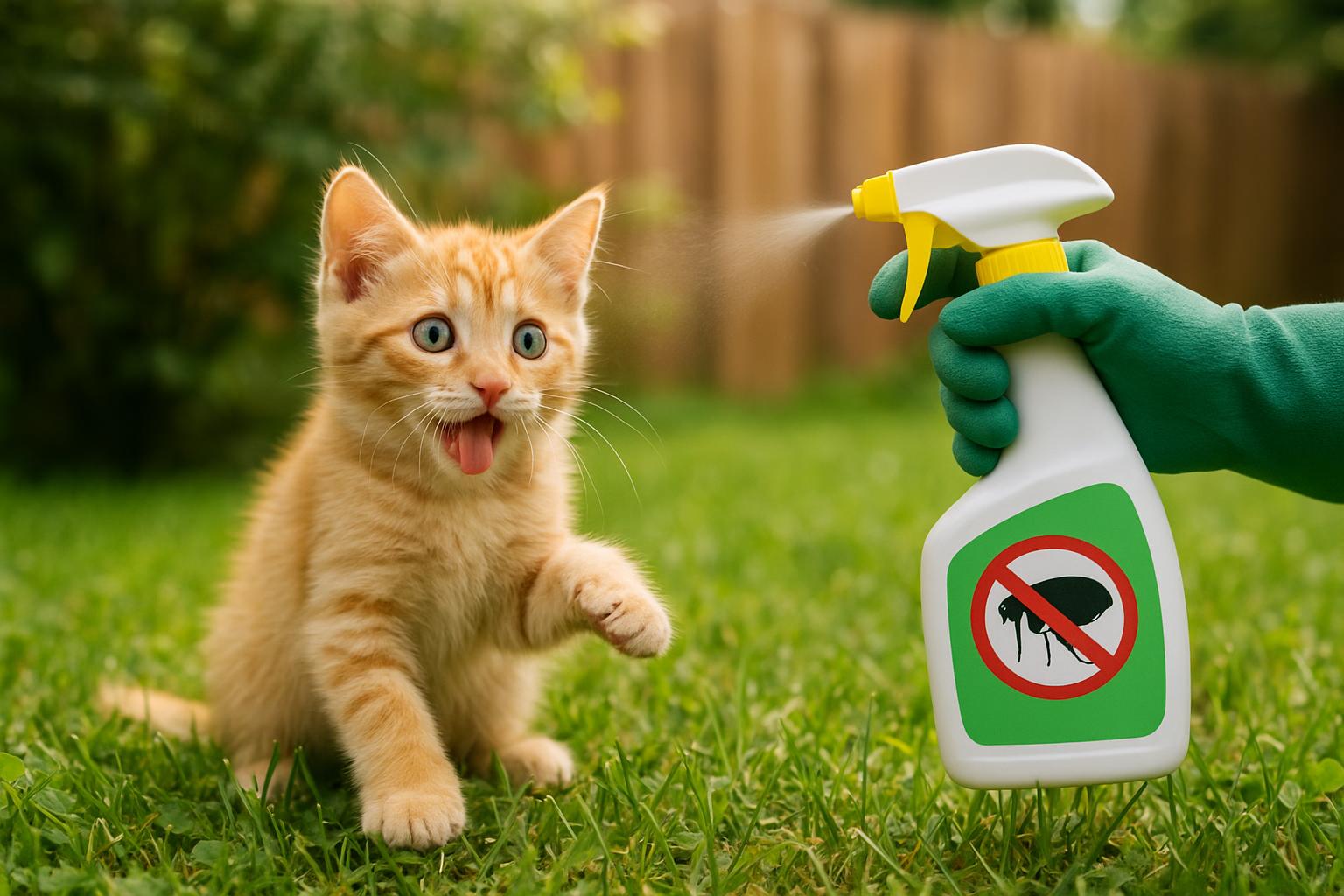
Hey there—if you’ve ever come in from the yard accompanied by a tiny cloud of itchy drama, you know fleas are the kind of freeloaders no one invited. This piece will walk you through why fleas are such a nuisance, how a smart spray can outwit them, and exactly how to make a practical, effective flea repellent you can use around your pets and home. Friendly tone up front; when we get to the recipe, I’ll switch to professional mode so you get reliable instructions.
## Why Fleas Are Such Pesky Guests
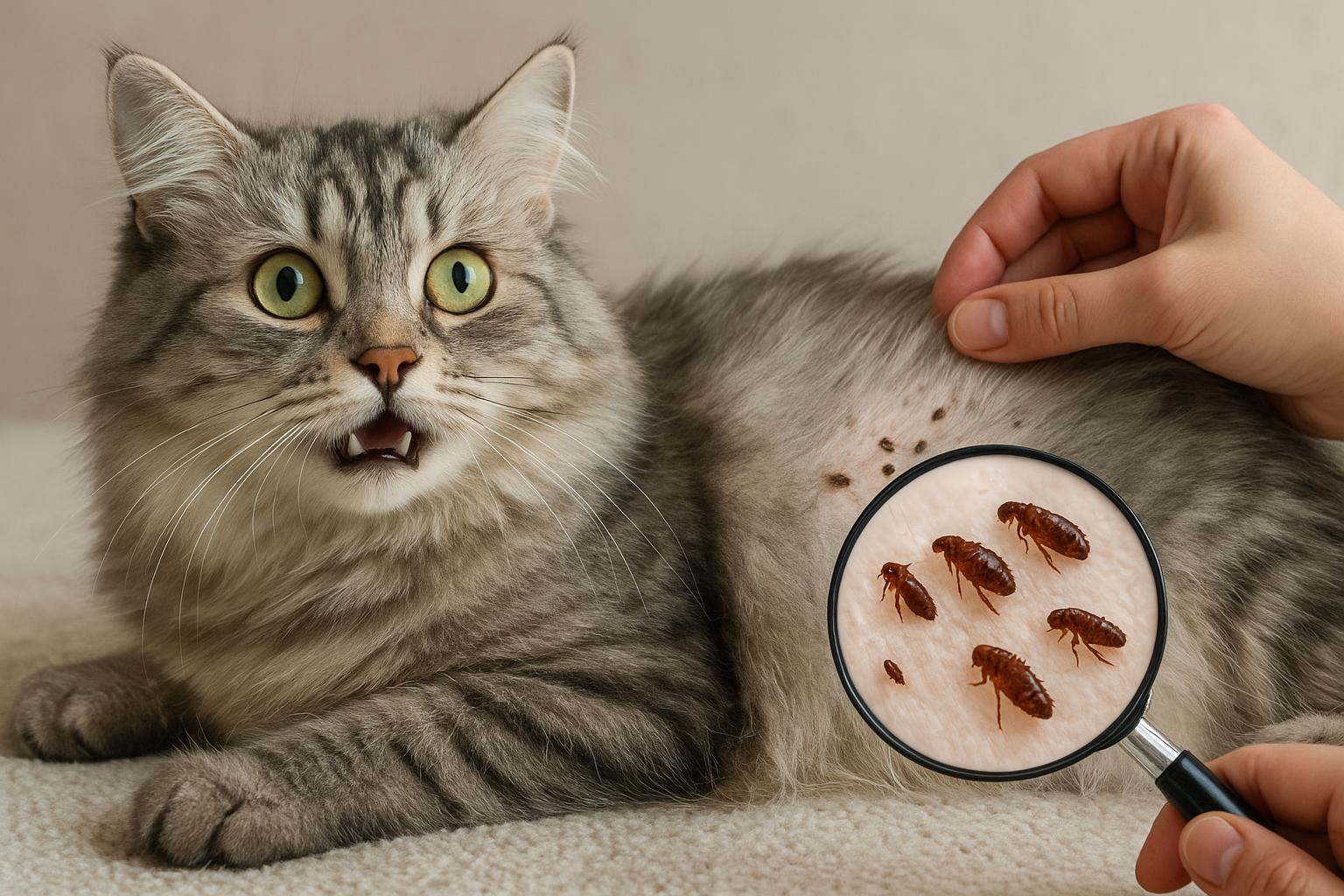
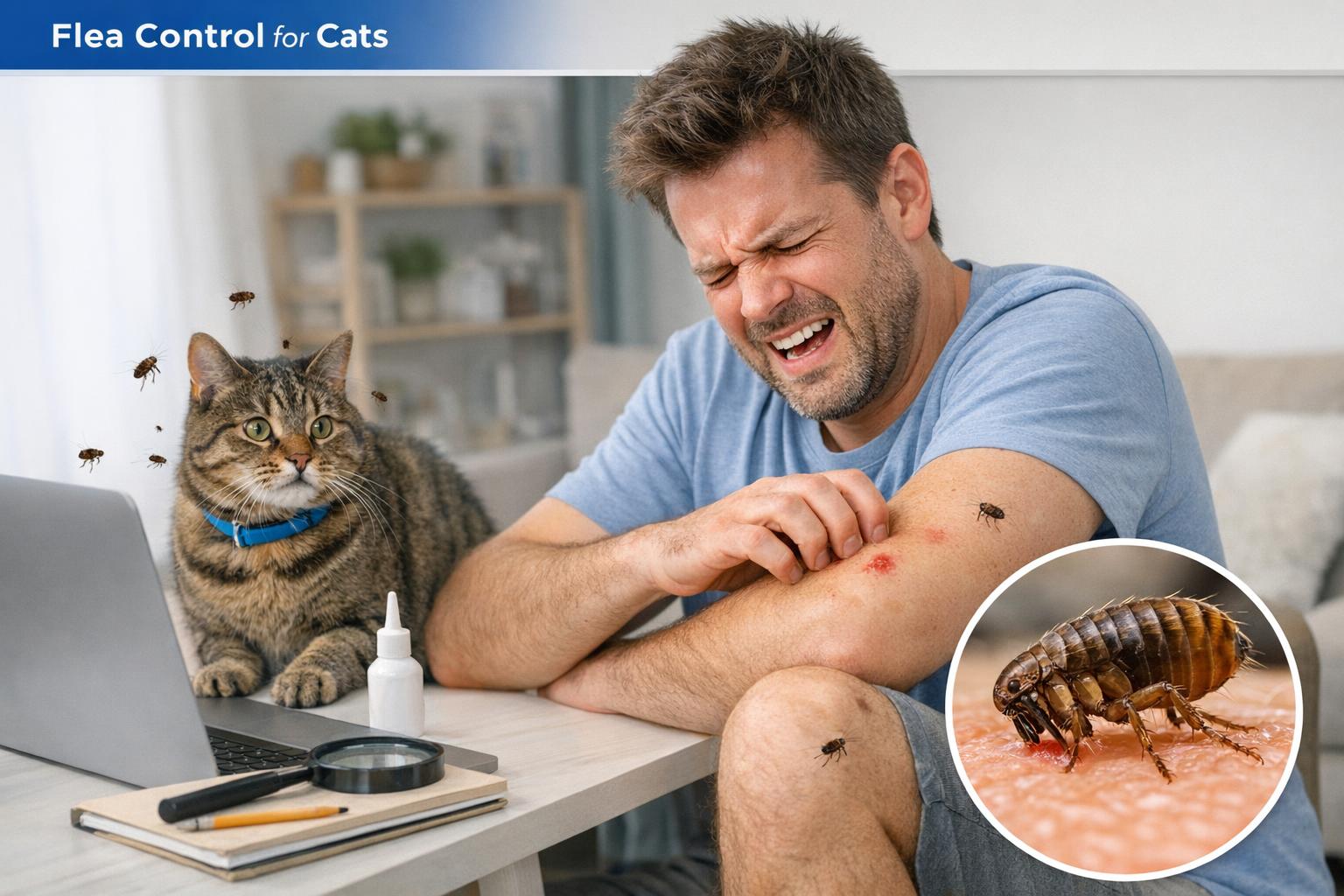
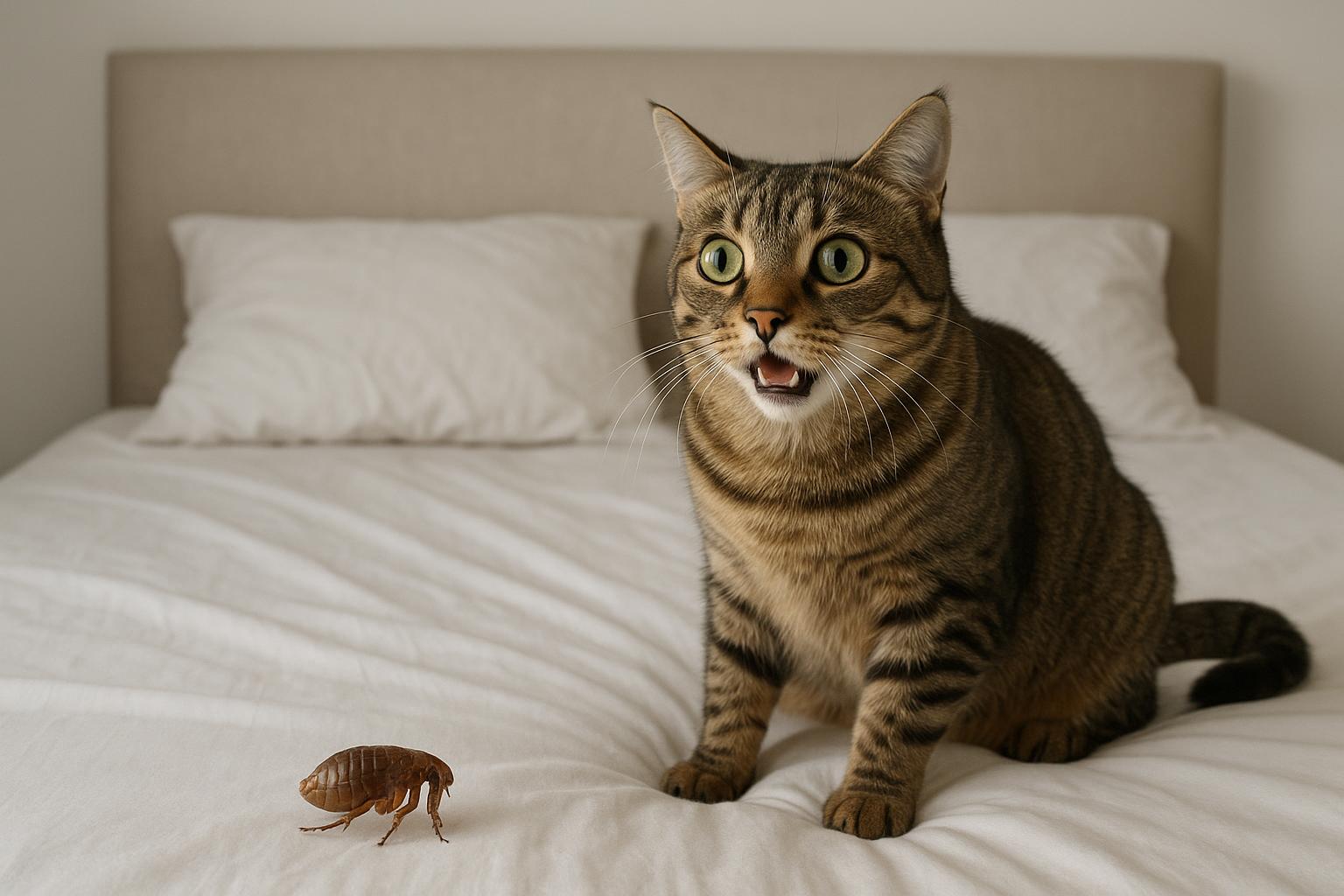
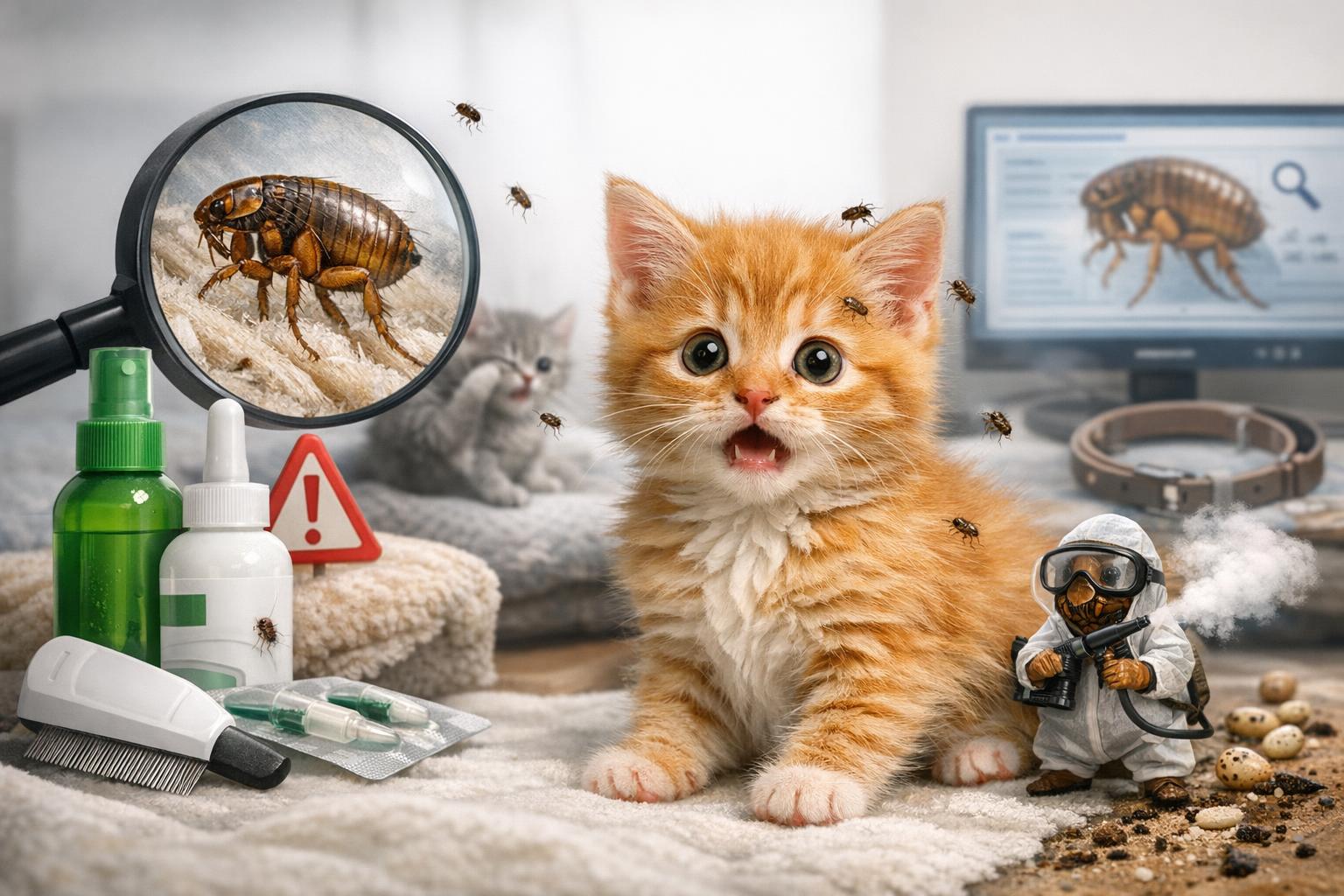
Fleas are small, but their impact is anything but. These tiny insects can cause irritation, allergic reactions, and transmit tapeworms or other pathogens in extreme cases. Their life cycle—egg, larva, pupa, adult—lets them hide in carpets, pet beds, and lawn crevices for months. That’s why a single treatment is rarely enough; you need a strategy that interrupts the entire cycle.
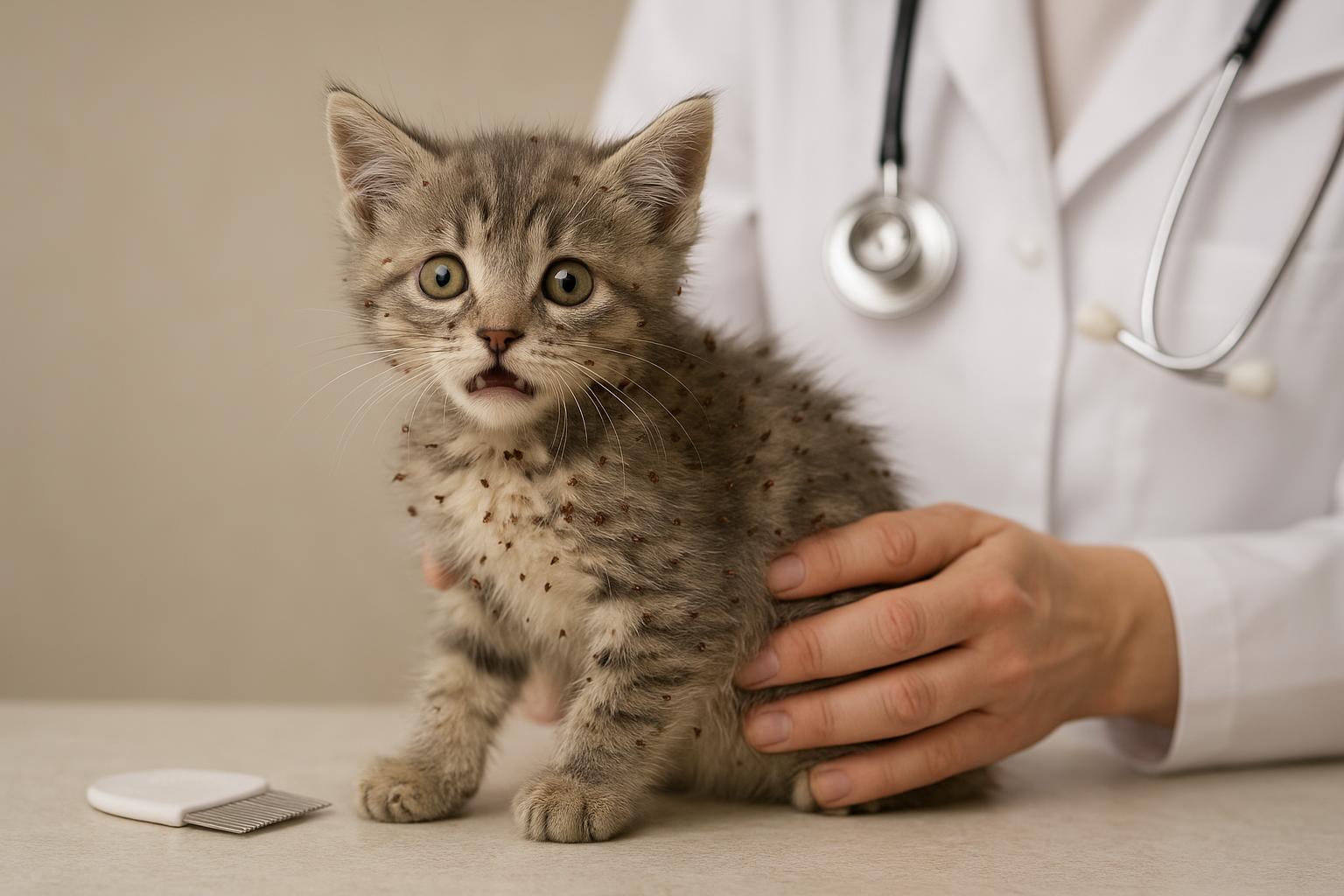
### Signs You Have An Infestation
– Pets scratching more than usual or developing red, irritated skin.
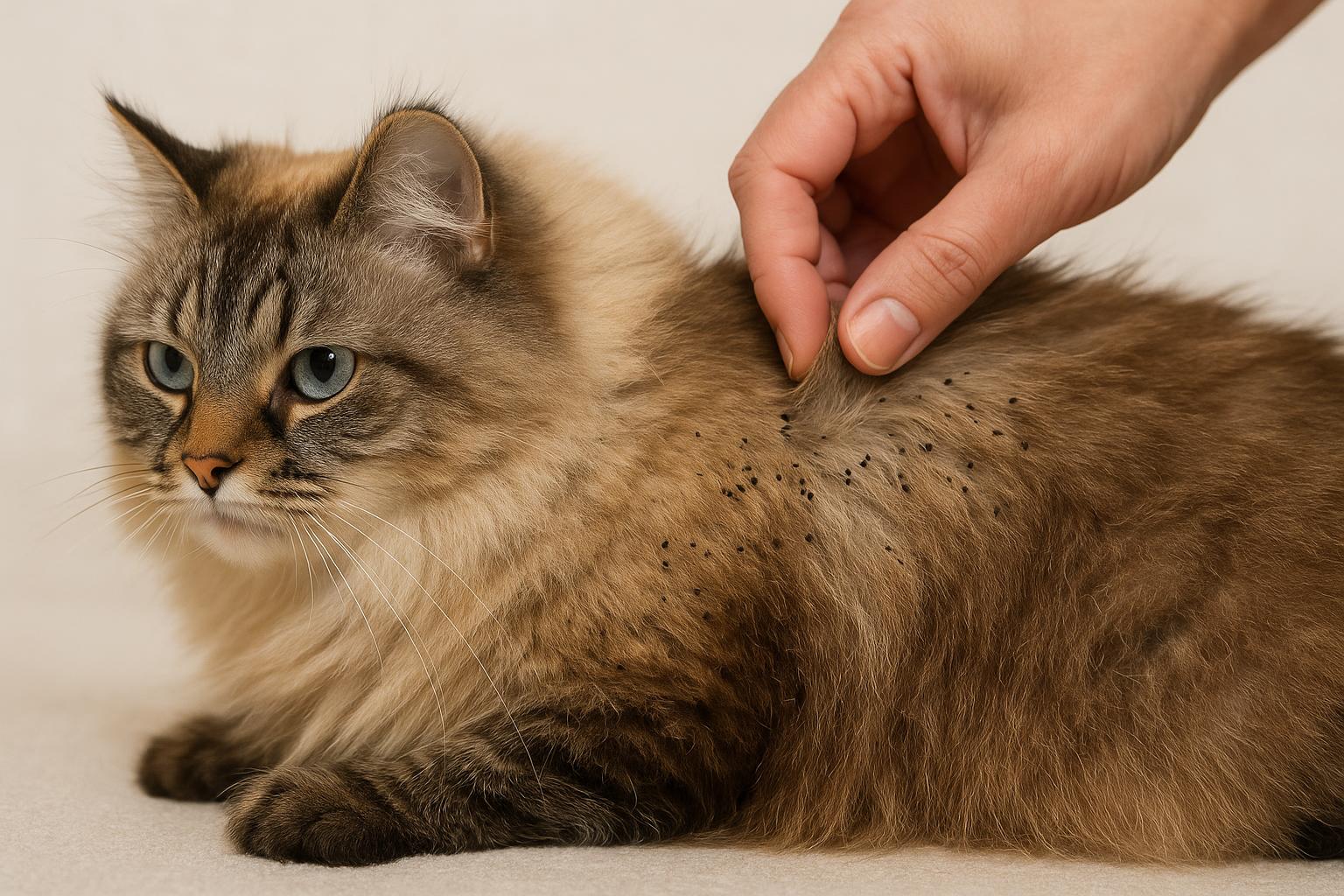
– Tiny black specks (flea dirt) in fur or on bedding.
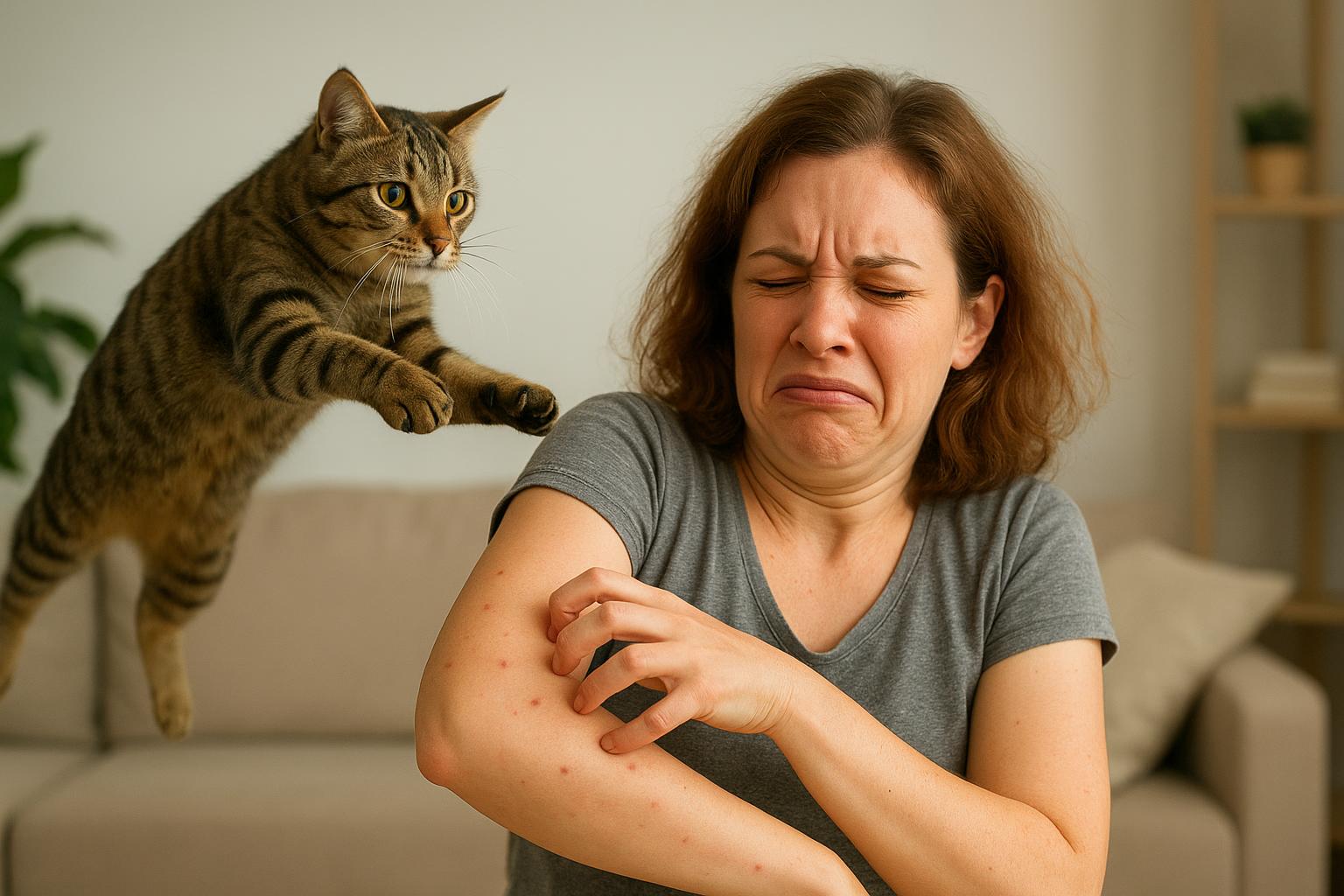
– Small red bites on family members, especially around ankles and calves.
– Pets licking or biting at the same spot persistently.
## How Flea Repellent Spray Works
Understanding the mechanism helps you pick or create a product that actually works. A well-formulated flea repellent spray functions in one or more of the following ways: it repels adult fleas from an area or host, it kills adult fleas on contact, or it contains ingredients that disrupt development of eggs and larvae. Repellents rely on substances that fleas find unappealing at the sensory level—smell or taste—or compounds that interfere with their nervous system. For preventative daily use, repellency is preferred; for active infestations, you may combine repellents with insecticidal action and environmental control.
### The Science In Plain English
Fleas find pets and homes by following carbon dioxide plumes and heat signatures. A repellent either masks those cues or provides an environment that fleas avoid. Some plant essential oils are effective repellents; others, at the wrong concentration, can be harmful to pets. That’s why concentrations and carrier choices matter.
## DIY Flea Repellent Spray: Ingredients And Tools
When making your own spray, quality and safety are non-negotiable. Below is a vetted recipe that balances efficacy with pet and family safety when used correctly. This is a formal, step-by-step procedure—follow it carefully.
### Ingredients
1. Distilled water — 500 ml (about 2 cups)
2. Witch hazel (or vodka as an alternative carrier) — 100 ml (about 1/2 cup)
3. Geranium essential oil — 15 drops
4. Lavender essential oil — 10 drops
5. Lemon eucalyptus essential oil — 10 drops
6. A few drops of mild, unscented liquid dish soap (optional; helps emulsify) — 5 drops
(These oils were selected for repellency and relative safety for most dogs; avoid using tea tree (melaleuca) or pennyroyal oils on pets. If you have cats, do not use essential oils without vet approval—cats are more sensitive to certain oils.)
### Materials
– 1 clean, dark glass spray bottle (min. 500 ml)
– Measuring cup
– Small funnel
– Label and marker
– Gloves (optional, for sensitive skin)
### Step-By-Step Creation And Application
1. Sanitize your bottle and workspace. Rinse the spray bottle and funnel with hot water and let dry to remove residues.
2. Combine liquids. Pour 500 ml distilled water and 100 ml witch hazel into the bottle using the funnel.
3. Add the essential oils. Add the geranium, lavender, and lemon eucalyptus essential oils directly into the bottle. Count drops carefully.
4. Add emulsifier. If using, add the 5 drops of mild dish soap to help the oils disperse in the water-witch hazel mix.
5. Cap and shake. Secure the spray top and shake vigorously for 30–60 seconds to create a stable mixture.
6. Label your bottle with contents, date made, and a reminder to shake before use.
Application Protocol (Formal Instructions)
1. Patch Test: Before wide application, test the spray on a small area of your pet’s coat: spray a small mist onto a towel and rub lightly onto a patch of fur. Wait 24 hours to monitor for adverse reactions.
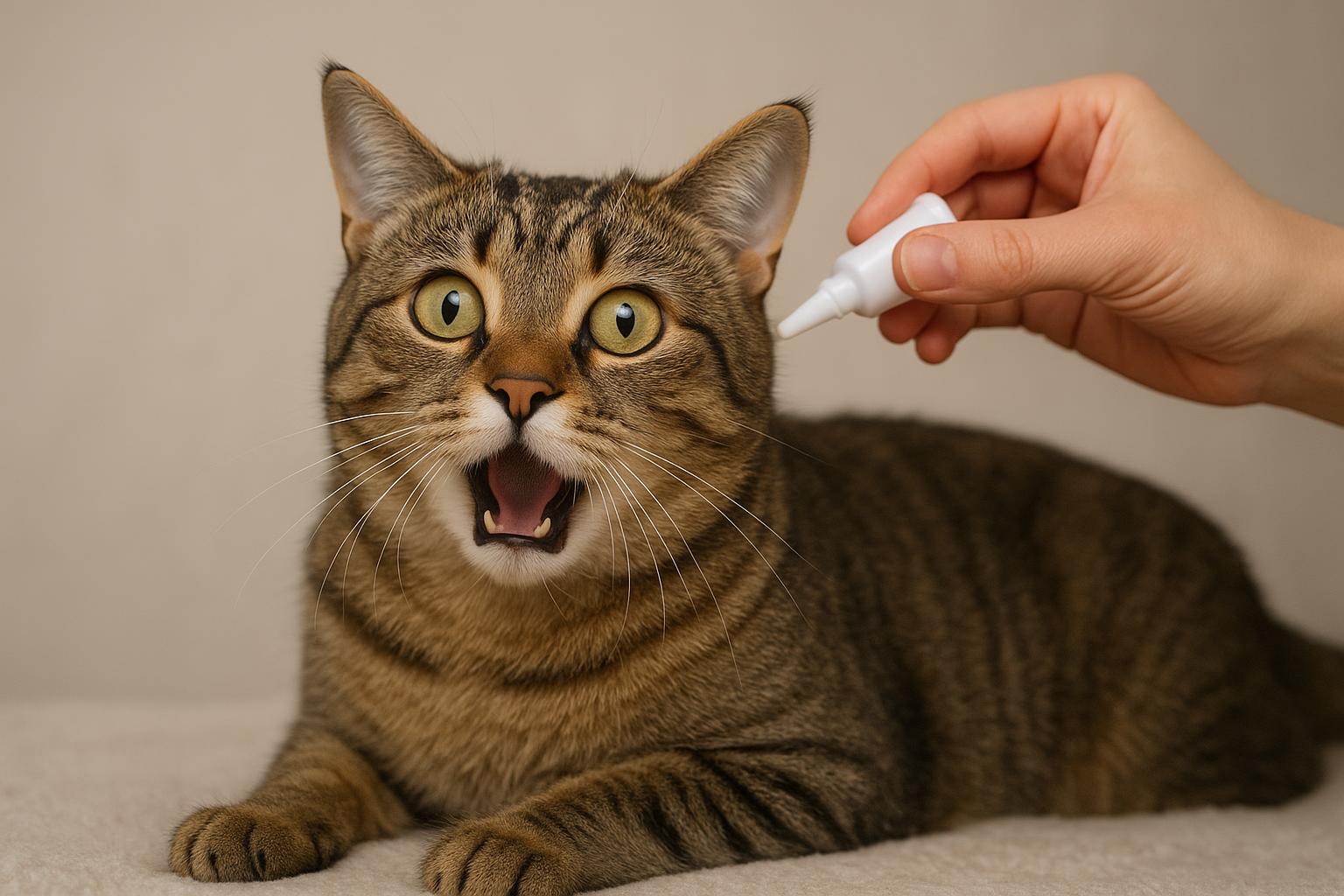
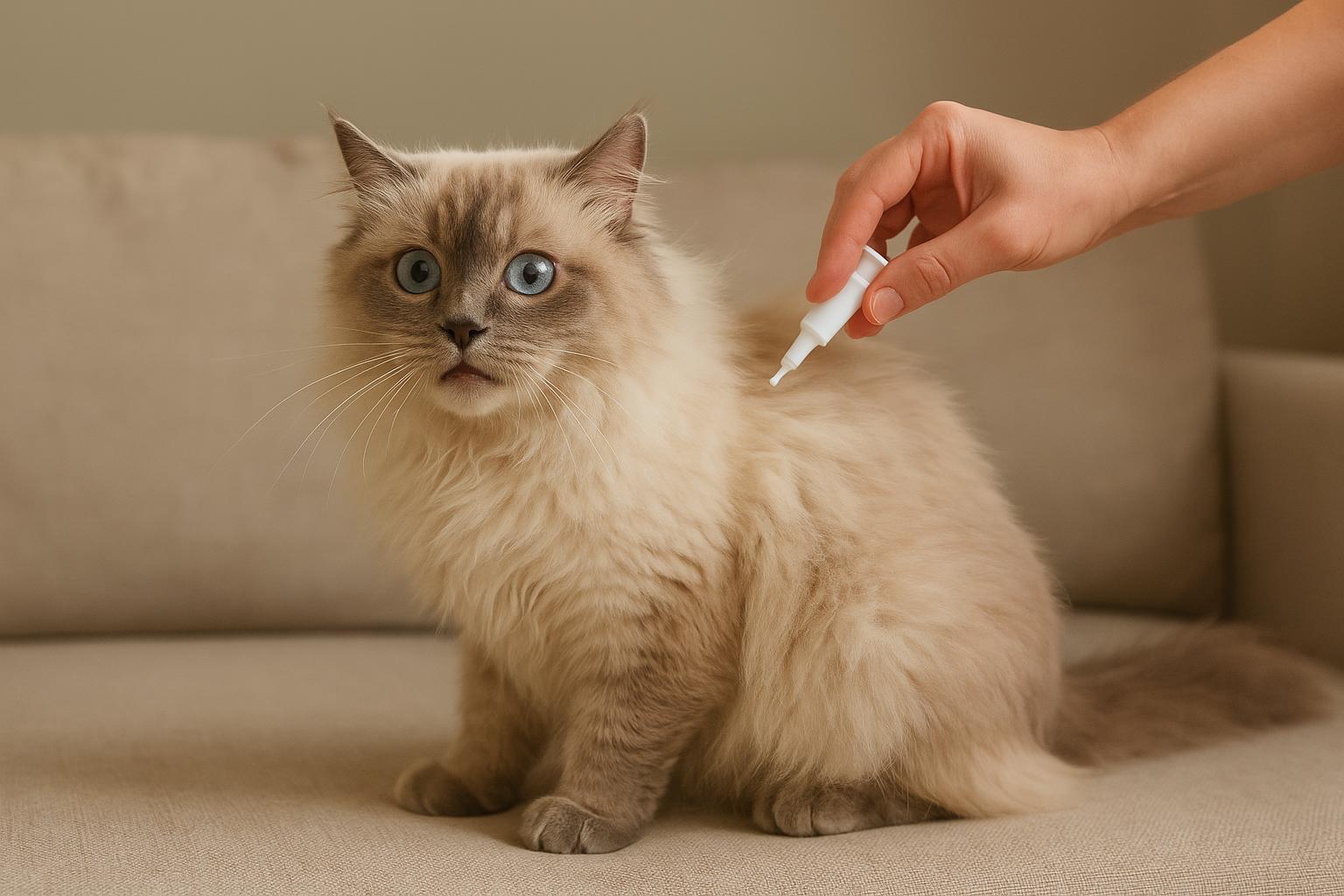
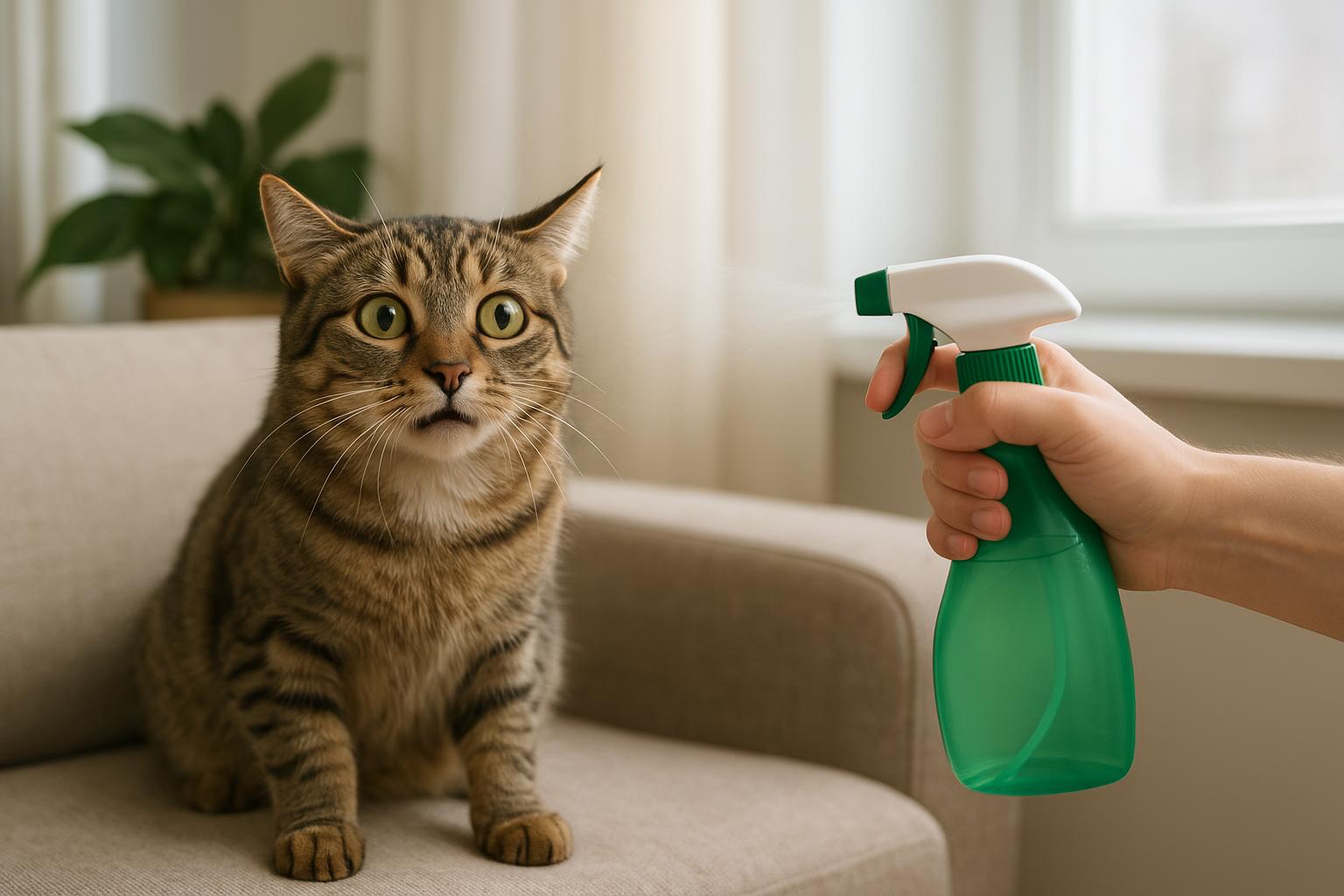
2. For Pets: Lightly mist the pet’s coat, focusing on the back, base of tail, and behind the ears—areas fleas love. Avoid eyes, nose, mouth, and any open wounds. Do not saturate; a light, even mist is sufficient. Reapply every 3–5 days or after heavy swimming/bathing.
3. For Bedding and Surrounding Areas: Lightly mist pet bedding, carpets, and couches. Avoid spraying directly onto upholstery fabric that might stain; test an inconspicuous spot first. For outdoor use, focus on shaded areas where pets rest: under porches, around dog houses, and along fence lines.
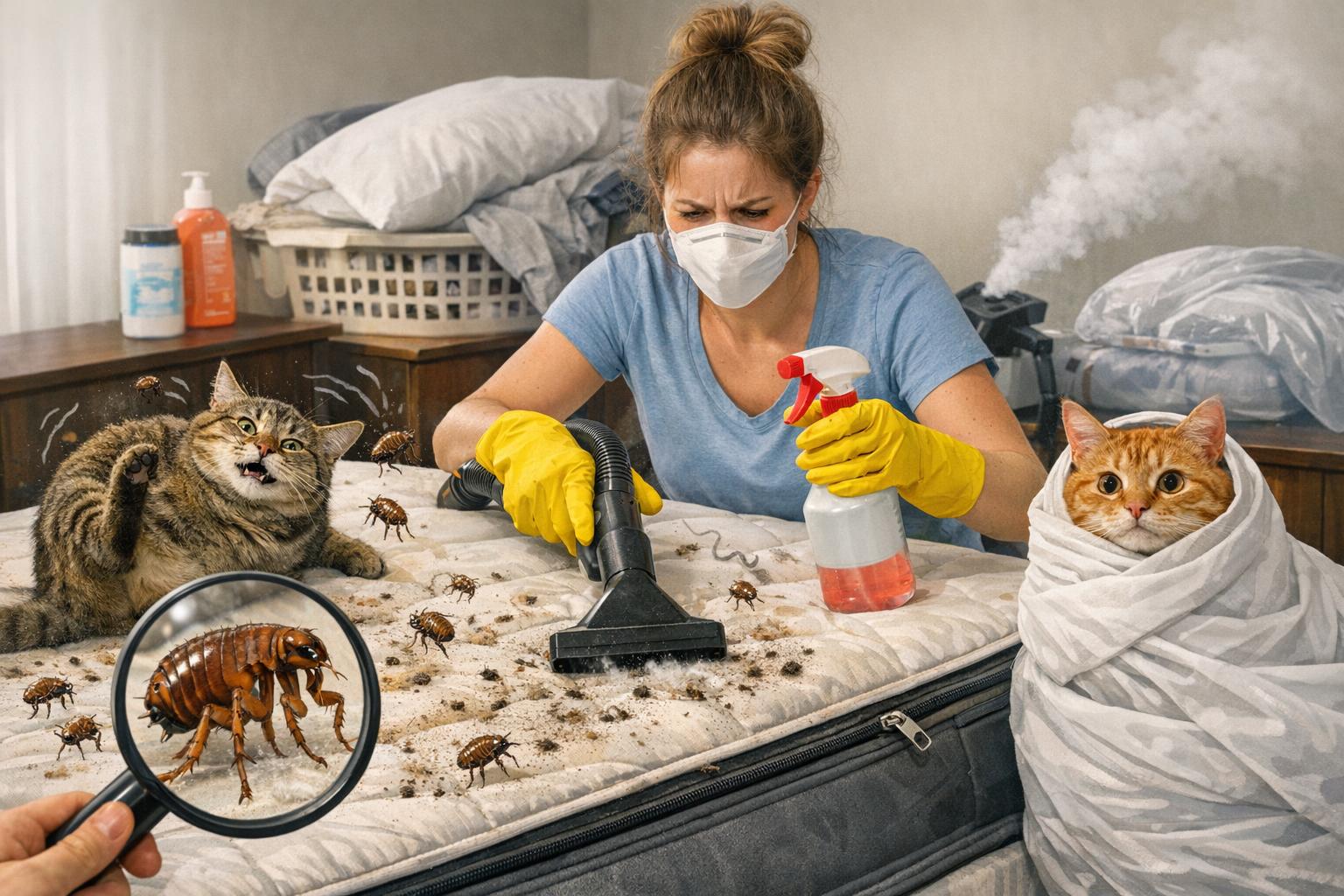
4. For Active Infestations: Combine the spray with vacuuming, washing bedding in hot water, and treating yard hotspots. A single household measure won’t eradicate an entrenched flea population—consistency is crucial.
#### Application For Pets
– Use sparingly and only on animals over 12 weeks old unless vet advises otherwise.
– Do not use on young kittens or puppies without professional guidance.
– Keep treated animals separated from other pets for 10–15 minutes to allow the spray to dry and absorb.
#### Application For Home
– Vacuum carpets and furniture thoroughly before the first application to remove eggs and larvae.
– Wash pet bedding weekly in hot water and dry on high heat when possible.
– Reapply the spray to bedding and resting zones every 3–5 days during an active season.
#### Safety And Allergy Considerations
– If your pet has a history of skin sensitivity, consult your veterinarian prior to use.
– Never use essential oils intended for humans directly on pets without dilution and vet approval—cats, in particular, have limited ability to metabolize certain oil components.
– Store the spray out of reach of children and animals. Label clearly.
– If ingestion or severe skin reaction occurs, contact your vet or local poison control immediately.
## Preventive Strategies That Complement A Flea Repellent
A DIY spray is one tool in a toolbox. Combine it with good housekeeping and yard management for best results.
### Yard And Home Maintenance
– Keep lawns mowed and leaf litter removed; sunlight and reduced humidity make your yard less hospitable to fleas.
– Create a gravel or paved border between wooded areas and play lawns; fleas thrive where animals pass frequently.
– For heavy infestations, consider targeted outdoor treatments in shaded resting spots for wildlife and stray animals—consult a pest professional for larger-scale insecticide applications.
### Pet Care Routines
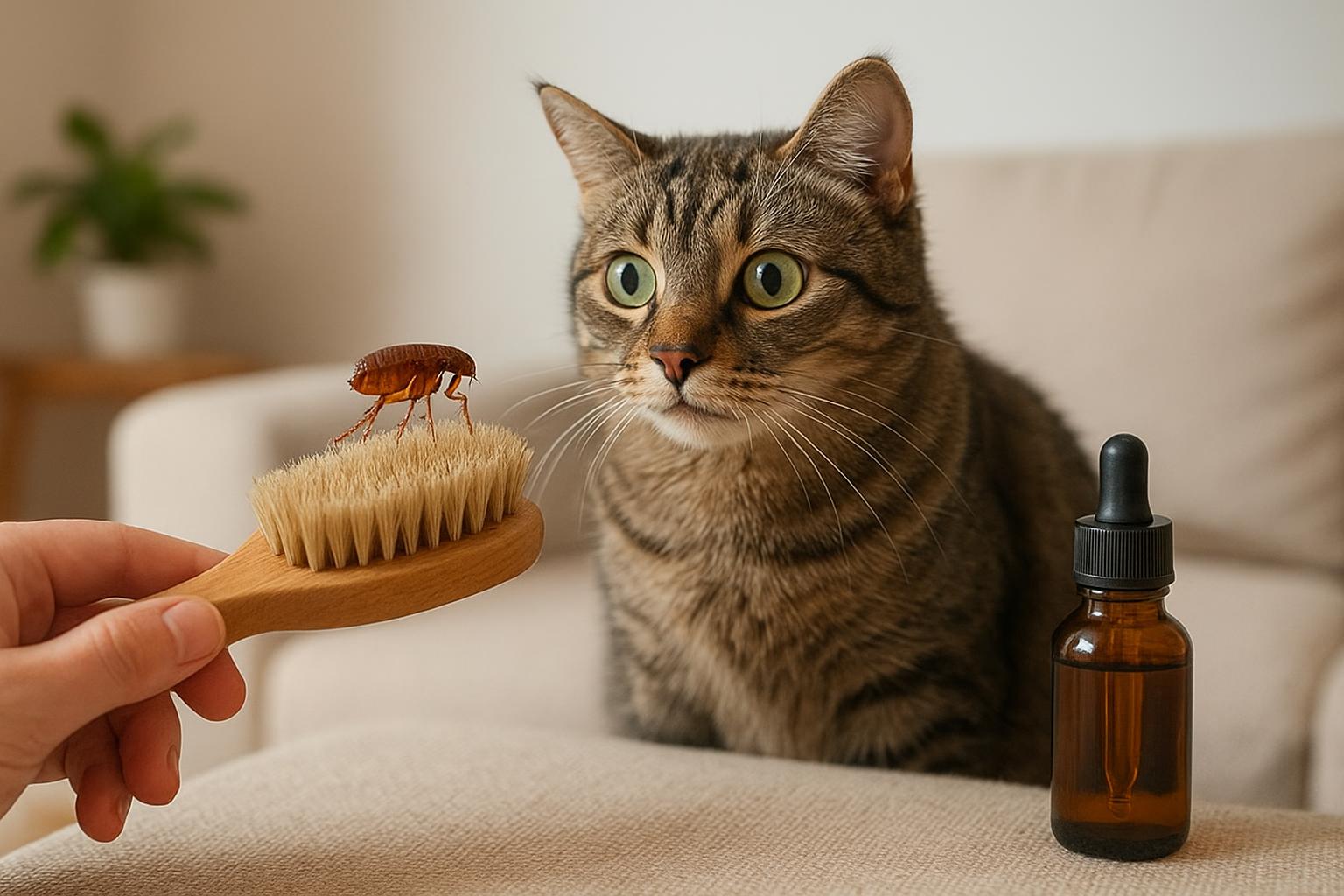
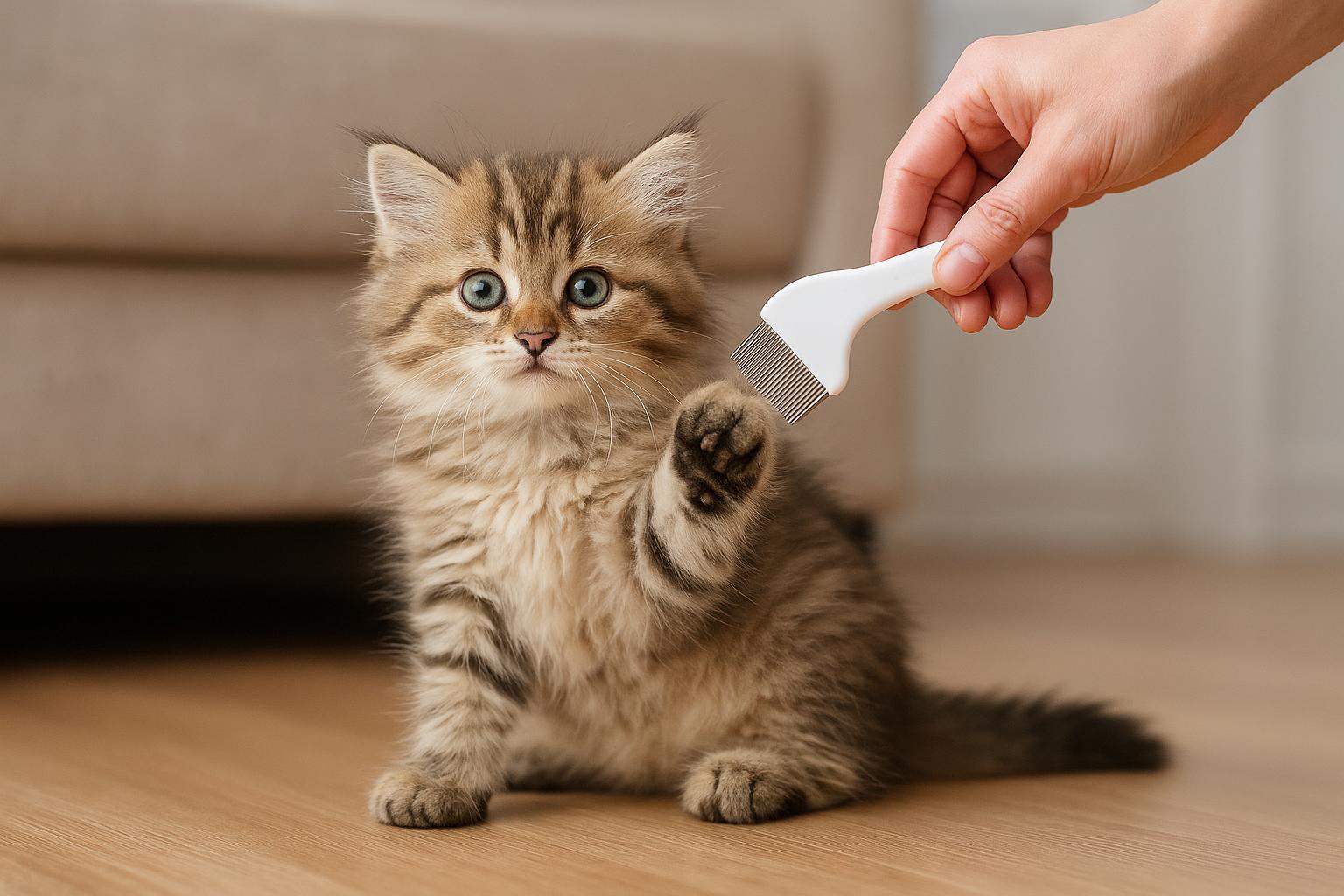
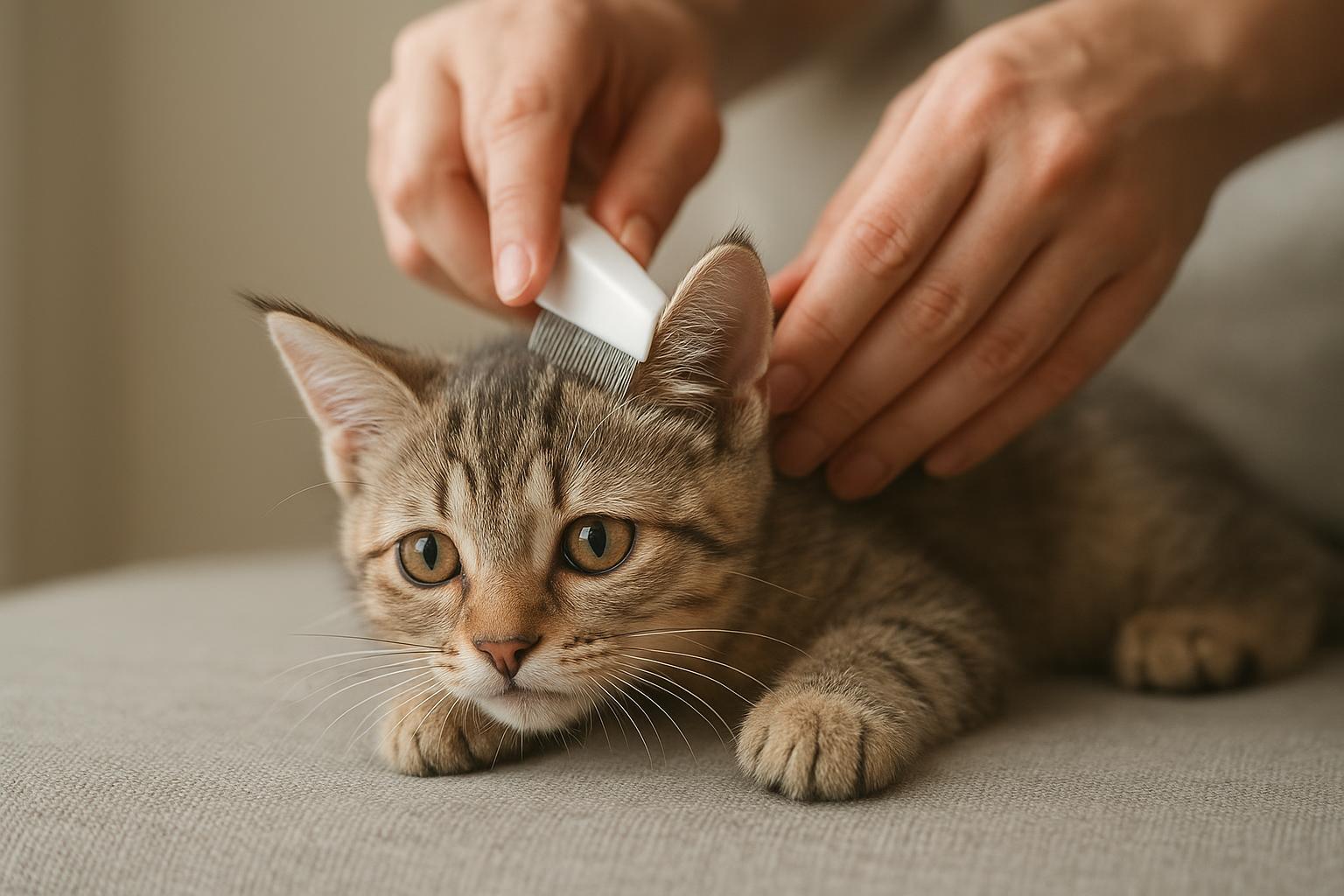
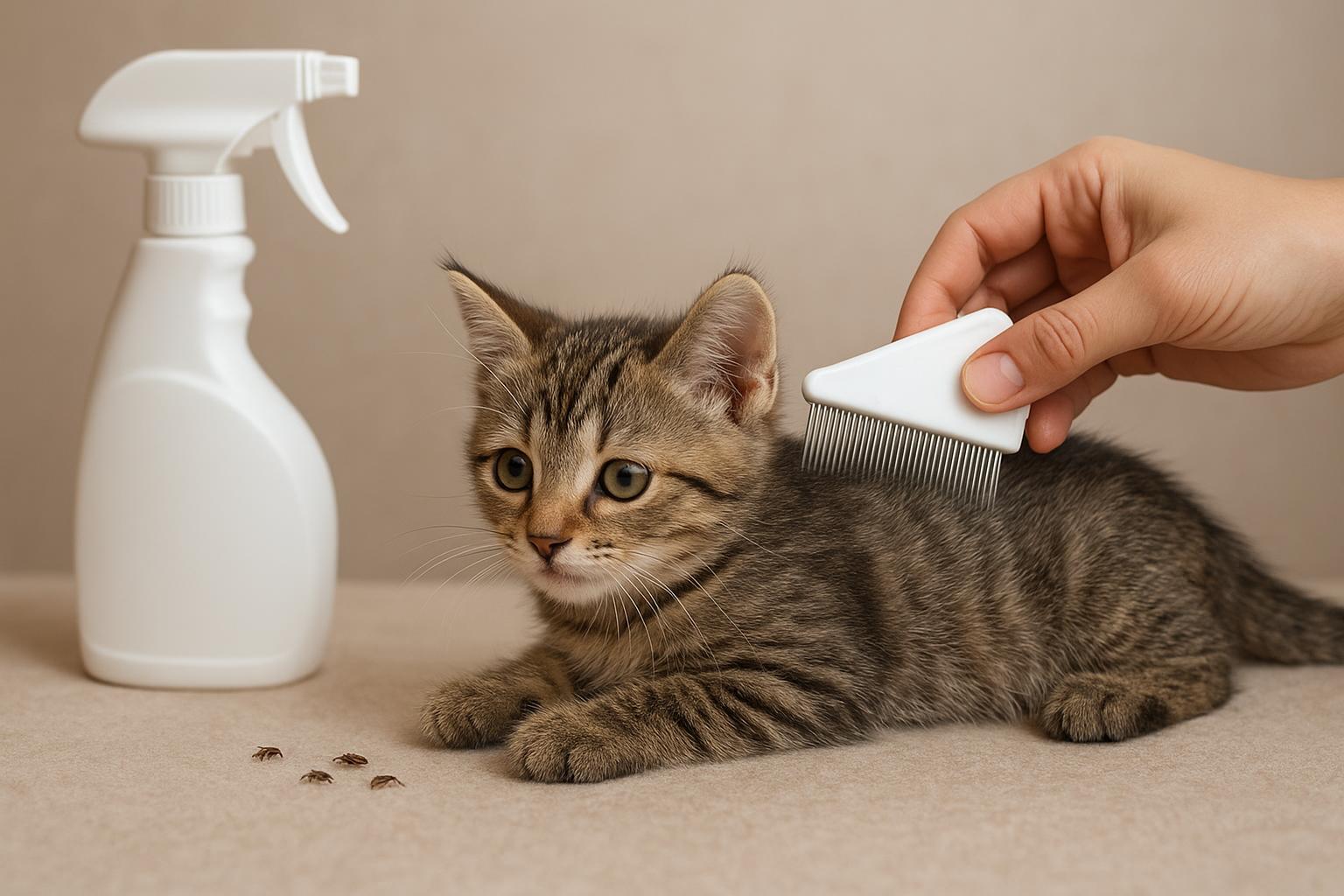
– Regular brushing and inspection help you catch fleas early.
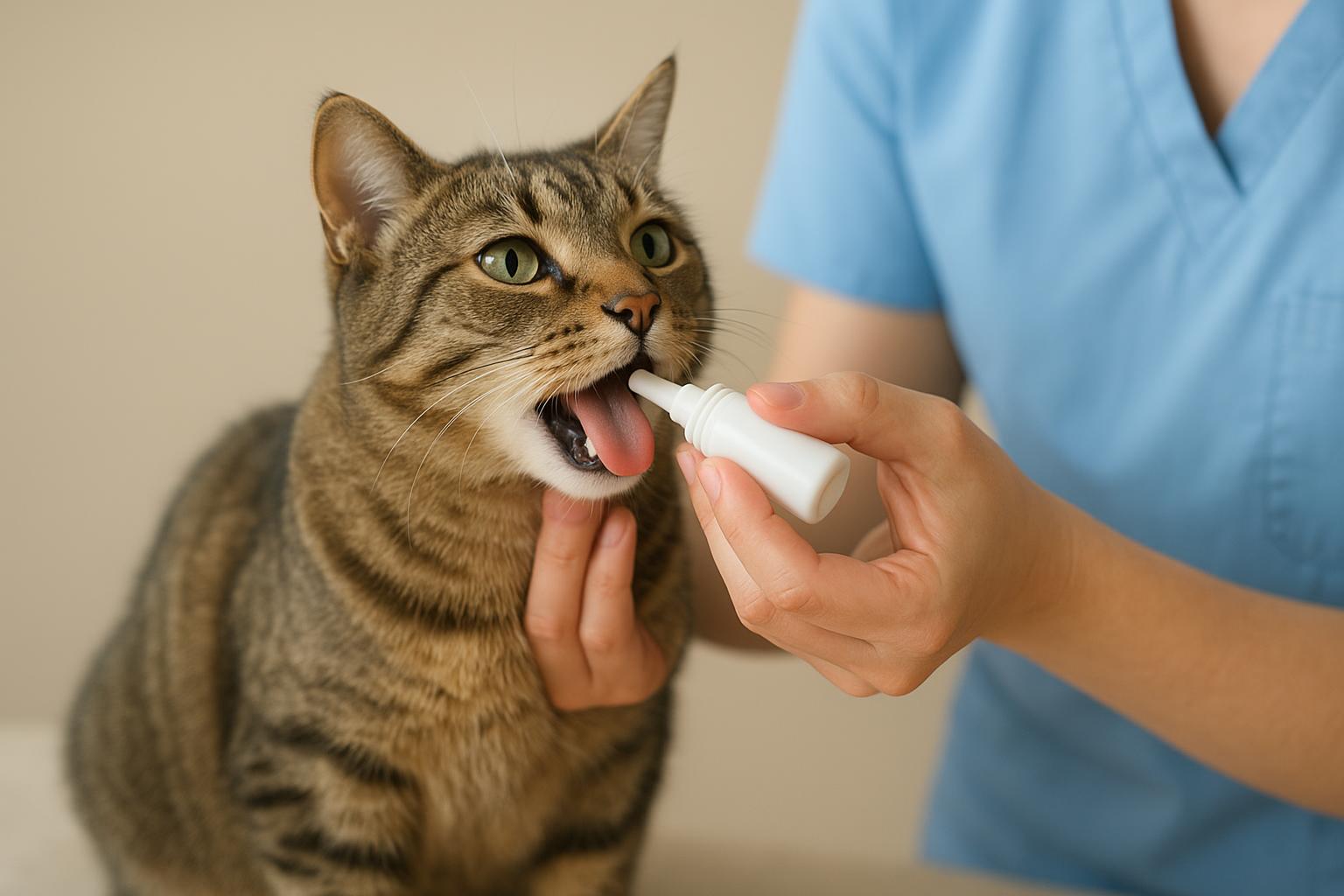
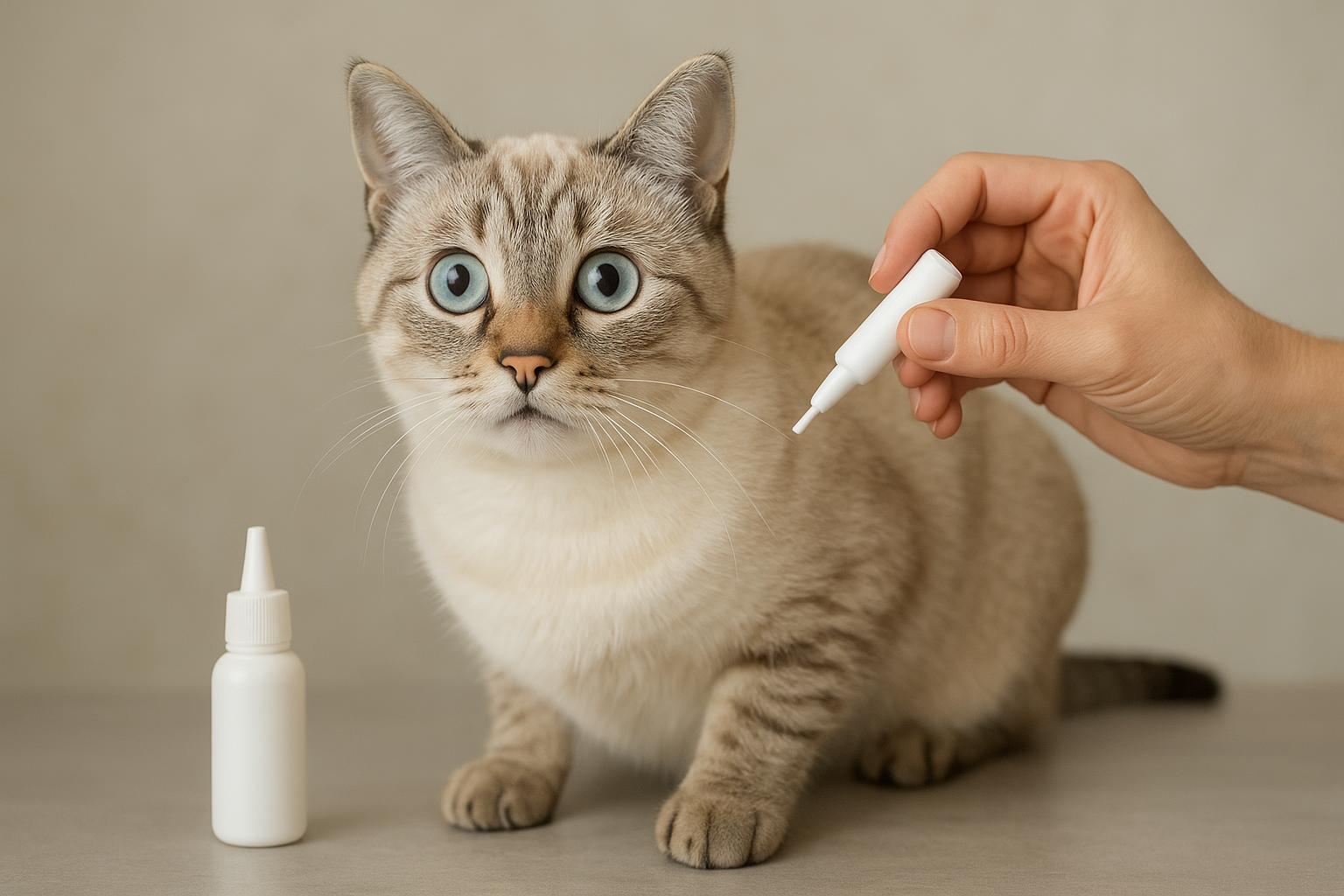
– Maintain vet-recommended oral or topical preventatives if your pet’s risk is high; your spray can complement these measures but not replace veterinarian prescriptions.
– If you board pets or use daycare, check their protocols—high-traffic places can reintroduce fleas quickly.
## When To Call A Pro
If you’ve tried repeated treatments, washed bedding, vacuumed like it’s your part-time job, and still see adults or a resurgence of bites, a licensed pest-control specialist can assess environmental reservoirs and apply professional-grade solutions. For severe pet reactions or persistent infestations, your veterinarian may recommend prescription flea controls that are more potent and targeted than home repellents.
You’ve now got the why, the how, and a carefully made recipe for a balanced, effective flea repellent spray. Use it wisely, keep up with cleaning, and don’t be surprised if your yard and pets start behaving like a flea-free sitcom (minus the laugh track).





Leave a Reply