
If your little fuzzball has been acting like a tiny vacuum cleaner for your patience (and your couch), you may be dealing with more than just a few itchy nights. Kittens are delightfully dramatic about many things, but when fleas get out of hand, the drama can turn serious fast. Let’s walk through what to look for, why it happens, and—most importantly—what to do right now if flea blood loss is putting your kitten at risk.
## Shocking Flea Blood Loss Alert Endangers Kitten Health
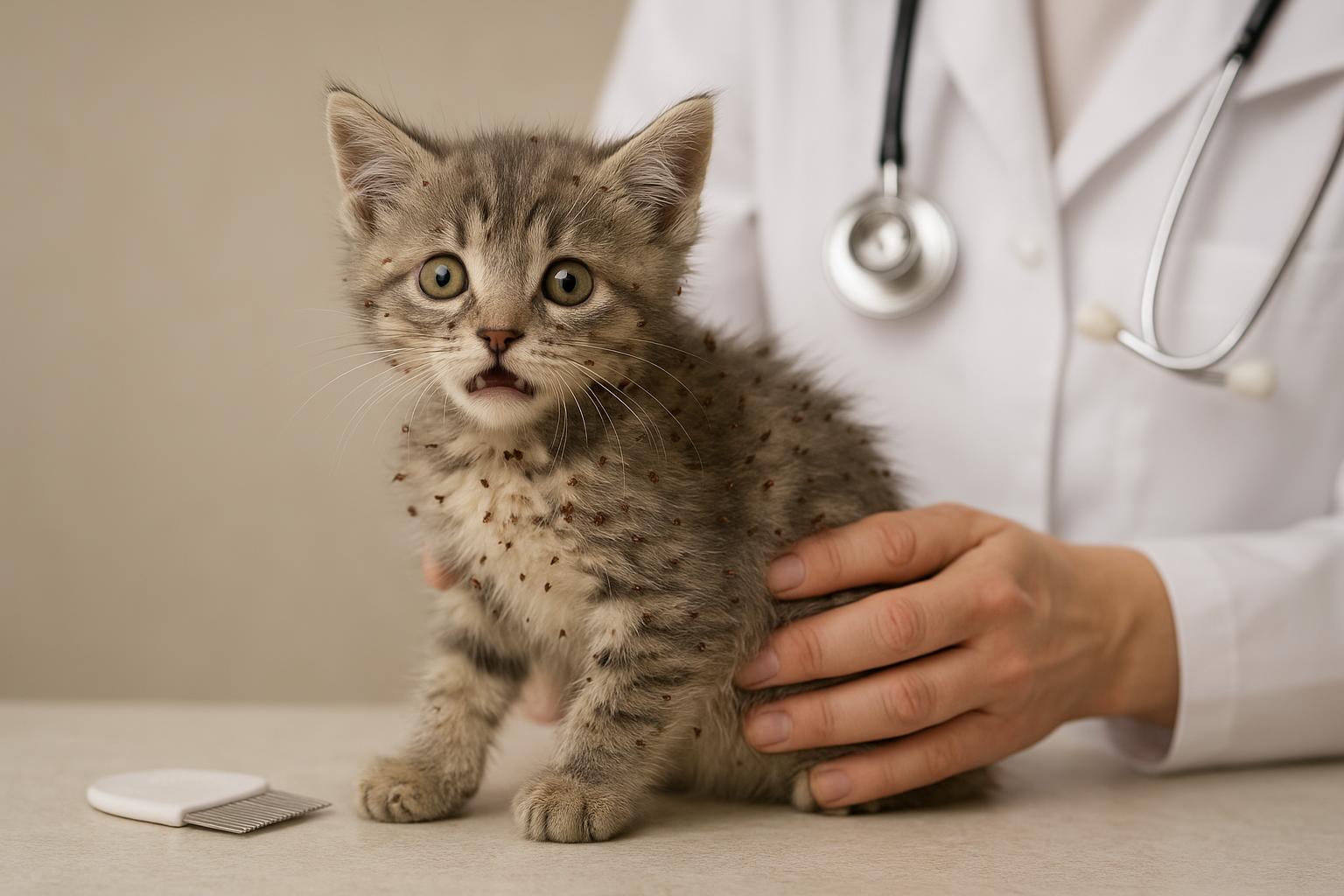
Kittens have a way of making everything feel urgent, and with good reason. Flea blood loss can be a silent, fast-moving danger: a few dozen fleas can siphon off a dangerous percentage of a tiny kitten’s blood over days. That’s not hyperbole—young animals have much lower blood volume and fewer reserves, so heavy infestations can lead to anemia, weakness, and collapse. If you’ve seen pale gums, lethargy, or rapid breathing in a kitten with fleas, do not dawdle.
## Flea Blood Loss: What To Watch For
Fleas are small, but their impact is scaled to the size of your pet. Here’s how flea blood loss typically presents in kittens:
– Pale or white gums and eyelids (a textbook sign of anemia).
– Lethargy, weakness, or reluctance to play or move.
– Rapid heartbeat or breathing, sometimes with subtle collapse spells.
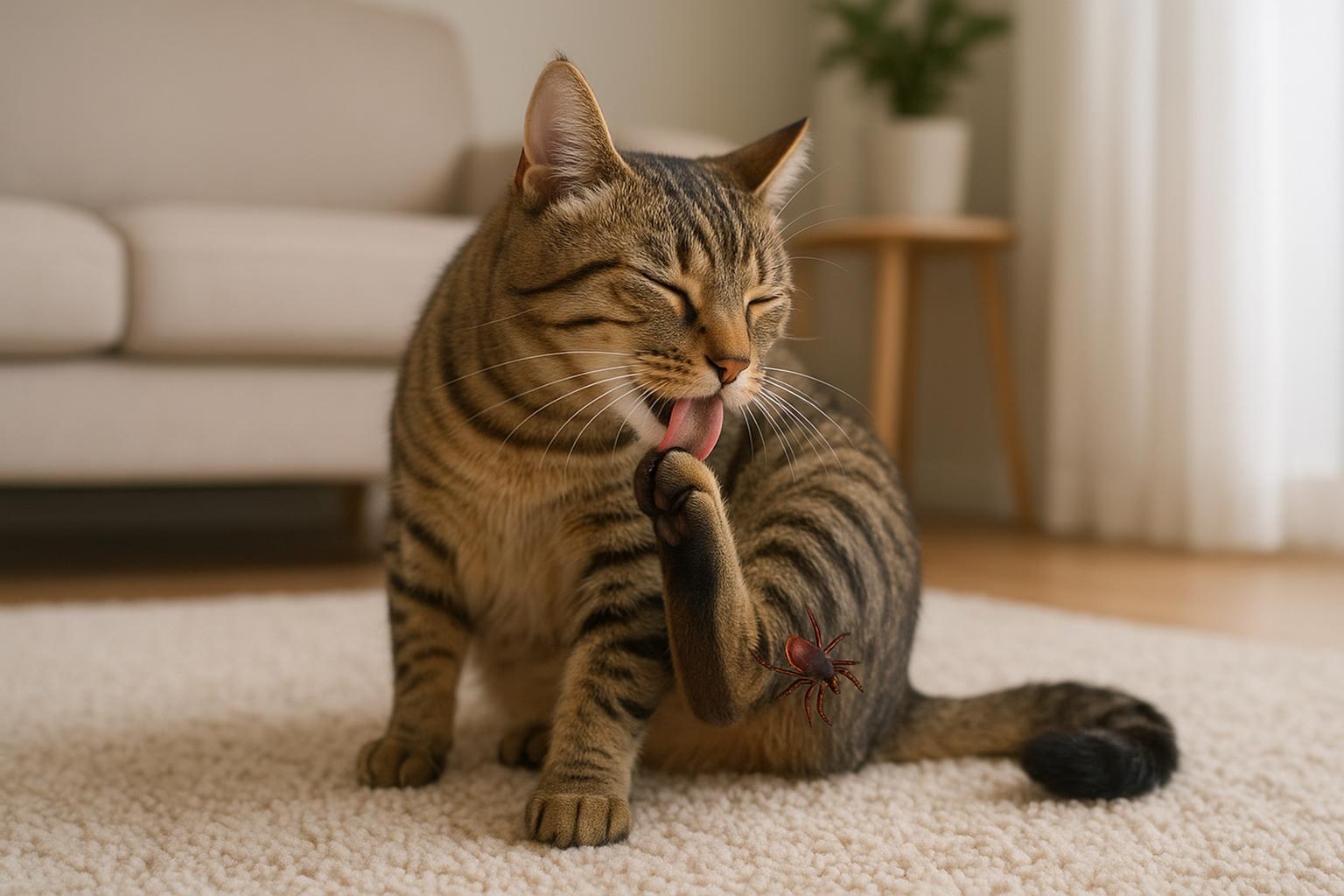
– Continuous scratching, hair loss, or skin inflammation from flea bites.
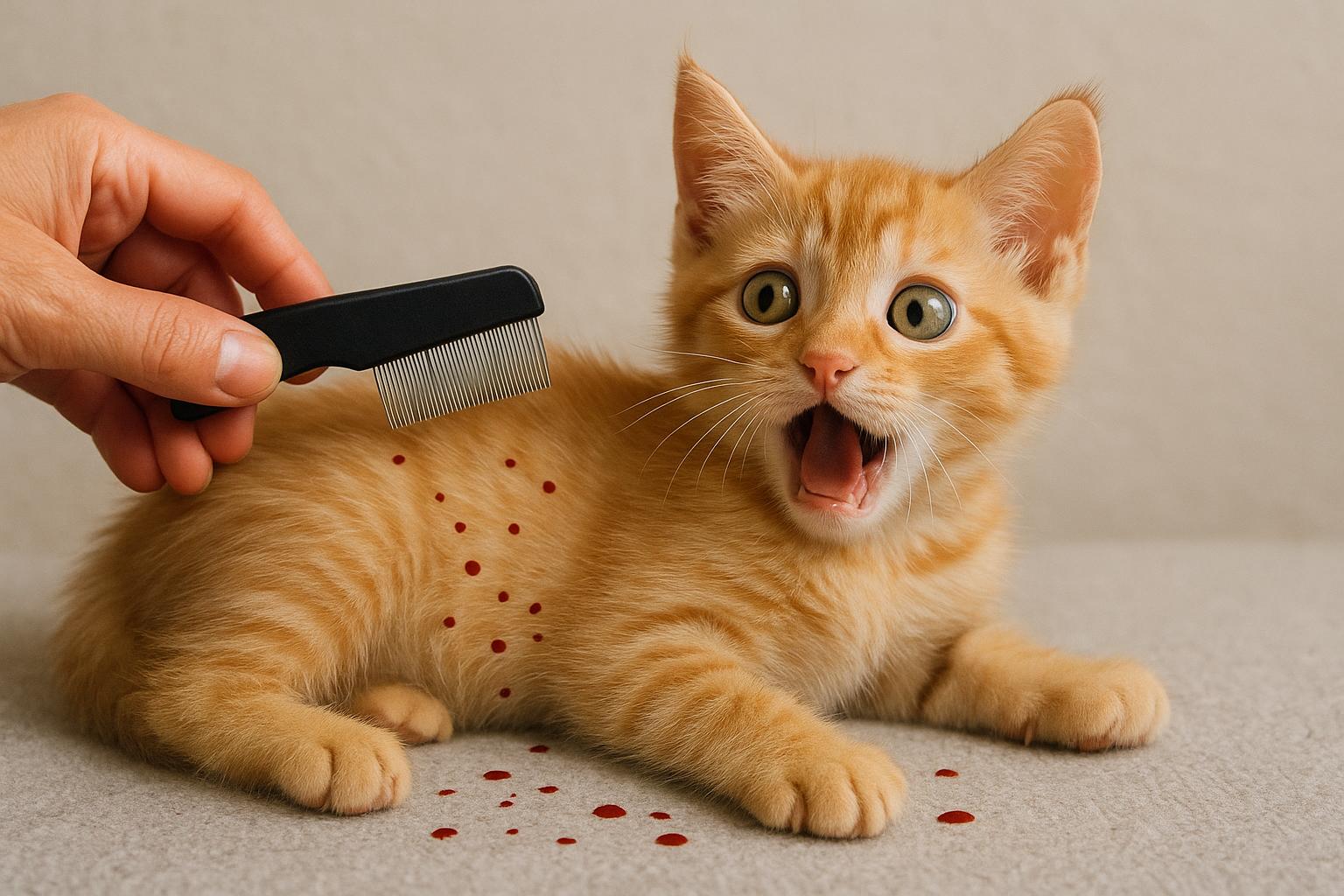
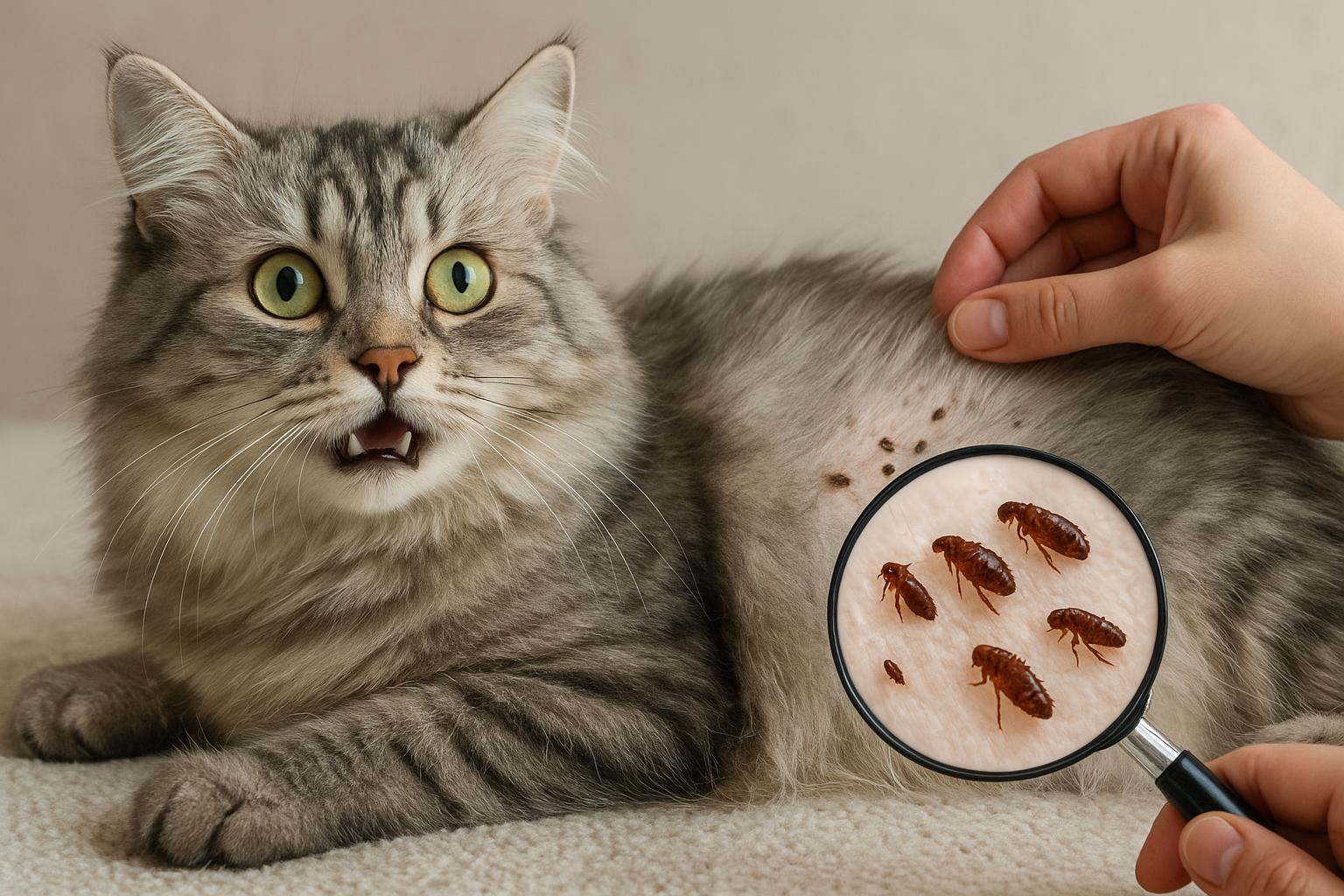
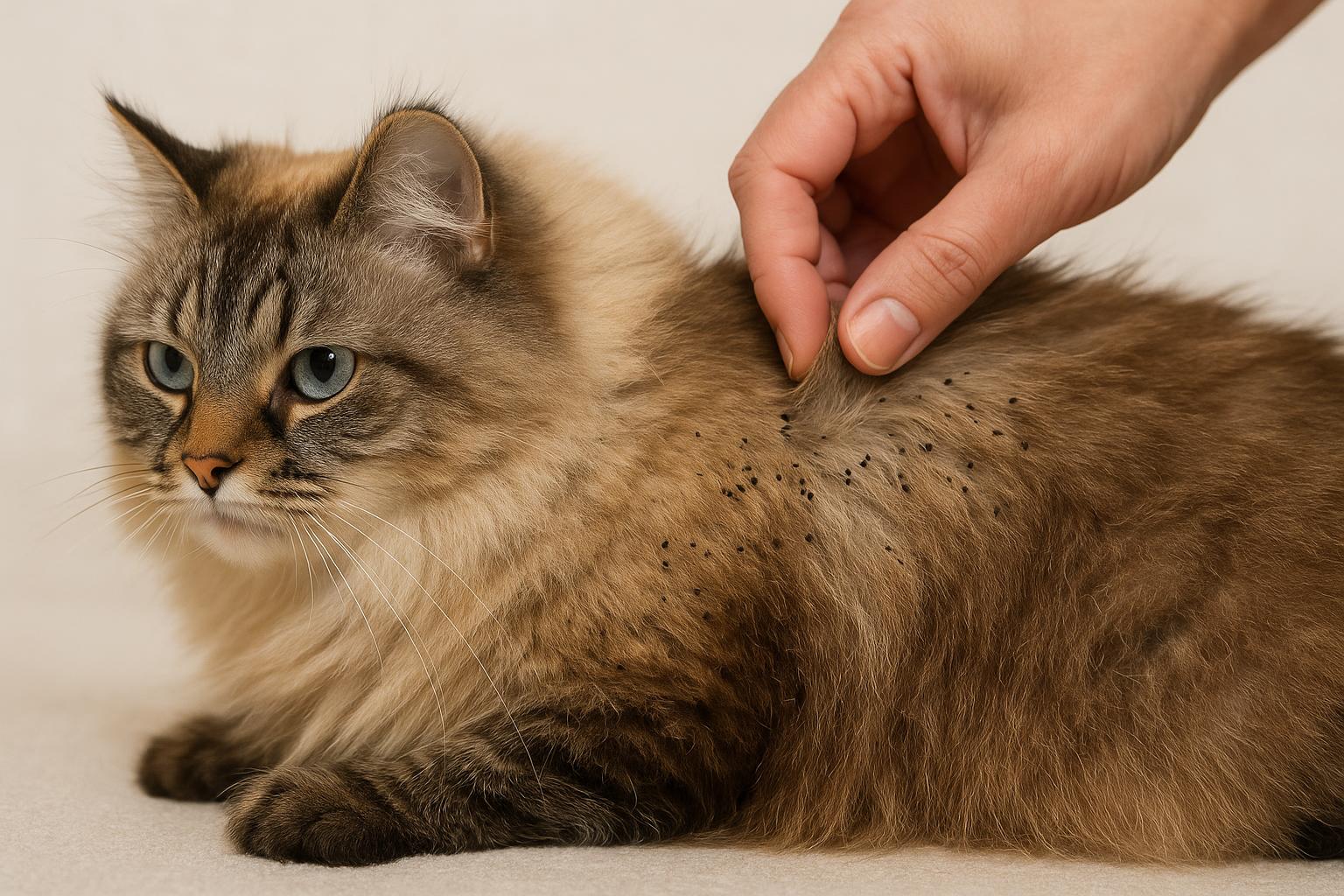
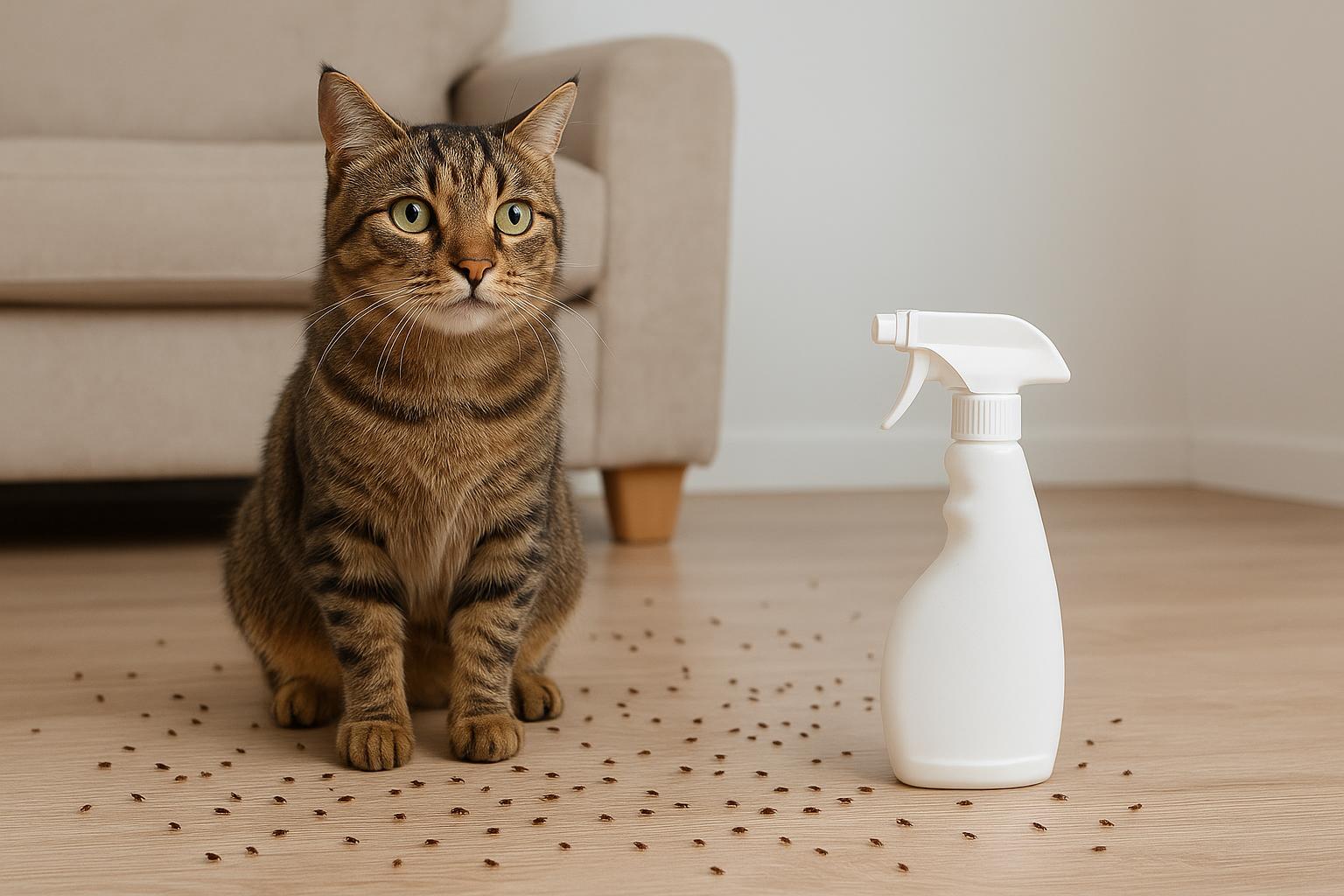
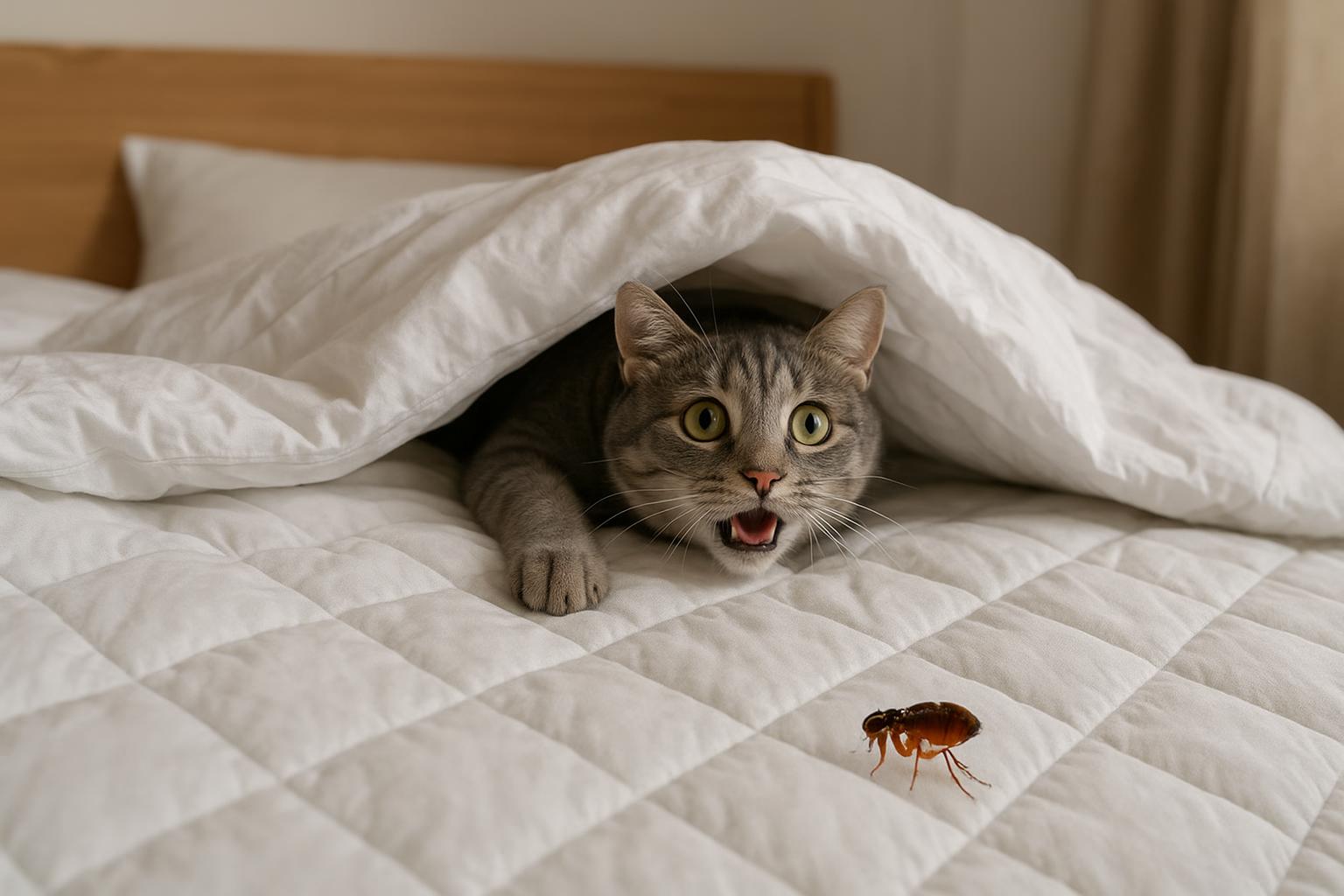
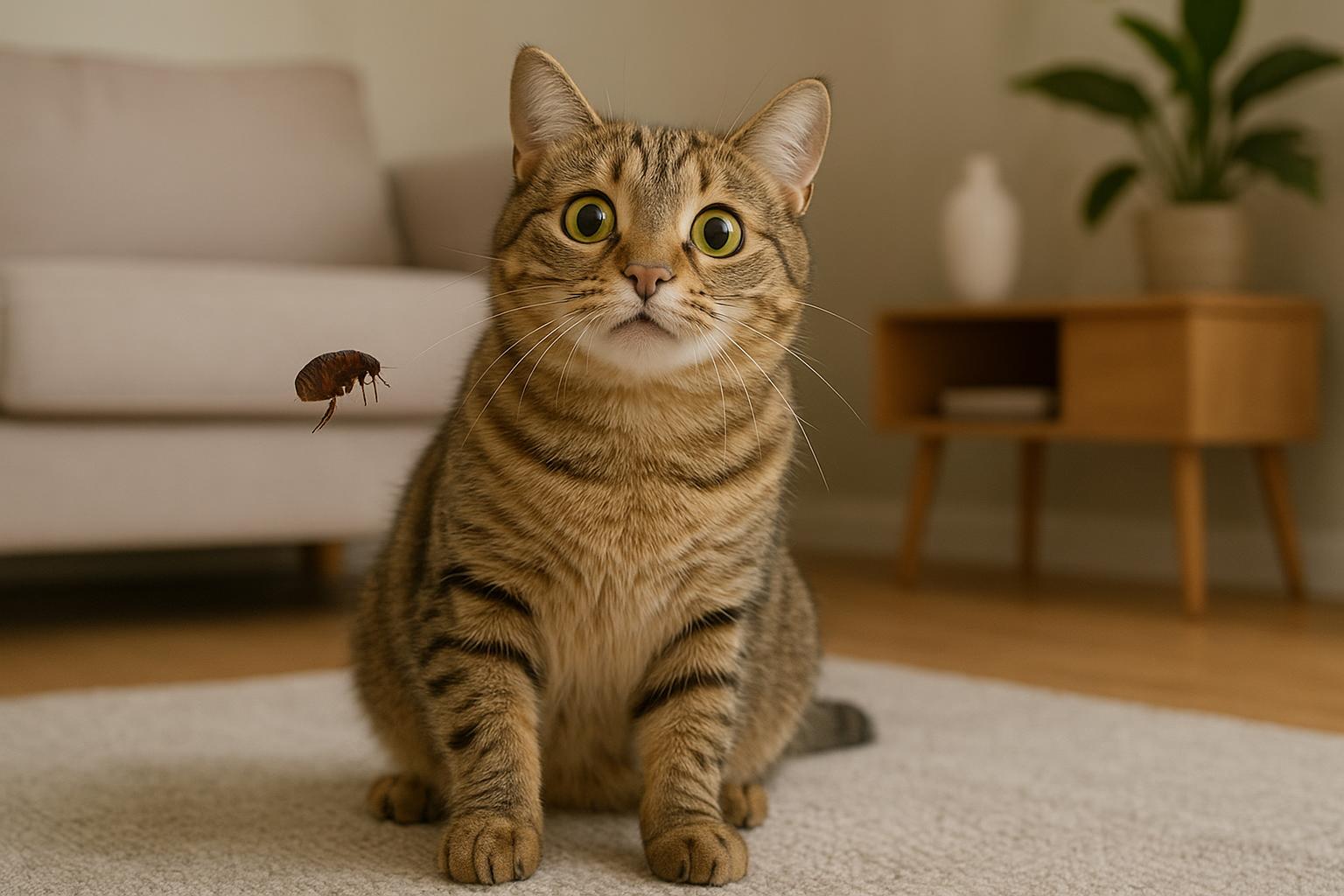
– Visible fleas or flea dirt (tiny black specks that become reddish when moistened).
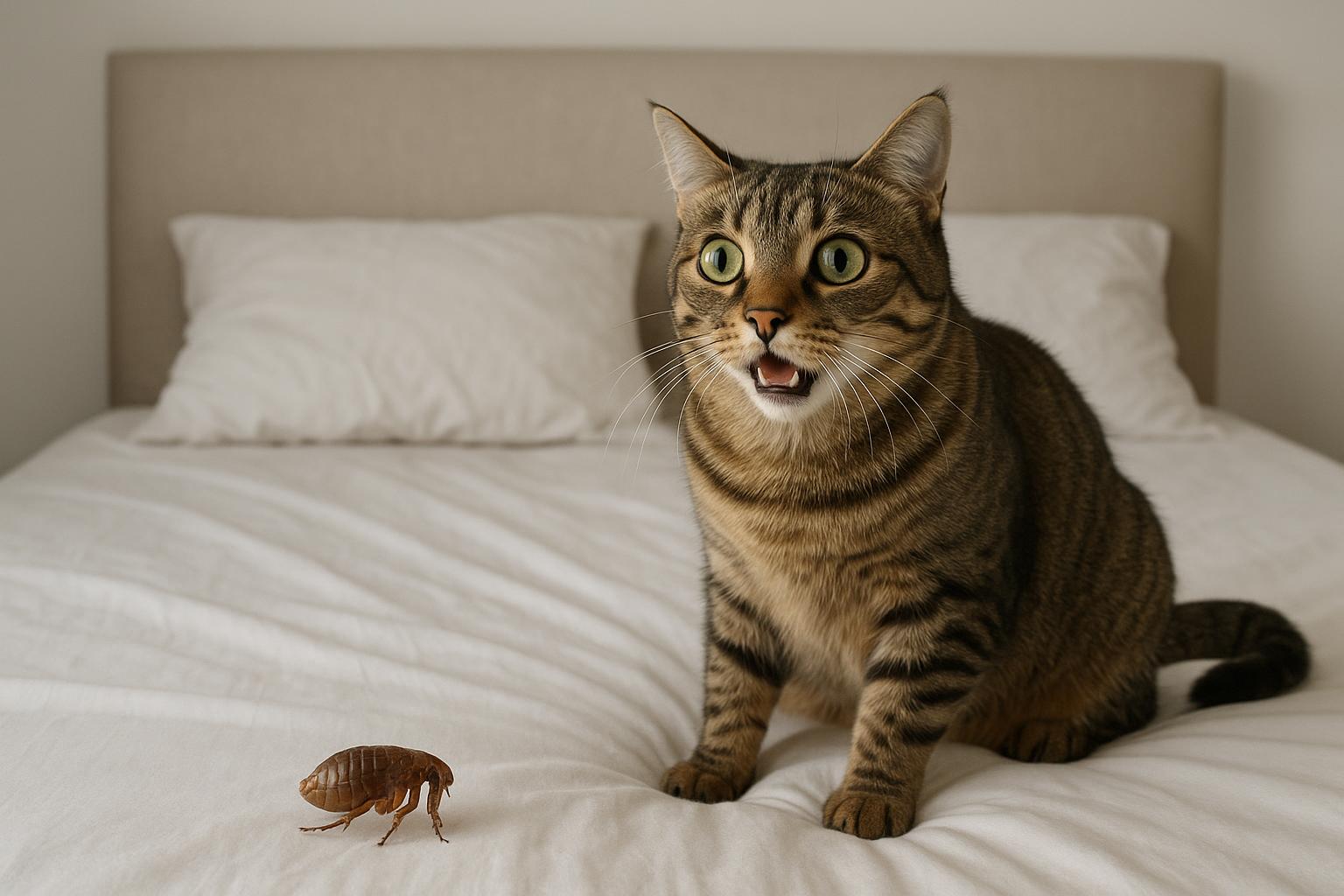
Spotting fleas doesn’t always mean severe blood loss yet, but visible infestation on a kitten is a red flag. Flea blood loss can escalate quickly, especially in multi-kitten litters or in young strays who’ve been exposed for days.
### Why Kittens Are Particularly Vulnerable
Kittens are tiny and growing fast, which makes them doubly susceptible. Their total blood volume is low and their immune systems are still maturing. A couple dozen hungry fleas can collectively consume enough blood to push a kitten into anemia. Also, kittens groom less effectively and can’t remove fleas well on their own, giving the parasite free reign.
### Symptoms Caregivers Shouldn’t Ignore
If your kitten shows any of the signs above, especially pale gums or extreme tiredness, treat it as an emergency. Flea blood loss isn’t something to “wait and see.” Even if your instinct is to try home remedies first, it’s wise to contact a veterinarian immediately for directions—some cases require urgent fluid therapy or even a blood transfusion.
## How Flea Blood Loss Happens
Fleas feed on blood multiple times per day. A severe infestation means dozens to hundreds of fleas all feeding, and their tiny bites add up. They also cause skin irritation and can transmit other diseases or tapeworm segments. Environmental reservoirs—carpets, bedding, and the yard—mean that even if you treat the kitten, the flea cycle can keep coming back, continuing the blood loss cycle.
## 1. Emergency At-Home Remedy For Flea Blood Loss
If you’re in a situation where immediate veterinary help is delayed (snowed-in, rural clinic closed, late at night), there are emergency supportive steps you can take while arranging transport. These measures do not replace veterinary care but can stabilize a kitten temporarily.
### Ingredients/Materials
#### Essential Items
– Clean towels or a small blanket for warmth
– A small, clean syringe (without a needle) or eyedropper
– Pedialyte (unflavored) or veterinary electrolyte solution
– A source of gentle supplemental heat (heating pad set to low, wrapped in towel, or warm water bottle wrapped in cloth)
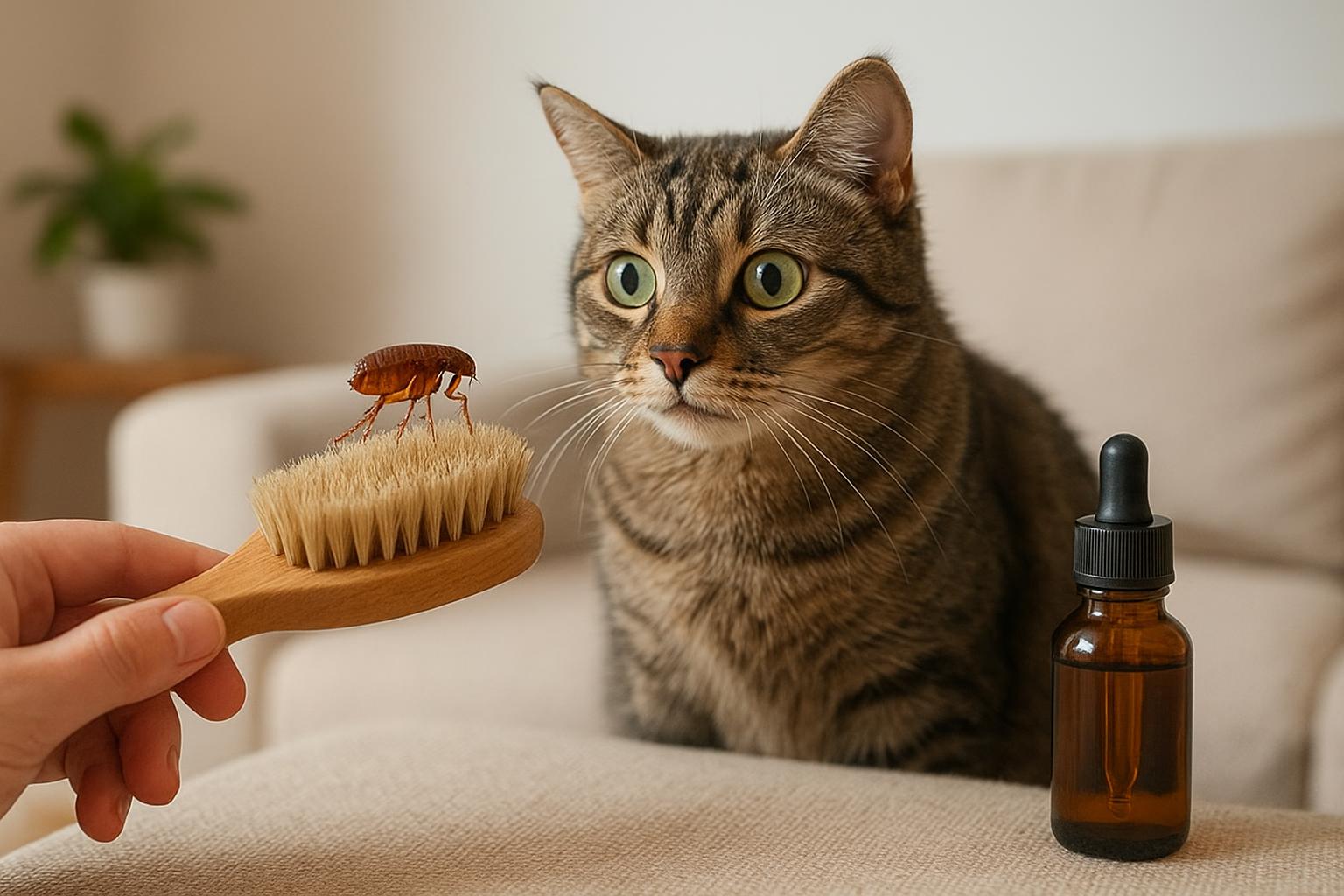
– A mild flea comb
– Disposable gloves
#### Optional Items (If Vet Recommends)
– Iron-rich oral supplement formulated for kittens (only use if instructed by a veterinarian)
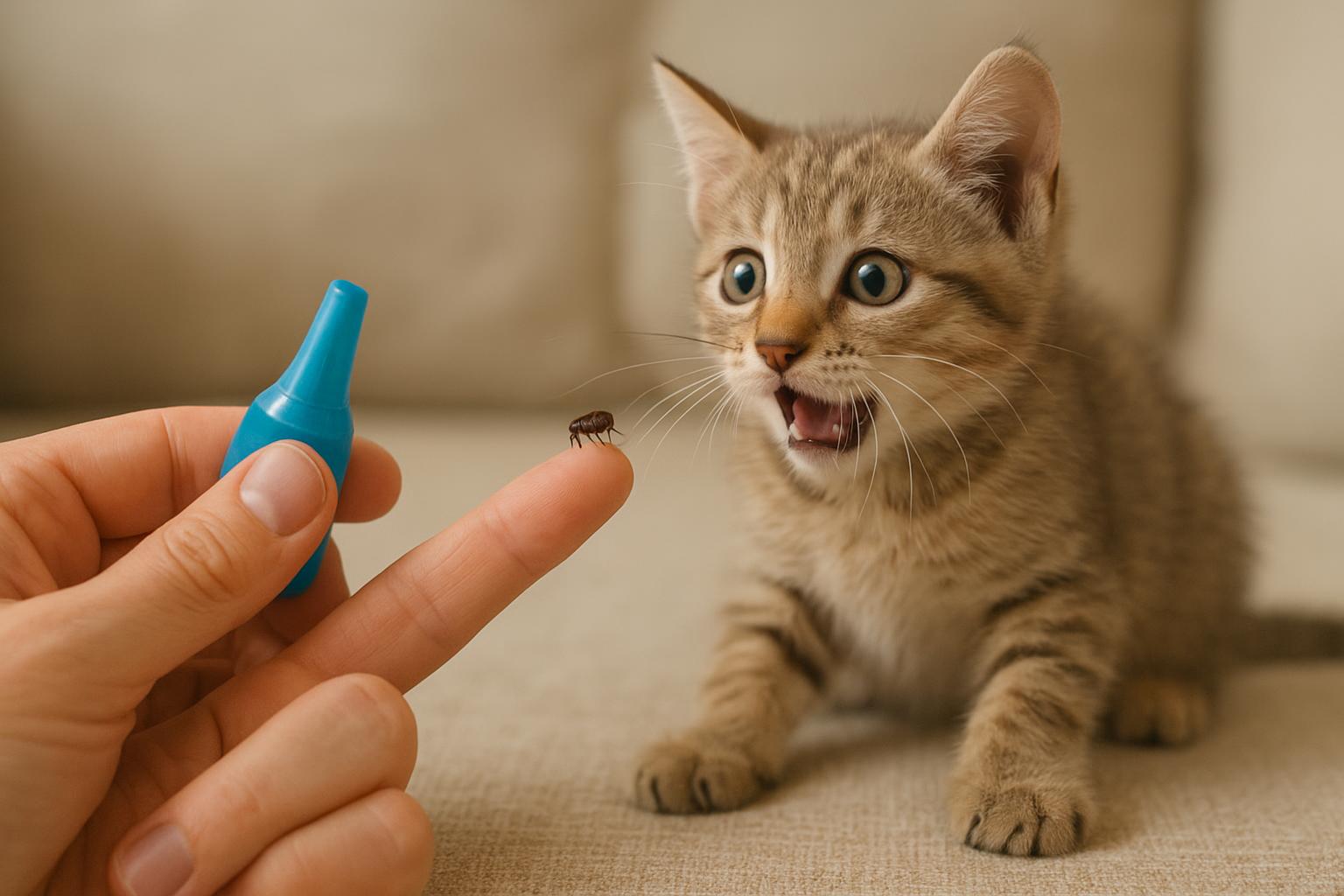
– Vet-approved topical flea treatment (age/weight appropriate)
### Step-By-Step Application
1. Assess Immediately: Check for breathing, heart rate (can feel the chest or inner thigh pulse), and gum color. If the kitten is unresponsive or collapsed, seek emergency veterinary care right away.
2. Keep Warm: Kittens with anemia can become hypothermic. Wrap the kitten gently in a warm towel and provide a low-heat source. Avoid overheating—aim for cozy, not oven-like.
3. Fluids by Mouth: If the kitten is awake and able to swallow, offer small amounts (0.5–2 ml per feeding depending on size) of unflavored Pedialyte via syringe or eyedropper every 10–15 minutes. This helps maintain hydration but does not replace blood.
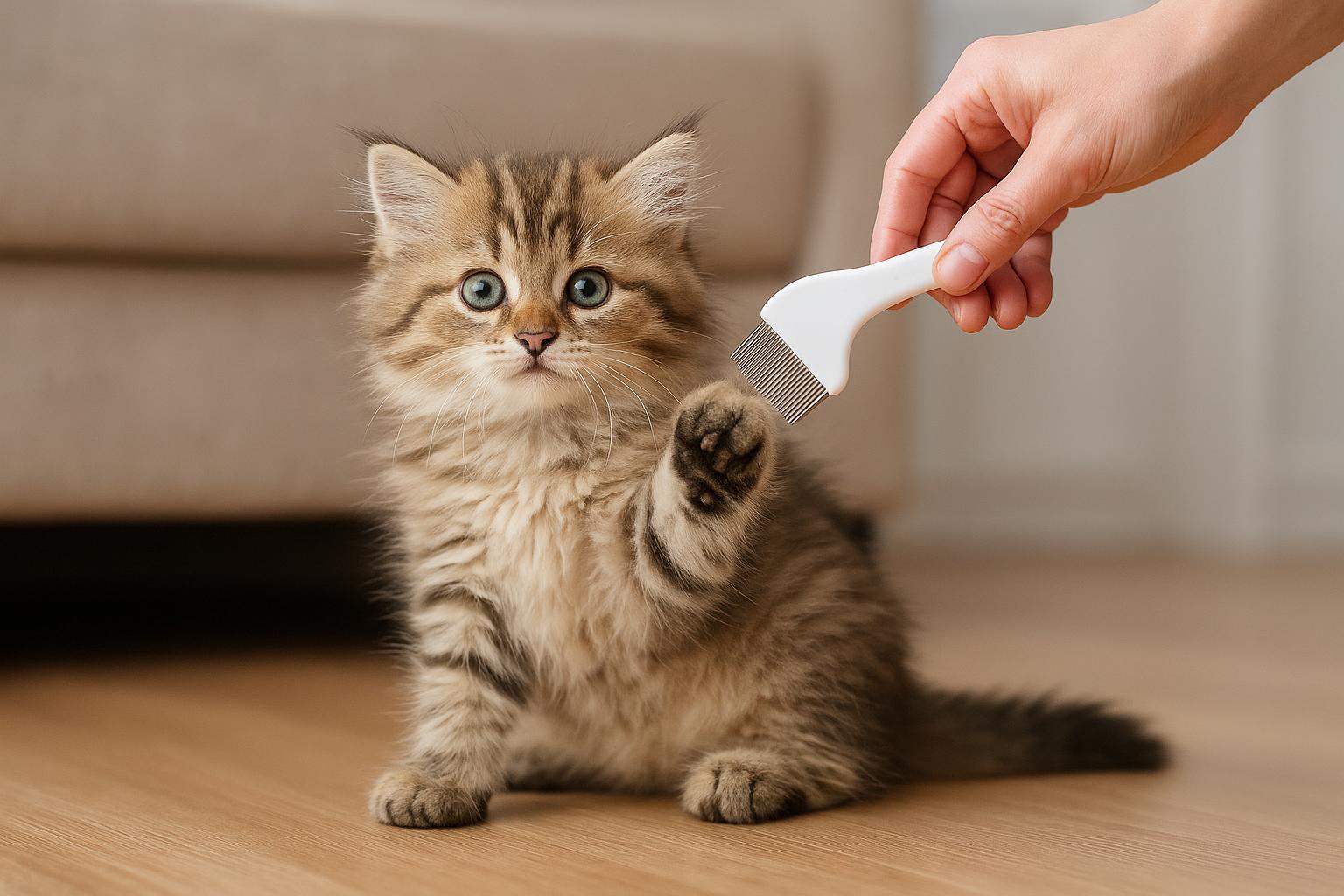
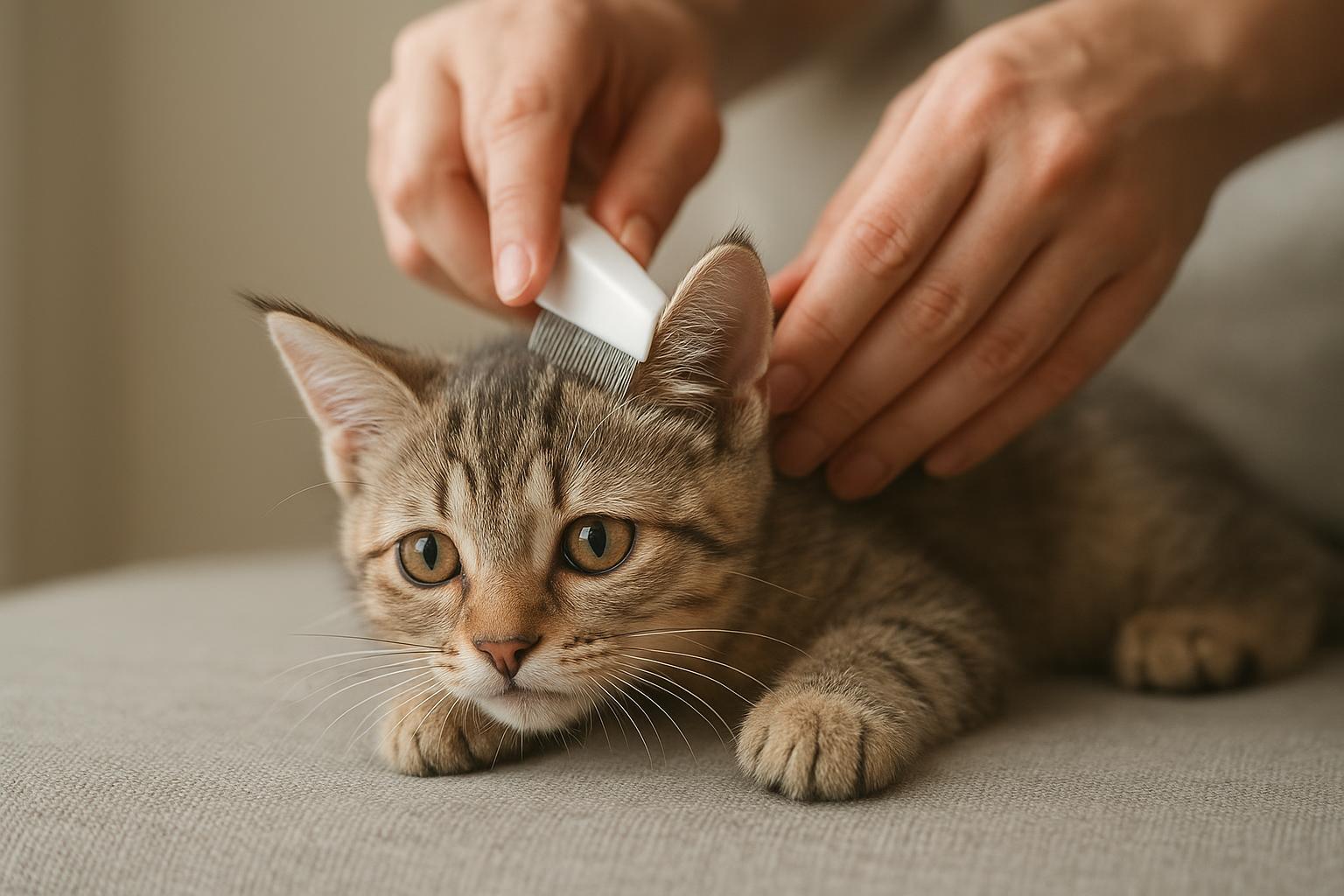
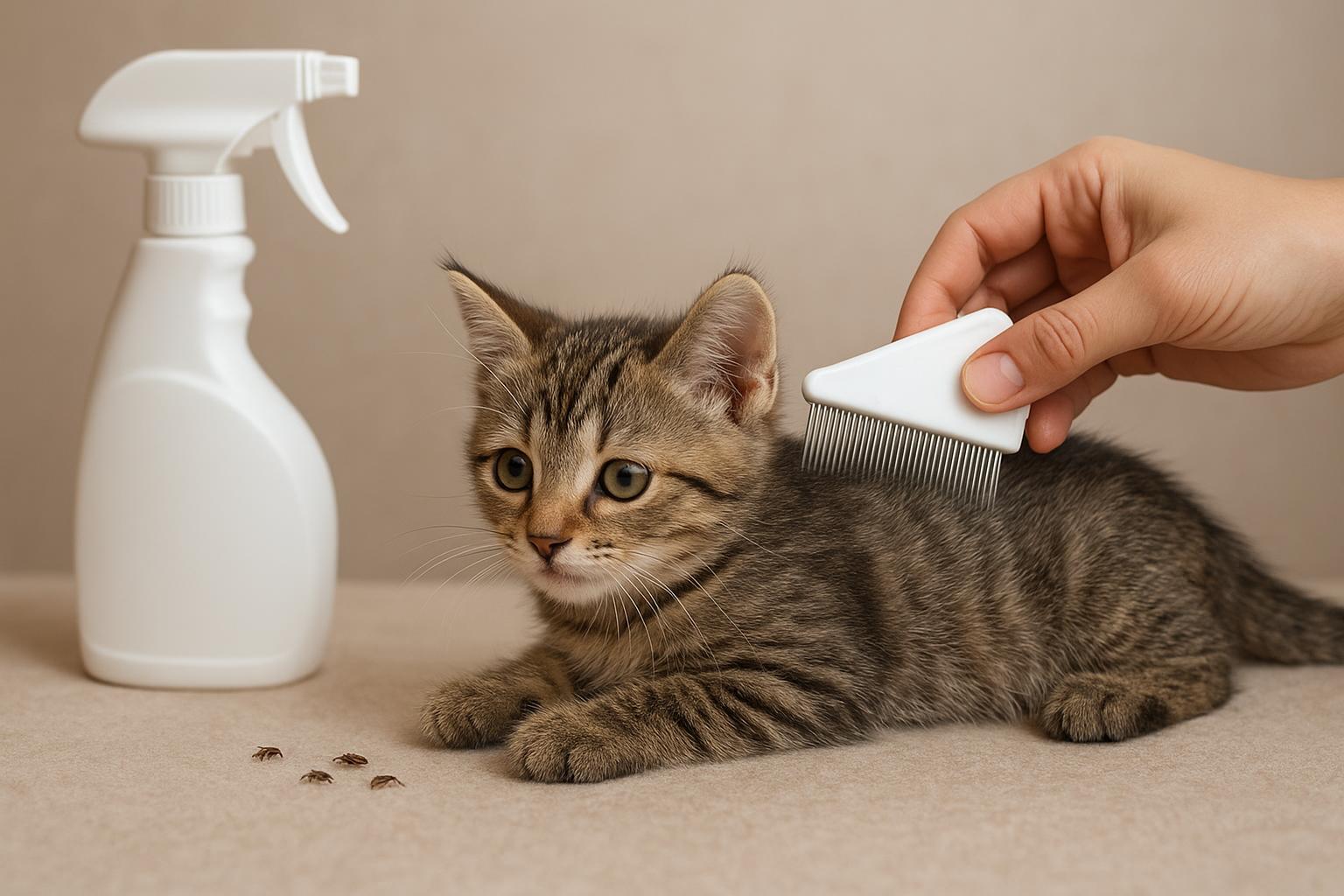
4. Remove Fleas Mechanically: Use the flea comb to remove as many fleas as possible. Comb over a white towel so fleas are visible and can be removed efficiently. Wear gloves and dispose of live fleas in soapy water.
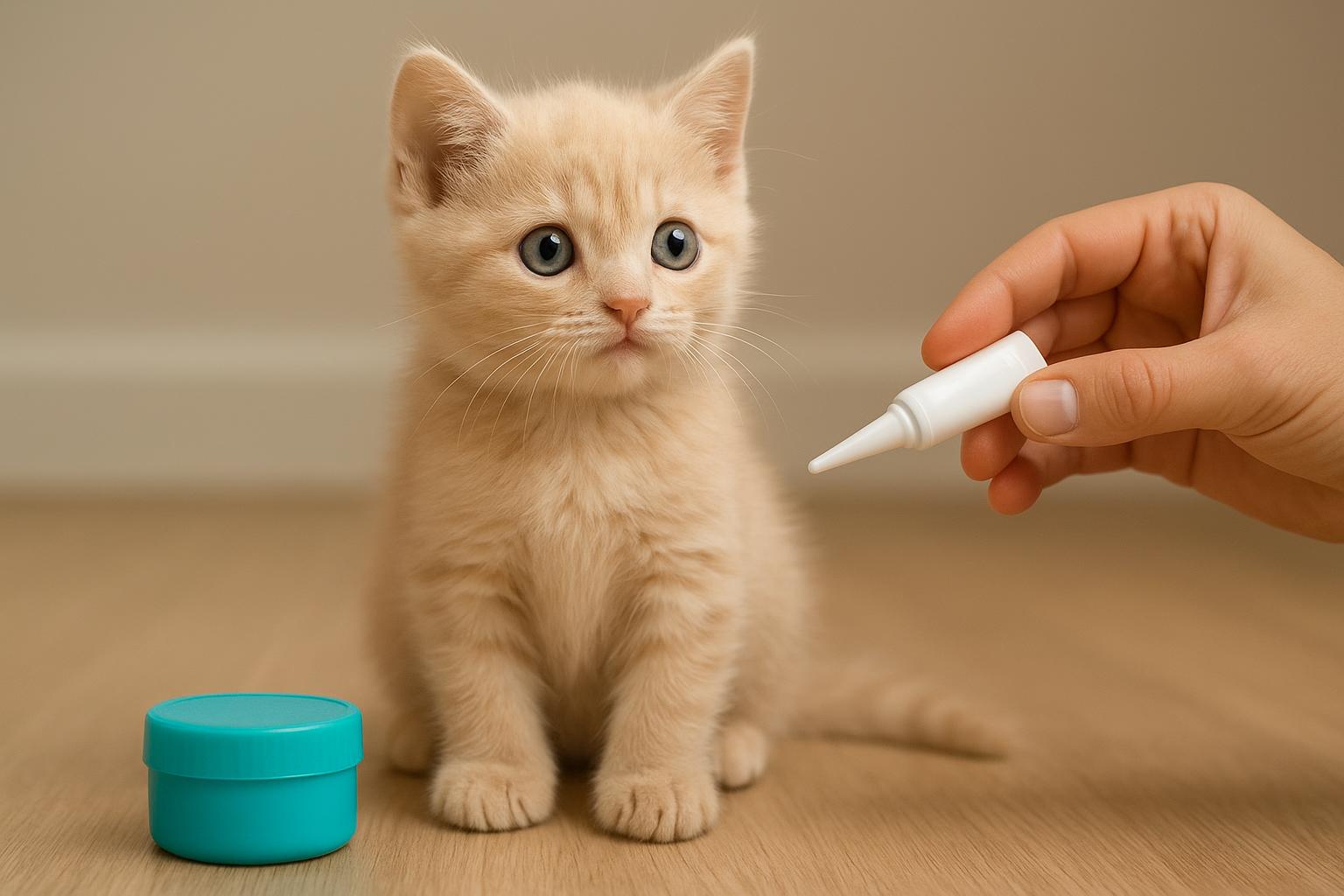
5. Contact a Vet While Stabilizing: Explain signs and severity—mention flea blood loss specifically. If the vet advises a safe topical flea product appropriate for kitten age and weight, apply as directed. Do not use adult cat products on very young kittens without vet approval.
6. Transport: Arrange swift transport to a veterinary clinic. Inform them en route that the kitten may be anemic from flea blood loss so they can prepare for possible fluids or transfusion.
Following these steps provides short-term stabilization, but again: flea blood loss is potentially life-threatening and needs professional treatment as soon as possible.
## 2. Long-Term Flea Control And Recovery Plan
Once the immediate danger is addressed, a structured, formal plan prevents recurrence and supports recovery. This is more clinical: use vet-approved products and targeted environmental control to break the flea life cycle.
### Ingredients/Materials For Long-Term Control
#### For The Kitten(s)
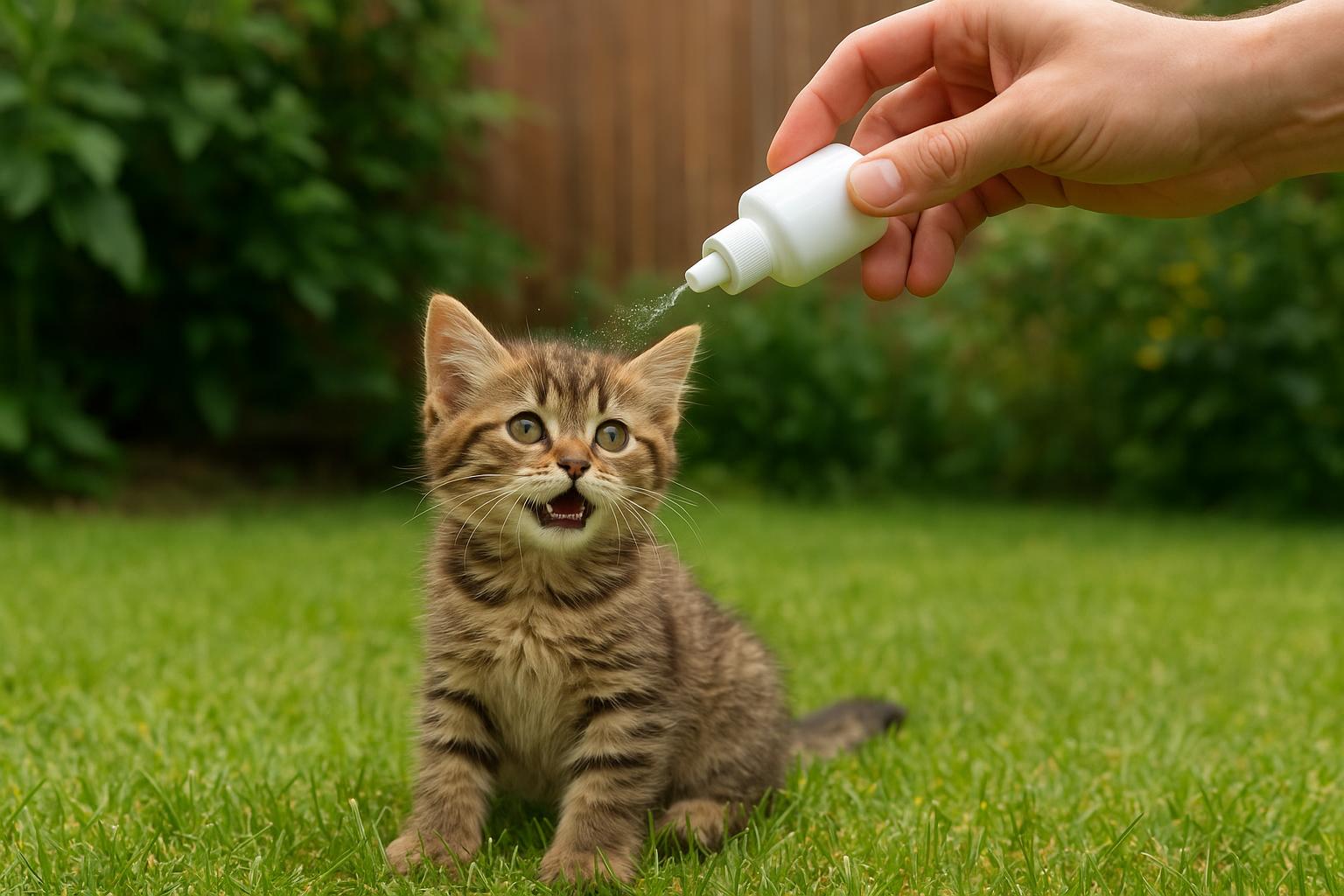
– Veterinary-recommended topical flea treatment or oral medication appropriate for kittens and their weight (product and dosing to be confirmed by your vet)
– Flea comb for weekly checks
– Pet-safe shampoo for kittens (if recommended by vet)
#### For The Home
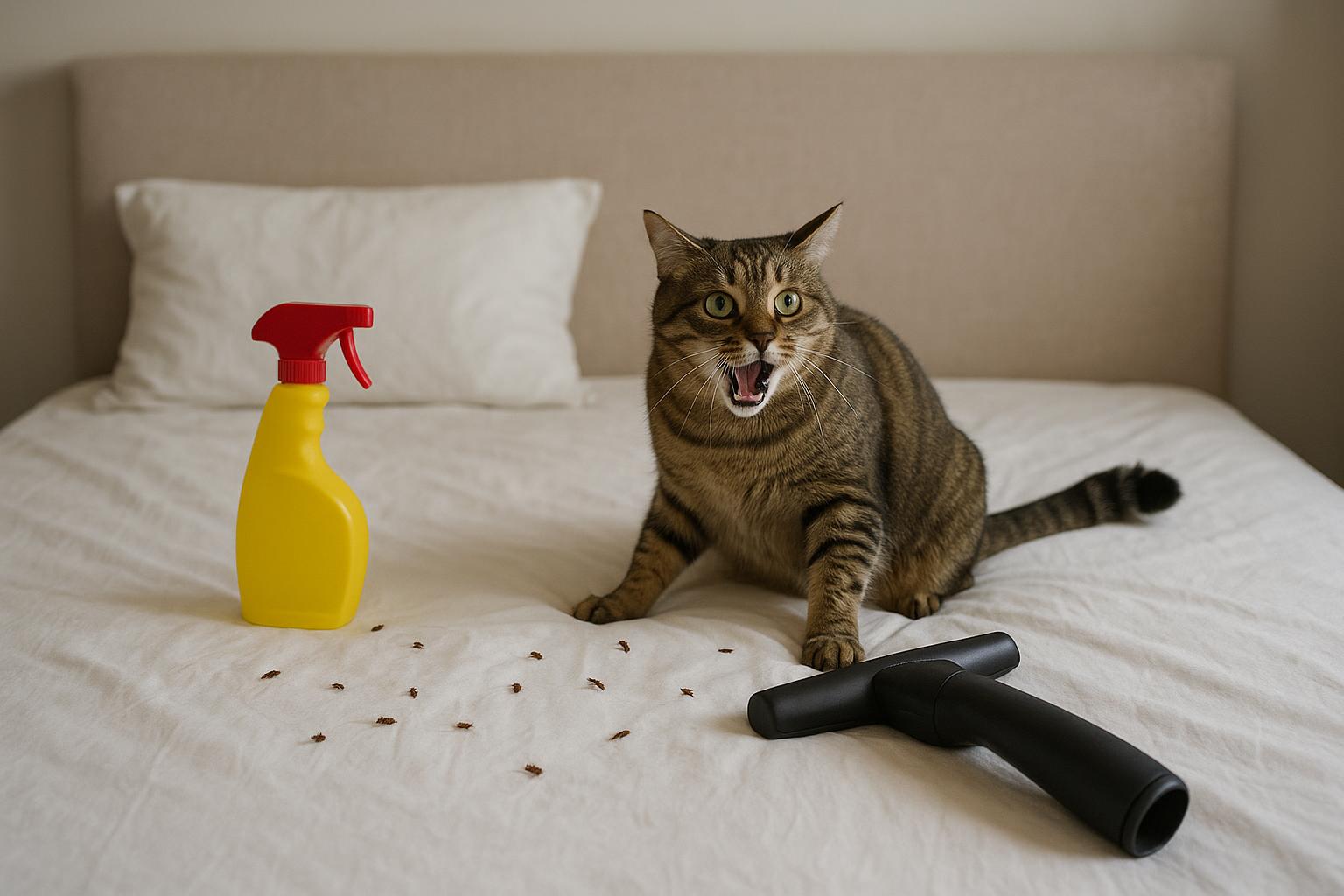
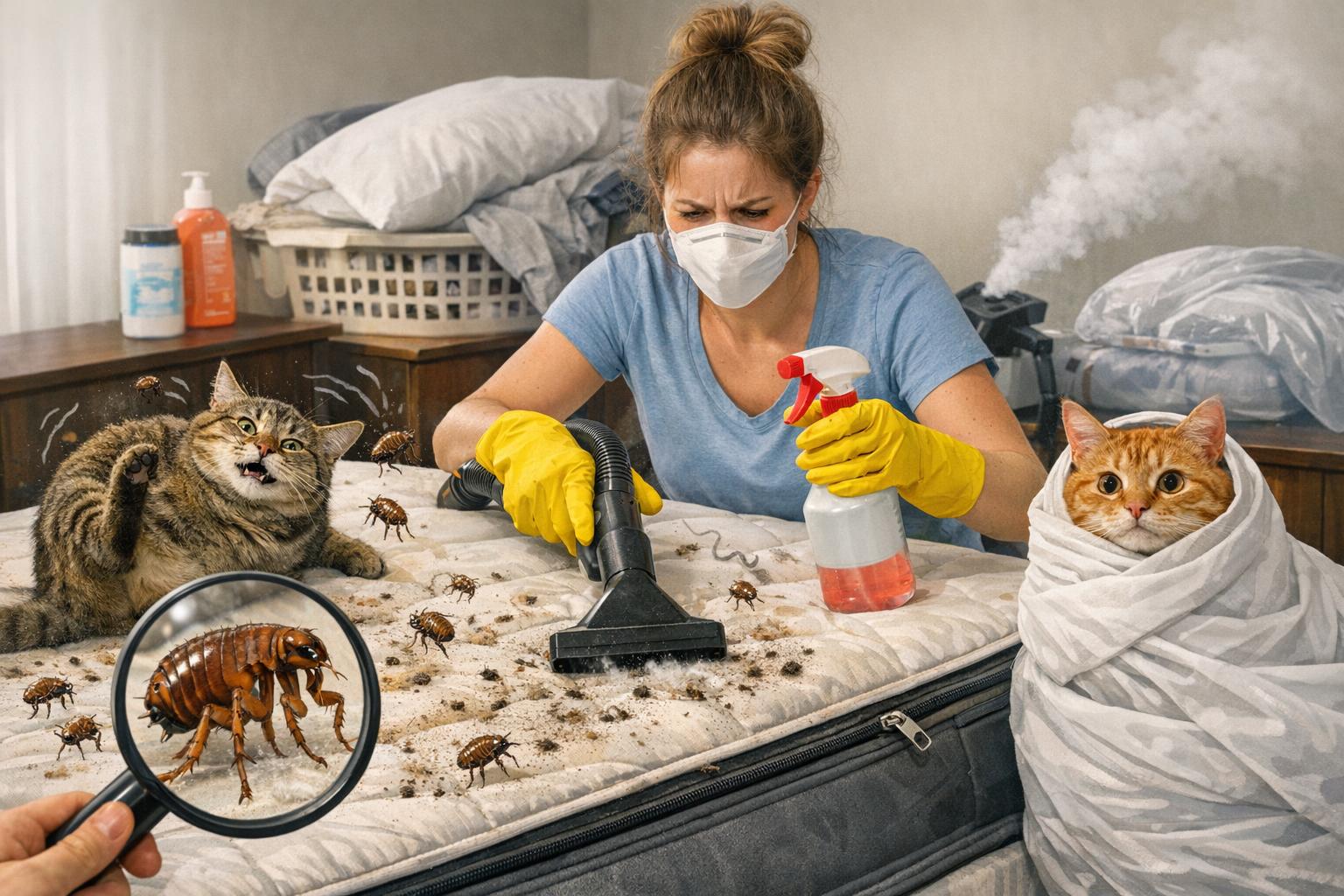
– High-efficiency vacuum (vacuum daily during treatment period)
– Pet bedding washable at high heat
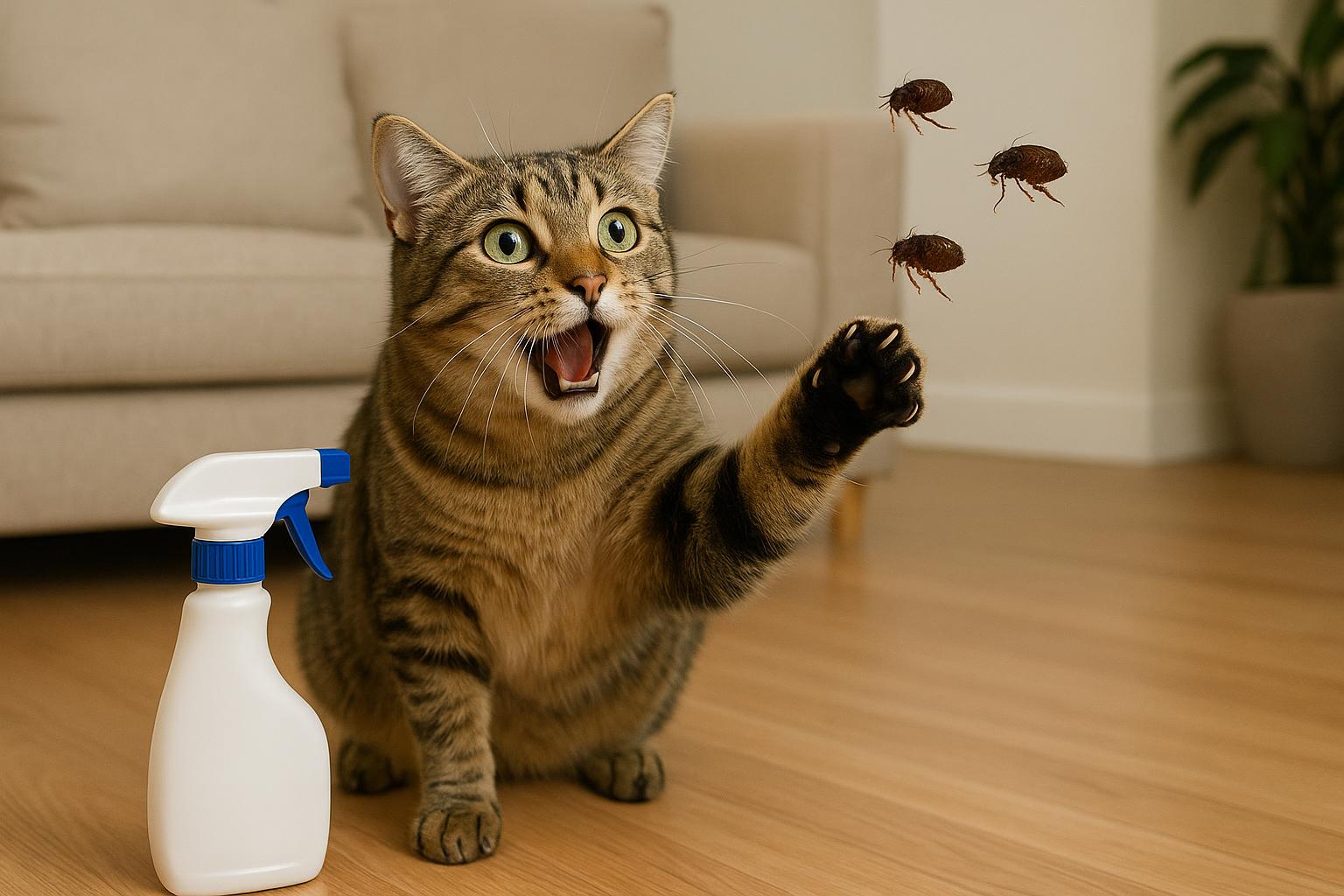
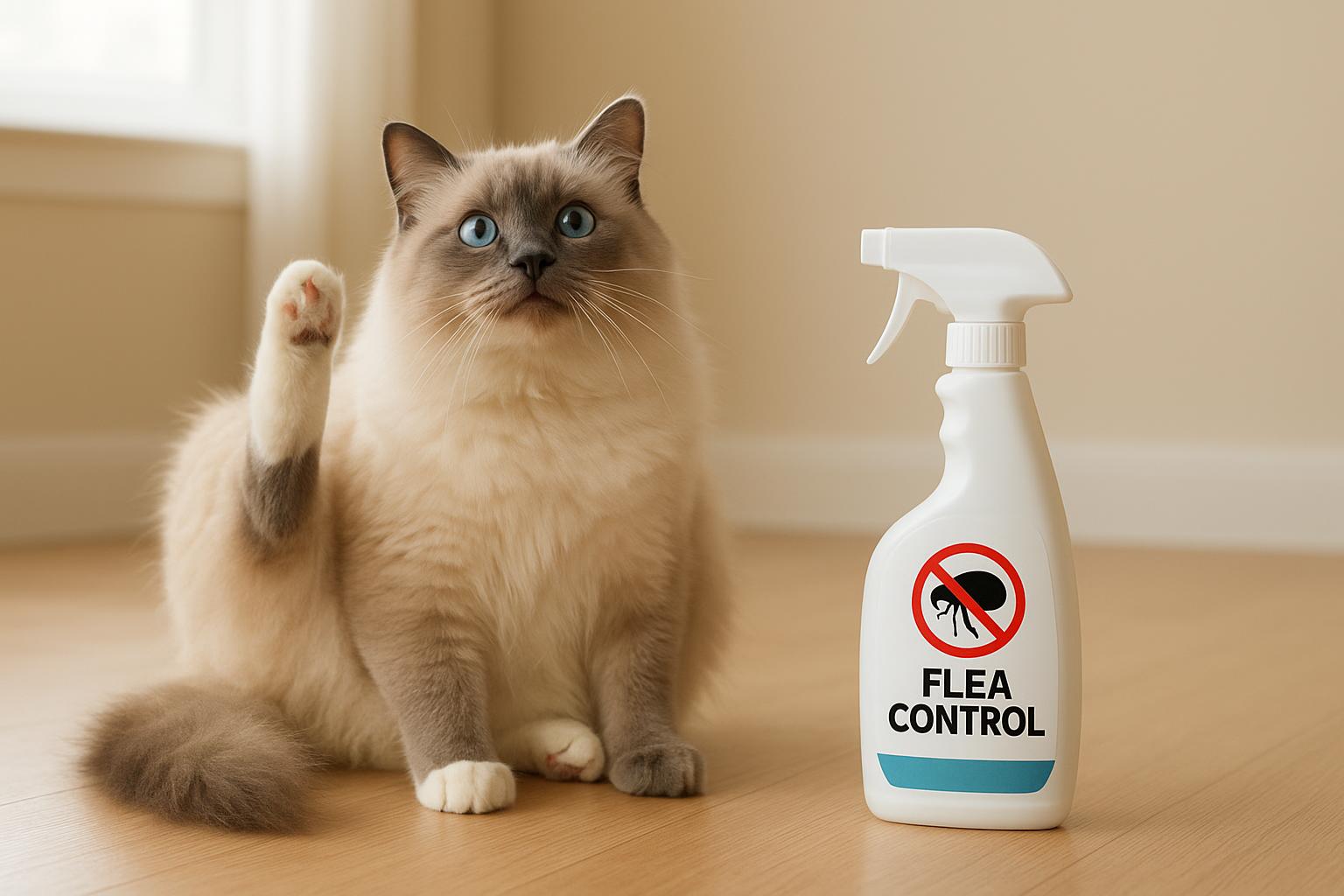
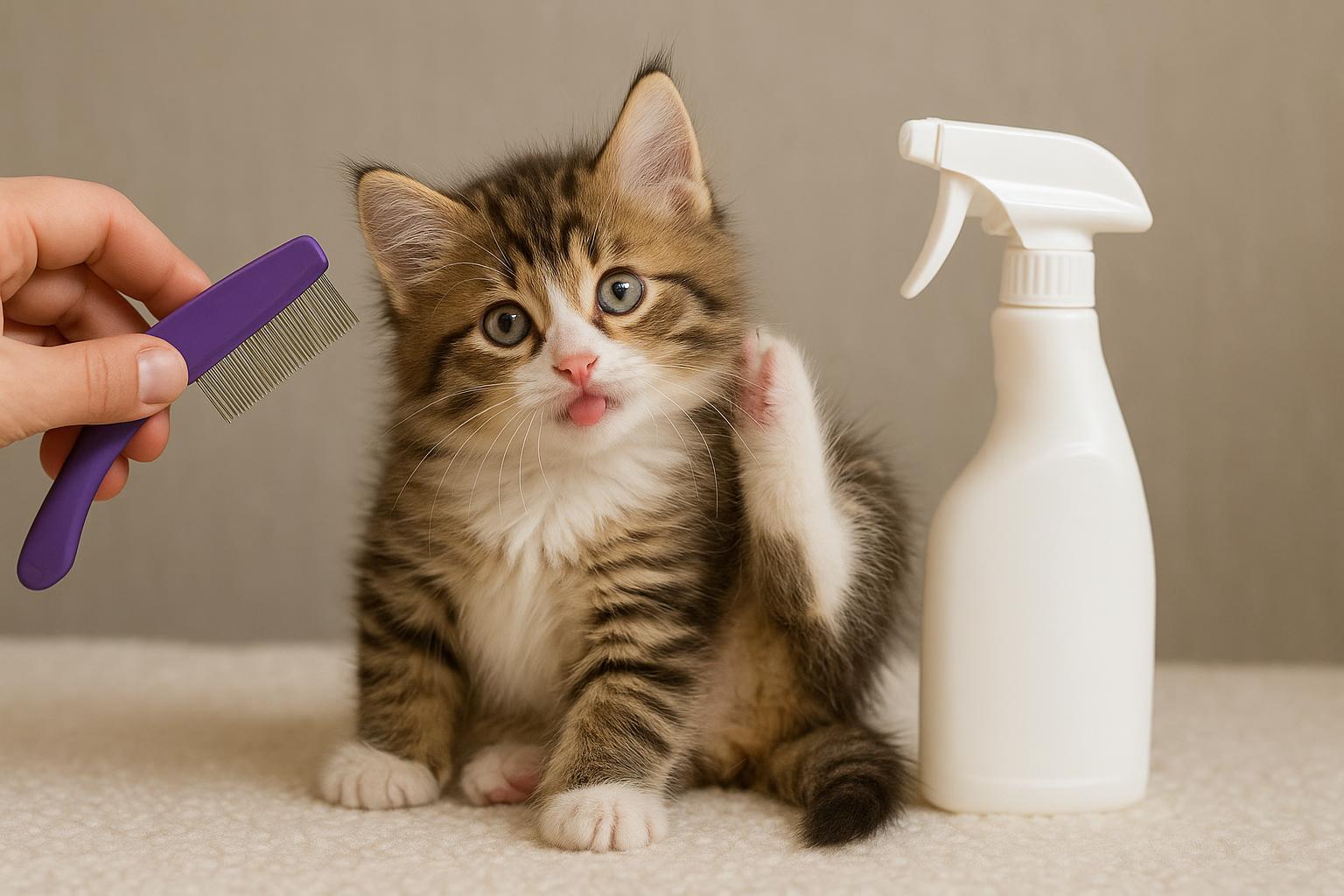
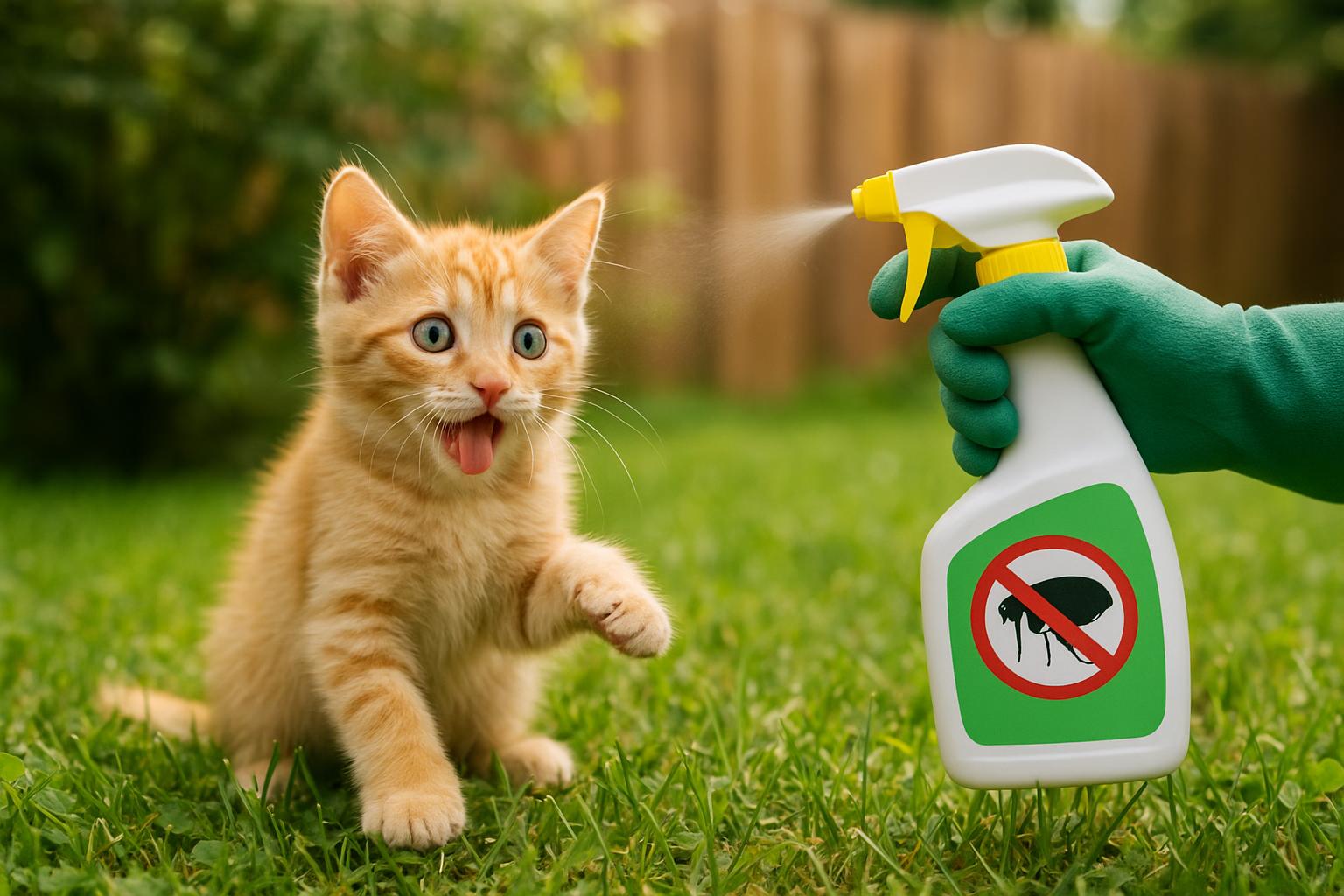
– Household flea spray or growth regulator (IGR—Insect Growth Regulator) for carpets and upholstery, labeled safe for pets and humans
– Professional pest control contact (if infestation is severe)
### Step-By-Step Recovery And Prevention
1. Veterinary Follow-Up: Book rechecks to monitor packed cell volume (PCV) or hematocrit. Your vet will measure blood levels and prescribe iron or dietary support if needed. Recovery from flea blood loss is a monitored process.
2. Safe Flea Treatment Plan: Administer vet-prescribed flea medication to the kitten and any other pets. Follow dosing schedule exactly. Some products require repeat dosing to catch newly hatched fleas; your vet will outline timing.
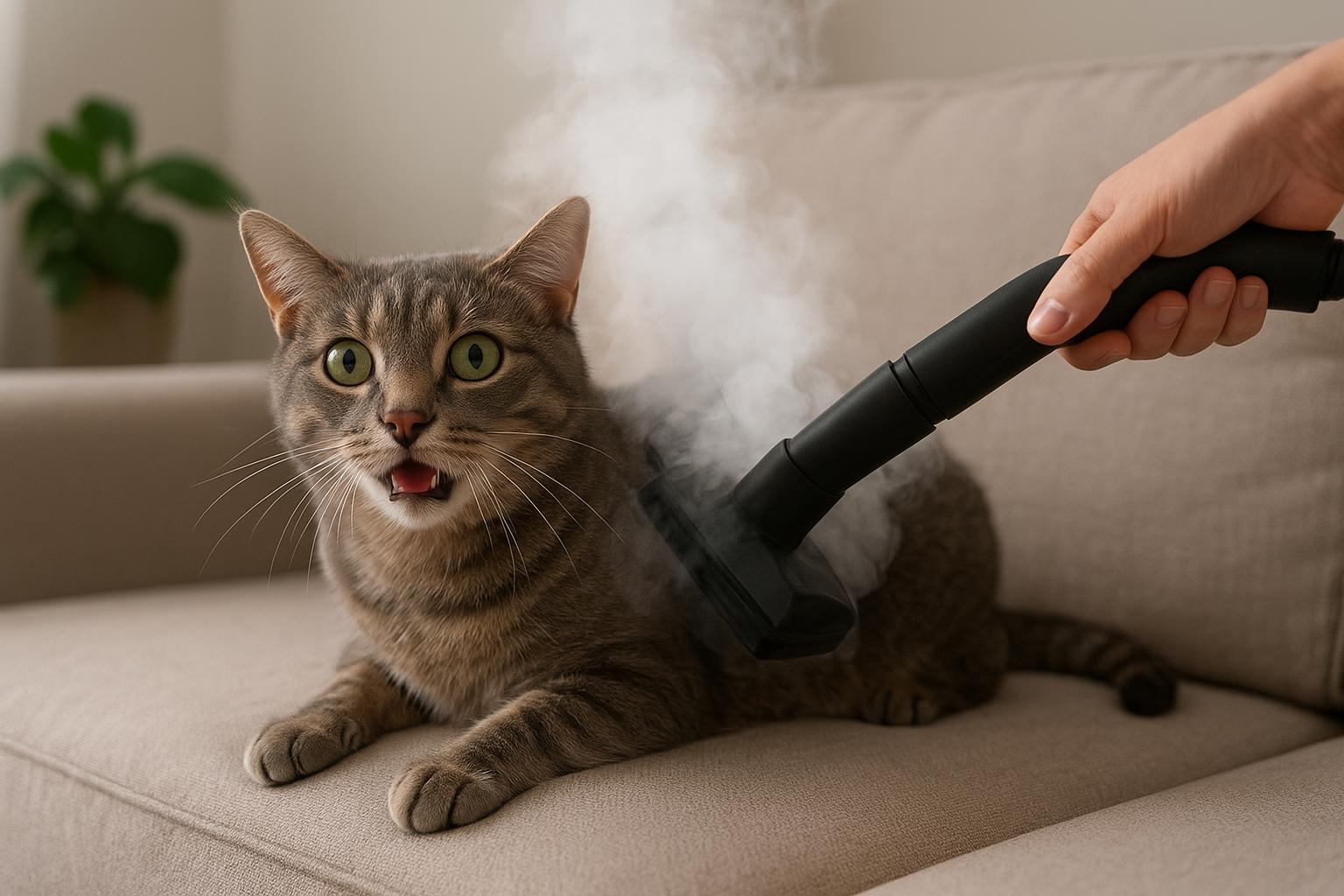
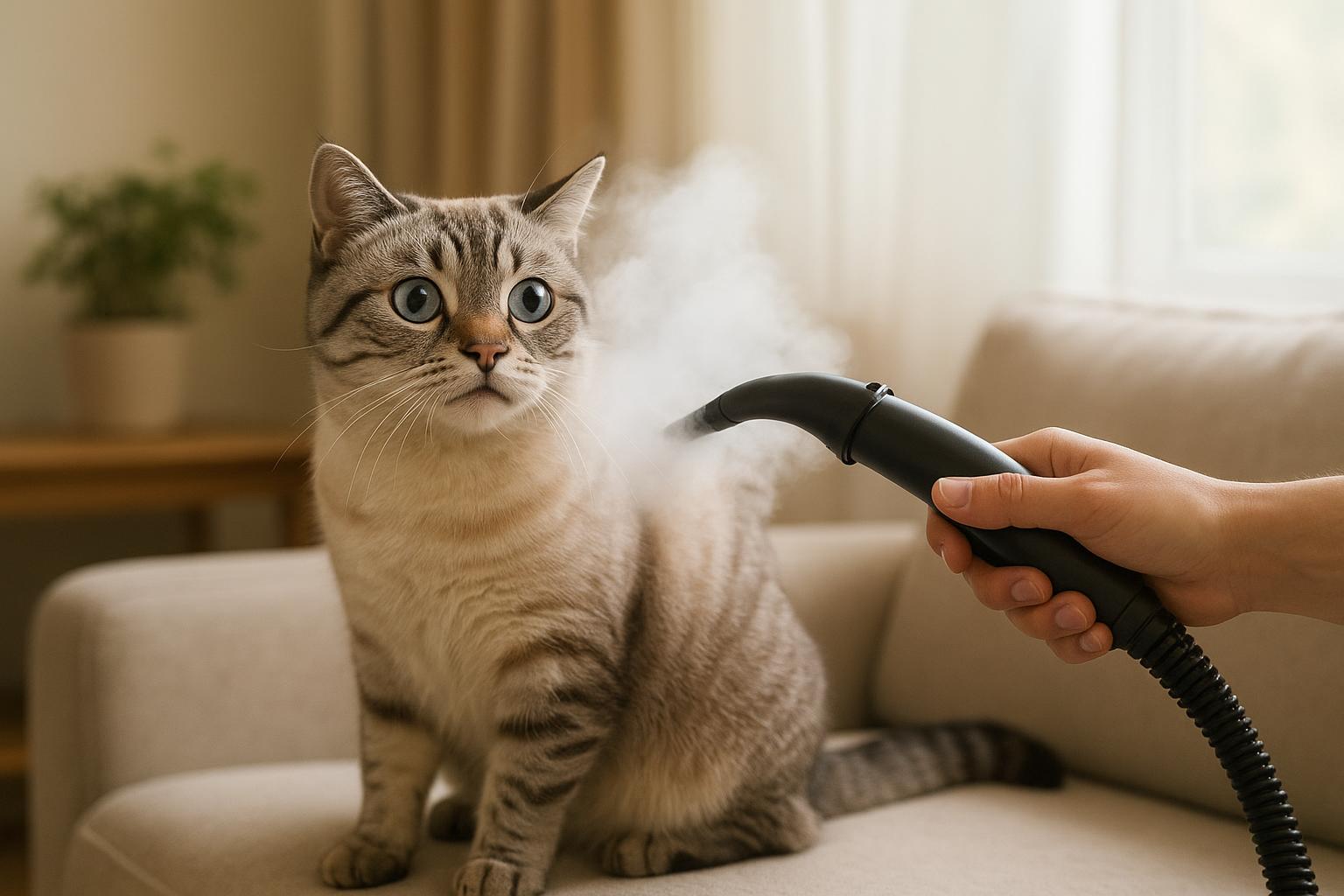
3. Treat The Environment: Vacuum daily for at least two weeks, emptying canister outdoors. Wash all bedding, blankets, and soft toys in hot water and dry on high heat. Apply an IGR-containing spray to carpets and upholstery according to label instructions or hire a professional if infestation is widespread.
4. Monitor And Reassess: Check the kitten’s gums and energy daily. Use the flea comb weekly to catch any stragglers. Continue environmental measures until no fleas or flea dirt are found for several weeks.
5. Nutritional Support: Offer a high-quality kitten diet to rebuild blood and body condition. If the vet prescribes iron supplements or B vitamins, follow dosing instructions carefully. Avoid human iron supplements unless directed—they can be toxic in wrong doses.
6. Preventive Maintenance: After recovery, maintain a year-round preventive plan as recommended by your vet. This is the best defense against recurrence of flea blood loss and the misery of scratching kittens.
### When To Call The Vet Immediately
– Collapse, fainting, difficulty breathing, or unresponsiveness.
– Gums that are white or very pale.
– Rapid decline despite home stabilization steps.
– Ongoing heavy flea infestation despite initial treatments.
## Safe Handling Tips And A Little Humor
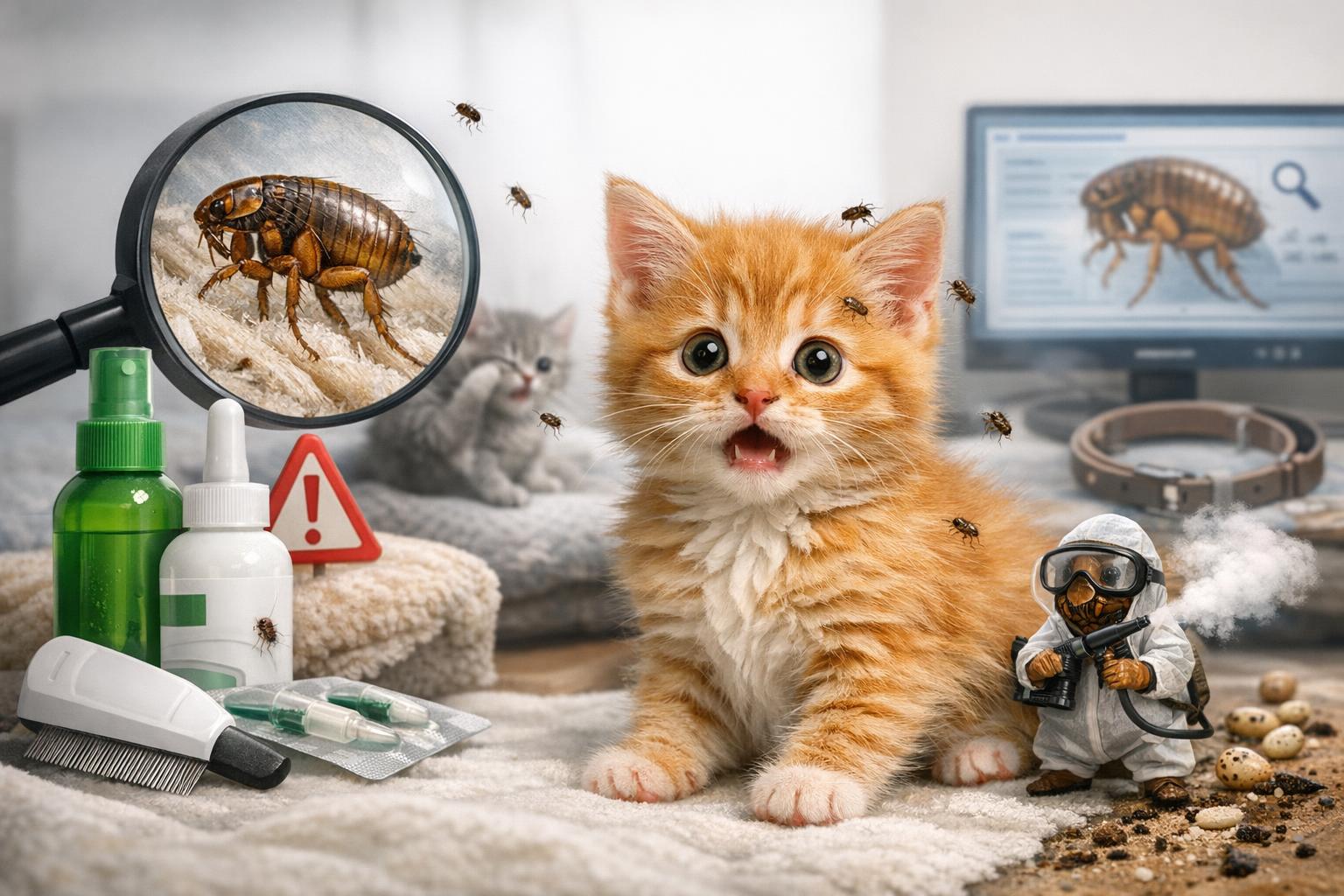
It’s tempting to imagine your home as a battlefield of epic proportions (cue heroic kitten music). In reality, treating fleas is more like a slow, methodical campaign—clean, treat, watch, repeat. Be gentle during combing and reassuring during treatments; kittens handle stress better with soft voices and a calm lap. And yes, you may feel like you’re playing a tiny exterminator, but with steady care you’ll win this skirmish.
Keep in mind that flea blood loss is preventable and treatable when caught early. The immediate goal is stabilizing the kitten; the longer-term goal is eliminating fleas from all corners of the environment and protecting vulnerable pets going forward.







Leave a Reply