
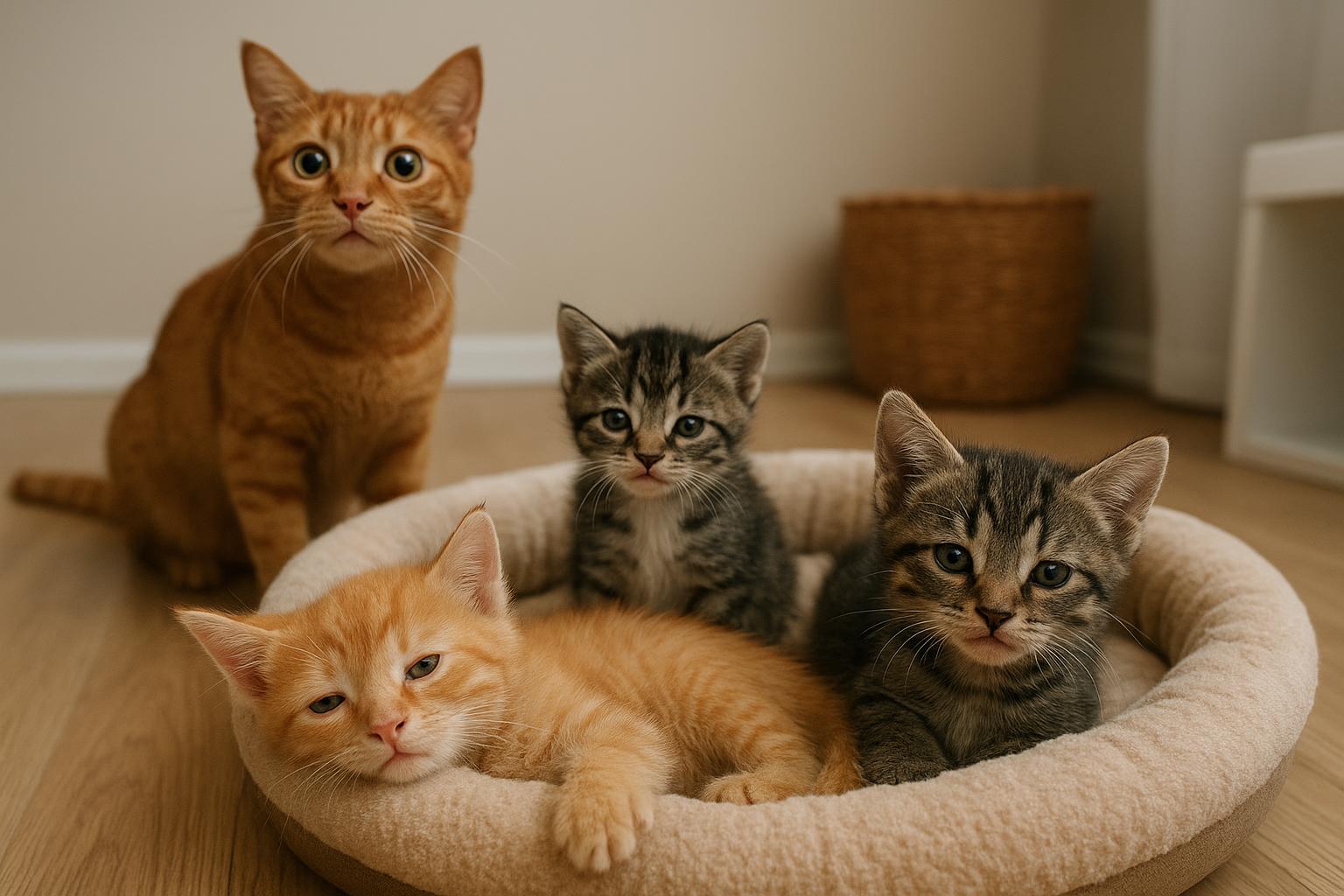
Kittens are tiny drama queens when it comes to sneezes and naps, but when the sleeping gets heavier and the gums look pale, it’s time to take things seriously. Fleas are more than annoying—they can cause real harm, especially to little ones. This article walks you through how to spot, understand, and care for kittens with flea induced anemia without the panic, and with a little practical help.
## Recognizing Flea Induced Anemia In Kittens
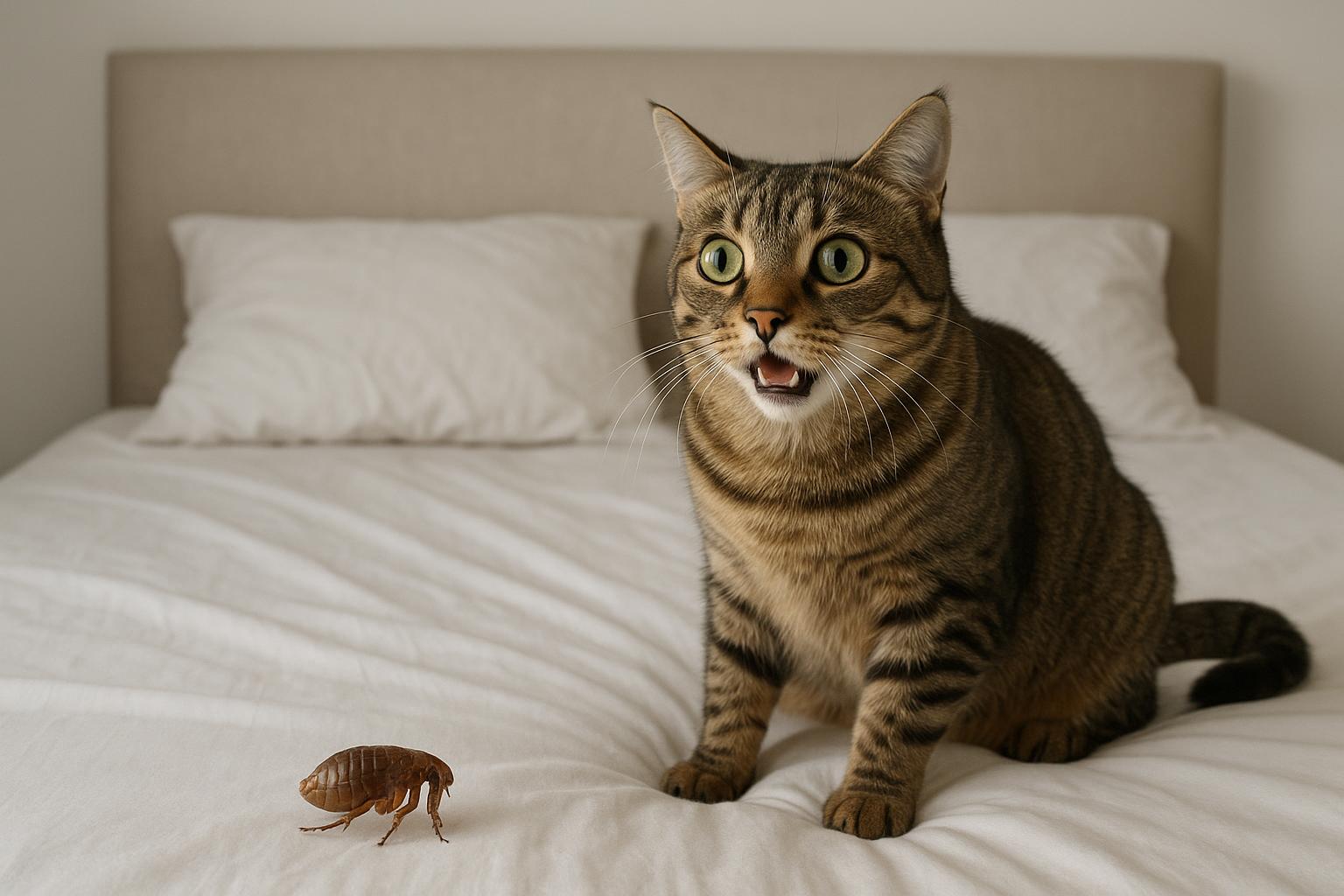
Flea induced anemia is a condition where heavy flea infestation causes enough blood loss to lower a kitten’s red blood cell count. Because kittens have so little blood to begin with, even a small army of fleas can cause big trouble quickly. Watch closely during flea season or when you spot fleas on the queen or littermates.
### Symptoms To Watch For
Kittens with flea induced anemia can show subtle signs at first, then get more obvious. Early recognition helps you get treatment sooner.
1. Pale or whitish gums and inner eyelids (check gently).
2. Lethargy, weakness, or sleeping more than usual.
3. Rapid breathing or an increased heart rate.
4. Collapse or fainting in severe cases.
5. Weight loss or poor appetite.
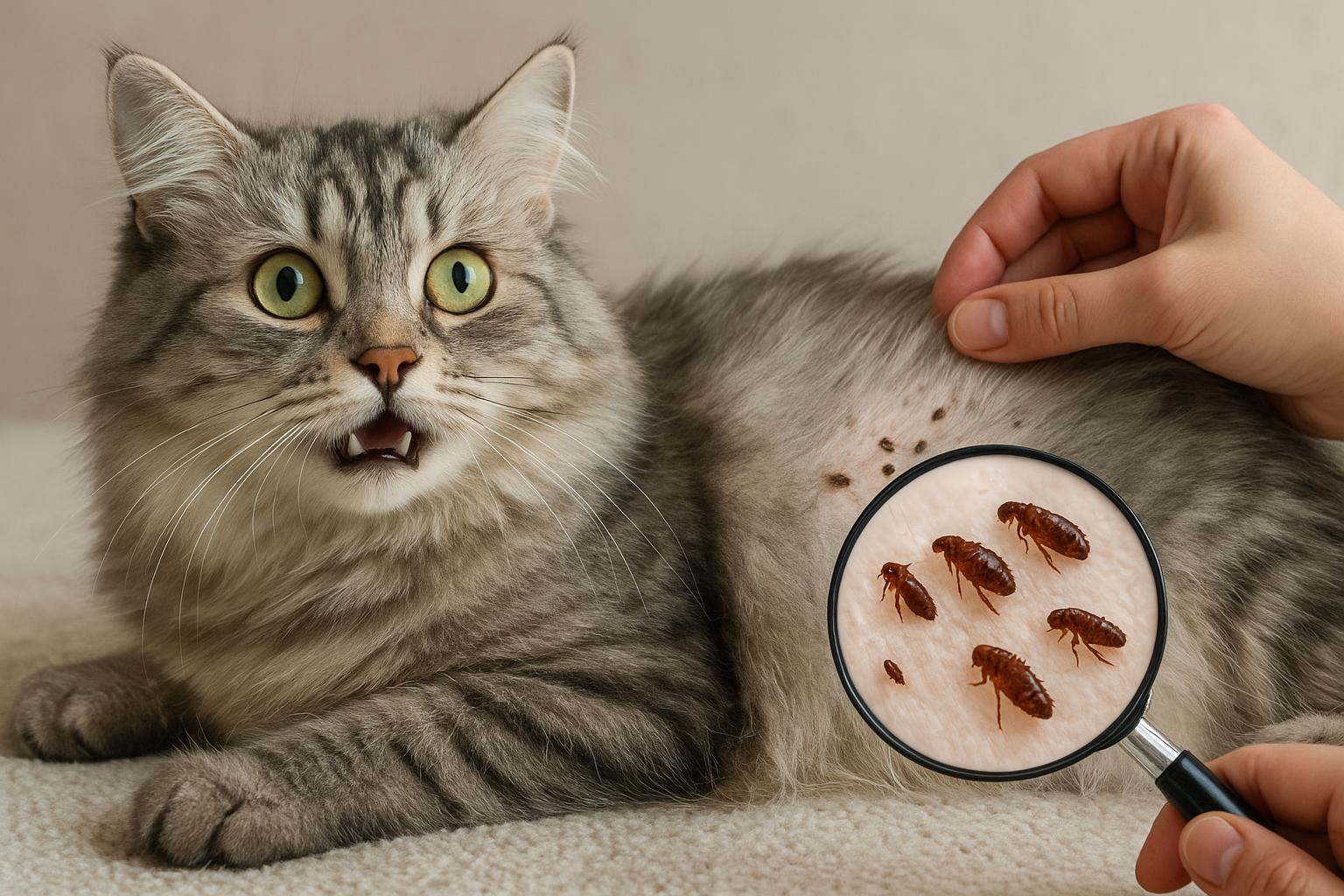
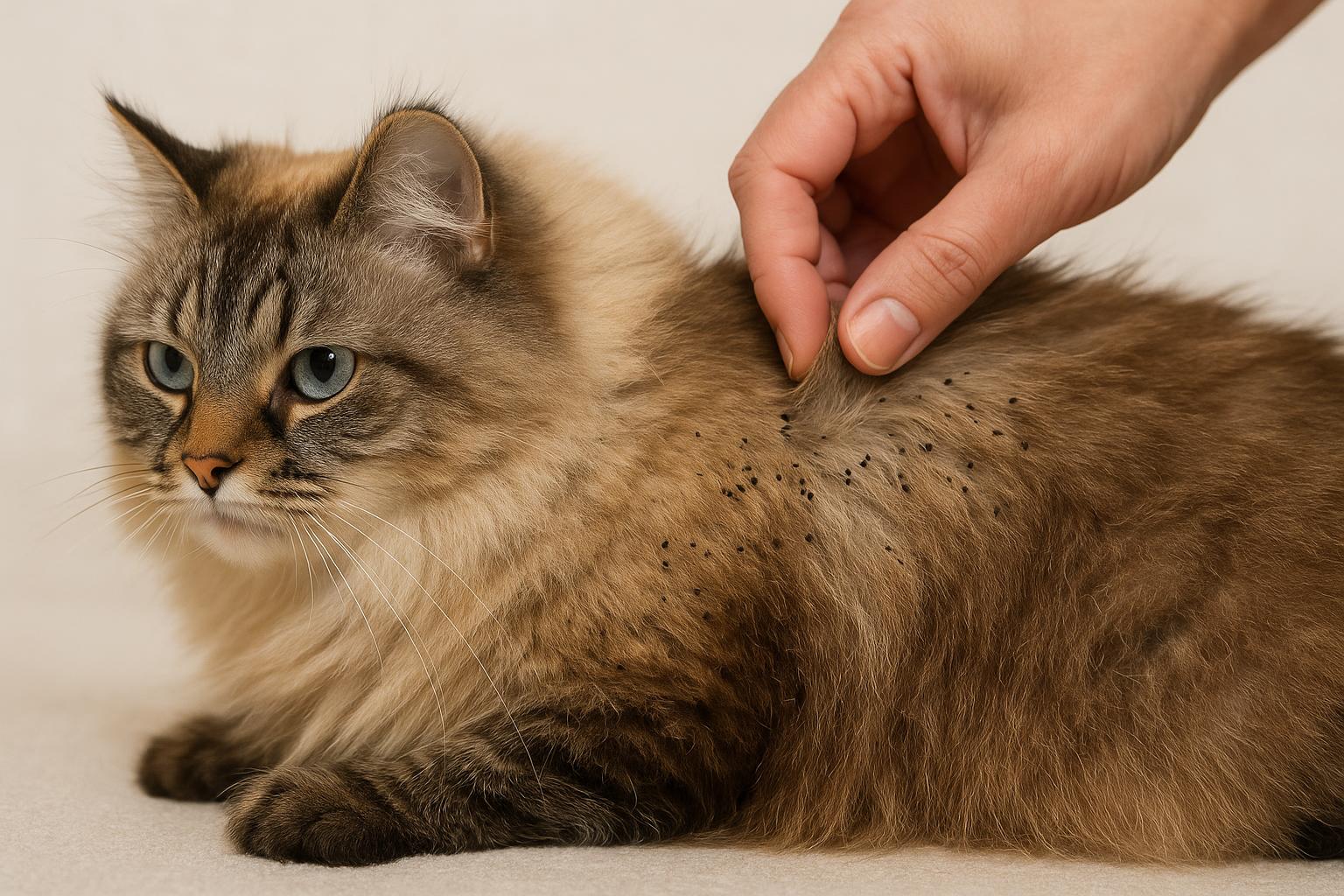
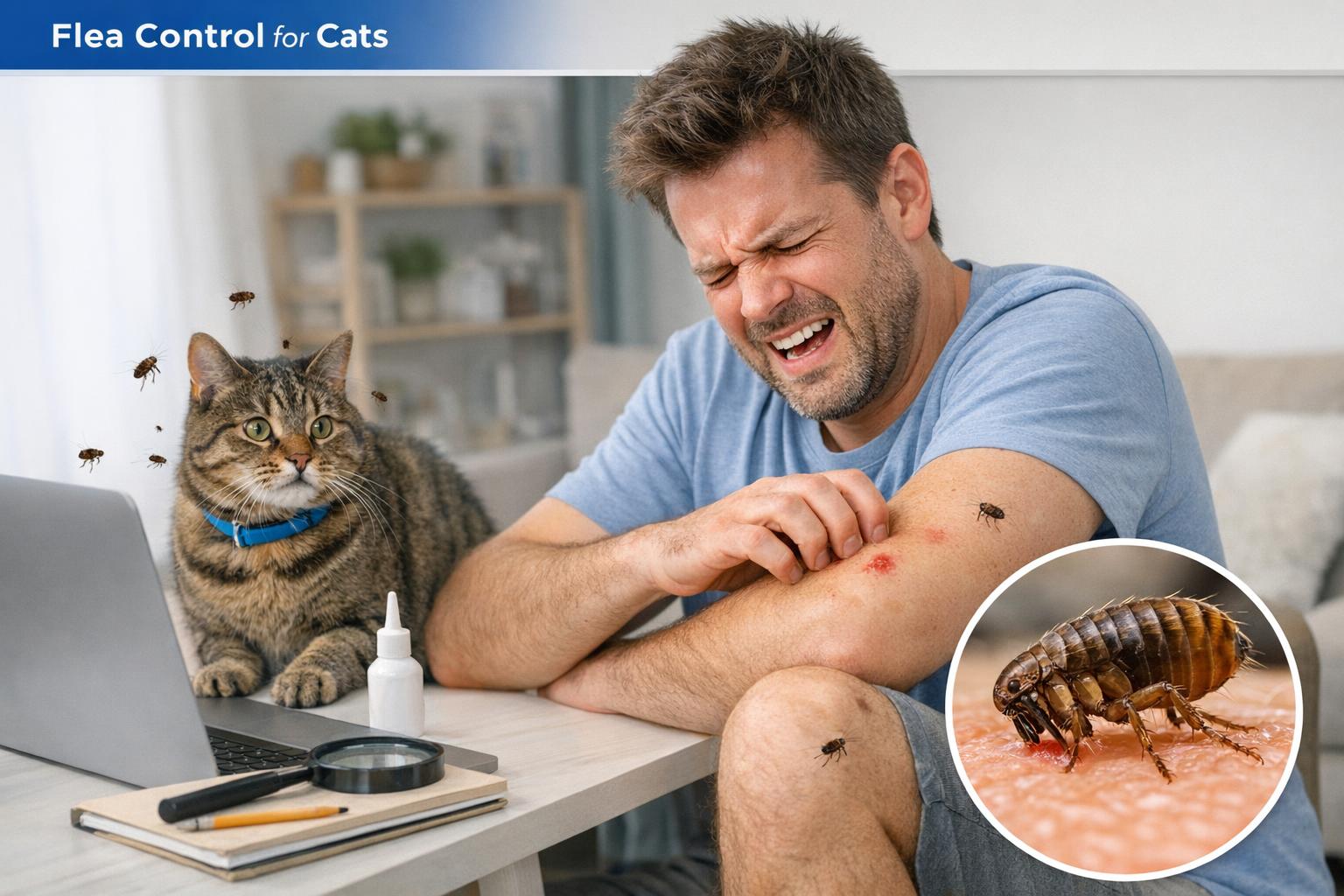
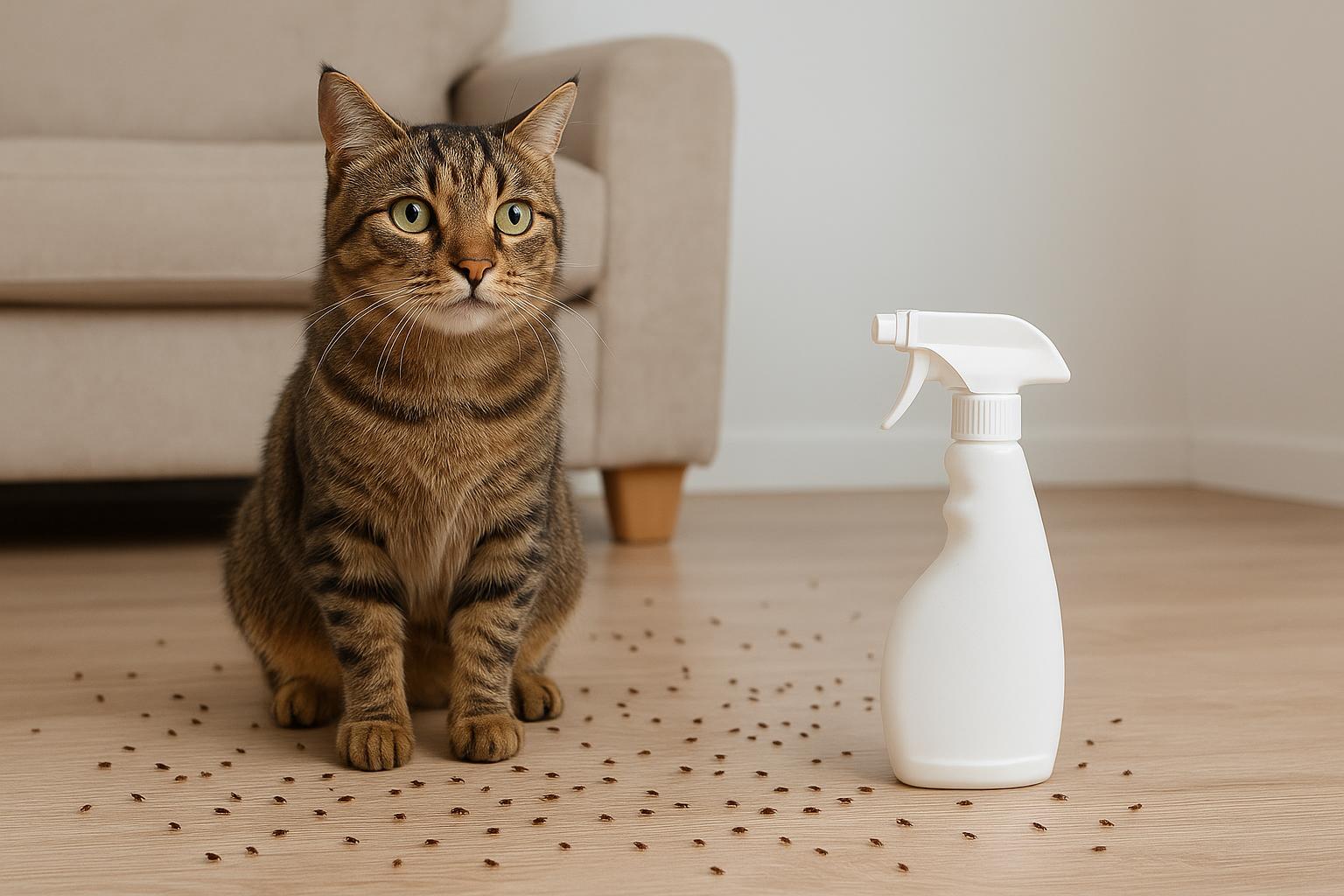
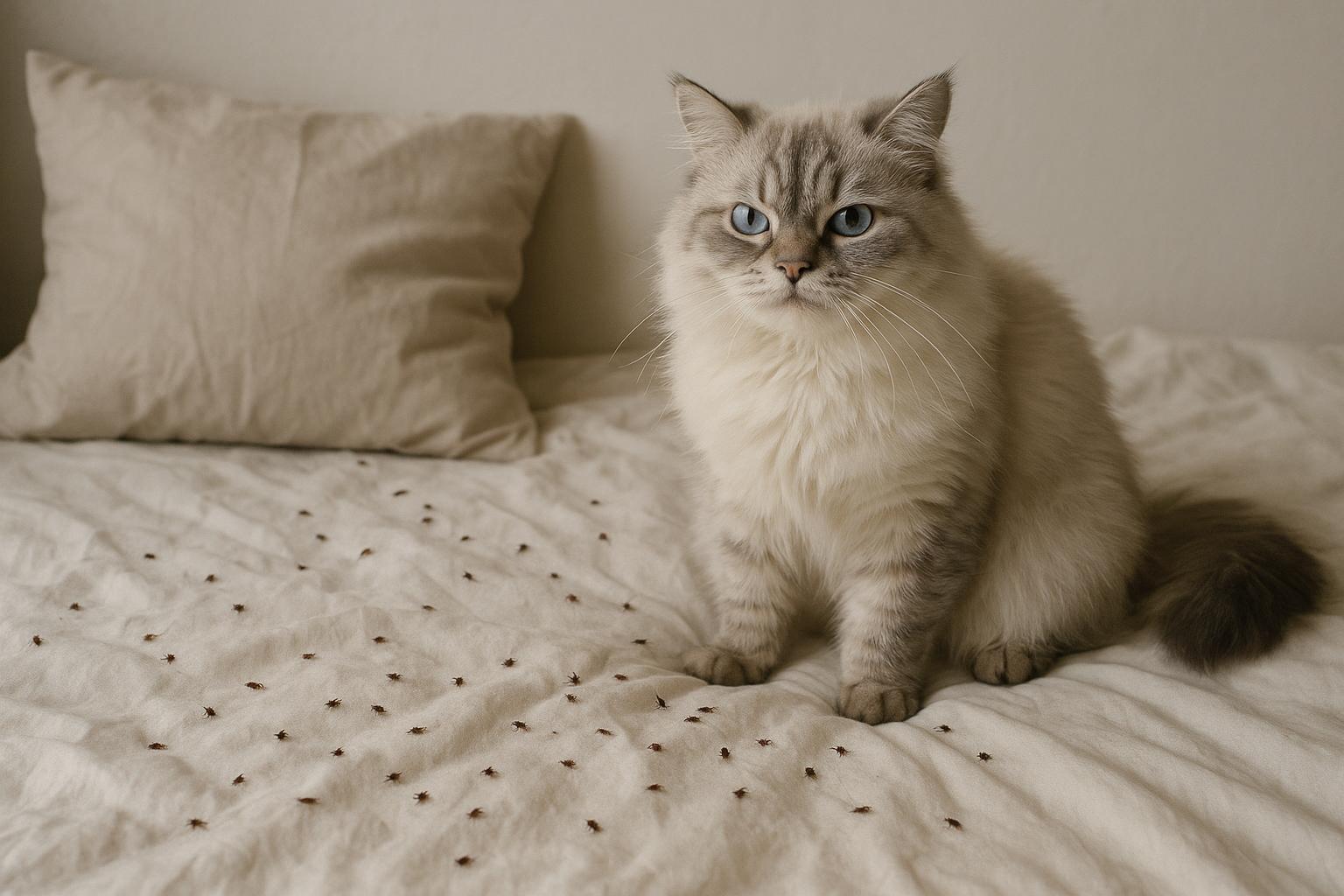
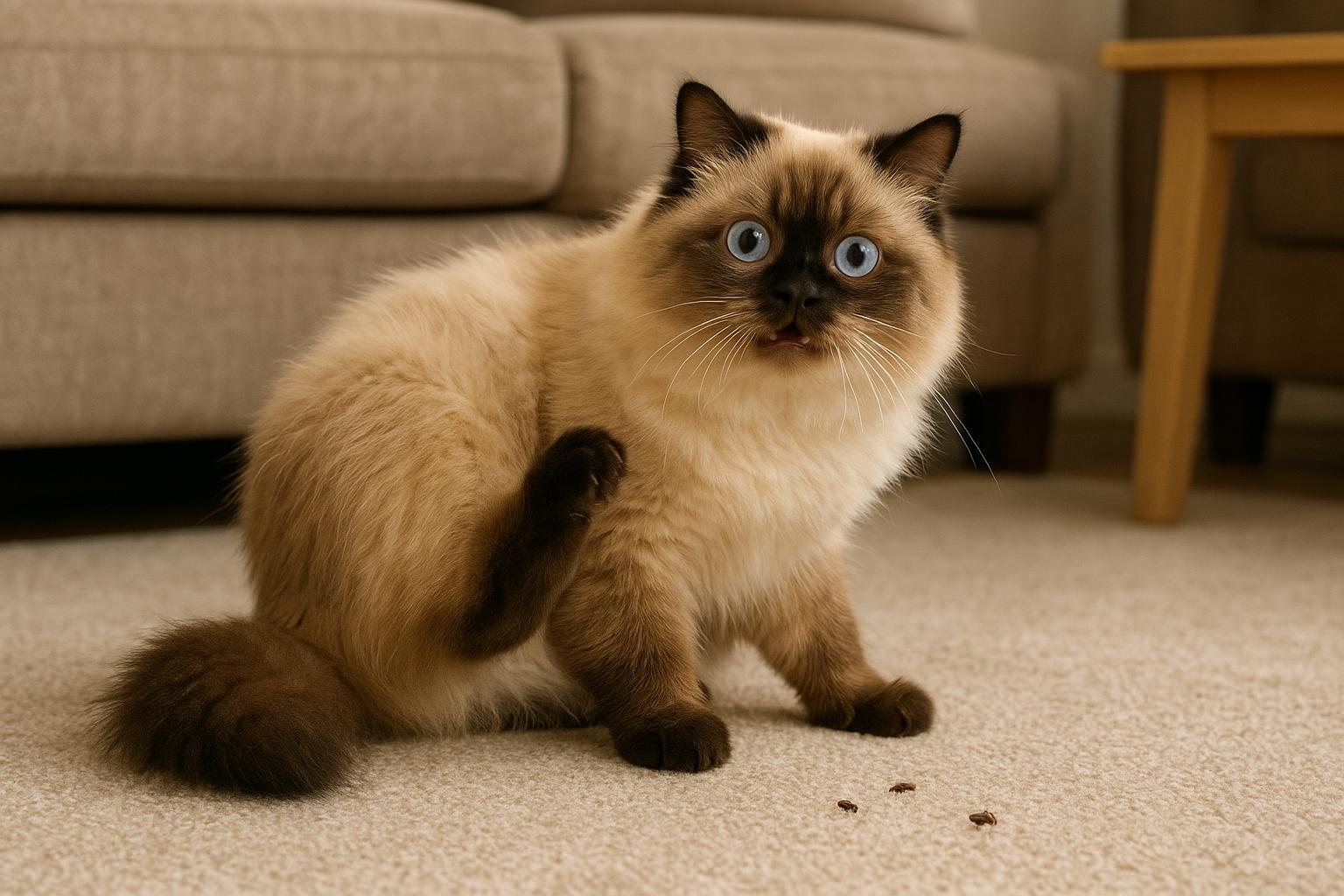
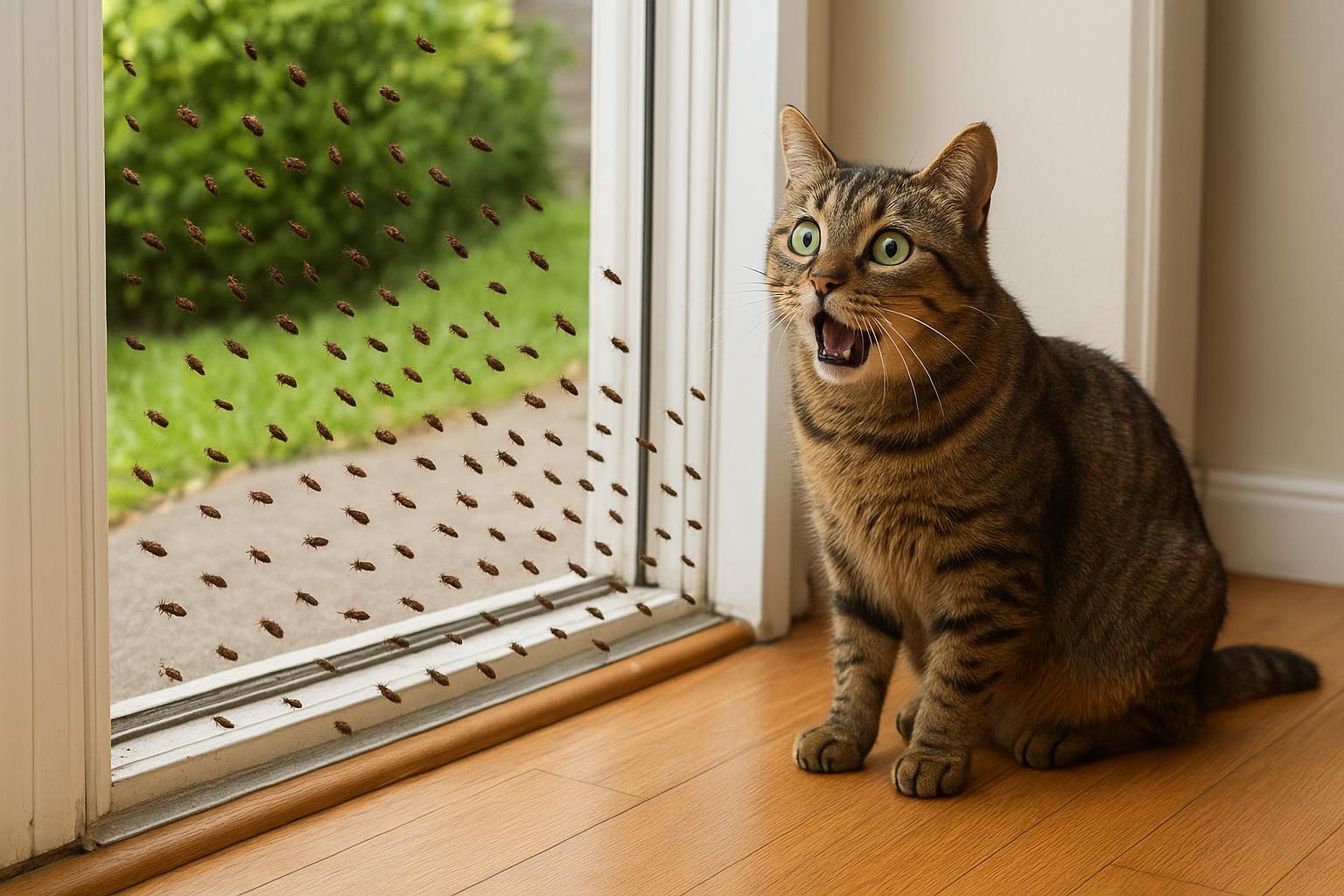
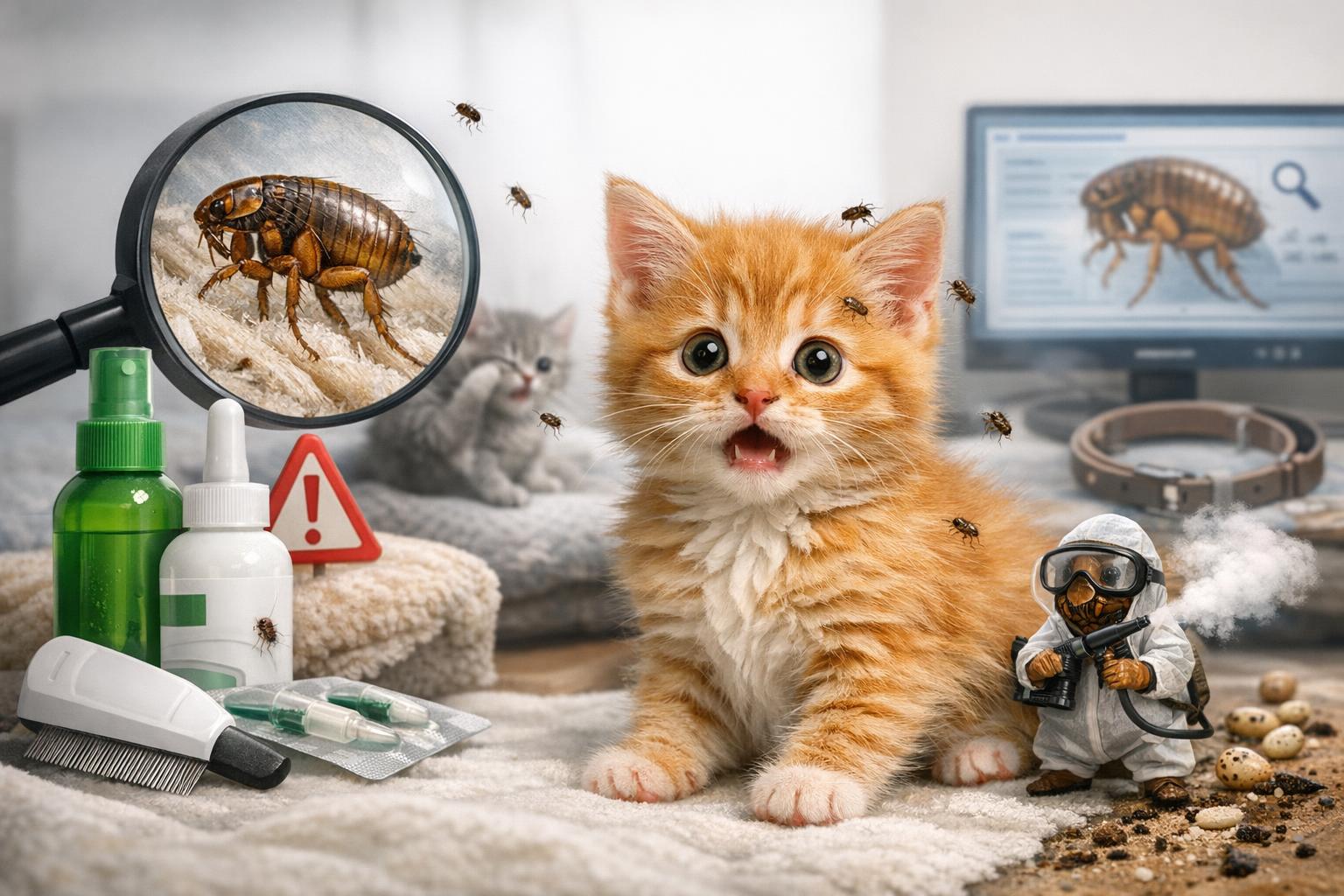
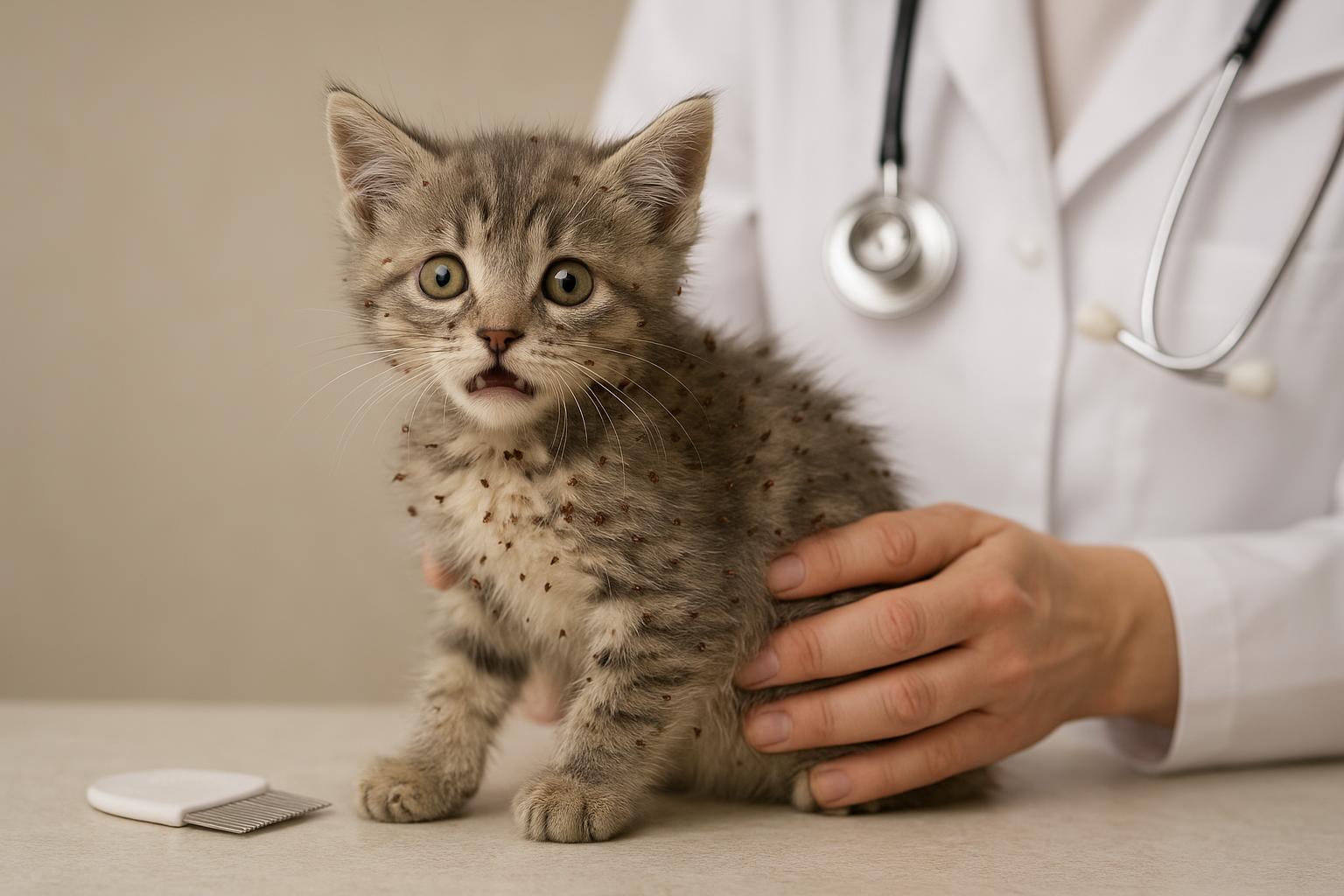
You might also notice heavy flea activity—adult fleas, flea dirt (tiny black specks that look like ground pepper), or constant scratching.
#### How Pale Is Too Pale
A normal kitten’s gums are pink. If they’re pale, white, or grayish, that’s a red flag. Keep in mind that lighting and stress can affect gum color, so if you suspect something, call your veterinarian rather than guessing.
### When To Call The Vet
If your kitten shows any of the major signs—pale gums, extreme lethargy, fainting, or heavy flea infestation—contact your veterinarian immediately. Time matters: flea induced anemia can progress quickly in small, young animals.
## Causes And Risk Factors
Understanding why flea induced anemia happens helps prevent it. Fleas feed on blood, and a heavy infestation means sustained blood loss. Kittens are at higher risk due to:
– Small total blood volume (less reserve).
– Underdeveloped immune systems.
– Poor body fat and nutritional reserves, especially in orphaned or neglected kittens.
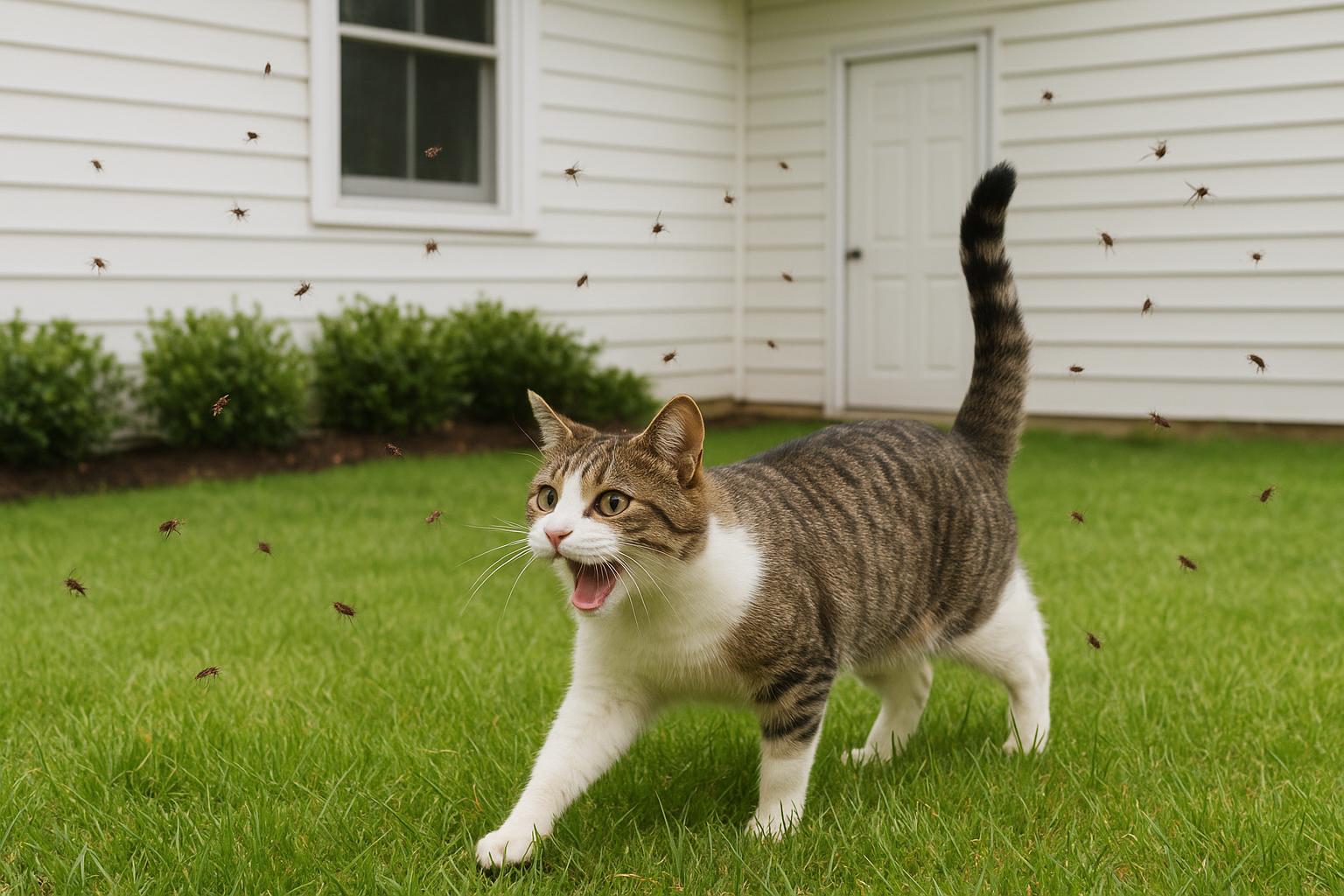
– Outdoor exposure or contact with an infested adult cat or wildlife.
### How Fleas Cause Blood Loss
An adult flea can consume a tiny amount of blood with each meal, but when dozens or hundreds of fleas are present, those tiny meals add up. Kittens lose red blood cells faster than they can make them, leading to anemia. Secondary problems—like infections or dehydration—can make recovery harder.
#### Other Contributing Factors
Kittens that are very young, underweight, or already ill are more likely to become anemic from fleas. In multi-pet households, an untreated adult cat can act as a reservoir, continually reintroducing fleas to kittens.
## Diagnosis And Monitoring
A veterinarian will assess the kitten with a physical exam and lab tests. Diagnosis confirms anemia and gauges severity.
### Common Tests Your Vet Will Use
The vet may perform a packed cell volume (PCV) or hematocrit to measure the proportion of red blood cells, and a complete blood count (CBC) to evaluate overall blood health. They’ll also check for dehydration and other conditions that could complicate treatment.
#### Home Monitoring Tips
Monitor color of gums, activity level, appetite, and weight. Keep a simple journal—note dates and observations—so you can report changes to your vet. Don’t attempt to diagnose severity at home; use monitoring to inform professional care.
## Remedy 1: Veterinary Emergency Care
If a kitten has moderate to severe flea induced anemia, veterinary intervention is often required. Treatment is clinical and should be carried out by professionals.
Materials And Supplies Typically Used In Clinic
– Intravenous (IV) fluids and catheters.
– Blood transfusion supplies (if needed): compatible donor blood, crossmatching tools.
– Iron and nutrient supplementation (injectable or oral forms as directed).
– Parenteral antibiotics if secondary infections are suspected.
– Safe, age-appropriate flea control products administered by the veterinarian.
– Warm bedding and oxygen therapy equipment if respiratory distress is present.
Step-By-Step Veterinary Procedure (General Overview)
1. Triage And Stabilization: The vet stabilizes the kitten—warmth, IV fluids for dehydration, and oxygen if needed.
2. Blood Work: Perform PCV/hematocrit and CBC to determine anemia severity.
3. Transfusion Decision: If PCV is critically low or the kitten is unstable, a blood transfusion may be performed.
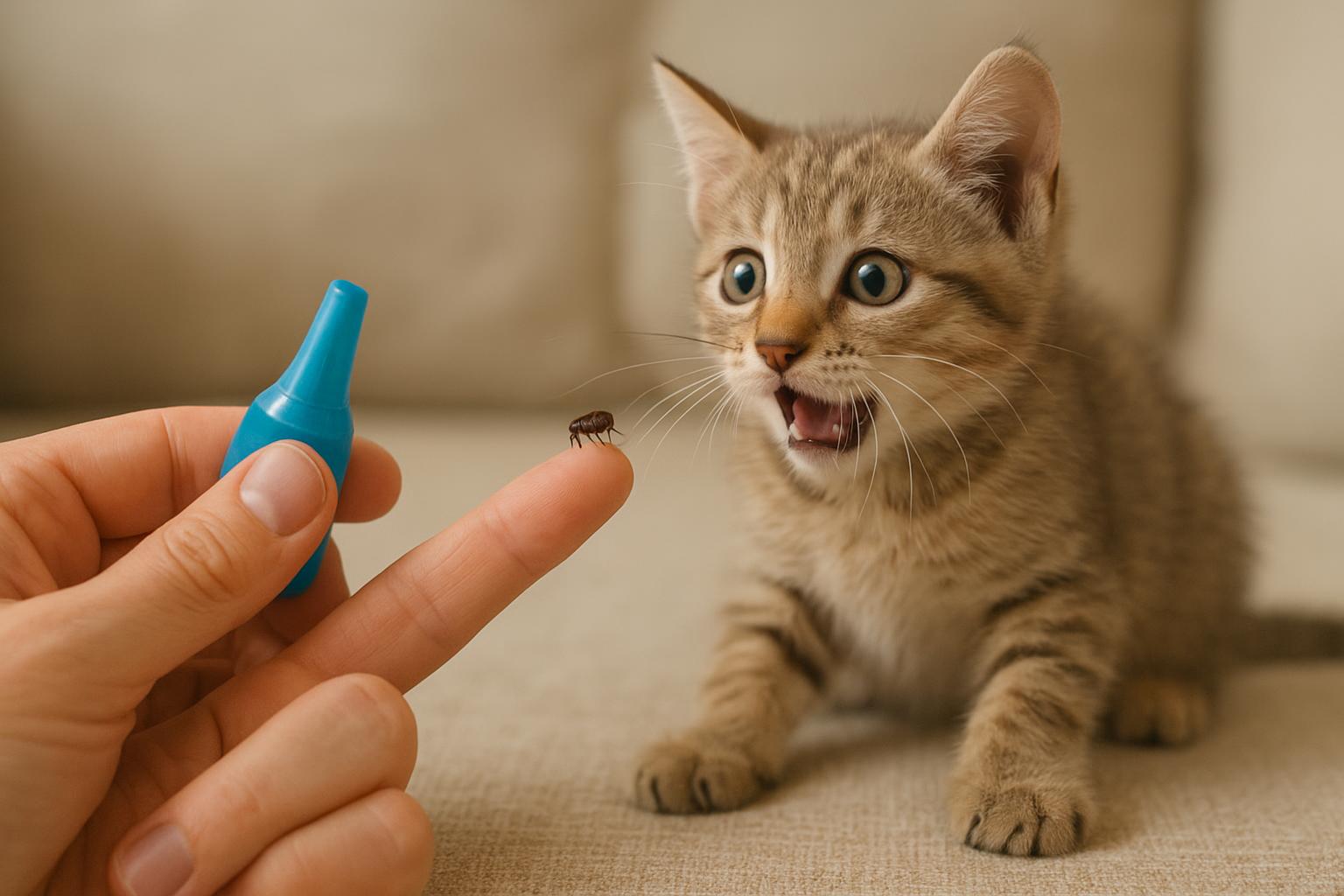
4. Treat Fleas Safely: Administer fast-acting, kitten-appropriate flea control products at the clinic; many over-the-counter adult products are unsafe for kittens and must not be used.
5. Supportive Care: Provide iron supplementation, nutritional support (high-calorie diets or assisted feeding), and monitor for complications.
6. Follow-Up: Repeat blood tests to track recovery and adjust treatments.
Note: Veterinary care protocols vary by case. The steps above are a general outline; specific treatments should be determined by your veterinarian.
## Remedy 2: Home Support And Prevention (For Mild Cases And Ongoing Protection)
When a veterinarian approves home care or after an initial clinic visit, owners can help kittens recover and prevent recurrence. This section is more formal and instructional to ensure safety.
Required Materials And Ingredients
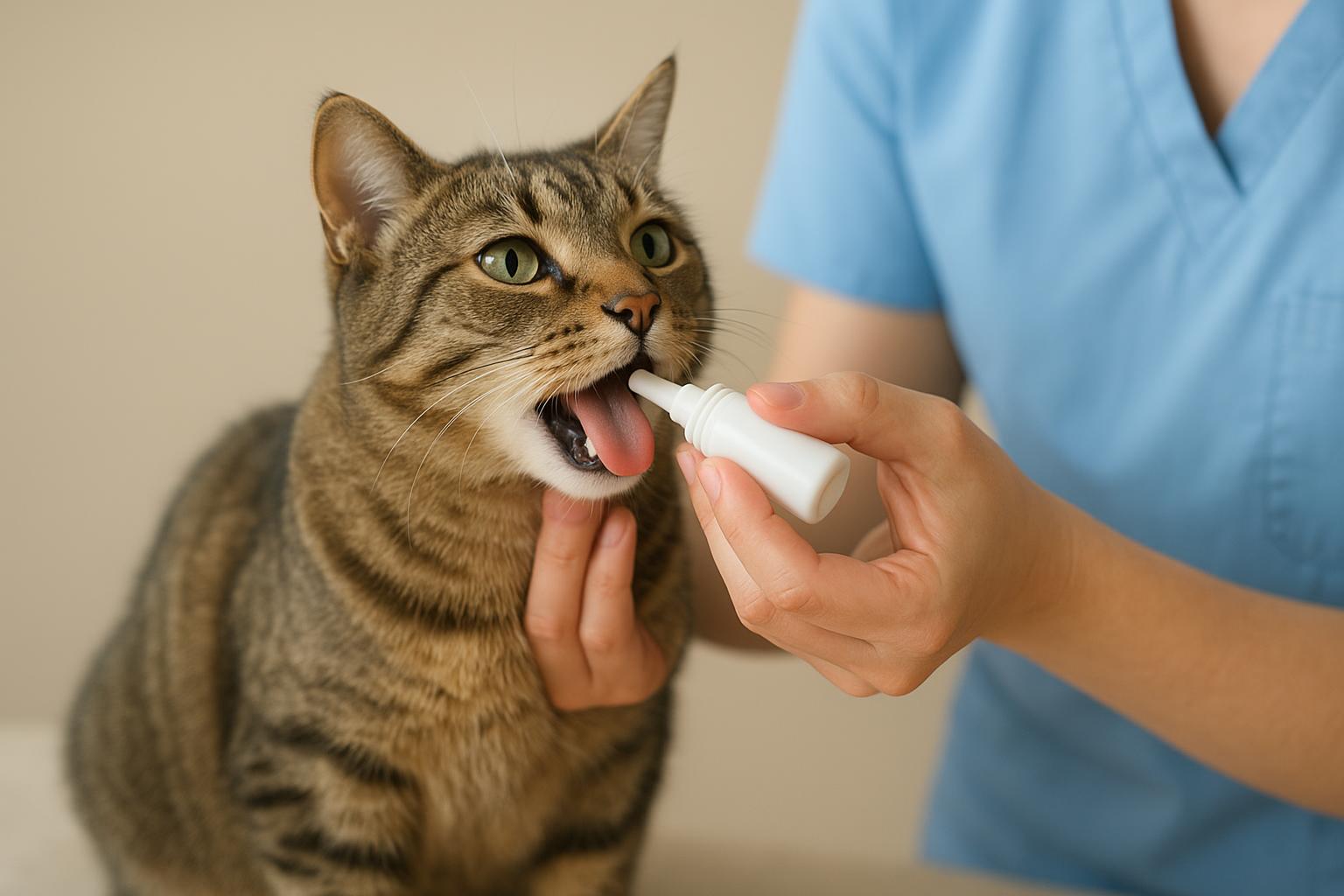
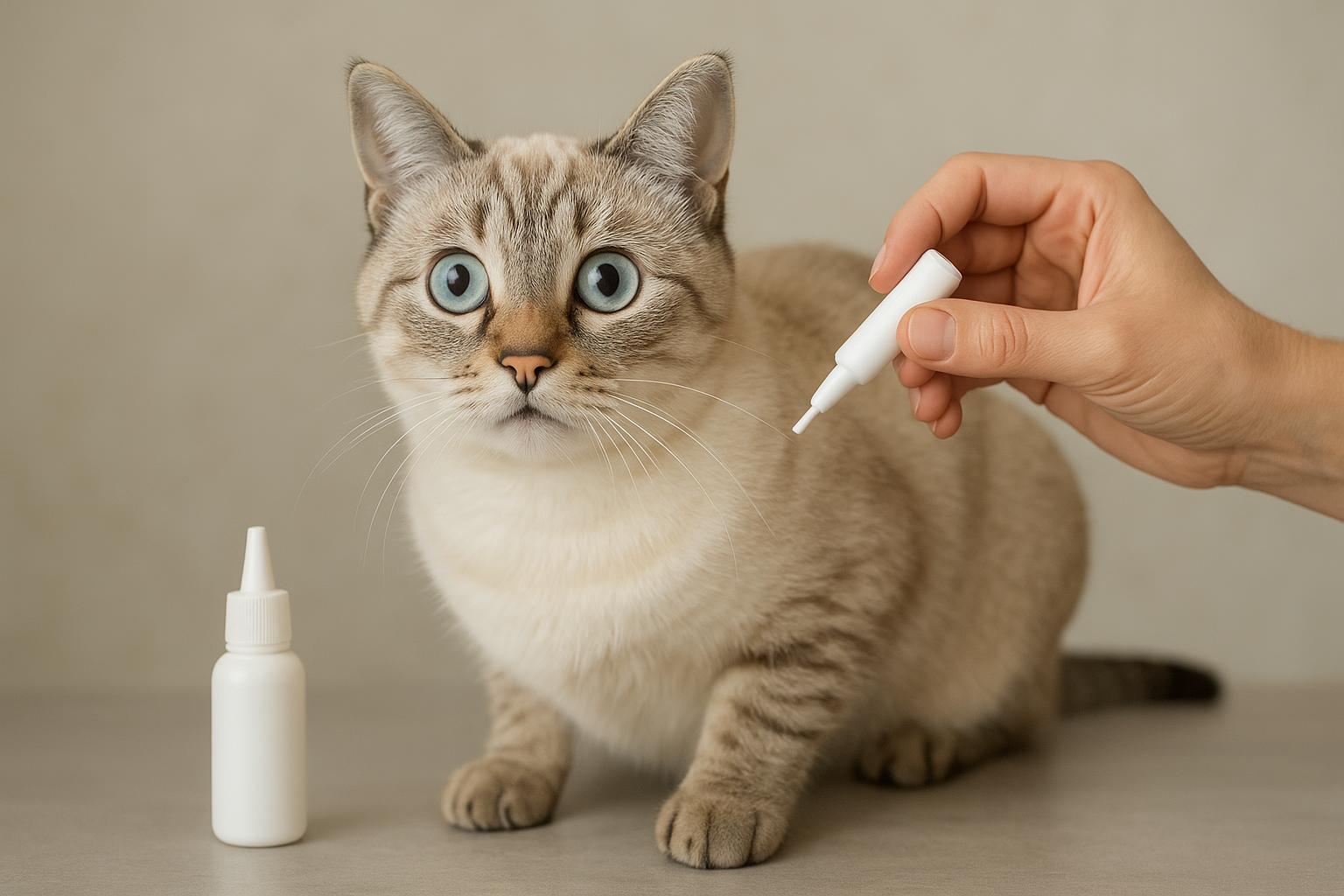
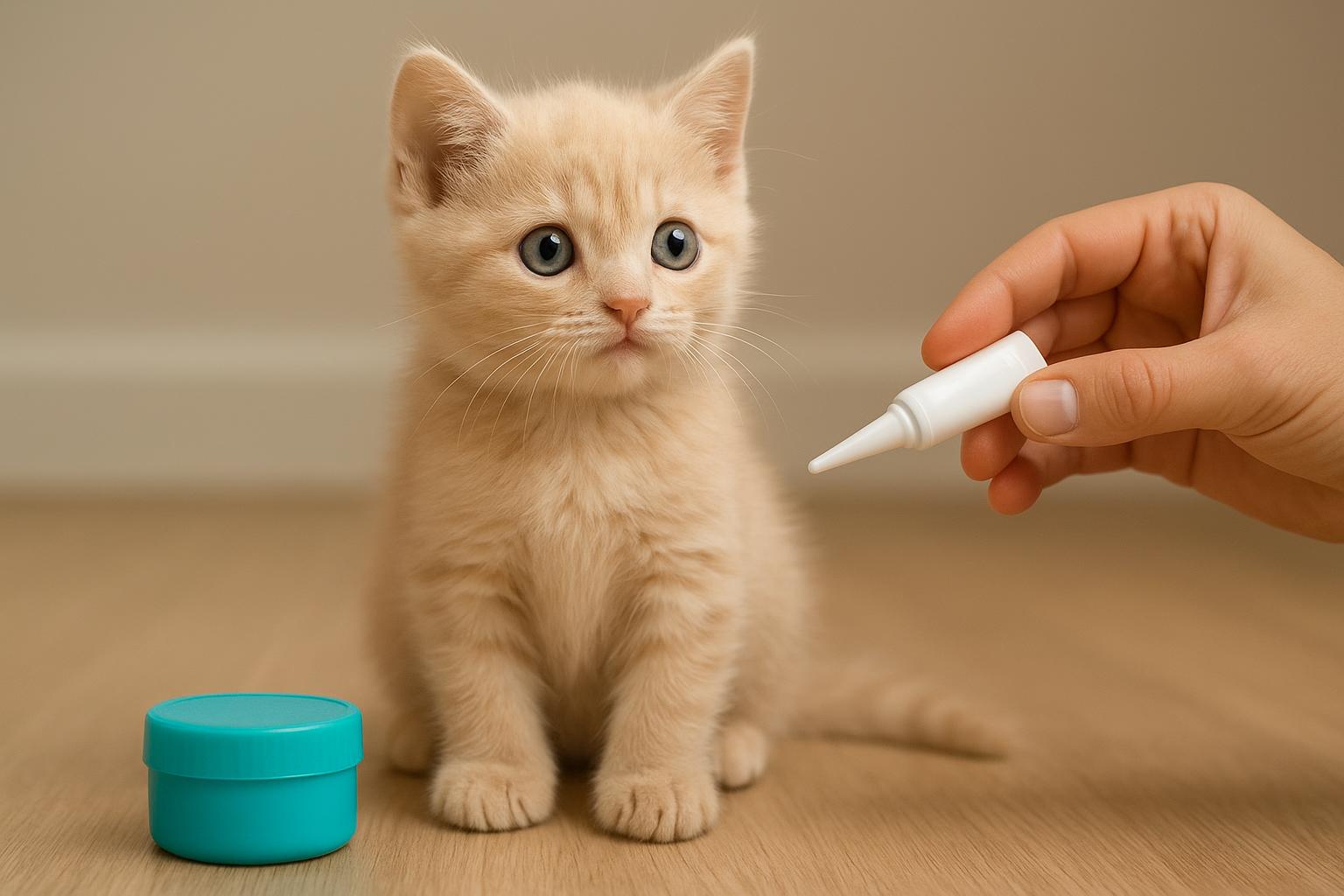
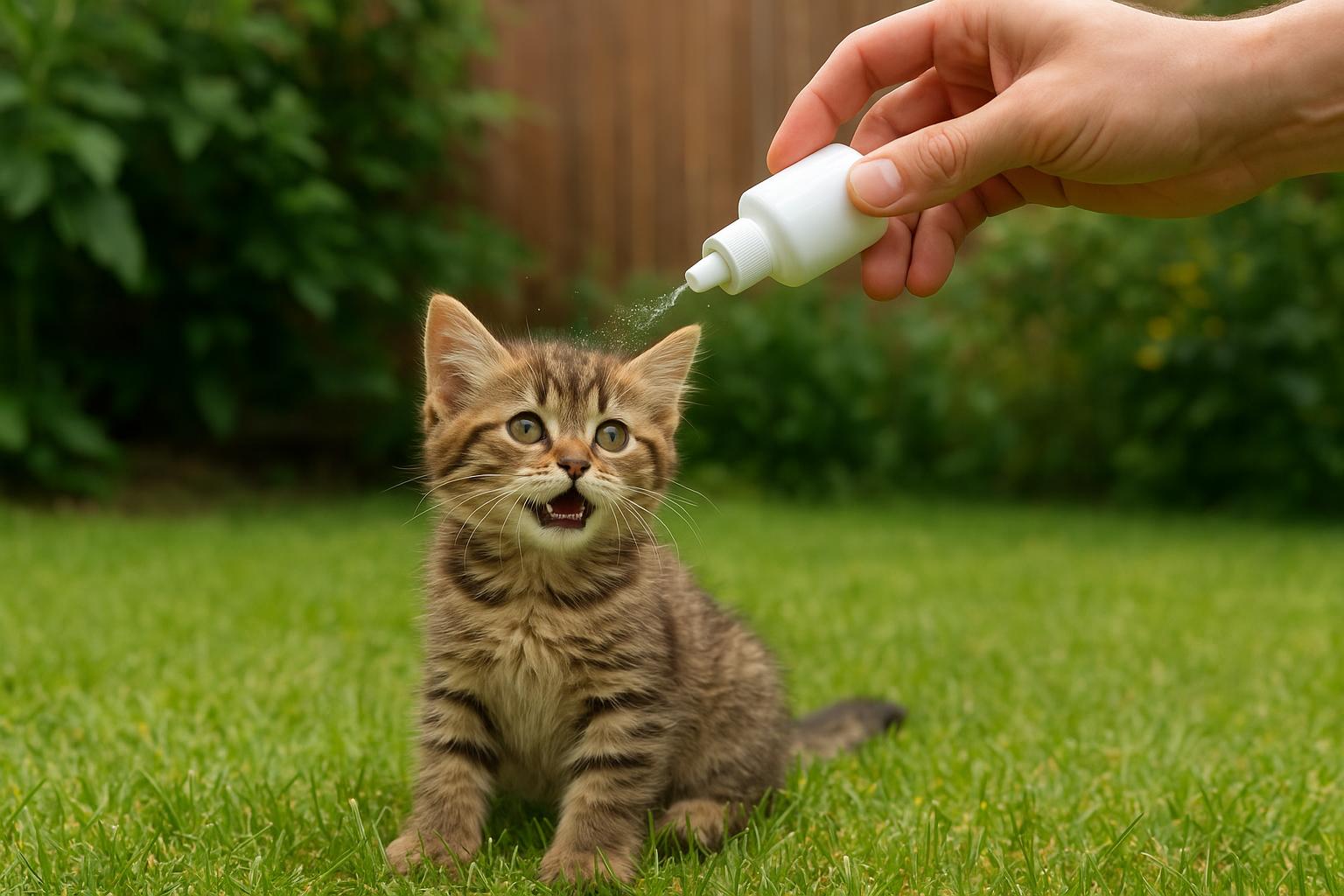
– Vet-approved kitten-safe topical flea treatment or oral medication (prescription only for young kittens).
– Safe, high-calorie recovery food or kitten milk replacer (as recommended).
– Syringe without needle for assisted feeding (if prescribed).
– Soft, warm blankets and a safe heat source (heating pad on low with towel barrier).
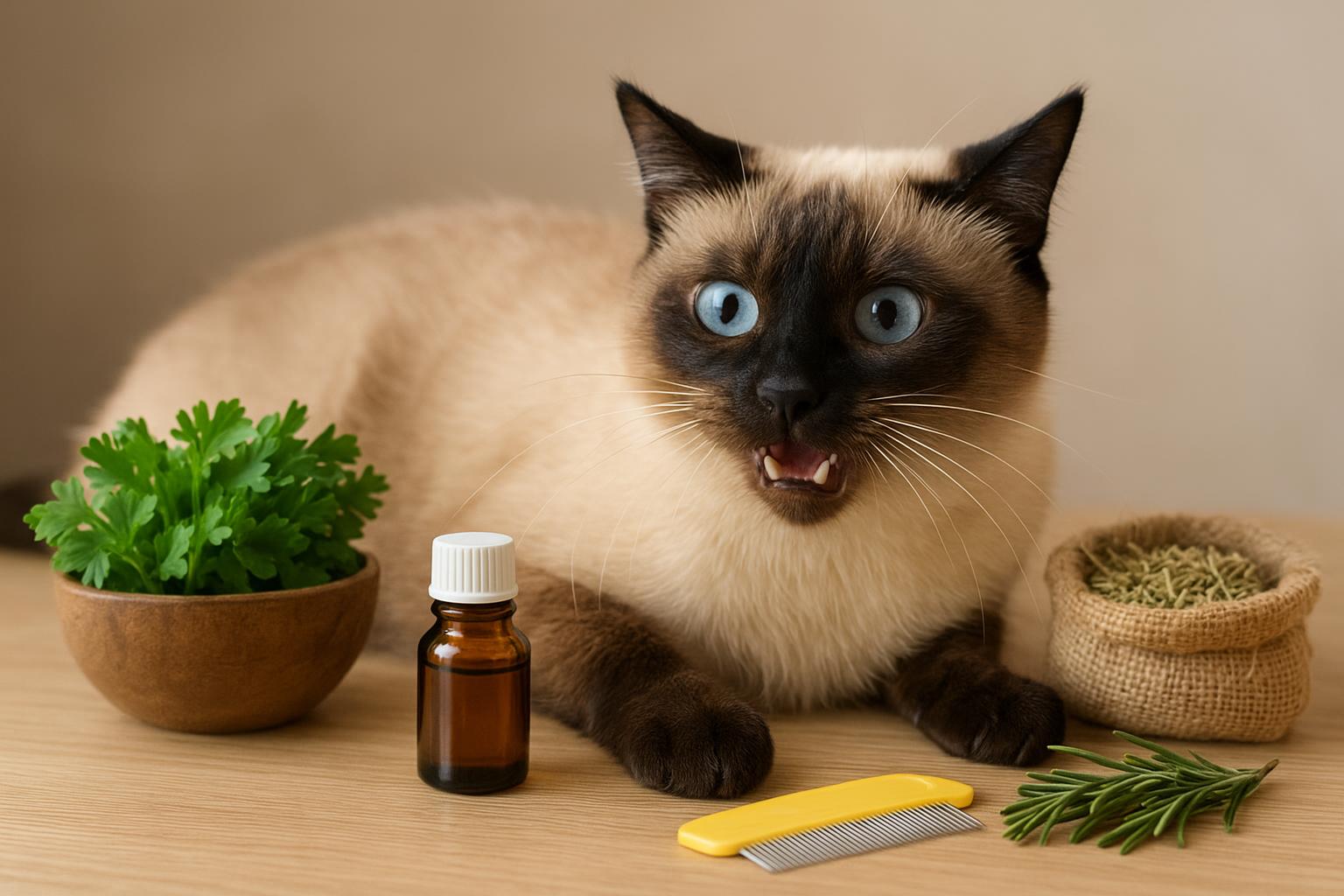
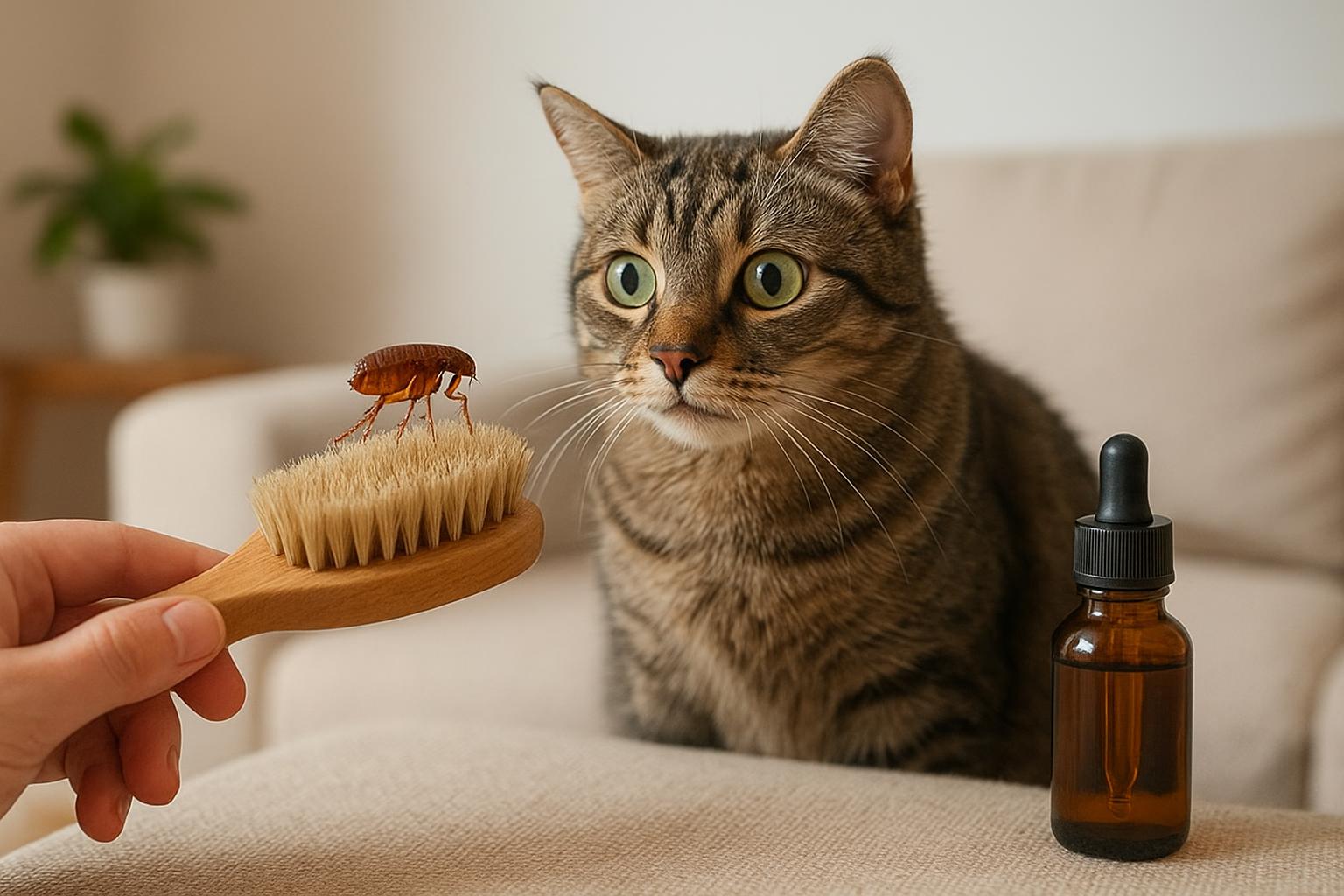
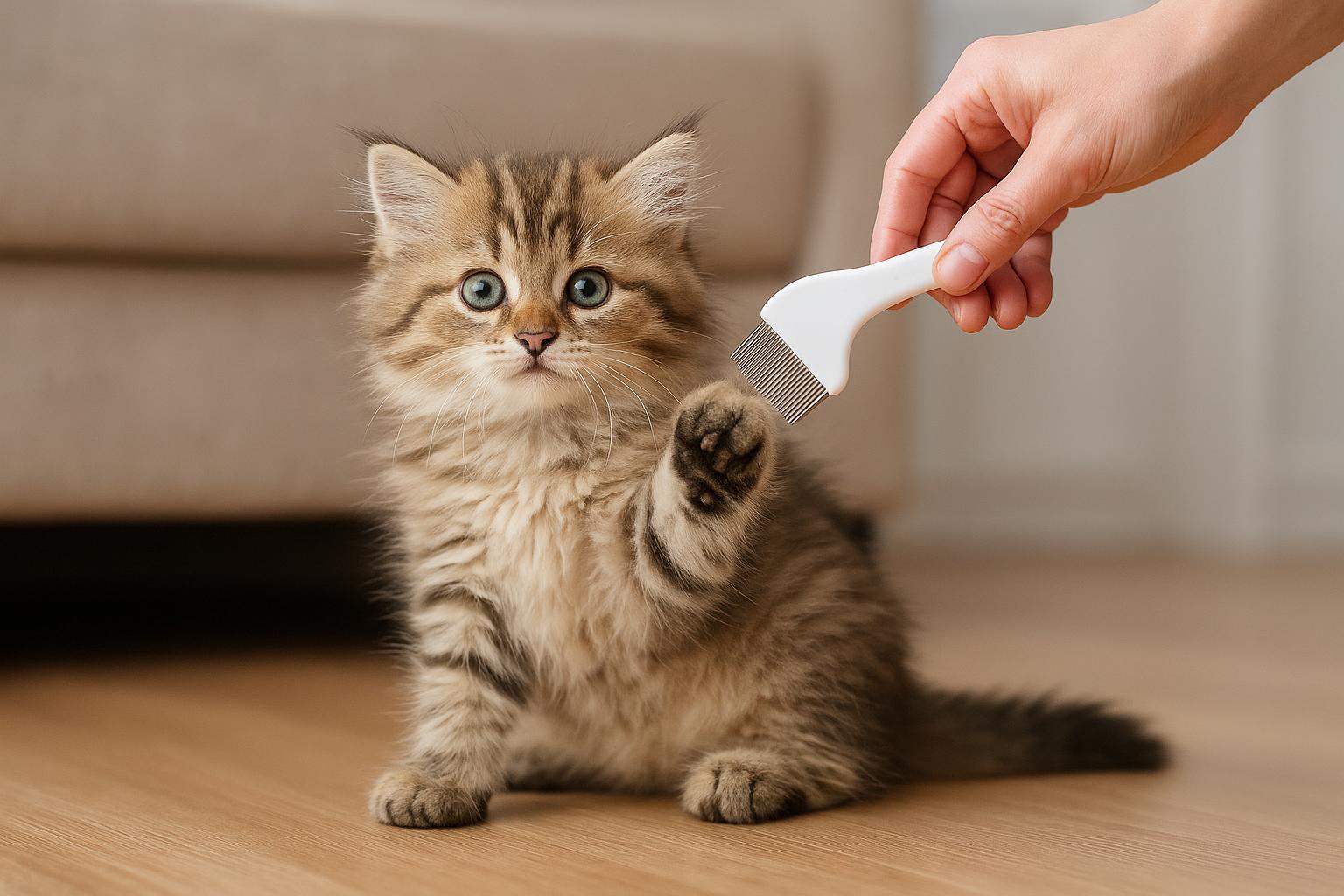
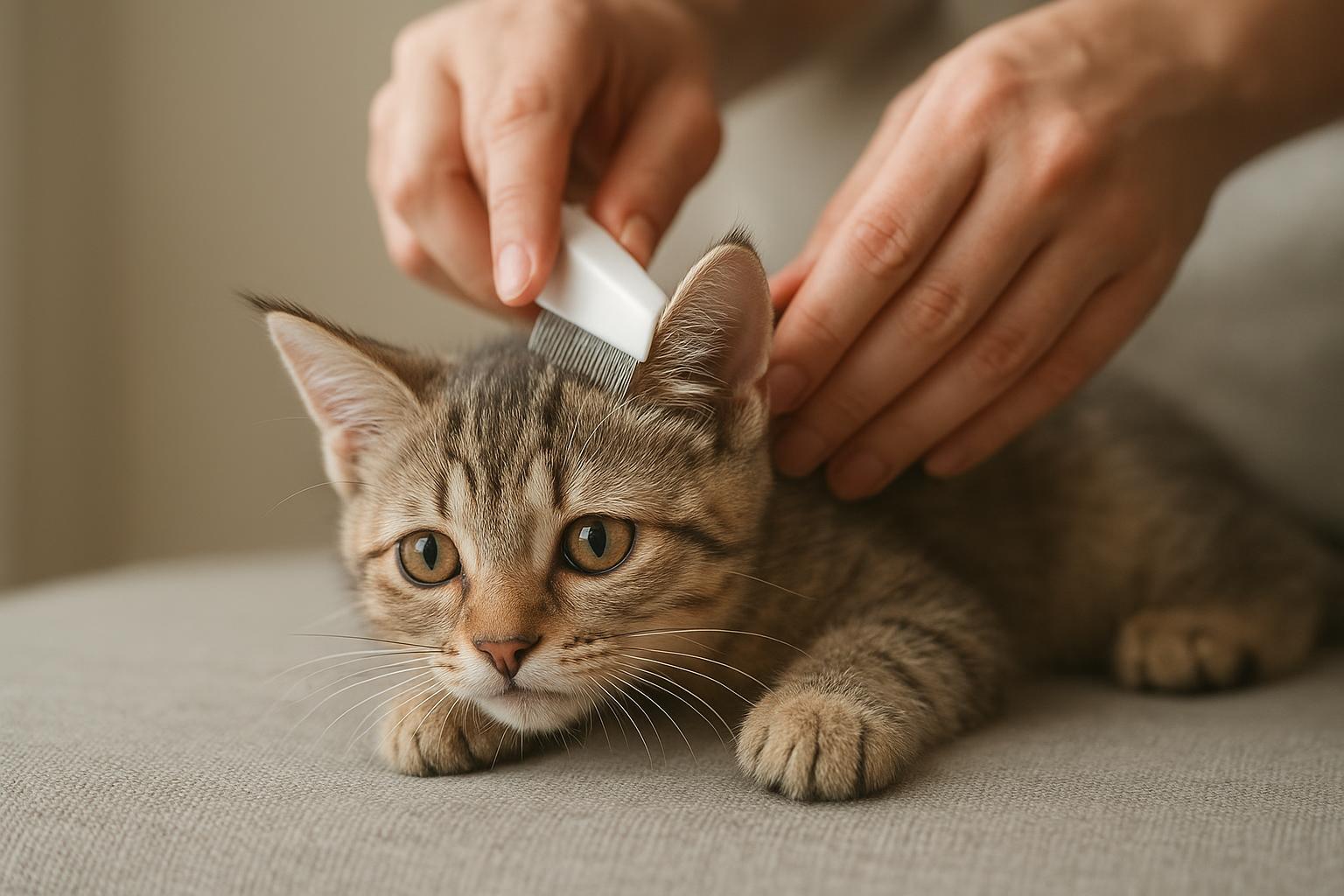
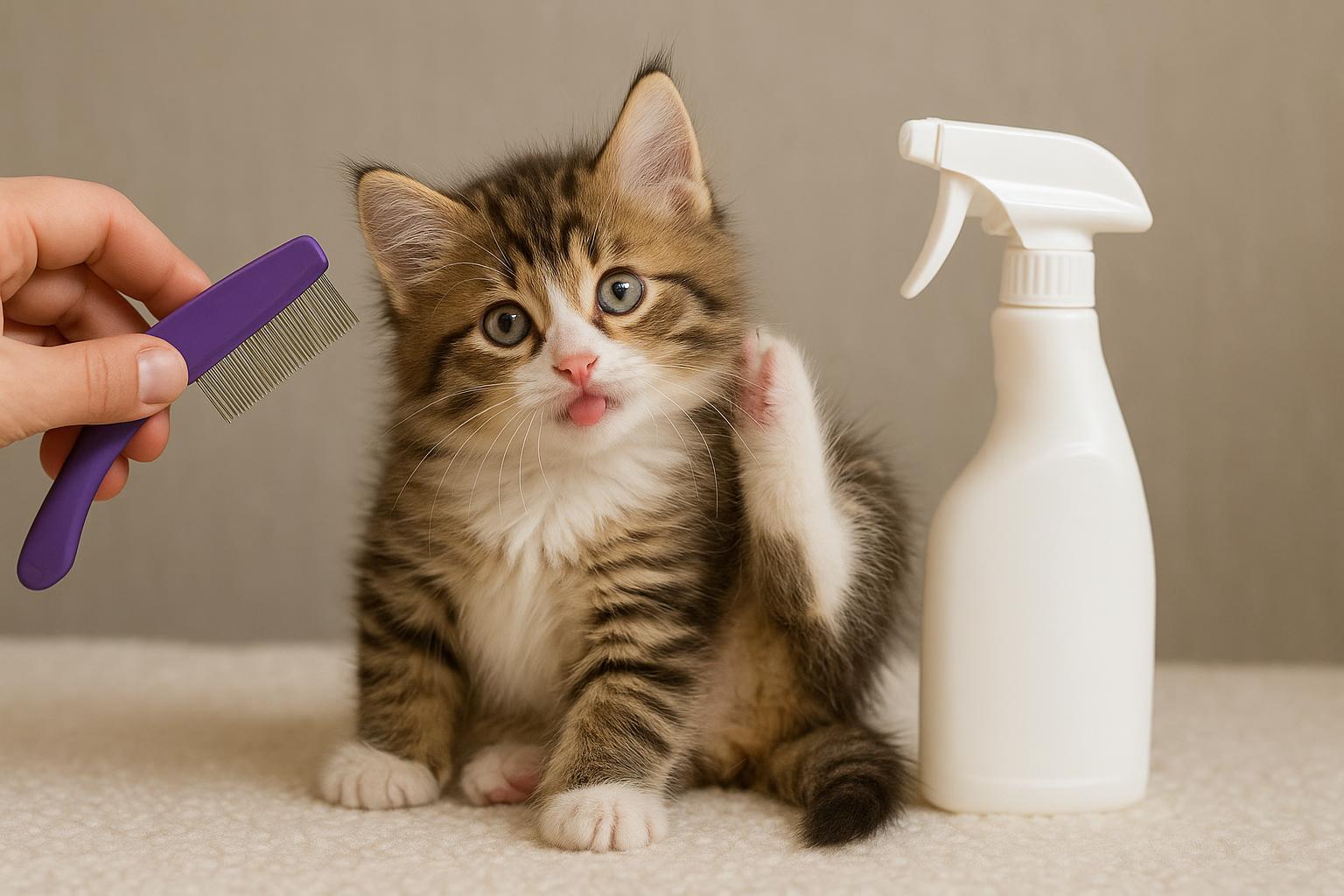
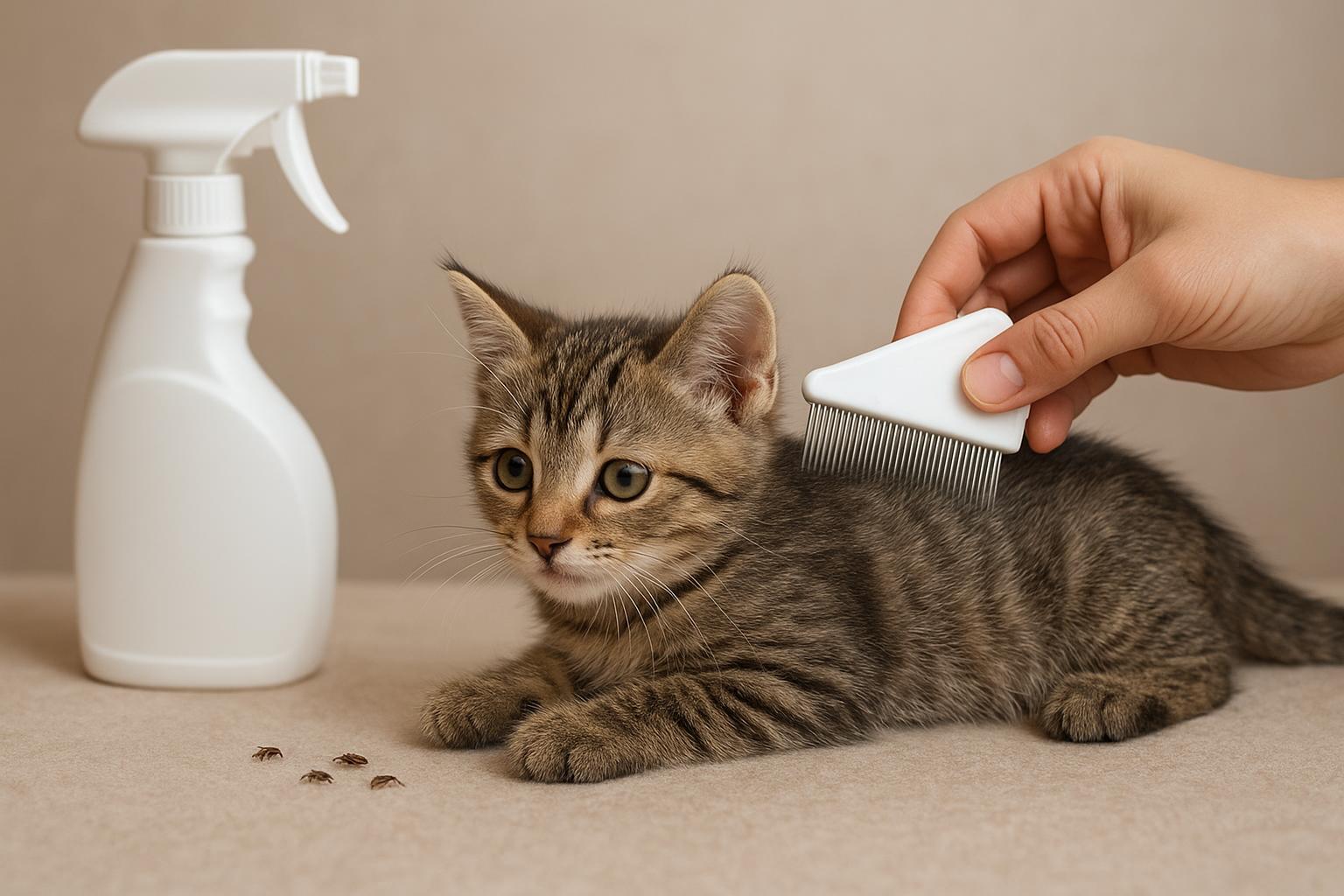
– Fine-tooth flea comb and a shallow dish of soapy water for combing fleas off.
– Laundry detergent and hot water for washing bedding.
– Vacuum cleaner and garbage bags for debris.
Step-By-Step Home Care After Vet Approval
1. Follow The Vet’s Medication Plan: Use only flea treatments and supplements prescribed by your veterinarian. Many household and over-the-counter flea products are toxic to young kittens.
2. Remove Fleas Mechanically: Gently comb kittens with a flea comb over a shallow dish of soapy water to remove live fleas. Do this in short sessions—kittens can get stressed easily.
3. Provide Warmth: Maintain a consistent, warm environment. Use a heating pad on low under half of the bedding so the kitten can move away if too warm.
4. Nutritional Support: Offer the prescribed high-calorie food or kitten milk replacer. If the kitten won’t eat, your vet may instruct syringe feeding—do not force-feed without guidance.
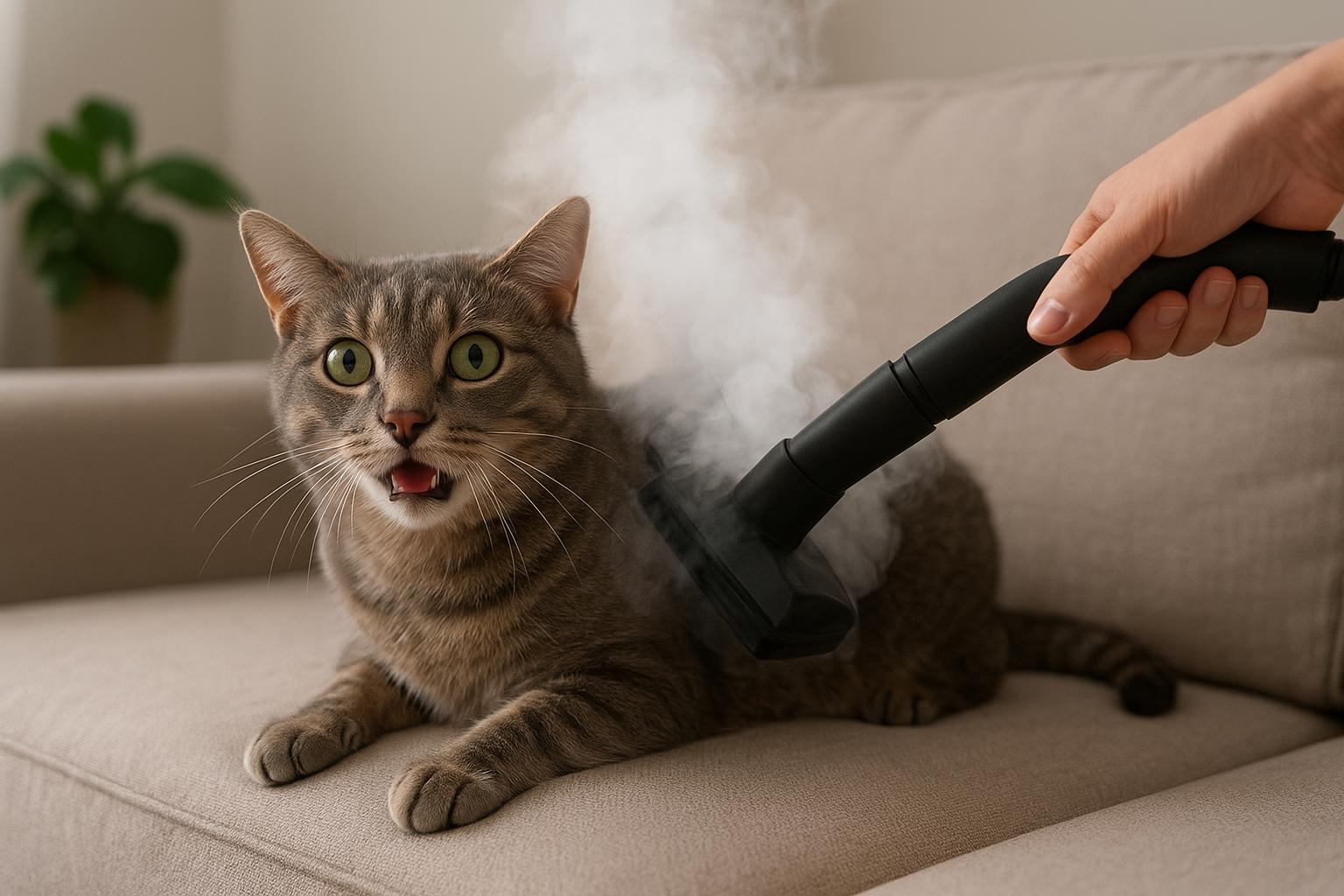
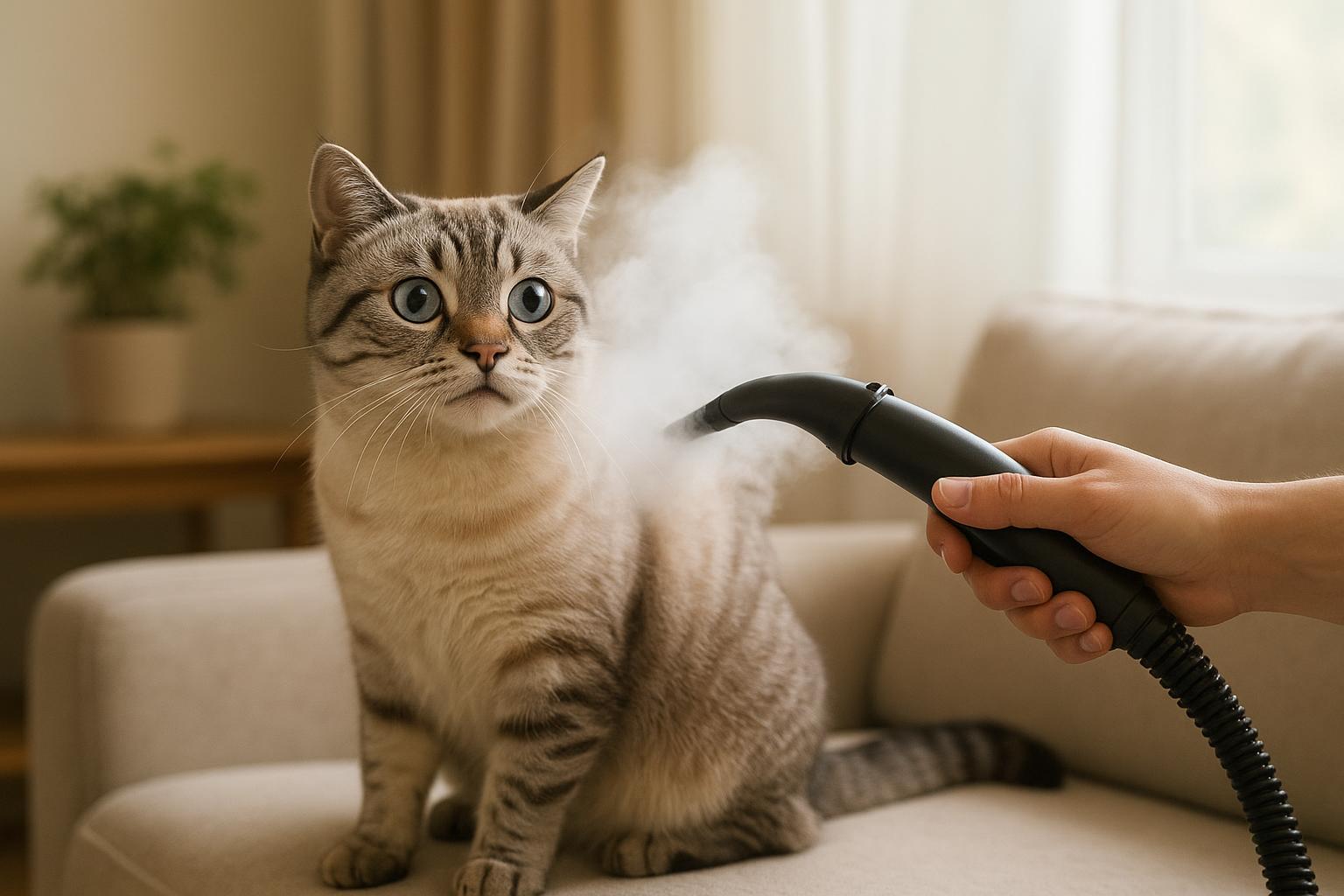
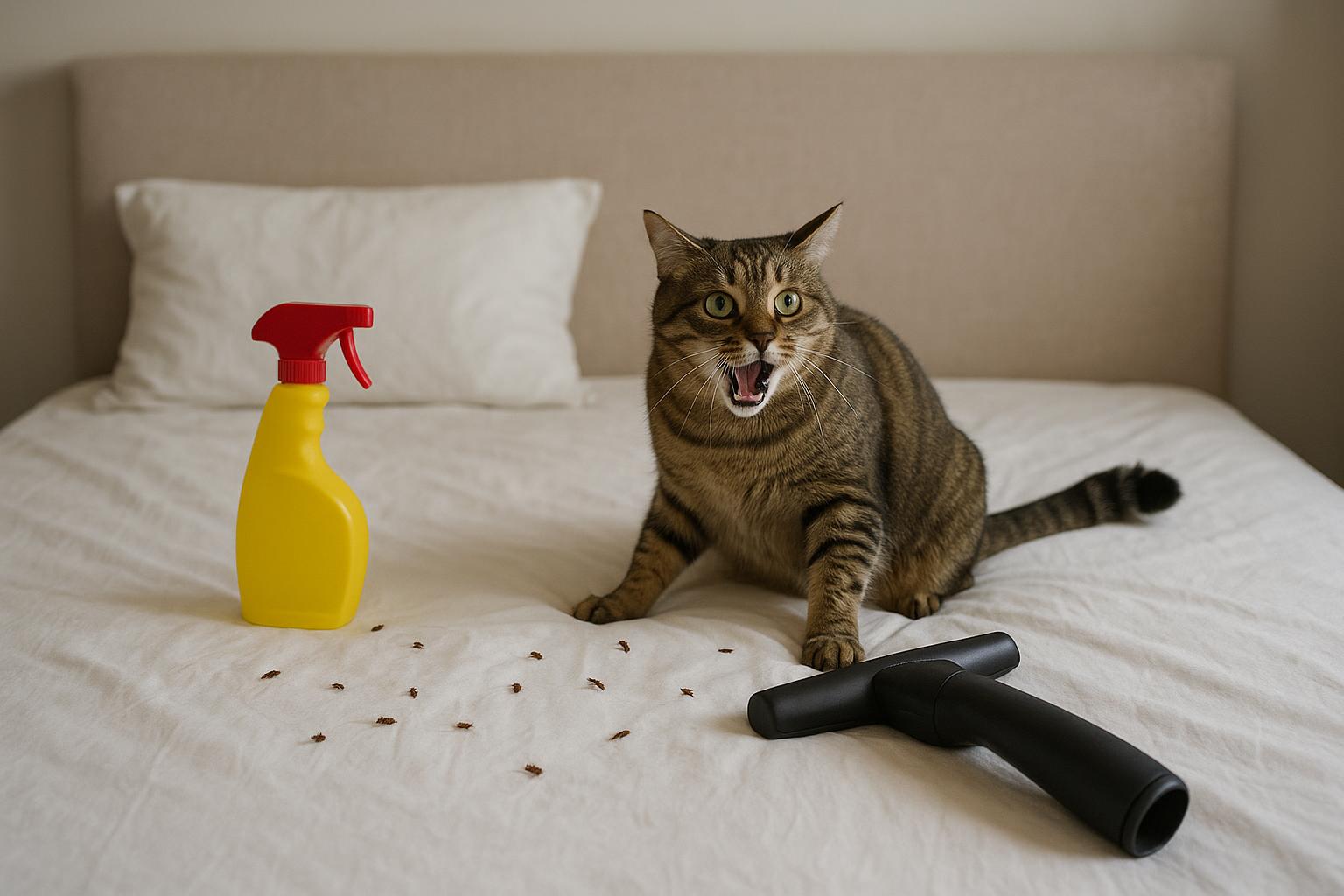
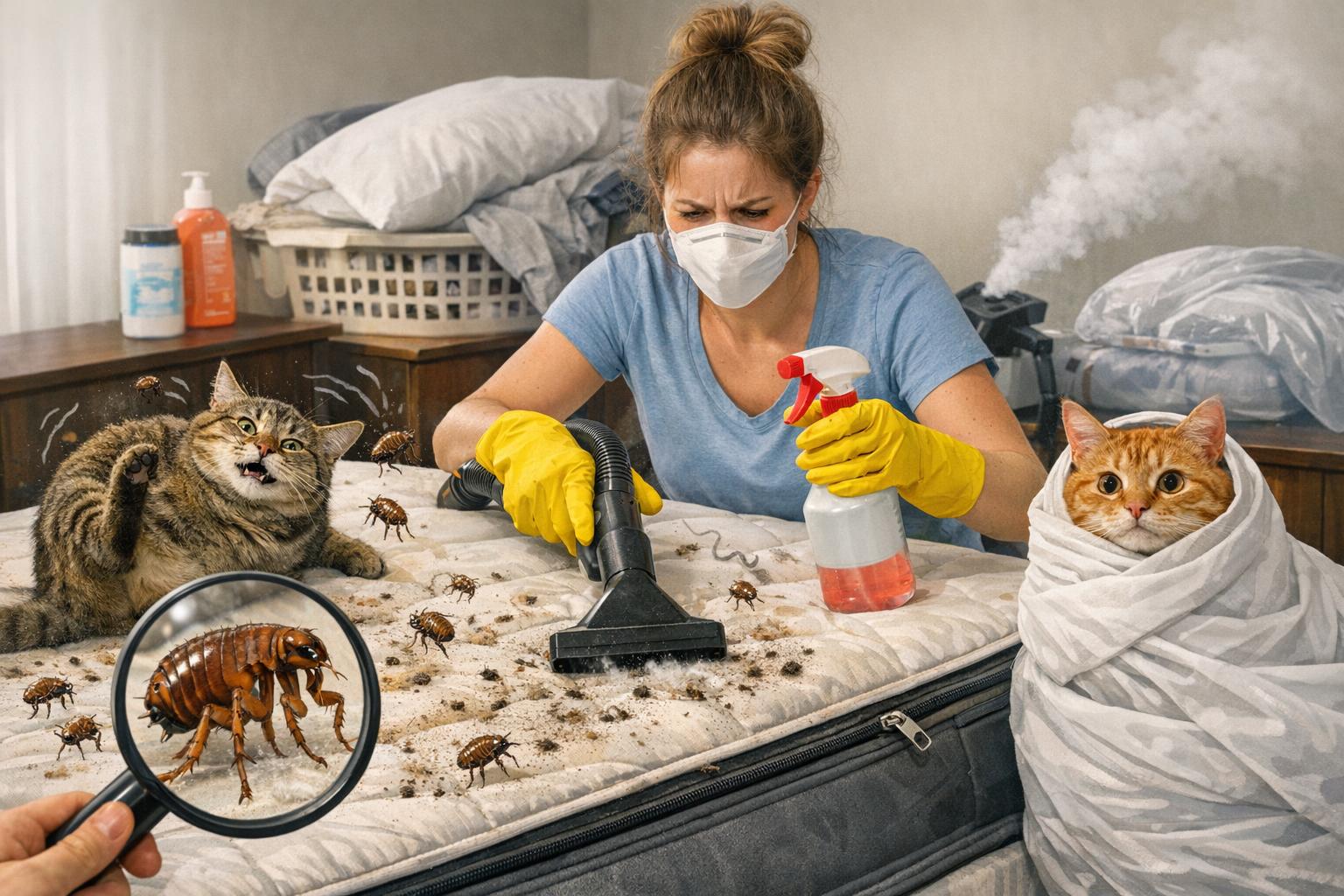
5. Clean The Environment: Wash all bedding in hot water, vacuum floors, baseboards, and furniture daily for a week, and discard vacuum bags or empty canisters outside. This reduces flea eggs and larvae.
6. Treat Household And Other Pets Safely: Treat other pets and the environment as recommended by your veterinarian. Use products labeled for each animal’s age and weight.
7. Monitor And Record Progress: Check gums, activity, appetite, and stool daily and report any worsening signs to your vet. Repeat blood tests as scheduled.
## Preventing Recurrence And House Management
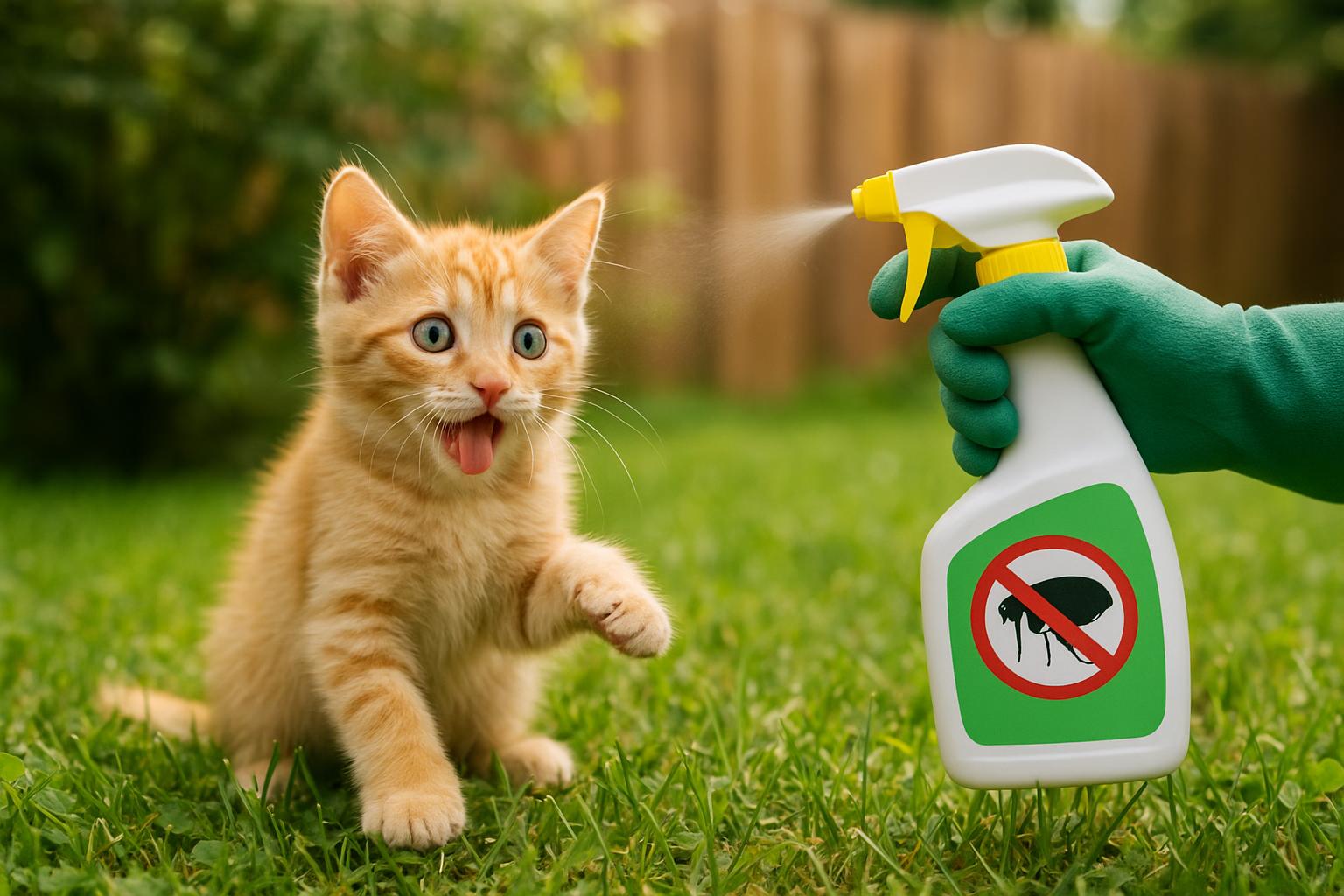
Preventing flea induced anemia means controlling fleas on animals and in the environment. Use vet-recommended long-term flea prevention for all cats in the household when they reach the appropriate age and weight. For indoor/outdoor situations, treat yards and eliminate wildlife hosts where possible. Regular grooming and weekly checks help catch infestations before they become severe.
### Tips For Safe Flea Control
– Never use dog-specific flea products on cats.
– Avoid home mixtures or human medications like tea tree oil or essential oils—these can be toxic.
– Consult your vet before treating very young kittens; timing and product choice are critical.
#### When Rescue Or Shelter Situations Are Involved
Large-scale or multi-kitten situations need coordinated treatment plans with a vet or local animal welfare organization. Quarantining affected litters, staged environmental treatment, and mass treatment protocols help manage outbreaks safely.
A pale little kitten is scary, but with prompt recognition, veterinary care, and sensible home support, flea induced anemia is often treatable. Keep calm, act quickly, and work closely with your vet—your kitten’s tiny heart will thank you (and eventually get back to zooming around like the tiny tyrant they were born to be).

Leave a Reply