

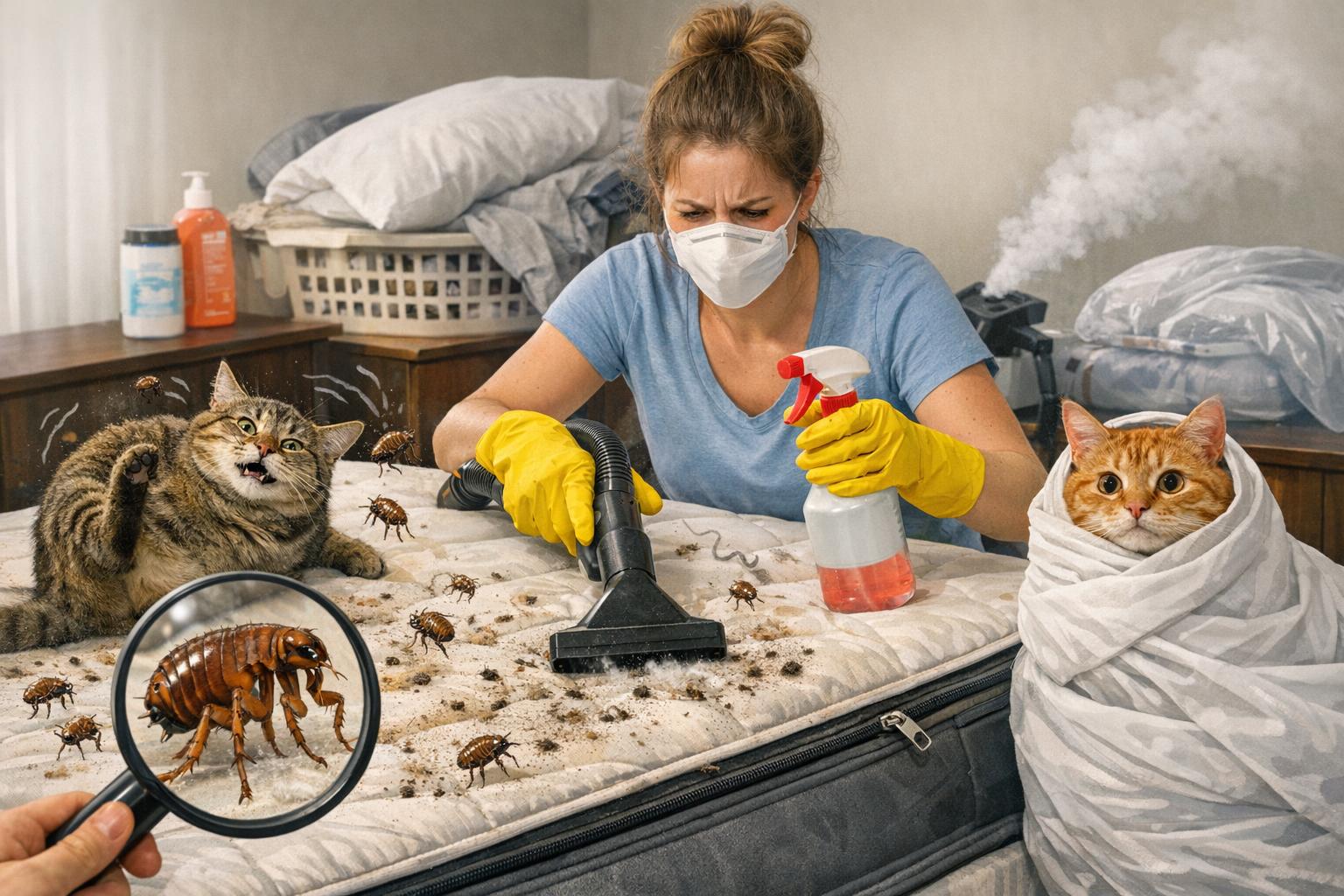
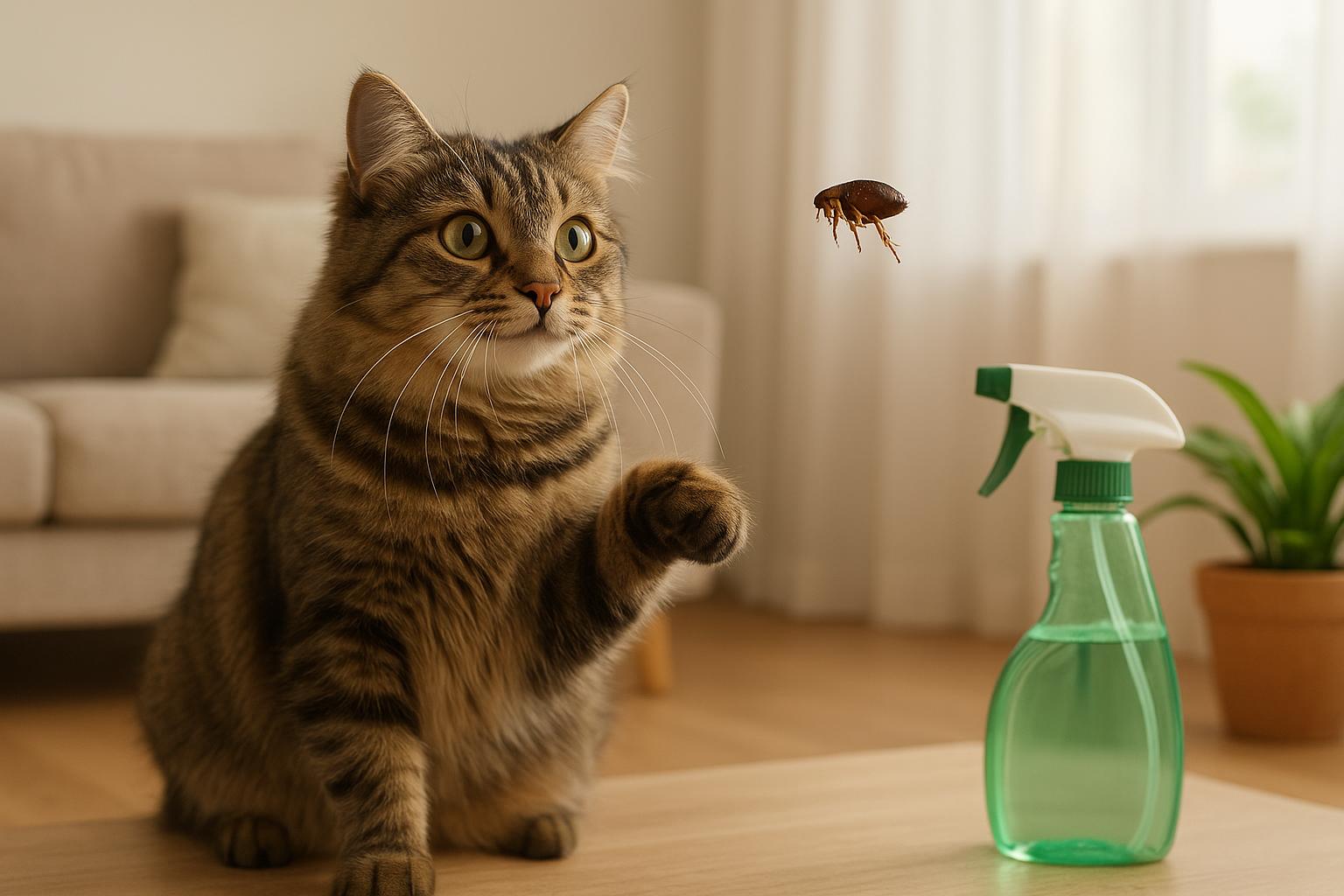
Carpet fibers are like a tiny city for dust bunnies, lost socks and — yes — fleas. If you’ve ever felt itchy after sitting on the rug, found little dark specks, or watched your pet obsessively groom, you’re wondering: do fleas live in carpets, and what can you do about it? Let’s walk through how fleas behave in carpets, how to spot an infestation, and two practical remedies with clear materials and step-by-step instructions.
## Do Fleas Live In Carpets: What You Need To Know
Fleas don’t live only on pets. While adult fleas spend most of their time on hosts (your dog, cat, or unwitting houseguest), carpets are prime real estate for flea eggs, larvae and pupae. The rough fibers and protected spaces under furniture provide warmth, humidity and shelter — perfect conditions for immature fleas to develop away from bright light and disturbance.
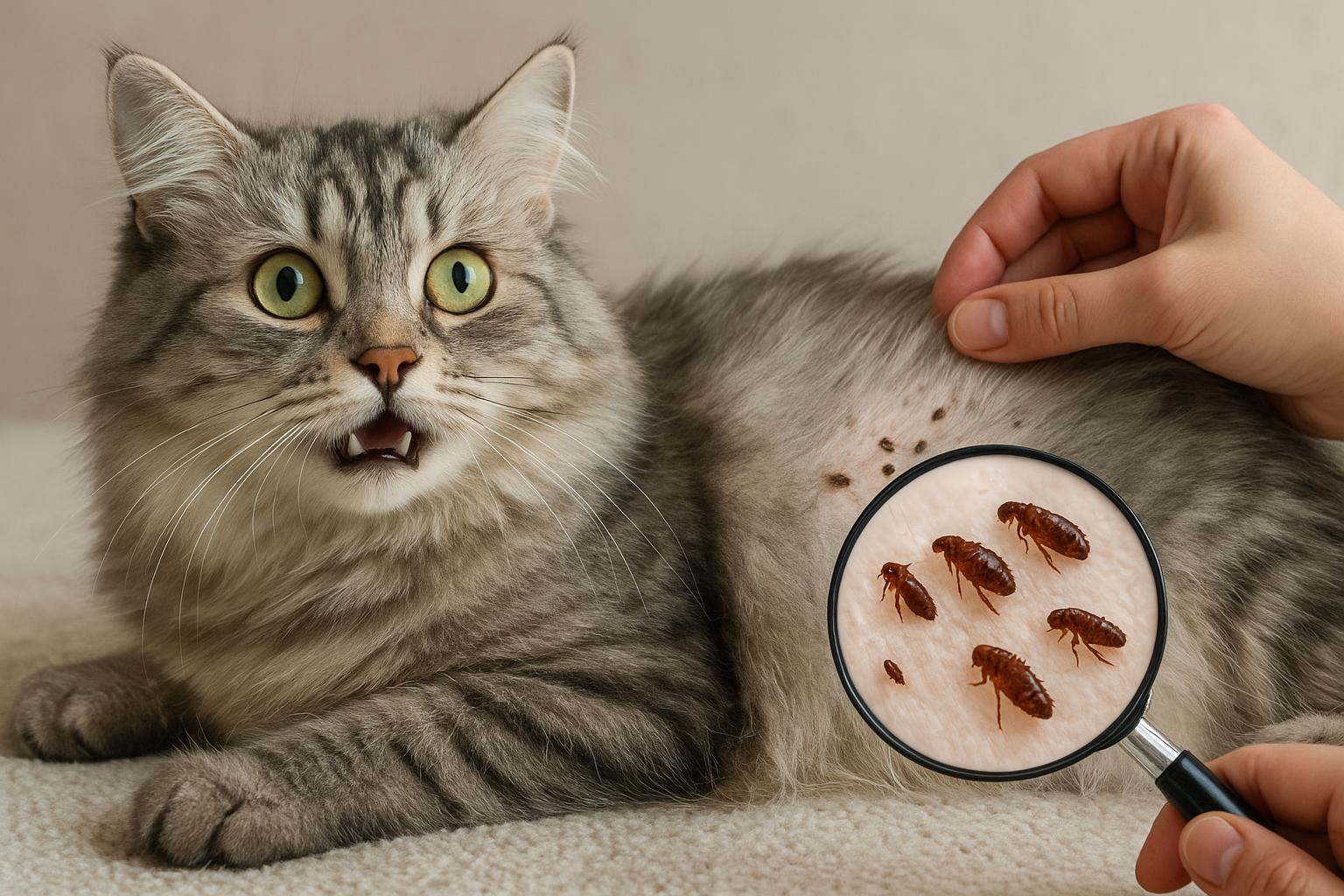
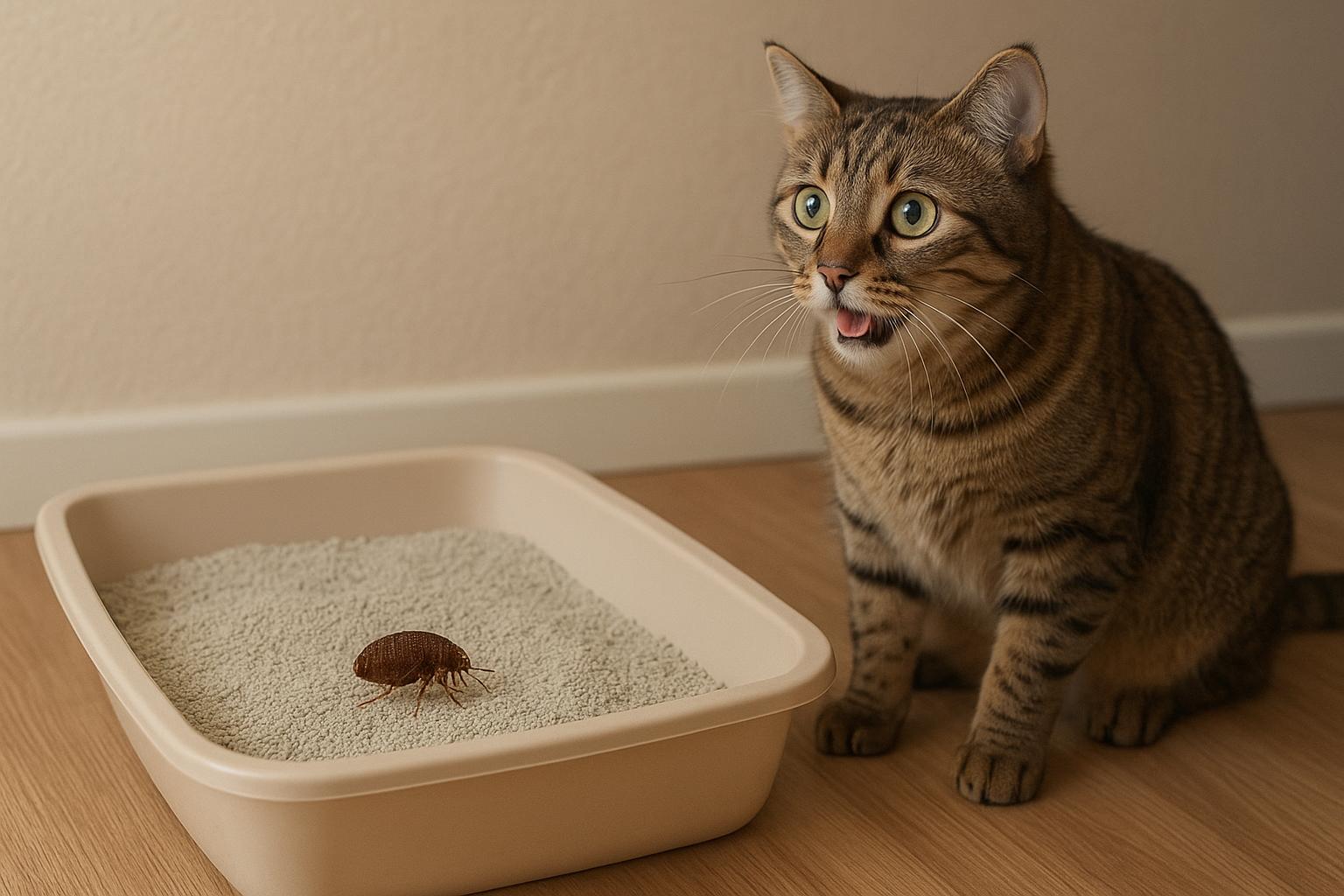
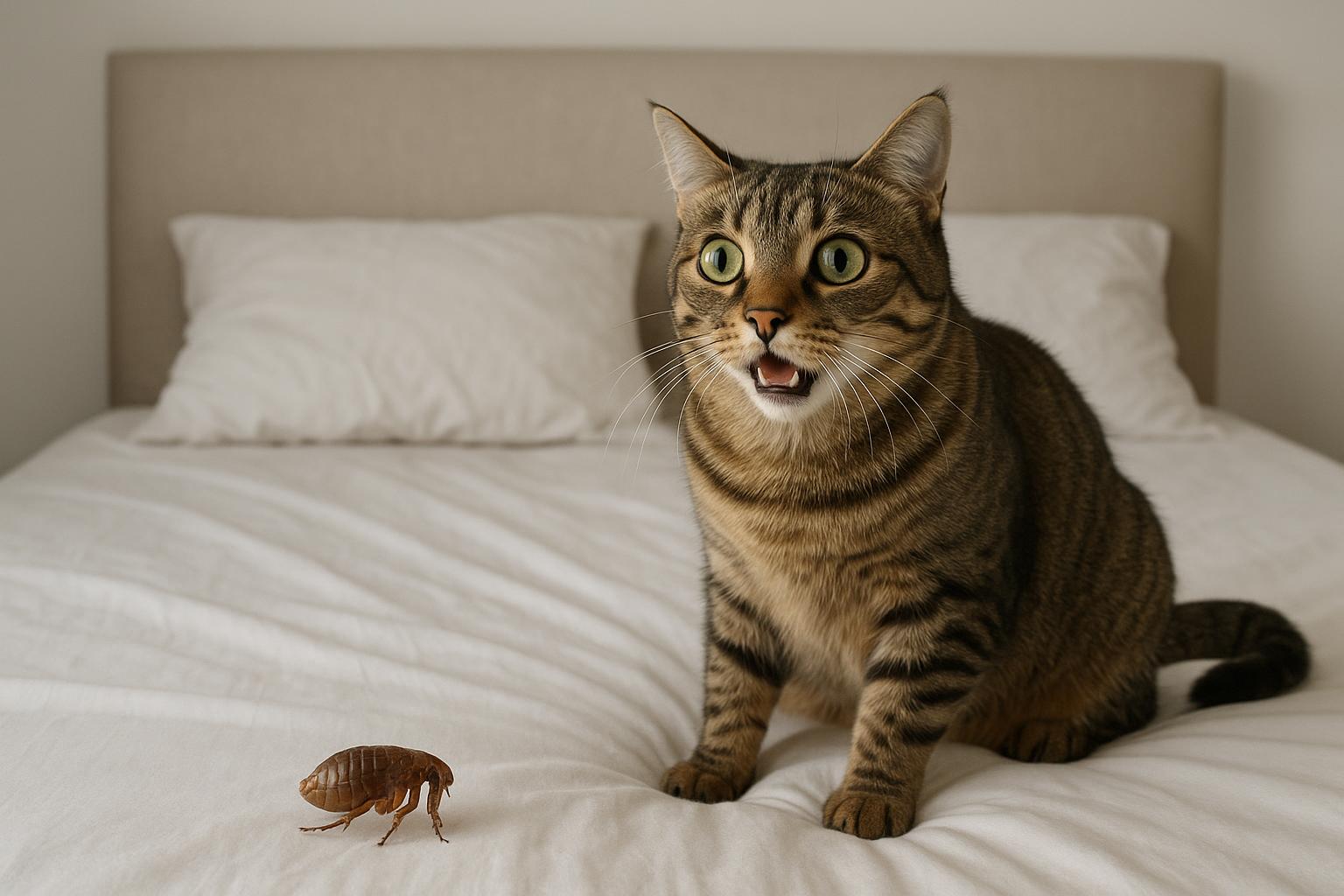
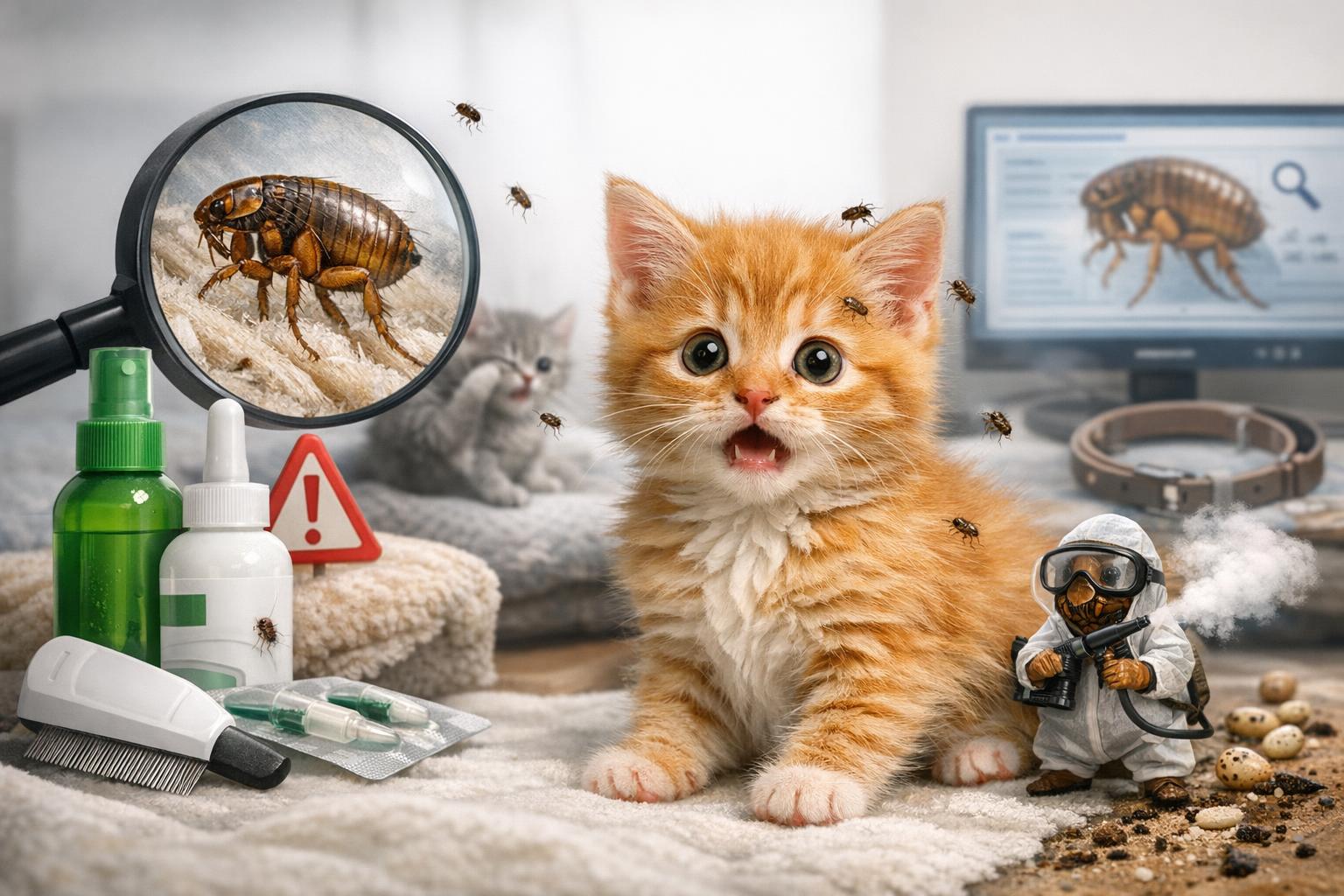
Flea eggs are tiny and pearly white, falling off the host into carpet fibers. Larvae are small, wormlike and avoid light; they feed on organic debris like adult flea feces (that’s digested blood) and skin flakes. Pupae are encased in sticky cocoons that can remain dormant for weeks or months until vibrations, carbon dioxide or heat signal a host is nearby. So yes, you can have a thriving flea lifecycle in carpet even if you don’t see many adults at first.
### How To Recognize Fleas In Carpet
Look for these signs:
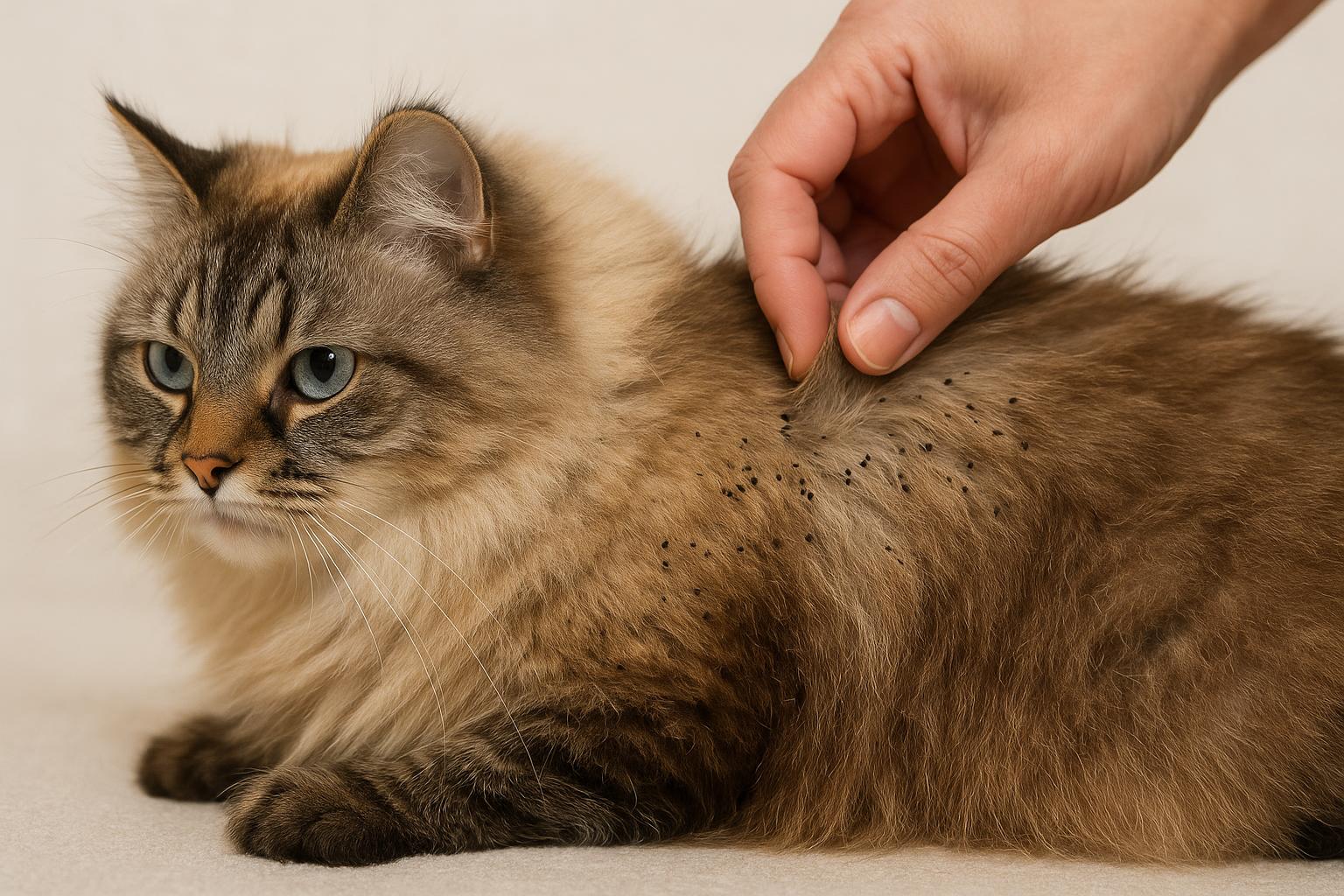
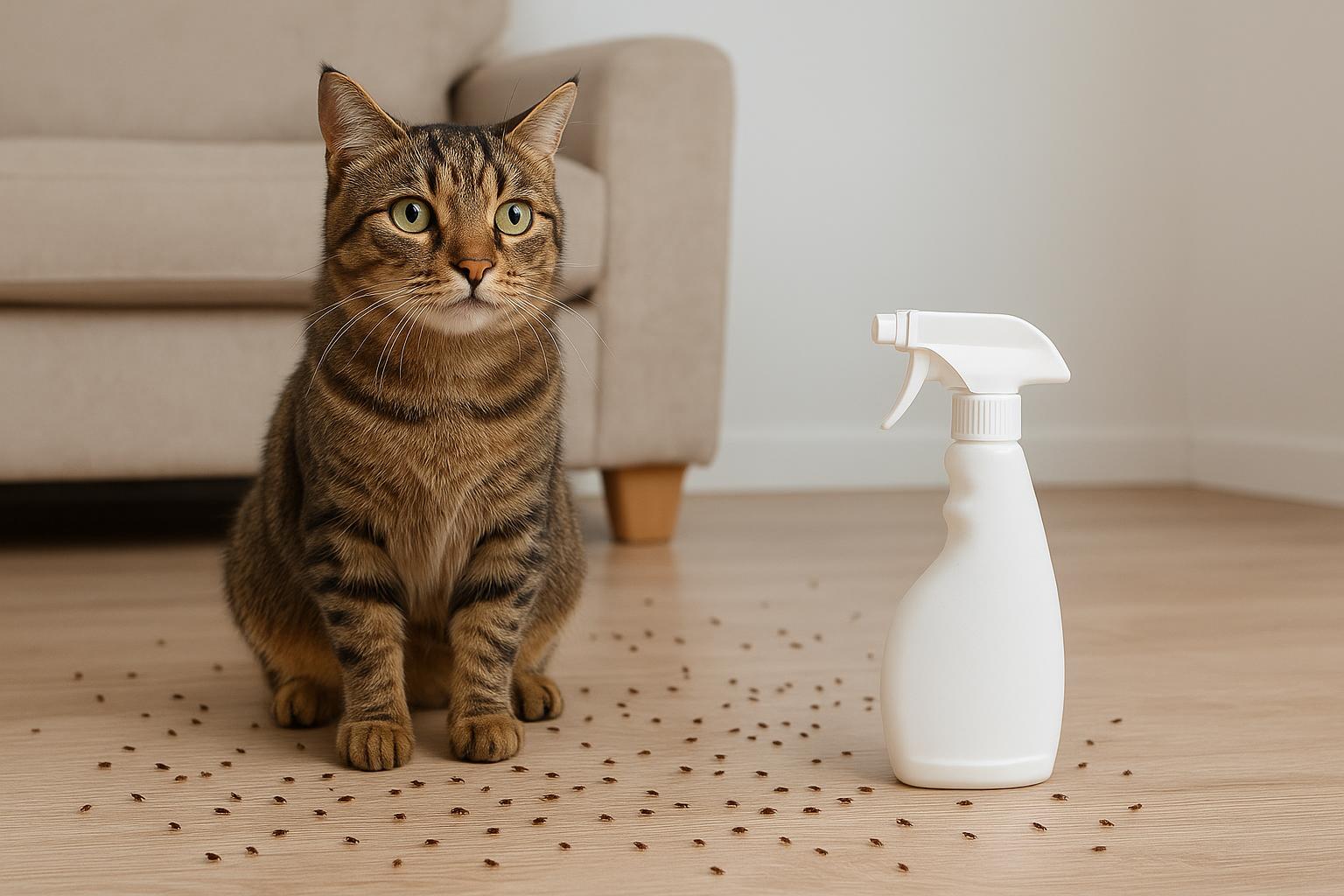
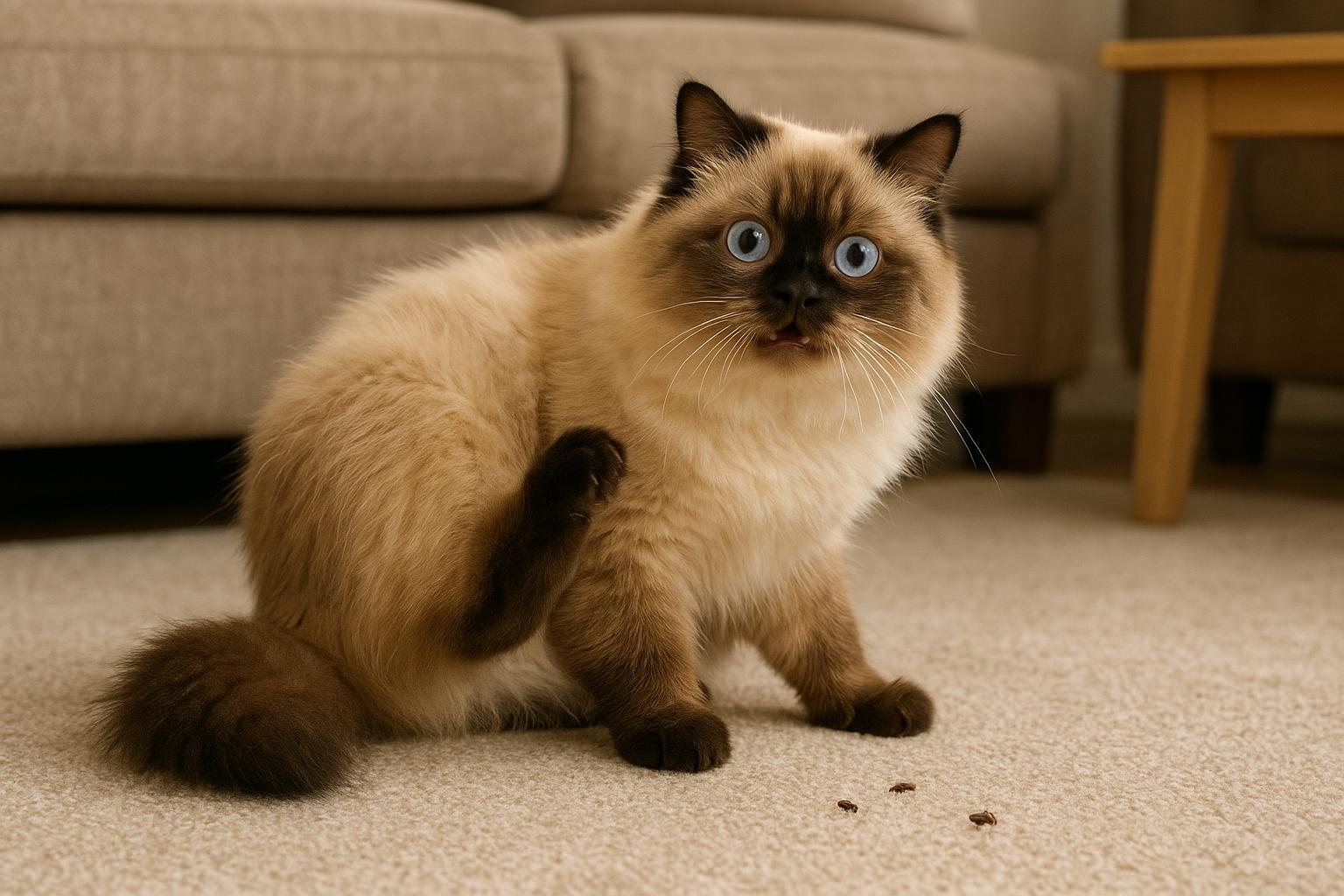
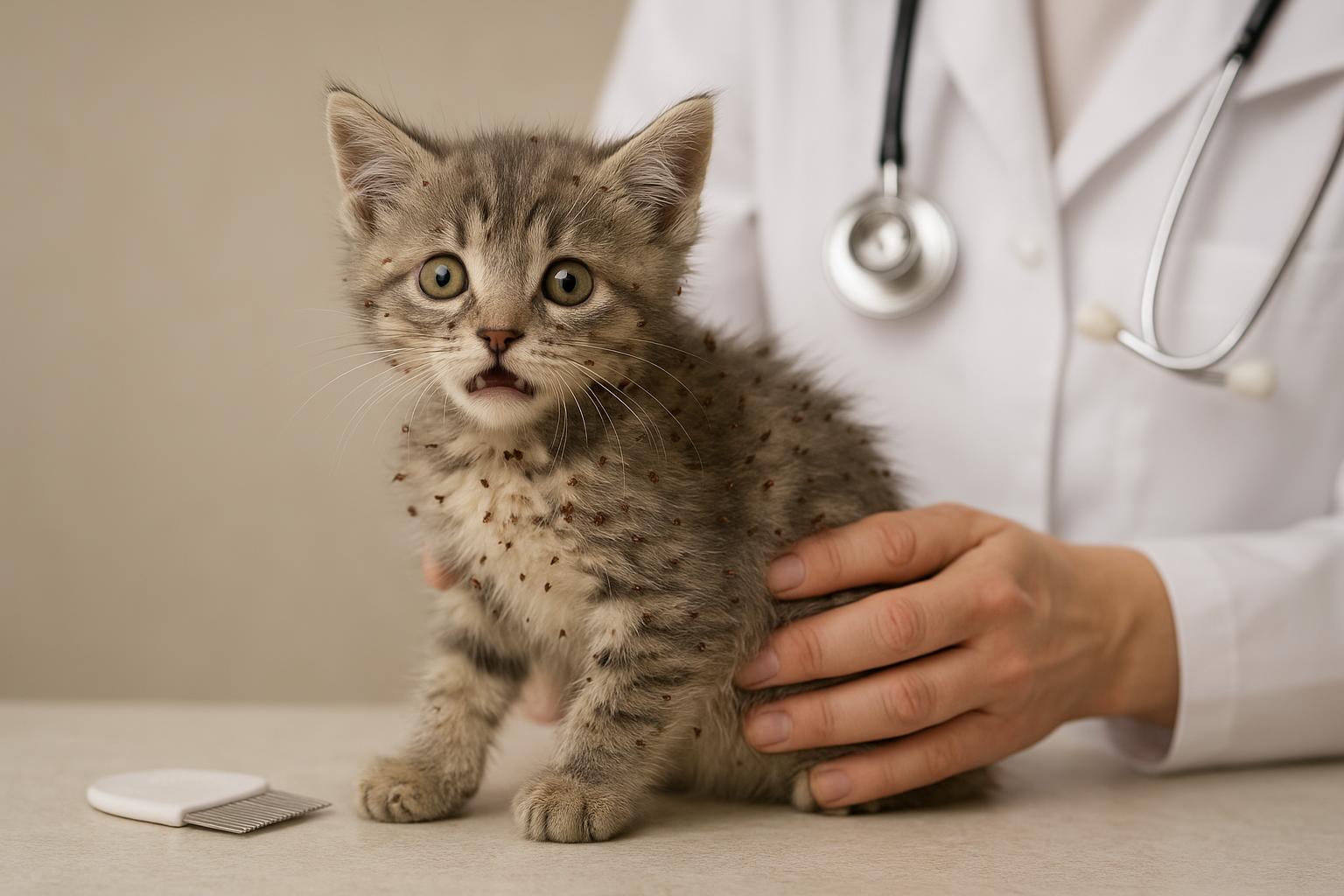
– Tiny dark specks (flea dirt) that turn reddish-brown when moistened.
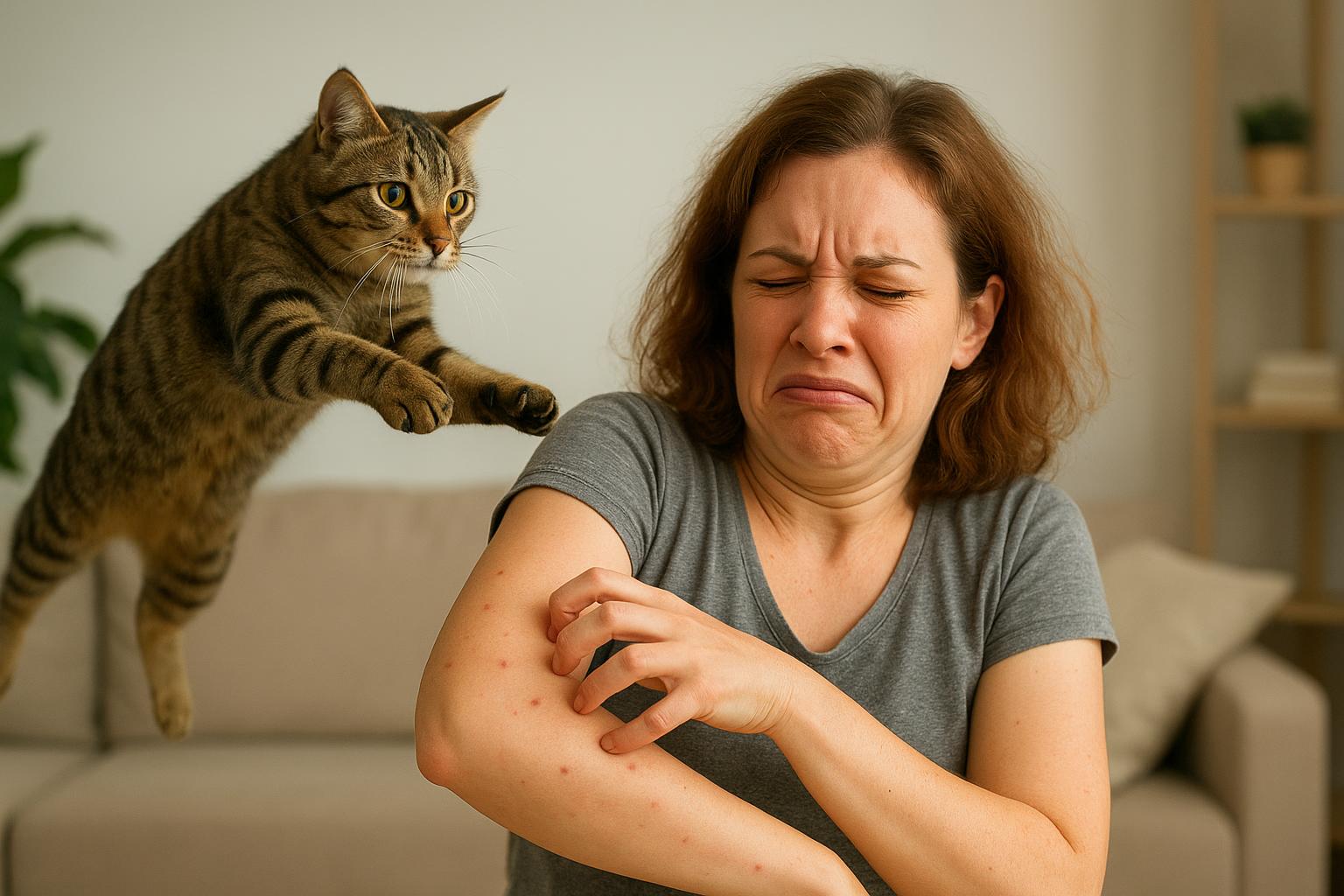
– Small bites on humans or pets, often in clusters around ankles or legs.
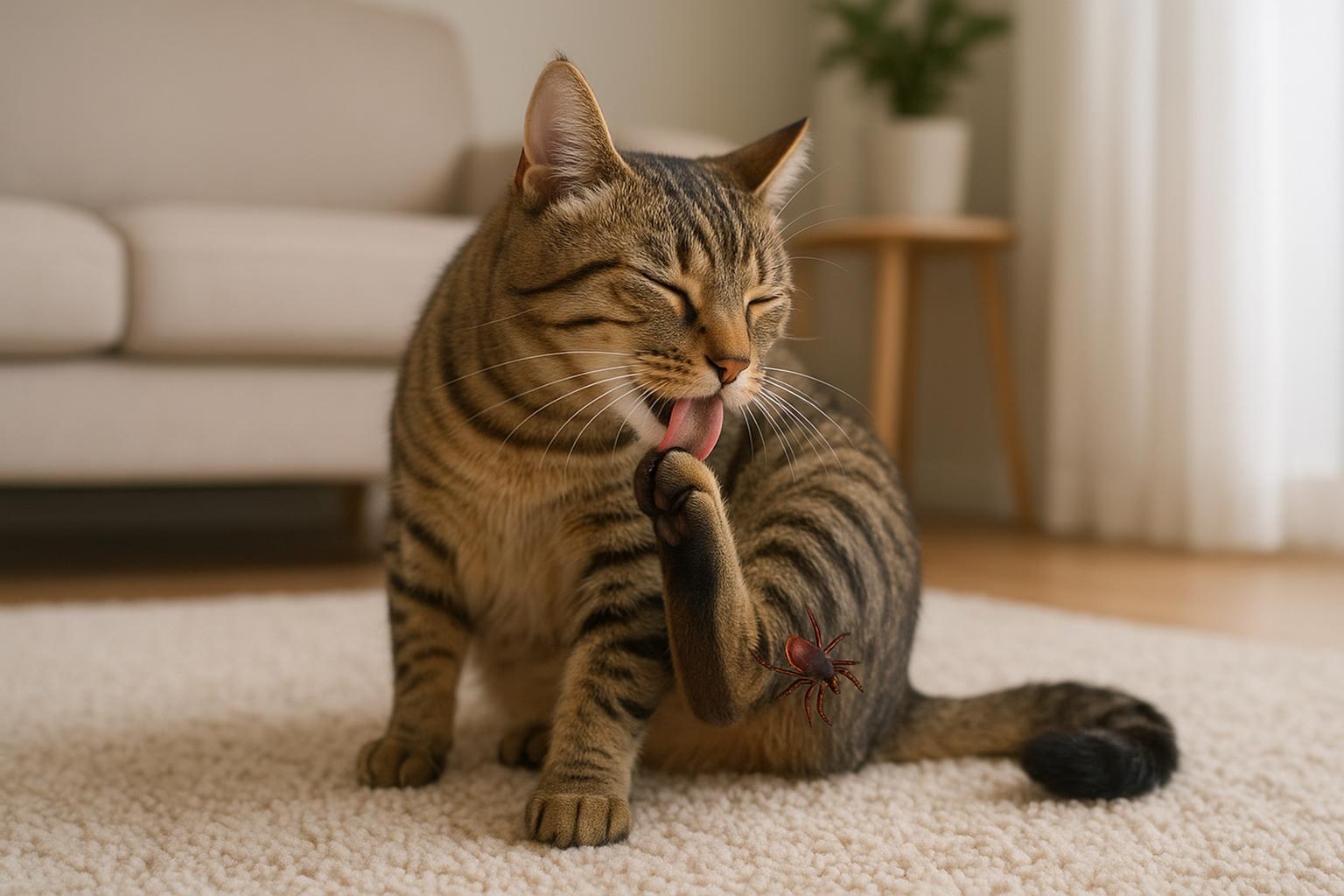
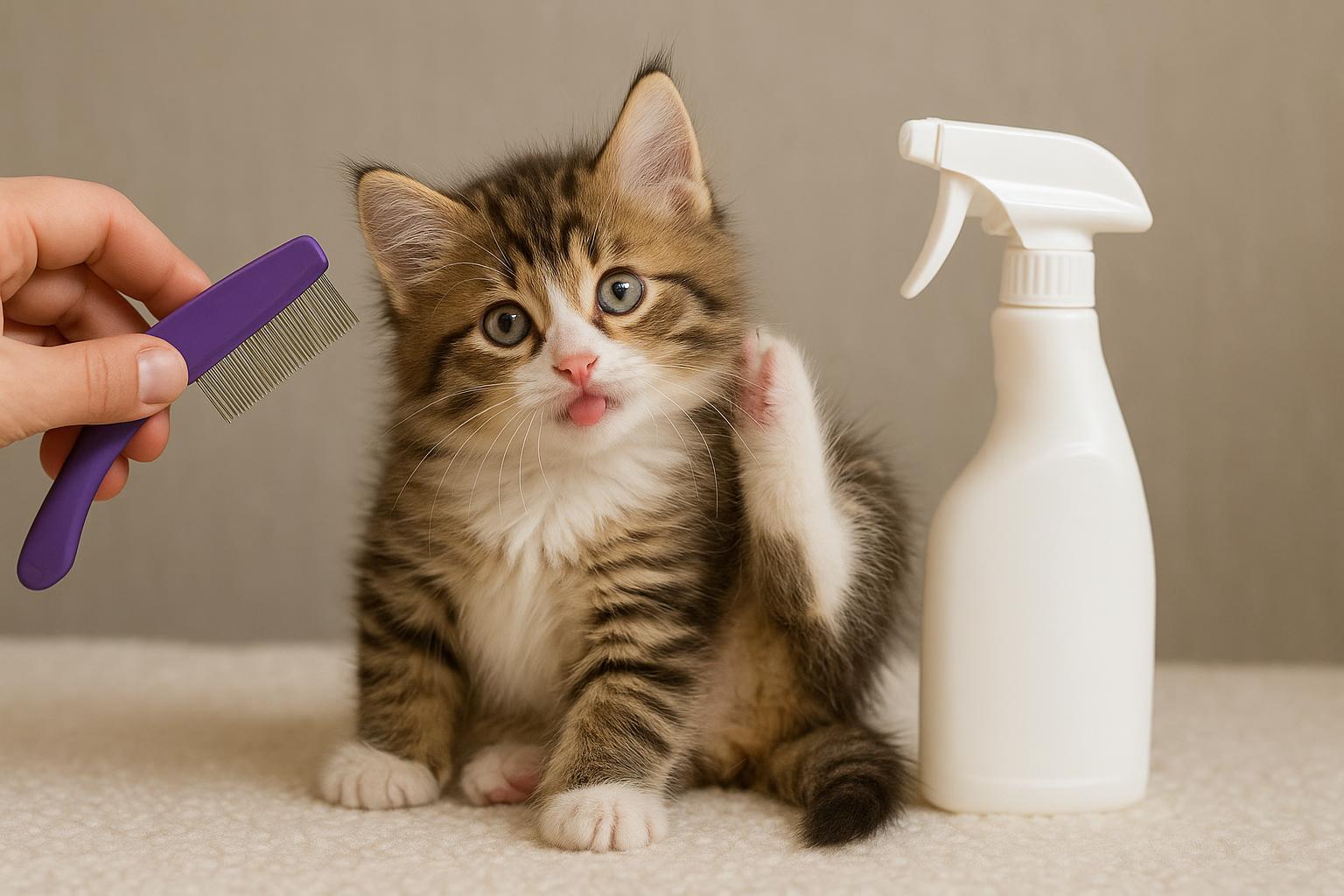
– Pets scratching, licking or showing patches of hair loss.
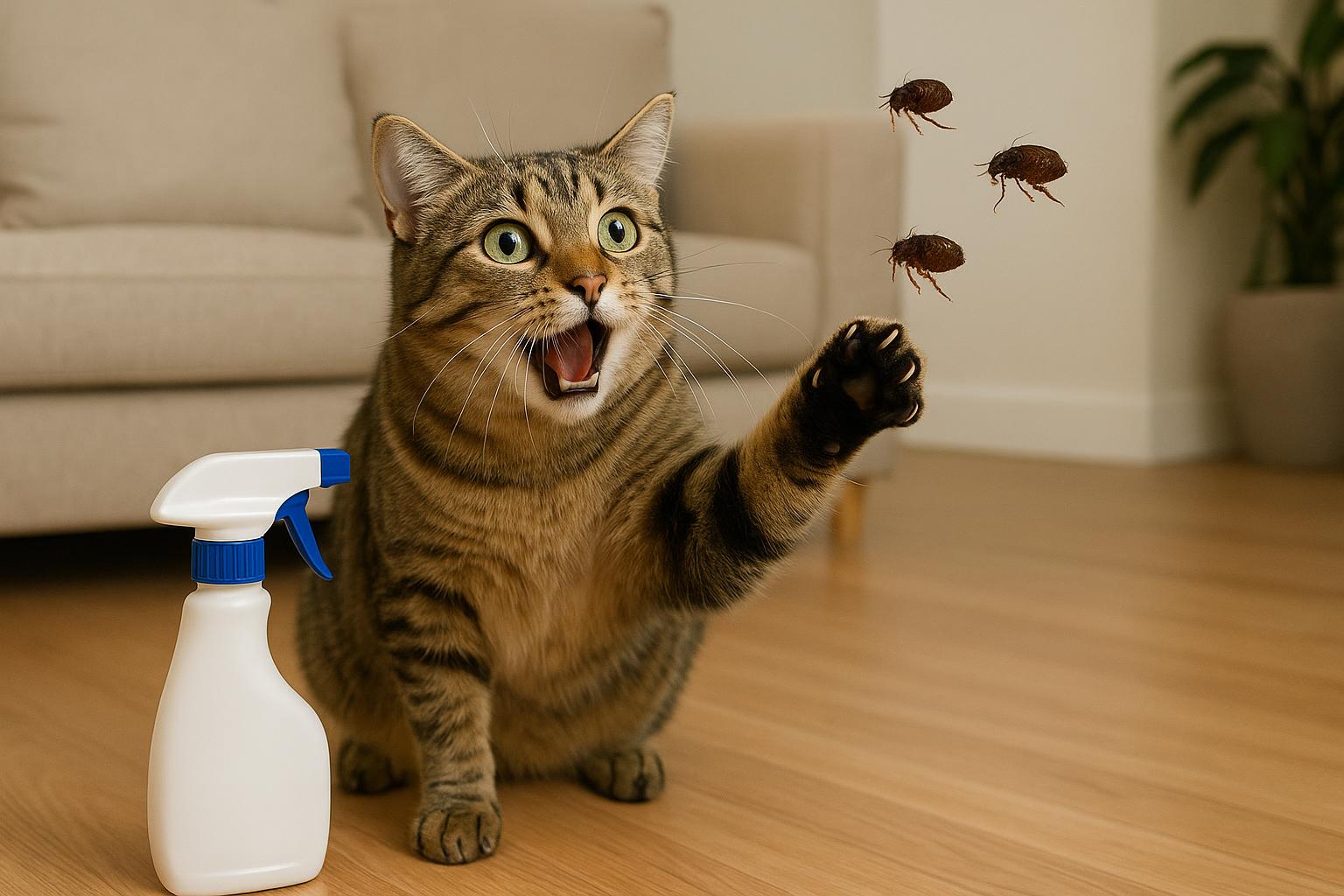
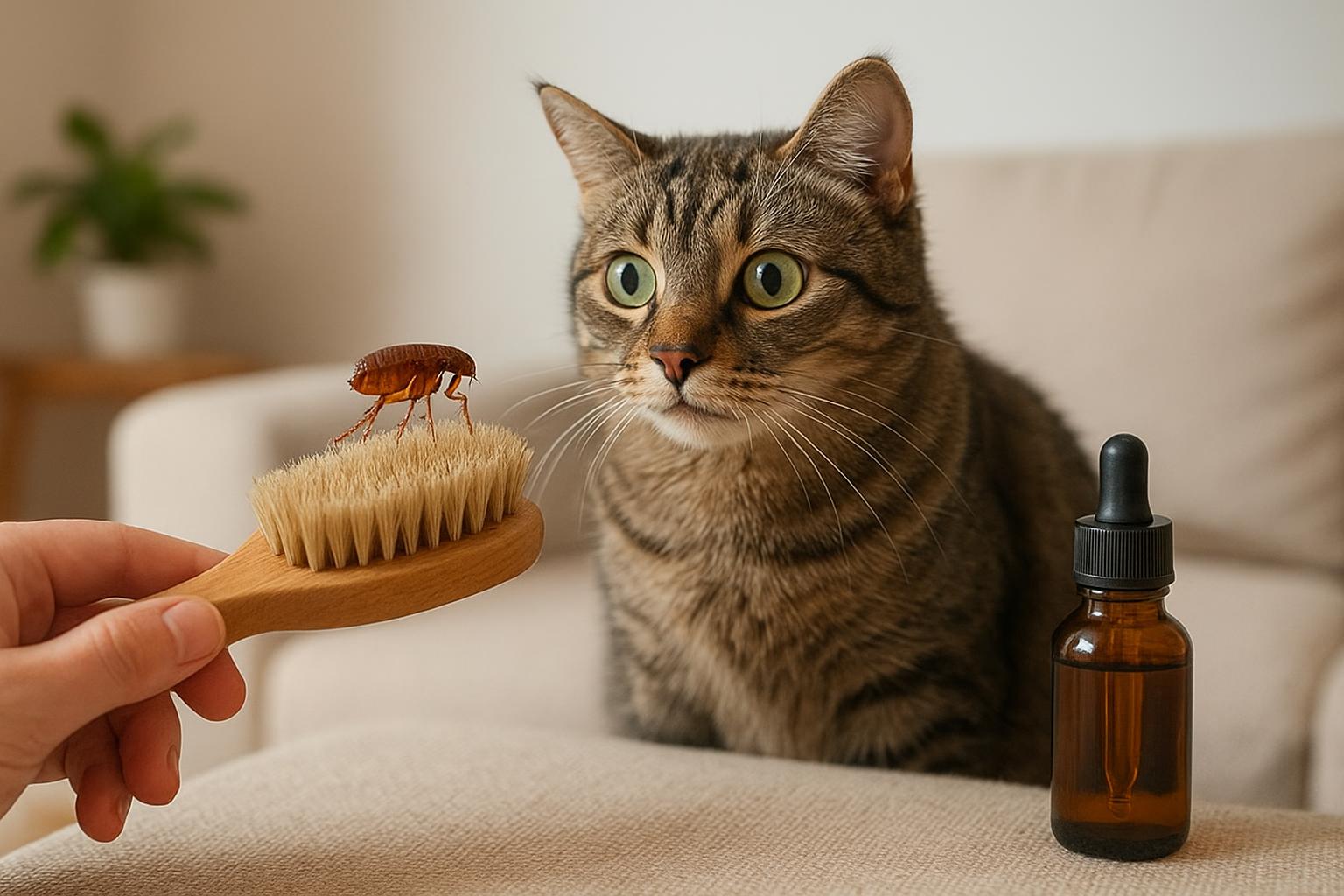
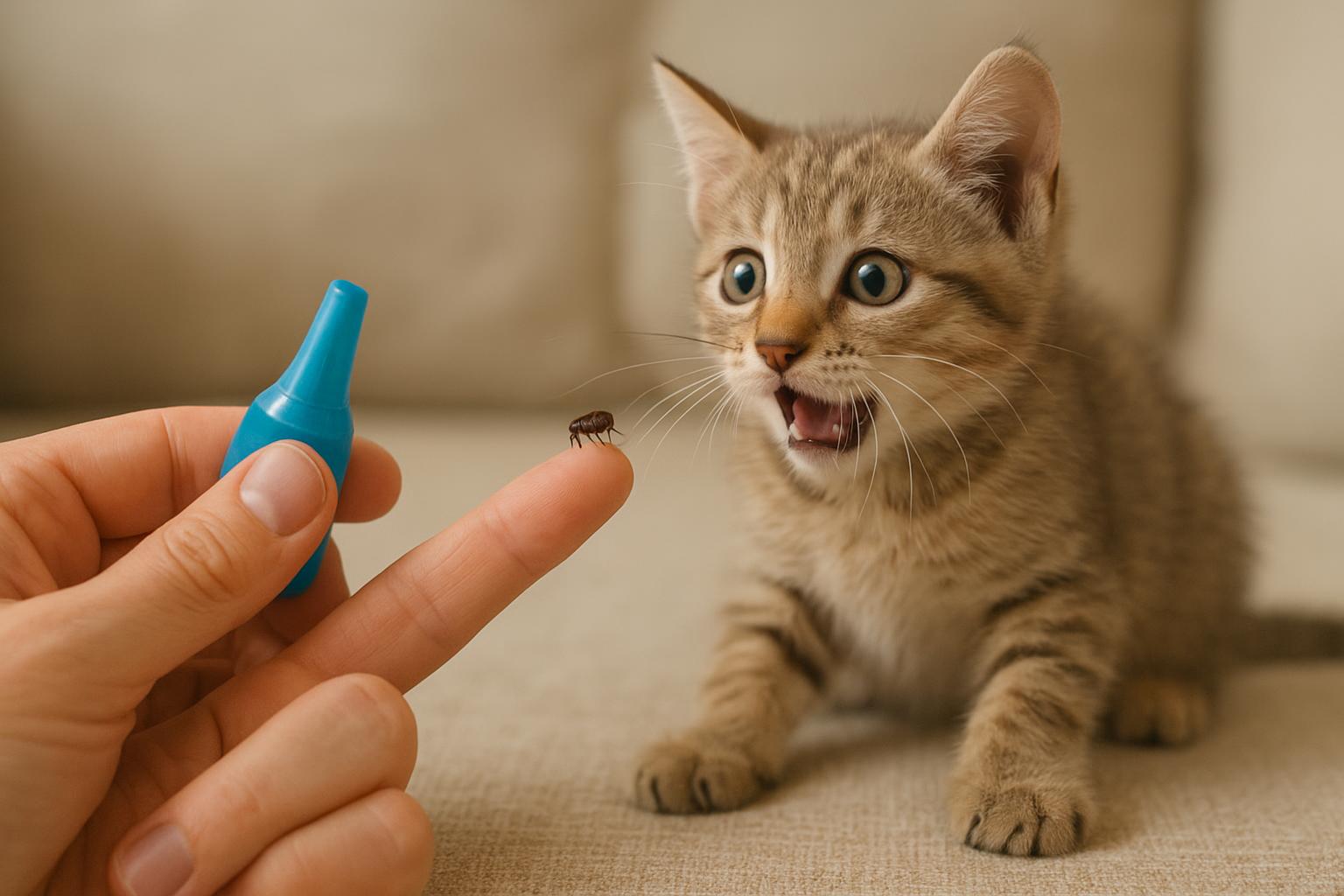
– Visible tiny black-brown jumping insects on the carpet or pet.
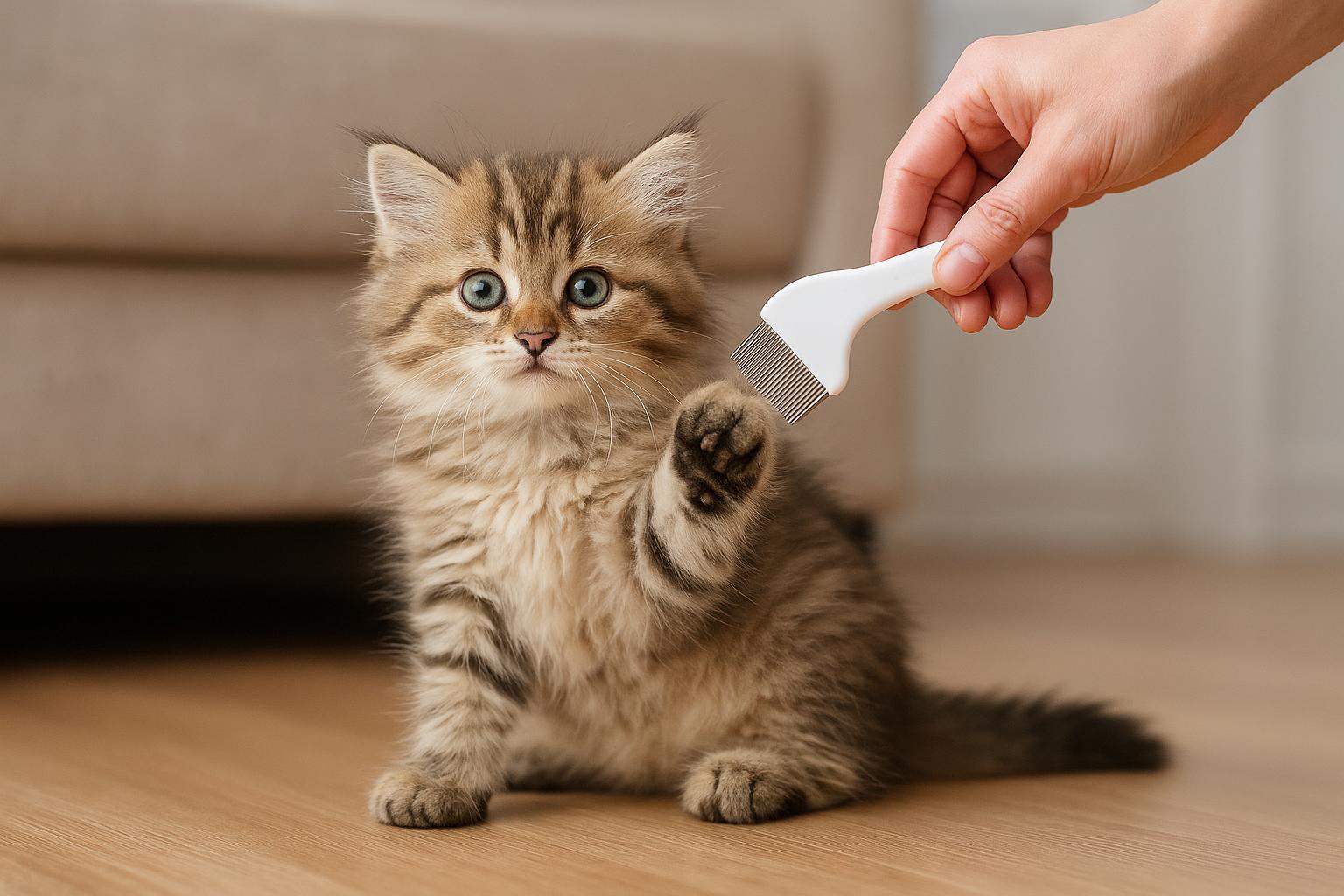
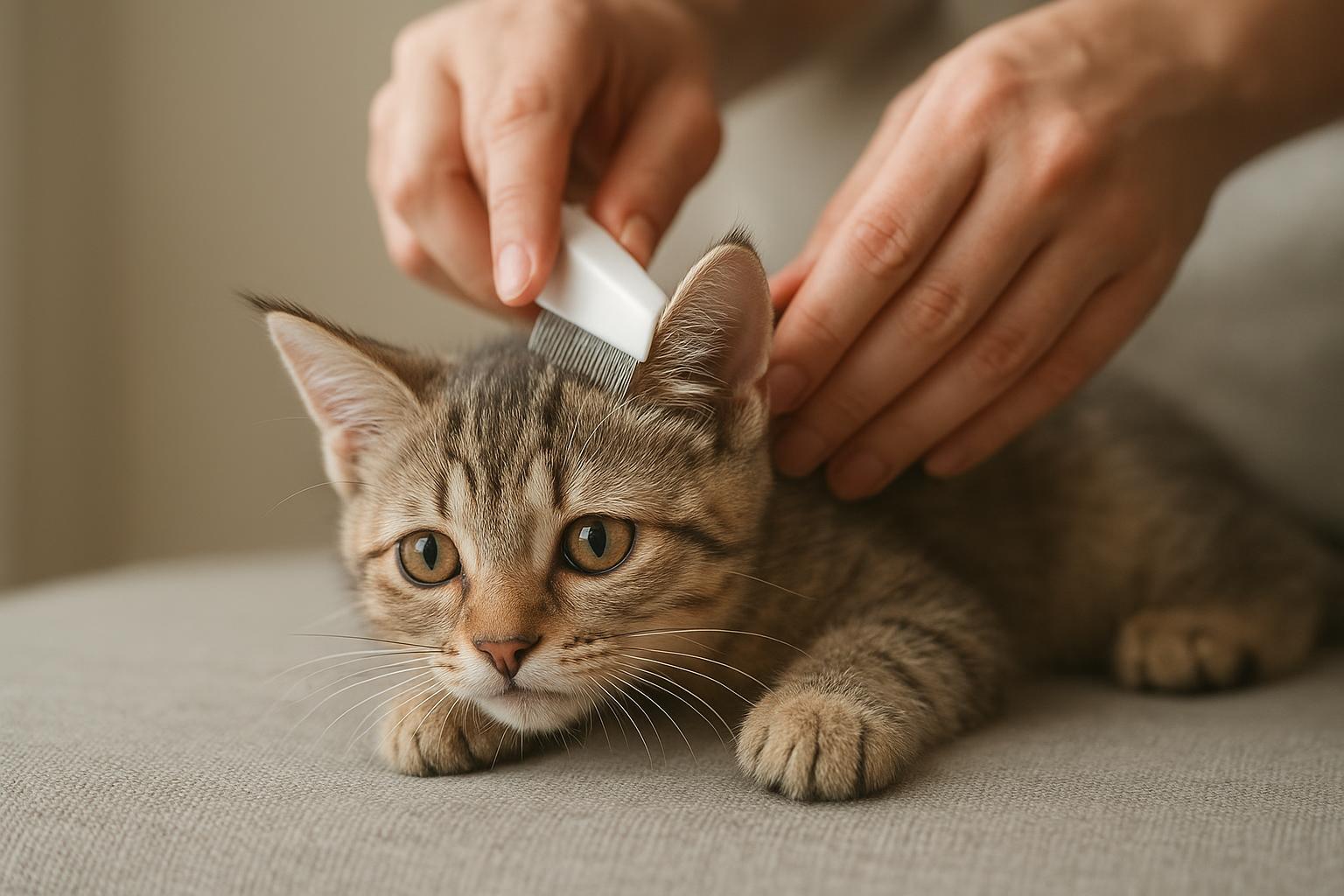
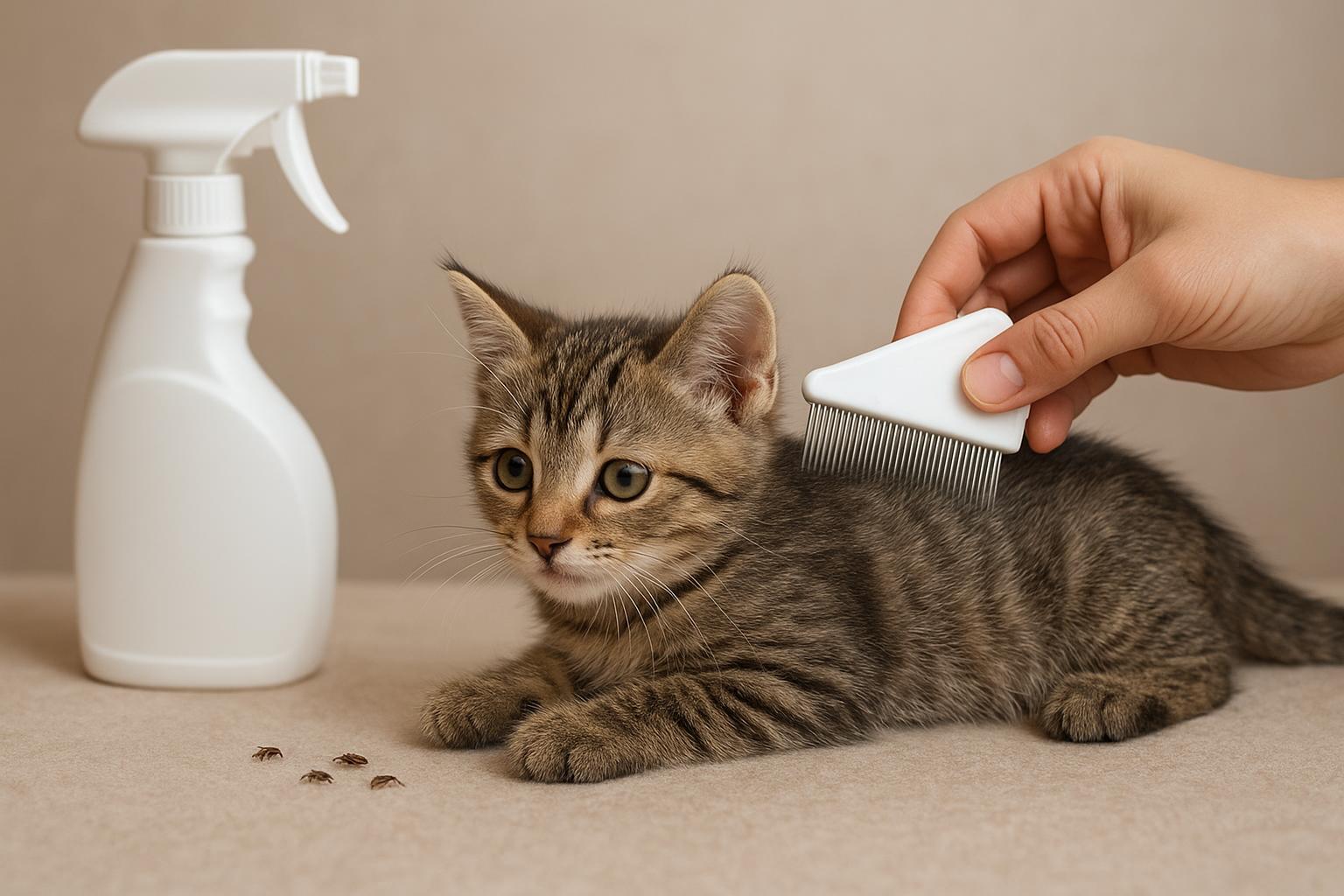
A simple test: place a white towel on the carpet and stomp — any fleas present will often jump onto the towel, making them easier to spot. You can also comb your pet over a white sheet to see if fleas or flea dirt appear.
### Where Fleas Prefer To Hide
Fleas and their immature stages like:
– Deep pile or shag carpets where movement is infrequent.
– Carpet edges near baseboards and under furniture.
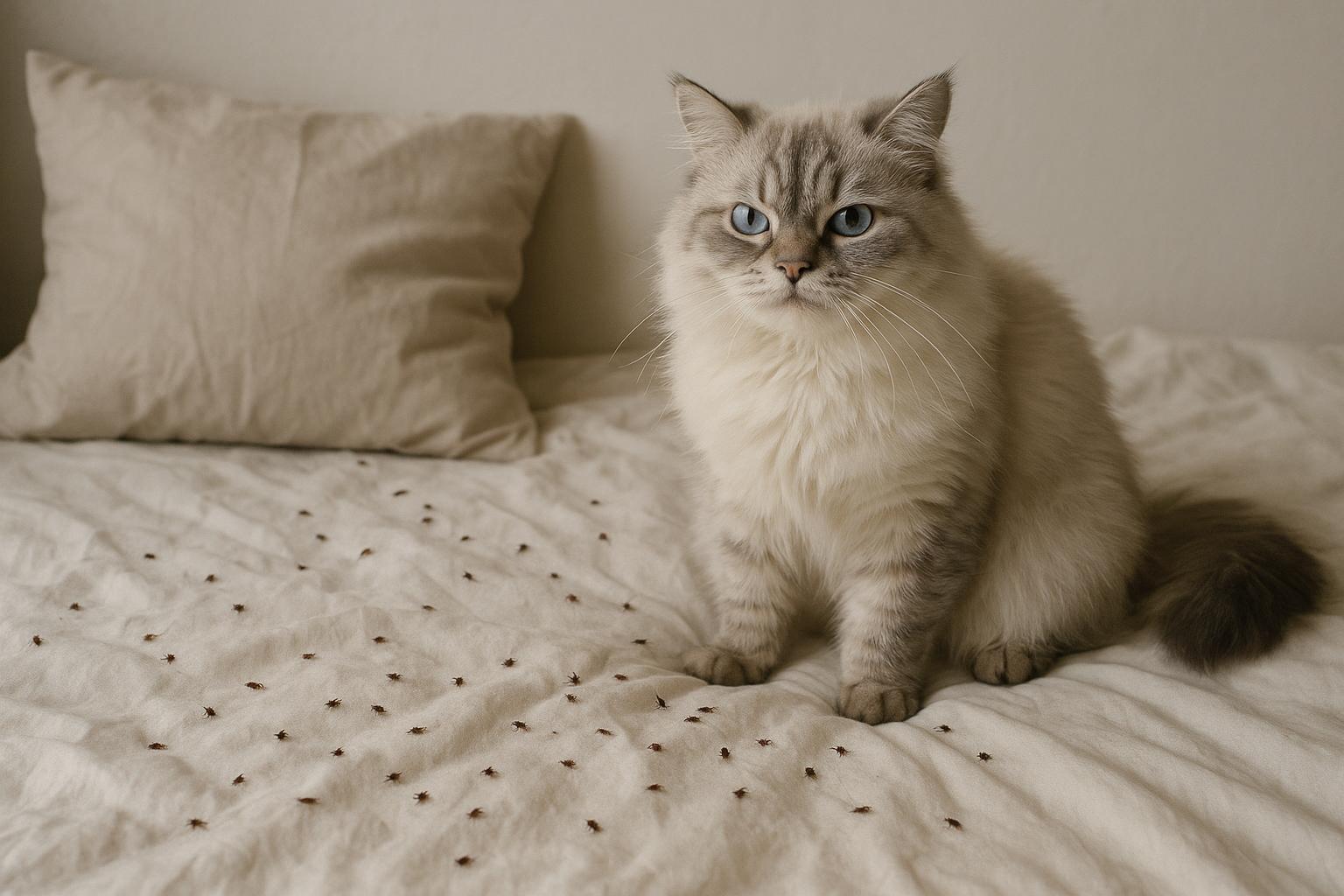
– Area rugs and pet bedding.
– Cracks in baseboards or floorboards adjacent to carpeted rooms.
Humidity and warmth make carpets more attractive. In dry climates, fleas may concentrate where pets sleep because of added moisture and skin debris.
## How Serious Is A Flea Problem In Your Carpet?
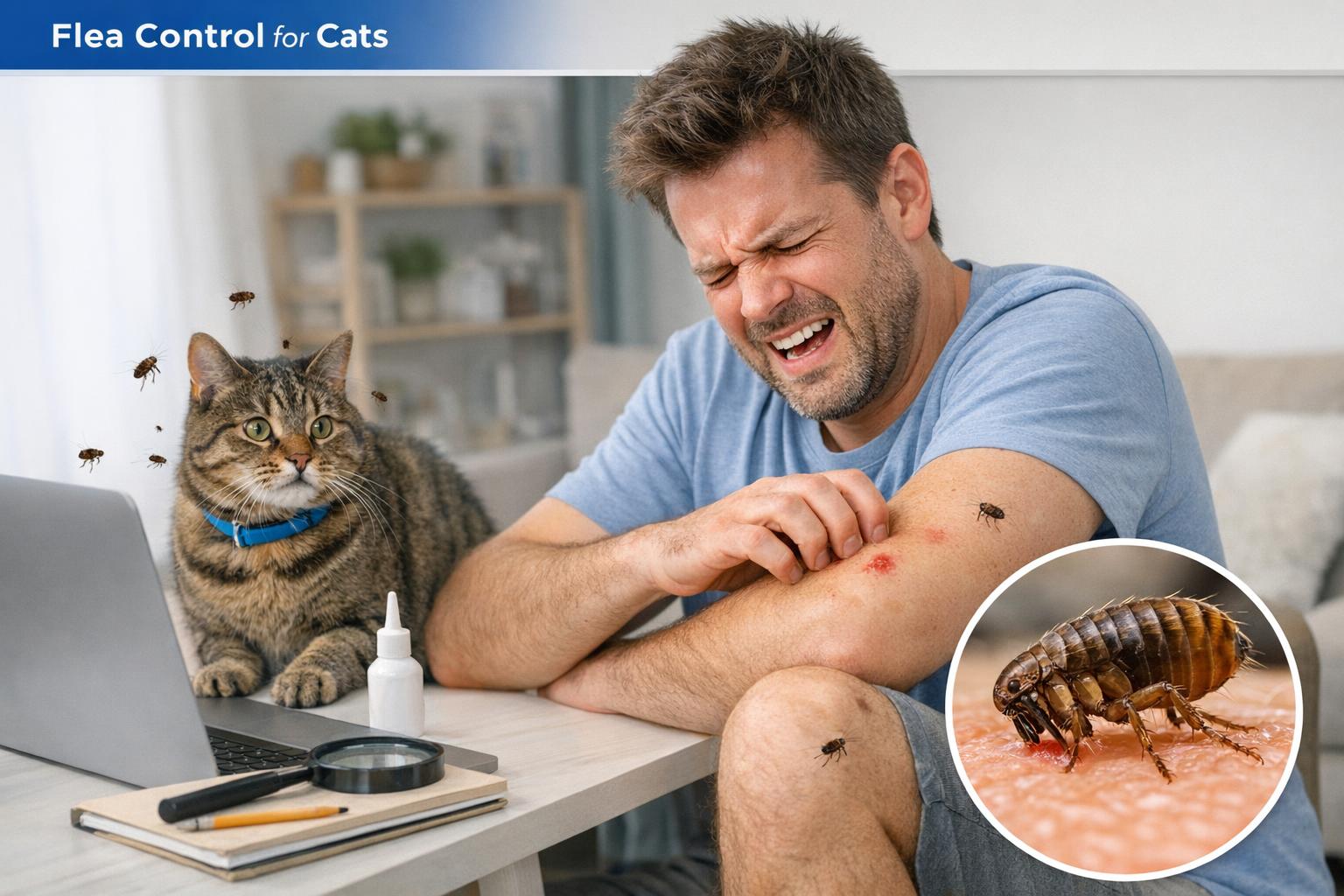
A few fleas are a nuisance; a breeding population can become a health issue for pets and people. Flea saliva causes itching and can lead to secondary infections from scratching. Pets can develop flea allergy dermatitis, a severe reaction that produces intense itching and hair loss. Fleas also transmit tapeworms and, in rare cases, bacterial infections. Controlling fleas in carpet promptly prevents escalation.
## ## Remedy 1: Salt And Baking Soda Dry Treatment For Fleas In Carpet
This is a low-toxicity, DIY approach that dehydrates flea eggs and larvae in carpet fibers. It’s best used as part of an integrated plan (vacuuming, treating pets, and possibly professional help for heavy infestations).
Materials And Ingredients
– Fine table salt (1 cup per medium room)
– Baking soda (1 cup per medium room)
– A bowl and spoon for mixing
– Cheese grater or shaker (optional, to finely disperse)
– Stiff-bristled broom or brush
– Vacuum cleaner with strong suction and a disposable bag or canister you can empty outdoors
– Protective gloves and a mask (optional, if sensitive)
Step-By-Step Application
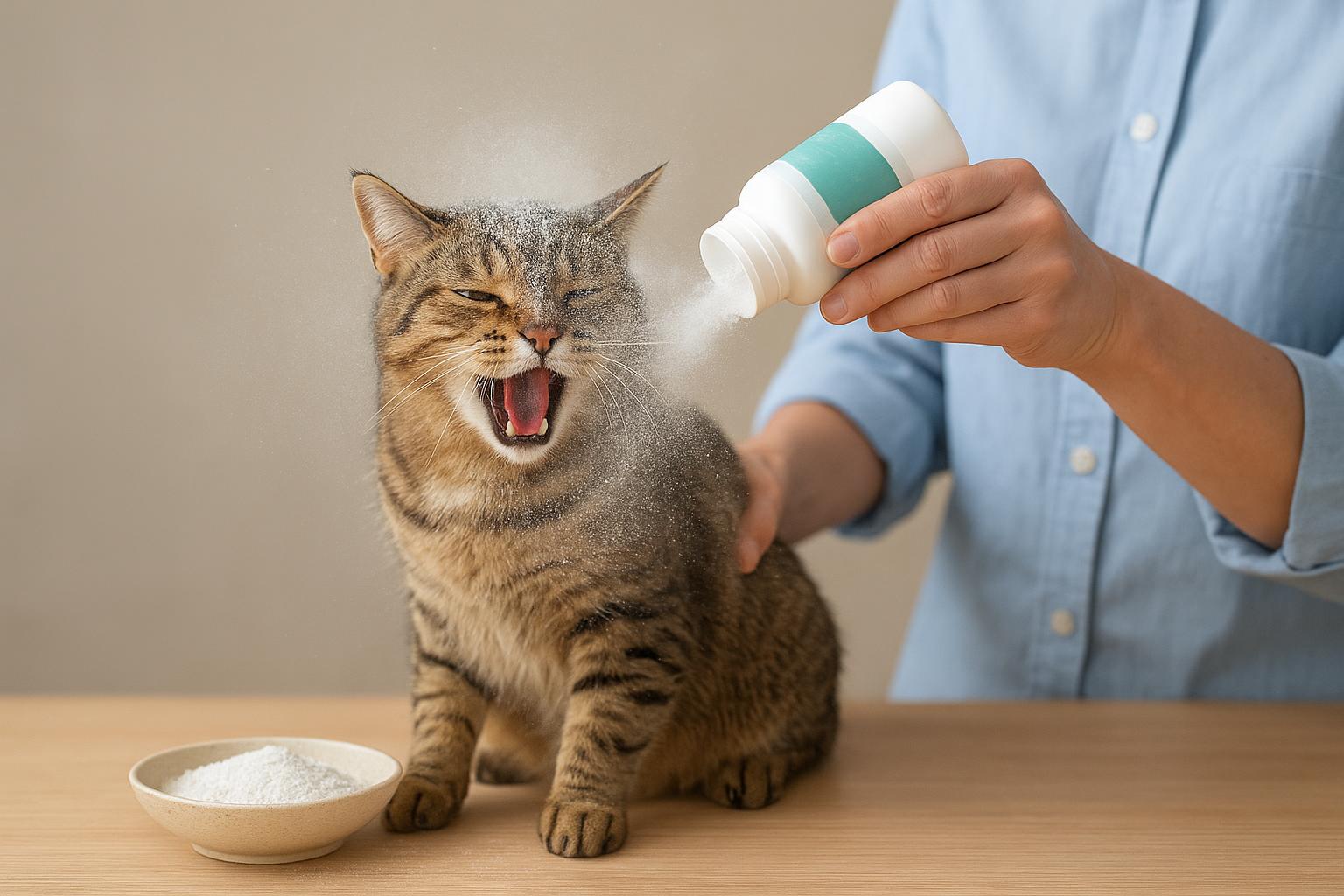
1. Mix equal parts fine salt and baking soda in a bowl. If your salt granules are large, grate them for finer texture to reach deeper into fibers.
2. Sprinkle a light, even layer over the carpet. Don’t saturate — the goal is a dusting that can penetrate the pile and work on eggs and larvae.
3. Use a stiff brush or broom to work the powder into the fibers, focusing on pet resting areas, edges, and under furniture.
4. Leave the powder down for 24 to 48 hours. This gives time for eggs and larvae to desiccate.
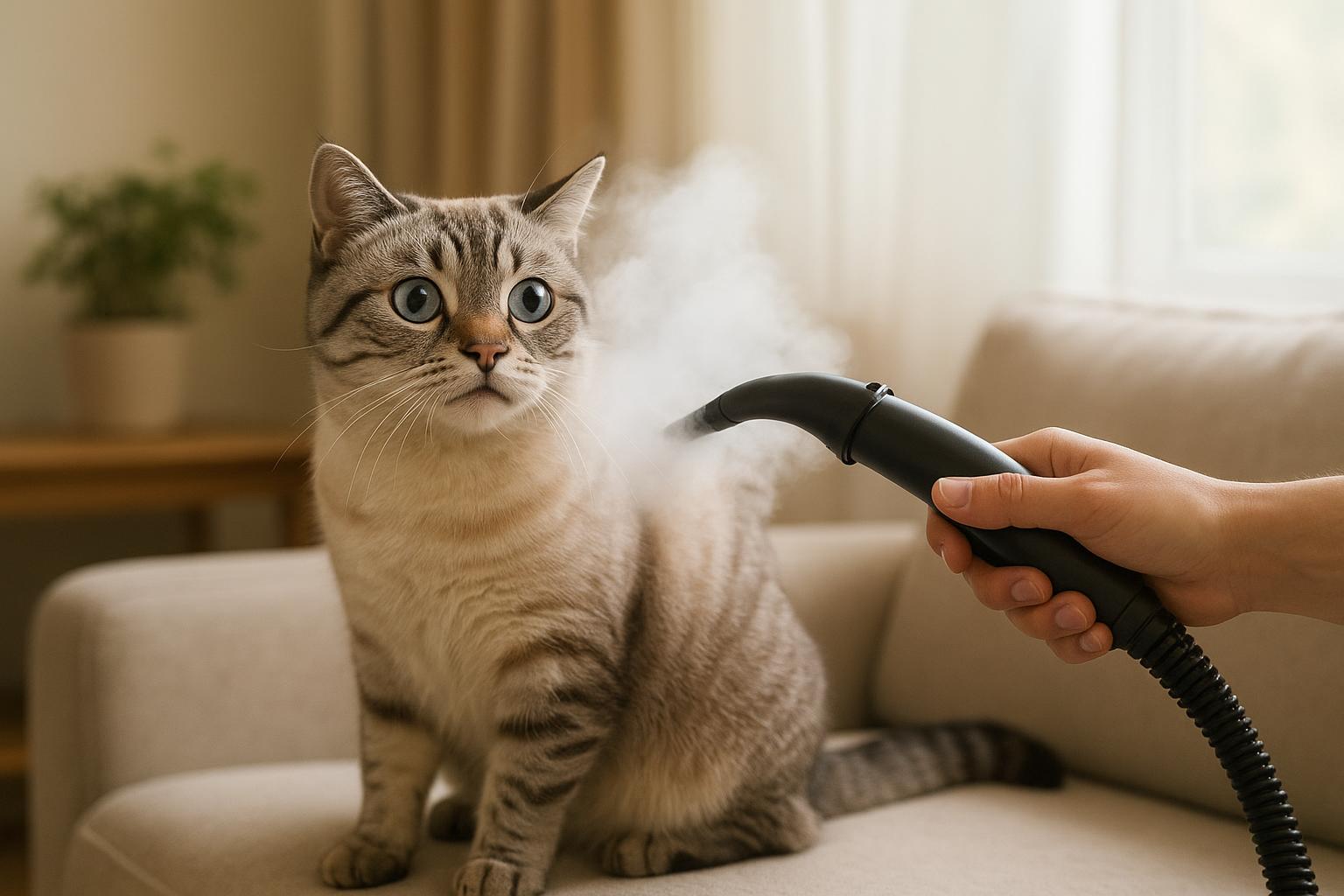
5. Vacuum thoroughly, slowly, and in multiple directions to lift deep particles and dead flea material. Empty the vacuum immediately outdoors into a sealed trash bag.
6. Repeat weekly for at least 3–4 weeks. Flea pupae can remain dormant; repeated treatments and thorough vacuuming interrupt the lifecycle.
Note: This method helps reduce flea numbers but may not eliminate a heavy infestation on its own. Combine with pet treatment and environmental control for best results.
## ## Remedy 2: Professional-Grade Insecticidal Treatment For Fleas In Carpet
When flea populations are established, professional or over-the-counter insecticides that target multiple lifecycle stages are often necessary. These should be used carefully, following label directions or a licensed applicator’s instructions.
Materials And Ingredients
– Insecticidal spray or concentrate labeled for indoor carpet use (look for active ingredients like fipronil, imidacloprid, or pyriproxyfen/insect growth regulator [IGR])
– Personal protective equipment (gloves, goggles, mask)
– Carpet sprayer or trigger spray bottle
– Vacuum cleaner
– Access to outdoor space to air rooms if product instructions require
Step-By-Step Application
1. Read the product label fully to confirm it targets flea eggs, larvae, pupae and adults, and that it’s approved for indoor carpet application.
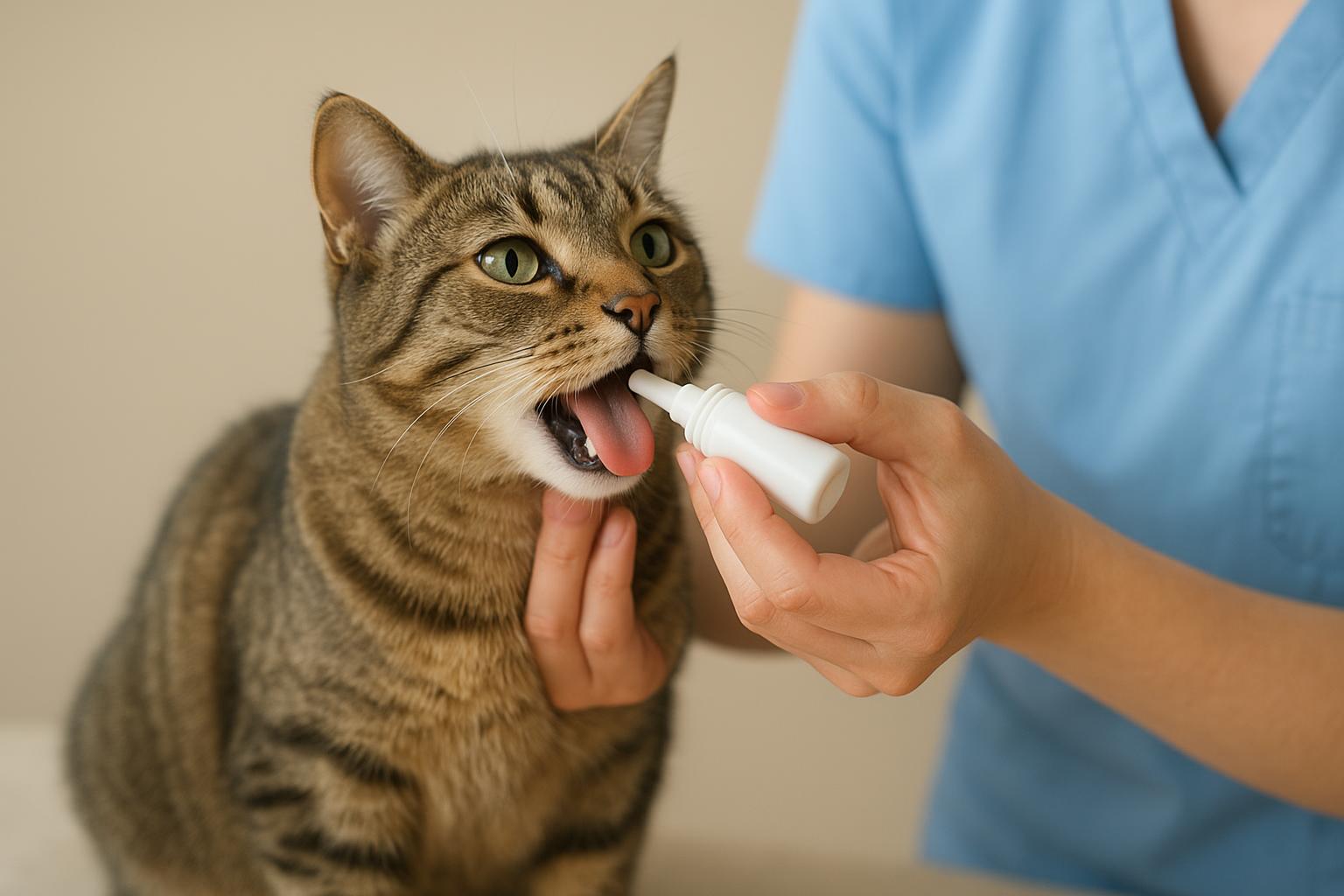
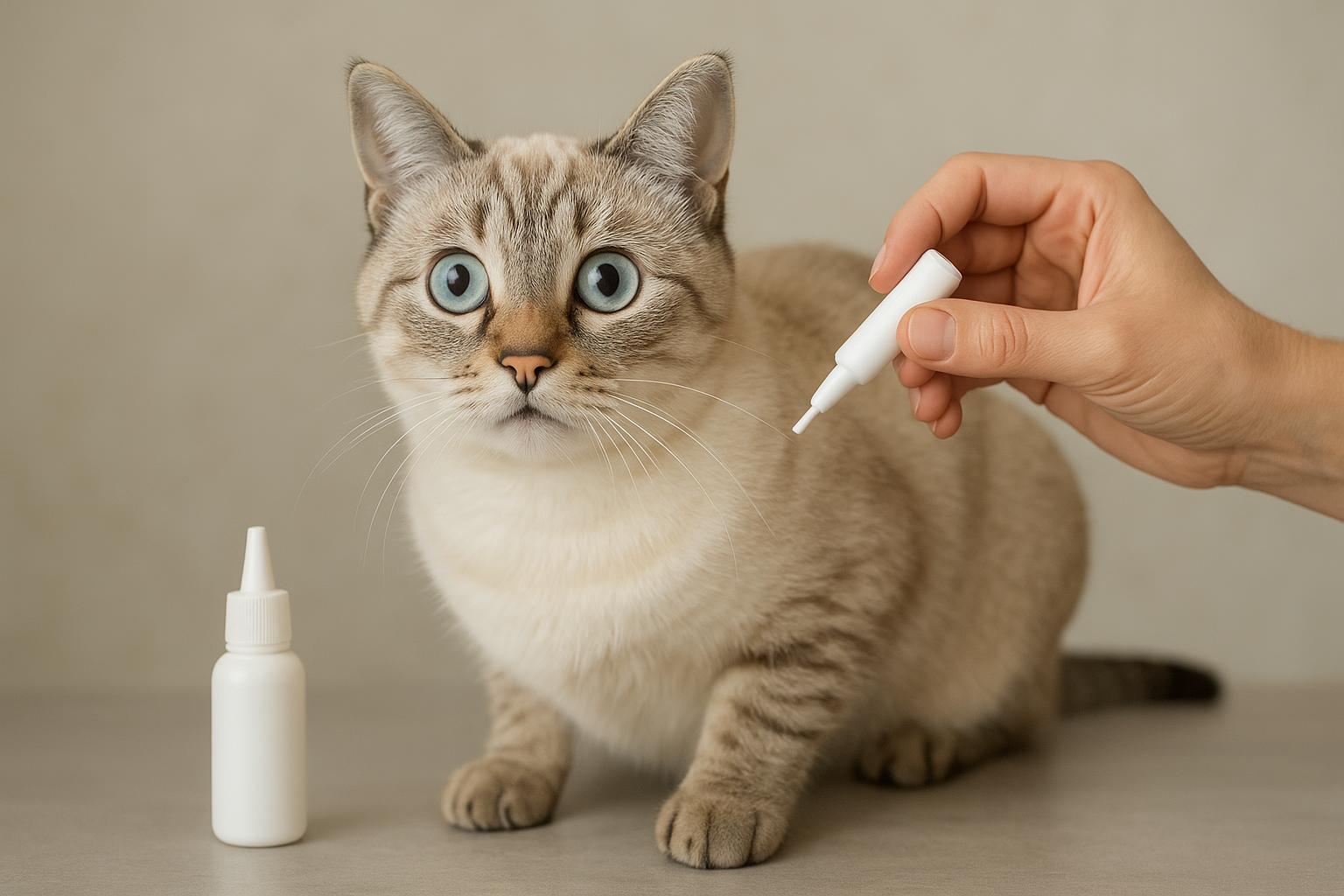
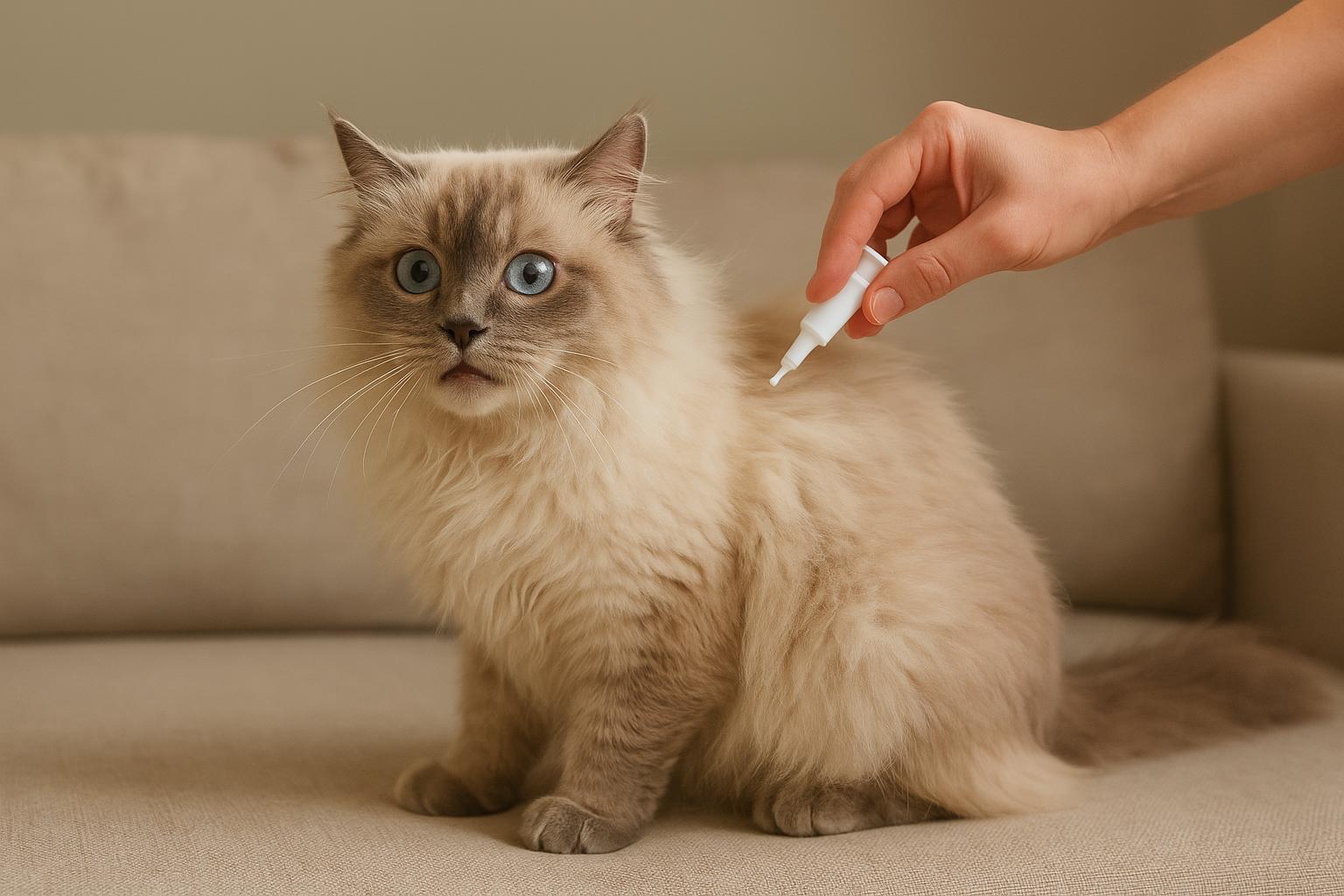
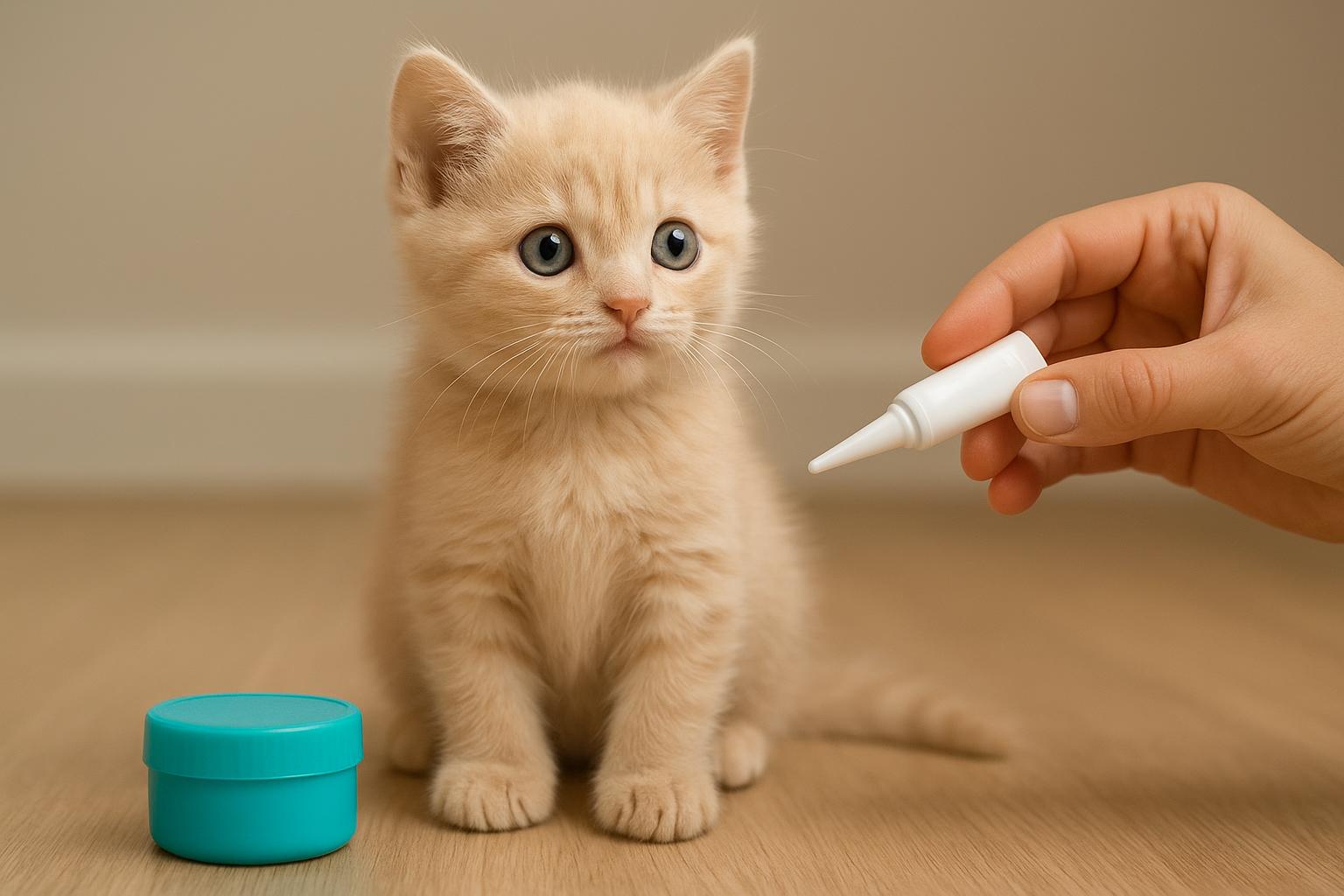
2. Treat pets first: apply veterinarian-prescribed topical treatments or oral medications to stop adult feeding and reproduction. Treating the environment alone while pets remain infested will lead to reinfestation.
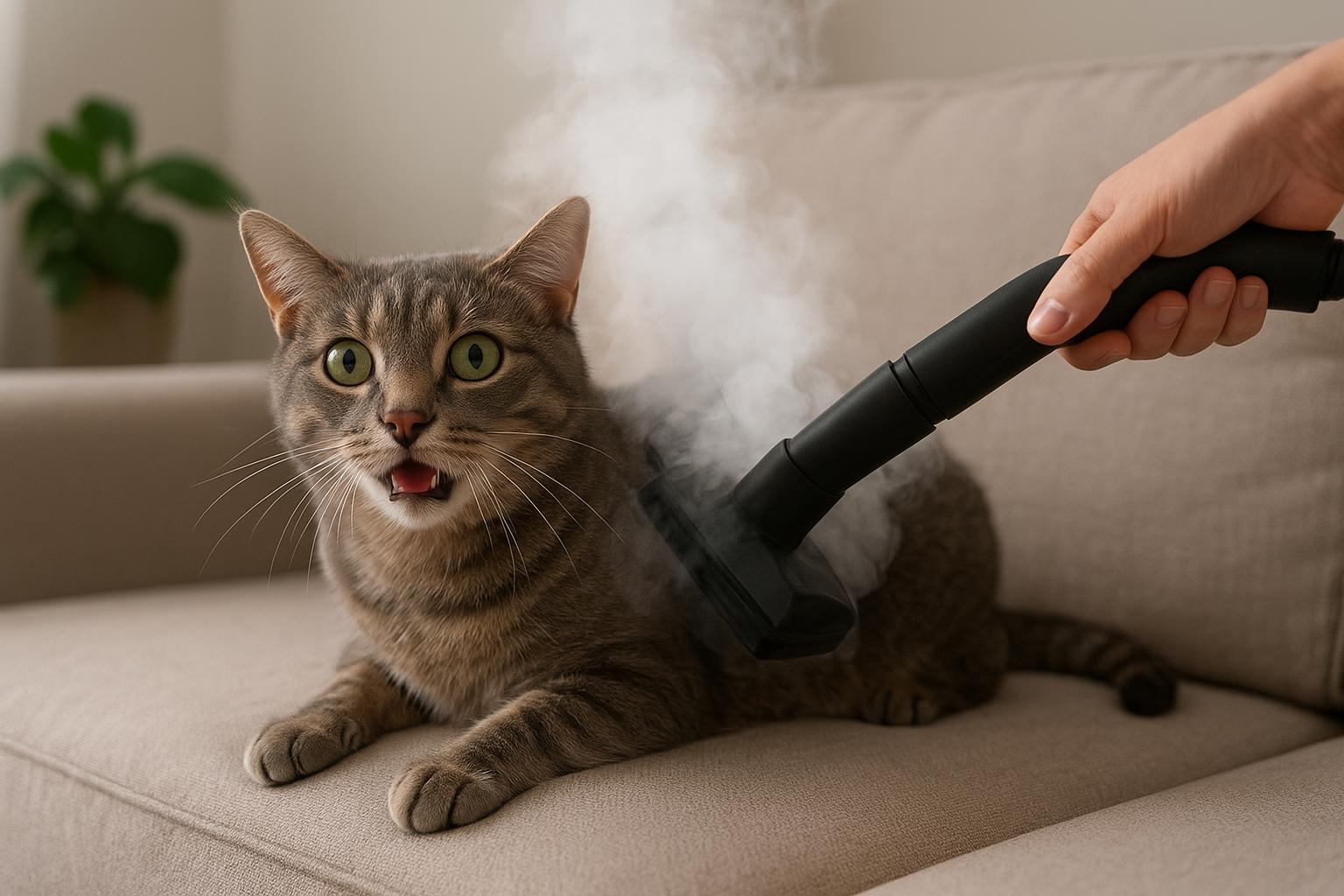
3. Vacuum carpets thoroughly and remove clutter. Vacuuming stimulates pupae to emerge and removes eggs and larvae.
4. Wear personal protective equipment and prepare the insecticide per label instructions.
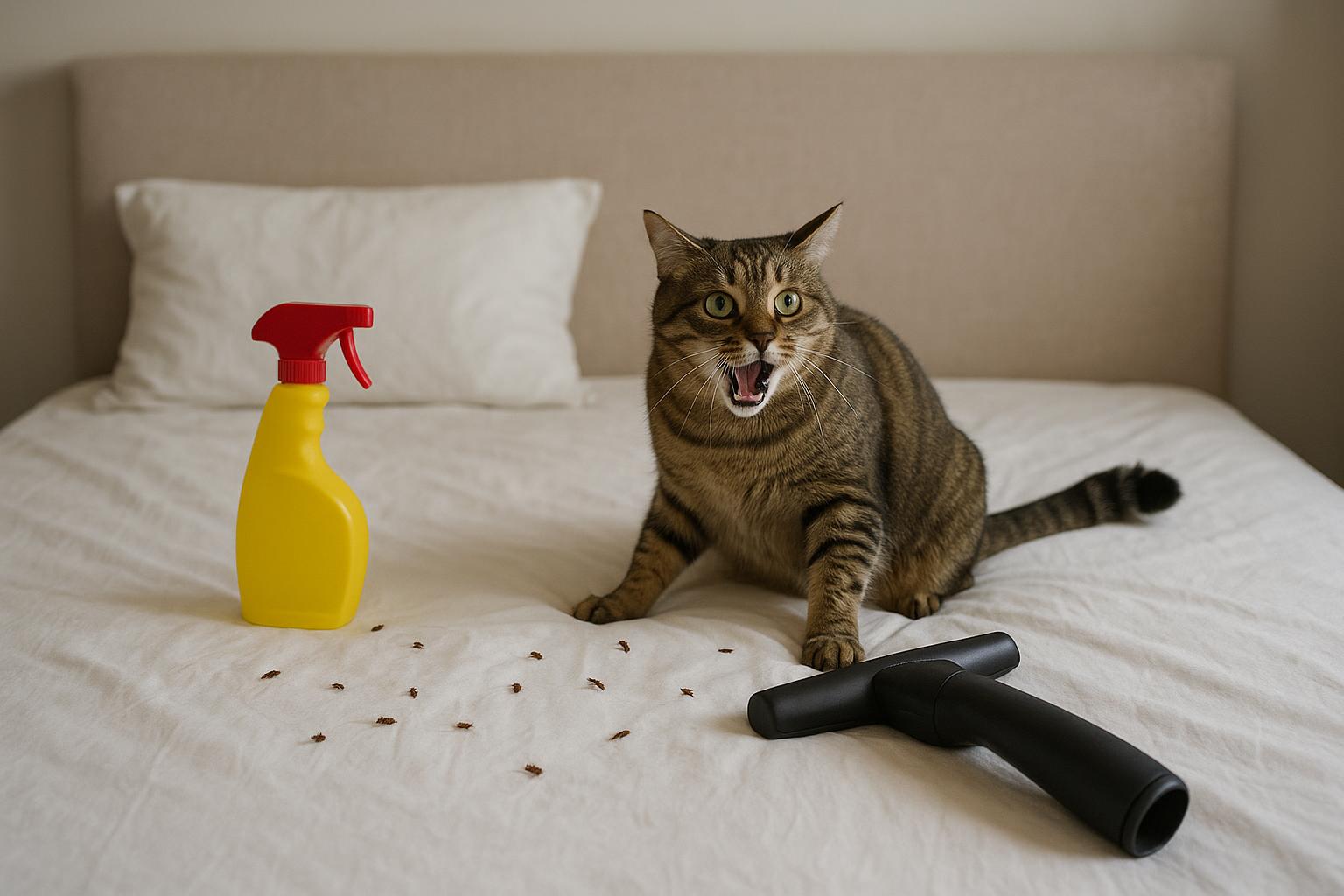
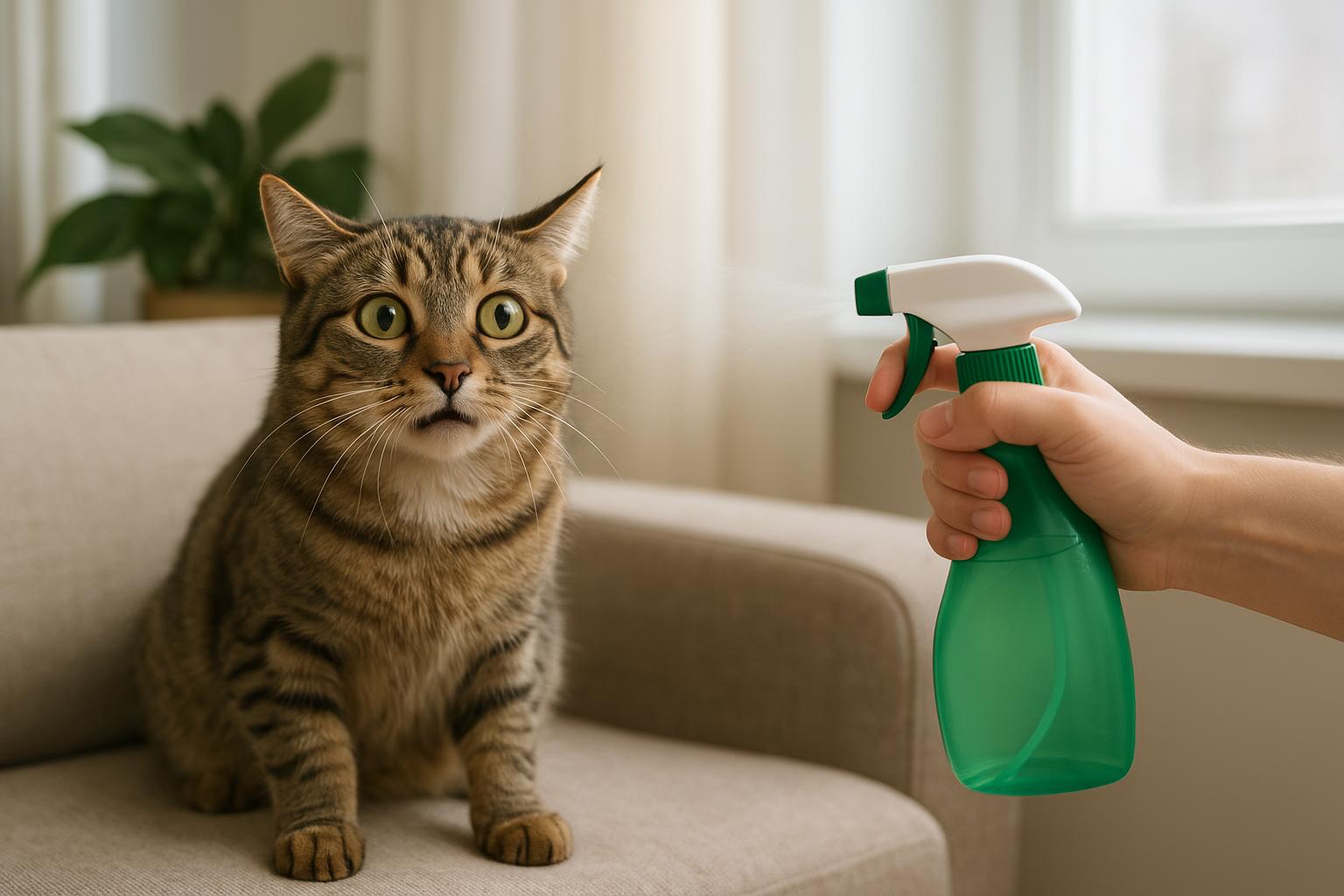
5. Apply insecticide evenly across carpet surfaces, paying special attention to pet resting areas, baseboards and under furniture. Use a low-pressure sprayer for even coverage and to avoid saturating the carpet.
6. Allow treated areas to dry as directed on the label before allowing people or pets back in the room. Some products require you to wait several hours.
7. After drying, vacuum again after the timeframe recommended by the label to remove any dead fleas. Repeat treatments per label schedule (usually 2–3 treatments spaced a week or more apart) to intercept developing fleas from pupae.
Important Safety Notes: Only use products labeled for indoor carpet use and follow safety and re-entry instructions carefully. Consider hiring a licensed pest control professional for severe infestations or if you have concerns about chemical use around children, pets, or sensitive individuals.
### Preventive Habits To Keep Fleas Out Of Carpet
– Maintain regular grooming and veterinarian-recommended flea prevention on pets year-round.
– Vacuum high-traffic and pet areas frequently, emptying vacuum contents outdoors.
– Wash pet bedding weekly in hot water and dry on high heat.
– Keep lawns mowed and reduce wildlife access to yards — wildlife can bring fleas near doors.
– Consider hardwood or tile in areas where pets spend most time; area rugs are easier to clean than wall-to-wall carpet.
#### What To Expect After Treatment
Even after an effective treatment, you may see a few stragglers for days to weeks — pupae that emerged after the initial treatment can hatch and need follow-up measures. Persistence is key: interrupt the lifecycle and treat both pets and environment simultaneously.
#### When To Call A Professional
If you’ve tried integrated DIY methods for several weeks with little improvement, or if you have a large home with extensive carpeting, call a licensed pest control service. Professionals can apply commercial-grade products and offer follow-up plans to ensure long-term control of fleas in carpet.
Now that you know the lifecycle, signs and two clear remedies (one gentle and one professional), you’re better equipped to evict those tiny jumpers from your carpet without turning the living room into a battlefield. If you want, I can help you pick a safe insecticide for indoor use or create a vacuuming and pet-treatment schedule tailored to your home.








Leave a Reply