
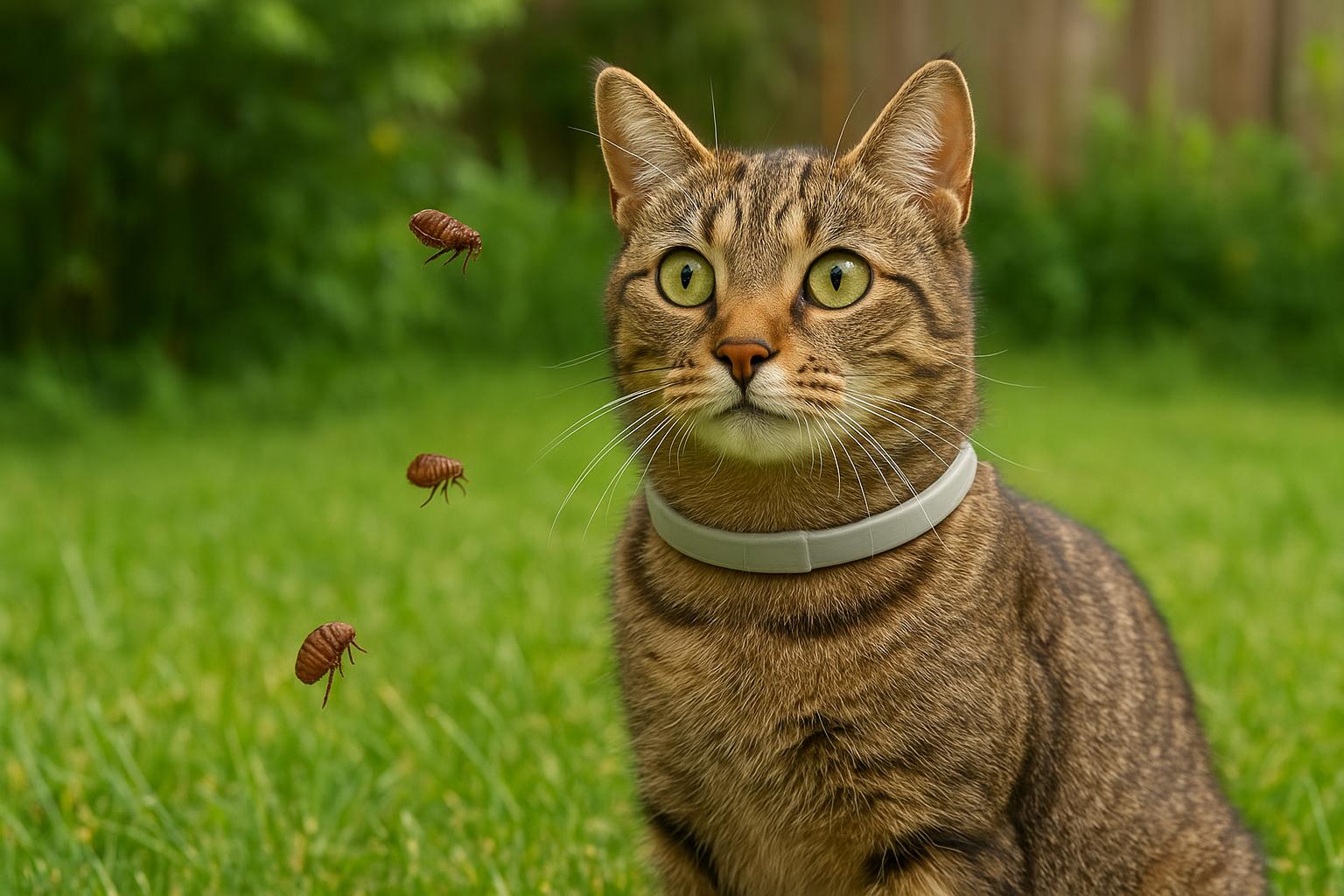
You love letting your cat prowl the backyard—watching them stalk through dappled grass, bat at butterflies (gently, we hope), and nap in sunbeams. But the great outdoors also means fleas, and nobody enjoys the scratch-scratch-scrabble soundtrack of a flea season. This flea collar guide is here to help you pick, use, and (if you’re handy) make collars that protect your cat without needlessly stressing local wildlife or your peace of mind. Think of it as friendly backyard advice with a touch of practical vet-adjacent seriousness when it really counts.
## Flea Collar Guide: How Flea Collars Work
Flea collars come in a few basic flavors: those that release insecticide into a cat’s coat or skin, collars that disperse active ingredients through contact and oils, and non-chemical collars that attempt to repel fleas with scents or physical barriers. The active-ingredient collars can be highly effective against fleas and ticks when sized and worn correctly. Non-chemical options can add a layer of prevention but usually aren’t a complete solution on their own. This flea collar guide will help you weigh the pros and cons for your backyard explorer.
### Types Of Collars And What They Do
– Insecticidal Collars: Contain regulated chemicals (fluralaner, imidacloprid, selamectin alternatives) that kill fleas on contact or after they bite. Effective for weeks to months.
– Repellent/Scent Collars: Use aromas or physical deterrents to keep fleas away. Often safer for wildlife but less reliably effective.
– Combination Collars: Tackle fleas, ticks, and sometimes mites. Good for multi-threat backyards.
– Passive/Protective Collars: Designed to prevent collars from being snagged or to add a barrier layer; not a pest solution on their own.
### Safety Considerations For Cats And Backyard Wildlife
Before fitting any product, consider the ecosystem. Many active chemicals are safe for your cat when used as directed, but they can affect birds, amphibians, or small mammals if residue accumulates in water or nesting areas. Also, kittens, pregnant cats, or cats with health issues may need different products. Always consult your veterinarian for vulnerable animals. This flea collar guide emphasizes choosing collars labeled for cats—never use a dog collar formulation on a cat.
#### Signs Of Trouble To Watch For
– Excessive drooling, redness, hair loss, or lethargy after fitting a collar
– Cats excessively scratching at the collar or attempting to remove it
– Any unusual behavior or appetite change
If you see these, remove the collar and contact your veterinarian promptly.
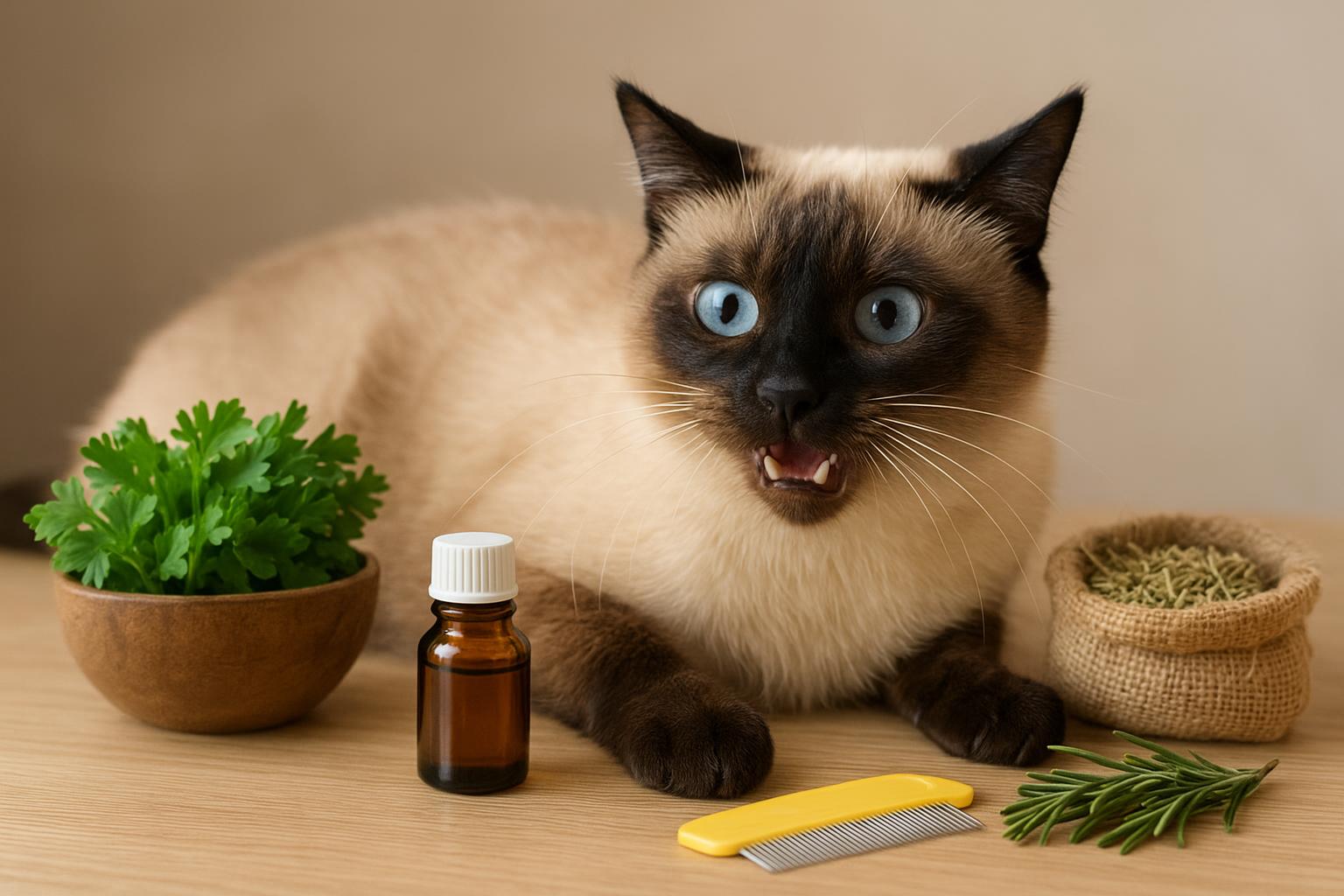
## Remedy 1: Make A Simple Nonchemical Flea Collar (DIY)
This homemade option is intended as a supplementary measure—useful if you want to minimize chemicals while your yard and pet control plan takes effect. It’s not a guaranteed flea eradicator, and you should pair it with environmental control and, when needed, vet-approved topical or oral treatments.
Materials/Ingredients
1. A soft, breakaway cat collar sized to your cat
2. Small tightly woven fabric pouch or breathable mesh sachet (one per collar)
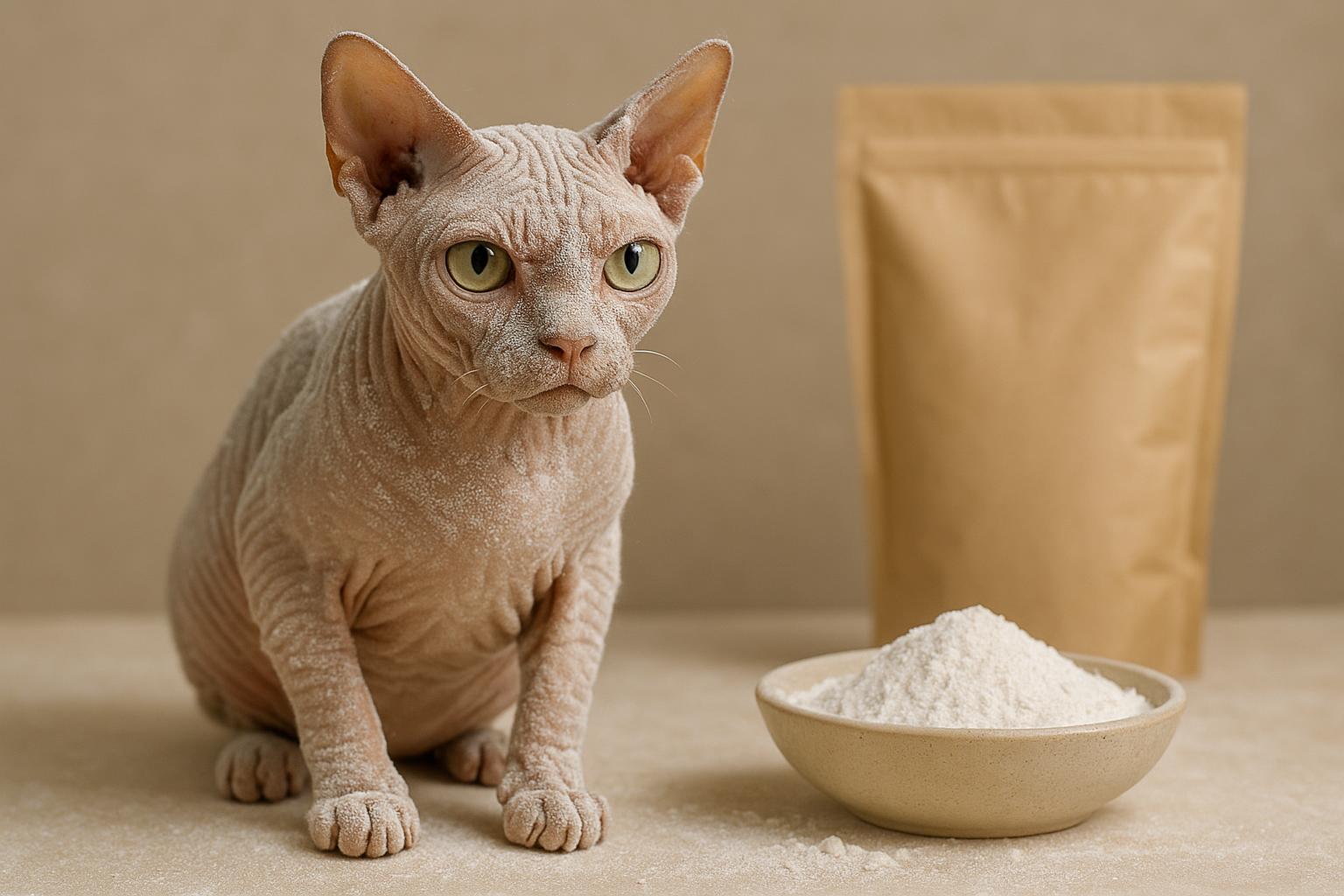
3. Food-Grade Diatomaceous Earth (DE) — a small amount (use only food-grade)
4. Dried rosemary and dried lavender buds (optional and used sparingly)
5. Needle and thread or fabric glue
6. Scissors and measuring tape
7. Gloves and a dust mask (for handling DE)
Step-by-Step Creation And Application (Formal Instructions)
1. Inspect Materials: Confirm the collar is clean, breakaway-style, and fits your cat properly (two-finger rule between collar and neck).
2. Prepare Sachet: Fill the fabric pouch with a thin layer of food-grade diatomaceous earth—no more than a tablespoon for a small pouch. Optionally add a teaspoon of dried rosemary or lavender buds. Note: Essential oils are not recommended for cats; use only whole dried herbs and in small amounts.
3. Seal Securely: Sew or glue the pouch shut so the DE and herbs can’t spill out. The sachet should be breathable but contain dust particles.
4. Attach Pouch To Collar: Sew or tie the sachet to the collar in a way that it rests on the back of the neck, not under the chin. Ensure nothing dangles that could snag on fences or branches.
5. Fit Properly: Place the collar on your cat and adjust to fit two fingers between the collar and neck. Confirm the breakaway clip works.
6. Monitor: Check the sachet weekly for integrity. Replace the sachet every 2–4 weeks or if it becomes damp or damaged.
7. Safety Checks: If your cat starts to sneeze, cough, vomit, or shows skin irritation, remove the collar and wash the area. Consult your veterinarian before resuming or if symptoms continue.
Notes And Precautions
– Food-grade DE is abrasive to insects but can cause respiratory irritation if inhaled—wear a mask during handling and keep sachet sealed.
– Dried herbs can be mildly irritating to some cats—use them sparingly and discontinue if you notice sensitivity.
– This is an adjunct prevention method and should not replace veterinary flea control for active infestations.
### Why This Works For Backyard Cats
Diatomaceous earth works mechanically by desiccating fleas that come into contact with it; it does not rely on chemicals that can wash into storm drains. By keeping the sachet on the collar’s backside, it can contact fleas jumping onto the cat. It’s low-risk for most wildlife compared to strong insecticides, though you should avoid scattering DE freely in the yard.
## Remedy 2: Proper Use Of Commercial Flea Collars
Commercial collars often offer the most reliable, long-duration protection. This section outlines materials and step-by-step application to maximize safety and efficacy.
Materials/Ingredients
1. Vet-recommended or label-approved flea collar for cats (size-appropriate)
2. Gloves (disposable nitrile recommended)
3. Soft cloth or towel
4. Scissors (only if trimming is required for fit)
5. Record log (date applied, brand, batch if desired)
Step-by-Step Application And Best Practices (Formal Instructions)
1. Veterinary Consultation: Confirm the collar’s active ingredients are appropriate for your cat’s age, weight, and health status. Note any household animals or wildlife that may contact the cat.
2. Read Label Thoroughly: Pay attention to handling instructions, duration of effectiveness, and warnings about water exposure or interactions with other products.
3. Prepare: Put on gloves, and have the collar and cloth ready.
4. Fit Collar: Place the collar around the cat’s neck and adjust so you can comfortably insert two fingers between the collar and the neck. Ensure the collar is not too tight or too loose.
5. Trim Excess: If the collar has excess material beyond the buckle or fastener, trim to a safe length—leave enough to fasten properly. Seal any cut edges per manufacturer guidance.
6. Monitor Closely: Check your cat daily for the first week for signs of irritation or unusual behavior. Record application date in your log.
7. Do Not Layer Treatments Unless Instructed: Combining a flea collar with certain topical treatments can increase systemic exposure. Only use additional products under veterinary advice.
8. Replace Per Label: Replace the collar after the labeled effective period, or sooner if damaged or lost.
### Environmental Considerations When Using Commercial Collars
– Avoid letting treated cats swim in small ponds or birdbaths where runoff could affect wildlife.
– Dispose of used collars according to product instructions—many should not be thrown where children or wildlife can access them.
– If you have multiple outdoor pets or native species nearby, consider integrated pest management: yard cleanup, targeted sprays by pros for hotspots, and lawn treatments that are wildlife-conscious.
### Tips For Choosing The Right Collar
– Look for collars with a clear active ingredient listed and veterinary endorsement.
– Prefer collars labeled specifically for cats (and for your cat’s weight/age).
– Consider duration: longer-lasting collars reduce handling but make monitoring vital.
– If your backyard attracts many wildlife species, lean toward selective or less persistent options and combine with environmental controls.
### When To Call The Vet
If you’re unsure which product to use, if your cat has pre-existing illnesses, is pregnant, or is a young kitten, consult your veterinarian. Also call if you observe adverse reactions, or if home remedies don’t control a growing infestation.
This flea collar guide is meant to be a practical map through an often-itchy territory—balancing protection for your cat with care for the critters and plants that share your yard. Use the remedies responsibly, monitor your cat and environment, and when in doubt, reach out to a vet.
Leave a Reply