
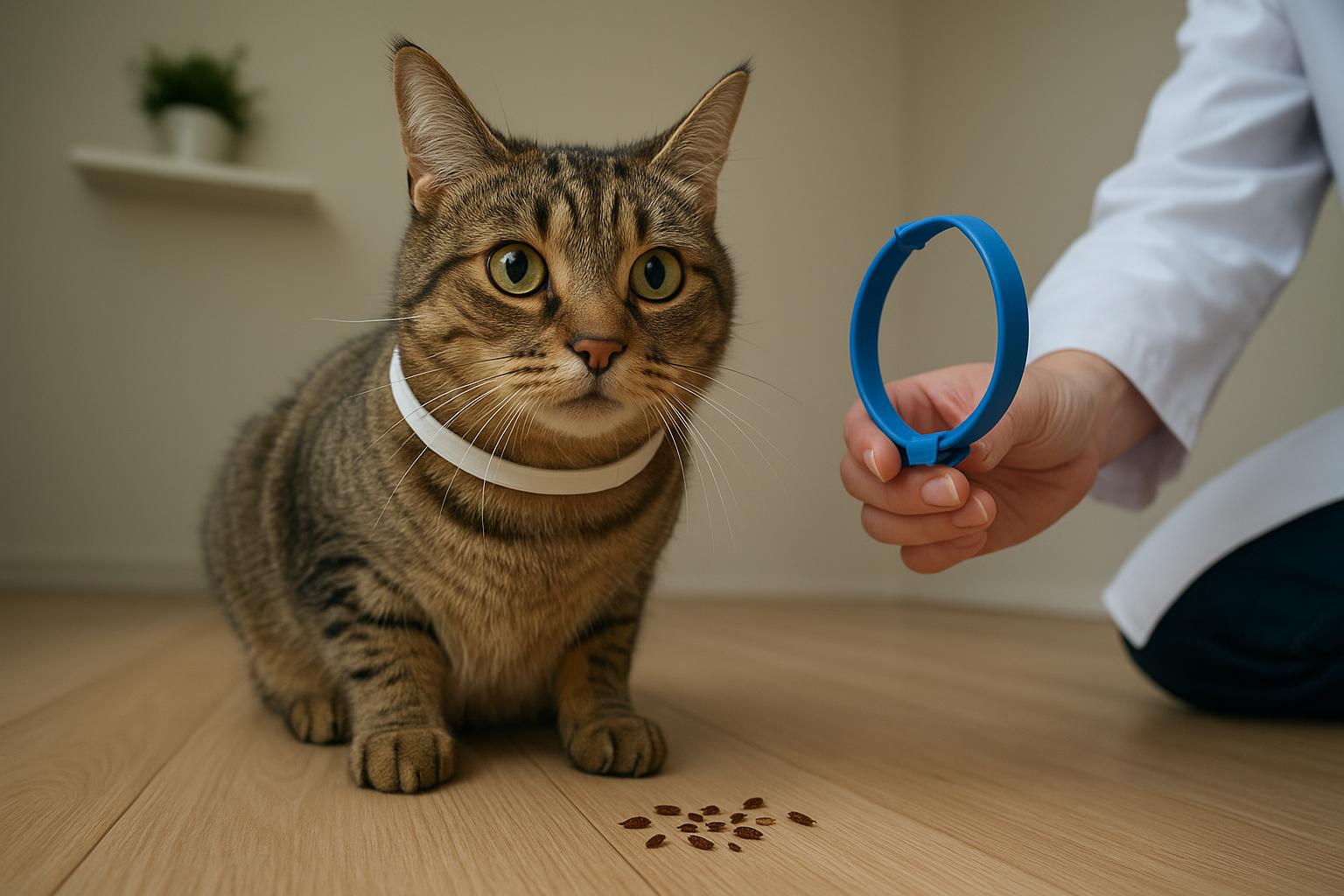
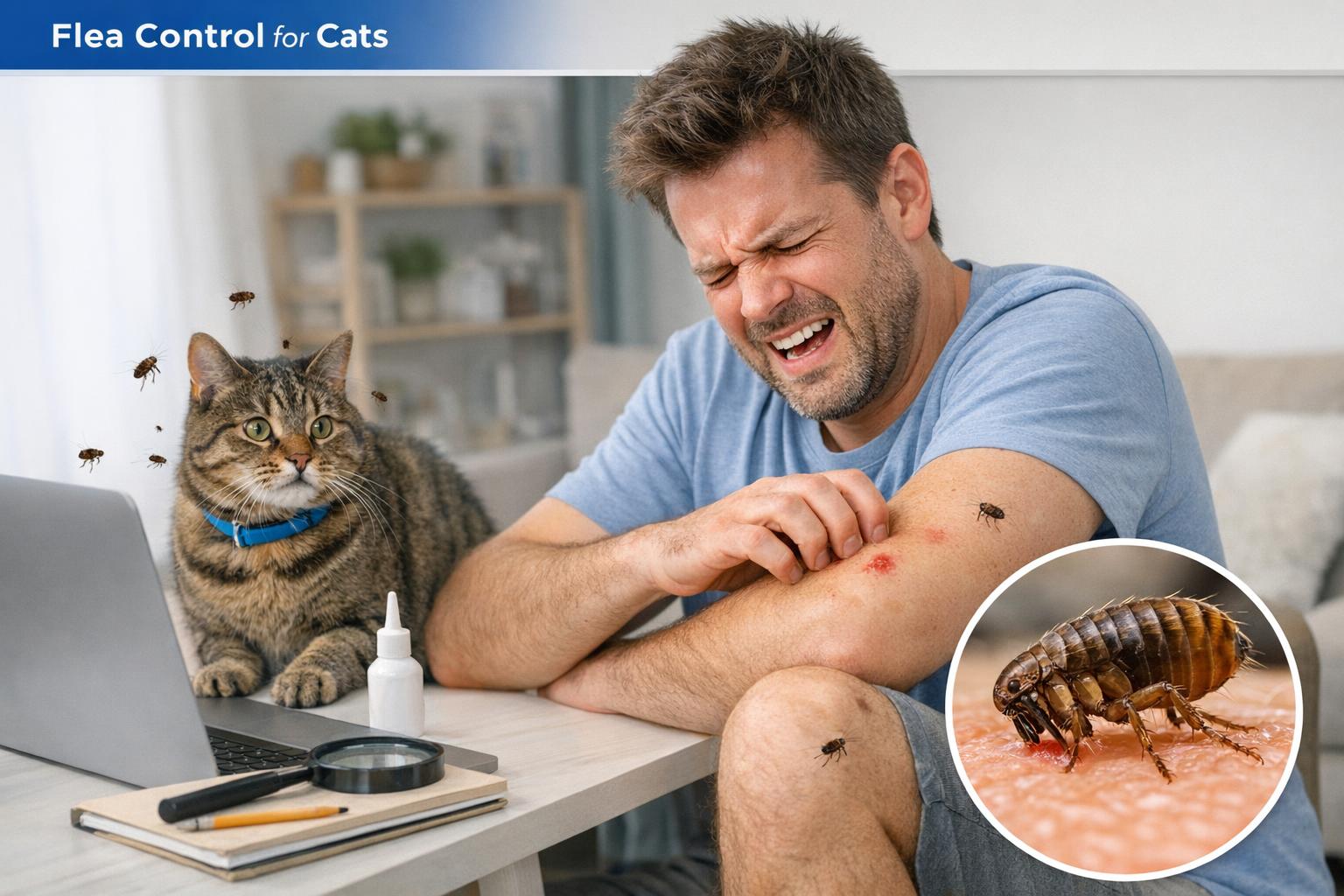
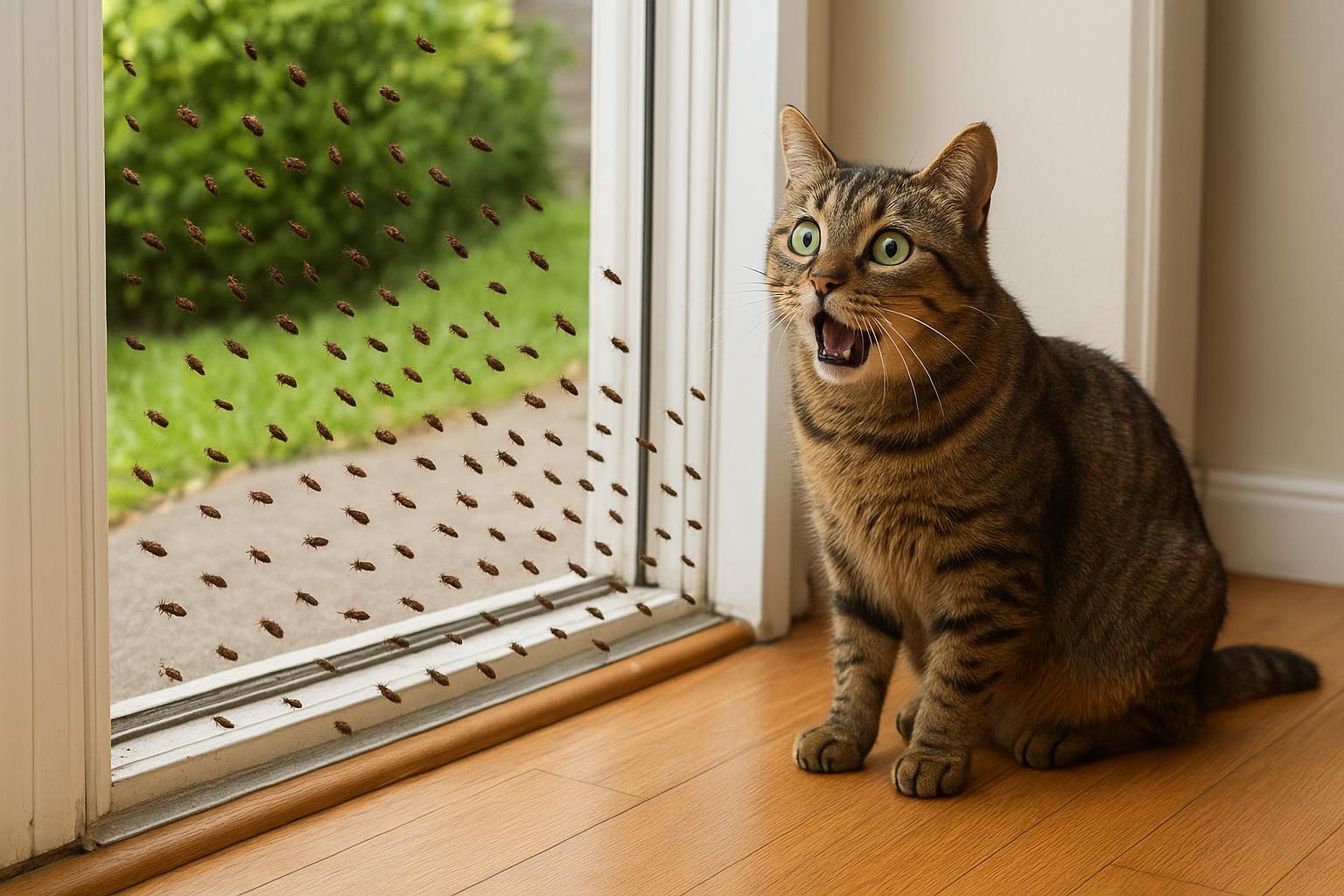
If your cat has been doing an Olympic-level performance of sneezing, scratching, and dramatic fur-balling, you’re probably thinking about collars, sprays, pills, and whether the neighbor’s yard is plotting against you. Flea control can feel like a long game, but understanding collar effectiveness and how it fits into a broader plan puts you back in the driver’s seat—preferably with fuzzy co-pilot on your lap.
## Evaluating Collar Effectiveness For Cat Flea Control
### How Flea Collars Work
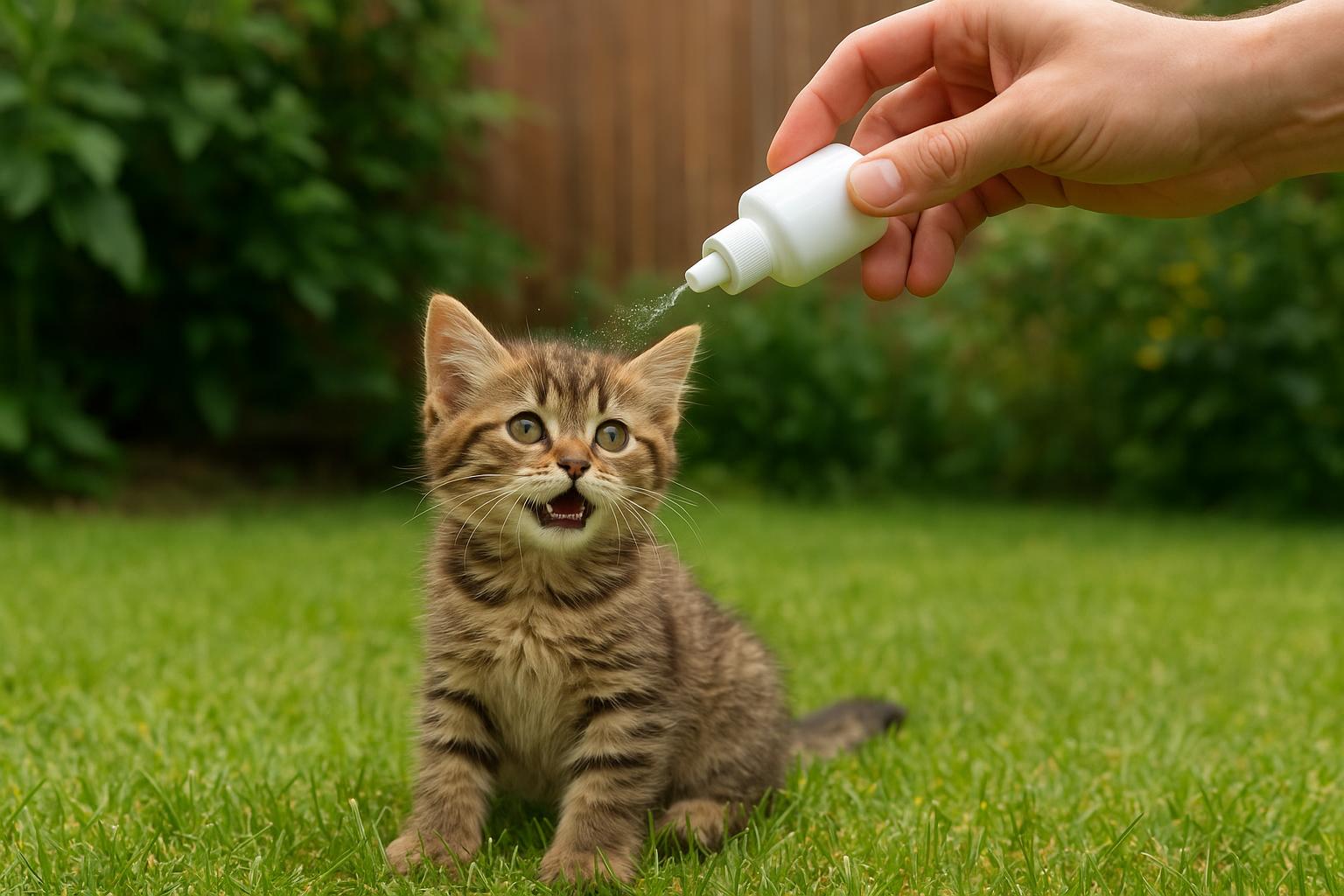
Flea collars deliver active ingredients that either repel, kill, or disrupt the life cycle of fleas. Some collars continuously release small doses of insecticide across the cat’s neck and fur, others emit compounds that spread over the coat and skin. Common active ingredients in vet-recommended collars include imidacloprid and flumethrin, and some combine an insect growth regulator (IGR) like pyriproxyfen to block eggs and larvae from maturing. Collar effectiveness depends on the active chemistry, release mechanism, and how consistently the compound reaches where fleas are feeding or laying.
Science tends to measure collar effectiveness by several metrics: how quickly adult fleas die, how many fleas are prevented from reproducing, and how long the collar maintains protection under real-life conditions (bathing, play, outdoor exposure). Keep in mind that “works” can mean reducing flea load dramatically, not always making a flea population vanish overnight.
### Factors That Influence Collar Effectiveness
Collar effectiveness isn’t a magic switch. A few things to watch for:
– Fit And Position: A collar that’s too loose will slide around; too tight will irritate. A properly fitted collar allows movement but sits close to the neck so actives can distribute.
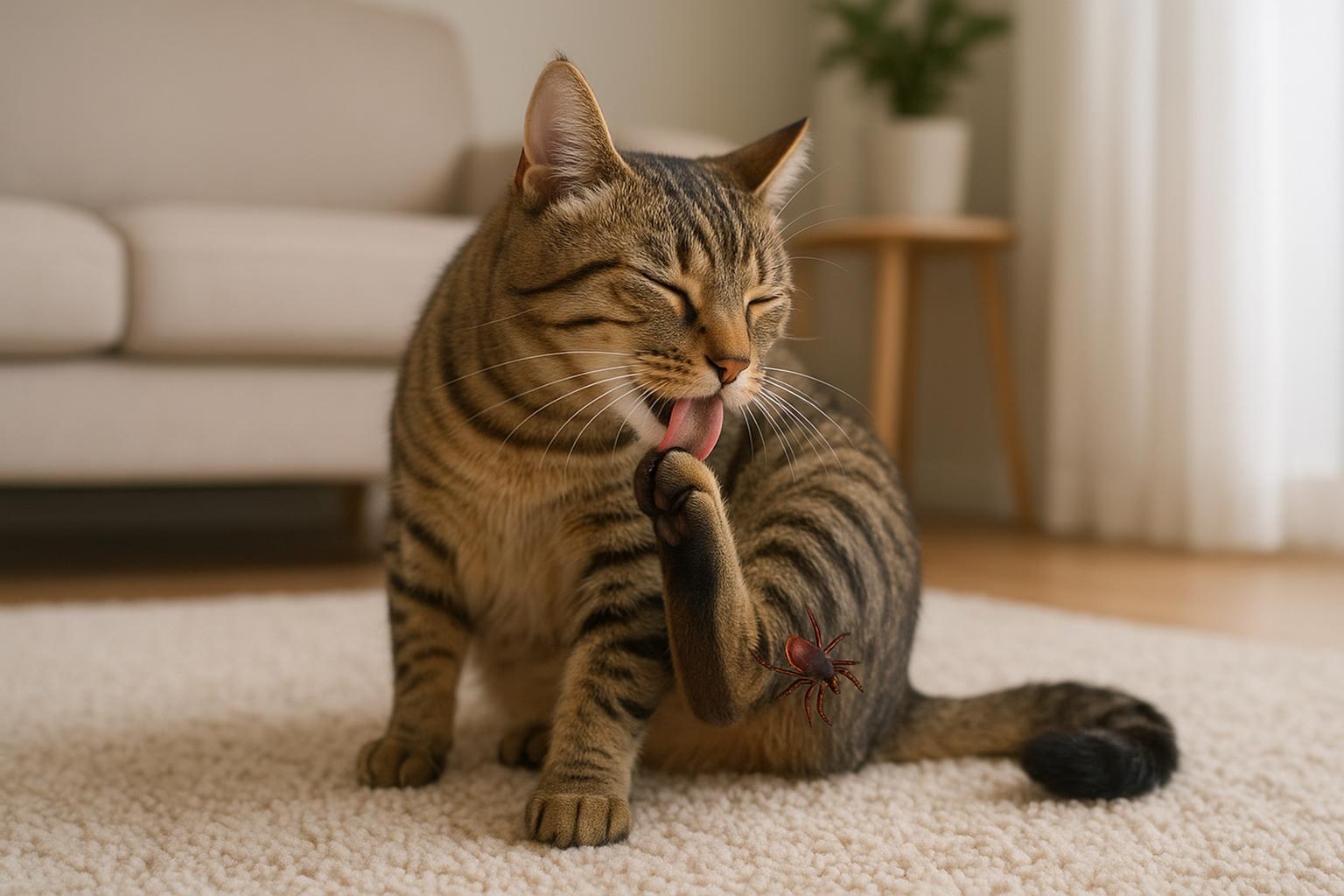
– Grooming: Cats groom themselves constantly. Extensive licking can reduce local concentrations of the active ingredient, and some cats may remove or damage collars.
– Bathing And Swimming: Many collars are water-resistant, but frequent baths or heavy rain can shorten effective life. Always follow product directions about water exposure.
– Coat Type: Long or dense coats can act as a buffer between the collar and flea-carrying skin areas, slightly reducing distribution.
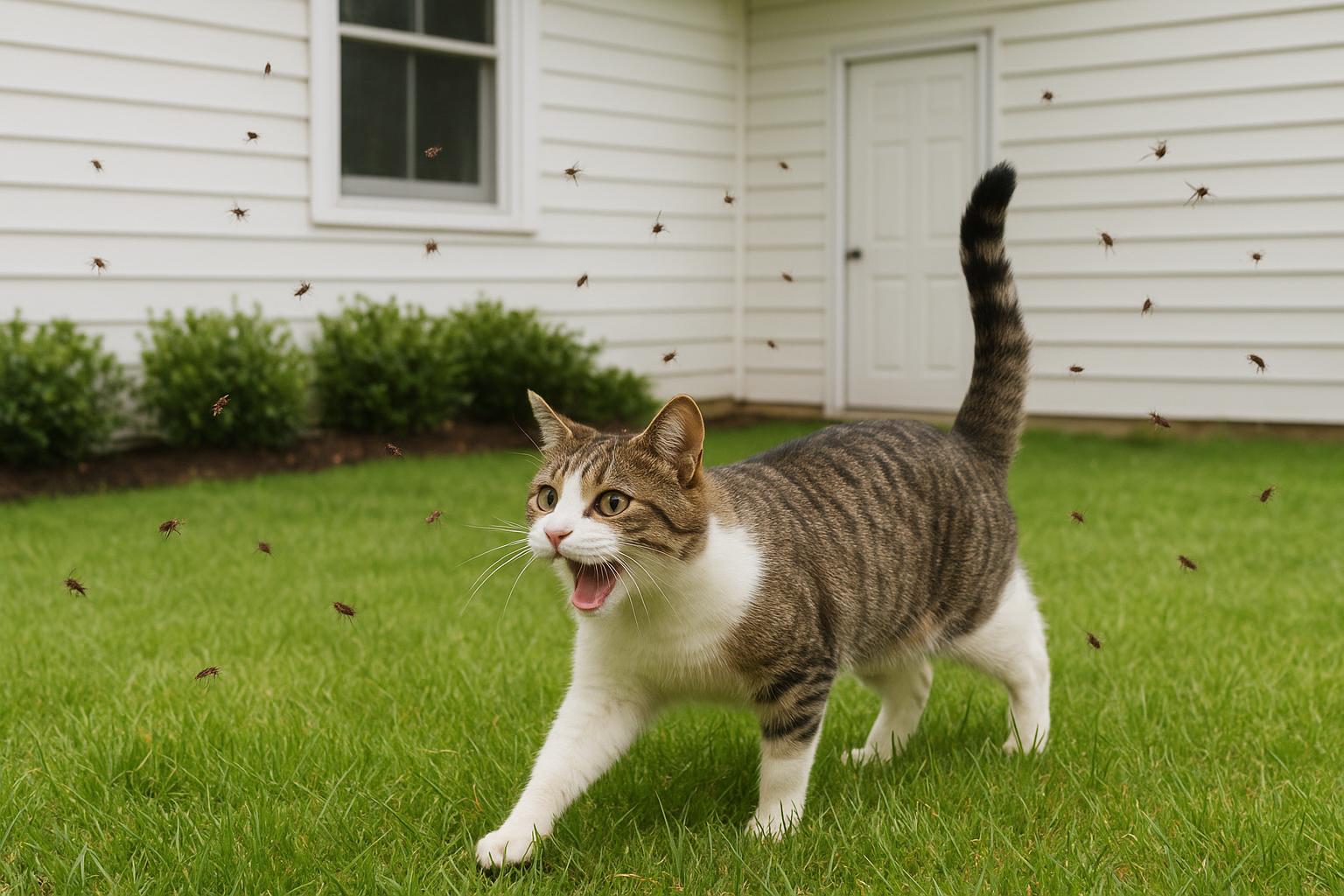
– Environmental Load: Even a highly effective collar can’t stop new fleas jumping on from heavy indoor infestations or untreated wildlife and yard sources.
– Resistance And Species Variability: Flea populations can vary genetically; a product that works well in one area may have reduced performance somewhere else. This rarely means collars are useless—more often it means integrated control is needed.
### Interpreting Efficacy Data And Real-World Results
Clinical trials often show high percentages of reduction in controlled conditions. In homes with established infestations, collar effectiveness will show as a steady drop in flea sightings and reduced flea egg counts over several weeks. Expect a timeframe: it’s common to see meaningful reductions in one to four weeks, with full control taking longer if the environment is heavily infested.
Real-world performance depends on owner compliance: replacing collars on schedule, avoiding unauthorised mixing of treatments, and treating the environment when necessary. If you test a collar and see no improvement after the manufacturer’s specified period, consult your veterinarian—there may be a need to switch active ingredients or add environmental measures.
## 2 Remedies For Managing Fleas With Collars And Home Treatment
When addressing fleas, a multi-pronged approach is best. Below are two formal, stepwise remedies combining collar use and environmental control. Follow the product labels and your vet’s advice precisely.
### Remedy 1: Proper Use Of A Vet-Approved Flea Collar
Materials/Ingredients:
1. Vet-approved flea collar labeled for cats (select based on age/weight restrictions).
2. Measuring tape (optional) or two-finger rule for fit.
3. Scissors (safety rounded-tip recommended).
4. A comfy treat to calm your cat.
Step-By-Step Application And Use:
1. Read The Label Carefully: Confirm the collar is explicitly for cats, check age and weight limits, and note the duration of protection and any water-exposure instructions.
2. Inspect The Cat’s Neck: Ensure the skin is intact and free of active wounds or severe irritation. If there’s already dermatitis, consult your vet before applying a collar.
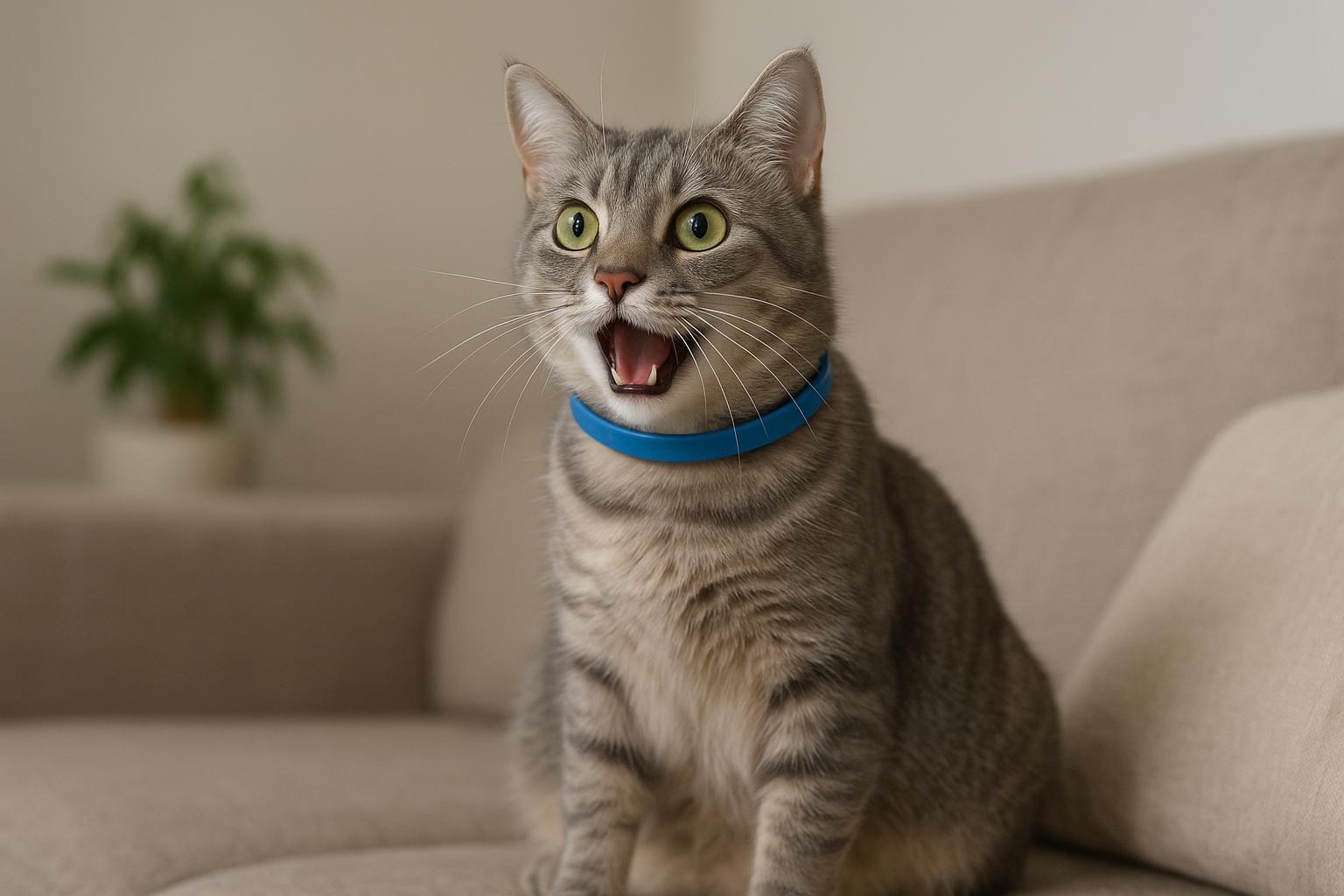
3. Fit The Collar Properly: Place the collar around the neck and fasten it so you can slide two fingers comfortably between the collar and the cat’s neck. The collar should sit snugly but not constrict.
4. Trim Excess Collar Material: If the collar has excess length that could catch on furniture, trim to leave 1–2 inches beyond the buckle, following manufacturer safety guidance about trimming.
5. Observe For Initial Reactions: Monitor the cat for 24–48 hours for signs of local irritation, drooling, lethargy, vomiting, or behavioral changes. Remove immediately and call your vet if adverse signs occur.
6. Follow Replacement Schedule: Replace the collar per label instructions—do not extend beyond the recommended duration. Record the start date so you don’t lose track.
7. Avoid Simultaneous Conflicting Products Without Vet Approval: Some combinations (e.g., certain systemic isoxazolines and topical kills) can be perfectly safe; others may not. Ask your vet before overlapping treatments.
### Remedy 2: Integrated Home And Yard Protocol (Supplementing A Collar)
Materials/Ingredients:
1. High-efficiency vacuum cleaner.
2. Hot-water laundry facility and pet bedding/washable items.
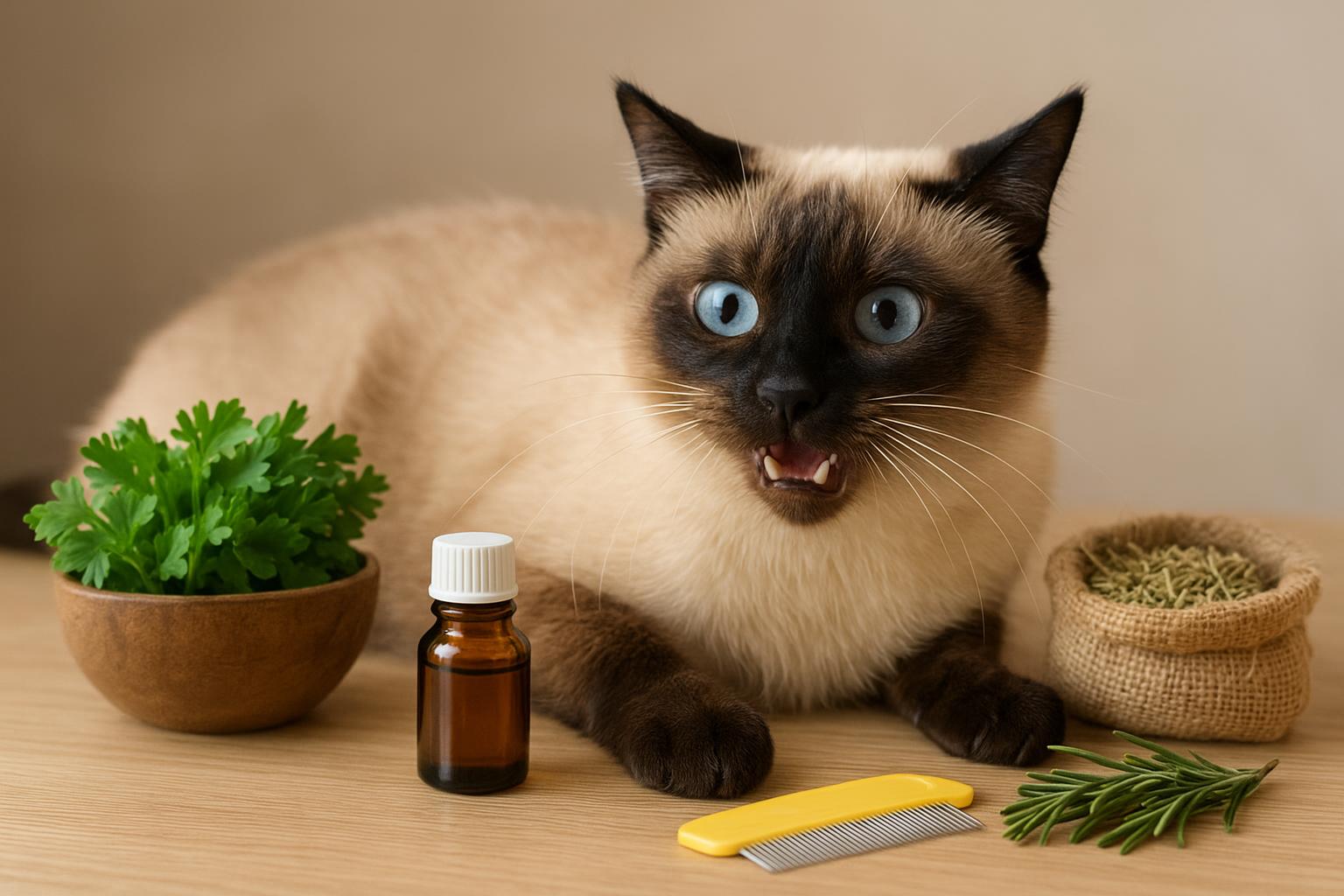
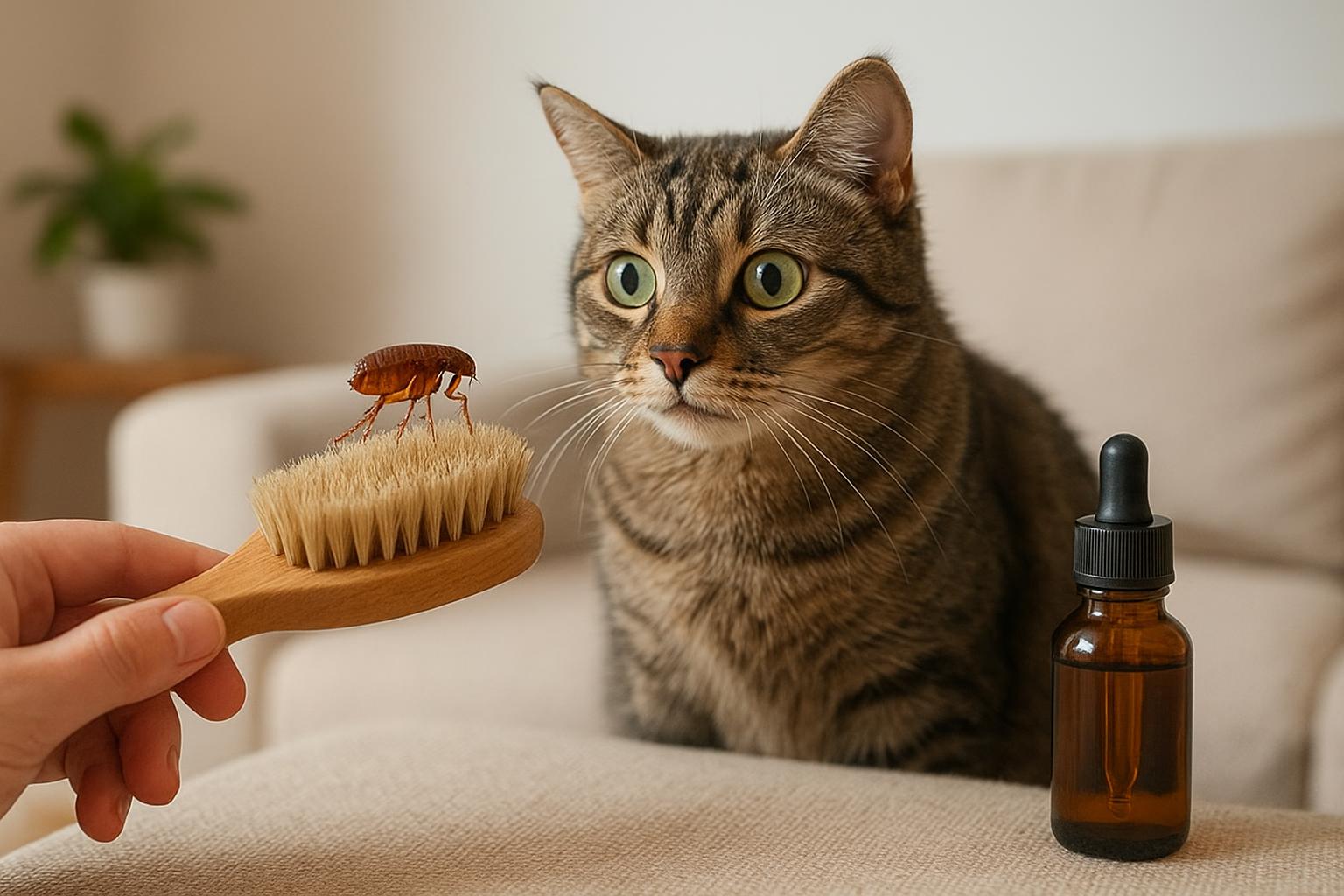
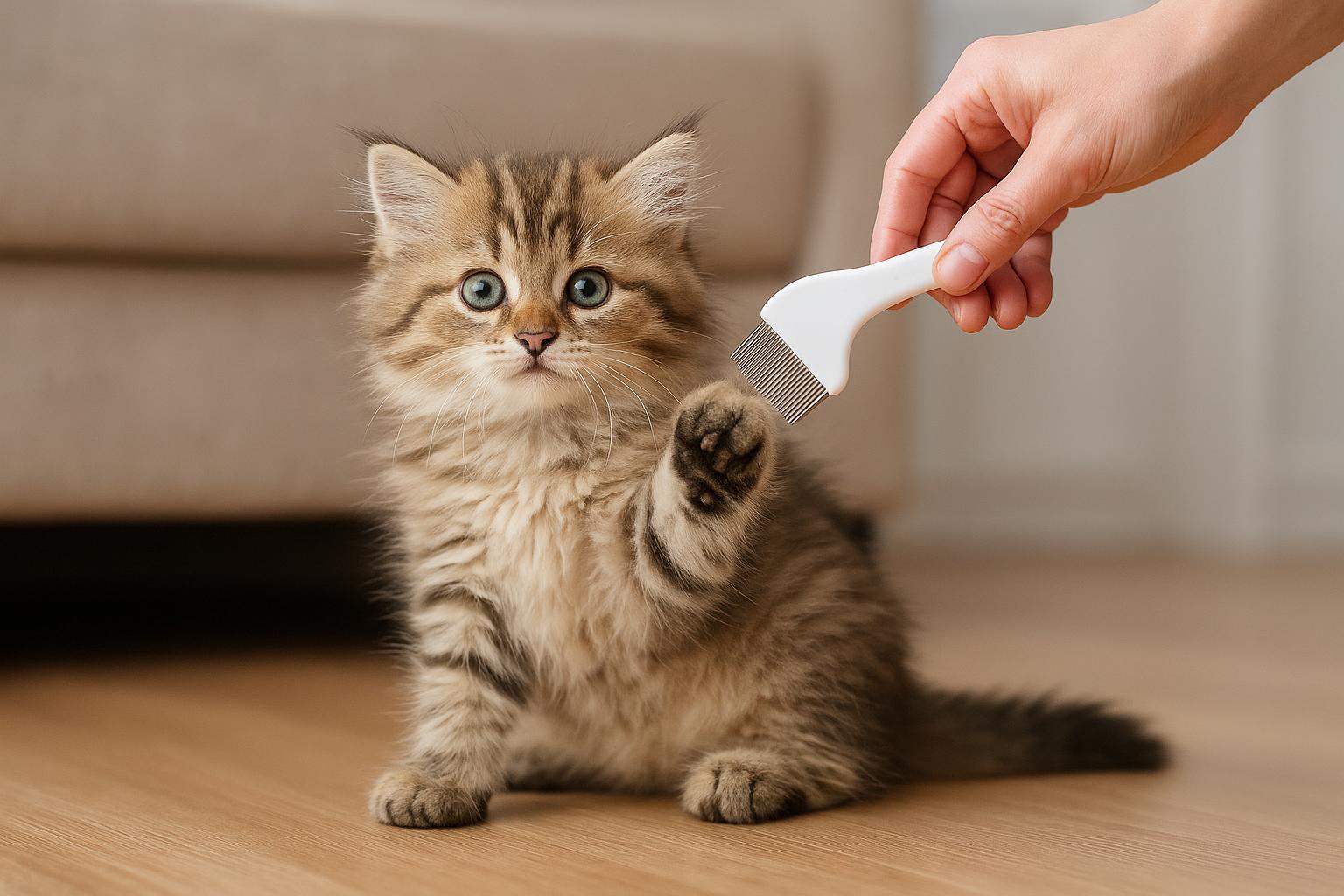
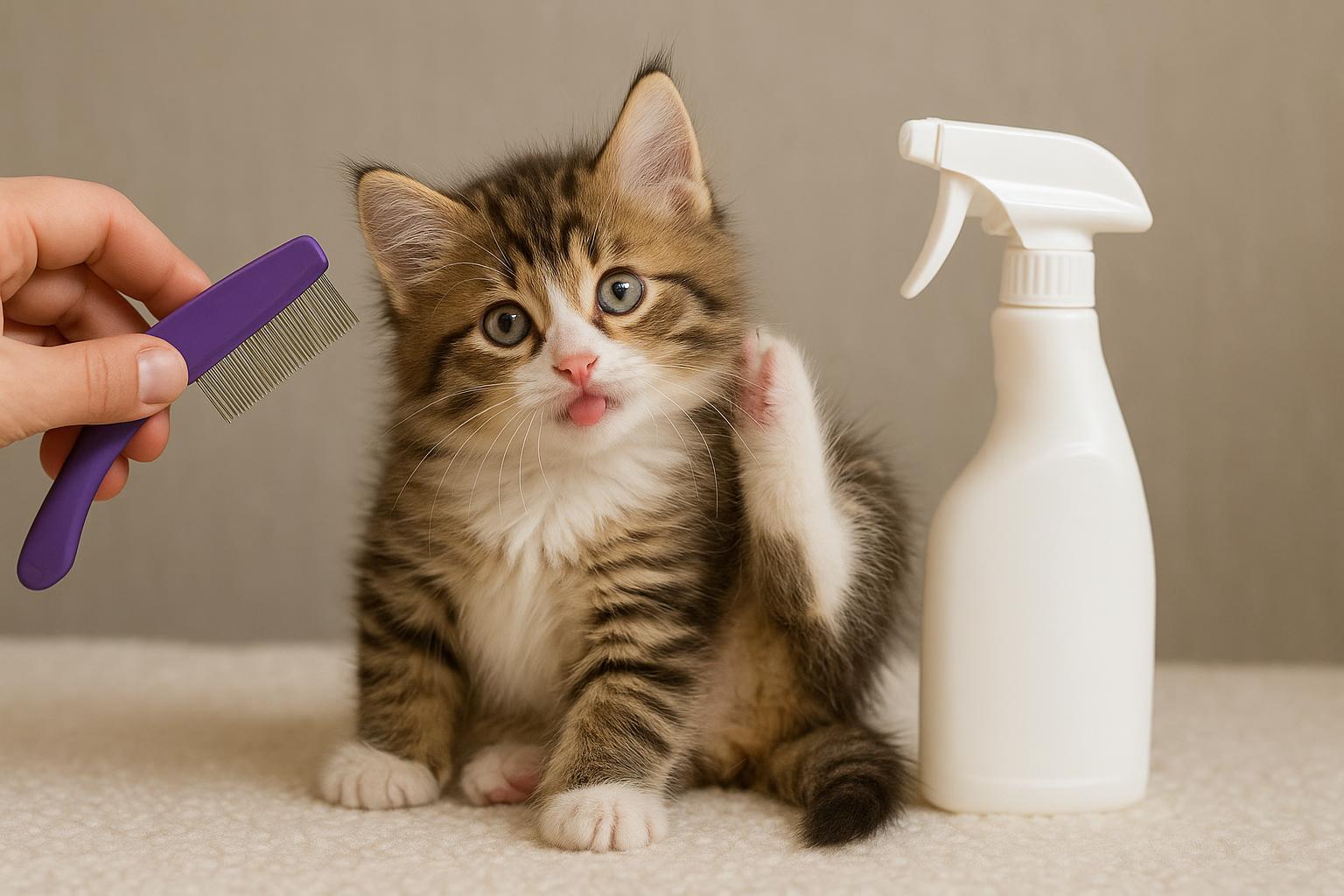
3. Fine-tooth flea comb and a bowl of soapy water for combed fleas.
4. Beneficial nematode product (commercially available) for yard application or a veterinarian-recommended outdoor insect control product.
5. Sprayer for nematodes (if required by product).
6. Protective gloves and follow manufacturer PPE for yard treatments.
Step-By-Step Creation And Application:
1. Indoor Clean Sweep:
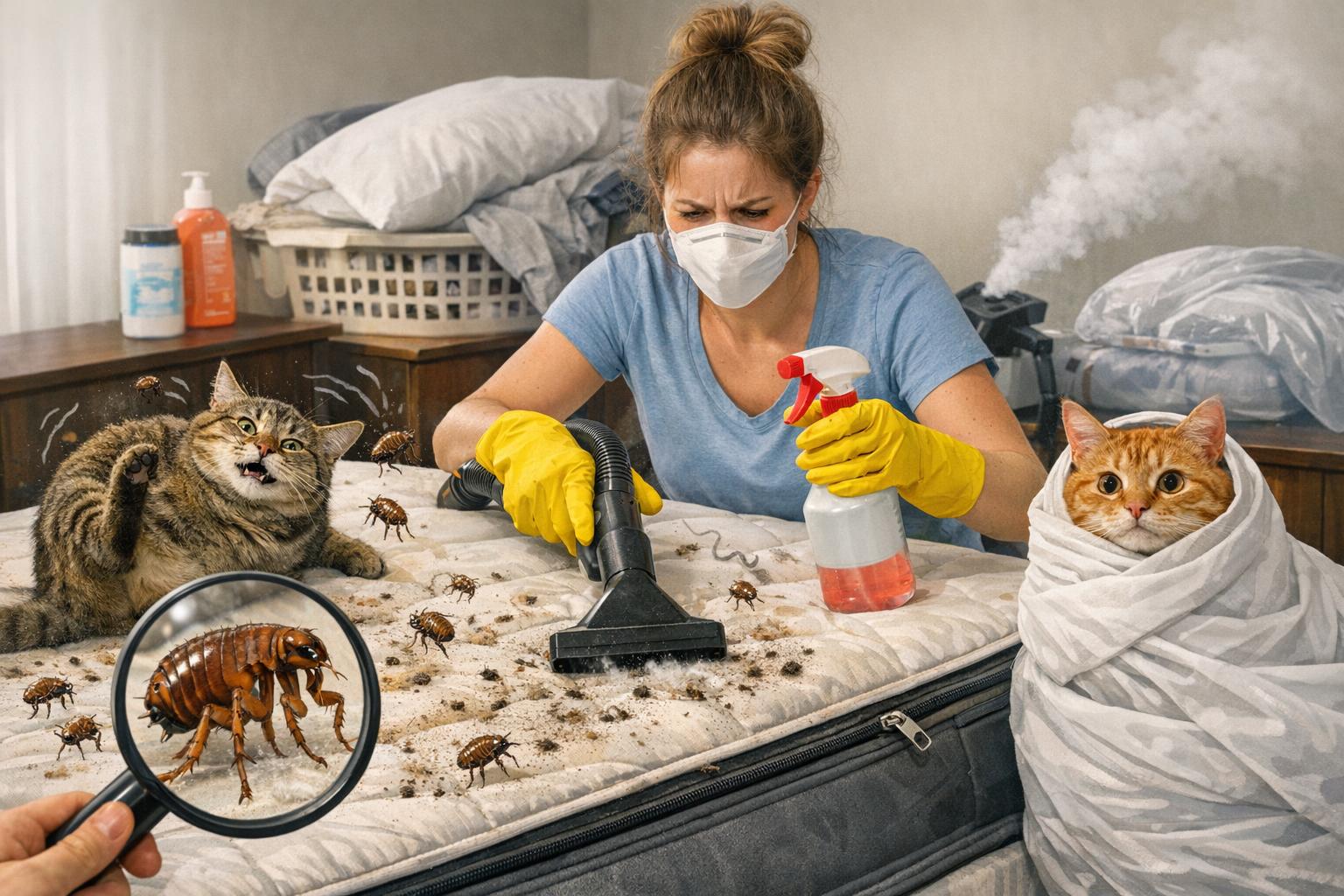
a. Remove and launder all pet bedding, blankets, and washable cushions in hot water (at least 60°C/140°F where possible) and dry on high heat.
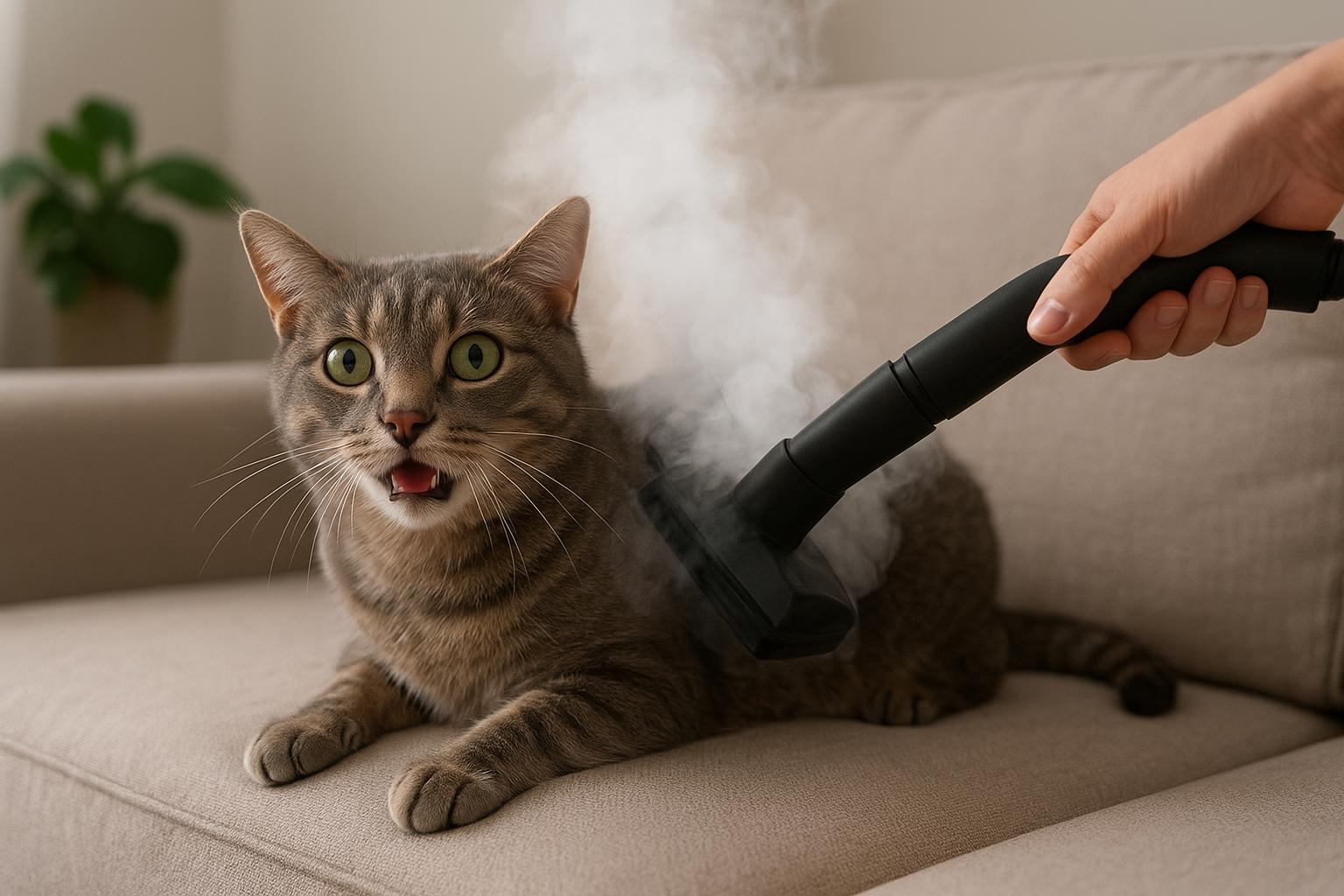
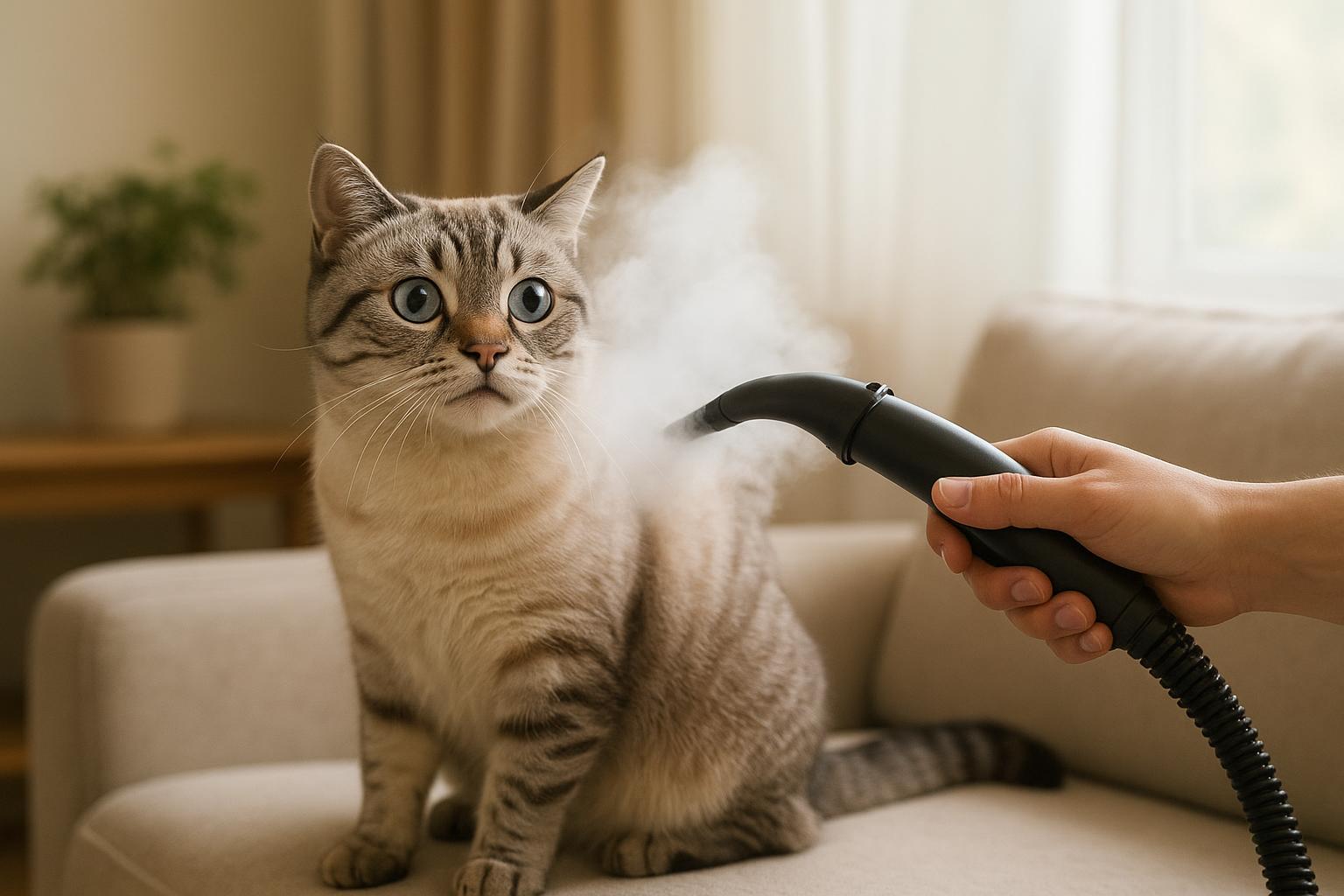
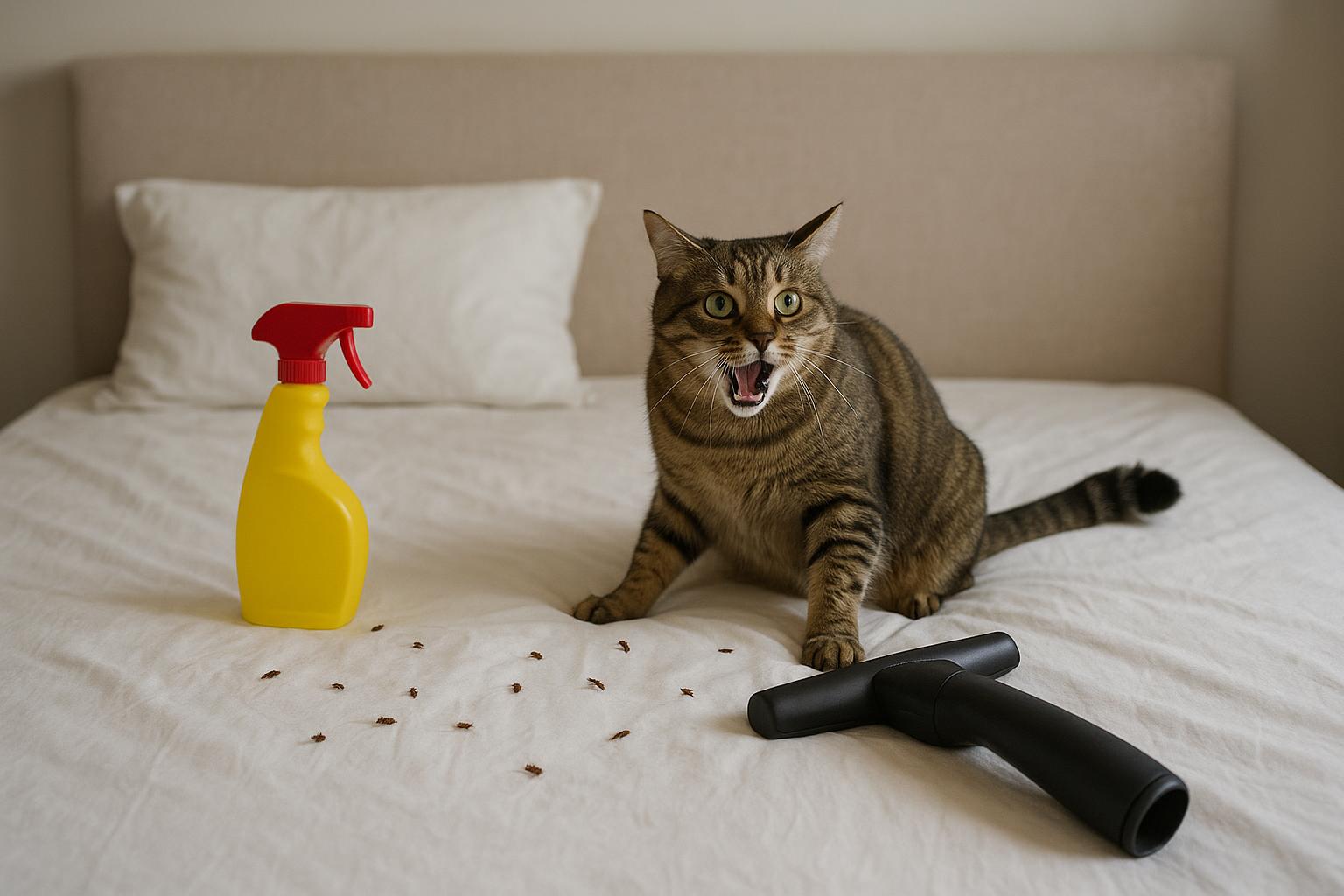
b. Vacuum carpets, rugs, furniture seams, and baseboards daily for 2–3 weeks. Dispose of vacuum bag contents or empty canister into a sealed bag outdoors immediately to prevent re-infestation.
2. Comb And Treat The Cat:
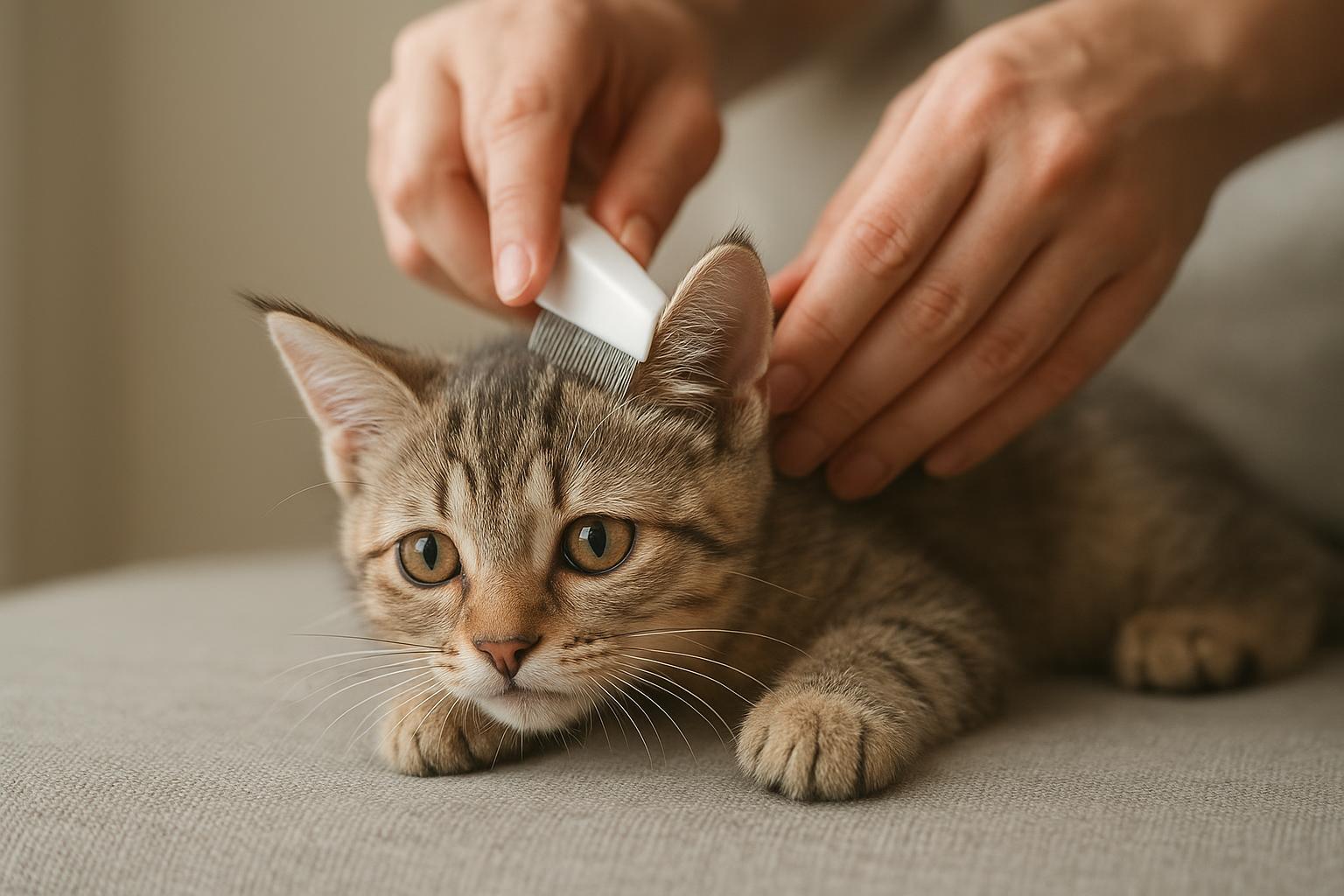
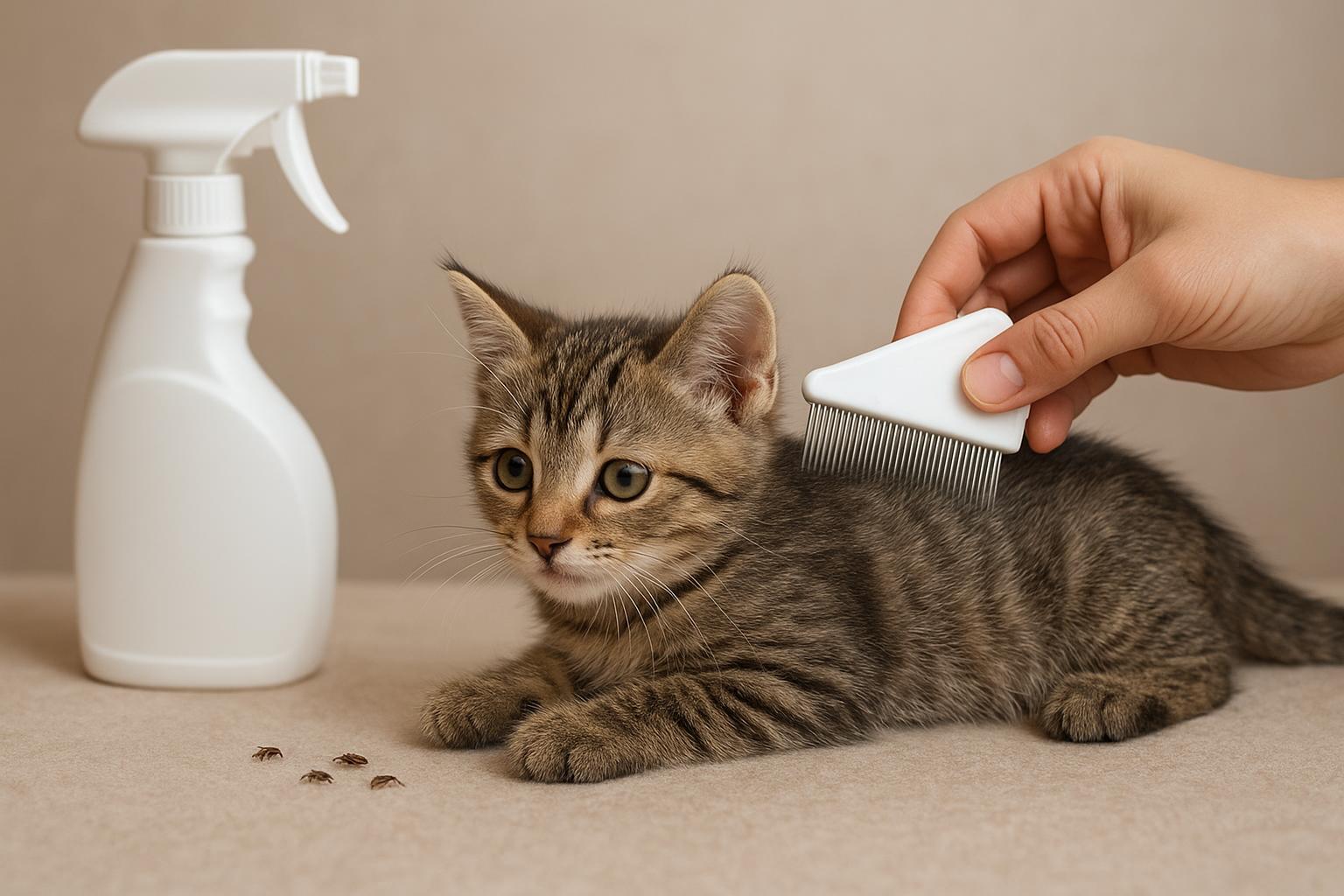
a. Use the fine-tooth flea comb to comb small sections of fur systematically from head to tail.
b. Dip combed fleas into the bowl of soapy water to kill them on contact.
c. Continue combing daily until fleas are no longer observed for a full week.
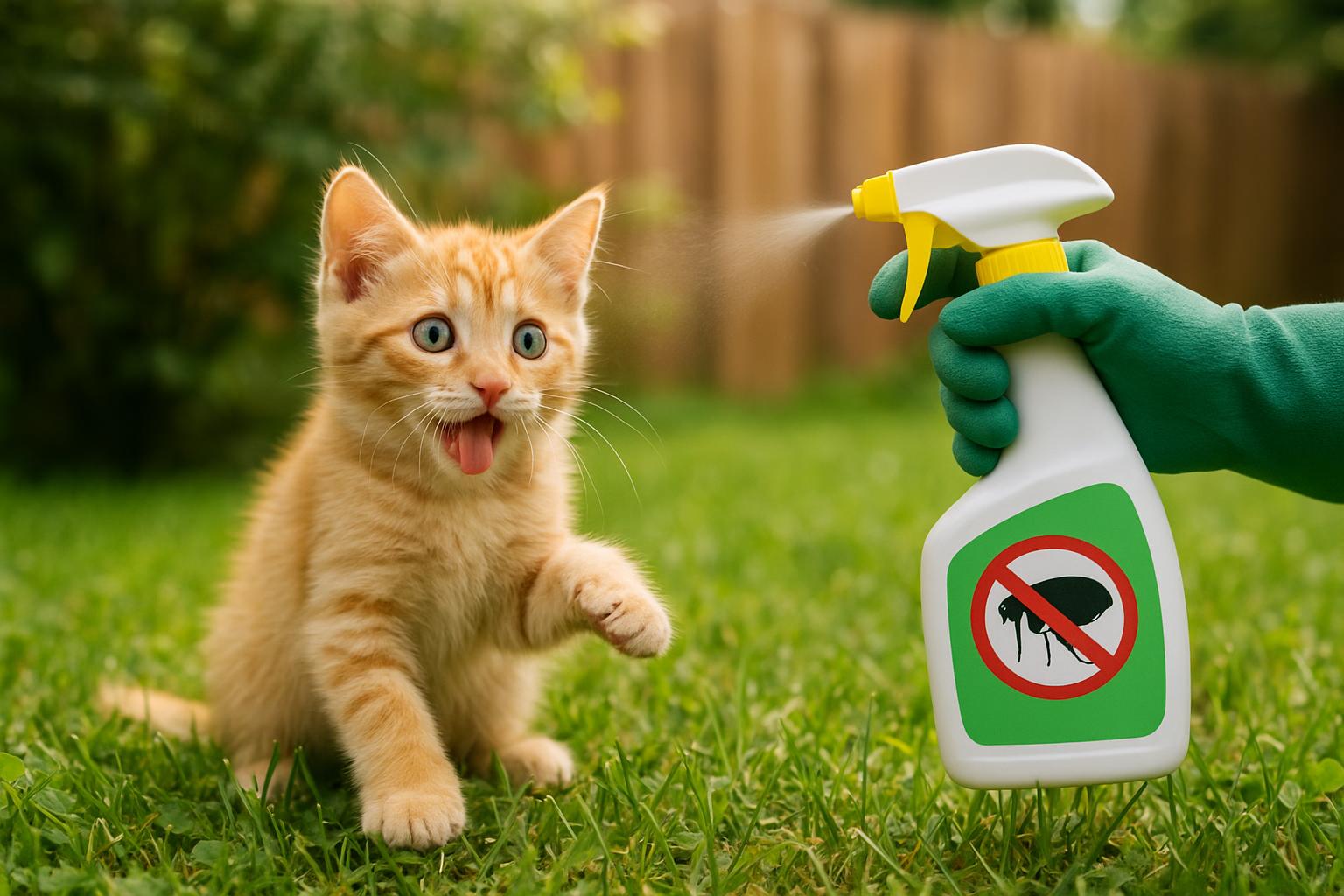
3. Yard Treatment With Beneficial Nematodes (Biological Control):
a. Read nematode product label for species-specific application rates and conditions (nematodes are live organisms and require proper handling).
b. Mix the nematodes in cool, filtered water per instructions, and apply using a garden sprayer in the early morning or late afternoon when UV exposure is low and soil is moist.
c. Focus on shady, moist areas where fleas and larvae thrive—under hedges, in shaded turf, and around compost piles.
d. Reapply according to product guidance (often every 2–4 weeks during peak flea season) and after heavy rain if required.
4. Maintain A Regular Schedule:
a. Repeat laundry and vacuum regimen weekly until consistent absence of fleas indoors.
b. Keep outdoor areas trimmed and remove debris where wildlife may carry fleas.
5. Combine With Collar Use:
a. Use the vet-approved collar per Remedy 1 concurrently, as environmental measures reduce re-infestation pressure, improving collar effectiveness.
### Monitoring, Safety, And When To Call A Vet
Watch your cat closely after initiating any treatment. Signs that warrant immediate veterinary attention include swelling, severe lethargy, continuous vomiting or diarrhea, or significant skin irritation centered at the collar site. Do not use dog-specific collars on cats; many dog medications are toxic to cats.
If you find the collar has limited effect—despite correct use and environmental measures—bring this to your vet’s attention. They may recommend alternative active ingredients, oral medications, or a combination plan tailored to your cat’s health history and local flea ecology. Regular follow-up and honest reporting about bathing frequency, outdoor access, and household members’ pets will help your vet assess collar effectiveness accurately.
#### Signs Of Reduced Collar Effectiveness
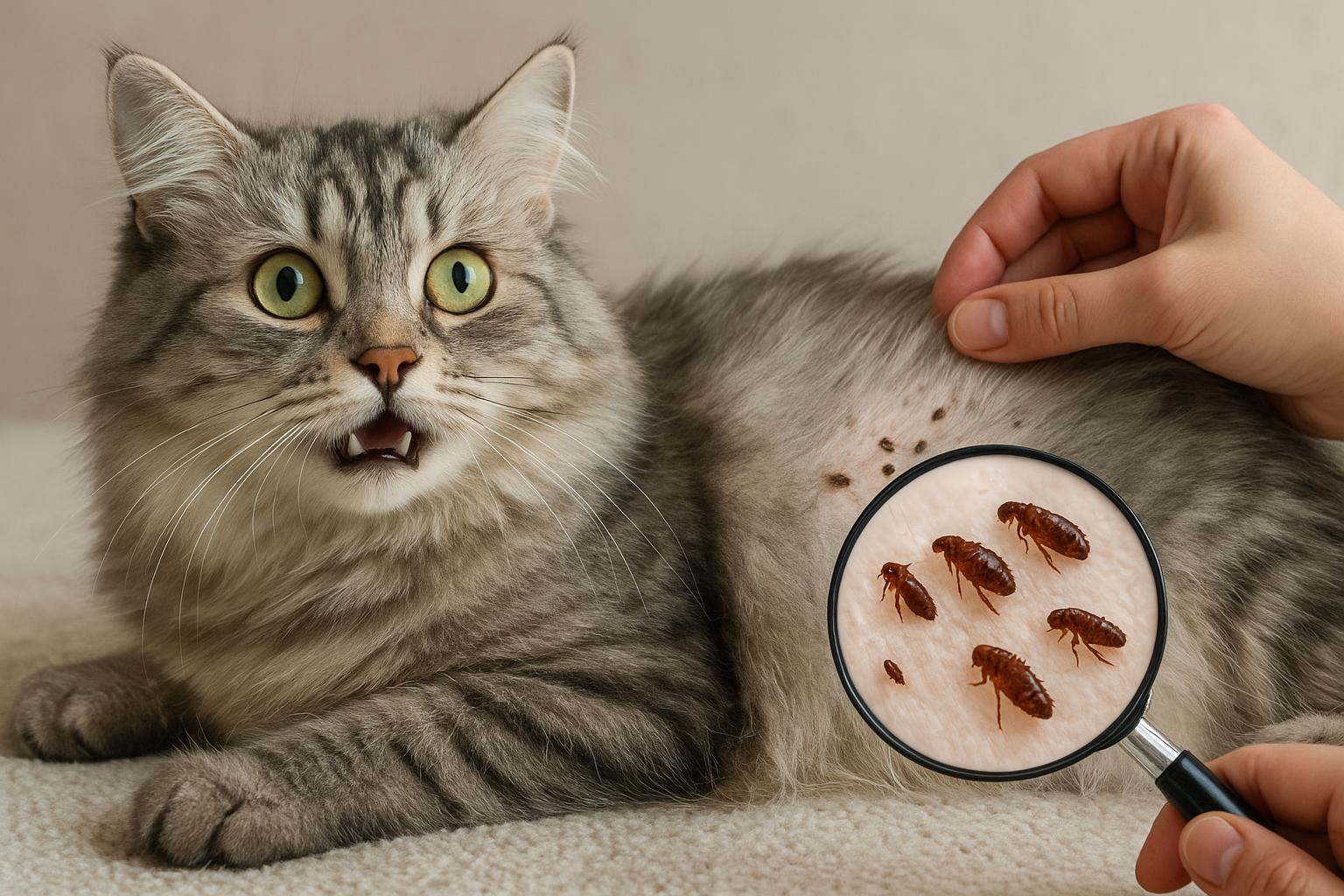
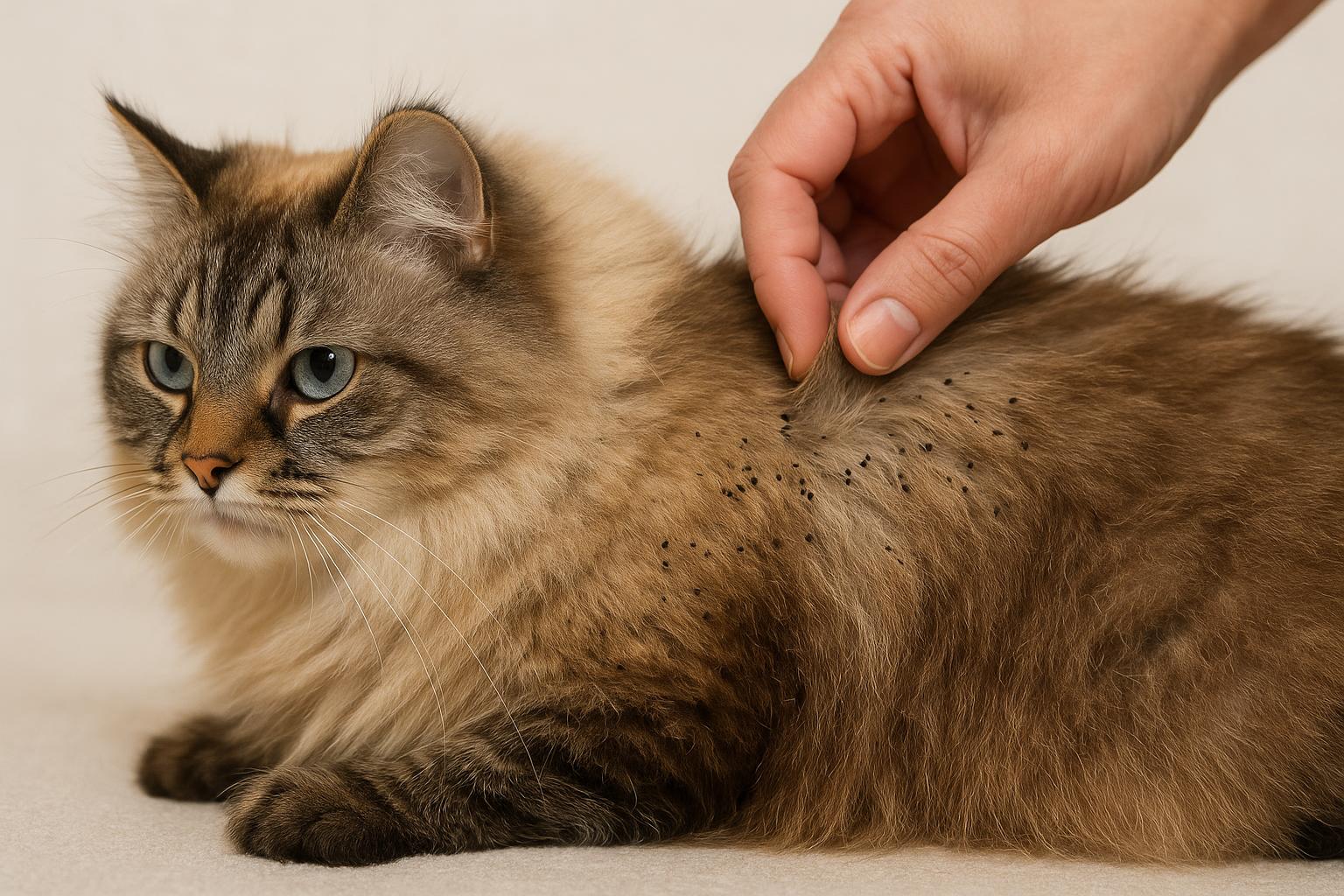
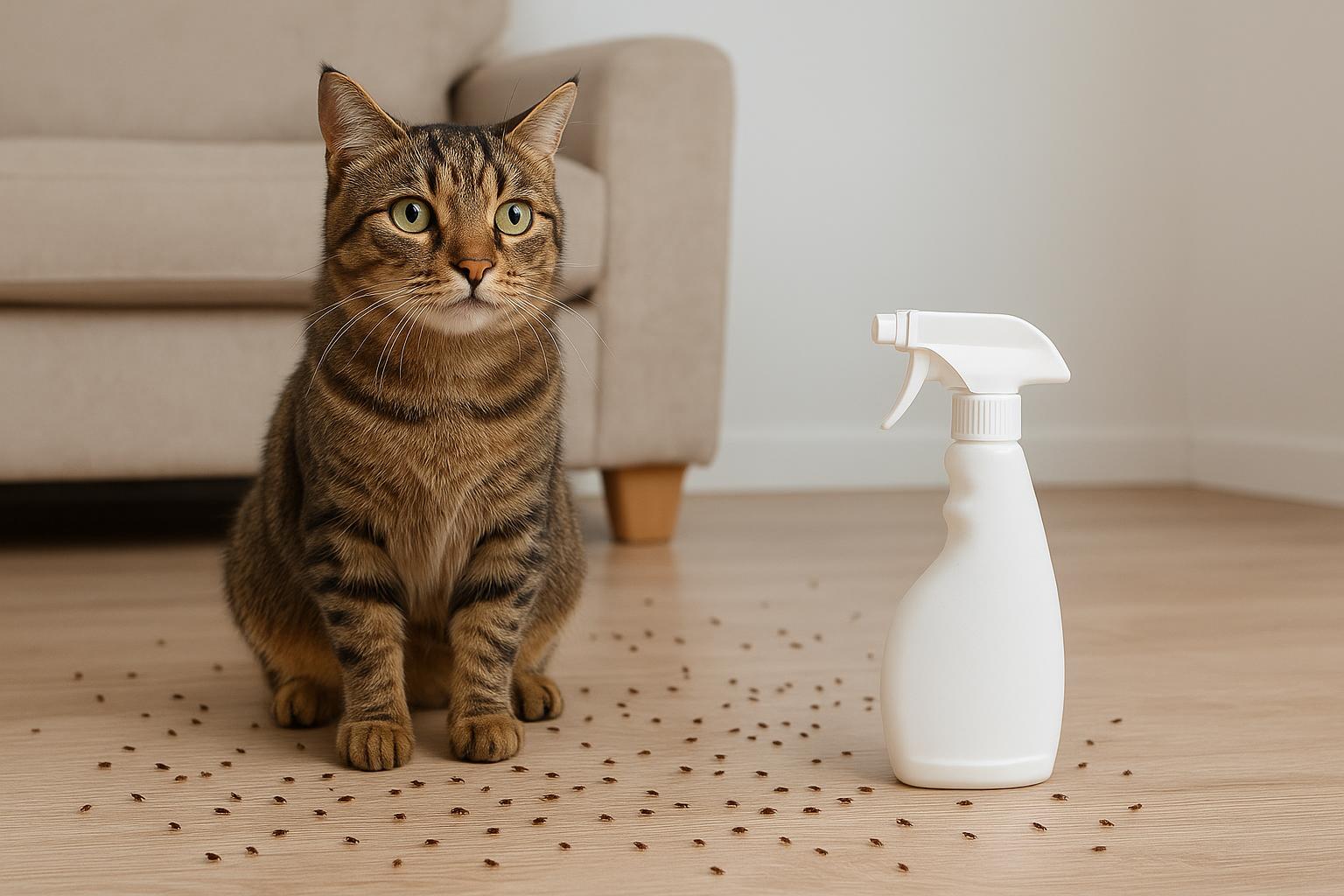
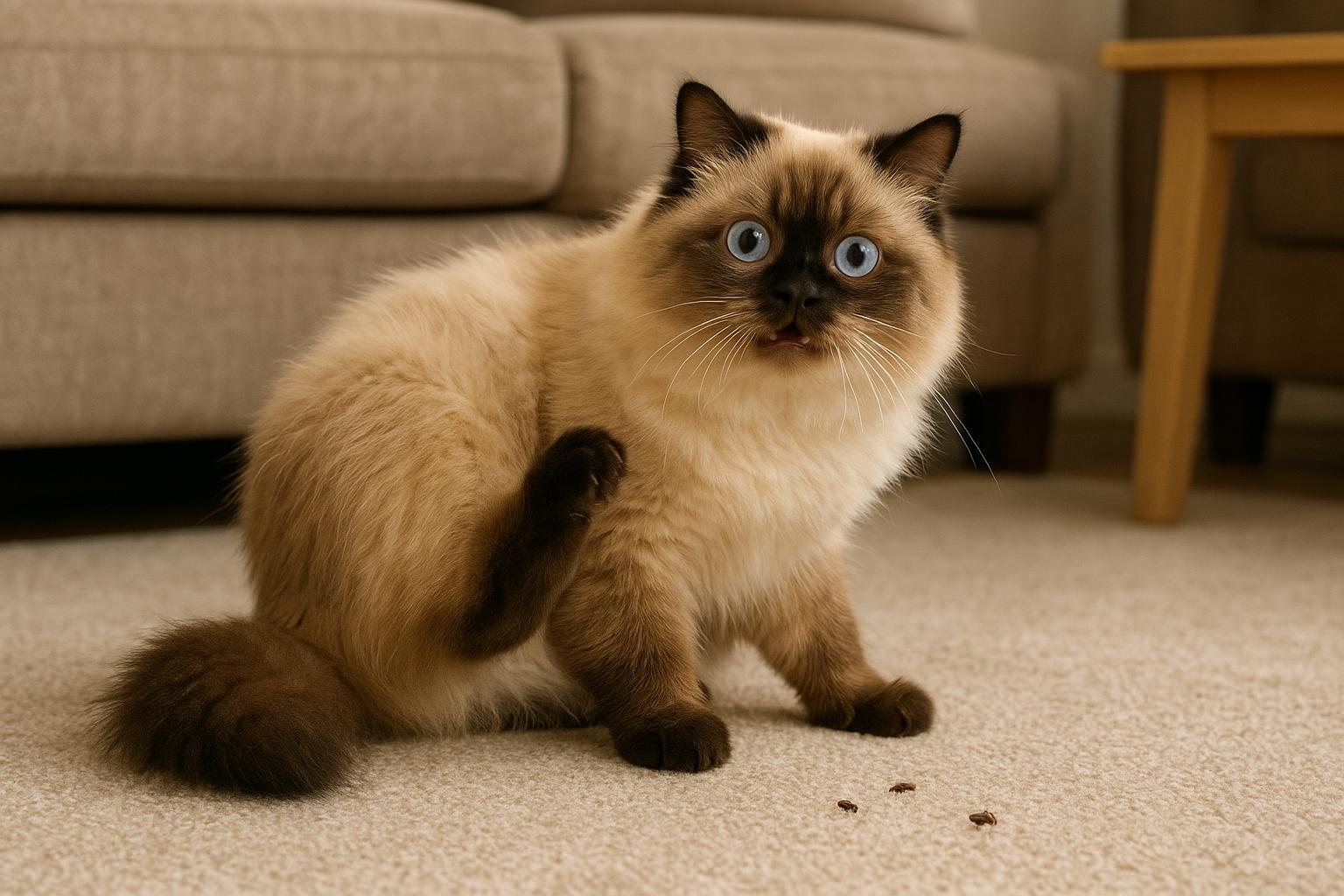
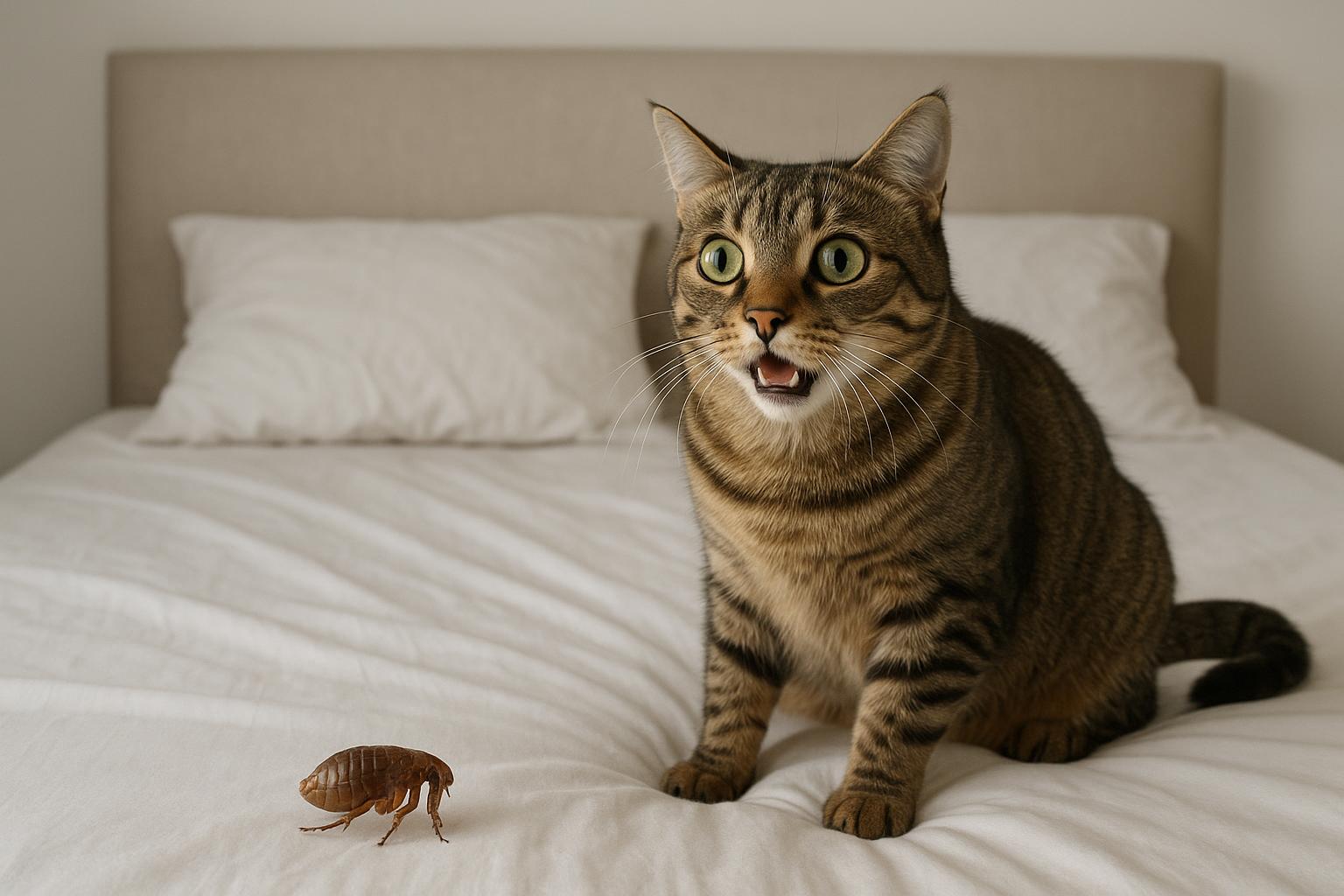
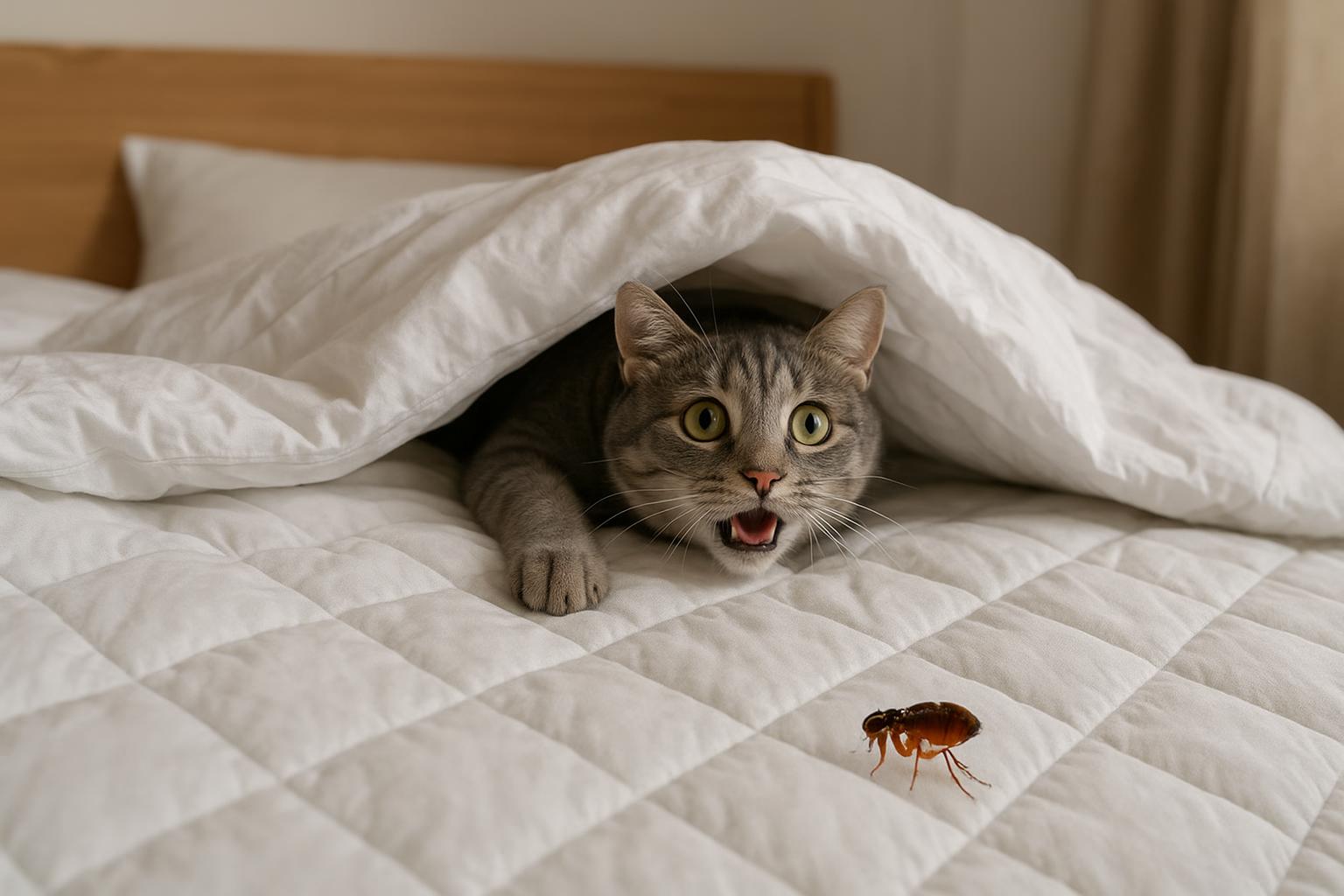
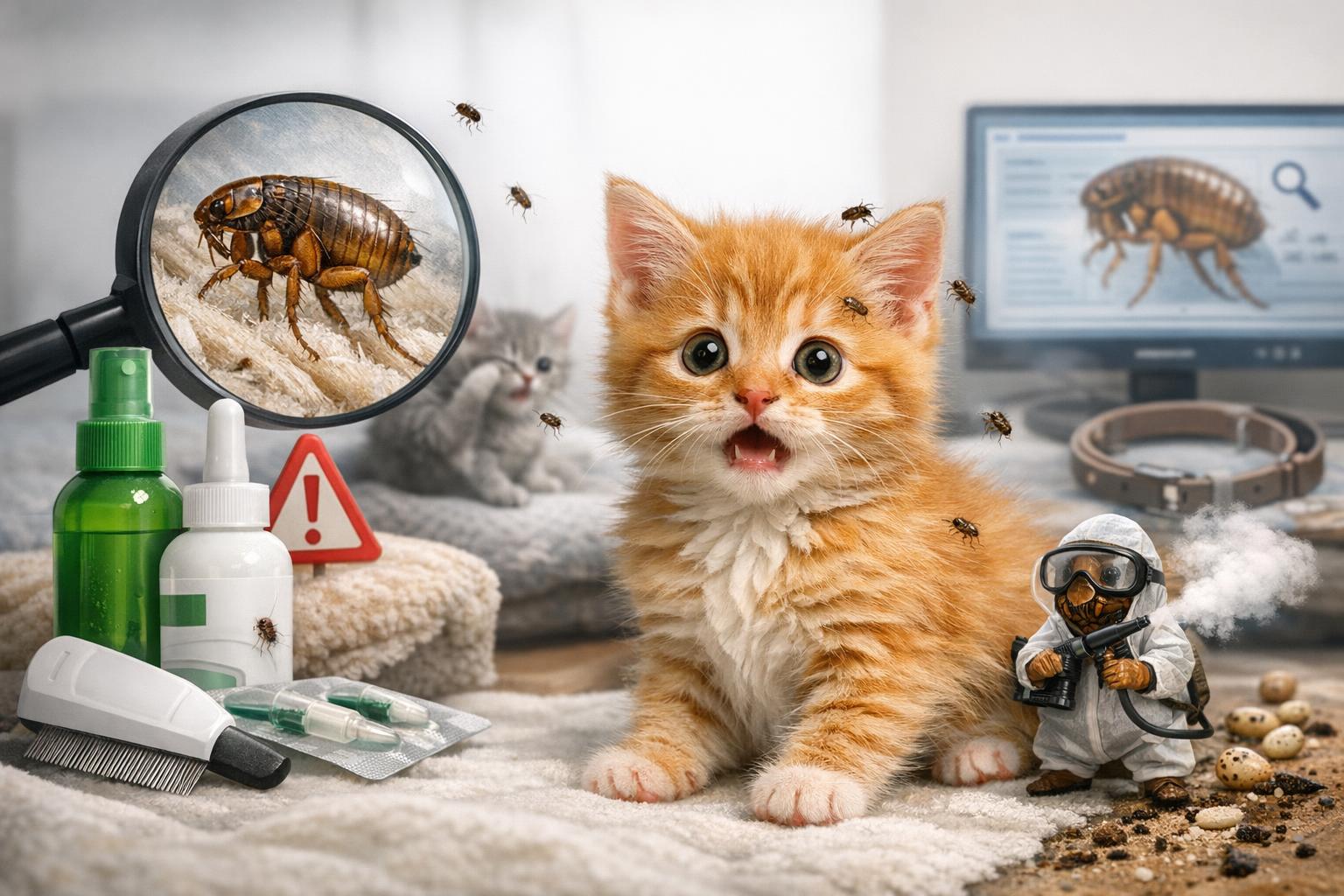
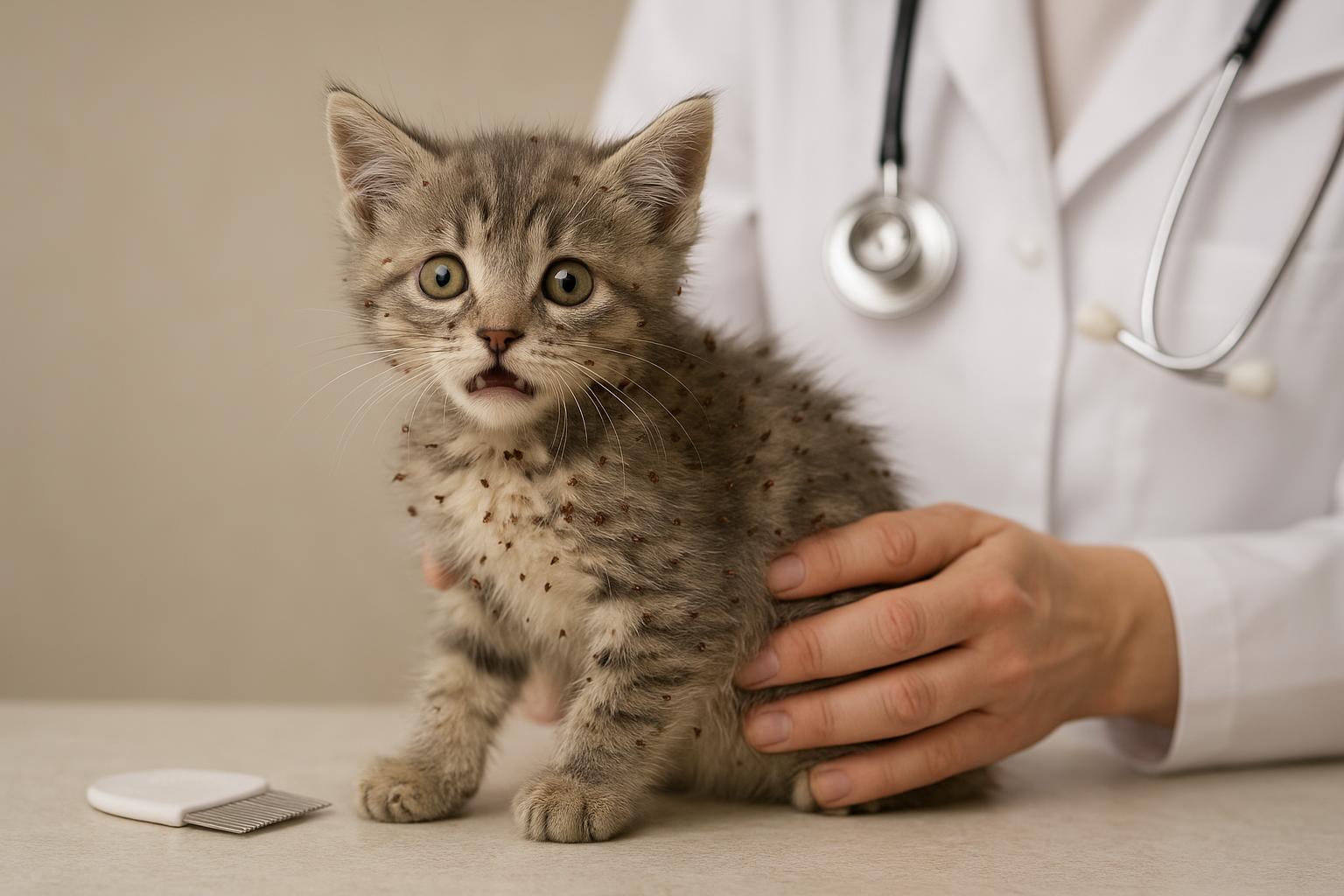
Look for persistent scratching, visible fleas, flea dirt (tiny black specks that turn red when wet), or new flea eggs in bedding despite correct collar use. These signs suggest environmental reservoirs or need for product reassessment. If you see them, combine environmental measures with veterinary guidance to restore control.
Collars are a powerful tool when used correctly and as part of an integrated program. With patience, proper fit, and a little housekeeping elbow grease, you can get ahead of a flea problem and keep your cat comfortable and happy—plus, you’ll regain control of your furniture’s dignity.





Leave a Reply