
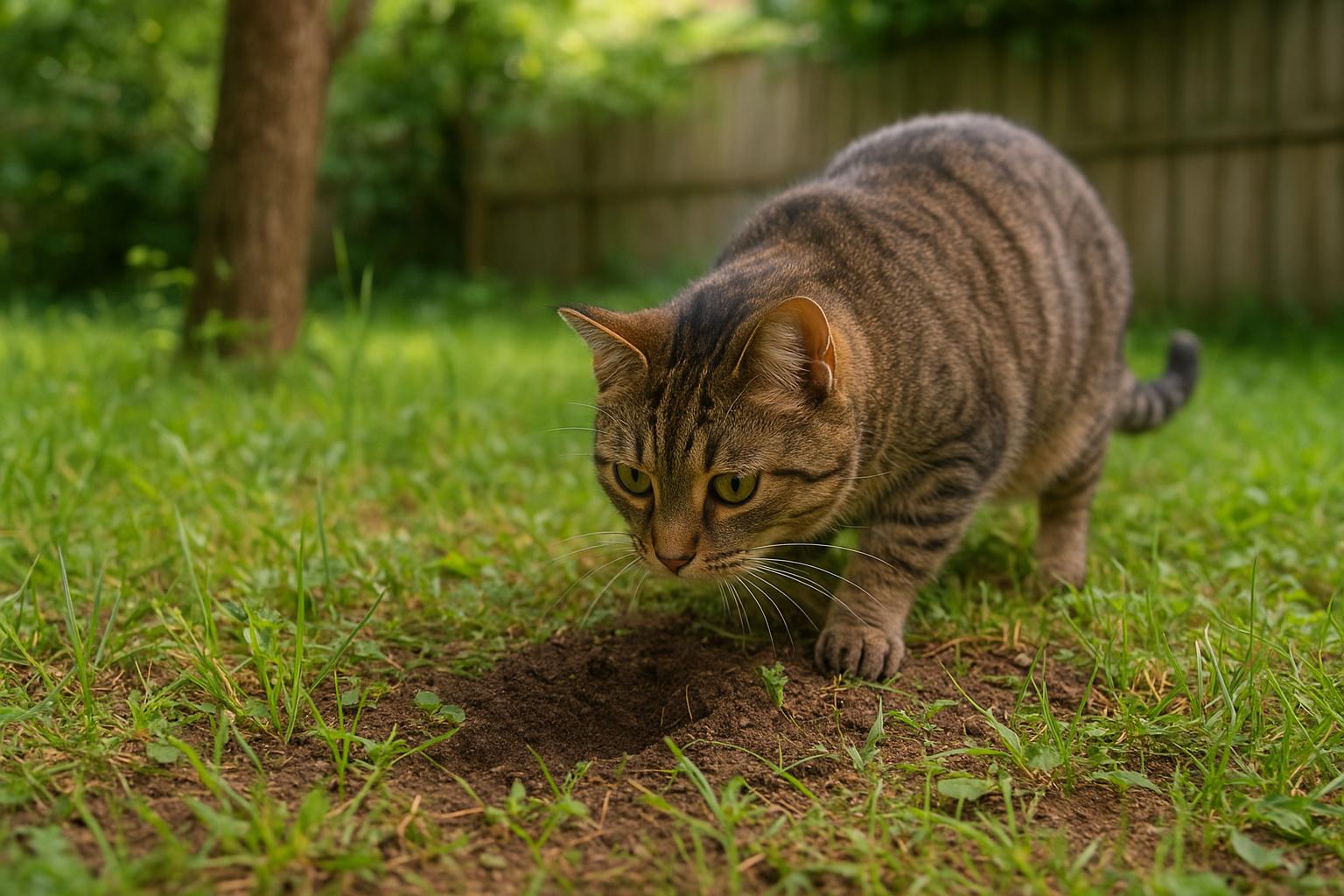
A warm hello from the backyard detective desk—pull up a folding chair, dust off your magnifying glass, and let’s hunt for the small signs that tell a big story. You don’t need a lab coat to be a neighborhood sleuth; you just need patience, a keen eye, and a willingness to interpret the little clues left behind by critters that share your lawn. Today our suspect of focus is the elusive grass flea, and by the time you’re done reading, you’ll be spotting evidence like a pro and ready to act without panic.
## Grass Flea Clues And What They Mean
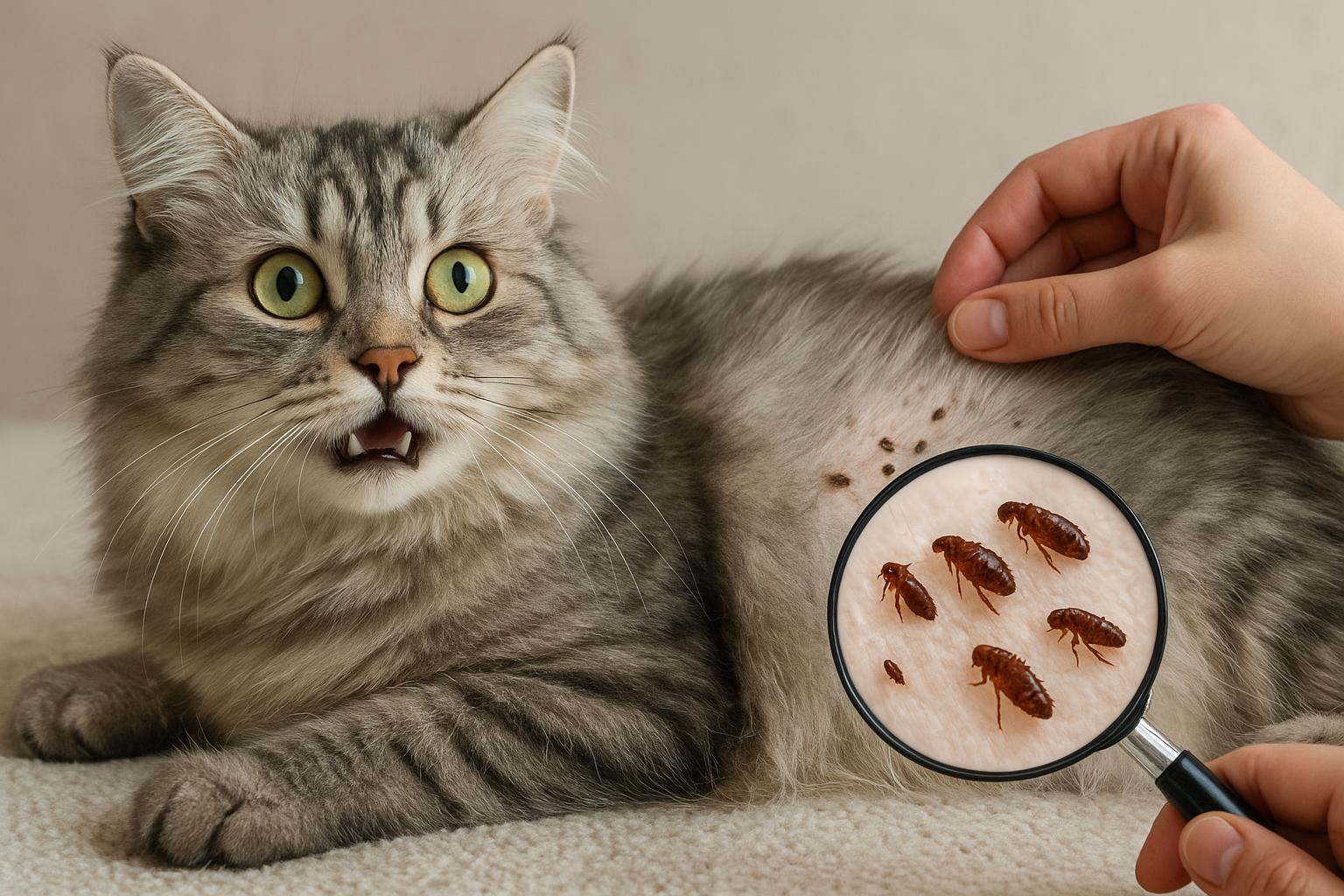
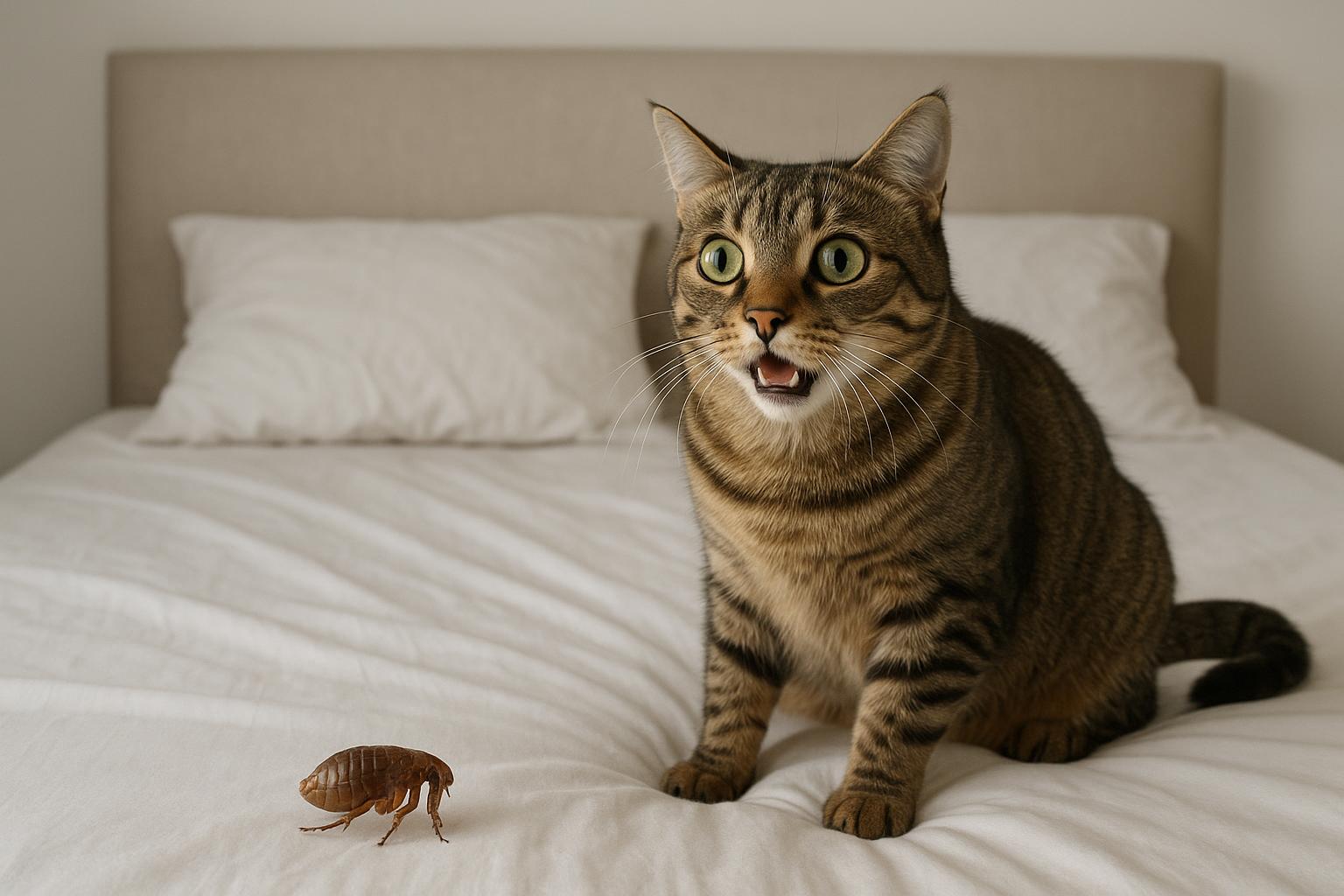
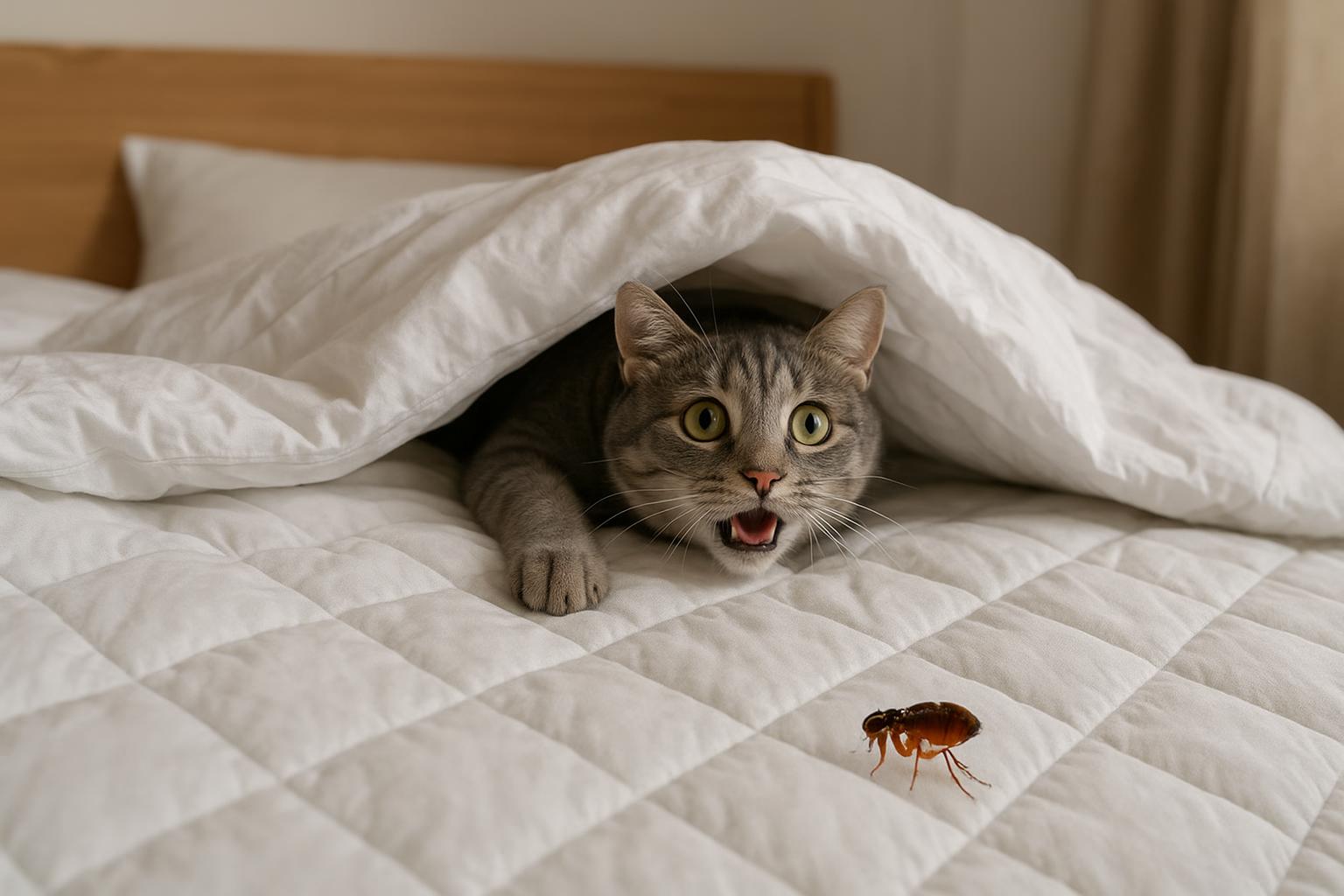
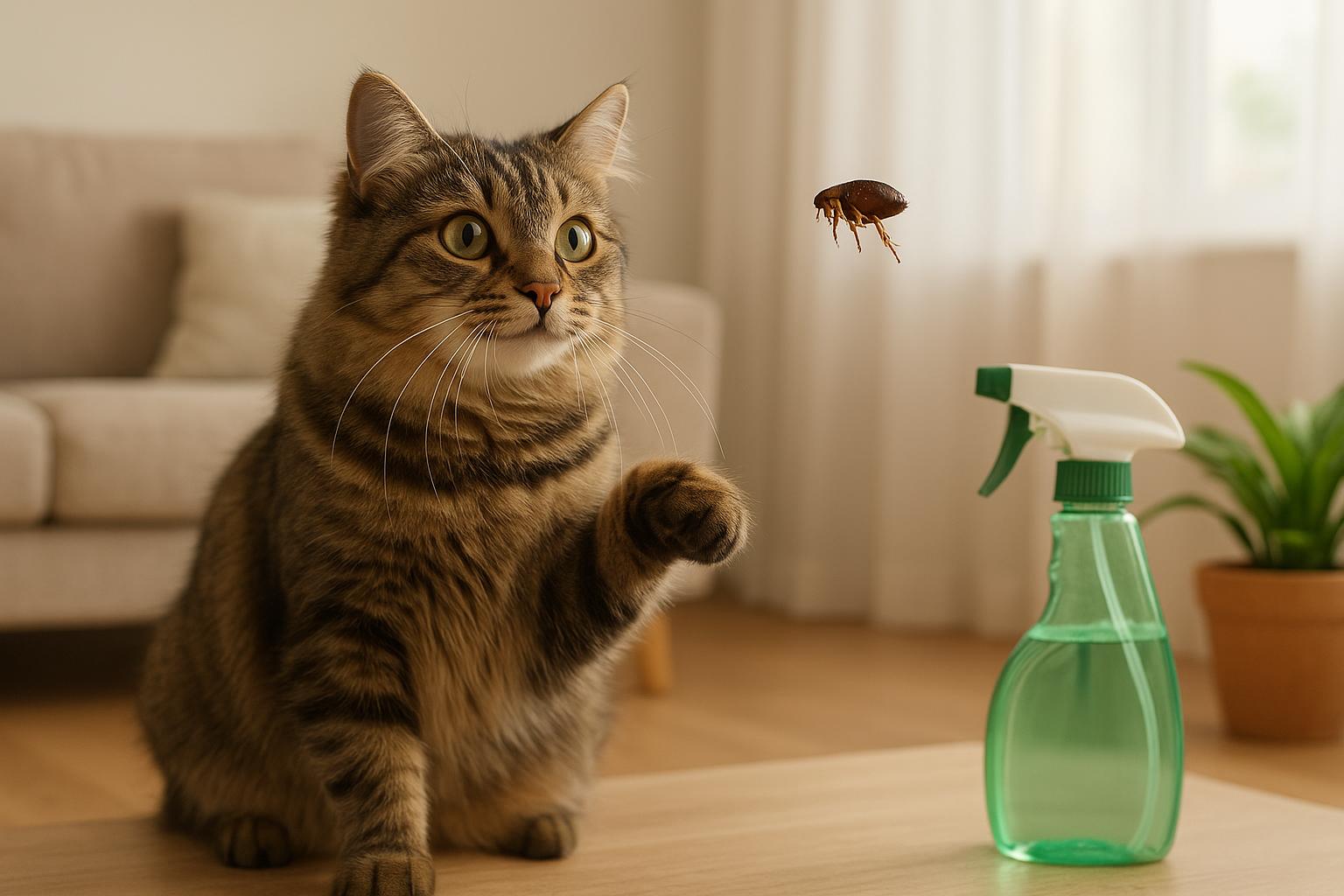
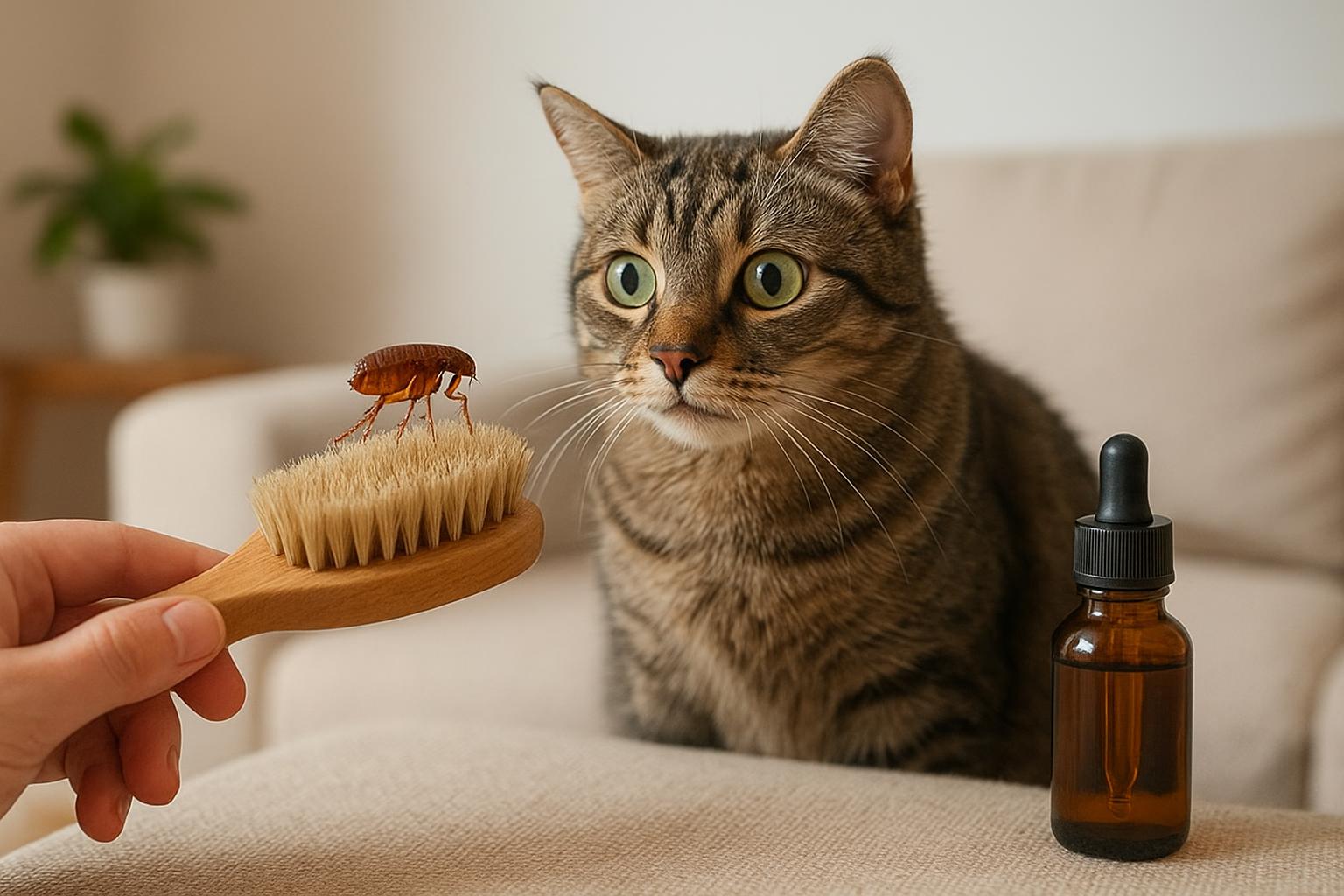
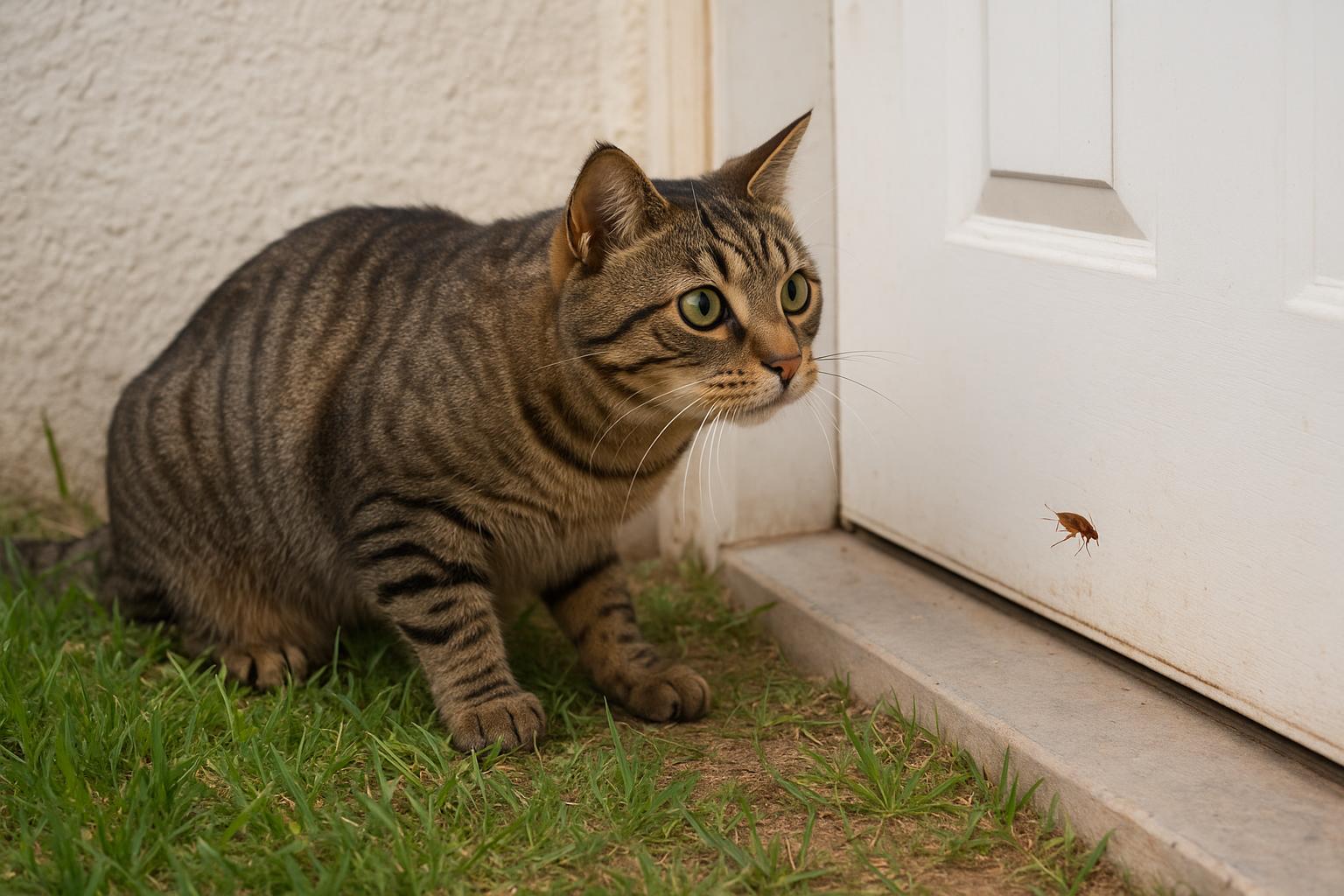
You’ve probably noticed tiny jumping specks on the lawn or seen your dog doing a sudden spin-and-scratch routine—those are classic, often very literal, clues. The phrase grass flea usually conjures an image of the common flea hopping on and off grass blades, but the backyard story can be more complex: fleas hitchhike on wildlife, nest in shaded turf, and exploit tall grass and leaf litter. Finding fleas on lawns often points to nearby animal hosts, moist microhabitats, or a pocket of undisturbed organic matter.
Other signs to watch for:
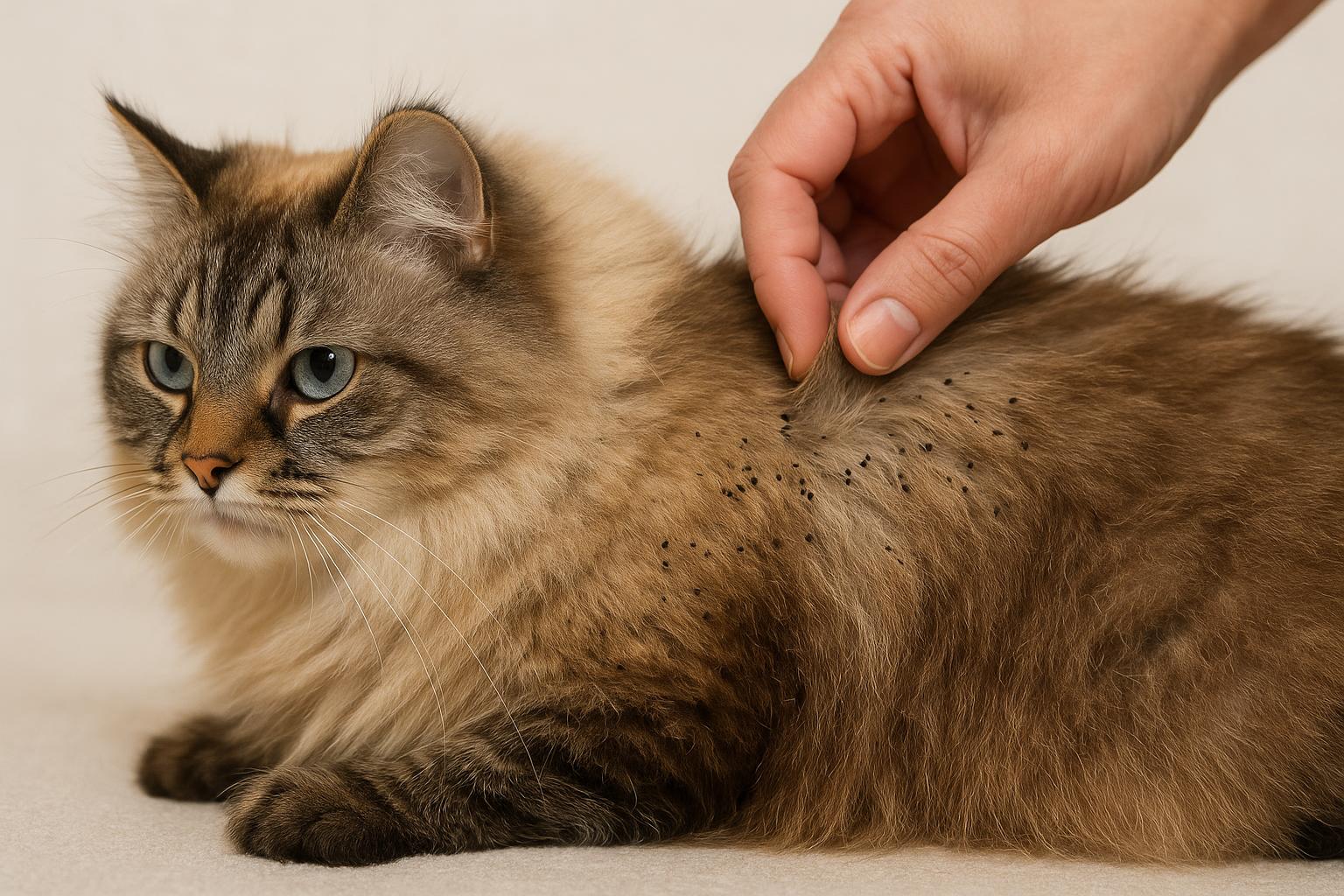
– Tiny black specks that smudge into reddish stains when damp (flea feces/dirt).
– Patches of restless pets or birds repeatedly dust-bathing.
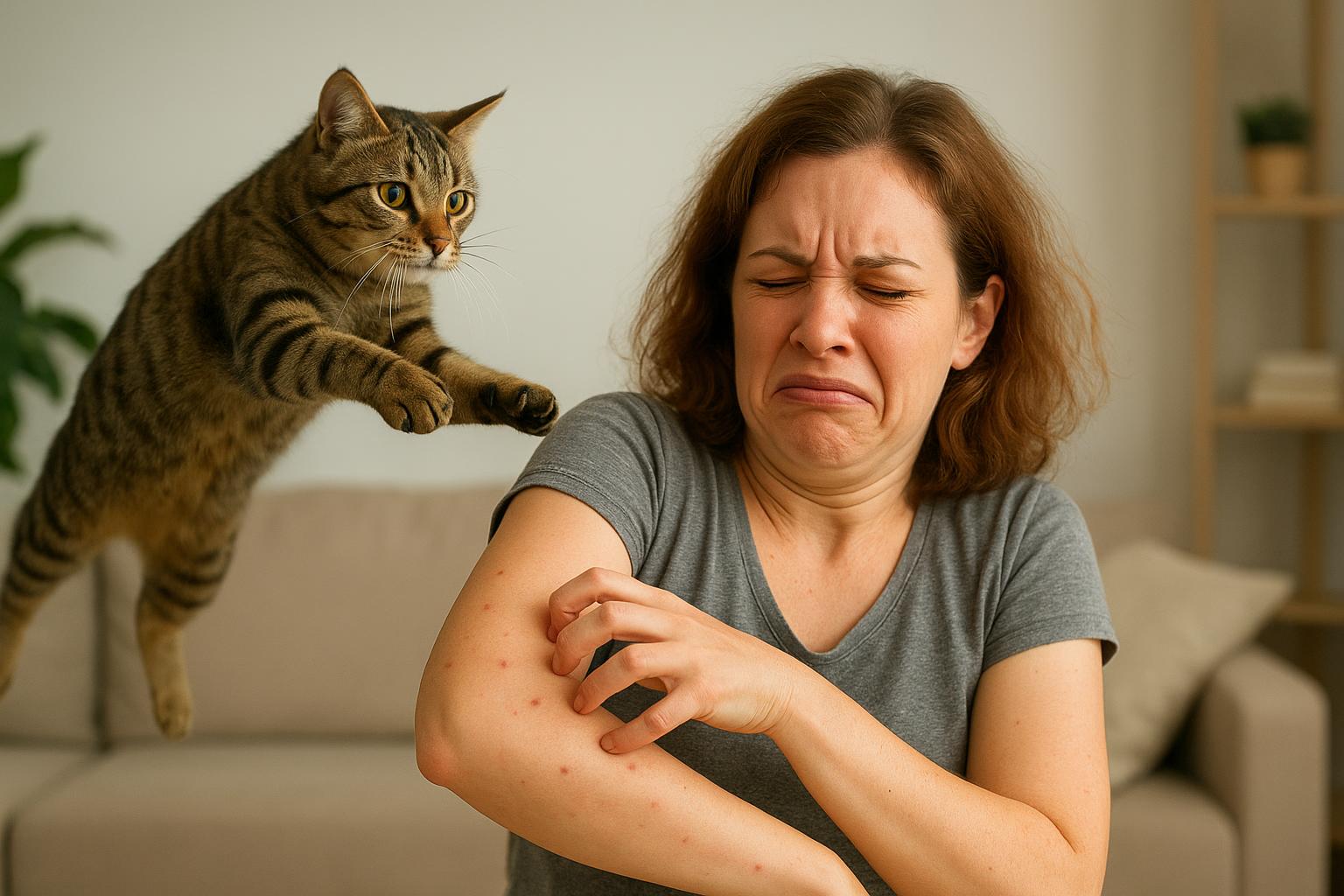
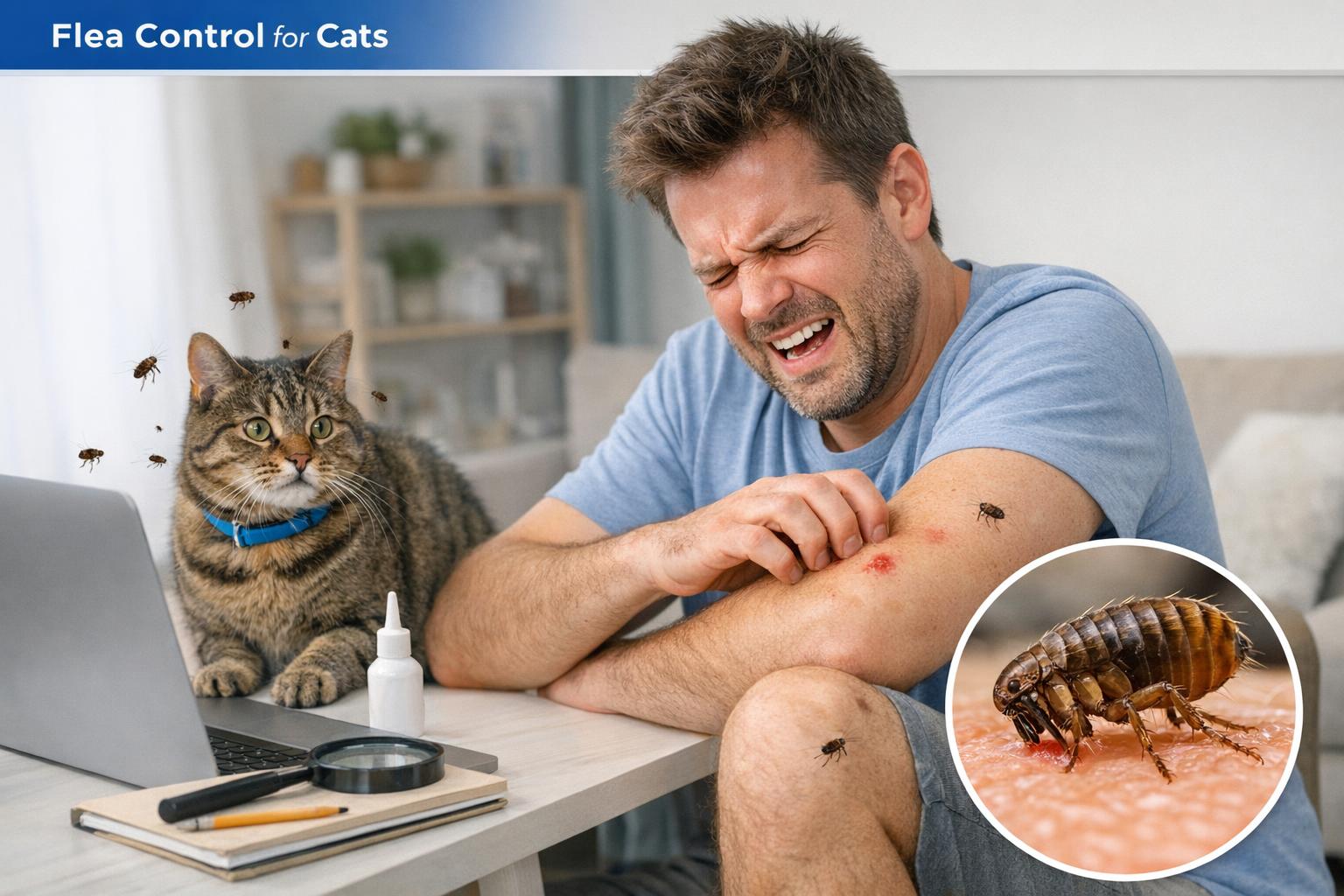
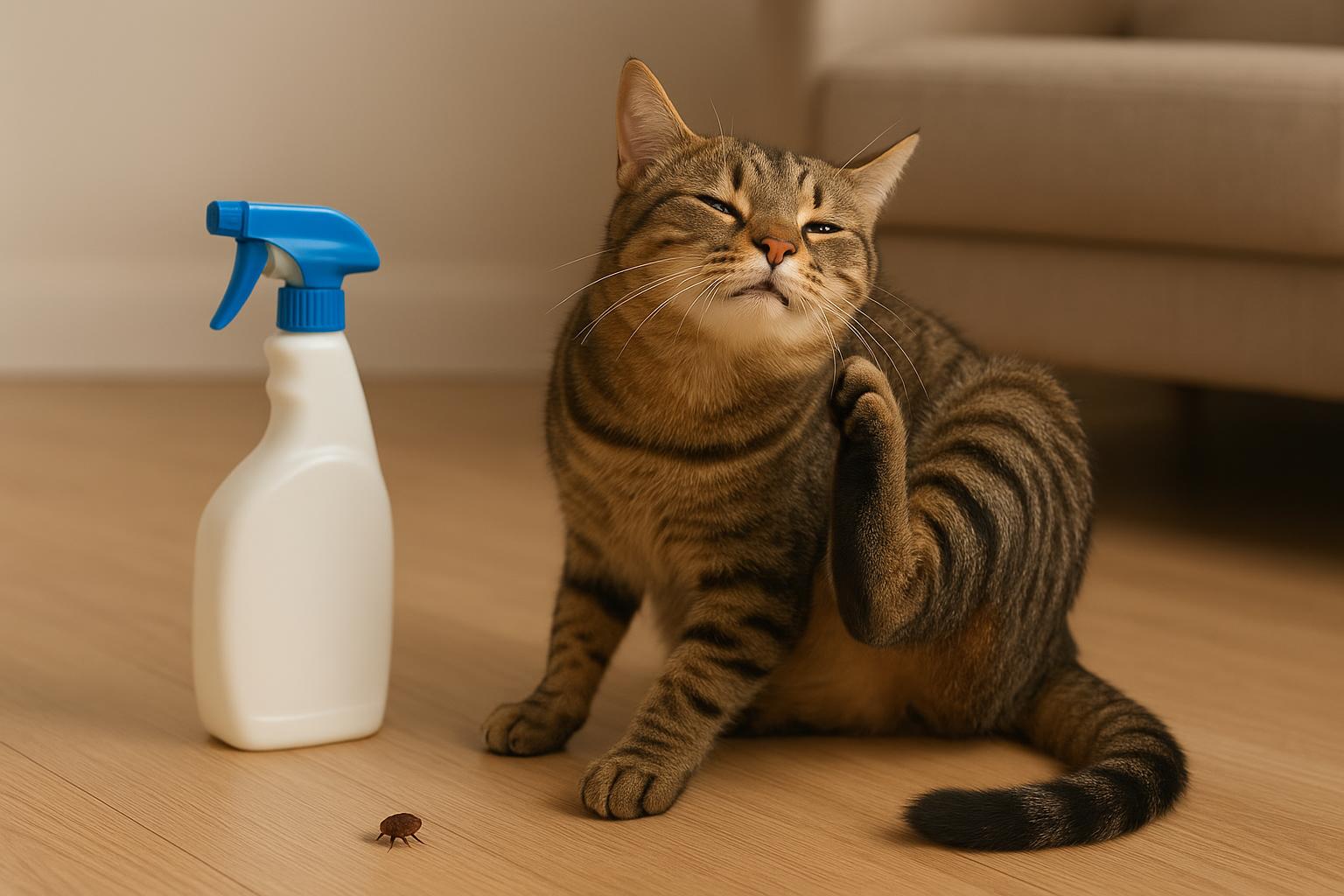
– Small, repeated bites on humans or pets, often clustered around ankles.
– Rust-colored or darker patches in the grass where fleas may congregate in the shade.
These signs aren’t proof of an infestation on their own—they’re clues. Think like a tracker: where would a flea spend its day? In cool, shaded soil, under compost or mulch, inside nests or burrows, or close to where a host rests. Identifying those spots narrows the search and makes any remedy far more effective.
## Where Grass Flea Problems Originate
Fleas don’t spring up from nowhere. The usual suspects include wildlife such as rabbits, rodents, raccoons, and feral cats. Birds and their nests can also bring in fleas or related small insects. Once a host spends time in your yard, fleas can be introduced and then cycle through the environment. Tall, unmowed grass and thick groundcover give fleas shelter from sun and drying winds, allowing them to thrive.
Moisture is a huge factor. Fleas and many small arthropods prefer humid microclimates, so overwatered lawns, shaded corners, and piles of leaves or mulch become hotspots. Pet movement between indoor and outdoor spaces also accelerates transfer. If your pet naps on the lawn or chases wildlife, they’re a mobile host that can bring fleas into the house.
Seasonality matters too: many flea species are most active in warm months, but shaded, cool microclimates let them persist longer. Knowing where the problem likely started helps you target remedies—blanket treatments are less effective than addressing source points.
### Spotting Wildlife Hosts
Keep an eye out for burrows, scat, tracks, and feeding signs. A cluster of carrot tops missing, rabbit droppings under shrubs, or discarded shell fragments can point to which animals are frequenting your yard. Once you know the likely host, you can tailor habitat management—exclude, deter, or discourage—according to humane wildlife practices.
## Remedy 1: Yard Habitat Changes To Reduce Grass Flea Habitat
(Structured, Practical Approach)
Materials/Required Items:
– Sturdy gloves and eye protection
– Rake and leaf blower (or broom)
– Pruning shears and loppers
– Lawn mower with bag attachment
– Coarse gravel or rock (for perimeter barriers)
– Hardware cloth or low fencing materials (for garden/compost protection)
– Trash bags or compost bin with secure lid
– Pet bedding cleaning supplies (pet-safe detergent)
Formal Steps For Creation And Application:
1. Inspect and Map: Walk your property and note shaded, moist areas, accumulations of leaf litter, brush piles, compost piles, and places where wildlife rests. Mark these on a quick sketch or list.
2. Reduce Shelter: Remove or relocate brush piles, tidy woodpiles, and thin overly dense shrubbery. Prune low branches and open shaded corridors to increase sunlight and air movement.
3. Clear Leaf Litter and Mulch: Rake leaves and redistribute or compost them in a sealed bin. Replace thick, organic mulch near foundations with a thinner, inorganic material or decorative gravel to reduce moisture retention.
4. Maintain Lawn Height: Set your mower to a moderate height; very short turf stresses grass while very long grass shelters pests. Regular mowing with a bag attachment helps remove vegetation that harbors fleas.
5. Modify Watering Practices: Water lawns early in the morning and only as needed. Reduce persistent dampness in problem areas by improving drainage or reducing irrigation frequency.
6. Create Perimeter Barriers: Install coarse gravel or rock strips along foundations and around garden beds to discourage small mammals and reduce moisture-holding substrates that support fleas.
7. Secure Compost and Pet Areas: Use enclosed compost bins and keep pet bedding clean and off the ground. Wash pet bedding regularly in hot water or replace it with washable, elevated options.
8. Deter Wildlife Humanely: Install motion-activated lights or sprinklers, secure trash, and remove outdoor food sources (bird seed on ground, pet food left out). Use hardware cloth to seal potential burrow entrances near structures.
These habitat changes reduce the favorable microclimates that allow a grass flea population to establish and persist. Implementation should be methodical—address the most obvious host sites first, then monitor to see if signs decline.
## Remedy 2: Targeted Treatments For Grass Flea Control
(Formal, Evidence-Based Options With Safety Considerations)
Materials/Required Items:
– Insecticidal diatomaceous earth (food-grade) or insecticidal soap (labeled for outdoor use)
– Beneficial nematodes (package instructions specific to strain)
– Sprayer for liquid applications or spreader for granules
– Personal protective equipment: gloves, mask, eye protection
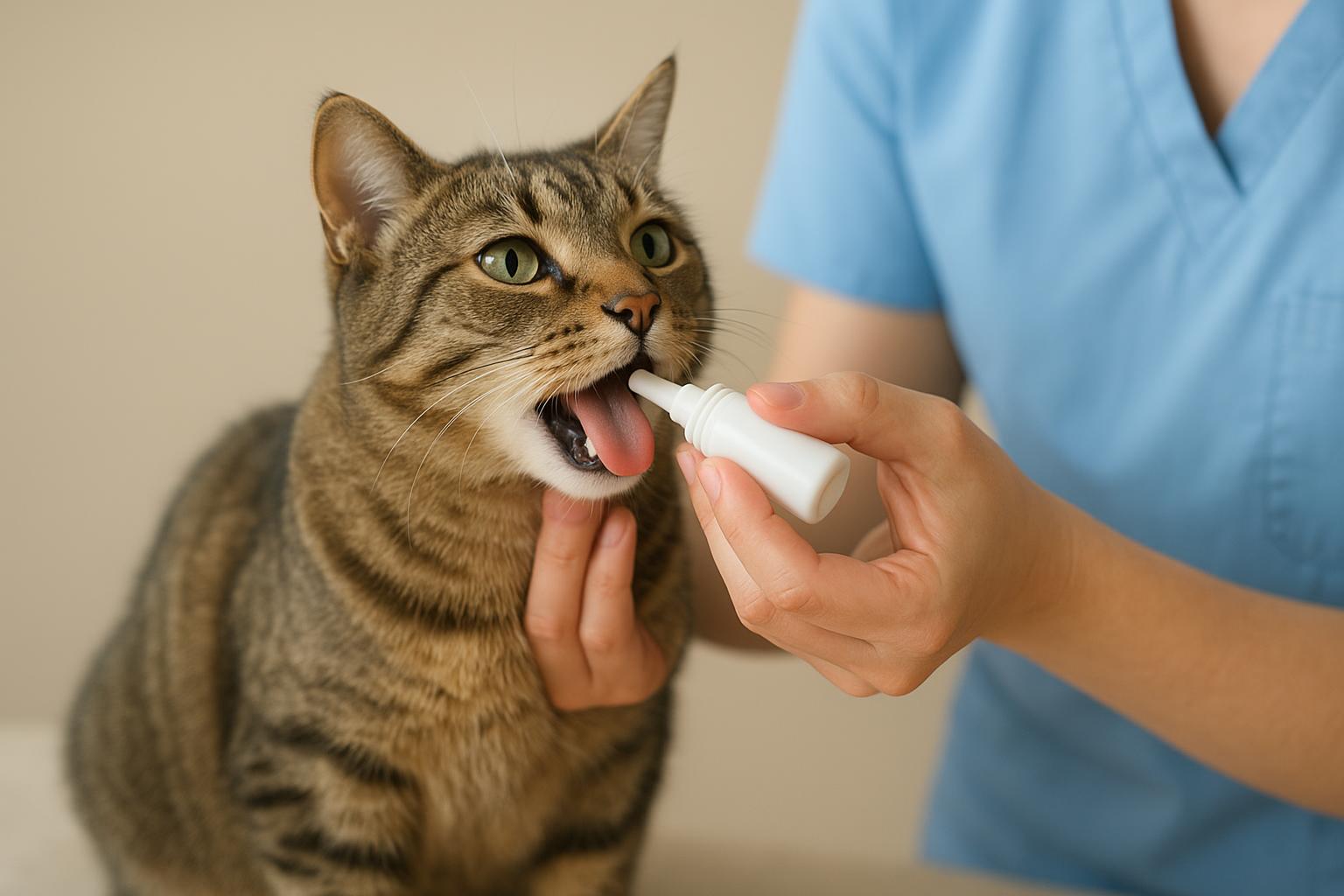
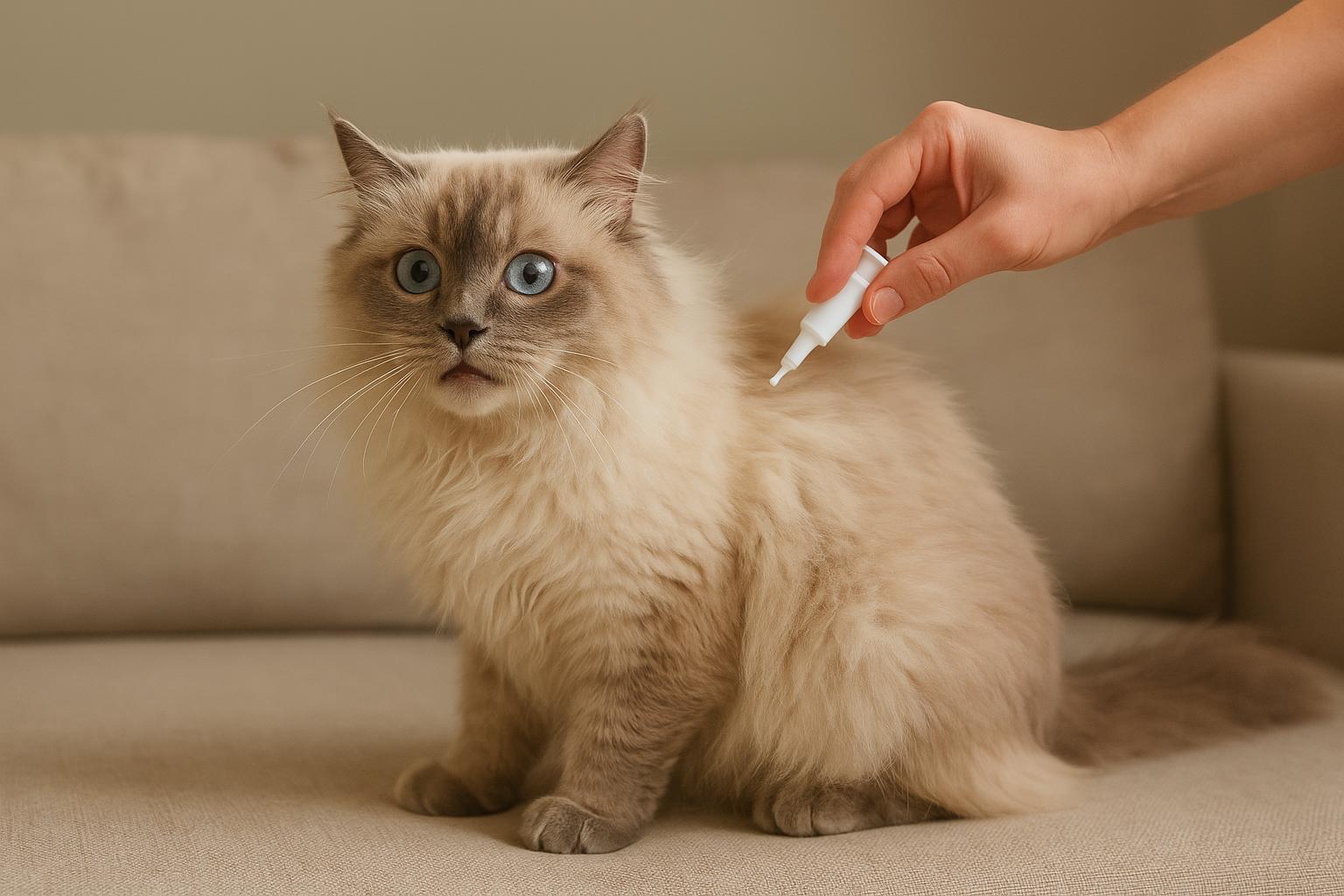
– Pet topical flea controls (veterinarian-approved)
– Sticky traps or monitoring cards (optional)
– Disposal bags and cleaning supplies for treated debris
Formal Steps For Creation And Application:
1. Select Appropriate Treatment: Choose between physical (diatomaceous earth), biological (beneficial nematodes), or chemical options (low-toxicity insecticides labeled for yard use). Consider pets, beneficial insects, and local regulations when selecting a product. Consult your veterinarian before applying treatments near animals.
2. Read Labels Carefully: Follow all product label instructions, including dilution rates, timing, and personal protective measures. Product labels are legal directions and provide necessary safety information.
3. Prepare The Area: Mow and clear debris in the treatment zone. Target shaded, moist areas where fleas congregate. Ensure pets and people are absent during application and for any interval specified on the label.
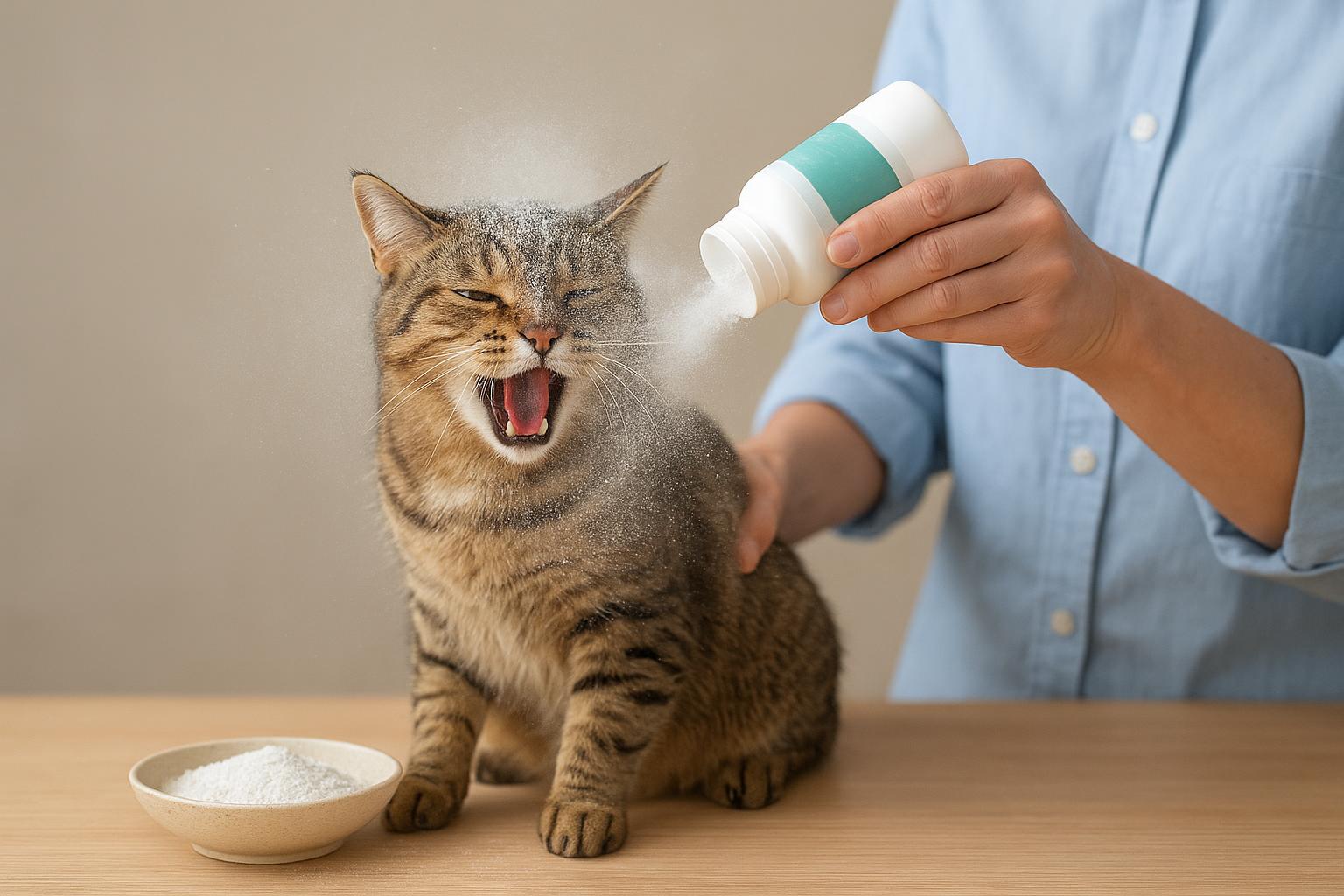
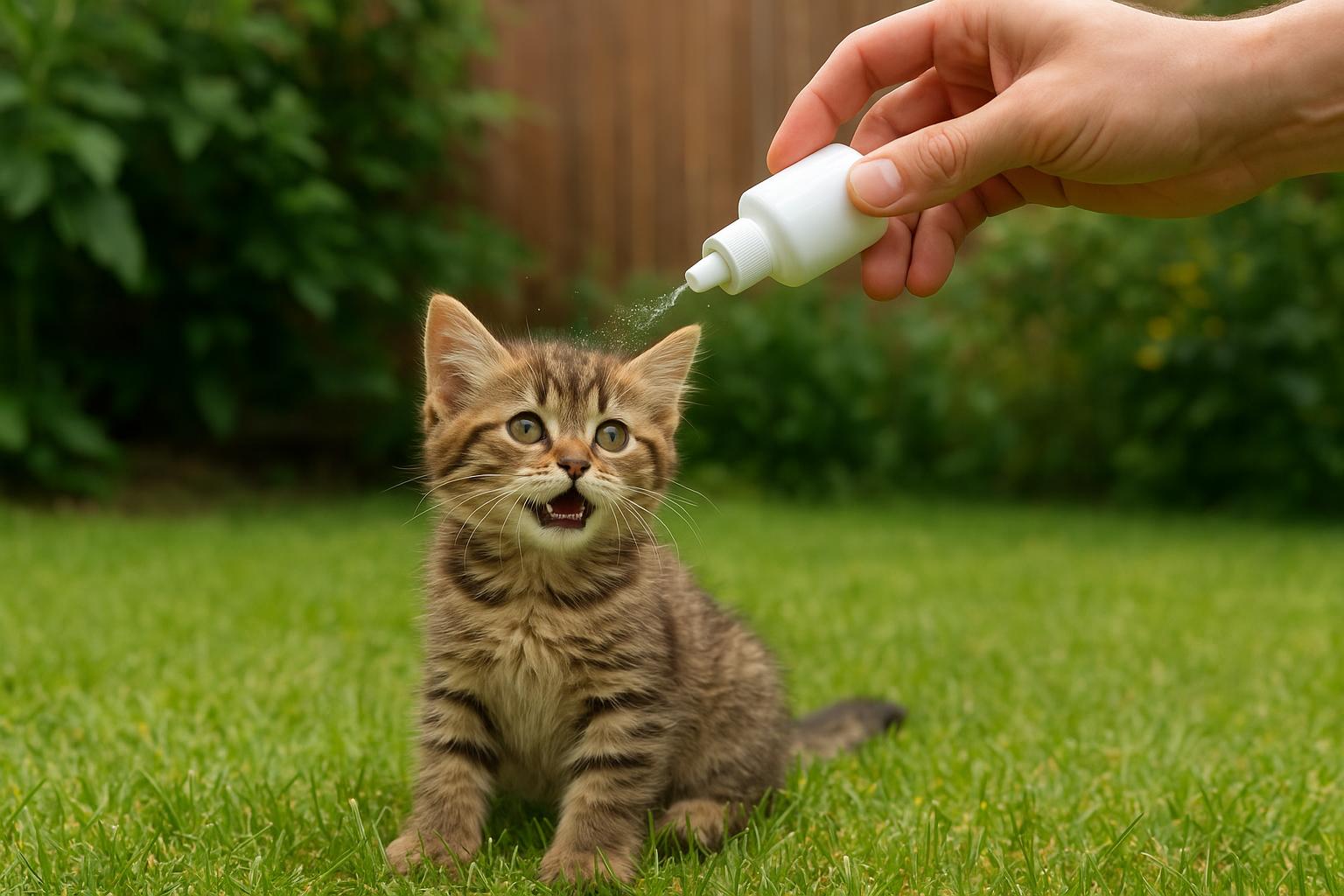
4. Apply Diatomaceous Earth (If Selected): Wearing a mask and gloves, lightly dust infested zones and surrounding perimeters in dry conditions. Avoid breathing the powder and keep product away from vegetable gardens. Reapply after heavy rain once the area dries.
5. Apply Beneficial Nematodes (If Selected): Follow manufacturer mixing directions and apply in early morning or late evening when soil is cool. Nematodes require moisture to be active—lightly water the area before and after application to aid penetration.
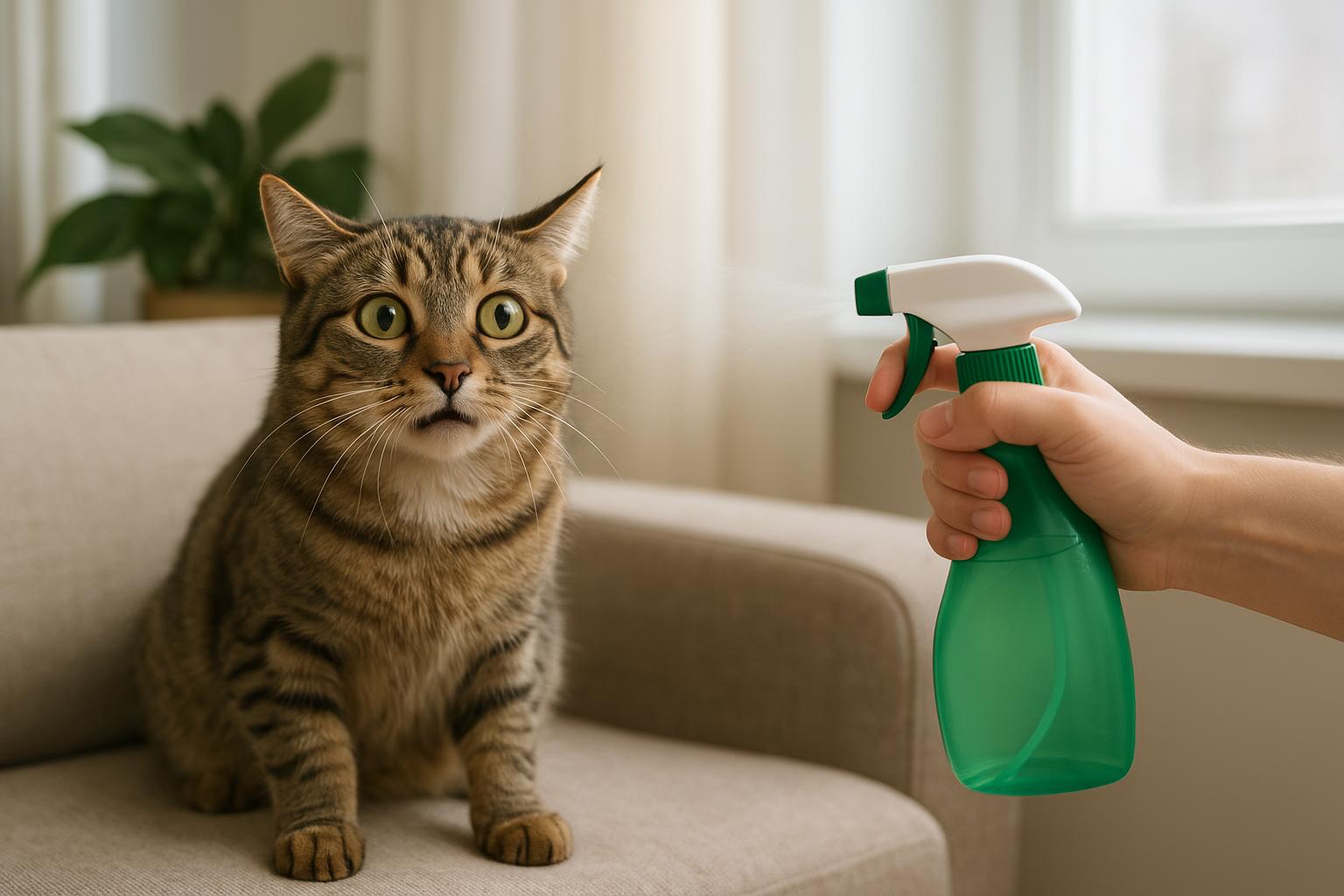
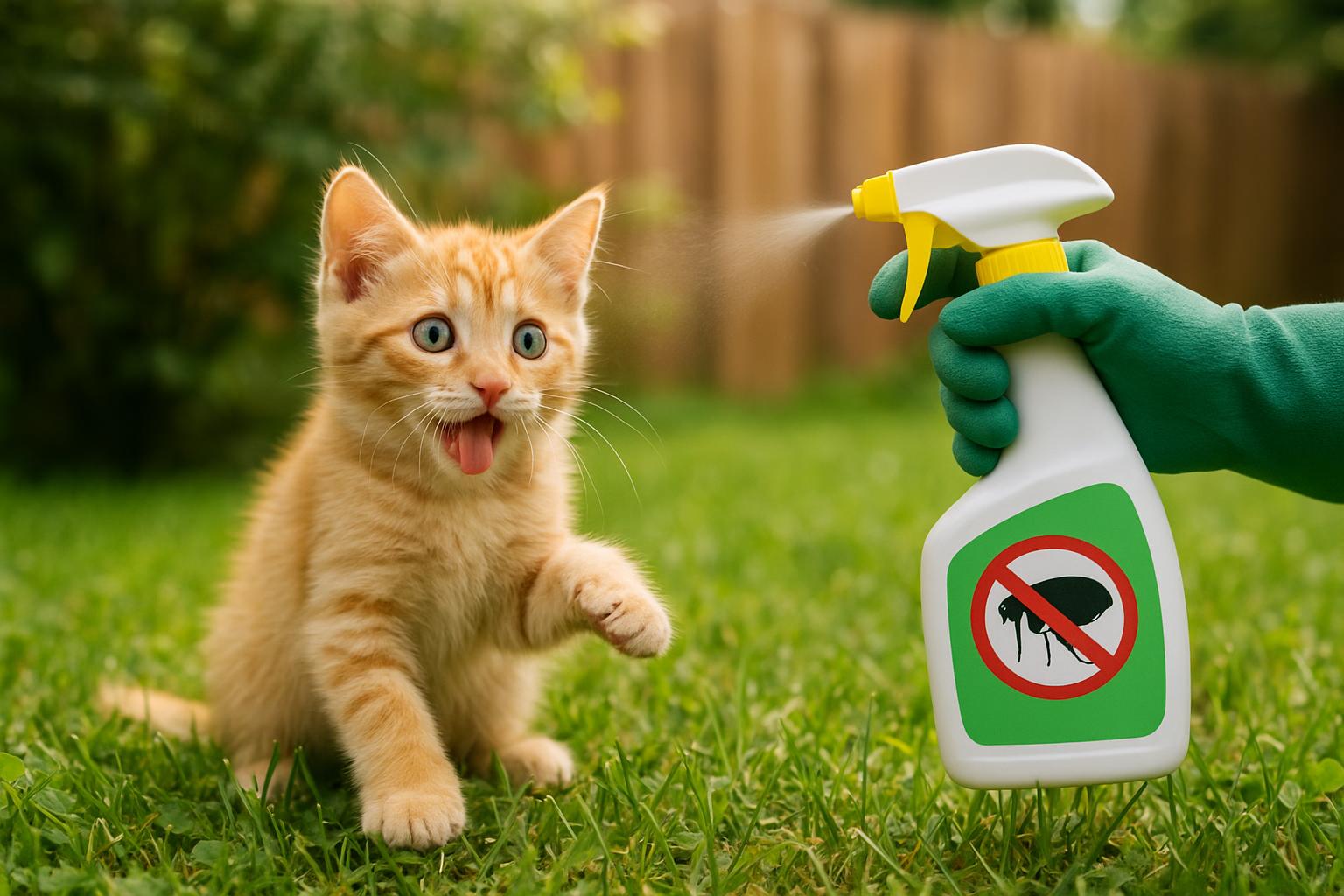
6. Apply Insecticidal Sprays (If Selected): Use low-toxicity, pet-safe labeled products as a perimeter and spot treatment, not a blanket lawn drench. Apply with a sprayer at label rates, keeping runoff and non-target exposure minimal.
7. Monitor And Re-Treat As Needed: Use sticky traps or visual checks weekly. Many flea control programs require multiple applications timed to life cycle stages—follow label reapplication intervals or nematode package guidance.
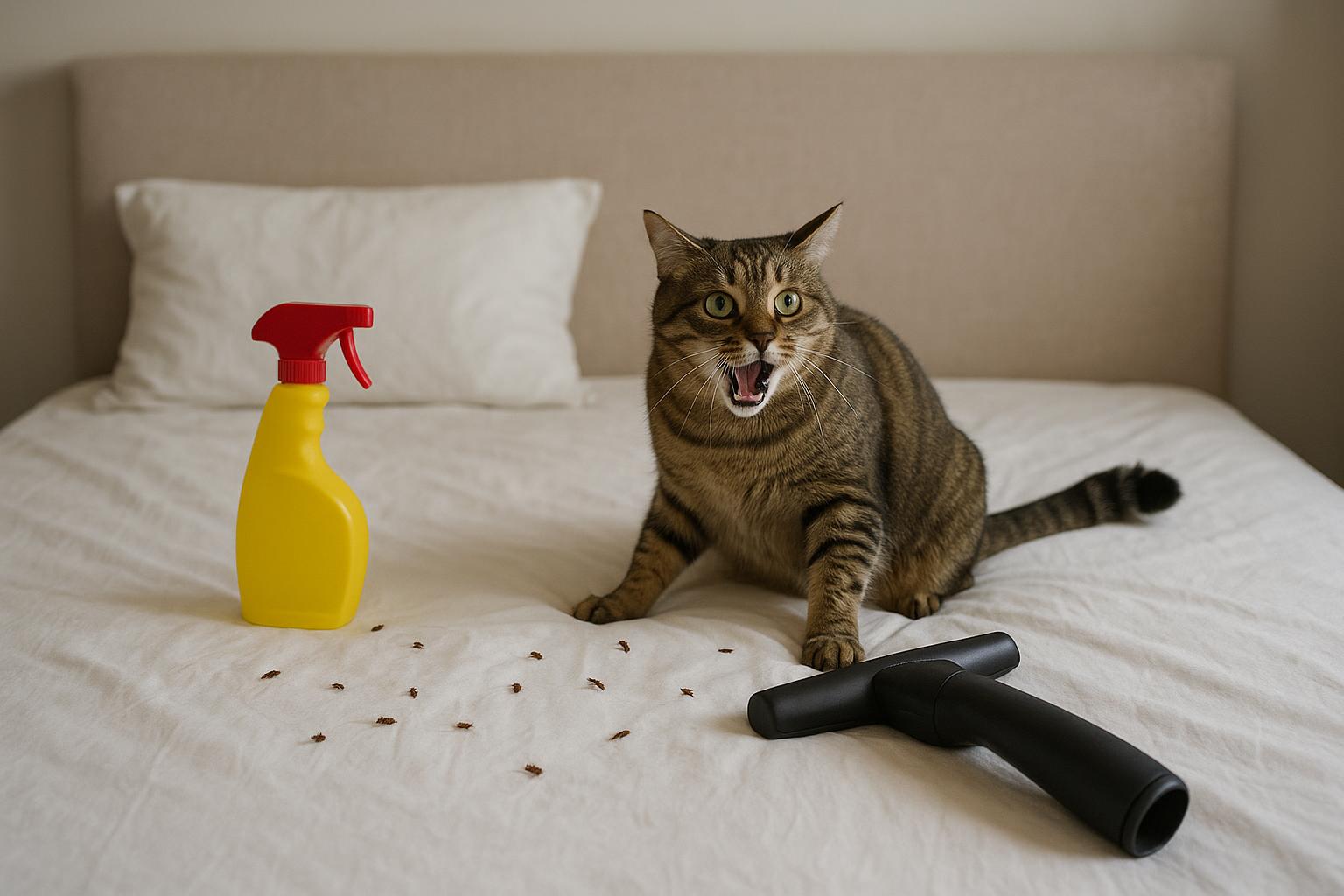
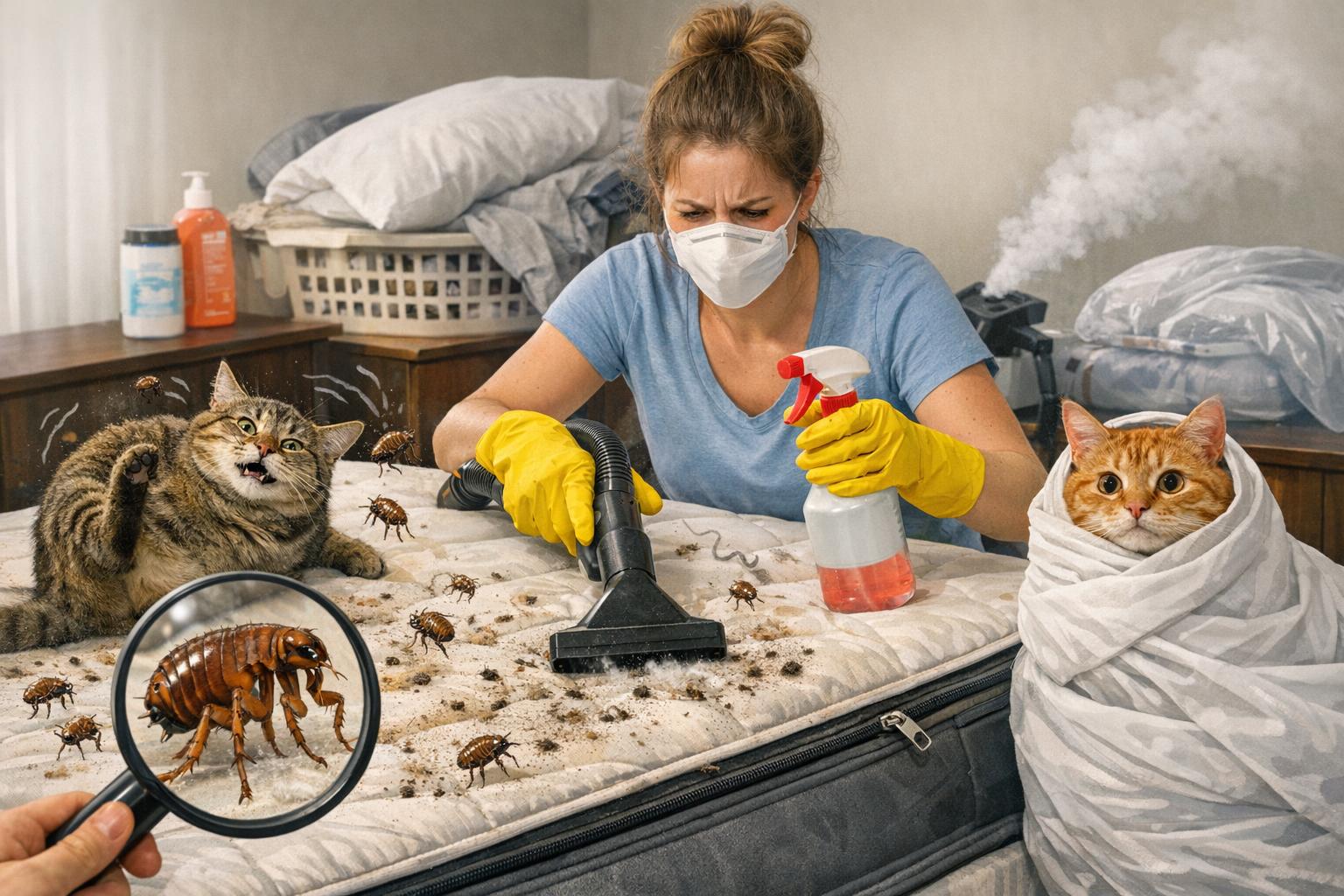
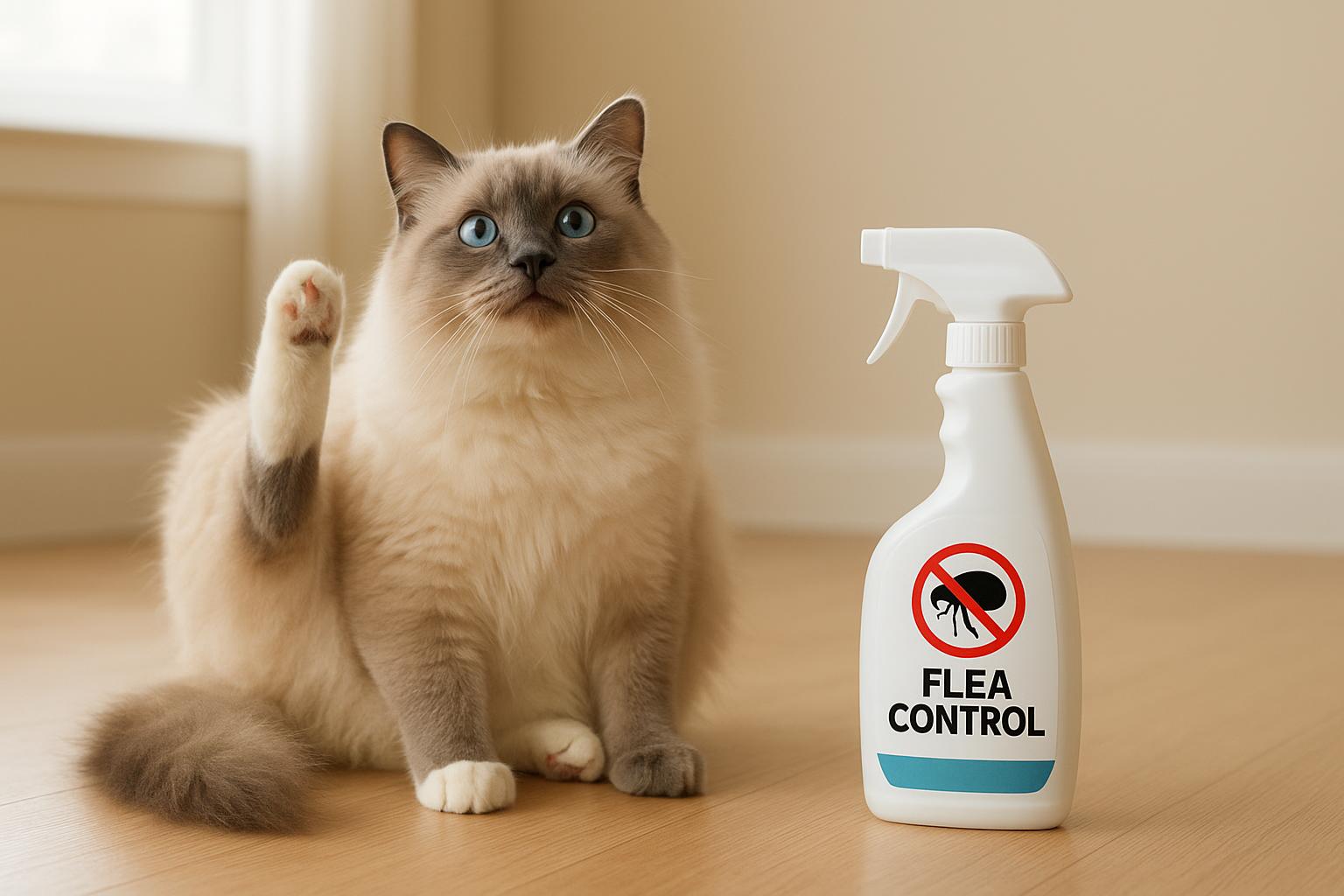
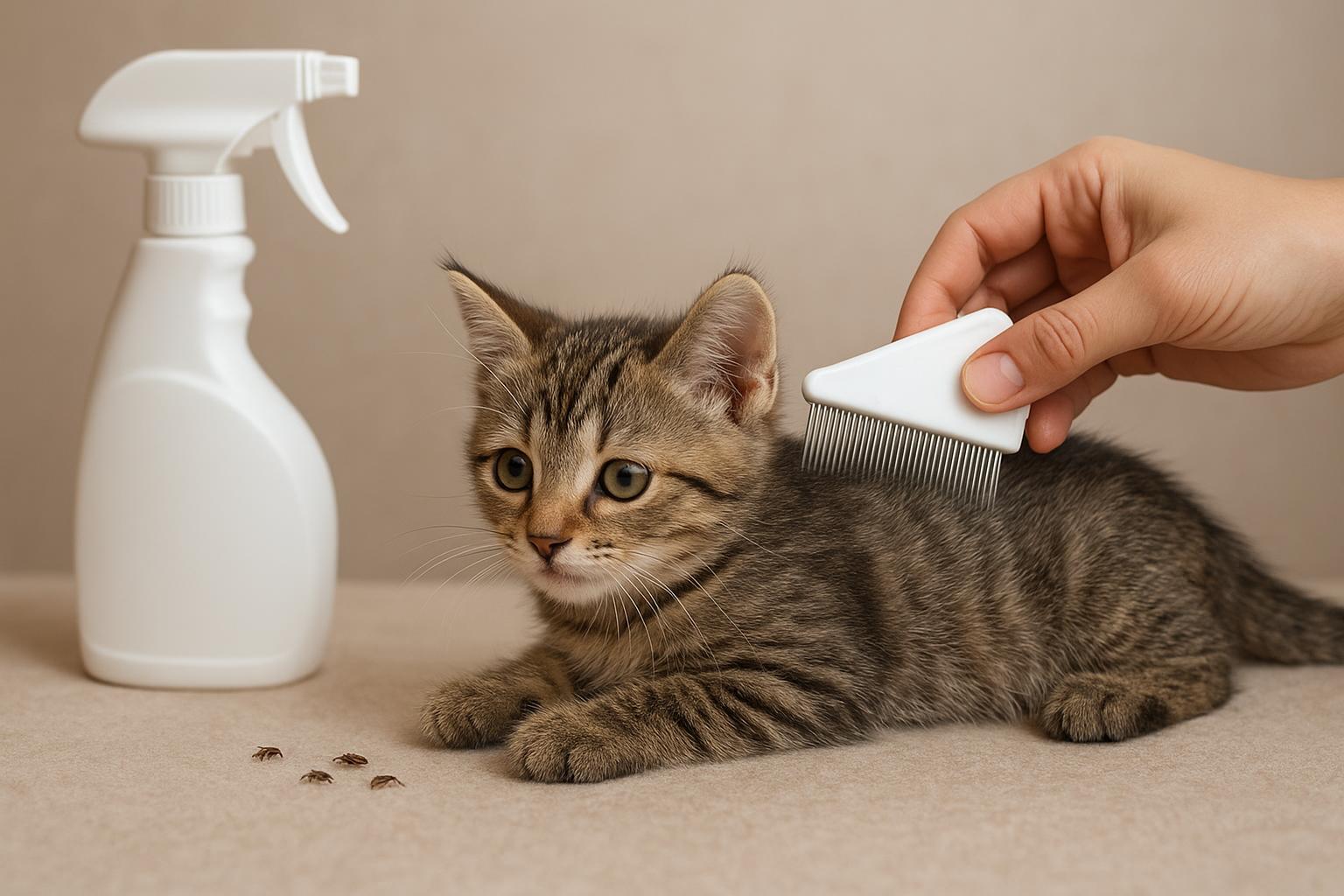
8. Integrate Pet Treatment: Treat all household pets concurrently with vet-recommended topical or oral flea preventatives. Indoor vacuuming and washing pet bedding at high temperatures reduce indoor reservoirs.
9. Record And Evaluate: Keep a log of application dates, products used, and observed results to refine future treatments and to provide information if consulting a professional pest service.
Safety And Environmental Notes:
– Food-grade diatomaceous earth can harm beneficial pollinators if overapplied; avoid treating blooming plants.
– Beneficial nematodes are safe for most non-target organisms but must be handled per instructions.
– Avoid pyrethroid-based lawn fumigants near water bodies and where children/pets play unless specifically recommended by a licensed applicator.
– For significant infestations tied to wildlife hosts, coordinate treatment with habitat changes and pet management for long-term control.
#### When To Call A Professional
If flea signs persist after following the habitat and targeted treatment steps, or if wildlife hosts are present in numbers that create safety or health concerns, consult a licensed pest management professional or wildlife control service. Professionals can provide safe animal exclusion, targeted pesticide use, and integrated programs tailored to property specifics. If pets or household members show signs of flea-borne illness or severe allergic reactions, contact a medical professional or veterinarian immediately.










Leave a Reply