
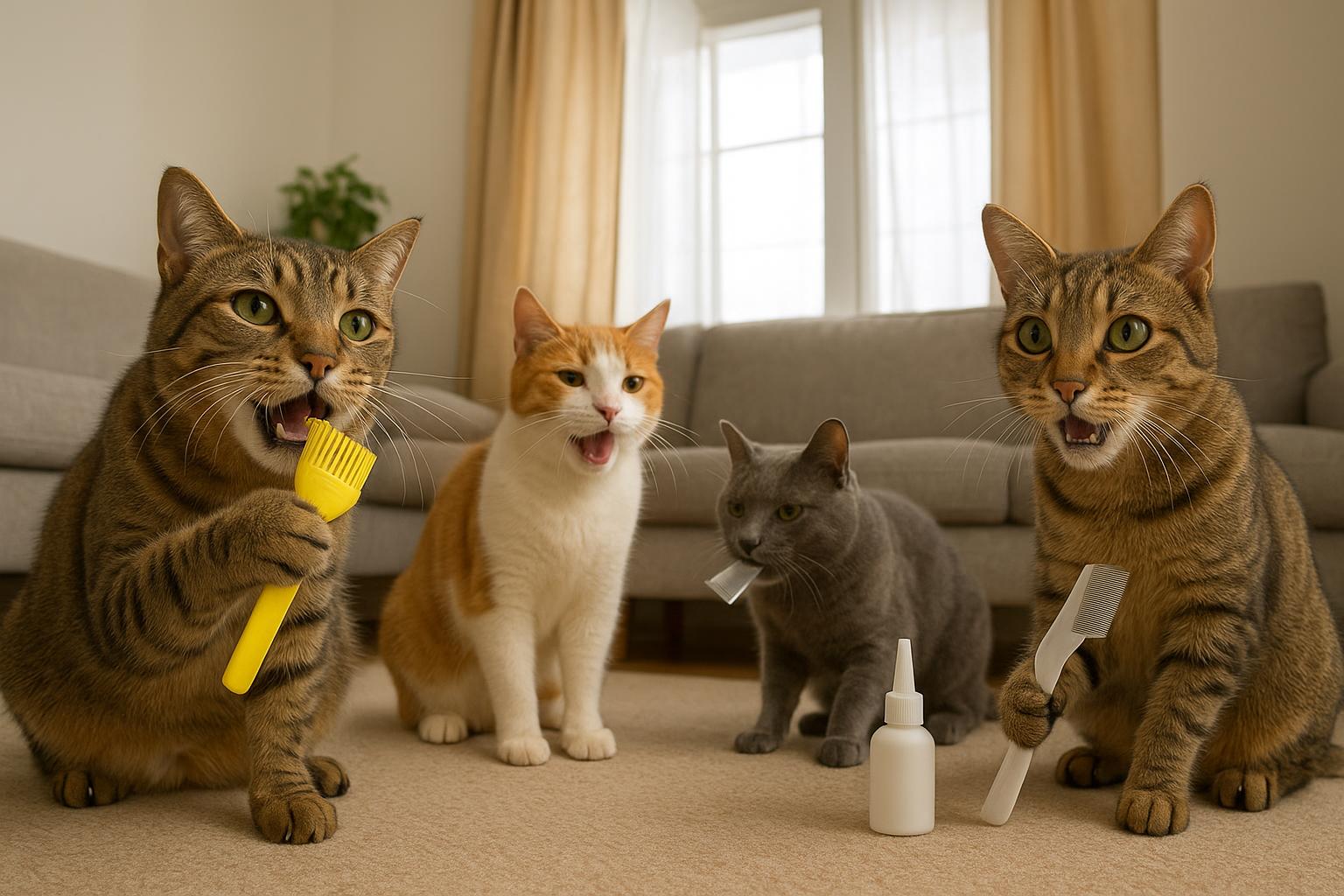
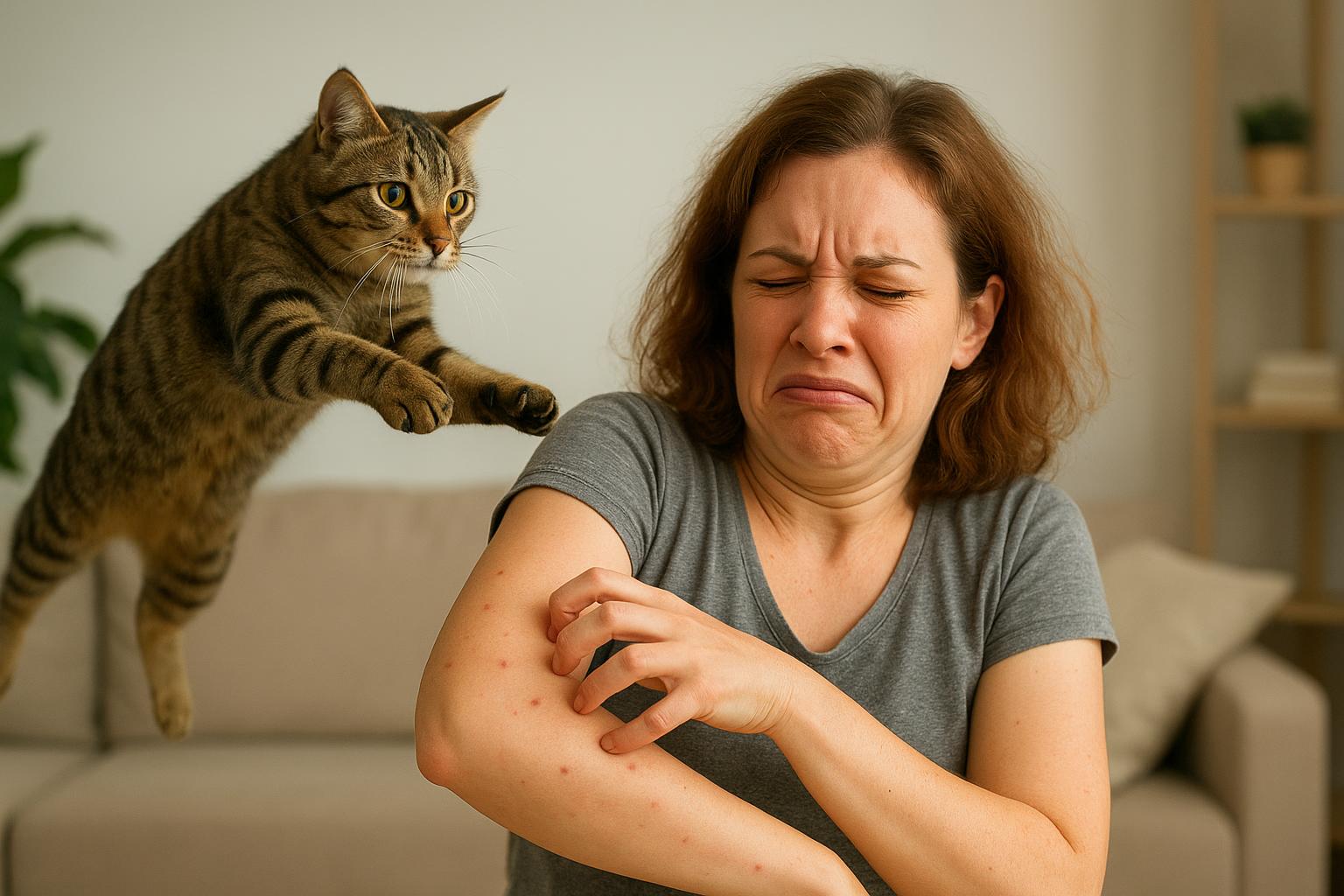
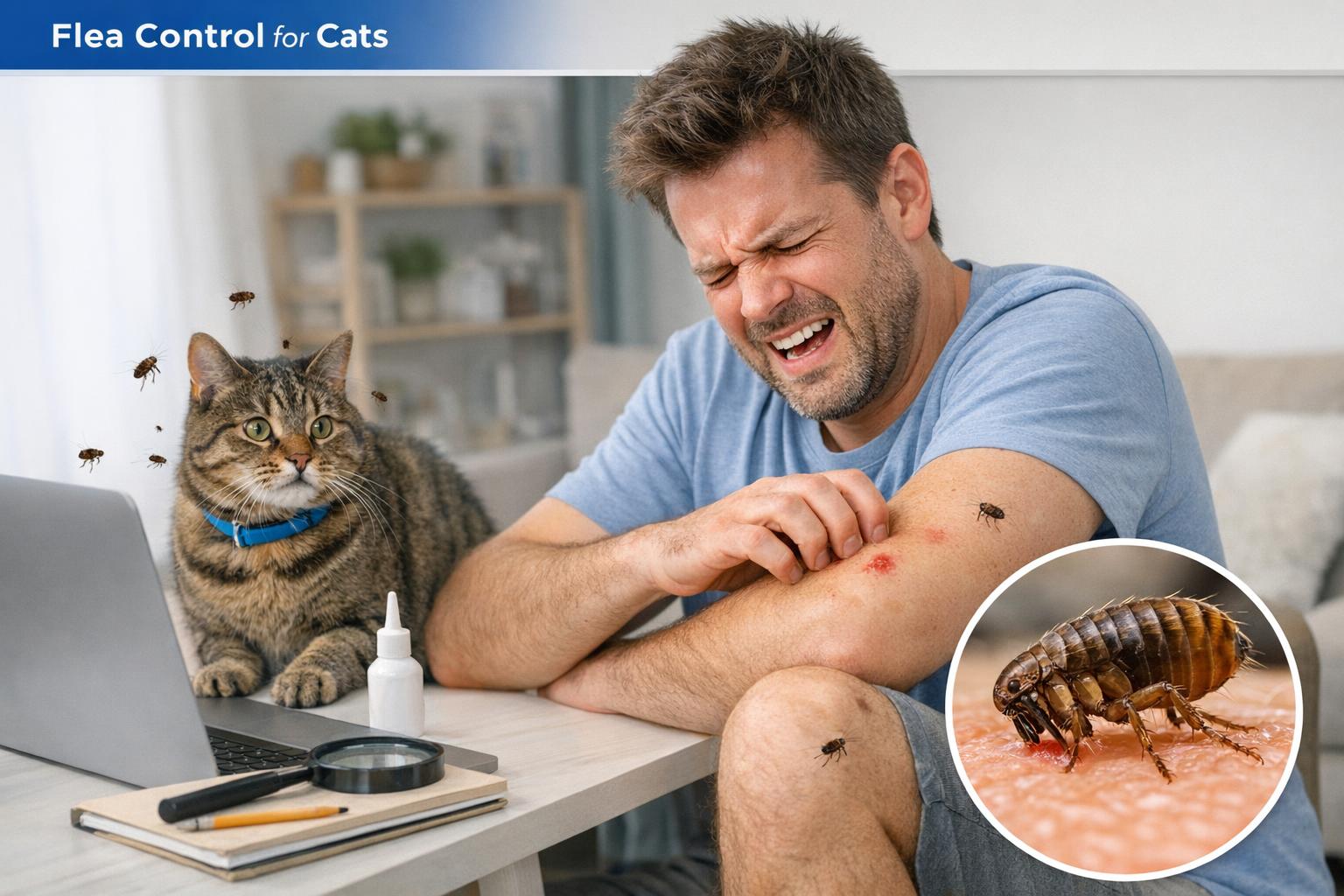
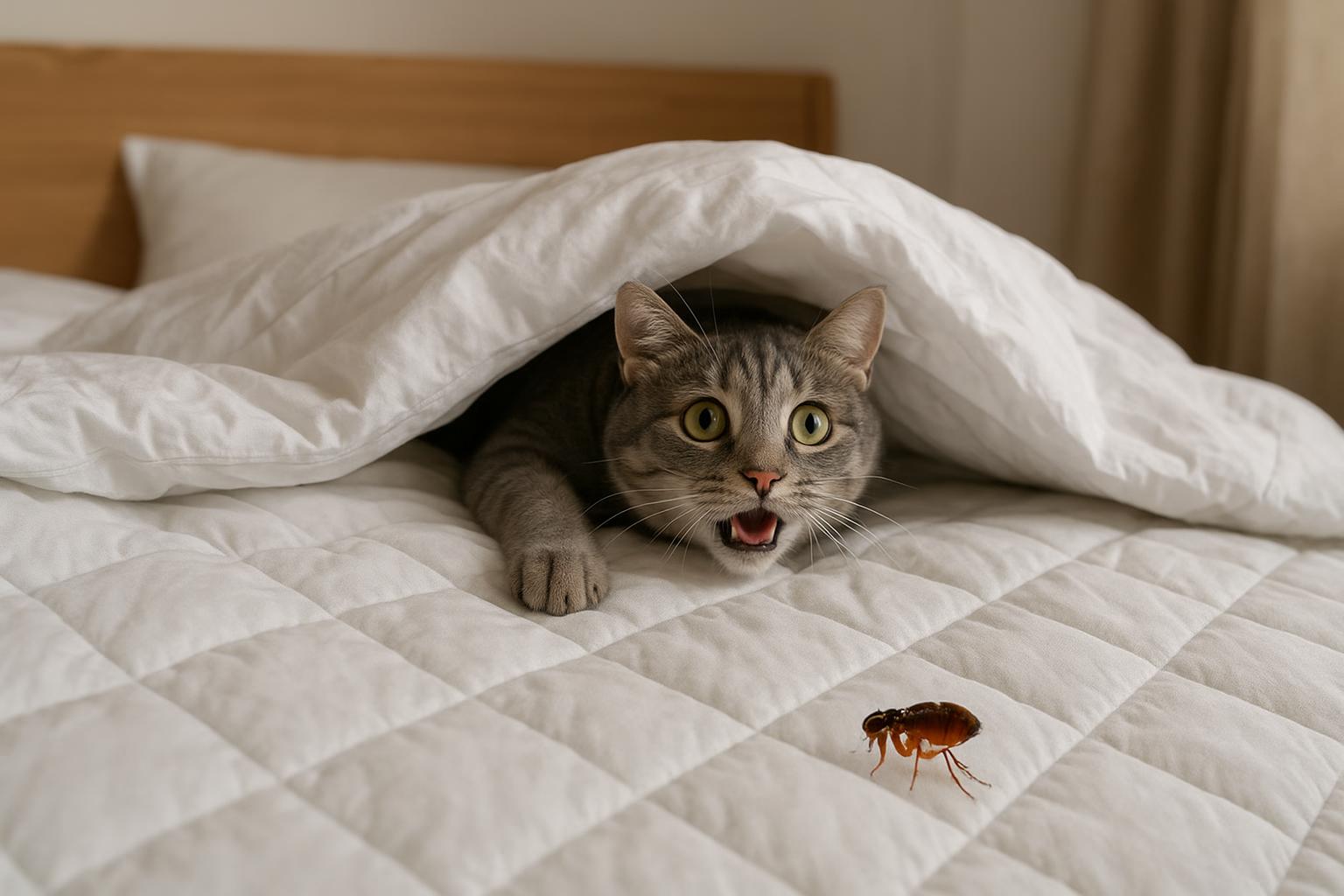
If you love your indoor cat like family (and you probably do), a single flea sighting can feel like a home invasion by tiny, itchy ninjas. The good news: most indoor cats stay flea-free with the right approach. The slightly less good news: fleas are persistent, and prevention takes attention, not luck. Here’s a friendly, practical guide to flea prevention that’s thorough without being preachy—plus two formal, step-by-step remedies you can start today.
## Flea Prevention Basics Every Cat Owner Should Know
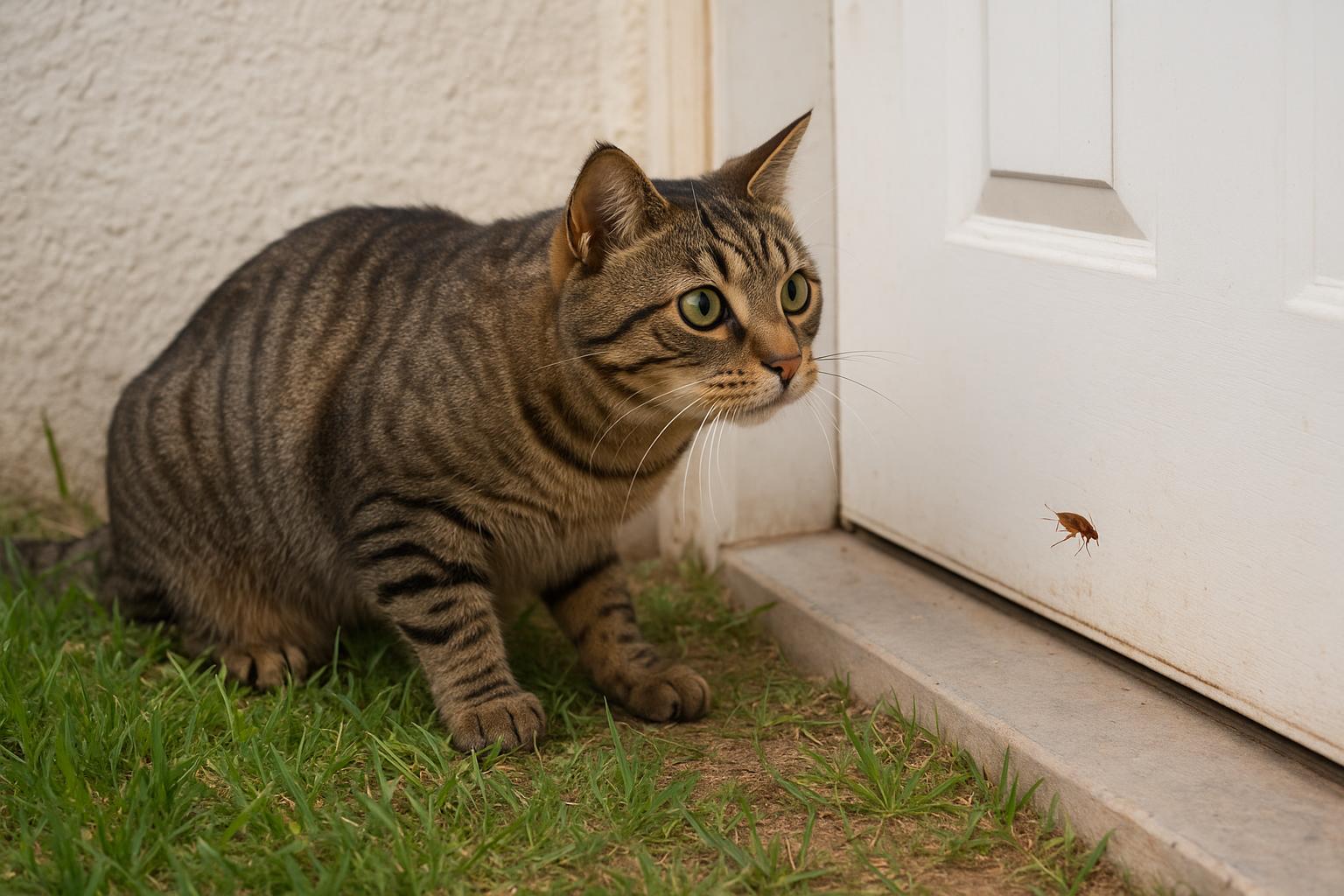
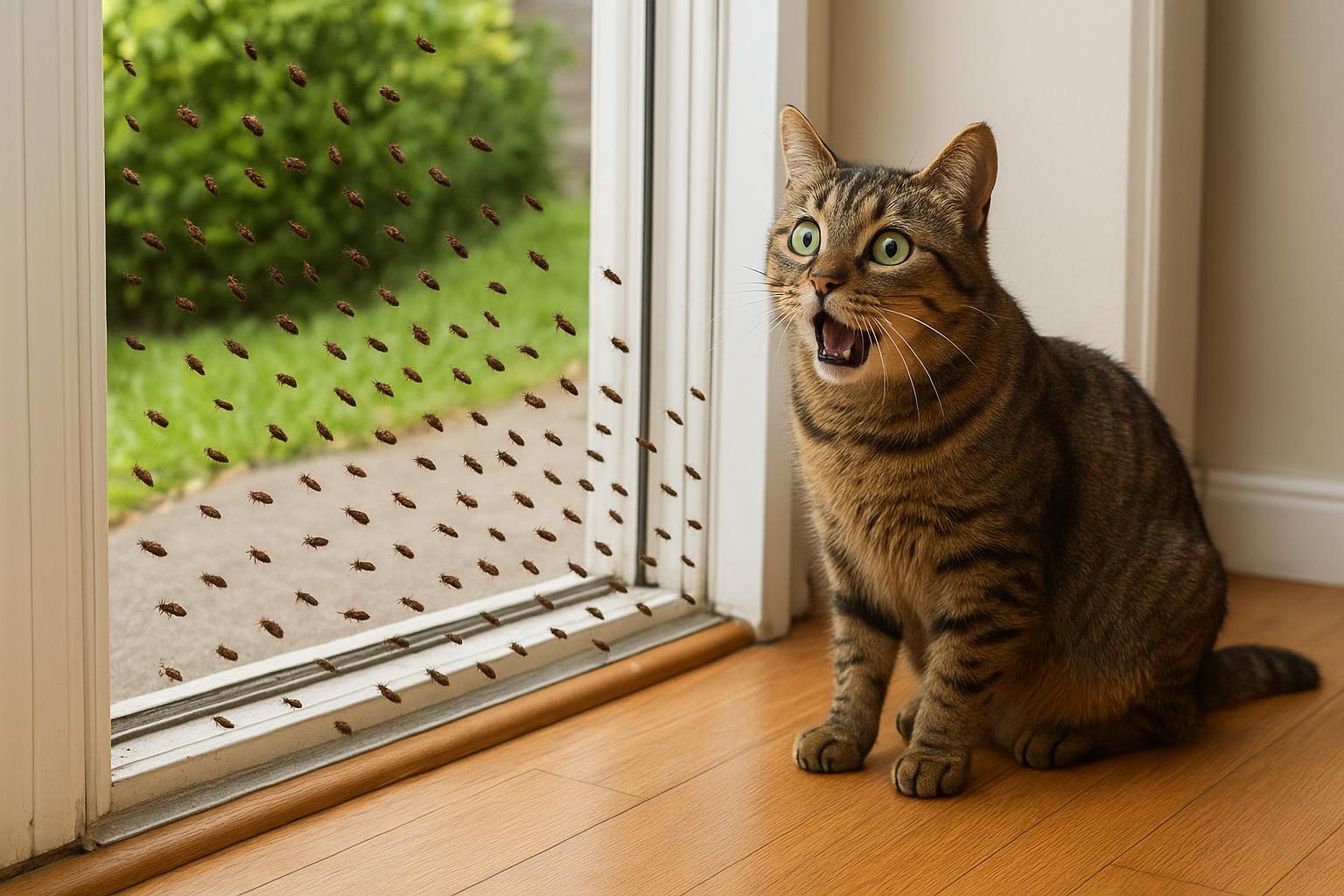
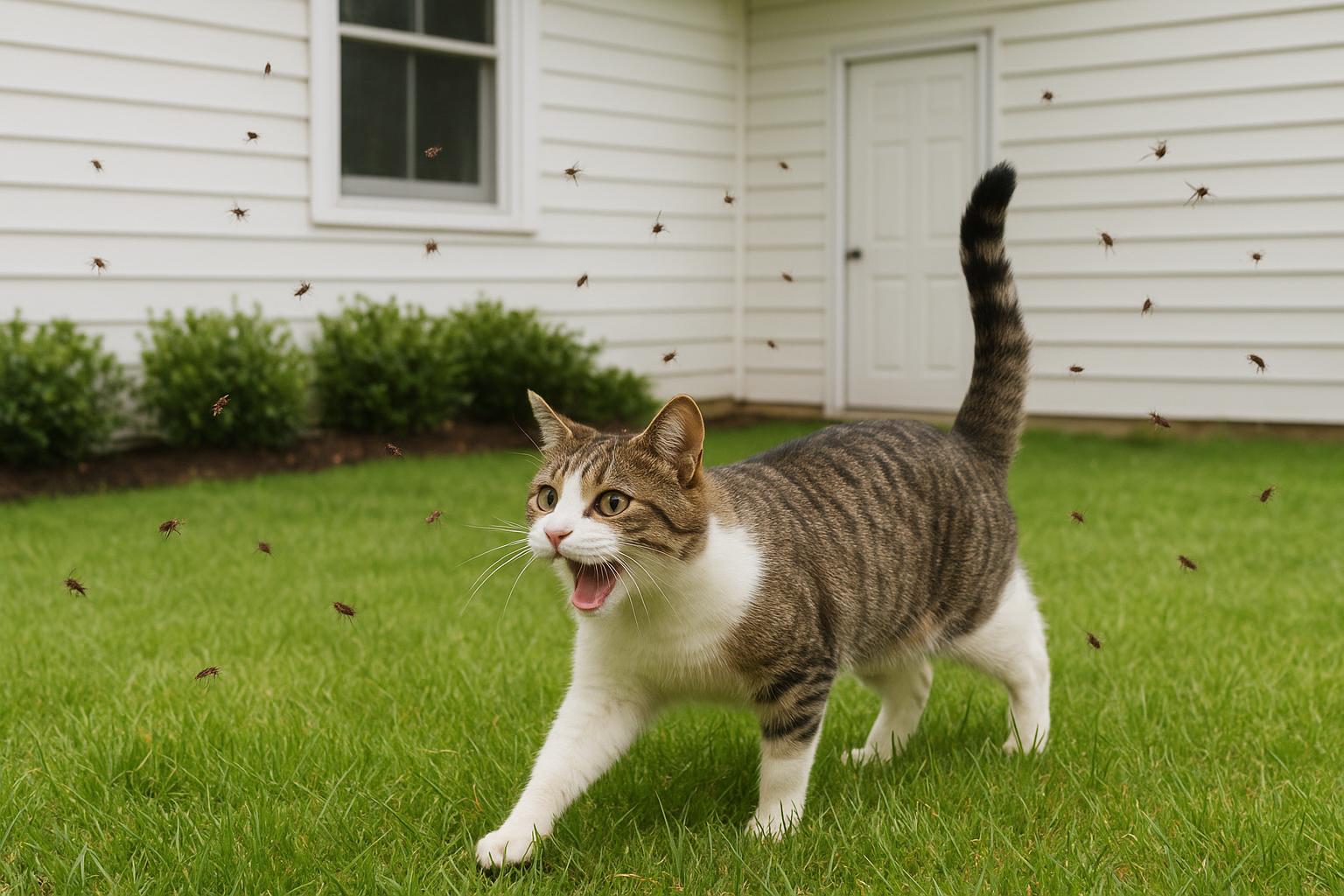
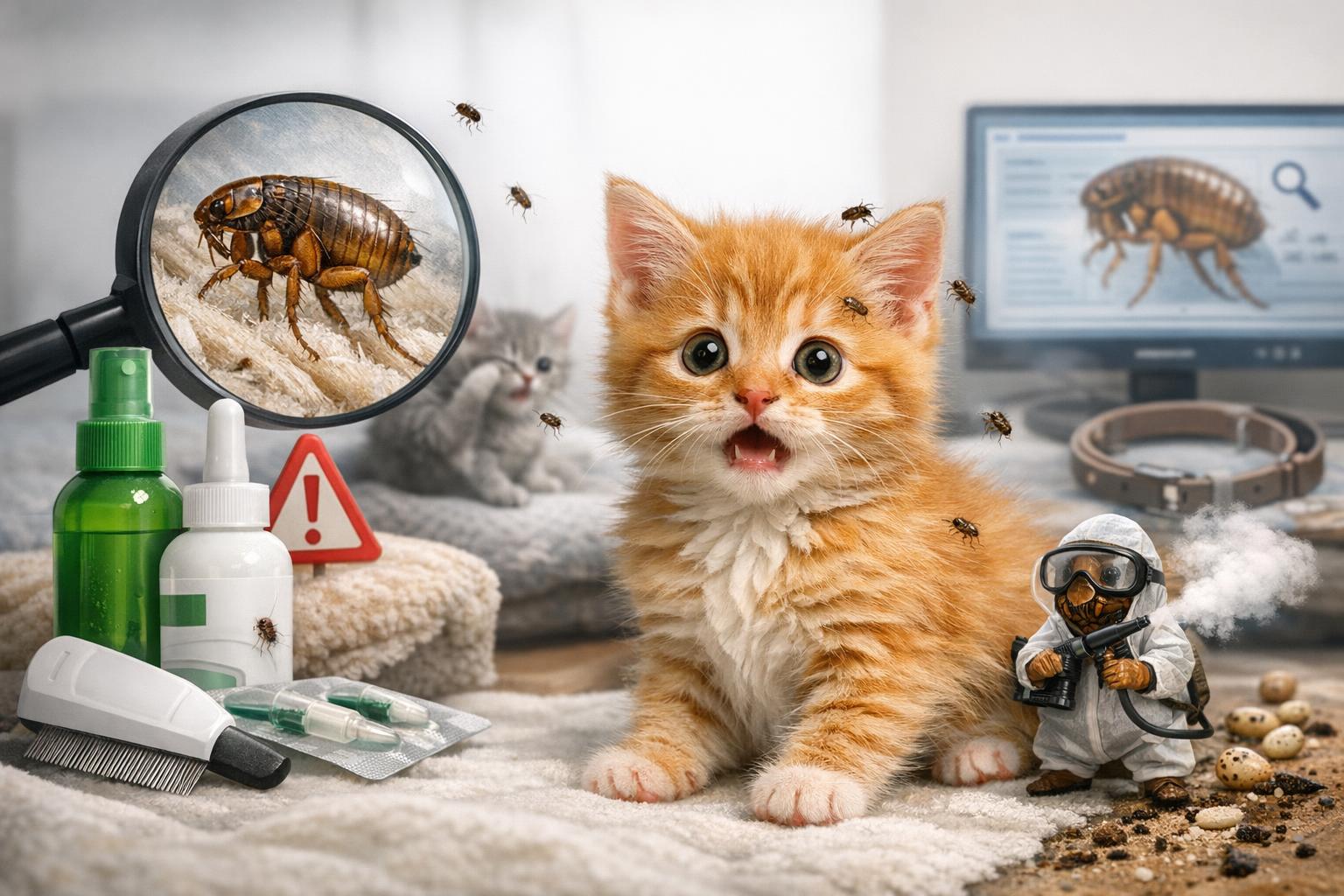
Fleas aren’t picky about doors; they hitch rides on shoes, people, or even other pets. Even if your cat never goes outside, odds are a flea could still make it in. Understanding the flea life cycle (egg, larva, pupa, adult) is key: only adult fleas live on the cat, but eggs and pupae hide in carpets, bedding, and upholstery, waiting for the right moment. That’s why flea prevention is a home-and-pet tandem effort.
### How Fleas Find Indoor Cats
Cats are warm, mobile, and often nap in the same cozy spots—perfect flea habitat. Flea eggs fall off the host into the environment, making rugs, couches, and corners important battlegrounds. Seasonal changes can influence flea activity, but indoor climates often keep them thriving year-round.
### Signs You Might Have A Flea Problem
Look for:
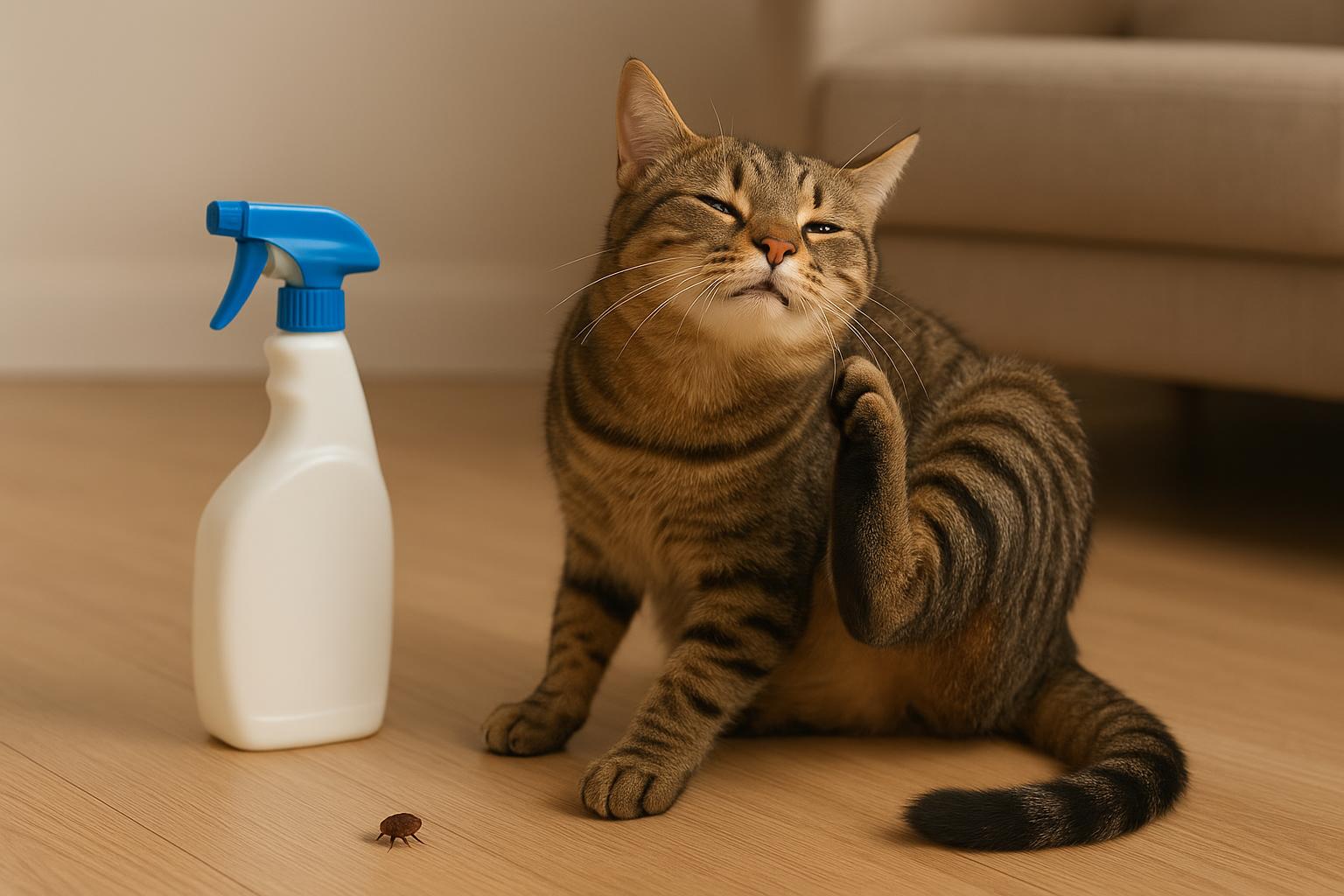
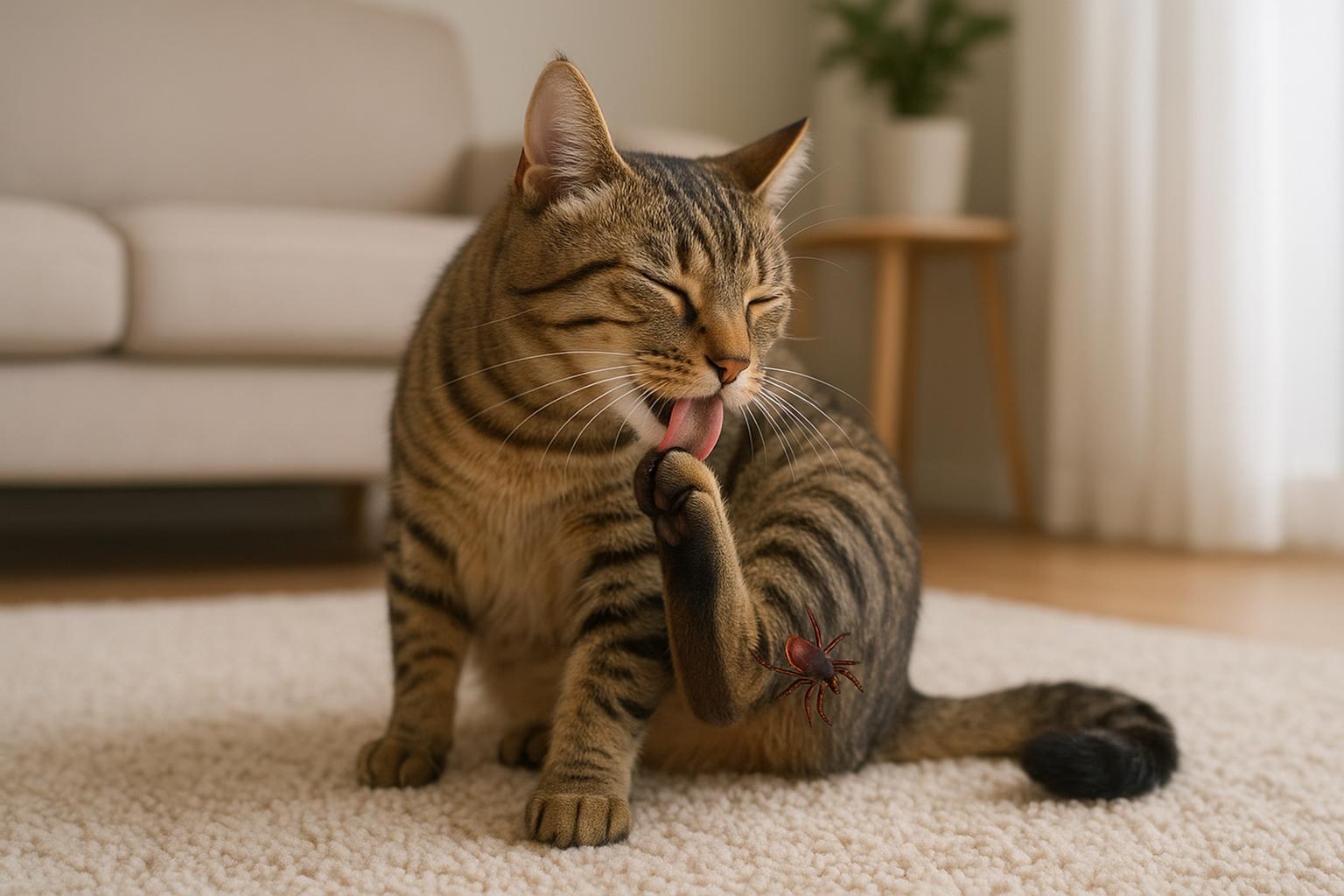
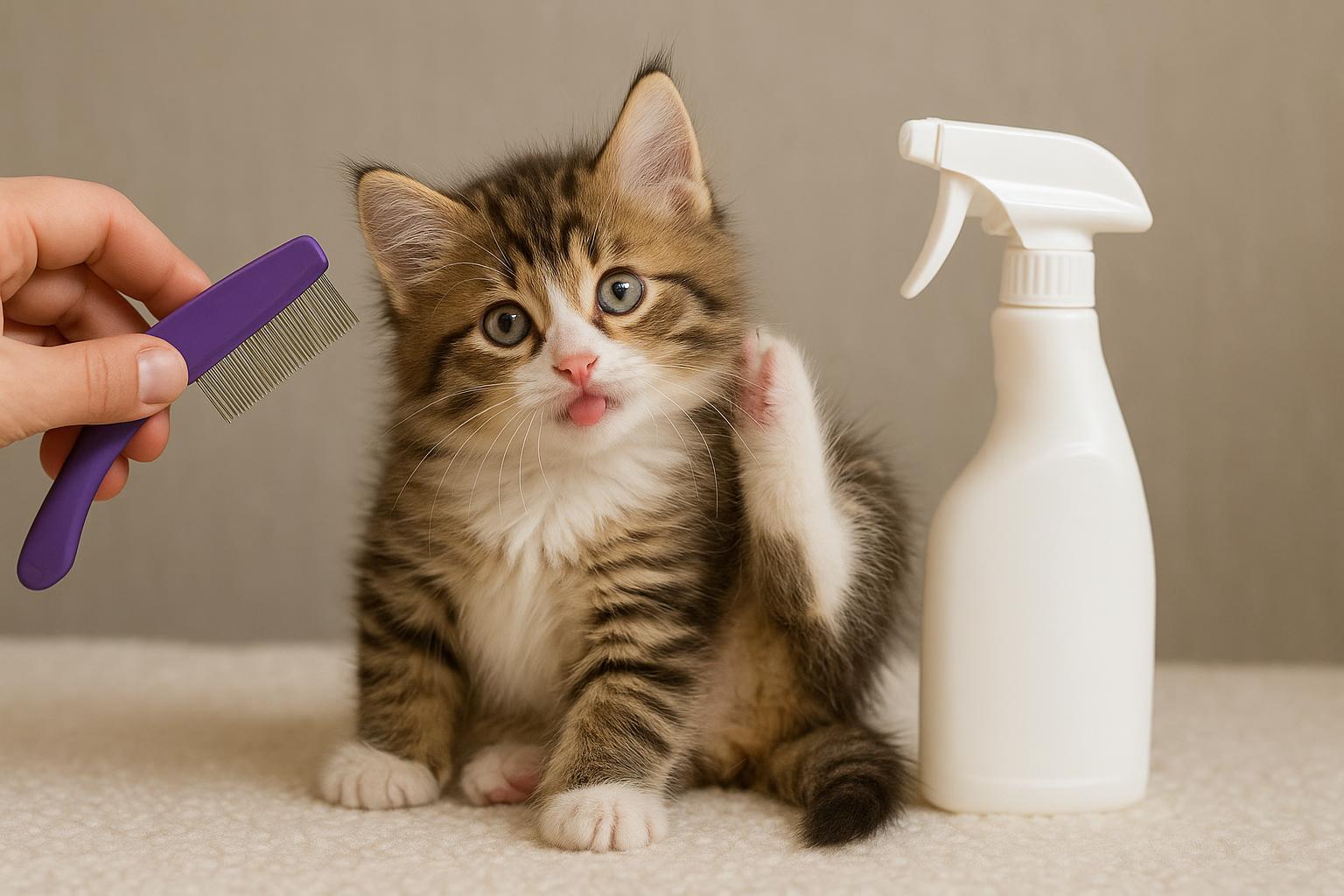
– Frequent scratching, biting, or grooming
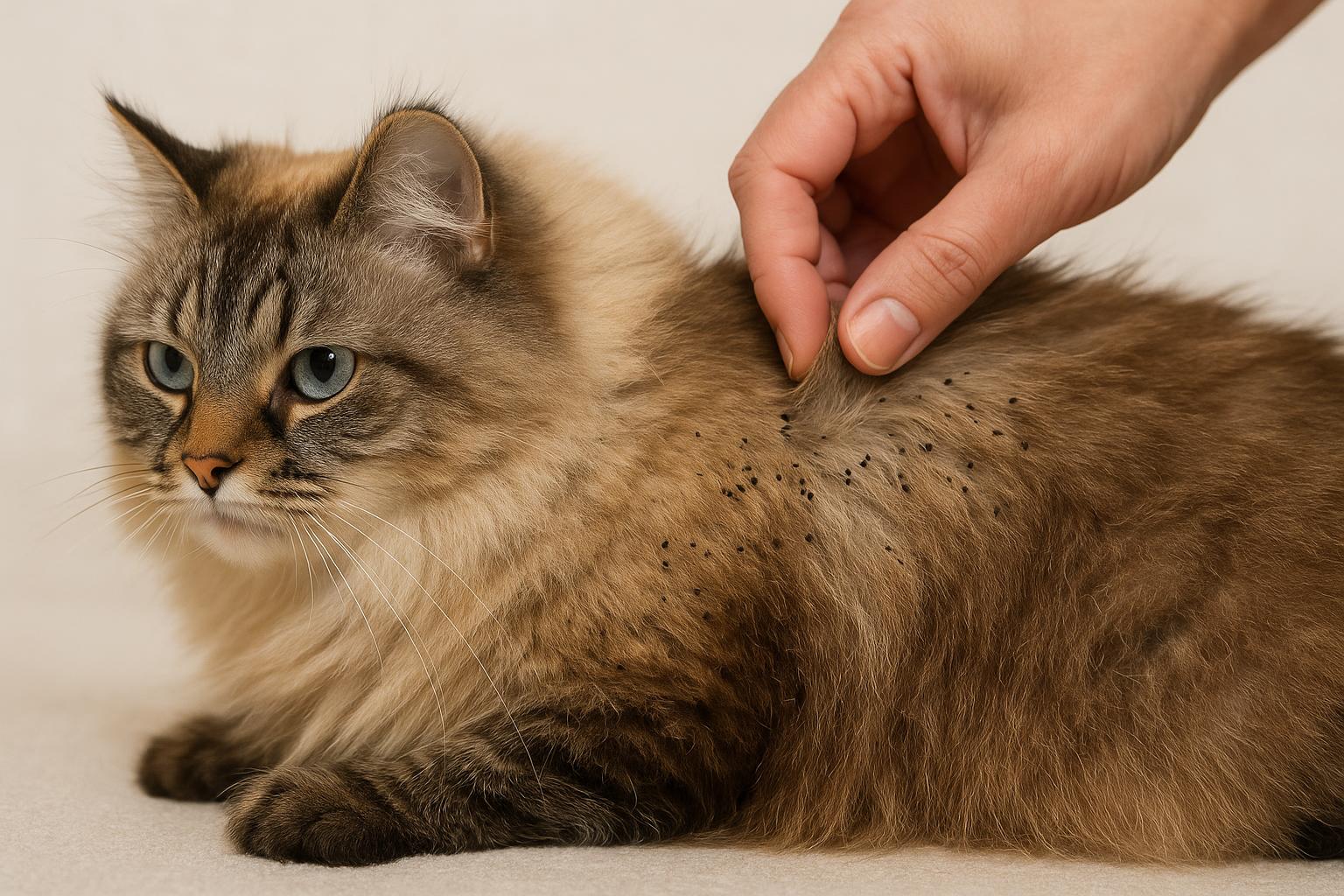
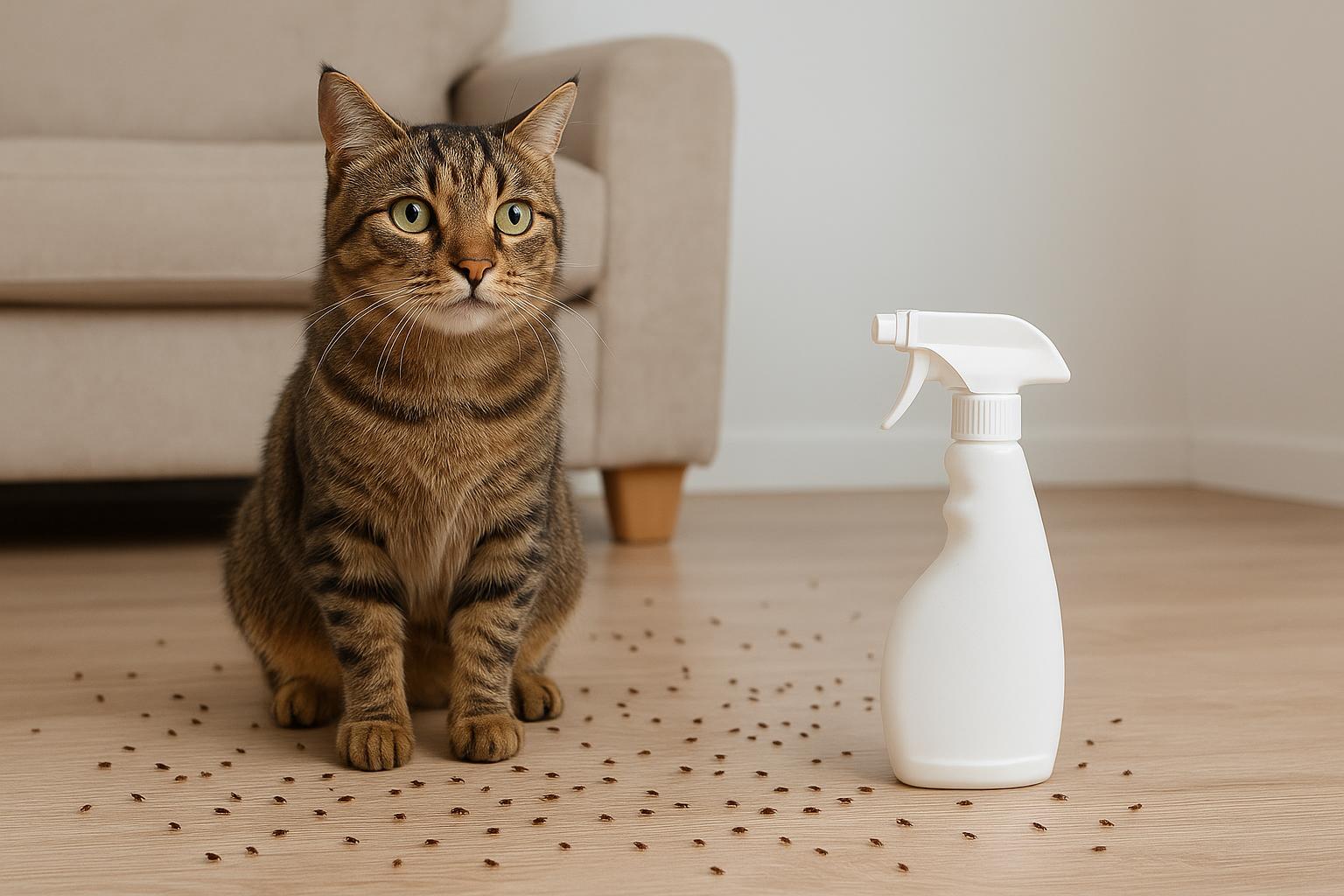
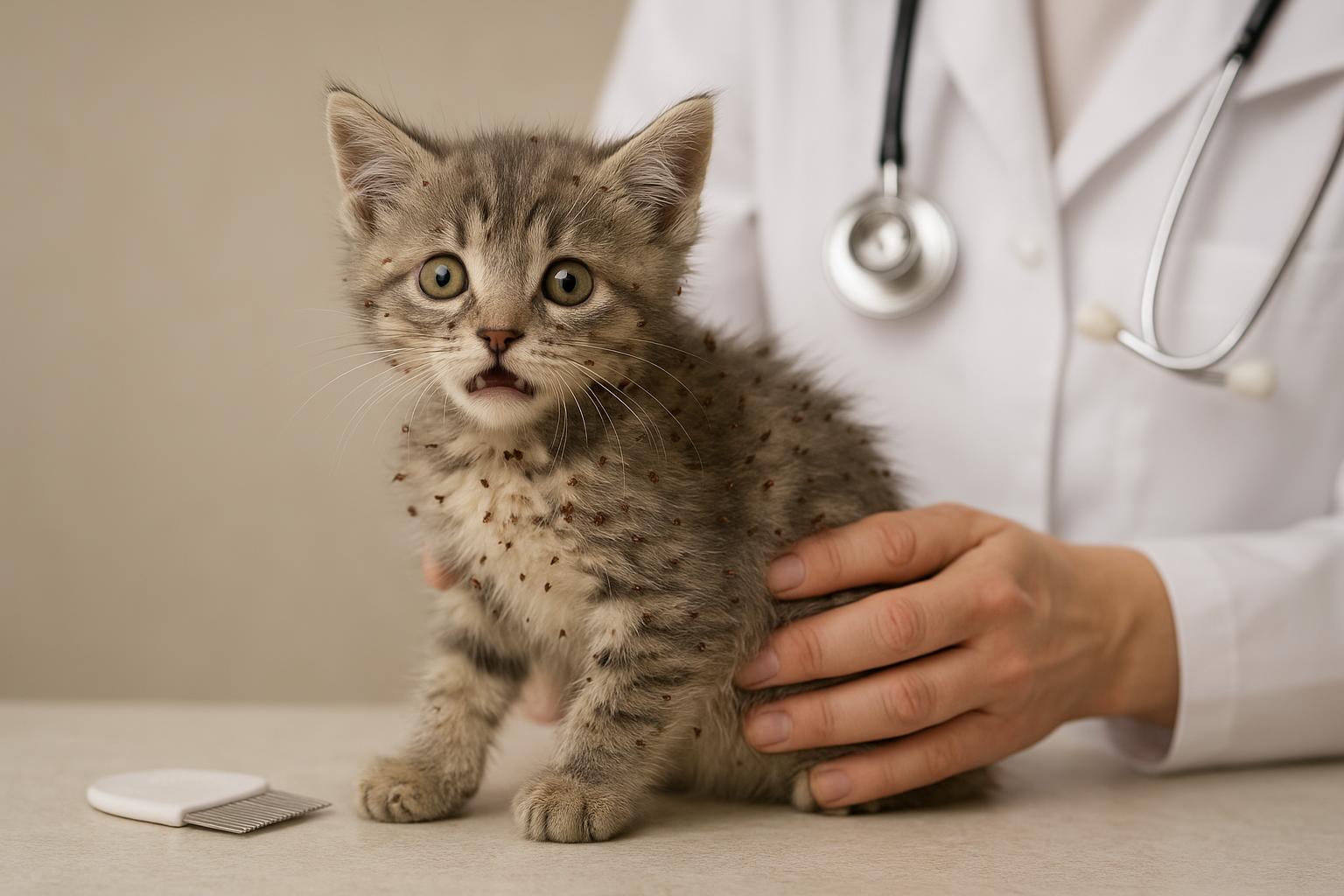
– Small dark “flea dirt” specks (digested blood) on the coat or bedding
– Red, irritated skin or scabs, especially at the base of the tail and behind the neck
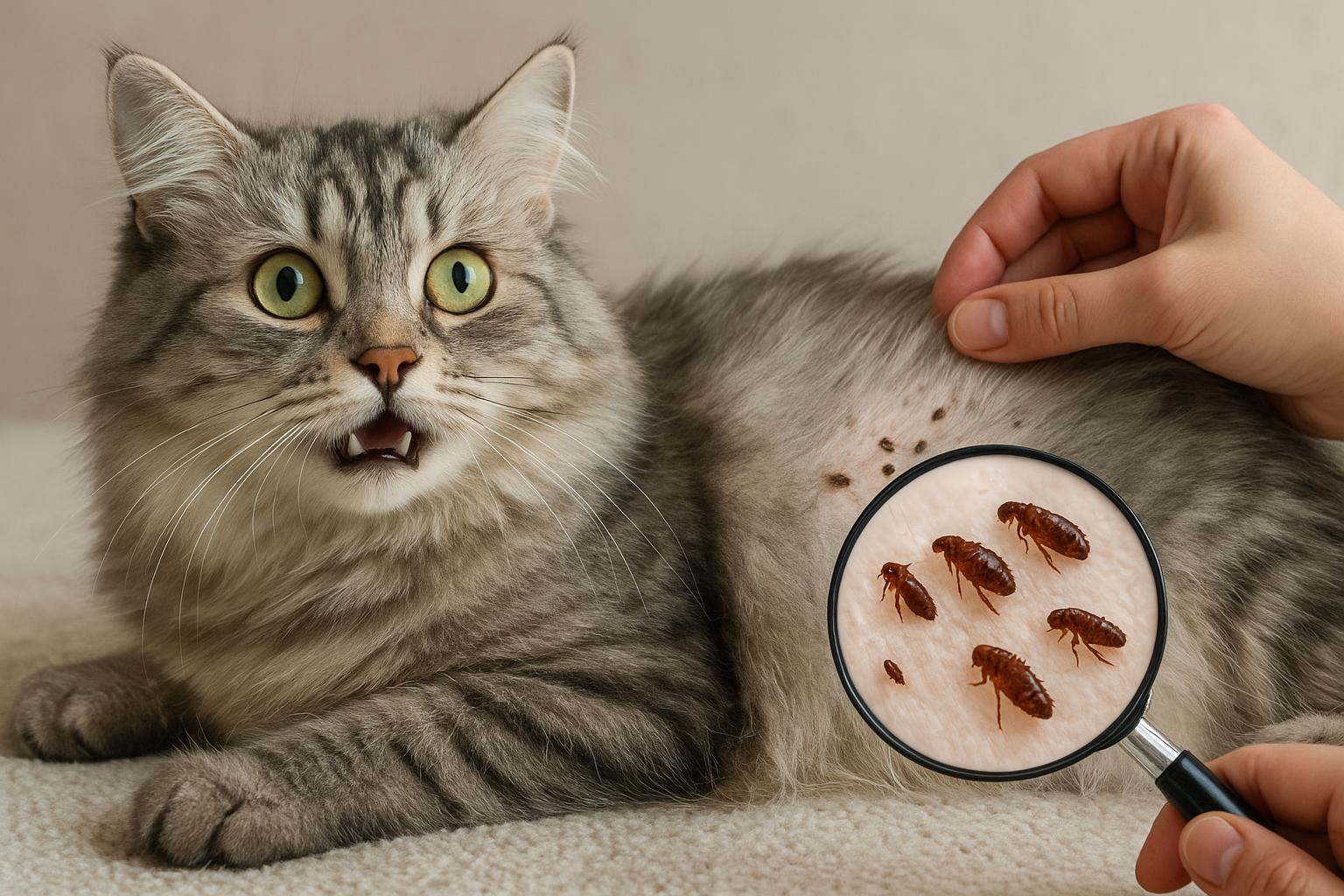
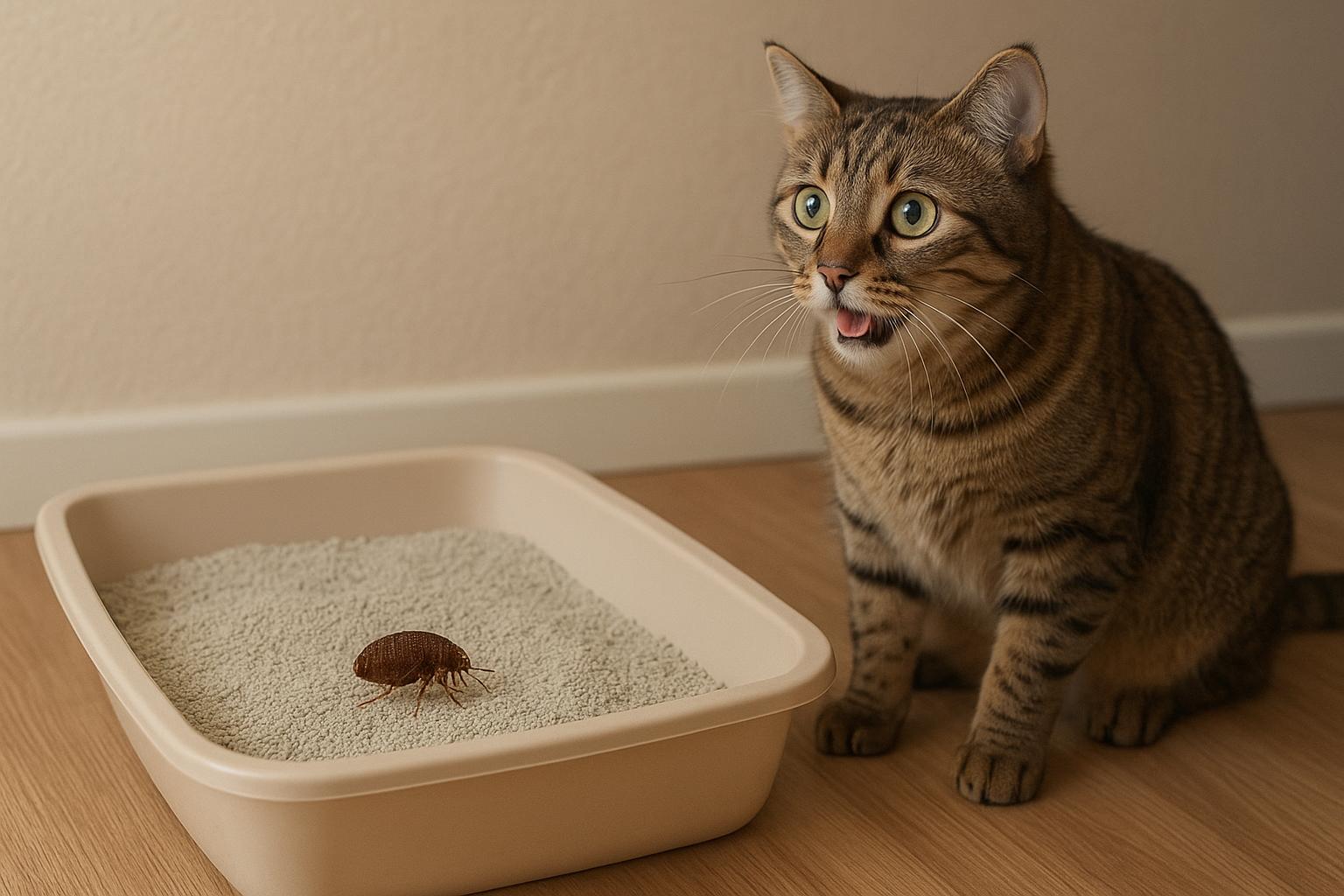
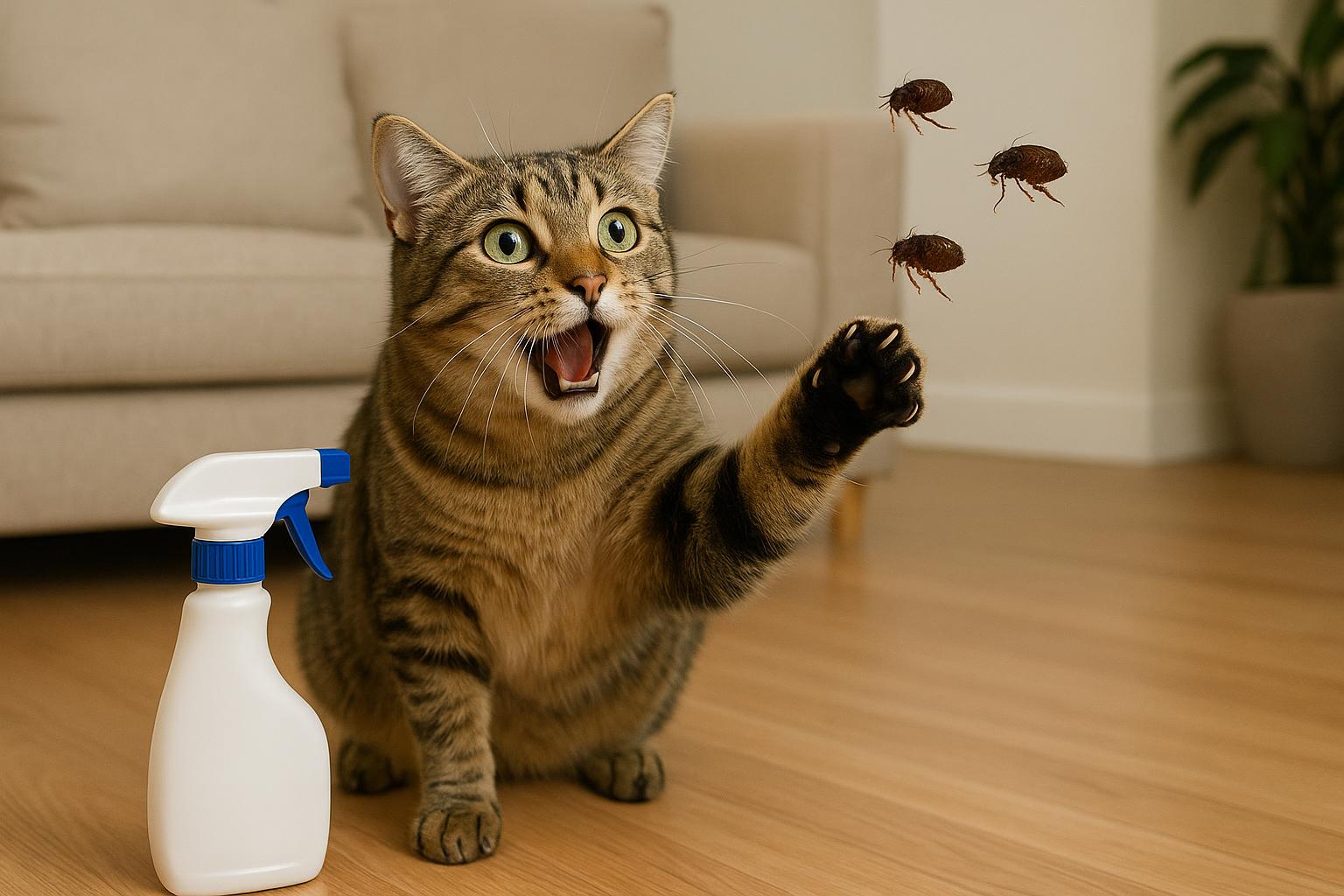
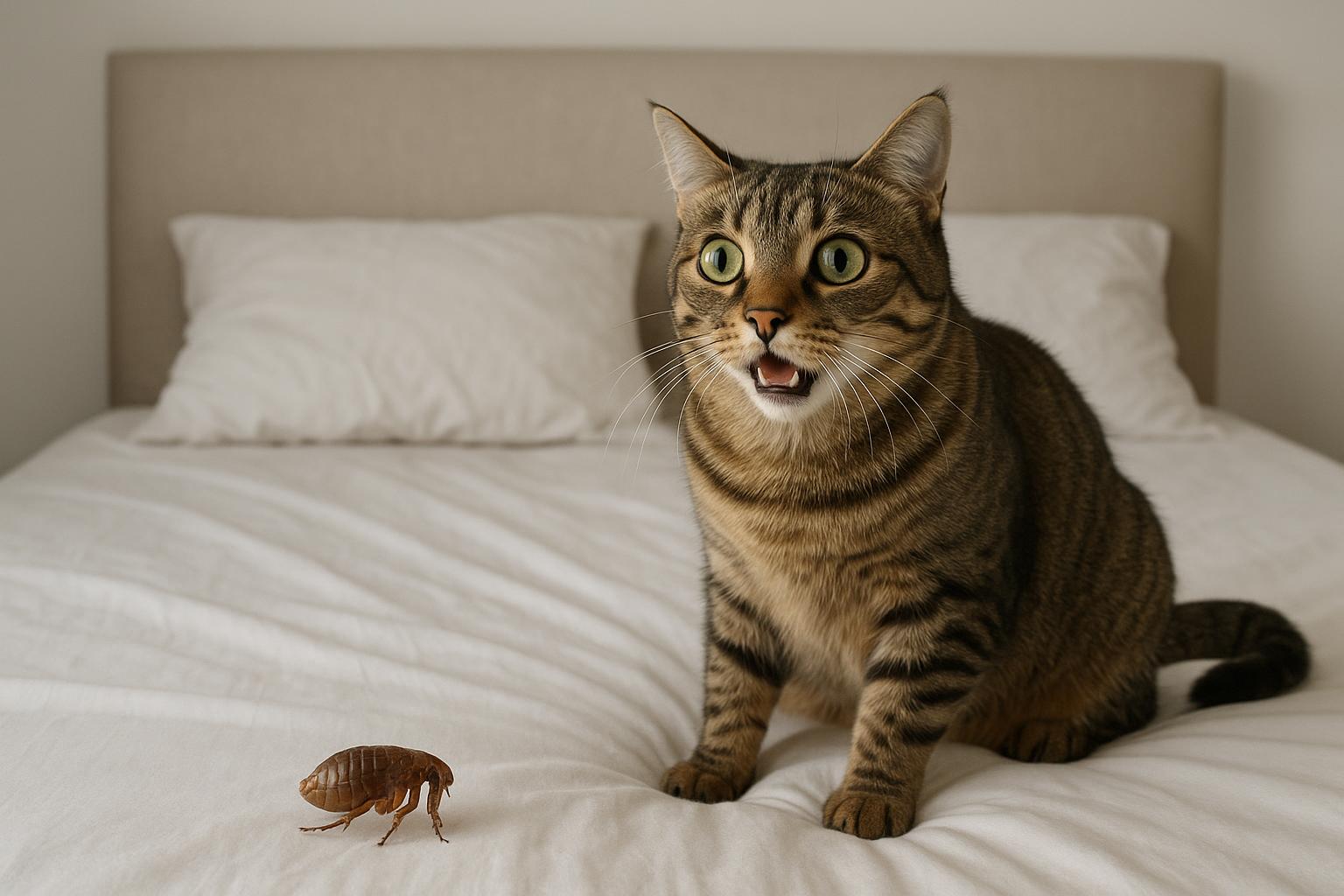
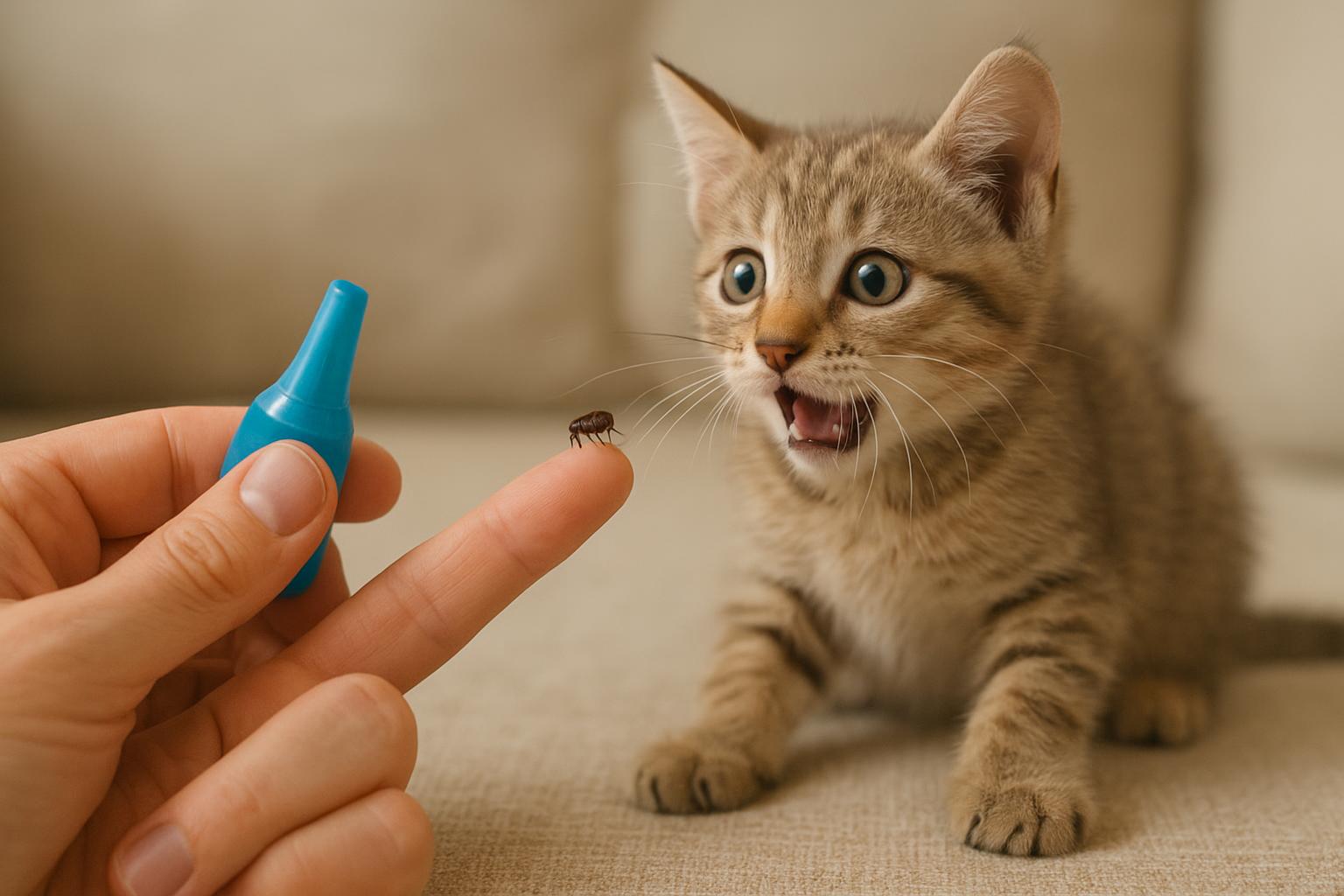
– Visible adult fleas—fast and small, but they can be seen if you part the fur
If you suspect fleas, act promptly. A single flea can lay dozens of eggs in a day, and those eggs lead to a broader infestation fast.
## 1) Vet-Recommended Flea Prevention Treatment (Formal Remedy)
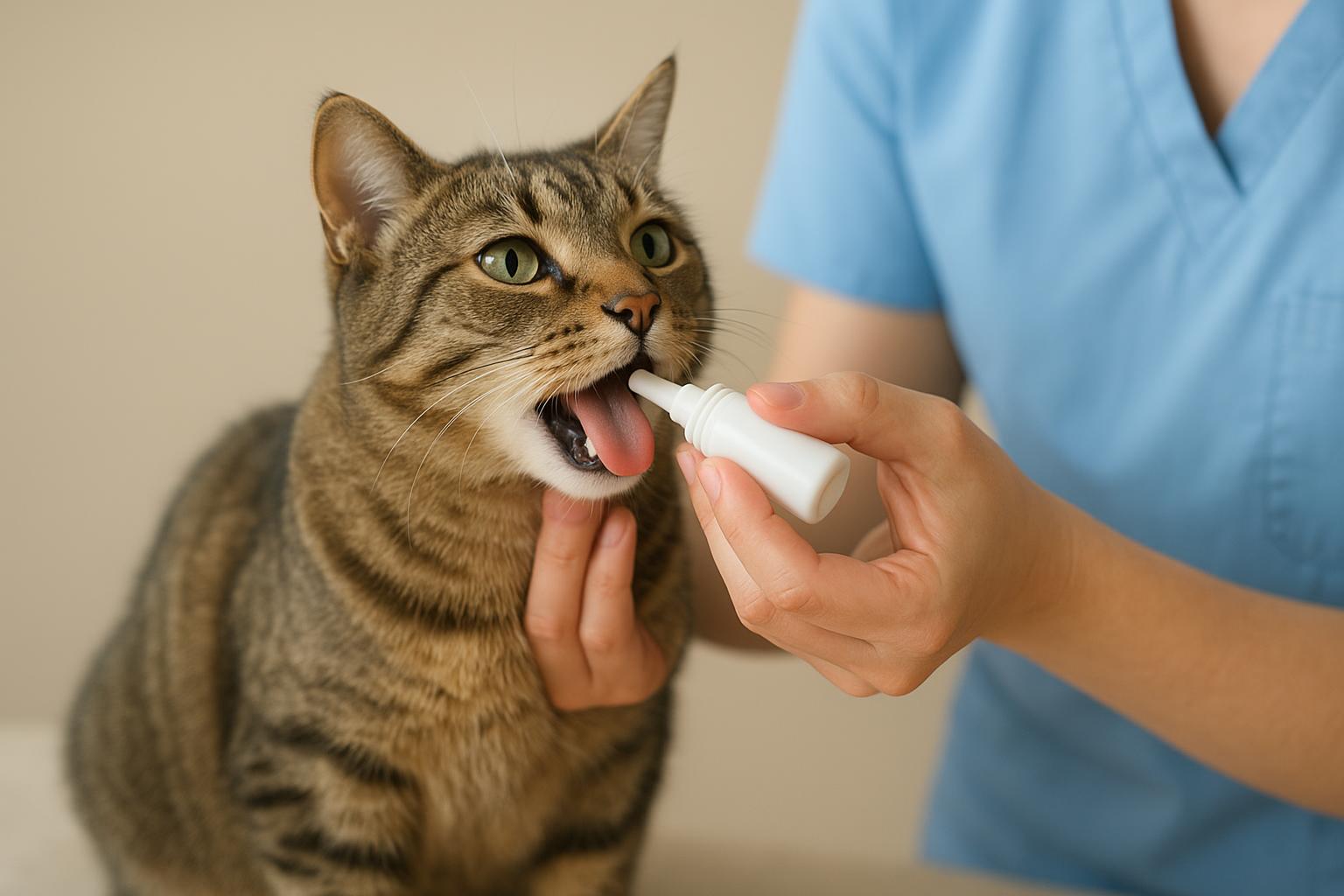
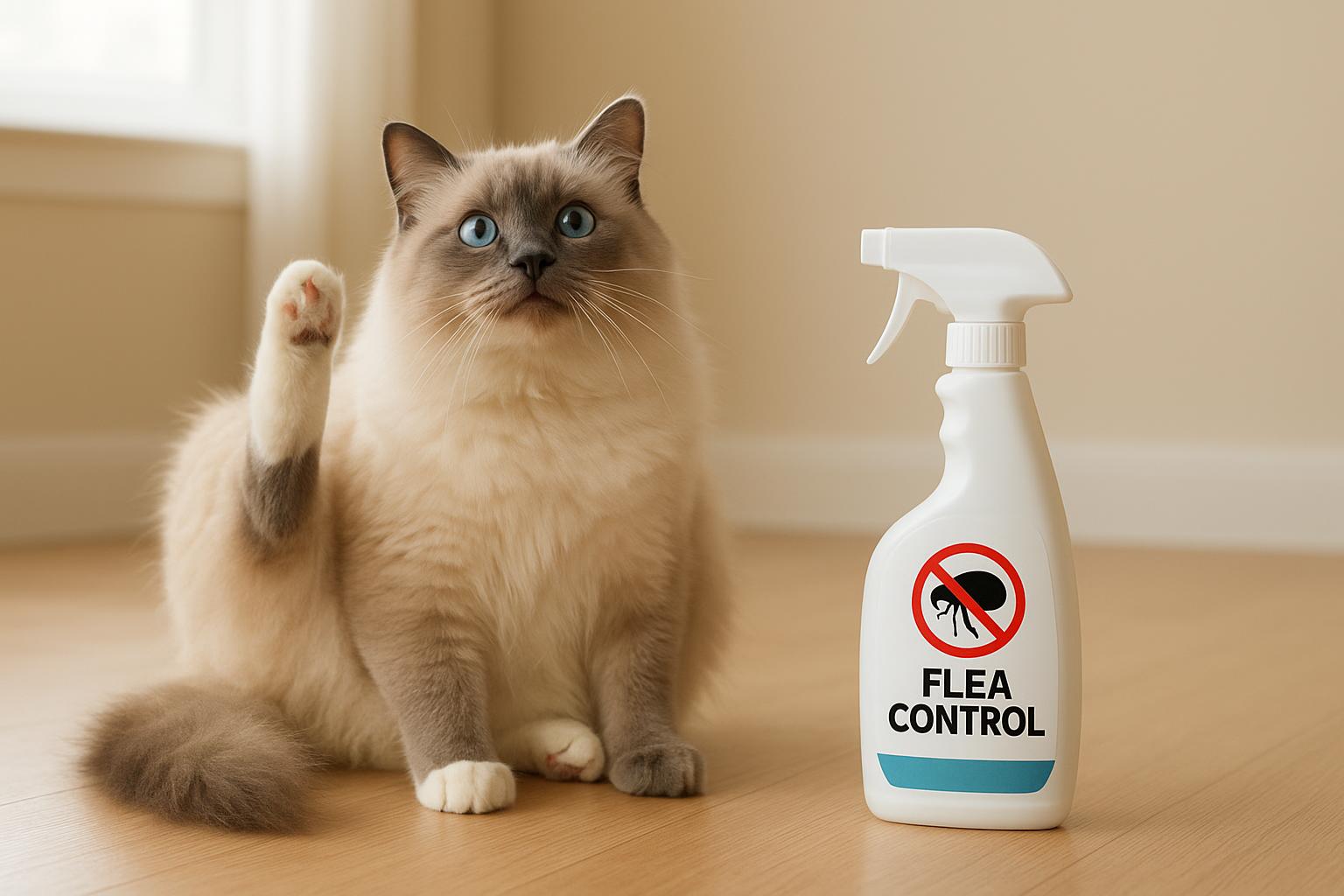
When it comes to medically protecting your cat, rely on evidence-based options recommended by veterinarians. These treatments are formulated to be effective and safe when used as directed.
#### Required Materials And Ingredients
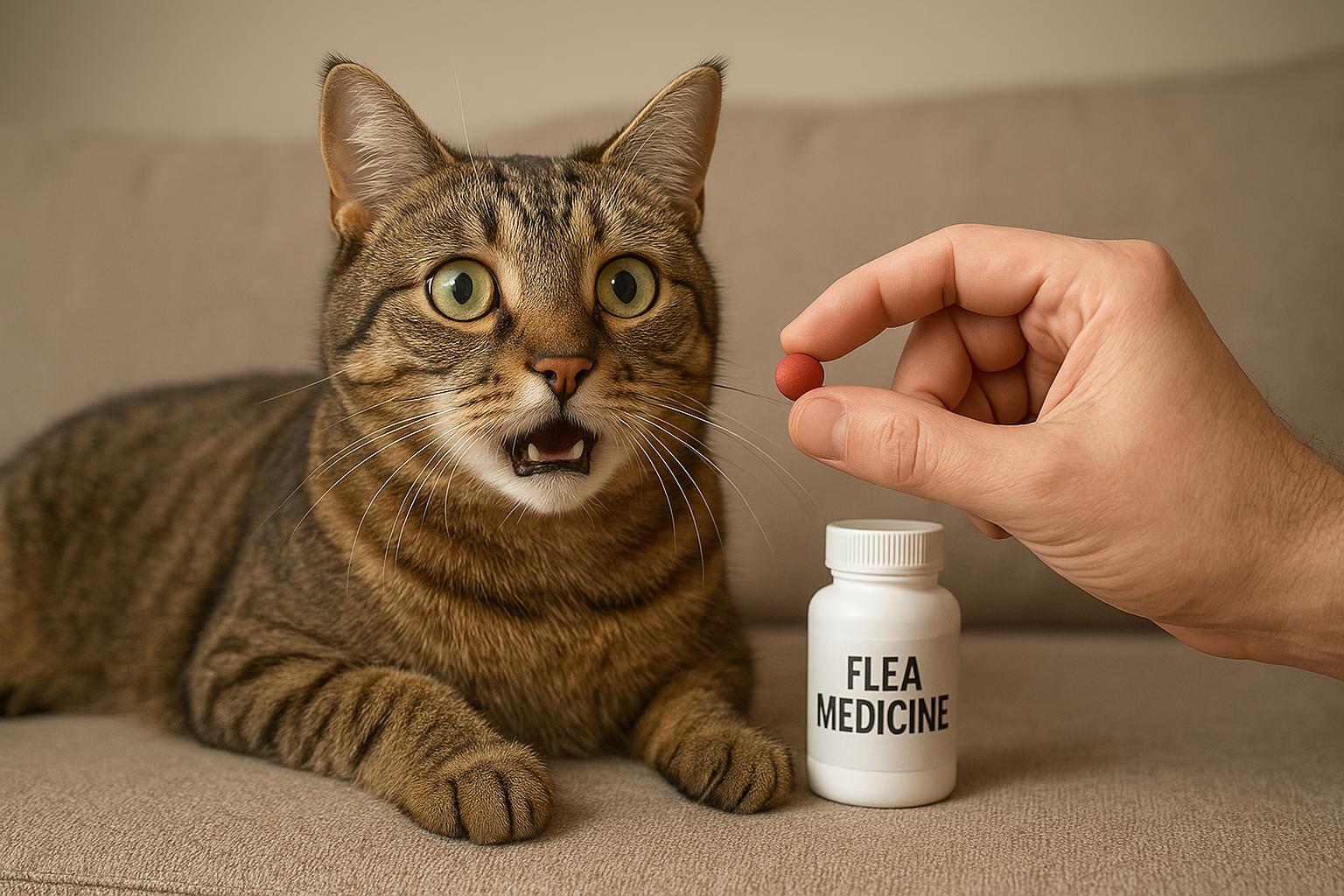
– Prescription or over-the-counter topical or oral flea medication prescribed for your cat (examples: topical fipronil, selamectin, or oral afoxolaner—use only under vet guidance)
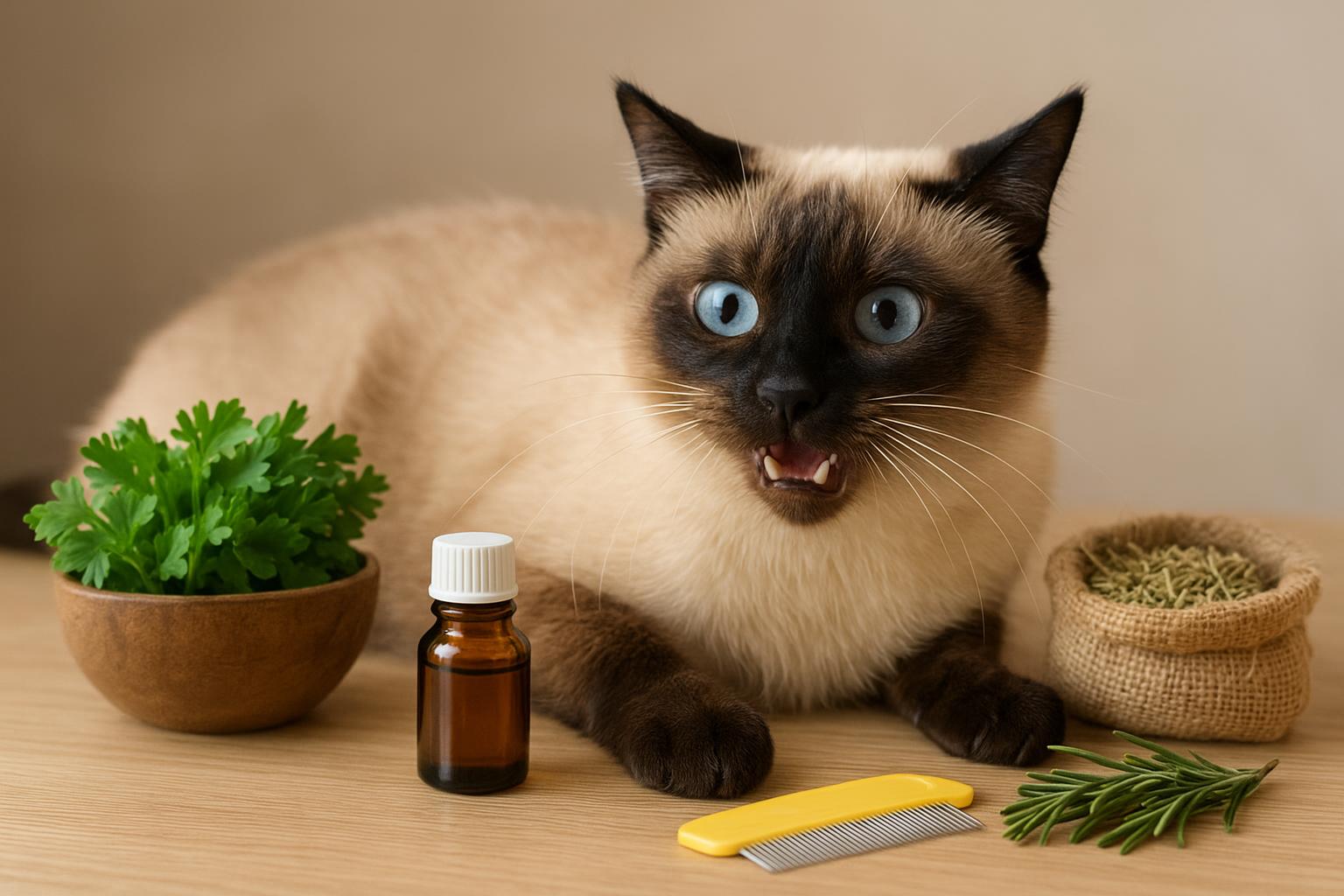
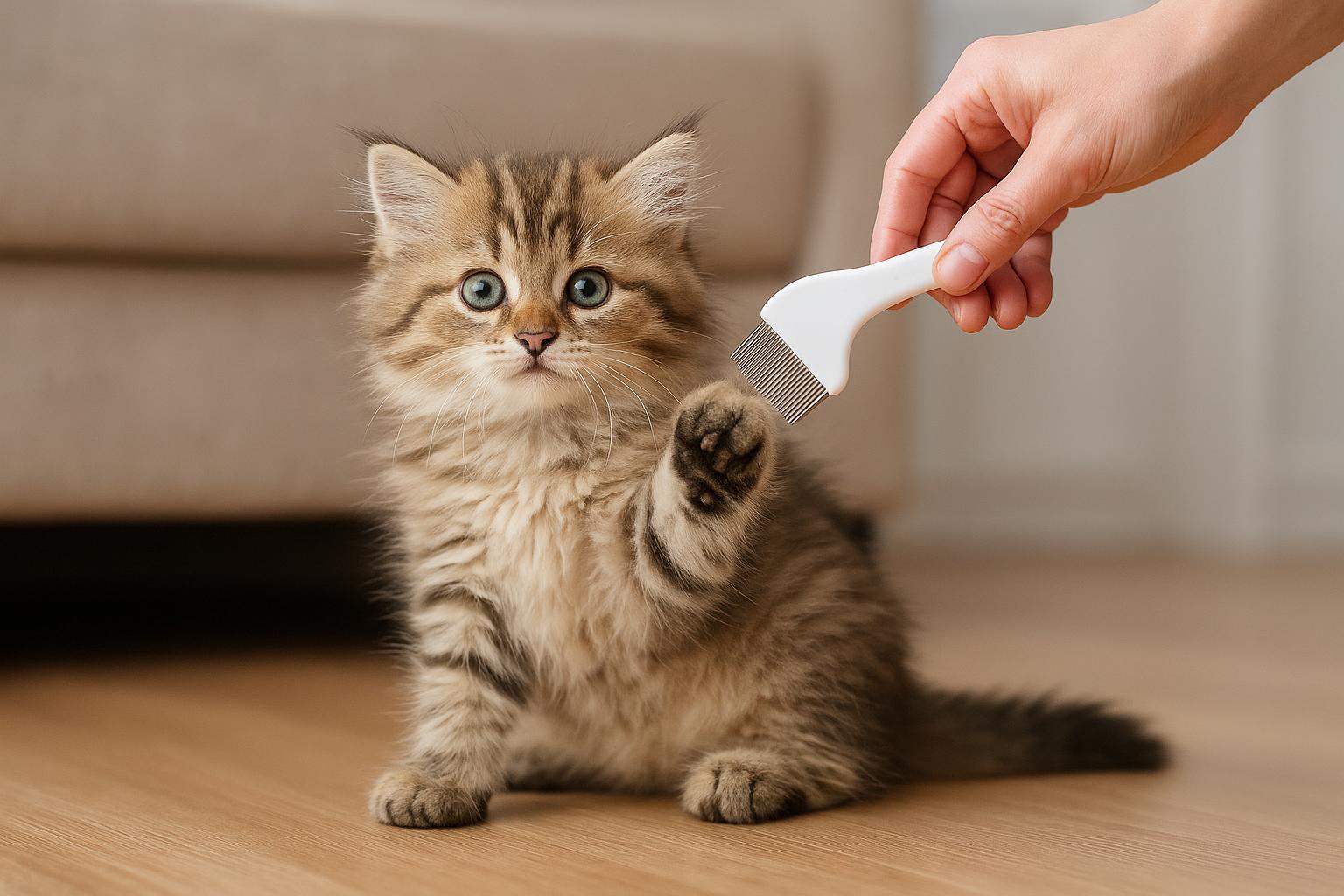
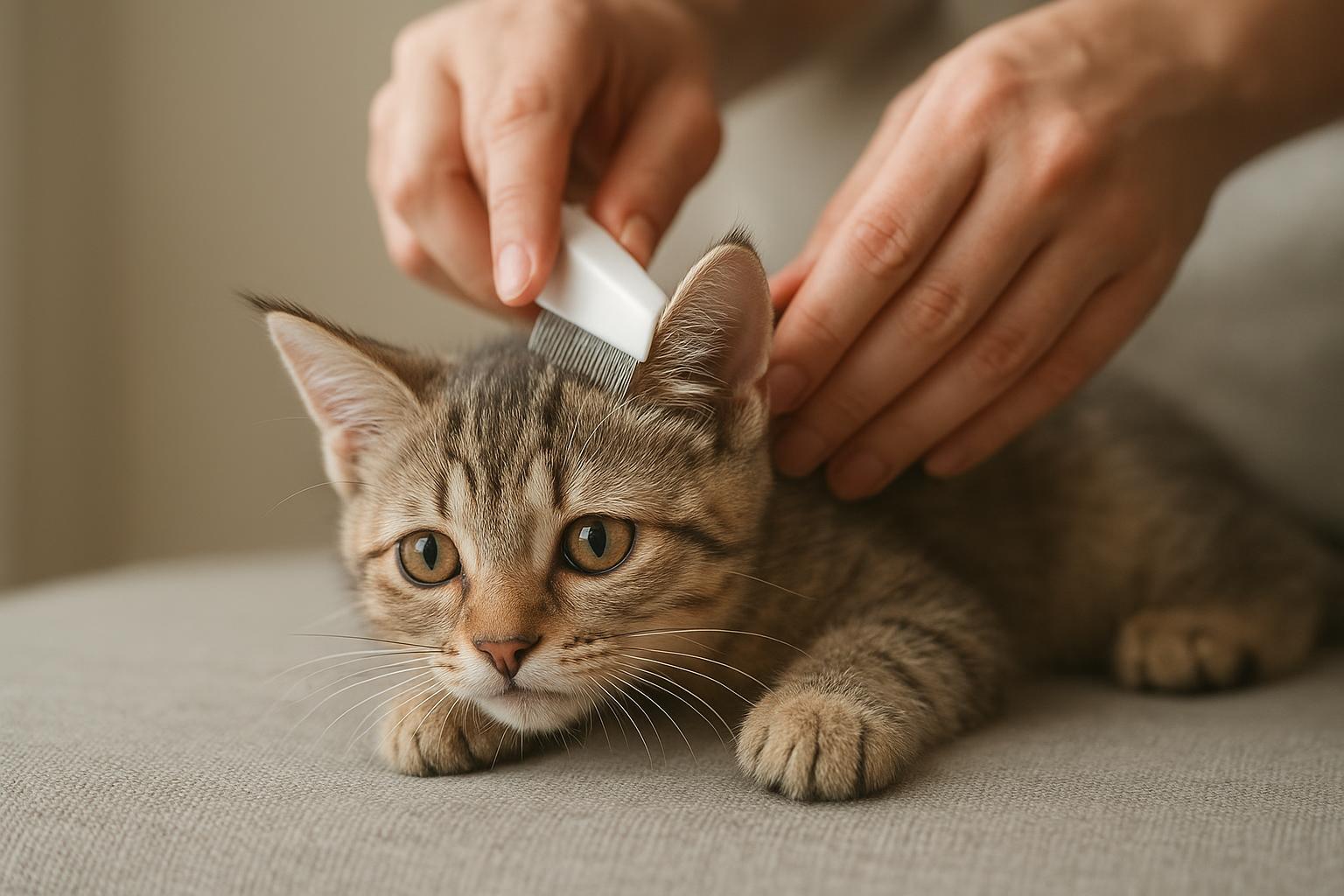
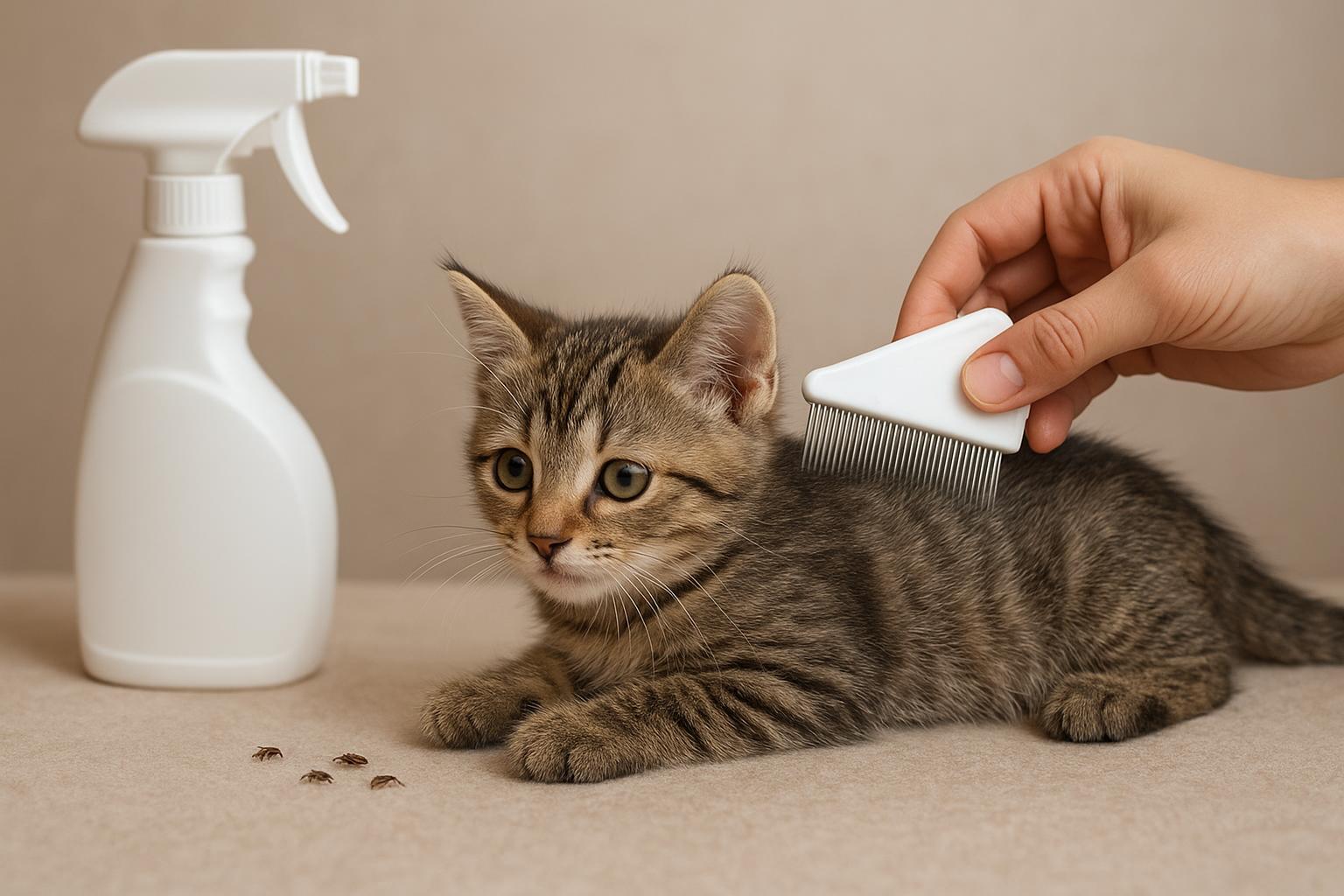
– Cat-safe flea comb (fine-toothed)
– A clean towel and treats for calming your cat during application
– Calendar or reminder app for monthly dosing
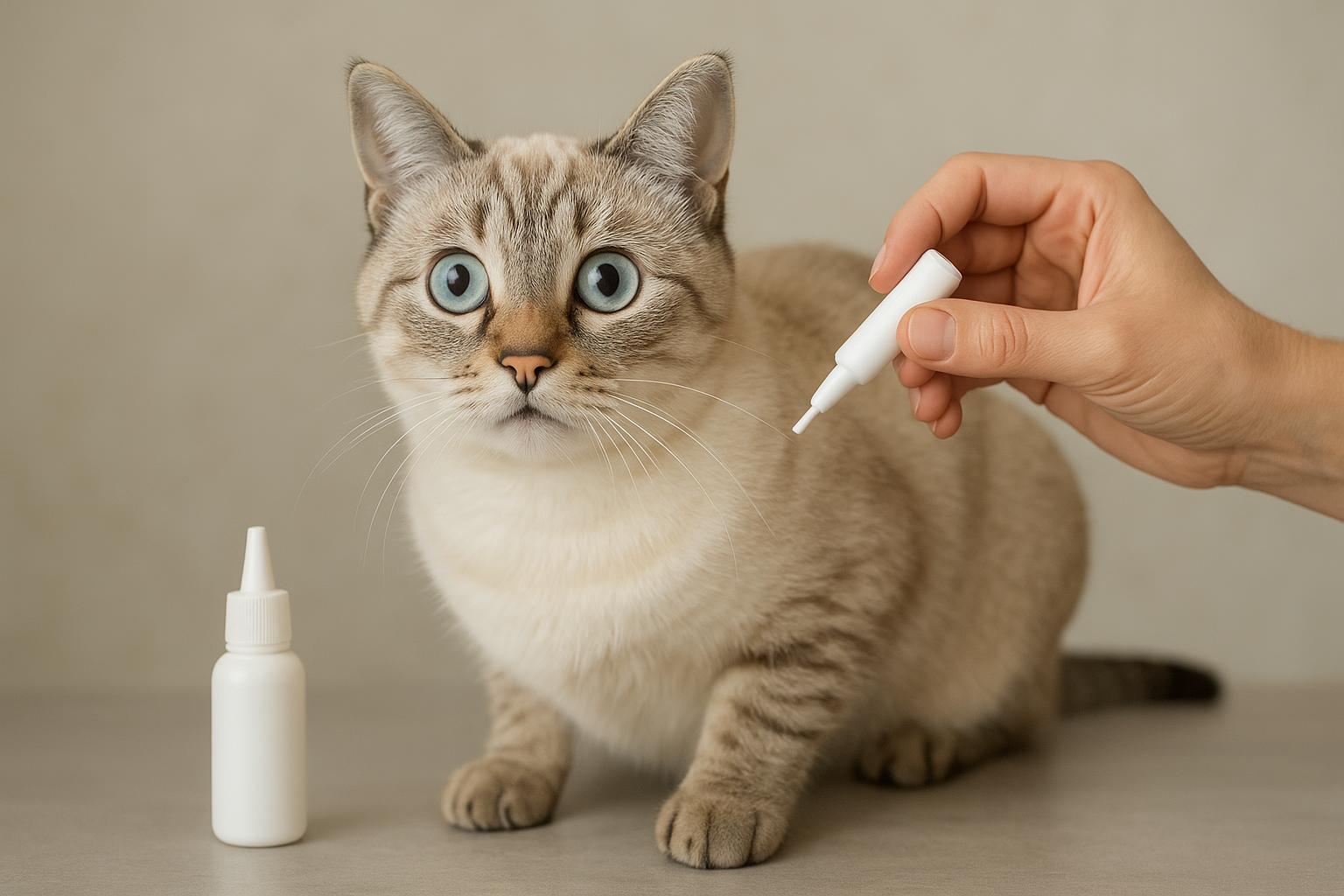
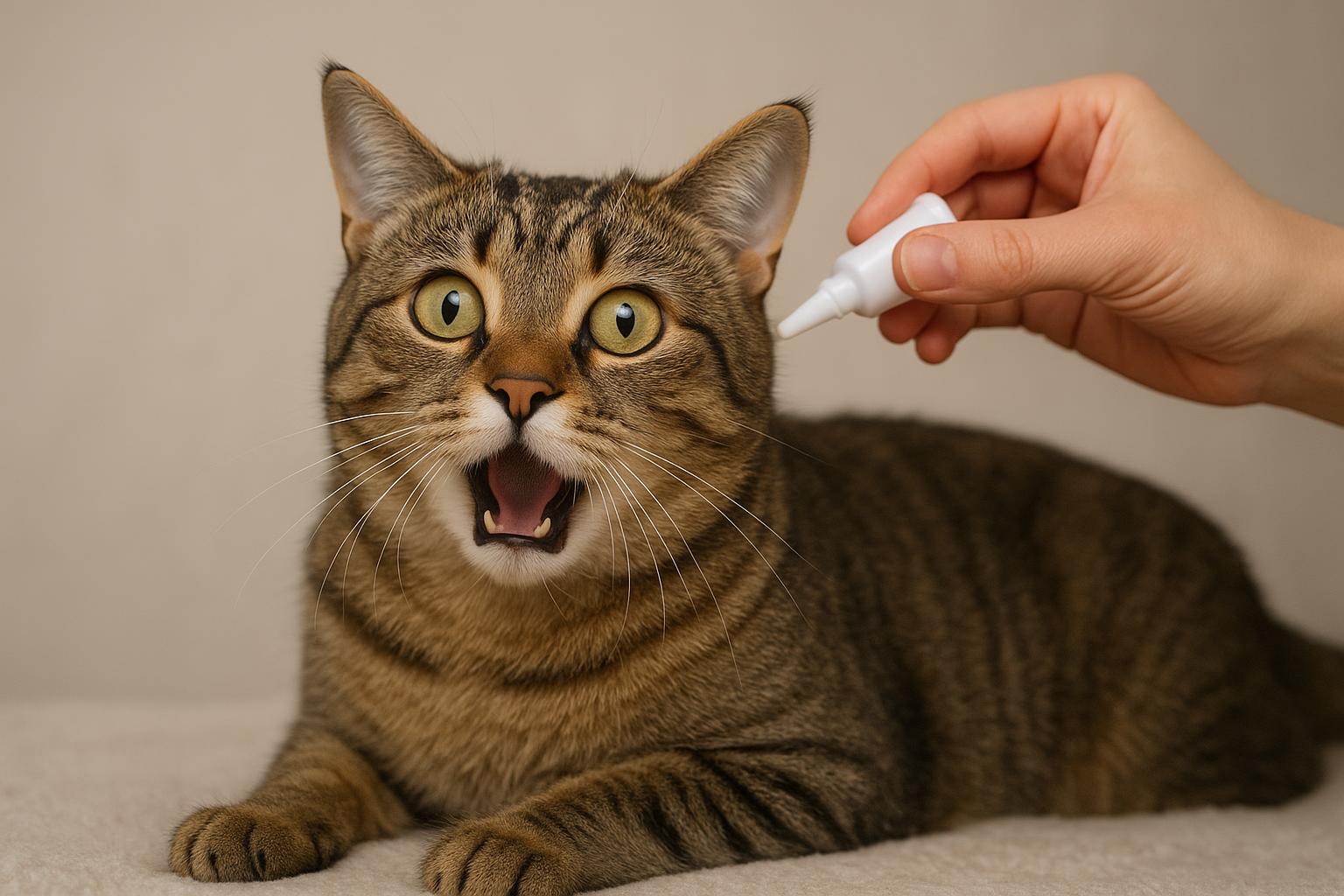
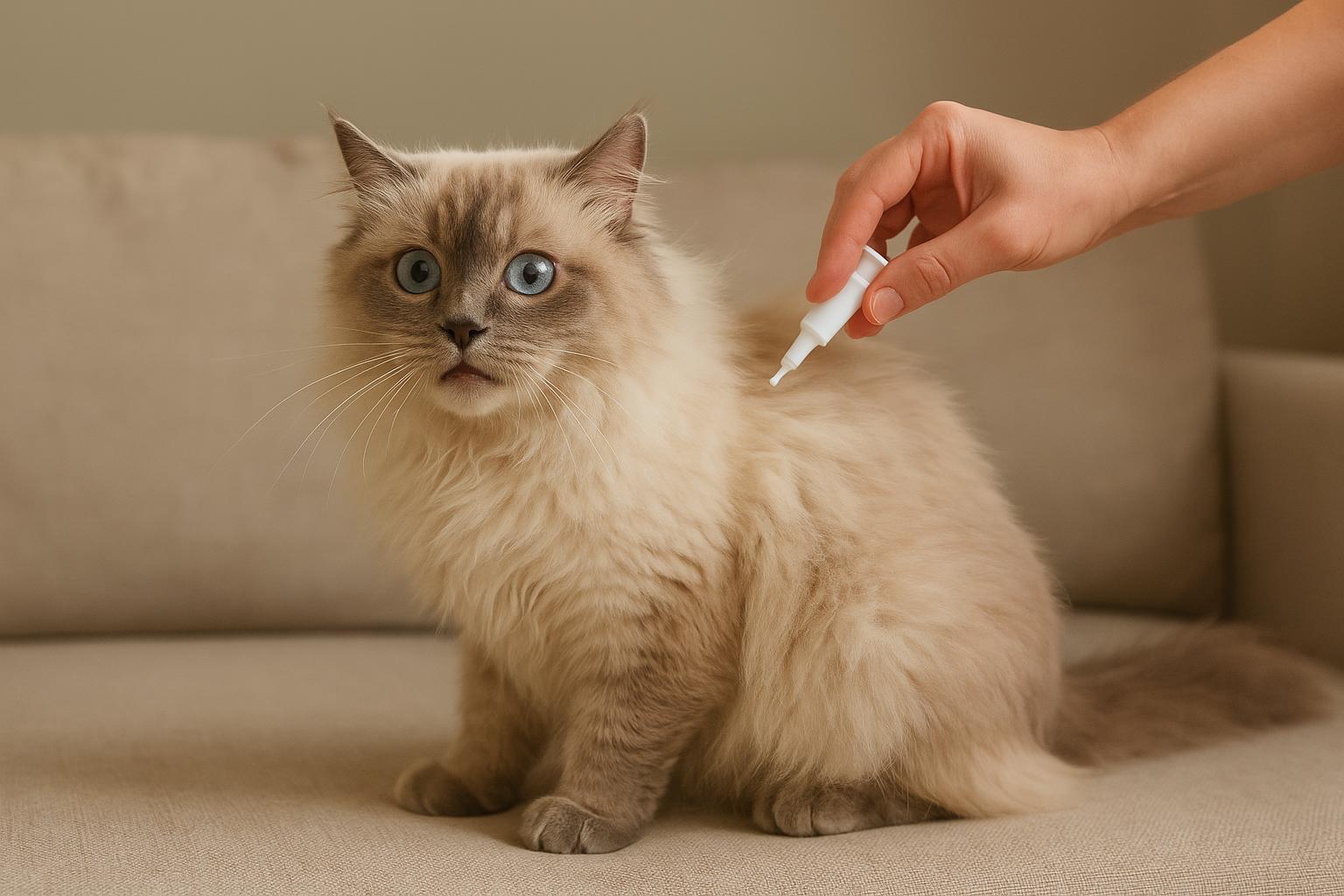
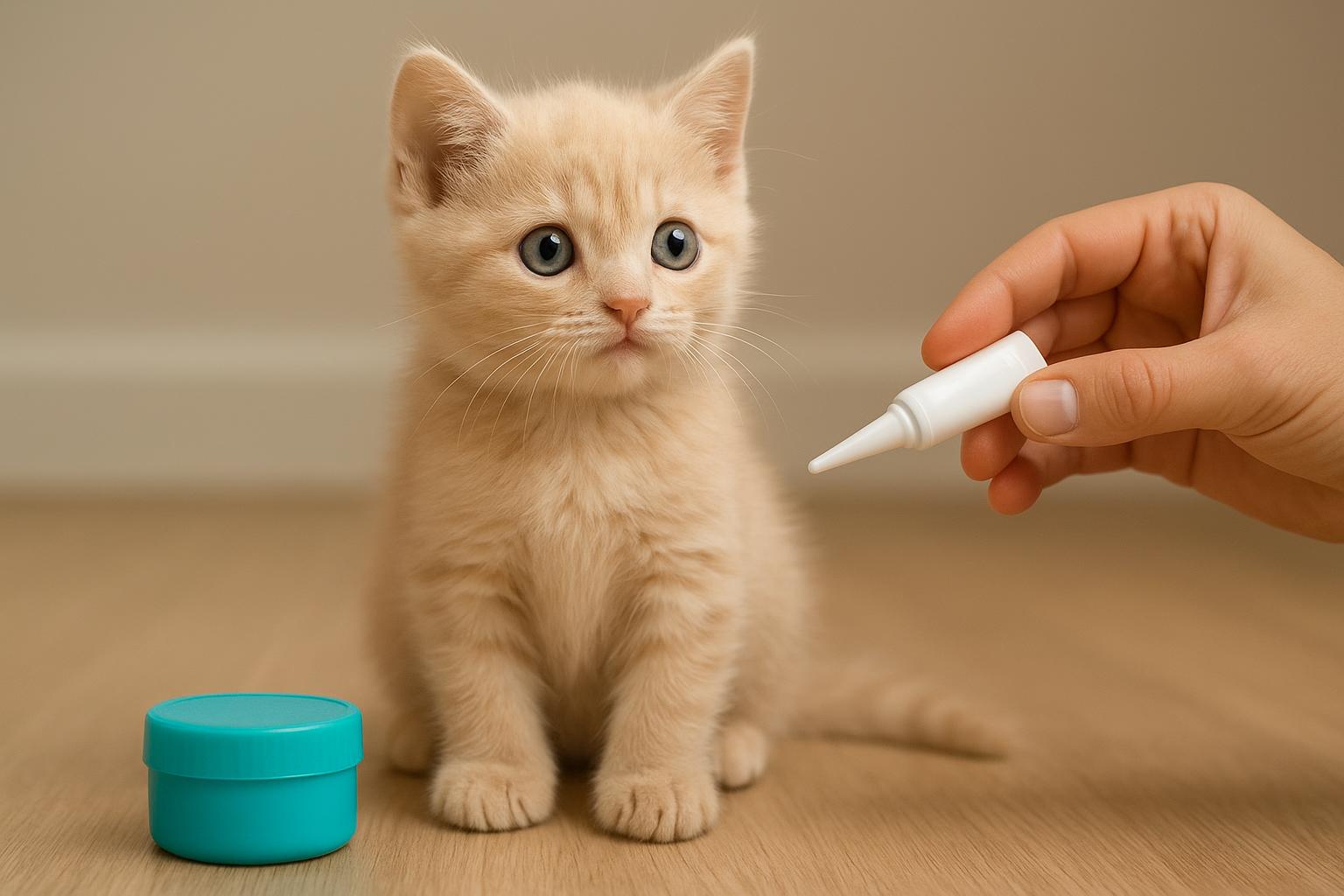
#### Step-By-Step Application (Topical)
1. Confirm the correct product and dose with your veterinarian based on the cat’s weight, age, and health status.
2. Read the product insert thoroughly for contraindications (pregnancy, concurrent medications, kittens under a certain age).
3. Restrain the cat gently—wrap in a towel if needed to minimize stress and movement.
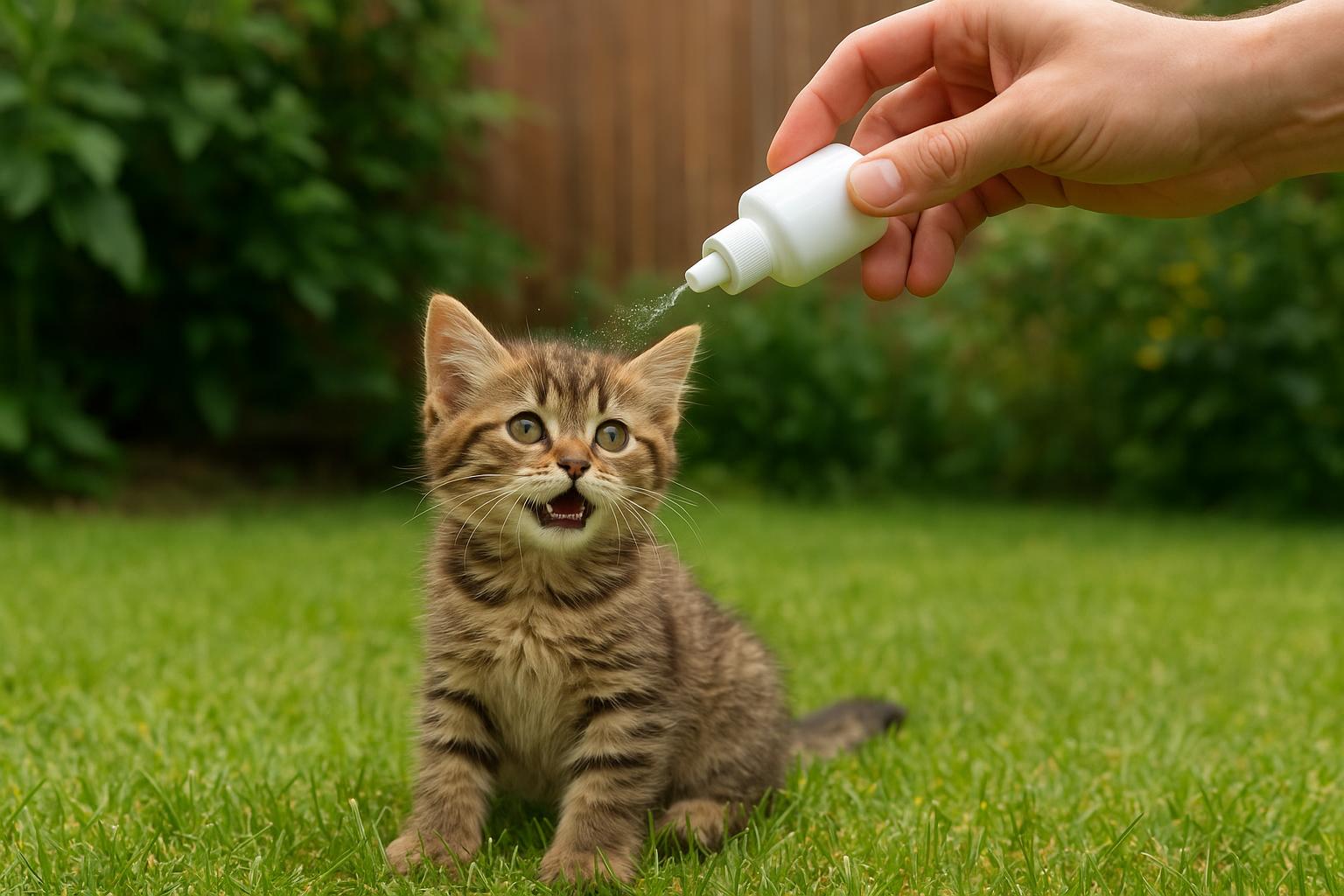
4. Part the fur at the base of the cat’s neck between the shoulder blades until the skin is visible.
5. Apply the full pipette directly to the skin in one spot. Do not massage unless the instructions direct you to.
6. Prevent the cat from grooming other pets or people until the product dries (usually a few hours).
7. Mark the calendar for the next dose and monitor the cat for any adverse reactions for 24–48 hours.
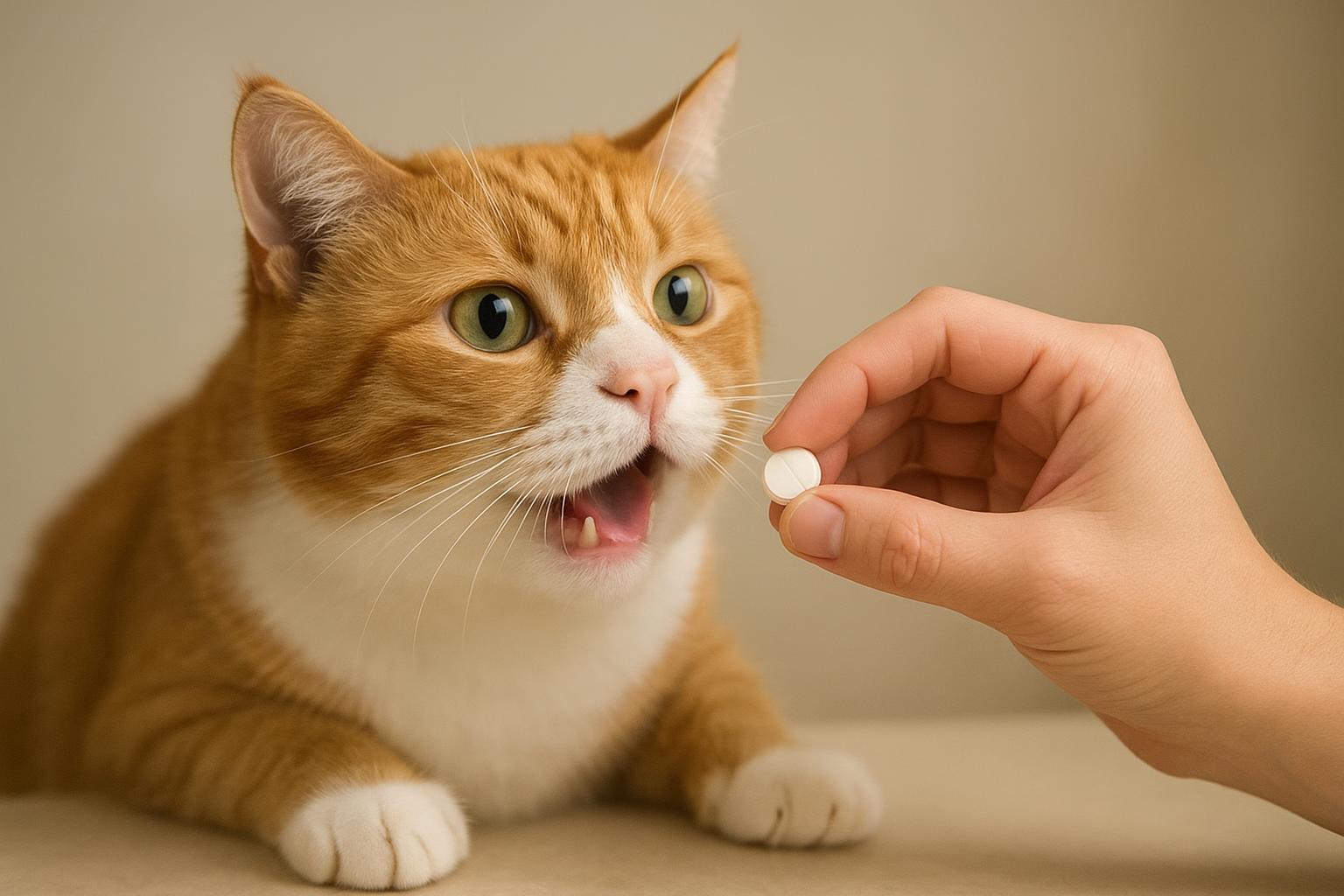
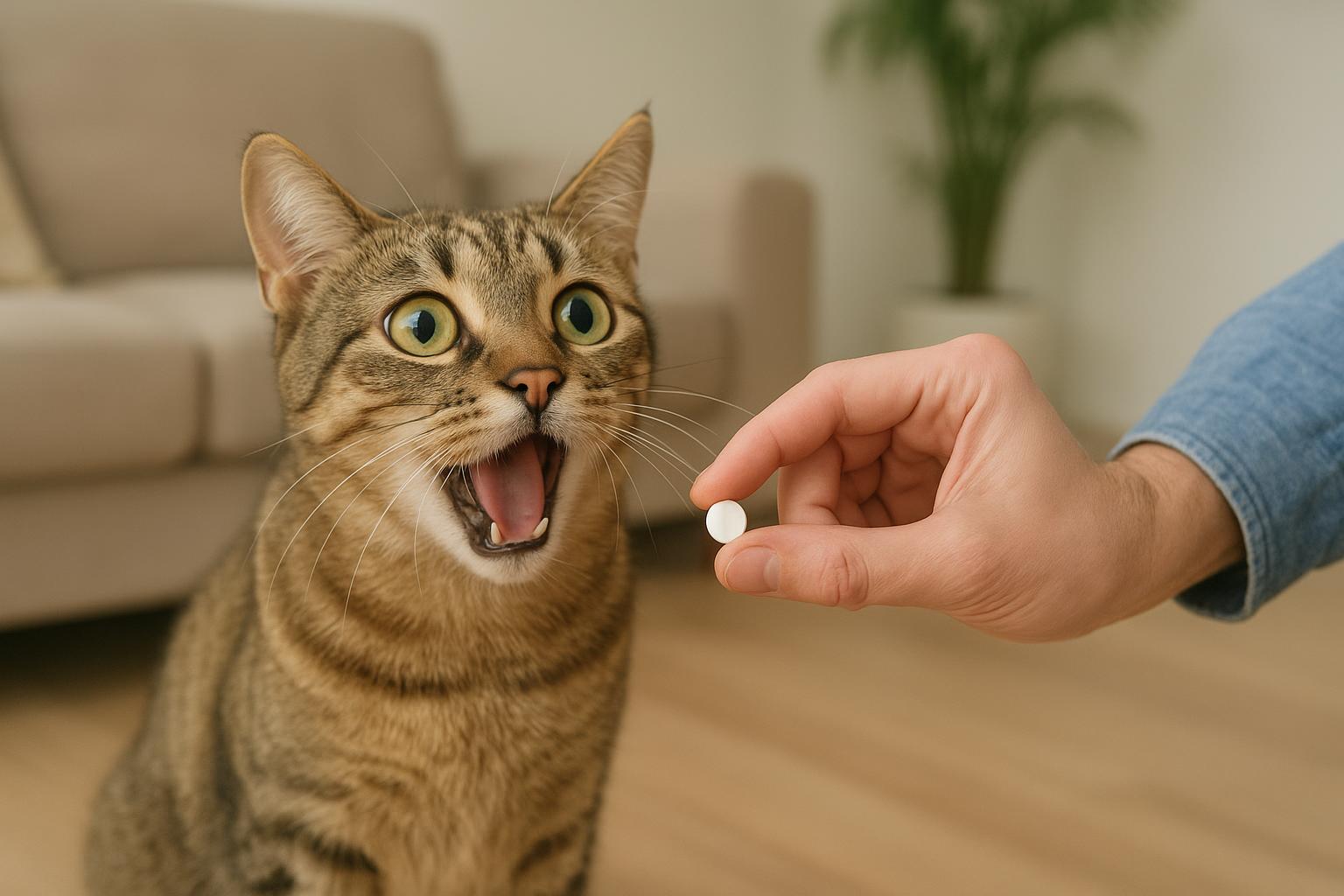
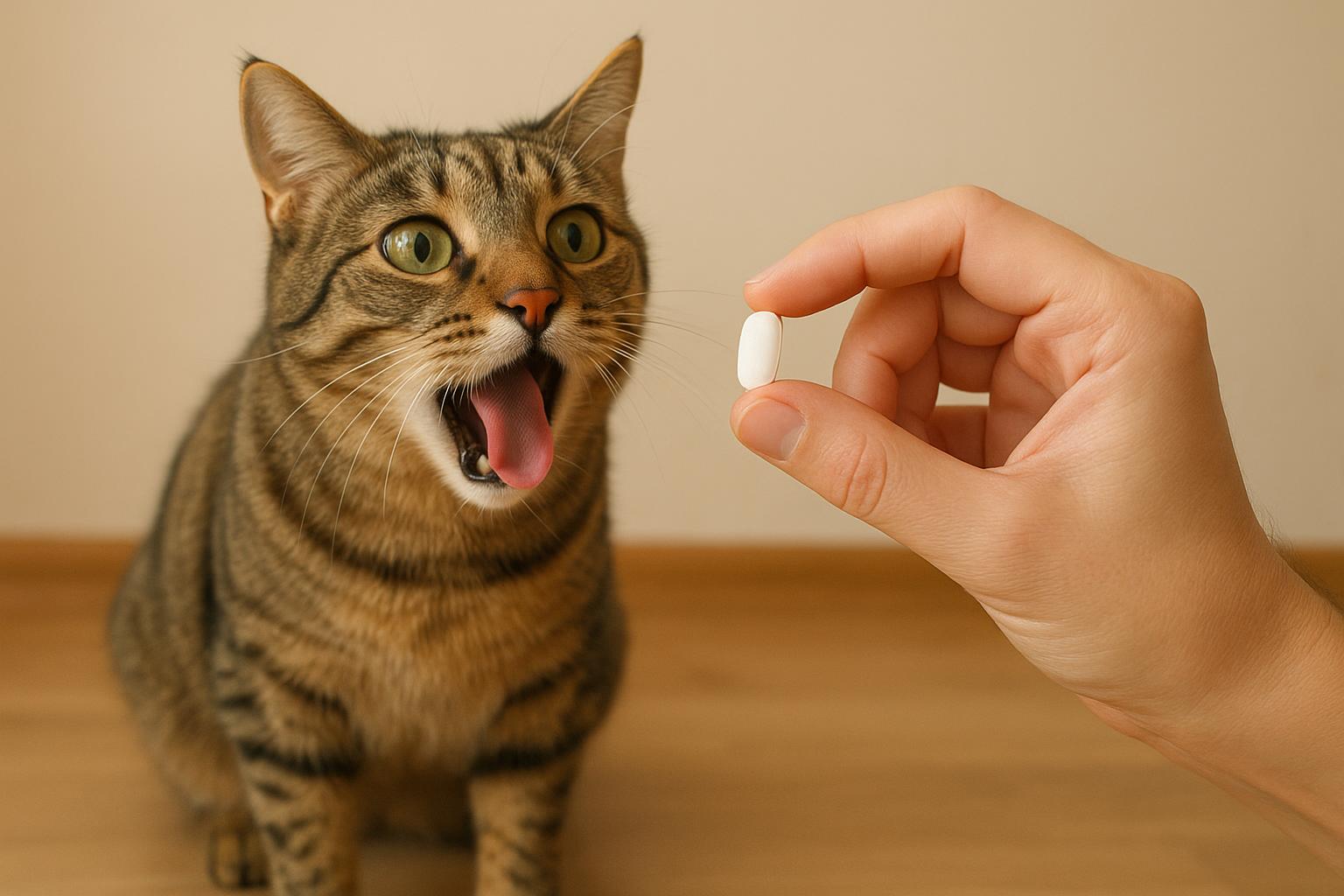
#### Step-By-Step Administration (Oral)
1. Verify product choice and proper dosing with your vet.
2. Follow the vet’s instructions for fasting or food requirements if any.
3. Offer the tablet directly or hide it in a small treat; ensure full ingestion.
4. Observe the cat for a short period to confirm there is no immediate reaction.
5. Record the date and plan future dosing per the product schedule.
These treatments target adult fleas on the cat as well as certain immature stages, depending on the active ingredient. Your veterinarian can advise an integrated plan that may include environmental control products if your home has an established infestation.
## 2) Home Cleaning And Environmental Flea Prevention (Formal Remedy)
Stopping fleas at home is as important as treating the cat. Environmental control breaks the flea life cycle so reinfestation is unlikely.
#### Required Materials And Ingredients
– HEPA vacuum cleaner with attachments
– Hot-water-capable washing machine
– Enzyme-safe laundry detergent
– Steam cleaner (optional but effective)
– Pet-safe household insect growth regulator (IGR) or veterinarian-recommended environmental spray (if infestation is present)
– Sealed trash bags
#### Step-By-Step Cleaning Protocol
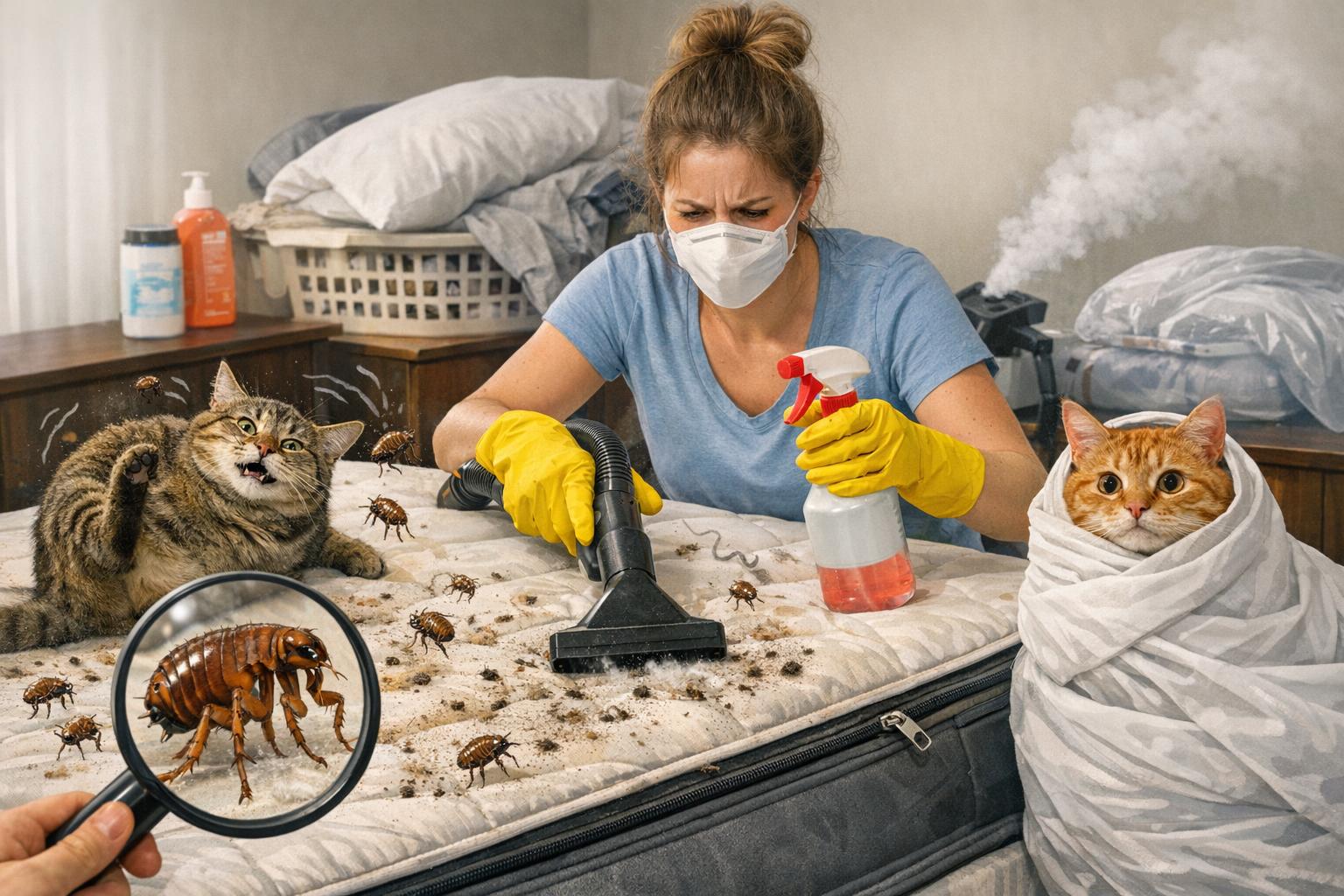
1. Remove all bedding, rugs, and washable fabrics from the cat’s areas. Wash in the hottest water safe for the fabric and dry on high heat for at least 30 minutes to kill eggs and larvae.
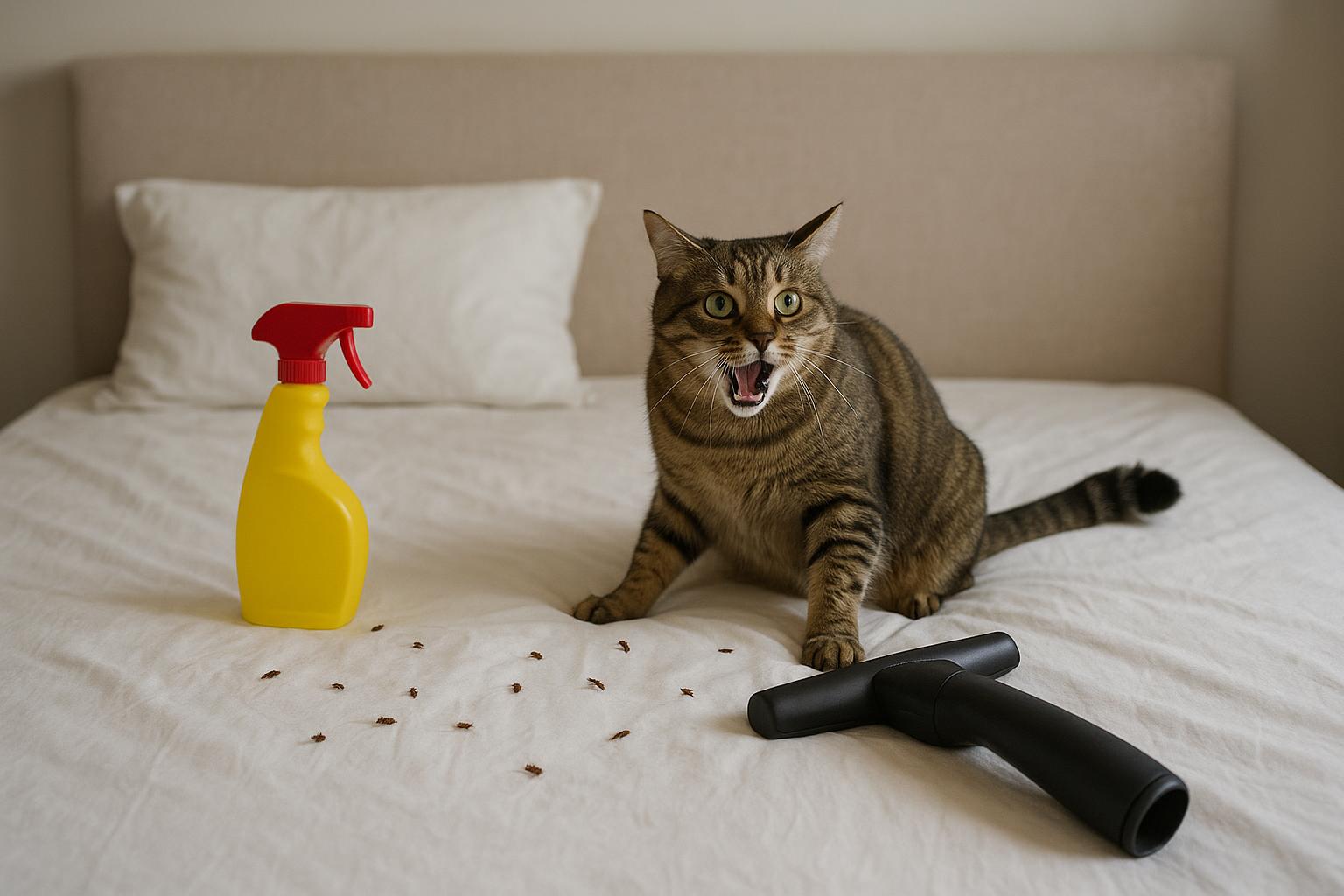
2. Vacuum all floors, carpets, upholstery, and mattresses thoroughly. Pay special attention to seams, baseboards, under furniture, and areas where the cat sleeps. Use attachments to reach edges.
3. Empty vacuum contents into a sealed trash bag immediately and dispose of it outside the home to prevent reintroduction.
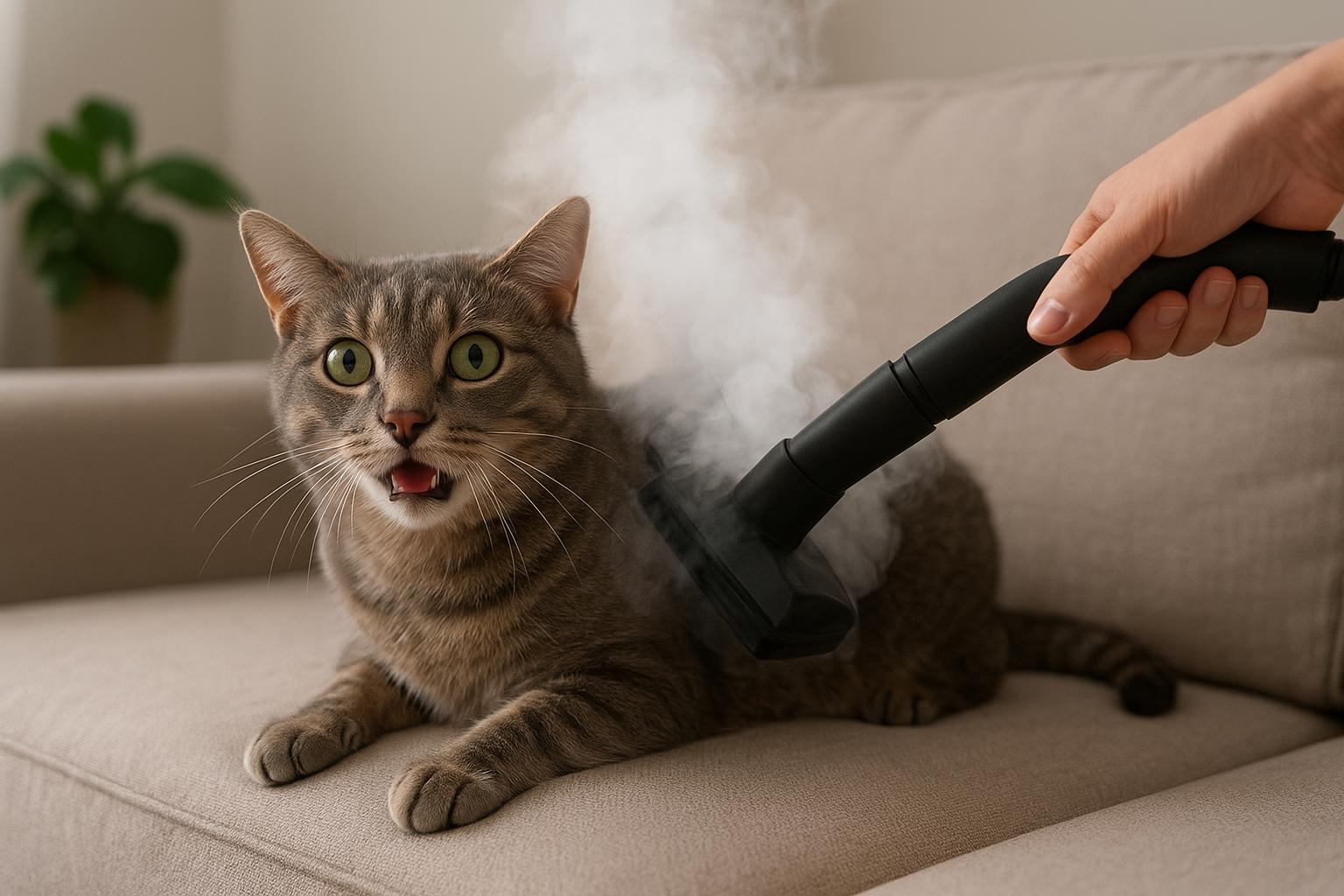
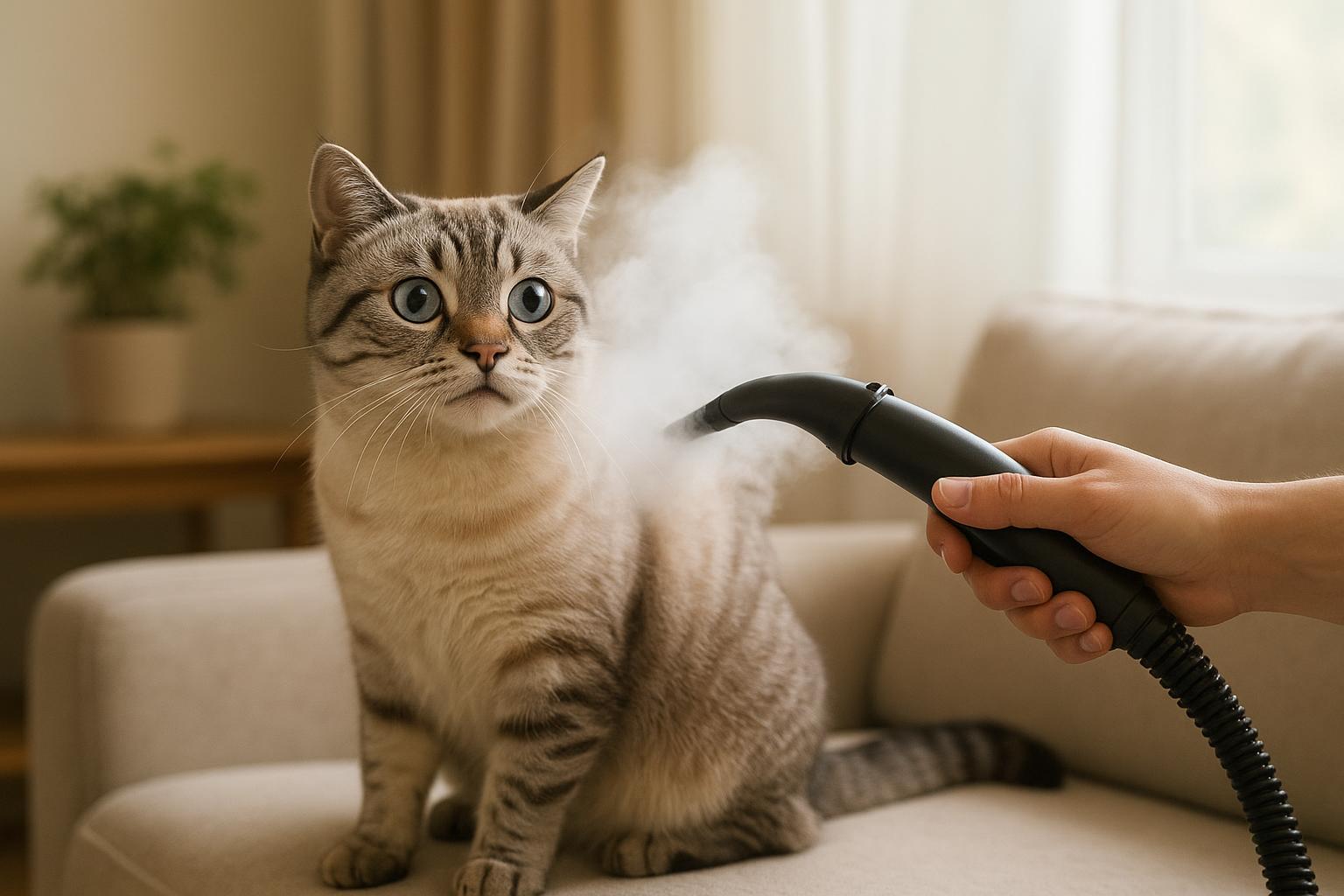
4. For carpets and upholstery, follow vacuuming with steam cleaning if possible—heat is highly effective at killing developing fleas.
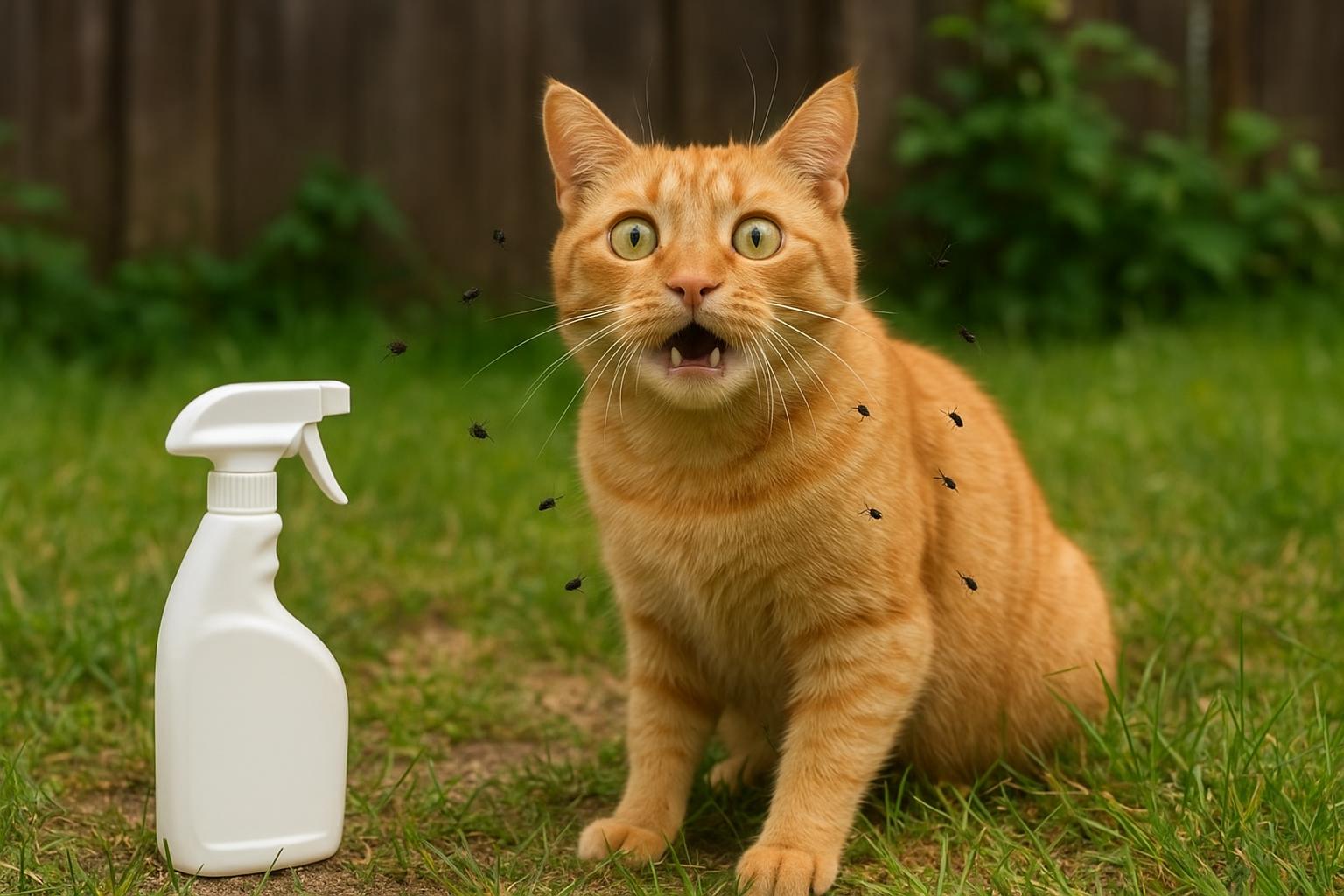
5. If there is an active infestation, use a pet-safe insect growth regulator (IGR) or a veterinarian-recommended environmental spray to prevent eggs and larvae from maturing. Follow label directions exactly.
6. Continue a frequent cleaning schedule: vacuum high-traffic and resting zones 2–3 times weekly during the first month, then at least weekly afterward.
7. Maintain a clutter-free environment to reduce hiding places for pupae.
Implementing this regimen alongside pet treatments creates a two-front defense that dramatically reduces the chance of a lingering population.
### Seasonal And Lifestyle Considerations
Even strictly indoor cats can benefit from year-round flea prevention in many climates. If you live in a warm, humid area or your home experiences IT stays warm, fleas can reproduce any time. If you have visitors, other pets, or frequent door traffic, maintain preventive measures. For homes with outdoor cats or wildlife access, rigorous monthly prevention is crucial.
#### Travel, Boarding, And New Pets
Before boarding or introducing new animals, ensure all pets are flea-free and current on prevention. Ask boarding facilities about their flea prevention protocols. When traveling, pack your cat’s preventive medication and maintain the dosing schedule.
### Common Mistakes That Sabotage Flea Prevention
Many owners accidentally undermine their prevention efforts by:
– Skipping doses or irregular application of monthly products
– Using products intended for dogs on cats (this can be toxic)
– Treating only visible adult fleas and ignoring the environment
– Relying solely on “natural” products without efficacy data for serious infestations
Avoid shortcuts. A consistent plan—veterinary guidance plus environmental measures—works best.
### When To See The Veterinarian
If you find fleas on your cat or notice excessive scratching, visit the vet promptly. Cats can develop allergic dermatitis from flea bites, or anemia in severe cases, especially kittens or elderly cats. The vet will assess severity and may recommend a specific medication, supportive care, or environmental intervention.
### Bonus Practical Tips That Make Prevention Easier
– Set monthly reminders on your phone for dosing day.
– Keep a small kit with a flea comb and wipes by your cat’s favorite chair.
– Wash your cat’s bedding weekly during warm months.
– Consider regular professional carpet cleaning if you have persistent trouble.
A little diligence goes a long way. Flea prevention is an ongoing home-care routine, not a one-and-done event—think of it as routine maintenance for a peaceful, itch-free household.









Leave a Reply