
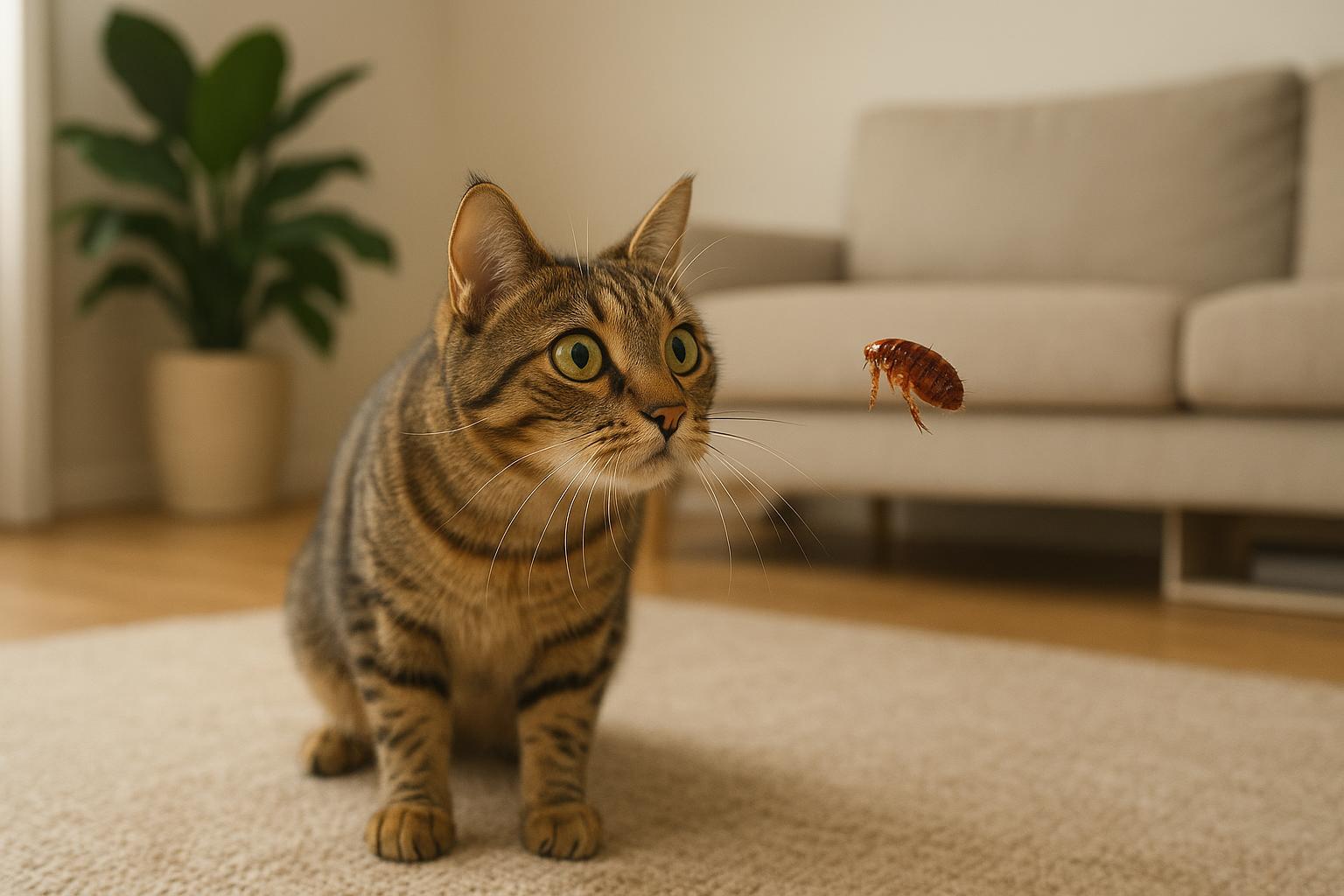
## Flea Prevention Indoors: How Fleas Still Find Their Way
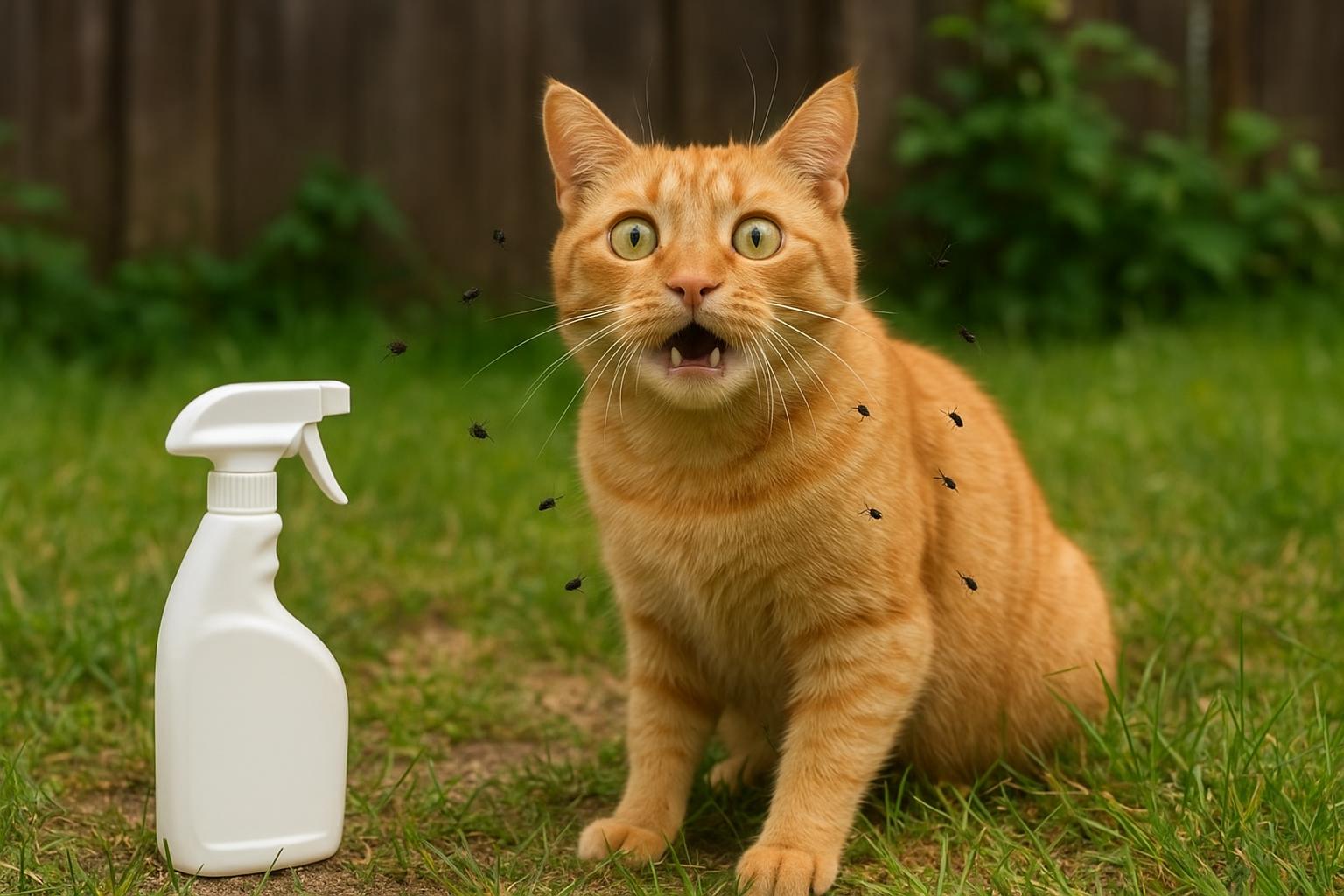
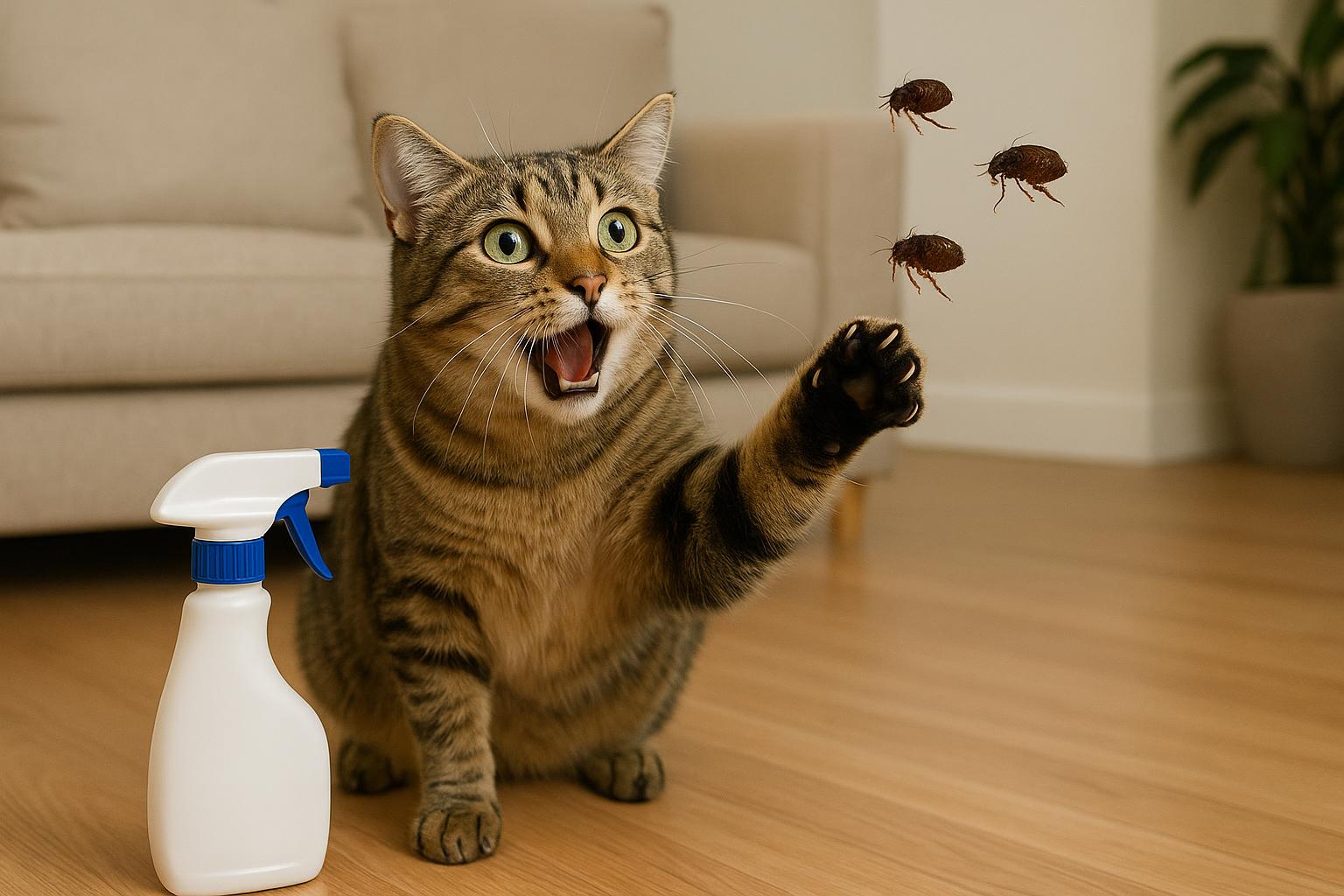
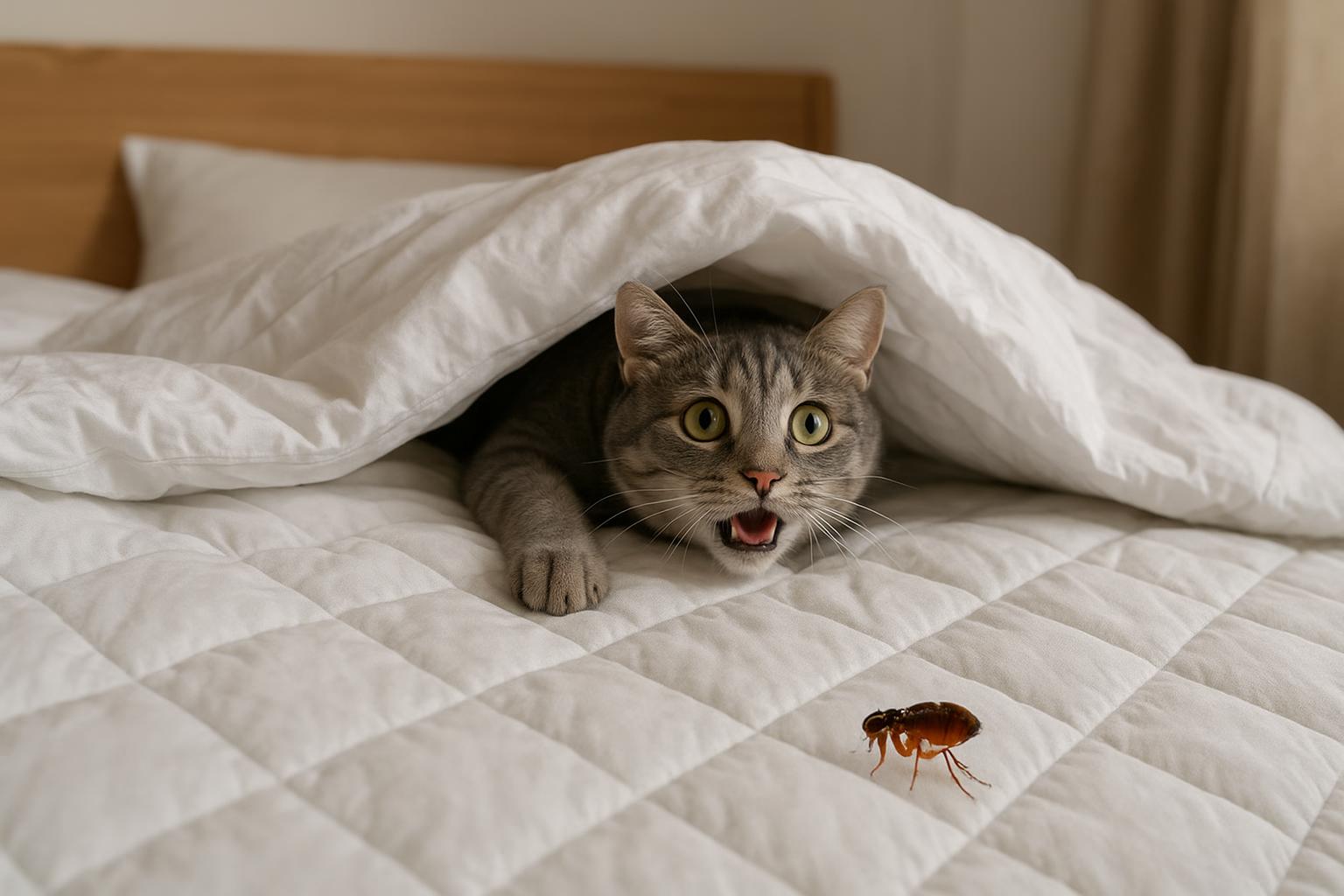
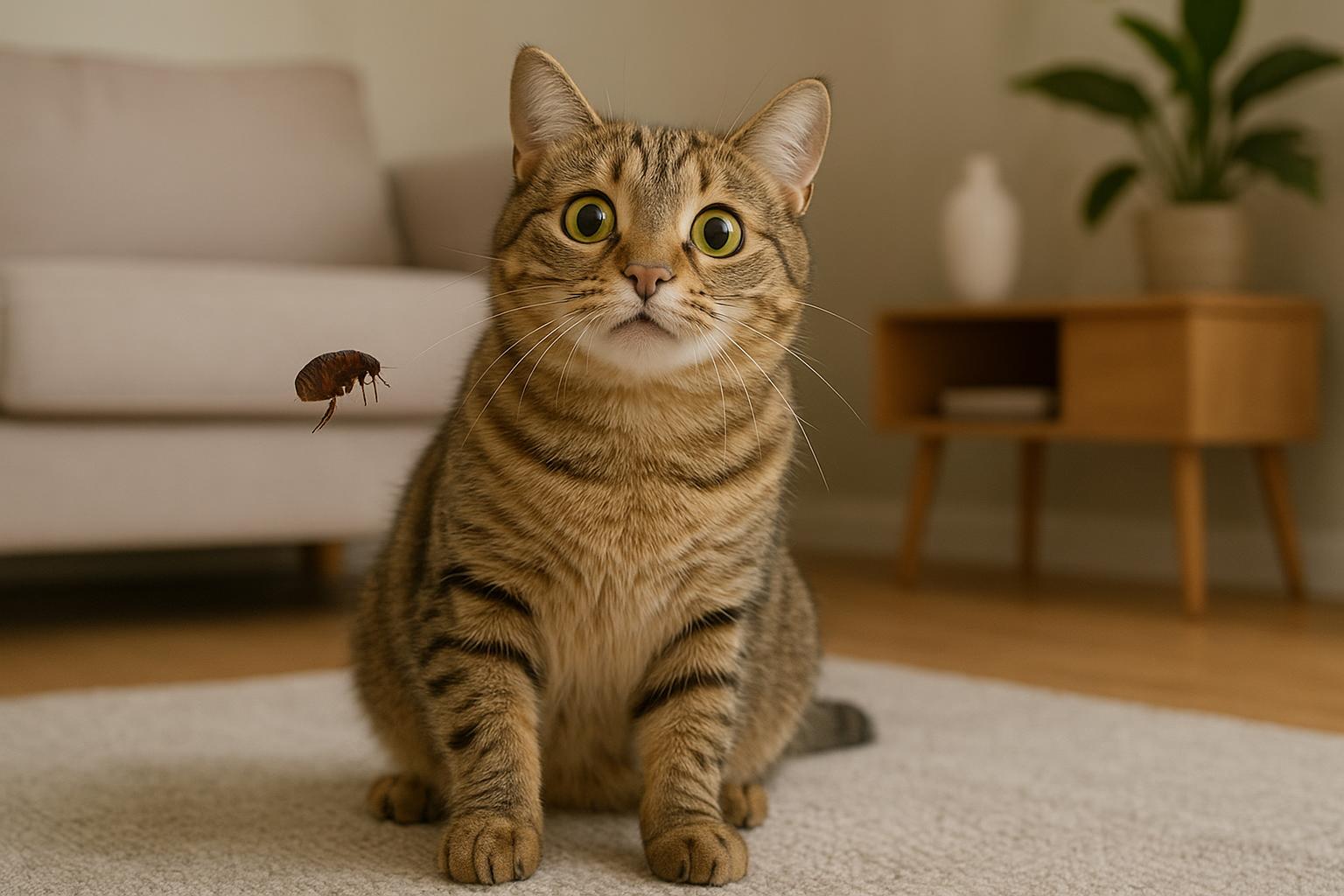
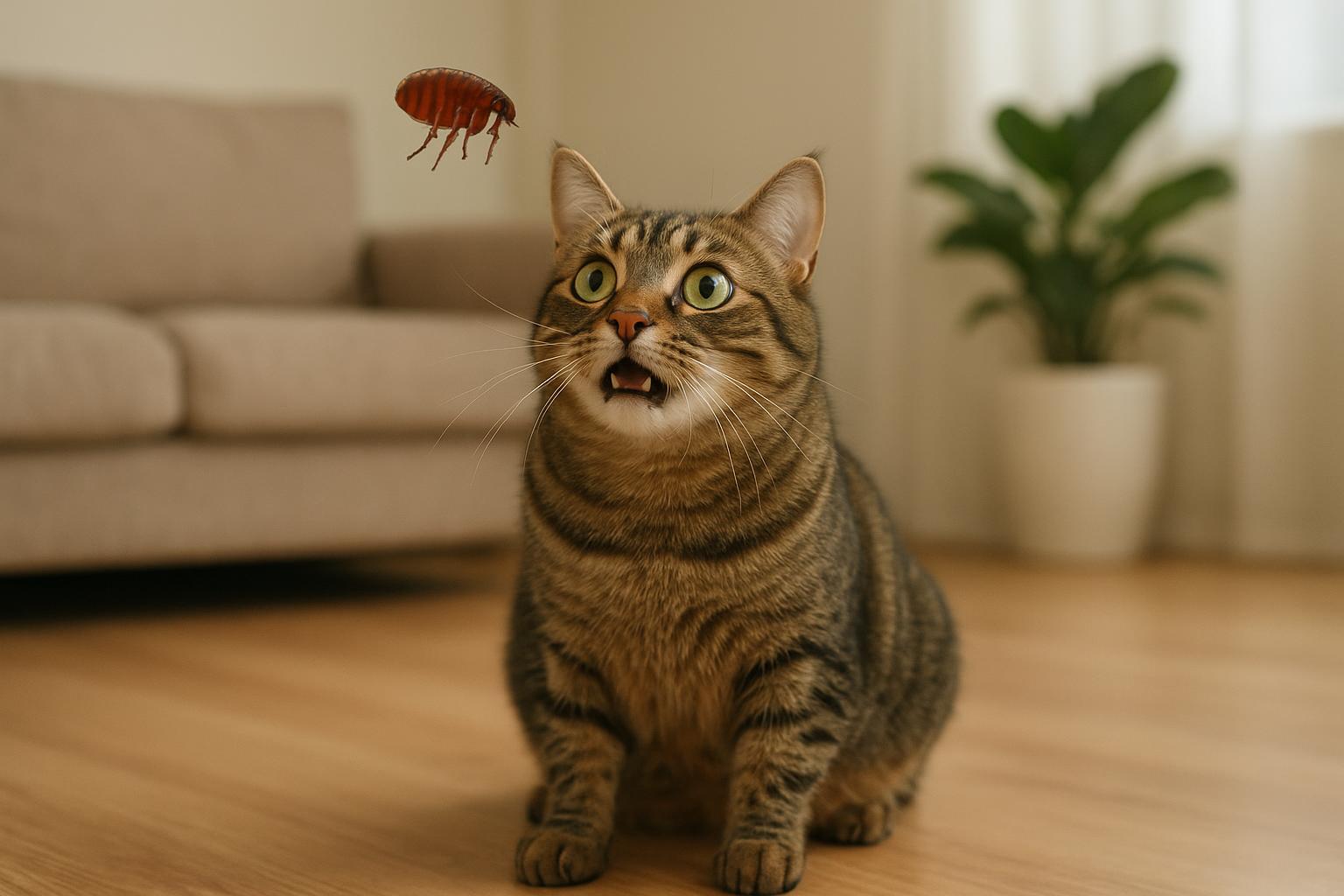
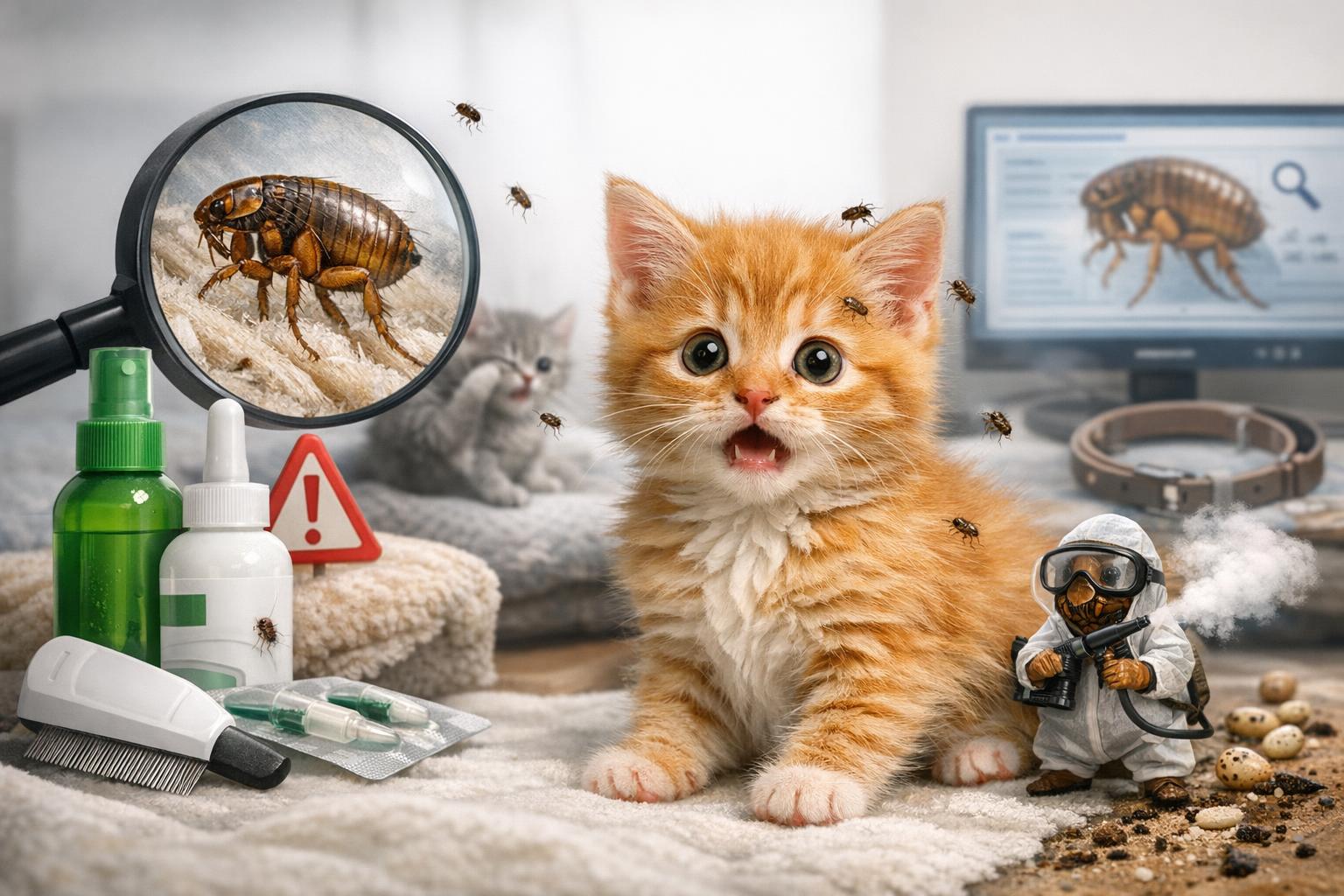
If you think indoor cats are automatically immune to flea drama, think again. Fleas are sneaky little jumpers with a flair for hitchhiking, and keeping them out requires a mix of vigilance, practical habits, and—when needed—vet-grade chemistry. This guide walks you through how fleas get inside, what to watch for, and practical remedies you can use right away.
### Why Indoor Cats Get Fleas
Fleas Don’t Care About Door Labels
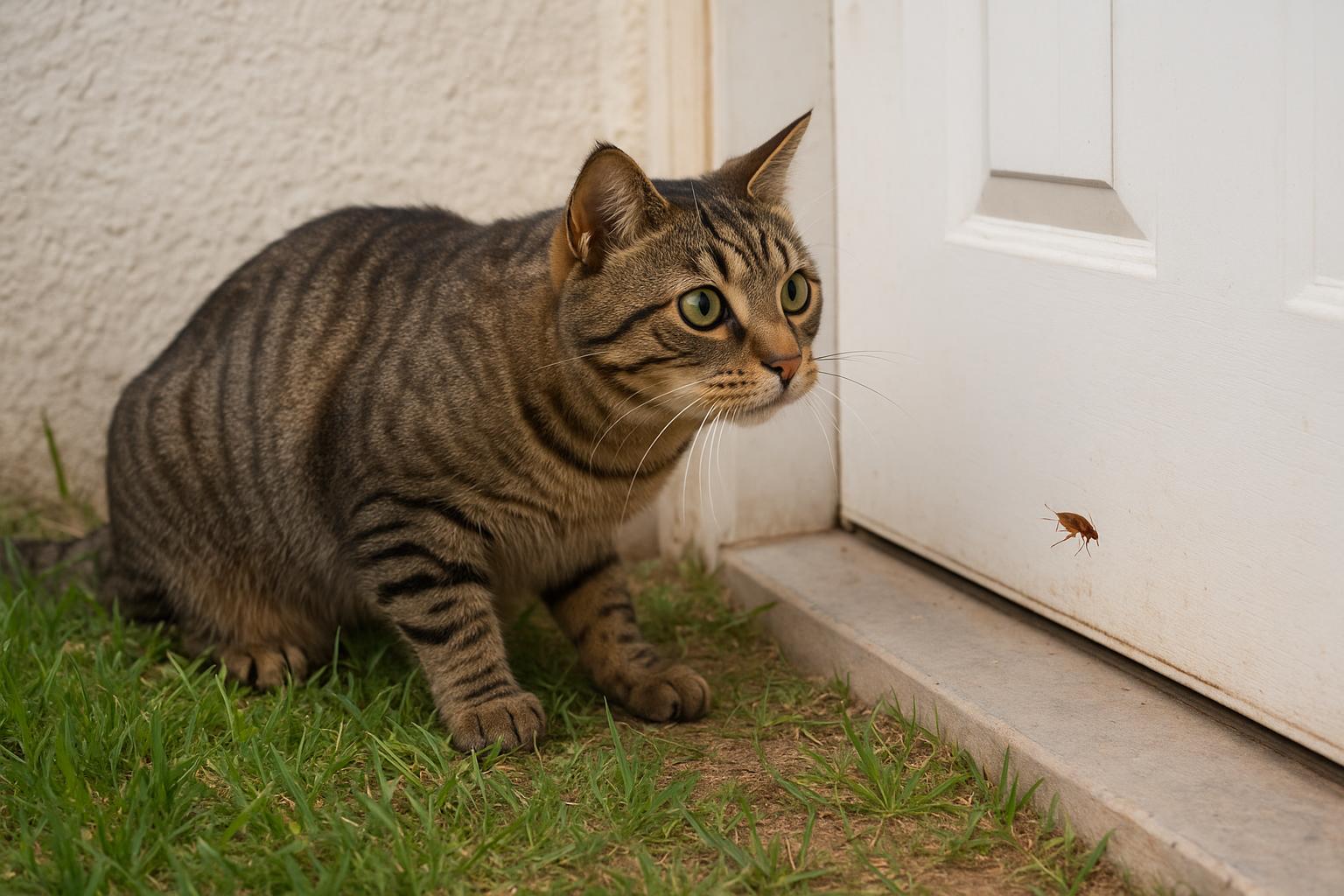
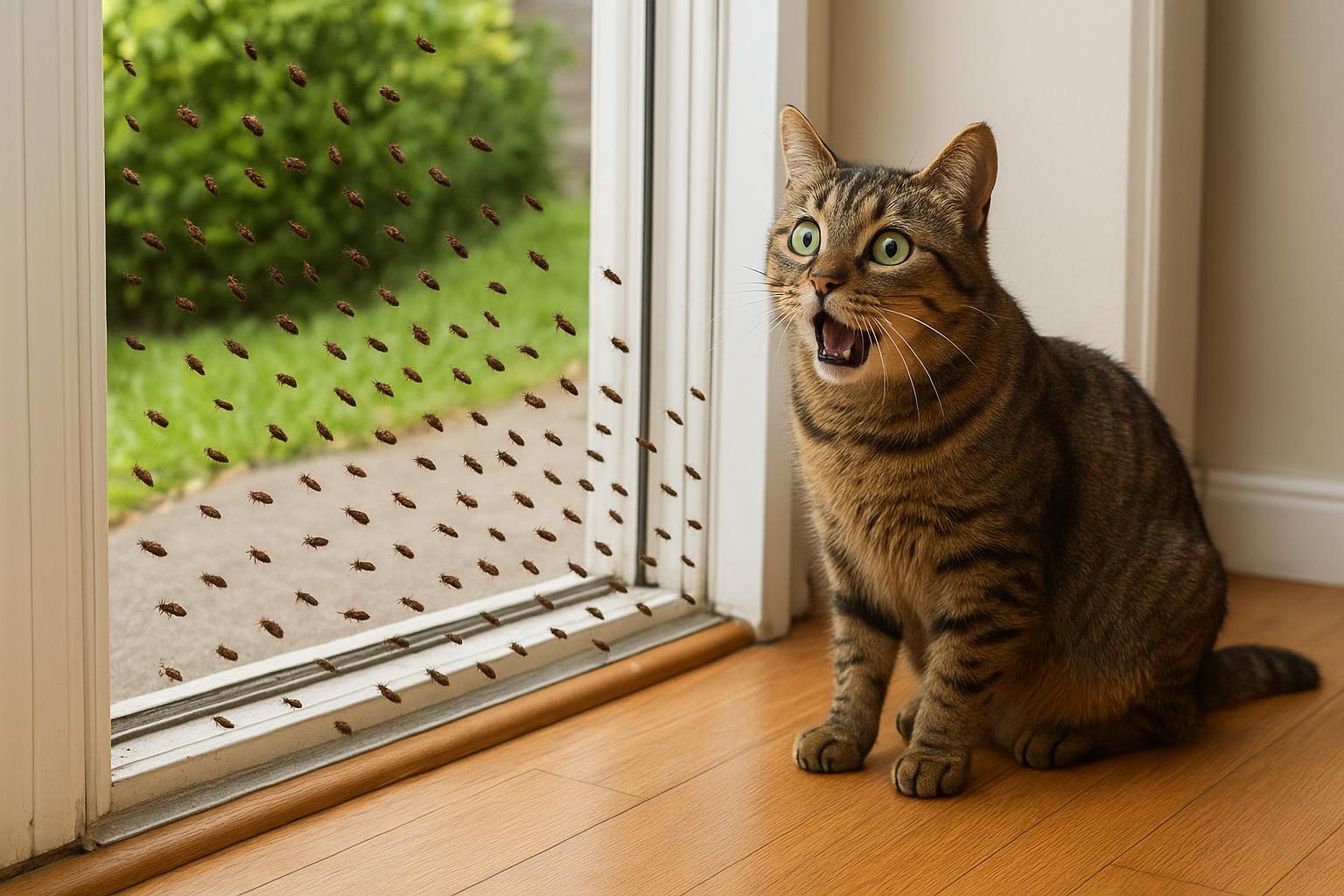
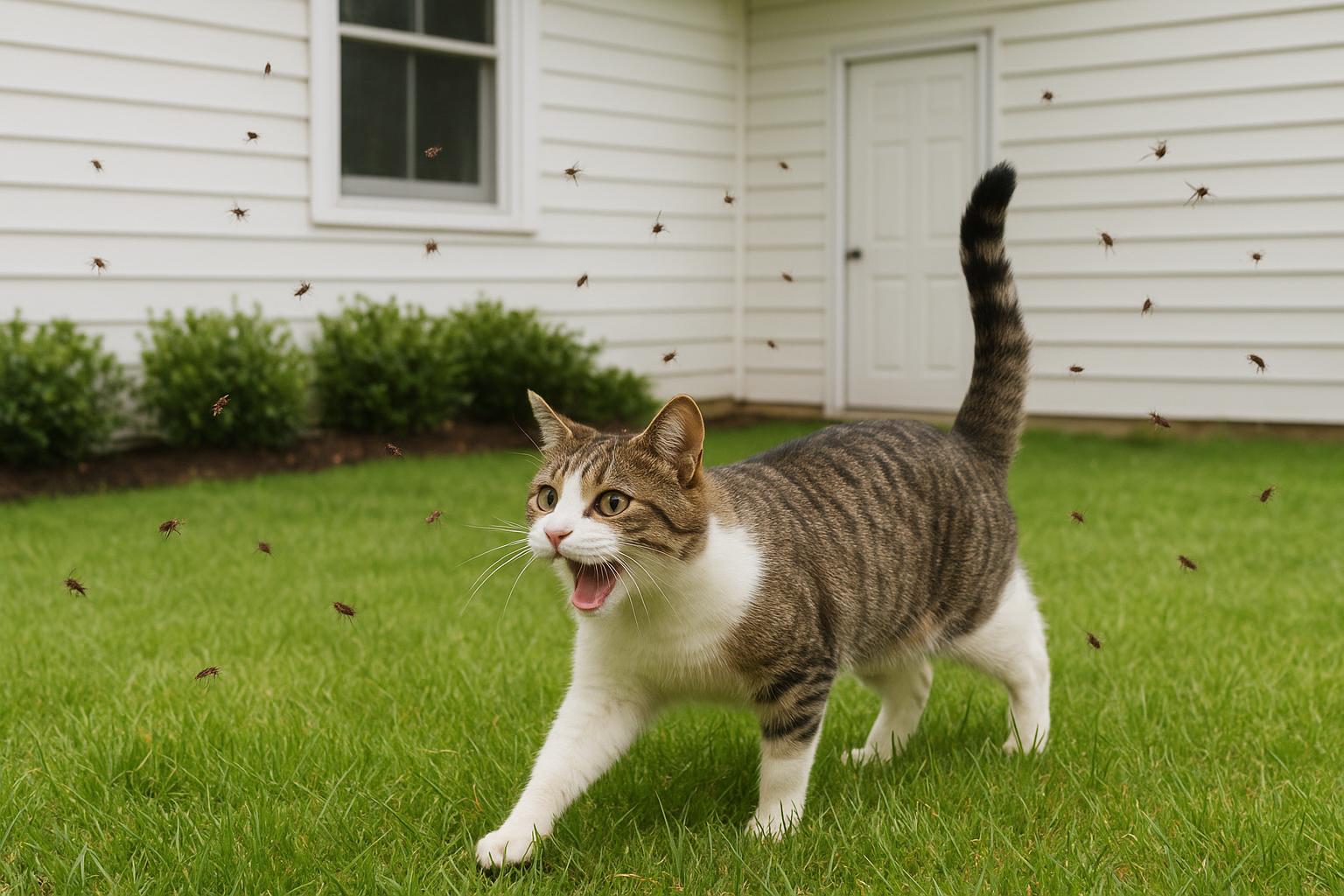
Fleas don’t read signs. They hitched rides on shoes, clothing, grocery bags, and people who spent time around pets or wildlife. A delivery driver, a visiting friend with a dog, or even a squirrel that brushed your porch can be the entry point.
Pets Are Not The Only Carriers
Even if your cat never goes outside, other household members or pets that do can bring fleas in. Rodents, opossums, and stray animals near the house increase the risk. Flea eggs and larvae in soil or mulch can be tracked in on shoes or potted plants.
### Where Fleas Hide Indoors
#### Carpets, Area Rugs, And Upholstery
Flea eggs and larvae prefer dark, humid places with lots of pet activity. Carpets and upholstery are top choices—especially along baseboards and under furniture.
#### Cat Beds, Blankets, And Crannies
Your cat’s favorite napping spots collect shed skin and dander, creating a perfect microhabitat for developing fleas.
#### Crevices, Crawlspaces, And Houseplants
Tiny eggs slip into cracks in wooden floors, between floorboards, and into soil for indoor plants. Fleas can survive in hidden spots until a host shows up.
### Signs You May Have A Problem
#### What To Look For On Your Cat
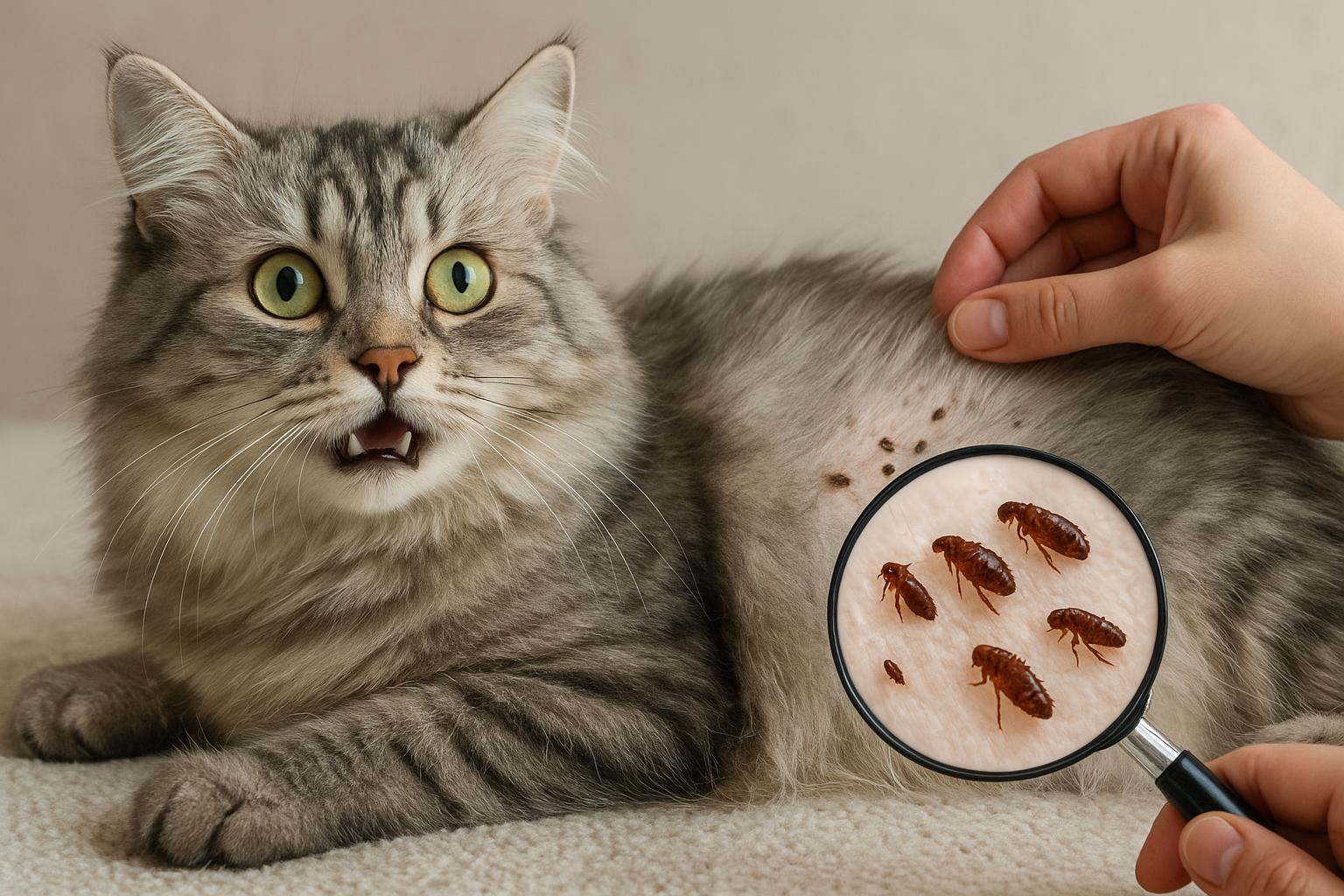
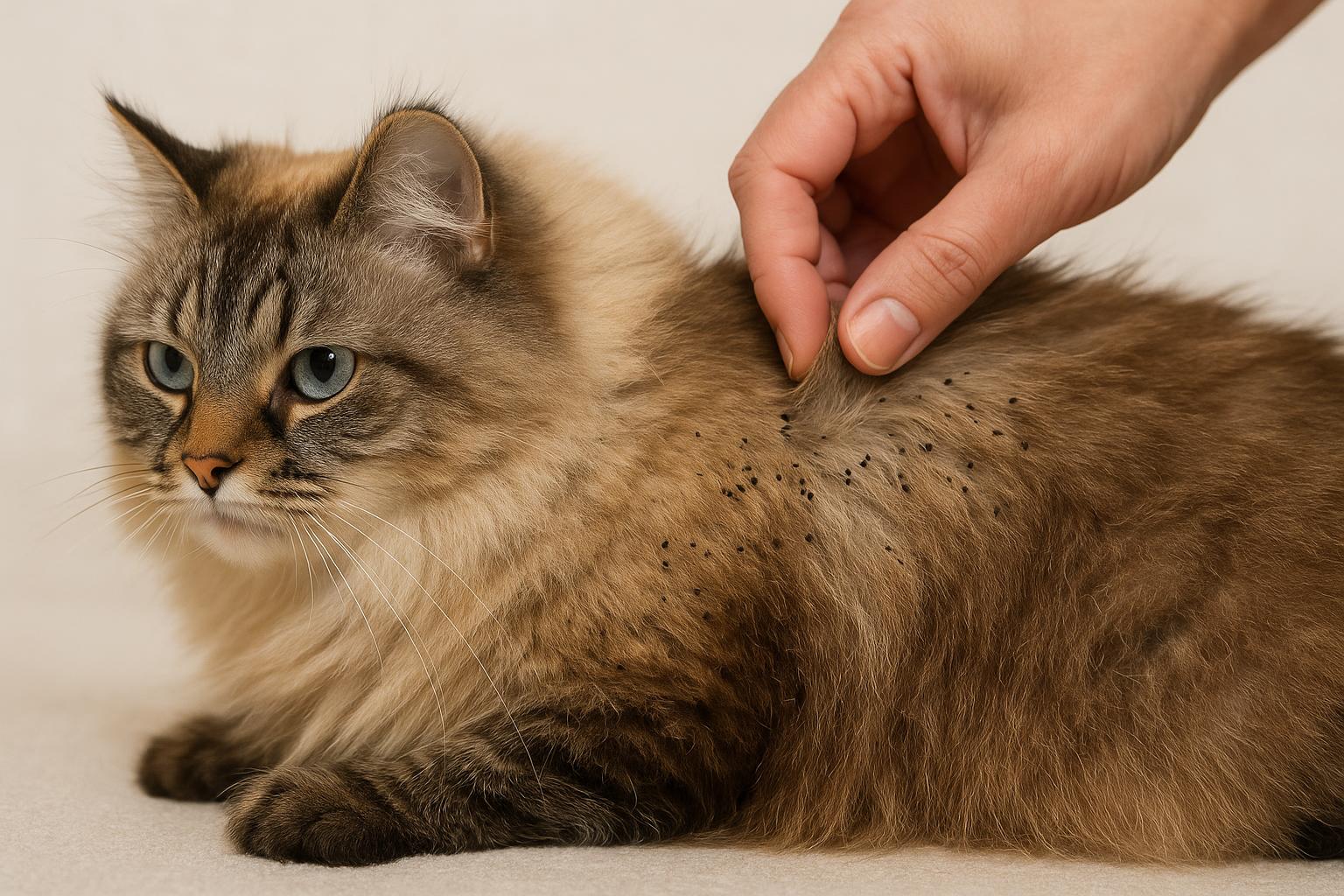
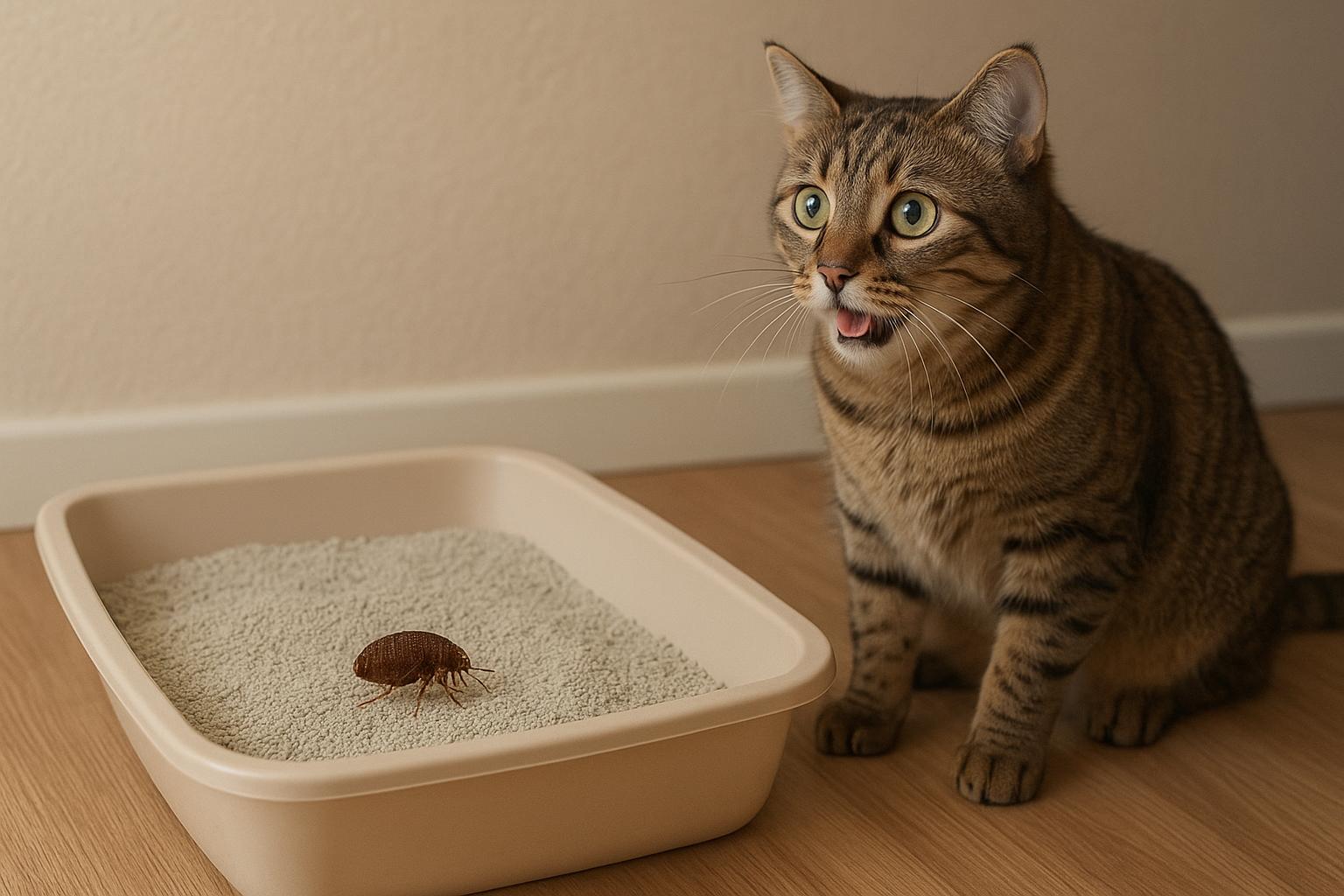
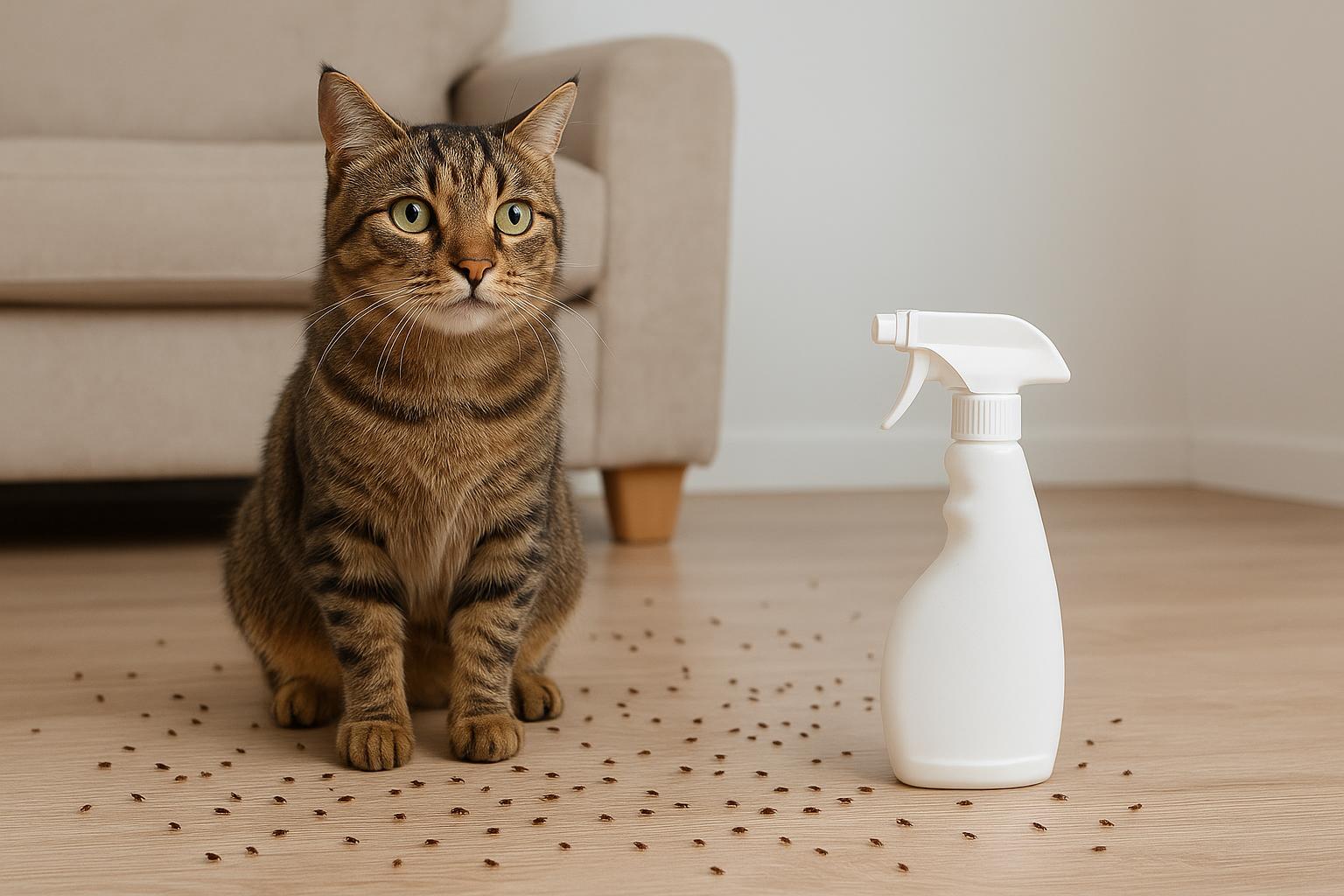
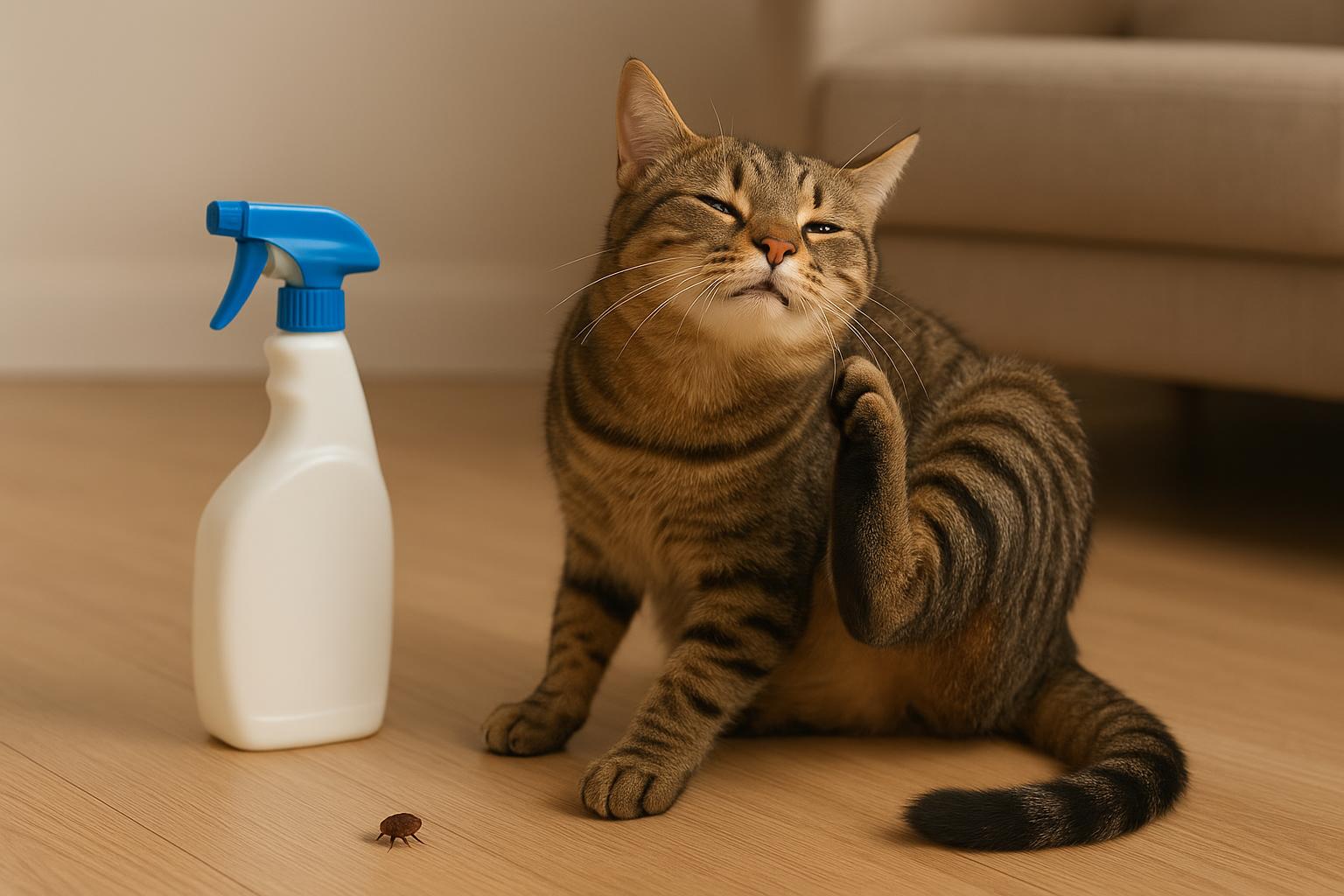
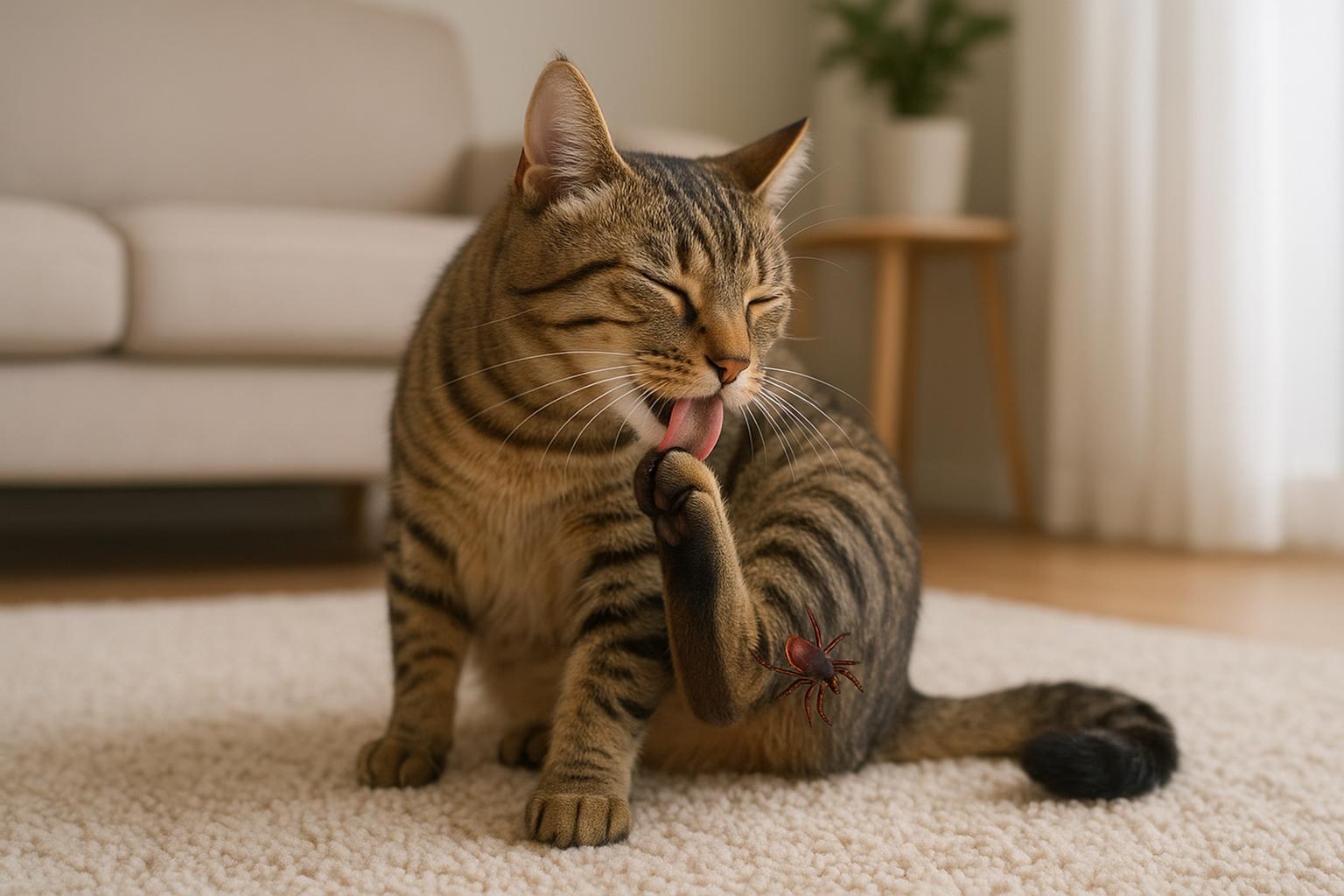
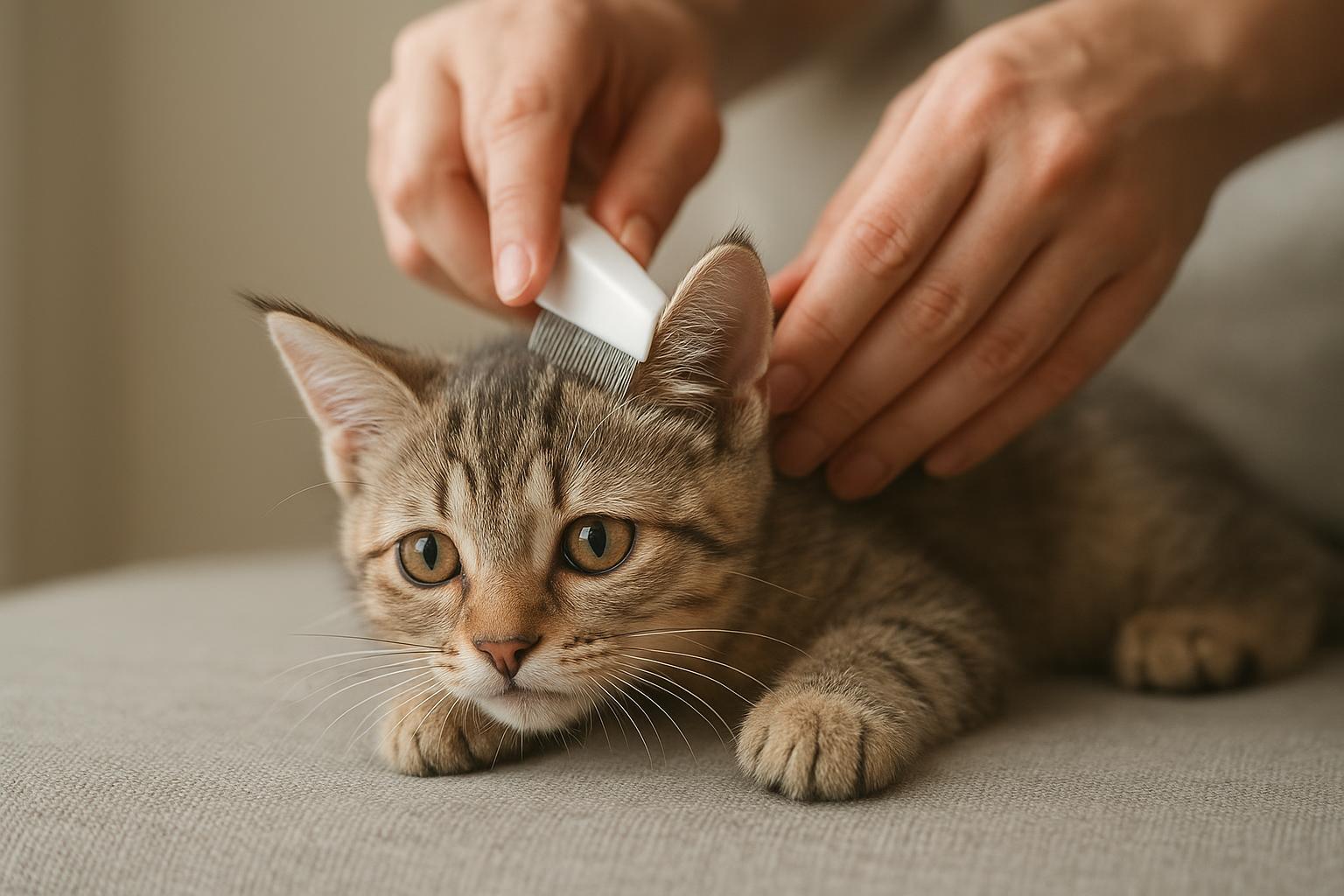
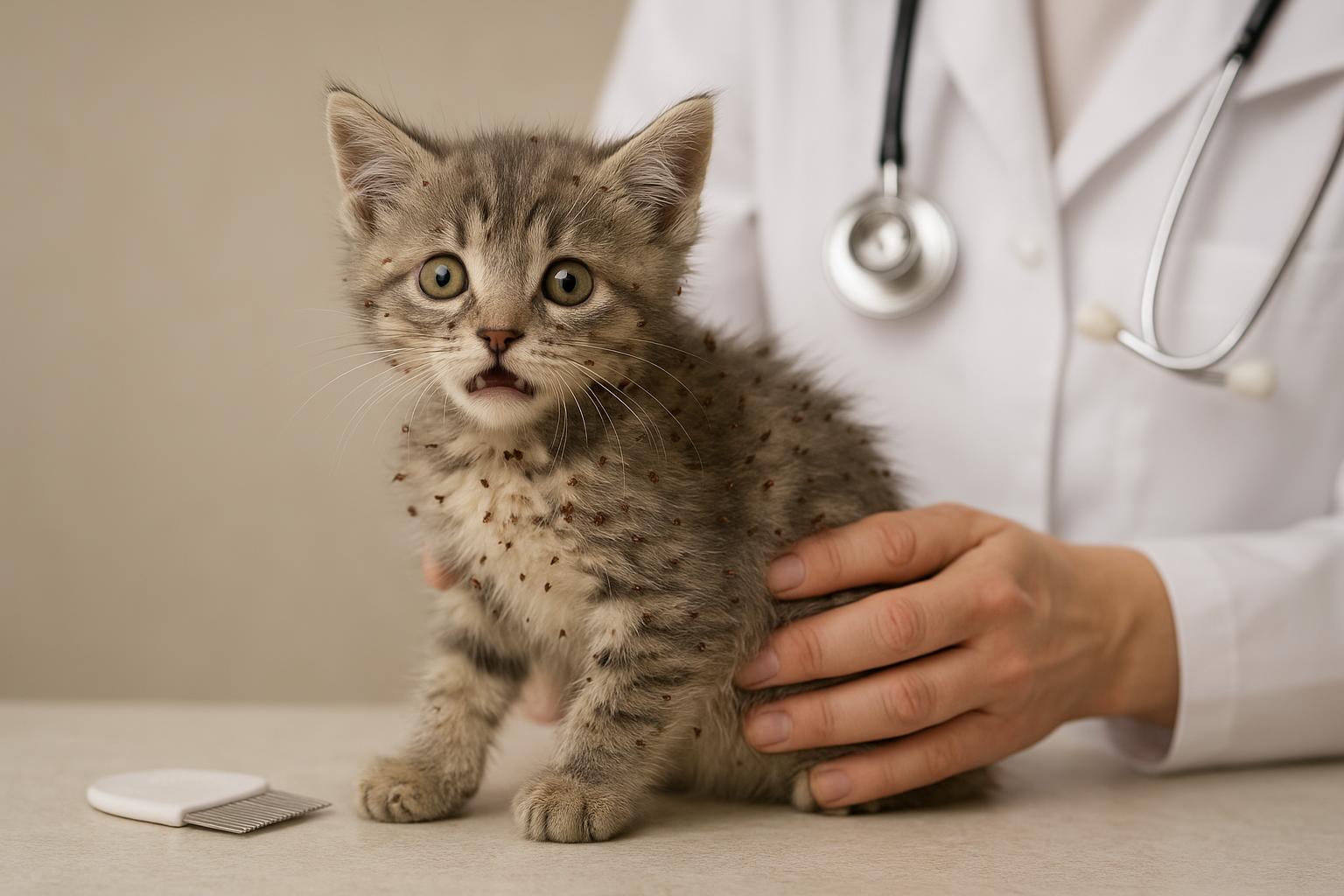
Frequent scratching, biting at the base of the tail, irritated or red skin, and visible fleas or flea dirt (tiny black specks that turn reddish-brown when wet) are common signs.
#### What To Look For In The Home
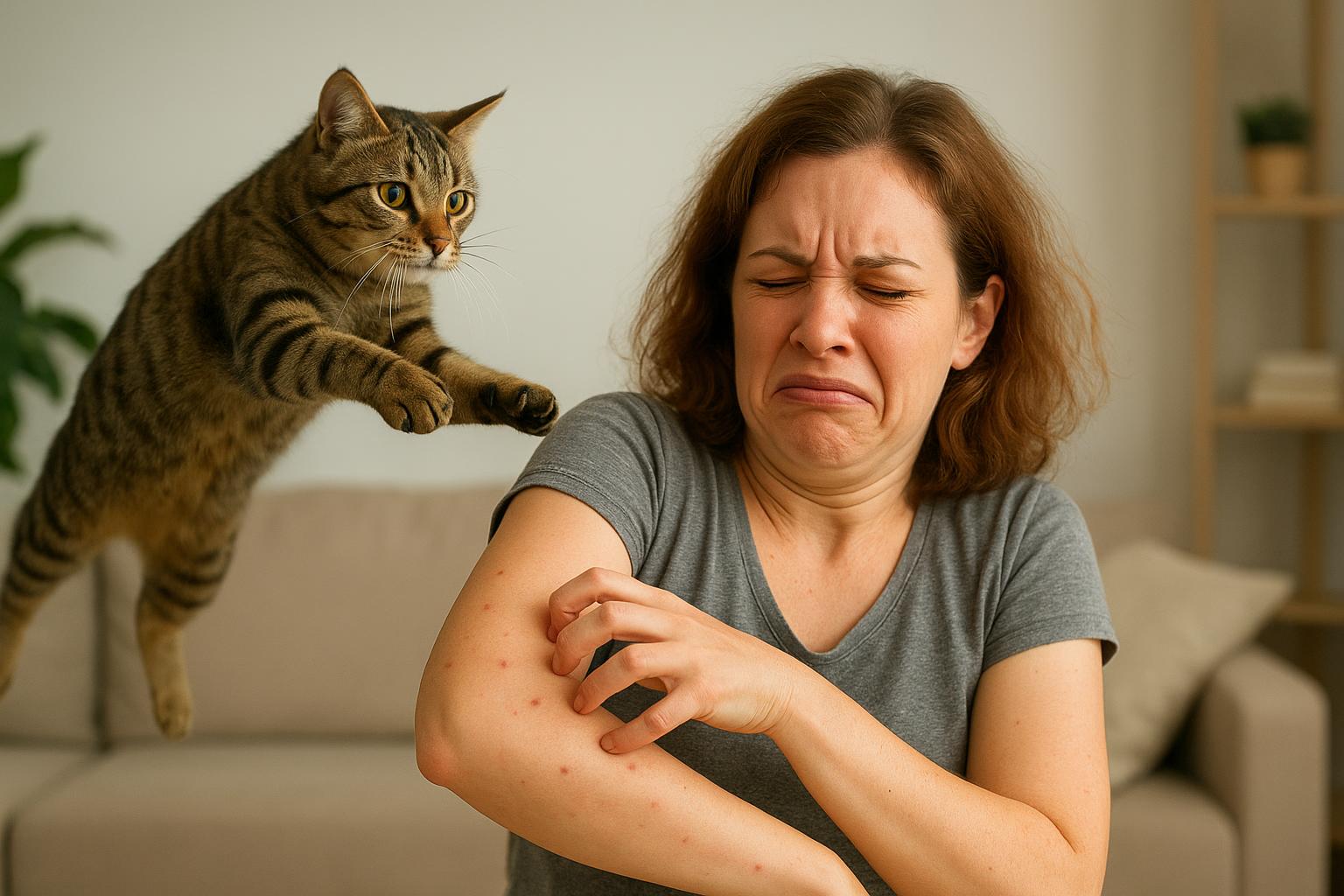
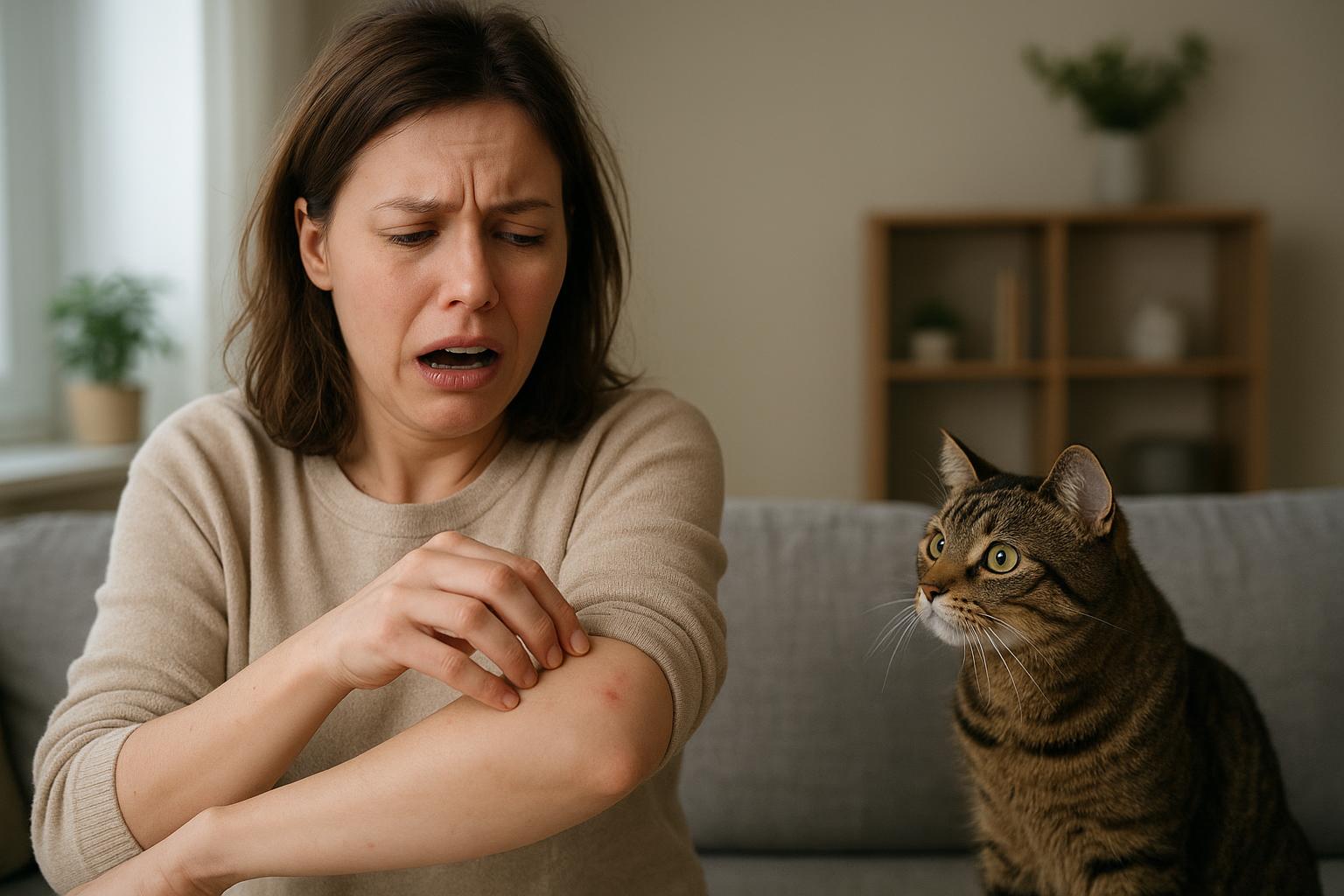
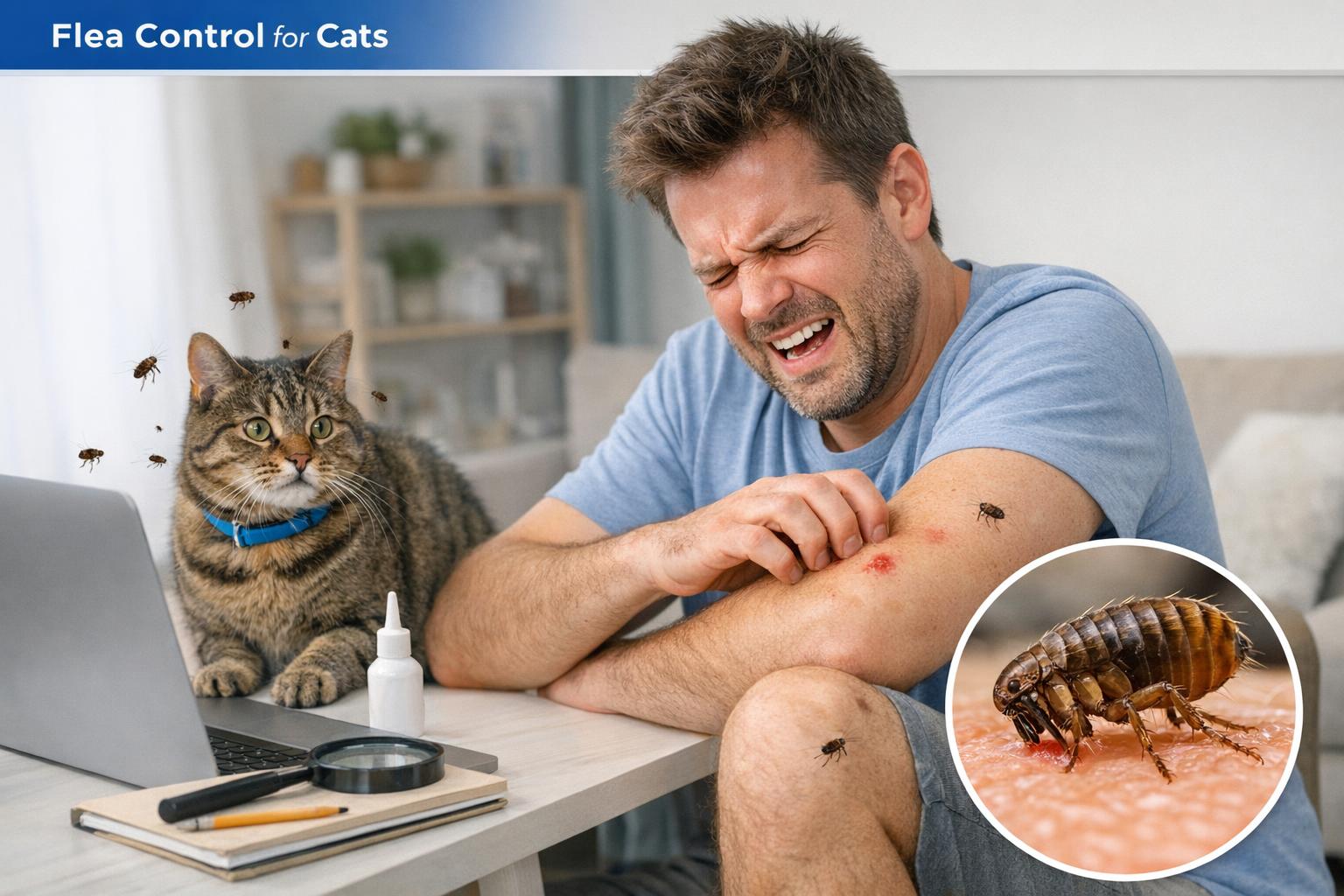
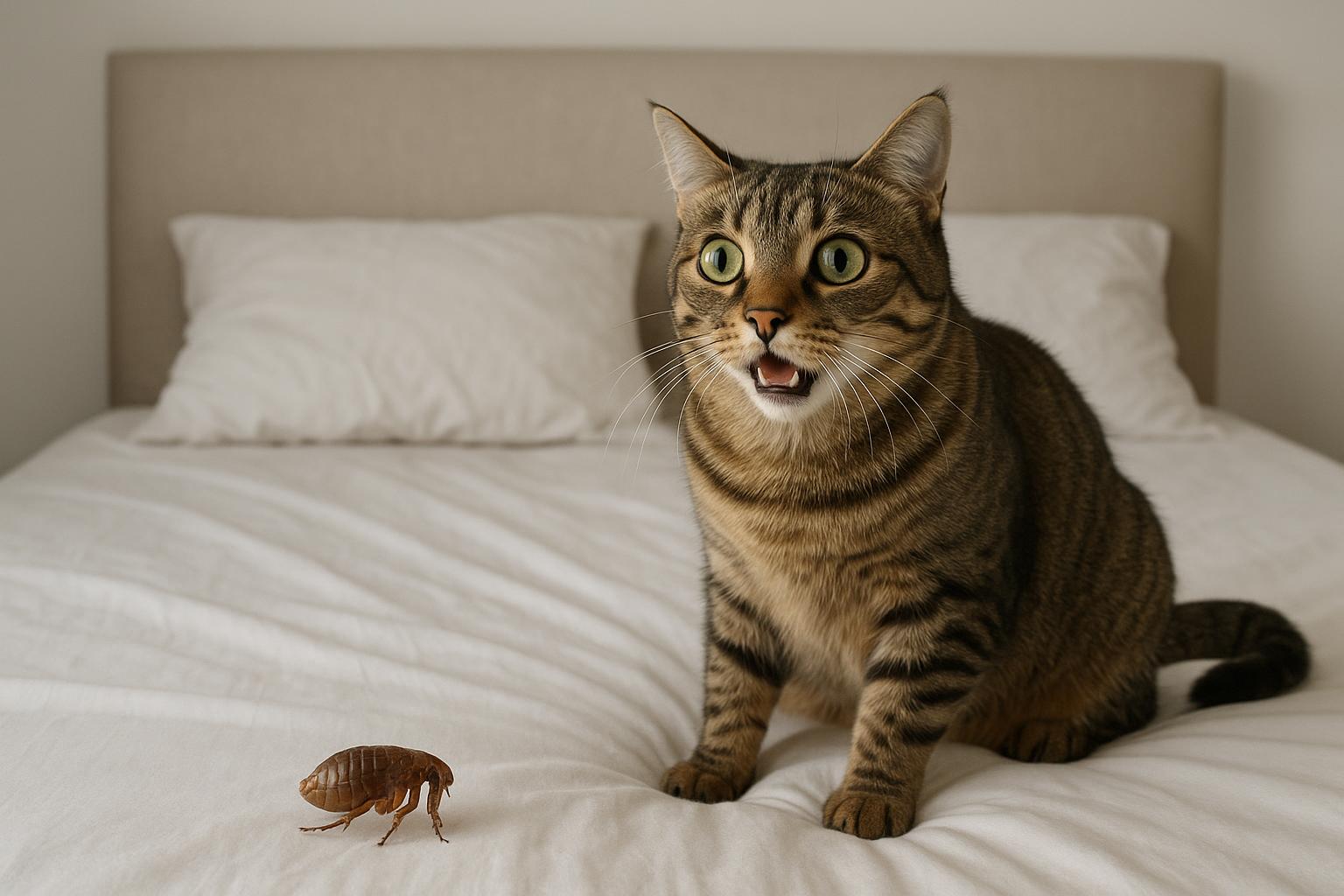
If you suddenly find adult fleas on walls, furniture, or people, or if household members start itching, check carpets and bedding. Flea bites typically appear as small red bumps clustered around ankles and lower legs in humans.
## Remedy 1: Vet-Approved Topical And Oral Treatments (Numbered Remedy)
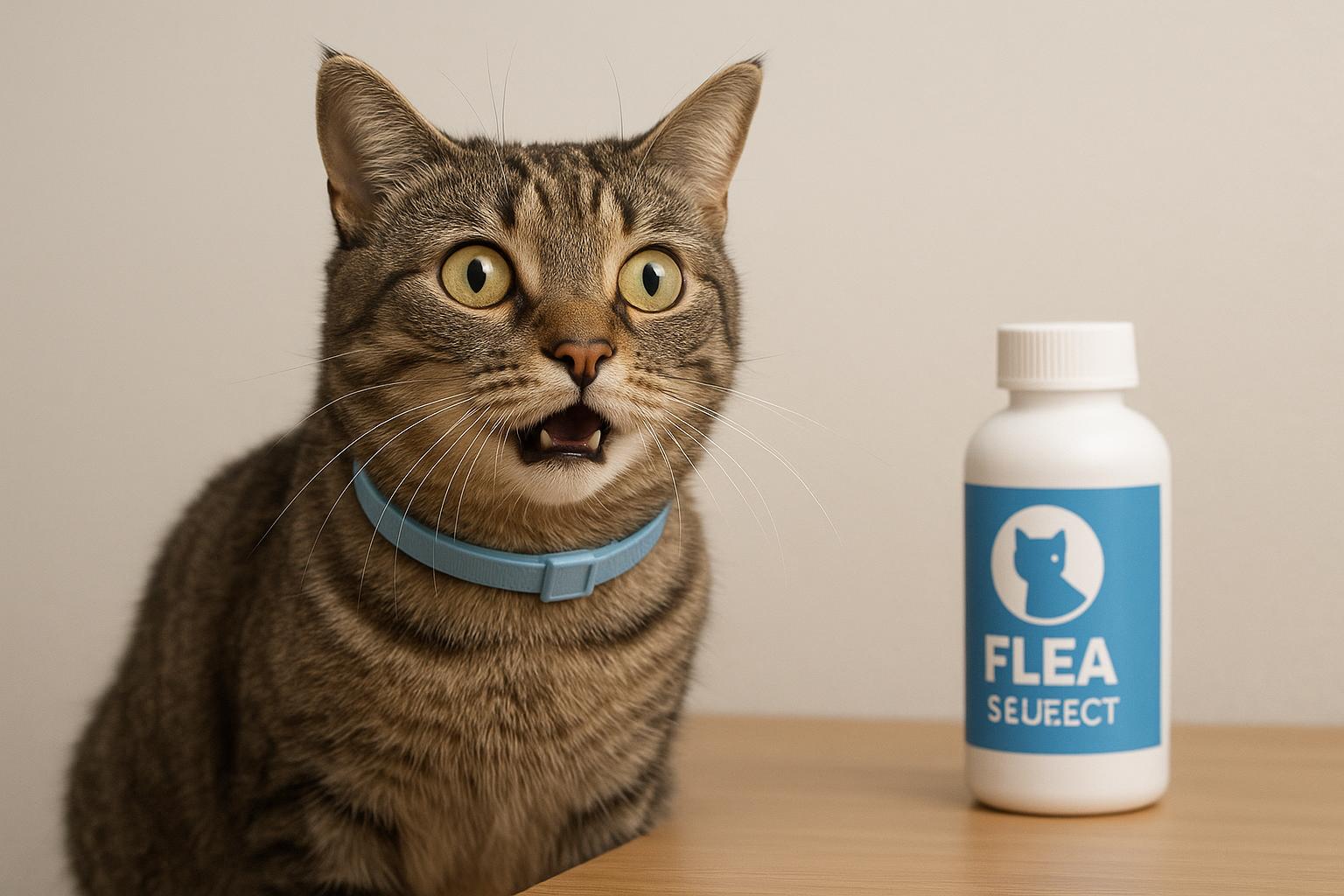
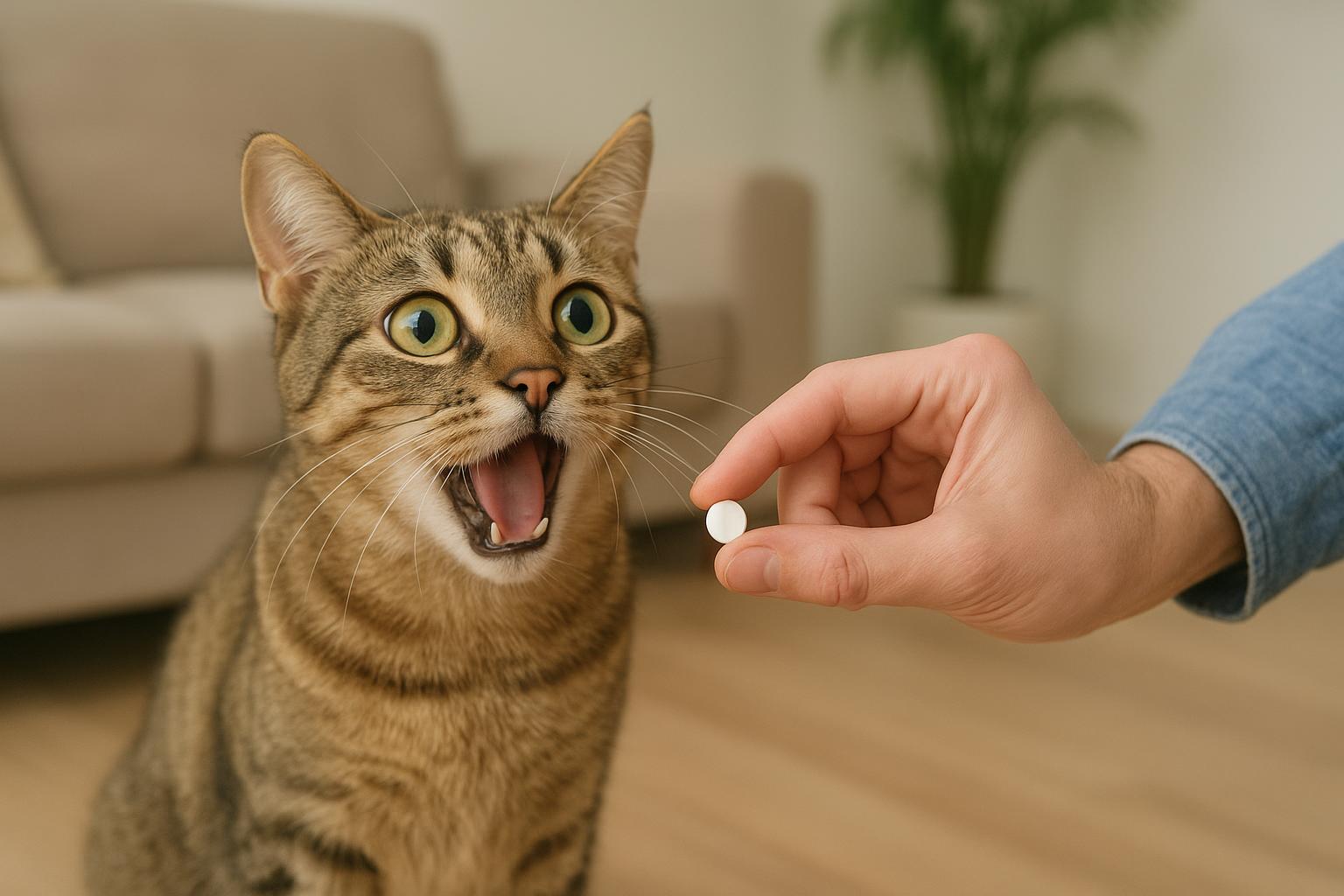
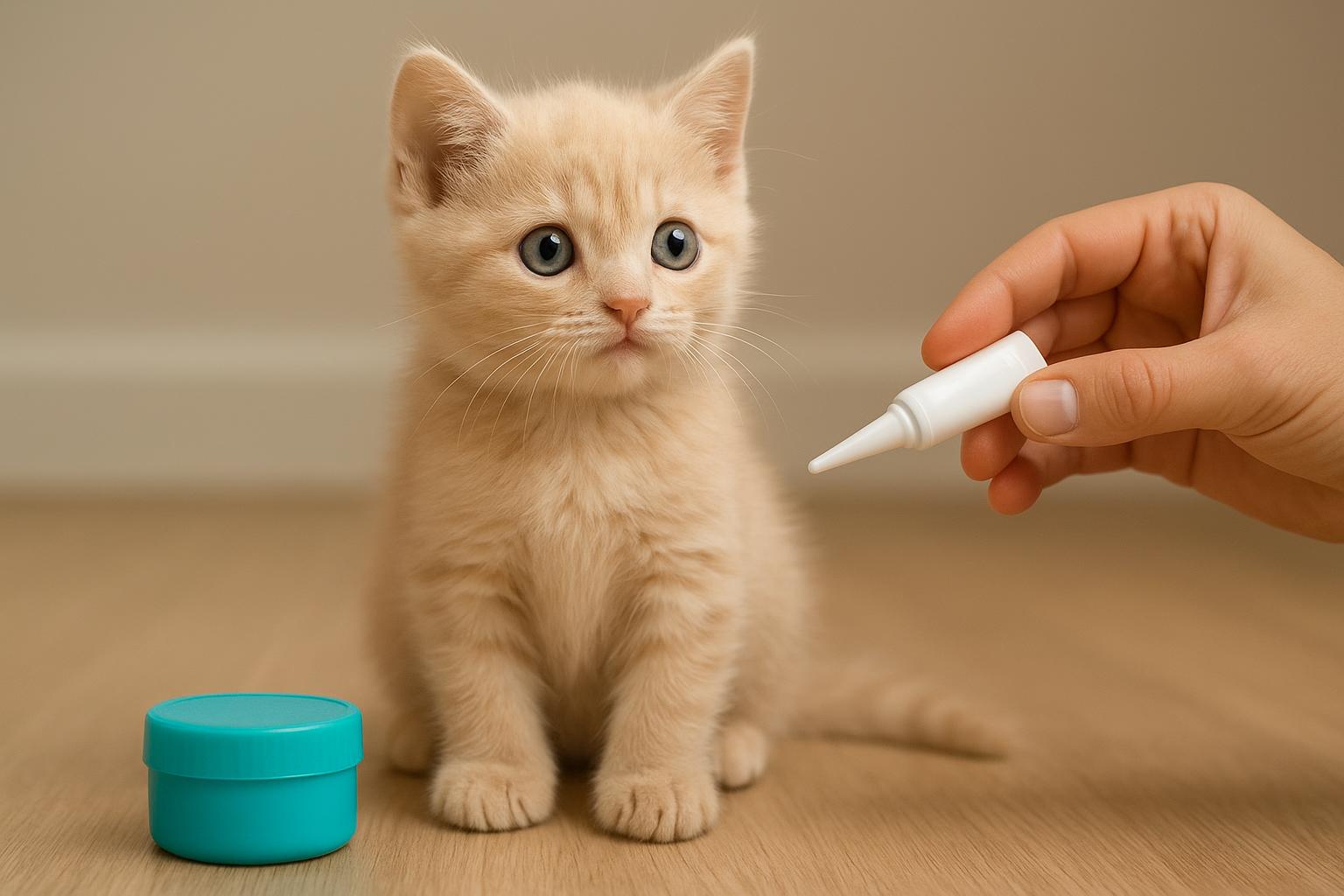
When it comes to effective flea prevention indoors, the single most reliable step is a vet-approved flea control product for your cat. These medications are formulated specifically for felines and are generally fast-acting and long-lasting.
### Materials Required
– Prescription or over-the-counter vet-approved topical flea treatment (monthly)
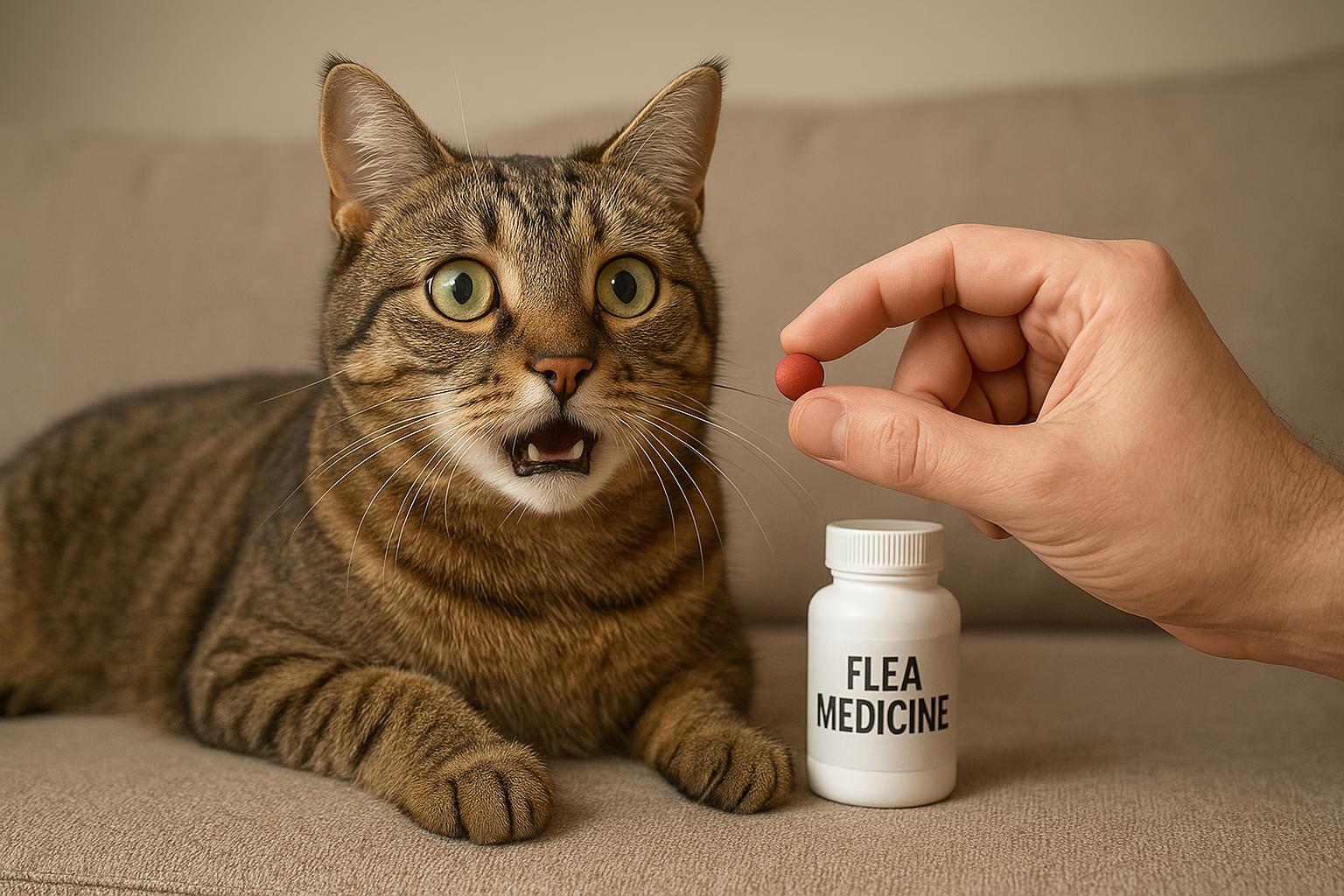
– Vet-prescribed oral flea medication (if recommended)
– Gloves (disposable) for application if using topical
– Accurate scale (to verify cat weight if unsure)
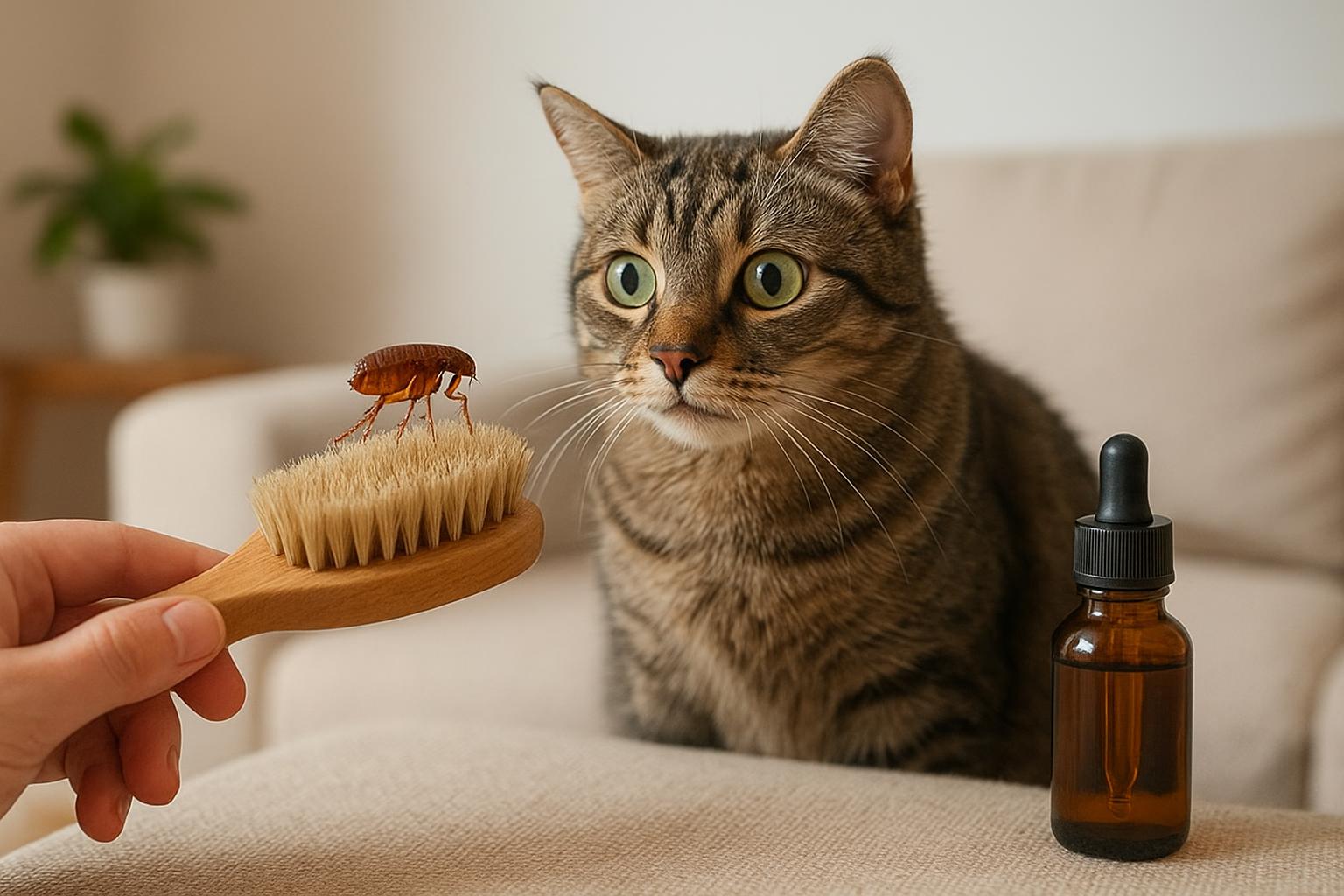
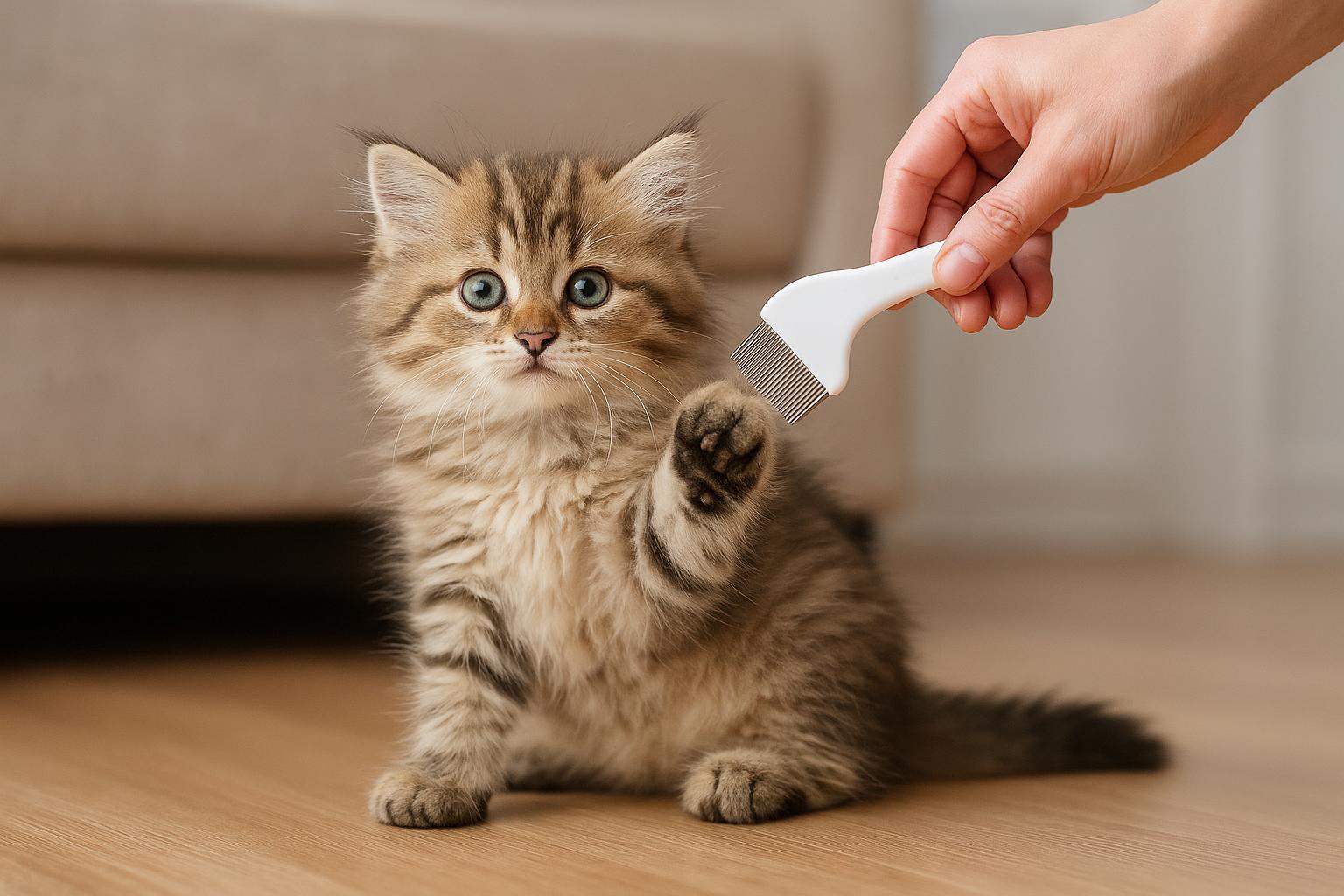
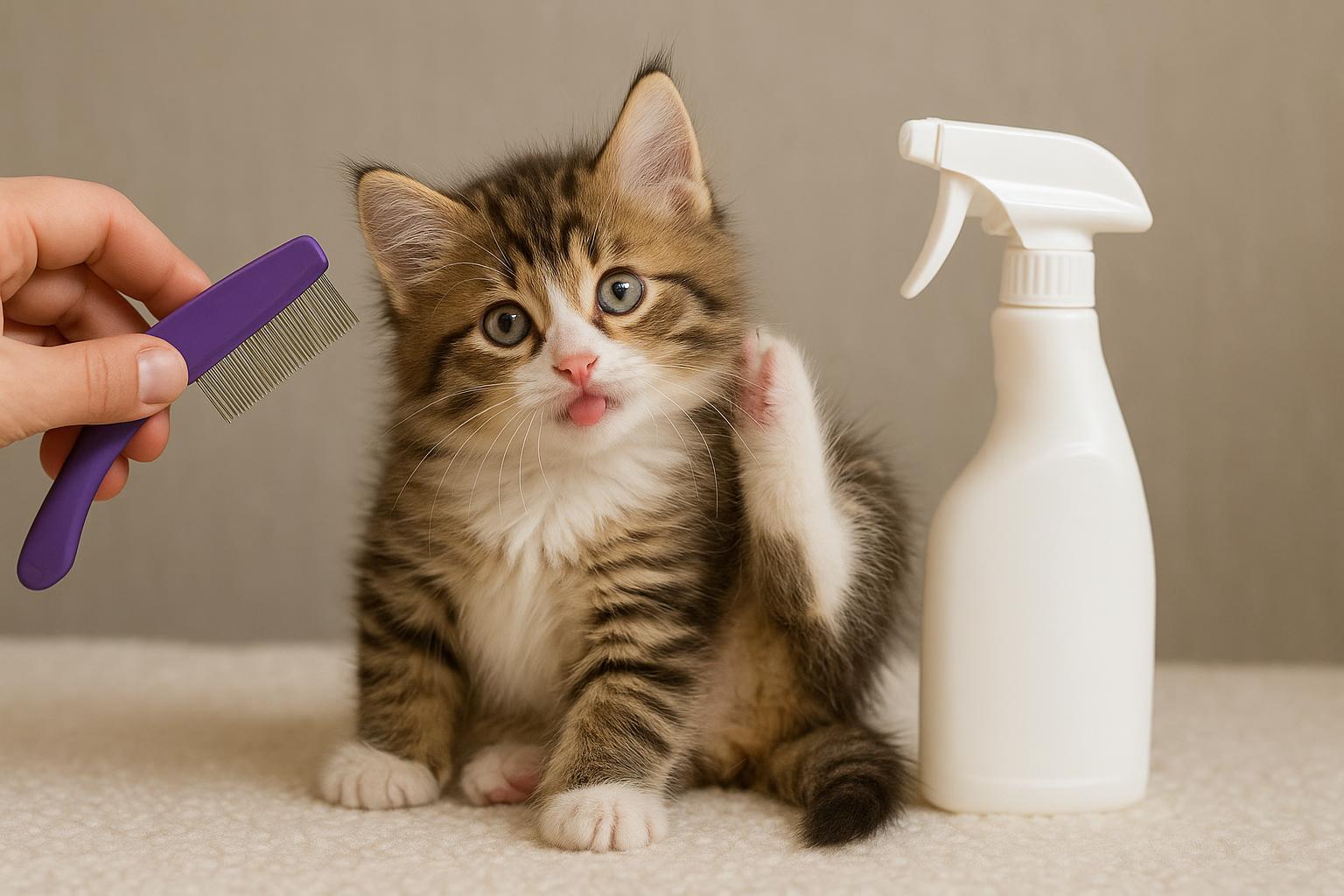
– Flea comb (fine-tooth)
– Paper towels (for cleanup)
### Step-by-Step Application And Use
1. Consult Your Veterinarian: Before starting any product, get your cat examined and your vet’s recommendation based on weight, age, health status, and indoor/outdoor risk. This is non-negotiable—some products for dogs are toxic to cats.
2. Choose The Right Product: Use only products labeled for cats. Options include topical spot-on treatments (monthly), oral chewables (safe for cats only if specifically labeled), and prescription injectables in some regions.
3. Confirm Dosage: Weigh your cat. Dosage is weight-dependent; underdosing wastes time, overdosing risks toxicity.
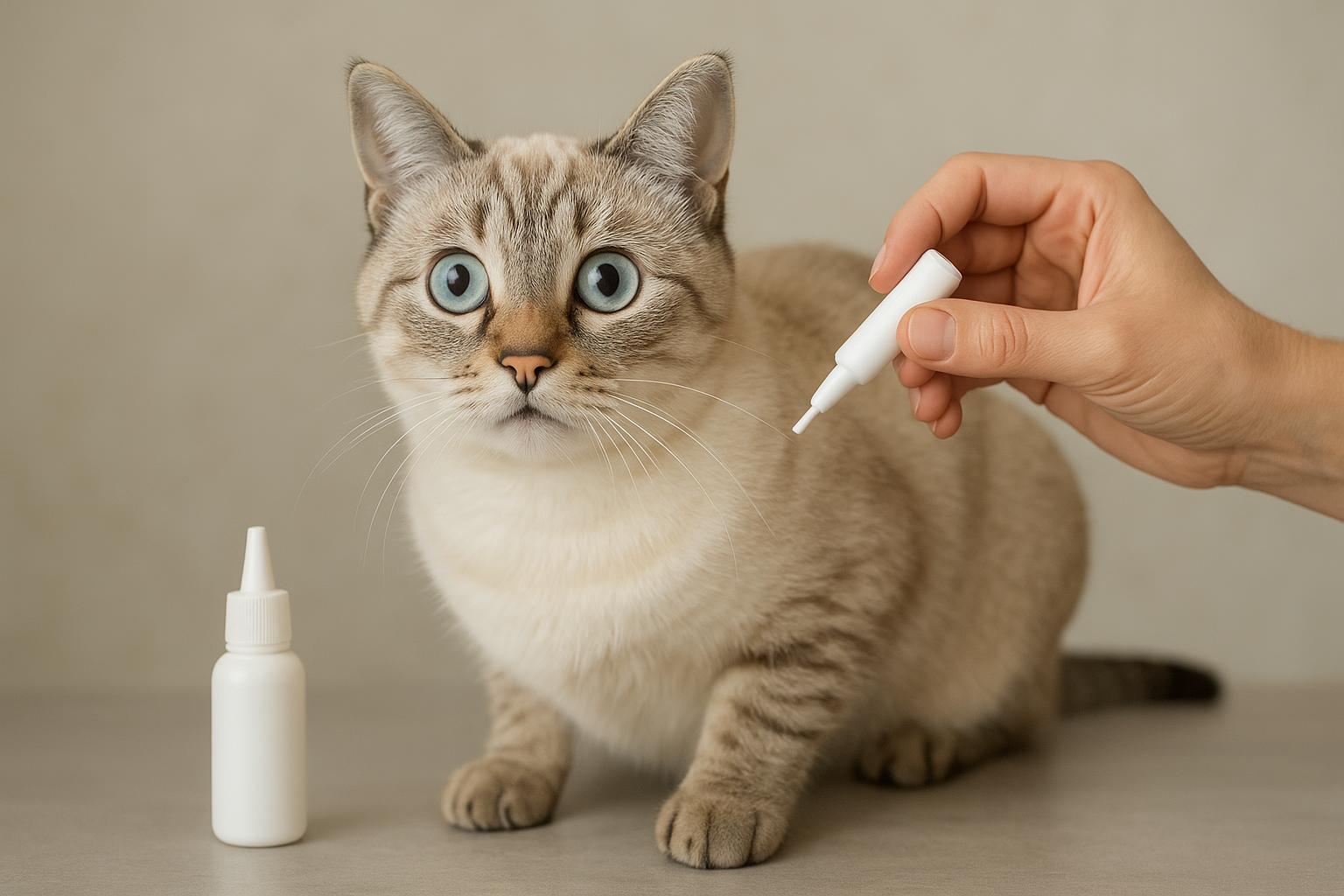
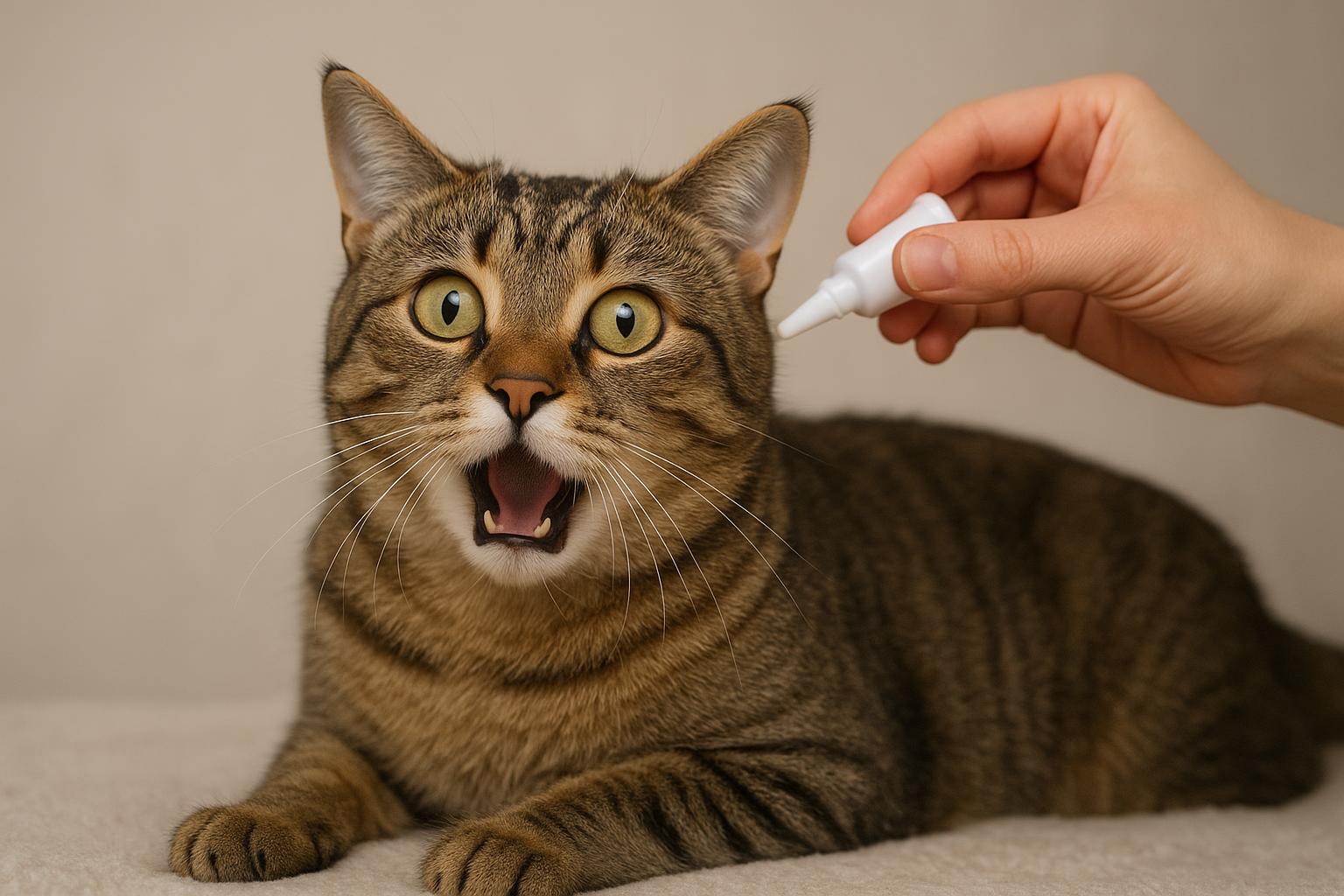
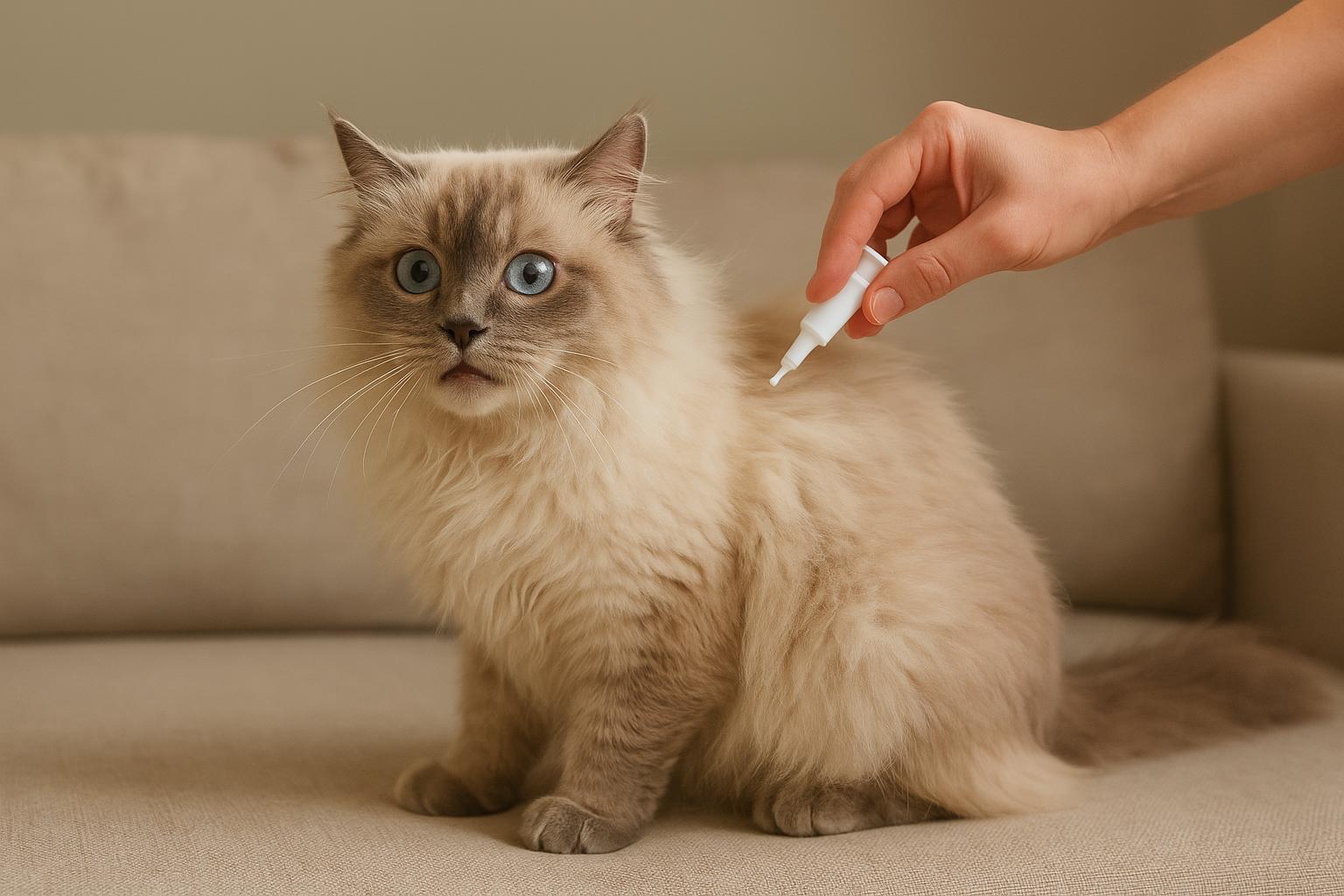
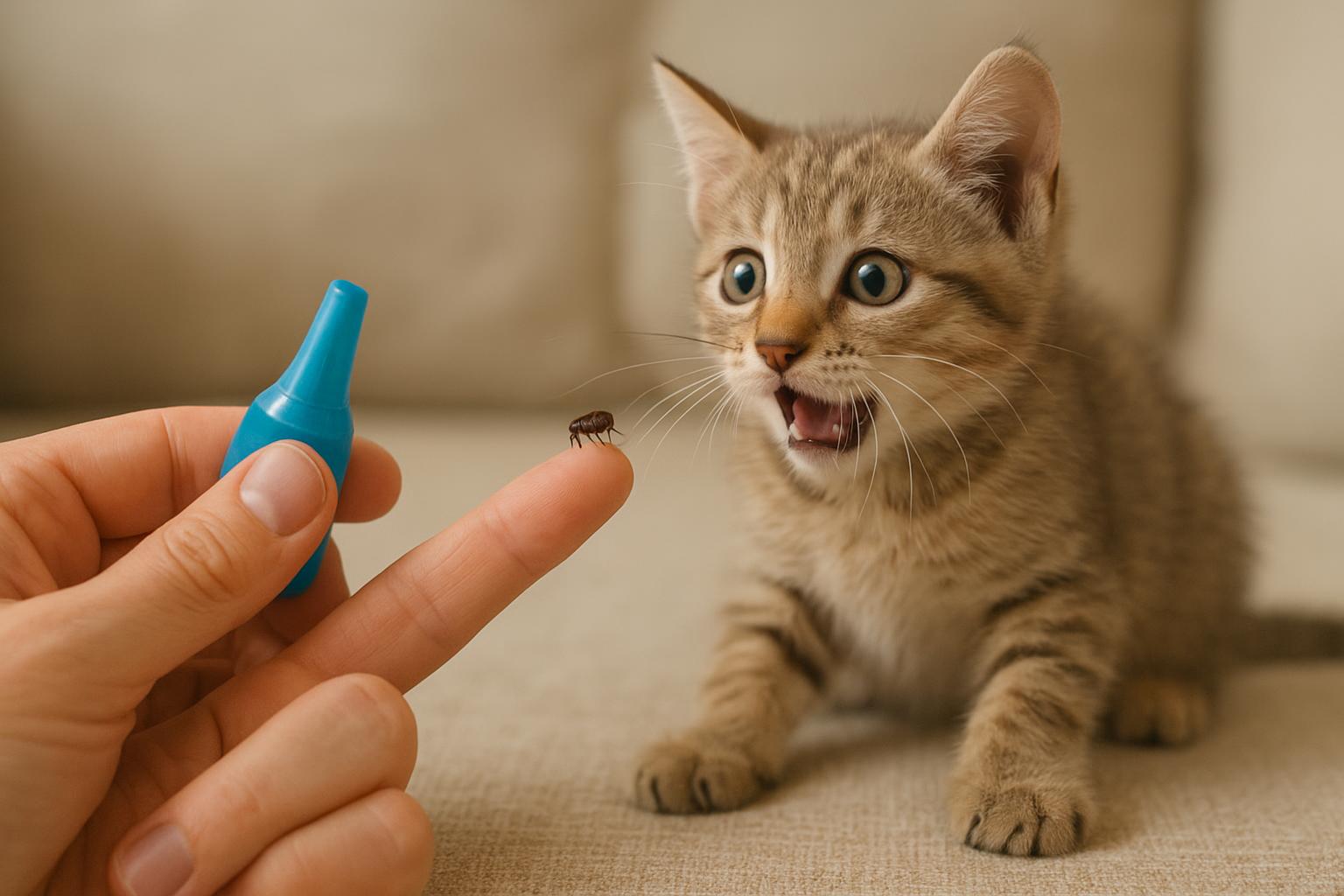
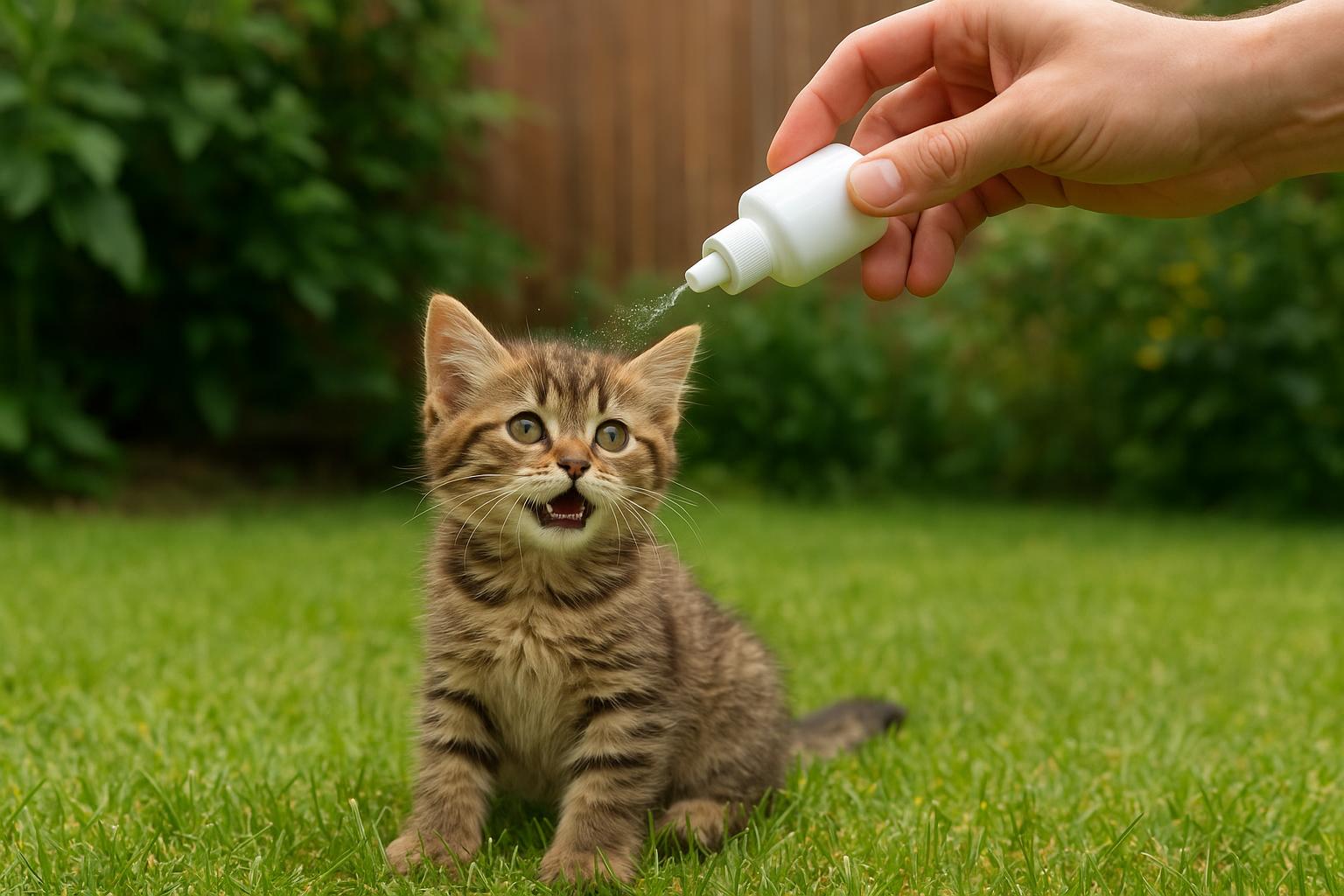
4. Apply Topical Correctly: With gloves on, part fur between shoulder blades until you see skin. Squeeze prescribed amount directly on skin. Do not apply to fur or allow the cat to lick the site until it dries (usually a few hours).
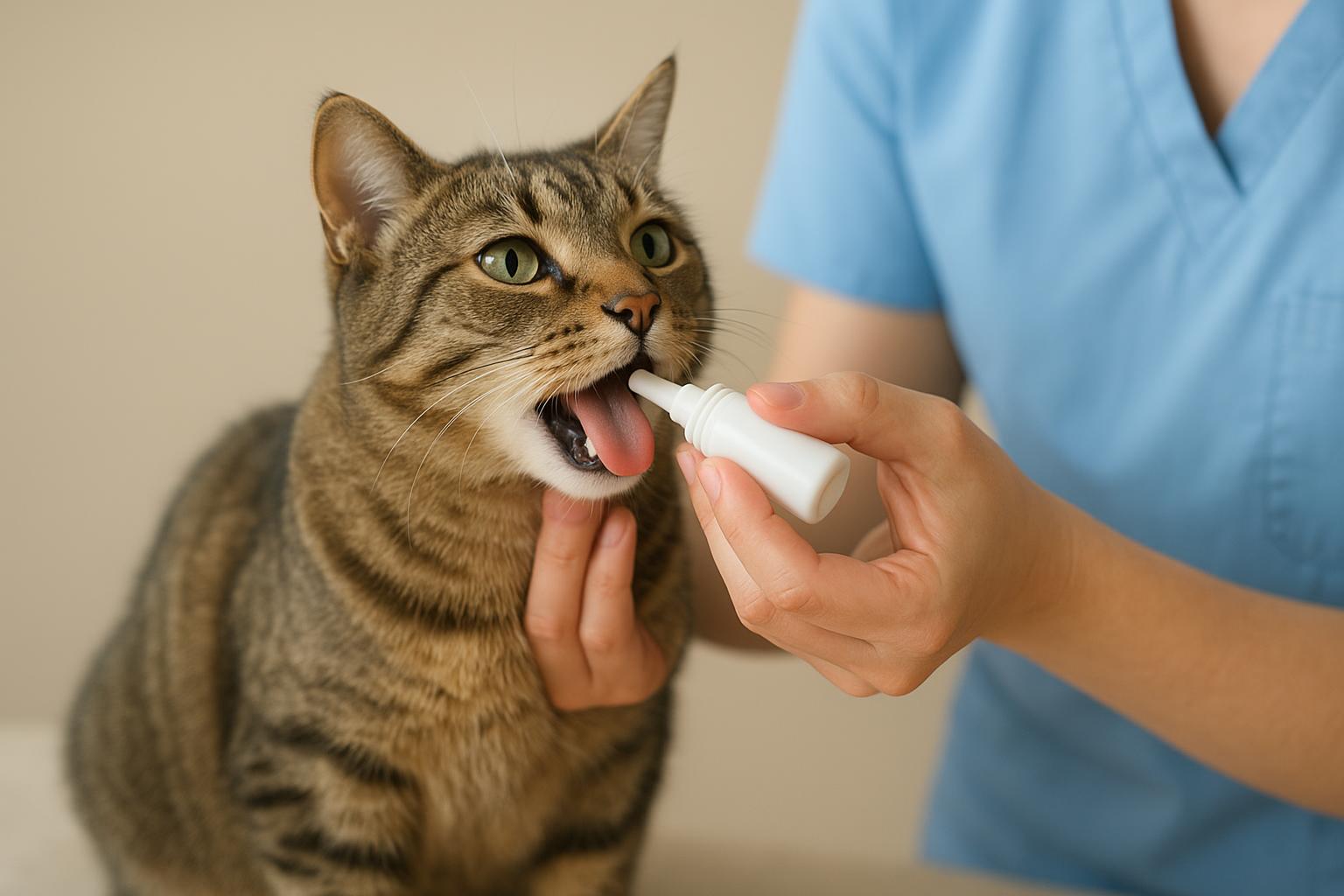
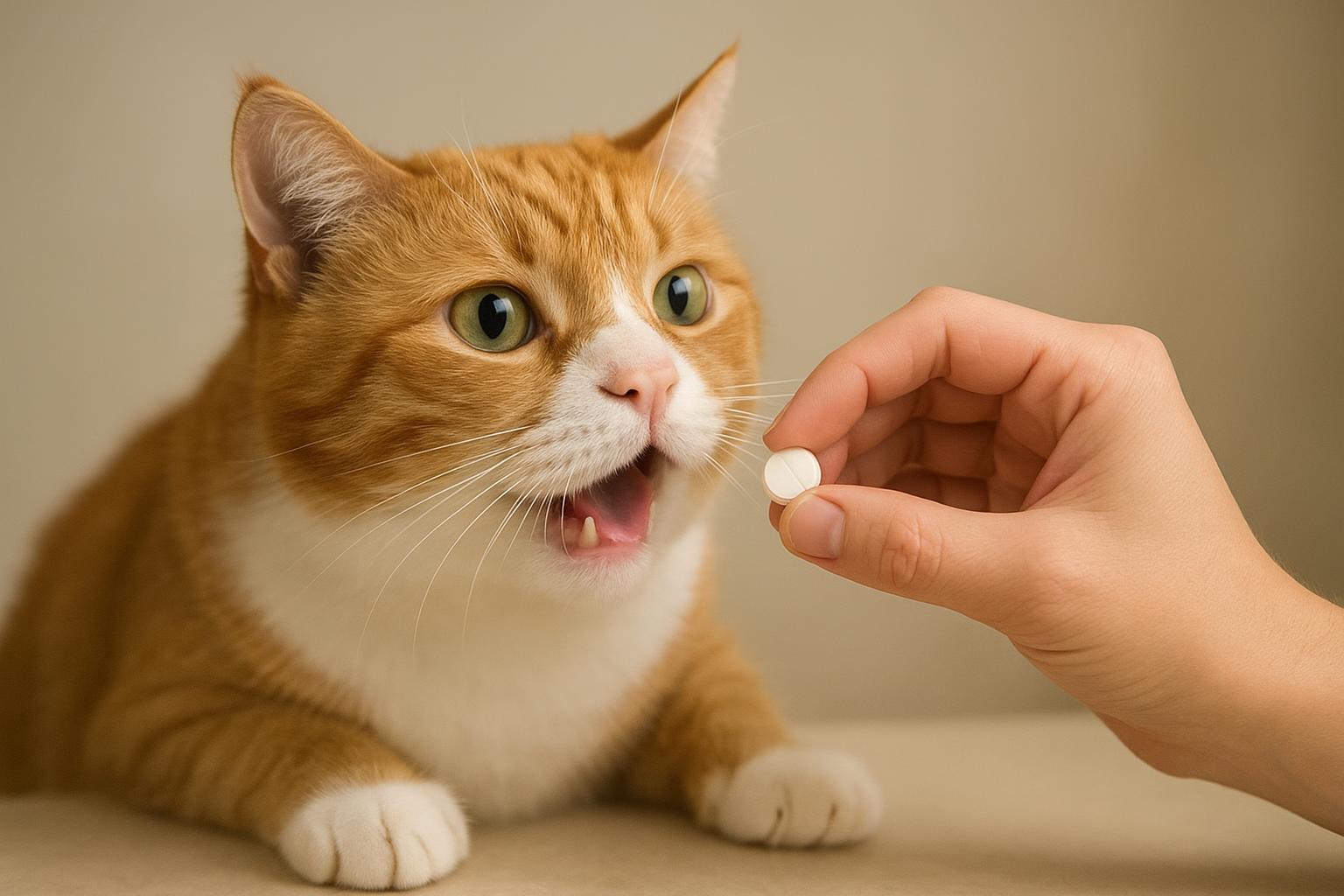
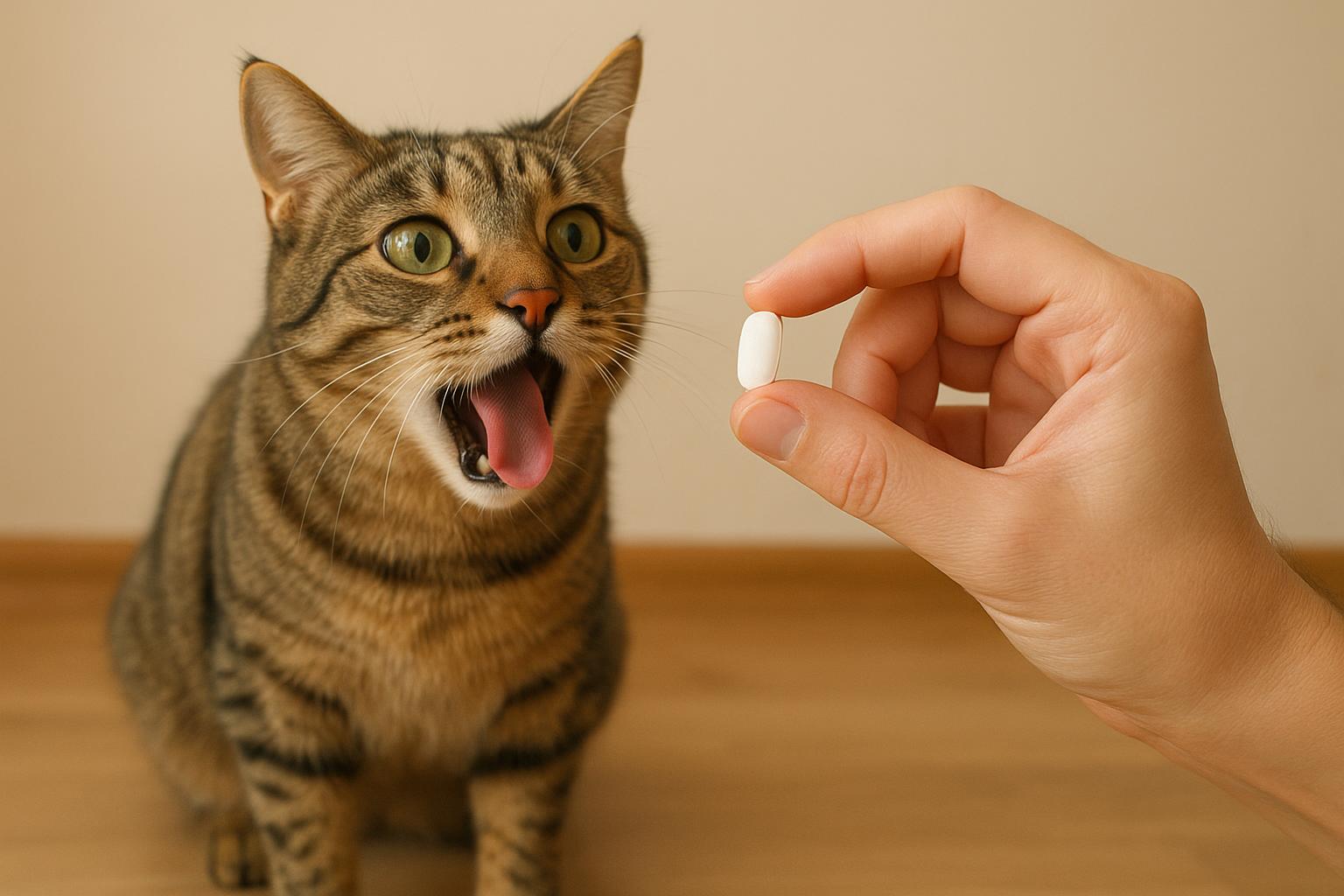
5. Administer Oral If Prescribed: If your vet recommends an oral, follow feeding guidance and observe the cat for 24 hours for adverse reactions.
6. Monitor Effectiveness: After treatment, comb your cat weekly with a flea comb to check for fleas or flea dirt. If you still see fleas after two monthly treatments, contact your vet—resistance or reinfestation may be occurring.
7. Record Dates: Keep a calendar with application dates to maintain continuous protection. This is essential for long-term flea prevention indoors.
## Remedy 2: Home Environmental Control (Numbered Remedy)
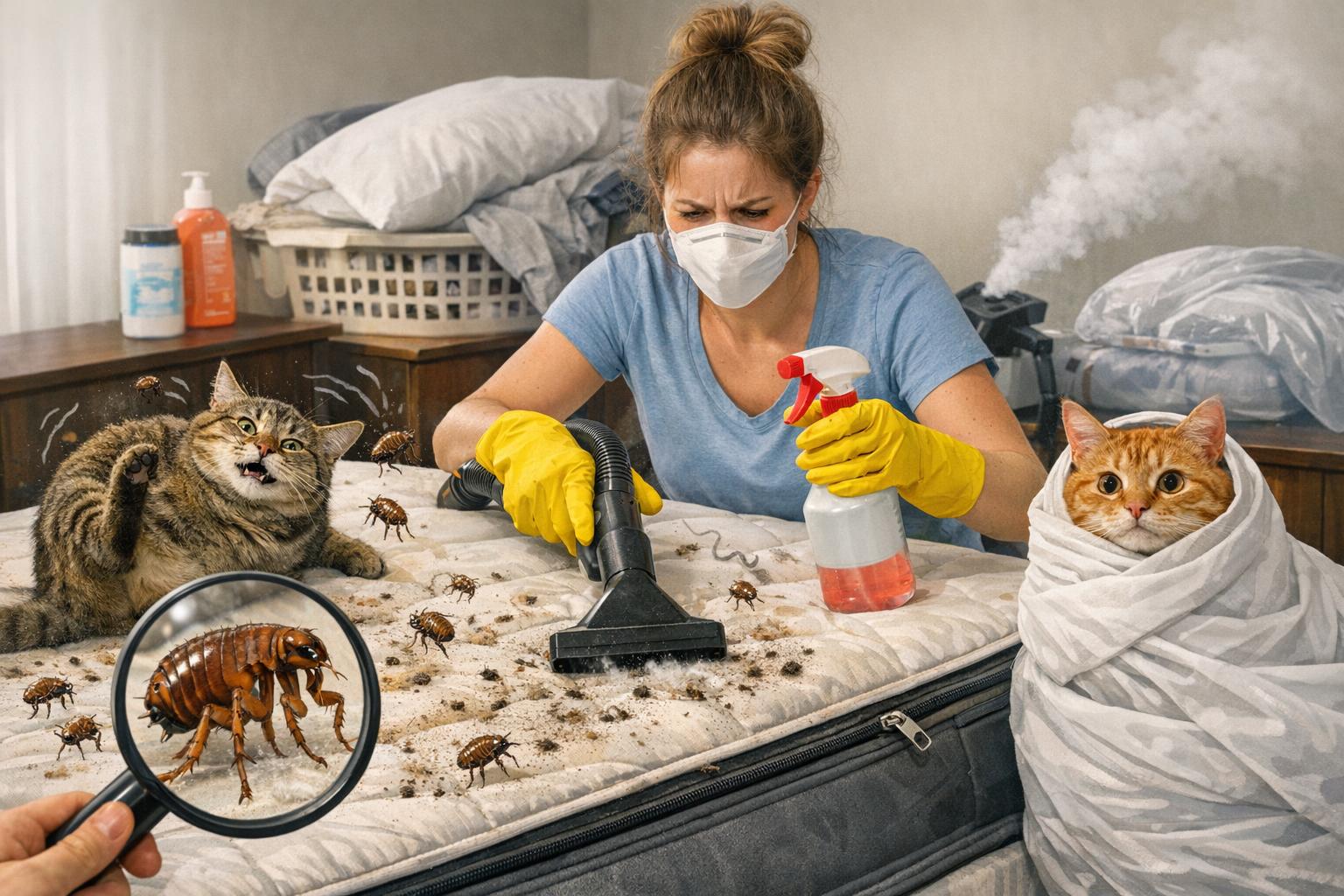
Medicating the cat is only half the battle. Flea eggs and larvae in the environment can reinfect even well-treated pets. A structured home cleaning plan reduces population reservoirs.
### Materials Required
– Vacuum cleaner with strong suction and attachments
– Washing machine and dryer
– Hot water and pet-safe laundry detergent
– Sealed plastic bags or containers
– Flea comb and lint roller
– Steam cleaner (optional, good for textiles)
– Sticky traps or flea traps for monitoring
– Food-grade diatomaceous earth (optional; use with caution and avoid inhalation)
### Step-by-Step Creation And Application
1. Isolate And Wash Bedding: Collect all pet bedding, throw blankets, and removable cushion covers. Wash in hot water (at least 130°F/54°C) and dry on high heat for at least 20 minutes. Place cleaned items in sealed containers or bags between washes.
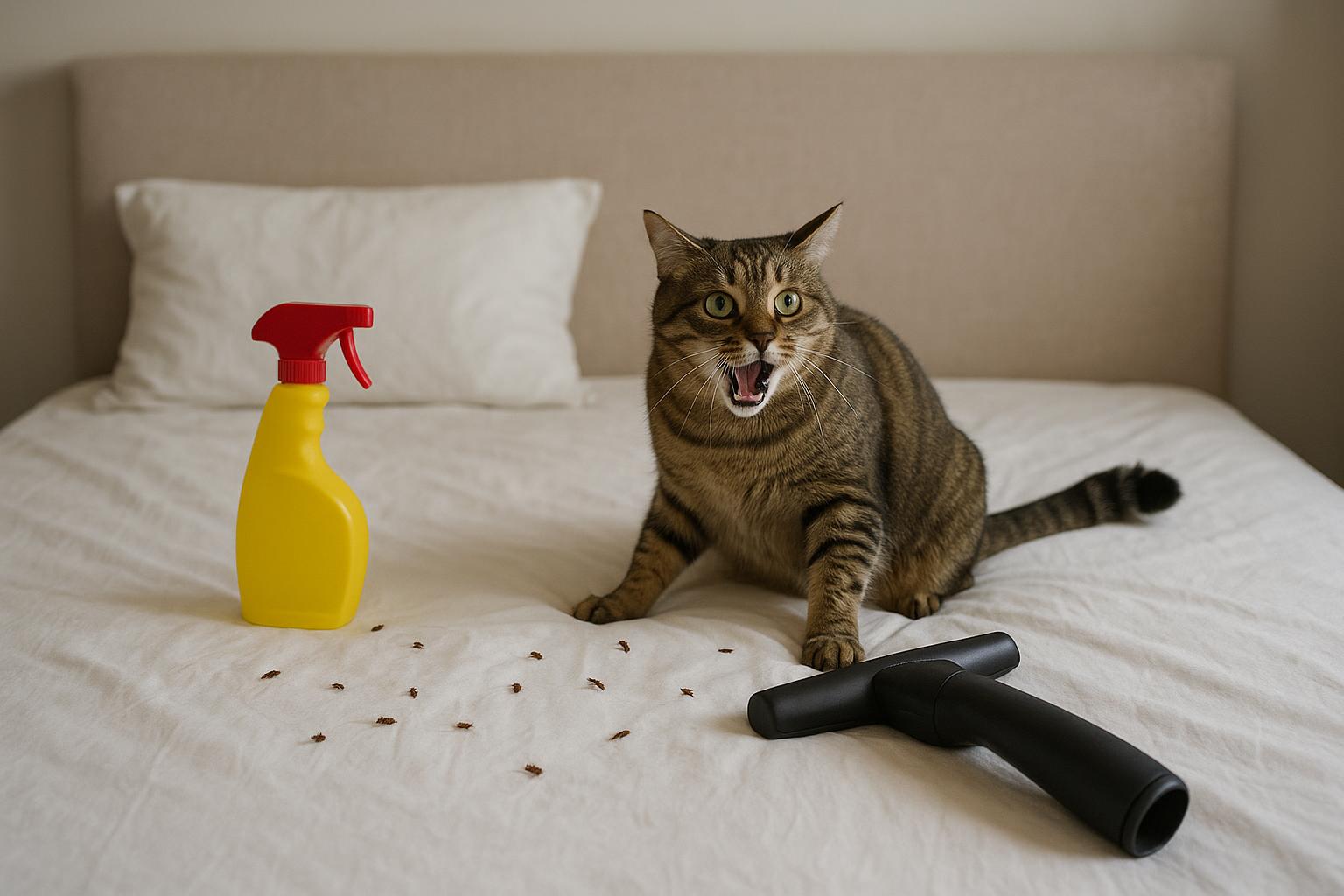
2. Vacuum Thoroughly: Vacuum carpets, rugs, upholstery, and along baseboards daily for a week, then several times weekly thereafter. Use attachments to get into crevices. Empty vacuum canister or replace bags into a sealed trash bag immediately and discard outside.
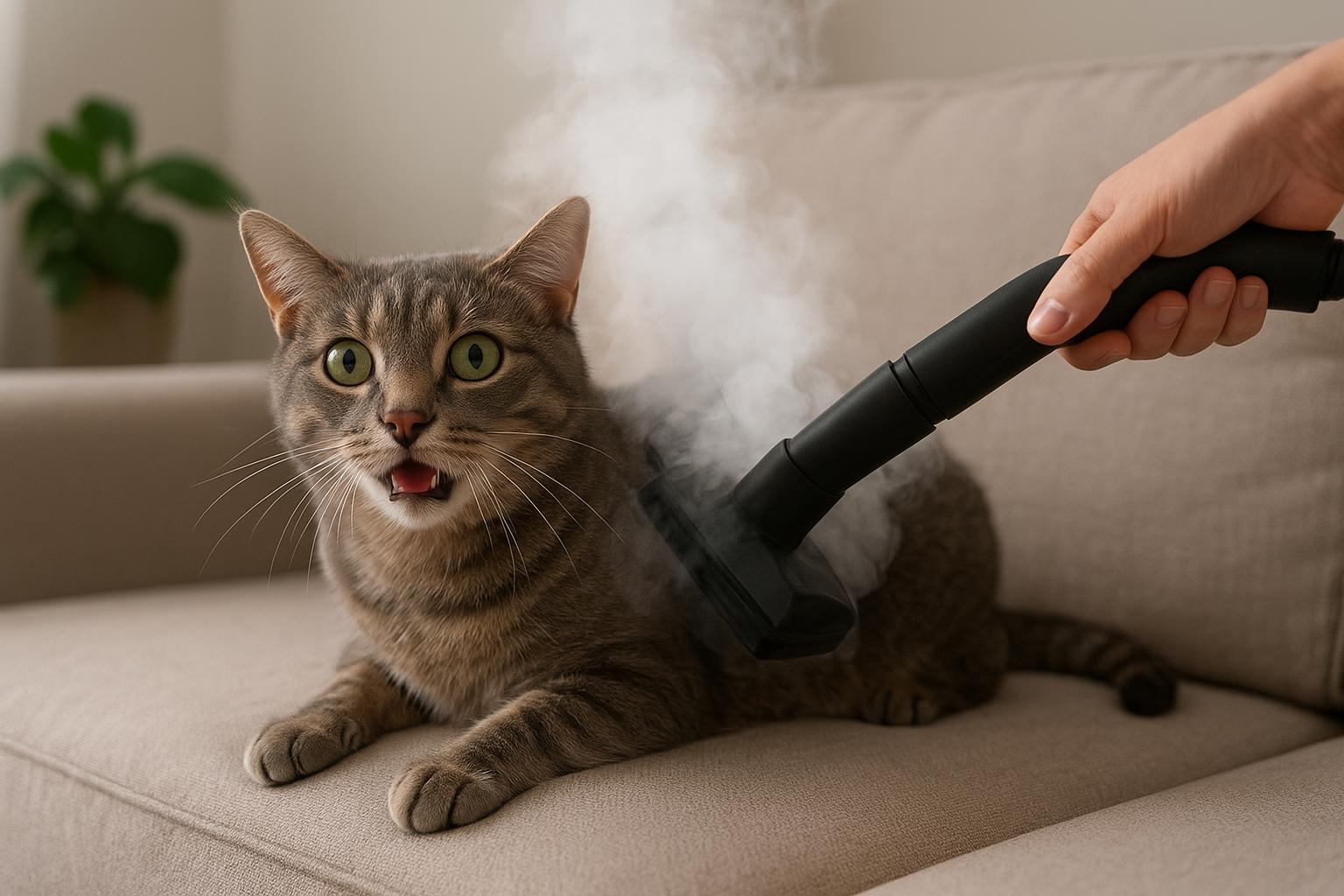
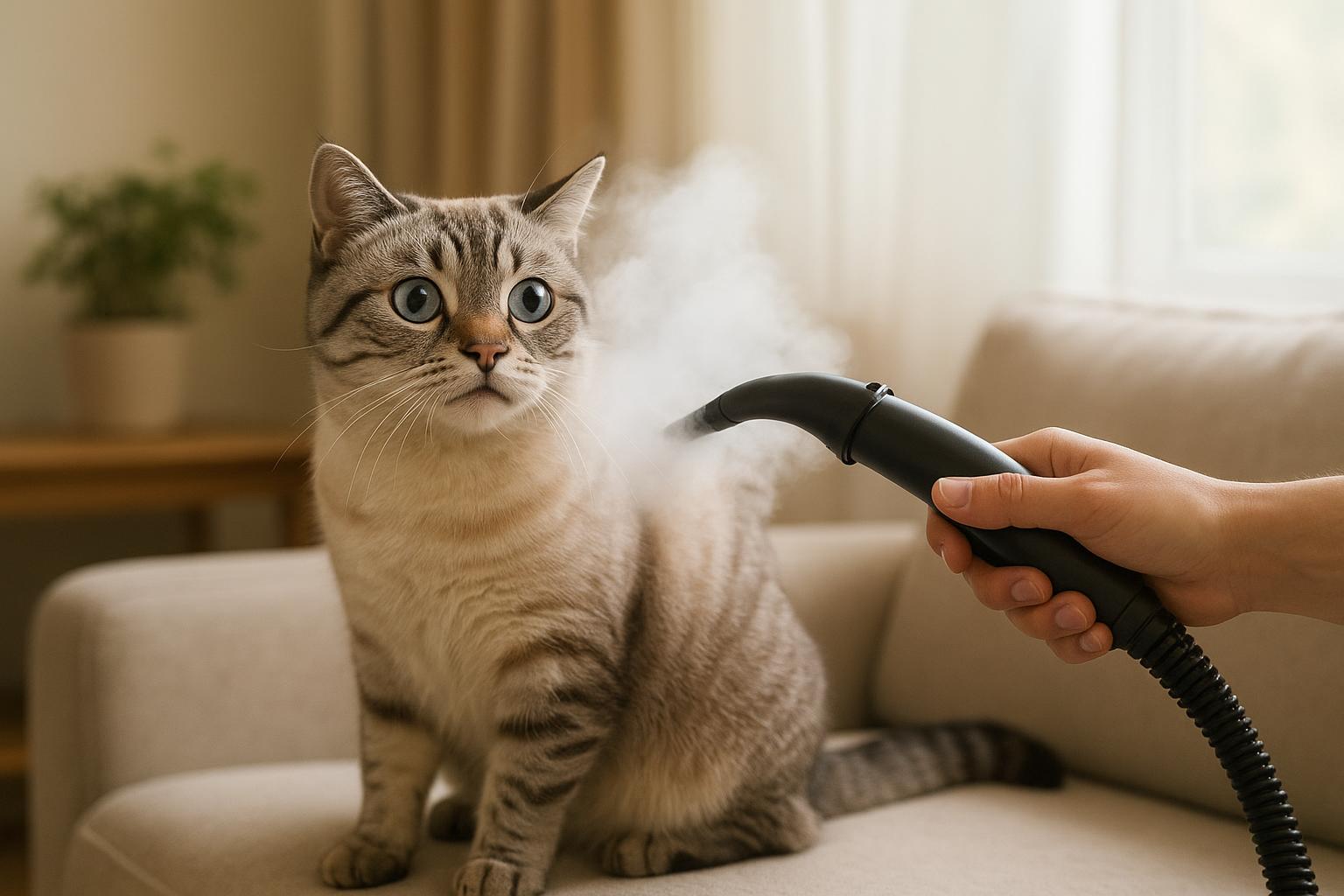
3. Steam Clean Where Possible: Steam cleaning kills flea eggs and larvae on contact. Use a steam cleaner on mattresses, upholstered furniture, and carpets where scratching or adult fleas were observed.
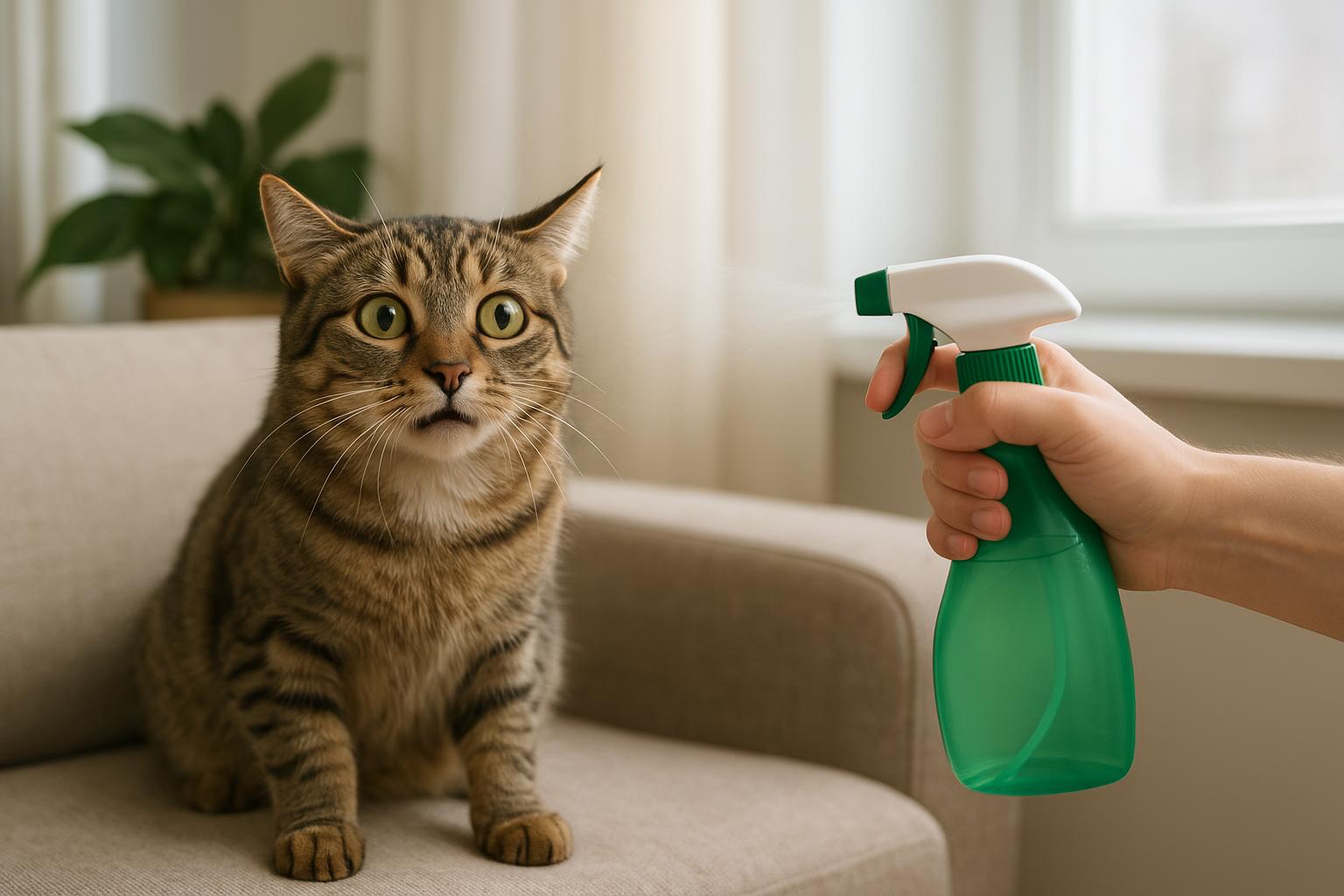
4. Treat Non-Washable Items: For items that can’t be washed, seal them in plastic bags for two weeks—fleas and larvae typically die without a host within that time frame. Alternatively, use professional pet-safe sprayers recommended by your vet or pest professional.
5. Use Sticky Traps For Monitoring: Place low-intensity desk lamps over shallow pans of soapy water or use glue boards near known hotspots to capture jumping adult fleas; this helps monitor infestation levels.
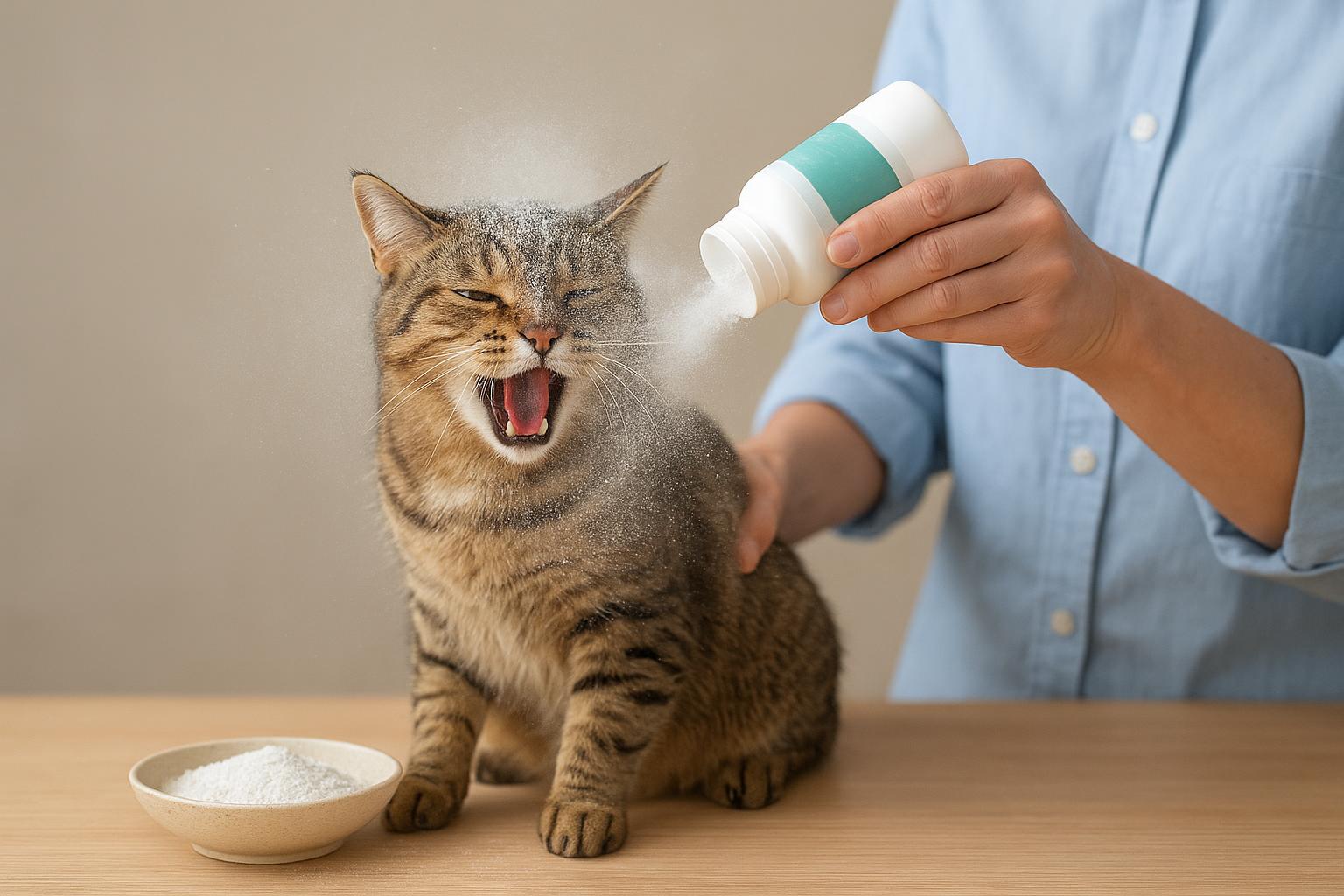
6. Apply Diatomaceous Earth (Optional And With Caution): If using food-grade diatomaceous earth, dampen the area lightly, then sprinkle a thin layer on carpets and let sit for 48 hours before vacuuming. Keep cats and people away until vacuuming to avoid respiratory irritation. Consult your vet before using.
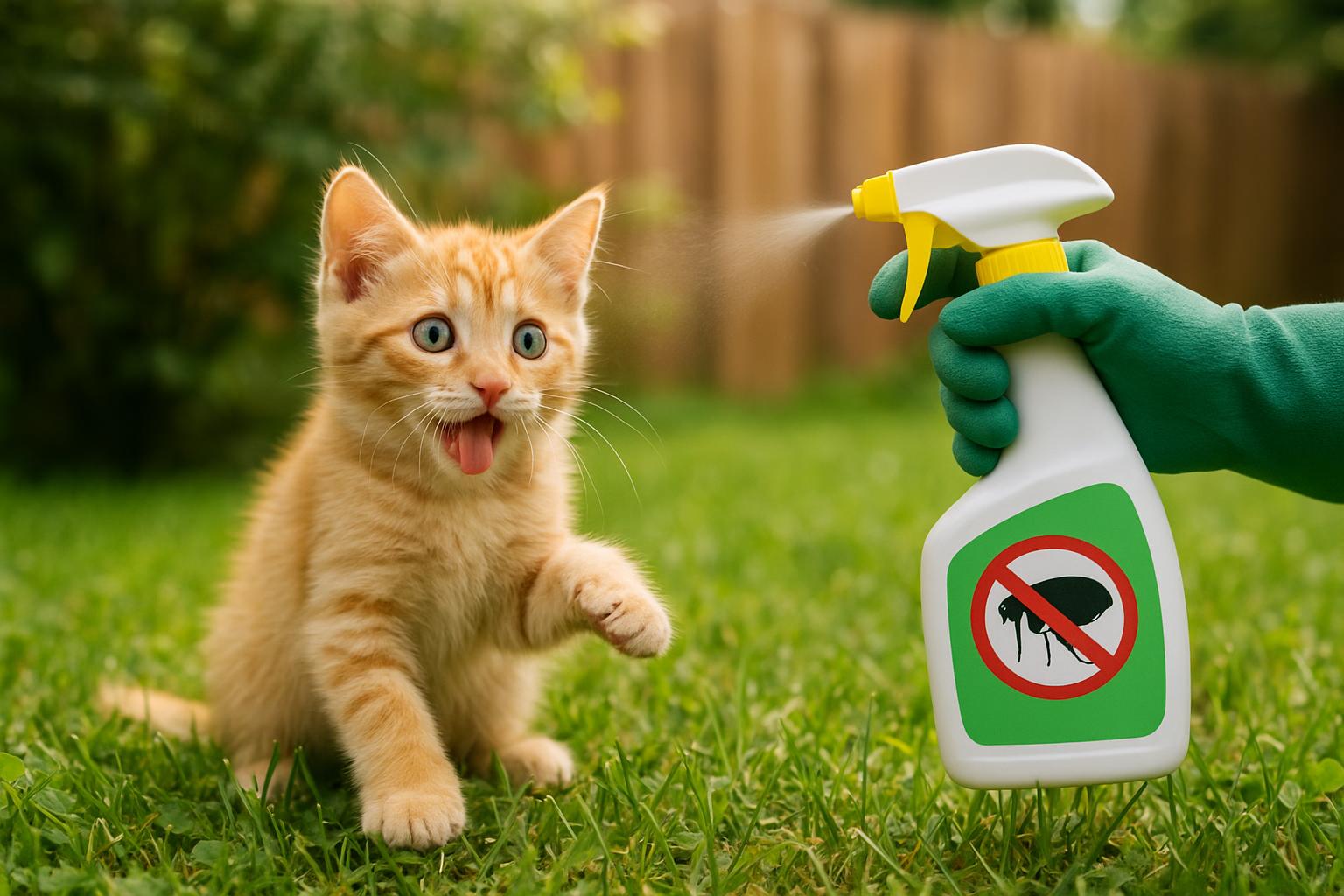
7. Address Outdoor Vectors: If you have plants, potted soil, or mulch near entries, reduce vegetation clutter, and consider creating a gravel or paved buffer zone to reduce wildlife hangouts. Trim low branches and discourage rodents.
8. Repeat And Combine: Environmental control is ongoing. Combine these steps with vet-recommended products for the cat to break the flea lifecycle.
### Additional Preventive Habits
#### Grooming And Regular Checks
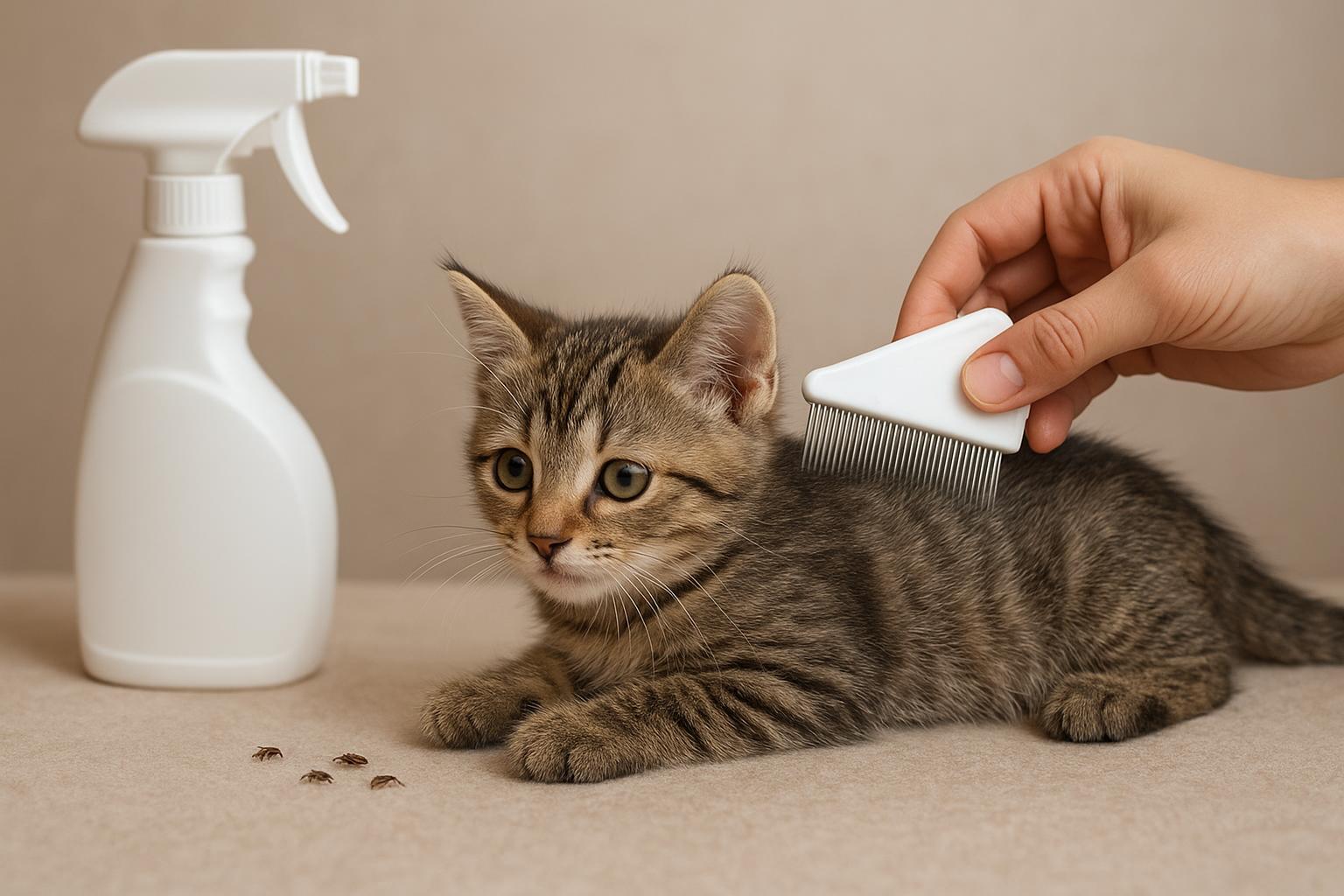
Use a flea comb once a week. Regular grooming helps you spot fleas or flea dirt early. Keep nail trims up to reduce skin damage from scratching.
#### Guest And Entryway Protocol
Ask visitors with pets to check for fleas and consider a no-shoes policy inside the house. Keep a tray of disinfectant mats or a small boot brush by the door.
#### Monitoring And Professional Help
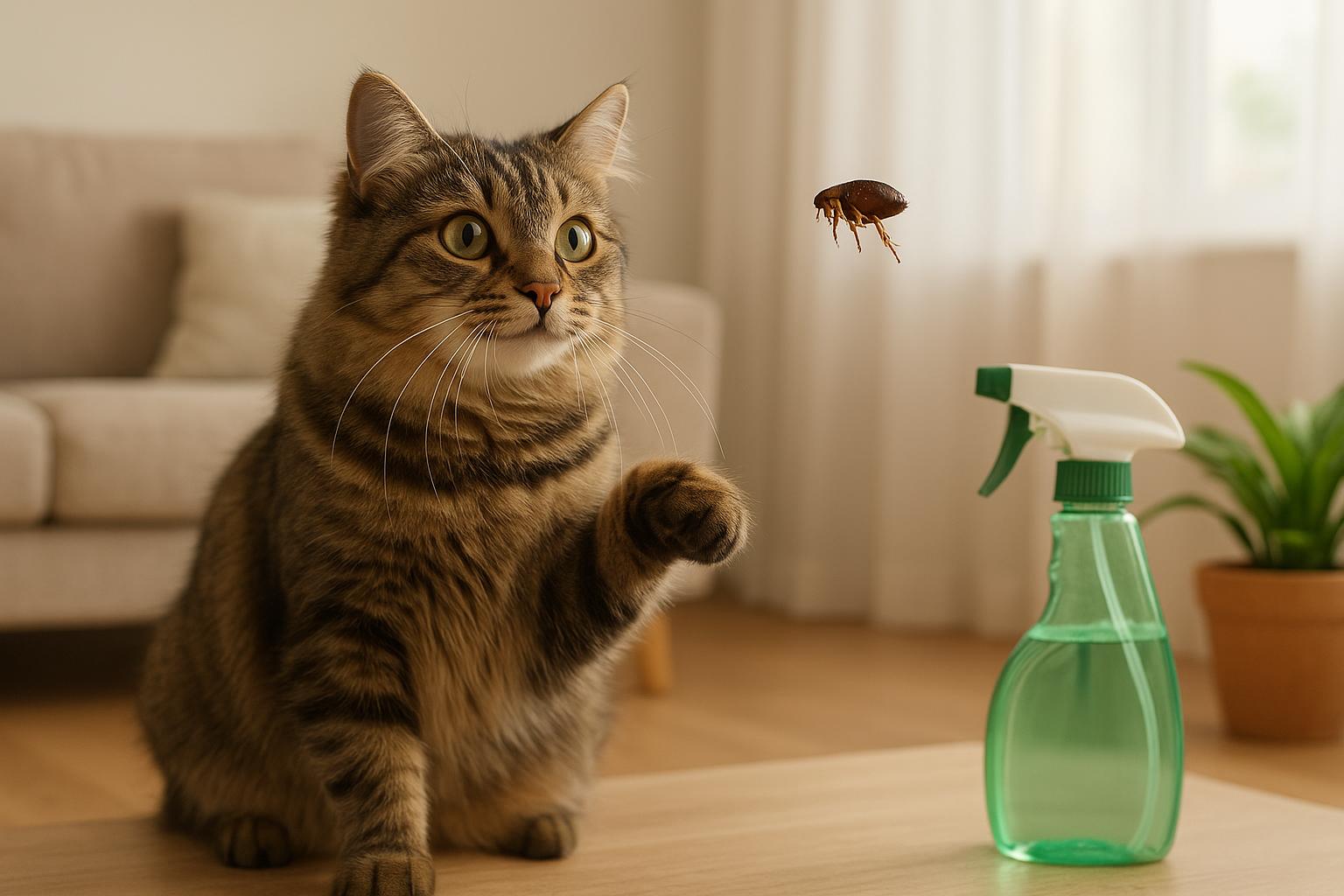
If you see persistent fleas despite treatment and cleaning, consult your vet and consider a licensed pest control operator experienced with pet-safe treatments. Over-the-counter sprays and foggers can be inconsistent and sometimes harmful if misused.
### The Role Of Continuous Prevention Indoors
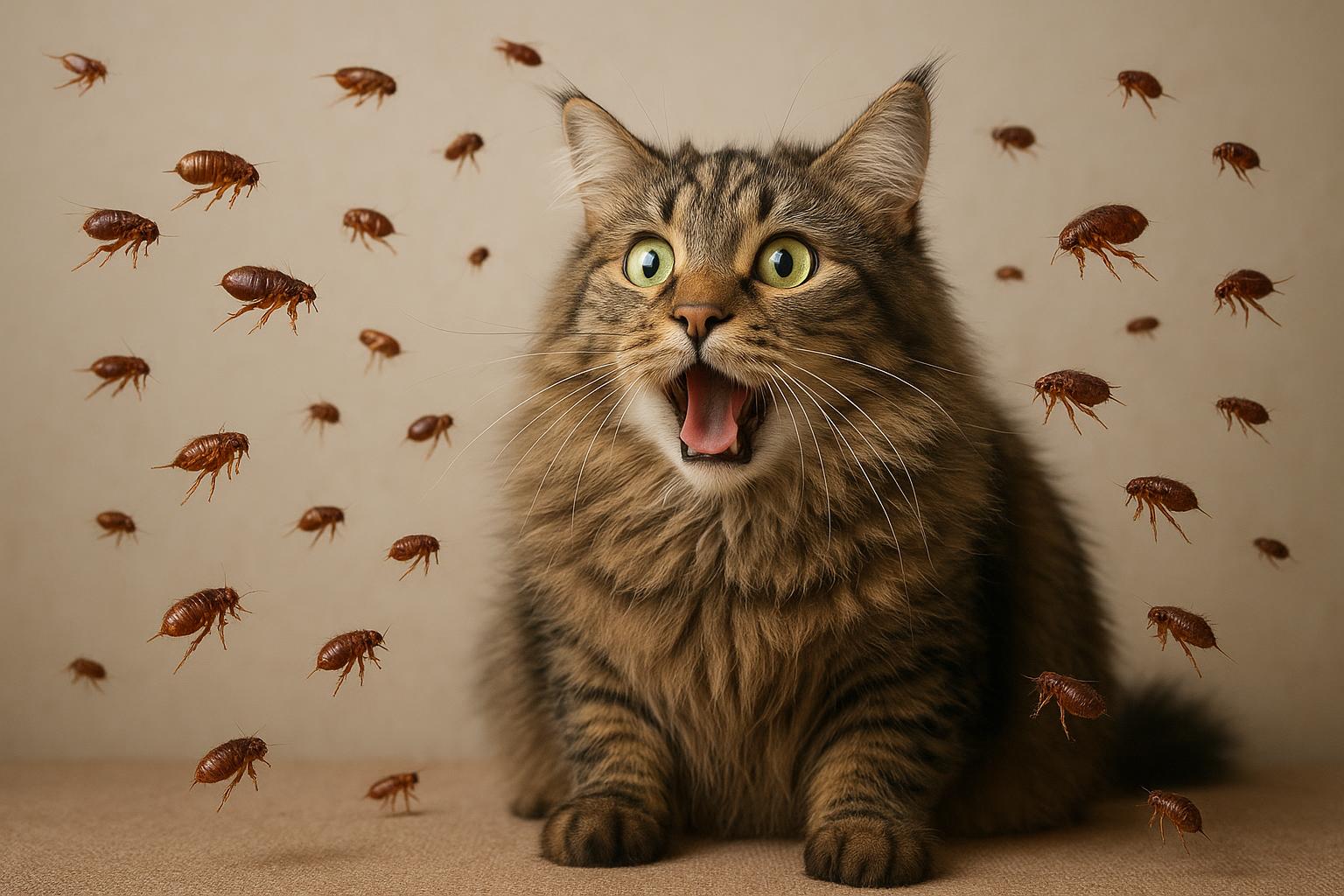
Flea prevention indoors is about breaking the lifecycle. Adult fleas are just the visible tip of an underground iceberg of eggs, larvae, and pupae. Combining a monthly vet-approved product with consistent household cleaning reduces the chance your indoor-only cat becomes a flea hotel.
### Quick FAQ Bite
#### Can I Use Human Products On My Cat?
No. Many human or dog products are toxic to cats. Always use cat-specific, vet-recommended items.
#### Are Natural Remedies Effective?
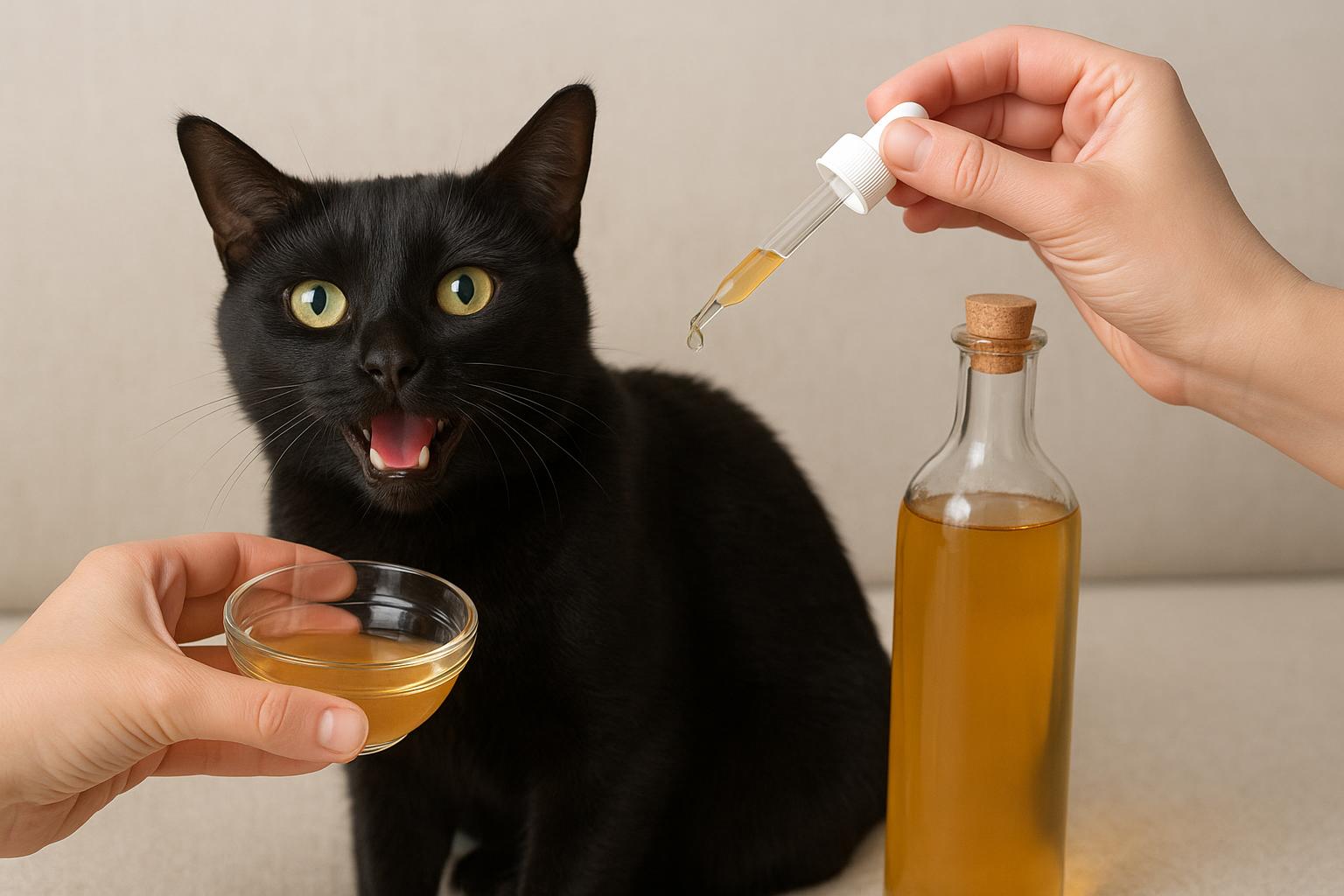
Some natural practices (vacuuming, washing bedding, sticky traps) help, but “natural” topical oils or essential oils can be harmful to cats. Only use veterinarian-approved natural products.
#### How Long Until The House Is Flea-Free?
With aggressive combined treatment (cat medicated + environmental cleaning), you can expect significant reduction within 2–6 weeks, though pupae can cause sporadic re-emergence unless the lifecycle is fully interrupted.
Keep the vibe relaxed, but keep the routine steady: regular checks, a reliable flea medication, and a home cleaning plan make flea prevention indoors manageable and effective.










Leave a Reply