
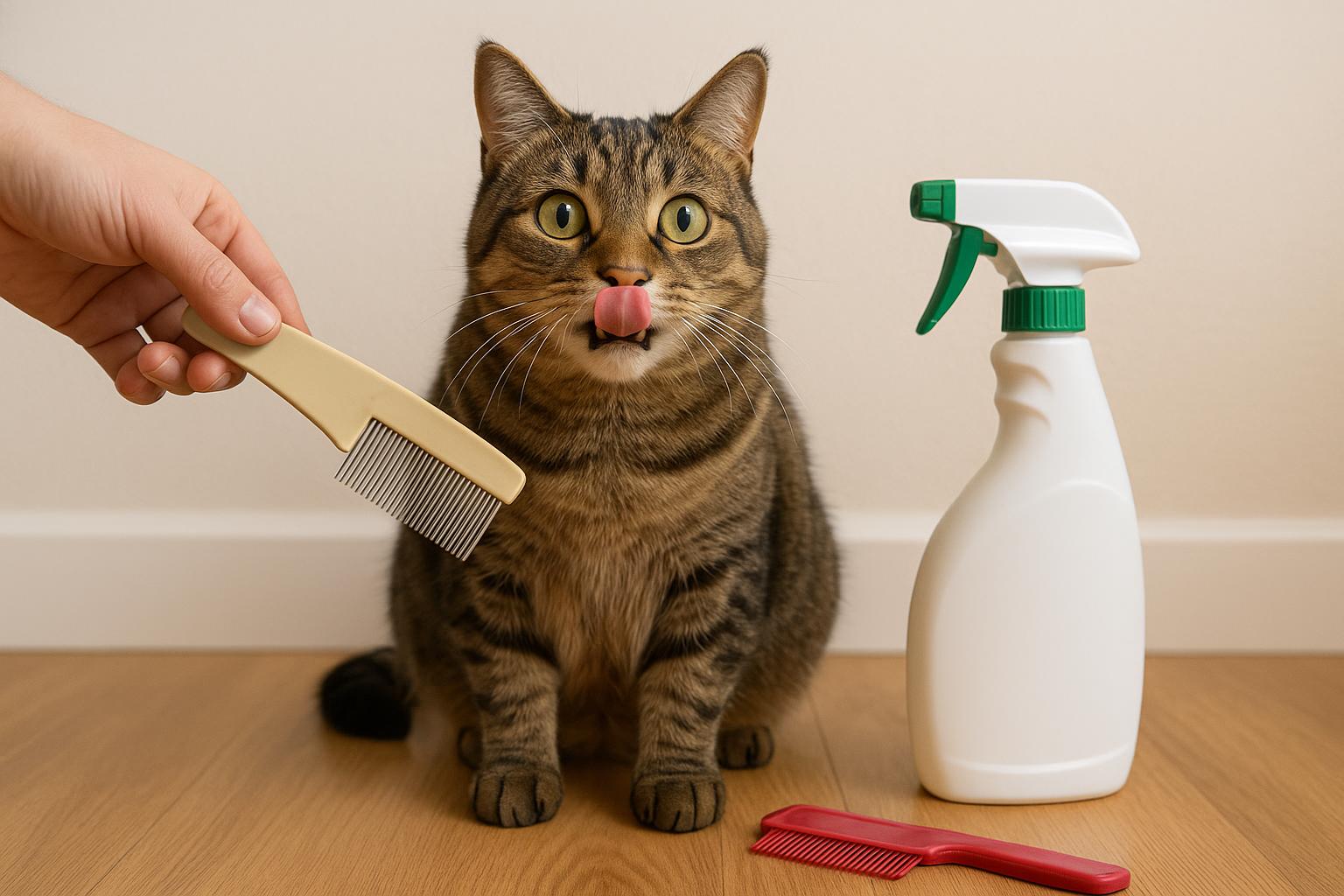
Welcome, fellow cat steward. If your indoor jungle includes a furry inspector of cushions and a connoisseur of sunbeams, you’ll want solid strategies to keep fleas off the guest list all year. This article walks through practical, humane, and science-backed ways to do just that — with a touch of warmth, a little practical humor, and clear, formal instructions where it matters most.
## Indoor Cat Prevention: Year-Round Flea Control Tips
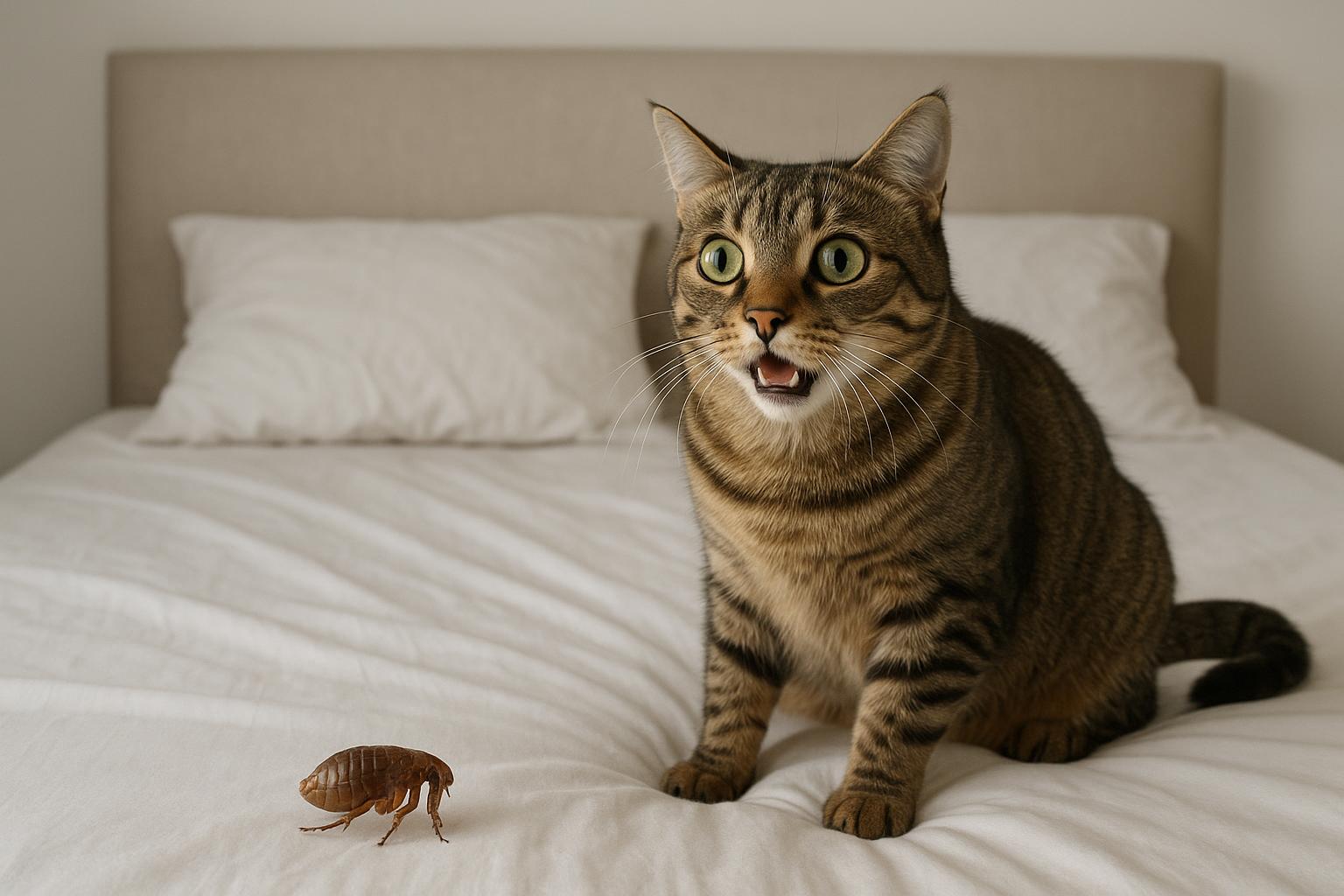
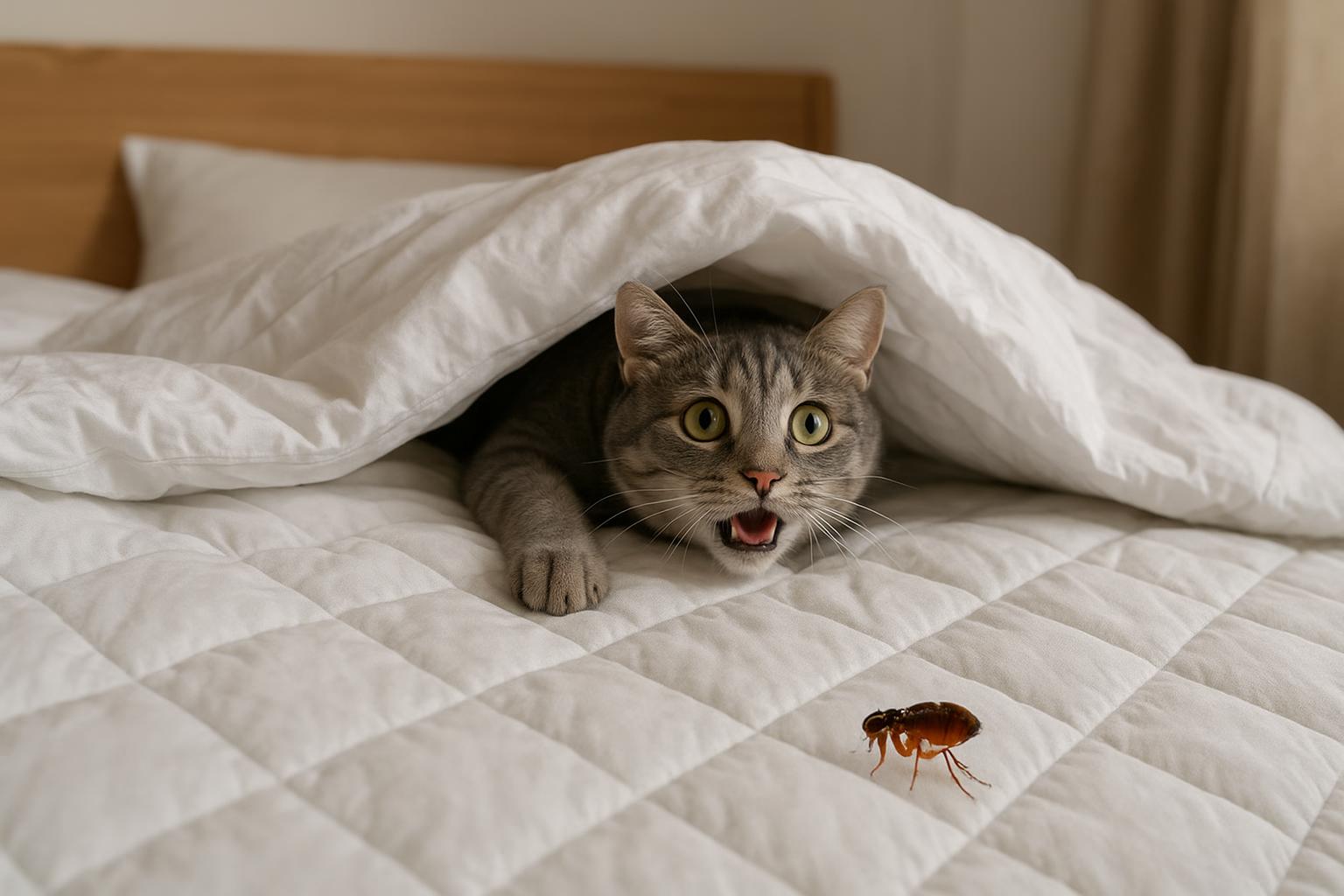
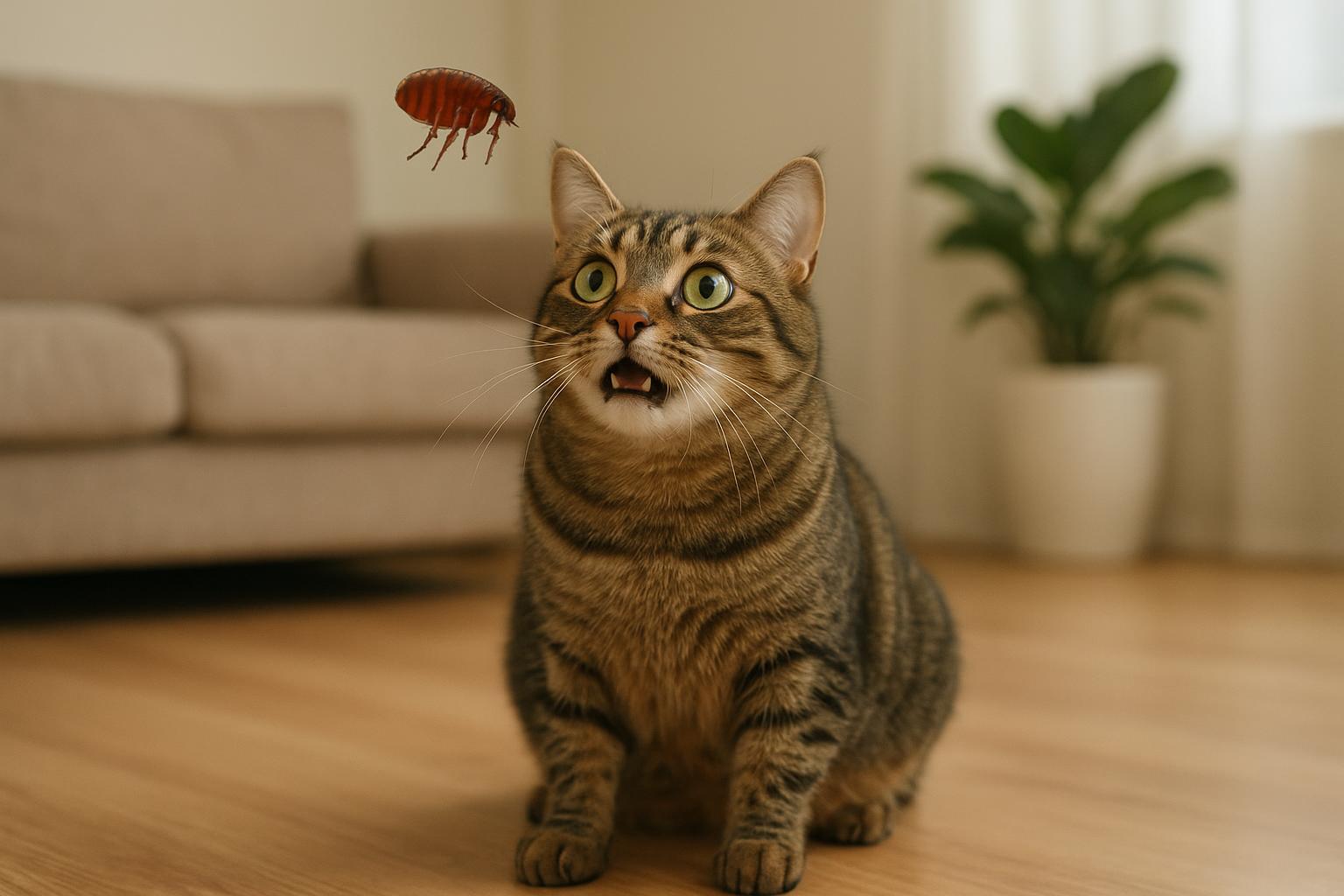
Indoor cats are safer than outdoor roamers, but they’re not immune. Fleas hitch rides on humans, other pets, and even hitchhike in on dry laundry. Effective indoor cat prevention focuses on breaking the flea life cycle and maintaining a clean, inhospitable environment for pests. Use a layered approach: prevention, monitoring, sanitation, and targeted treatments when necessary.
### How Fleas Find Their Way Inside
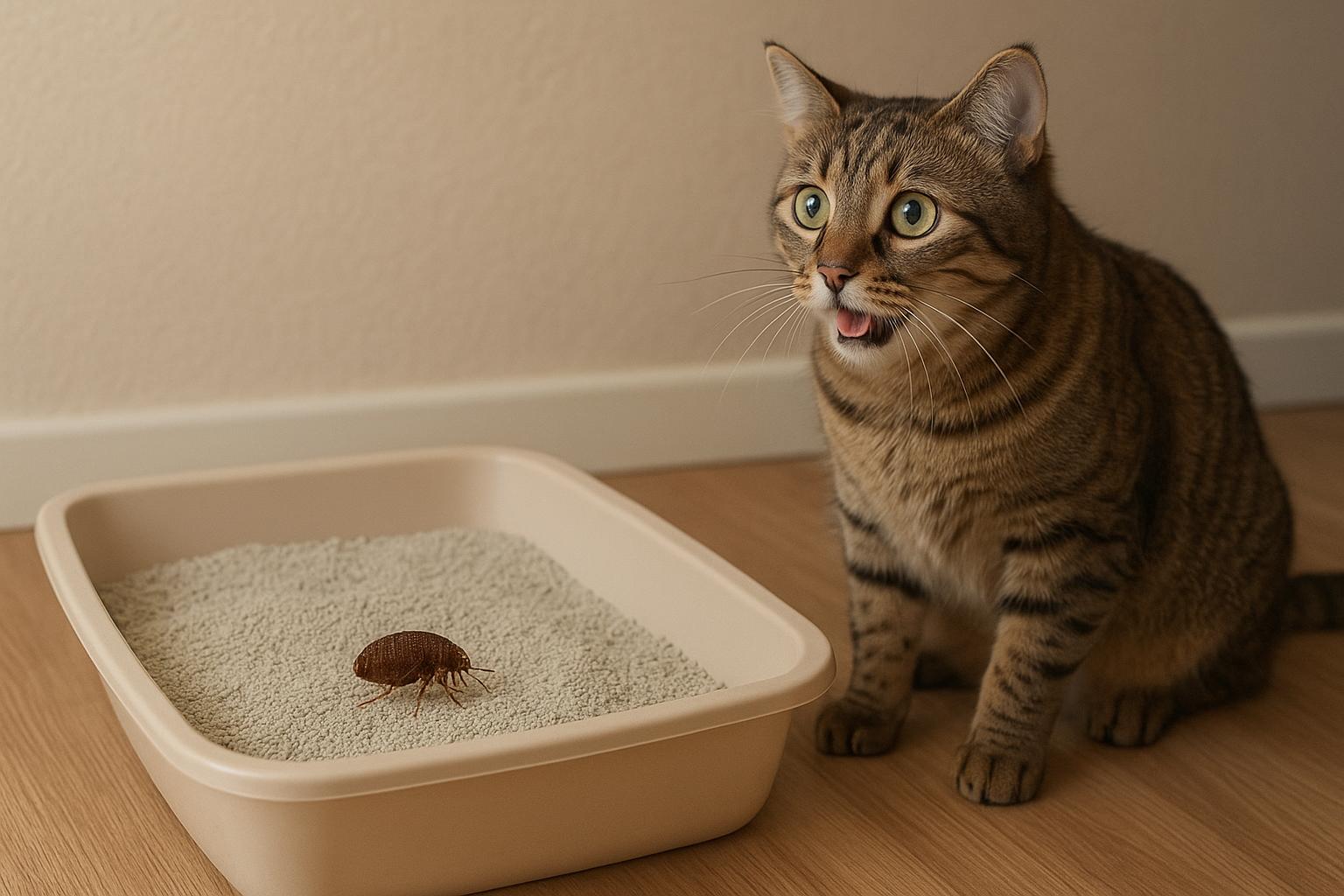
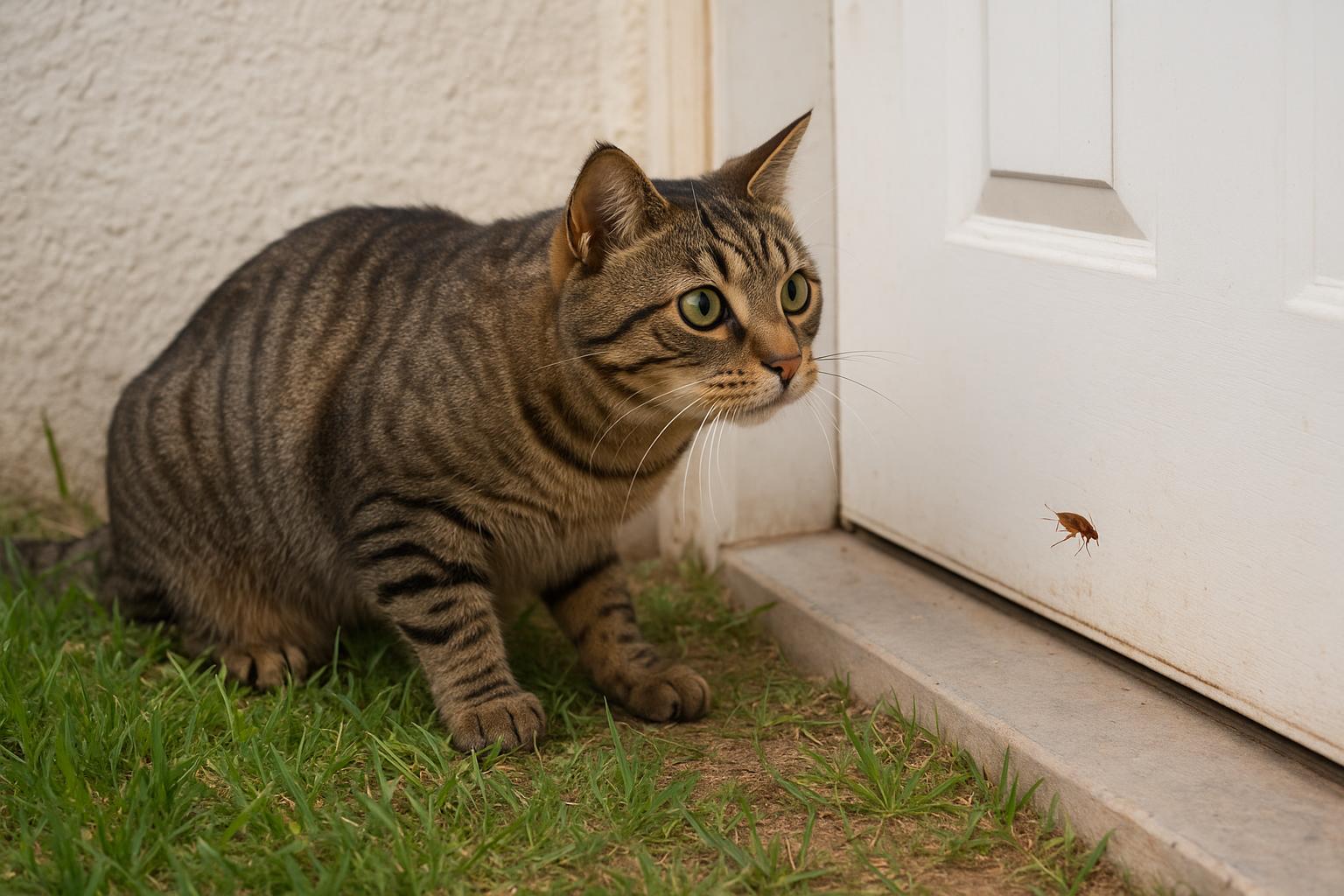
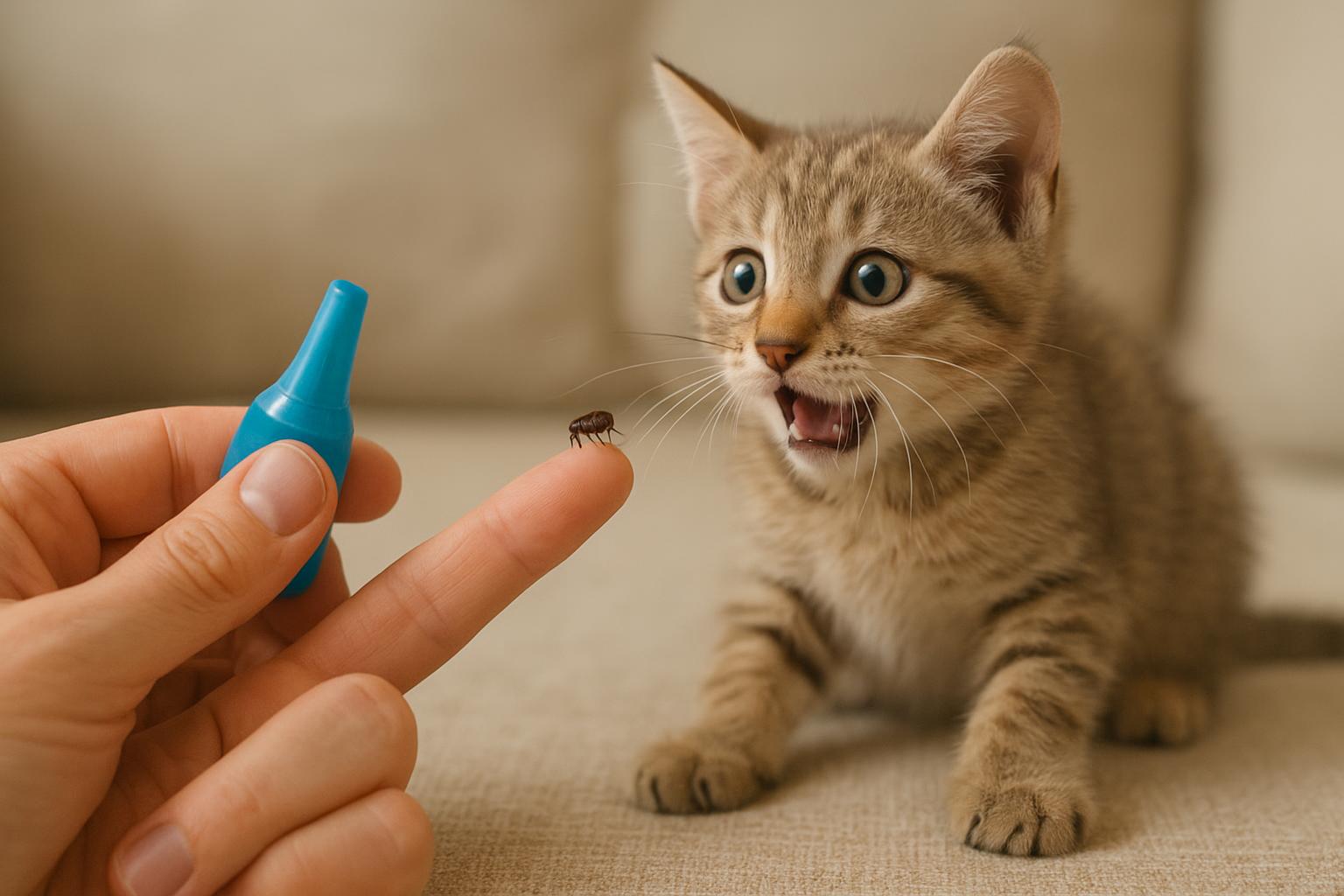
Fleas are tiny but resourceful. They can live in carpets, upholstery, and pet bedding, waiting for a warm host. Even if your cat never goes outside, guests, shoes, or a dog in the household can introduce fleas. Good indoor cat prevention starts with understanding where fleas hide (carpets, under furniture, and along baseboards) and how they reproduce — rapid egg-laying and resilient pupae make flea infestations stubborn if neglected.
### Signs Your Indoor Cat Has Fleas
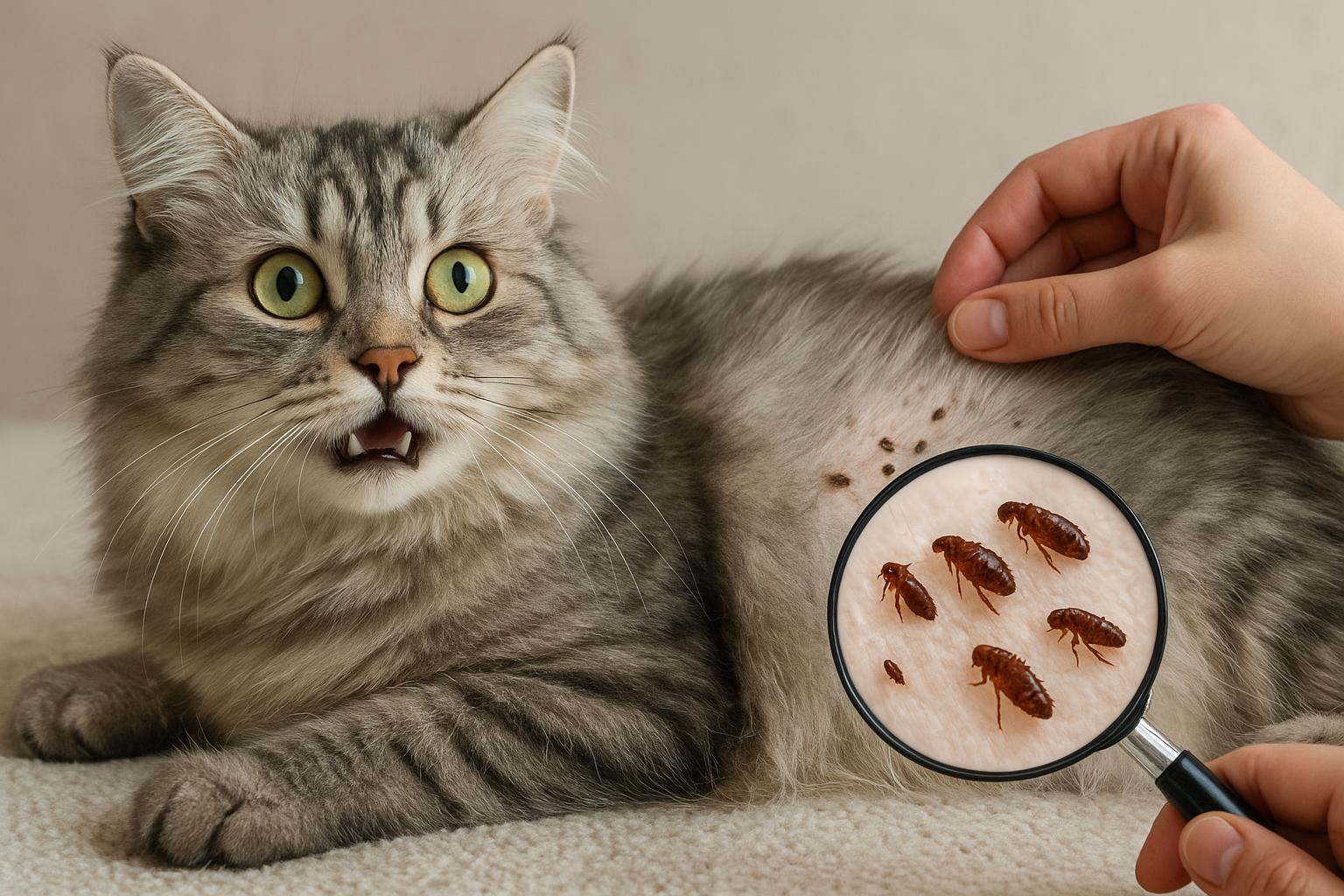
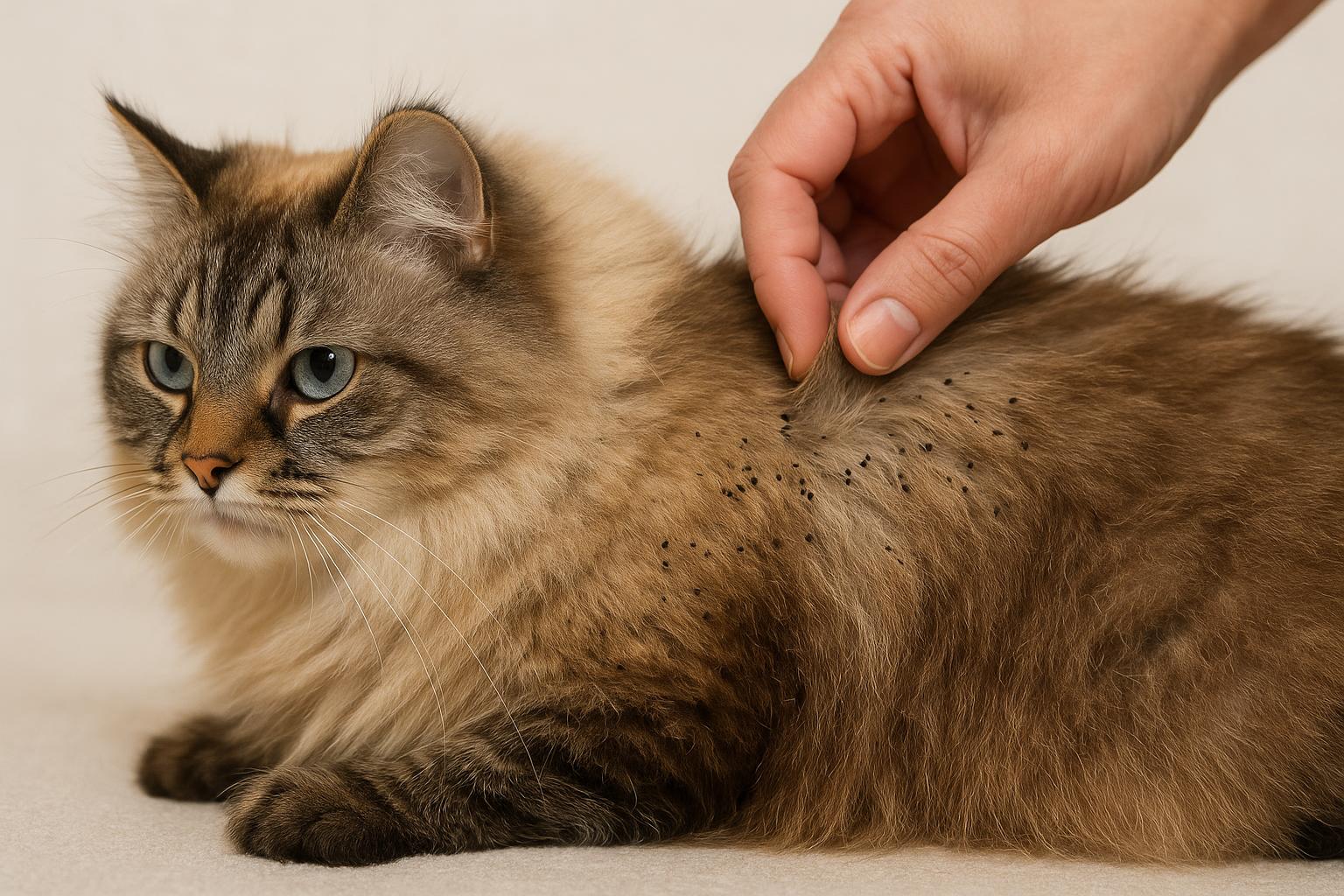
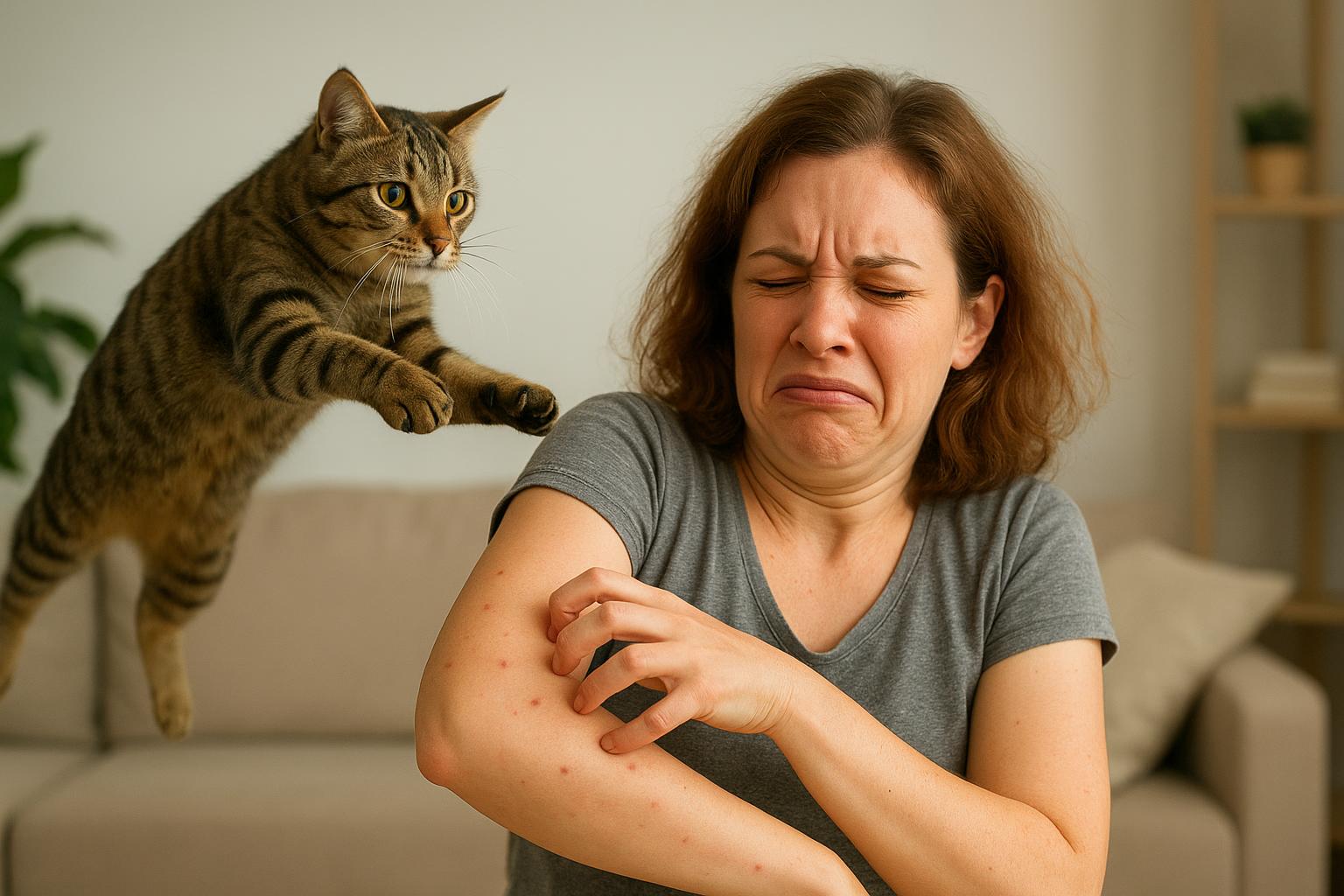
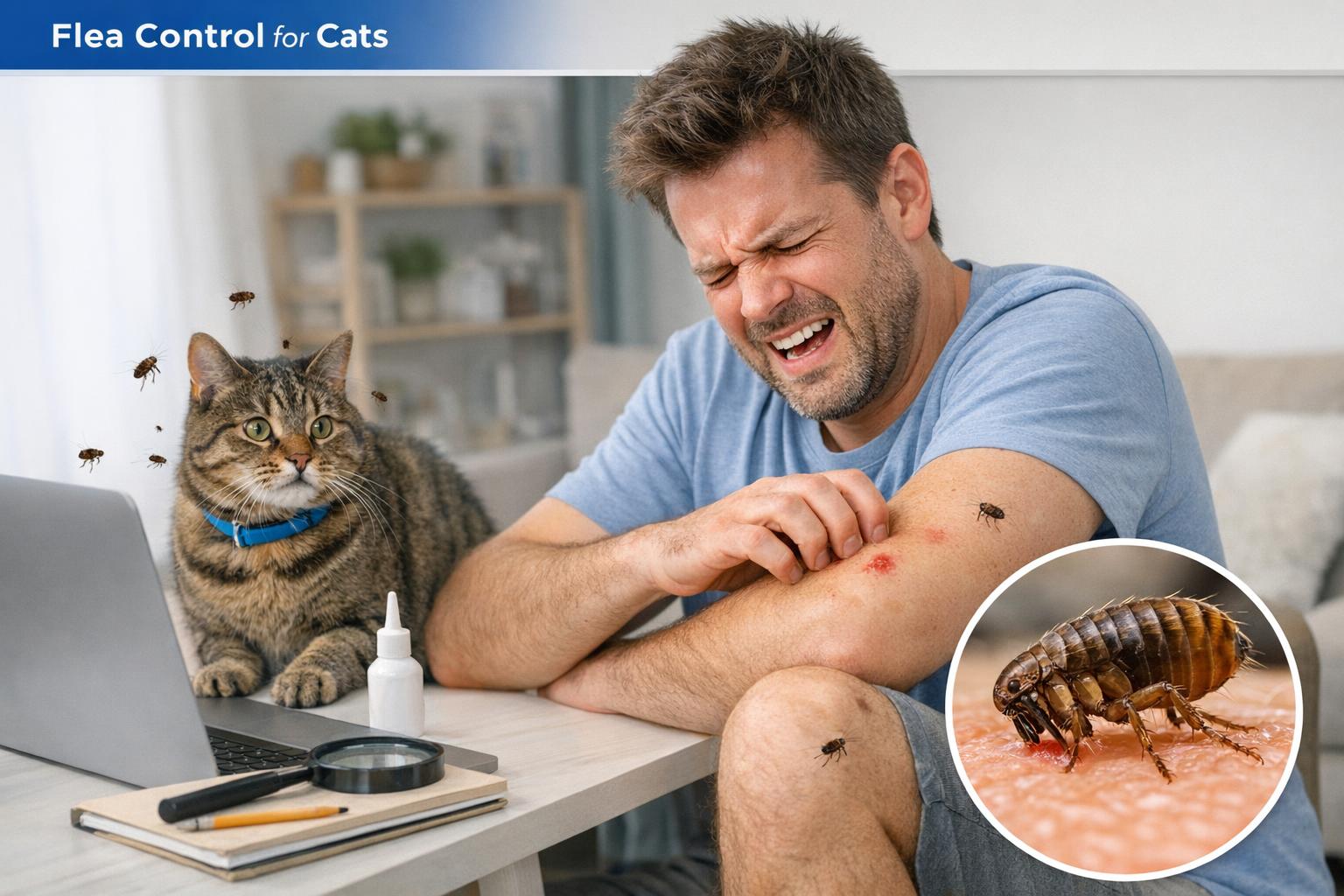
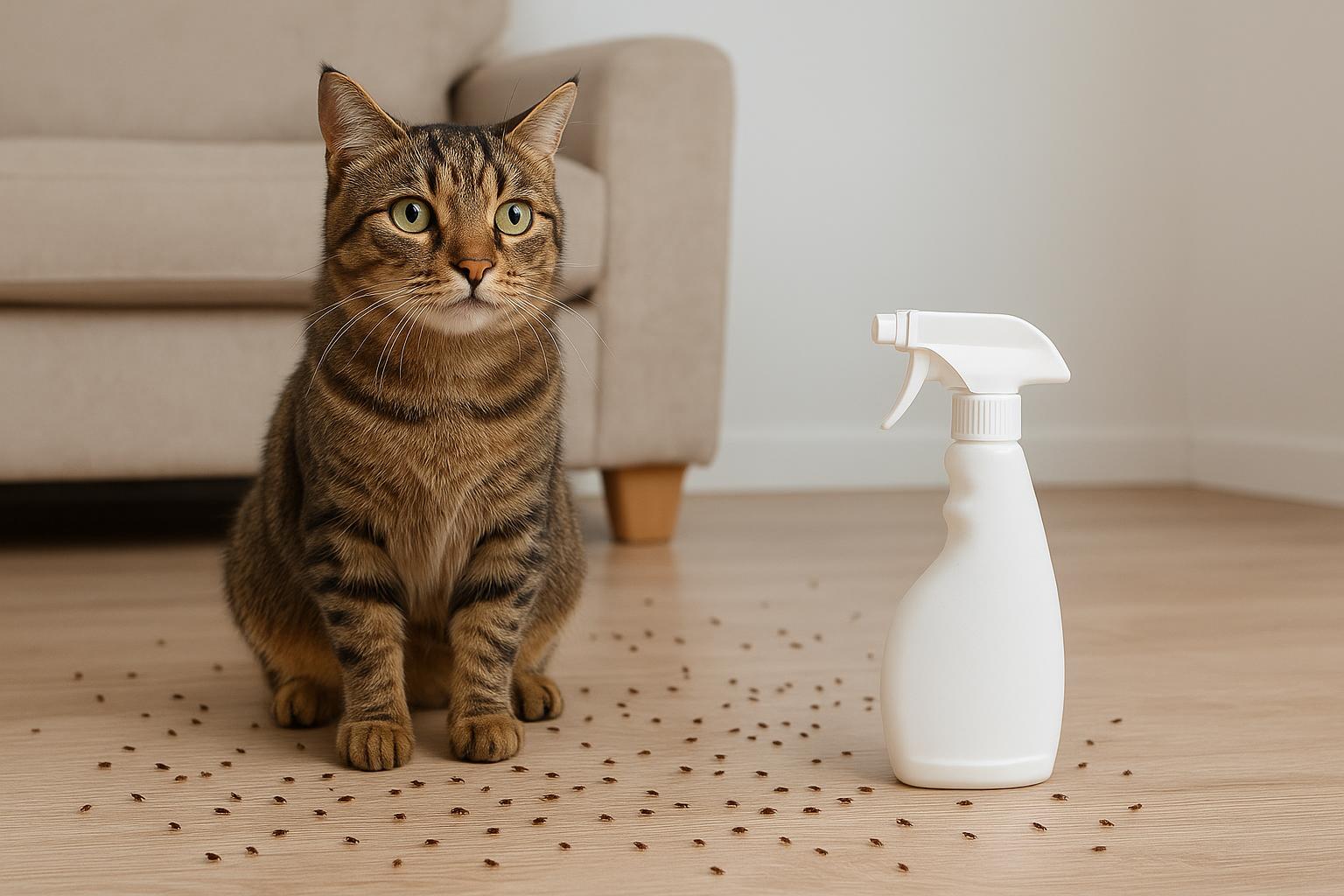
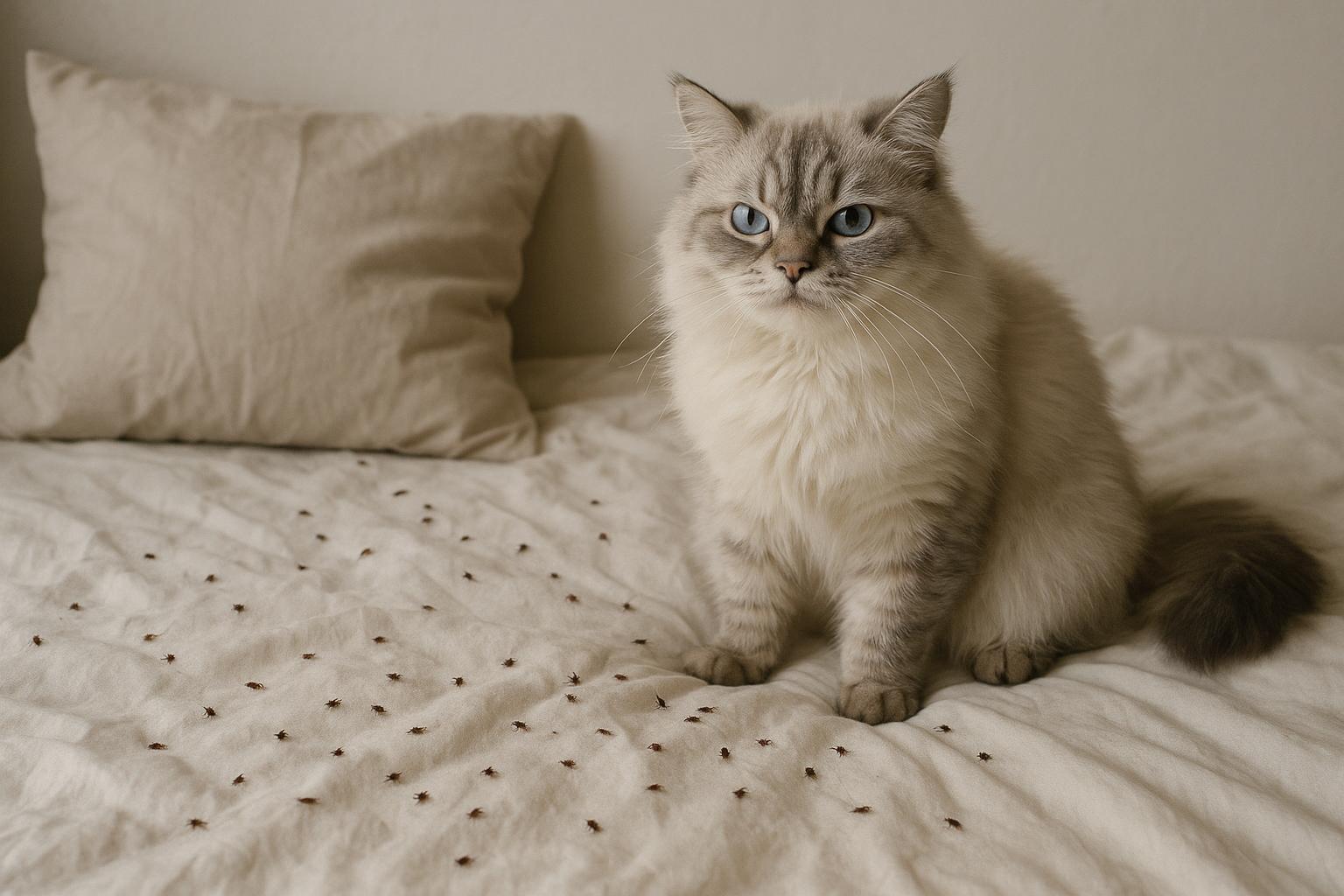
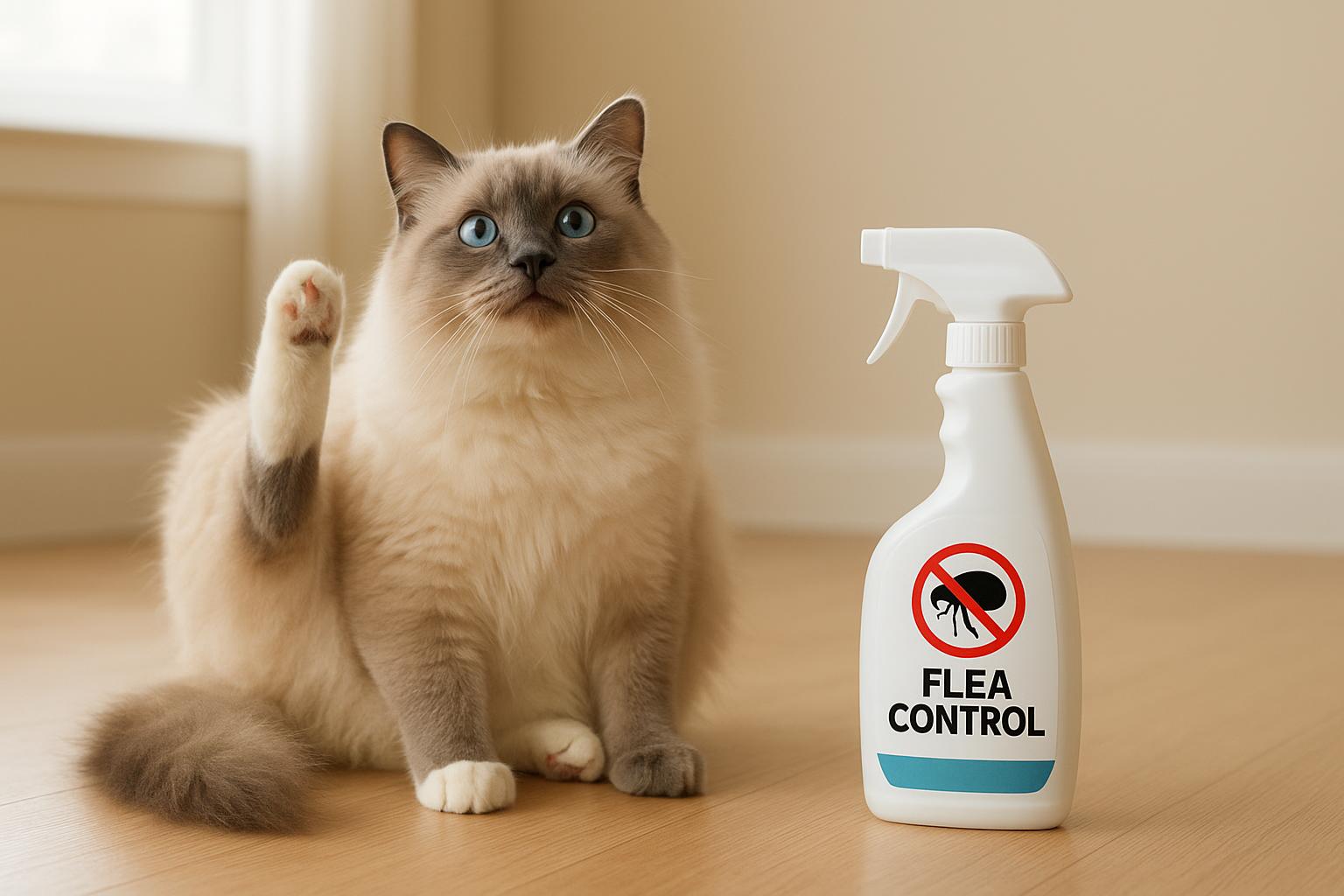
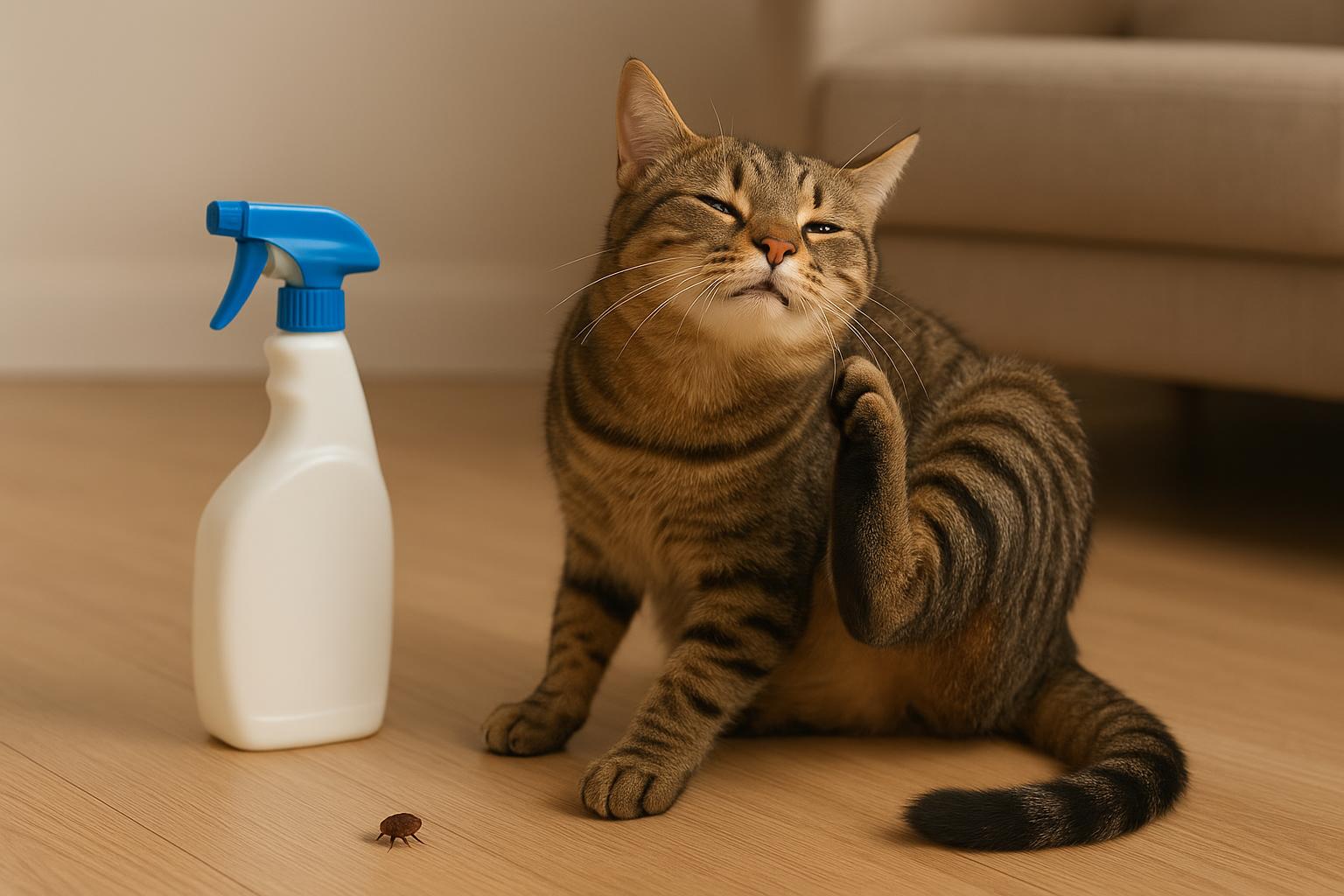
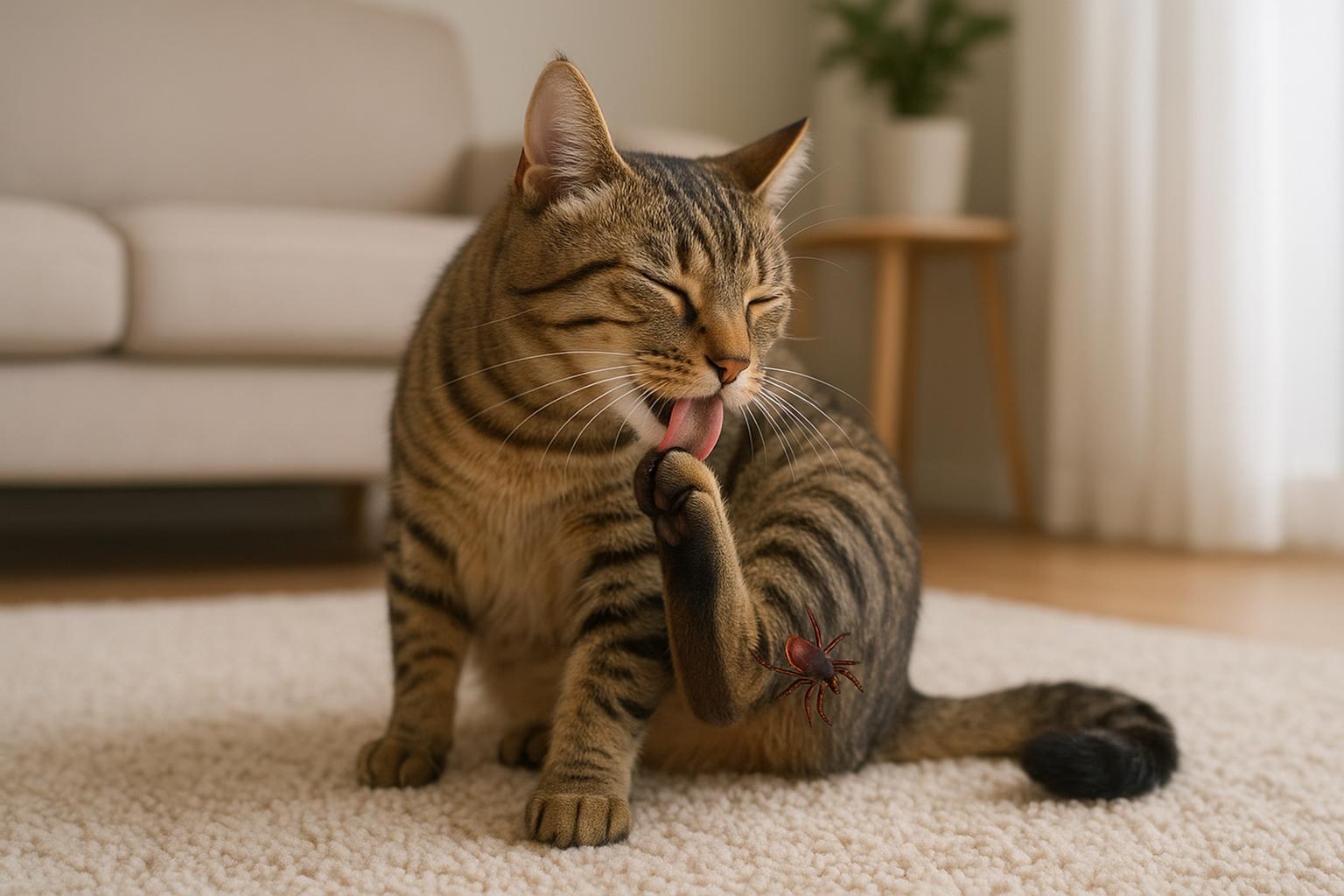
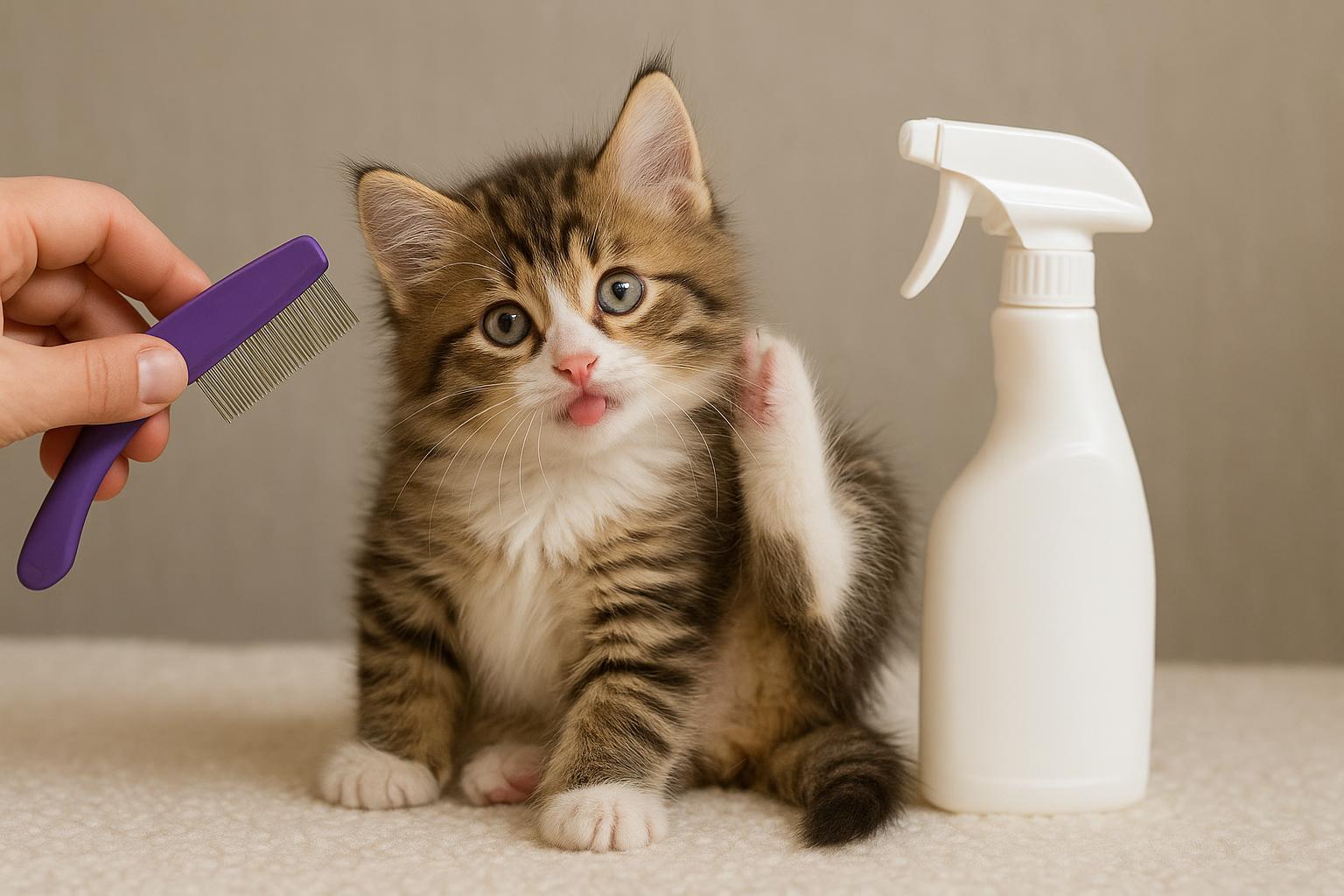
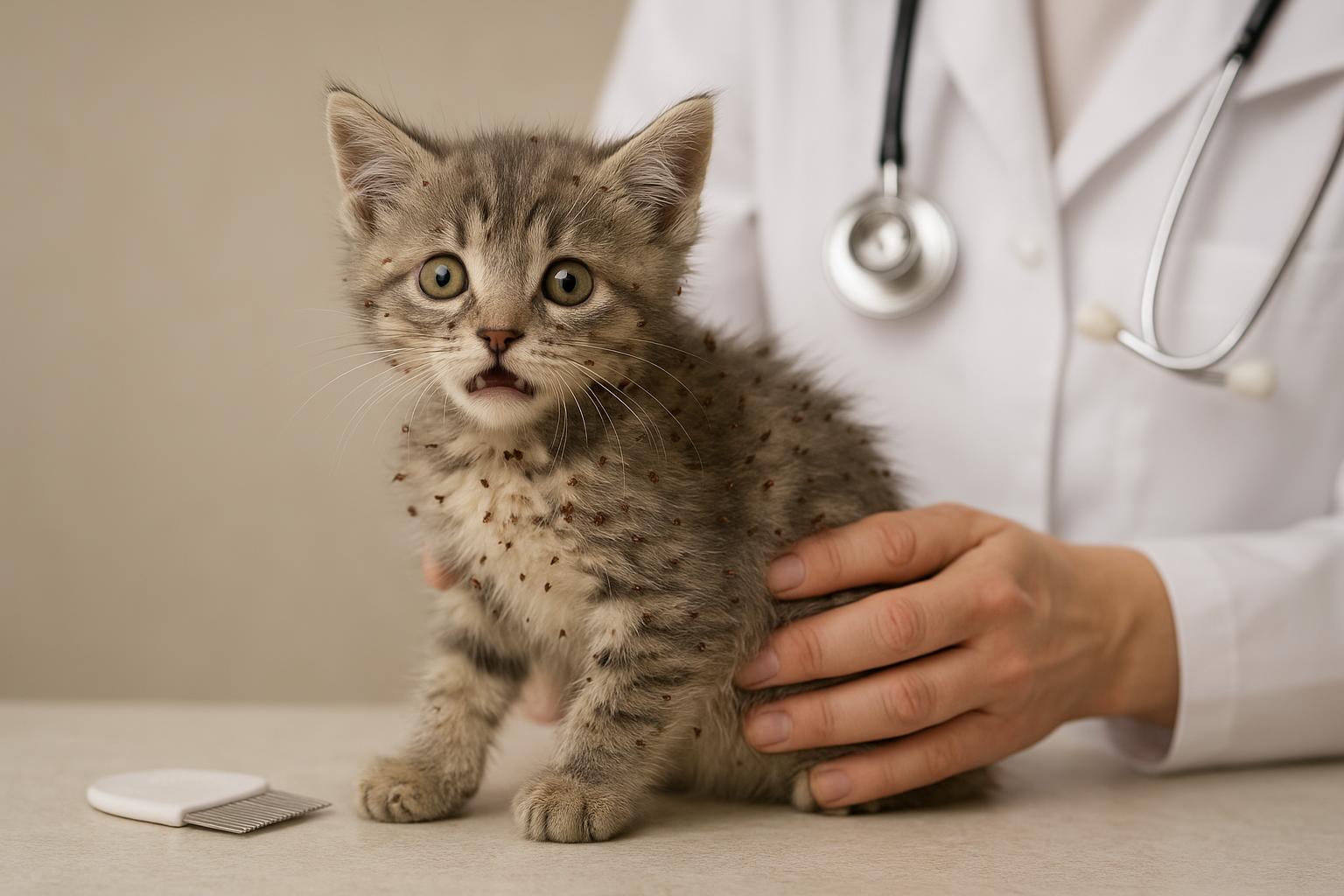
Watch for excessive scratching, hair loss, visible flea dirt (tiny black specks), or mature fleas on the skin. Some cats show allergic reactions to flea saliva, causing intense itching from even one bite. Regular checks and quick responses are key to effective indoor cat prevention.
## 1. Home Preventative Spray
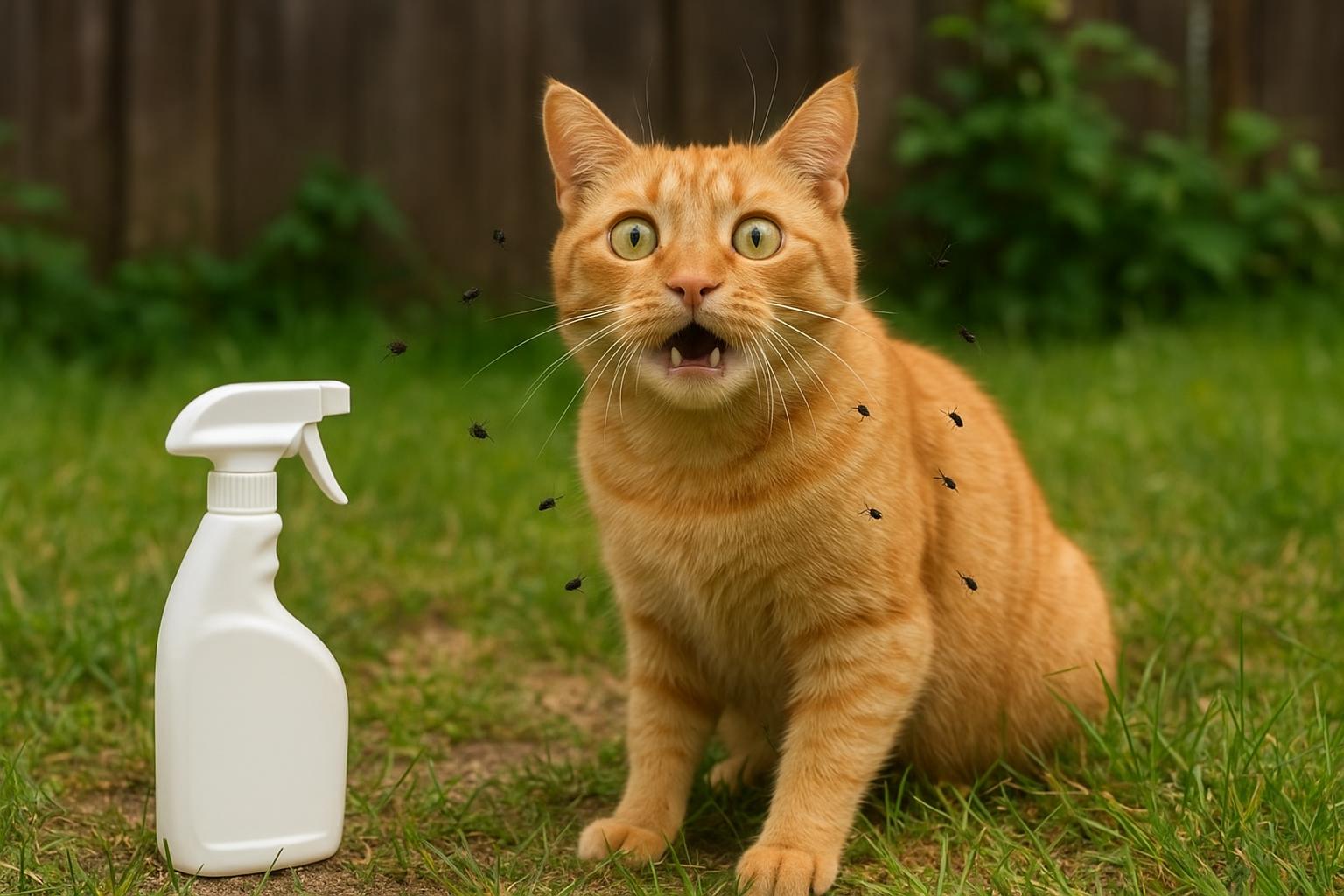
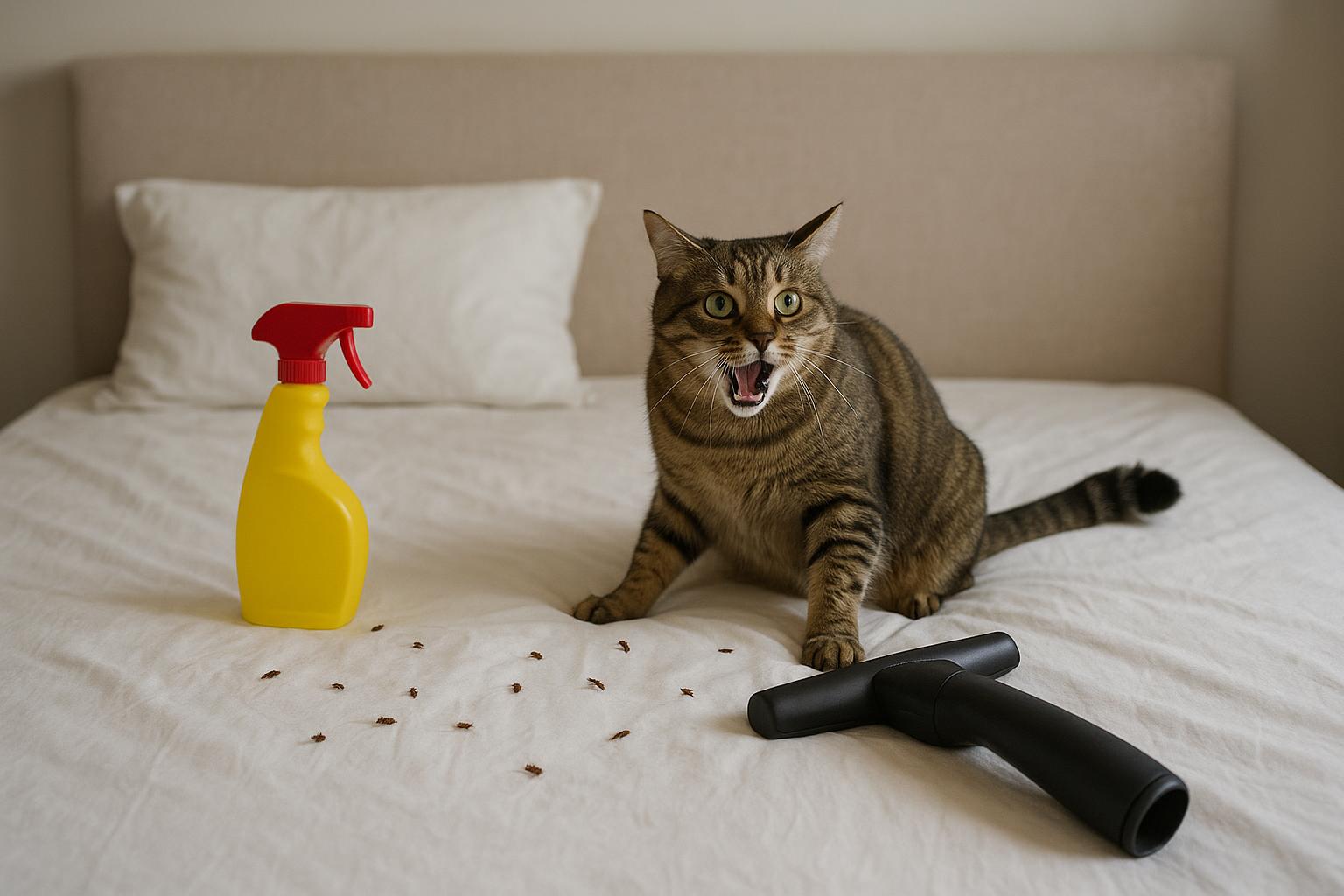
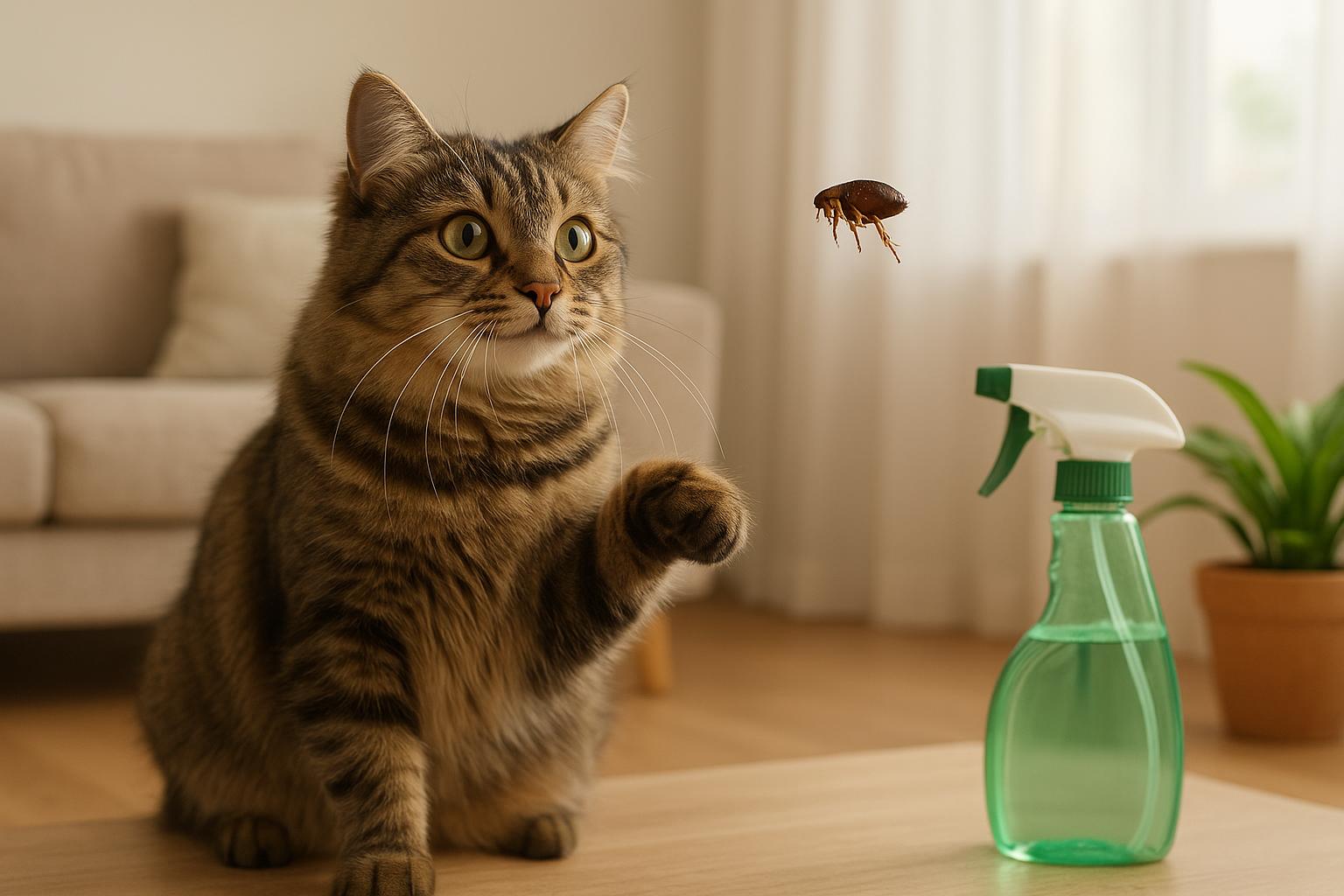
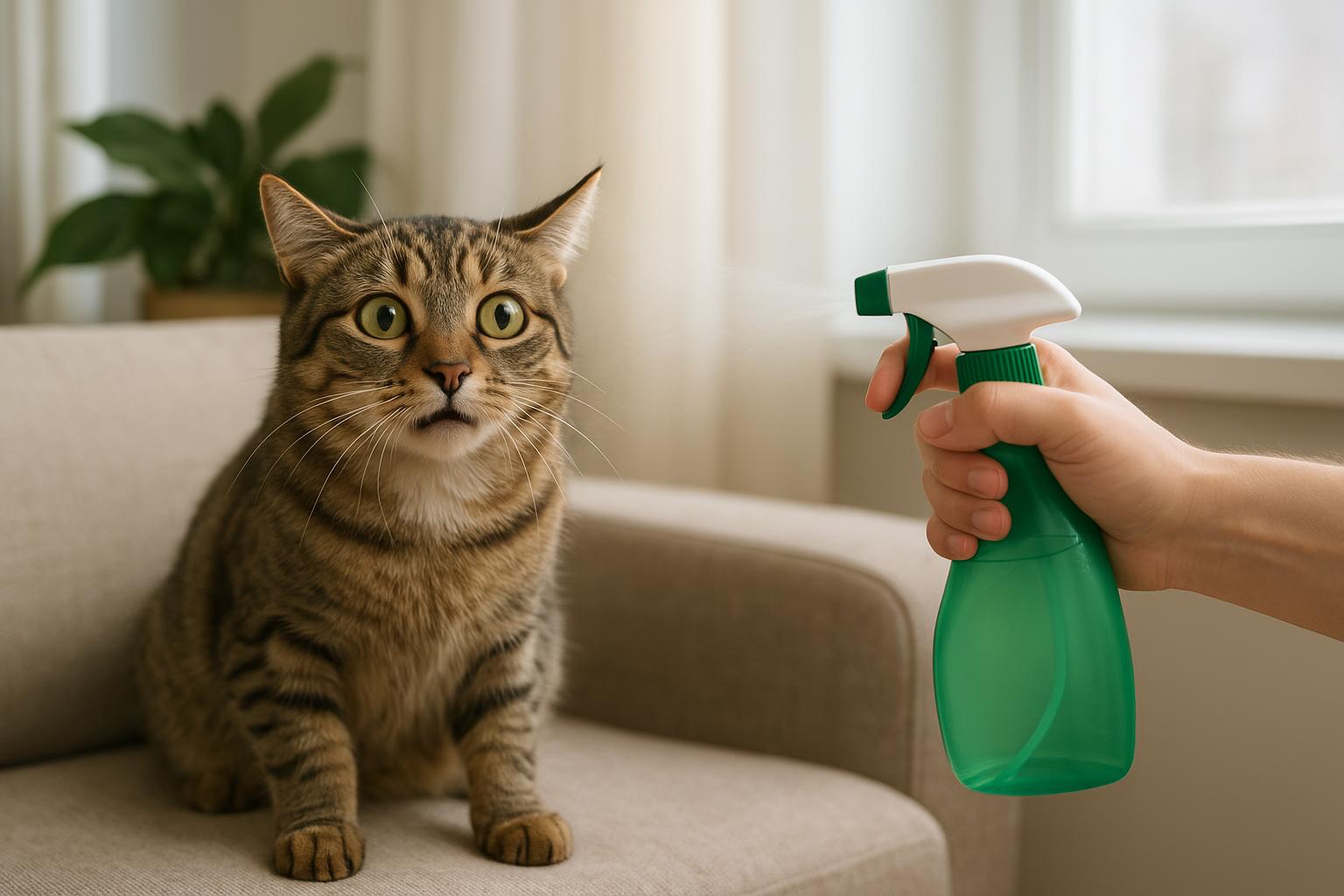
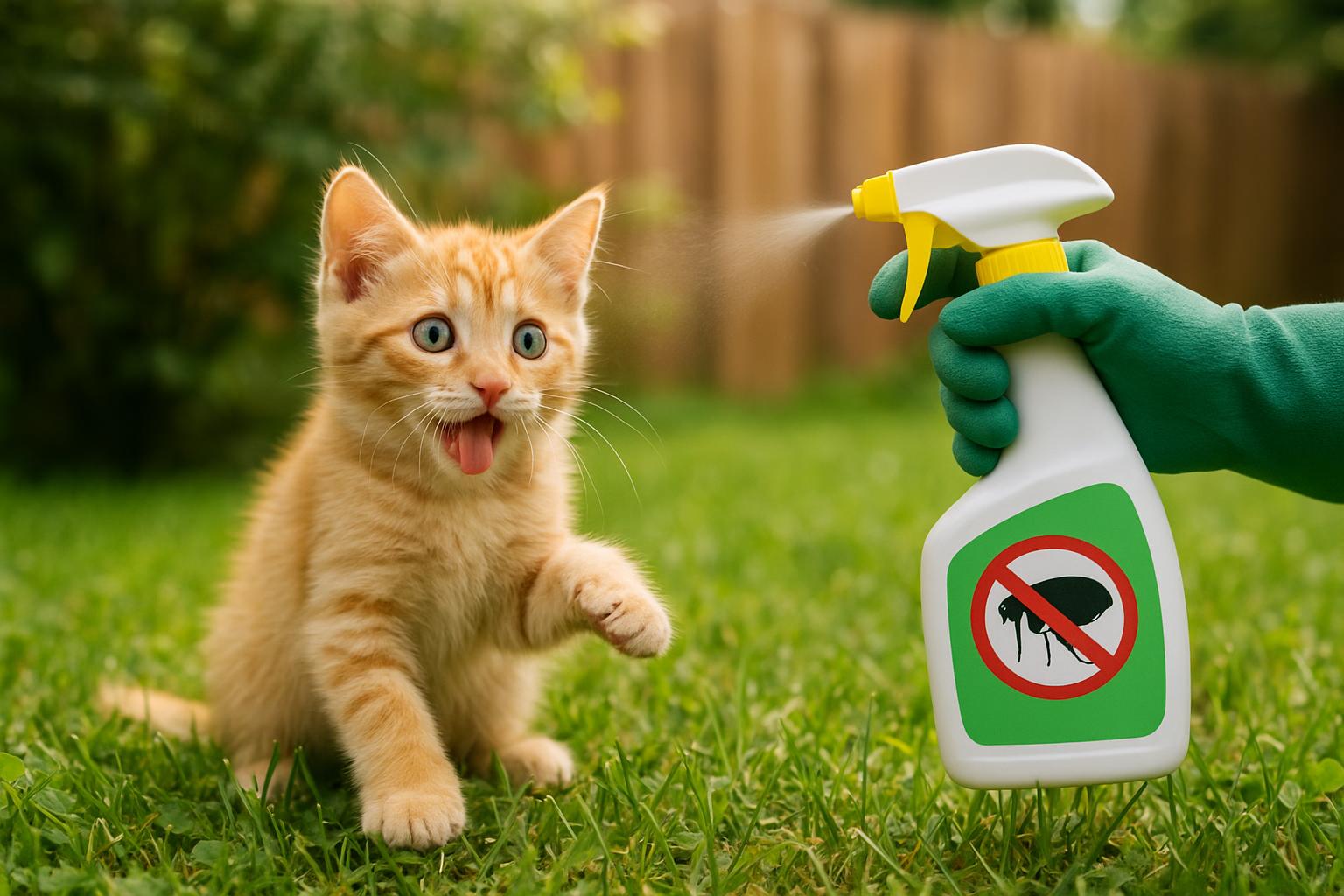
When discussing remedies, I’ll be formal and precise. This first remedy is a preventative spray you can make at home for general household use (not directly applied to cats). It reduces flea presence in fabrics and carpets and complements vet-approved cat treatments.
#### Ingredients And Materials
– 16 ounces (500 ml) distilled water
– 2 ounces (60 ml) 70% isopropyl alcohol (evaporates quickly)
– 1 ounce (30 ml) white vinegar
– 15 drops lavender essential oil (repellent properties; optional)
– 10 drops cedarwood essential oil (repellent properties; optional)
– Clean spray bottle (preferably glass)
#### Creation And Application Steps
1. Sanitize your spray bottle with hot water and vinegar, then rinse.
2. Combine distilled water, isopropyl alcohol, and white vinegar in the bottle.
3. Add essential oils; secure cap and shake gently to mix.
4. Test on an inconspicuous fabric patch for colorfastness.
5. Spray lightly on carpets, upholstery edges, and pet bedding (avoid direct misting on cats or their food water bowls).
6. Allow treated areas to dry before allowing pets back in the room.
7. Reapply weekly or after heavy cleaning/activity. Store away from heat and sunlight.
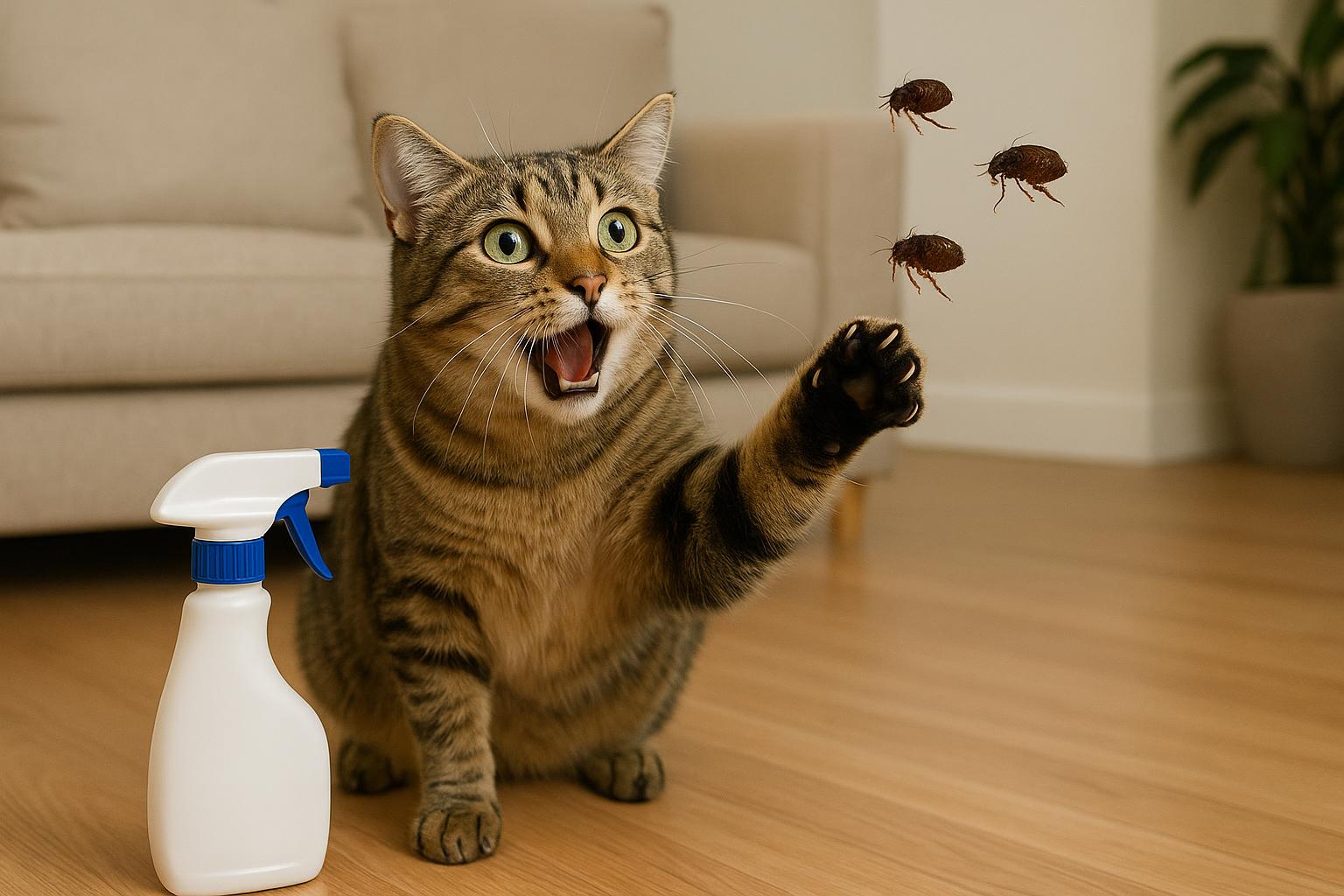
This spray discourages fleas from settling and helps with ongoing indoor cat prevention when used alongside mechanical cleaning (vacuuming, laundering).
## 2. Diatomaceous Earth Treatment For Fabrics
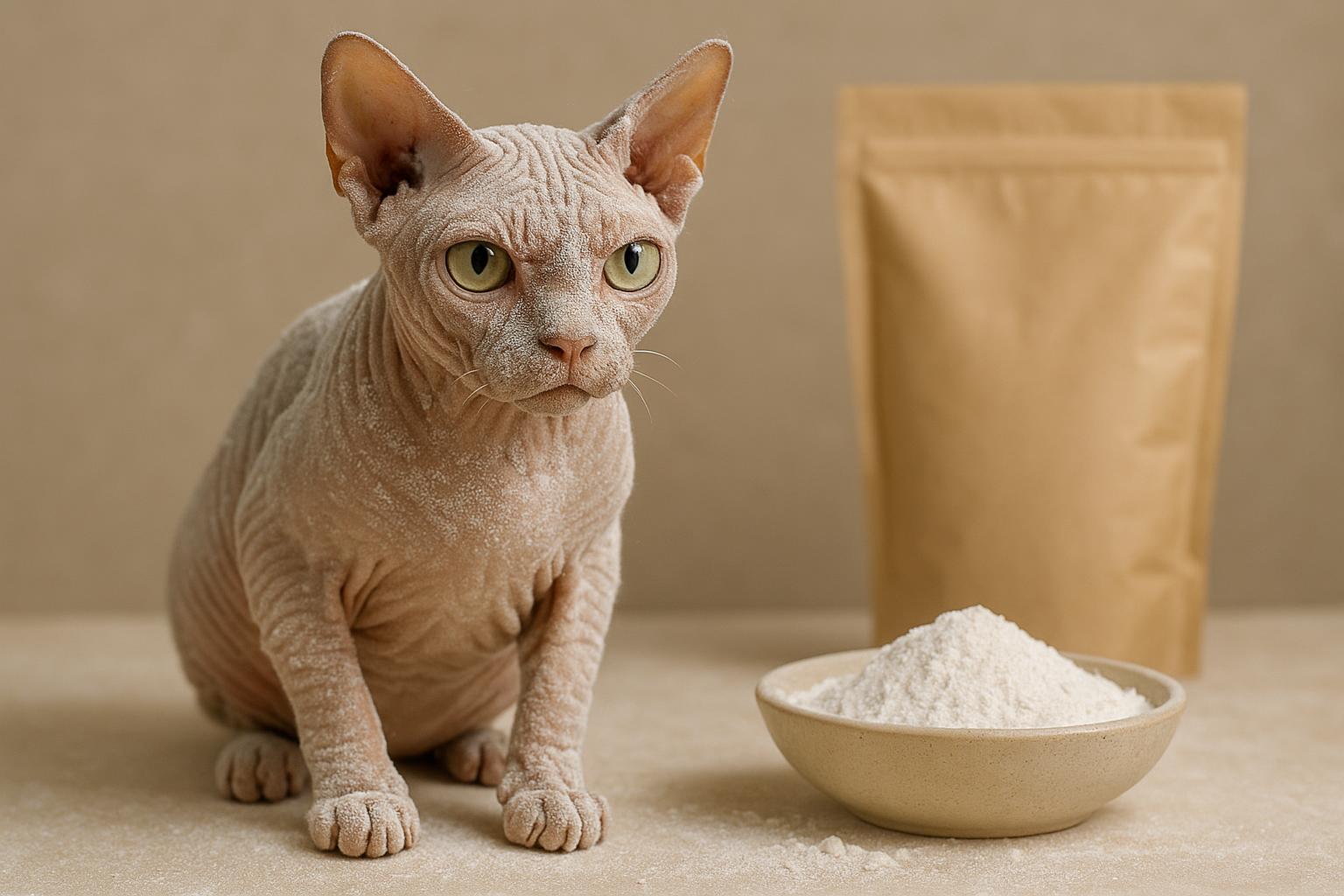
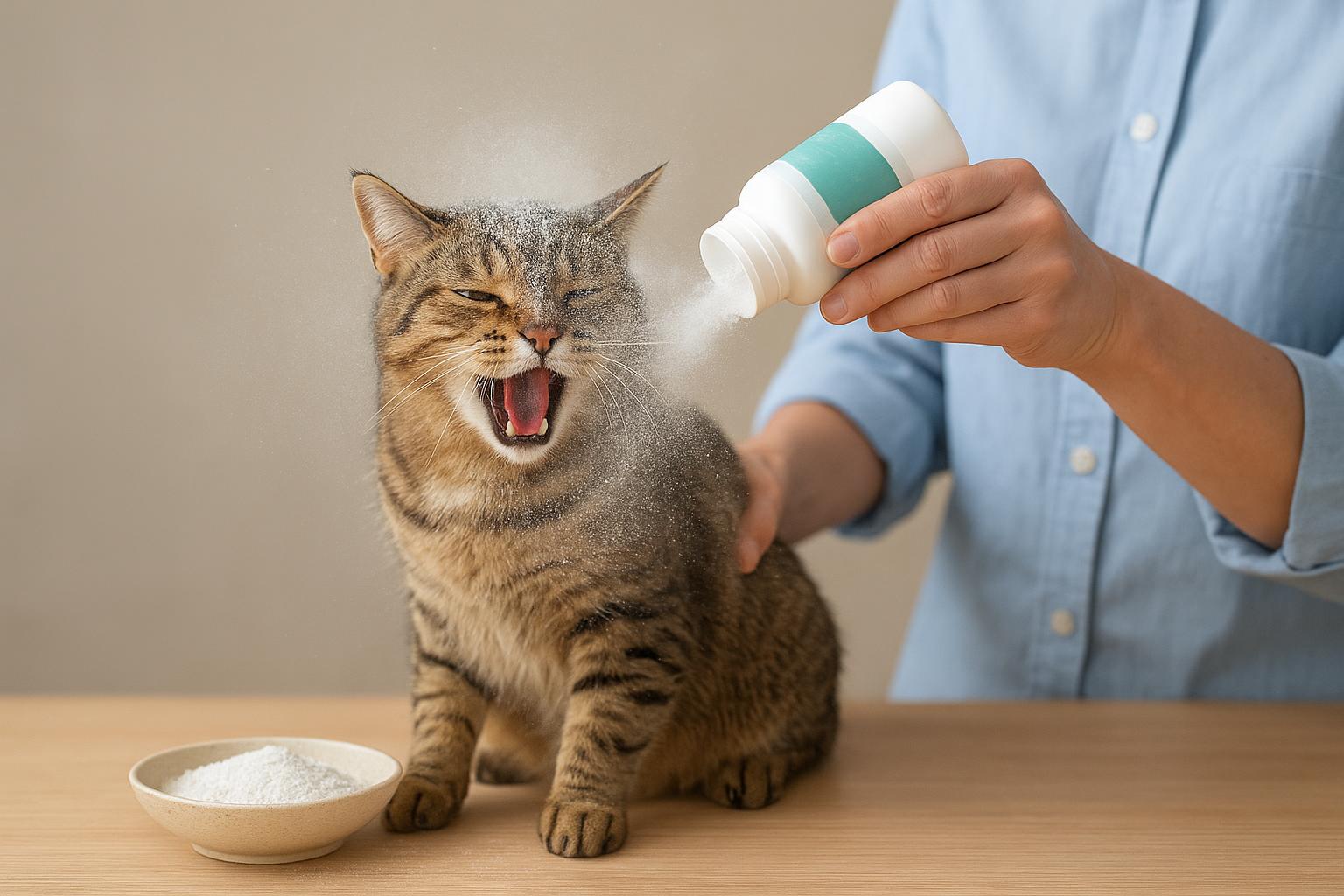
Diatomaceous earth (food grade) is a mechanical desiccant that can be a safe, effective addition to an indoor cat prevention plan when used correctly.
#### Ingredients And Materials
– Food-grade diatomaceous earth (DE)
– Mask and gloves for application
– Fine sieve or duster
– Vacuum cleaner with HEPA filter
– Protective covering for pet bedding (optional)
#### Creation And Application Steps
1. Wear a mask and gloves to avoid inhalation/skin irritation.
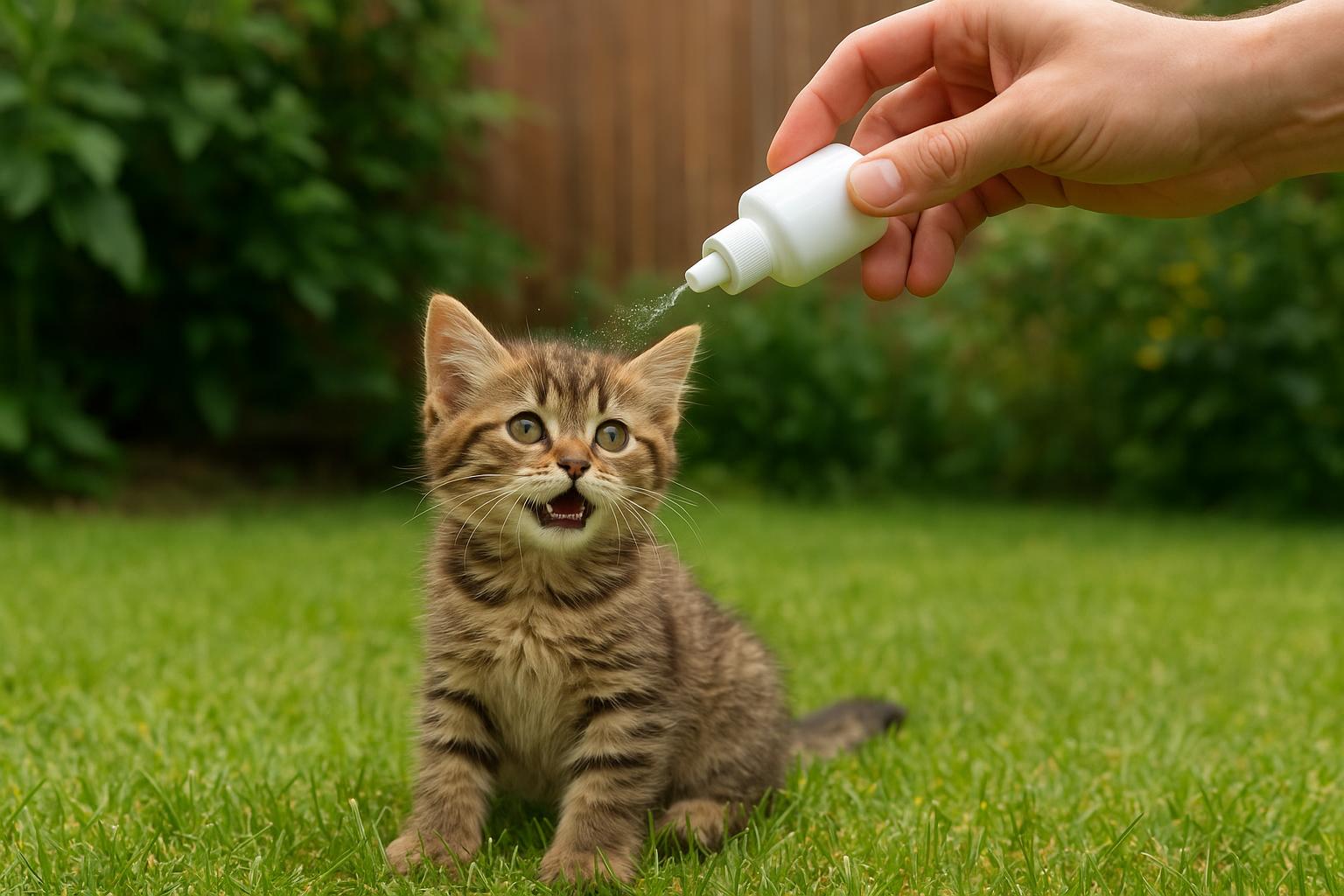
2. Lightly dust DE over carpets, rugs, and under furniture using a sieve for even application.
3. Avoid direct application onto the cat or areas where the cat rests for extended periods unless bedding can later be washed.
4. Leave DE in place for 48–72 hours to allow contact with fleas and larvae.
5. Vacuum thoroughly (dispose of vacuum bag contents or empty canister outside).
6. Repeat monthly during higher-risk seasons and after known exposure events.
Be precise with quantities — a light dusting is effective and minimizes dust exposure for household members and pets. DE works by abrading and dehydrating fleas, so it’s a different mode of action than chemical products.
### Vet-Approved Topical And Oral Preventatives
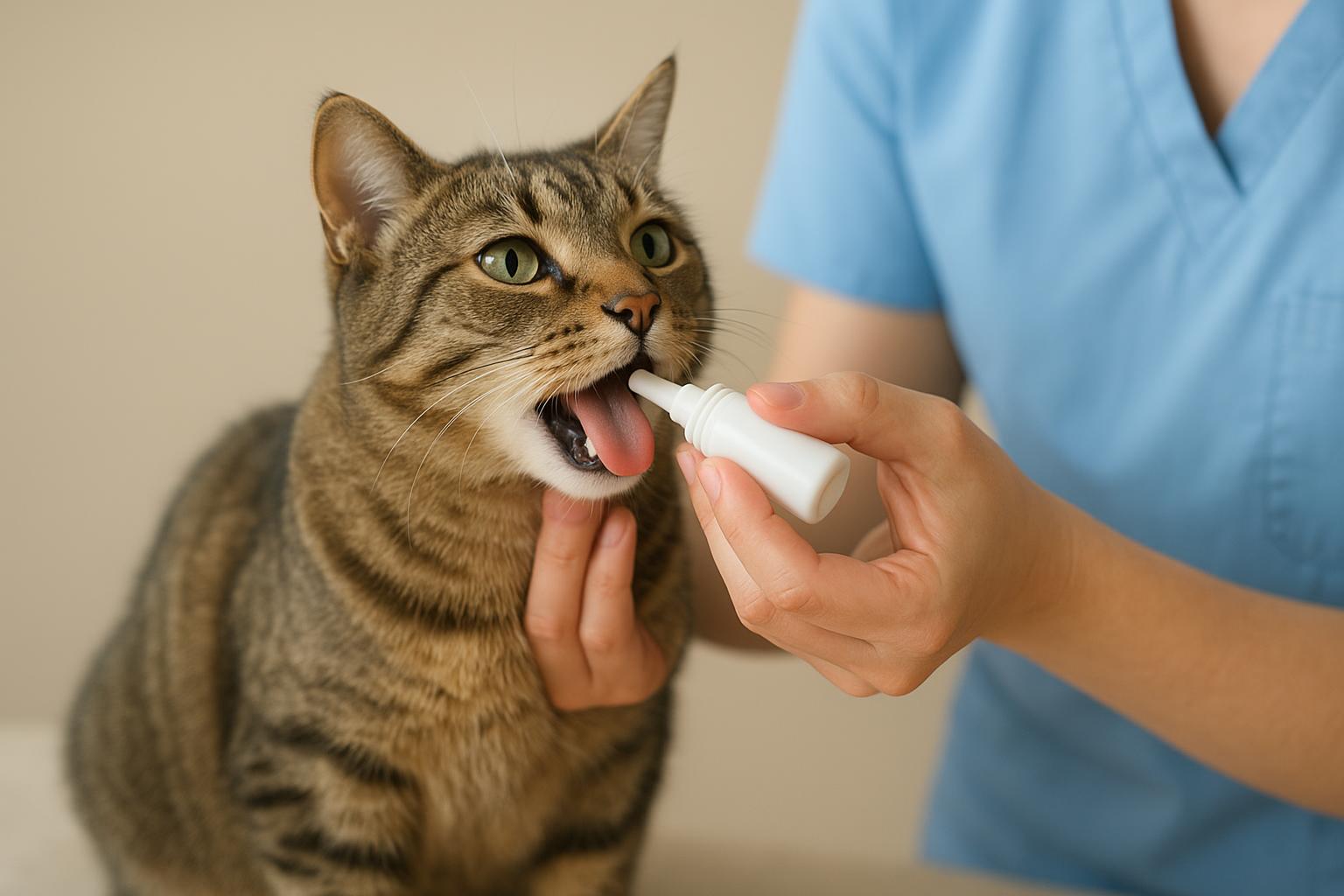
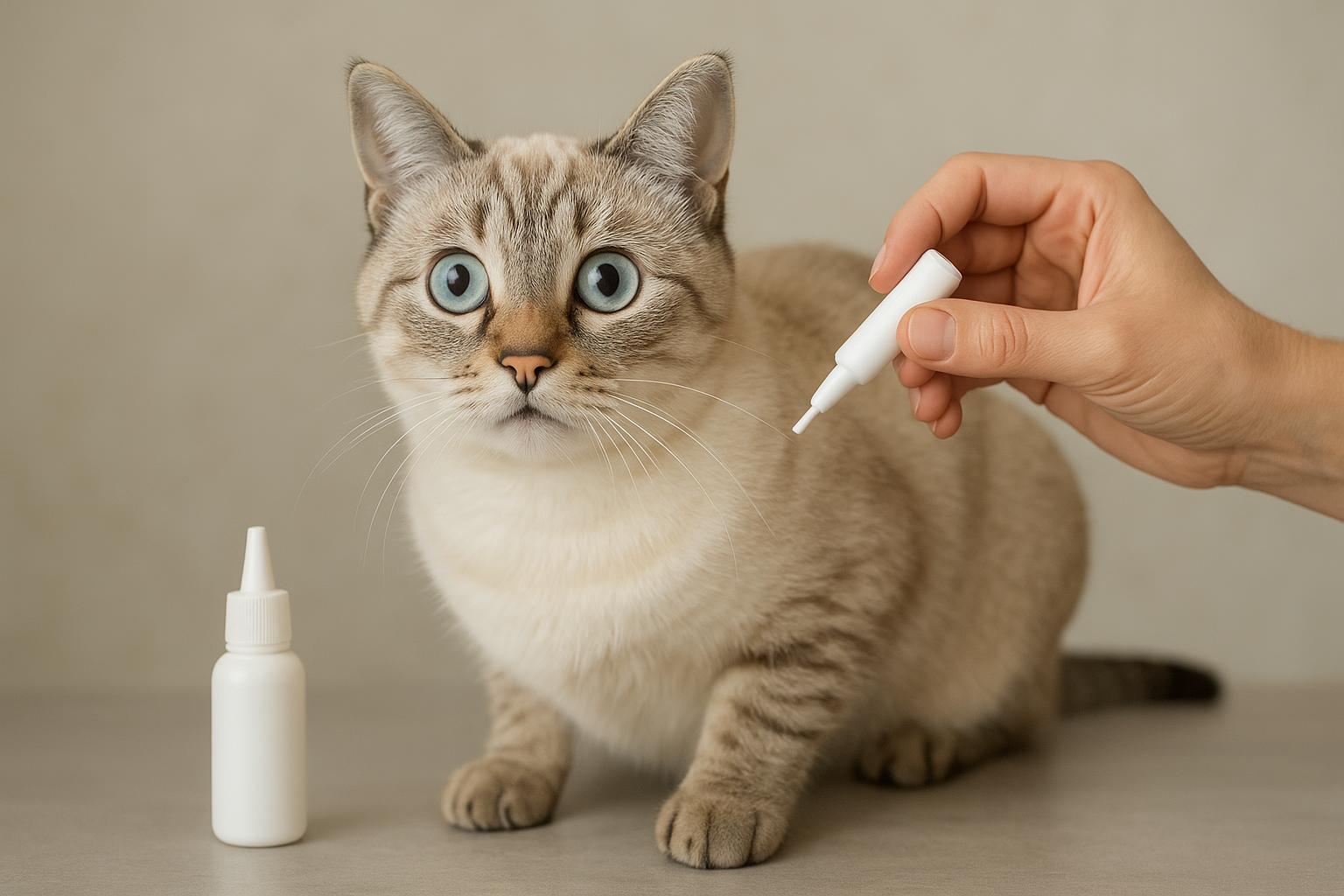
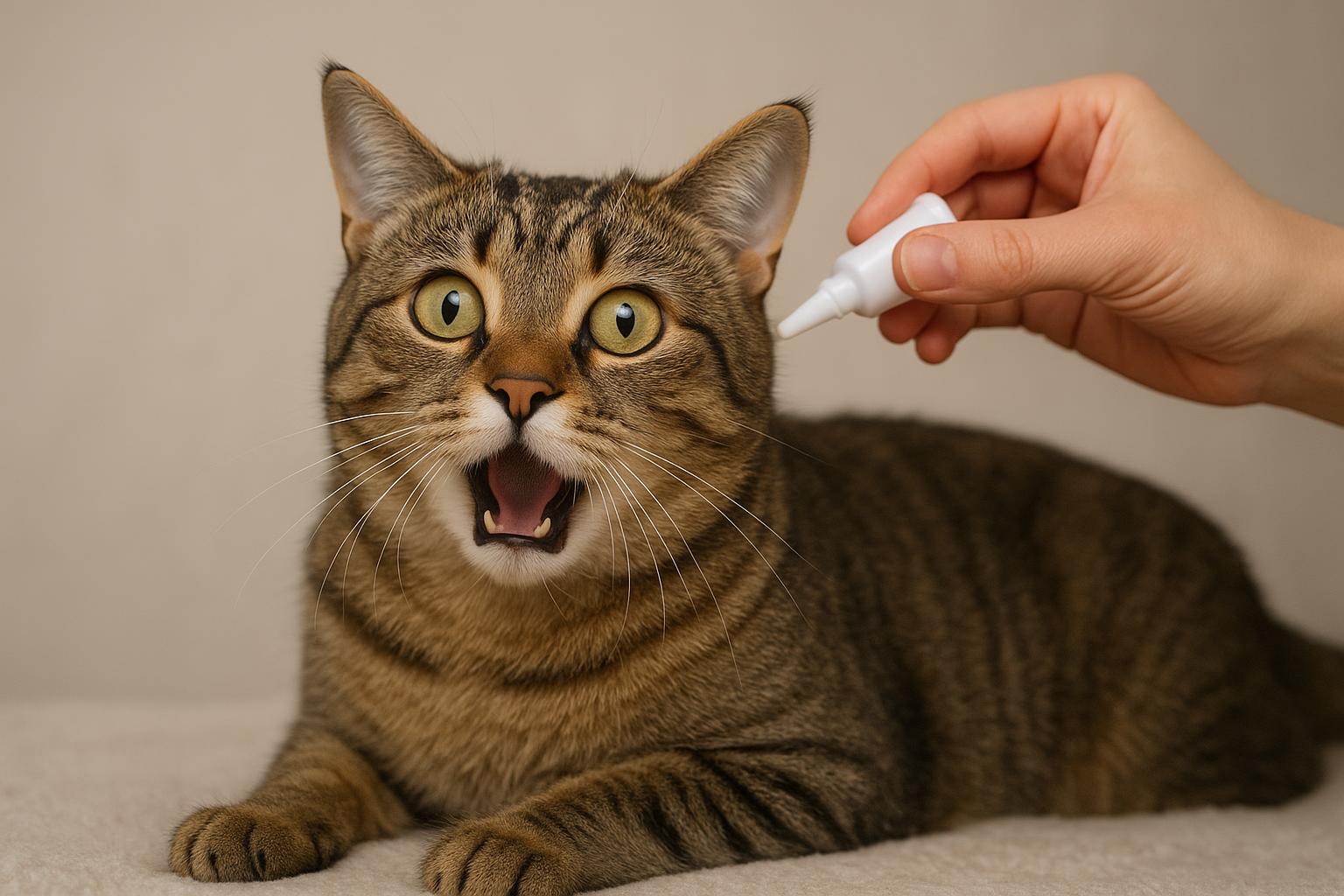
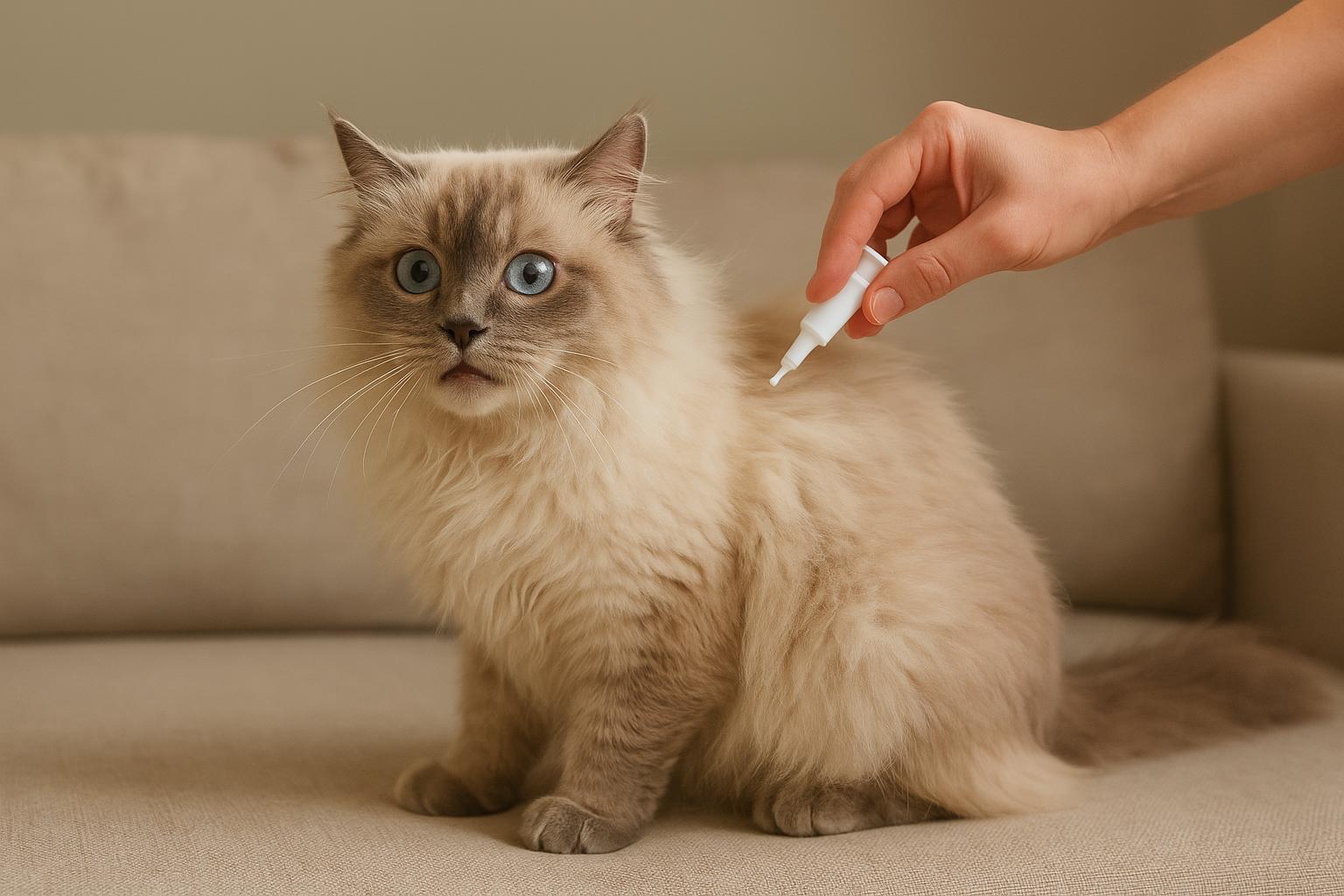
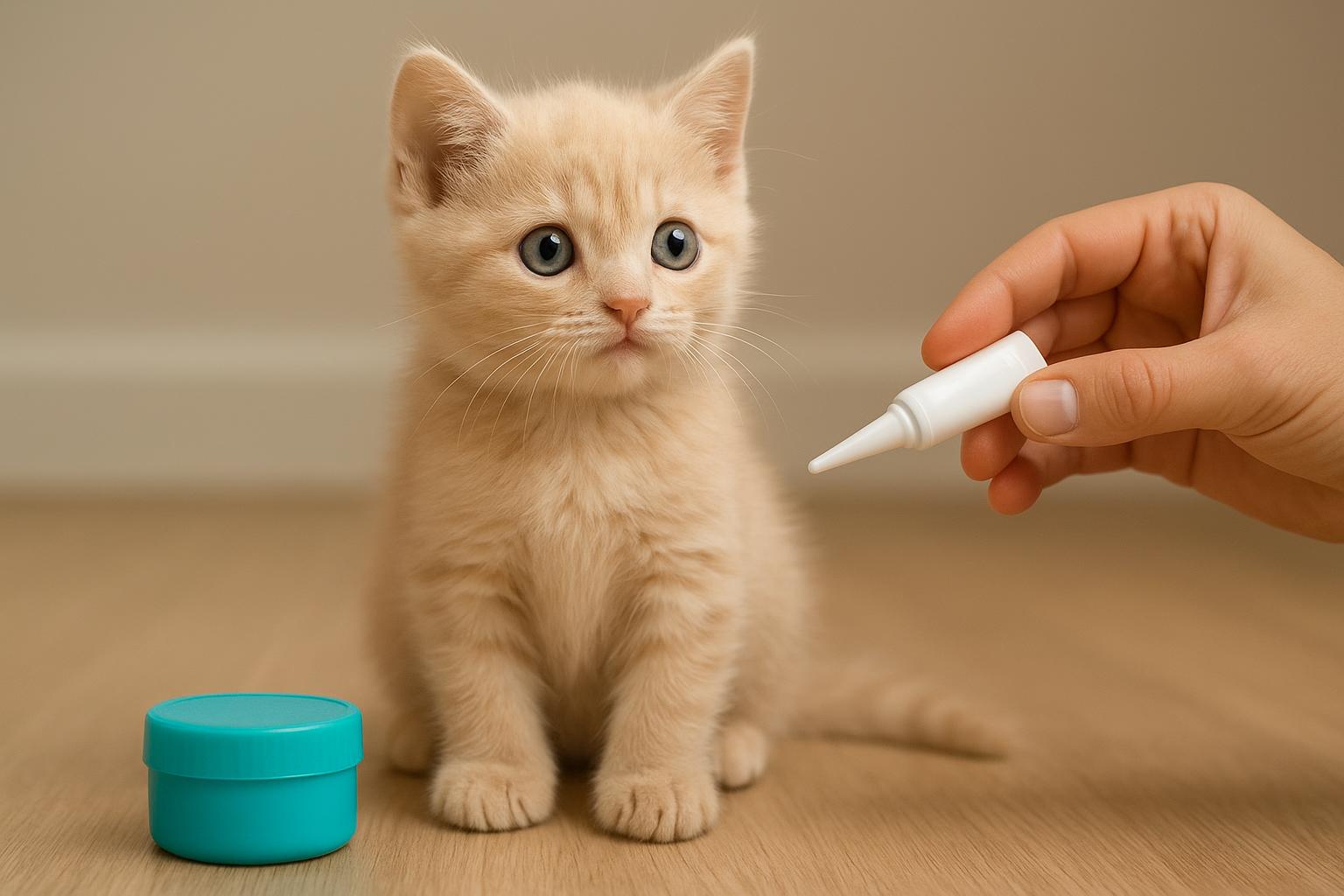
The cornerstone of responsible indoor cat prevention is veterinary-approved topical or oral flea medications. These disrupt flea development and prevent reproduction. Some require monthly application; others have longer dosing intervals. Consult your veterinarian to select the right active ingredient and formulation for your cat’s age, weight, health status, and household composition.
### How To Choose A Product Safely
Look for products that:
– Are labeled for feline use and match your cat’s weight.
– Come with clear dosing instructions.
– Have peer-reviewed efficacy data or broad clinical use.
– Are recommended by your veterinarian.
Avoid cross-species topical products intended for dogs — these can be toxic to cats.
### Environmental Cleaning And Monitoring
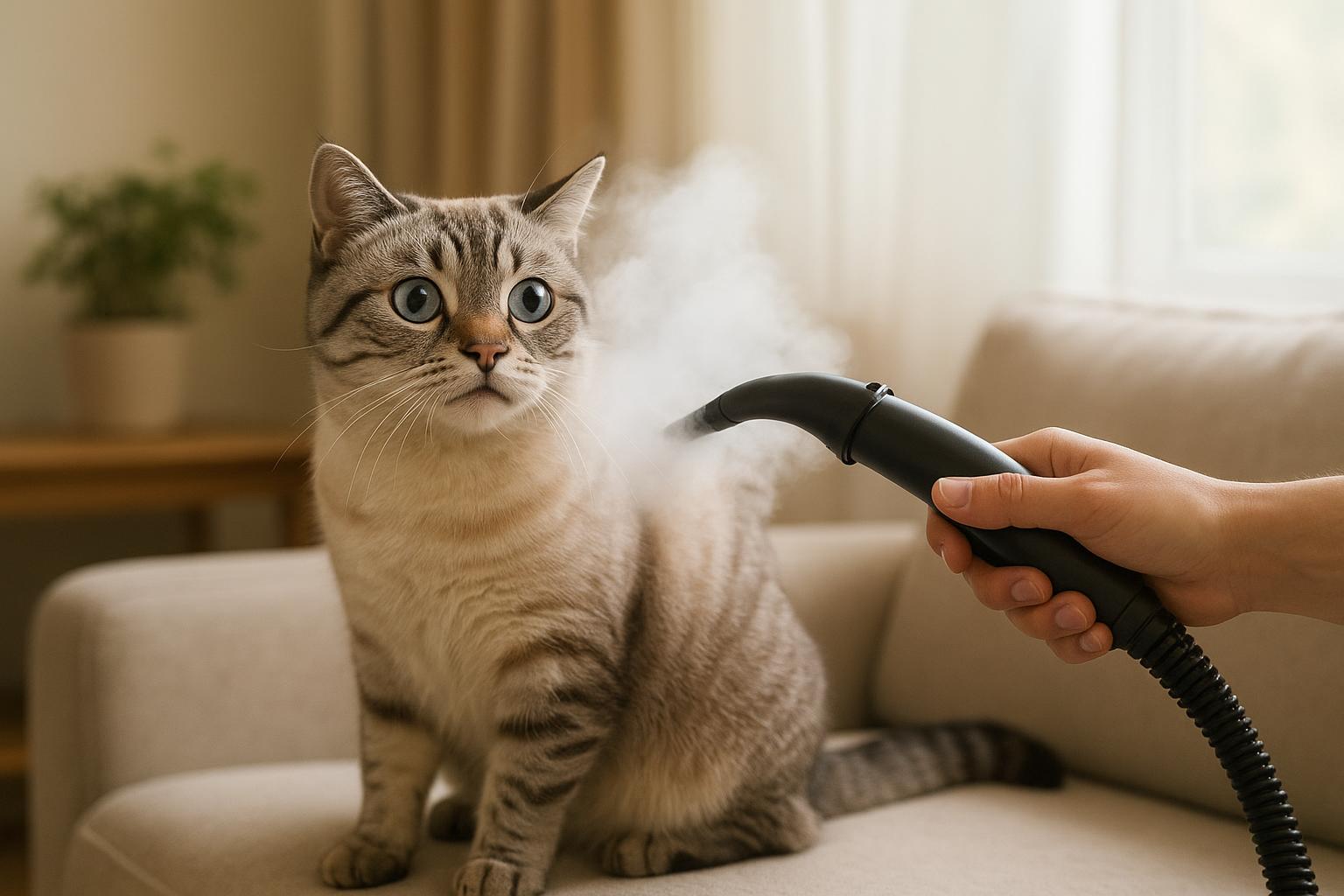
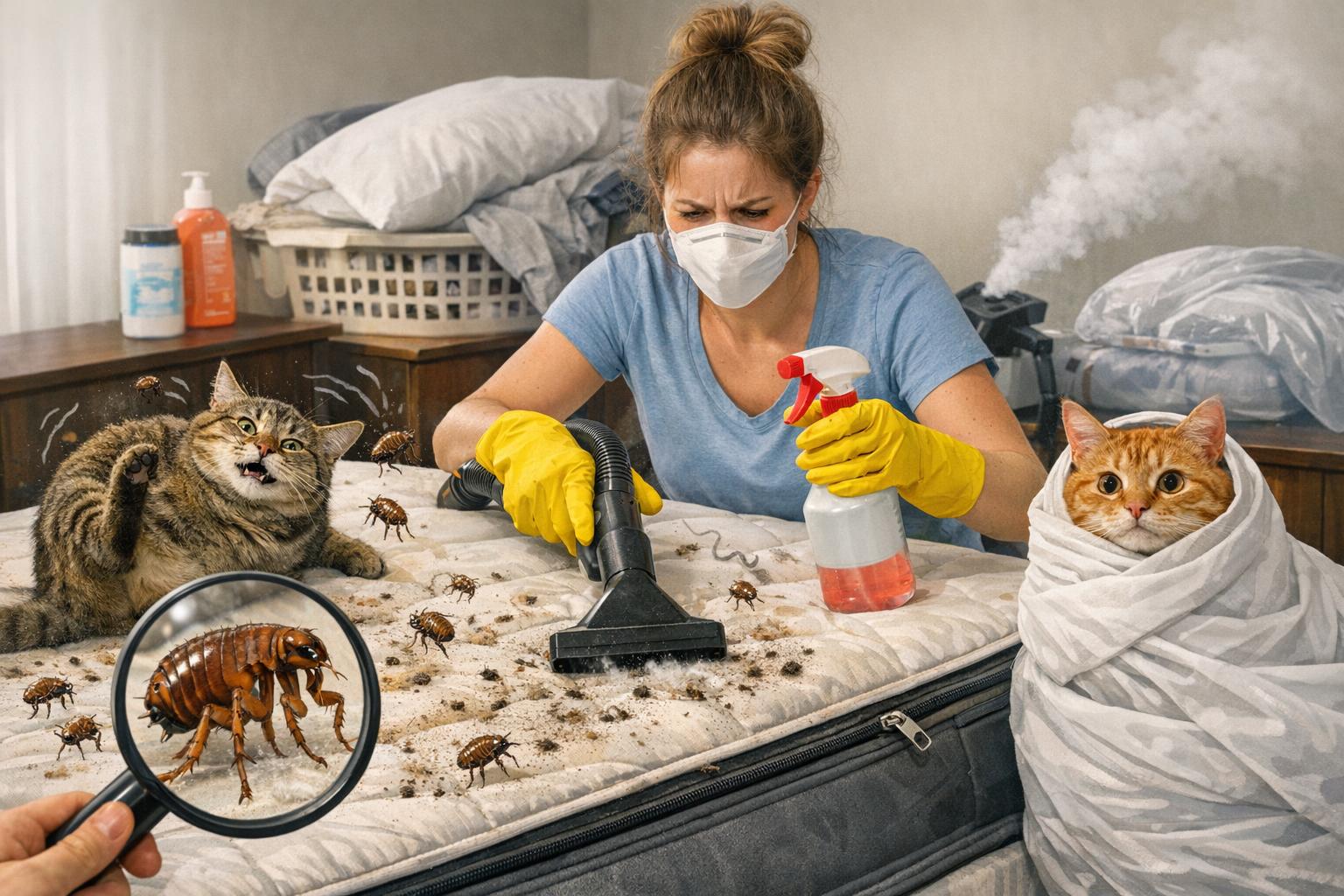
Consistent cleaning is crucial for indoor cat prevention:
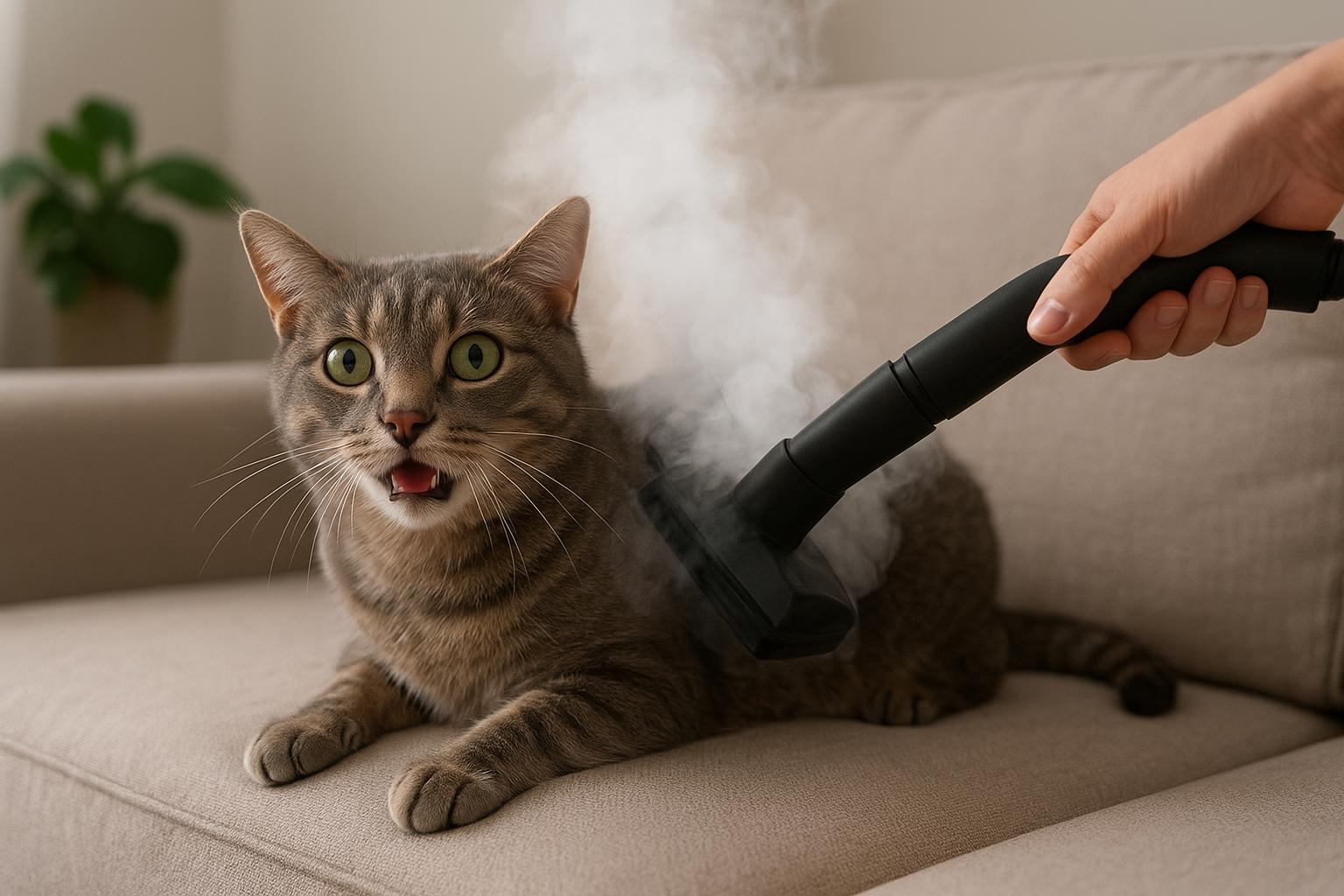
– Vacuum high-traffic areas, under furniture, and along baseboards at least twice weekly during outbreaks.
– Wash pet bedding in hot water weekly; dry on high heat when safe for fabrics.
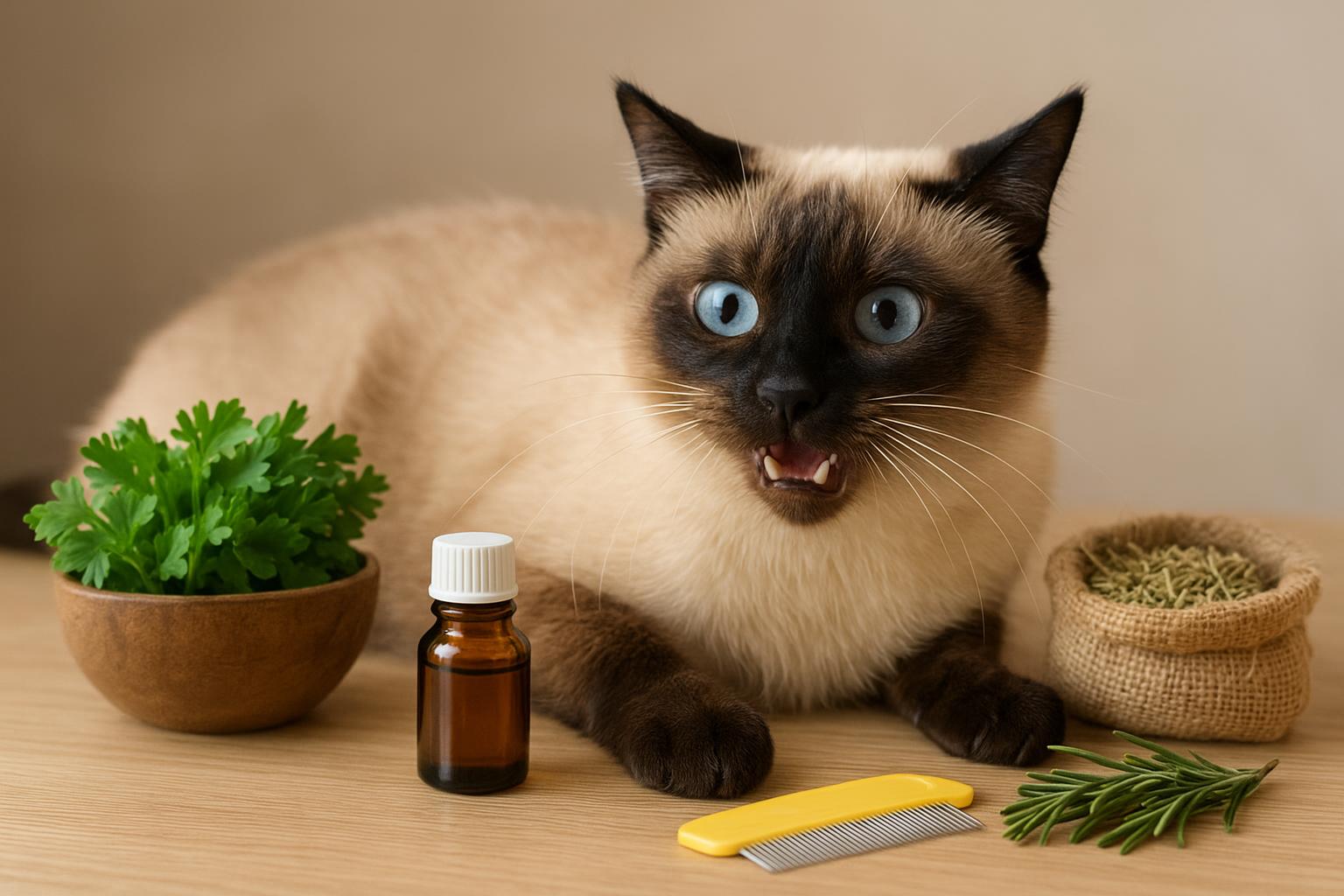
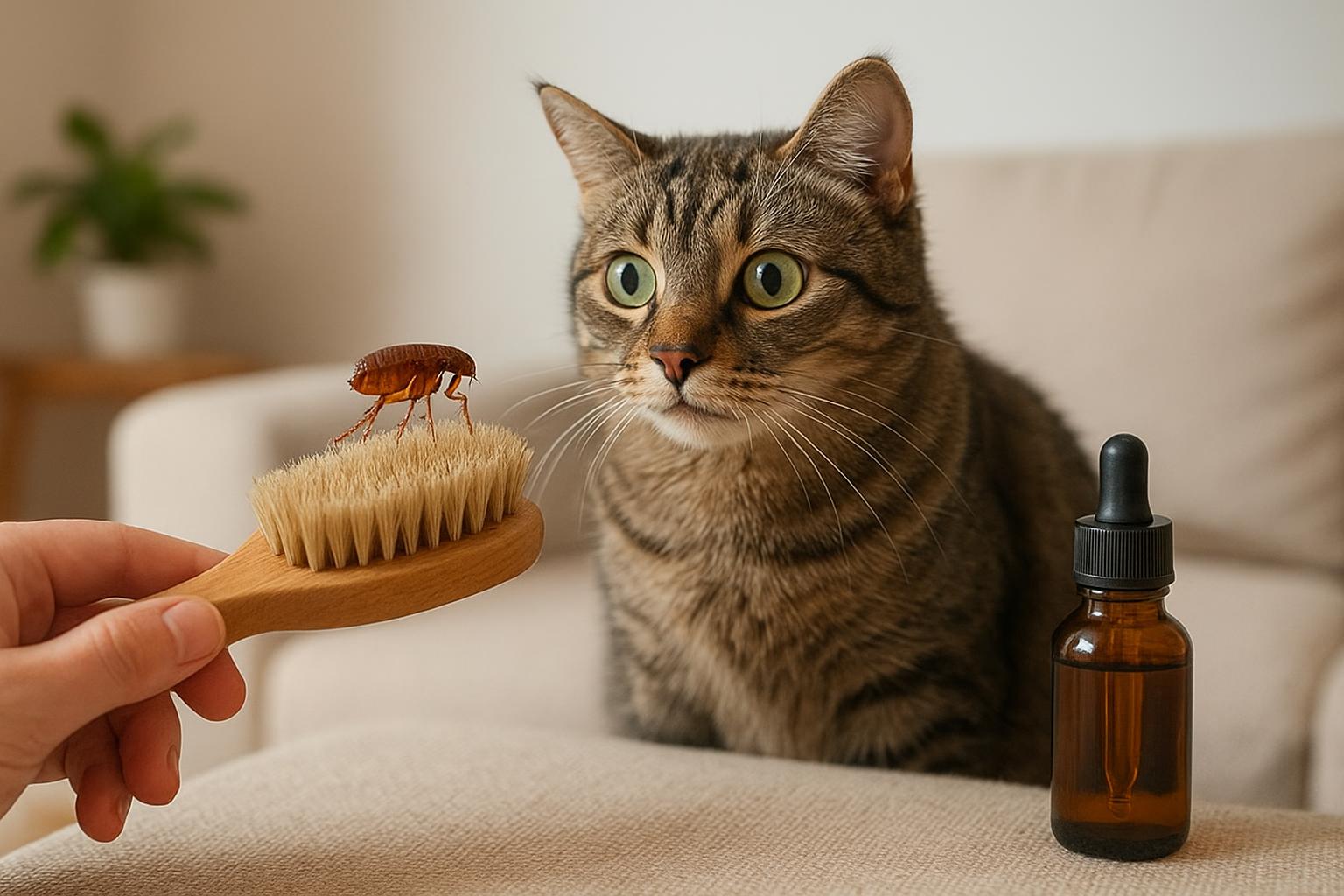
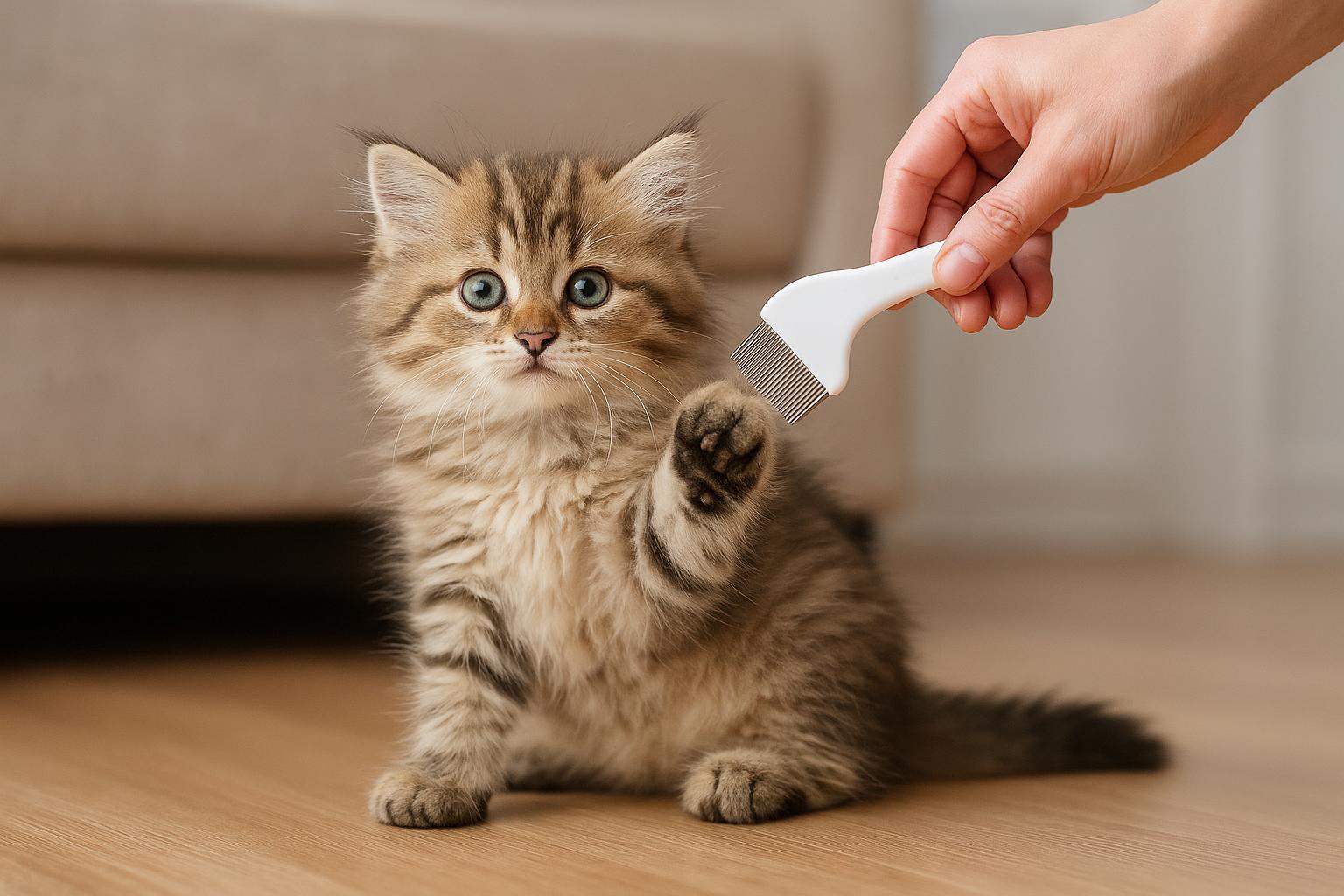
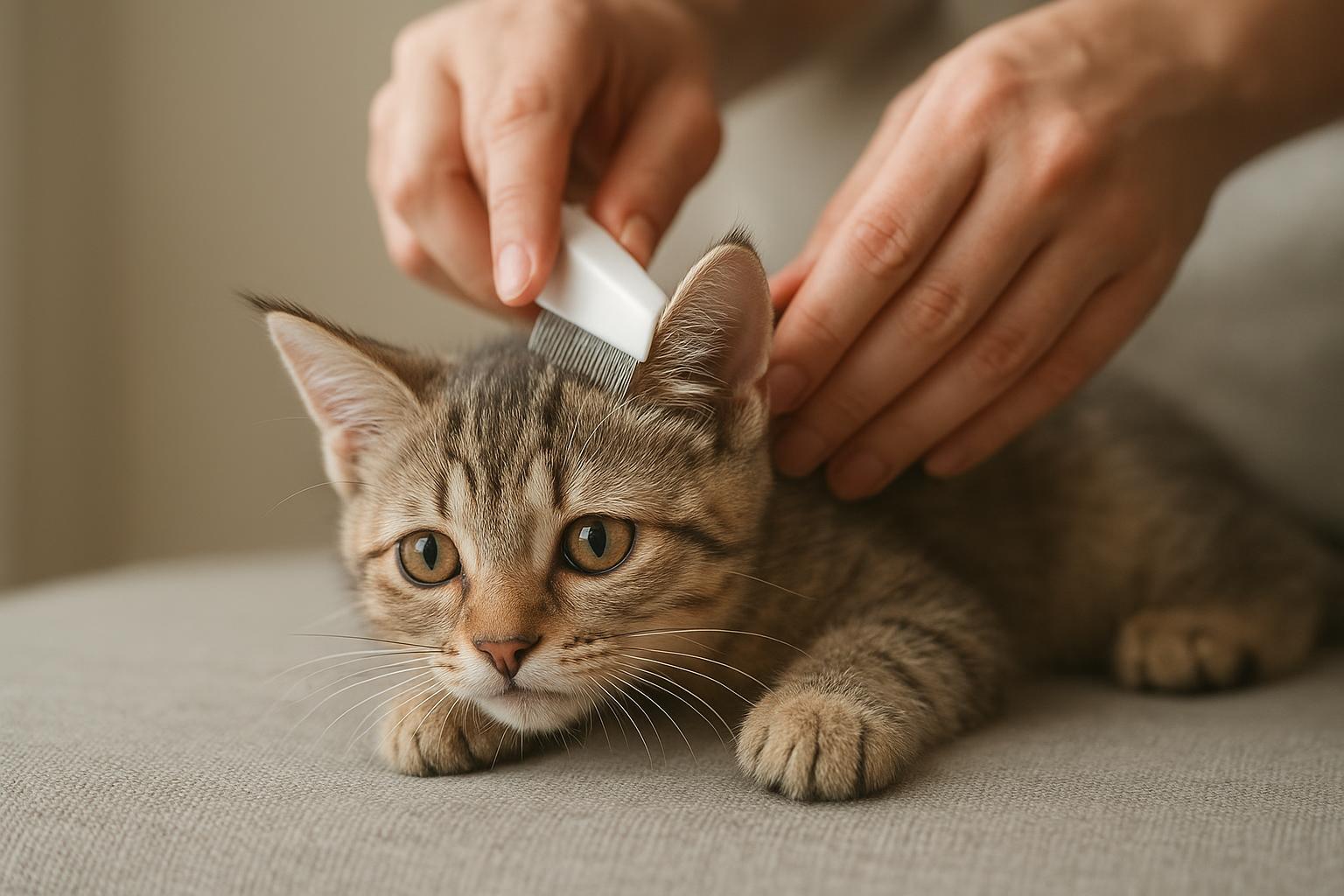
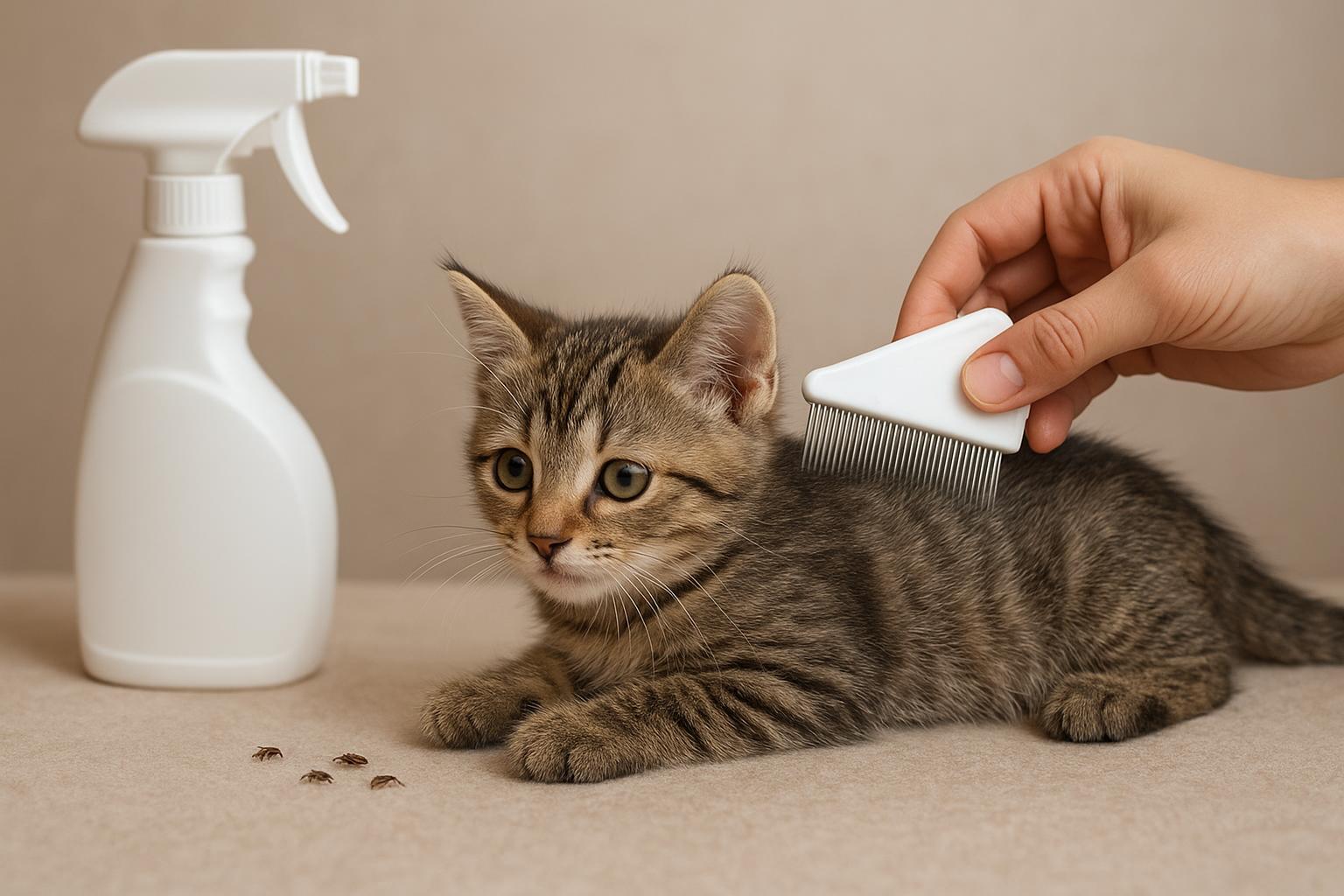
– Use a flea comb regularly and check for live fleas or flea dirt.
– Treat other pets concurrently to prevent reinfestation.
### Natural Repellents And What To Avoid
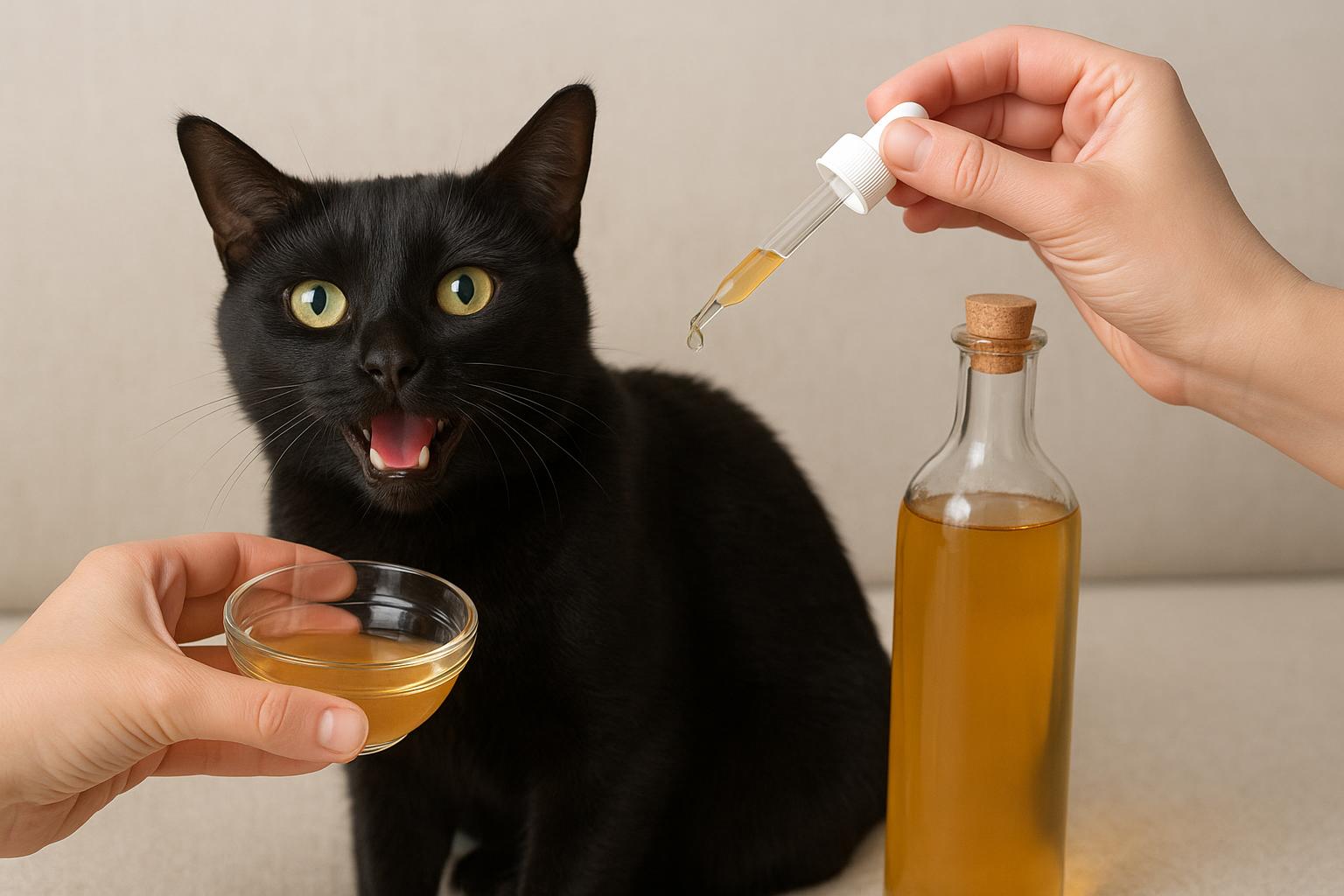
A few herbs and oils can repel fleas in a pinch, but their efficacy is limited and inconsistent. Never apply essential oils directly to a cat’s skin without veterinary guidance — many essential oils are toxic to felines. In contrast, environmental use of certain scents in diluted form can complement other measures for indoor cat prevention.
### When To Call The Professional
If fleas persist despite home remedies and vet-recommended products, consider professional pest control that specializes in pet-safe protocols. Persistent infestations often involve pupae in inaccessible areas or repeated introductions; professionals can identify sources and apply targeted treatments.
### Seasonal Checkpoints For Year-Round Success
Fleas can be active year-round indoors. Schedule seasonal checks:
– Spring: Deep clean and inspect as fleas increase with rising indoor/outdoor activity.
– Summer: Maintain monthly preventatives and frequent grooming.
– Fall: Continue vigilance as humans and pets spend more time inside.
– Winter: Don’t relax — indoor heating can sustain flea populations.
### Reducing Risk From Visitors And New Pets
Minimize exposure by inspecting and treating new or visiting pets. If guests have been in flea-prone environments, ask that they limit contact with furniture or bring a change of clothes. Consider flea treatments for outdoor-exposed family pets to limit household introductions.
### Recordkeeping And Monitoring
Keep a simple log of treatments, bath dates, and cleaning activities. Recording when you applied preventatives, washed bedding, or vacuumed thoroughly helps identify patterns and gaps, making indoor cat prevention more proactive and less reactive.
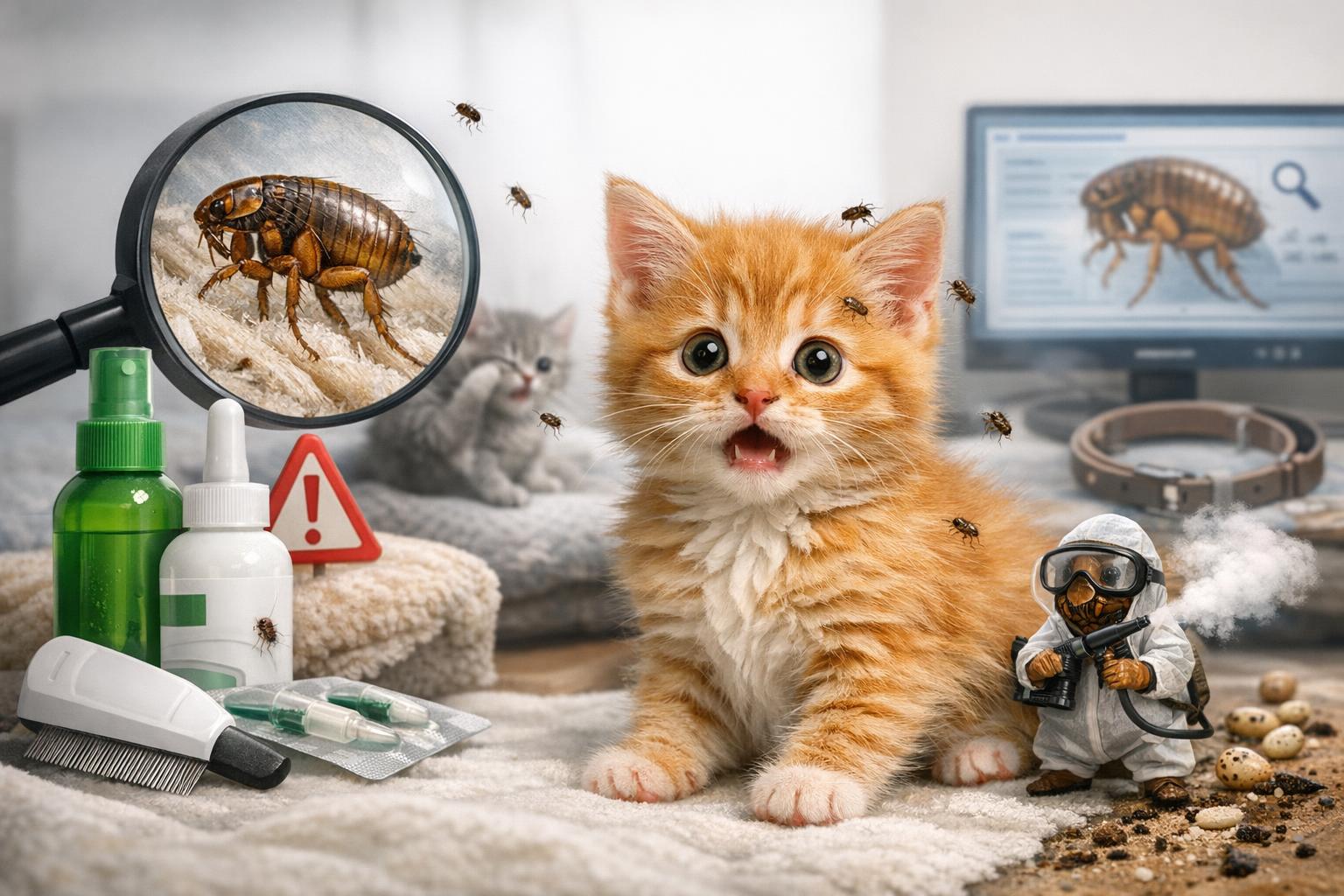
Now you’ve got a toolbox: vet-approved preventatives, household remedies with clear recipes and steps, cleaning schedules, and monitoring strategies. Use them together — no single approach is perfect, but a layered plan is highly effective at keeping fleas out of your cat’s life and out of your living room.




Leave a Reply