

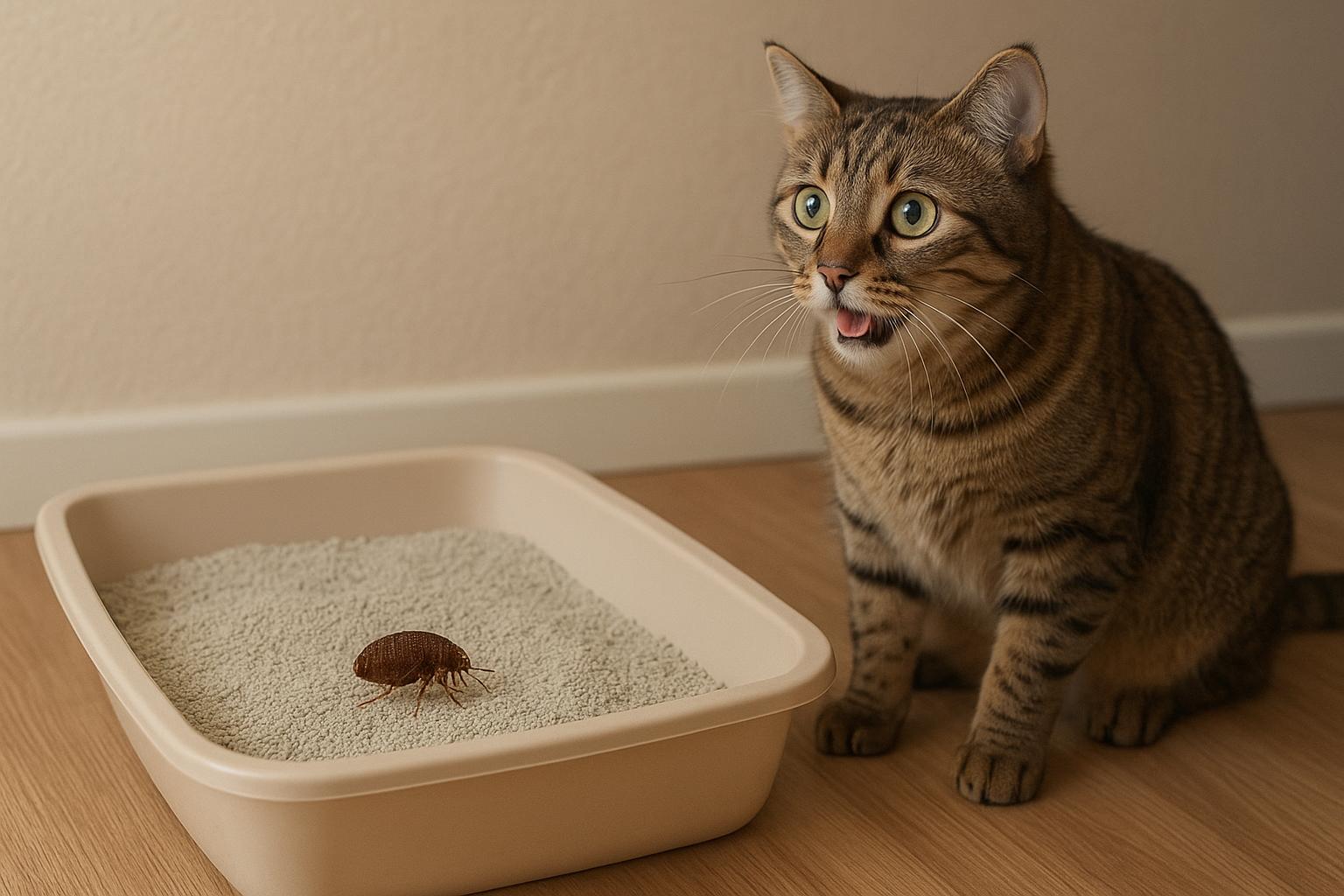
You glance at your cat, notice a frantic tail flick or a tiny dark speck that’s more than dandruff, and you wonder—how did fleas even get onto this indoor monarch? The short answer is that fleas are sneaky, adaptable, and often arrive by the path of least resistance. The slightly longer answer involves life cycles, other animals, and the occasional human shoe. Let’s unpack how cat flea entry happens and what you can do about it, without turning your home into a chemical warzone or a medieval flea moat.
## No Valid Option Cat Flea Entry Reveals Why Cats Get Fleas
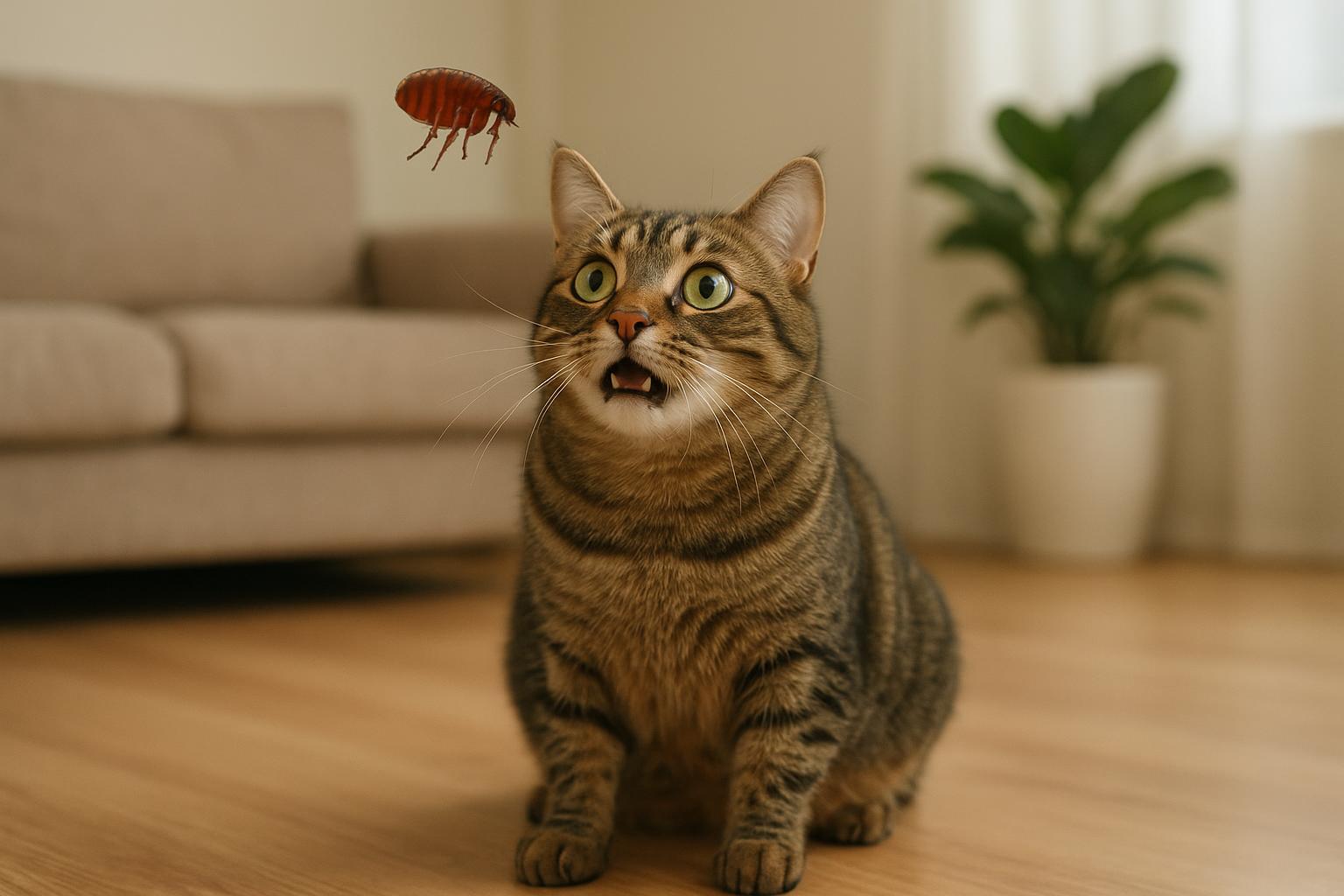
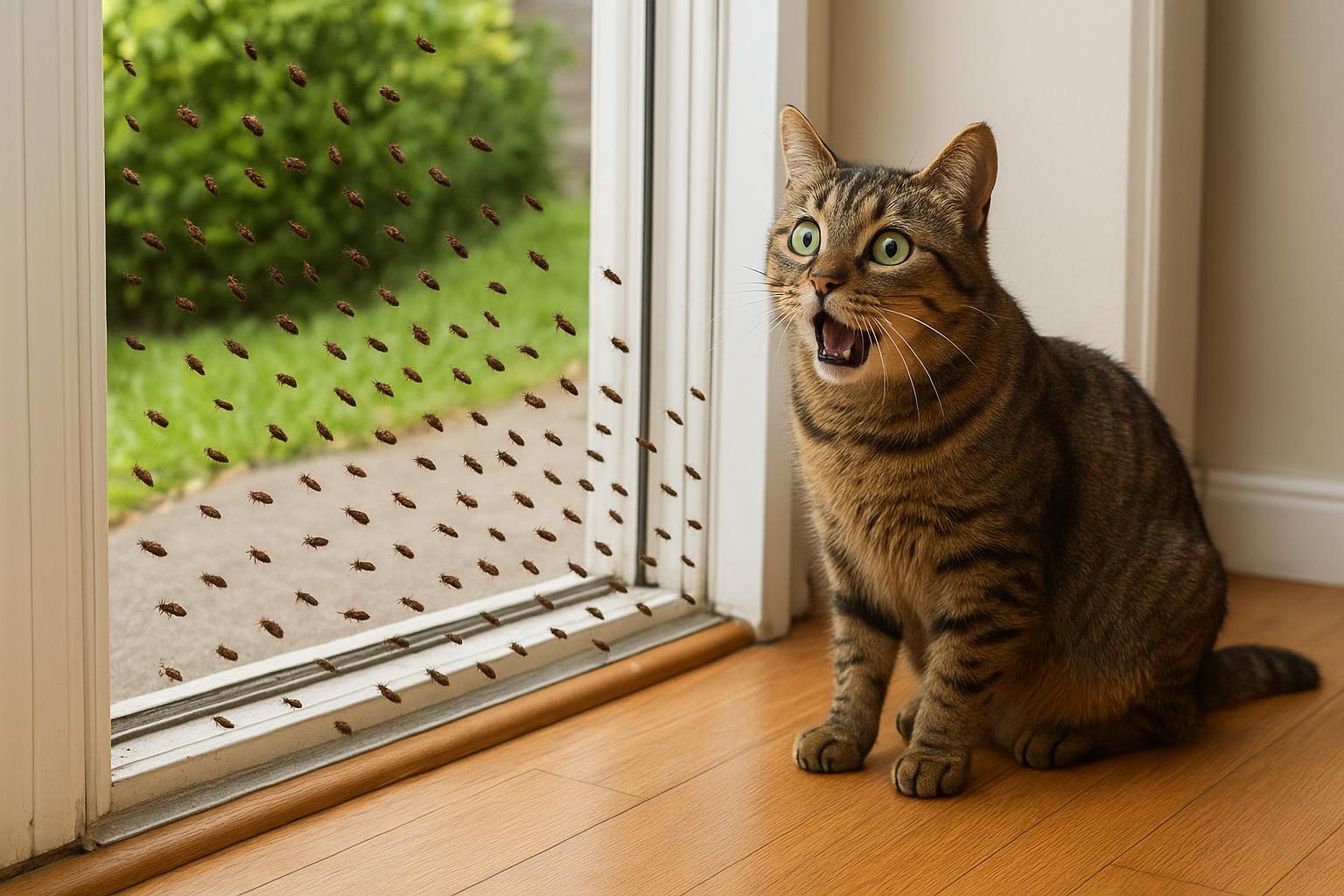
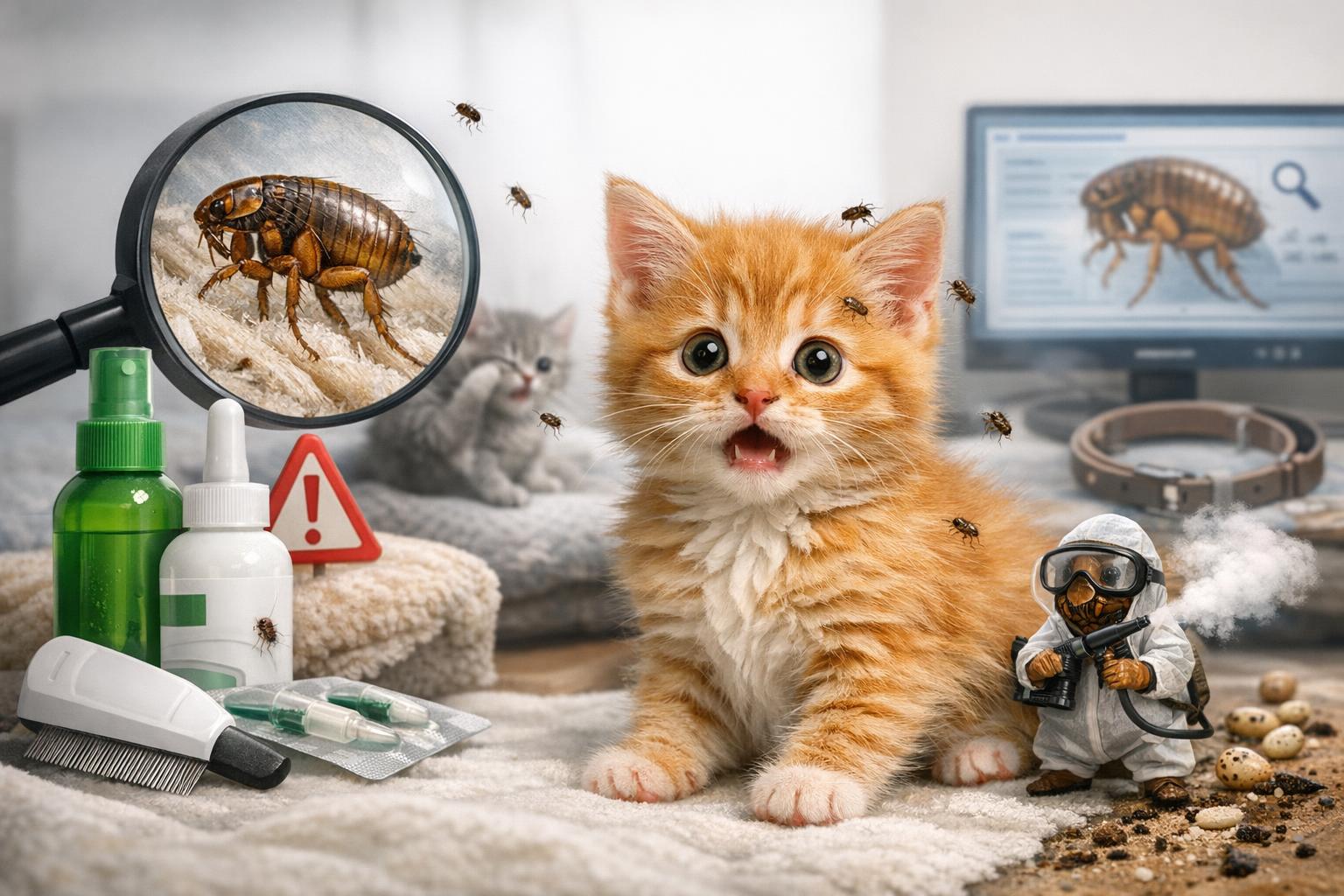
Understanding “cat flea entry” starts with the flea’s life story. Adult fleas live on a host and lay eggs that fall into the environment—carpets, upholstery, bedding, and cracks in the floor. Those eggs develop into larvae, pupae, and finally adults that jump onto a passing host. So when you hear about cat flea entry, think less about a single sneaky flea scaling a wall and more about an entire lifecycle waiting in your living room. Fleas exploit every opening: open doors, other animals, infested furniture, even secondhand items.
### How Fleas Actually End Up On Your Cat
Fleas don’t pick locks; they ride. Frequent routes include:
– Other pets (dogs, feral cats, wildlife) that pass through your yard or home.
– Humans transporting flea pupae or eggs on clothing, shoes, or bags.
– Newly acquired secondhand furniture or bedding with dormant pupae.
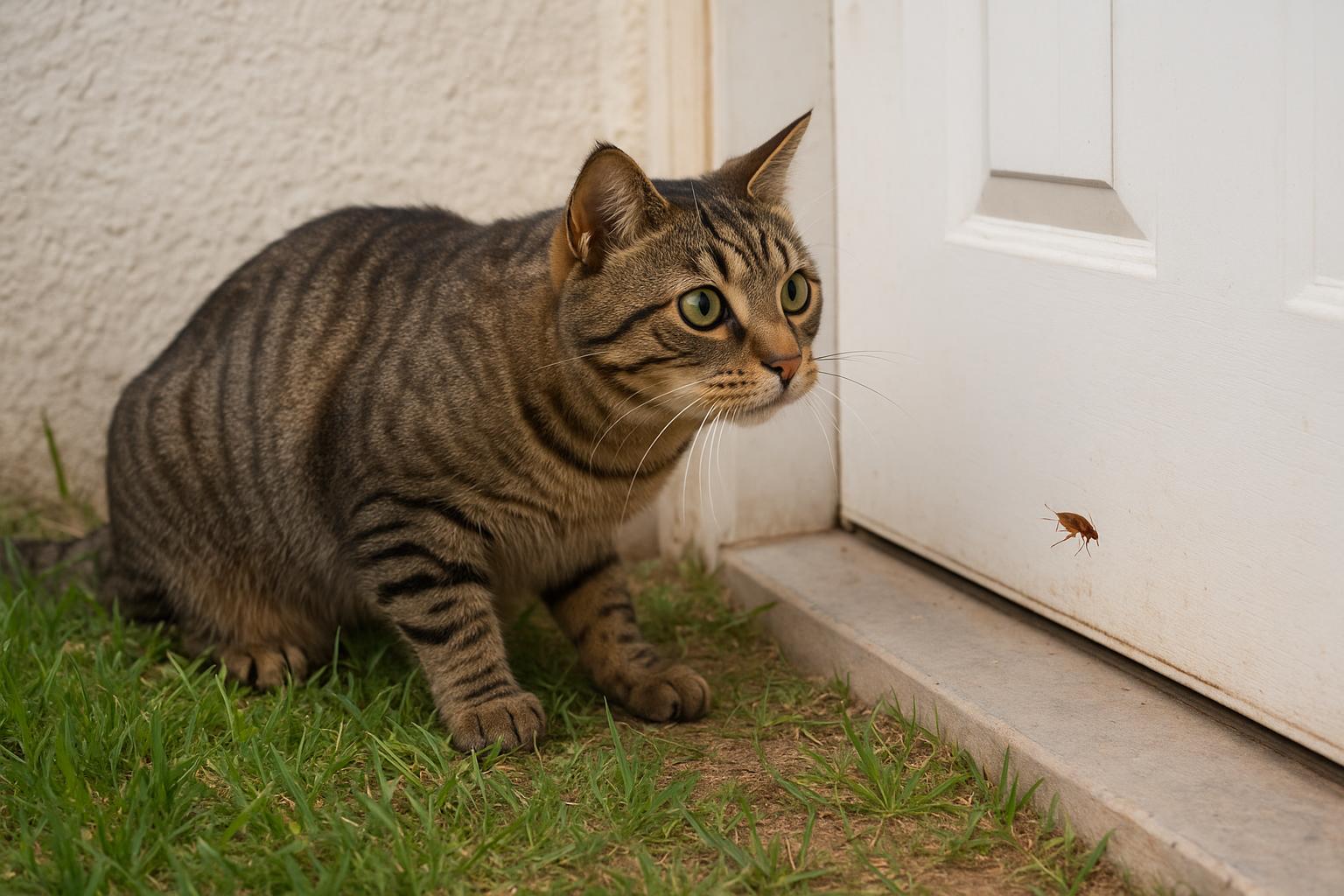
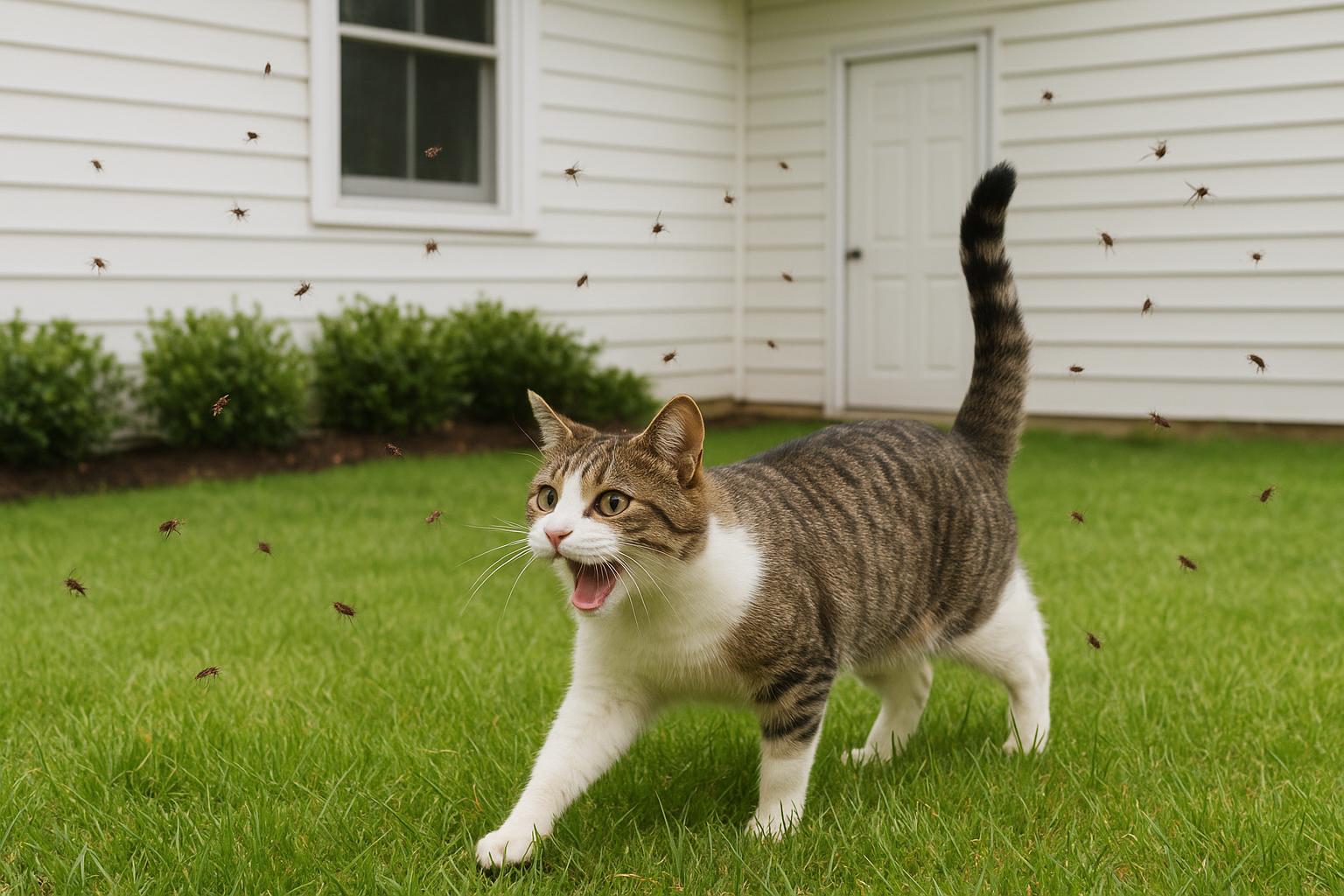
– Outdoor environments where adult fleas await a warm-blooded host.
The phrase cat flea entry is useful because it covers all these routes—entry via animals, humans, or environmental reservoirs. A single adult flea can jump from carpet to cat, but usually it’s the eggs and pupae in the environment that create recurring problems.
### Why Indoor Cats Still Get Fleas
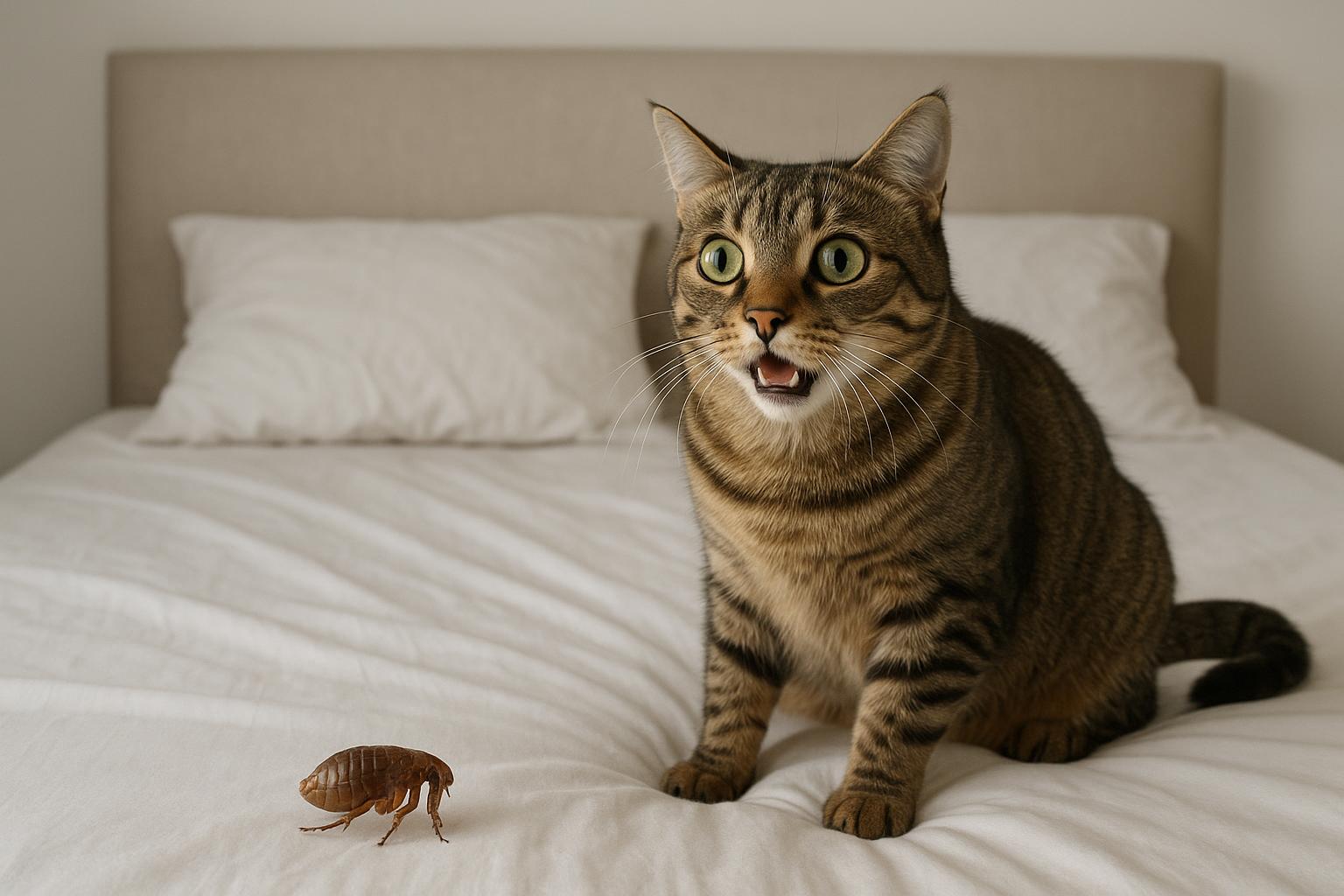
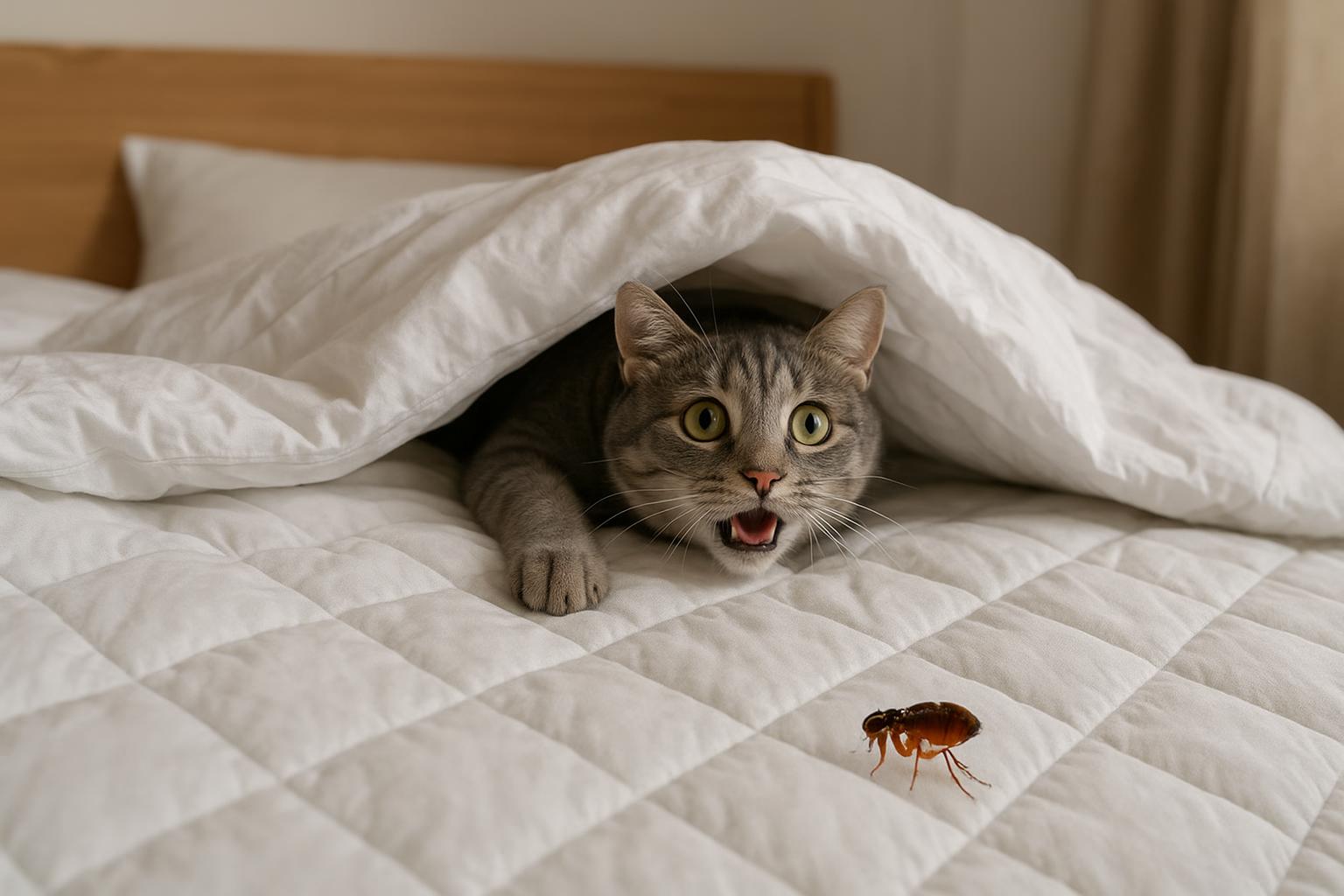
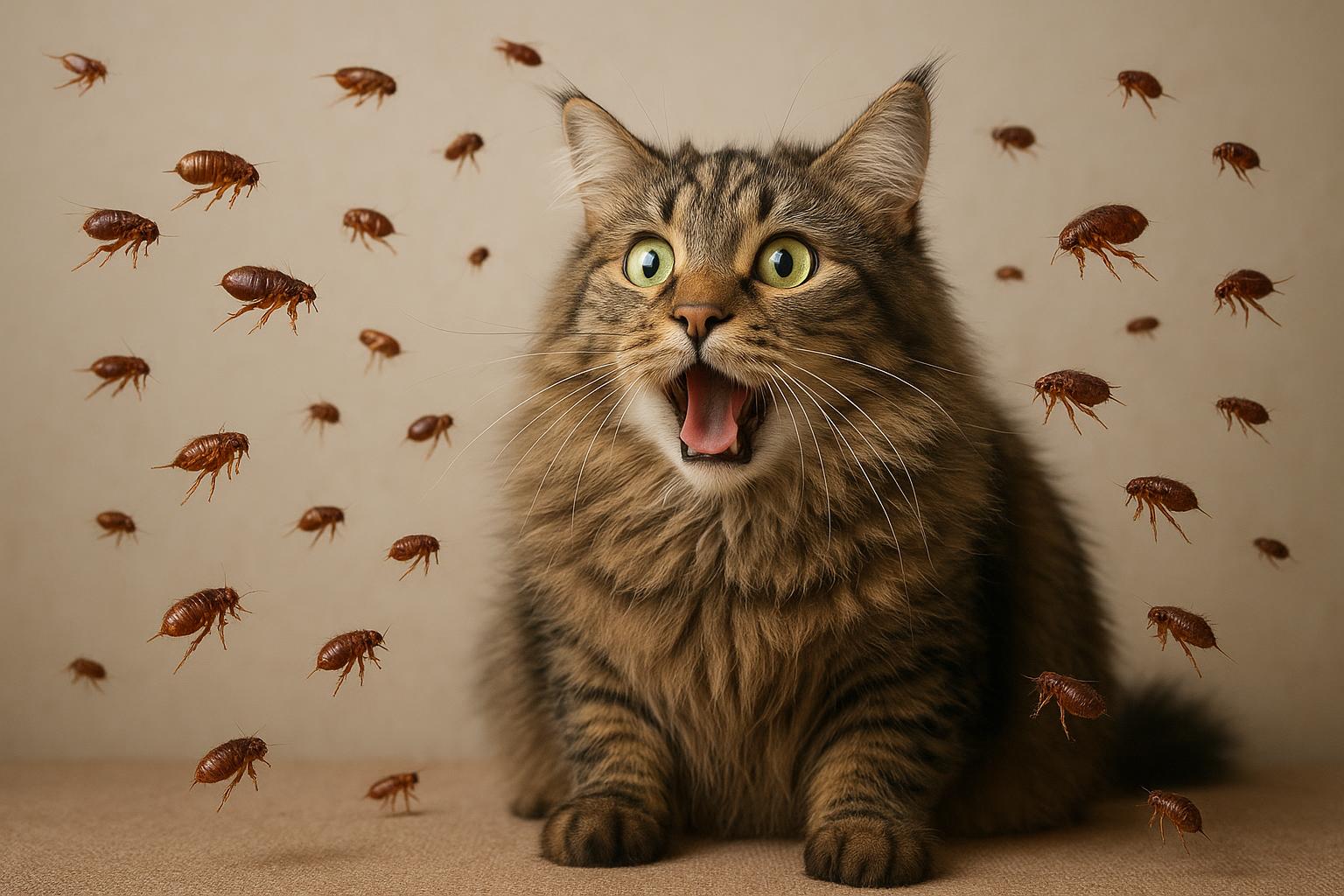
Indoor cats aren’t immune. A visitor’s dog, a window ledge where a neighborhood cat sat, or a human who walked through a flea hotspot are all plausible vectors. Since flea pupae can remain dormant for weeks to months, cat flea entry may seem mysterious: a dormant pupa hatches when it senses your cat’s body heat and carbon dioxide, and boom—suddenly you’ve got fleas.
#### Flea Lifecycle Basics
To stop cat flea entry, you have to interrupt the lifecycle:
– Eggs: Laid on the host but fall into the environment.
– Larvae: Hide in dark crevices, feed on organic debris.
– Pupae: Encased, extremely resilient, can wait months.
– Adults: Emerge when they sense a host, jump on, and feed.
Getting serious about the pupal stage is the main trick. That’s where most sudden infestations come from.
#### Signs Your Cat Has Fleas
Look for:
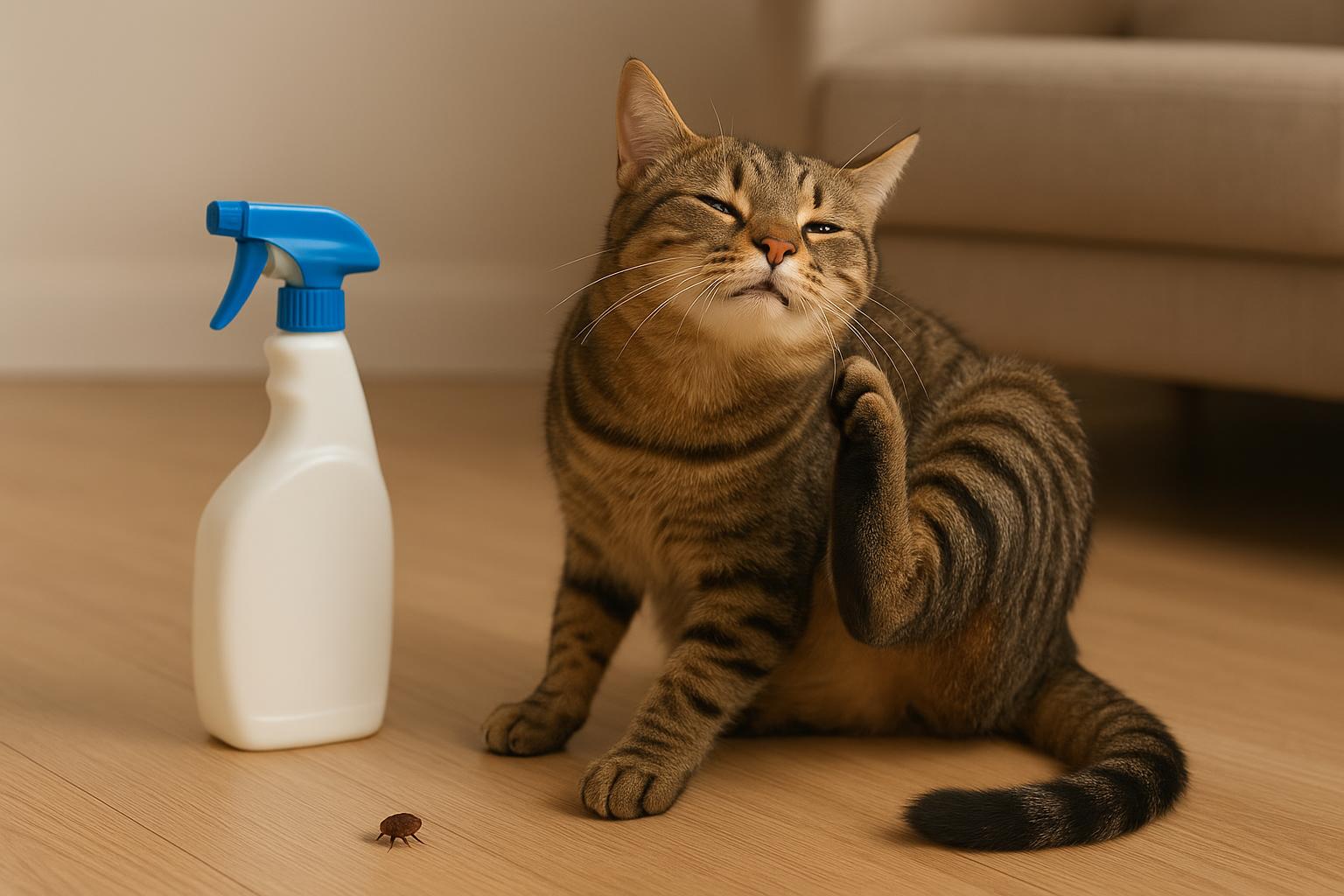
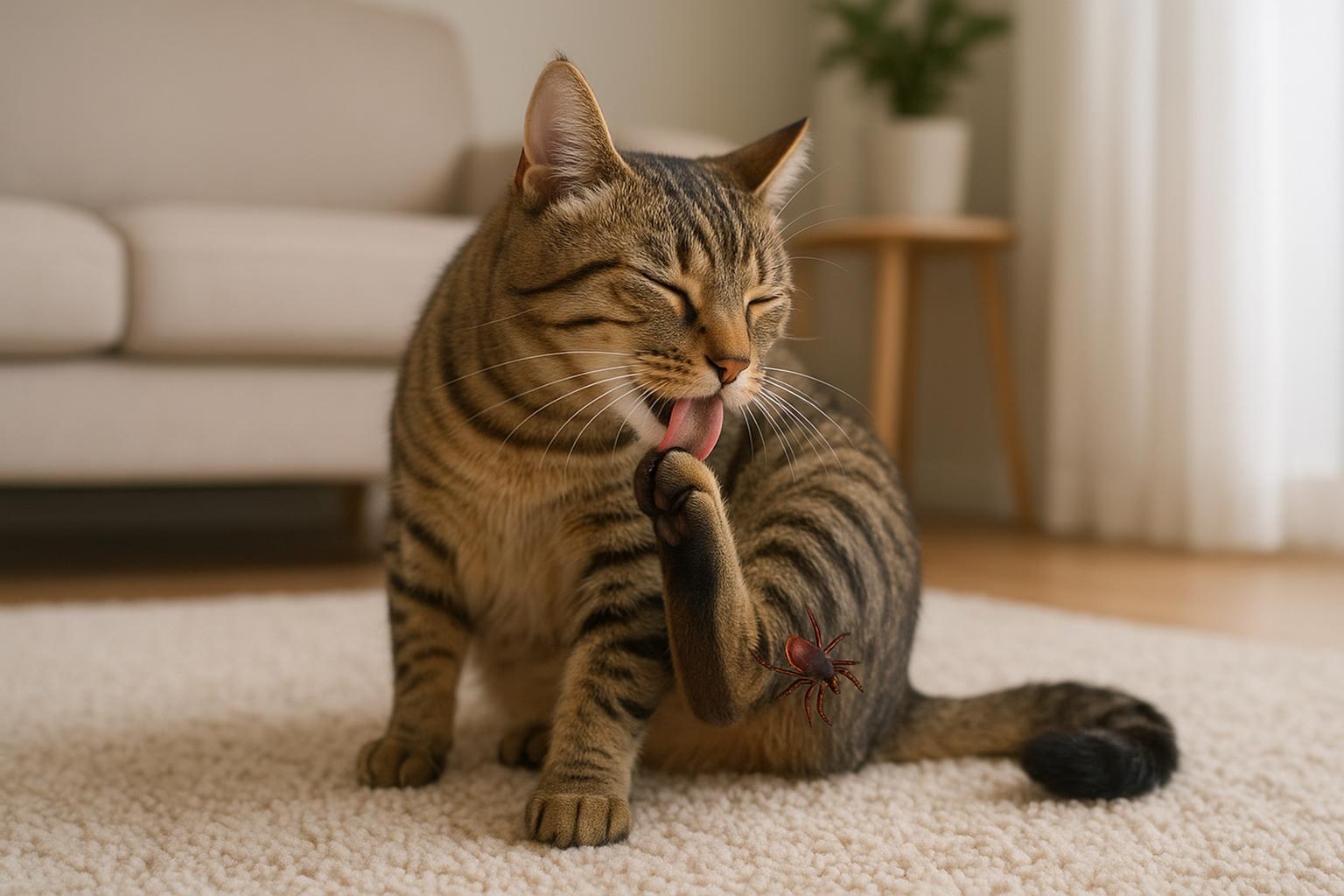
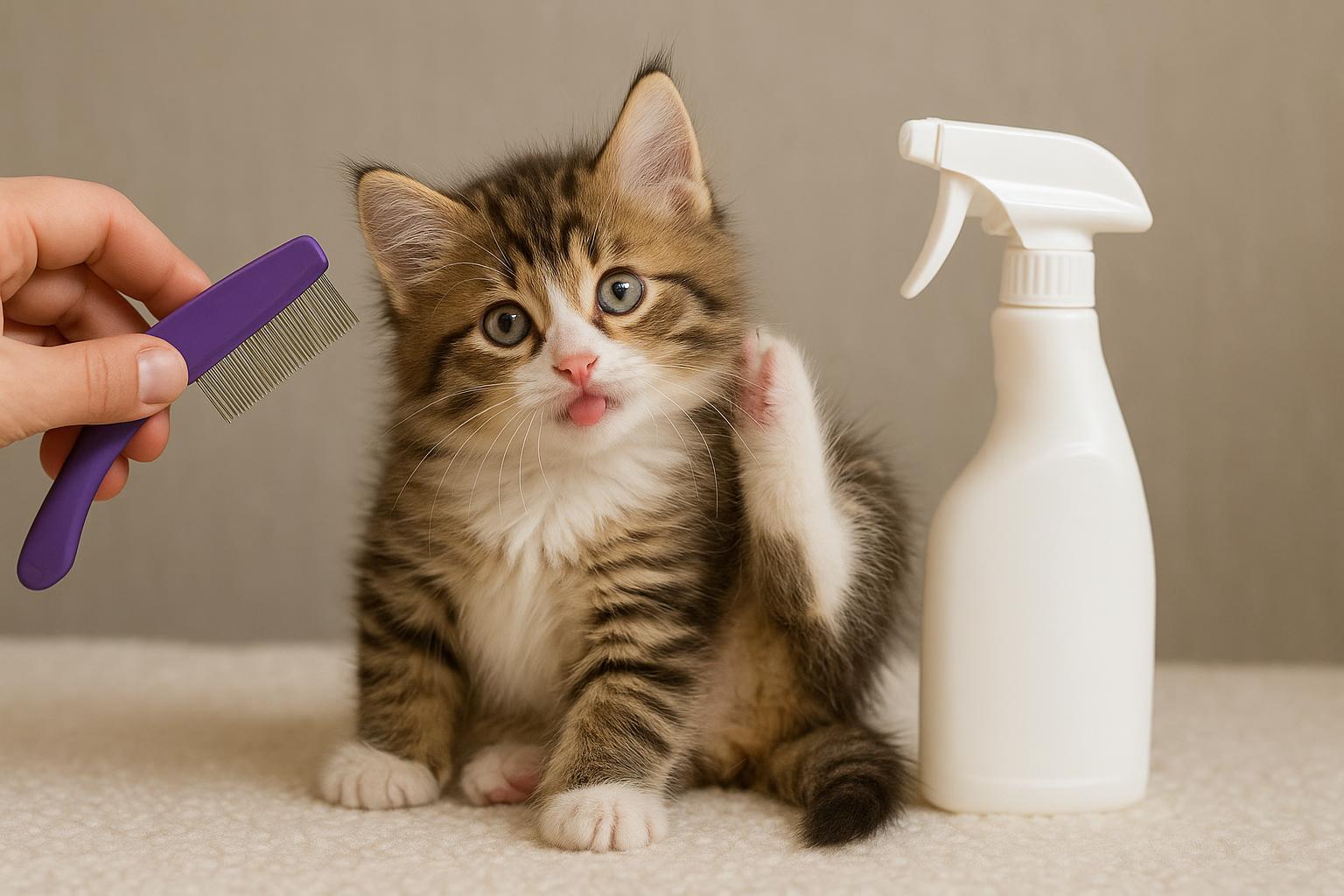
– Frequent scratching and biting at the skin.
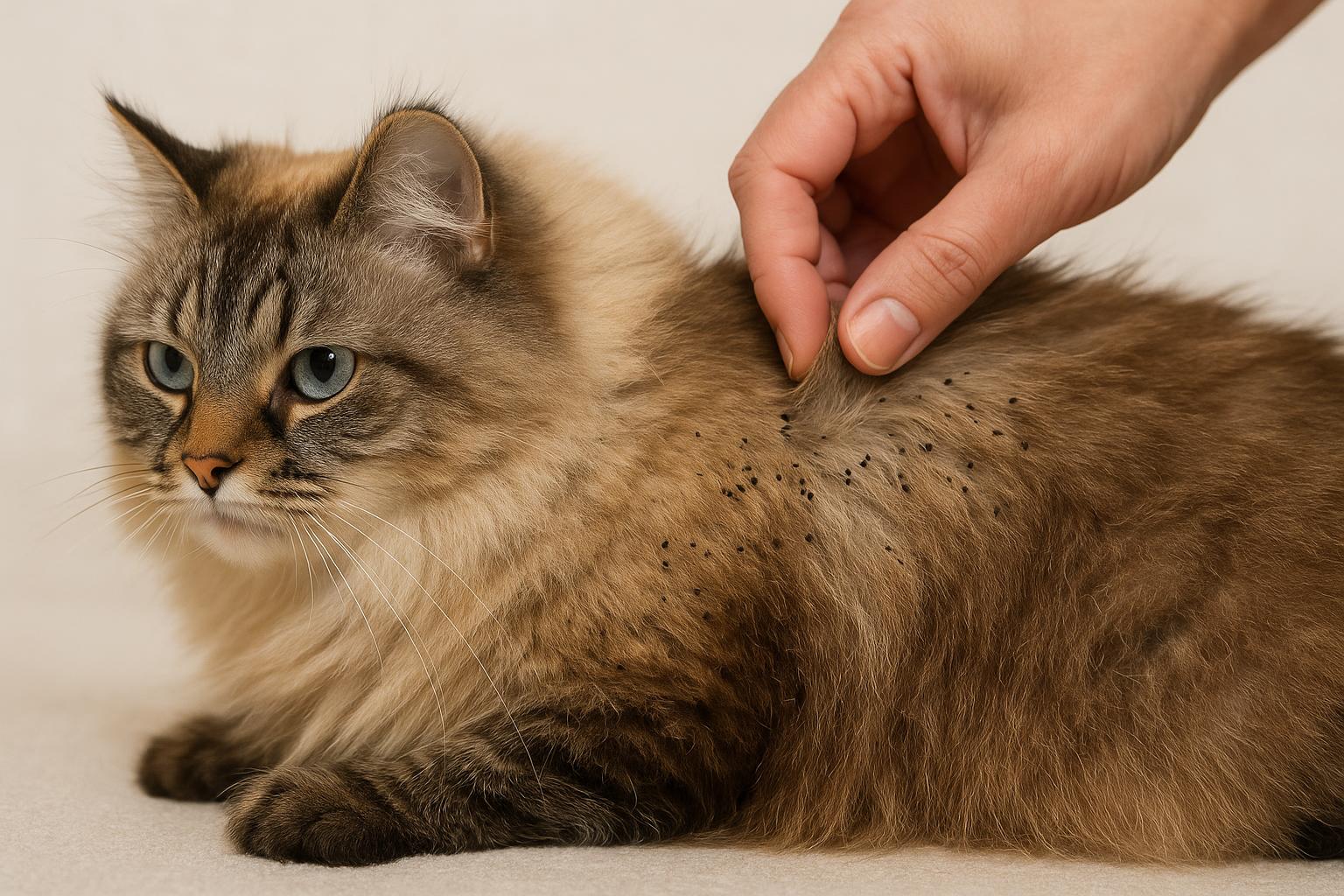
– Tiny black “flea dirt” (dried blood) on the fur or bedding.
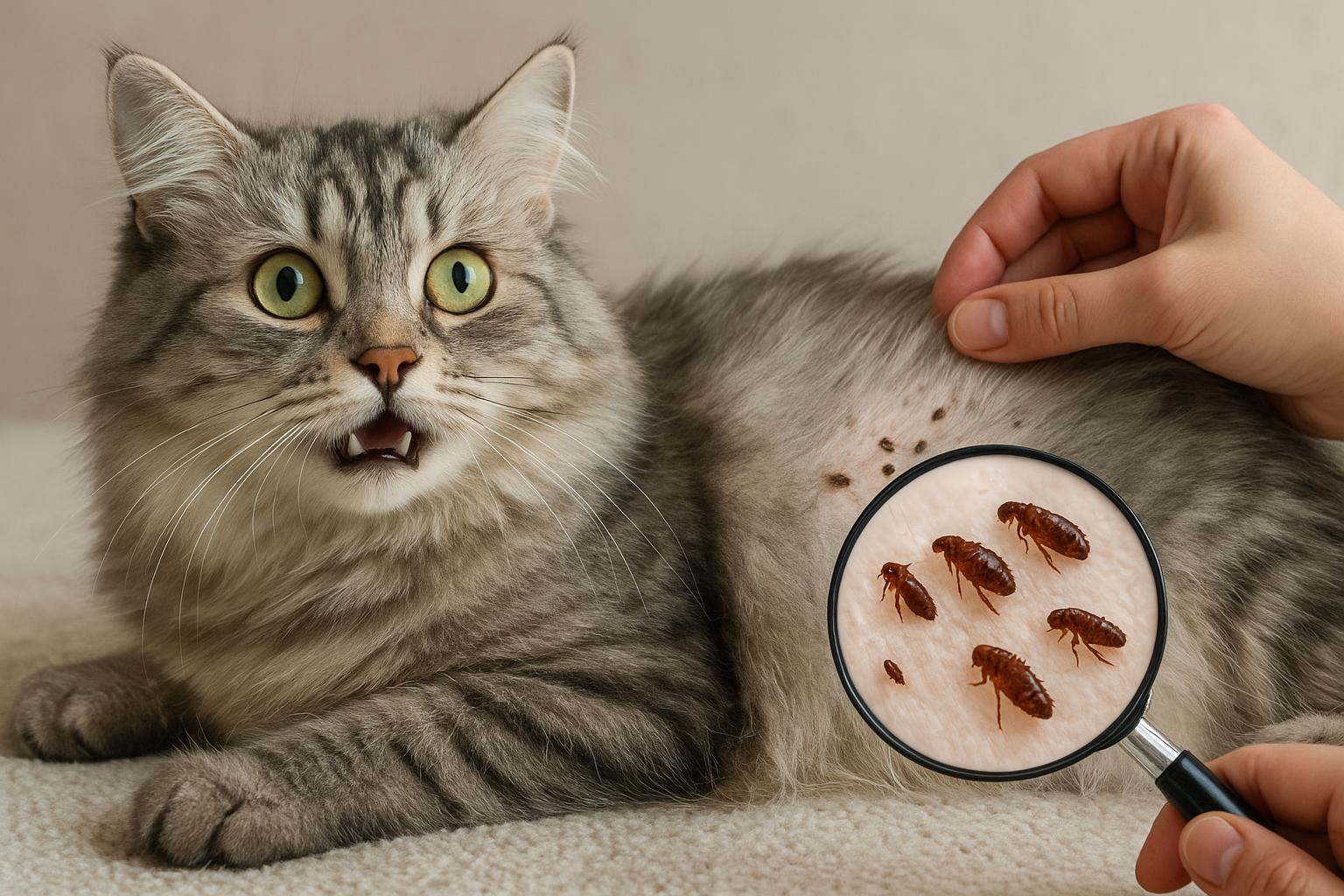
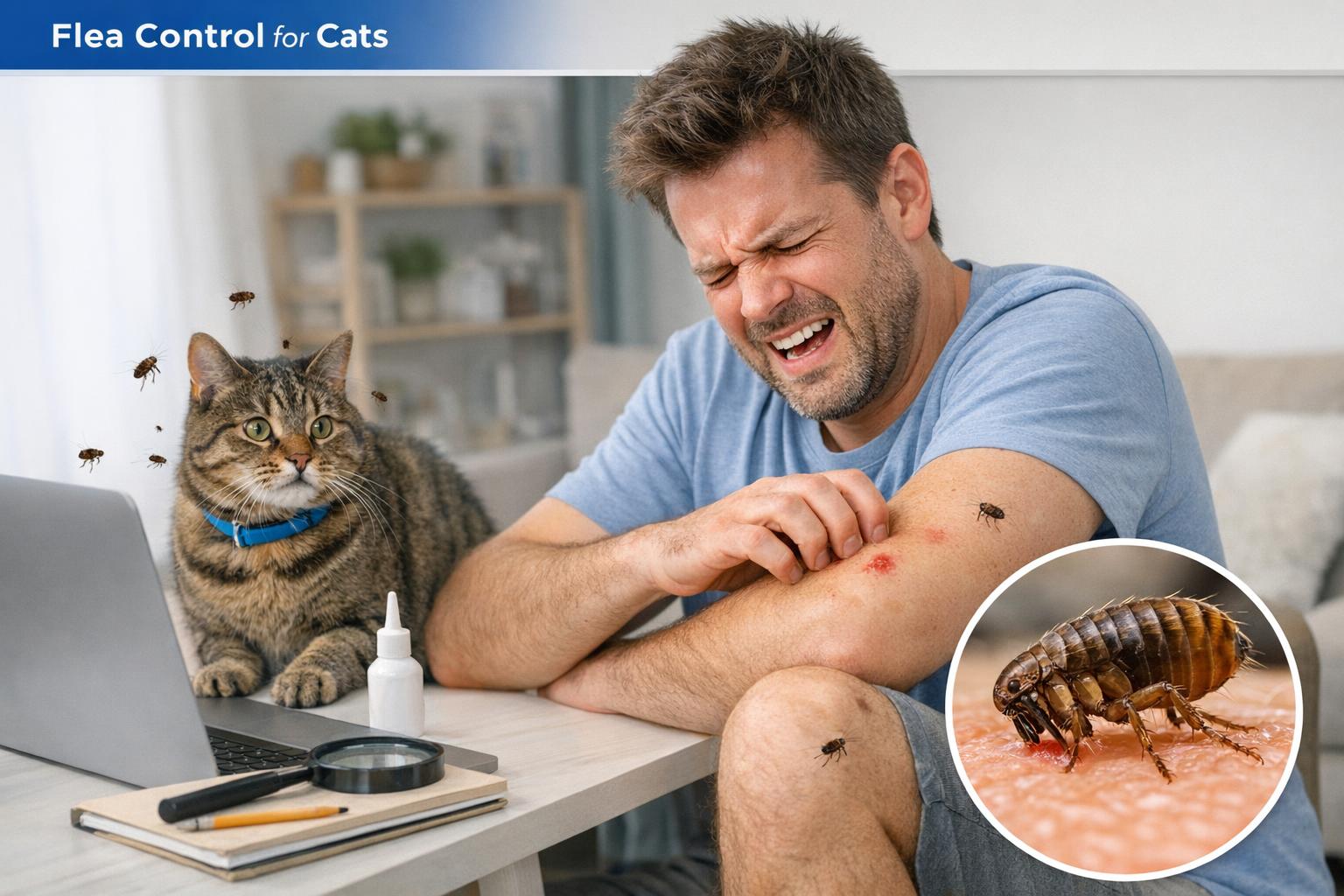
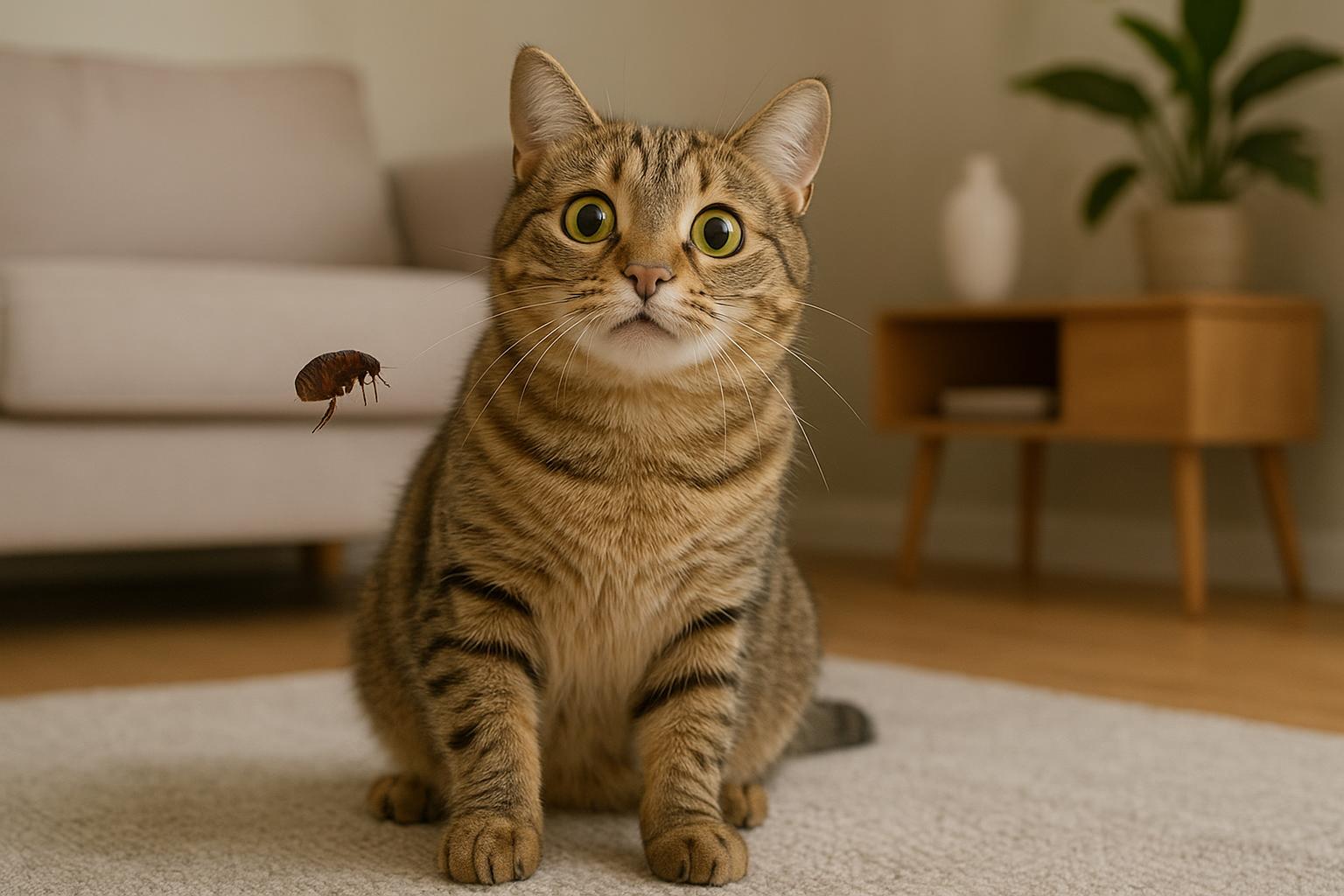
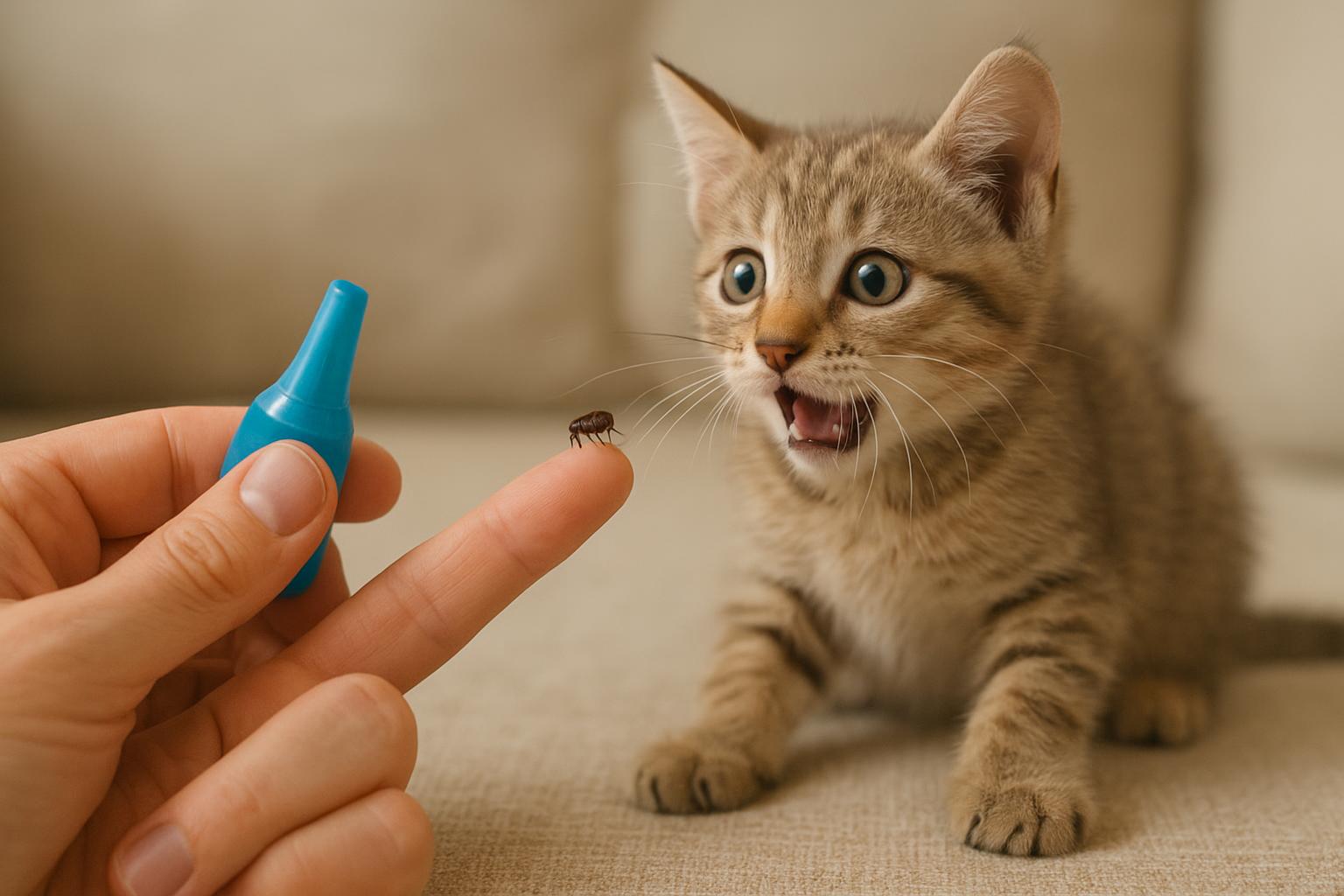
– Visible fleas, especially near the base of the tail or neck.
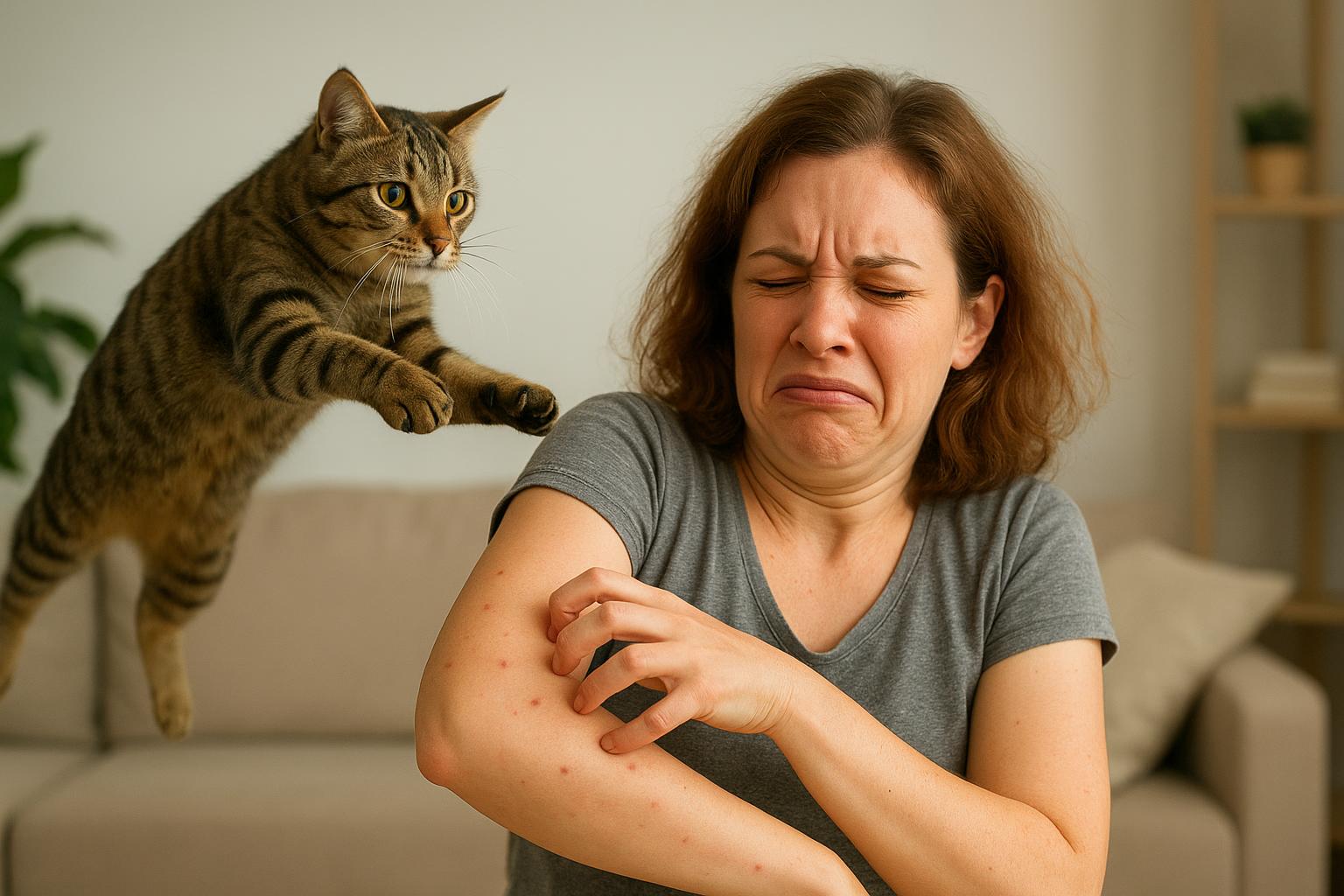
– Red, irritated bumps on the skin or hair loss from excessive grooming.
If you spot these, treat the cat and the environment—both are part of the cat flea entry problem.
## Remedy 1: Environmental Control For Cat Flea Entry
This remedy focuses on the house and yard. Follow these materials and steps precisely to break the flea lifecycle. Tone here is formal and factual—this is where your funnel of effort matters most.
Materials / Ingredients:
1. HEPA vacuum cleaner with attachments
2. High-temperature washing machine access
3. Pet-safe carpet treatment or insect growth regulator (IGR) spray (e.g., methoprene or pyriproxyfen labeled for indoor use)
4. Stiff-bristle broom or carpet rake (optional)
5. Disposable vacuum bags or sealed containers for vacuum contents
6. Protective gloves and eye protection
7. Yard flea control products (if needed), such as IGR granules or professional products labeled for outdoor use
8. Sealing materials (weatherstripping, door sweeps) for gaps under doors
Step-by-Step Creation and Application:
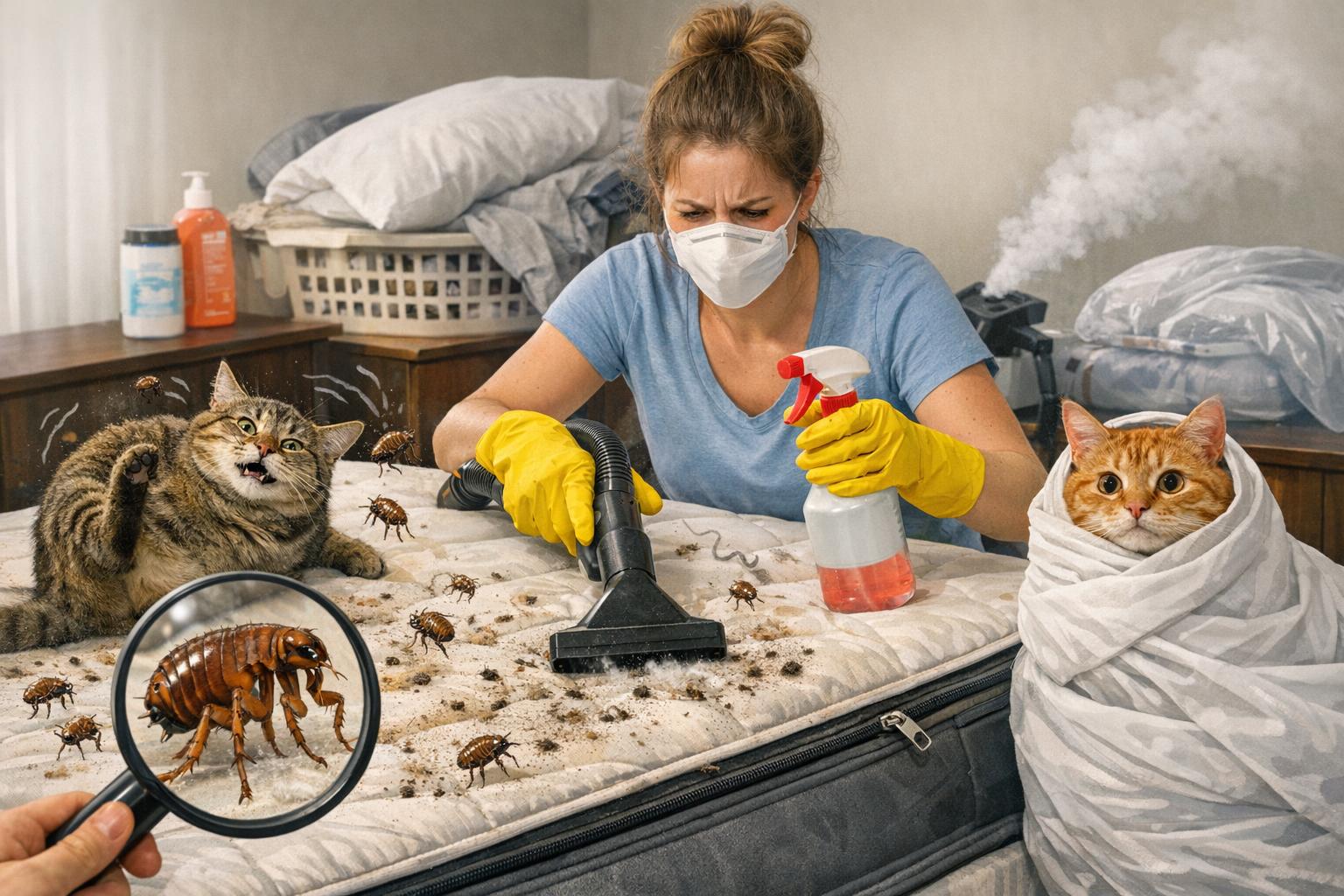
1. Prepare: Put on gloves and eye protection. Isolate the cat in a flea-free room while treating the environment.
2. Wash Bedding: Collect all pet bedding, blankets, and removable cushion covers. Wash in hot water (at least 60°C/140°F) and dry on high heat for 30 minutes. Heat kills eggs, larvae, and adults.
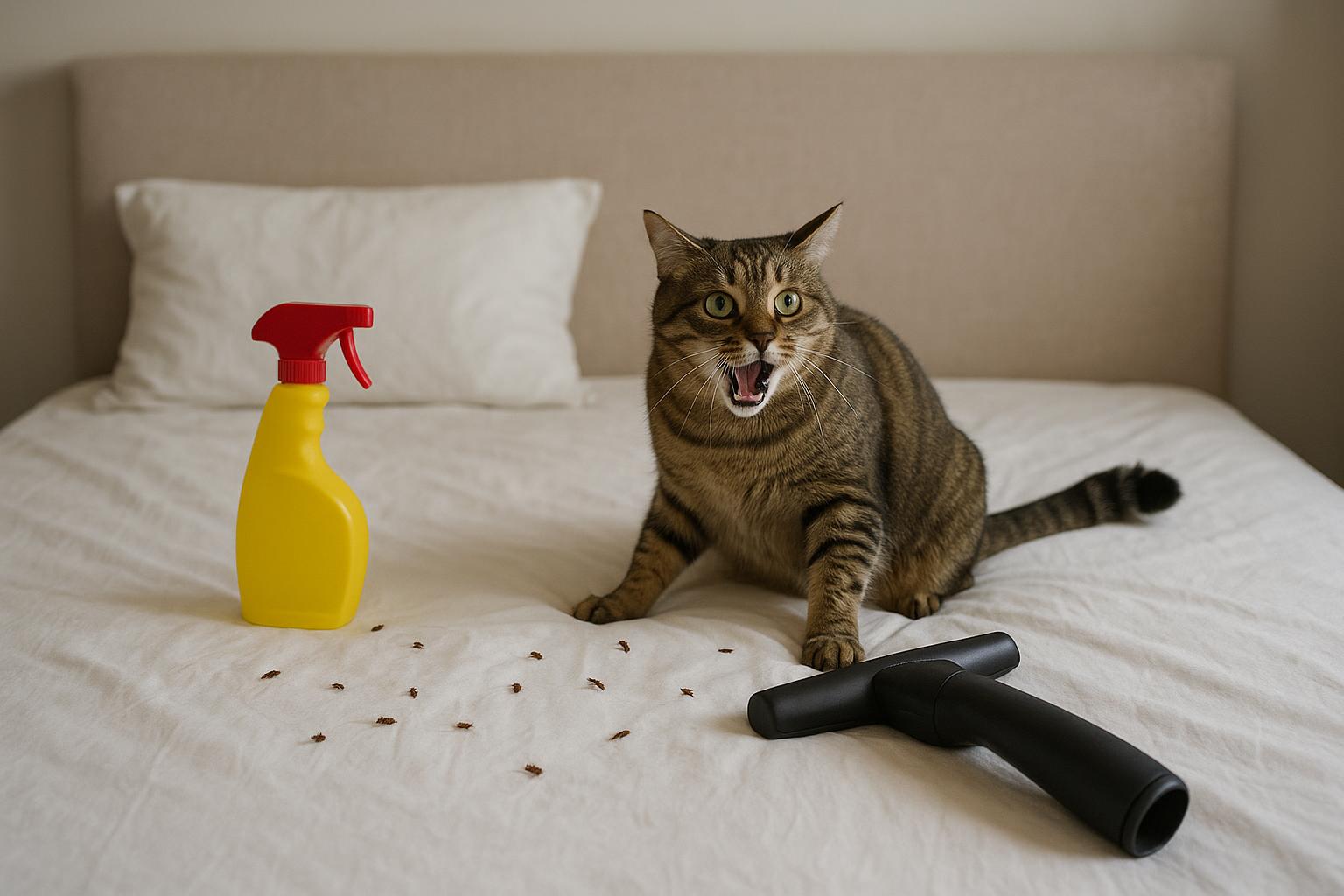
3. Vacuum Thoroughly: Vacuum carpets, rugs, upholstered furniture, baseboards, and floor crevices. Use attachments to get under couch cushions and along edges. Vacuum daily for 2 weeks. After each use, empty disposable vacuum bags into a sealed plastic bag and discard outside the home; if reusable, seal and freeze contents for 48 hours before disposing.
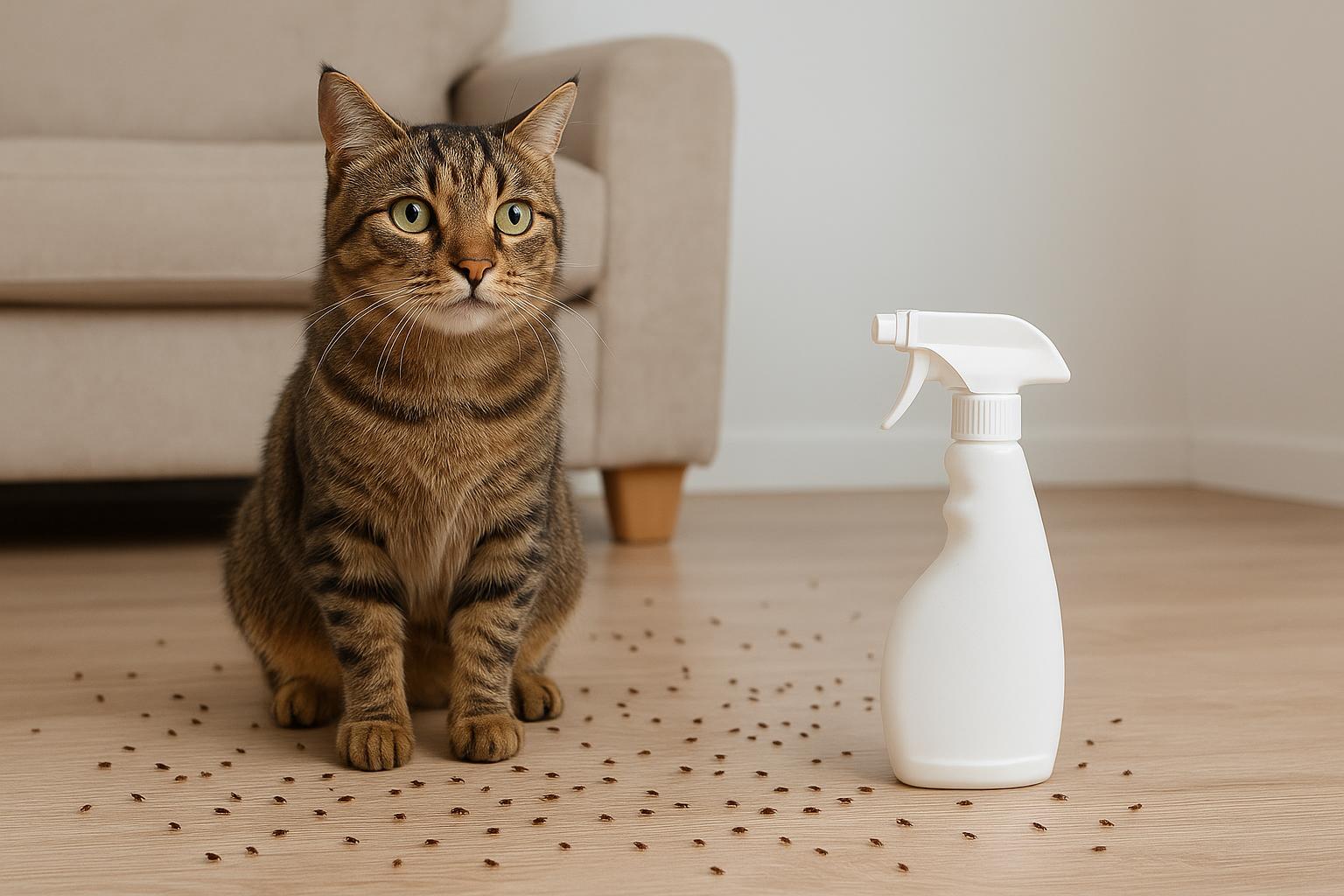
4. Apply IGR/Carpet Treatment: Follow product instructions exactly. Typically, apply the spray to carpets, upholstery, and other areas where your cat spends time. IGRs prevent eggs and larvae from developing into adults, cutting off the lifecycle.
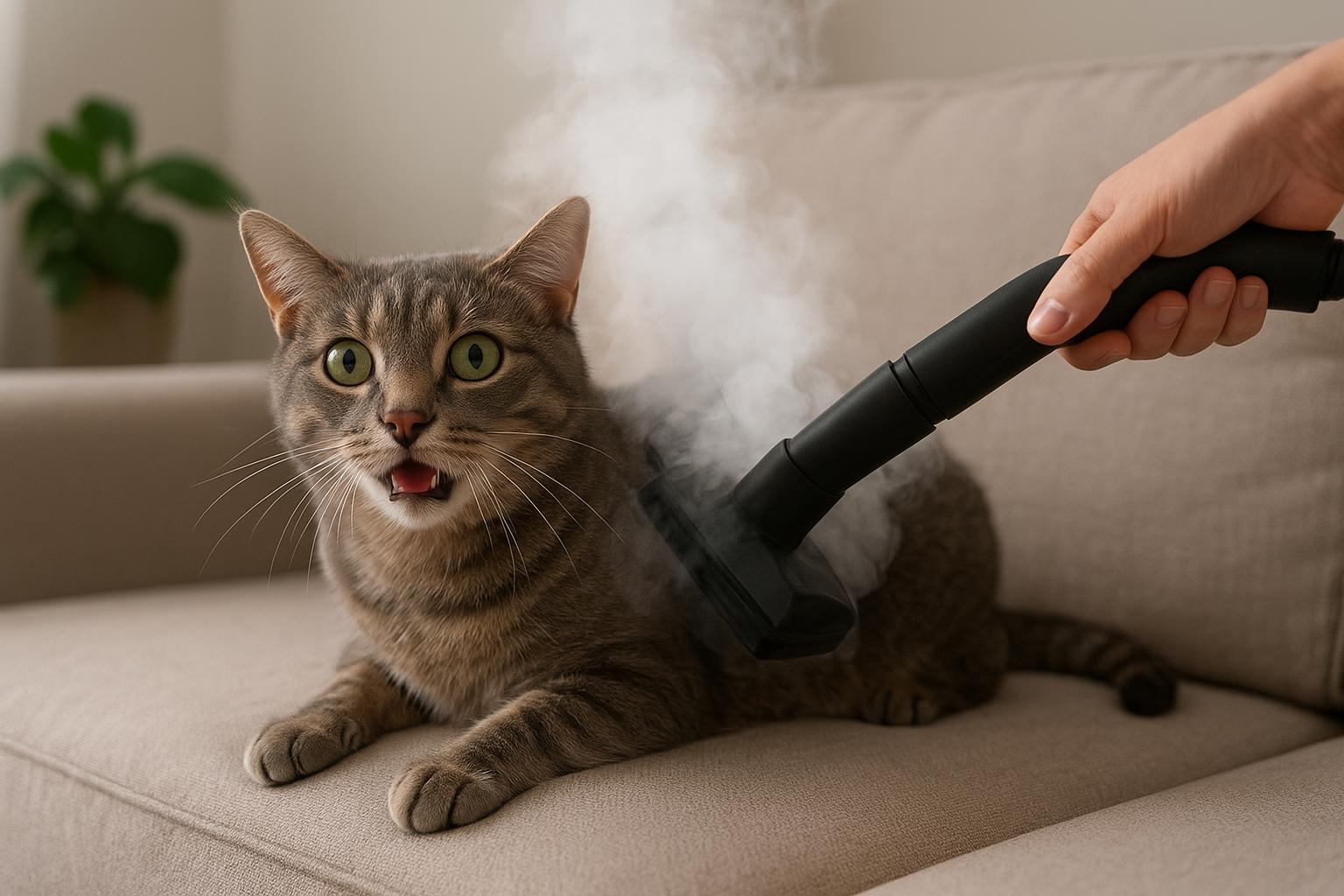
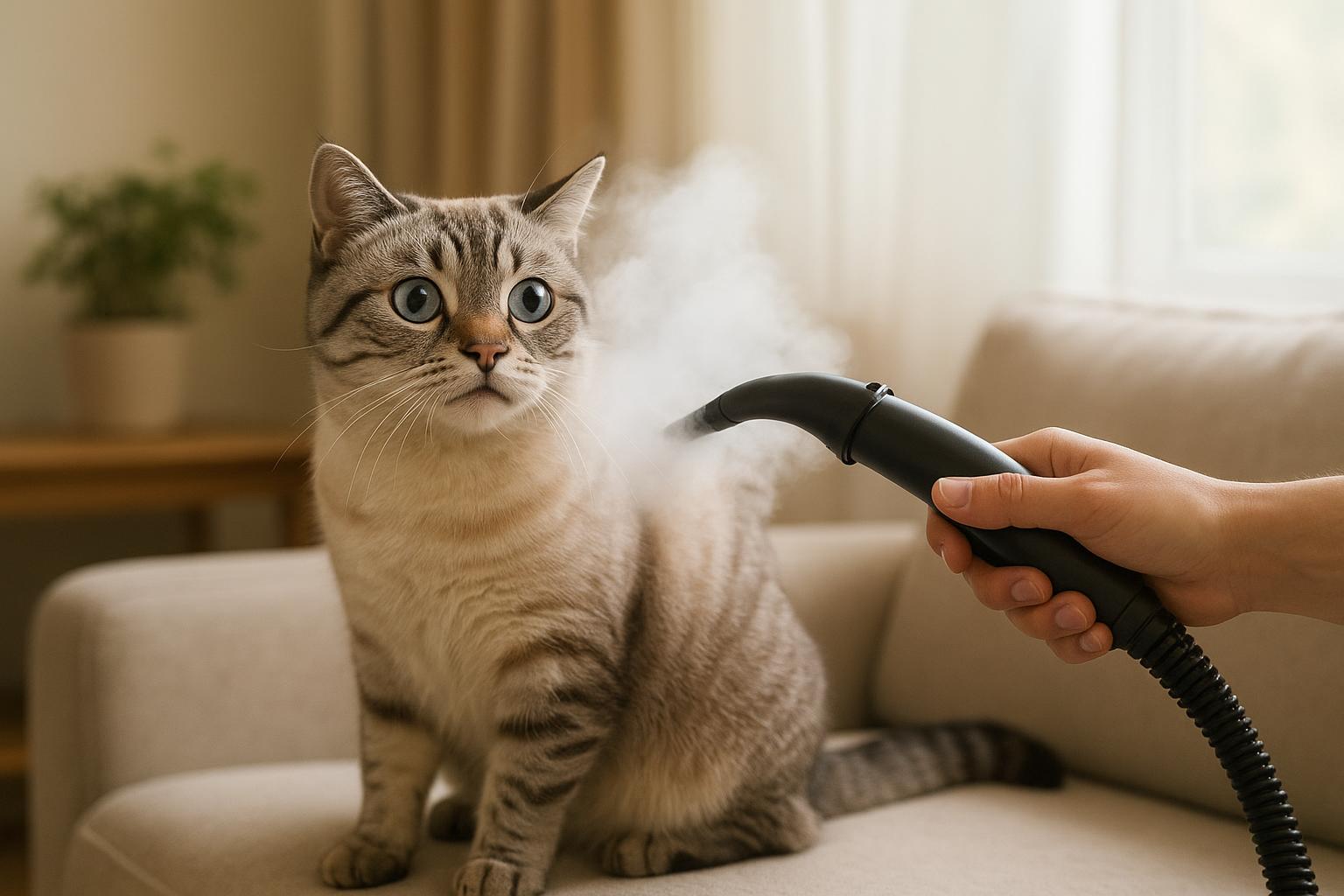
5. Steam Clean (Optional): If feasible, steam clean carpets and upholstery; high heat kills all life stages but won’t prevent reinfestation.
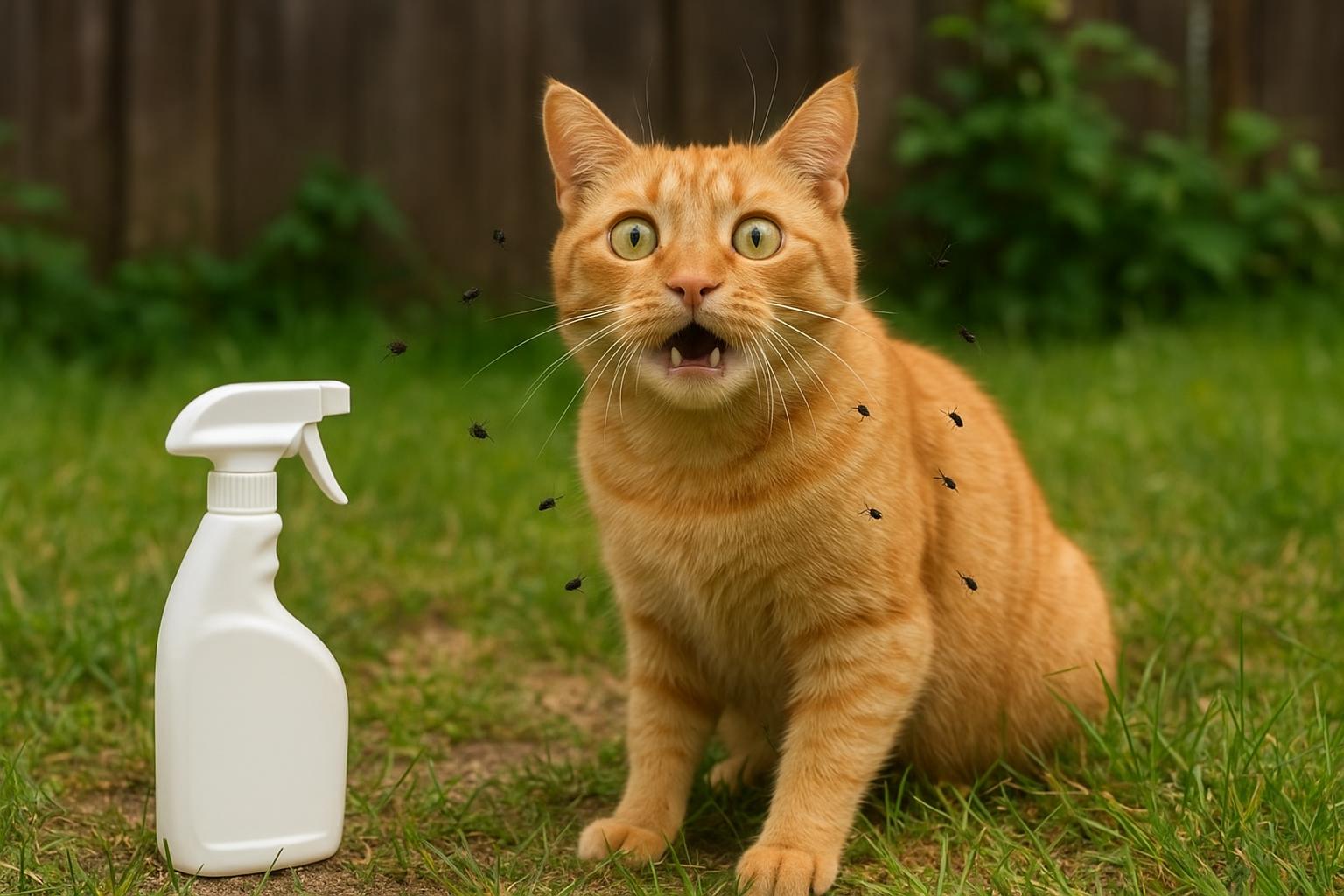
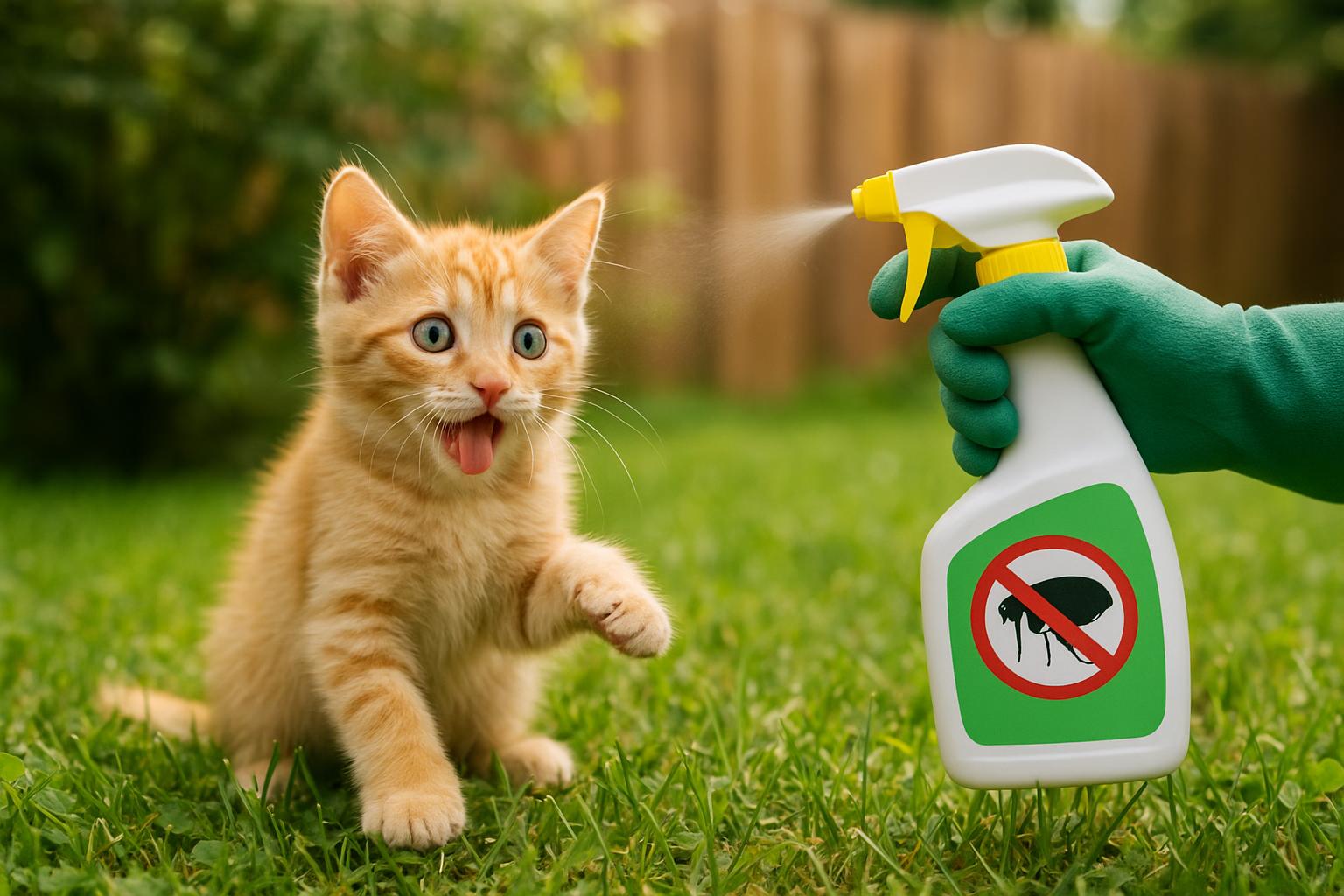
6. Treat Outdoor Areas: Focus on shady, moist spots where wildlife rest. Apply yard products according to label instructions; avoid treating edible plants and water sources. Maintain short grass and remove debris that shelters wildlife.
7. Seal Entry Points: Install door sweeps and weatherstripping to reduce small animals entering or lingering near thresholds. Replace or repair torn screens.
8. Monitor and Repeat: Continue vacuuming daily and reapply environmental treatments as labeled until all signs of fleas are gone (usually 4–8 weeks because of pupae). Persistence breaks cat flea entry cycles.
## Remedy 2: On-Host Preventatives And Treatment
This remedy addresses the cat directly. Use veterinarian-recommended products and follow dosing and safety guidance. This section is formal and prescriptive.
Materials / Ingredients:
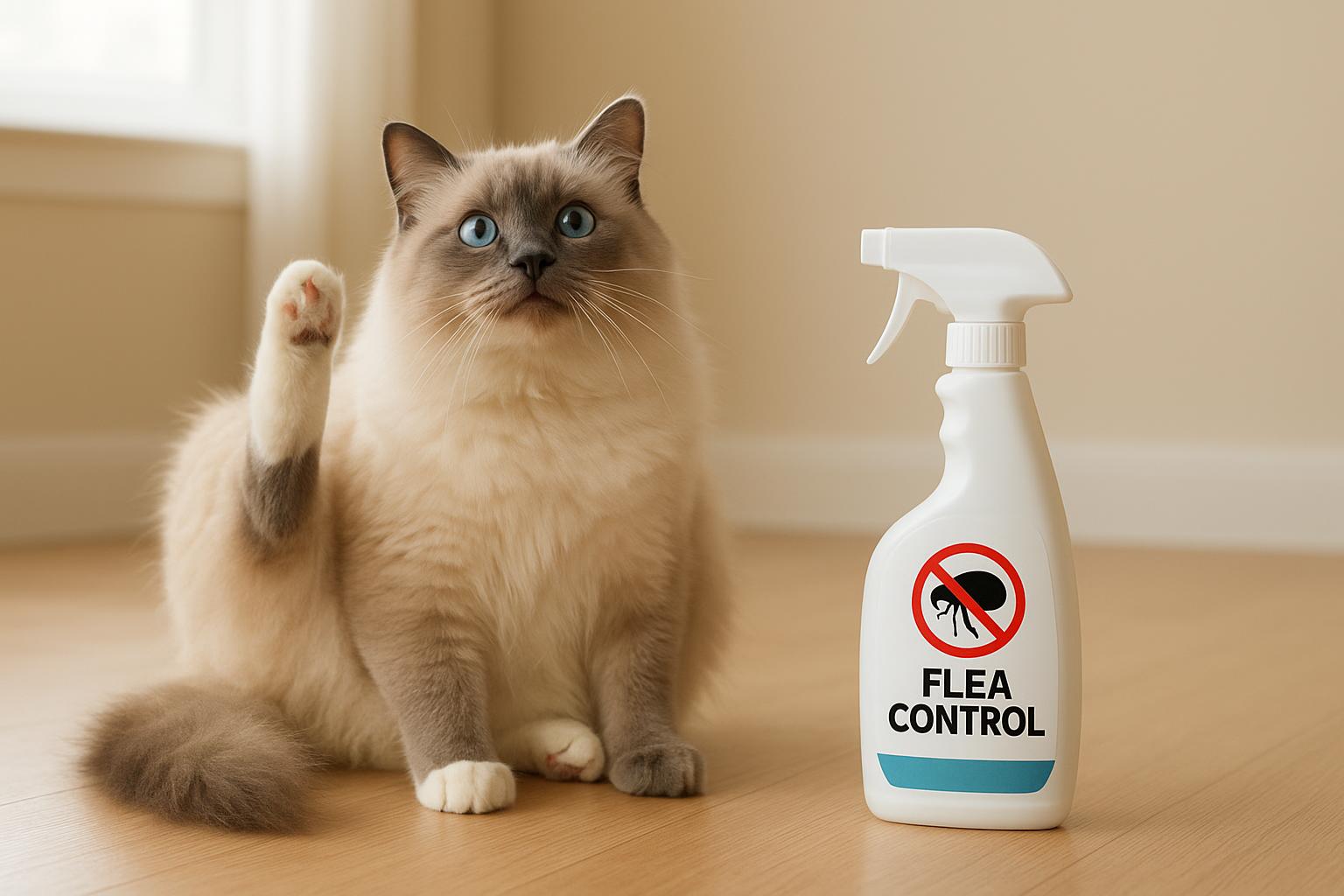
1. Veterinarian-approved topical flea treatment (e.g., fipronil, selamectin, imidacloprid; product choice based on vet guidance)
2. Oral flea control (e.g., spinosad, nitenpyram) if advised by your vet
3. Flea comb (fine-toothed)
4. Mild cat shampoo labeled for flea removal (if immediate removal is needed)
5. Towels and a warm, calm space for treatment
6. Veterinary contact information for adverse reactions
Step-by-Step Application:
1. Vet Consultation: Before starting any product, consult your veterinarian. They will advise on age, weight, health status, and coexisting conditions. Some cats (e.g., kittens, pregnant cats, or those with certain diseases) need special products.
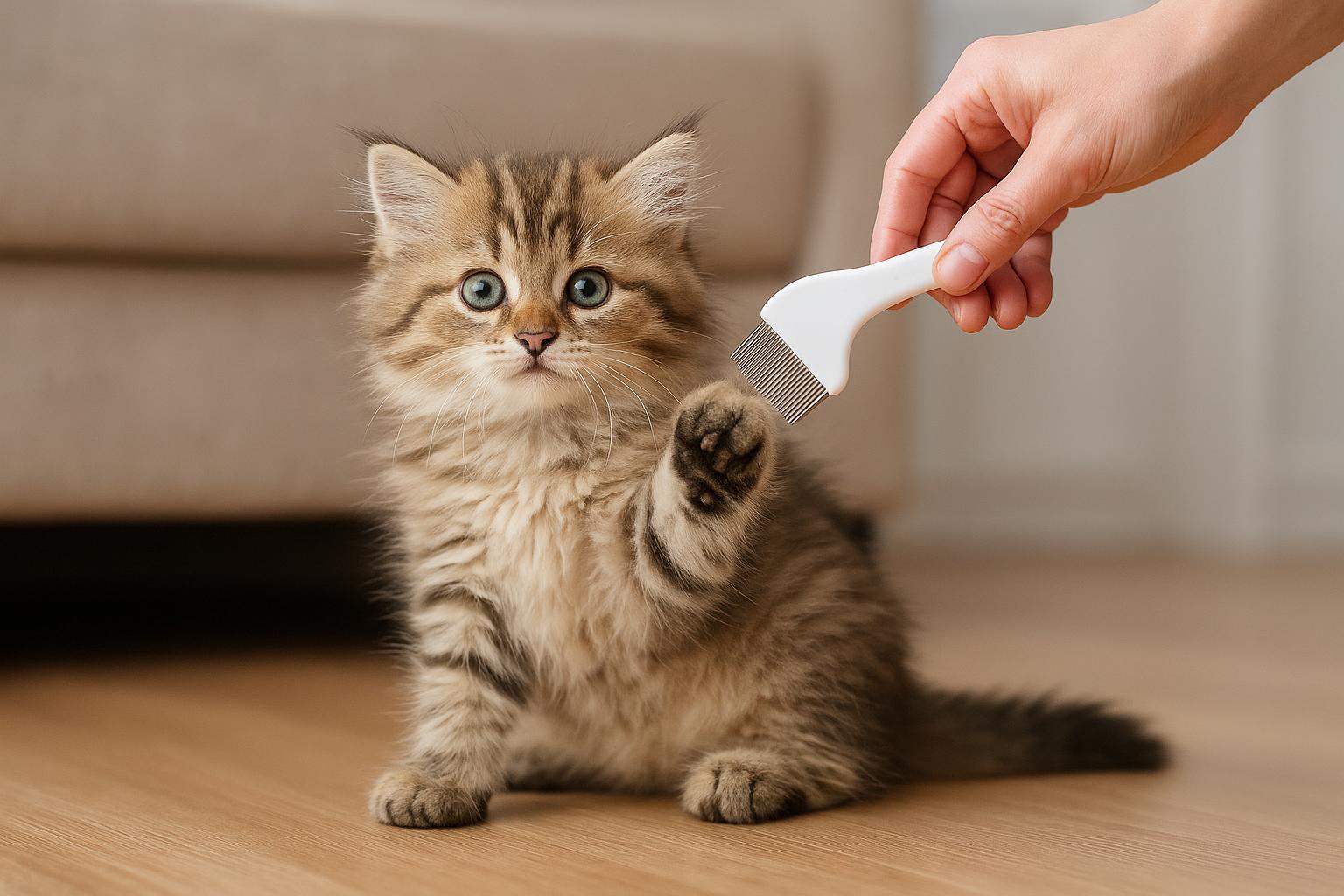
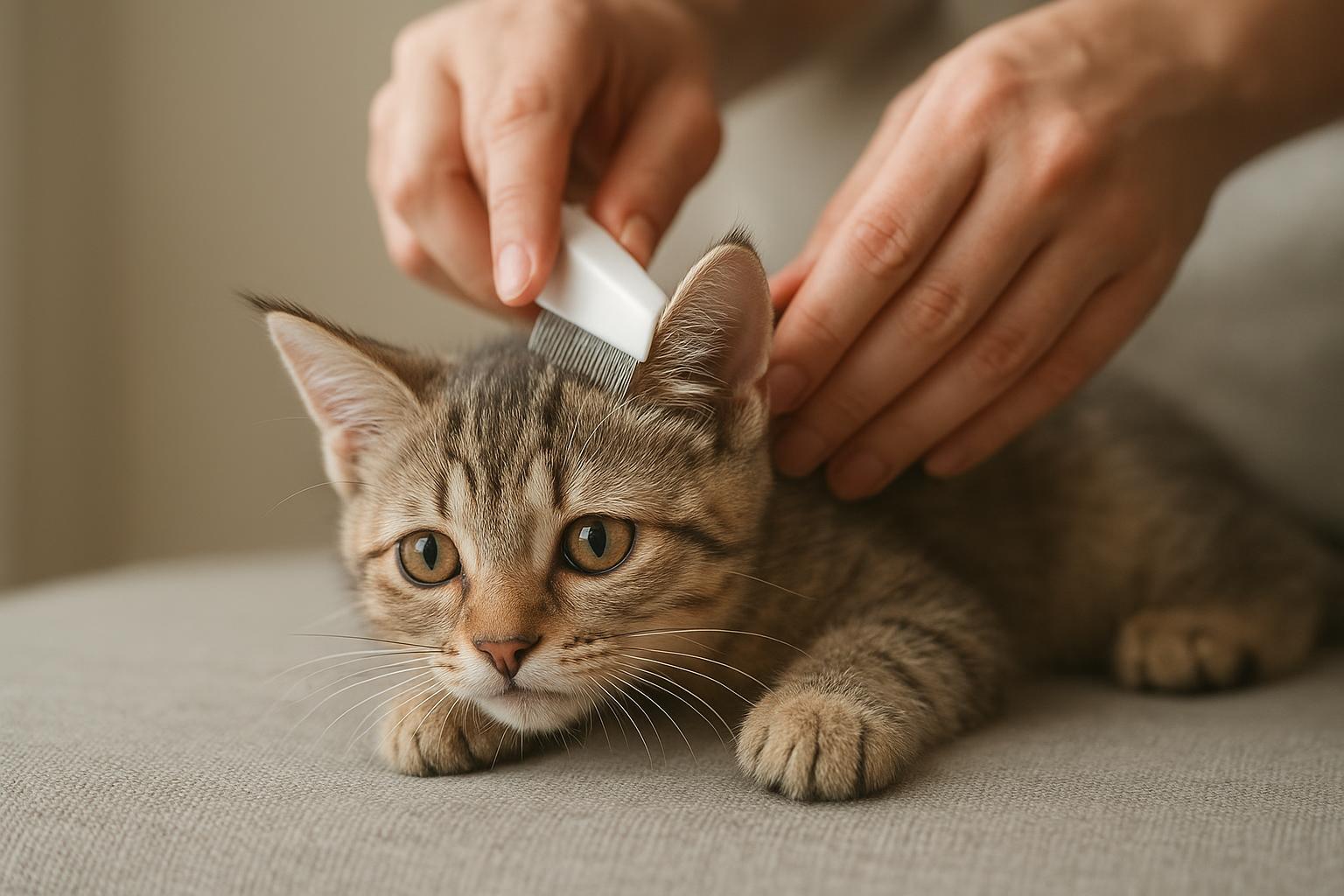
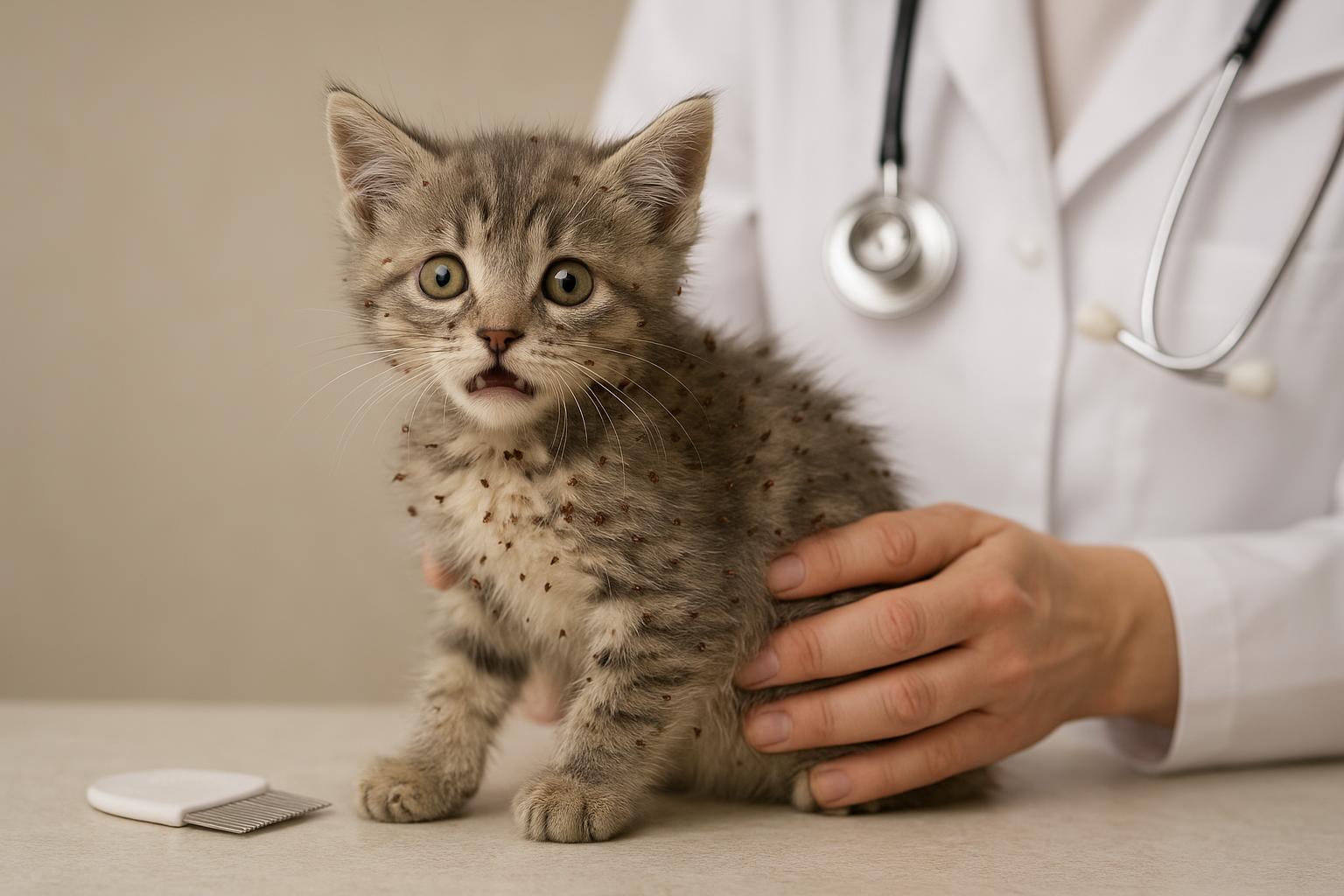
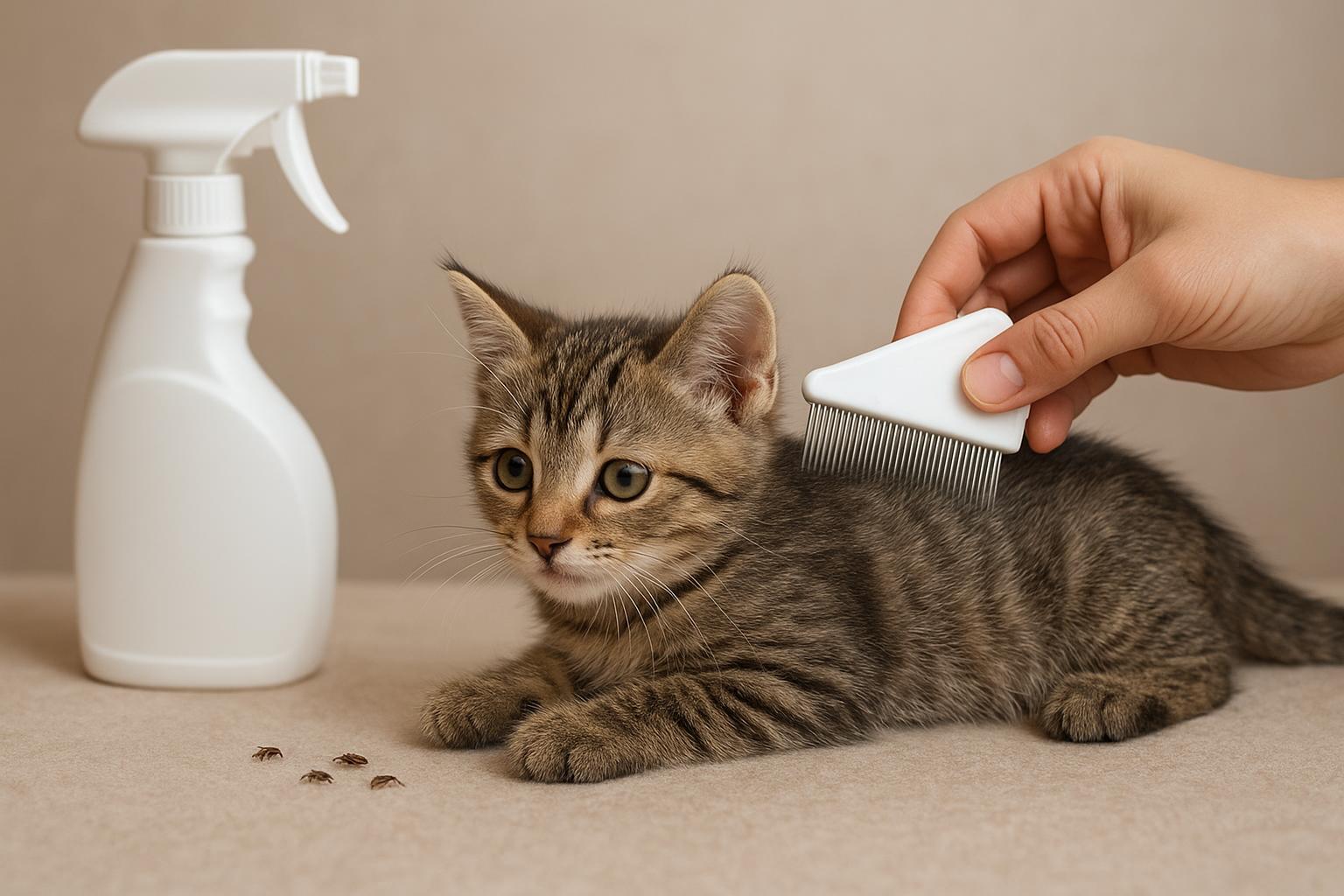
2. Immediate Removal (If Heavy Infestation): Use a flea comb over a white towel. Dip the comb in soapy water to drown captured fleas. If a bath is necessary, use a cat-specific flea shampoo and follow the product’s instructions; protect the cat’s airway and ears.
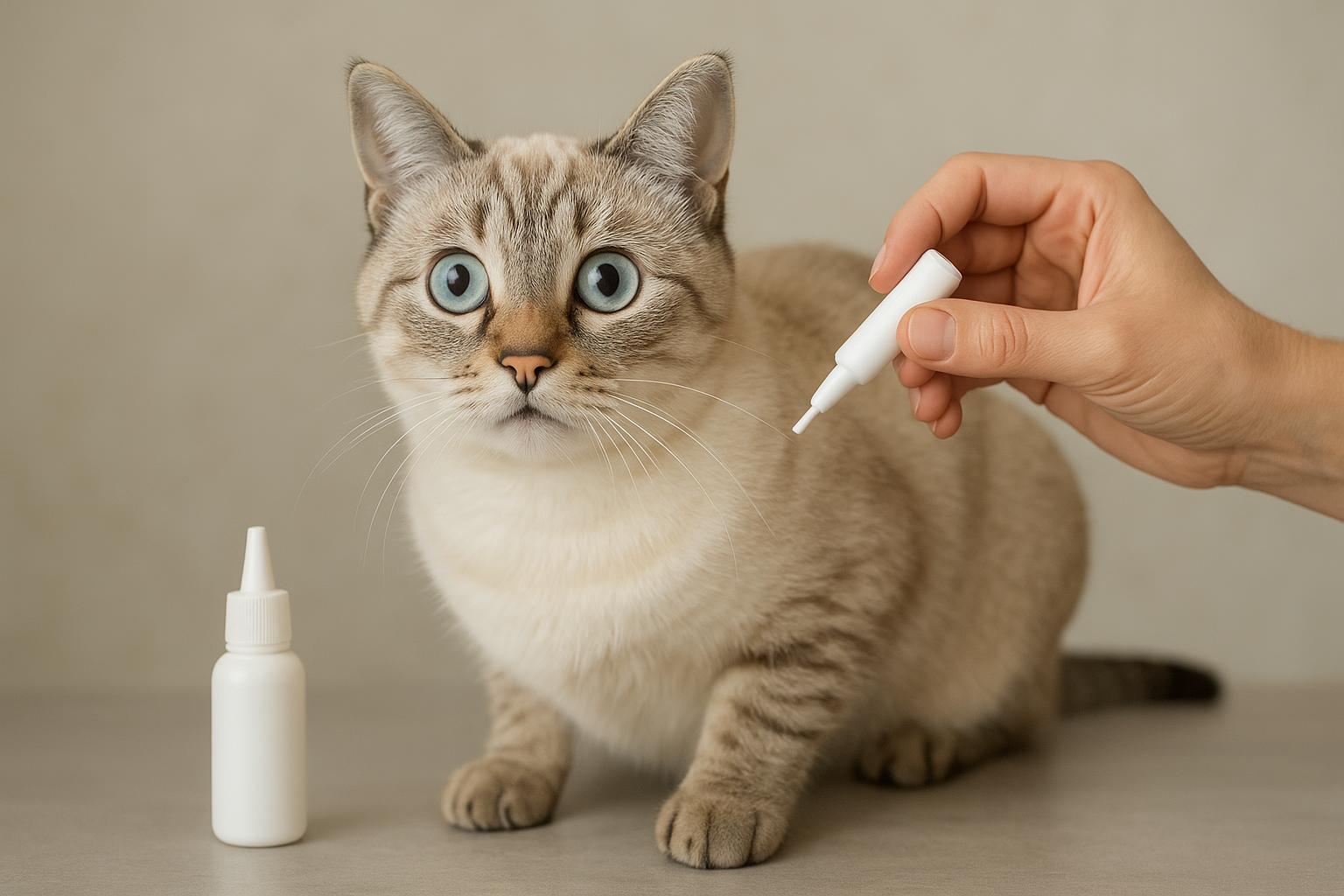
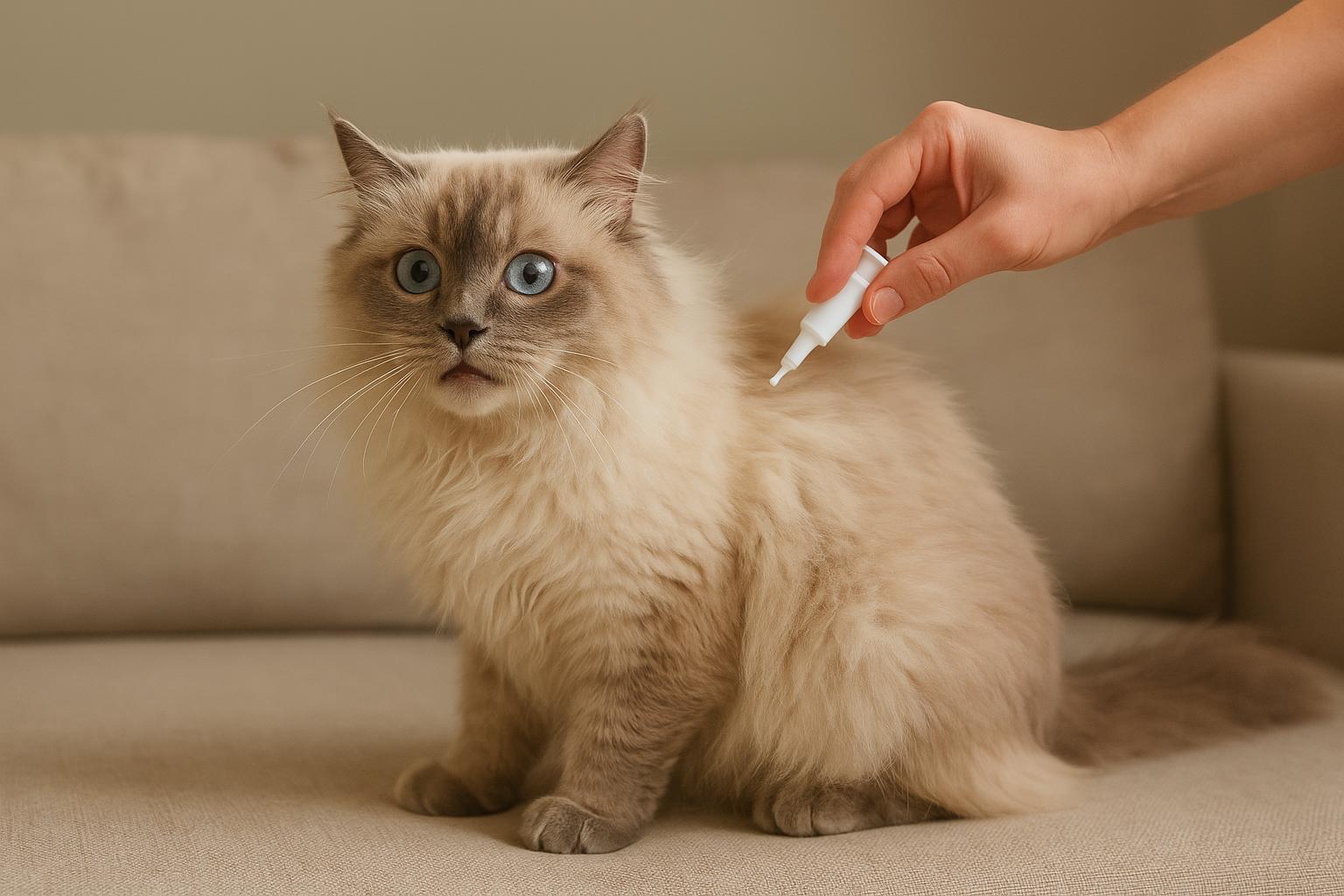
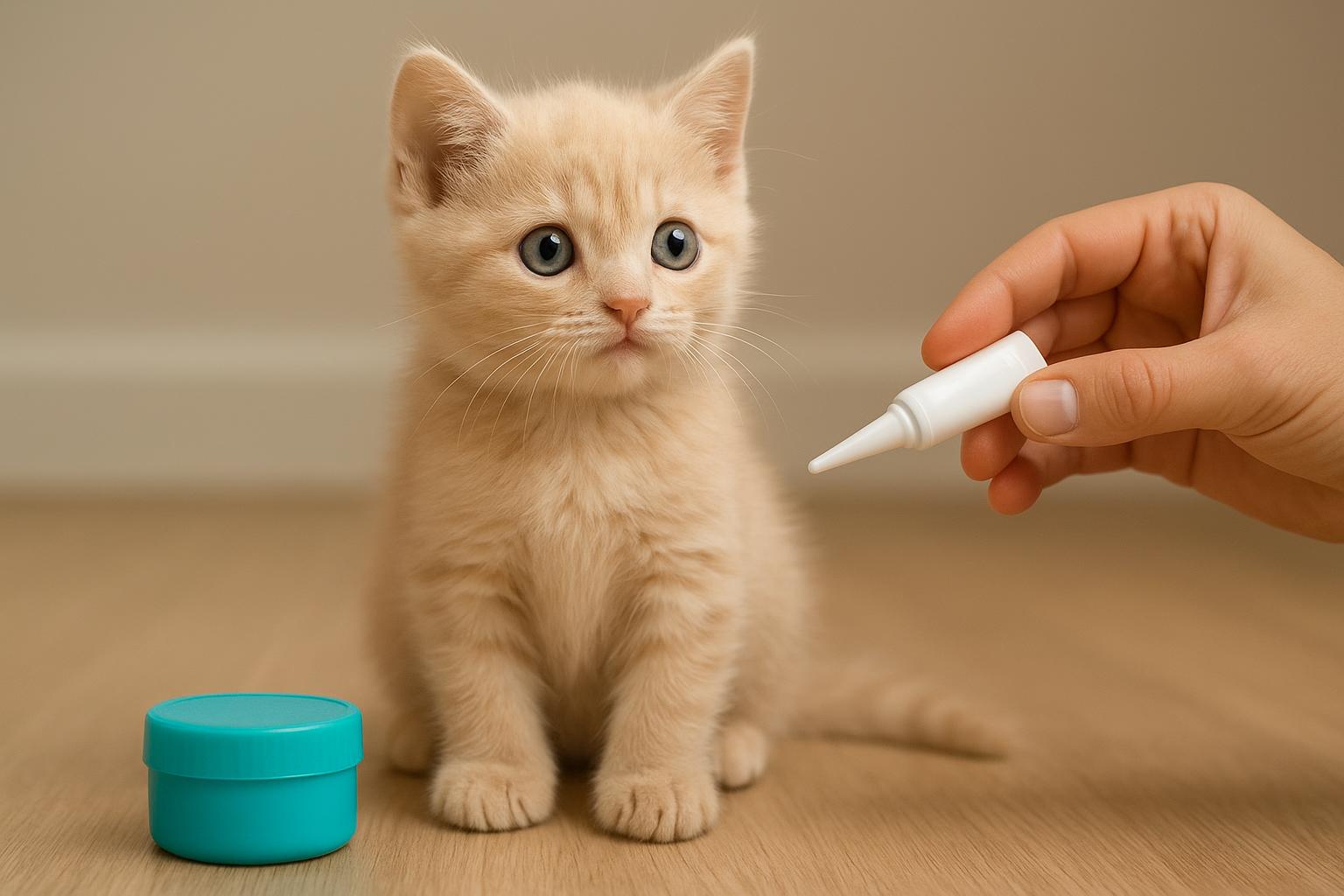
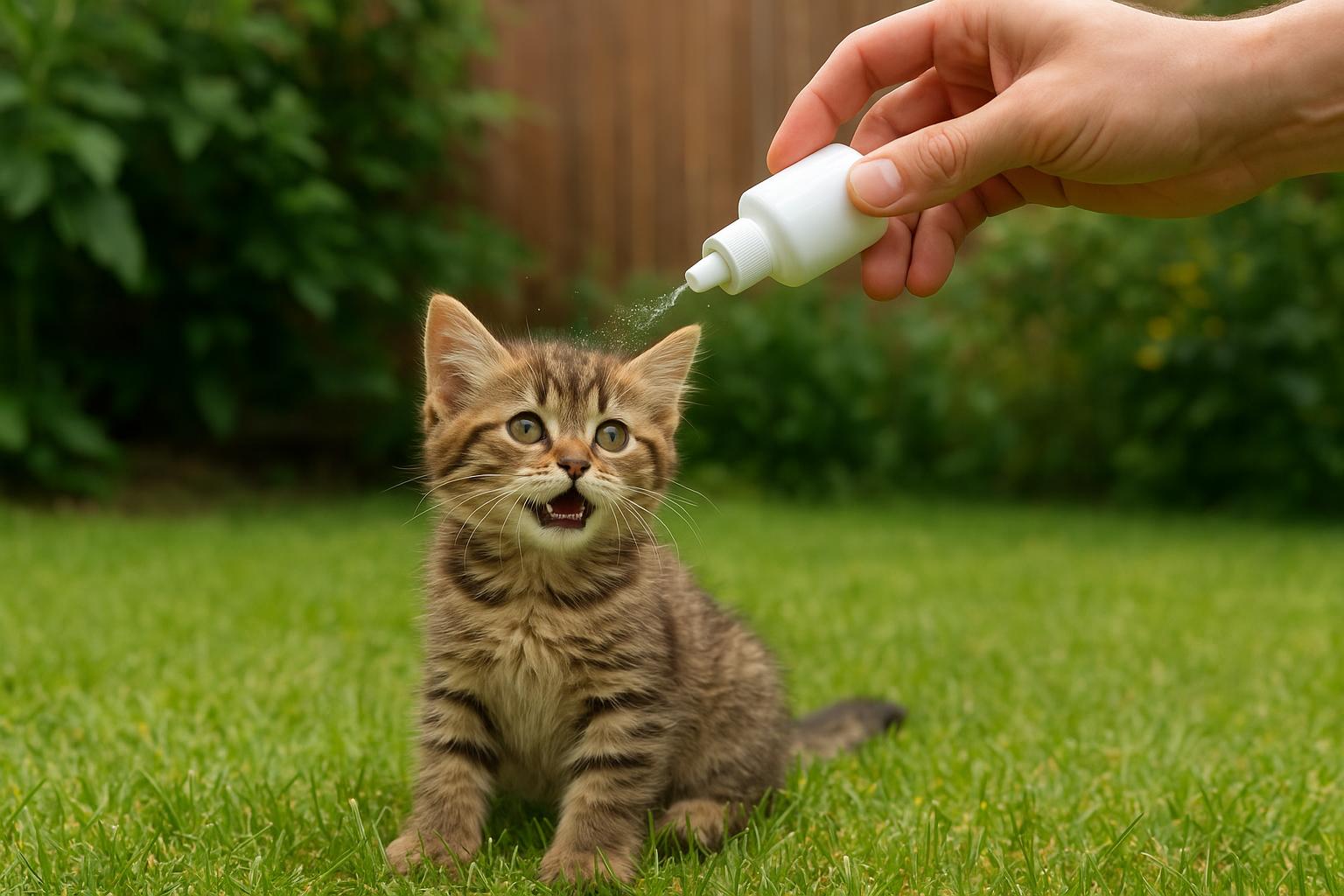
3. Apply Topical Treatment: Part the fur at the base of the skull (between the shoulder blades) and apply the full dose directly to the skin. Do not apply multiple doses at once. Ensure the cat does not groom the application site until it dries.
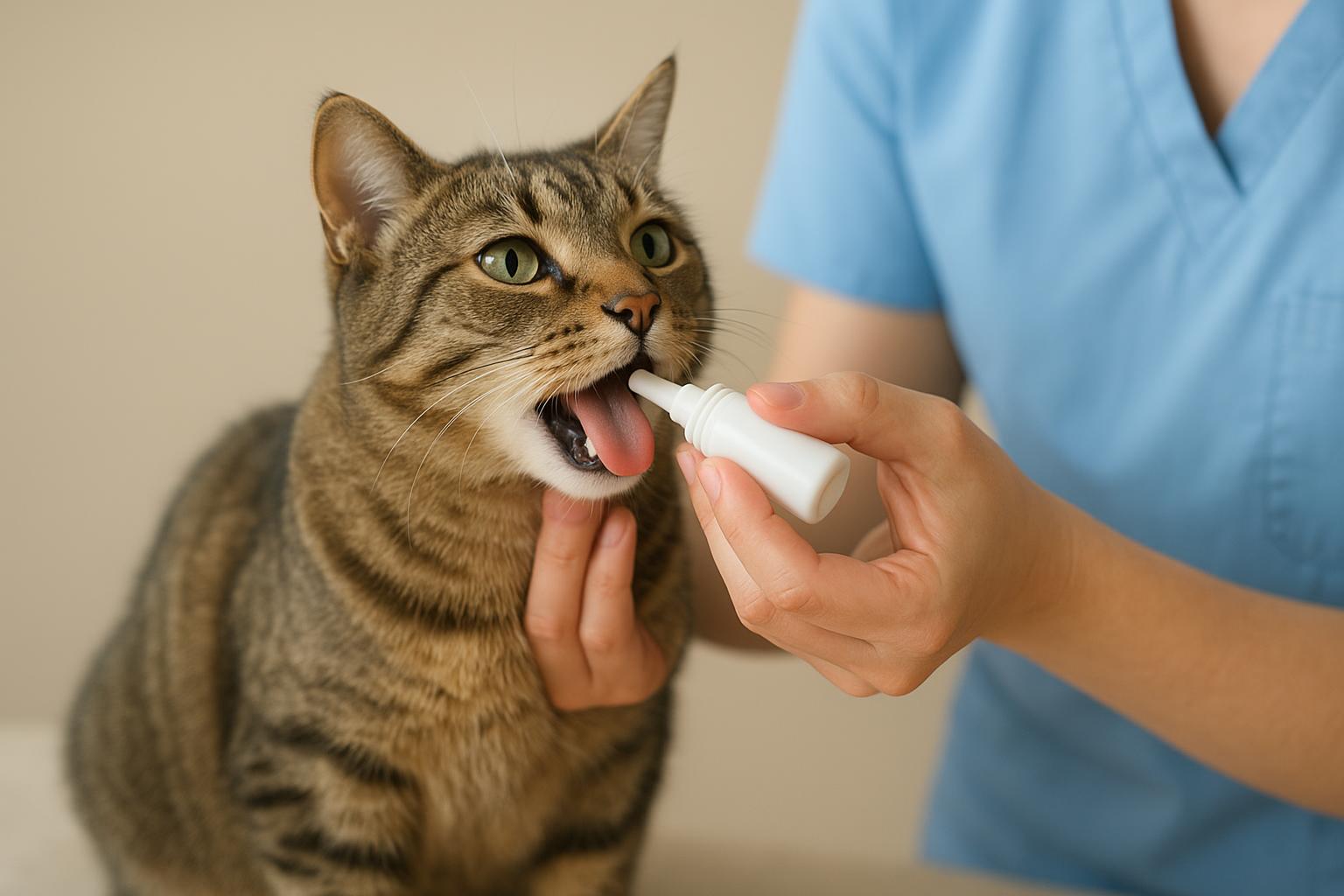
4. Administer Oral Medication (If Prescribed): Follow the exact dosing schedule. Some oral products work very quickly to kill adult fleas, which can provide rapid relief from severe itching and reduce the likelihood of flea-borne tapeworms.
5. Use Preventative Schedule: Most products require monthly reapplication. Set reminders for consistent use. In homes with heavy environmental infestation, you may need to continue for at least three consecutive months.
6. Monitor for Reactions: Watch for vomiting, lethargy, excessive drooling, or neurological signs after medication. Contact your vet immediately if any occur.
7. Coordinate With Environment Treatment: On-host treatment is necessary but not sufficient. Success requires simultaneous environmental control to prevent continuous cat flea entry from pupae and larvae.
### Coordinating Household Practices
A few practical tips to reduce the risk of cat flea entry:
– Limit outdoor unsupervised access if your area is flea-prone.
– Check new pets or secondhand furniture before bringing them inside.
– Keep wildlife feeders away from home foundations; they attract animals that carry fleas.
– Regularly groom and inspect your cat, especially if they go outside or interact with other animals.
### When To Call A Professional
If infestations persist despite following these remedies, consult a pest control professional experienced with pet-safe methods. Some environments require integrated pest management strategies that combine chemical treatment with habitat modification.
Admitting that fleas won’t read your meticulously crafted prevention plan is part of the process—those pupae can wait out the storm. But with consistent environmental work and timely on-host treatment, you can make your home much less attractive to fleas and stop most cat flea entry routes.











Leave a Reply