
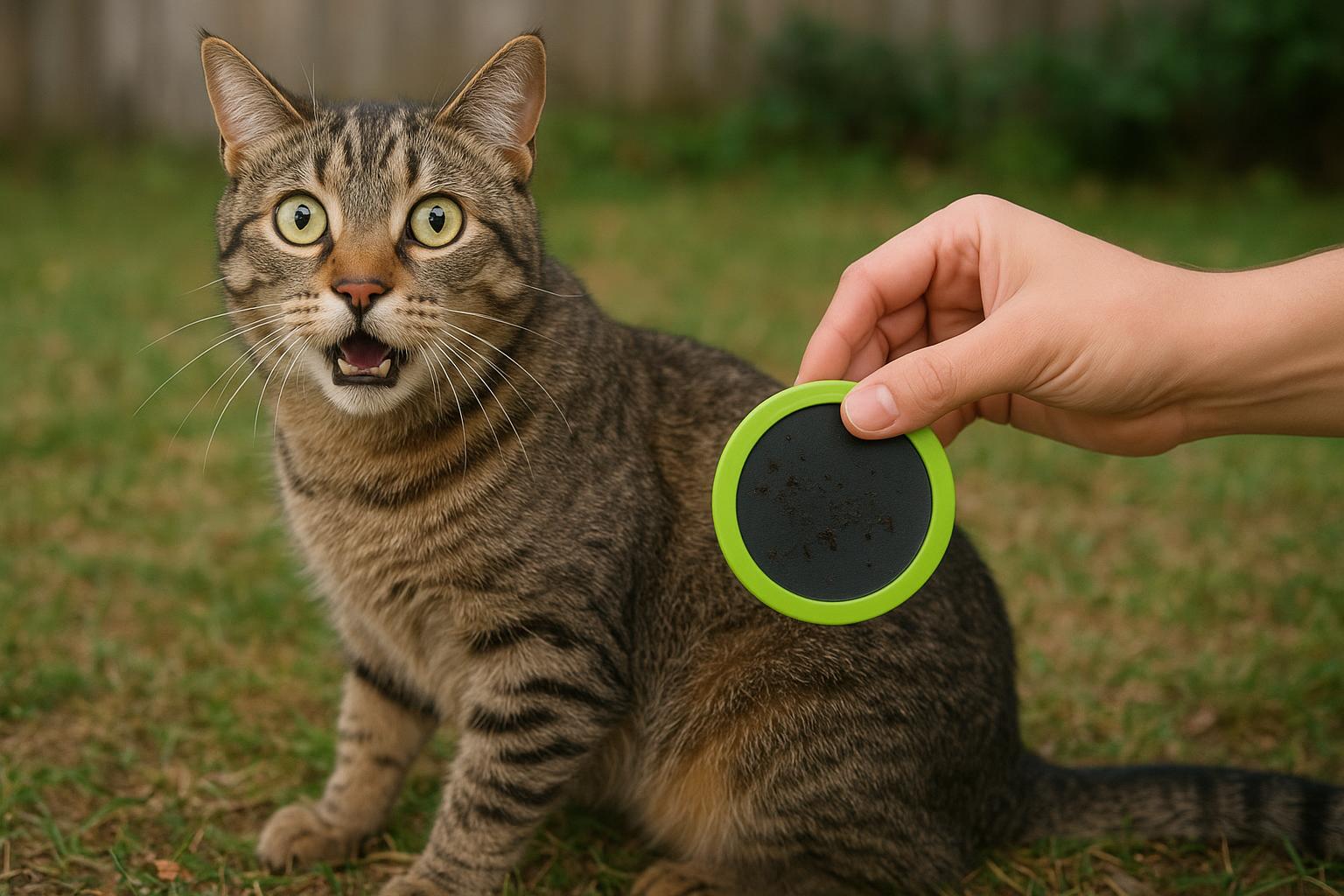
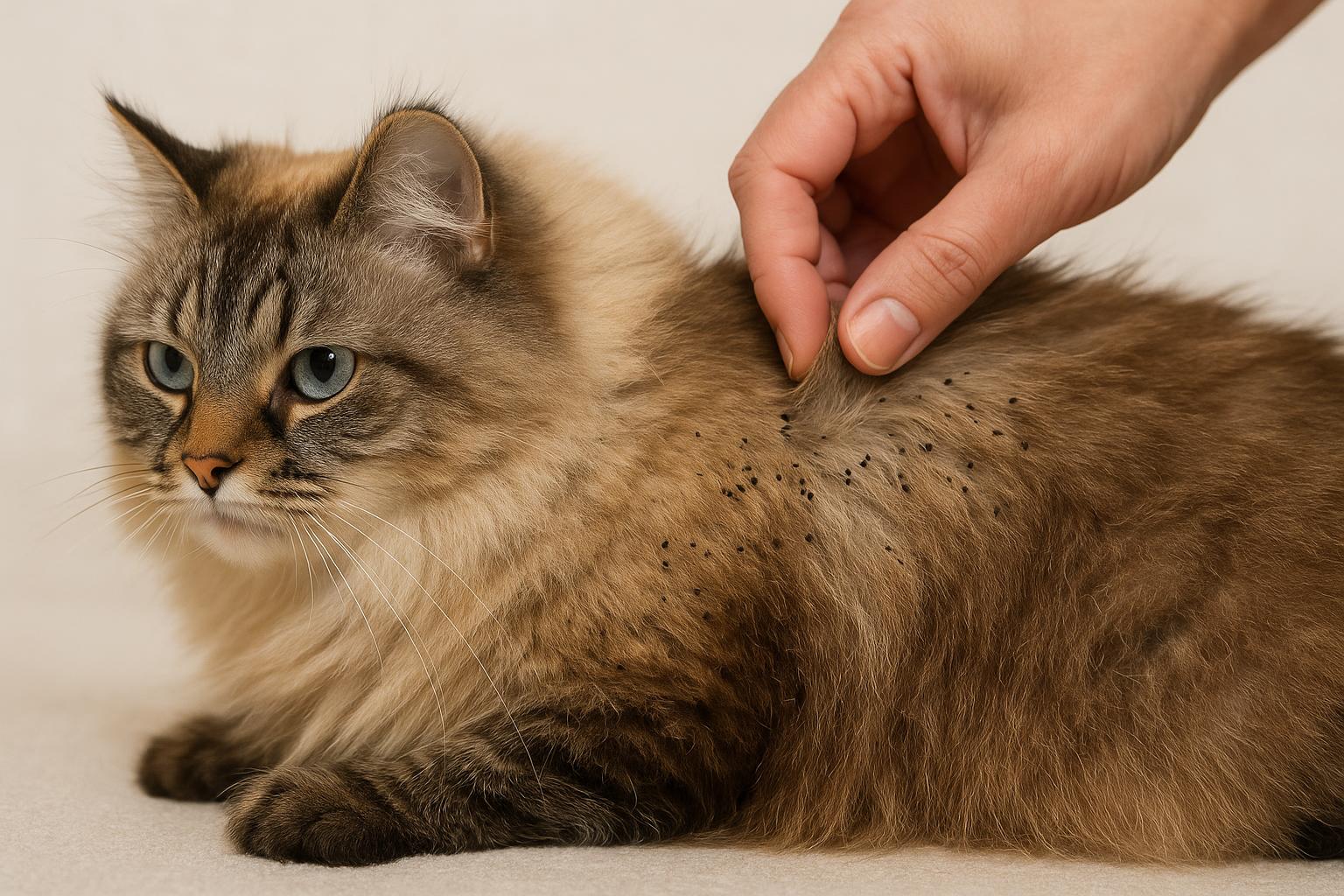
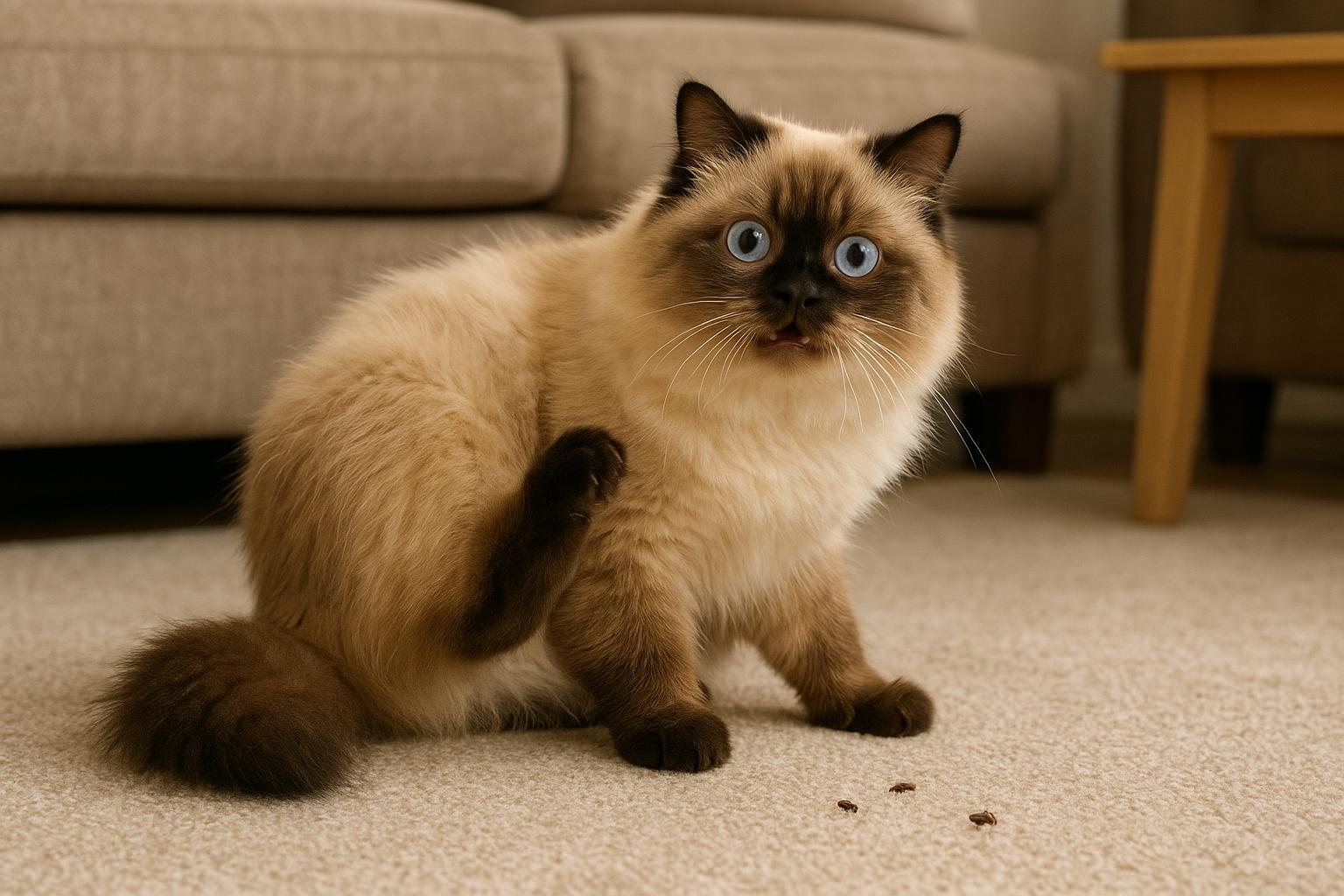
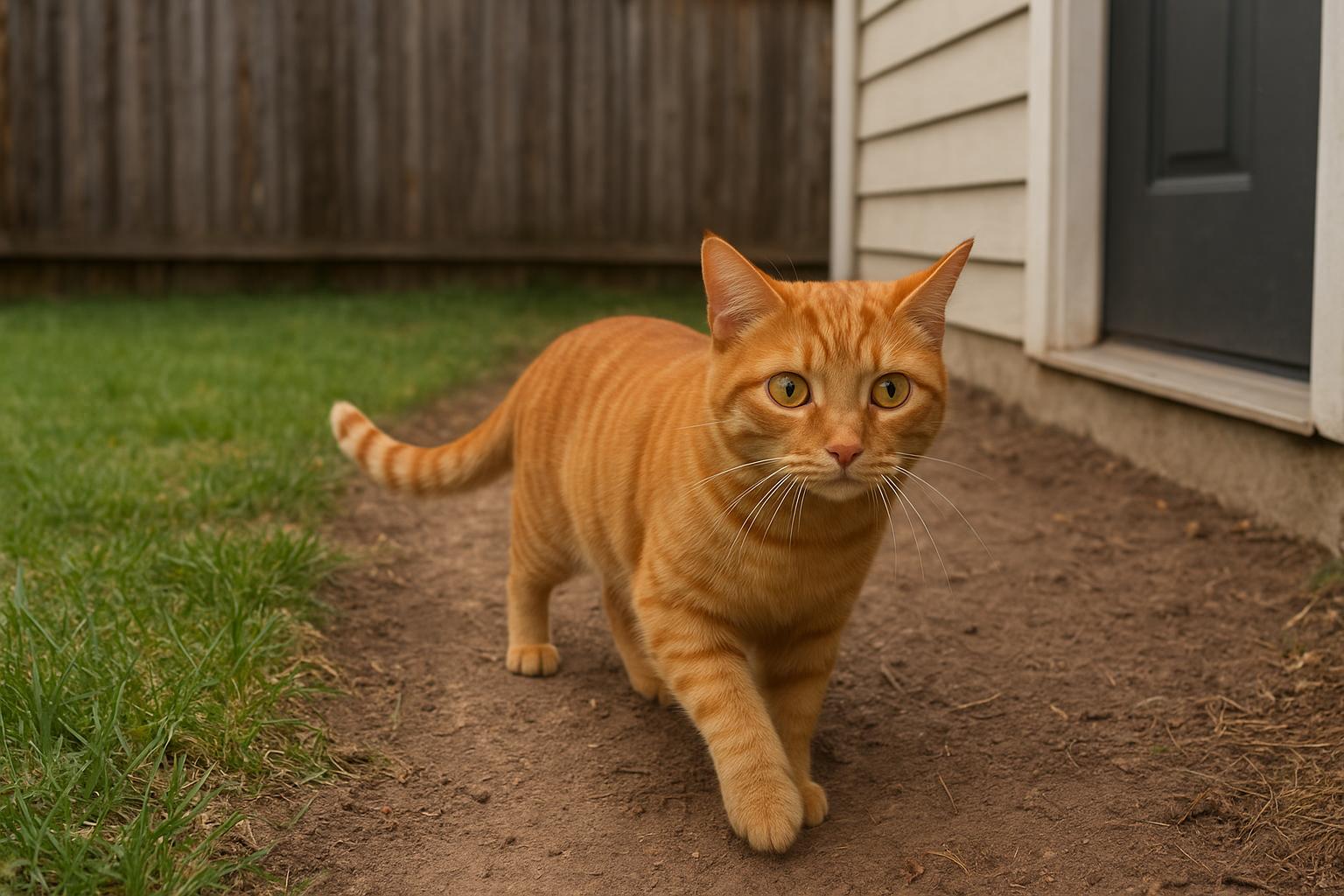
Cats wandering through the yard are part of the neighborhood charm — until you notice tiny black specks on their fur that look suspiciously like pepper. That’s when you start asking questions, and that’s where a simple flea indicator can save the day (and your cat’s dignity).
## Flea Indicator Reveals Flea Dirt On Cats In The Yard
If you’ve ever wondered whether those little black flecks are dirt, seeds, or something more sinister, a flea indicator is the lowest-tech detective you’ll ever need. Think of it as a CSI kit for your cat: minimal fuss, high payoff, and zero dramatic slow-motion footage. This handy test tells you whether those specks are flea dirt (flea feces) or harmless debris, and helps you decide whether to act now or keep watching.
### Why Flea Dirt Matters More Than You Think
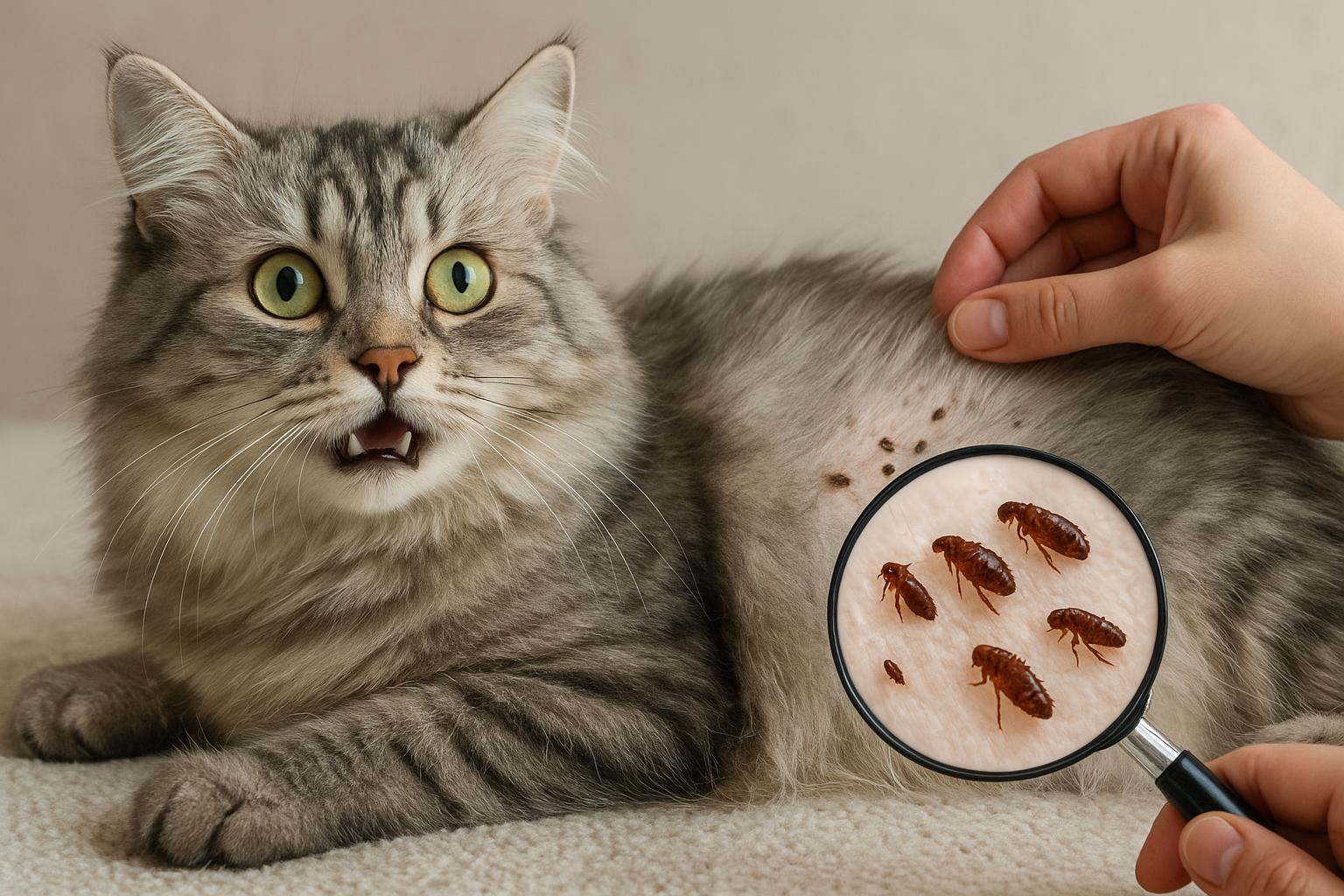
Flea dirt isn’t just gross — it’s proof that fleas have been feeding on your pet. Even if you don’t see live fleas bouncing around, flea dirt means blood meals have been taken, and potentially lots of them. Spotting flea dirt early can prevent an infestation in the yard, stop itching and irritation, and reduce the risk of flea-borne illnesses. Use a flea indicator early and often during warm months; it’s the difference between catching a problem at “hmm” and letting it get to “oh no.”
### What A Flea Indicator Looks For
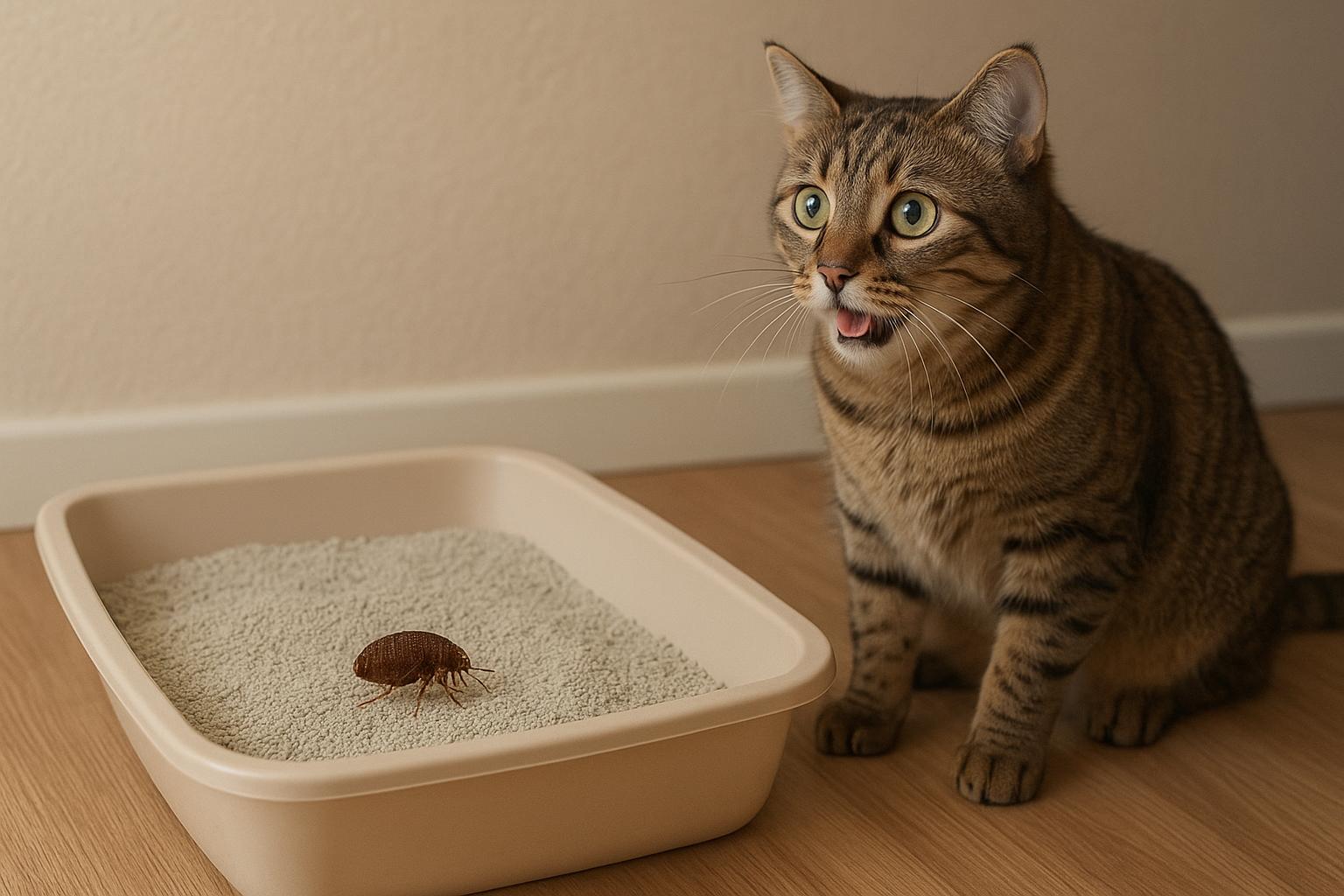
A flea indicator is simply a way to detect flea feces, which appears as tiny dark granules. To the naked eye these can be mistaken for pepper or dirt. The classic flea indicator method involves moistening the specks and seeing if they turn reddish-brown as the dried blood in flea feces dissolves. That color change is the giveaway — flea dirt = blood = fleas. When you want to be certain, this quick test is both effective and noninvasive.
### How To Use A Flea Indicator At Home
Here’s a friendly, step-by-step walk-through for using a flea indicator on cats that spend time in the yard. Keep things calm and gentle; most cats prefer fewer experiments than we do.
1. Find a pair of clean, white paper towels or a sheet of white paper.
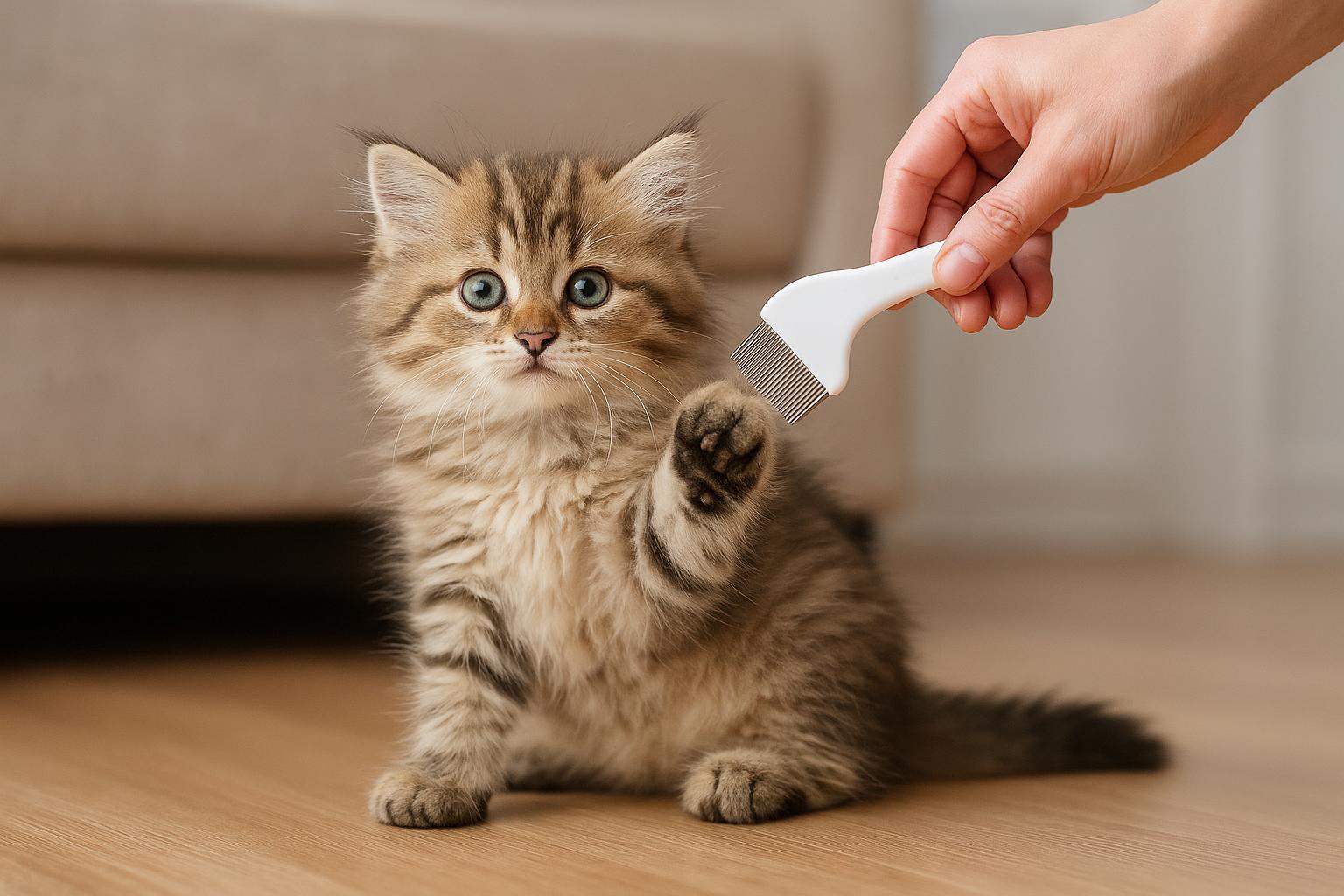
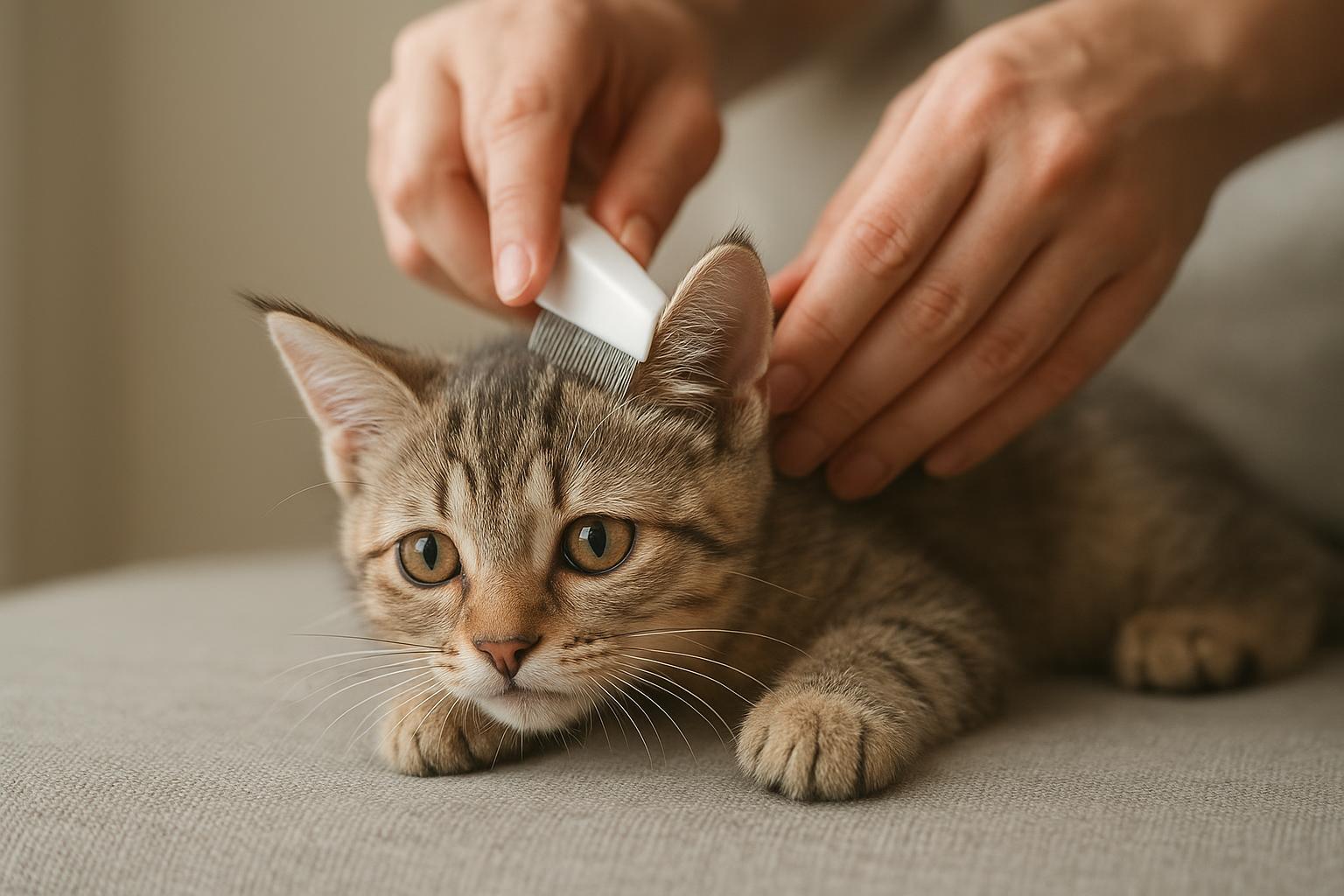
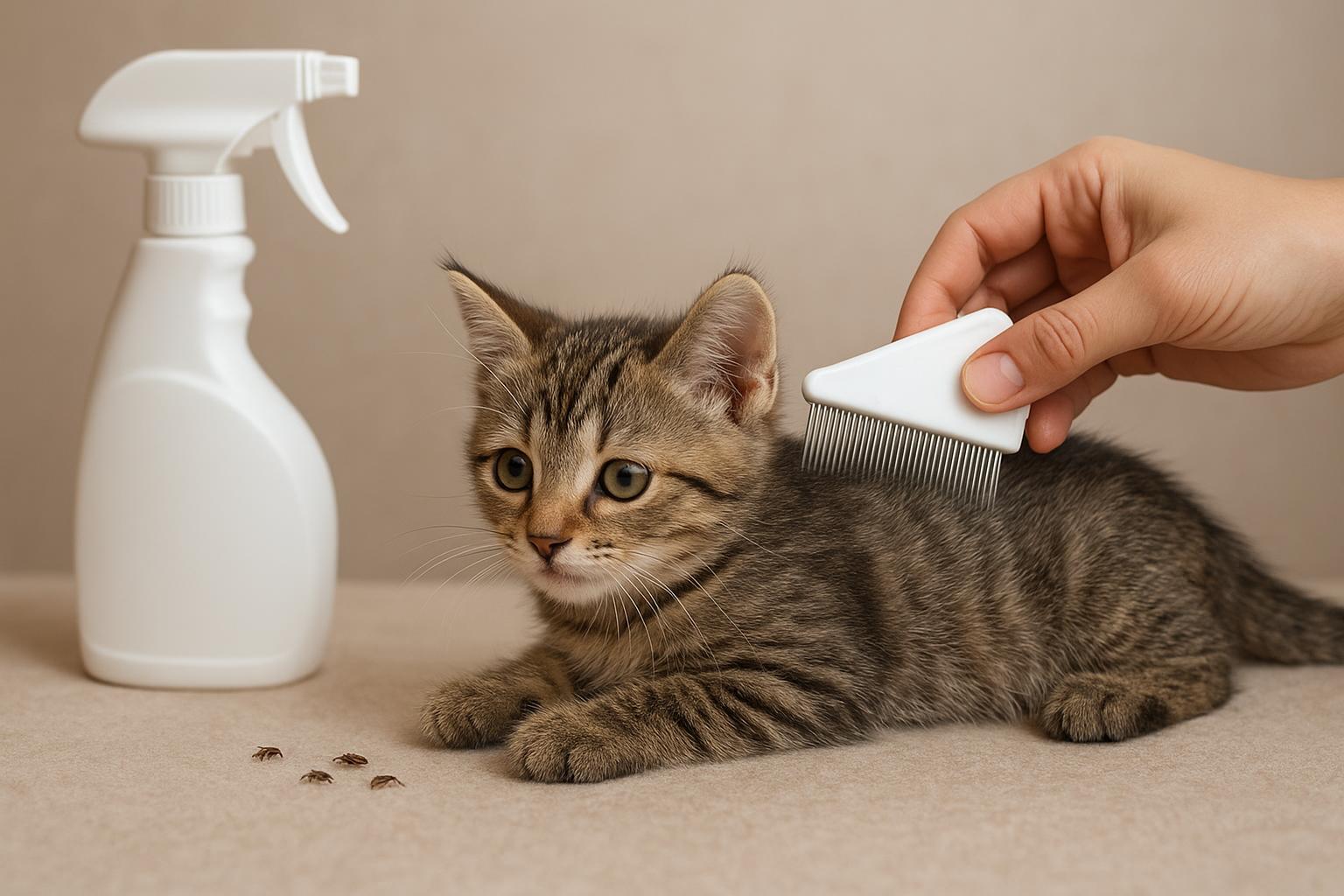
2. Gently comb or part the fur where you see the specks and collect a few of the particles onto the white surface.
3. Add a drop of water to the material and watch for a reddish or brown halo as the particles dissolve — that is the flea indicator in action.
4. If the color appears, treat the animal and the yard; if not, keep monitoring.
This test is safe, quick, and requires no special equipment beyond a quiet cat and a steady hand.
### Remedy 1: Homemade Flea Indicator Test (Materials And Steps)
Materials:
– Clean white paper towel or plain white paper
– Small cup of clean water
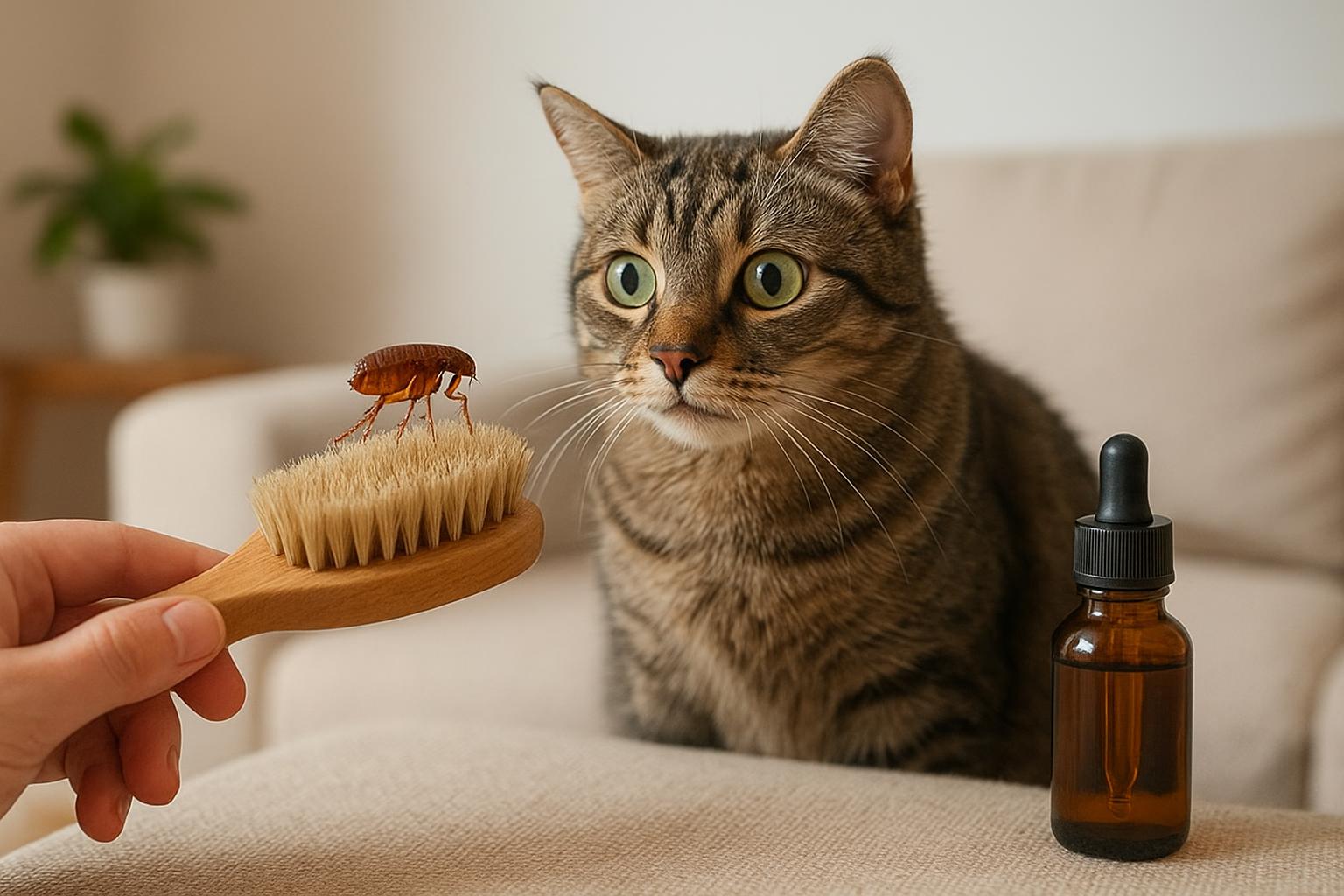
– Fine-toothed comb or soft brush
– Tweezers (optional)
– A calm place to work with your cat
Creation And Application (Formal Instructions):
1. Prepare Materials: Lay the white paper or paper towel on a flat surface. Fill the small cup with room-temperature water and have your comb and tweezers handy.
2. Collect Sample: Using the comb, gently comb through the area with visible specks. Remove a few granules with tweezers if necessary and place them on the white paper.
3. Apply Water: Using a clean fingertip or the edge of a spoon, place one small drop of water directly onto the collected granules.
4. Observe: Allow up to 30 seconds for any color change. Flea feces will dissolve and produce a reddish-brown tint on the paper where water touched — this is the flea indicator result.
5. Record Findings: Note the number of positive spots and the locations on your cat. Multiple positive tests across different areas suggest a more widespread flea presence.
This method provides a clear, evidence-based indicator that fleas have been feeding on your cat and is appropriate for repeated checks.
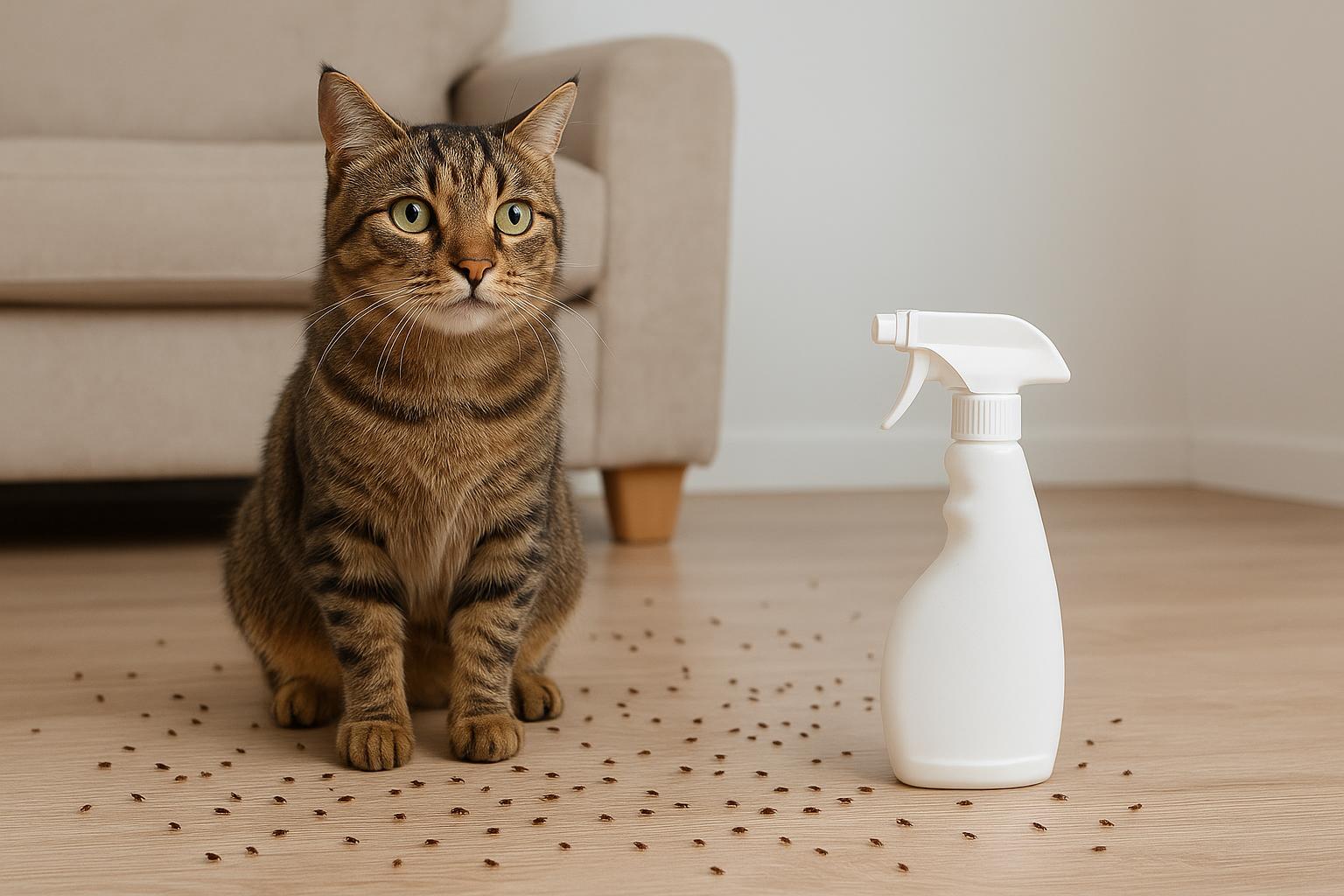
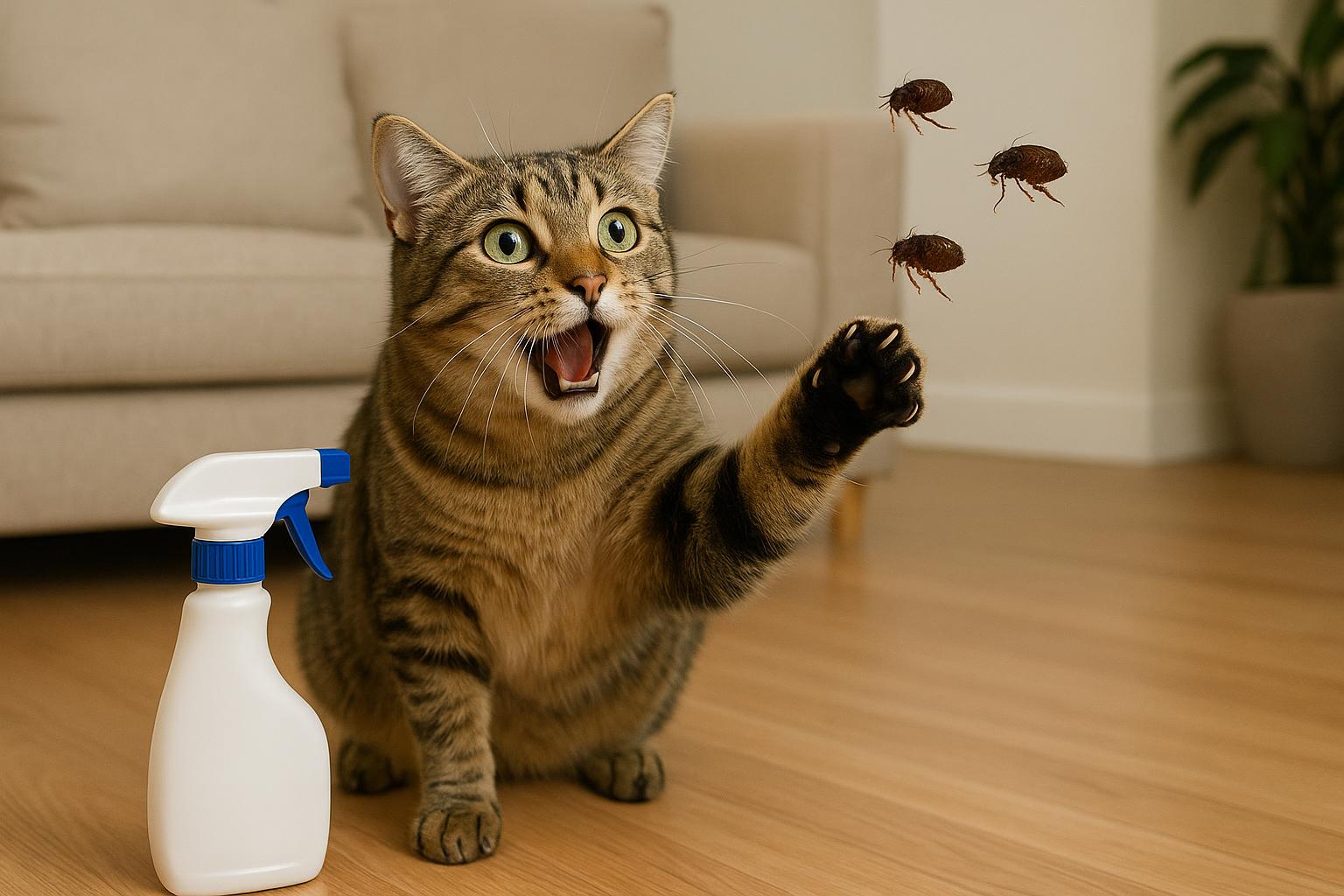
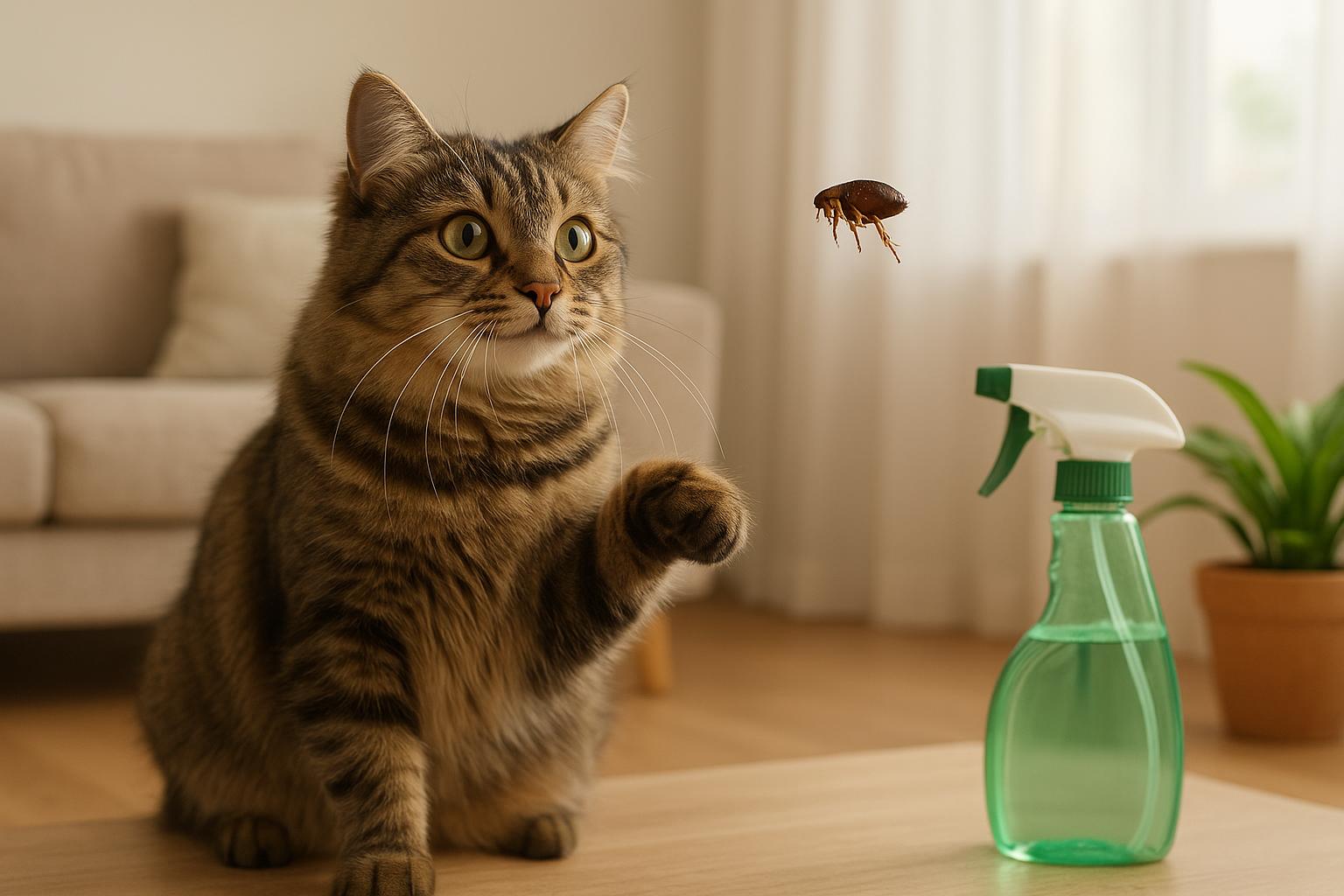
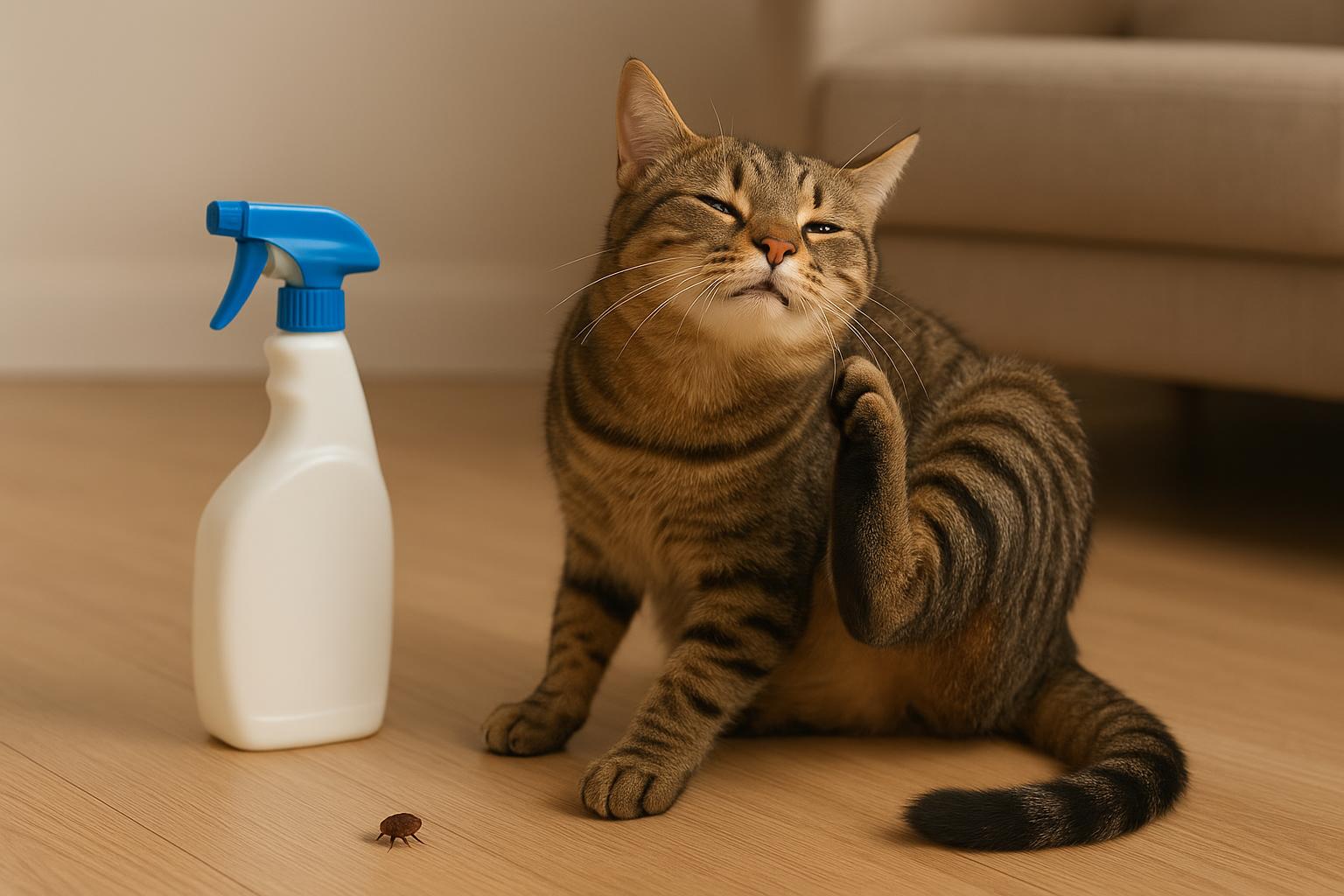
### Remedy 2: Backyard Flea Control Spray (Materials And Steps)
Materials:
– Garden sprayer or hose-end sprayer
– Pyrethrin-based yard spray or a veterinarian-recommended insecticide labeled for outdoor use
– Protective gloves and eye protection
– Broom or leaf blower (for clearing debris)
– Optional: food-grade diatomaceous earth (DE), botanical insecticide as a complementary measure
Creation And Application (Formal Instructions — Read Label Carefully):
1. Safety First: Review and follow all label instructions for the chosen insecticide. Wear protective gloves and eye protection. Keep pets and people away from the area during application and until the product is dry per label instructions.
2. Prepare Yard: Remove pet bedding, toys, and food dishes from the area. Clear debris and mow tall grass to reduce flea harborage sites.
3. Mix Product: Mix the insecticide in the garden sprayer according to label directions. Do not exceed recommended concentrations.
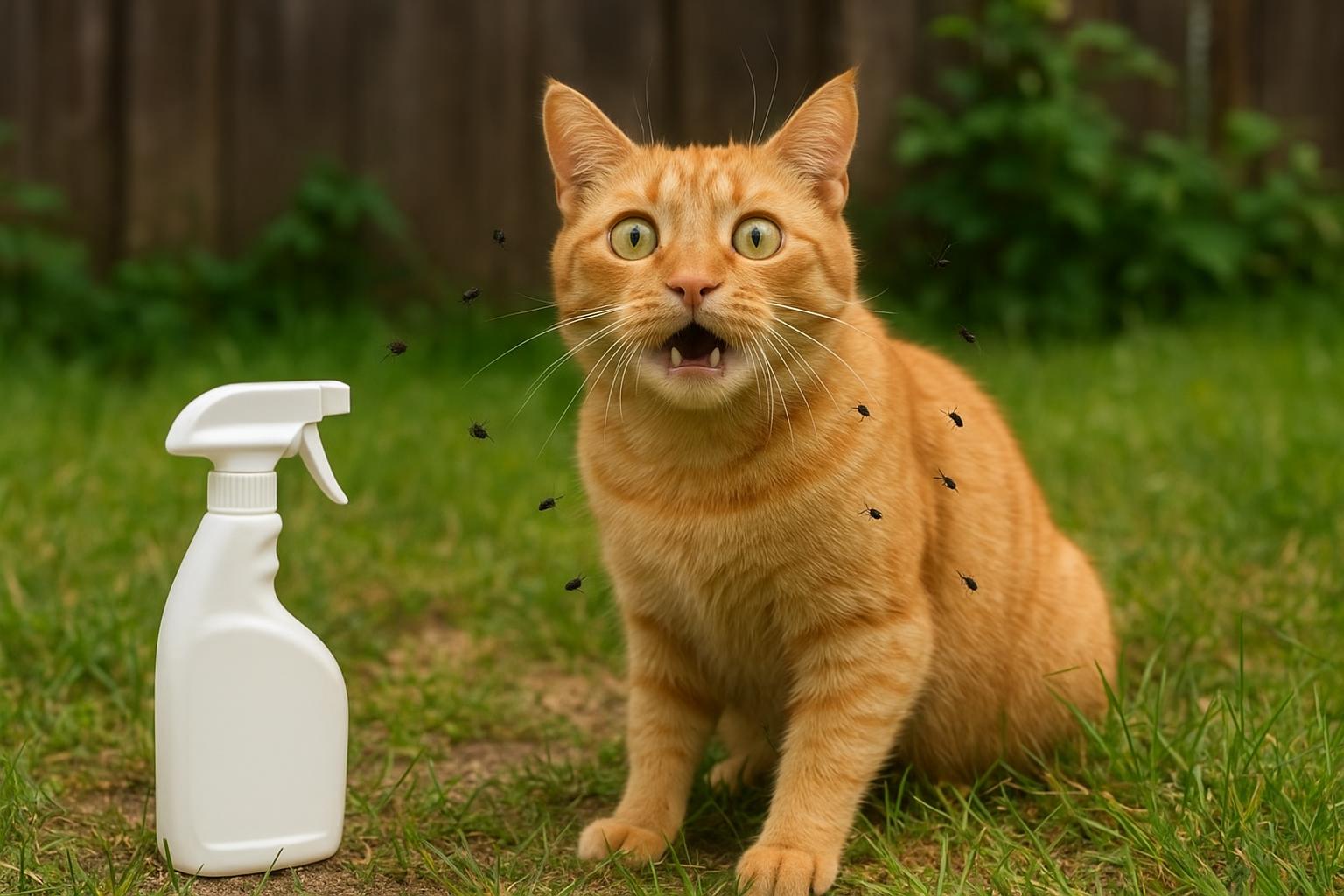
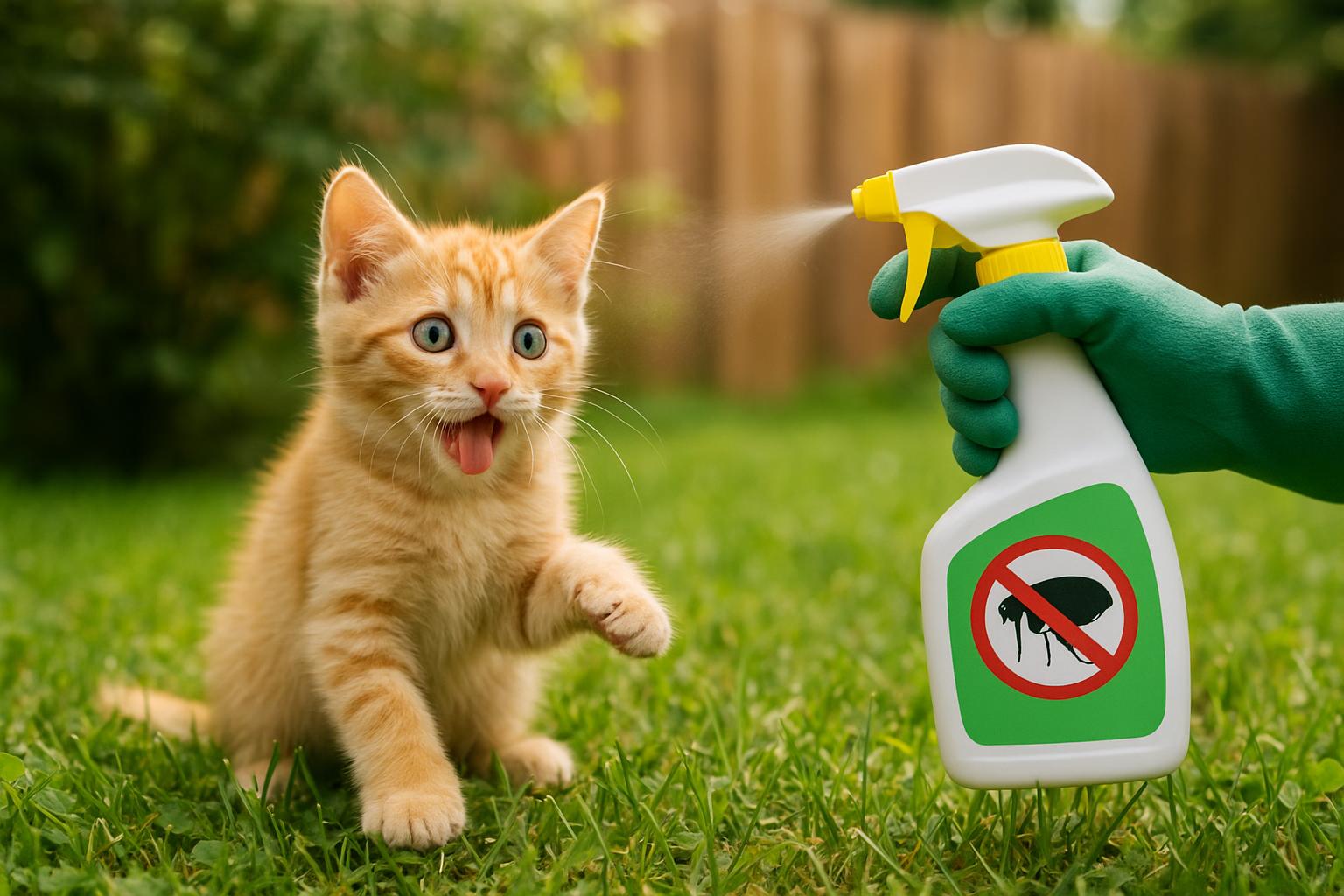
4. Apply Spray: Evenly spray shaded areas, under bushes, along fence lines, and places where cats rest. Treat soil and organic matter where fleas and larvae hide. Avoid direct application to plants you plan to eat.
5. Allow Drying Time: Keep pets away until spray has dried and follow re-entry intervals specified on the product label.
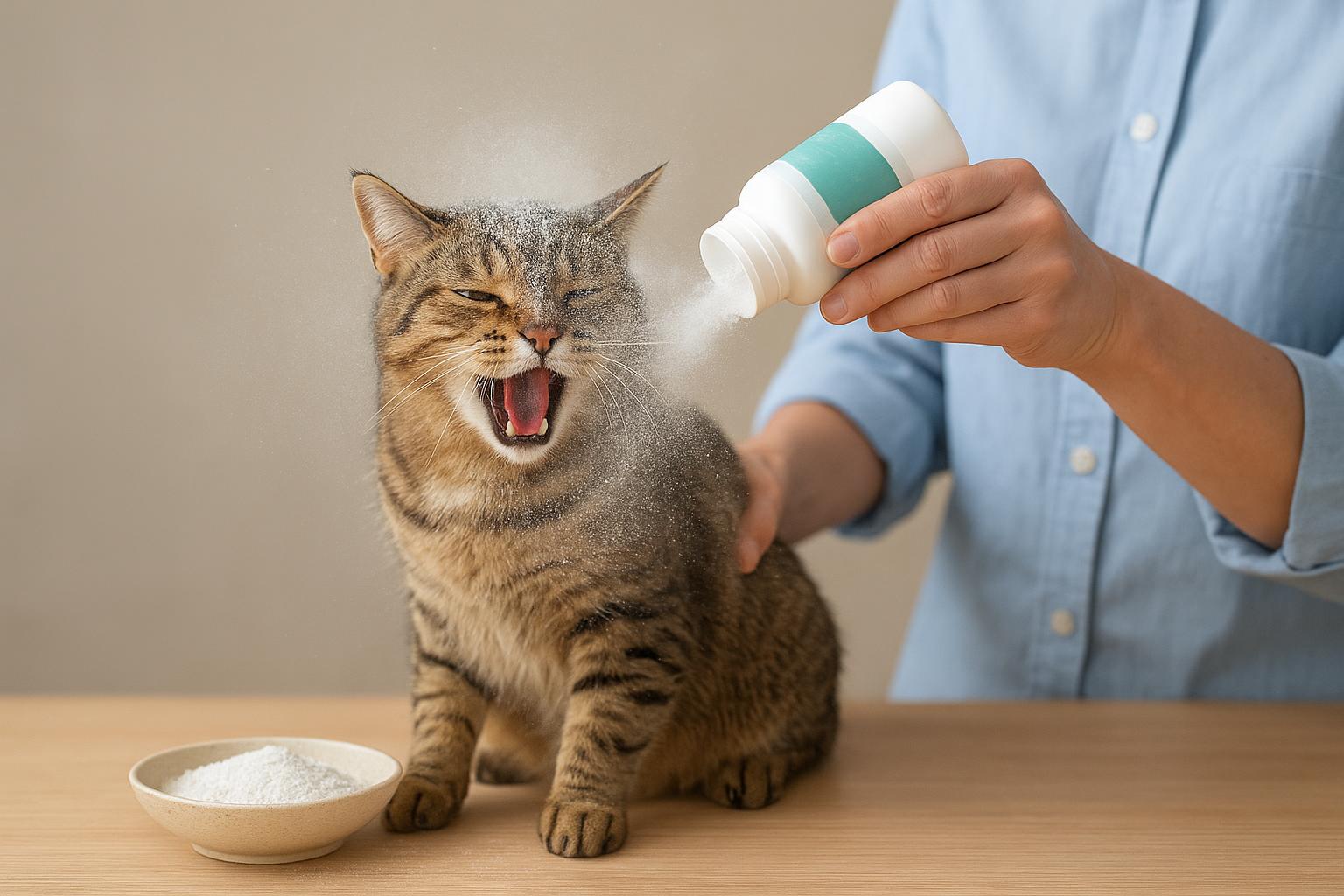
6. Complementary Use: In high-traffic pet zones, apply a light dusting of food-grade DE to dry soil and under decks. Use DE sparingly and avoid inhalation.
7. Repeat As Directed: Most products require reapplication every 2–4 weeks, or as indicated for severe infestations.
This remedy targets the environment as well as the animal, which is essential when a flea indicator signals a yard-based problem.
### Signs To Look For After Using The Flea Indicator
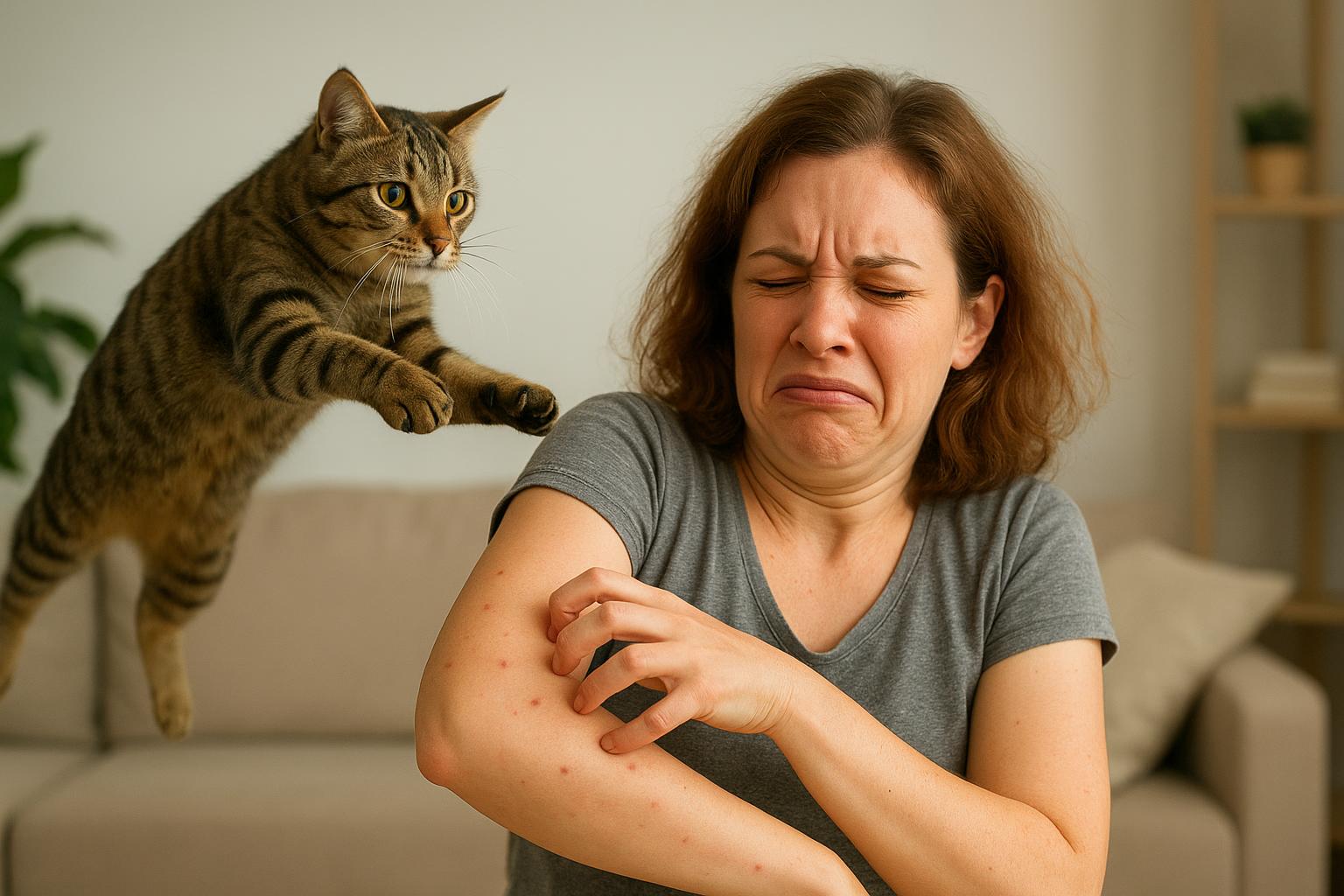
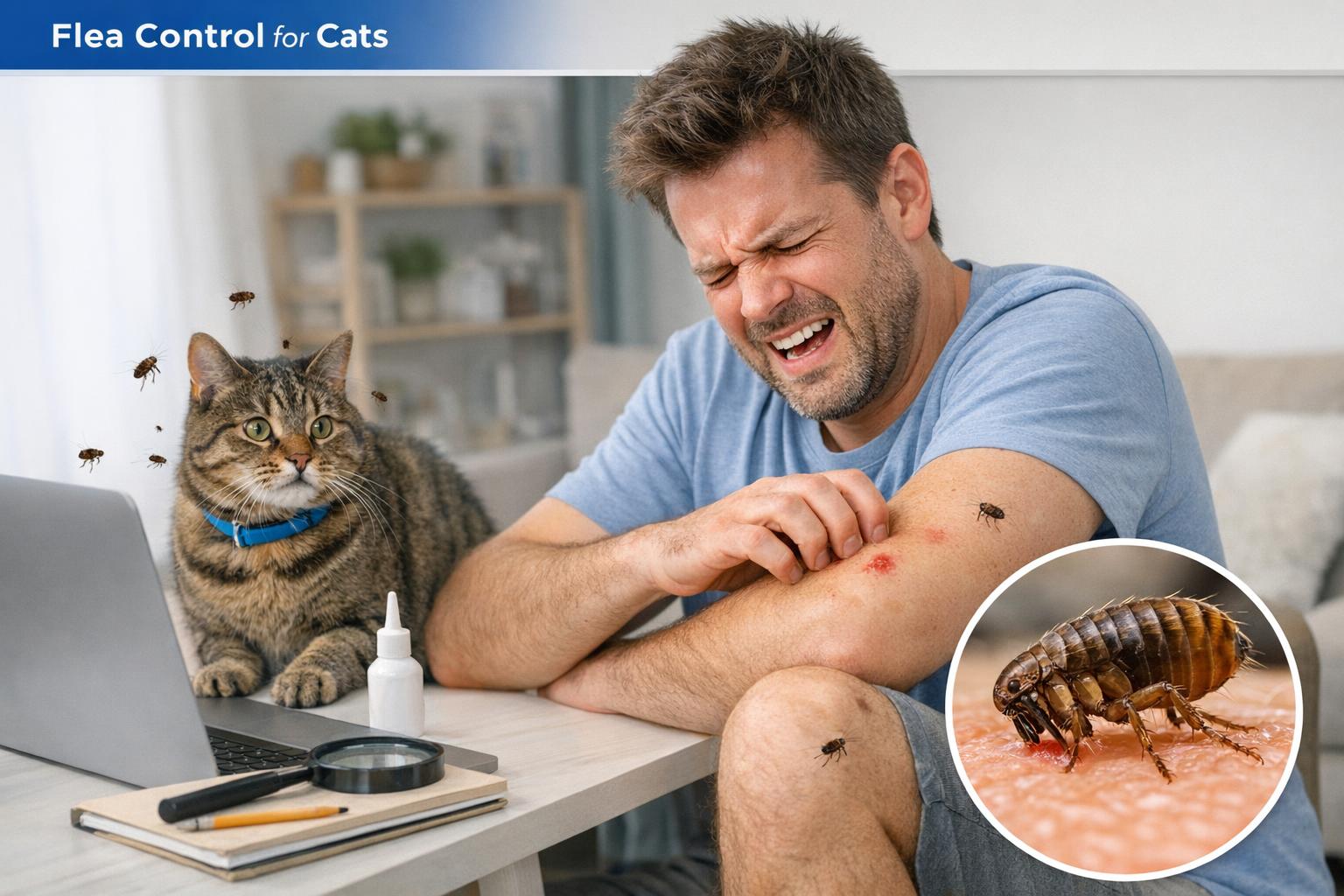
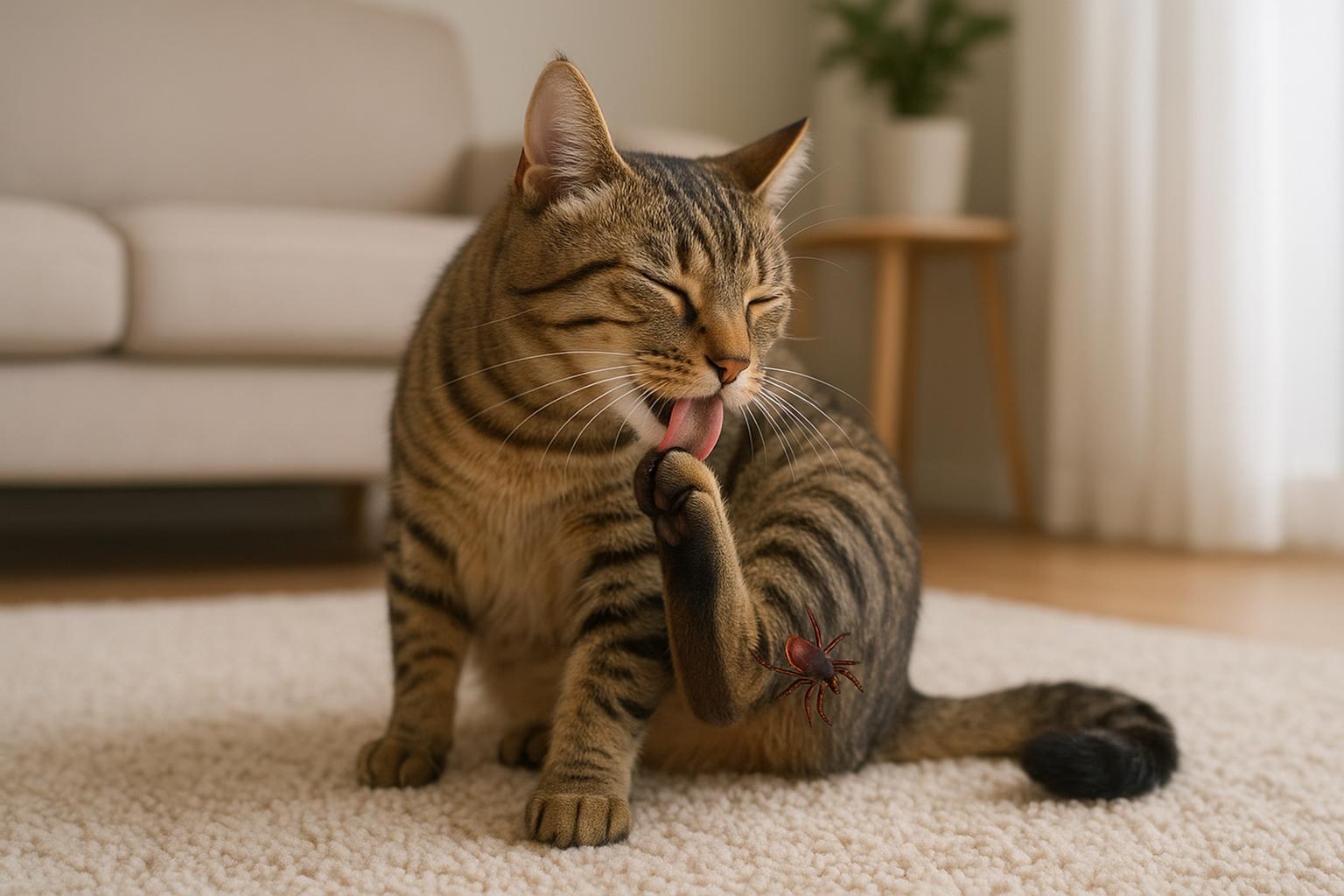
If your flea indicator test was positive, you might start seeing additional signs: increased scratching, small red bumps, hair loss in patches, or the presence of tiny moving dots (actual fleas). Monitor both the cat and the yard. Use the flea indicator over several days to assess whether treatments are working. If repeat tests stay positive, escalate to vet treatment and professional pest control if needed.
#### When To Call The Vet
– If your cat is excessively itchy, losing hair, or shows skin wounds from scratching
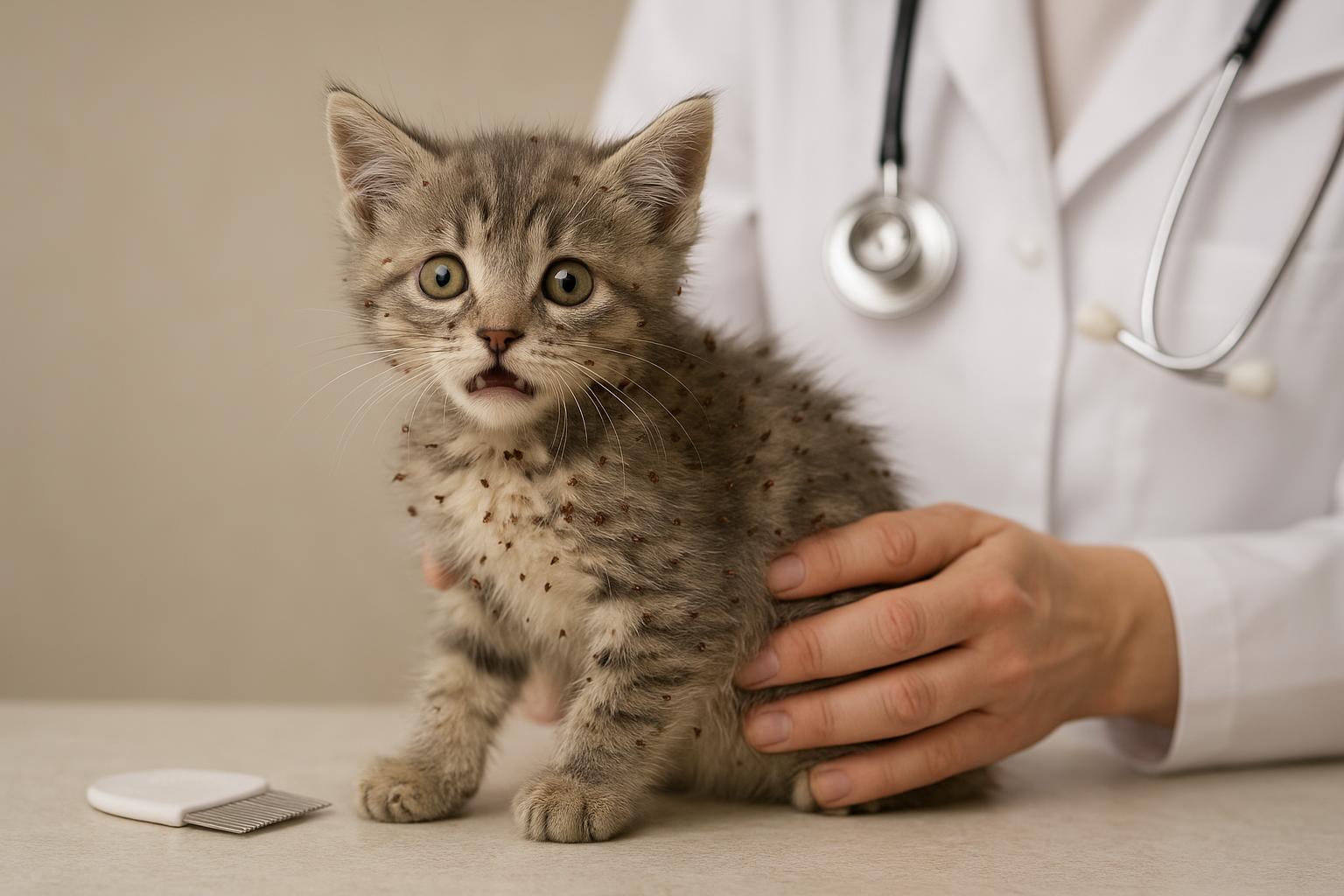
– If you find evidence of anemia (pale gums, lethargy) — especially in kittens
– If over-the-counter control measures don’t reduce flea activity after several weeks
A veterinarian can prescribe systemic flea control products and check for flea-related diseases. Be frank about your backyard exposure and any flea indicator results you obtained.
### Preventing Future Flare-Ups In The Yard
Prevention is the most relaxed part of flea control if you make it routine. Keep grass trimmed, remove leaf litter, and discourage stray animals from frequenting the area. Continue monthly preventive treatments on pets if recommended by your vet. Using a flea indicator every few weeks during peak seasons can alert you to emerging problems before they become major.
#### A Note On Indoor Versus Outdoor Cats
If your cat spends time both inside and outside, treat both environments. Fleas caught outdoors will quickly migrate inside once the animal comes home. Using a flea indicator inside — especially on bedding — can help confirm whether indoor control measures are necessary.
### Frequently Asked Practical Questions
– How reliable is the flea indicator? Very reliable when performed correctly. The water test is a direct chemical reaction to digested blood and is less ambiguous than simply spotting dark specks.
– Can other things create a false positive? Rarely. Most plant debris will not dissolve into a reddish pigment. If in doubt, repeat the test in a different spot.
– Is it safe to handle flea dirt? Yes, but wash hands afterward. Flea dirt itself is not a major human health hazard, though heavy infestations can transmit tapeworm to pets and, in rare cases, cause skin irritation in people.
Use the flea indicator as a quick screening tool, and follow up with appropriate environmental and pet treatments if you detect an issue. A little early detection prevents future scrambles and keeps both your yard and your feline friends happier.
### Quick Tips For A Smooth Test
– Test in good light and use a white surface for maximum contrast.
– Keep sessions short and calm; a stressed cat will make testing harder.
– Repeat tests in multiple spots if you suspect a larger infestation.
– Photograph a positive test for your vet if you call for advice.
A flea indicator is simple, effective, and kind to your cat. It won’t zap flea populations all by itself, but it will tell you when it’s time to roll up your sleeves and use the proper remedies — which, thanks to the tests above, you’ll do with confidence rather than guesswork.







Leave a Reply