
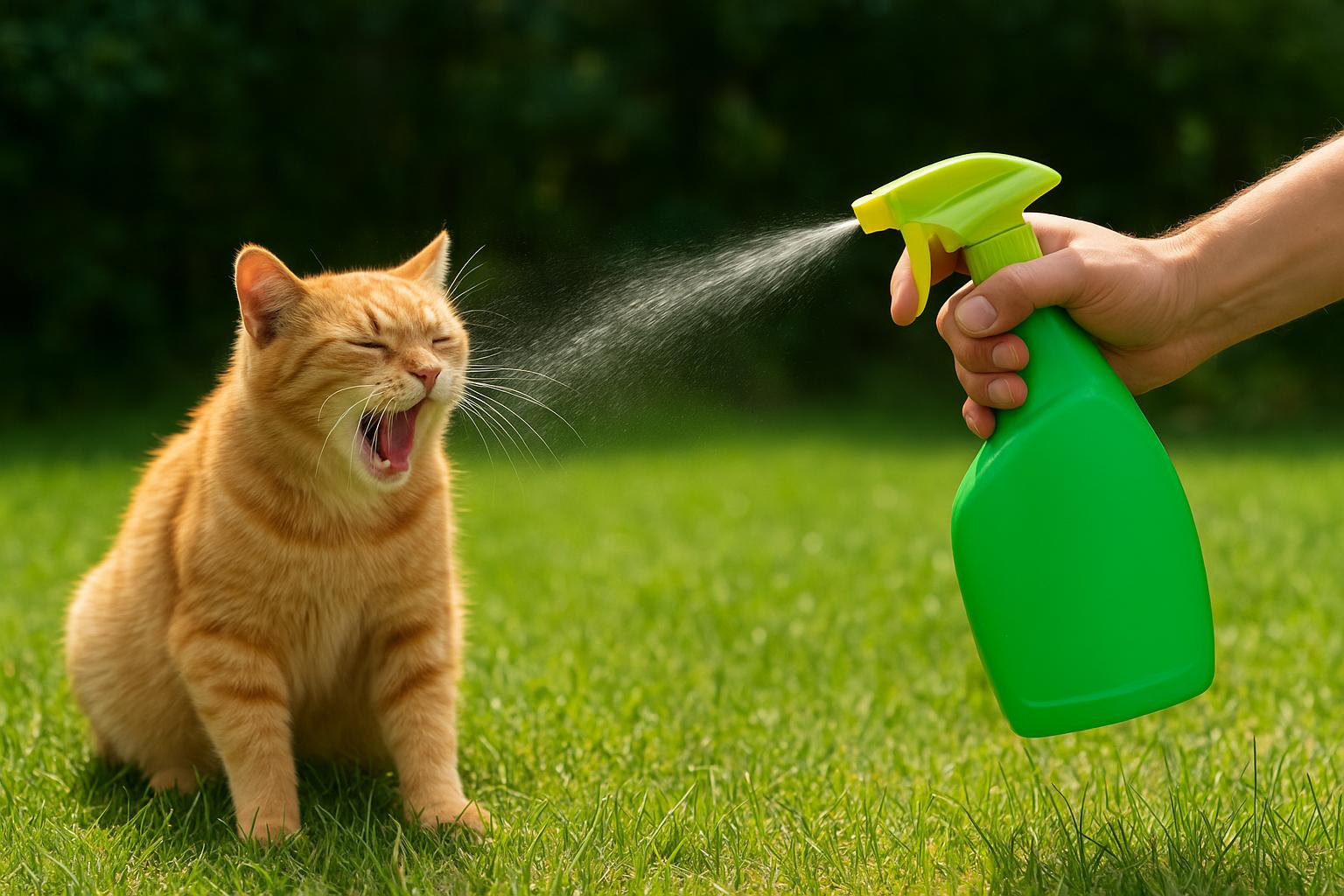
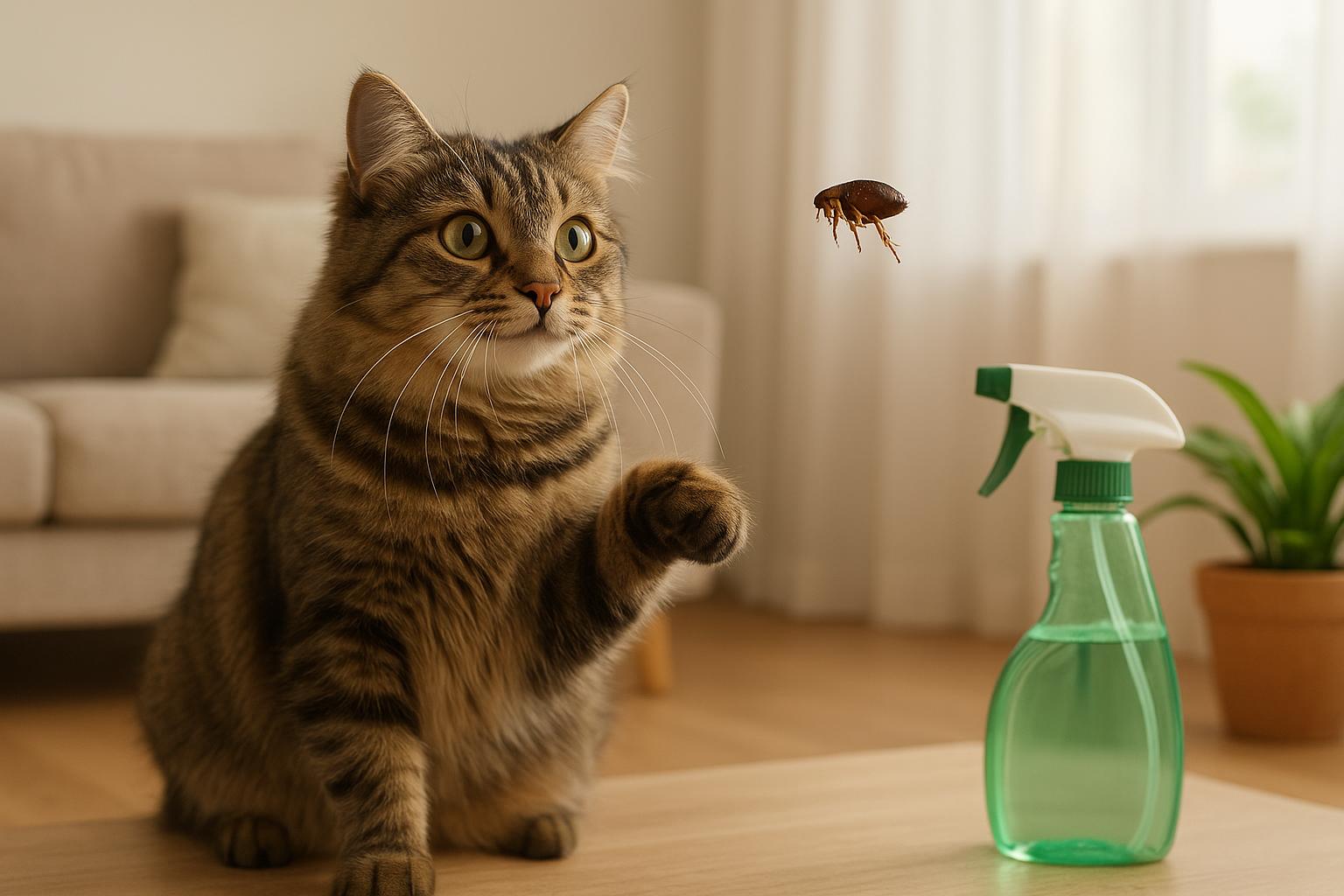
You step outside, boot crunching on grass, and suddenly you’re auditioning for a flea circus. Not fun. Luckily, nature offers some surprisingly effective, low-tox options for keeping these tiny jumpers off your lawn—without turning your yard into a chemistry set. This article digs into practical, backyard-tested techniques and gives you step-by-step recipes for a yard flea repellent that actually works.
## Why Fleas Love Your Lawn (And Why You Should Care)
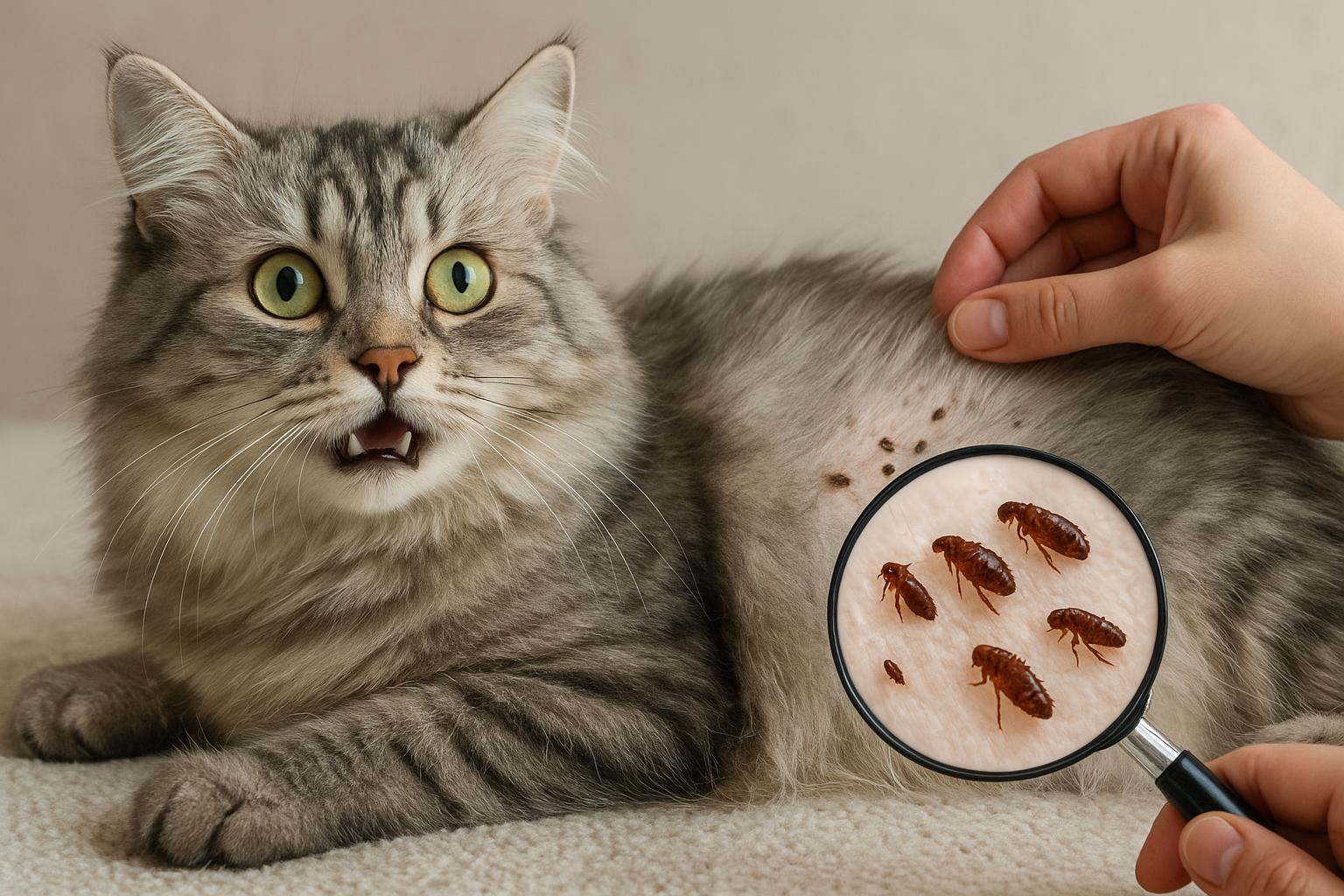
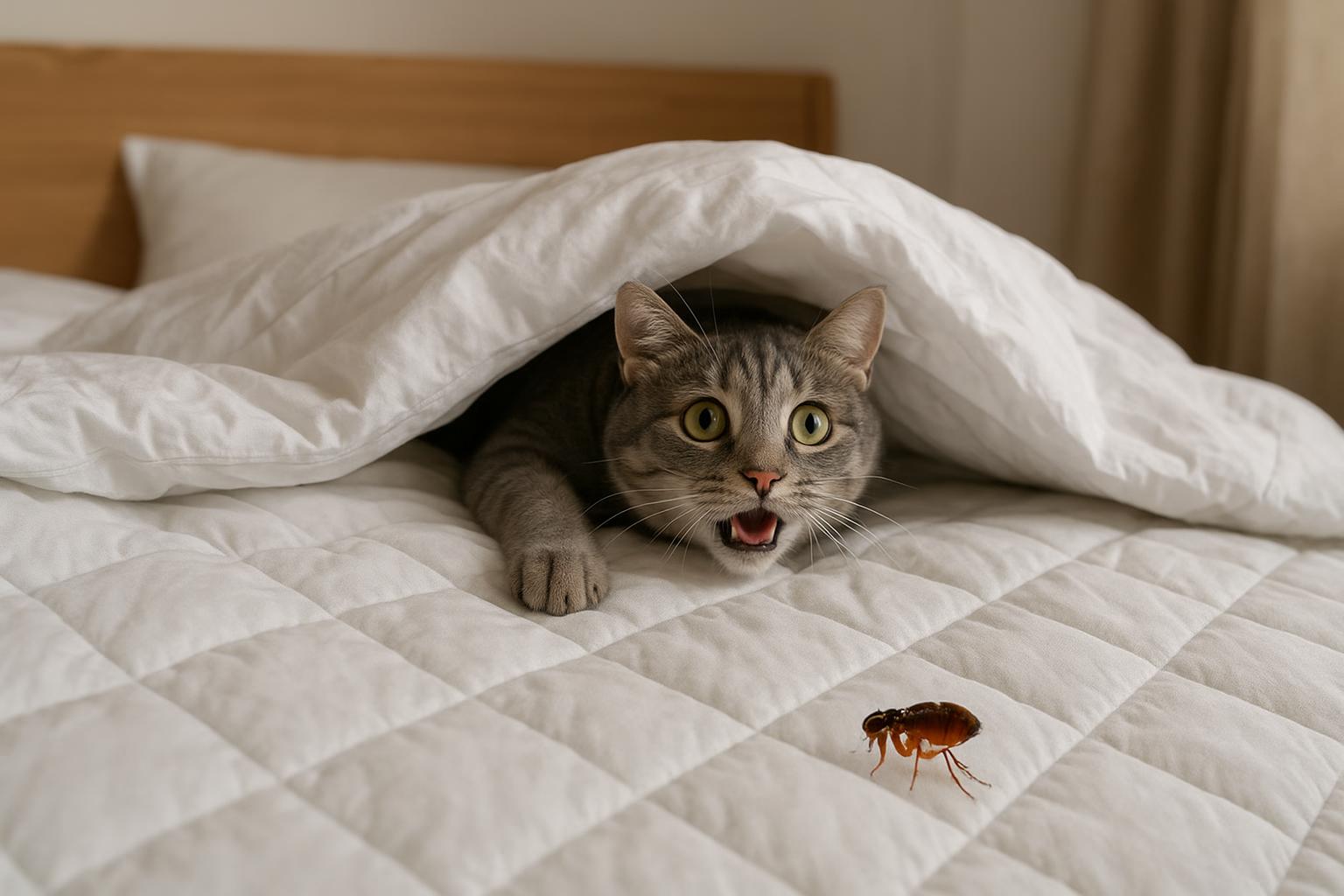
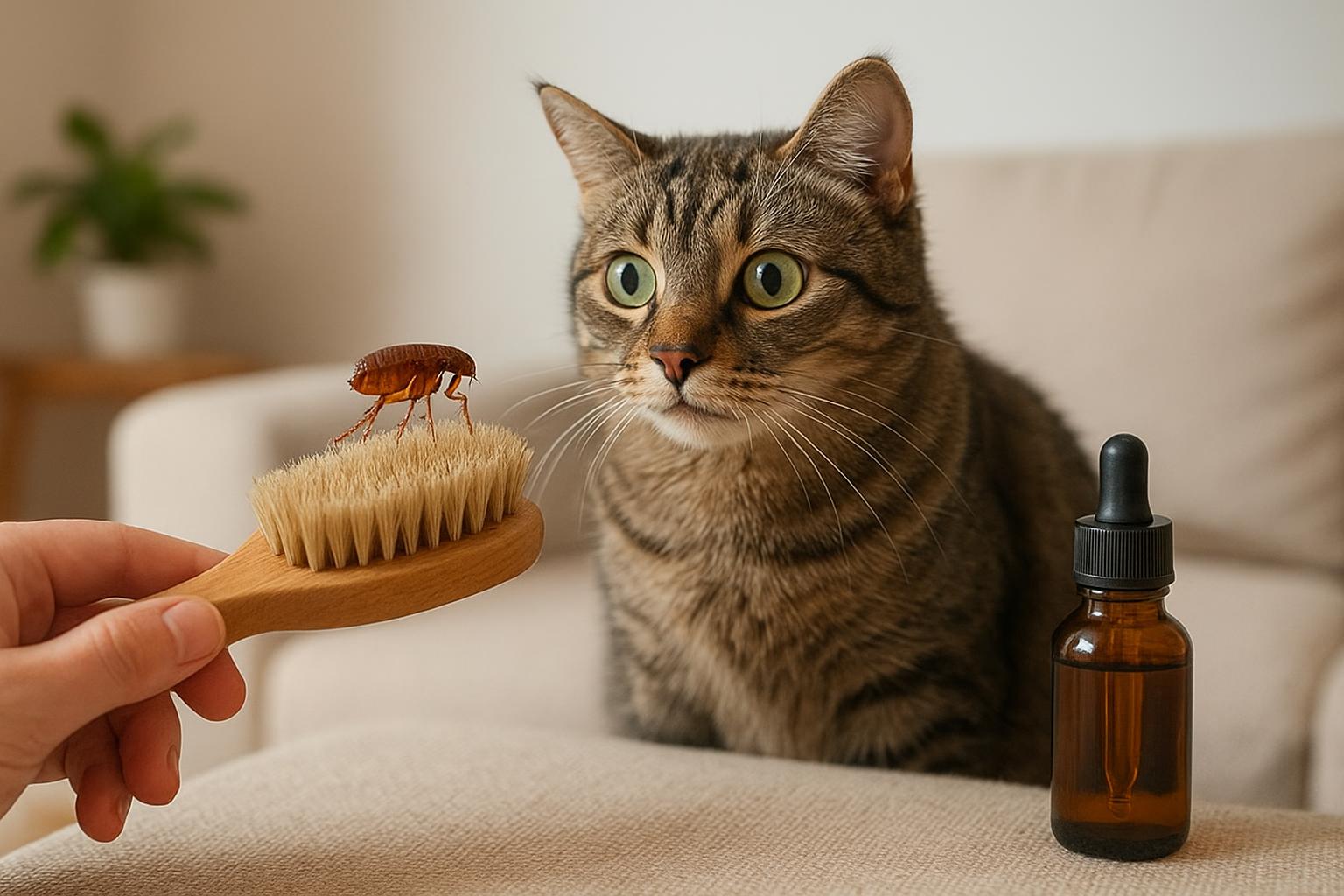
Fleas thrive where pets, wildlife, and shaded, moist grass intersect. They aren’t picky: tall grass, leaf litter, and shaded beds create microclimates that protect flea eggs and larvae from drying out and from predators. Even if your pet doesn’t bring fleas in daily, neighboring wildlife like rabbits, opossums, or feral cats can seed a problem. Understanding the lifecycle—egg, larva, pupa, adult—helps you target controls where they’ll do the most good.
## Yard Flea Repellent: How Natural Sprays Work
A good yard flea repellent targets two things: repelling adult fleas and making the environment hostile to eggs and larvae. Natural sprays rely on botanical insect repellents (like cedar, rosemary, or neem) and physical actions (washing, desiccation) rather than heavy neurotoxins. They tend to be less persistent in the environment, so repeat applications and integrated habitat management are essential for lasting control.
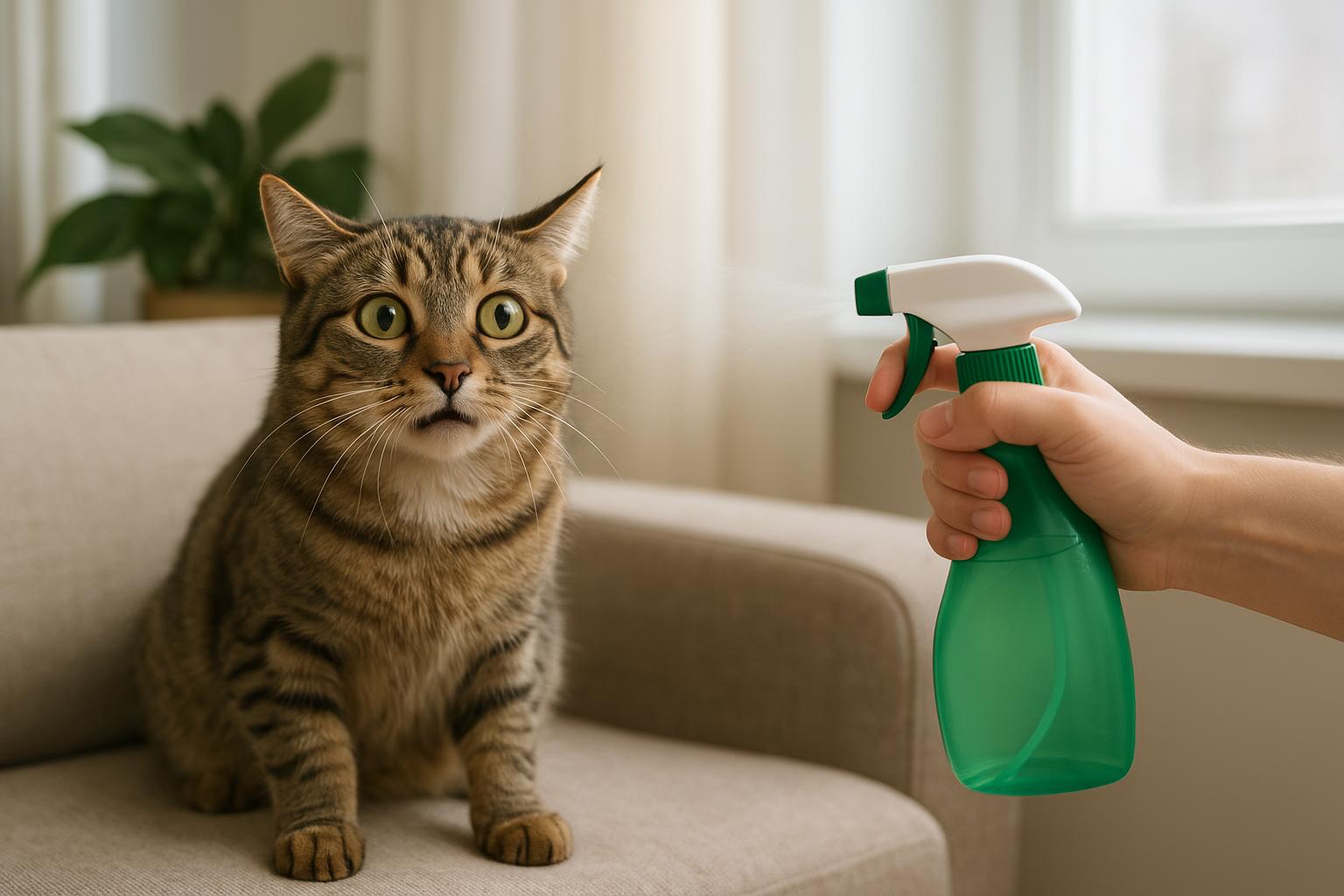
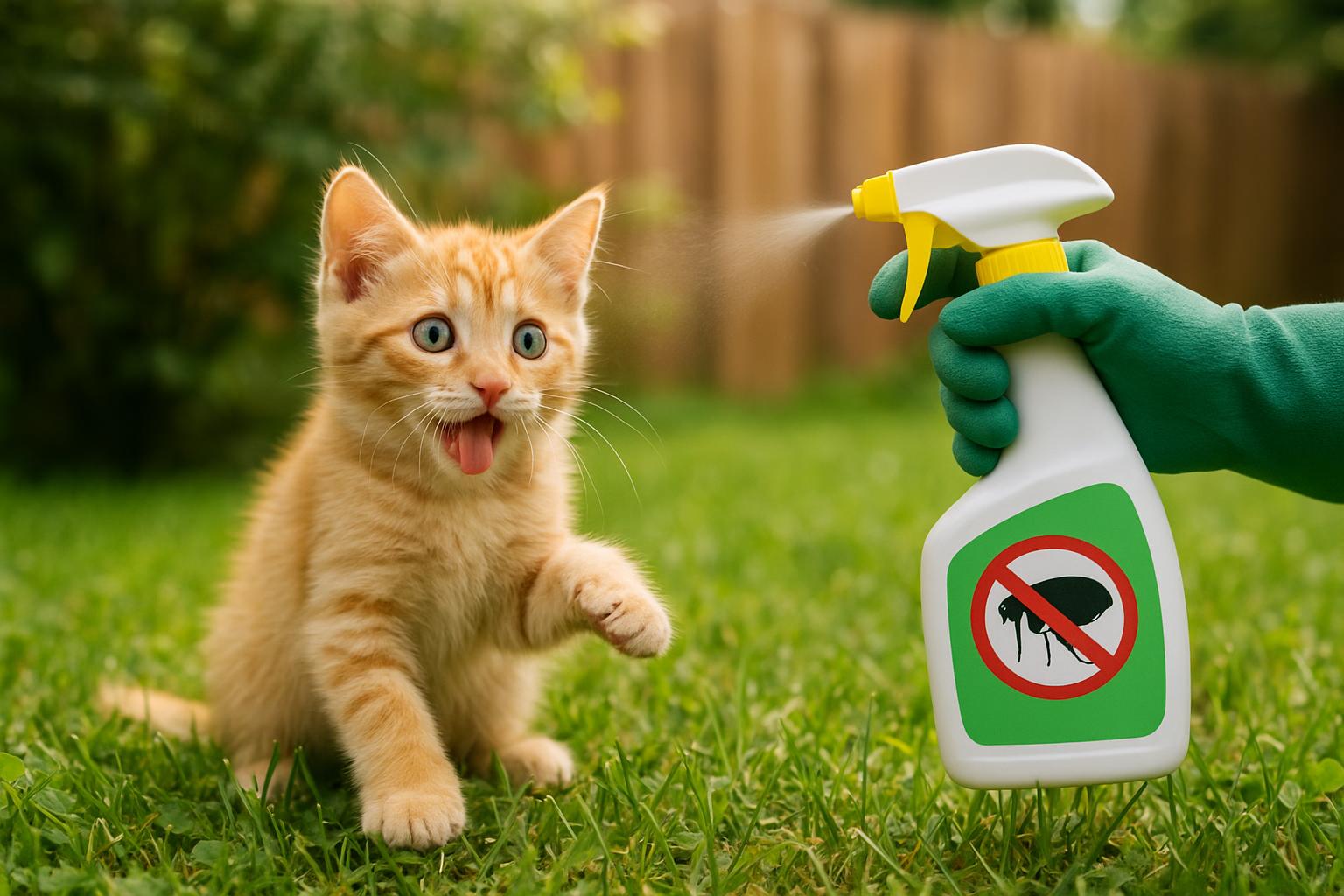
### 1. Homemade Yard Flea Repellent Spray
This first remedy is the most versatile for treating turf edges, garden beds, and areas where pets lounge. The following is a formal, step-by-step formulation and application protocol intended for outdoor residential use.
Ingredients / Materials
– 1 gallon (3.8 L) water (preferably distilled or well-filtered)
– 2 cups white vinegar
– 2 tablespoons liquid castile soap (acts as surfactant)
– 2 ounces (about 60 mL) neem oil (cold-pressed)
– 30 drops cedarwood essential oil
– 30 drops rosemary essential oil
– 20 drops peppermint essential oil
– Large pump garden sprayer (1–2 gallon capacity)
– Funnel and measuring cups
– Stir stick
Creation Procedure
1. Clean the sprayer with fresh water to remove residues from previous uses.
2. Pour 1 gallon of water into a clean container or directly into the sprayer using a funnel.
3. Add the 2 cups of white vinegar. Vinegar lowers surface pH, which can discourage flea activity on contacted surfaces.
4. Mix in the liquid castile soap. The soap acts as a wetting agent so the oils mix into the water and adhere to foliage and turf.
5. Measure and add 2 ounces of neem oil. Neem contains azadirachtin and related compounds that interfere with insect development and reduce feeding.
6. Add the cedarwood, rosemary, and peppermint essential oils. These have documented repellent properties against a range of biting arthropods.
7. Secure the sprayer lid and shake vigorously for 30 seconds to create an emulsion. Re-shake before each use.
Application Instructions
1. Choose a calm, dry day with no rain predicted for 24–48 hours. Avoid midday heat to limit stress on plants.
2. Test a small, inconspicuous patch of lawn or foliage first. Wait 24 hours to ensure no phytotoxic reaction (rare with these ingredients, but better safe).
3. Spray evenly along yard perimeters, under decks, around dog runs, and in shady patches where pets rest. Keep nozzle at a height that produces a light mist rather than a heavy soak—saturation is unnecessary.
4. Reapply every 7–14 days under normal conditions, and every 5–7 days during peak flea season or after heavy rain.
5. For areas where pets frequent, wait until treated surfaces are fully dry before allowing animals back onto them. Brush or wipe pet bedding after spraying and launder in hot water as necessary.
6. Record application dates in a log to maintain consistent coverage through the flea lifecycle.
Safety Notes (#### Follow Label And Pet Safety Protocols)
– Essential oils are concentrated: avoid direct application to pets and keep pets out of treated areas until dry.
– Use gloves and eye protection when mixing and spraying.
– Store leftover spray in a labeled, opaque container away from heat and out of reach of children and pets.
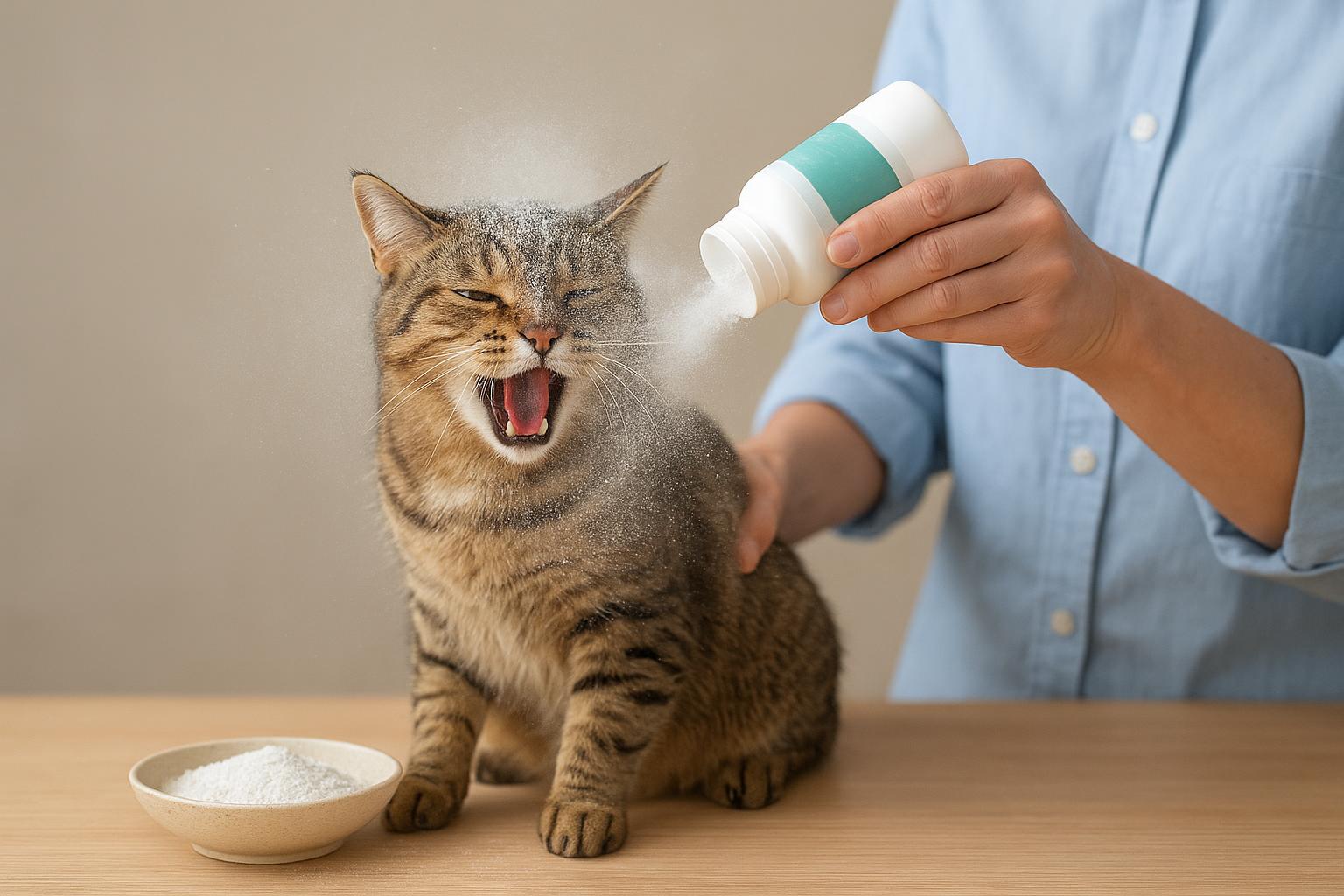
### 2. Diatomaceous Earth Perimeter Treatment
For a non-chemical, physical barrier that complements sprays, food-grade diatomaceous earth (DE) is effective against flea larvae and adults by mechanically abrading exoskeletons and desiccating insects.
Materials / Ingredients
– Food-grade diatomaceous earth (not pool-grade)
– Dust applicator or hand spreader
– Fine garden rake
– Protective mask (to avoid inhalation)
– Gloves
Creation And Application Procedure
1. Confirm you are using food-grade DE. Pool-grade forms are chemically altered and not safe for this use.
2. Wear a dust mask and gloves. Apply on a calm day to prevent drift.
3. Using a dust applicator or hand spreader, apply a thin, even layer of DE to areas where fleas congregate: under shrubs, along foundation lines, dog runs, and shaded grass patches.
4. Lightly rake the DE into soil surface and leaf litter; it should not be buried deeply or thickly piled.
5. Reapply after heavy rain. DE loses effectiveness when wet; allow treated areas to dry fully before counting on control.
6. Maintain a treated perimeter of 2–3 feet around lawn edges, fences, and structures to reduce ingress from wildlife corridors.
Safety Notes (#### Handling And Pets)
– DE is abrasive to mucous membranes if inhaled—use a mask during application.
– Keep applications light in pet activity areas; pets can get DE on paws, which is harmless in small amounts but can be messy. Brush or rinse pet paws if needed.
## Habitat Management Tips To Reduce Flea Pressure
A yard flea repellent approach isn’t complete without changing the landscape that supports fleas. Small yard-keeping habits reduce flea habitat and make any repellent more effective.
– Mow regularly and maintain grass height at 2–3 inches to reduce shaded, cool zones where fleas hide.
– Remove leaf litter, grass clippings, and brush piles where eggs and larvae develop.
– Create gravel or mulch borders between your lawn and wooded edges to discourage wildlife and reduce humidity.
– Manage rodent harborage: fill in gaps under sheds, secure compost bins, and discourage nesting under decks.
– Designate a sunny, breezy pet area (gravel or artificial turf) that dries quickly; fleas avoid dry, hot microclimates.
### When To Call A Pro
If flea pressure persists despite repeated applications of a yard flea repellent, habitat improvements, and pet treatments, professional pest control can identify infestation hotspots like rodent nests or heavy wildlife traffic and apply targeted measures (larvicides, niche perimeter treatments) not available to consumers. Always ask for low-toxicity options if you prefer minimal chemical use.
## Application Calendar And Monitoring
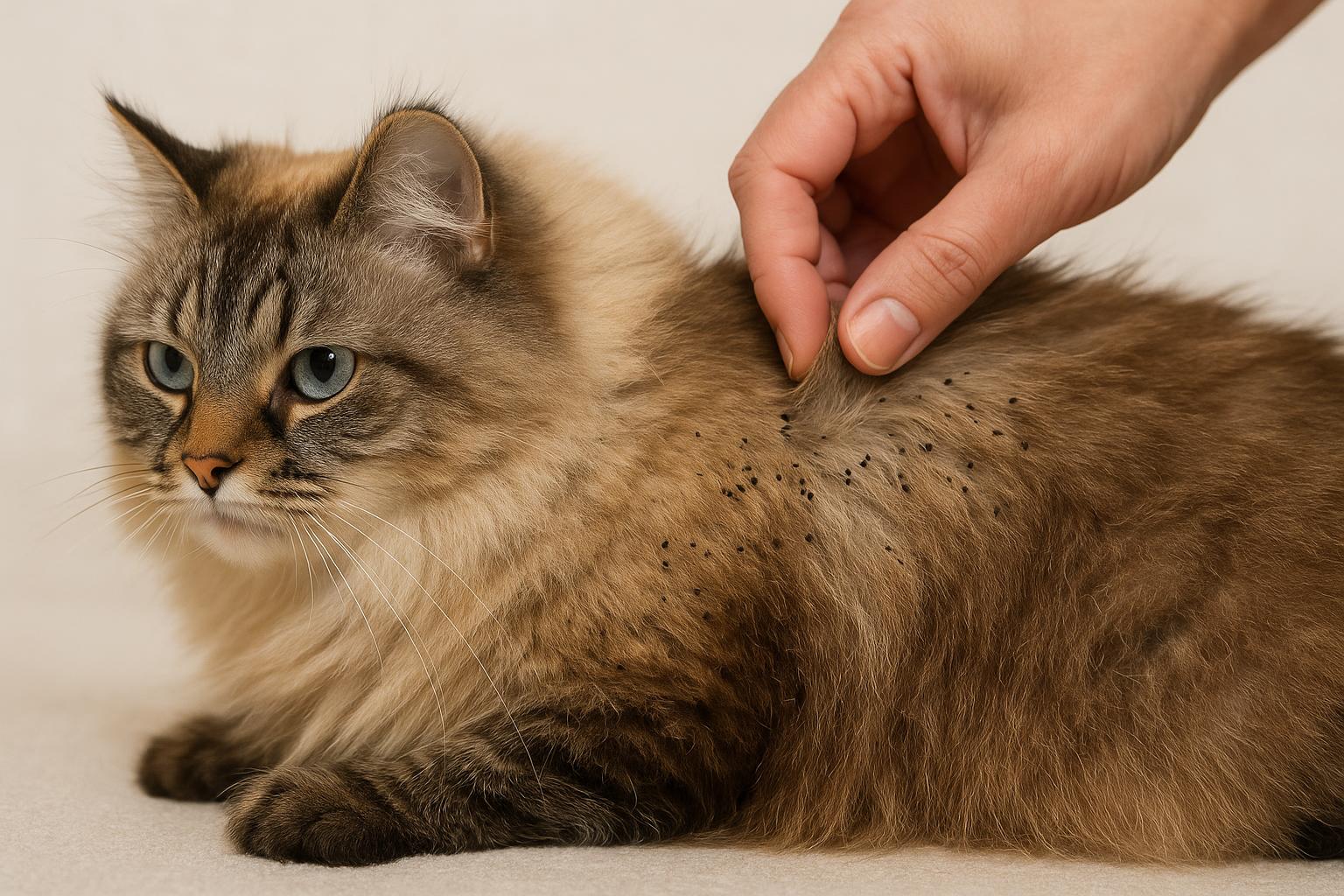
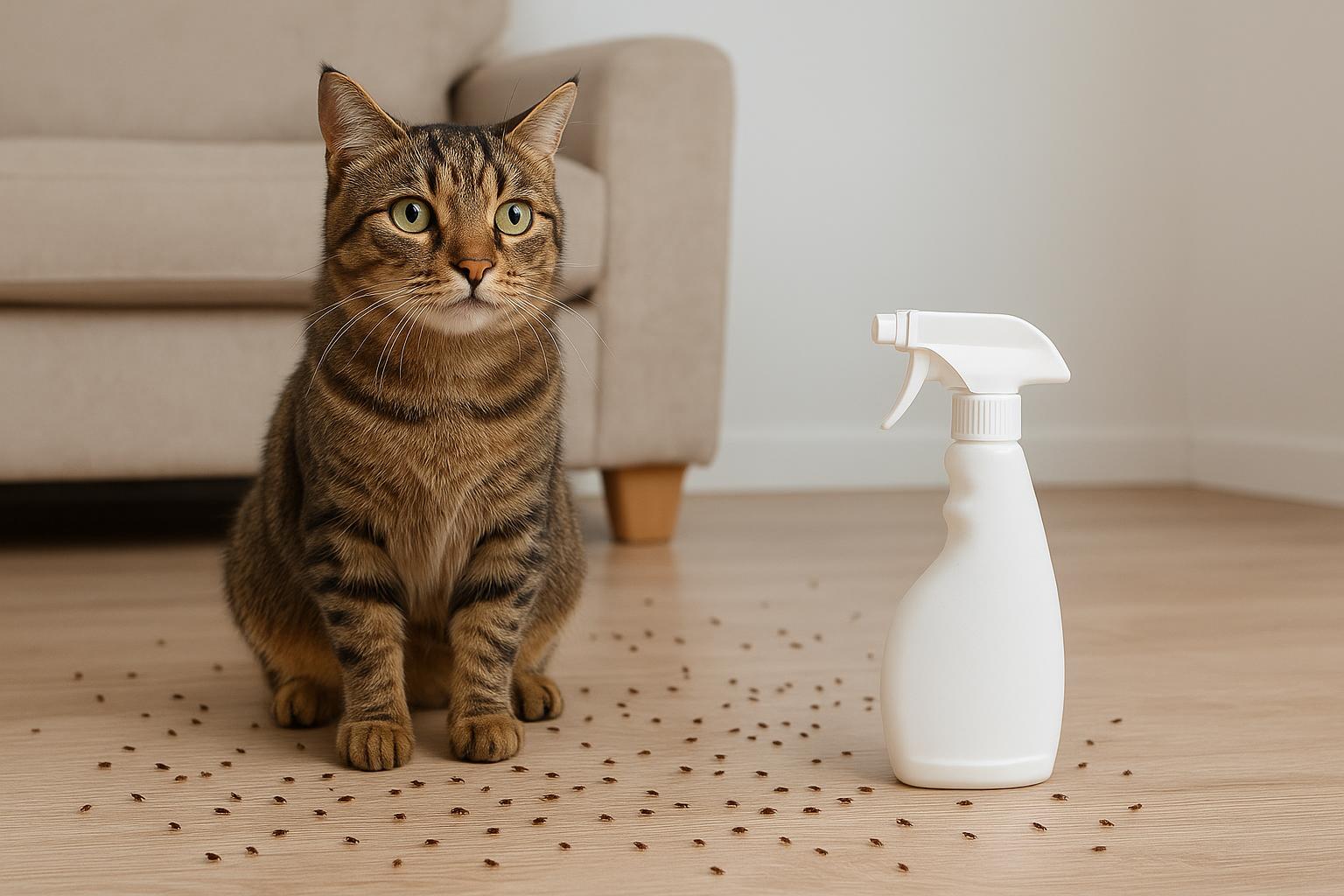
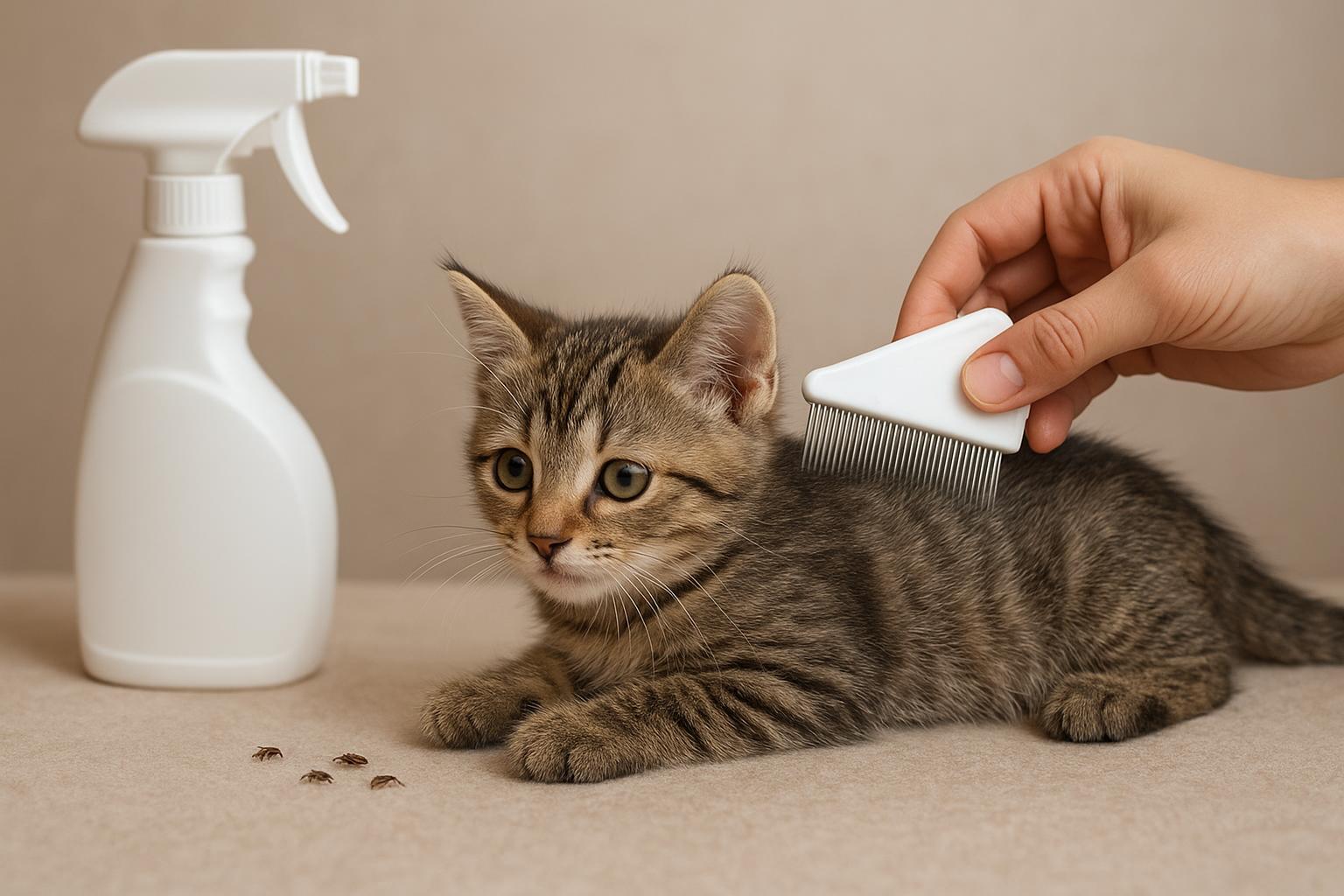
Consistency is key. The flea lifecycle means one treatment rarely does the job. Track applications and environmental conditions—after a major rain or following periods of high wildlife activity, expect to re-treat. Use visual checks: increased flea sightings on pets, small black specks (flea dirt) in bedding, or persistent scratching indicate active pressure. Sticky traps and routine vacuuming of outdoor cushions and pet areas also help reduce numbers.
## Small Extras That Help A Lot
– Encourage beneficial insects and birds that eat flea-supporting arthropods by installing birdhouses and avoiding broad-spectrum insecticides.
– Check visiting pets and wildlife corridors; temporary barriers and humane exclusion can reduce reintroduction.
– Rotate repellent strategies seasonally: more frequent treatments during spring and fall, lighter maintenance in the dry heat of midsummer.
If you want, I can tailor the yard flea repellent spray concentrations and application schedule to your climate zone, lawn type, and whether you have children or livestock—just tell me where you live and the size of your yard.










Leave a Reply