
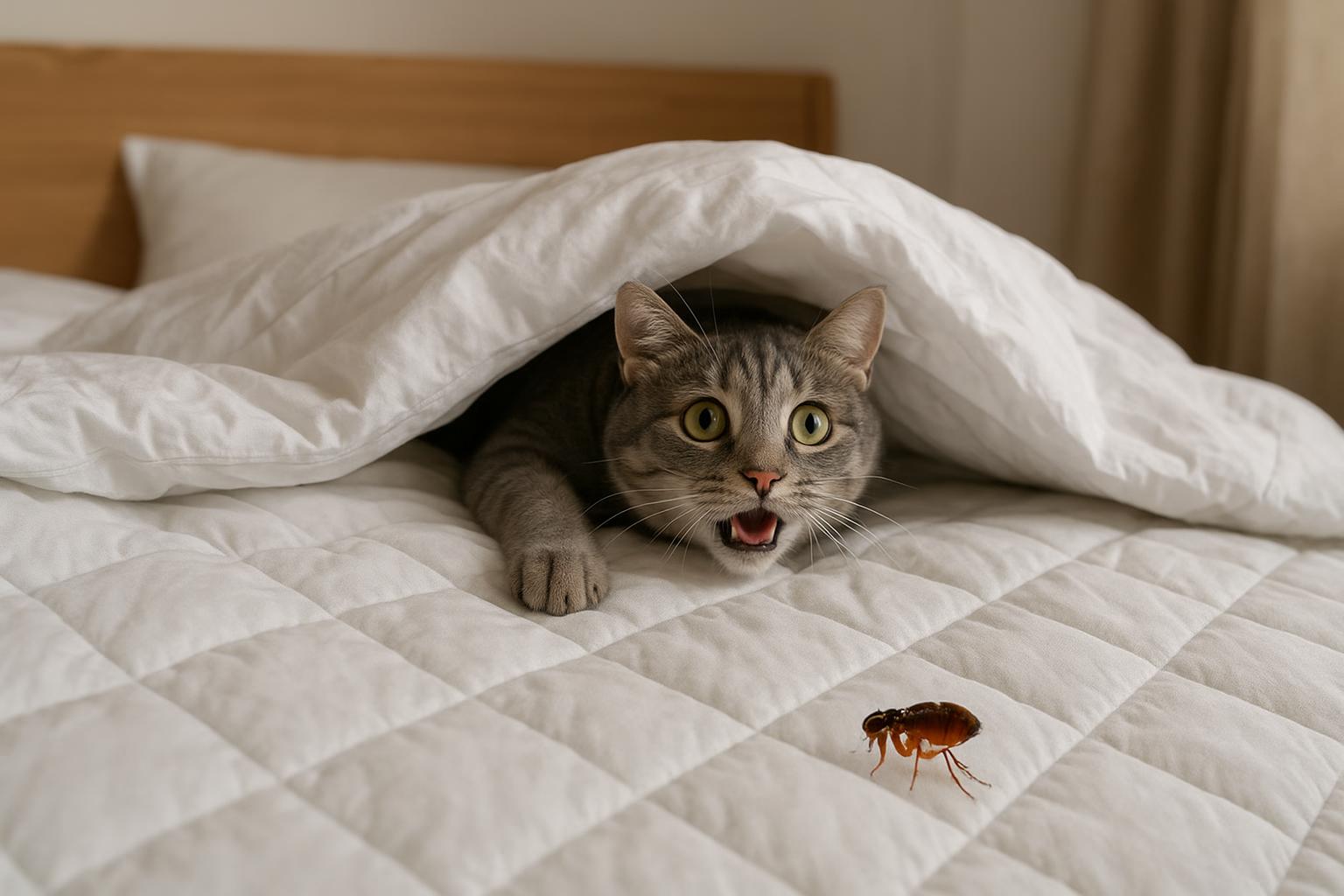
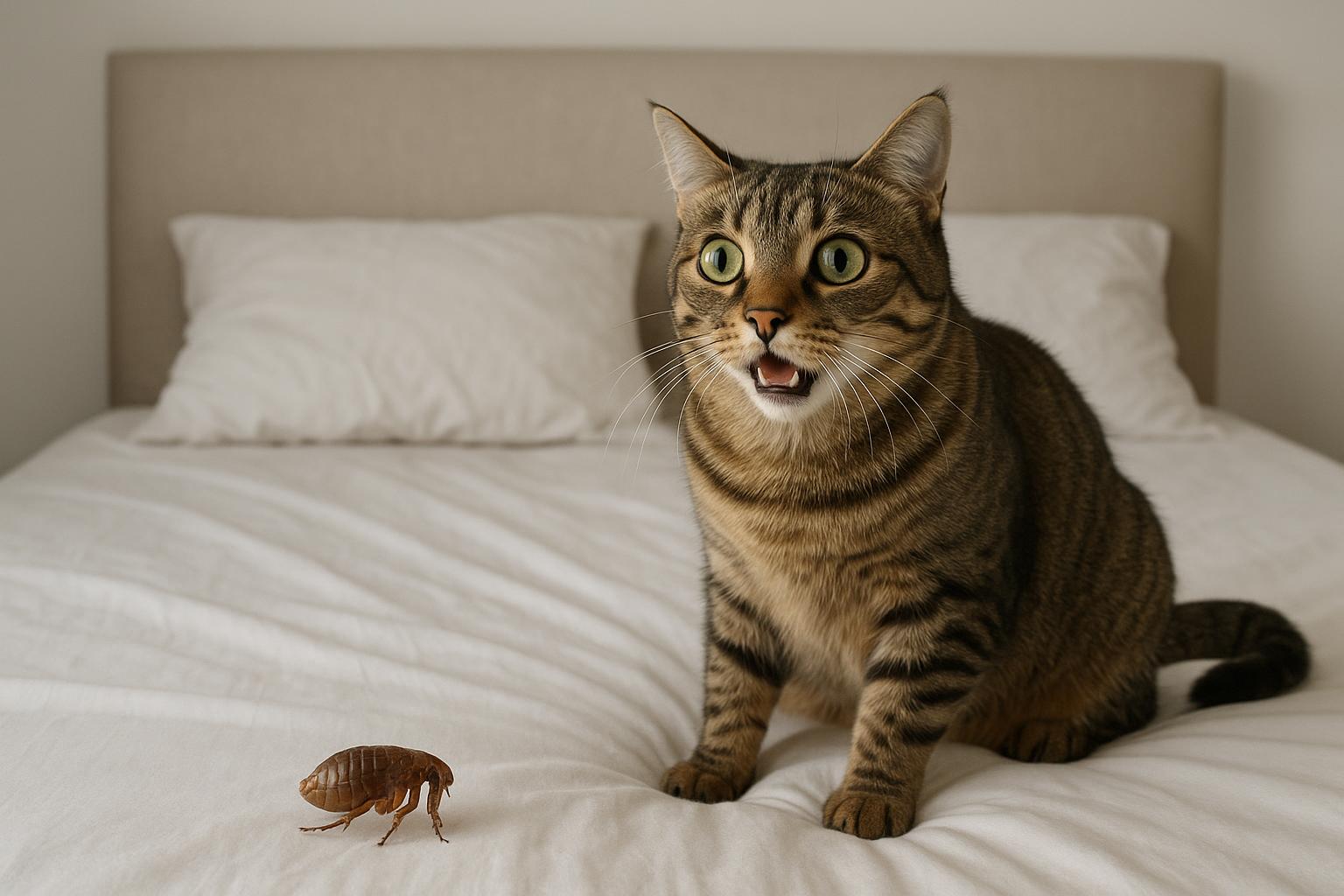
You wake to a tiny, maddening tickle along your ankle and a prickle of concern that something unseen is feasting while you slept. A flea in bedding is more than an annoyance; it’s a signal that your mattress and bedroom ecosystem need urgent, targeted attention. This guide blends creative narrative with clear, formal remediation steps to secure mattress safety today.
## Flea In Bedding: Recognize The Signs
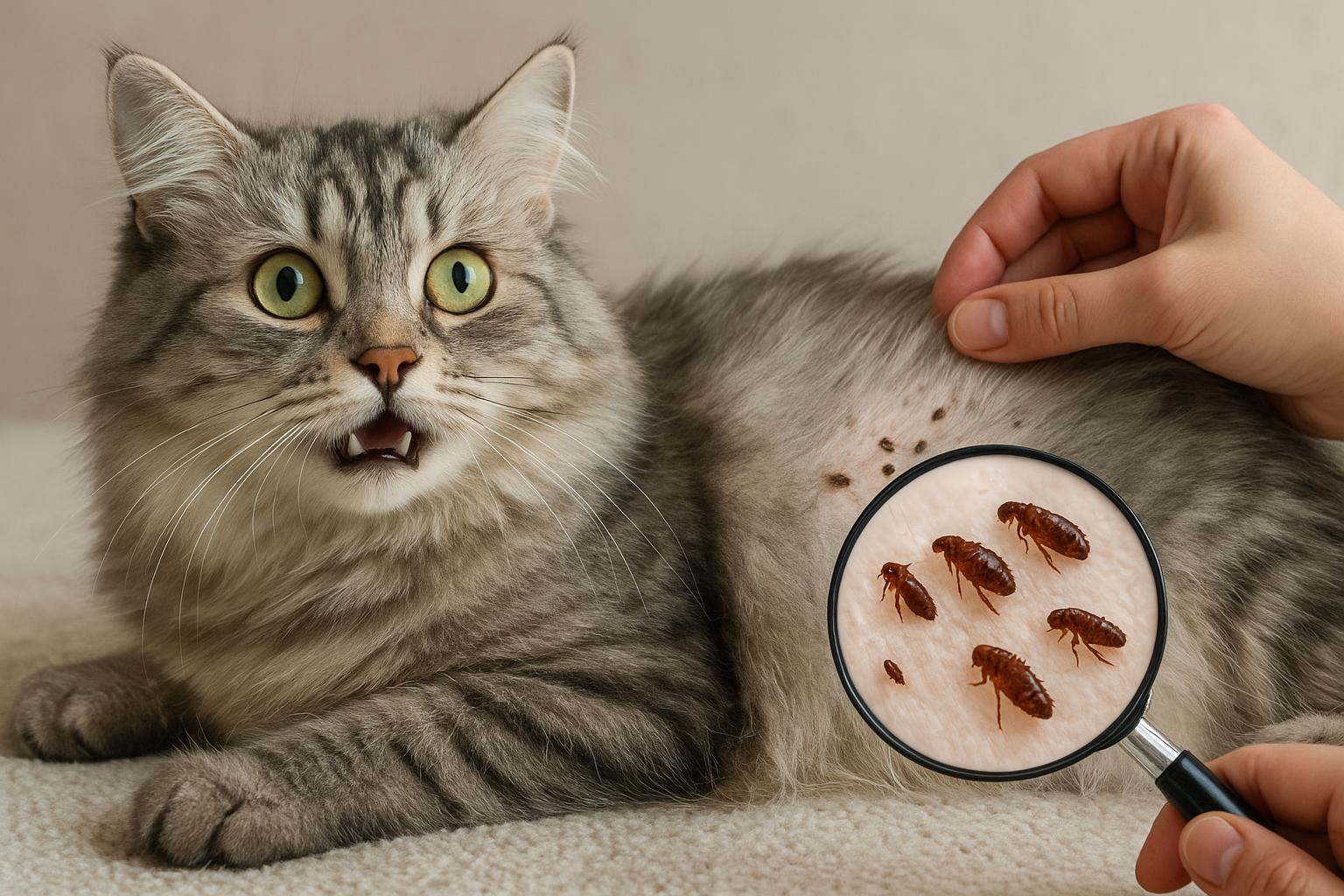
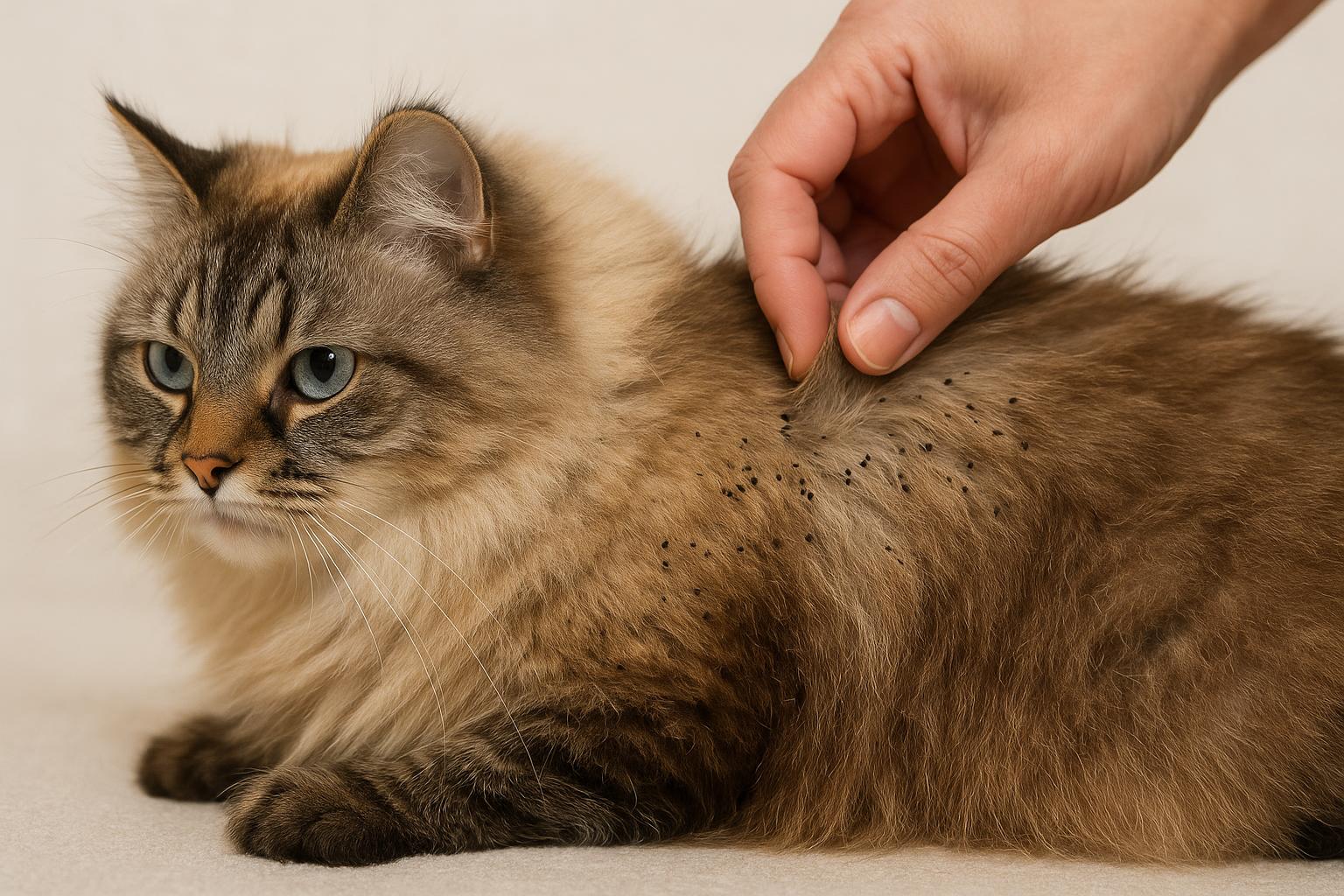
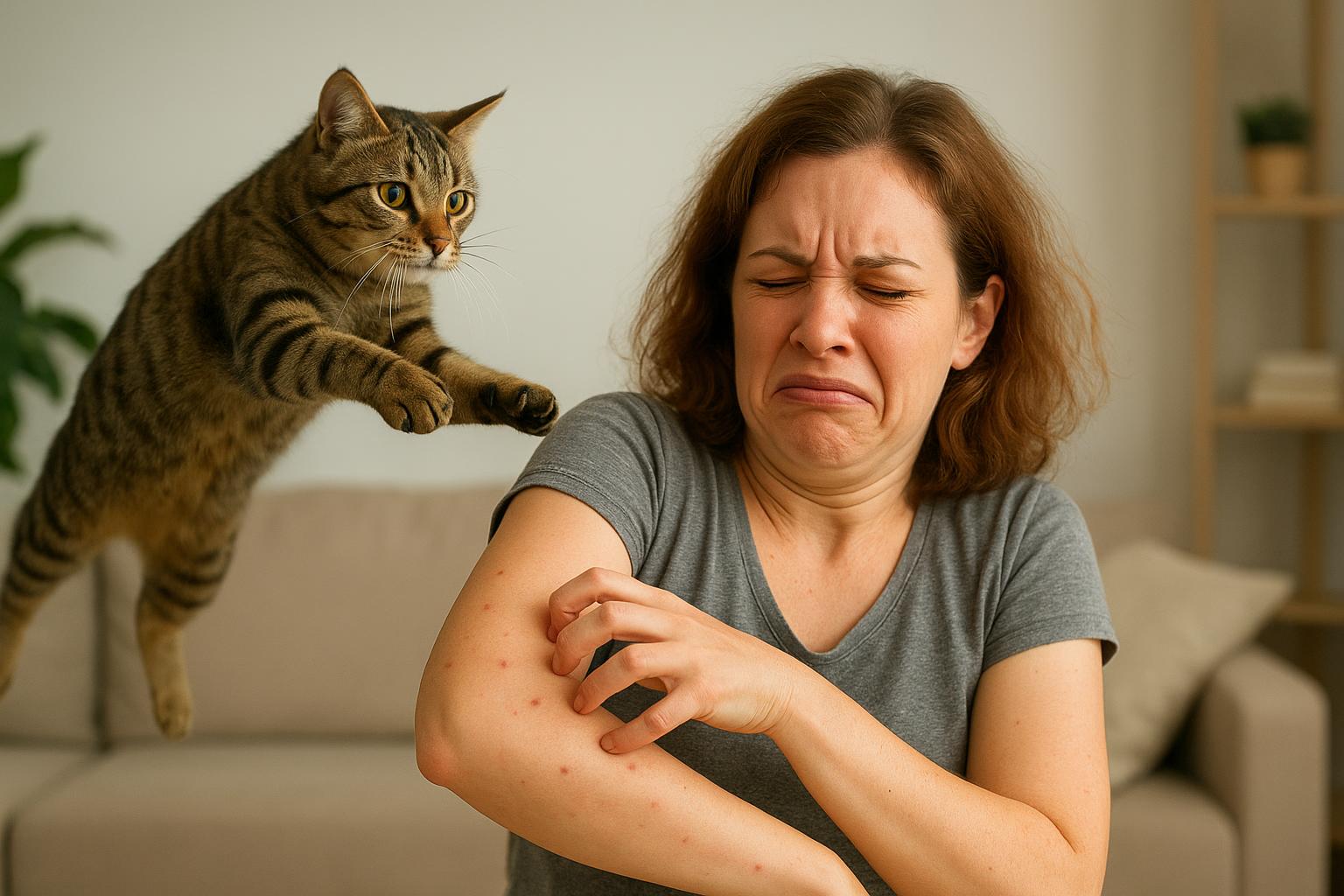
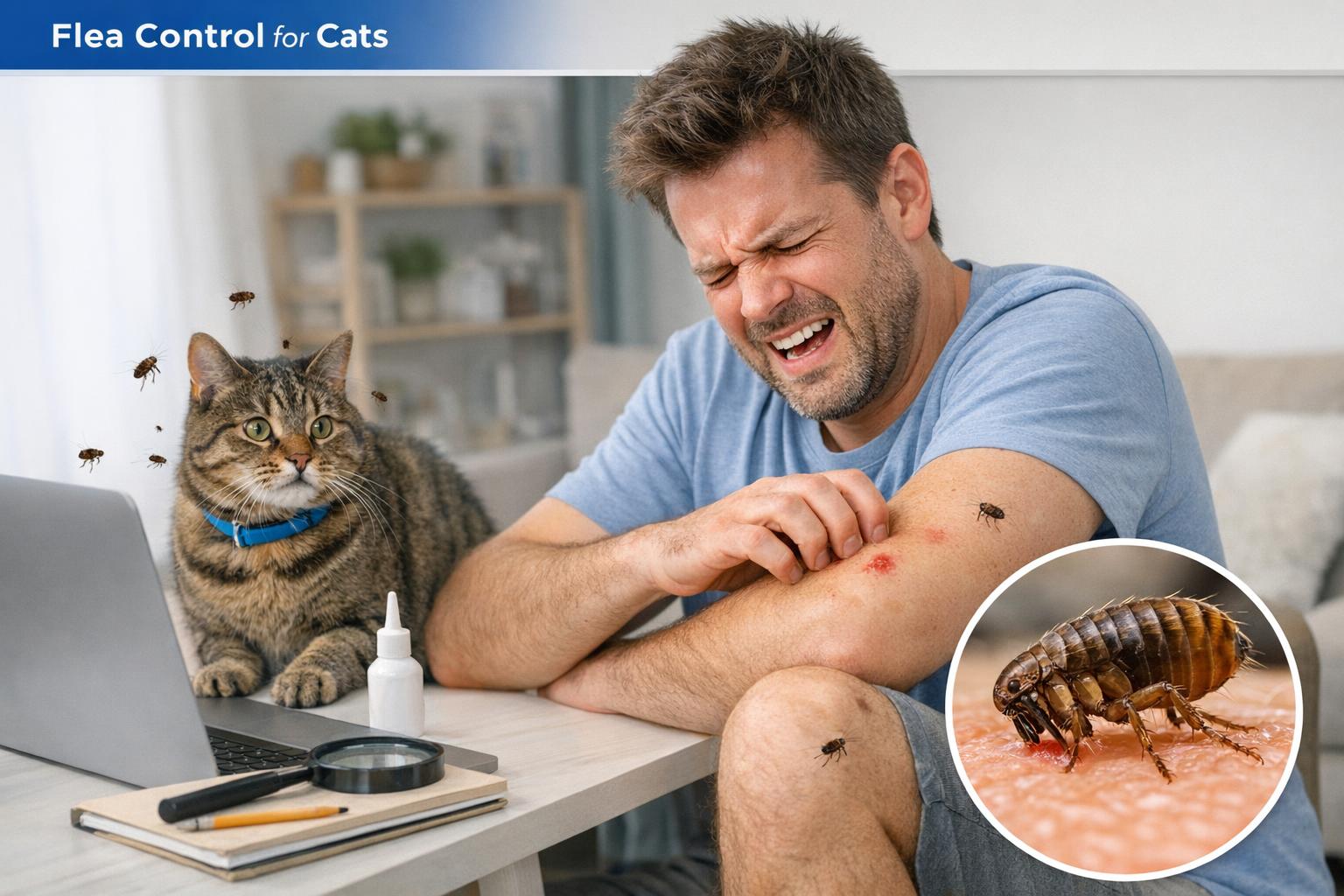
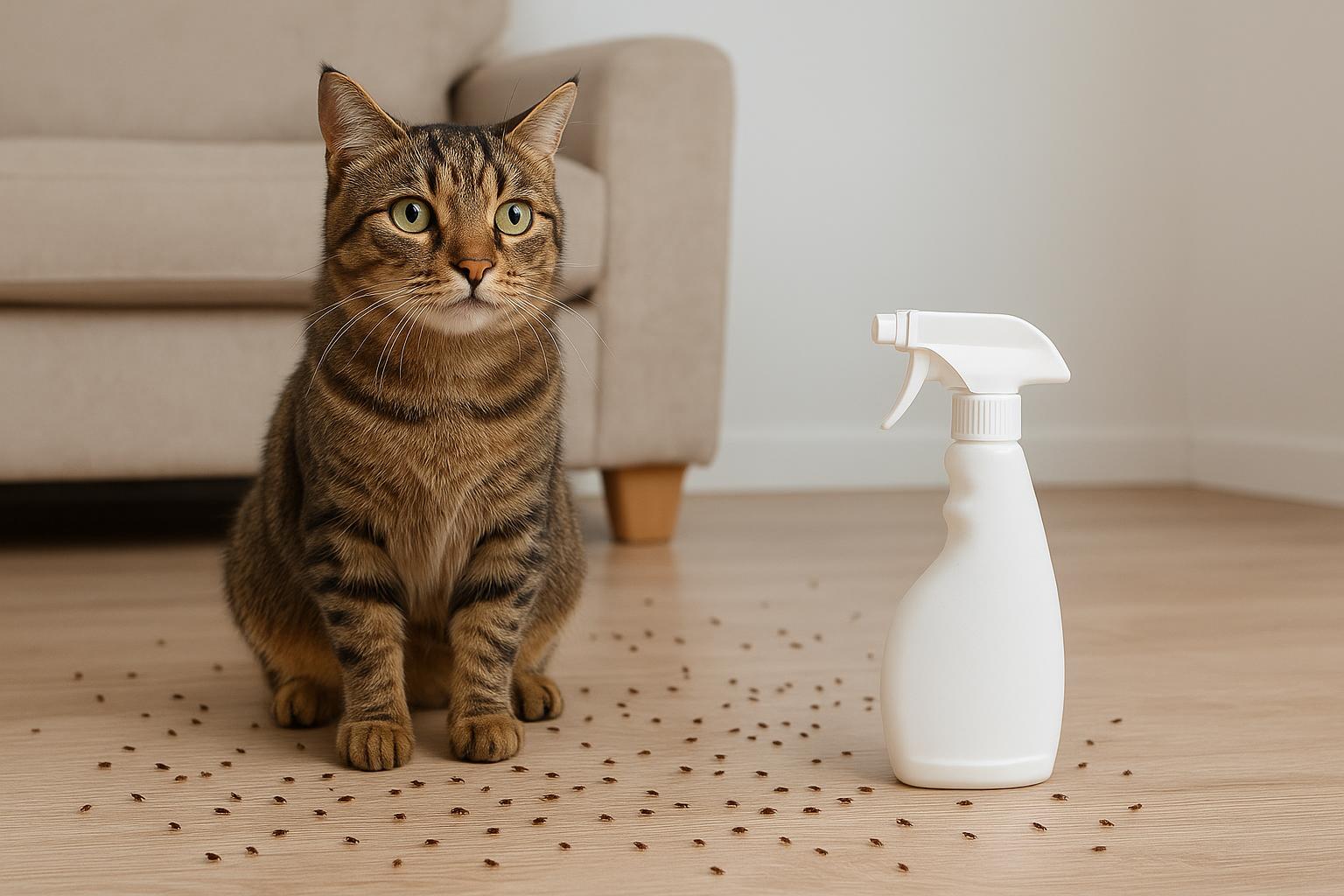
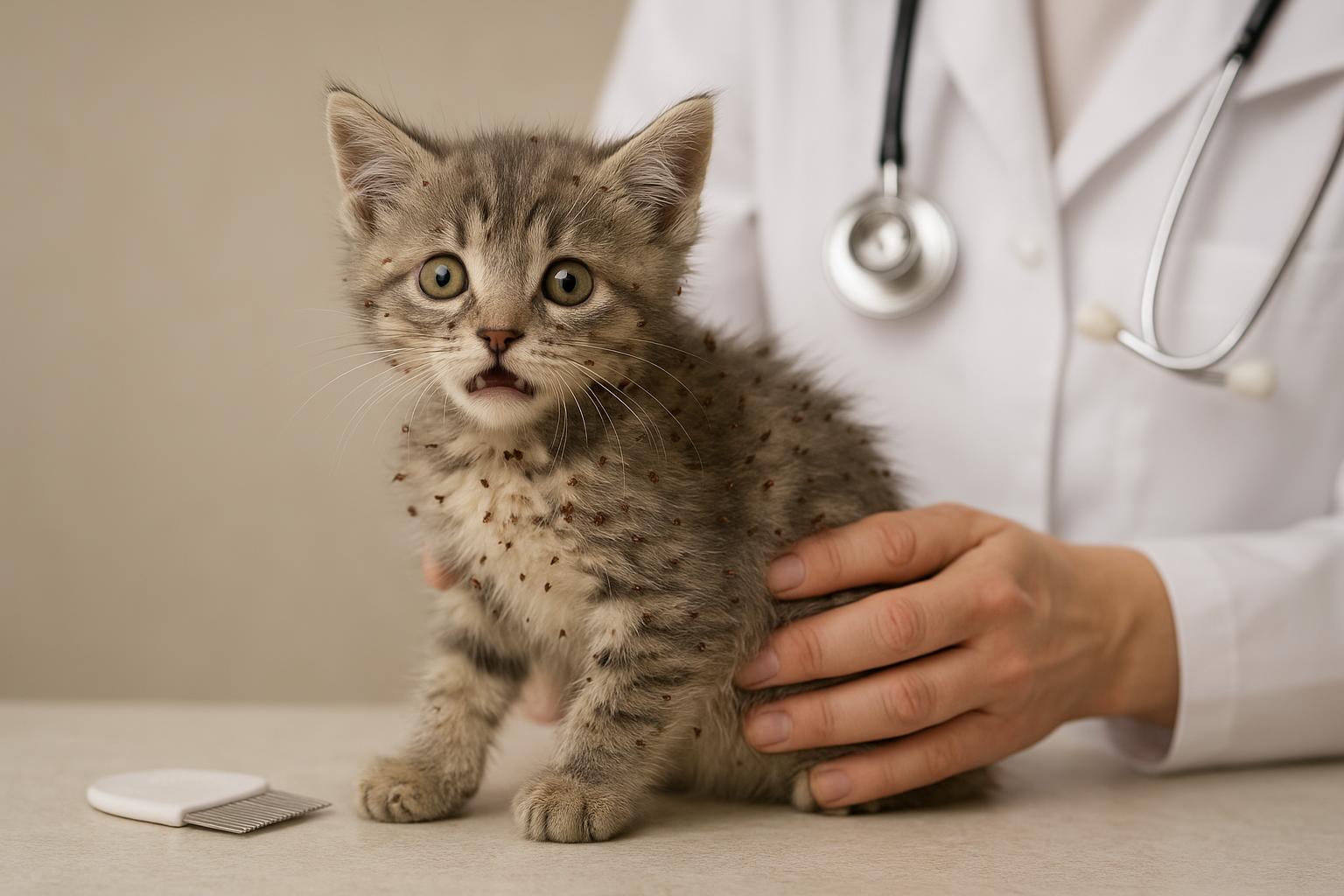
Learning to read the subtle clues of a flea presence is the first step toward rescue. A flea in bedding often reveals itself through small red welts on exposed skin, sudden pet scratching during the night, or tiny black specks (feces) on sheets that smear red when moistened. You might also notice adult fleas hopping on the mattress surface or hear faint rustling from pet hair nests. Early detection reduces the scale of infestation and makes chemical-free methods more effective.
### Understanding Flea Biology And Why Bedding Is Vulnerable
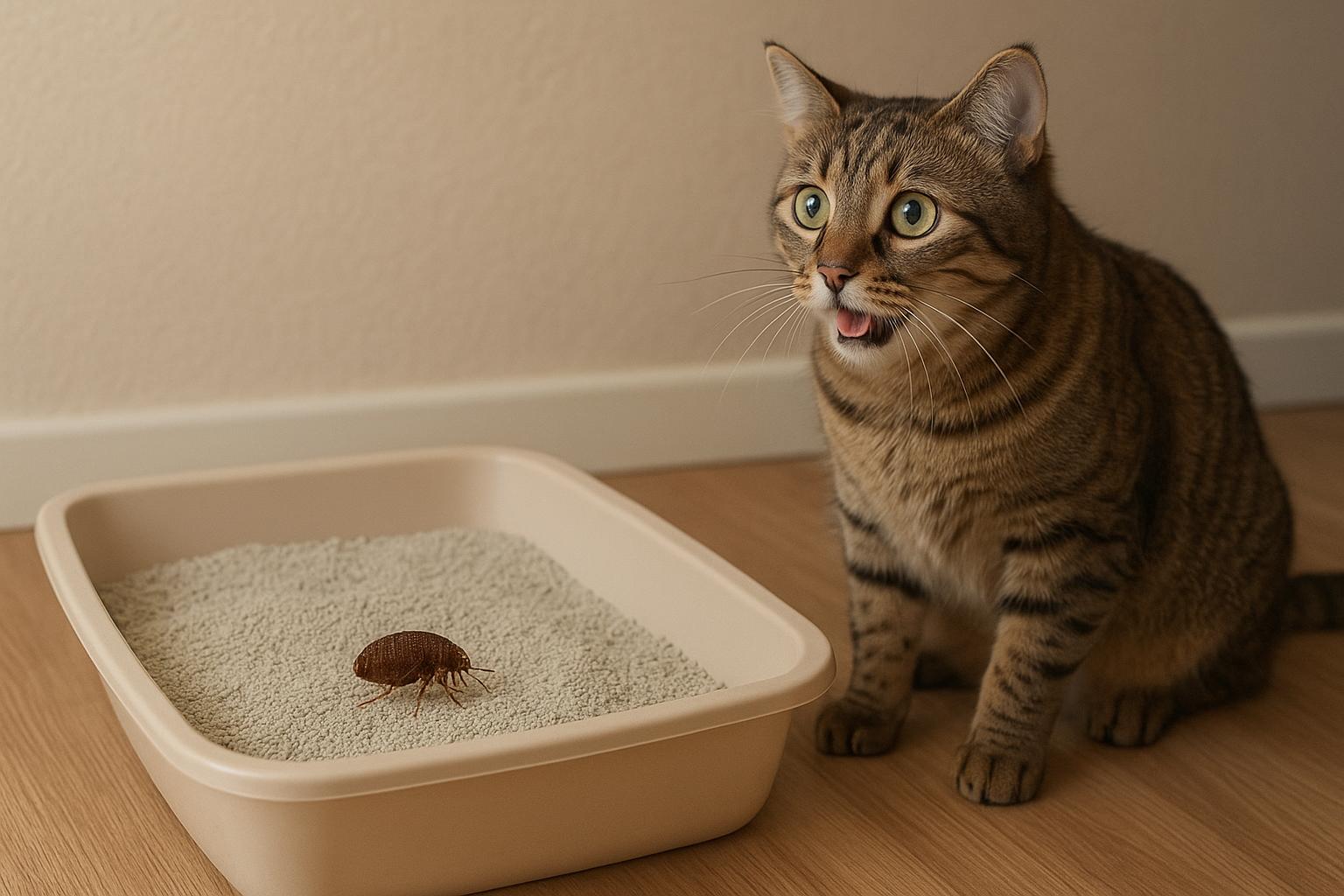
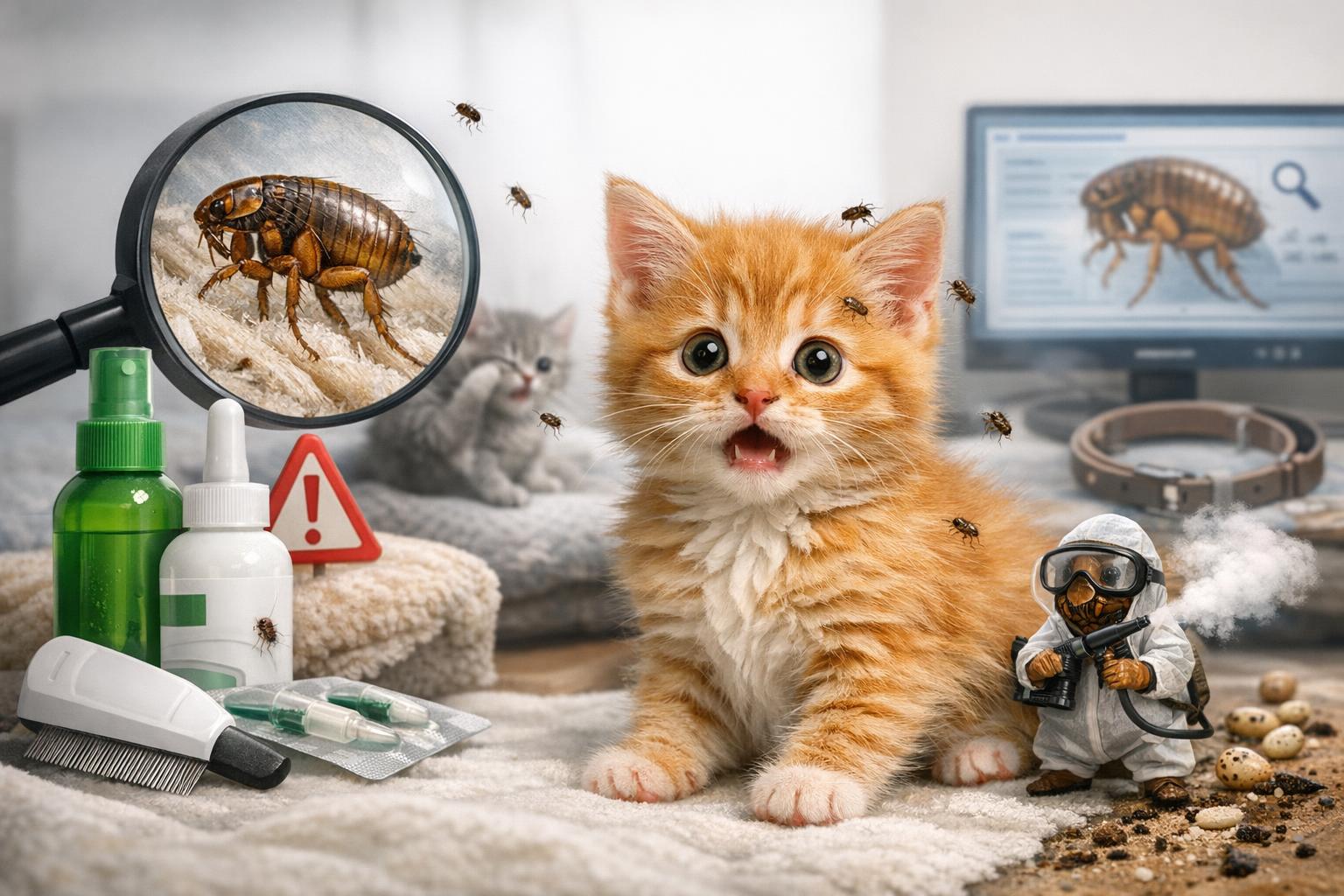
Fleas reproduce quickly. The lifecycle includes eggs, larvae, pupae, and adults. Eggs fall from hosts and settle into fabric folds, mattress seams, and carpet fibers—places where a flea in bedding thrives. Larvae avoid light and feed on organic debris; pupae can remain dormant for months until conditions trigger emergence. Temperature, humidity, and the presence of a host accelerate this cycle. Because mattresses are warm and sheltered, they are ideal microhabitats.
### Assessing The Scope And Risks
Inspect your sleeping area systematically. Remove bedding and check seams, tufts, and handles. Use a white cloth or paper towel to brush the mattress; visible dark specks can indicate flea dirt. Consider your pets’ status: untreated pets often seed the environment. Health risks extend beyond itchy bites—secondary infections from scratching, allergic dermatitis in sensitive animals, and the stress of recurring infestations.
## 1. Deep Clean And Heat Treatment For Flea In Bedding
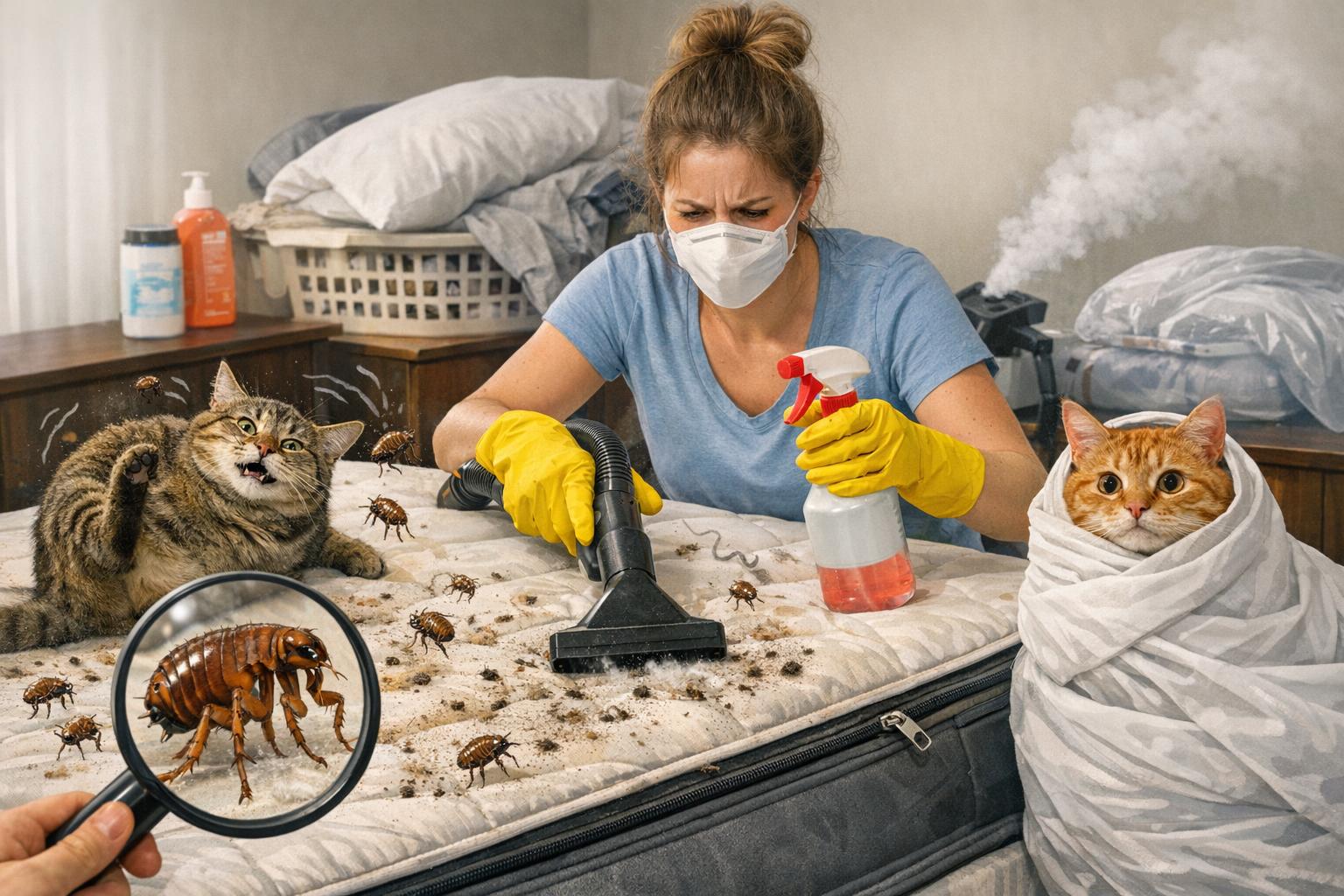
This formalized remedy concentrates on removal and thermal inactivation of all life stages. Heat is a reliable, non-toxic killer of fleas when applied correctly.
Materials Required:
– High-temperature-capable washing machine and dryer
– Strong vacuum with crevice and upholstery attachments
– Stiff nylon brush
– Mattress-safe steam cleaner capable of reaching 140°F+ (60°C+)
– Laundry bags or pillowcase covers (optional)
– Trash bags for disposal
Step-by-Step Procedure:
1. Remove All Bedding: Strip sheets, pillowcases, duvet covers, and removable mattress pads immediately. Place them directly into a laundry basket to avoid contaminating other surfaces.
2. Wash At High Heat: Launder all removable fabrics in the hottest water safe for the fabric, ideally 60°C (140°F) or higher. Use a regular laundry detergent and add a cup of white vinegar as a fabric-safe additive to help dislodge flea eggs and larvae.
3. Dry Thoroughly: Use a hot dryer cycle for at least 30–45 minutes. The combination of heat and tumbling kills eggs, larvae, and adult fleas.
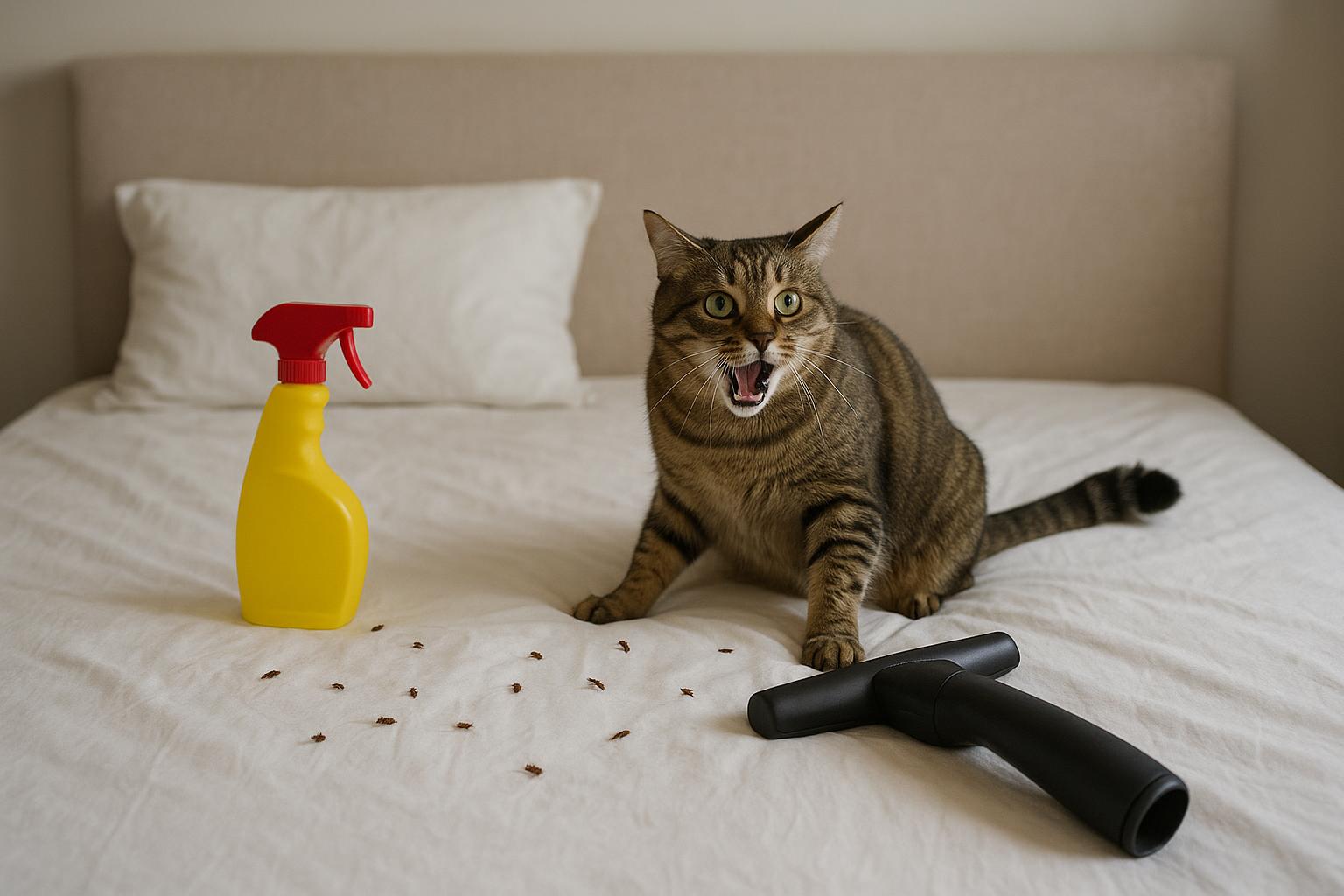
4. Vacuum Mattress: Thoroughly vacuum the entire mattress surface, including seams, tufts, and folds. Use the crevice tool to reach edges and handles. Empty the vacuum bag or canister into a sealed trash bag and remove from the premises immediately.
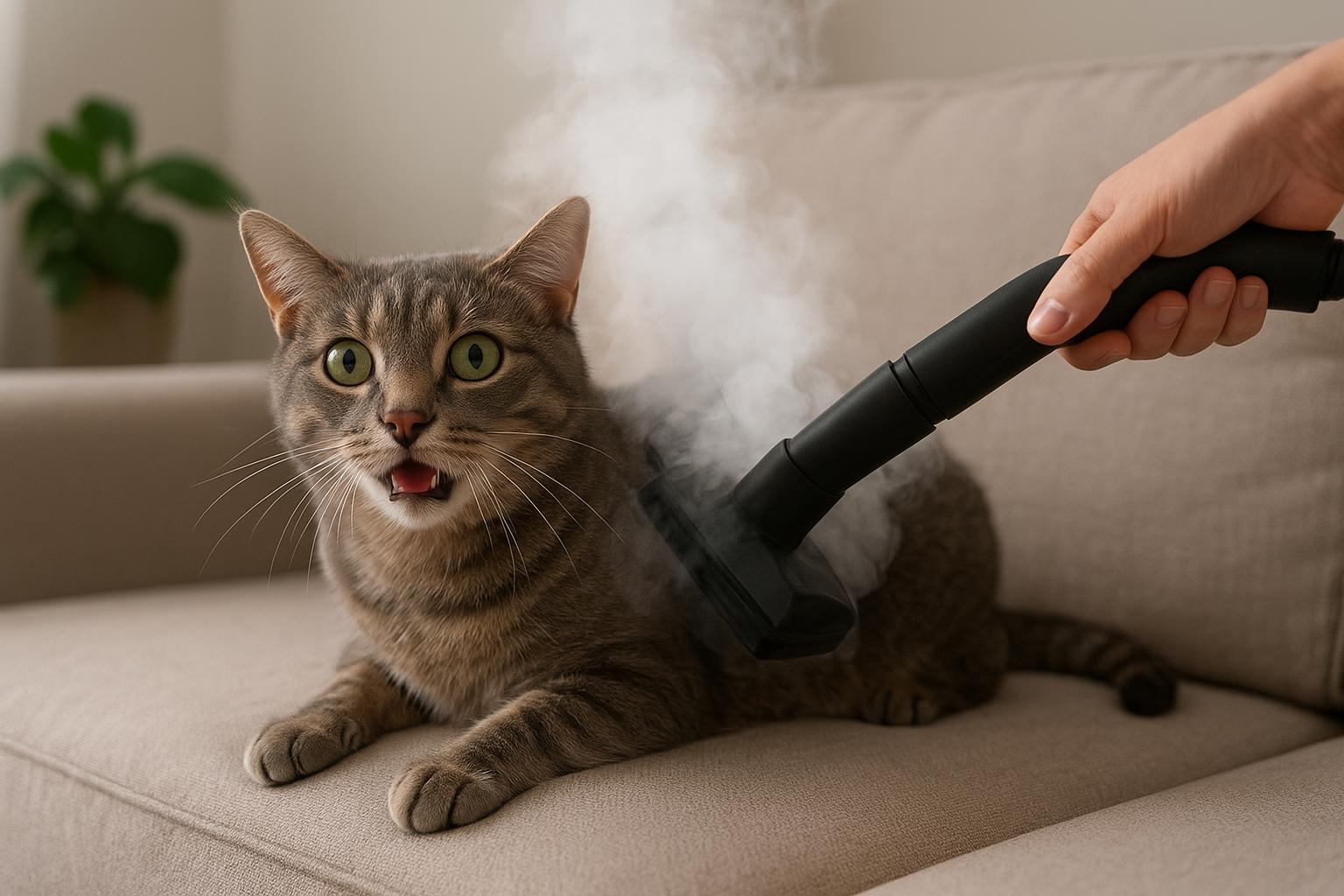
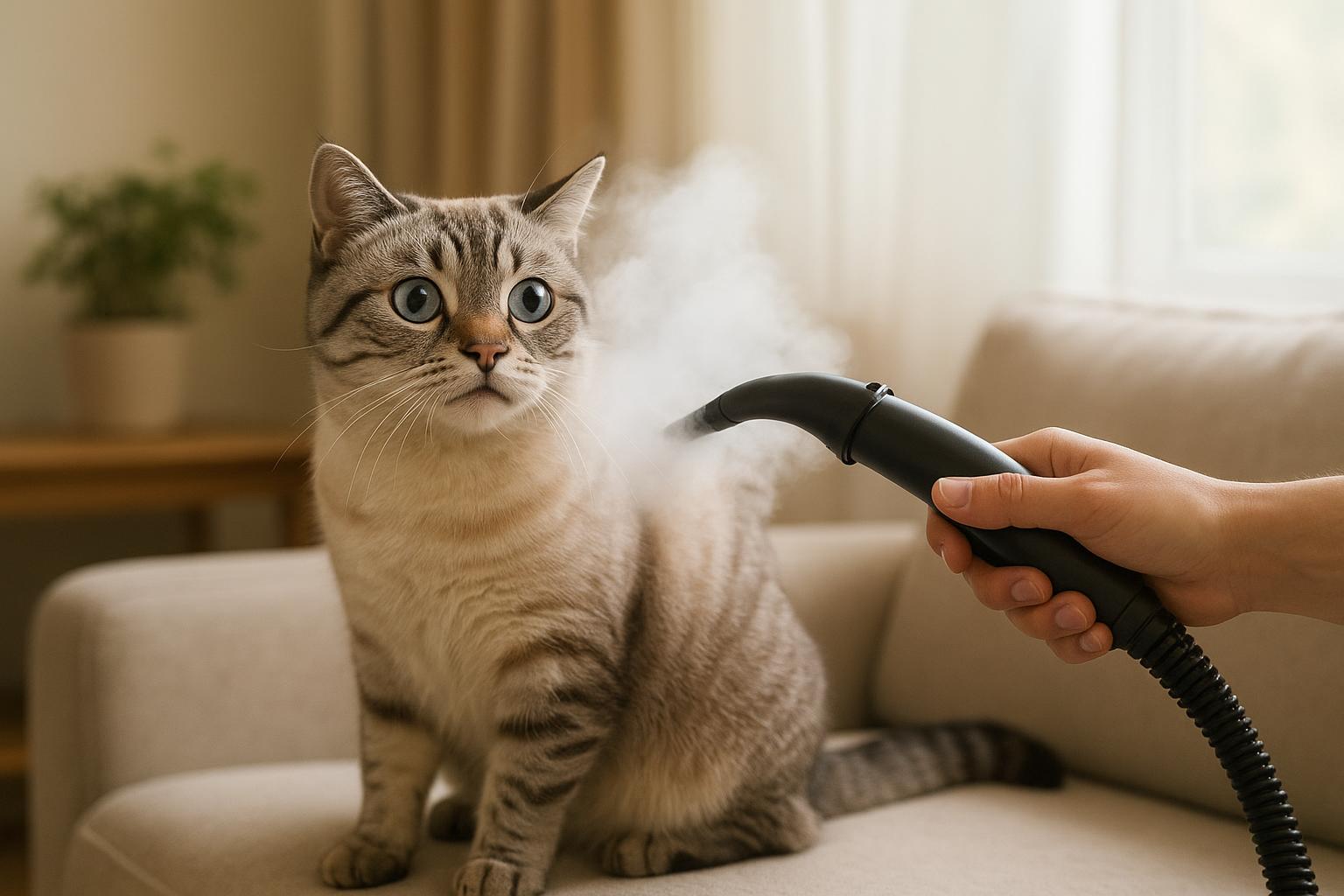
5. Steam Clean Mattress: Apply steam at temperatures exceeding 60°C (140°F) and move slowly to ensure heat penetration. Concentrate on seams and stitching where eggs and larvae hide. Do not saturate the mattress; use steam to heat and kill without soaking.
6. Brush And Repeat: While steaming, follow with a stiff brush to dislodge remaining debris into the vacuum path. Repeat vacuuming after steaming.
7. Seal Or Encase Mattress: Once fully dry, encase the mattress in a certified allergen- and pest-proof mattress cover to trap any residual pests and prevent reinfestation.
## 2. Natural Repellents, Traps, And Safe Treatments
When you prefer non-synthetic interventions, this remedy uses botanical repellents and domestic traps to reduce adult flea numbers and slow breeding.
Ingredients/Materials:
– Diatomaceous earth (food grade)
– Essential oils: lavender, eucalyptus, or cedarwood (use sparingly)
– Baking soda
– White socks or shallow dishes
– Dish soap
– Warm water
– Fine-mesh sieve or flour sifter
– Gloves and dust mask
Precautions: Essential oils can be toxic to cats; avoid use around felines. Diatomaceous earth must be food grade and applied carefully to avoid inhalation.
Step-by-Step Procedure:
1. Prepare The Room: Remove pets from the space. Vacuum thoroughly and empty contents into sealed bags.
2. Apply Diatomaceous Earth: Wearing a dust mask, lightly dust mattress seams and surrounding carpet with food-grade diatomaceous earth using a sieve for even distribution. Let sit 48–72 hours to desiccate adult fleas and larvae.
3. Create Simple Traps: Place shallow dishes filled with warm water and a few drops of dish soap near light sources on the floor. Fleas are attracted to light and will jump into the soapy water and drown.
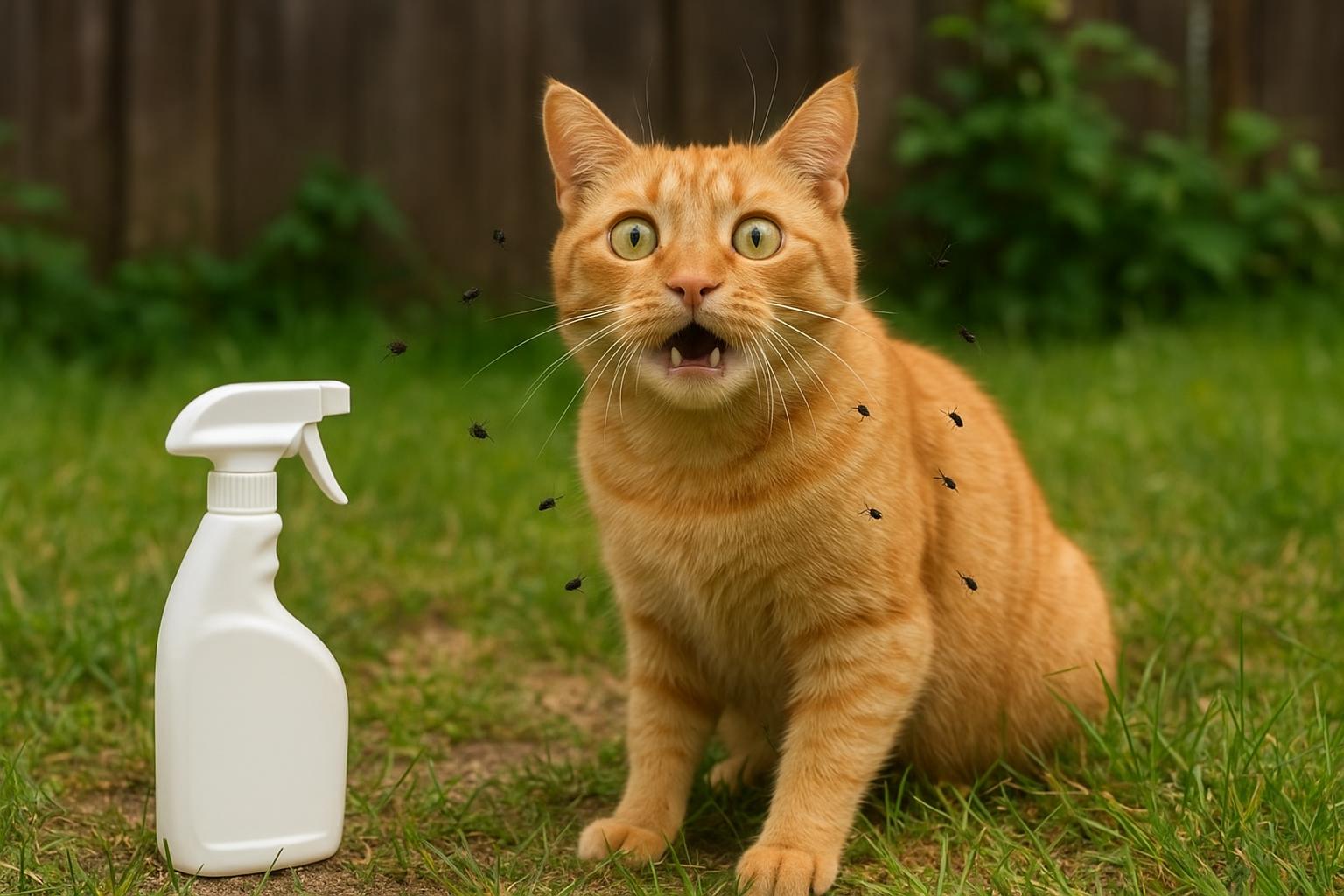
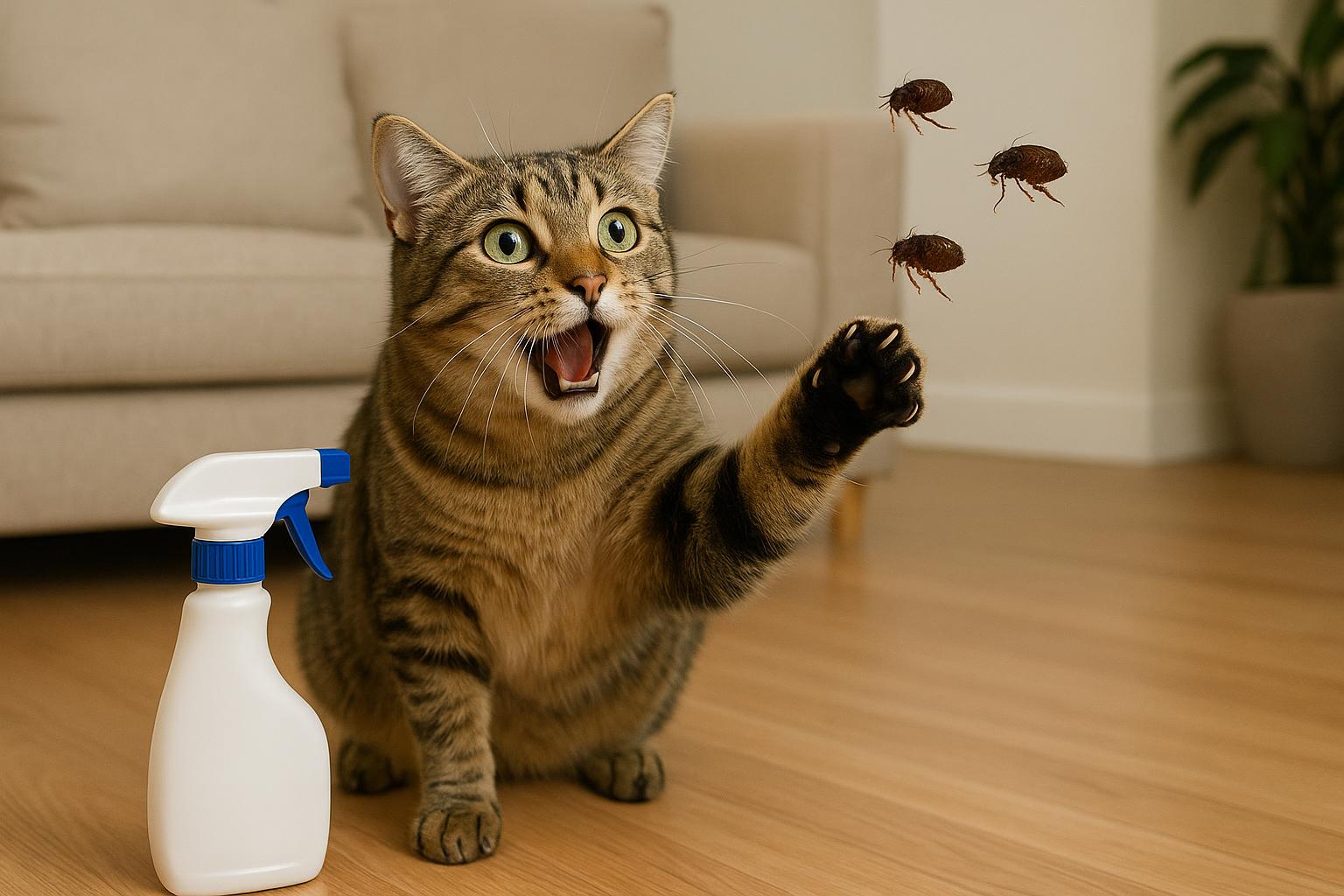
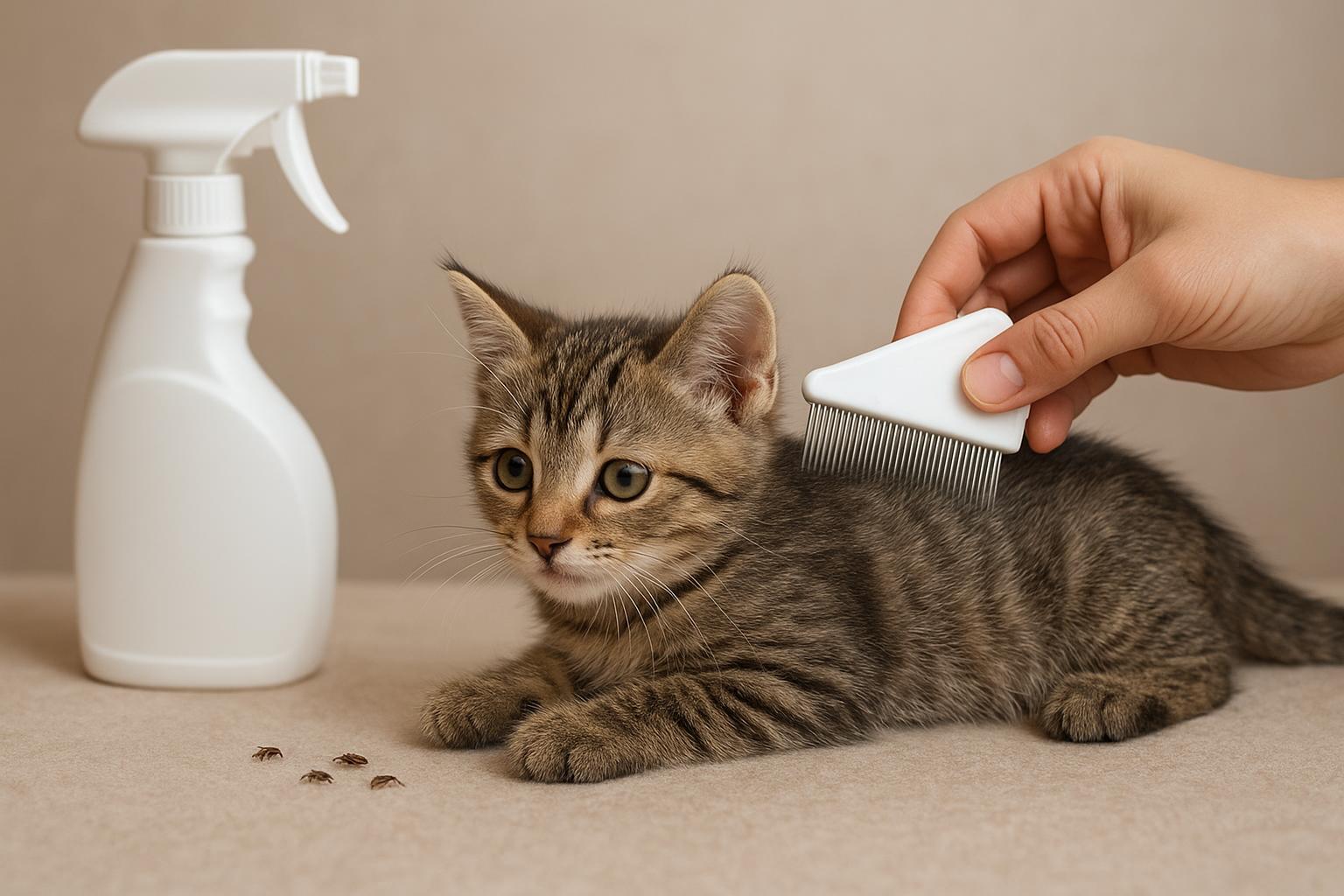
4. Use Essential Oil Spritz (Optional And With Caution): Mix 2–3 drops of a chosen pet-safe essential oil per liter of water with a teaspoon of vinegar in a spray bottle. Lightly mist bedding edges and carpet; avoid direct spray on pets and keep cats away. Always test a small fabric area first.
5. Vacuum And Remove Residue: After 72 hours, vacuum to remove dead fleas and diatomaceous residues. Dispose of vacuum contents off-site.
6. Repeat Weekly: Reapply traps and diatomaceous treatments on a weekly schedule for 3–4 cycles to interrupt the lifecycle.
### When To Use Chemical Control
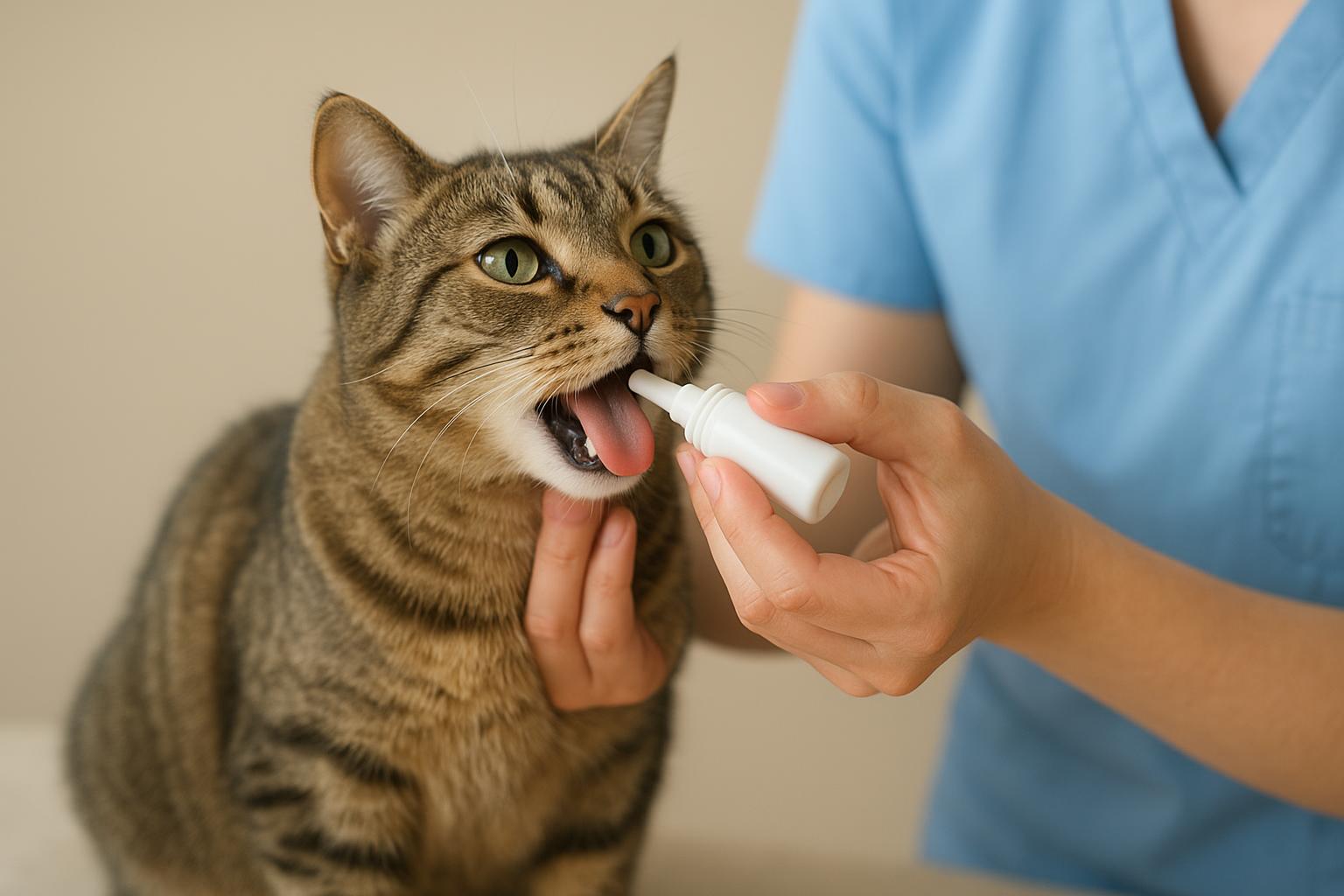
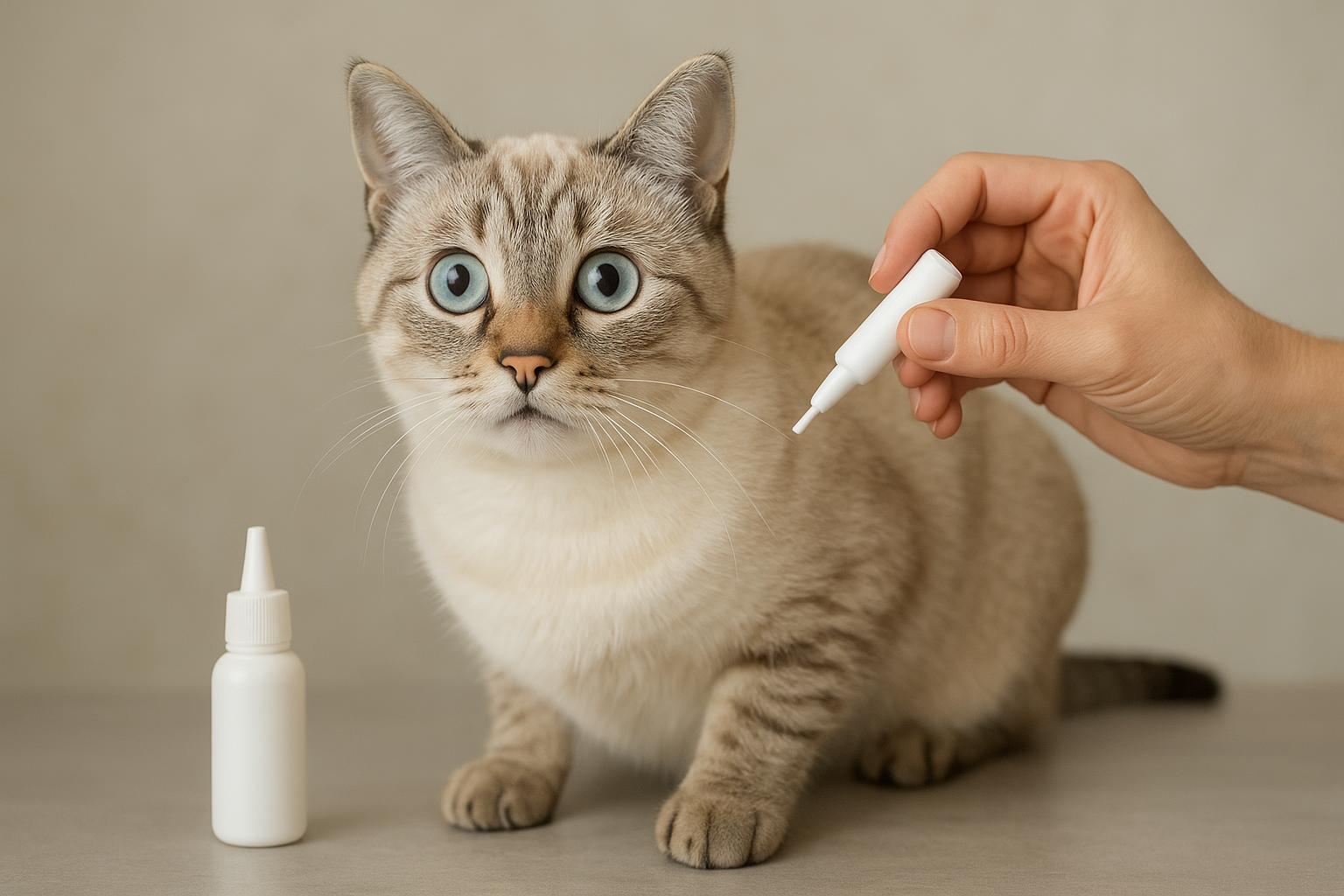
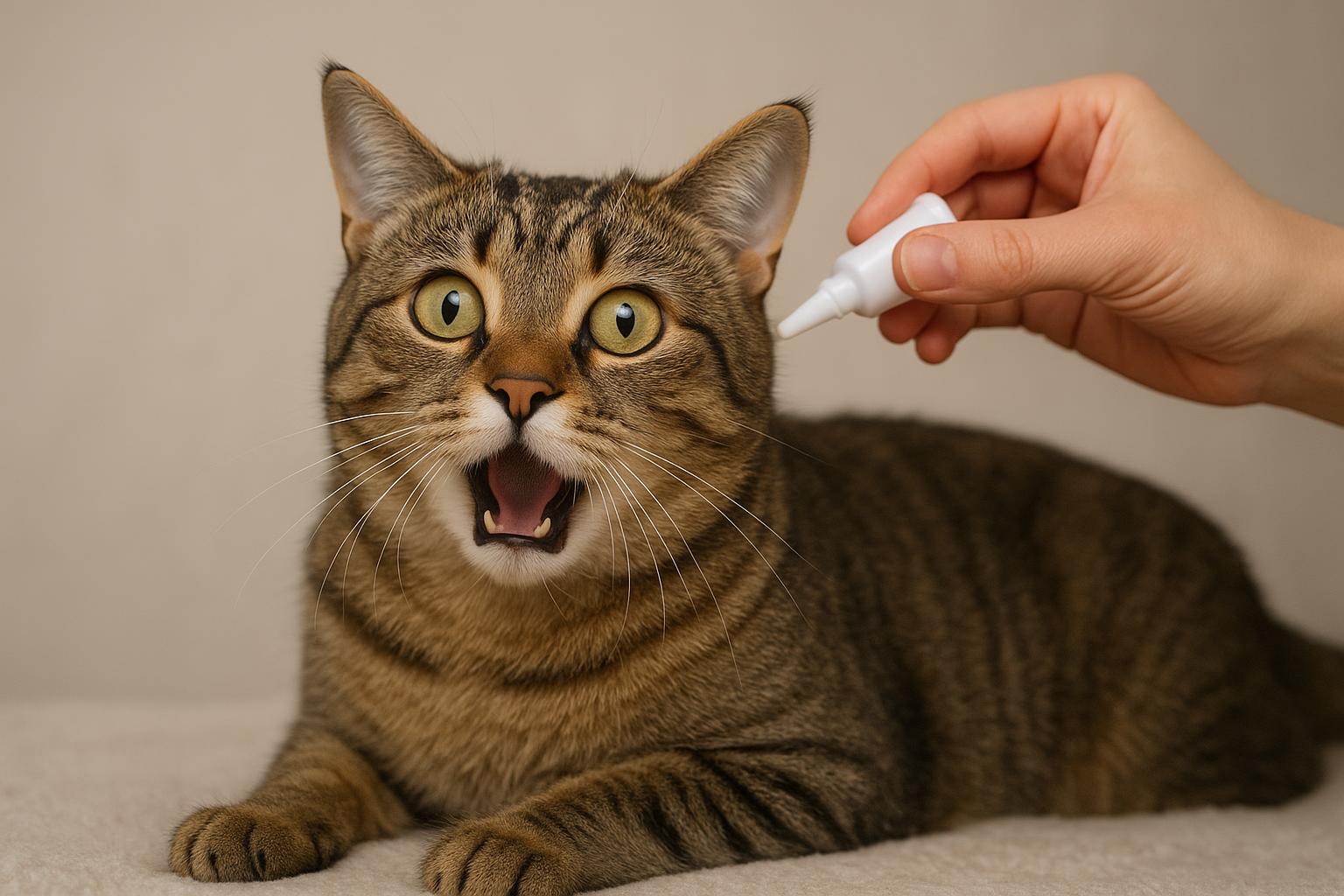
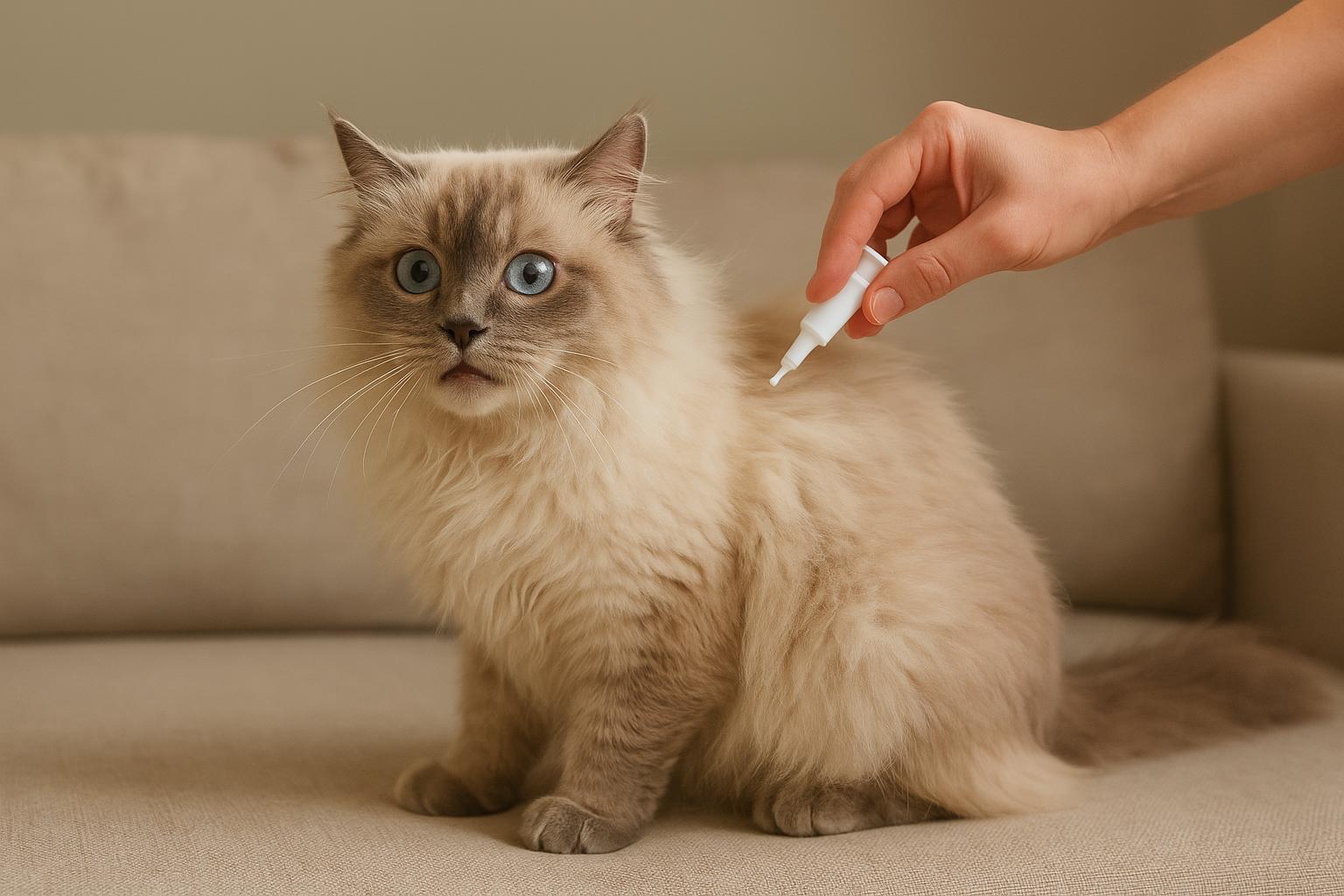
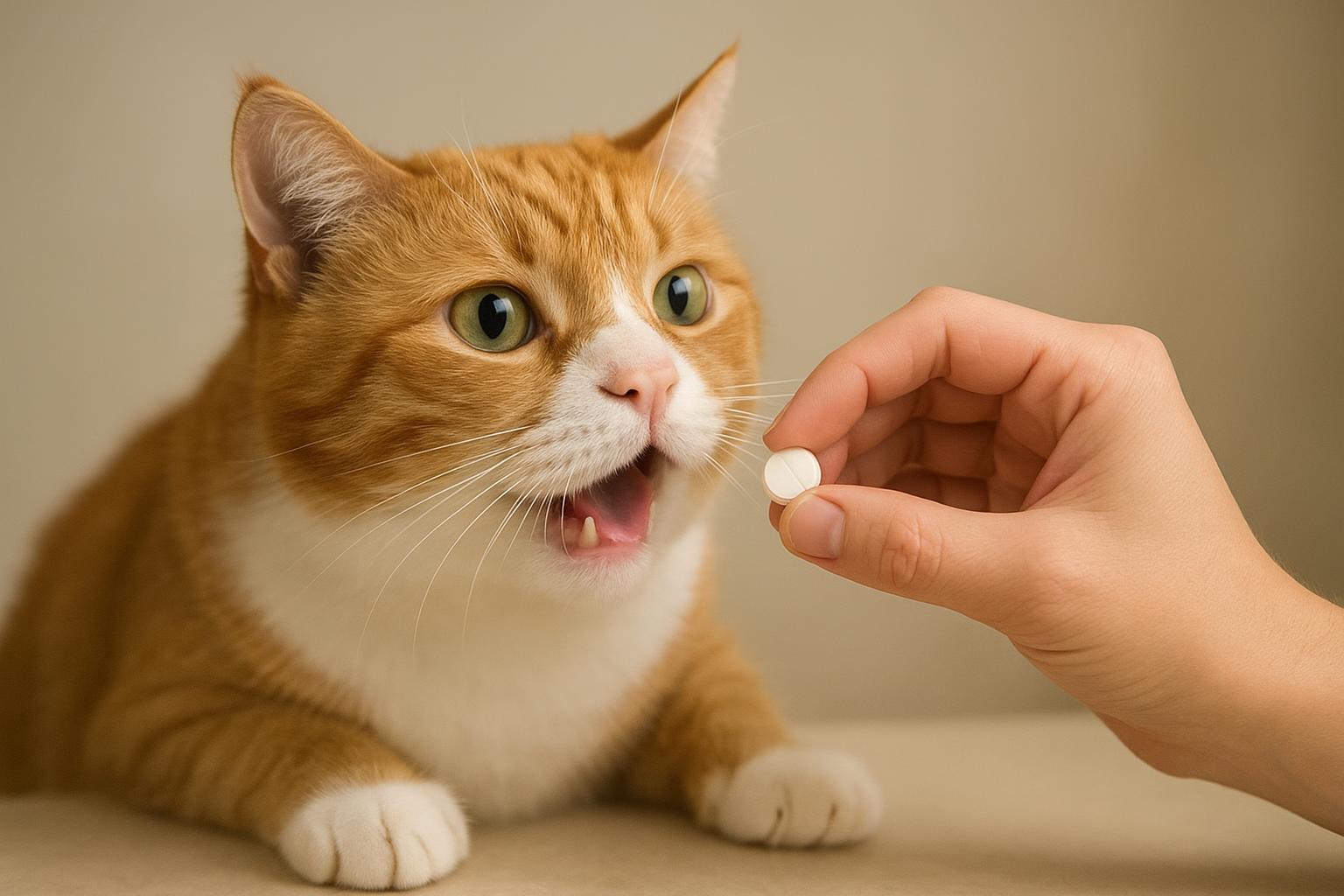
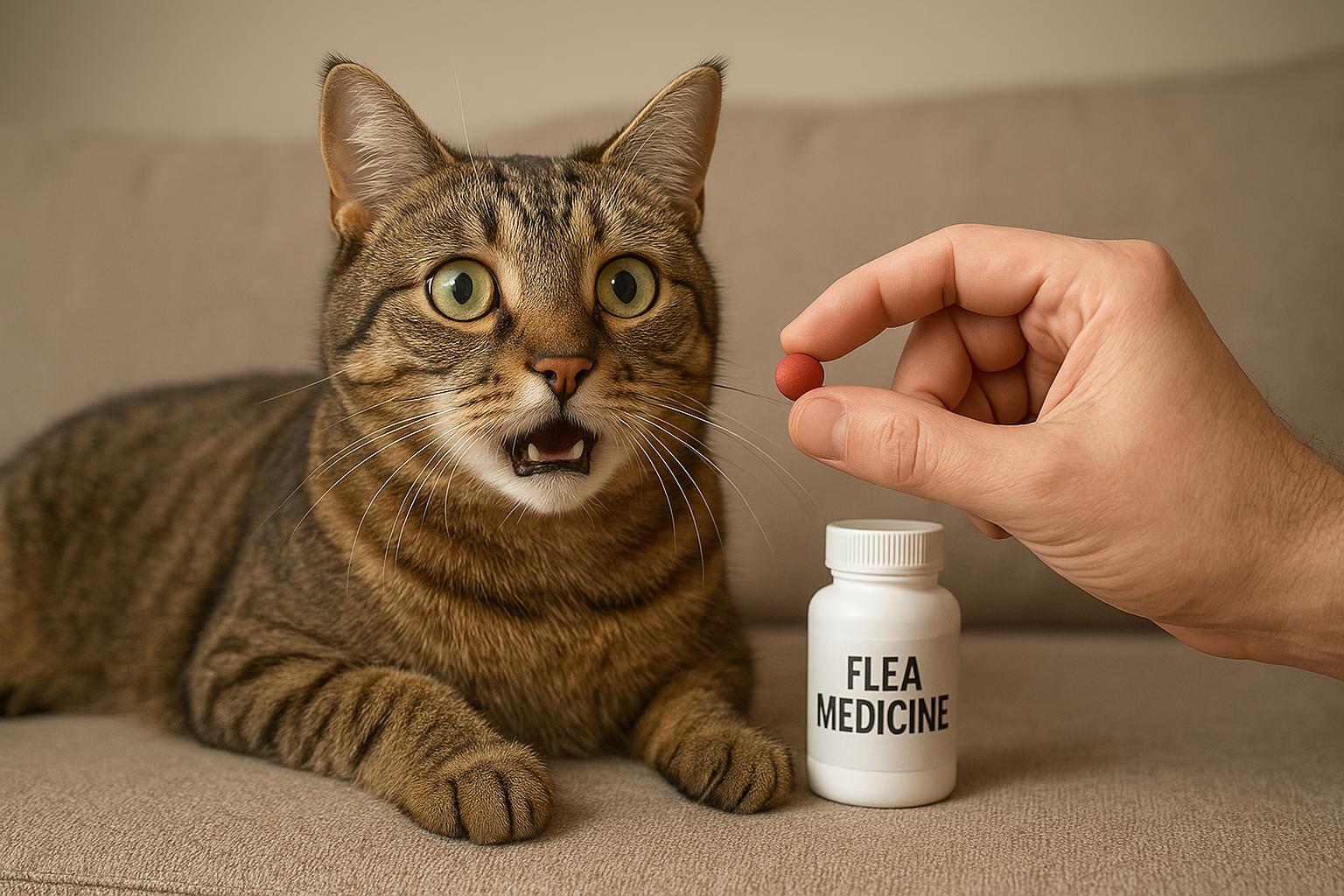
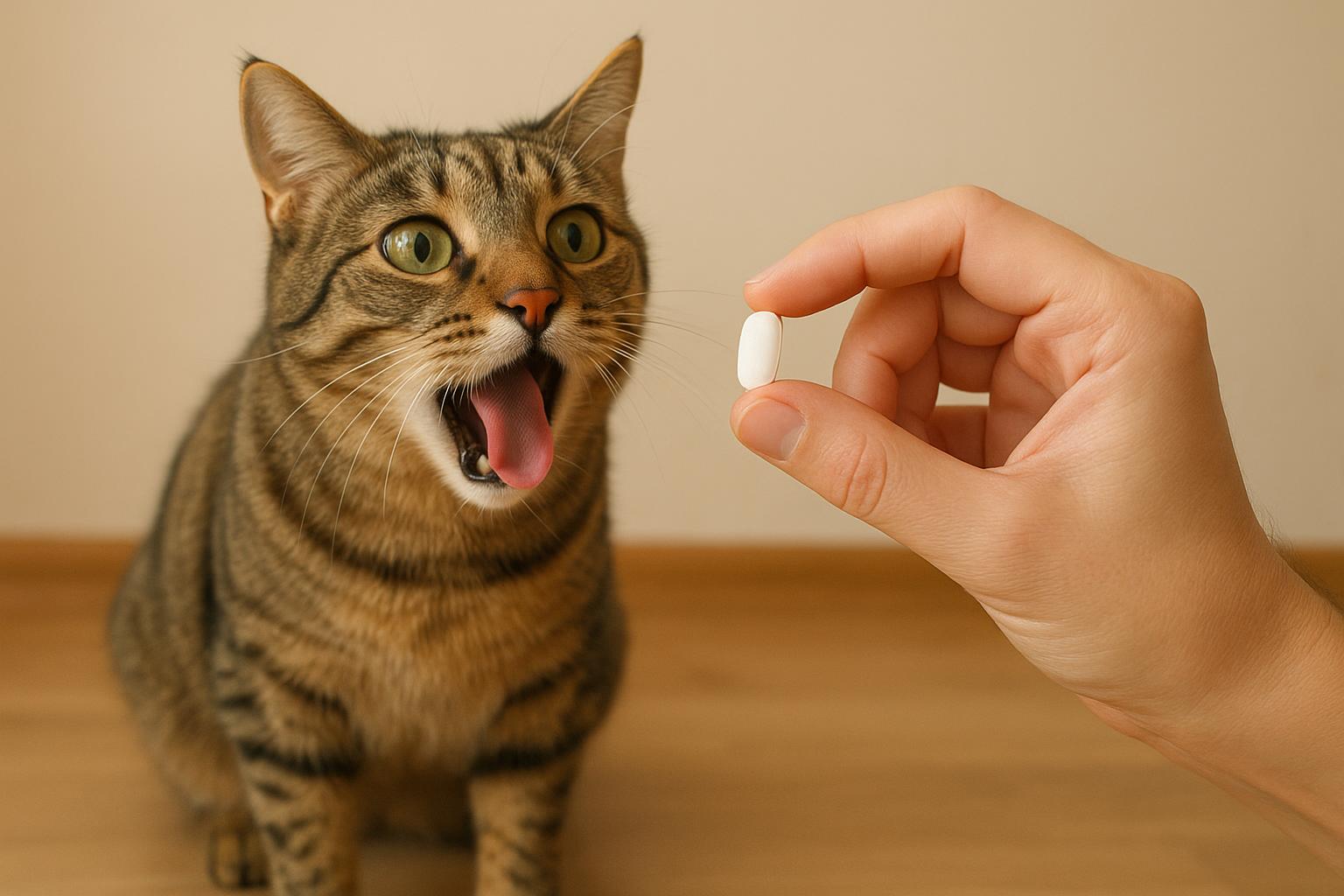
If the infestation persists despite rigorous non-chemical measures, consider veterinarian-approved topical or oral treatments for pets and registered insecticidal products for home use. These should be used according to label instructions and ideally as part of an integrated pest management plan supervised by a professional.
## Mattress Safety And Long-Term Prevention
Prevention is as important as eradication when dealing with a flea in bedding. Secure your sleeping environment and reduce attractants.
### Routine Practices To Reduce Risk
– Bathe and treat pets regularly with veterinarian-recommended flea control, especially before introducing them to the bed.
– Wash bedding and pet bedding weekly in hot water.
– Vacuum floors and upholstery at least twice weekly, focusing on pet resting areas.
– Use mattress encasements designed to block insects and allergens.
– Keep humidity lower in the bedroom; fleas prefer humid environments.
#### Seasonal And Environmental Considerations
Flea activity typically rises in warmer months, but indoor heating can sustain activity year-round. If you live in a multi-pet household or near wildlife corridors, be extra vigilant. Inspect any second-hand furniture before bringing it inside.
## 3. Encasement And Professional Intervention For Persistent Problems
When home methods are insufficient, formal intervention and protective encasements provide a final line of defense.
Materials/Requirements:
– Certified bed-bug-and-flea-proof mattress encasement (zippered, tightly sealed)
– Professional pest control consultation
– Documentation of pet treatment history
Step-by-Step Application:
1. Select The Right Encasement: Choose an encasement that lists protection against fleas and pests, fits your mattress snugly, and has strong zippers.
2. Install After Cleaning: Apply encasement only after deep cleaning and ensuring the mattress is dry and vacuumed.
3. Coordinate With Pet Treatments: Ensure all household pets are under effective flea control to prevent reintroduction.
4. Consult A Professional: If infestation continues, hire a licensed pest professional who will assess for heavy environmental reservoirs and may apply targeted treatments such as insect growth regulators (IGRs) or controlled, labeled insecticides.
5. Monitor Regularly: Inspect encasement seams and surroundings monthly and maintain laundry and vacuum routines.
### Notes On Safety And Pets
Always prioritize pet safety. Many over-the-counter treatments are ineffective or harmful if misused. Never apply human products to animals and consult a veterinarian before starting flea treatments. Professional pest control services should be informed of any pets to choose pet-safe application methods.
## Restoring Confidence After A Flea In Bedding Incident
After successful treatment, reestablish comfortable routines: rotate the mattress periodically, launder bedding on schedule, and continue pet flea prevention. Small habits save mattresses from future incursions and preserve both sleep and peace of mind.














Leave a Reply