
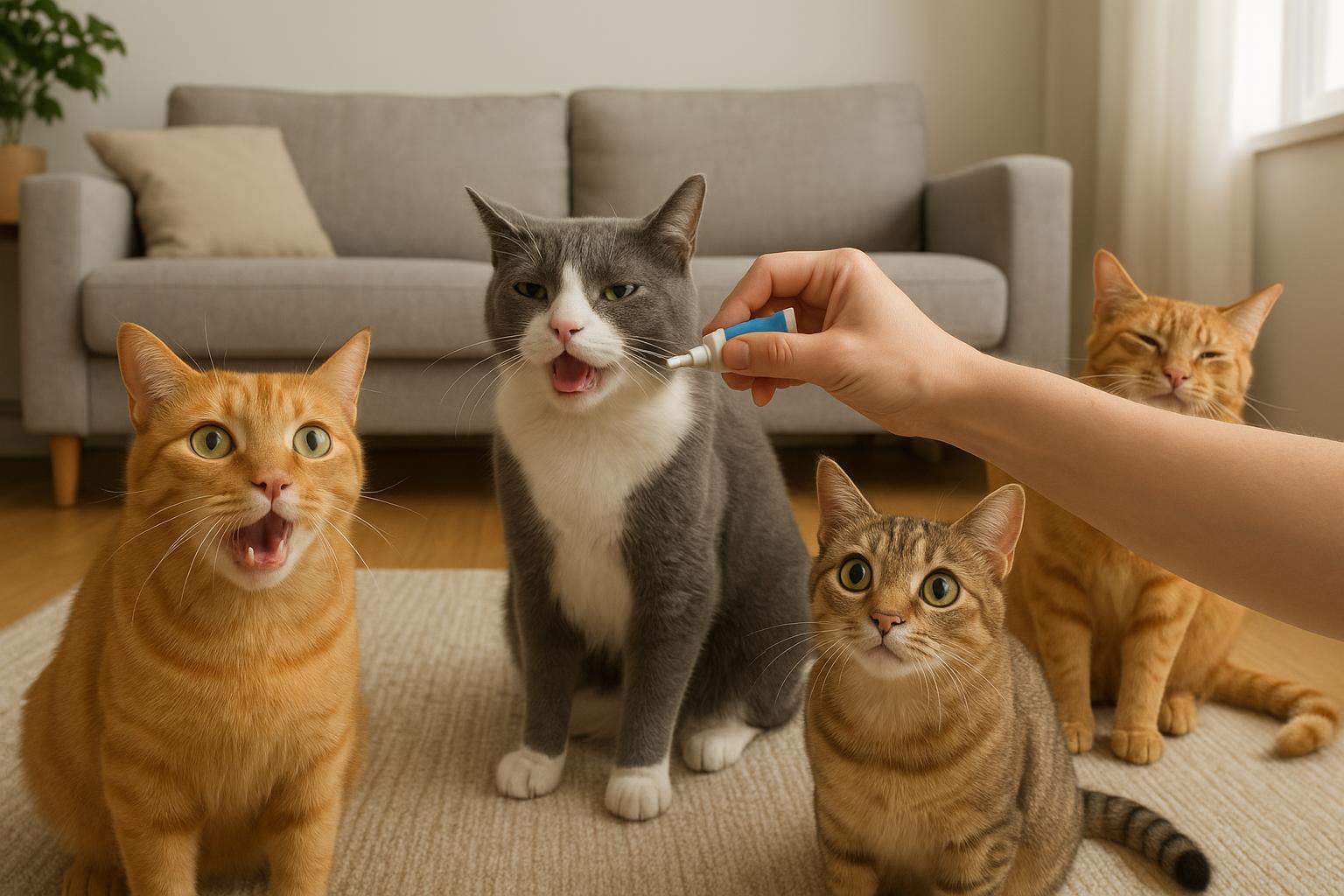
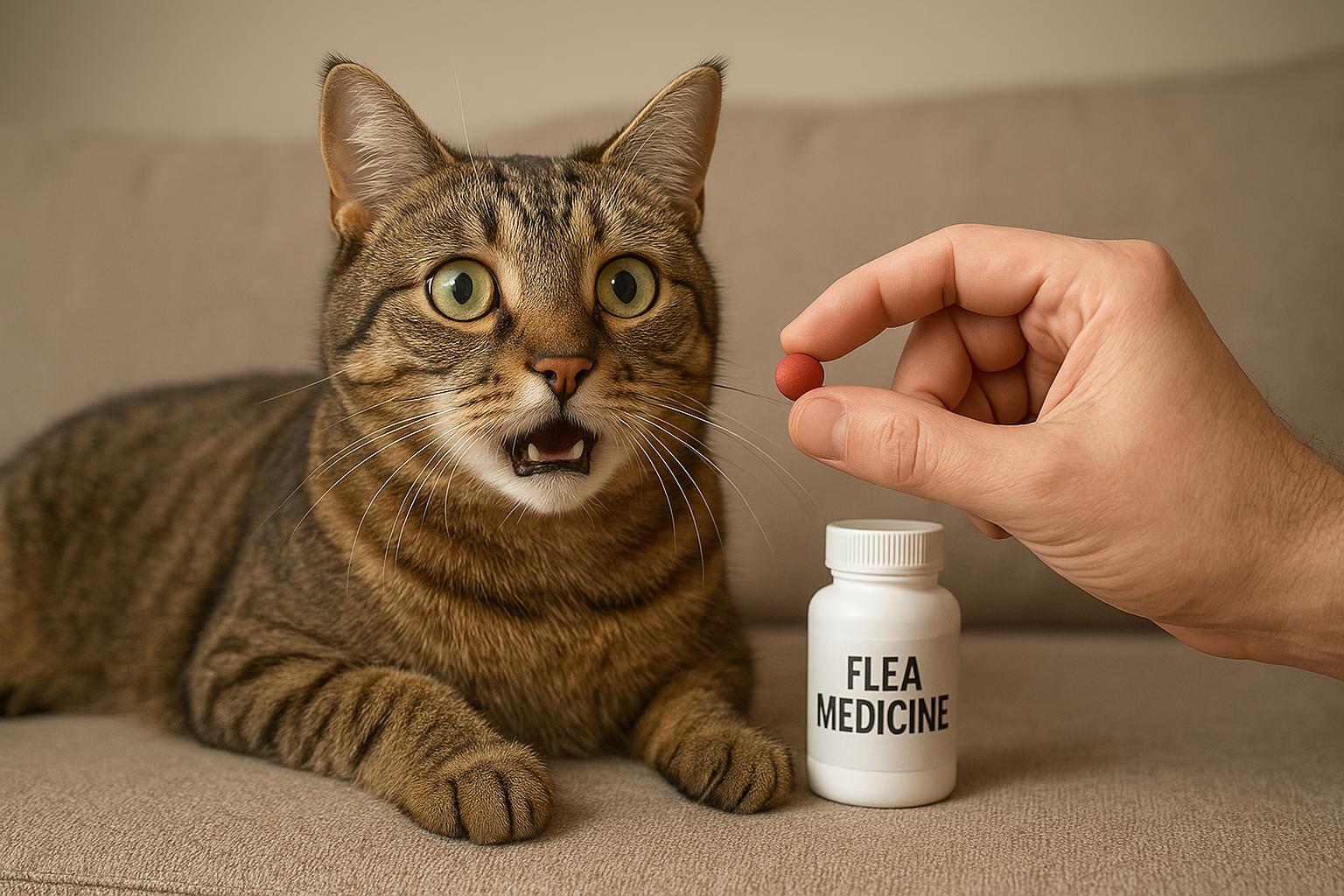
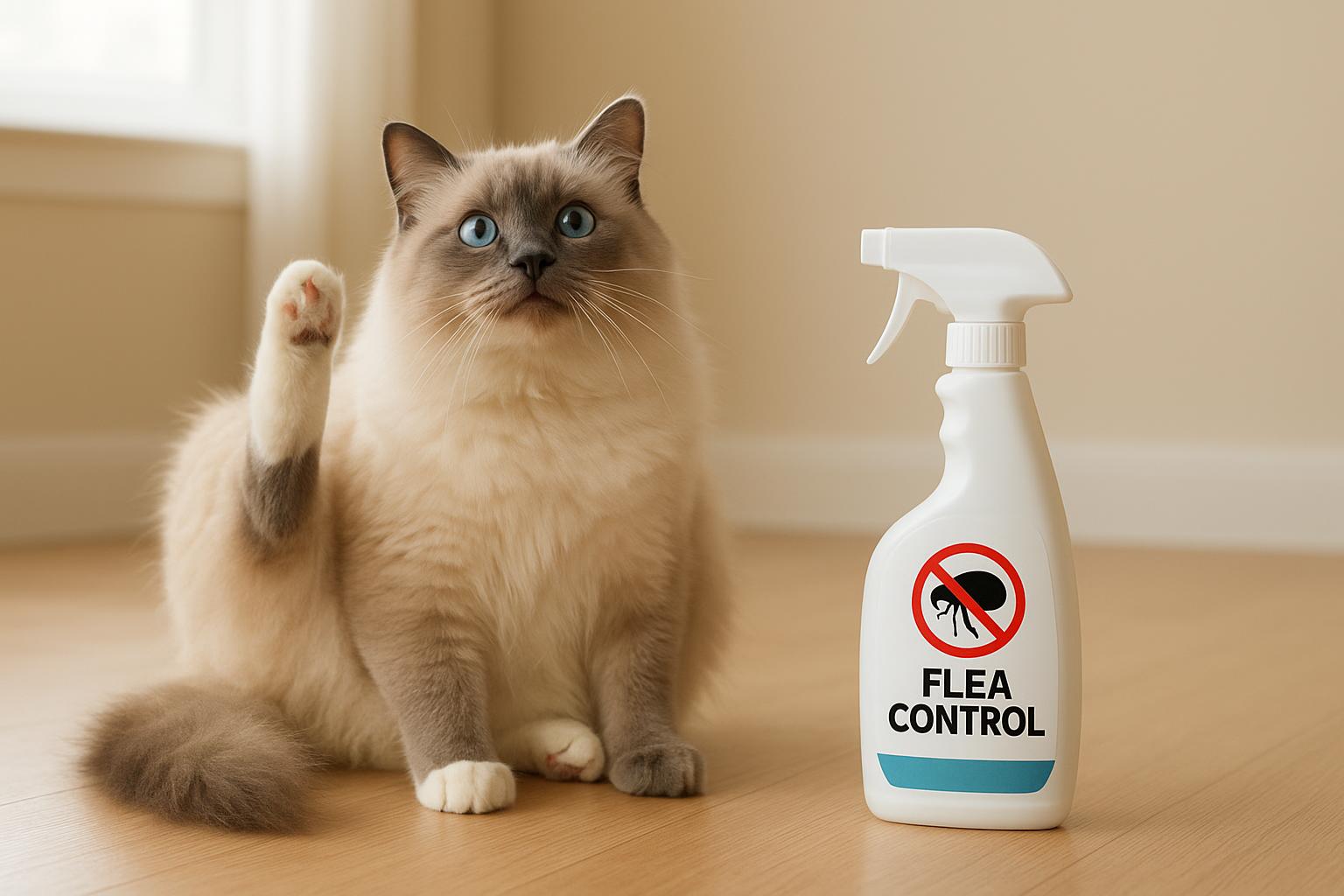
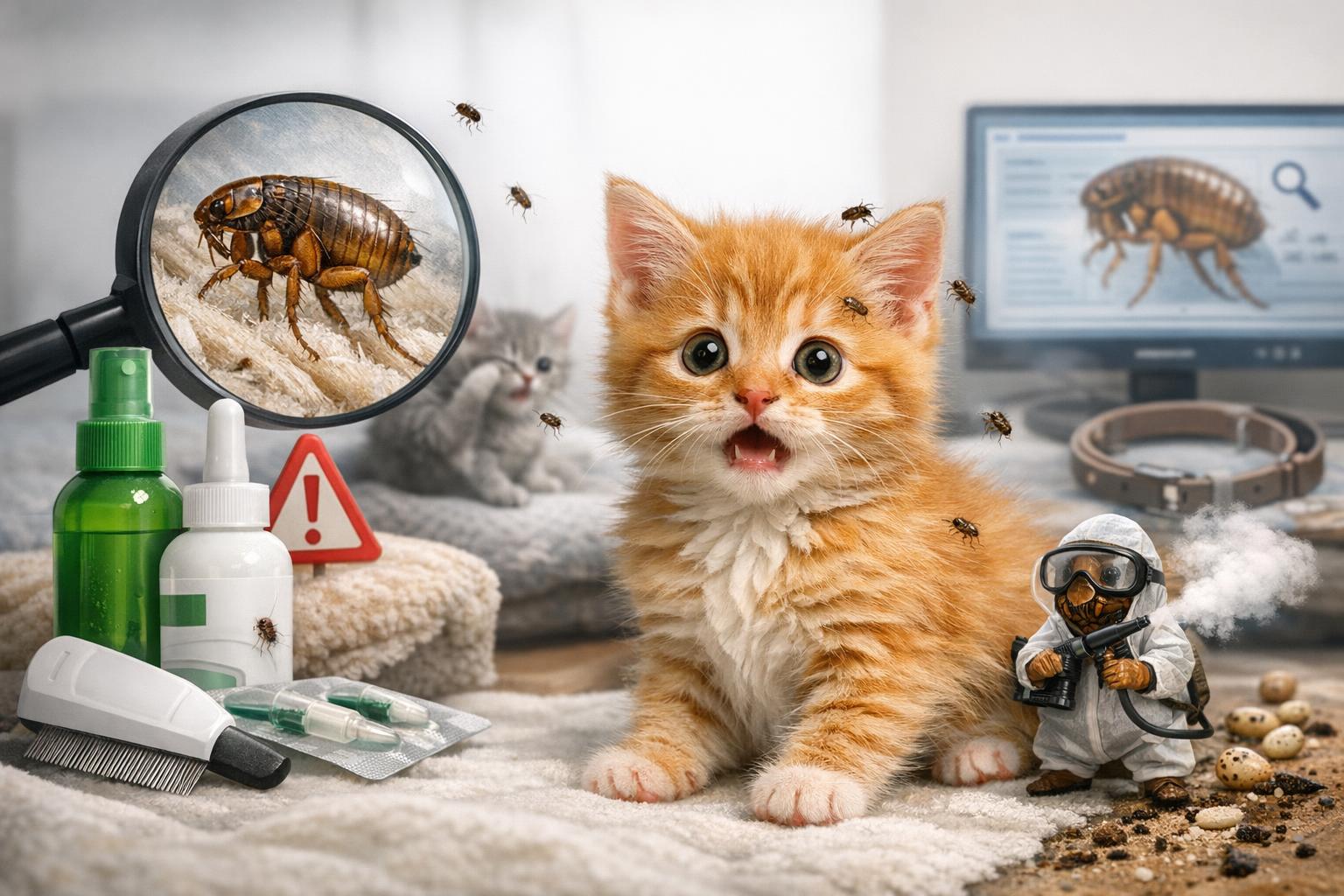
Cats don’t read labels, but they definitely notice when the flea drops on their back stop working — usually during the middle of a sunbeam nap. If you’ve ever wondered how long that tiny squeeze of liquid will actually protect your cat, and how to time repeat doses without turning your cat into a reluctant chemistry experiment, you’re in the right place.
## Understanding Flea Topical Duration For Cat Drops Timings
Flea control products can feel like a foreign language: “apply monthly,” “do not bathe for 48 hours,” “avoid contact with children” — sigh. One crucial piece to decode is the flea topical duration, which tells you how long a single application is meant to keep fleas at bay. That duration varies by active ingredient, product formulation, and the individual cat’s lifestyle (outdoor wanderers vs. indoor royalty), but the label isn’t lying when it states a dosing interval — it’s based on pharmacology and field trials.
### What Determines How Long A Topical Lasts
Several factors influence flea topical duration. First, the active ingredient: some compounds (like imidacloprid or selamectin) bind to skin oils and hair, providing weeks of residual activity, while others may break down faster. Second, the formulation — spot-on oil, lotion, or transdermal carrier — affects how well the product spreads and persists across skin and coat. Third, the cat’s grooming, bathing frequency, and swimming habits can remove product prematurely. Finally, environmental pressure matters: a home teeming with flea eggs and larvae will produce re-infestation pressure far faster than a clean, treated house.
### Signs Your Cat Needs A Reapplication Sooner
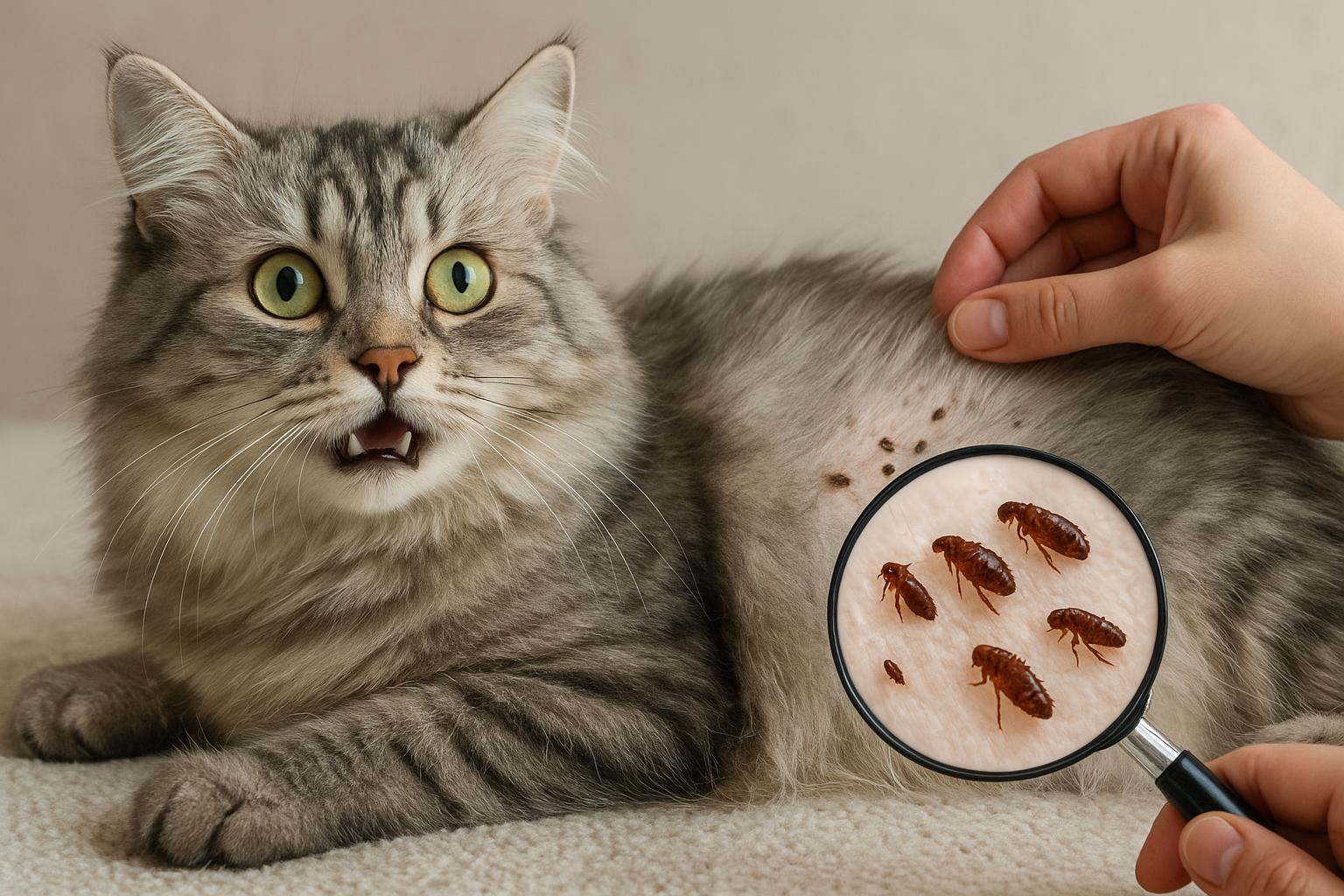
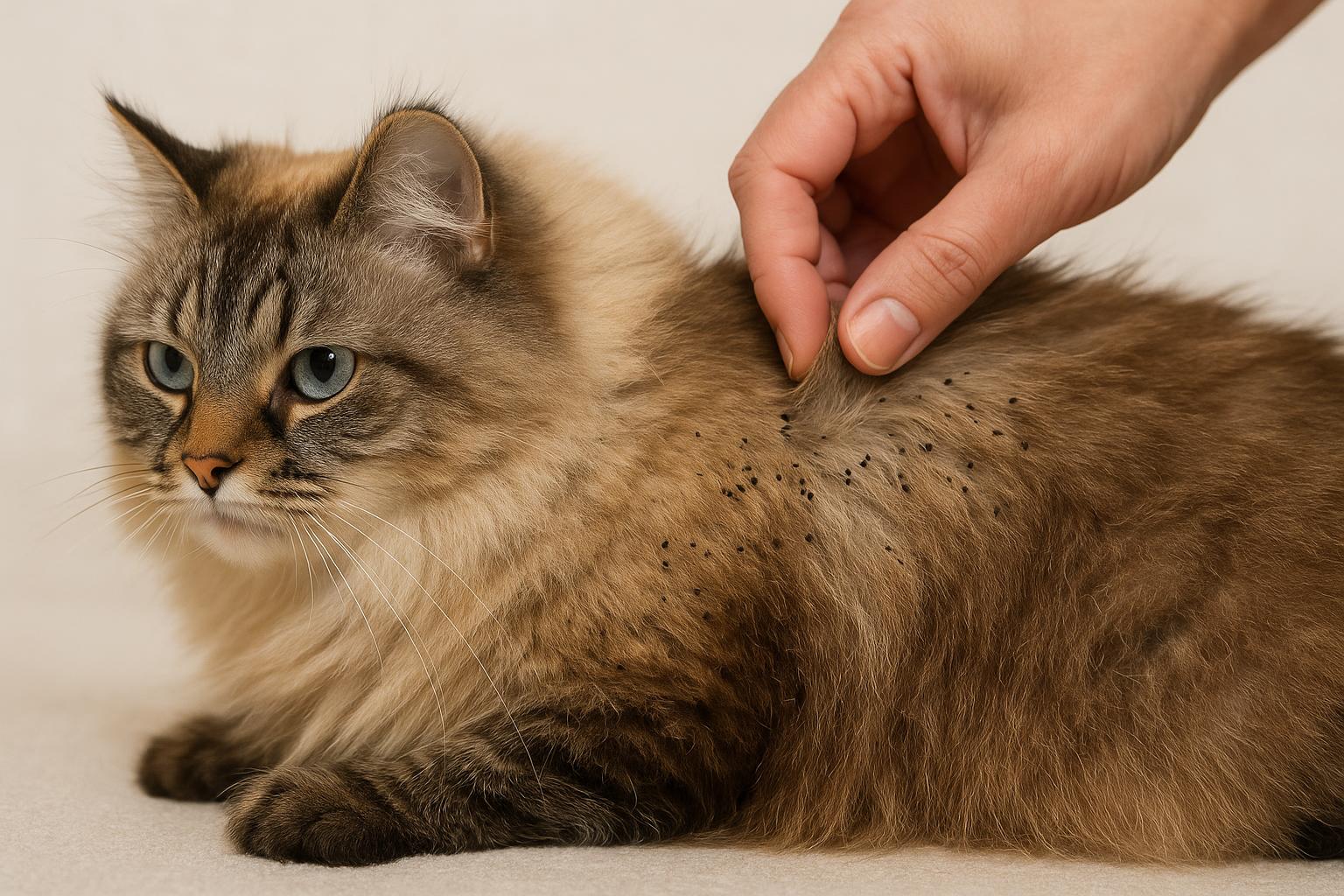
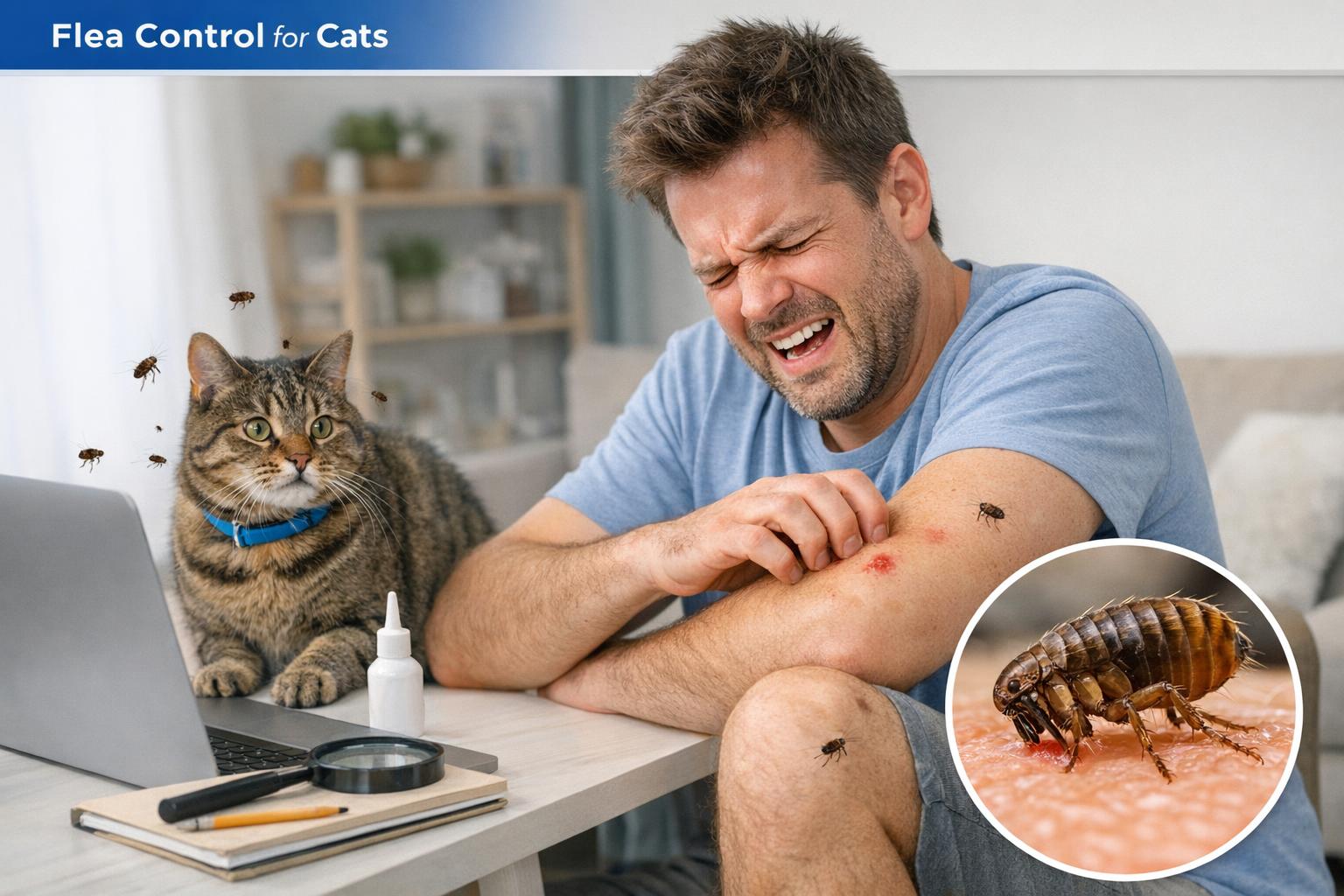
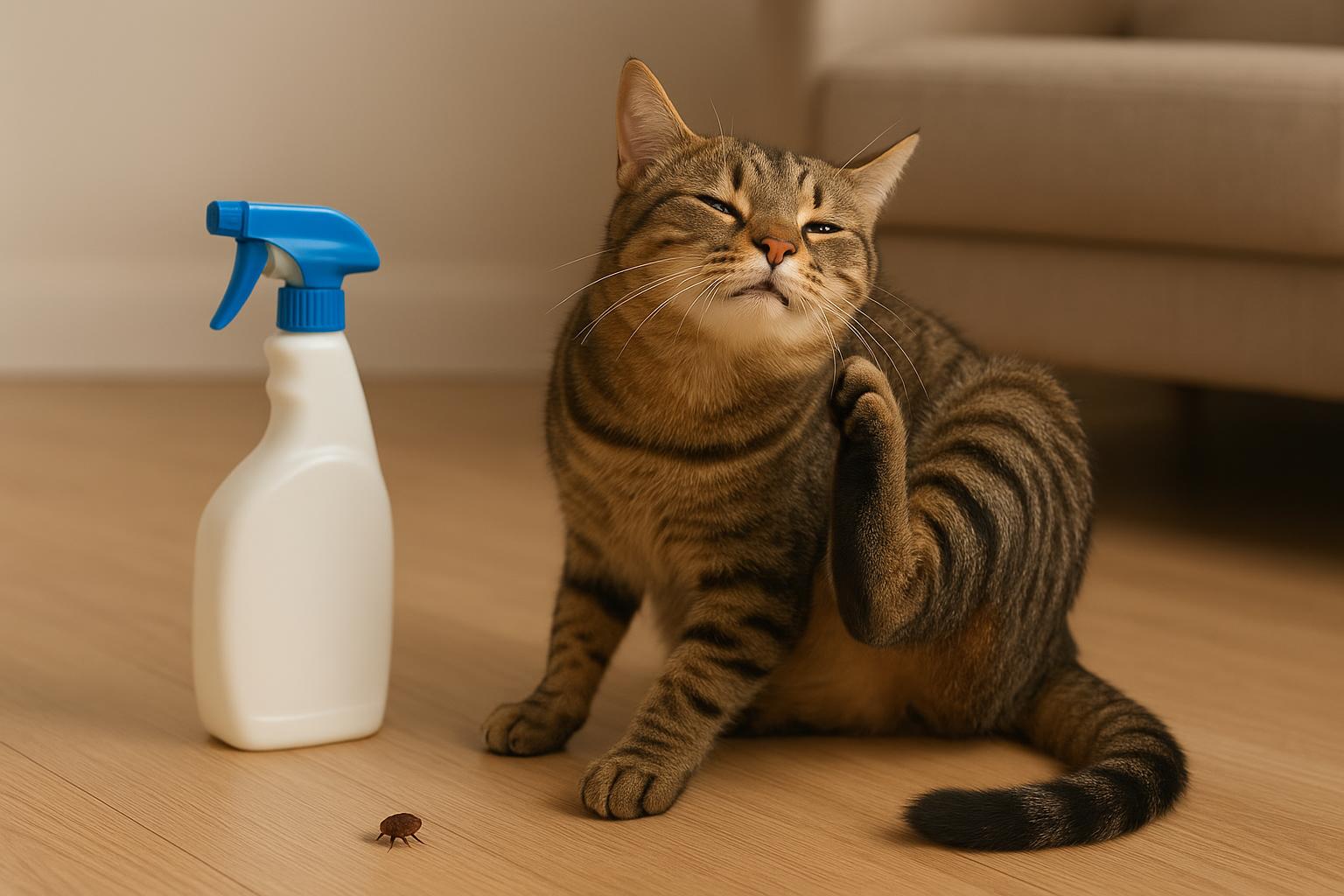
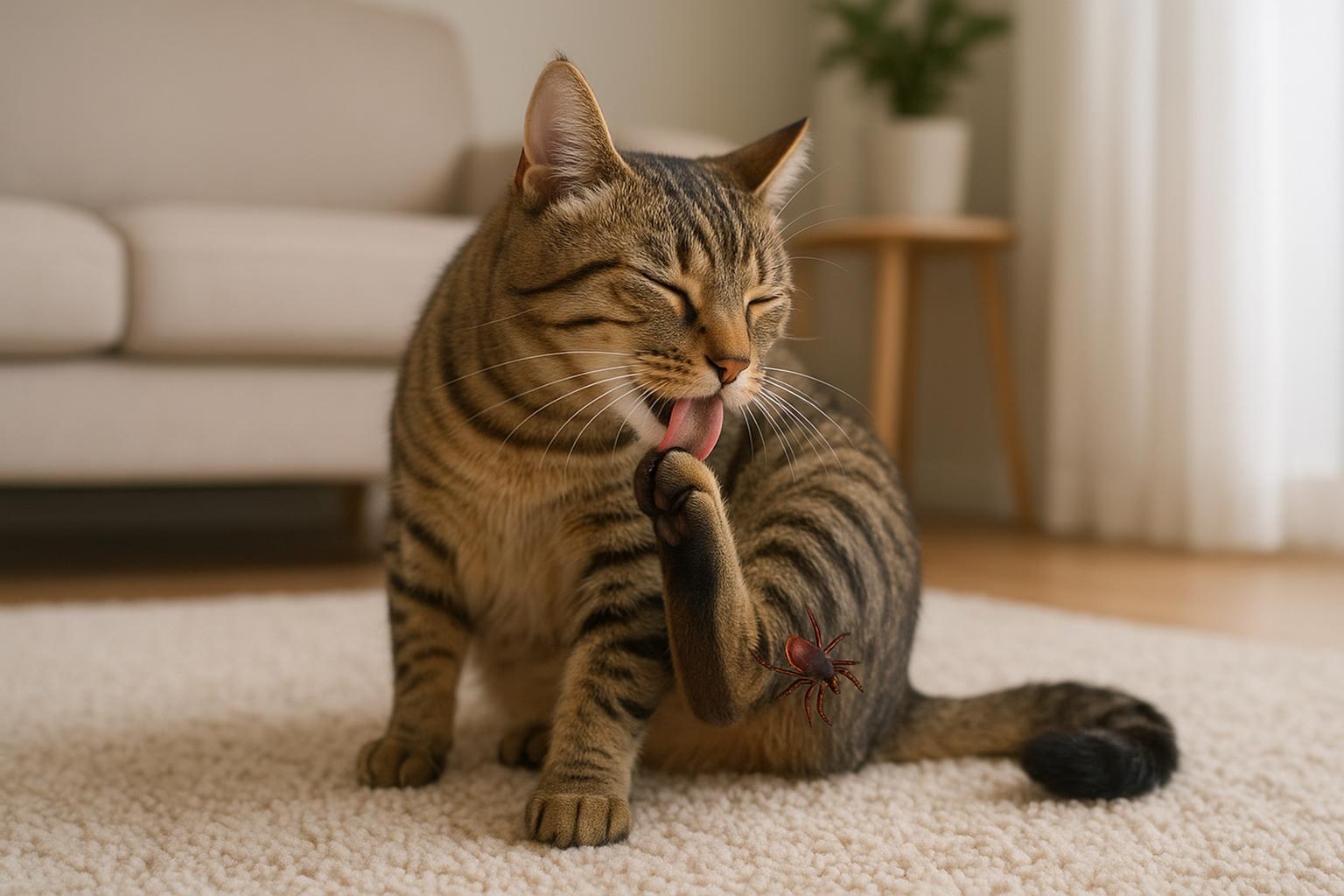
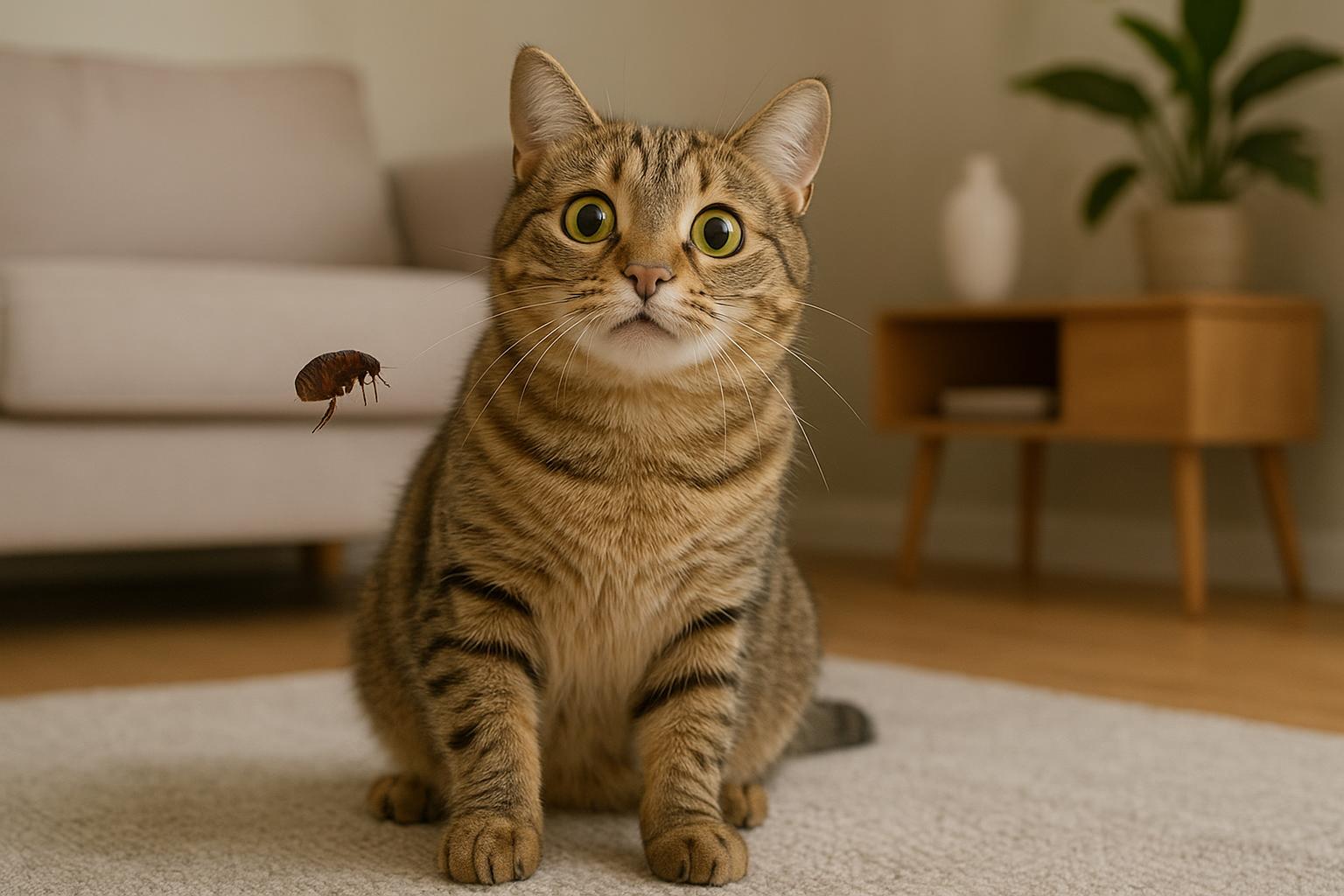
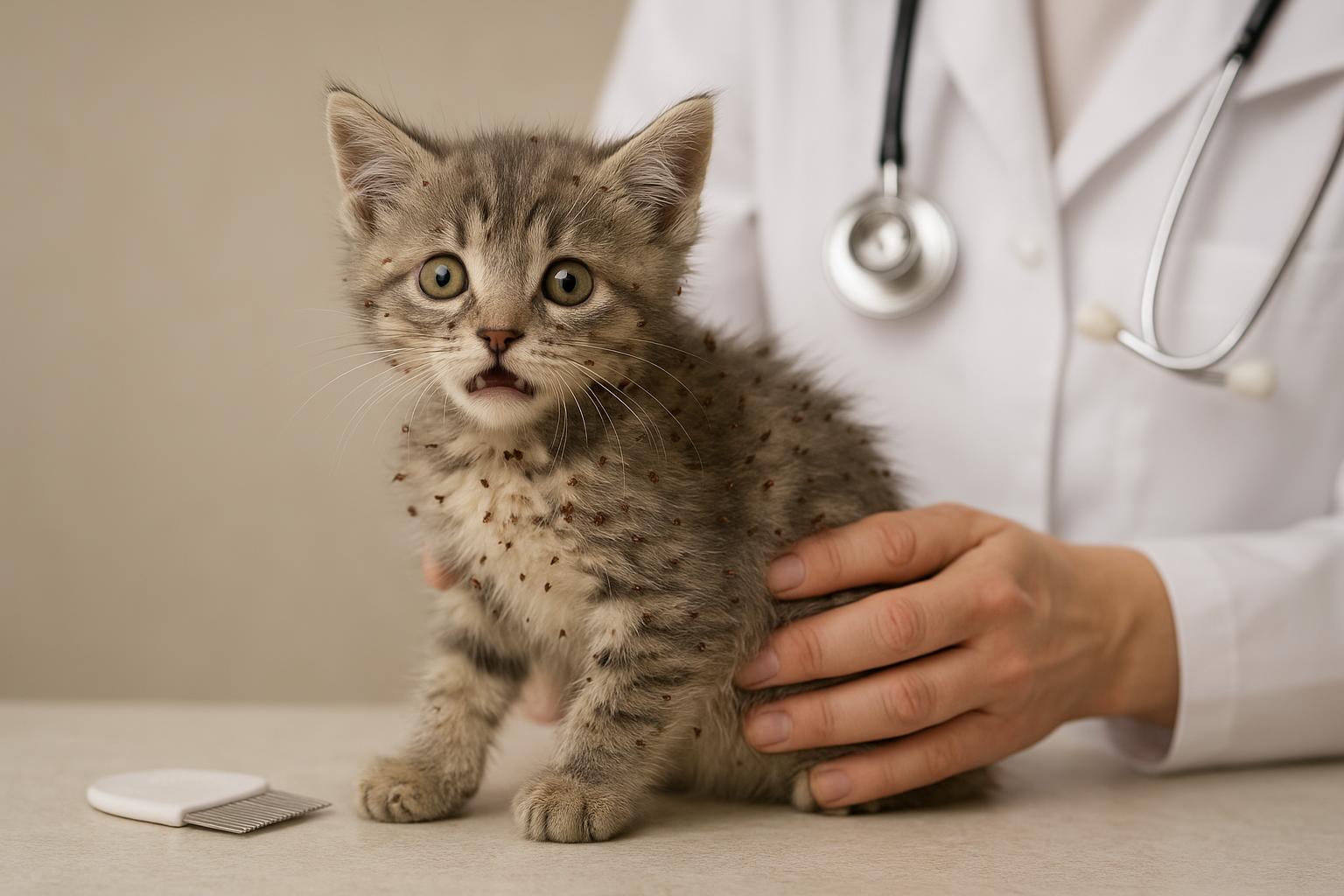
If flea topical duration is being cut short, you’ll notice increased scratching, visible fleas or flea dirt, or sometimes just antsy behavior that coincides with peak flea activity (spring and fall in many regions). If you see these signs before the manufacturer-recommended reapplication window, check whether your cat was bathed, treated with medicated shampoo, heavily groomed, or exposed to heavy rain or swimming — any of these can truncate effectiveness.
## How To Read Labels And Match Timing To Risk
Labels aren’t just suggestions; they’re legal guidance based on studies. If the product says “reapply every 30 days,” that’s the general flea topical duration you should plan for. For high-risk cats (outdoor access, flea-prone household), discuss with your veterinarian whether a strict monthly schedule or a switch to a different active ingredient is best. Avoid doubling up or mixing products without professional advice: interactions can be dangerous.
### When To Consult Your Veterinarian
If fleas persist despite on-schedule applications, or if your cat develops skin irritation, lethargy, vomiting, or neurologic signs after a topical, stop treatment and consult your vet immediately. Persistent infestation can also mean environmental reservoirs (flooring, bedding, yard) that need treatment. Your vet can recommend alternative active ingredients, combination strategies, or environmental controls to match the flea topical duration to real-life exposure.
## Remedy 1: Proper Application Of Commercial Topical Flea Treatments
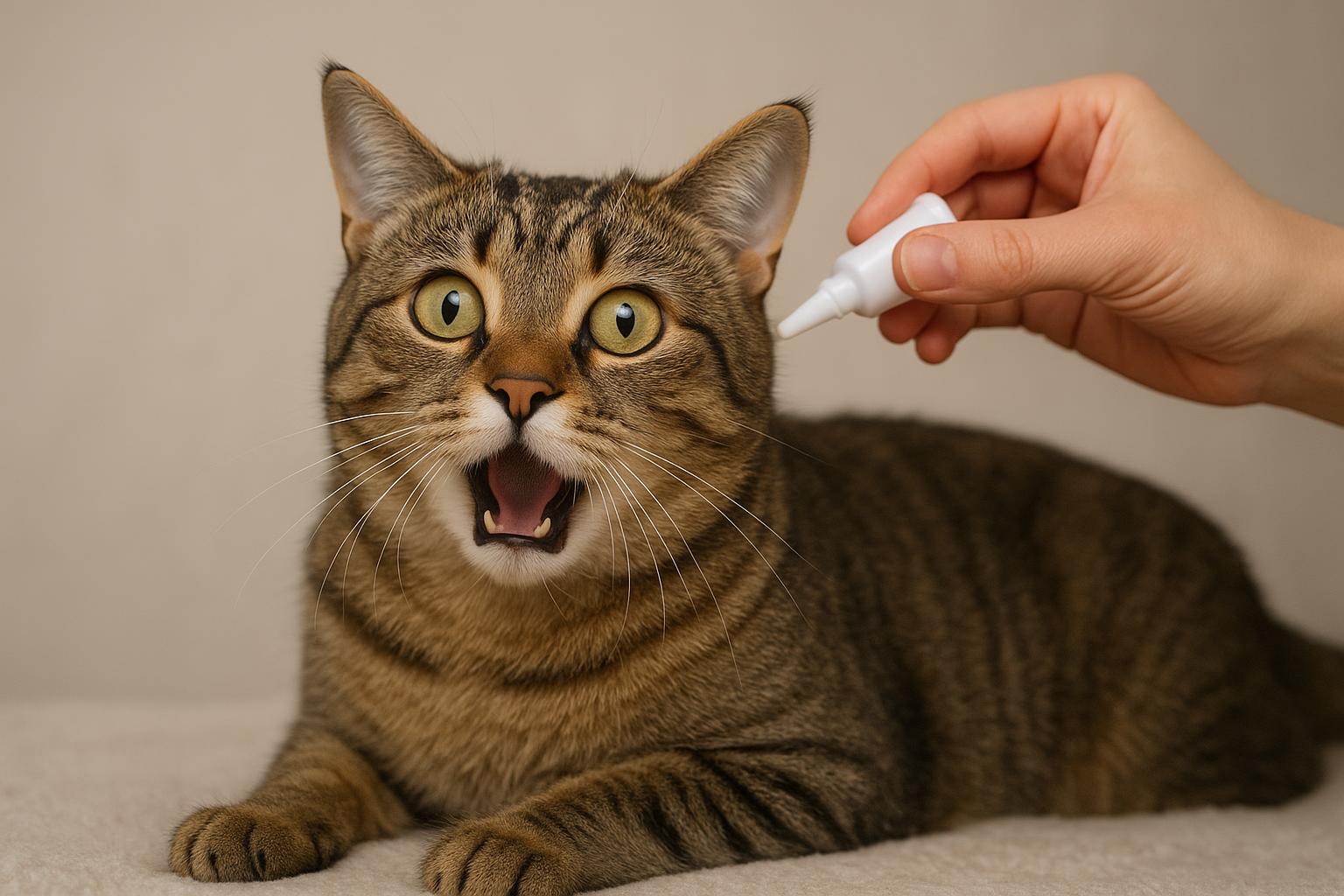
When it comes to practical prevention, correct application and timing maximize the advertised flea topical duration. Below is a formal, step-by-step method and materials list for applying most spot-on flea treatments safely.
#### Required Materials
– Vet-approved topical flea product specified for cats and weight range (match exactly)
– Nitrile or latex gloves
– Clean towel
– Small treat for afterwards
– Access to a sink or safe restraining space (one person or two)
#### Step-By-Step Application (Formal Instructions)
1. Read the entire product label and package insert before opening. Confirm dosage by weight.
2. Place gloves on both hands to prevent skin contact. Topical chemistries can be absorbed through human skin.
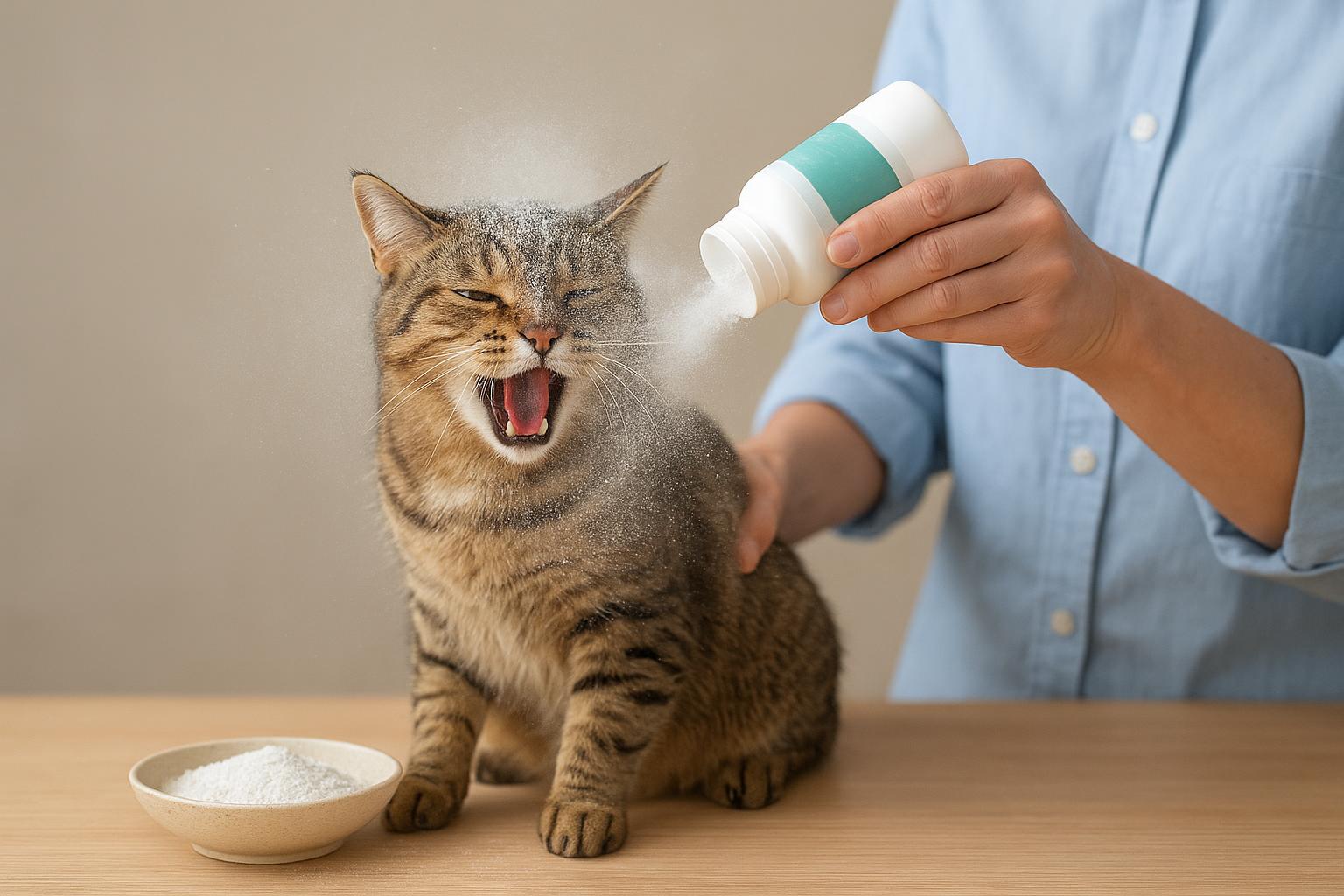
3. Restrain the cat gently. Some cats respond well when wrapped loosely in a towel leaving the neck area exposed.
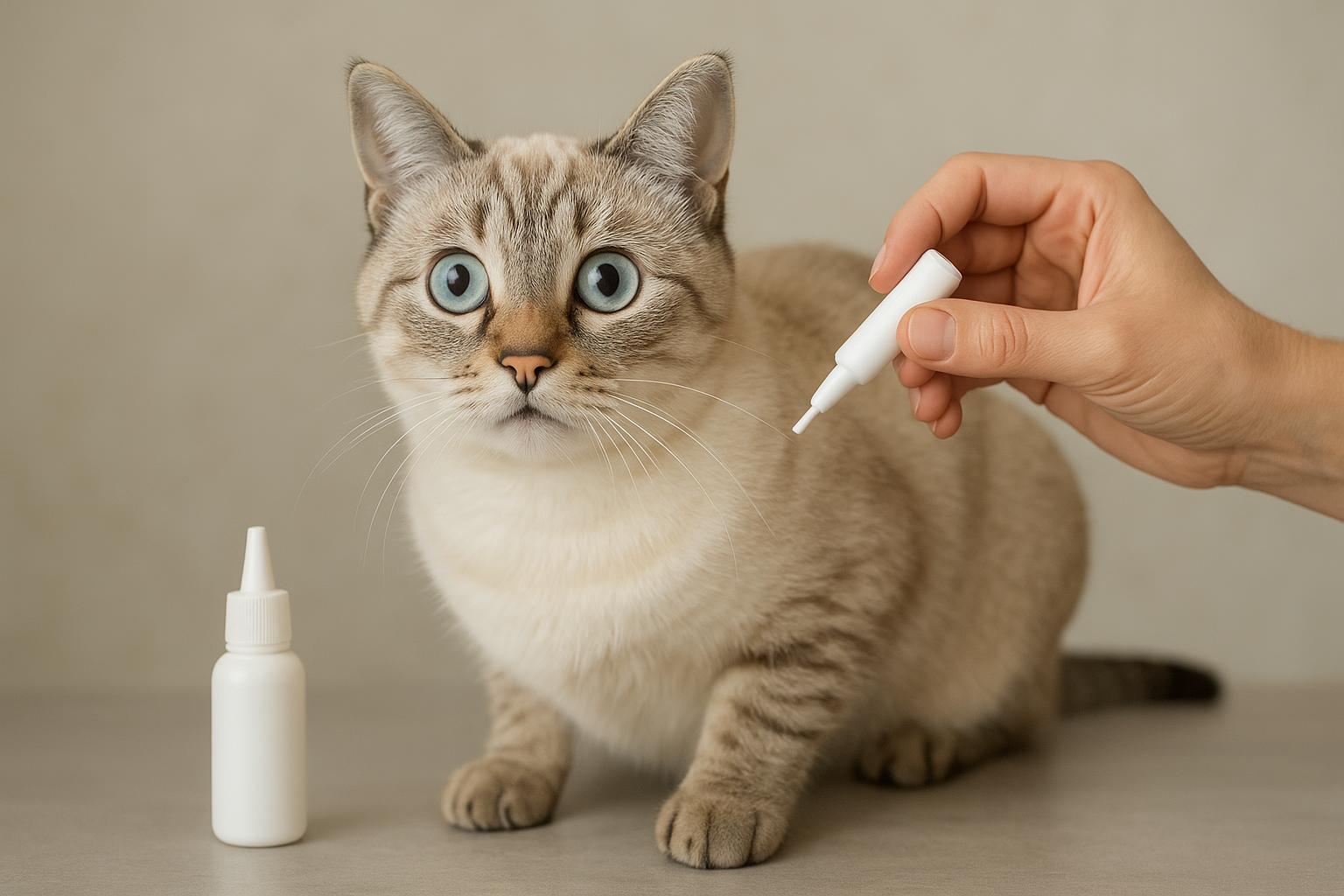
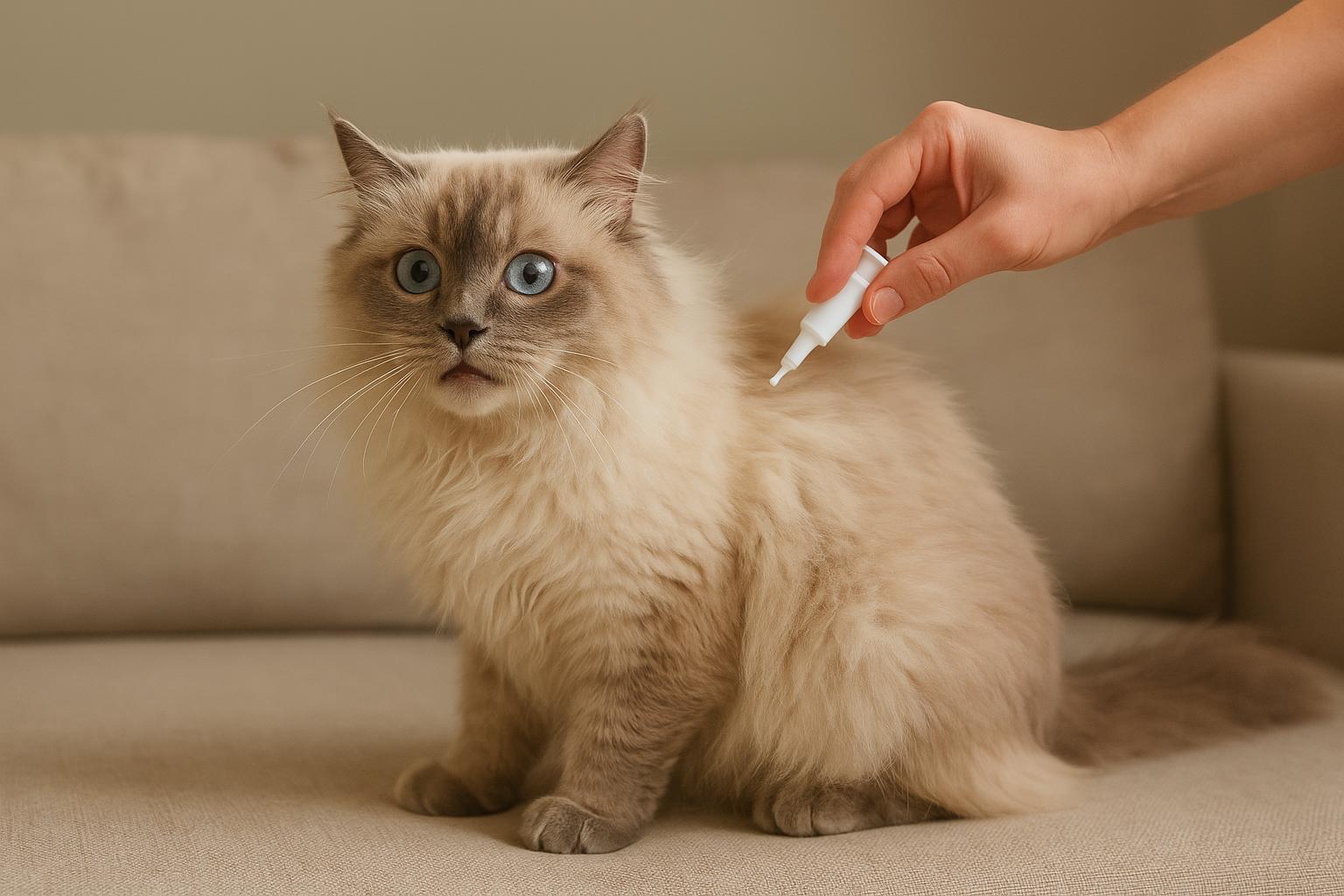
4. Part the hair at the base of the skull between the shoulder blades until skin is visible. This site minimizes ingestion during grooming and limits the cat’s ability to lick the product.
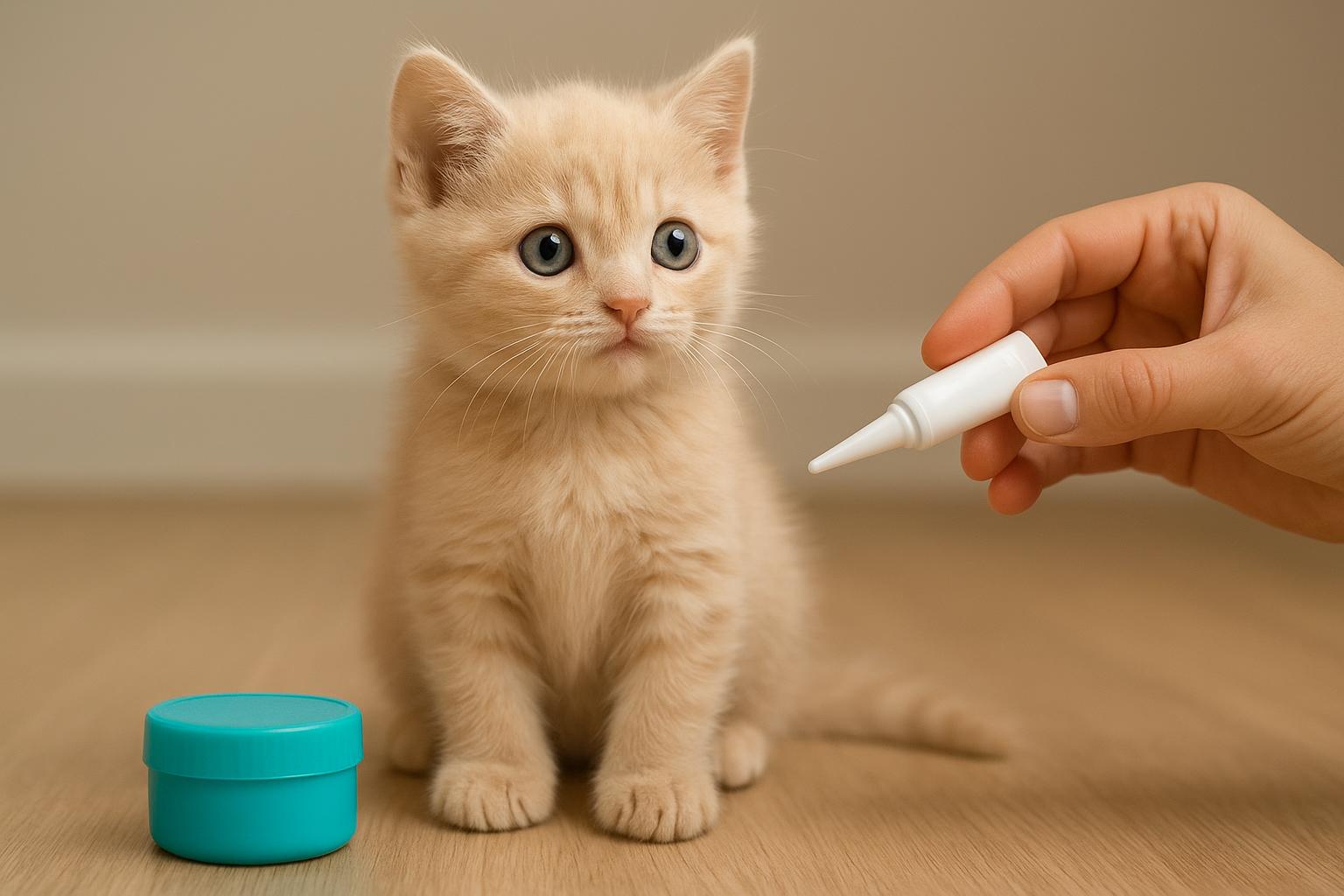
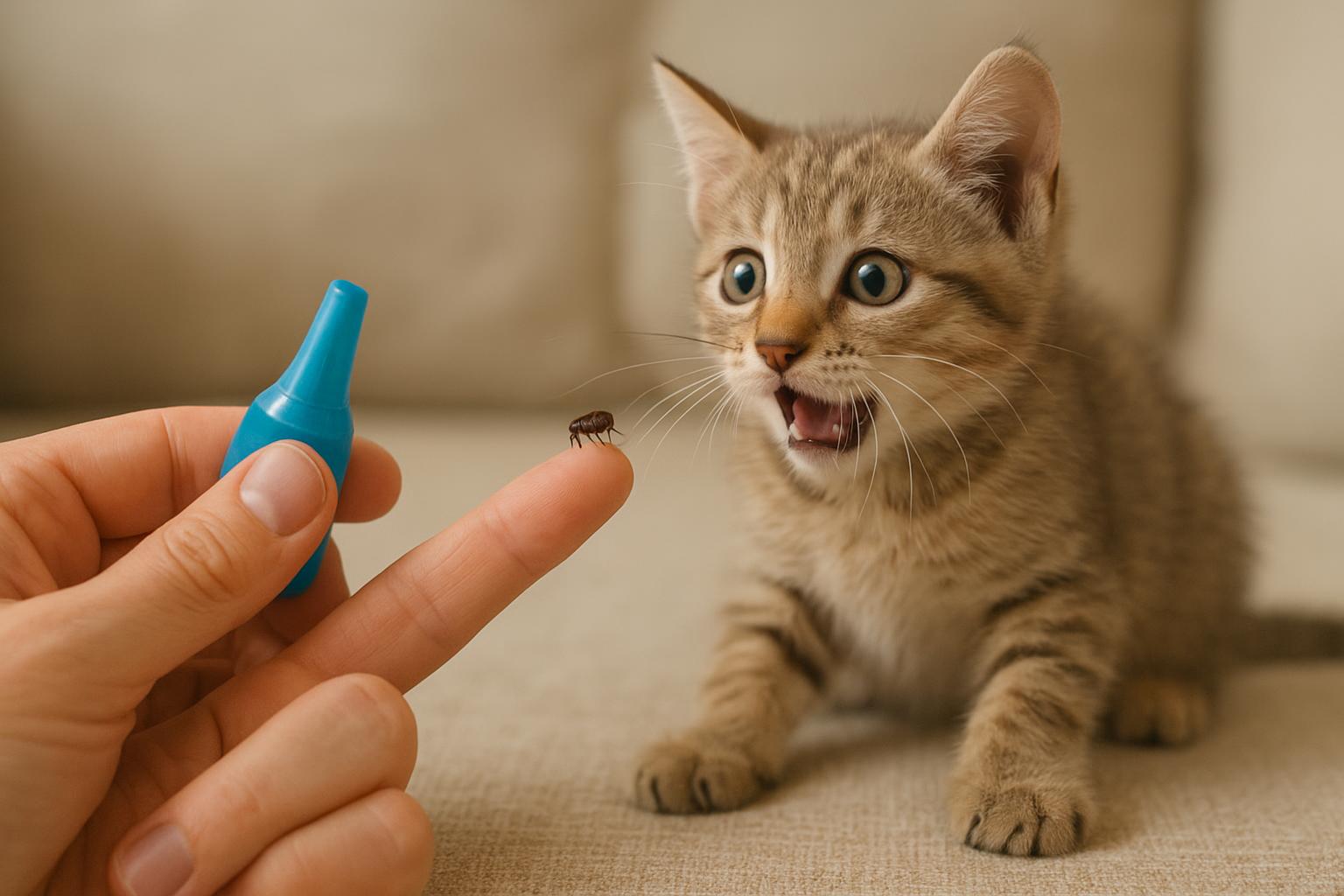
5. Remove the applicator from its packaging and hold it upright. Apply the entire contents directly to the skin at the parted spot. Do not rub in; the product is designed to spread via skin oils.
6. Avoid applying to broken, irritated, or wet skin. If the cat has recent baths or requires bathing, follow the product’s guidance on wait times before application.
7. Dispose of the applicator and gloves safely. Wash hands thoroughly. Keep the cat from contact with other pets and children until the application site dries.
8. Record the application date. Set a calendar reminder for the next dose based on the product’s recommended interval — this is the flea topical duration you’re following.
Be formal about timing: if a product specifies a 30-day flea topical duration, schedule future treatments to maintain coverage without gaps. If a dose is missed, consult the label or your vet; do not double-dose.
## Remedy 2: Environmental Control To Match Flea Topical Duration
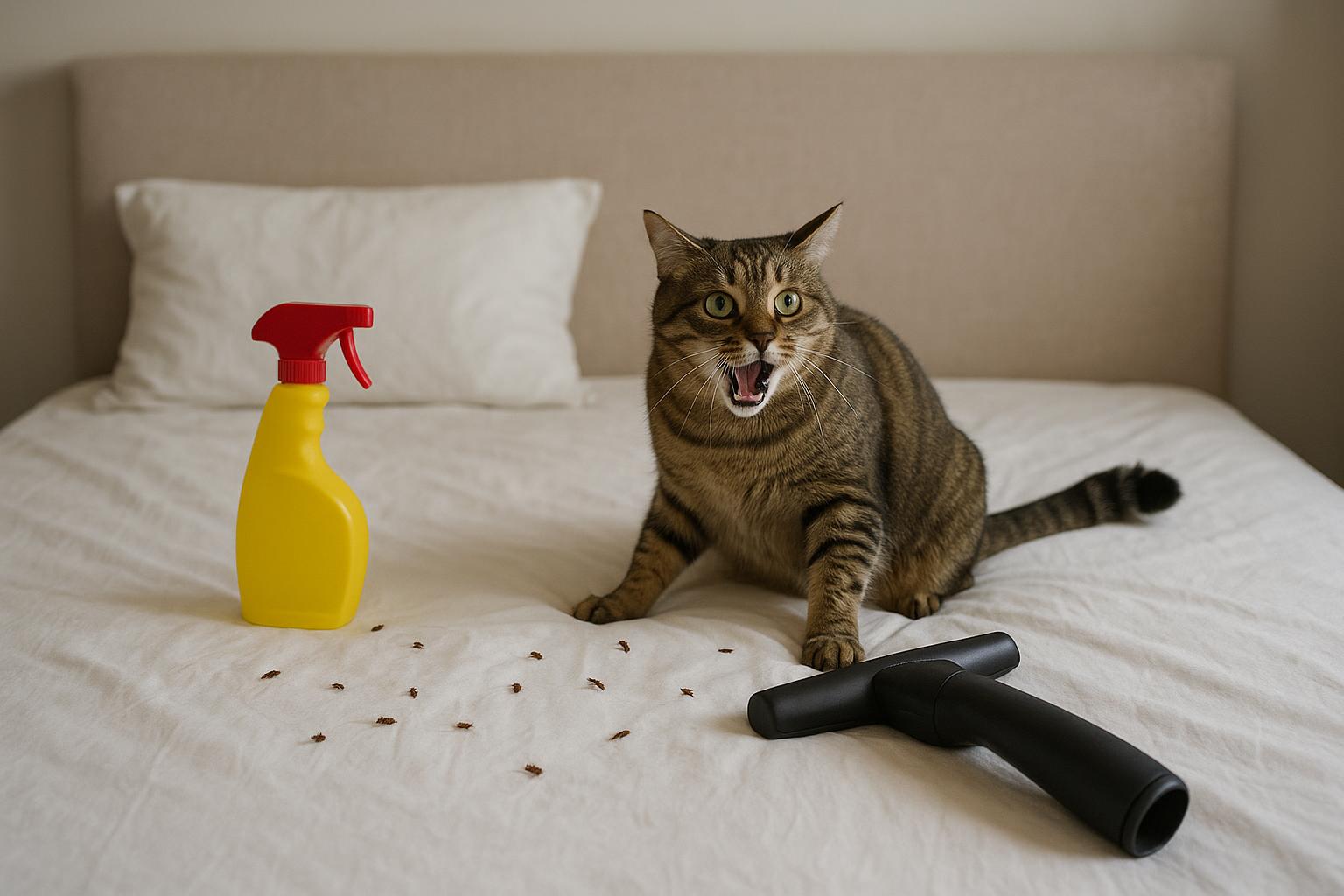
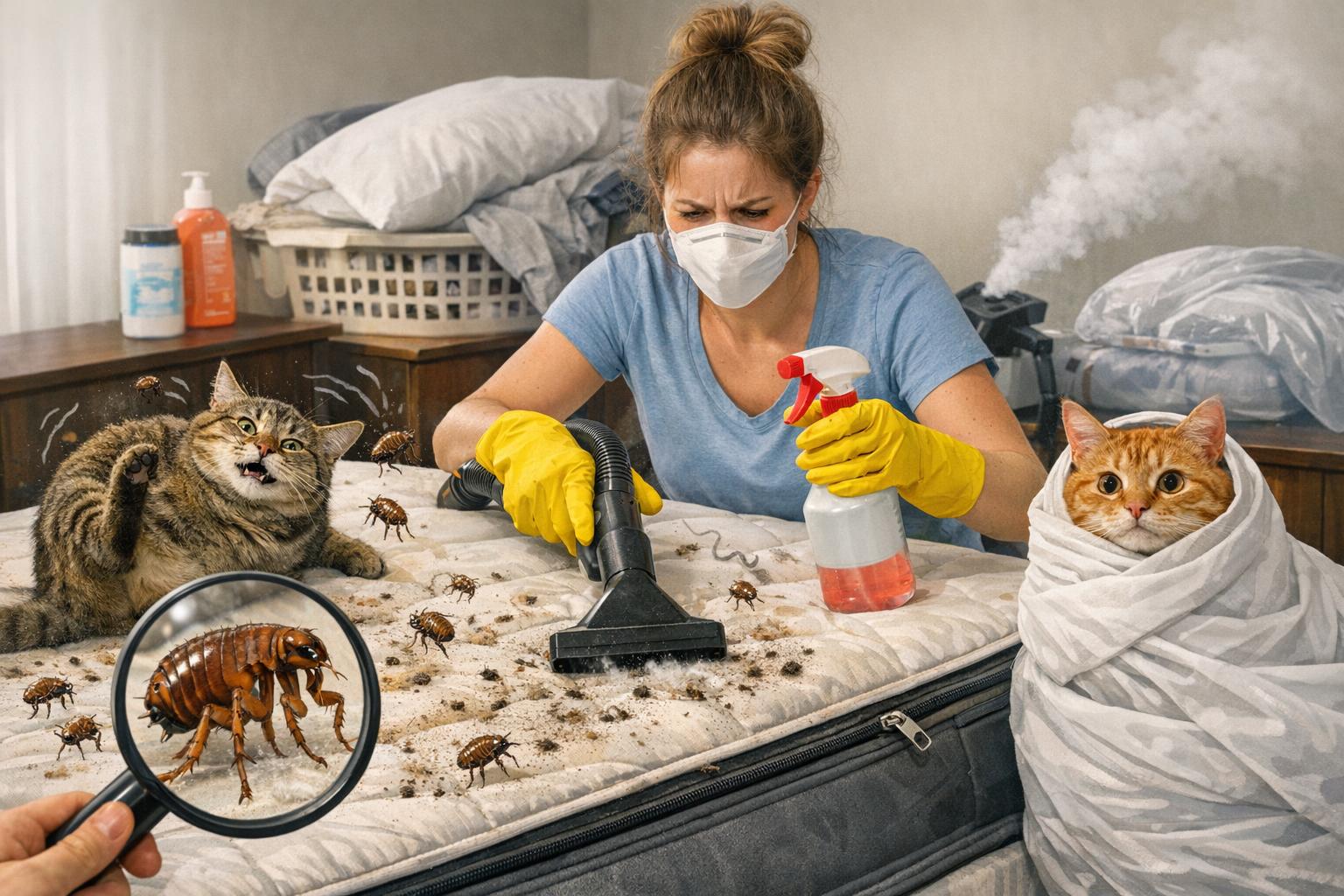
Topicals act on the cat, but most fleas spend their early life stages in the environment. Aligning your home treatment with the flea topical duration reduces reinfestation.
#### Required Materials
– Vacuum cleaner with disposable bag or container
– Hot-water laundry detergent
– Stiff brush or flea comb
– (Optional) Insect growth regulator (IGR) spray labeled for indoor use, or diatomaceous earth (food-grade) for carpets
– Trash bags
#### Step-By-Step Environmental Action Plan (Formal Instructions)
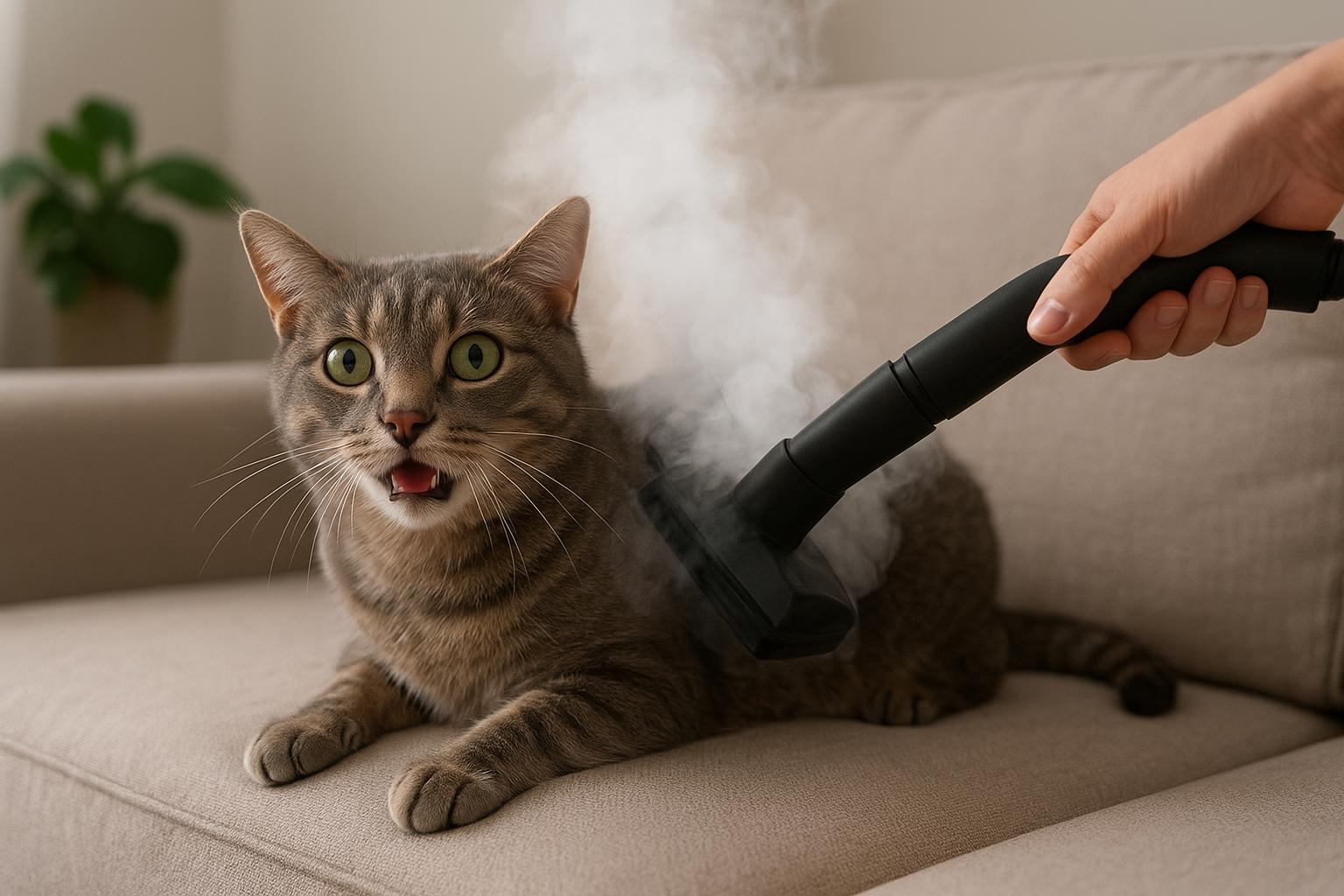
1. Vacuum thoroughly every 2–3 days for two weeks during an active infestation; thereafter follow a maintenance schedule aligned with your flea topical duration. Focus on carpets, pet bedding, upholstery, and under furniture.
2. Immediately remove and seal vacuum contents in a bag and discard externally. Flea eggs and larvae can survive in vacuums that aren’t emptied.
3. Wash all pet bedding, removable couch covers, and washable rugs in hot water and high heat drying. Do this at least weekly during active control measures.
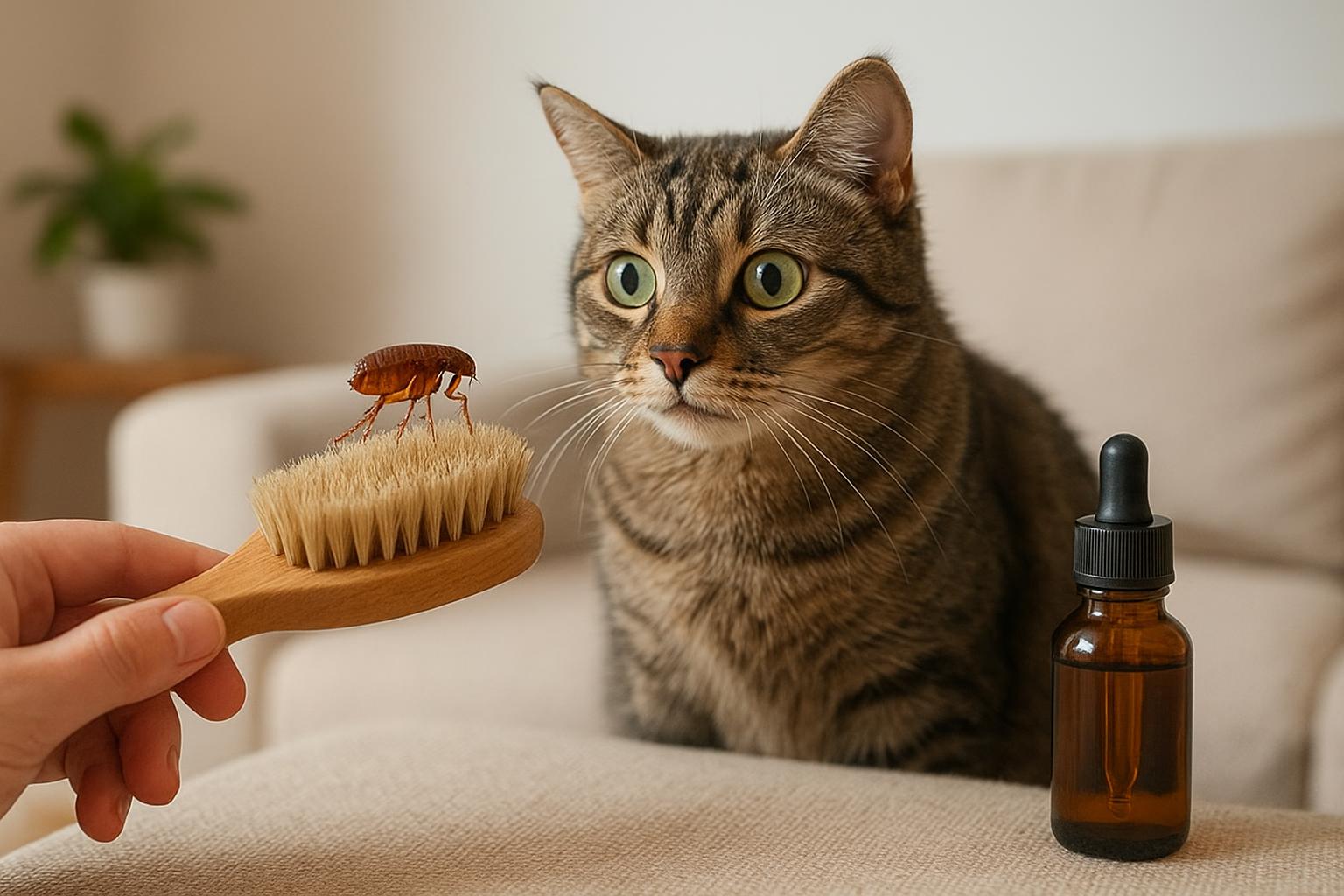
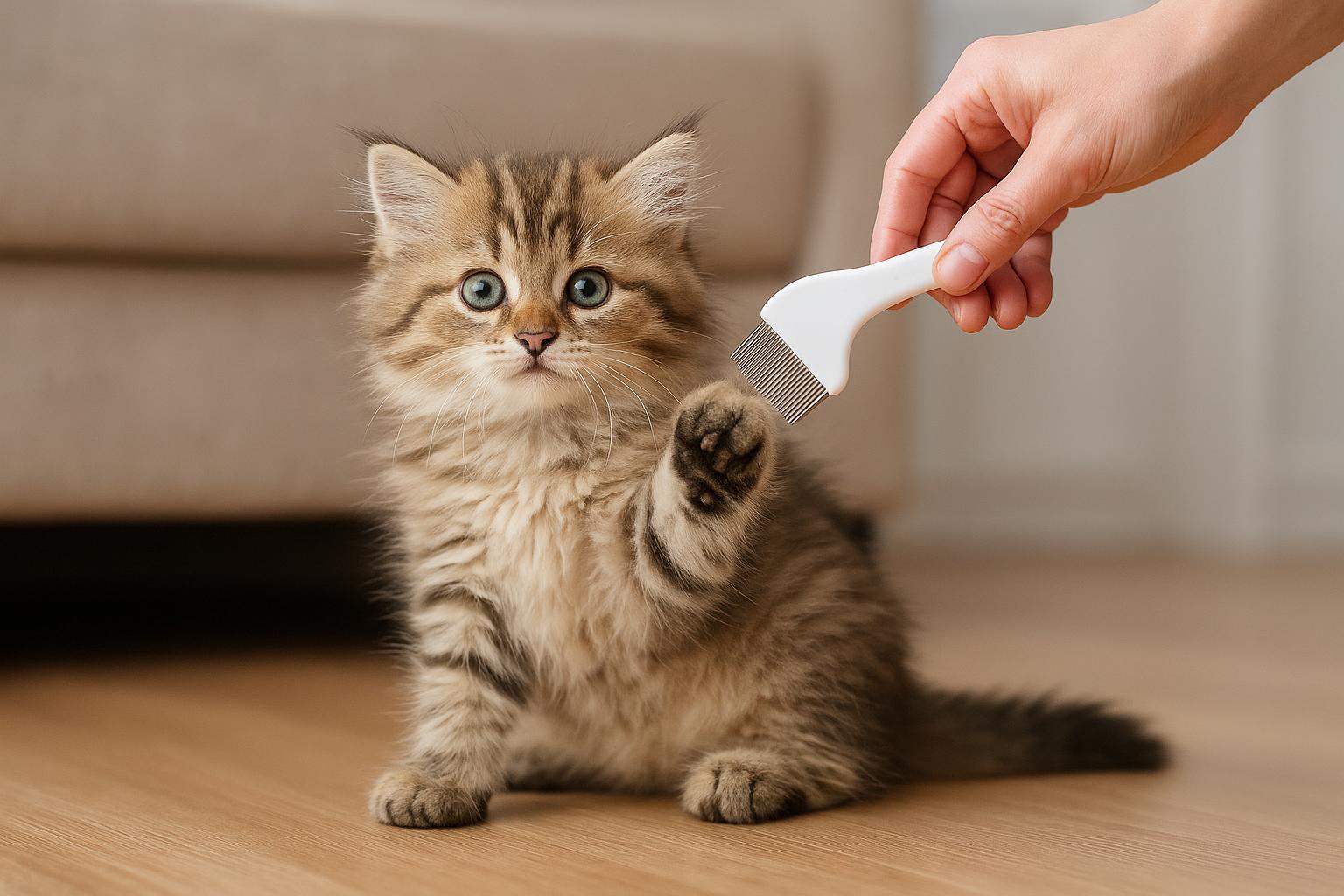
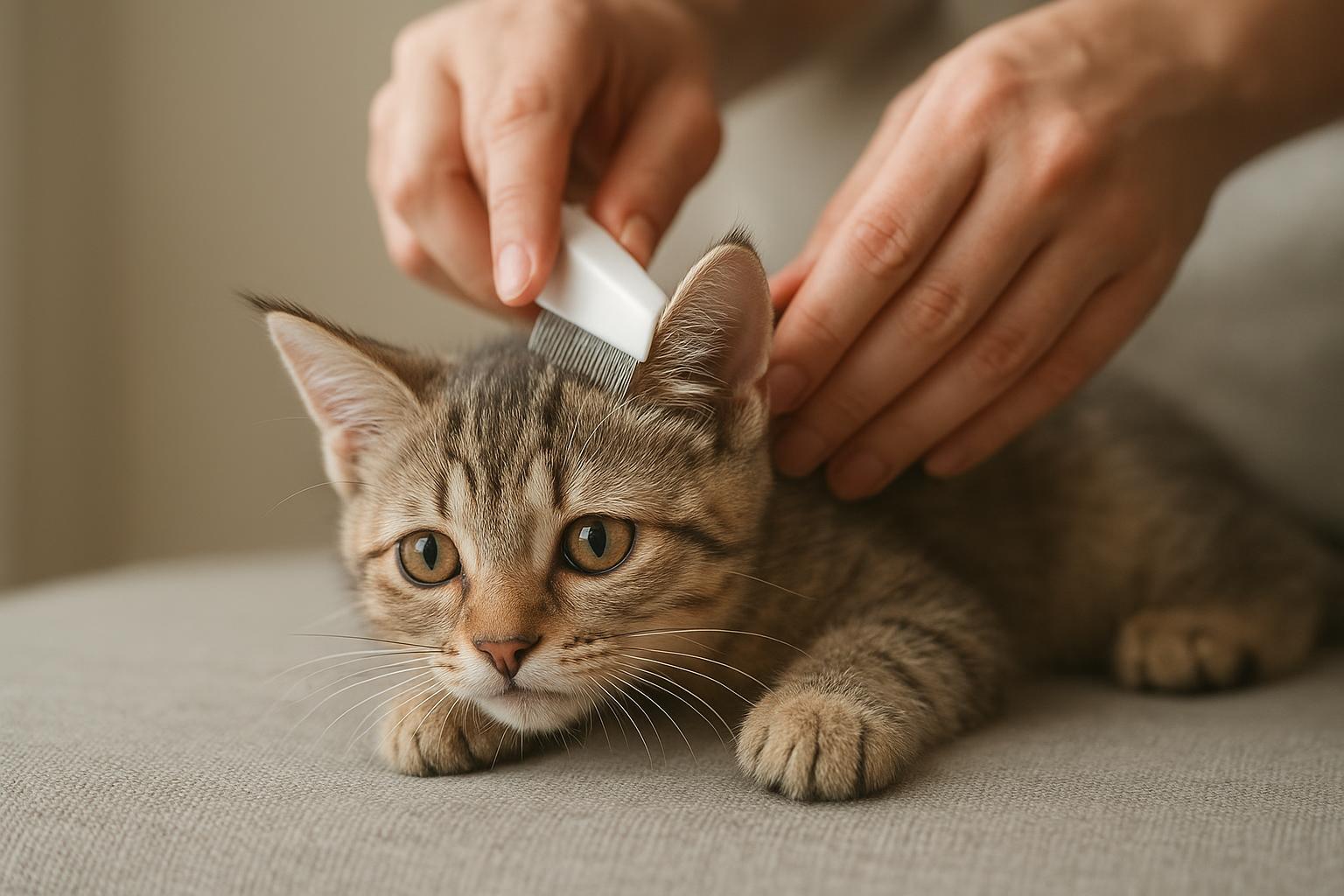
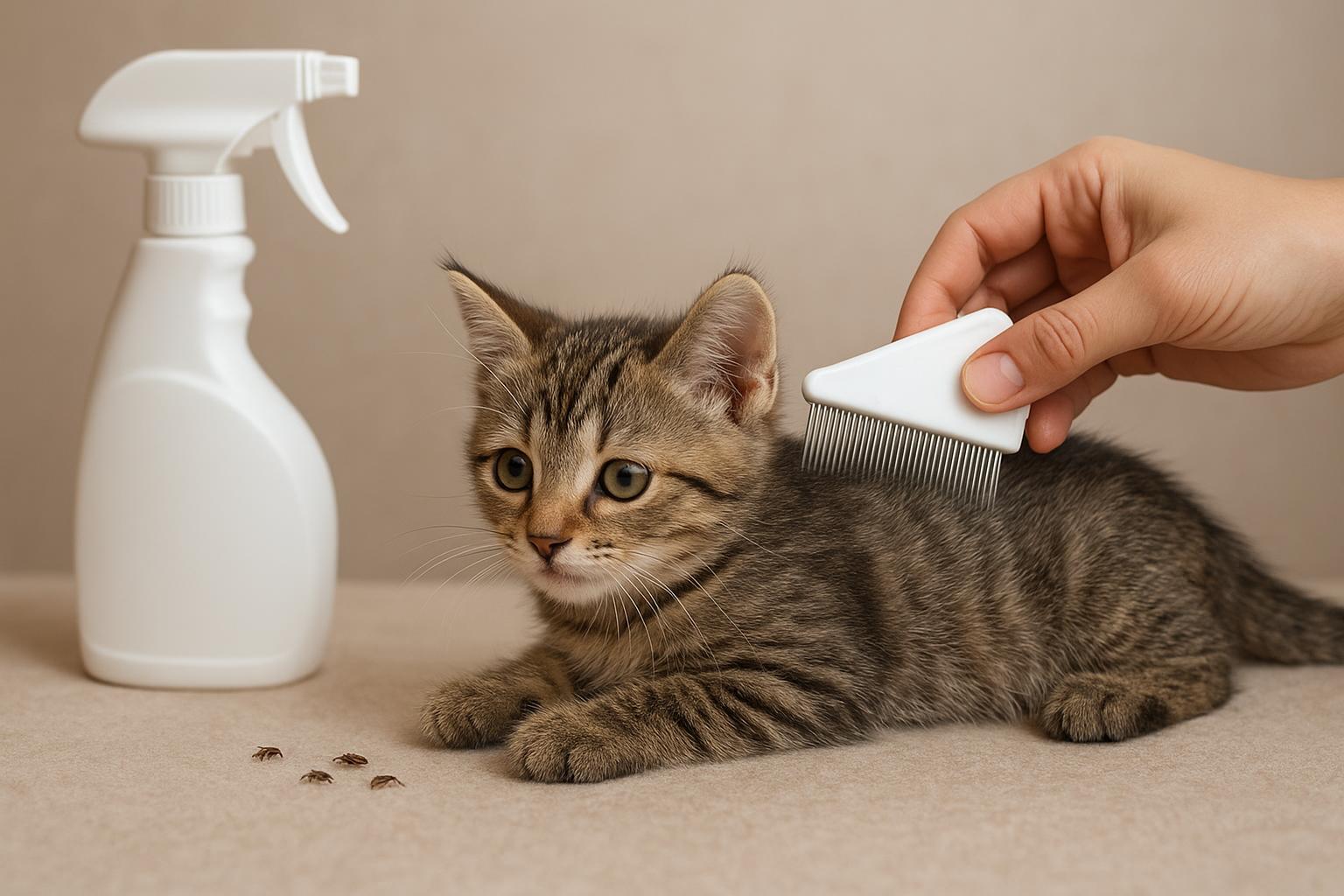
4. Use a flea comb daily on the cat during treatment transitions. Combings can indicate residual flea activity and help physically remove adults.
5. If necessary, apply a vet-recommended household product containing an insect growth regulator (IGR) or, for non-chemical options, apply food-grade diatomaceous earth to carpets and vacuum after 48–72 hours. Follow label directions and safety guidelines strictly.
6. For yards, remove leaf litter and mow regularly. Treat shaded, moist areas where fleas flourish with products approved for outdoor use if infestation pressure is high.
Strictly coordinate environmental treatments with the product’s flea topical duration: if topicals give you 30 days of protection, intensify environmental cleaning during that window and repeat according to lifecycle timing (eggs to adults typically take 2–6 weeks depending on conditions).
### Troubleshooting: When The Expected Duration Doesn’t Match Reality
If your cat is treated on schedule but fleas persist beyond the expected flea topical duration, consider:
– Product resistance: fleas in some locales show decreased sensitivity to certain actives.
– Incorrect application site or inadequate dose for weight.
– Frequent bathing or swimming removing product prematurely.
– Heavy environmental infestation overwhelming the topical’s protective capacity.
In those cases, document dates and signs, then present the information to your veterinarian. They may recommend switching to a different active ingredient class, using an oral systemic product, or combining cat treatment with targeted environmental interventions.
## How To Keep Track Without Becoming Overly Paranoid
Set alarms or calendar events coinciding with the flea topical duration for your chosen product. Keep a small log: product name, batch, application date, and any reactions. This simple record helps your vet, reduces missed treatments, and prevents accidental double-dosing — which is not a good idea unless you want to explain to your cat why they’re suddenly less enthusiastic about naps.
If you’re dealing with kittens, cats with health issues, or multi-pet households, always loop in your vet to match the right product to the right timing and to ensure that your flea control strategy respects each animal’s safety.
No grand finale here — just a friendly reminder: the term flea topical duration is short for “how long before you have to do this again,” and getting that timing right is the backbone of both comfortable cats and flea-free homes.







Leave a Reply