
Welcome! If you’ve been scratching your head wondering whether your purring roommate has uninvited guests, you’re in the right place. This guide will walk you through a friendly, practical cat flea check to spot fleas today, reduce drama, and get your cat (and home) back to peaceful coexistence. A tiny bit of vigilance now saves you from a lot of itching later—both for your cat and you.
## Cat Flea Check: How To Spot Fleas Today
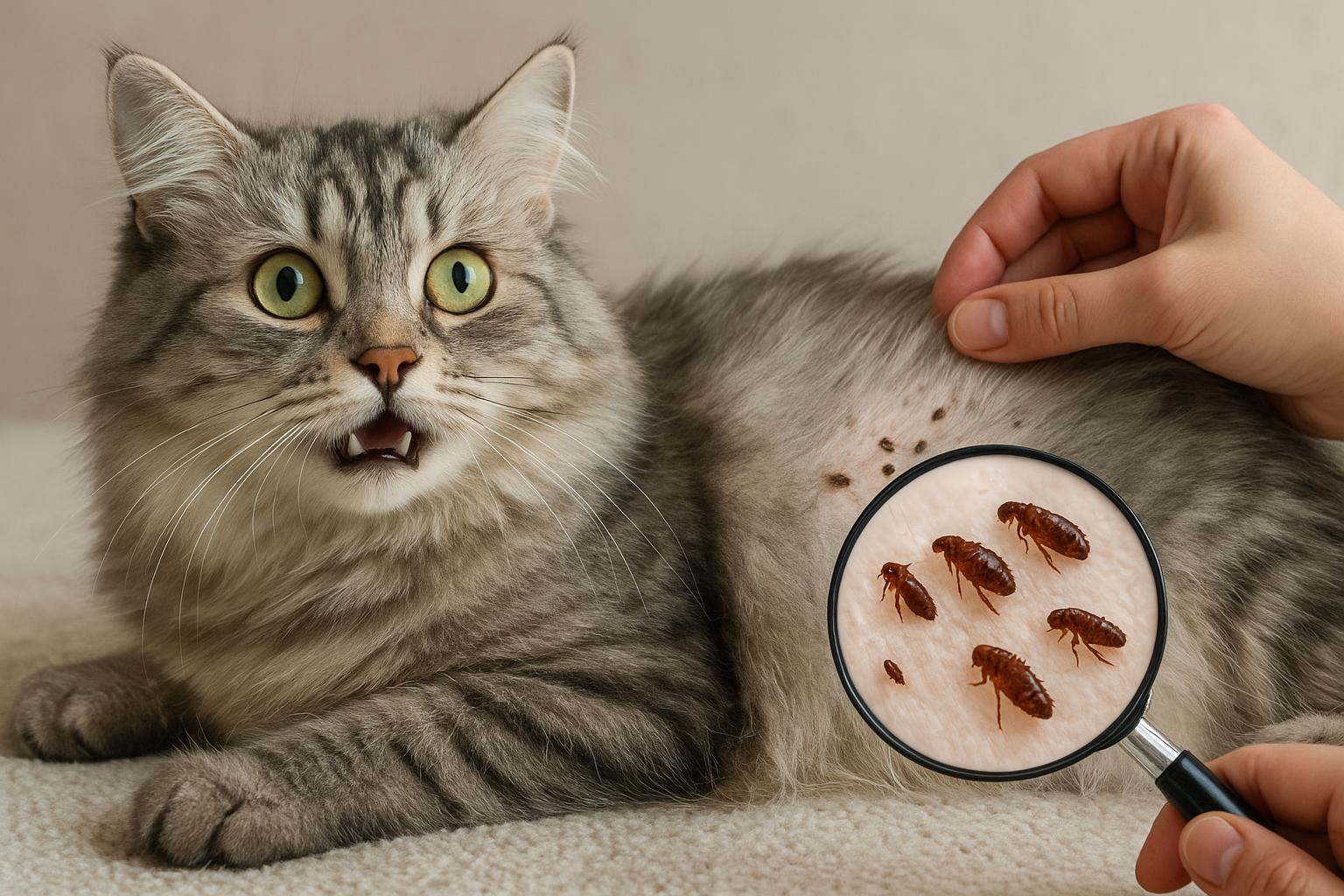
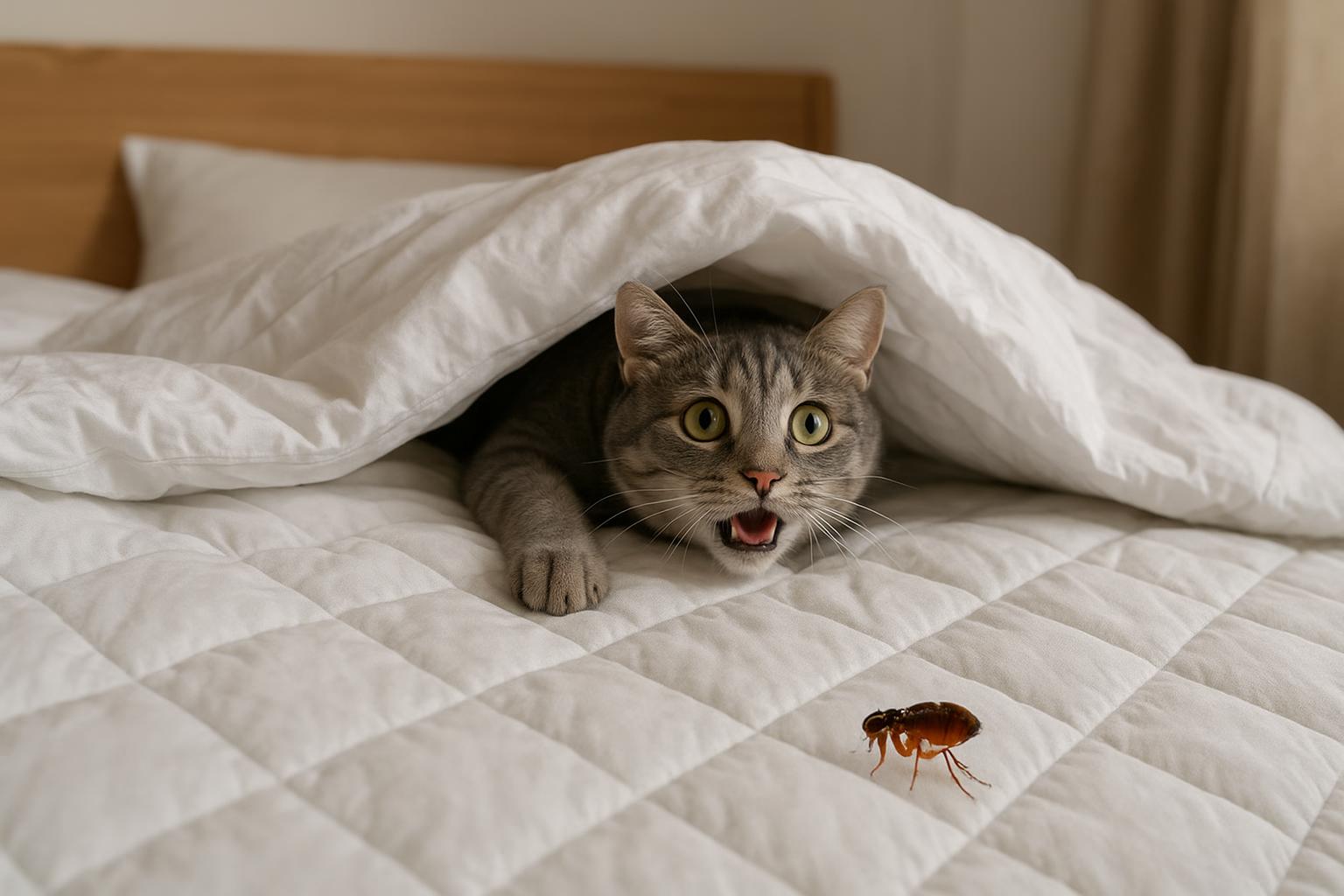
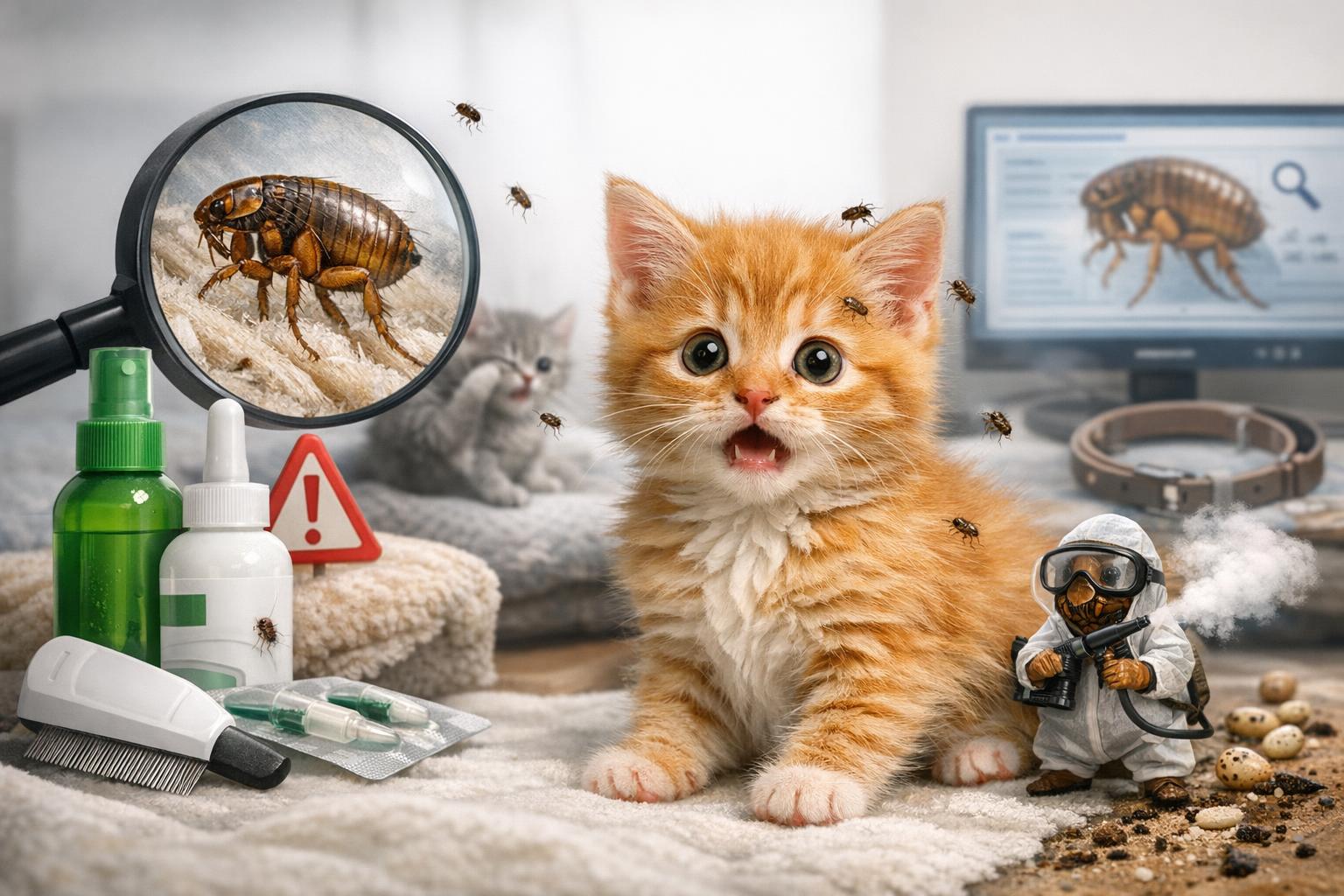
A simple cat flea check is quick, inexpensive, and often reveals much more than you’d expect. Fleas are fast, but they leave clues: red bites, excessive grooming, and a telltale peppery dust on fur known as flea dirt. Start with a calm, well-lit area where your cat feels safe. If the cat is nervous, try wrapping them in a towel except for the area you’re checking—this feels more like a hug than an inspection.
### Where To Look First
Begin at the base of the tail, along the spine, around the neck, and behind the ears. These are favorite flea hangouts because they’re warm, hidden, and help the fleas avoid the cat’s tongue during grooming.
#### Comb And Inspect The Fur
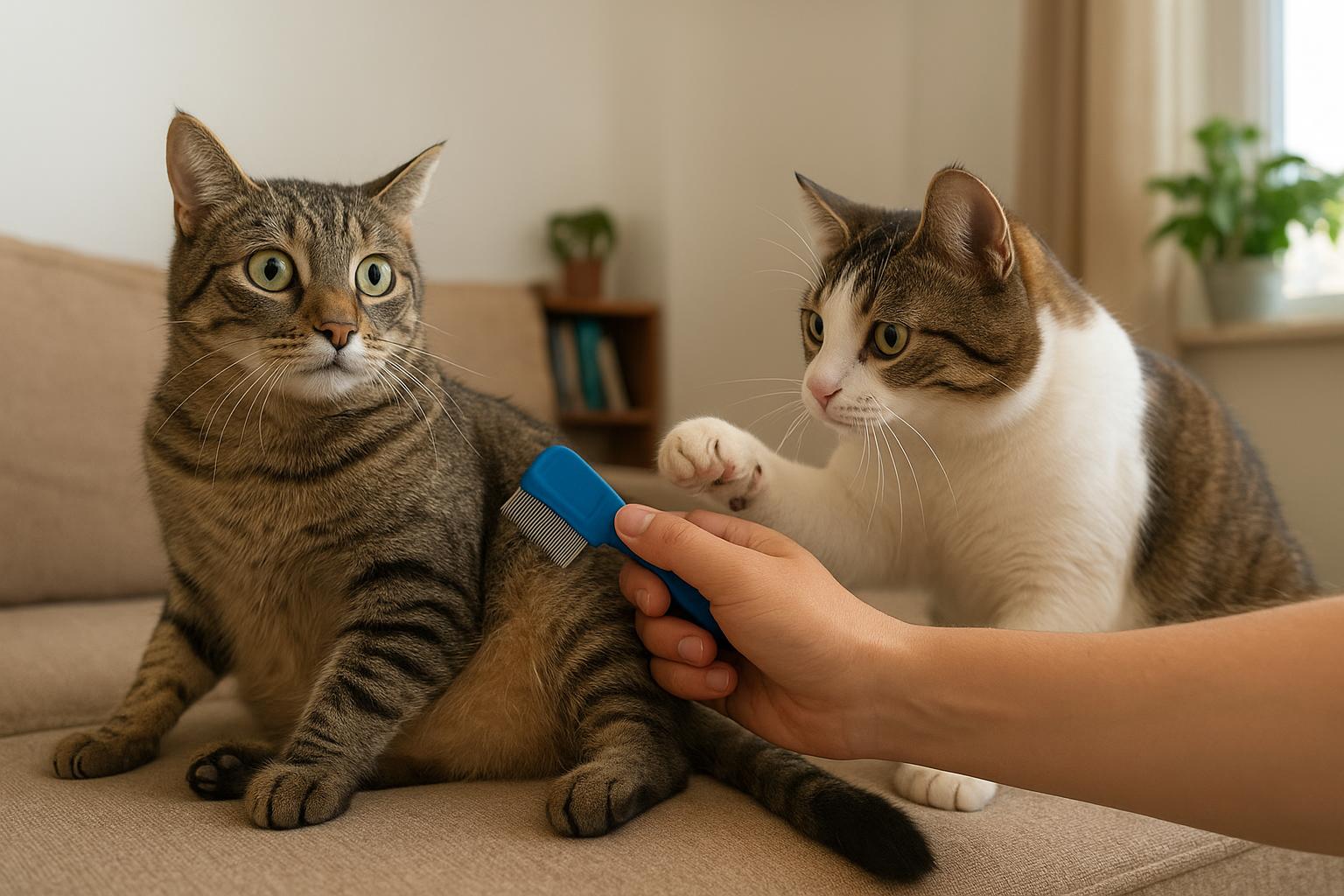
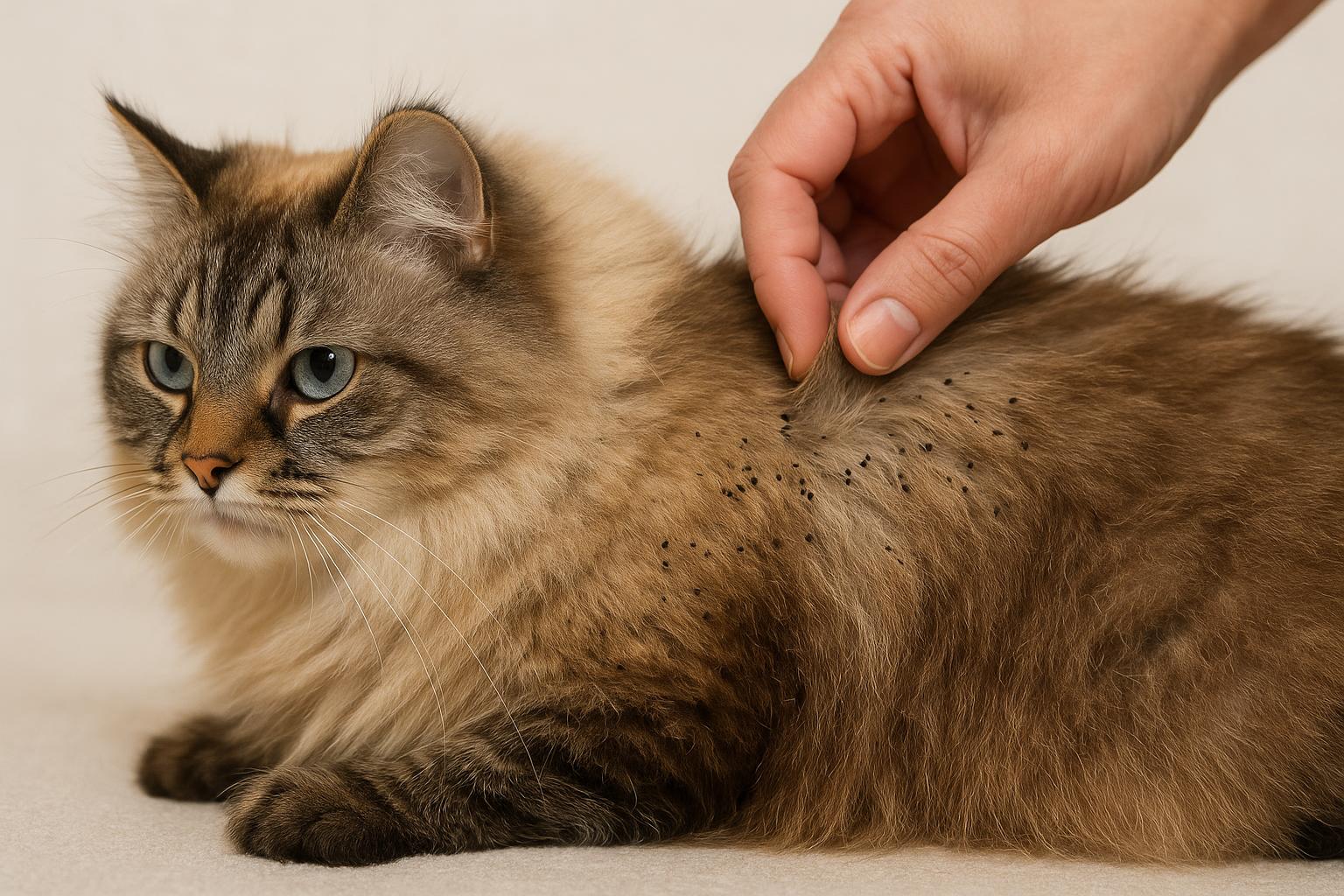
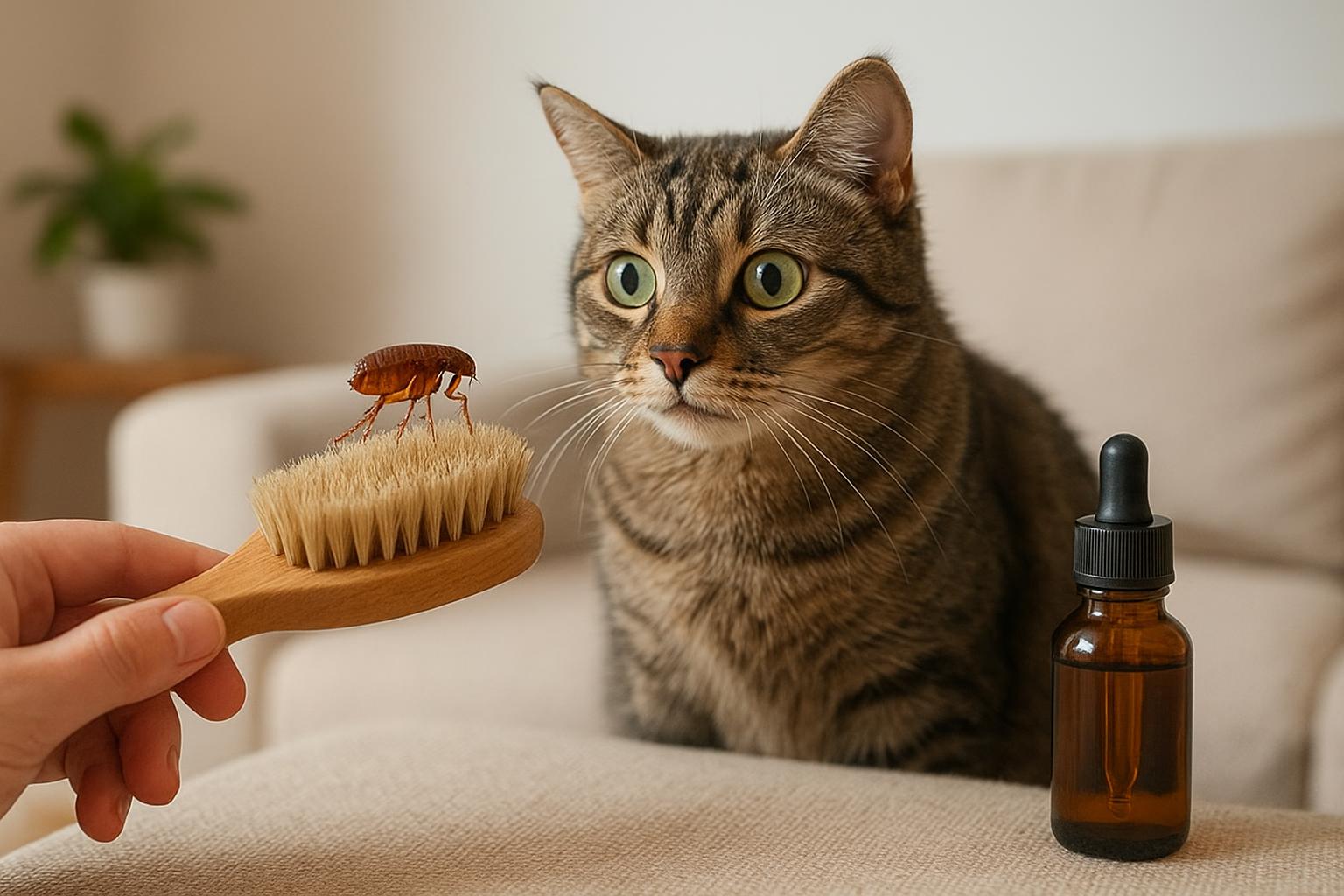
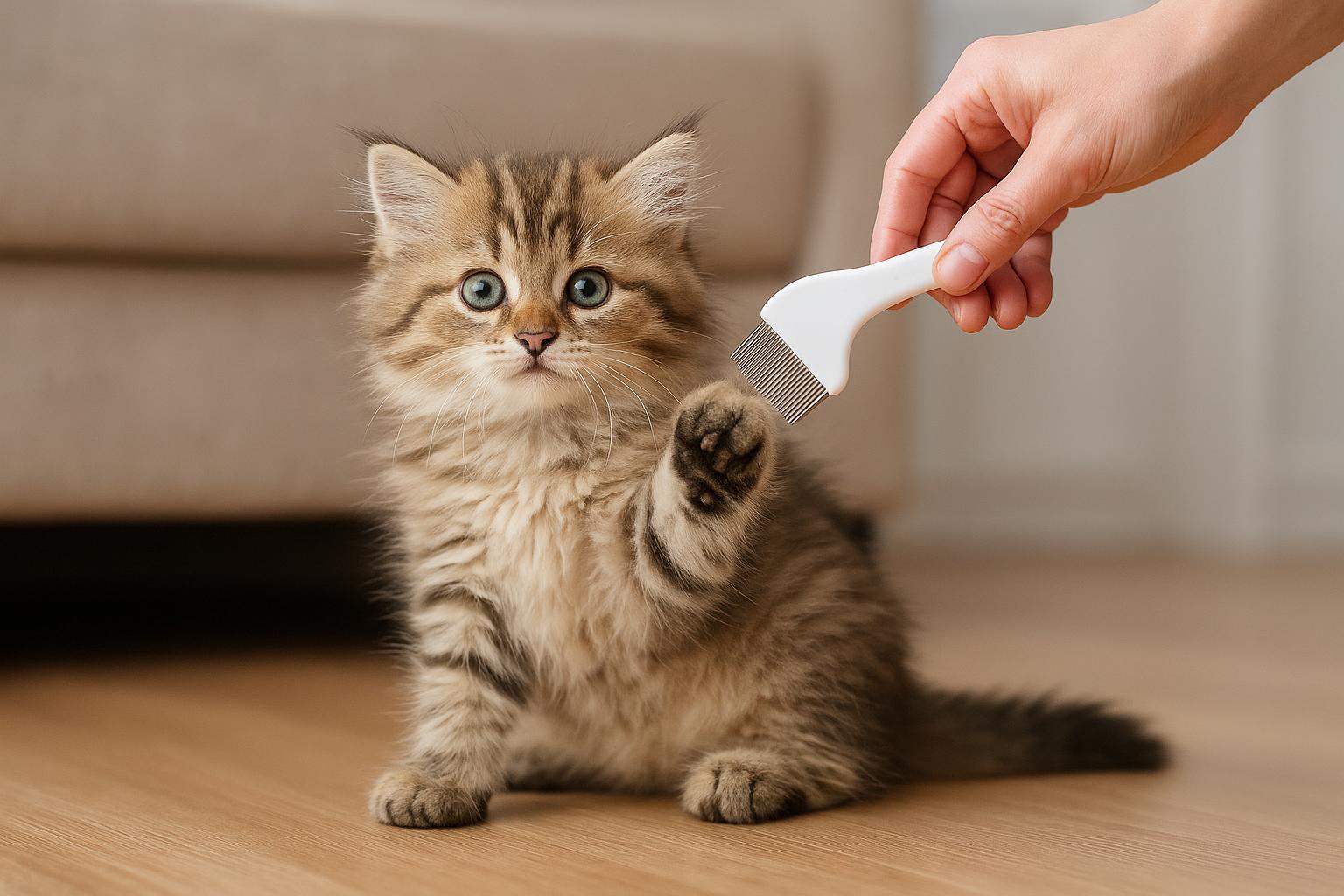
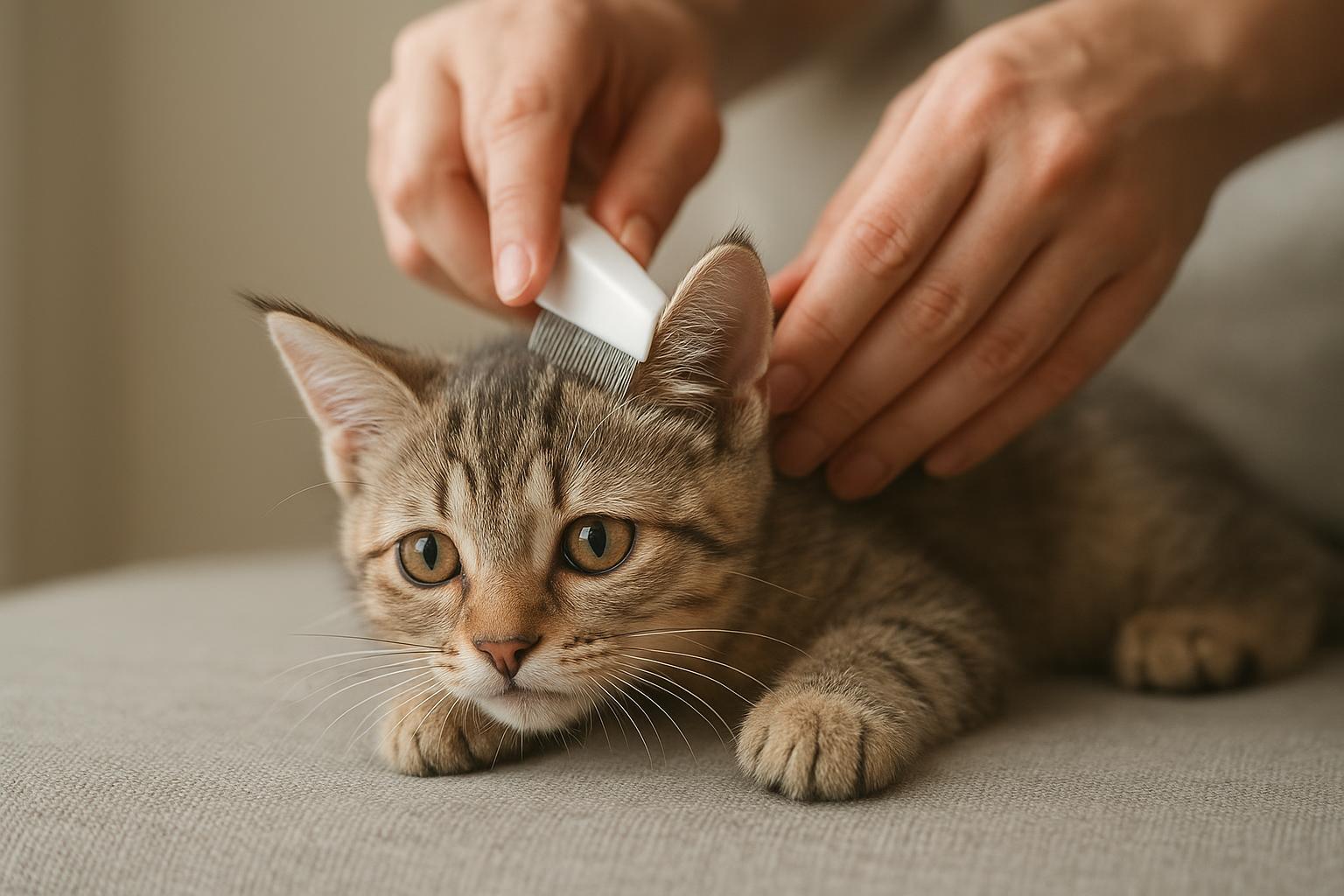
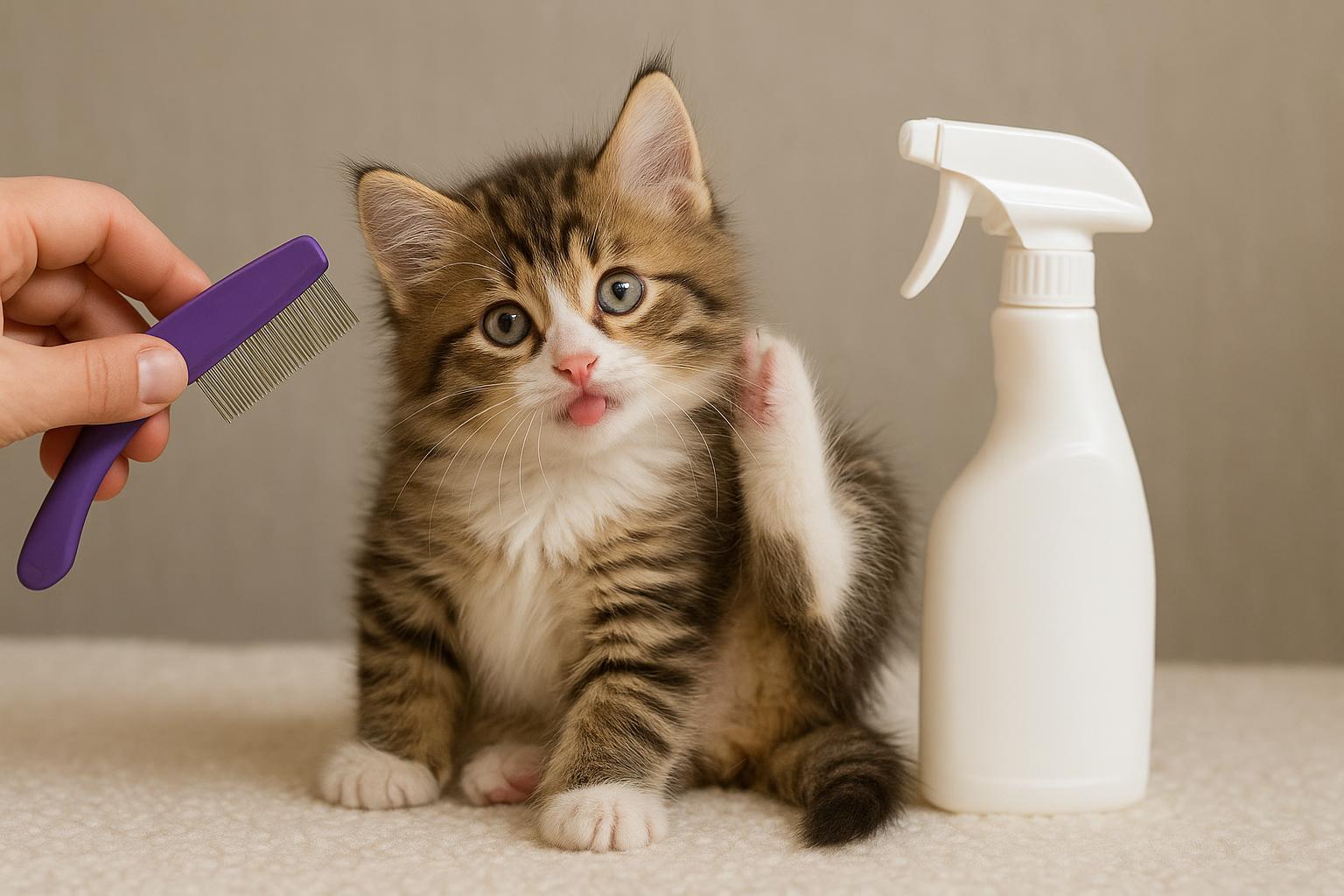
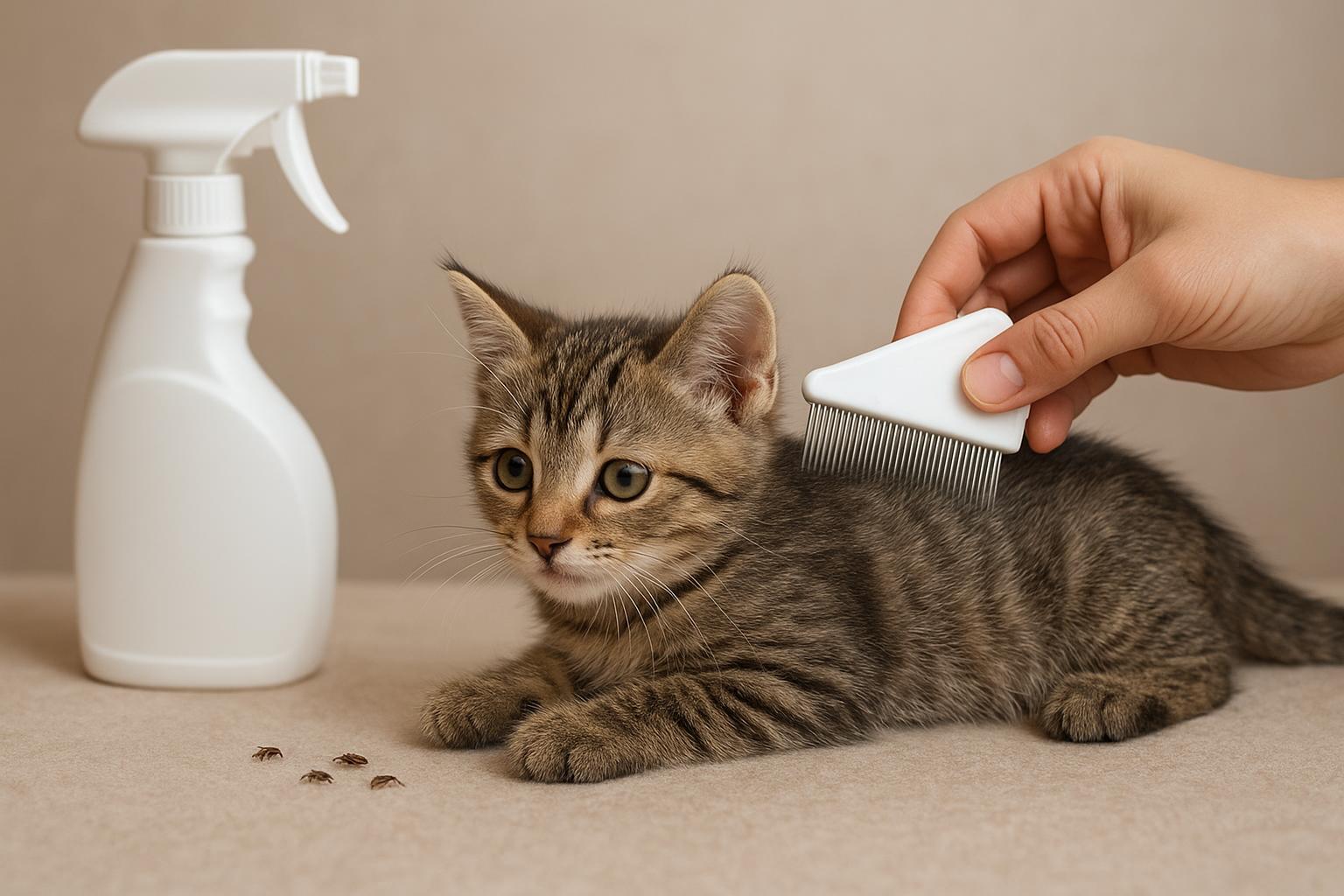
Use a fine-toothed flea comb and comb down to the skin in short strokes. After each stroke, tap the comb onto white paper or a paper towel. If you see tiny black specks that turn reddish-brown when moistened, that’s flea dirt—dried blood—and a reliable sign of fleas. A proper cat flea check always includes this comb-and-inspect step.
#### Watch For Behavioral Clues
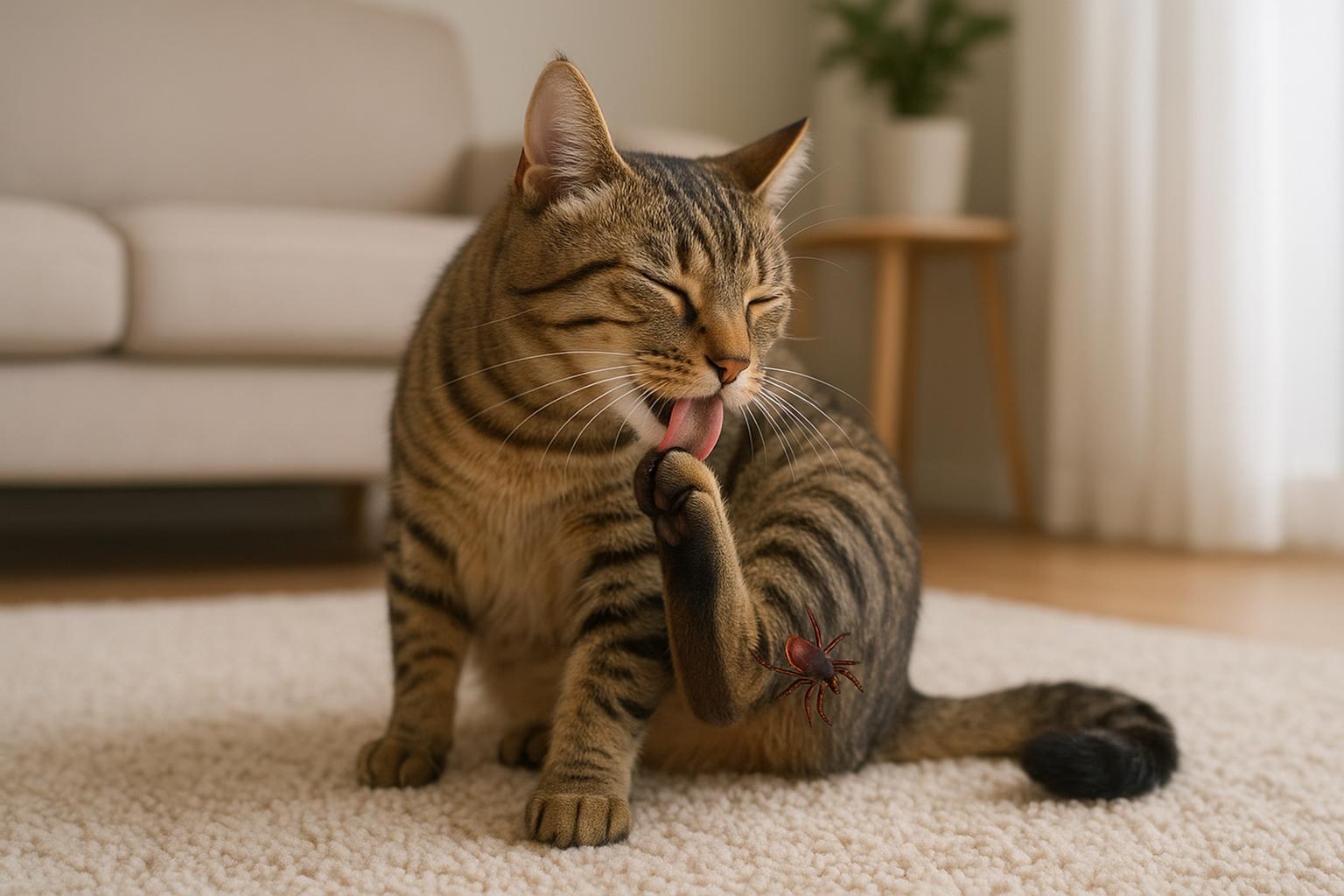
If your cat is suddenly more agitated, licking or biting a lot, or losing hair in patches, these are behavioral signals revealed during a cat flea check. Kittens and seniors may show subtler signs like reduced appetite or lethargy.
### Skin And Bite Signs To Note
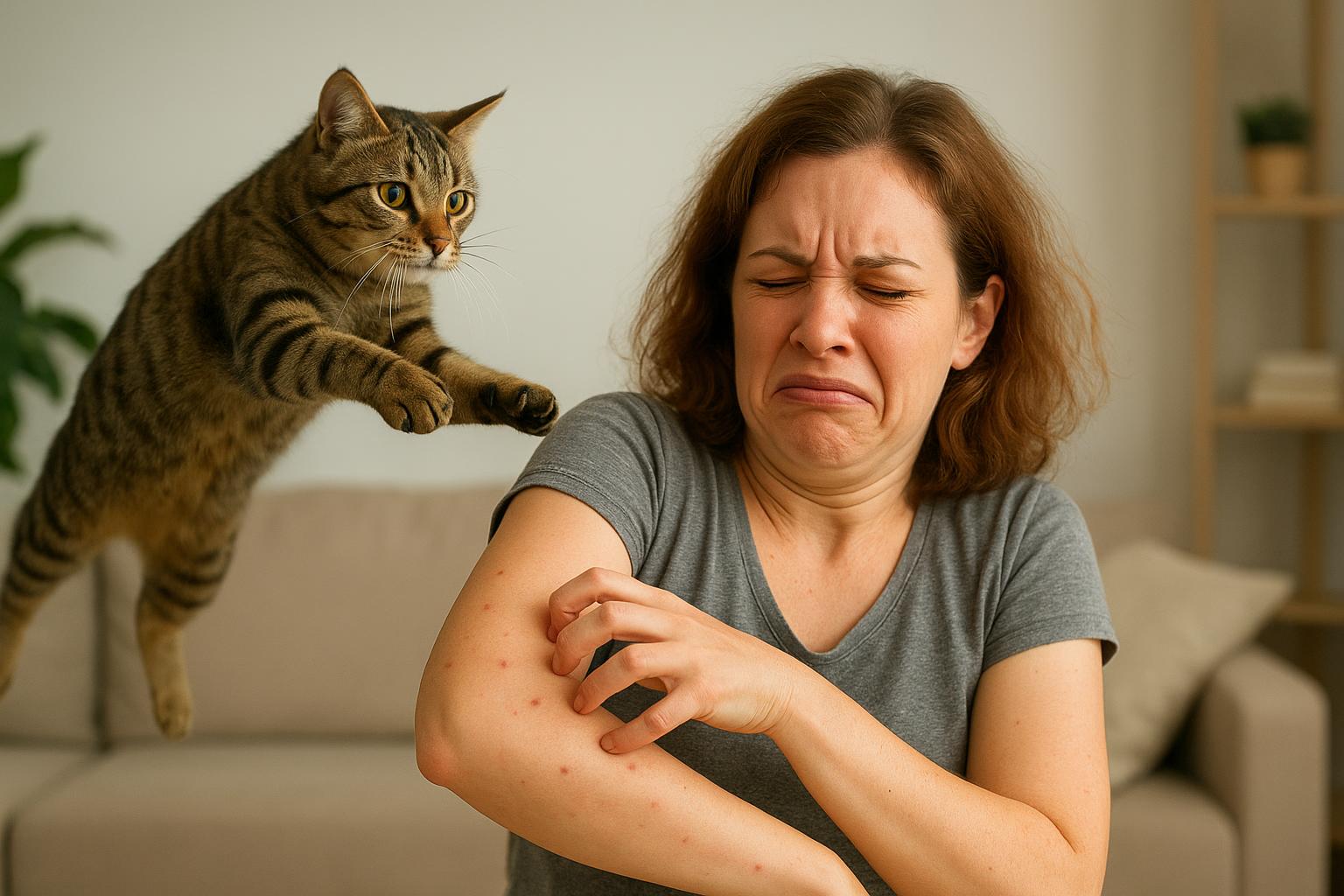
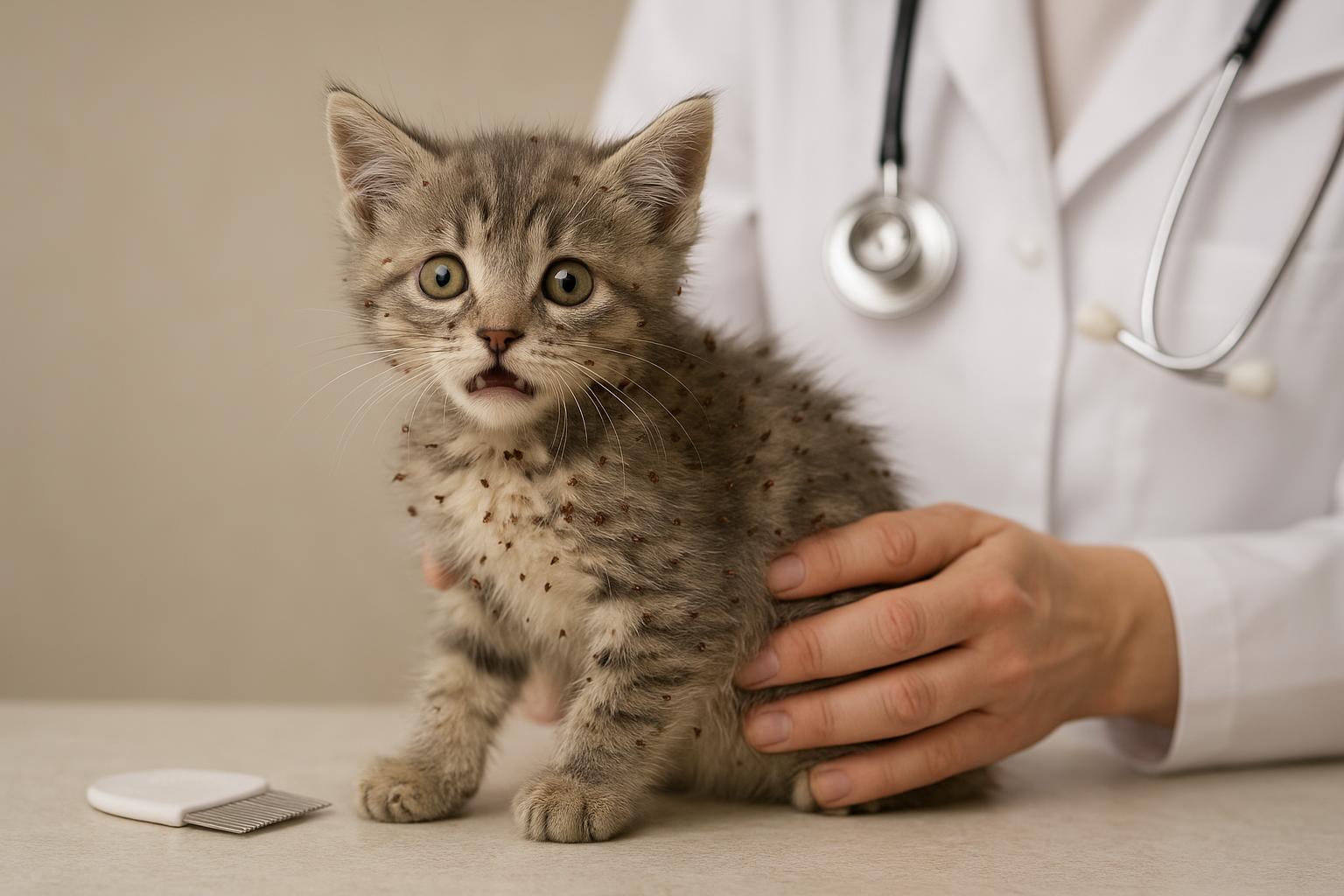
Look for small red bumps, scabs, and inflammation. Flea bites are often clustered and can be very itchy. Cats with flea allergy dermatitis (FAD) may have severe reactions from even a single flea bite. Record what you find—location, number of bites, and level of irritation—so you can provide clear information to your veterinarian if needed.
## When To Worry And Call The Vet
A cat flea check can usually be handled at home for mild infestations. However, seek veterinary attention if your cat is:
– A kitten under 12 weeks.
– Anemic (pale gums, lethargic).
– Showing signs of severe dermatitis or secondary infection.
– Unresponsive to over-the-counter treatments.
### Flea-Transmitted Risks
Fleas can transmit tapeworms and other pathogens. During a cat flea check, if you see tiny rice-like segments near the anus or in feces, those could be tapeworms. Mention this to your vet—treatment is straightforward but important.
## Remedy 1: Flea Comb Treatment At Home
This is the mildest remedy and the best place to start. It’s effective for light infestations and is safe for most cats, including those that can’t tolerate topical medications.
Materials:
– Fine-toothed flea comb.
– Bowl with warm soapy water or isopropyl alcohol (70%).
– White paper towels or a white cloth.
– Towel to wrap the cat if needed.
– Patience and treats.
Creation And Application (Step-By-Step):
1. Prepare Your Area: Choose a calm room and place a white towel or paper on your lap or a flat surface. Fill a bowl with warm water and a few drops of dish soap. Soap breaks surface tension so fleas sink and drown.
2. Restrain Comfortably: If your cat is calm, let them sit on your lap. For nervous cats, wrap them gently in a towel, leaving the head and back exposed.
3. Comb Methodically: Starting at the head, comb in short downward strokes to the base of the tail. Hold each stroke at the fur root to prevent the flea from jumping back into the fur.
4. Inspect And Remove: After each stroke, tap the comb onto white paper. If you see dark specks, moisten them—if they turn reddish, it’s flea dirt. Dip captured fleas into the soapy water or alcohol to ensure they die.
5. Repeat Daily: For at least two weeks, perform this routine daily. Flea life cycles mean new fleas may hatch; consistent combing interrupts that cycle.
Note: This remedy reduces adult fleas but won’t eliminate eggs in the environment. Move on to environmental control if you see persistent signs during your cat flea check.
## Remedy 2: Topical And Environmental Treatment (Professional-Style)
This is a more comprehensive approach and should be used when a cat flea check reveals moderate to heavy infestation or if other pets/people are affected. It combines veterinarian-recommended topical or oral medications with environmental control.
Materials:
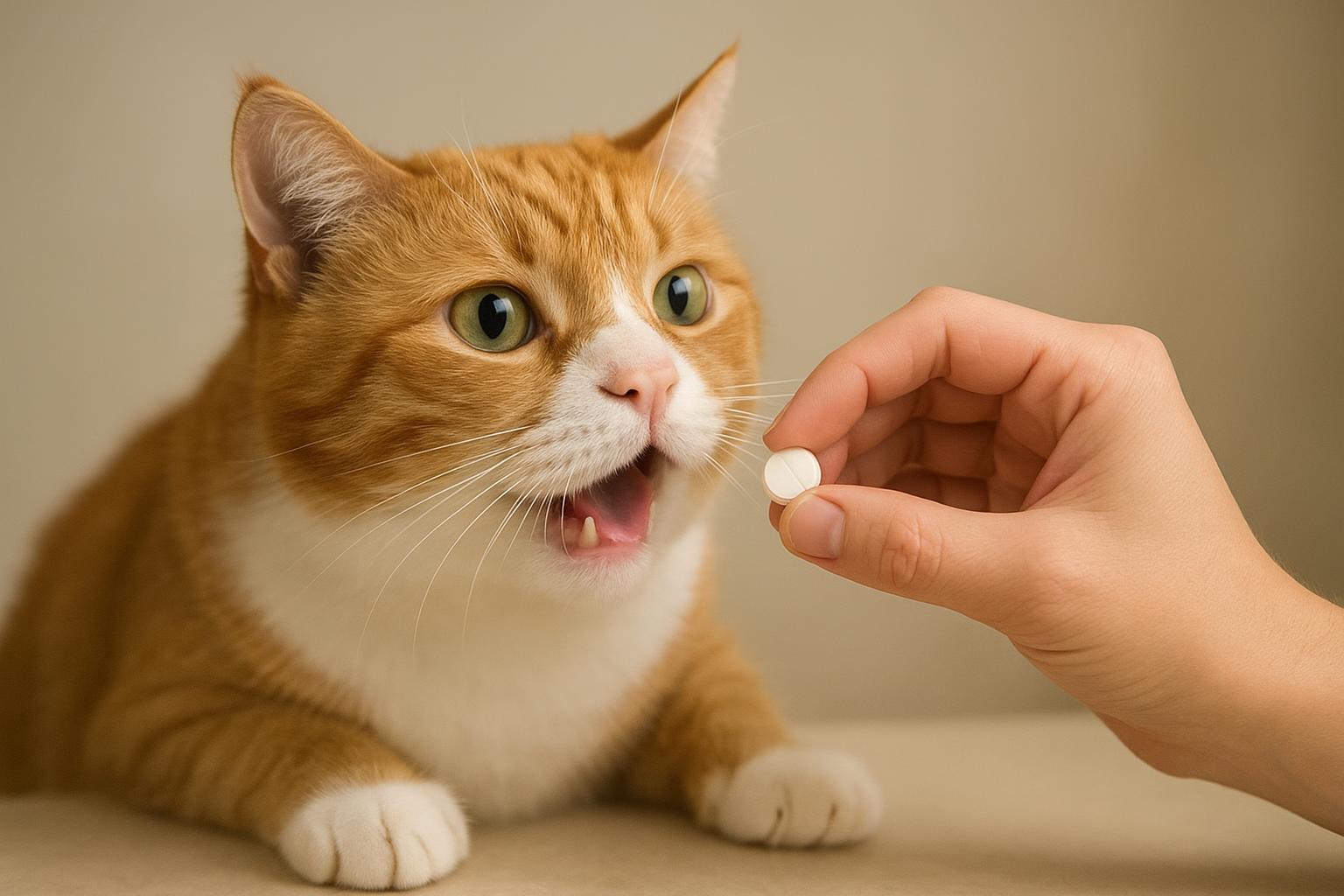
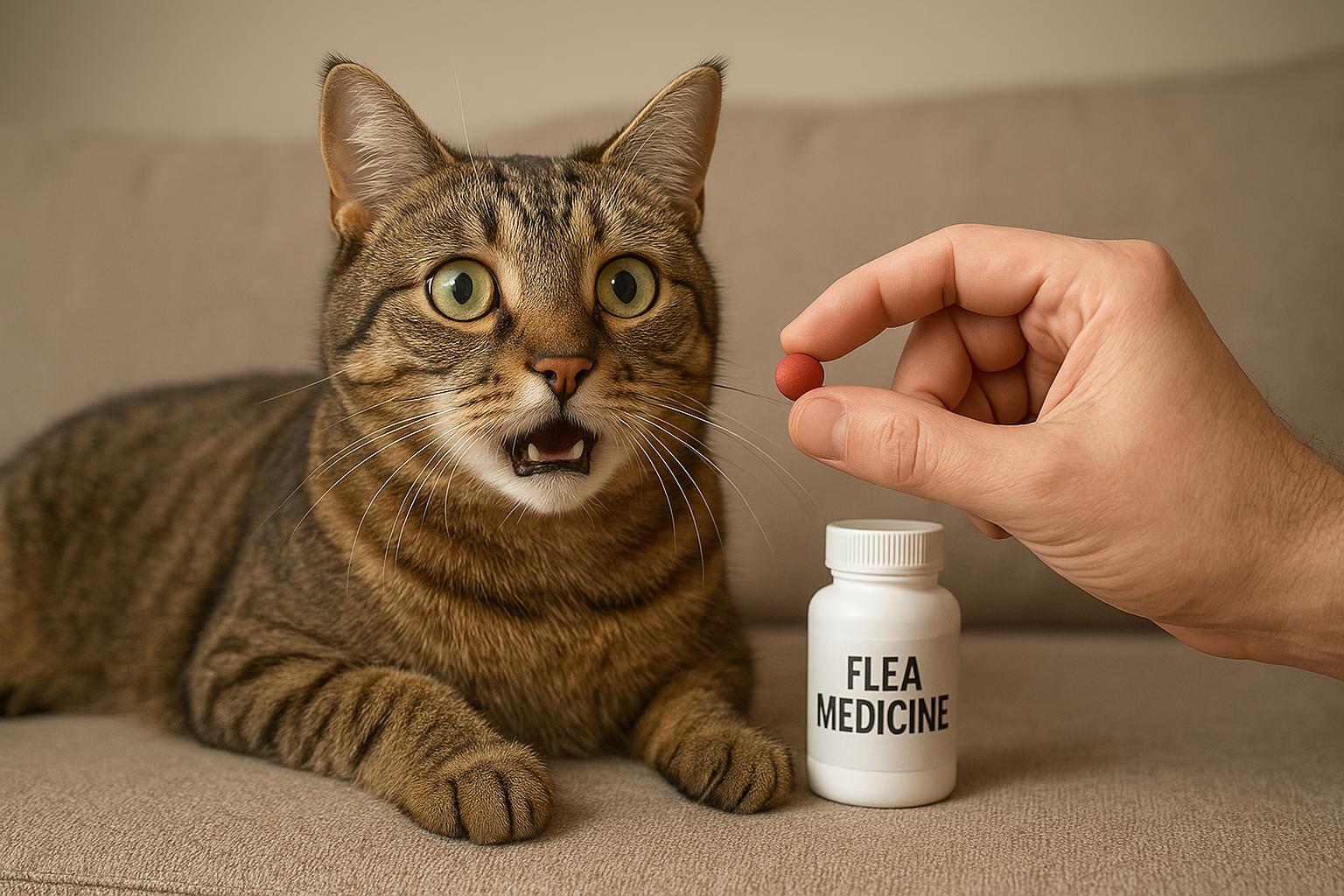
– Vet-approved topical flea treatment (e.g., selamectin, fipronil, imidacloprid) or oral medication (e.g., spinosad, fluralaner) prescribed by your vet.
– Household vacuum cleaner with disposable bag or canister.
– Hot water and pet-safe laundry detergent.
– Insect growth regulator (IGR) spray or fogger for severe infestation (pyriproxyfen or methoprene).
– Flea spray safe for carpets and furniture (follow label and pet safety).
– Professional pest control contact information (optional).
Creation And Application (Step-By-Step):
1. Veterinary Consultation: Bring the results of your cat flea check to your veterinarian. Provide details: age, weight, any medical conditions, pregnancy status, and other pets. The vet will recommend an appropriate product and dosage.
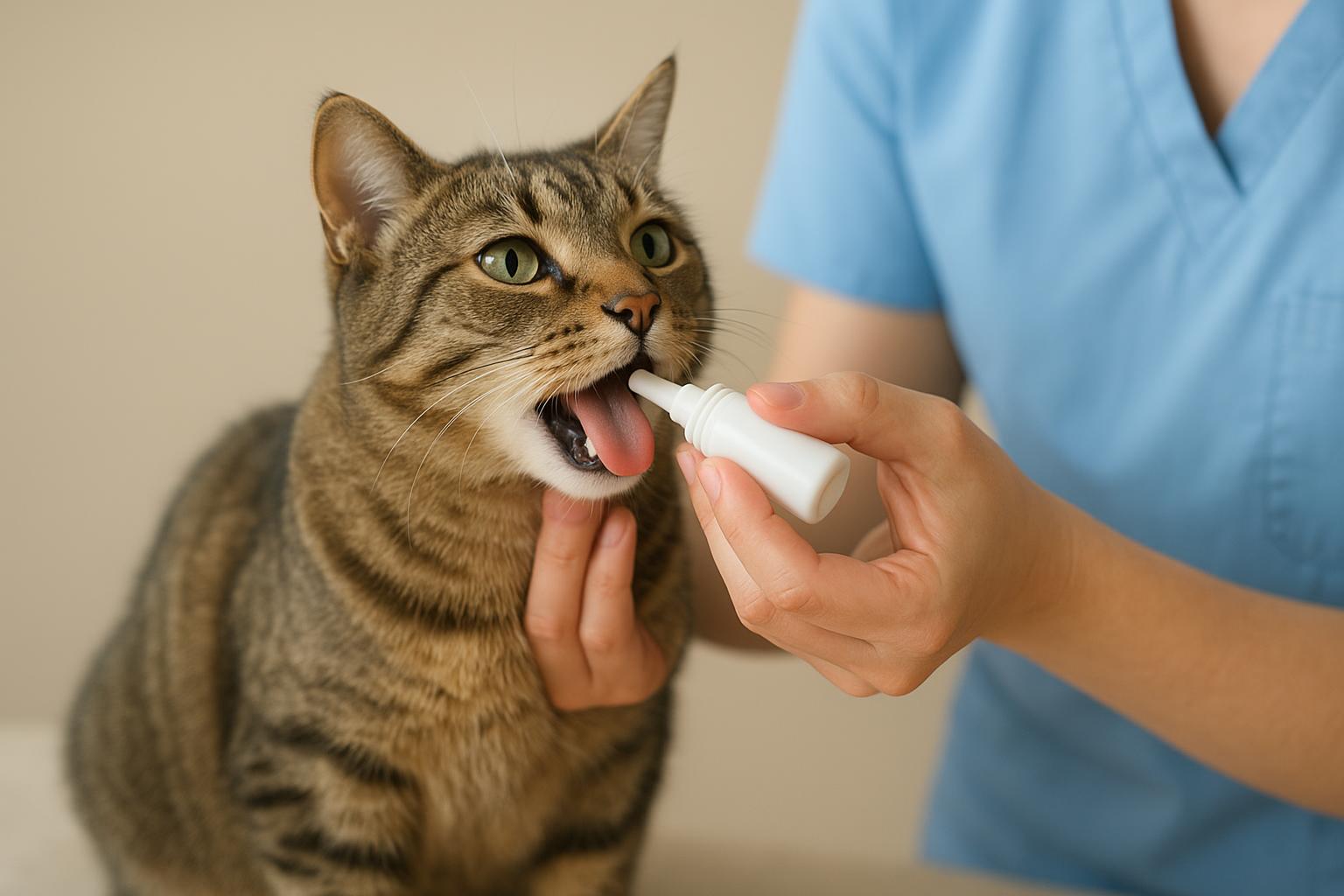
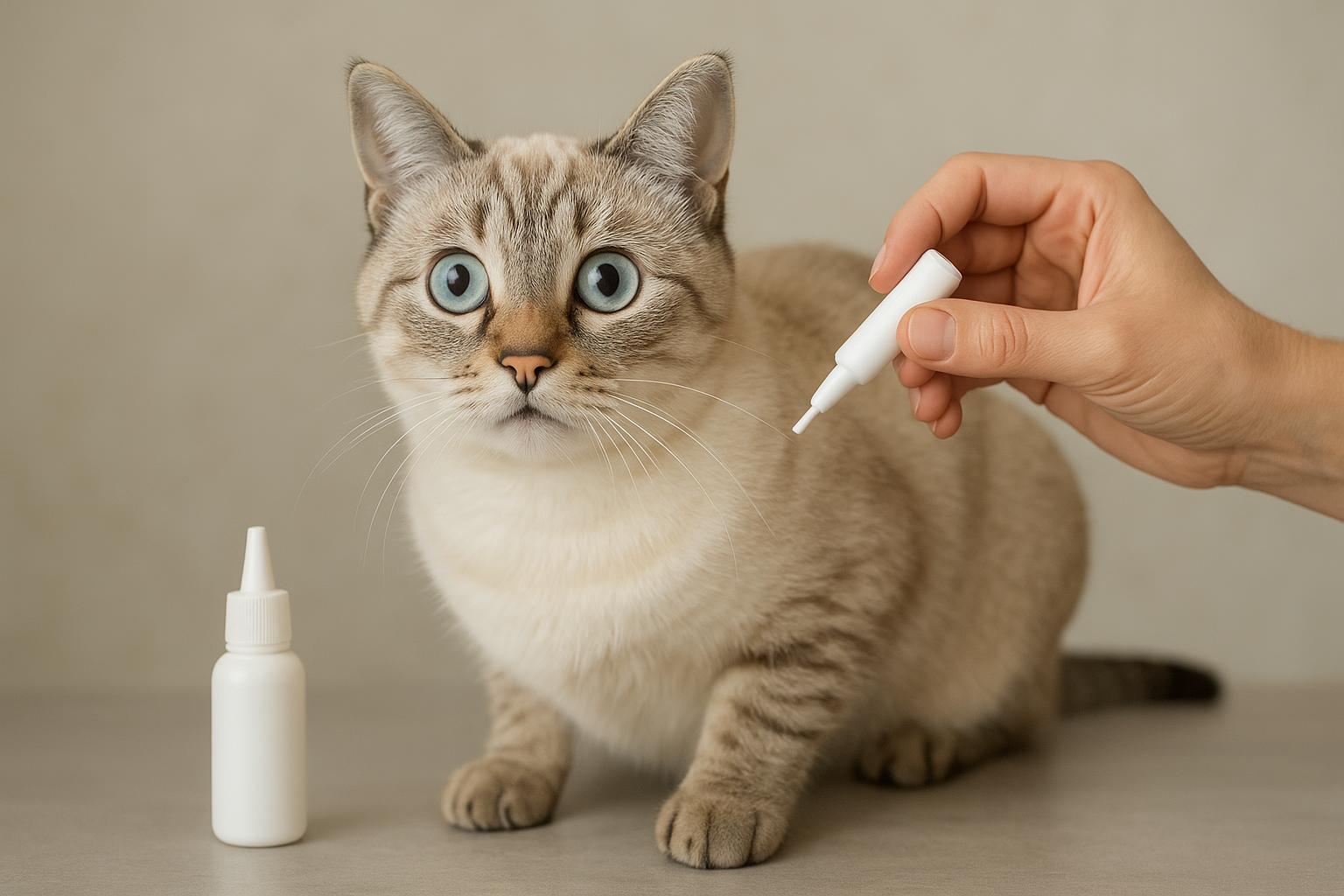
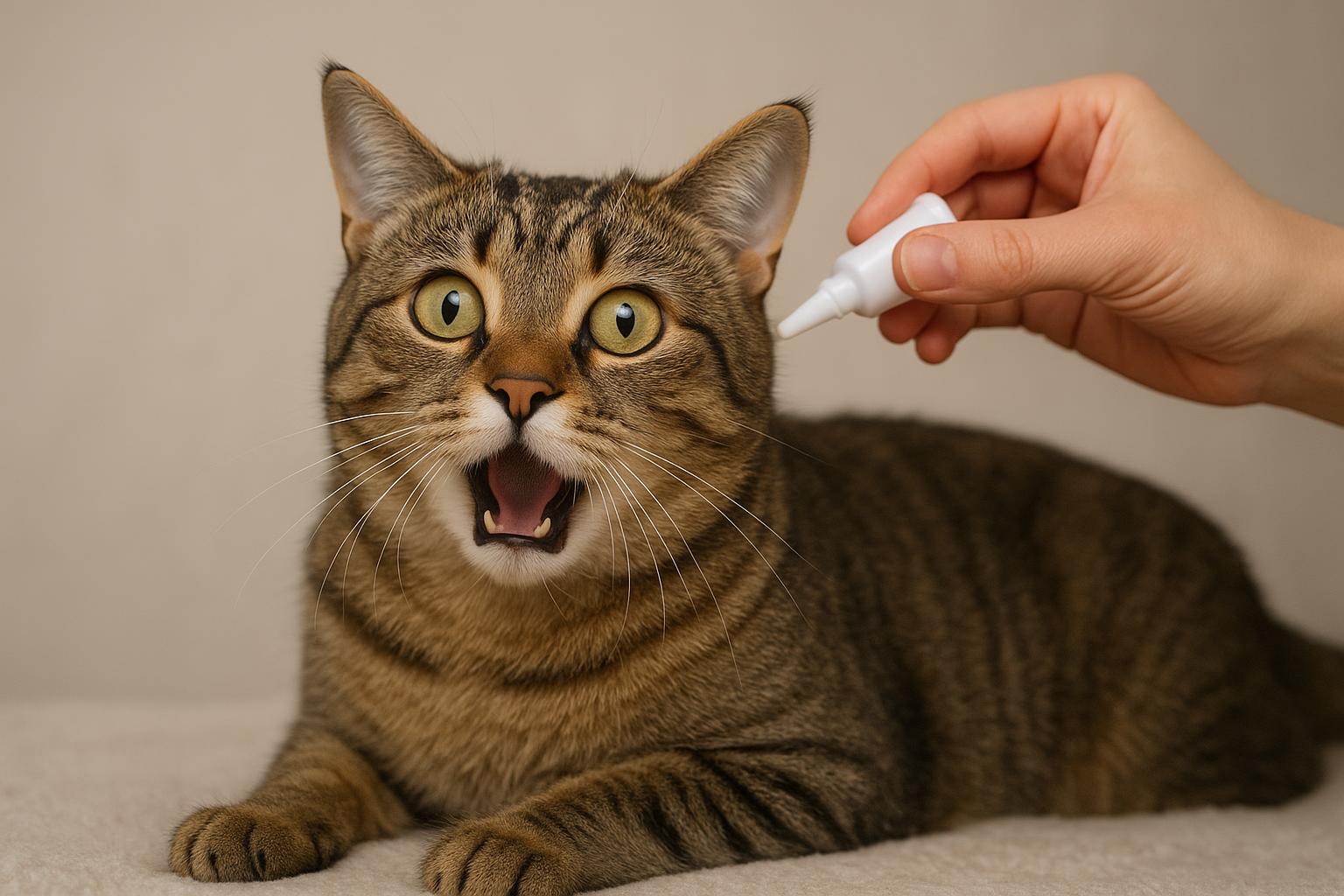
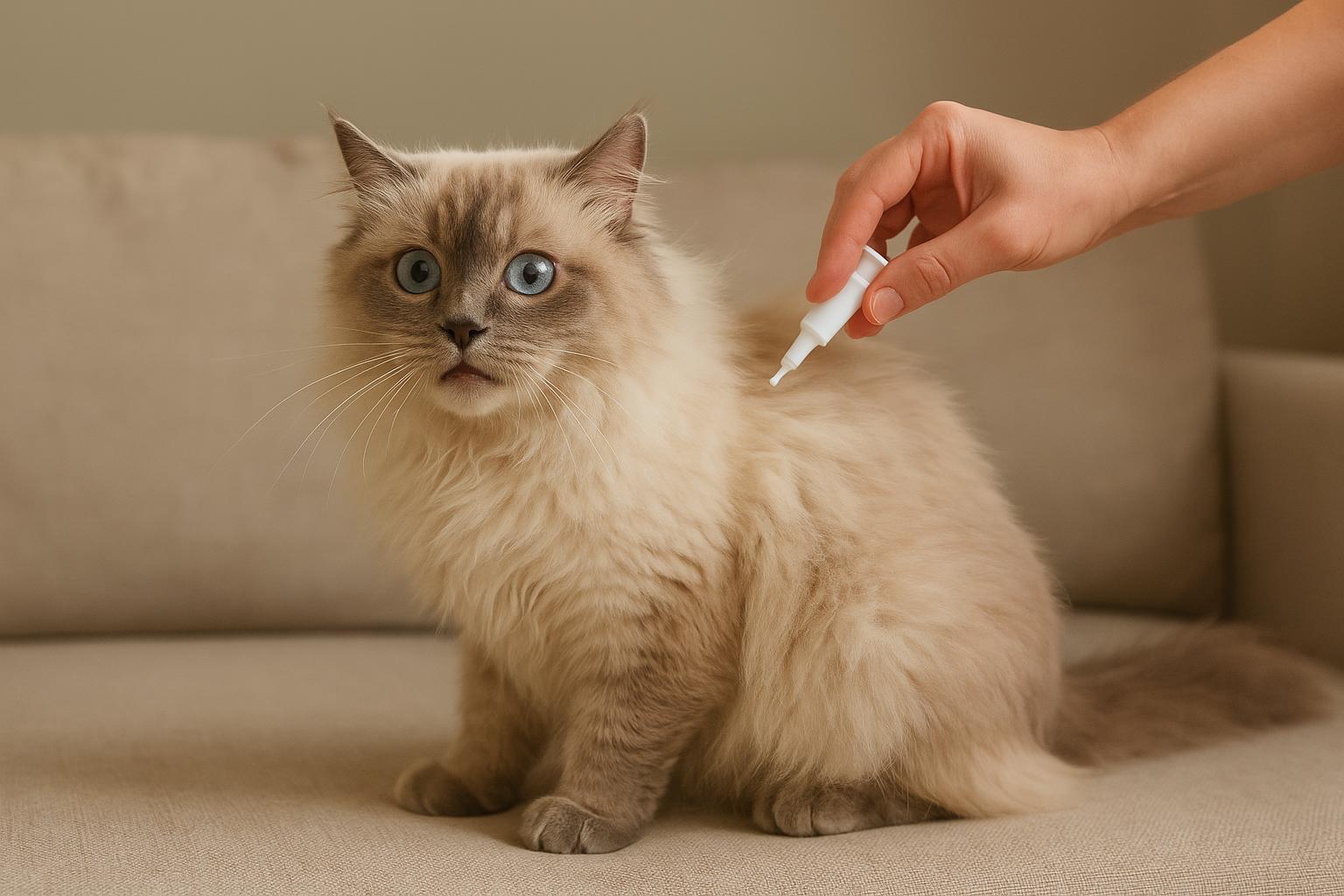
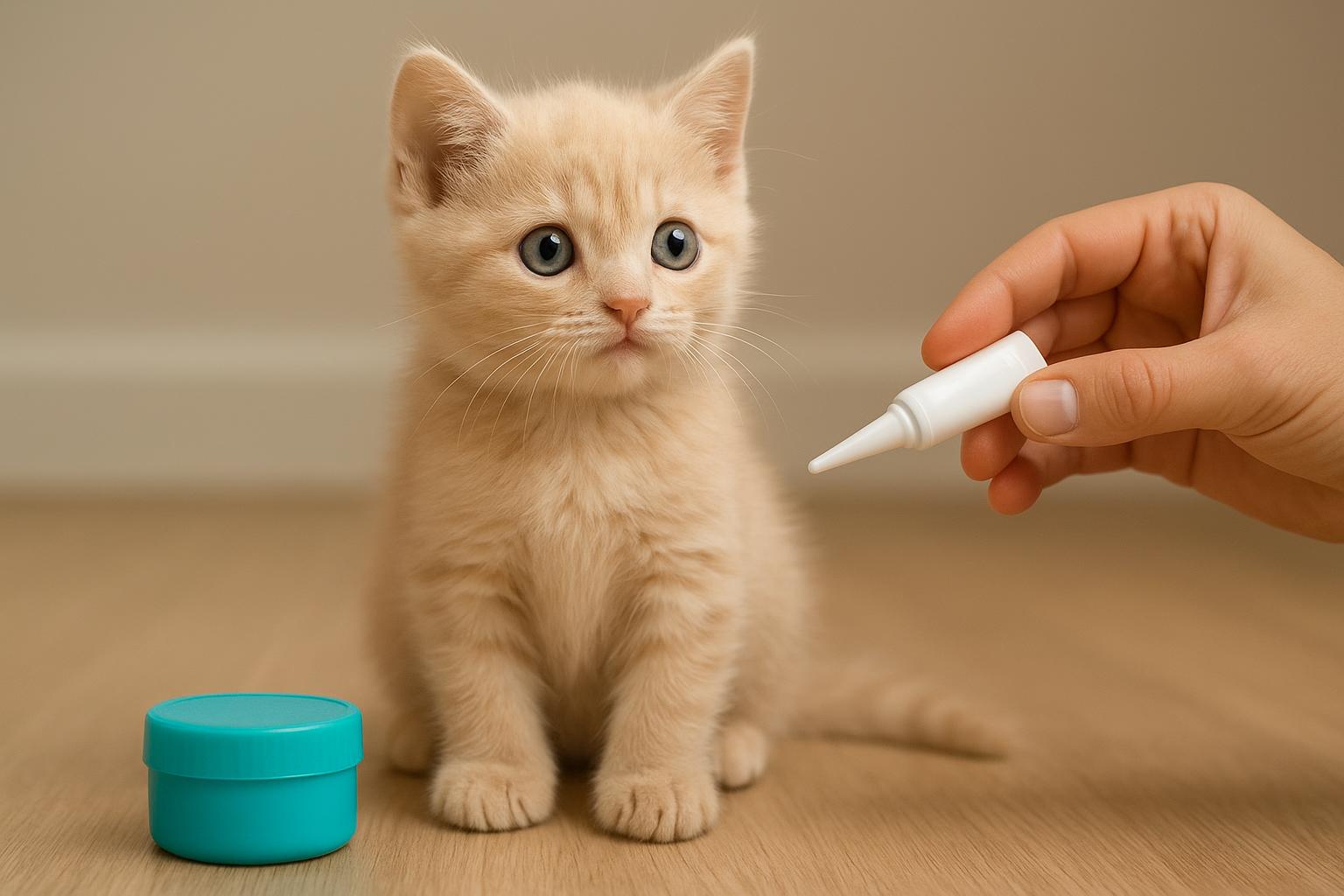
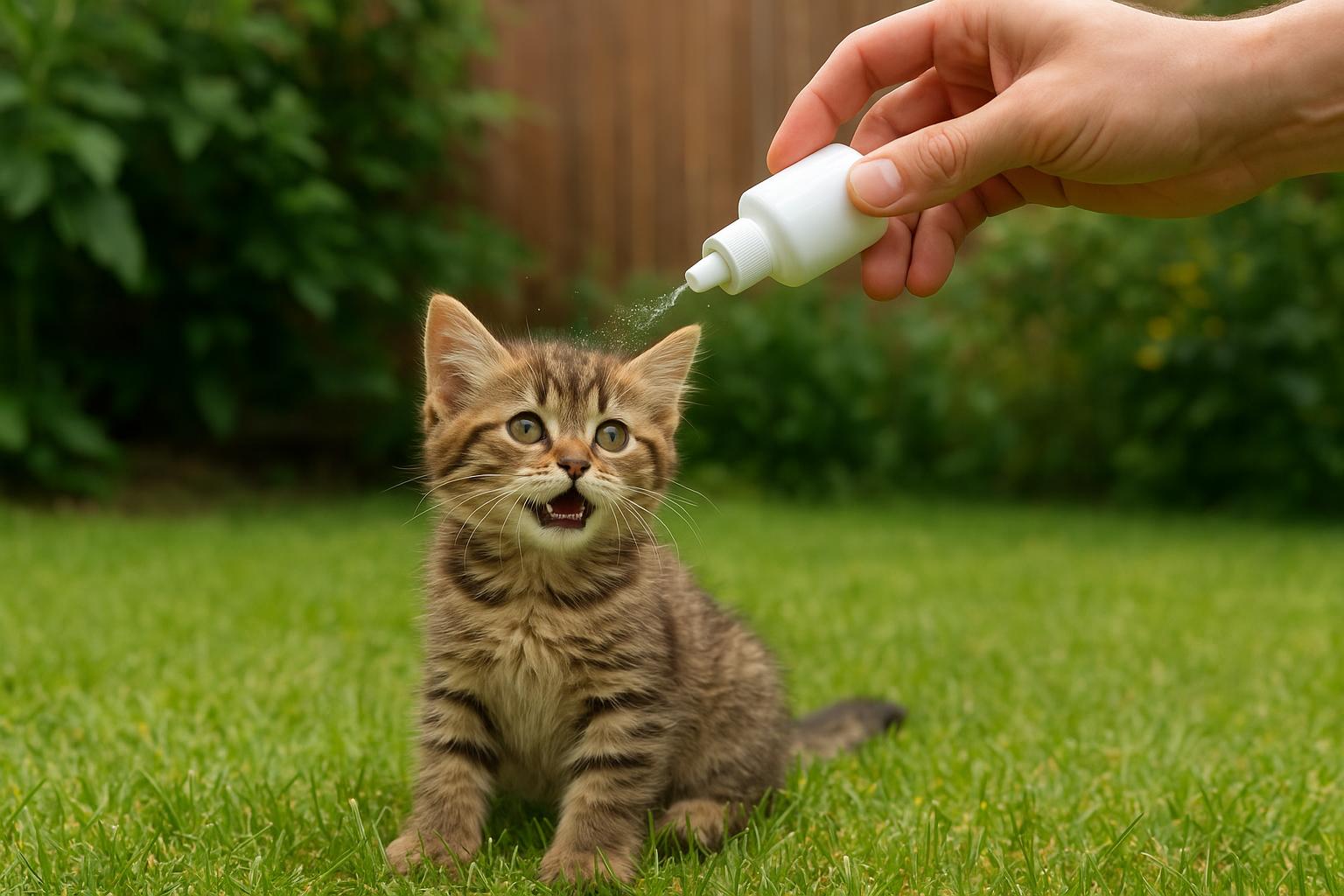
2. Administer Treatment Correctly: Follow the vet’s instructions for topical or oral products. Apply topicals to the skin where the cat can’t lick (between the shoulder blades) and ensure the cat remains dry for the time specified on the product label.
3. Treat All Pets: If you have multiple animals, treat them all as recommended to prevent re-infestation.
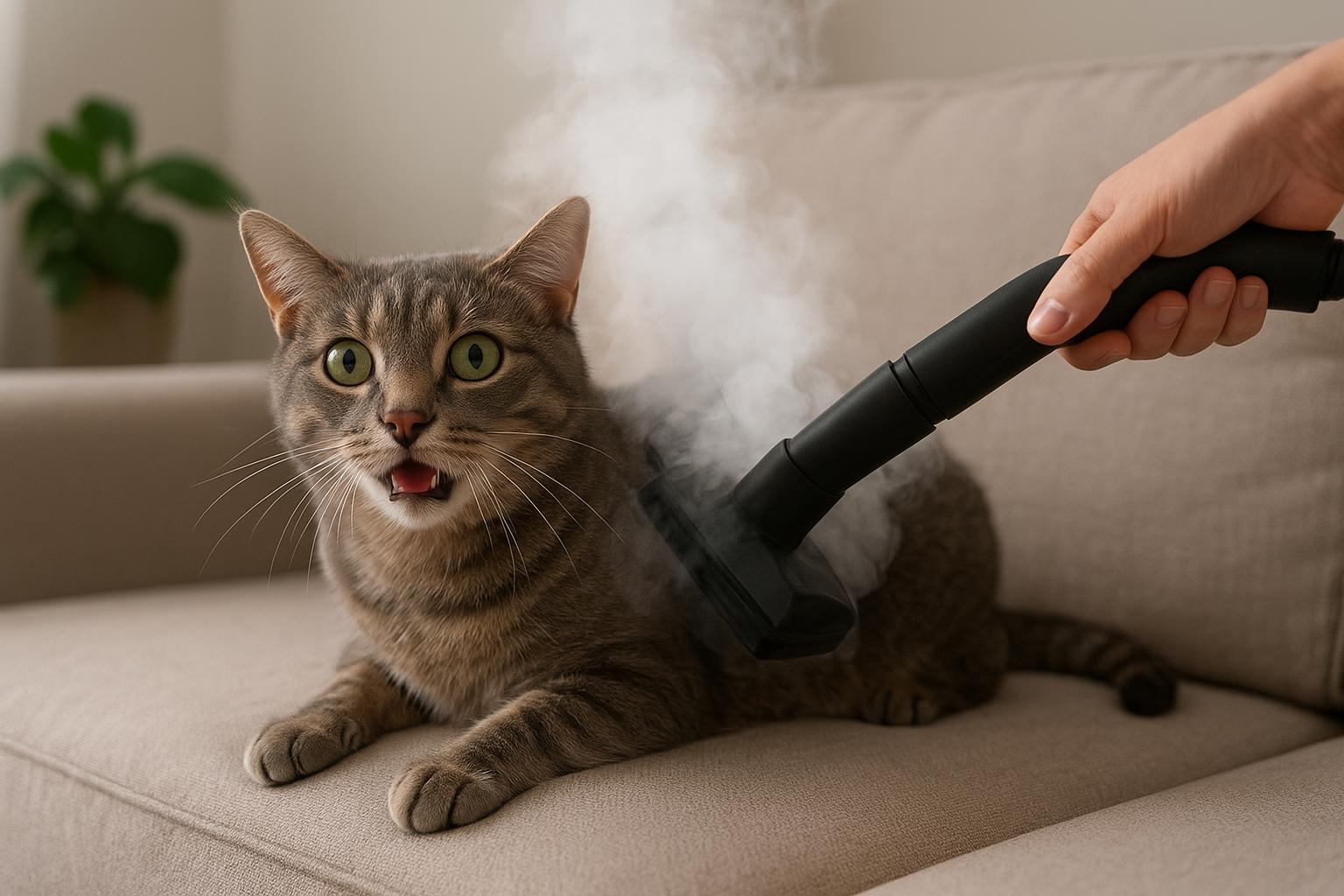
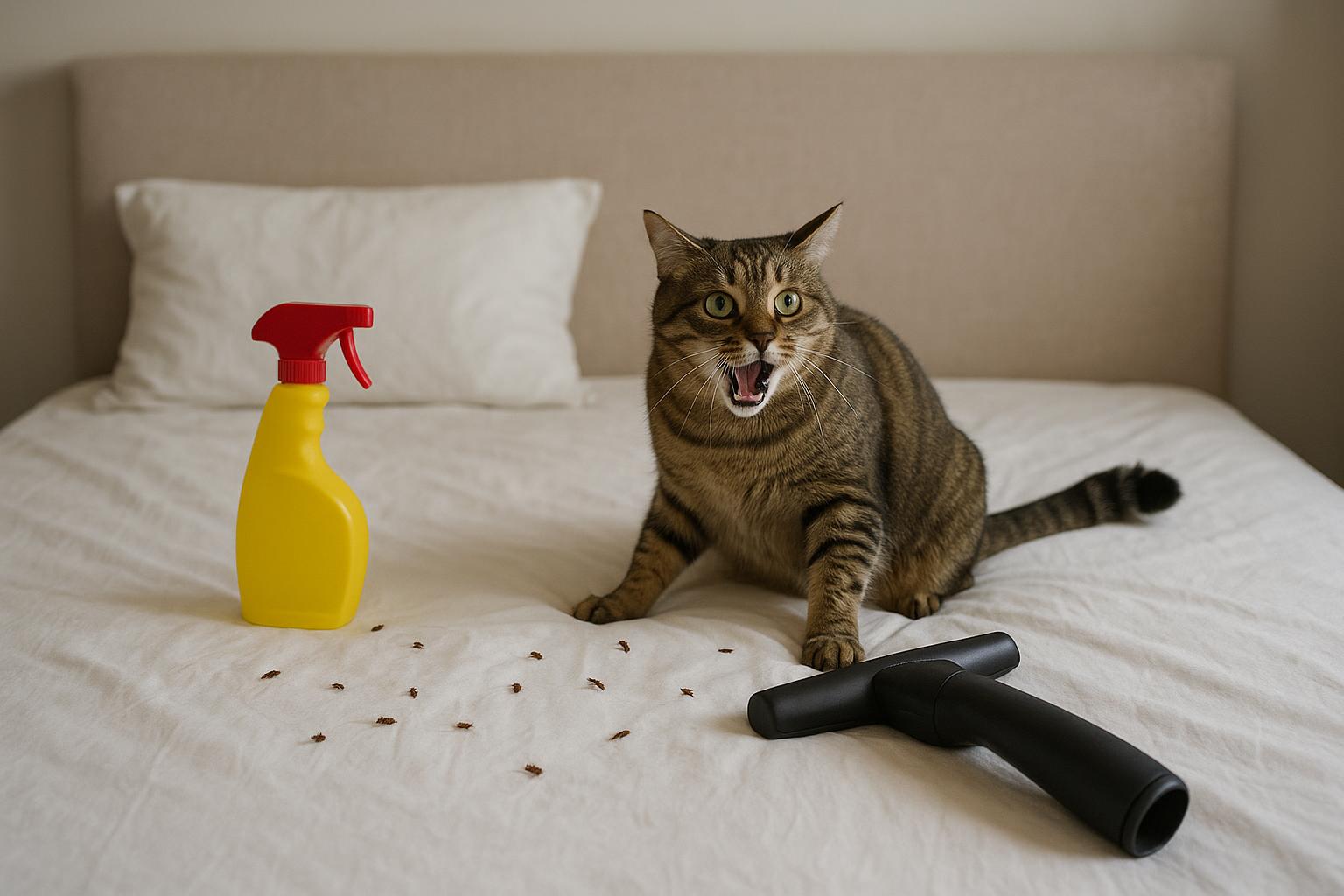
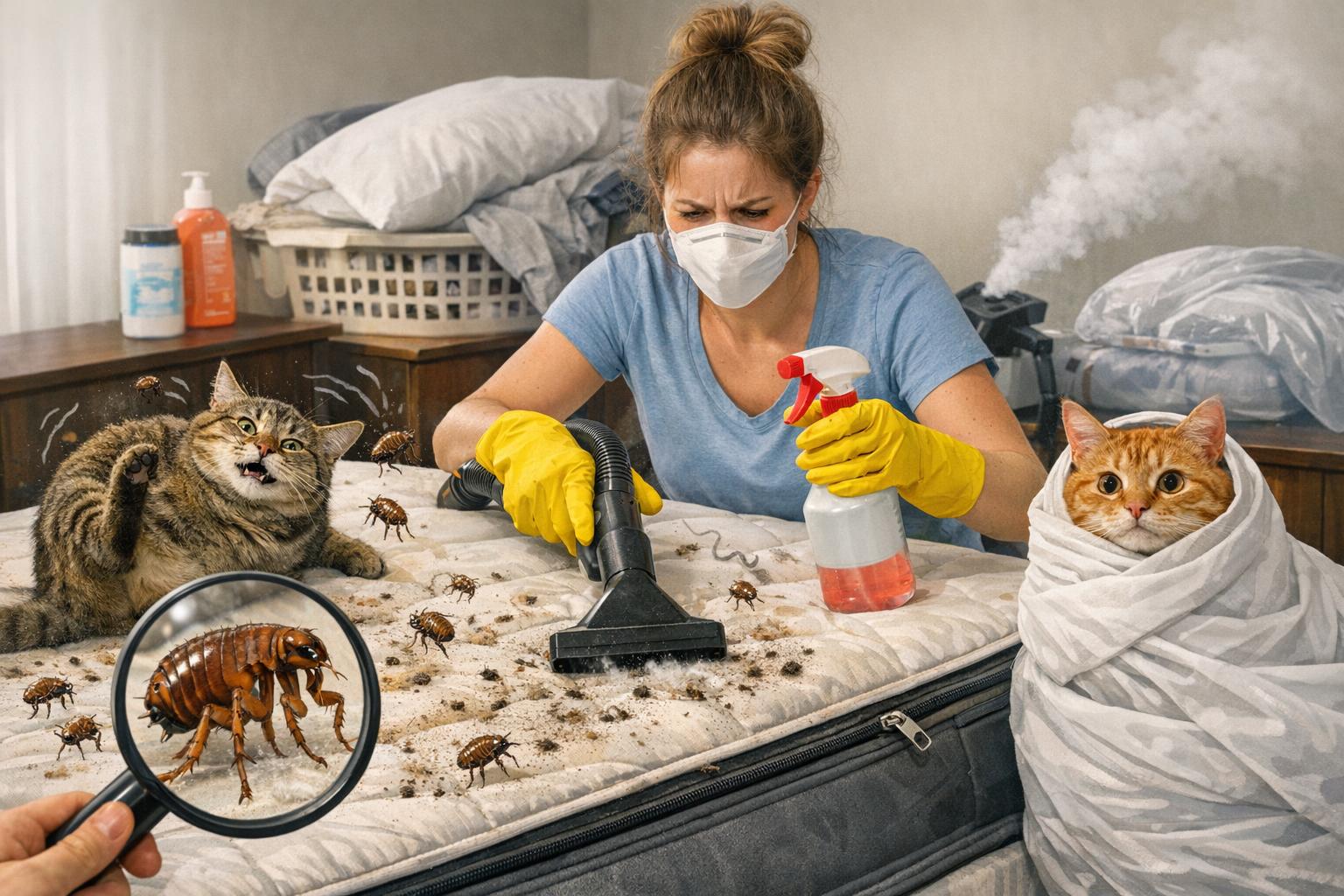
4. Clean The Environment: Vacuum thoroughly—floors, rugs, furniture, and pet bedding—then immediately dispose of the vacuum bag or empty the canister outside. Wash bedding and washable toys in hot water and dry on high heat.
5. Use IGRs Carefully: Apply an IGR to common infestation zones (carpet edges, under furniture) according to label directions. IGRs prevent eggs and larvae from maturing, breaking the flea life cycle.
6. Re-Treat As Directed: Many products require monthly re-application or a follow-up dose. Keep to the schedule recommended by your vet.
7. Monitor With Repeated Cat Flea Checks: After treatment, keep doing your cat flea check weekly for a month, then monthly, to monitor effectiveness and catch any reinfestation early.
### Safety Notes For Topicals And Orals
Always use products formulated for cats; some dog products are toxic to cats. Never combine multiple treatments without veterinary advice. Keep records of treatment dates and product names so your vet can advise on future care.
## Practical Home Hygiene Tips After A Cat Flea Check
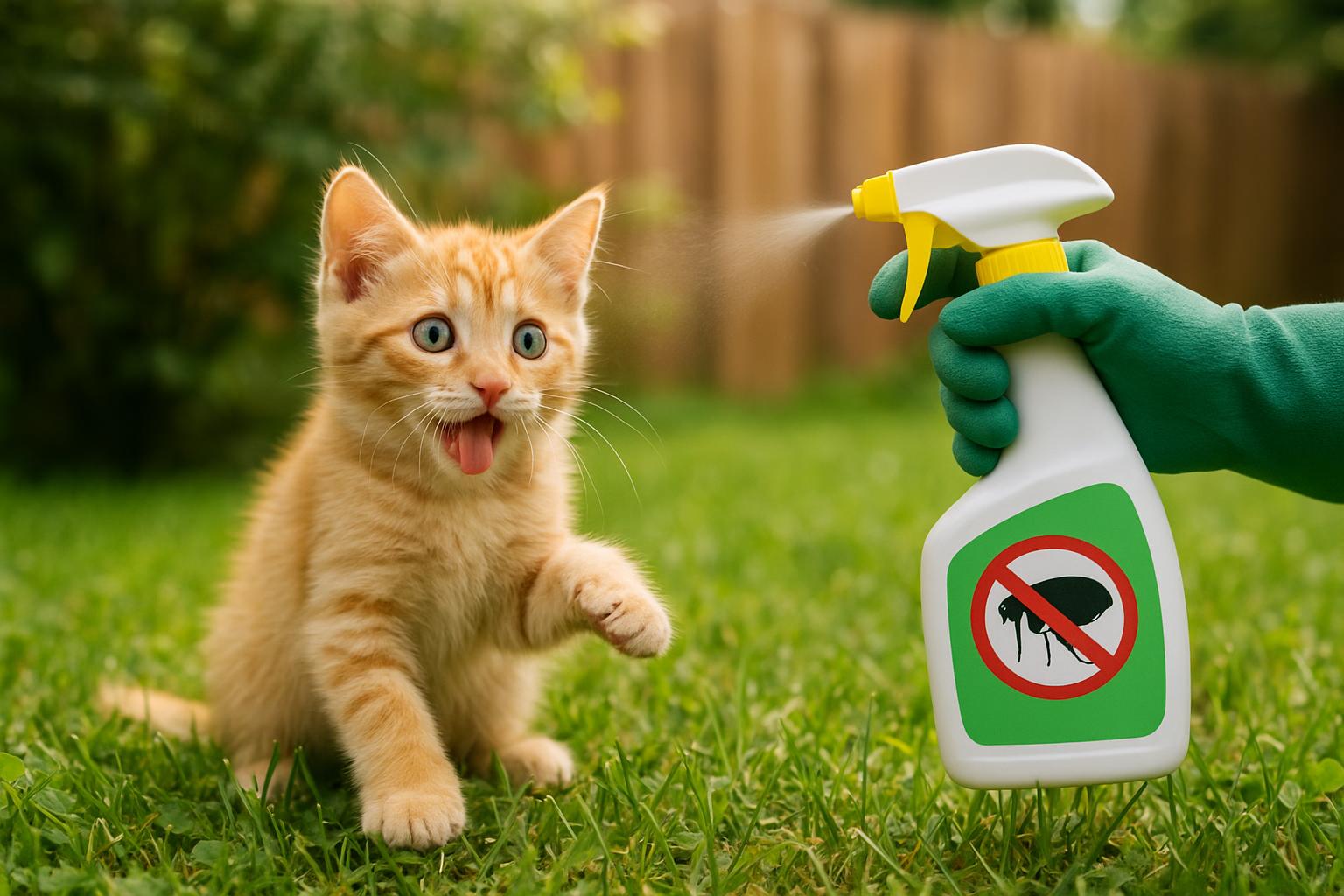
Small habits reduce the chance of future infestations. Wash pet bedding weekly, vacuum at least twice a week during an outbreak, and restrict wildlife access to your yard where possible—wild animals can bring fleas close to home. If your cat goes outdoors, consider a monthly preventive product year-round in regions where fleas are persistent.
### When Prevention Is Best
Perform a cat flea check after outdoor outings or visits to multi-pet homes. Consistent prevention for indoor-outdoor cats is far easier than dealing with a heavy infestation. Keep a small flea comb in your grooming kit—these little tools are surprisingly satisfying when they work.
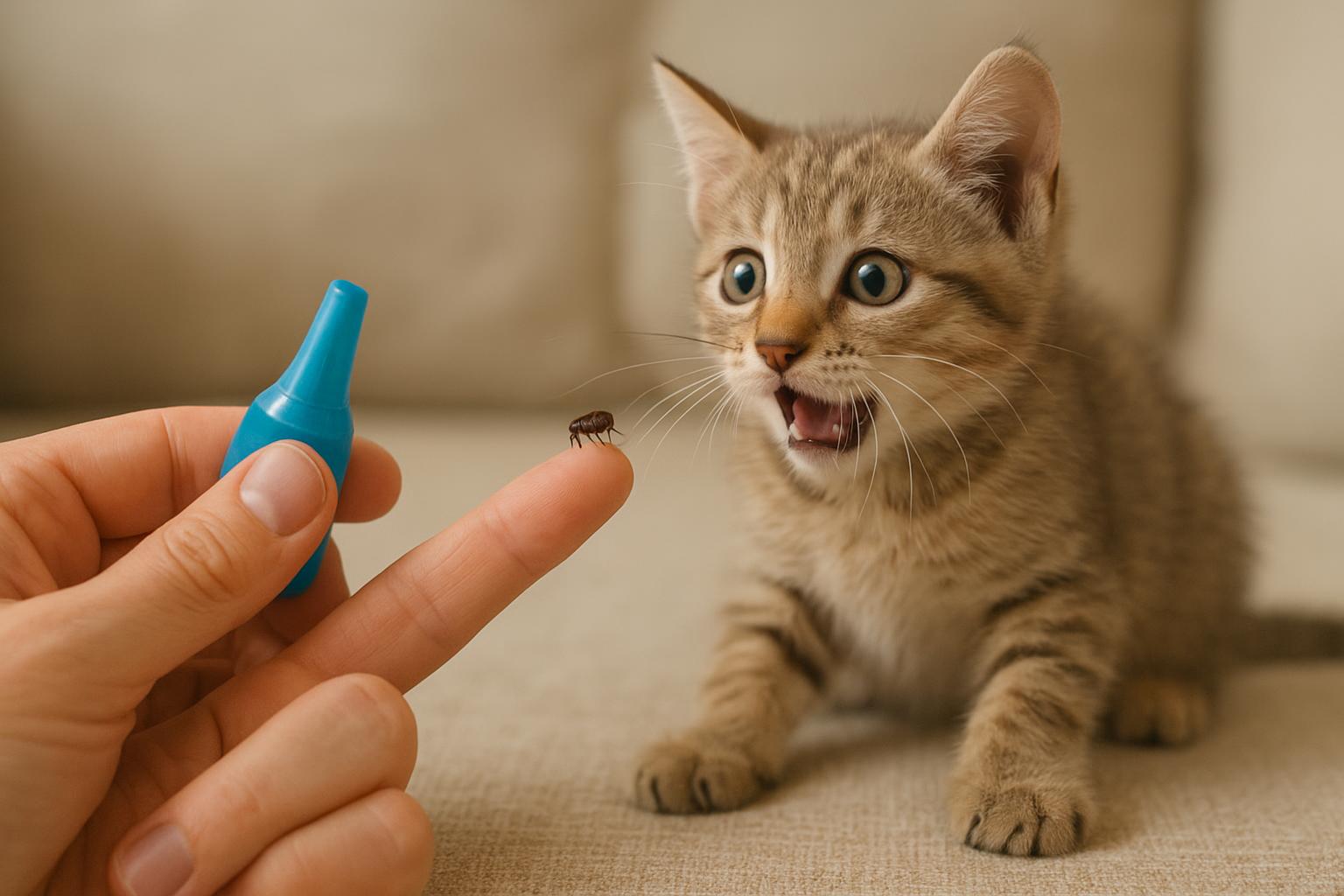
If the idea of hunting microscopic pests makes you giggle nervously, remember: a thorough cat flea check and prompt action are the most effective ways to keep your cat comfortable and your home itch-free.









Leave a Reply