
Understanding how parasites travel from one environment to another makes prevention practical and effective. This article maps the most common pathways of flea movement, identifies high-risk zones, and offers formal, evidence-informed remedies to minimize flea entry from yard to home.
## Flea Entry From Yard To Home: Pathways And Prevention
### How Fleas Move Between Outdoors And Indoors
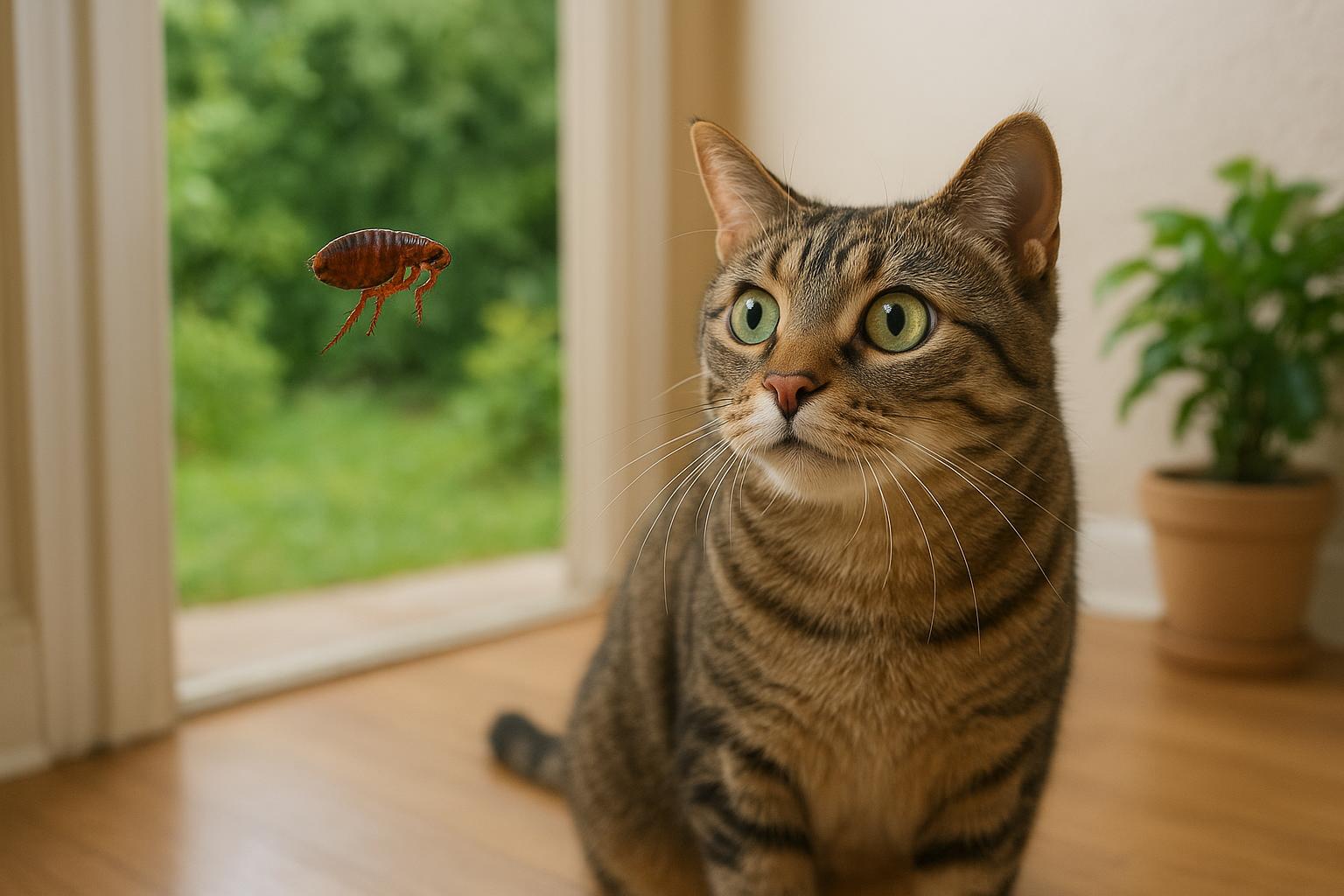
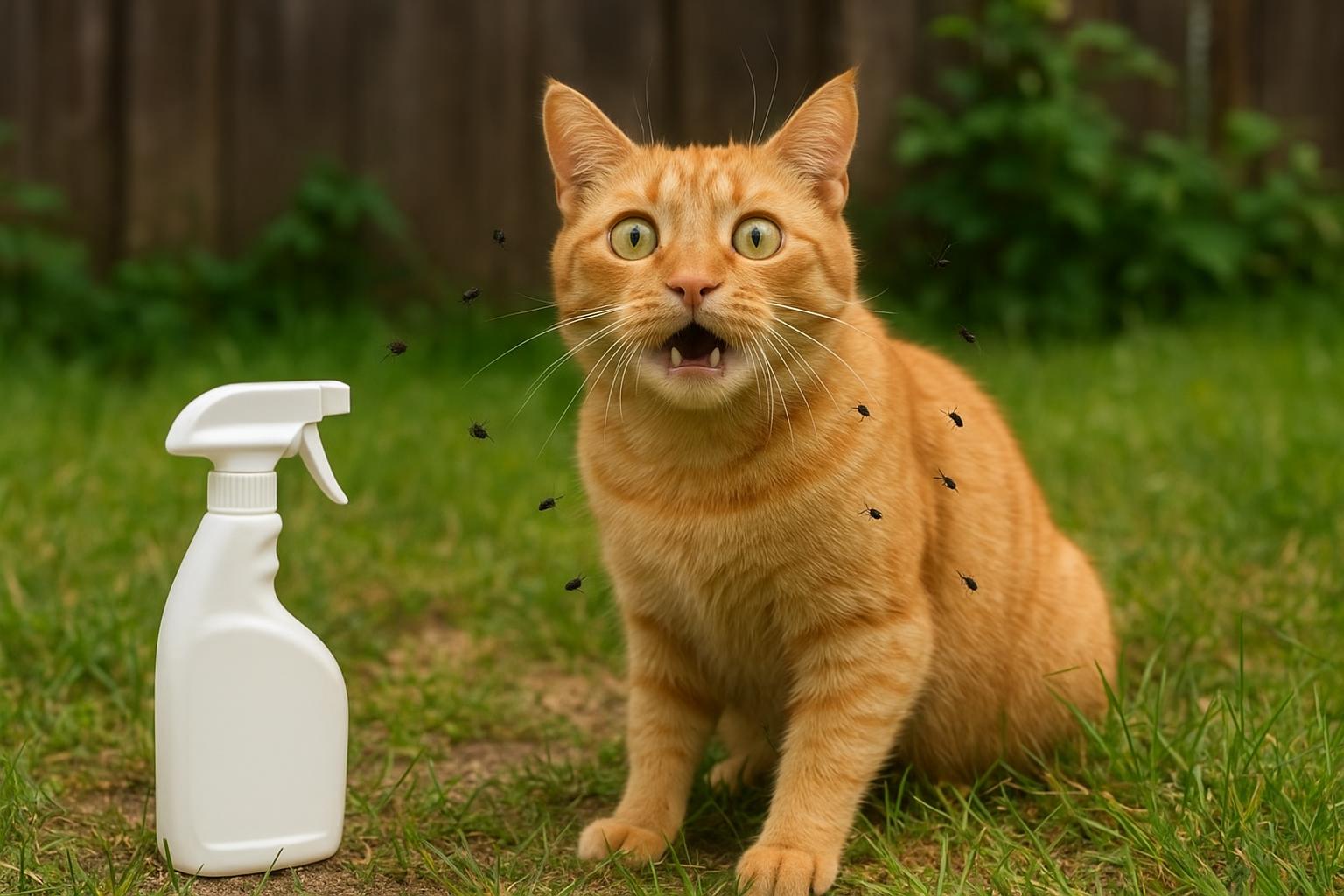
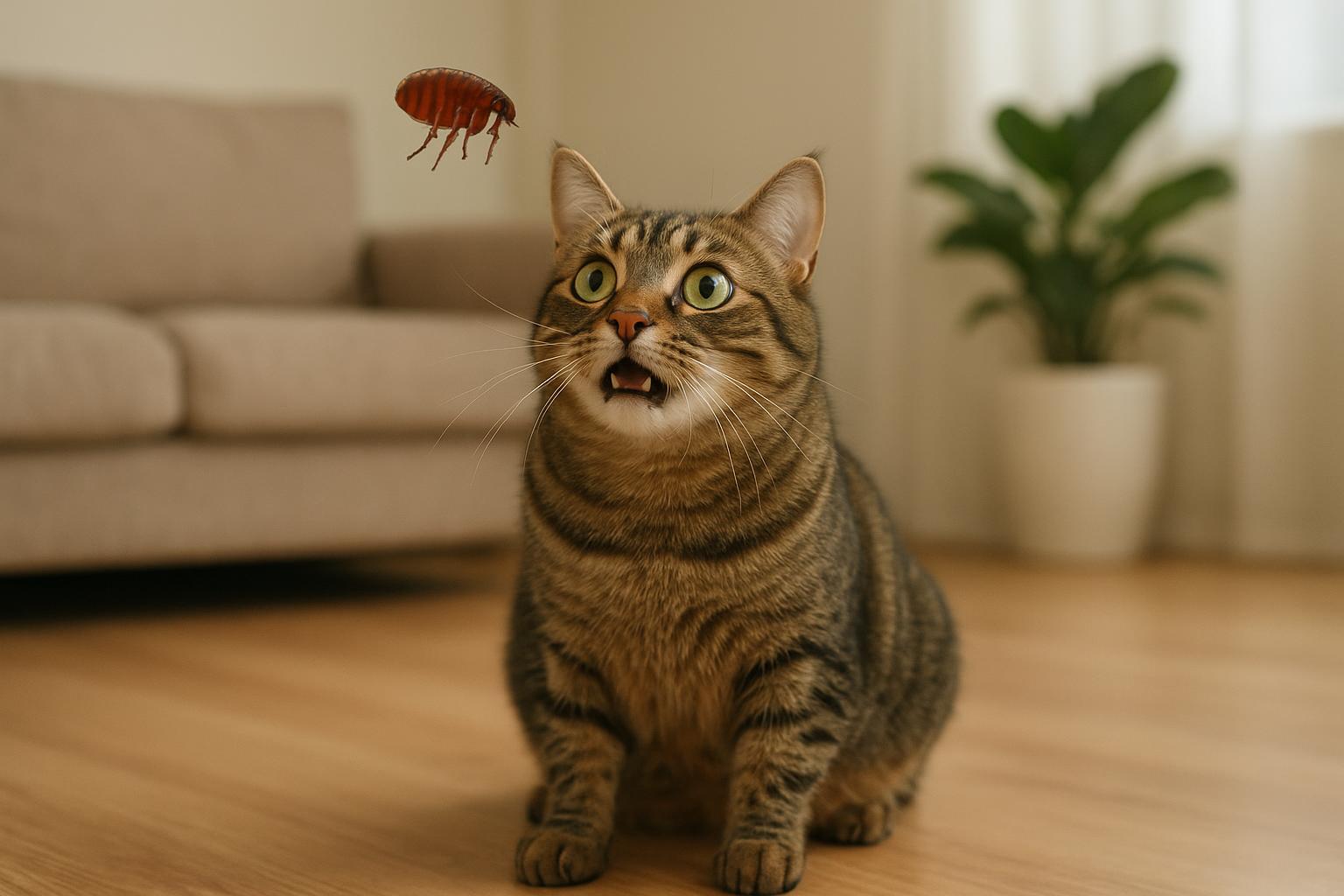
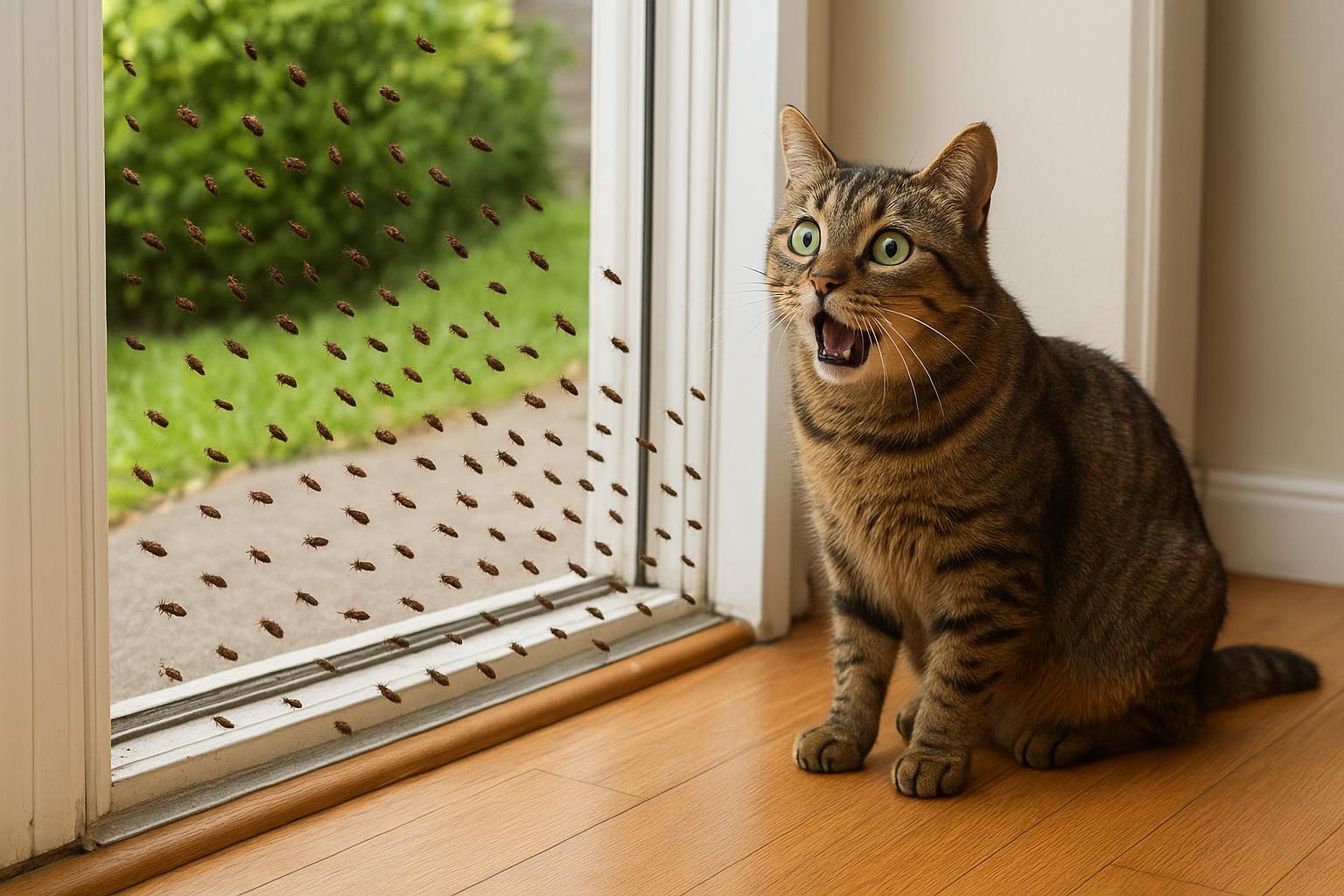
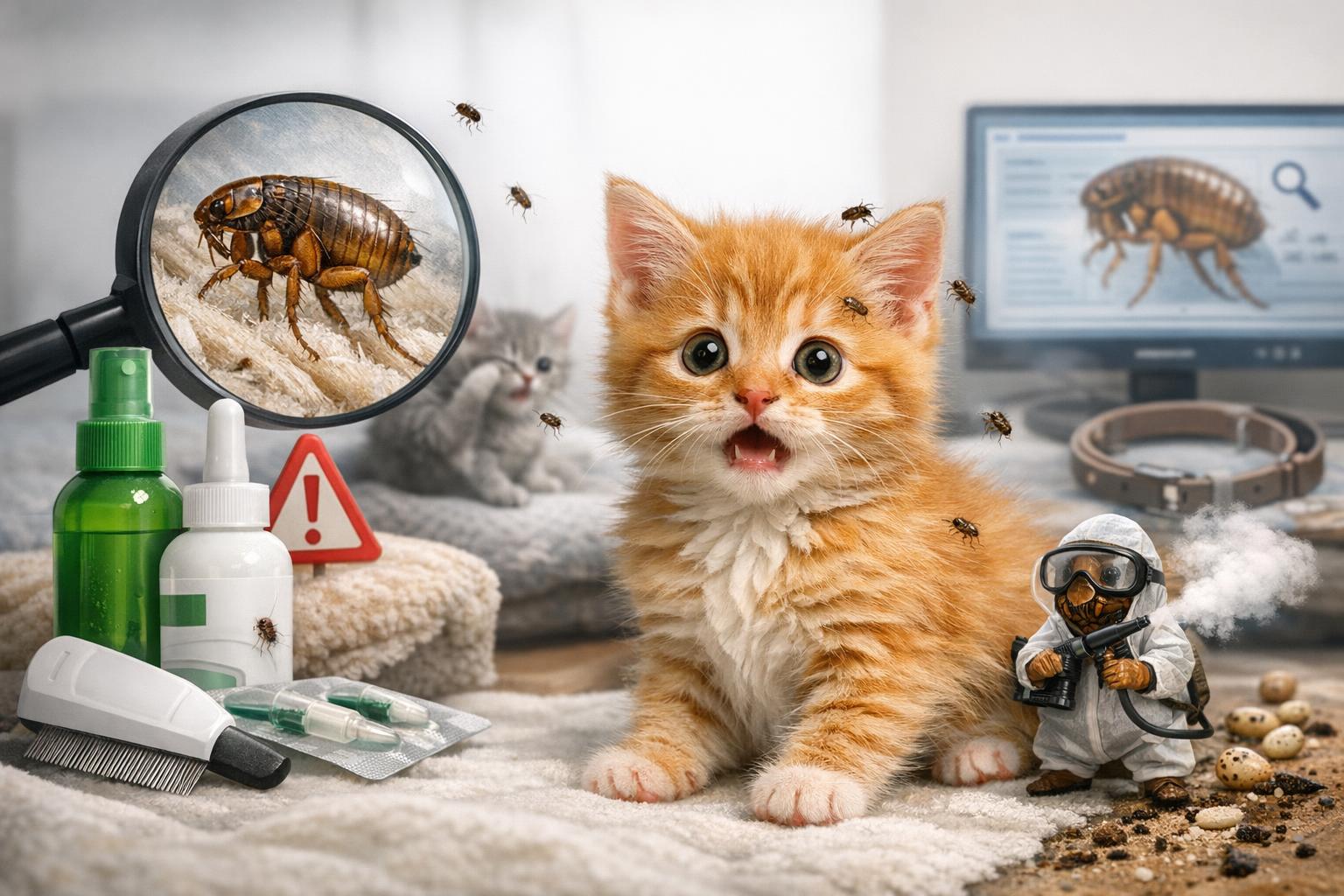
Fleas are small, wingless parasites that specialize in riding hosts rather than traveling long distances on their own. The primary mechanism of flea entry from yard to home is host-mediated transport: dogs, cats, wildlife, and even people can pick up adult fleas or carry infected bedding and then bring them inside. Larvae and pupae can also be transferred in soil, plant debris, and on animal fur or clothing, creating delayed infestations once conditions indoors become favorable.
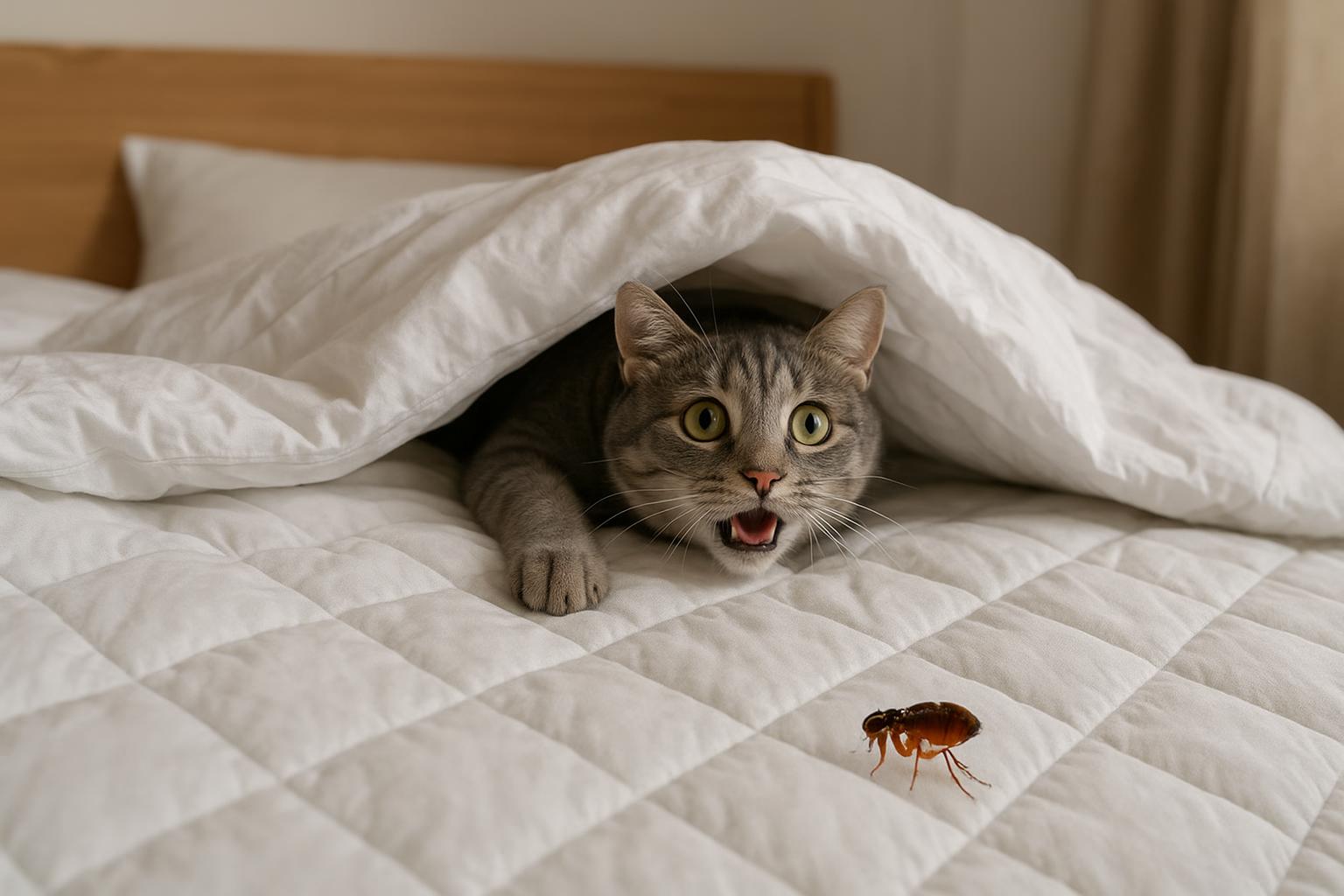
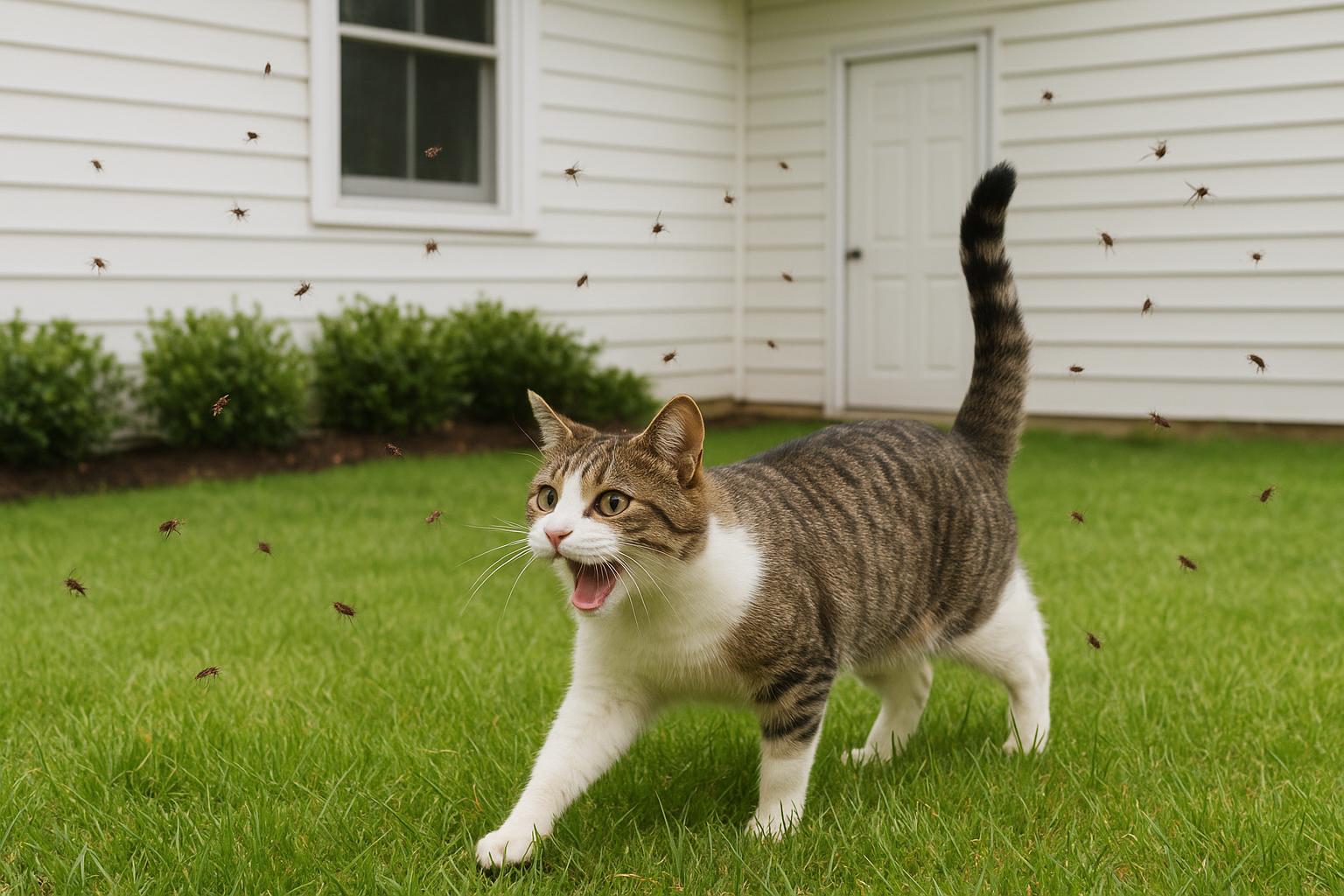
Flea populations in the yard often go unnoticed because only about 5% of a flea population are visible, blood-feeding adults; the remaining 95% are eggs, larvae and pupae in the environment. When pets move between yard and house, they provide a direct corridor that enables flea entry from yard to home and starts the indoor life-cycle.
### Common Entry Routes For Yard Fleas
– Pets: Unrestricted outdoor pets are the most common carriers. A single adult female can produce dozens of eggs after one blood meal.
– Wildlife: Raccoons, opossums, feral cats, and rodents frequent yards and can introduce fleas into landscaping near foundations, garage areas, and under porches.
– Humans And Items: People can unwittingly transfer pupae or eggs on clothing, shoes, or gardening equipment. Outdoor cushions, pet beds, and potted plant soil can harbor immature stages.
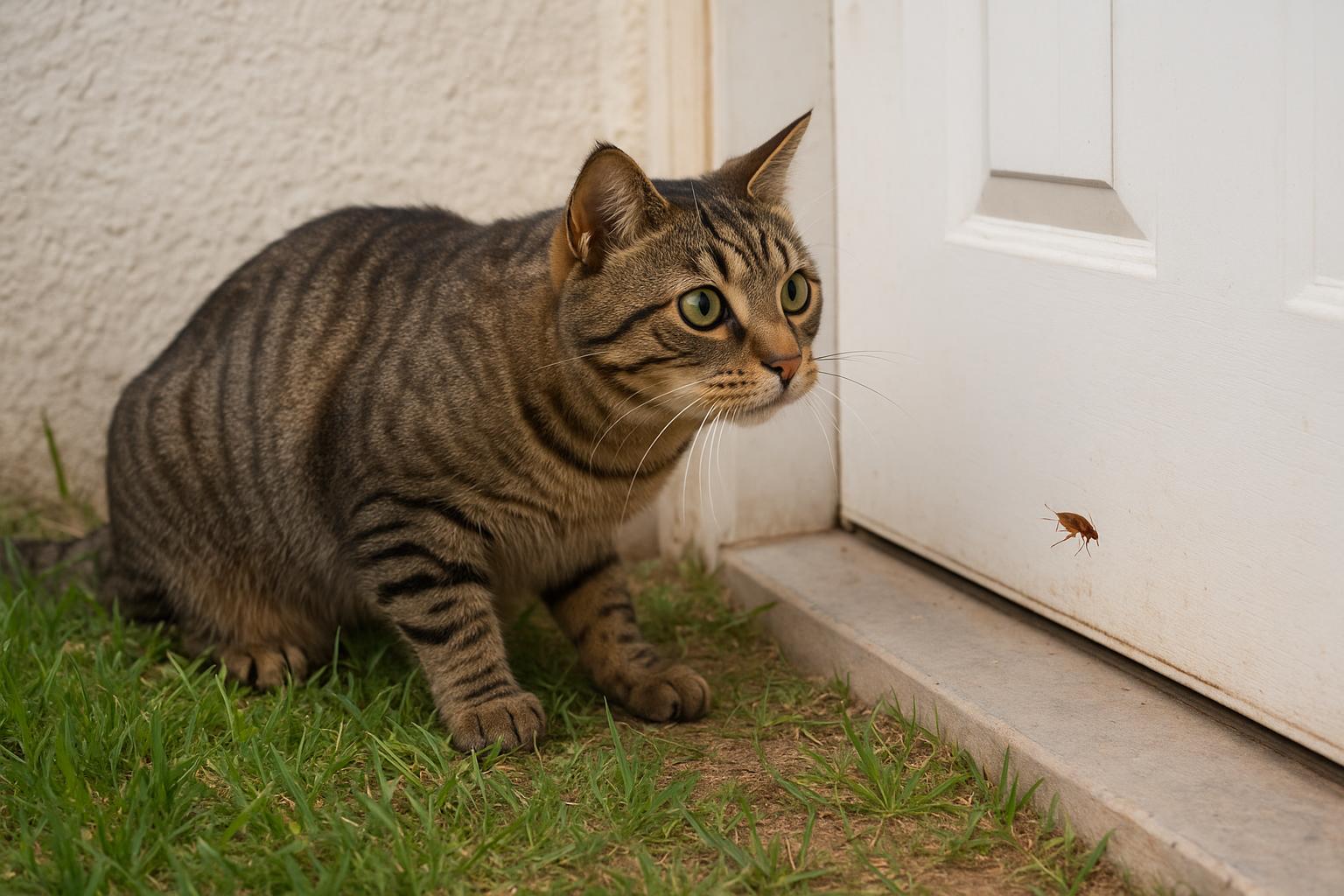
– Structural Openings: Gaps around doors, vents, and pet doors allow wildlife and commuting pests closer to entry points, increasing chances of flea entry from yard to home.
### Risk Factors In The Yard That Increase Flea Exposure
Several yard conditions heighten flea exposure and the likelihood of flea entry from yard to home:
– Tall grass and dense ground cover that maintain humidity and shelter pupae.
– Shaded, moist areas under shrubs, decks, and porches where larvae thrive.
– Areas with frequent wildlife activity including food sources or nesting spots.
– Heavy pet traffic that continually brings fresh hosts into the flea life-cycle.
### Signs Of Yard Flea Infestation And Indoor Alert Signals
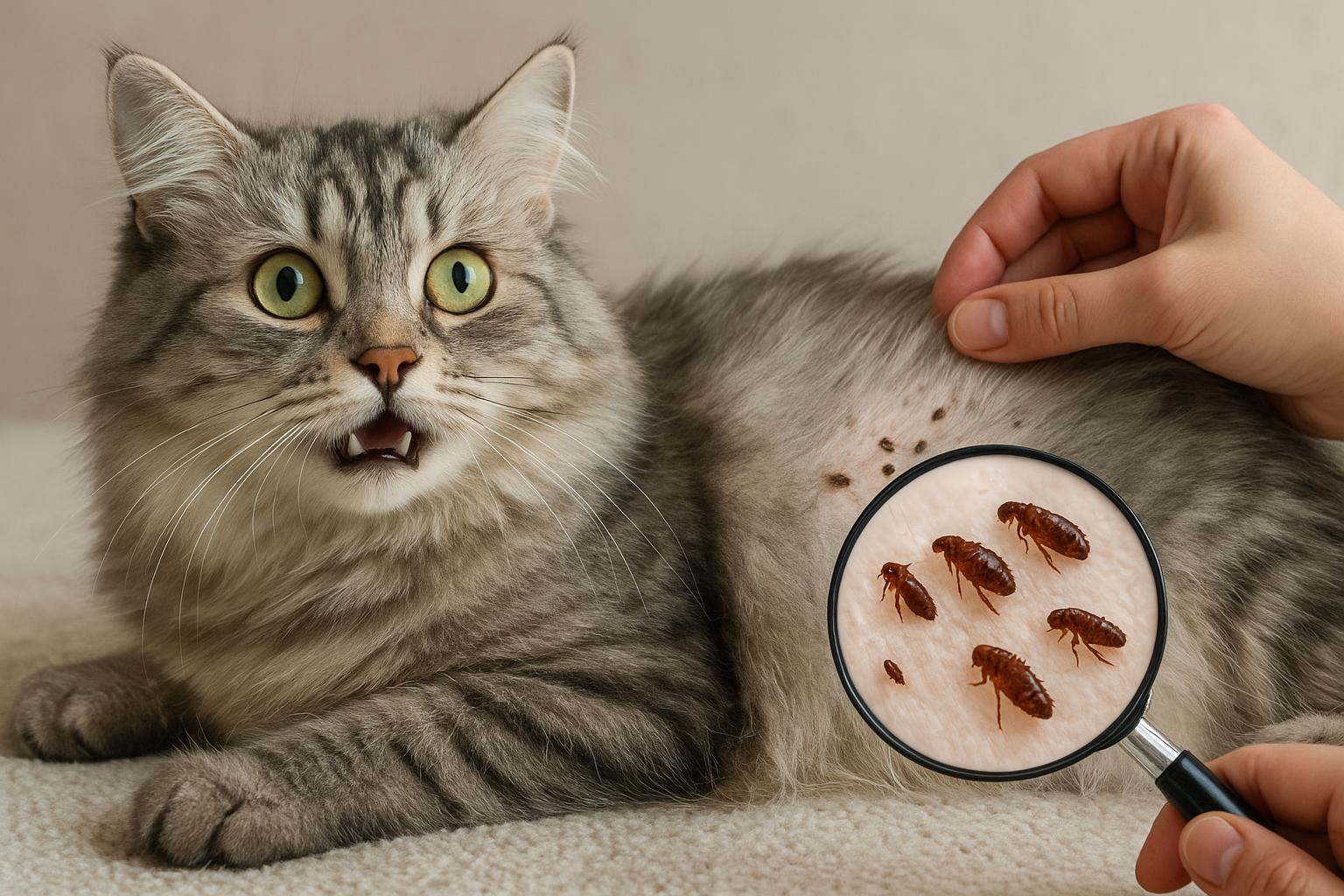
Visible adult fleas on pets or in carpets are an obvious sign, but look for these subtler indicators too:
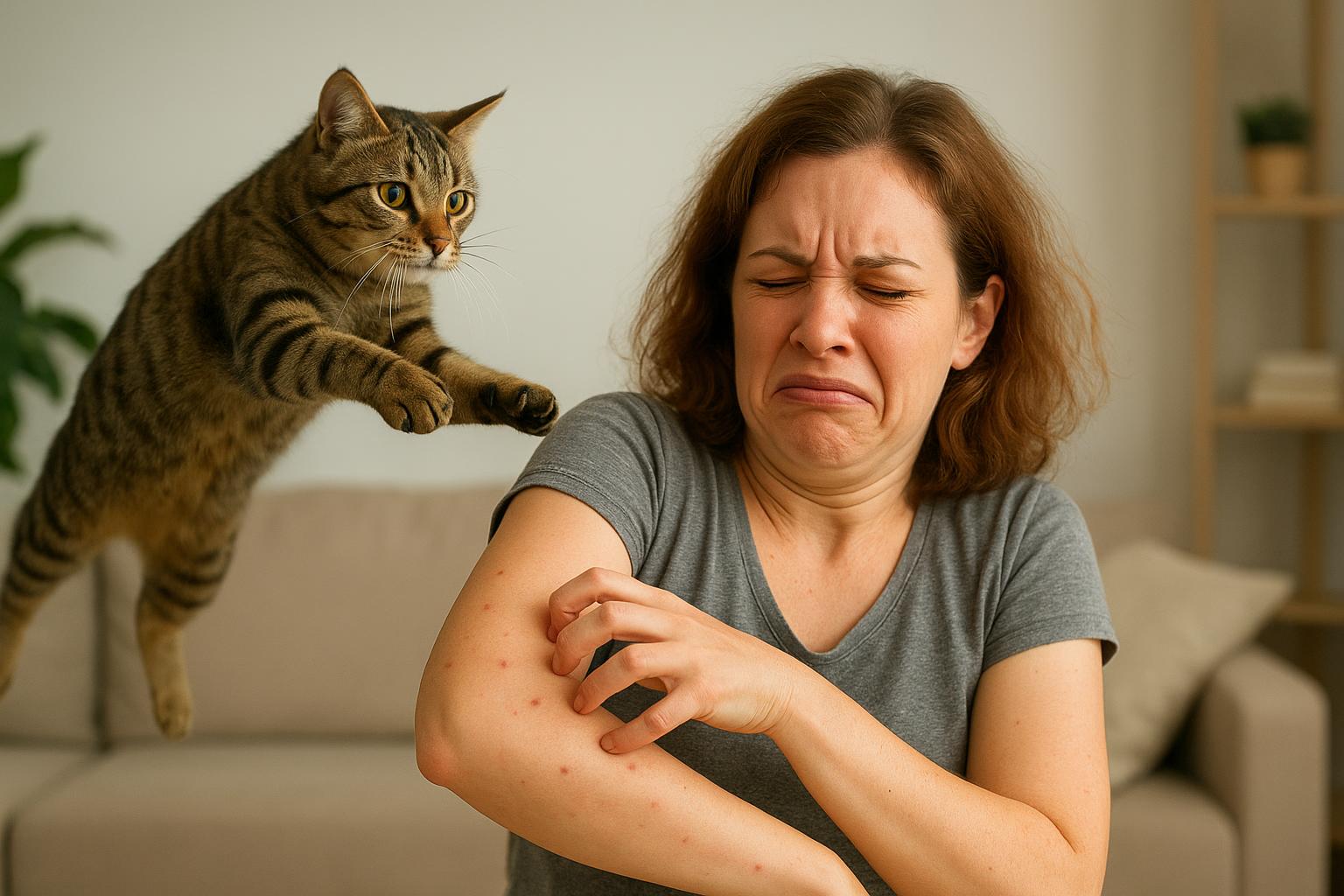
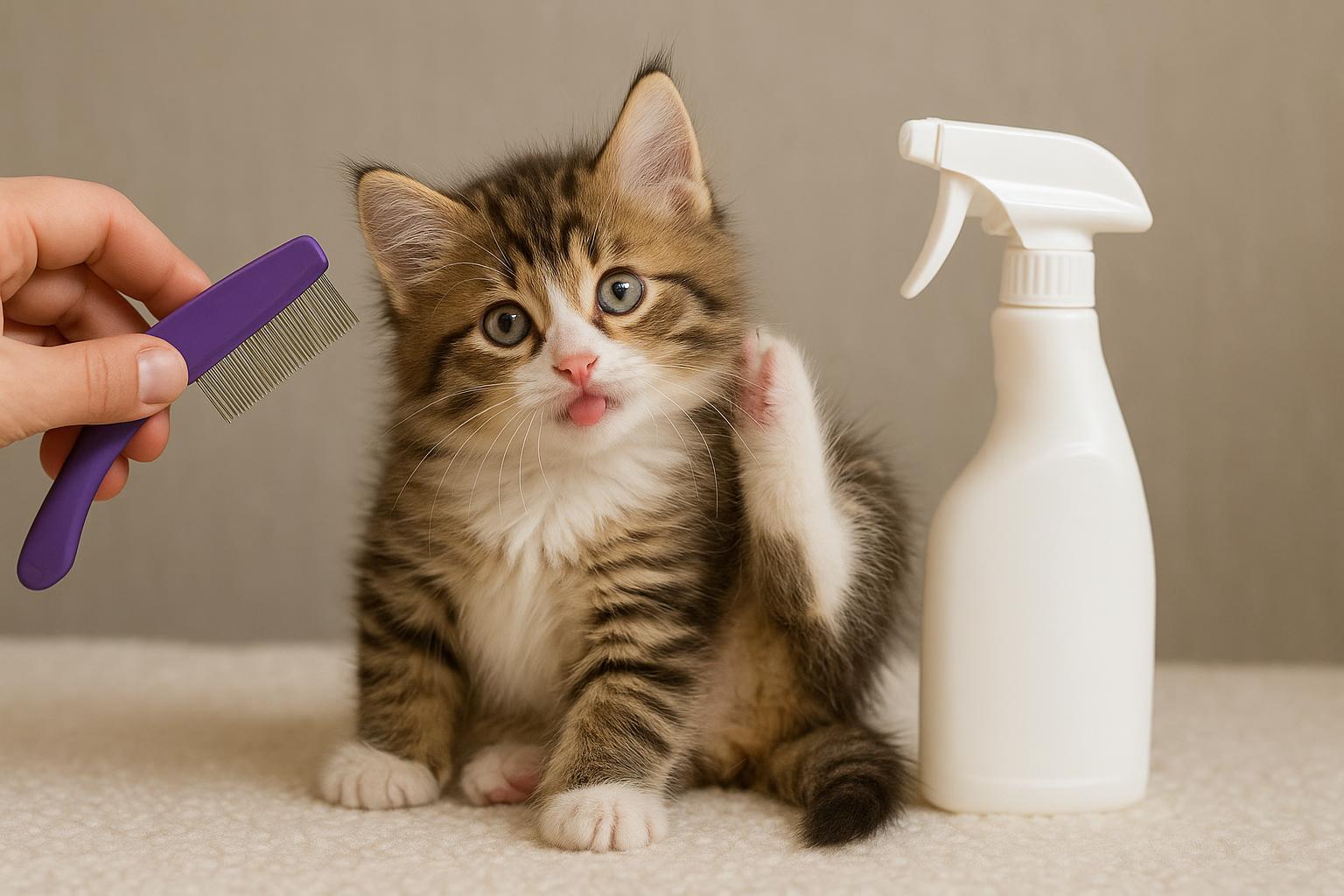
– Persistent scratching, hair loss, or skin irritation on pets.
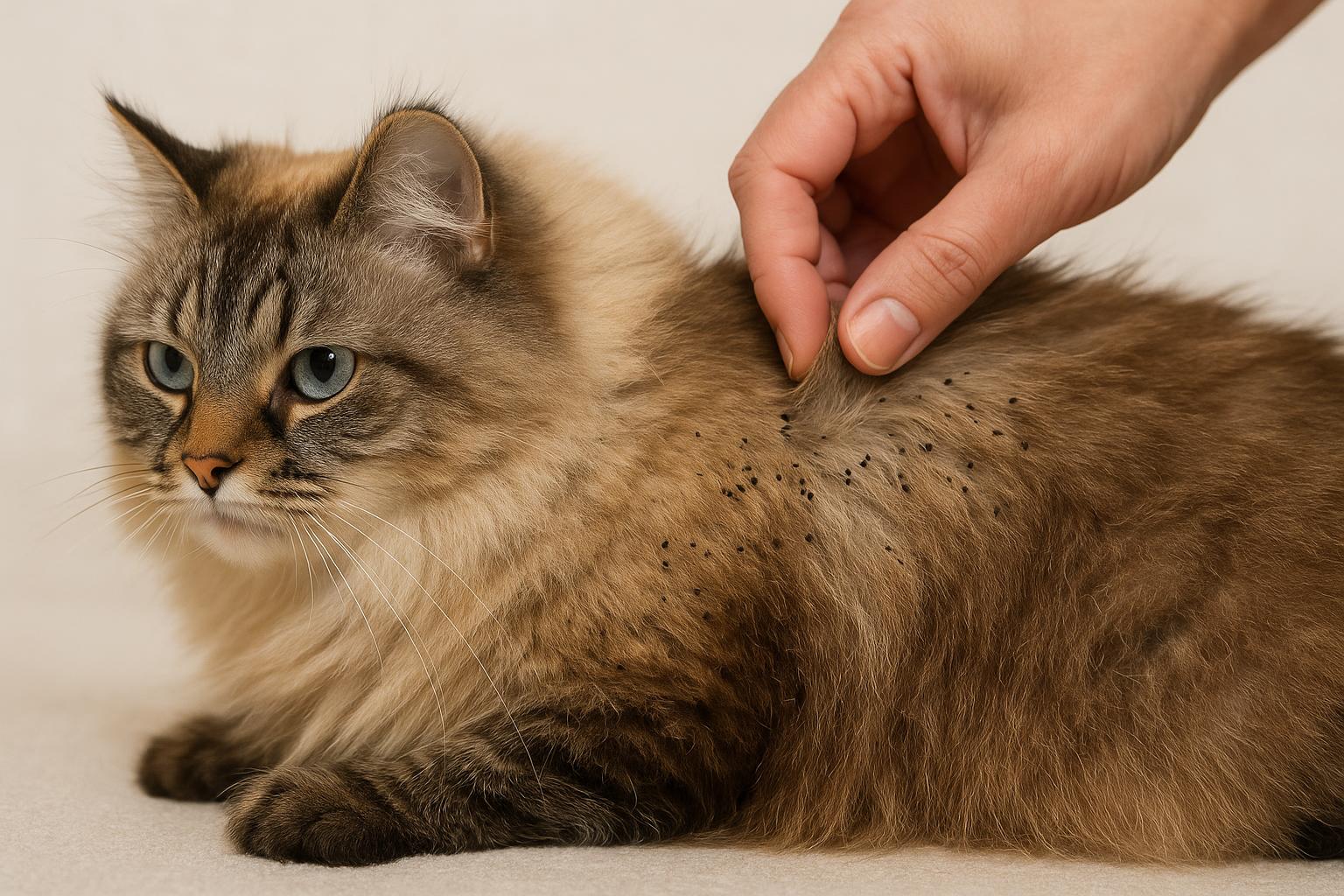
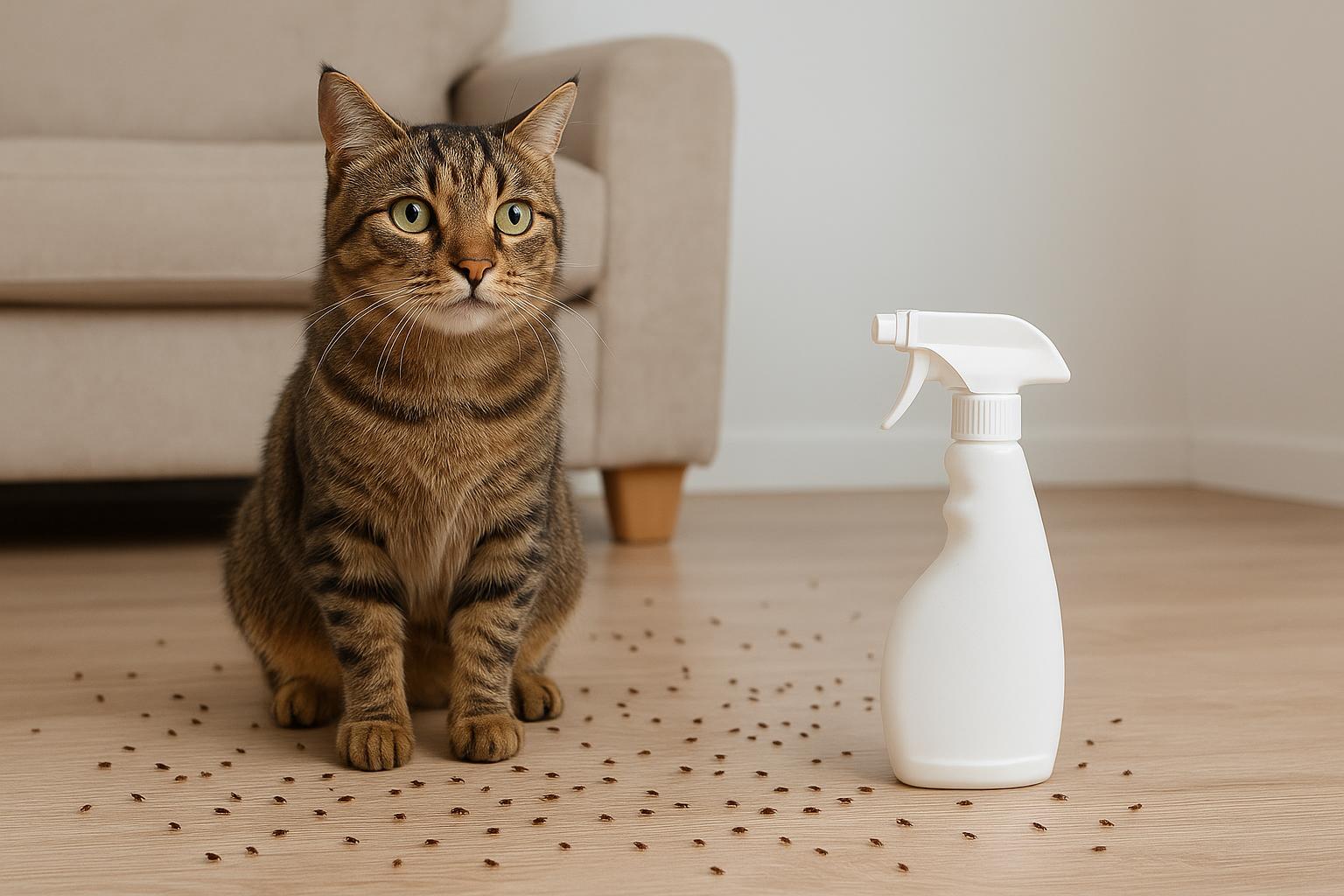
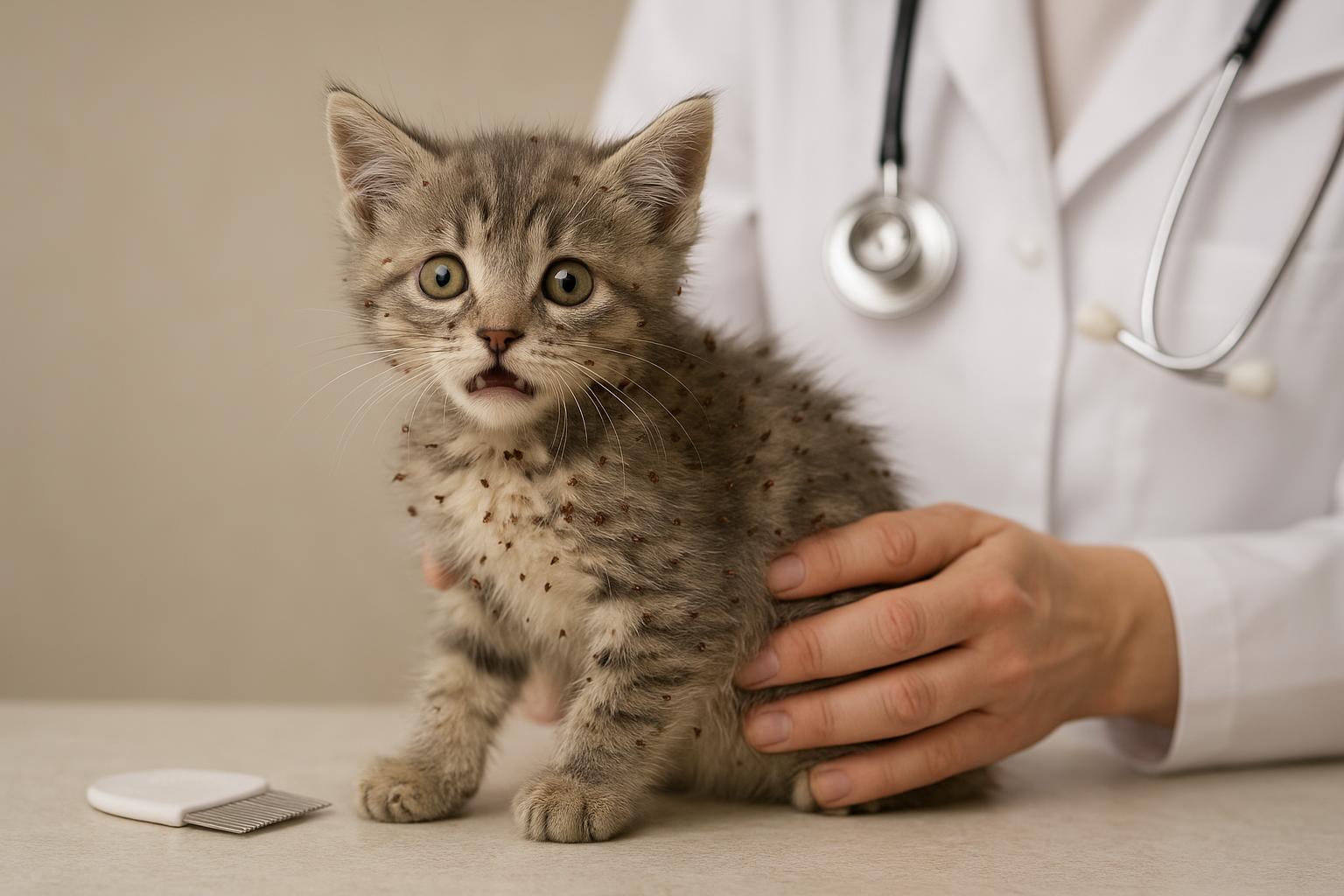
– Flea dirt (small black specks) on pet fur or in bedding; when placed on damp paper it forms a reddish-brown ring.
– Take note of localized hot spots in the yard where animals rest and where adult fleas are more likely to be concentrated.
Recognizing these signals early reduces the chance of a small yard problem turning into a large indoor infestation due to flea entry from yard to home.
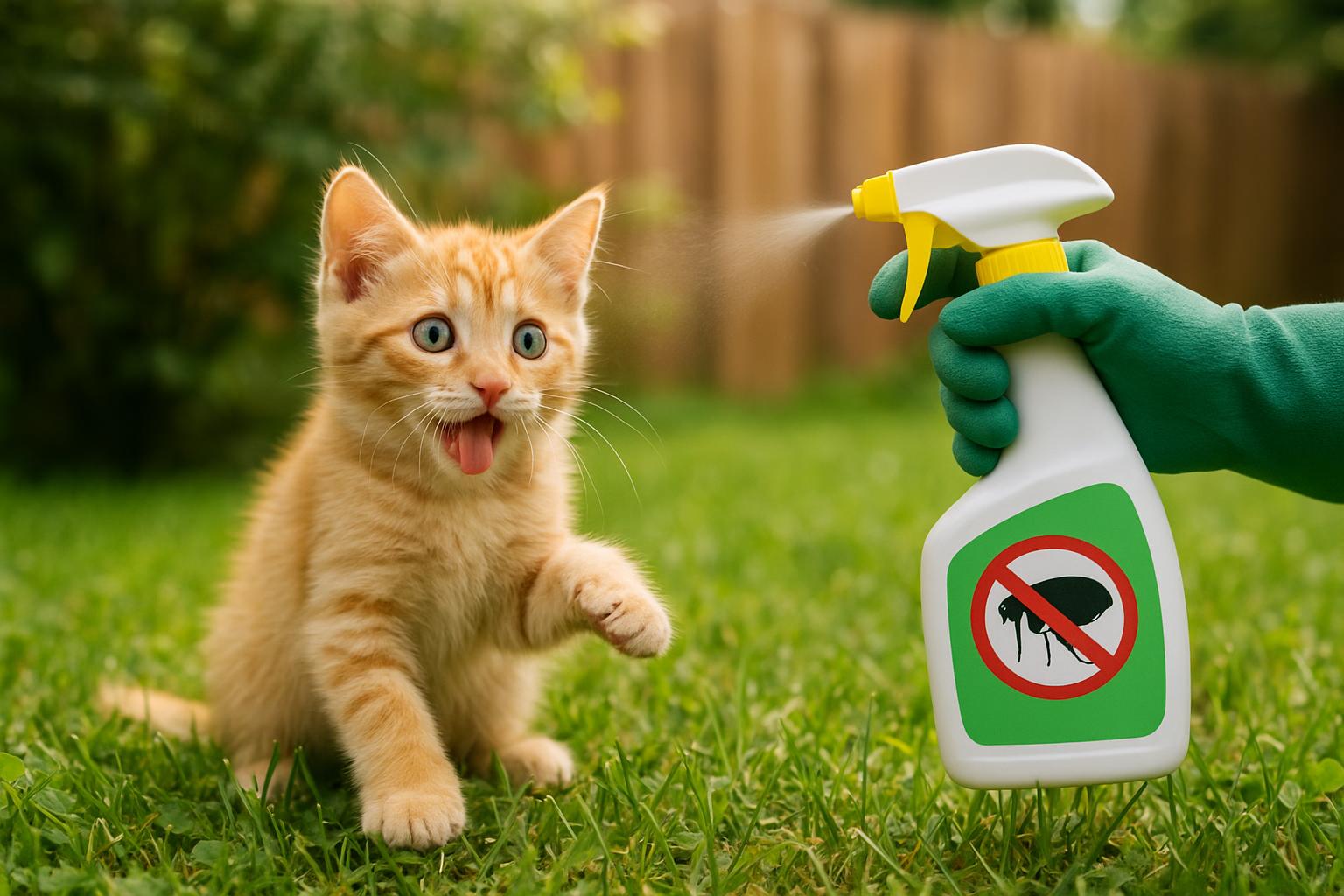
## Remedy 1: Natural Yard Treatment To Reduce Yard Fleas
### Materials And Ingredients
– Diatomaceous earth (food grade) — 4–6 cups per 500 sq ft for targeted areas
– Nematodes (Steinernema carpocapsae or Heterorhabditis bacteriophora) — as directed on package
– Landscape rake and leaf blower
– Gardening gloves and a dust mask
– Broom and outdoor hose
### Step-By-Step Application (Formal Instructions)
1. Inspect: Walk the yard at dawn or dusk to identify warm, shaded spots and common animal resting sites. Mark these zones for treatment.
2. Clean Up: Remove piles of debris, dog waste, and stacked wood. Rake leaf litter and thin dense ground cover to reduce humidity. Disposal reduces sheltered sites for pupae.
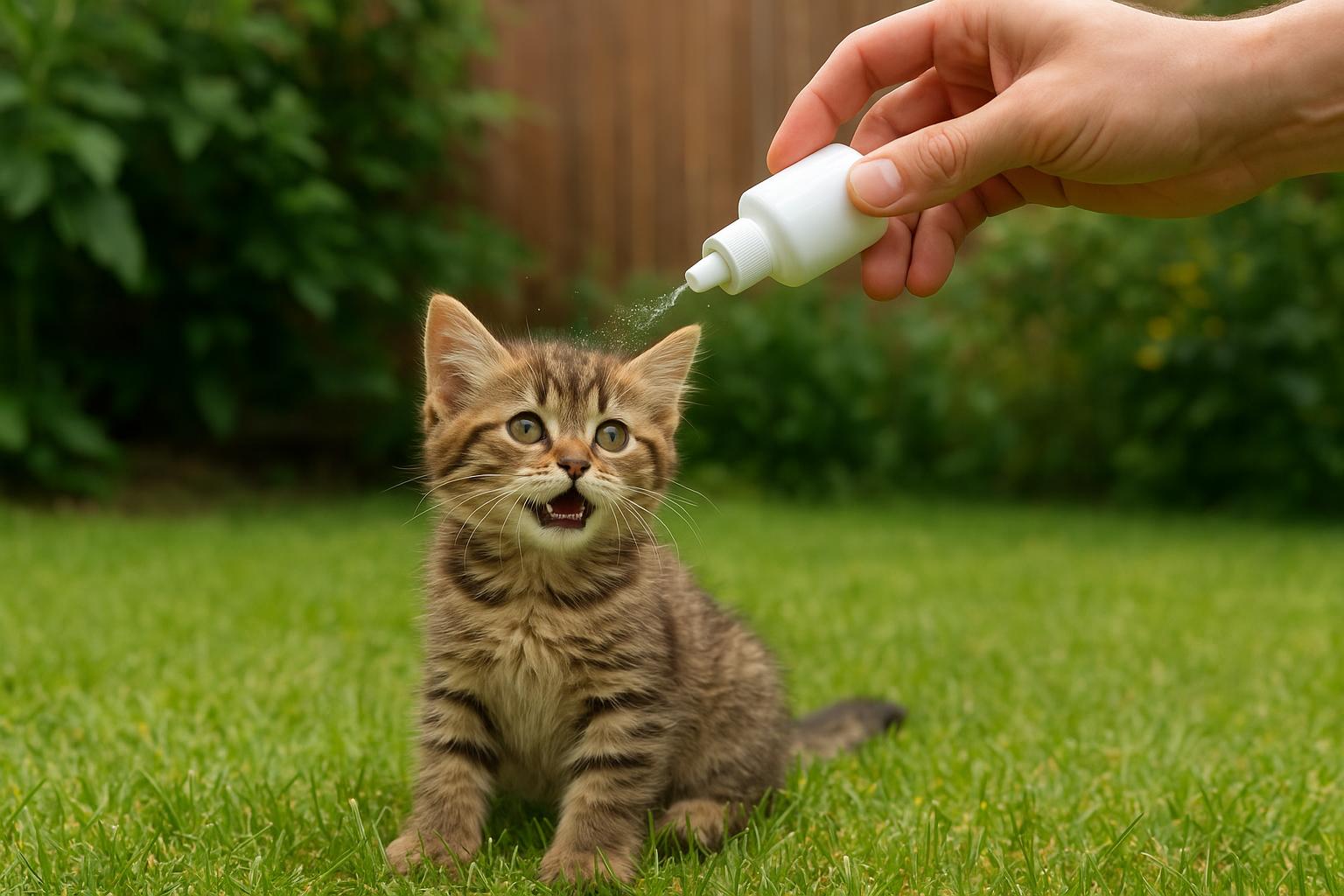
3. Apply Diatomaceous Earth: Wearing gloves and a dust mask, lightly dust diatomaceous earth into shaded, dry areas and along fence lines. Focus on cracks, under porches, and the edges of lawns where yard fleas concentrate. Do not apply wet; DE is ineffective when damp.
4. Introduce Beneficial Nematodes: After evening watering, release nematodes per the manufacturer’s directions into moist soil areas. Nematodes actively seek insect larvae and can reduce soil-dwelling flea stages without harmful chemicals.
5. Maintain: Repeat DE application after rain and reapply nematodes as recommended (usually annually or biannually). Keep grass short, prune low-hanging branches, and remove rodent harborage to prevent re-establishment.
6. Monitor: Re-inspect weekly for signs of fleas on pets and in the yard. Continue non-chemical methods until flea pressure declines.
These measures reduce the environmental reservoir that leads to flea entry from yard to home, and they are compatible with most integrated pest management approaches for pet-friendly households.
## Remedy 2: Indoor Cleaning And Pet Treatment To Prevent Flea Exposure
### Required Materials And Ingredients
– Vacuum cleaner with a HEPA filter
– Hot-water washing capability for textiles
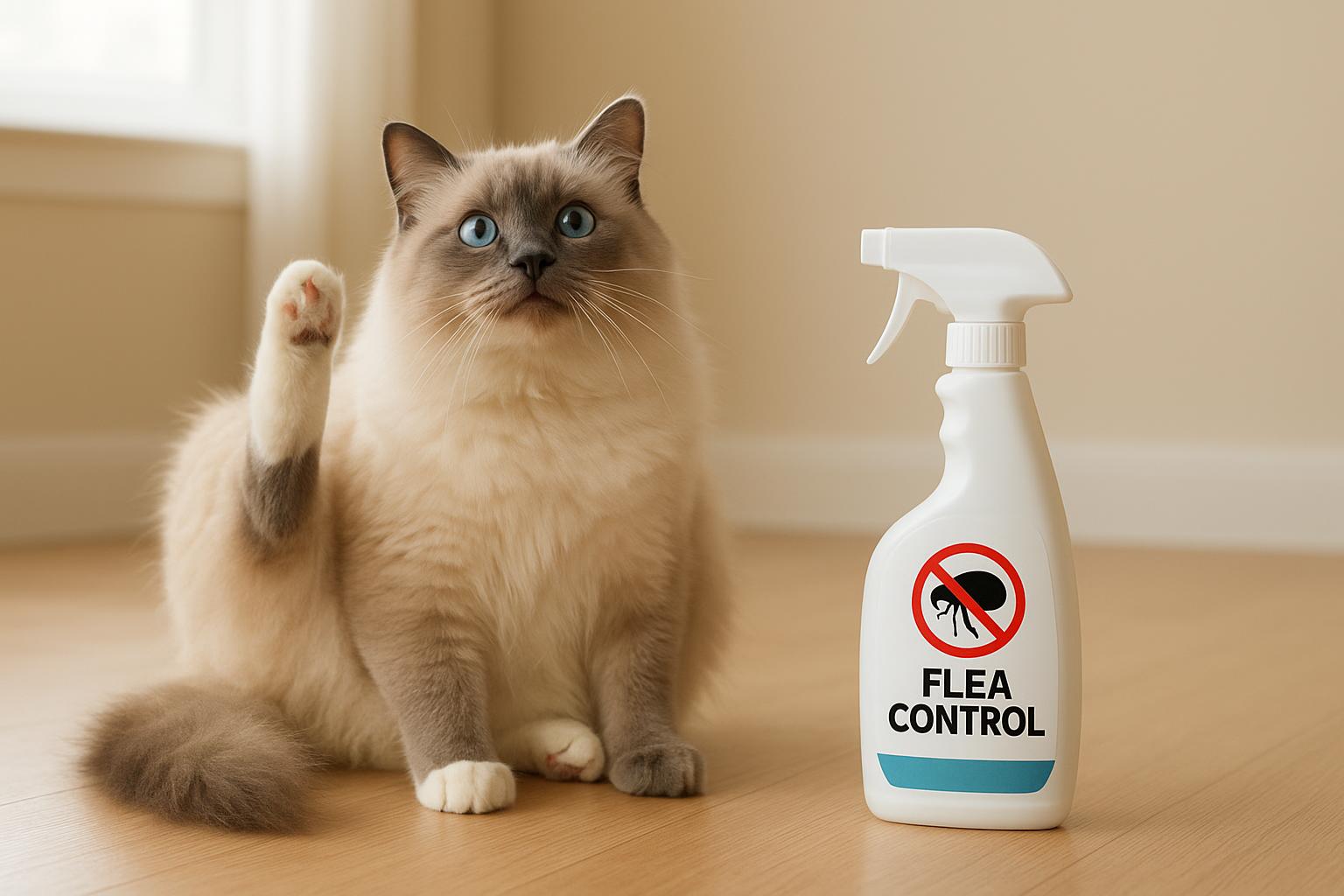
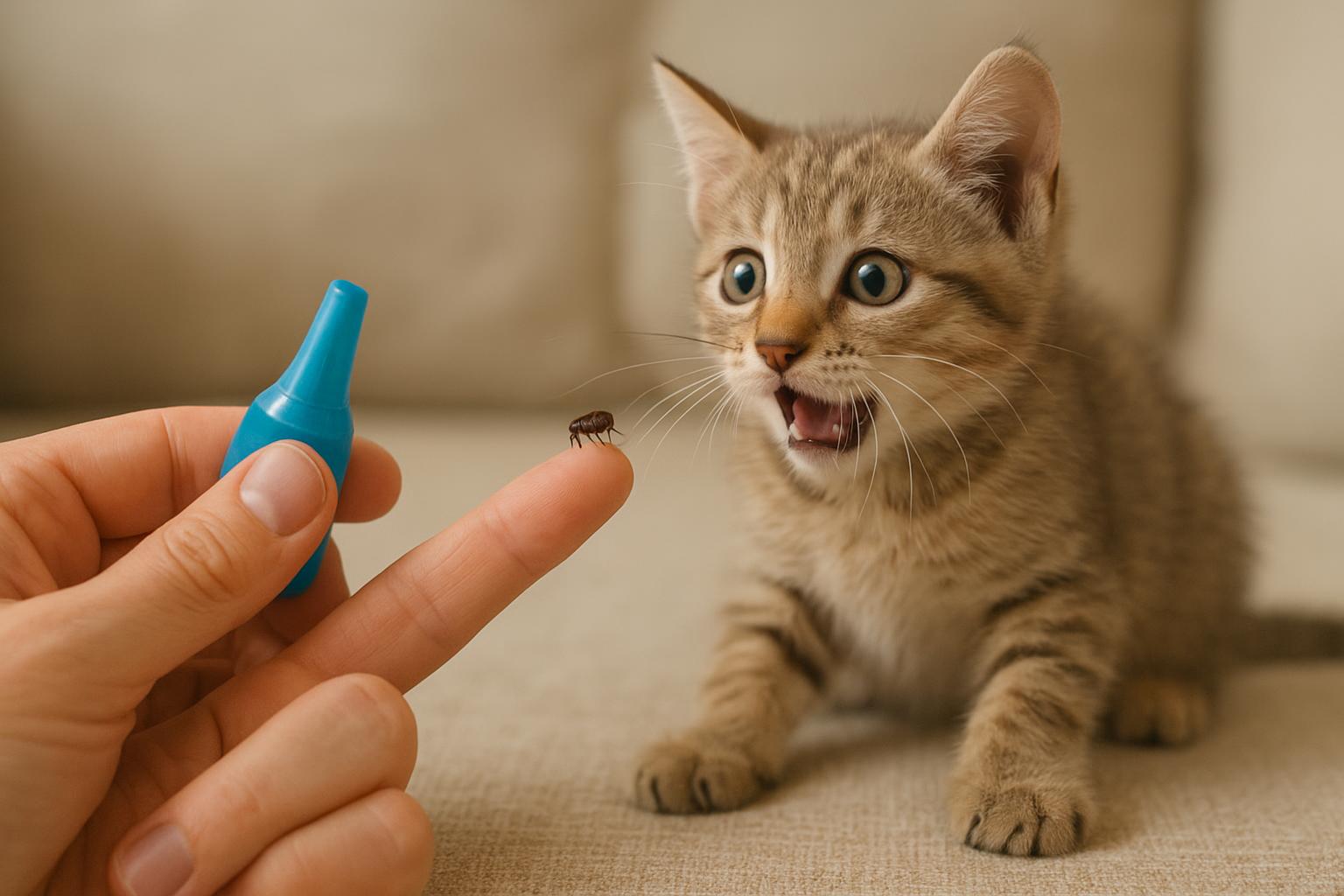
– Pet-safe topical or oral flea control recommended by a veterinarian
– Enzymatic cleaner for pet bedding and upholstery
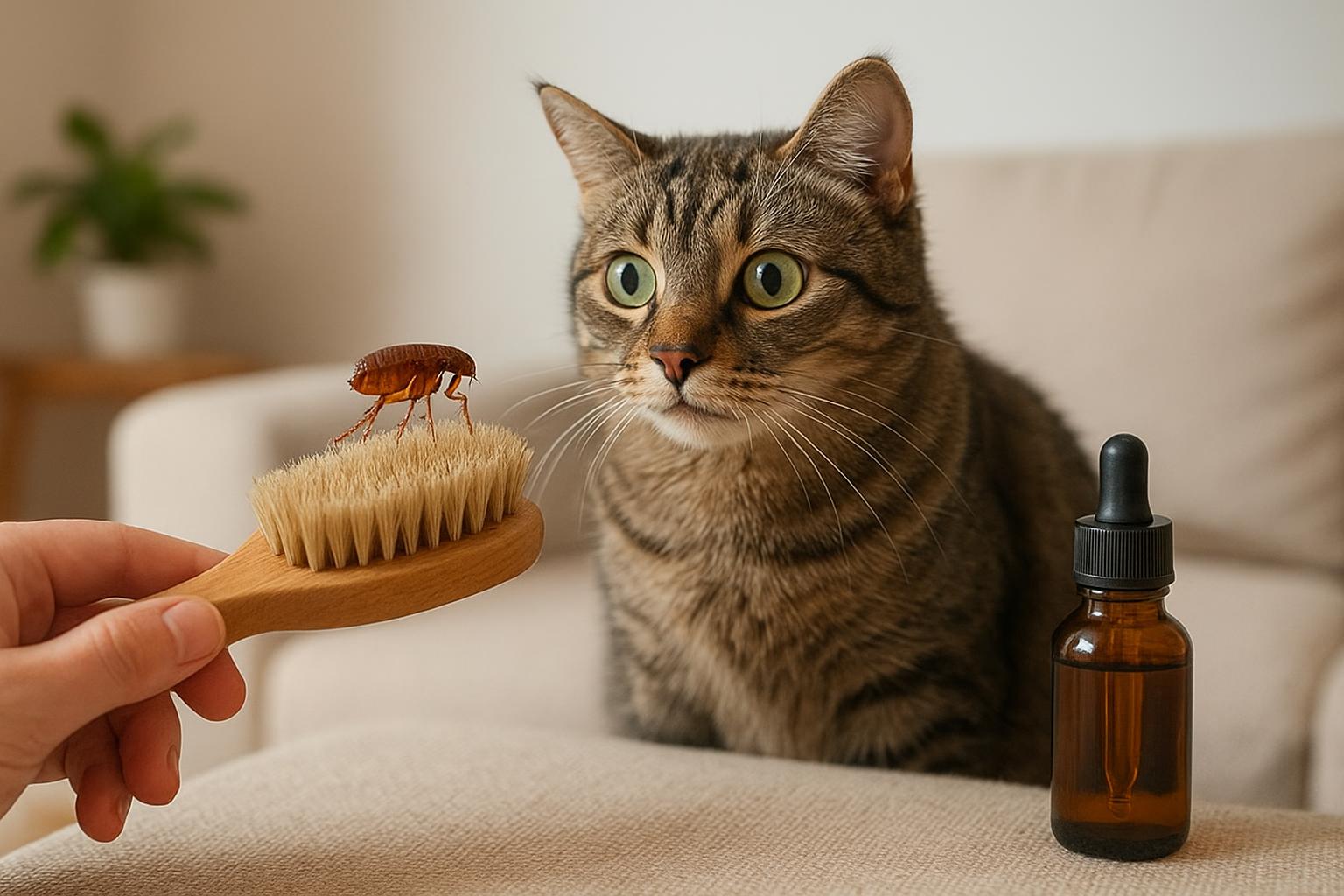
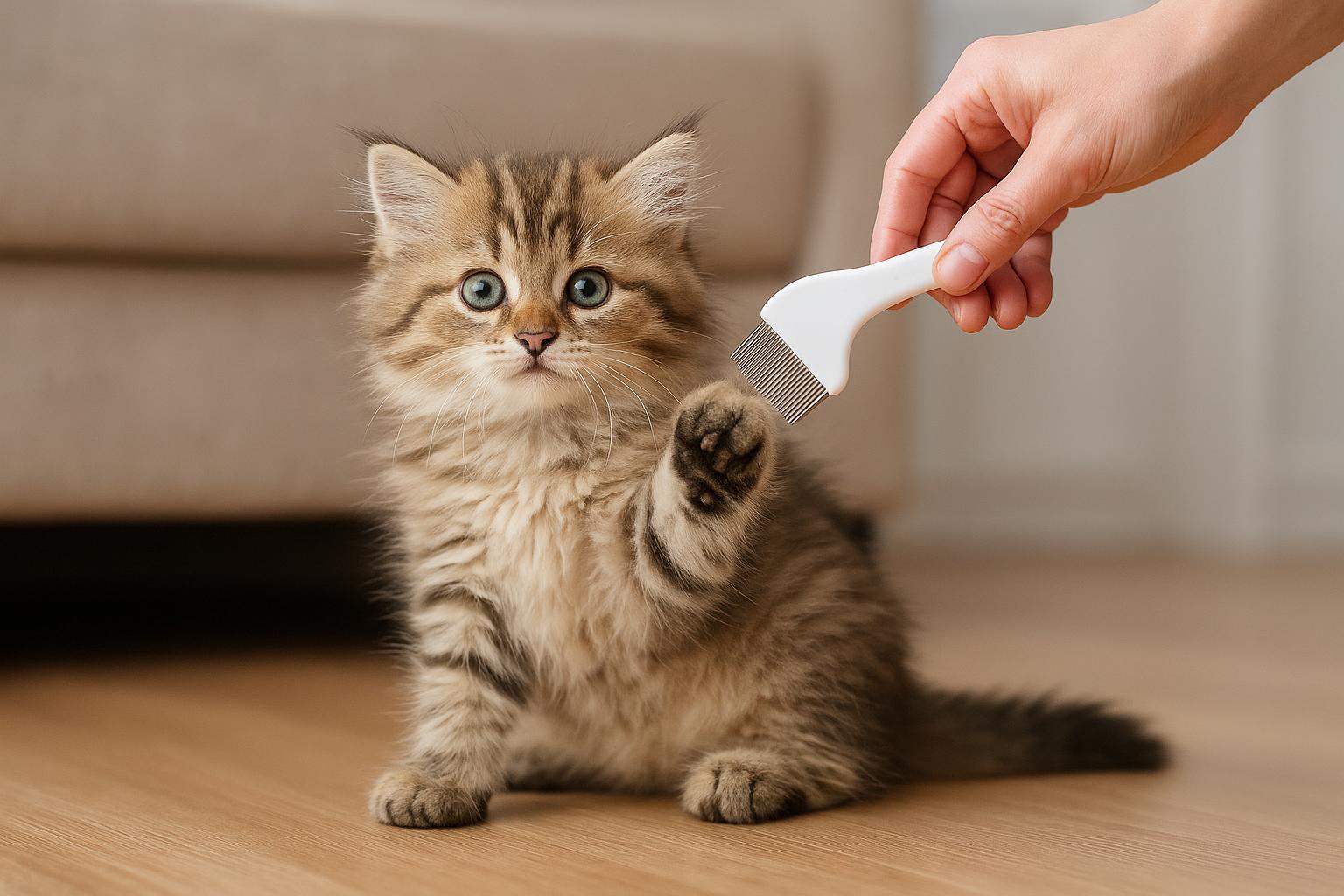
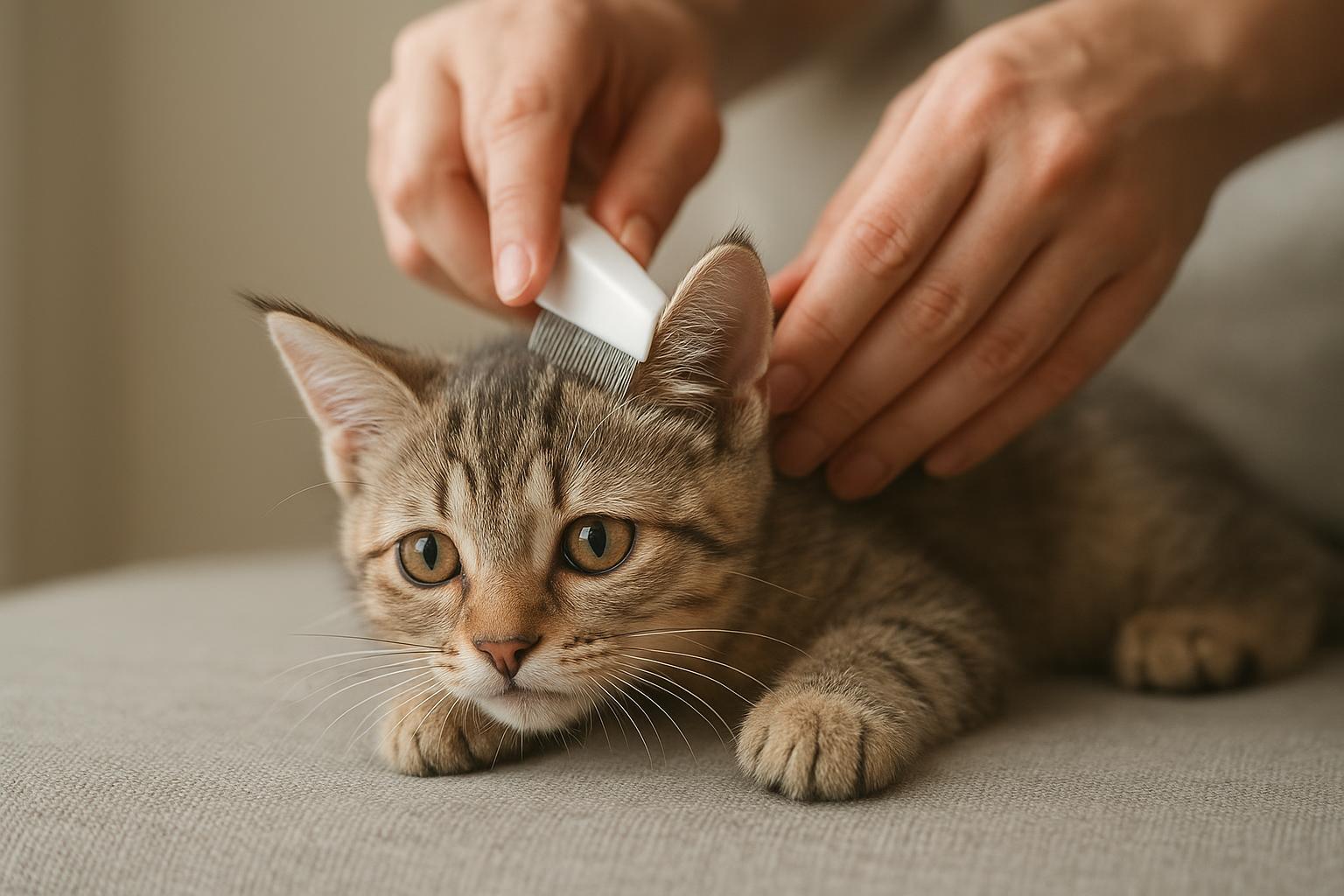
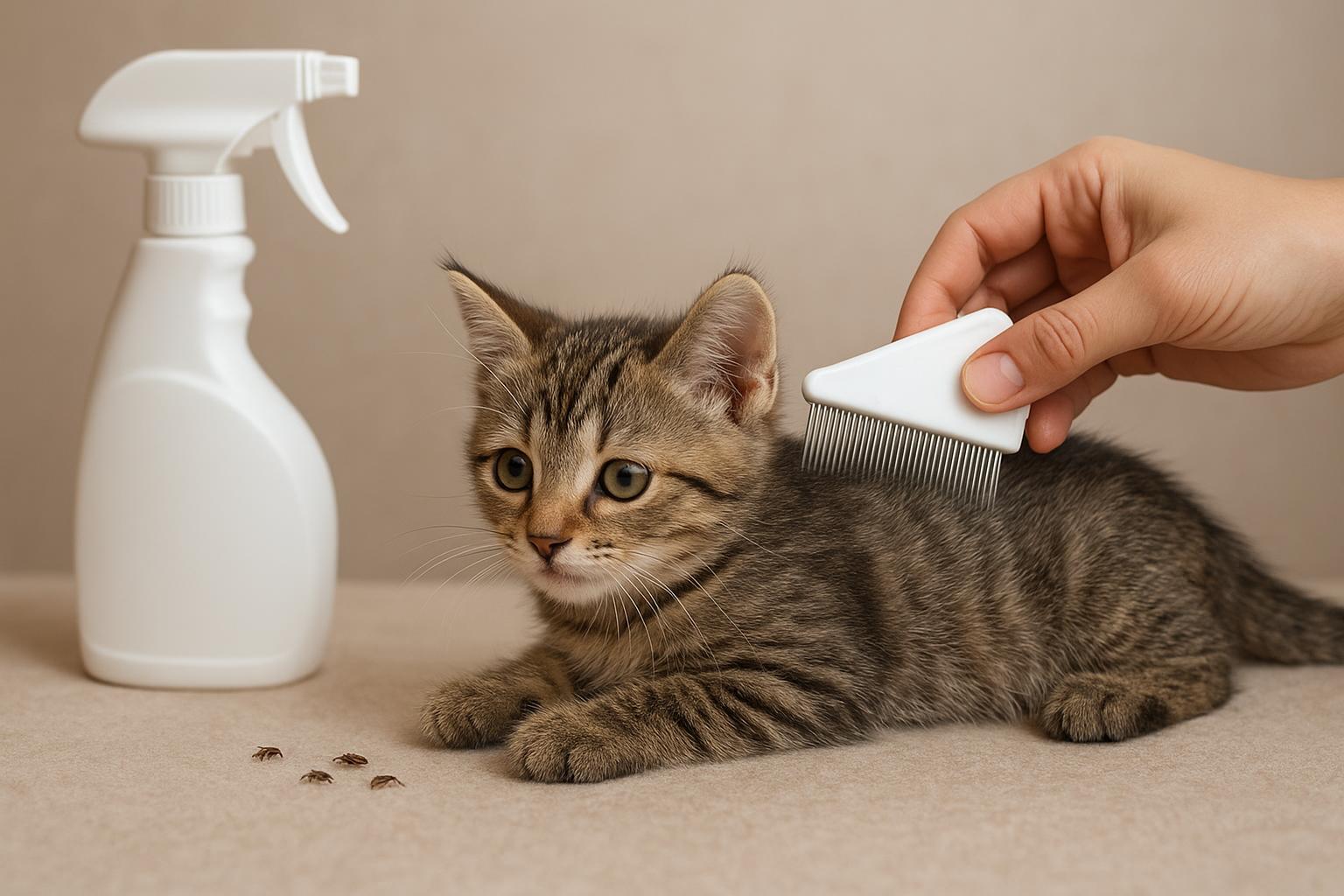
– Flea comb and warm water with mild dish soap (for manual removal)
– Sealant materials for small exterior gaps (caulk, door sweeps)
### Step-By-Step Protocol (Formal Instructions)
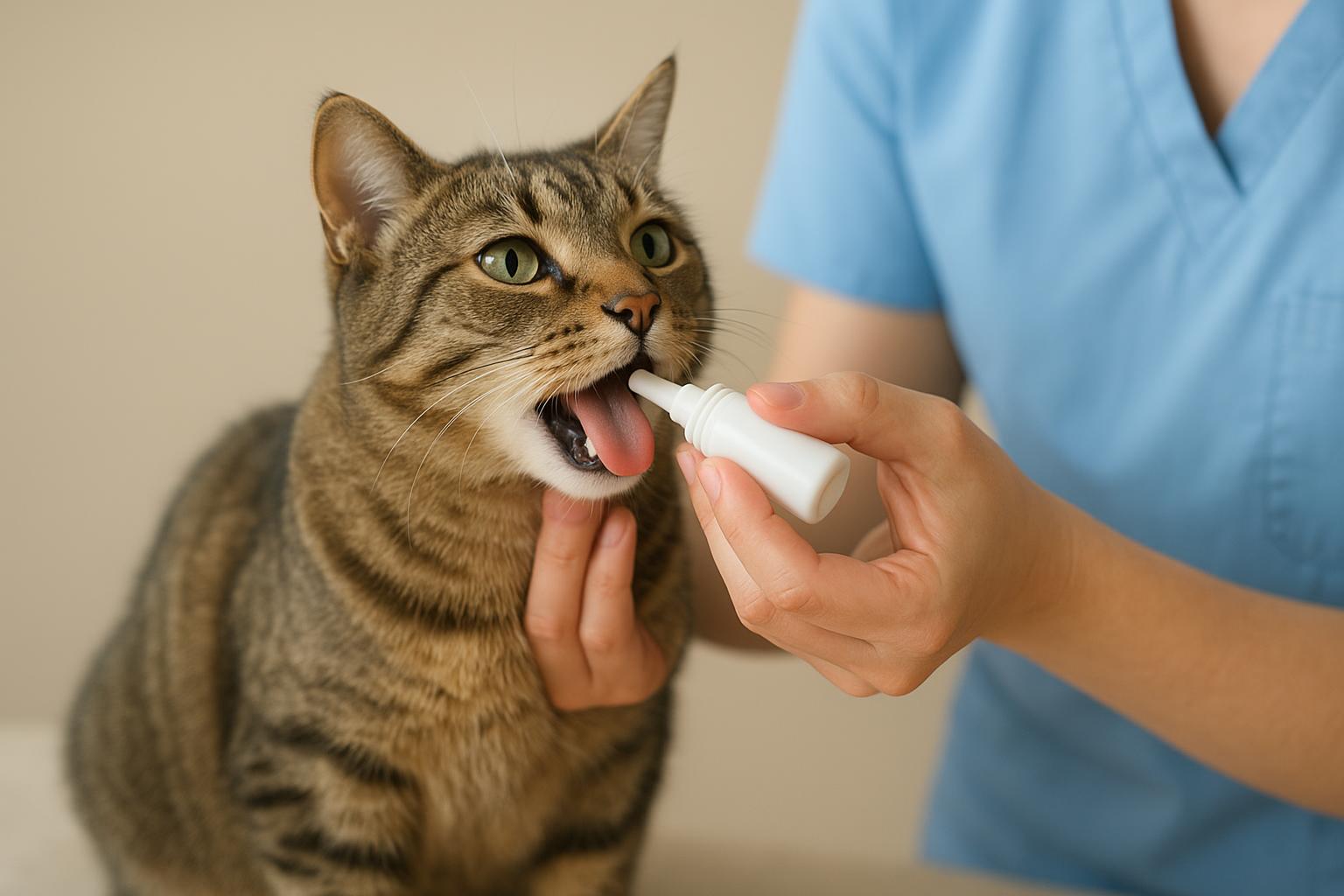
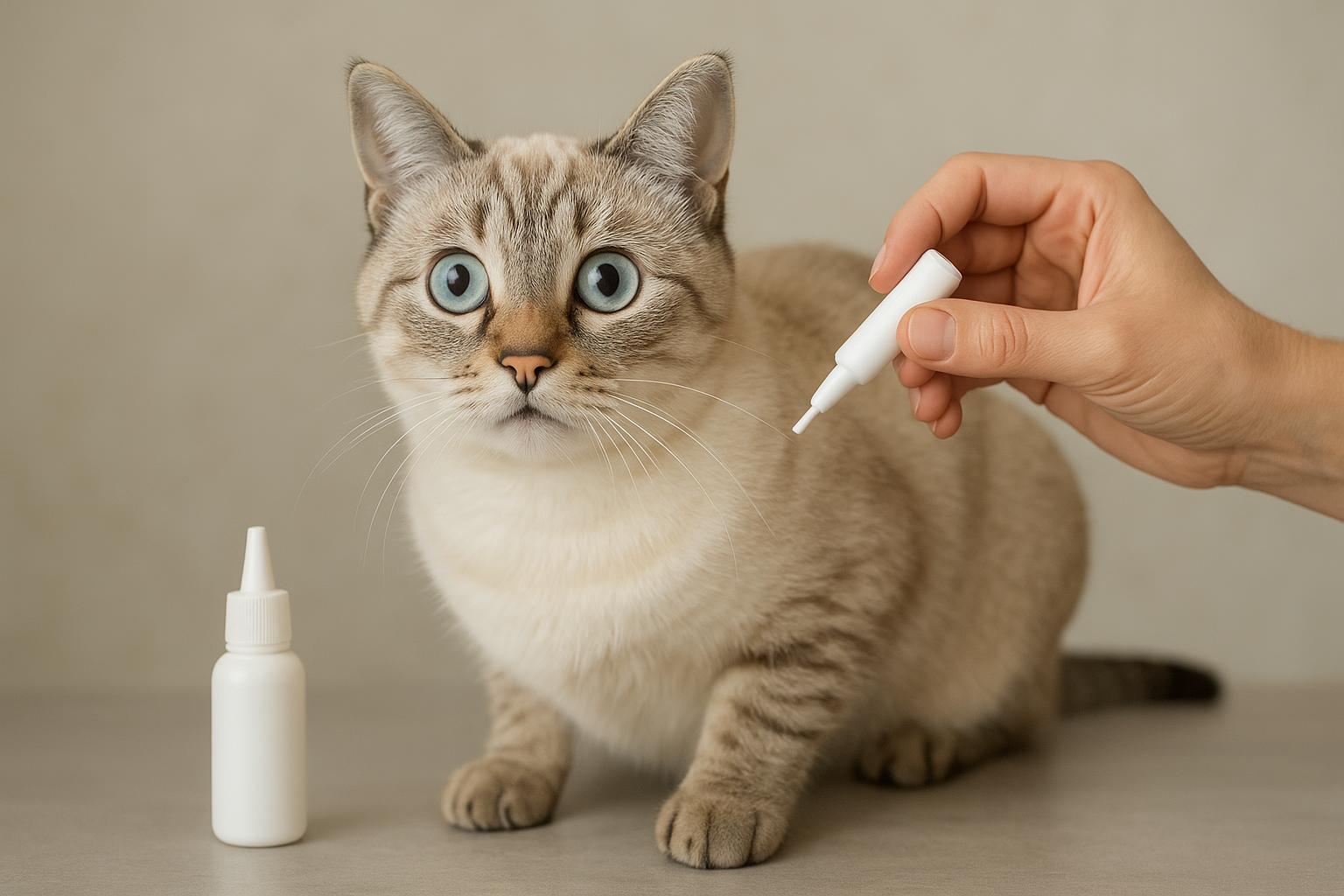
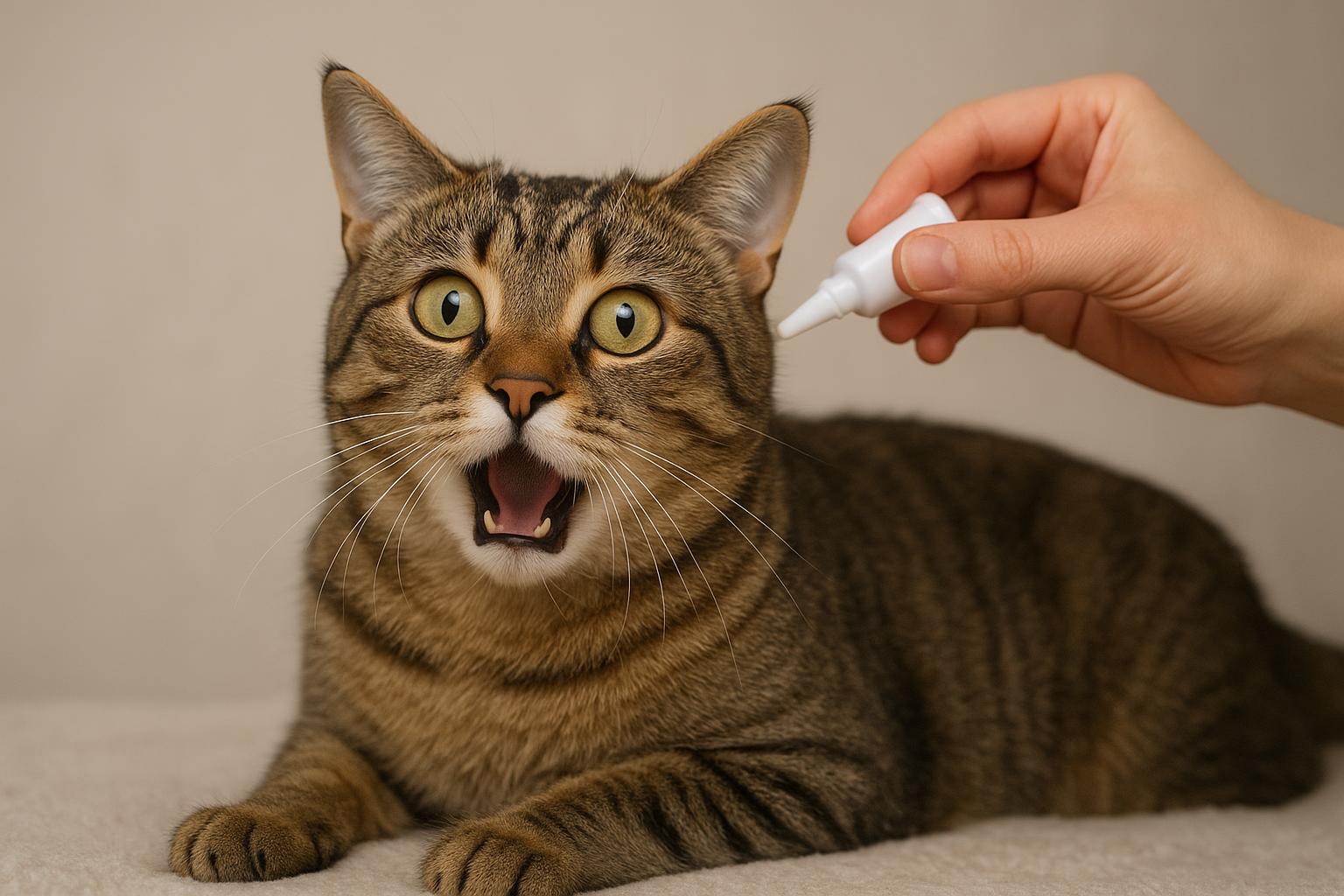
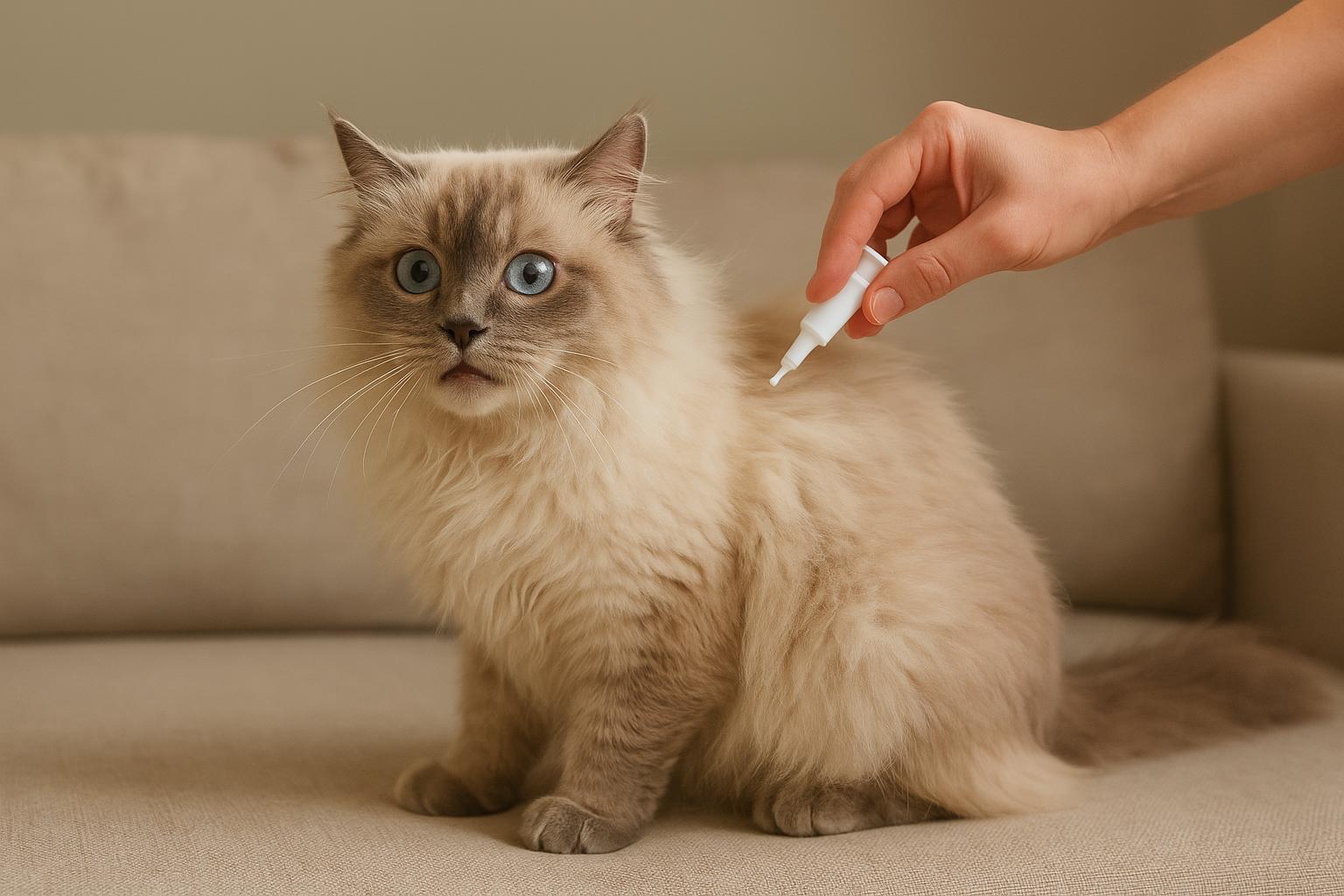
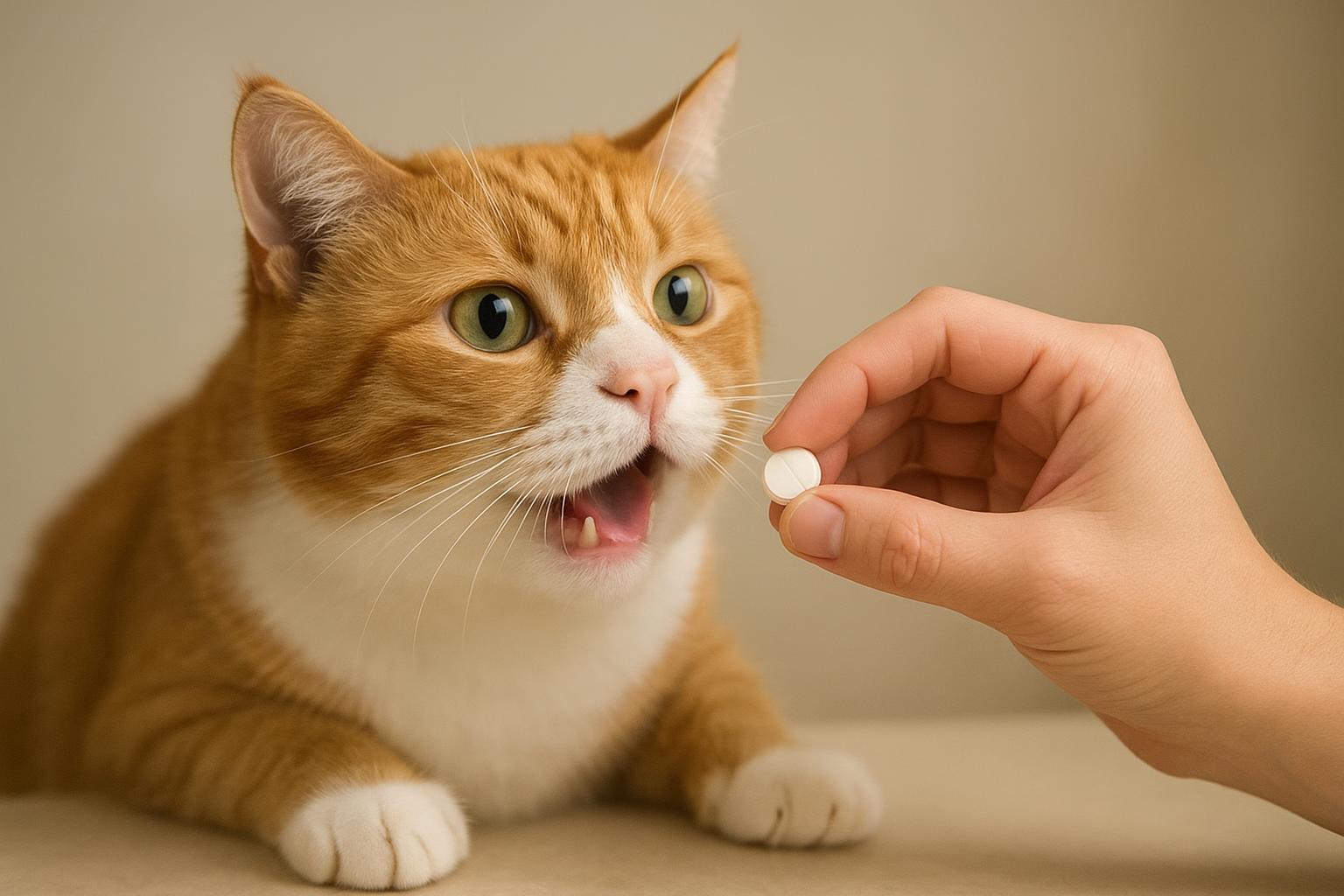
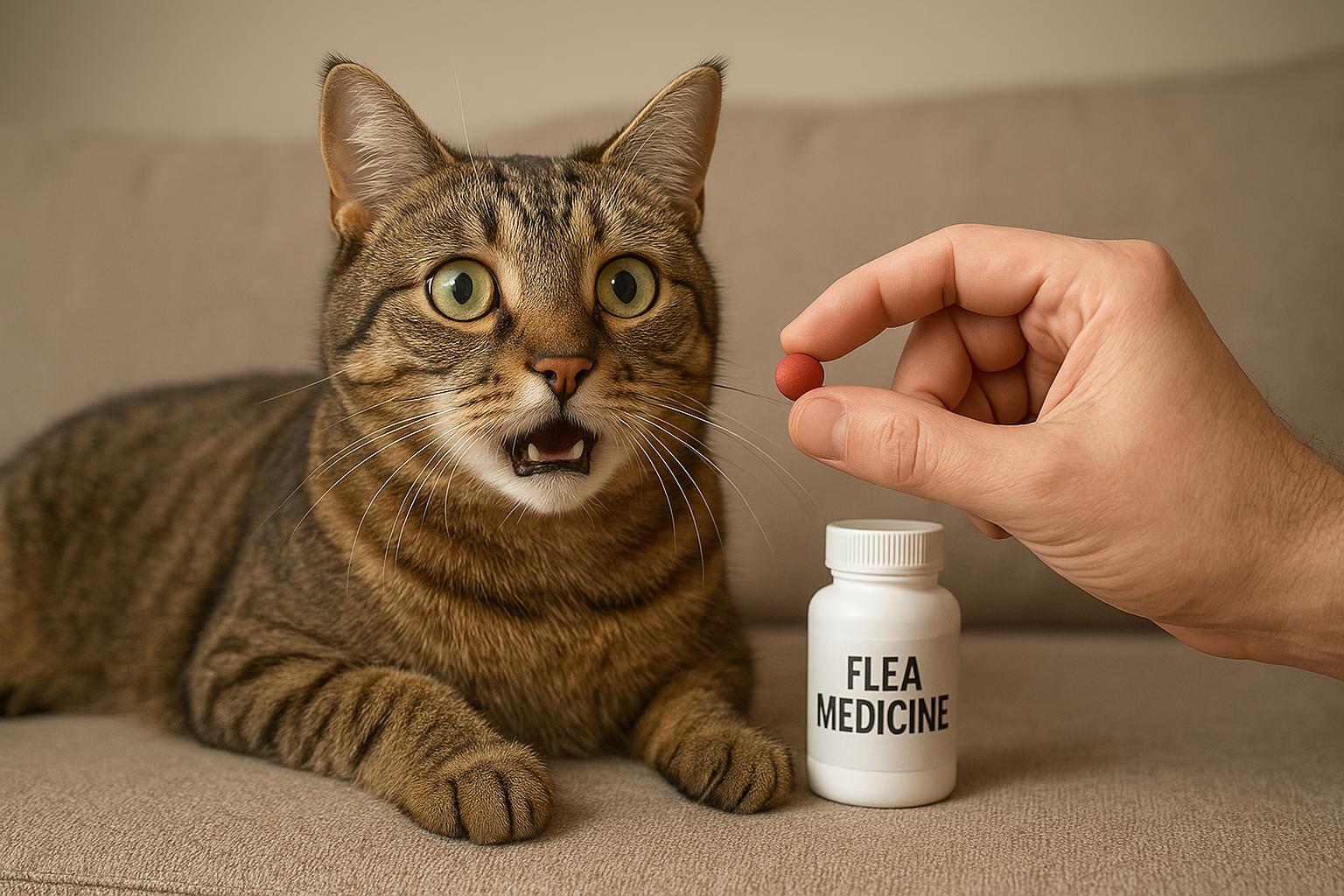
1. Pet Treatment: Consult a veterinarian for an appropriate, vet-approved flea control regimen. Begin treatment for all pets in the household simultaneously to prevent re-infestation. Follow dosages and application intervals exactly as prescribed.
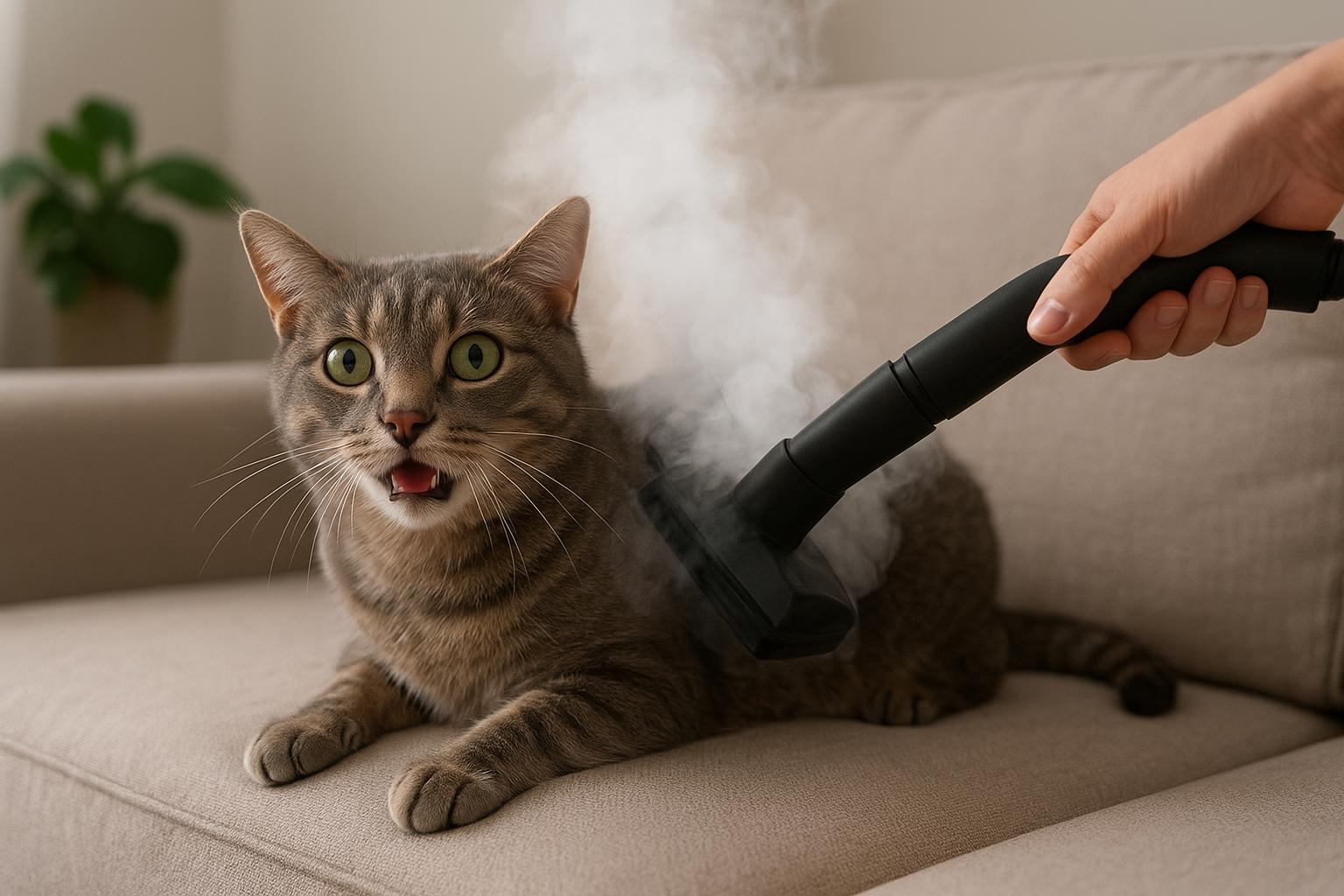
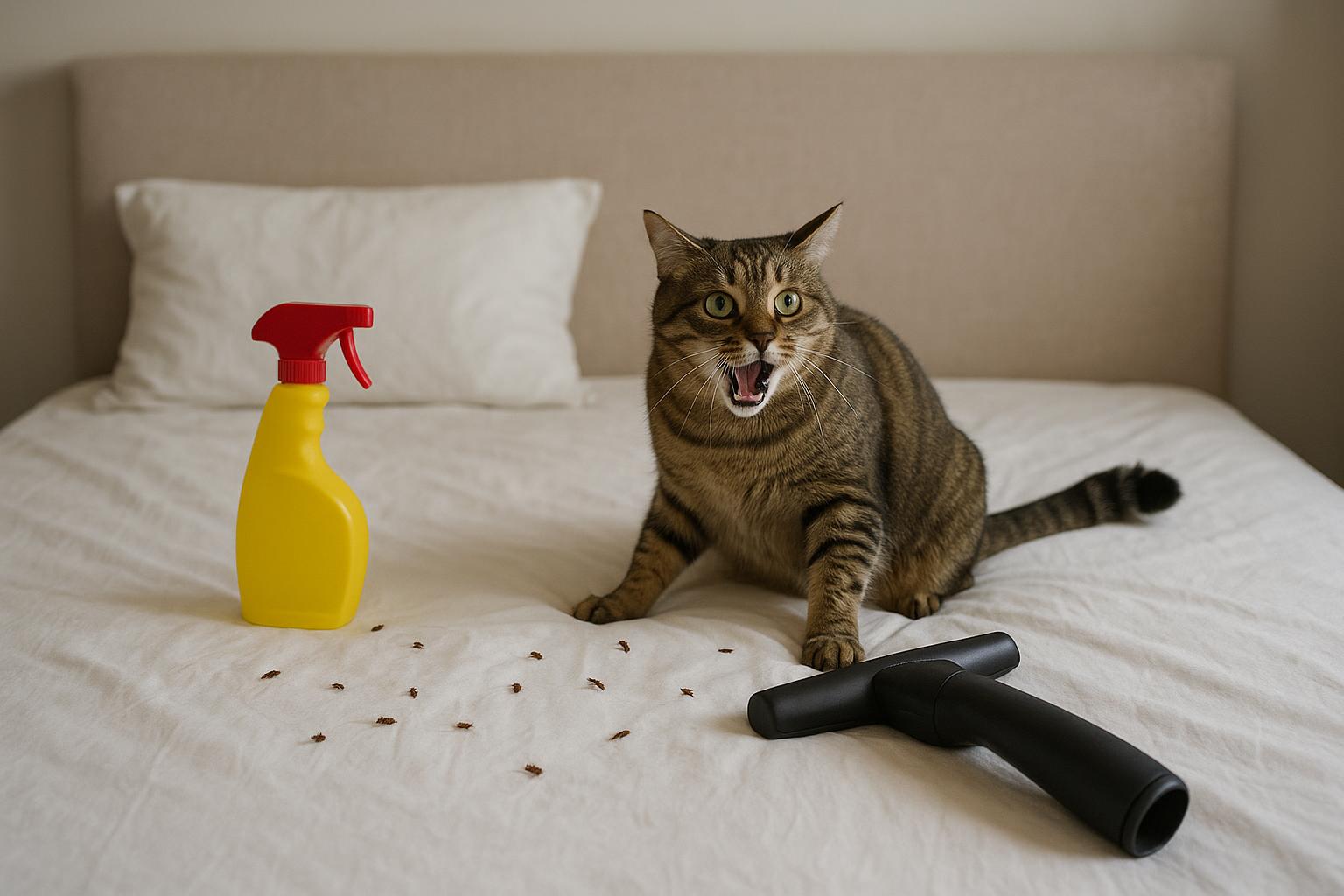
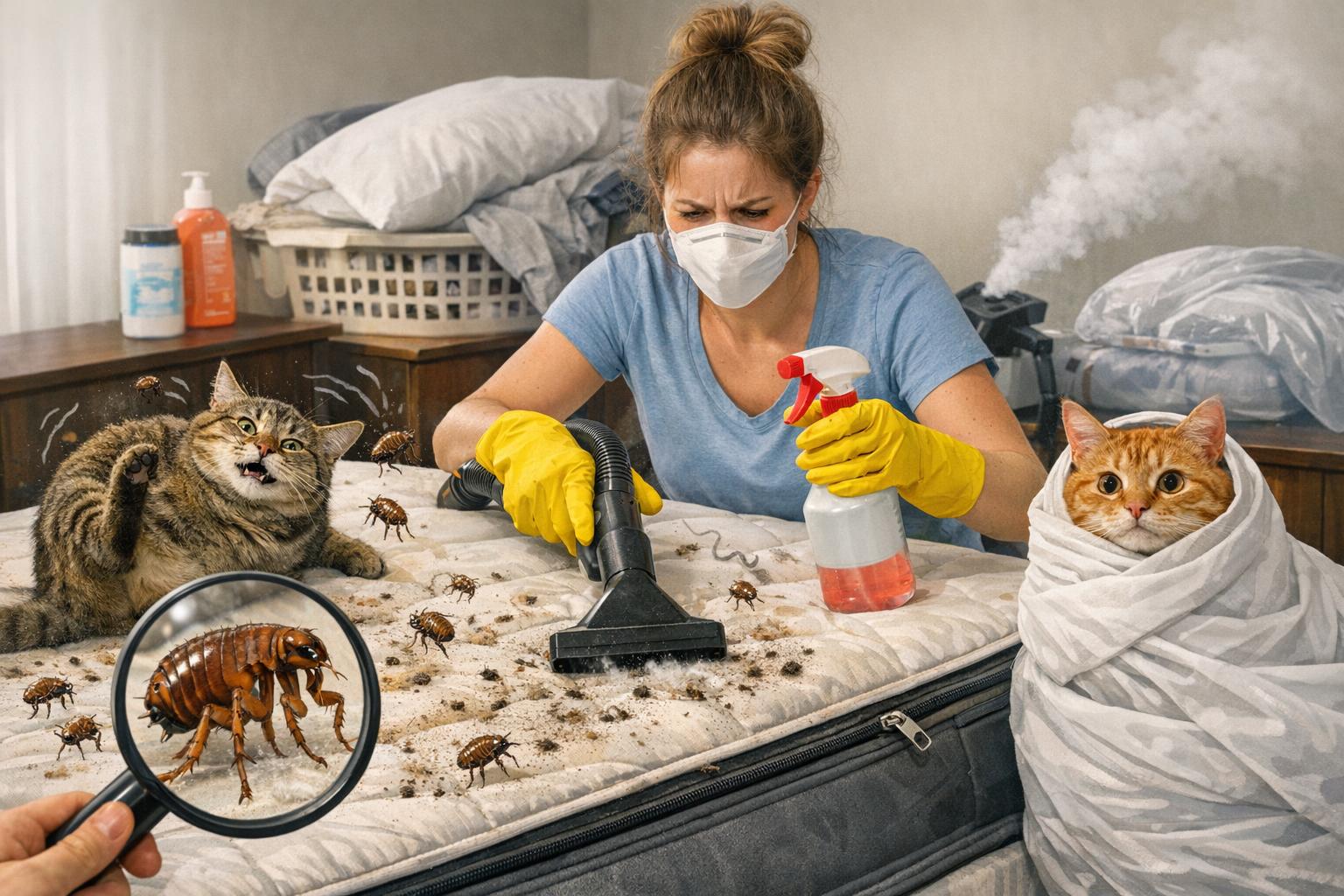
2. Intensive Cleaning: Vacuum all carpets, rugs, upholstery, and pet areas daily for at least two weeks. Immediately dispose of vacuum bags or empty canisters into sealed bags placed in outdoor trash receptacles. Vacuuming removes eggs and stimulates pupae to hatch where they are vulnerable to subsequent vacuuming or treatments.
3. Launder Fabrics: Wash pet bedding, removable cushion covers, and washable rugs in hot water (above 120°F if fabric permits) and dry on high heat to kill eggs and larvae. Repeat weekly until no signs of fleas remain.
4. Spot Treatments: Use an enzymatic cleaner to remove flea dirt and organic material from floors and pet zones. For severe carpets or persistent hotspots, use a professional-grade indoor insect growth regulator (IGR) as recommended by your pest professional—these break the life cycle by preventing larvae from developing into adults.
5. Physical Controls: Install door sweeps and seal visible gaps around foundations and pet doors. Minimizing physical entry points reduces the chance of wildlife introducing new yard fleas close to the house perimeter.
6. Follow-Up: Continue monthly flea prevention on pets and maintain yard measures. Record treatments and observations to coordinate with seasonal shifts and wildlife patterns.
When implemented systematically, these indoor measures greatly reduce flea exposure and interrupt the pathways that allow flea entry from yard to home.
### Reducing Wildlife And Structural Risk Factors
Intervene to make the property less inviting to wildlife that carry fleas. Secure garbage, remove outdoor pet food at night, and block access under decks and porches. Consider motion-activated lighting or deterrents near likely animal trails. Repair gaps in foundation or screens and maintain a buffer zone of gravel or rock along the foundation to discourage nesting and reduce humidity.
### When To Call A Professional
If heavy infestations persist despite yard and indoor efforts, professional pest control with targeted insect growth regulators and professional-grade environmental treatments may be warranted. Choose services that will treat both the perimeter and indoor hotspots, and ensure they provide a follow-up plan to prevent repeated flea entry from yard to home.
Throughout prevention and treatment, prioritize pet safety: use only veterinarian-approved products on animals and follow label instructions for any environmental treatment. Vigilant yard management, combined with consistent indoor sanitation and pet care, is the most effective strategy to block flea entry from yard to home and minimize ongoing flea exposure for people and animals alike.









Leave a Reply