
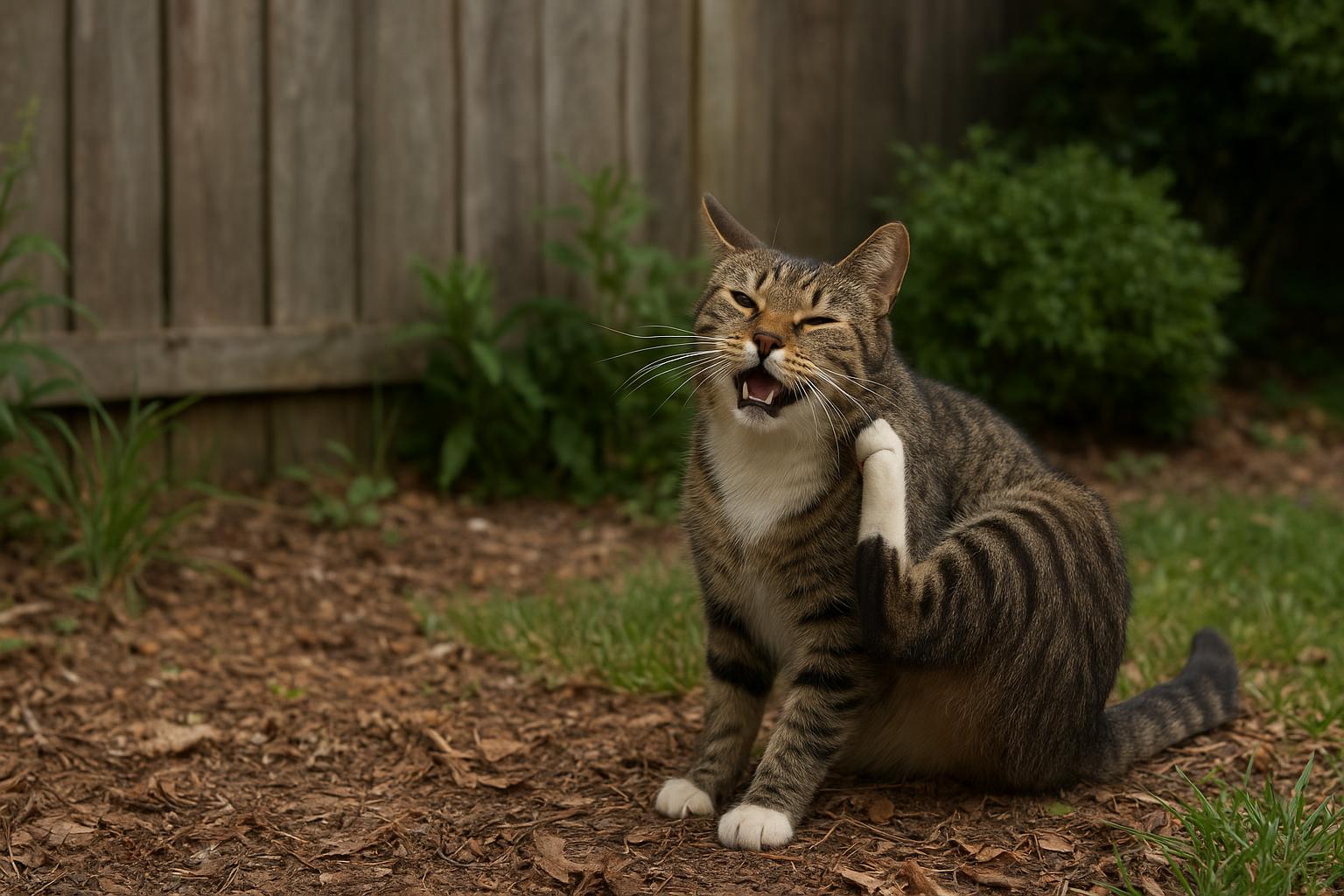
Fleas are tiny but persistent pests that exploit outdoor environments to reach indoor spaces. Understanding the most common outdoor sources of fleas entering homes helps pet owners and homeowners design practical defenses that reduce risk while keeping landscapes pet- and family-friendly.
## Outdoor Sources Of Fleas Entering Homes: Common Pathways
Outdoor sources of fleas entering homes are varied and often interconnected. Fleas thrive in shaded, humid microhabitats and use animals, organic debris, and even human activity as modes of transport. Recognizing where fleas originate and how they move toward structures is the first step in preventing infestations.
### Wildlife And Free-Roaming Animals
Wild mammals and birds are frequent carriers. Raccoons, opossums, feral cats, squirrels, and skunks pick up fleas in natural habitats and deposit eggs or adult fleas on lawns, under decks, and near foundation plantings. When these animals traverse a yard, they can leave behind flea life stages in soft soil, mulch, or leaf litter. This pathway is a principal outdoor source of fleas entering homes that back onto wooded lots or have green corridors to neighboring undeveloped land.
### Domestic Pets And Neighborhood Dogs
House pets that spend time outdoors are the most common bridge for fleas from the outside to the inside. Dogs and cats pick up adult fleas while sniffing tall grass, visiting neighbor yards, or interacting with wildlife. Even brief contact can lead to rapid flea transfer indoors. Regularly inspect and treat pets to interrupt this flea entry outdoors.
### Yard Features And Landscape Materials
Yard design elements—dense groundcovers, untreated mulch, leaf piles, and areas of poor drainage—create ideal microclimates for flea eggs and larvae. Fleas avoid direct sun and prefer shaded, humid spots such as under hedges, woodpiles, and outdoor furniture, which makes these bench, shed, and foundation zones key yard entry points.
### Human And Object Hitchhikers
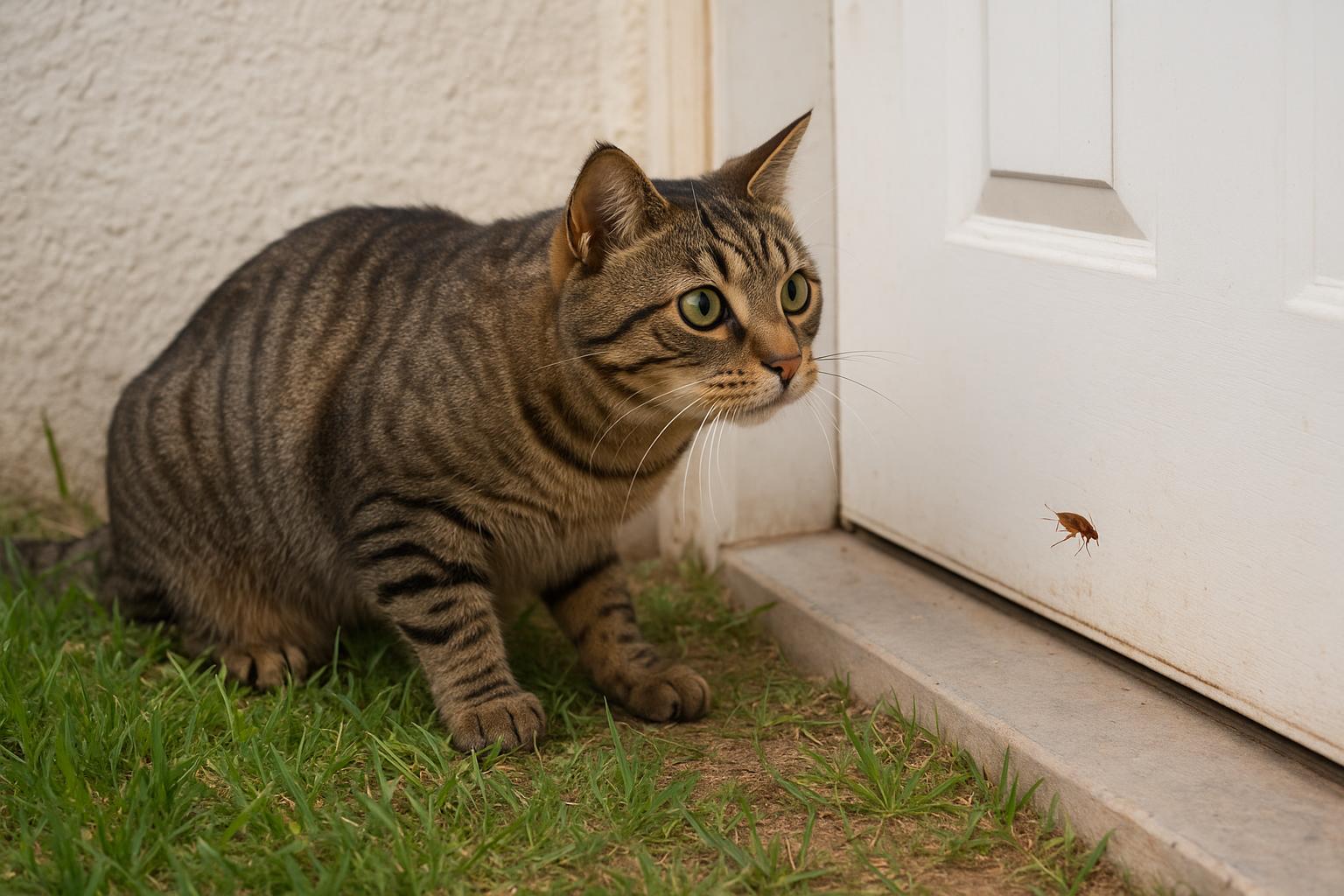
Fleas can hitch a ride on clothing, outdoor gear, or secondhand furniture placed near doorways. Children playing in the yard, gardeners, and people who handle wildlife or stray animals may inadvertently bring fleas closer to living areas. This human-assisted transport is often overlooked but contributes significantly to outdoor sources of fleas entering homes.
## How Environment And Yard Design Promote Yard Entry
Landscape and structural conditions directly influence how easily fleas establish themselves near a home. Moist soils, shady perimeters, and cluttered edges offer refuge for pupae and larvae until hosts arrive. Understanding these environmental drivers allows targeted remediation to reduce yard entry risk.
### Moisture, Shade, And Organic Debris
Flea larvae feed on organic detritus and require humidity to survive. Areas beneath overhanging trees, near garden hoses, or adjacent to air-conditioning condensers are often humid enough to foster development. Regular removal of leaf litter and thinning of dense shrubs reduces such microhabitats.
### Pathways And Fencing Gaps
Fleas don’t travel far on their own, but animals and people create repeat pathways. Gaps in fencing, low branches, and open access to neighboring yards increase wildlife traffic and thus the chances of infestations migrating in. Blocking or redirecting these routes decreases repeated flea introductions and yard entry.
### Outdoor Structures And Pet Zones
Dog runs, kennels, and outdoor sleeping areas that are not frequently cleaned become flea reservoirs. Similarly, under-deck spaces and woodpiles provide protected, shaded breeding grounds. Routine cleaning and elevation of such materials reduce survivable niches for flea life stages.
## Prevention Basics: Reduce Outdoor Sources Of Fleas Entering Homes
Prevention focuses on making the outdoor environment less hospitable and interrupting movement from outside to inside. The following measures are formal, practical, and prioritized for effectiveness.
### Pet Management And Regular Treatments
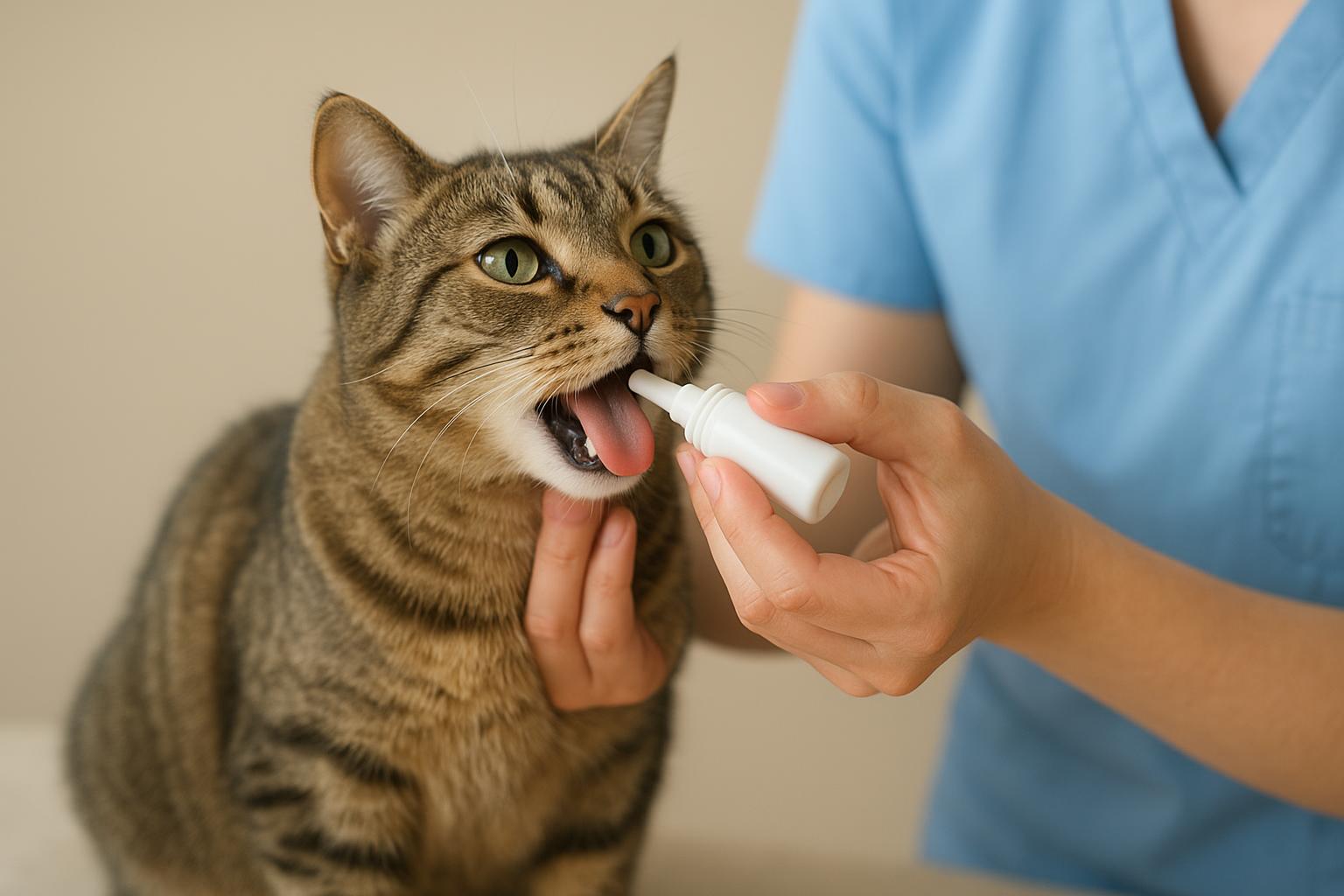
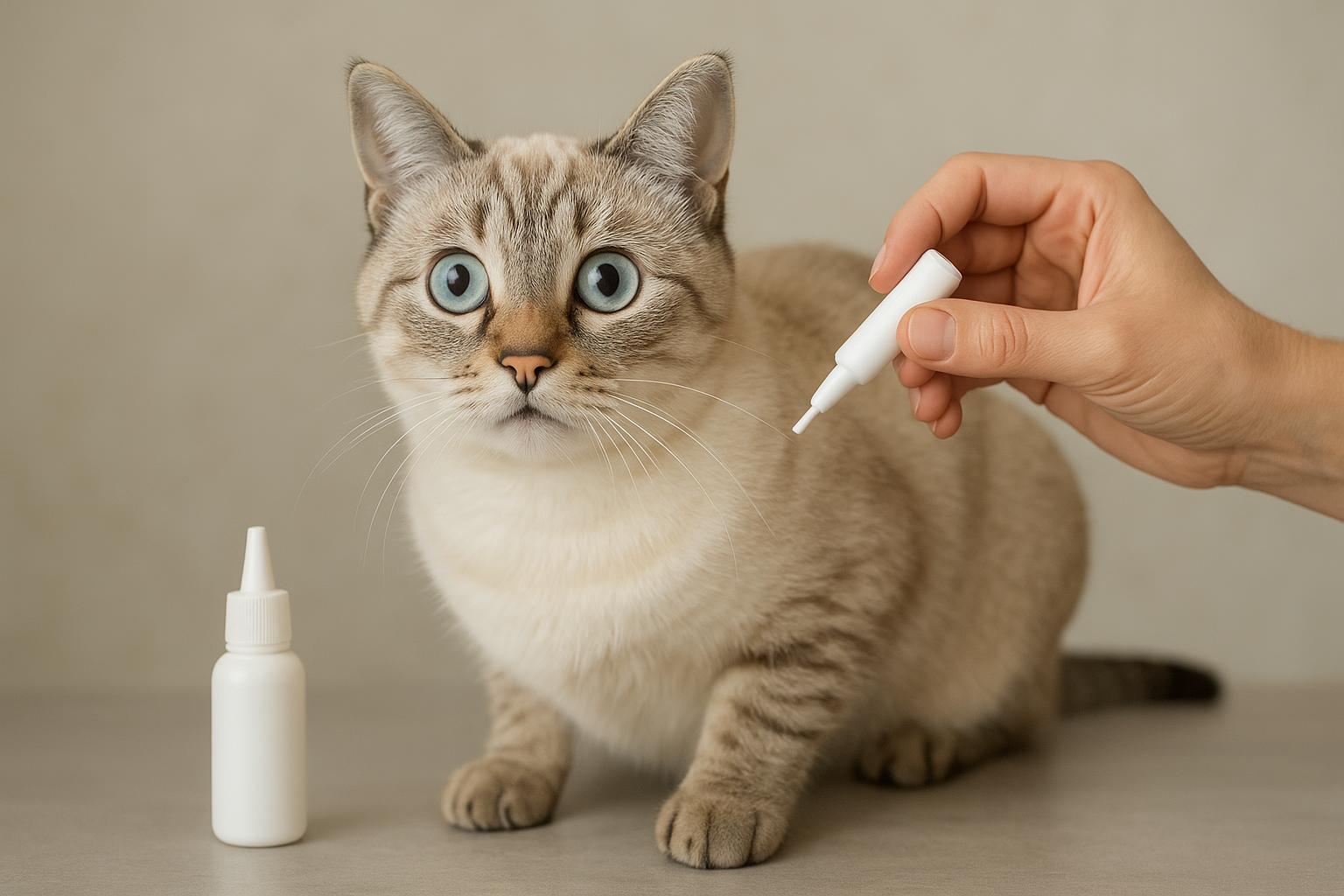
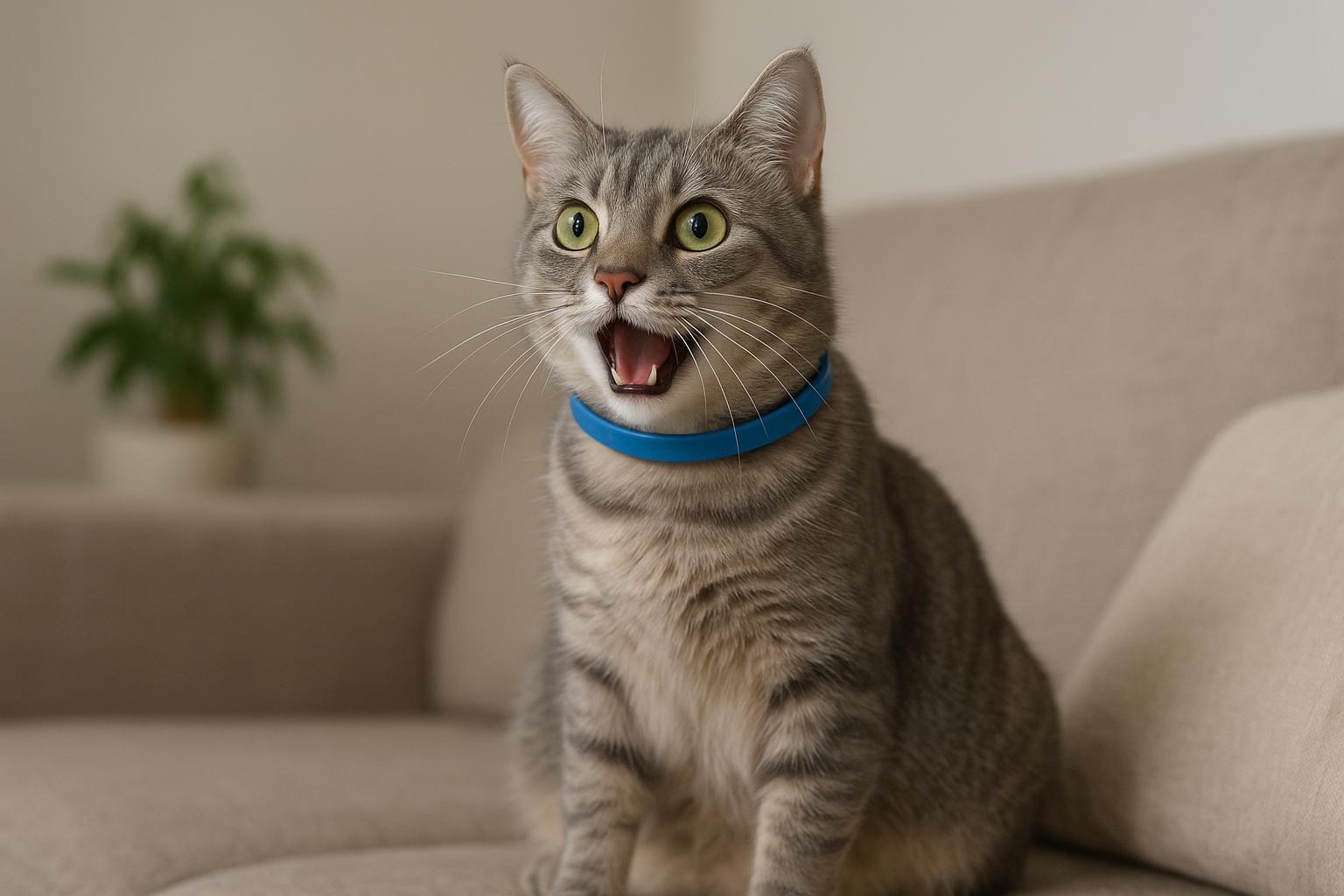
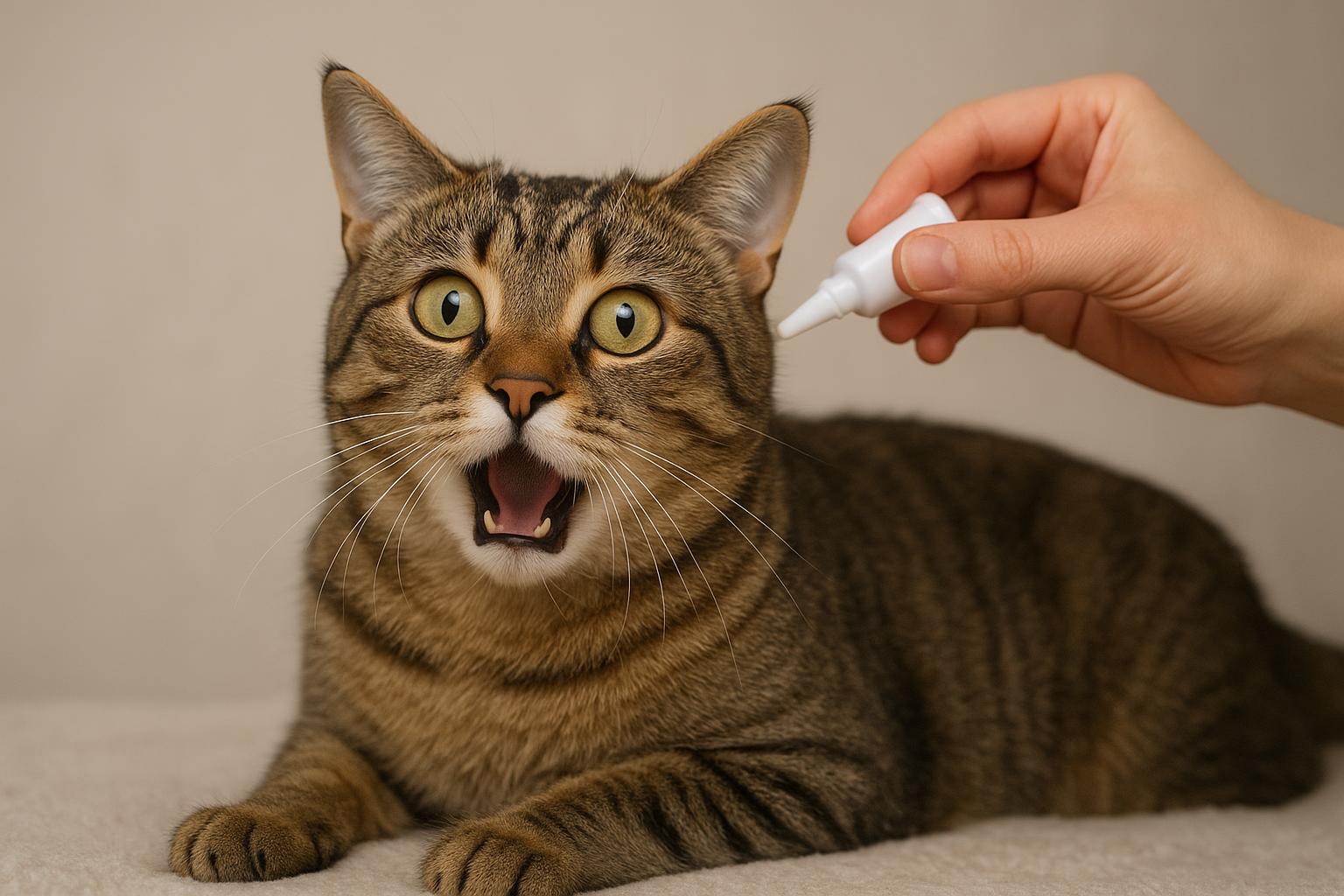
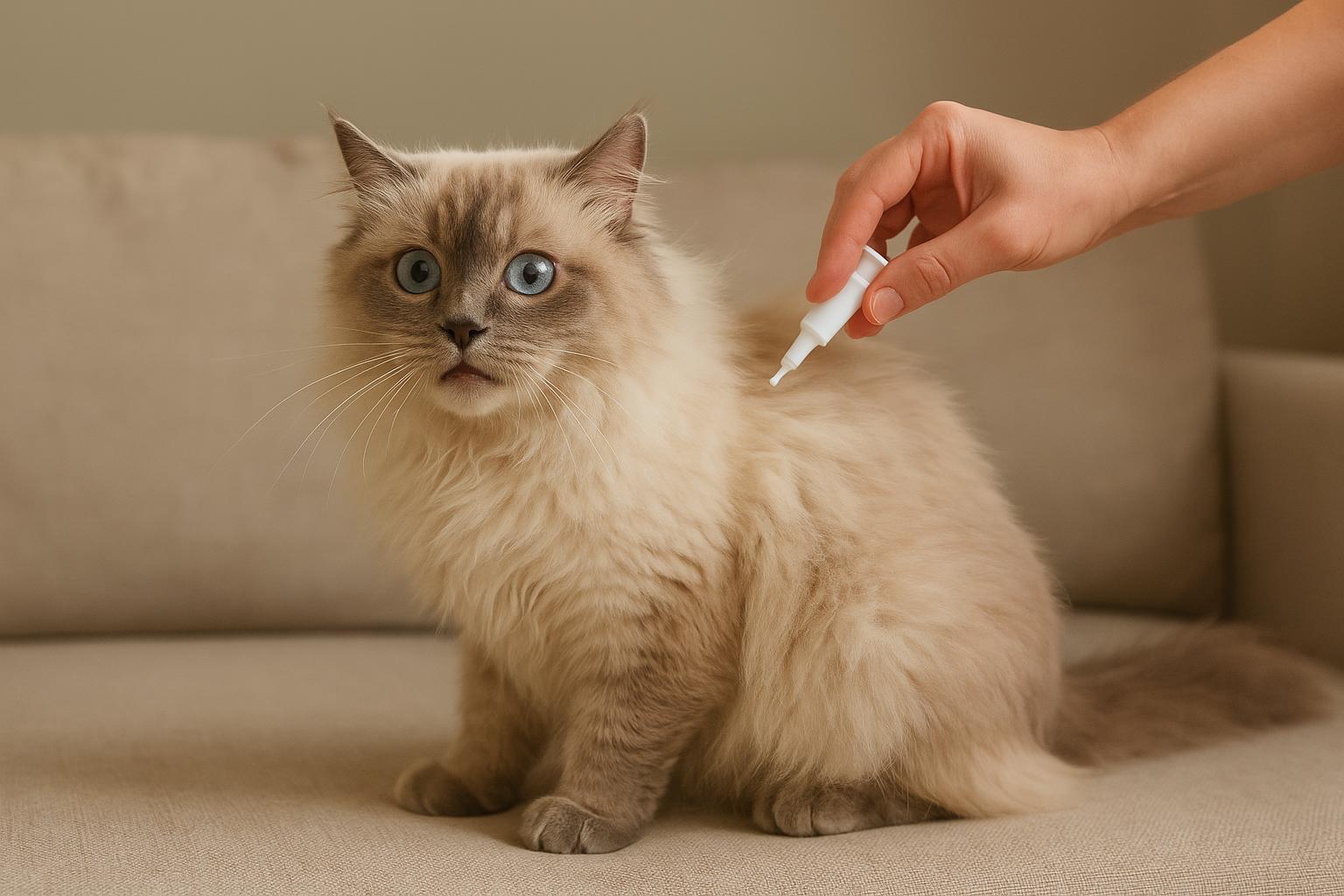
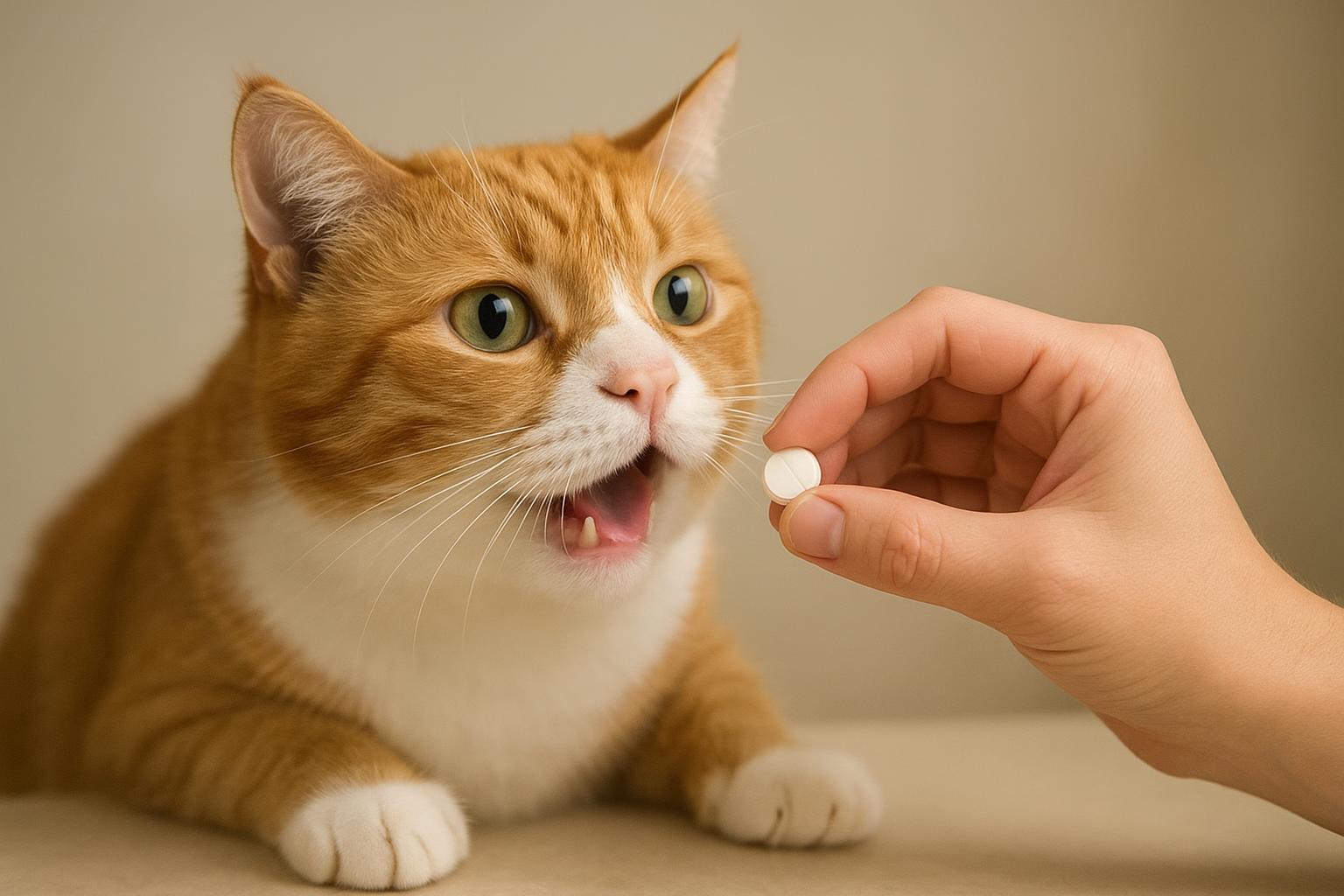
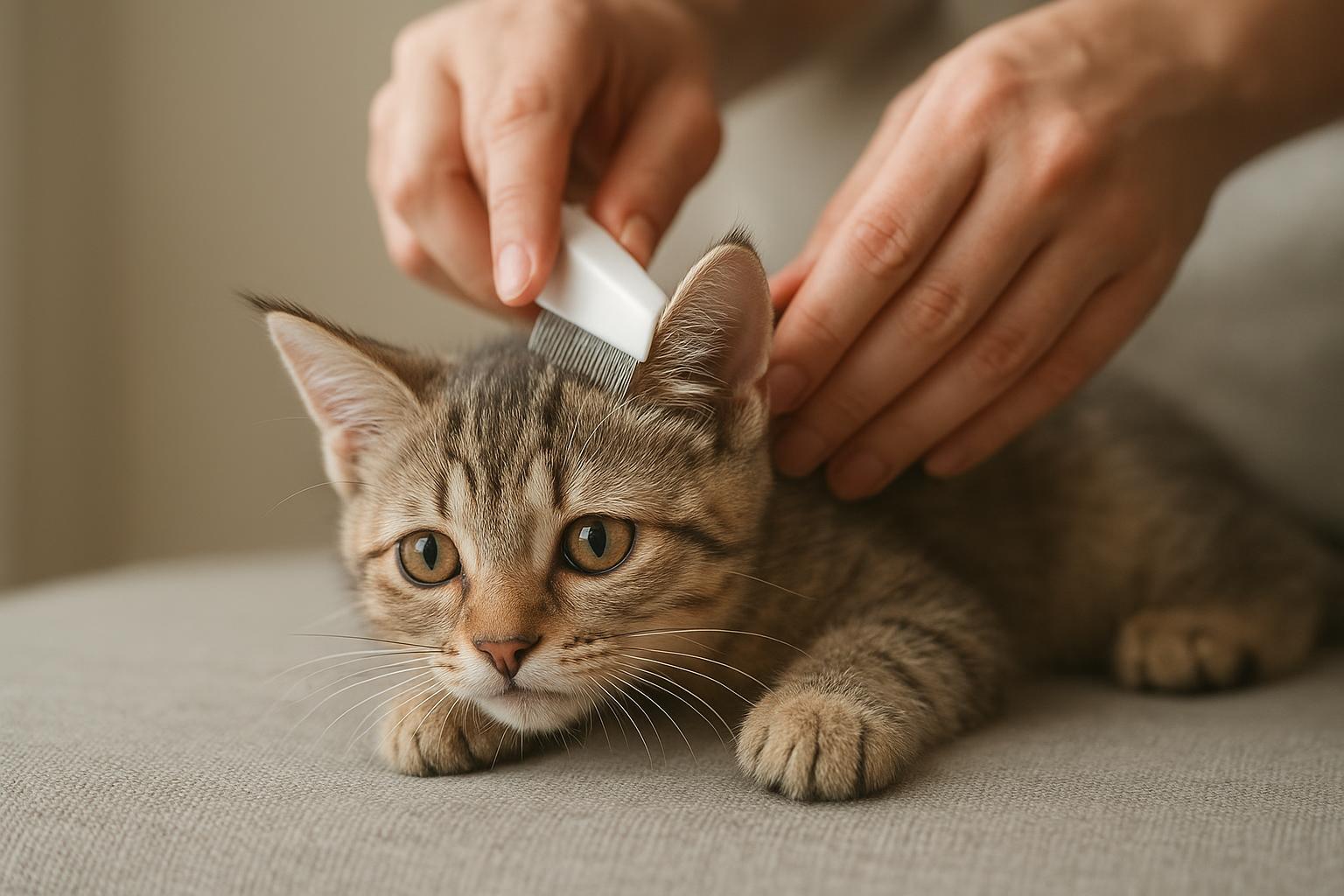
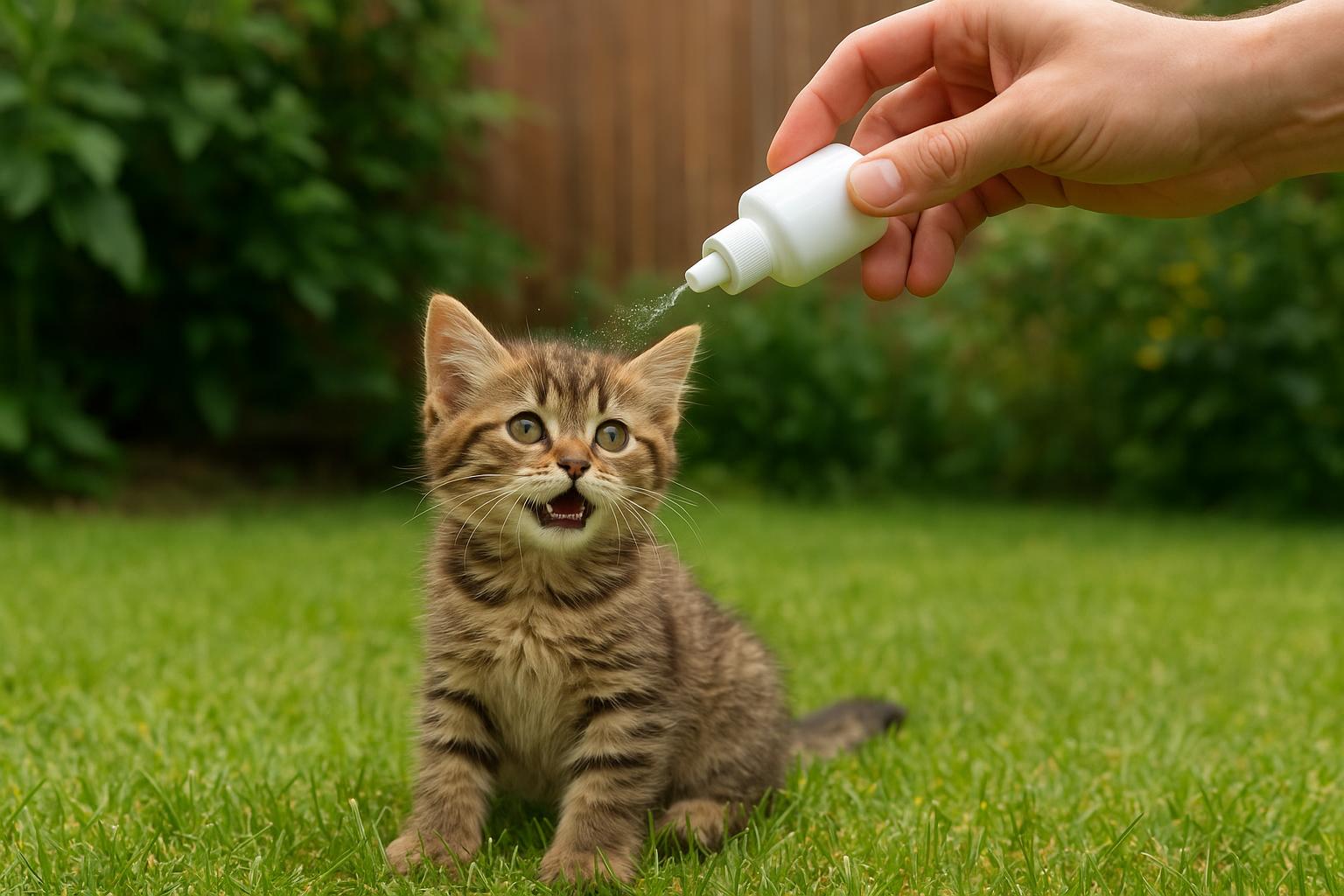
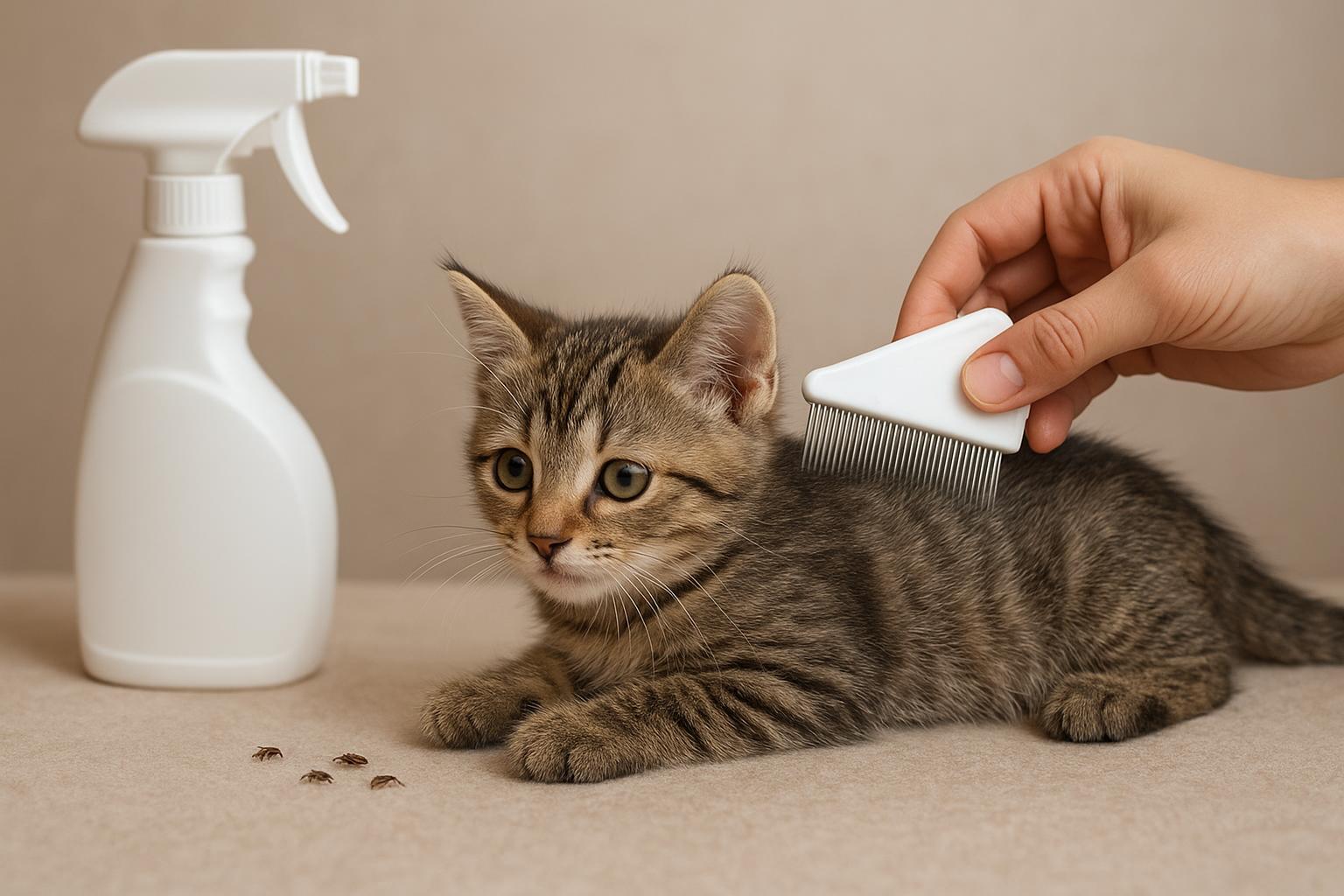
Maintain a consistent flea preventive program for all companion animals, using veterinarian-recommended topical, oral, or collar-based products. Regular grooming and weekly checks of pet fur, especially after outdoor activity, greatly lower the chance of flea introduction.
### Habitat Modification And Sanitation
Alter yard conditions to reduce flea-friendly habitats. Trim vegetation to increase sunlight and air flow, remove leaf piles and unneeded mulch, store firewood away from the house, and routinely sweep or hose down patios and under-porch areas. Eliminating moisture sources such as clogged gutters or irrigation overspray also reduces suitable microhabitats.
### Physical Barriers And Movement Control
Install and repair fencing, gate screens, and gravel or paved perimeters to deter wildlife and reduce direct yard pathways. Designate a clean transition area at entrances—mats, a small enclosed porch, or a pet-washing station—to intercept fleas before they enter living spaces.
### Chemical And Biological Controls (Used Judiciously)
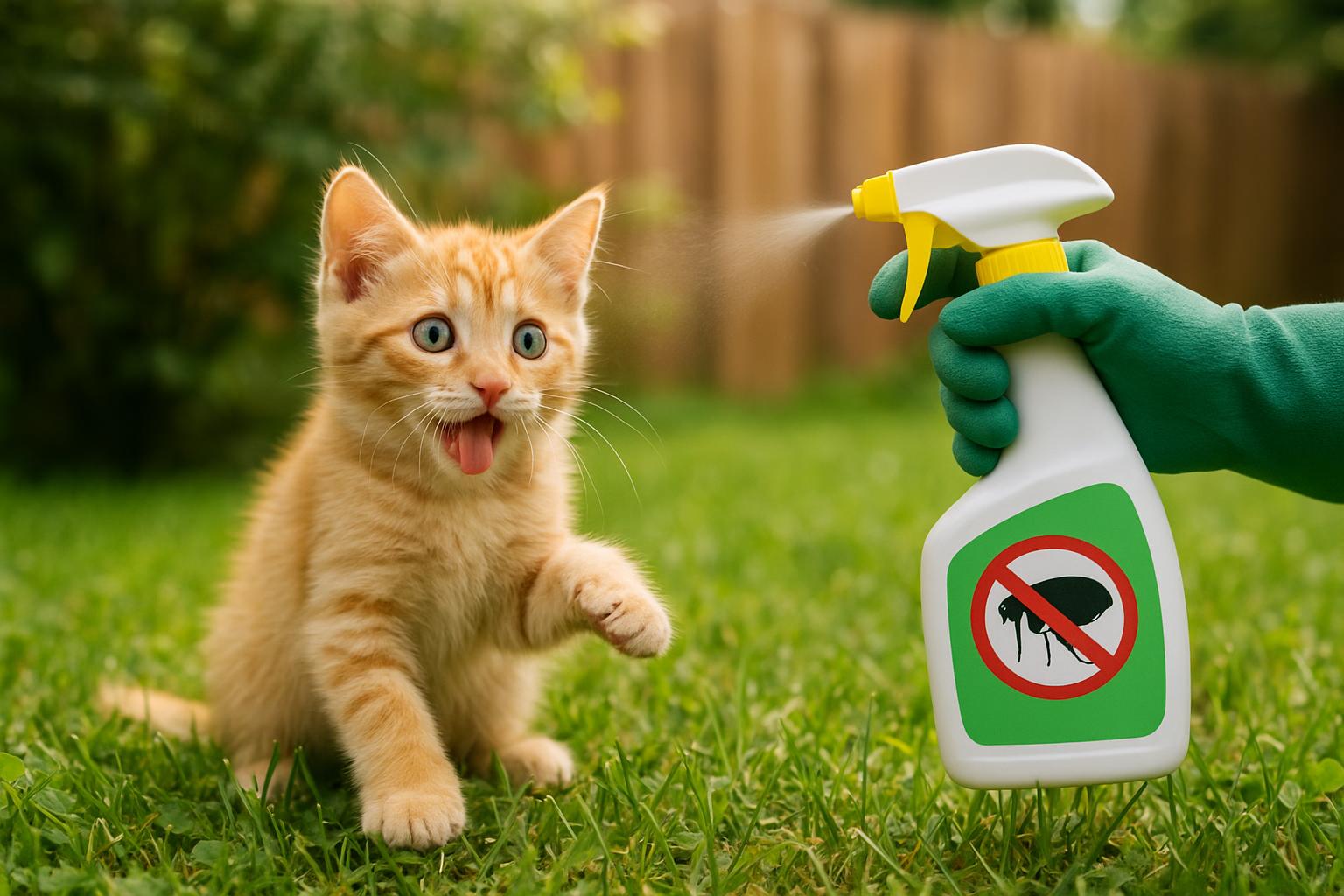
When infestations are persistent, targeted outdoor treatments can be effective. Options include spot-treatments of insecticides recommended for outdoor use, insect growth regulators that prevent maturation, and biological agents such as beneficial nematodes that attack flea larvae. Follow label instructions and consult professionals for safety around pets and children.
### 1. Natural Yard Treatment With Diatomaceous Earth And Beneficial Nematodes
This numbered remedy combines desiccation and biological control to reduce flea populations outdoors. Materials are inexpensive and suitable for pet-friendly yards when applied correctly.
Ingredients And Materials:
– Food-grade diatomaceous earth (DE)
– Packaged beneficial nematodes (Steinernema spp. or Heterorhabditis spp.)
– Hand spreader or garden duster
– Hose and sprinkler or watering can
– Garden gloves and dust mask
Step-By-Step Application:
1. Wear gloves and a dust mask to avoid inhaling DE.
2. Early morning or late evening, lightly sprinkle DE in shaded areas, under decks, and along foundation edges where pets frequent. Avoid windy conditions.
3. Use a hand spreader or duster to create an even, thin layer. Do not overapply; a light dusting is sufficient to dehydrate larvae and pupae.
4. After DE application, wait 24–48 hours, then water the treated areas thoroughly to settle any residual dust if rain is expected—DE loses effectiveness when wet.
5. For beneficial nematodes, mix the nematode packet with water per manufacturer instructions and apply with a hose-end sprayer or watering can to moist soil during evening hours.
6. Keep treated soil moist for several days to allow nematodes to move and infect flea larvae. Repeat nematode applications as recommended (often every 3–6 weeks during peak flea season).
### 2. DIY Outdoor Flea Trap For Monitoring And Local Reduction
A simple trap can monitor flea activity and reduce adult numbers near entry points. This is a supplemental measure and should be used alongside habitat modification.
Ingredients And Materials:
– Shallow dish or pie pan
– Warm water
– Dish soap
– Nightlight or small outdoor lamp
– Stable platform near patios, doorways, or pet resting spots
Step-By-Step Creation And Use:
1. Fill the shallow dish with warm water and add a few drops of dish soap to reduce surface tension.
2. Place the dish on a stable platform in a shaded spot near suspected flea activity but protected from rain.
3. Position the nightlight or small lamp so it casts low-level light over the dish at night; fleas are attracted to warmth and dark silhouettes.
4. Check the trap daily. Dispose of captured fleas by removing and emptying the dish, then refill with fresh soapy water.
5. Use traps as monitoring tools and to reduce local adult fleas, especially during peak activity months.
## Additional Practical Measures To Limit Flea Entry Outdoors
Maintain consistent mowing and edge trimming to shorten grass where fleas and their hosts congregate. Rotate dog walking routes and avoid areas frequented by wildlife. Store pet bedding indoors or launder it regularly, and create a protocol for inspecting children and visitors who spend time in high-risk outdoor zones.
### Working With Neighbors And Community Spaces
Fleas don’t respect property lines. Communicate with neighbors about shared risks, especially in clustered housing or communal green spaces. Coordinated yard maintenance and pet preventive measures across adjacent properties reduce reinfestation cycles and the frequency of flea entry outdoors.
### When To Consult A Professional
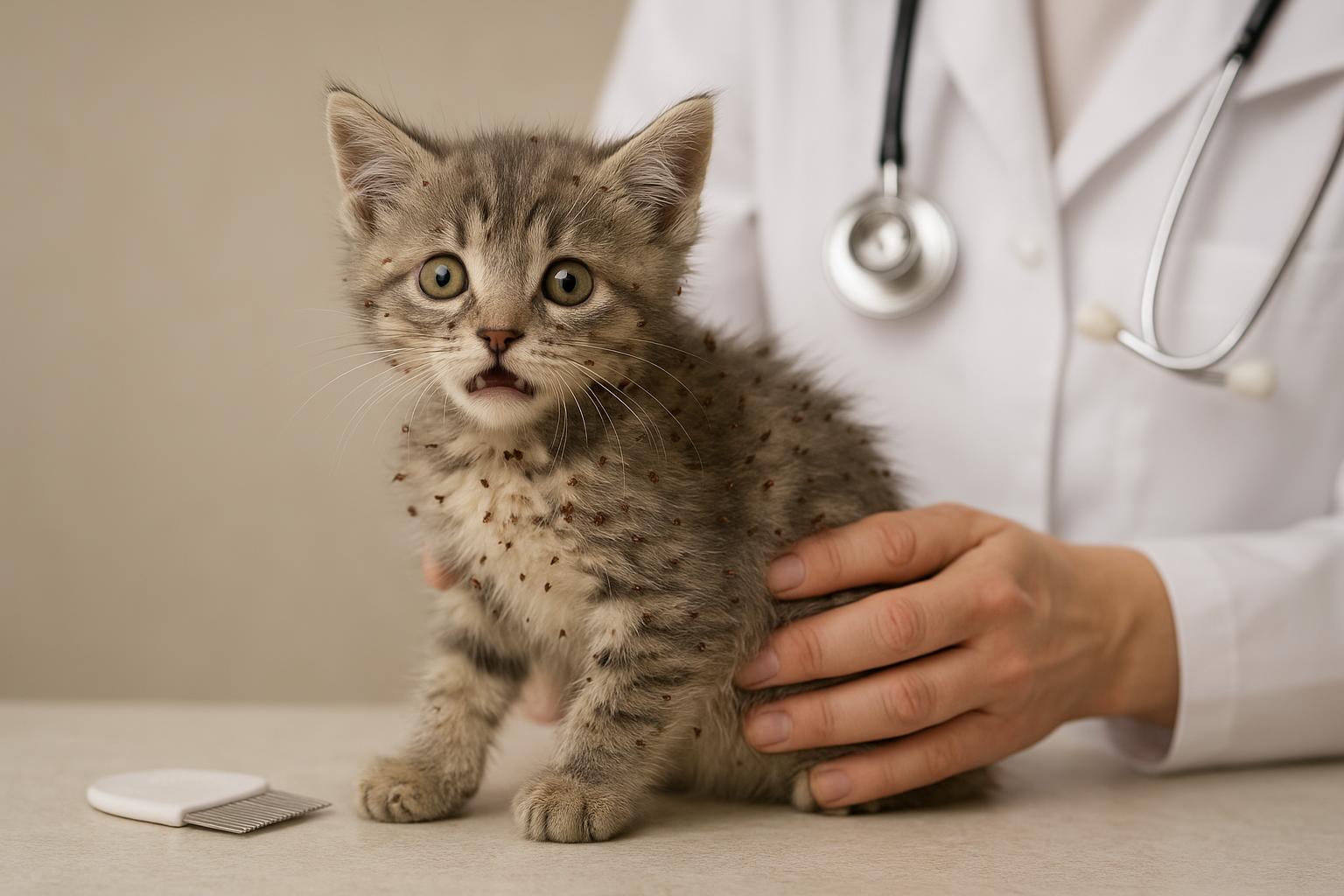
If preventive steps and DIY measures fail to control flea populations, consult a licensed pest control professional or veterinarian. Professionals can perform targeted treatments, advise on the safest products for pets and children, and identify uncommon outdoor sources of infestation such as rodent burrows or contaminated compost.
Keep in mind that preventing outdoor sources of fleas entering homes requires ongoing attention—seasonal adjustments, consistent pet care, and thoughtful landscape choices greatly diminish the likelihood of indoor infestations.








Leave a Reply