

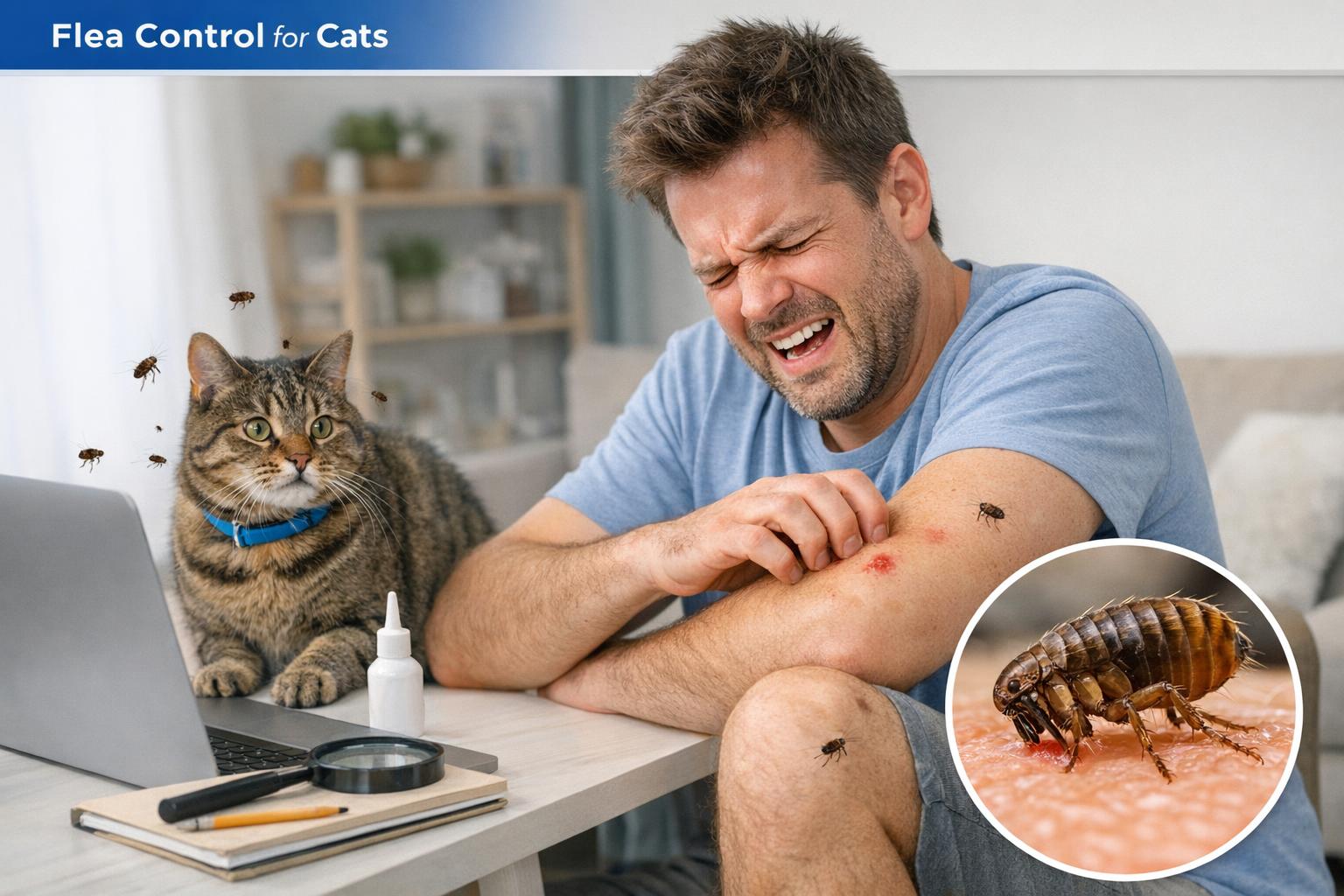
People generally think fleas are a pet problem — a small nuisance that makes Fido grumpy and your carpet look like a pepper shaker. But when flea bites humans happen, things get personal quickly: itching, red bumps, and occasionally more serious reactions. This article walks you through what to expect, how fleas get into your home, health risks, clear signs of an infestation, practical remedies (including two numbered treatments with materials and step-by-step instructions), prevention, and when to seek medical attention. Relax — and bring a cup of tea. We’ll tackle the tiny jumpers.
## Flea Bites Humans: What To Expect
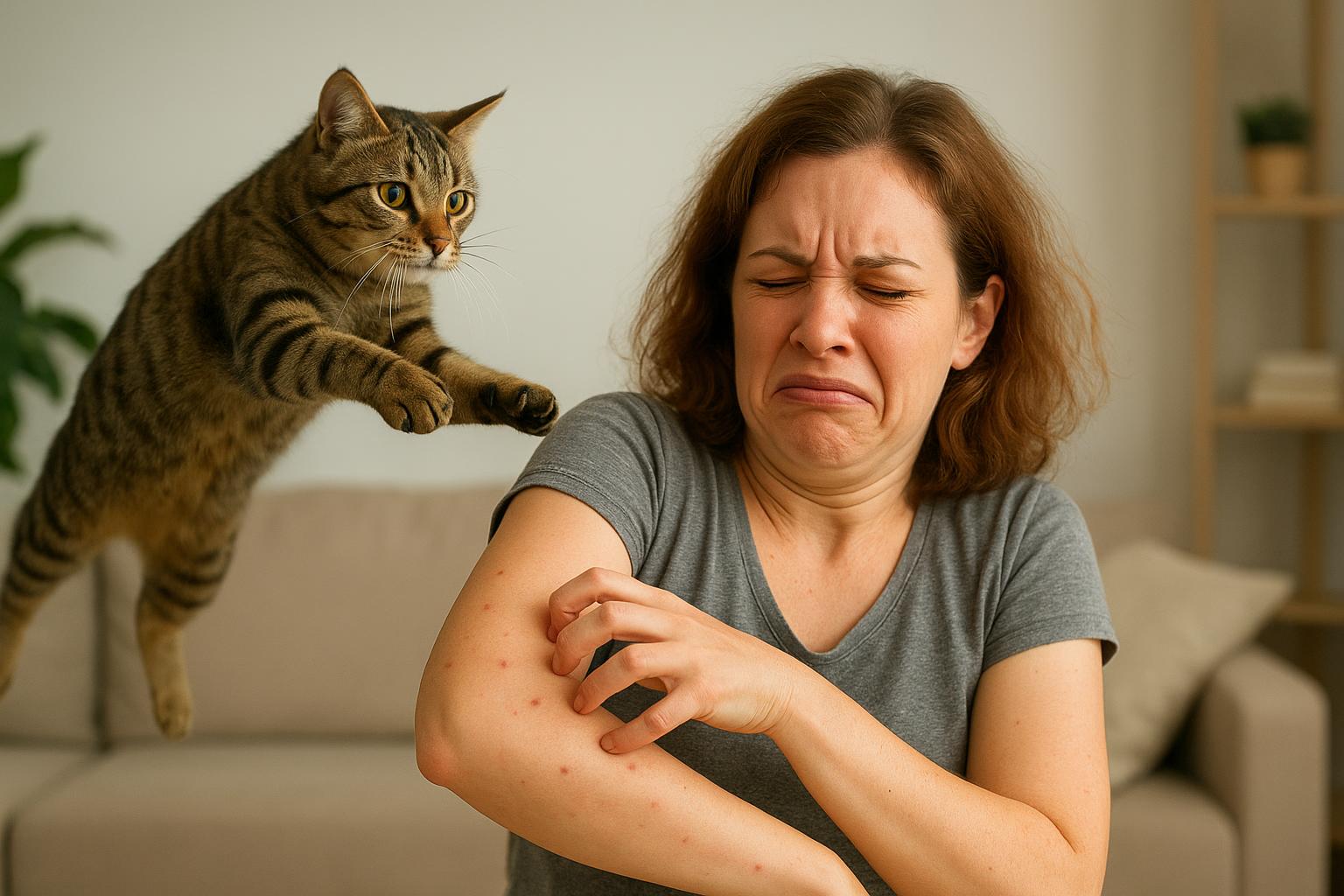
Flea bites are typically small, red, raised bumps that can be intensely itchy. They often occur in clusters or a line, especially around ankles, lower legs, waistline, or any skin that touches bedding or upholstery. When flea bites humans, the immediate reaction is mostly driven by the body’s histamine response to flea saliva.
### Symptoms In People
– Itchy, red papules that can develop a white center.
– Bites often appear in groups of three or four, sometimes described as a “breakfast, lunch, dinner” pattern.
– Swelling can be disproportionate to the size of the bite in people with sensitive skin.
– In rare cases, blistering or hives may occur, particularly in those with flea allergy dermatitis.
### Why Some People React More Than Others
Immunity varies. Someone bitten for the first time might not react strongly, while repeat exposure can sensitize the immune system and cause exaggerated itching and swelling. Kids and the elderly may show stronger symptoms or be more vulnerable to infection if they scratch until the skin breaks.
## How Fleas Make Their Way Into Your Home
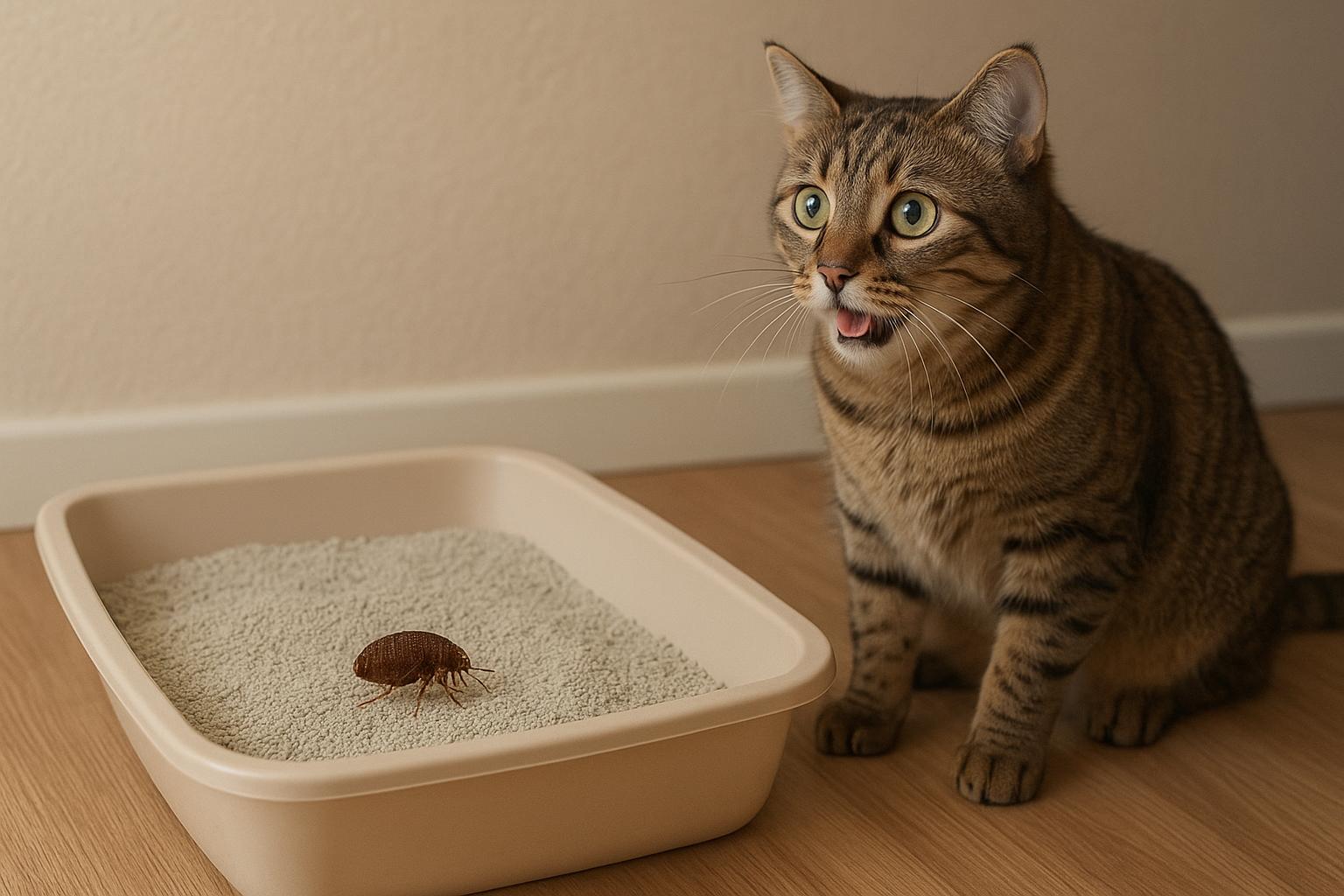
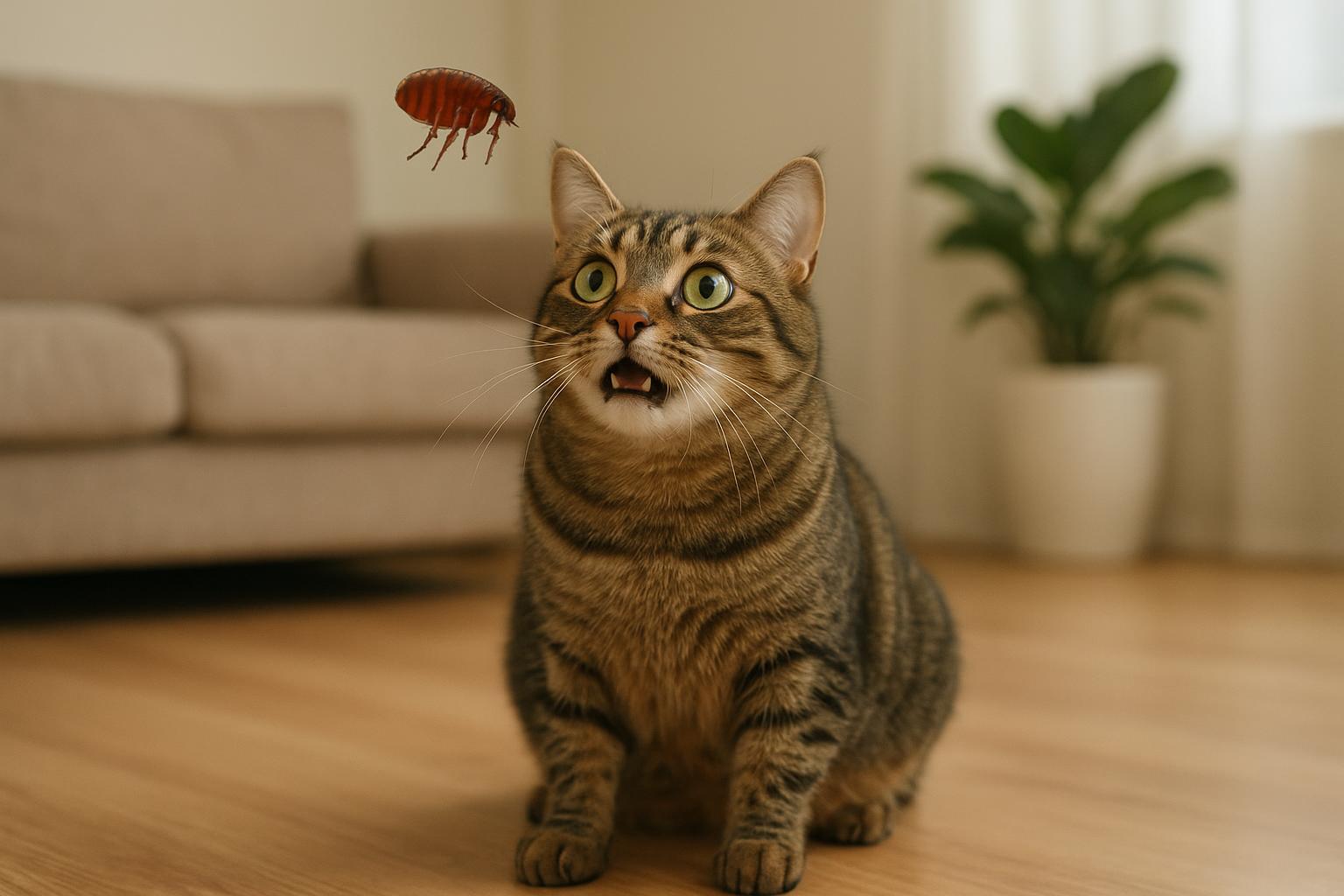
Fleas hitch rides on pets, wildlife, and even human clothing or luggage. They don’t teleport — they’re good at clinging and jumping. Females lay eggs in fur or carpeting; eggs fall into cracks, into bedding, and into the deep pile of rugs where they develop away from light. The lifecycle (egg, larva, pupa, adult) allows populations to explode if you don’t interrupt it.
### Common Entry Points
#### Pets And Wildlife
Pets are the most common carriers. Rodents, raccoons, feral cats, and even birds can bring fleas to your yard, where they wait for a warm-blooded host to come by.
#### Human-Mediated Transport
Visitors, used furniture, or secondhand rugs can introduce eggs or larvae. Flea pupae are resilient and can remain dormant for months until triggered by heat, vibration, or carbon dioxide.
## Health Risks And Complications From Flea Bites
Most of the time, flea bites are an unpleasant itch rather than a medical emergency. However, flea bites humans can occasionally lead to complications beyond irritation.
### Infectious Risks
Historically, fleas transmitted plague. That’s rare today in most places, but other flea-borne infections such as murine typhus and Bartonella (cat-scratch-related illness) are possible. Fleas can also carry tapeworm eggs; pets can ingest infected fleas and then pass tapeworms to humans in rare circumstances.
### Allergic And Secondary Infections
Allergic reactions range from localized severe itching to widespread hives. Continuous scratching can break the skin, creating a portal for bacterial infections like impetigo or cellulitis. In heavy infestations, particularly with infants or frail pets, anemia can occur from blood loss.
## Signs Of An Infestation In Your Home
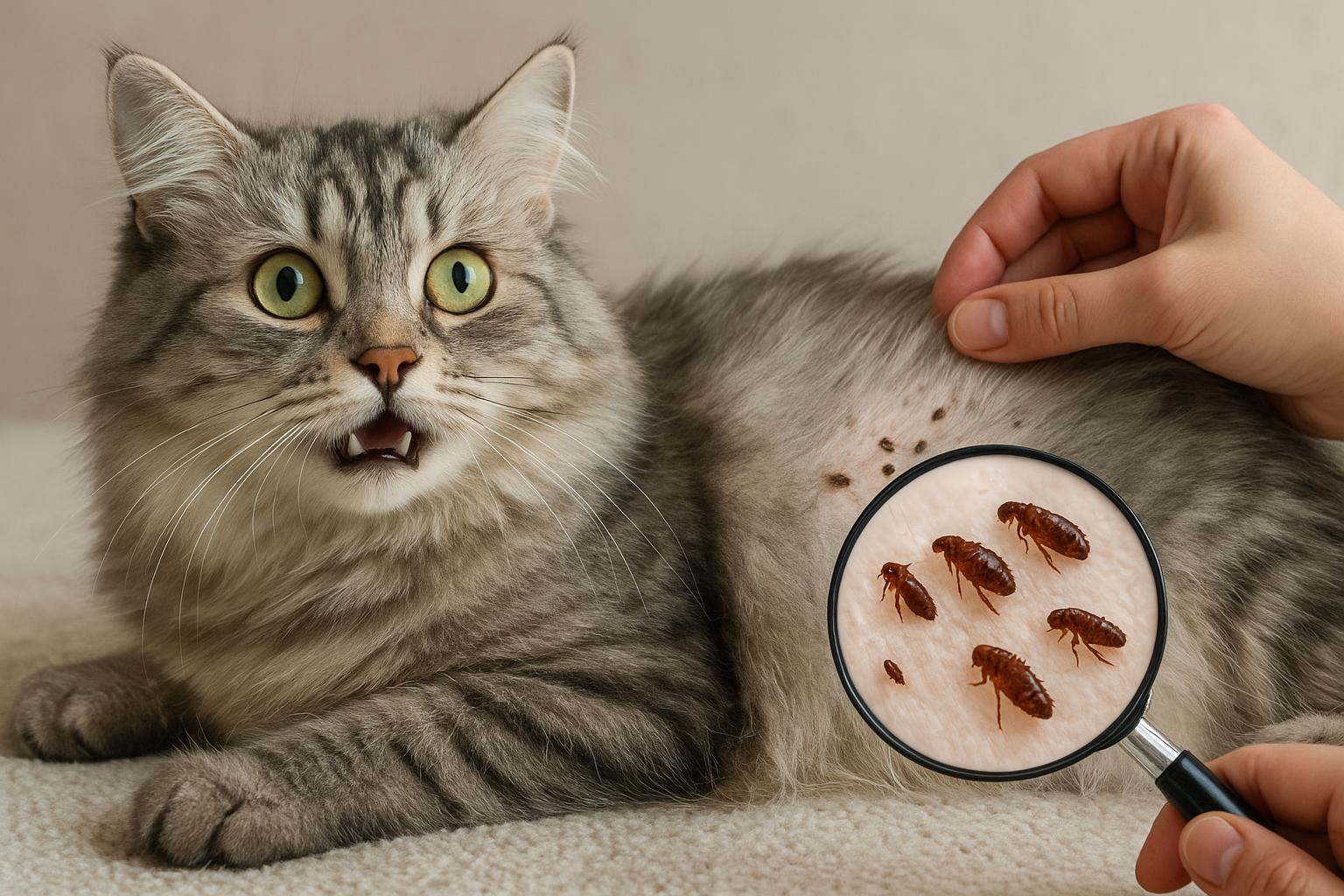
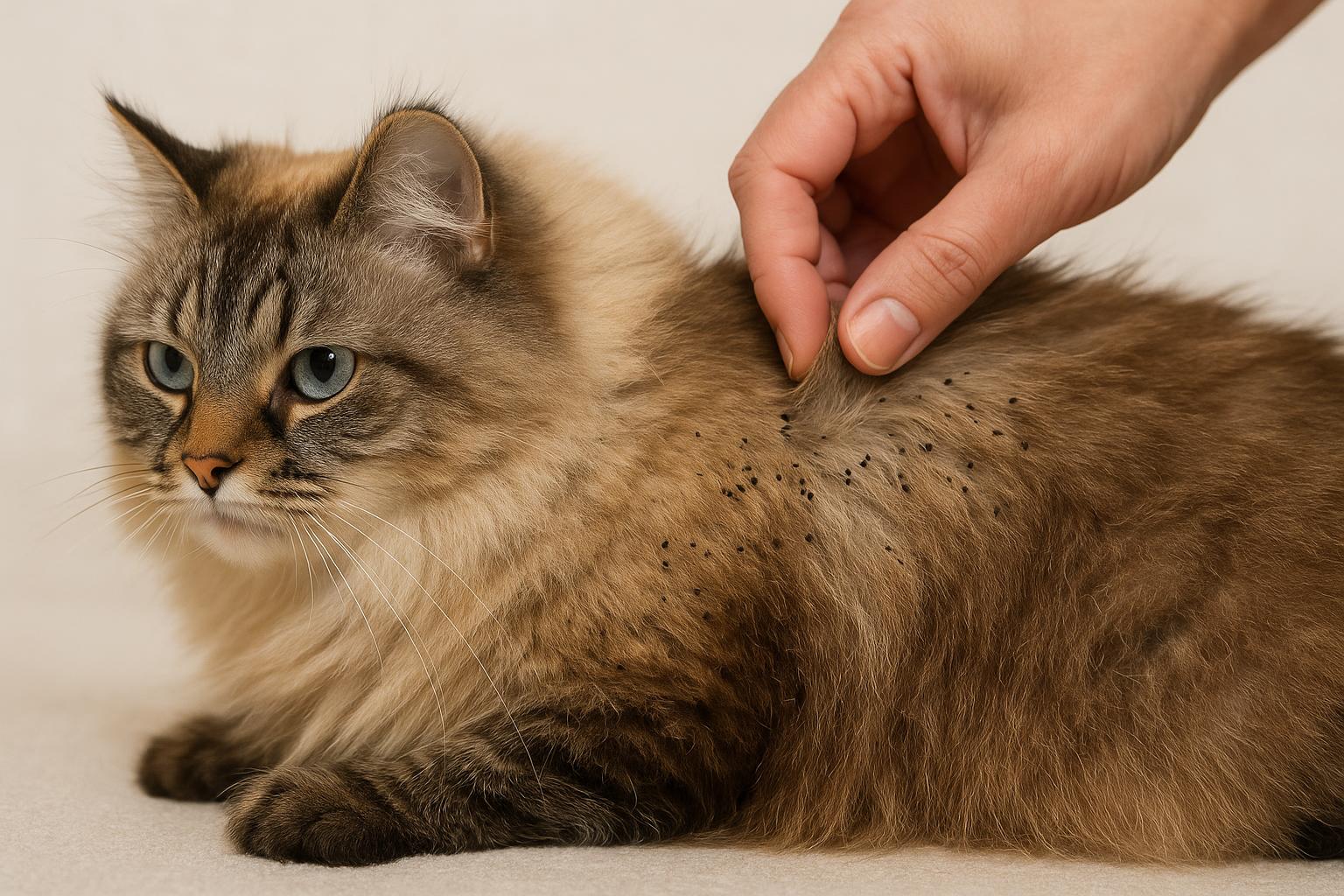
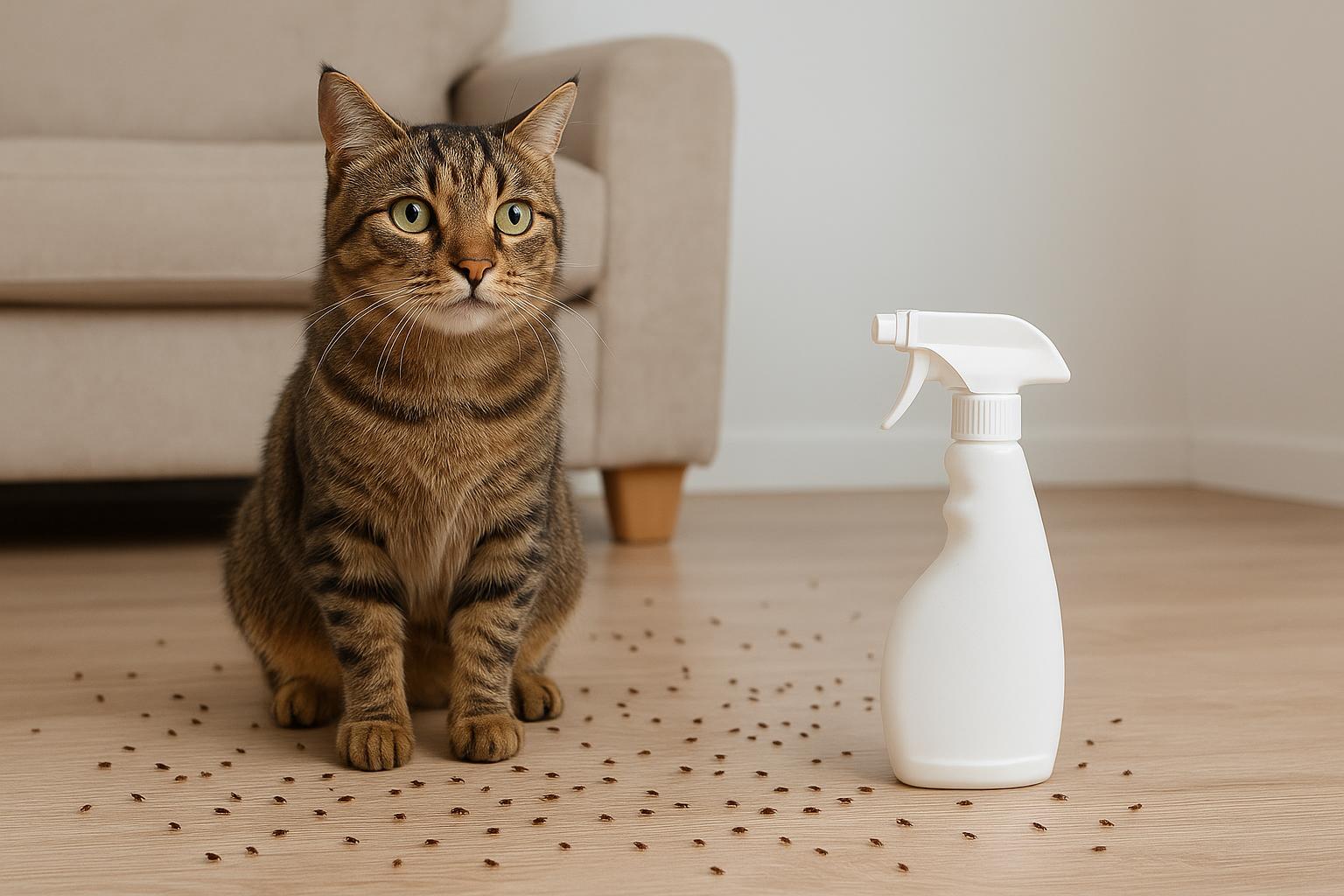
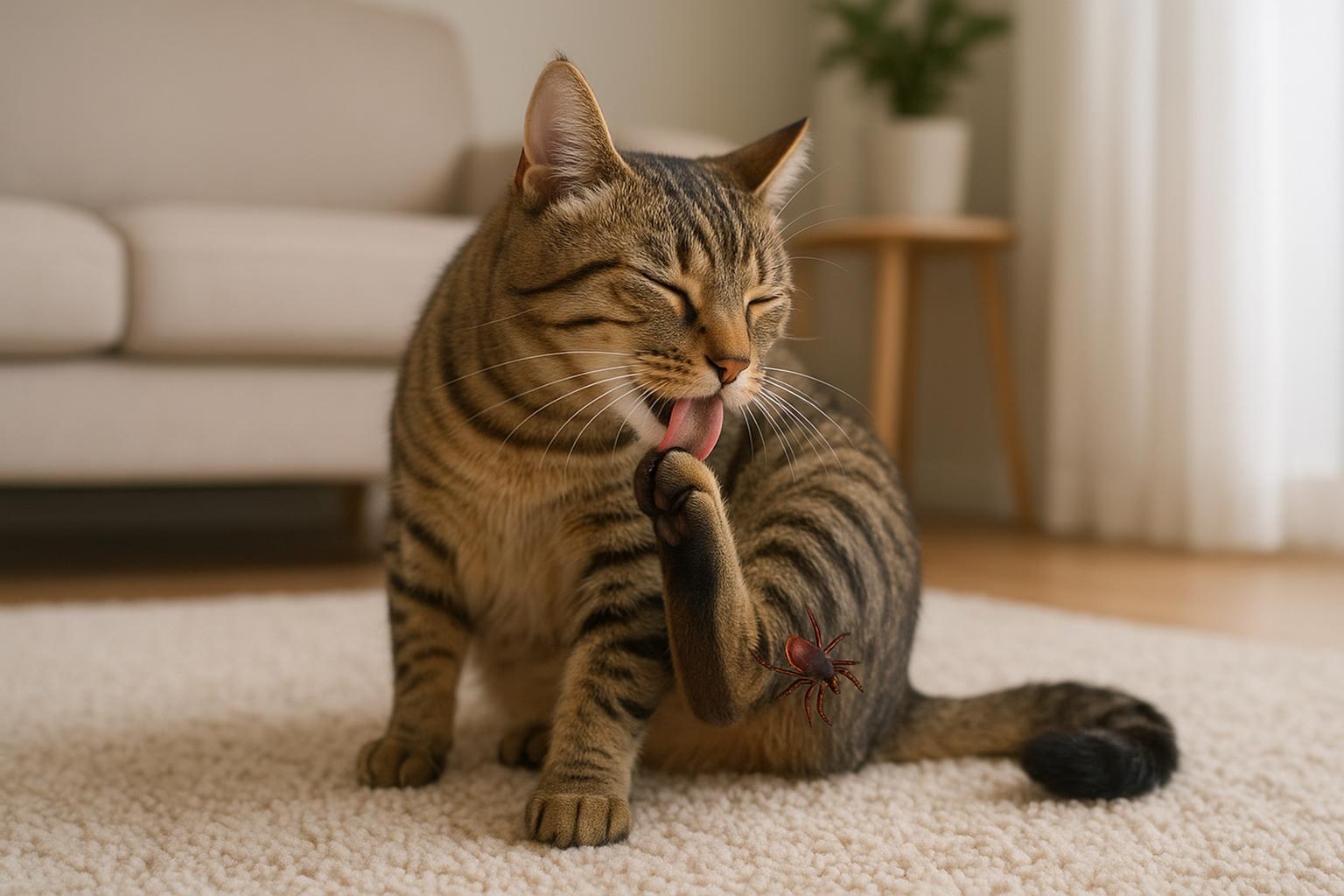
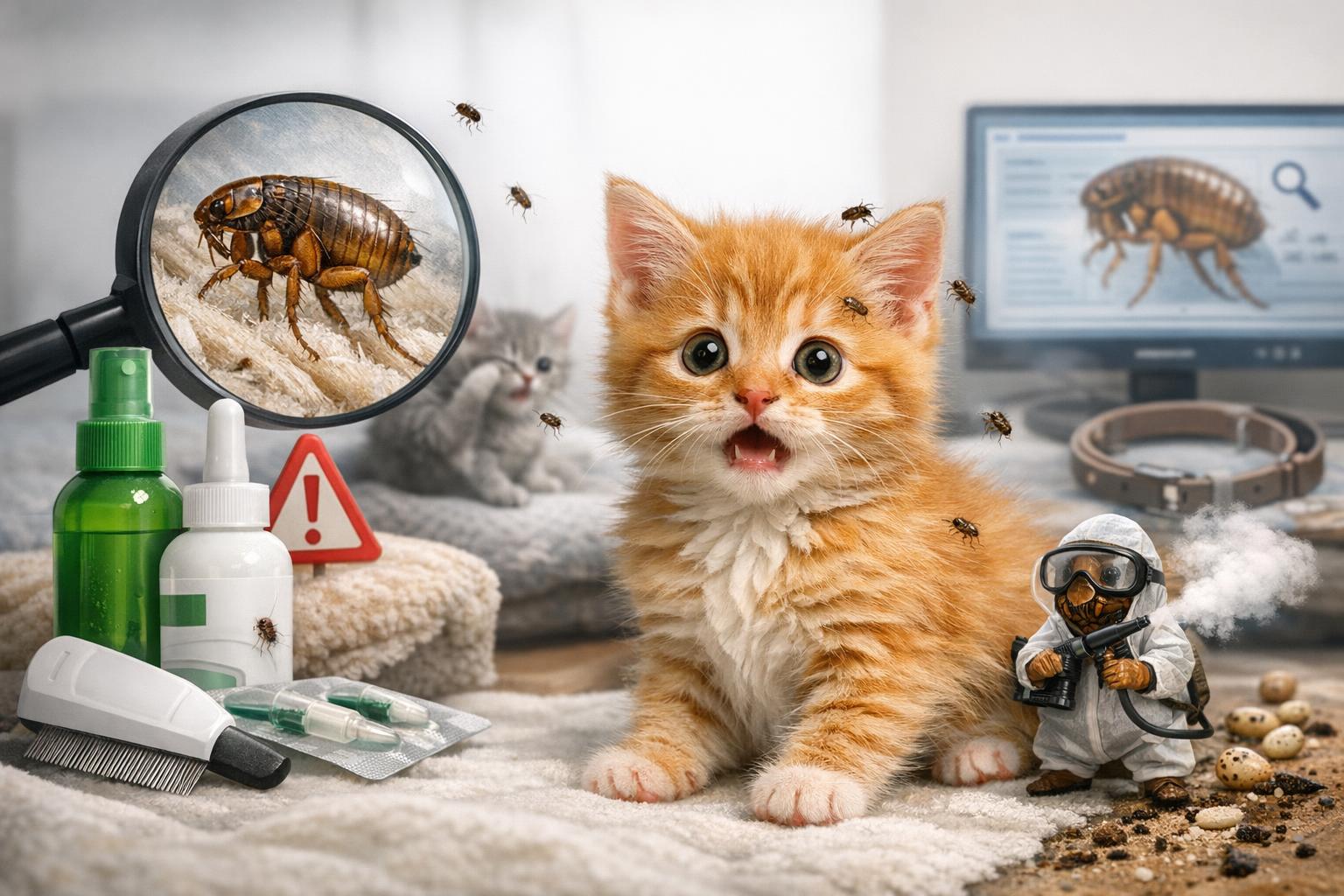
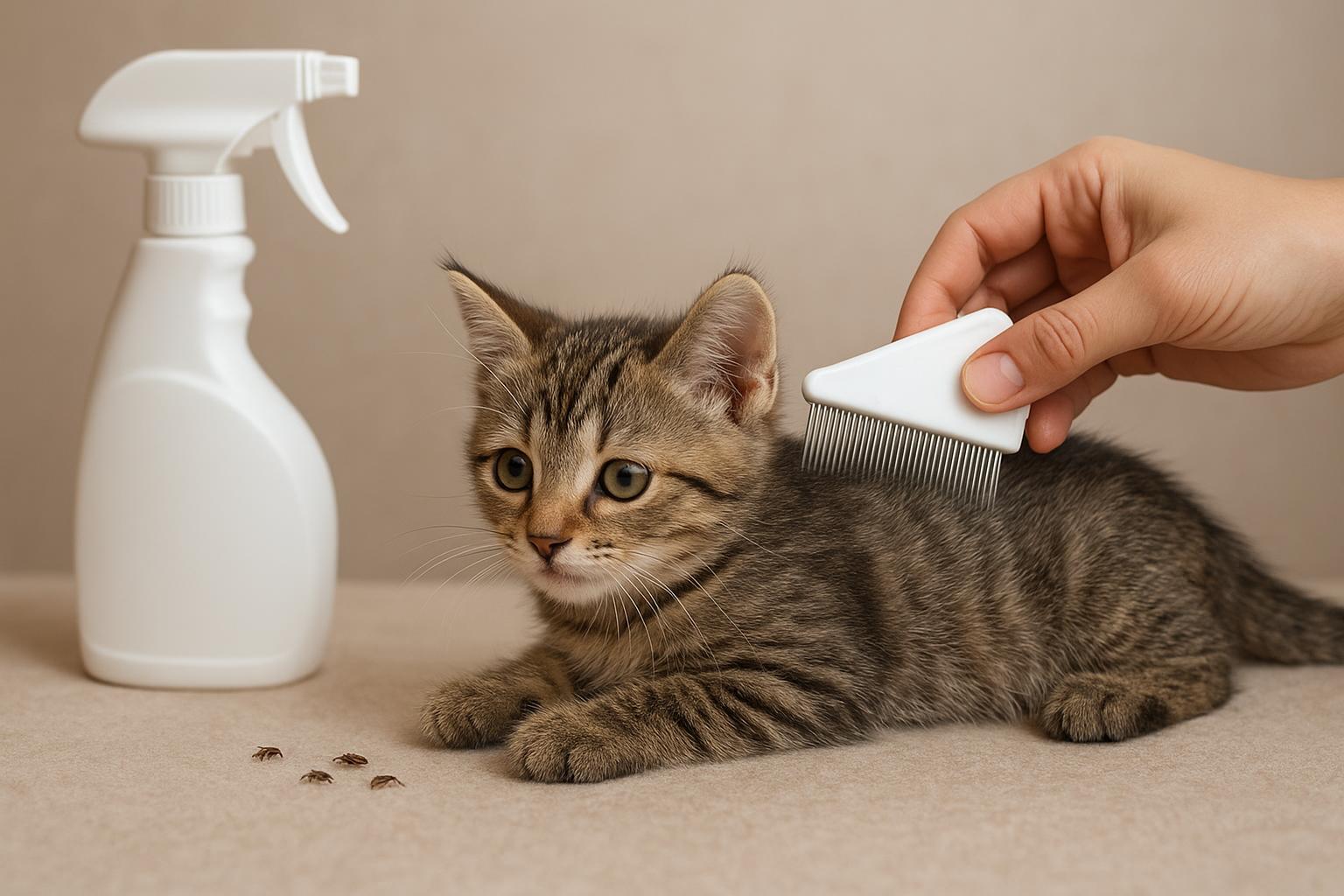
You don’t always see the flea right away. Look for these signs: pets scratching obsessively, produced flea dirt (tiny black specs that turn red when wet), visible small dark jumping insects, and clustered bites on household members. You may also find pupal cases in floorboard cracks or beneath baseboards.
### Where Bites Tend To Show Up On People
Bites often appear around lower legs and feet because fleas jump from the floor. If people sleeping in a specific bed have clustered bites, that’s a good clue.
## Remedies 1: Professional-Grade Home Treatment
This is a formal, structured approach intended for moderate to severe infestations and should be executed carefully and in accordance with product directions and safety precautions.
Materials And Equipment
– Professional insecticidal spray or fogger labeled for fleas (pyrethroid or insect growth regulator (IGR) formulations recommended)
– Vacuum cleaner with HEPA filter and disposable bags or a canister you can empty into sealed garbage
– Washing machine and hot water capability
– Stiff broom and carpet rake (optional)
– Personal protective equipment: gloves, mask, and eye protection
– Pest control service contact (for severe infestations)
Step-By-Step Application
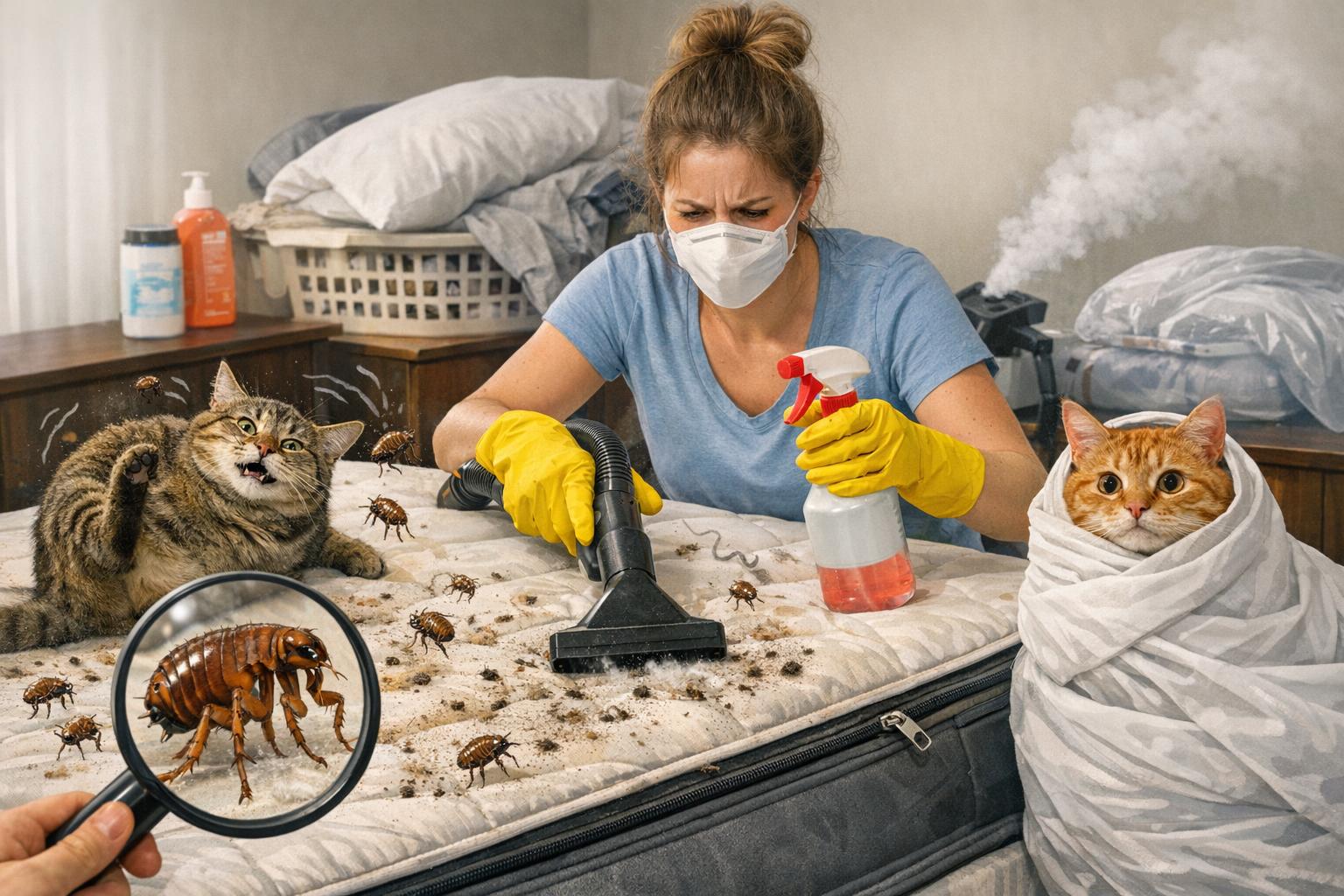
1. Prepare Occupants And Pets: Remove pets and cover or remove fish tanks. Ensure children and pets are not present during application and for any re-entry time specified by the product label.
2. Clean Thoroughly: Vacuum all floors, upholstery, mattress seams, and pet bedding. Pay special attention to cracks, under furniture, and along baseboards. Dispose of vacuum bag or empty canister into a sealed outdoor trash bag immediately.
3. Wash Fabrics: Launder all bedding, pet bedding, and affected clothing in hot water (at least 130°F / 54°C) and dry on high heat to kill fleas at all life stages.
4. Apply IGR Product: Treat carpets, rugs, and furniture with an IGR-containing insecticide. IGRs prevent larvae from becoming adults and break the lifecycle. Follow label directions for dosage and safety.
5. Target Adult Fleas: Use a residual spray according to label instructions for crevices, skirting boards, and pet resting areas. Do not overapply.
6. Monitor And Repeat: Vacuum daily for two weeks, and repeat treatments as per product recommendations (often 2–4 weeks) to address eggs that hatch after the first application.
7. Consider Professional Service: If infestation persists after two properly executed treatments, call a licensed pest control professional.
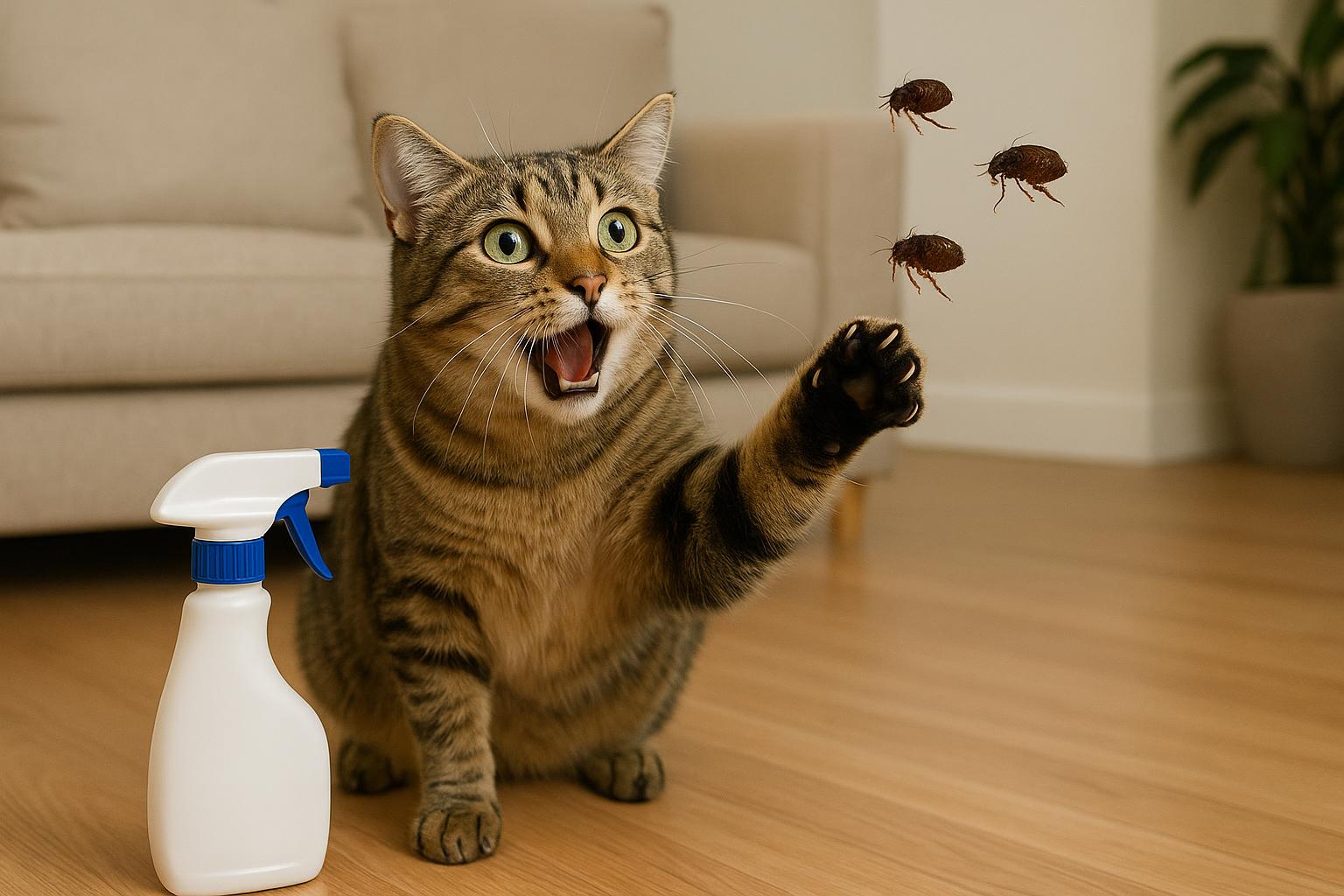
## Remedies 2: Natural DIY Spray For Immediate Control
This remedy is less formal and best for mild early infestations or as a complementary measure. It’s designed to reduce adult flea activity but is not a substitute for thorough lifecycle control.
Ingredients / Materials
– 1 cup of white vinegar
– 1 cup of water
– 2 tablespoons of lemon juice
– 10–15 drops of essential oil (cedarwood or lavender; avoid tea tree oil on pets)
– Spray bottle (16 oz)
– Funnel
– Gloves
Creation And Application Steps
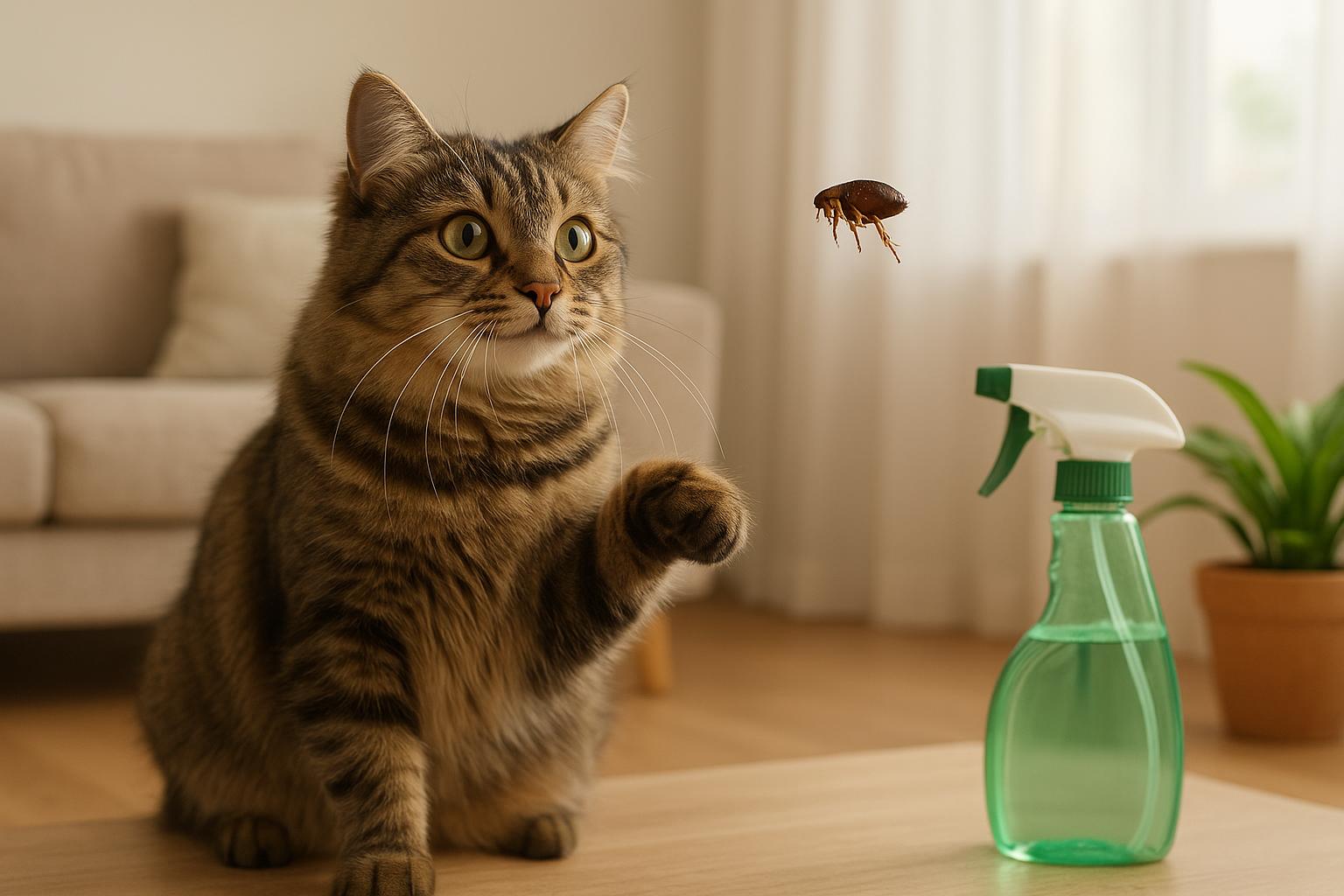
1. Mix Liquids: Using the funnel, combine vinegar, water, and lemon juice in the spray bottle.
2. Add Essential Oil: Add essential oil drops for scent and mild repellent properties. Secure the spray top and gently swirl to mix.
3. Test A Small Area: Before blanket-spraying fabrics, test a small hidden area of upholstery or rug to ensure no discoloration.
4. Apply To Surfaces: Lightly mist carpets, rugs, pet bedding (only if bedding can be removed and washed soon after), and baseboards. Do not soak fabrics; light coverage is safer and sufficient for repellency.
5. Reapply Regularly: Use daily for 7–10 days to disrupt adult fleas; combine this with vacuuming and laundering to target larvae and eggs.
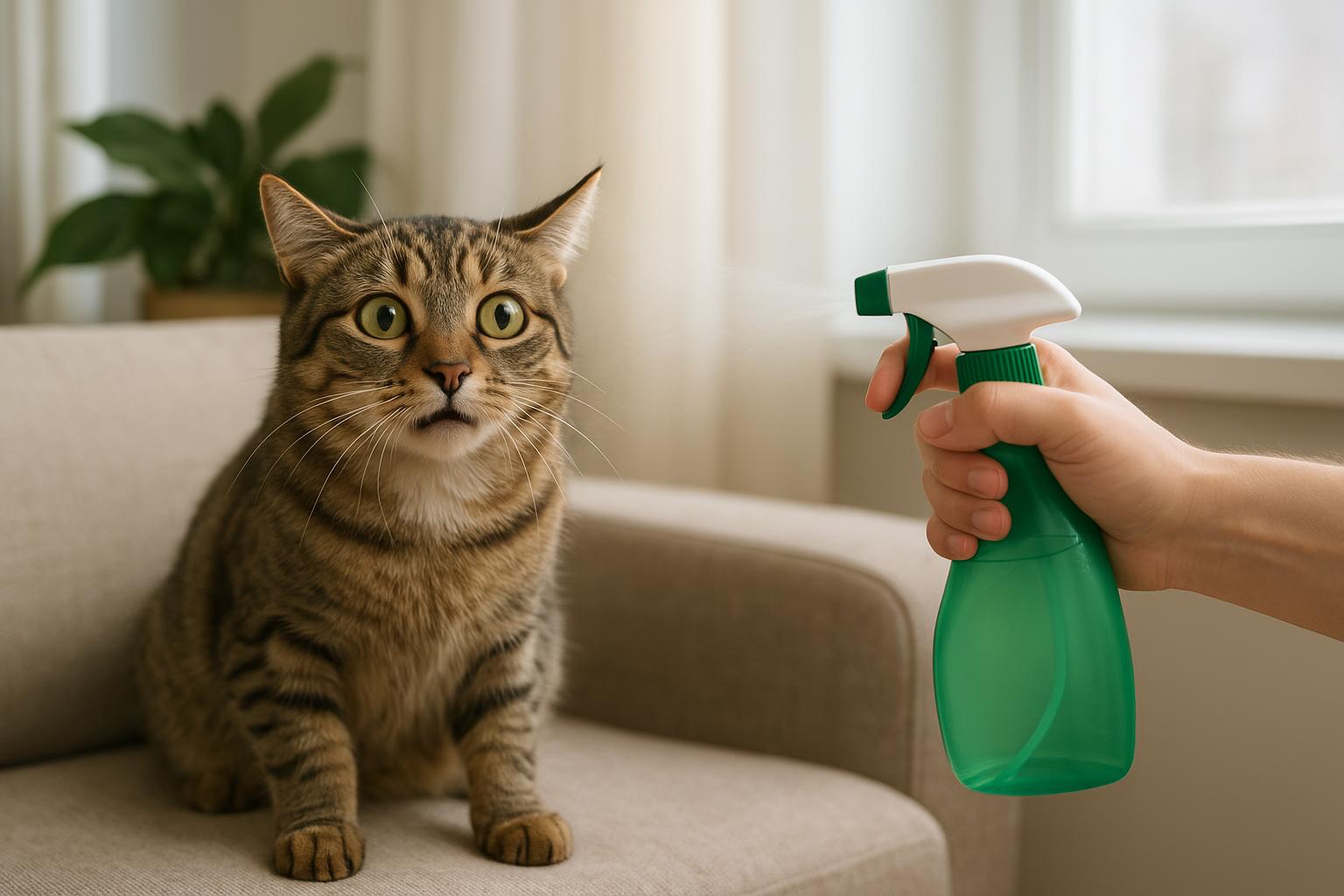
6. Safety Note: Do not spray directly on pets. Consult your veterinarian before using any essential oils in homes with animals.
## Preventing Future Flea Problems
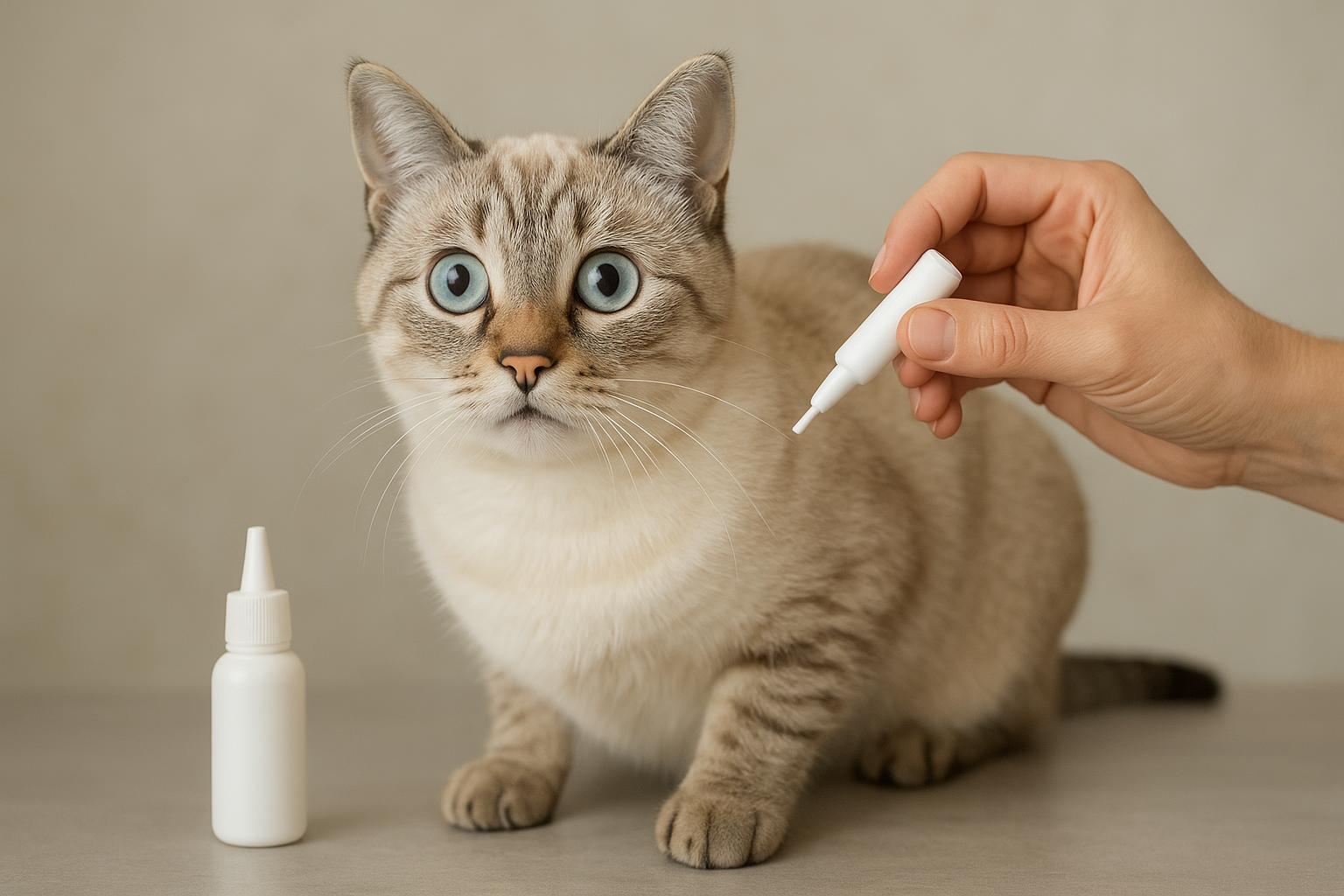
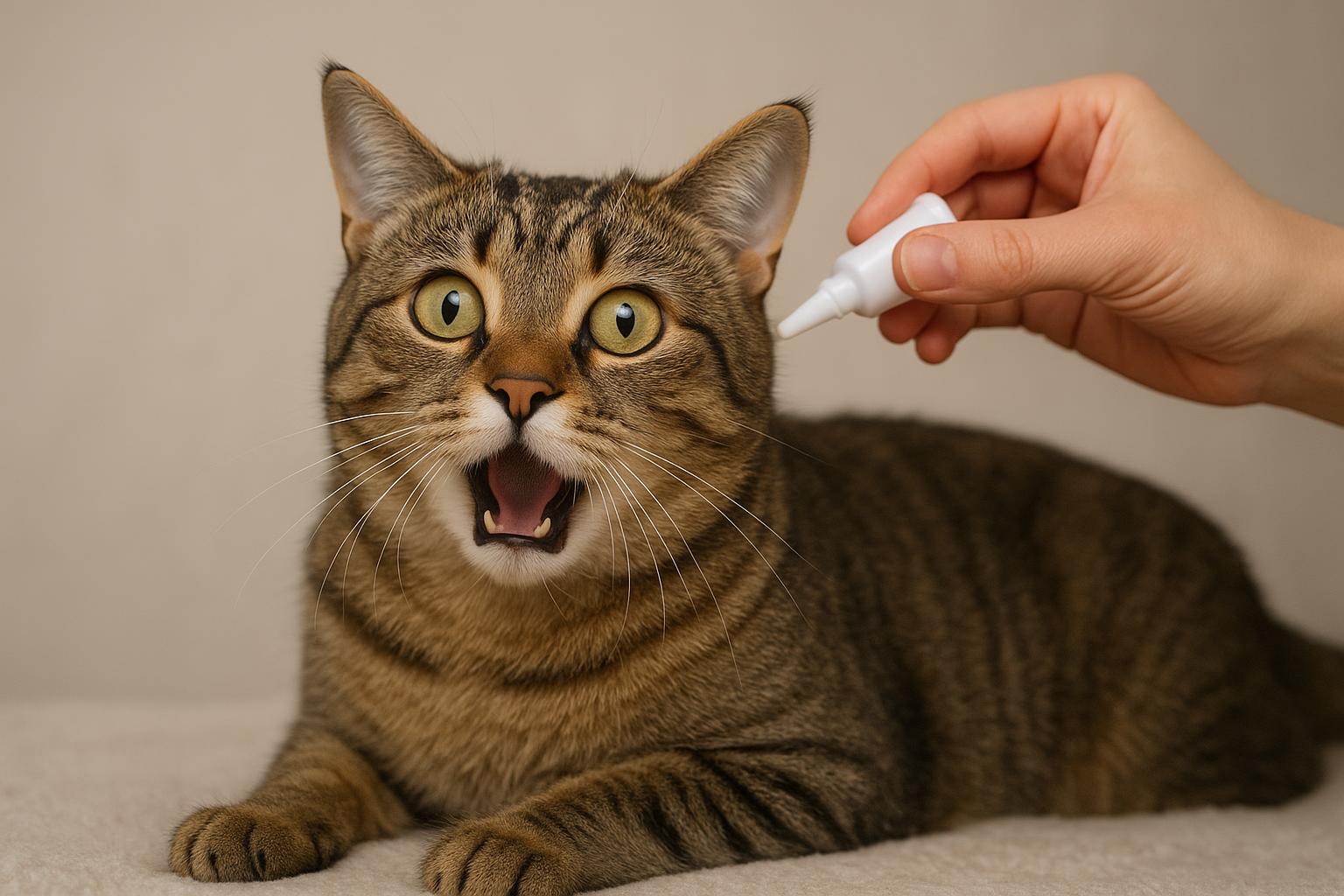
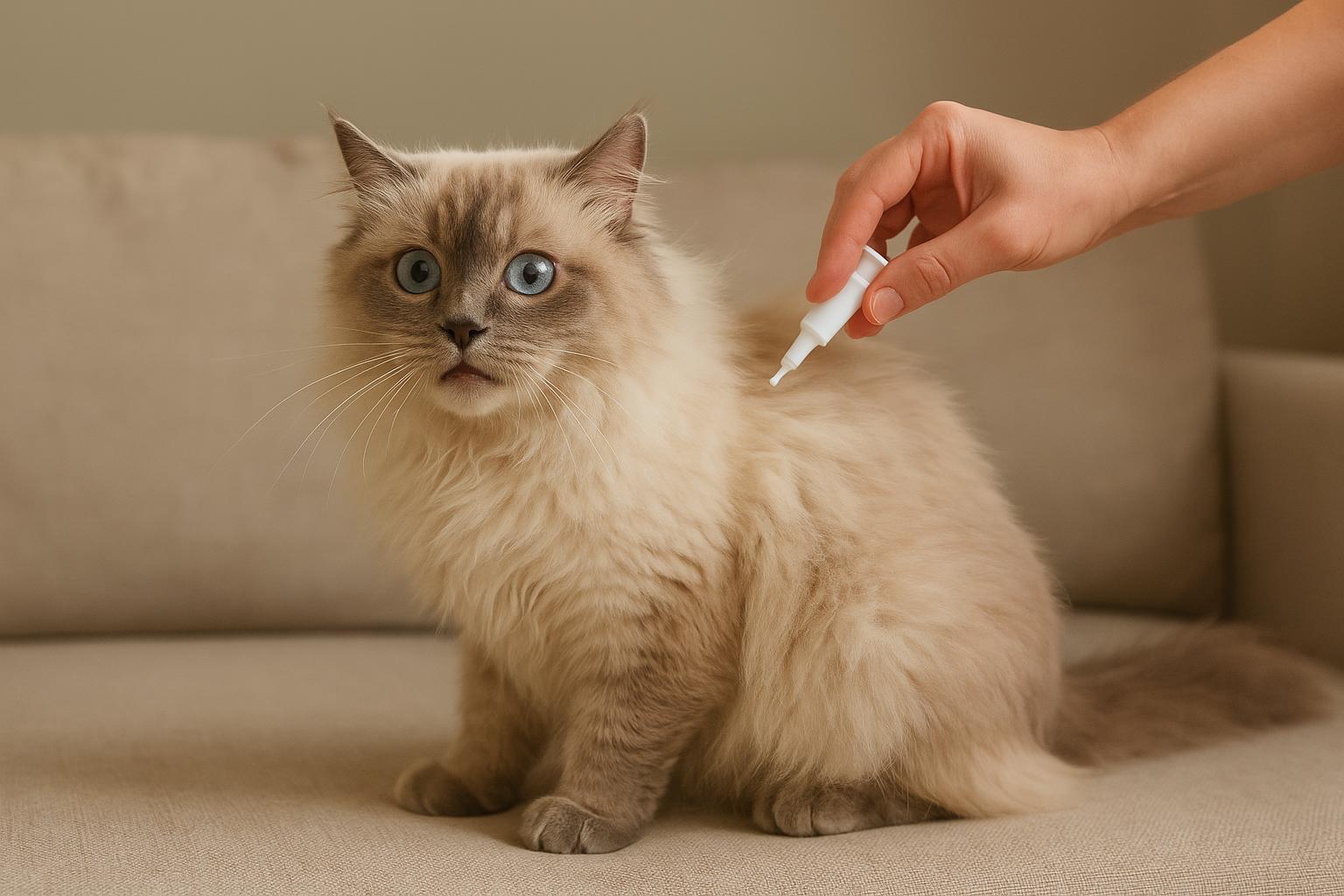
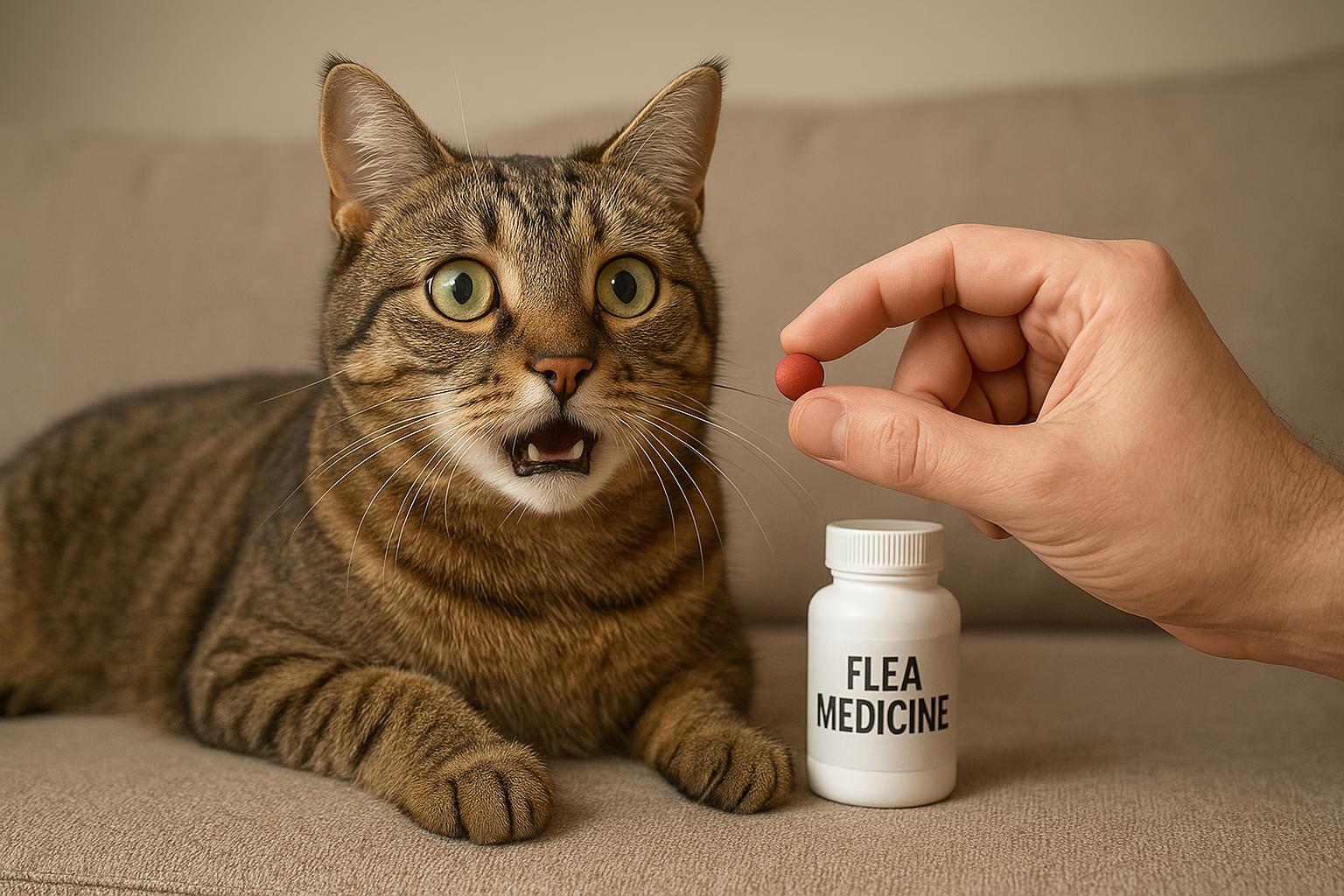
Regular maintenance is crucial. Keep pets on veterinarian-recommended monthly flea preventatives (topicals, collars, or oral medications), regularly wash bedding, vacuum frequently (especially in spring and summer), and seal gaps where wildlife might nest. Manage yard populations by keeping grass short, removing debris, and considering targeted perimeter treatments if wildlife is a recurring source.
### Pet Care And Yard Management
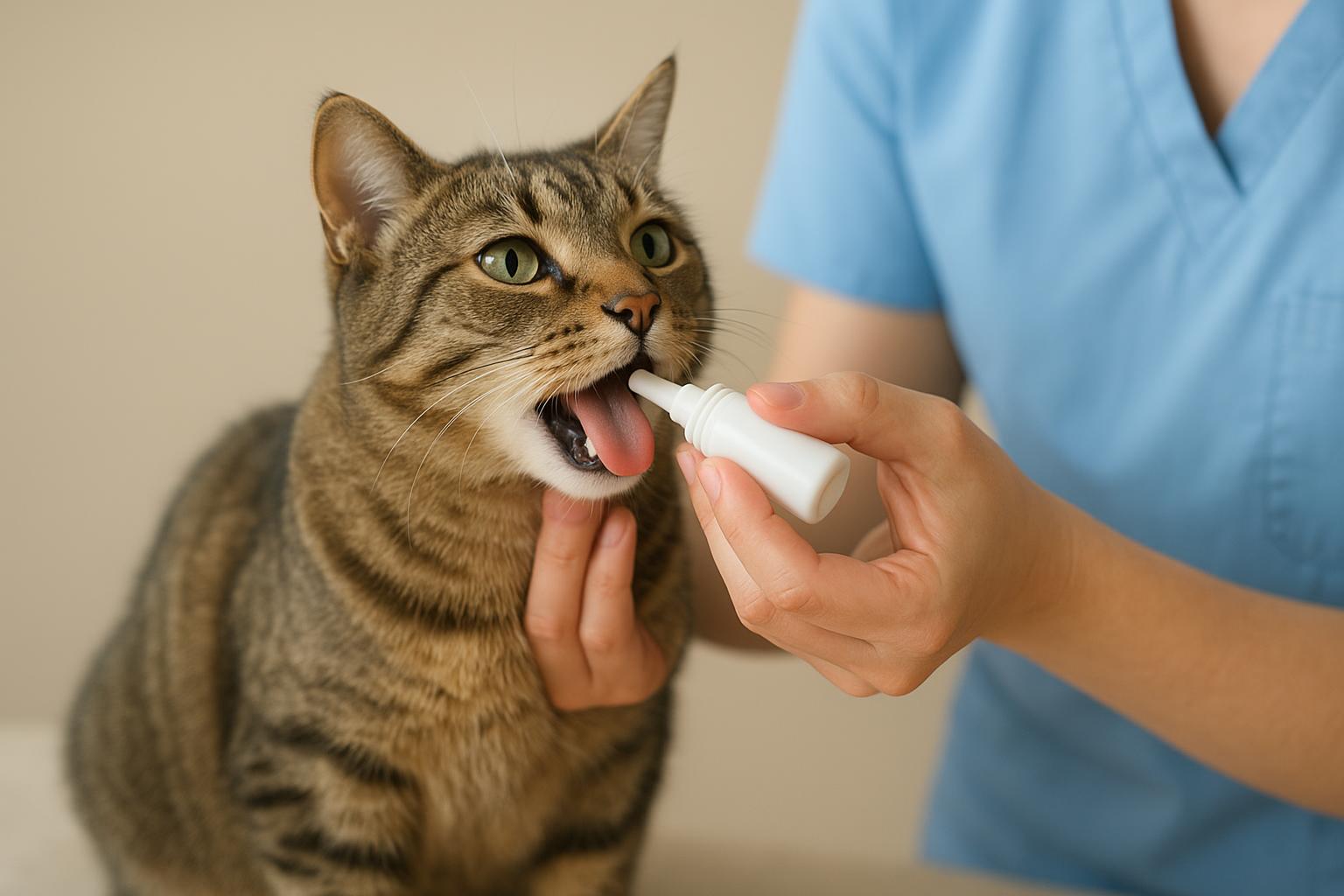
Treating only the house or only the pet is often ineffective. A combined approach — treating pets, indoor environment, and outdoor habitat — is the best defense. Consult your vet before changing pet medications or starting new topical products.
## When To See A Doctor
If flea bites cause spreading redness, streaks, fever, swollen lymph nodes, or signs of systemic illness, seek medical attention. Also consult a physician if bites are accompanied by severe allergic reactions (widespread hives, difficulty breathing, or swelling of the face or throat). Persistent or worsening local infection signs (increasing pain, warmth, pus) require prompt evaluation.
If you suspect fleas in your home because flea bites humans have appeared repeatedly despite your efforts, consider a professional pest management consultation to avoid prolonged exposure and complications.
(End of article — no conclusion provided.)































Leave a Reply