
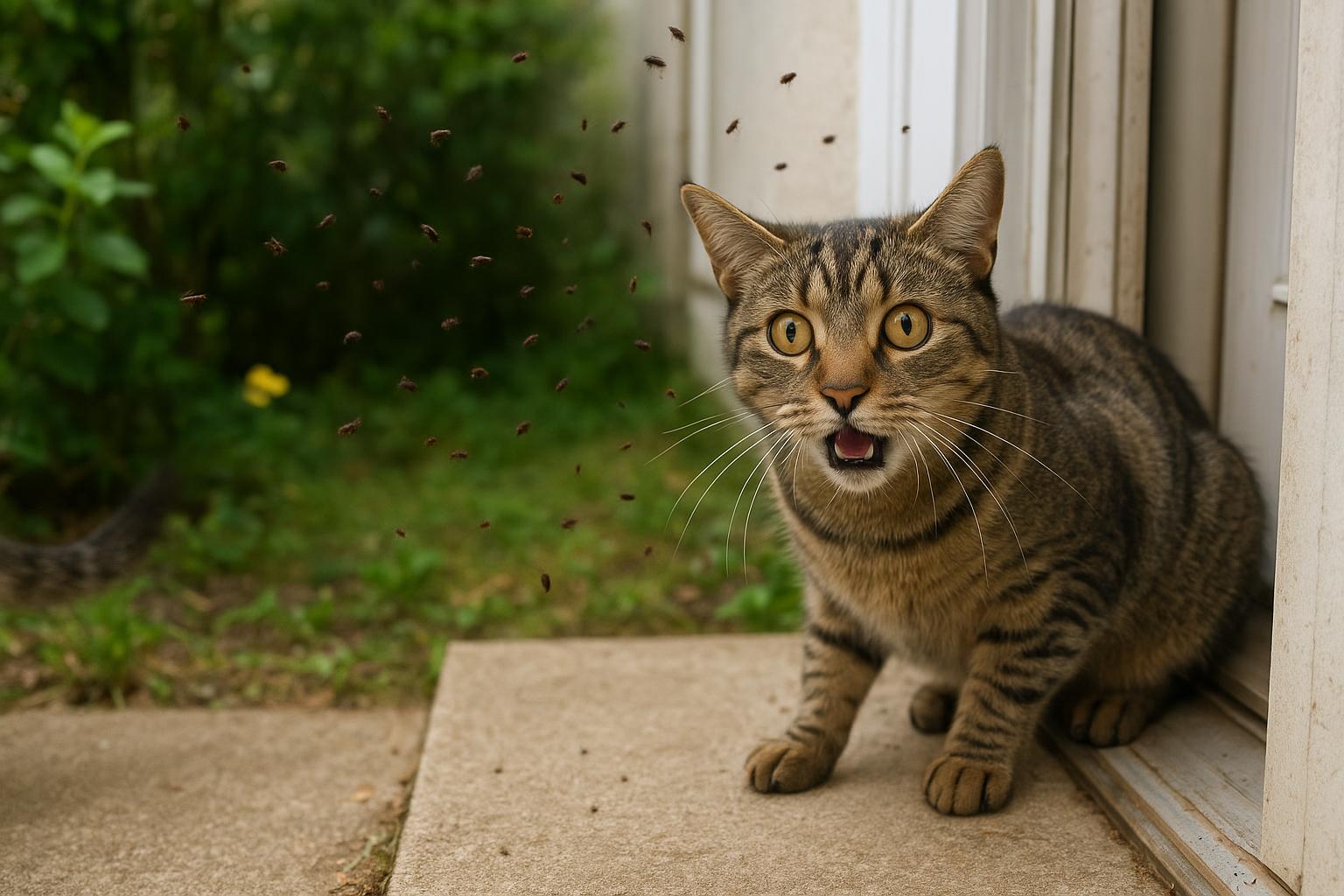
A warm breeze lifts clover heads and a scattering of sunlight makes the yard look harmless — but a silent invasion can begin there, tiny and relentless. Learning how yard fleas enter homes is part detective work, part landscape forensics, and part household strategy. Below are imaginative clues and practical remedies to spot the tracks of these pests and shut the door on future incursions.
## How Yard Fleas Enter Homes: Recognizing Outdoor Entry Clues
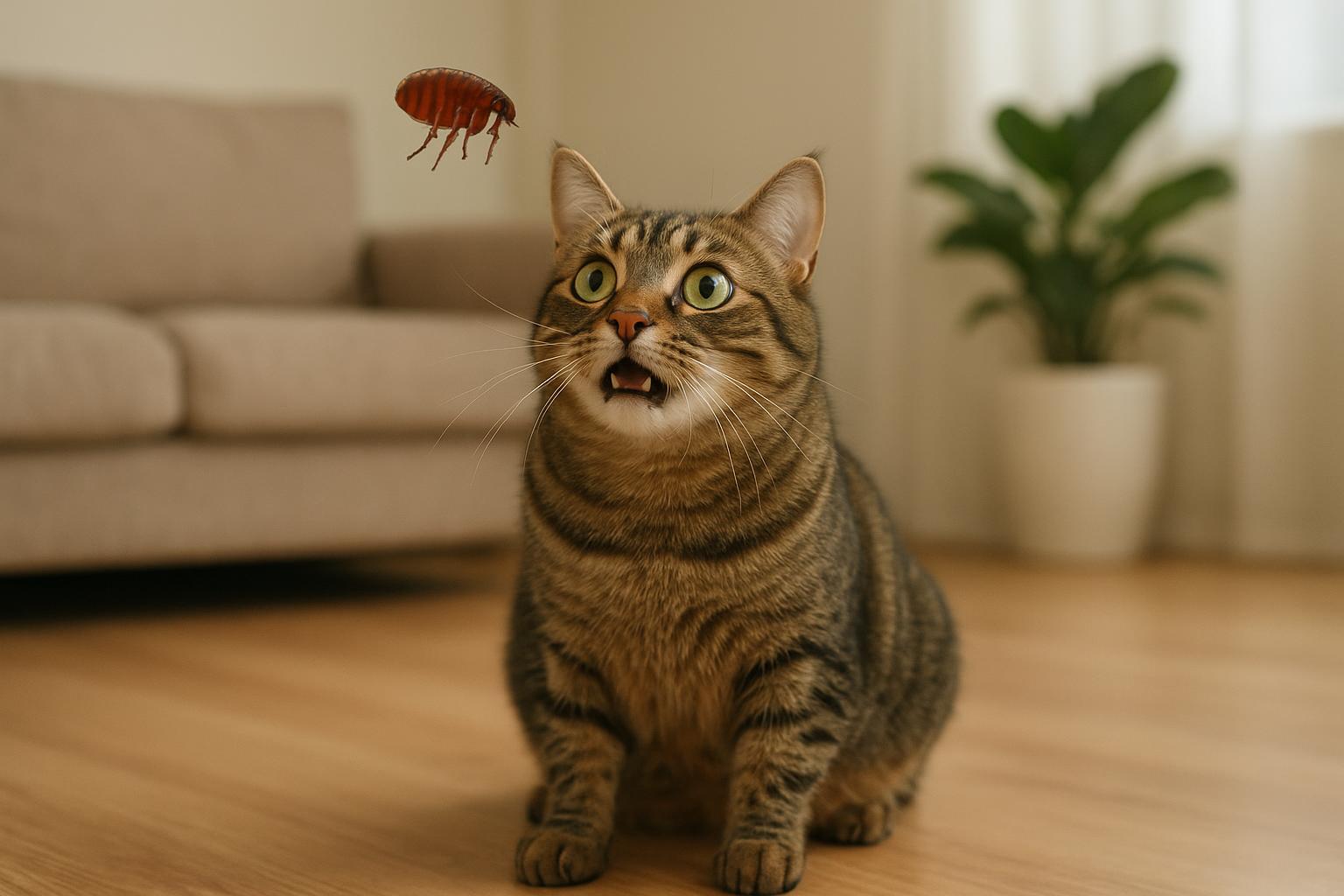
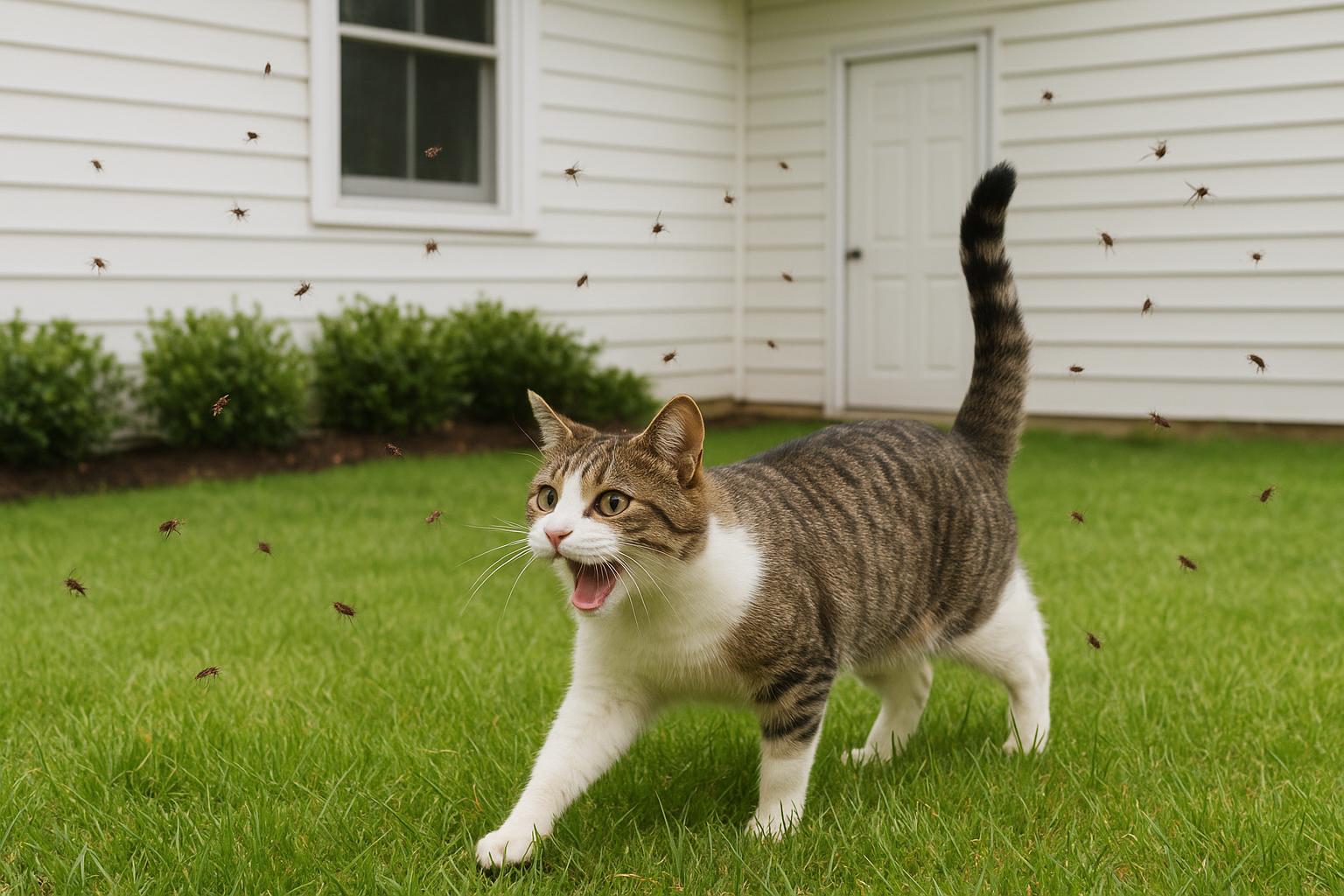
Fleas are masterful at turning an ordinary backyard into a staging ground. Understanding how yard fleas enter homes starts with observing movement and patterns: pets coming in with itchy flanks, hummingbirds’ nests near the eaves, a neighbor’s compost pile, or a shaded corner of the lawn where the grass stays damp. These simple scenes create multiple opportunities for fleas to hop from the yard into living rooms, carpets, and pet beds.
Environmental microhabitats — shady mulch, leaf litter, dense shrubs — provide the humidity and organic debris flea larvae need. Spring and fall produce bursts of activity, but any time a mammal or bird frequents your yard, you have an outdoor flea entry point. Even people can be inadvertent carriers after gardening or handling outdoor furniture.
### What Flea Life Stages Tell You
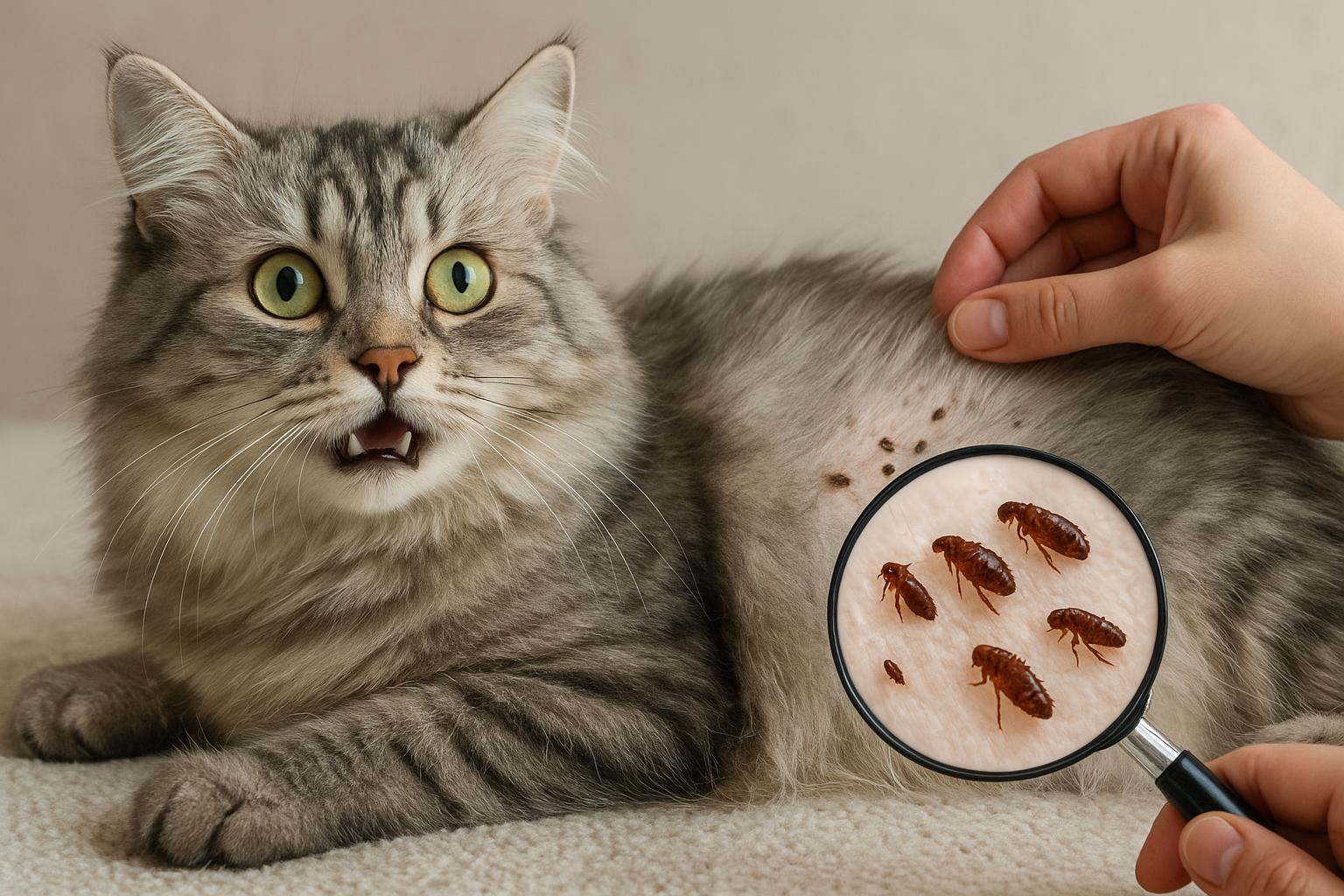
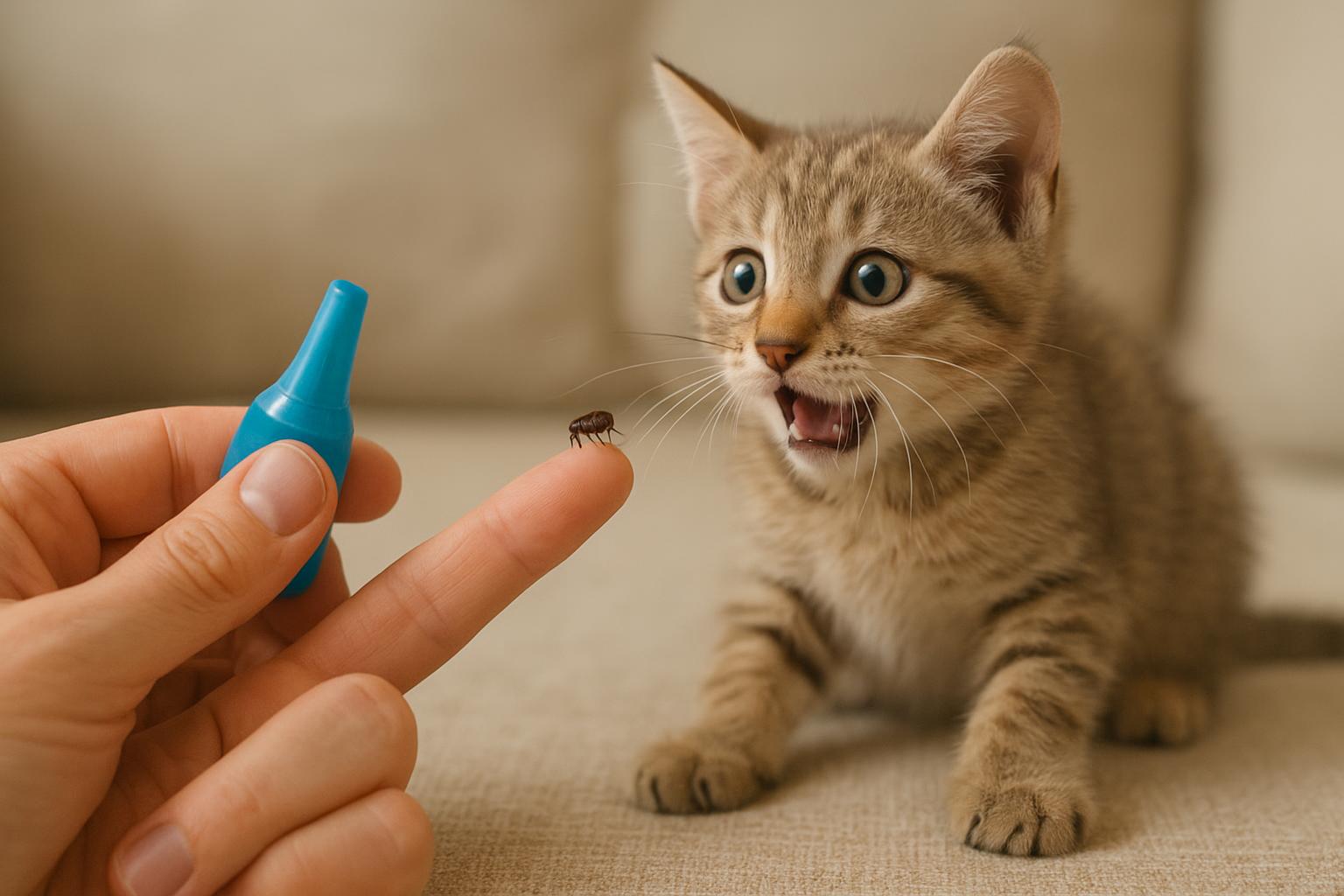
Fleas pass through egg, larva, pupa and adult stages, and each stage influences movement from yard to home. Eggs and larvae are immobile and stay in protected outdoor niches. Pupae can remain dormant, then adults emerge when vibrations, carbon dioxide, or warmth signal a host is near — often when a pet returns indoors. Knowing the lifecycle clarifies why a single flea seen on a dog may represent a much larger, mostly hidden population outside and inside the house.
### Common Outdoor Pathways That Become A Flea Gateway
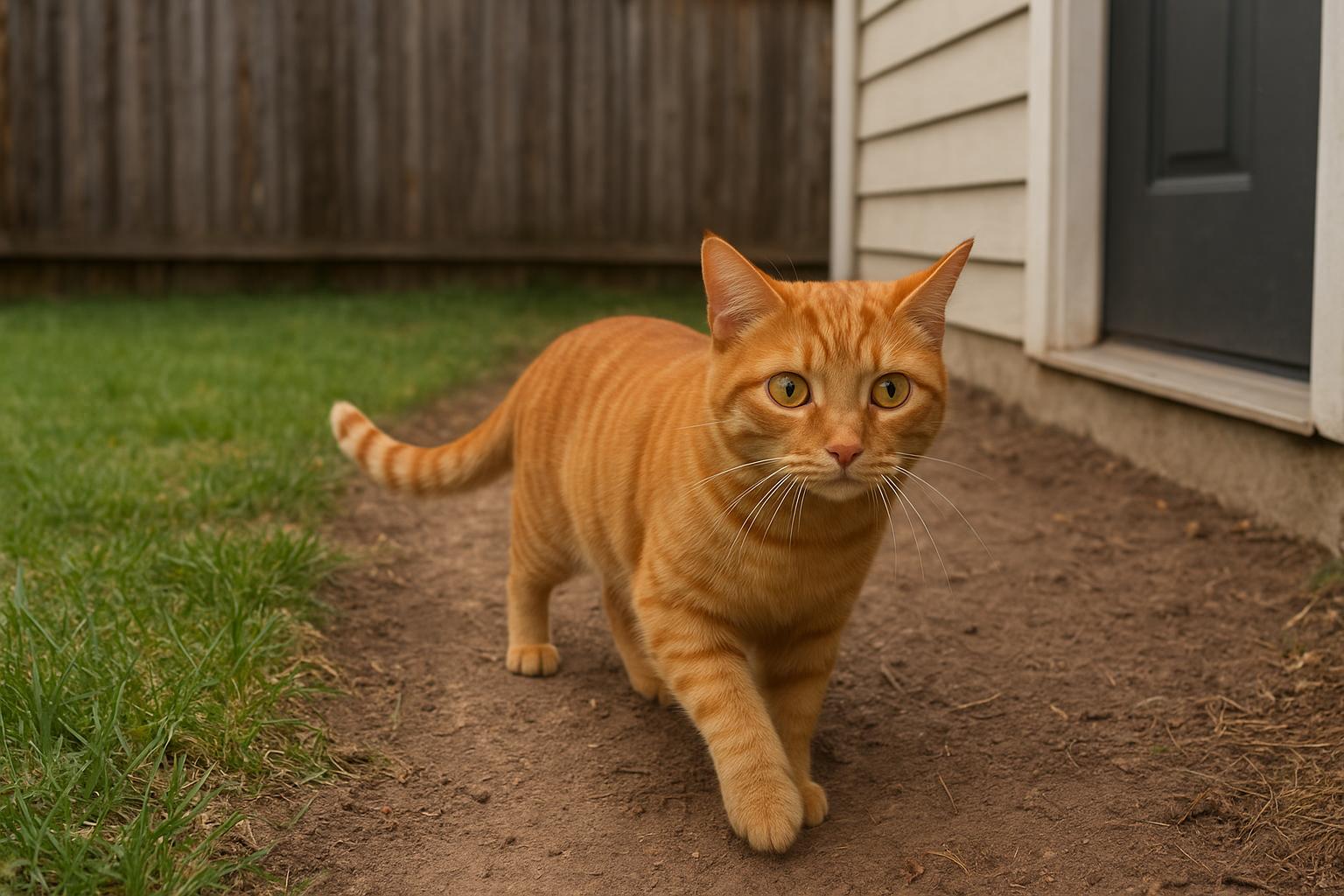
Pets: Dogs and cats that roll in tall grass, under porches, or in shaded borders pick up adults and eggs and carry them inside.
Wildlife: Rodents, opossums, raccoons, skunks and feral cats are mobile flea reservoirs. Their trails to and from your yard form natural flea gateways.
Garden Materials: Fresh mulch, used potting soil, and secondhand outdoor rugs can harbor eggs or larvae. A bag of mulch left near a door is an overlooked outdoor flea entry risk.
Human Activity: Gardeners, children playing in the yard, and delivery workers can unknowingly transport fleas on clothing and shoes.
Yard Equipment: Mowers, rakes, and pet toys that move between yard zones can shuttle parasites toward the house.
## Signs At Home And Yard That Reveal A Flea Gateway
Early detection is a big advantage. Look for these clues that signal how yard fleas enter homes and where the infestation’s origin might be:
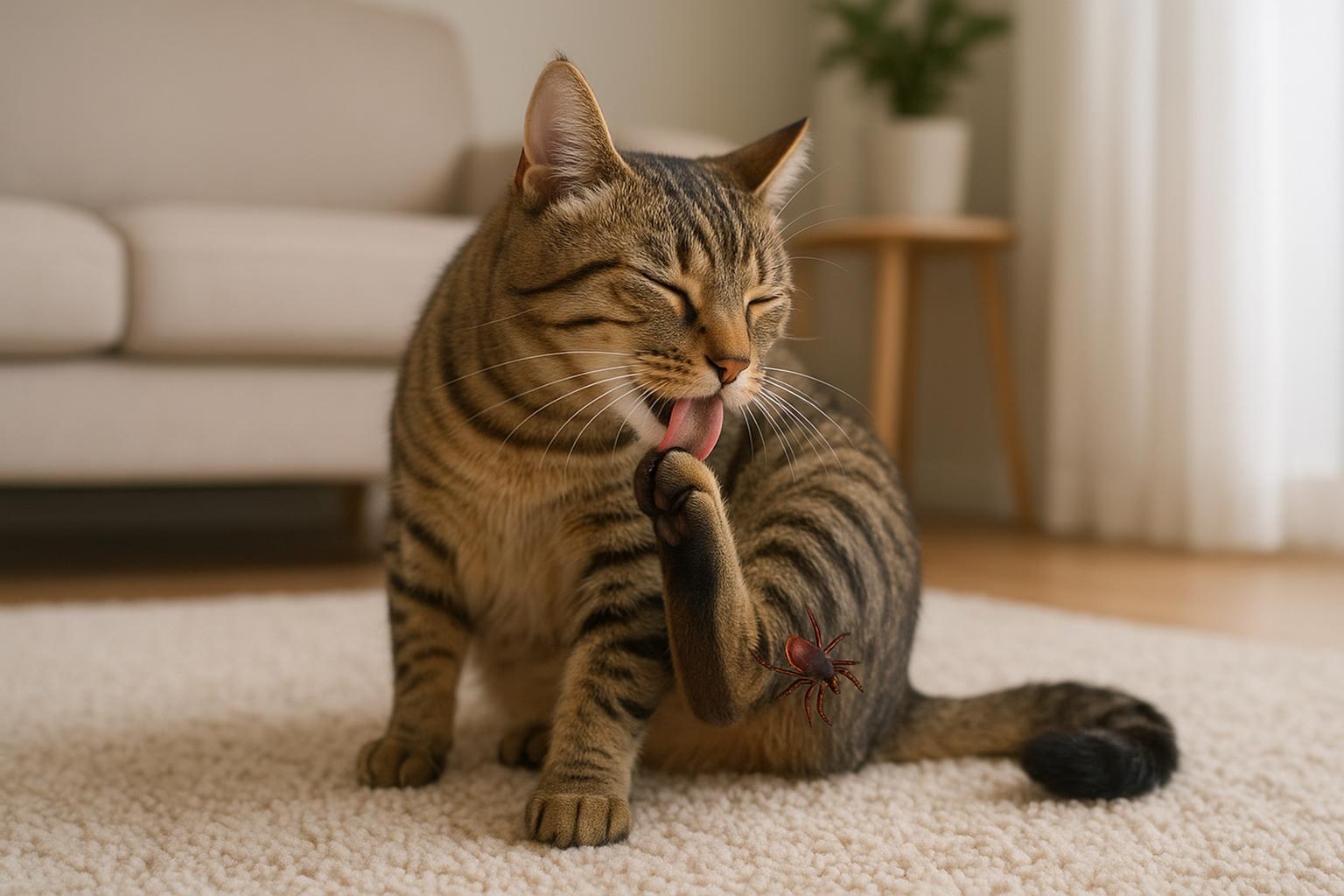
– Pets Scratching: Frequent scratching, biting, or hair loss in localized spots, especially along the lower back and belly.
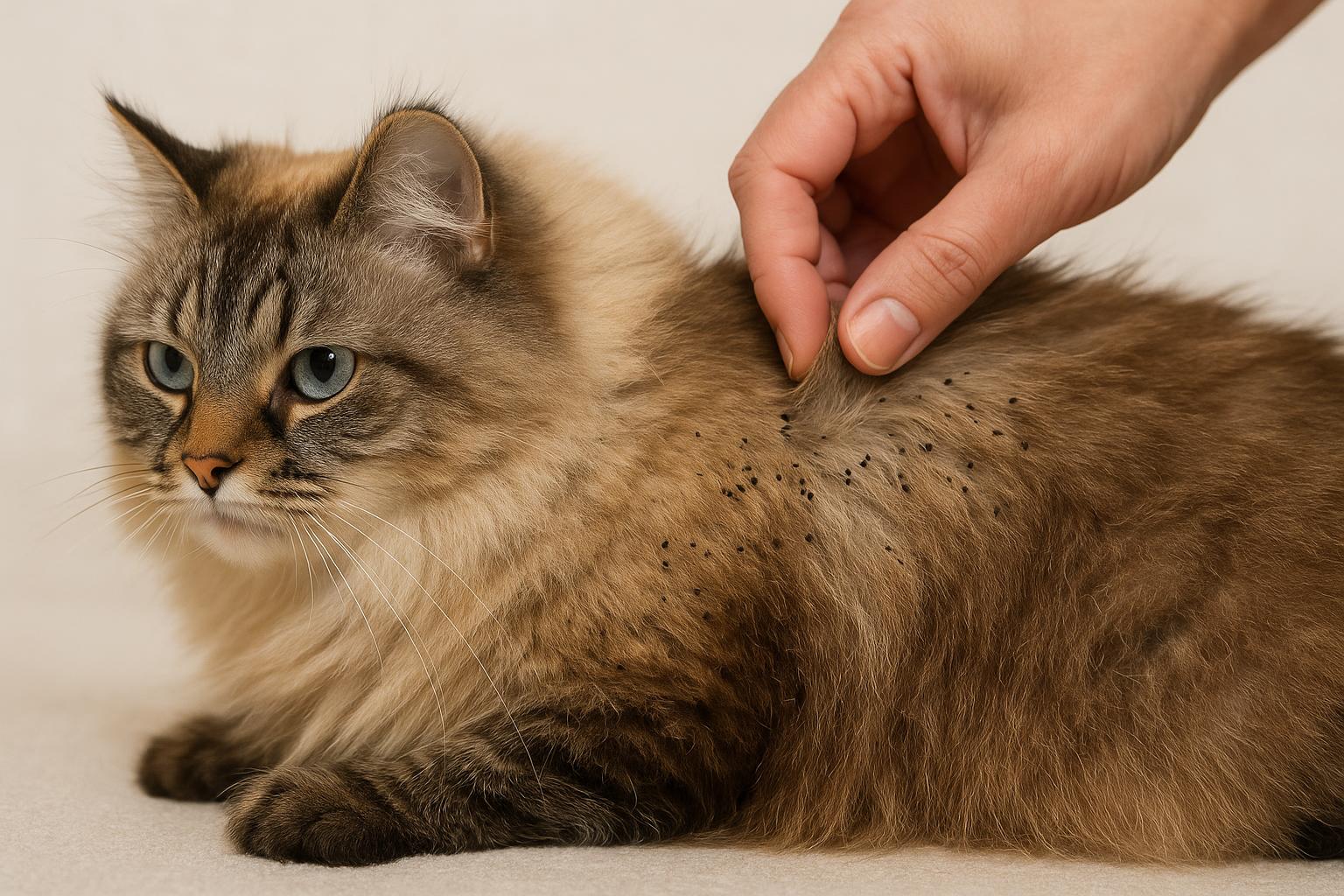
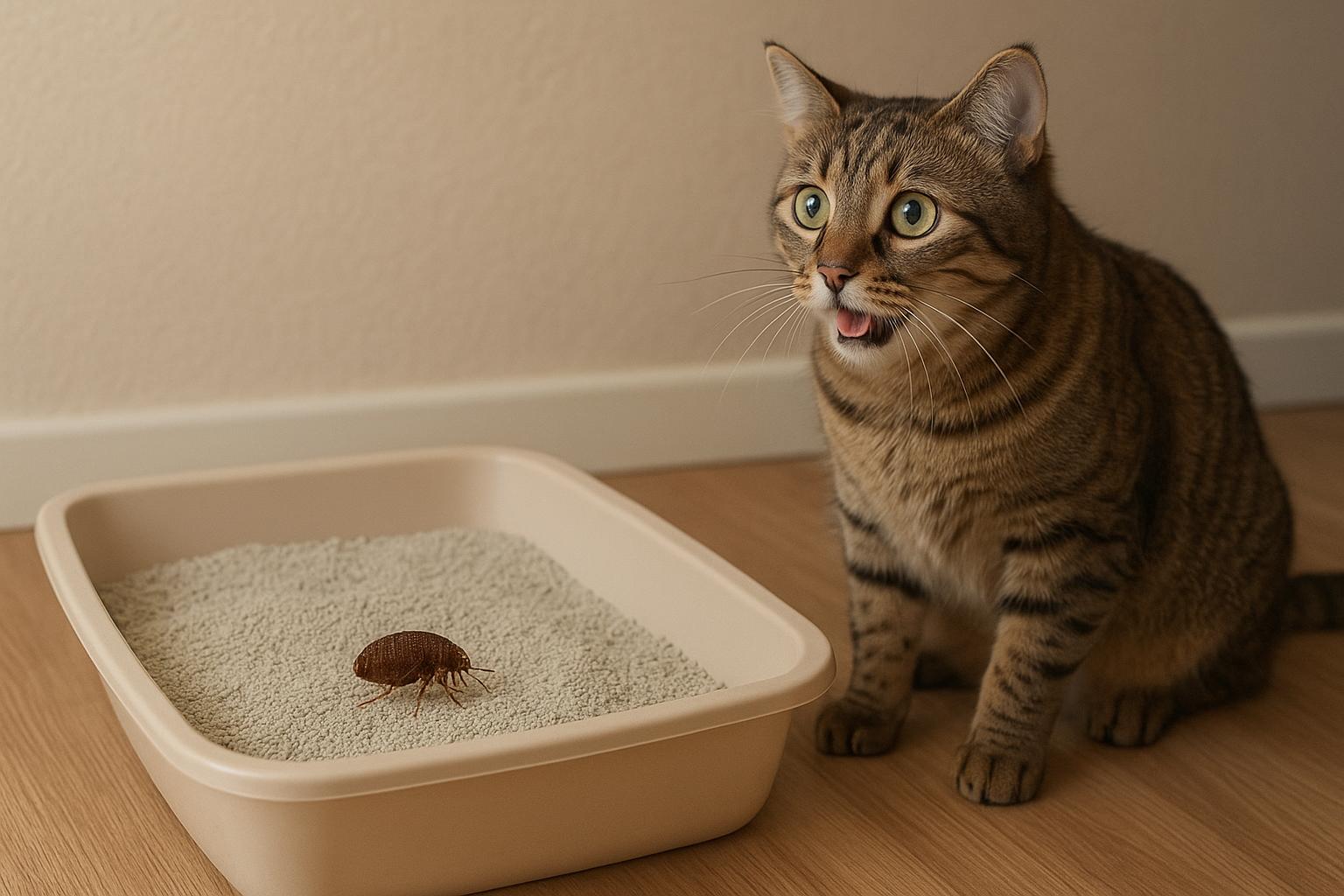
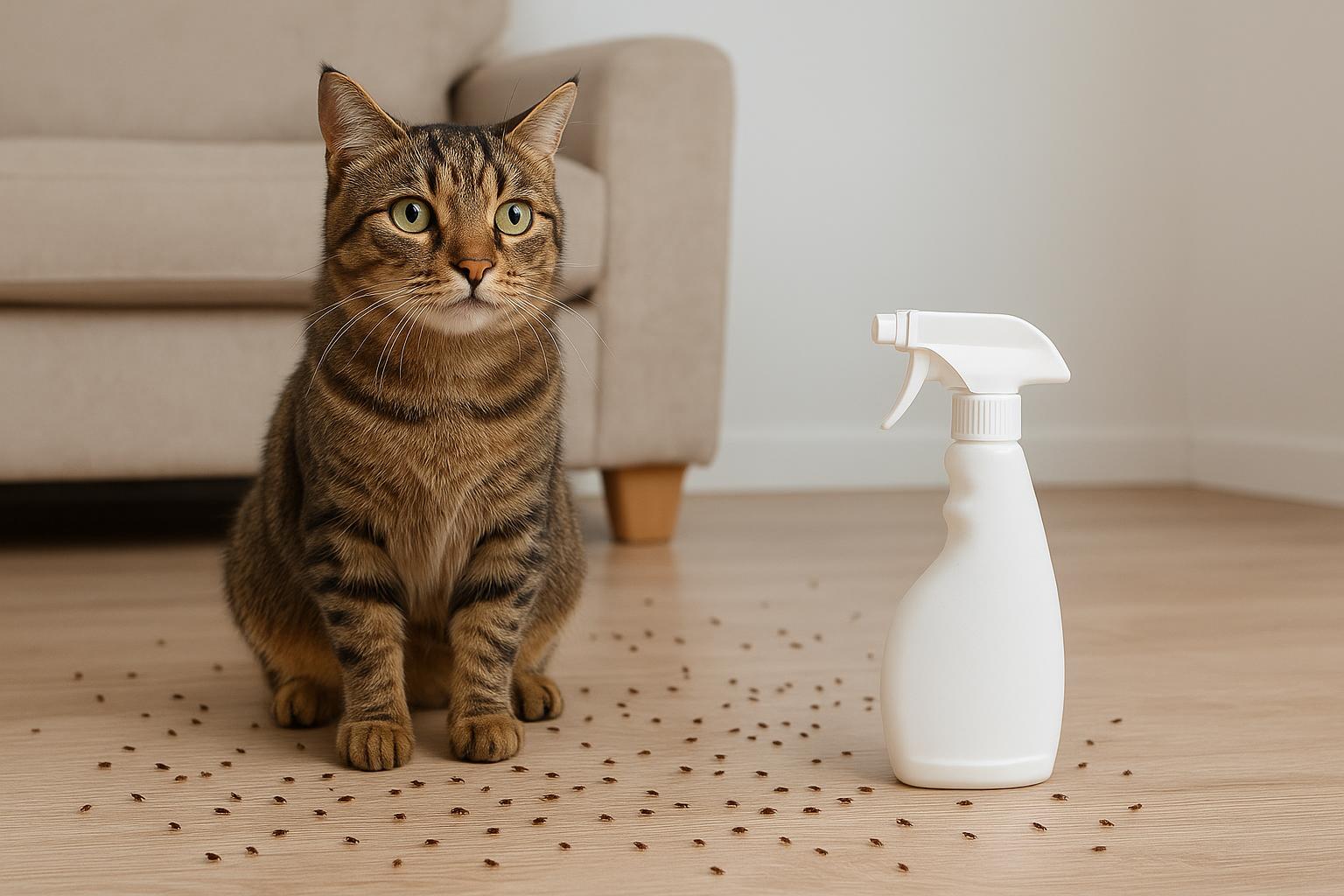
– Flea Dirt: Tiny black specks (digested blood) on pet fur or bedding that reveal adults have been feeding.
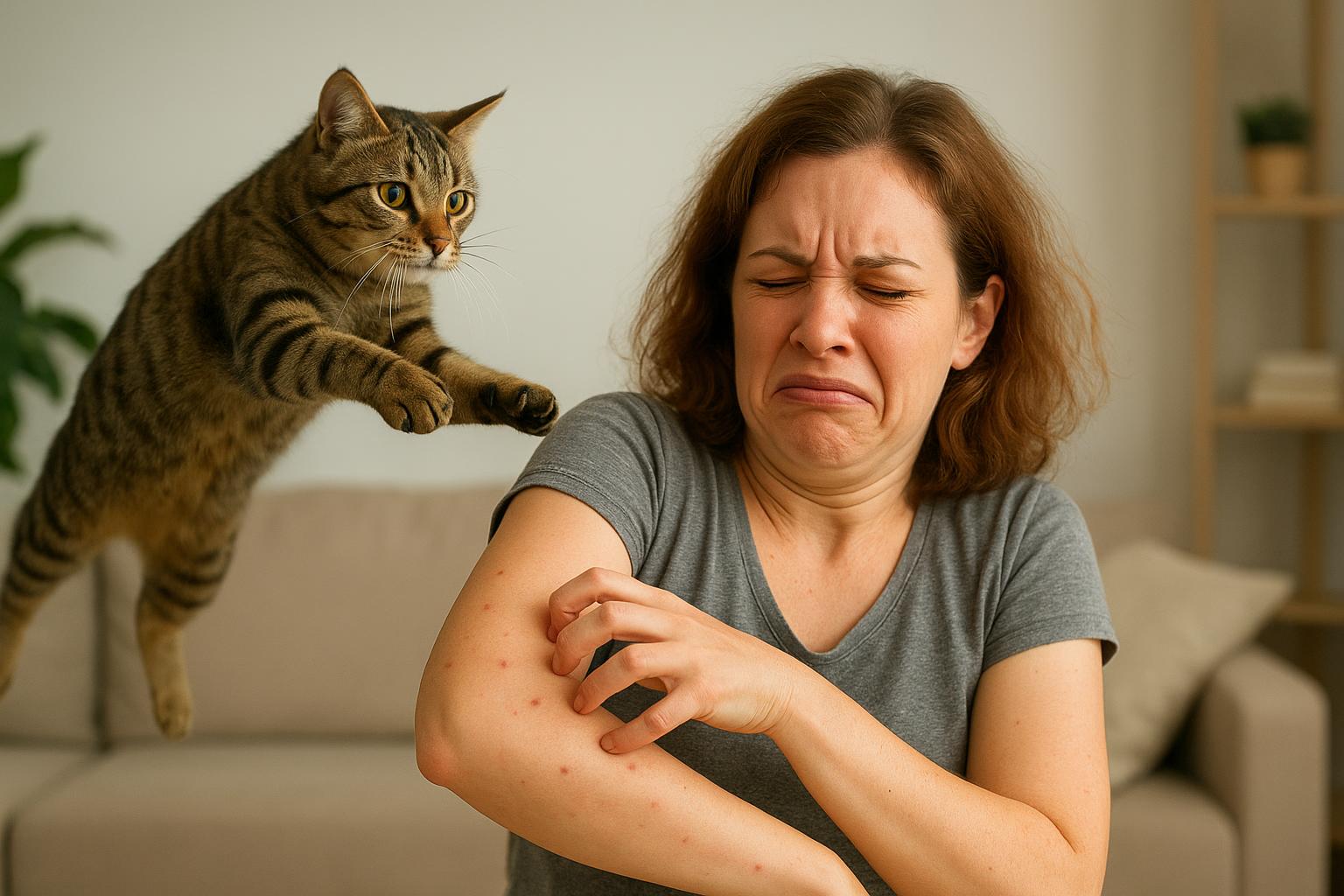
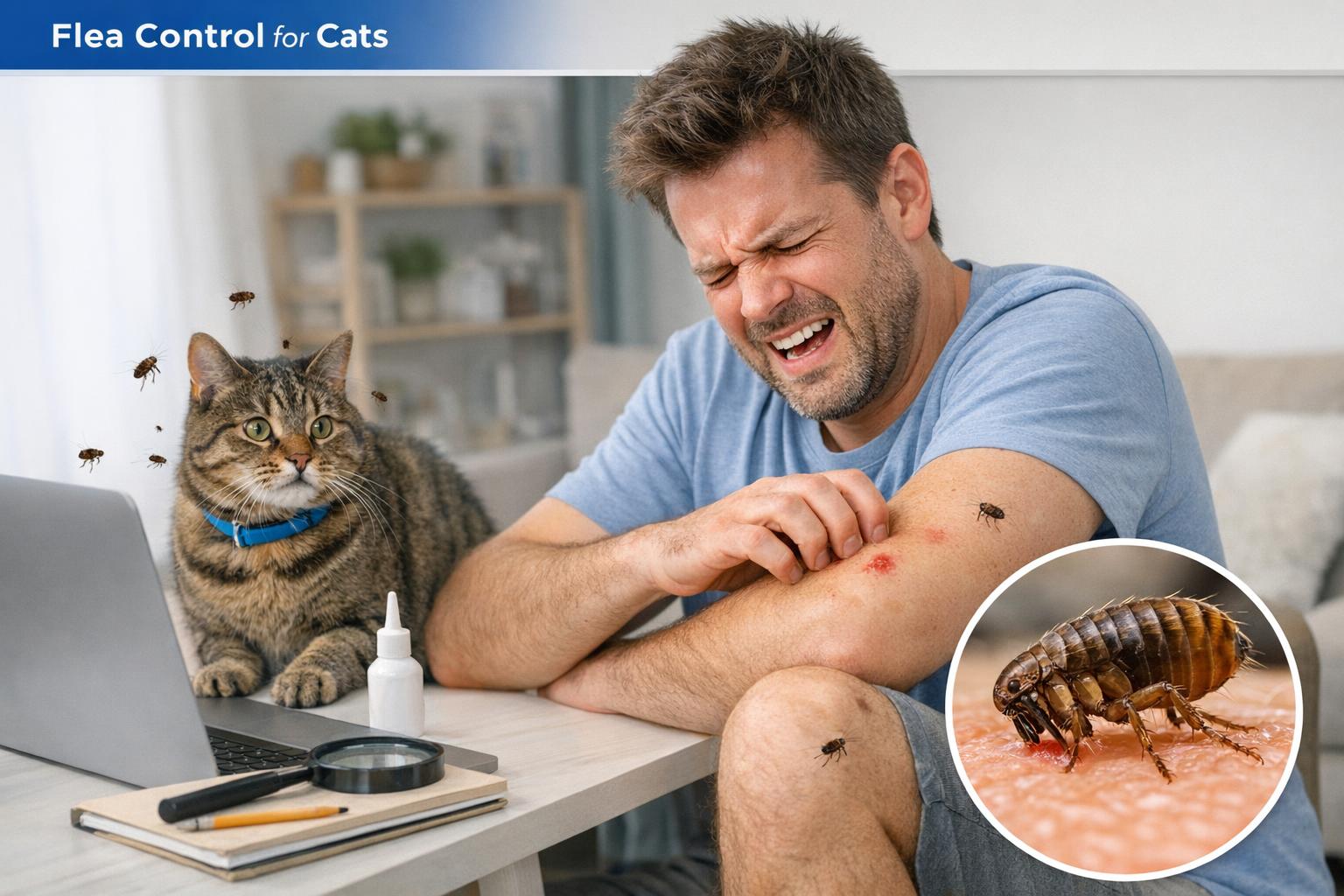
– Bites On People: Small, clustered bites around ankles and knees after time spent in or near the yard.
– Concentrated Spots Indoors: Flea activity often centers where pets rest, near doorways and under furniture.
– Outdoor Hotspots: Shaded, moist sections of lawn, under decks, around compost bins, and close to brush piles.
Each sign helps you map a flea gateway — the specific route fleas use to transition from yard ecosystems into your living space. Identifying the most trafficked gateway saves time and resources when applying prevention and treatment.
### Where To Inspect First
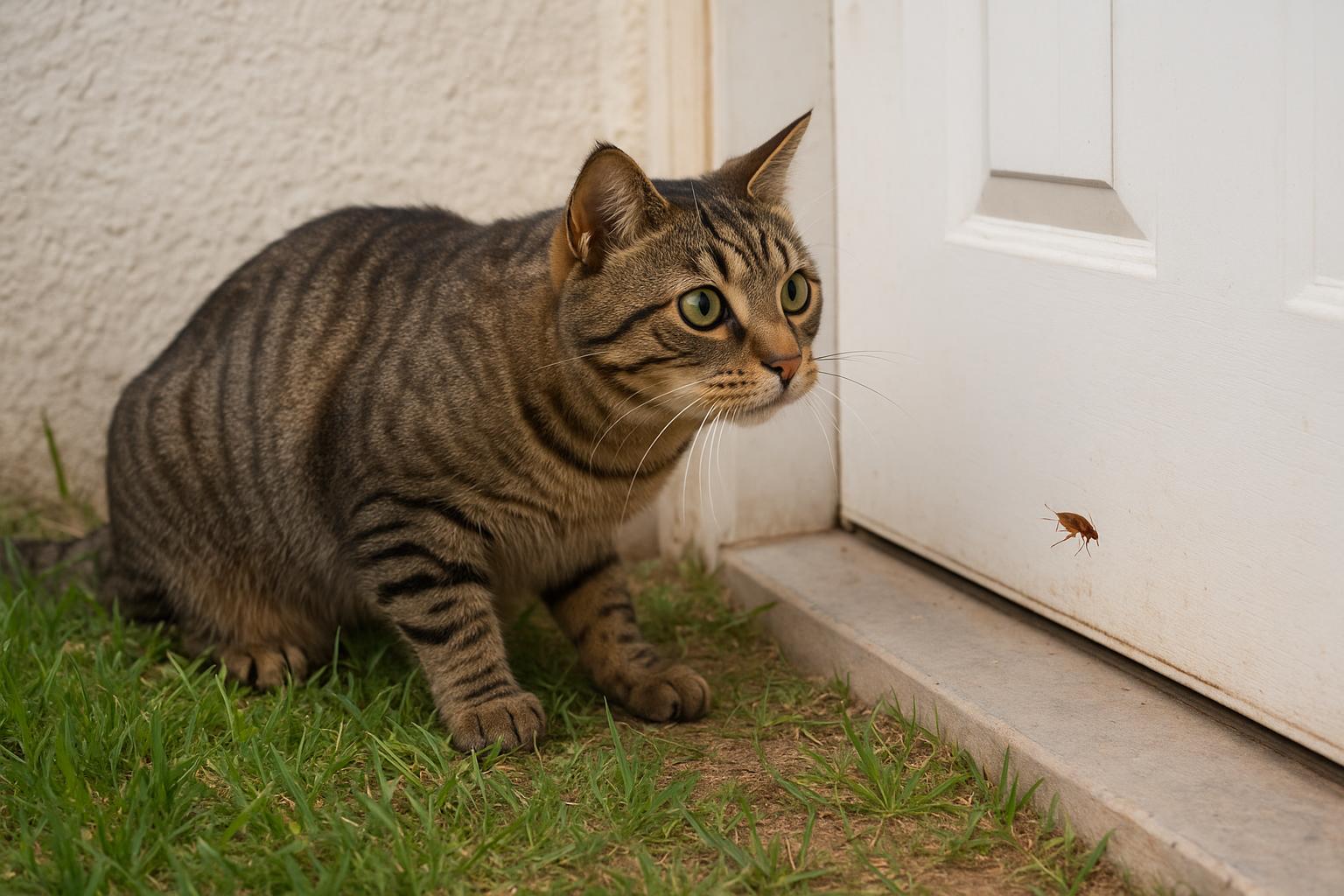
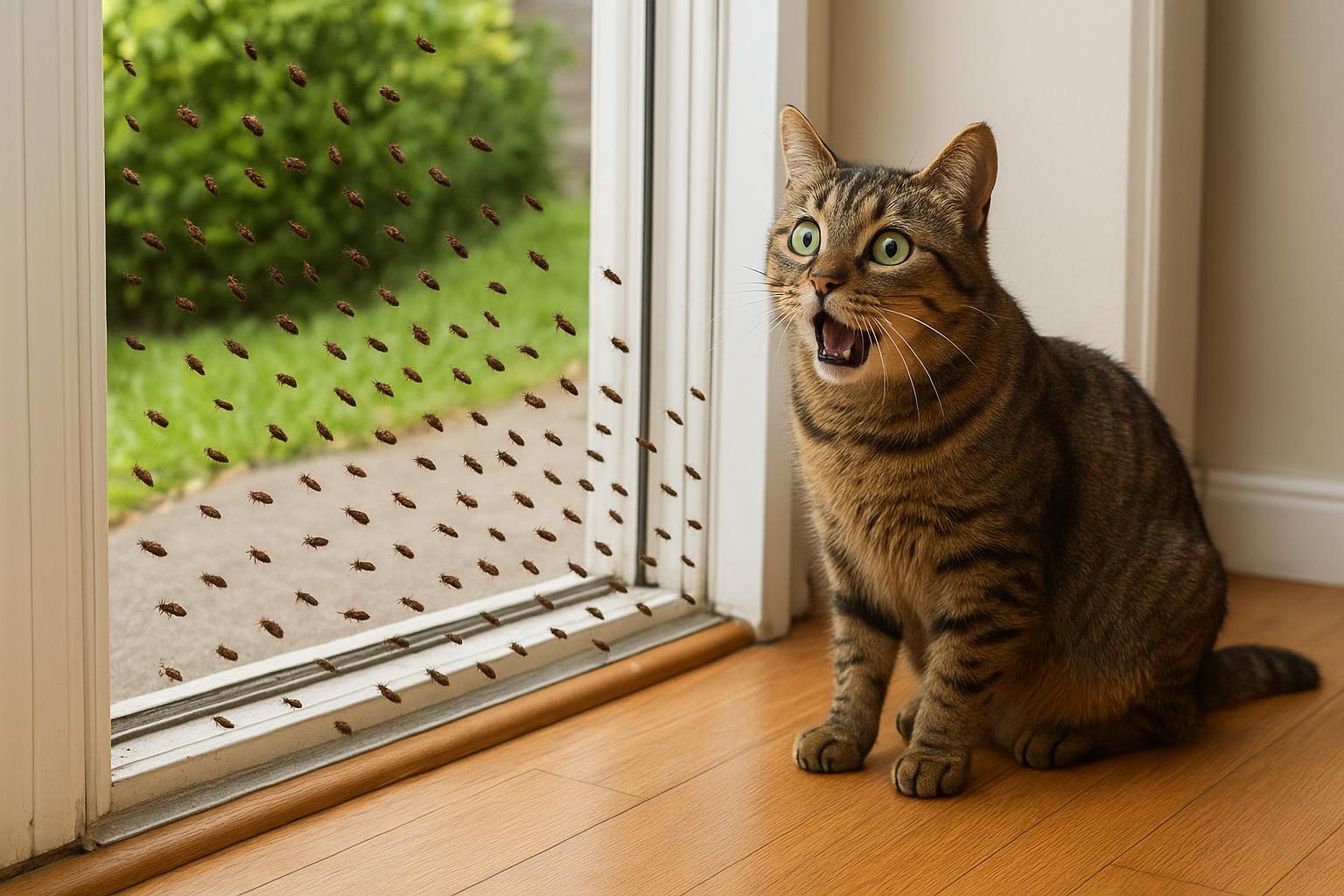
Start at the obvious intersections: thresholds, pet doors, and basement or garage entry points. Check pet bedding and carpets in rooms nearest those doors. Outside, inspect beneath hedges, along fence lines, and near structures where wildlife nests or shelters. Pay attention to sun/shade gradients — fleas favor shaded, humid spots — and trace any trails wildlife might use to access food or shelter at the edge of your property.
## 2 Remedies: Yard Barrier Spray And Indoor Prevention Protocol
Below are two complementary remedies that address both the outdoor flea entry source and the indoor population. The remedies are presented formally with materials and step-by-step instructions.
### Remedy 1: Natural Yard Barrier Spray
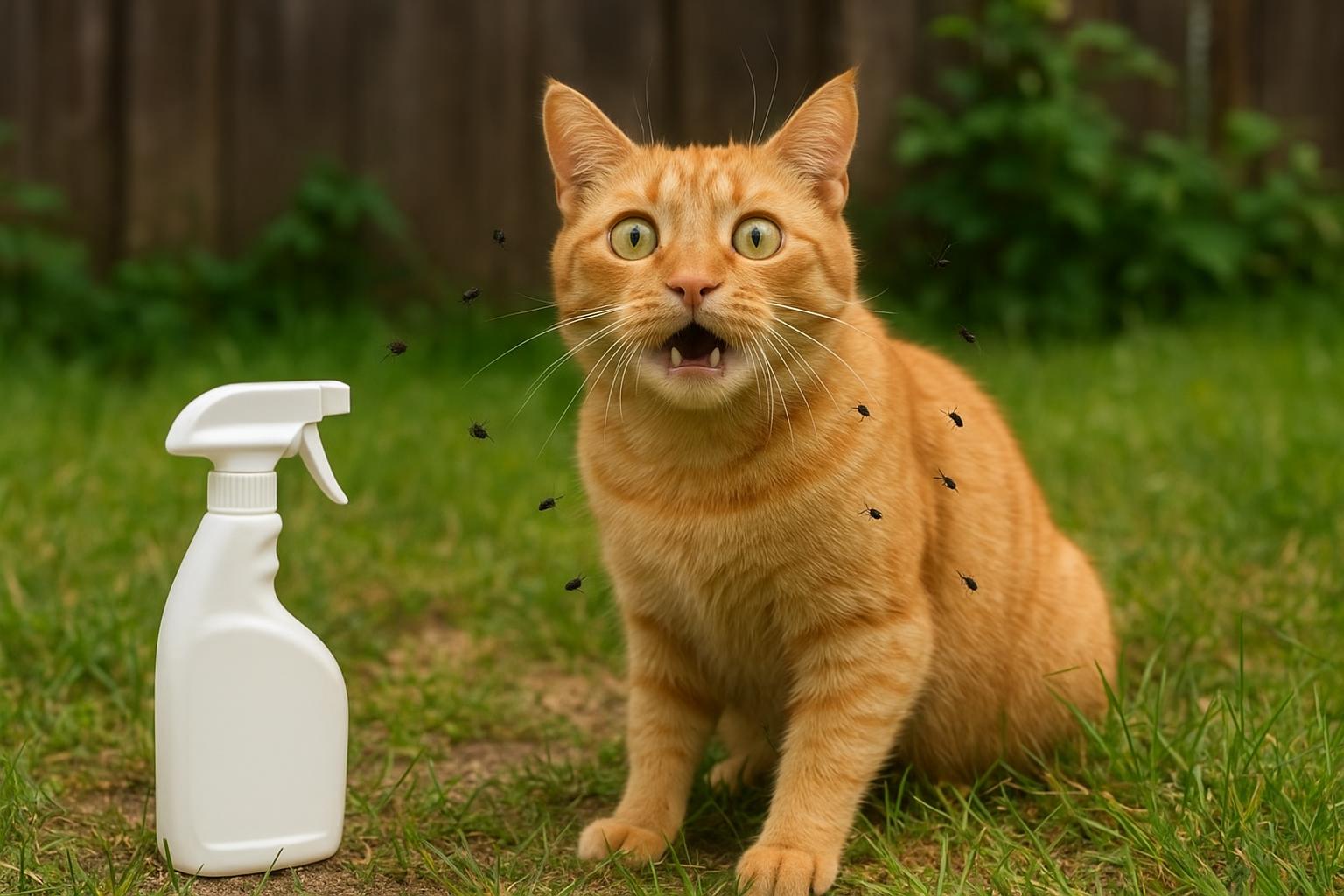
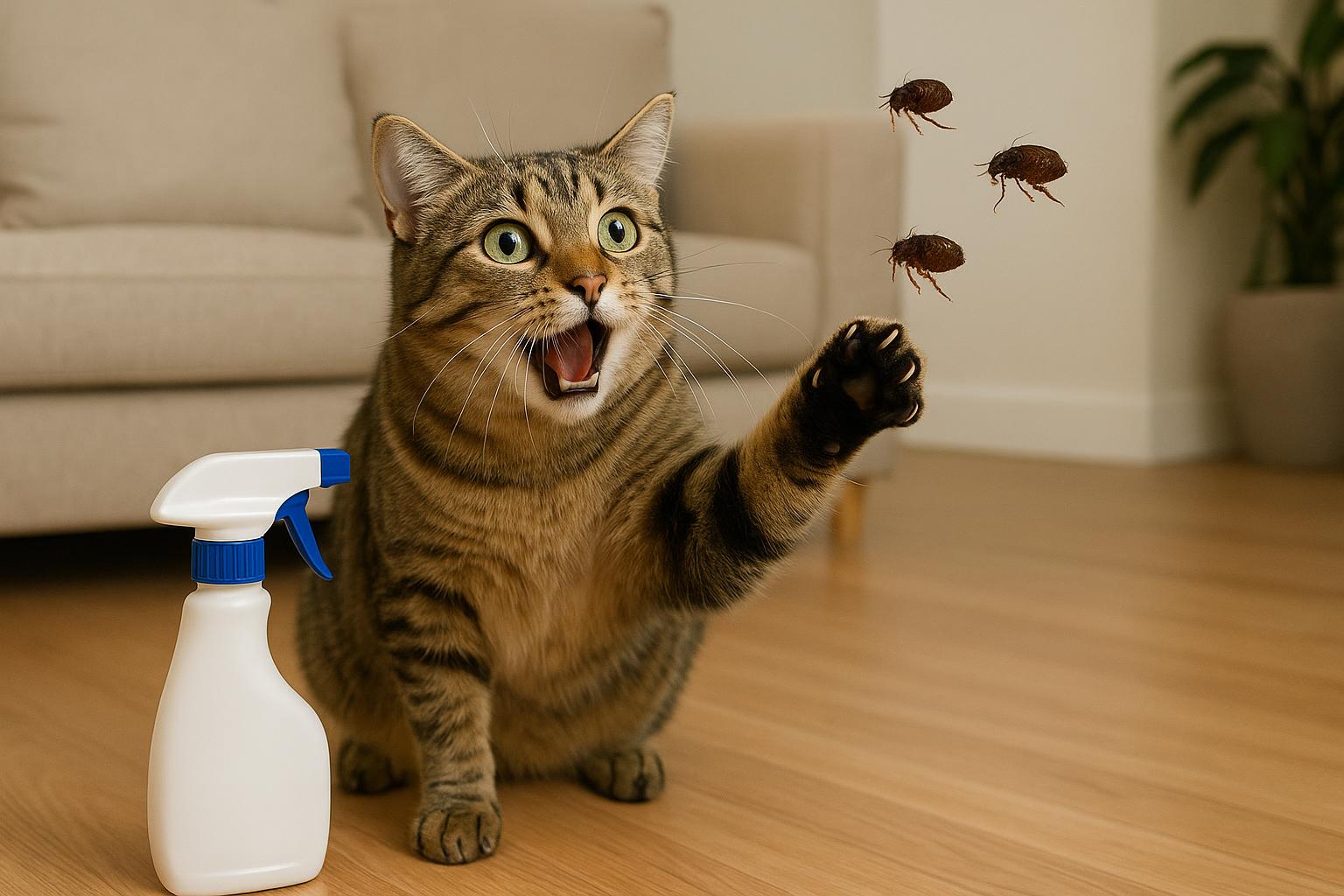
This spray reduces flea habitat around home entry points and creates a deterrent barrier on common flea pathways.
#### Materials
– 1 gallon water
– 2 cups apple cider vinegar
– 1 cup lemon juice (fresh or bottled)
– 2 tablespoons neem oil or lightweight horticultural oil
– 1 tablespoon liquid dish soap (as an emulsifier)
– Sprayer (pump or hose-end)
– Gloves and eye protection
#### Steps
1. Prepare: Wear gloves and eye protection. Measure ingredients and warm the water slightly (not hot) to help dissolve soap and oils.
2. Mix: In a bucket, combine water, apple cider vinegar, and lemon juice. Add neem oil and liquid dish soap, stirring until the oil is dispersed. Pour mixture into the sprayer and secure the cap.
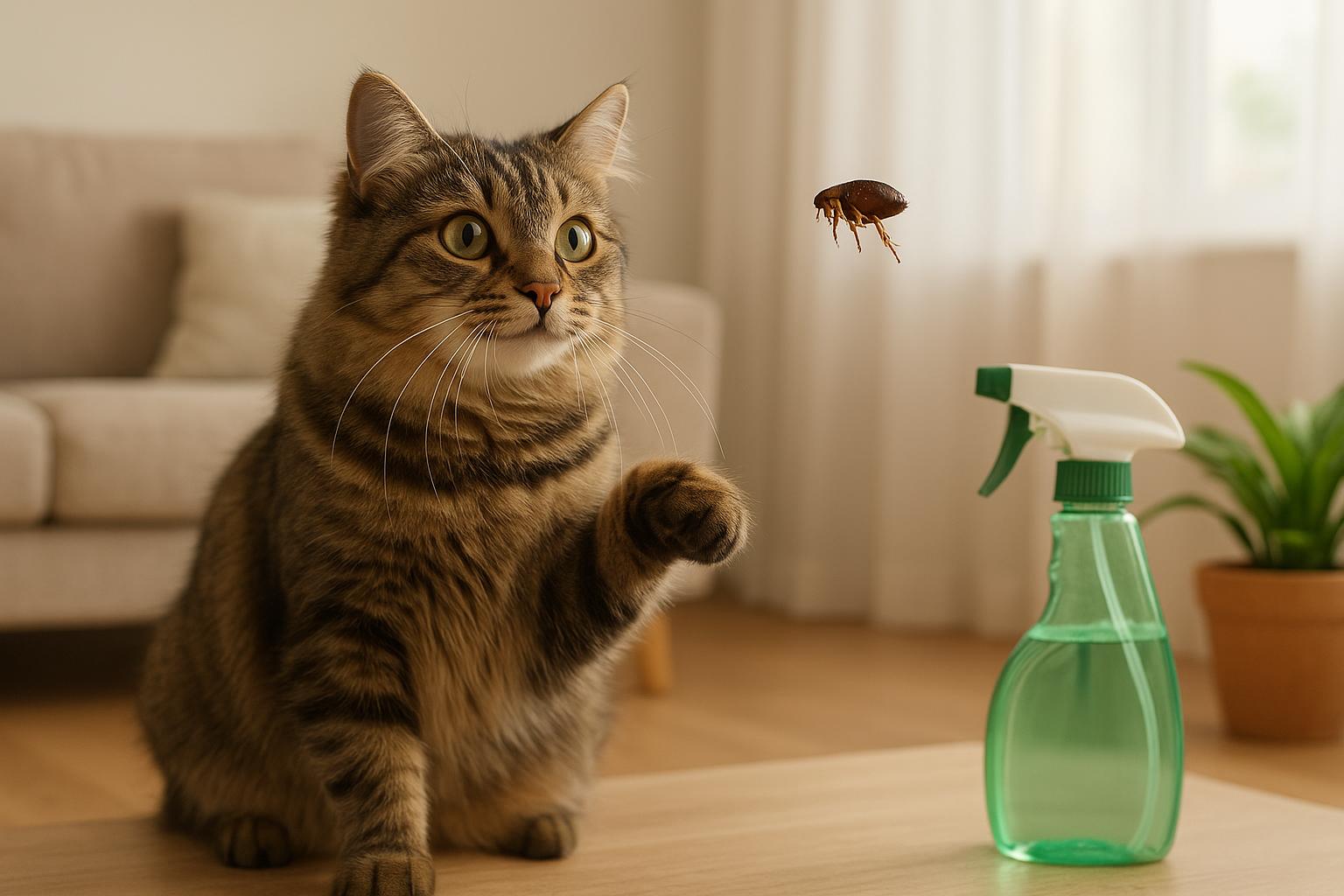
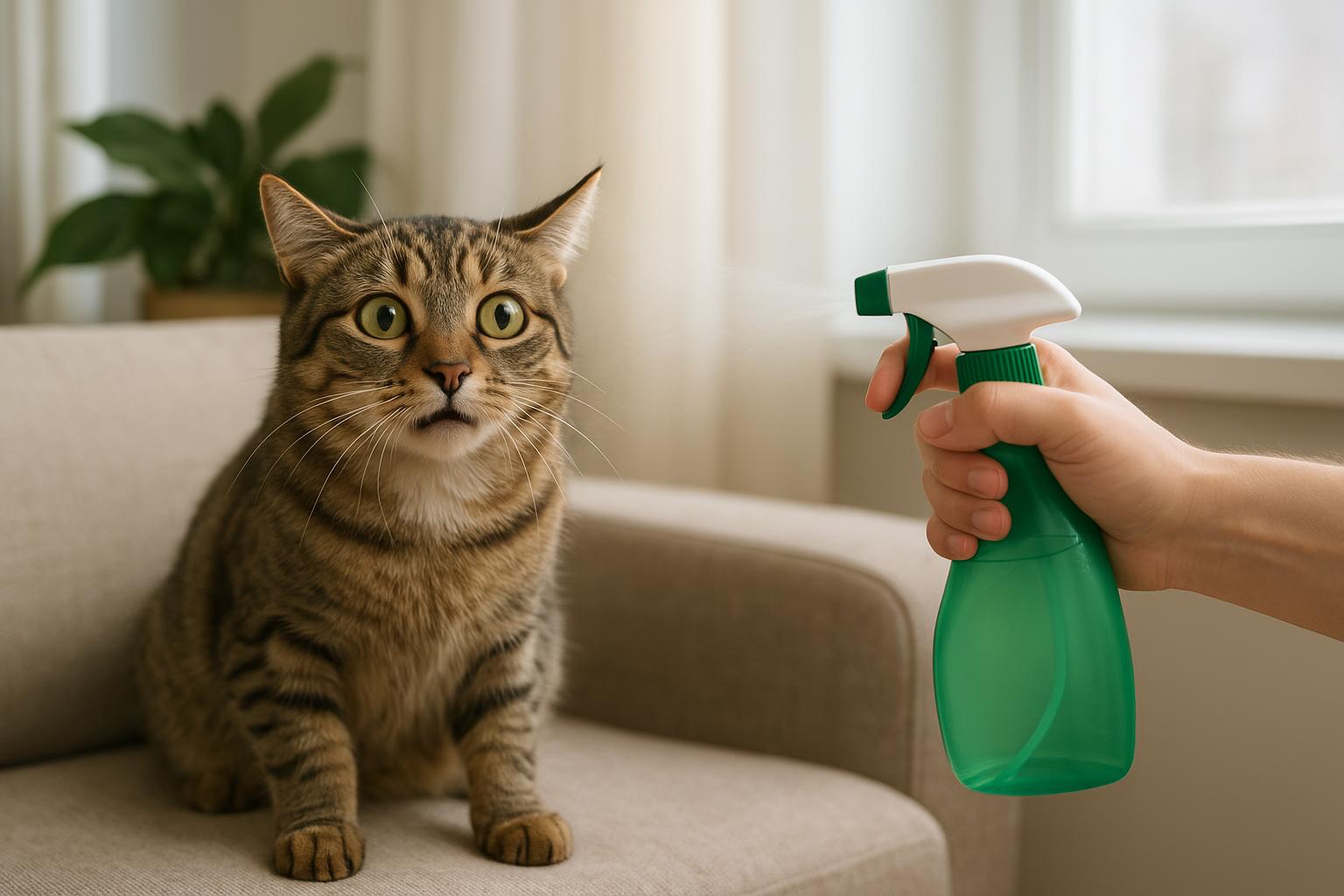
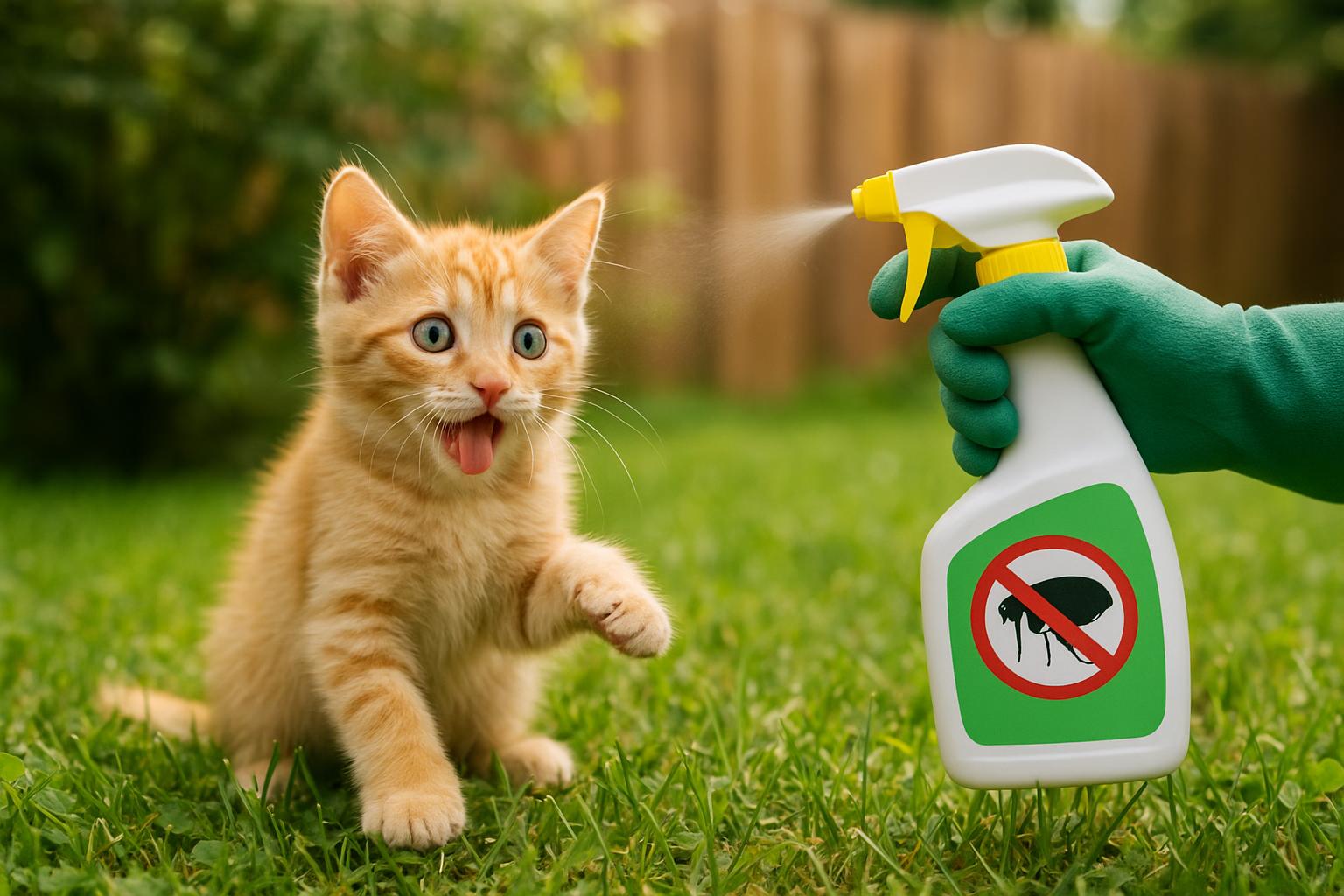
3. Target Application: Apply the spray to shaded lawn edges, under decks, around foundation plantings, and along fence lines — spaces identified as outdoor flea entry points. Do not spray directly on flowers visited by pollinators, and avoid contact with fish ponds.
4. Frequency: Reapply every two weeks during peak flea season and after heavy rain. For persistently infested areas, apply weekly for four consecutive weeks.
5. Safety Notes: Test a small area of sensitive plants first. Keep pets and children off treated areas until fully dry.
This approach is intended to reduce the habitat quality for flea larvae and deter adult movement along the most common flea gateway routes. The combination of acidity, plant-derived oils, and mild detergent disrupts the microenvironment fleas favor without heavy synthetic pesticides.
### Remedy 2: Indoor Flea Prevention And Active Treatment
Treating indoors stops established populations that arrived via outdoor flea entry and prevents eggs and pupae from completing their life cycle.
#### Materials
– Vacuum cleaner with attachments
– Laundry detergent and hot water
– Diatomaceous earth (food grade) or silica gel powder (optional)
– Pet-safe topical flea treatment or oral preventive (consult veterinarian)
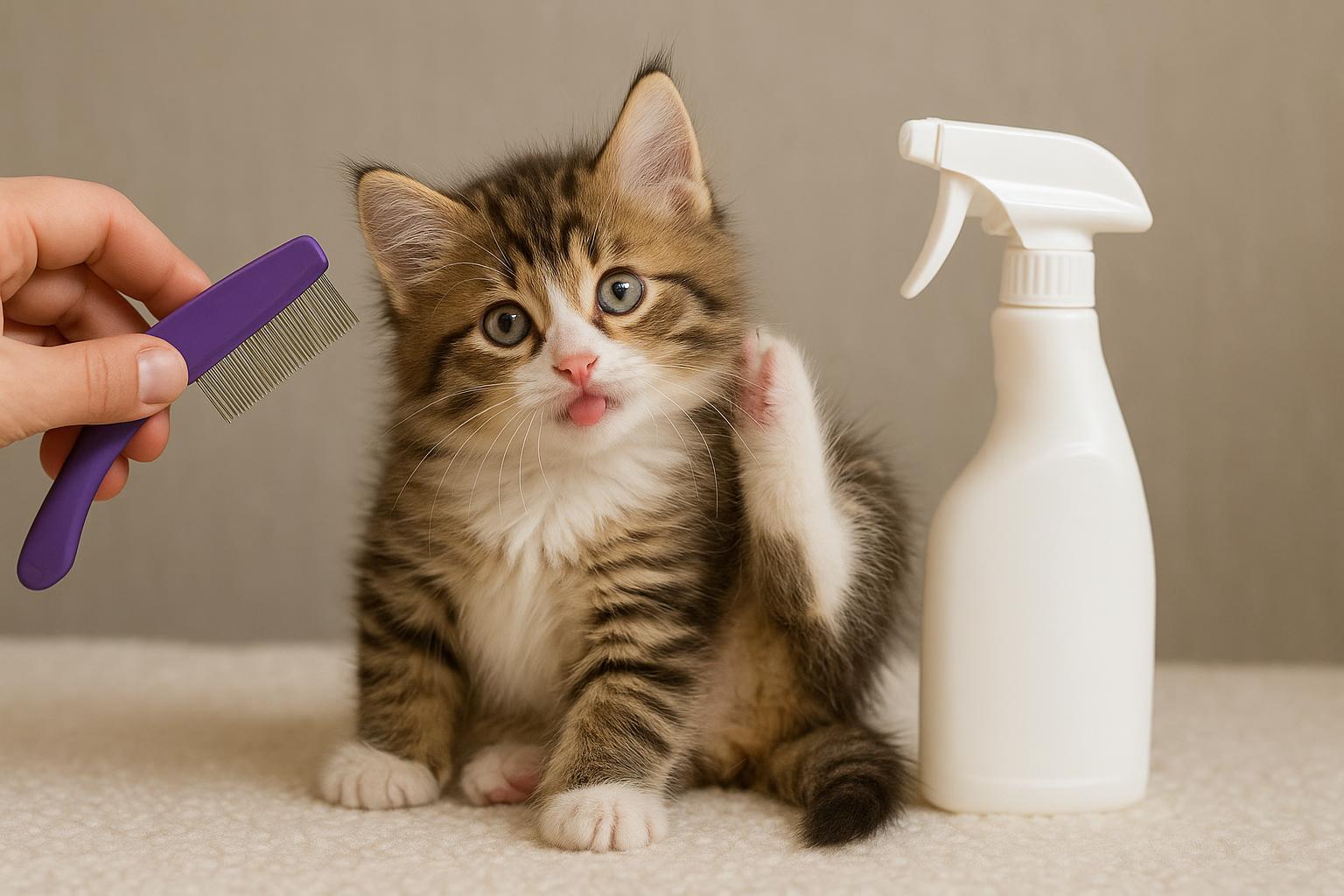
– Flea comb
– Enzyme cleaner for bedding and upholstery
– Gloves
#### Steps
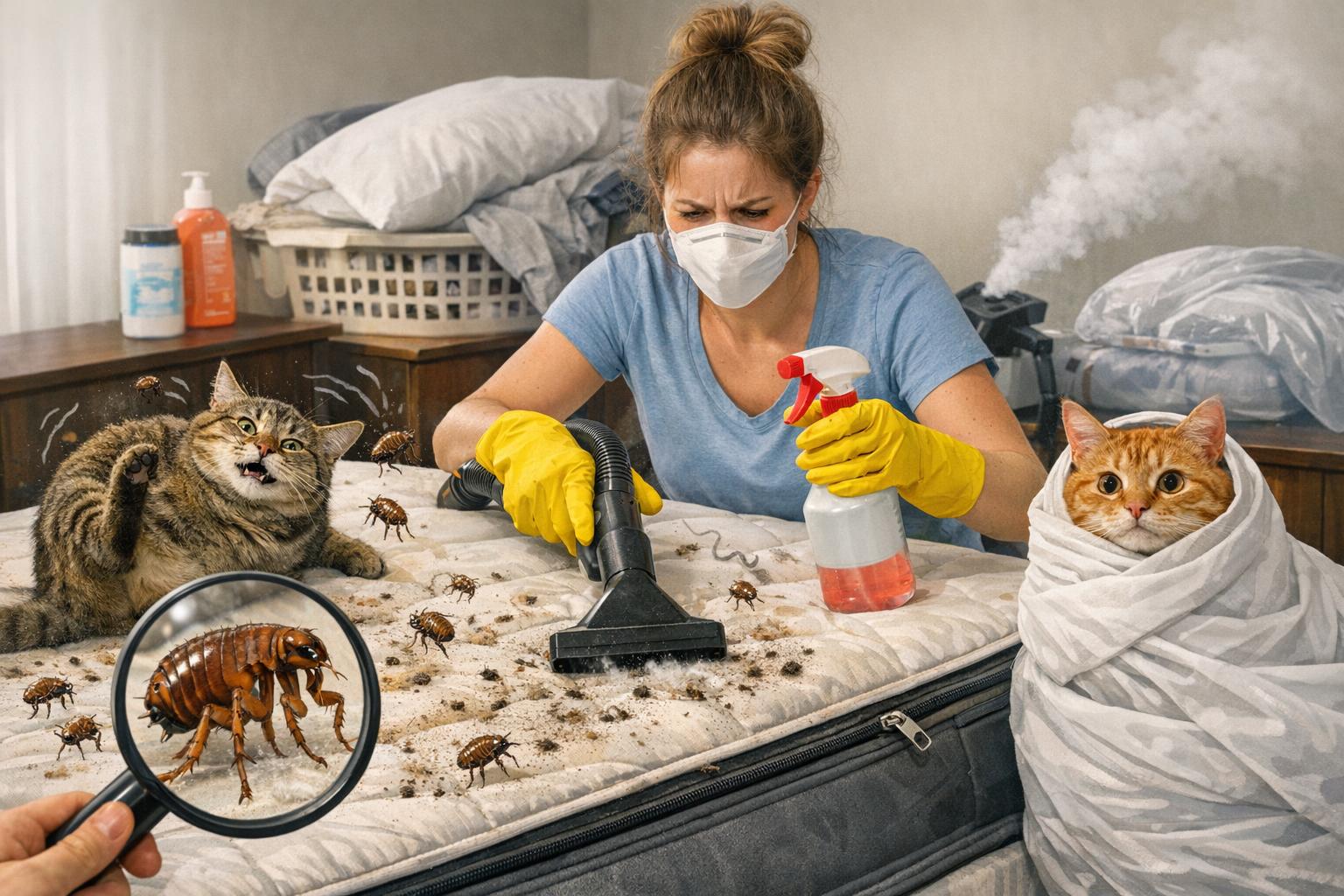
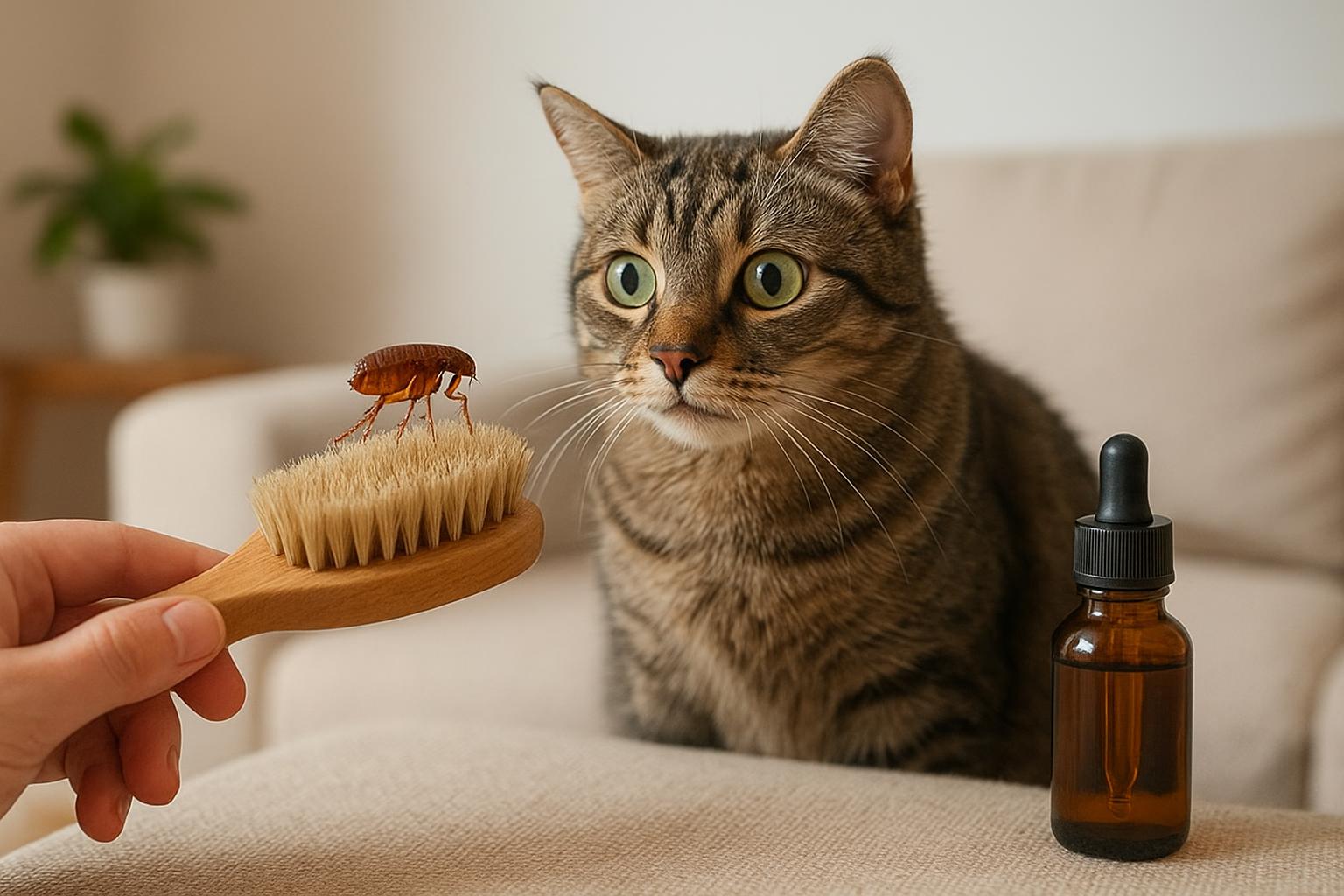
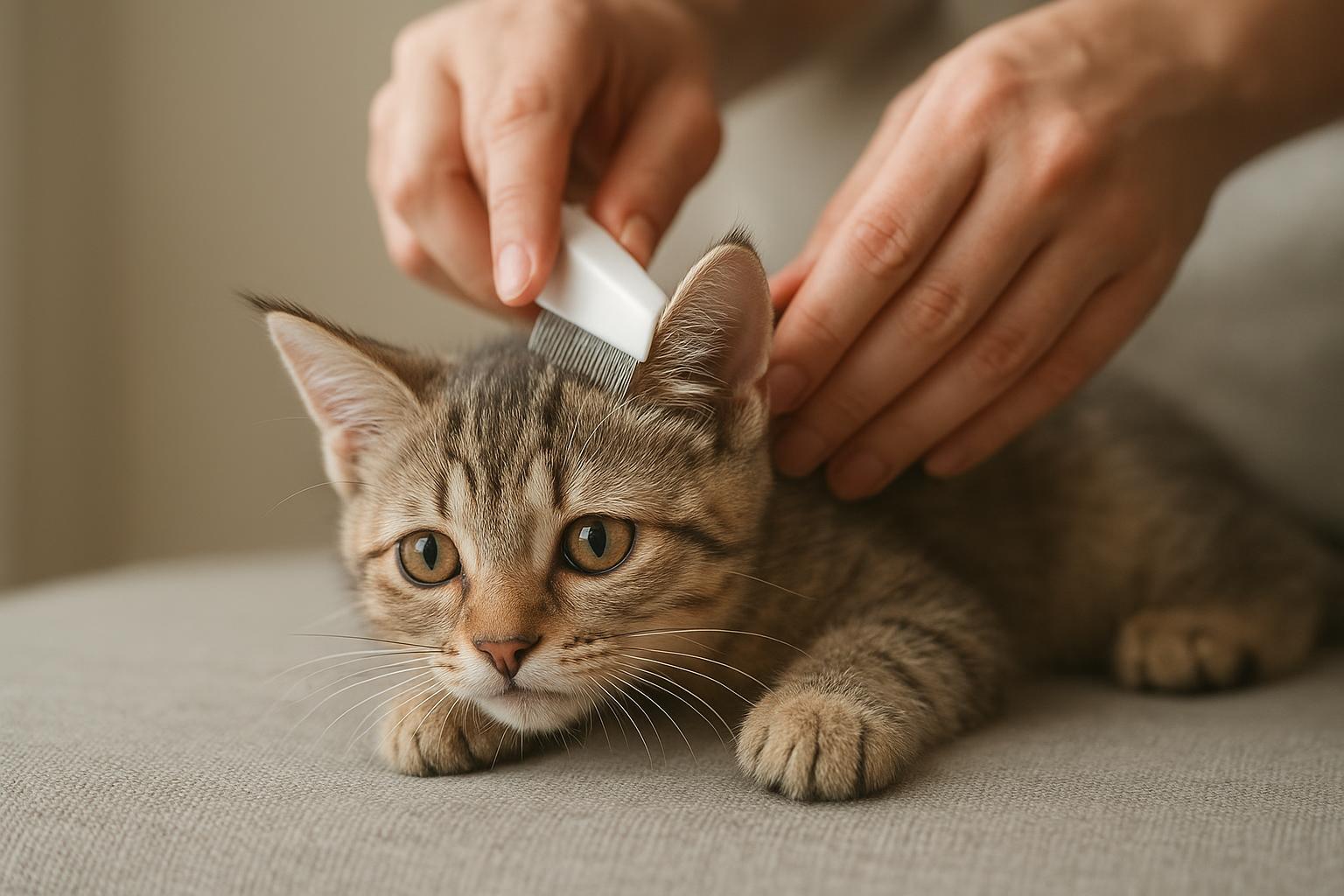
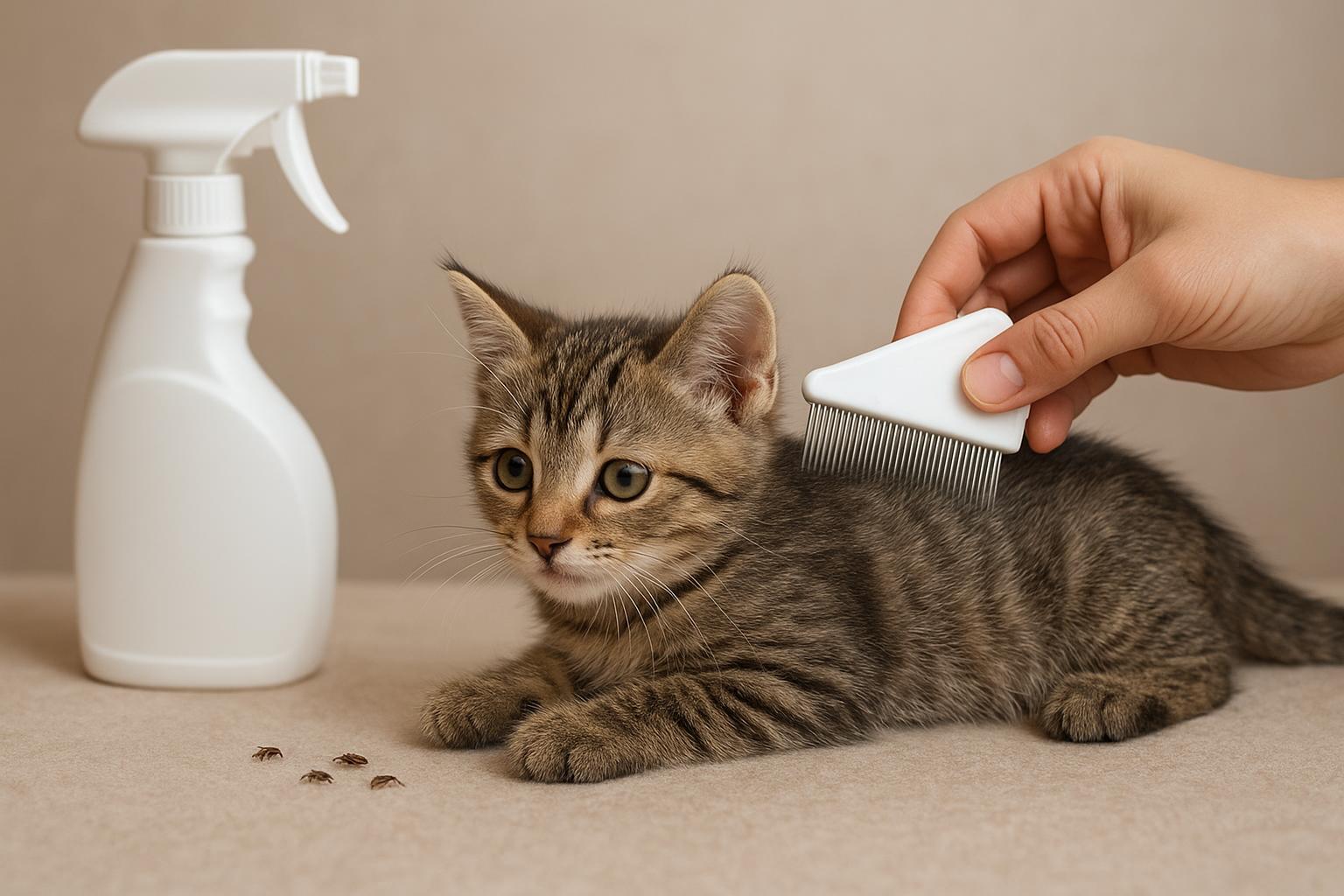
1. Isolate Pets: Keep affected pets confined to an easily cleaned room. Use a flea comb to remove visible adults and soak combings in soapy water.
2. Wash Fabrics: Launder pet bedding, throw blankets, and any removable cushion covers in hot water and dry on high heat. Heat kills eggs and larvae.
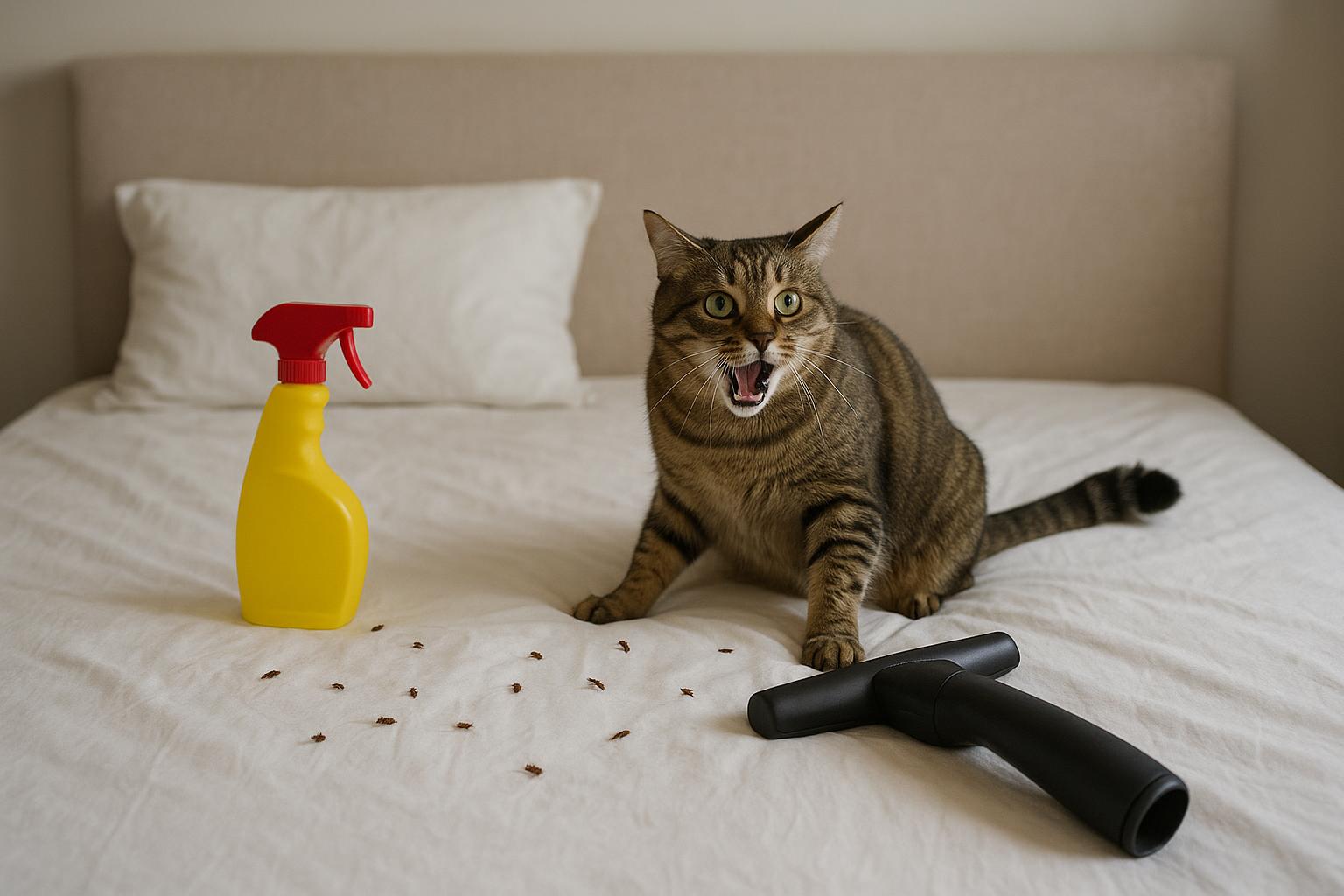
3. Vacuum Thoroughly: Vacuum carpets, rugs, baseboards, under furniture, and along pet resting spots. Use crevice tool on edges and seams. Empty the vacuum bag or canister into a sealed bag and dispose of it outdoors immediately.
4. Apply Mechanical Treatment (Optional): Lightly sprinkle food-grade diatomaceous earth on carpets and along baseboards, leave for 48 hours, then vacuum. Use according to label instructions and avoid inhalation.
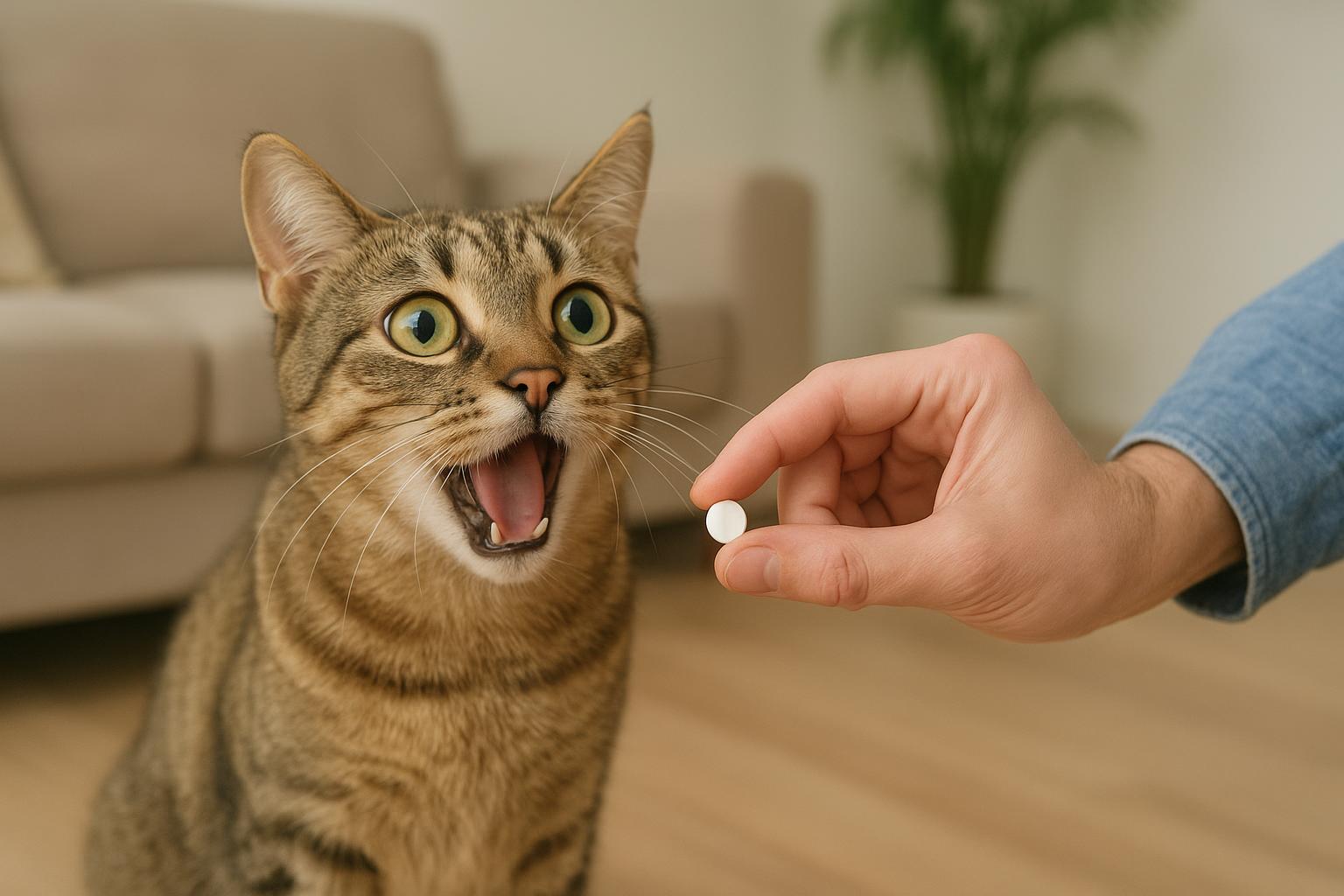
5. Veterinary Preventive Treatment: Administer a veterinarian-recommended topical or oral flea preventive to all resident pets. Follow dosing schedules precisely.
6. Clean Surfaces: Use an enzyme cleaner on hard surfaces and upholstery to remove flea dirt and organic residues that attract pests.
7. Repeat: Continue vacuuming daily for two weeks, then at least twice weekly for another month. Maintain pet treatments as prescribed for at least 3 months to ensure pupae emerging from dormant reservoirs are interrupted.
These indoor steps are methodical: eliminate adults, remove eggs and larvae, and apply long-term host protection. The formal workflow decreases the chance that a flea gateway created outdoors will re-seed the interior.
## Seasonal Strategies To Seal The Flea Gateway
Timing matters. Early spring and late summer are key windows to intercept flea cycles. Mow lawn regularly, remove leaf litter and brush piles, and create a dry border of rock or gravel along foundations to limit moist shaded refugia. Keep pet feeding stations away from the house and tidy compost to reduce wildlife traffic. For properties with heavy wildlife presence consider humane exclusion measures — sealing small gaps under porches, installing motion-activated lights, or using wildlife-proof trash containers.
### When To Call A Professional
If signs persist despite remedies — multiple pets affected, recurrent bites in family members, or visible fleas after consistent treatment — contact a licensed pest control professional experienced with integrated pest management. Professionals can assess whether wider perimeter treatments or targeted indoor interventions are necessary to close persistent outdoor flea entry points.
Using observational creativity in your yard investigations and disciplined, formal remedies indoors gives you the best chance to understand how yard fleas enter homes, to intercept their flea gateway, and to restore comfort to both people and pets.




























Leave a Reply