
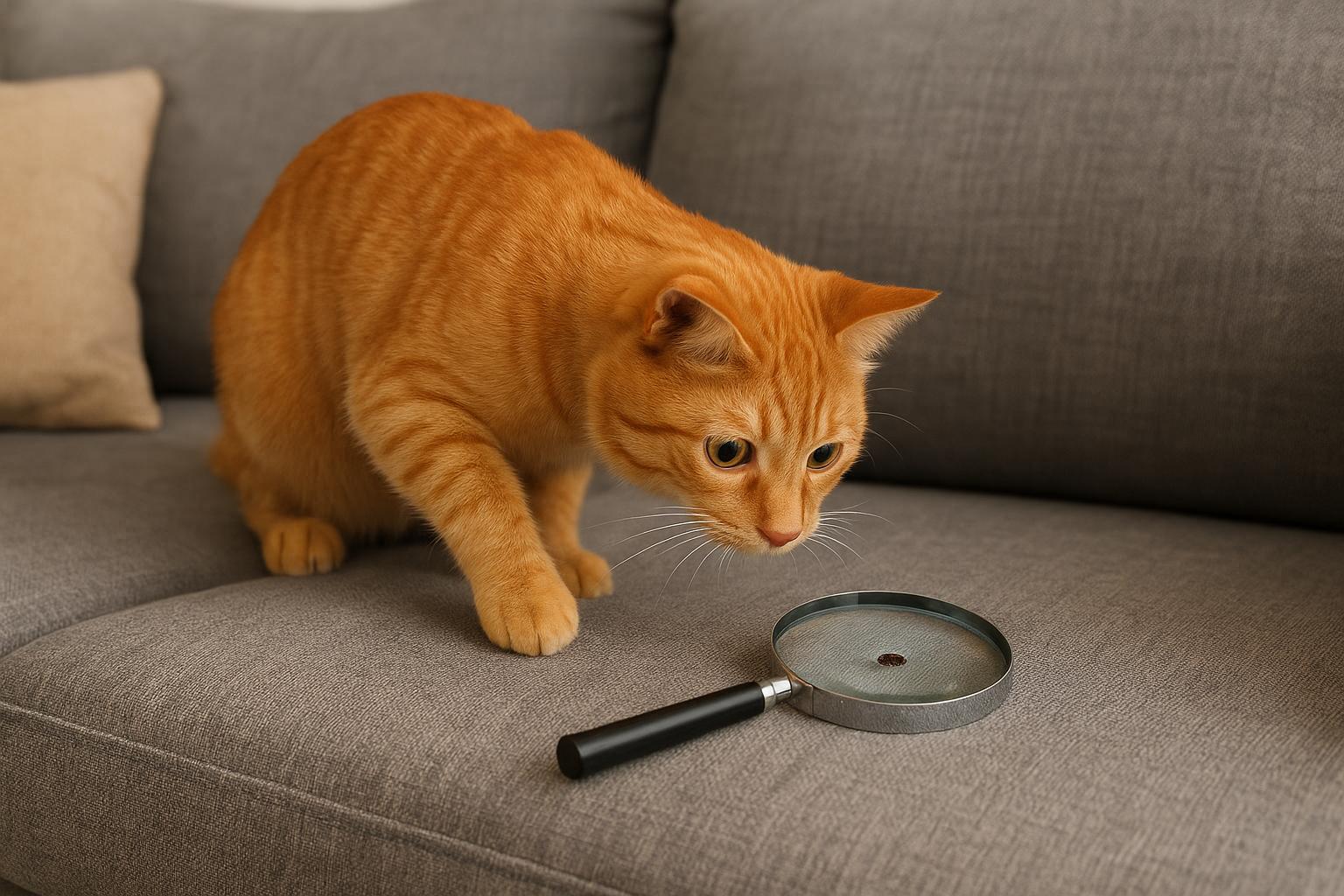
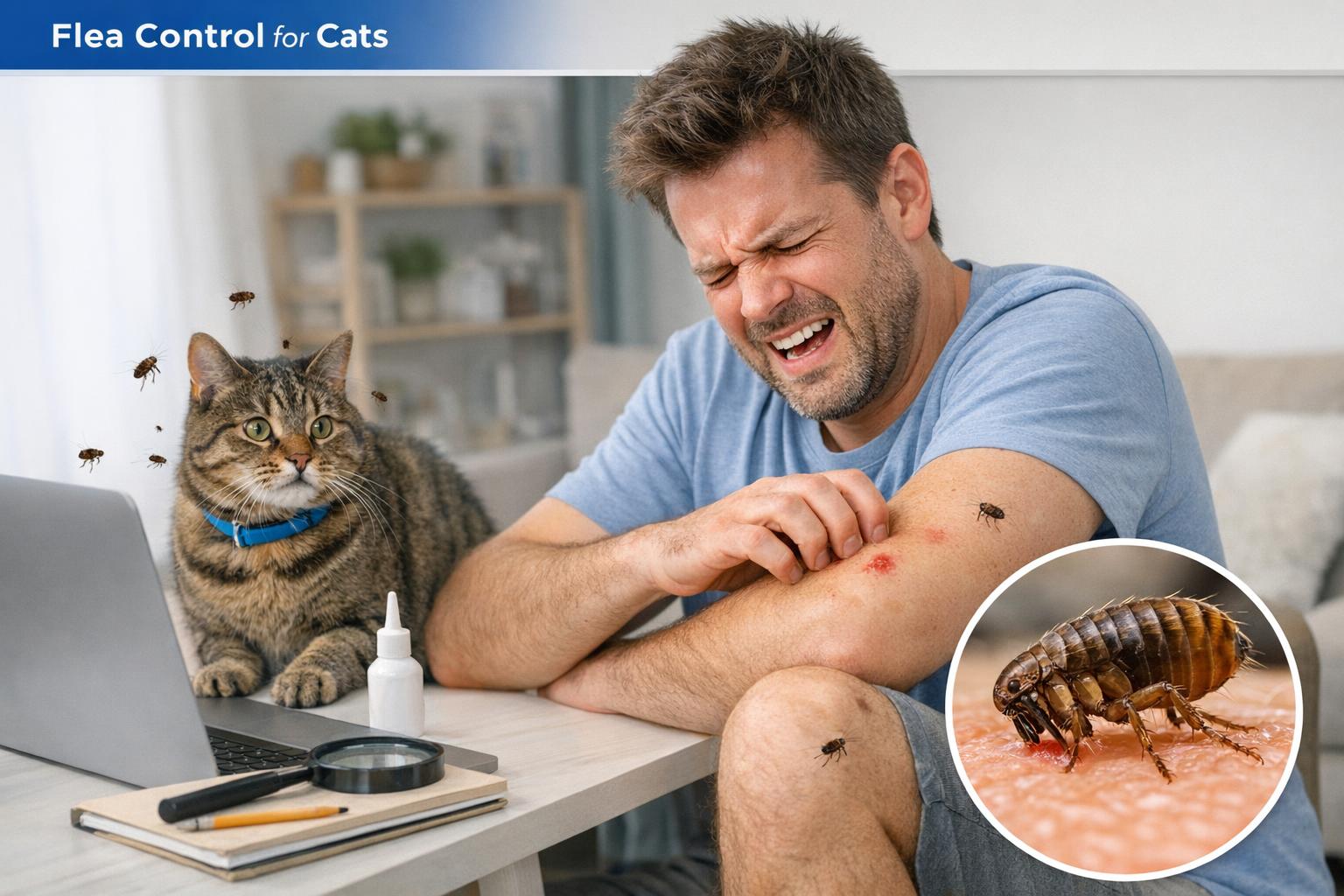
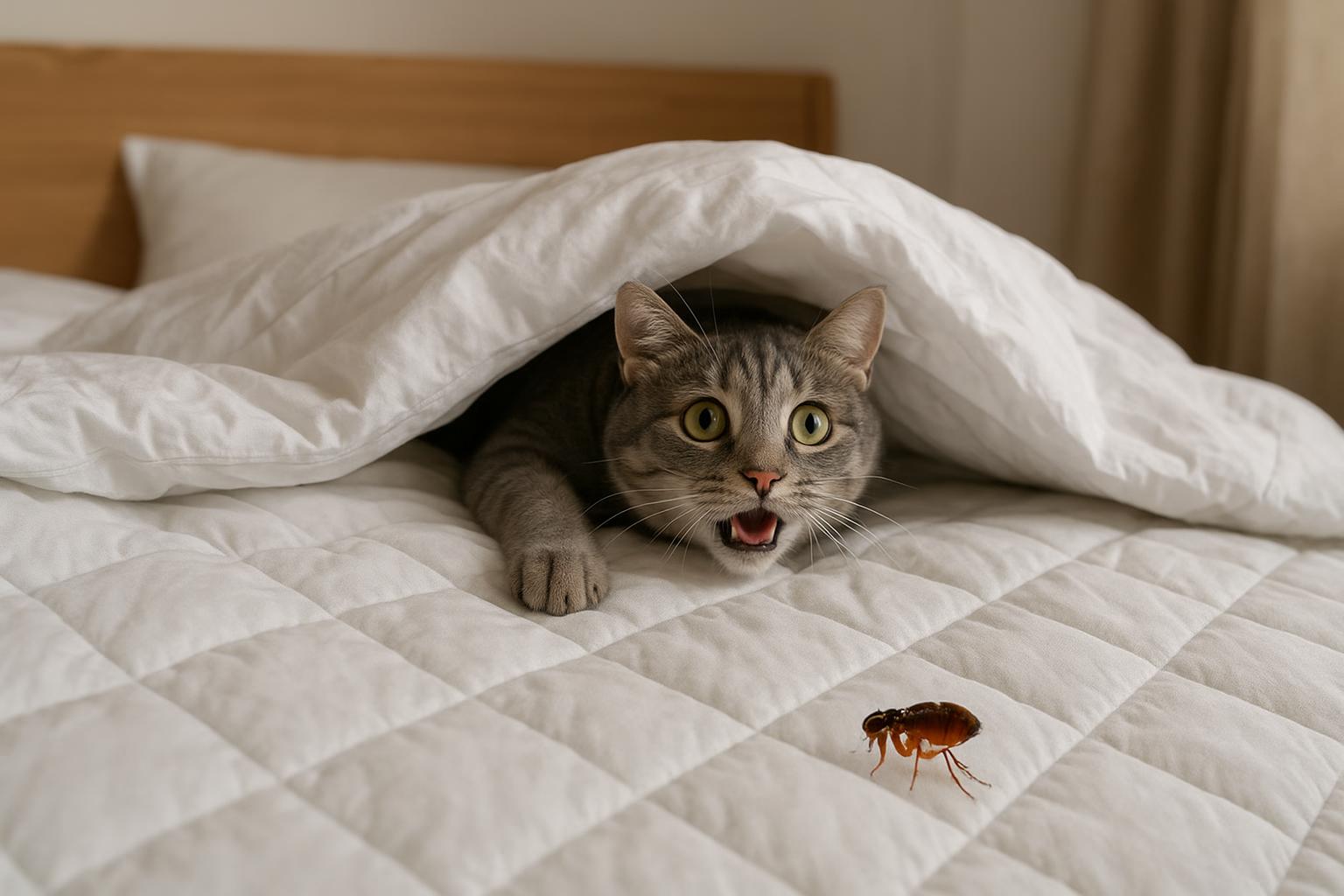
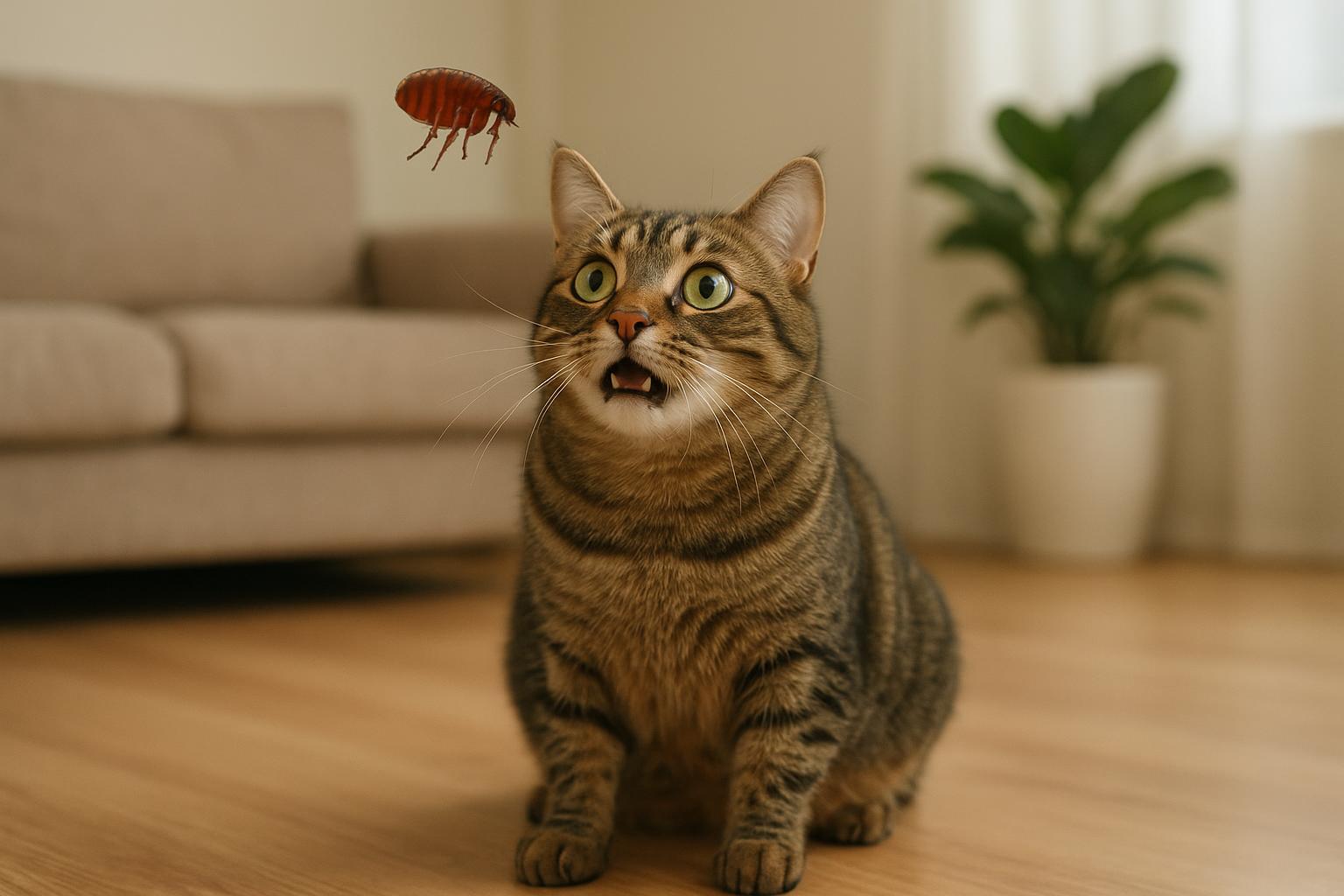
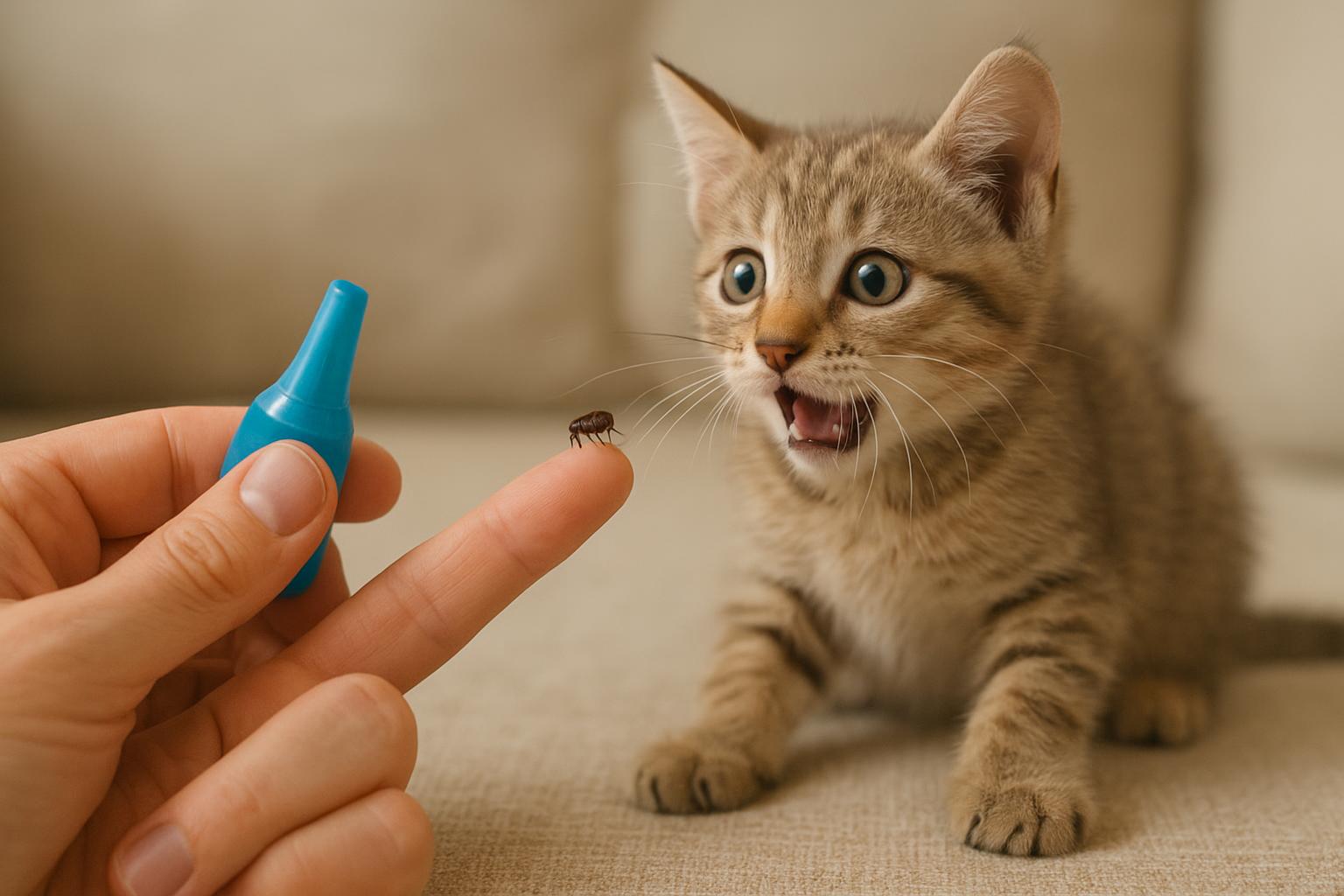
So you’ve seen a flea on sofa — that tiny, angry-looking speck that can make you do the weird little hop you didn’t know you could do. Don’t panic. A single flea sighting is annoying but fixable. This guide walks you through inspection, signs to watch for, and three practical remedies (including DIY and when to call a pro), with clear materials lists and step-by-step instructions. Think of it as sofa emergency preparedness, minus the sirens.
## Flea On Sofa Inspection: What To Look For
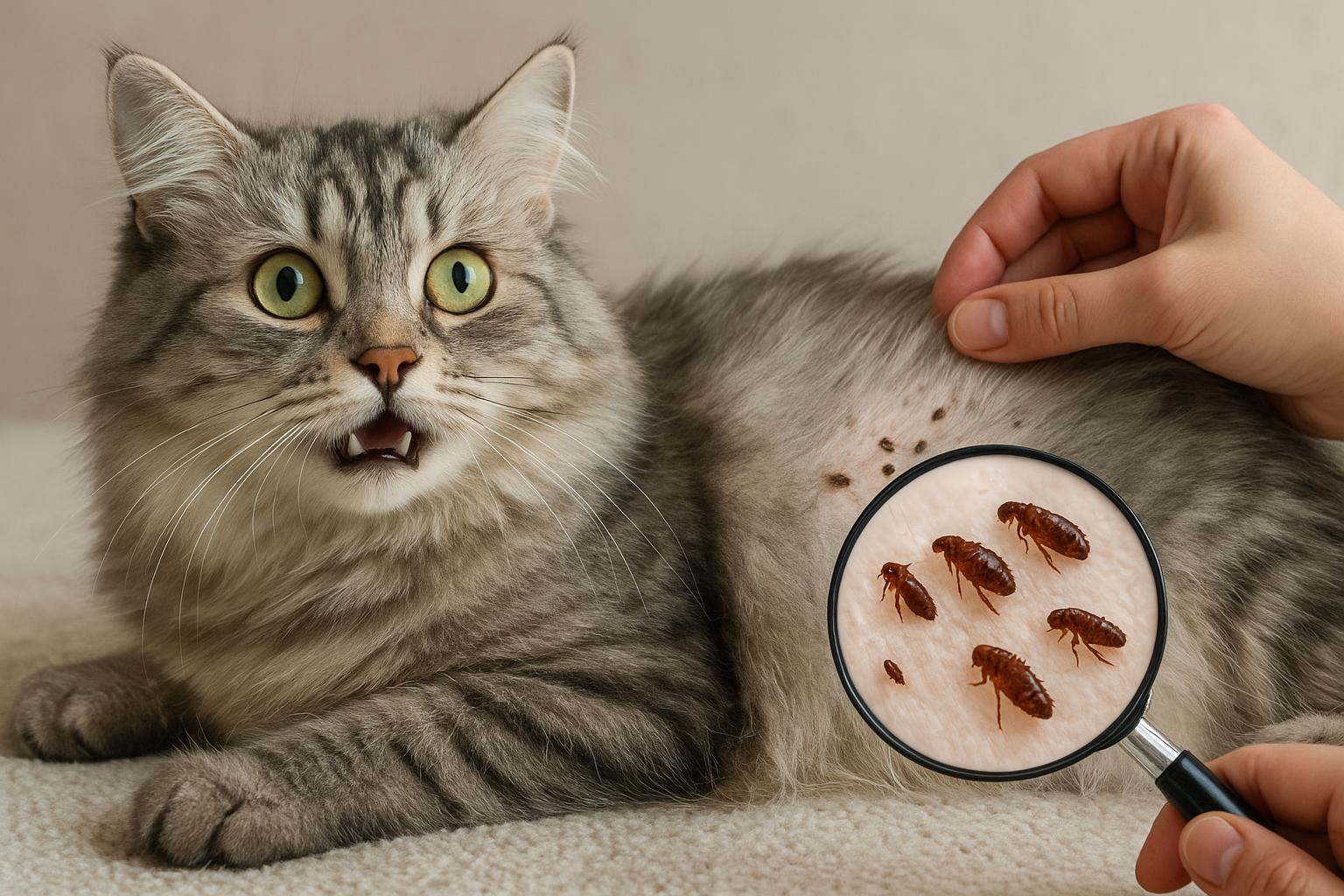
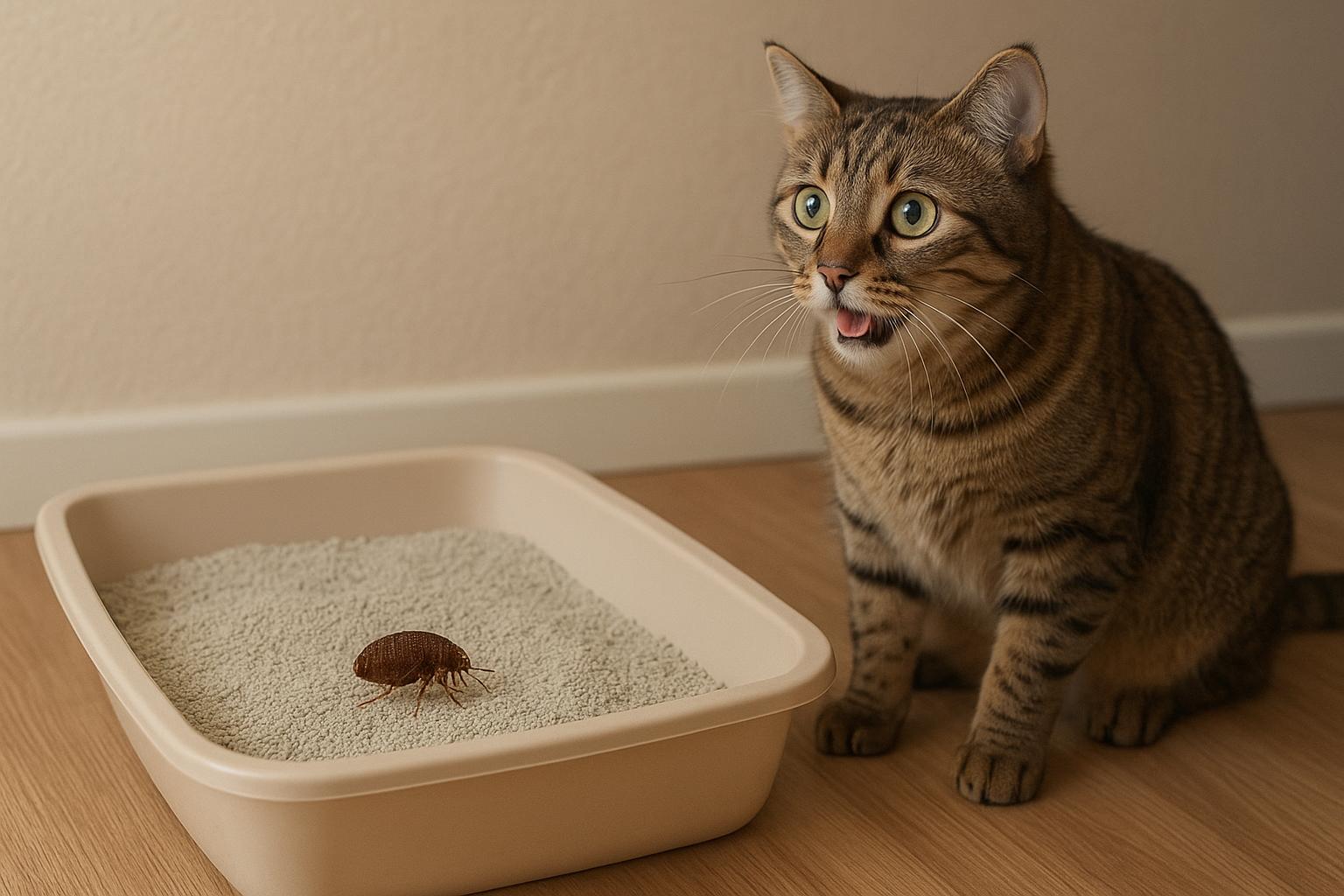
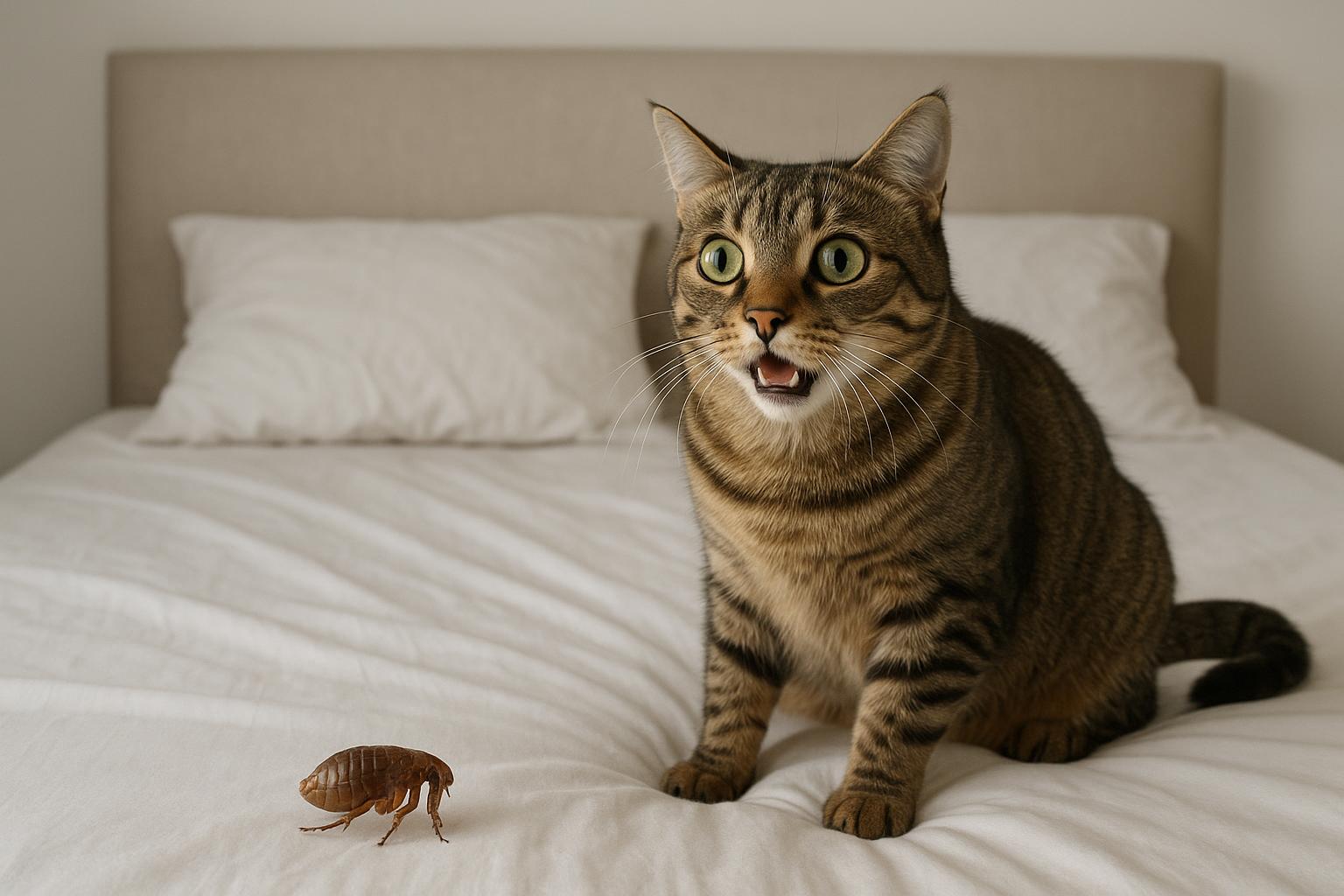
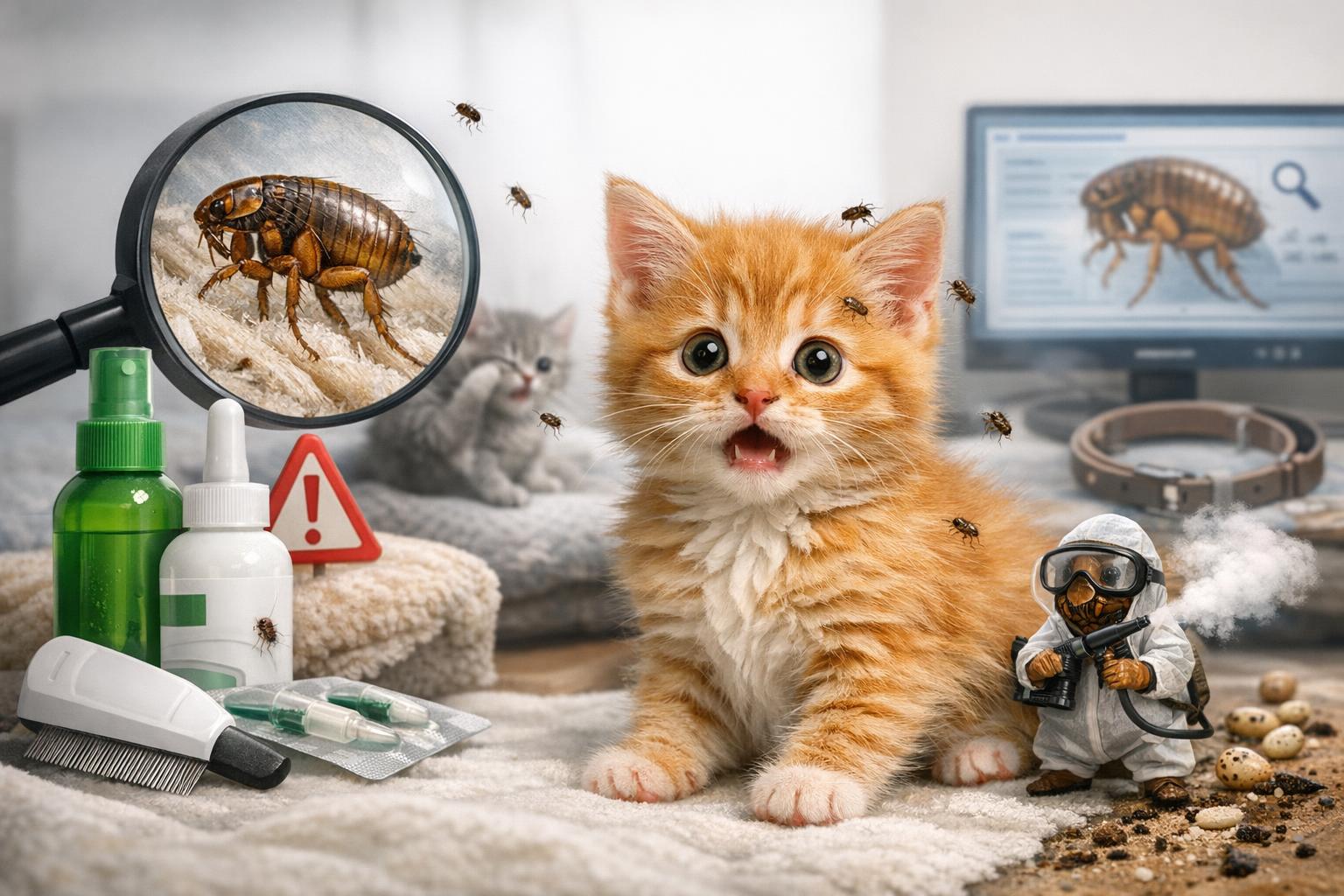
If you spot a flea on sofa, the first thing is to stay calm and conserve your dignity. Fleas are small (2–3 mm), dark brown, and very quick. They won’t politely wait for you to put on glasses. Inspections are about confirming whether you’ve got a lone hitchhiker or a budding population.
### Where Fleas Hide
Fleas prefer warm, sheltered spots close to hosts. On furniture they favor:
– Seams and piping
– Under cushions and between cushions
– Fabric folds and upholstery backing
– Nearby pet beds and blankets
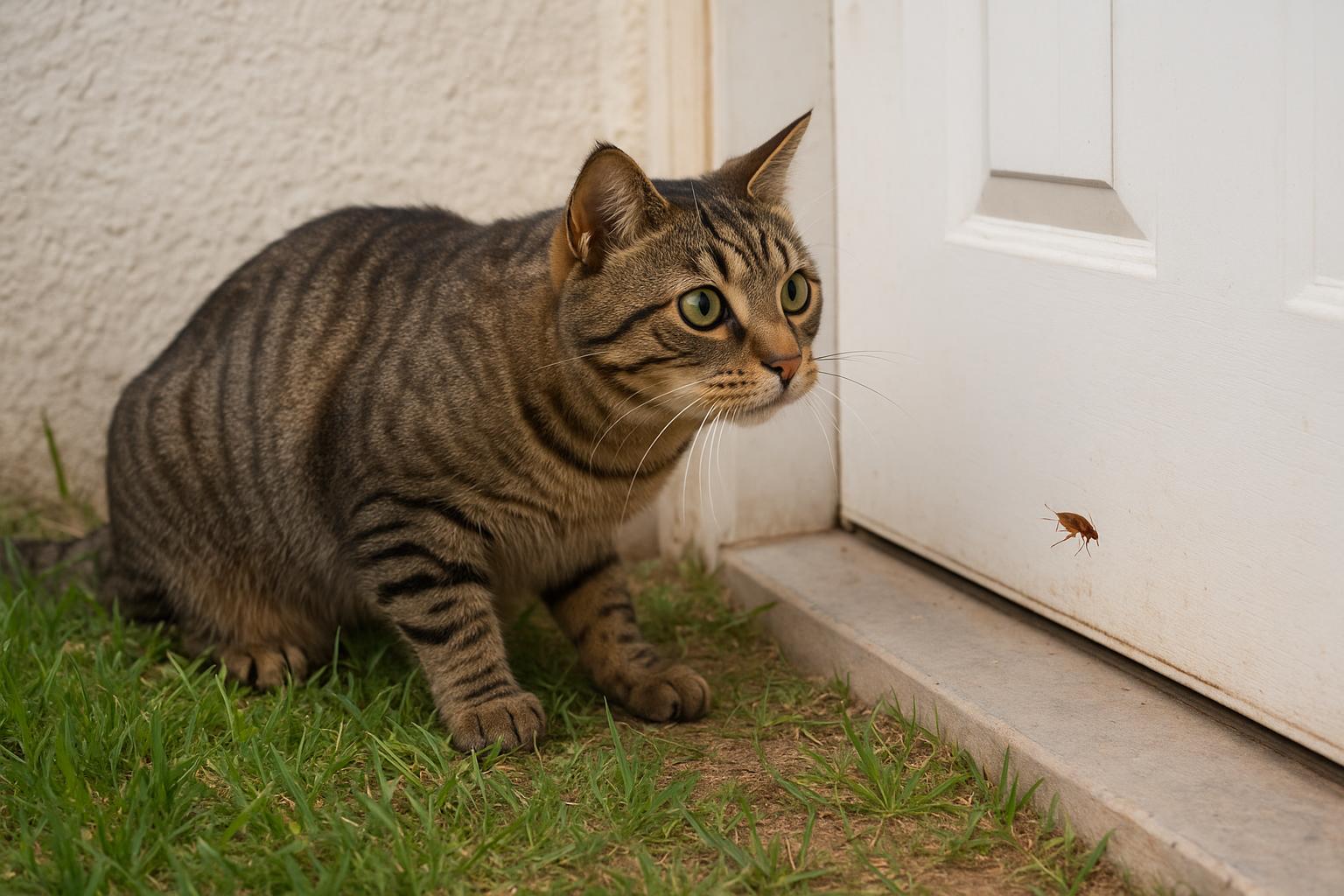
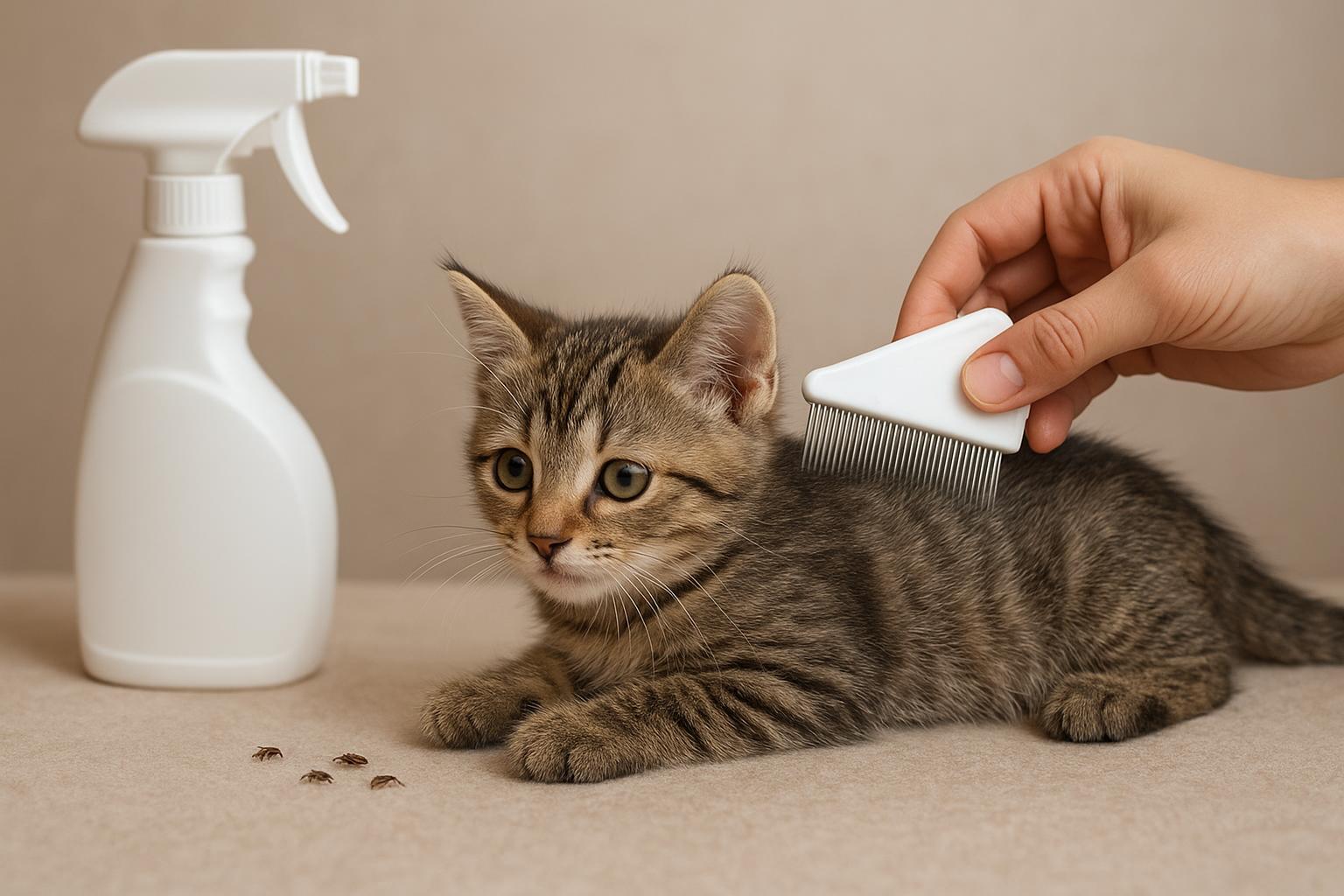
A flea on sofa is often found in the seam right where your pet likes to curl up. Pets are the most common carriers, so check their fur and sleep spots first.
### How To Inspect Fabric And Cushions
Start with a visual sweep and then use tools:
– Remove cushions and check the underside.
– Use a bright flashlight to scan seams and crevices.
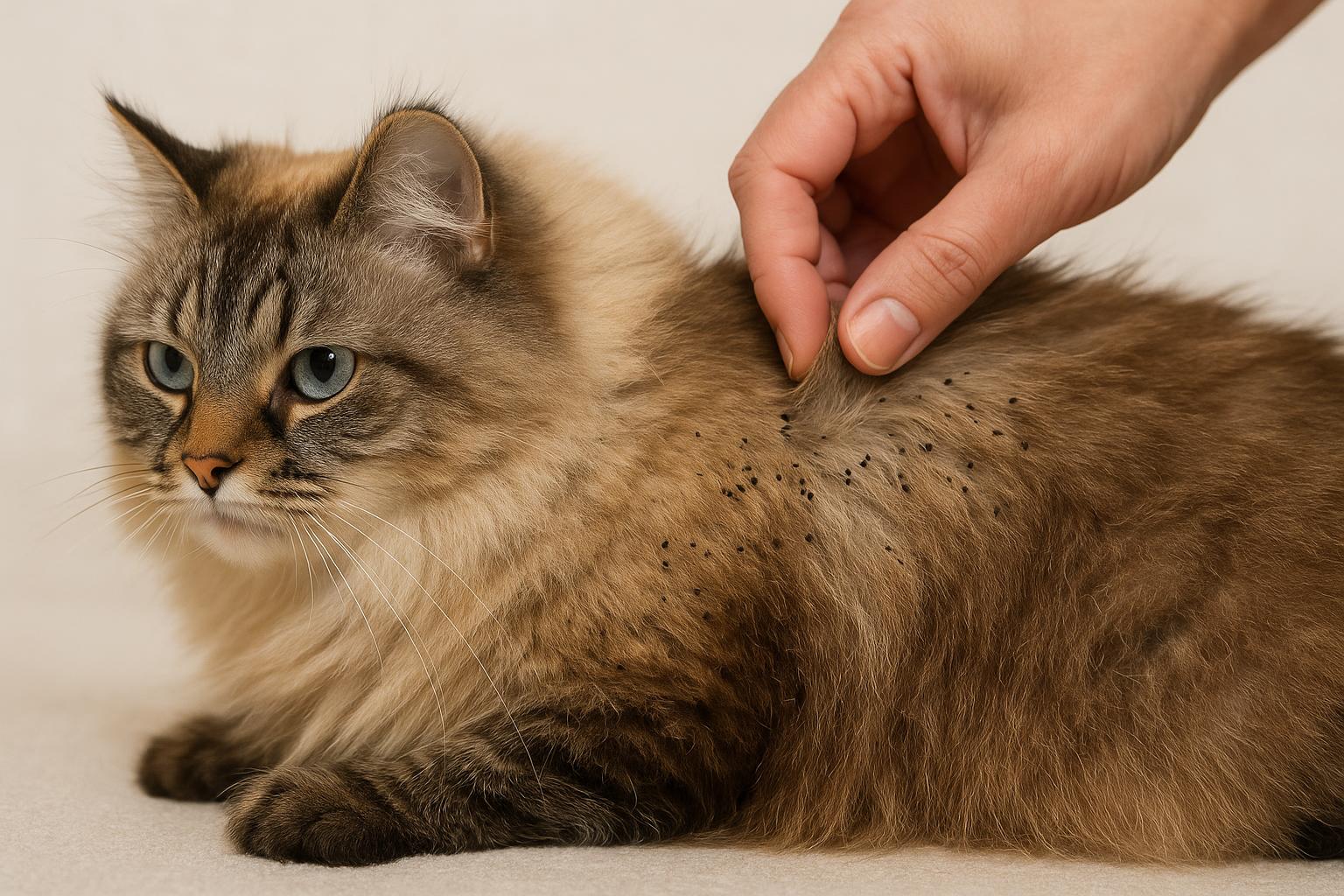
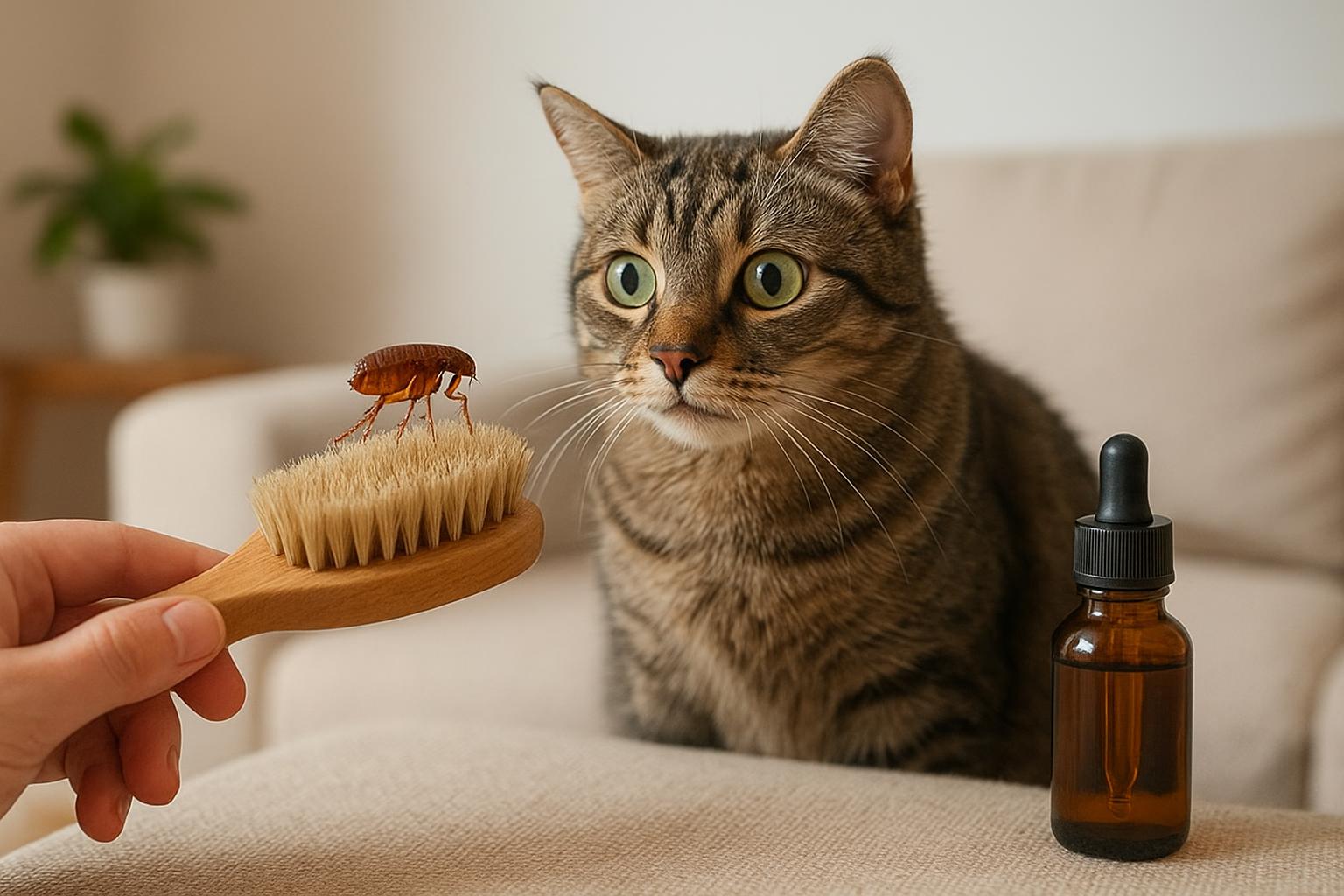
– Hold a white sheet or large paper under a seam and brush the area with a stiff brush; dark specks that turn reddish when wet are likely flea feces.
If you actually witness a flea on sofa material, note the exact locations — those are your priority treatment zones.
#### Use A Flashlight
Shine the light at a low angle across the fabric to reveal movement and shadows. Fleas can blend into textured upholstery unless lit correctly.
#### Check Under Everything
Look under cushions, between seat creases, and inside skirt areas where upholstery meets the frame. Fleas will hide where pets have rested.
## Signs That You Have More Than A Single Flea
A solitary flea on sofa could be an isolated visitor. Multiple signs indicate a developing infestation:
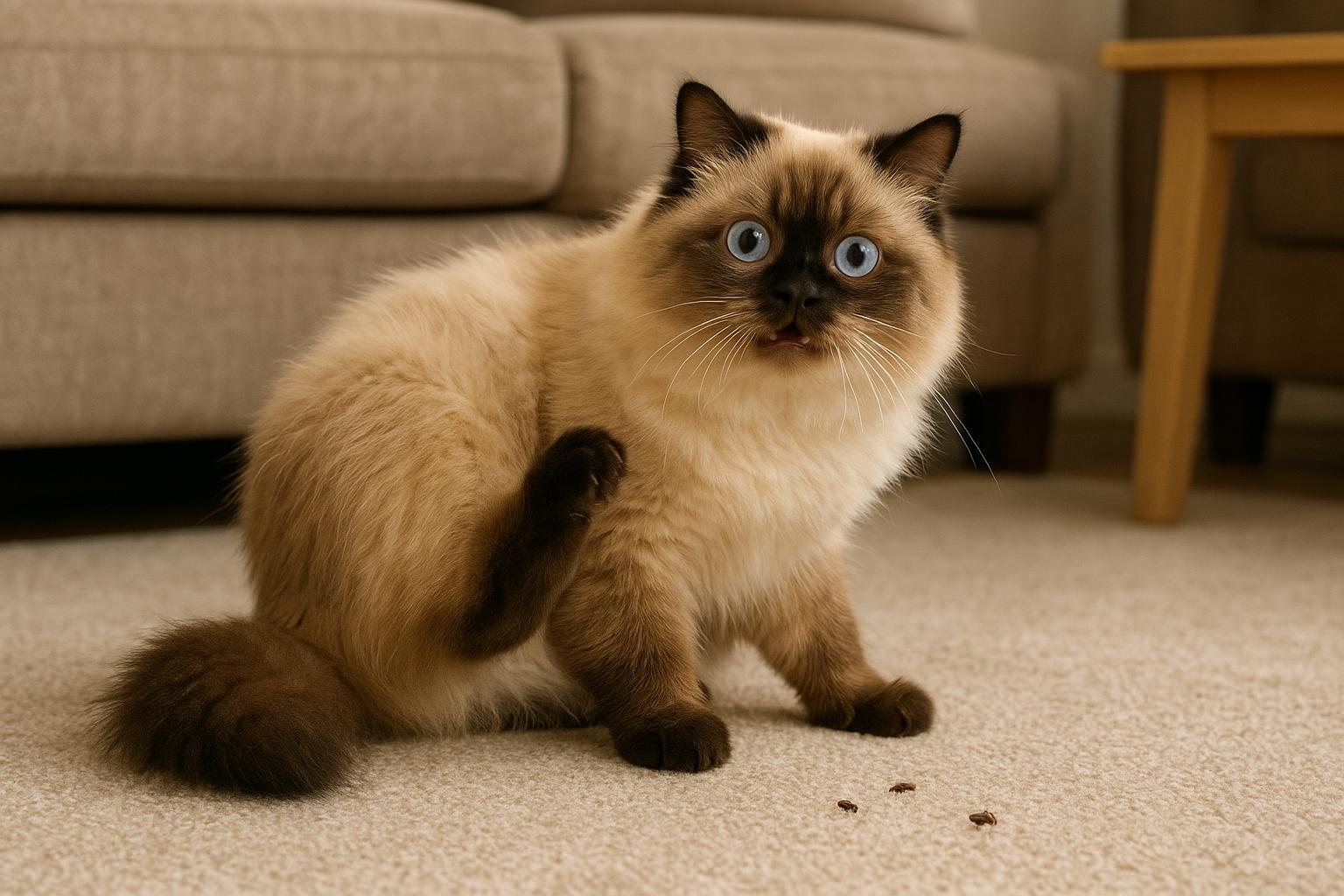
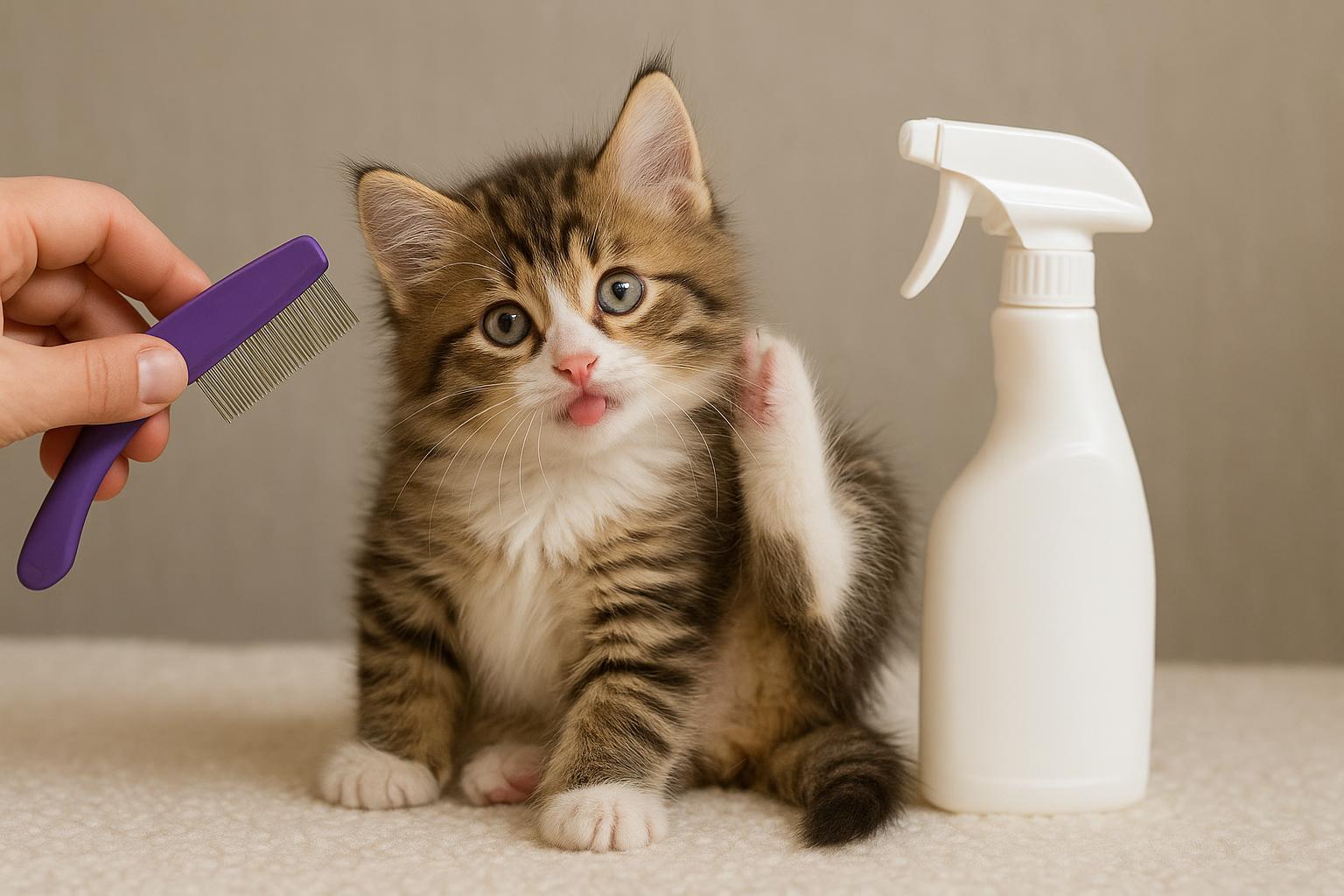
– Increased scratching in pets or humans
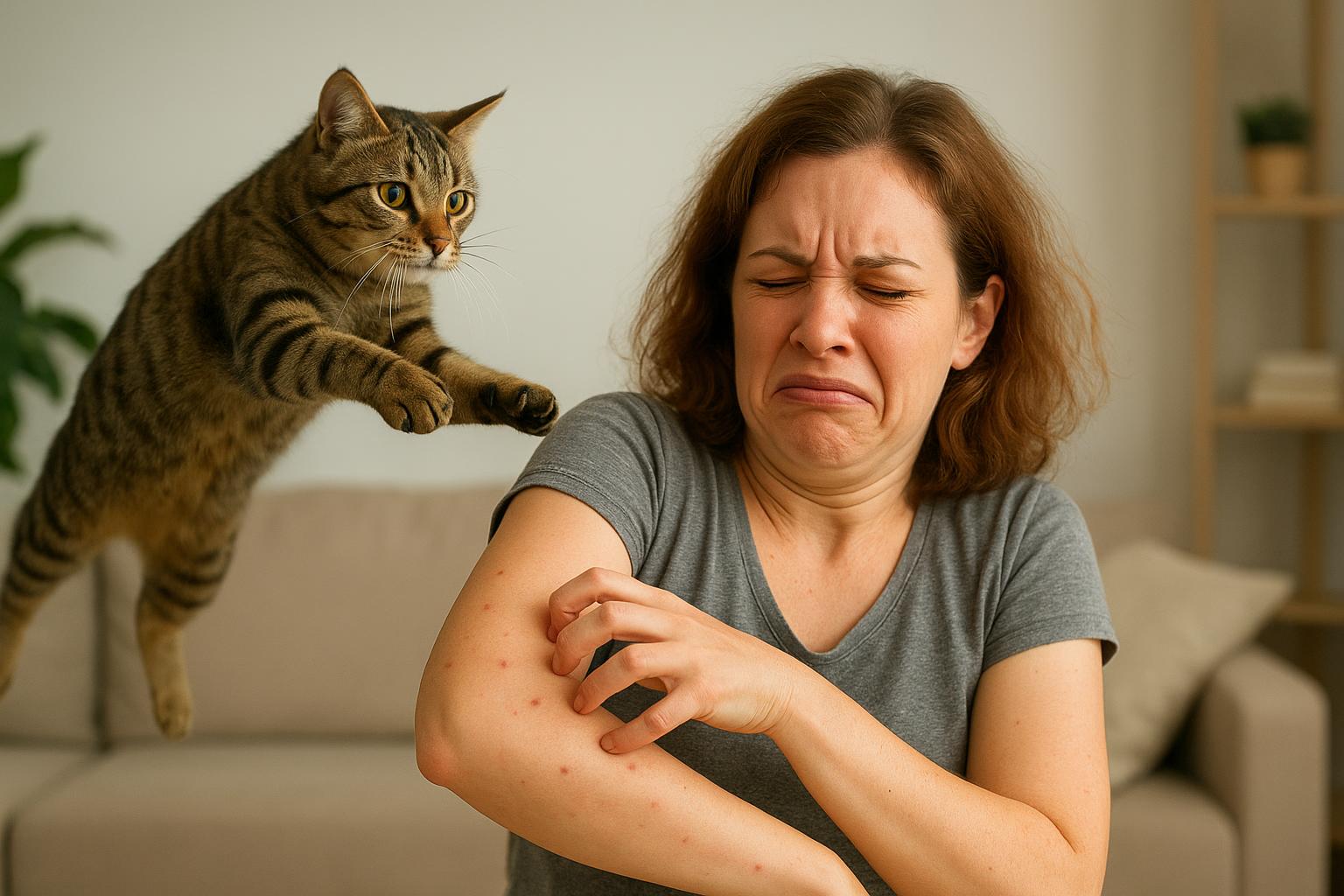
– Small red bites in clusters, often around ankles or waist
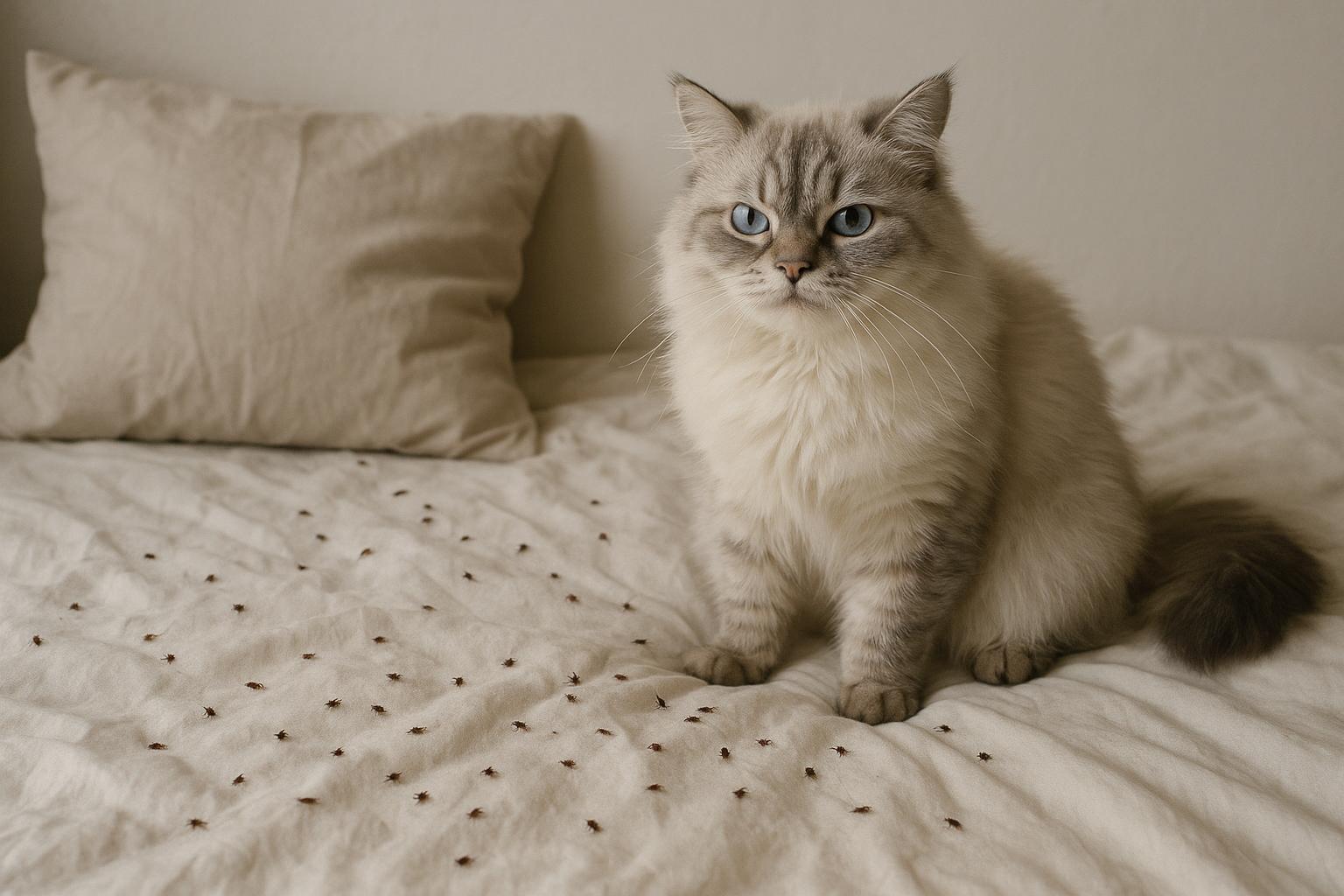
– Little black specks (flea dirt) on cushions or sheets
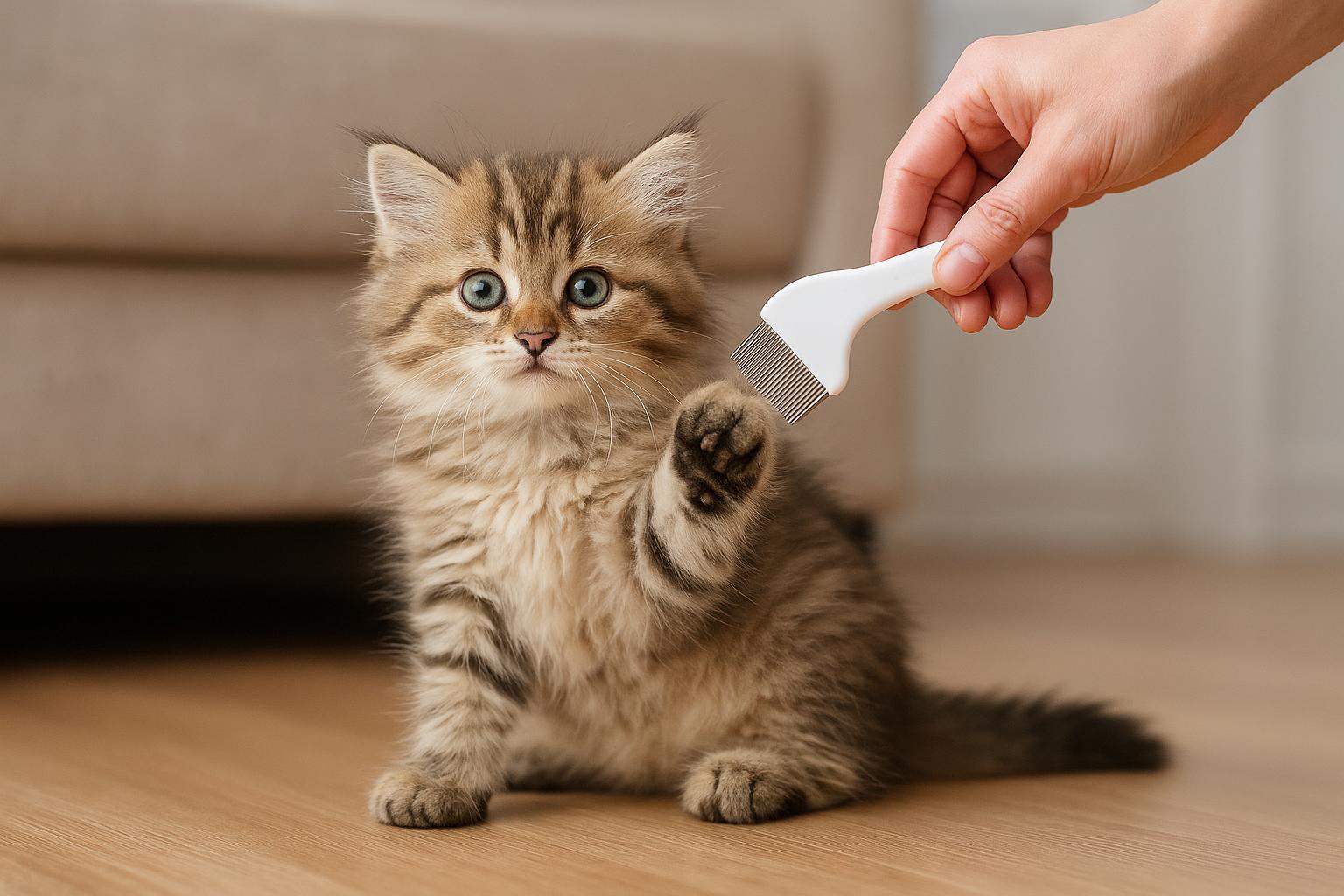
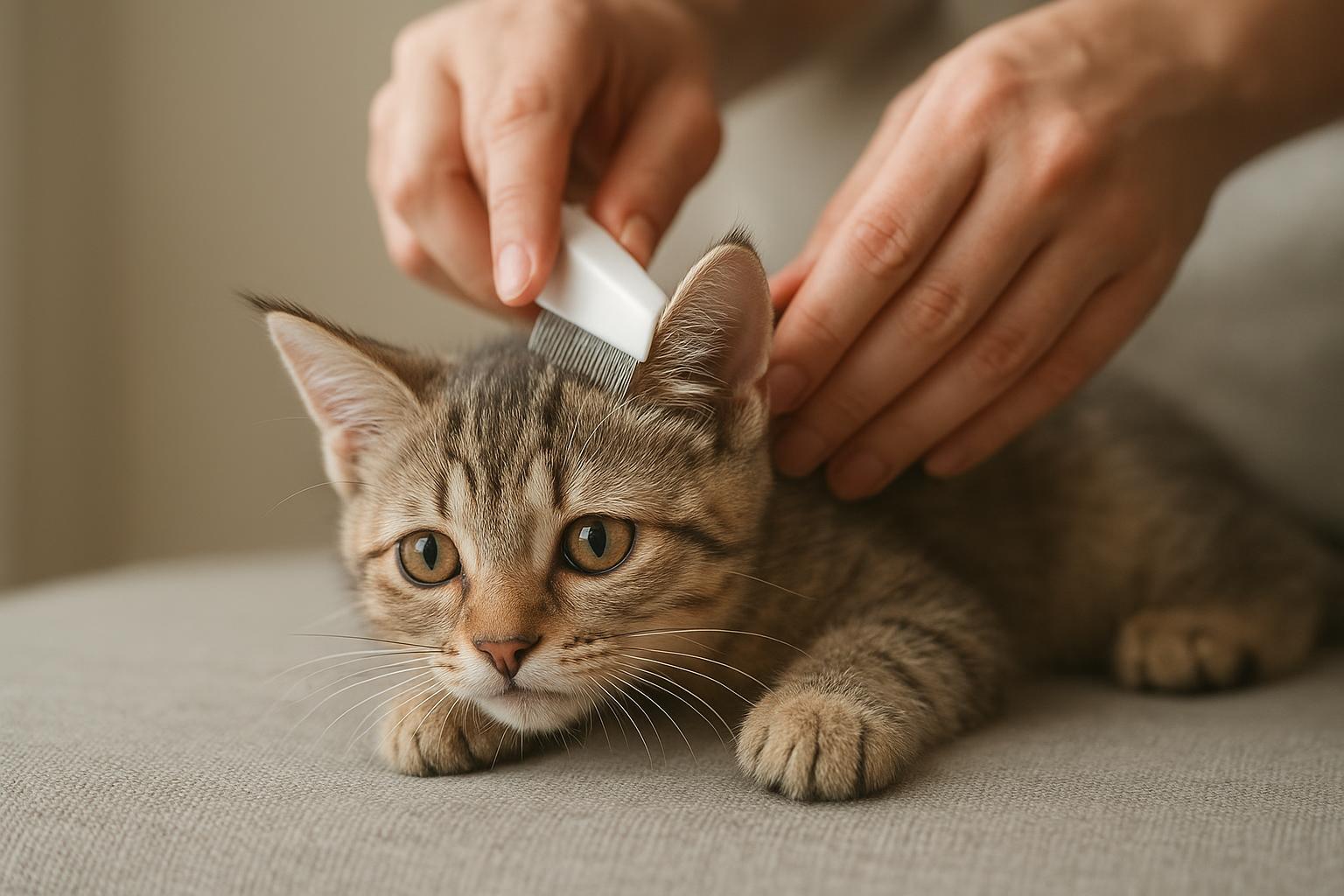
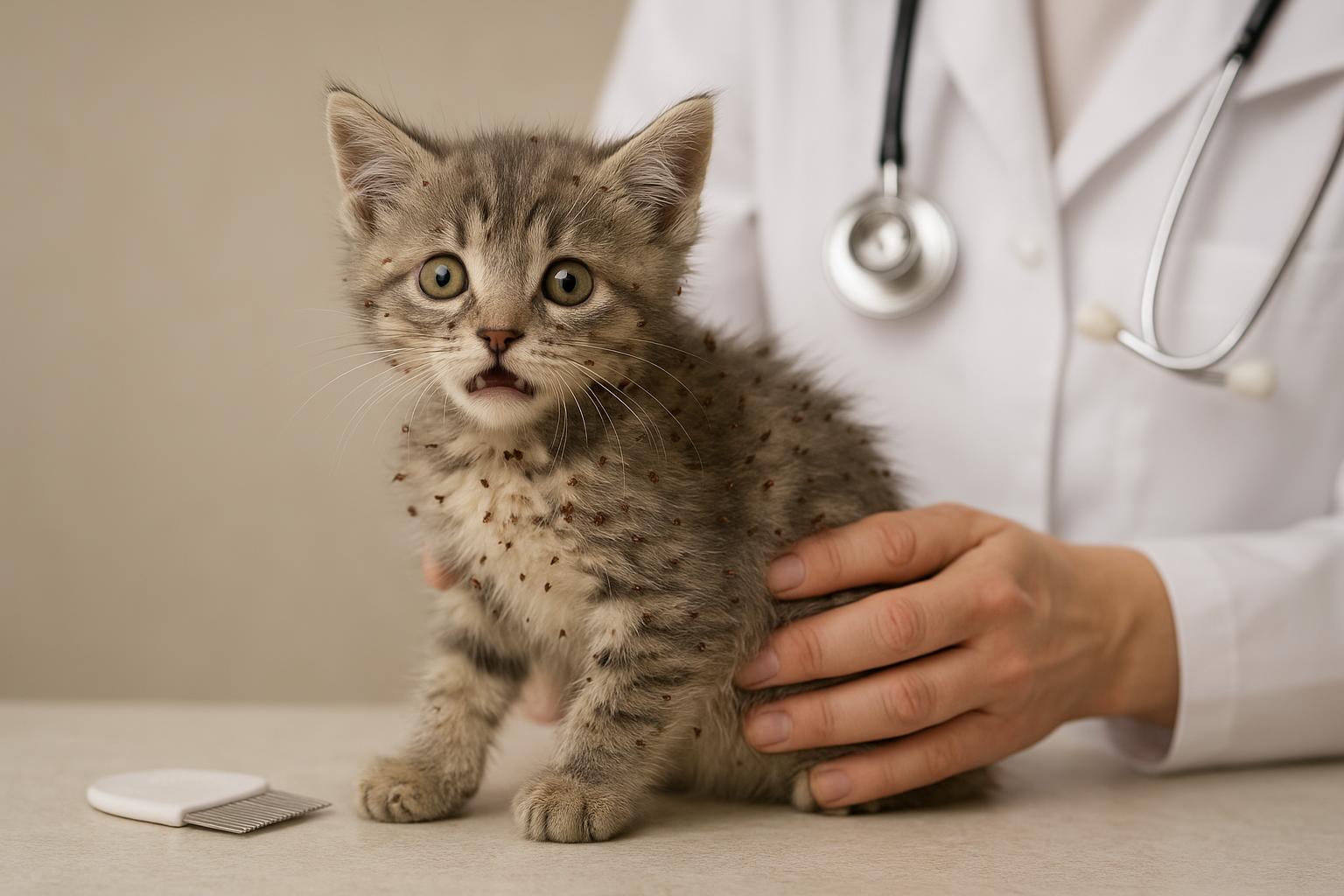
– Pet hair with moving dots when you run a comb through it
If you observe more than one flea on sofa or notice widespread flea dirt, escalate to a full-treatment plan rather than a one-off spot clean.
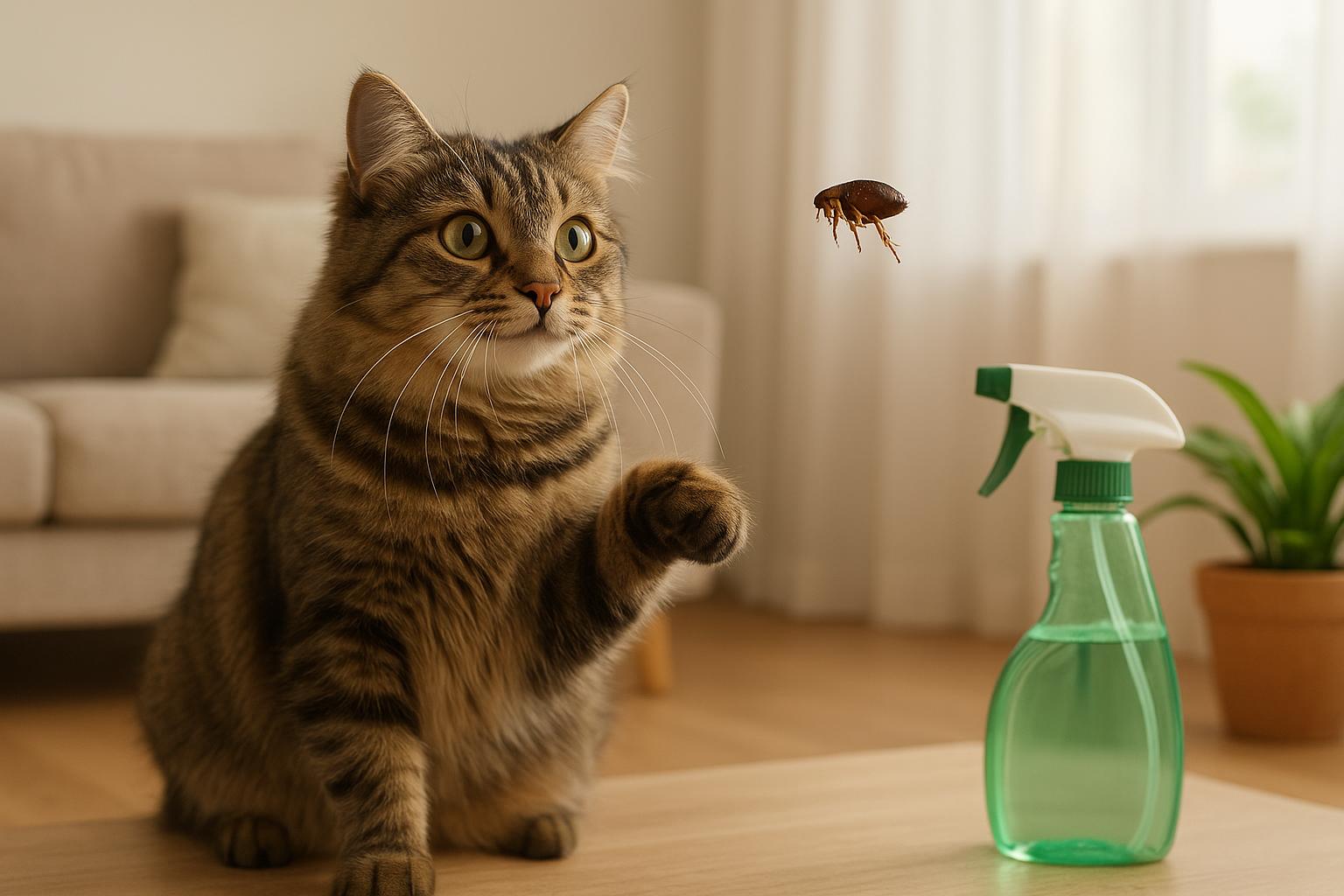
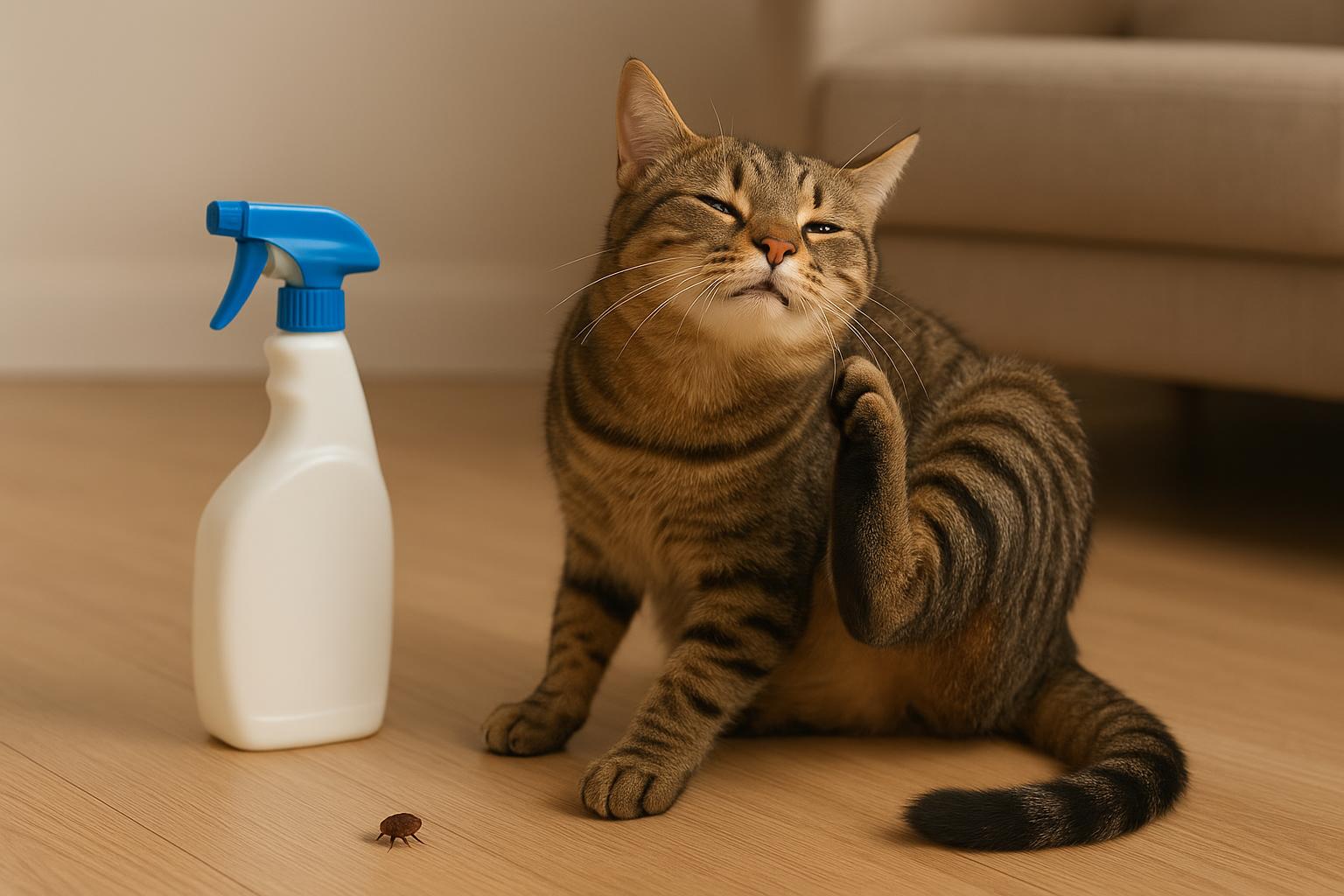
## 1. Natural DIY Spray For Sofas
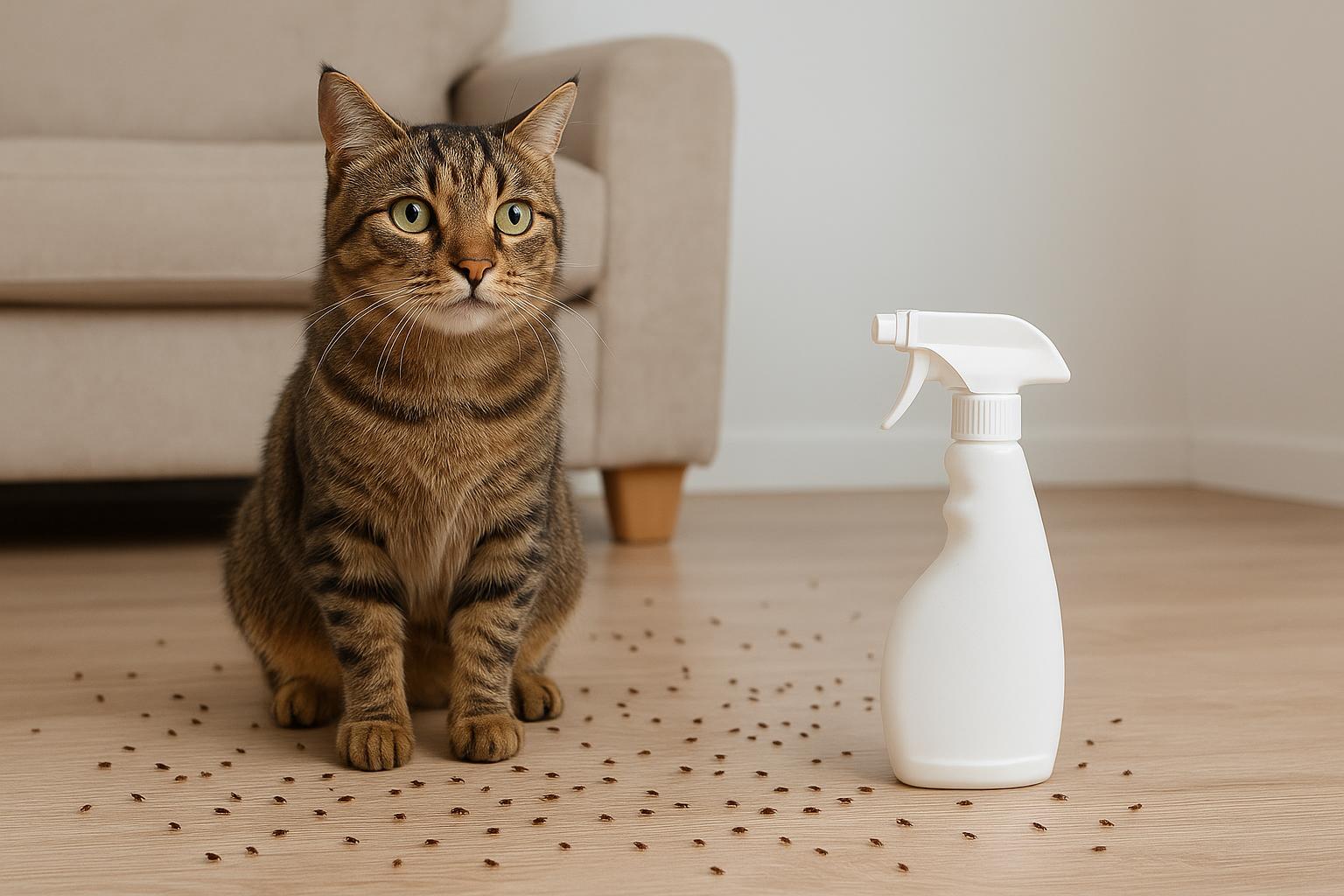
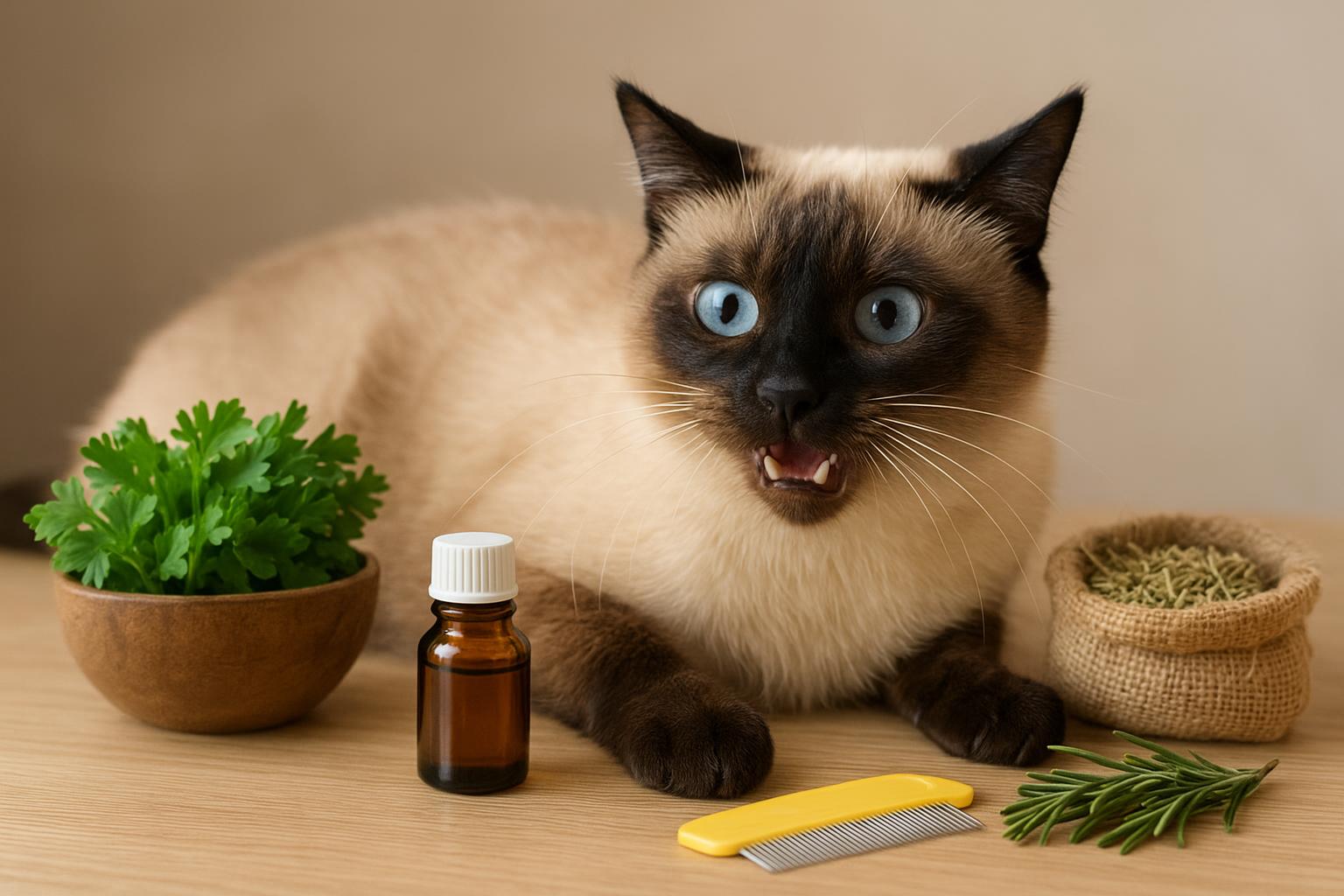
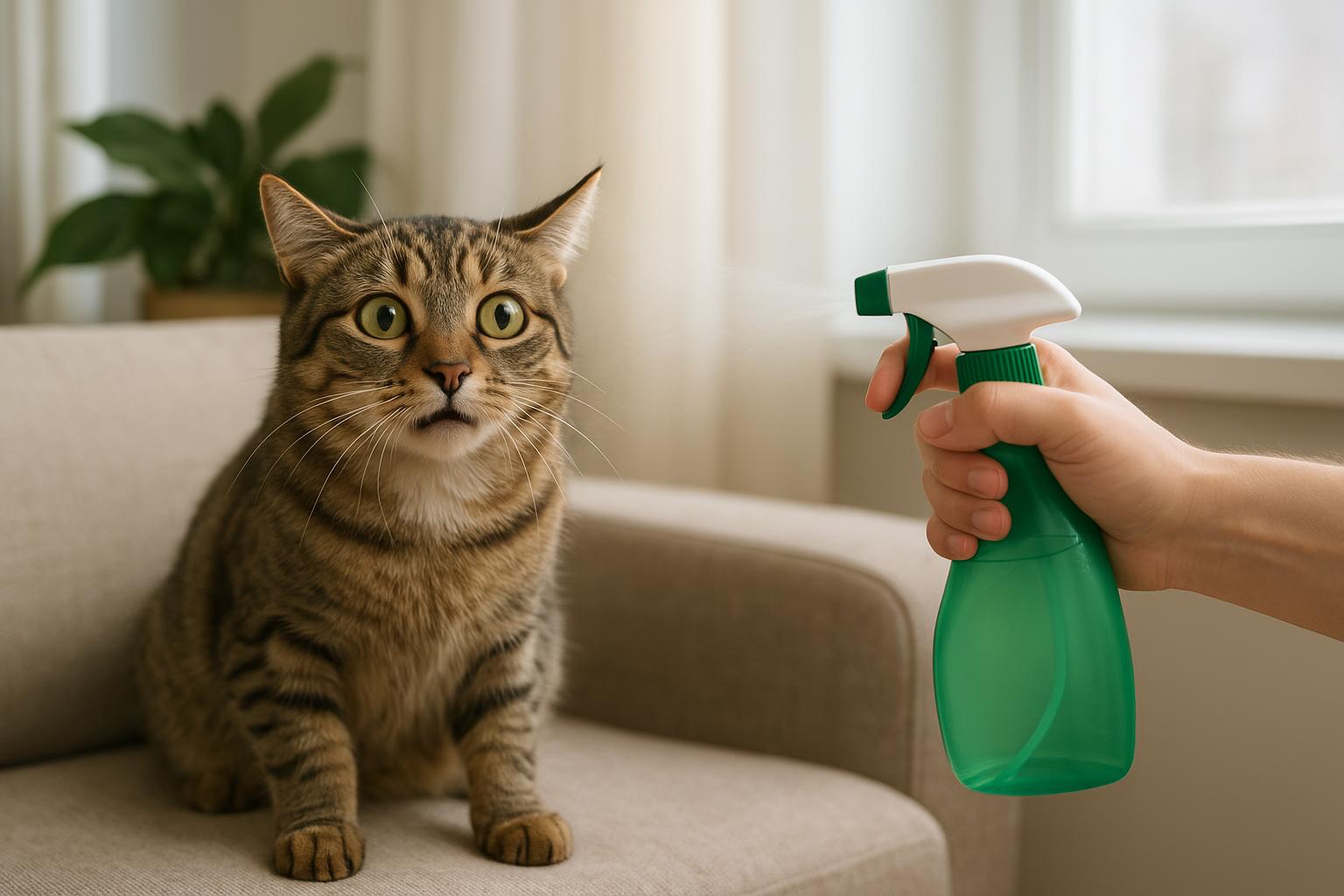
This is a gentle, non-chemical option that helps reduce flea activity on fabric surfaces. It’s suitable for homes with pets and kids, but remember: natural does not mean inert. Use as directed.
### Materials Required
– White vinegar (5% acetic acid) — 1 cup
– Distilled water — 3 cups
– Rubbing alcohol (70%) — 1/2 cup
– Dish soap (unscented, mild) — 1 teaspoon
– Spray bottle (opaque or dark to protect mixture)
– Measuring cup and funnel
– Gloves and a mask (optional, for sensitive skin/respiratory issues)
### Creation And Application
1. Mix the Ingredients: In a clean container, combine 1 cup white vinegar, 3 cups distilled water, 1/2 cup rubbing alcohol, and 1 teaspoon mild dish soap. The soap helps spread the solution across fabric fibers.
2. Transfer to Spray Bottle: Use a funnel to fill the spray bottle. Label it clearly.
3. Pre-Test: Spray a small, inconspicuous patch of upholstery and wait 15 minutes. Check for colorfastness or fabric damage.
4. Apply To Affected Areas: Lightly spray seams, cushion undersides, and pet-favorite spots. Do not soak the fabric; a fine mist is sufficient. Avoid saturating cushions with foam filling.
5. Let Dry Fully: Allow the sofa to air dry for several hours. Open windows for ventilation if safe to do so.
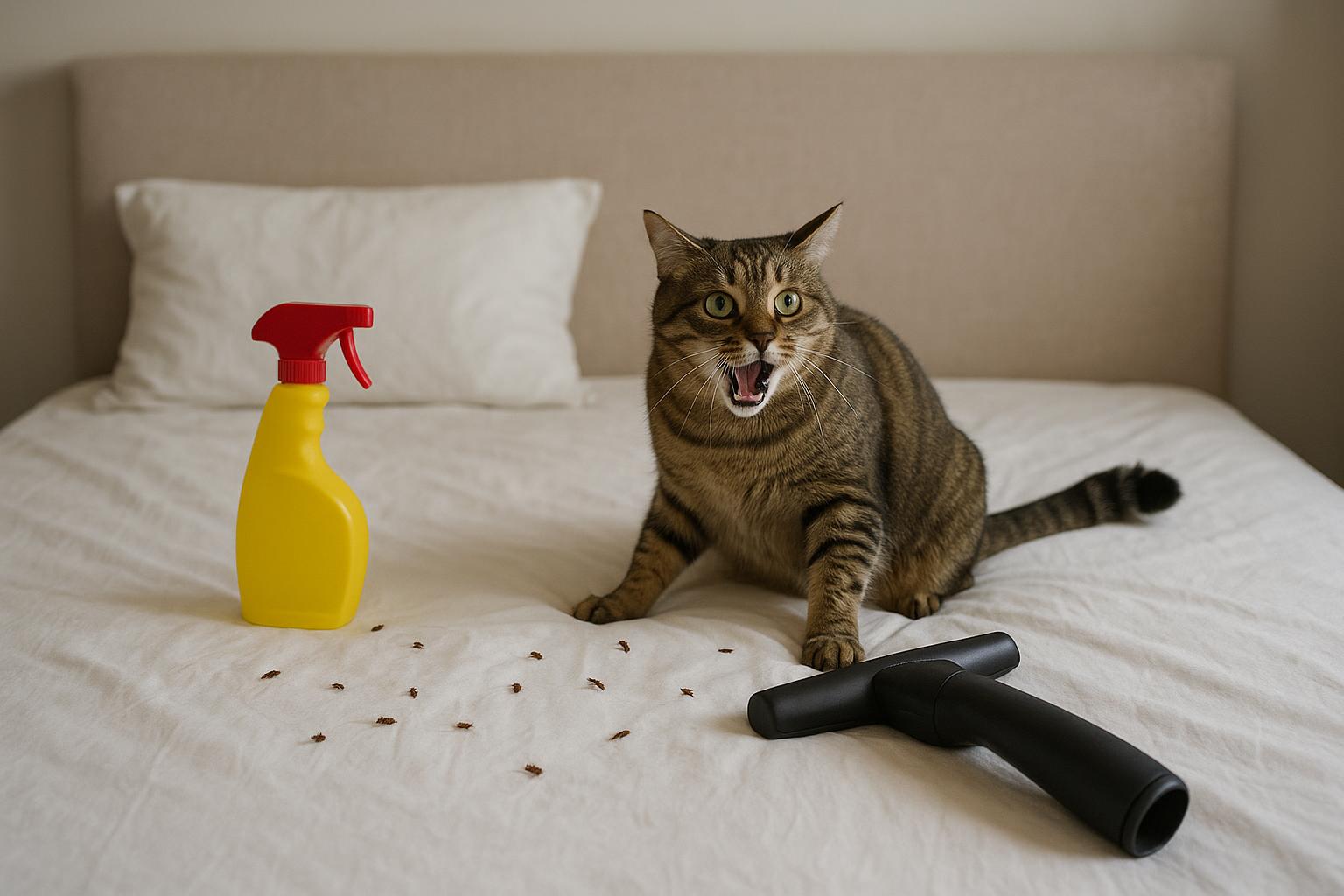
6. Repeat As Needed: Apply every 3–5 days for two weeks, and after vacuuming (see Remedy 2) to reduce any remaining fleas and discourage return.
Safety Notes: Avoid use on leather or delicate antique upholstery. Keep pets off treated surfaces until completely dry. The alcohol content helps kill ticks and fleas on contact; vinegar deters them by altering surface pH, while dish soap reduces surface tension for better coverage.
## 2. Deep Clean And Vacuum Protocol For Flea Removal
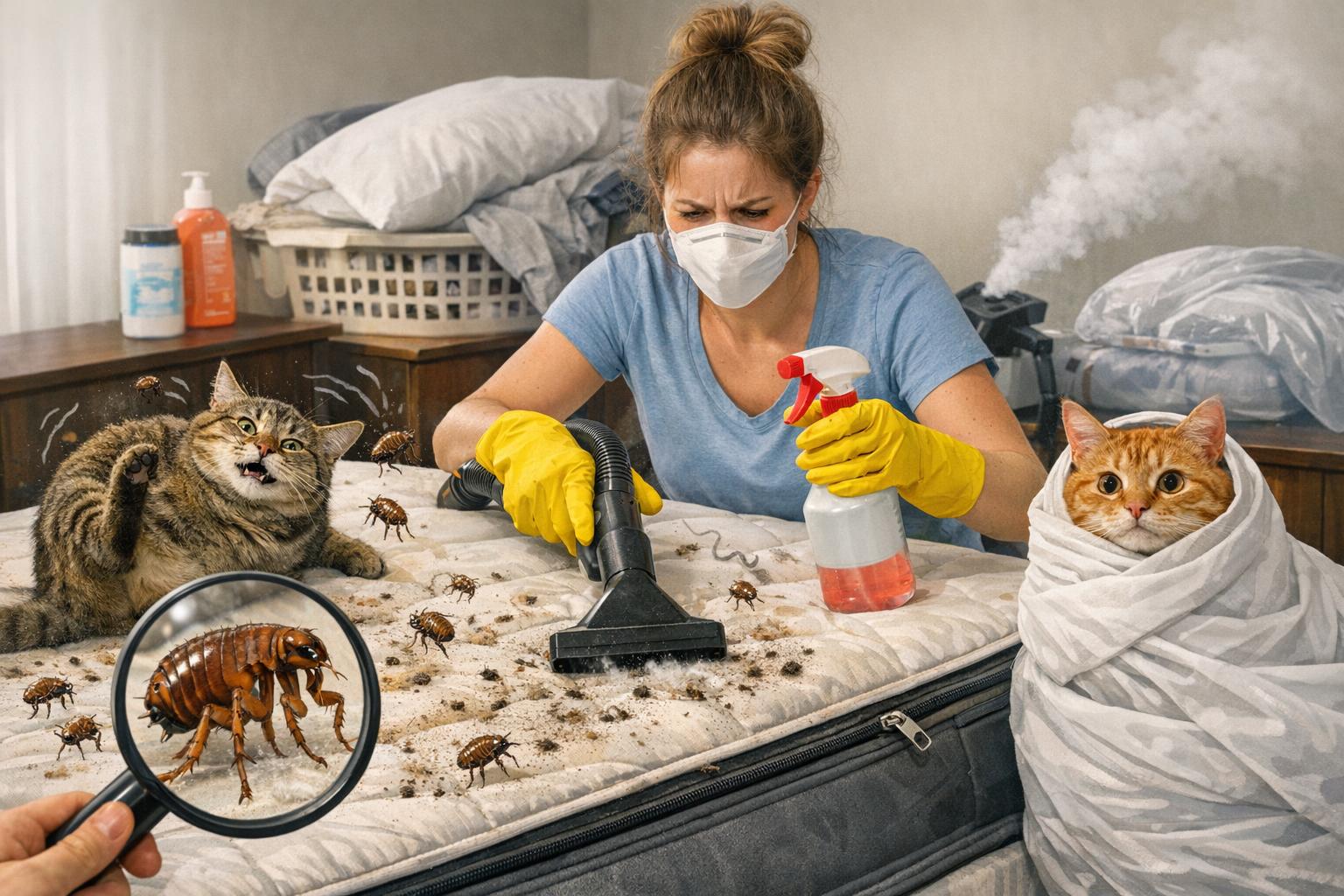
Vacuuming and steam-cleaning are among the most effective non-chemical ways to remove fleas, eggs, and larvae from sofas and surrounding carpets. This method is procedural and evidence-based; follow each step carefully.
### Materials Required
– High-suction vacuum with crevice tool
– Stiff-bristled brush
– Lint roller
– Enzyme-safe upholstery cleaner or steam cleaner (check upholstery tag)
– Sealable plastic bags or trash bags
– Washing machine (for removable covers)
– Protective gloves
### Creation And Application
1. Remove Loose Items: Take off blankets, pillows, and any removable covers. Place them directly into a sealed bag for washing or temporary storage away from living areas.
2. Wash Covers: Wash removable covers in hot water (at least 60°C/140°F if fabric allows) and dry on high heat. This kills fleas, eggs, and larvae.
3. Vacuum Thoroughly: Use the crevice tool to vacuum seams, under cushions, and along the skirt. Vacuum surrounding carpets and baseboards. Focus on areas where you’ve seen a flea on sofa.
4. Brush Before Vacuuming: For deeply textured fabric, use a stiff brush to loosen debris, then vacuum. This helps extract flea eggs and larvae embedded in fibers.
5. Empty Vacuum Safely: After vacuuming, remove the canister or bag and seal debris in a plastic bag. Dispose of it outdoors to prevent reintroduction.
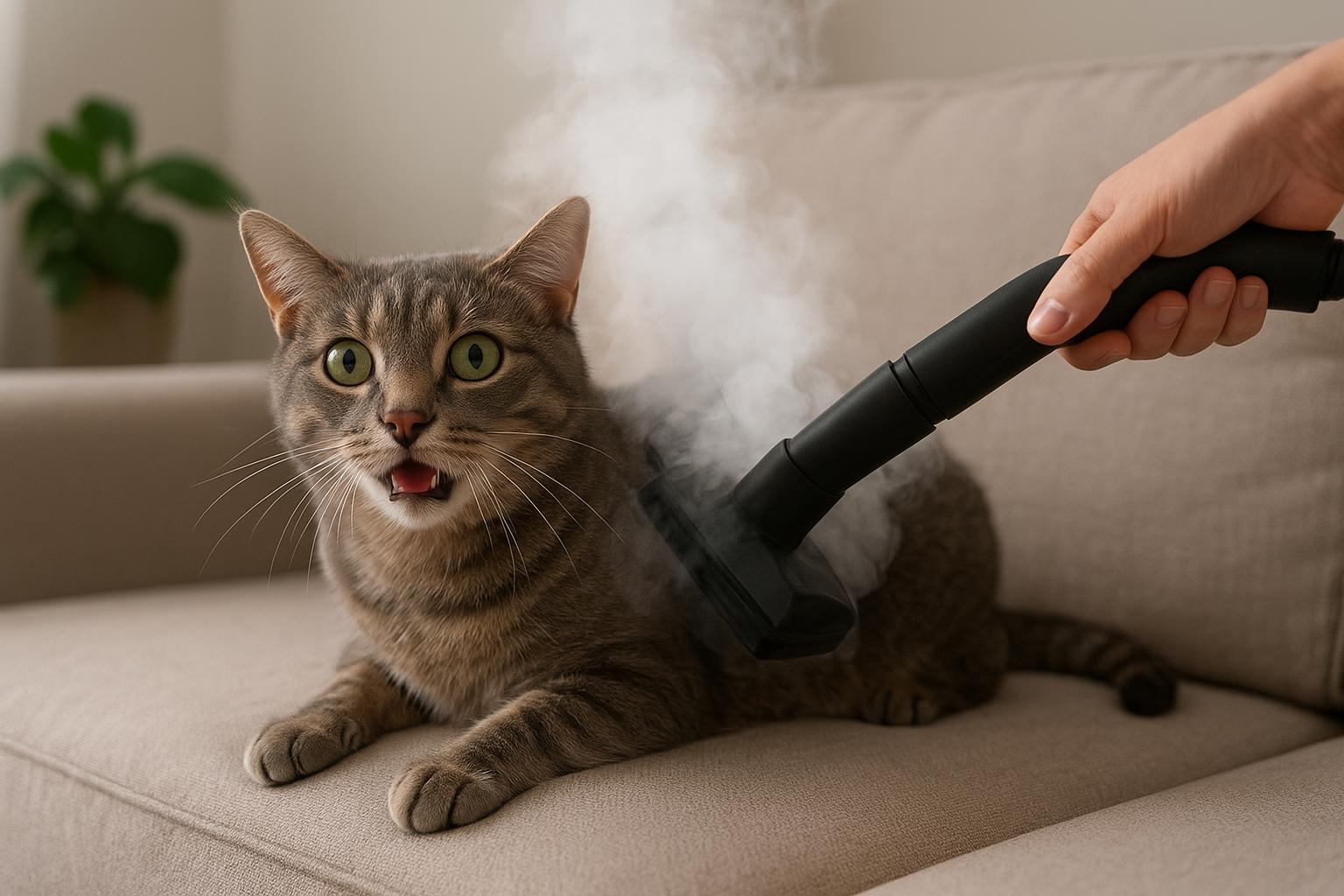
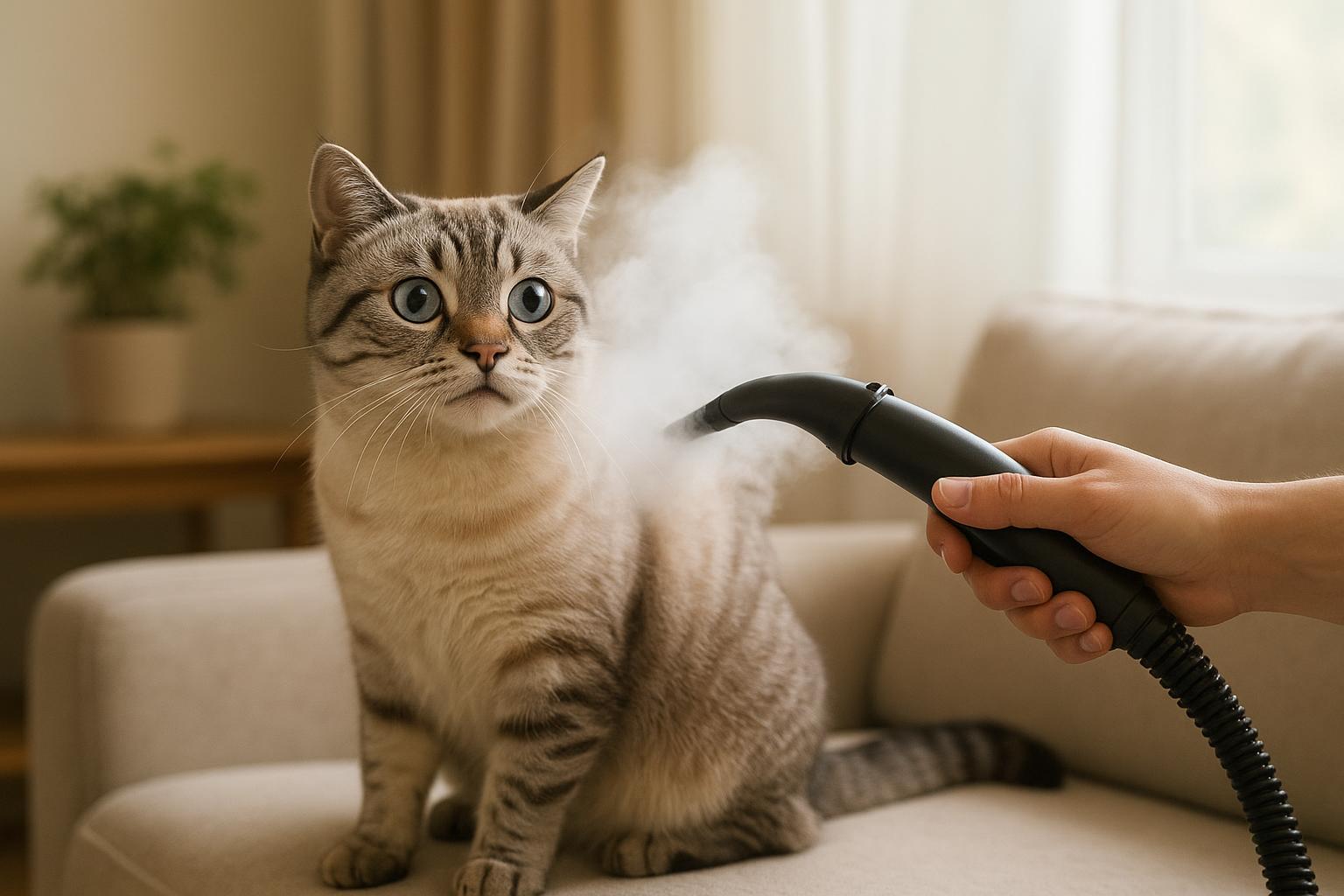
6. Steam Clean If Possible: If upholstery tags allow, steam-clean the sofa. High-temperature steam (above 50°C/122°F) will kill fleas and eggs. Follow steam-cleaner manufacturer instructions.
7. Repeat Schedule: Perform this deep clean weekly for 4 weeks to break the flea life cycle, as eggs can hatch after initial cleaning.
Professional steam cleaning services can augment this if you lack the equipment. Persistent infestations may require insecticidal measures.
## 3. Professional-Grade Treatment Option
If you’ve tried DIY steps and still notice a flea on sofa, or if multiple family members/pets are affected, professional intervention is the responsible next step. Commercial treatments target adults, larvae, and eggs, and professionals can treat hidden infestation sites (attic, behind baseboards).
### Materials Usually Used By Pros
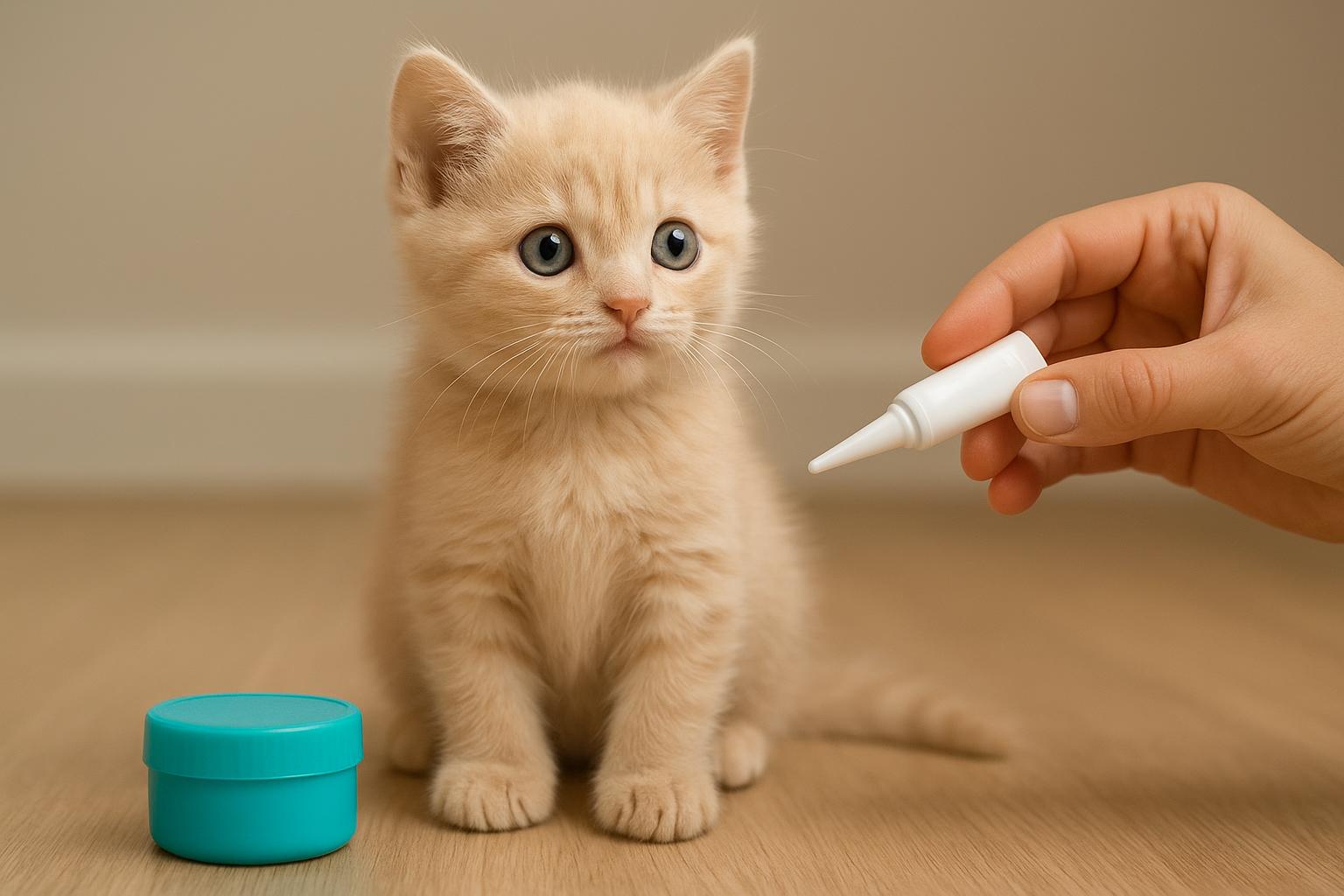
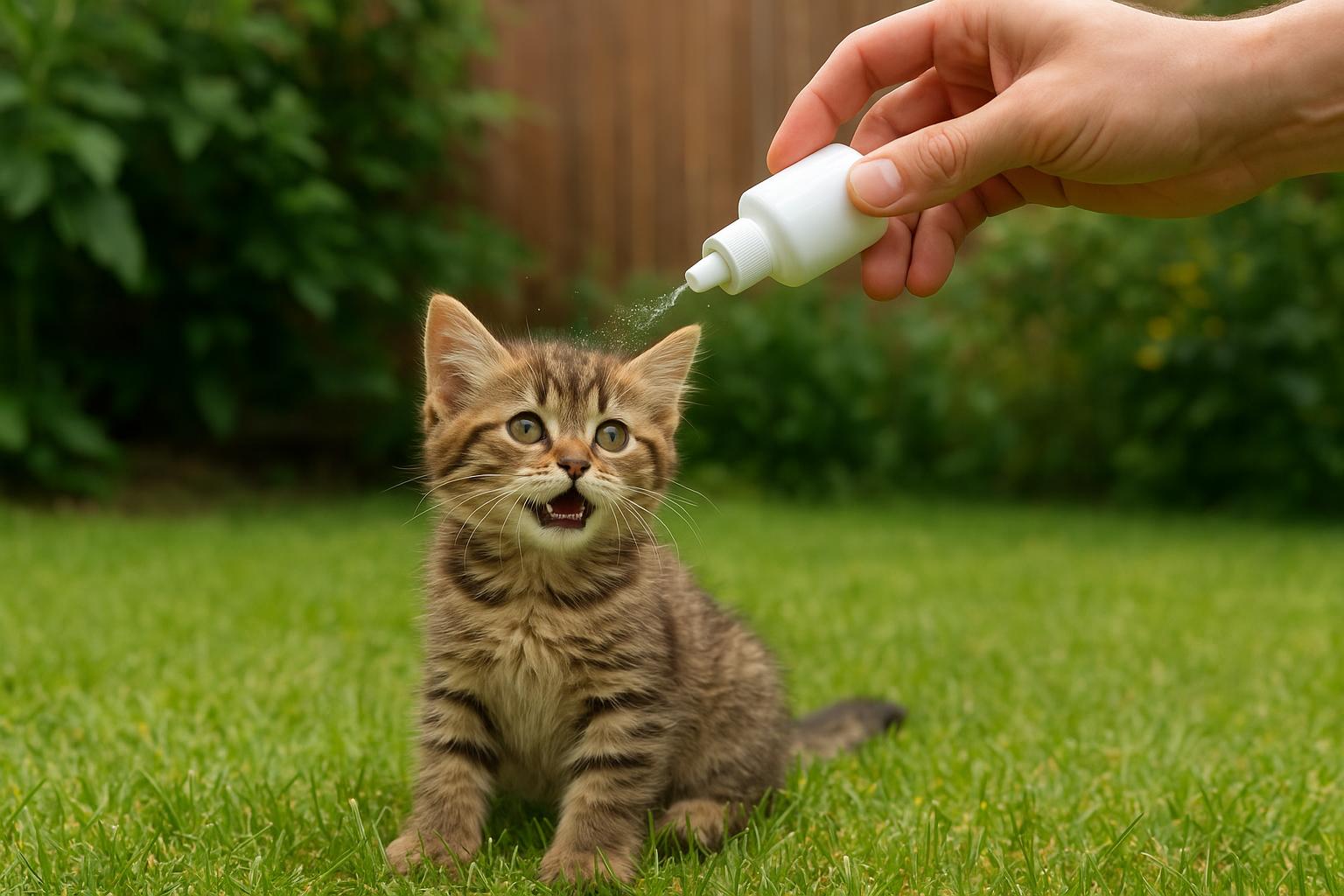
– Veterinary-approved topical flea treatments for pets
– Insect growth regulators (IGRs) such as methoprene or pyriproxyfen
– Residual insecticide sprays labeled for indoor use (pyrethroids or equivalents)
– Foggers (used selectively by professionals)
– Protective gear and perimeter sealing supplies
### What To Expect And Steps They Take
1. Inspection: A certified technician will inspect the home, confirming hotspots and flea populations.
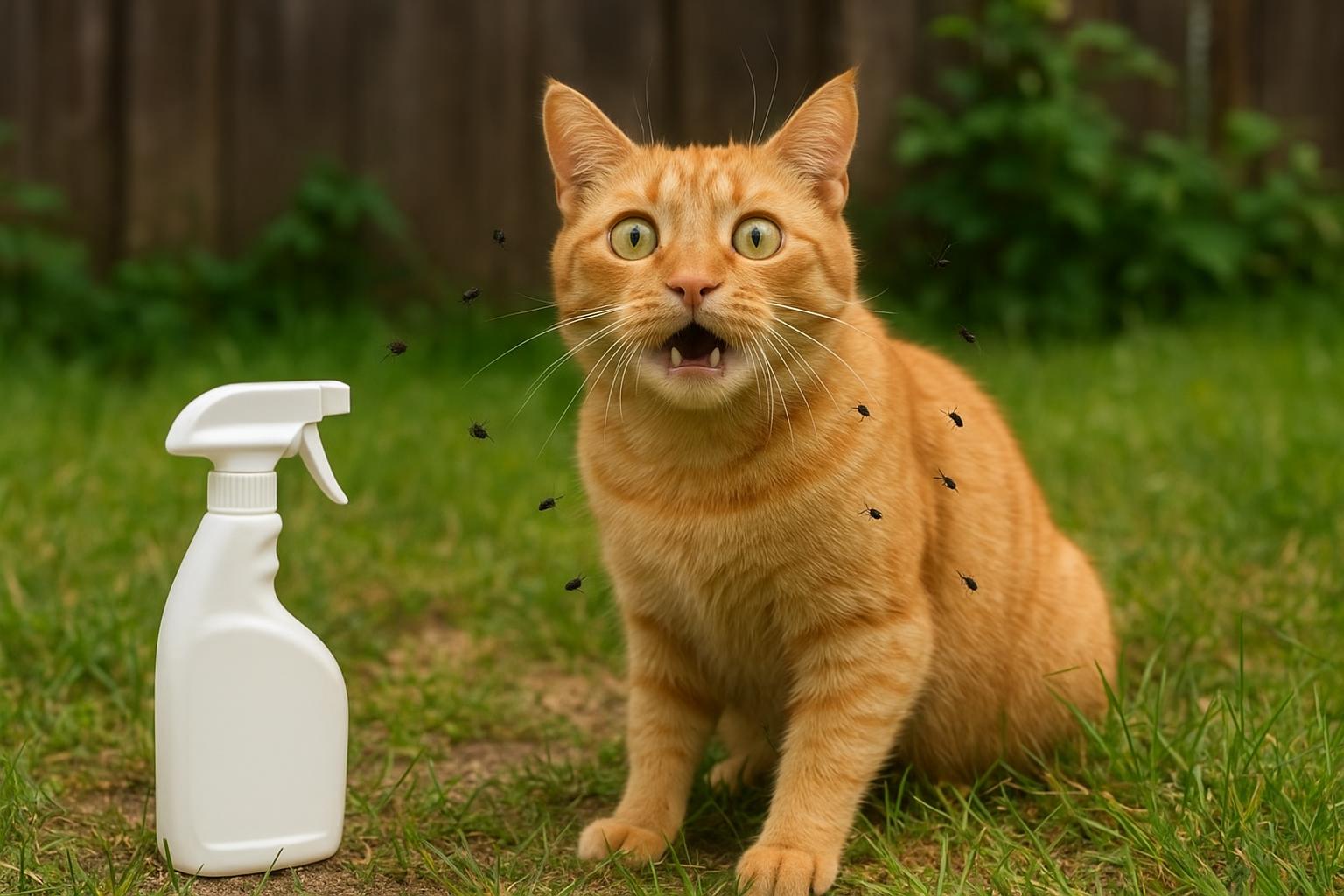
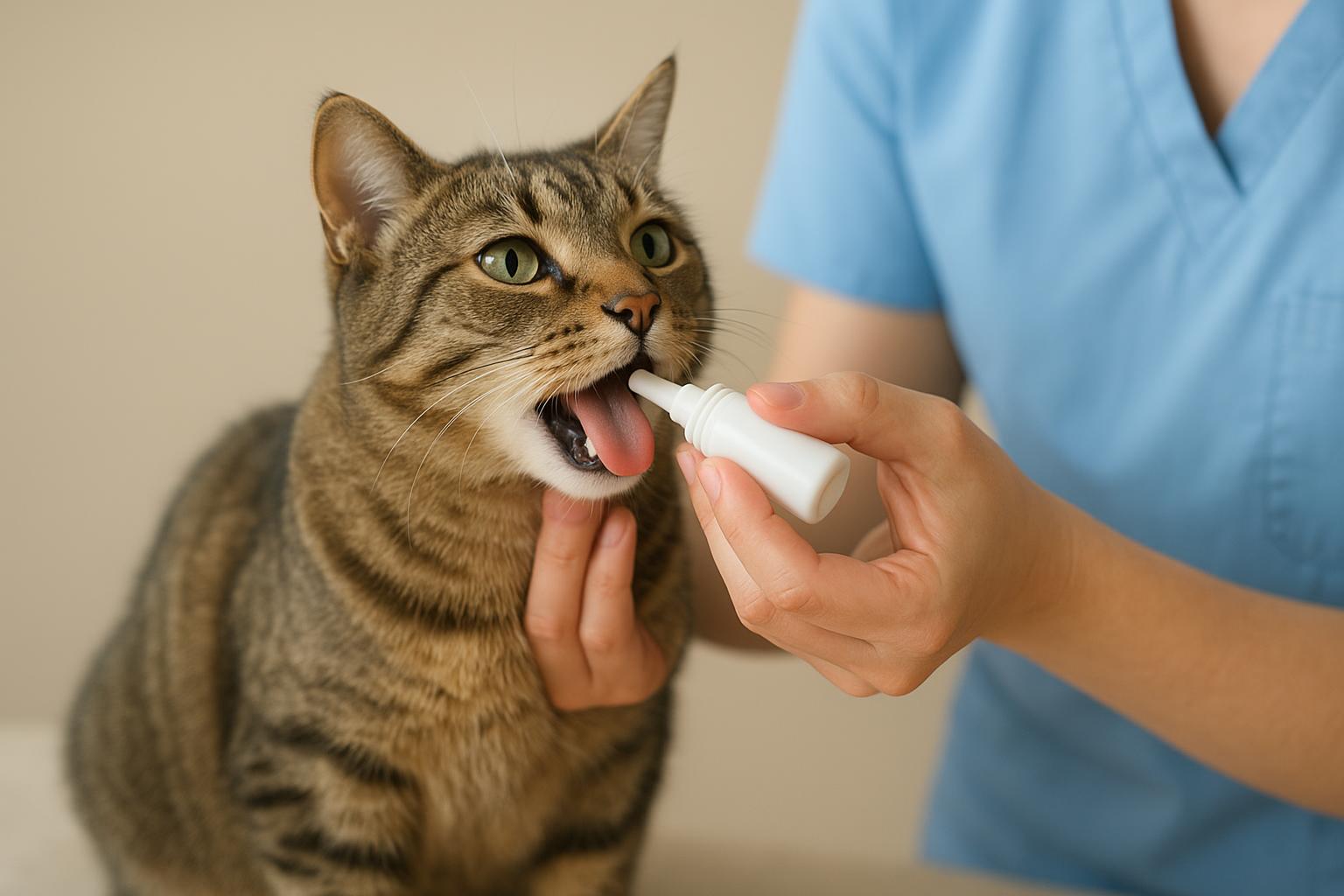
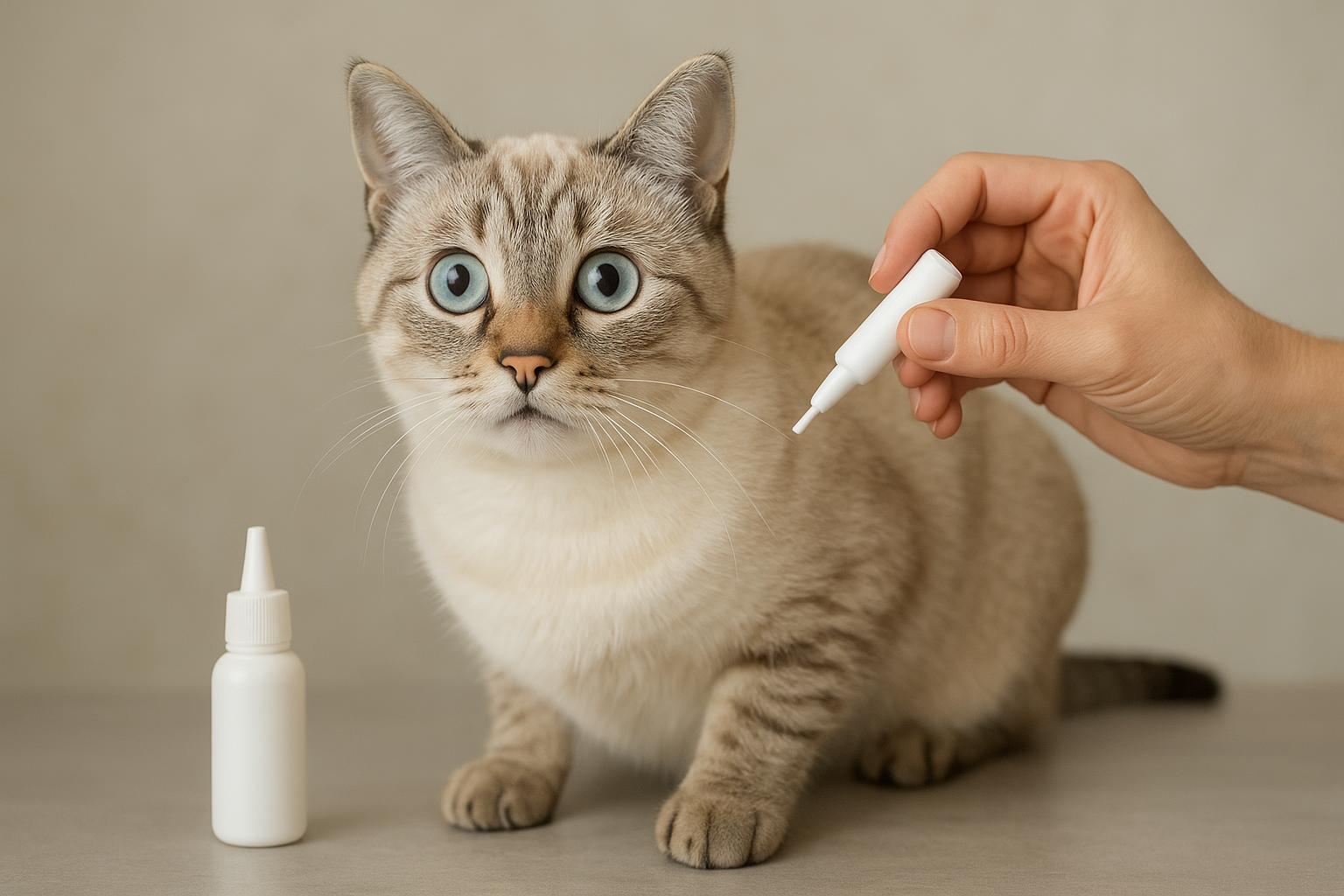
2. Pet Treatment: Professionals often recommend or coordinate flea treatment for all pets (topical or oral), because untreated animals will perpetuate the cycle.
3. Spot Treatment: Technicians apply residual sprays to couches, baseboards, carpet edges, and pet rest areas. They also treat outdoor zones if needed.
4. IGR Application: To prevent eggs from developing, an IGR may be applied. This is crucial to break the life cycle.
5. Follow-Up Visits: A second treatment 2–3 weeks later ensures newly hatched fleas are eliminated before they mature.
6. Client Guidance: You’ll receive instructions for vacuuming, laundering bedding, and restricting pet access until treatments settle.
Professional treatments are more costly but often necessary for extensive infestations. Always verify licensing, ask for product names, and ensure safe re-entry intervals for people and pets.
### Prevention Tips To Keep Fleas Off Future Sofas
Consistent prevention keeps a flea problem from recurring:
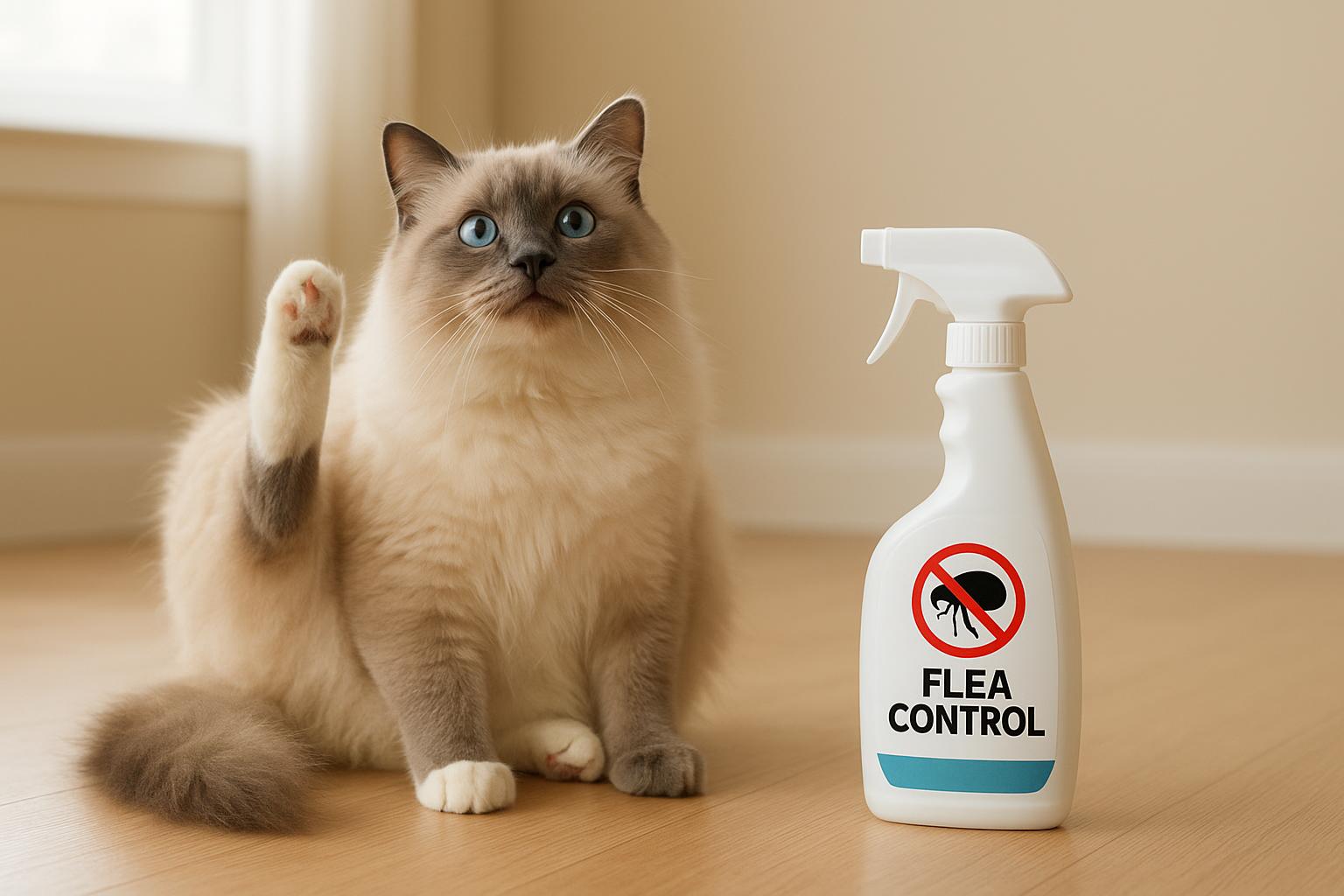
– Maintain regular flea control on pets year-round.
– Vacuum high-traffic pet areas weekly and after guests or outdoor play.
– Launder pet bedding frequently in hot water.
– Use slipcovers or washable throws on sofas; wash them regularly.
– Inspect pets and furniture after outdoor exposure, especially in warm months.
If you spot a flea on sofa again, treat the immediate area and trace back to pet sources. Early response is much easier than full eradication.
(End of practical steps — no summary included)




Leave a Reply