

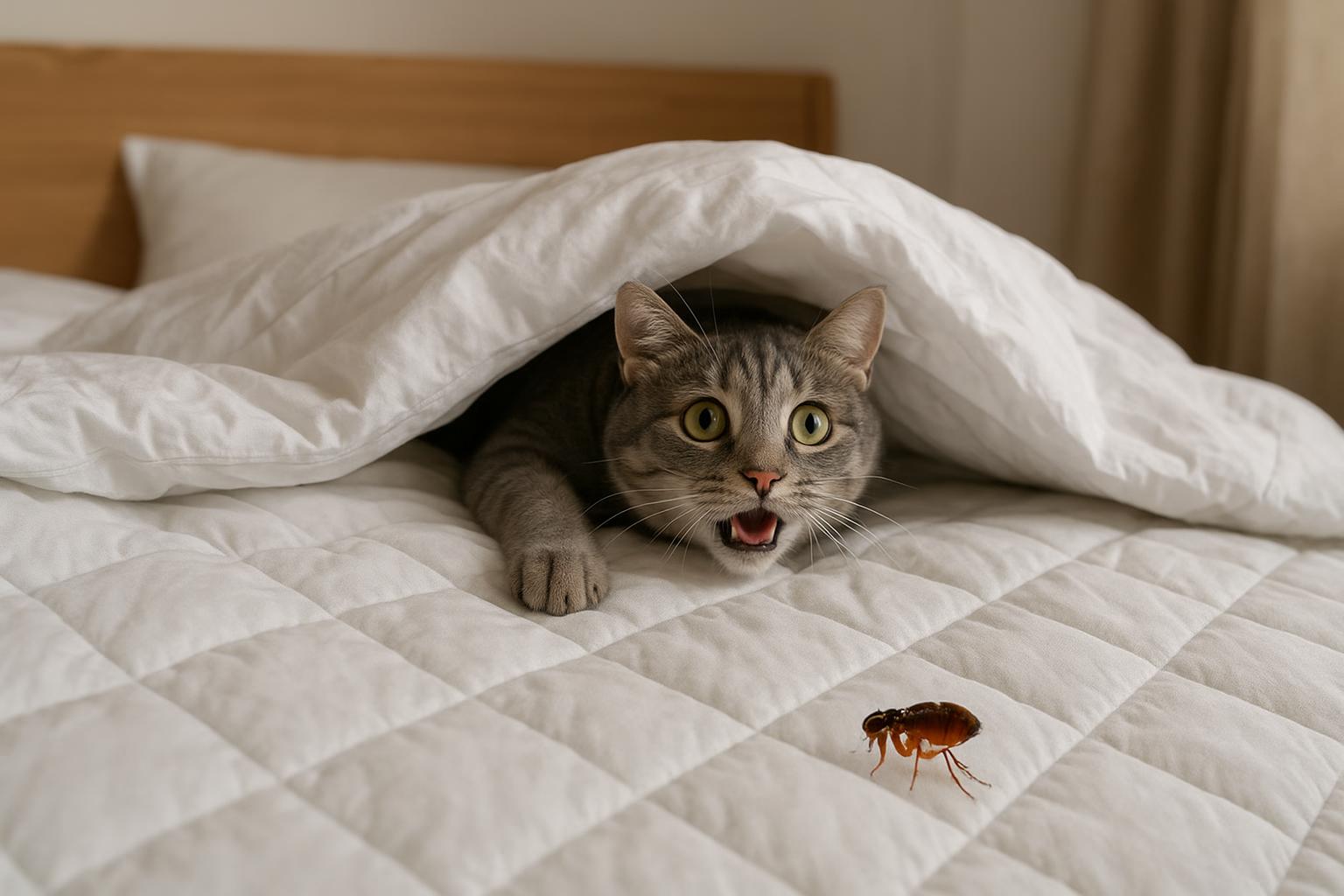
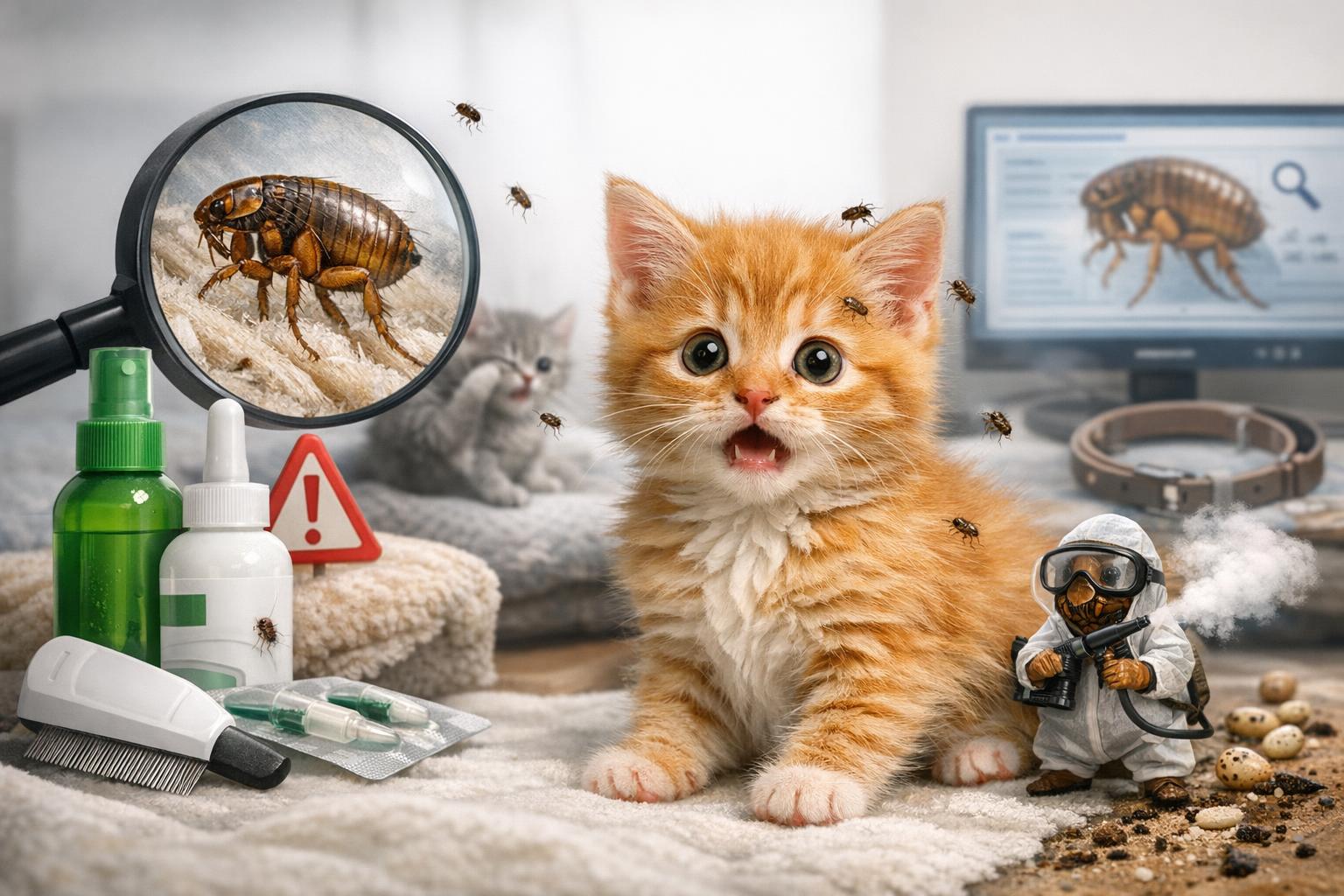
Keeping fleas off your cat all year can feel like a low-budget action movie: stealthy, persistent, and occasionally dramatic (usually for the cat). An annual flea plan doesn’t have to be complicated or expensive, though — with a steady routine, a bit of household elbow grease, and vet-approved products, you can make your home a flea-free zone year-round. Below I’ll walk you through why a year-round approach works, what to watch for, and two practical remedies (one focused on the home, one focused on the cat) with clear materials and step-by-step instructions.
## Annual Flea Plan: Why Year-Round Prevention Matters
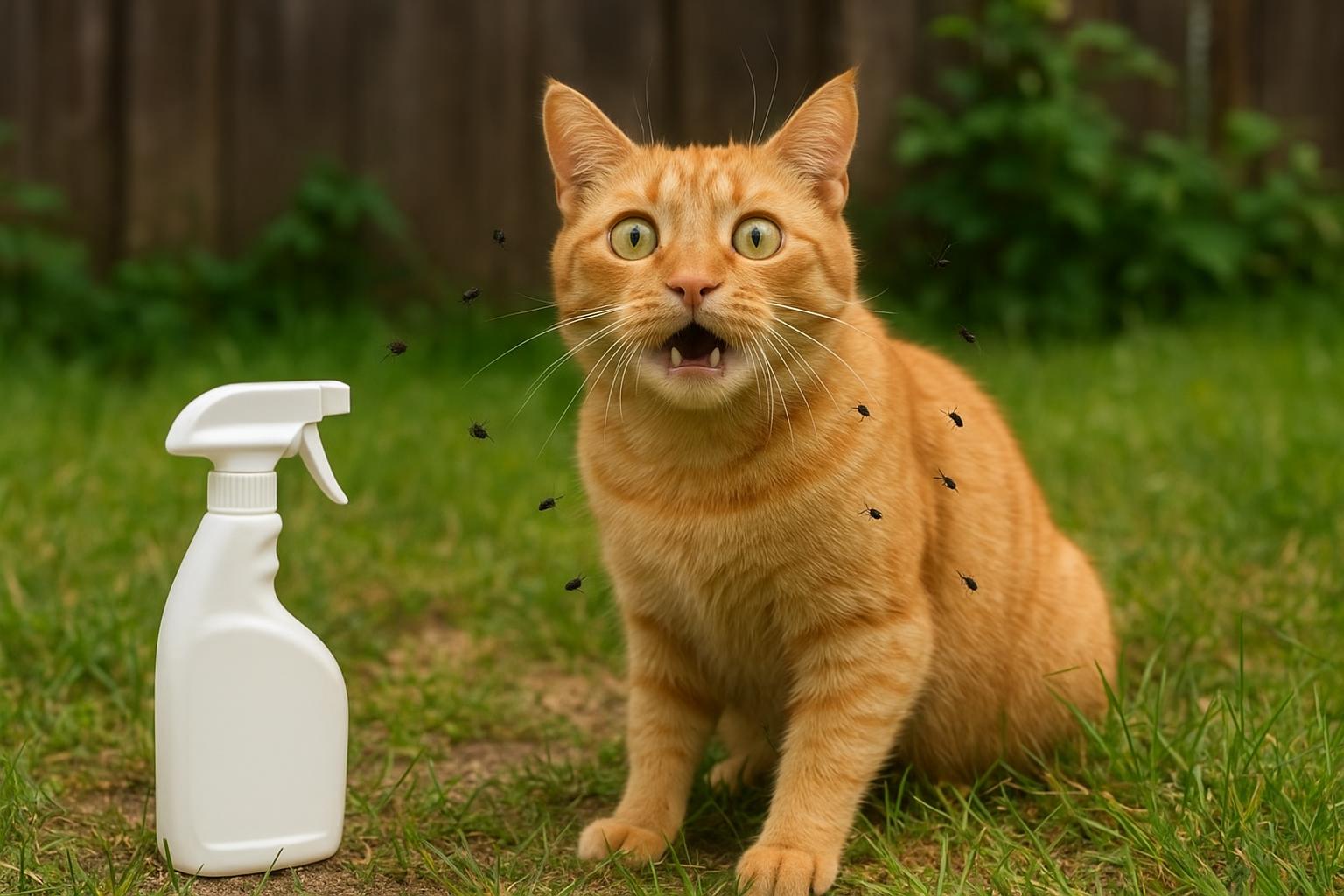
Fleas reproduce fast and hide in places we don’t want to look: carpets, furniture crevices, pet bedding. Warm homes and mild winters mean fleas can stay active through every season. An annual flea plan prevents small problems from becoming infestations by combining ongoing prevention for your cat with periodic household treatments.
### The Flea Life Cycle In Brief
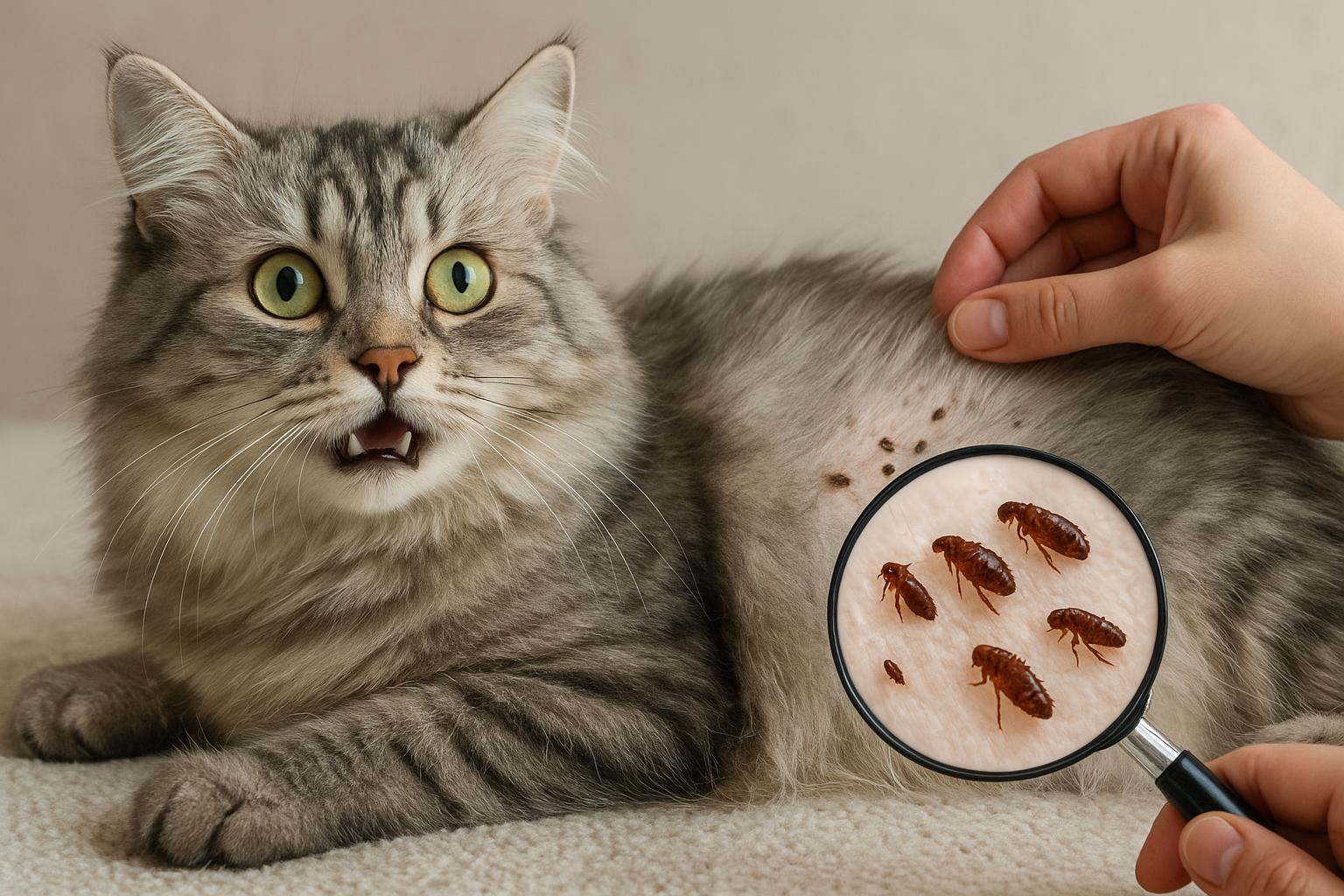
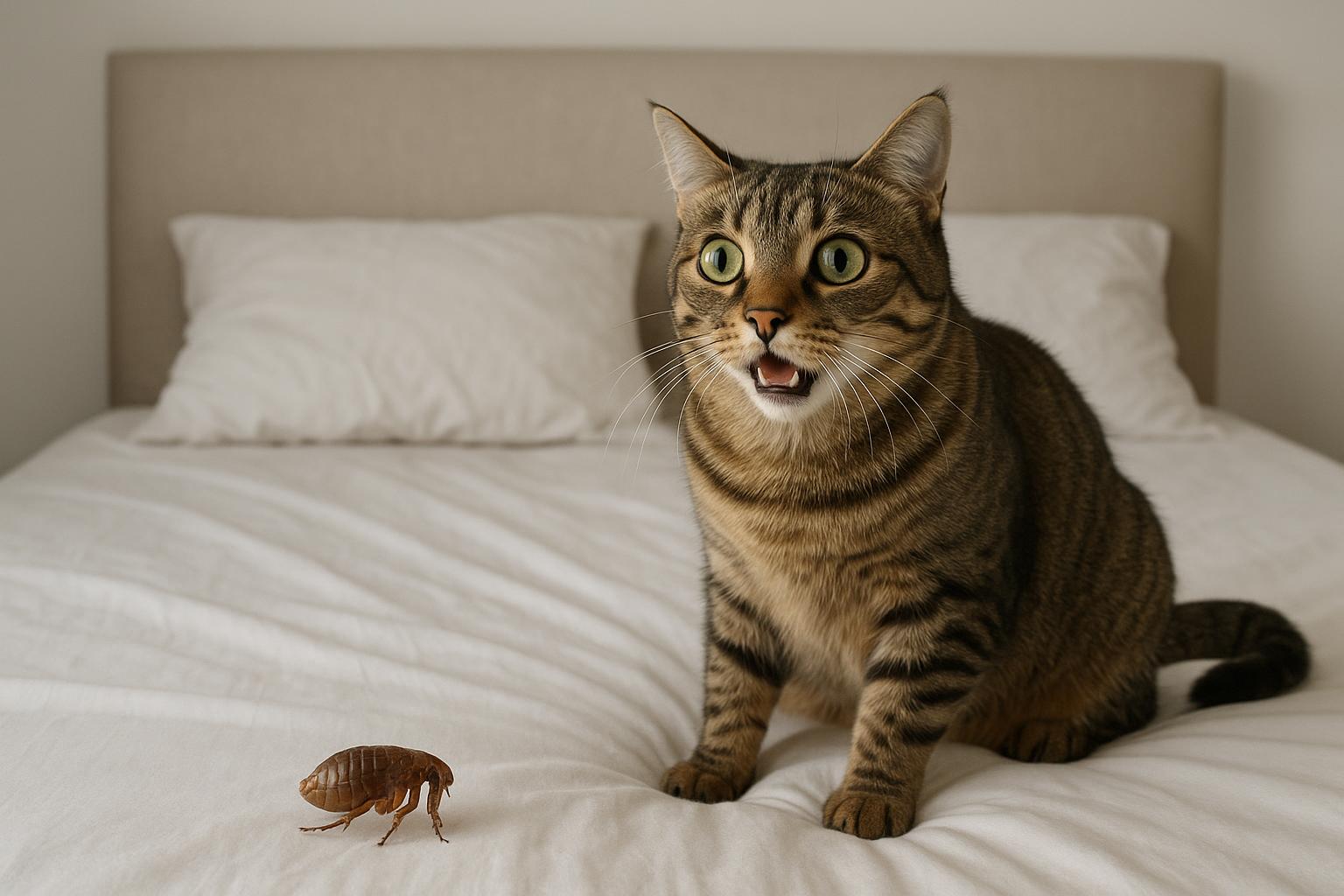
Fleas have four stages: egg, larva, pupa, and adult. Eggs fall off the host into the environment. Larvae hide in dark, protected spots and feed on organic debris. Pupae are encased and can wait for months until they sense a host nearby, then emerge as adults. Because of the pupal “hibernation” strategy, one treatment won’t finish them off — you need a sustained plan.
### Signs Your Cat Has Fleas
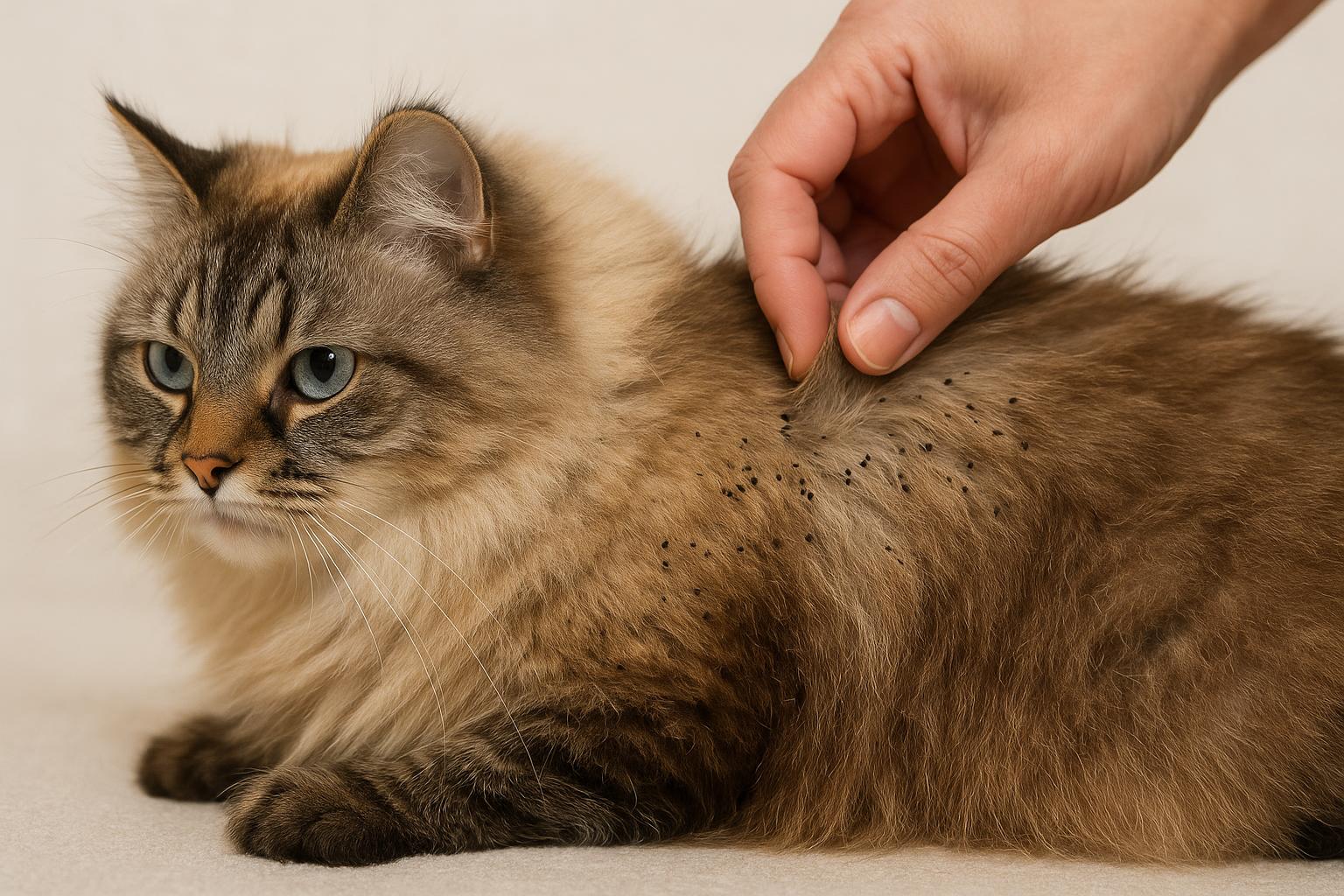
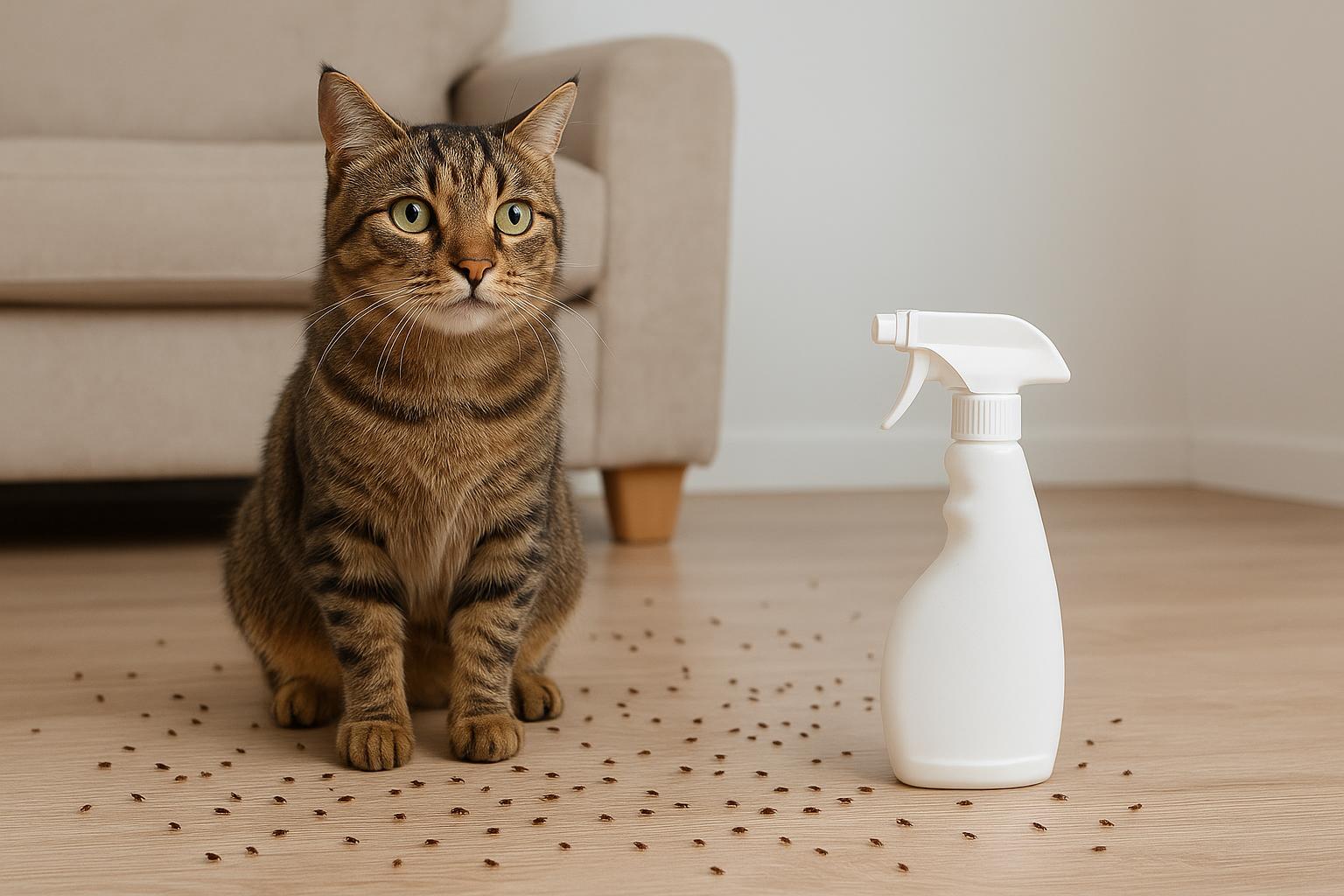
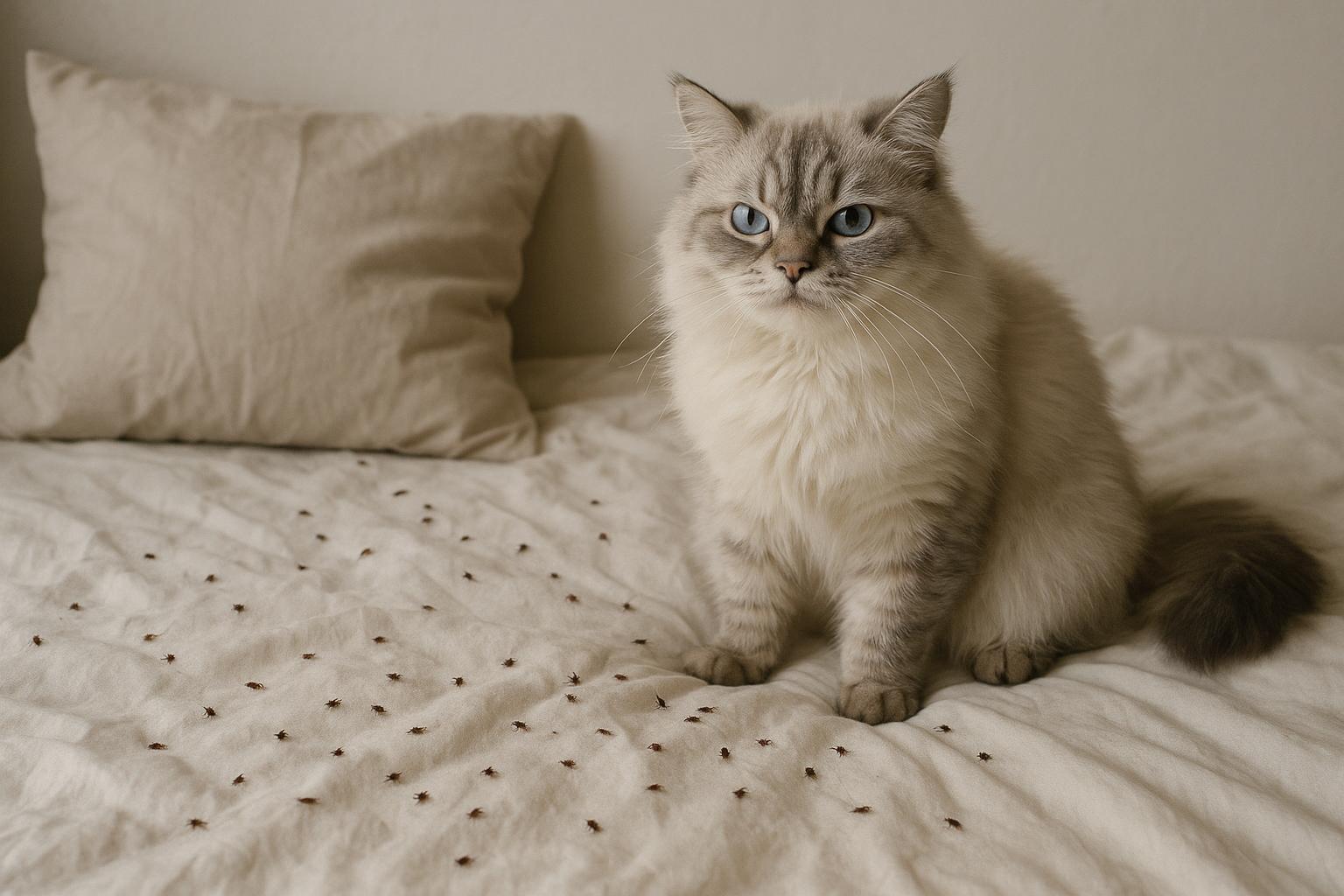
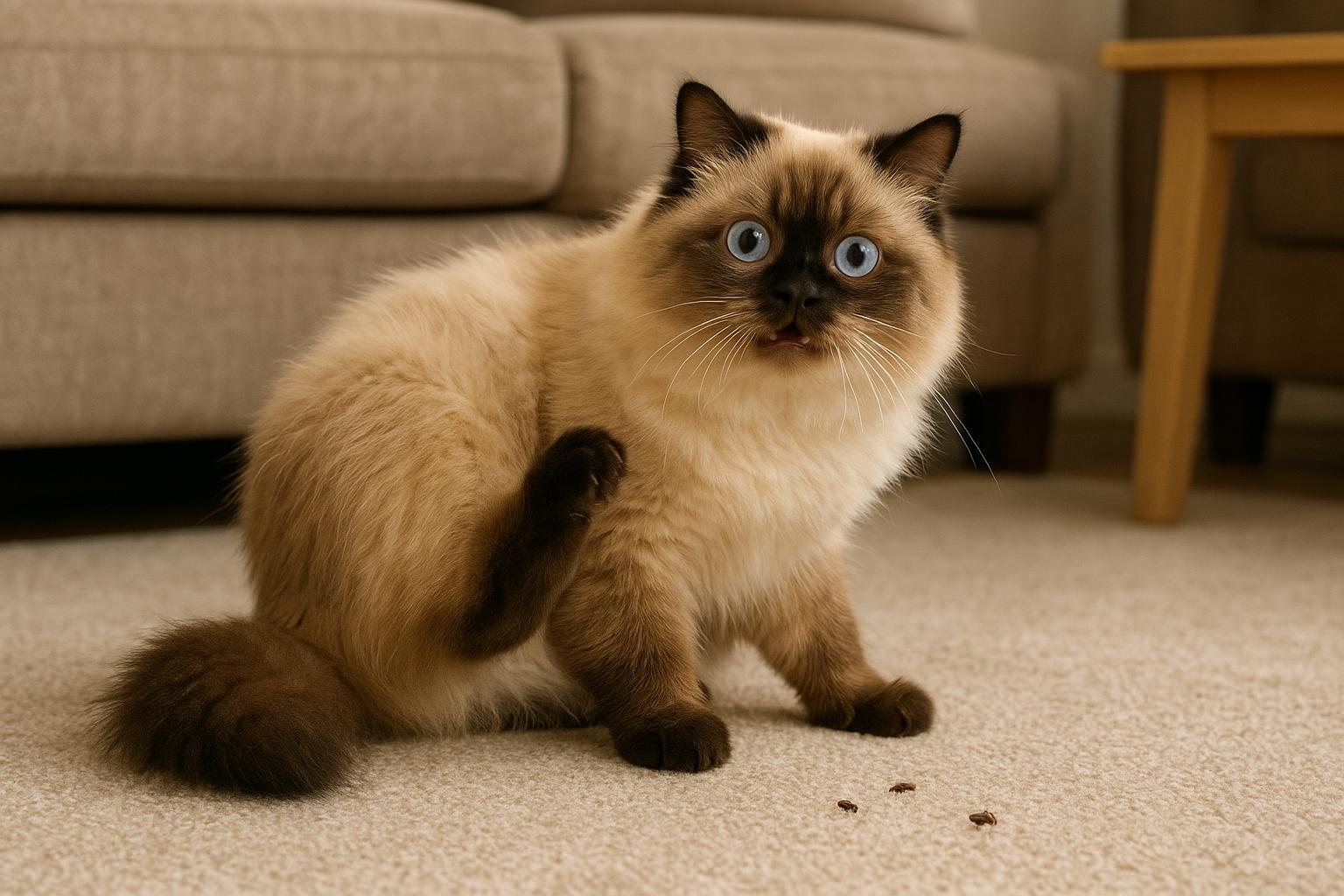
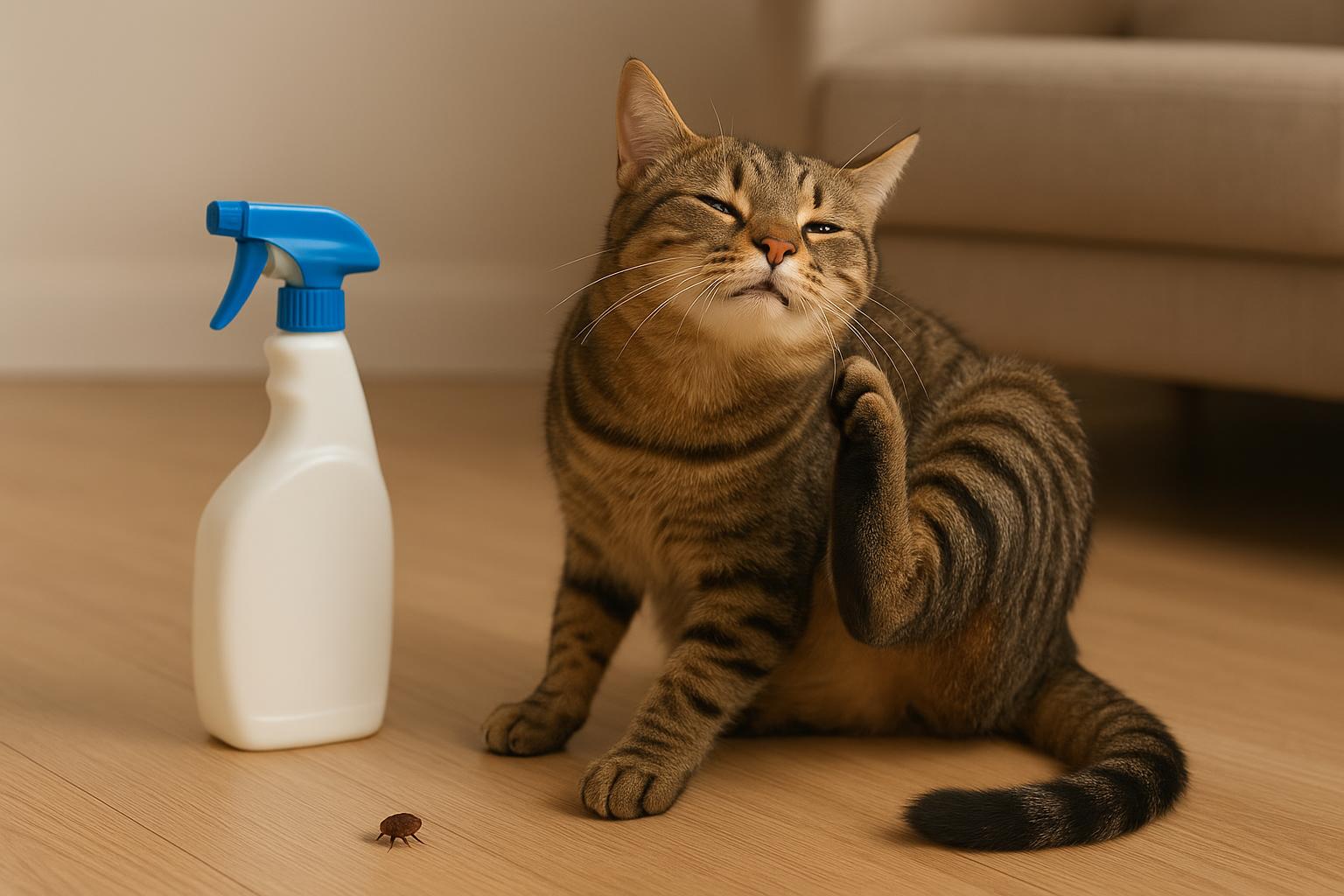
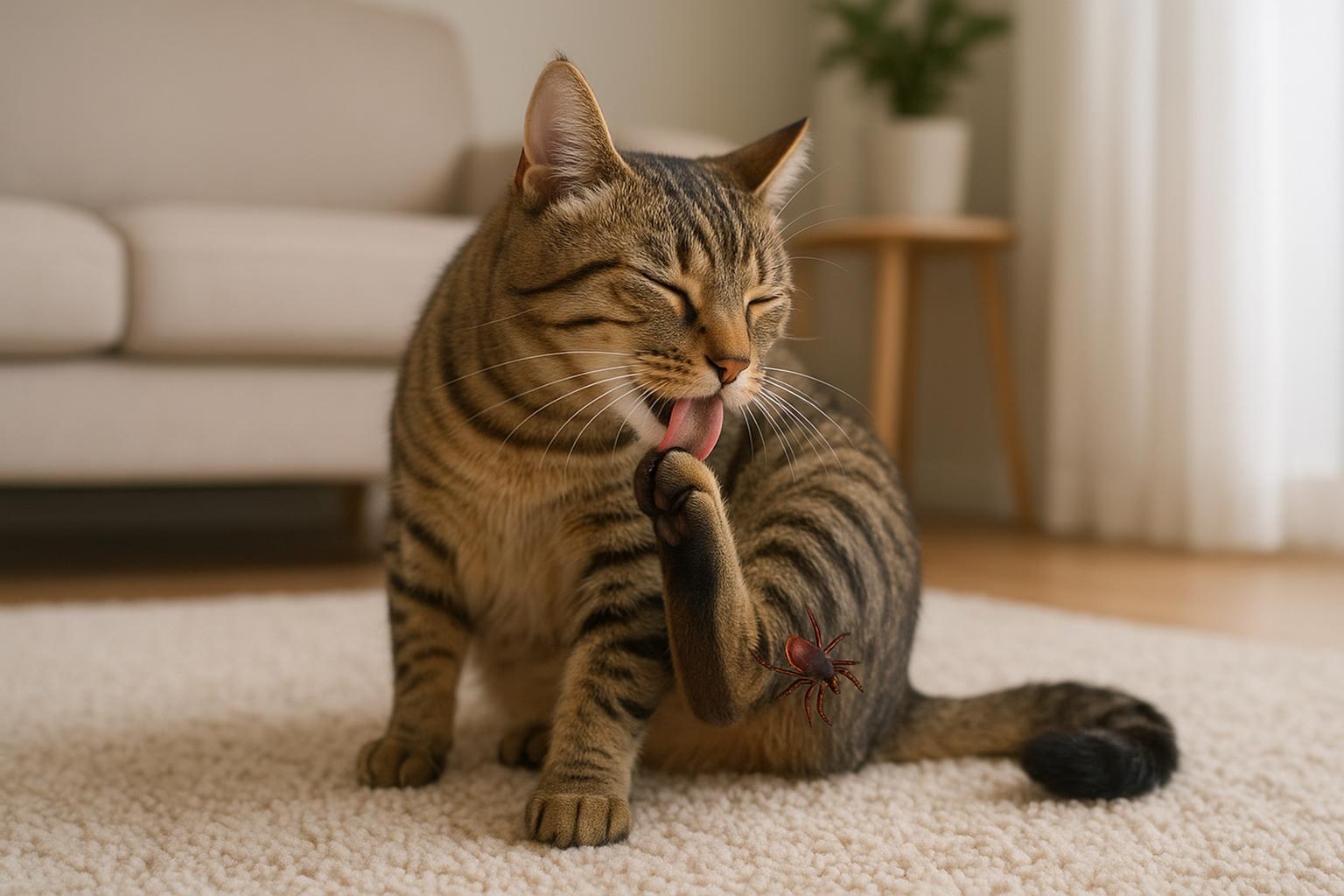
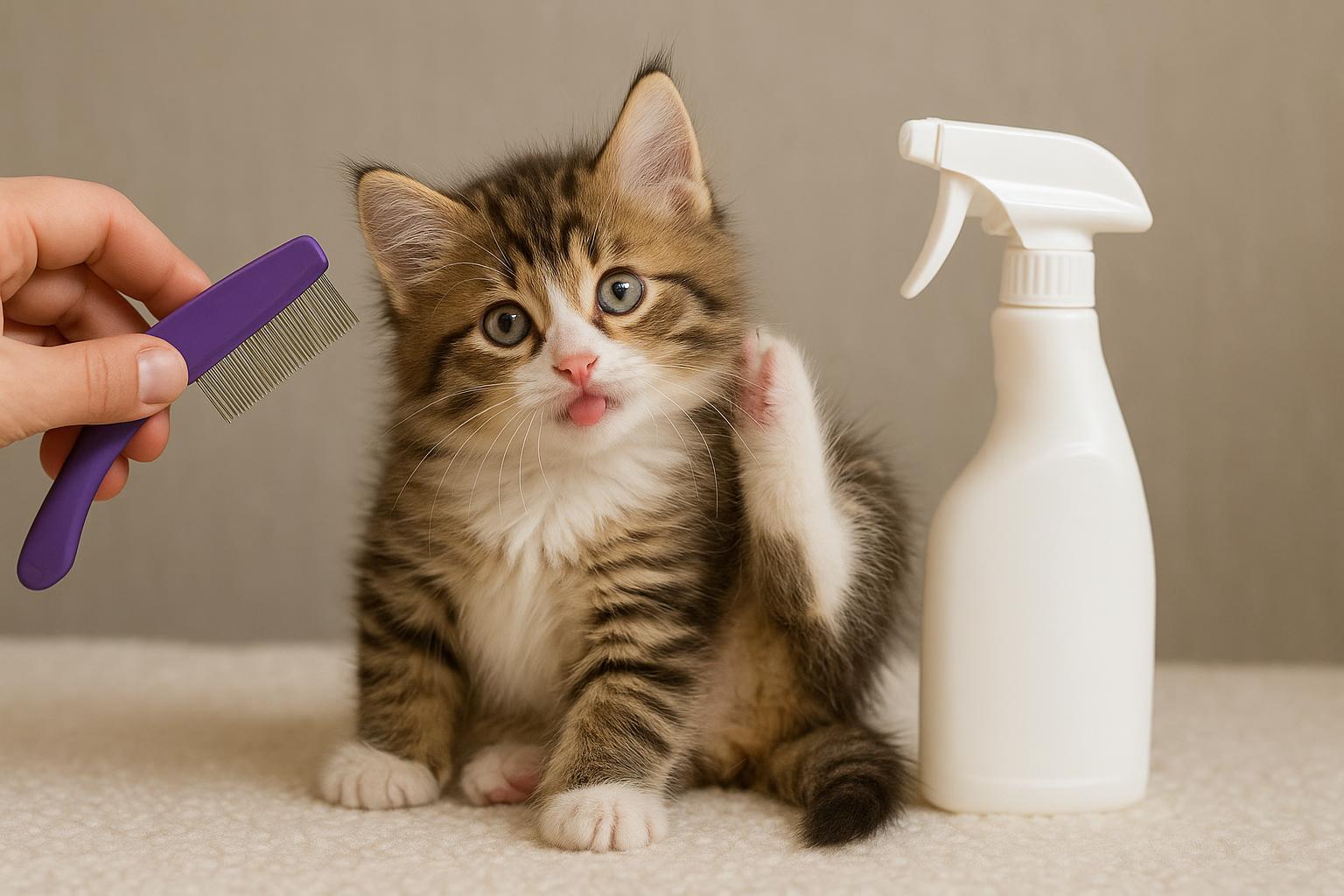
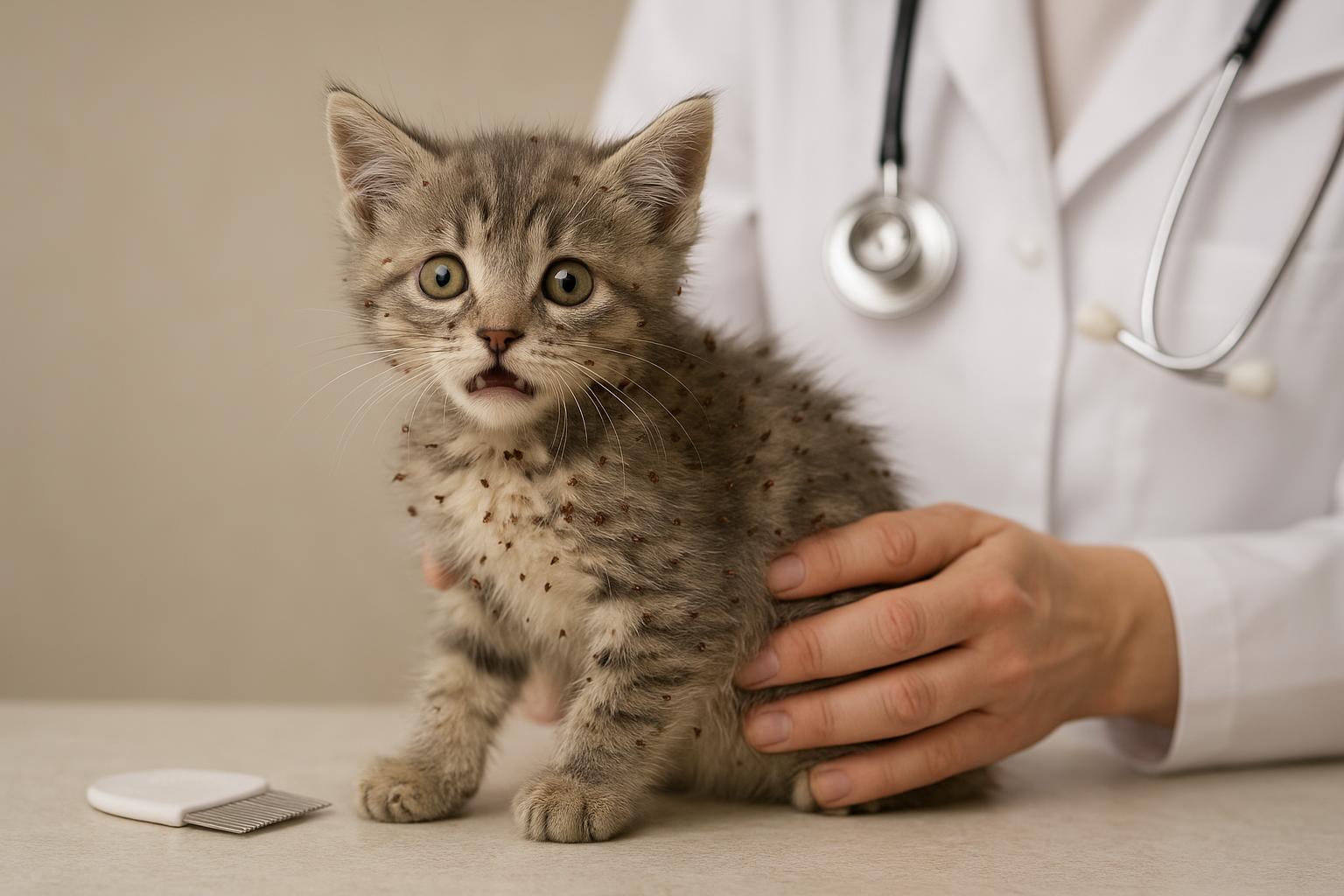
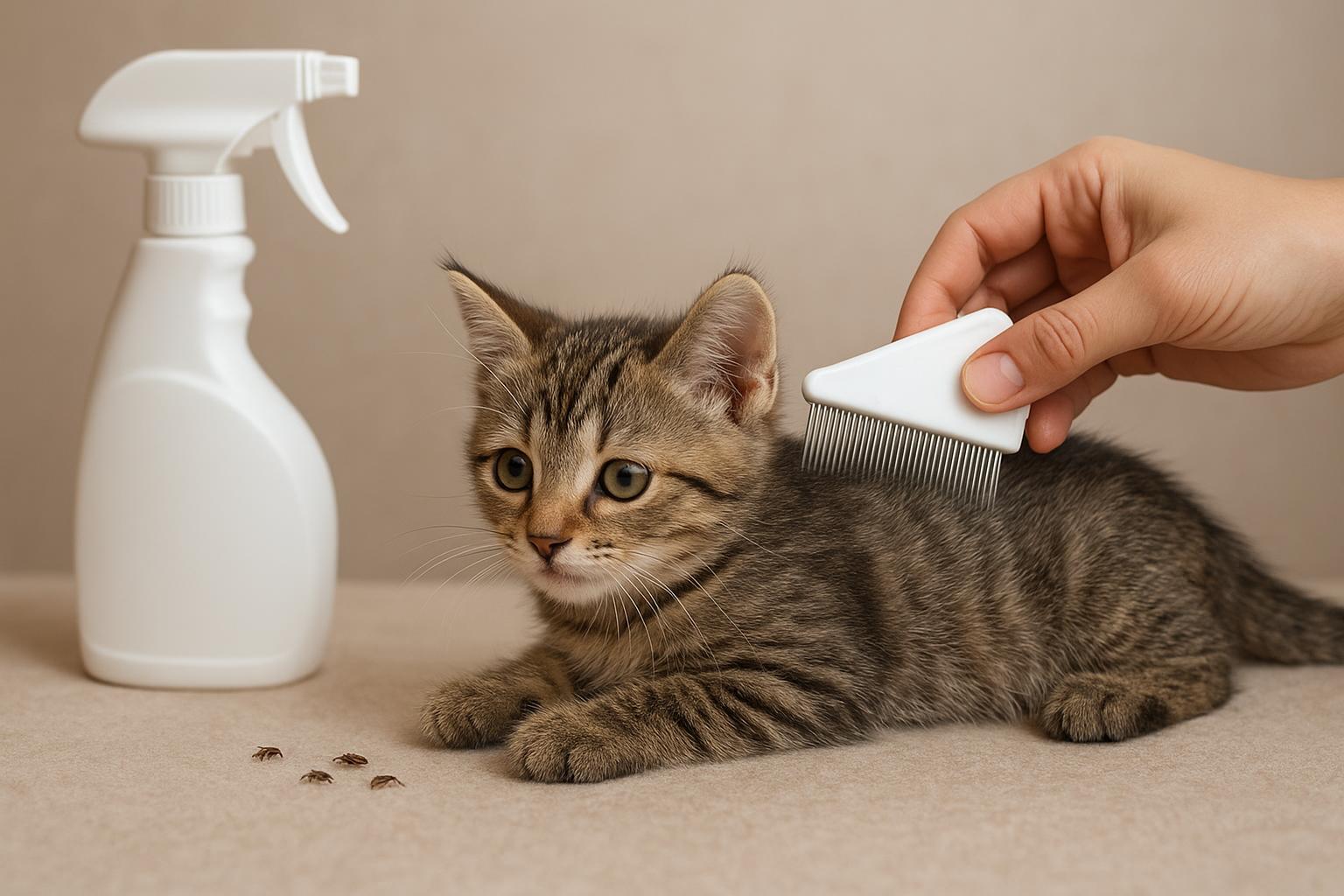
Watch for scratching, hair loss in patches, scabby spots, and the classic “flea dirt” — tiny black specks (dried blood) on the skin. Some cats are sensitive and develop more severe reactions. If you find live fleas or a lot of flea dirt, it’s time to activate your annual flea plan.
## Building An Annual Flea Plan For Your Home And Cat
An effective annual flea plan combines consistent prevention, seasonal cleaning, and targeted treatments when fleas show up. Think of it as three pillars: prevention on the pet, routine environmental maintenance, and escalation measures if fleas increase.
### Monthly Checklist For Year-Round Protection
– Use a vet-recommended flea preventative on every cat on a schedule appropriate to the product (monthly, every three months, etc.). Don’t skip doses.
– Inspect your cat weekly for fleas or flea dirt.
– Wash pet bedding monthly in hot water and dry on high heat.
– Vacuum high-traffic areas and soft furnishings weekly; immediately dispose of vacuum bag contents or empty canisters outdoors.
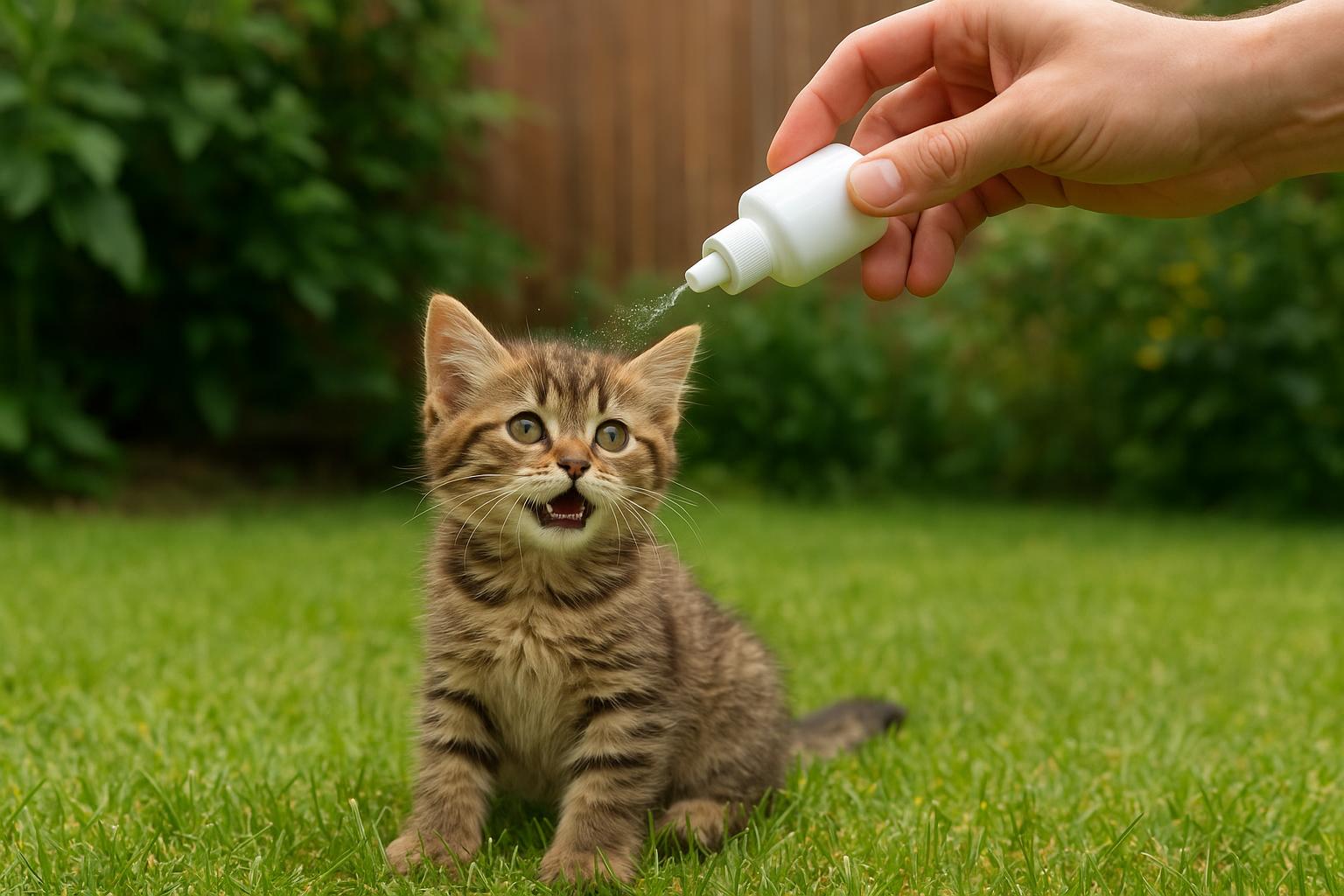
– Treat yard hotspots (shady, moist areas) seasonally if your cat goes outside.
#### Seasonal Deep-Clean Tasks
– Spring: Deep vacuum, steam-clean carpets, wash all removable fabric, and treat furniture crevices with an environmental product if fleas were present last year.
– Summer: Increase vigilance — fleas often peak in warm months. Maintain monthly washing and vacuuming.
– Autumn: Continue prevention; leaves can create outdoor microclimates for fleas, so clear yard debris around your home.
– Winter: Keep using preventatives. Indoor heating can keep fleas active, so don’t assume winter means they’re gone.
## Remedy 1: Home Environment Treatment (Detailed)
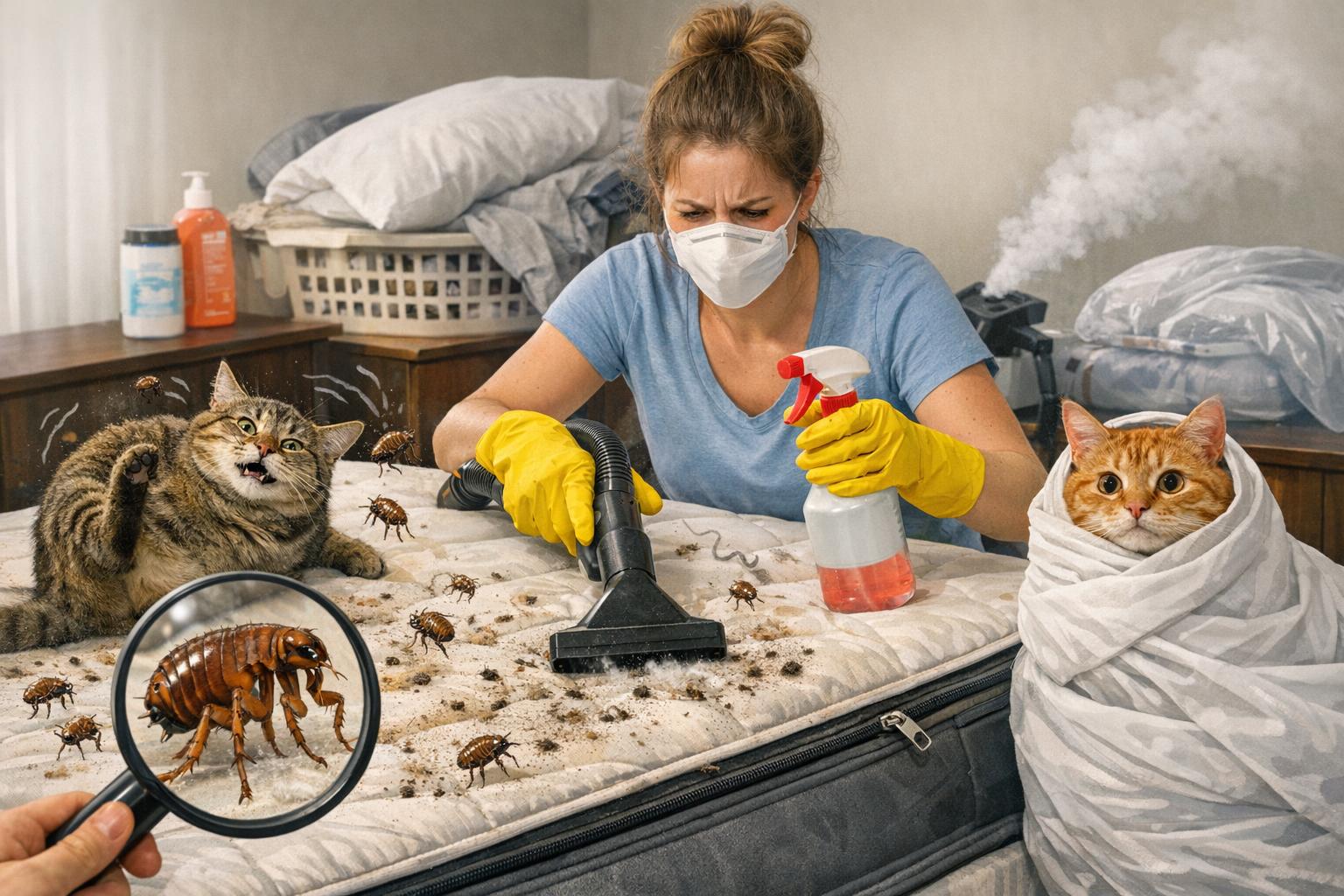
When fleas are detected in the house, treating the environment promptly and methodically is essential. Follow this formal protocol to interrupt the flea life cycle.
Materials/Ingredients
– Household vacuum (with brush/nozzle attachments)
– Steam cleaner (for carpets and upholstery) or carpet shampooer
– Hot water and detergent for washing fabrics
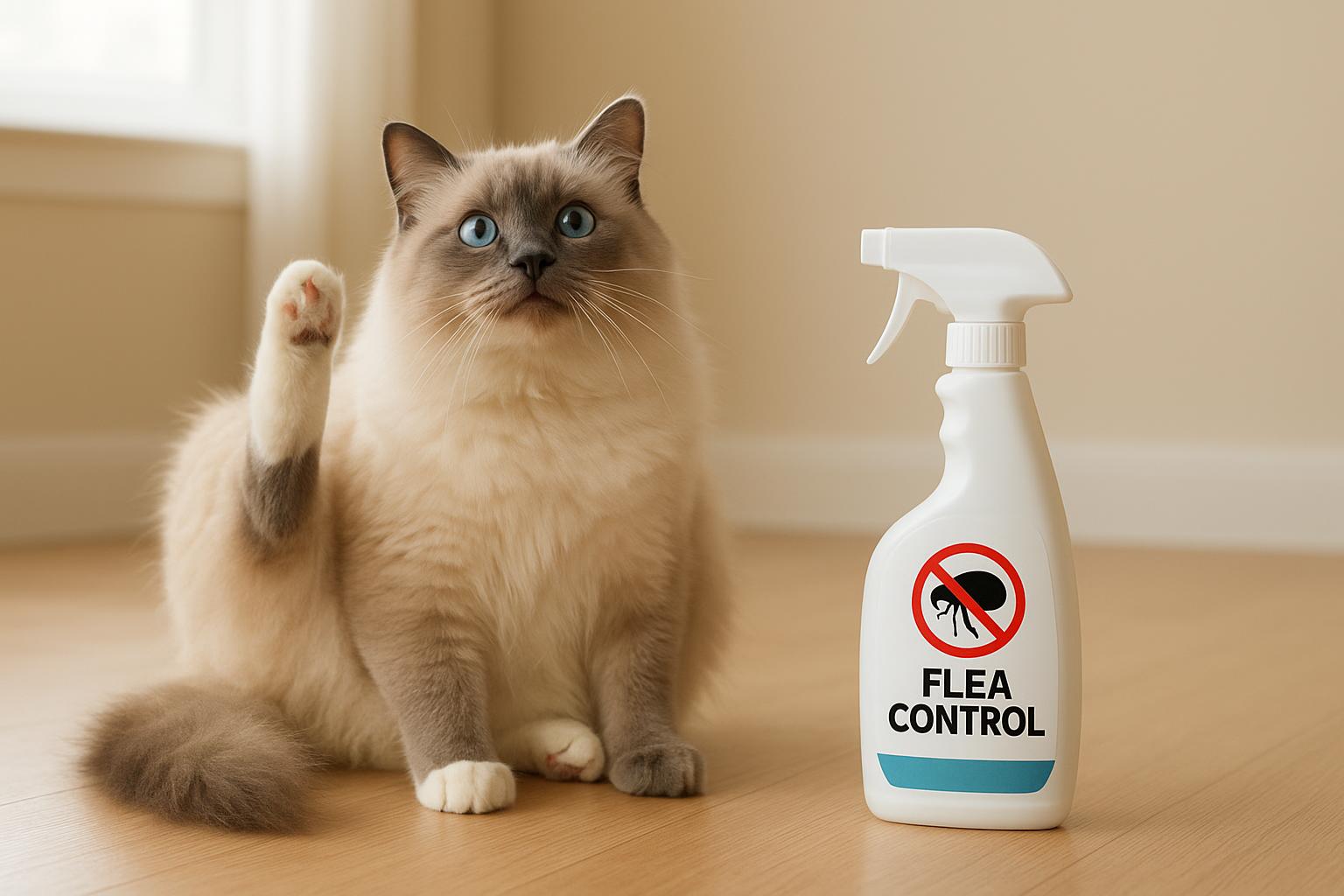
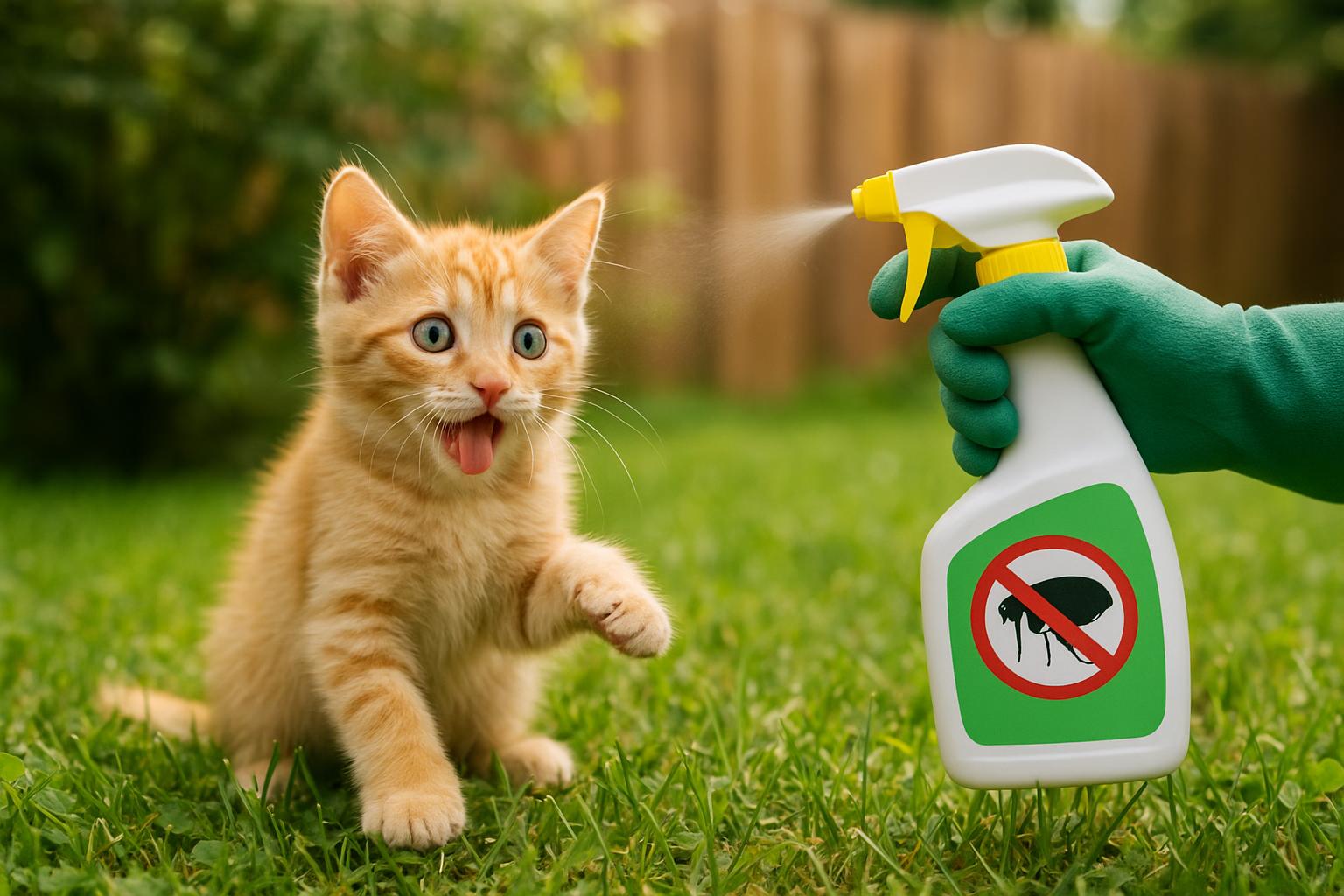
– Flea spray labeled for indoor use or an insect growth regulator (IGR) product (check labels for pet safety)
– Disposable gloves and a mask
– Trash bags for vacuum contents and removed items
Step-by-Step Creation And Application
1. Preparation: Remove pets and family members from rooms you’ll treat. Read all product labels carefully. Wear gloves and a mask if using chemical sprays.
2. Wash Bedding: Collect all pet bedding, removable covers, and washable blankets. Wash in hot water (at least 140°F / 60°C) and tumble dry on high for 30 minutes to kill all stages.
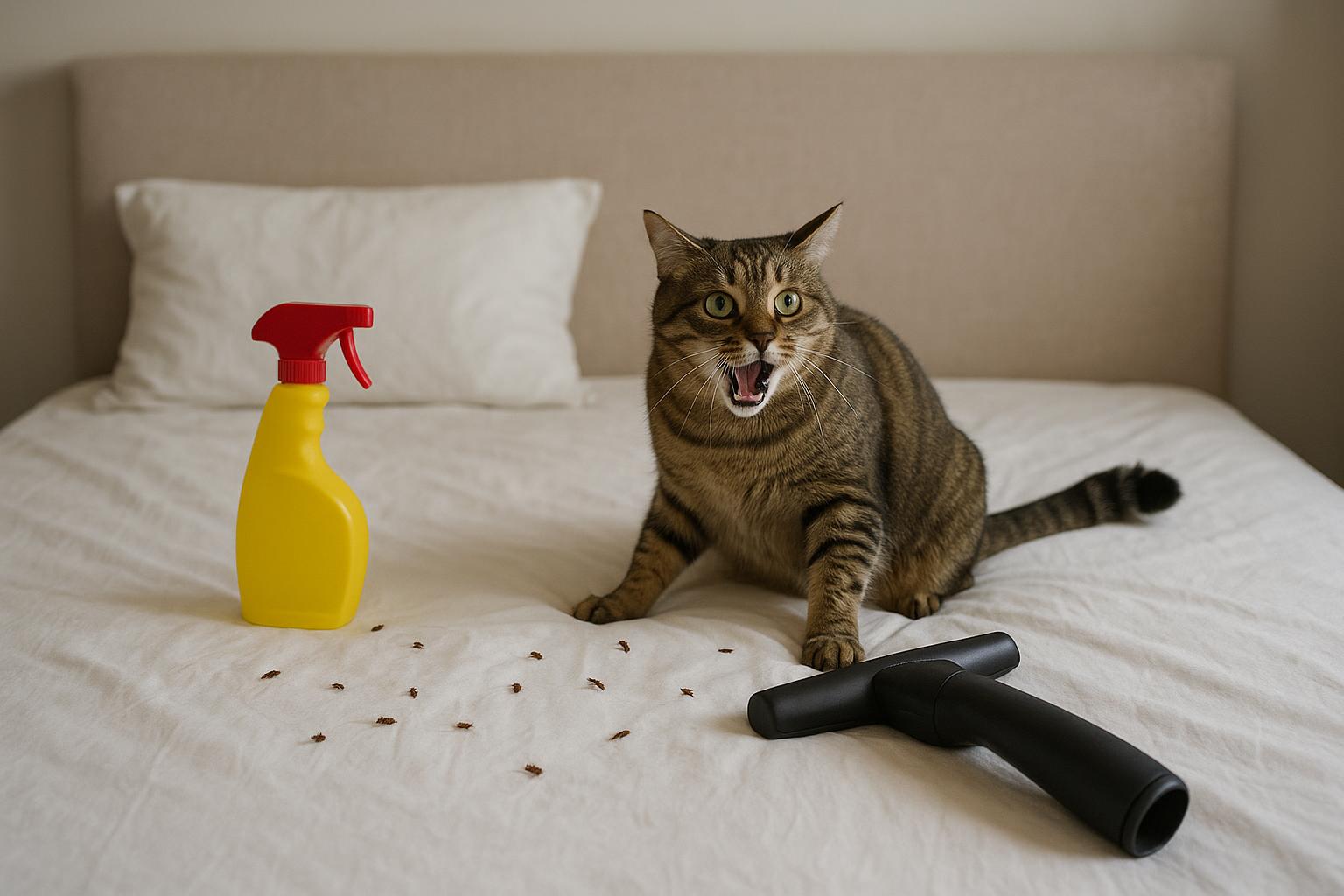
3. Vacuum Thoroughly: Vacuum carpets, rugs, upholstered furniture, baseboards, and under furniture. Use crevice tools to get into edges and seams where eggs and larvae hide. After vacuuming, seal the bag or empty the canister into a trash bag and put it outside immediately.
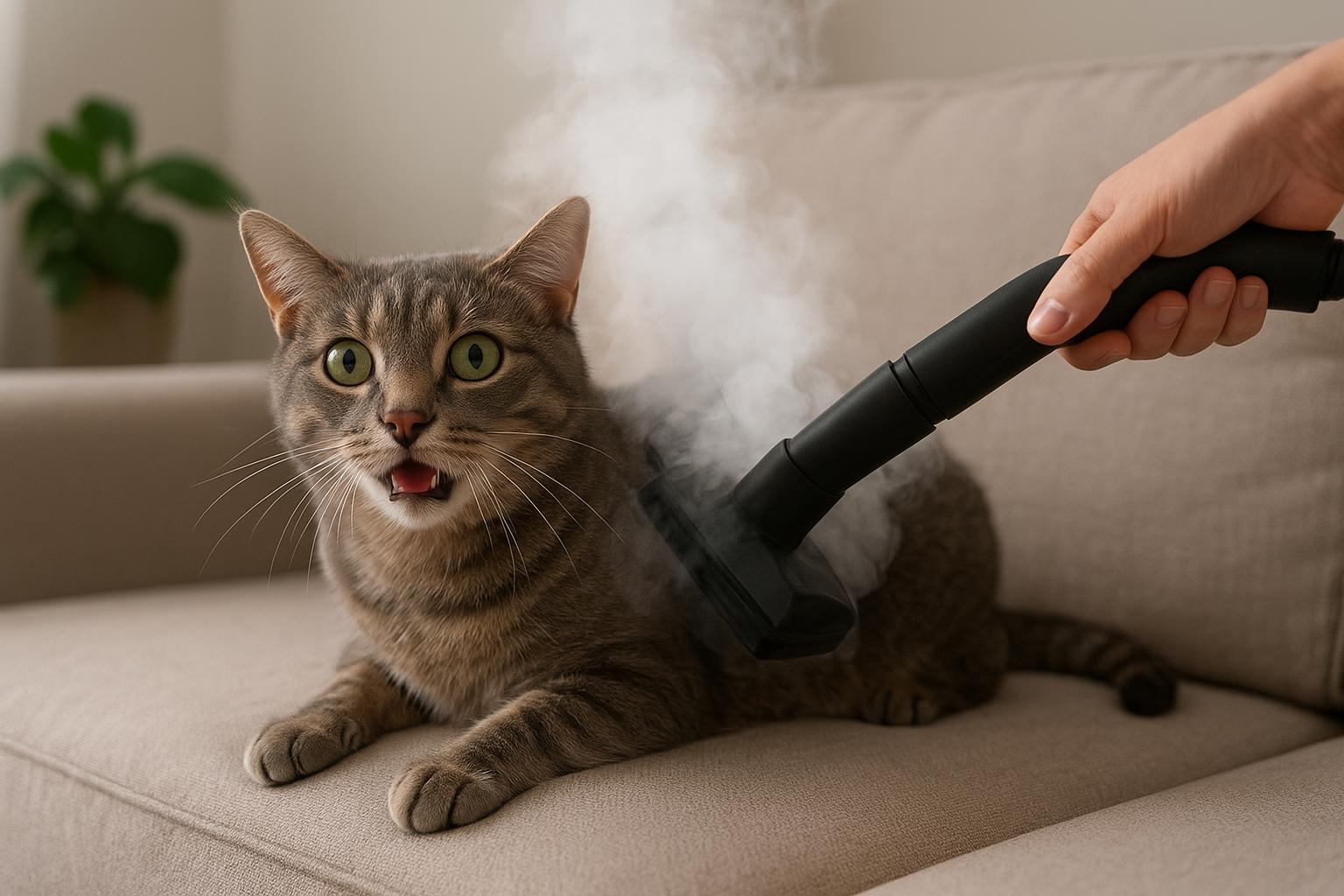
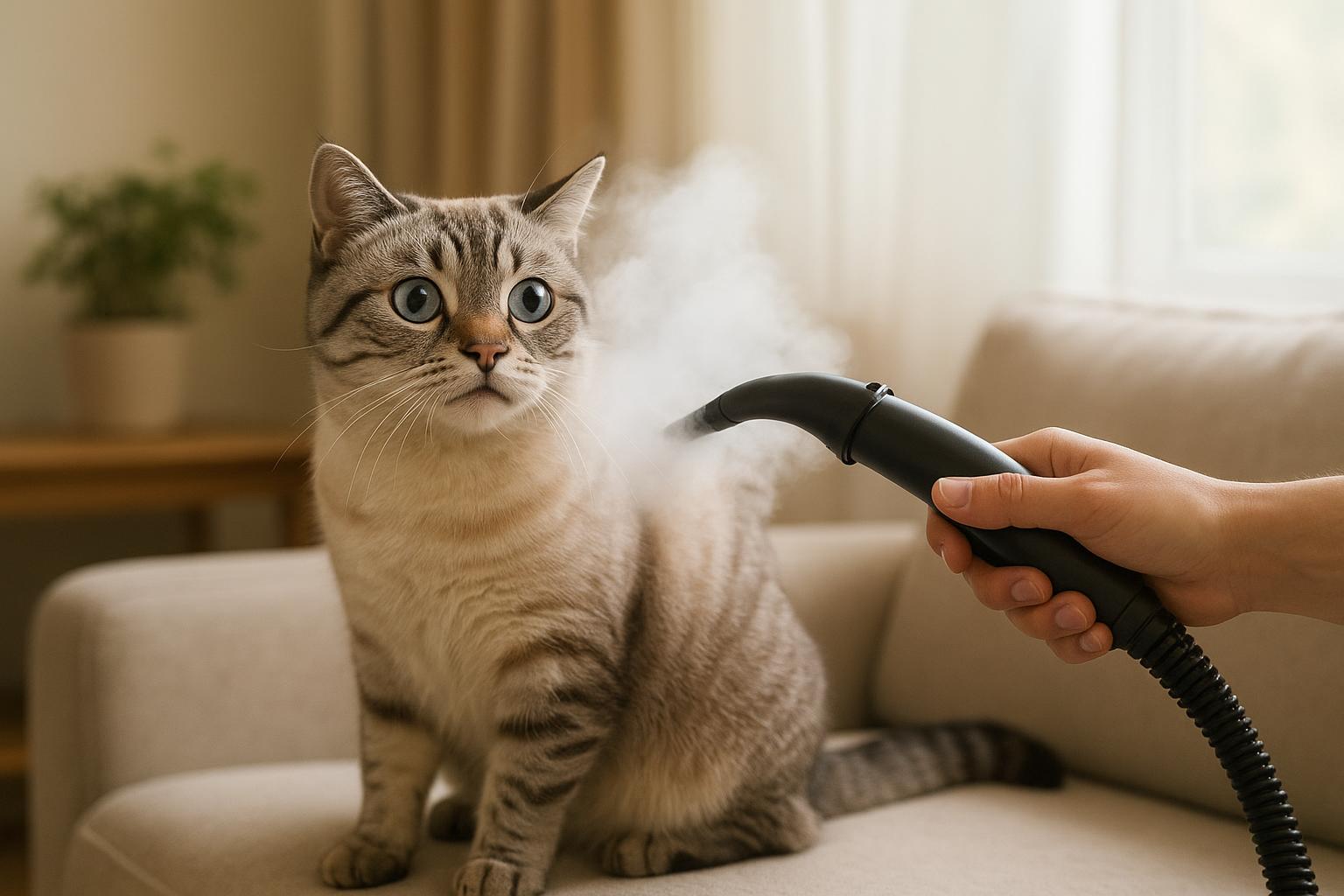
4. Steam Clean/Carpet Shampoo: Steam clean carpets and upholstery where feasible. The heat will kill eggs and larvae. If you use a carpet shampooer, choose a product safe for pets and follow the instructions.
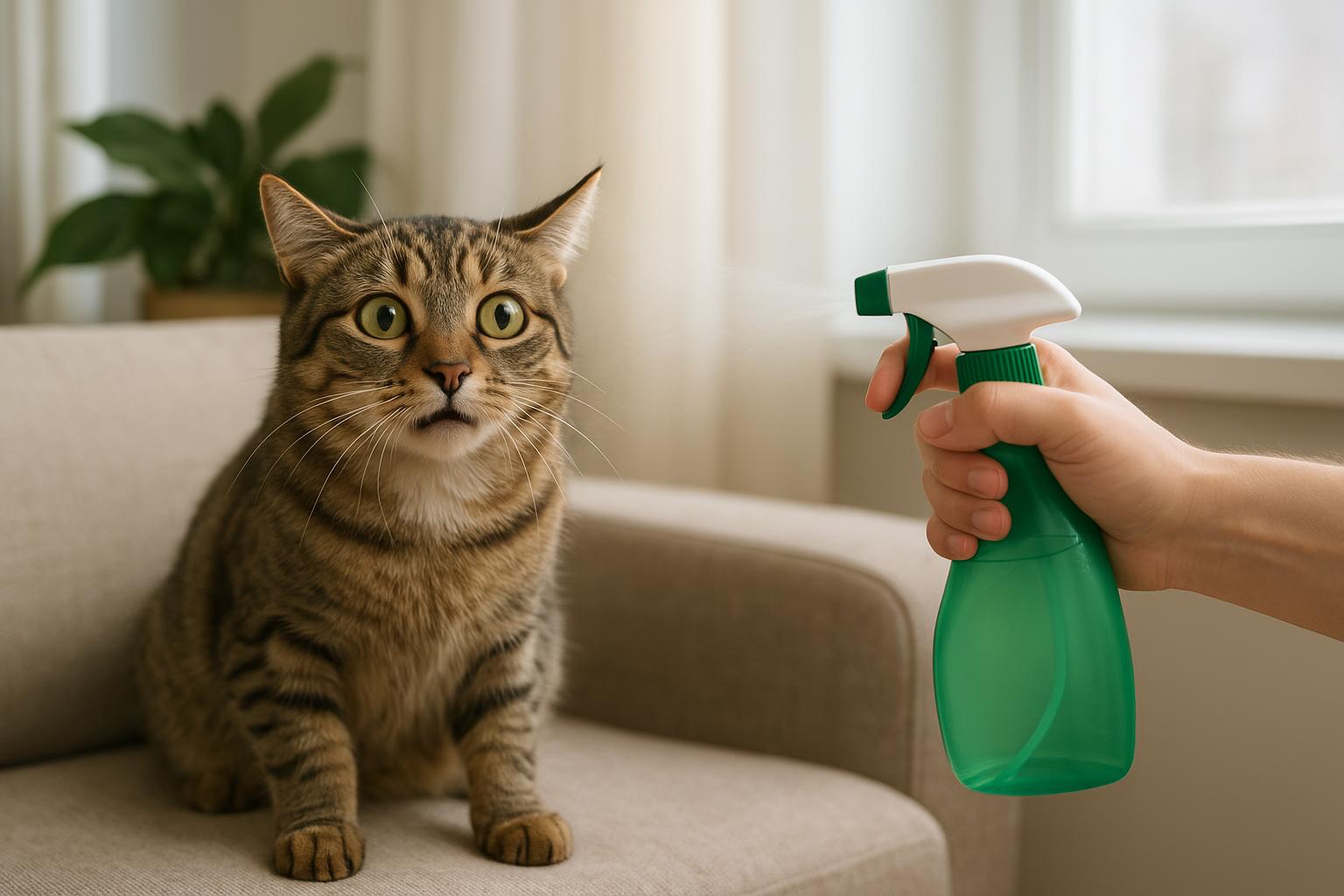
5. Apply Indoor Flea Product/IGR: If the infestation is moderate or heavy, apply an indoor flea spray following the product label and safety guidelines. Prefer products with an IGR (e.g., methoprene or pyriproxyfen) to prevent eggs from developing. Target carpets, pet sleeping areas, and baseboards. Keep pets and children out until the treated areas are dry and re-entry times specified on the label have passed.
6. Repeat As Needed: Because pupae can hatch weeks later, repeat vacuuming daily for two weeks and reapply IGR according to the product schedule (often every 30-90 days) until no fleas are seen for 4–6 weeks.
Use products approved for indoor use and follow all safety instructions. If you’re uncomfortable using pesticides, consult a professional pest control service that uses pet-safe protocols.
## Remedy 2: Cat Treatment — Spot-On, Oral, And Natural Options
Treating the cat itself is the second pillar of the annual flea plan. This section provides formal guidance on vet-recommended approaches and proper application.
Materials/Ingredients
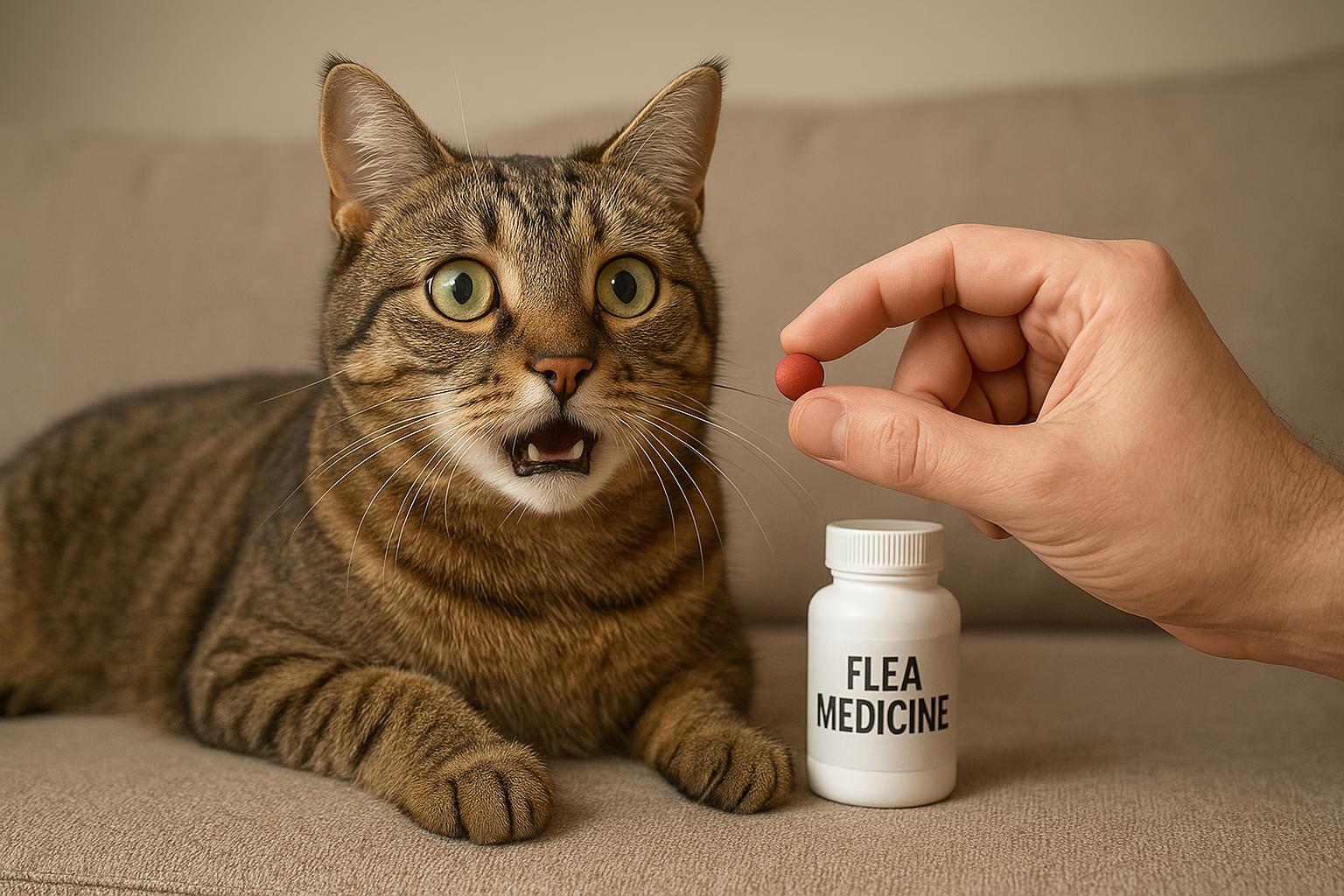
– Vet-prescribed oral flea medication or veterinarian-recommended topical flea product (spot-on)
– A clean towel
– Gloves (optional)
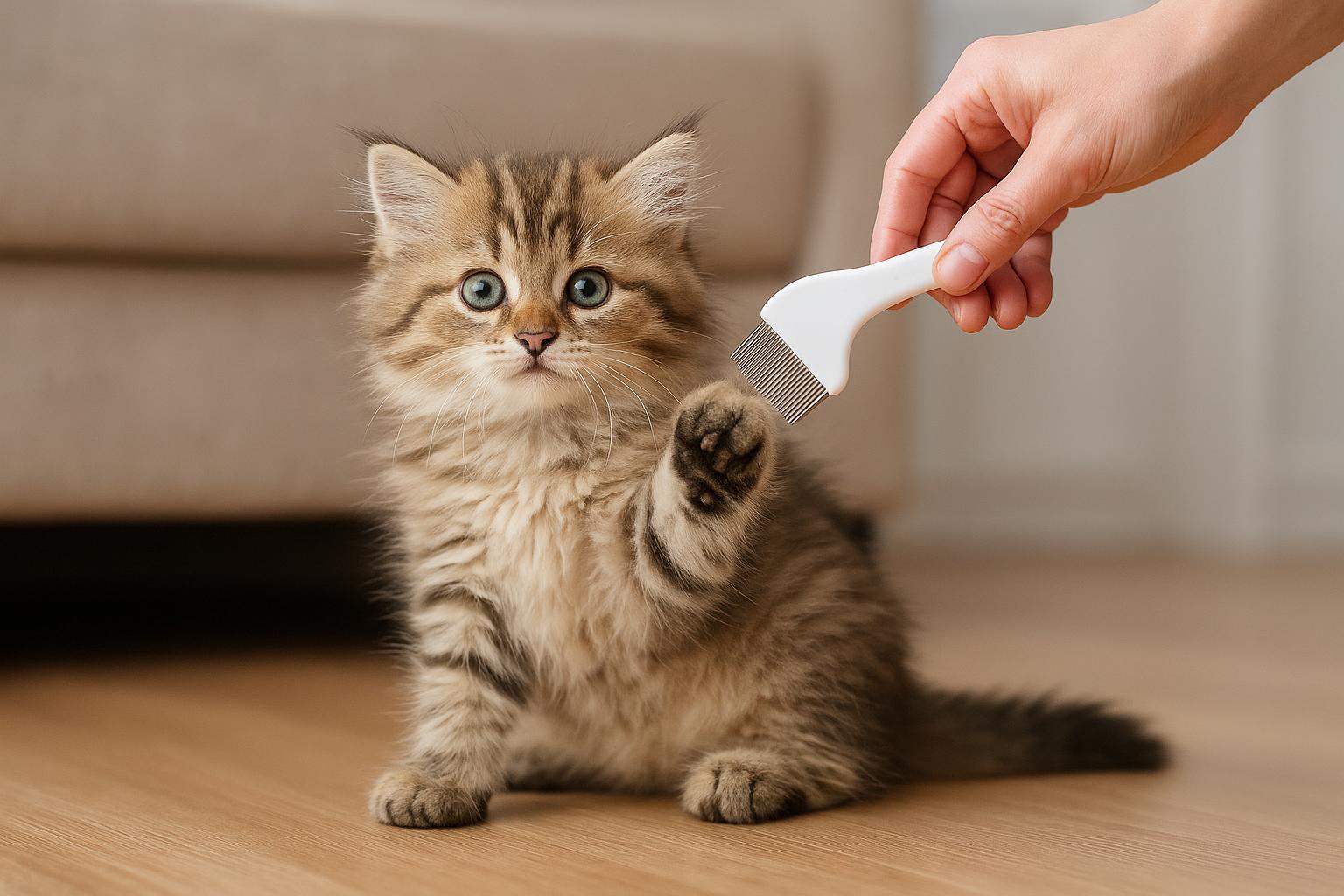
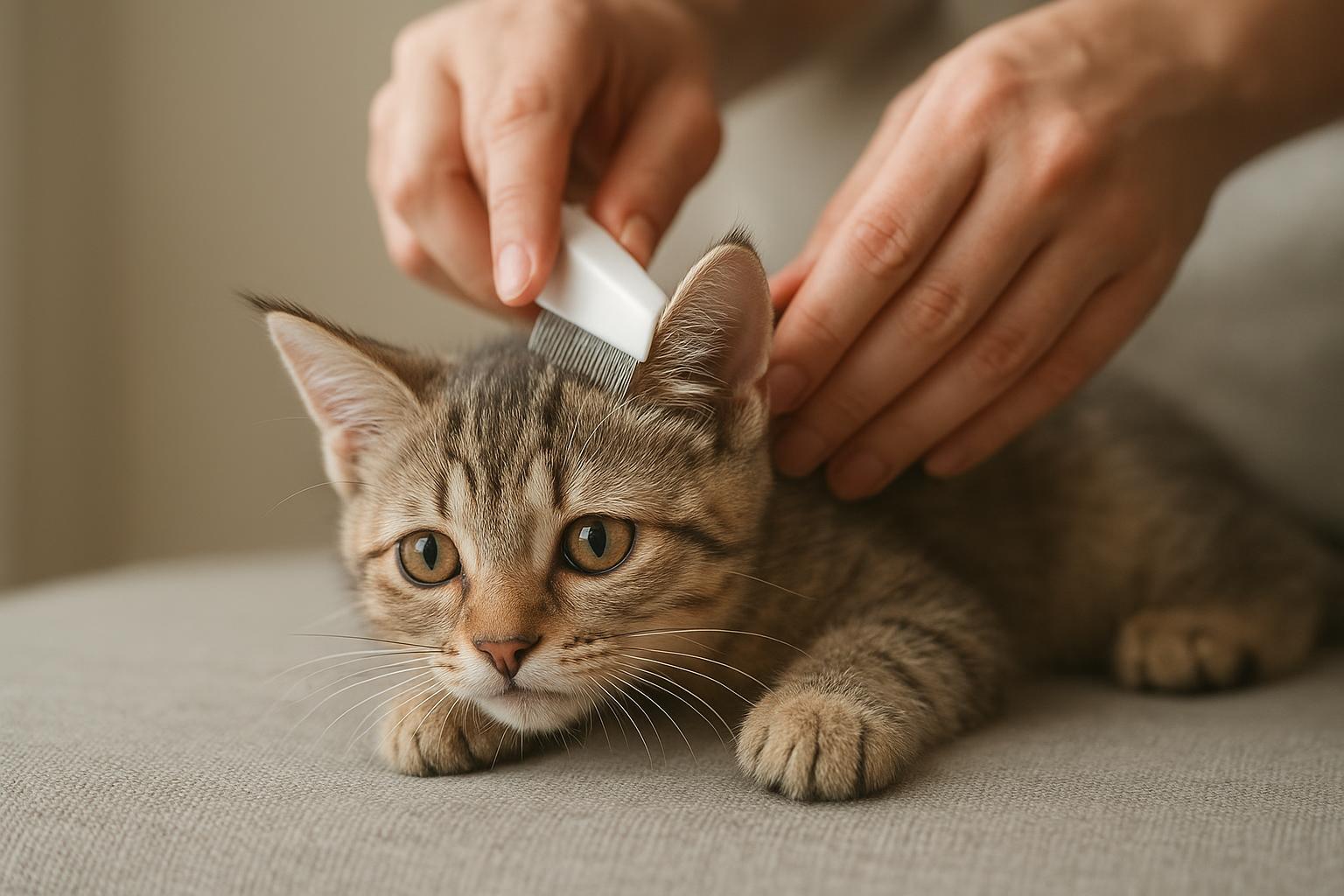
– Flea comb for monitoring
– Treats for positive reinforcement
Step-by-Step Creation And Application
1. Consultation: Before starting any medication, consult your veterinarian. Discuss the cat’s age, weight, health status, other pets, and indoor/outdoor habits. Some cats have medical conditions or are taking treatments that interact with flea products.
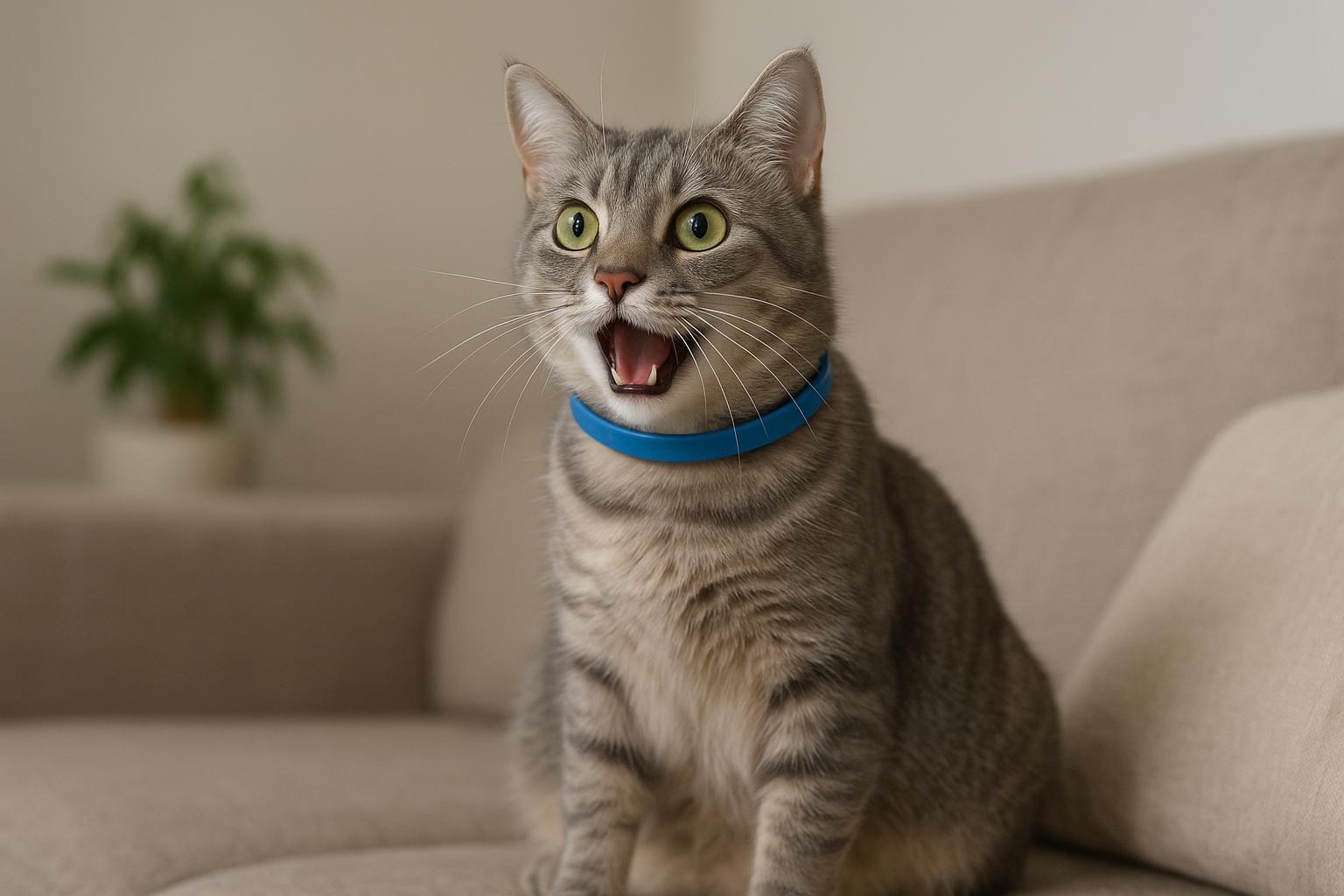
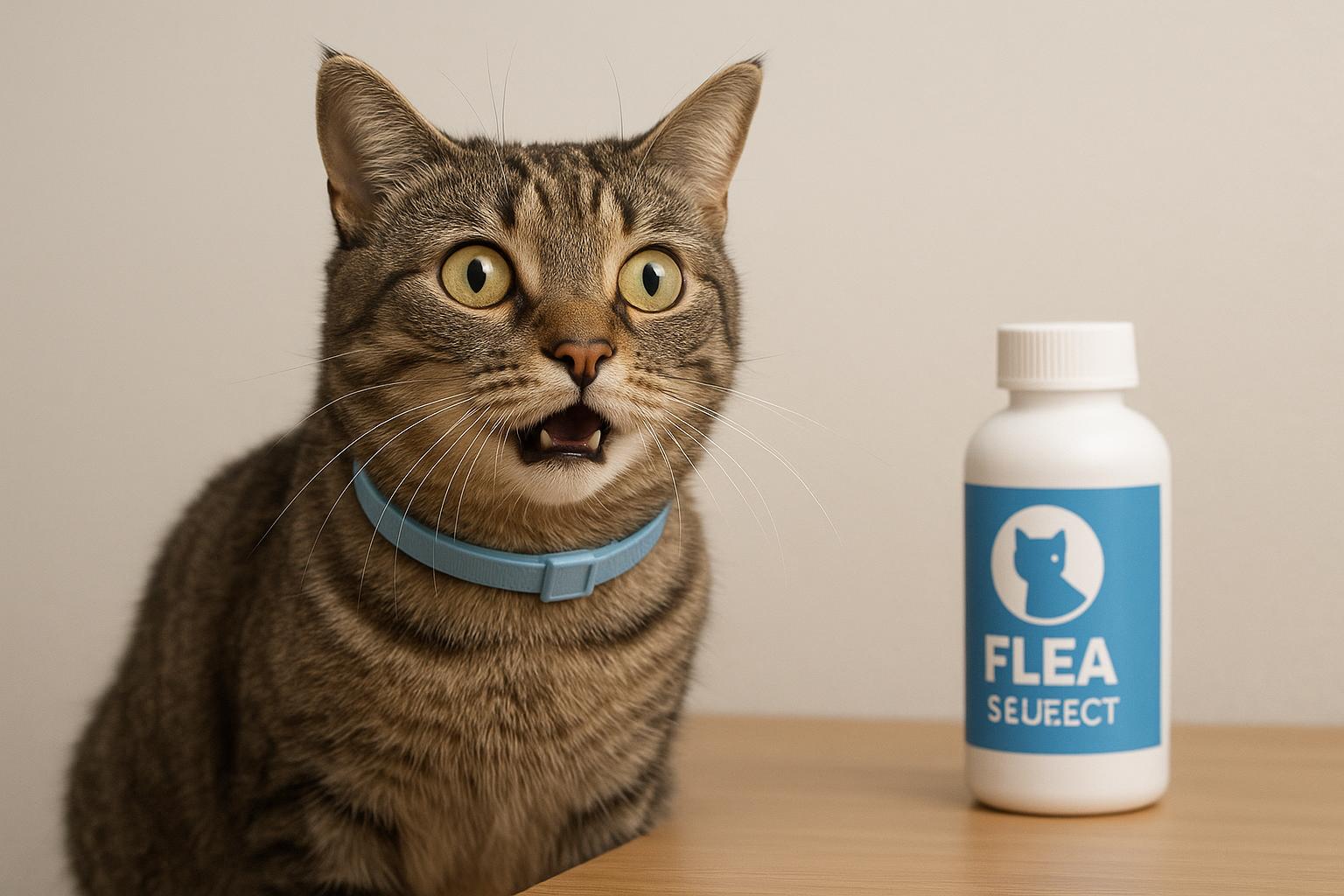
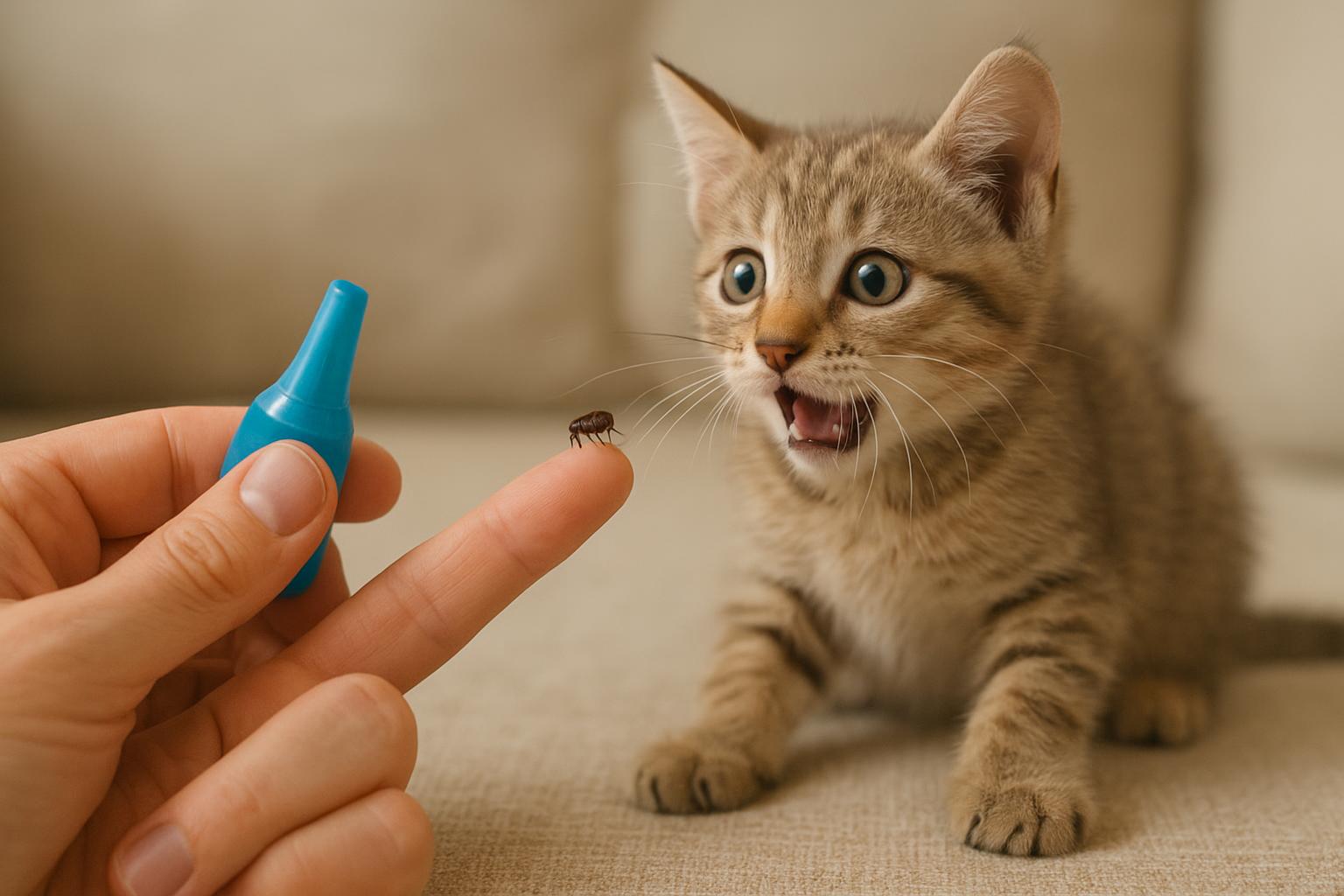
2. Product Selection: Based on your vet’s advice, choose a product type: oral chewables (monthly or longer-acting), topical spot-on (monthly or every three months depending on active ingredient), or collars (longer duration). Ensure the product is labeled for cats — dog products can be toxic.
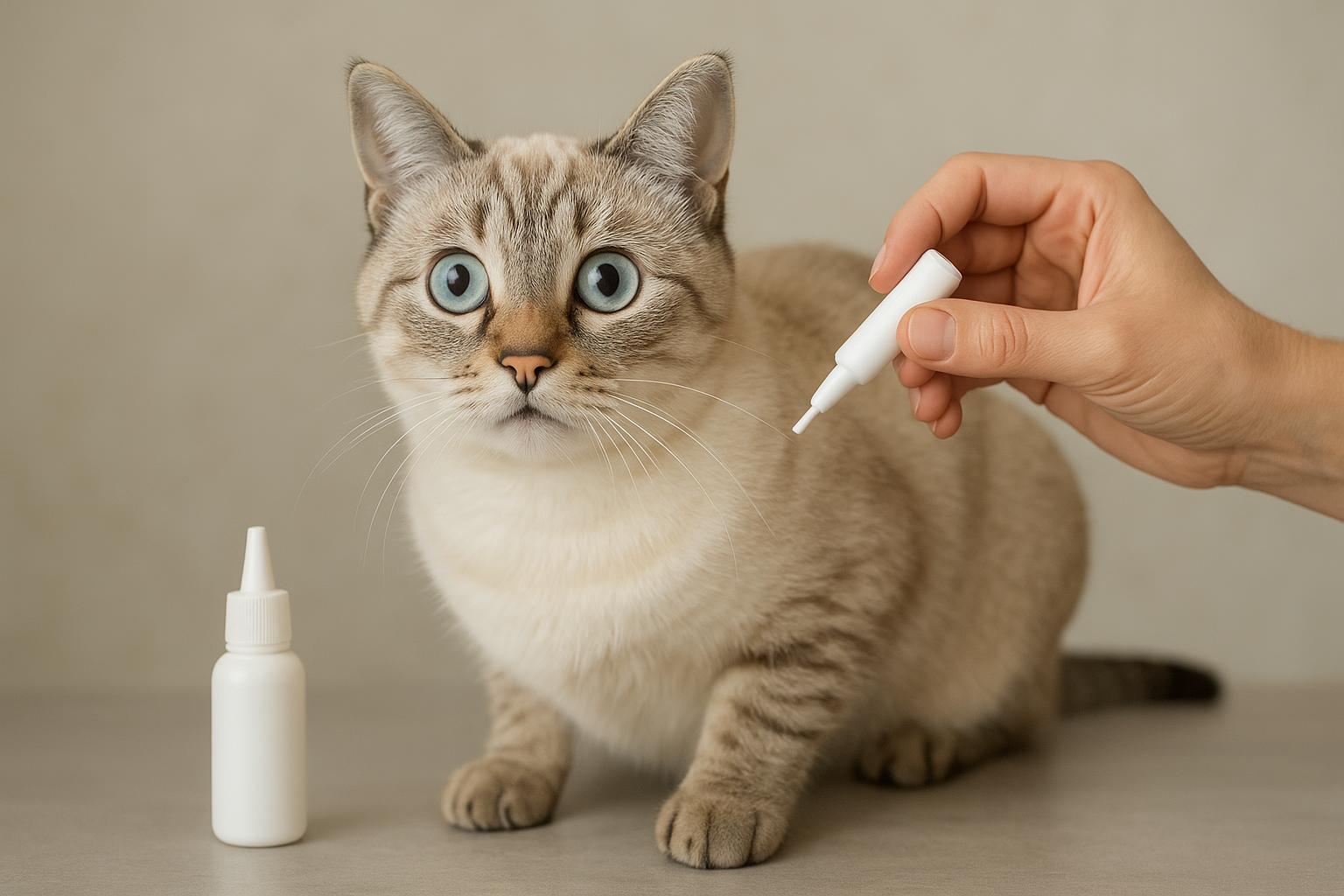
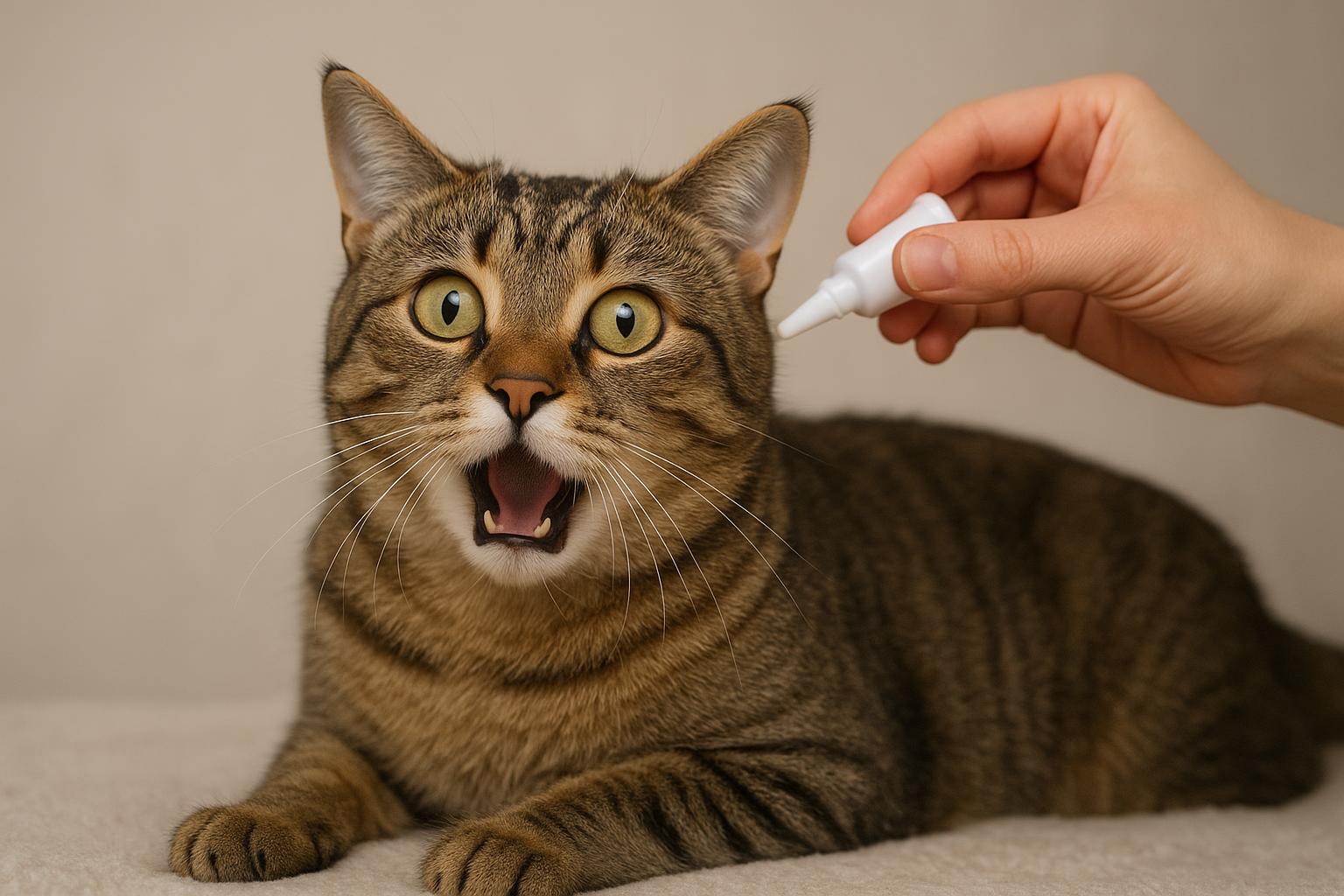
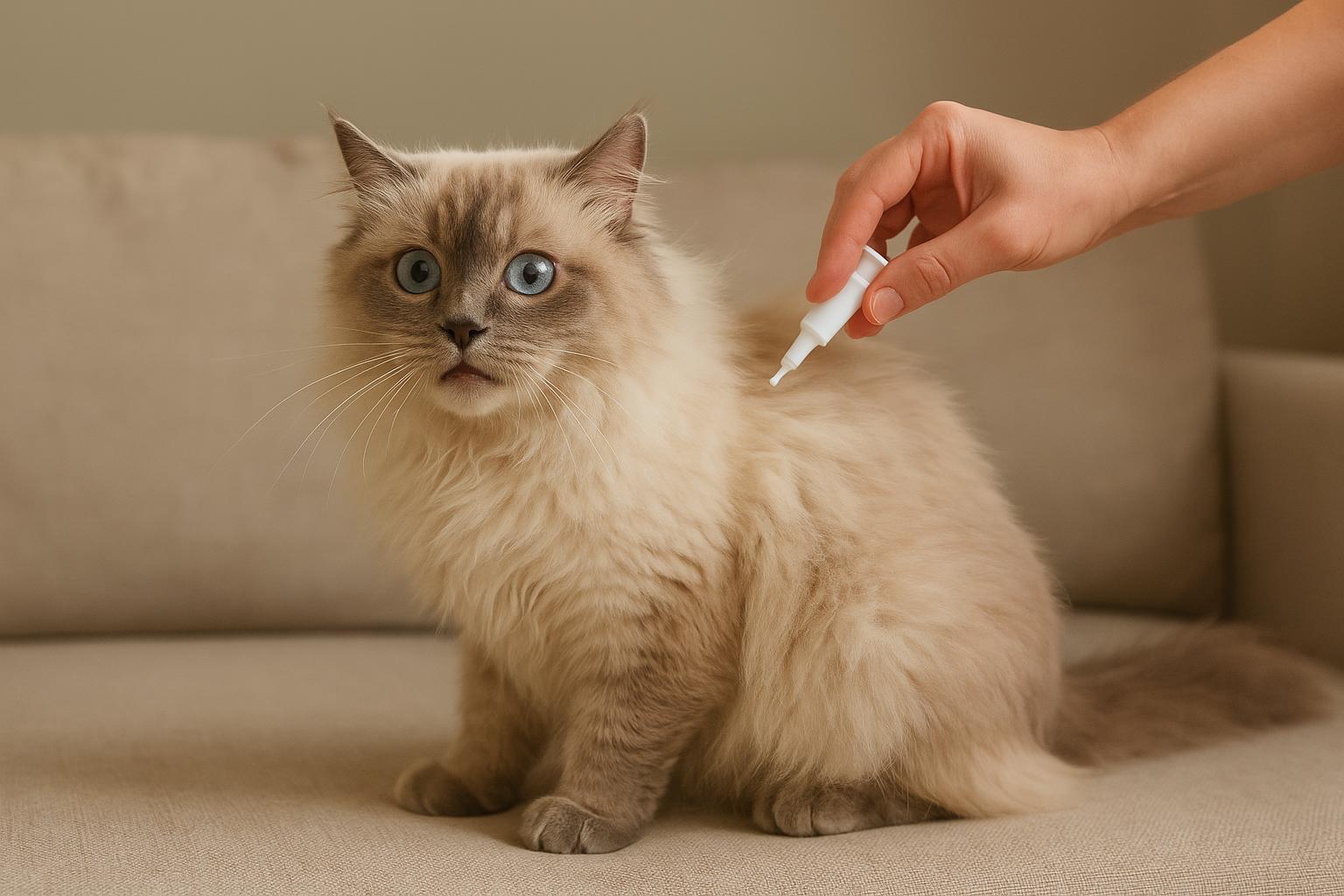
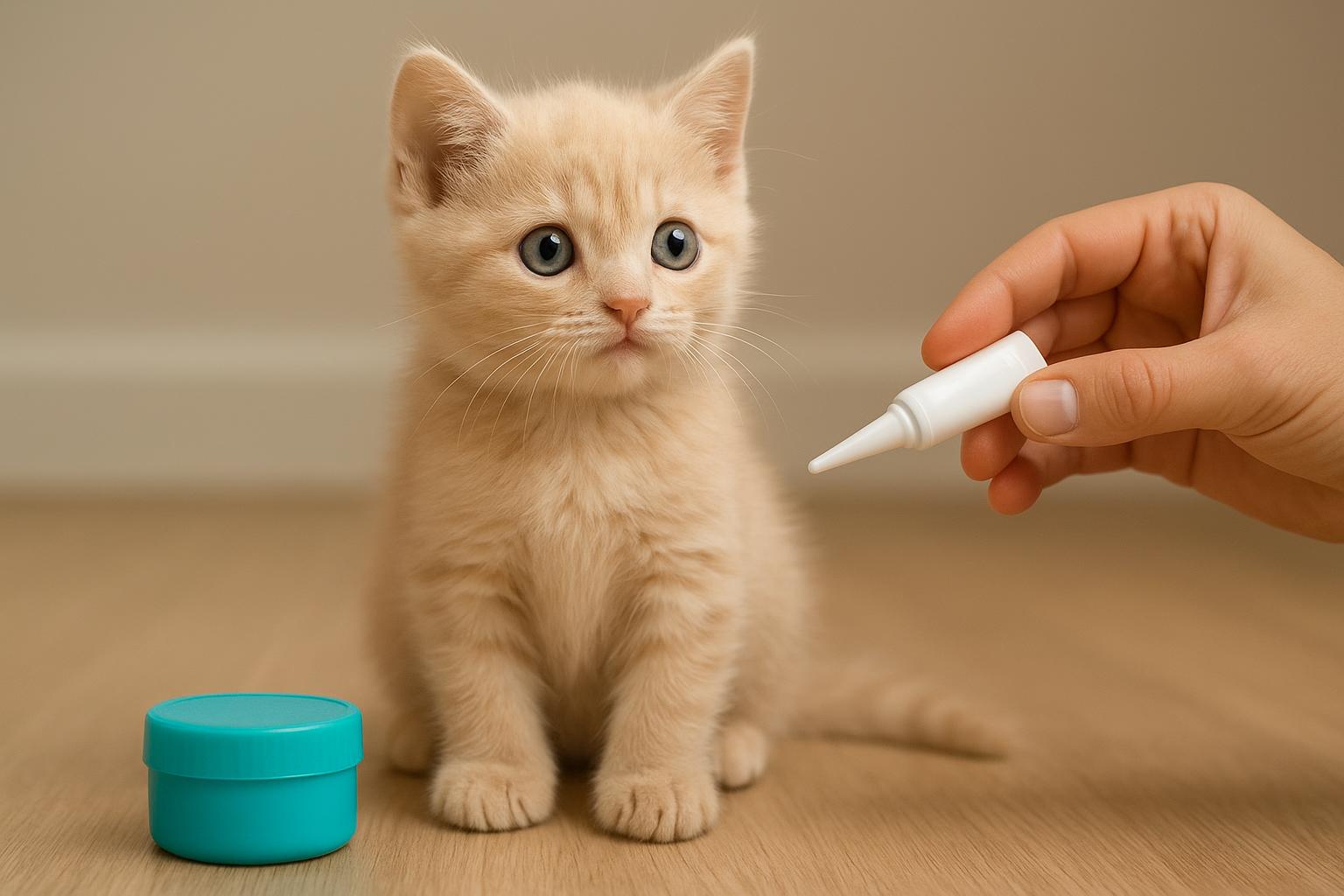
3. Administration — Topical Spot-On:
a. Dry the cat so the product can be applied to the skin, not fur.
b. Part the fur at the base of the skull or between the shoulder blades until you see skin.
c. Squeeze the applicator directly onto skin in one spot. Do not rub.
d. Prevent the cat from licking the area until it’s dry, typically minutes to a few hours depending on product.
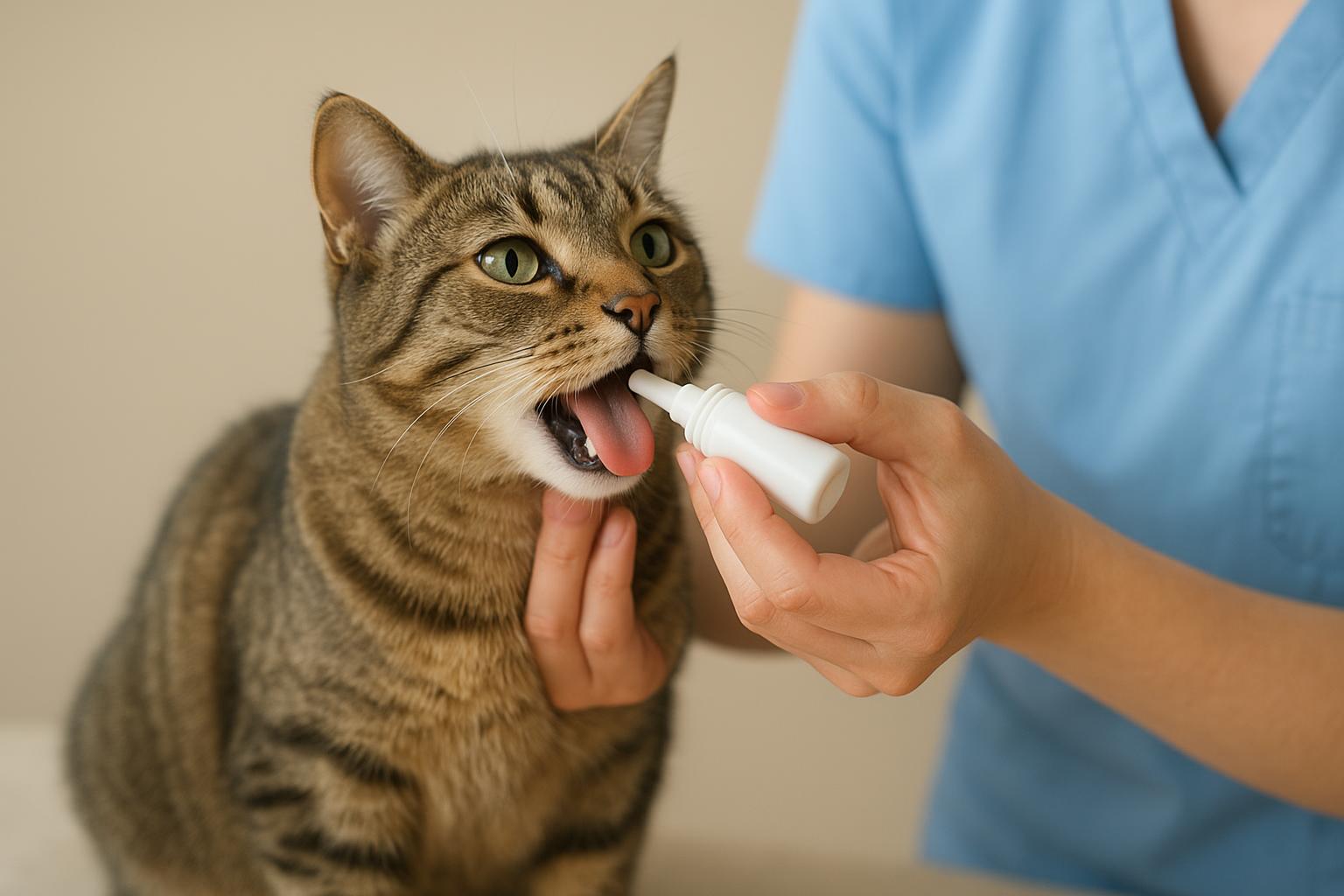
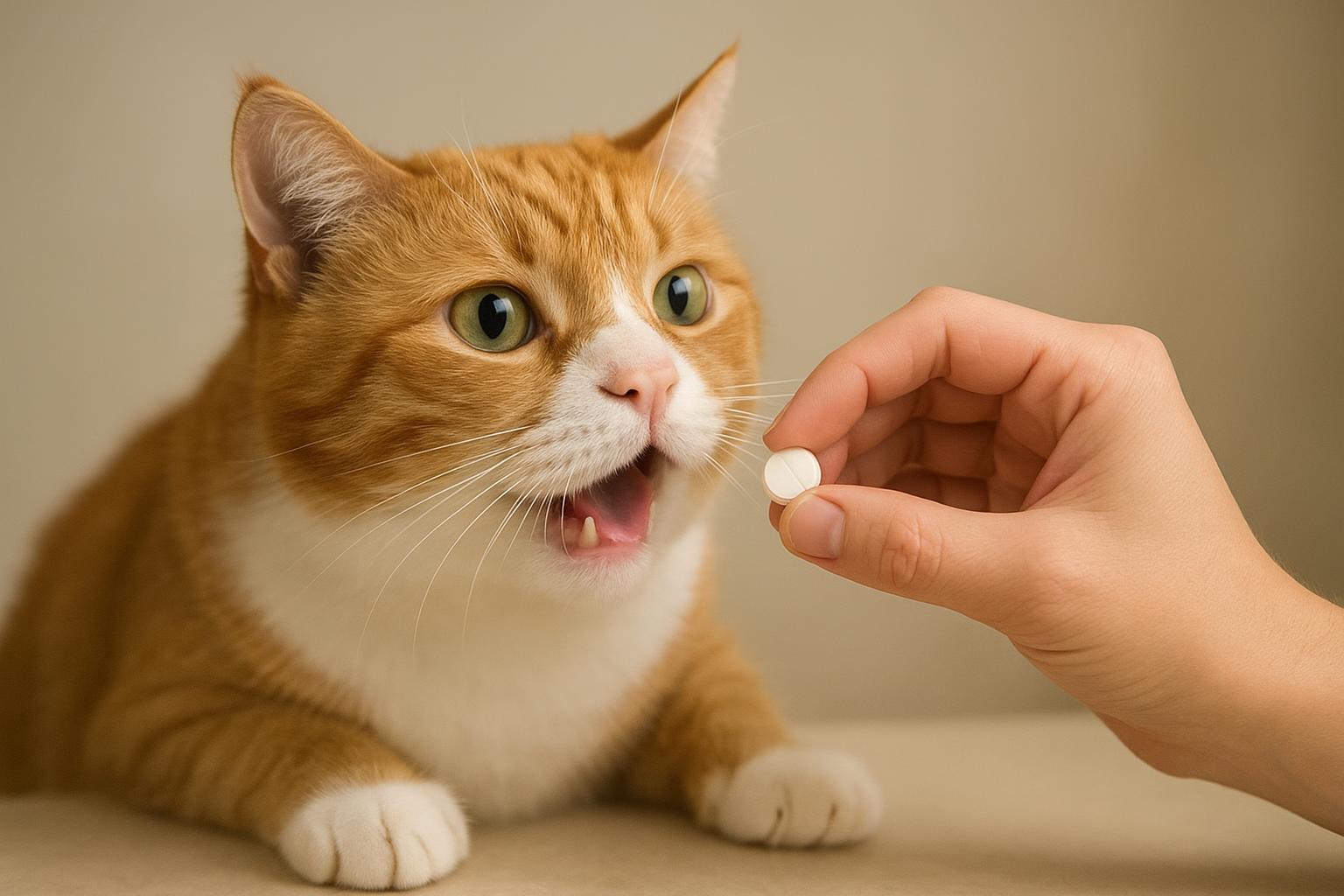
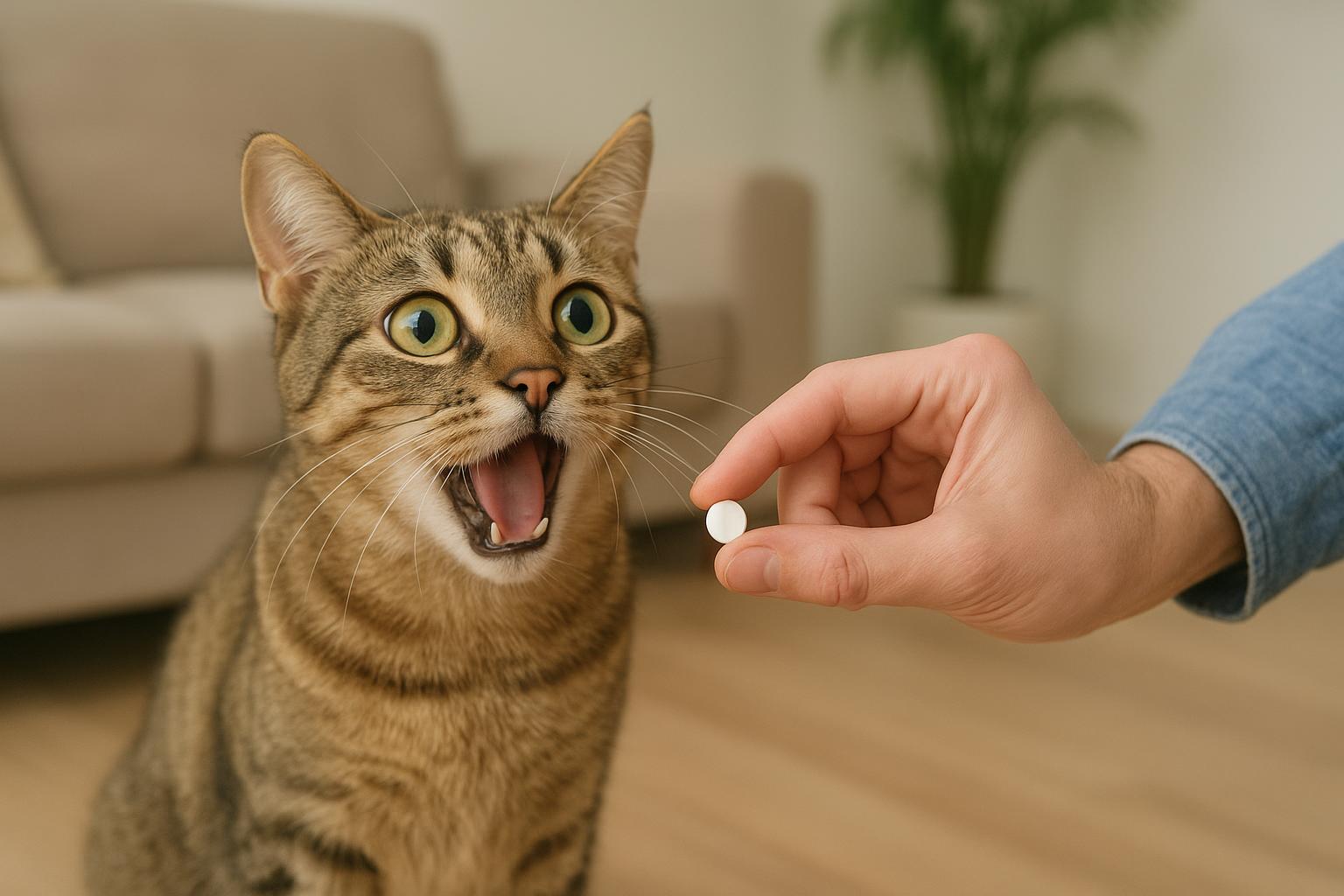
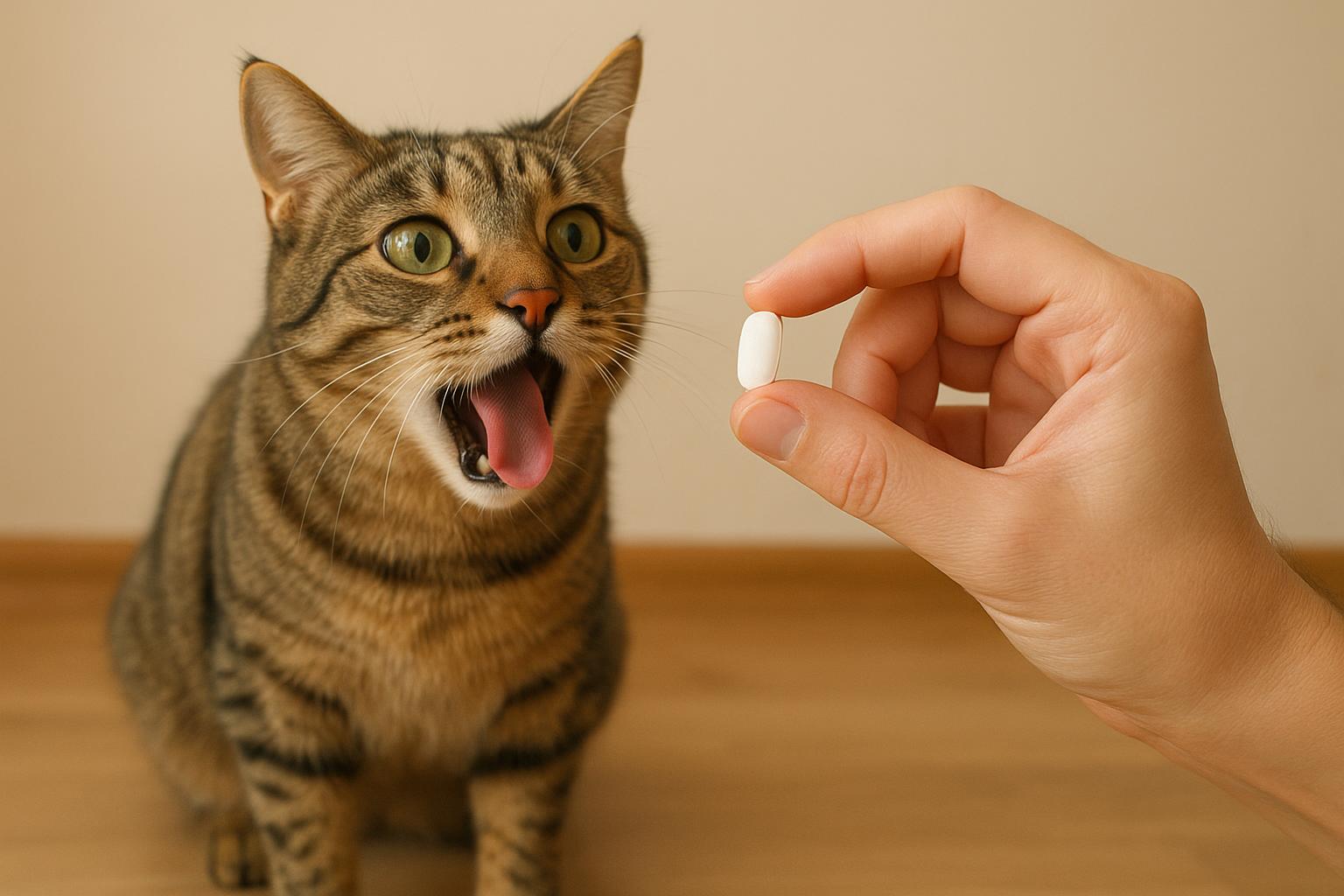
4. Administration — Oral:
a. Follow the exact dosage for the cat’s weight.
b. Offer with food if product directions allow, or give directly as your vet instructs.
c. Monitor the cat for any adverse reactions (lethargy, vomiting, tremors) and contact your vet if they occur.
5. Monitoring: Use a flea comb weekly. Continue preventatives strictly on schedule. If you find fleas despite treatment, review environmental measures and confirm proper administration.
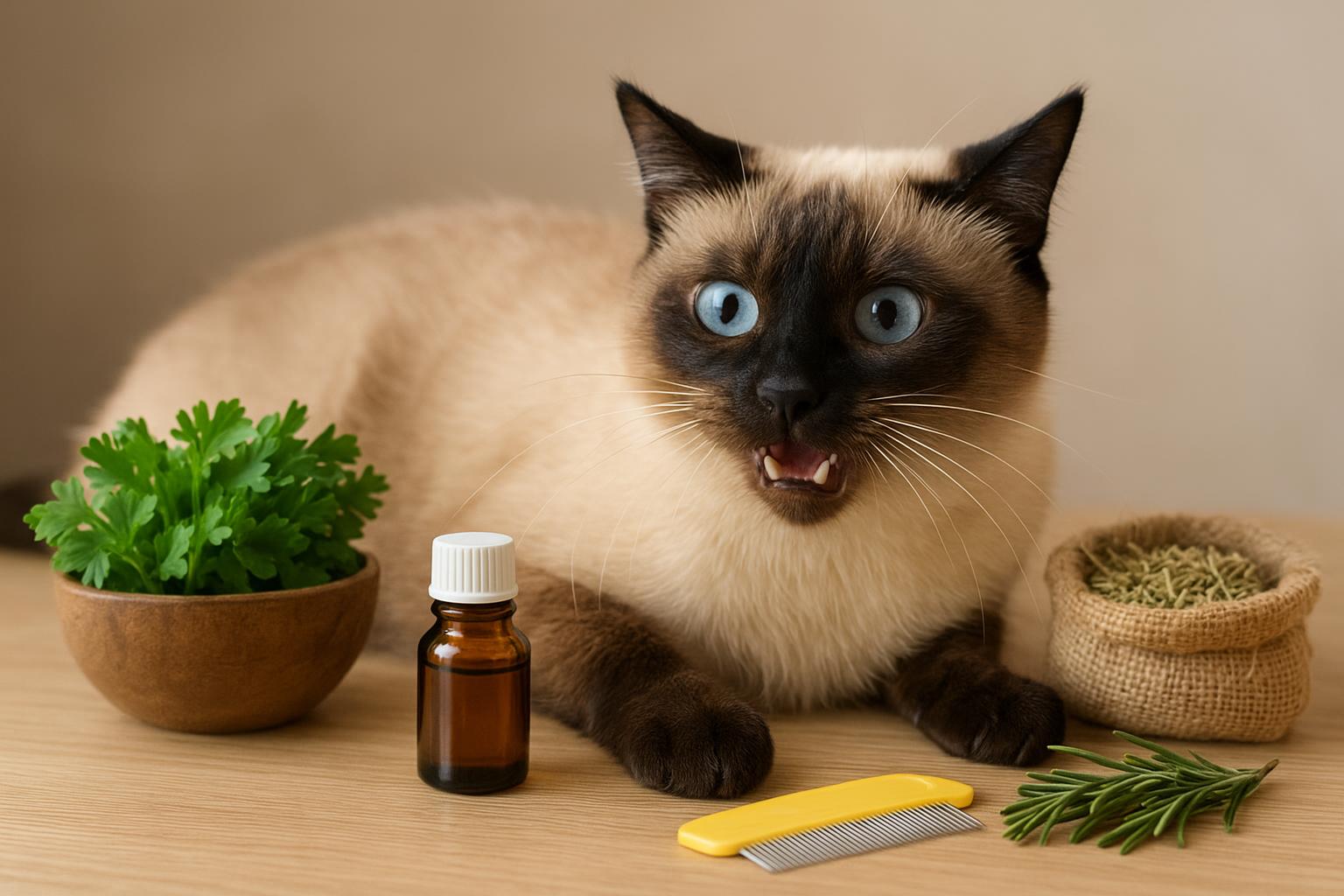
Note: “Natural” or DIY topical remedies (diluted essential oils, citronella) are not recommended as primary flea control without vet approval. Some essential oils are toxic to cats. Stick to proven, vet-approved products as the backbone of your annual flea plan.
### Handling Multiple Cats And Outdoor Cats
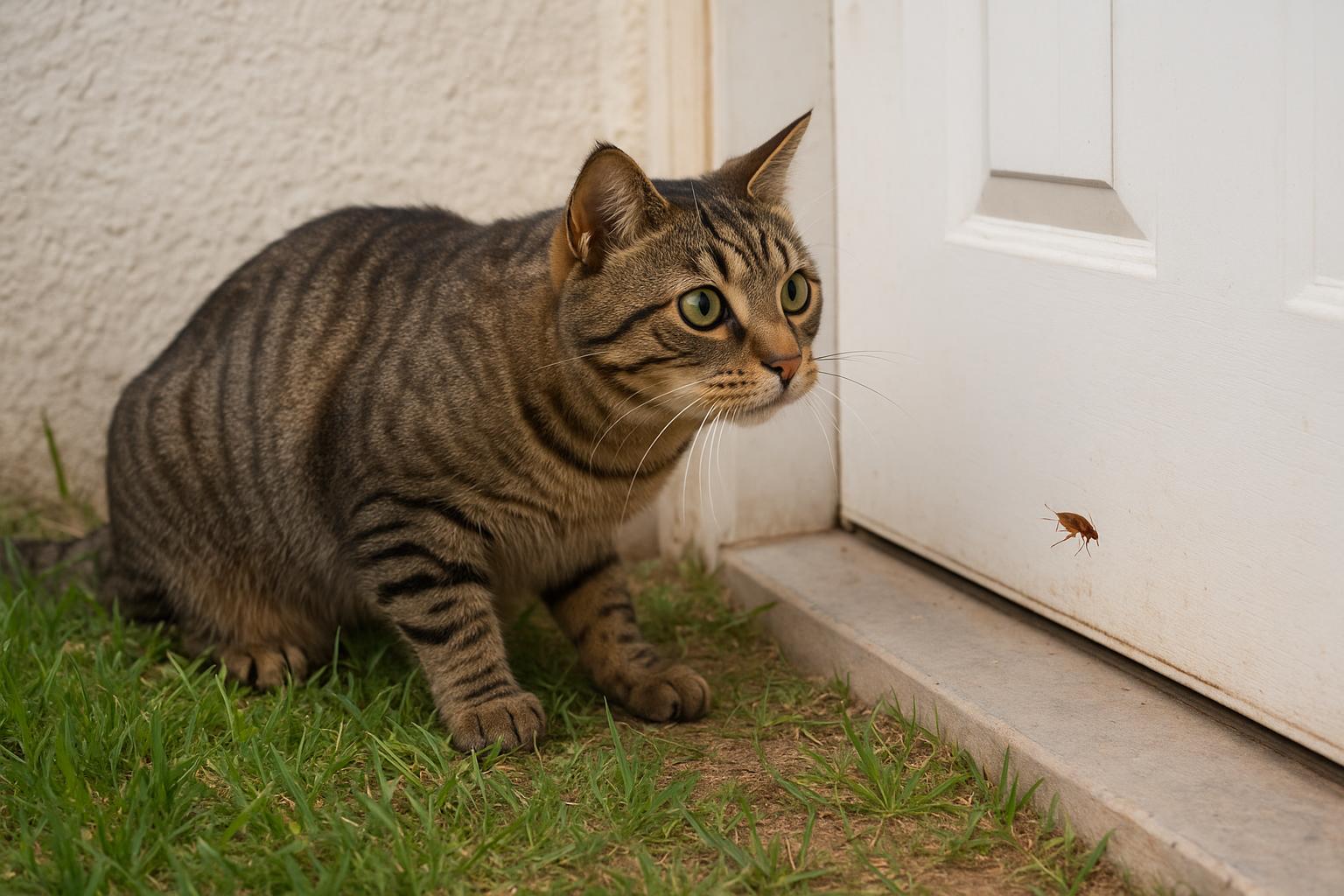
In multi-cat households, treat every cat on the same schedule; untreated roommates will reinfest treated cats. For outdoor cats, strengthen your annual flea plan with more frequent environmental checks and treat likely outdoor resting sites. Keep feral or neighborhood animals from frequenting your yard if possible, as they can bring fleas in.
## Common Mistakes To Avoid When Implementing An Annual Flea Plan
Skipping doses, using dog products on cats, and treating only the pet or only the environment are the most common errors. Underestimating pupae means people stop treatments too soon. Read product labels, consult your vet for tailored recommendations, and combine pet and home measures for best results. If you rely on “natural” one-off fixes, expect frustration: flea control requires consistent, integrated action.
### When To Call The Vet
If your cat shows severe itching, hair loss, skin infections, or signs of anemia (pale gums, weakness), contact your veterinarian promptly. Also call the vet if your cat has had an adverse reaction to a flea product, or if preventive treatments aren’t stopping the problem — the vet may recommend a different medication or investigate underlying issues like flea allergy dermatitis or other parasites.
There’s no need to treat flea prevention like a heroic solo battle. An annual flea plan organizes the work so fleas don’t get a foothold, your cat stays comfortable, and you can stop panicking at every tiny speck on the couch. Follow the steps above, coordinate with your vet, and enjoy more snuggling and fewer miniature acrobatic fleas.



Leave a Reply