
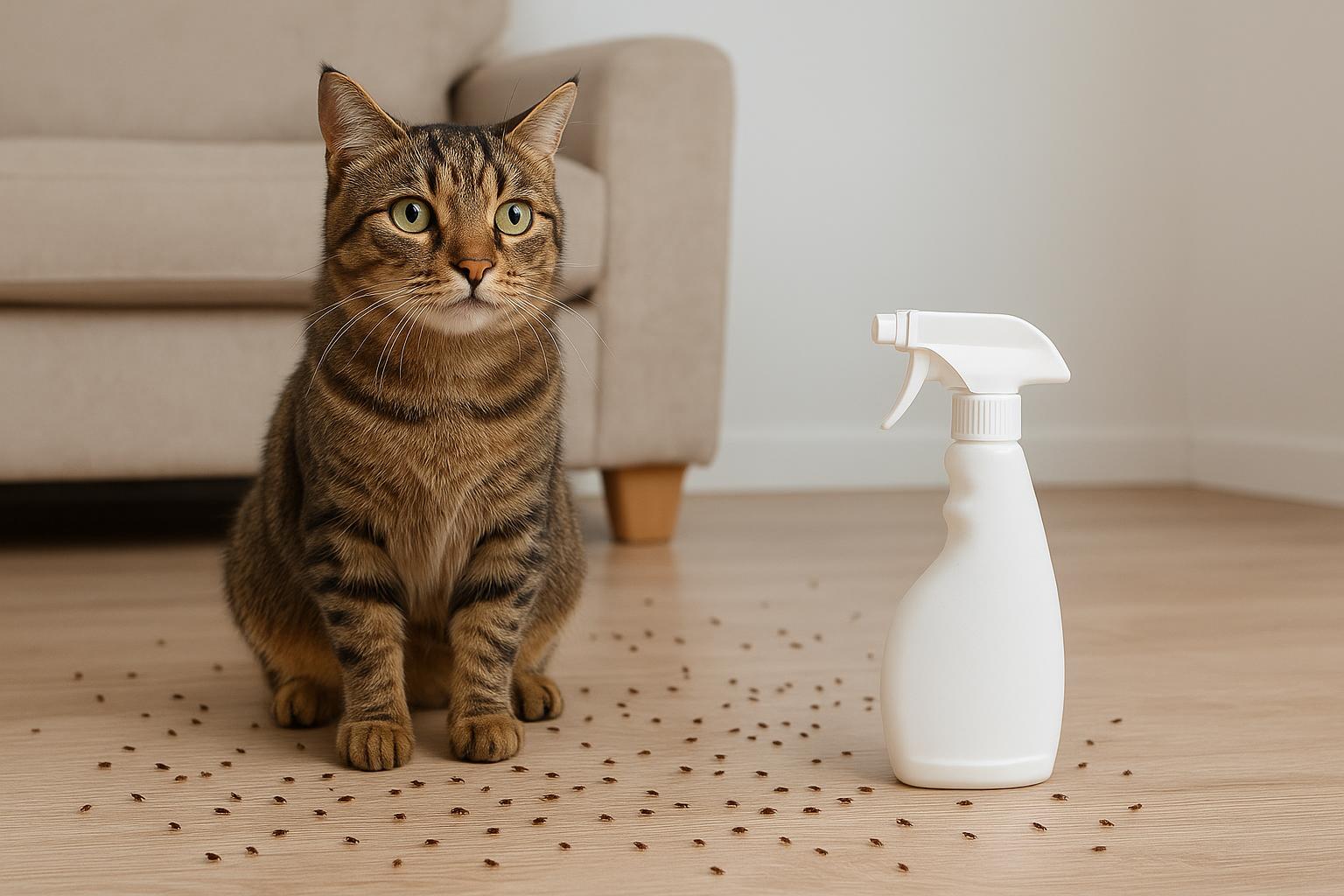
## How To Get Rid Of Fleas In House Fast
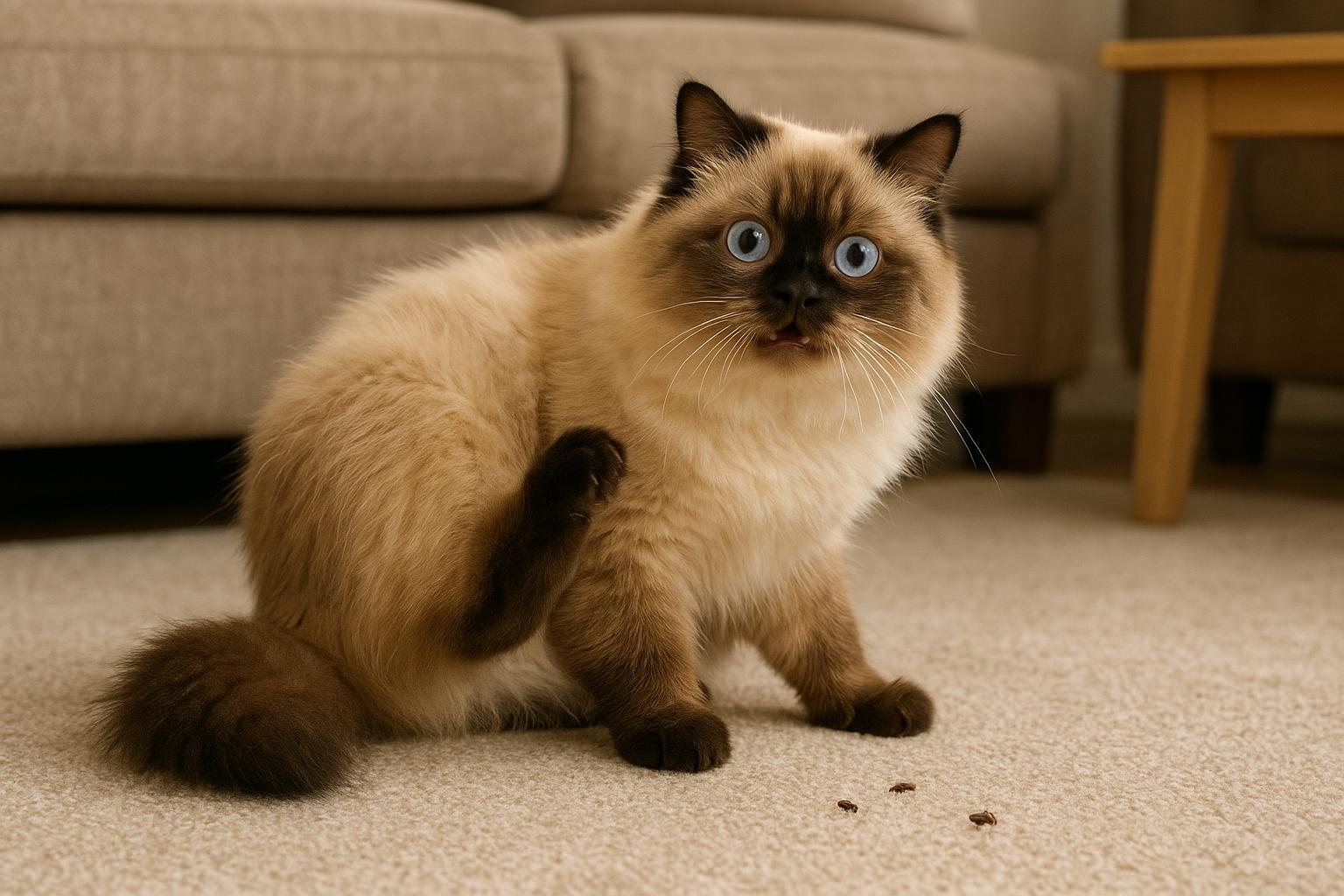
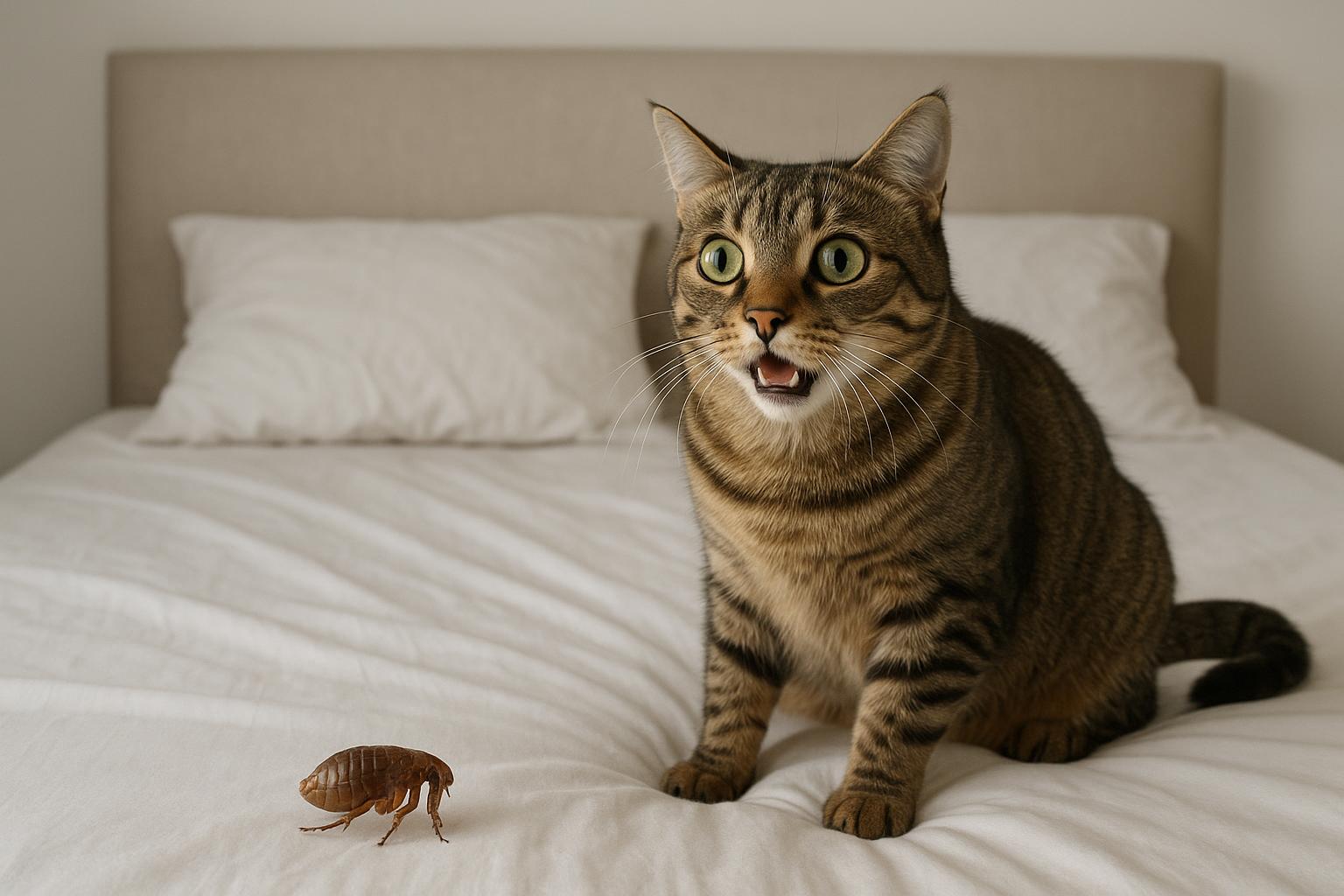
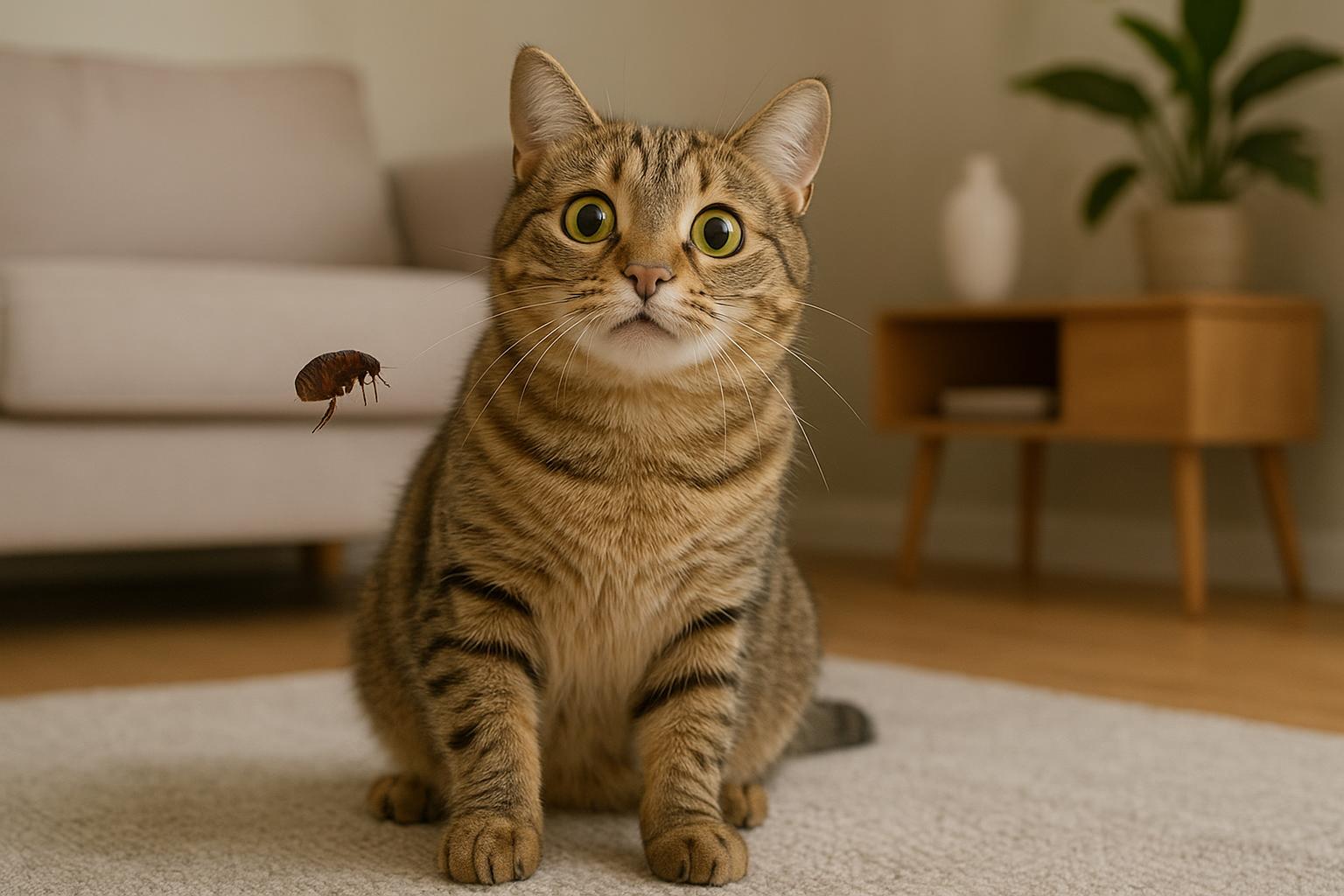
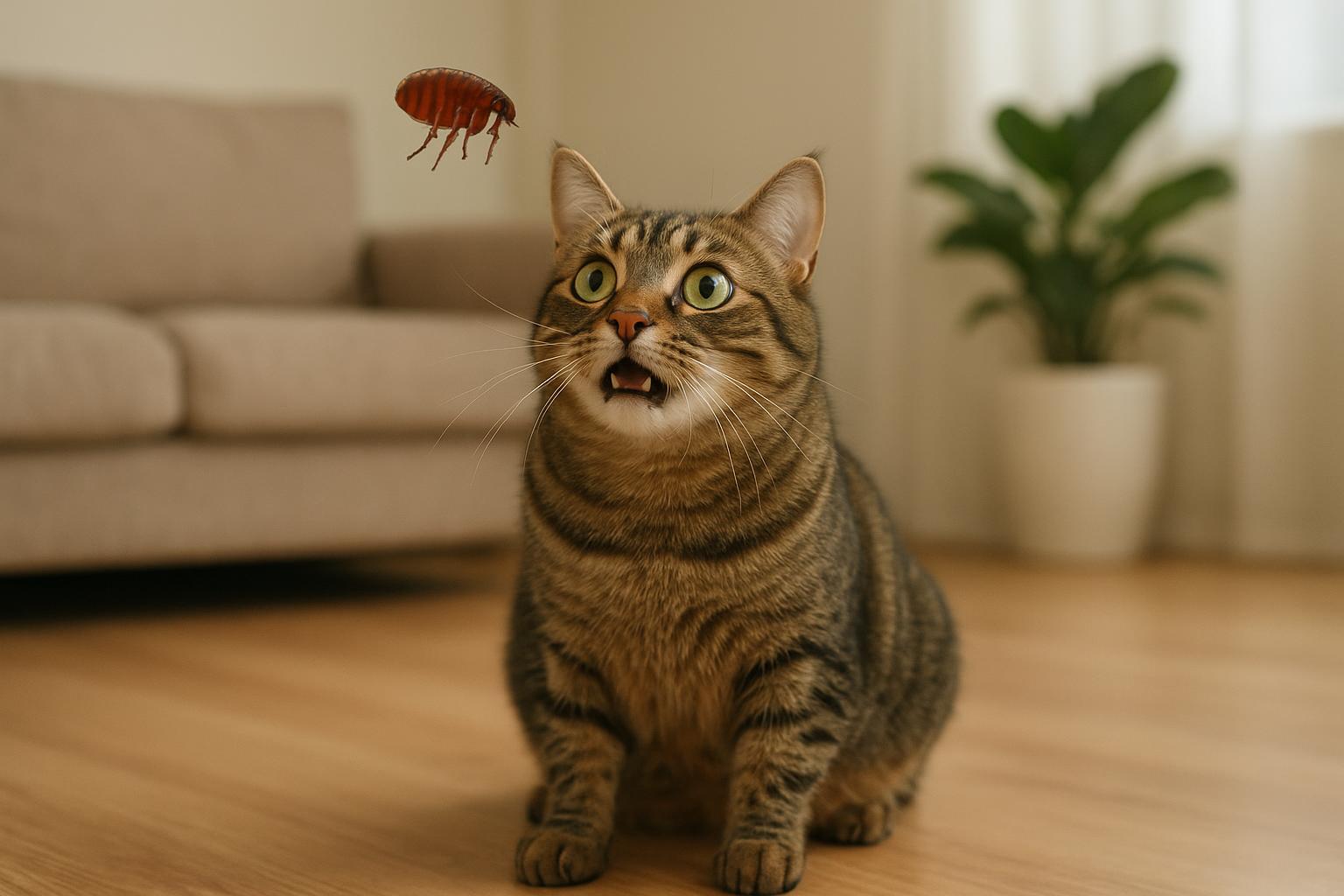
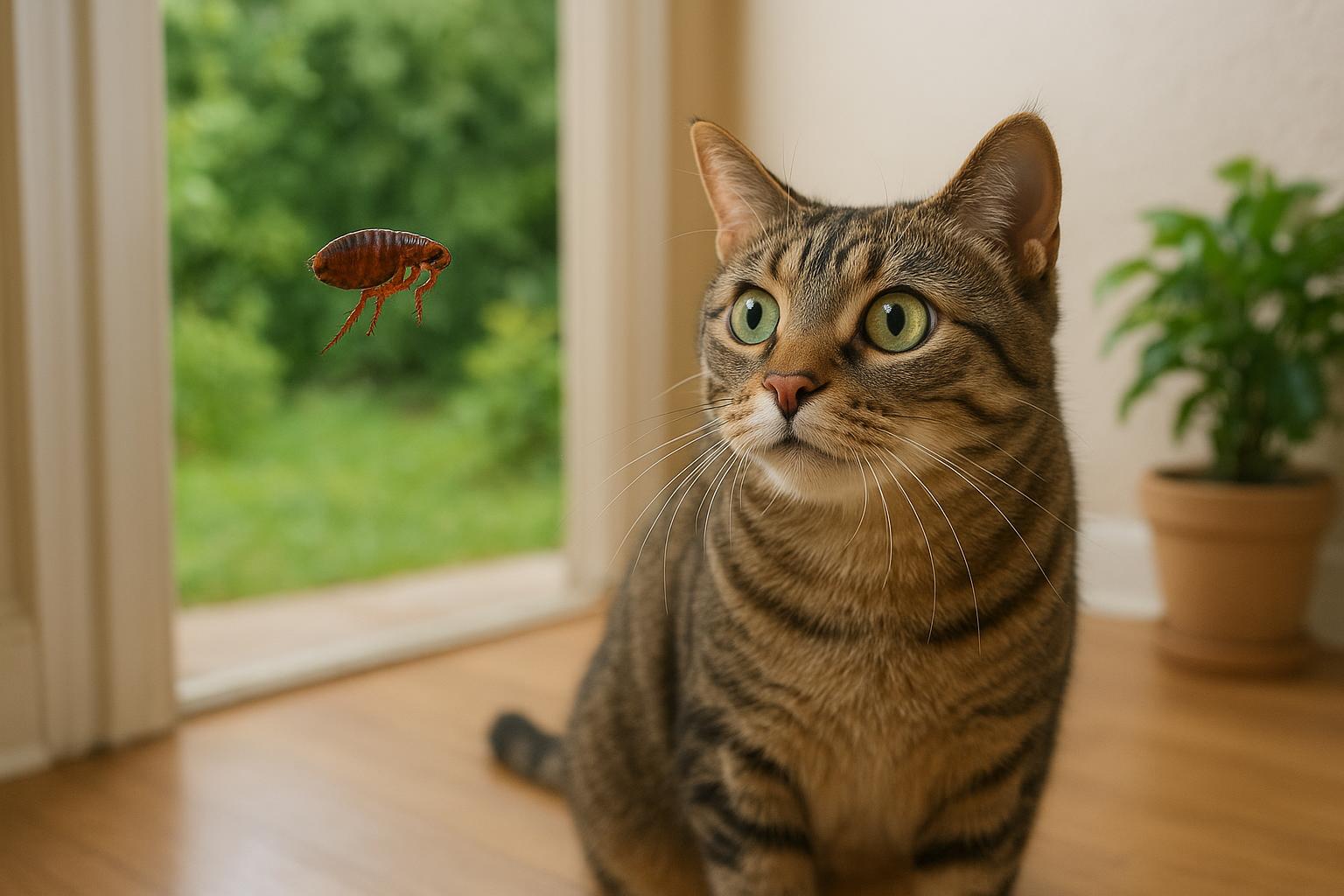
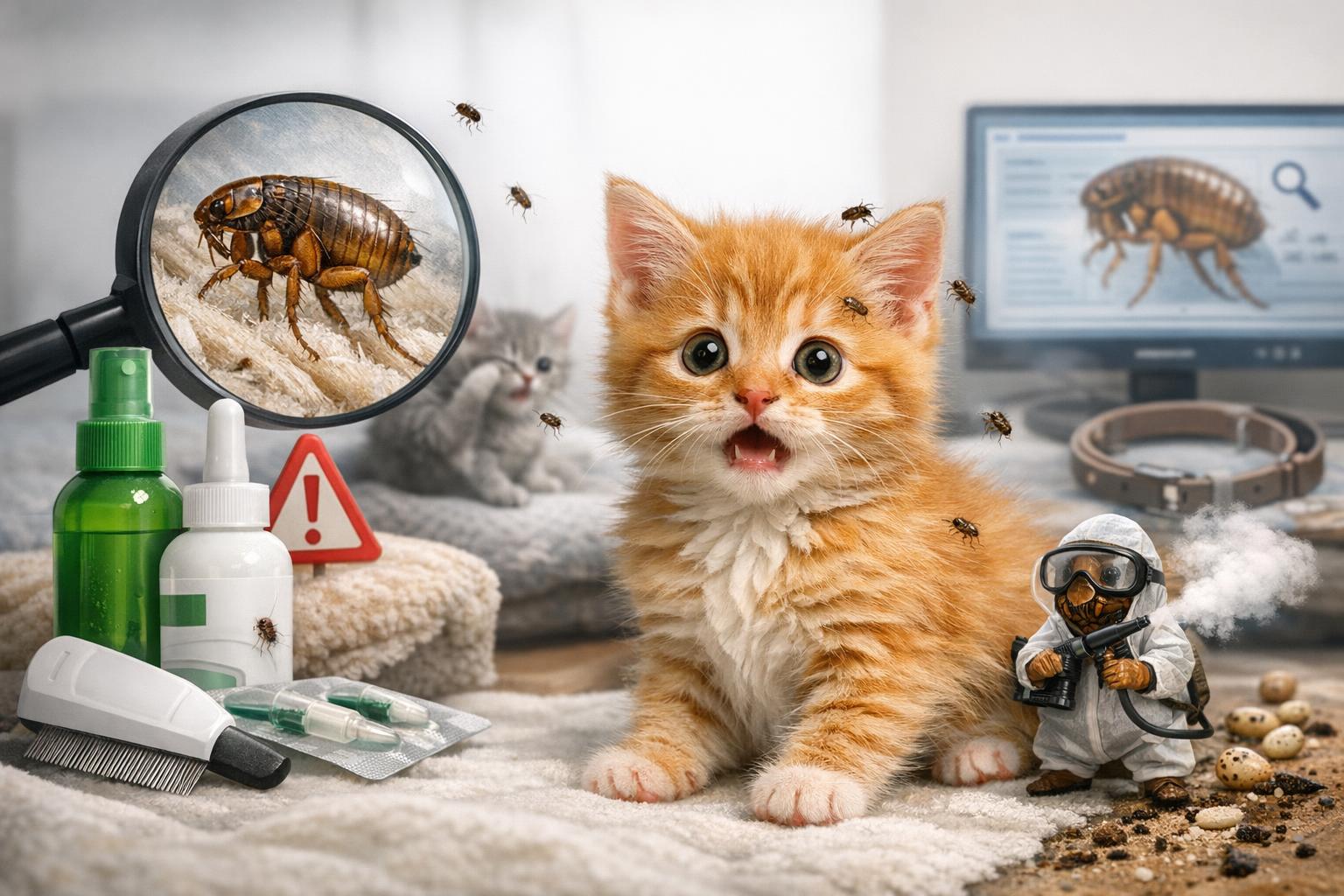
Start by not panicking. Fleas are small but predictable: they live on pets, lay eggs in rugs and bedding, and their eggs hide until you disturb them. If you want a practical route to how to get rid of fleas in house, focus on two things at once—treat the animals and treat their environment. Do both and repeat.
### Treat Pets First
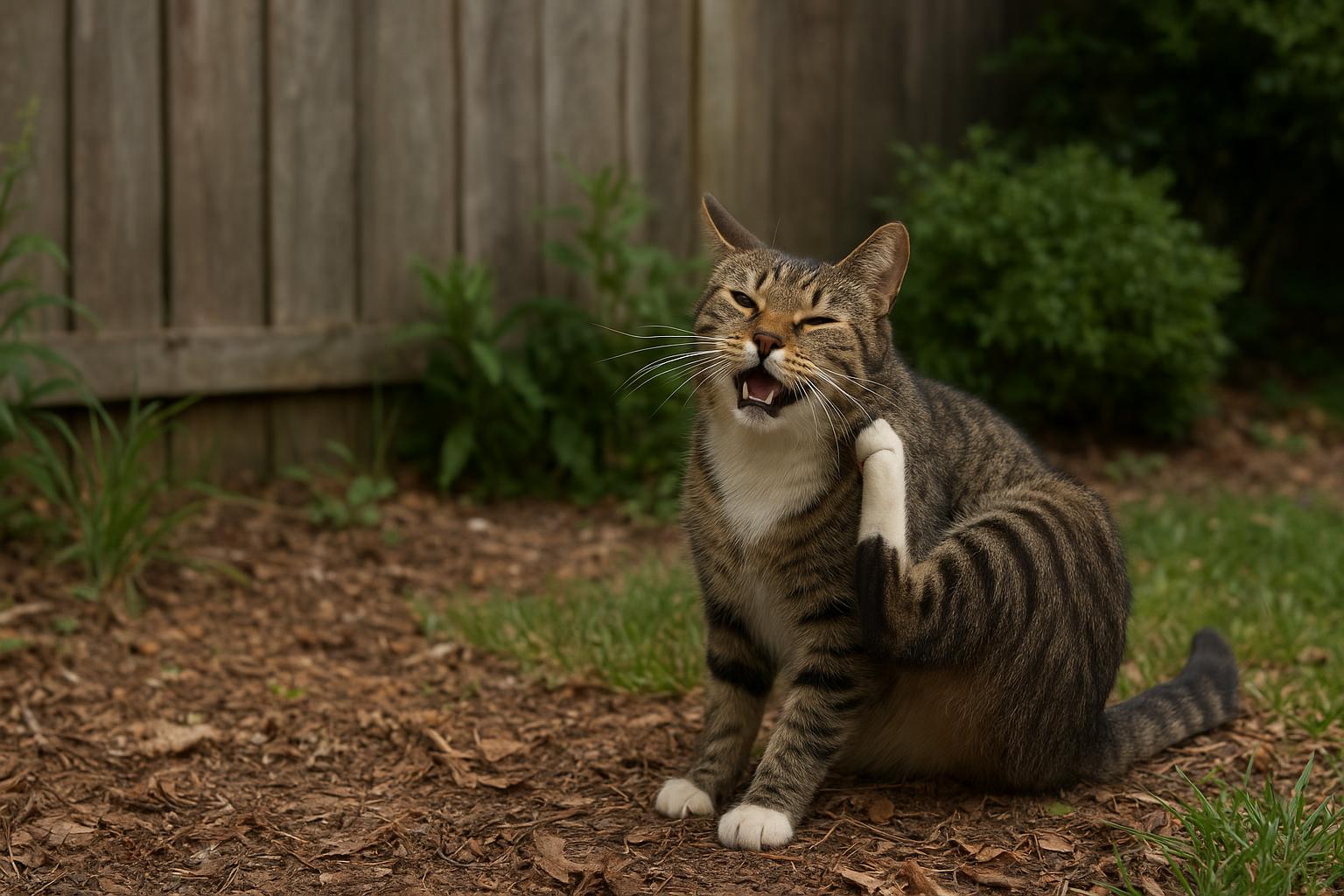
This bit matters more than most people think. You can blast carpets with chemicals and still fail if the animal remains a living flea farm.
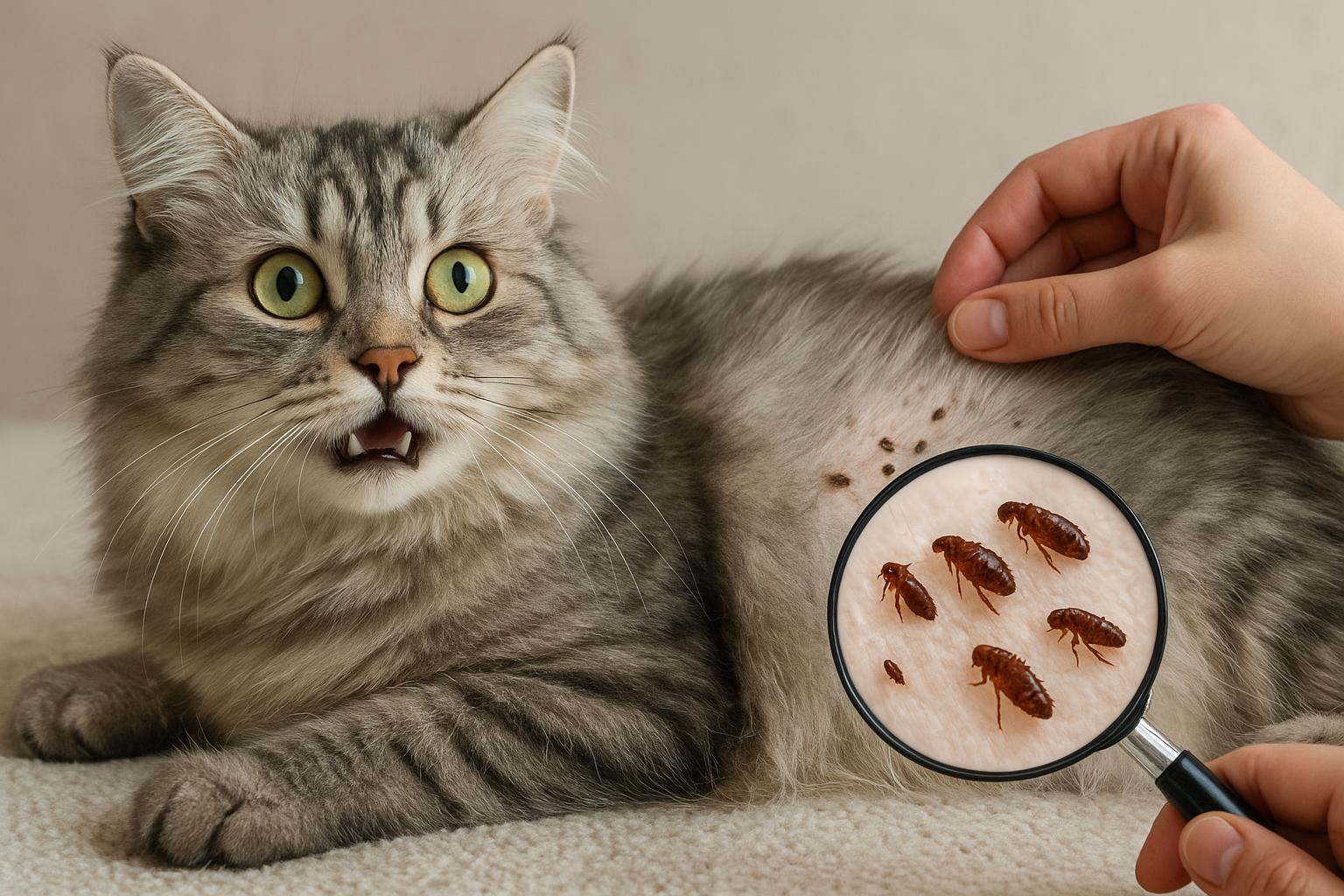
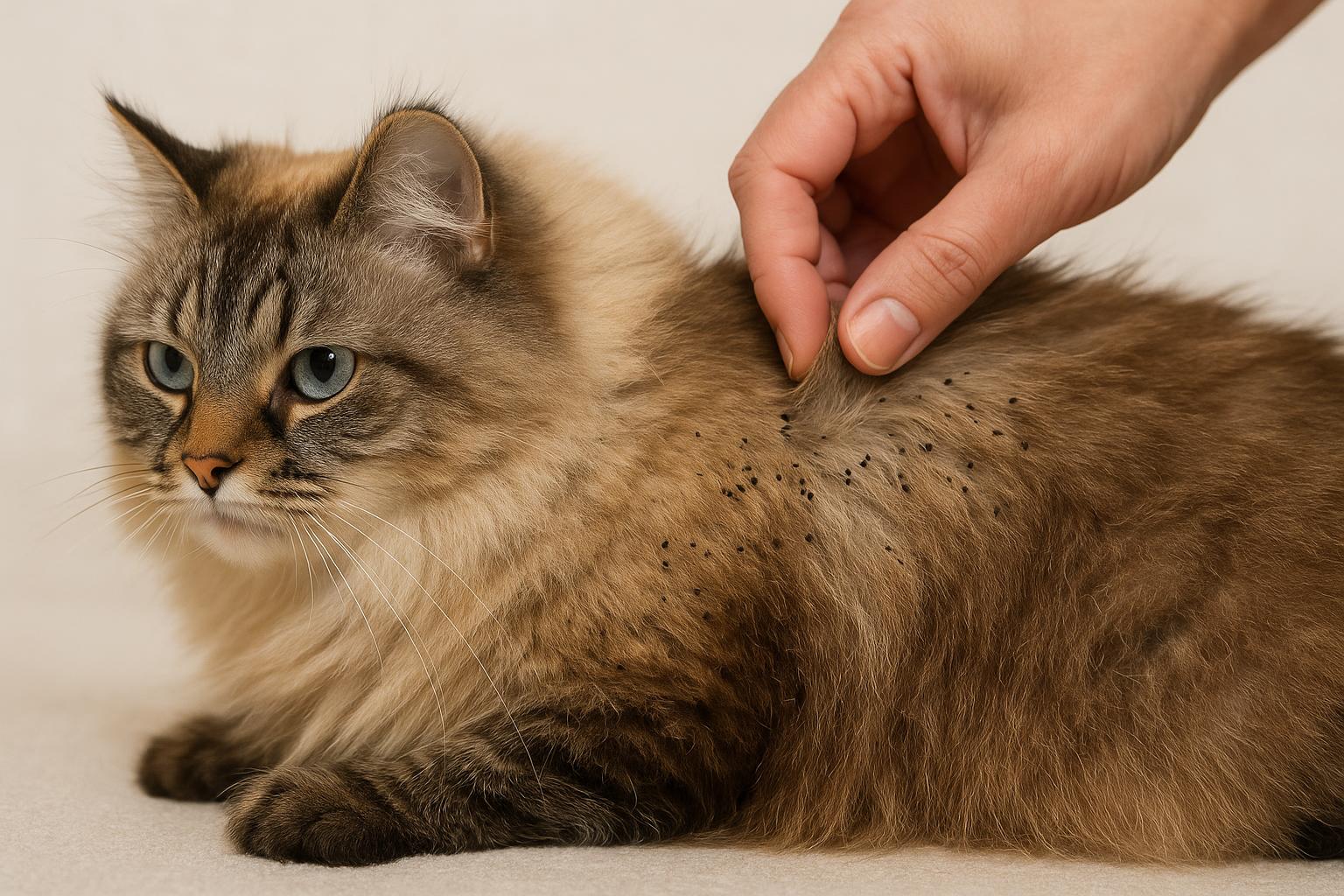
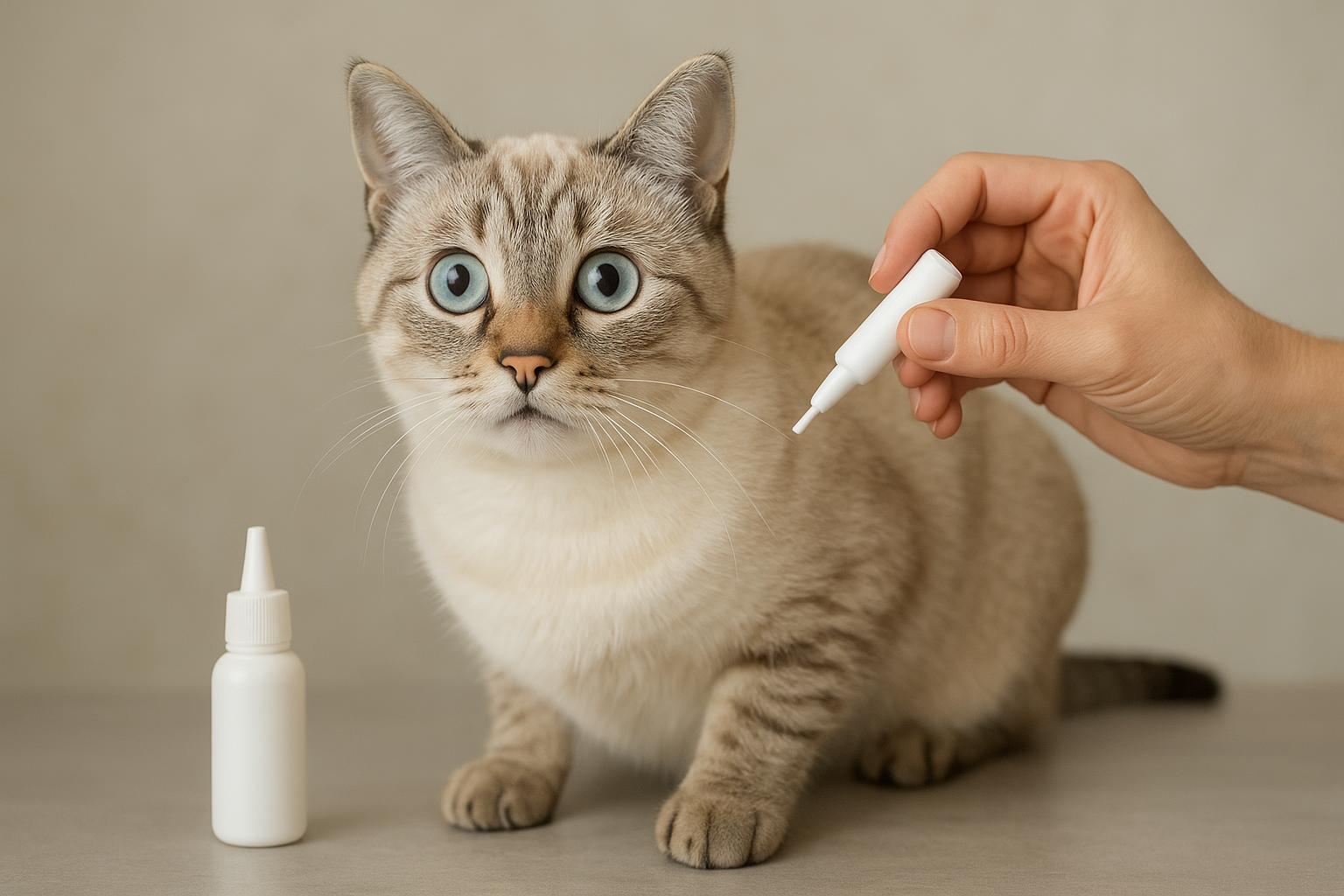
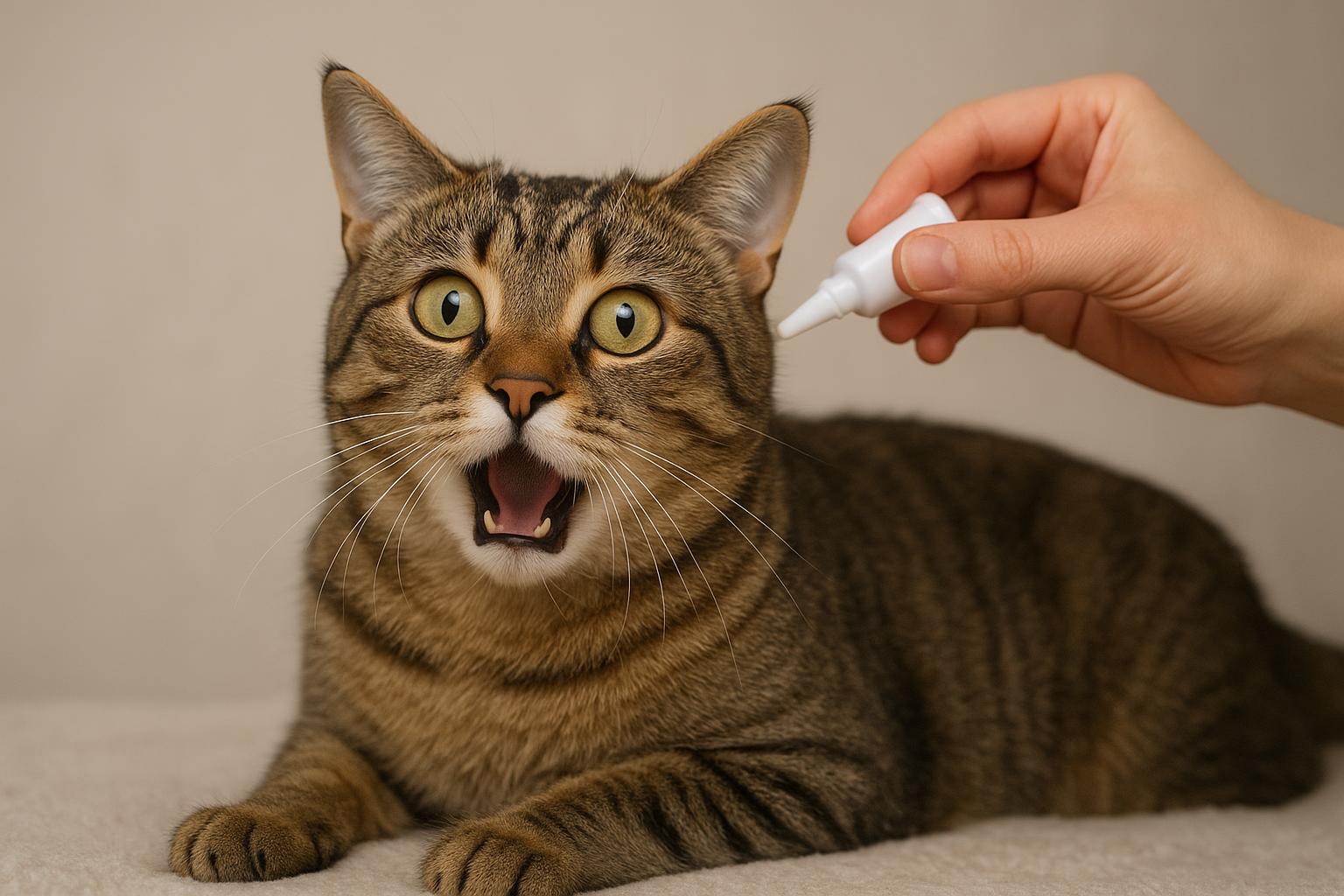
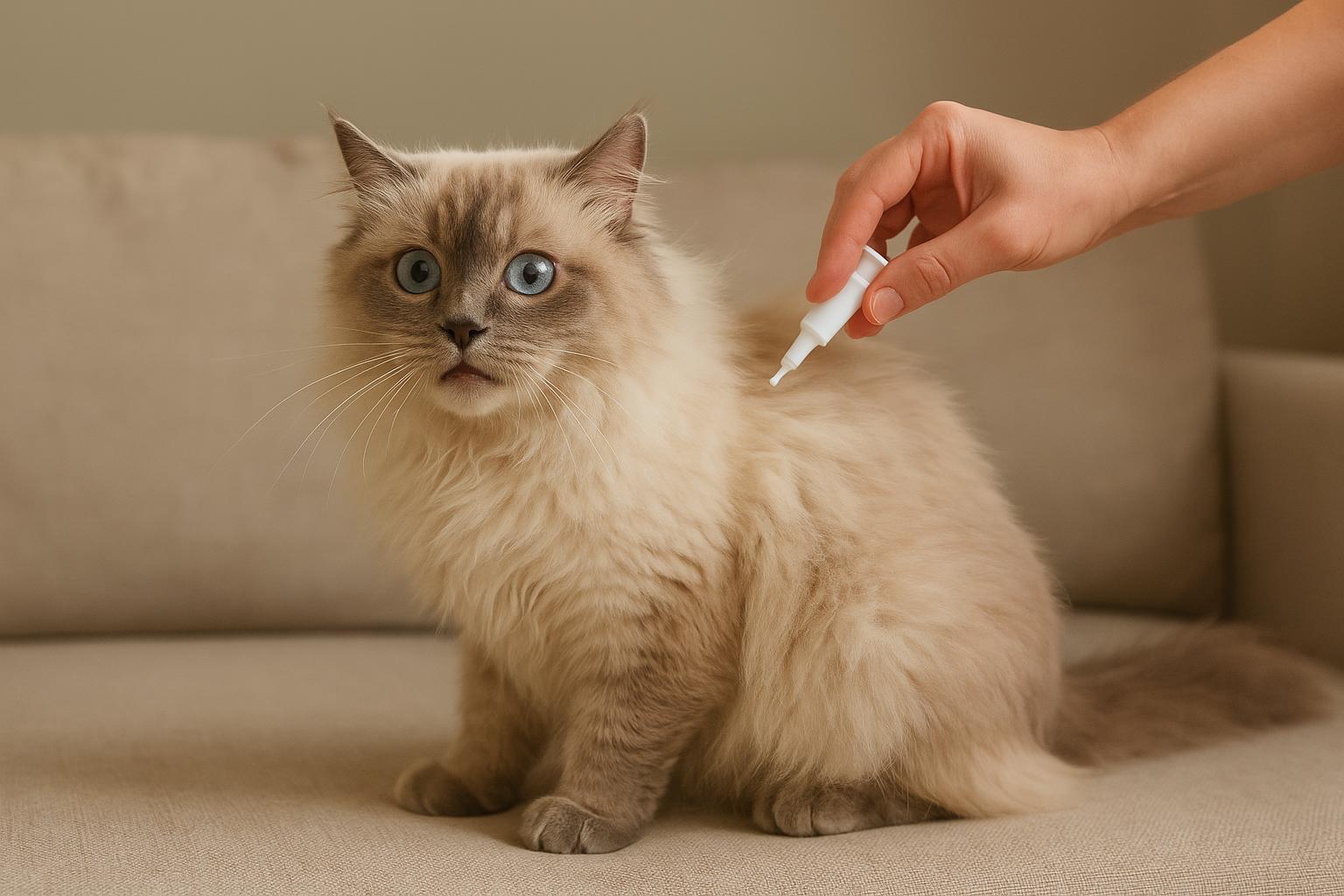
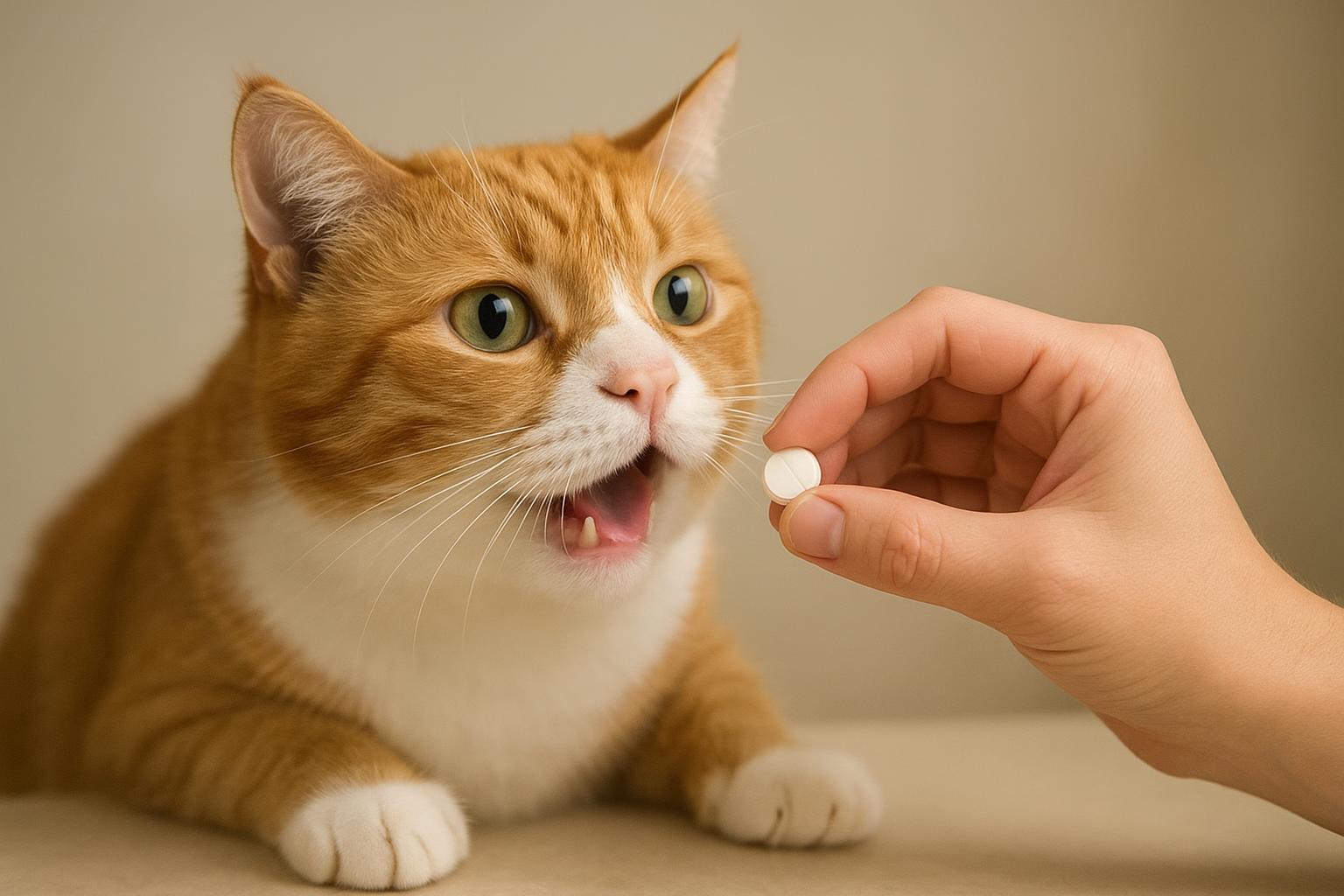
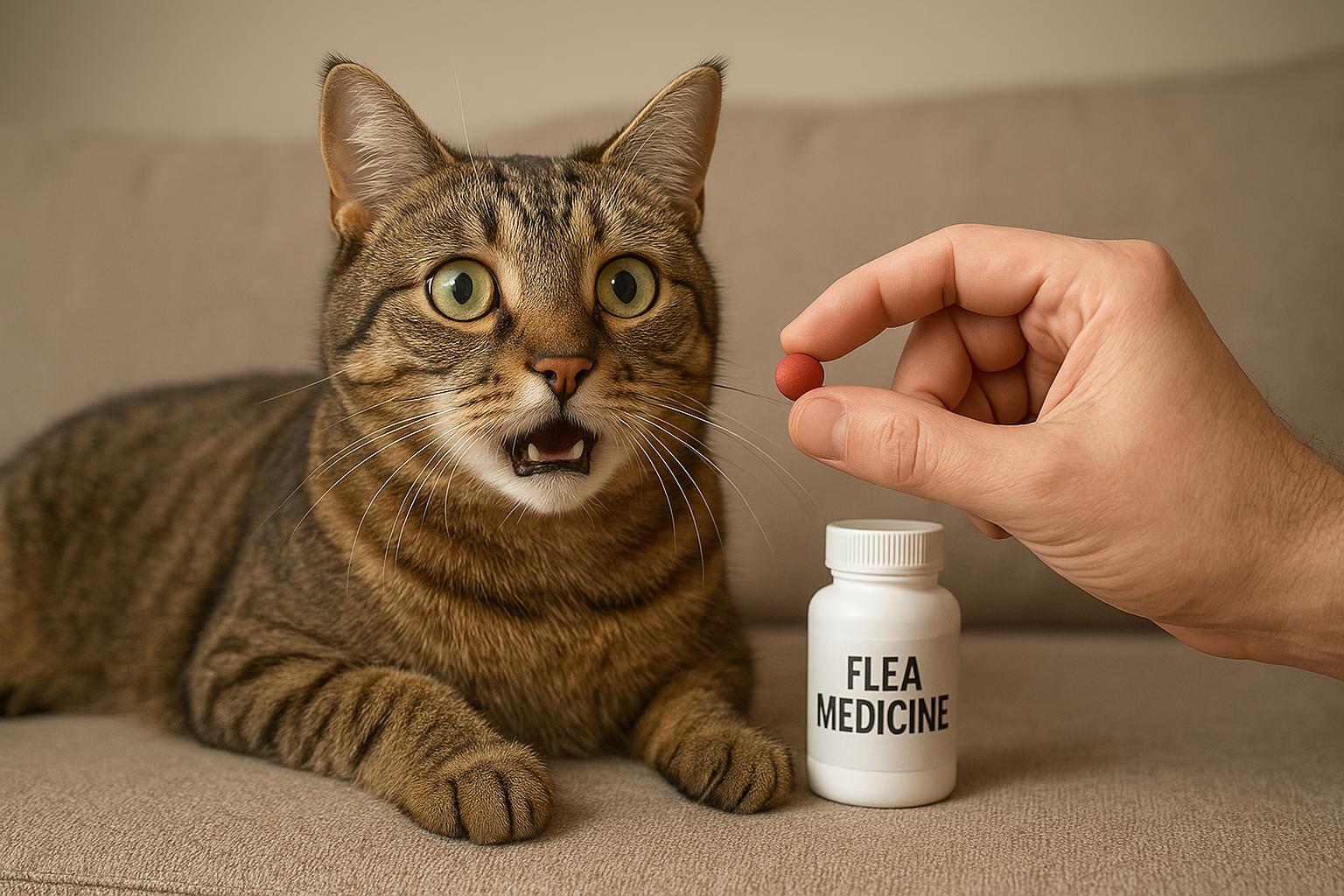
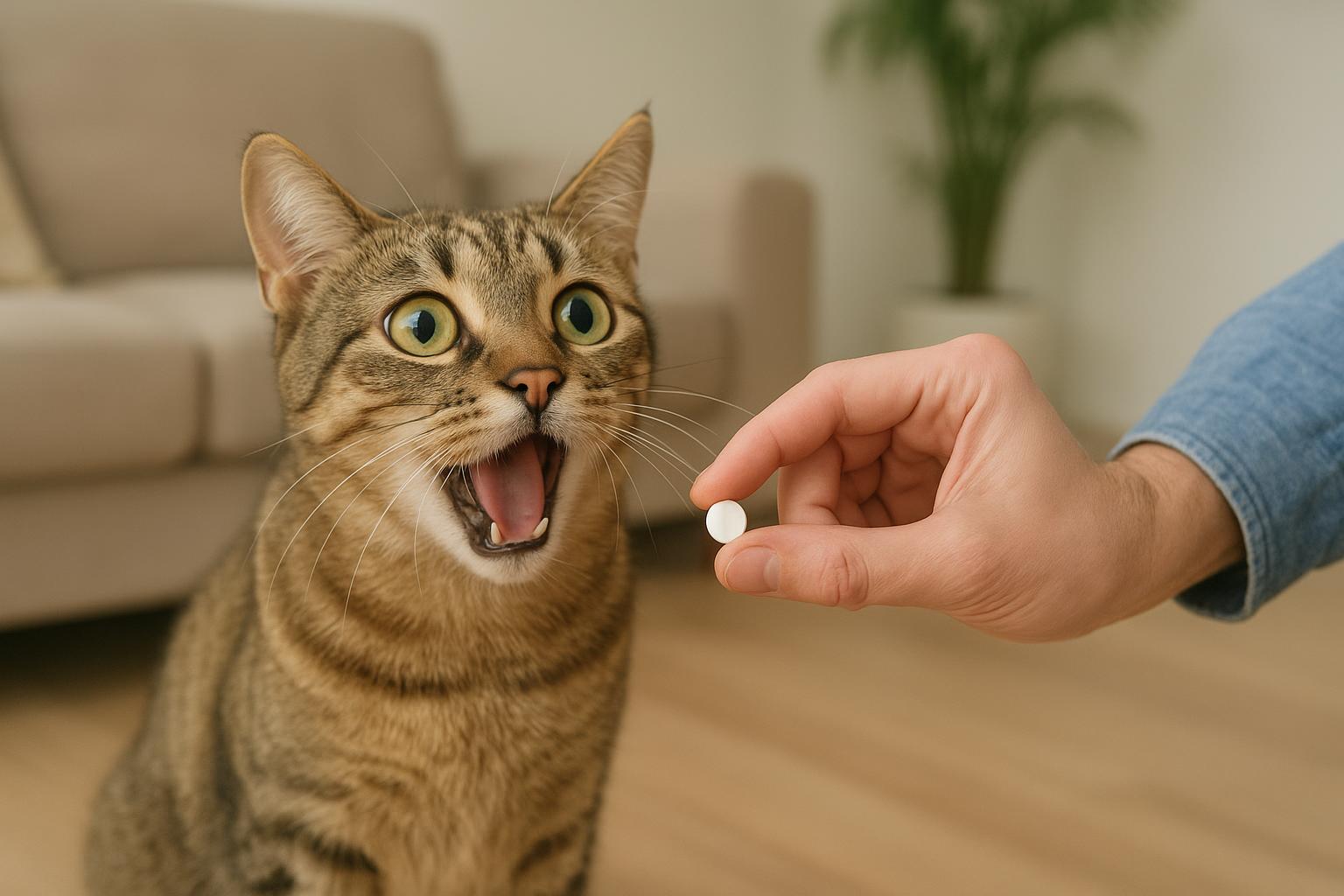
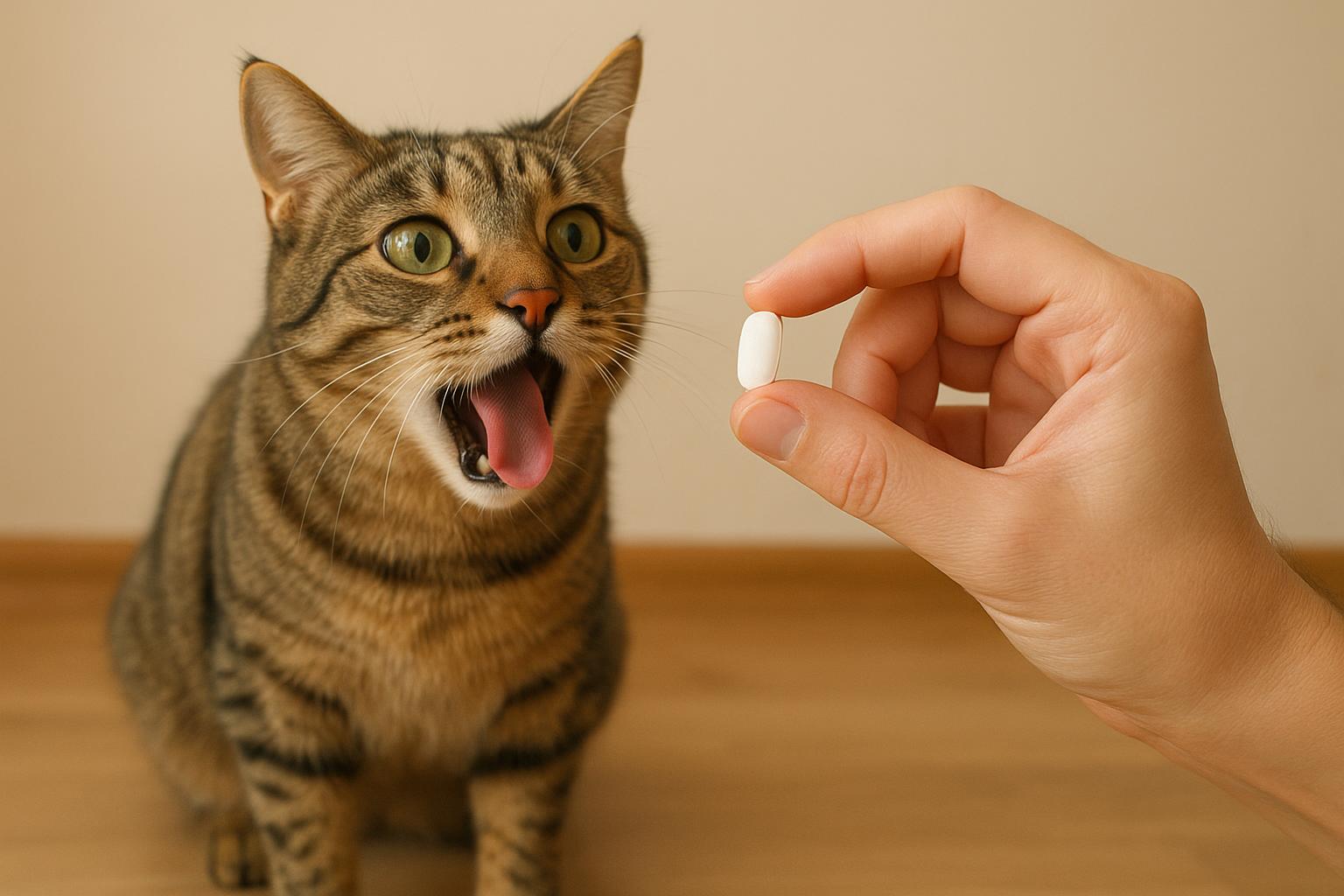
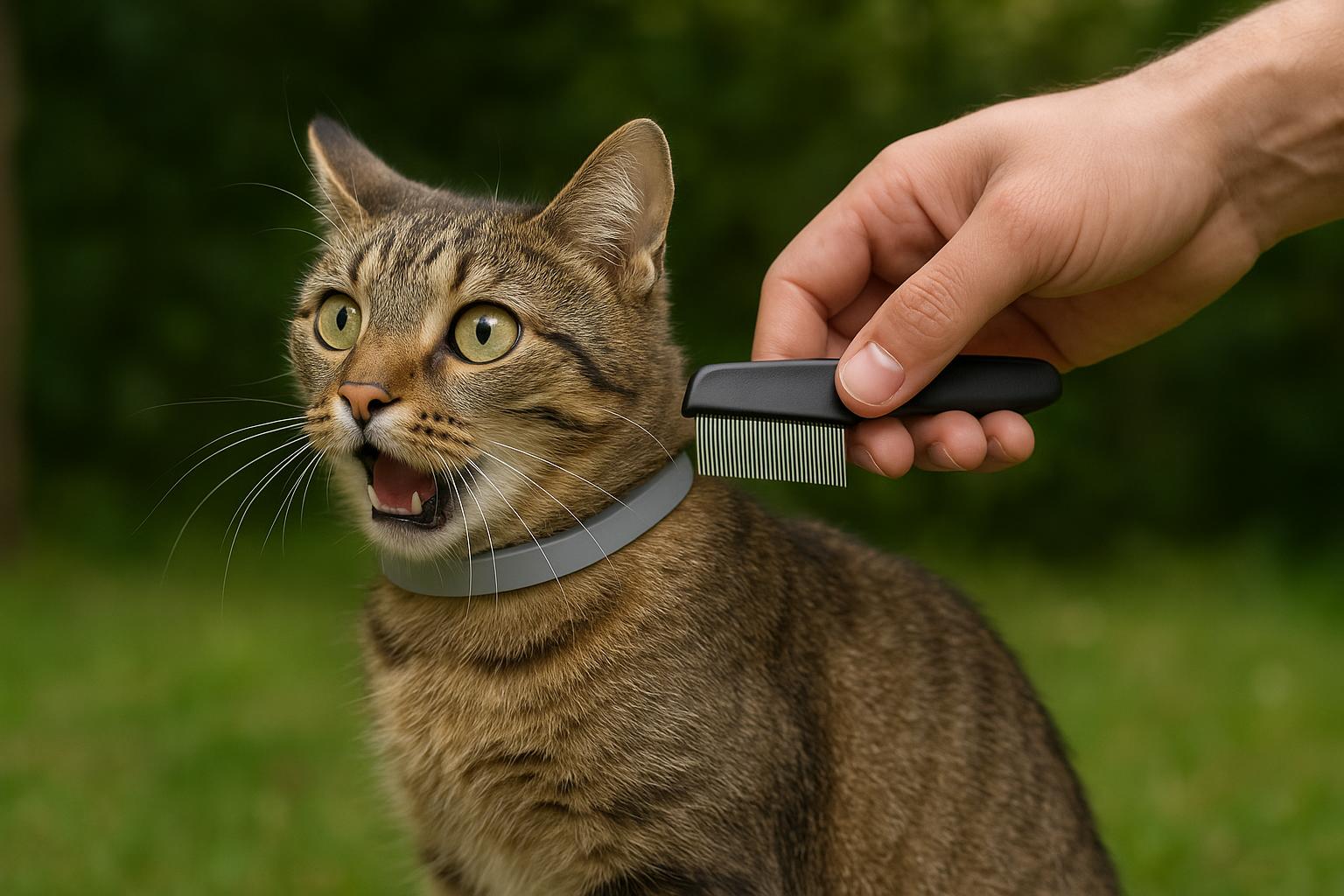
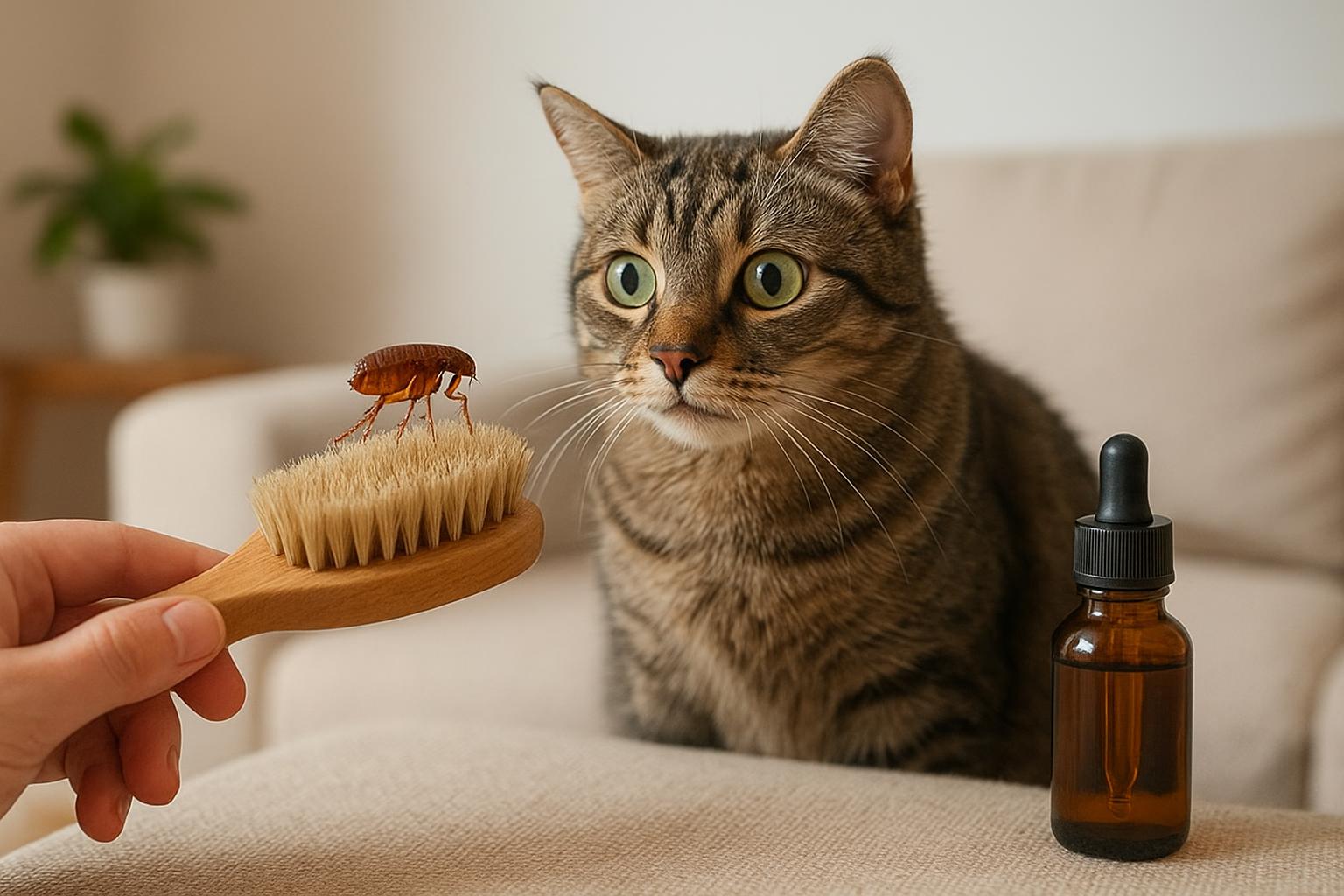
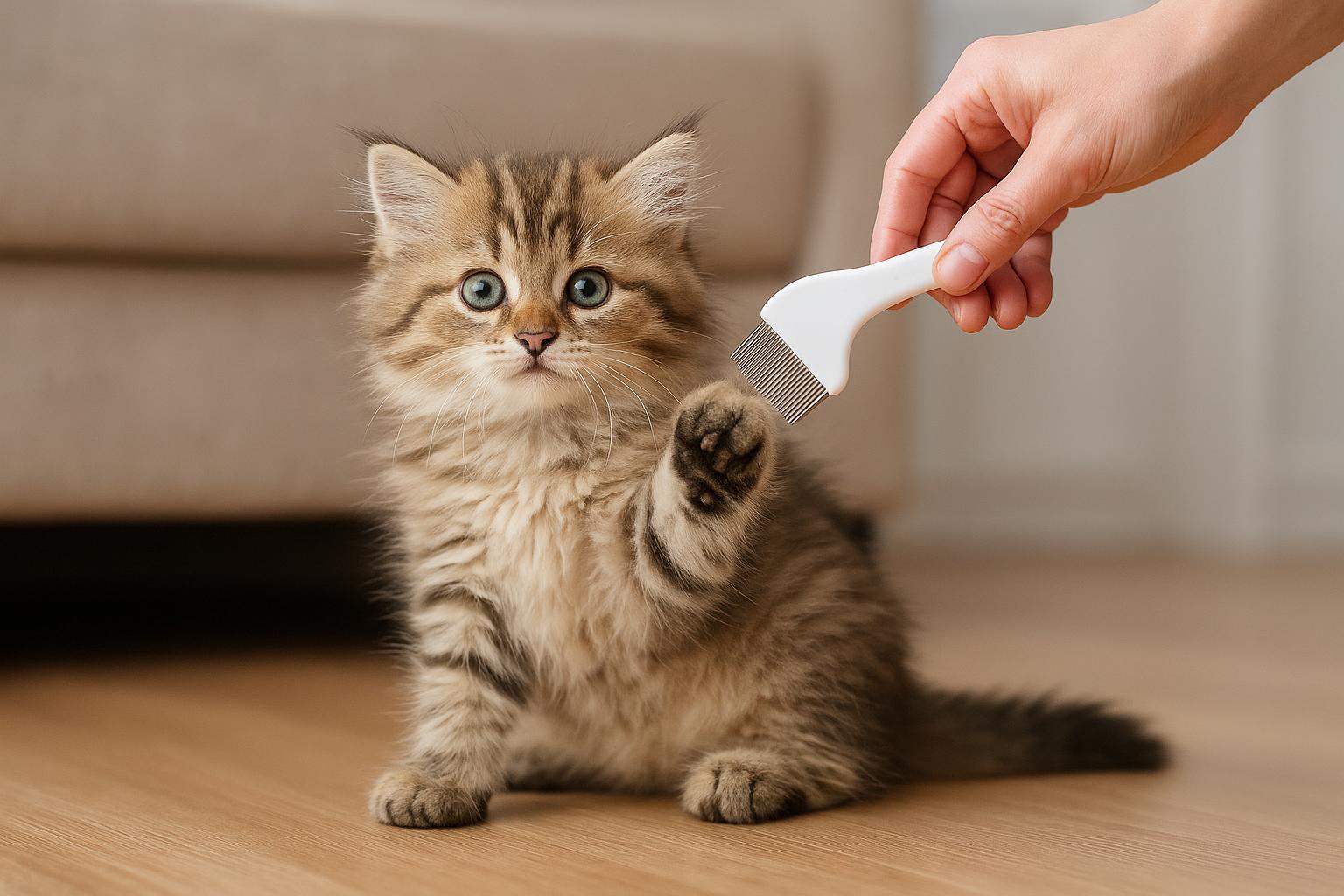
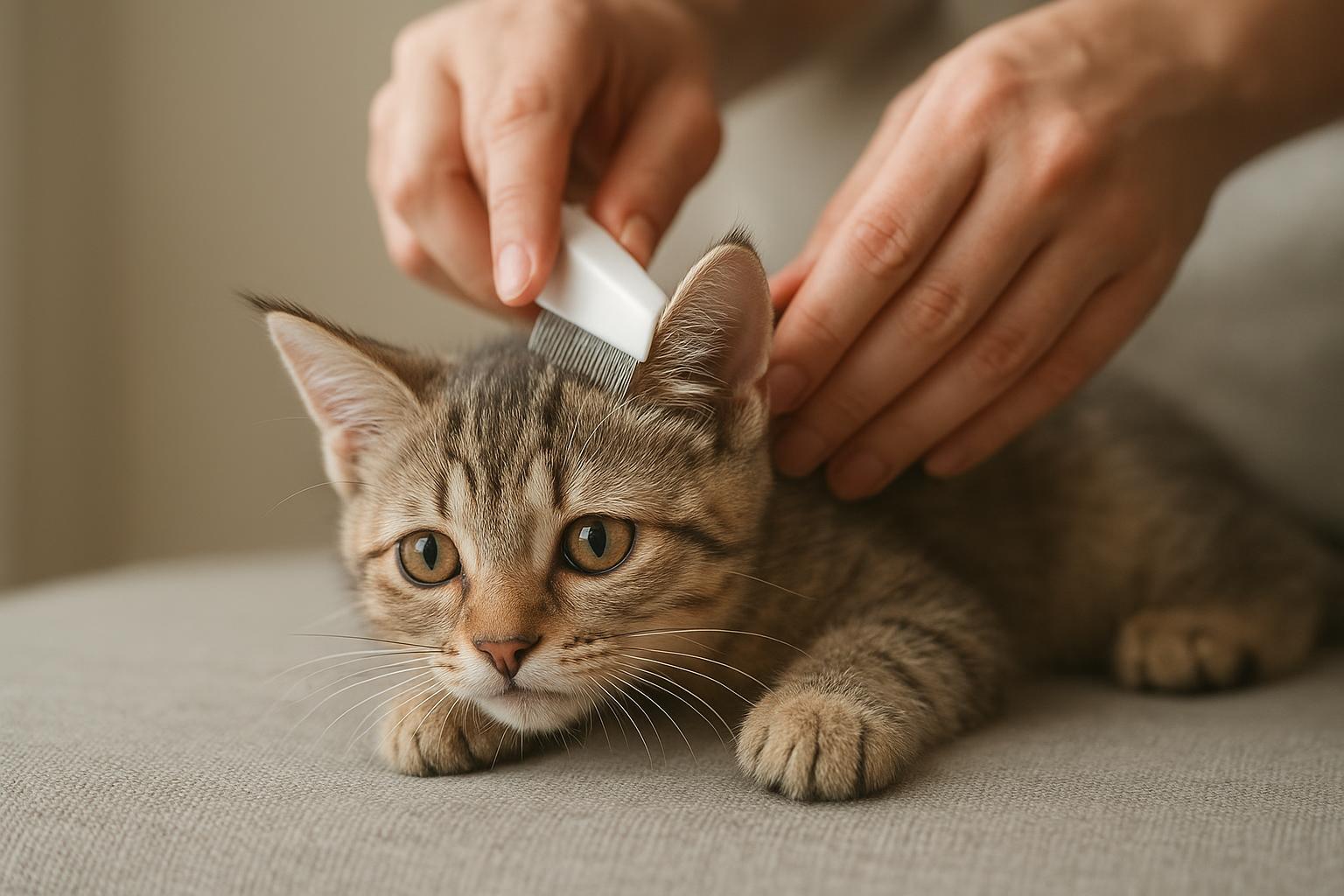
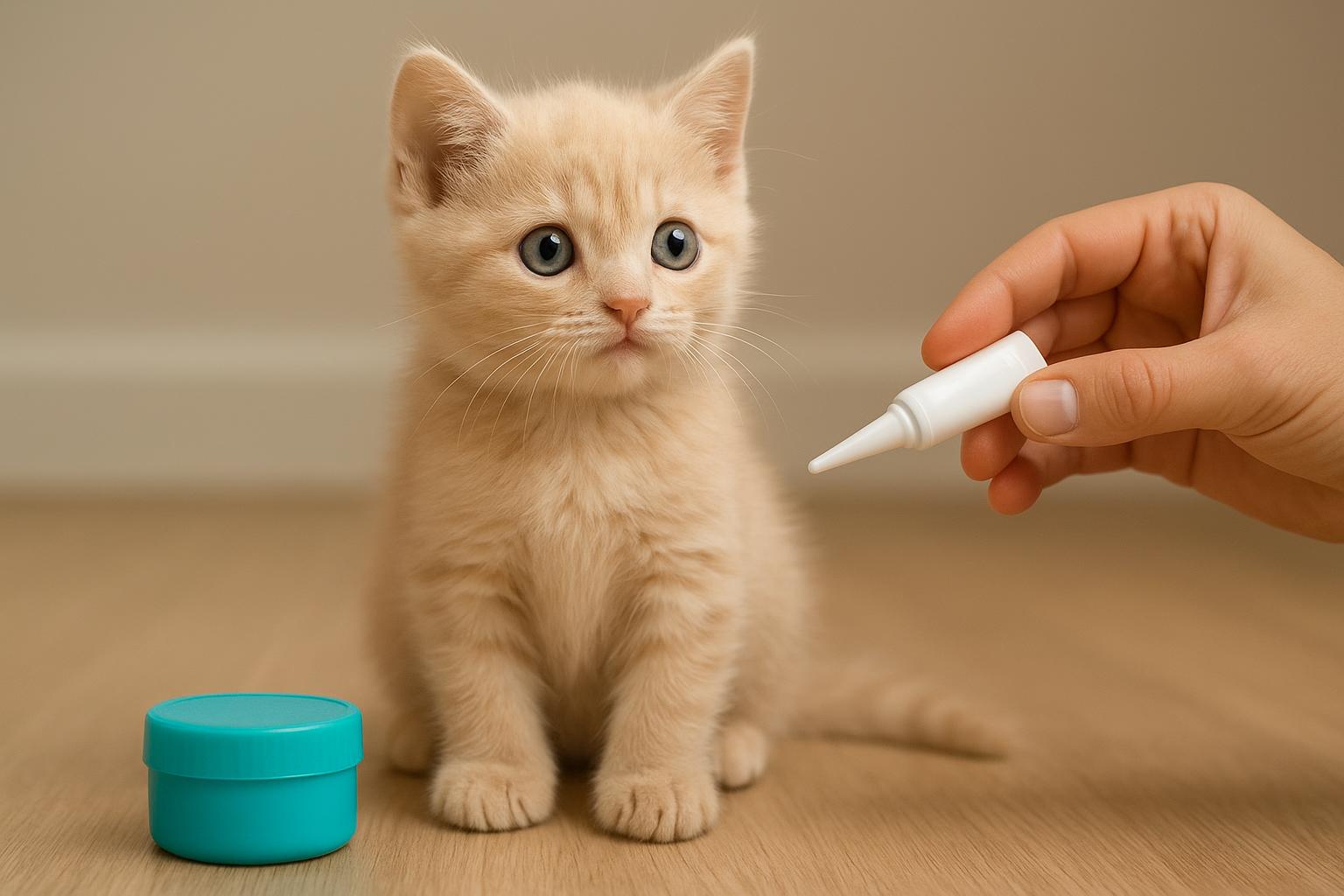
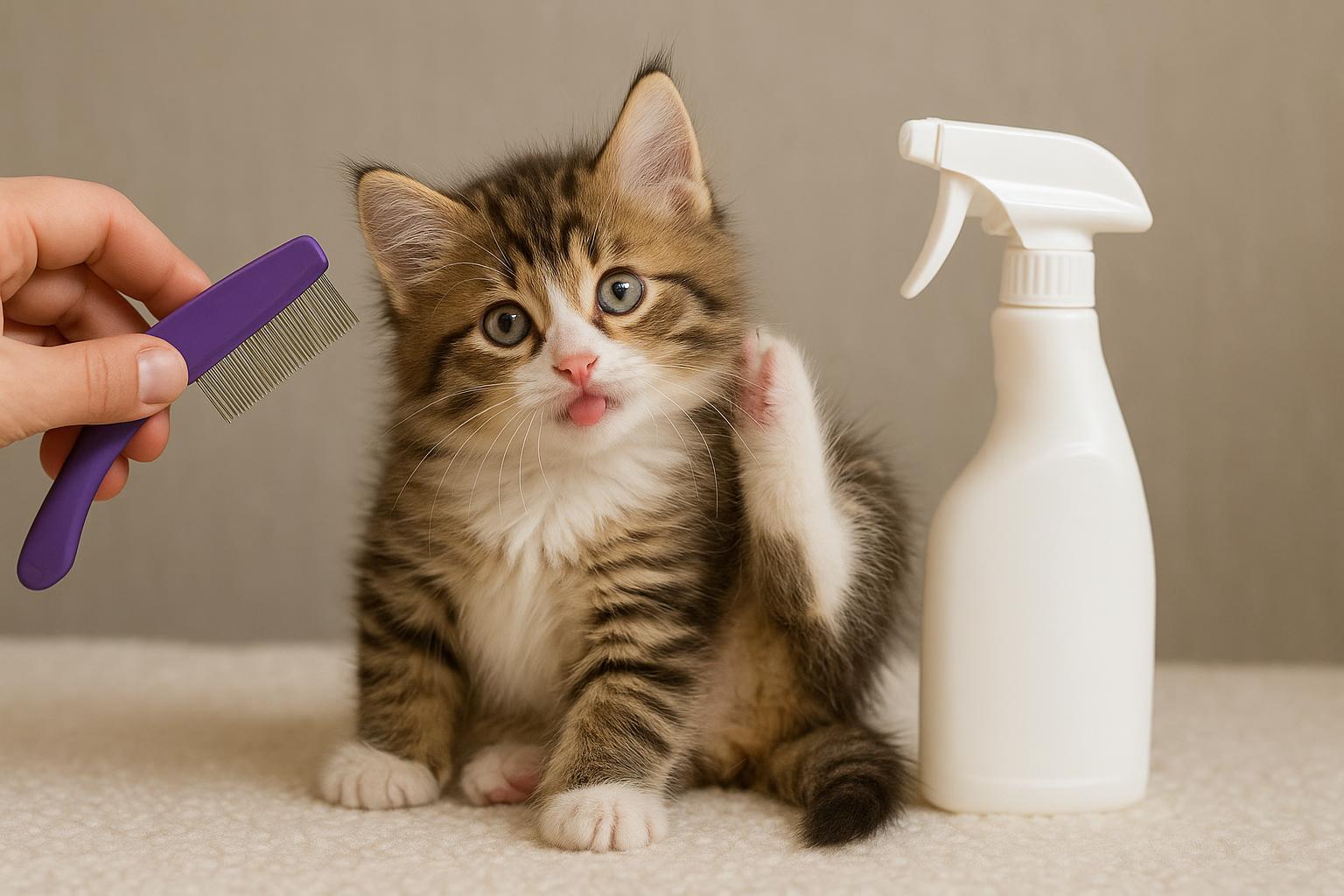
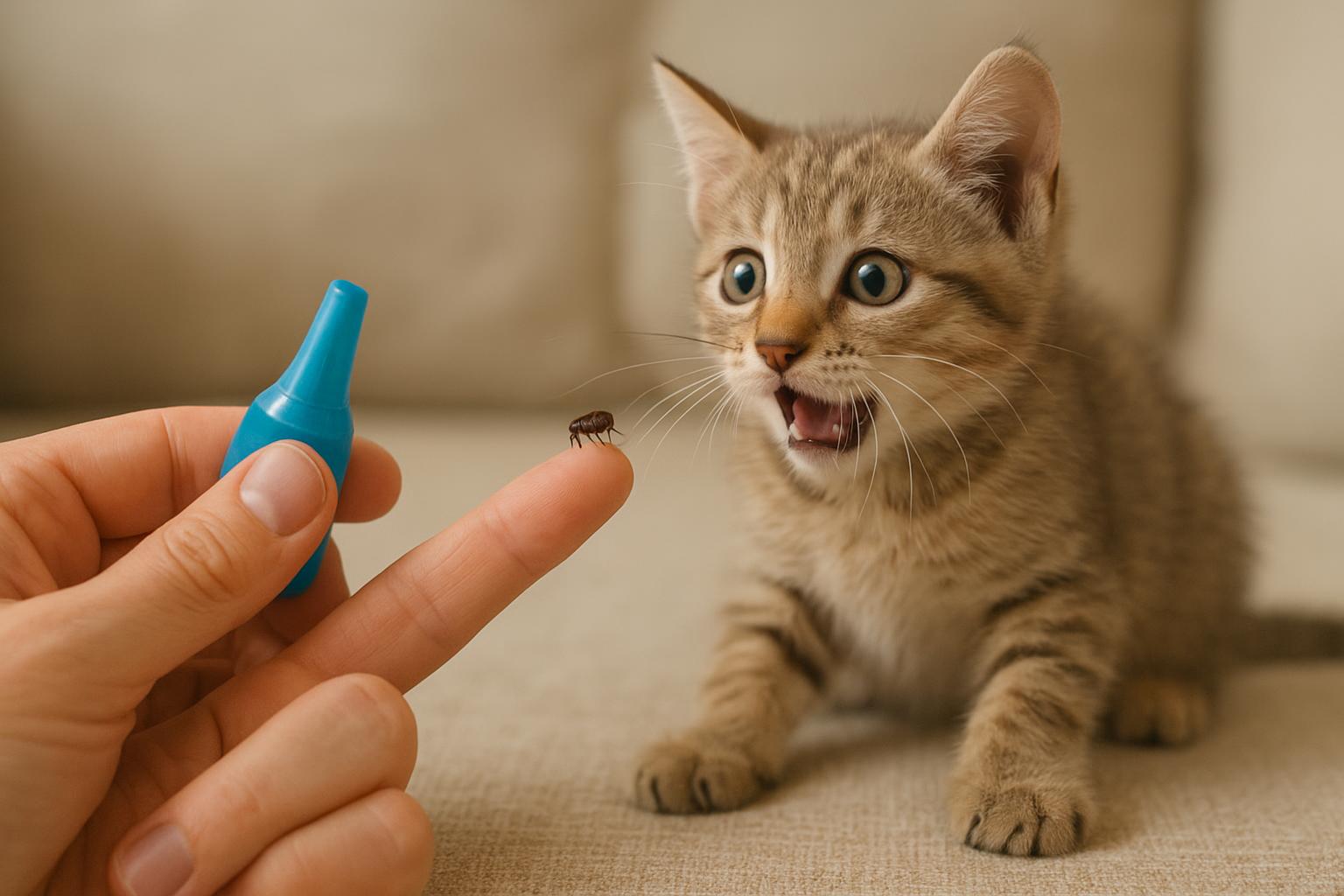
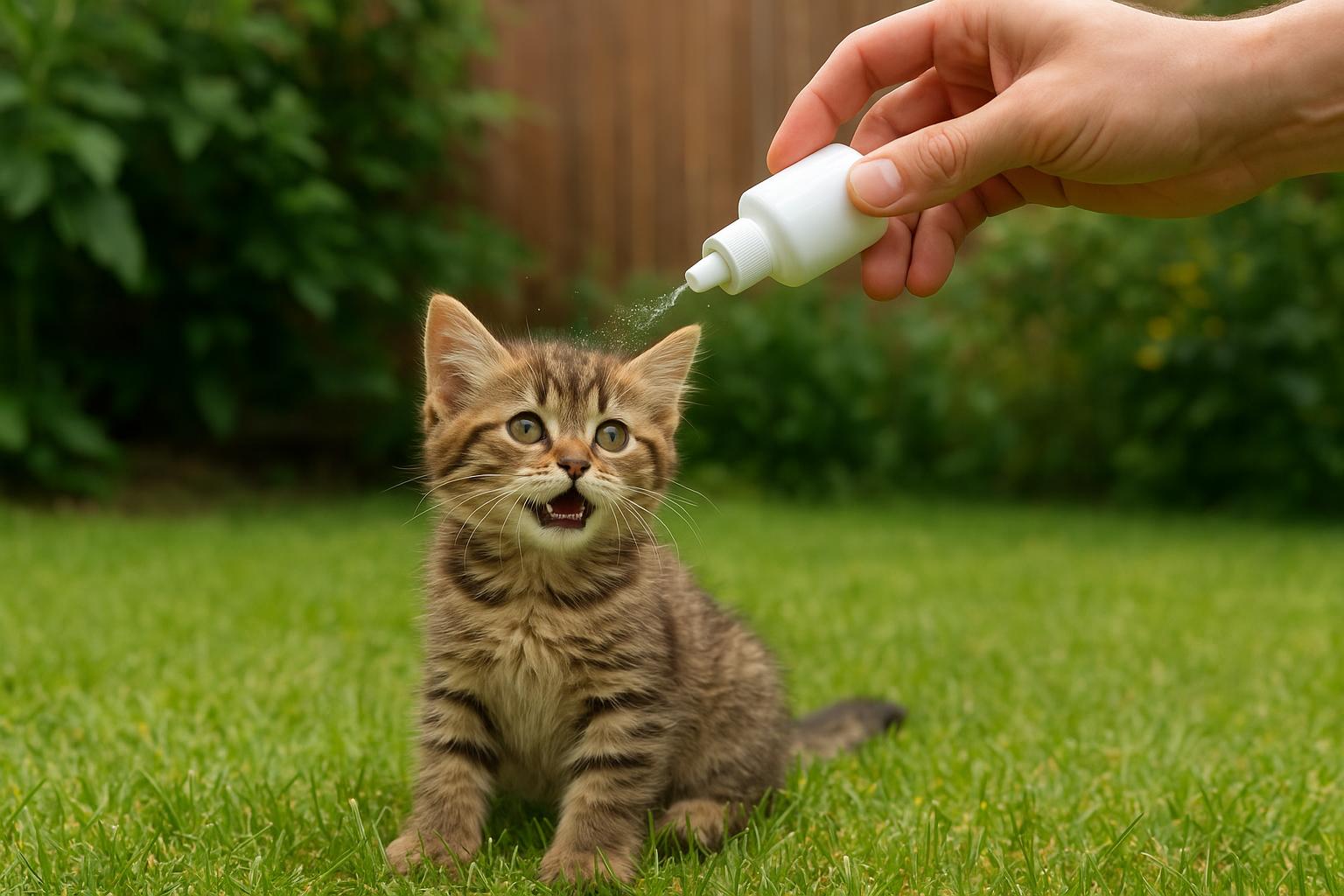
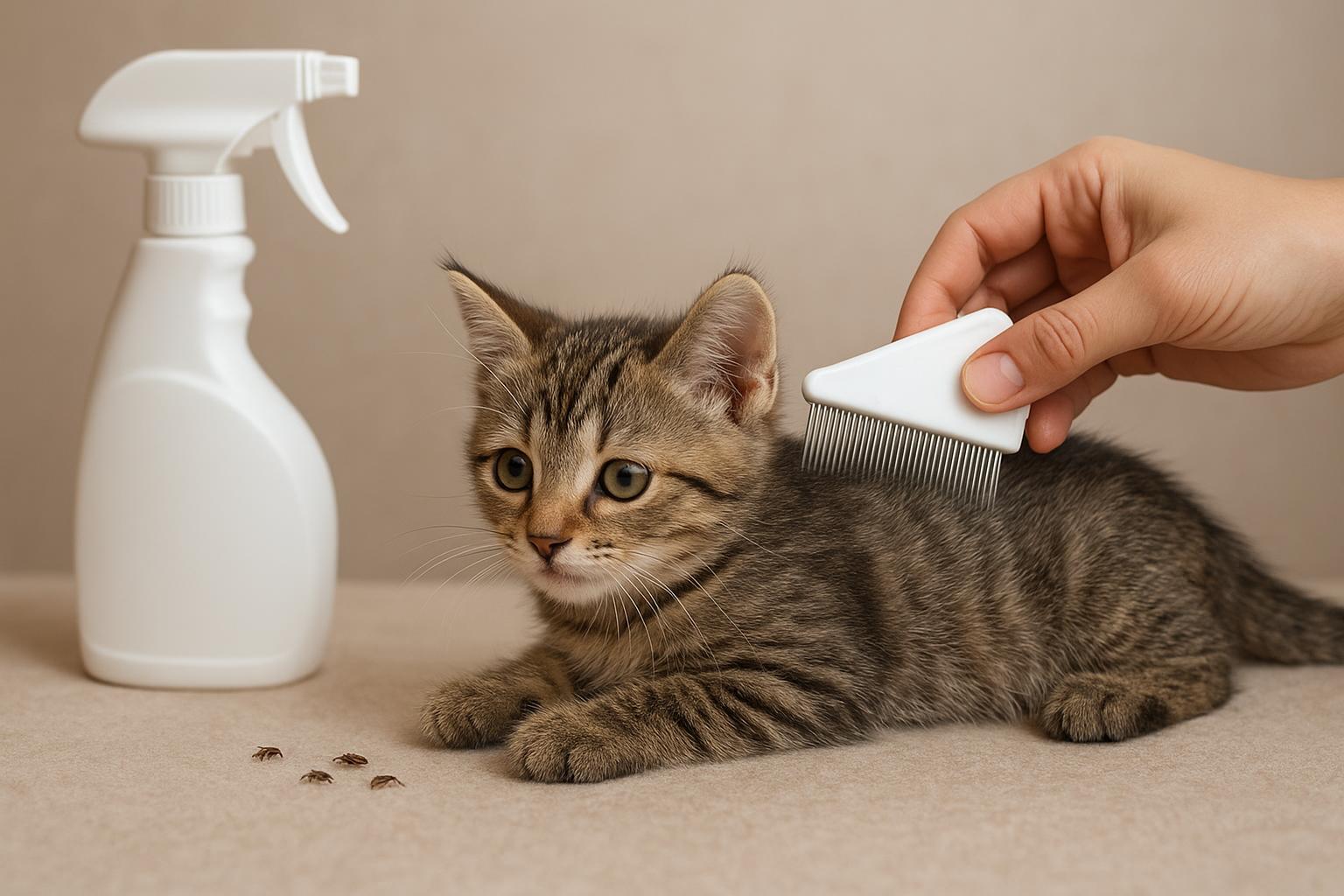
Give pets vet-approved flea treatment. Topicals and oral agents have changed a lot in the last decade—products that work within hours are common. If you’ve never used one, talk to your vet about the safest option for your pet’s age and weight. While you’re at it, use a fine-toothed flea comb every day for a week. Comb into a bowl of soapy water so the fleas drown. If you find a lot, that’s a sign you need a more aggressive household plan.
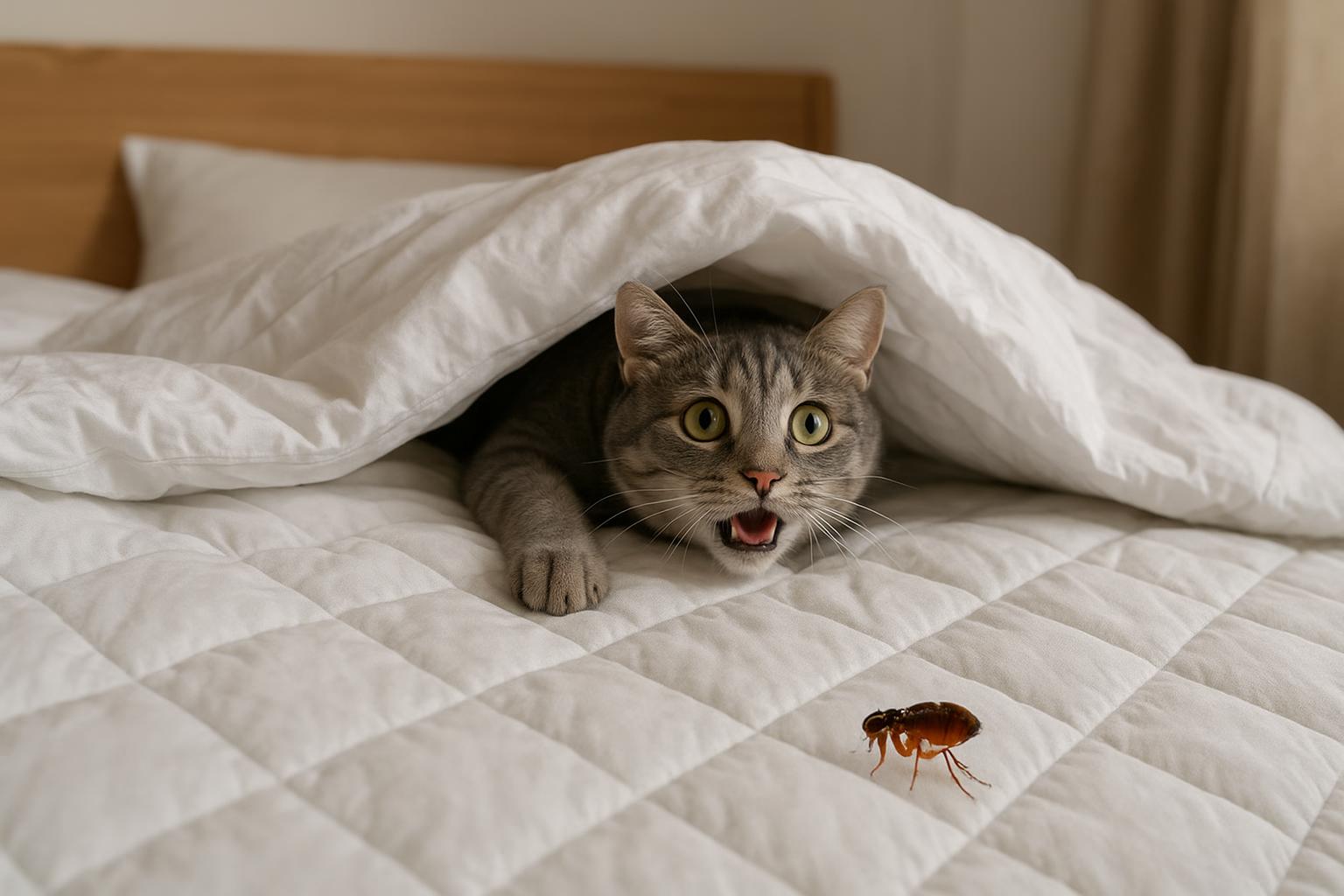
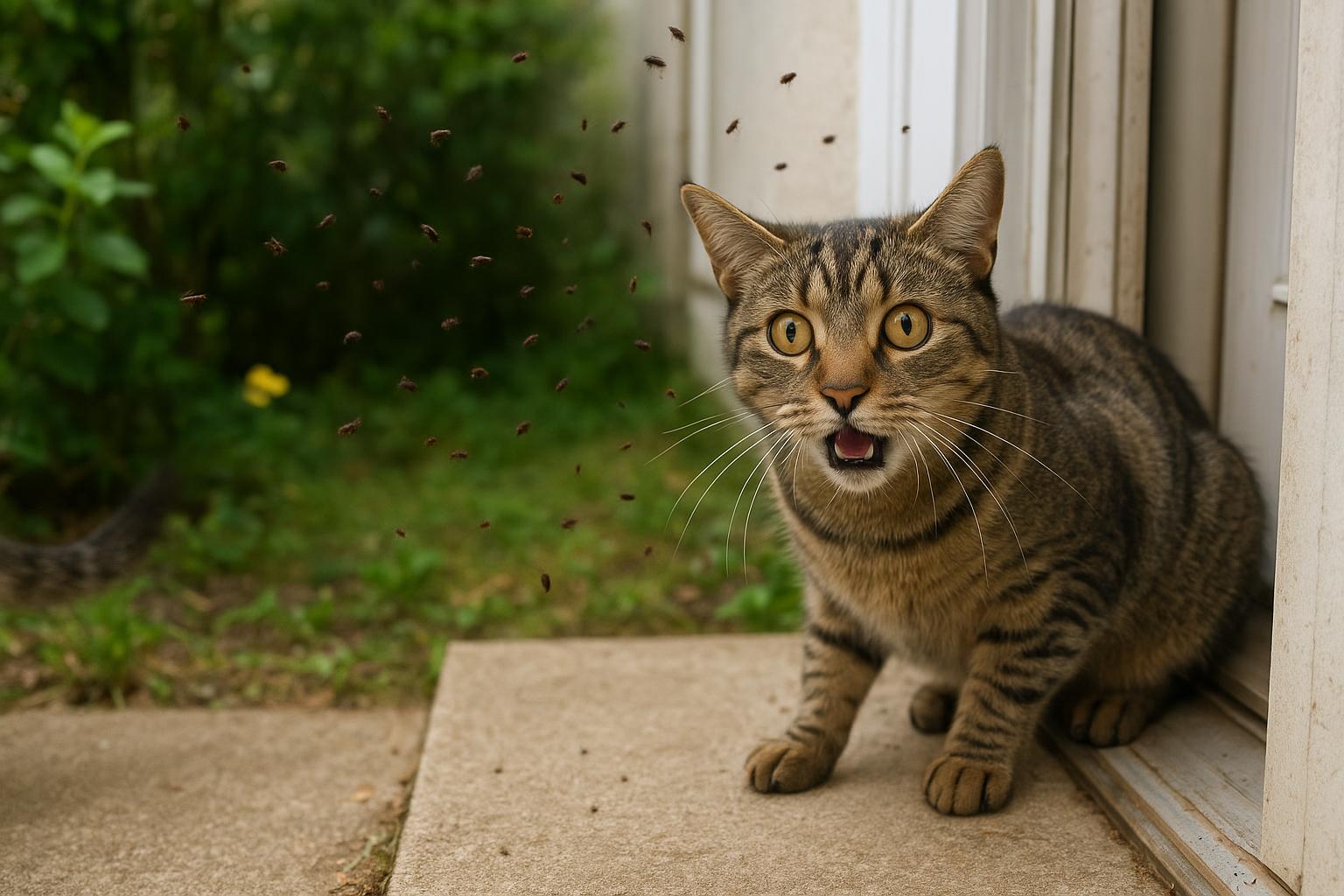
If you have multiple animals, treat all of them at once. Don’t assume indoor cats won’t pick up fleas; house fleas don’t care where they came from.
#### Flea Comb And Bathing Tips
A thorough combing session takes patience. Start at the neck and move back. Hold the comb against the skin so you remove adults and eggs, not just the dead ones on the fur tips. Use lukewarm water and a mild pet shampoo if you bathe. Some pets hate baths—do what they tolerate while still being effective.
### Clean The Home Thoroughly
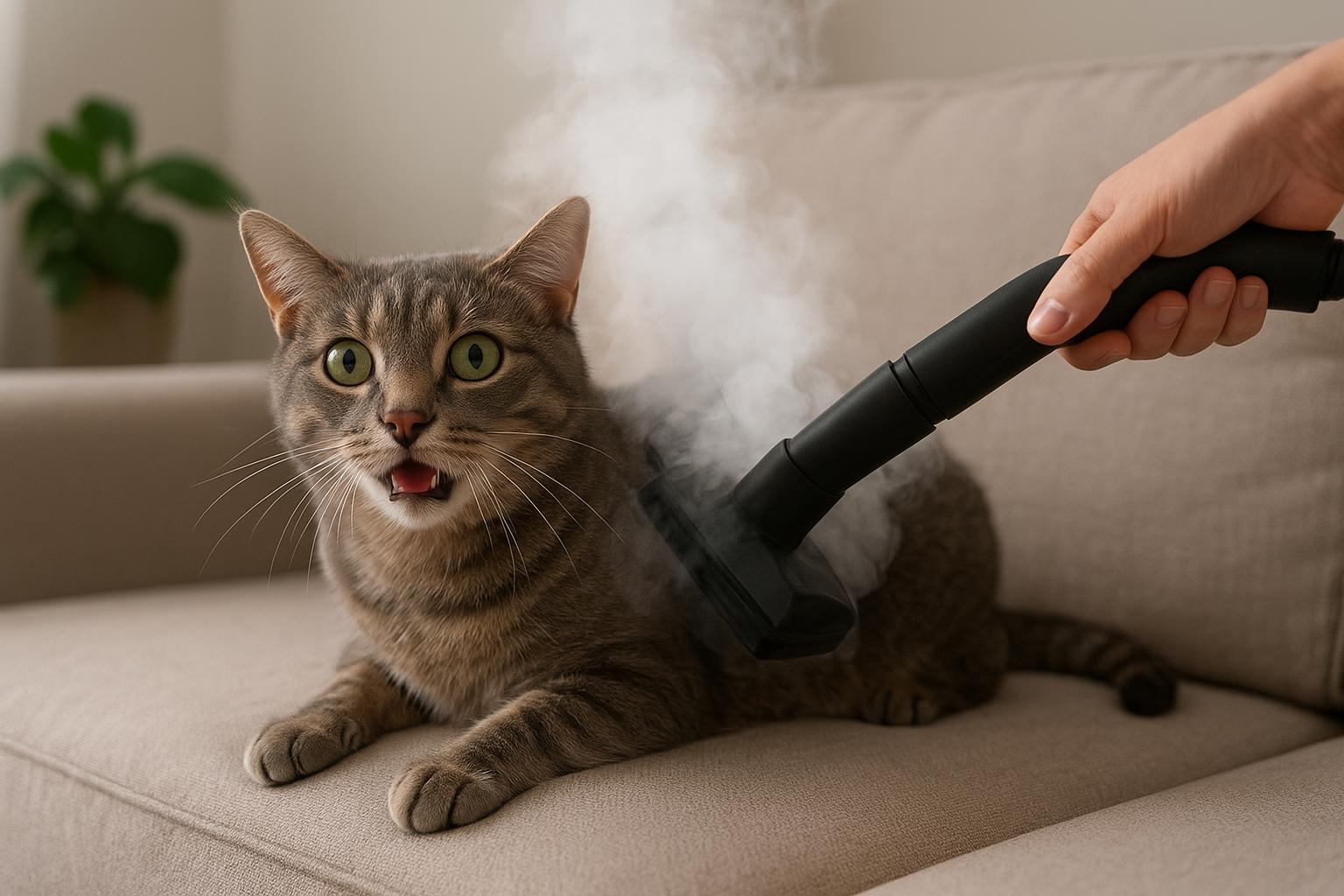
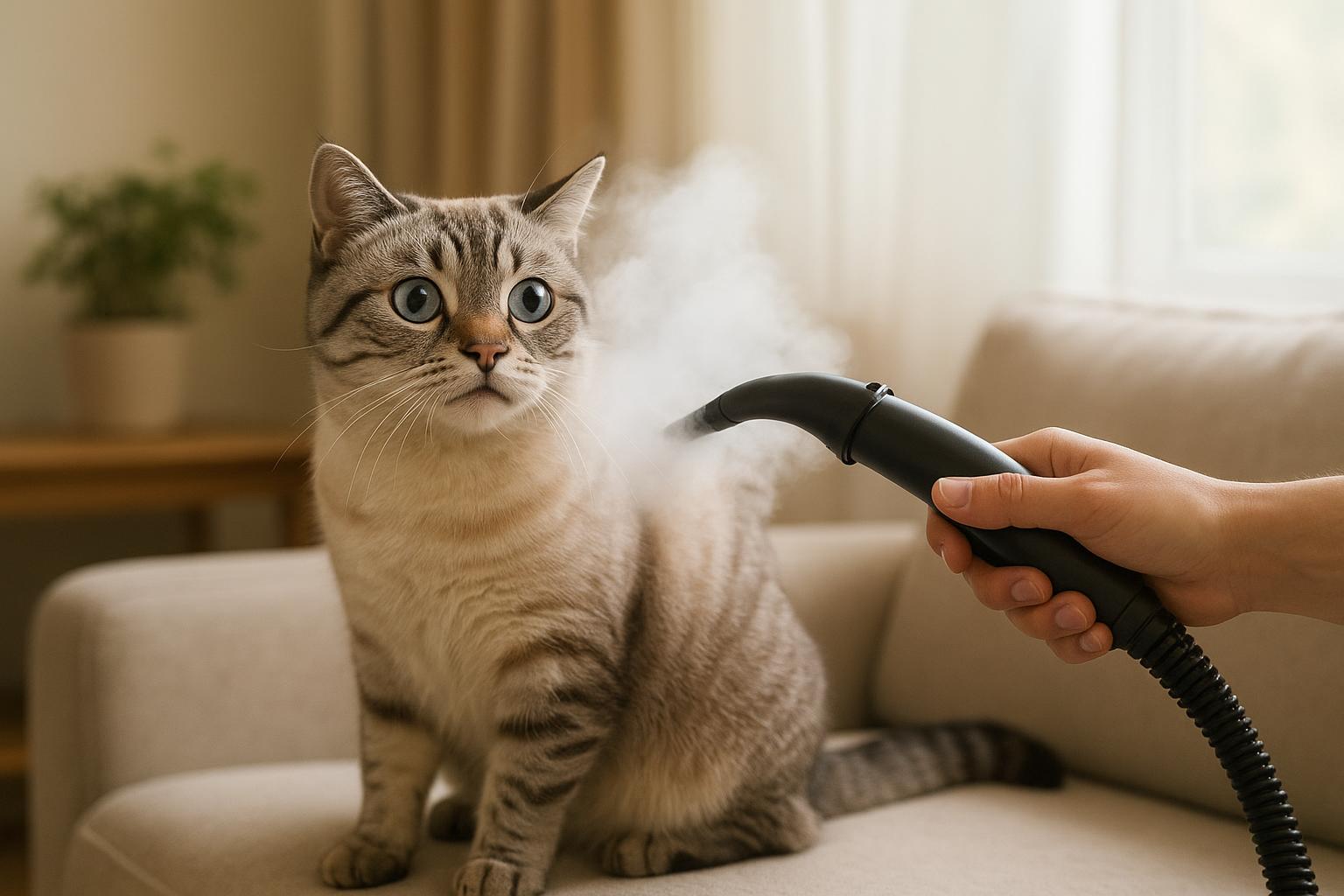
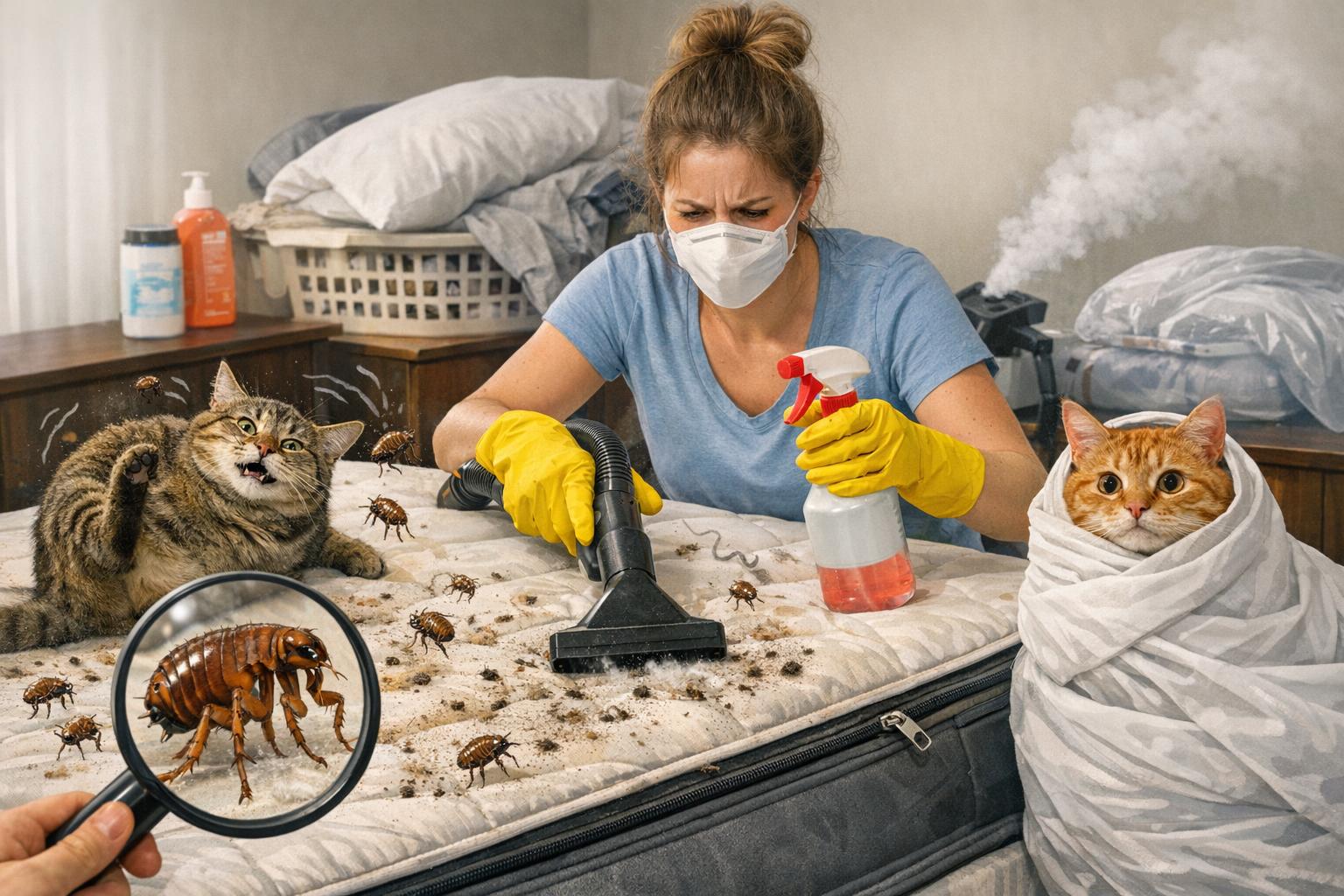
Cleaning is where most people fail. Vacuuming gets the adults, larvae, and some eggs, but it’s not a single-step fix. Focus on carpets, rugs, couches, baseboards, and any place your pet naps. Remove cushions and vacuum under them. When you’re done, seal the bag or empty the canister into a sealed trash bag and take it outside immediately. Fleas can survive inside a vacuum for a while.
Wash all bedding—pet and human—in hot water. Dry on high heat. Heat kills eggs and larvae. For items that can’t be washed, consider a hot dryer cycle or put them in a sealed plastic bag in the sun for a day.
If you want a simple daily plan: vacuum high-traffic and pet-frequented areas every day for two weeks, then every other day the third week. Repeat treatments are needed because flea eggs can hatch after your first cleaning.
#### Vacuuming Technique
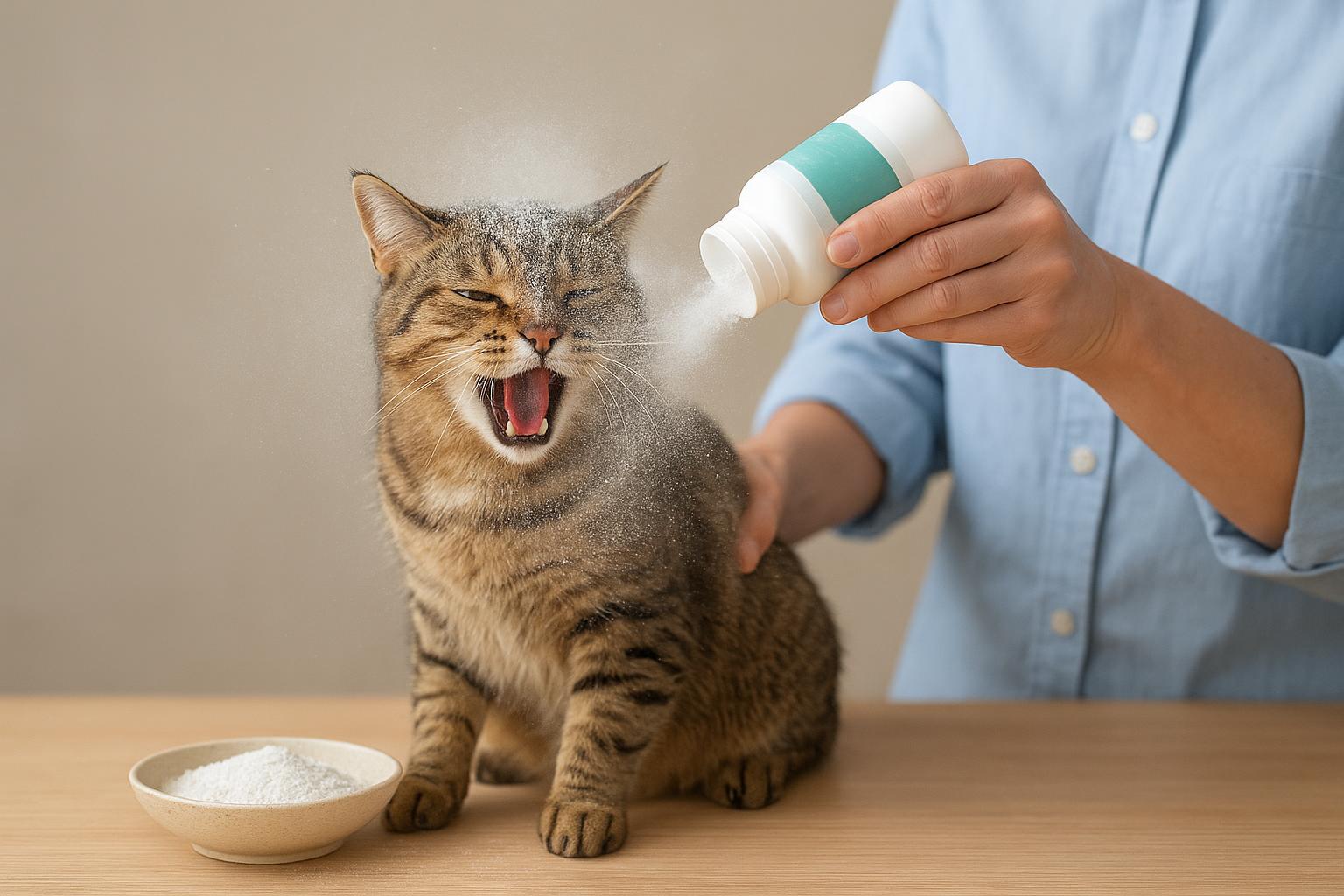
Vacuum slowly. Go over each area multiple times, especially along baseboards and under furniture. Move cushions, vacuum seams and folds. If your vacuum has a brush setting for carpets, use it. To reduce reinfestation, sprinkle baking soda or a light dusting of diatomaceous earth first in corners, let sit an hour, then vacuum—this helps dehydrate immature fleas. Use food-grade diatomaceous earth only, and avoid breathing dust.
### Targeted Household Treatments
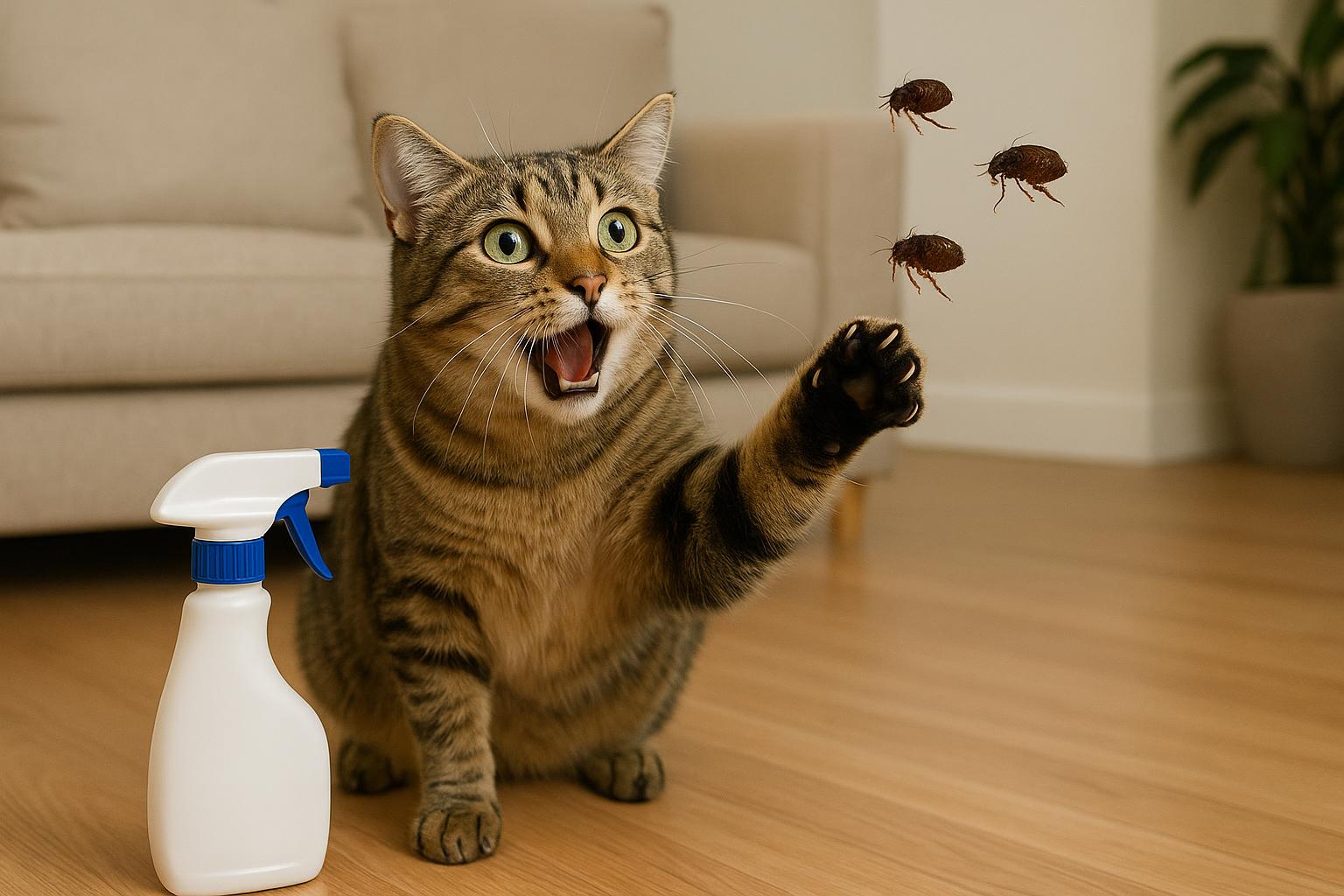
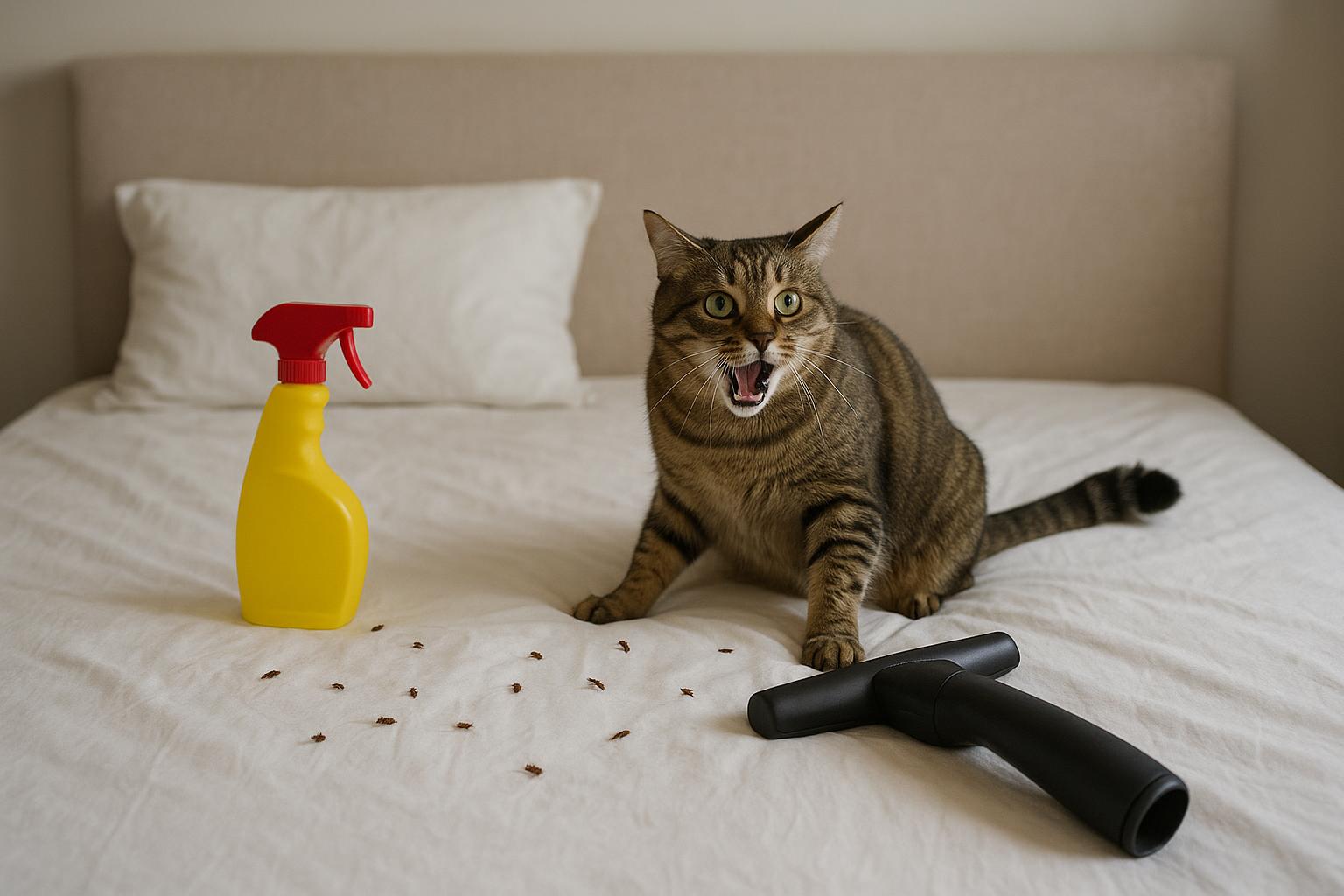
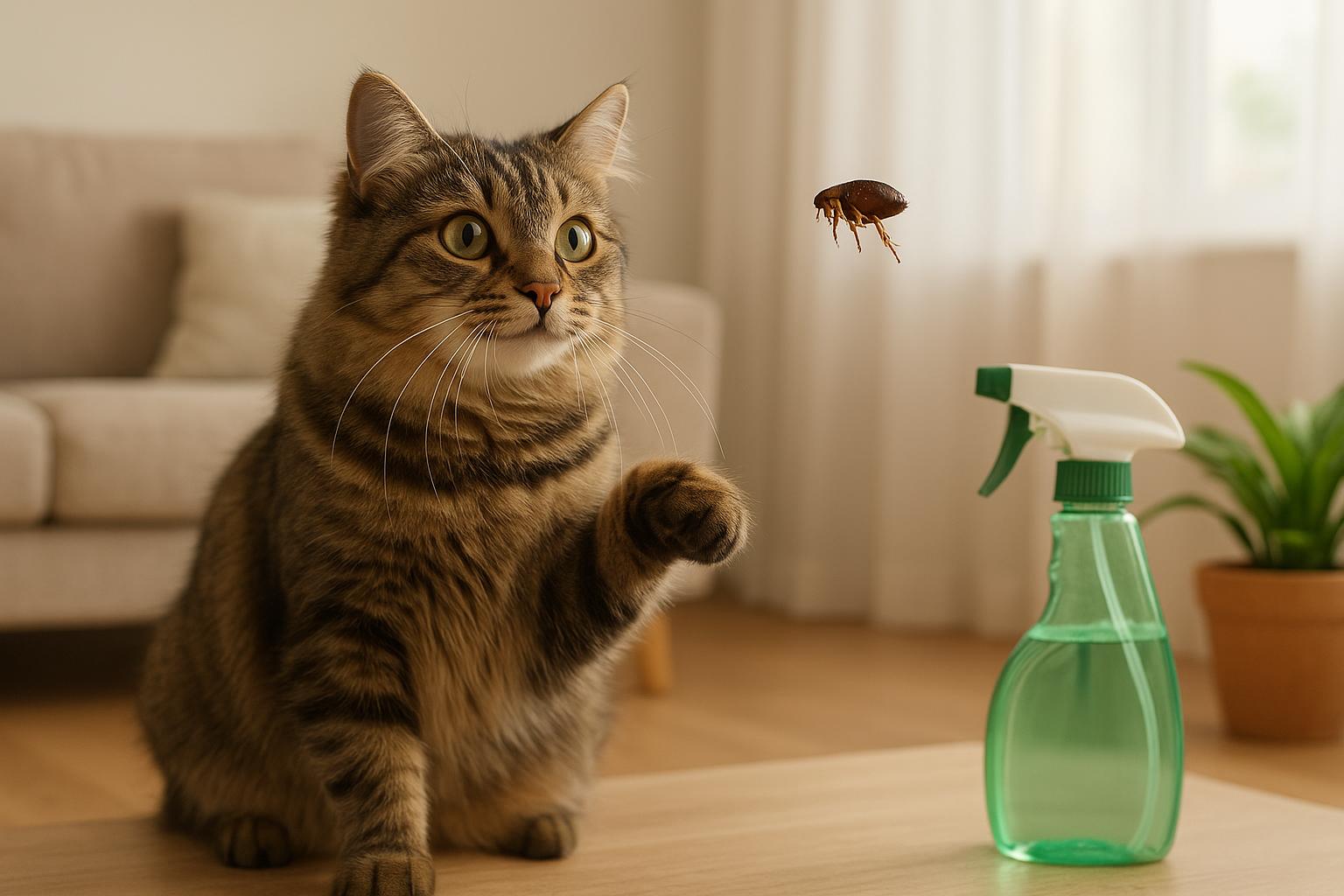
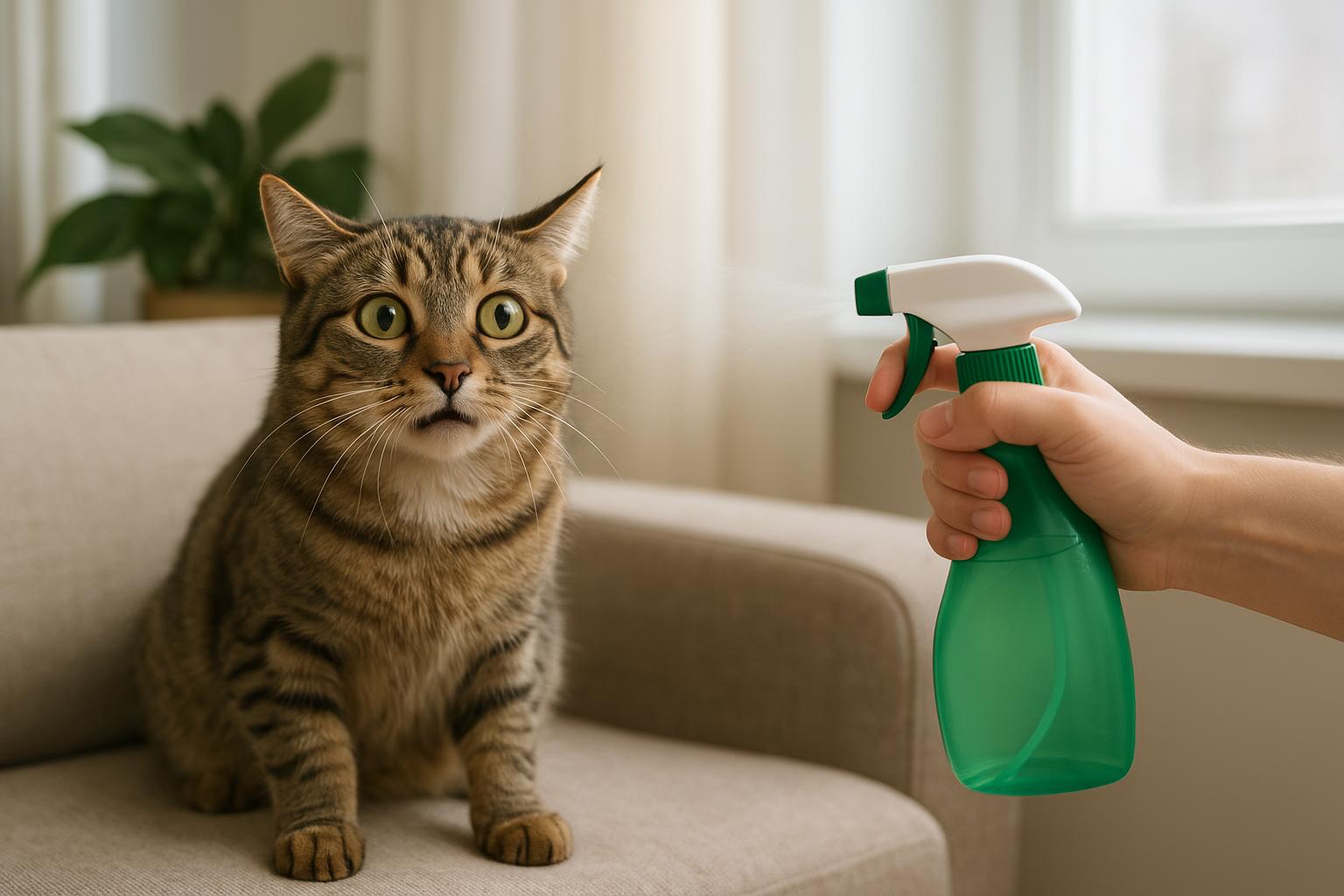
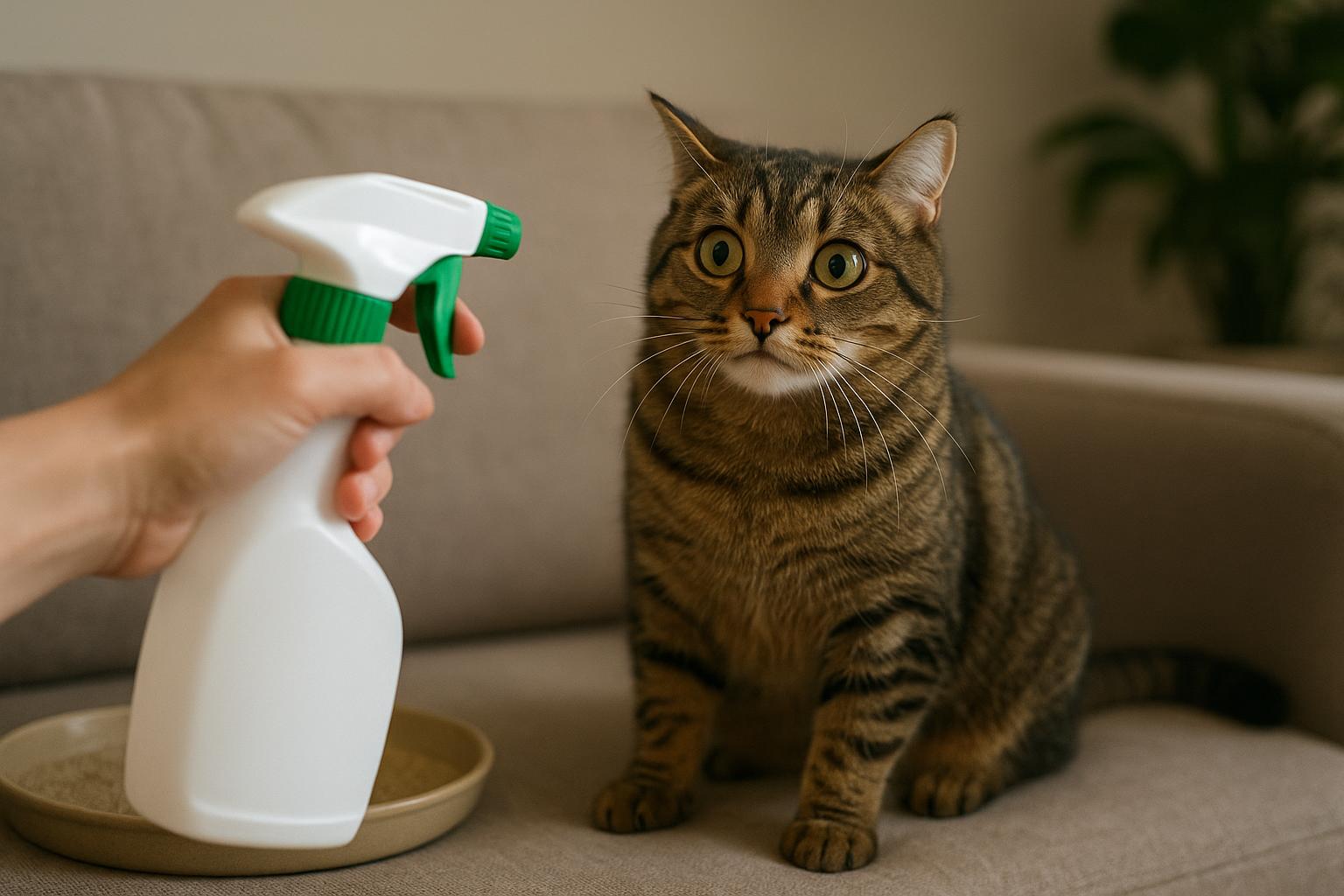
For moderate infestations, household sprays and powders can supplement cleaning. Look for products labeled for indoor flea control and follow label directions exactly—overuse can be harmful to kids and pets. Some safe options:
– Insect growth regulators (IGRs) stop eggs and larvae from maturing and are good for long-term control.
– Spot sprays for carpets and furniture aimed at fleas.
– Non-chemical approaches like traps: a shallow bowl of soapy water under a light at night will attract and trap adult fleas.
If you prefer minimal chemicals, combine rigorous cleaning with boric acid or diatomaceous earth in localized spots; these work slowly and require good coverage. For delicate rugs or antique fabrics, test a small area first.
Use the phrase flea control indoors in product searches and when asking pest pros; they’ll know the right mix of IGRs and adulticides based on your home layout.
### Timing Matters
You’ll need to treat more than once. Fleas have a lifecycle that can stretch weeks. Many eggs are microscopic and tucked deep into fibers; they survive a single vacuum or wash. Plan to repeat pet treatments as recommended by the product—usually monthly—and continue the vacuum-and-wash schedule for at least three weeks. If you stop too soon, you’ll see the problem return.
### Outdoor Steps To Reduce Reinfestation
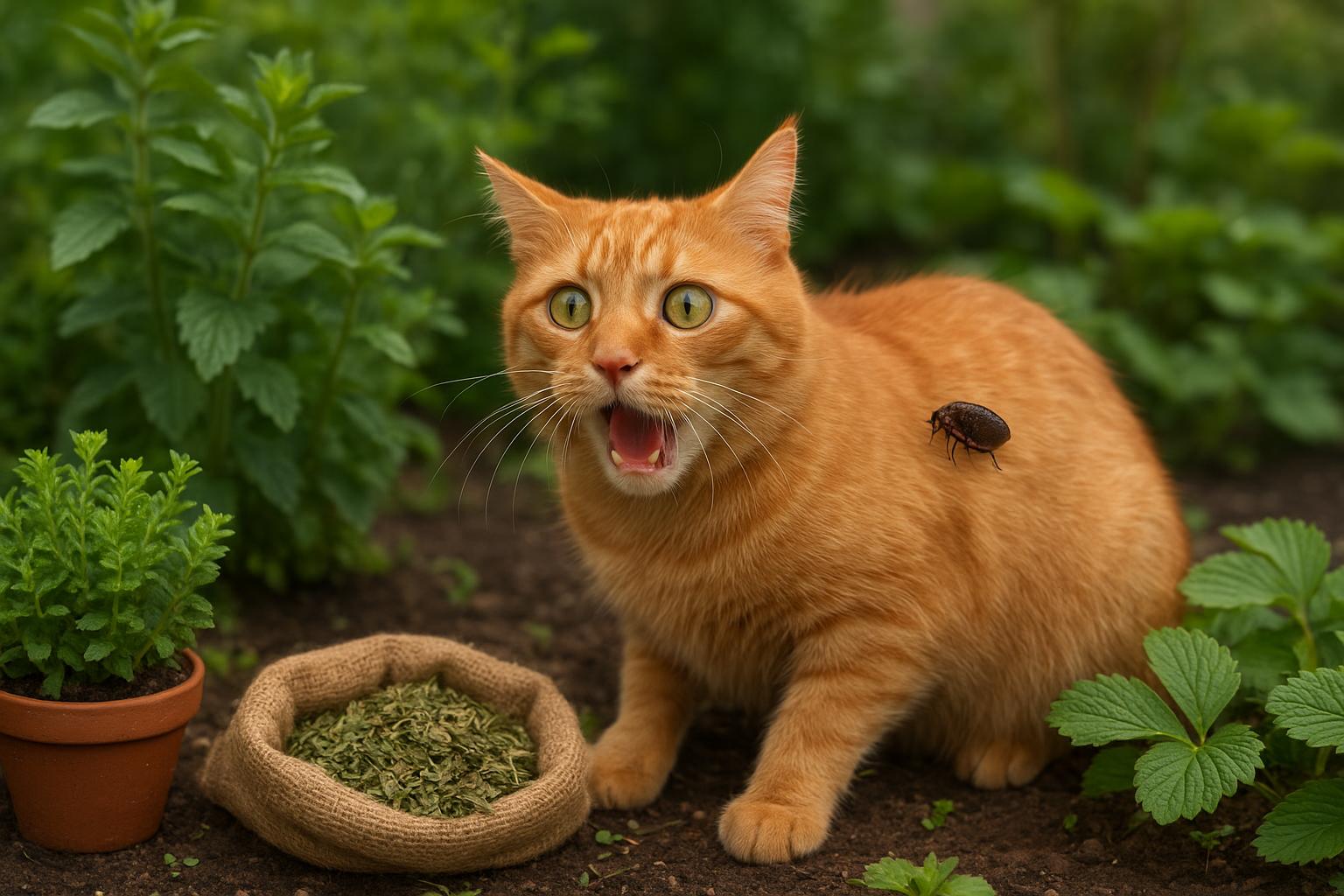
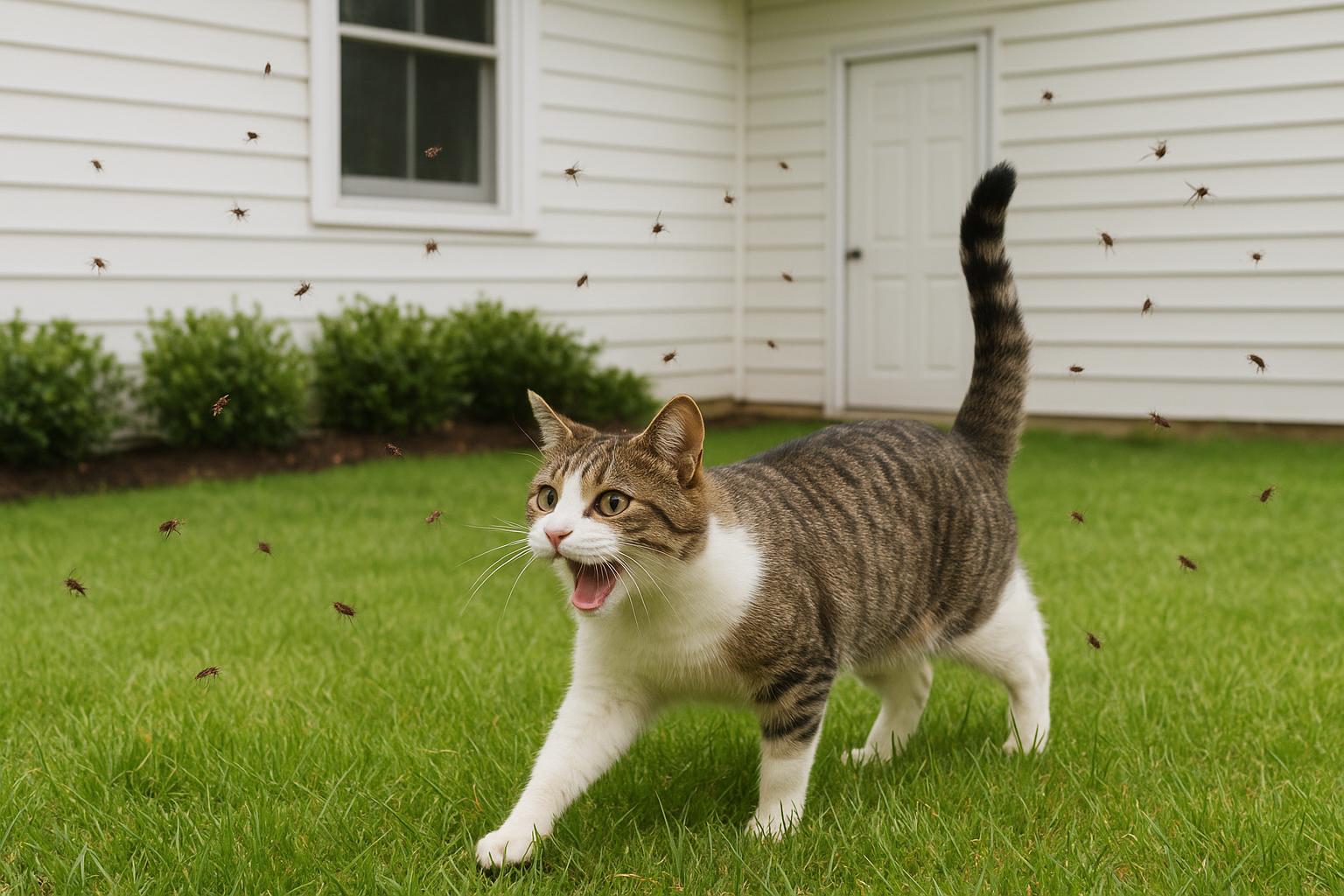
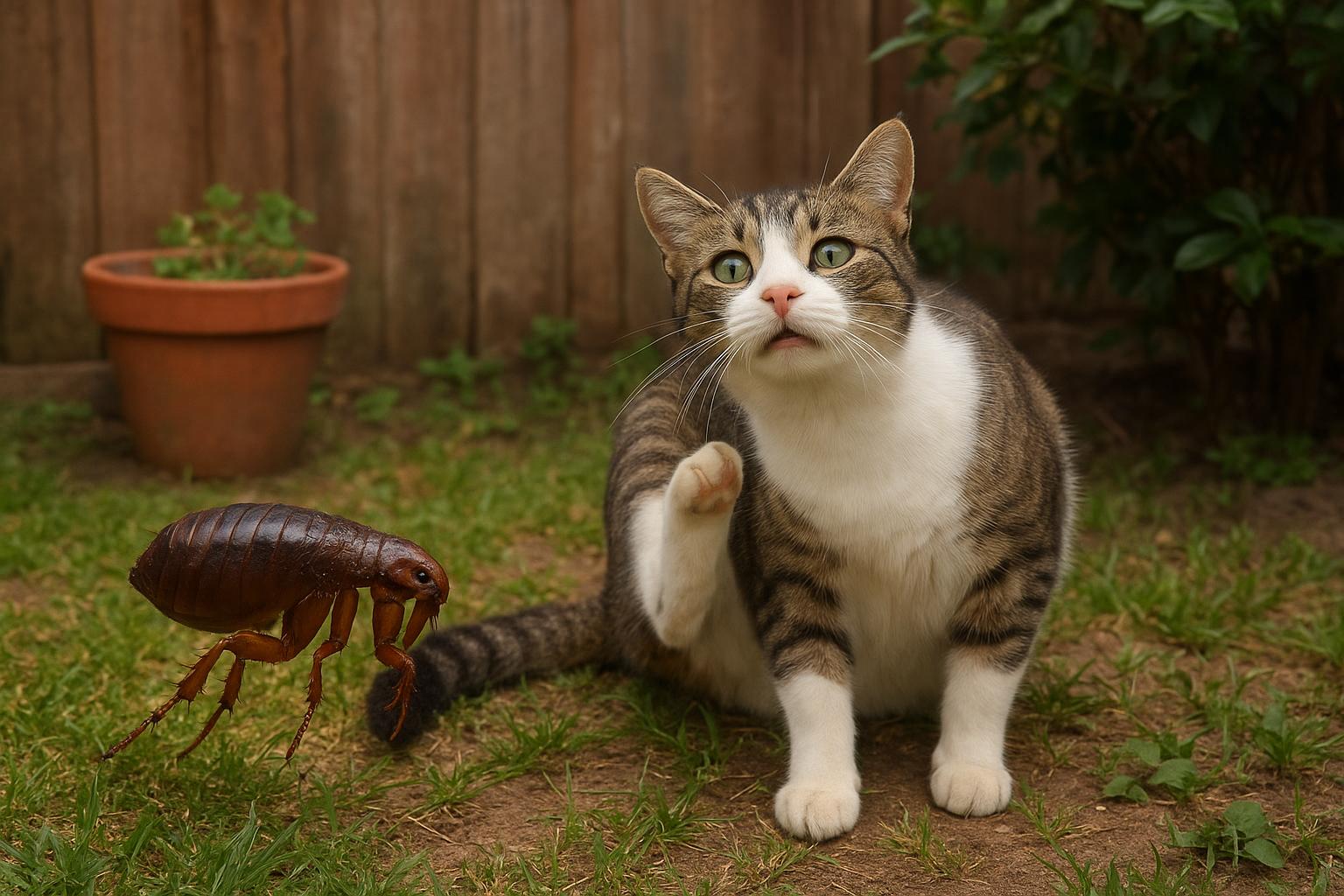
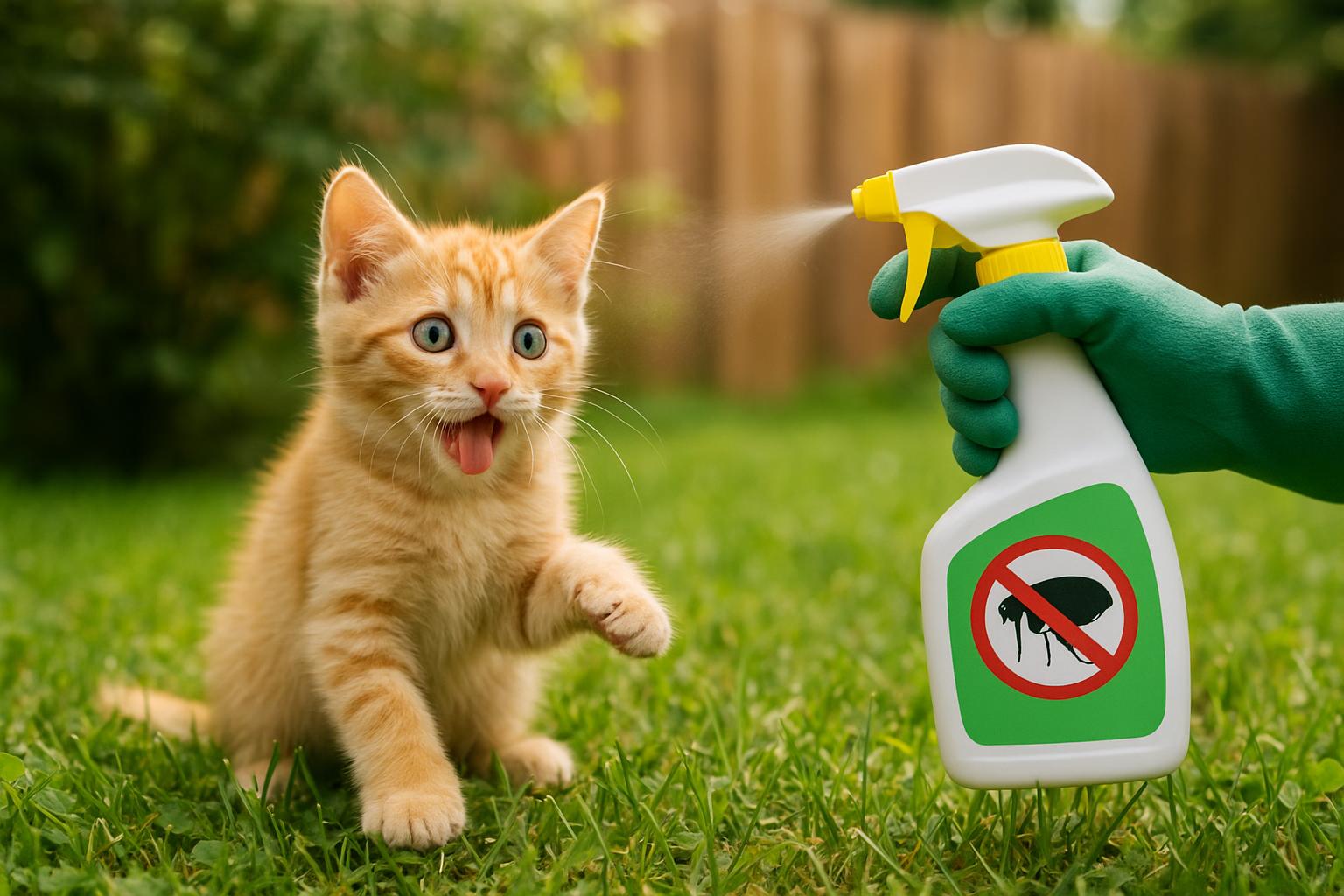
Even if fleas are mainly inside, the yard is often the source. Keep grass short, remove leaf piles, and restrict pets from damp shaded areas where fleas thrive. If you have a heavy infestation outside, treat those zones or consider a perimeter spray. Reducing outdoor flea numbers helps maintain indoor gains.
### When To Call A Pro
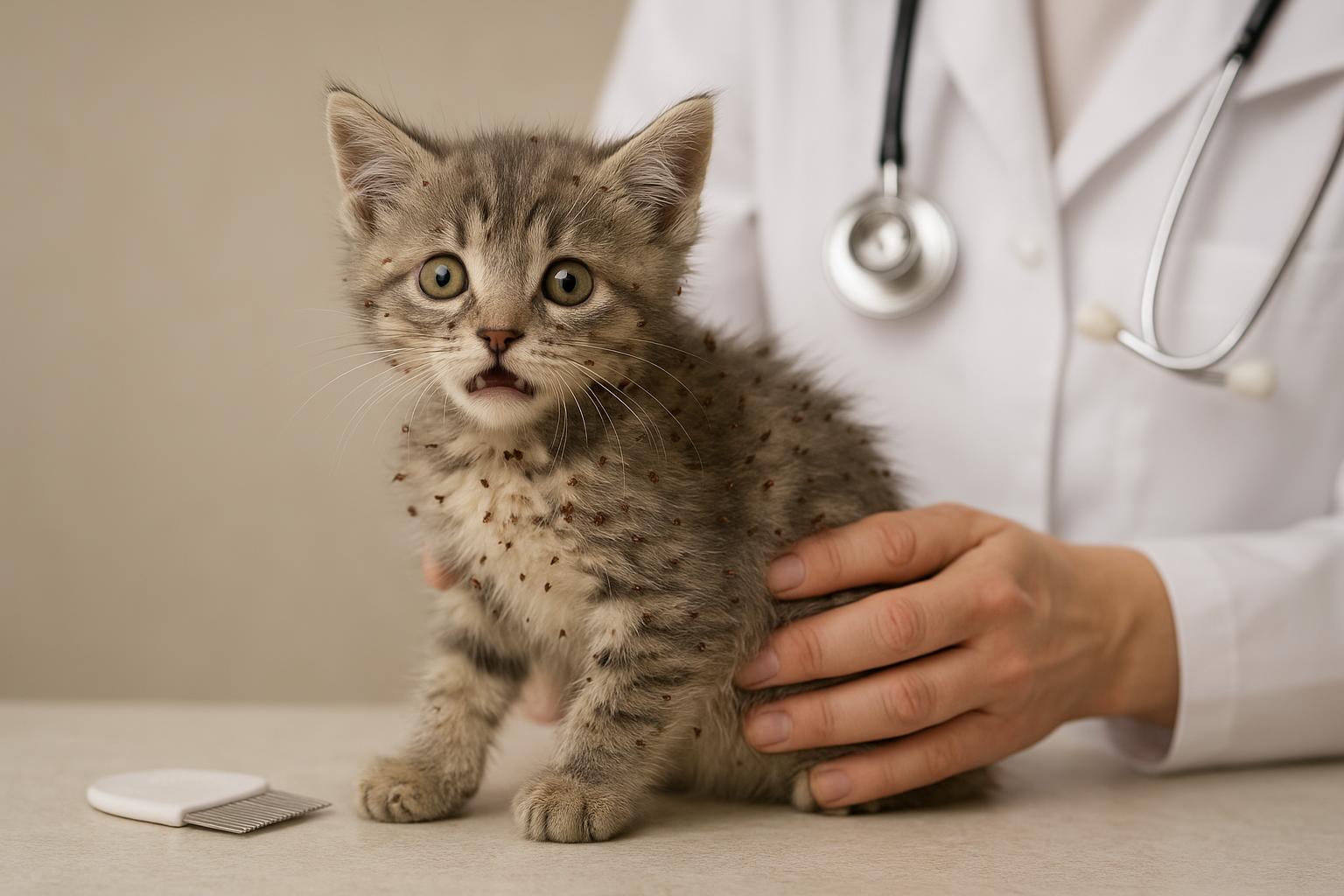
If you’ve tried cleaning, washing, pet treatment, and targeted household products and still see fleas after a month, call a professional. A licensed pest control company will evaluate whether a residual spray, fogger, or combined approach is necessary. For severe infestations, professionals can treat cracks and voids you might miss. Ask about products safe for pets and children and about follow-up visits.
Professionals also understand patterns in house fleas populations; they’ll recommend a schedule rather than a single visit. Expect to recieve specific instructions about when to keep pets out and when to re-enter treated spaces.
### Preventing Future Problems
Keep up the basics. Monthly preventative treatment on pets is the single most effective measure. Regular vacuuming and washing pet bedding cut down on the chance of a comeback. If a neighbor or local wildlife carries fleas, be extra vigilant—flea control indoors is easier when the outside environment is managed too.
If you travel with pets or host other animals, check them first. A single hitchhiking flea can start the cycle again. Keep flea combs and a small supply of a vet-recommended spot treatment on hand for quick response.
Stick to the plan: treat pets, clean the environment, repeat based on lifecycle timing, and escalate to professional help when needed. Follow-through is what separates a temporary fix from full control.








Leave a Reply