
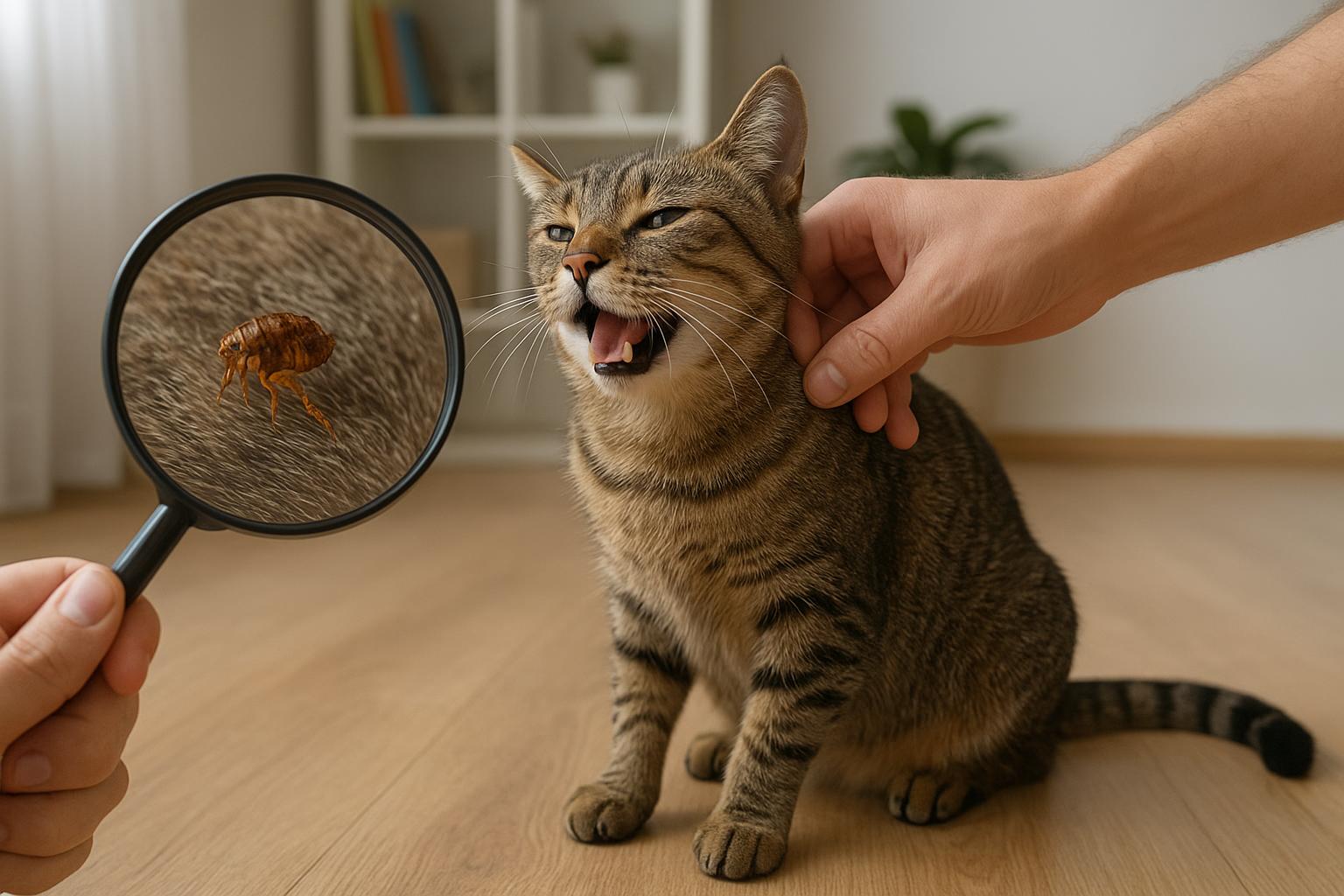
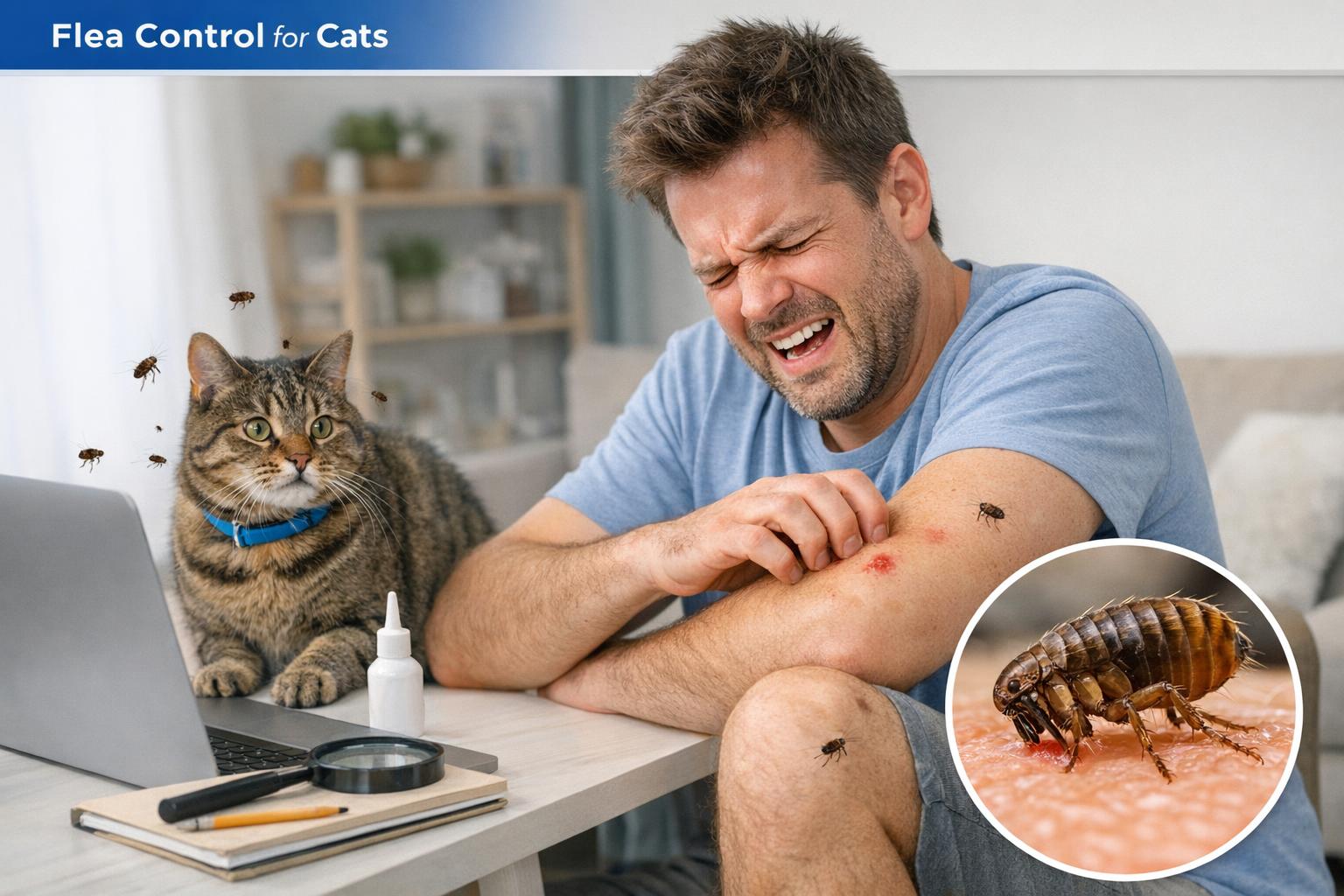
Hey there — if your cat has been doing the frantic 3 a.m. zoomies while scratching like it’s auditioning for a flea circus, you’re in the right place. Below you’ll find practical, friendly guidance on spotting flea signs and how to check your cat, plus two carefully explained remedies (one DIY cleaning and combing plan, and one vet-approved treatment approach). I’ll keep the jokes light and the actionable advice solid.
## Flea Signs To Spot And How To Tell If Your Cat Has Fleas
### Why Spotting Flea Signs Early Matters
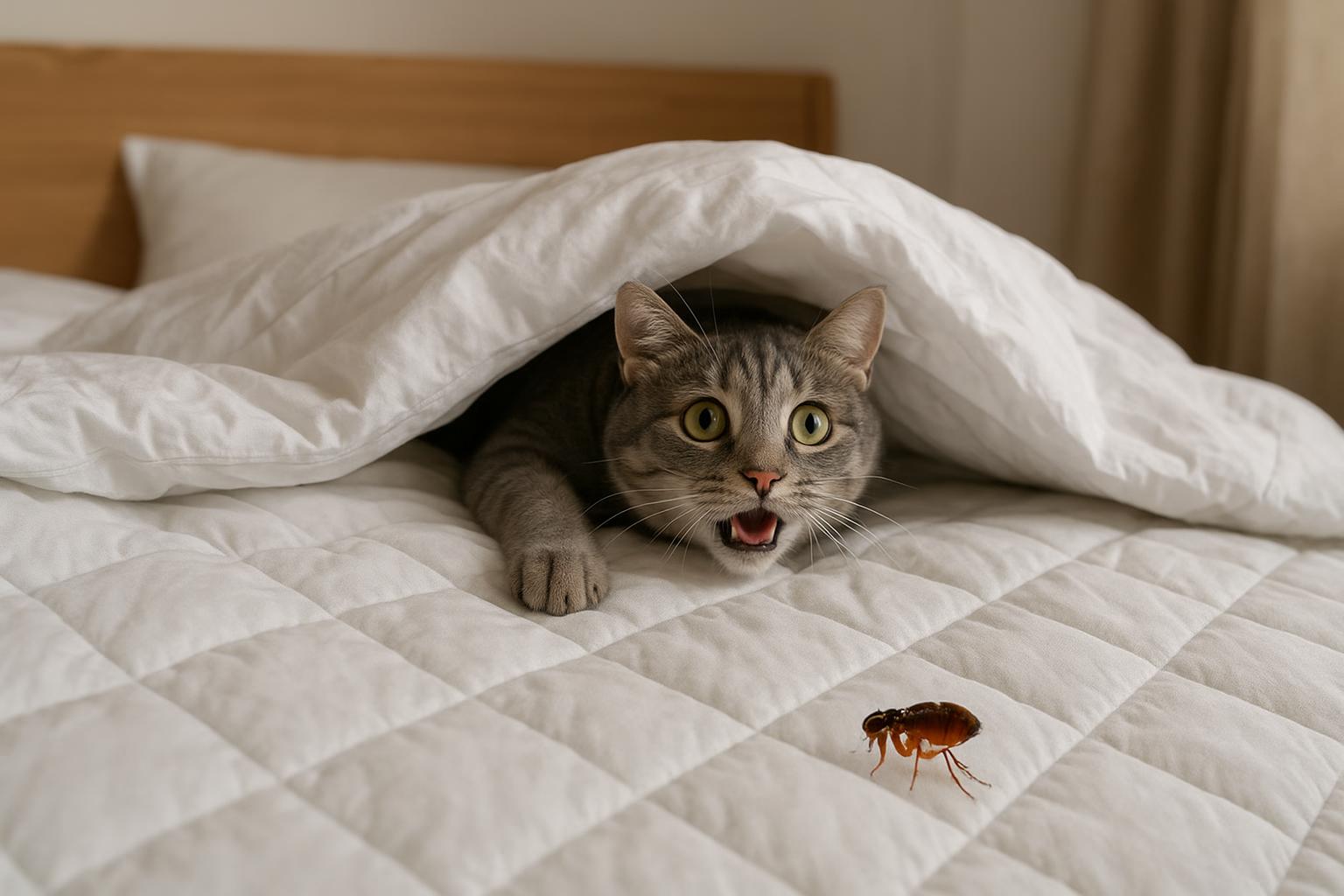
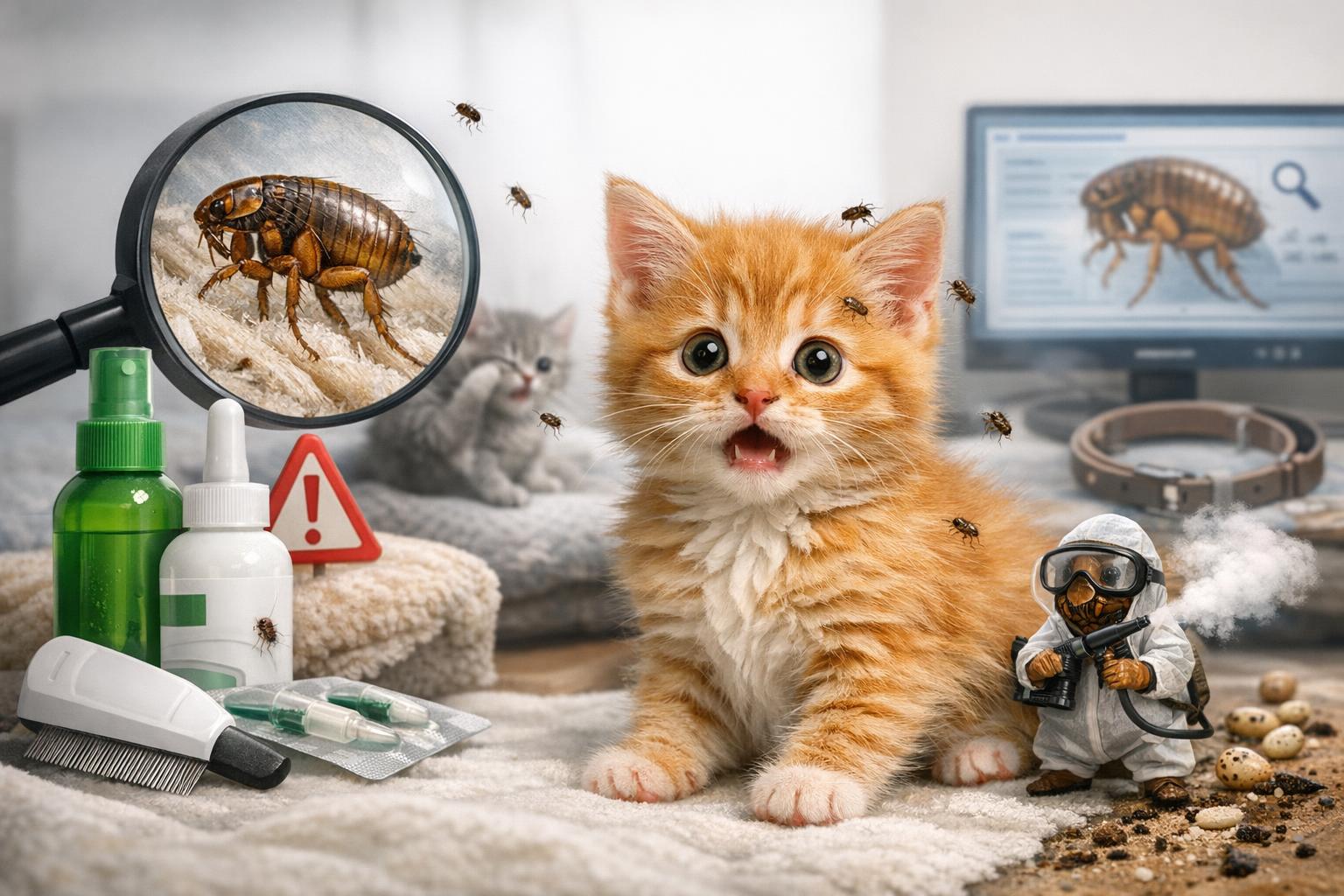
Fleas reproduce quickly: a single female can lay dozens of eggs a day. Those eggs drop into your home, hatch, and create a repeating cycle. Early detection of flea signs means less itching for your cat, less contamination of your home, and fewer expensive vet bills later.
### Itchy Behavior And Overgrooming
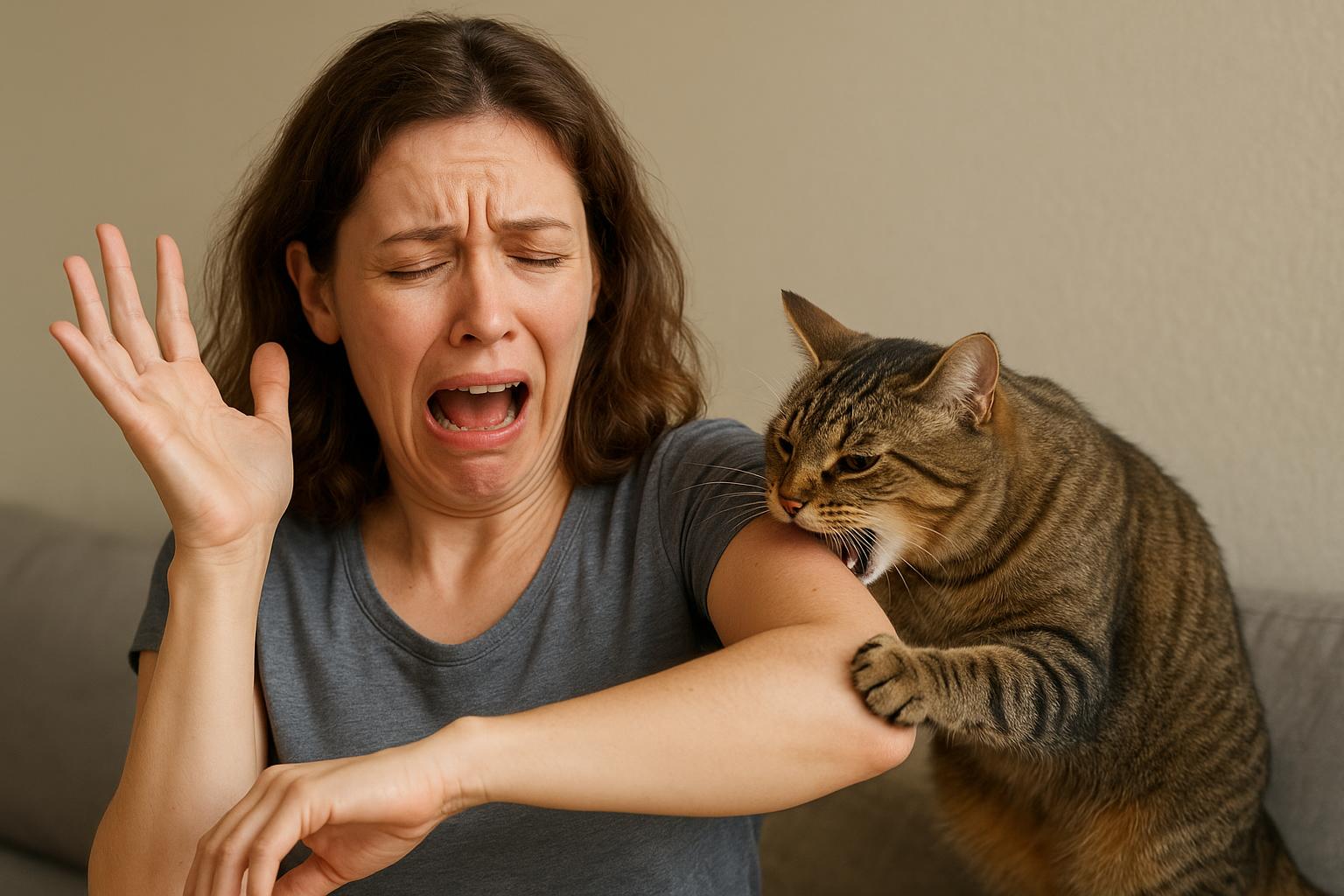
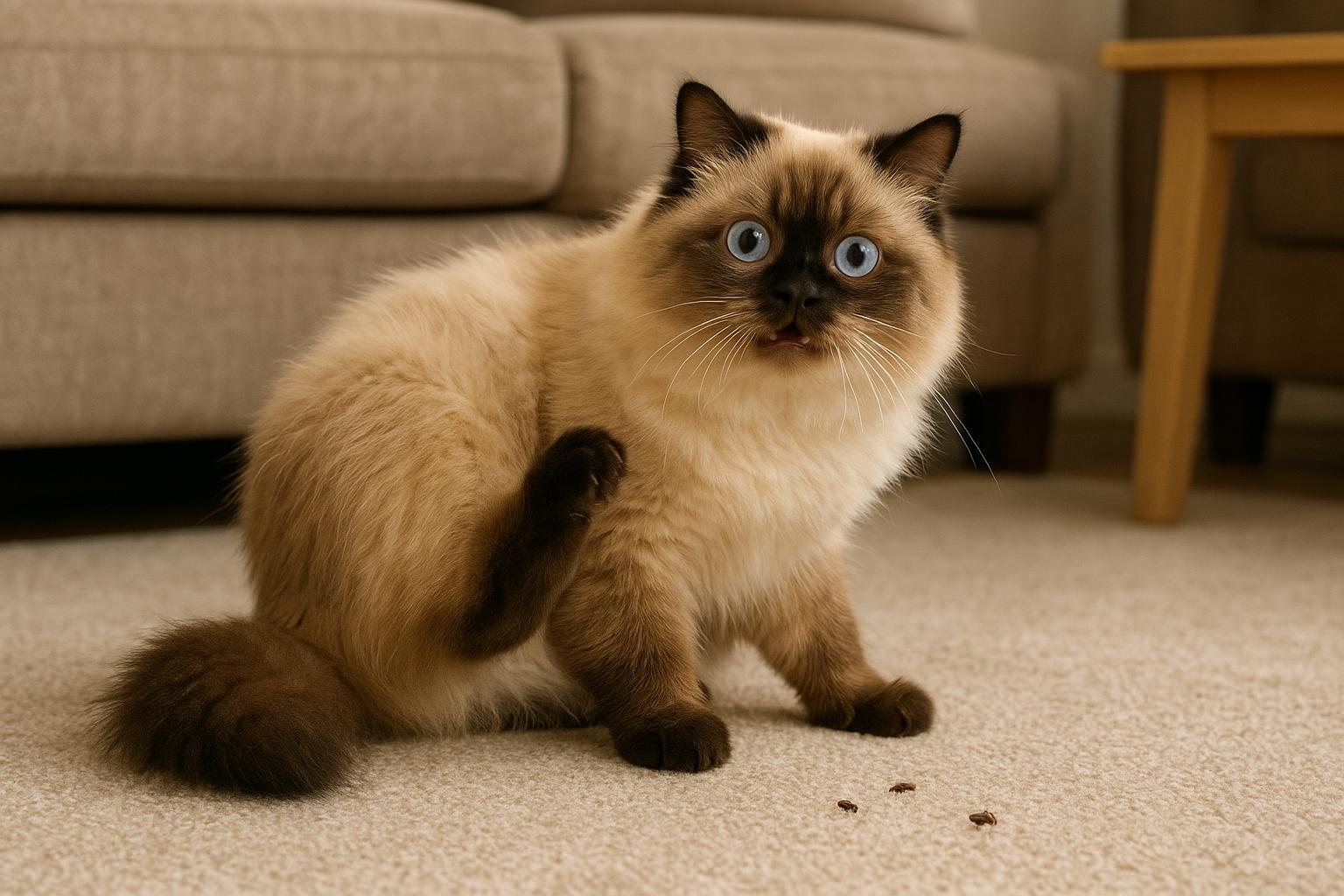
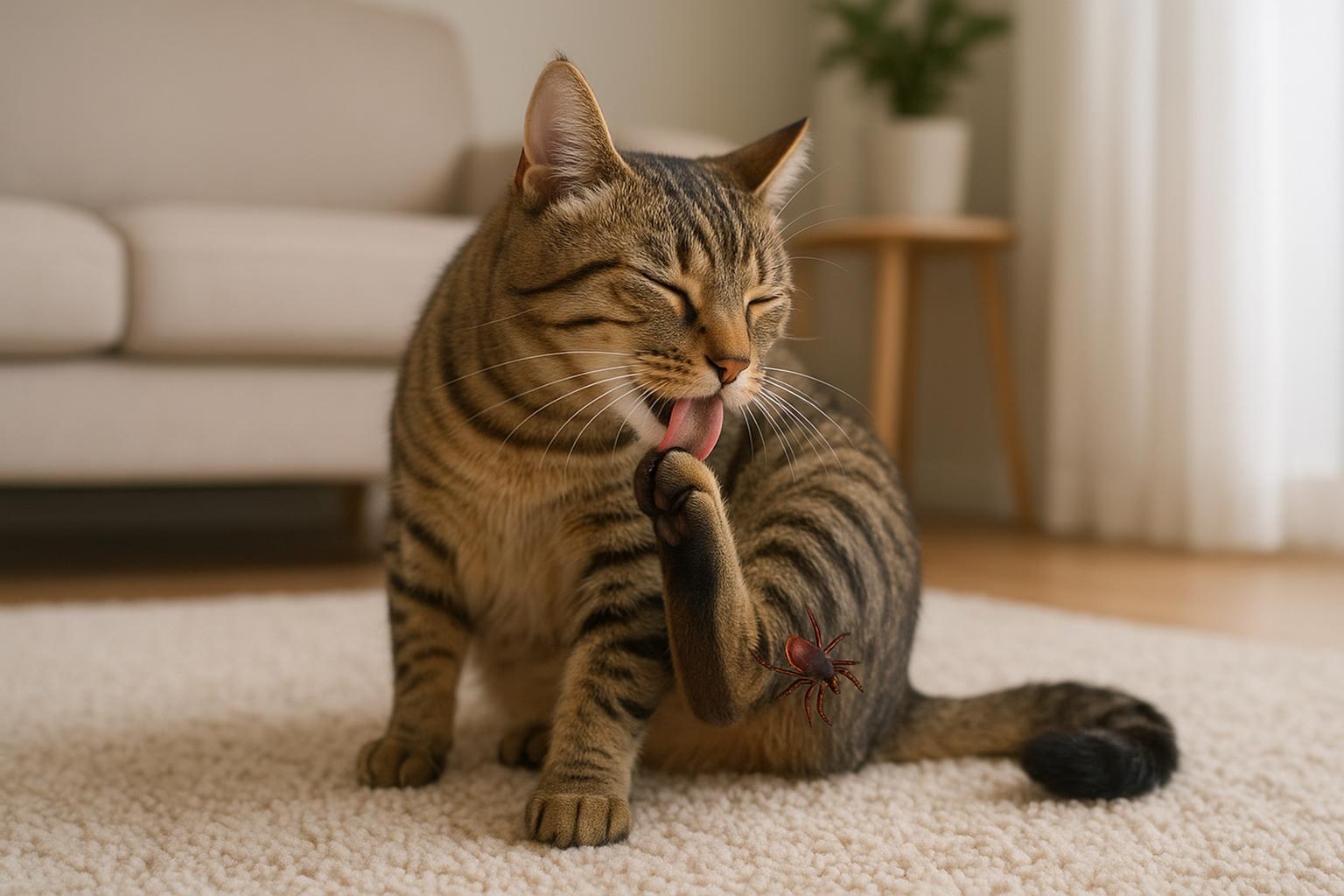
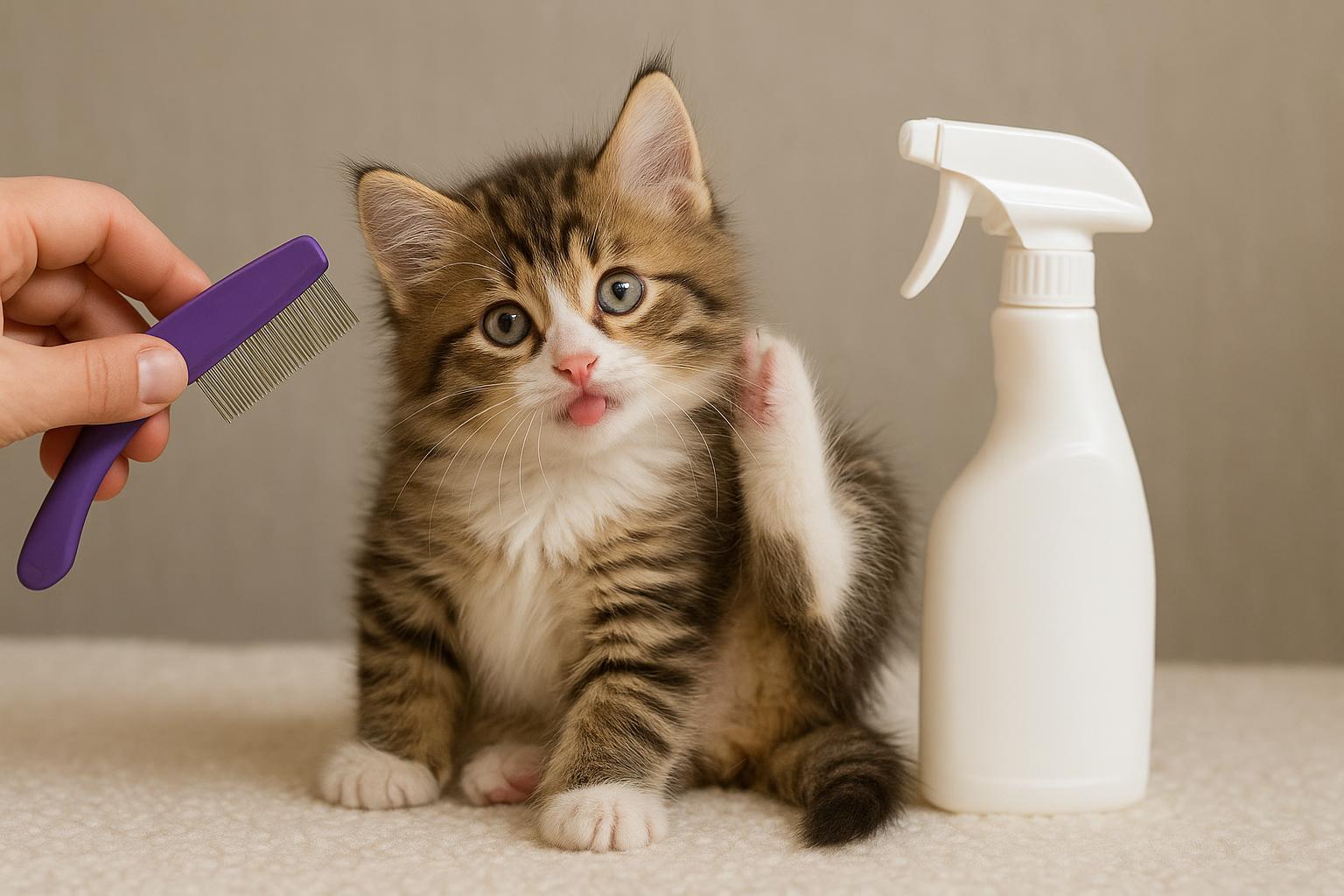
One of the most obvious flea signs is increased scratching, licking, or biting. Cats are fastidious groomers — a little grooming is normal — but when it’s constant or focused on certain spots (lower back, base of the tail, belly, inner thighs), fleas may be the cause. You might also notice sudden aggression when your cat is touched on a sore spot.
### Visible Fleas And Flea Dirt
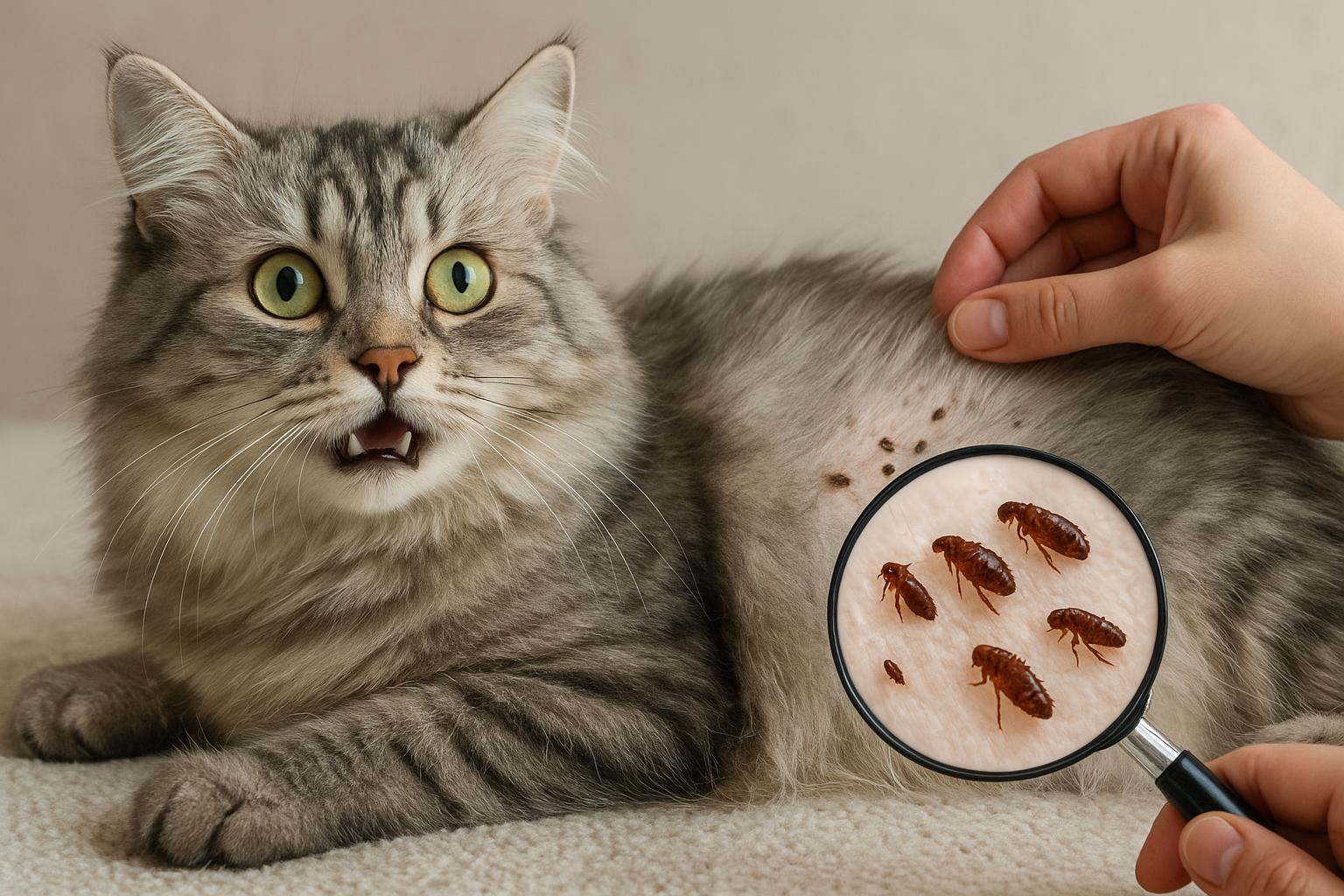
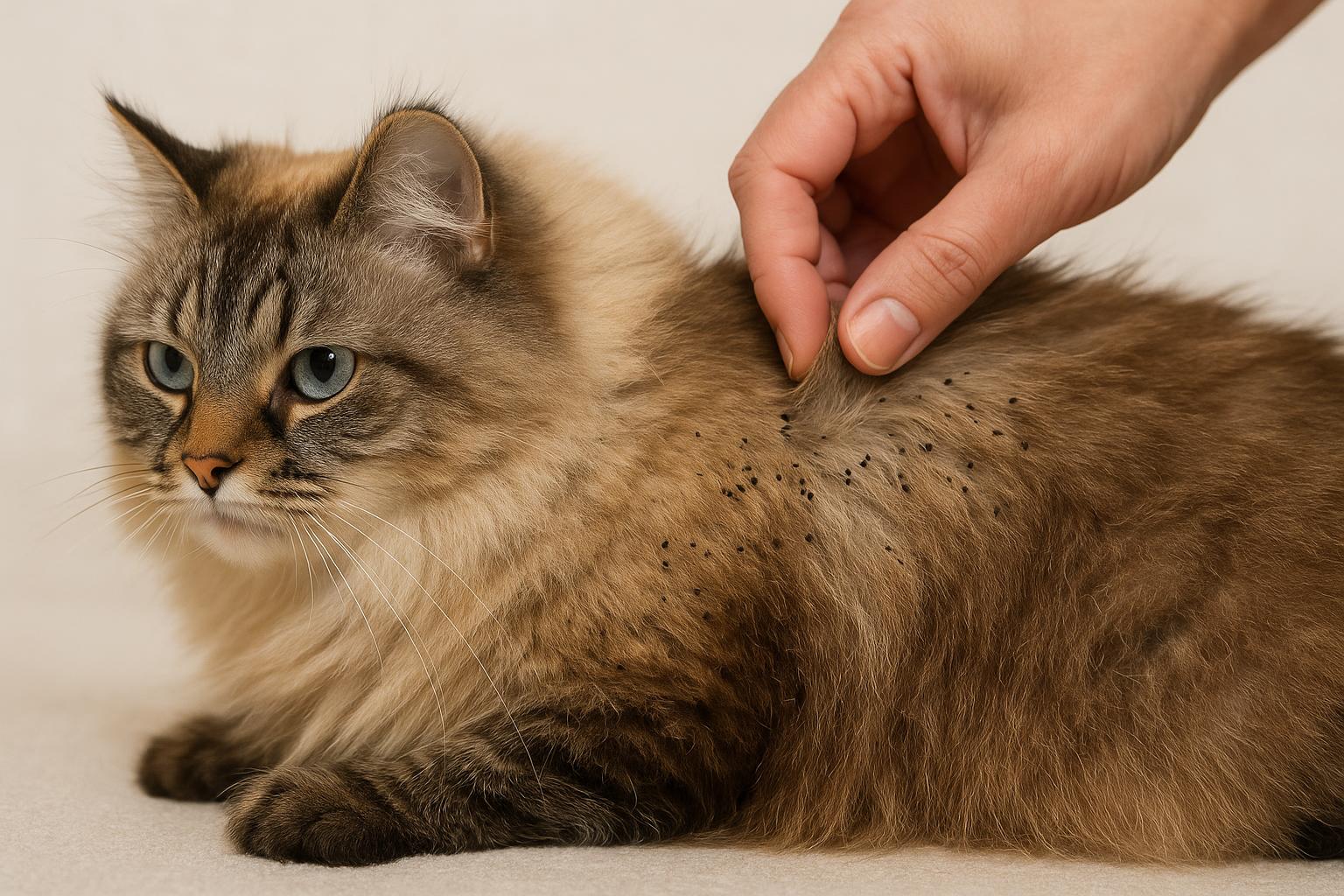
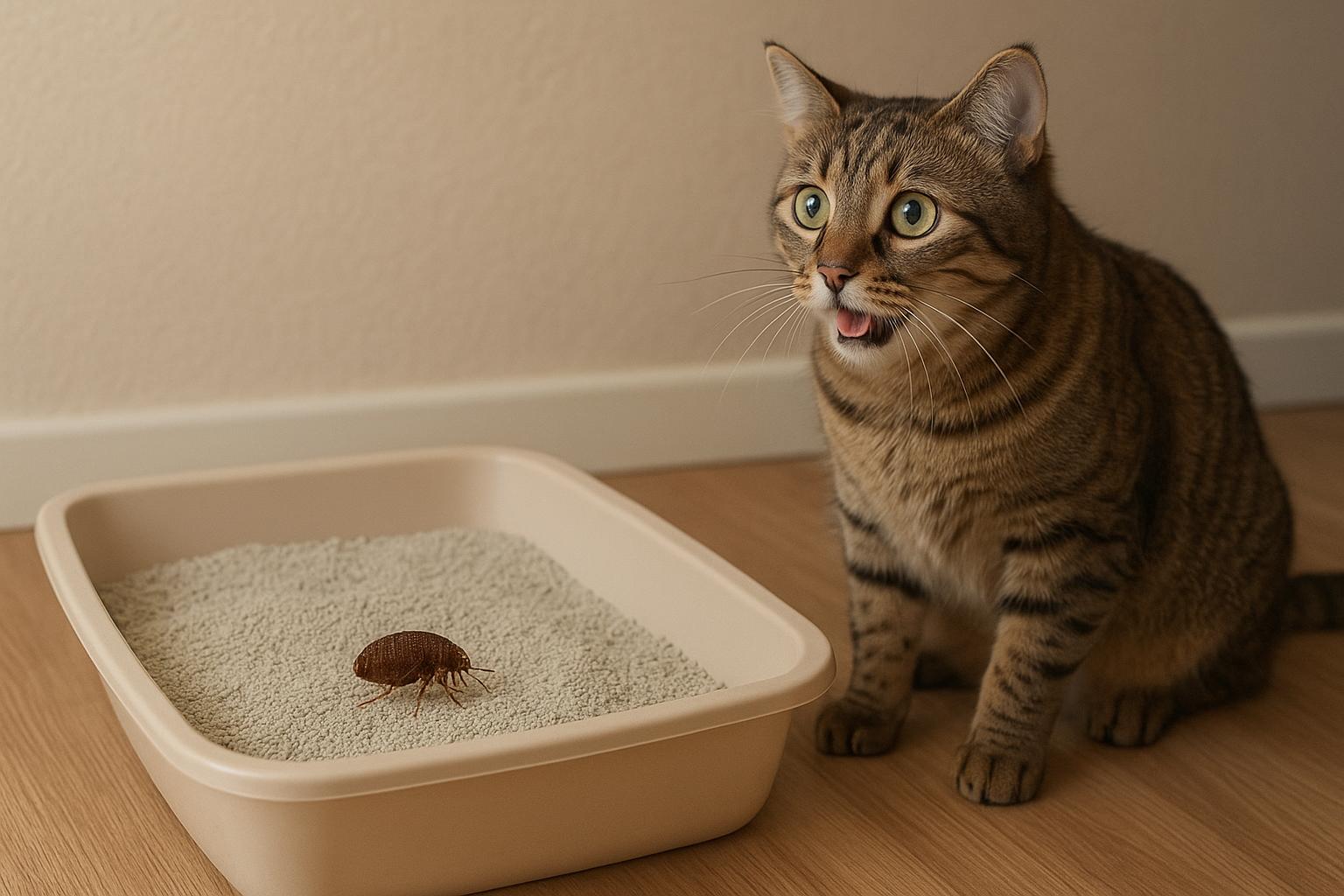
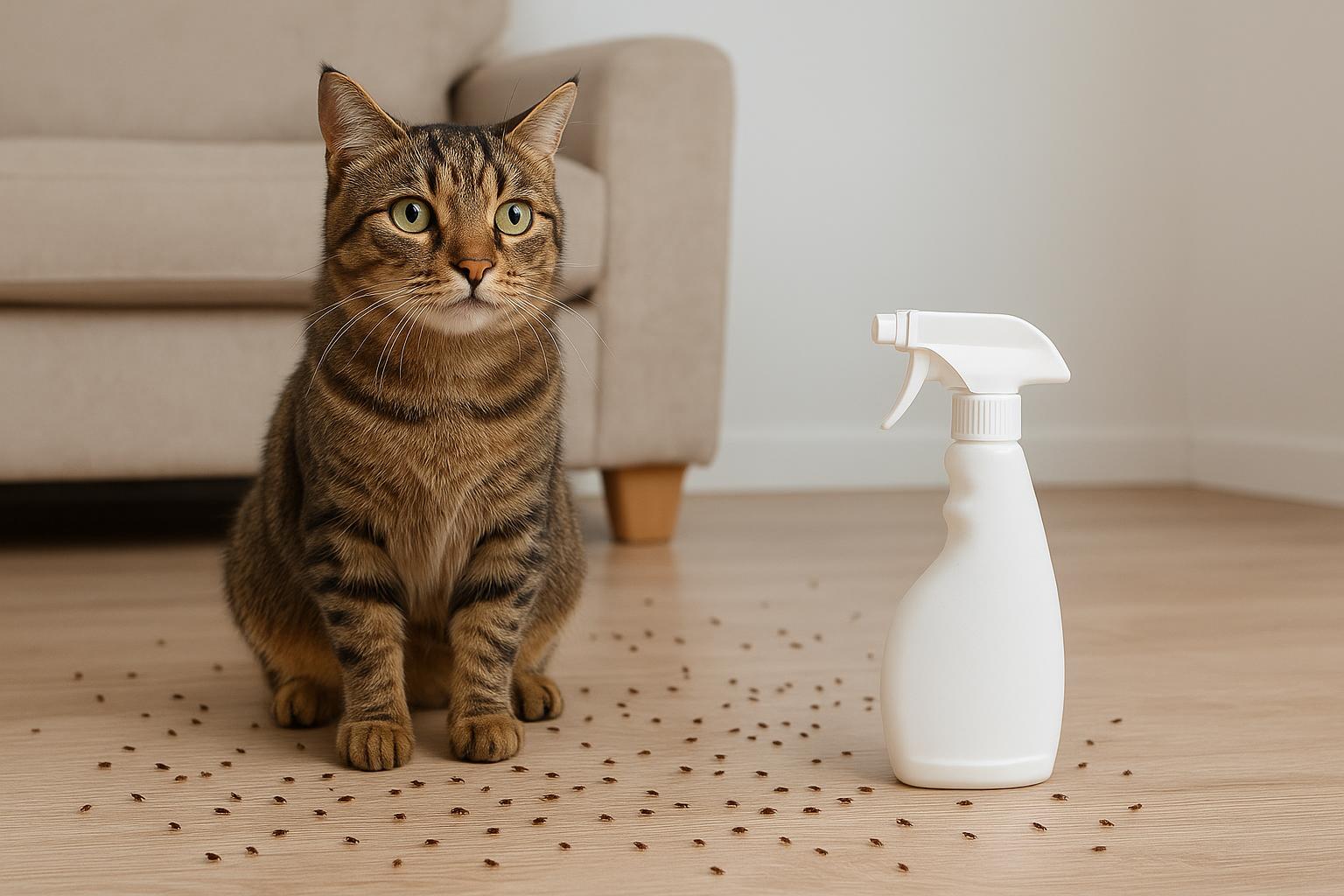
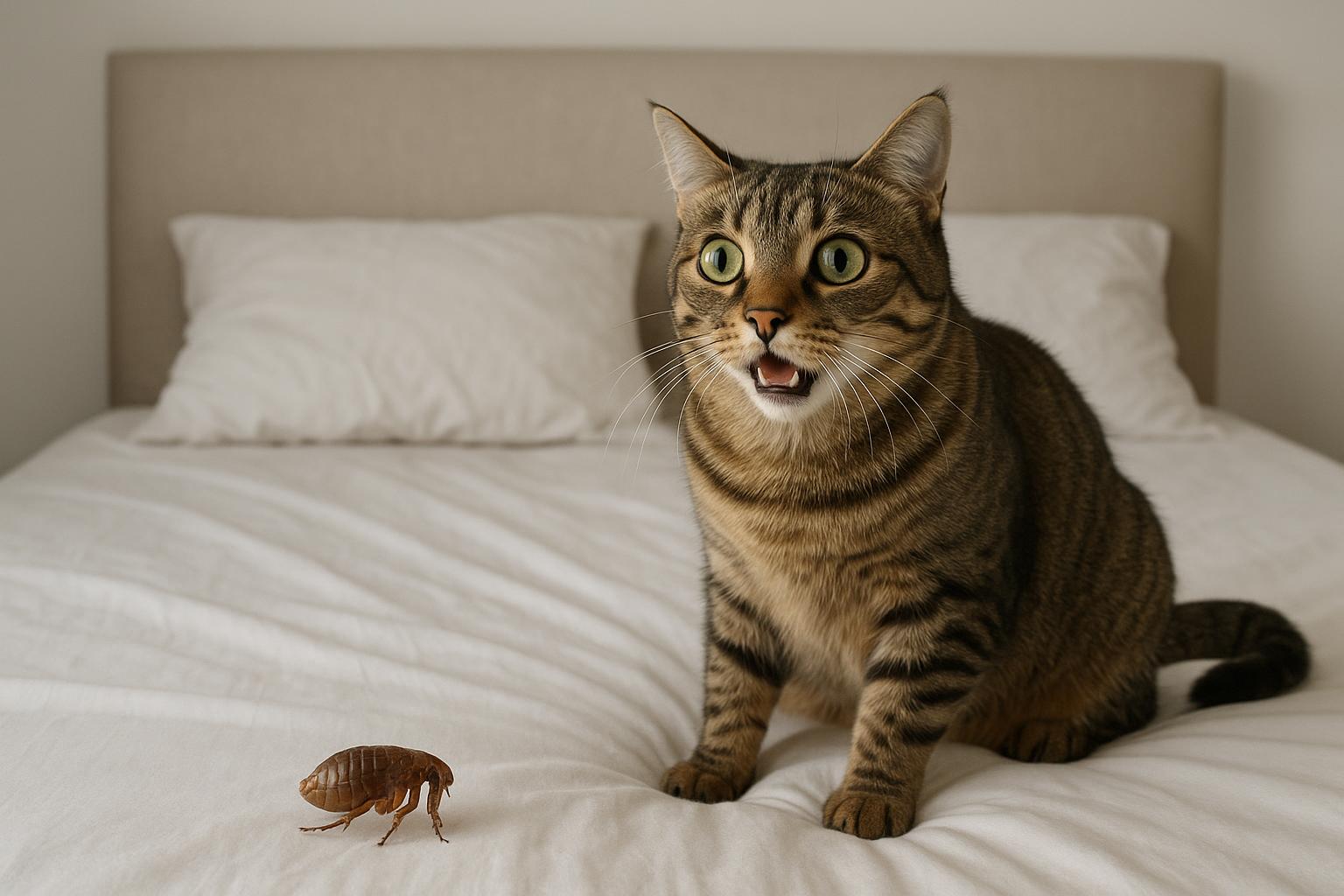
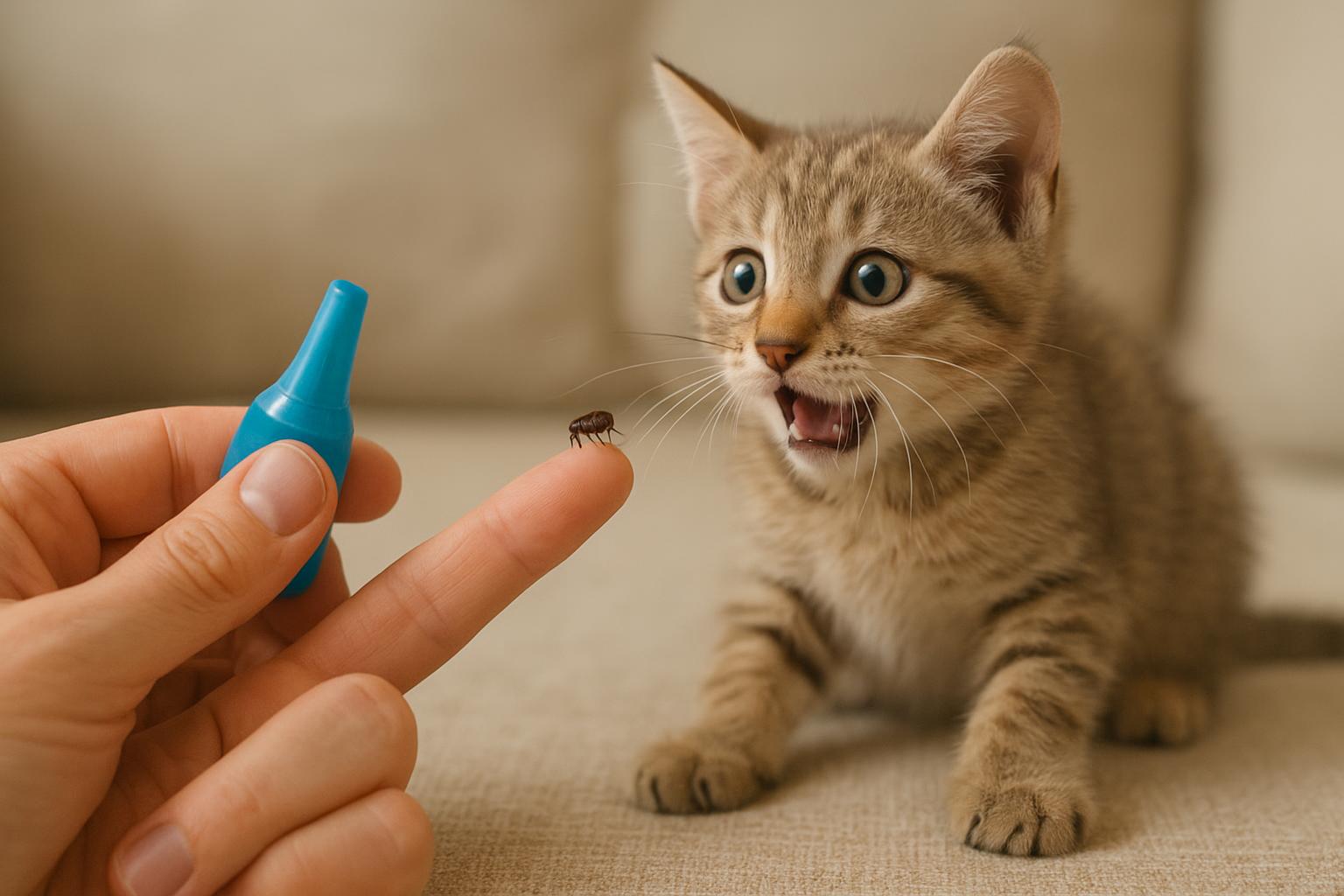
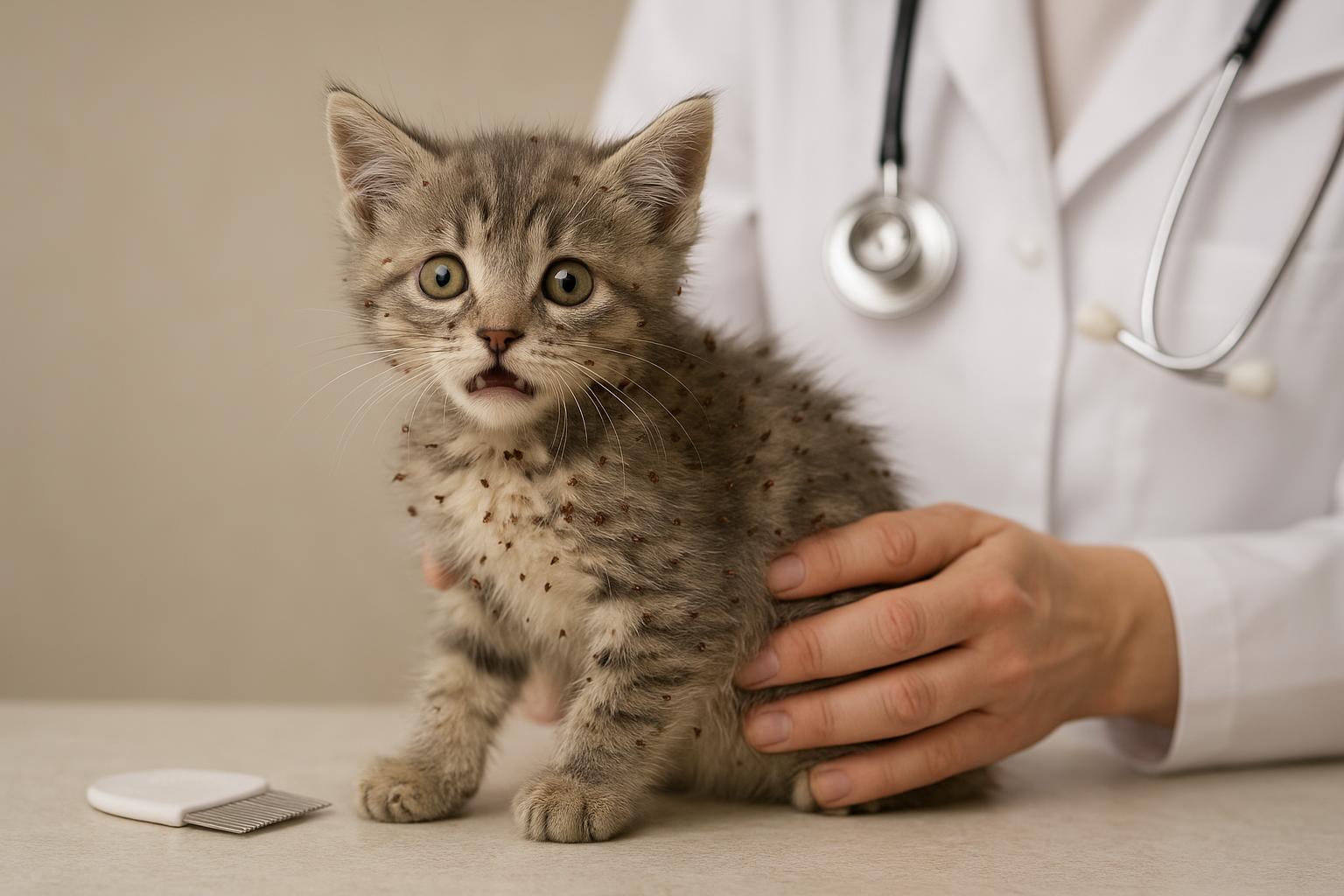
Sometimes you’ll actually see tiny, fast-moving dark specks on your cat’s fur — adult fleas. If the flea population is small, you may instead find “flea dirt,” which looks like tiny black pepper-like flecks. You can test suspected flea dirt by placing some on a damp white paper towel; if it turns reddish-brown, it’s digested blood from fleas.
### Bald Patches, Red Spots, And Scabs
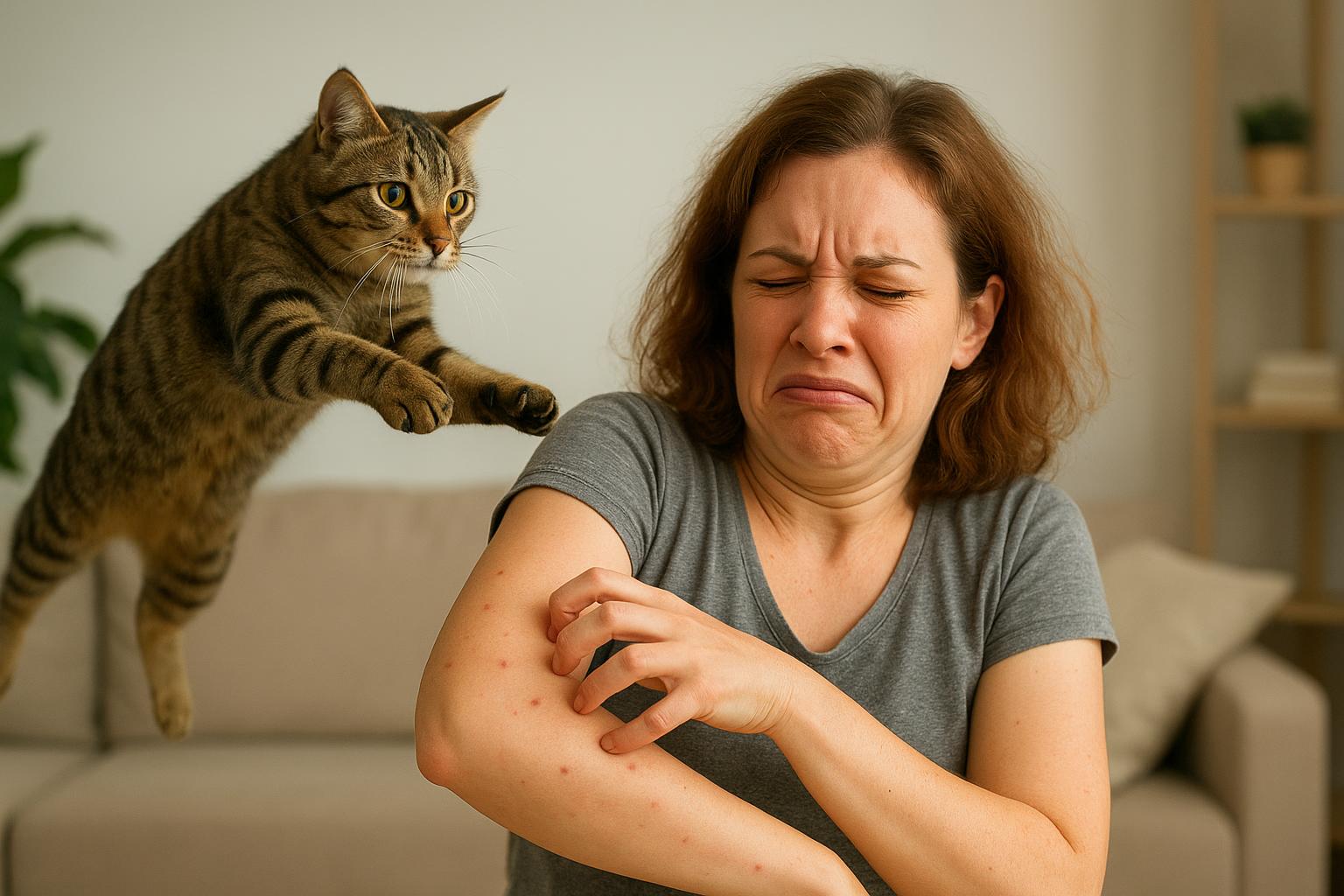
Skin irritation from flea bites can lead to hair loss, red bumps, scabs, and crusty skin. Cats with flea allergy dermatitis (FAD) react intensely to flea saliva and may develop severe lesions even with only a few bites. These are clear flea signs that require more urgent attention.
#### Where To Look During A Check
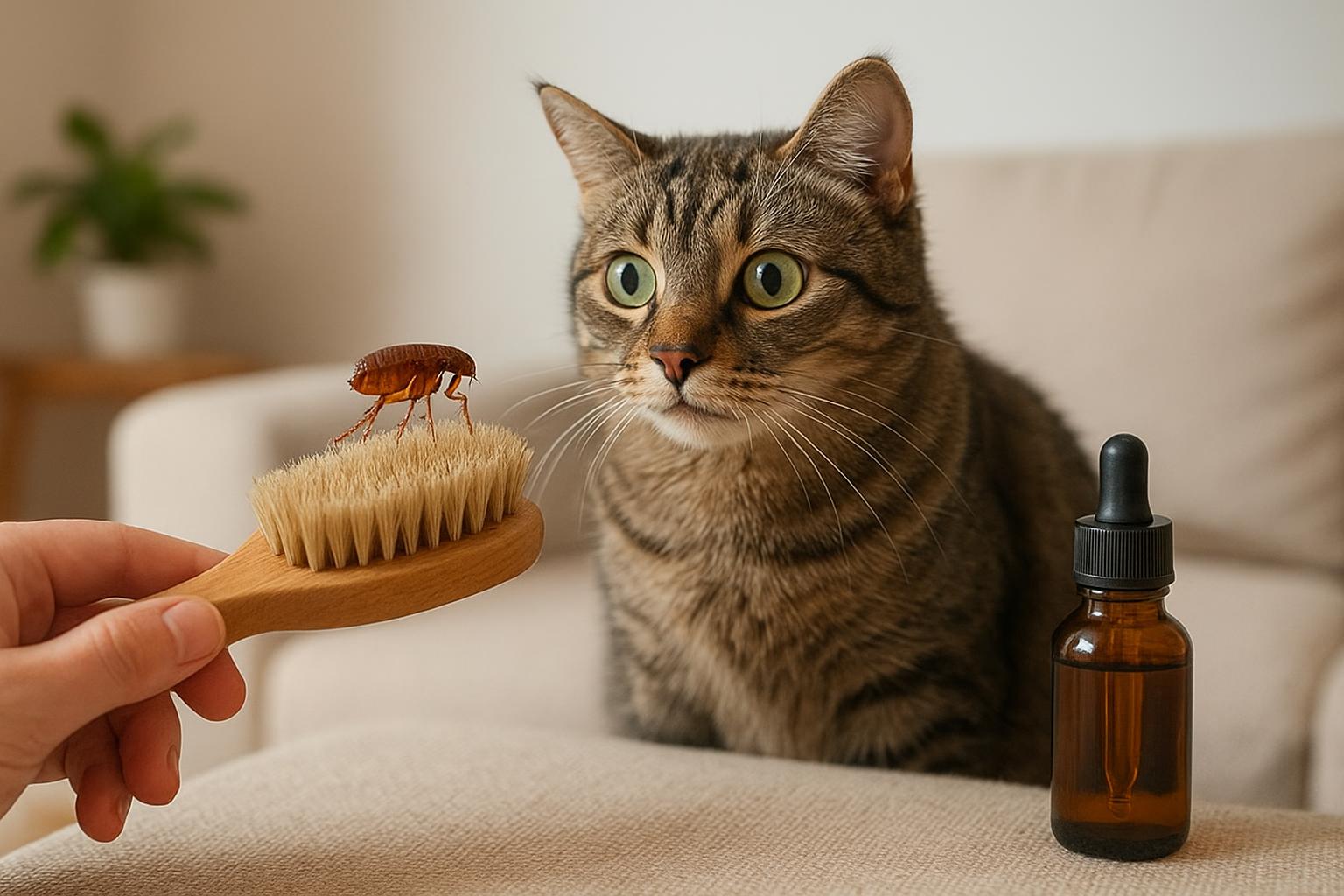
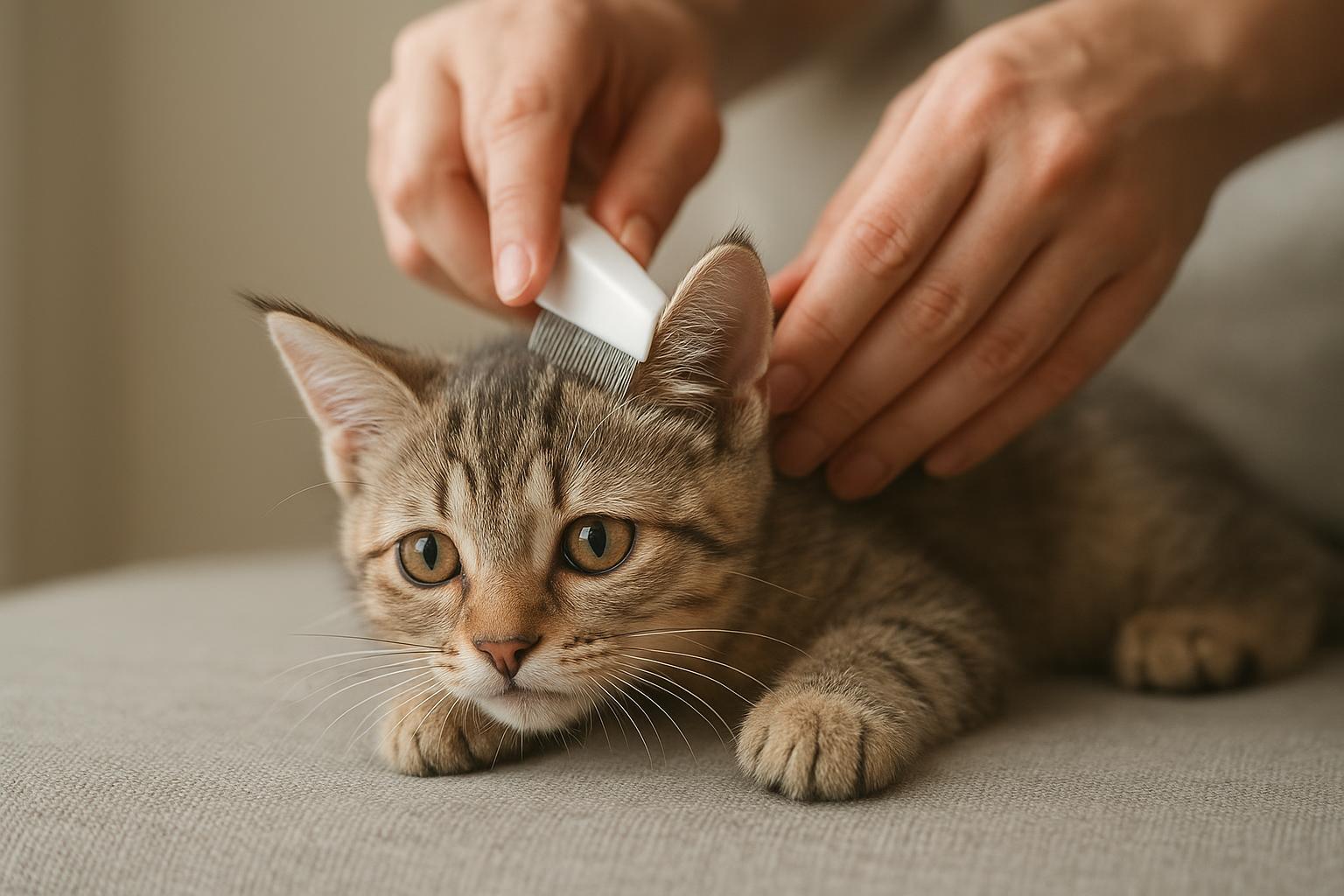
Start at the base of the tail, then check the flanks, belly, neck, and behind the ears. Pay attention to clumps of fur, areas where the cat hides, and under collars. Use good lighting and, preferably, a flea comb.
### Behavior Changes And Secondary Issues
Fleas can lead to anemia in kittens or very small cats if infestations are heavy. You may notice lethargy, pale gums, or decreased appetite—these are serious signs. Fleas can also transmit tapeworms; if your cat suddenly passes small white rice-like segments in feces or near the anus, it’s another clue.
## How To Perform A Quick Flea Check At Home
### Supplies You’ll Need
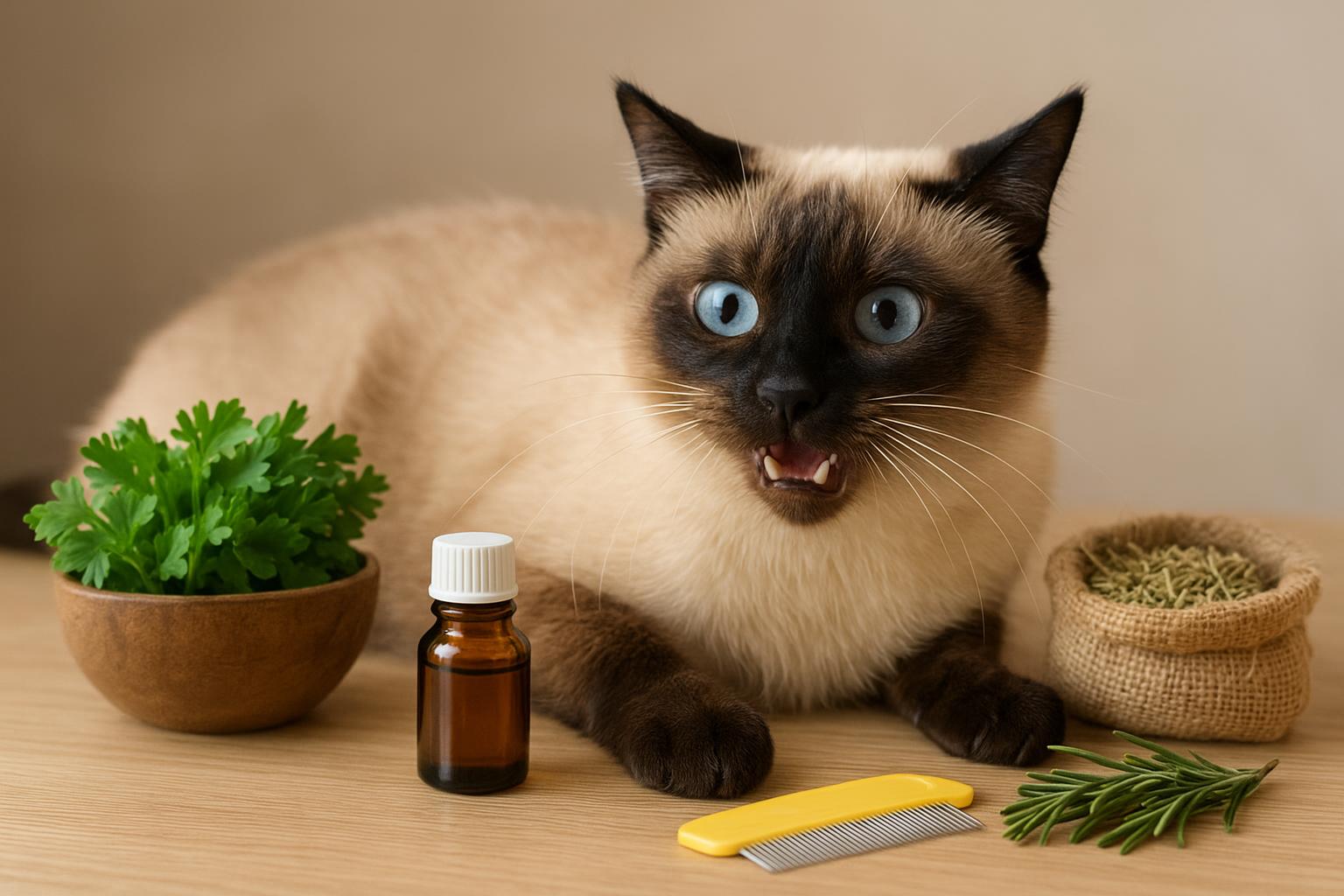
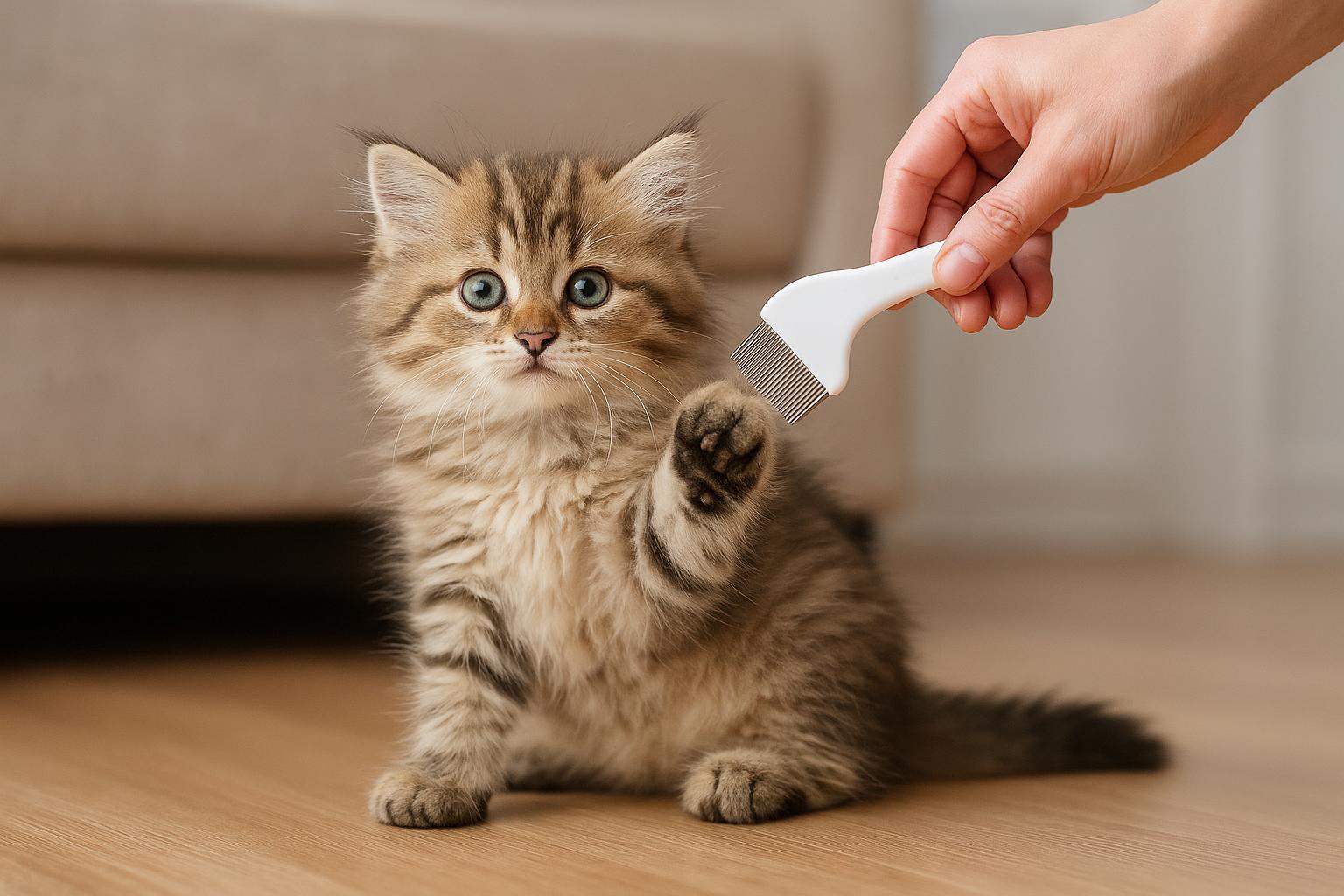
– A fine-tooth flea comb
– A white paper towel or light-colored dish
– A bowl of soapy water (mild dish soap)
– Good lighting (daylight or a bright lamp)
– Towels to keep your cat calm
### Step-By-Step Quick Check
1. Choose a calm time when your cat is relaxed or sleepy.
2. Gently comb small sections of fur from head to tail, especially the base of the tail and under the belly.
3. Hold the comb over the white paper towel; tap any debris onto it.
4. If you see black specks, moisten them with the soapy water — red-brown smears confirm flea dirt.
5. If you see live fleas, capture the cat in a calm hold and consult your plan for treatment (below).
If the check is inconclusive but scratching continues, repeat checks over a few days — fleas move fast and can be missed on one pass.
## 1. Home Grooming And Environmental Cleaning Remedy (Non-Chemical First Aid)
This is a practical first-line remedy to reduce flea numbers and relieve your cat while you arrange definitive treatment. Be formal and careful: mechanical removal and environment treatment are powerful when done thoroughly.
#### Required Materials
– Fine-tooth flea comb
– Disposable gloves
– Warm water and pet-safe shampoo (optional for bath-tolerant cats)
– Vacuum cleaner with attachments and a sealed trash bag
– Hot water for washing bedding (60°C / 140°F if possible) or a hot dryer cycle
– Enzyme laundry detergent (optional)
– Soapy water bowl for live fleas
#### Step-By-Step Application
1. Put on gloves. Find a calm place and place towels down for comfort.
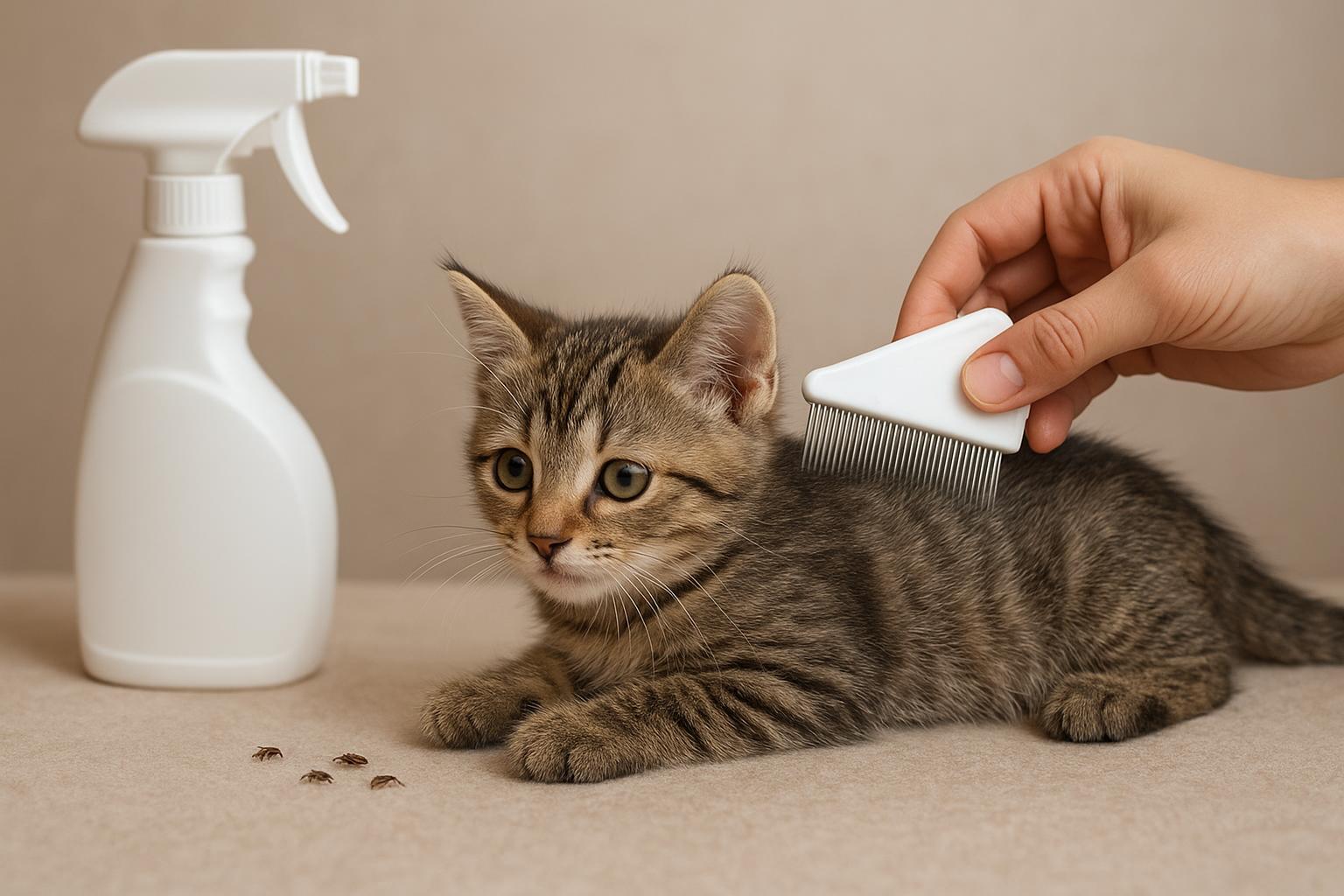
2. Comb your cat with the flea comb in short, methodical strokes, working in sections. Pay special attention to the base of the tail and neck.
3. After each pass, tap comb contents into the bowl of soapy water to drown live fleas and prevent reinfestation.
4. If your cat tolerates bathing and you have a cat-safe shampoo designed to soothe skin, you may bathe them per the product instructions. Dry thoroughly with towels.
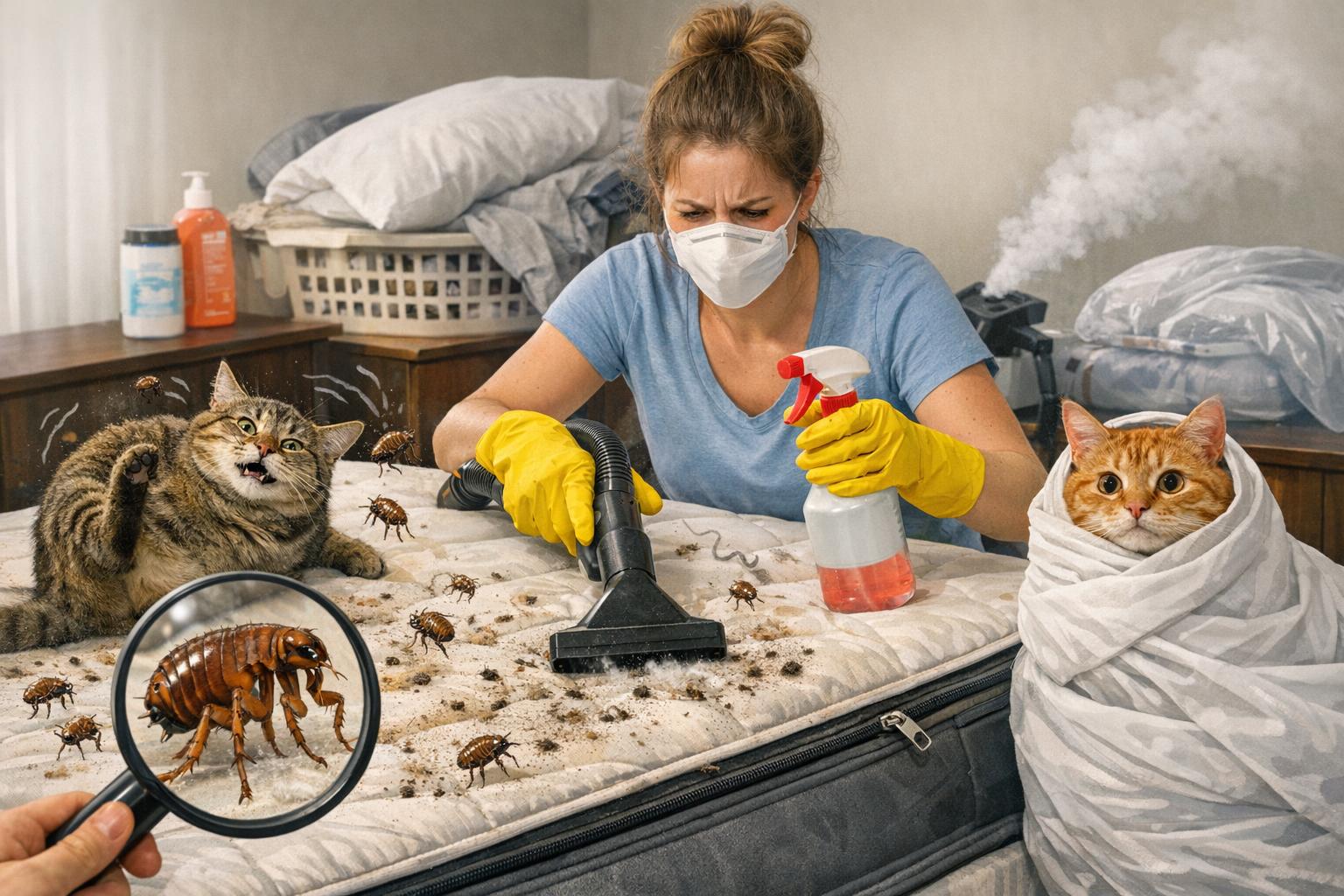
5. Immediately remove and wash all bedding, blankets, and anything your cat uses in hot water and dry on a high heat cycle. Place items that cannot be washed in a sealed bag in direct sunlight for a day if possible.
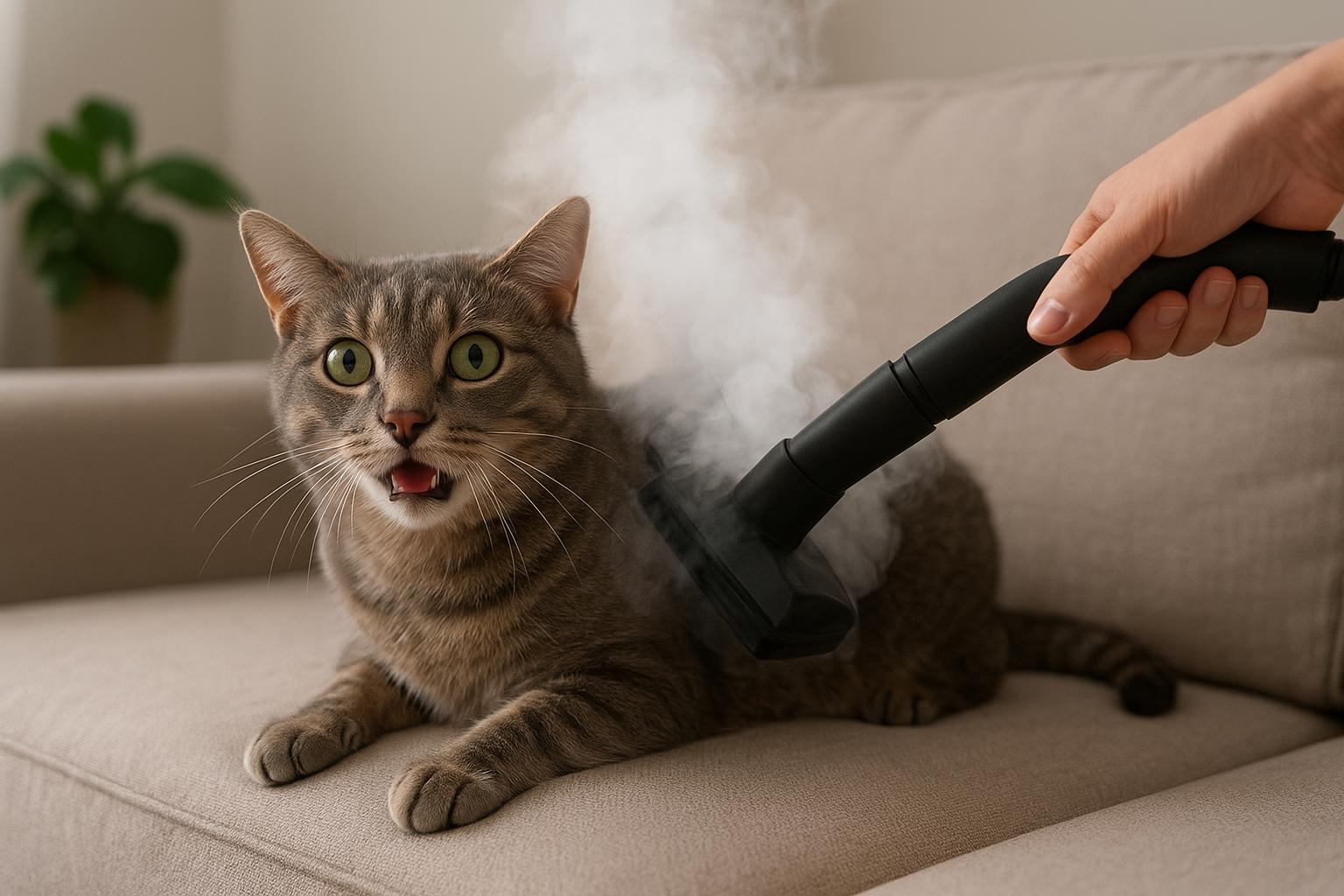
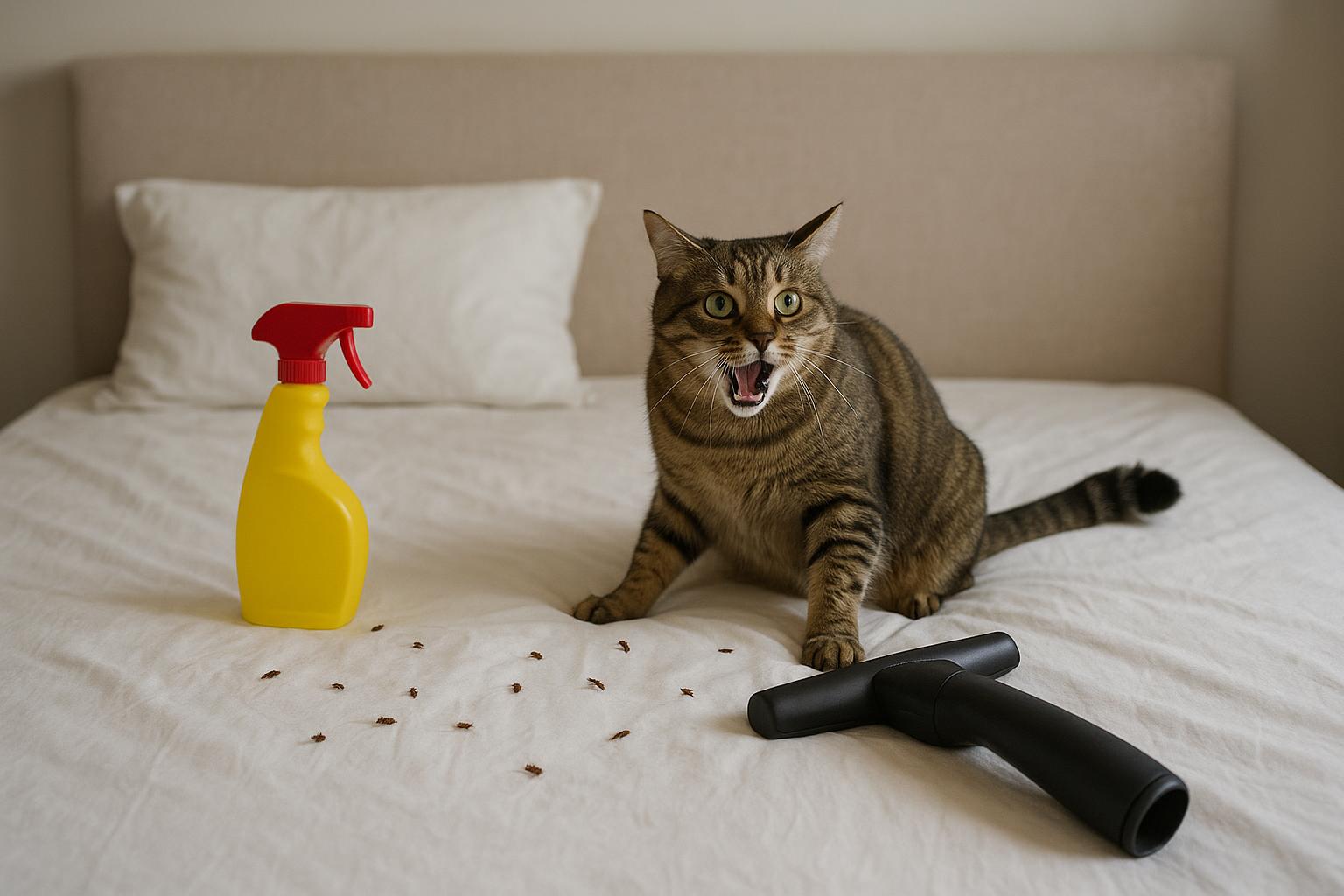
6. Vacuum carpets, floors, furniture crevices, and baseboards thoroughly. After vacuuming, seal the vacuum bag or empty the canister into a sealed trash bag and remove it from the home.
7. Repeat vacuuming and bedding washing every 2–3 days for two weeks to interrupt the flea lifecycle.
8. Continue regular combing daily for at least two weeks to monitor and remove remaining fleas or flea dirt.
This approach reduces numbers and relieves discomfort but usually won’t eradicate a heavy infestation on its own. It’s a valuable complementary measure while arranging vet-recommended treatments.
## 2. Prescription And Over-The-Counter Treatments (Vet-Approved Options)
When flea signs suggest a real infestation, formal treatment is required. This section is more strictly informative: follow product instructions and consult a veterinarian for dosing and safety, especially for kittens, pregnant cats, elderly pets, or cats with medical conditions.
#### Materials And Options
– Veterinary-prescribed topical flea treatments (e.g., selamectin, eprinomectin/imidacloprid combinations)
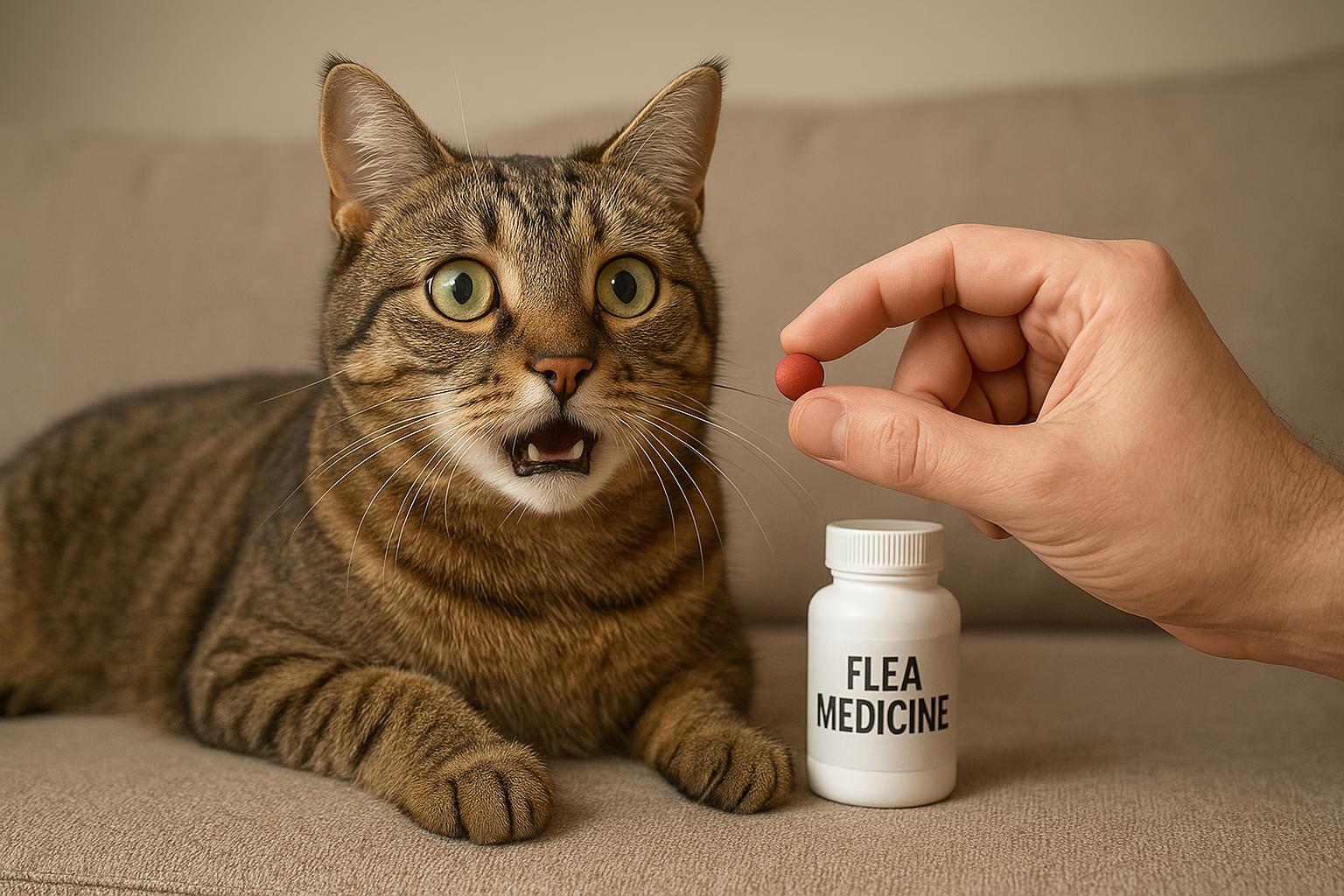
– Prescription oral medications (e.g., nitenpyram for fast kill, monthly oral preventives)
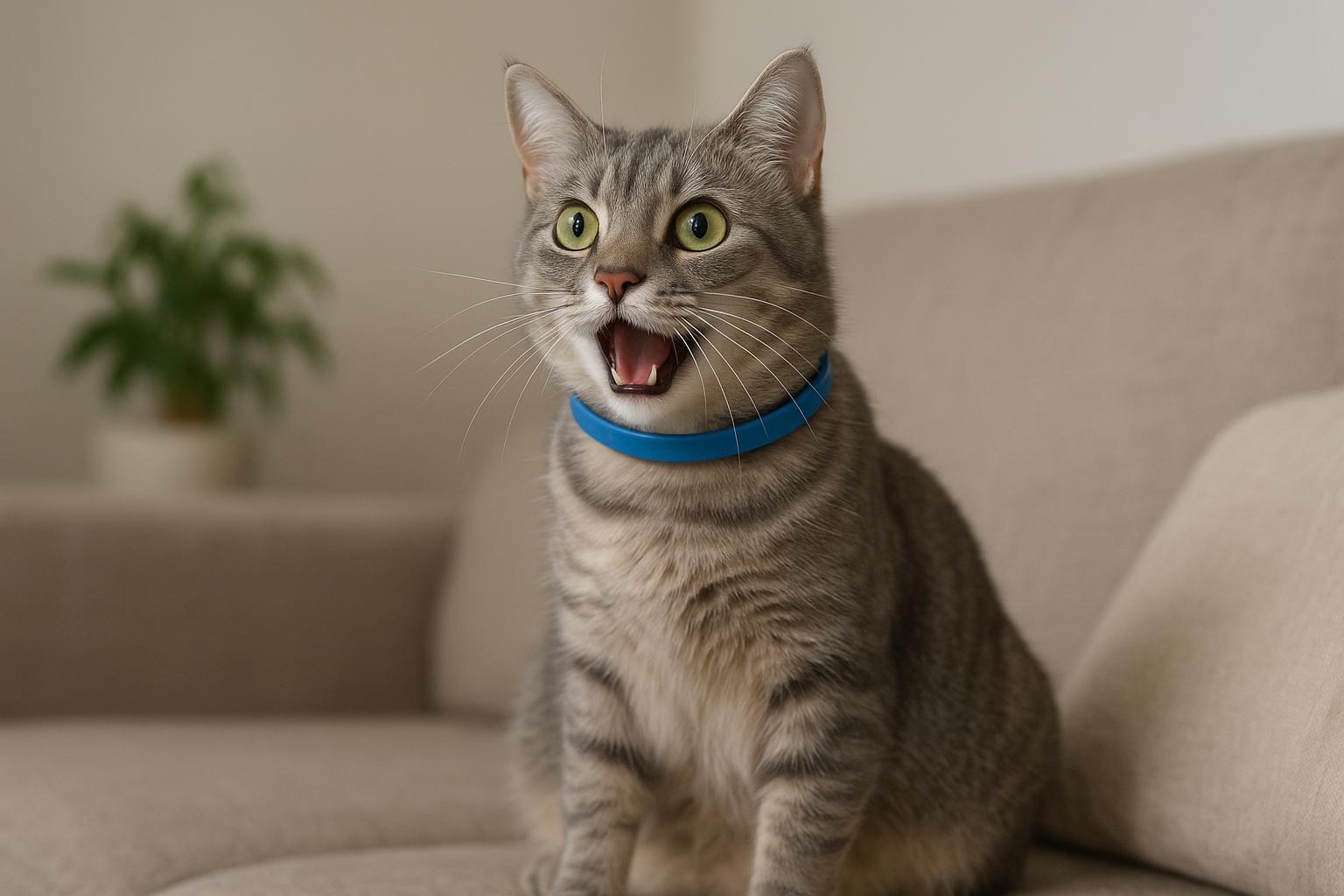
– Flea collars approved for cats (check vet guidance for safety)
– Tapeworm treatment if needed (praziquantel)
– Flea treatment for the house (insect growth regulators/IGRs like pyriproxyfen when recommended)
– Personal protective equipment (gloves) for applying treatments
Note: Never use dog products on cats; certain ingredients (like permethrin) are toxic to cats.
#### Step-By-Step Treatment Plan
1. Schedule a veterinary consultation. The vet will assess your cat’s weight, health, and possible flea allergy dermatitis or secondary infections and prescribe the safest effective product.
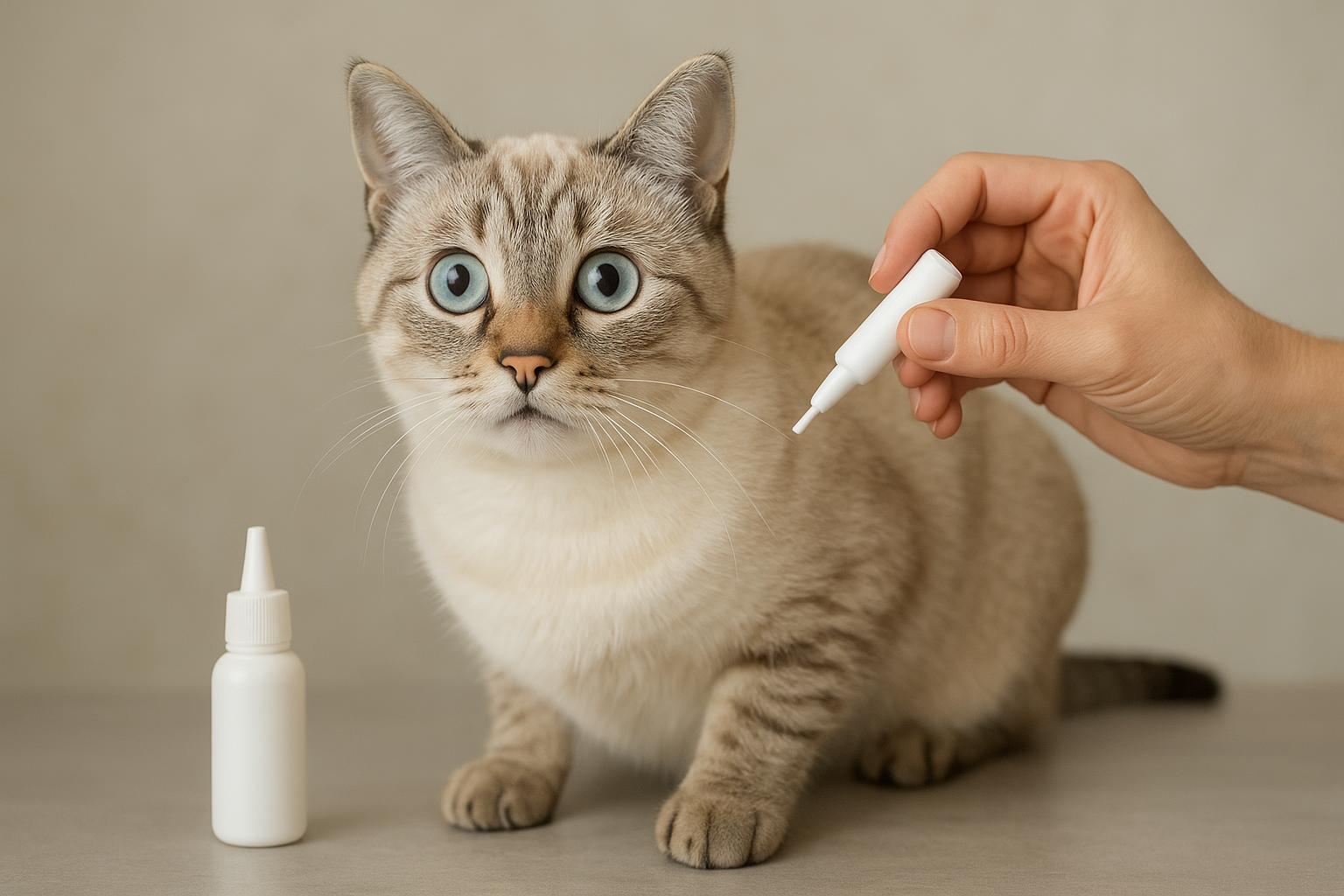
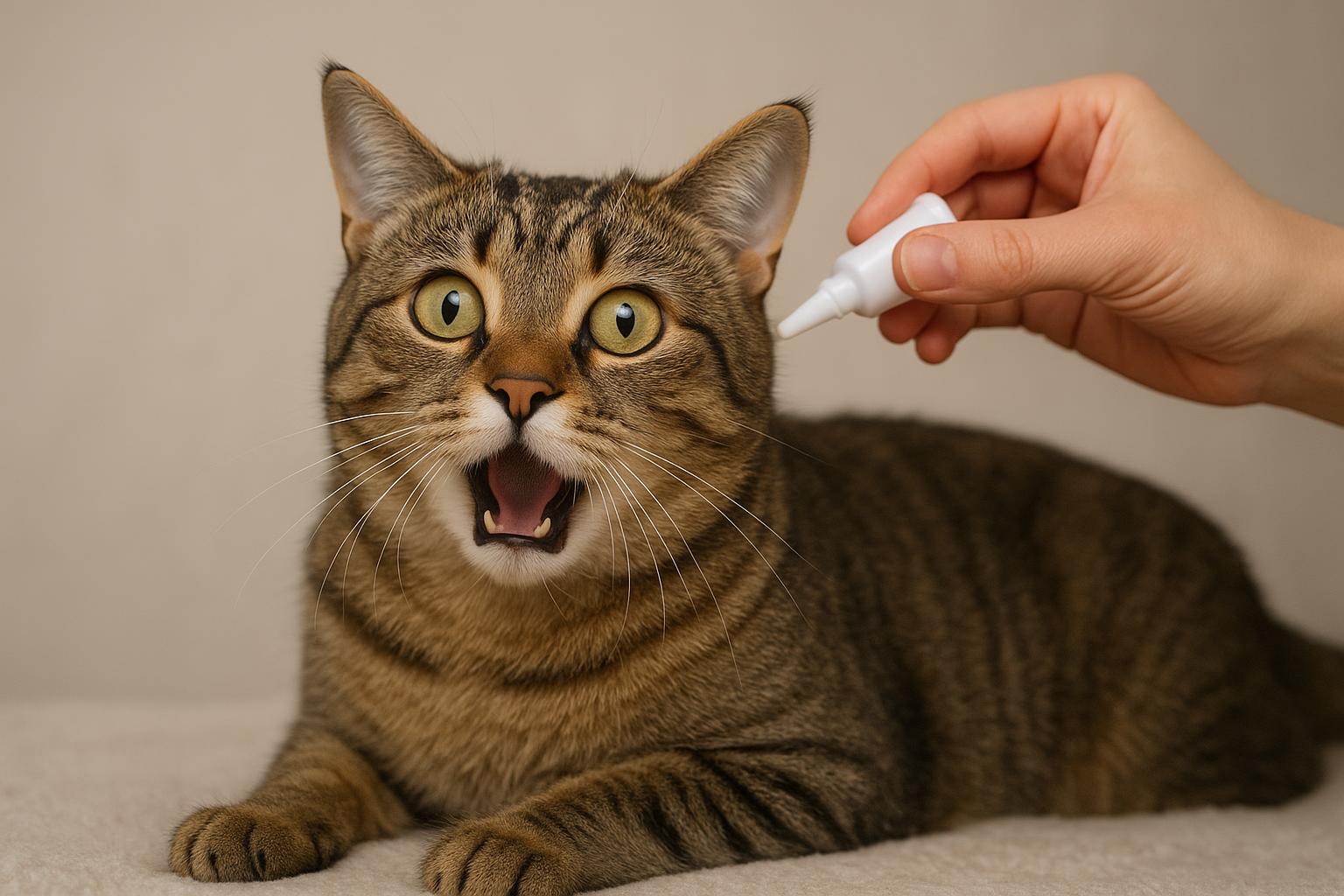
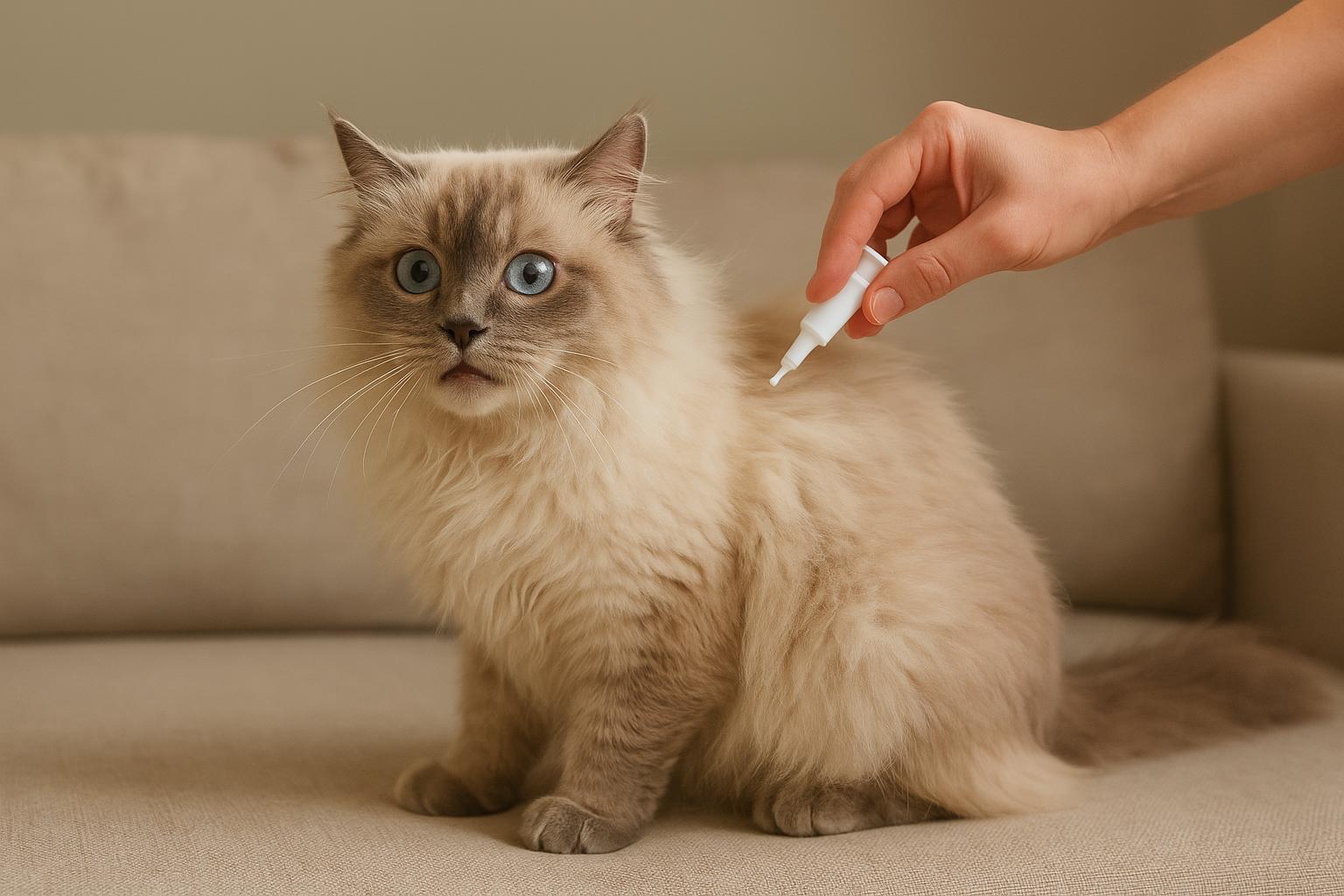
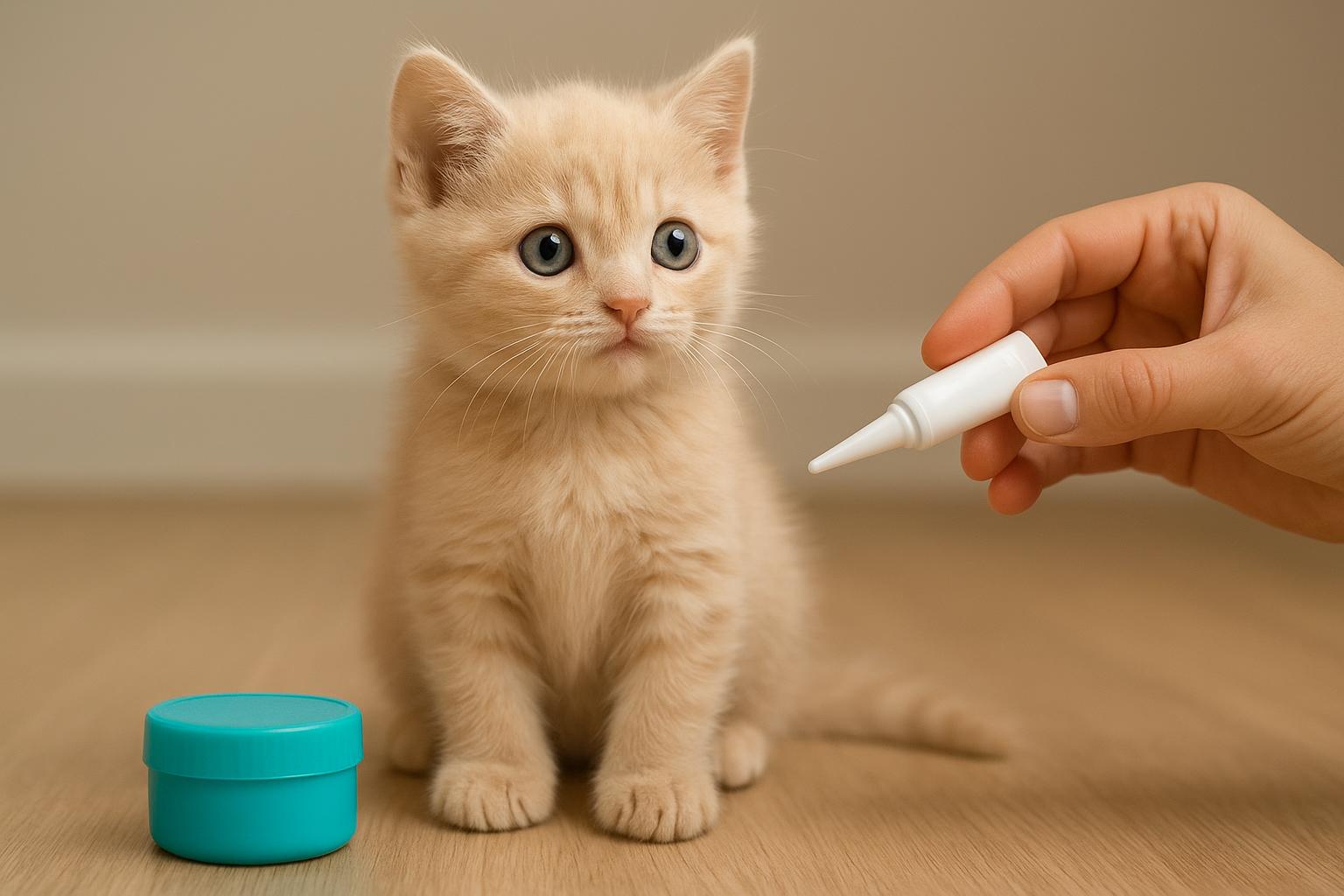
2. Follow the vet’s dosing instructions precisely. Most topical treatments are applied between the shoulders on clean, dry skin; avoid bathing 24–48 hours before and after application unless instructed.
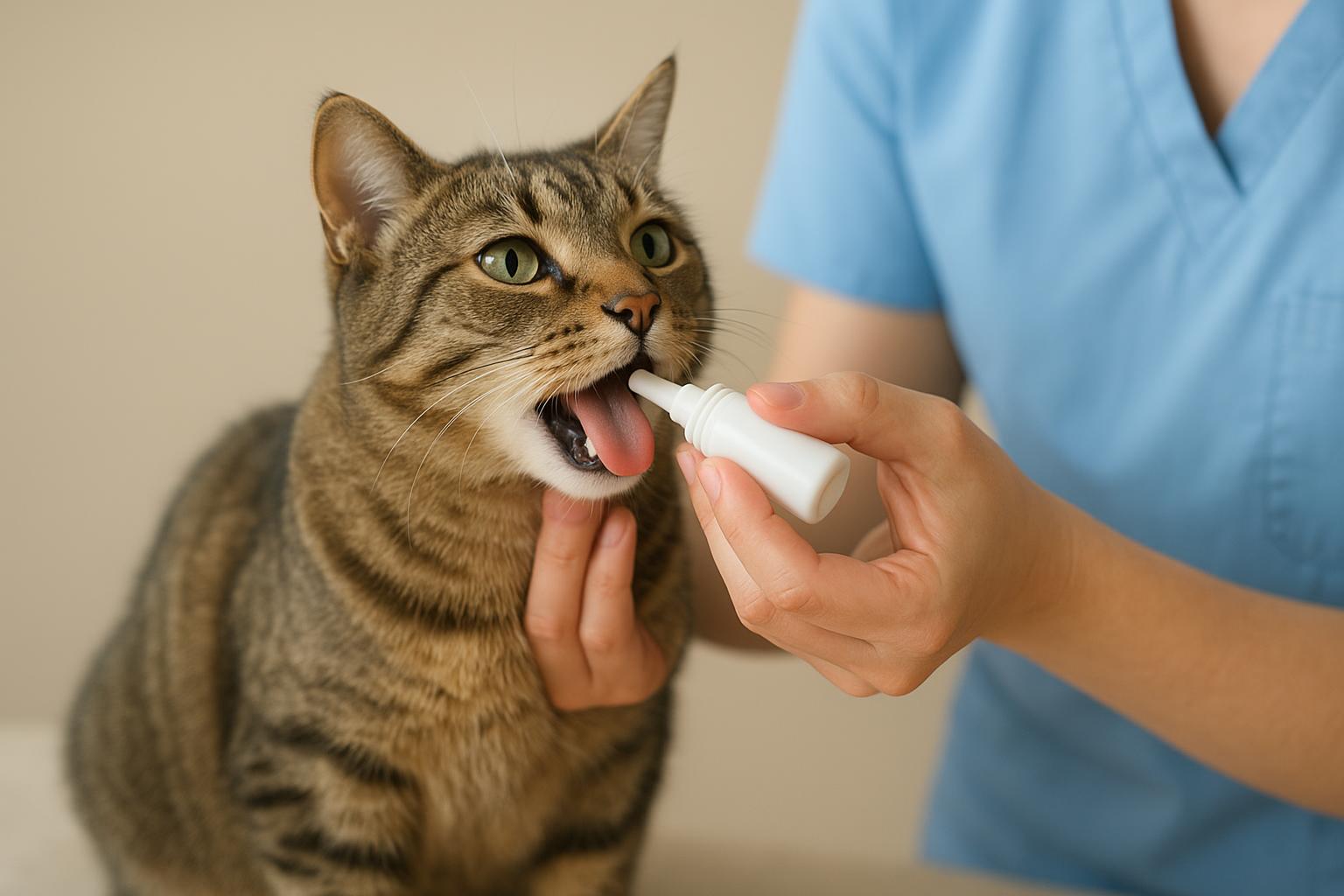
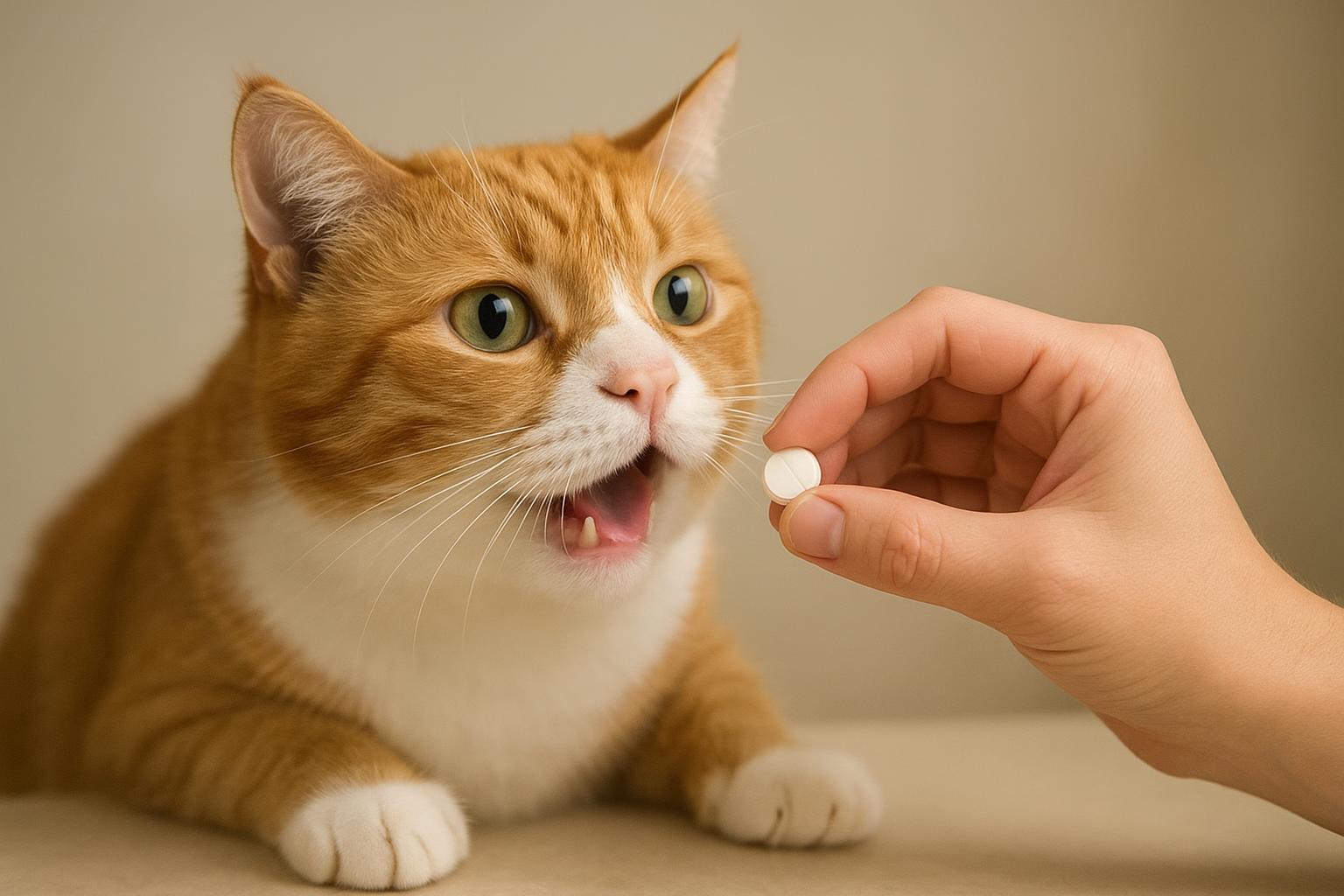
3. For oral treatments, administer the exact dose by tablet or chew as directed. Some oral products work quickly to kill adult fleas within hours.
4. If tapeworm is suspected, the vet will prescribe a dewormer (e.g., praziquantel). Administer per label or vet instruction.
5. Treat all pets in the household as advised — fleas move between hosts.
6. Discuss environmental control with your vet. In many cases, combining a pet treatment with environmental IGRs is necessary to break the lifecycle.
7. Schedule follow-up checks as recommended, and continue monthly preventives to prevent recurrence.
Prescription and approved over-the-counter treatments are the most reliable way to eliminate fleas and prevent reinfestation. Always consult your vet before starting any new medication.
### When To Contact Your Veterinarian Immediately
If your cat is a kitten, appears anemic (pale gums, lethargic), has large skin lesions, is losing weight, or has persistent vomiting or diarrhea, contact your vet right away. These could indicate severe infestation or secondary complications.
### Preventing Future Flea Problems
Consistent monthly preventives, keeping outdoor areas trimmed, and limiting wildlife access to your yard are practical steps. Regularly inspect your cat during warm months. If stray animals visit your yard, treat the area and ask neighbors to be mindful — fleas don’t respect property lines.
If you spot convincing flea signs or live fleas, don’t delay—tackle both the pet and the environment quickly, and loop in your veterinarian for safe, effective treatment plans.





Leave a Reply