

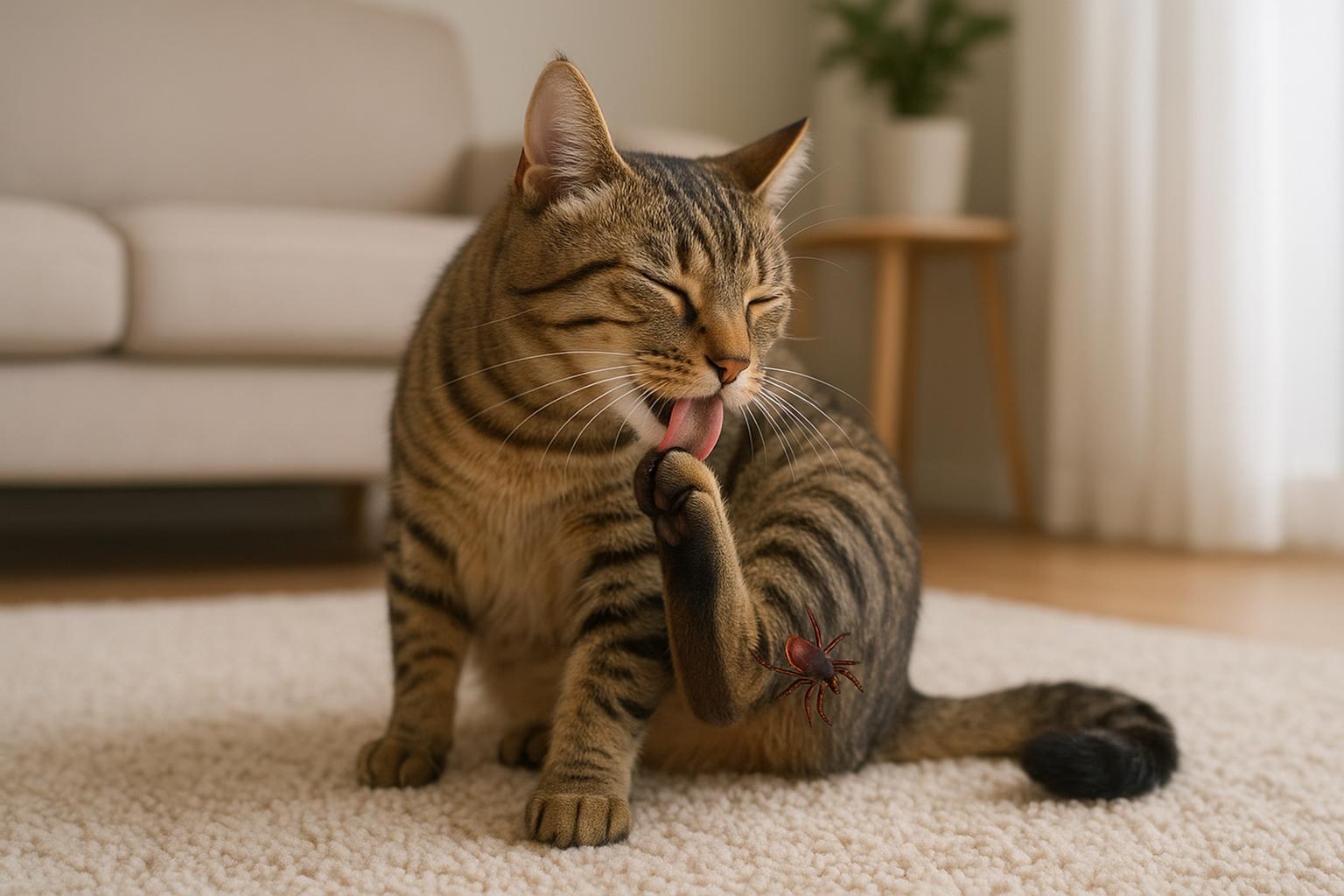
You cradle a tiny bundle of fluff and then notice the frantic, microscopic shuttle traffic along their spine. Welcome to the not-so-fun part of kitten parenthood: fleas. Good news — before you reach for chemical warfare, there’s a gentle, effective frontline tool that’s as old-school as it is reliable: flea combs. They’re cheap, safe for kittens, and often deliver fast relief when used properly.
## Using Flea Combs For Quick Relief
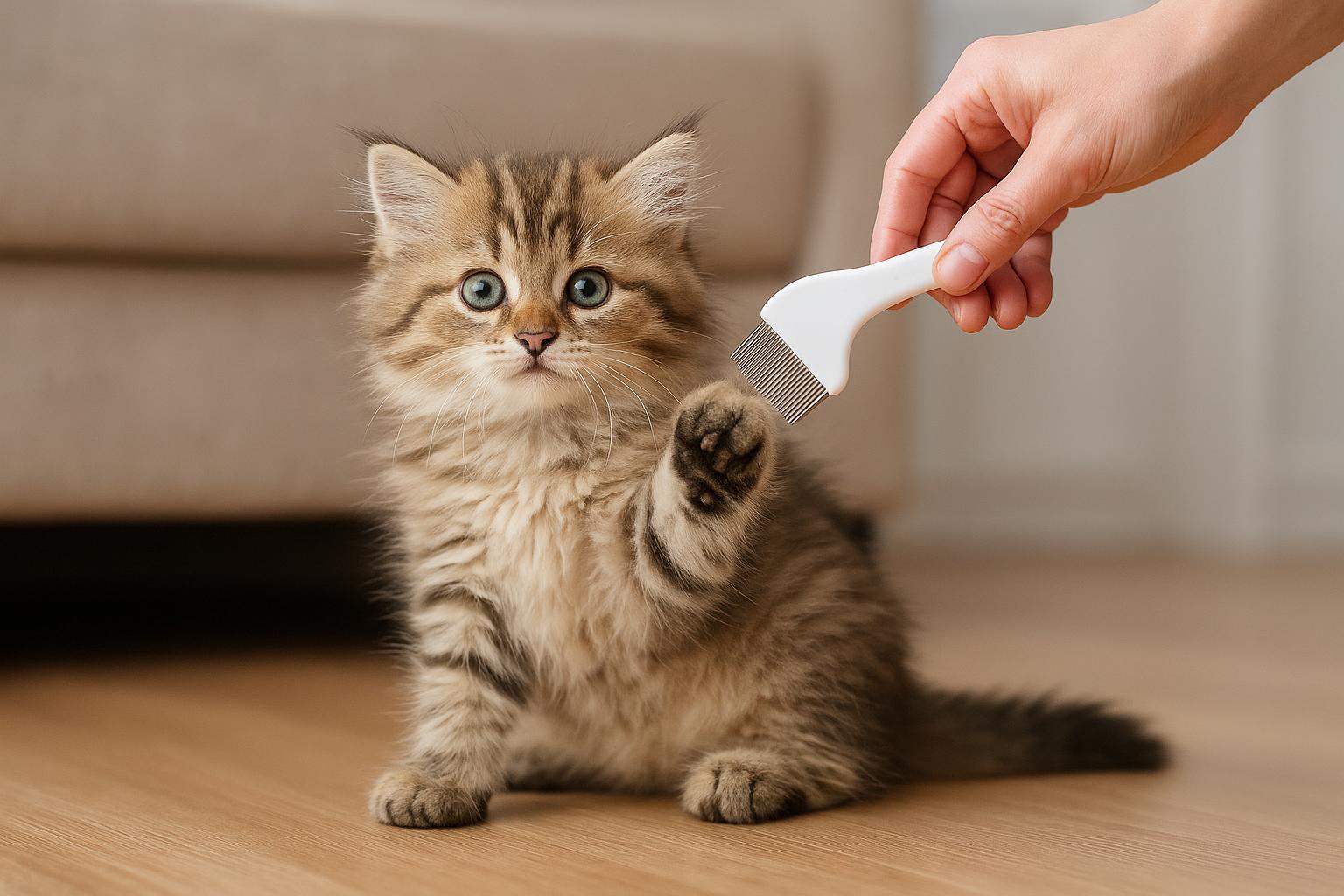
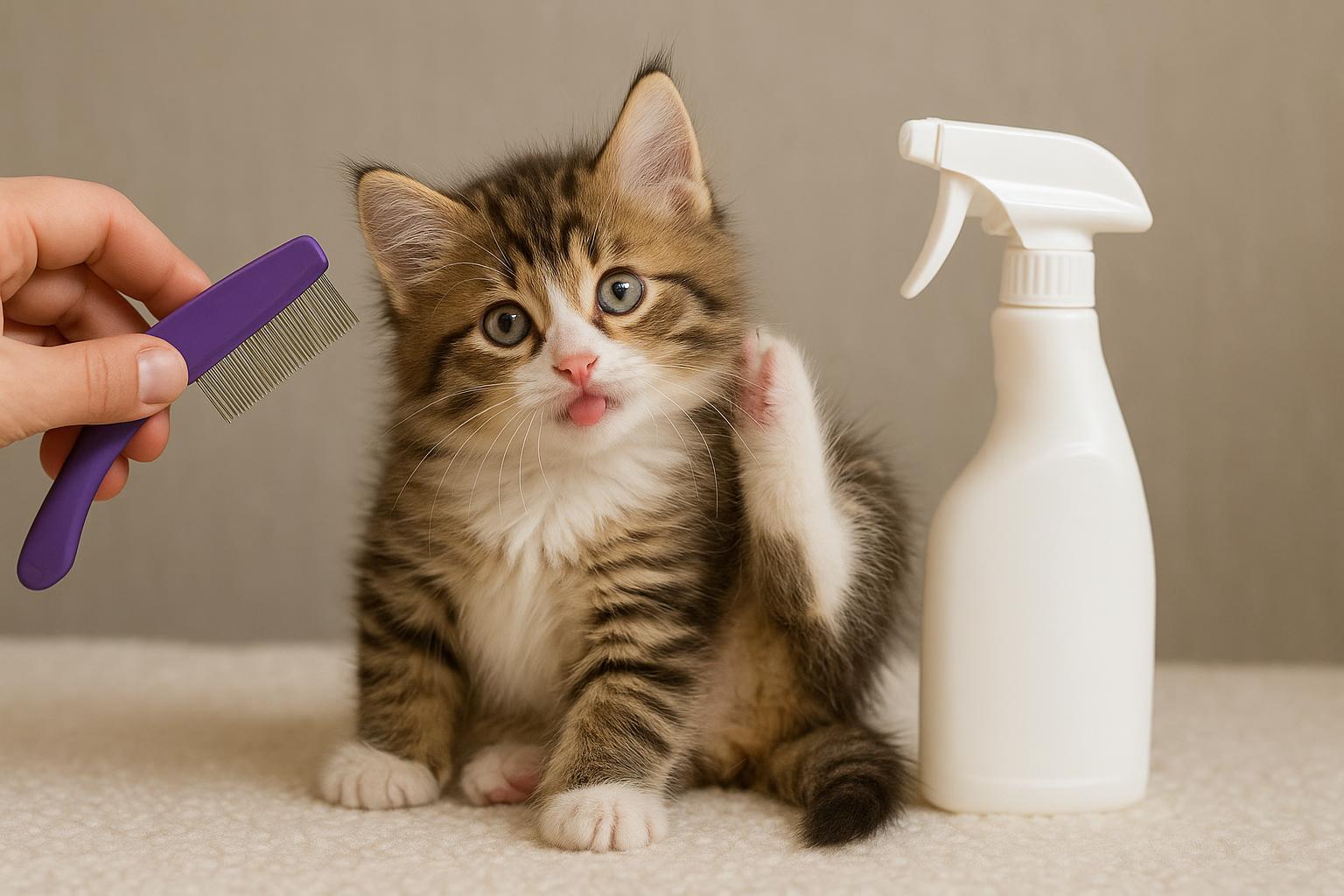
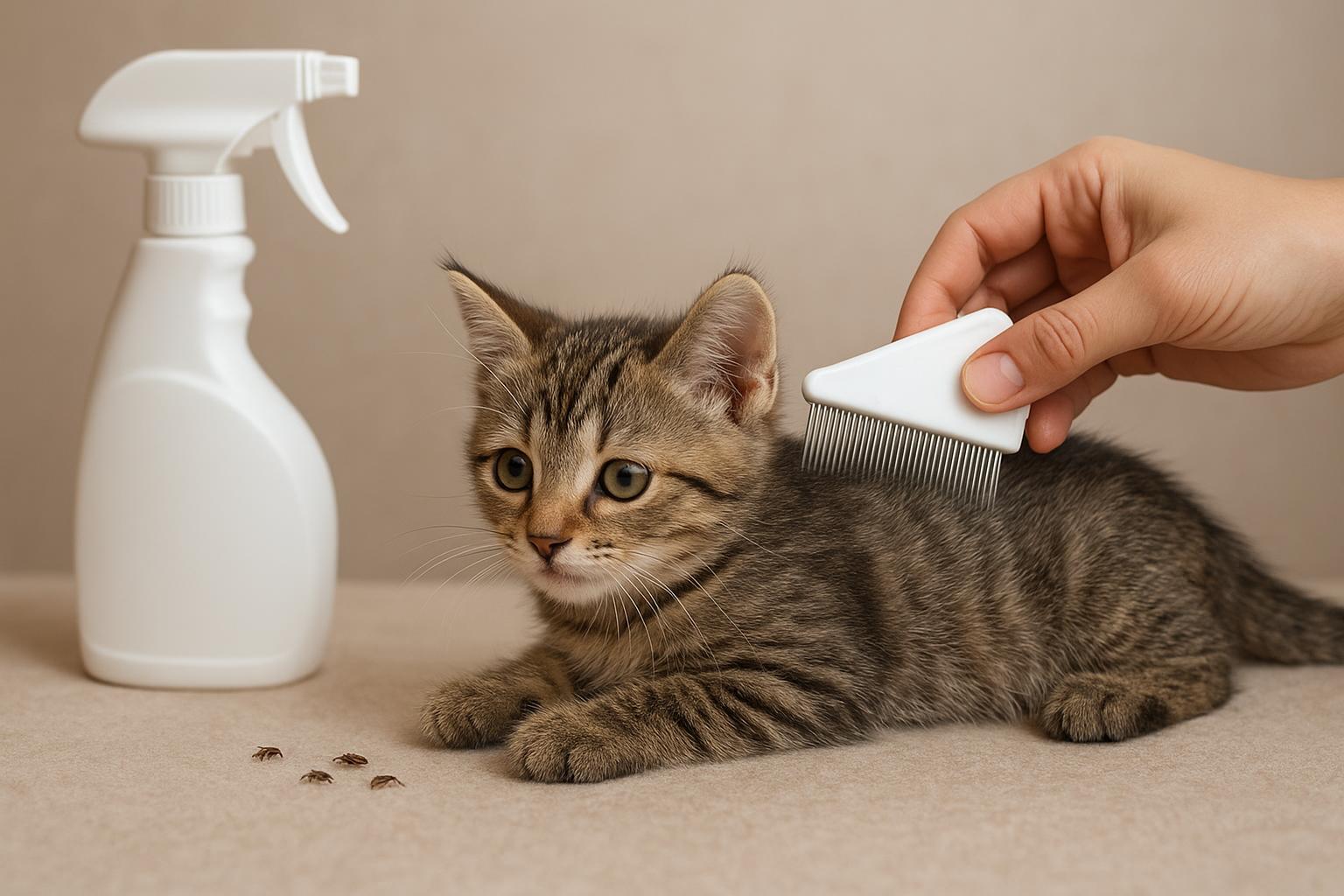
Flea combs are a simple mechanical solution: tightly spaced metal teeth capture fleas, flea dirt, and eggs as you comb through fur. For kittens, who can’t always tolerate topical or oral treatments, regular combing can dramatically reduce irritation and interrupt the flea life cycle. It’s also a great bonding activity — minus the fleas, of course.
### Why Flea Combs Work For Kittens
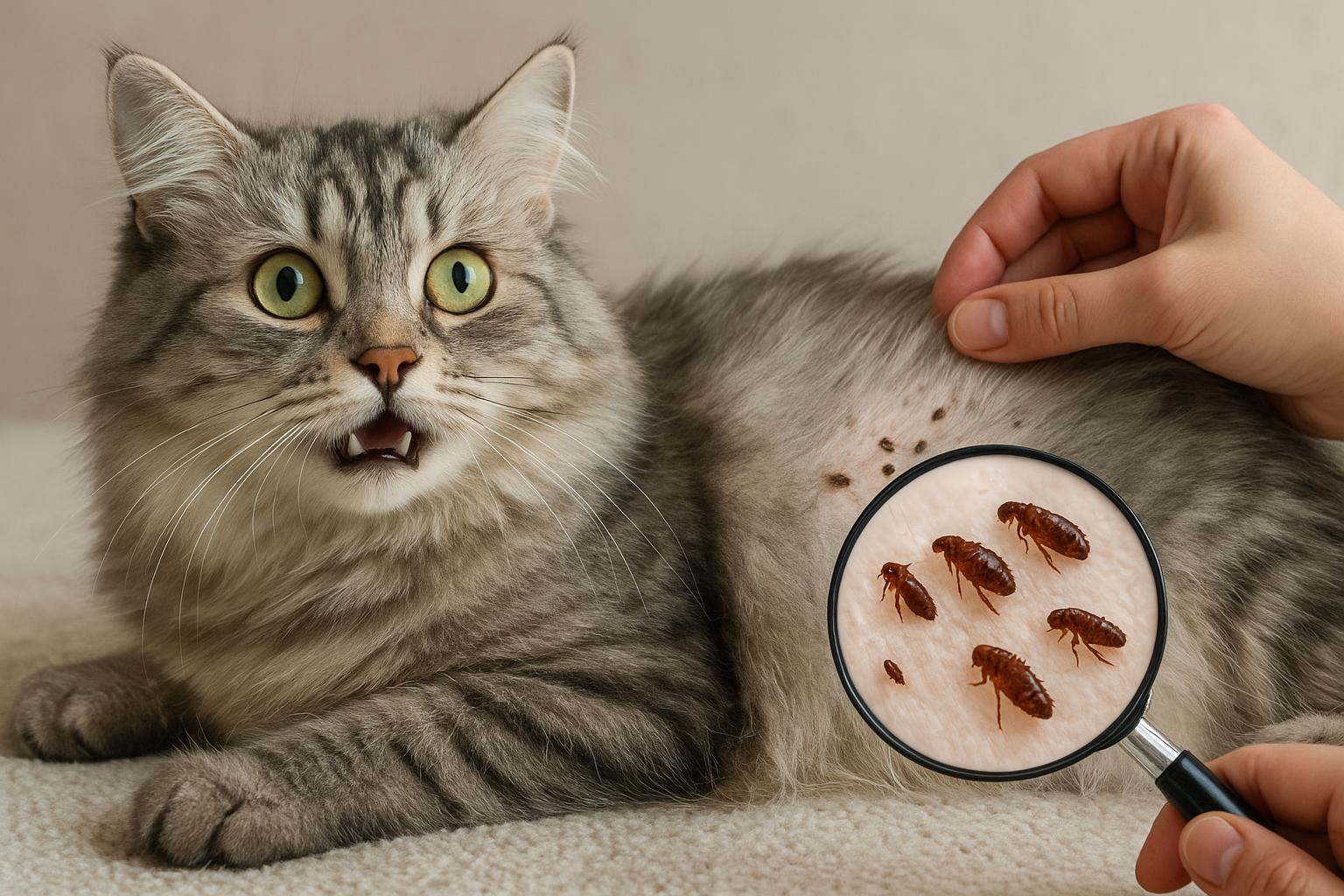
Kittens have delicate skin and faster metabolisms, and some flea products are not approved for very young animals. Flea combs remove adult fleas on contact and allow you to see the severity of an infestation. Because fleas and their eggs must be removed physically, you prevent reinfestation while avoiding many chemical exposures. Flea combs also let you target hot spots like the back, neck and base of the tail where fleas congregate.
#### How To Recognize Flea Dirt Versus Other Debris
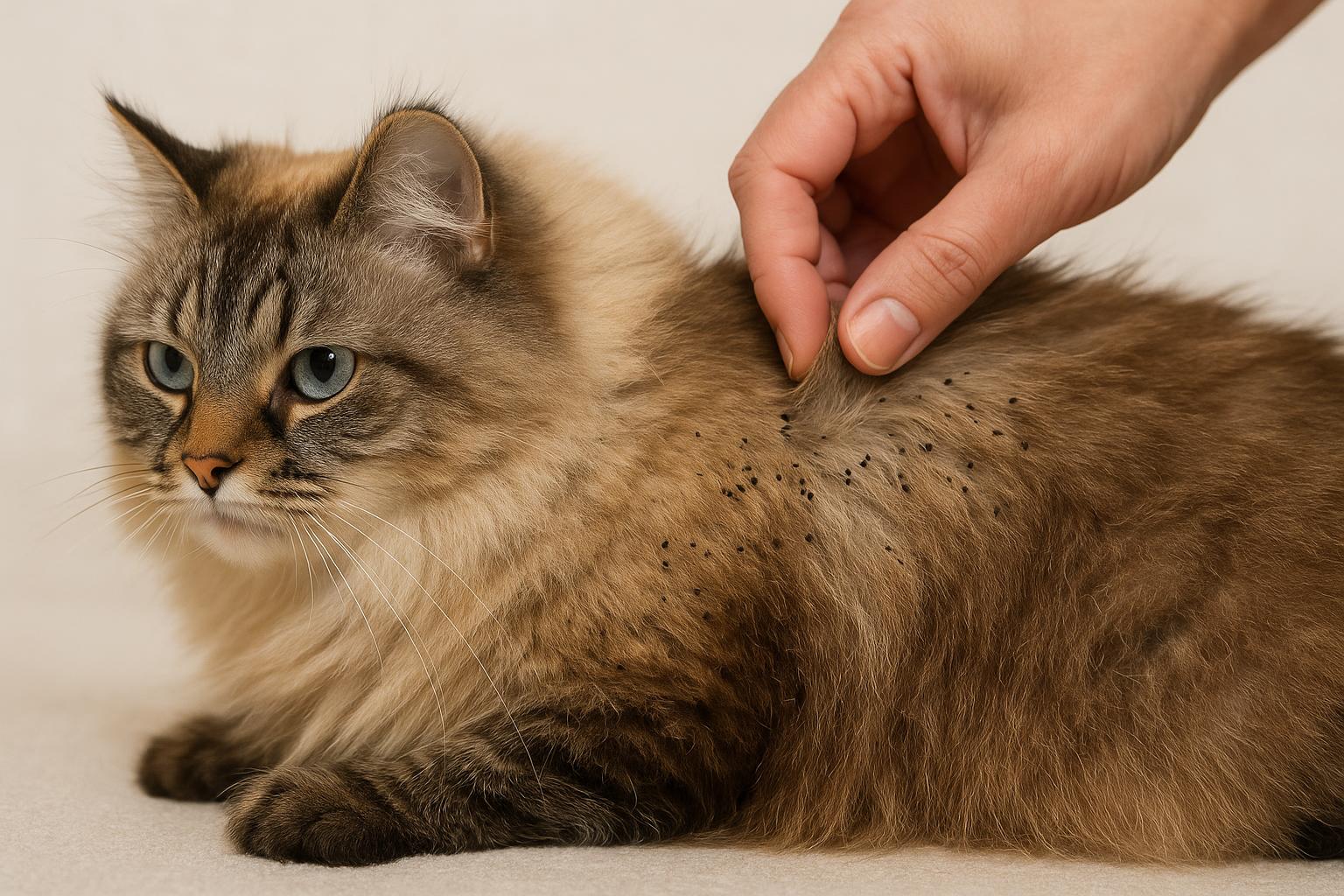
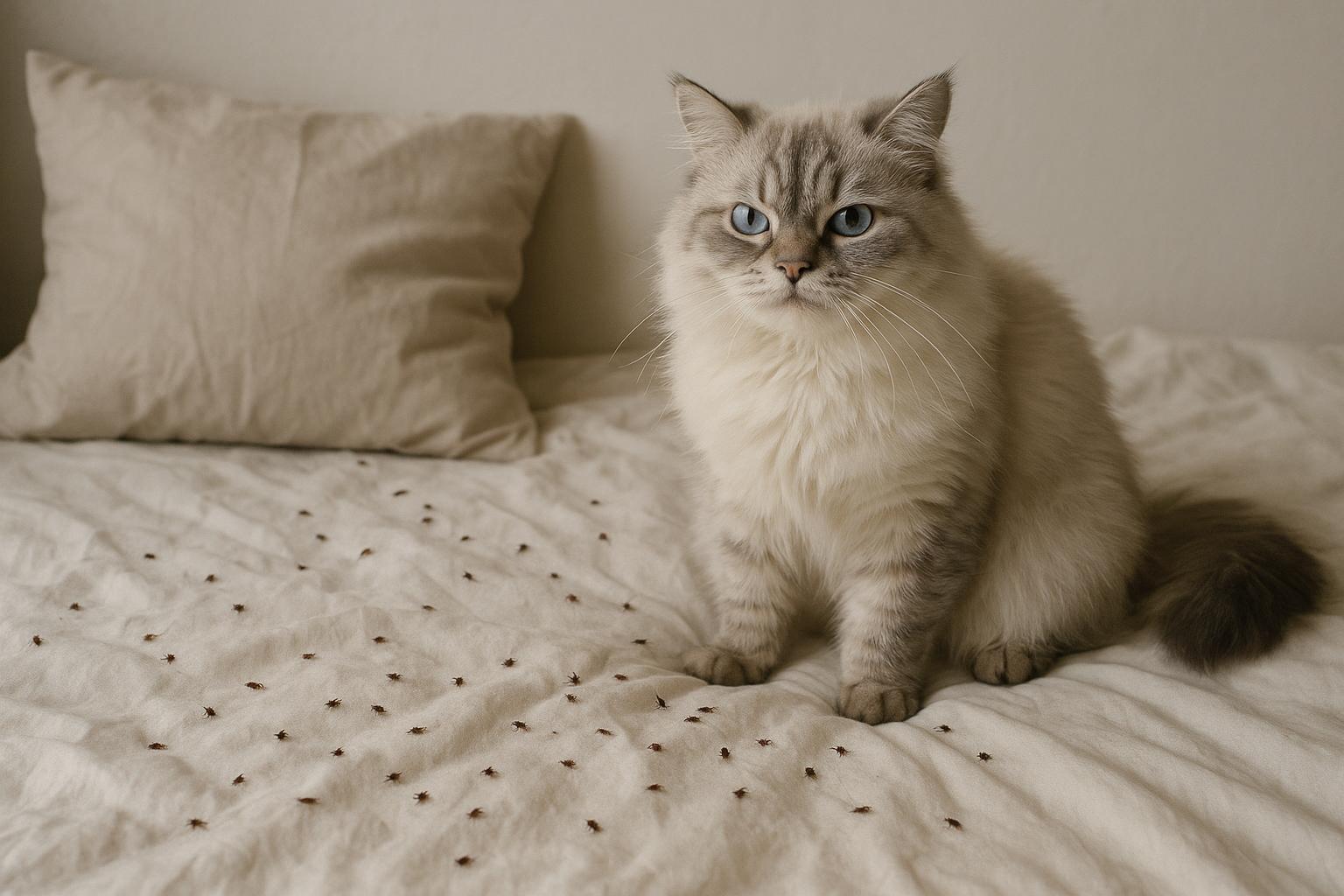
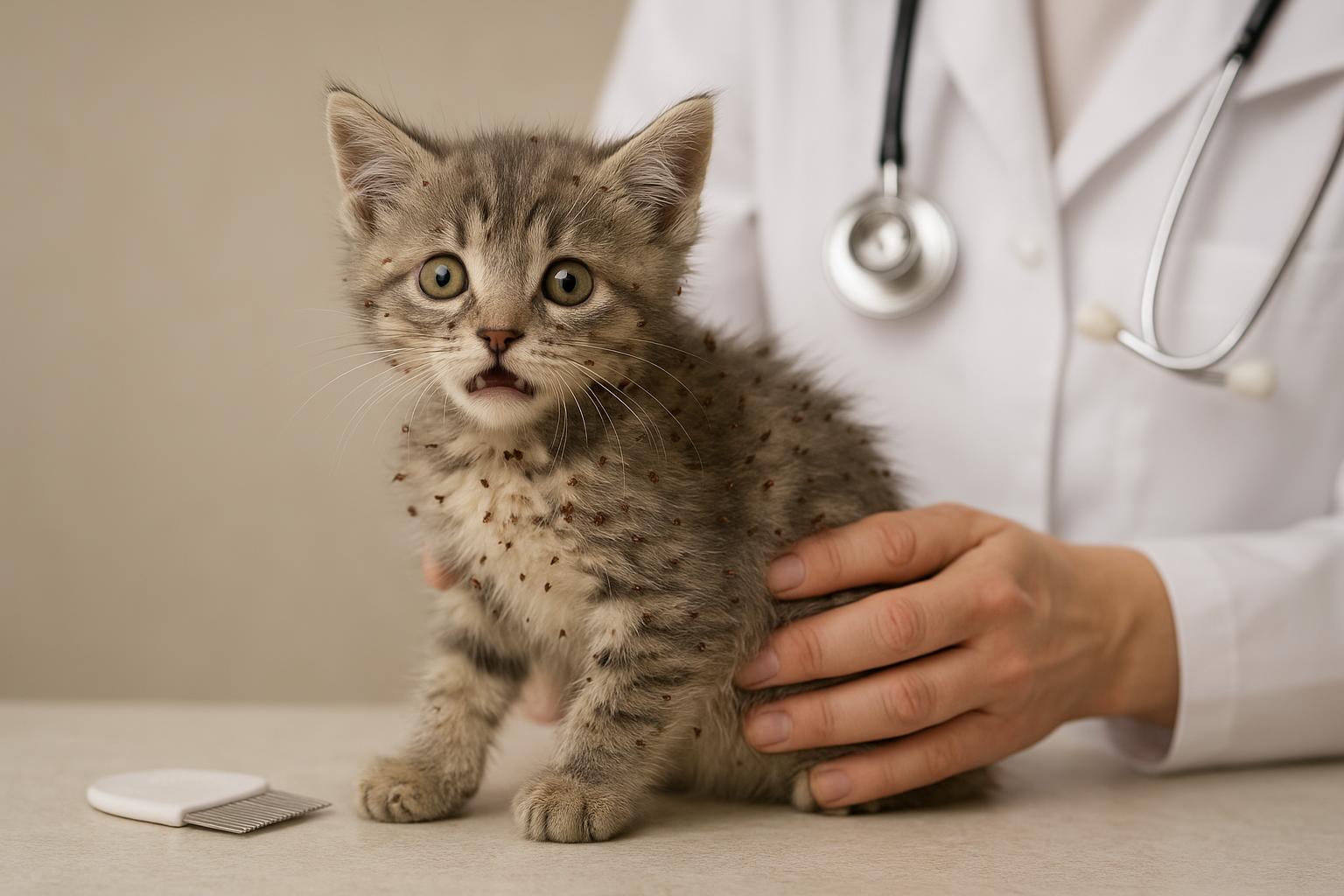
Flea dirt looks like black pepper specks. Test it by placing a small amount on a damp paper towel — if it turns reddish-brown, it’s digested blood, and you’ve got flea dirt. This distinction matters: dandruff and dirt won’t produce the red stain, but both can be removed with grooming.
## Preparing The Kitten And Area
A calm kitten and a tidy workspace mean faster, safer combing sessions. Start in a warm, well-lit room with an easy-to-clean surface like a towel or washable blanket. Gather materials before you begin.
Materials Required:
– A fine-toothed flea comb
– A bowl or tub of soapy water (mild dish soap)
– Paper towels or clean cloths
– A small magnifying glass or white paper (optional)
– Treats to reward your kitten
– A container with a tight lid or zip-seal bag for captured fleas and debris
Keep items within arm’s reach so sessions stay short and efficient. If your kitten is especially squirmy, enlist a calm helper to gently hold and soothe them.
### Choosing The Right Flea Comb
Not all combs are created equal. Choose a durable metal-tooth comb with teeth spaced very closely together (about 0.5–1 mm). Plastic combs will wear down more quickly and may miss smaller fleas or eggs. A comfortable handle and a length suitable for the kitten’s coat type (short vs. long hair) makes a big difference in ease of use.
## Step-By-Step Flea Comb Method
Follow these steps carefully. This section is formal and instructional to ensure safety and effectiveness.
Materials:
1. Fine-toothed flea comb
2. A shallow bowl or container filled with warm soapy water (dish soap is fine)
3. A towel or washable mat
4. Paper towels or disposable wipes
5. A sealed container or plastic bag for disposal
Procedure:
1. Prepare the Environment: Lay the towel on a flat surface and place the kitten on it. Ensure good lighting so you can see the combed material clearly.
2. Soak the Disposal Container: Fill the bowl with warm water and a drop of dish soap. The soap reduces surface tension so fleas sink and drown immediately.
3. Calm the Kitten: Speak softly and gently pet the kitten for a minute. Offer a small treat to create a positive association.
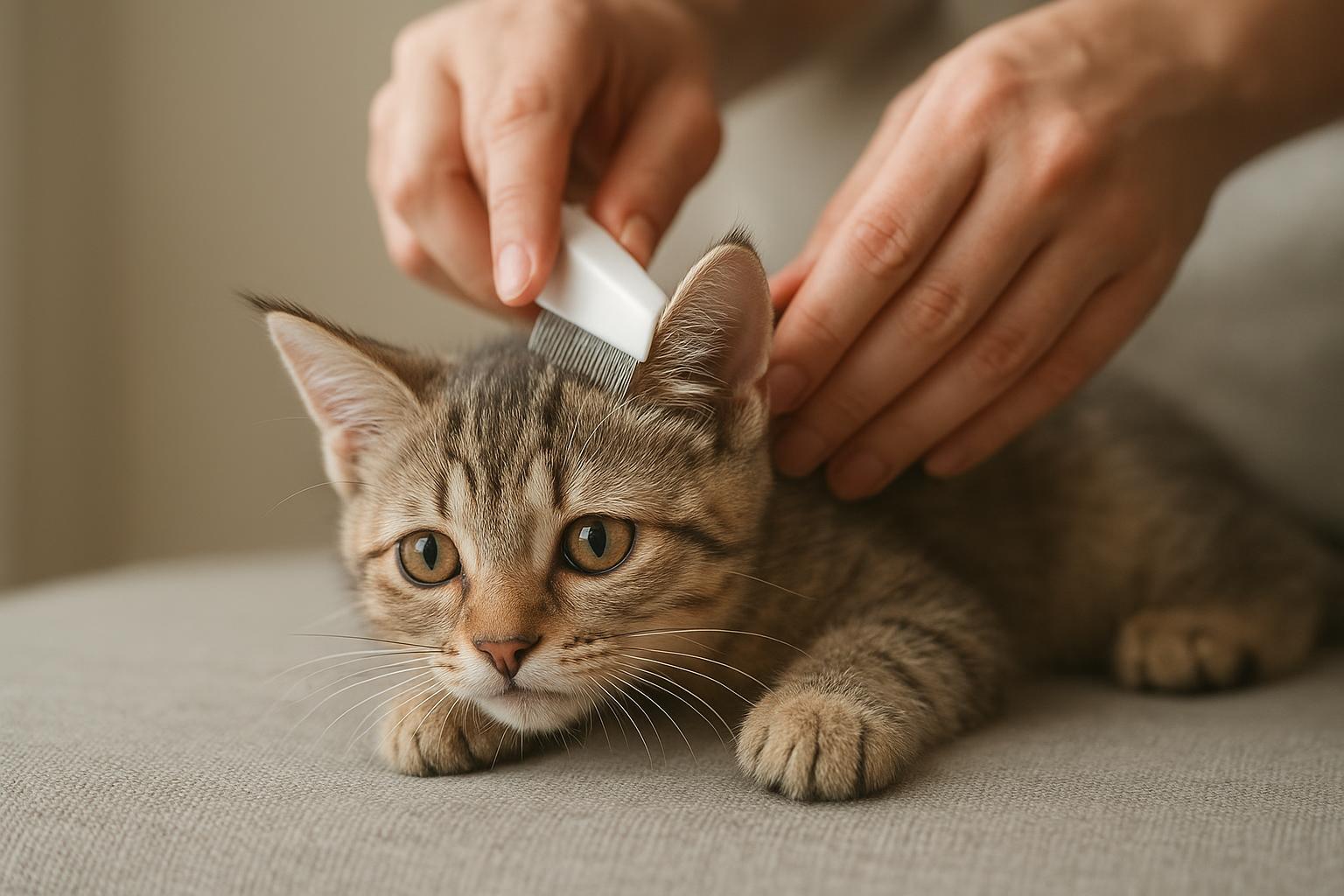
4. Start With The Neck and Back: Hold the kitten steady with one hand. Using the flea comb with the other, comb from head to tail along the natural lay of the fur. Keep comb strokes short and methodical, about 1–2 inches at a time.
5. Inspect Comb After Each Stroke: After each pass, tap the comb into the soapy water. The fleas should release into the water; eggs and dirt will detach as well. Wipe the comb on paper towel if necessary.
6. Focus On Hot Spots: Spend extra time near the base of the tail, armpits, groin, and behind ears — these are favored flea locations.
7. Continue Until Clean: For mild infestations, 10–15 minutes per session may suffice. For heavier infestations, repeat daily until you see no further fleas or flea dirt for several days.
8. Dispose Properly: Seal soapy water and paper towels in a plastic bag and discard. Do not leave captured fleas where they can escape.
9. Clean The Comb: After use, wash the comb thoroughly with hot soapy water and dry it. Store it in a clean, dry place.
Do not use petroleum jelly or sticky traps on kittens. Keep the process gentle to avoid tugging skin or fur.
### Frequency And Persistence
Combing once daily during active infestations is ideal. Once control is achieved, reduce to 2–3 times per week for a few weeks to catch late-hatching fleas. Because flea eggs can hatch over 2–3 weeks, persistence matters.
## Post-Combing Care And Household Steps
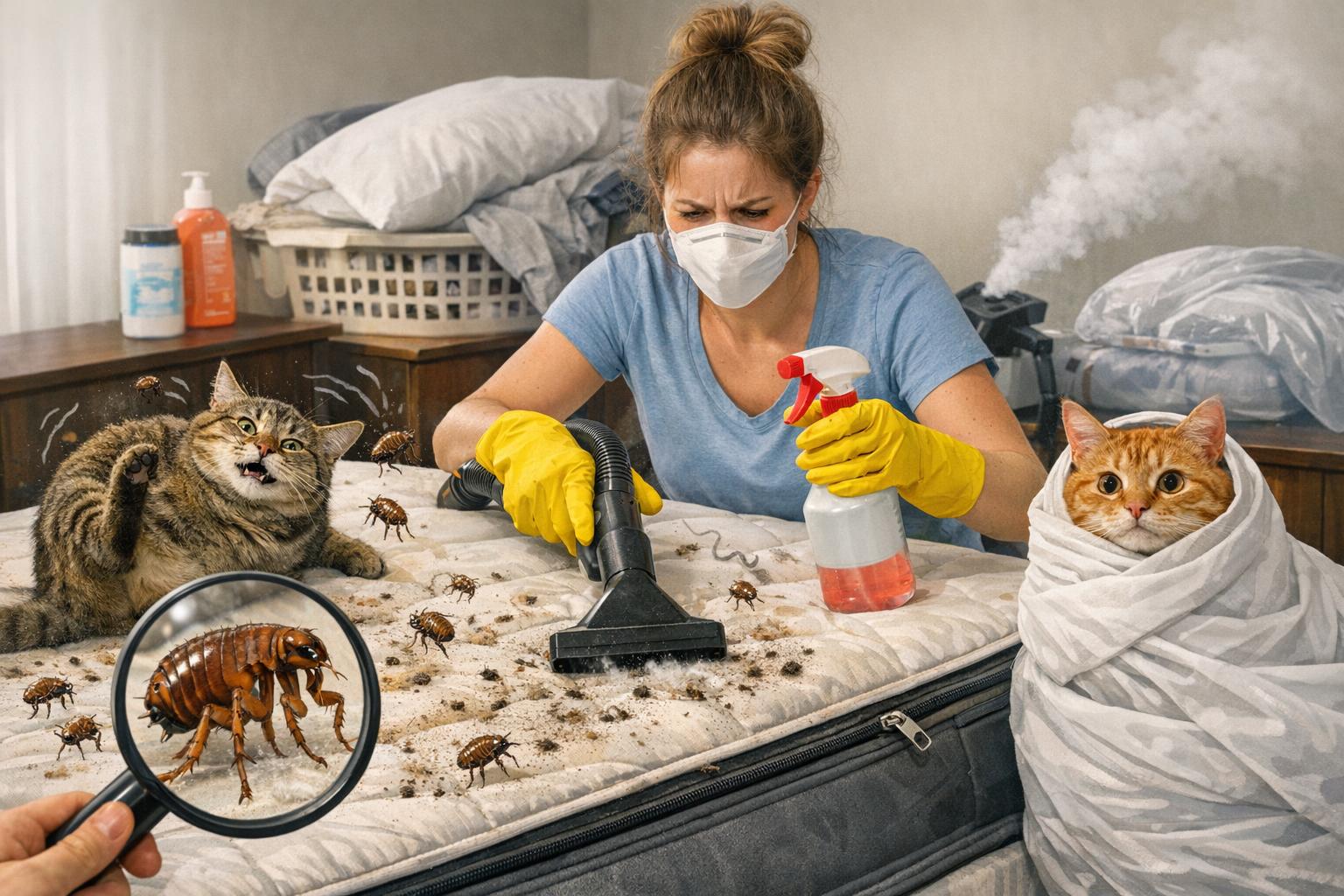
Removing fleas from the kitten is only part of the battle. Flea eggs and larvae live in the environment and will reinfect your pet if not addressed. Treat bedding and common areas promptly.
Cleaning Steps:
– Wash all bedding, blankets, and any fabrics the kitten used in hot water and dry on high heat.
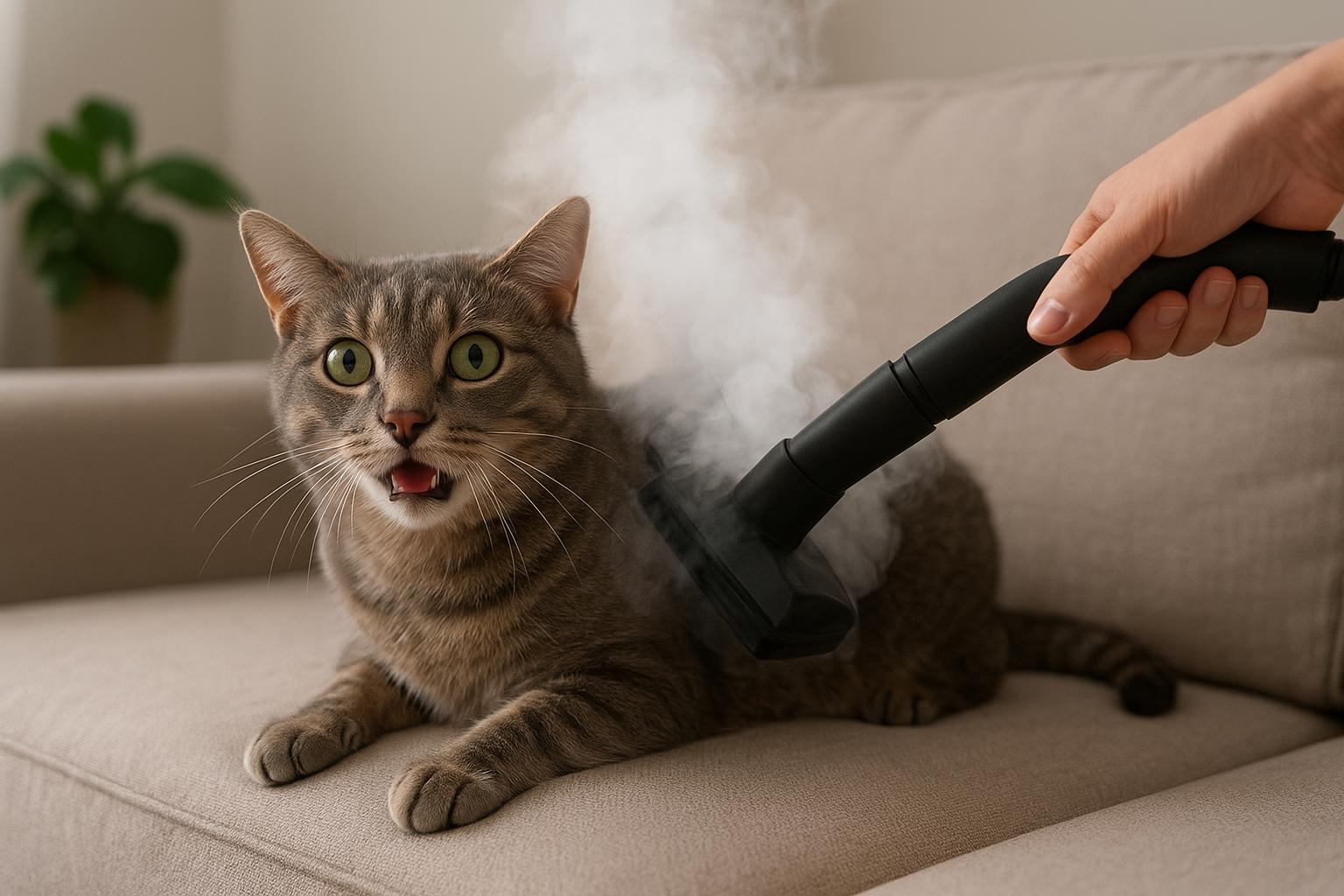
– Vacuum carpets, upholstery, and cracks in floors. Empty vacuum contents into a sealed bag and discard outside.
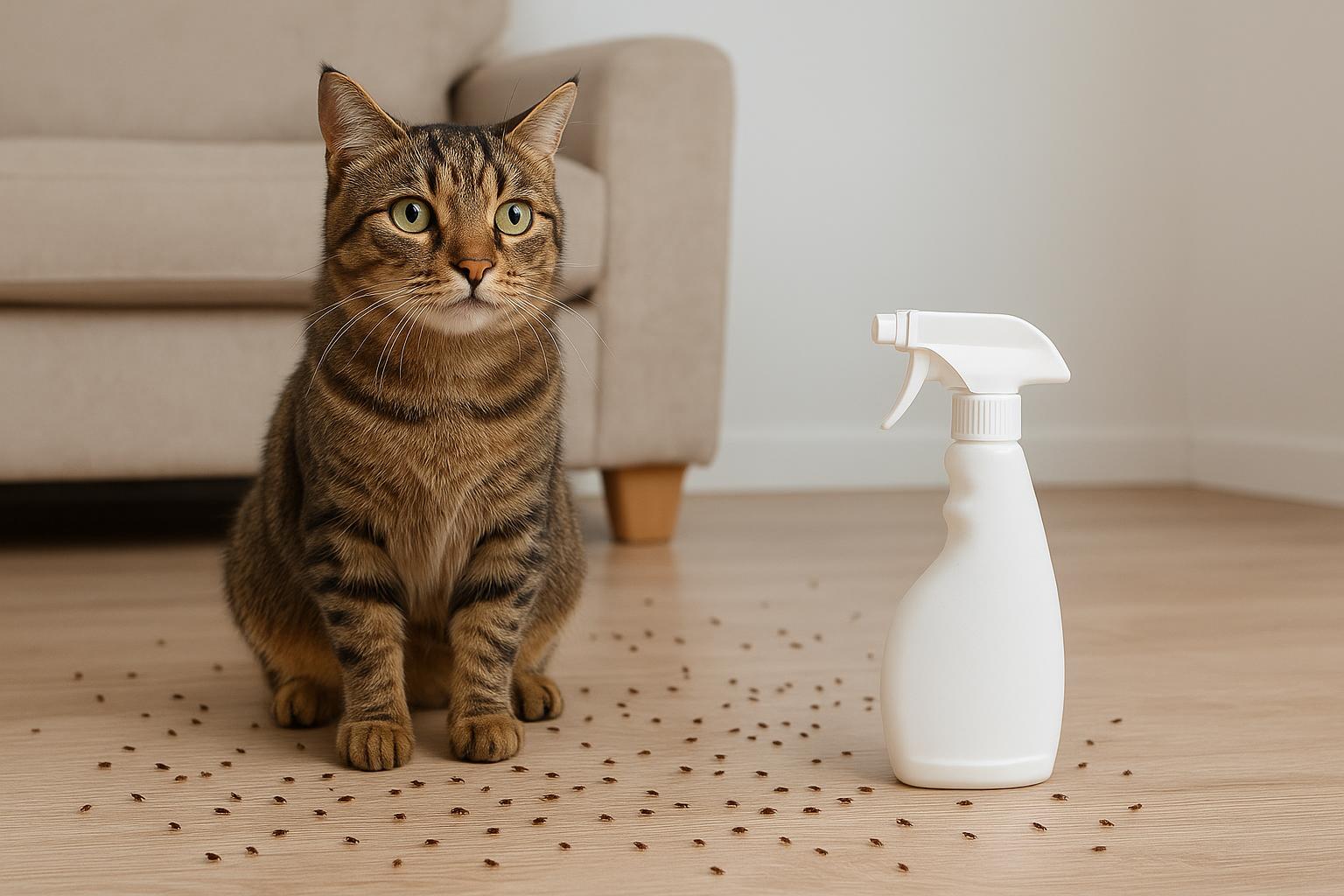
– For severe infestations, consider treating the home with pet-safe environmental sprays or diatomaceous earth (used carefully), and consult a pest professional if needed.
Include flea combing in your regular grooming routine. Flea combs are not a sterilizing tool for the environment, but they reduce the number of biting adults on your kitten and buy time while you address the house.
### When To Combine Flea Combs With Veterinary Treatments
Flea combs are great for immediate relief and monitoring, but they may not be sufficient for major infestations or for kittens with anemia or secondary infections. A veterinarian can recommend age-appropriate topical or oral preventives. If your kitten is under the minimum age for chemical treatments, combing combined with environmental control is your safest option until the vet approves additional treatment.
## Safety Notes And When To See A Vet
Monitor the kitten for signs of anemia (pale gums, lethargy, rapid breathing), skin infections (redness, scabs), or excessive scratching. Fleas can transmit tapeworms and cause allergic dermatitis in some animals. See a veterinarian promptly if:
– The kitten appears weak or pale
– There are large numbers of fleas or you cannot control the infestation
– Skin lesions, sores, or secondary infections are present
– Your household includes immunocompromised humans (children, elderly, or those with health conditions)
### Additional Practical Tips For Stress-Free Combing
– Work in short bursts. Two to five minutes per session repeated several times a day can be more effective and less stressful than one long session.
– Use a white towel under the kitten to make flea dirt and fleas easier to spot.
– Reward calm behavior with praise and treats to build positive associations with grooming.
– If the kitten resists, try changing positions (lap vs. table) or having a helper to gently hold and comfort them.
## The Role Of Regular Grooming Beyond Flea Removal
Routine grooming with standard combs and a gentle brush helps you spot issues early: skin changes, parasites, or lumps. Flea combs are a specific tool in a broader grooming toolkit, useful for targeted flea removal and monitoring.
Flea combs are an accessible, safe, and effective starting point for quick relief from fleas on kittens. Used properly and consistently, they can significantly reduce discomfort and help you assess whether further veterinary intervention is required. Keep at it, be gentle, and remember: most flea problems are solvable with patience and the right tool.




Leave a Reply