
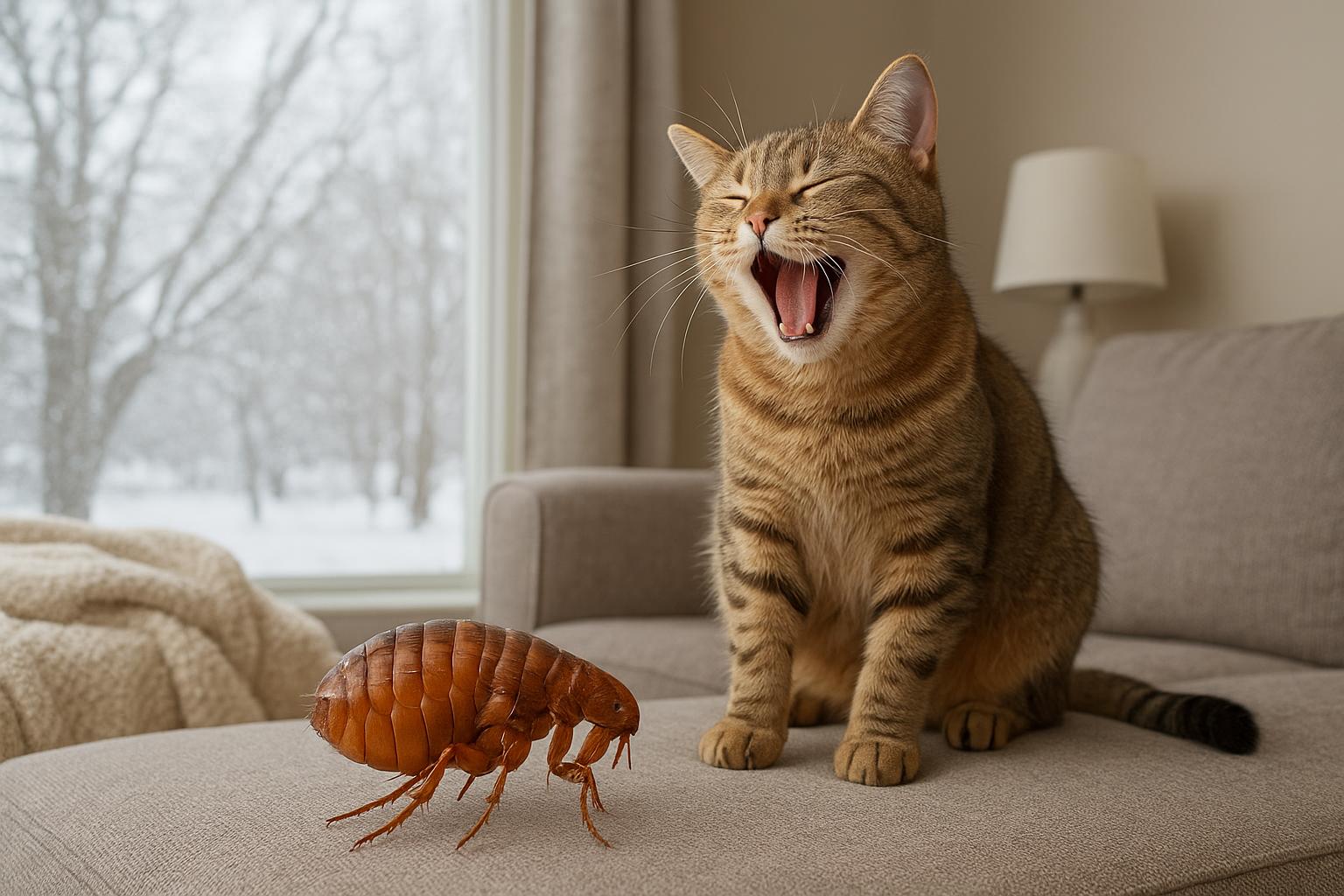
## Winter Fleas: Why They Matter In Cold Months
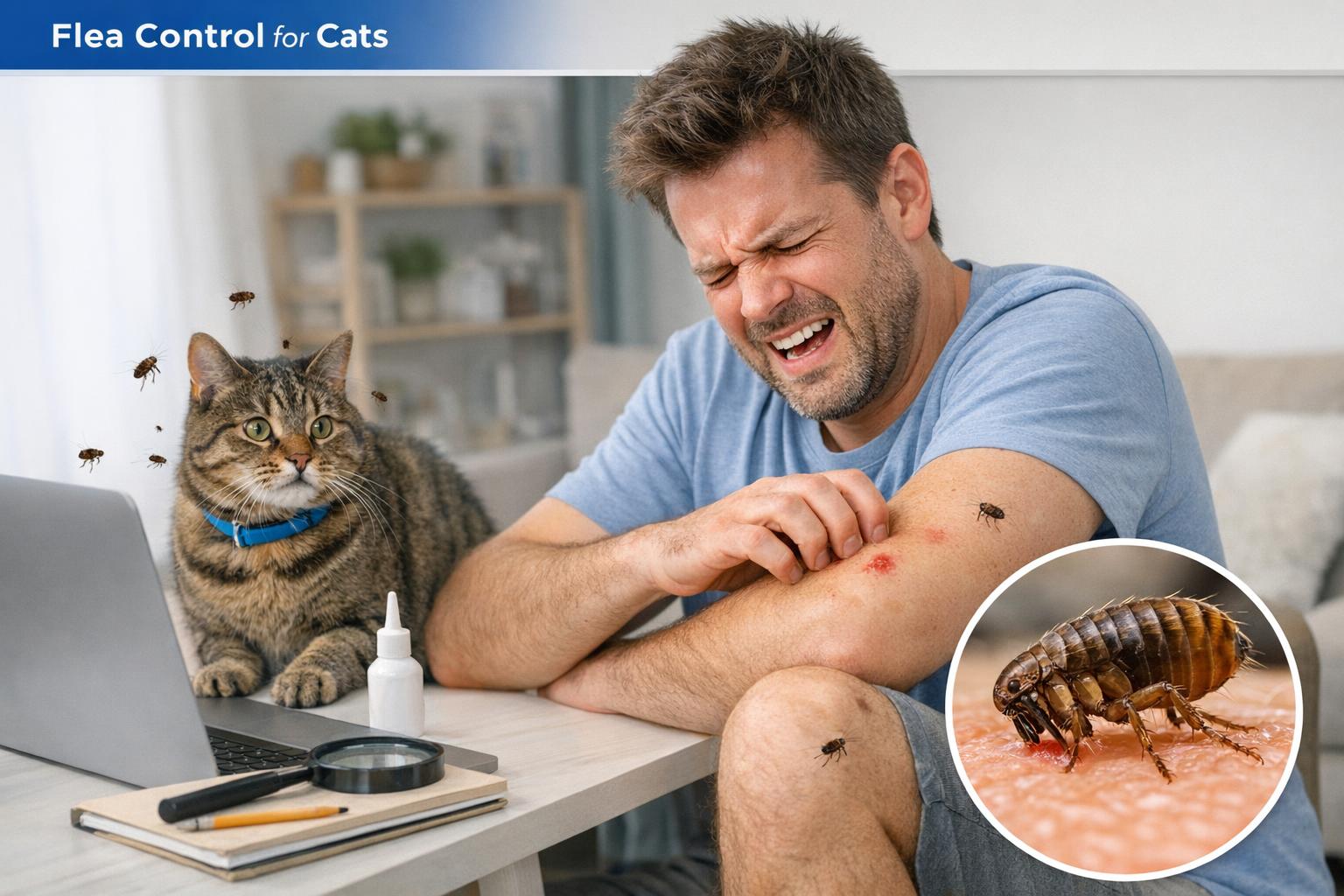
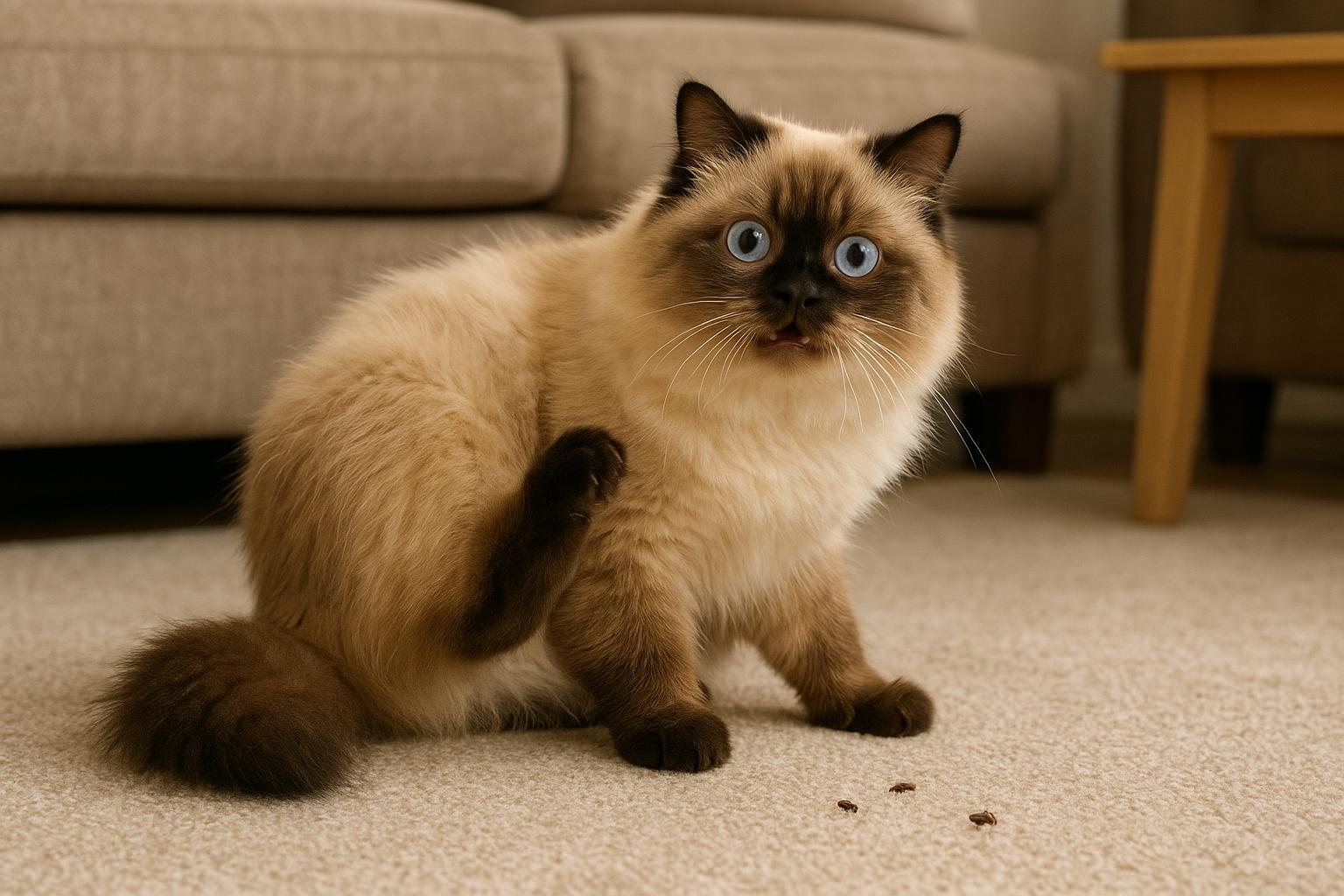
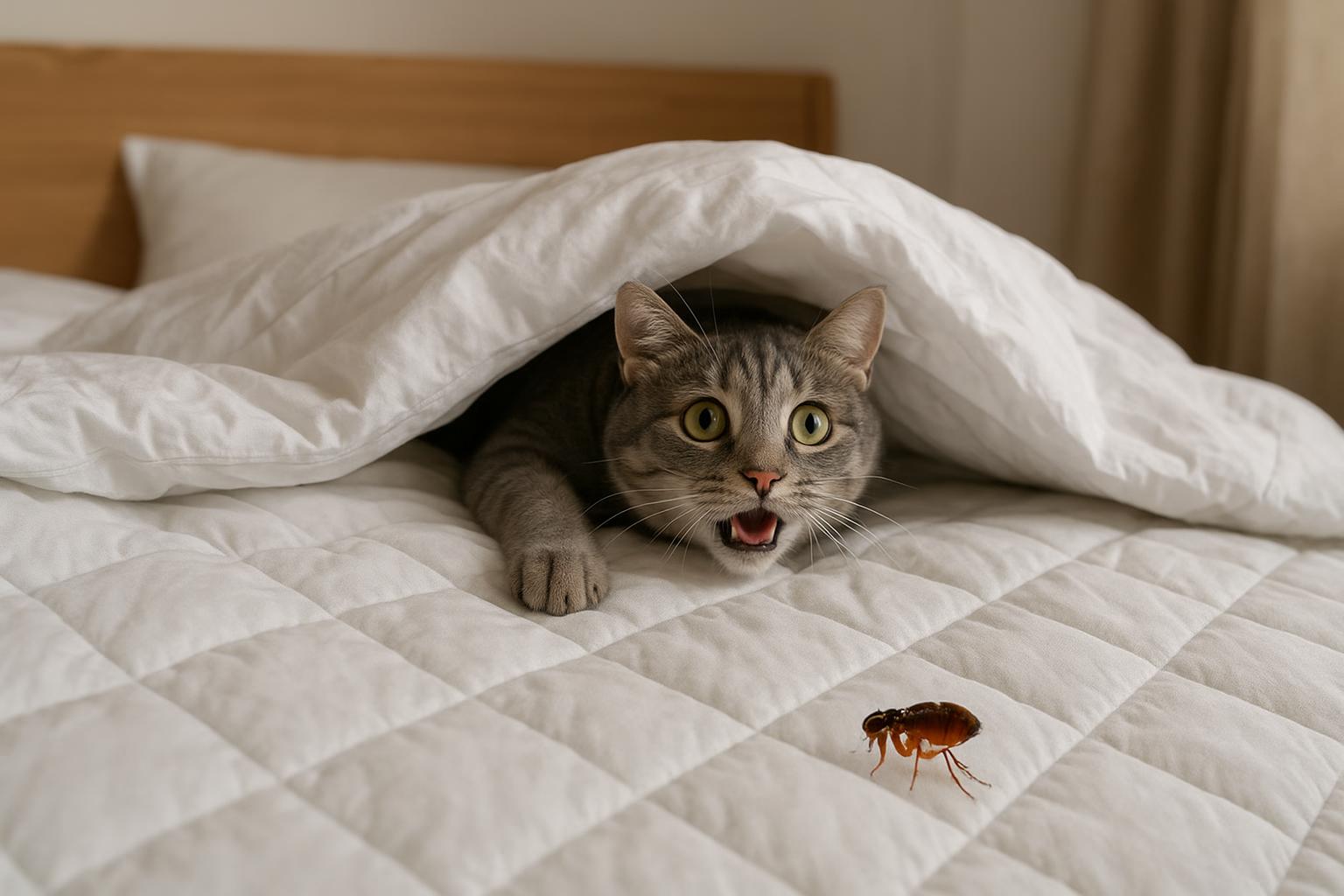
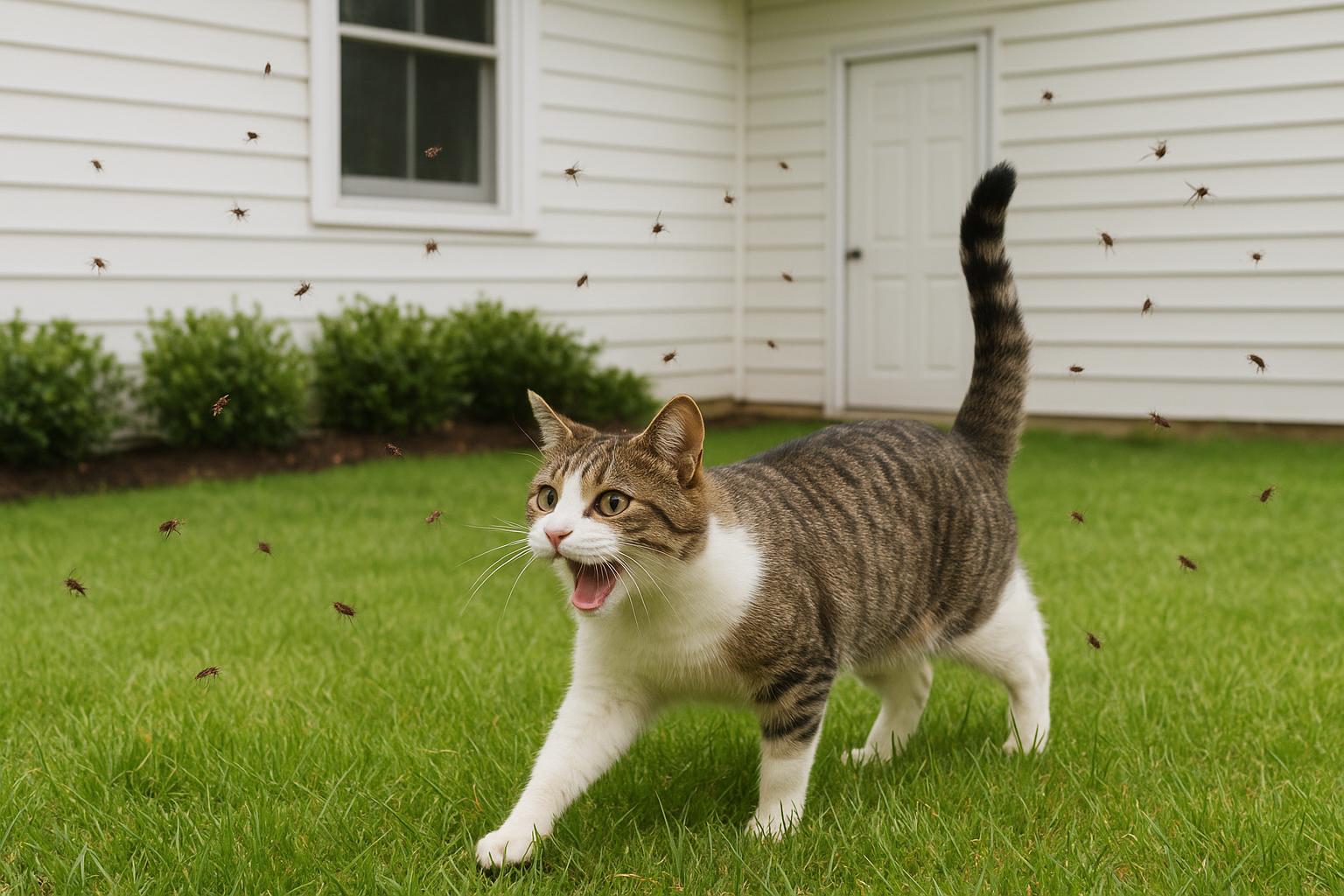
Cold weather doesn’t mean fleas take a vacation. In fact, winter fleas can be surprisingly persistent because most modern homes provide a cozy, temperature-controlled environment that lets flea populations thrive year-round. If you’ve ever wondered why your pet is scratching in January or why you wake up with itchy bites after a snowstorm, you’re not alone—and you’re not helpless.
### The Biology Behind The Problem
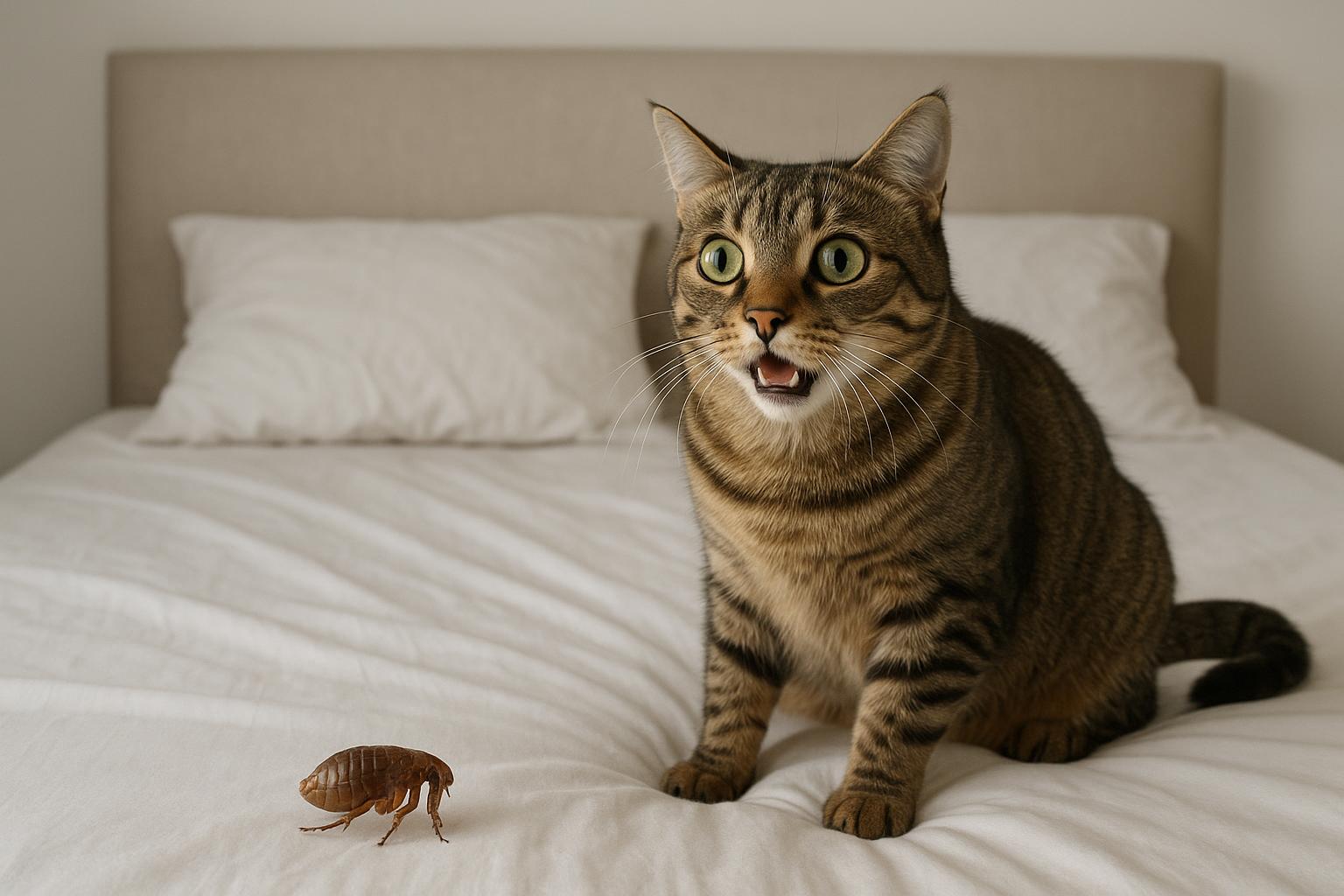
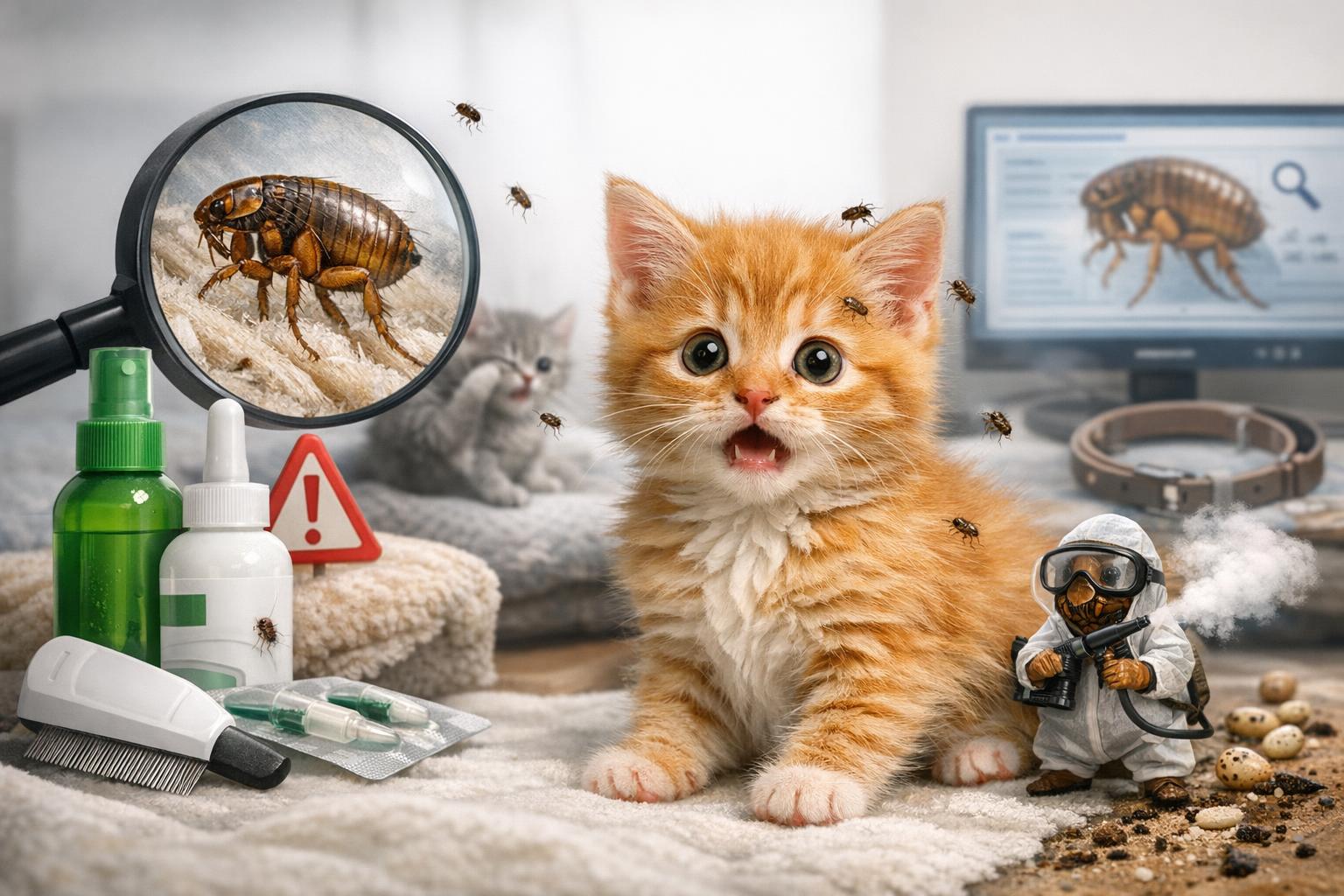
Fleas aren’t fans of freezing temperatures outdoors, but they’re not daft either. Adult fleas can survive on pets or in sheltered microhabitats (carpets, pet beds, baseboards) where warmth and humidity remain fairly steady. The life cycle—egg, larva, pupa, adult—means that eggs and pupae can sit dormant for months and then hatch when conditions improve. That’s why the presence of winter fleas in your home is often less a function of season and more a function of indoor habitat suitability.
### Signs You Have A Flea Problem
Look for:
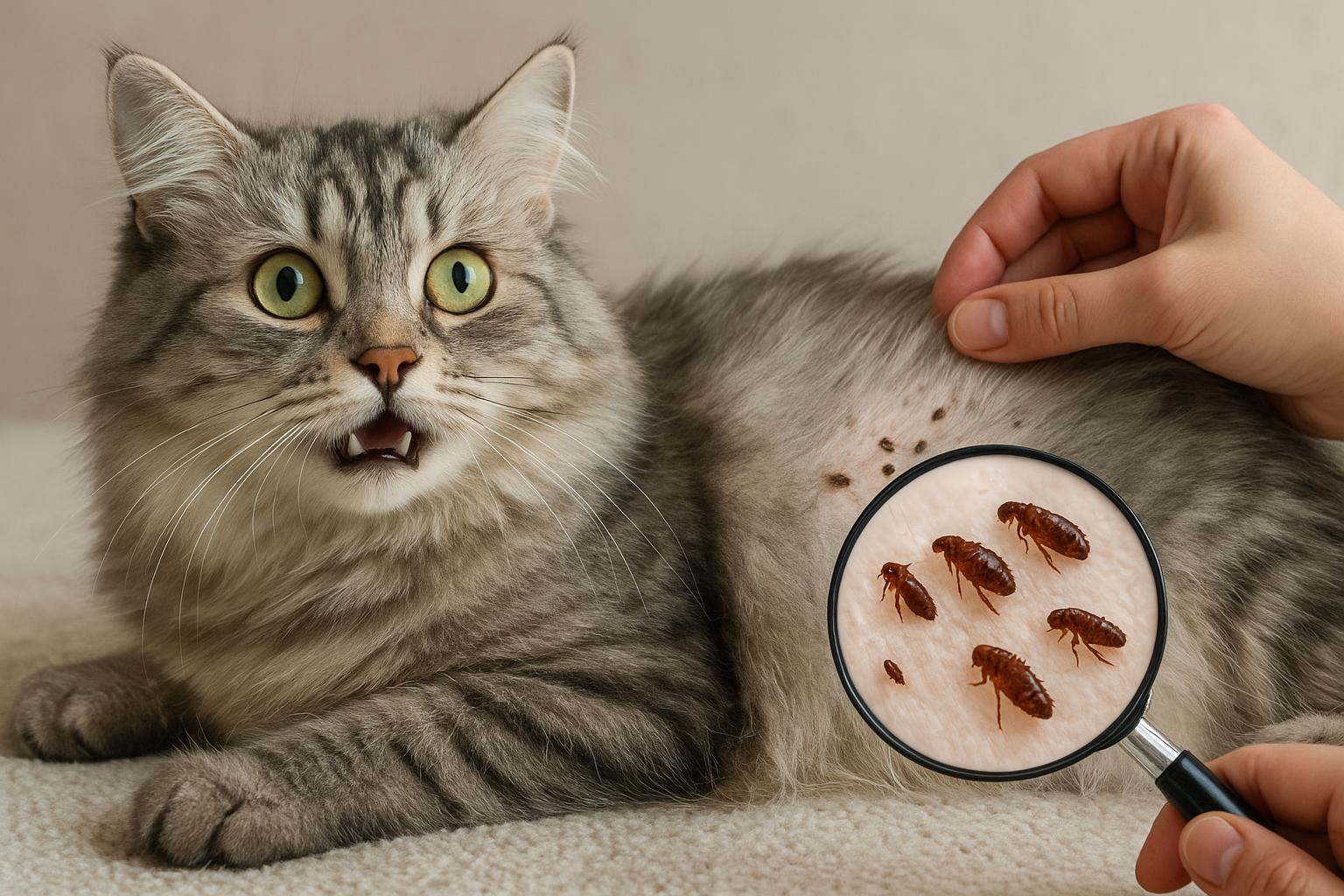
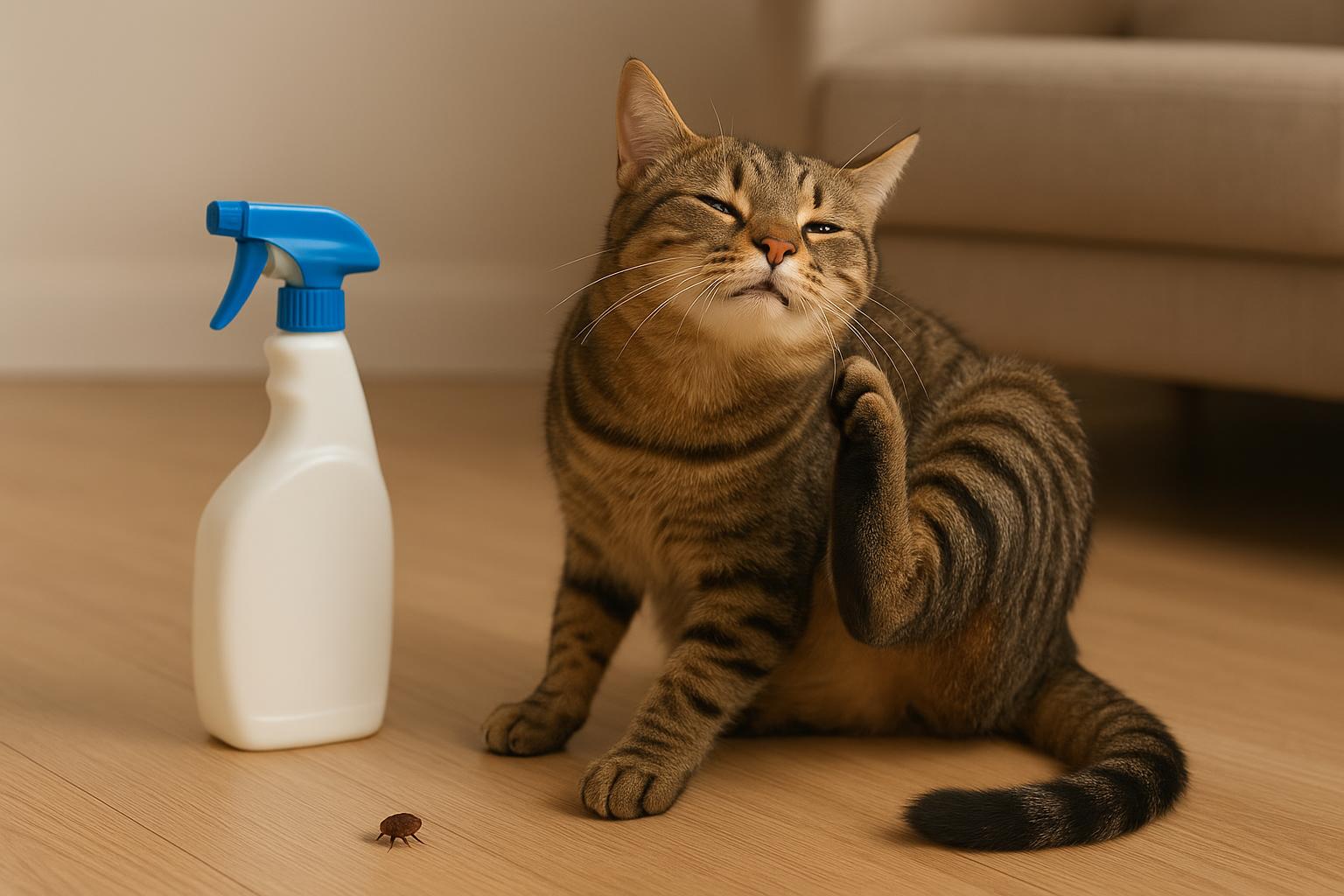
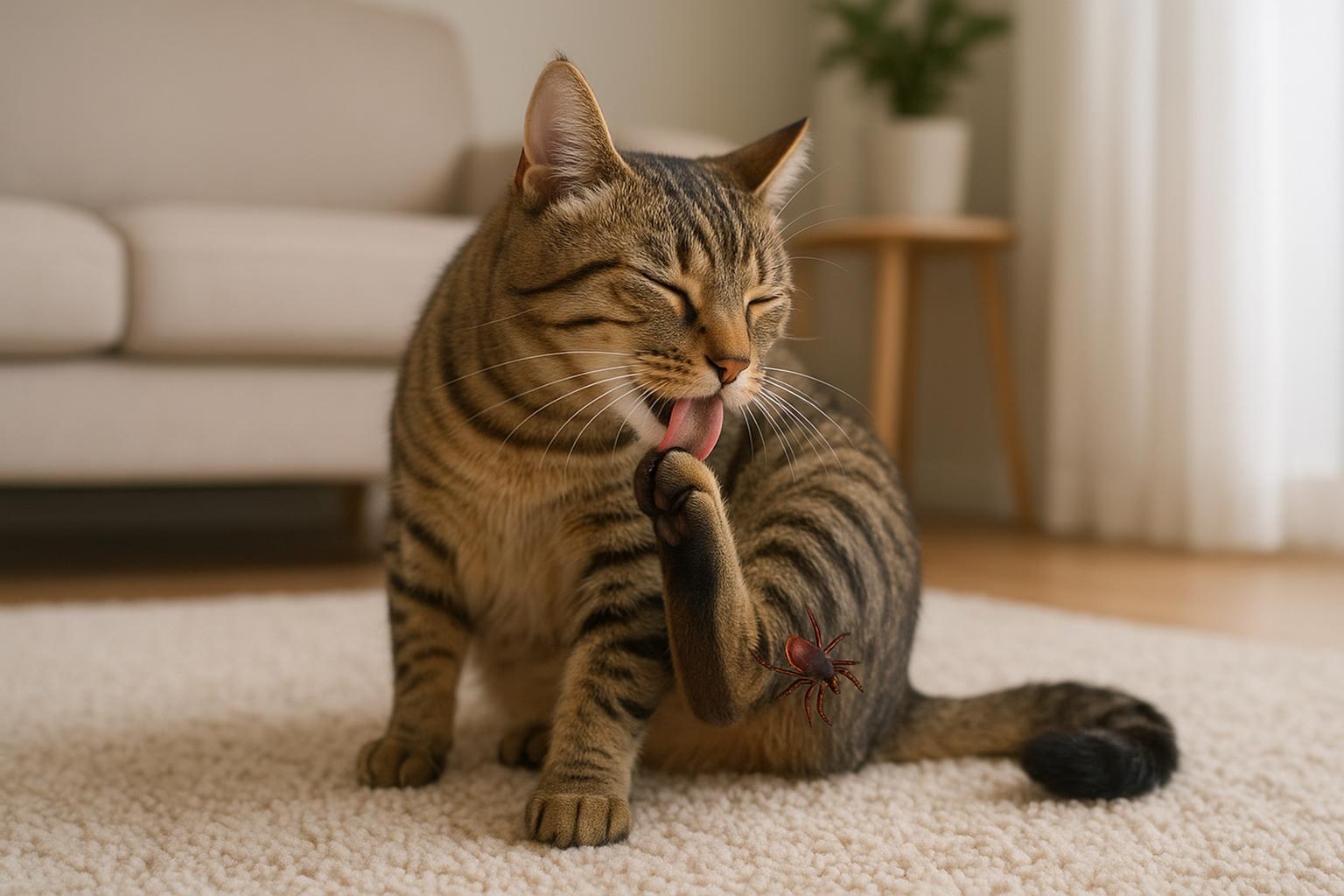
– Pets scratching, grooming excessively, or showing small red bumps.
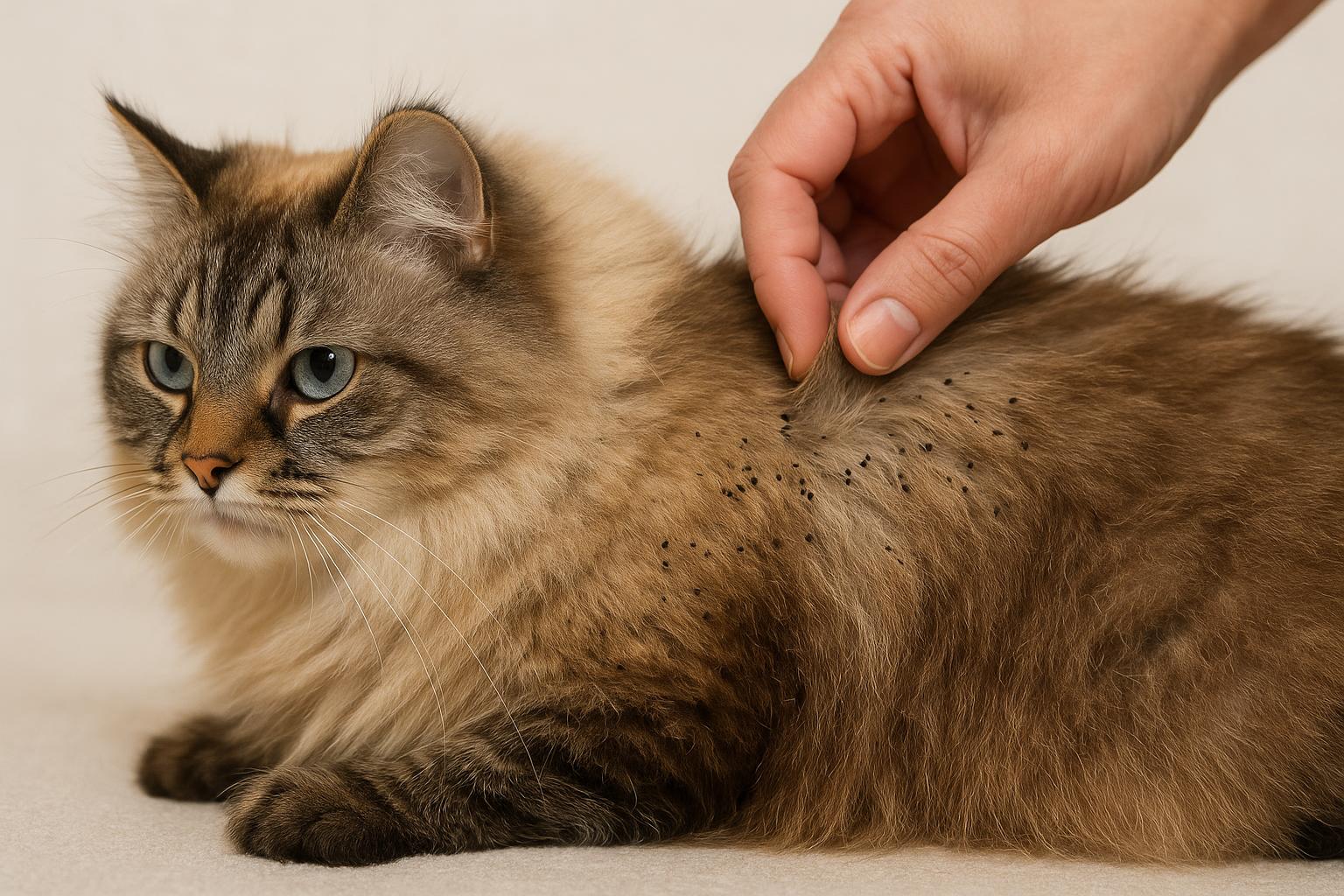
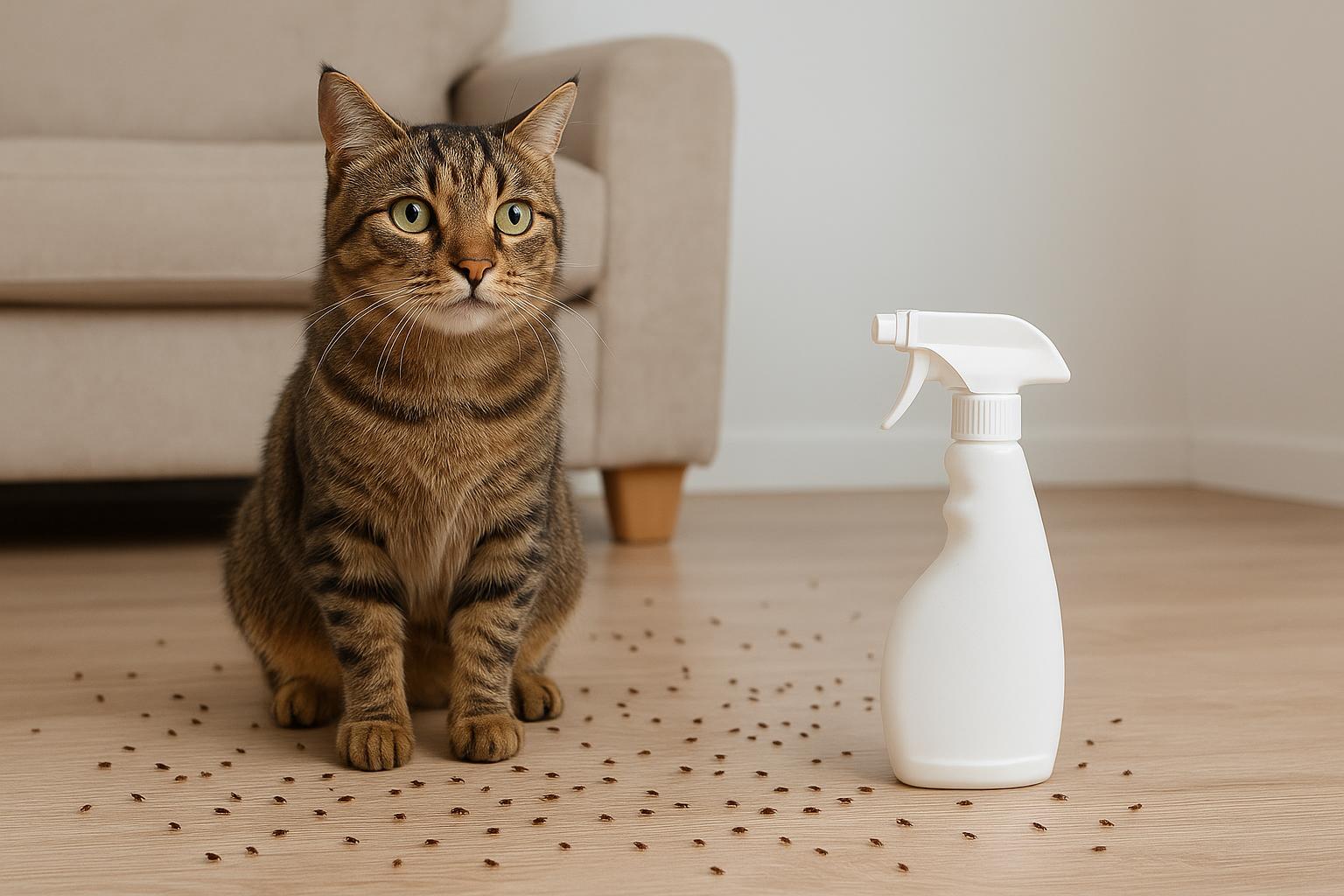
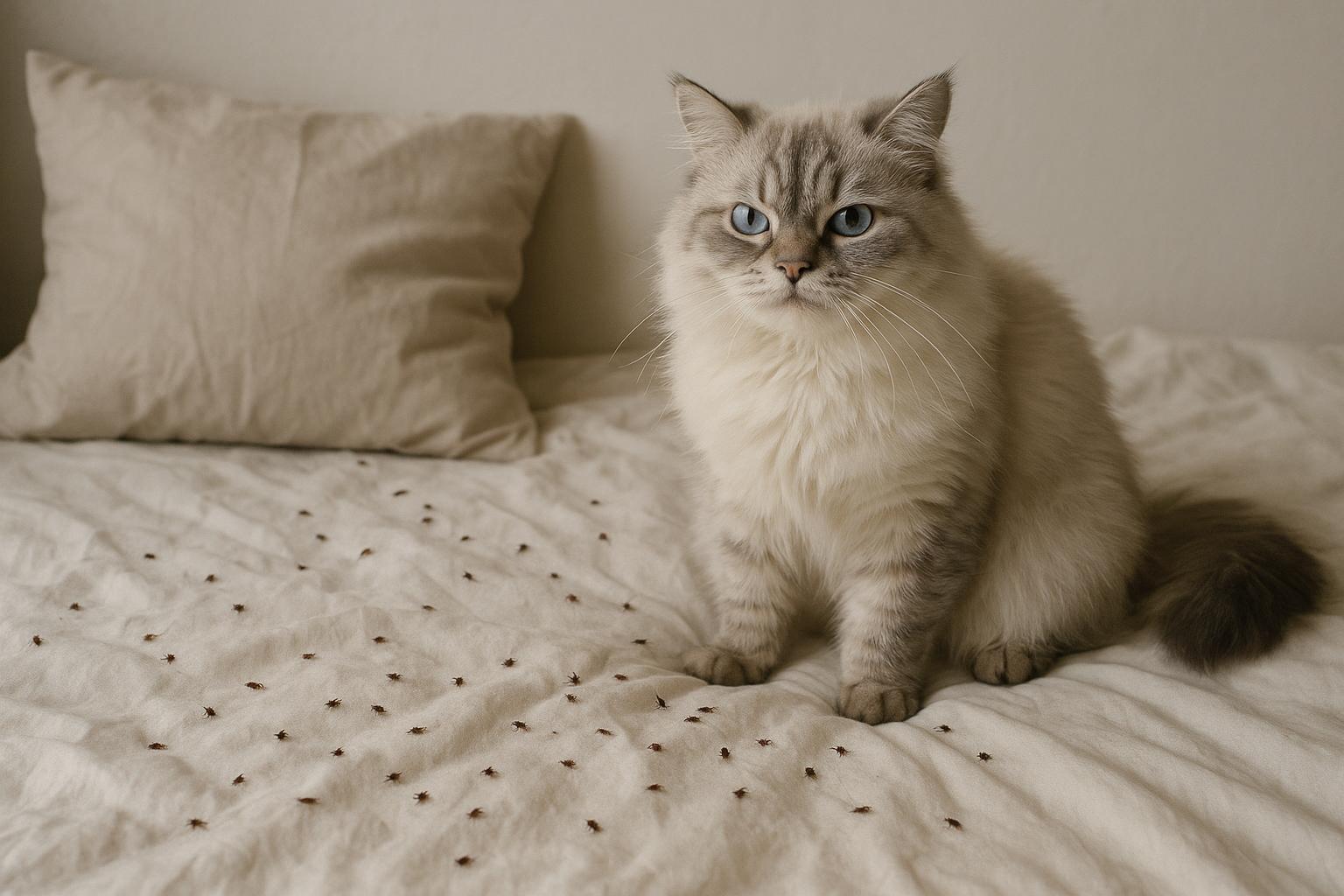
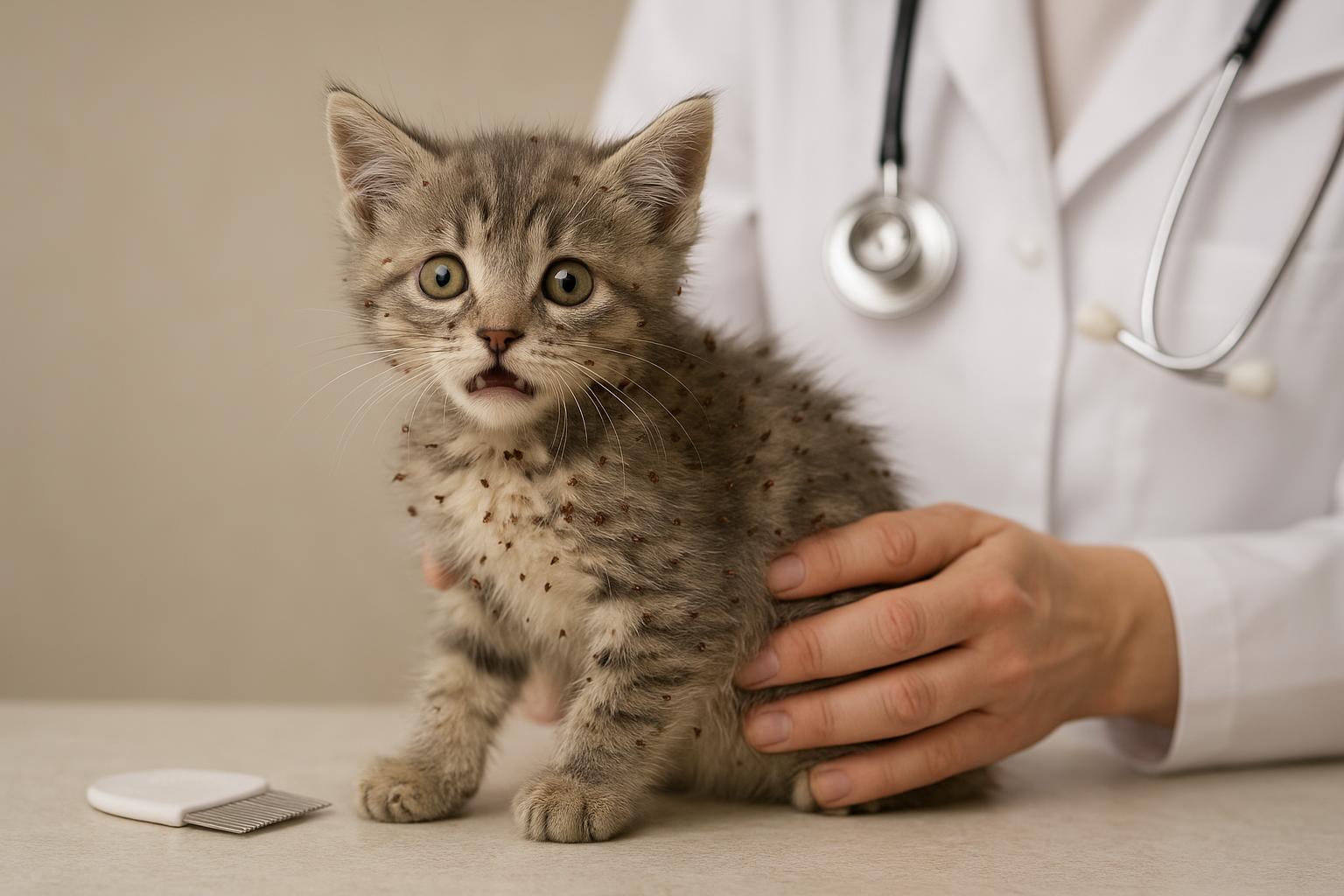
– Tiny dark specks (flea dirt) on fur or upholstery.
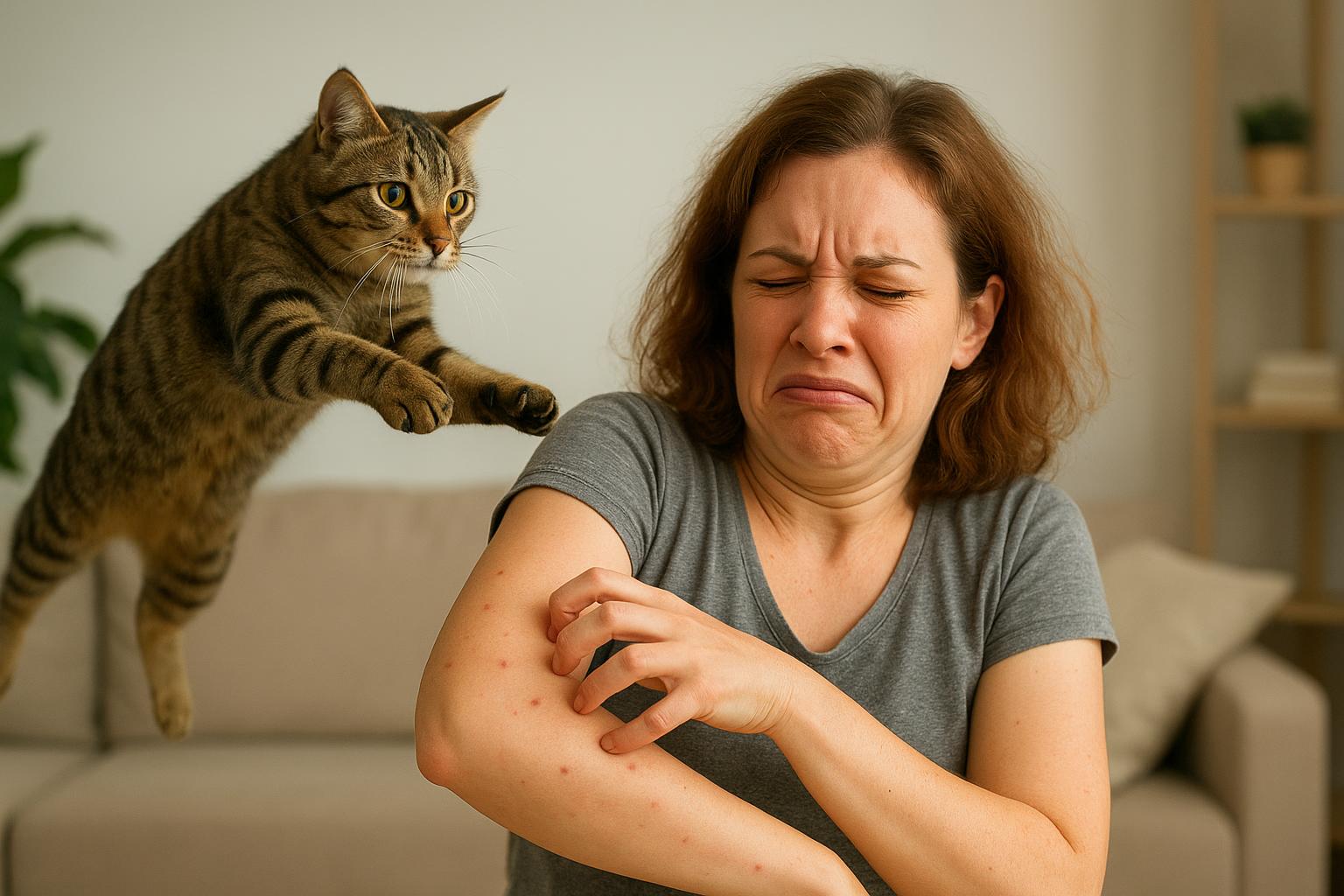
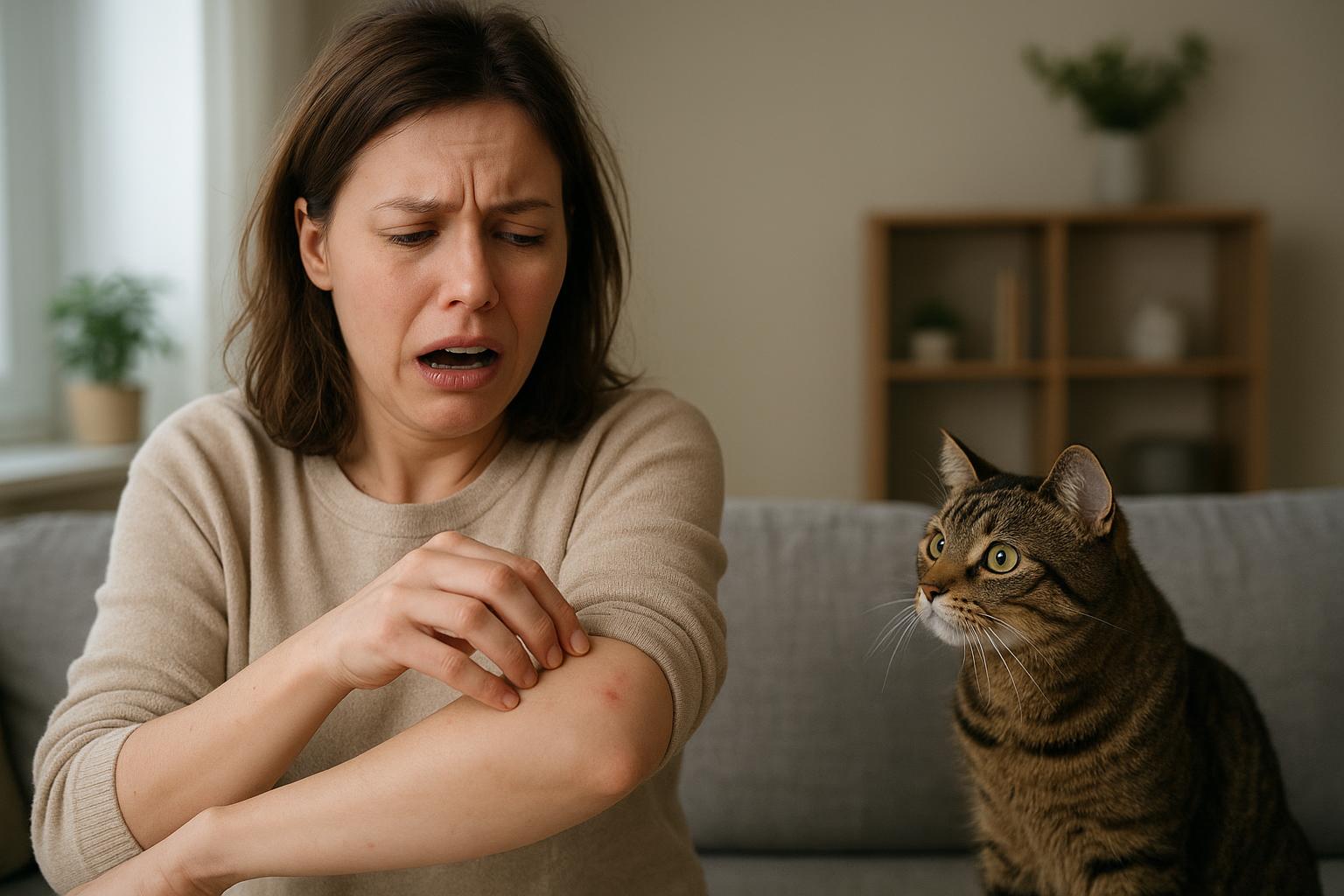
– Bites on humans around ankles or lower legs.
– Flea eggs (small white grains) in pet bedding or carpet seams.
If you find evidence of fleas during winter, assume there’s a hidden life cycle running in your home. Acting quickly shuts down future generations.
## The Year-Round Flea Control Plan For Homes
Think of flea control as prevention plus targeted elimination. The year-round plan combines pet treatment, home treatments, and ongoing monitoring to keep numbers low and stop reinfestation. This is best framed as integrated pest management (IPM): combine sanitation, mechanical removal, biological knowledge, and judicious chemical controls.
### Pet-Centered Prevention And Treatment
Your pet is the frontline. Most infestations start and end with the animals in the household.
#### Vet-Approved Preventives
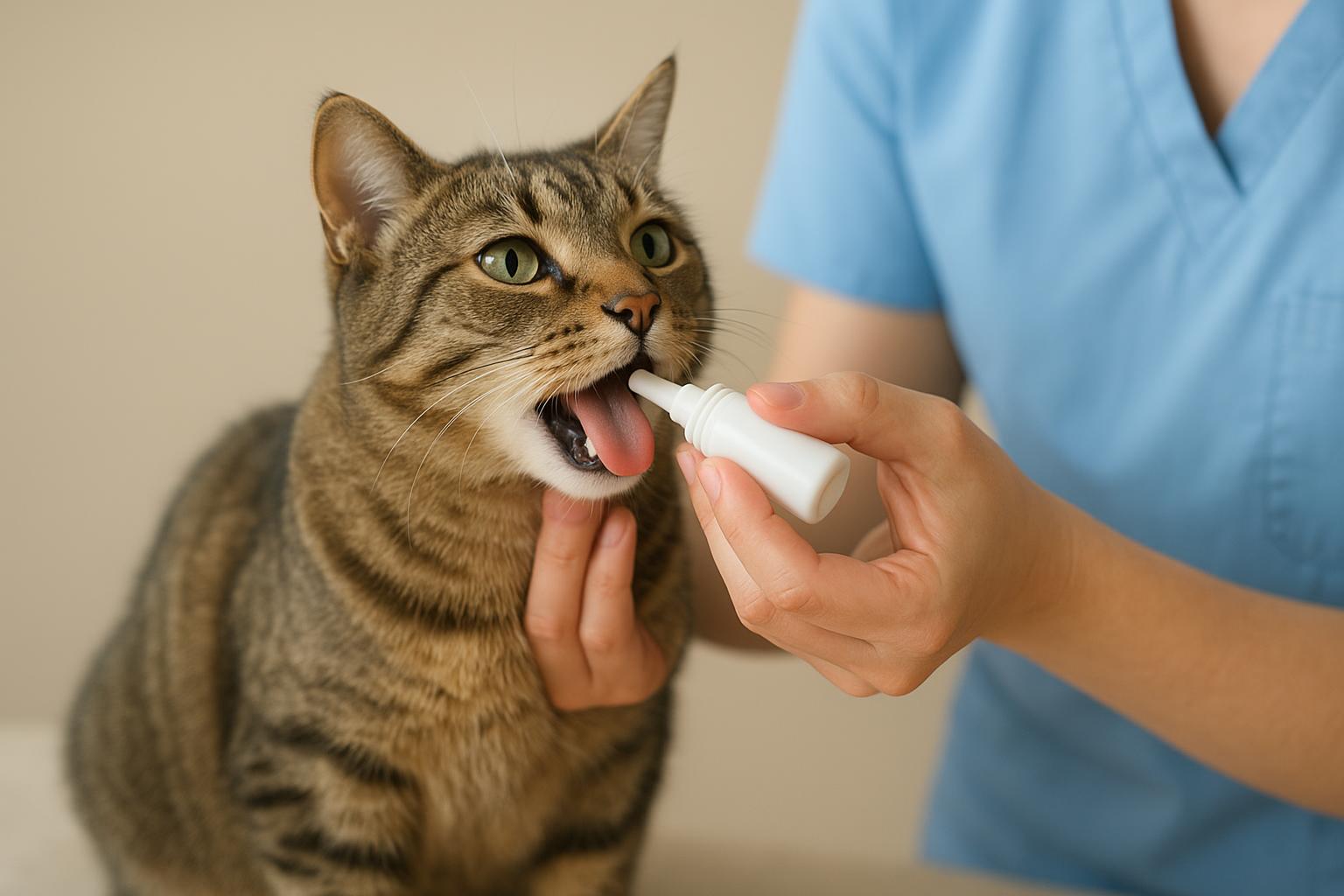
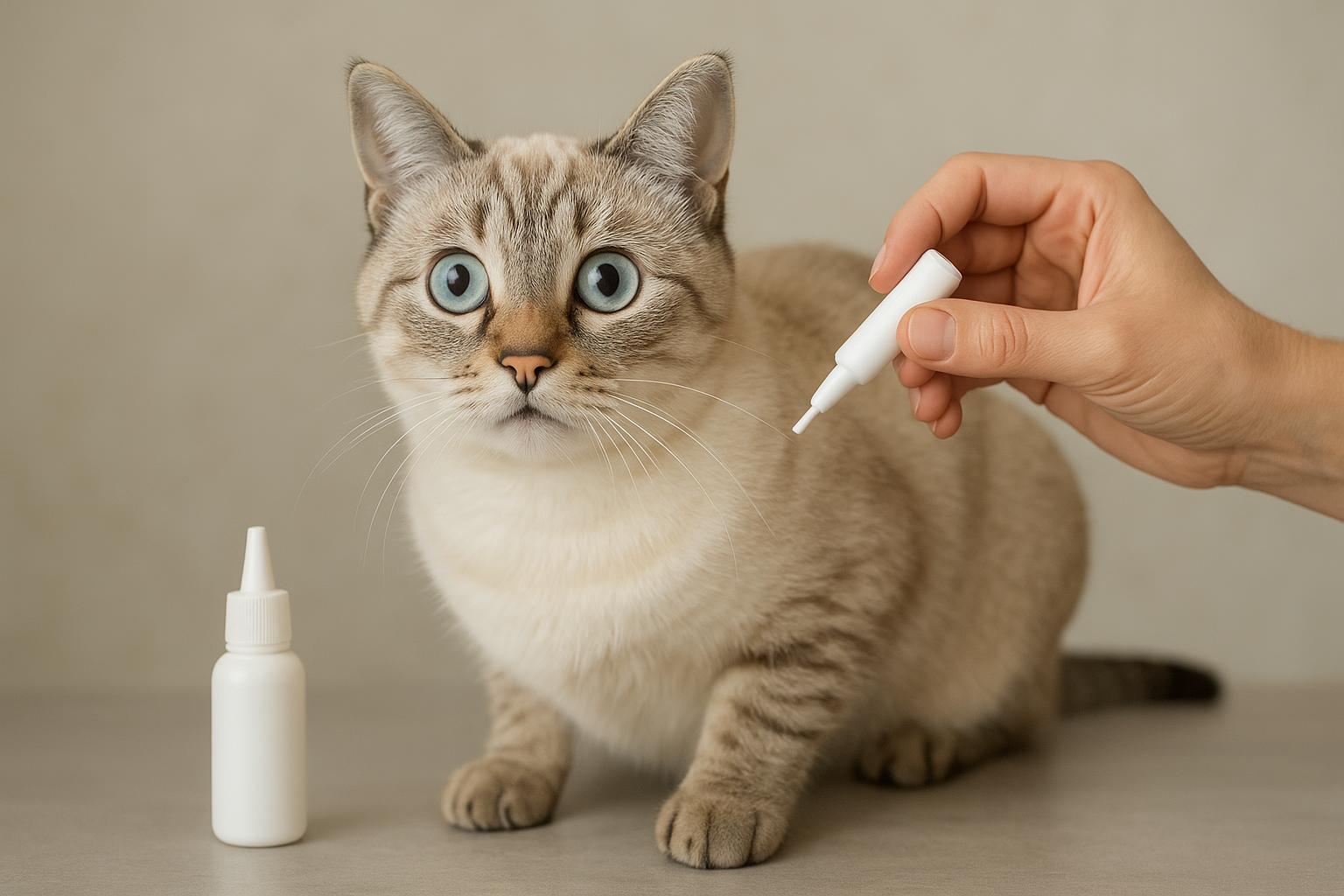
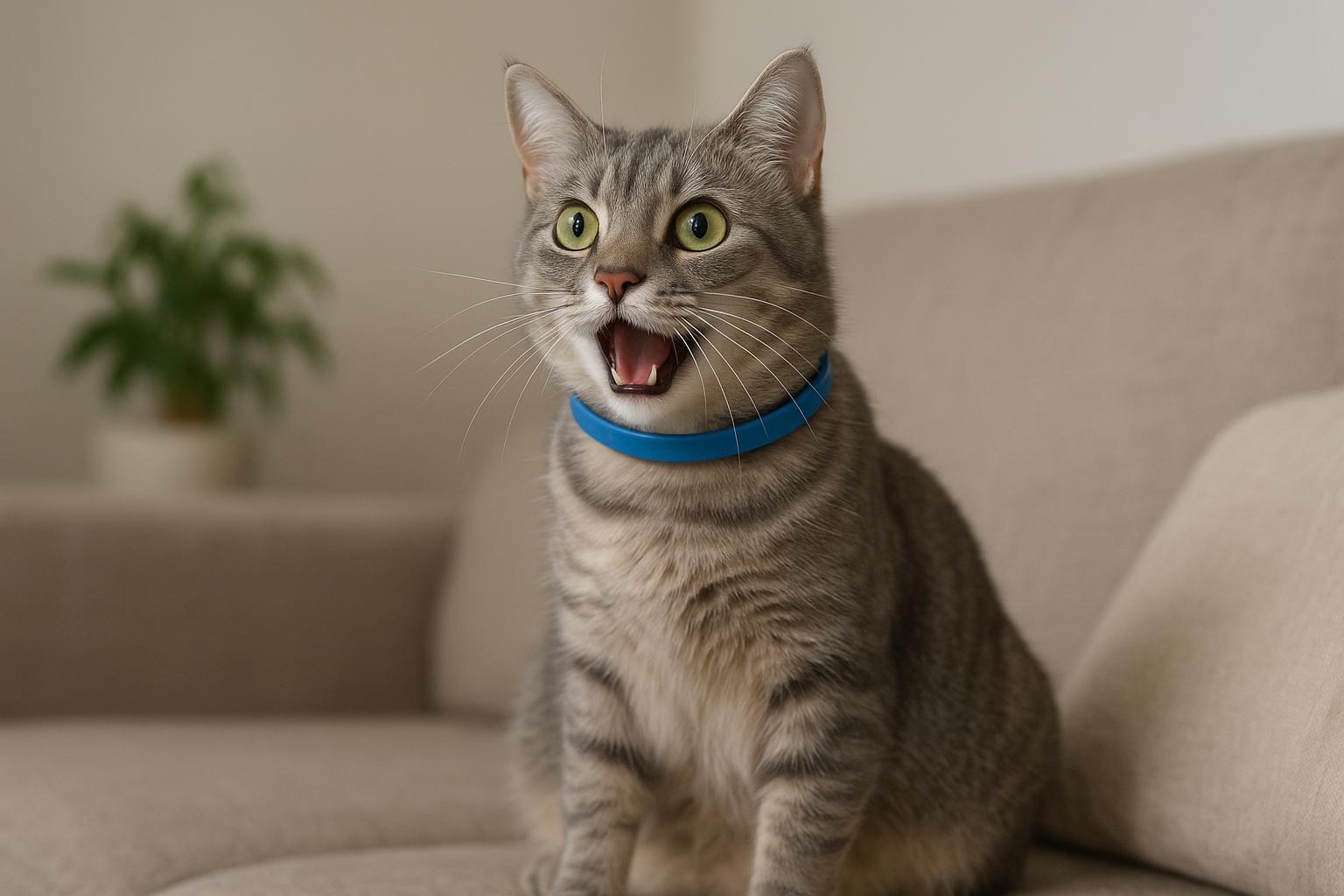
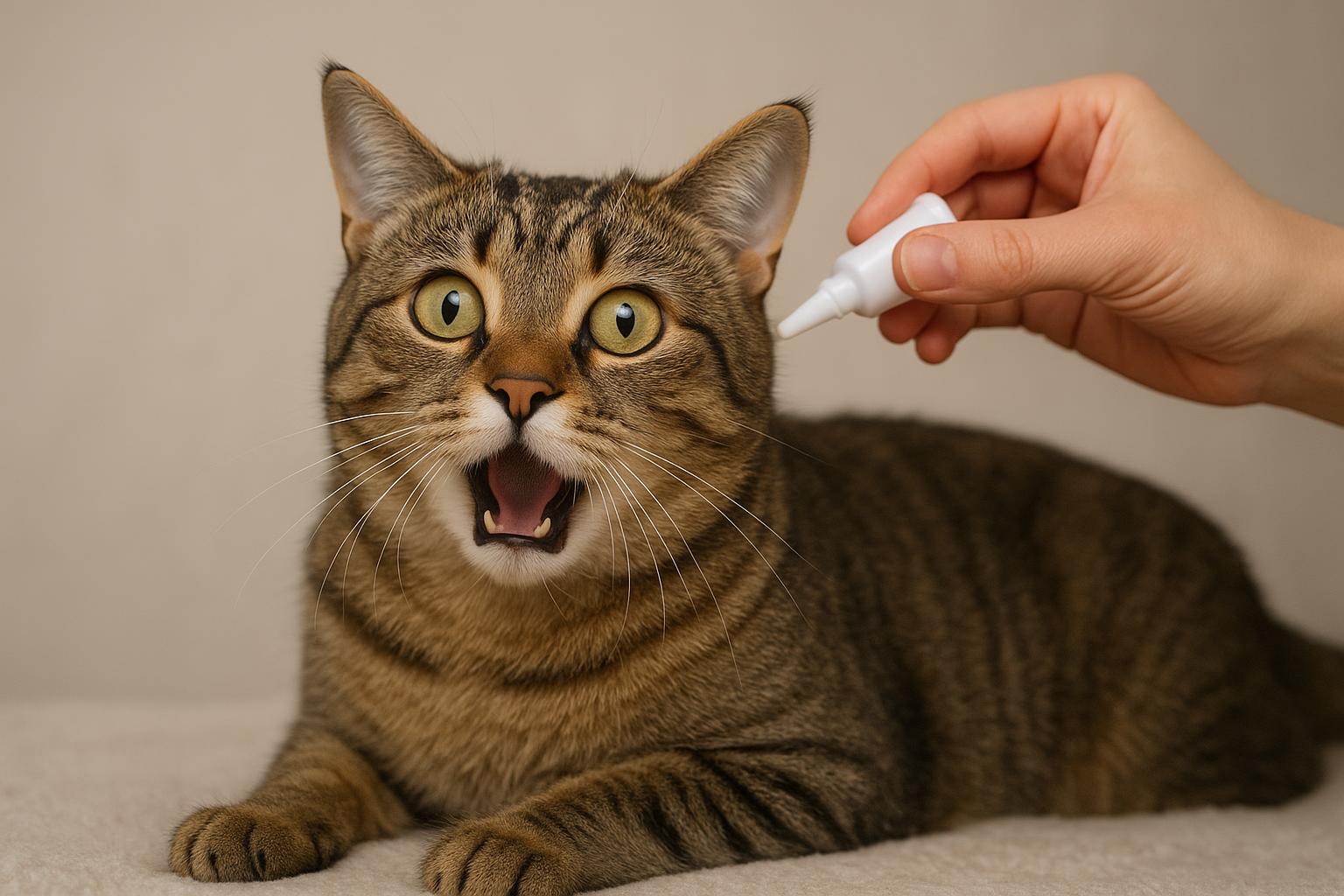
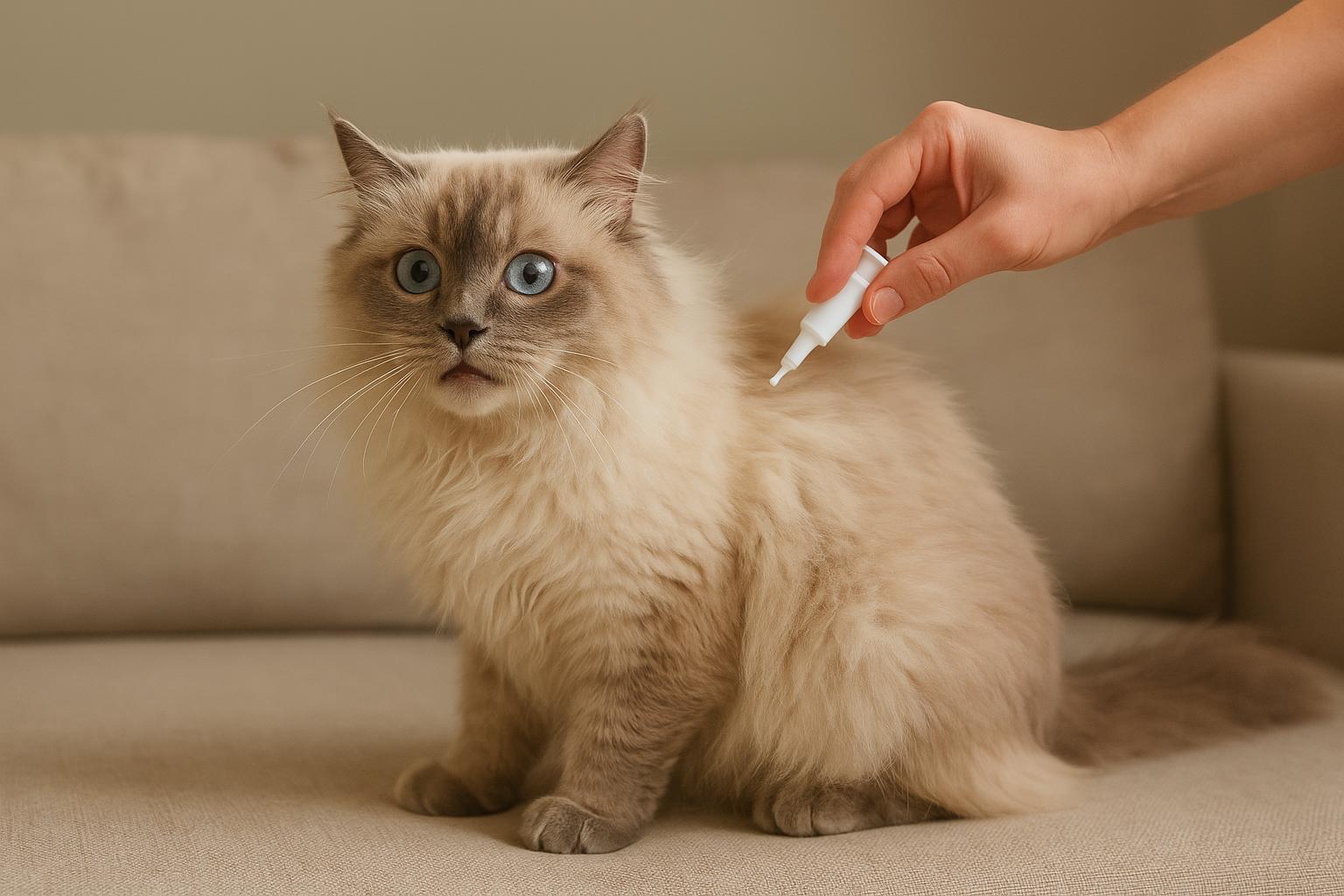
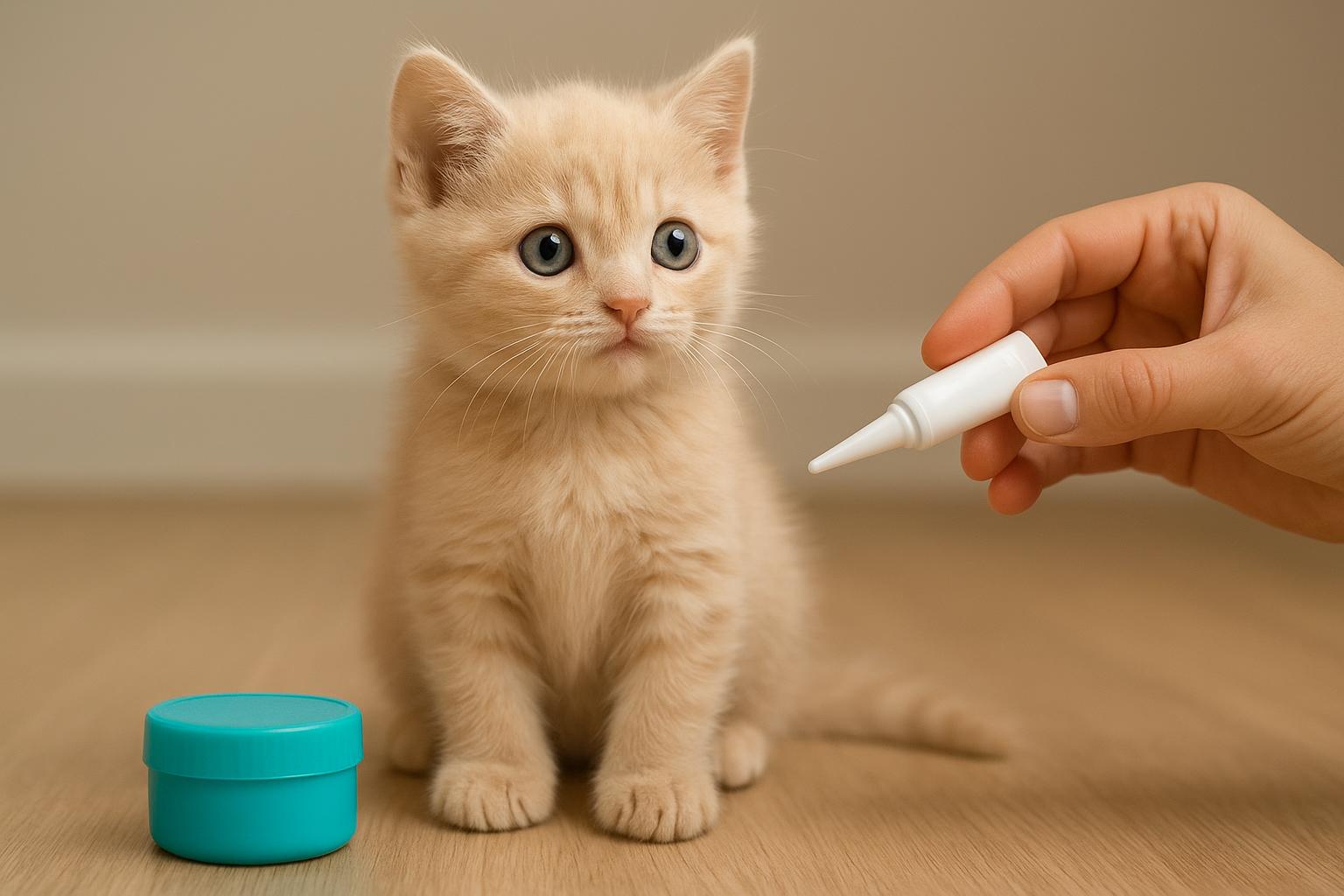
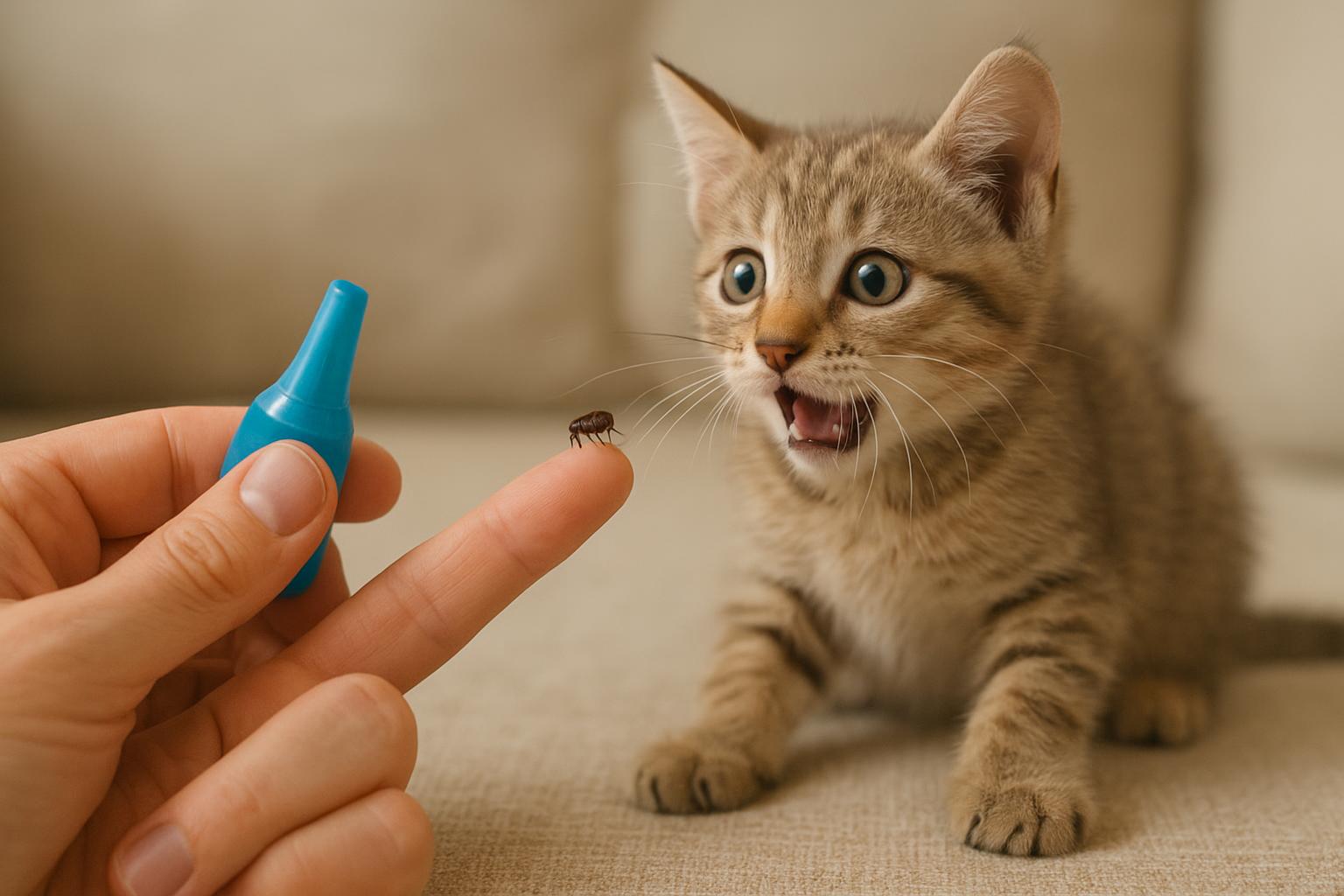
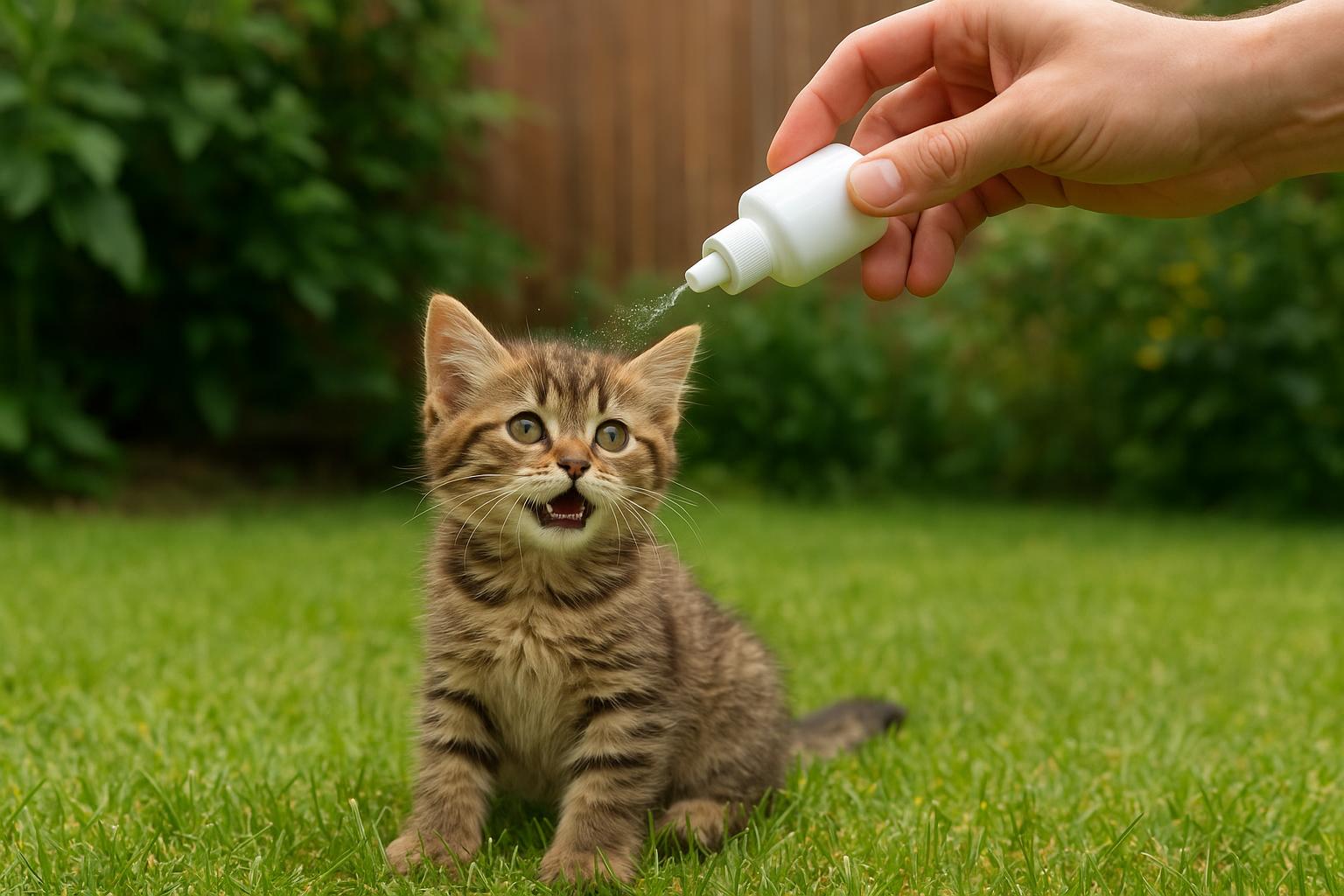
Use veterinarian-recommended monthly or longer-acting flea preventives. Options include topical compounds, oral tablets, and collars with sustained-release insecticides. Follow dosing instructions by weight and species.
#### Grooming And Inspection
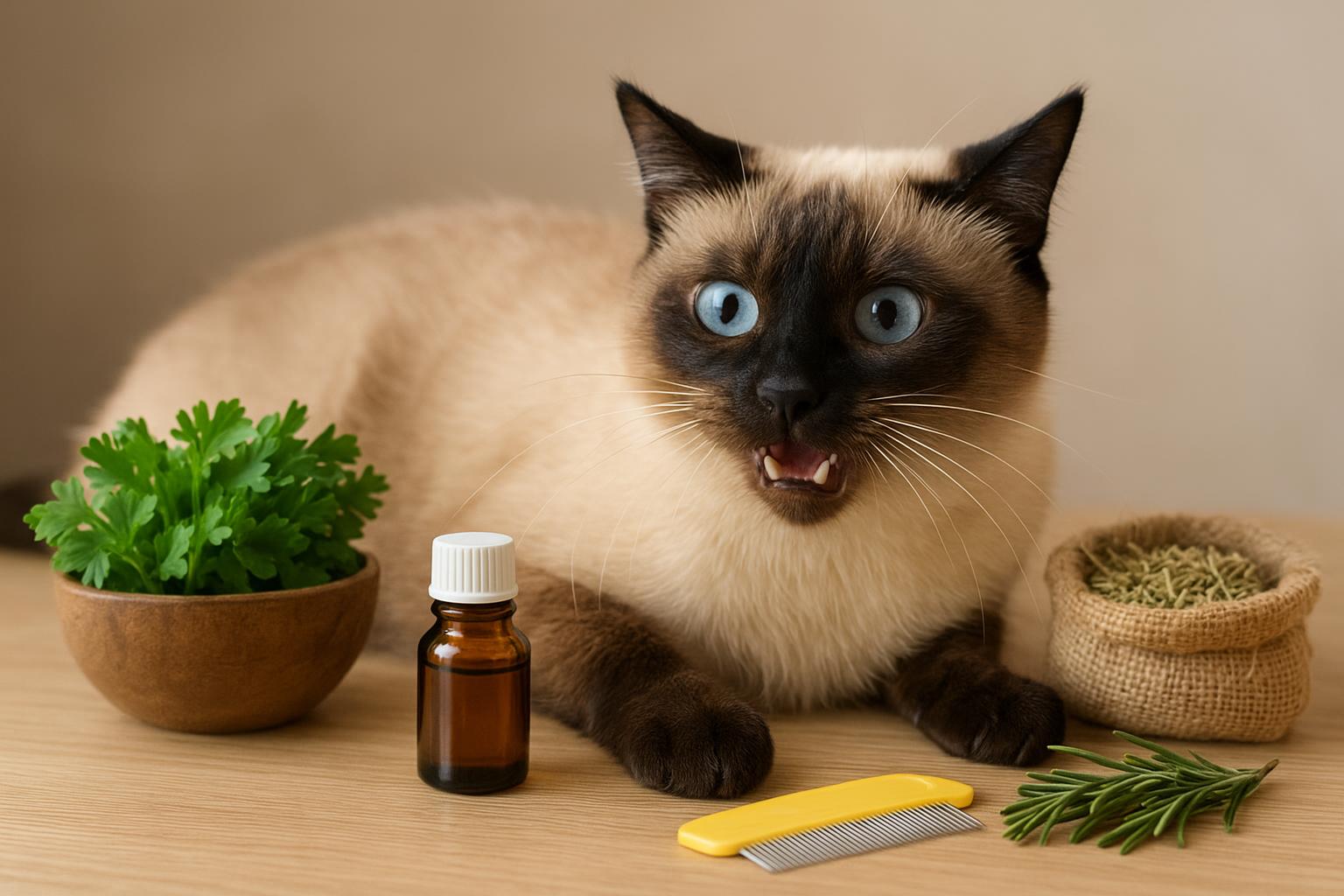
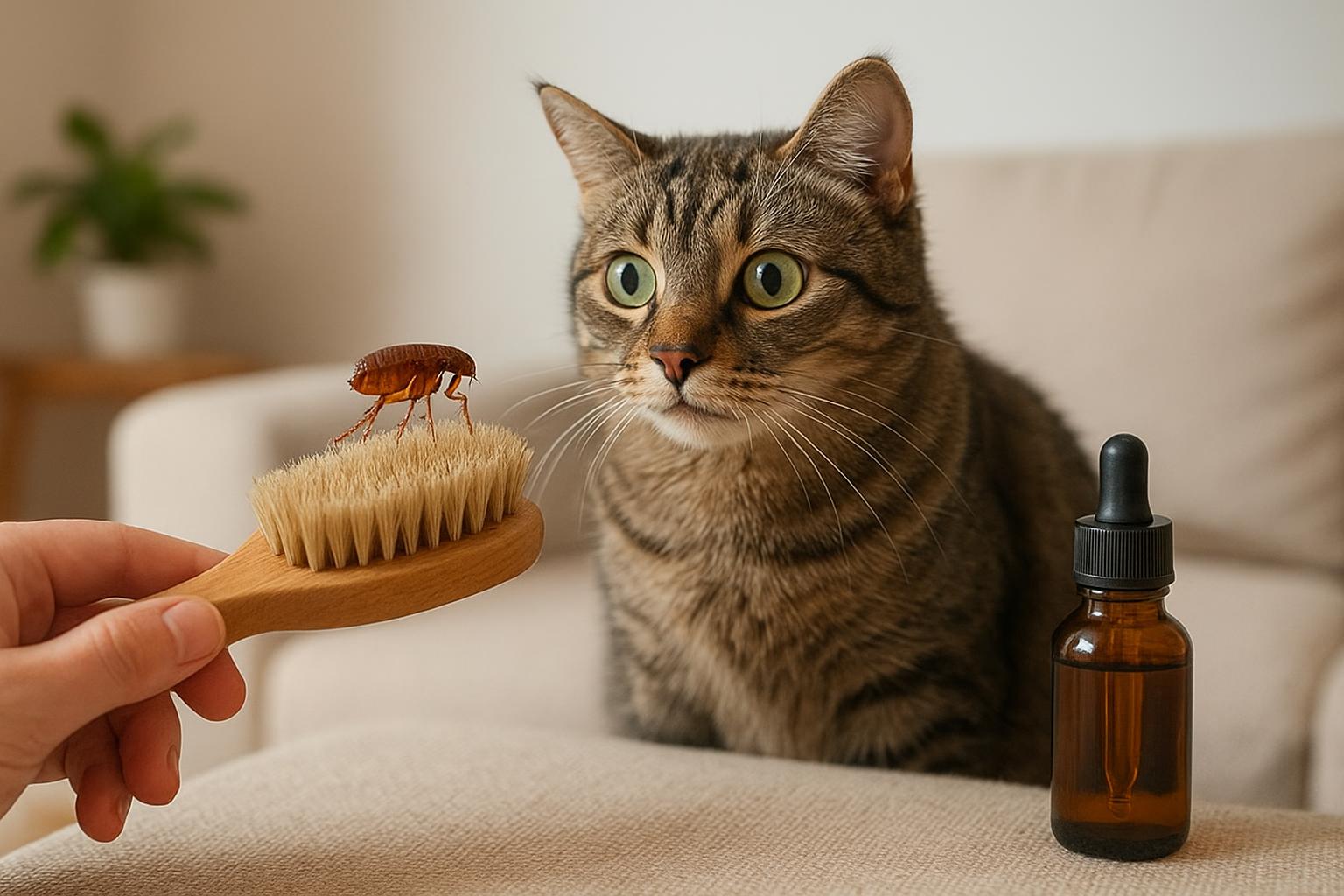
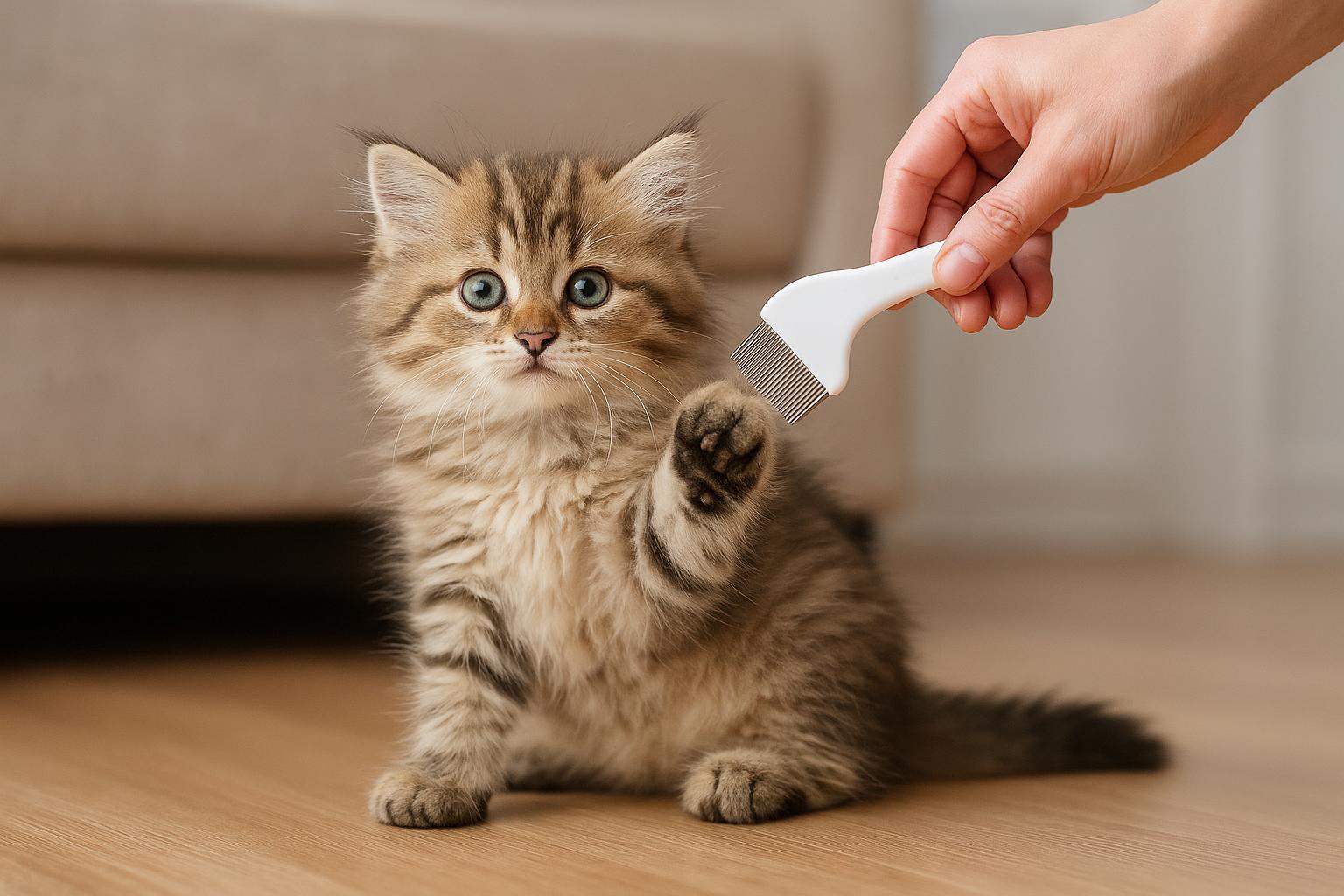
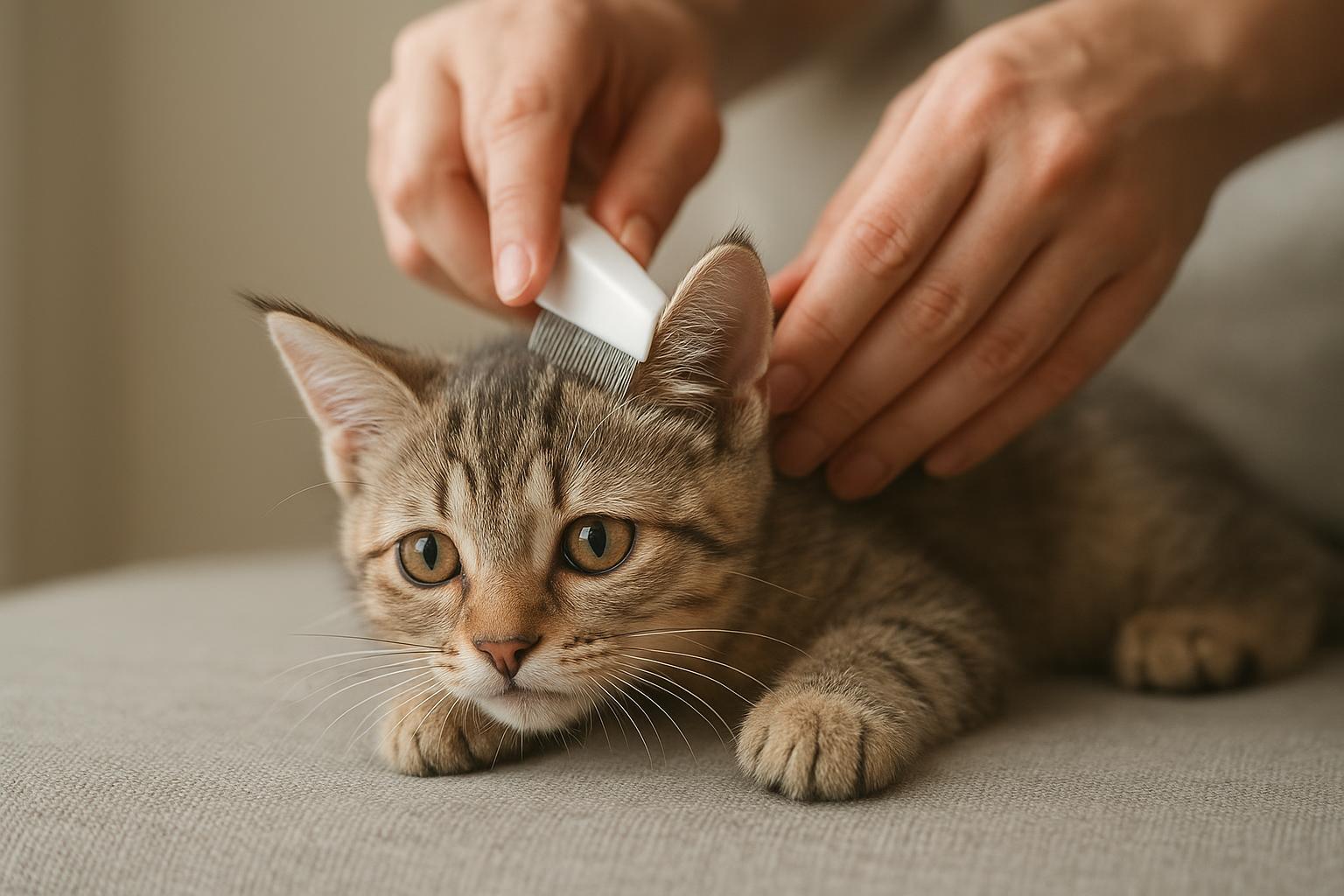
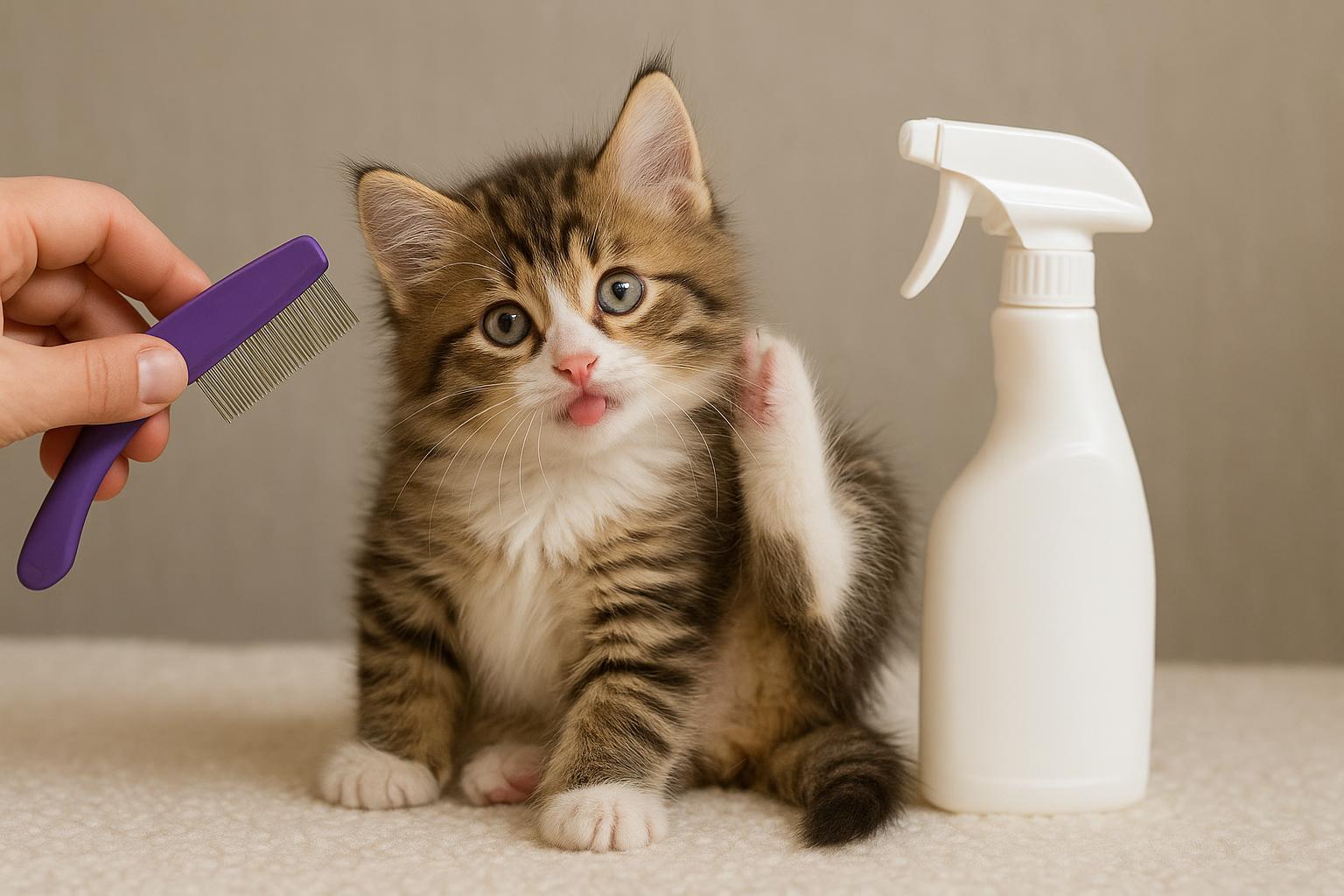
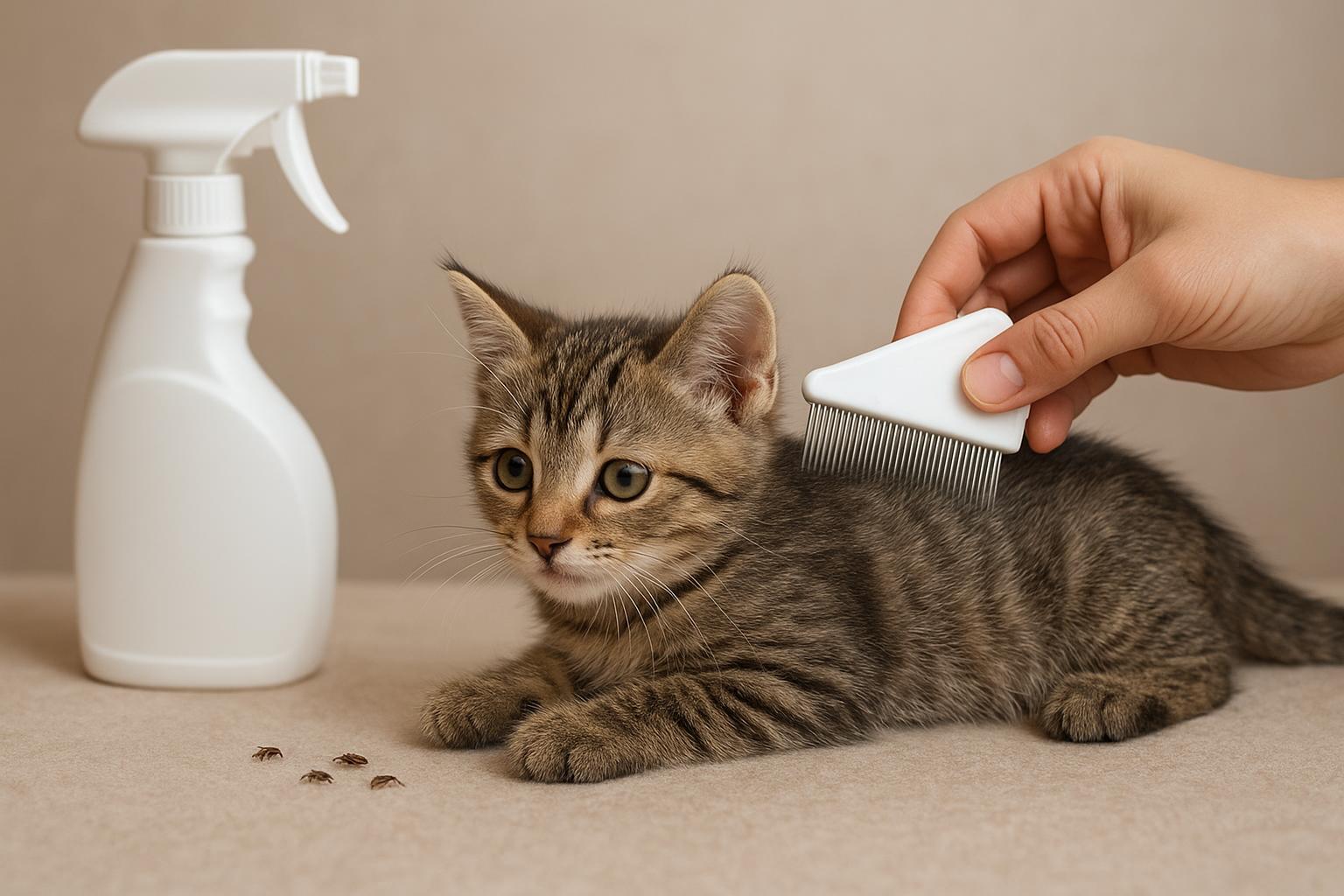
Check pets weekly for fleas and flea dirt, especially after outdoor time. Regular grooming with a fine-tooth flea comb removes adults and lets you inspect for reinfestation early.
### Home Sanitation And Mechanical Controls
A clean home is hostile to fleas.
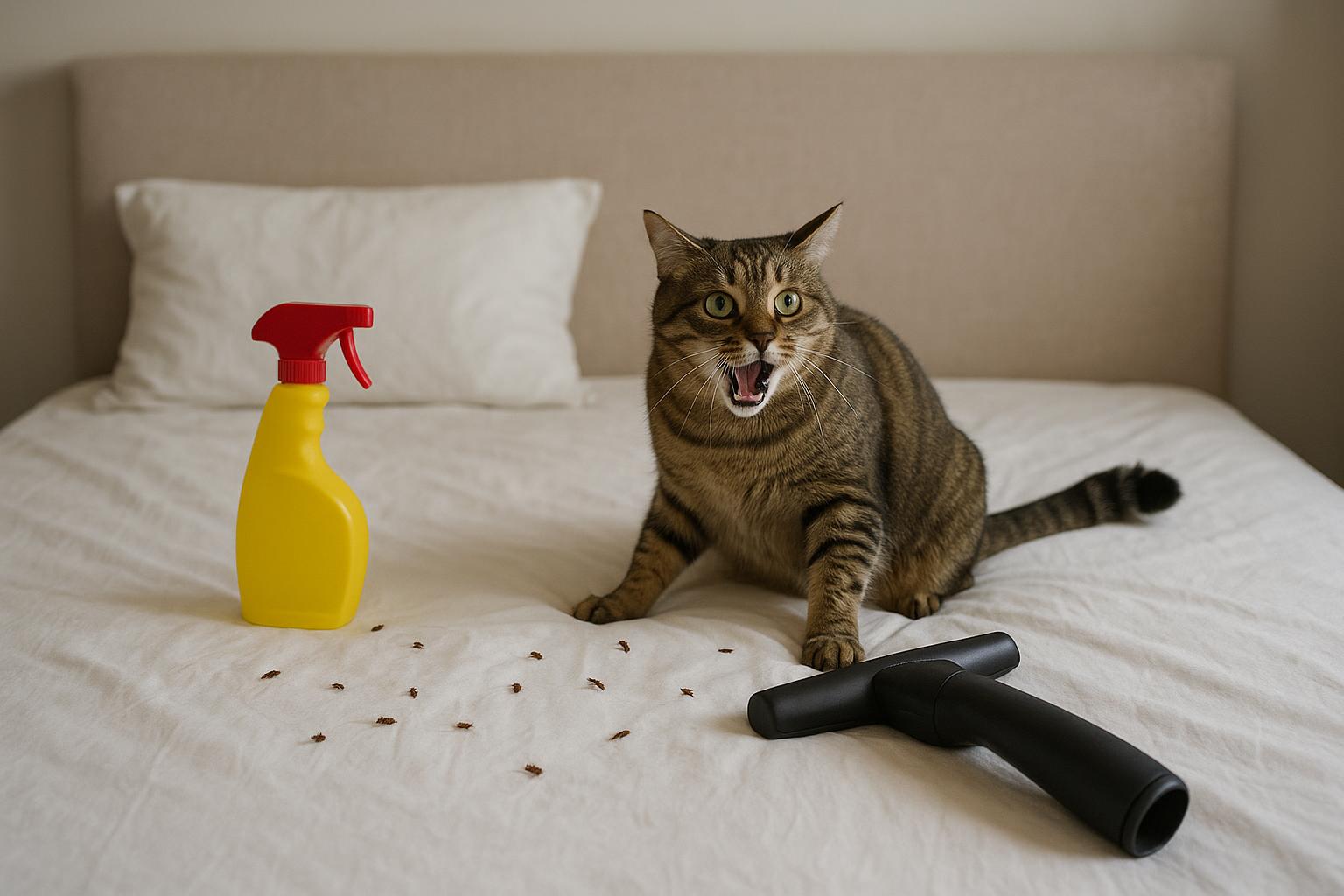
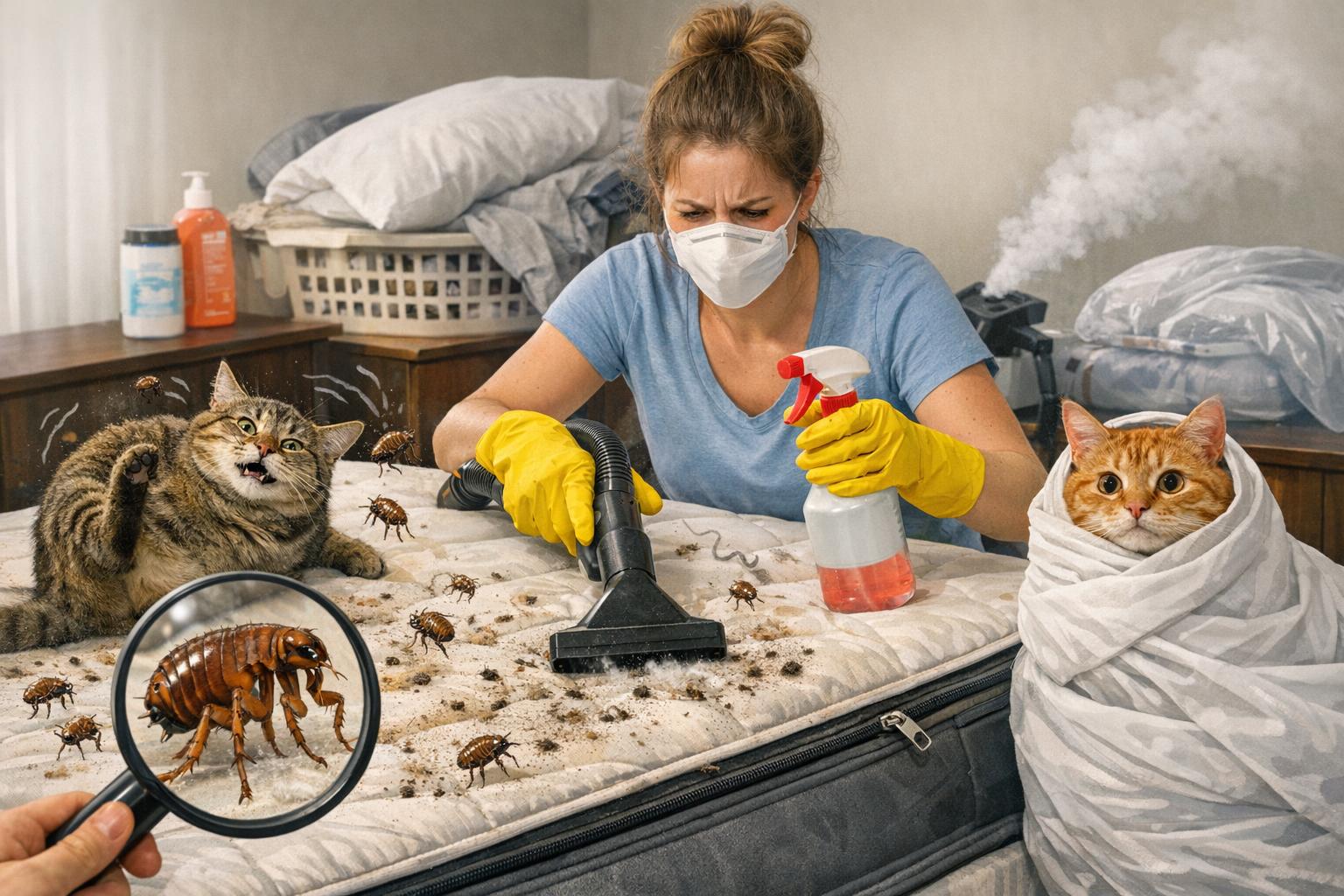
– Vacuum carpets, rugs, upholstery, and pet sleeping areas thoroughly and frequently. Empty vacuum contents or discard bags outside.
– Wash pet bedding and frequently used throws in hot water; dry on high heat.
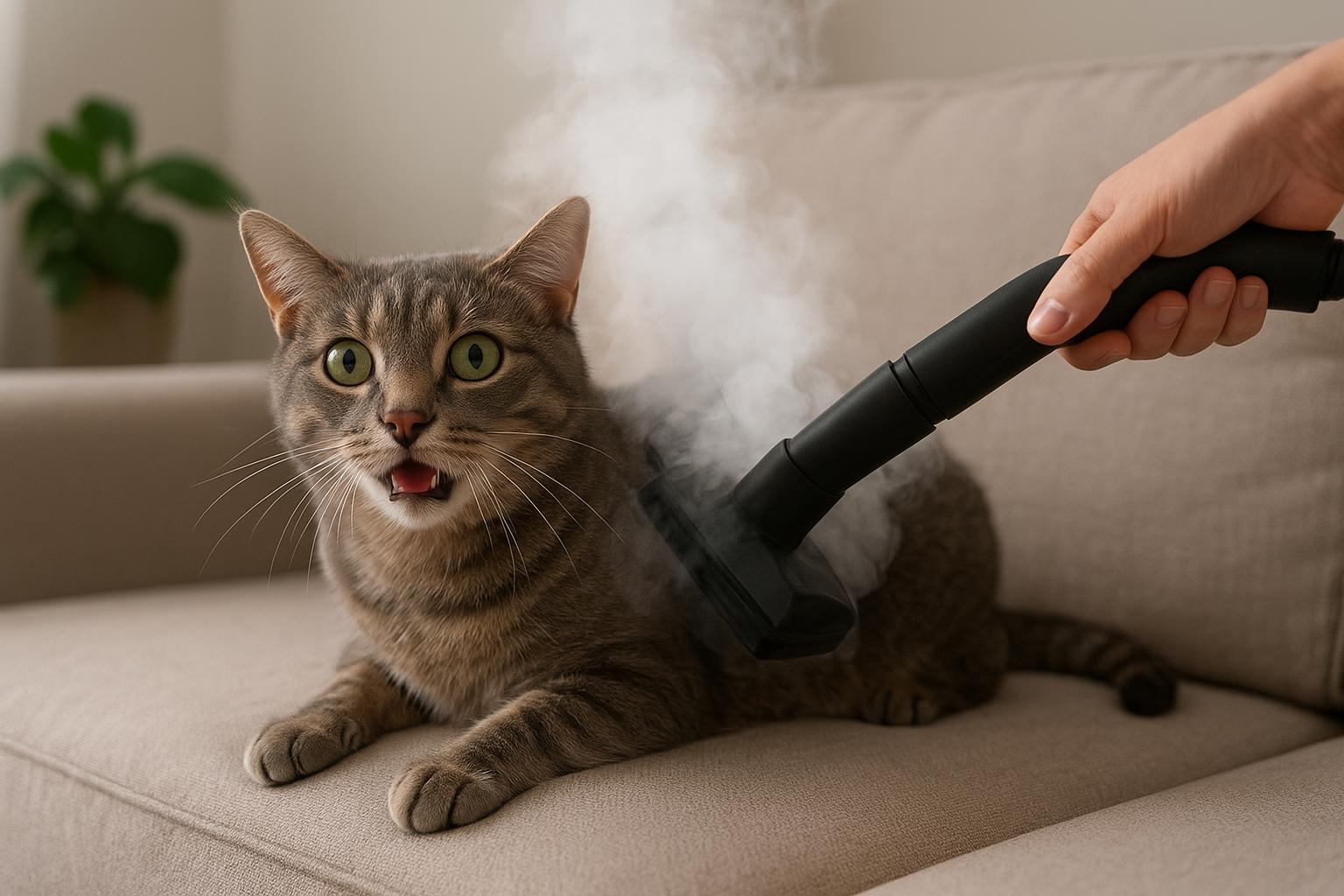
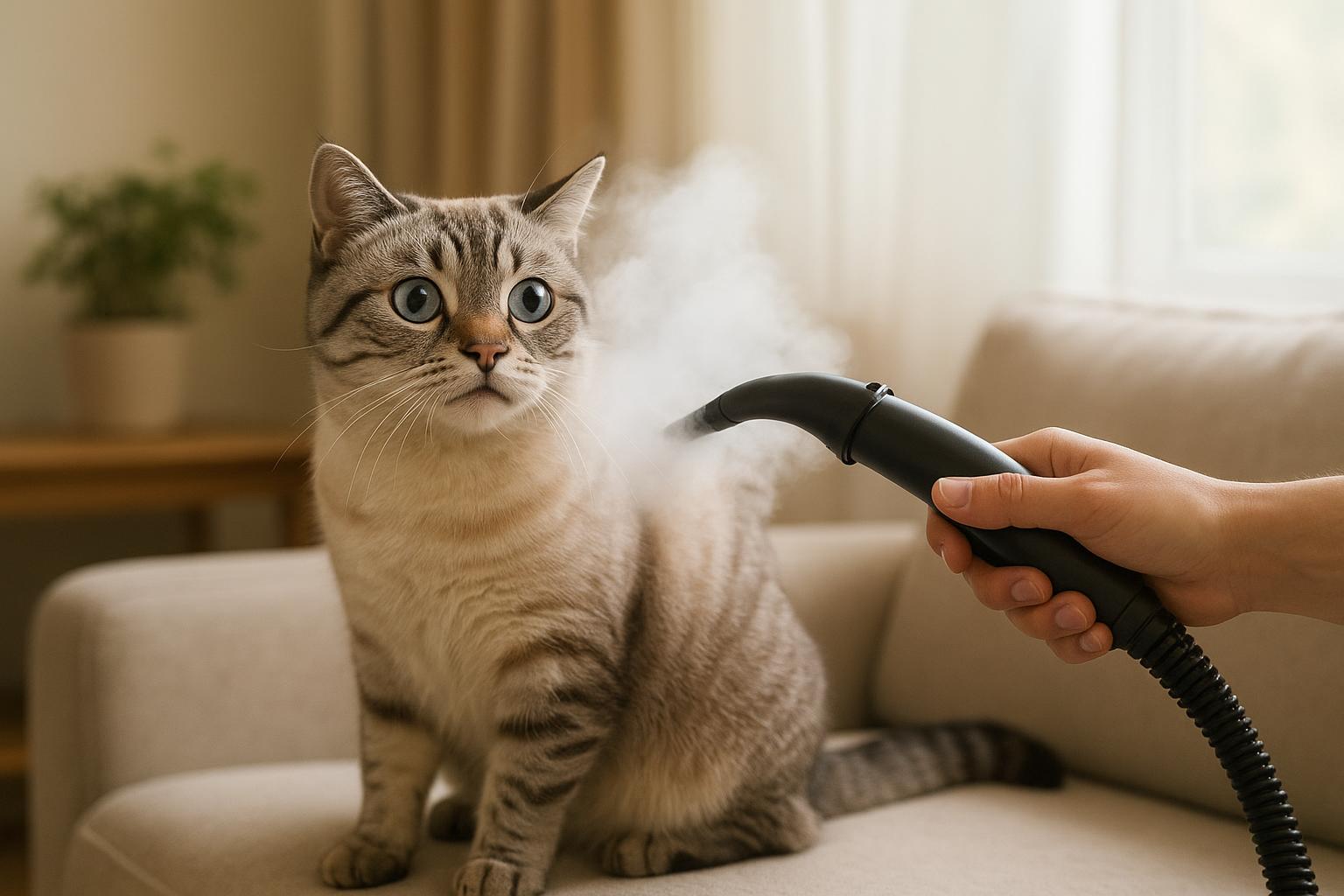
– Steam-clean carpets when possible to kill immature stages.
– Reduce clutter so eggs and larvae have fewer undisturbed hiding spots.
### Yards, Basements, And Entry Points
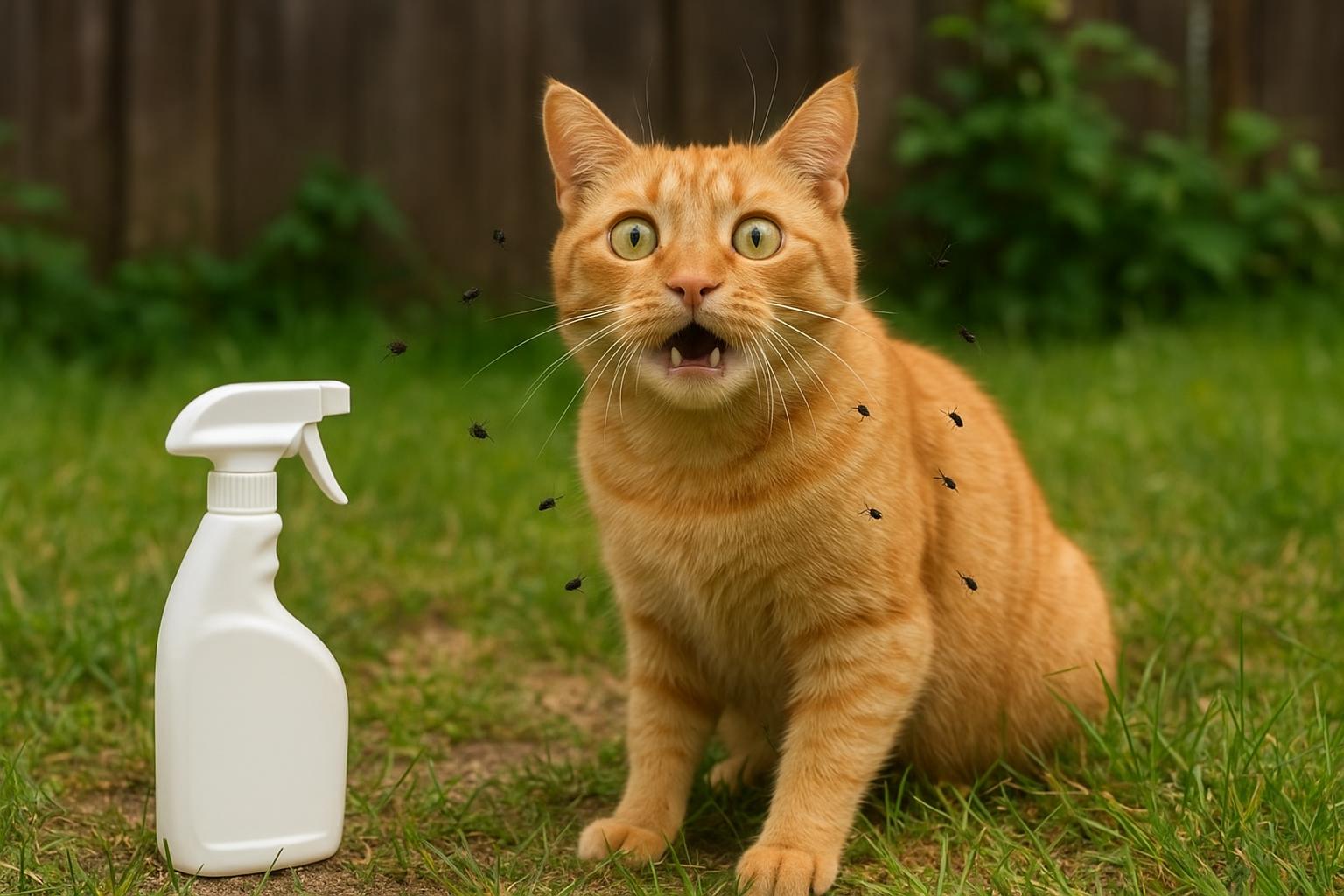
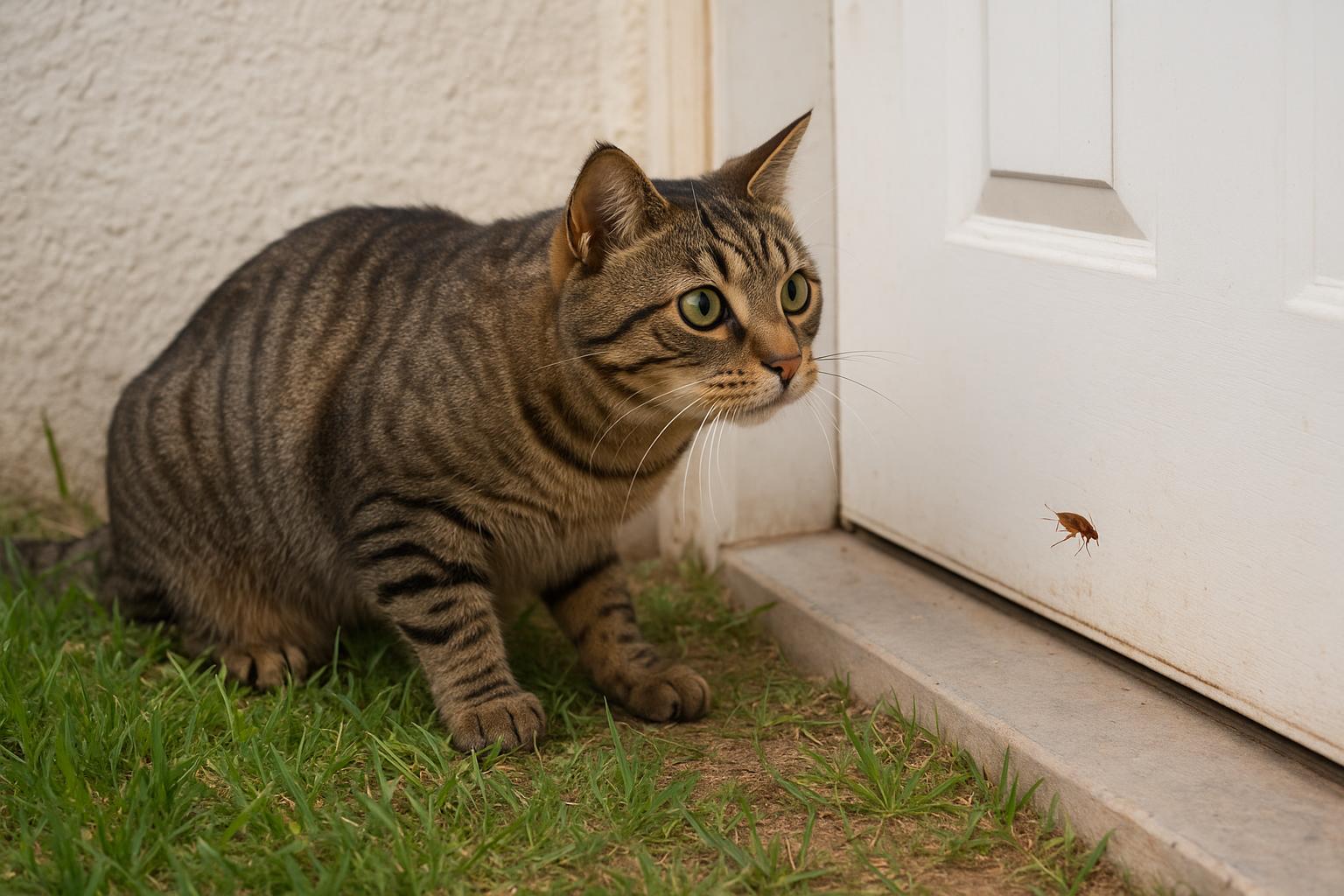
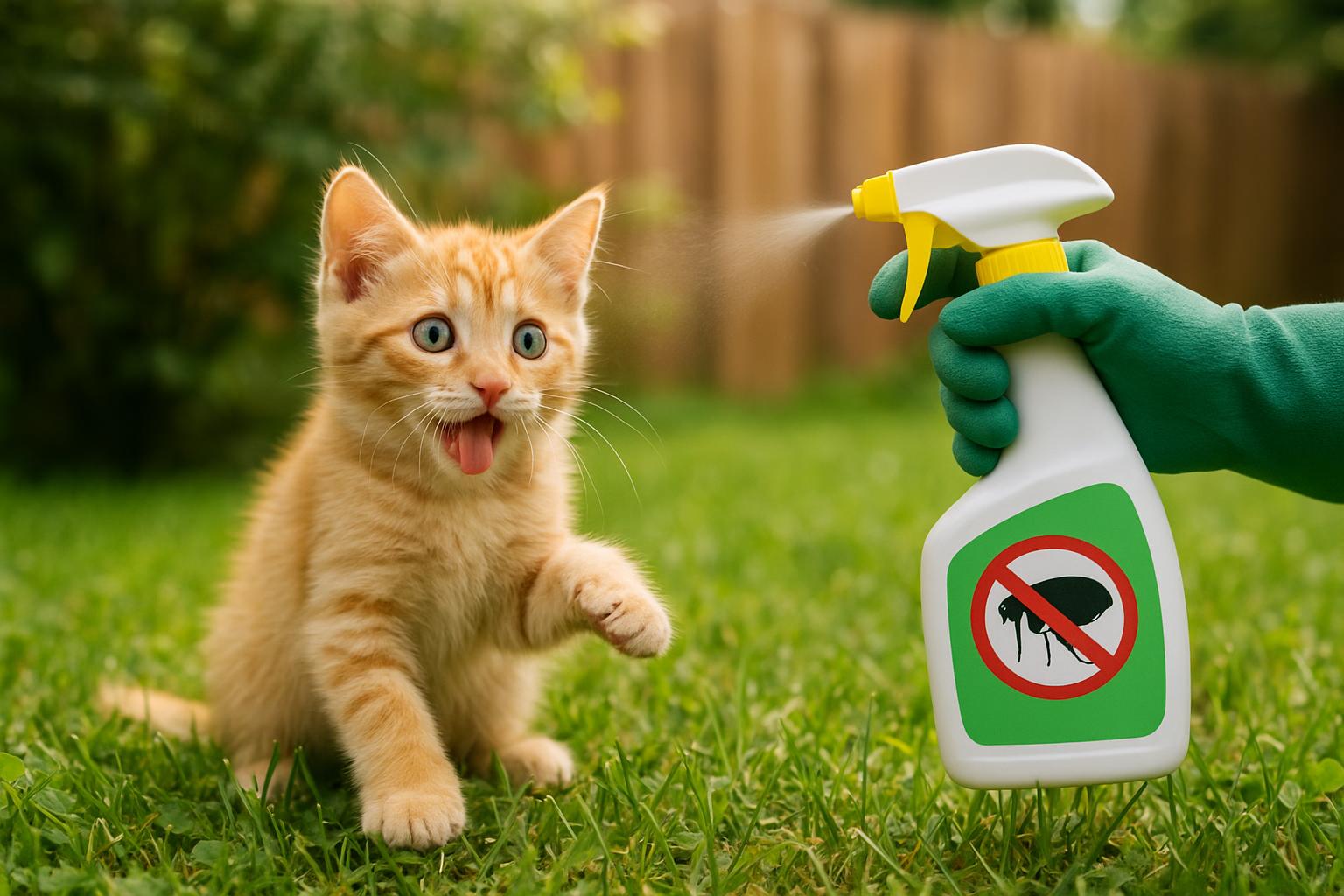
Fleas can overwinter in shaded, protected outdoor areas and hitch rides back inside.
– Keep lawn short, trim shrubs, and remove debris where fleas and wildlife hosts hide.
– Block wildlife access to under-house spaces, sheds, and attics.
– Seal gaps around doors and windows to reduce animal intrusions.
## Remedy 1: Professional-Grade Indoor Treatment (Numbered Remedy 1)
When DIY measures aren’t enough, a more formal, professional-level treatment brings faster control. This remedy outlines materials and a step-by-step application appropriate for homeowners who plan to use products available to the public, or to understand what pros will do.
#### Required Materials
– Veterinary flea treatment for all pets (topical/oral as prescribed)
– Insect growth regulator (IGR) spray or concentrate (e.g., pyriproxyfen or methoprene)
– Pyrethroid or pyrethrin-based indoor spray (follow label for pet-safe options)
– High-efficiency vacuum and disposable vacuum bags or sealed container for debris
– Laundry detergent and hot-dry laundry setup
– Personal protective equipment: gloves, goggles, respirator if using concentrates
#### Step-By-Step Creation And Application
1. Consult Your Vet: Confirm appropriate flea preventive for each pet. Treat all animals in the household simultaneously to stop reintroduction.
2. Pre-Treatment Cleaning: Wash pet bedding and high-contact fabrics in hot water and dry on high heat. Vacuum all floors, furniture seams, and baseboards thoroughly; focus on pet paths and favorite spots. Empty the vacuum into a sealed bag or sealed outdoor trash immediately.
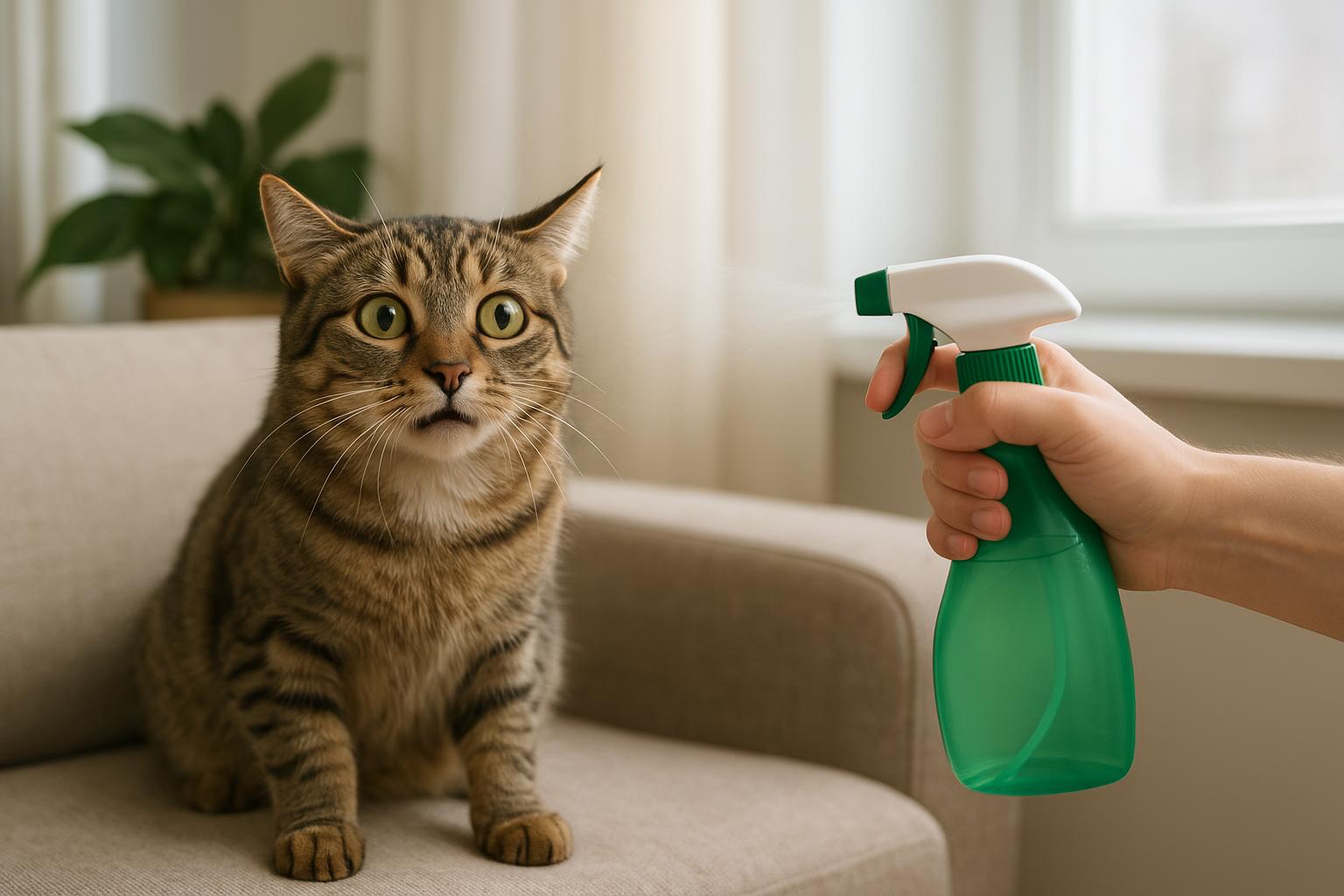
3. Apply IGR: Use an IGR spray labeled for indoor use to treat carpets, corners, pet bedding areas, and crevices where eggs and larvae accumulate. Follow label rates exactly.
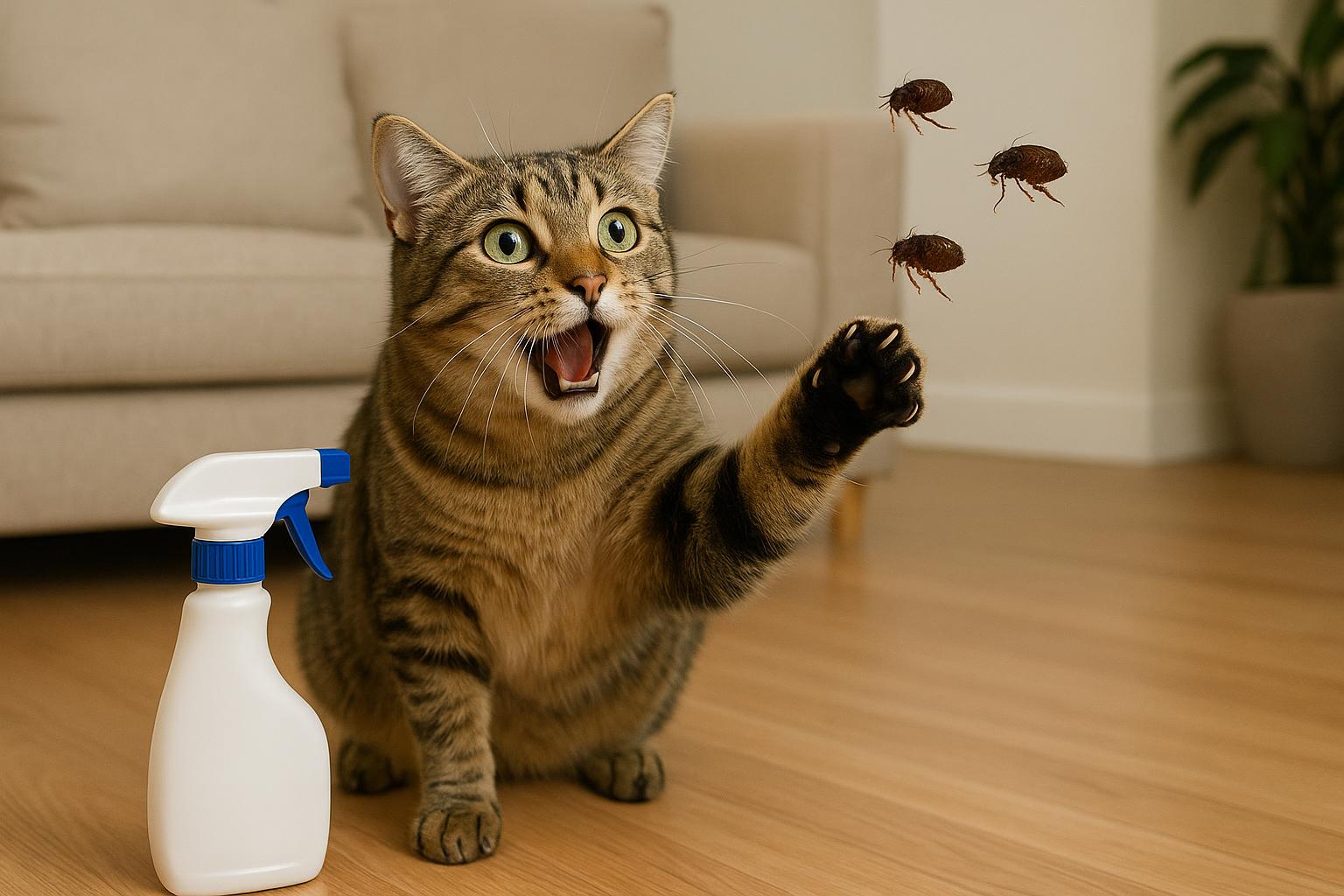
4. Apply Adulticide: After IGR, apply the adulticide spray to baseboards, under furniture, and other adult flea hiding spots. Don’t spray directly on pets; use only pet-safe products and follow re-entry intervals.
5. Repeat Vacuuming: Vacuum 3–7 days after treatment to remove newly emerged adults and again weekly for a month. Replace or sanitize vacuum filters and empty sealed containers outdoors.
6. Ongoing Pet Treatment: Ensure continued monthly preventive doses—this prevents pets from becoming reservoirs and reintroducing fleas.
7. Follow-Up: If significant flea activity persists after two treatment cycles (treatment plus reassessment at 2–4 weeks), consult a licensed pest control professional.
When using chemical products, always read the label. Misapplication risks health to people, pets, and the environment.
## Remedy 2: Non-Chemical Integrated Home Approach (Numbered Remedy 2)
For households preferring reduced chemical use—or as a complementary strategy—this second remedy emphasizes physical control and low-toxicity agents.
#### Required Materials
– High-efficiency vacuum
– Steam cleaner (carpet/ upholstery)
– Baking soda and/or boric acid for spot use (use with caution; keep away from pets)
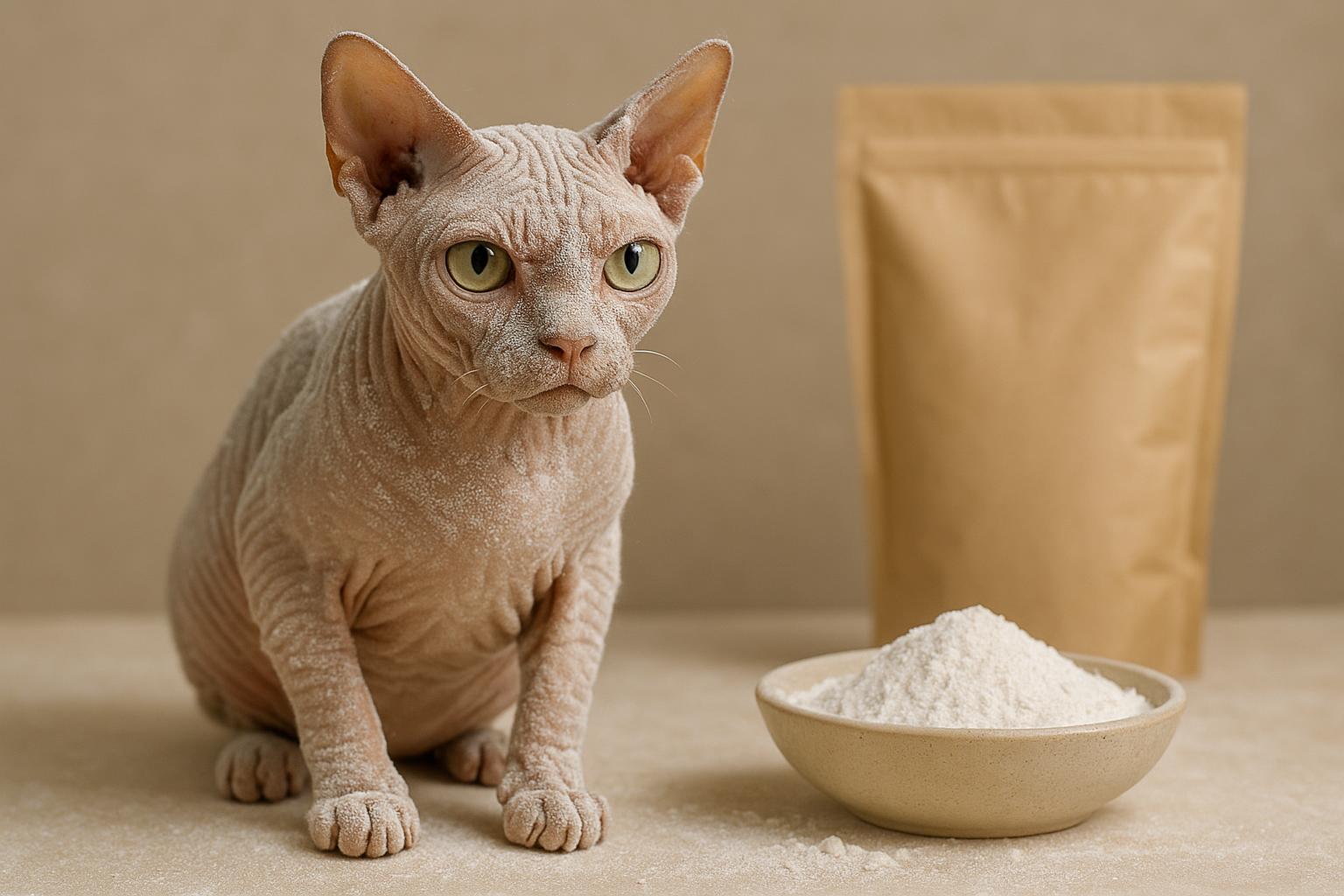
– Diatomaceous earth (food-grade) or silica gel desiccant (food-grade)
– Sturdy pet comb and grooming station
– Heavy-duty laundry setup
#### Step-By-Step Creation And Application
1. Intensive Cleanup: Begin with a thorough vacuum of every room, focusing on pet bedding, carpet edges, and upholstery seams. Seal and dispose of vacuum contents outside.
2. Steam Treatment: Steam-clean carpets and upholstery at the highest safe temperature. High heat kills larvae and eggs; steam penetrates fibers where vacuuming can’t reach.
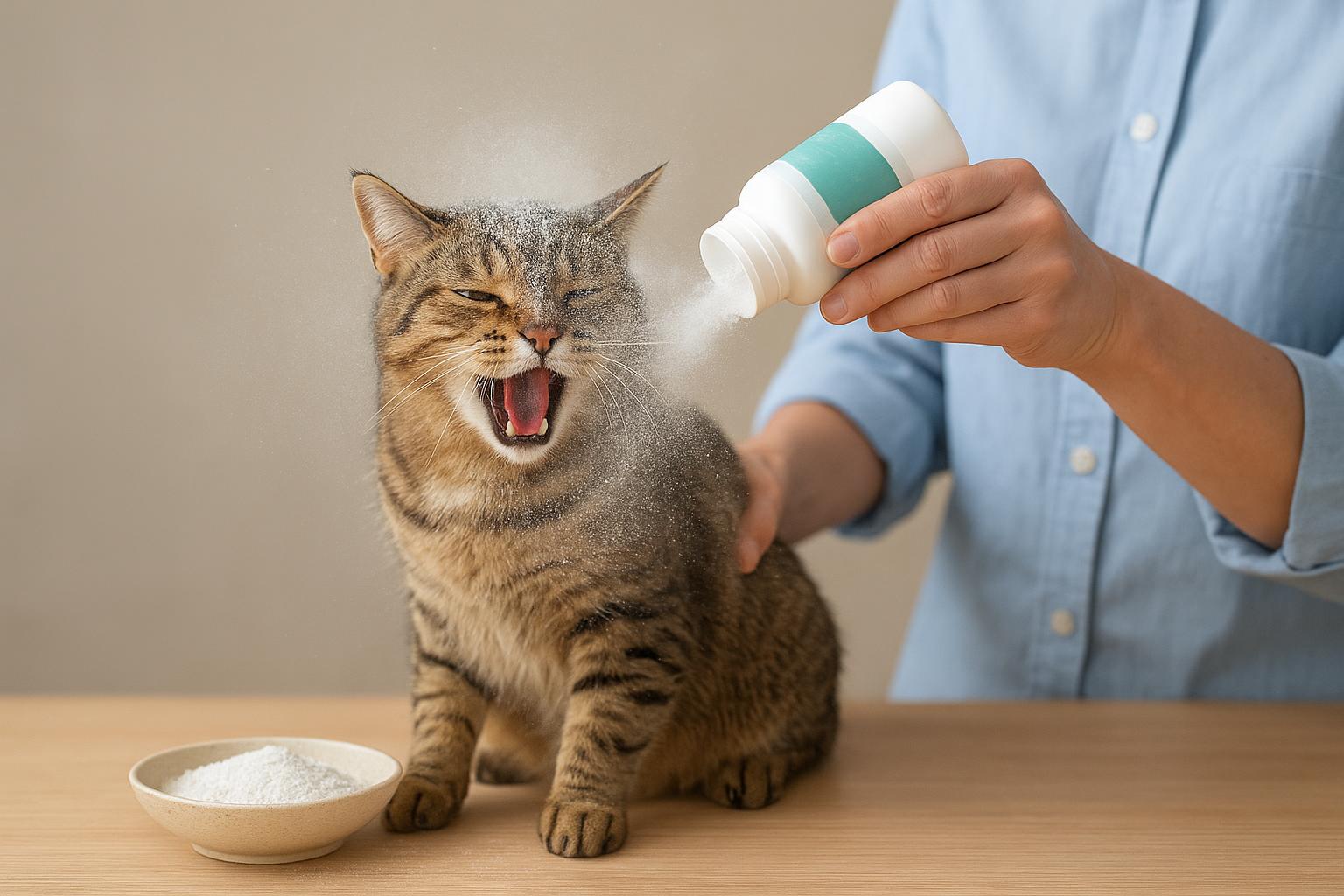
3. Desiccant Application: Lightly dust pet-free areas and carpet seams with food-grade diatomaceous earth or silica gel. These powders abrade and desiccate flea bodies over several days. Keep powders away from pet sleeping areas and run HEPA filtration afterward to reduce airborne dust.
4. Baking Soda/Boric Acid Spots: For small infestations, a mix of baking soda and salt can be brushed into carpets and left 24–48 hours then vacuumed. Boric acid is more effective but should be used carefully and kept away from pets and children.
5. Grooming & Preventives: Continue combing pets daily, bathing as appropriate, and placing pets on vet-approved preventives if tolerated. Non-chemical topical repellents have limited efficacy; combine with mechanical measures.
6. Reassessment: Recheck pet bedding, baseboards, and pet fur weekly. Repeat steam and vacuum cycles until no new adults appear for several weeks.
### When To Call A Professional
If bites persist, pets remain infested despite correct use of preventives, or if the infestation feels out of control, call a licensed pest control operator experienced in residential flea treatment. Professionals can apply targeted residual products and have the training to protect household occupants and pets.
### Practical Tips And Common Mistakes
– Don’t treat pets with products not labeled for their species. Cats are especially sensitive to certain insecticides.
– Treat all pets at once—treating one animal only invites reinfestation from untreated housemates.
– Don’t skip the vacuum. Mechanical removal is one of the most effective tools and reduces pesticide reliance.
– Remember wildlife vectors. If raccoons, feral cats, or rodents visit your yard, control access points to reduce outdoor reservoirs of winter fleas.
– Keep records of treatments, product names, lot numbers, and vet recommendations—this helps if a follow-up professional visit is needed.
## Monitoring And Long-Term Prevention
Flea control is ongoing. Establish a routine: monthly pet preventives, weekly inspections, regular vacuuming of pet areas, and seasonal yard maintenance. With a solid plan—combining diagnostics, sanitation, pet care, and targeted treatments—you’ll make your home a poor host for winter fleas and an inviting one for you and your pets instead.


Leave a Reply