
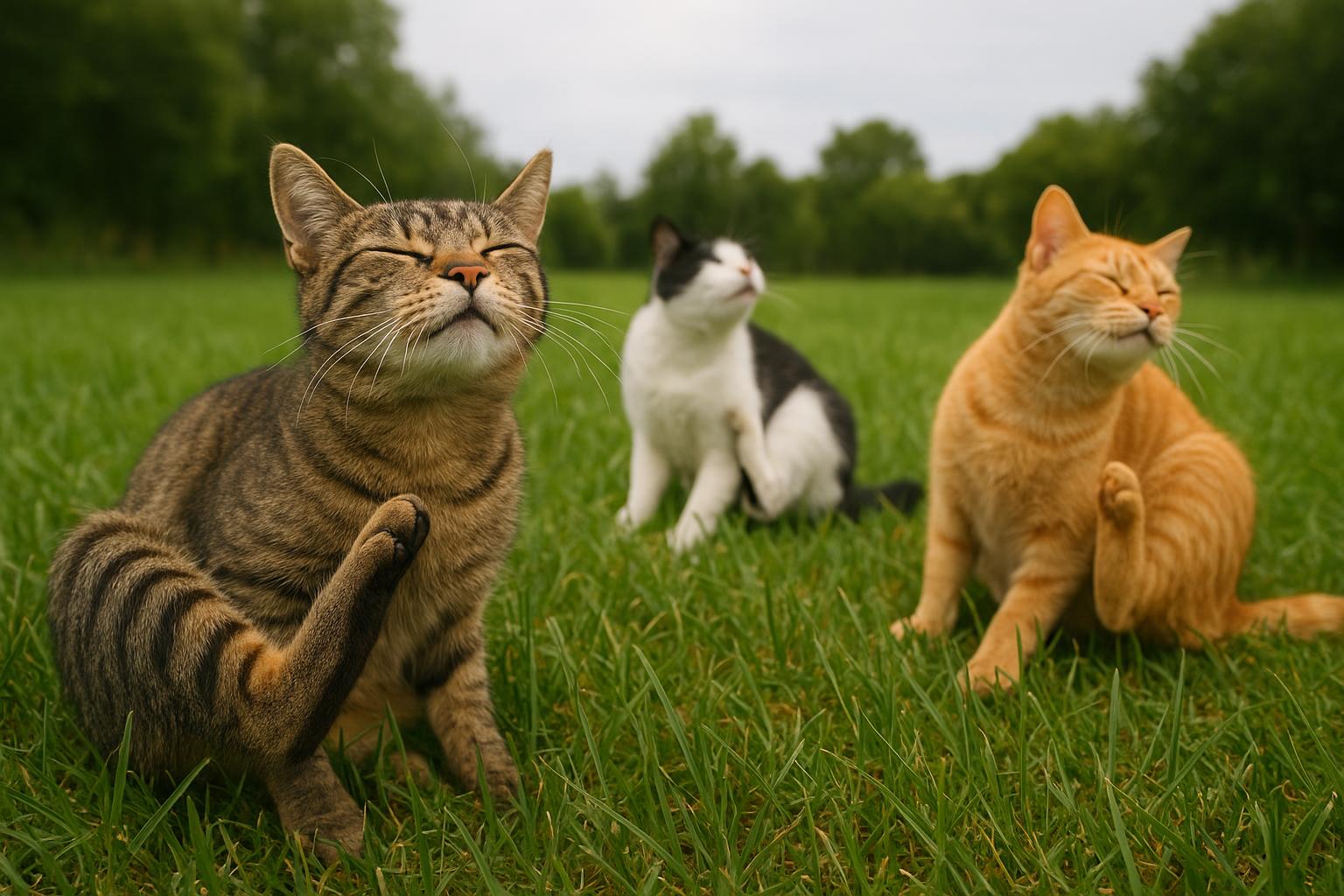
Hello there — glad you stopped by. If your lawn has become an unexpected flea convention, you’re in the right place. This guide walks through how outdoor fleas behave in grass, how to spot trouble early, and proven ways to reduce their numbers and keep pets and family safe. Expect practical steps, a few friendly nudges, and when we dive into treatments, a clear, formal set of instructions so you can act with confidence.
## Understanding Outdoor Fleas In Your Yard
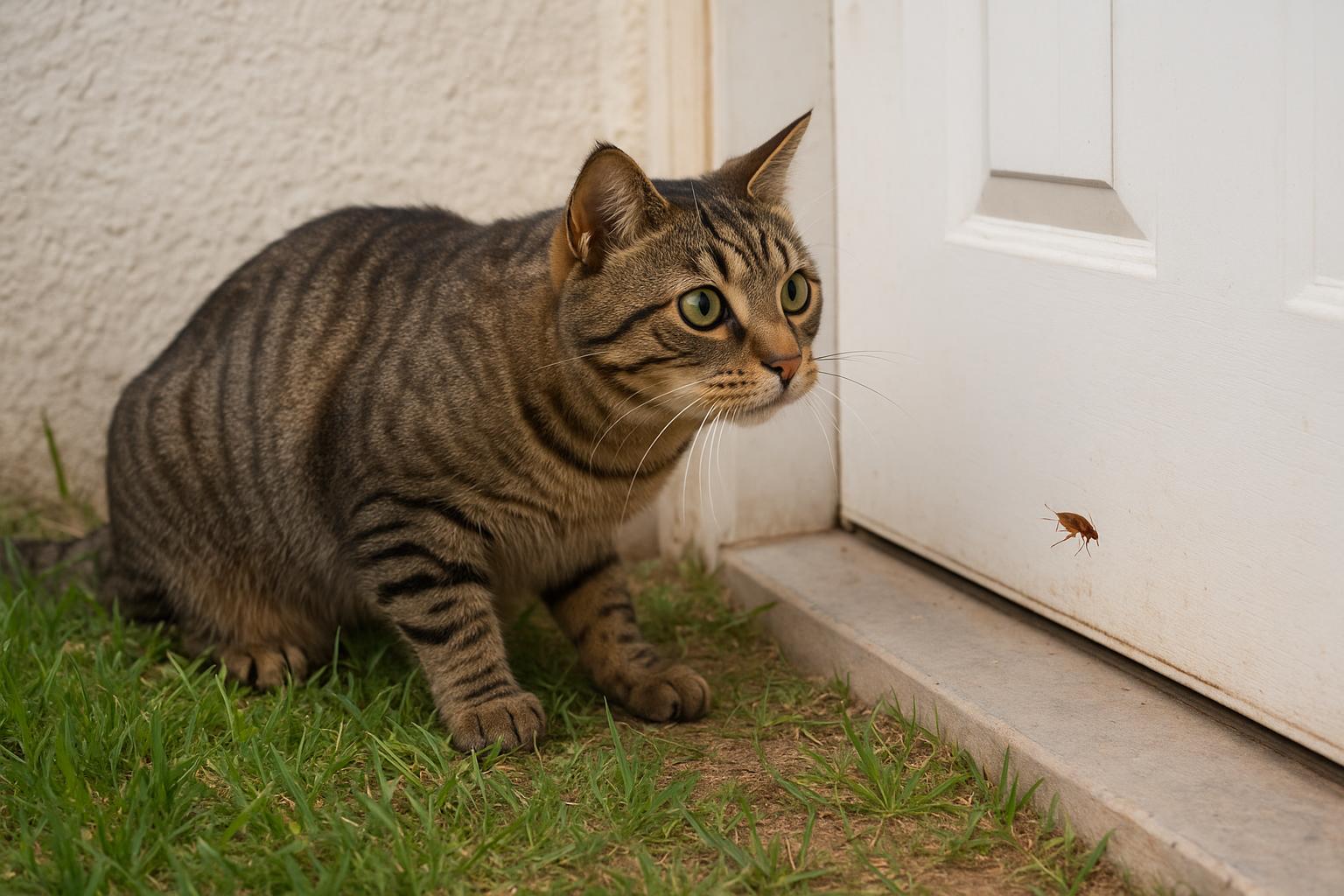
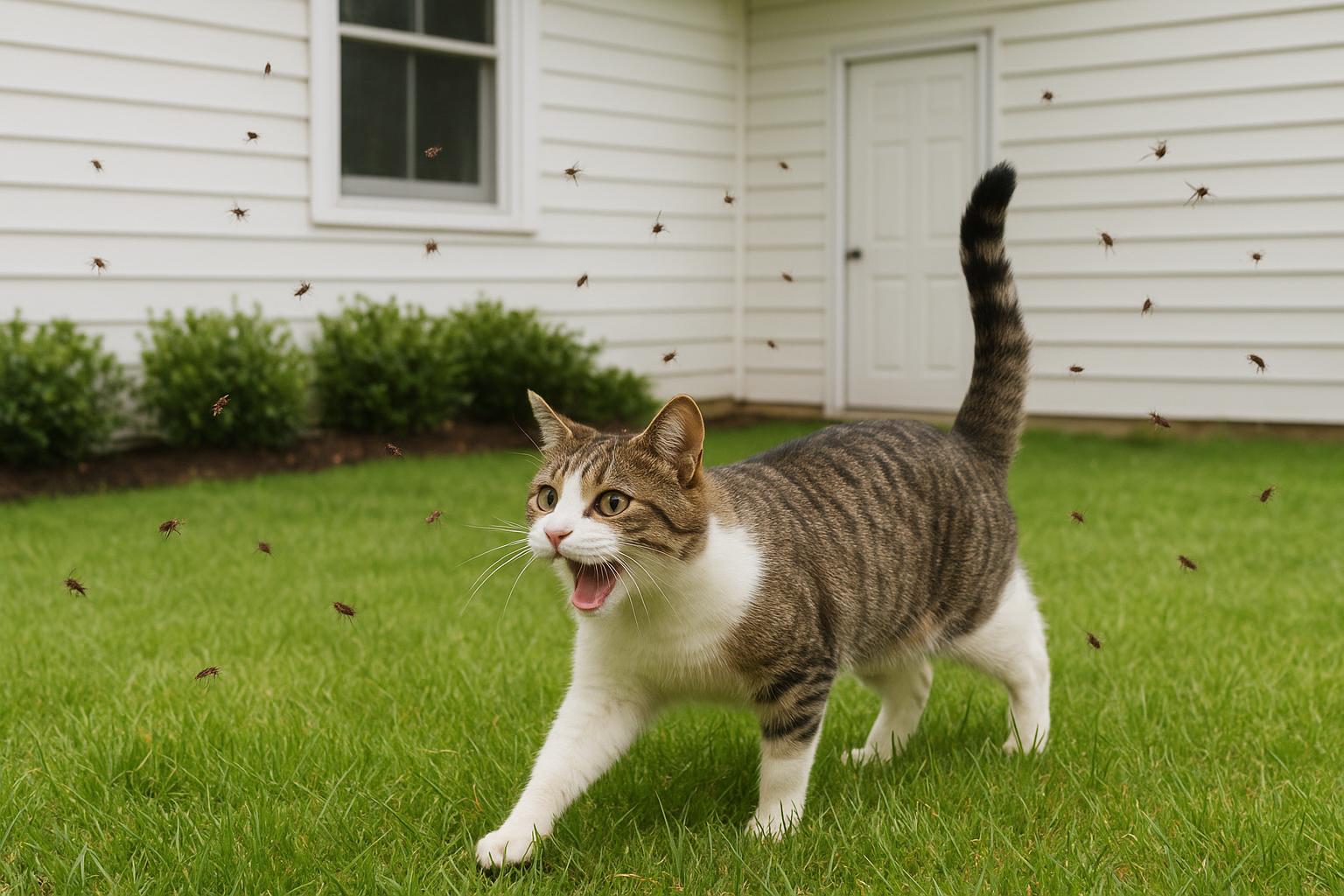
Outdoor fleas are more than just a nuisance; they’re tiny pests with a lifecycle and habitat that make grassy yards especially attractive. These insects thrive in shaded, humid areas where temperatures are moderate and hosts (wildlife, pets, or feral animals) are readily available. Knowing their preferences helps you intervene smartly rather than spraying everything in sight.
### The Flea Lifecycle And Why Grass Matters
Fleas progress through egg, larva, pupa, and adult stages. Eggs often fall off hosts into the environment — think soil, mulch, and grass. Larvae avoid light and feed on organic debris and adult flea feces, so thick turf and leaf litter are prime nursery locations. Pupae can remain dormant inside a cocoon until vibration, carbon dioxide, or warmth cues an adult to emerge; that’s why stepping into a yard can suddenly release a wave of hungry fleas.
### Risk Zones In The Yard
#### Shaded Corners And Under Shrubs
Fleas prefer cooler, humid microclimates. Areas under shrubs and trees are top contenders.
#### Tall Grass And Edging
Unmowed borders and tall grass provide shelter and more organic debris for larvae.
#### Wildlife Trails And Bedding Spots
Raccoons, opossums, feral cats, and rodents frequent obvious paths or flat bedding zones — prime flea drop-off points.
## Signs You Have Outdoor Fleas
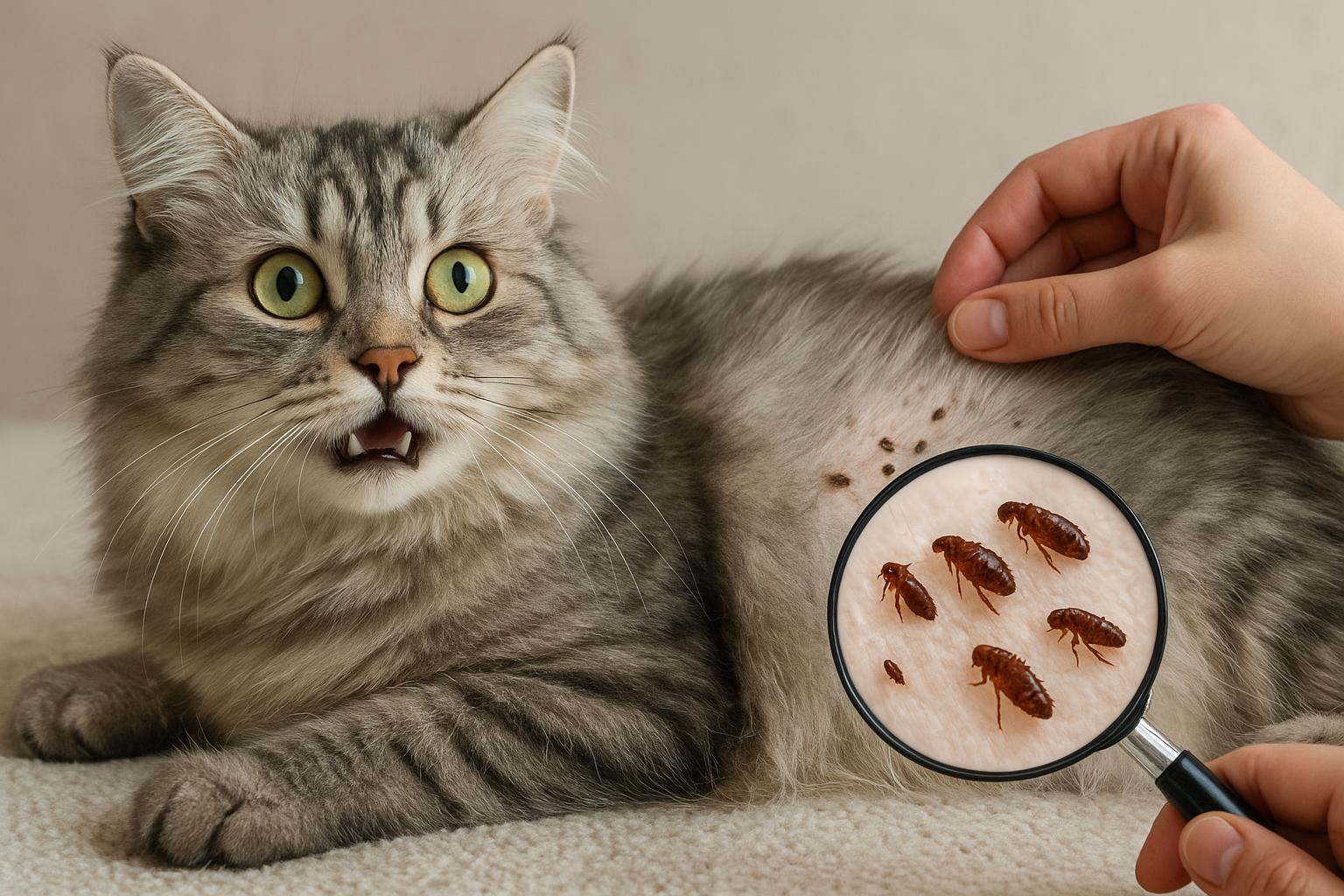
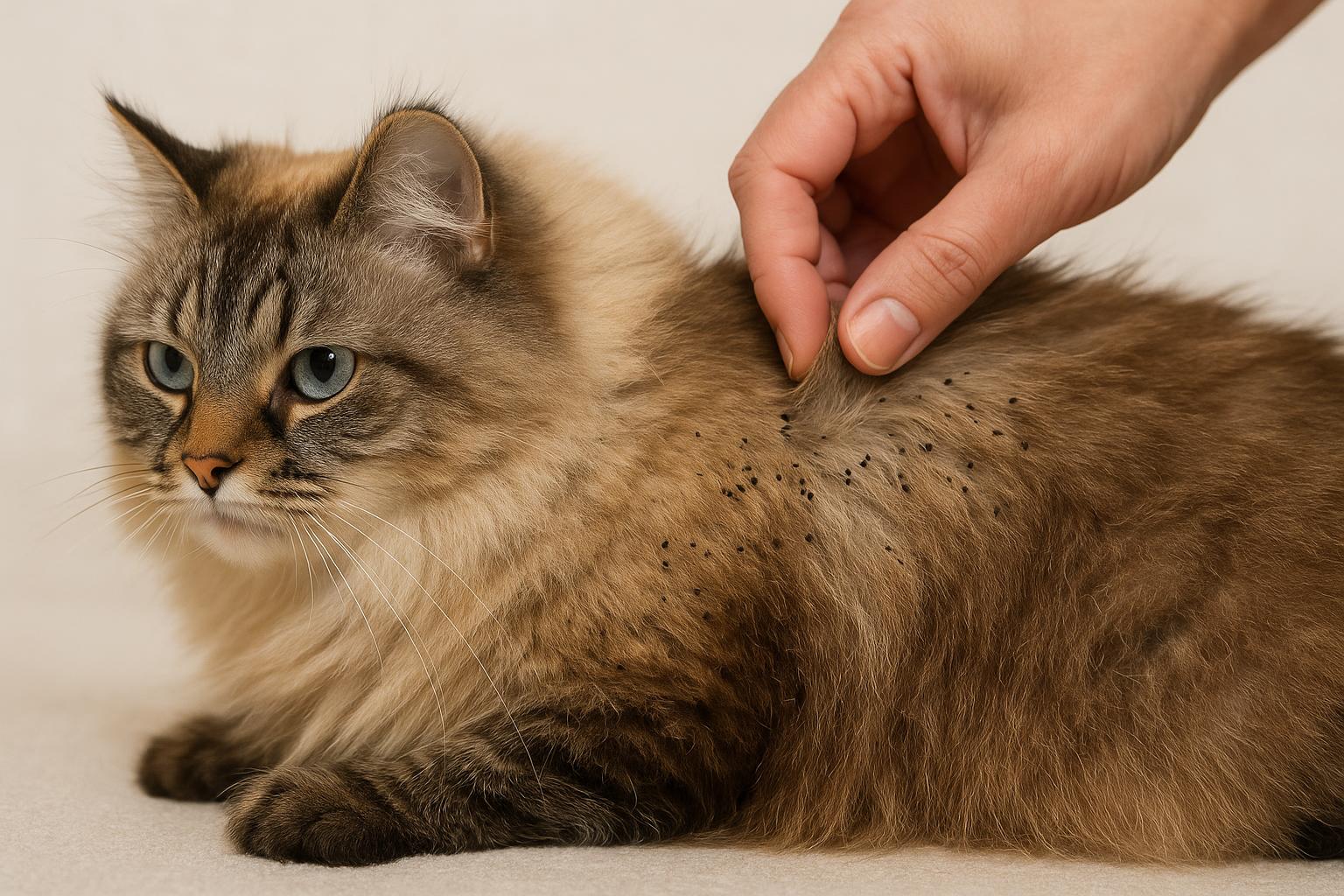
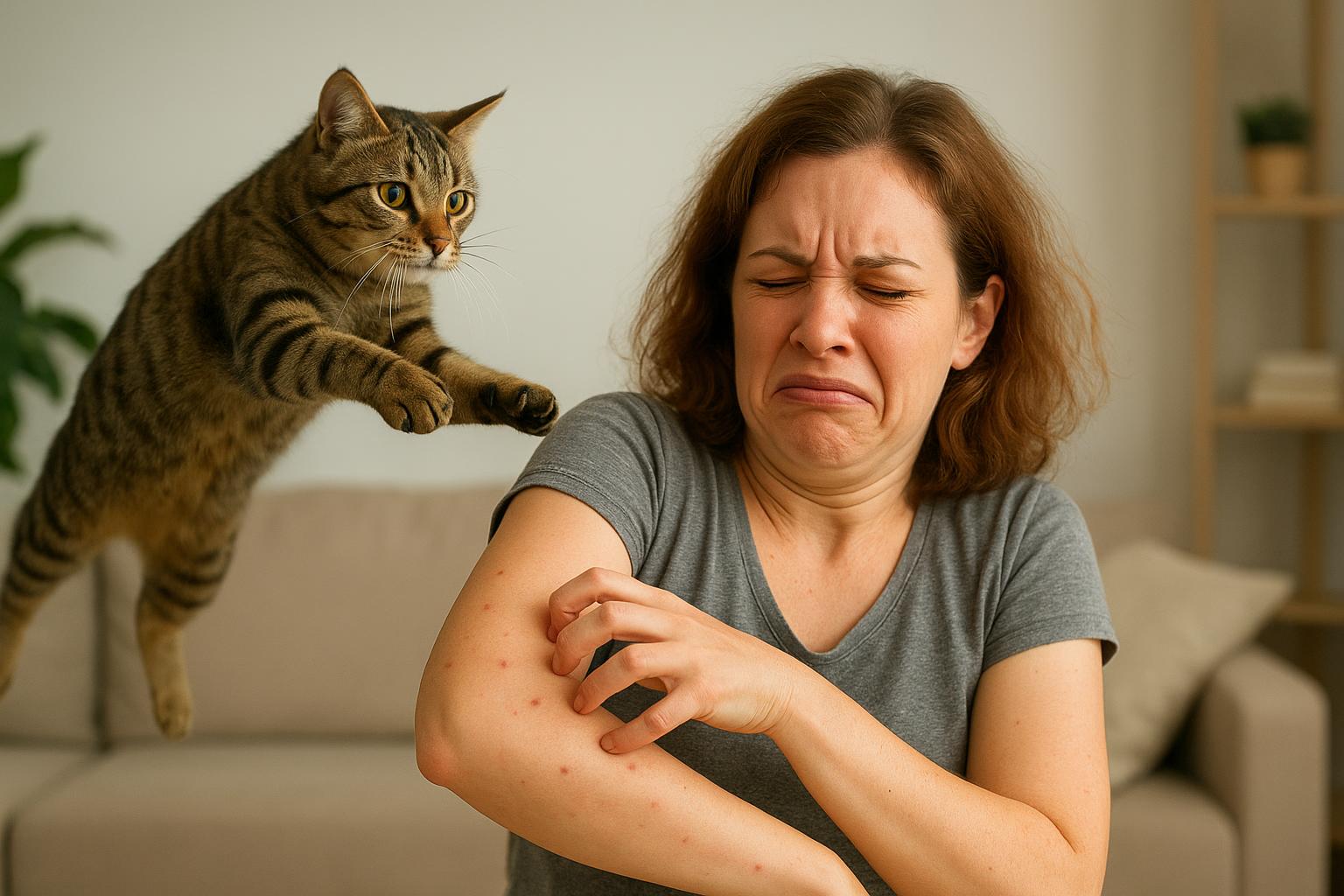
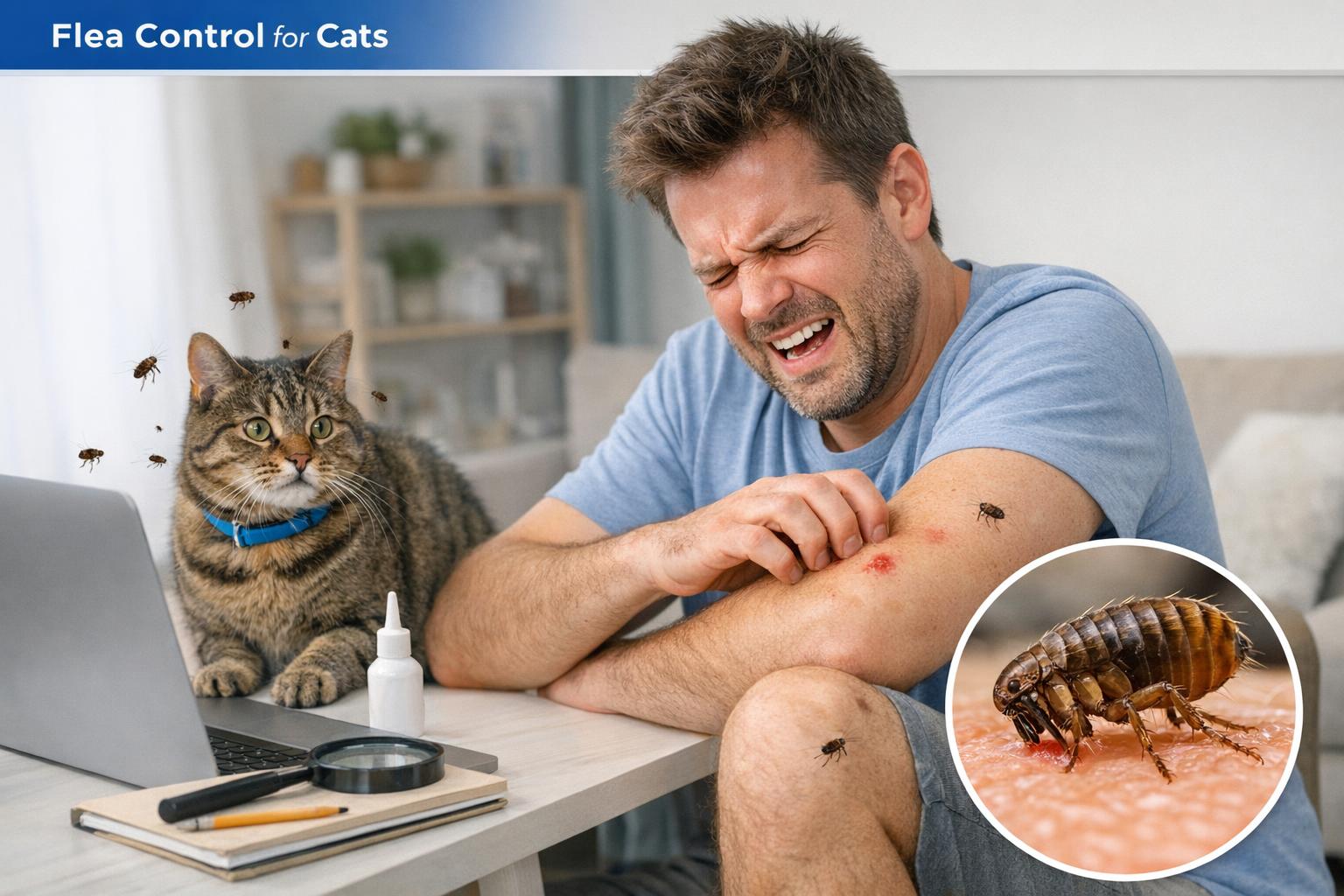
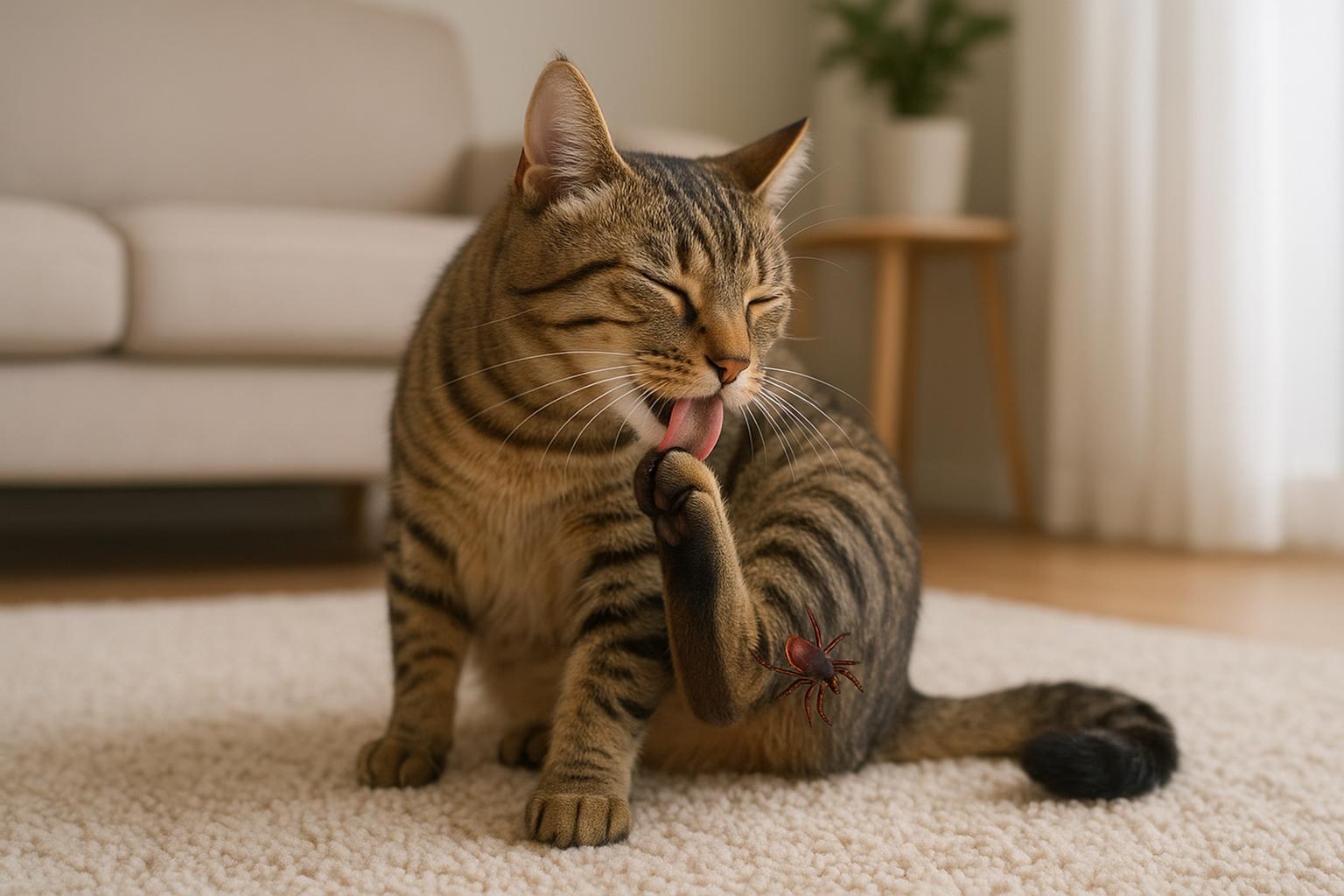
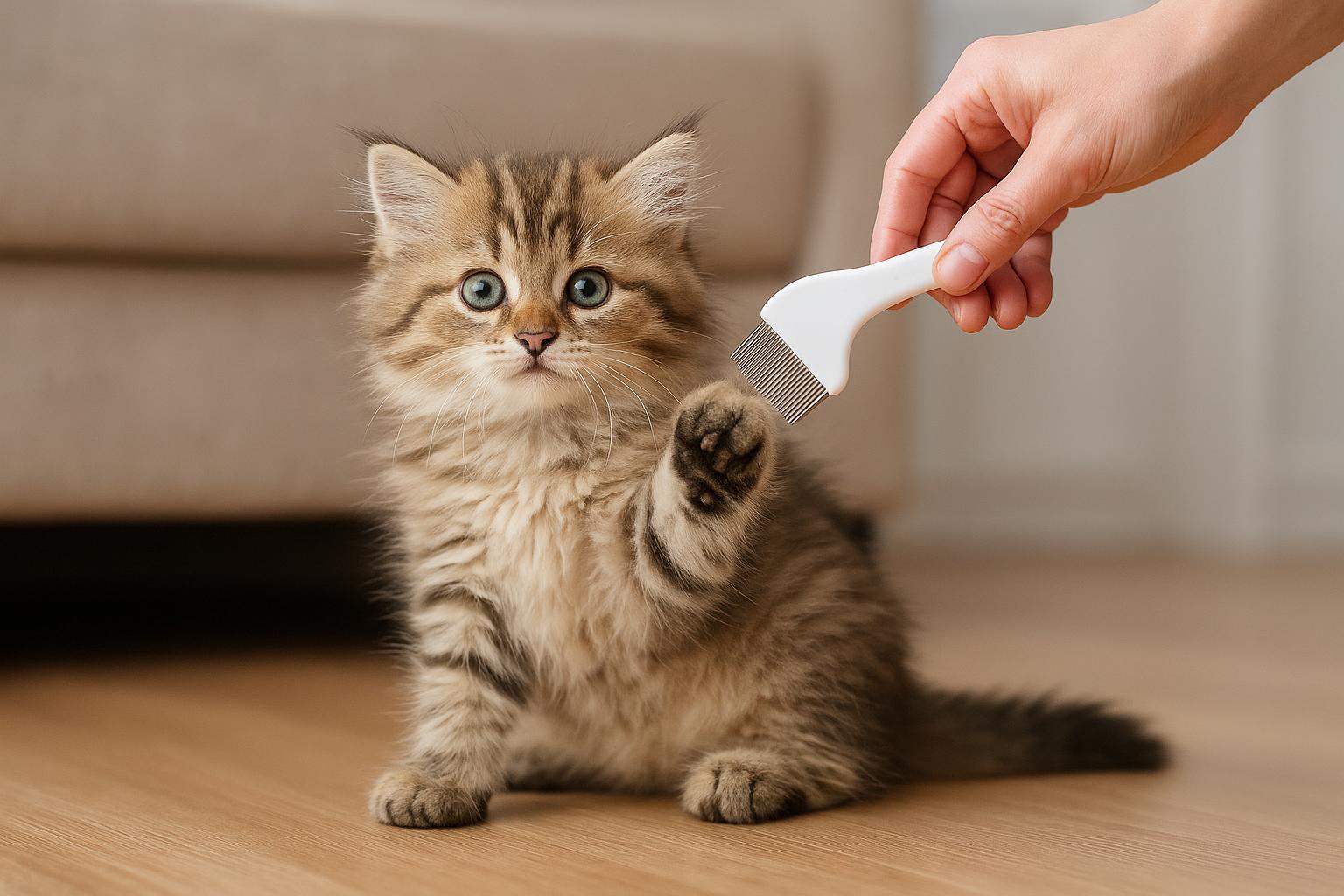
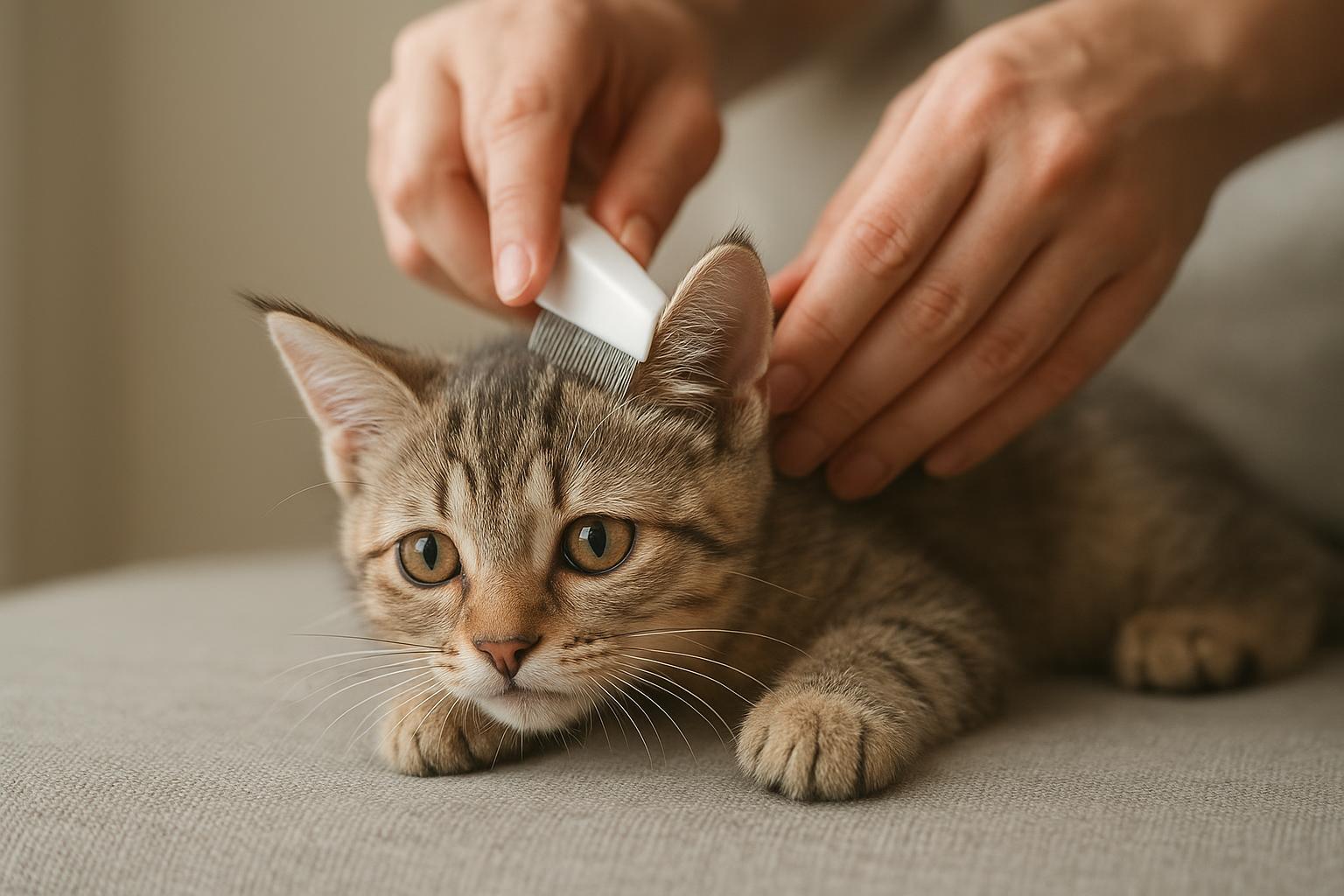
If you suspect outdoor fleas, look for these indicators: pets scratching when outside, flea dirt on fur (small black specks that turn red-brown in water), tiny jumping insects observed on low plants, and an uptick in flea bites on people after yard time. Dry, dusty patches where pets rest and animal droppings can also signal hotspots.
### Quick Yard Inspection Routine
Walk the property after dusk or early morning with closed shoes and a flashlight. Examine beneath shrubs, along fence lines, and in tall grass. Use a light-colored cloth to press against the lawn or pet bedding; fleas will show up as dark specks that move.
## Prevention Strategies That Work (Landscaping And Maintenance)
Most successes against outdoor fleas start with habitat modification. These are preventative, low-tech, and friendly to beneficial insects when done thoughtfully.
### Yard Maintenance Checklist
– Keep grass mowed regularly to reduce cool, humid zones.
– Remove leaf litter, excess mulch, and debris where larvae feed.
– Trim lower tree branches to increase sunlight and lower humidity at ground level.
– Create a dry buffer (gravel, pavers) between wooded or wild areas and your lawn to discourage wildlife cross-traffic.
### Wildlife Management Suggestions
Discourage wildlife hosts with humane strategies: secure trash, remove pet food left outdoors, and block small mammal access points under decks. Consider motion-activated lights or sprinklers at known crossing points — they’re surprisingly effective and pet-safe.
## 1. Biological Control: Beneficial Nematodes
Materials:
– Beneficial nematodes (Steinernema spp. or Heterorhabditis spp.) in refrigeration pack
– Clean water supply
– Sprayer (hose-end or pump sprayer) with fine nozzle
– Protective gloves and a container for mixing
Preparation And Application (formal):
1. Storage: Keep nematodes refrigerated until use; do not freeze. Follow supplier timing for freshness.
2. Timing: Apply during cool parts of the day (early morning or late afternoon) and when soil moisture is adequate; avoid full sun and wind.
3. Mixing: Pour the recommended amount of nematodes into the sprayer container and mix gently with cool, chlorine-free water. Follow label concentration closely (typically based on area coverage).
4. Application: Spray evenly across problem areas, targeting shaded lawns, under shrubs, and around borders where flea larvae reside. Use a fine nozzle to avoid damaging nematodes.
5. Post-application Care: Water the treated area lightly to move nematodes into the soil and keep the zone moist for 7–14 days. Repeat according to label instructions for sustained control.
Efficacy: Beneficial nematodes actively seek and infect flea larvae and pupae; they are safe for pets, people, and plants when applied according to directions.
## 2. Mechanical Barrier: Diatomaceous Earth (Food Grade)
Materials:
– Food-grade diatomaceous earth (DE)
– Dust mask and gloves
– Handheld spreader or dust applicator
– Broom or leaf blower (optional for removal later)
Preparation And Application (formal):
1. Safety: Wear a dust mask and gloves to avoid inhalation and eye irritation.
2. Target Areas: Apply DE to dry, shaded zones — under porches, along fence lines, around pet rest areas, and in tall grass margins. Avoid applying directly on plants you wish to protect.
3. Application Rate: Lightly dust a thin, even layer; excessive application clumps and reduces effectiveness.
4. Reapplication: Reapply after heavy rain or irrigation. DE works mechanically by dehydrating insects on contact; it does not provide long residual protection if damp.
5. Removal: If desired, use a broom or leaf blower to clear DE once the flea population is controlled.
Efficacy: DE is a low-toxicity option for yards; however, it works slower than biological or chemical methods and is most effective as part of an integrated plan.
## 3. Chemical Targeted Approach: Insect Growth Regulator (IGR) Granules
Materials:
– IGR granules labeled for outdoor flea control (e.g., methoprene, pyriproxyfen)
– Granular spreader (broadcast or drop) or hand spreader for small areas
– Water source for follow-up irrigation (if label requires)
– Gloves and safety eyewear
Preparation And Application (formal):
1. Product Selection: Choose an IGR product specifically labeled for outdoor flea control and suitable for your turf type. Read and follow all label instructions; product formulations and rates vary.
2. Application Timing: Apply to clean, dry turf when flea activity is anticipated (spring and autumn peaks or as detected).
3. Spreader Calibration: Calibrate the spreader to deliver the correct rate over your lawn’s square footage. Uniform application is critical for effectiveness.
4. Application: Distribute granules evenly over affected areas, focusing on shady borders, pet resting zones, and near wild-animal pathways.
5. Irrigation: If the product label instructs, lightly water the area to move the IGR into the soil. Follow safety precautions and re-entry interval recommendations on the label.
6. Follow-Up: Reapplication schedules depend on product residual; follow label guidance. Combine with habitat reduction to minimize reinfestation.
Efficacy: IGRs do not kill adult fleas immediately but prevent eggs and larvae from maturing into biting adults, making them a powerful part of long-term control when used correctly and legally.
### Using Treatments With Pets Present
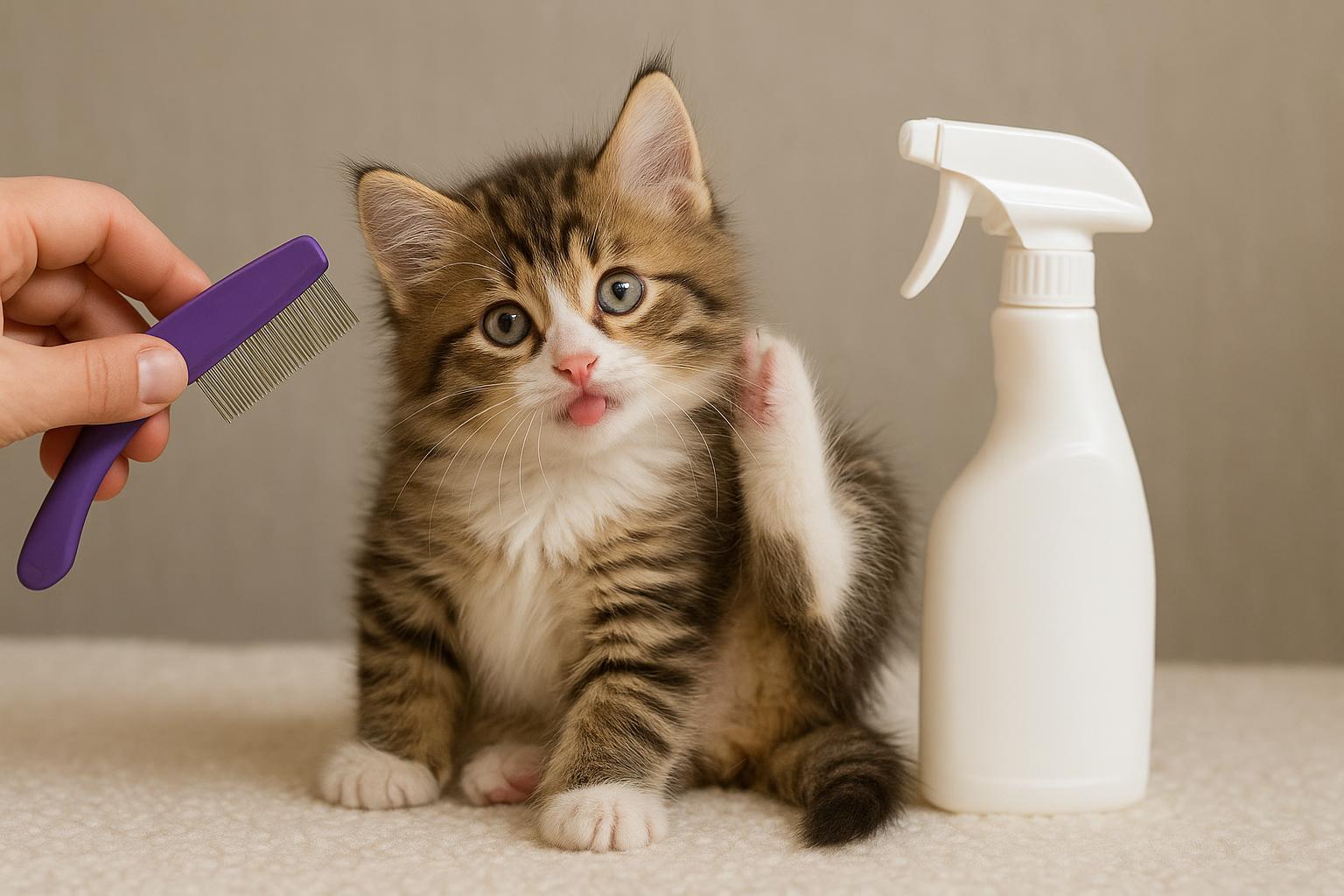
Always treat pets with veterinarian-recommended flea control simultaneously when you treat the yard. Lawn treatments reduce environmental pressure, but pet products protect against immediate bites and reinfestation. Never use pet products on turf; follow label directions and consult your vet for integrated strategies.
## Monitoring And Long-Term Maintenance
Keeping outdoor fleas at bay is an ongoing process. Regularly inspect known hotspots, track where wildlife enters, and maintain consistent lawn care. Rotate control tactics seasonally: use nematodes or IGRs in warm seasons, and barrier methods when you need temporary protection. Record dates and results of treatments so you can adjust timing year to year.
### When To Call A Professional
If flea numbers remain high despite integrated efforts, or if household infestations develop, consult a licensed pest management professional. They can assess broader factors (adjacent properties, heavy wildlife reservoirs) and provide targeted treatments that comply with local regulations and safety standards.
If you want, I can help you draft a treatment schedule tailored to your yard size and climate, and estimate product quantities based on square footage.

















Leave a Reply