
## Why Backyards Attract Fleas
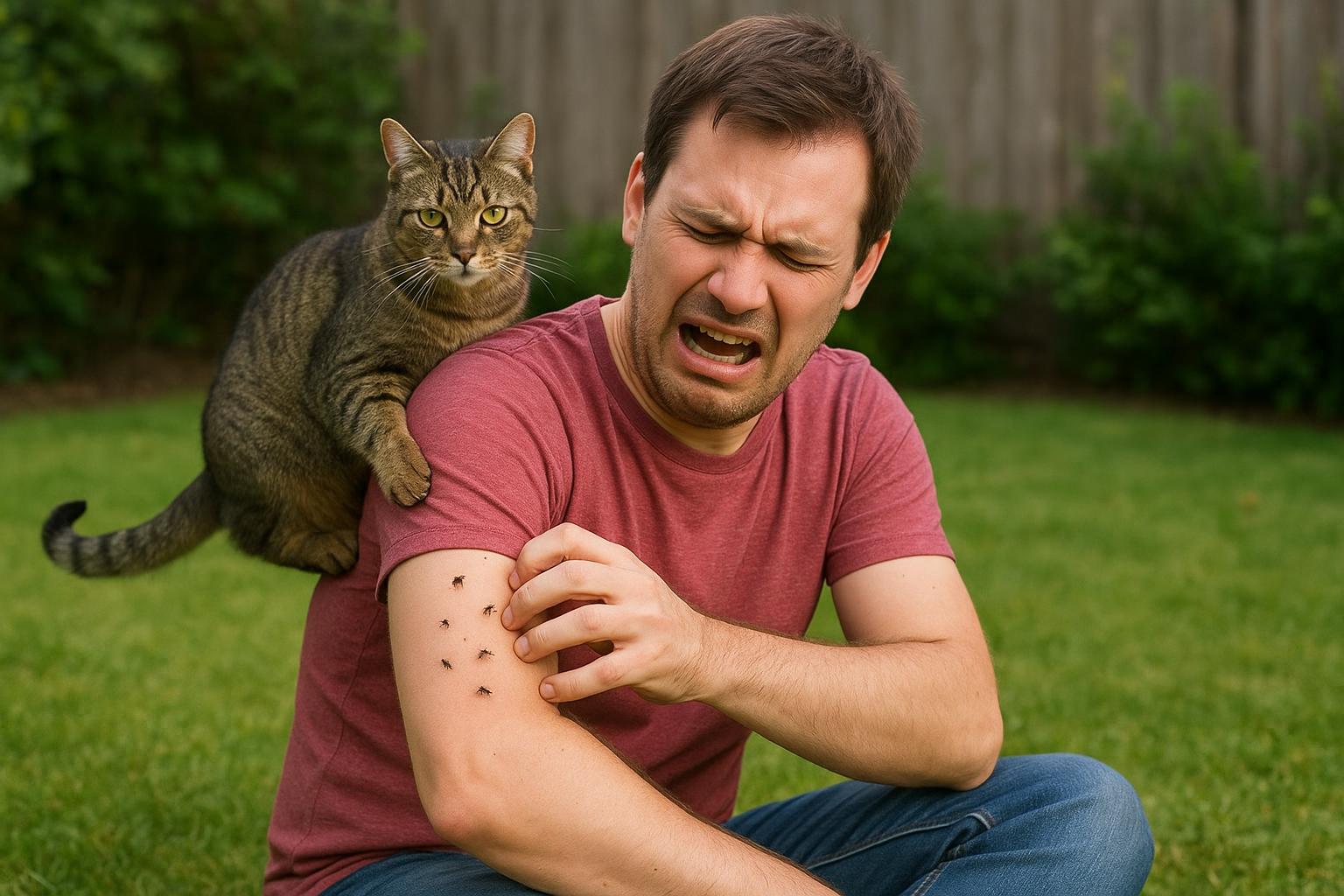
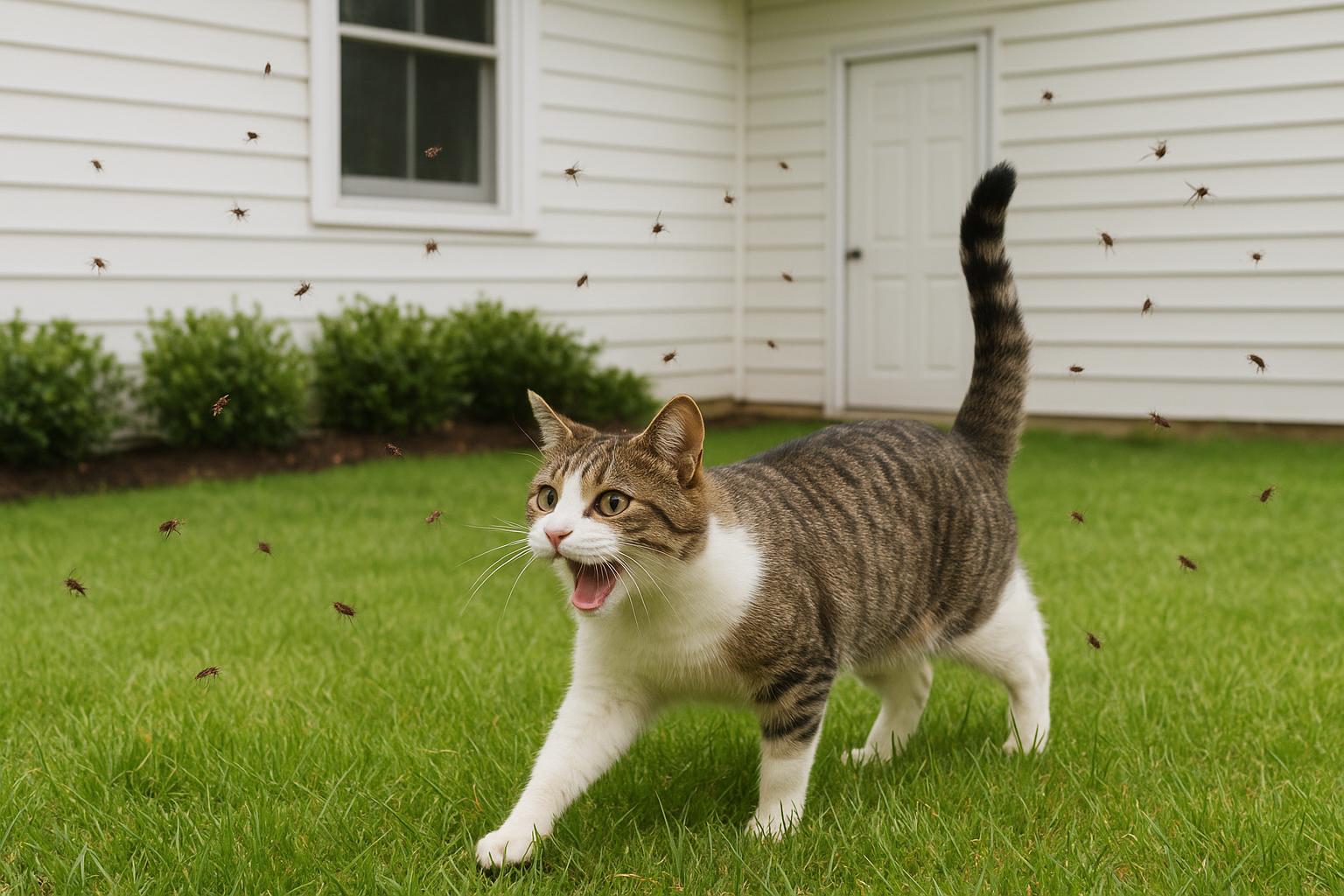
Warm, shady corners, long grass, and a steady parade of neighborhood wildlife make many backyards a flea magnet. Fleas are tiny, wingless insects that thrive where hosts — like rodents, raccoons, opossums, feral cats, and your own dog or cat — pass through or rest. They don’t need much: a moist leaf litter pile or a quiet foundation edge can be enough to sustain multiple generations. That’s why a pleasant summer evening can turn into a nuisance the next week when you start noticing small red bumps on your arms and legs.
## Flea Bite: Can Fleas Bite Humans In The Backyard?
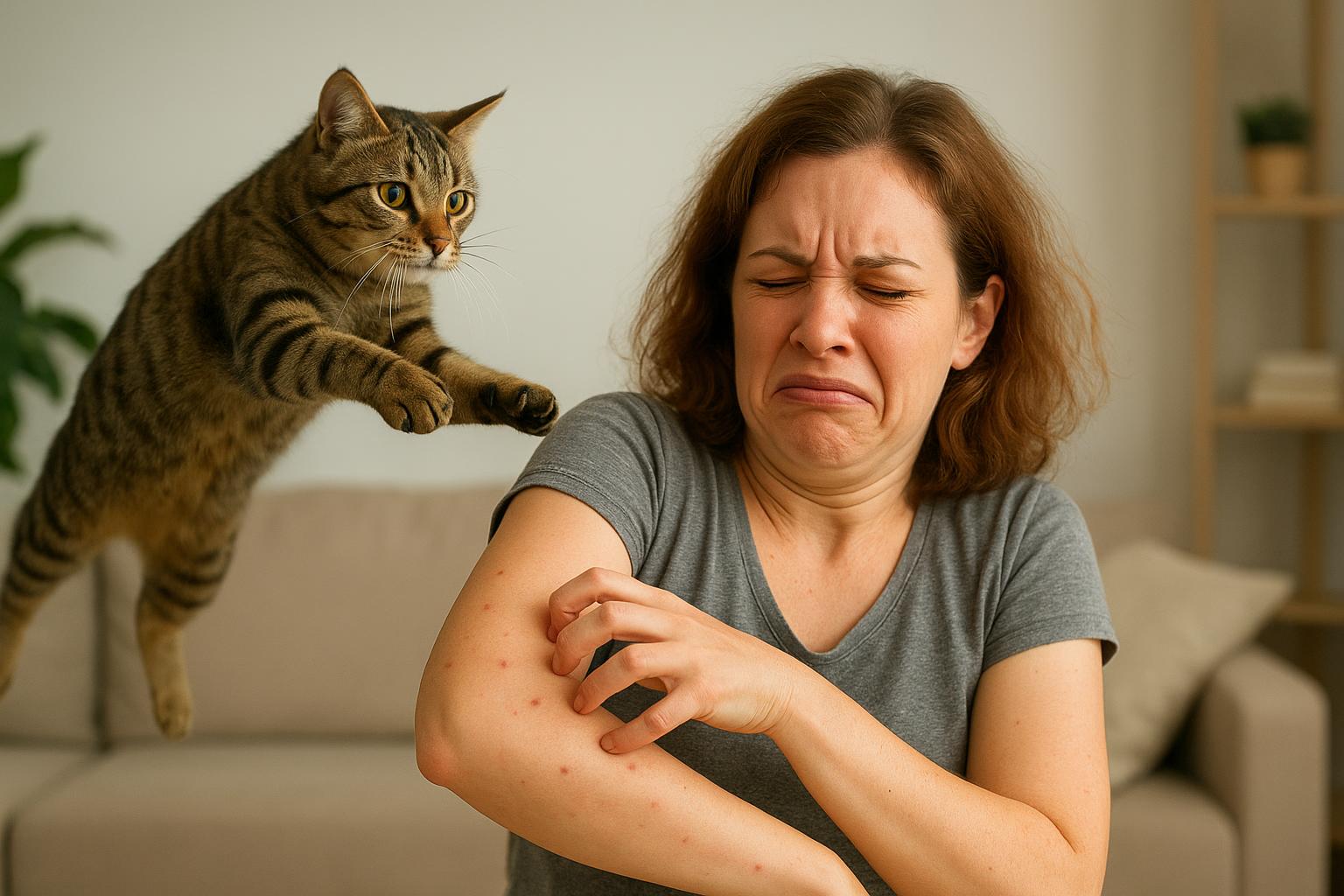
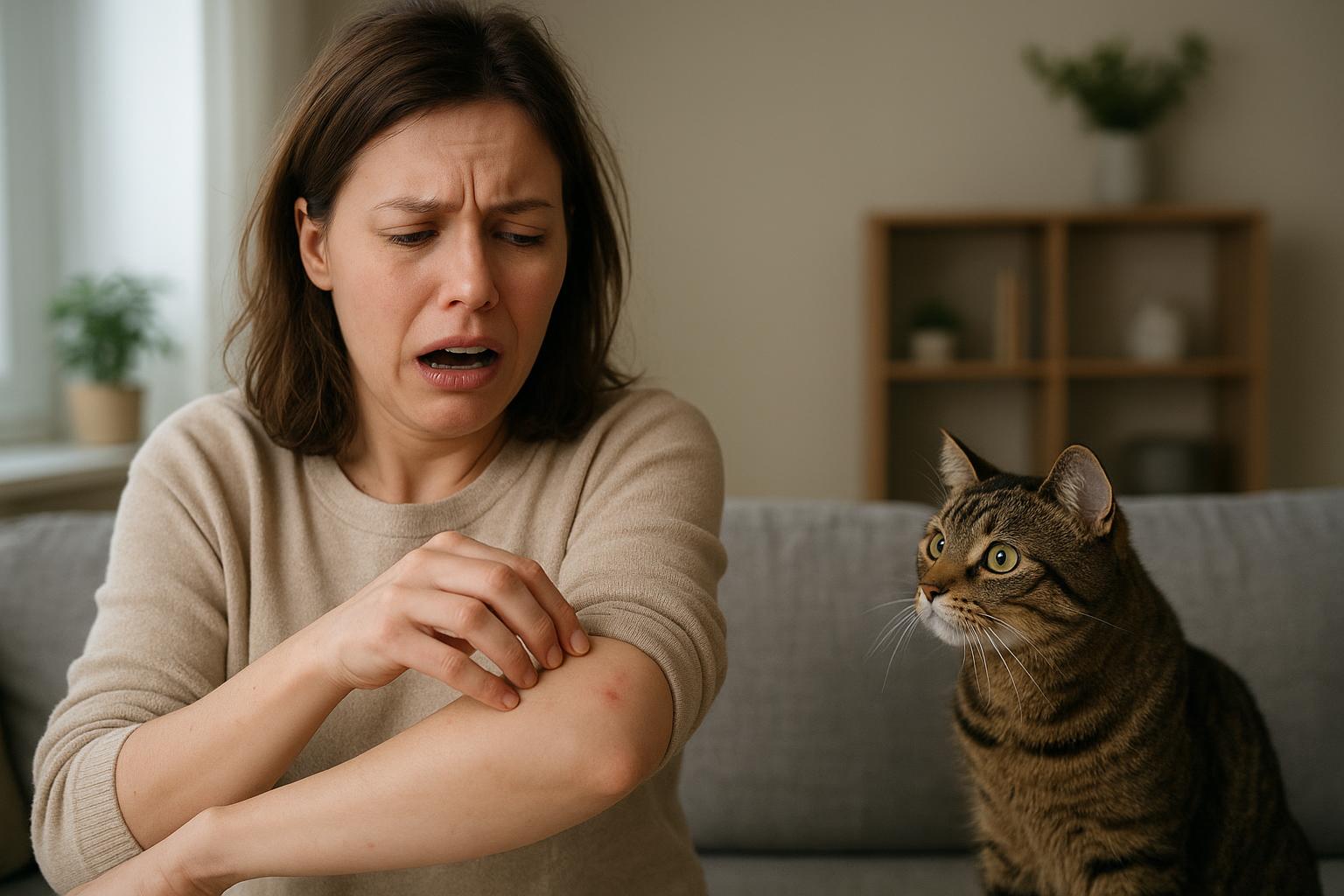
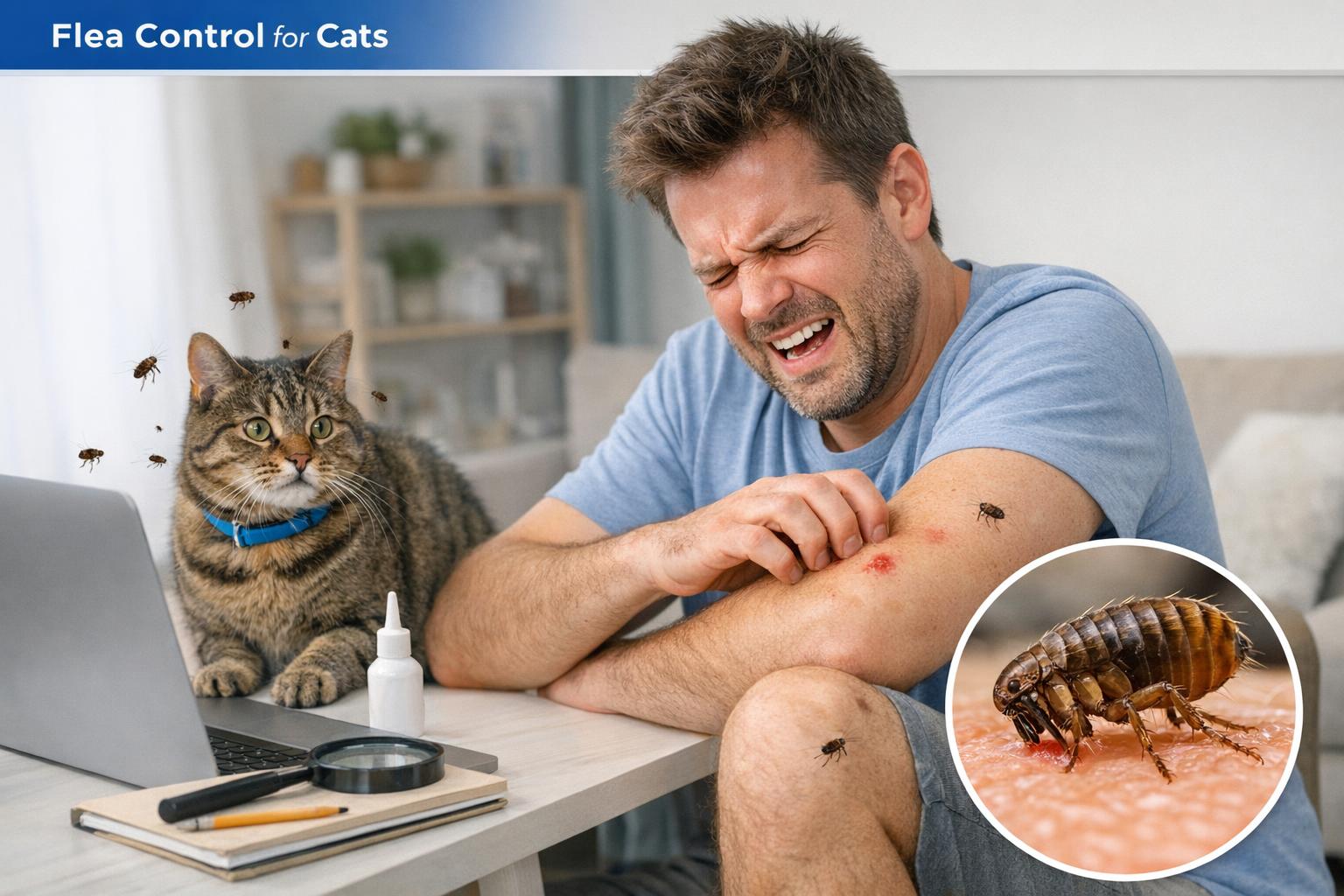
Short answer: yes. Fleas will bite humans when their preferred hosts aren’t available or when flea populations are high. While many flea species prefer animals, they don’t turn down a human host if hungry. A flea bite is typically a small, itchy red spot, sometimes with a darker dot at the center where the flea punctured the skin.
### Recognizing Flea Bites
Flea bites often appear in clusters or a line, particularly around ankles, lower legs, and waistlines — places fleas can easily access. The bites are usually smaller than mosquito bites and can be intensely itchy. Look for these signs:
– Small red bumps, often with a tiny puncture in the center.
– Multiple bites grouped together.
– Itchiness that arrives soon after outdoor activity.
Keep in mind that not every small bite is a flea bite; bed bugs, mosquitoes, and other insects can produce similar marks. But if you have pets that scratch more than usual or you see fleas on your dog or cat, fleas are a likely suspect.
### Who Gets Bitten
Anyone can get bitten, but certain people react more strongly. Children and adults with sensitive skin or flea allergies may develop larger welts or hives. Pets are typically the primary targets and will show signs earlier—constant scratching, hair loss, or visible fleas are red flags that the backyard might be a problem.
## Health Risks From Flea Bites
For most people, flea bites are mainly an itchy nuisance. However, there are a few risks worth being aware of:
– Allergic reactions: Some individuals develop flea bite hypersensitivity with intense itching and swelling.
– Secondary infections: Excessive scratching can break the skin and introduce bacteria, leading to cellulitis or impetigo.
– Disease transmission: Certain fleas can carry pathogens. In some regions, fleas transmit diseases such as murine typhus or, historically, plague. These are rare in most residential backyards but not impossible—especially where wild rodents are abundant.
If you or a family member develops fever, worsening redness, swelling beyond the bite area, or flu-like symptoms after flea exposure, seek medical attention.
## Spotting A Backyard Infestation
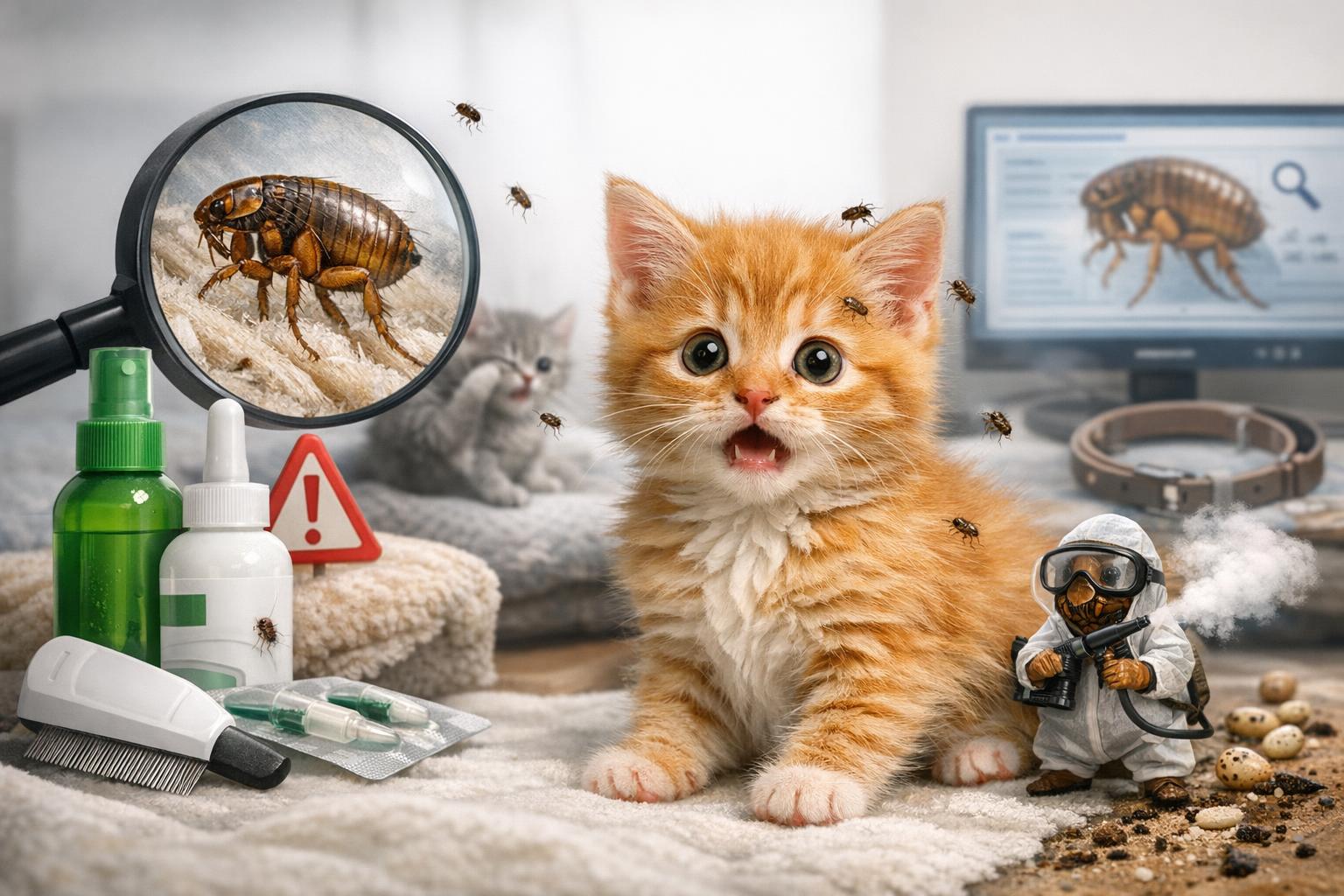
You don’t need a microscope to suspect a flea problem. Watch for these backyard clues:
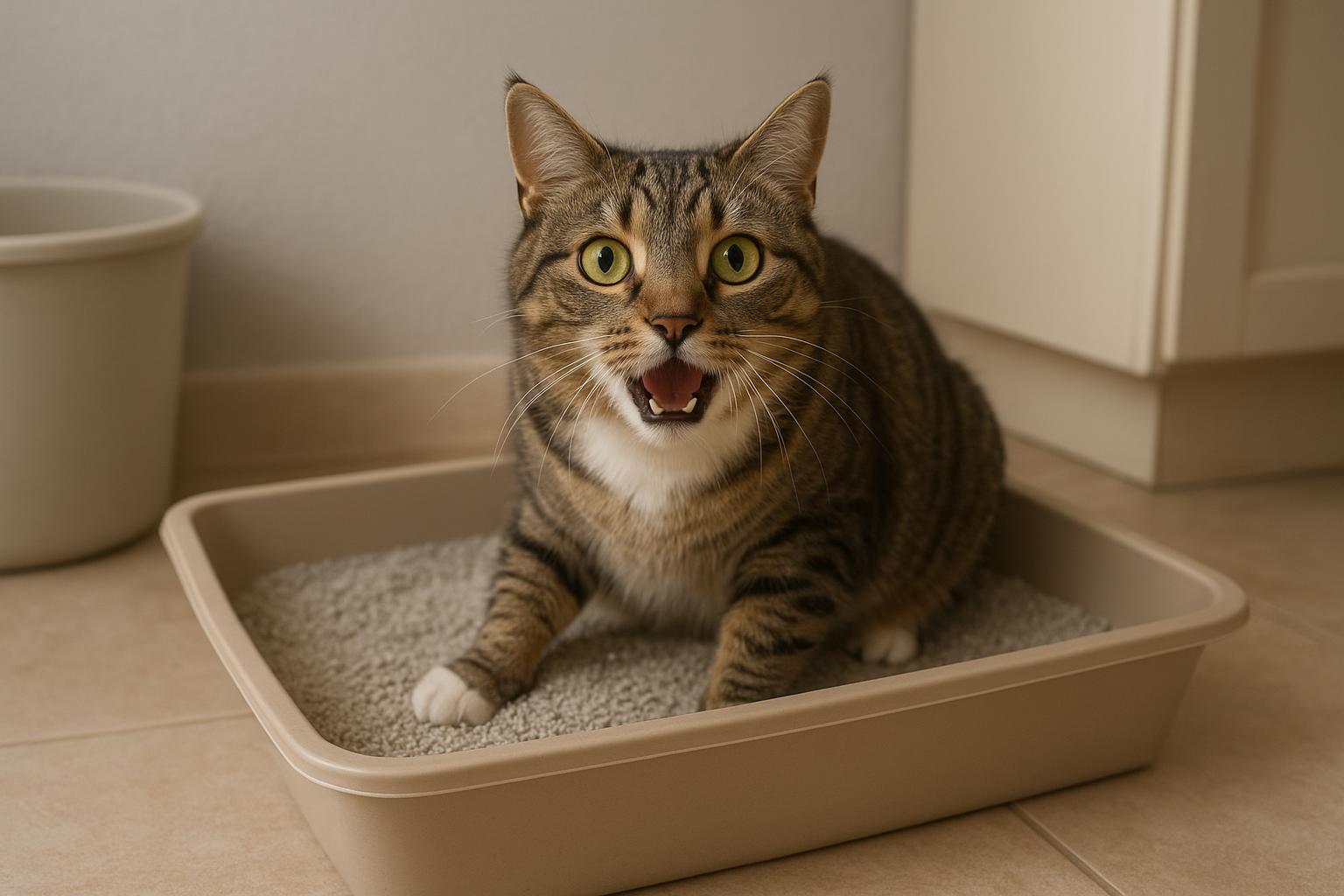
– Pets scratching and biting themselves.
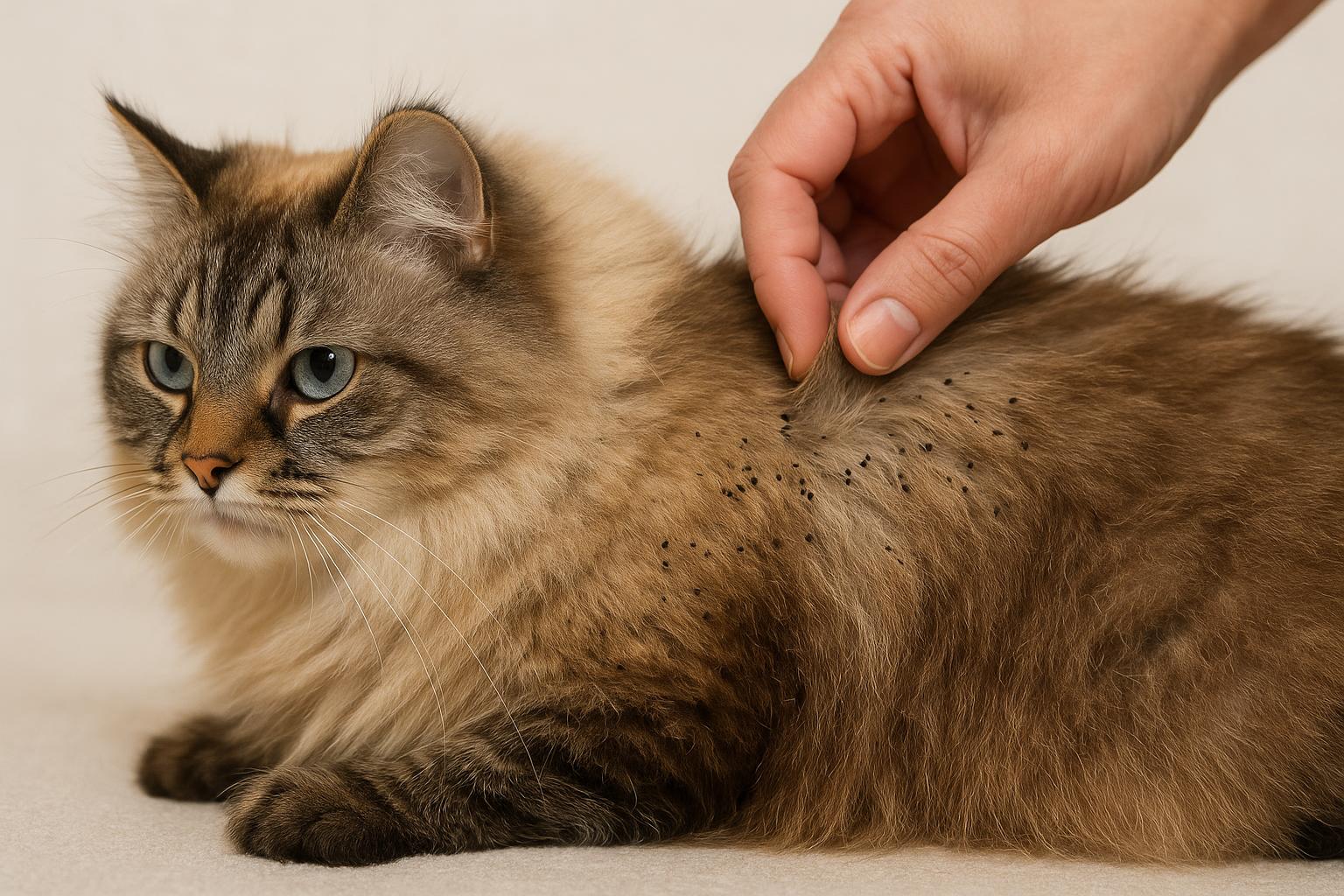
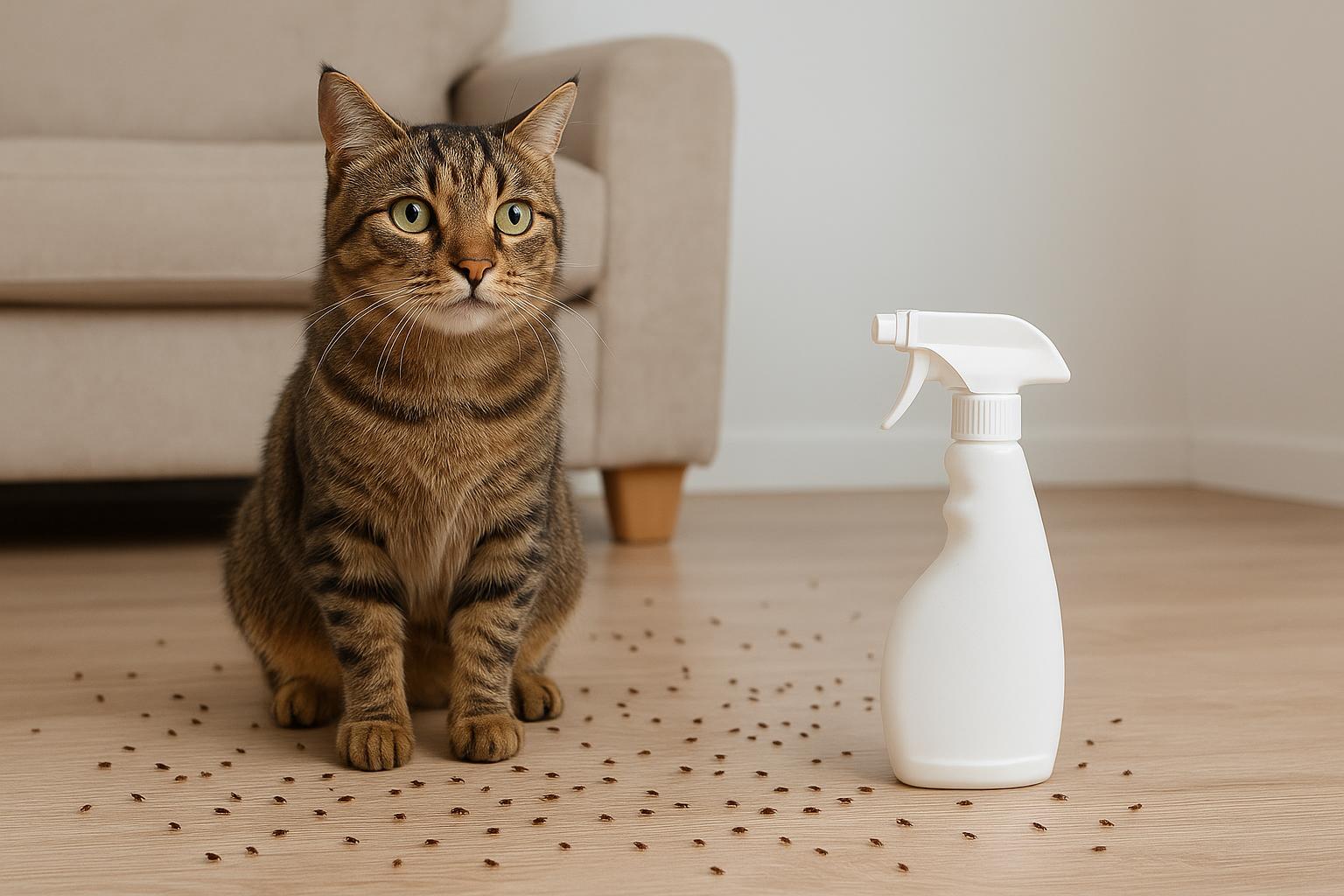
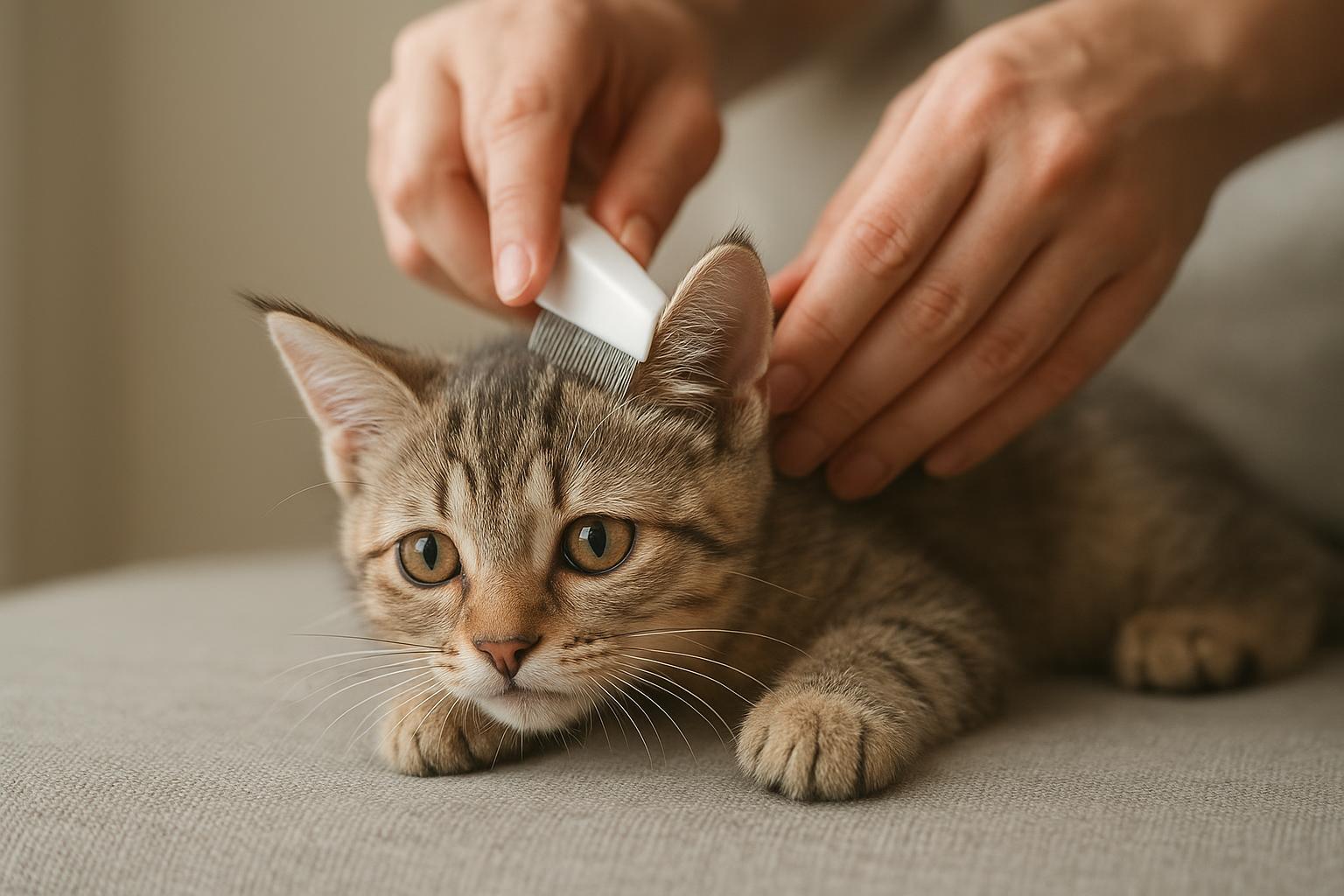
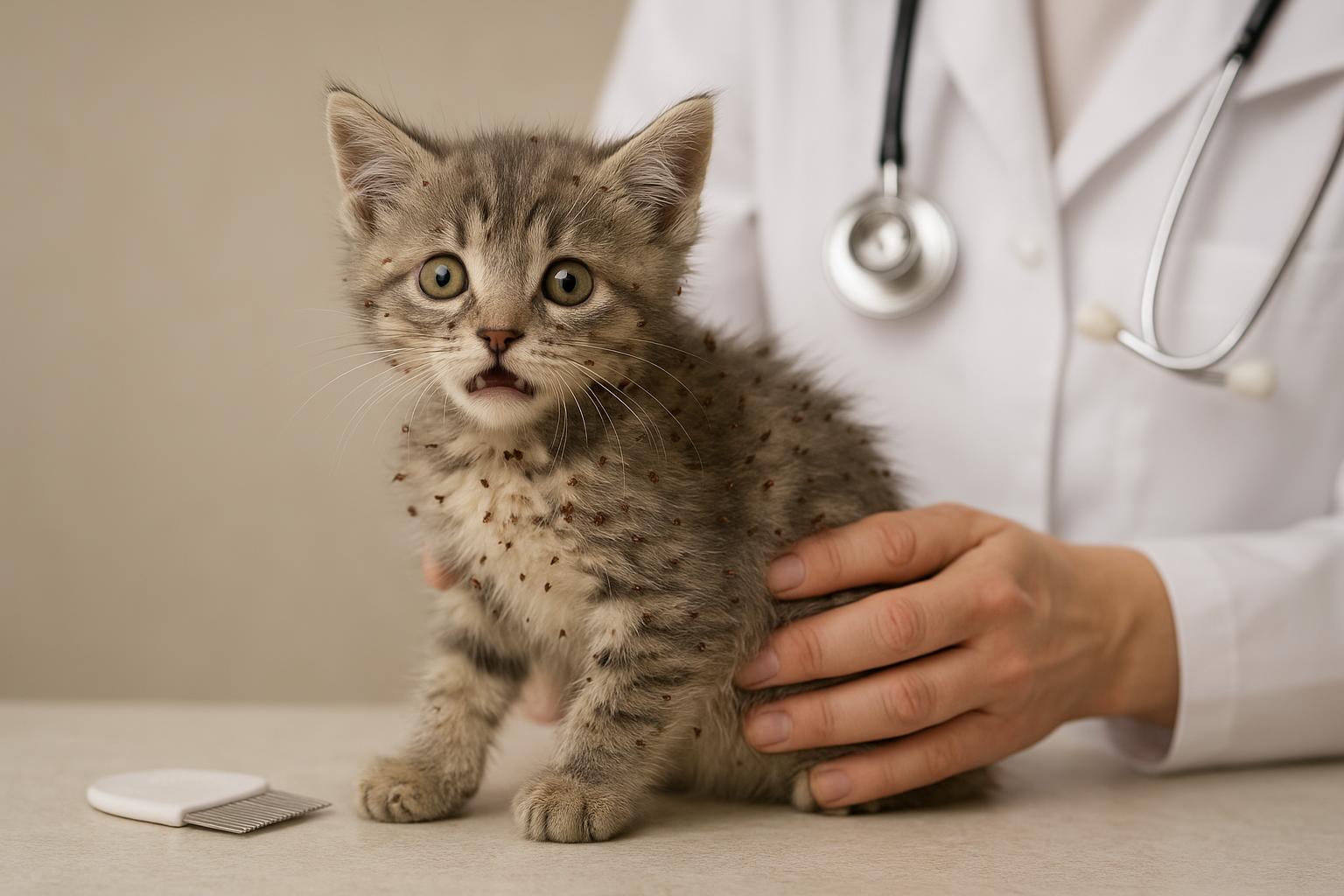
– Flea dirt—tiny black specks (flea feces) on pet bedding or fur.
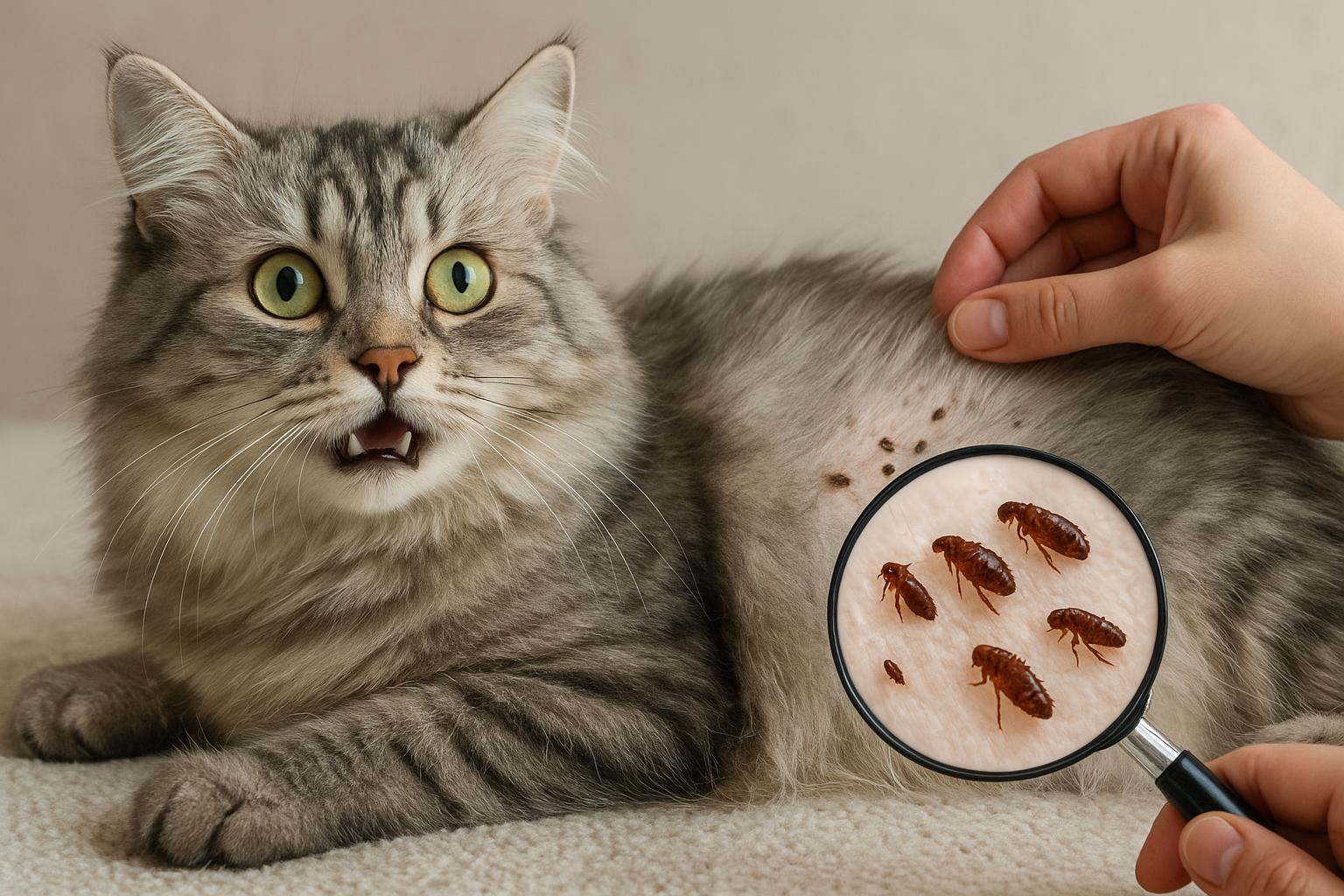
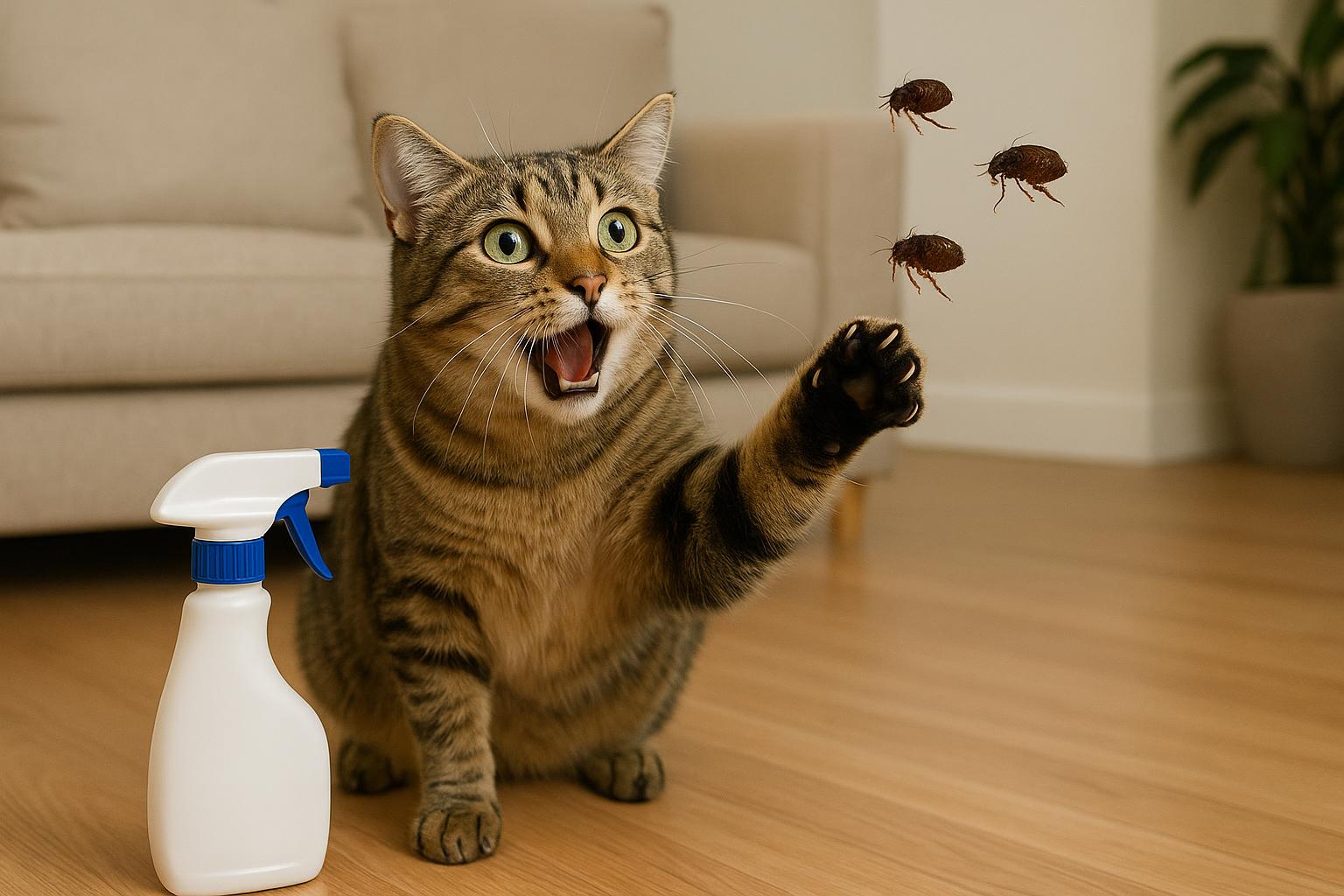
– Visible fleas on pets, in shaded soil, or on low-lying plants.
– Increased numbers of small mammals in the yard.
If you see multiple signs, it’s time to act. Fleas multiply rapidly — a single female can produce hundreds of eggs in her lifetime — so early treatment prevents a larger problem.
## 1. Yard Treatment To Reduce Flea Populations
Formal remedy section below. Follow these materials and steps carefully; correct application reduces flea populations and lowers the risk of a flea bite to humans and pets.
#### Materials
– Lawn rake and leaf bag or compost bin.
– High-quality outdoor insecticide labeled for fleas (e.g., a pyrethroid or a spinosad-based product) OR a biological control product like Bacillus thuringiensis (for some flea species) if labeled for fleas.
– Diatomaceous earth (food-grade) or boric acid (optional, used sparingly).
– Sprayer (handheld pump sprayer or hose-end sprayer) with adjustable nozzle.
– Protective gloves, long sleeves, and eye protection.
– Pet-safe yard treatments, if pets will be outdoors shortly after application.
– Garden shears or trimmer for vegetation control.
#### Step-By-Step Application
1. Inspect the yard: Identify shaded, moist areas, leaf piles, and under-deck zones where pets or wildlife rest.
2. Clean and modify habitat: Remove leaf litter, mow grass to an even short height (but not scalped), trim overgrown shrubs, and relocate bird feeders if they attract rodents. Dispose of or compost debris in sealed bags.
3. Apply mechanical controls: Spread a thin layer of food-grade diatomaceous earth in dry, shaded hotspots (not when wet). This can desiccate fleas but is slower and works best as a complement to other methods.
4. Prepare insecticide per label: Read the product label thoroughly. Wear protective gear. Mix only the recommended amount.
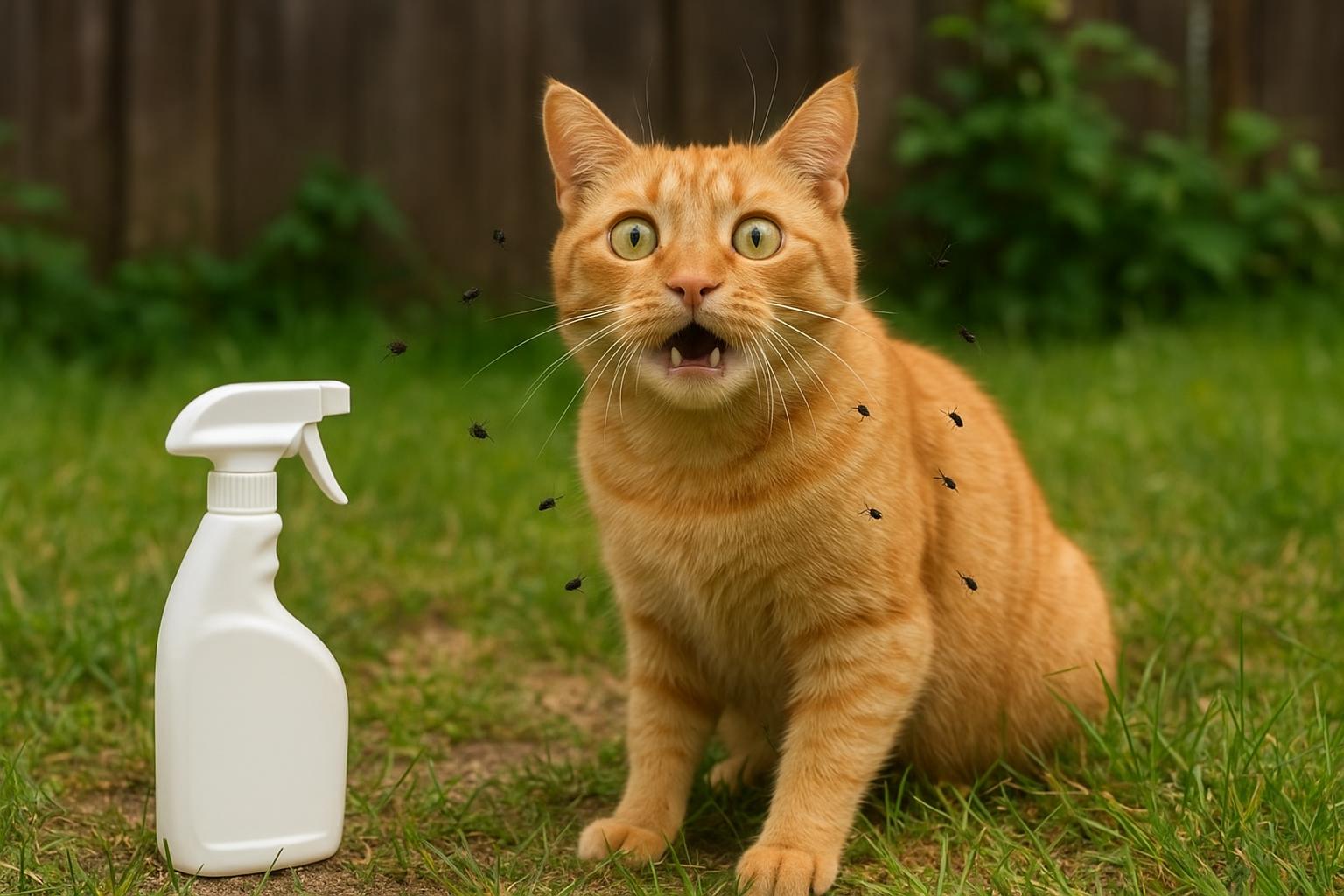
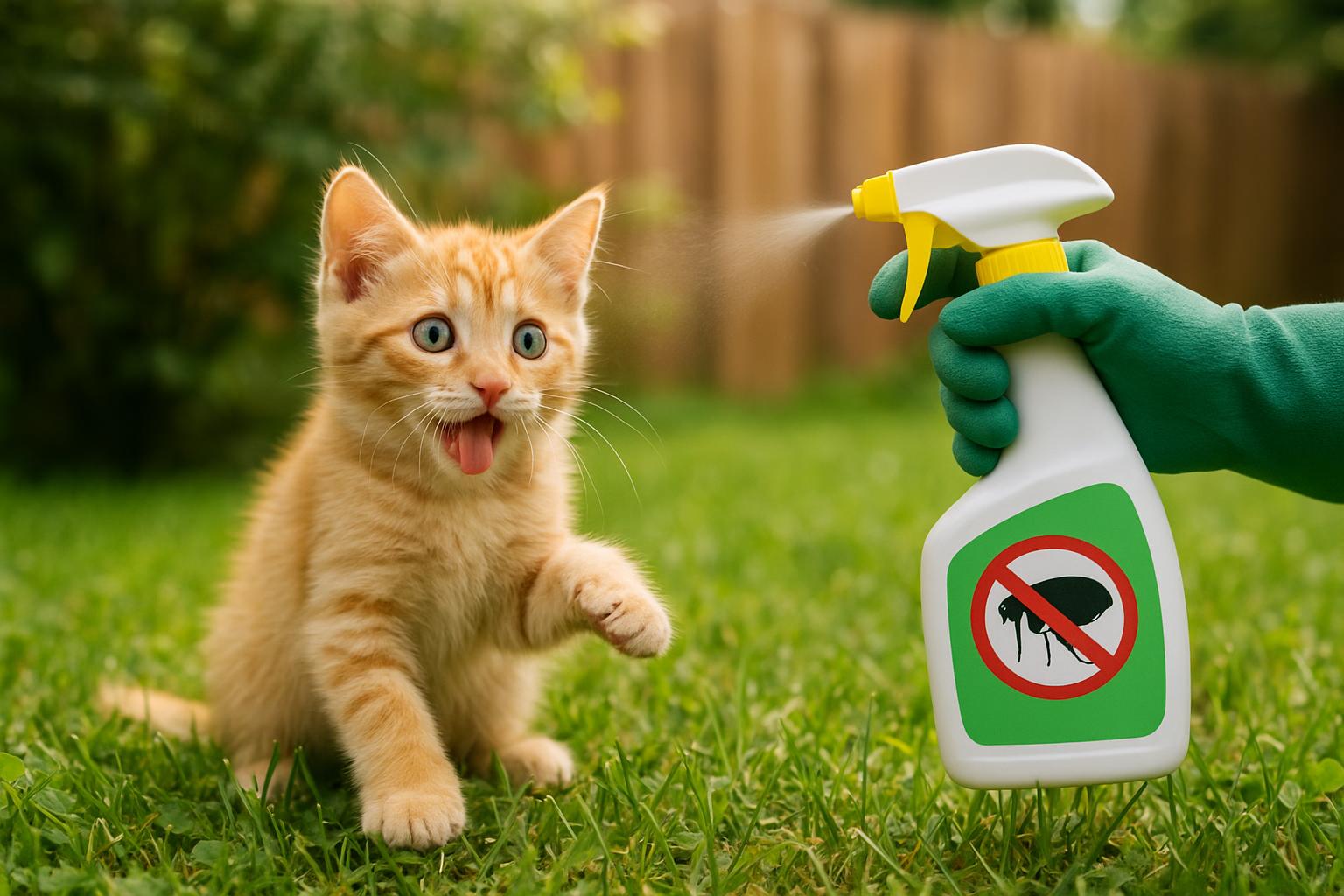
5. Targeted application: Spray insecticide along foundation areas, under porches, around dog houses, and on low vegetation where pets rest. Avoid spraying flowering plants to protect pollinators and do not spray when pets or children are present.
6. Timing: Treat early morning or late evening when pollinators are inactive. Repeat according to label instructions, typically every 2–4 weeks during flea season or as directed.
7. Monitor and maintain: Continue habitat control—keep grass trimmed, fix leaky faucets, and block gaps where wildlife might nest.
Note: If wild rodents or larger wildlife are maintaining a flea reservoir, consider humane exclusion techniques or consult pest control professionals. Professional applicators can offer integrated pest management plans that minimize environmental impact.
## 2. Indoor And Pet Treatment To Prevent Flea Bites
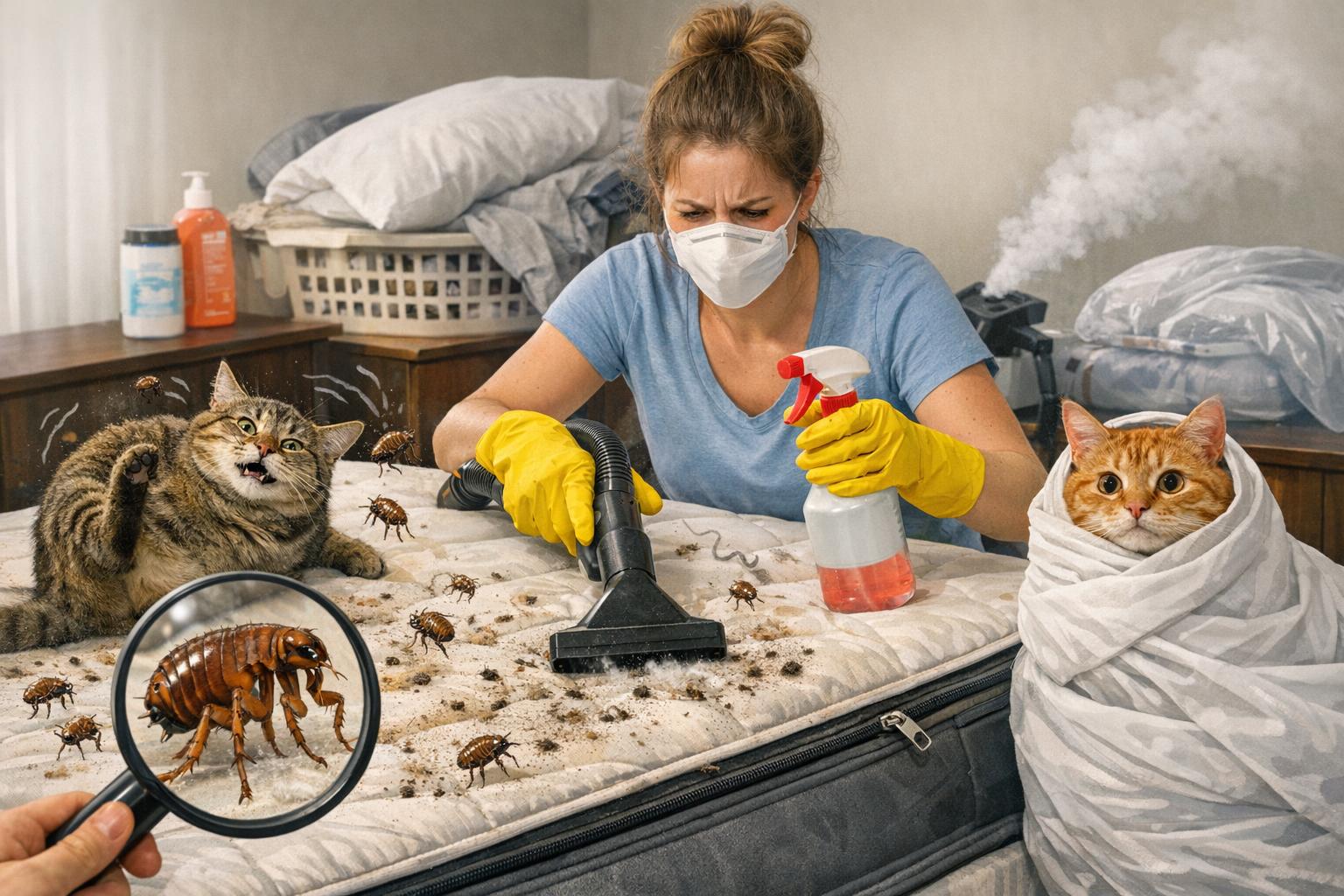
Treating the yard is vital, but indoor and pet-focused approaches are equally important. The following remedy is formal and structured to minimize flea bite risk inside the home.
#### Materials
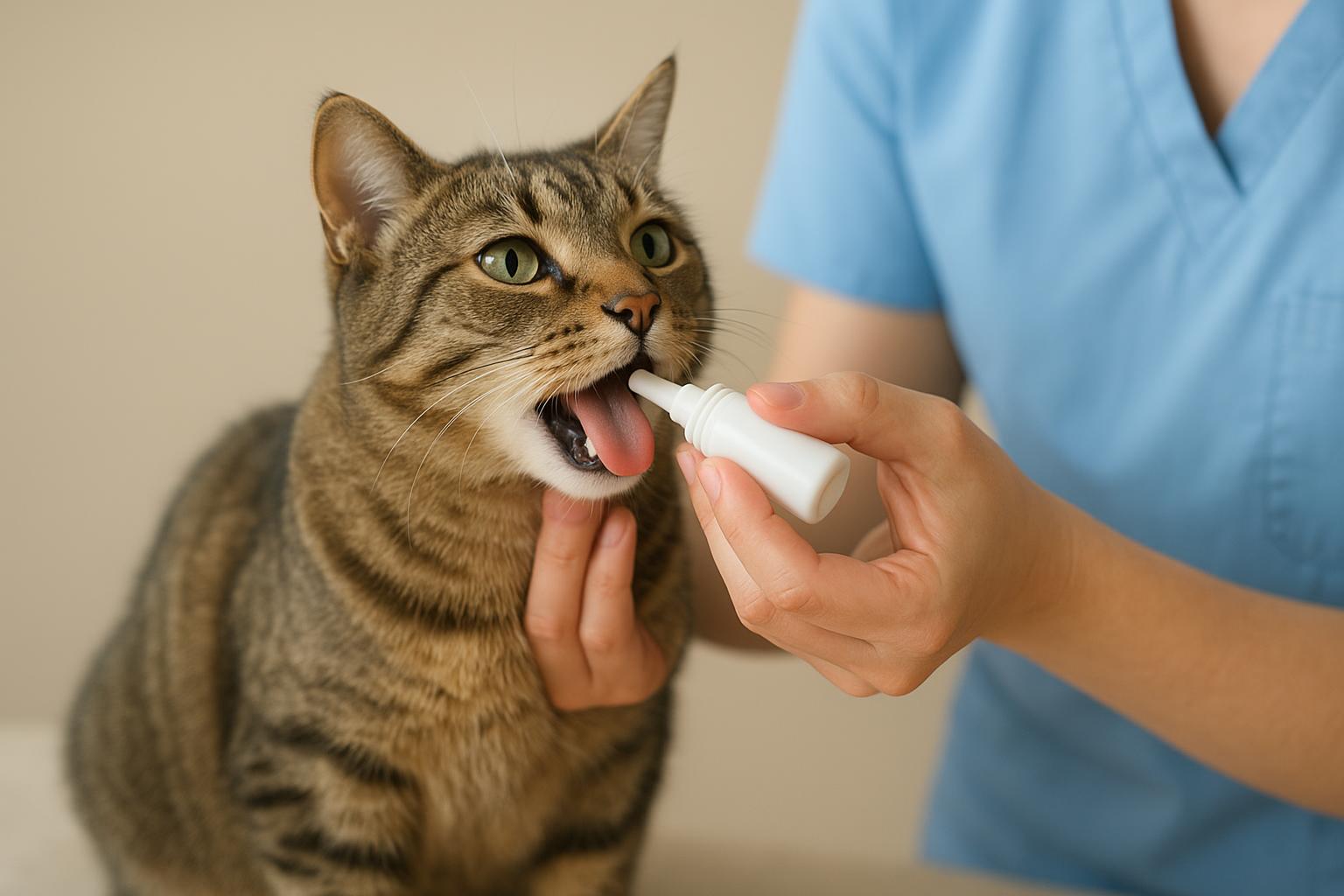
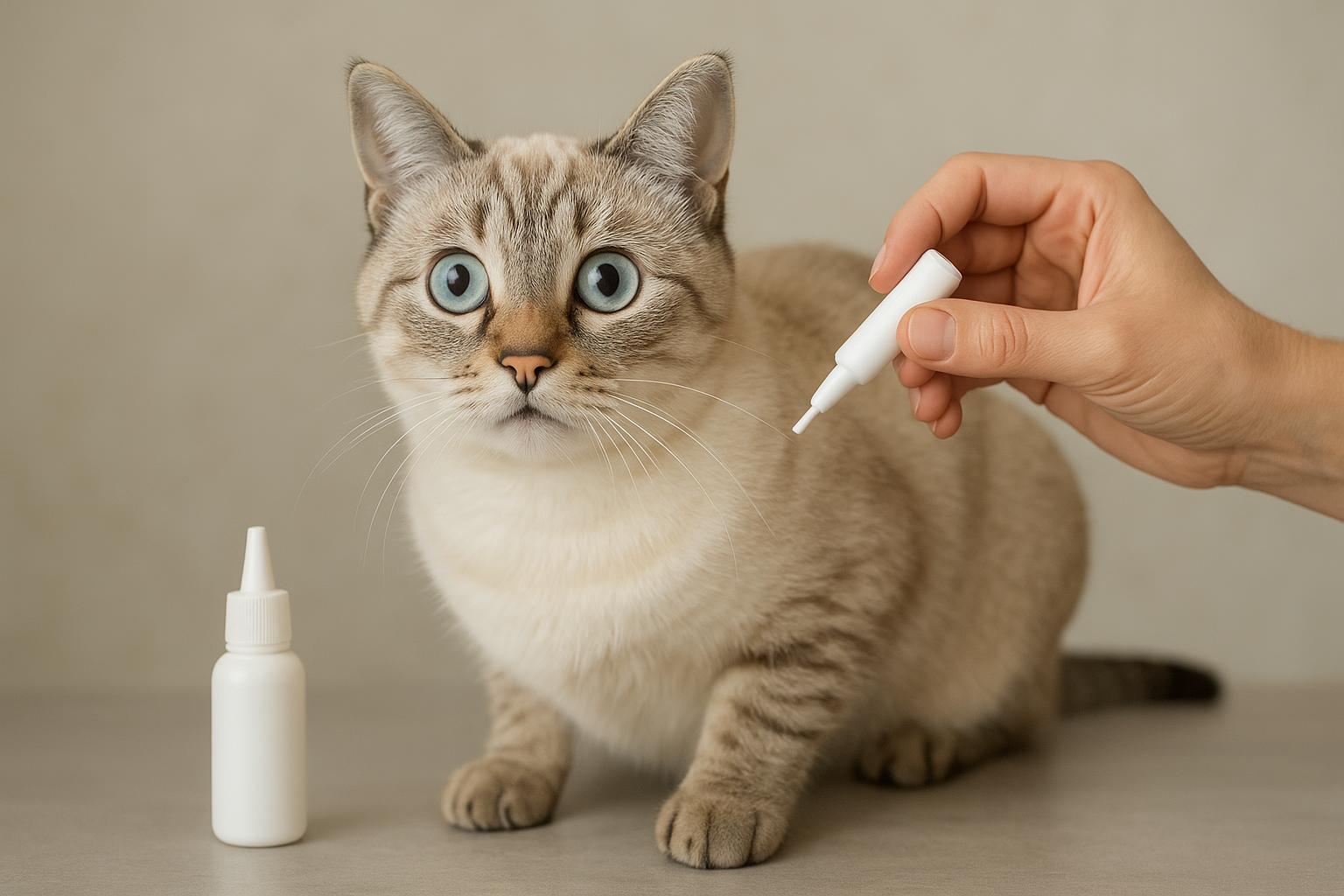
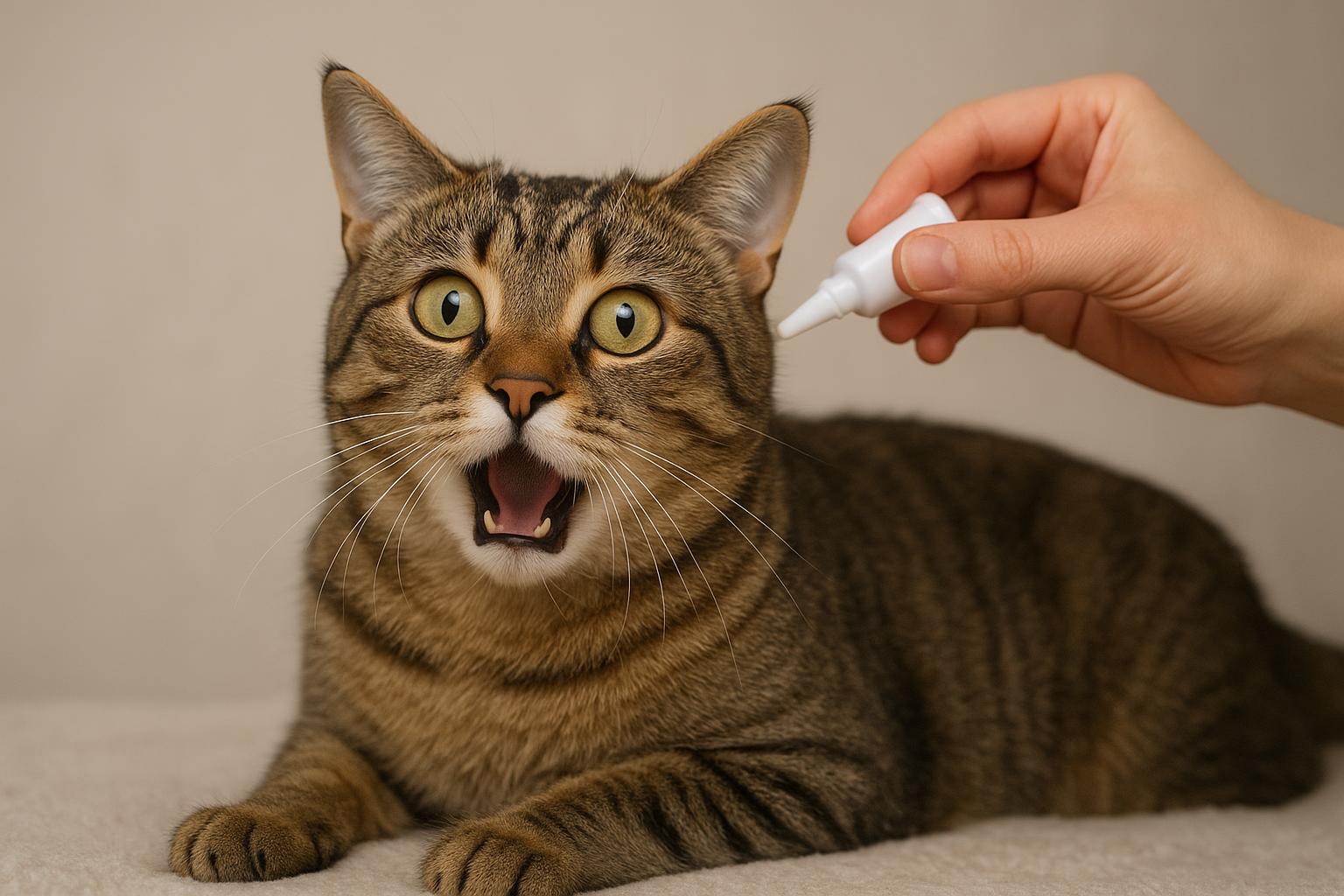
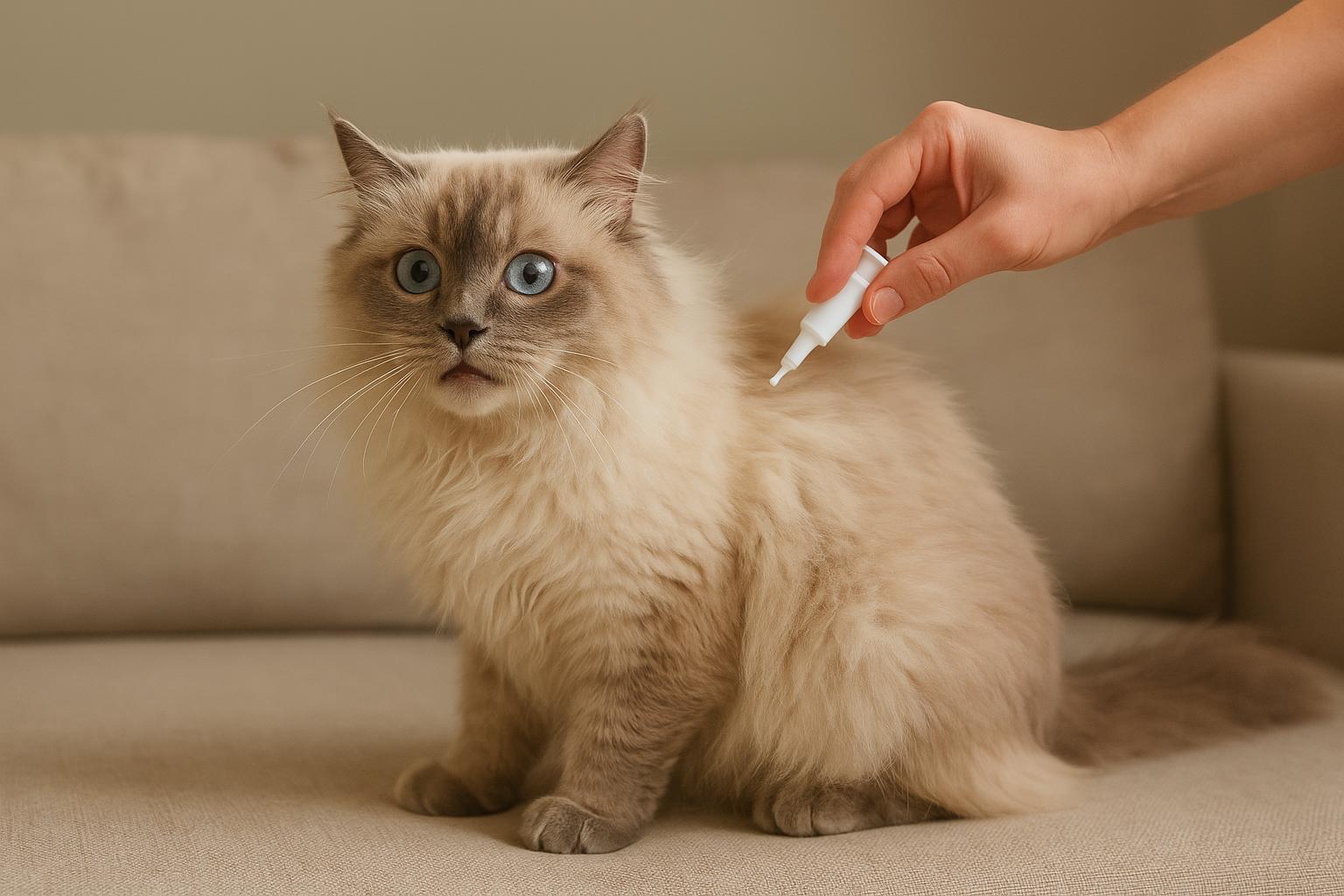
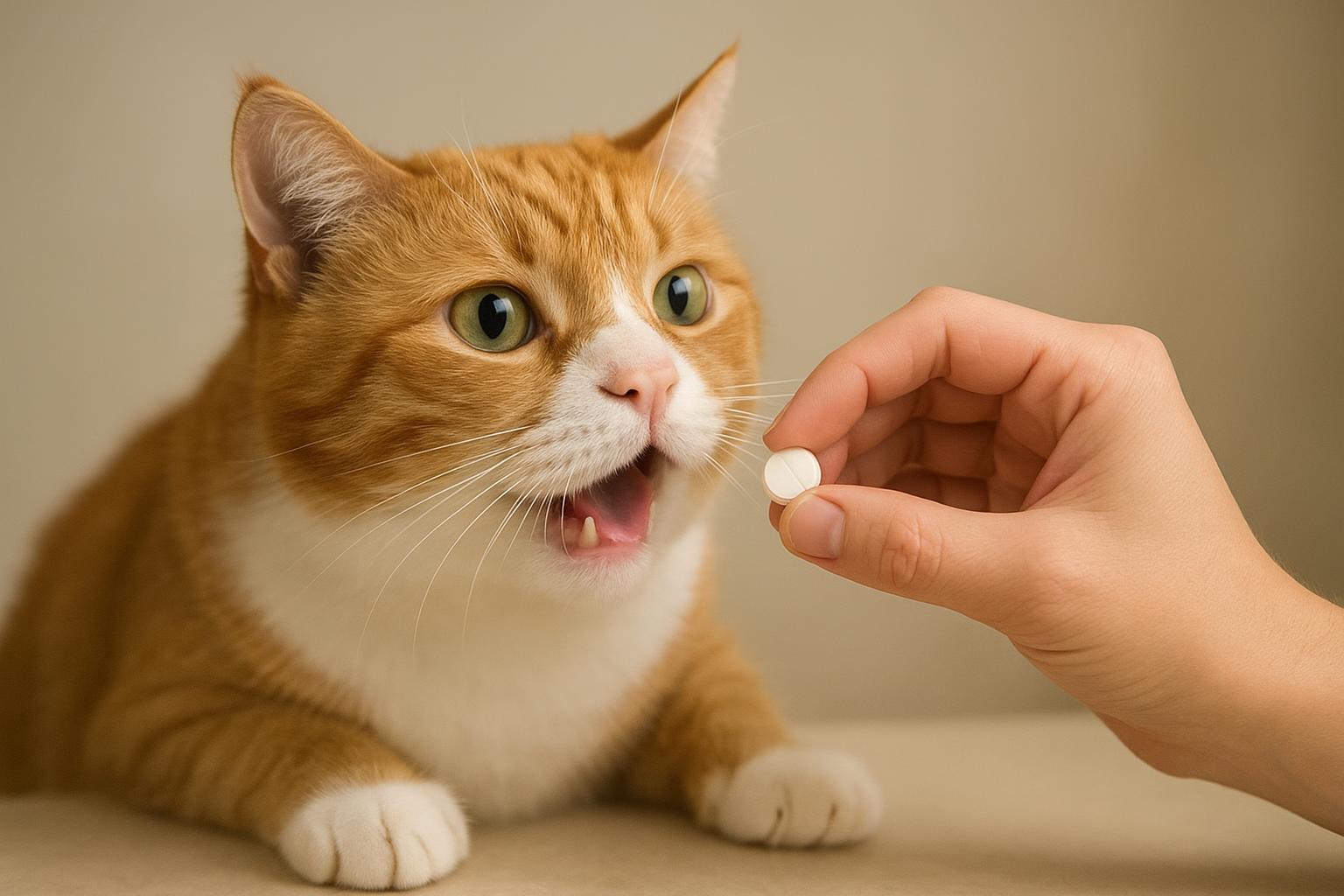
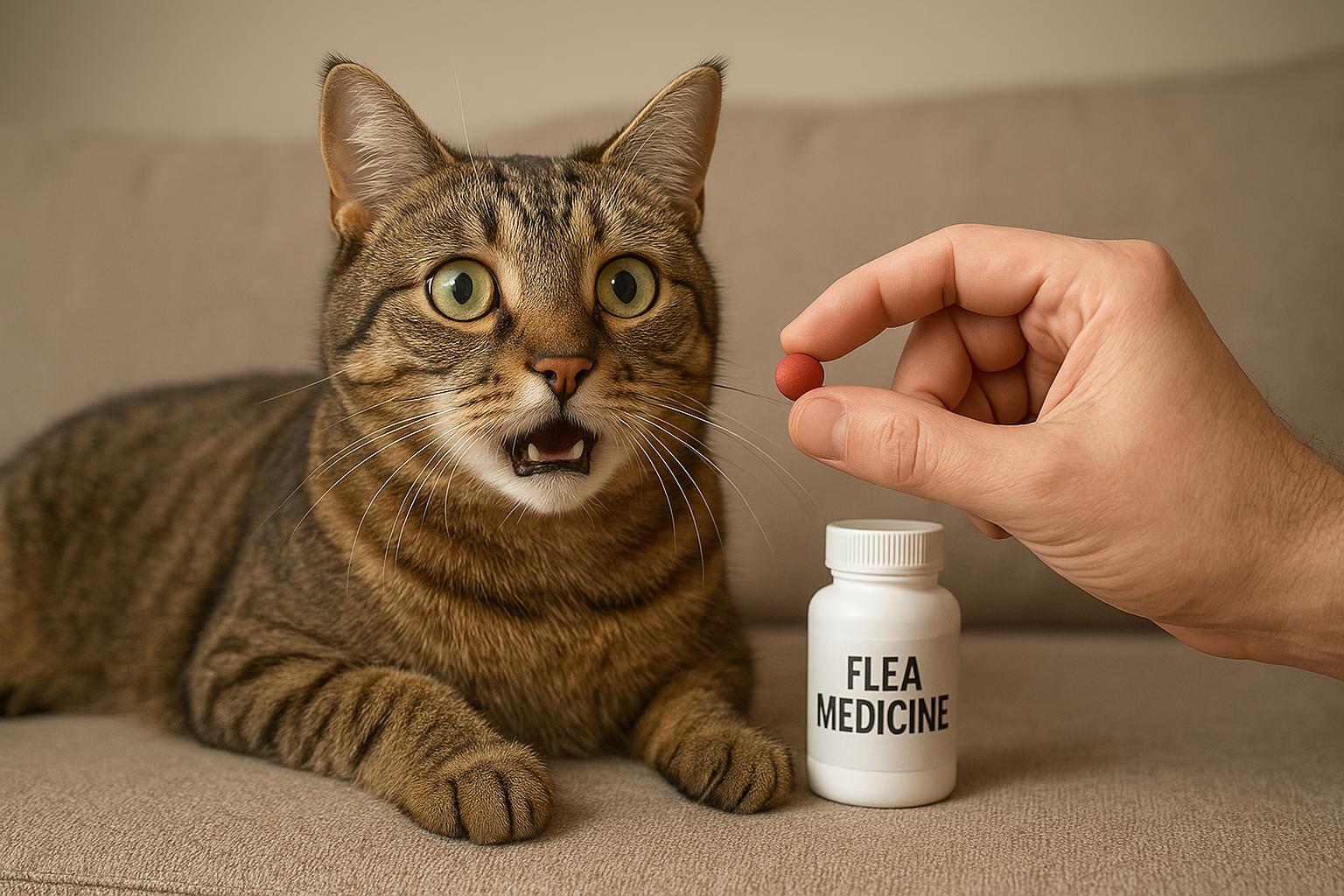
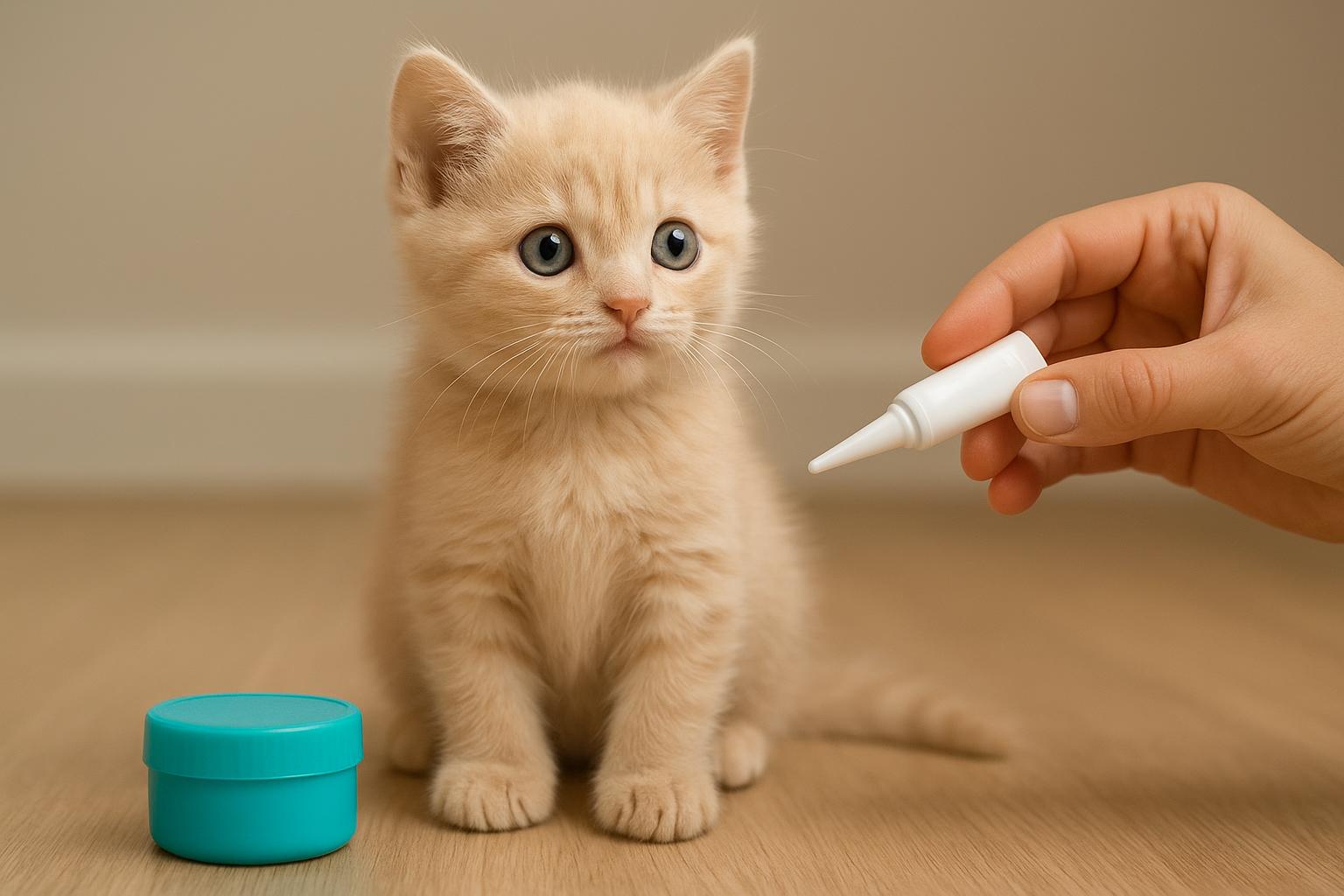
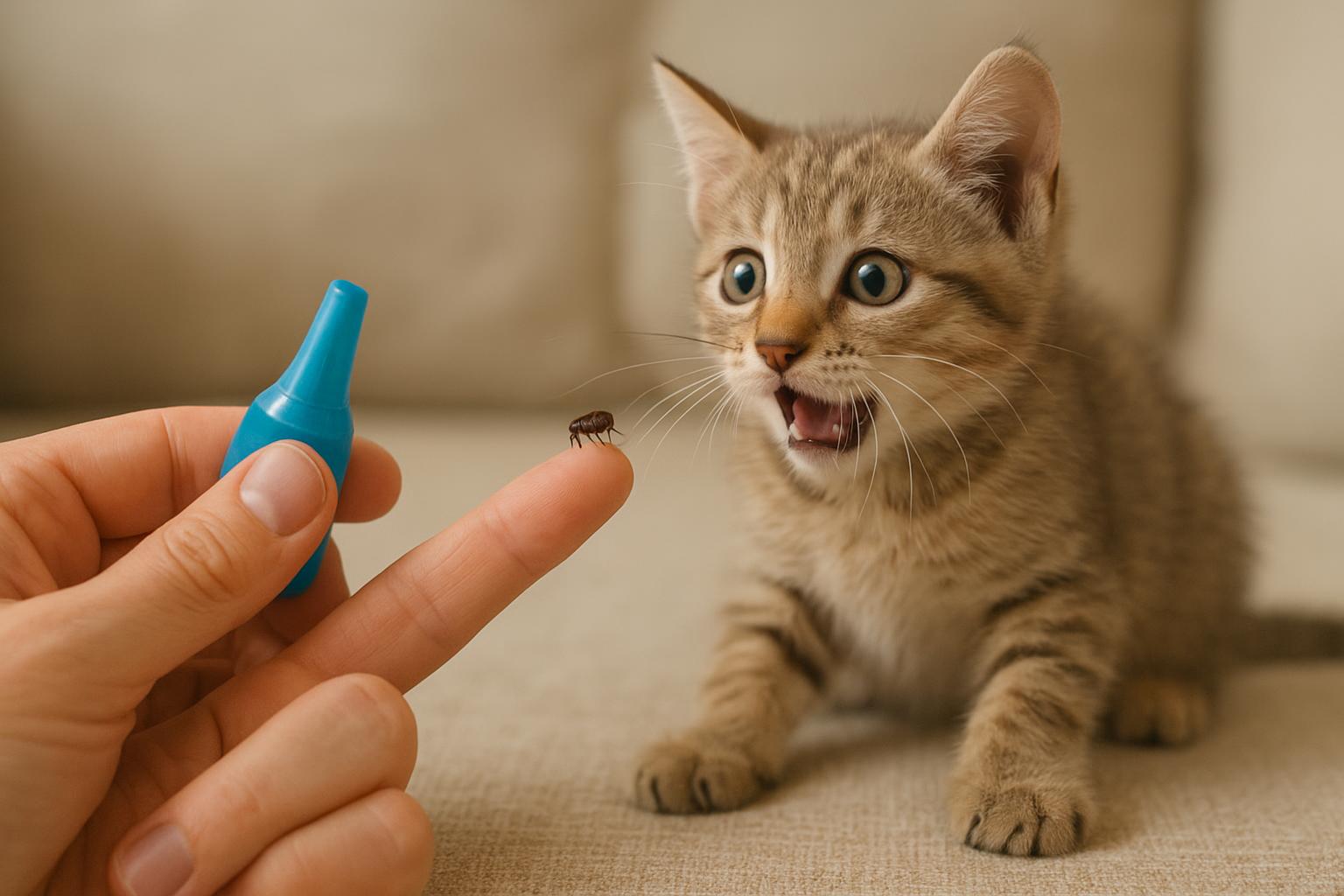
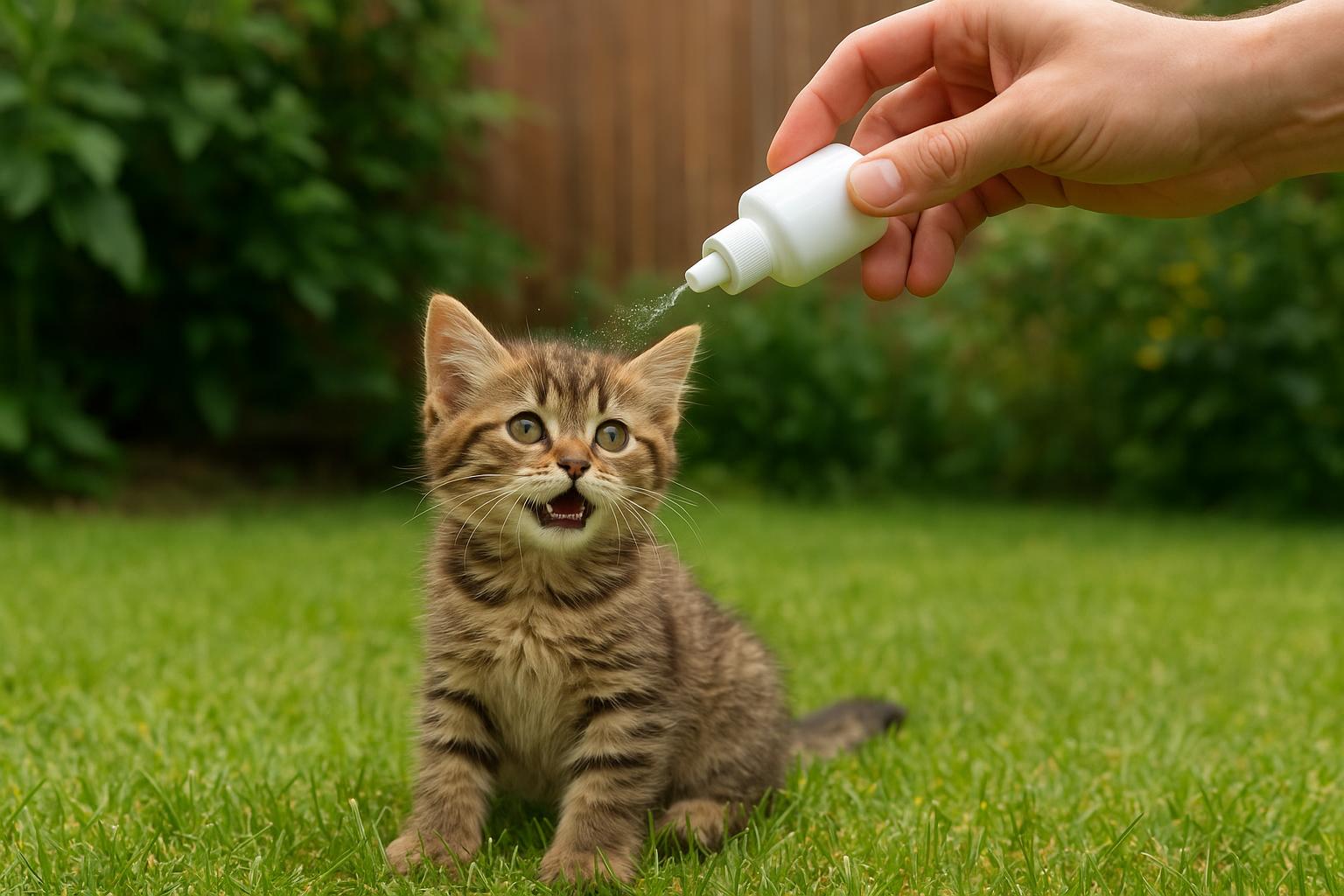
– Veterinarian-recommended flea treatment for pets (topical spot-on, oral medication, or flea collar).
– High-efficiency vacuum cleaner and disposable vacuum bags or a sealing container for the vacuum contents.
– Hot-water laundry capability and laundry detergent.
– Insect growth regulator (IGR) spray for carpets and furniture (pyriproxyfen or methoprene).
– Steam cleaner (optional but highly effective for carpets and upholstery).
– Protective gloves and mask for handling chemicals.
#### Step-By-Step Application
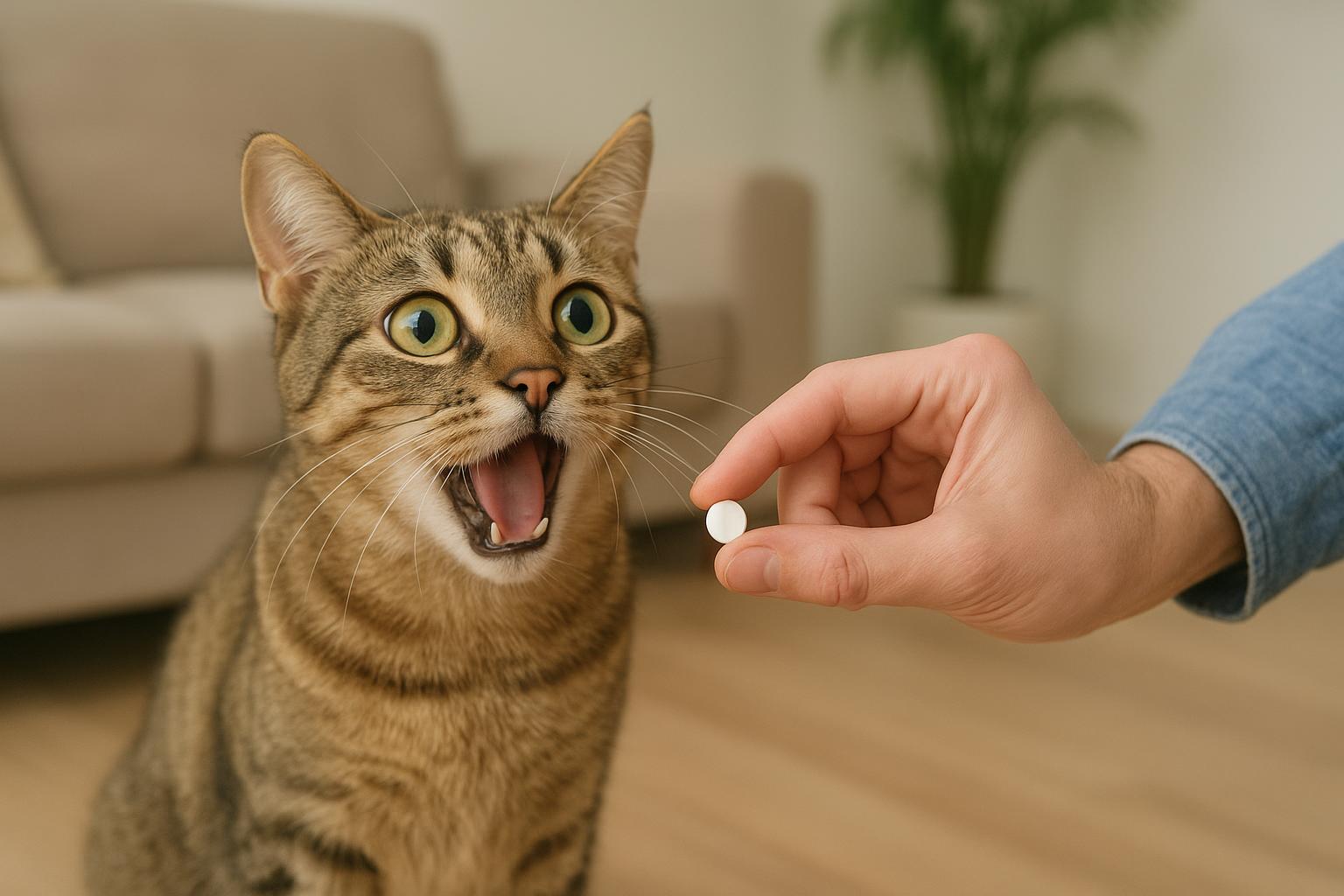
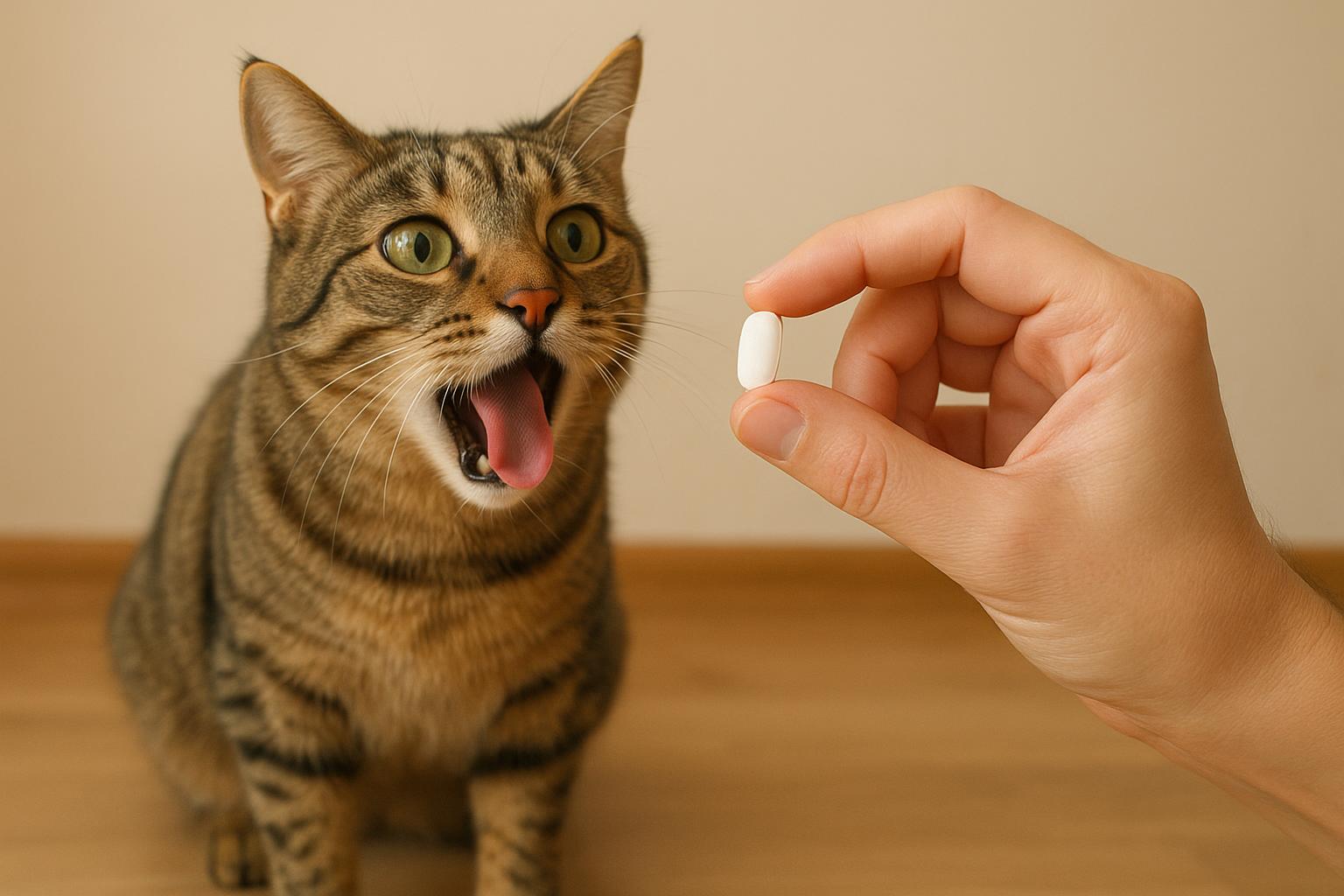
1. Consult your veterinarian: Select an appropriate, vet-approved flea treatment for each pet, considering age, weight, and health status. Begin treatment promptly.
2. Treat pets according to instructions: Administer topical or oral medications exactly as prescribed. If using flea collars, ensure proper fit and replacement timing.
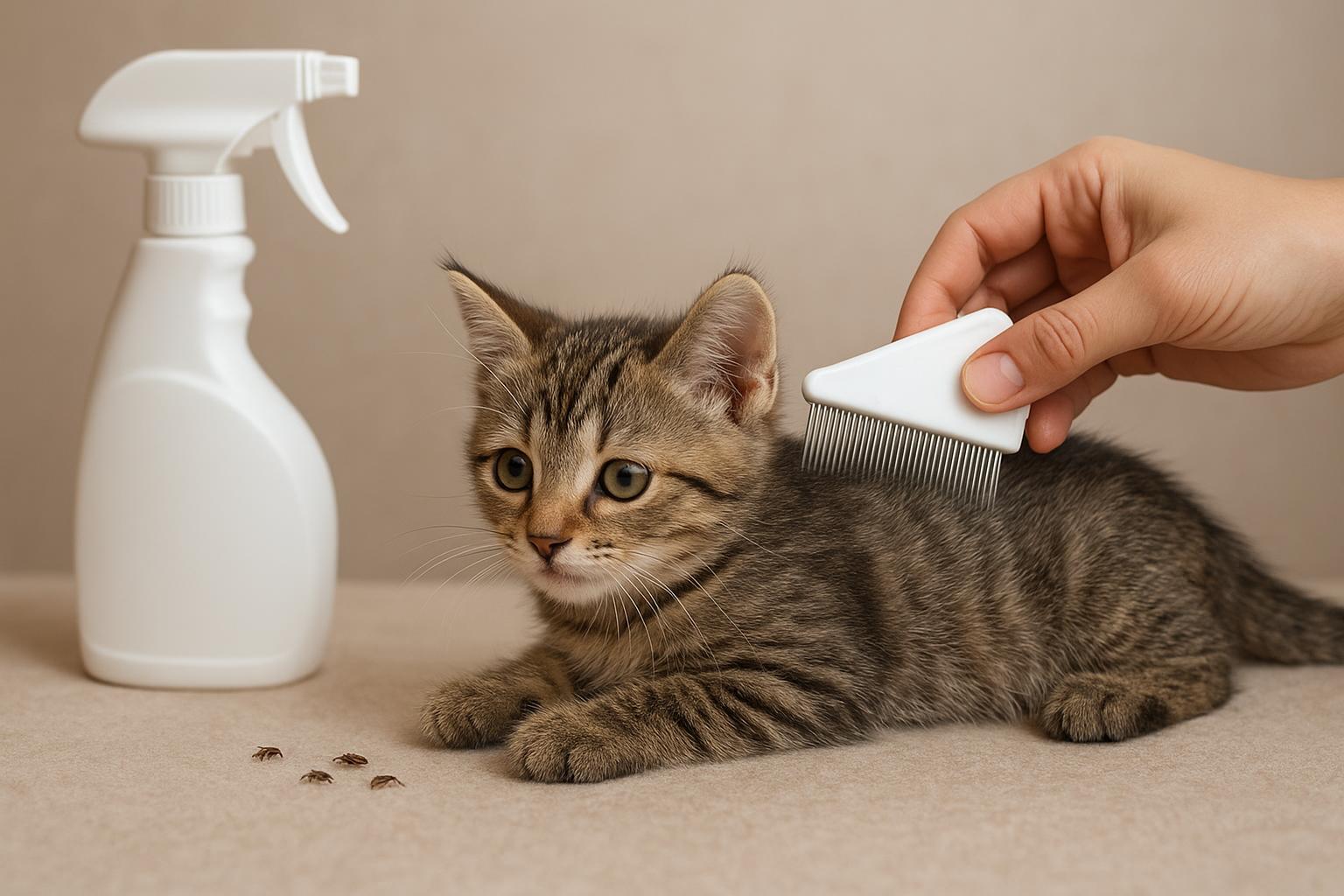
3. Vacuum thoroughly: Vacuum carpets, rugs, pet bedding, upholstered furniture, and baseboards every day for at least two weeks. Immediately remove vacuum bag or contents to an outdoor trash bin to prevent fleas from escaping.
4. Wash fabrics: Launder pet bedding, throw blankets, and removable cushion covers in hot water (minimum 140°F/60°C if fabric allows) and dry on high heat to kill eggs and larvae.
5. Apply IGR: After vacuuming, apply an IGR spray to carpets and upholstery following product directions. IGRs prevent immature fleas from developing into biting adults and are crucial to breaking the lifecycle.
6. Steam clean if possible: Steam cleaning carpets and upholstery will kill fleas in all stages and is especially effective for heavy infestations.
7. Follow-up and re-treatment: Continue pet preventive measures year-round as recommended by your veterinarian. Reapply indoor treatments only per label instructions.
## Keeping Humans Comfortable After A Flea Bite
If you end up with a few itchy bumps, manage symptoms promptly. Over-the-counter antihistamines and topical hydrocortisone can reduce itching and swelling. Clean the area with mild soap and water and avoid scratching. If a bite looks infected (increasing redness, warmth, pus) or if systemic symptoms appear, seek medical care.
### Practical Backyard Habits To Reduce Flea Encounters
Adopting a few common-sense habits lowers the chance of being bitten:
– Keep lawns mowed and shrubbery trimmed.
– Avoid letting pets roam unsupervised in wild, brushy areas.
– Remove food sources that attract rodents and stray animals.
– Use pet-safe repellents or treatments year-round in regions where fleas persist.
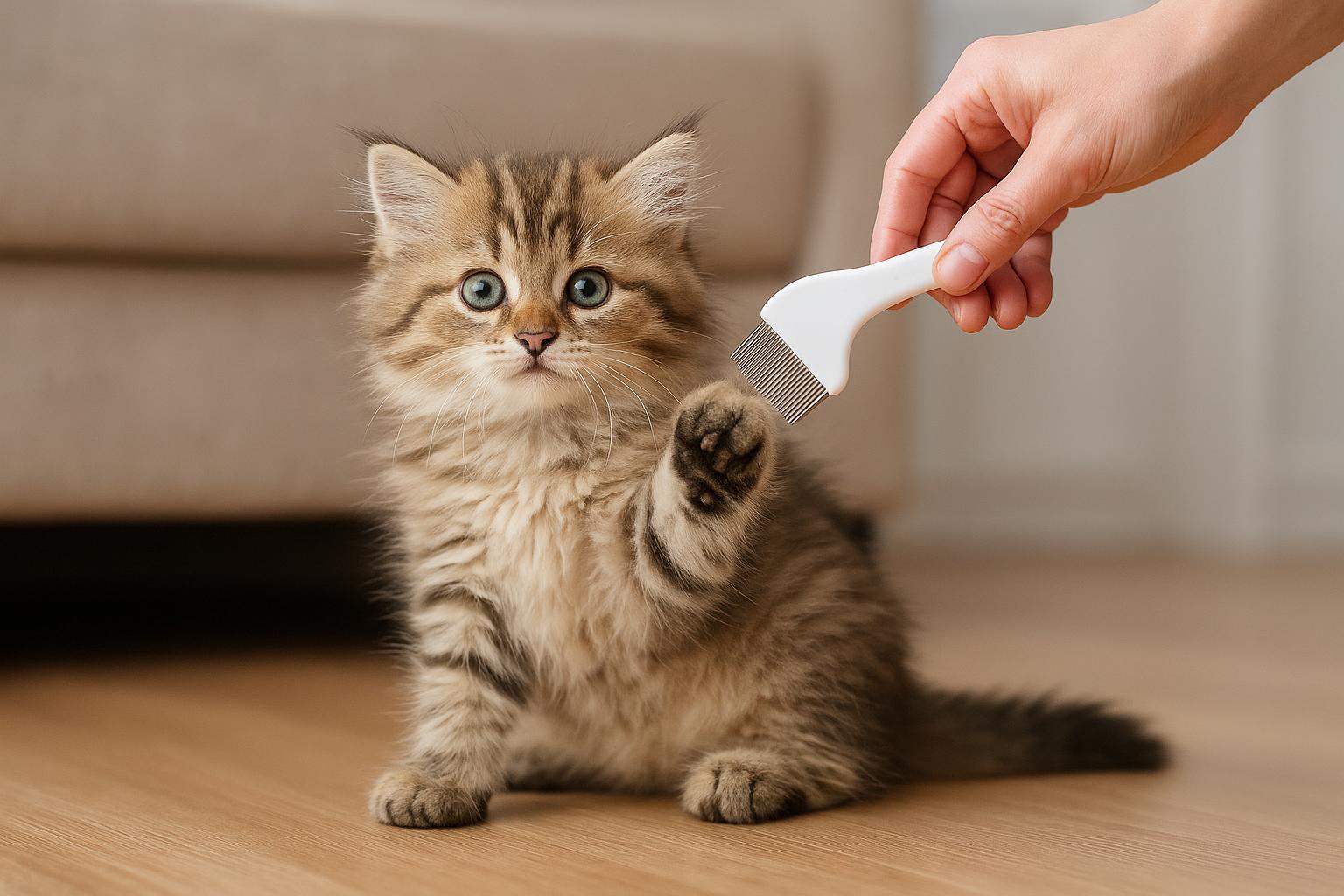
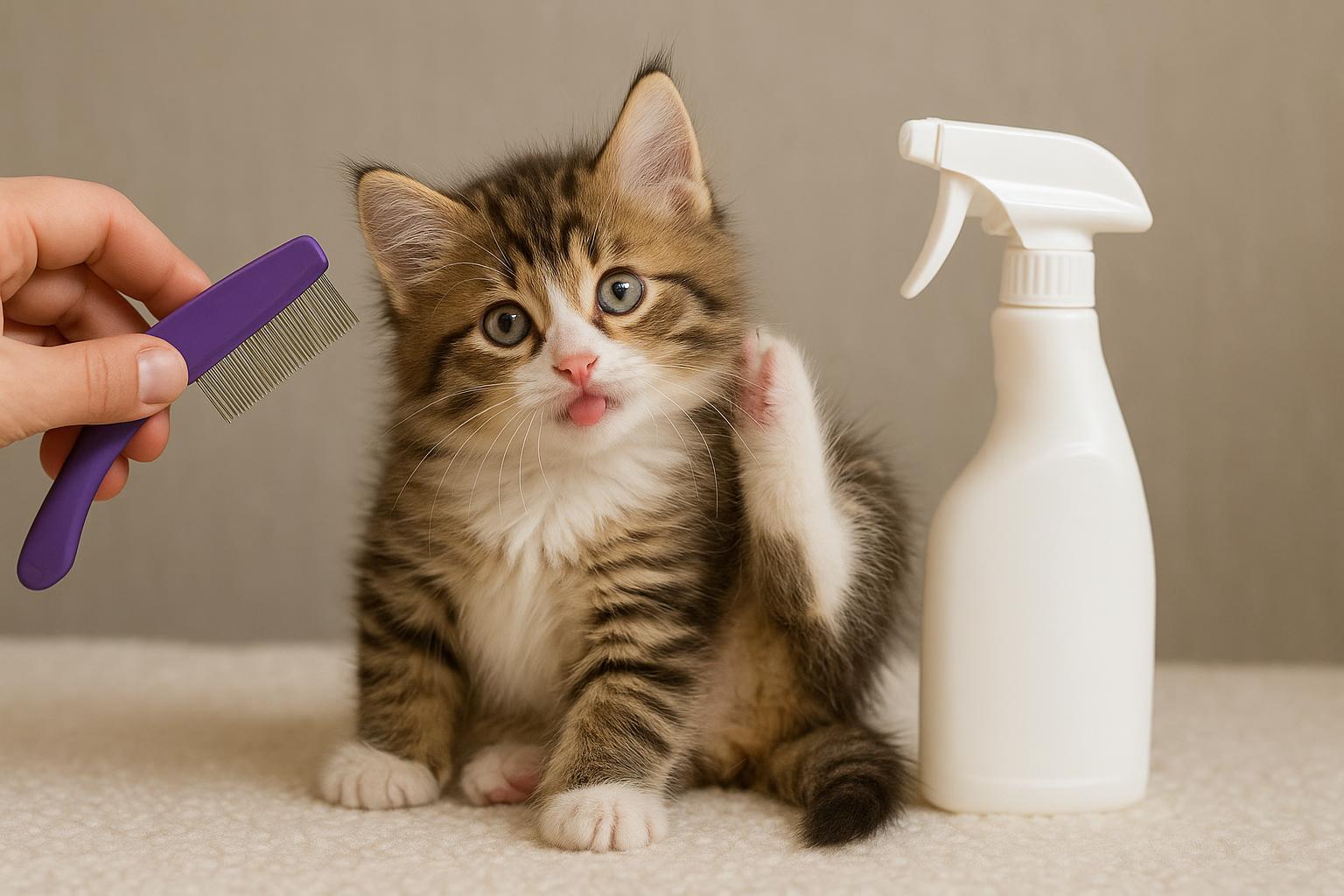
– Inspect pets regularly, especially after outdoor play.
### When To Call A Professional
If your yard harbors persistent wildlife, or if repeated home treatments fail to reduce flea sightings and flea bite complaints, call a licensed pest control service. Professionals can offer targeted treatments while advising on long-term exclusion and habitat changes that aren’t always feasible for homeowners.
Happy backyarding: with a bit of regular maintenance and thoughtful pest management, you can enjoy evenings on the patio without the nuisance — and the itch — of a flea bite.














Leave a Reply