
## Detecting Flea Presence In Indoor Cats
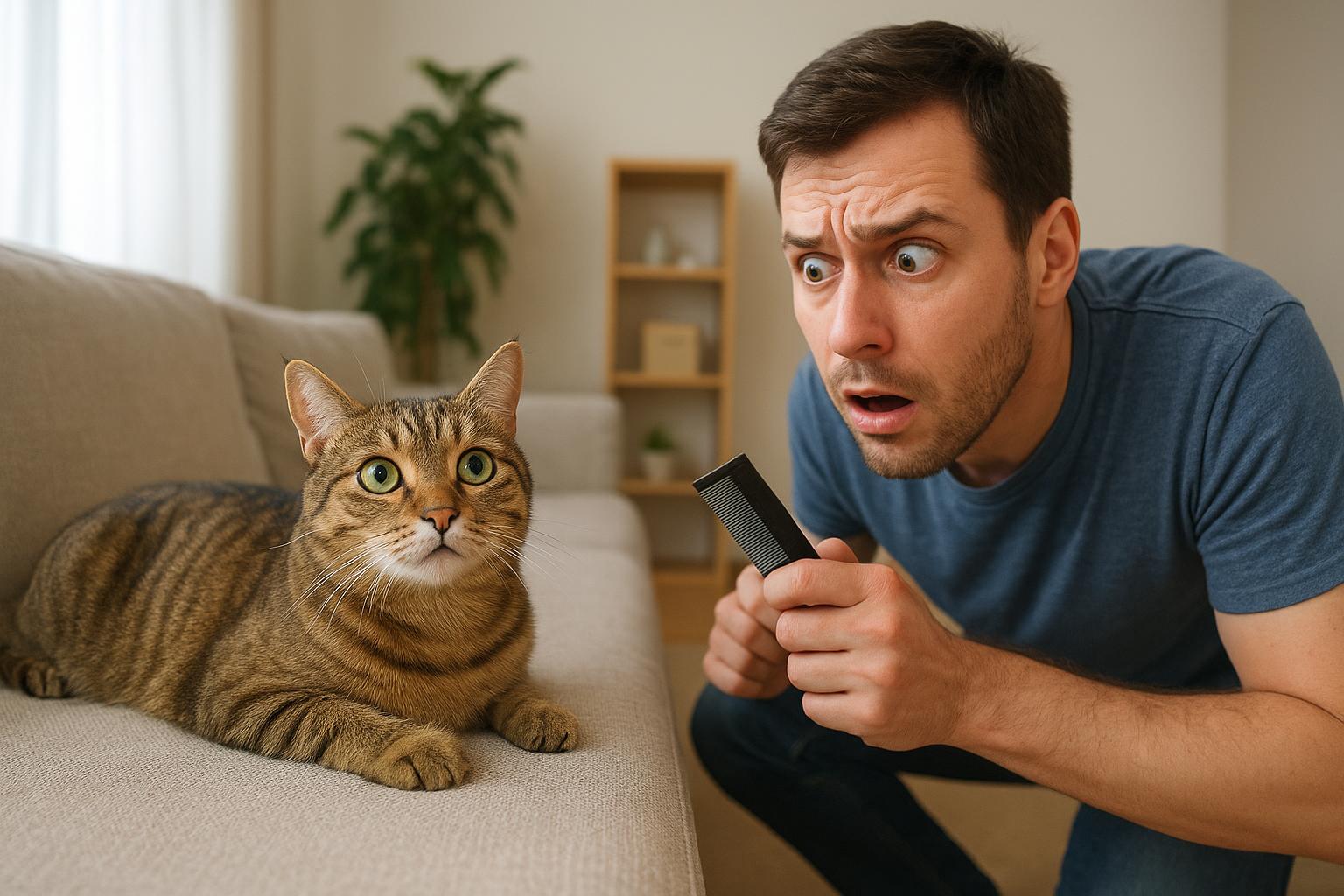
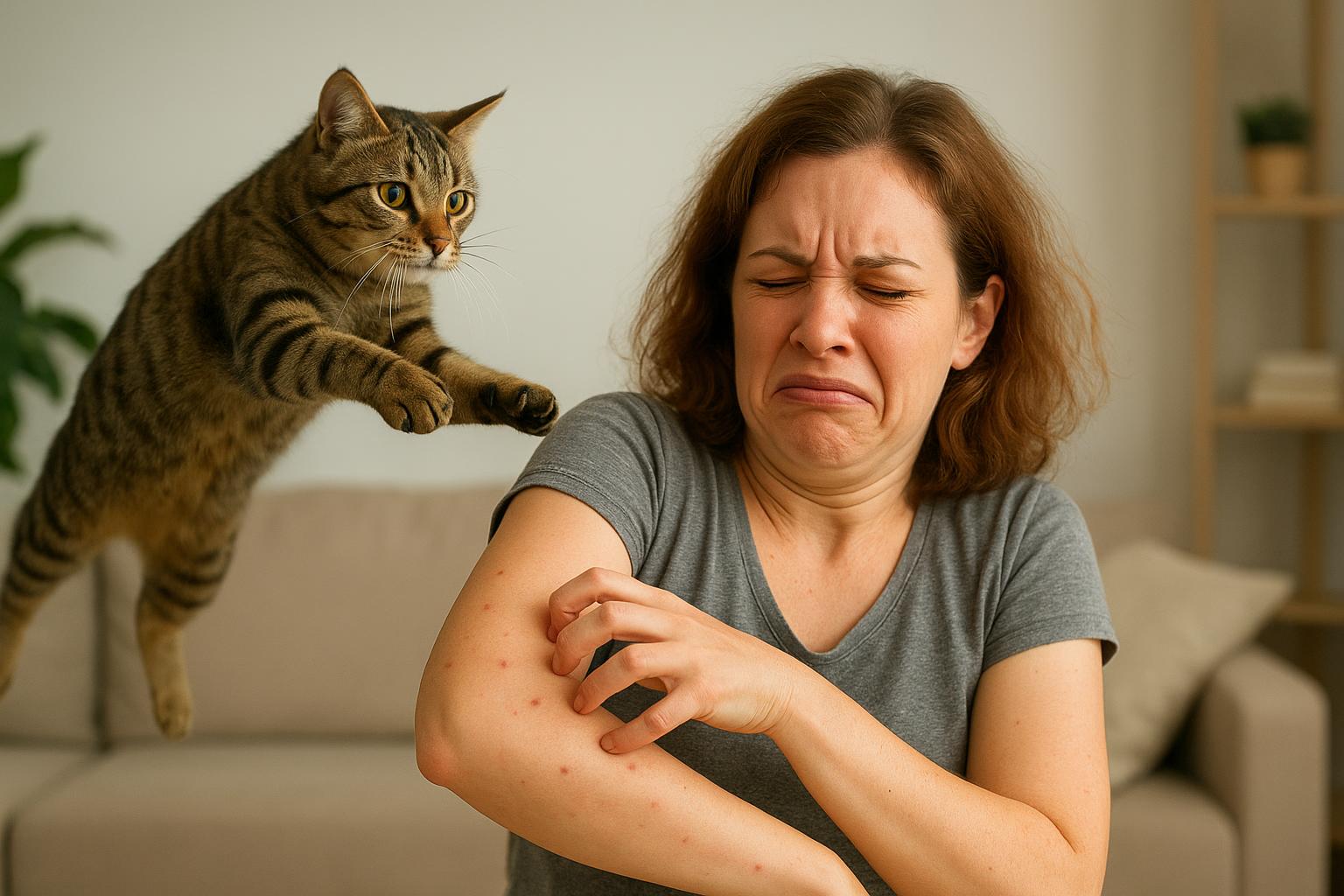
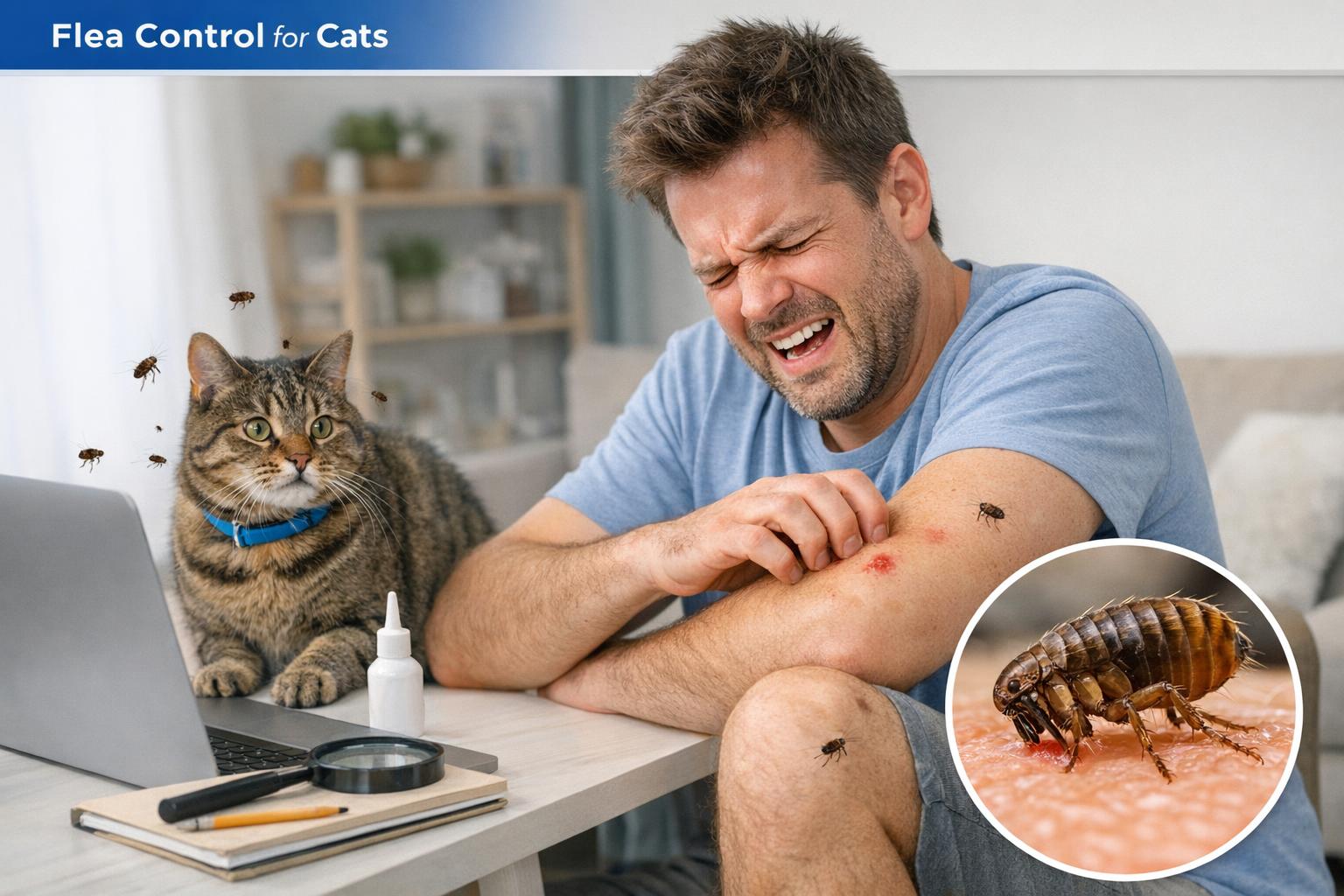
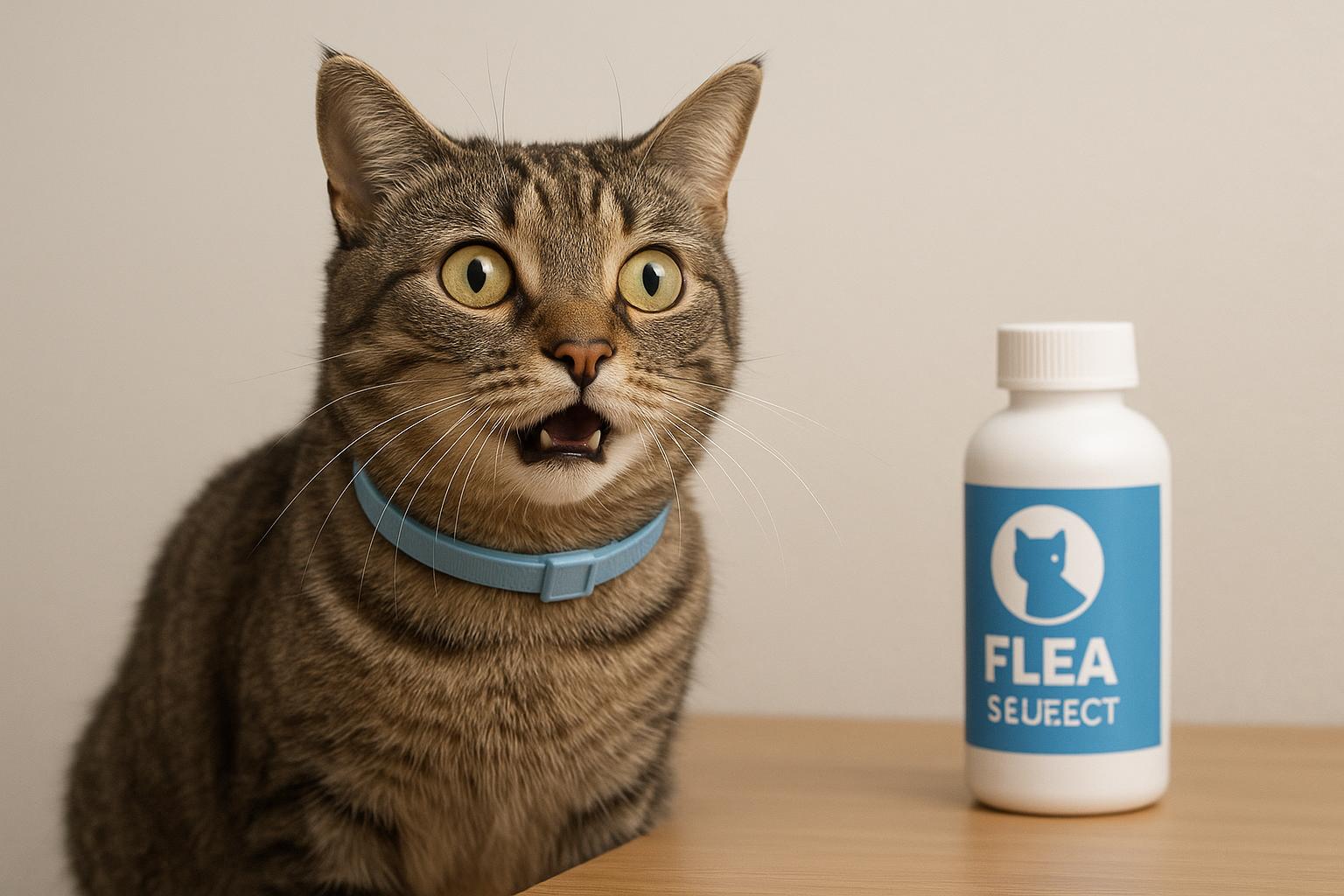
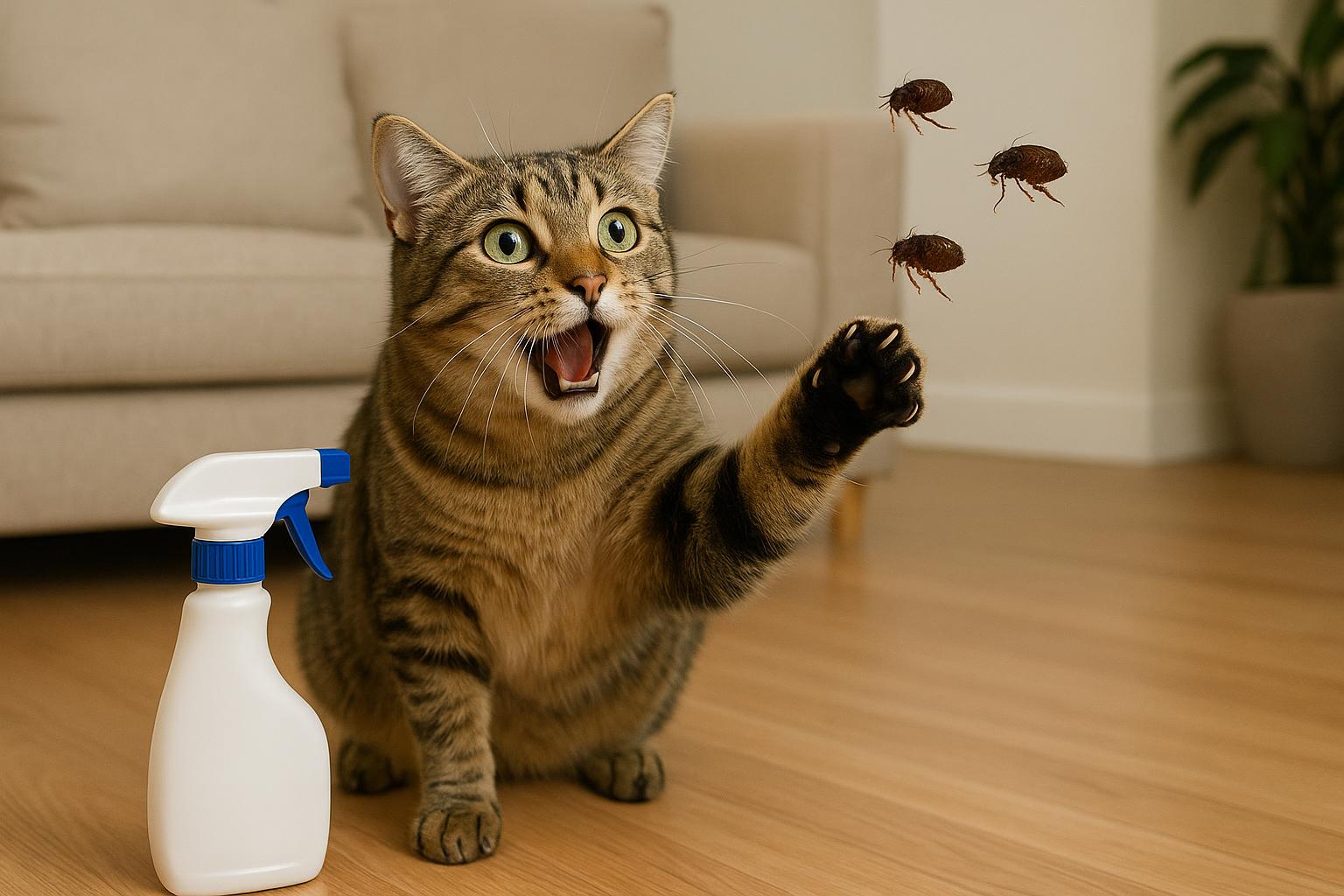
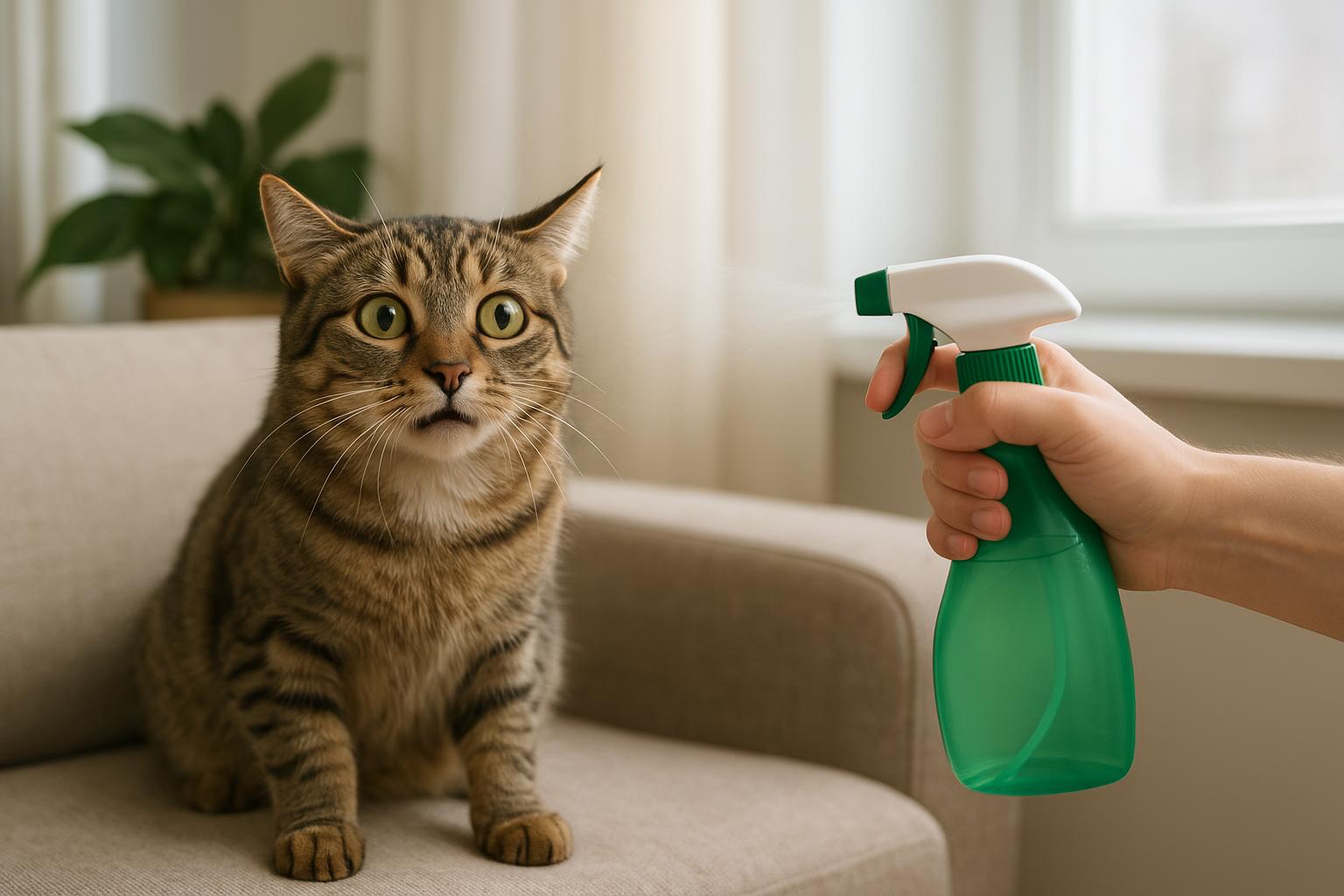
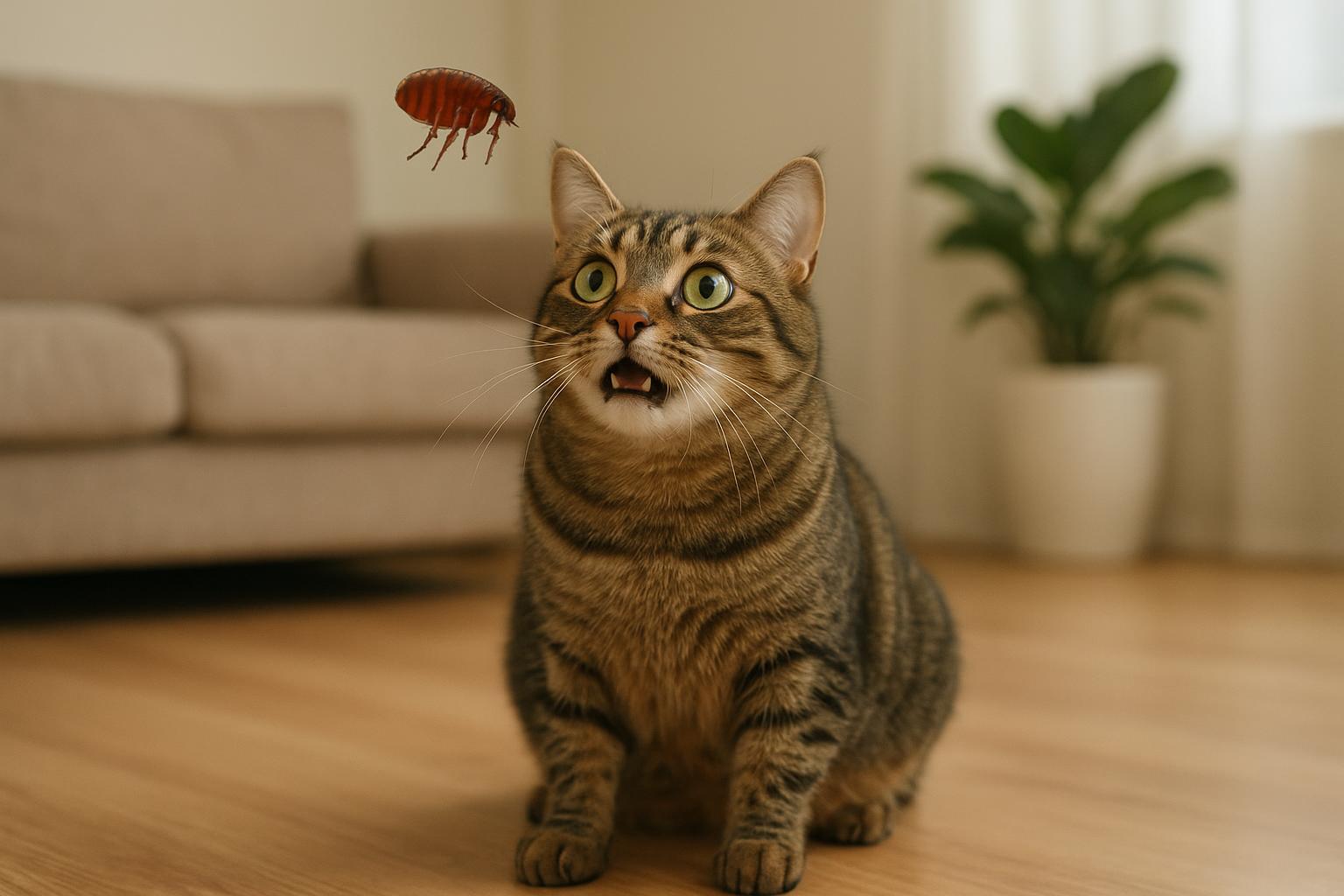
If you share your home with a furry roommate who naps in sunbeams and judges your choice of slippers, you might think fleas are a backyard problem only. Not so fast. Fleas are tiny wildlife hitchhikers and an indoor cat can bring about a surprising flea presence even when the windows stay shut. This article will walk you through how to spot them, why indoor cats aren’t immune, and what to do when you find evidence of these tiny pests.
## Signs Your Indoor Cat Might Have Fleas
### Itchy Behavior And Excessive Grooming
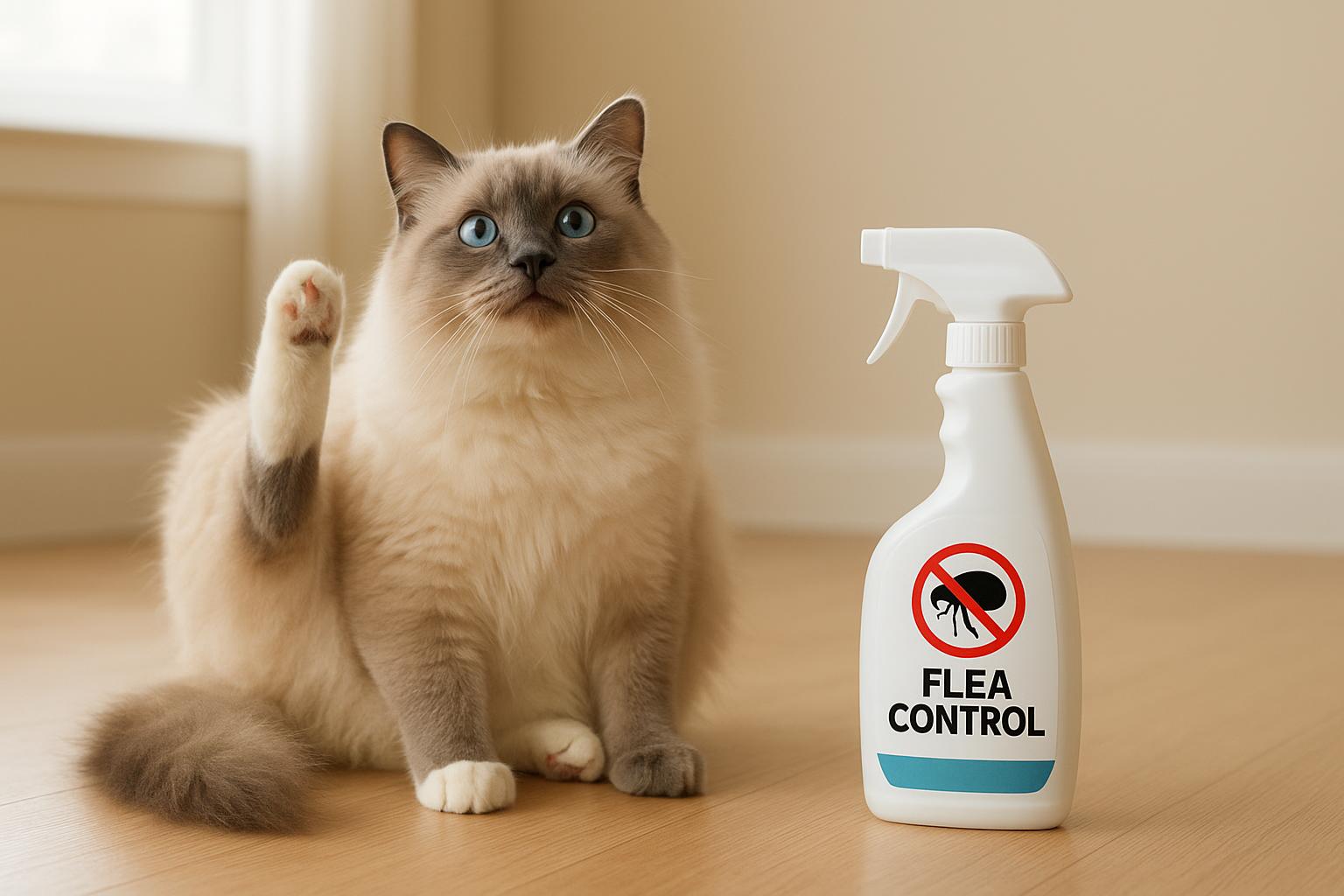
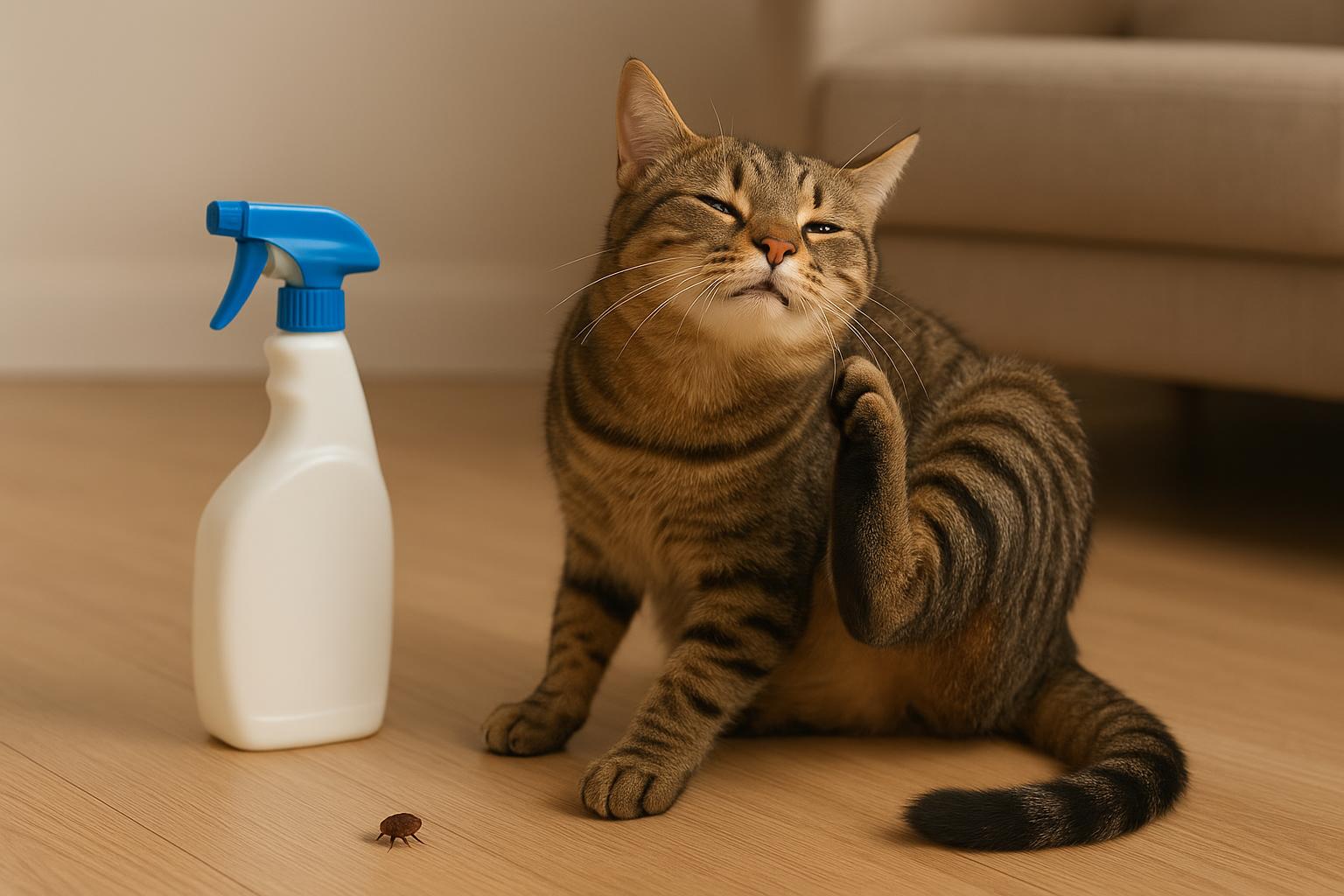
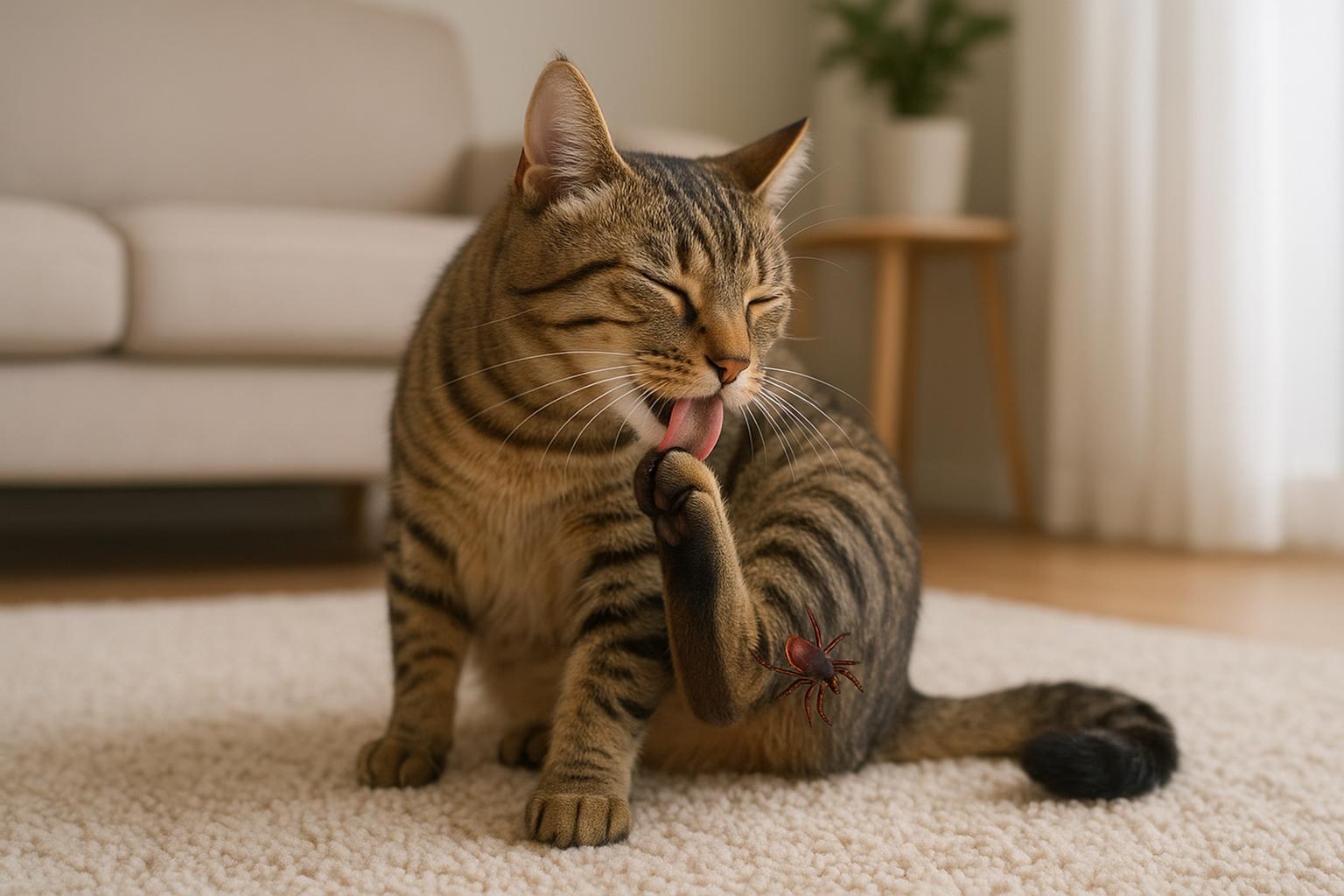
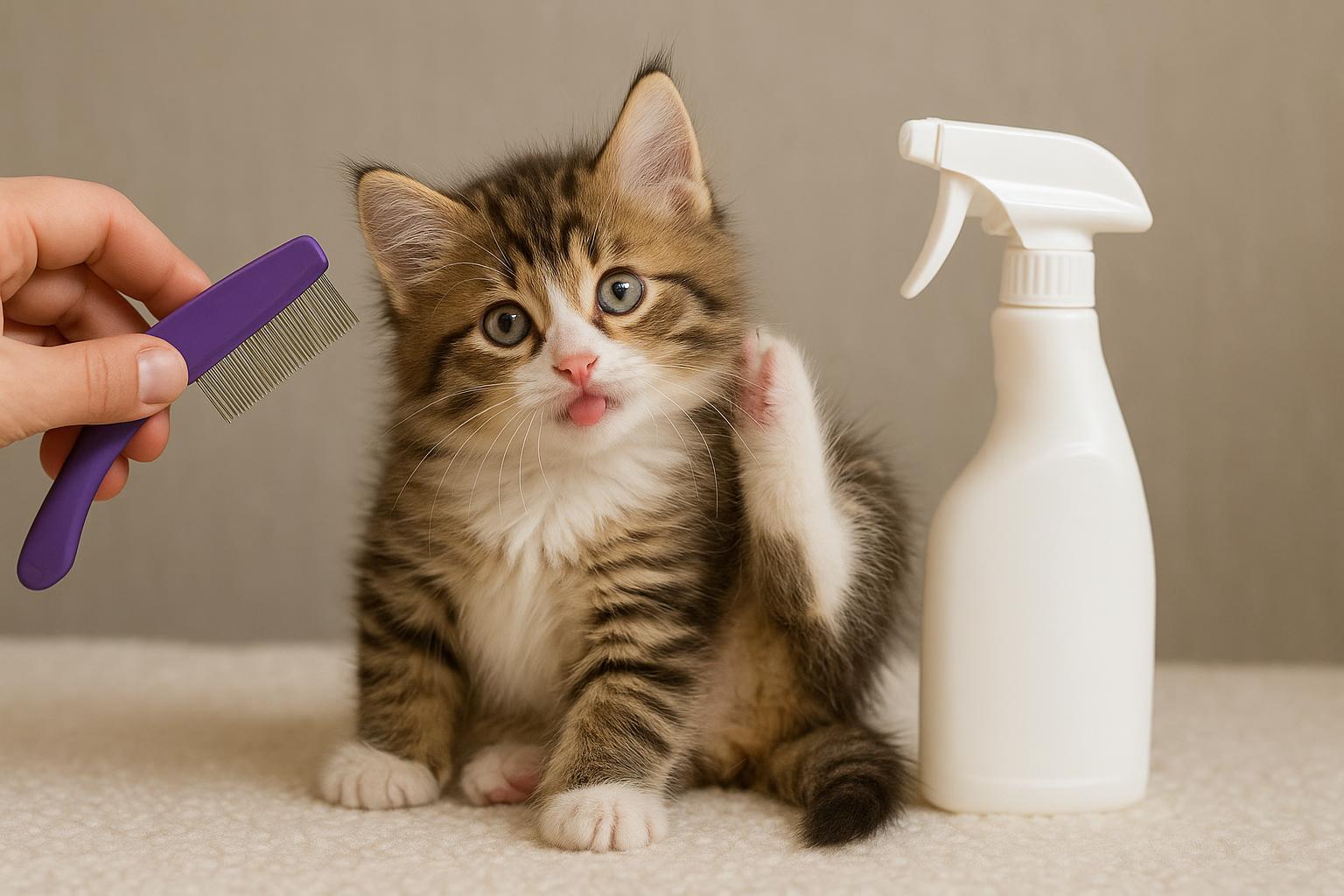
Cats are self-cleaners by nature. A little licking is normal, but if your cat is suddenly obsessively grooming, scratching, or biting at the base of the tail, that’s a red flag. Flea presence often triggers skin irritation and allergic reactions in sensitive cats.
### Visible Fleas And Flea Dirt
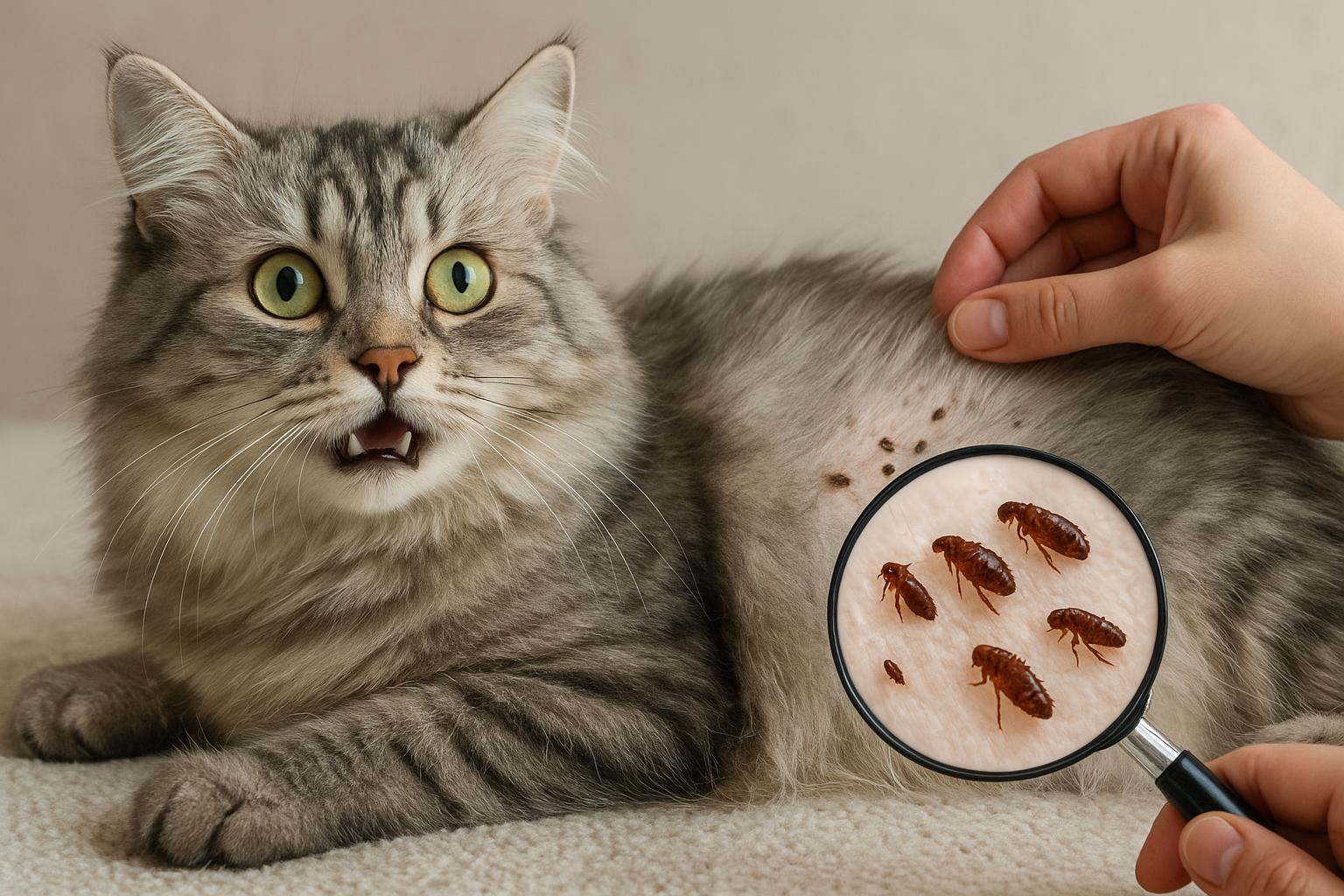
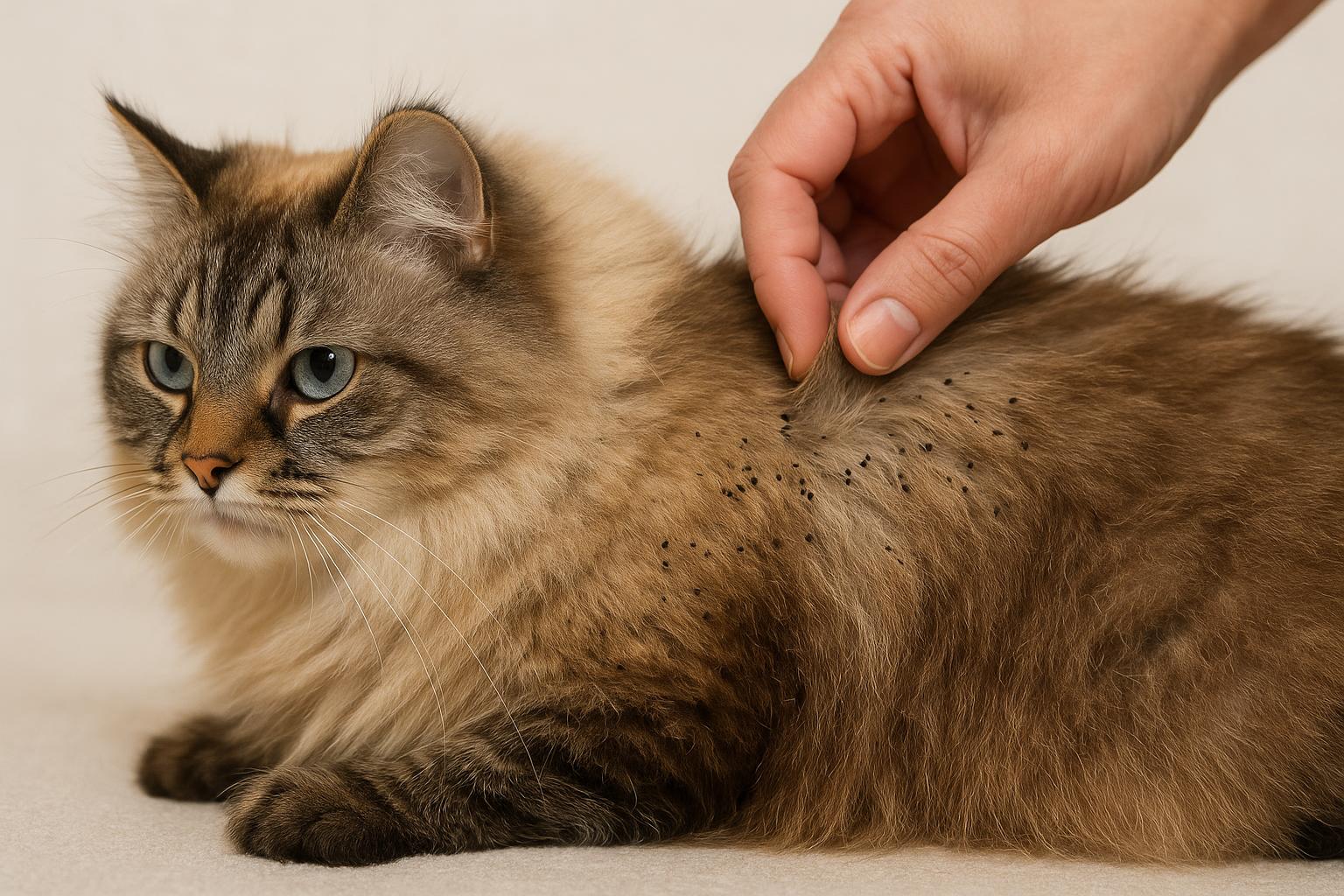
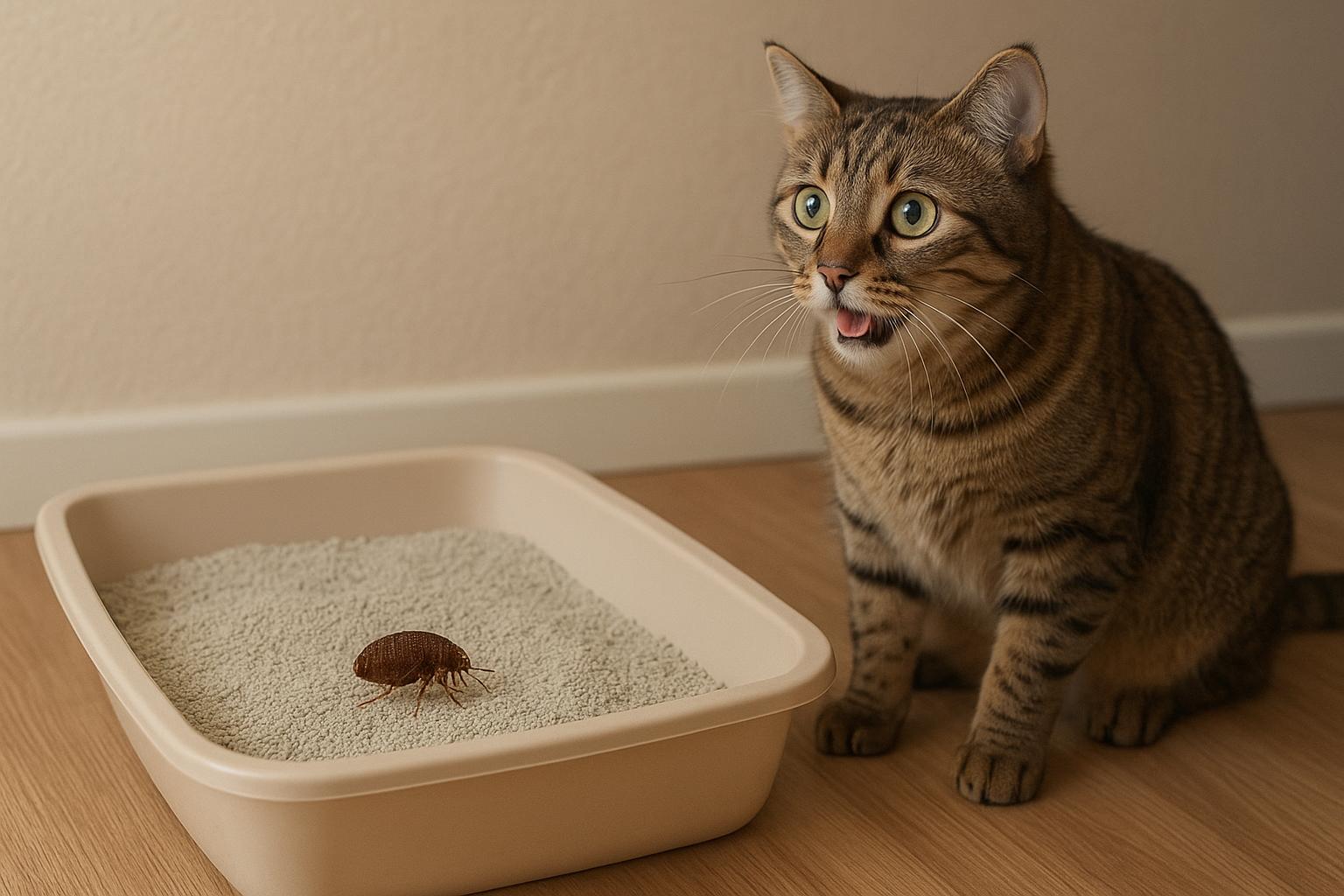
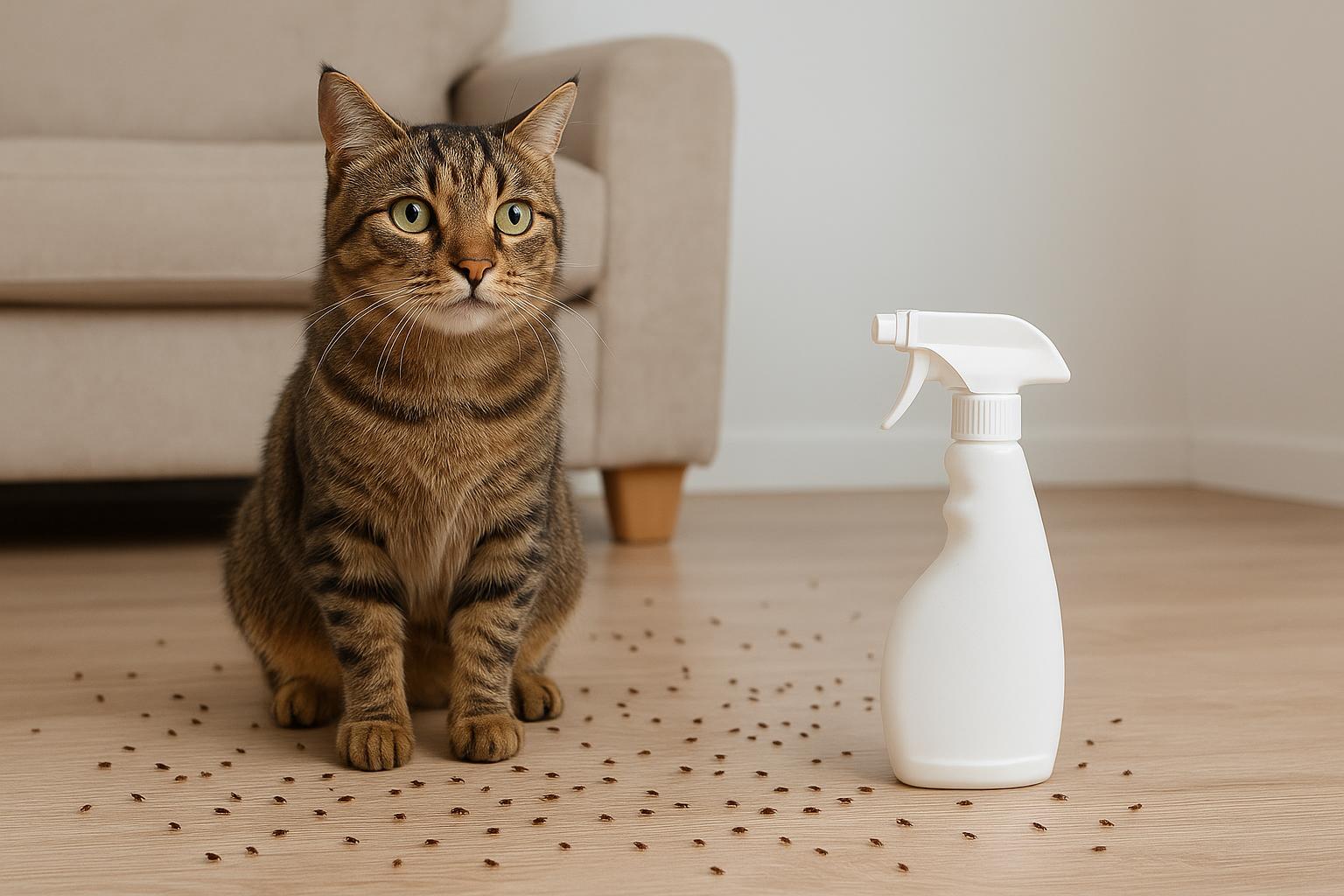
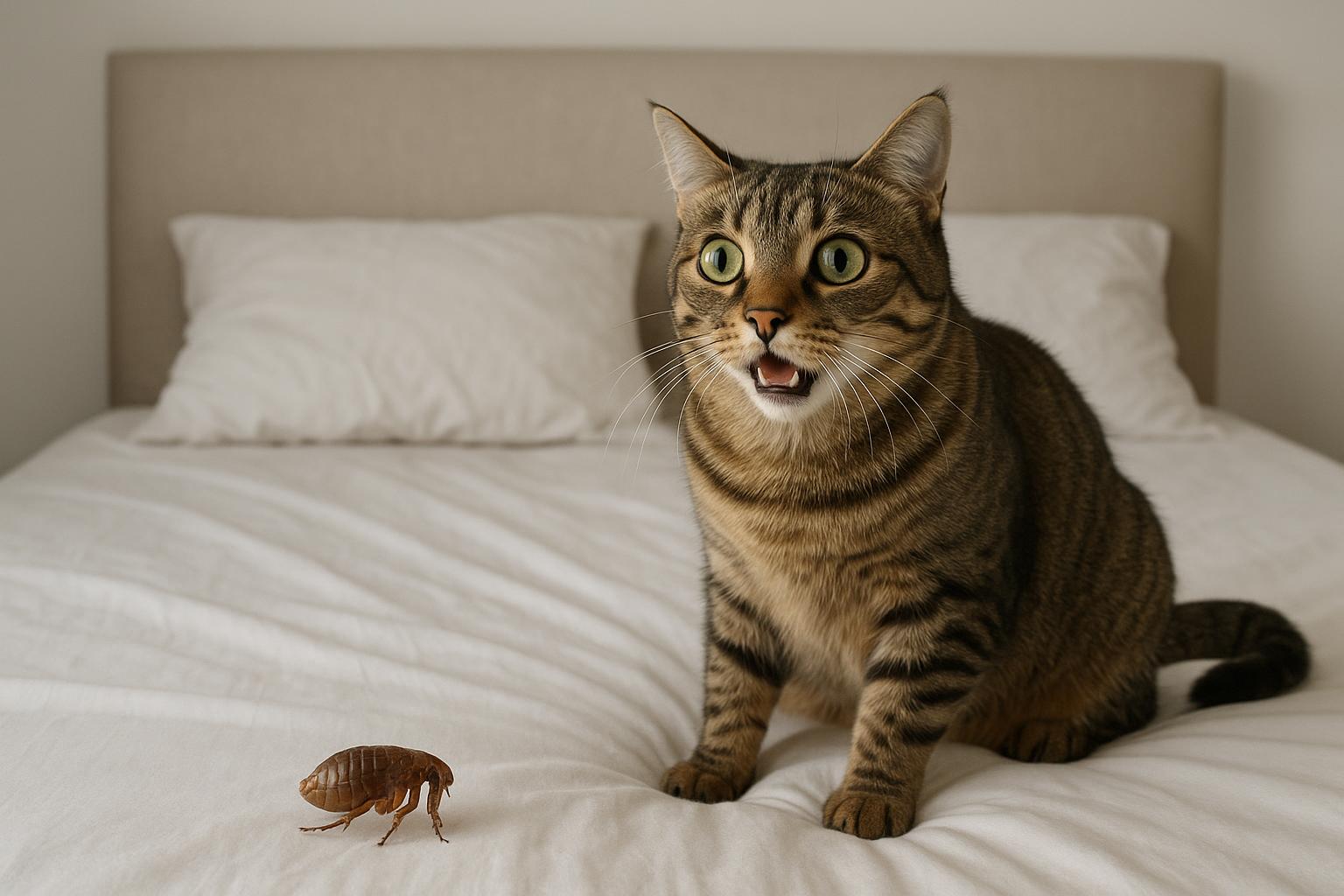
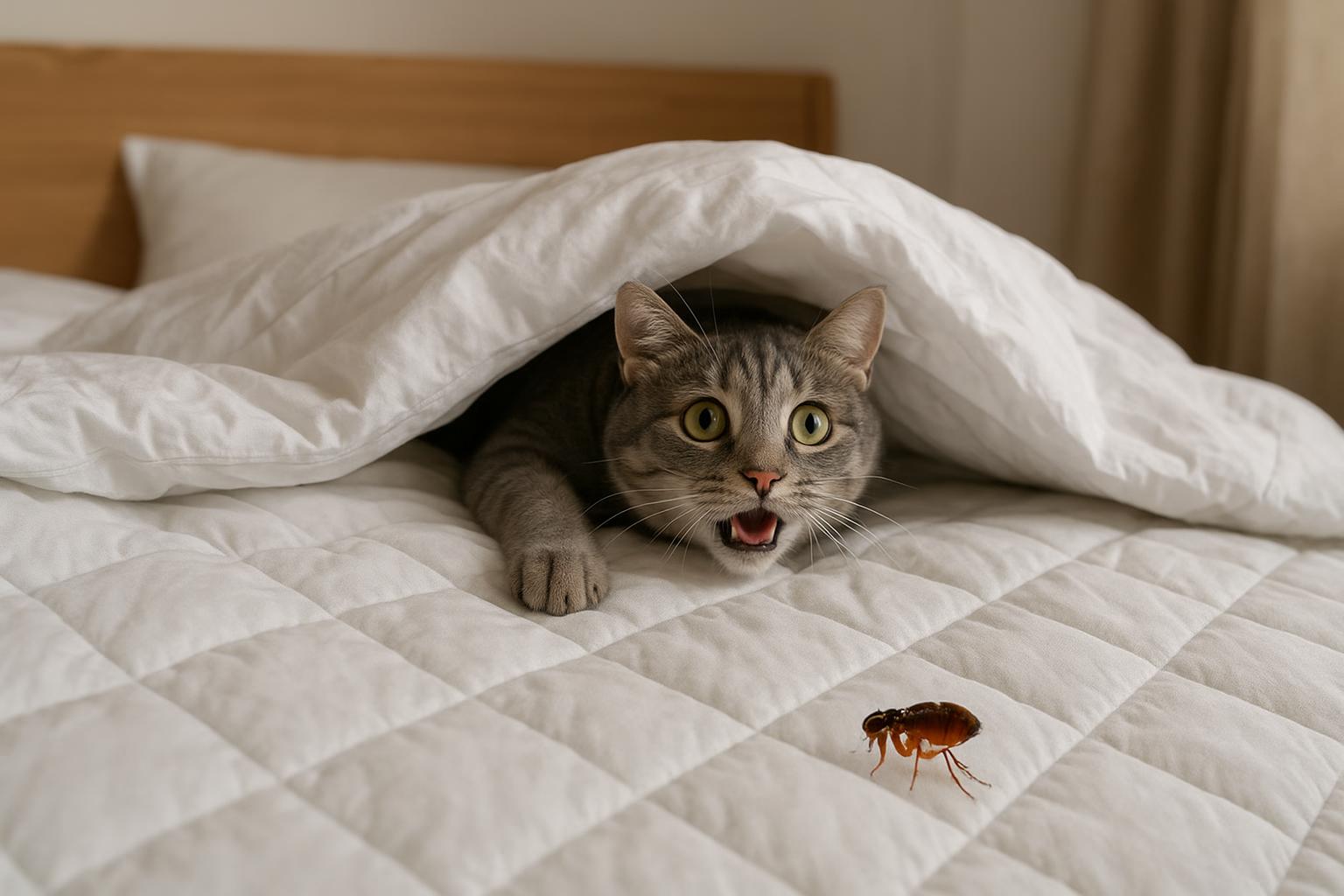
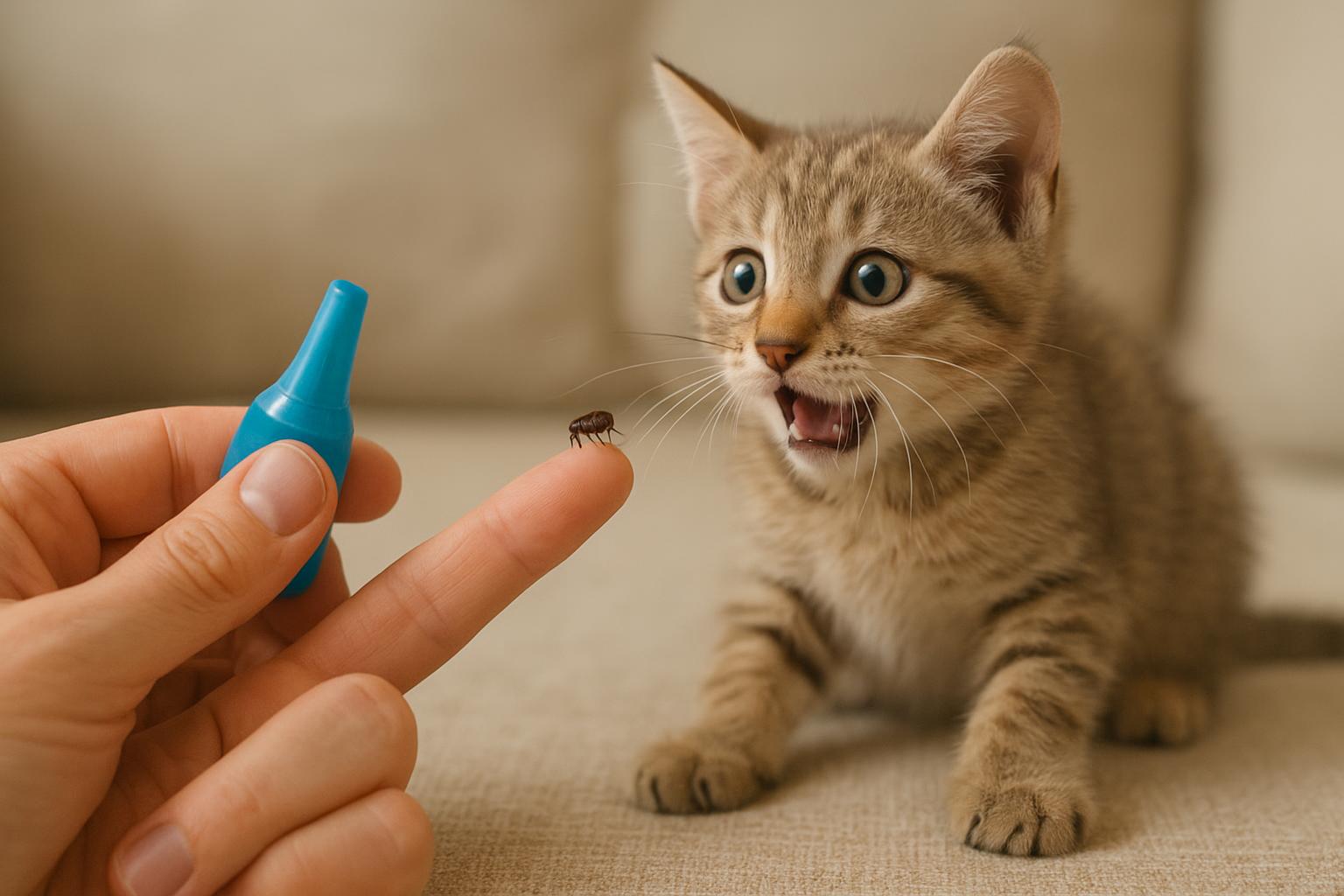
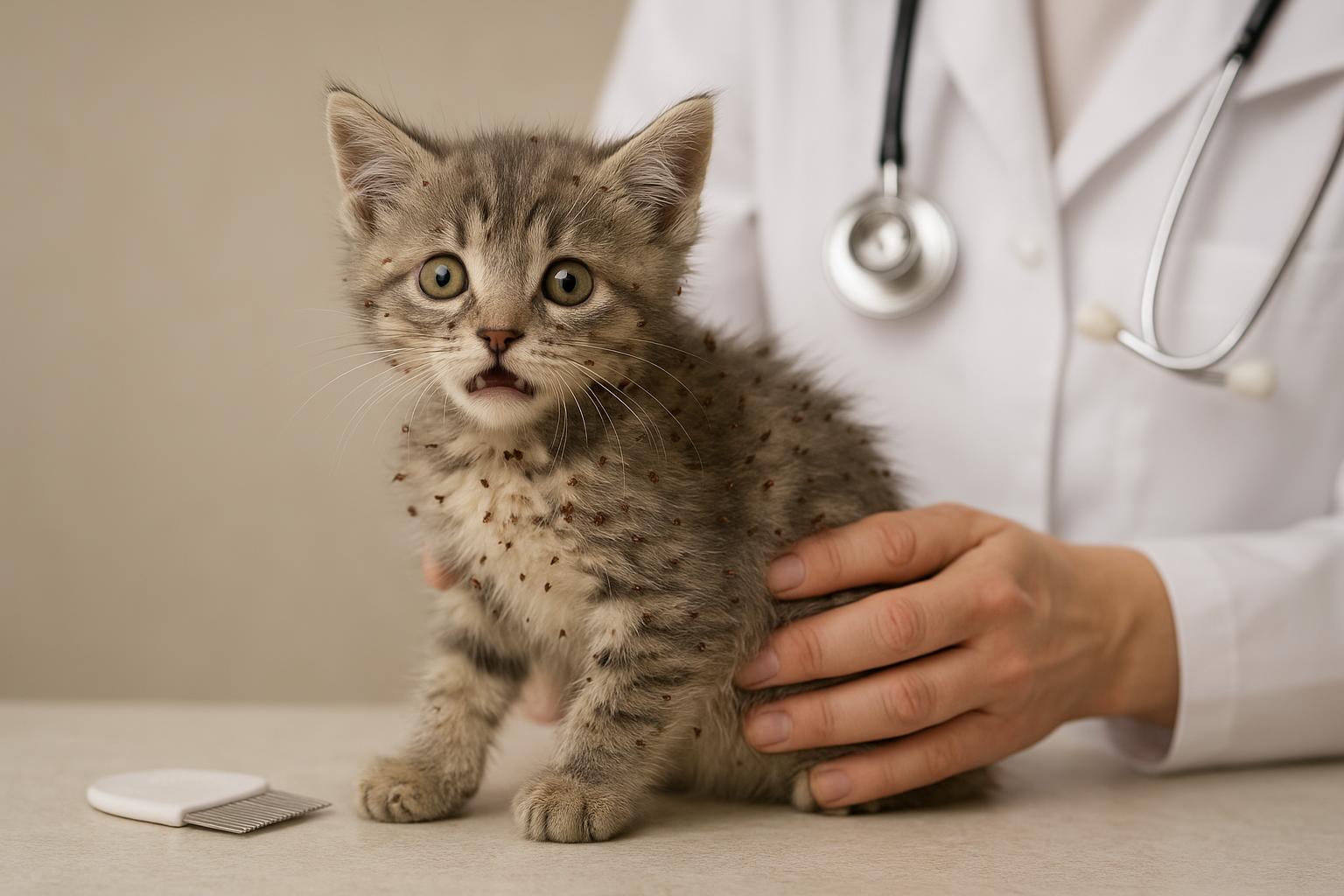
Fleas themselves move fast and are small, about 1–3 mm, so they can be hard to spot on dark fur. Look for “flea dirt” — tiny black speckles that look like pepper. If you place a few specks on damp white paper and they smear brown, that’s digested blood and a clear sign of flea presence.
### Hair Loss, Scabs, And Red Skin
Repeated scratching from fleas can cause hair thinning, scabby patches, or raw skin. If you notice these signs, especially along the spine or at the base of the tail, consider fleas as a potential cause and check for flea dirt and live fleas.
### Changes In Behavior Or Appetite
A cat with heavy infestation might become restless, show signs of anemia (pale gums, lethargy), or have reduced appetite. Kittens and elderly cats are especially vulnerable to complications, so detecting flea presence early is important.
## How Indoor Cats Get Fleas
### People, Other Pets, And Openings
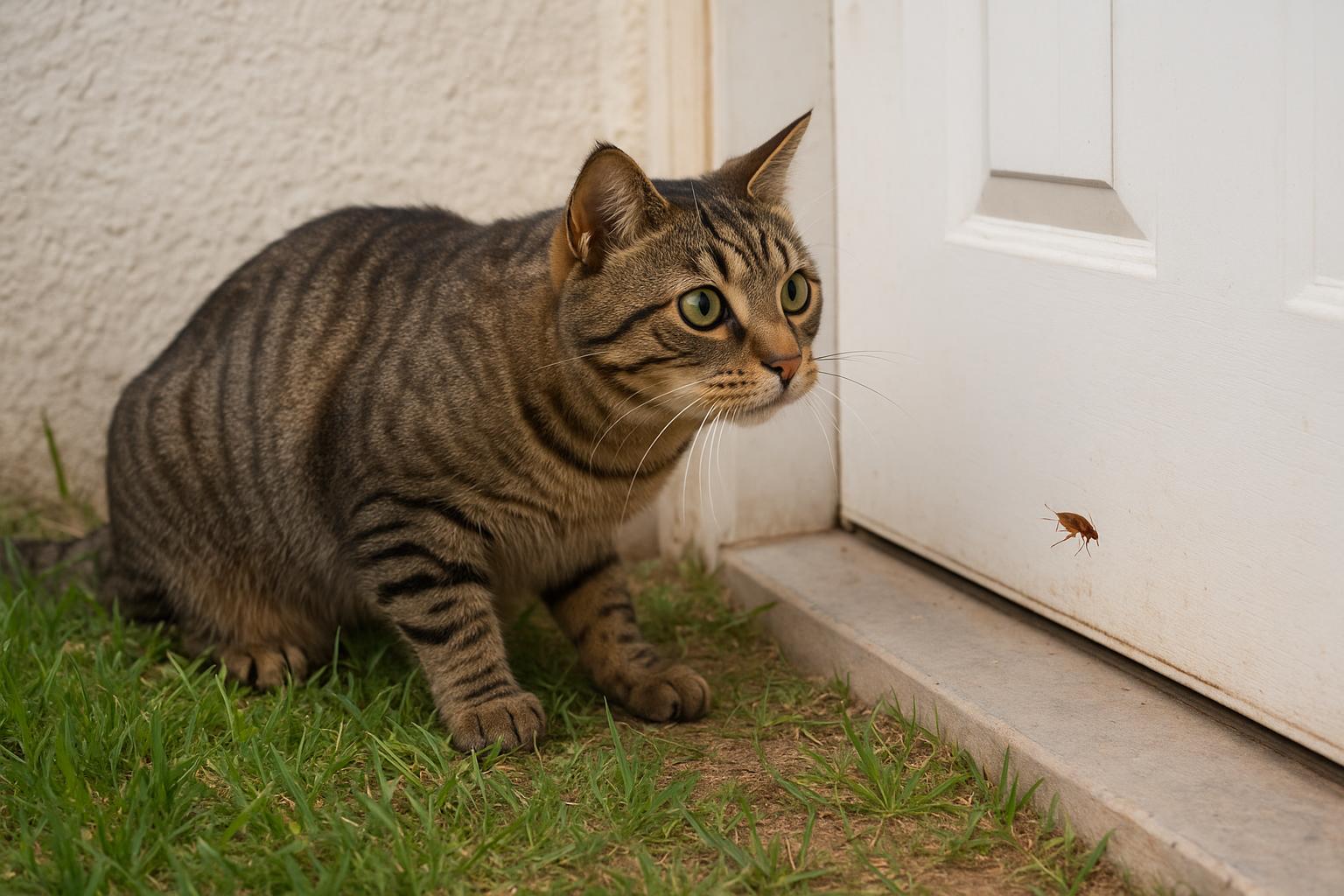
Fleas can come in on clothing, visitors, or a dog that goes outdoors. Even a single flea can start an infestation: fleas lay eggs that fall into carpets, bedding, and cracks, leading to a growing flea presence without outdoor access.
### Wildlife And Outdoor Trips
A cat that goes outside occasionally, or a rodent that nests under a house, can be a source. Fleas also owe their success to surviving in the environment — eggs and larvae hide in carpets and upholstery until they detect warmth and carbon dioxide from a host.
### Flea Life Cycle Makes Them Hard To Eradicate
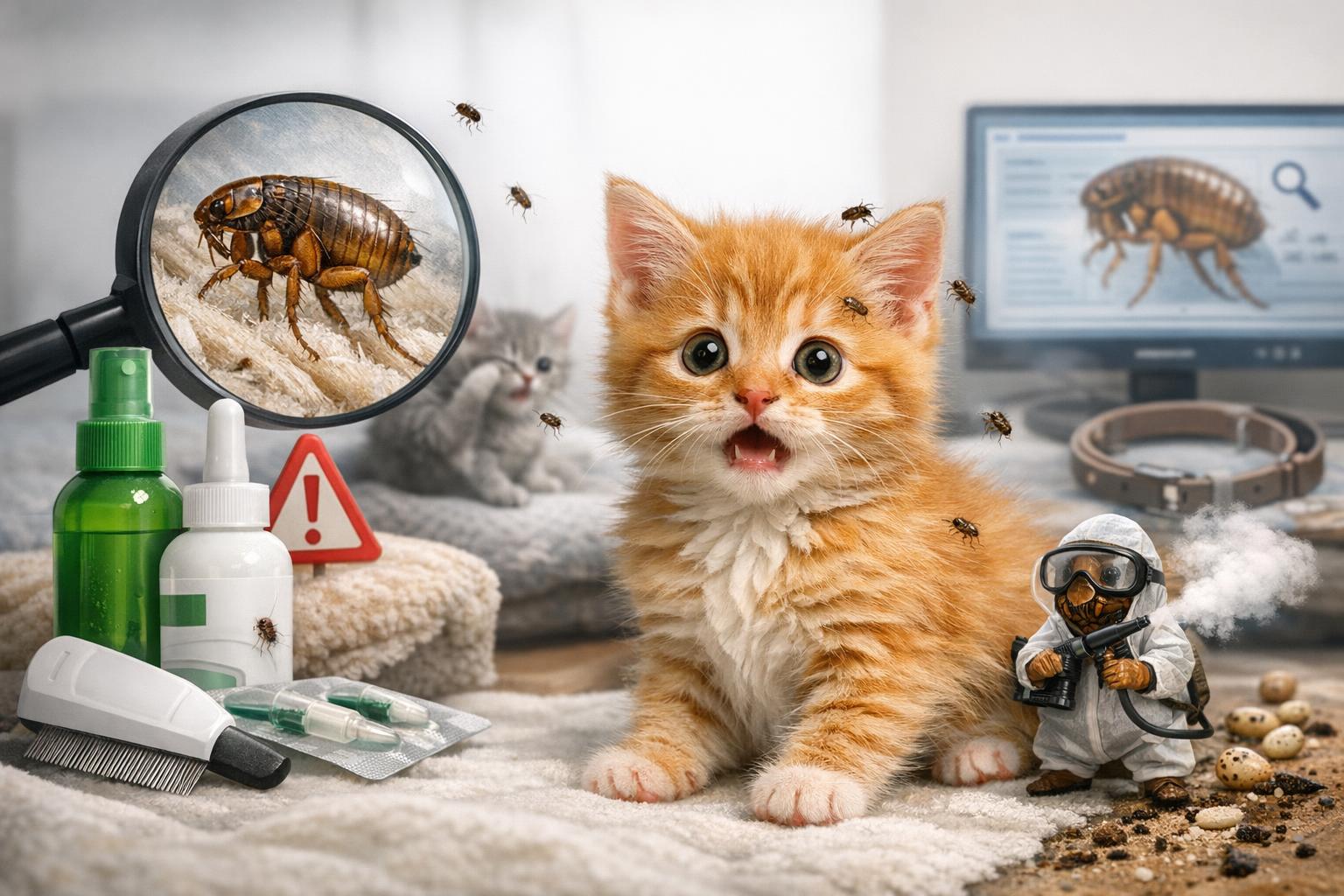
Remember: only about 5% of a flea population are adults on the pet at any given time. The other 95% is in the environment as eggs, larvae, and pupae. That’s why a subtle flea presence can suddenly escalate.
## When To Call The Vet
### Signs Of Allergic Reactions Or Anemia
If your cat has extensive skin lesions, becomes anemic, shows severe lethargy, or kittens are affected, contact a veterinarian right away. They can assess the flea burden, treat symptoms, and recommend spot-on or oral preventives appropriate to age and health.
## Remedies 1: Environmental Treatment (Home Cleaning)
Use this formal, step-by-step method to reduce environmental flea presence. Materials and careful application are essential to success.
Materials Required:
– High-powered vacuum with crevice tool
– Pet-safe carpet cleaner (enzyme-based if needed)
– Hot water for washing (capable of 130°F / 54°C or as label directs)
– Plastic trash bags
– Steam cleaner (optional but recommended)
– Household insect growth regulator (IGR) labeled for indoor use (pyriproxyfen or methoprene), if prescribed
– Protective gloves and a mask (for chemical handling)
Step-by-Step Environmental Treatment:
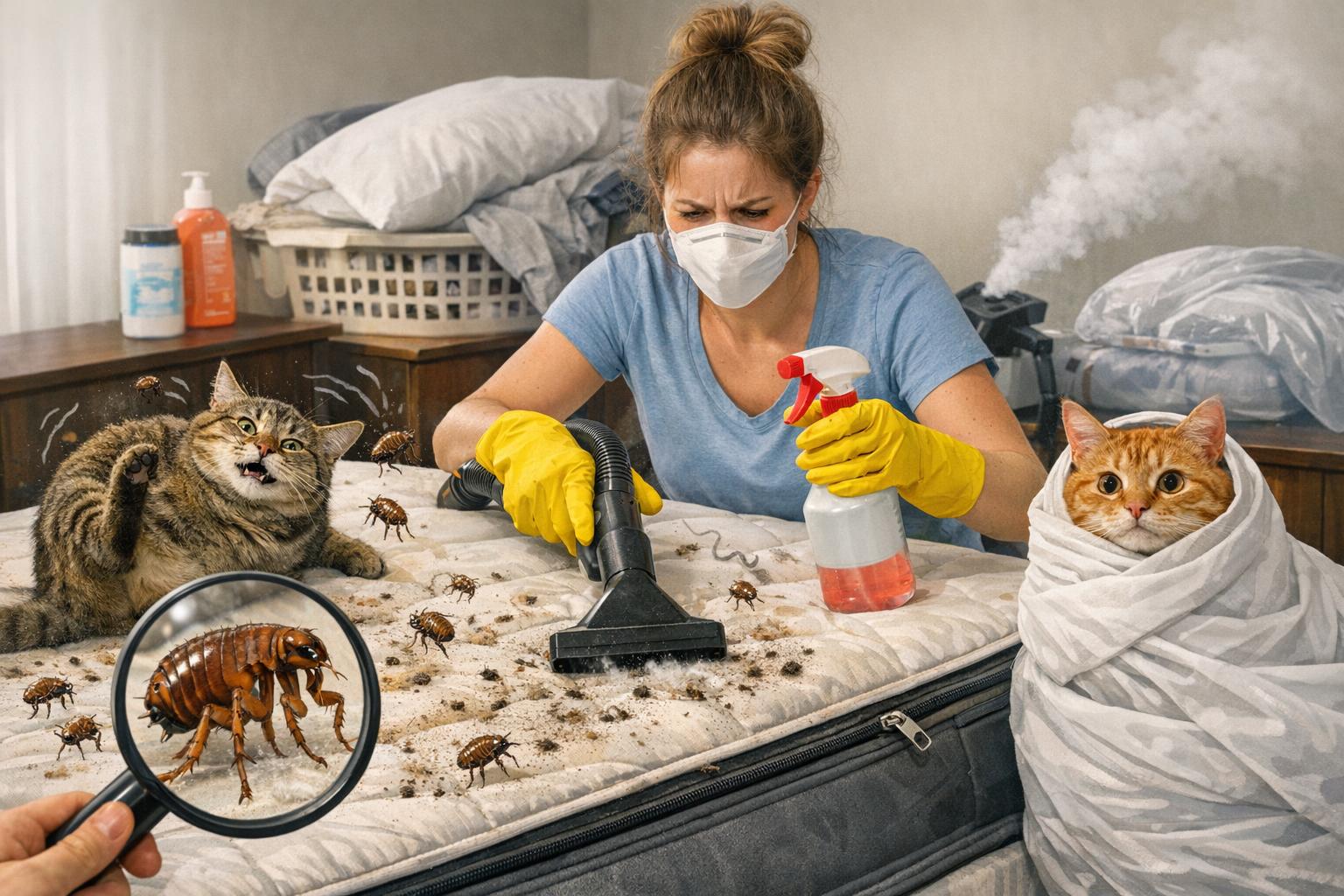
1. Prepare the Space: Remove clutter and pick up bedding, toys, and cushions. Seal small items in plastic bags to prevent re-infestation while you clean other areas.
2. Wash Fabrics: Machine-wash all pet bedding, human bedding where the cat sleeps, washable rugs, and removable cushion covers in hot water and dry on high heat. Heat kills eggs, larvae, and adults.
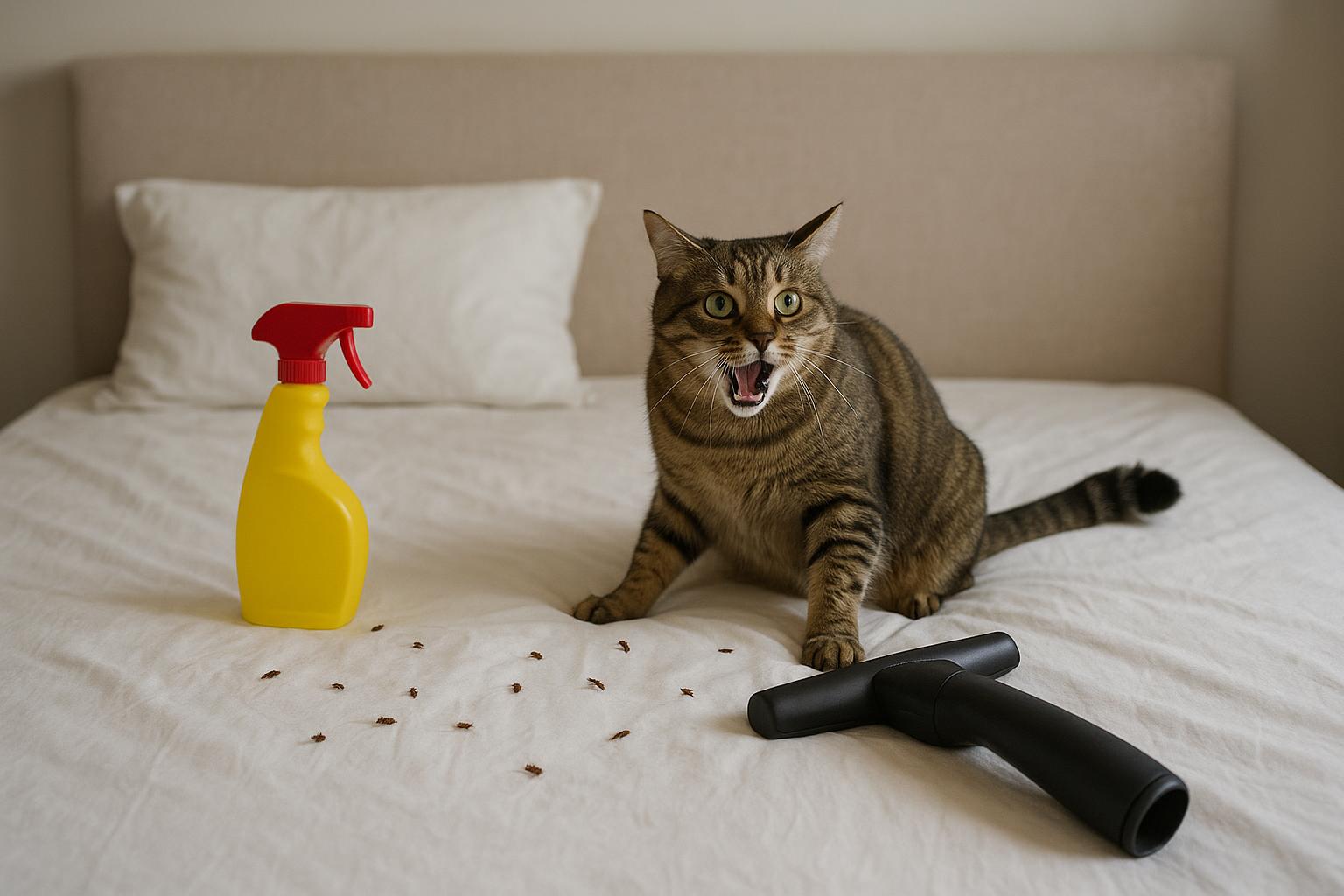
3. Vacuum Thoroughly: Vacuum carpets, rugs, upholstered furniture, baseboards, and crevices. Focus on areas where your cat rests. Empty the vacuum into a sealed trash bag and dispose of it outside immediately. Vacuuming stimulates pupae to hatch and removes eggs and larvae.
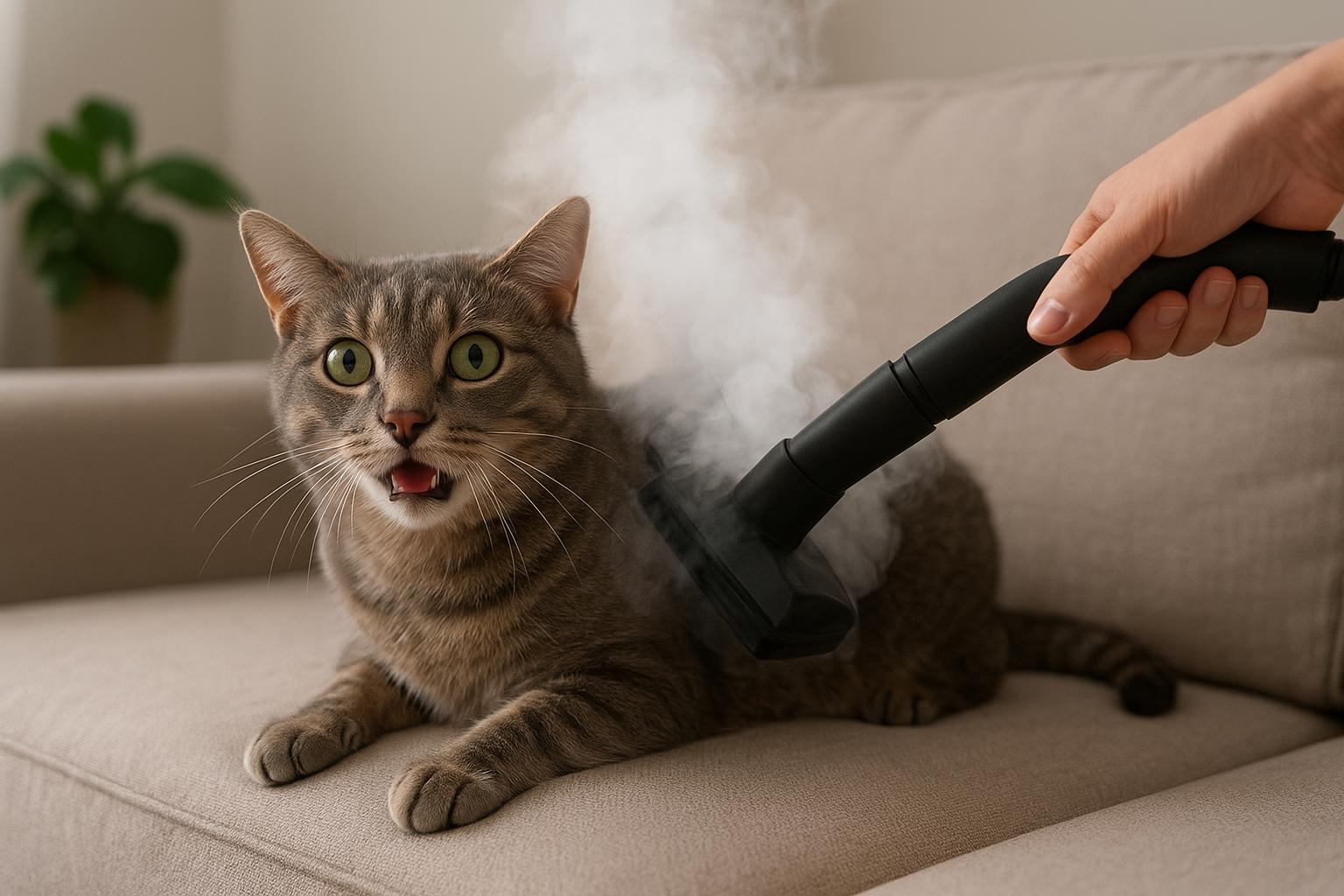
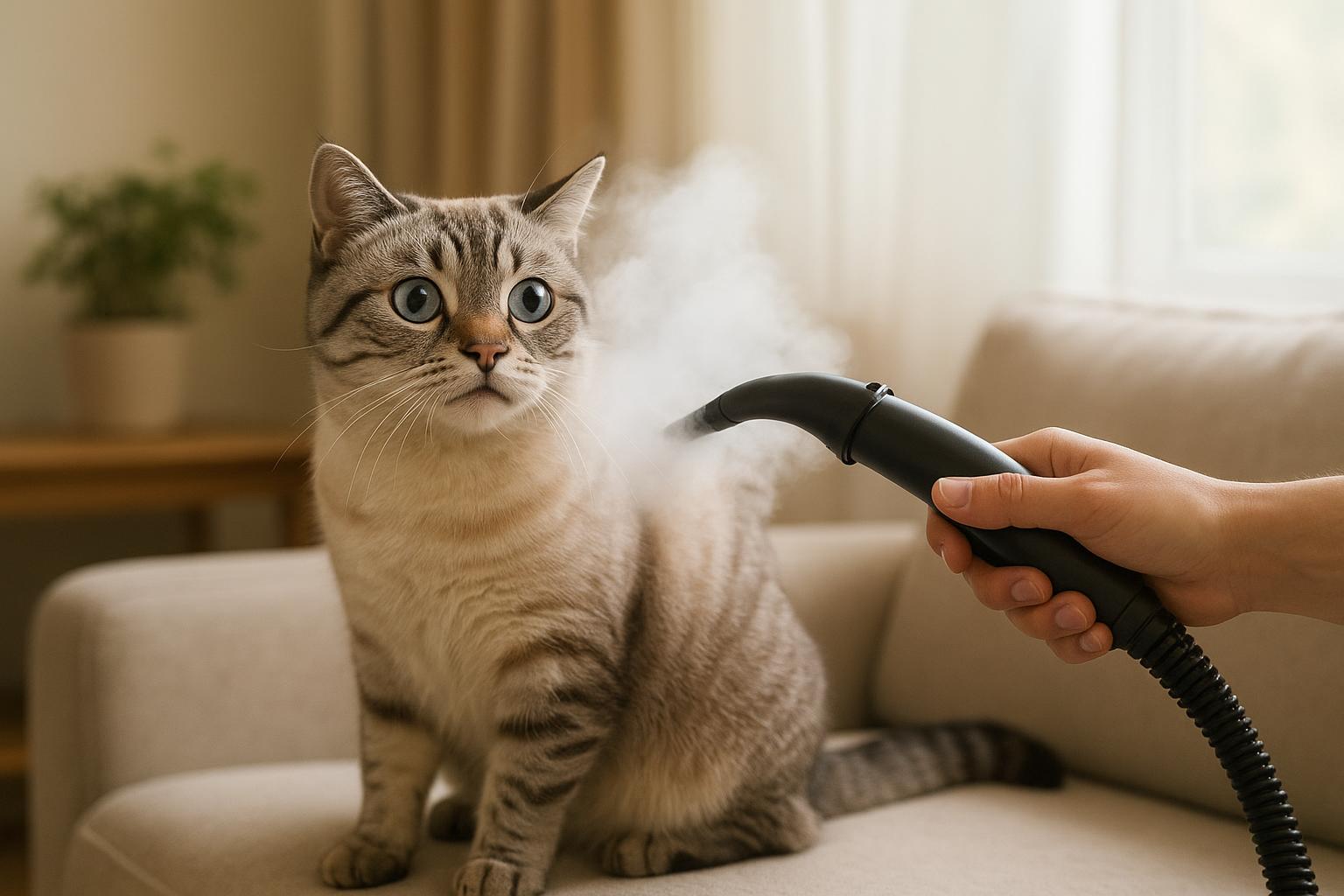
4. Steam Clean: If possible, steam-clean carpets and upholstery. High heat from steam will kill immature stages in fibers. Follow the steam cleaner manufacturer’s instructions.
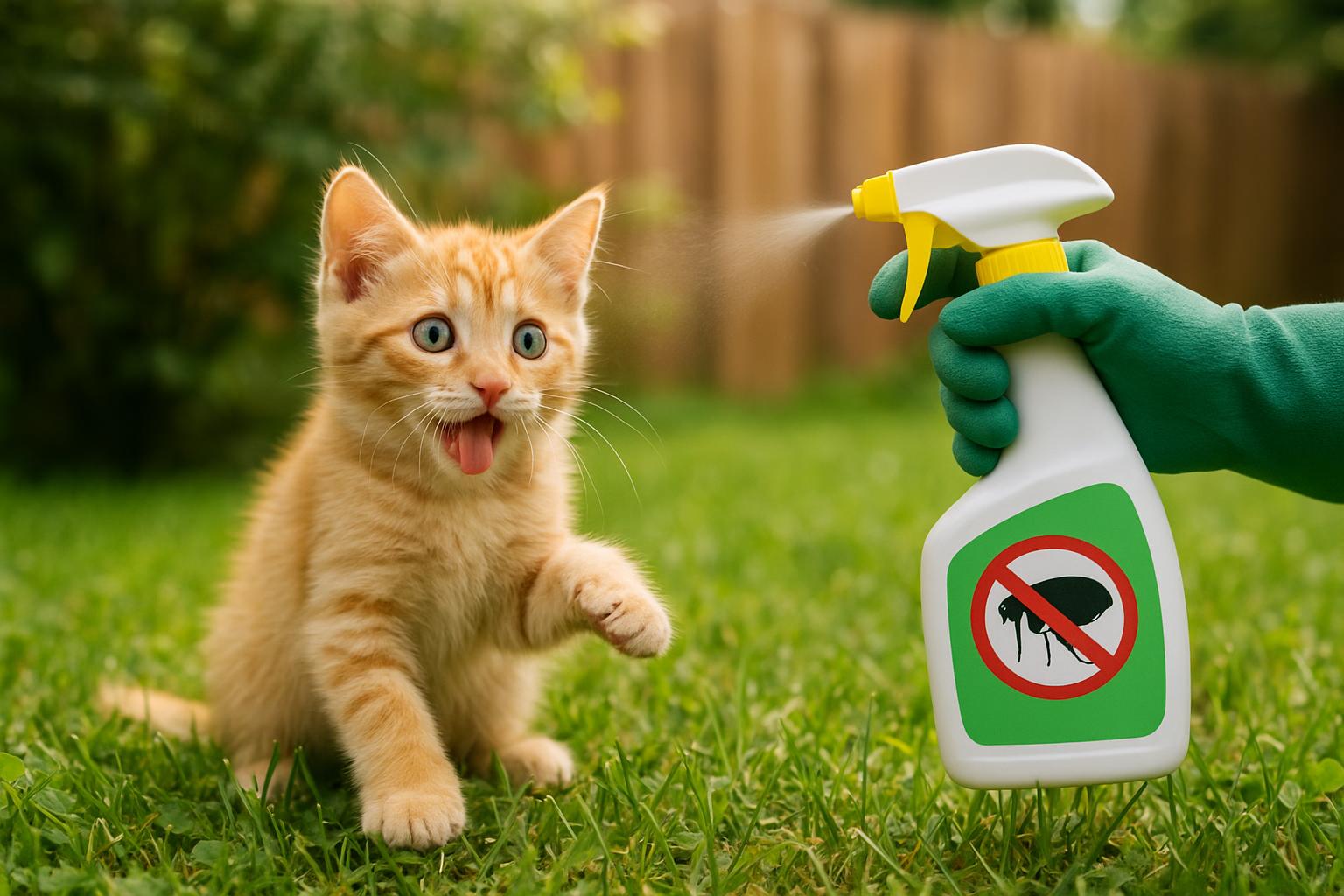
5. Apply IGR (If Needed): If the infestation is moderate to severe, apply an IGR approved for indoor use according to label directions. IGRs prevent eggs and larvae from developing into adults and are critical to breaking the flea life cycle.
6. Monitor And Repeat: Vacuum daily for at least two weeks, then weekly for an additional month. Washing and vacuuming cycles should continue until no new evidence of flea presence appears.
Follow all product label instructions. For heavy infestations, consider professional pest control that targets fleas specifically and is safe for pets.
## Remedies 2: Direct Cat Treatment
Now we move from the couch to the cat. This section is more clinical. Use veterinarian-recommended products and follow dosing exactly.
Materials Required:
– Veterinary-approved topical flea preventive (e.g., selamectin, fipronil, imidacloprid combinations) or oral preventive (e.g., fluralaner, nitenpyram) as prescribed
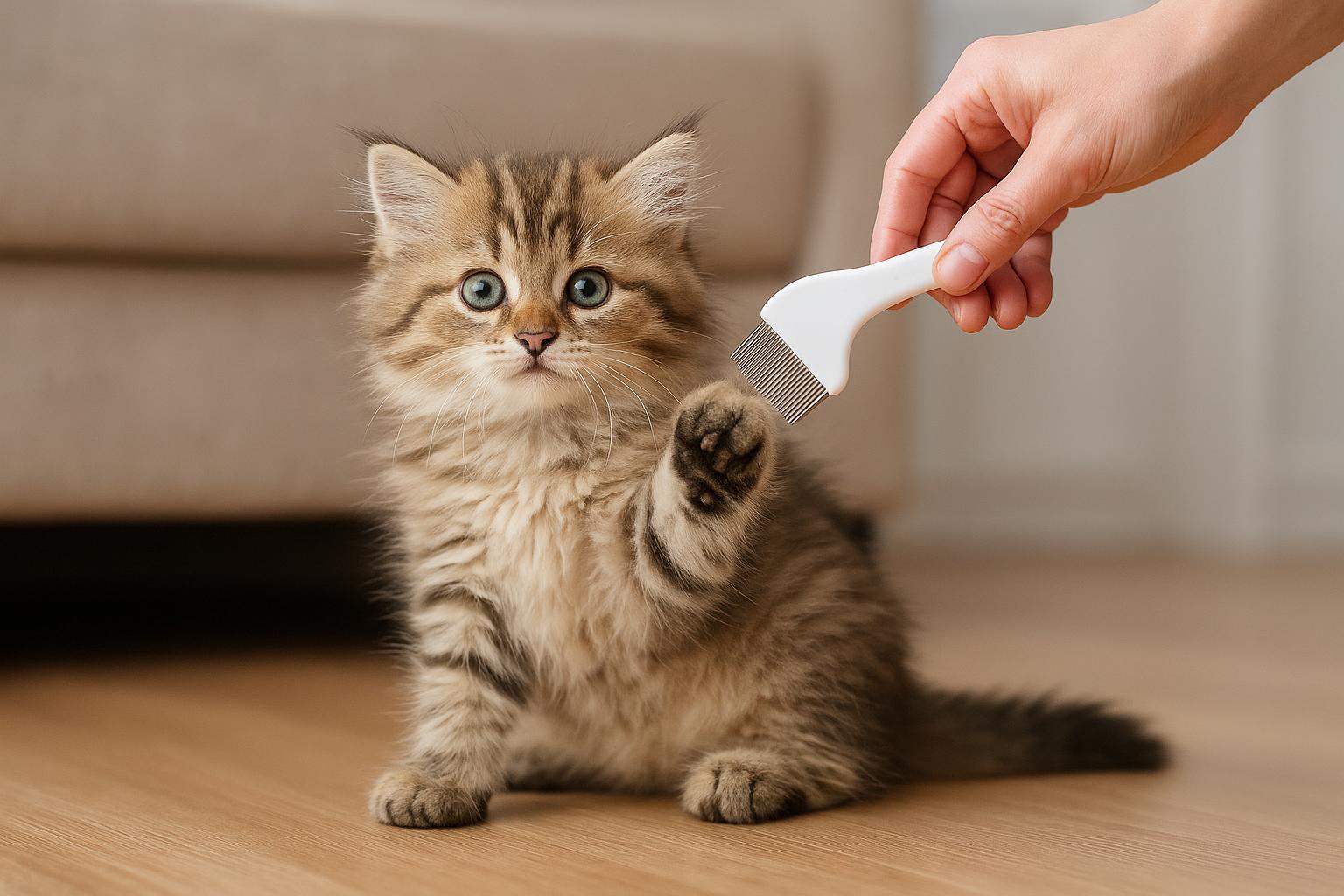
– Fine-toothed flea comb
– Mild cat-safe shampoo (for flea baths, only if recommended by your vet)
– Towels and a warm, quiet recovery area
– Veterinary contact information
Step-by-Step Cat Treatment:
1. Veterinary Consultation: Before starting any product, consult your veterinarian. Age, weight, health status, indoor/outdoor habits, and any other medications affect product choice.
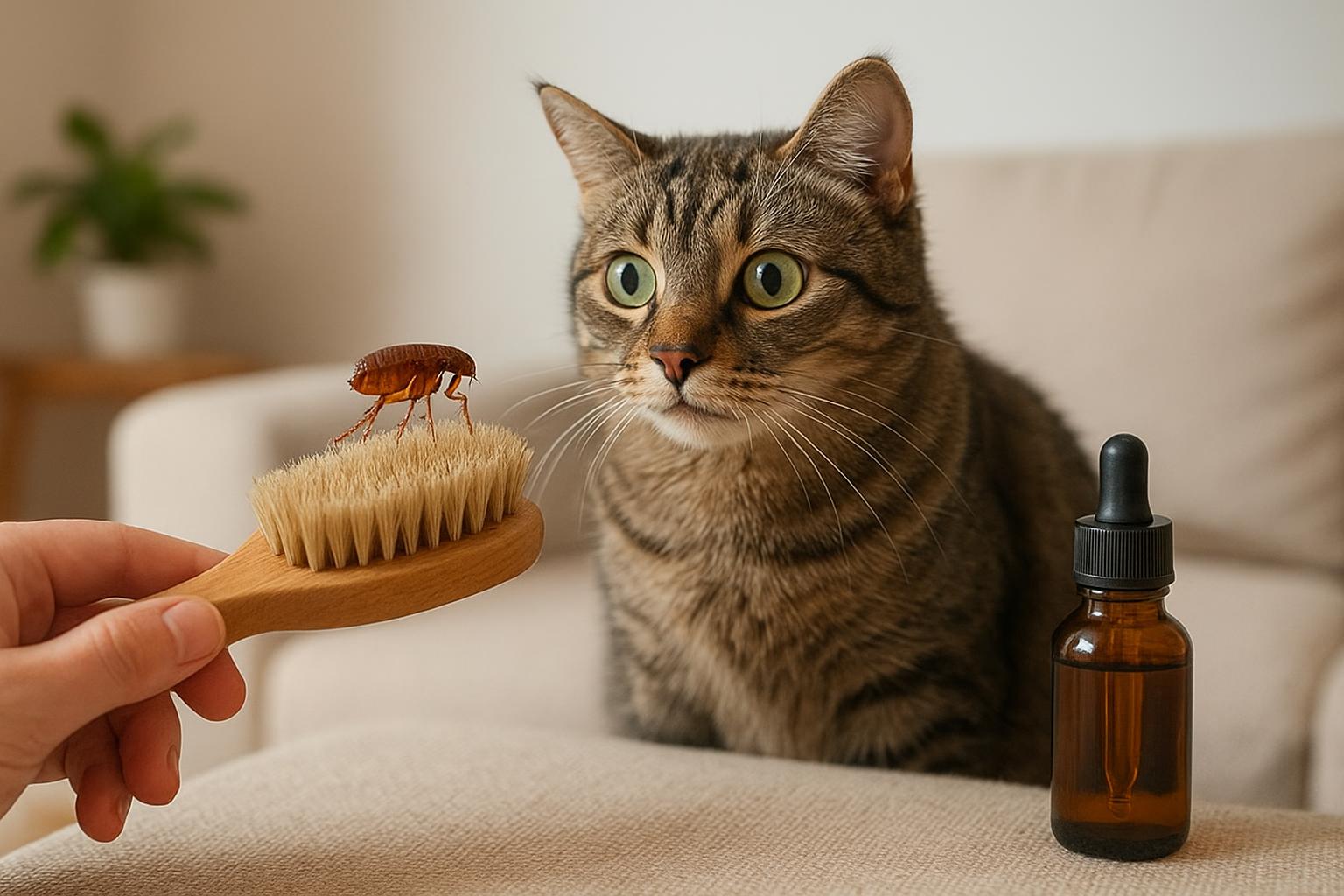
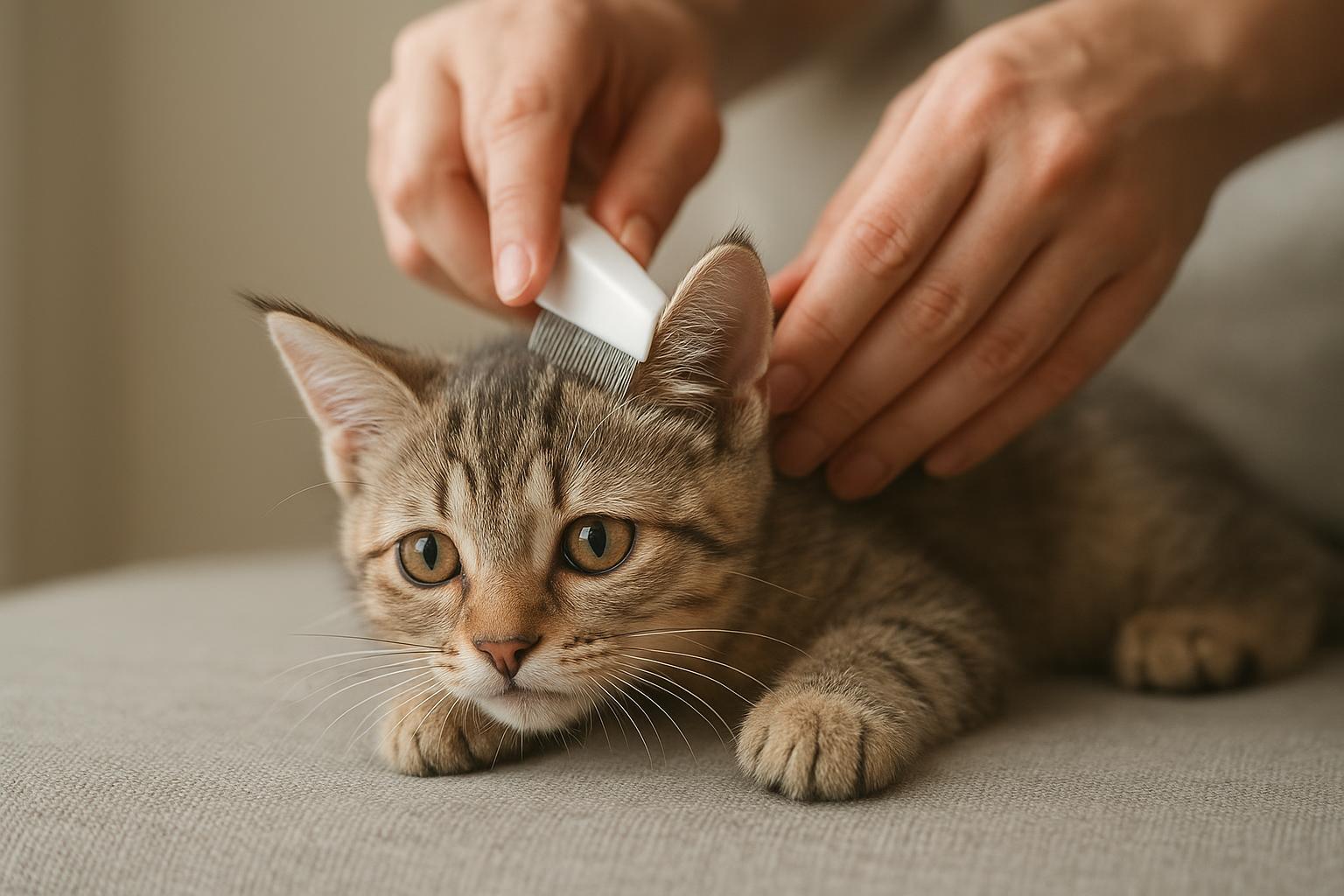
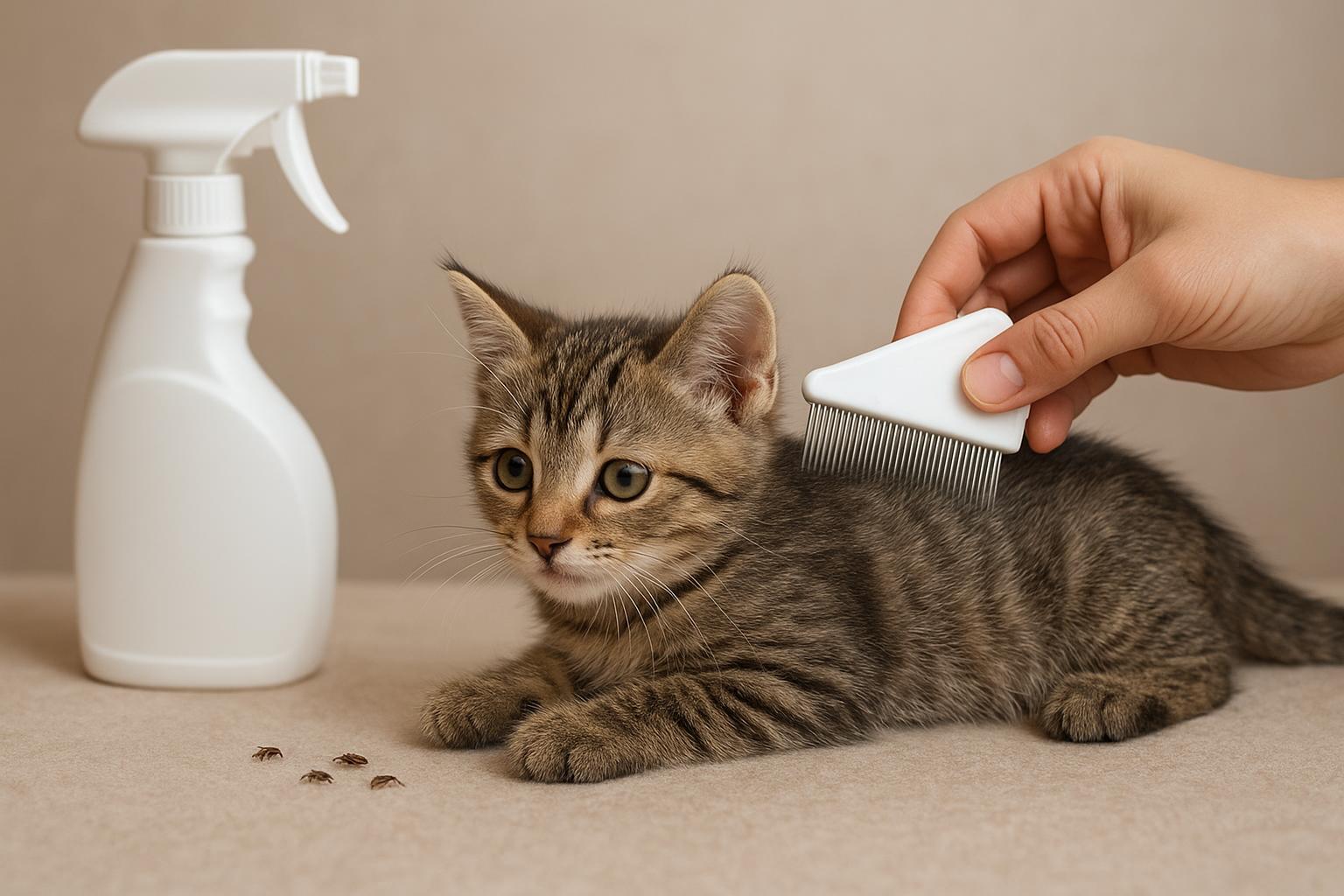
2. Use a Flea Comb Daily: Comb through fur, paying attention to neck and tail base. Remove fleas and flea dirt into soapy water to kill them. This reduces immediate irritation and confirms flea presence.
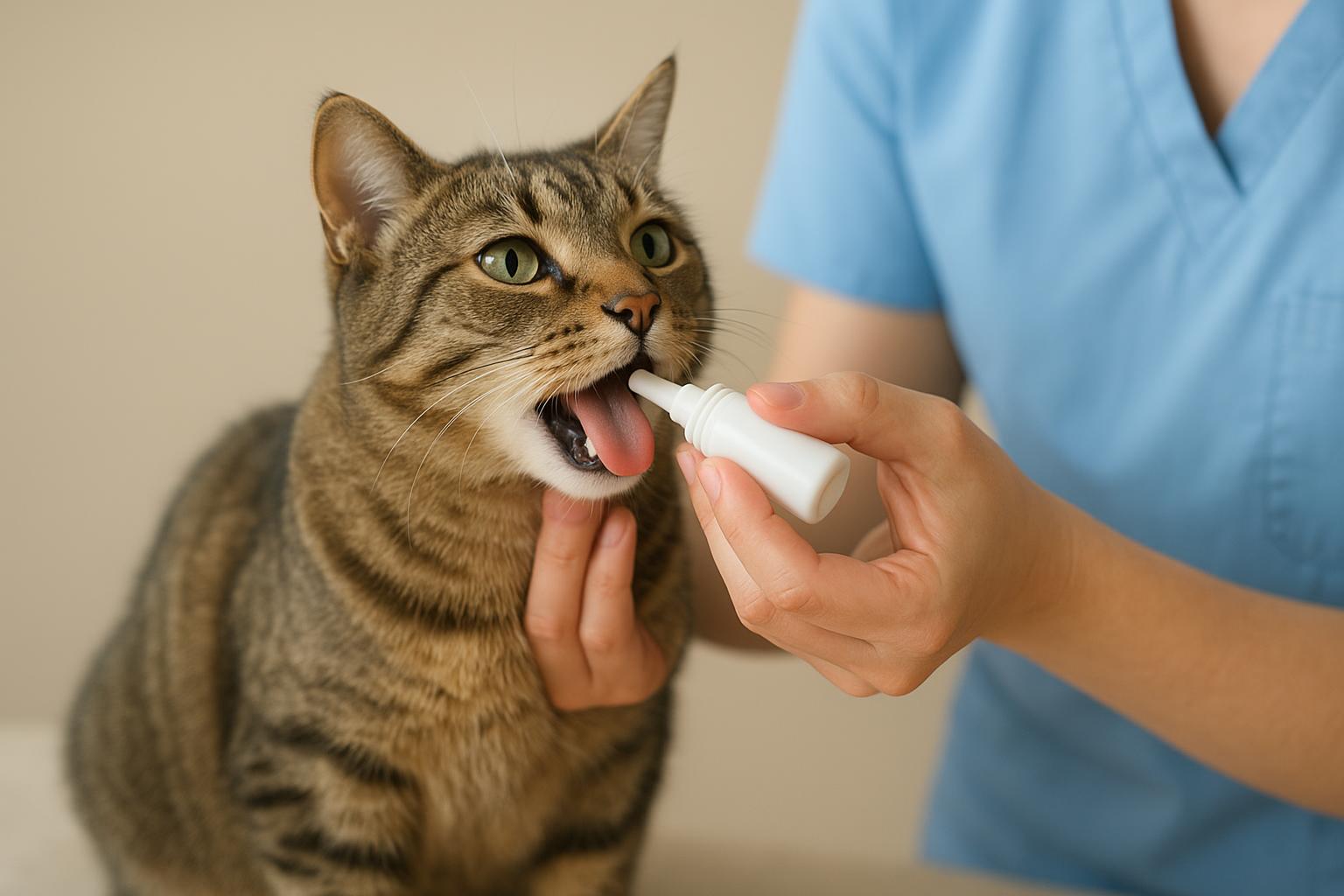
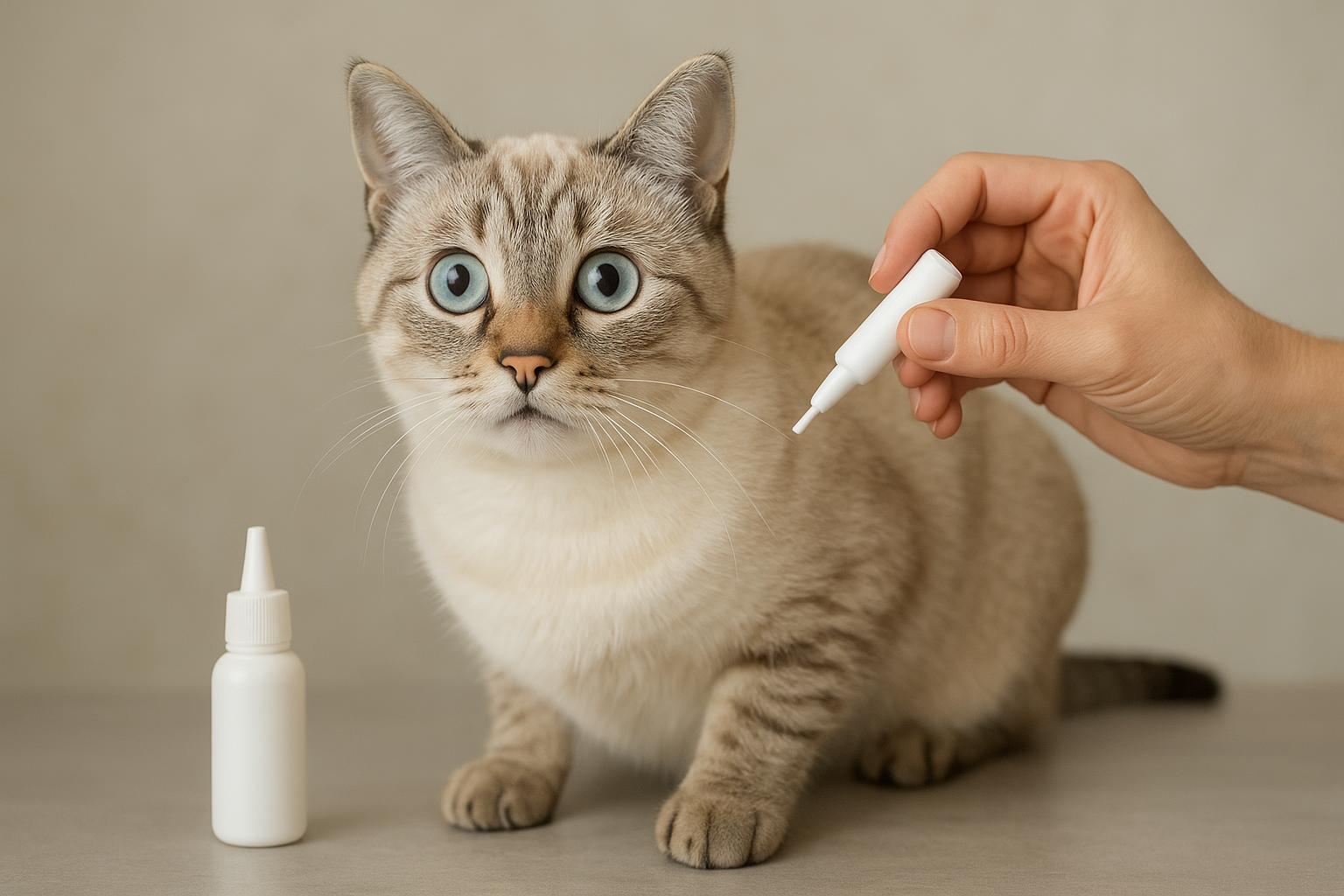
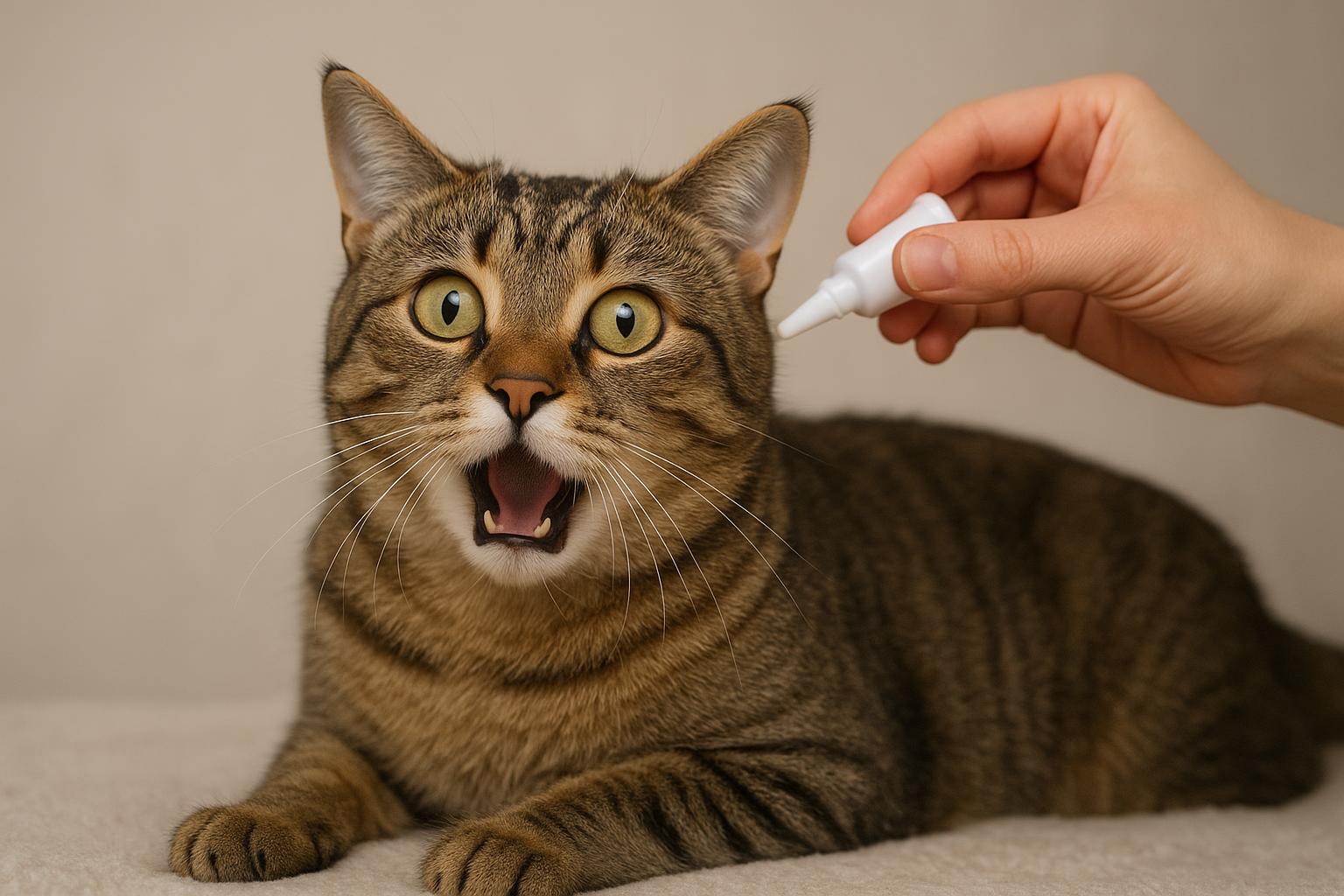
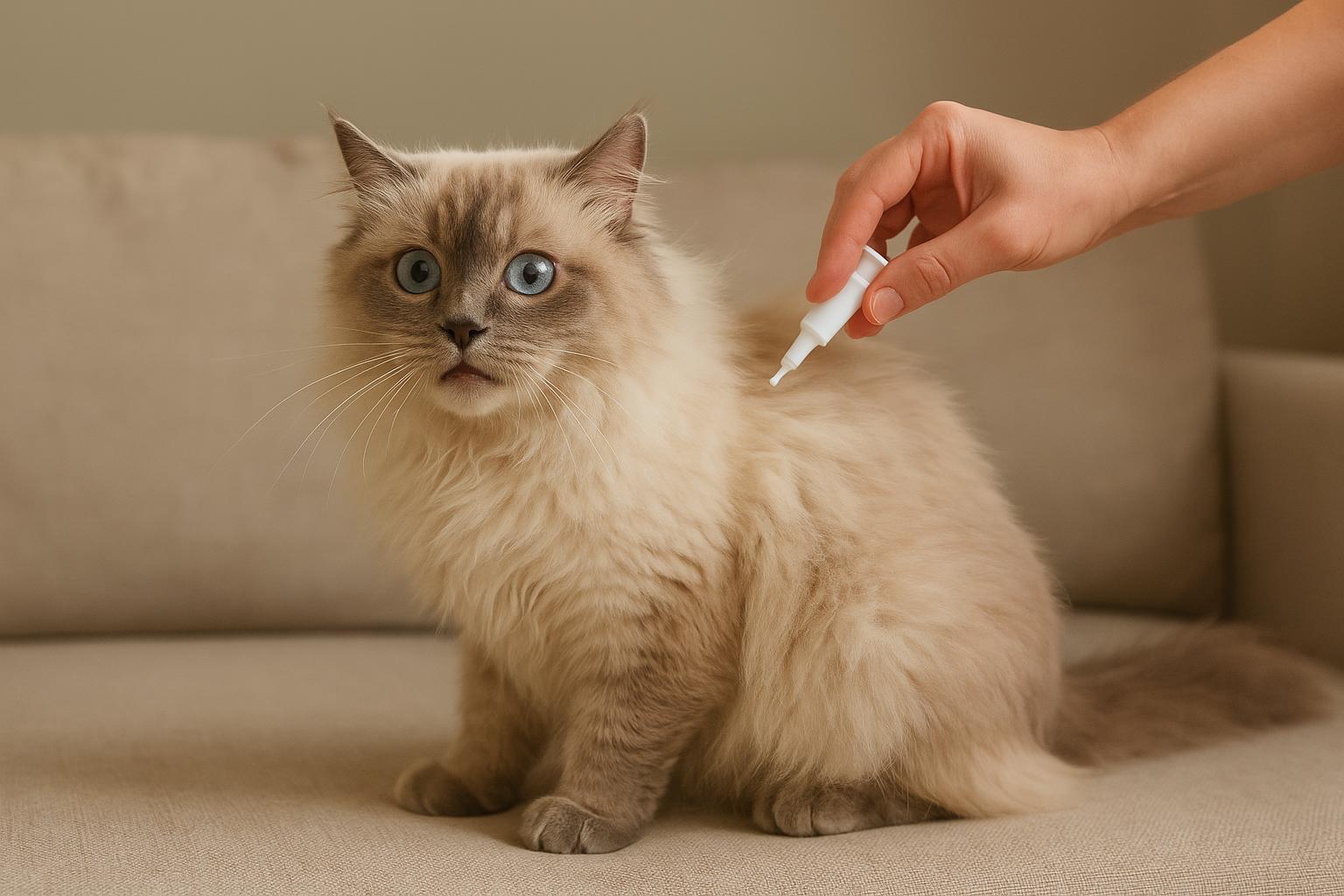
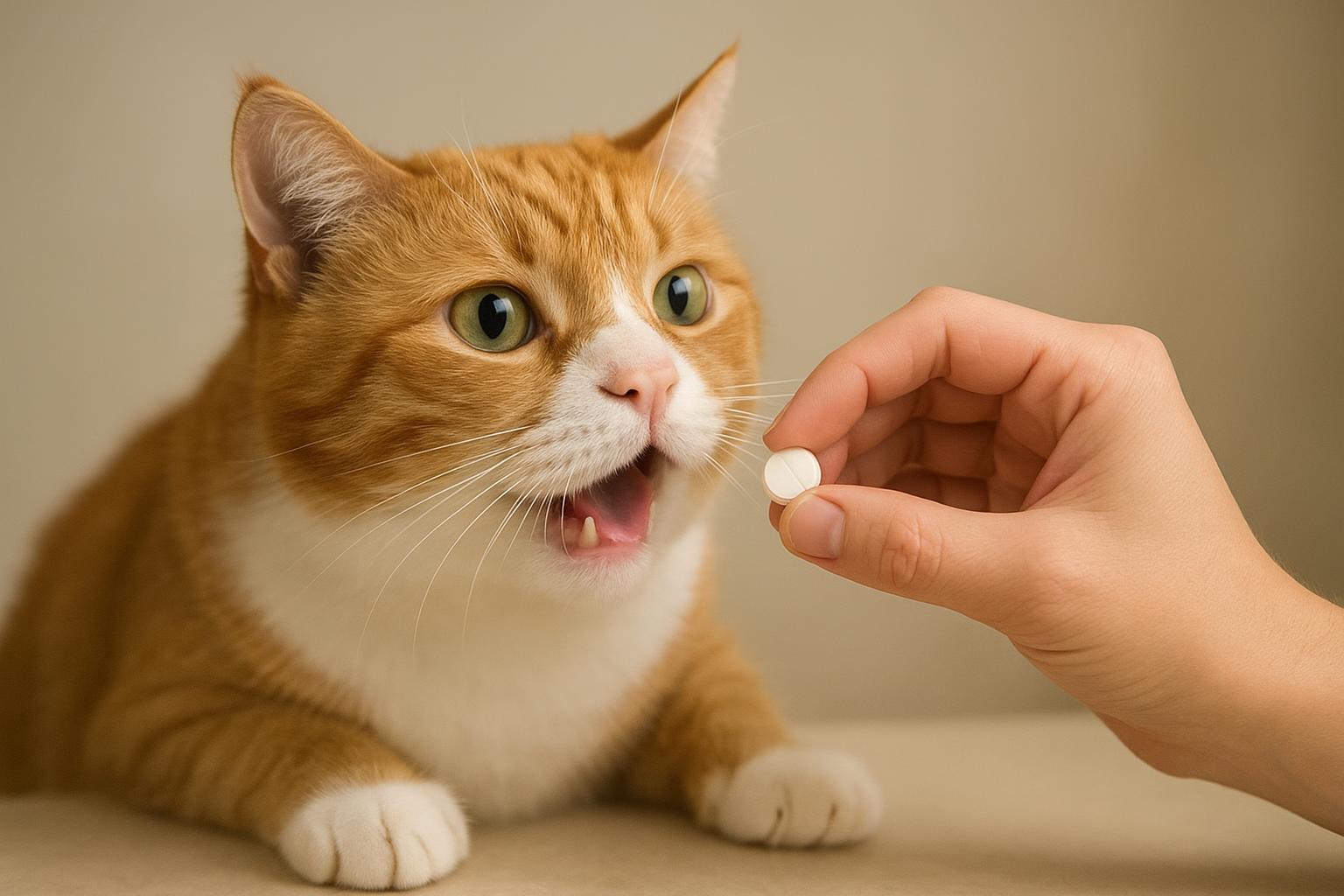
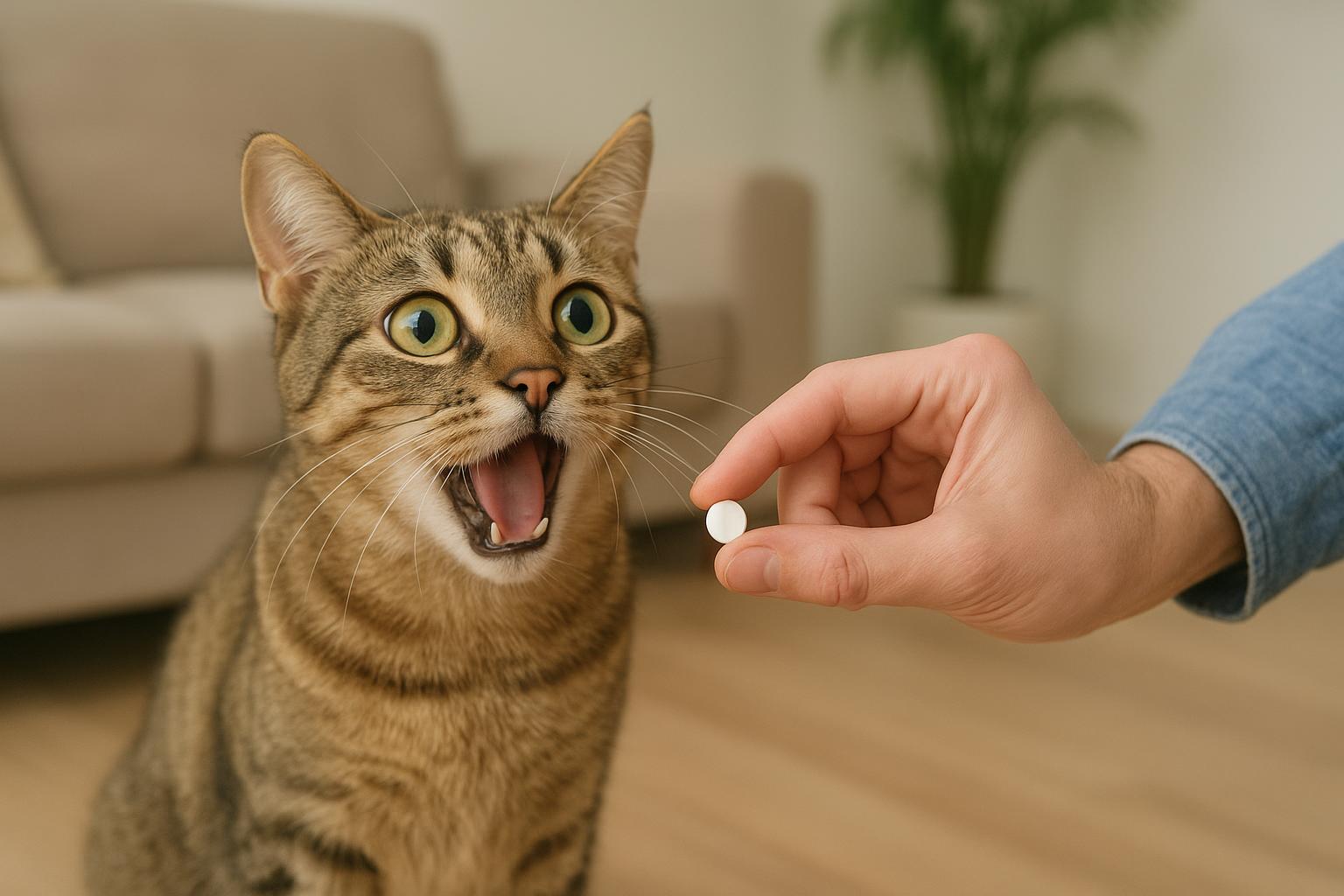
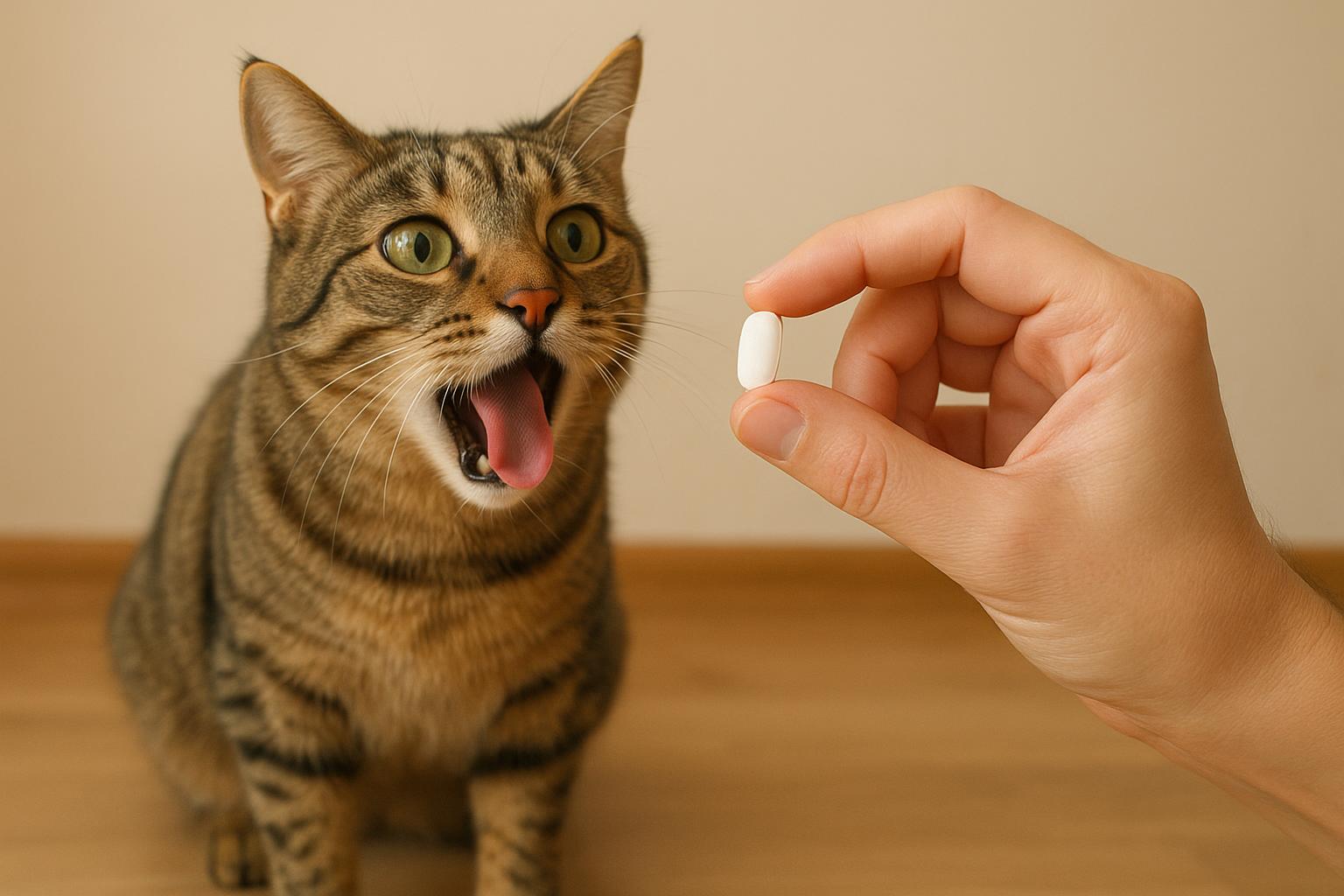
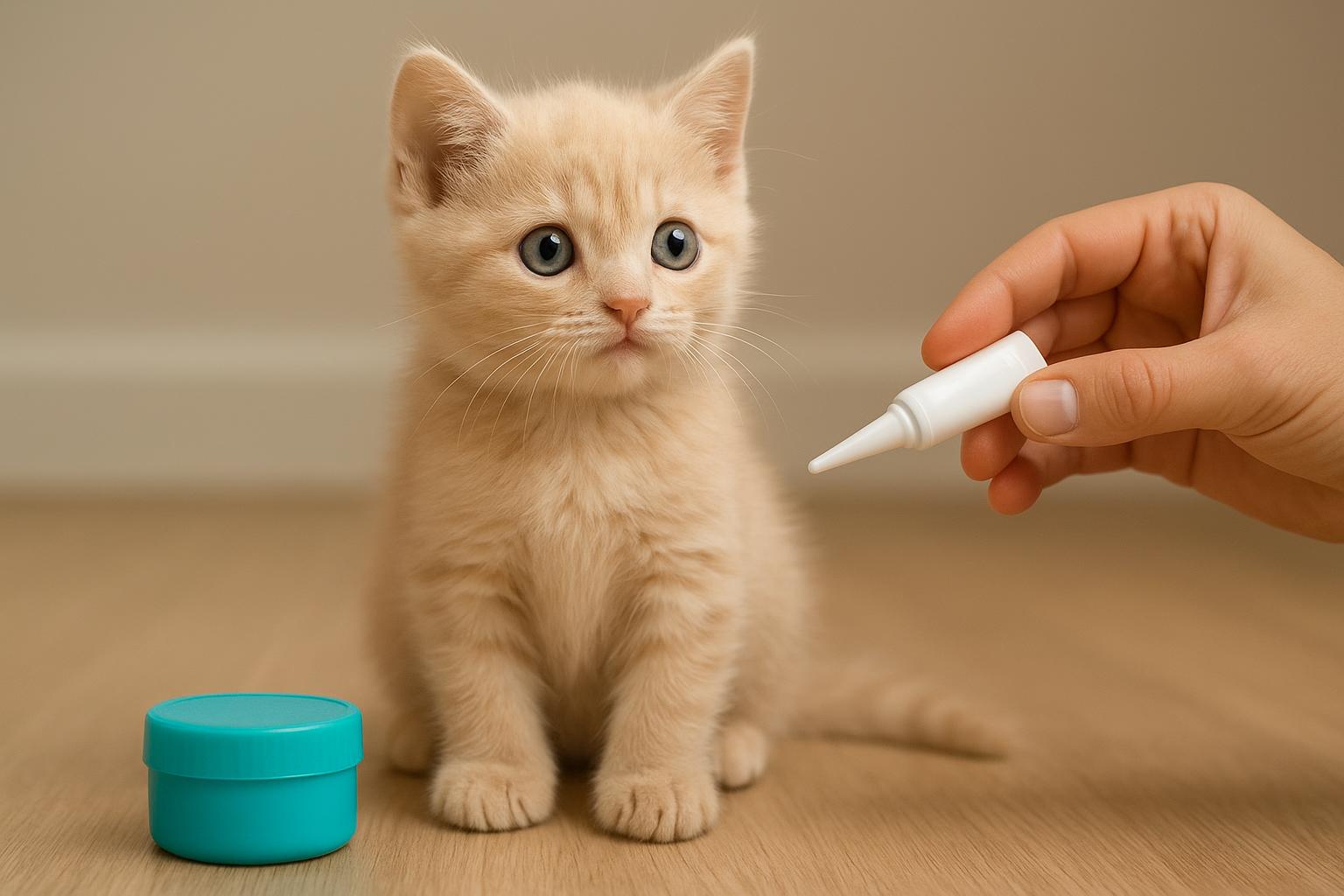
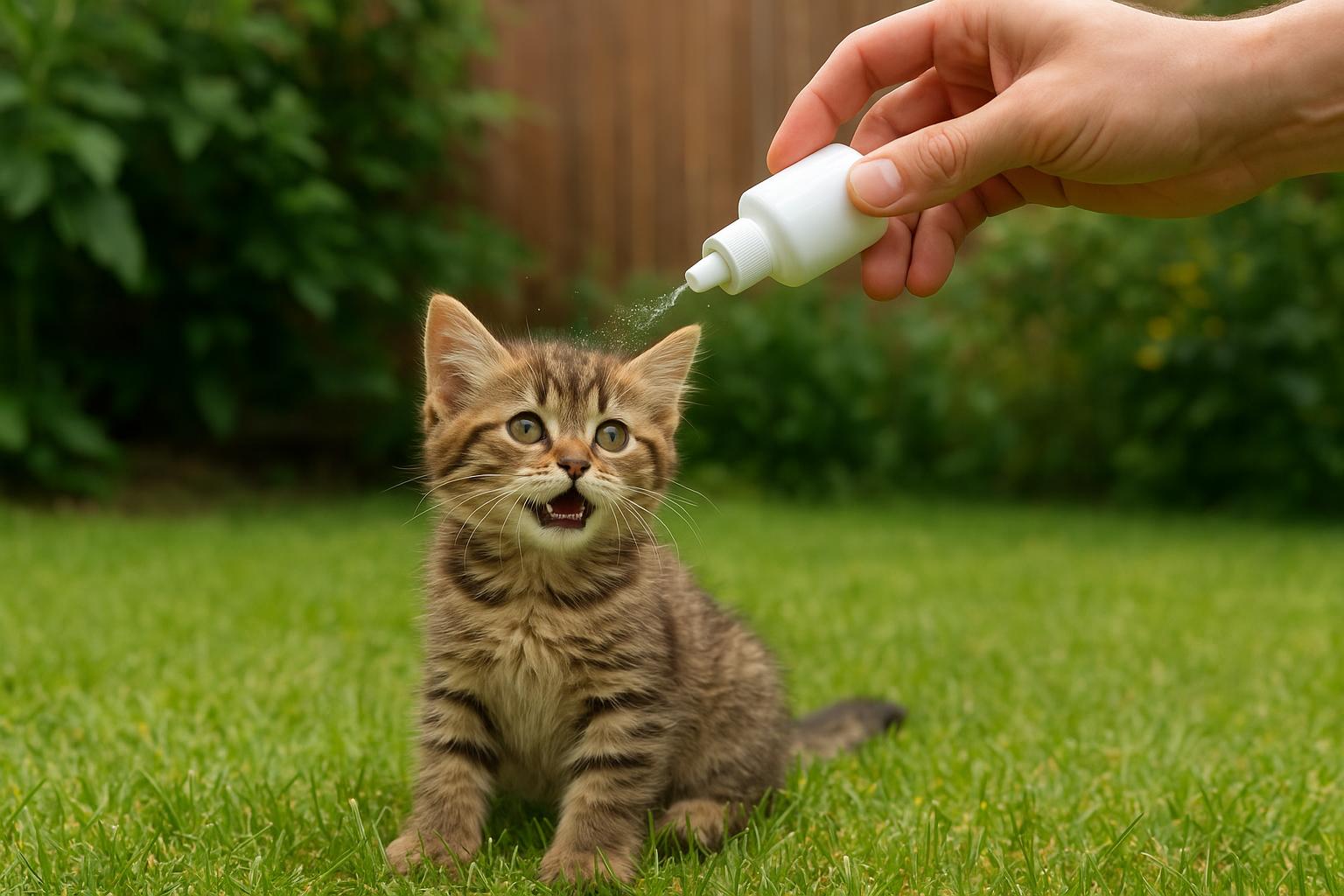
3. Administer Preventive Medication: Apply topical preventives according to label placement (usually at the back of the neck) or give oral medication as prescribed. Follow weight-based dosing exactly. Provide follow-up doses on schedule to maintain protection.
4. Treat All Pets In The Household: If you have more than one animal, treat them all simultaneously to prevent re-infestation across hosts.
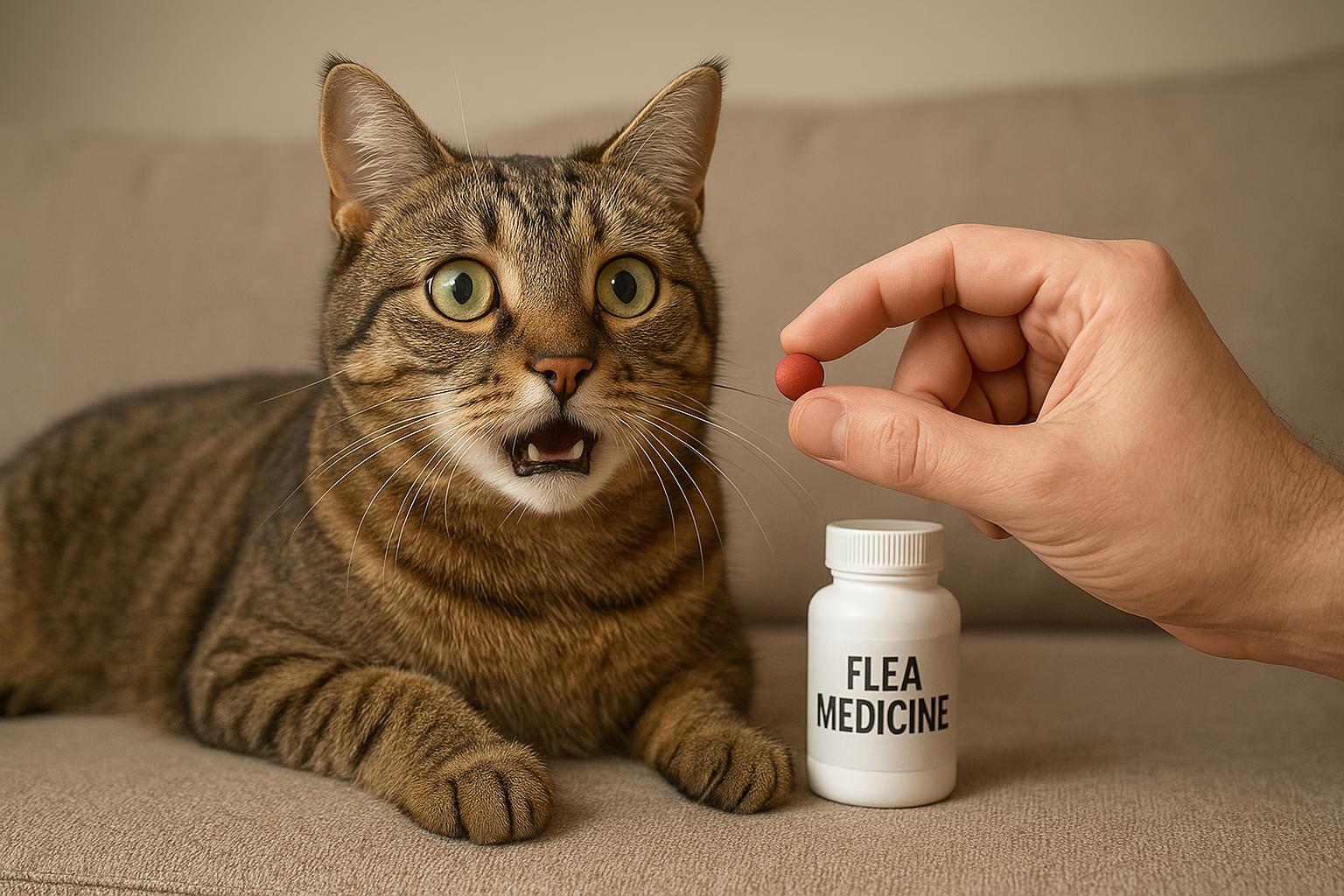
5. Consider Short-Term Rapid Killers For Heavy Infestations: Some oral products (like nitenpyram) start killing fleas within hours. Use these under veterinary guidance for rapid relief, particularly for flea-allergic animals.
6. Reassess And Follow Up: Recheck the cat in 2–4 weeks and continue recommended preventives year-round or as advised by your vet to prevent recurrence.
Prescription flea preventives dramatically reduce flea presence and are the cornerstone of a comprehensive plan. Never use dog products on cats, and avoid mixing products without veterinary approval.
### Natural Supportive Measures (Optional)
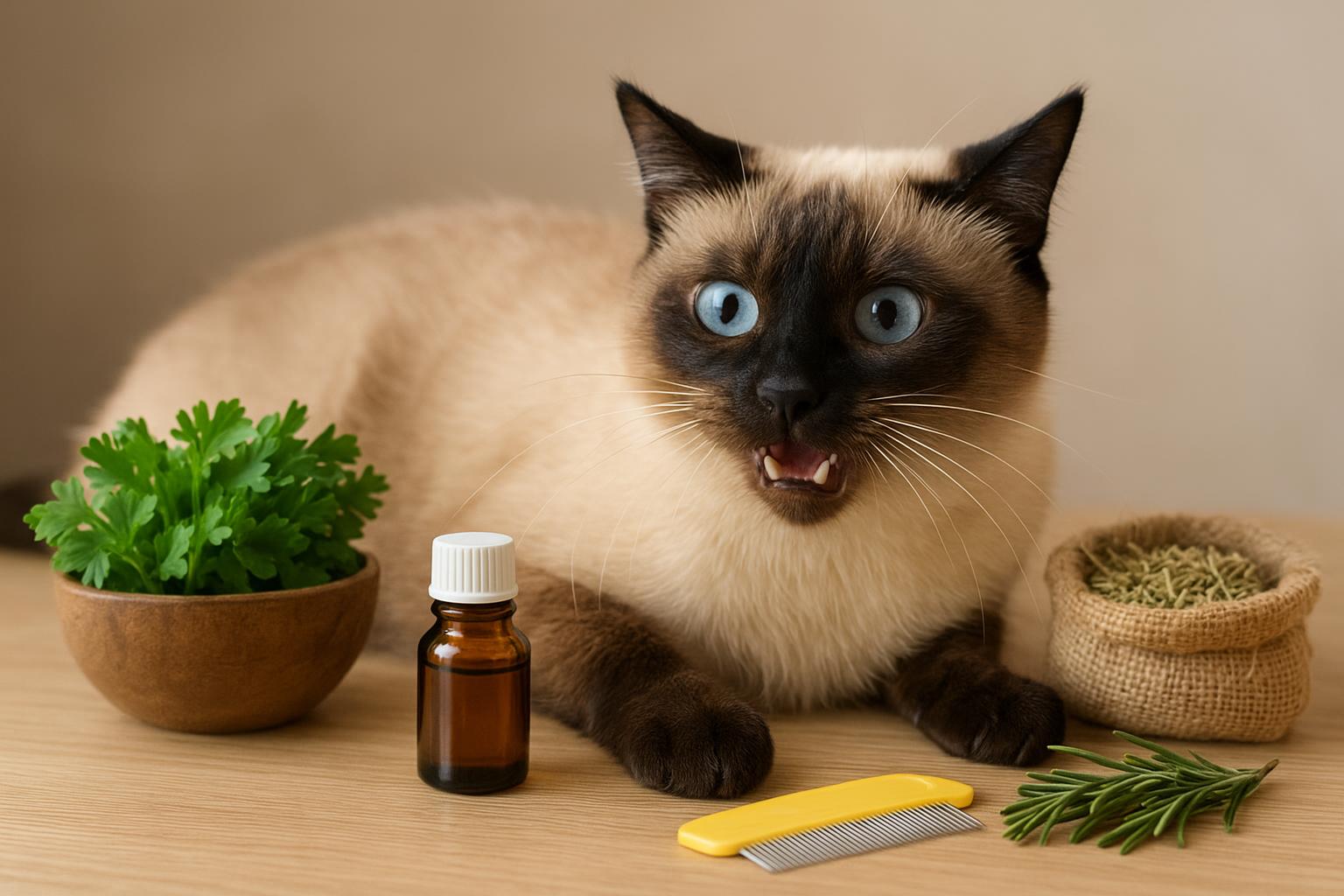
Some owners ask about natural approaches. While certain measures (regular grooming, vacuuming, washing bedding) support control, most “natural” sprays or oils are insufficient alone and some essential oils can be toxic to cats. Consult your veterinarian before using any non-prescription substances on or around cats.
## Preventing Reinfestation
### Ongoing Hygiene And Prevention
Keep a routine: weekly vacuuming, monthly washing of pet bedding, and using a year-round preventive are highly effective. Check your cat regularly with a flea comb, especially after vet visits, guests, or outings.
### Manage Entry Points And Wildlife
Seal small holes where rodents might nest and keep screens in good repair. If outdoor wildlife is a source, reduce attractants like bird seed piles and check for animal nesting close to the house.
#### When Professional Services Are Warranted
If repeated cleaning and vet-directed treatments don’t reduce the flea presence, or if you have a large home with persistent hotspots, a licensed pest control professional with experience in pet-safe flea control can provide targeted interventions.
## Quick Checklist For Detecting Flea Presence
– Observe grooming: sudden increase or localized biting
– Use a flea comb: check the neck and tail base daily
– Look for flea dirt on damp paper
– Inspect carpets and bedding for tiny dark specks or adult movement
– Consult your veterinarian for appropriate treatment and prevention
If your cat starts acting like a tiny, itchy tyrant, remember you’re not alone — flea presence is surprisingly common, even indoors. Treat the cat and the environment together, follow professional guidance, and you’ll have your peaceful, purring homeowner back in no time.








Leave a Reply