
## Fleas Steam Clean Guide For A Fresh Backyard Home Today
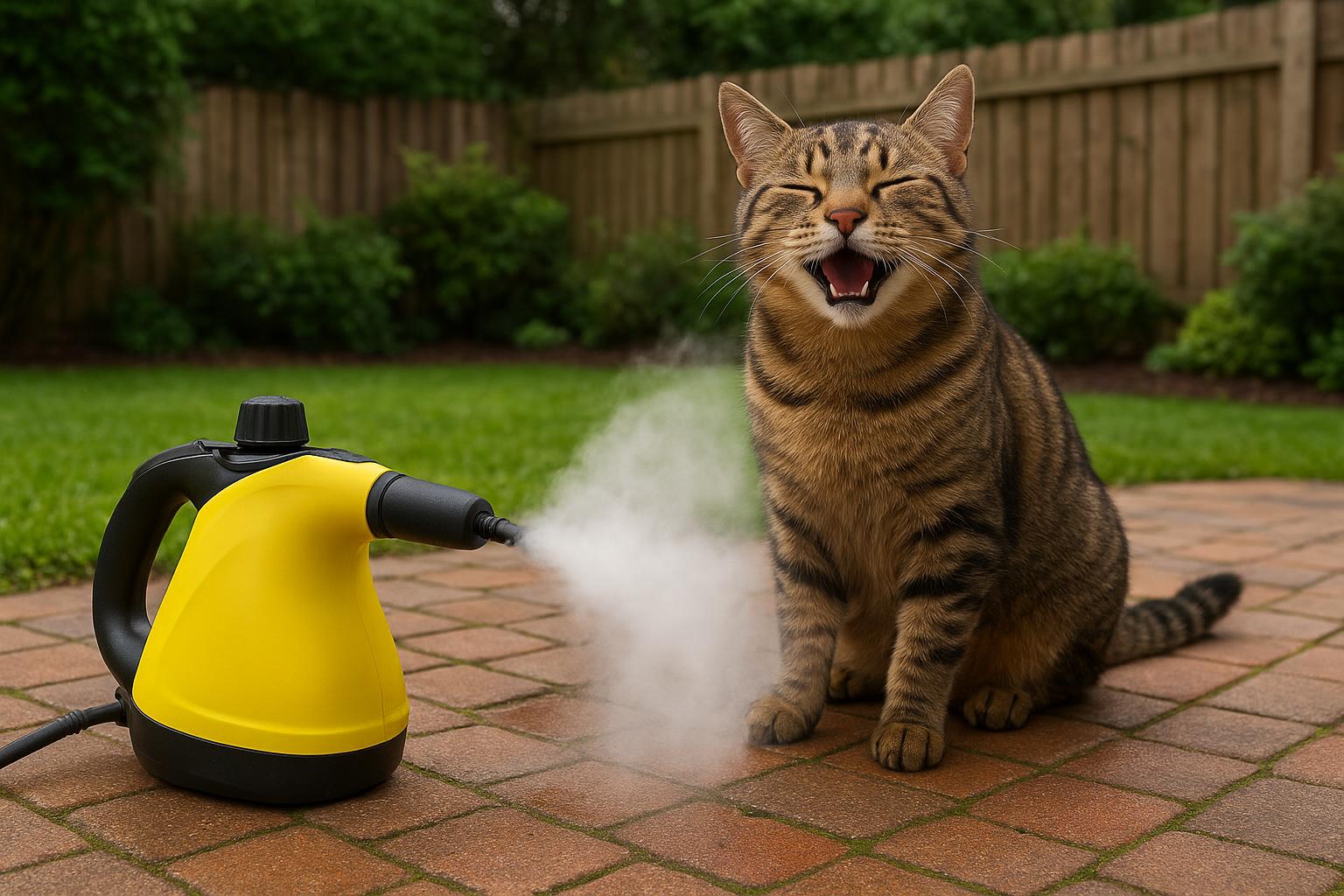
You know that feeling when you step outside and suspect the backyard has more tiny freeloaders than sunflowers? No one likes uninvited guests—especially the jumping, itchy kind. If you’ve ever Googled “fleas steam” looking for something that actually works, you’re in the right place. This guide walks you through why steam is a surprisingly effective backyard ally, how to use it safely, and a couple of remedies you can apply today without turning your lawn into a spa day for pests.
### Why Heat Works Against Backyard Fleas
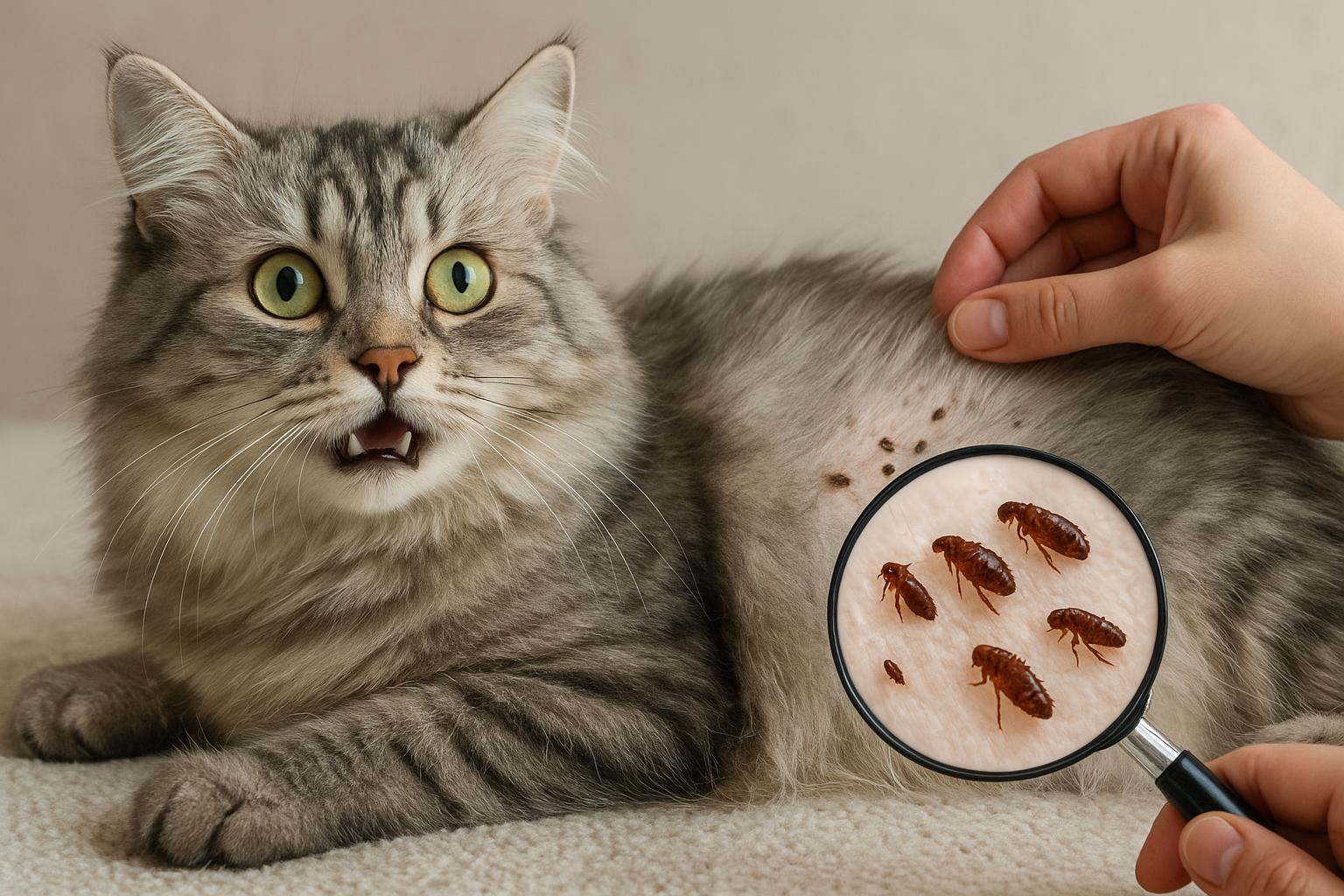
Fleas aren’t just annoying; they’re resilient. Adults are mobile and visible, but eggs and larvae hide in crevices, under mulch, and in shaded turf. Steam doesn’t rely on chemicals to penetrate these spaces. Hot vapor transfers energy into fabrics and organic material, denaturing proteins and desiccating tiny bodies. Put plainly: intense, brief heat is a surefire way to interrupt flea life cycles.
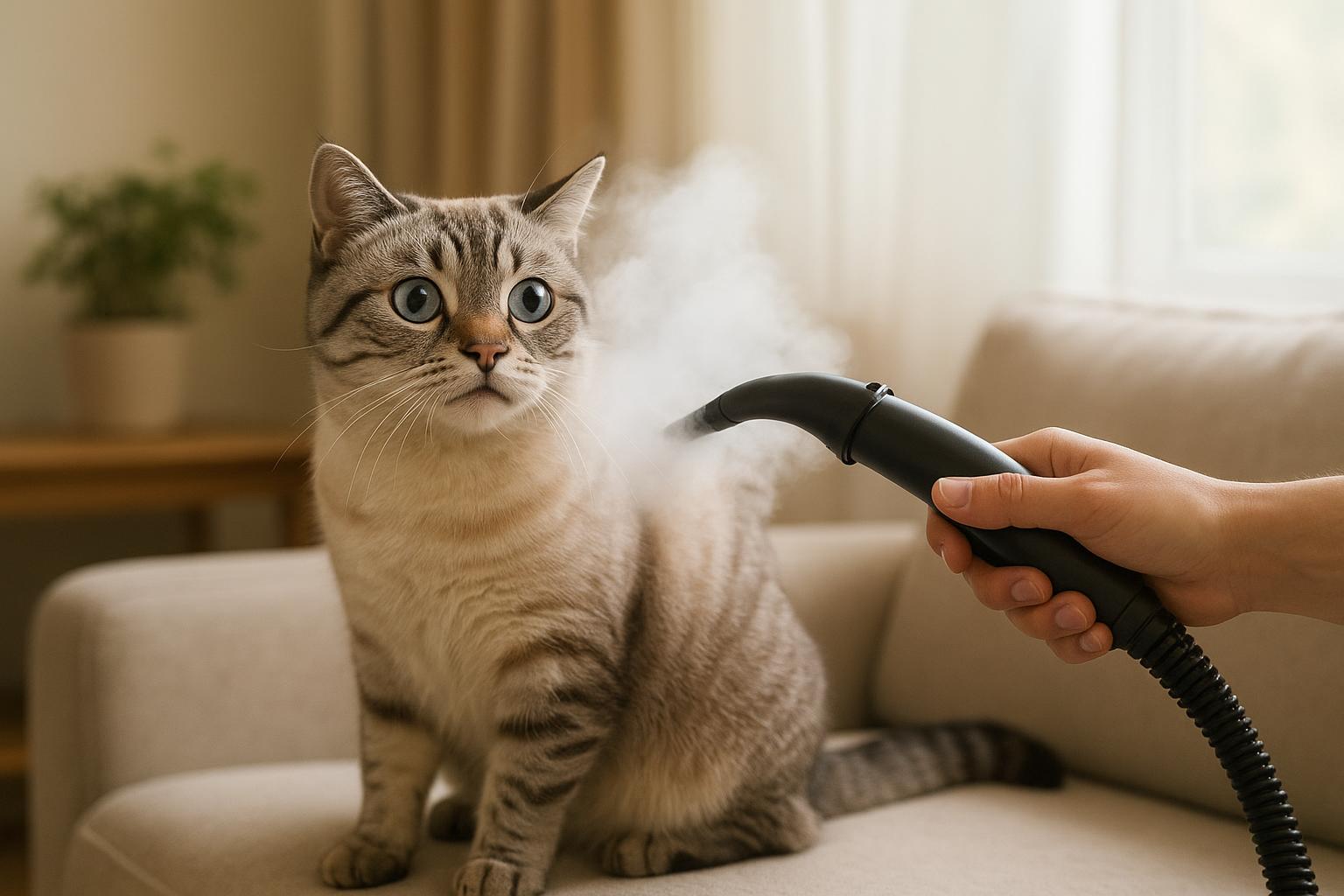
Steam can reach into cracks and into the nap of outdoor cushions where sprays may not linger. That’s why searches for “fleas steam” keep popping up—people have noticed steam’s practical advantages. But steam is a tool, not a miracle; proper technique and safety matter.
### How Steam Kills Fleas (The Science Bit)
#### Heat Thresholds And Exposure Time
Fleas and their immature stages have temperature tolerances. Effective steam treatments deliver surface temperatures of at least 60–80°C (140–176°F) for several seconds to ensure mortality. Short blasts may stun adults but won’t reliably kill eggs, so exposure time and nozzle technique are critical.
#### Moisture, Penetration, And Mechanical Removal
Steam acts via heat, moisture, and light mechanical force. It loosens debris and biofilm where eggs and larvae hide, making them easier to remove or expose to lethal temperatures. When combined with brushing or vacuuming, steam helps dislodge and remove the eggs you can’t see.
### Practical Safety Notes Before You Start
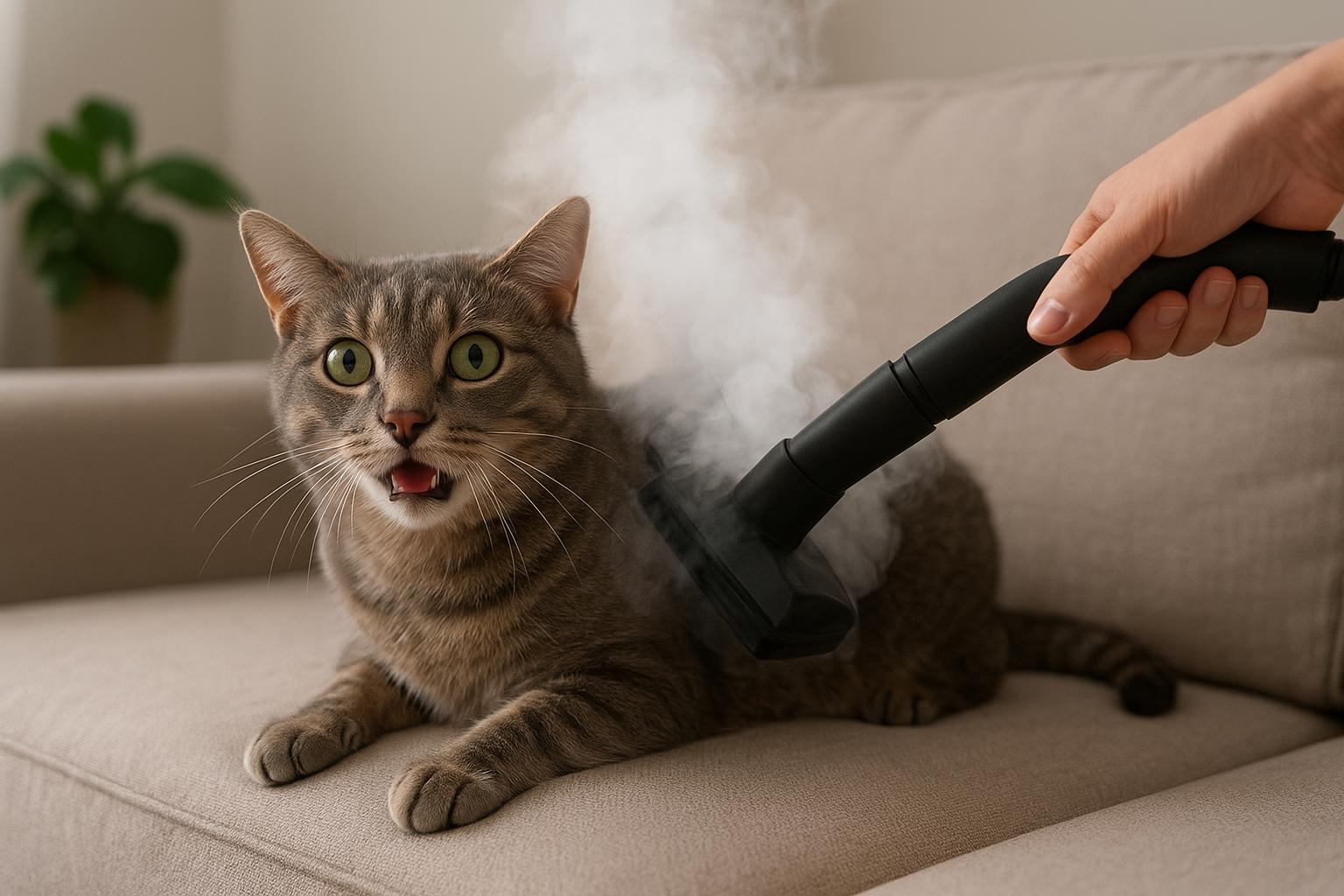
Steam is hot—like, “don’t point at your hands or your dog” hot. Protective gloves, closed-toe shoes, and eye protection are advisable. Avoid using steam near electrical outlets, power tools, or directly on pets. If you’re considering DIY approaches, remember: a kettle is for tea, not for pest control. Use a proper pressure-steam cleaner made for outdoor work.
### Remedy 1: Steam Clean Outdoor Surfaces (Numbered)
This is the main “fleas steam” approach—targeted high-temperature treatment of patios, under decks, outdoor cushions, and dog-run areas.
#### Materials Required
– Commercial-grade or heavy-duty consumer steam cleaner (capable of maintaining >100°C steam output)
– Heat-resistant nozzle attachments (narrow tip for cracks, broader for fabrics)
– Long-handled scrub brush or stiff bristle broom
– Wet-dry vacuum (optional but recommended)
– Protective gloves, goggles, and long sleeves
– Trash bag for debris
– Garden hose for post-clean rinse (if needed)
#### Step-By-Step Application
1. Inspect and Clear: Remove toys, planters, and other movable items. Sweep loose debris to expose dirty surfaces.
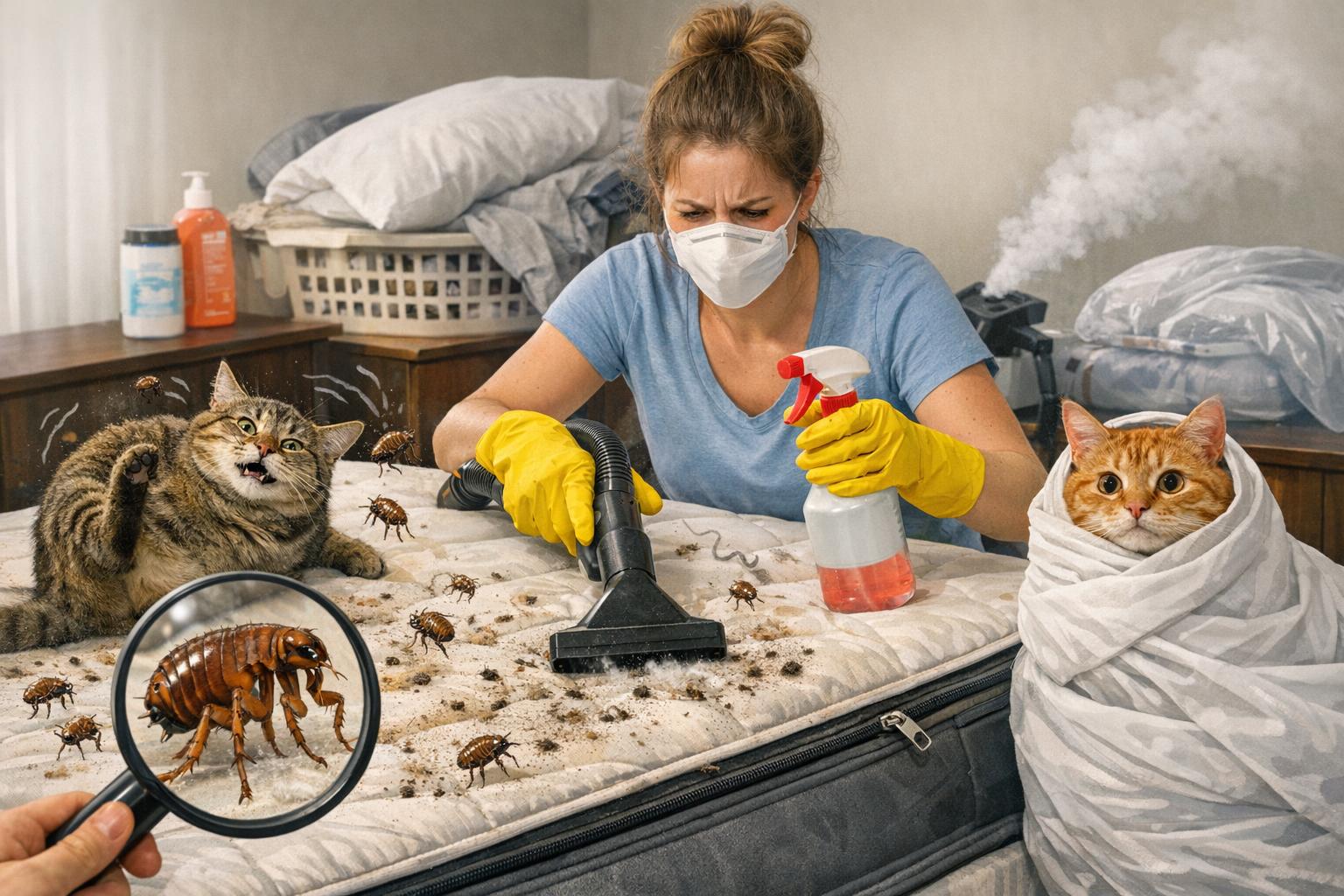
2. Pre-Vacuum: Run a wet-dry vacuum over the target area to pick up eggs, larvae, and organic matter. Removing visible debris improves steam penetration.
3. Heat Calibration: Turn on the steam cleaner and allow it to reach operating temperature. Confirm pressure/nozzle temperature if your unit provides readings.
4. Systematic Passes: Work methodically. Hold the nozzle about 2–4 inches from the surface. For hard surfaces, do steady passes of 5–10 seconds per square foot. For fabric cushions, use a lower-pressure wider nozzle and maintain contact for 8–12 seconds, then scrub lightly with a brush to agitate.
5. Target Concealed Spots: Steam under benches, along fence posts, under mulch edges, and in cracks where pests hide. Use a narrow tip to direct steam into gaps.
6. Post-Treatment Removal: While still warm, brush or vacuum loosened material. Dispose of collected debris in a sealed trash bag.
7. Repeat Schedule: Steam treatment should be repeated at 7–10 day intervals for 3–4 cycles to account for hatching eggs and residual larvae.
Remedy 1 is formal and methodical because temperature, contact time, and repeat treatments determine your success. The “fleas steam” concept here is about consistent application with the right equipment.
### Remedy 2: Complementary Natural Yard Treatment (Numbered)
Pairing steam with environmental management reduces re-infestation. This second remedy supports steam cleaning with biological and habitat changes.
#### Materials Required
– Diatomaceous earth (food grade) or cedar mulch
– Beneficial nematodes (Steinernema carpocapsae or similar) for soil application
– Soil moisture source (light sprinkler)
– Rake and garden fork
– Garden gloves and mask (for powder application)
#### Step-By-Step Application
1. Habitat Reduction: Remove leaf litter, tall grass, and dense groundcover near foundations and pet areas. Rake mulch thin to reduce cool, humid shelters where flea eggs survive.
2. Apply Diatomaceous Earth: Lightly dust shaded, dry areas where pets frequent. Apply early morning when dew is minimal and avoid windy conditions. Note: DE works best when dry—if it gets wet, effectiveness drops.
3. Nematode Application: Follow manufacturer instructions. Typically, mix with water and spray over lawn early in the evening. Nematodes prey on flea larvae in soil and are an eco-friendly complement.
4. Maintain Moisture: Keep treated lawns lightly watered for a few days to encourage nematode activity. Avoid overwatering, which can create ideal flea habitats.
5. Reassess: Repeat DE applications after rain and nematodes annually during warm months for continued suppression.
This second approach reinforces the “fleas steam” strategy by making your yard less hospitable. Use the mechanical power of steam to reduce immediate populations and the biological measures to keep them low.
### Timing, Frequency, And Where To Focus
Spring and late summer are prime times for fleas. After heavy rains or when you notice pets scratching, target hot spots: shaded yards, under porches, pet paths, and any outdoor bedding. For steam work, early morning or late evening is preferable to minimize sun glare and allow you to work while pets are indoors.
Use a combination of scheduled steam cycles (weekly for a month, then monthly checks) and environmental measures. Professionals offering “fleas steam” packages often target both surface and perimeter treatments—consider a pro if infestation is heavy or you’re uncomfortable operating steam equipment.
### Pets, People, And Plant Safety
Steam treatments on hardscape and fabric are generally safe, but avoid using steam directly on plants or delicate wood finishes—they can be damaged by high heat and moisture. Keep pets and children away during treatment and until surfaces cool. For pet bedding, machine-wash if possible; for large outdoor beds, steam clean then air-dry thoroughly.
If you use diatomaceous earth, avoid inhaling the powder and keep it away from beneficial insects like bees by limiting application to shaded, pet-focused zones where bees are unlikely.
### Troubleshooting Common Issues
If after treatments you still notice fleas, consider these possibilities: incomplete coverage (missed shaded niches), insufficient exposure time, or reintroduction from wildlife. Raccoons, feral cats, and rodents can re-seed fleas into your yard. Address attractants like pet food left outdoors and seal entry points under decks.
Avoid home improvisations that promise miracles; searching for “fleas steam” might turn up cheap plug-in gadgets—read specs and user reviews. Proper temperature and nozzle design matter; consumer steamers vary widely in capability.
### When To Call A Pro
If infestations persist despite diligent steam and yard treatments, or if you’re dealing with large properties, call a licensed pest control professional. They can offer commercial steam units, perimeter treatments, and integrated pest management plans. Professionals can also advise on local wildlife control to prevent reintroduction.
A smart, combined approach—targeted steam, habitat modification, and occasional biological treatment—gives you the best chance to reclaim your backyard without overreliance on harsh chemicals. Think of it as a sensible spa day for your outdoor spaces: the guests you want stay, the ones that jump away don’t come back.





Leave a Reply