
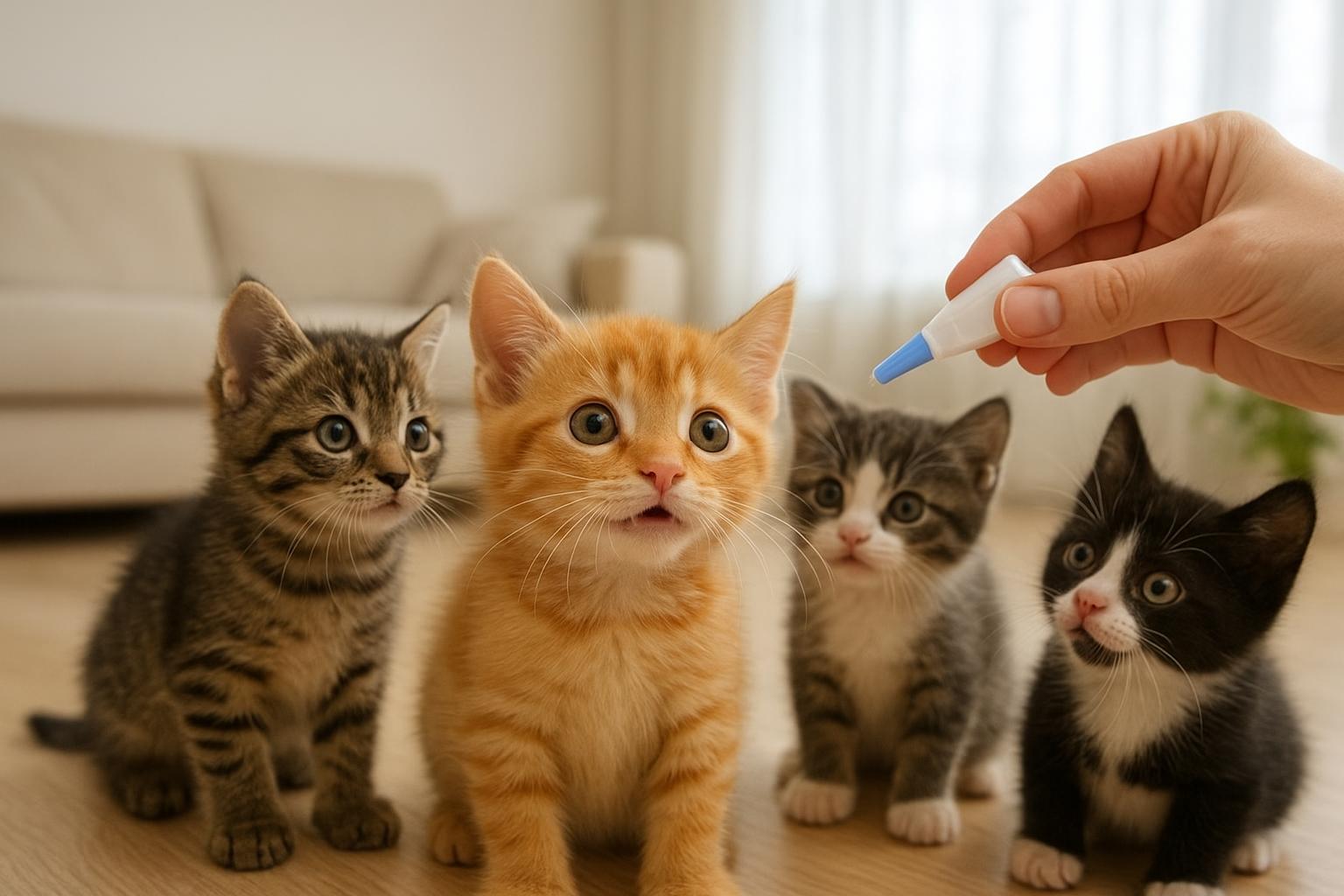
Hello there — if you’re reading this while your tiny feline friend is giving you tragic, dramatic eyes and tiny, frantic back-kicks, you’re in the right place. Kittens are adorable, clumsy, and sometimes unexpectedly hosting a tiny army of biting freeloaders: fleas. This guide will walk you through safe, effective ways to manage a flea problem and keep your kitten comfortable and healthy.
## When To Start Flea Treatment
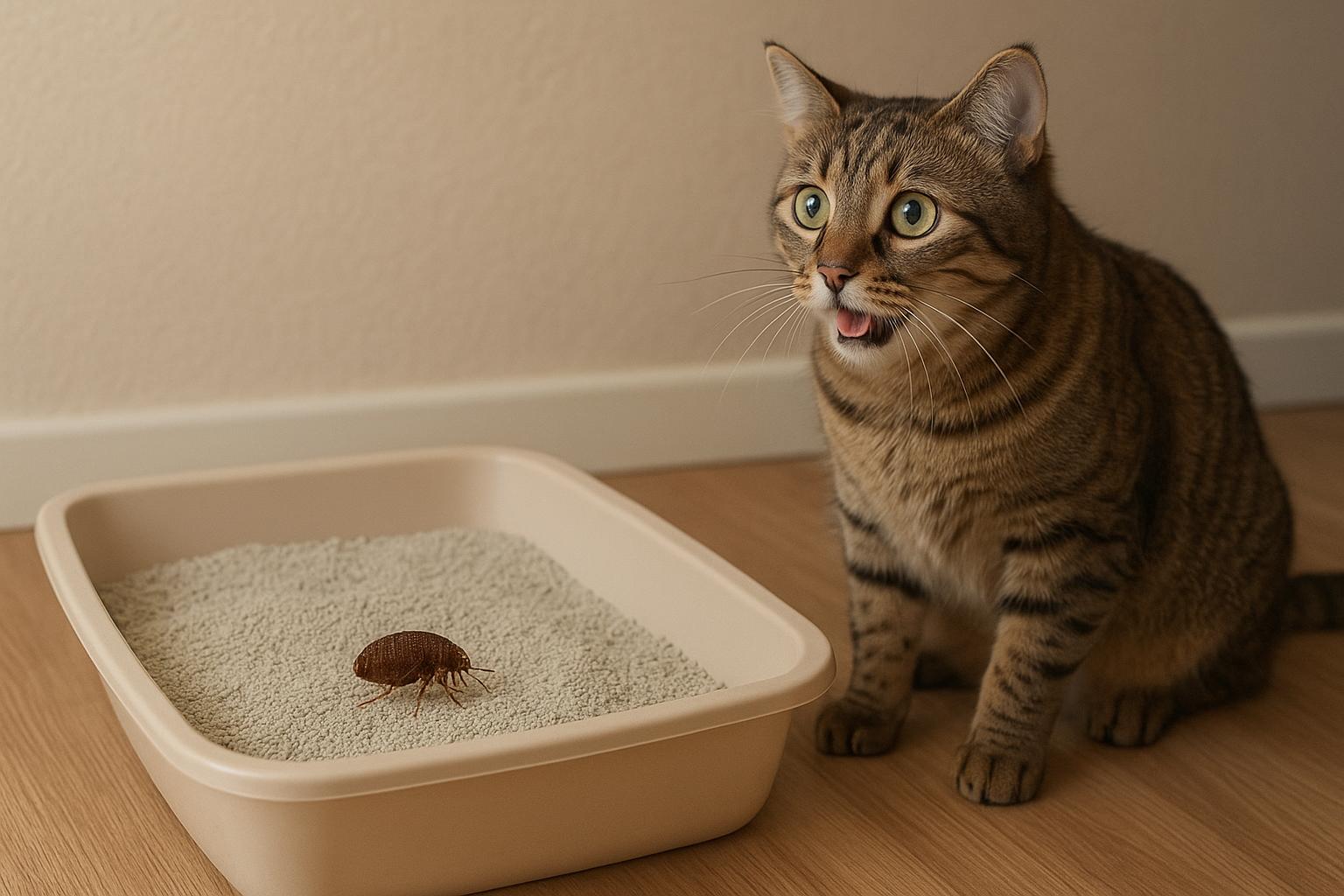
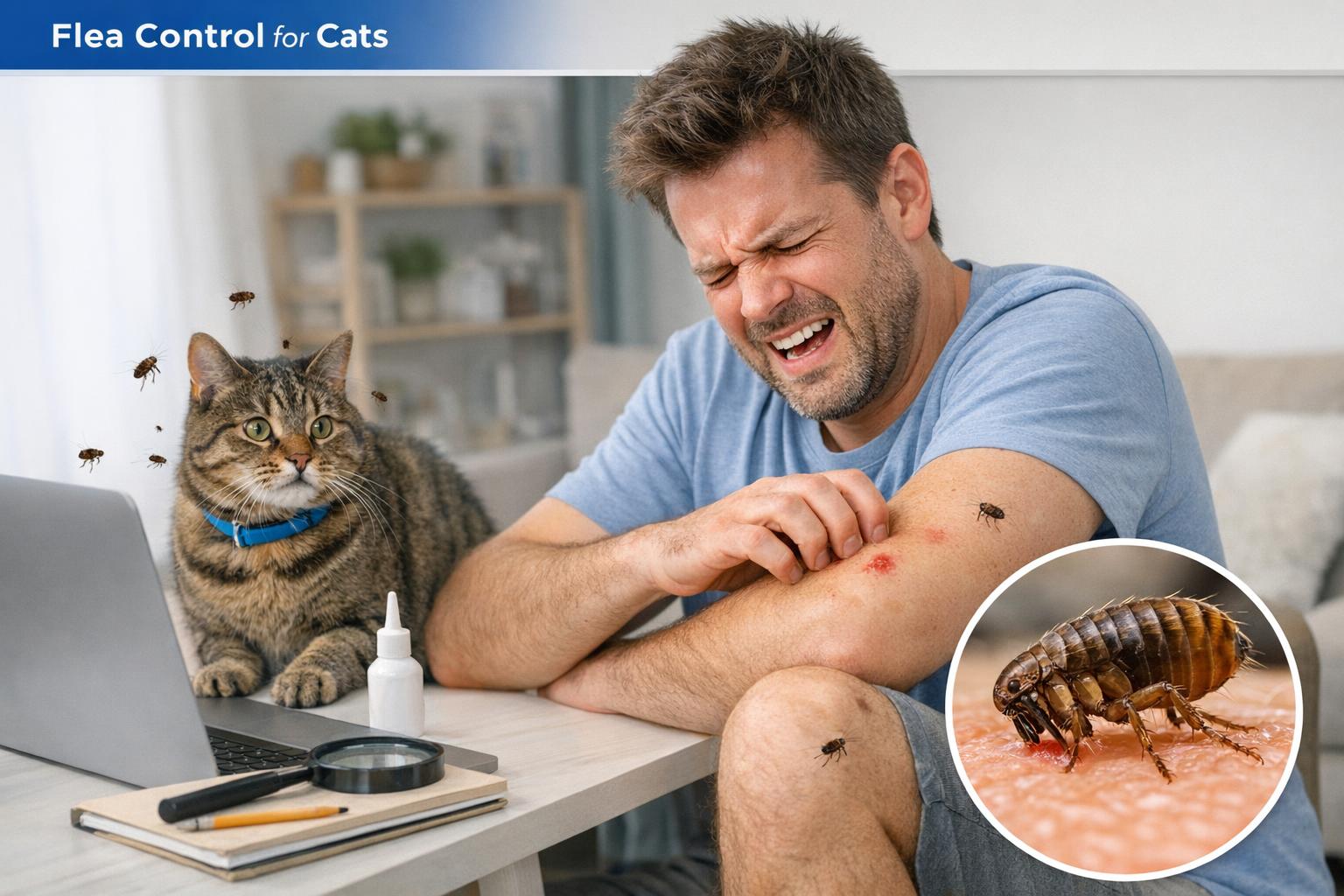
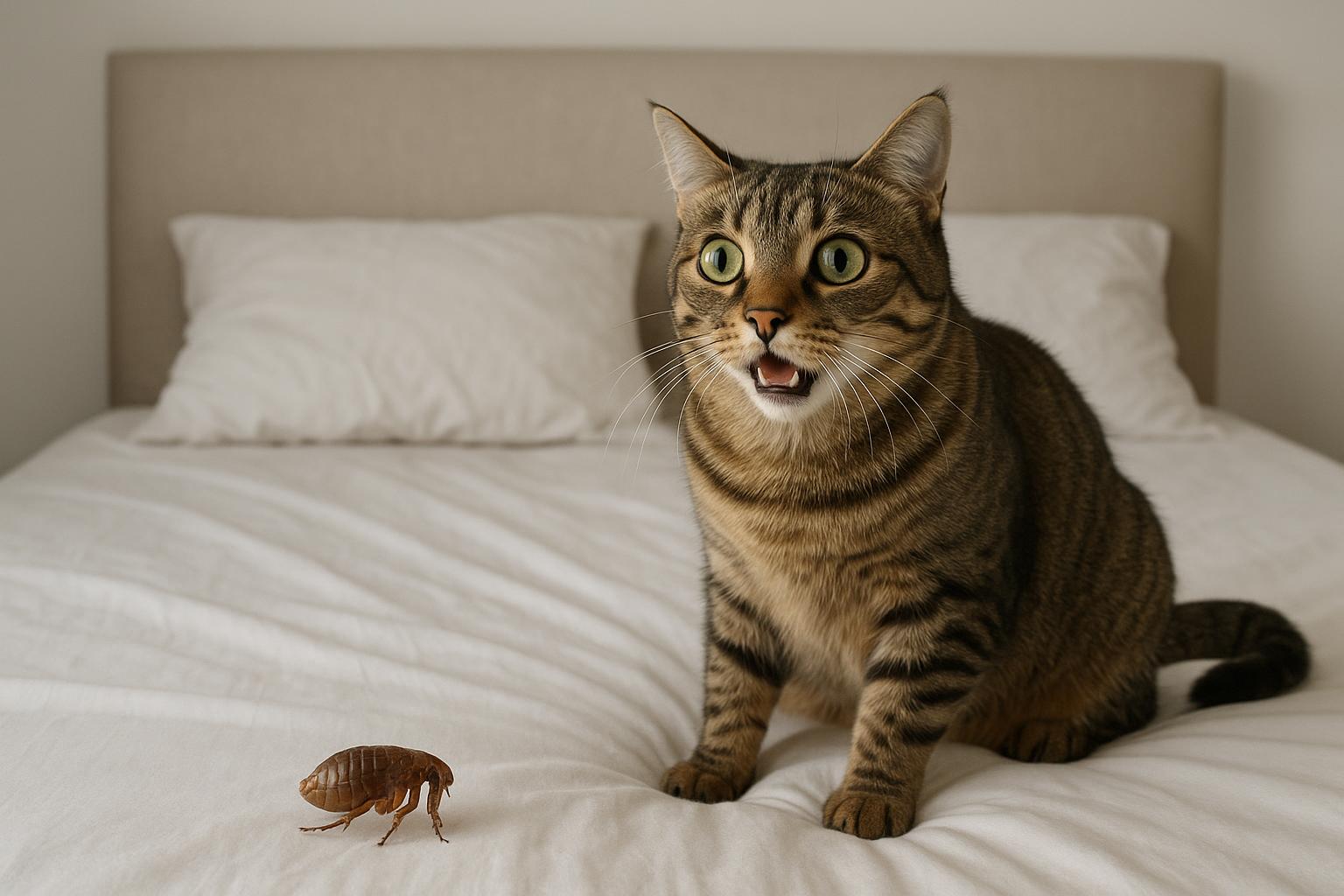
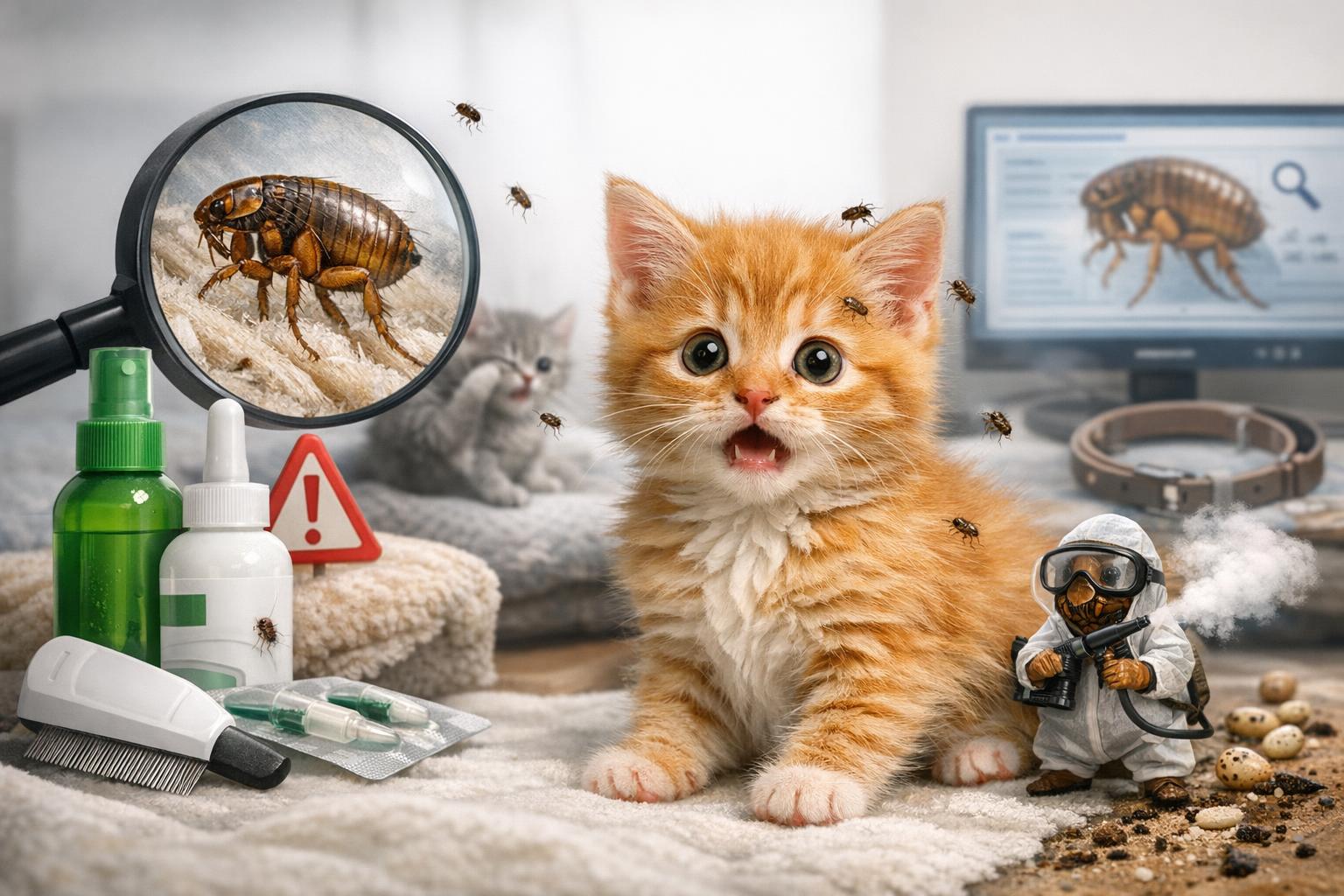
Fleas multiply fast. If you spot one or two, assume there are dozens hiding in the environment waiting to become a full-blown infestation. Start flea treatment as soon as you confirm the problem. Early, consistent action reduces discomfort for your kitten and lowers the chance fleas spread to other pets or to your living space.
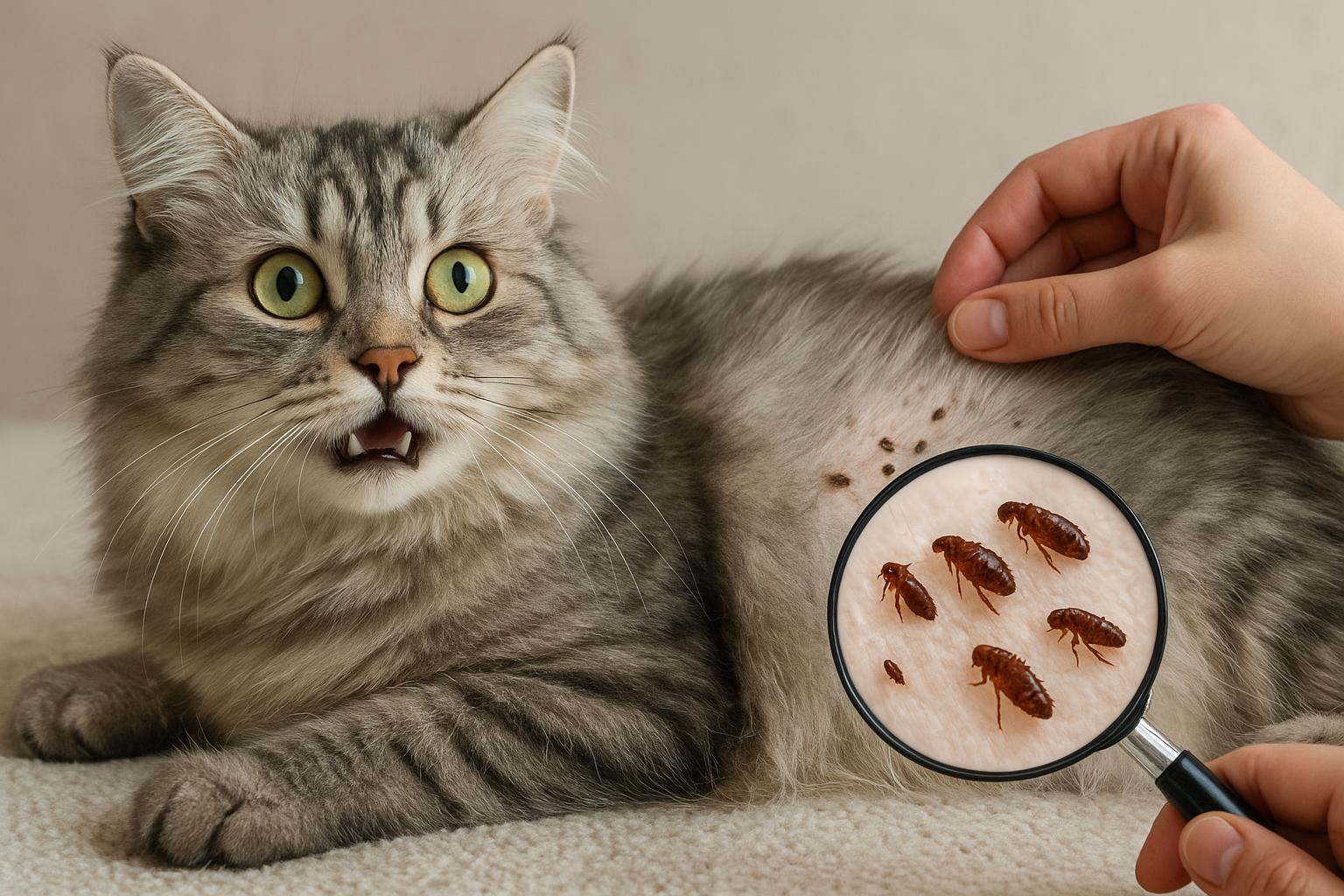
### Signs Your Kitten Has Fleas
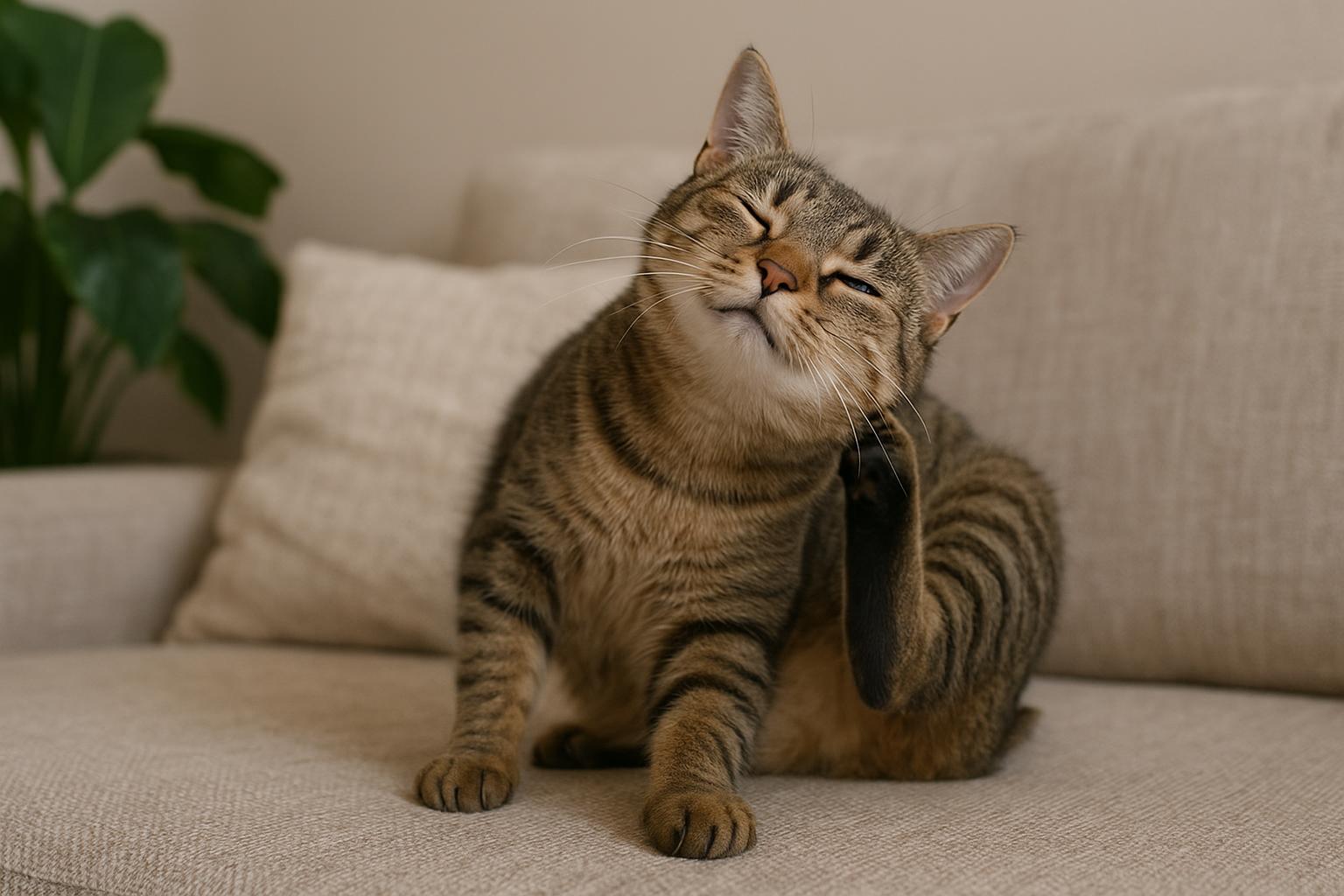
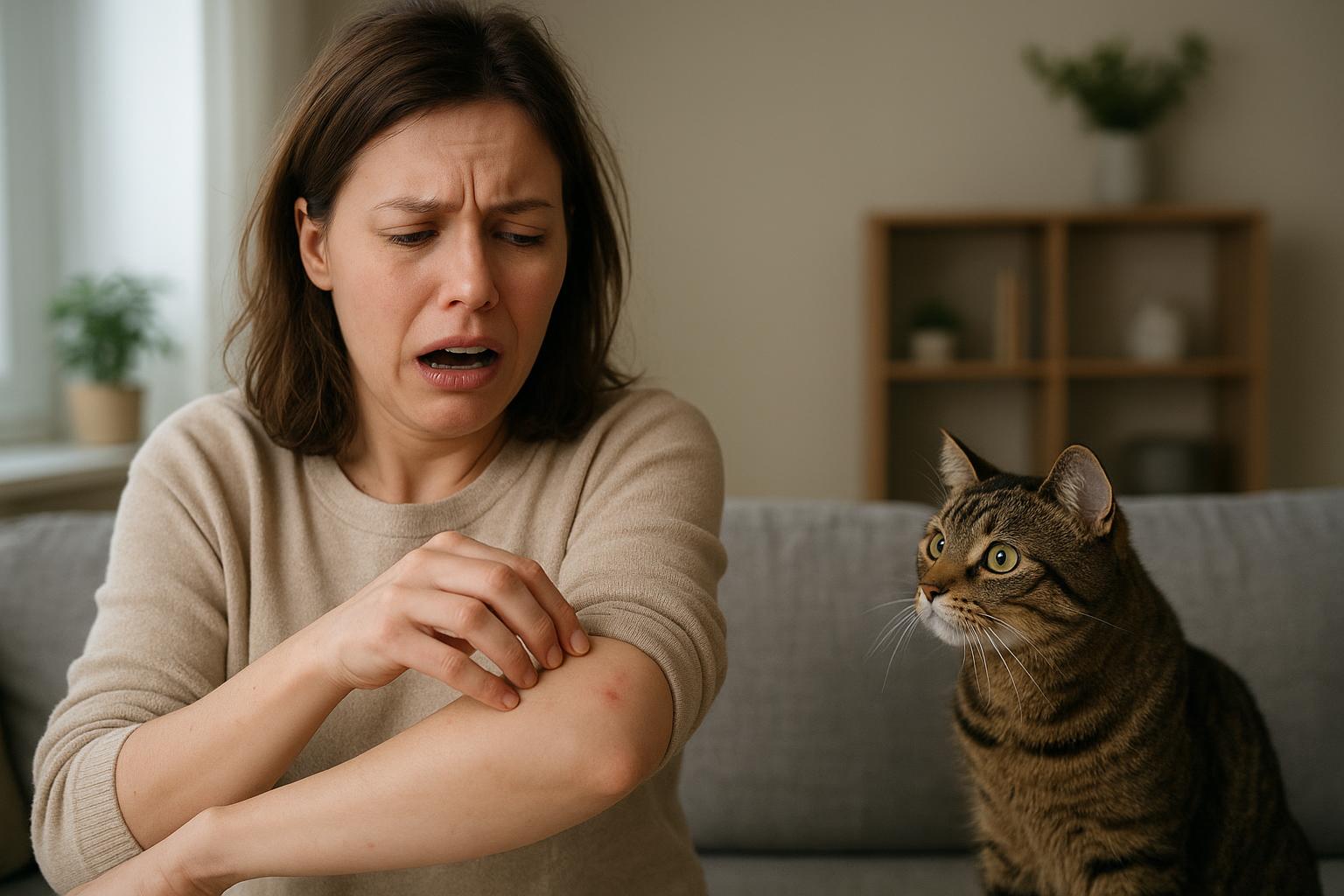
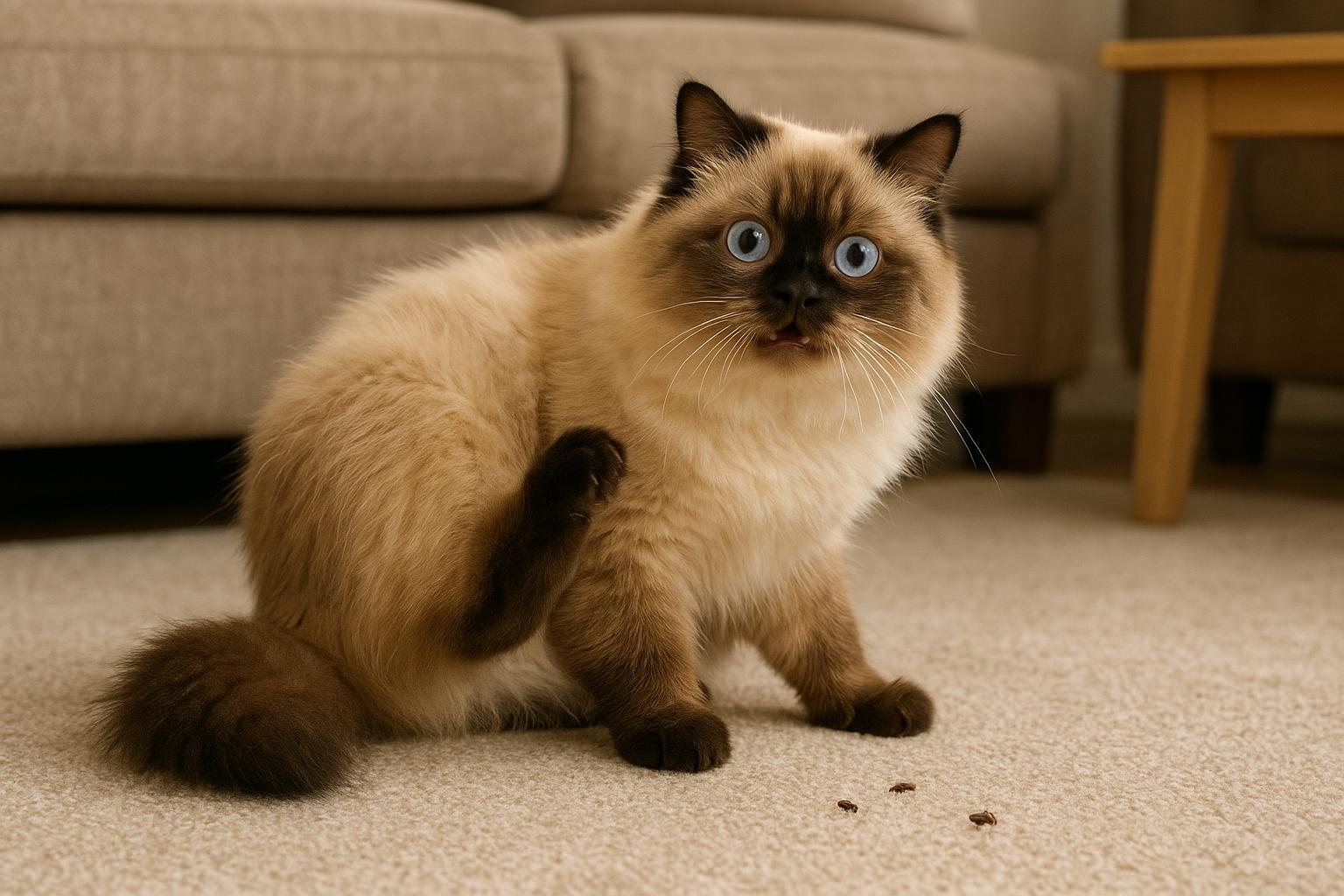
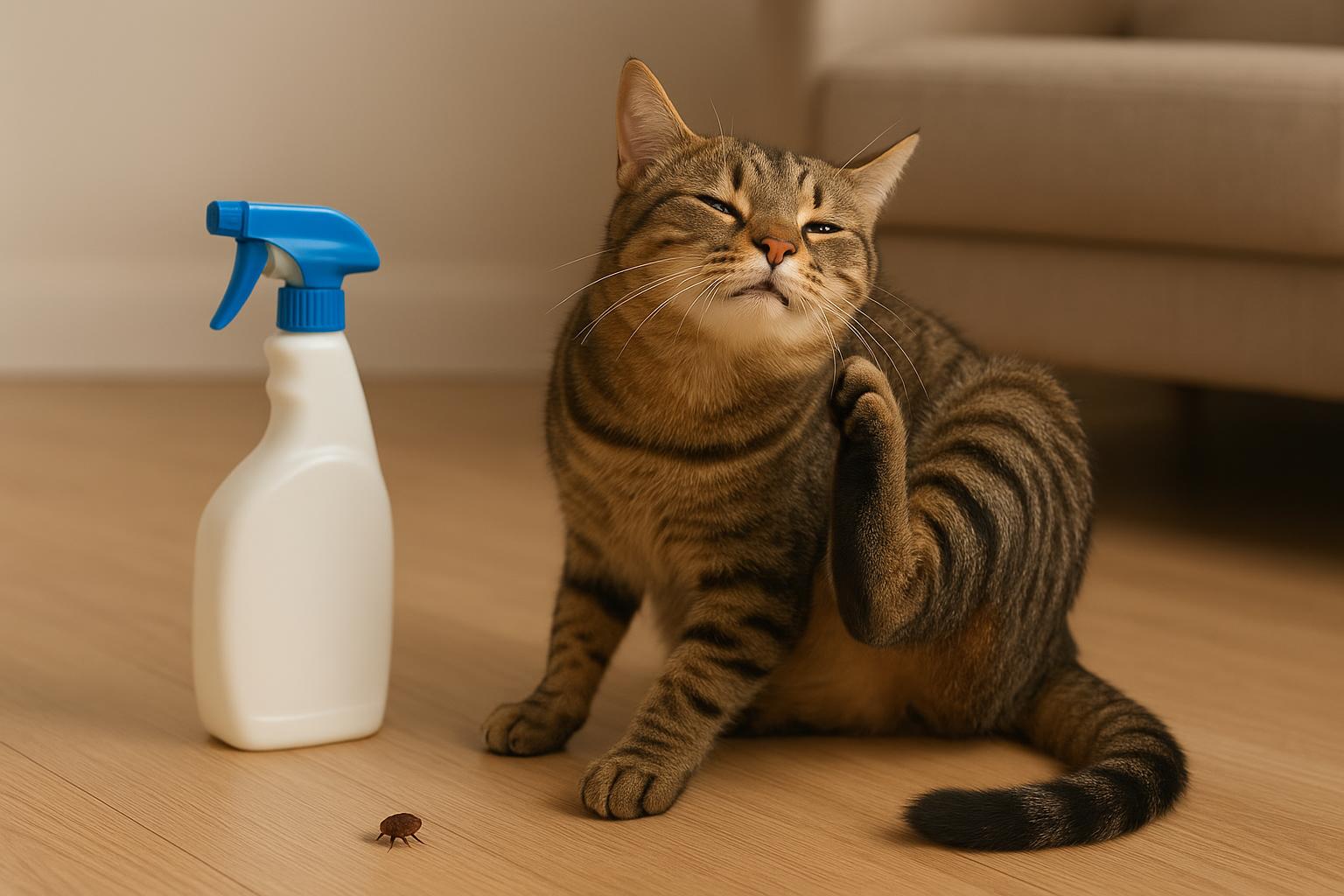
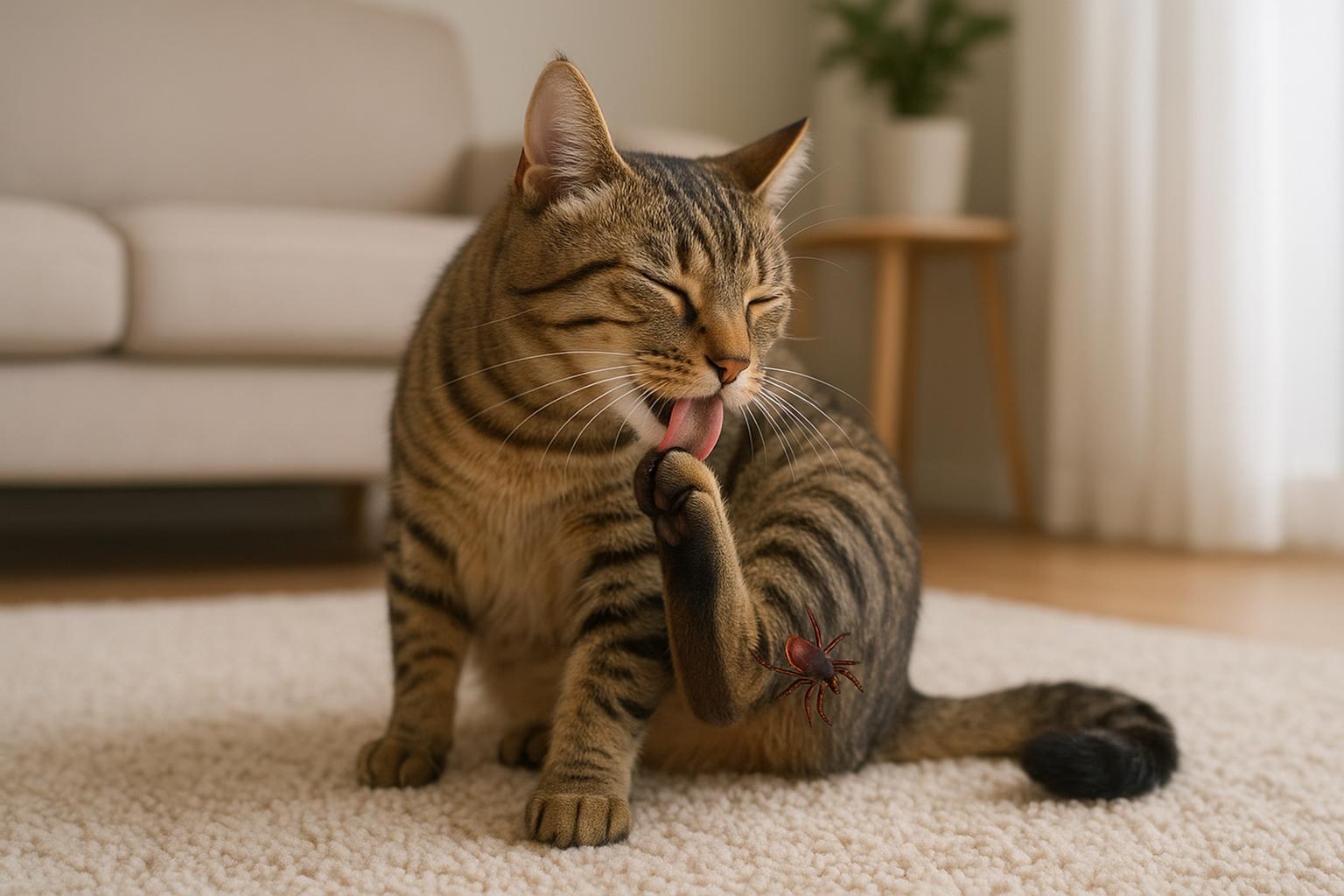
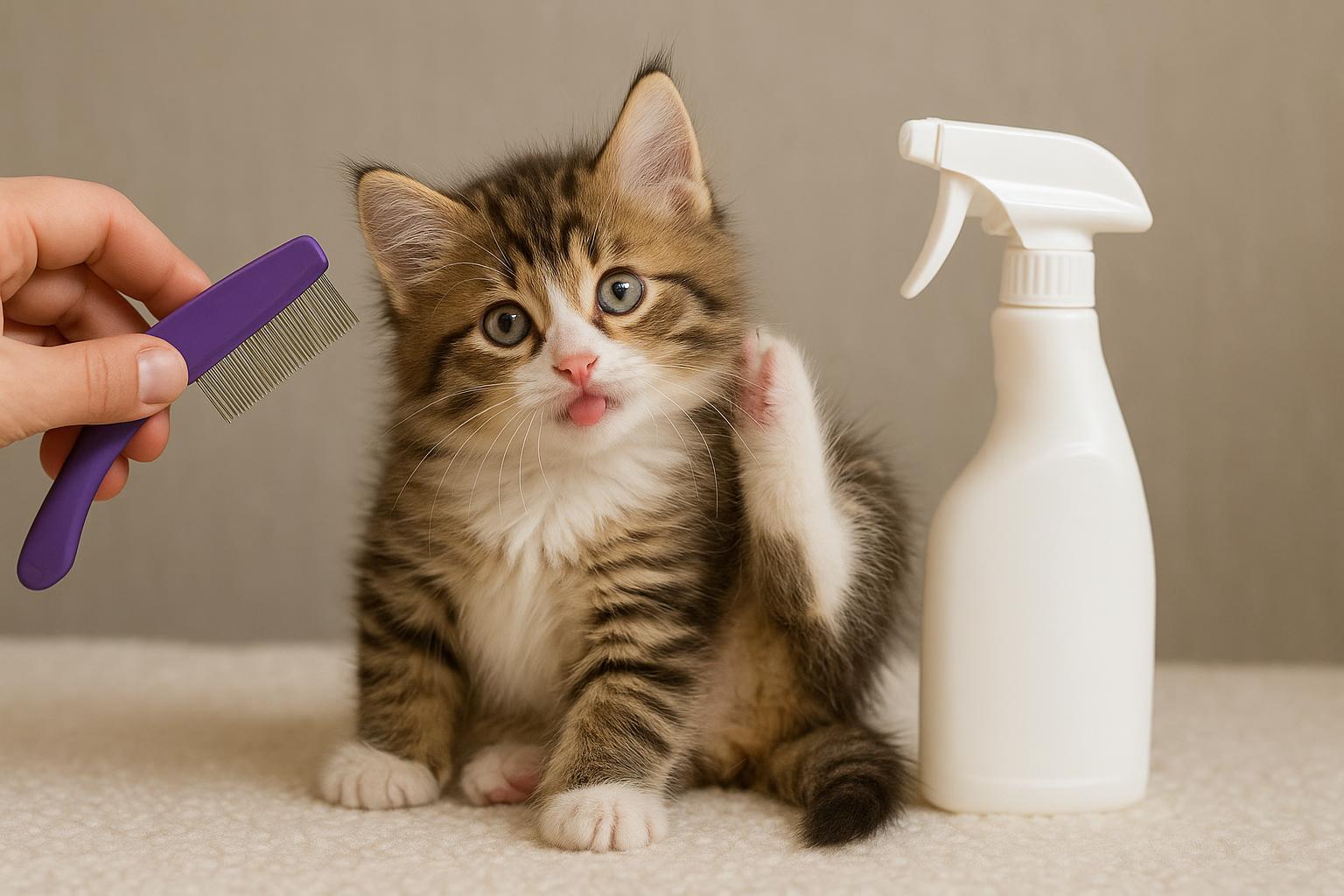
– Scratching, biting, or over-grooming, especially along the base of the tail, neck, and behind the ears.
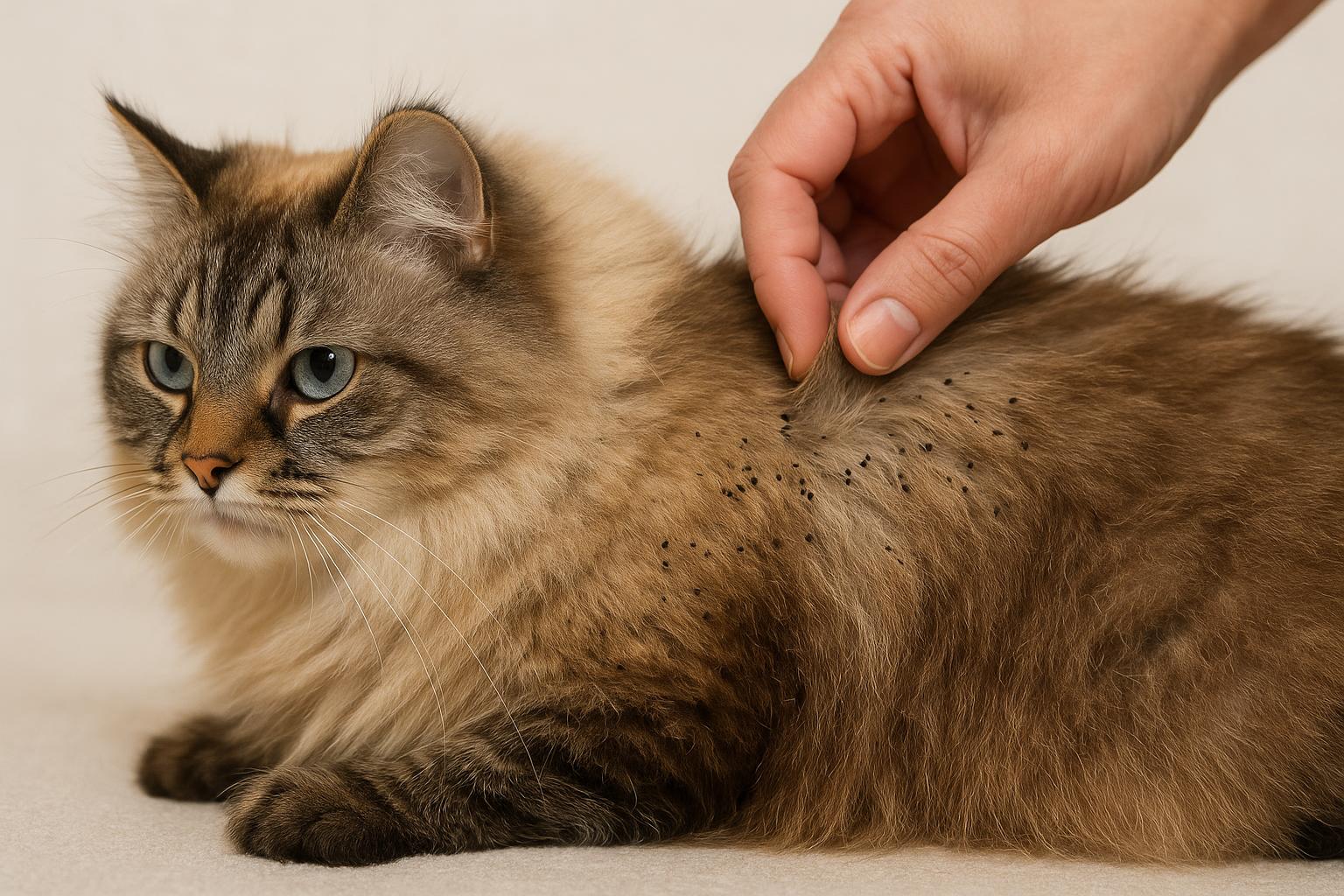
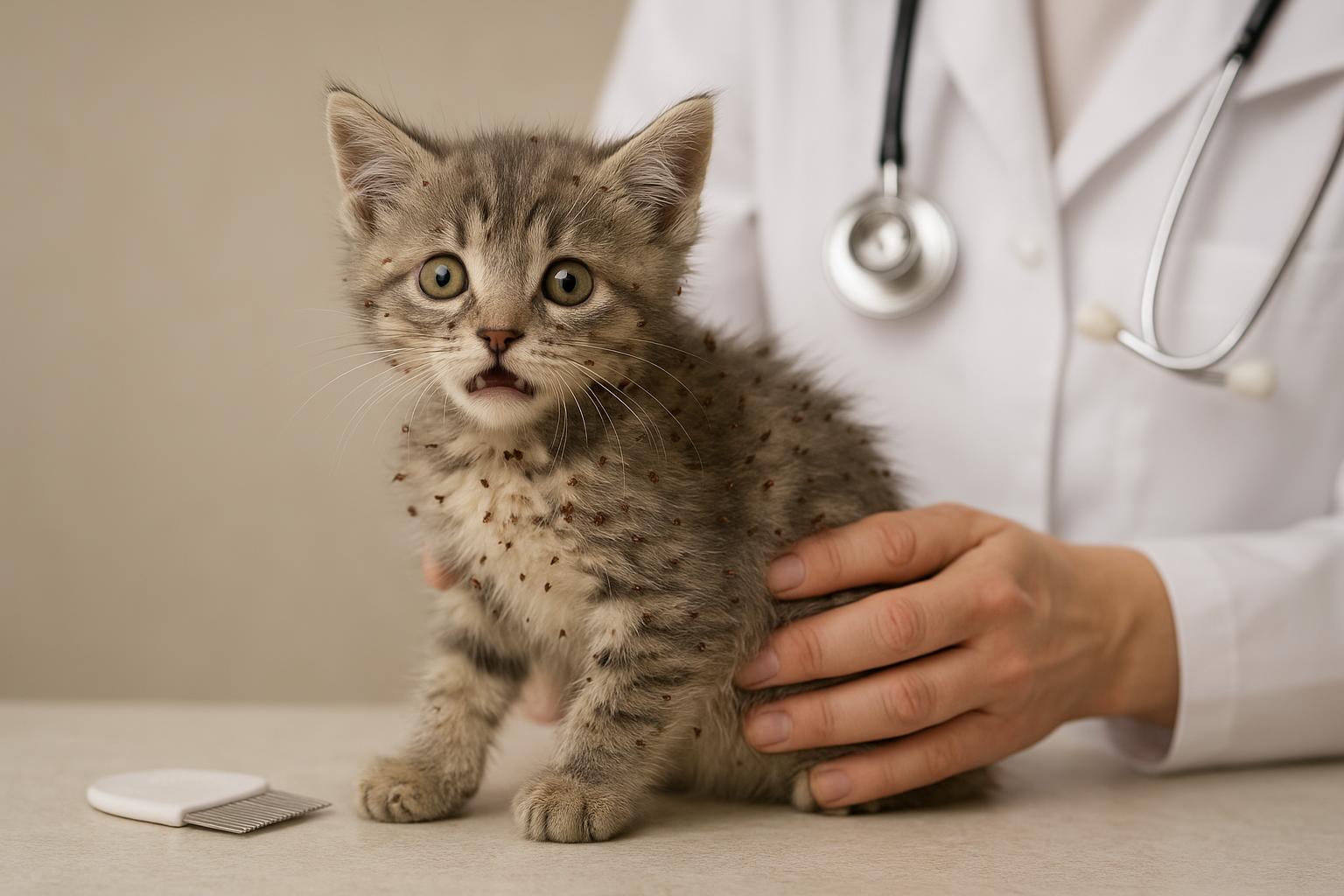
– Small black flecks in fur (flea dirt), which look like pepper and turn reddish when wet.
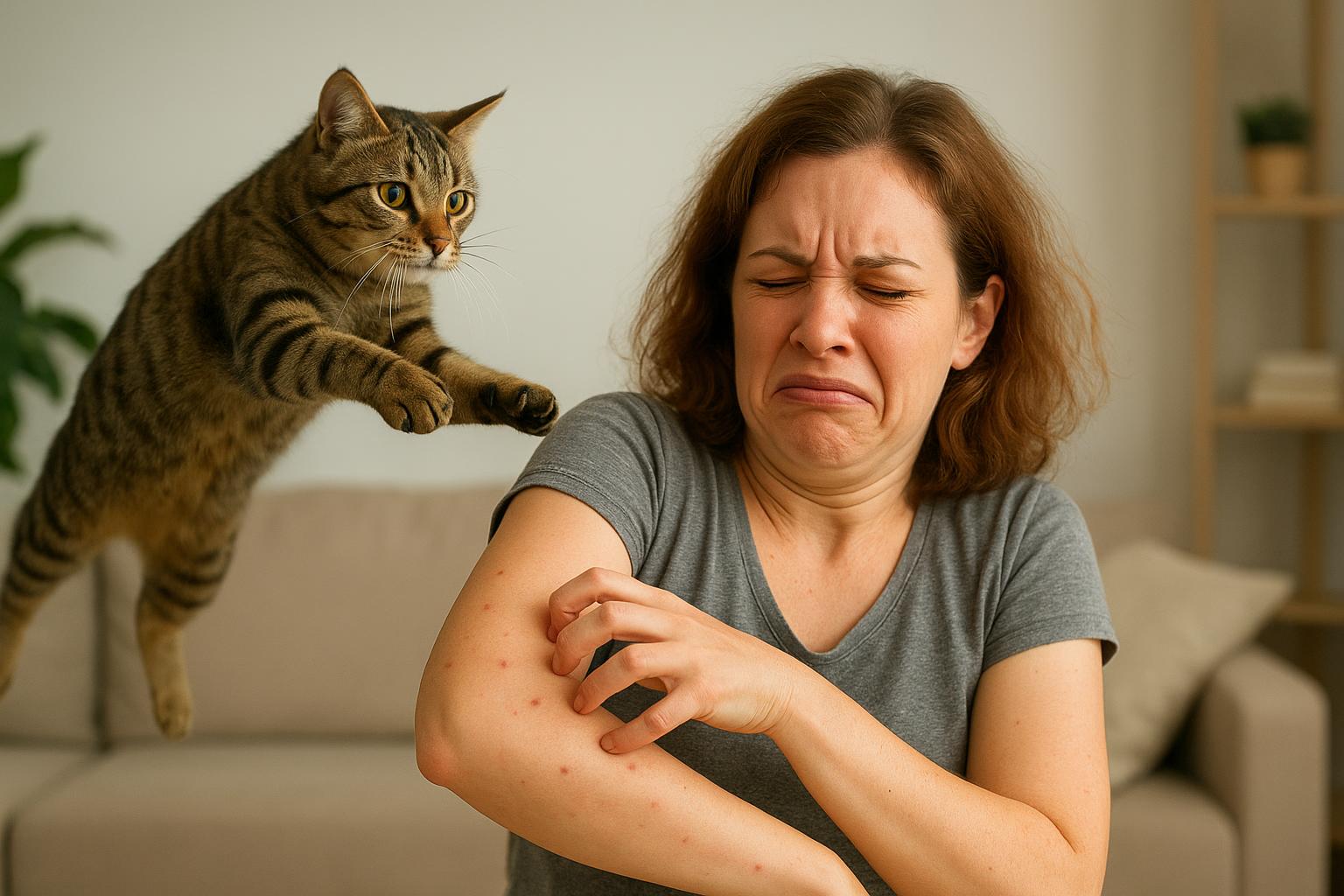
– Red, irritated skin or tiny scabs.
– Pale gums in severe infestations, which can indicate anemia in very young kittens.
#### Itchiness And Secondary Skin Issues
Left untreated, flea bites can cause dermatitis, bacterial infections from scratching, and, in kittens, potentially dangerous blood loss. That’s why choosing a safe, kitten-appropriate flea treatment and following directions is essential.
## 1. Natural Flea Treatment Bath For Kittens
This first option is a gentle, home-based approach aimed at killing adult fleas and soothing irritated skin. It’s best for mild infestations or as a complementary step before professional treatments. Be formal and precise in application: kittens are delicate, and product concentrations and temperatures must be correct.
Ingredients / Materials:
– Lukewarm water (comfortable to the elbow)
– Mild kitten shampoo (tear-free, hypoallergenic)
– 1 tsp plain liquid dish soap (degreasing action; use sparingly)
– A clean towel
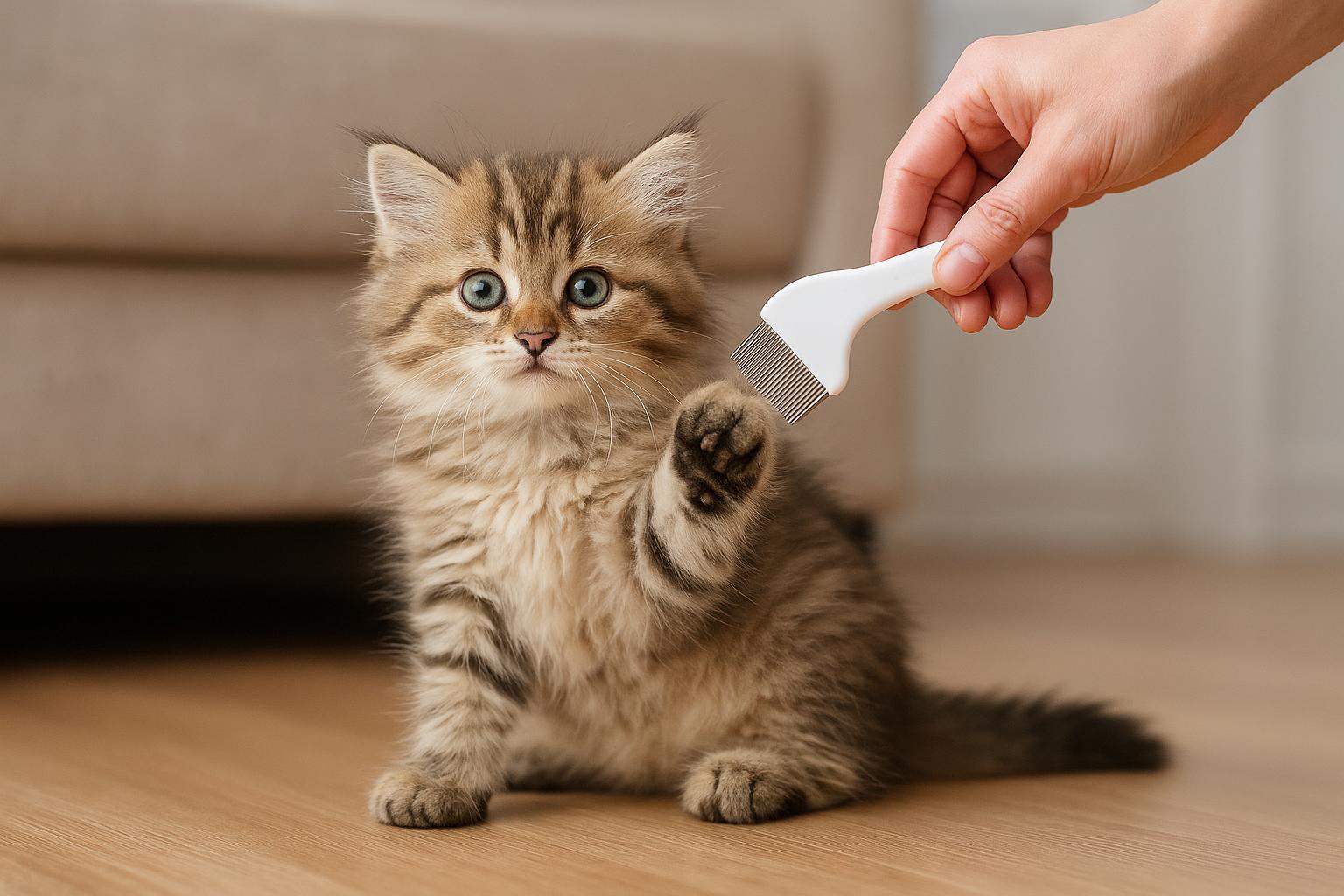
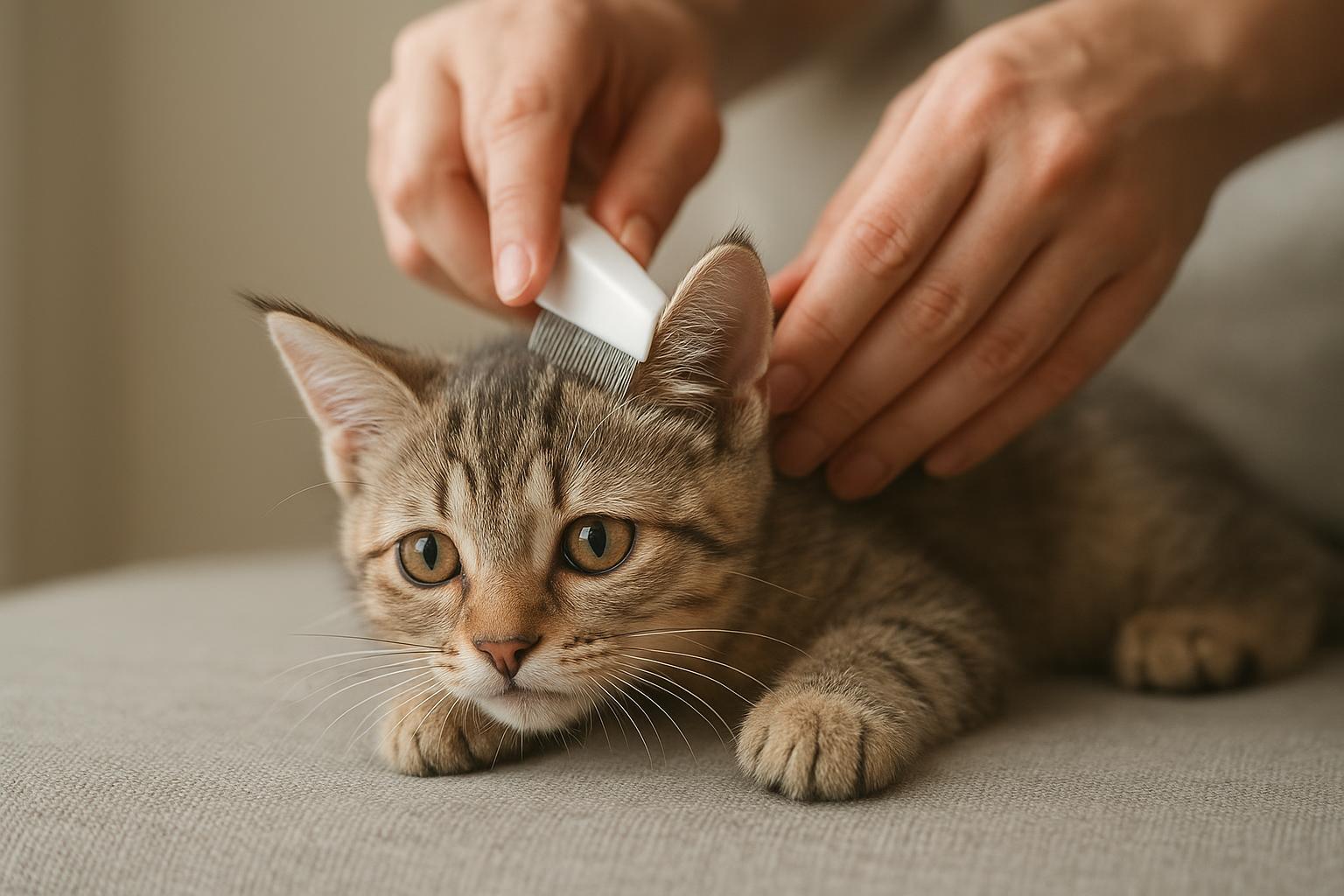
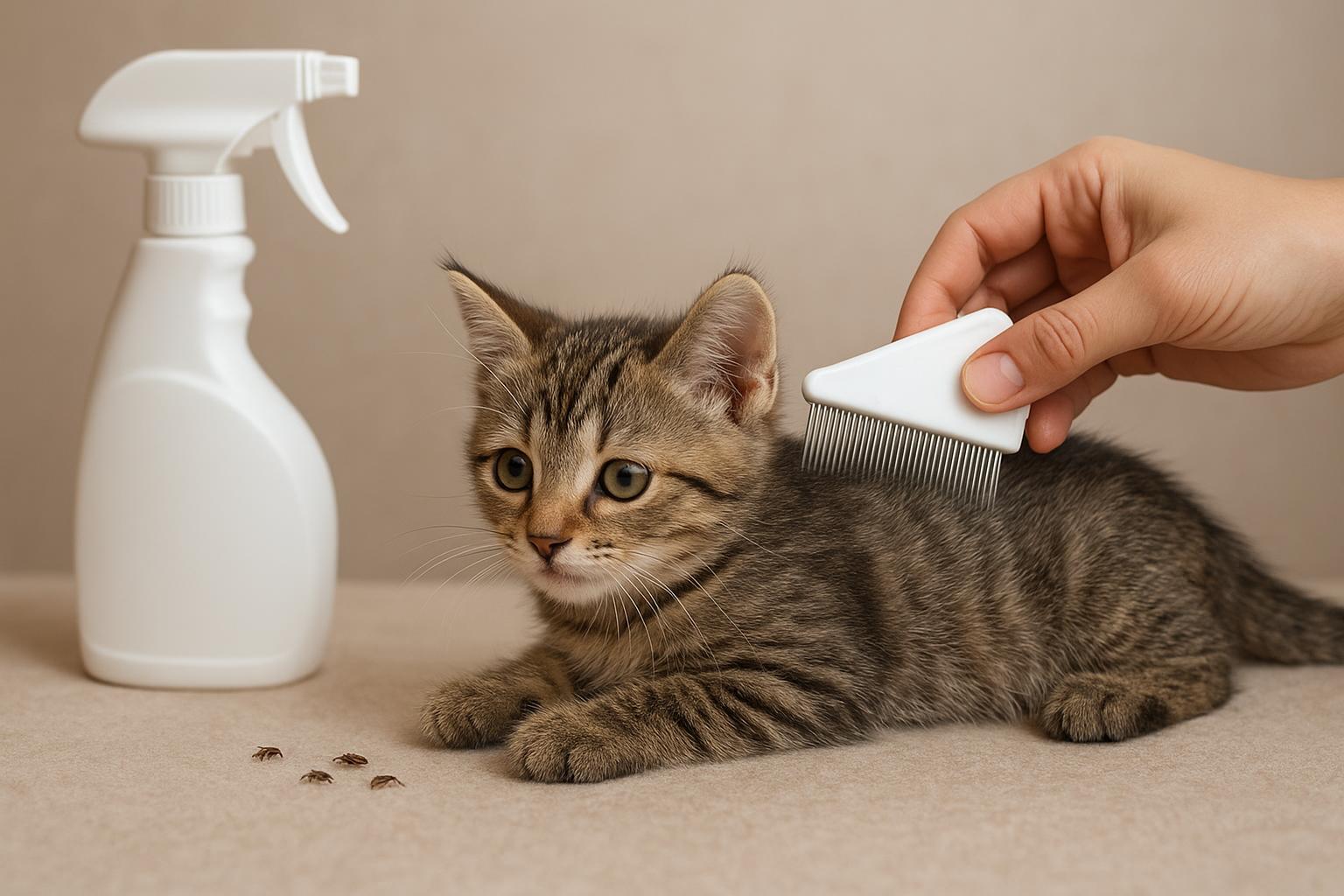
– A fine-toothed flea comb
– A shallow basin and a non-slip surface
– A glove or towel to gently restrain the kitten
Step-by-Step Creation And Application:
1. Prepare the Area: Fill the basin with lukewarm water and place it on a stable, slip-free surface. Lay out the towel and have the flea comb handy. Ensure the room is warm to prevent chilling.
2. Mix Shampoo Solution: In a small cup, combine a few drops of kitten shampoo with a teaspoon of plain dish soap in a small amount of water. The shampoo is the primary cleanser; the dish soap adds extra power against adult fleas. Do not use essential oils or human shampoos.
3. Wet And Lather: Gently wet the kitten using a cup or your hand. Avoid the ears and eyes. Apply the diluted shampoo, working a light lather from neck to tail. Keep the head relatively dry; you can clean the face with a damp cloth.
4. Five Minutes Of Contact Time: Let the lather sit for around five minutes — this helps loosen and kill adult fleas that the comb can remove. Monitor the kitten’s temperature and stress; if they panic, rinse immediately.
5. Comb And Rinse: Use the fine-toothed flea comb starting at the head and moving toward the tail. After combing, rinse thoroughly with lukewarm water until the rinse runs clear.
6. Dry And Inspect: Wrap the kitten in a towel and dry gently. Perform another combing over a white towel or paper to check for any remaining fleas or flea dirt.
7. Repeat As Needed: For active infestations, repeat baths every 4–7 days until signs of fleas diminish, then transition to ongoing prevention.
Notes And Safety:
– This bath kills many adult fleas but won’t eliminate eggs or larvae in carpets and bedding. Combine with environmental control.
– Avoid excessive bathing frequency — kittens can lose body heat and natural oils. Use this method judiciously and stop if the kitten is underweight, ill, or under two pounds unless advised by a vet.
## 2. Vet-Approved Topical Flea Treatment For Kittens
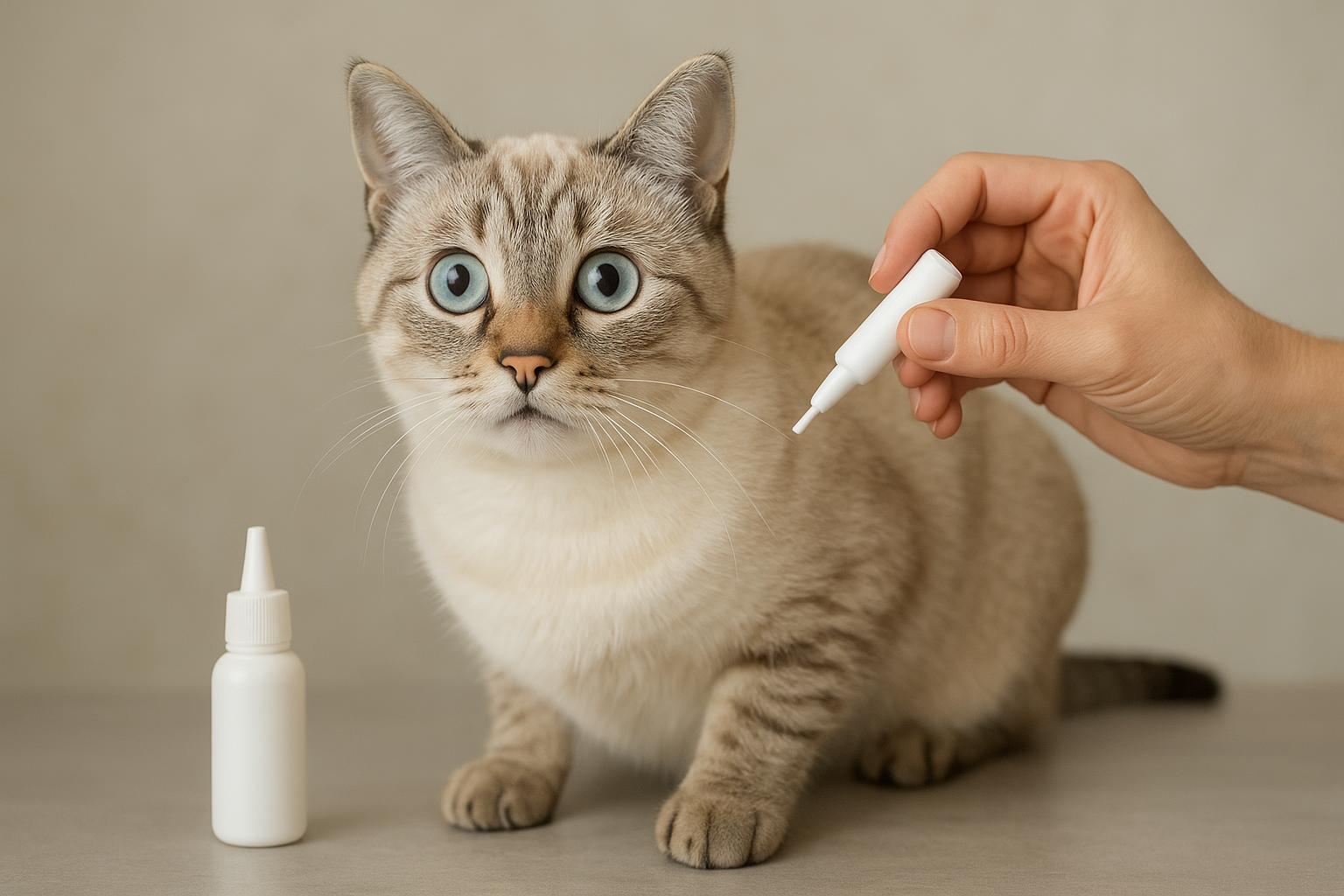
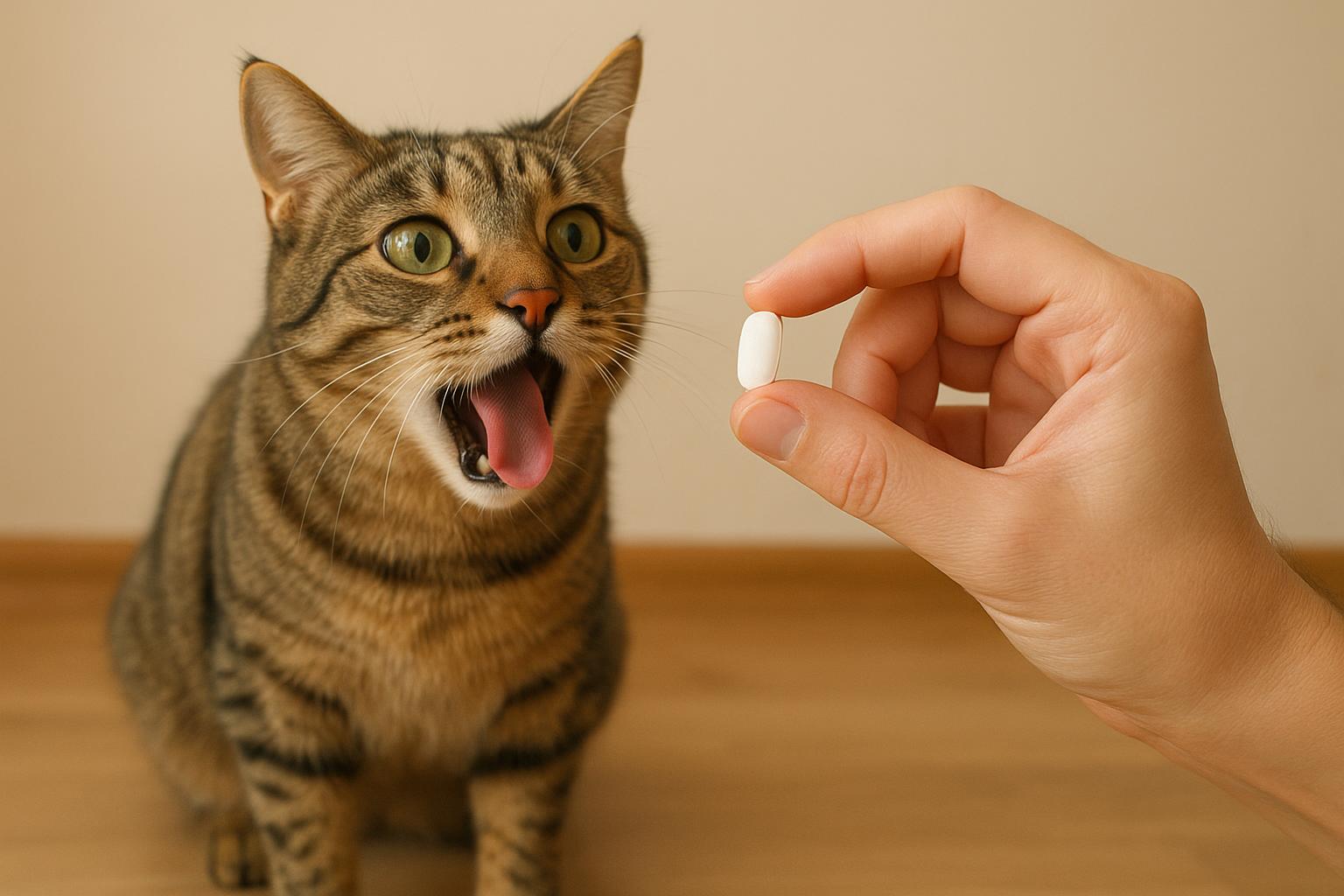
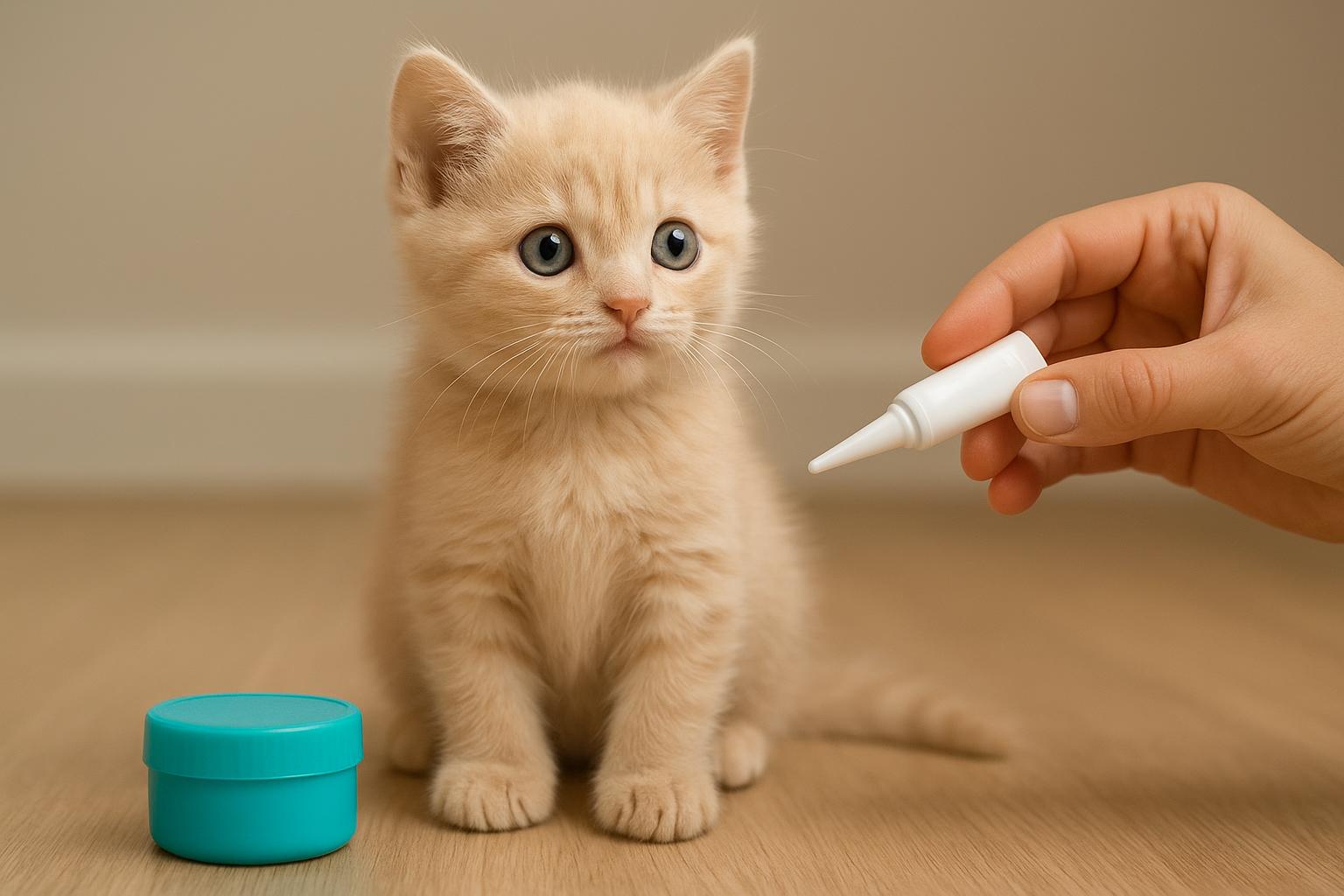
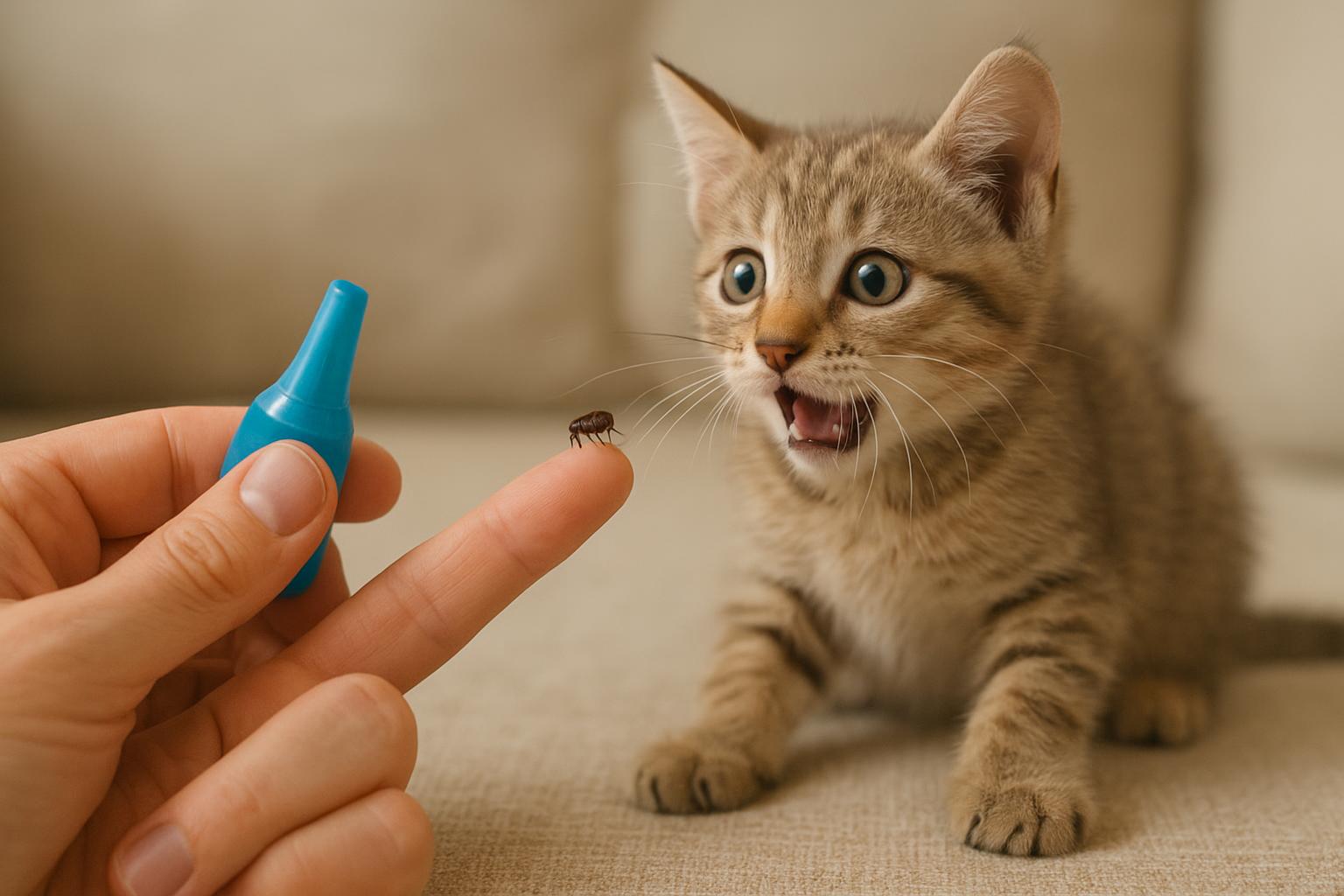
When you need a definitive, medically supported approach, vet-recommended topical flea treatment is often the most reliable option. These spot-on products are formulated to kill adult fleas and often contain ingredients that interrupt the flea life cycle. Follow all directions and dose by weight — kitten safety depends on correct product selection.
Required Materials:
– Vet-prescribed or veterinarian-recommended topical flea medication labeled safe for kittens (confirm minimum age and weight)
– Gloves to apply the product
– Scissors (if the product is in a sealed package)
– A calm, secure place to apply the medication
– Vet contact information for questions or emergencies
Step-by-Step Application:
1. Confirm Product Suitability: Verify the product is specifically marked safe for kittens and matches your kitten’s weight and age. Never use adult cat or dog products on kittens without veterinary approval.
2. Read The Label: Thoroughly read instructions and warnings. Note the minimum age/weight, application frequency, and any contraindications (e.g., pregnancy, concurrent meds).
3. Prepare The Kitten: Place the kitten on a towel on a low surface. Restrain gently with a towel if needed so application is smooth and stress-free.
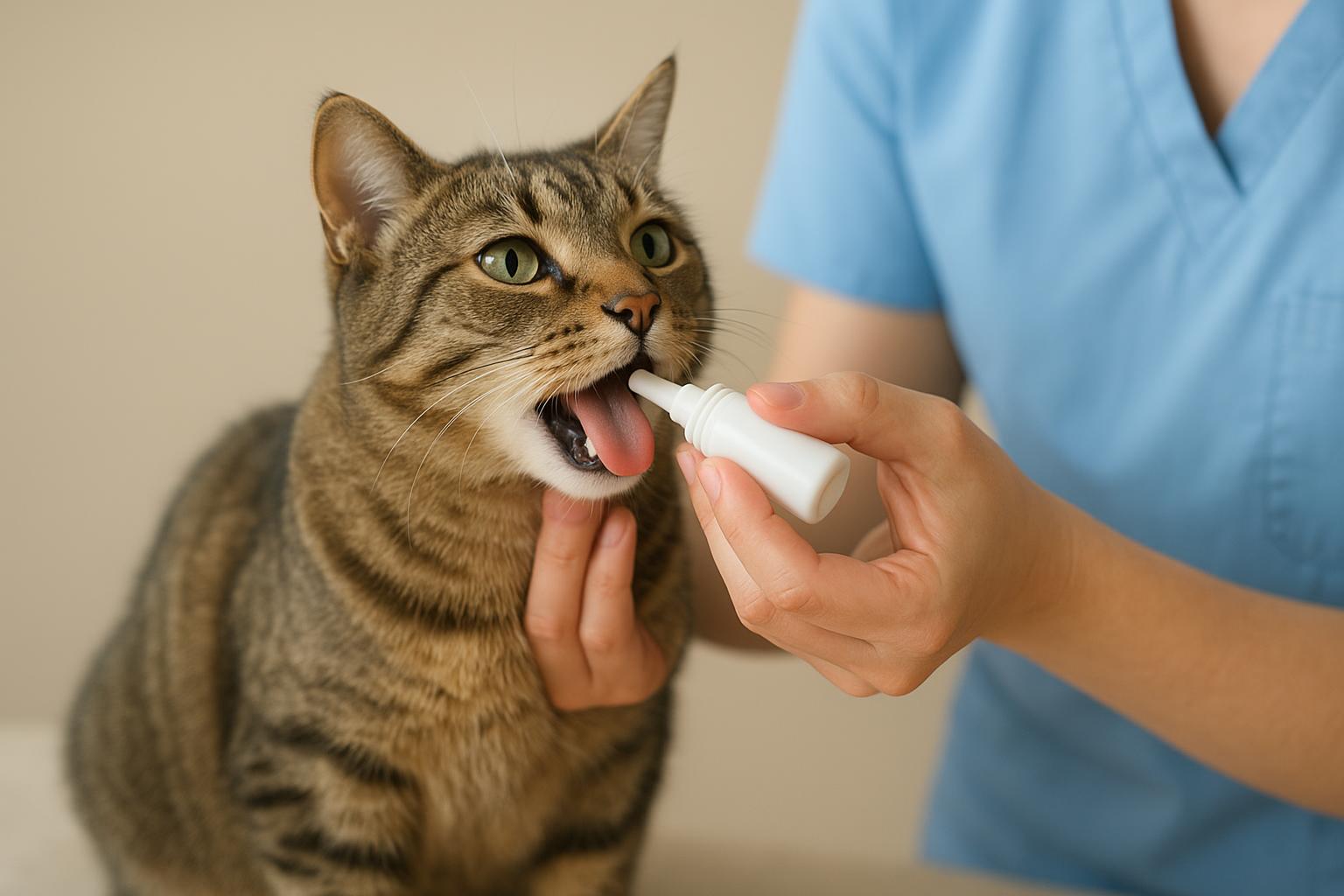
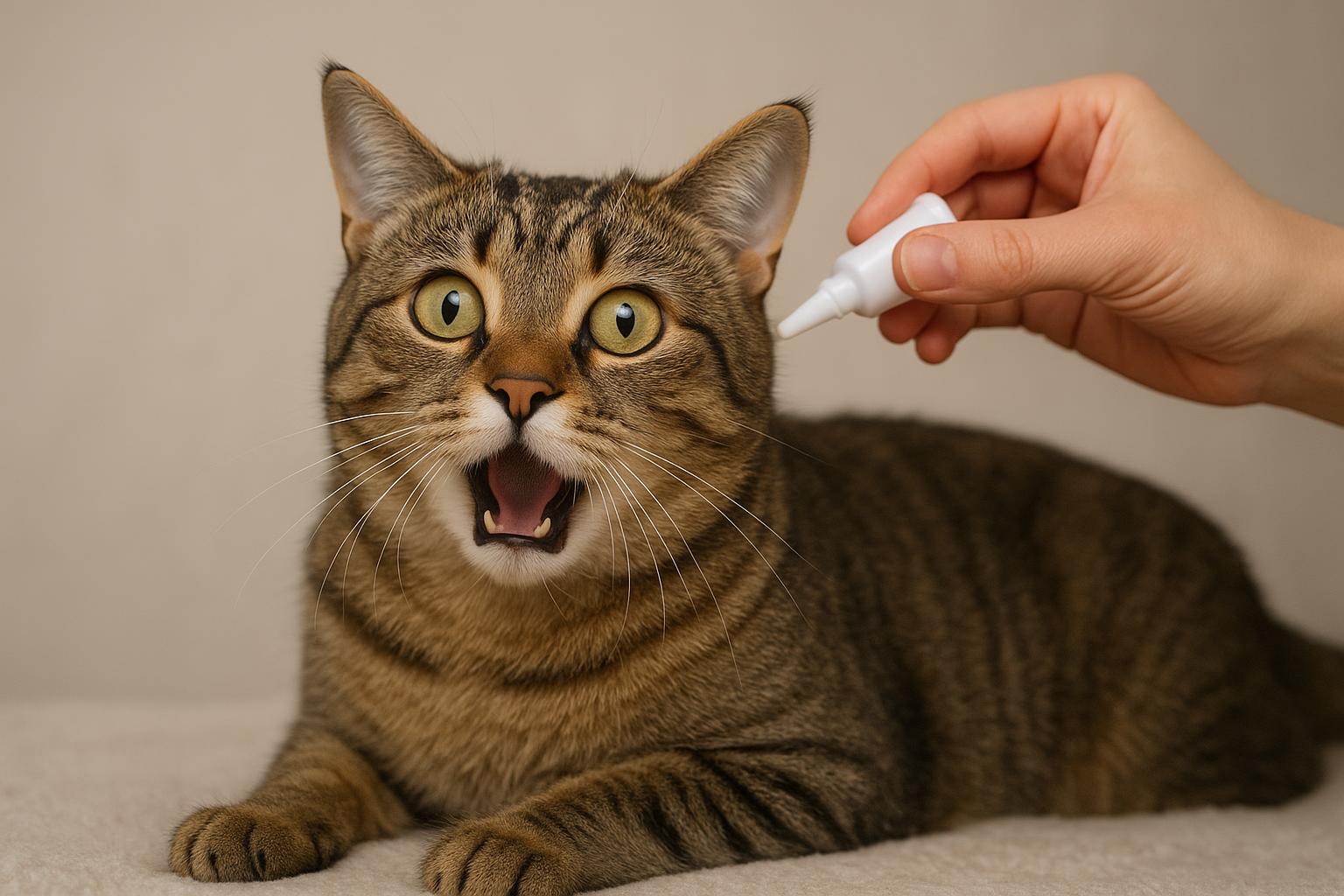
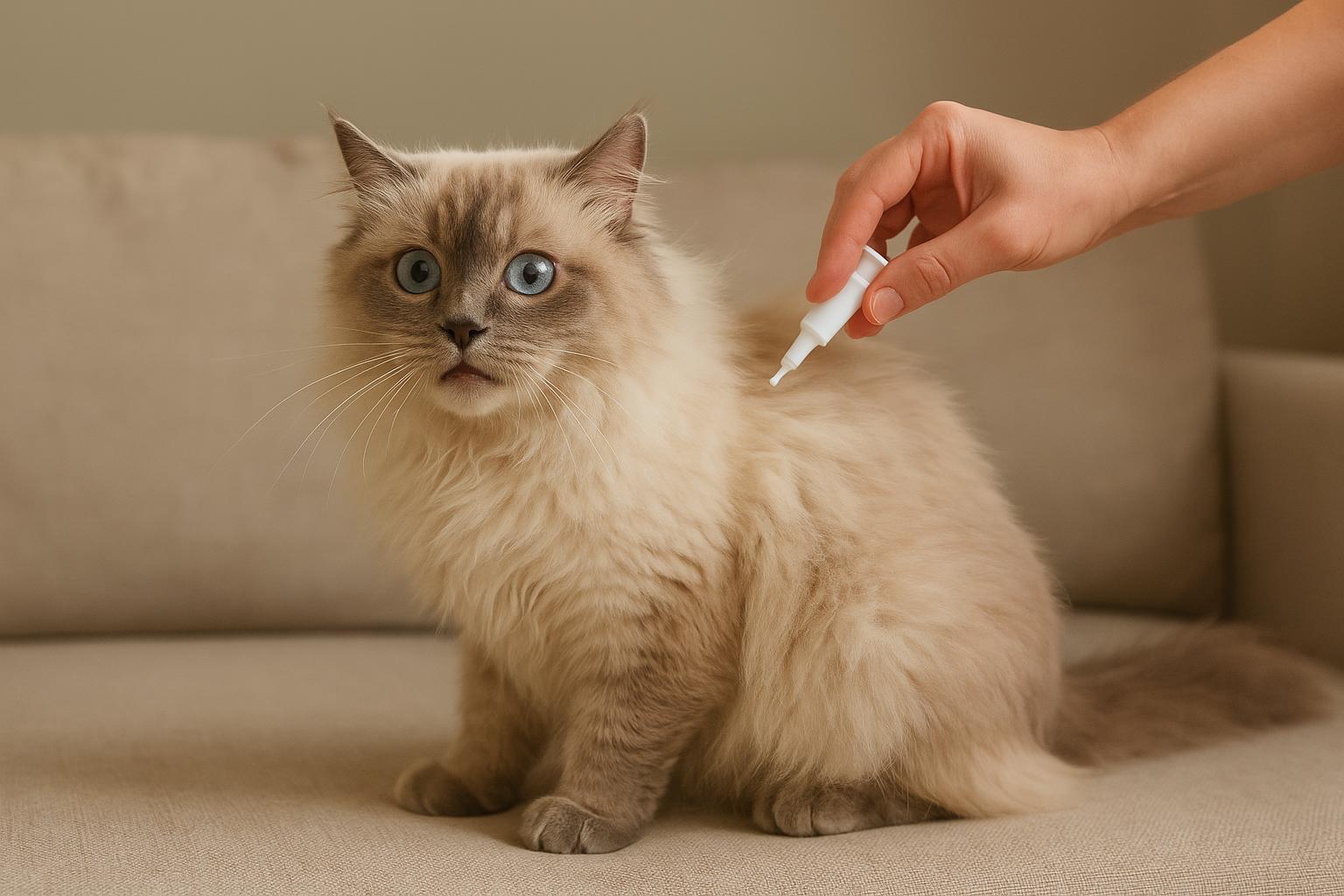
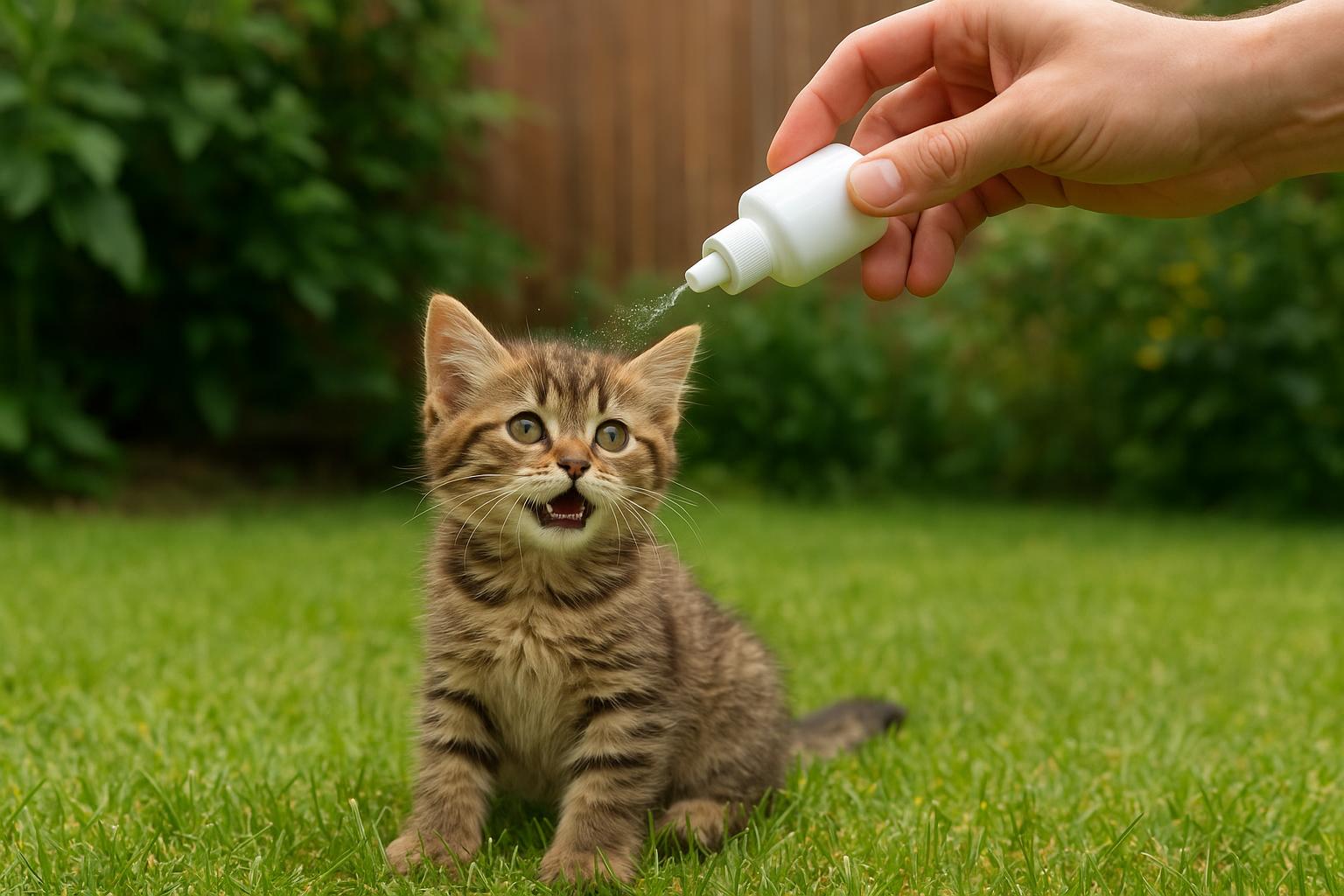
4. Apply To The Skin: Open the applicator and part the fur between the shoulder blades until the skin is visible. Apply the entire dose directly to the skin, not the fur. Avoid contact with the kitten’s eyes and mouth.
5. Prevent Licking: Keep the kitten from grooming the application spot for at least the period recommended by the manufacturer (often a few hours) to prevent ingestion.
6. Monitor For Reactions: Over the next 24–48 hours, monitor for irritation, lethargy, vomiting, or other adverse reactions. Contact your vet immediately if you see concerning signs.
7. Maintain Schedule: Reapply at manufacturer-recommended intervals. Document dates and observe any interactions with other products.
Clinical Notes:
– These treatments often include insect growth regulators (IGRs) that stop eggs and larvae from developing, helping to break the life cycle.
– For multi-pet households, treat all animals as advised to prevent reinfestation.
### How To Choose A Safe Flea Treatment
Choosing the right product requires balancing safety, efficacy, and your kitten’s health status. Consult your veterinarian if you’re uncertain. Consider the kitten’s age, weight, any health issues, and whether they have been exposed to other medications or topical therapies.
#### Questions To Ask Your Vet
– Is this flea treatment safe for my kitten’s age and weight?
– Are there any side effects I should watch for?
– How frequently should treatment be applied?
– Should I treat my home and other pets simultaneously?
### Environmental Flea Control And Household Steps
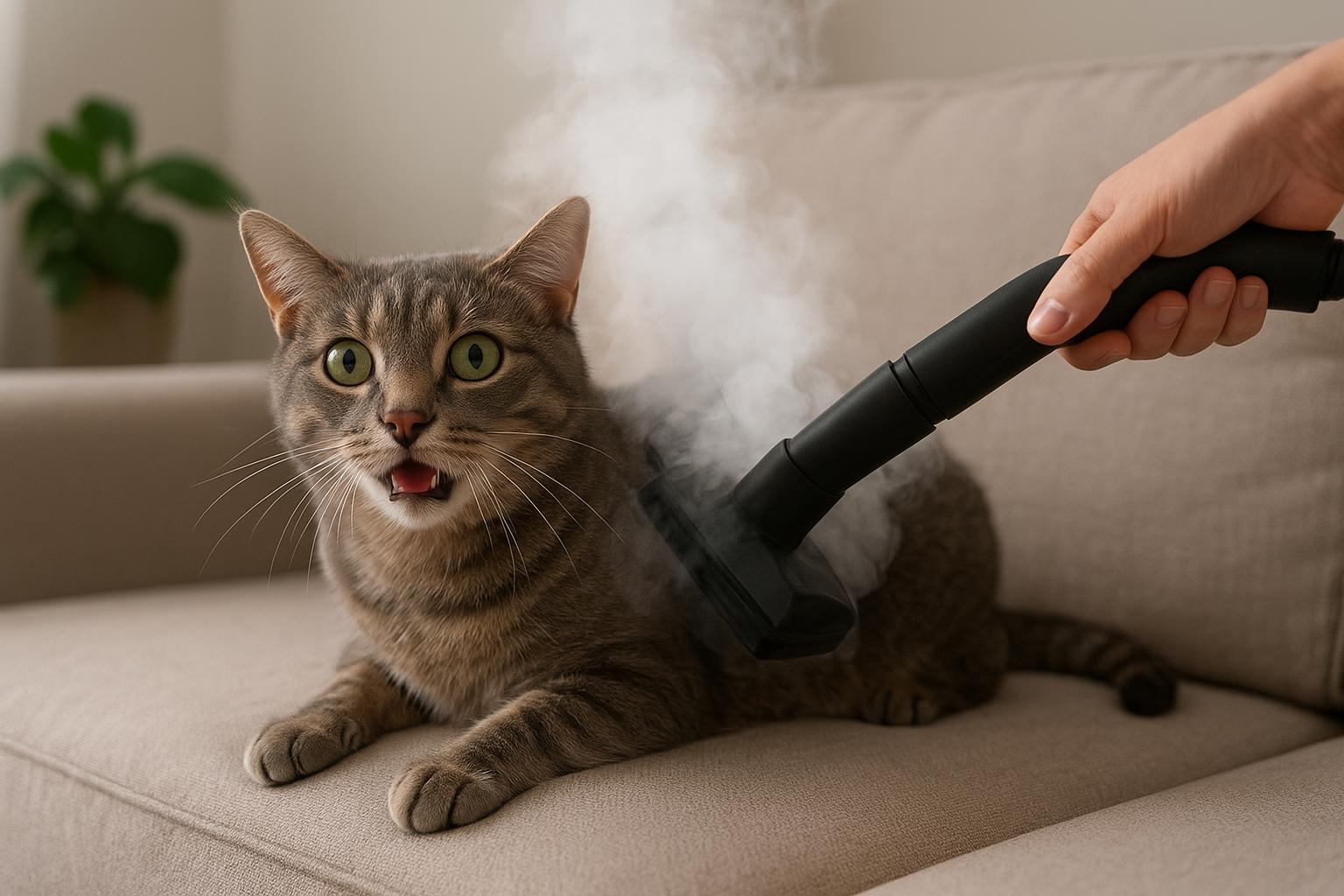
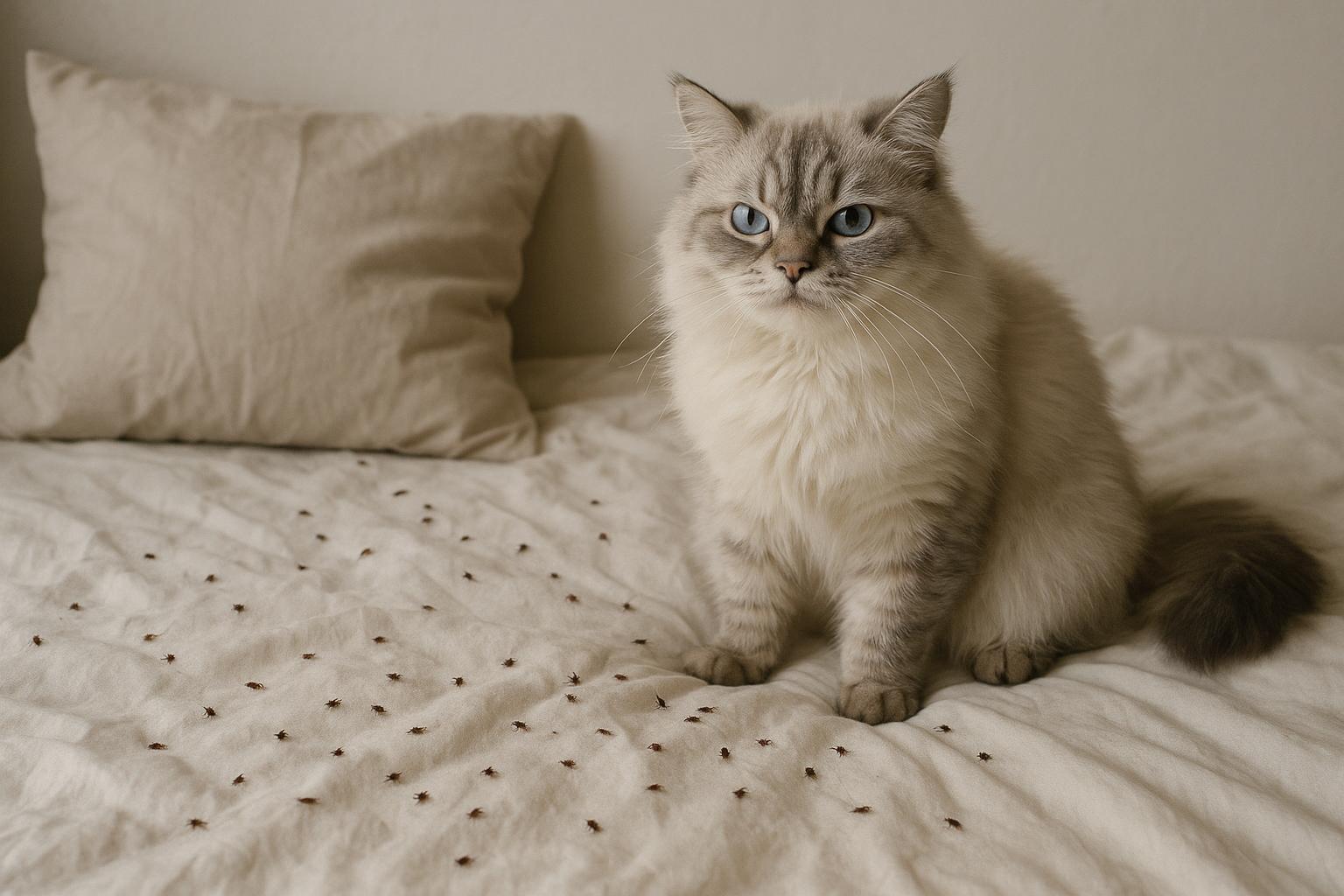
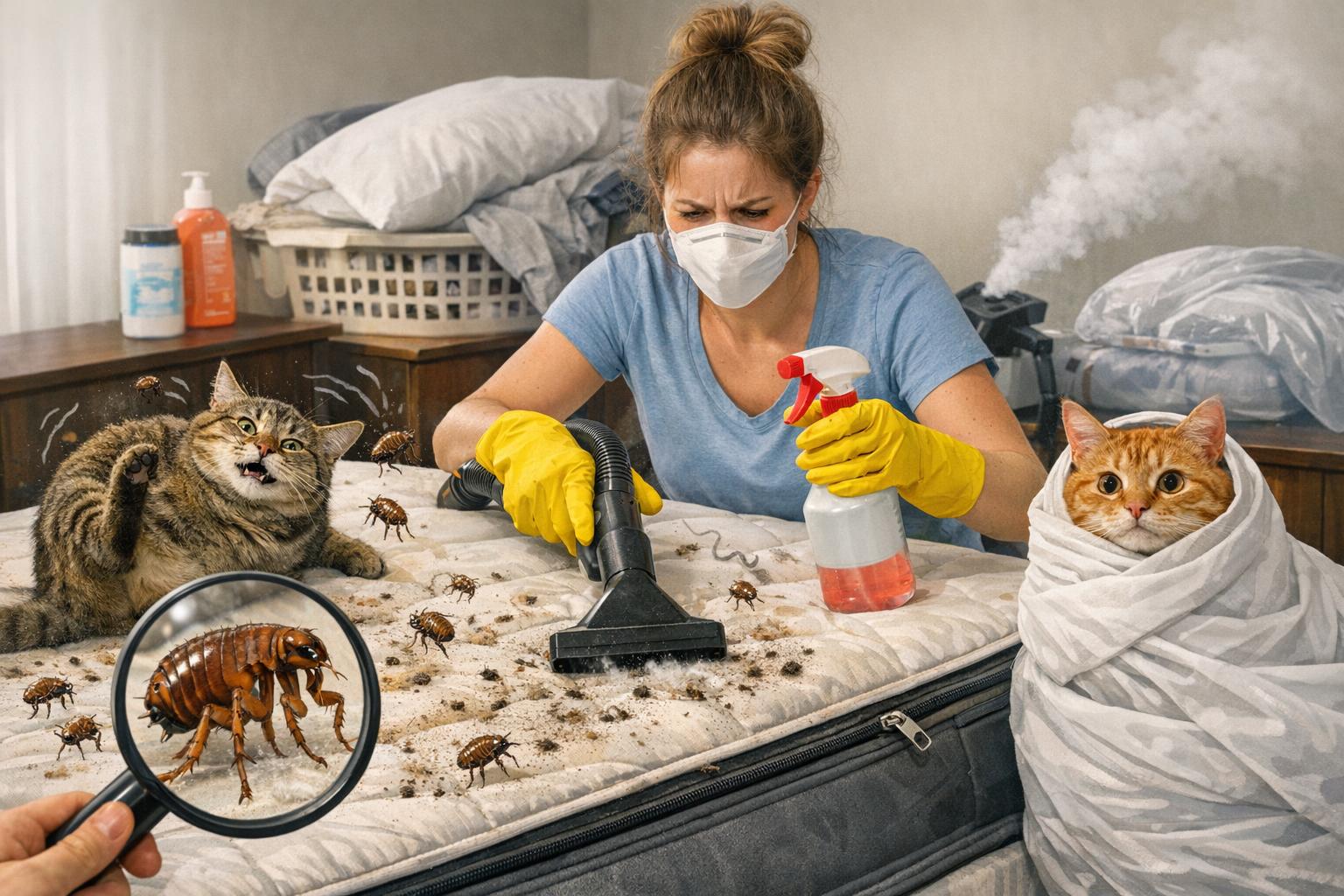
Treating the kitten is only half the battle. Fleas lay eggs in carpets, bedding, and upholstery. Follow a coordinated plan for the home to prevent reinfestation.
Practical Steps:
– Wash bedding, blankets, and soft toys in hot water weekly until the infestation is resolved.
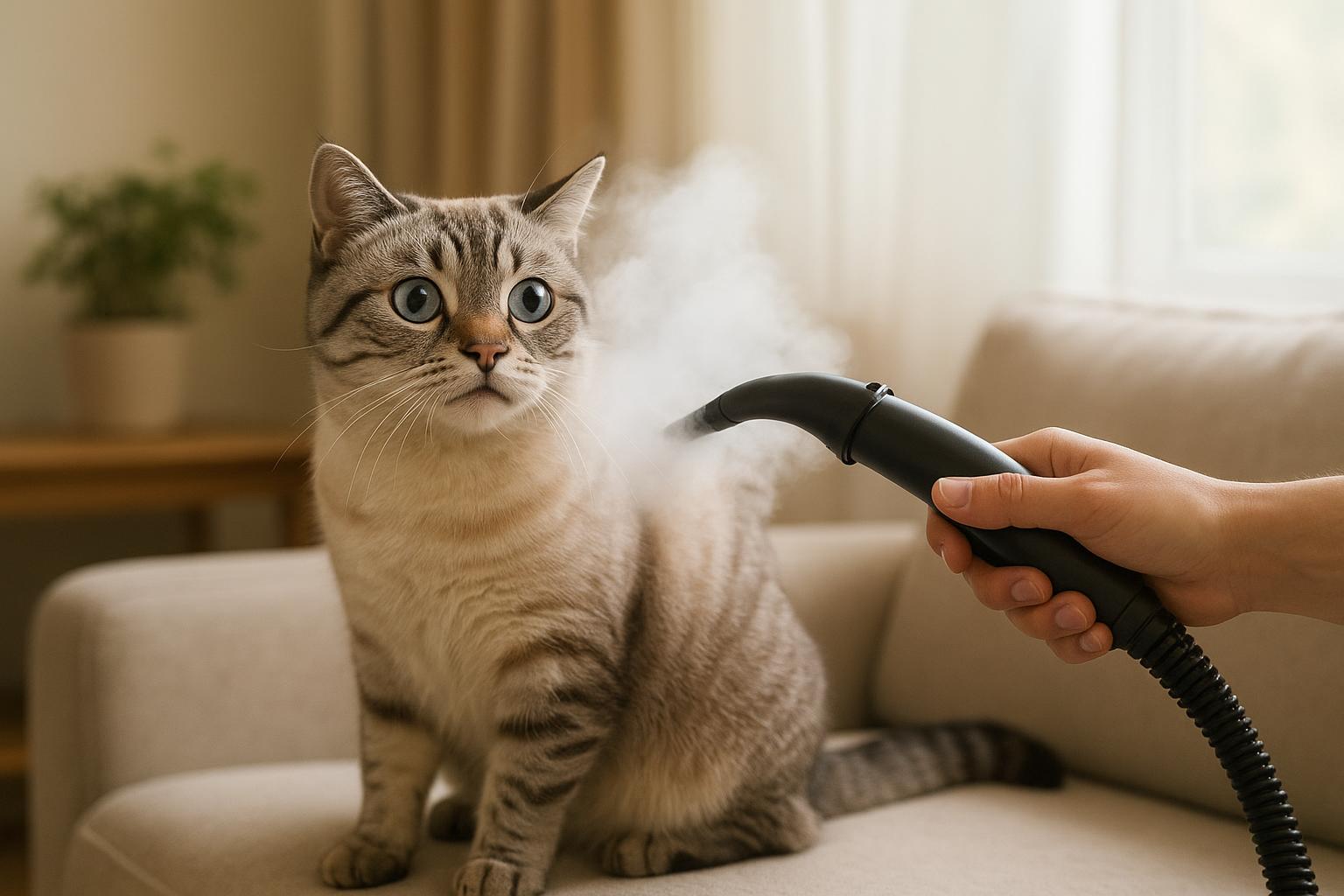
– Vacuum carpets, furniture, and baseboards daily; dispose of vacuum bags or empty canisters outside.
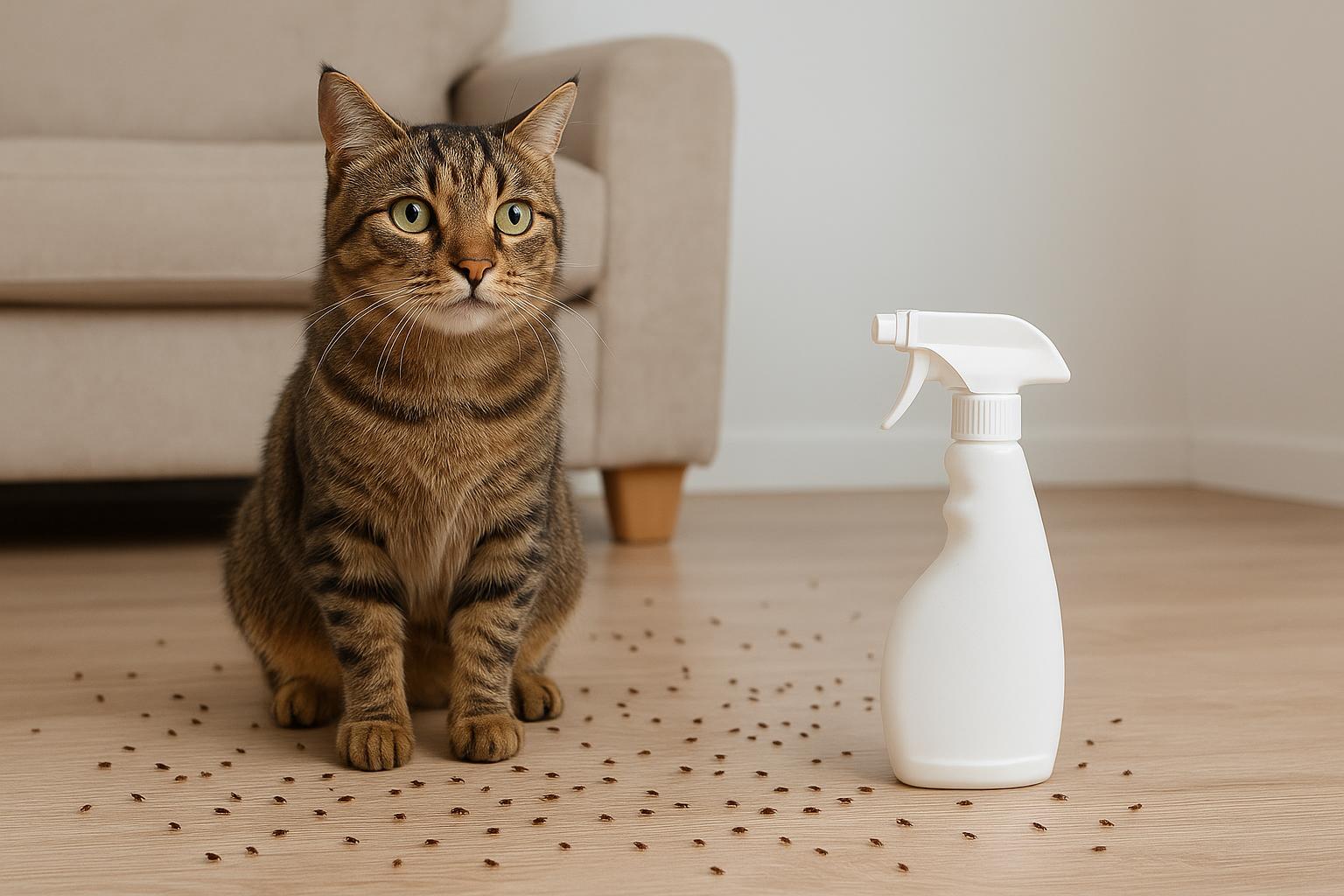
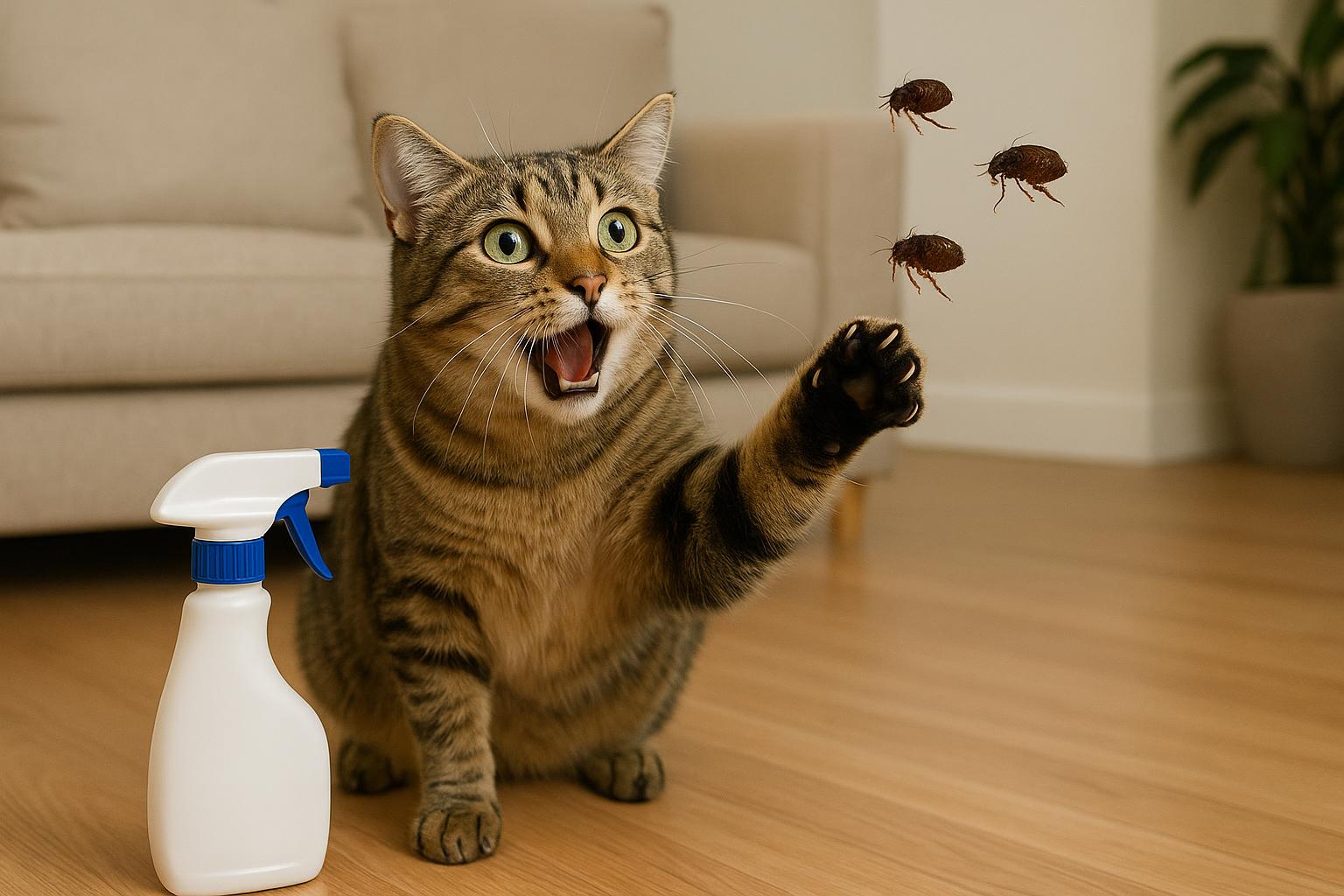
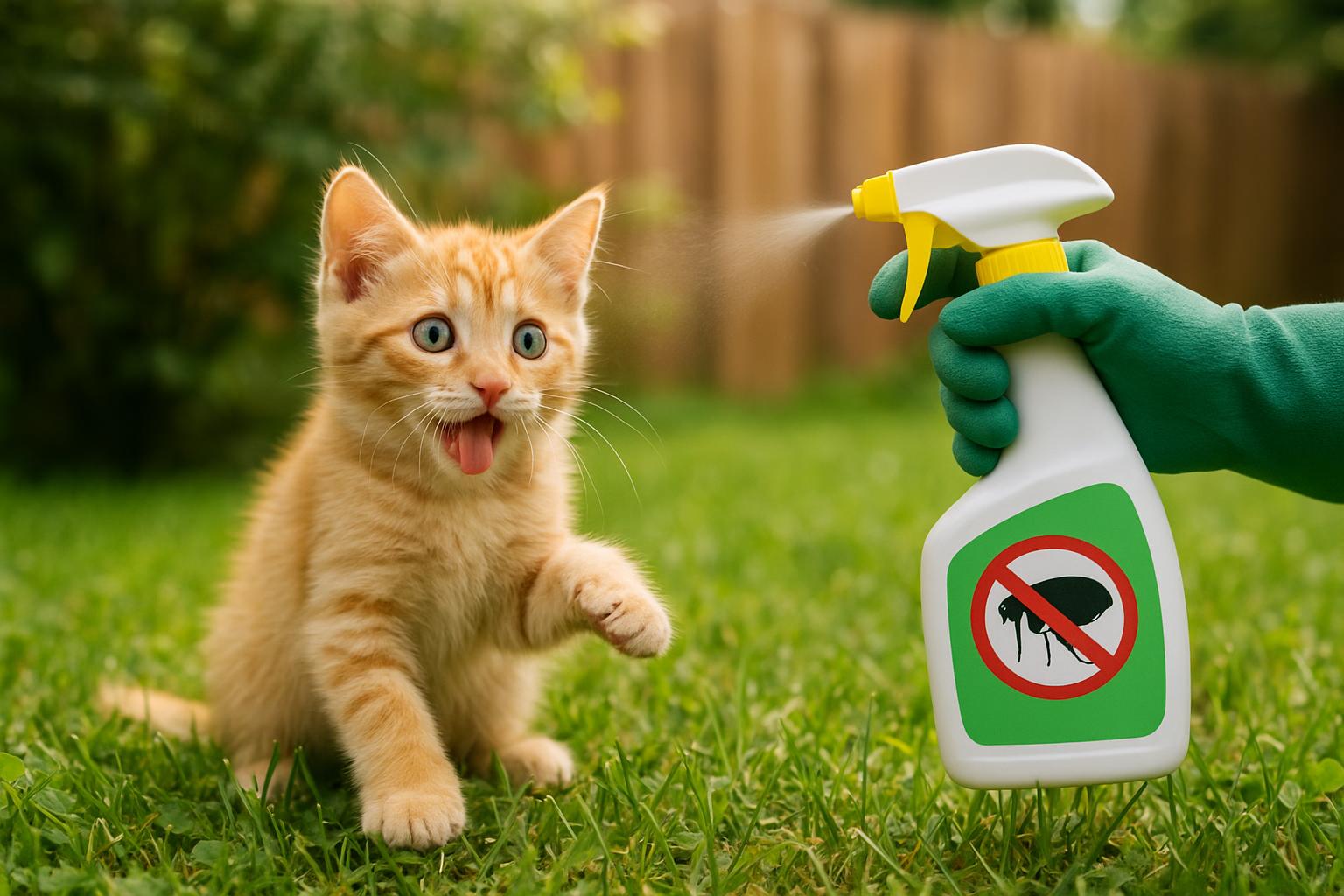
– Consider using vet-recommended household sprays or foggers that include an IGR; follow label instructions and keep pets and children away until safe.
– For heavy infestations, consult a pest control professional experienced with pet-safe treatments.
## When To Call The Vet About Flea Treatment
If the kitten is very young (under 6–8 weeks), underweight, ill, or shows signs of anemia (pale gums, lethargy), contact a veterinarian immediately. Also seek veterinary guidance if over-the-counter products do not improve the situation within the expected timeframe, if your kitten has an allergic reaction to bites, or if there is any concern about secondary infections.
### Follow-Up Care And Prevention
After successful flea control, use ongoing prevention appropriate for your kitten’s age and life stage. Maintain regular grooming, periodic checks with a flea comb, and follow-up vet visits. Consistent, preventive care reduces stress for you and your cat — and keeps those tiny pirates from boarding ship again.
A friendly heads-up: while there’s a lot you can manage at home, some infestations and reactions need professional attention. When in doubt, a quick call to your veterinarian will save stress and ensure your kitten’s safety.
Leave a Reply