
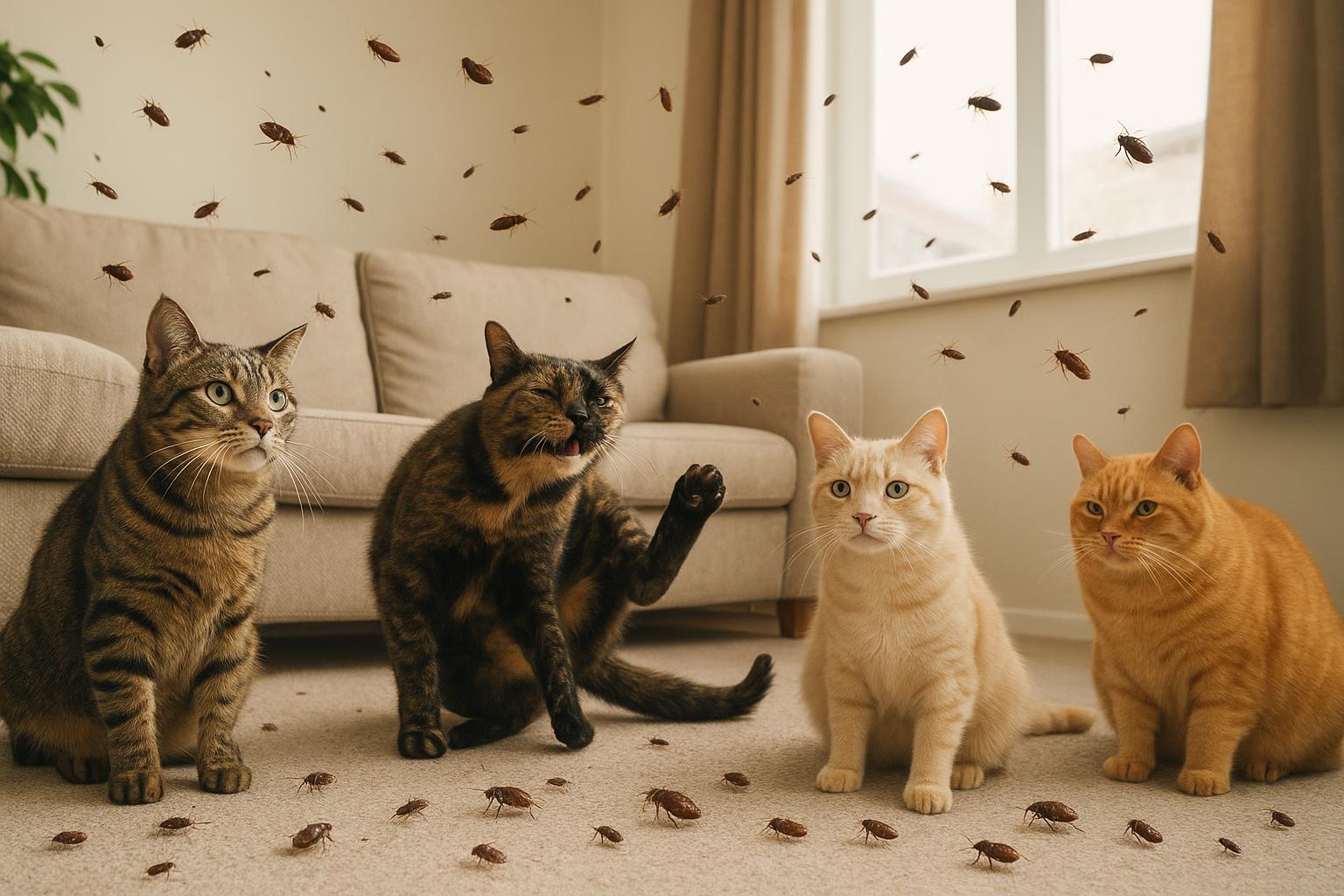
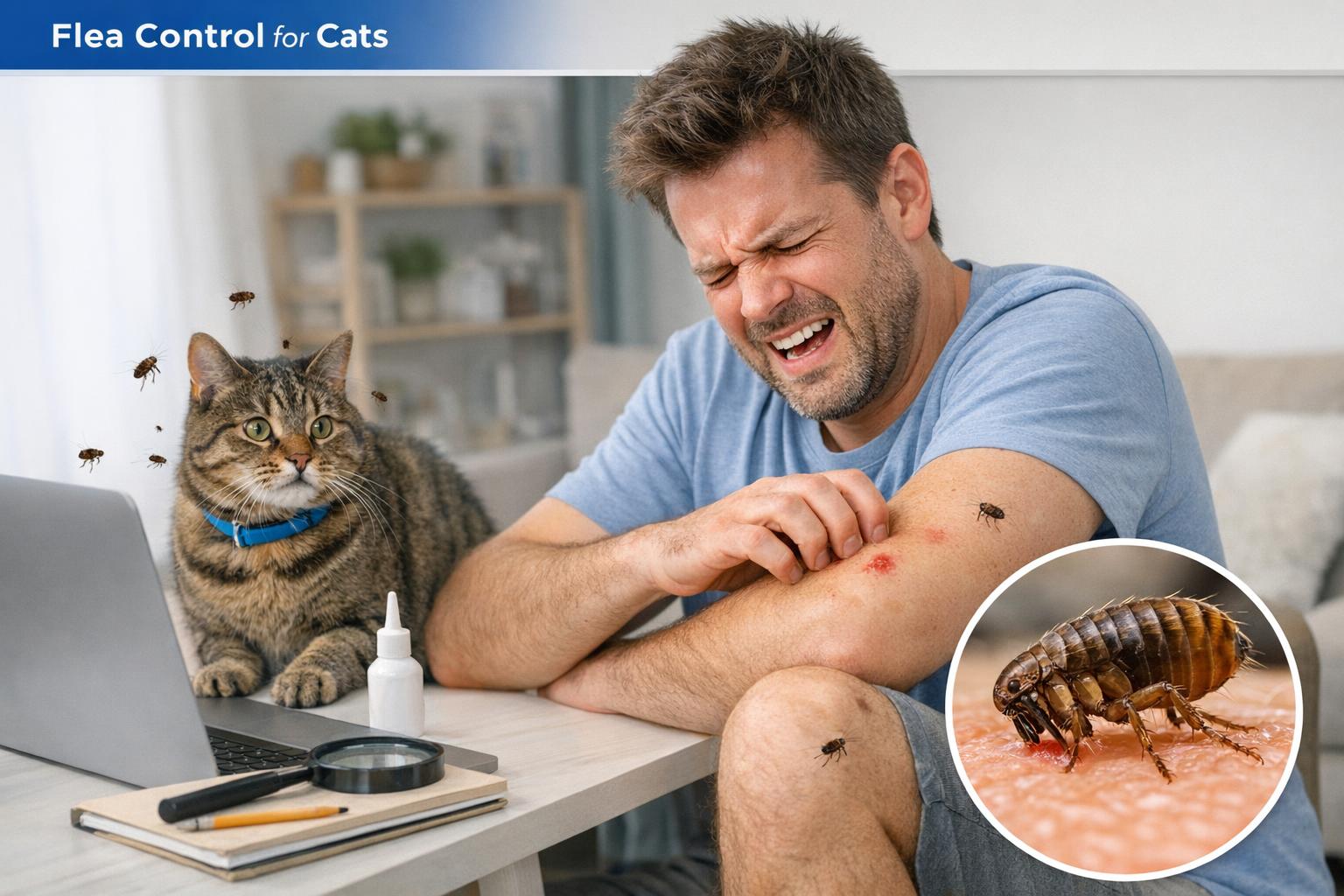
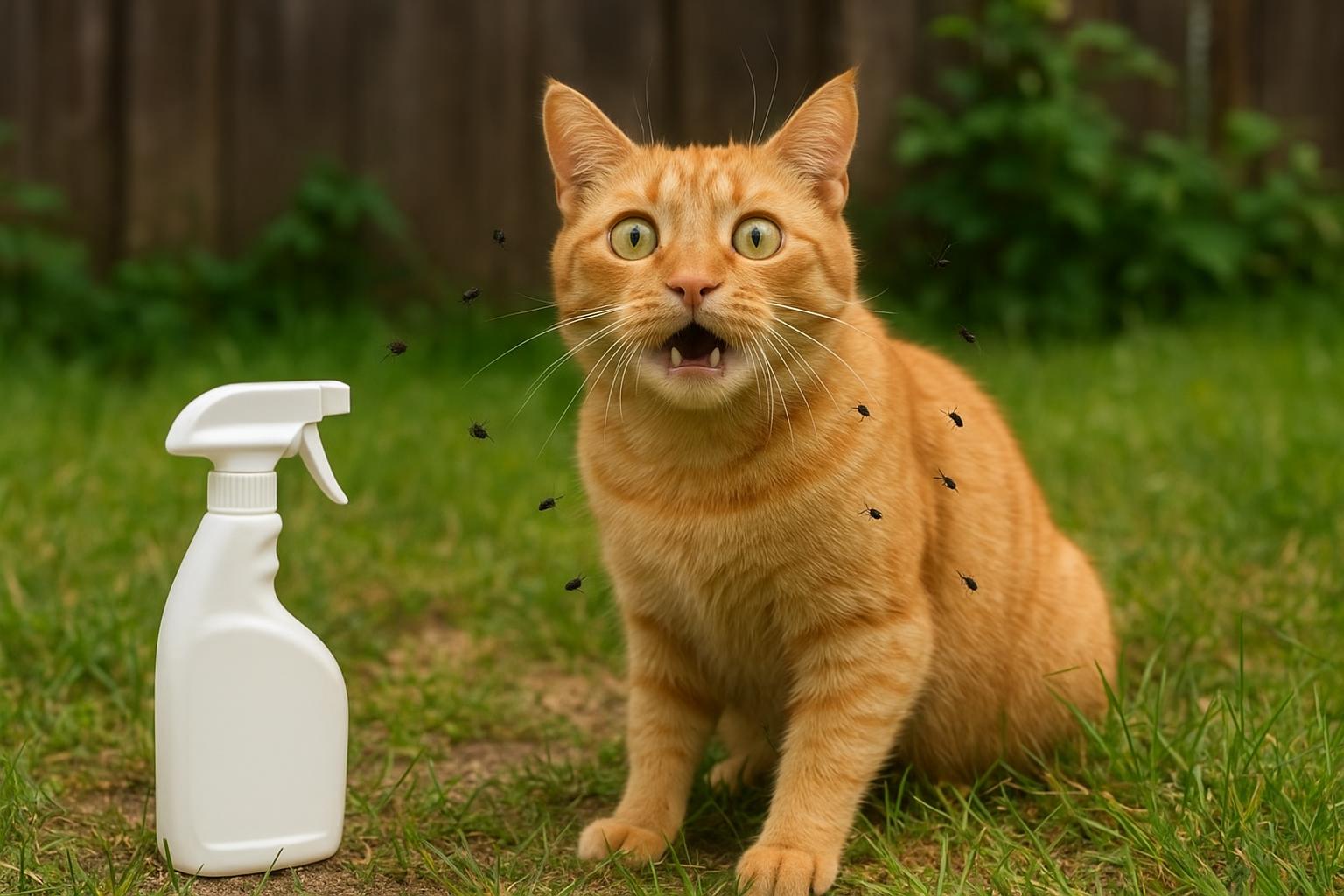
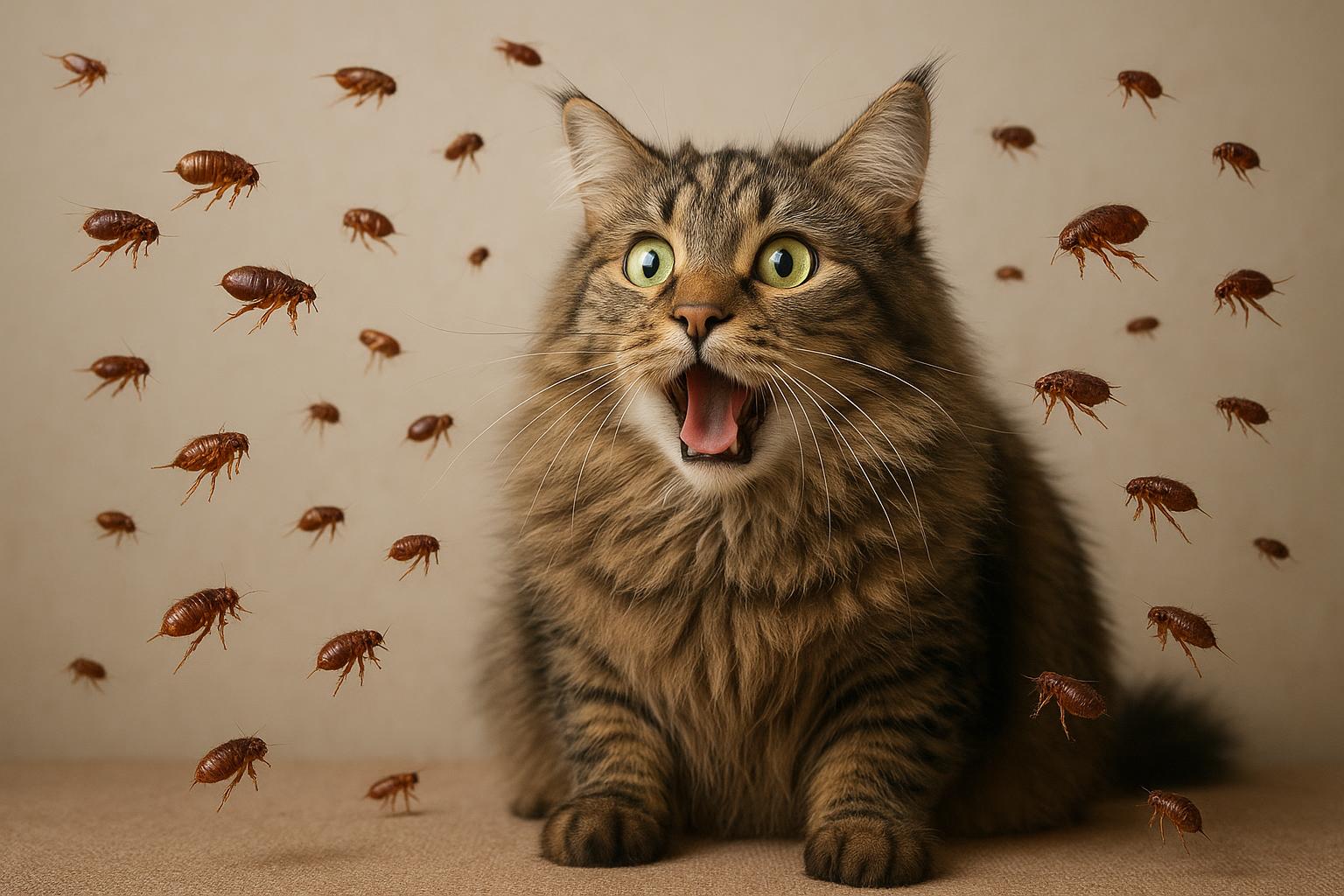
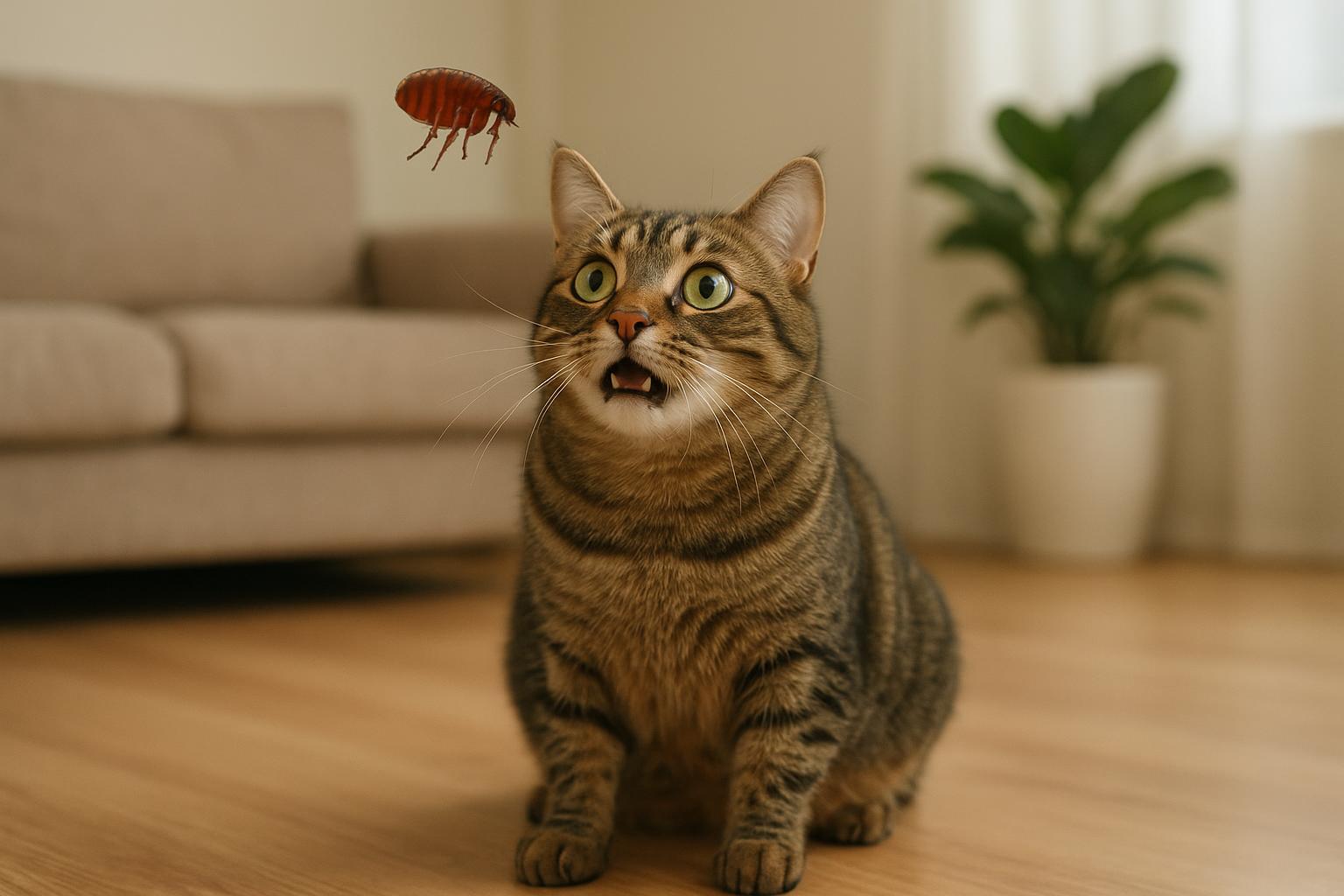
Cats are masters of looking unbothered, even when their world is being vibrated by microscopic freeloaders. If you want your cat to stay that zen and your home to remain flea drama–free, a practical, steady plan beats surprise panic. This article lays out a friendly, doable blueprint for keeping fleas from turning your life into a scratch-fest — with an emphasis on sustained, year-round effort.
## Year Round Prevention: Why It Matters
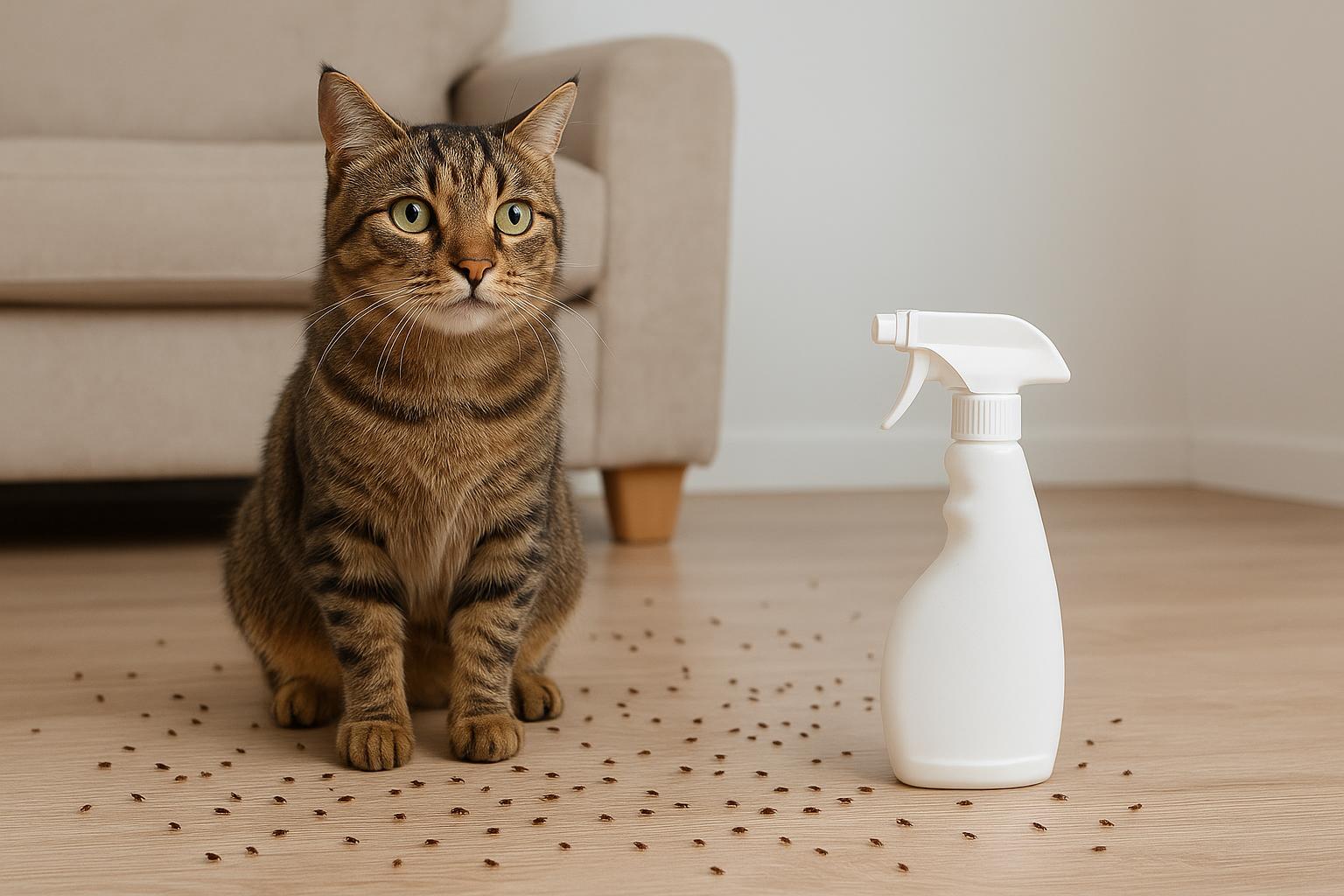
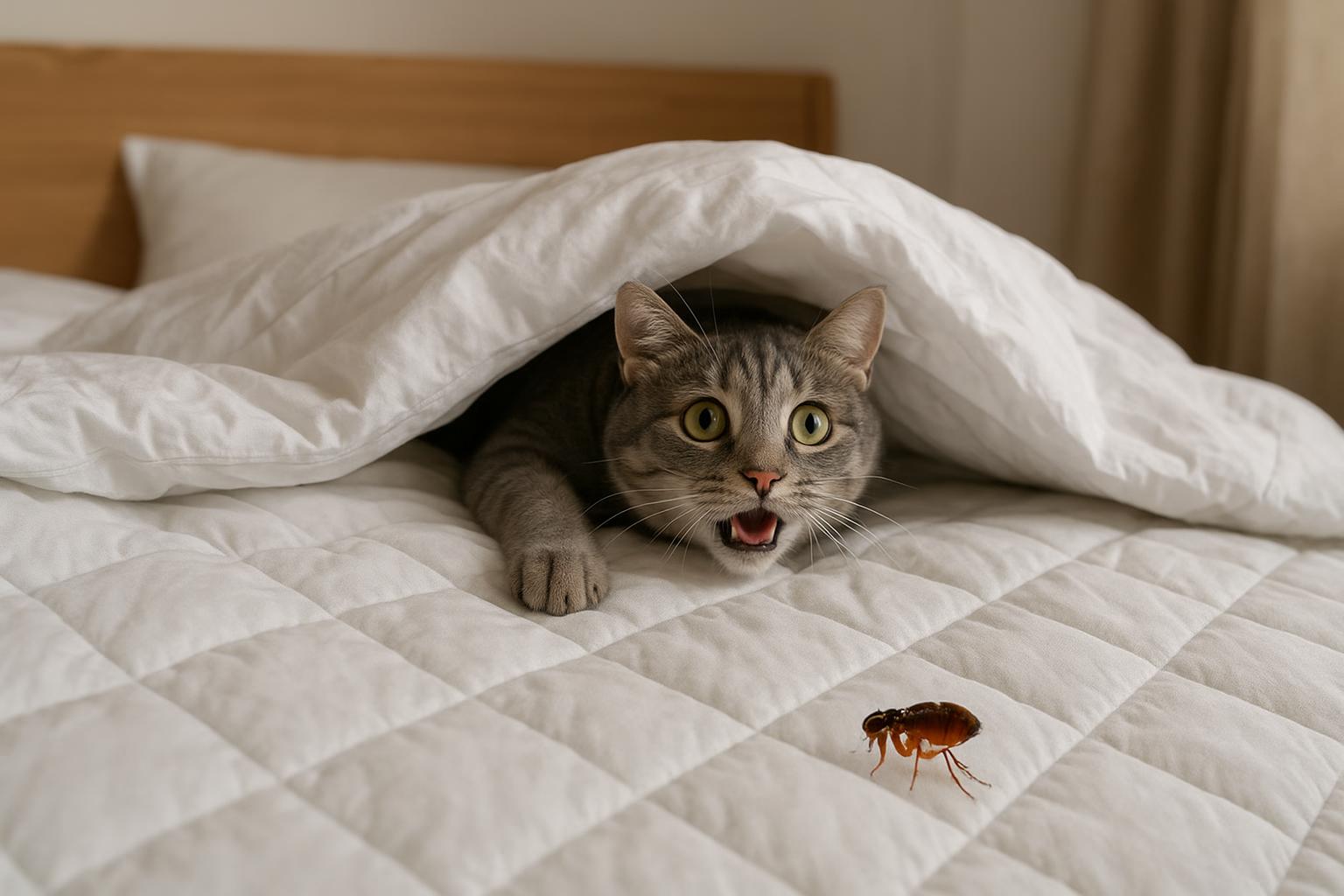
Fleas don’t read calendars. They breed fast, hide in carpets and bedding, and can survive in low numbers through colder months. That’s why year round prevention is not just a nice idea — it’s the most reliable way to keep flea populations from rebounding. After a single untreated season, a tiny flea problem can turn into a household infestation that takes months to clear.
### The Lifecycle You’ll Want To Interrupt
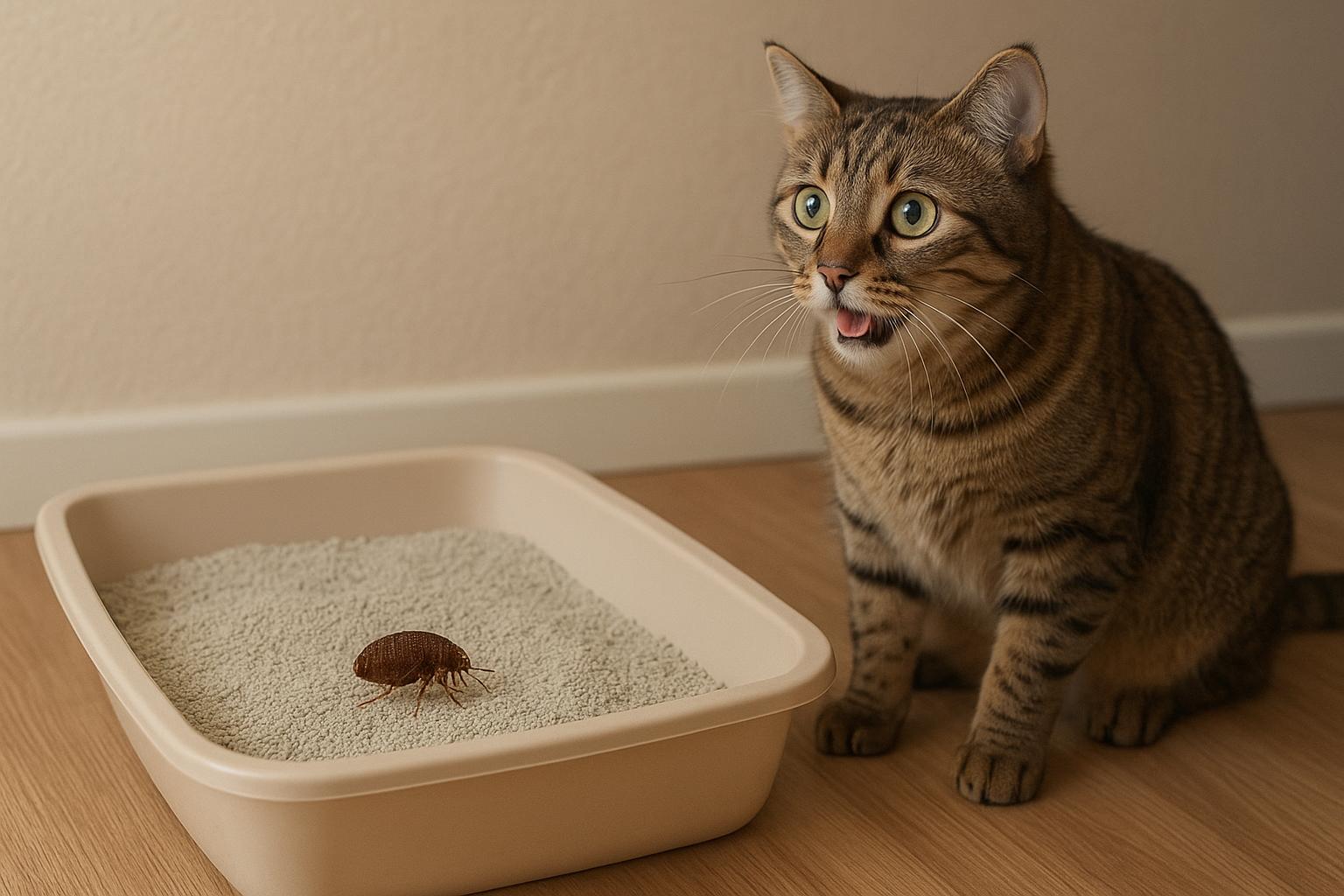
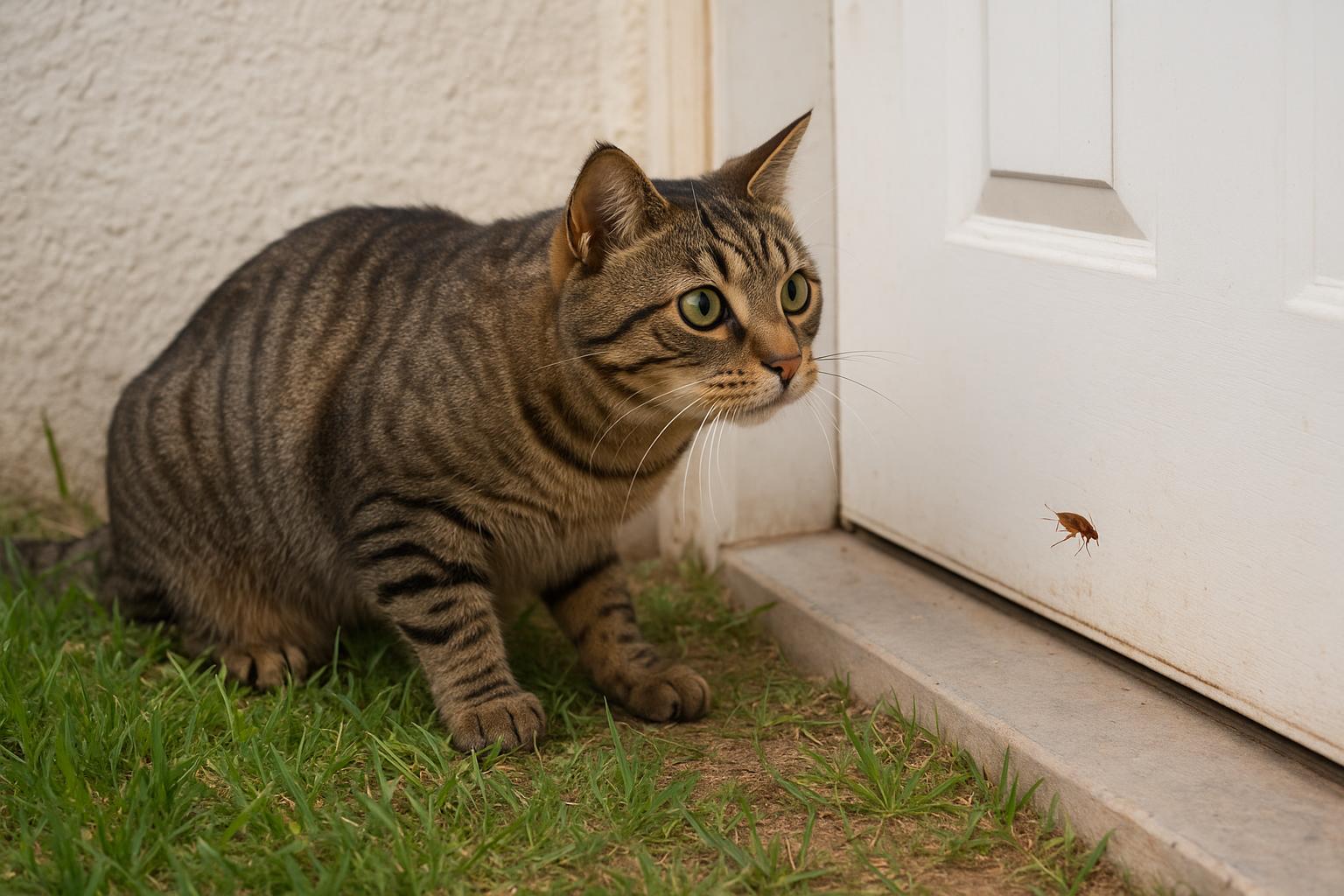
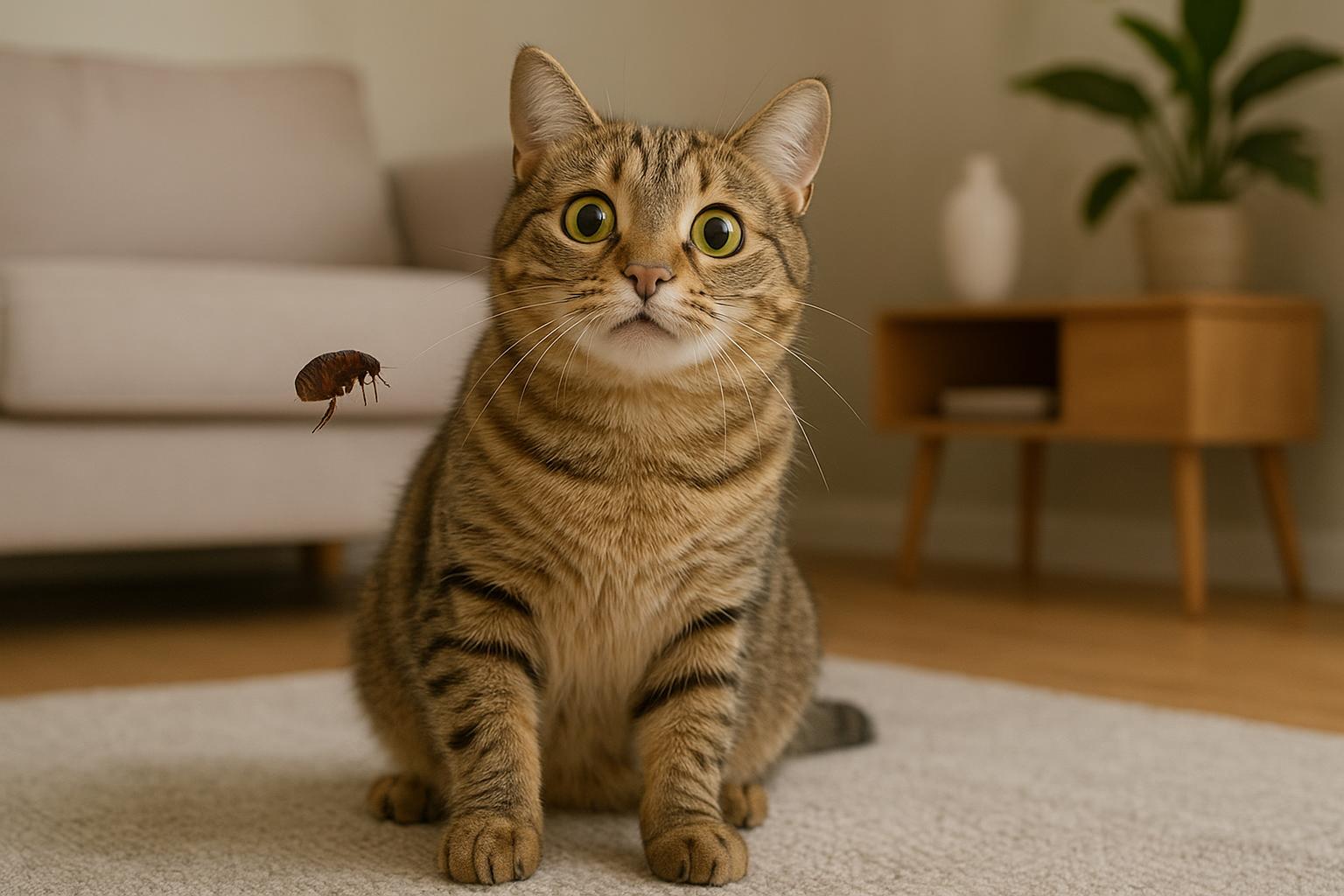
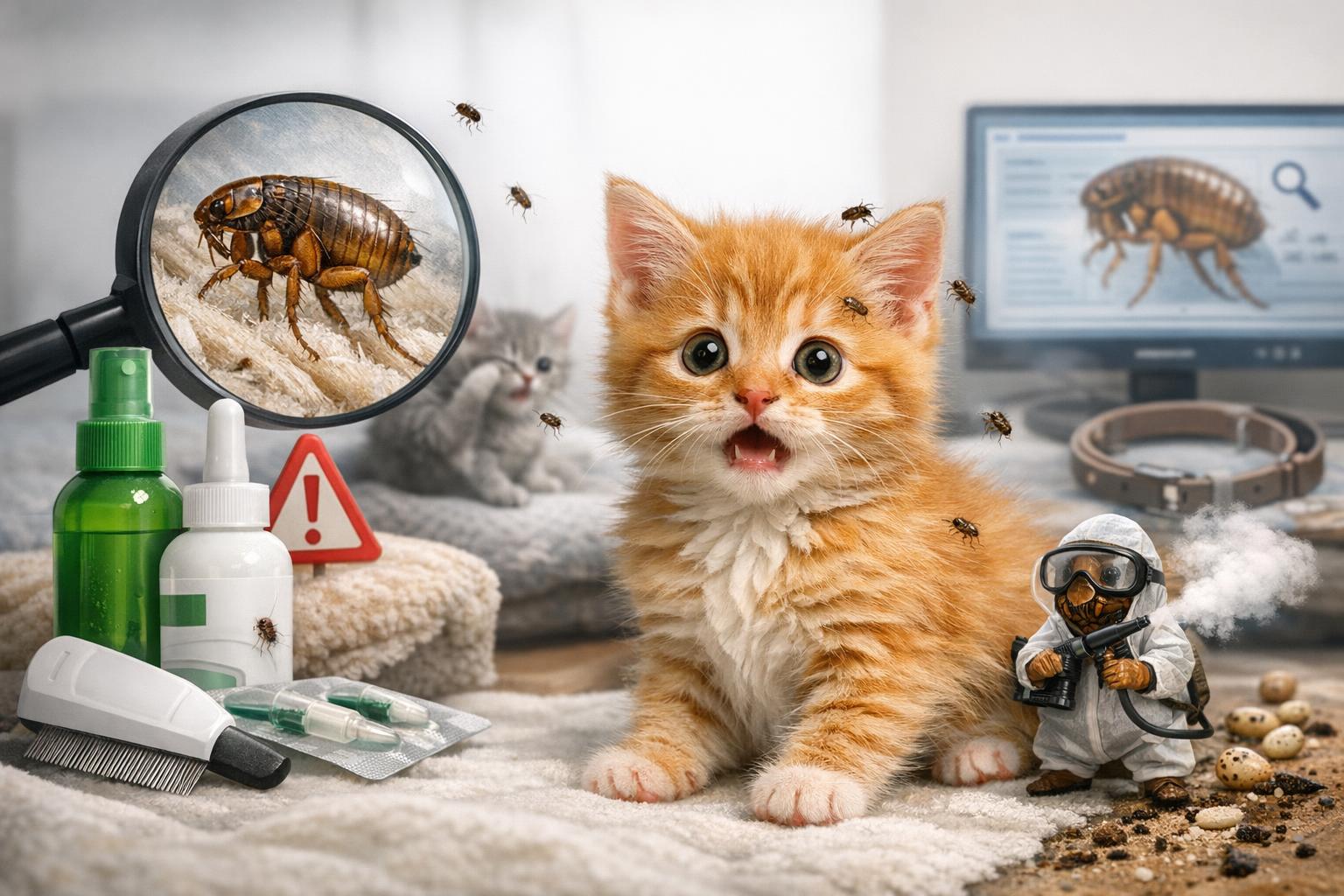
A quick, practical note: adult fleas are only one part of the picture. Eggs, larvae, and pupae live in your environment (carpets, crevices, pet beds) and can emerge weeks or months later. Effective control targets both the cat and the environment so you’re interrupting the lifecycle at multiple points. Use the phrase year round prevention in your planning and habits so gaps in protection don’t give fleas an opening.
### Common Misconceptions
– “It’s only a summer problem.” Not true — mild winters and indoor heating often allow fleas to breed year-round.
– “One treatment will fix it forever.” One dose helps, but continuous protection and environmental management are necessary for sustained results.
– “Natural alone is enough.” Some natural measures reduce risk and are safe to use, but in many infestations, veterinary-grade products are required to fully control fleas.
## Practical Assessment And Monitoring
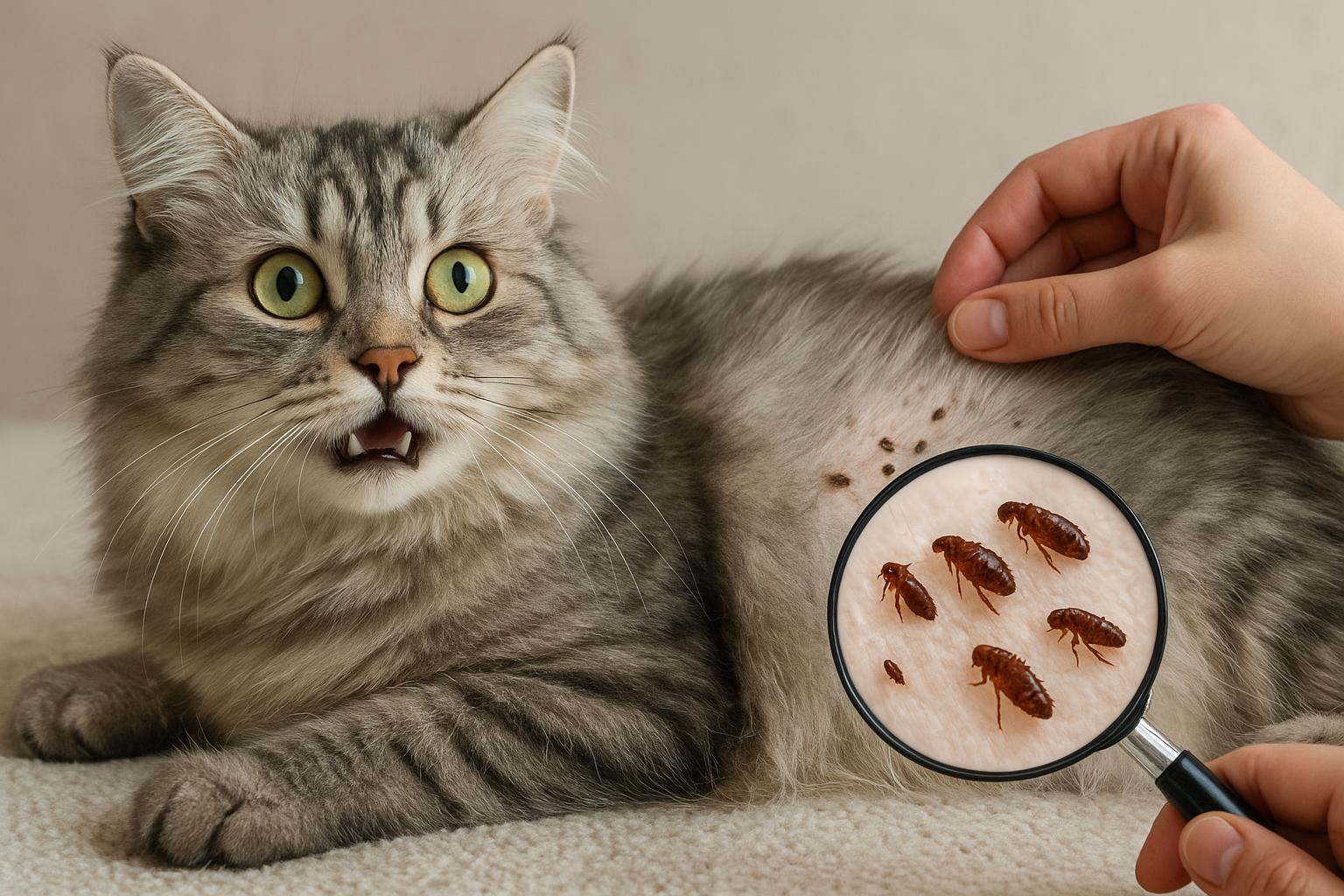
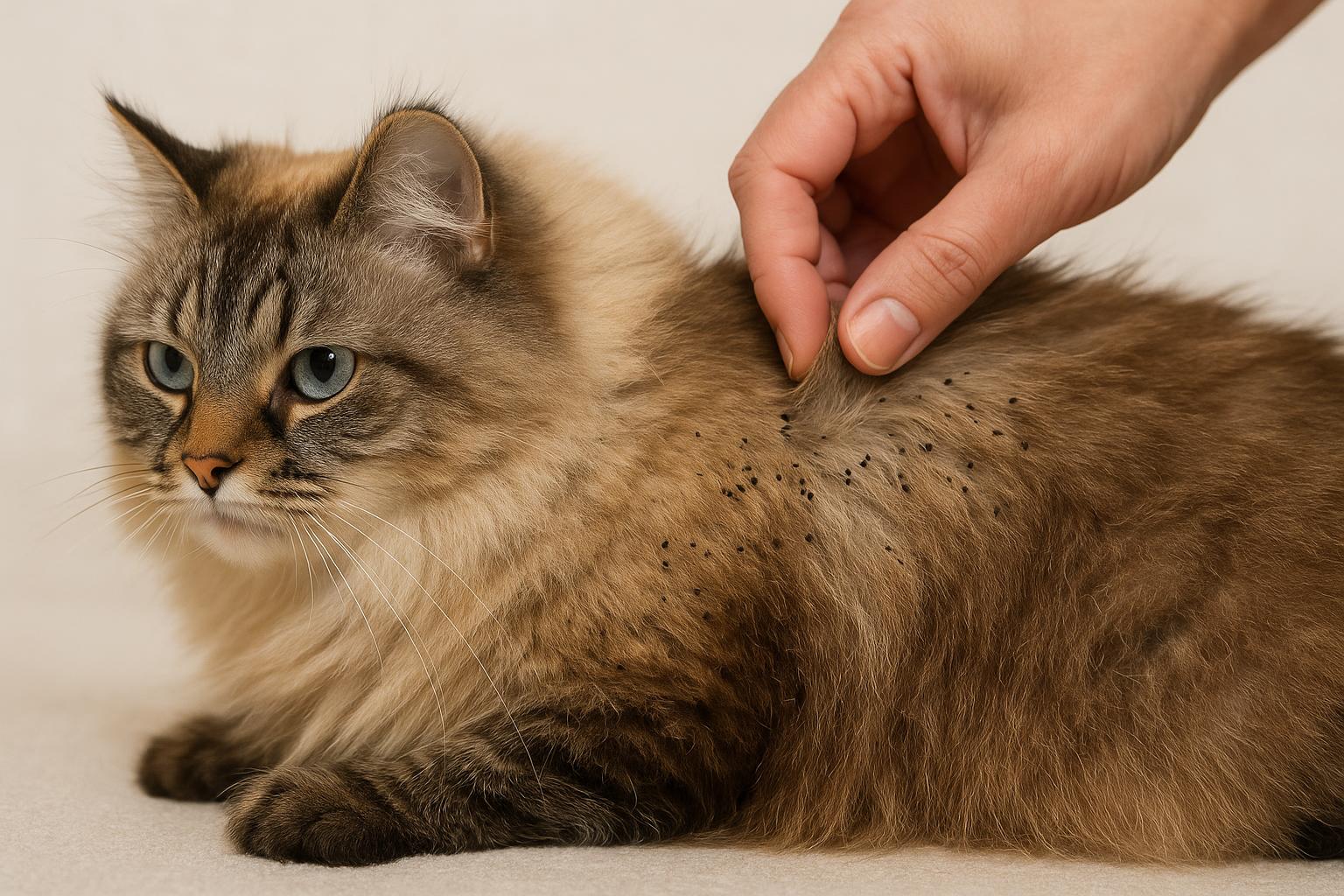
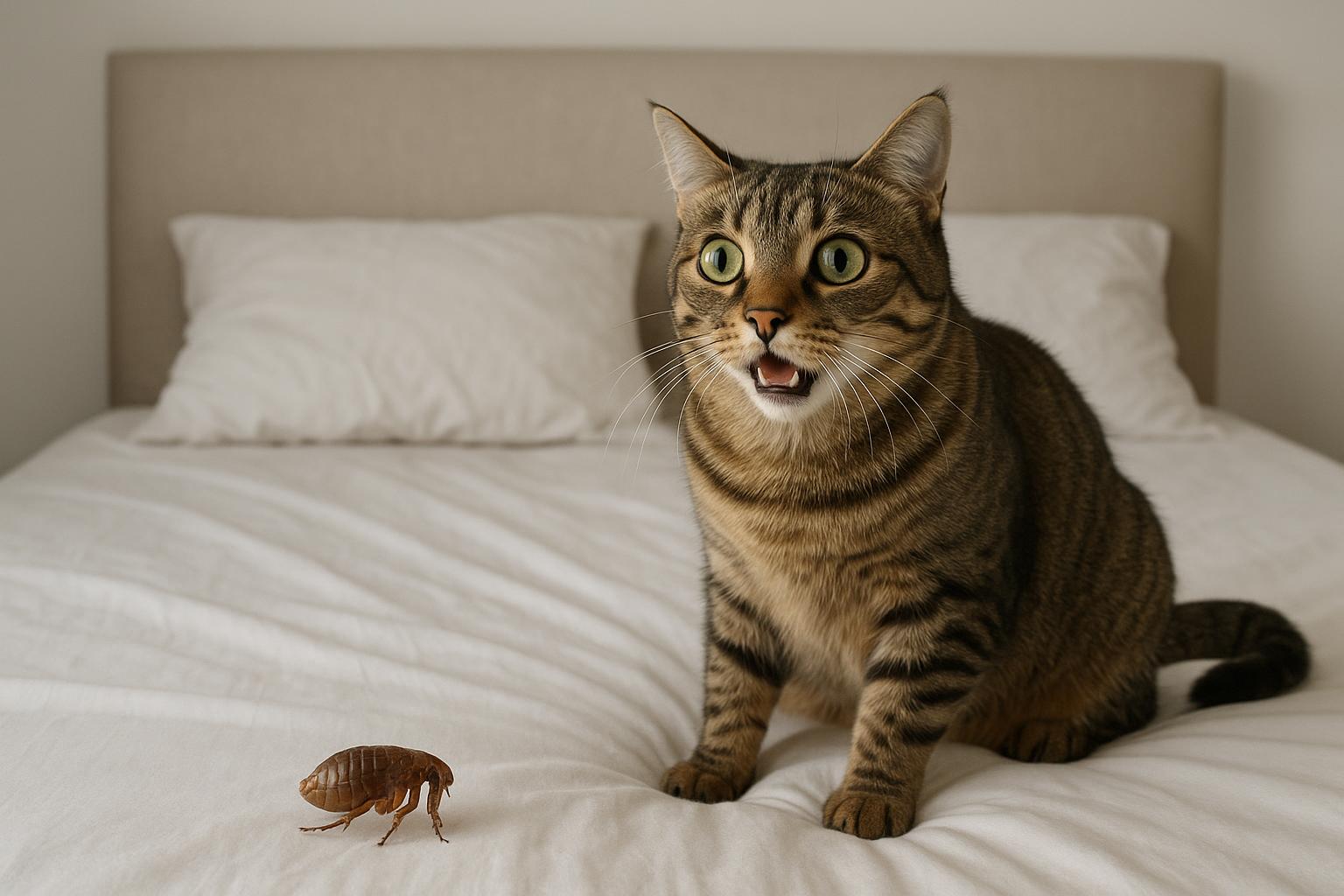
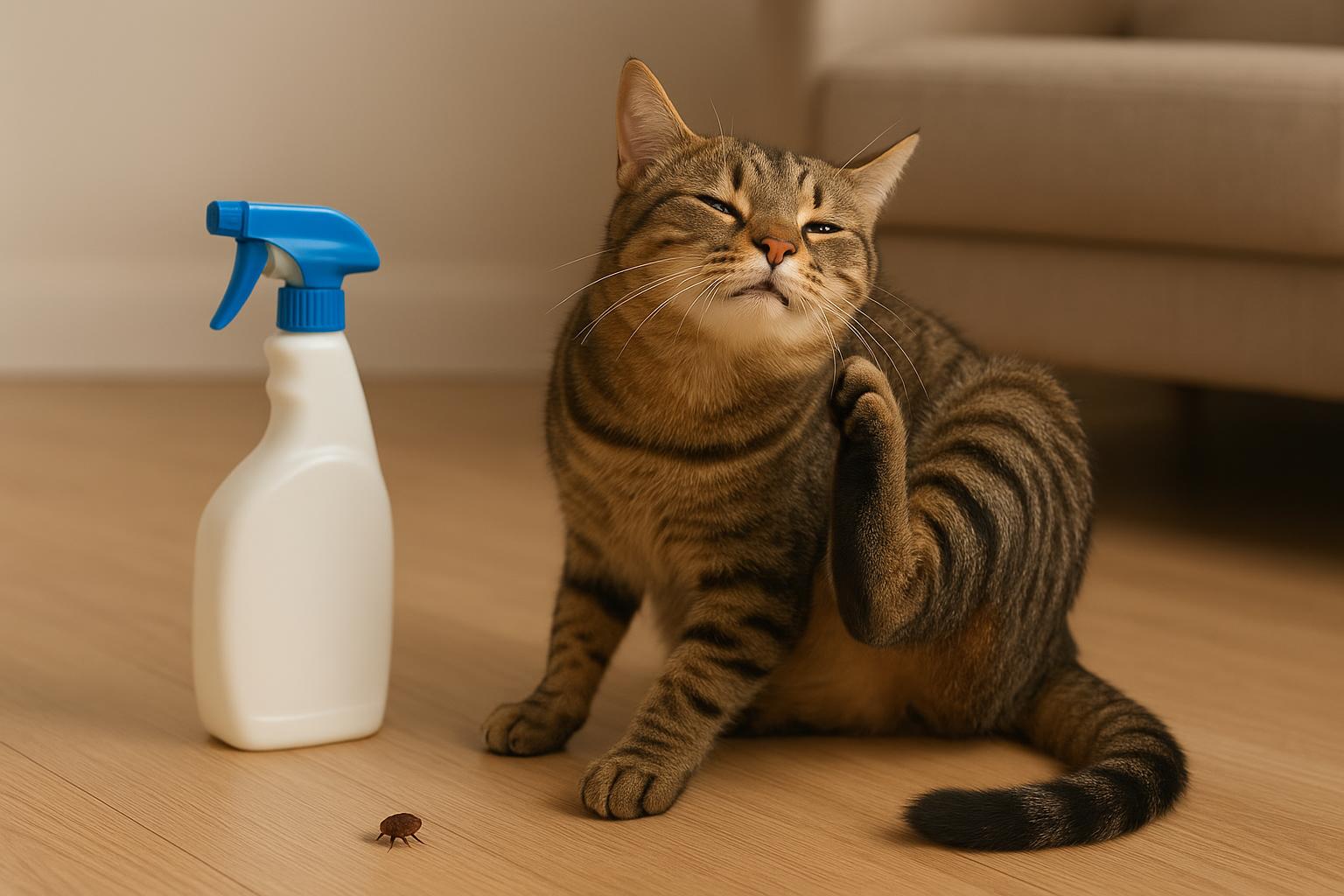
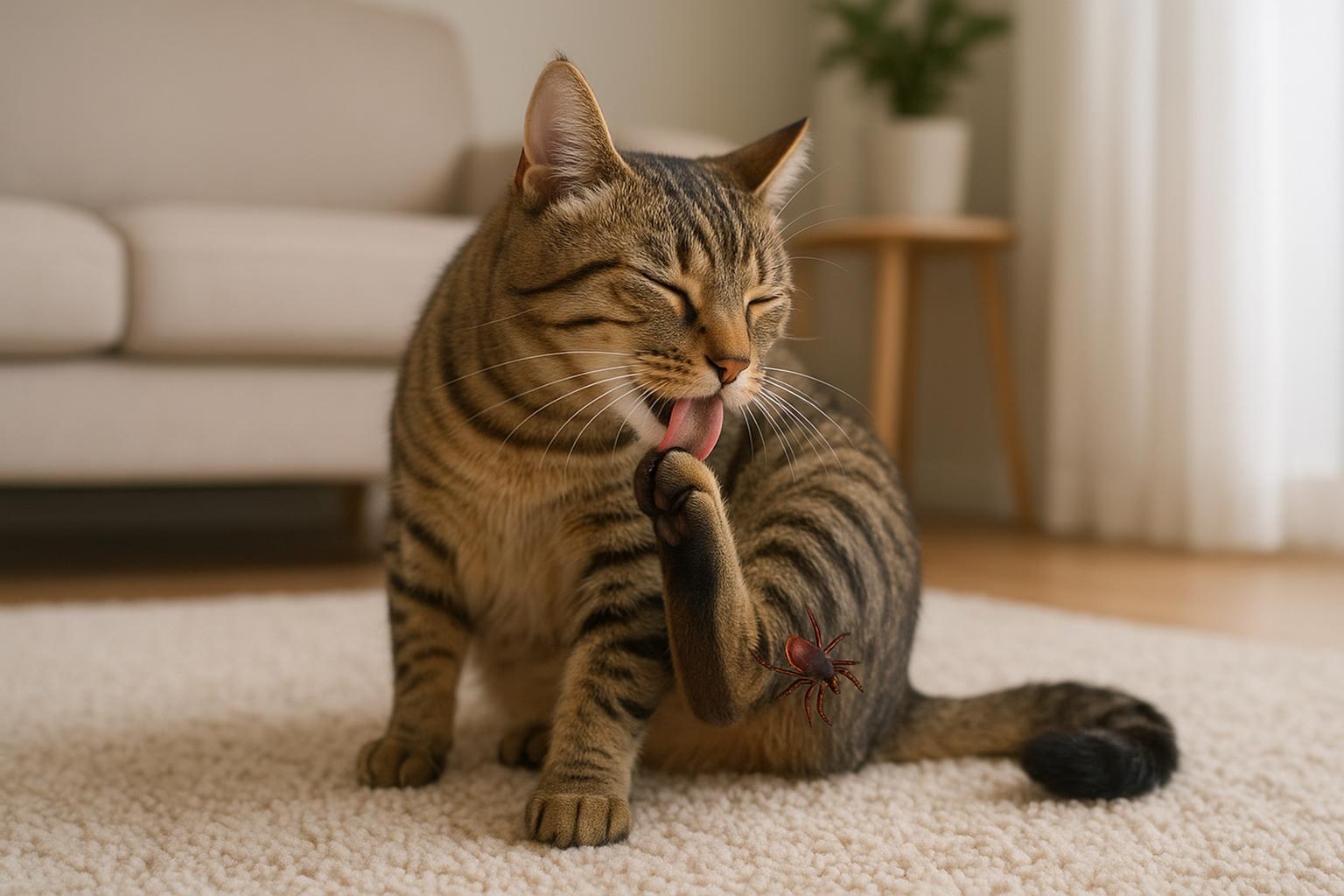
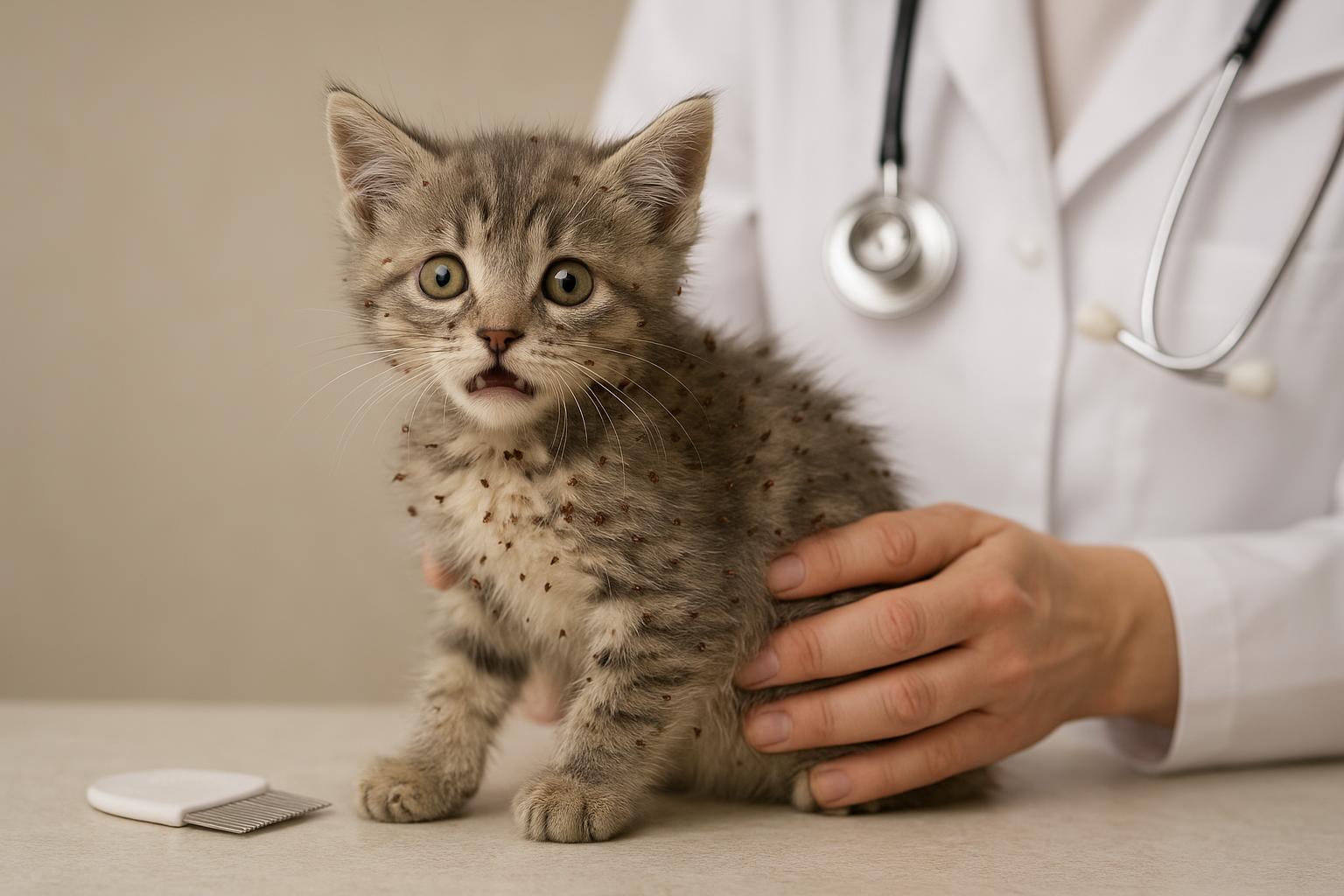
Start by assessing your cat and home: check your cat’s skin for adult fleas and flea dirt, keep an eye on scratching behavior, and inspect bedding and rugs. If you spot evidence of fleas, begin your year round prevention routine immediately—don’t wait for visible explosions of population.
### When To Call The Veterinarian
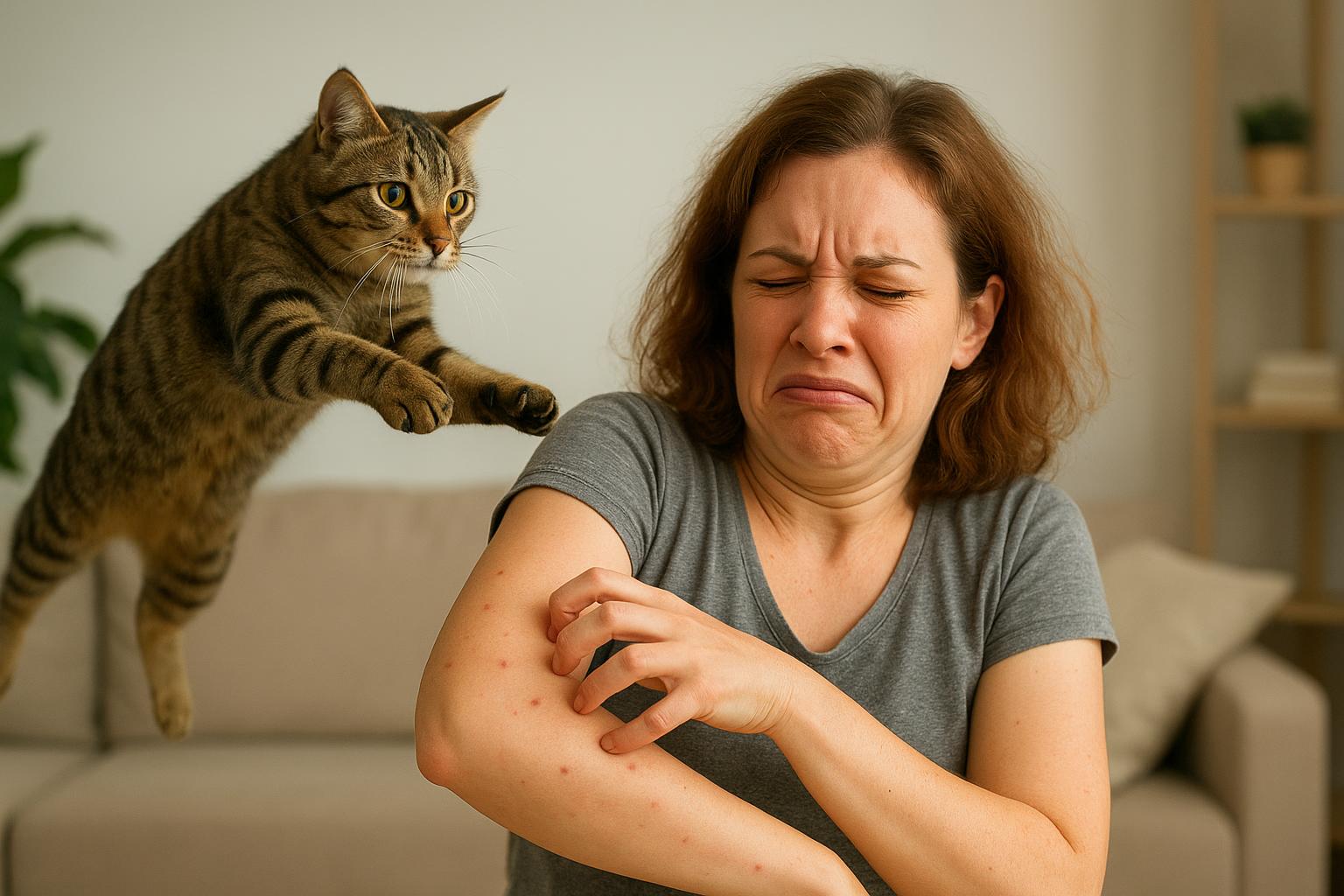
If your cat shows excessive itching, hair loss, skin sores, or signs of anemia (pale gums, lethargy), contact your veterinarian. These signs may indicate a heavy infestation or flea allergy dermatitis, which require immediate, often multi-pronged professional treatment.
## Remedy 1: Preventive Topical And Oral Treatments (Vet-Recommended)
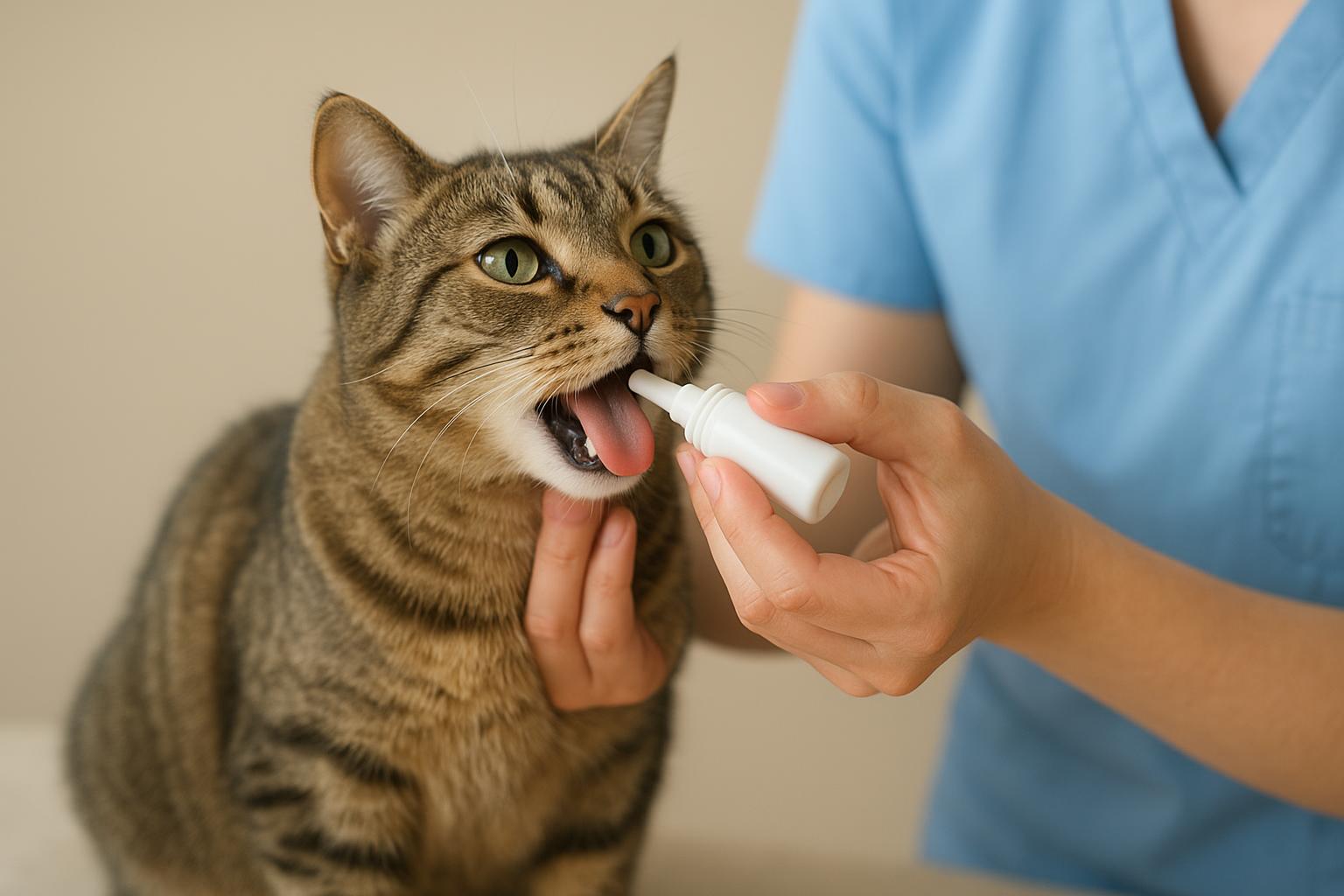
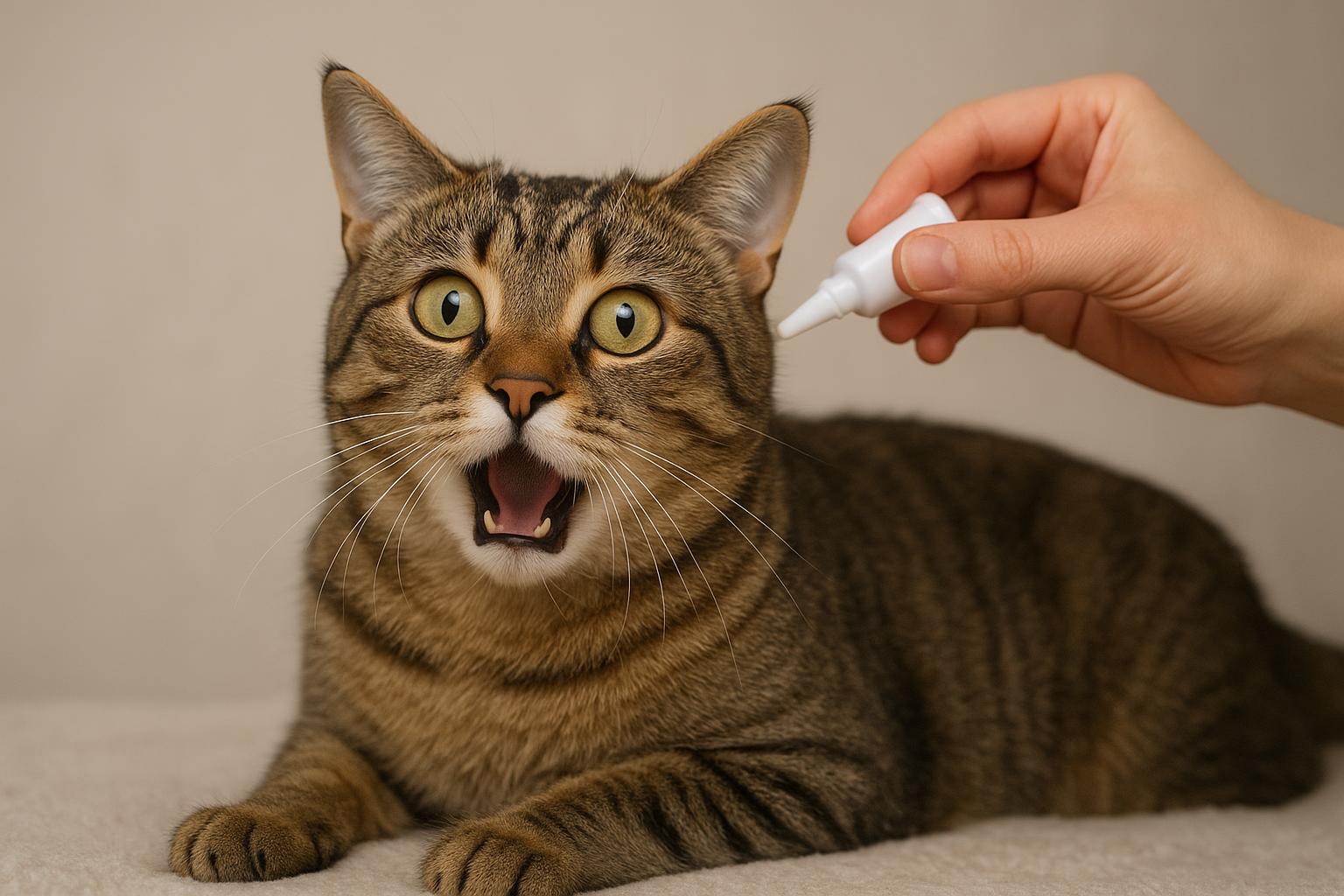
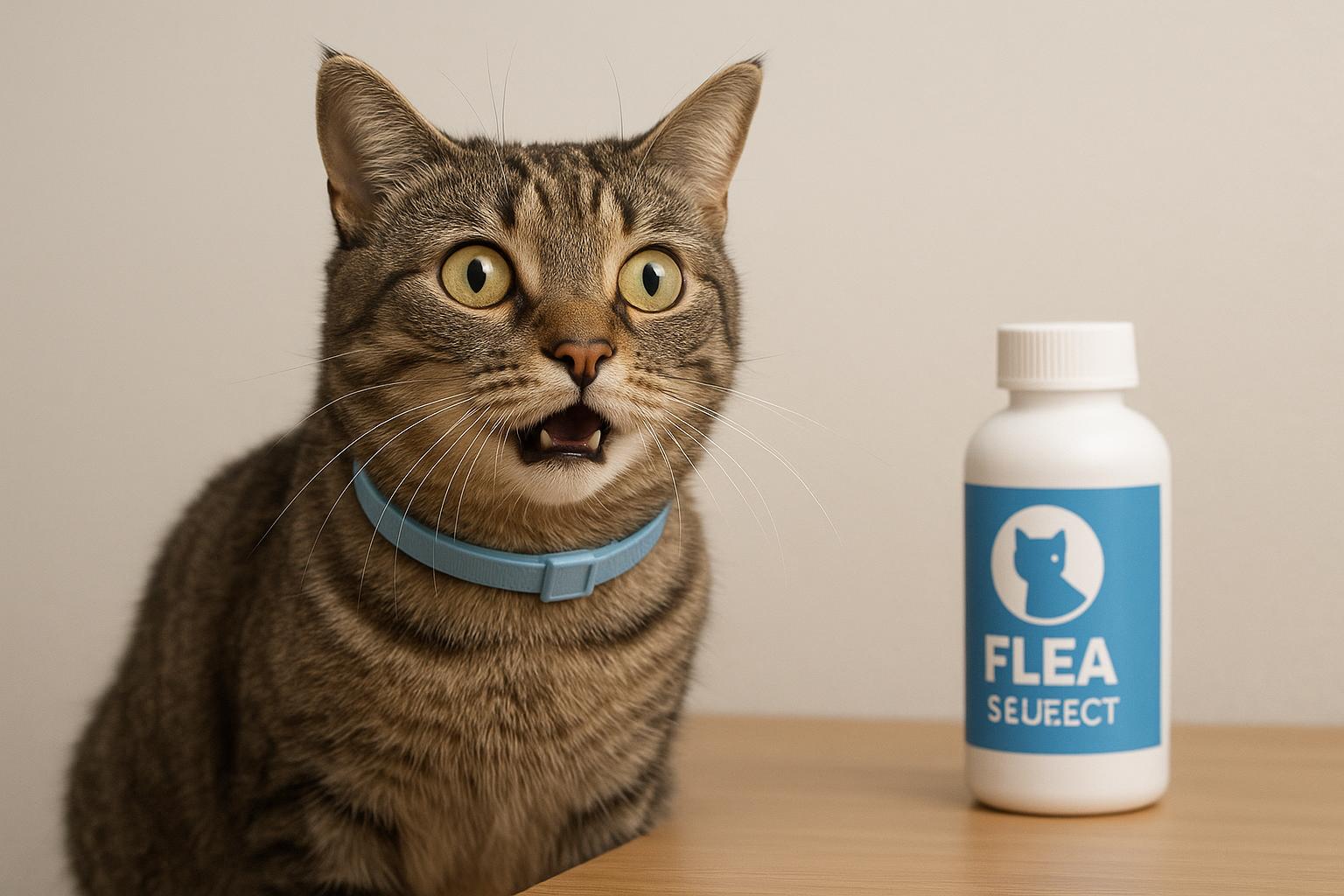
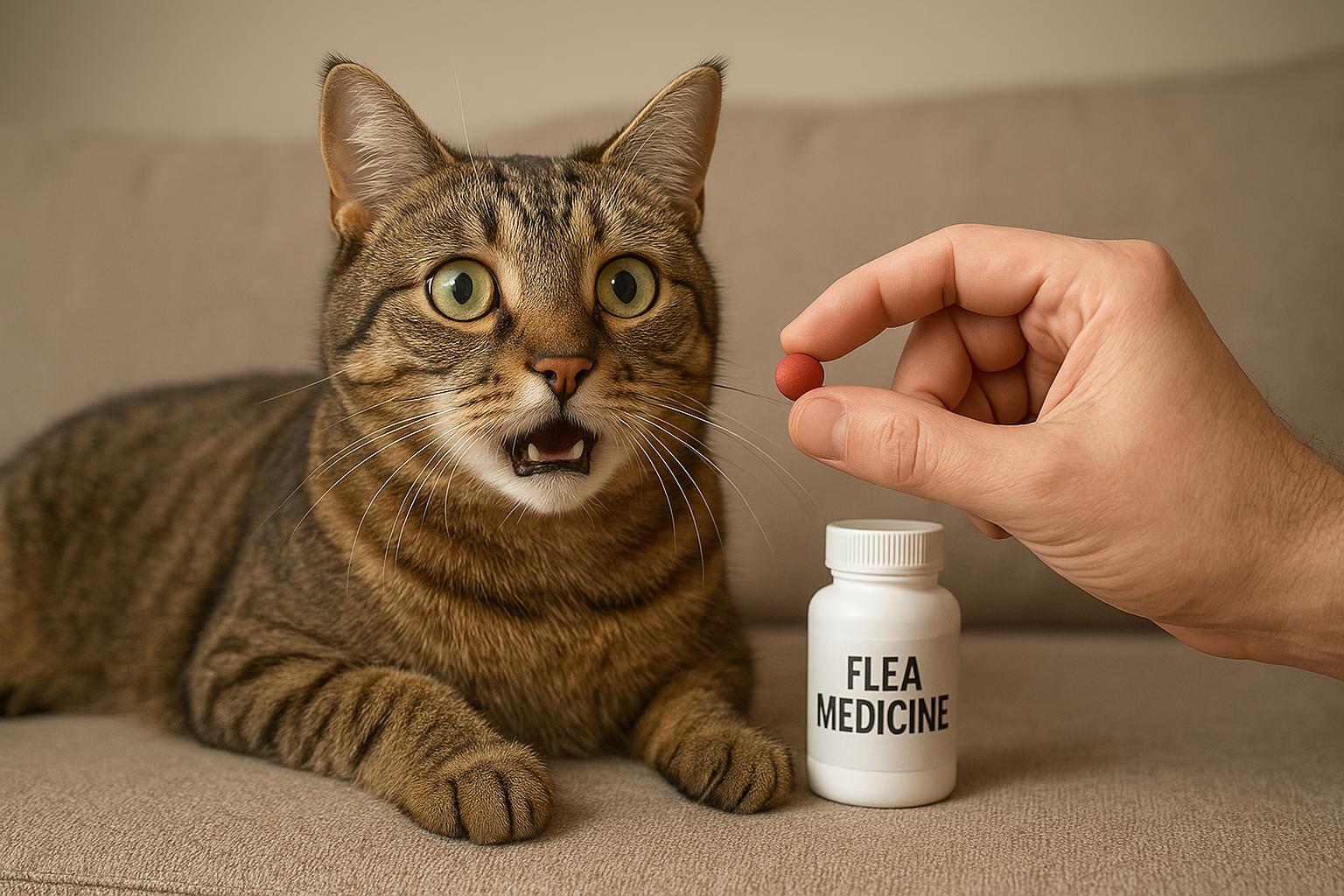
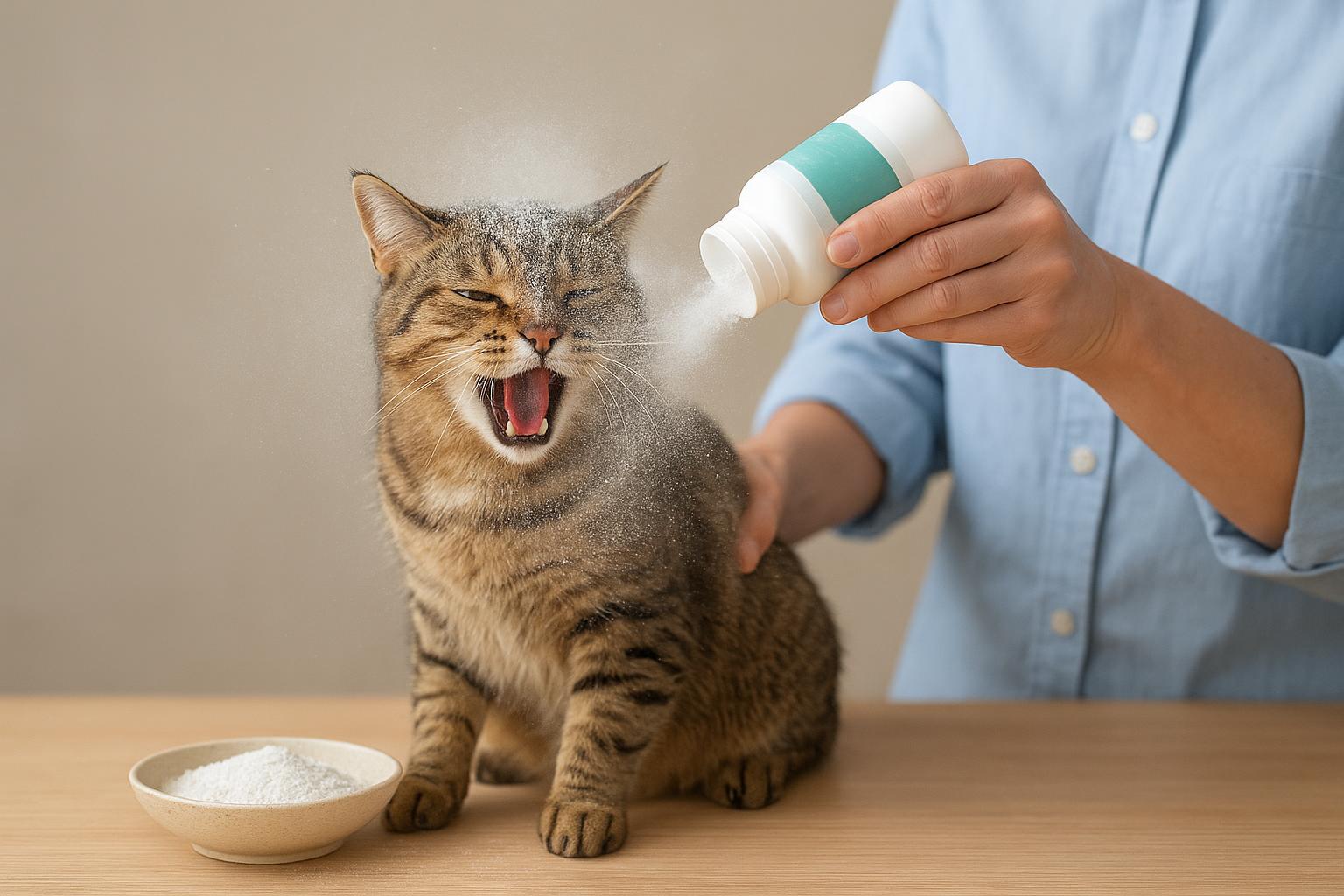
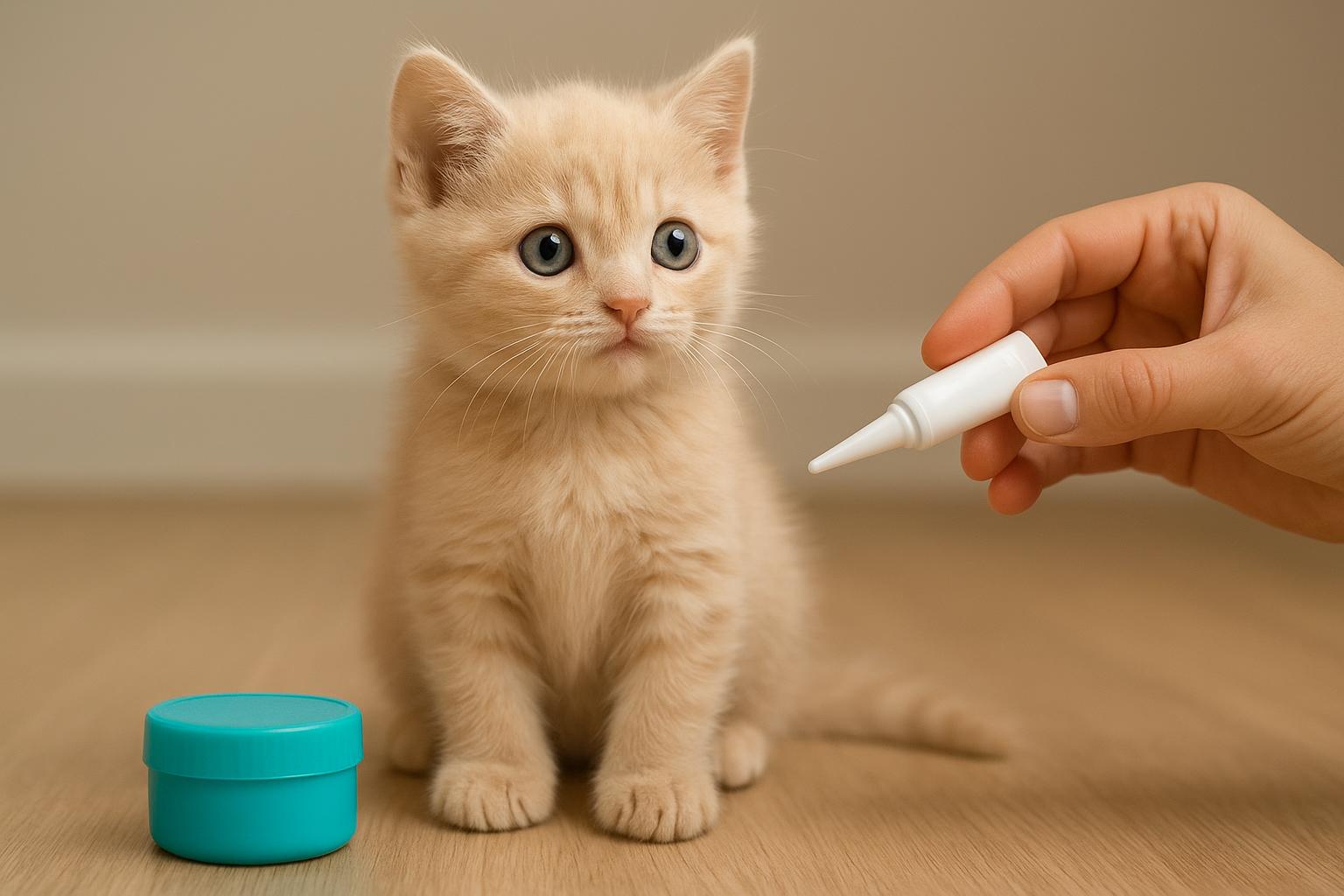
When I switch to formal mode: the most effective single-chosen method for flea control on the animal is the consistent use of veterinarian-approved topical or oral preventive medications. These products kill or prevent fleas at the time of feeding and may act on eggs or larvae depending on the active ingredient.
Ingredients / Required Materials
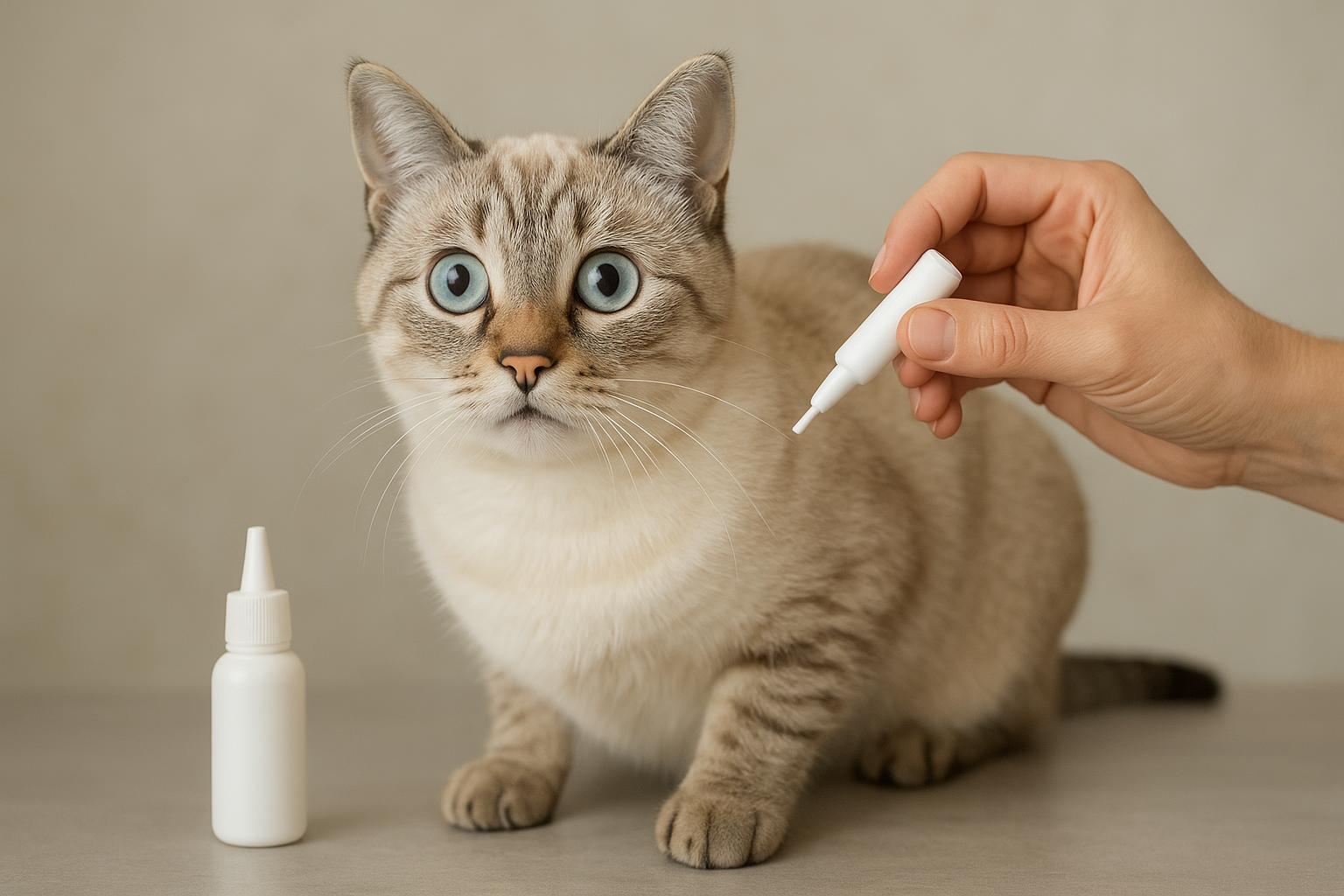
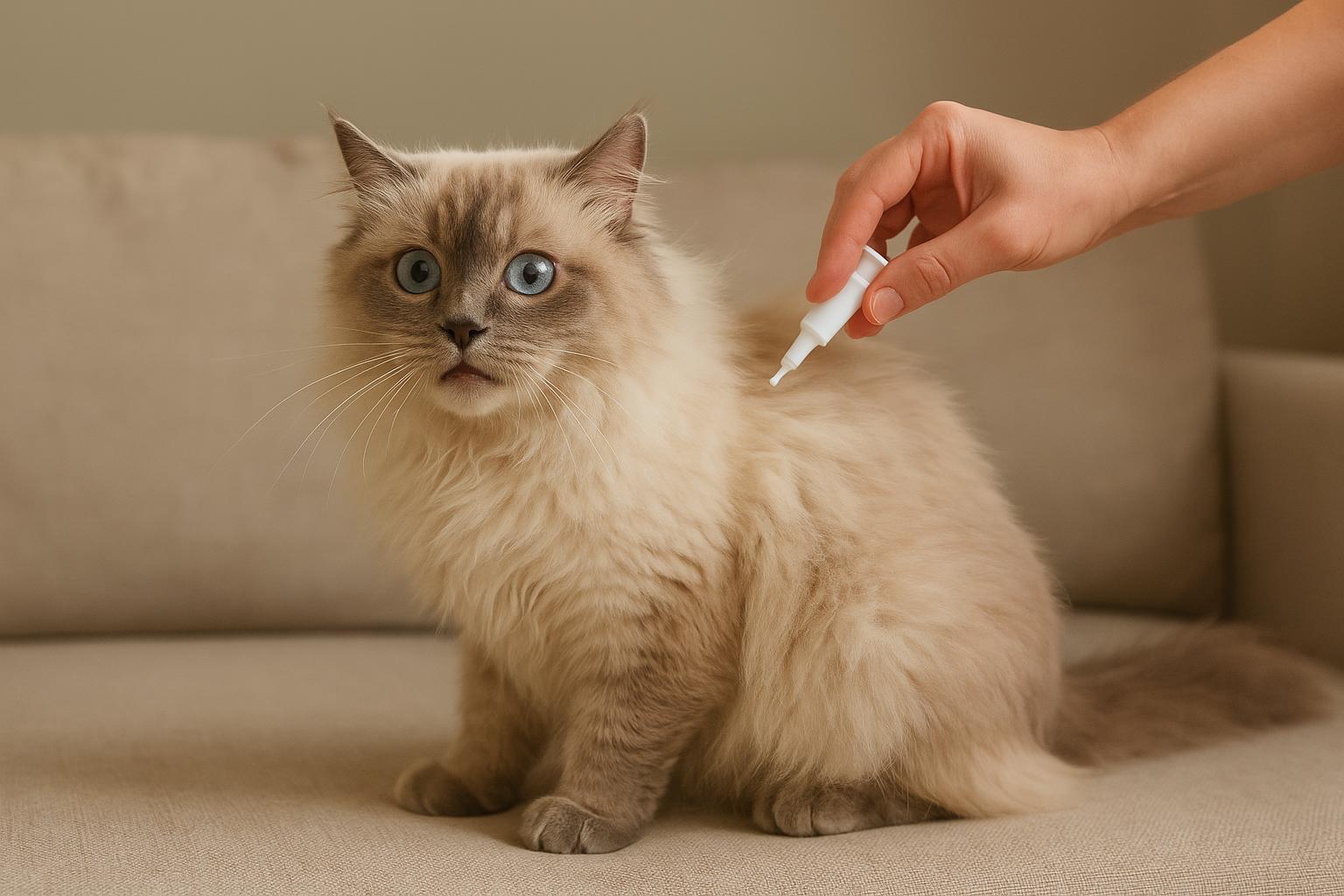
– Vet-prescribed topical spot-on treatments (e.g., compounds containing fipronil, selamectin, imidacloprid, depending on prescription)
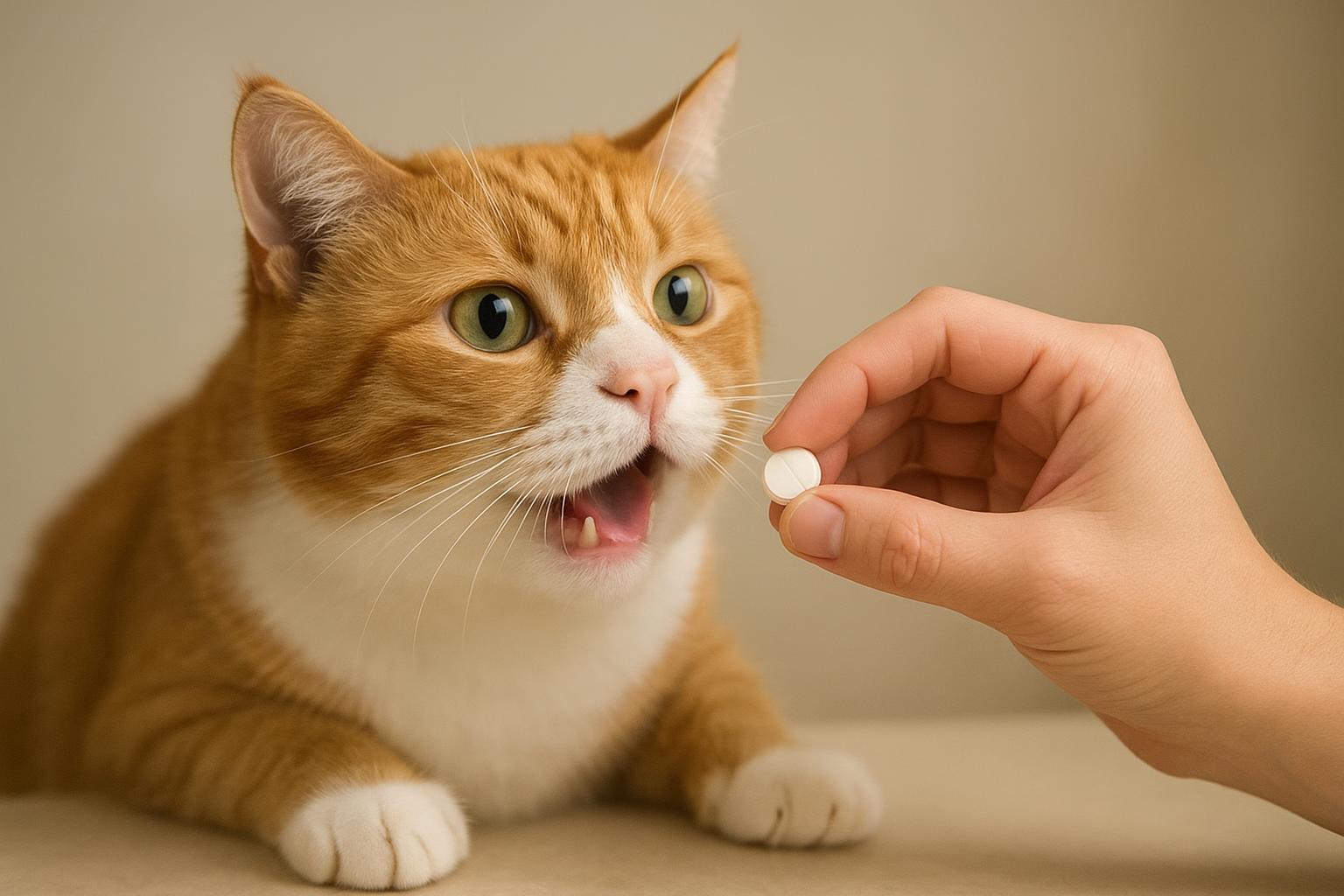
– Vet-prescribed oral medications (isoxazolines like fluralaner, afoxolaner, lotilaner — prescription required)
– A calendar or reminder app to track dosing schedule
– Veterinary contact information
Step-By-Step Application And Maintenance
1. Veterinary Consultation: Obtain a full physical exam and discuss product options. Some cats (very young, sick, or using other medications) may need specific choices.
2. Choose Product Type: Decide between monthly topical or oral once-every-1-3 months products according to vet recommendation and lifestyle (e.g., water exposure, multi-cat household).
3. Follow Label Directions Precisely: Apply topicals to the skin at the base of the neck or as instructed. Administer oral tablets whole with food if recommended.
4. Set a Reminder System: Use a calendar, app, or pill organizer to ensure contiguous coverage — interruptions are the most common failure in year round prevention.
5. Monitor For Reactions: Observe your cat for any adverse effects (vomiting, lethargy, skin irritation) and report immediately to your vet.
6. Maintain Records: Keep treatment receipts and dates for each animal in your household in case of travel, boarding, or vet inquiries.
Safety Notes (Formal)
– Always use products formulated for cats; dog products can be toxic.
– Avoid off-label combination of products unless directed by a veterinarian.
– Pregnancy, kittens under a certain weight, and pre-existing health conditions require tailored plans.
## Remedy 2: Home And Yard Environmental Management Plan
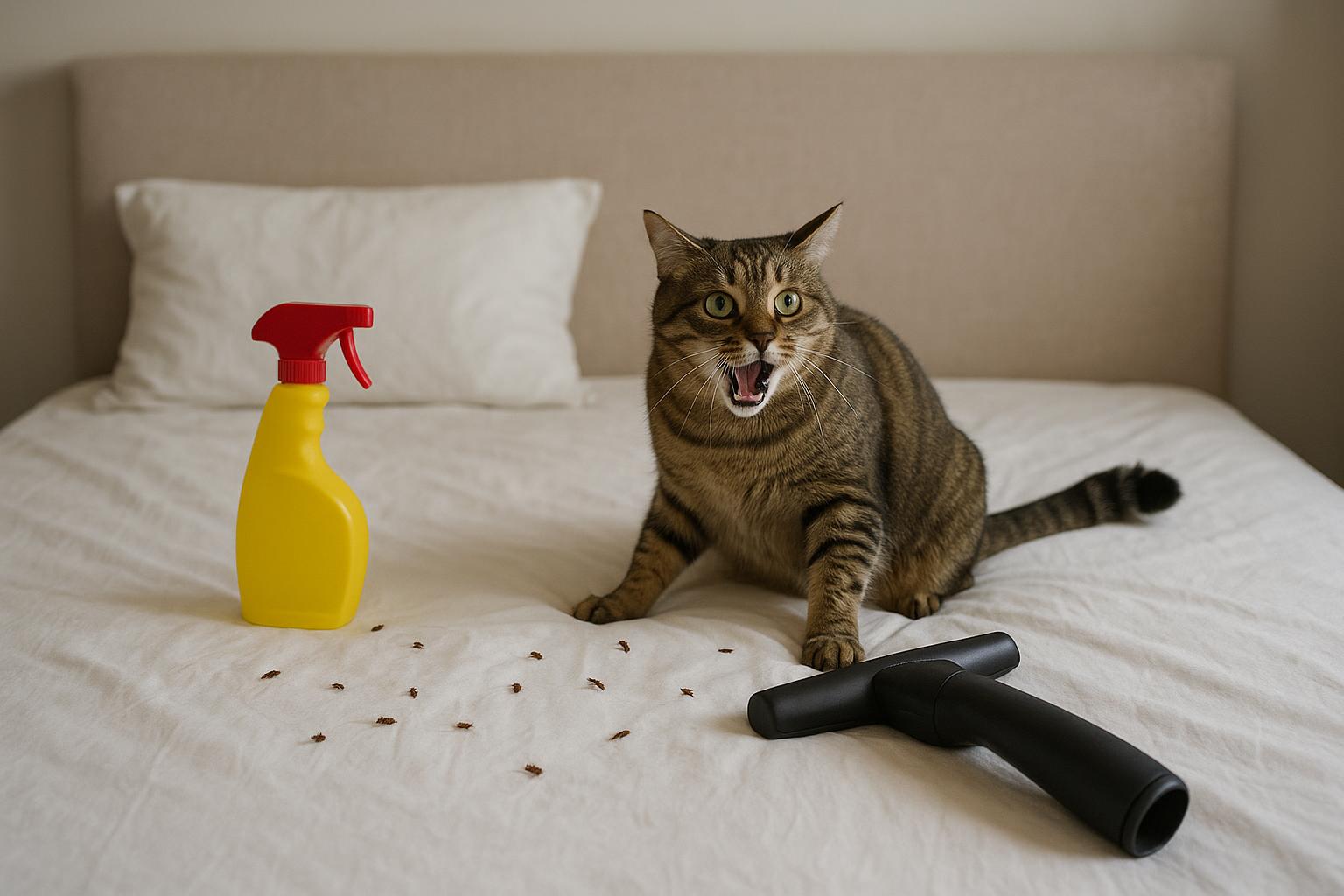
This remedy addresses the environment — where the majority of flea life-stages live. For year round prevention to work, you must treat both the cat and the places fleas inhabit.
Ingredients / Required Materials
– Vacuum cleaner with attachments
– Washing machine and hot water detergent
– Pet-safe insect growth regulator (IGR) or household products containing methoprene or pyriproxyfen (look for pet-safe labeled products)
– Insecticide for lawn/yard use if outdoor infestation is severe (professional-grade or homeowner products labeled for fleas)
– Diatomaceous earth (food grade) or silica-based desiccants (optional, carefully used)
– Pet bedding or washable covers
– Gloves and masks for personal protection during treatment
Step-By-Step Creation And Application
1. Deep Clean Home Environment:
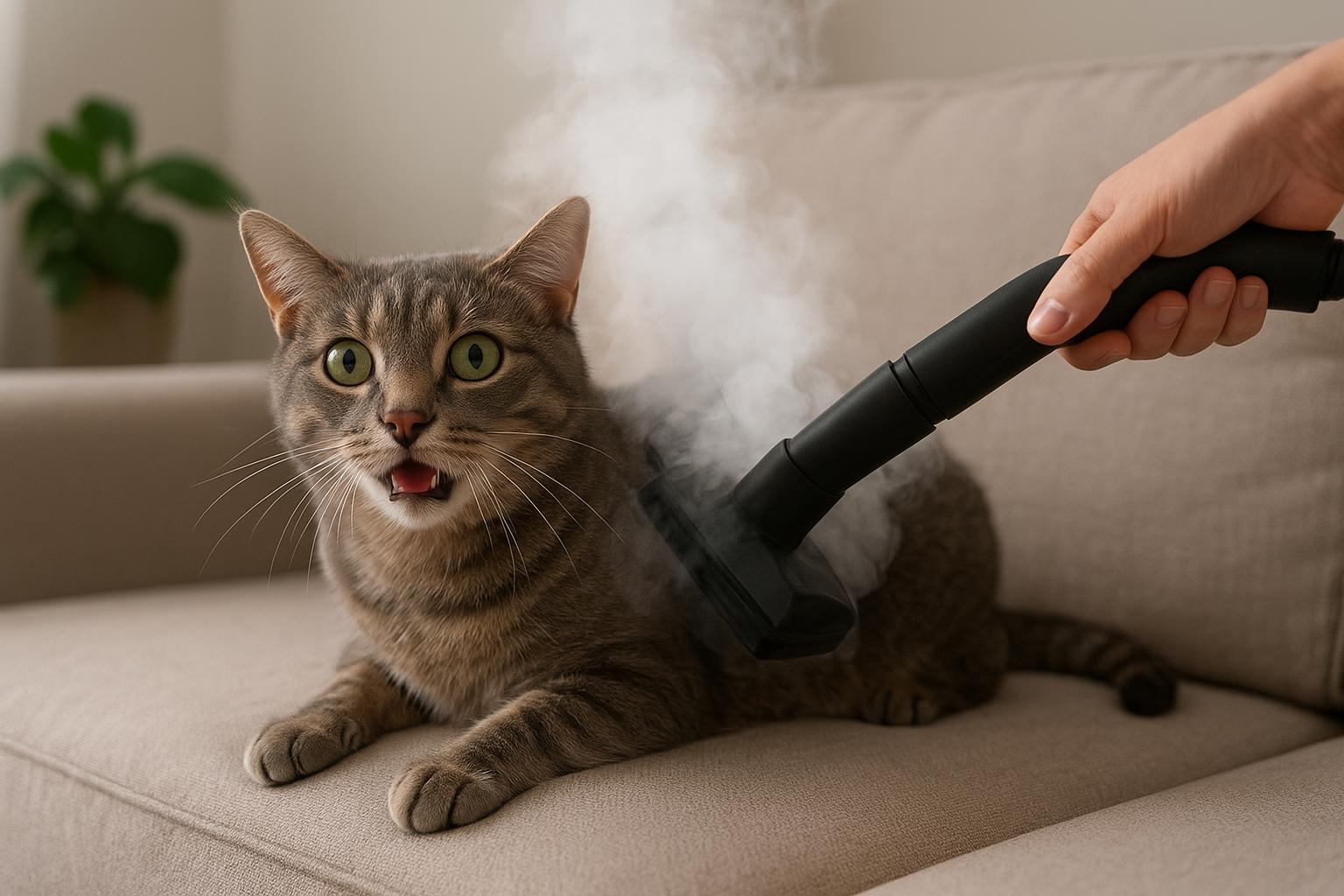
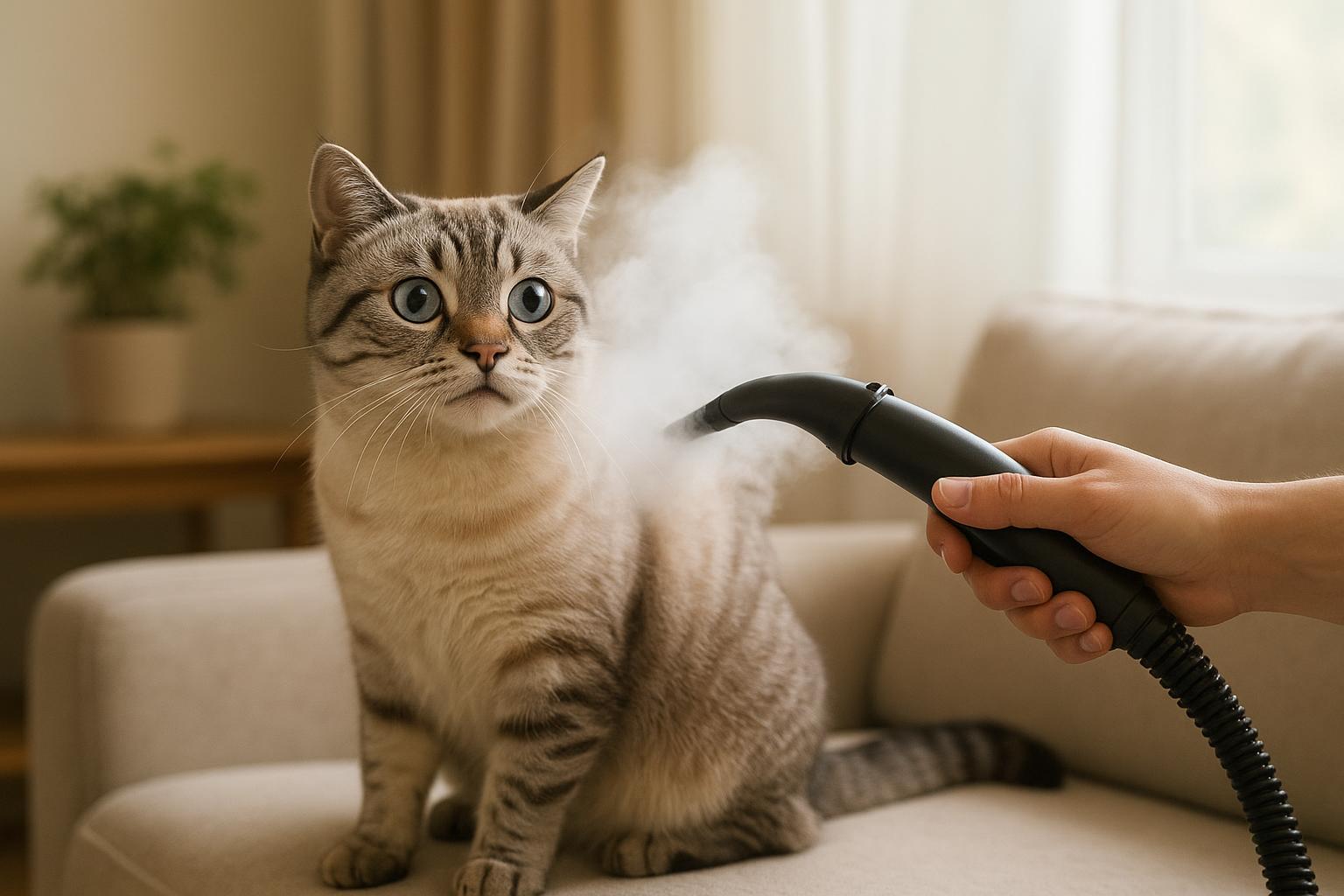
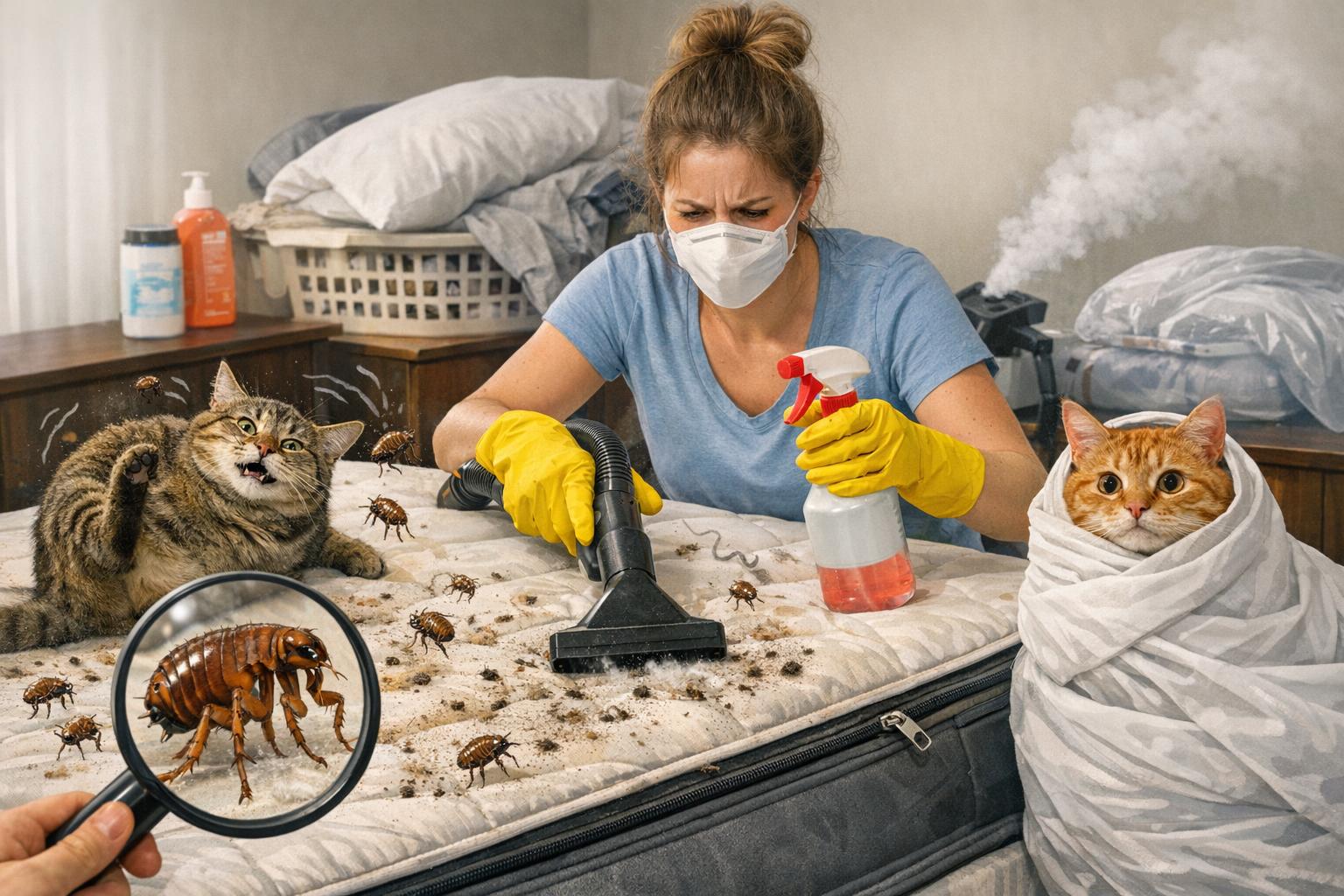
– Vacuum thoroughly and frequently. Focus on rugs, furniture seams, baseboards, and under beds. Immediately discard vacuum bag or empty canister contents into an outdoor trash bag.
– Wash all pet bedding, blankets, and removable cushion covers in hot water weekly for at least three weeks initially — this clears existing eggs and larvae.
2. Apply Indoor Control Products:
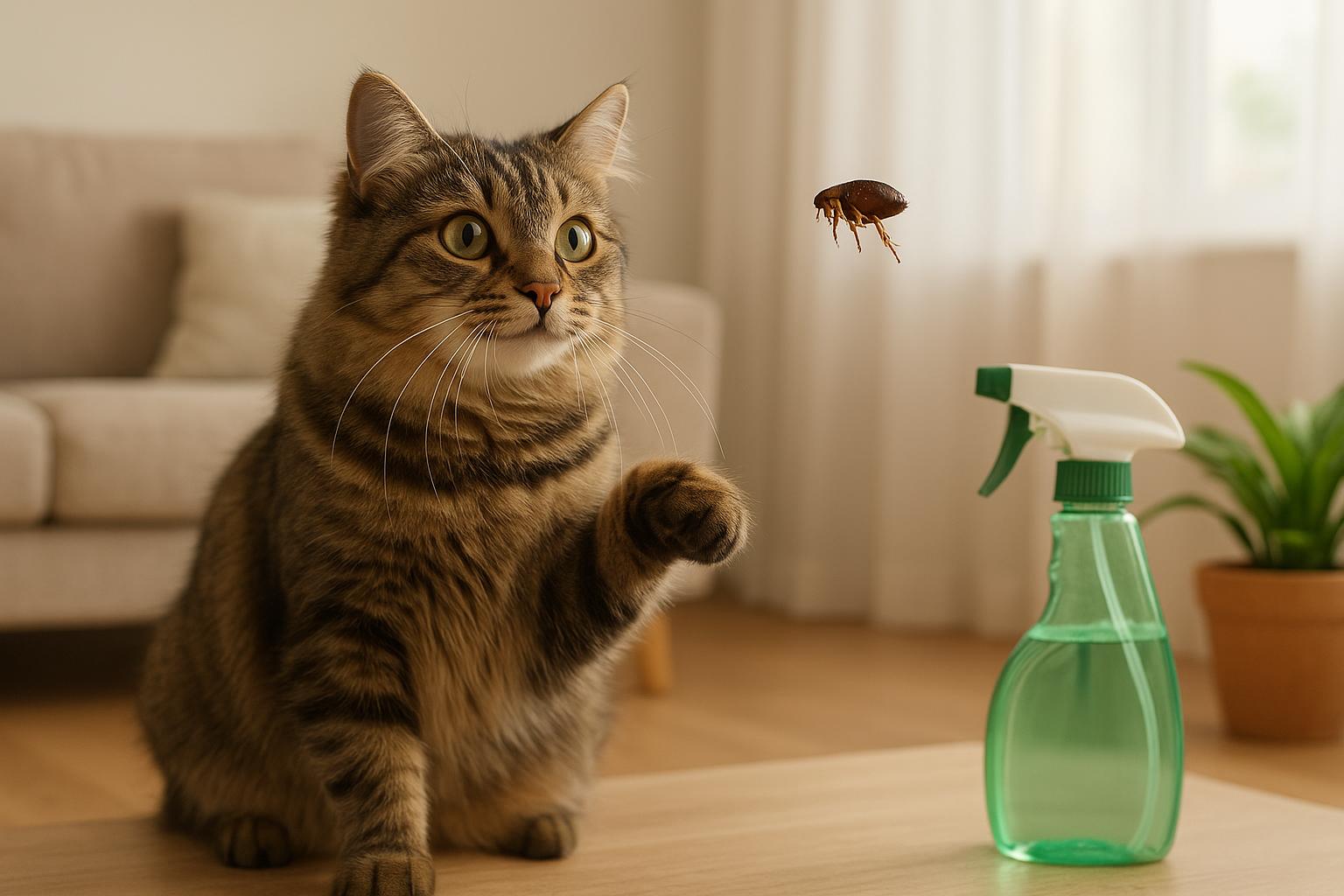
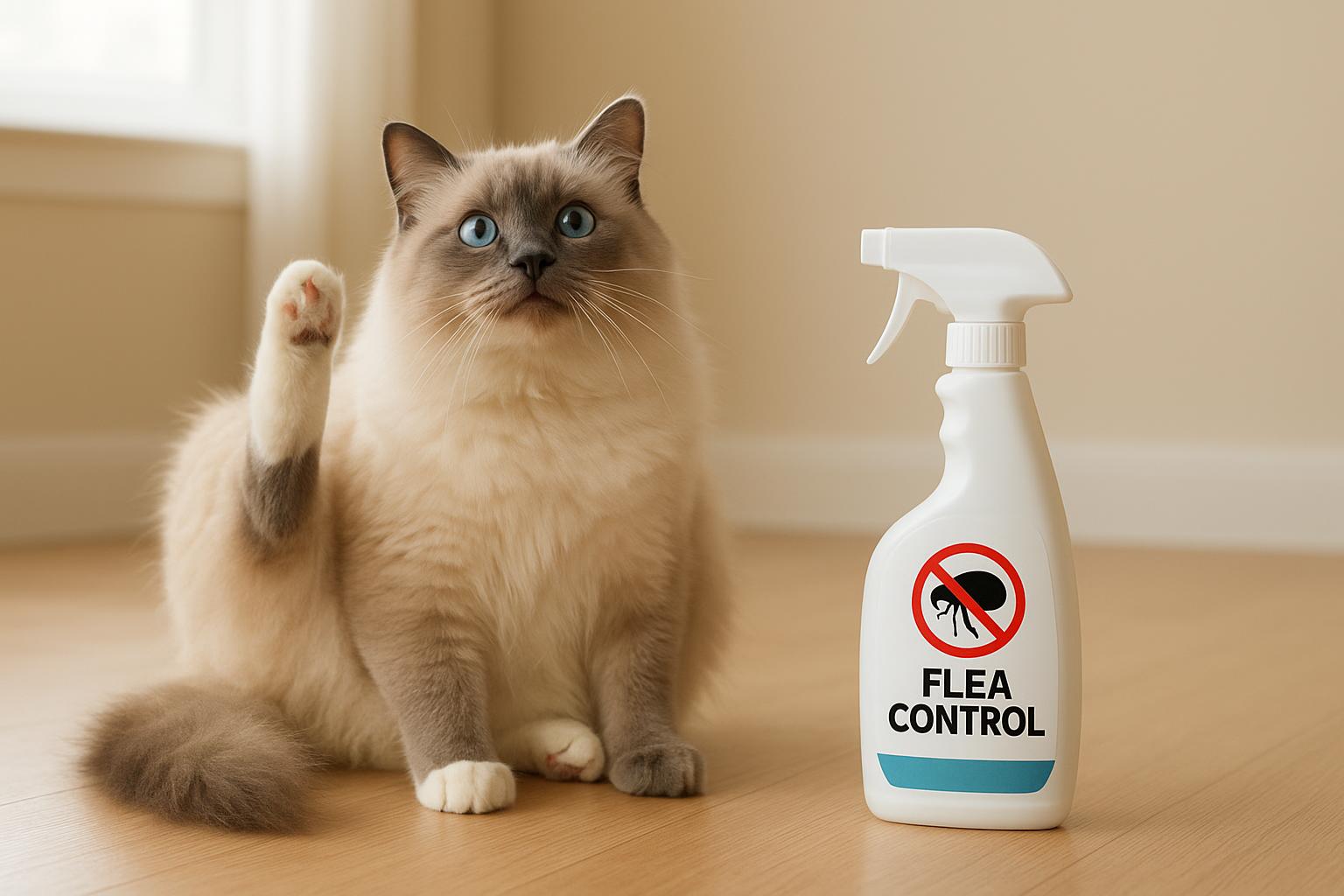
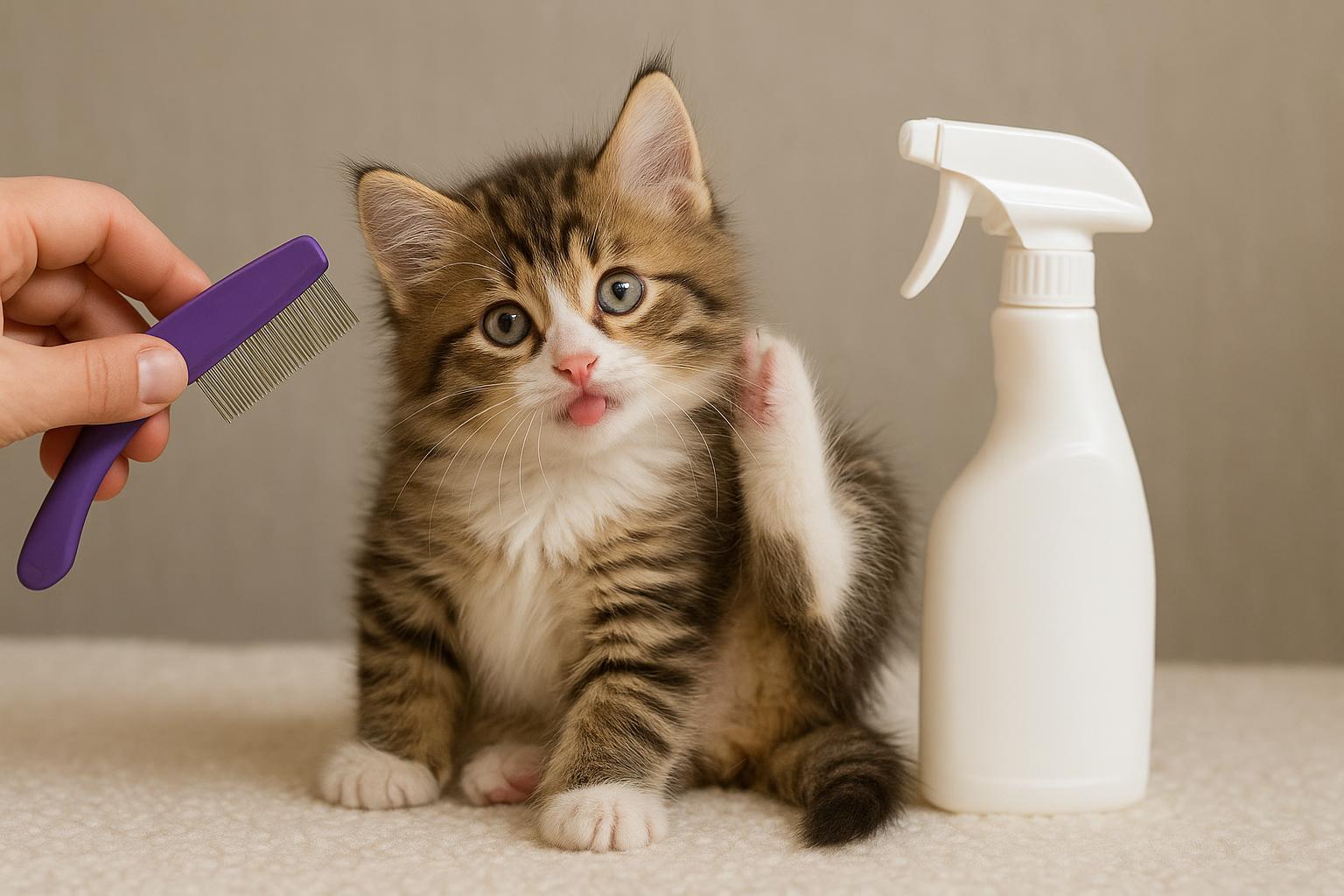
– Use an IGR spray according to label directions for carpets and floors. IGRs prevent eggs and larvae from developing into adults and are essential for breaking the life cycle.
– If using diatomaceous earth, apply lightly to carpets and pet resting areas, leave for 48 hours, then vacuum. Use food-grade and avoid inhalation exposure.
3. Treat Outdoor Areas:
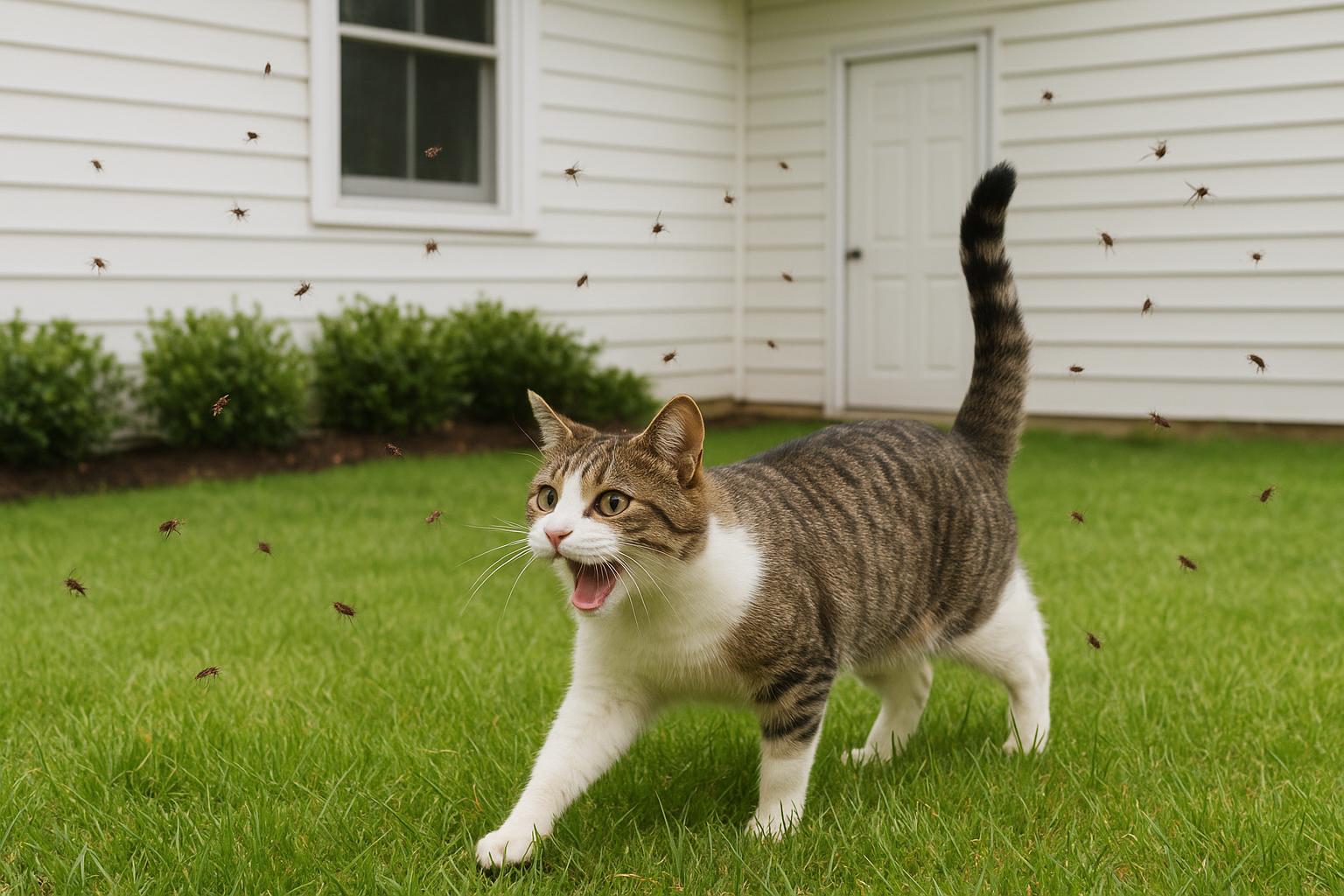
– Mow lawns, remove excess organic debris, and focus on shady, moist areas where fleas thrive.
– If needed, apply yard insecticides labeled for flea control or hire a professional pest control service for targeted perimeter treatments. Follow label and safety instructions strictly.
4. Repeat And Monitor:
– Reapply environmental treatments according to label intervals and your veterinarian’s advice. Continue weekly cleaning routines and monthly spot checks.
5. Integrate With Pet Treatment:
– Coordinate timing of environmental treatments with your cat’s preventive dosing schedule to maximize the interruption of the flea life cycle.
#### Safety And Household Considerations
Use pet- and family-safe products when possible. Children and pets should be kept away from treated areas until products have dried or as instructed. When in doubt, consult professionals for severe infestations.
## Lifestyle Habits That Support Year Round Prevention
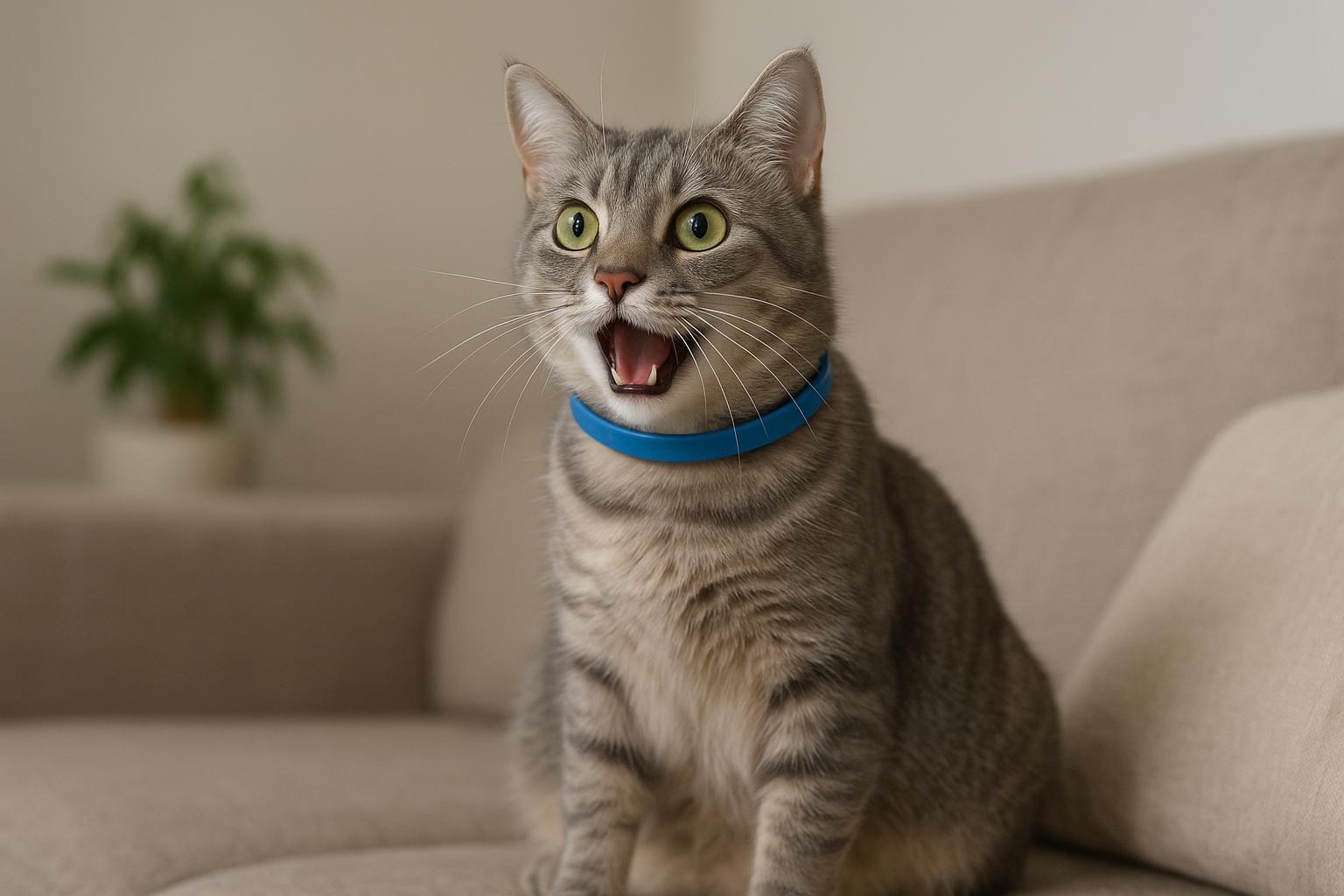
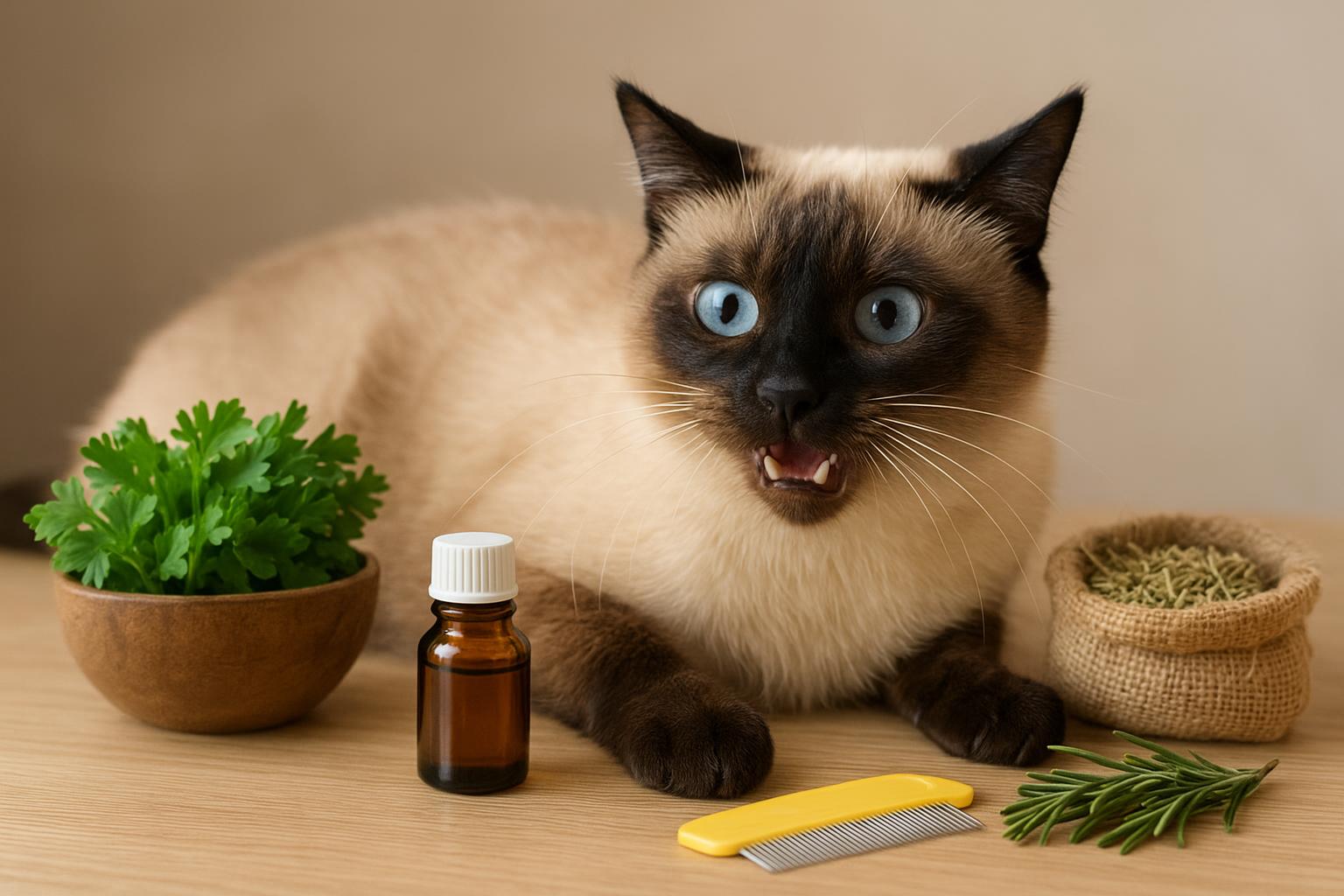
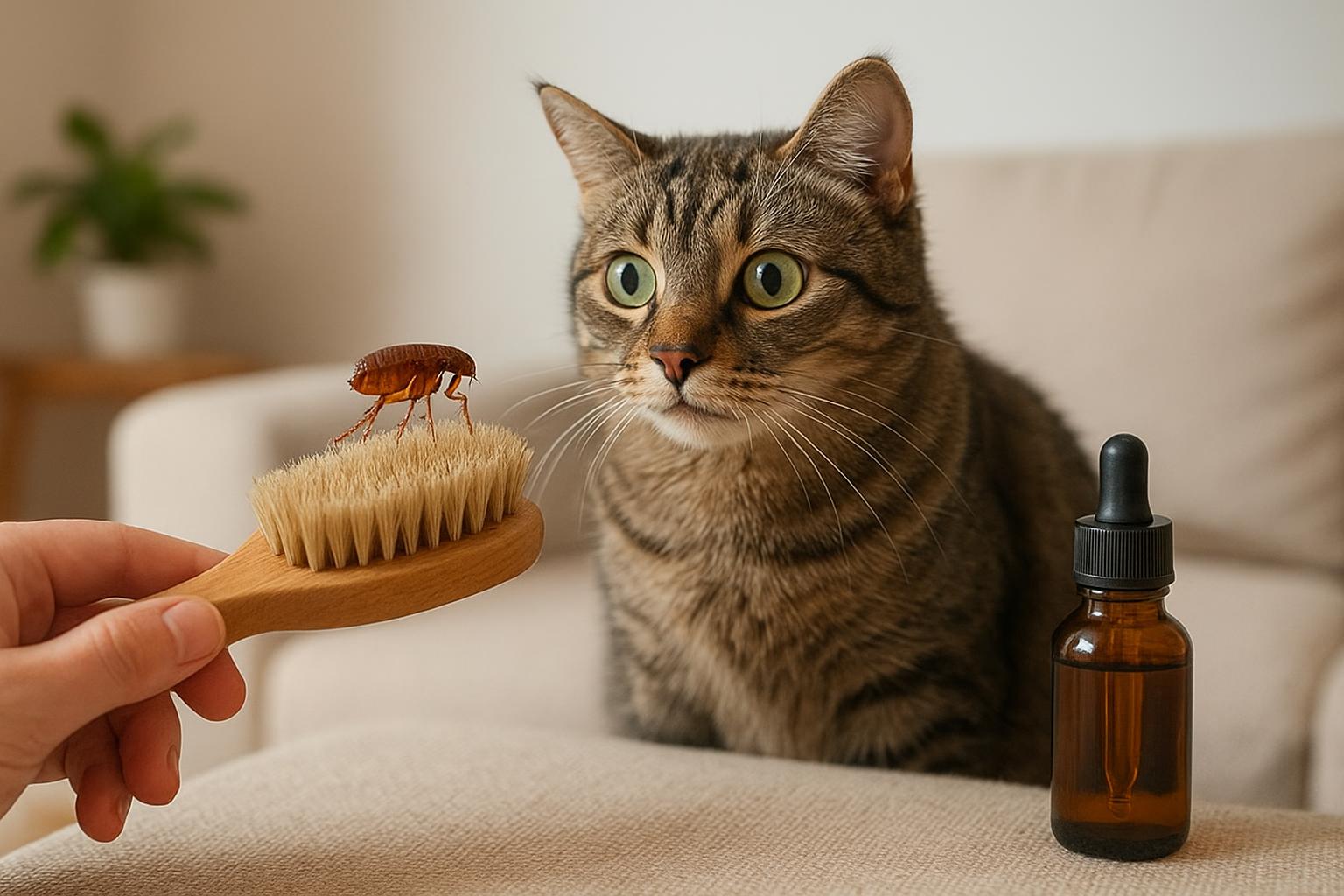
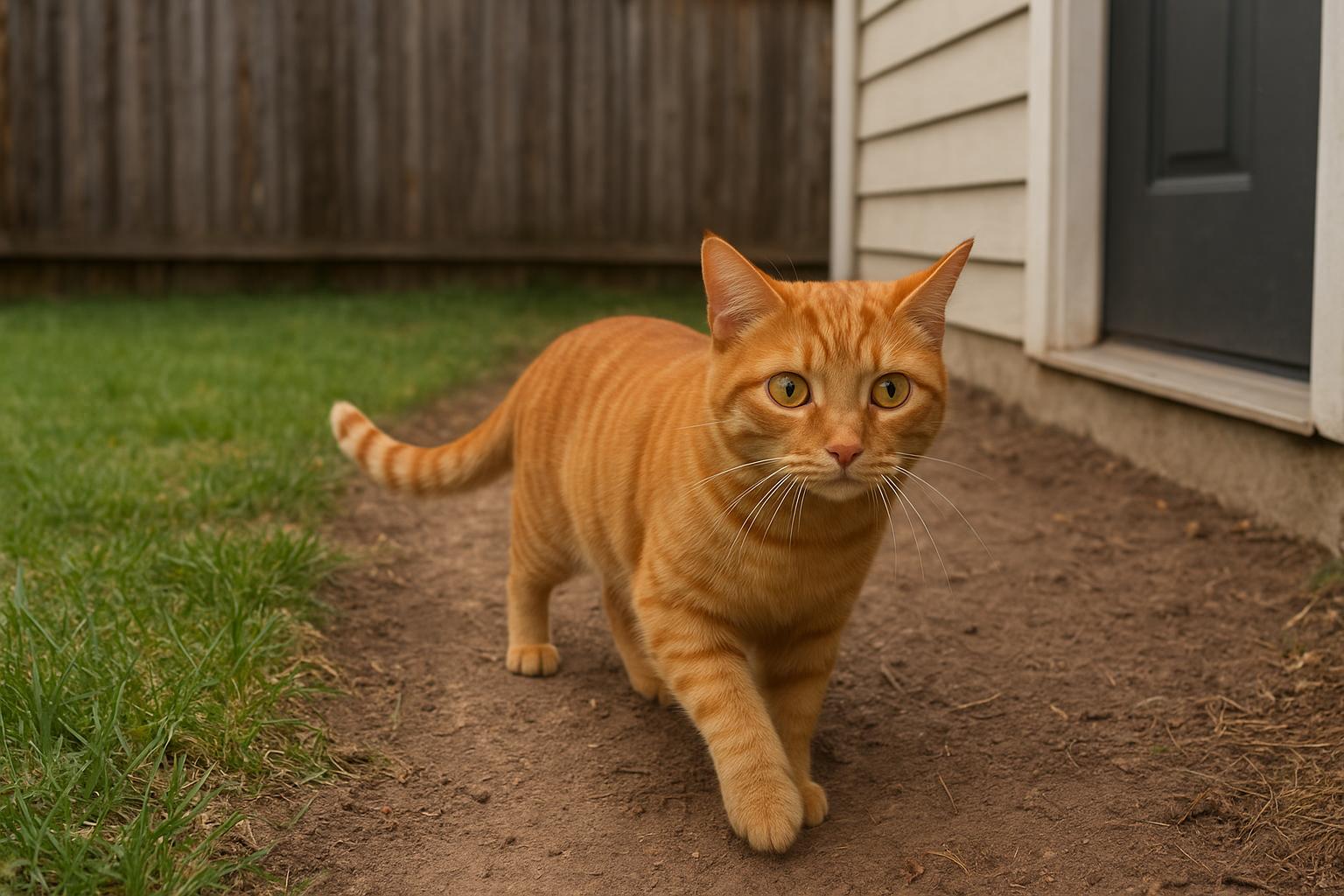
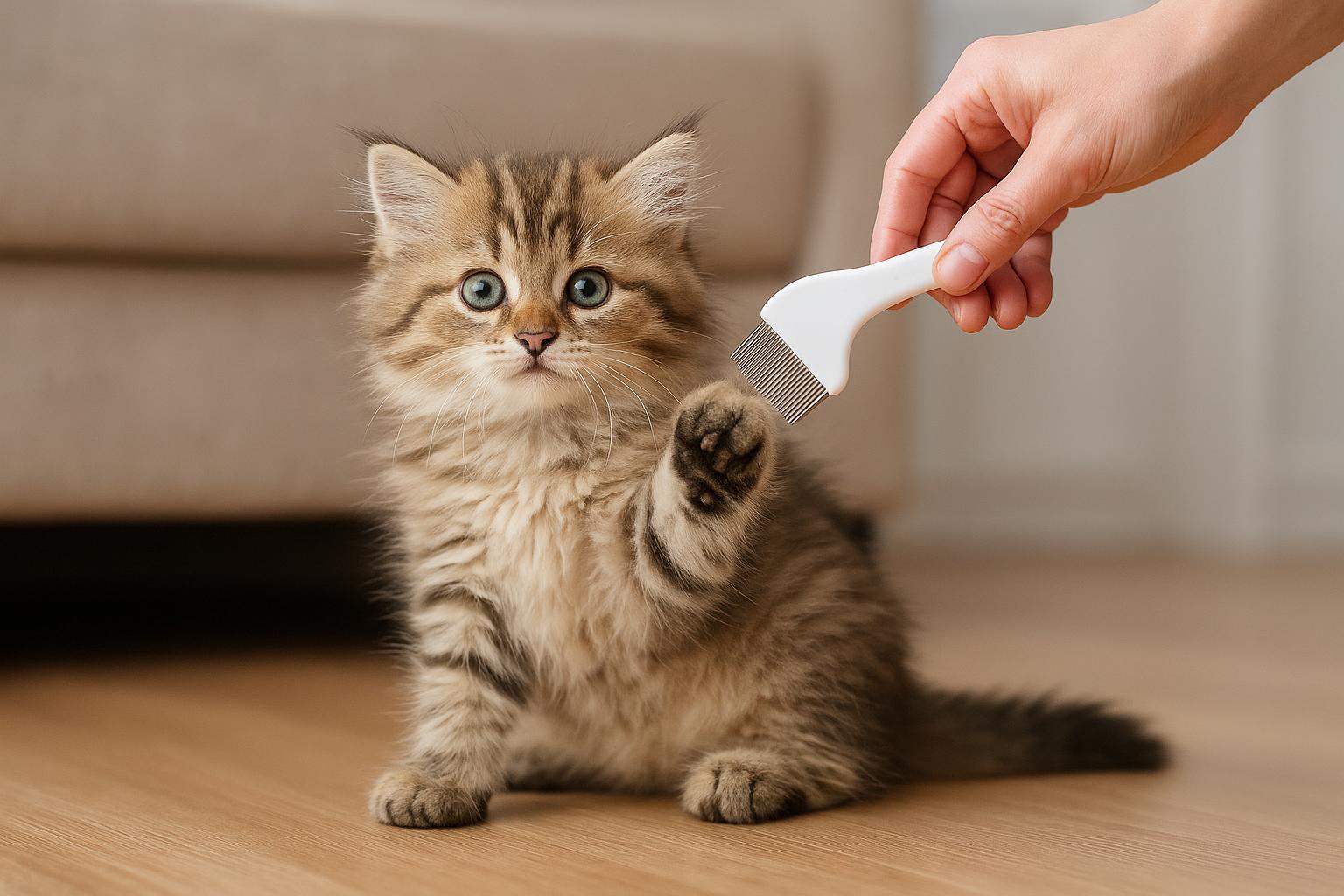
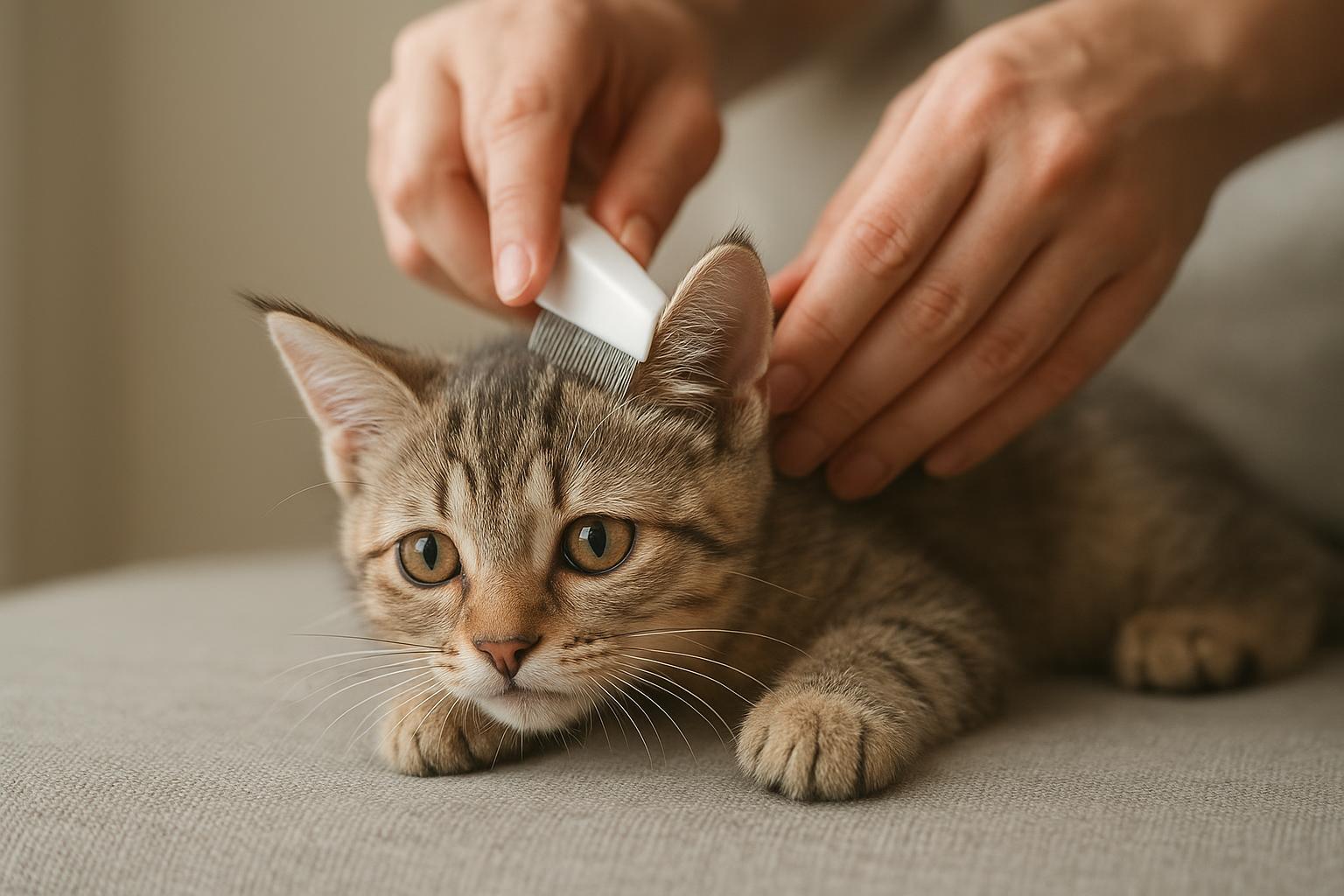
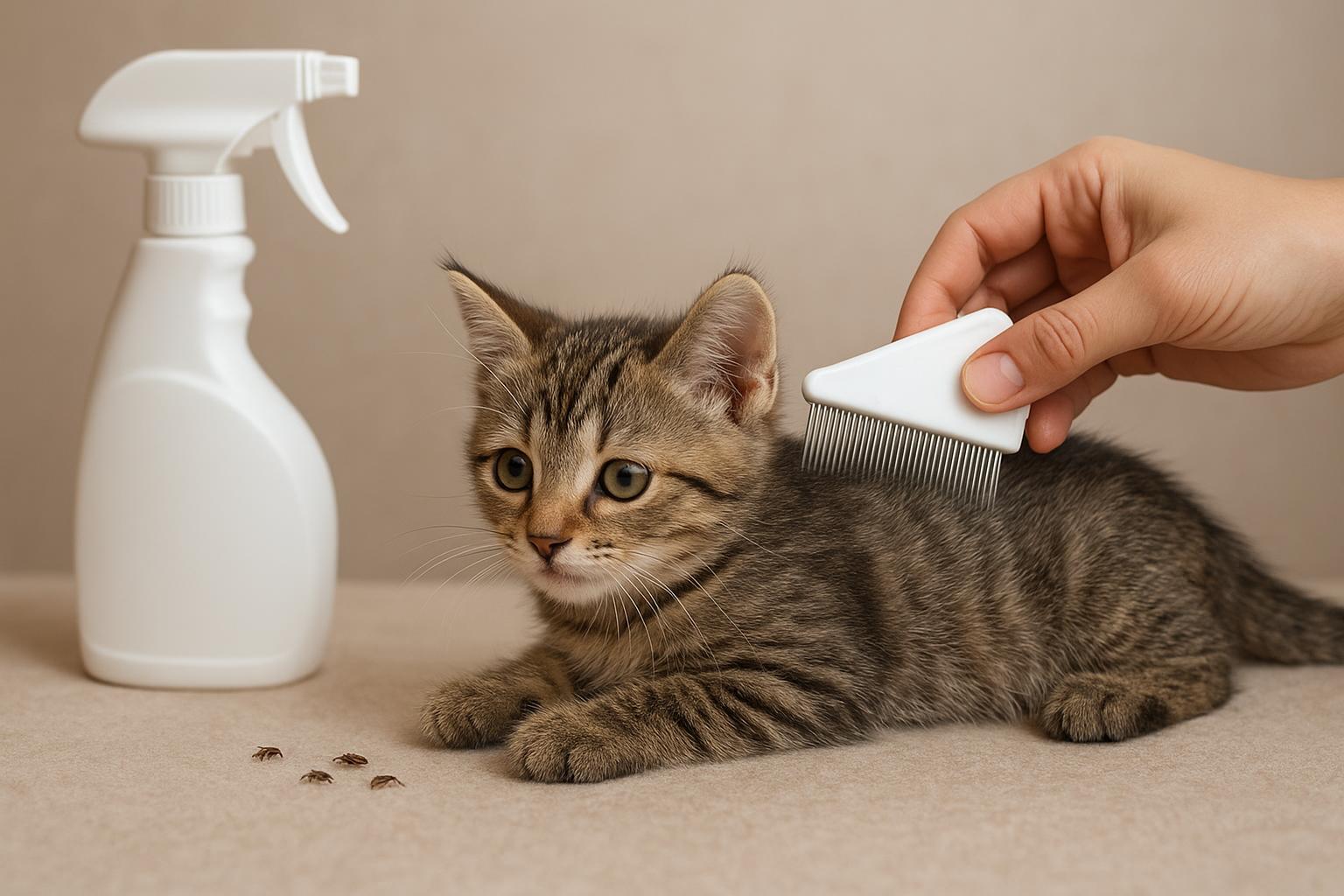
Keep outdoor access controlled if possible — reduce roaming to limit re-exposure. Grooming and periodic combing with a fine-tooth flea comb can catch hitchhikers early and gives you a chance to inspect for flea dirt. Maintain a routine: consistent habits are what transform “preventive intention” into “year round prevention” reality.
### Handling Multi-Pet Households
Treat every animal in the household concurrently. Fleas cycle across hosts, so leaving one pet untreated undermines efforts. Coordinate vet-prescribed products so all animals receive appropriate, overlapping protection.
### Travel And Boarding Tips
Before boarding or hosting visitors, verify that boarding facilities require or provide proof of ongoing flea prevention. Bring your cat’s medication schedule and a small travel-sized flea comb for quick checks. If you travel with your cat, incorporate year round prevention into travel planning so you don’t skip a dose.
A steady, integrated approach that combines regular veterinary preventive medication, systematic environmental control, and consistent household habits gives you the best chance at long-term success. Keep the plan in your calendar, follow safety guidelines, and remember: year round prevention makes your life easier and your cat happier—no dramatic last-minute scrambles required.







Leave a Reply