
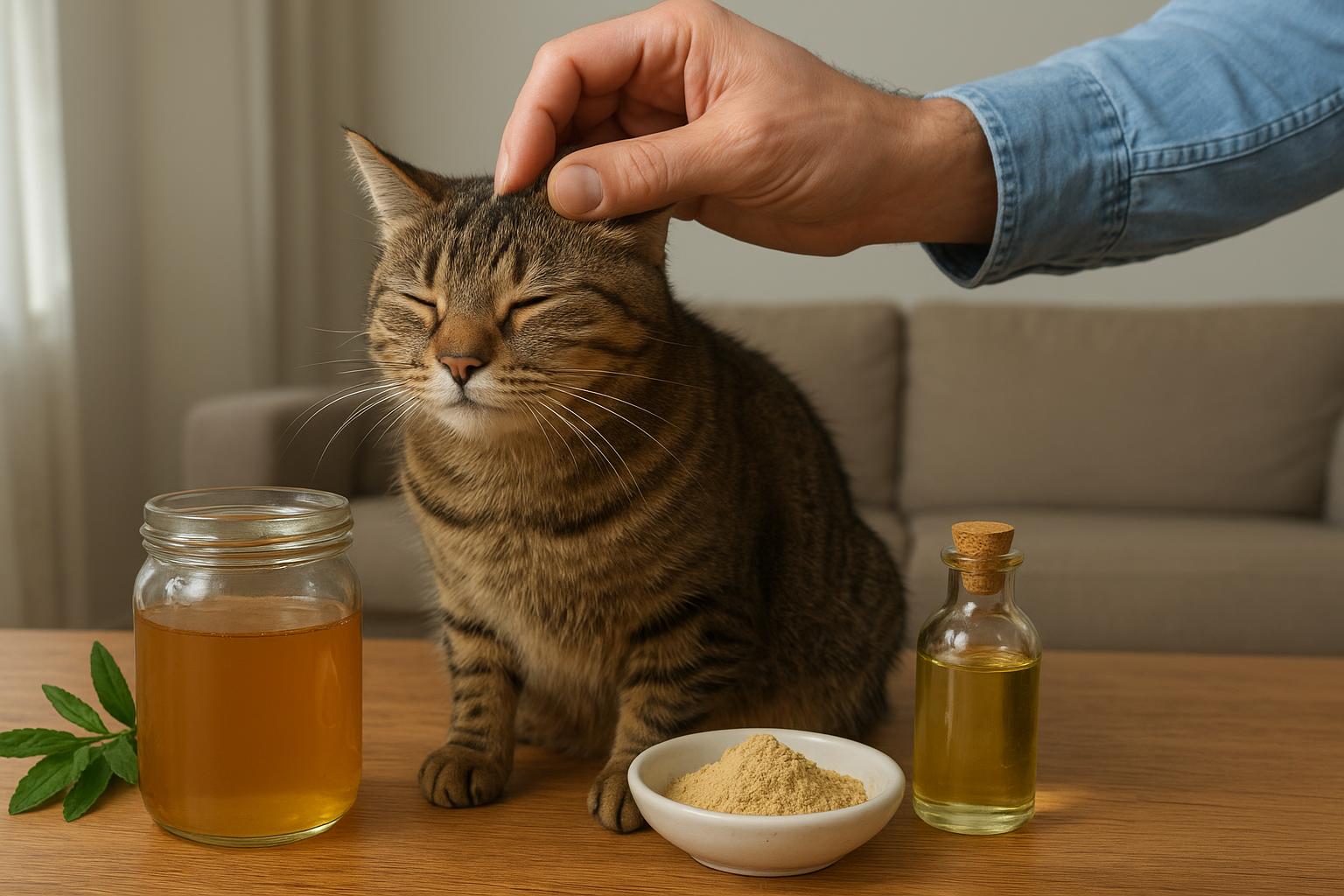
Natural Flea Treatment For Cats Practical Home Remedy
## Natural Flea Treatment: Why Choose Natural?
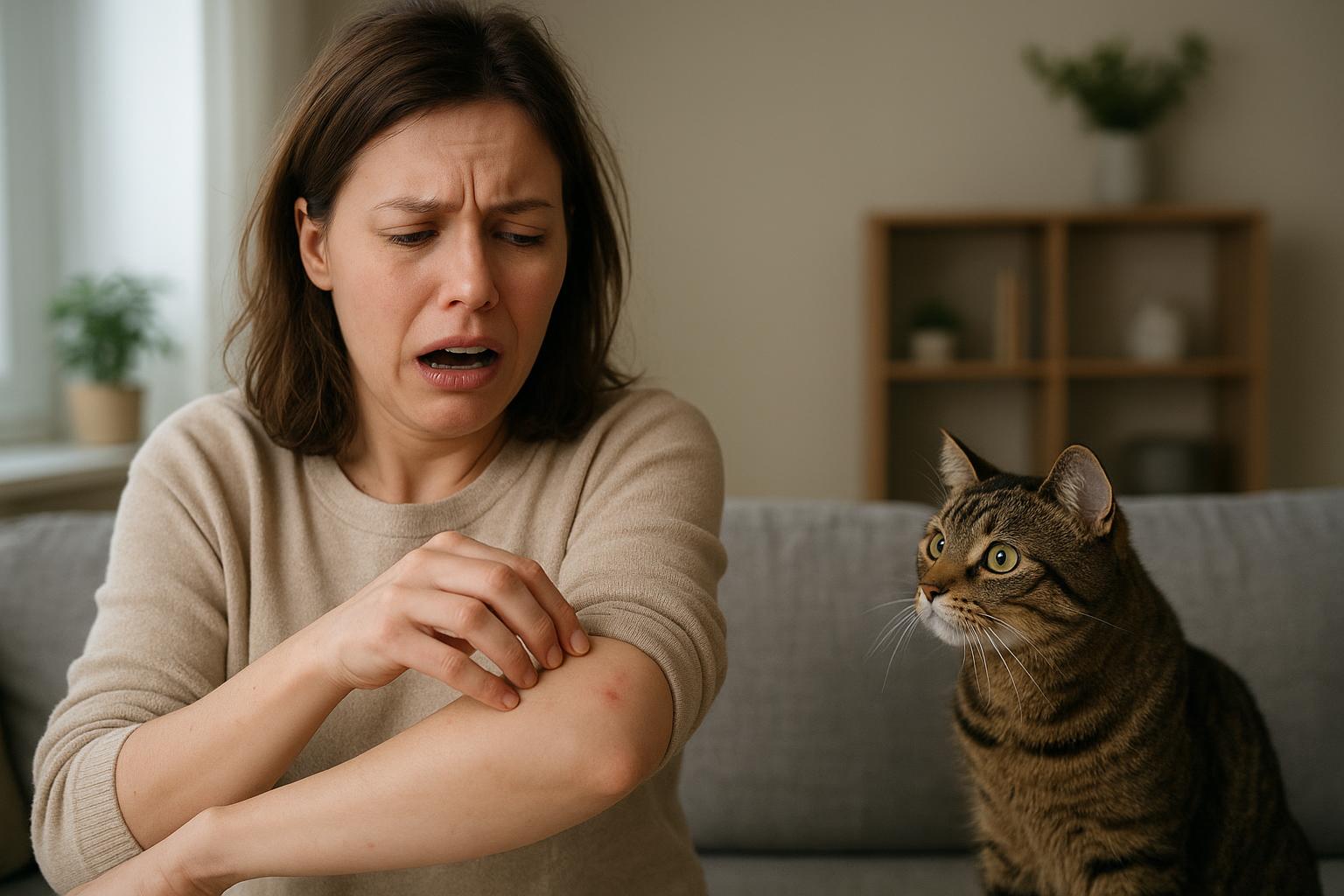
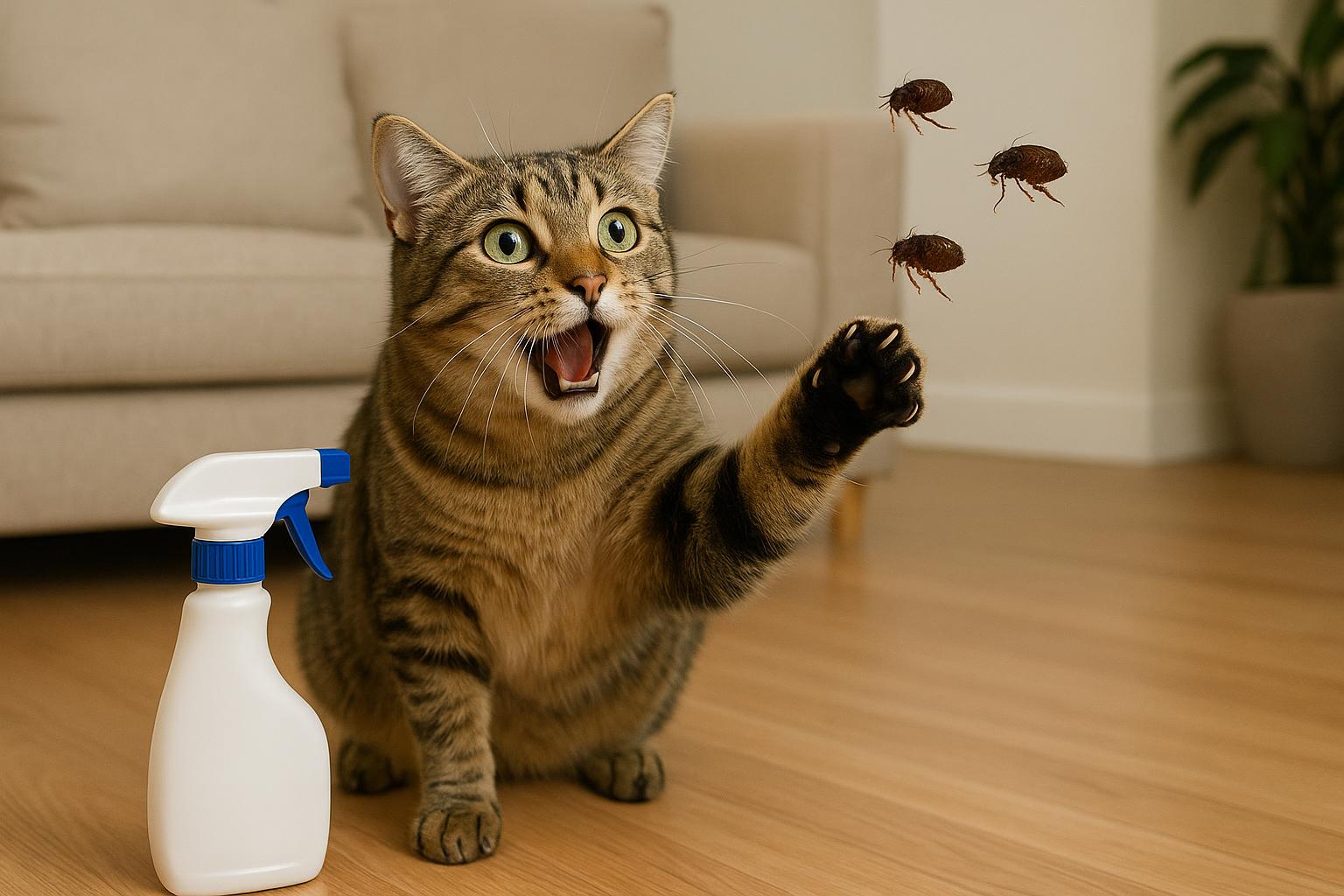
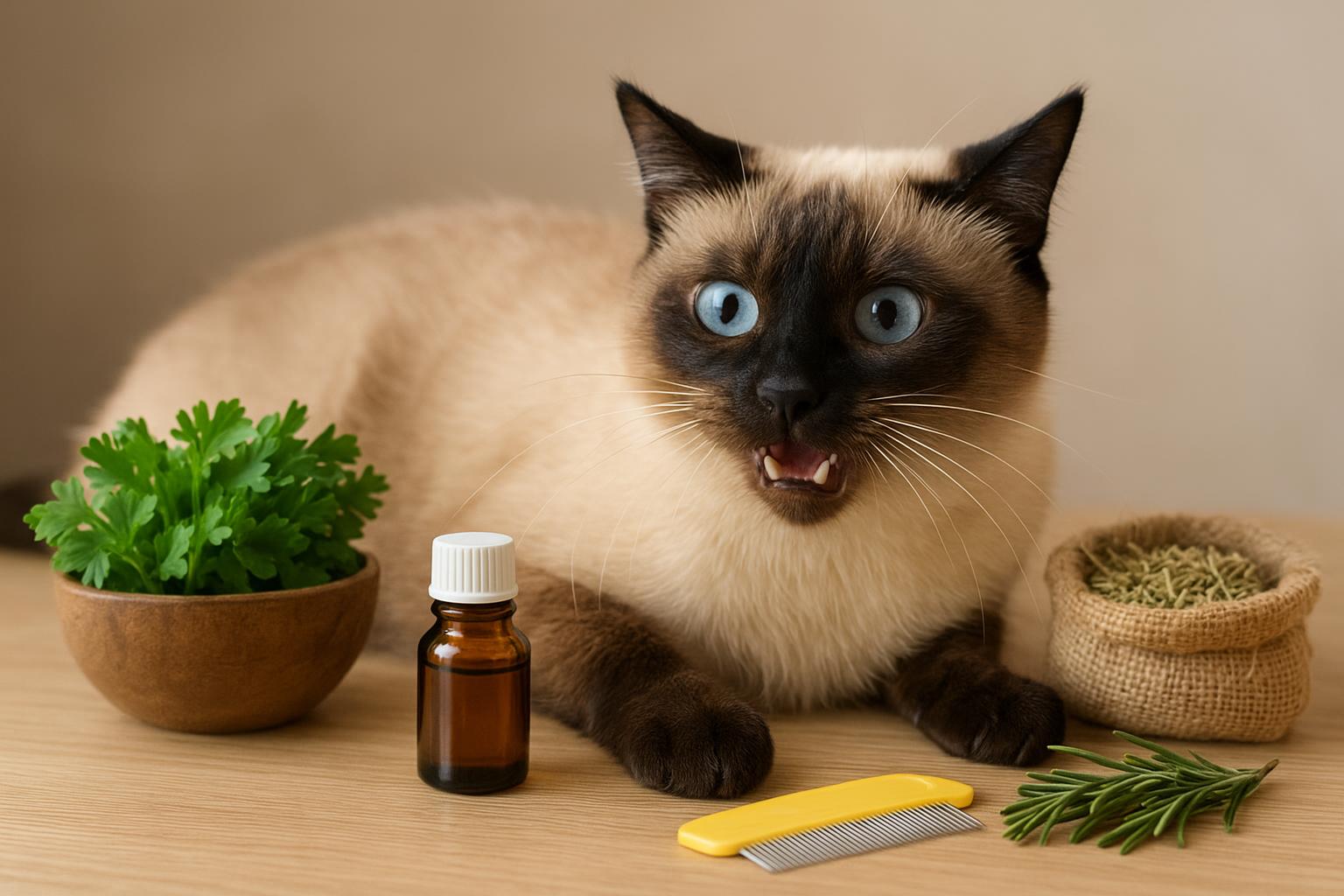
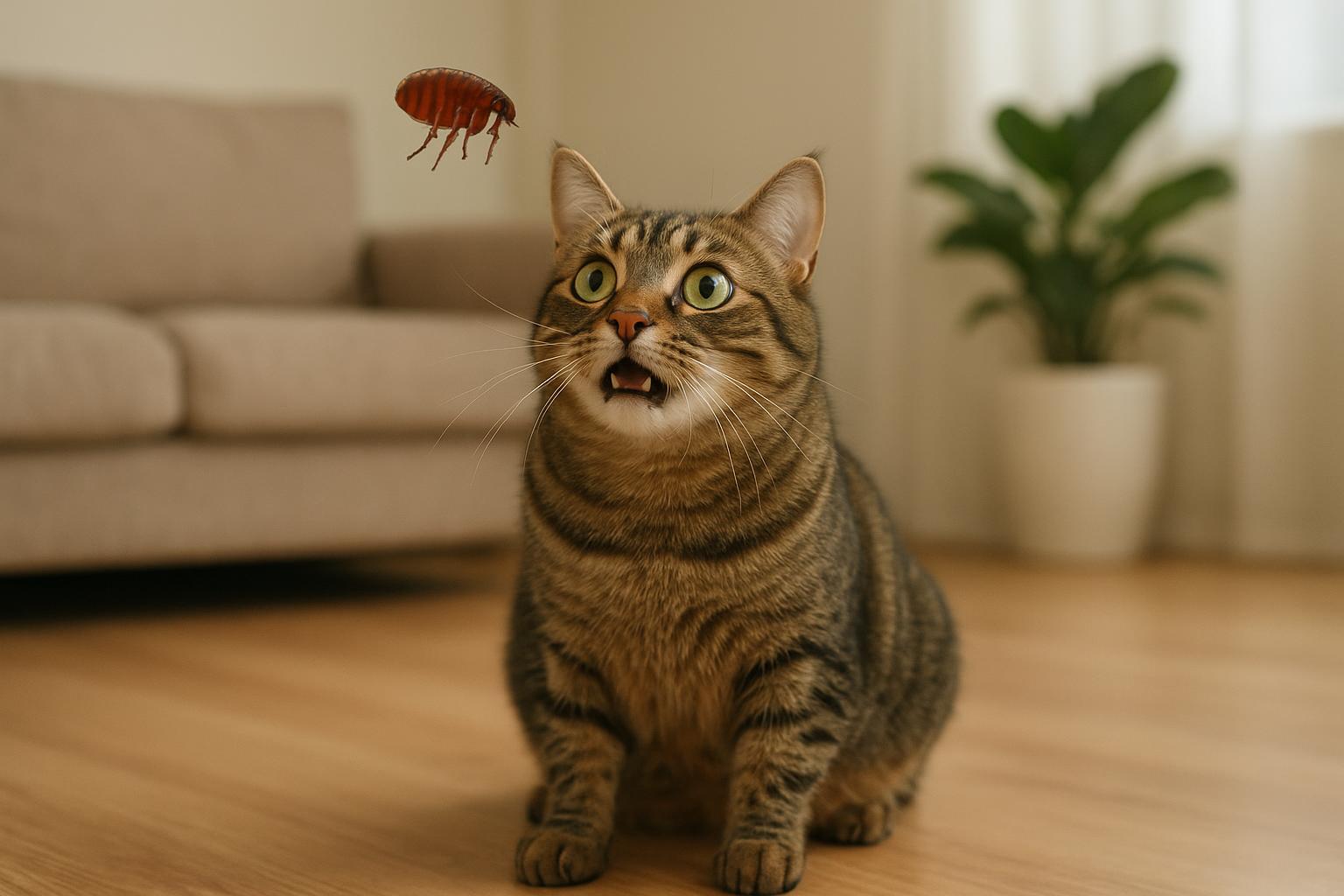
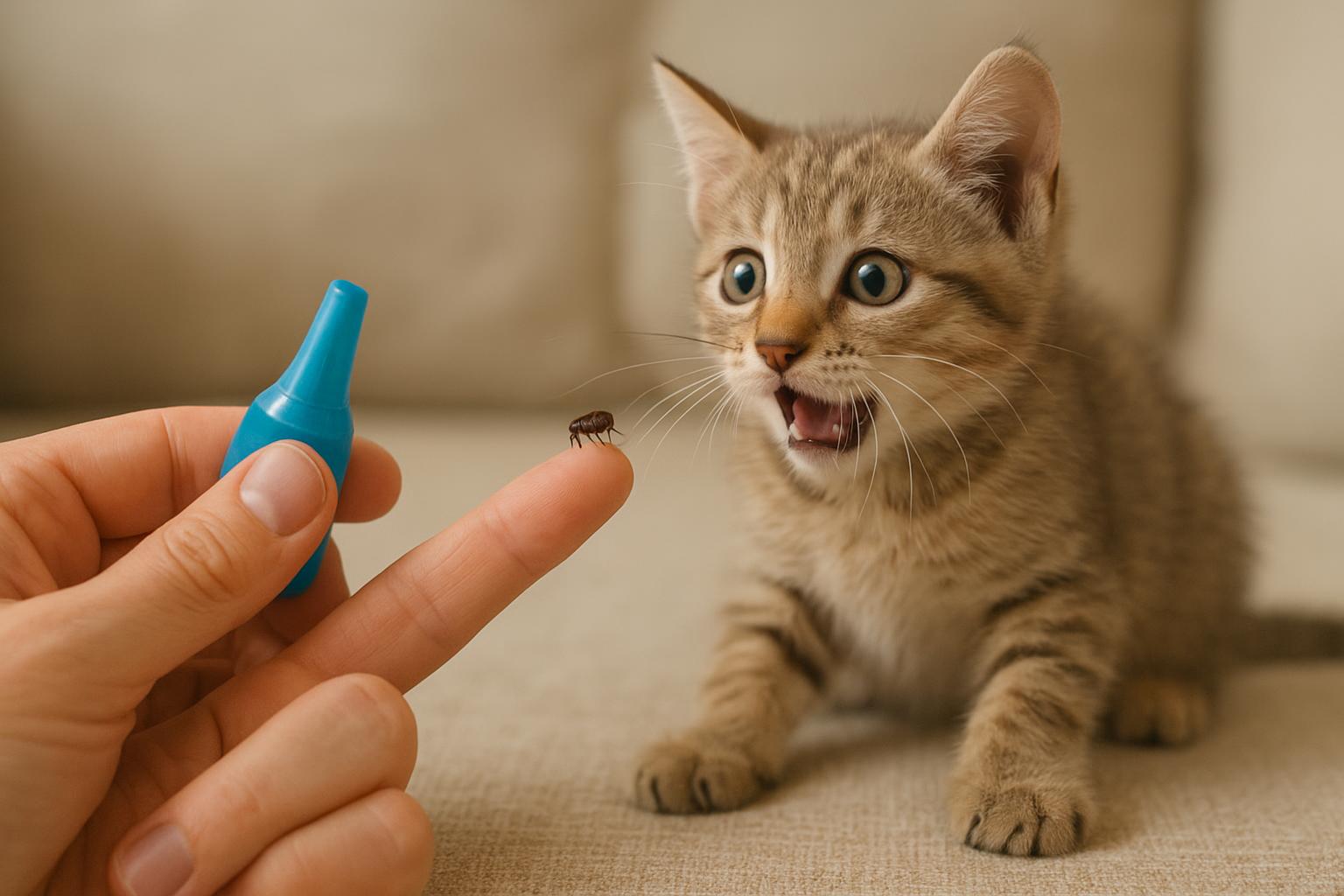
Fleas are tiny, fast, and annoyingly persistent — like the party guests that won’t leave even after you’ve dimmed the lights and pretended to be asleep. If you prefer avoiding harsh chemicals on your cat, natural flea treatment options can be effective, gentle, and budget-friendly when used correctly. They’re not a magic wand, but with a consistent approach they make a big difference for many pet households.
### How Fleas Affect Cats
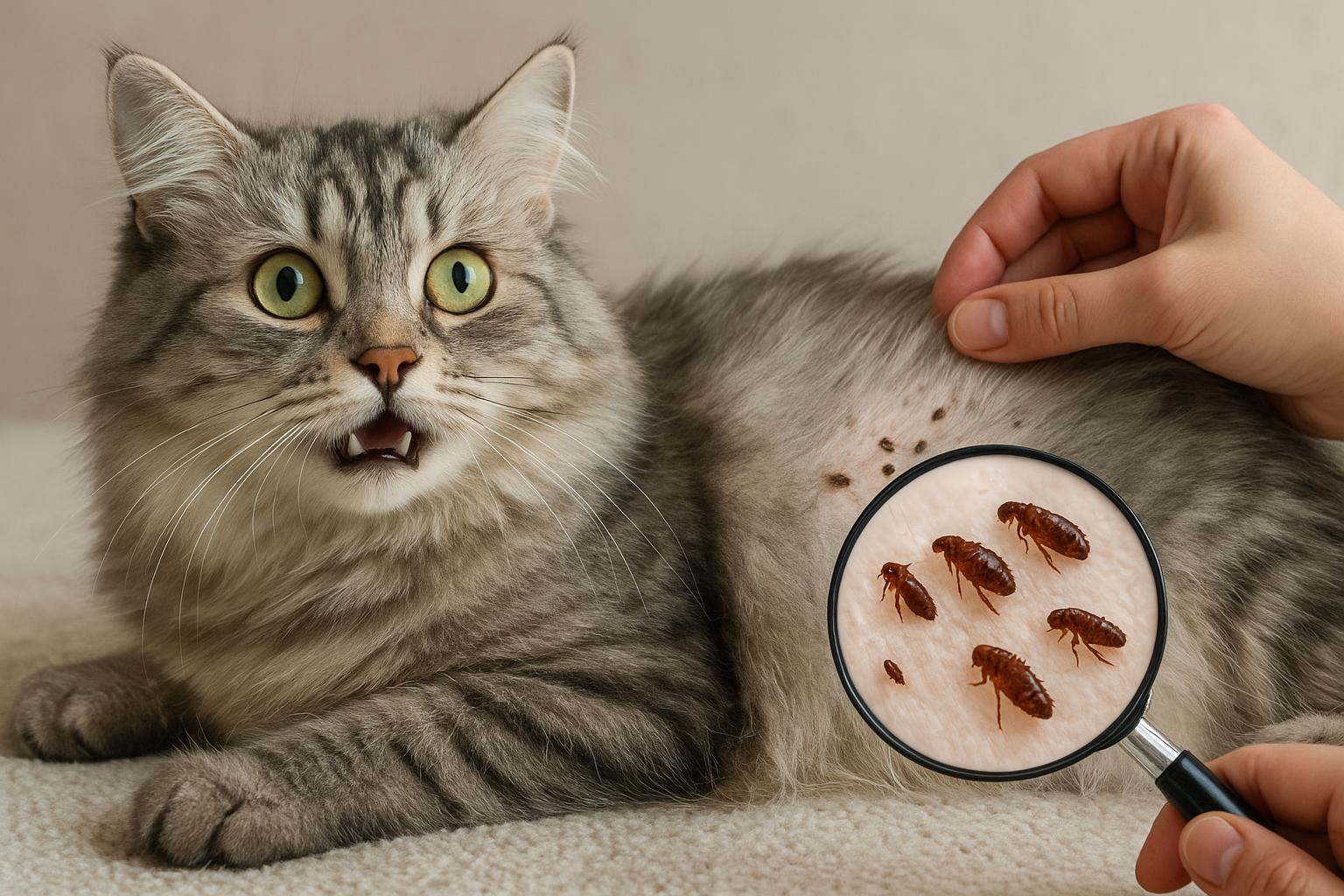
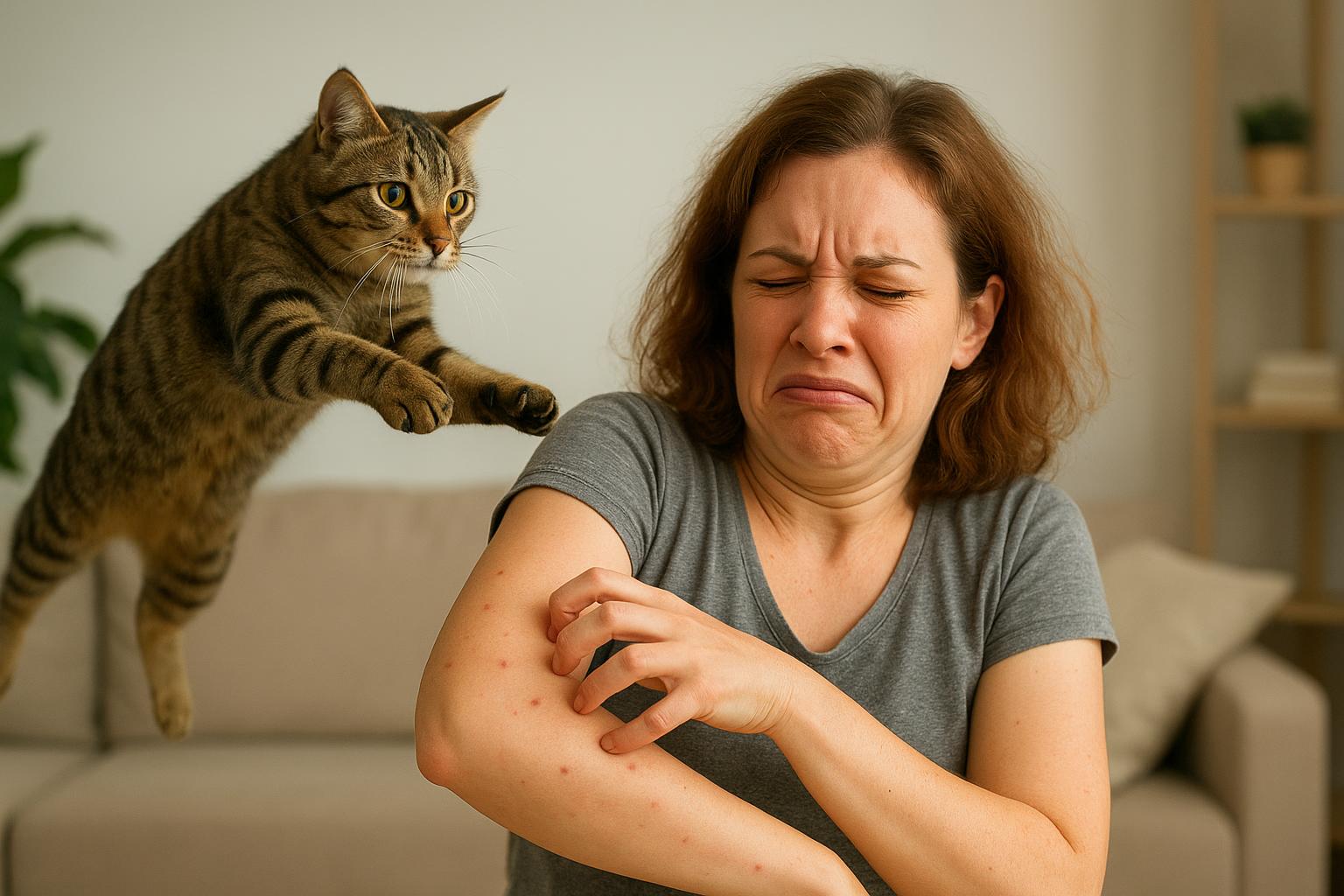
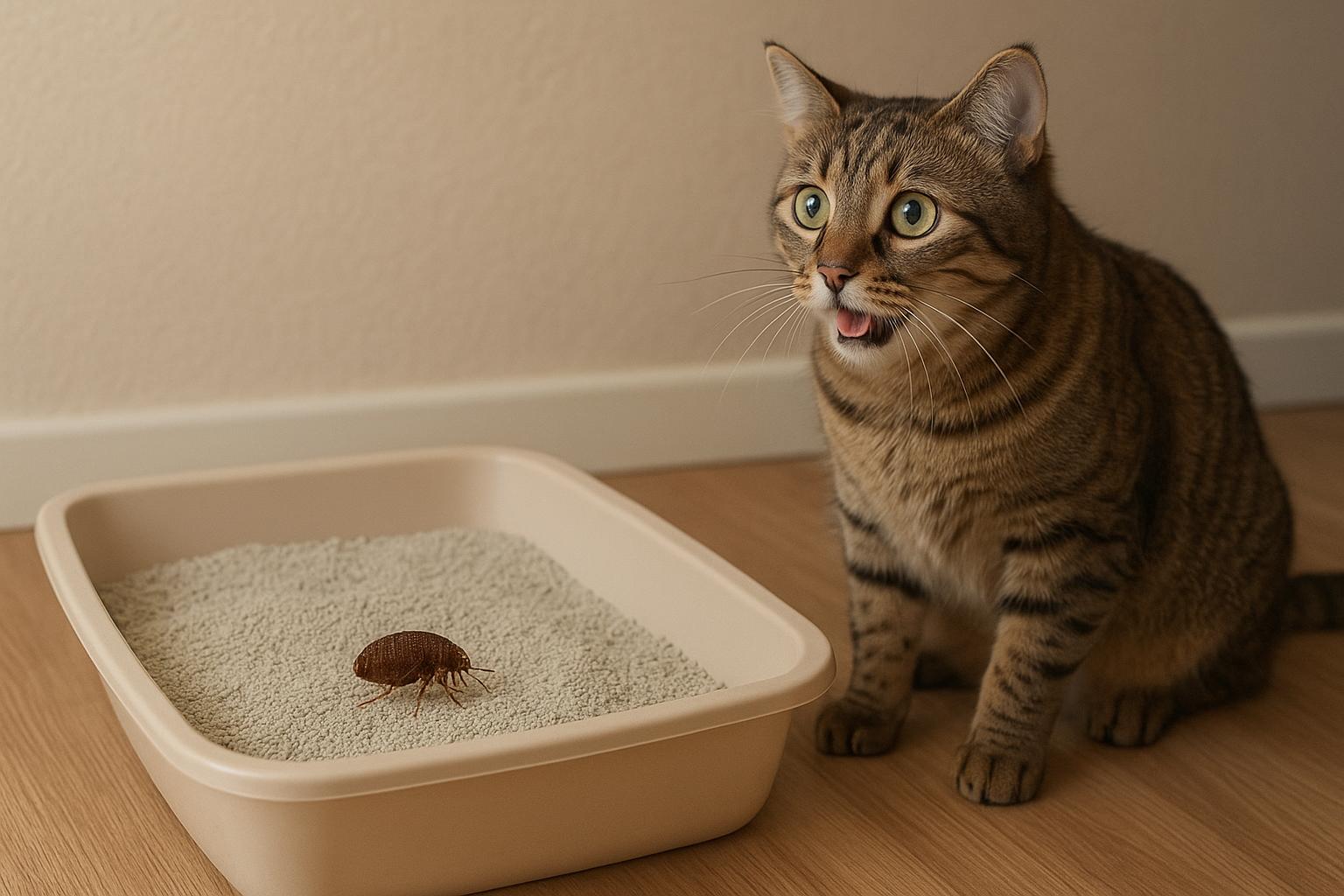
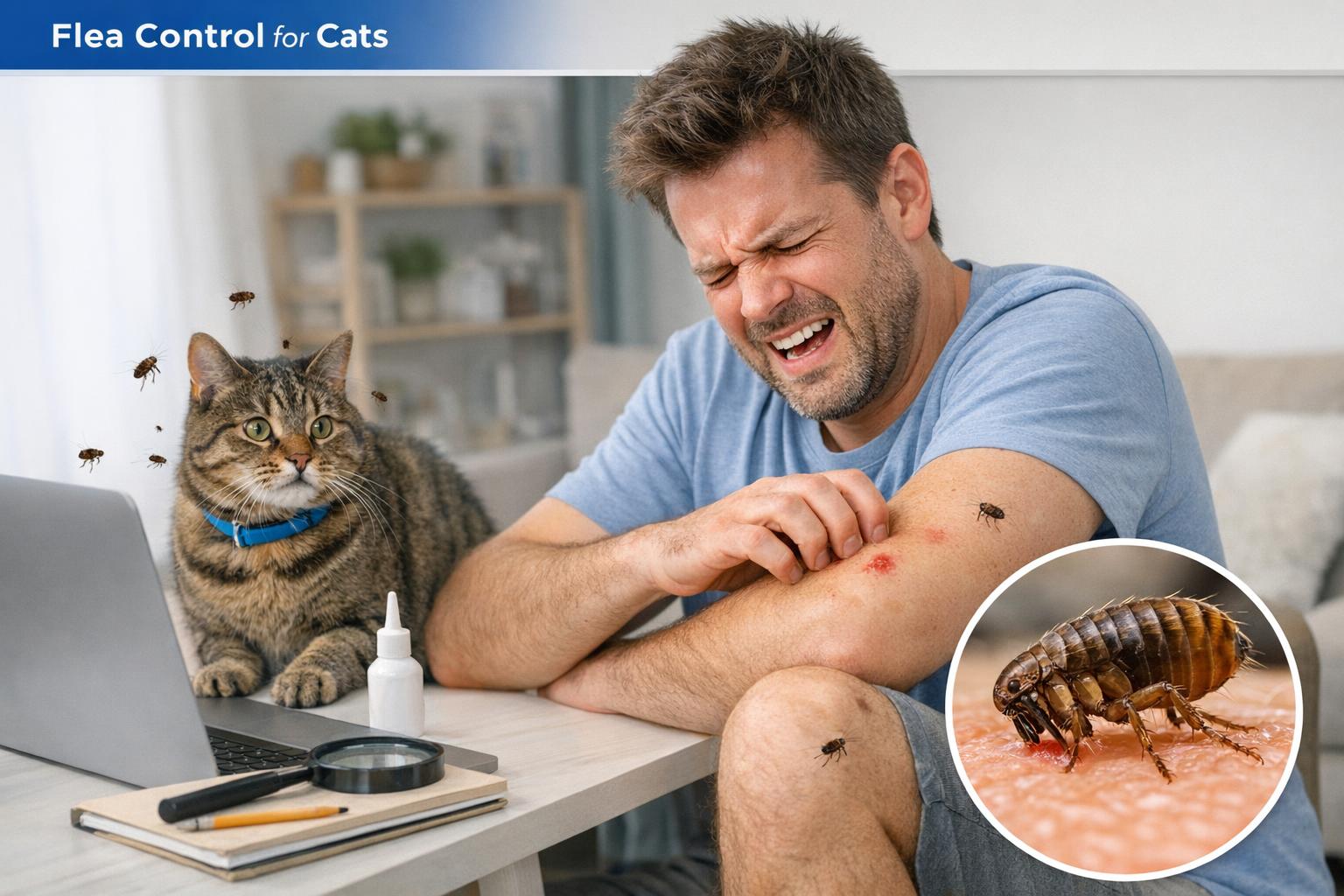
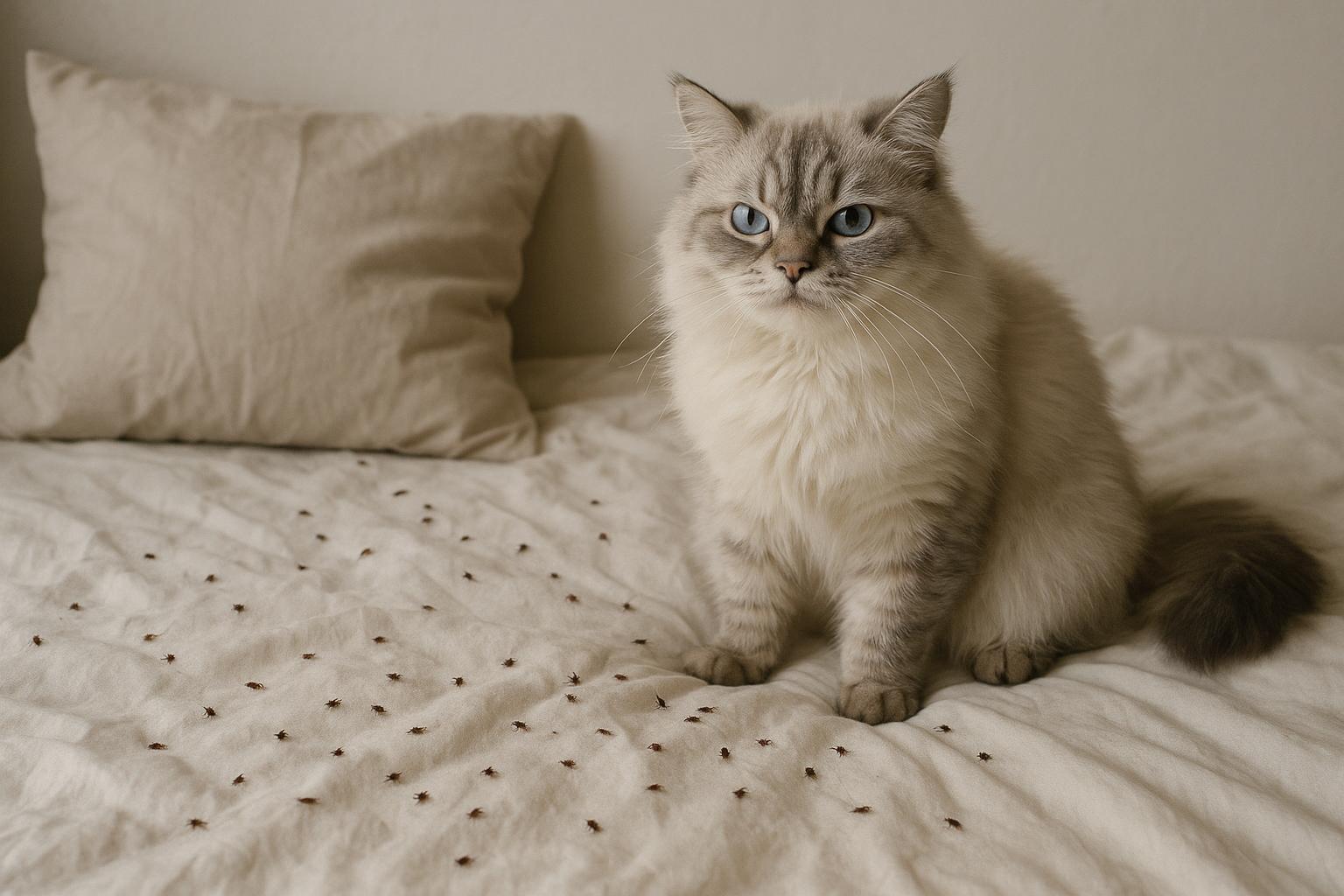
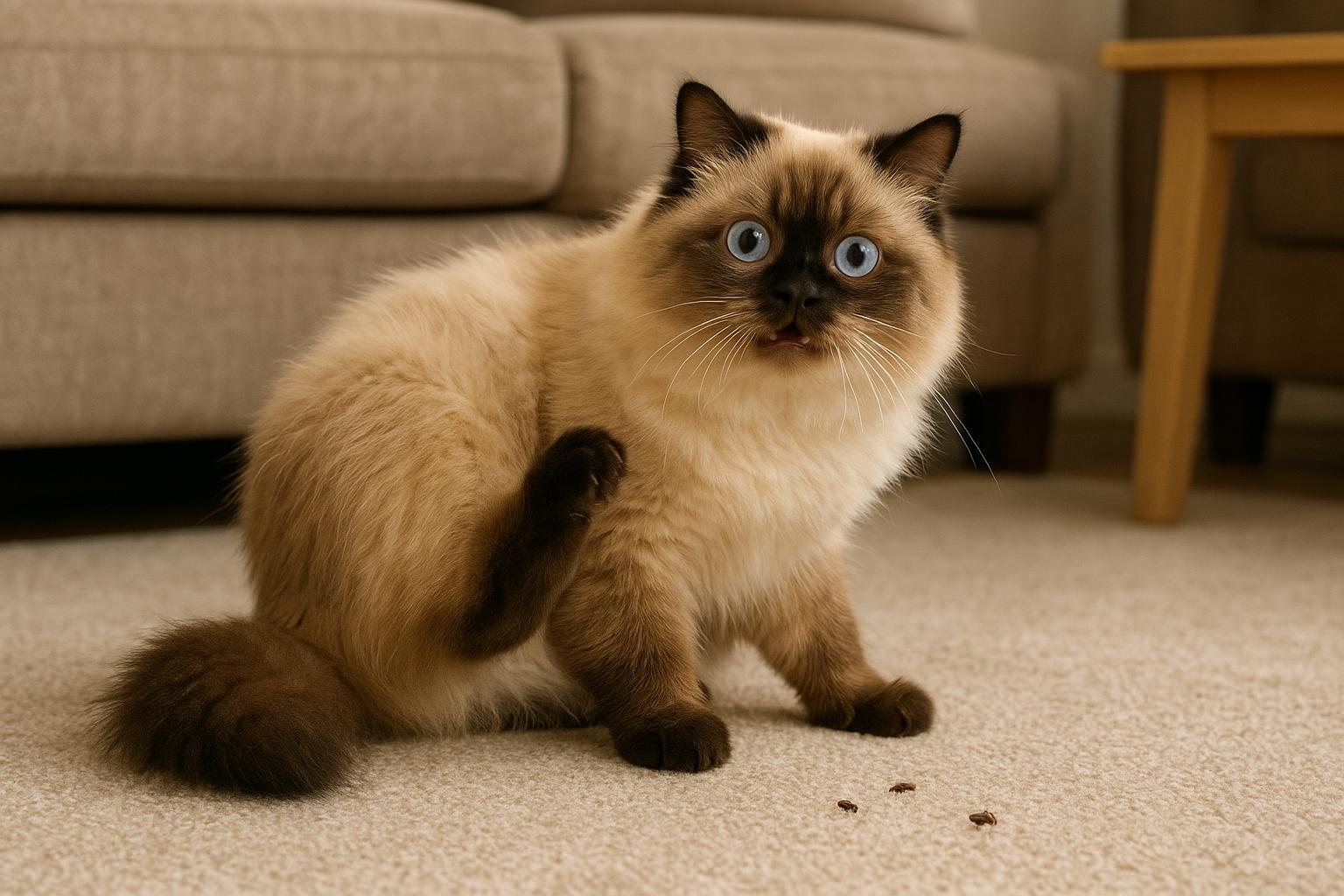
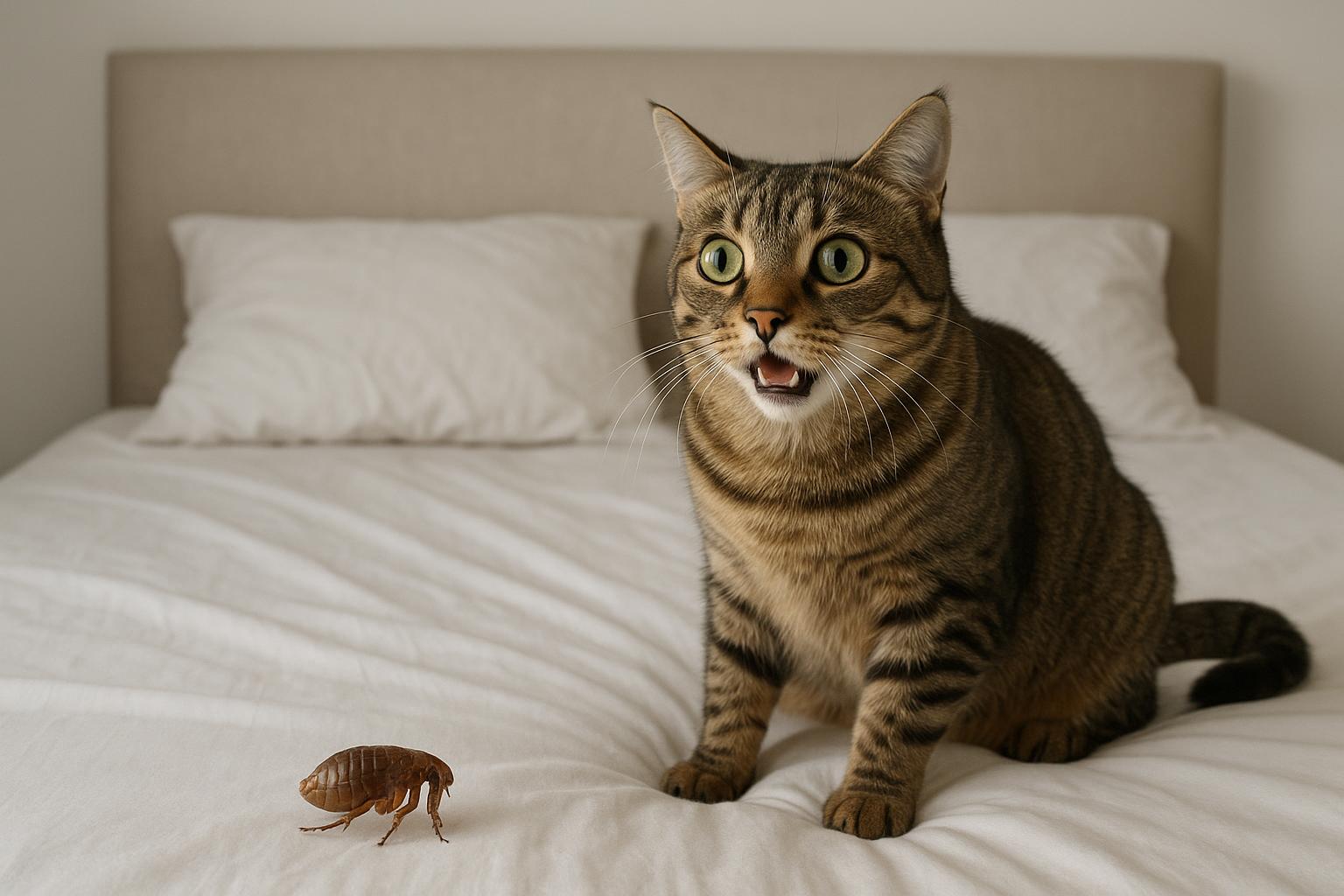
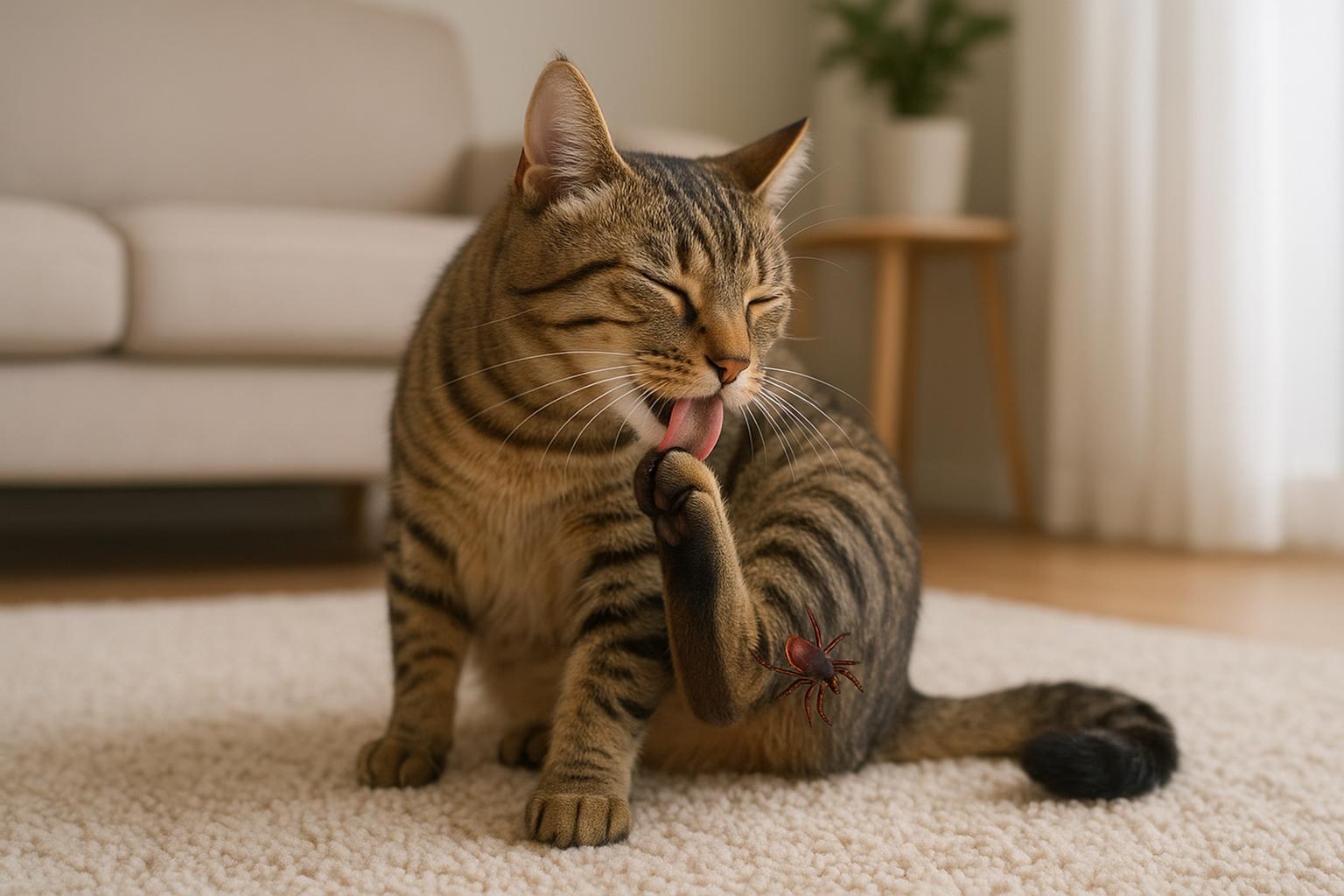
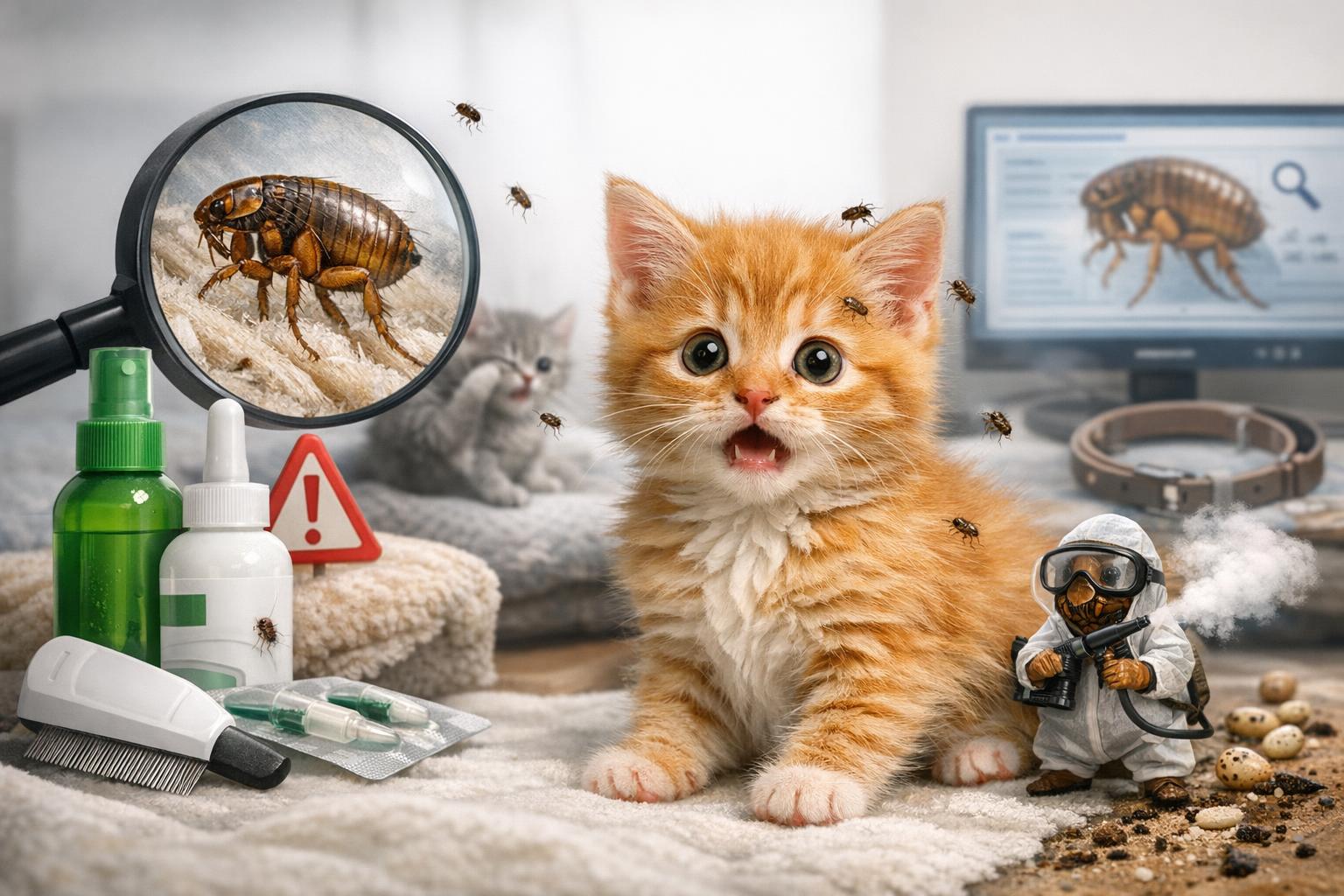
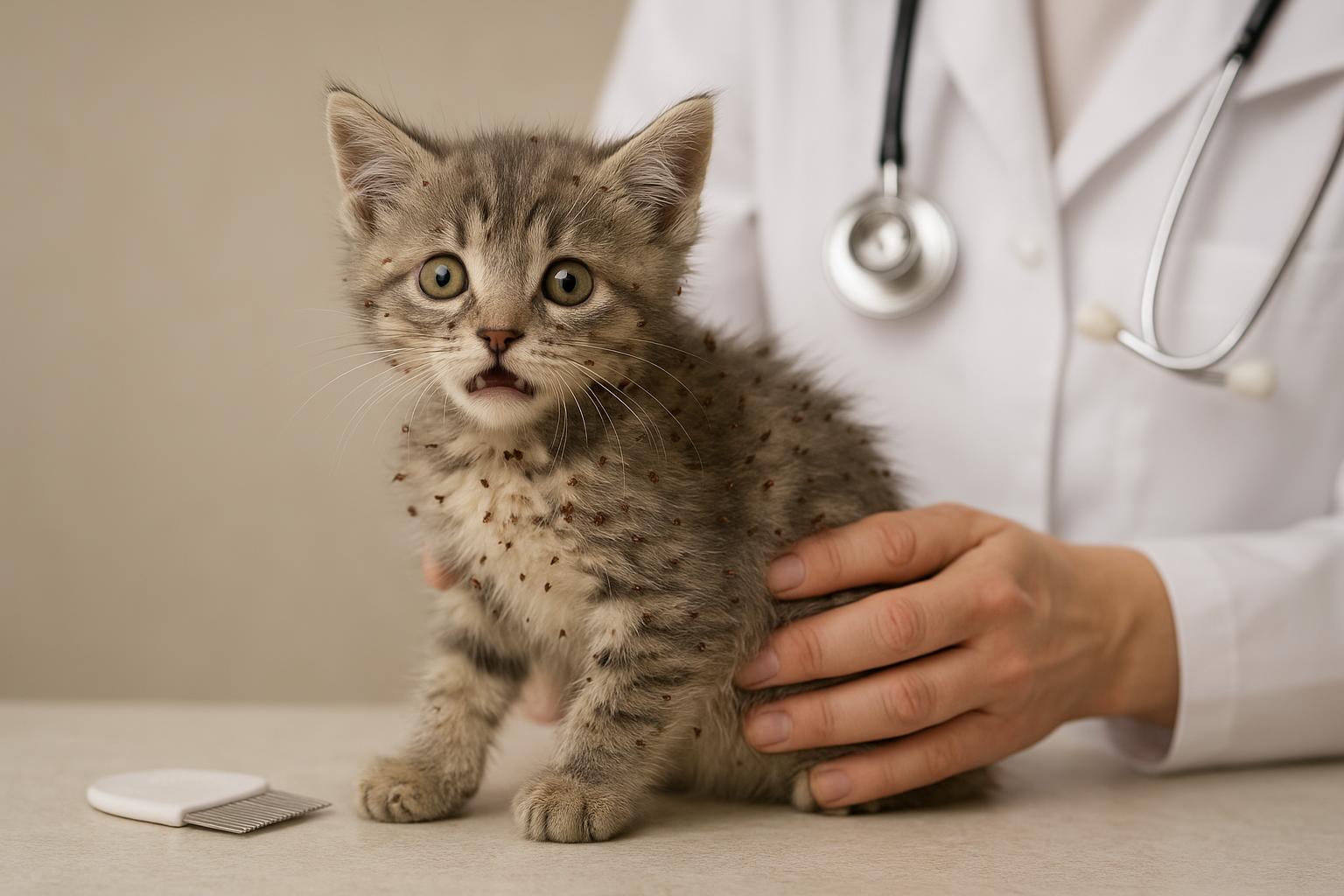
Fleas feed on blood and can cause itching, allergic dermatitis, hair loss, secondary infections, and in severe cases, anemia. Kittens and elderly cats are especially vulnerable. The life cycle of a flea includes eggs, larvae, pupae, and adults — the pupae stage can hide in carpets, bedding, and soil, re-emerging later. Successful control requires addressing both the pet and the environment.
### When Natural Flea Treatment Is Appropriate
Natural flea treatment is most effective for mild to moderate infestations, as a preventative strategy, or combined with targeted vet-recommended products for heavier infestations. If your cat is showing signs of distress, severe skin lesions, or anemia, see a veterinarian promptly — sometimes prescription treatments are necessary.
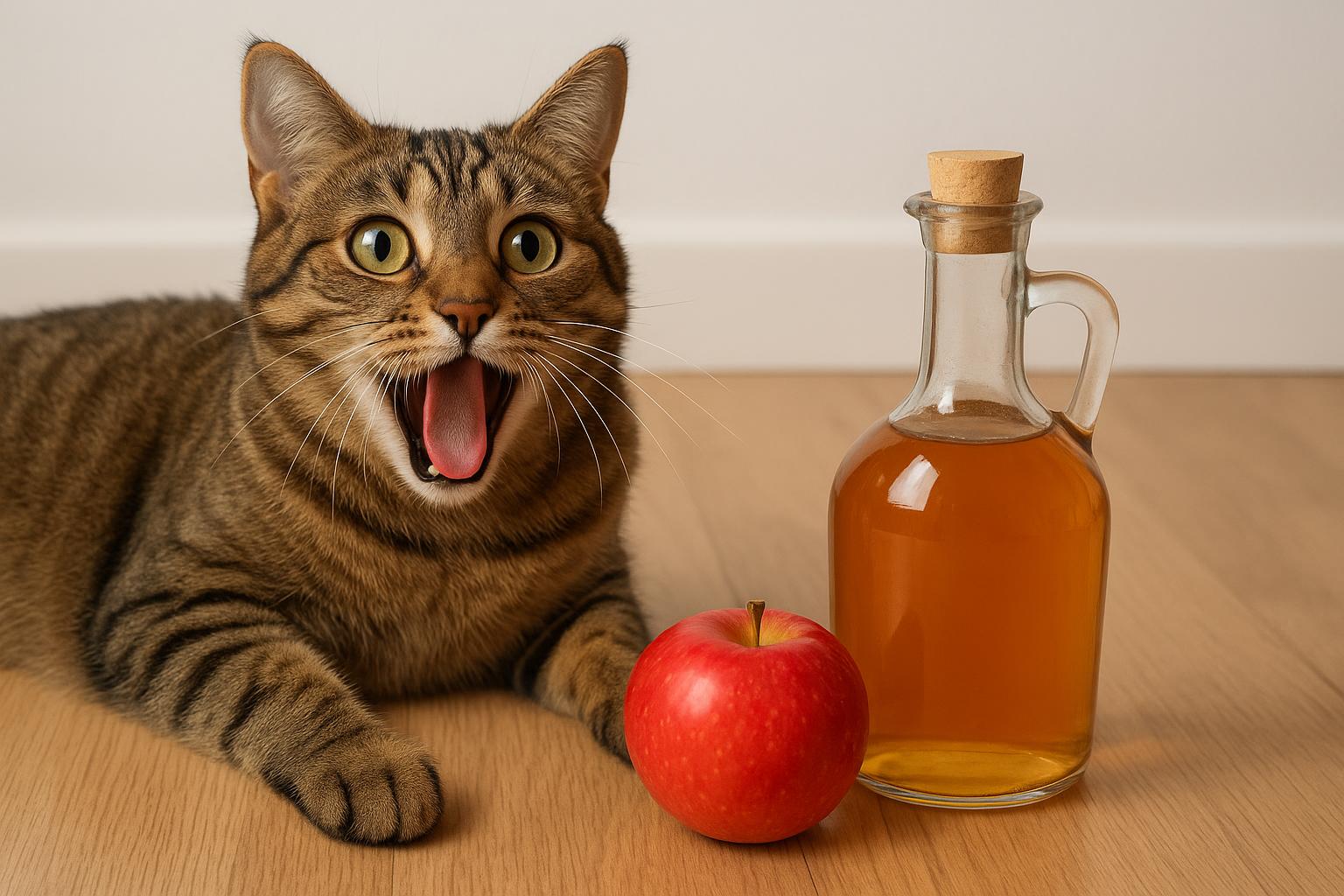
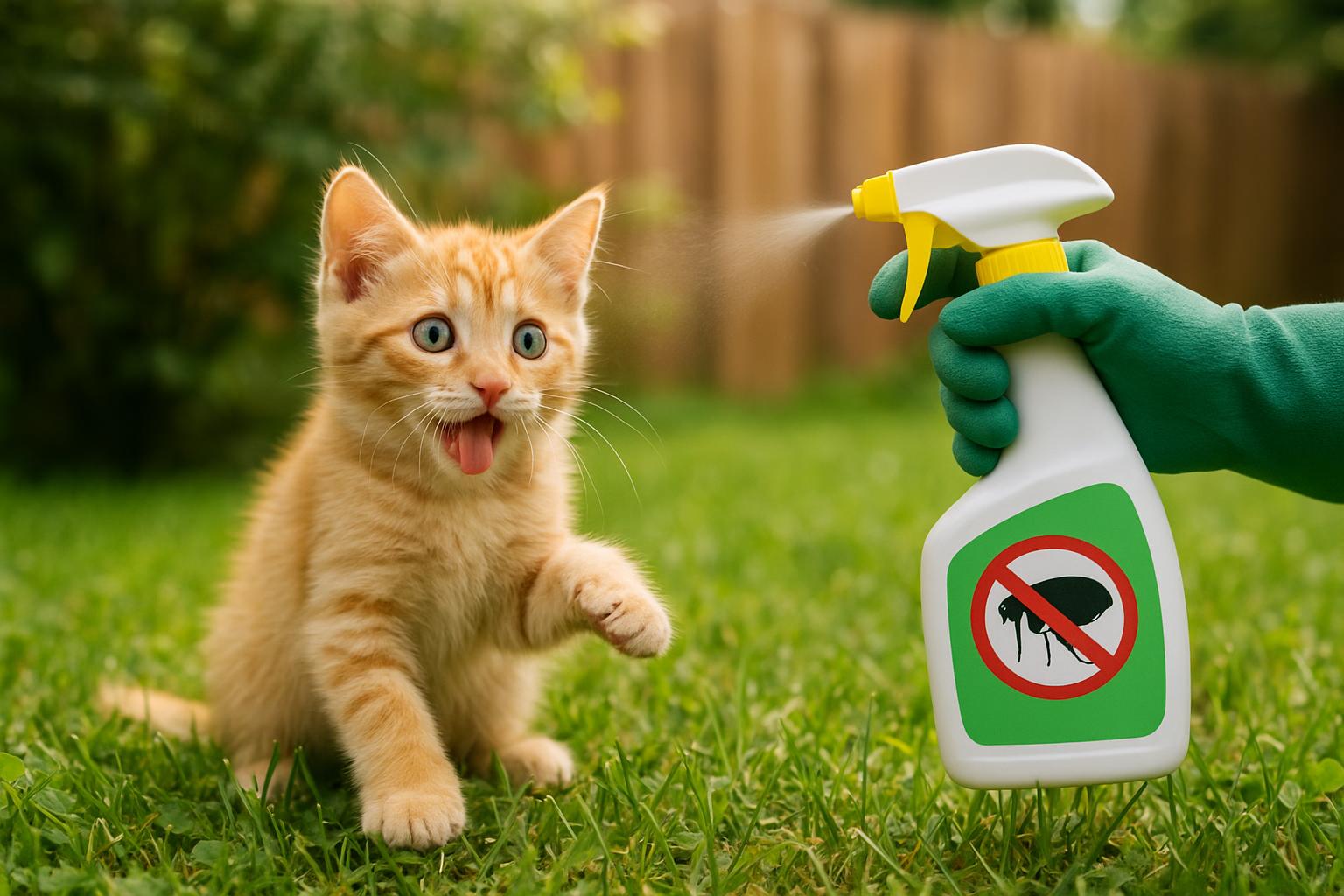
## 1. Natural Flea Treatment Using Apple Cider Vinegar Spray
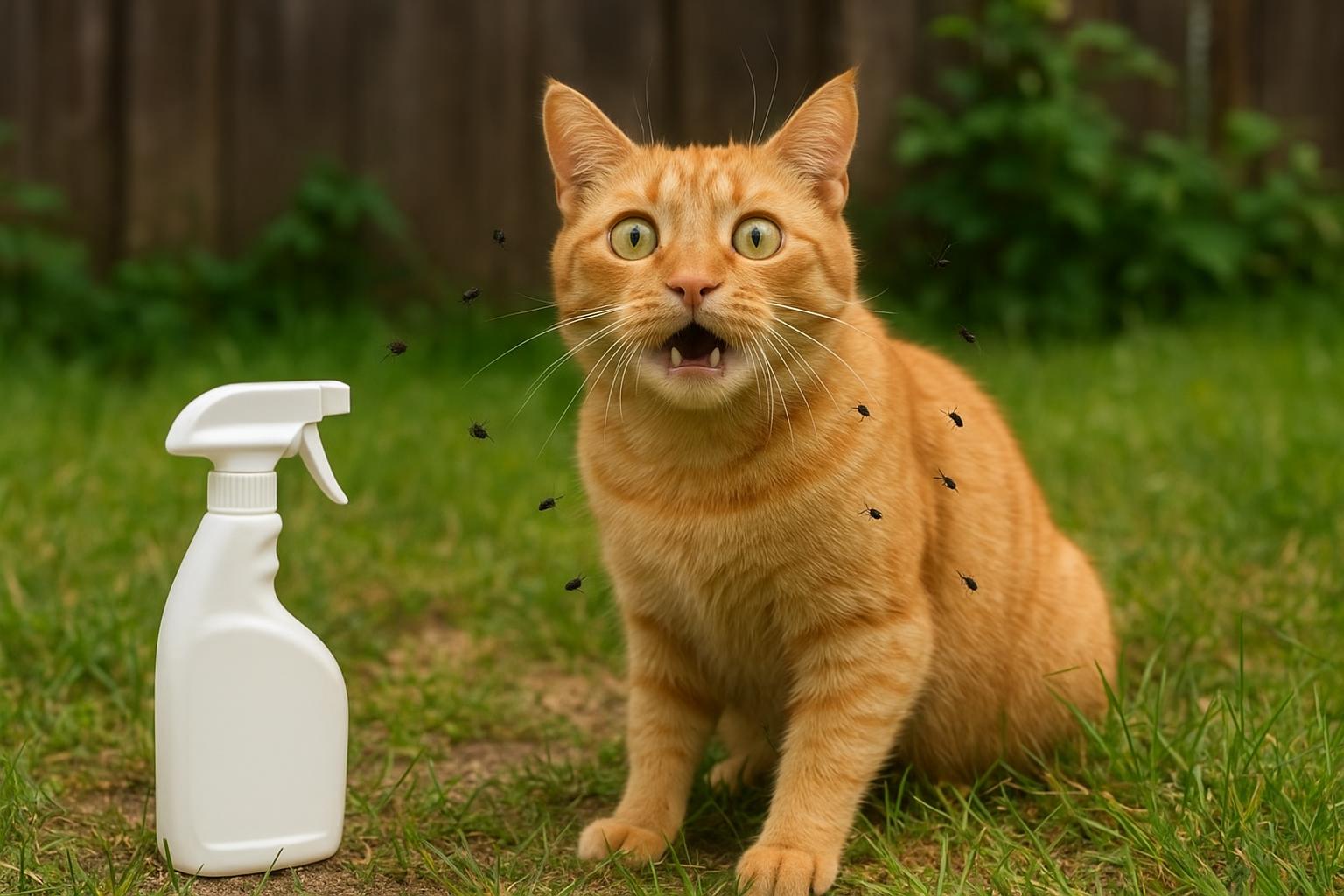
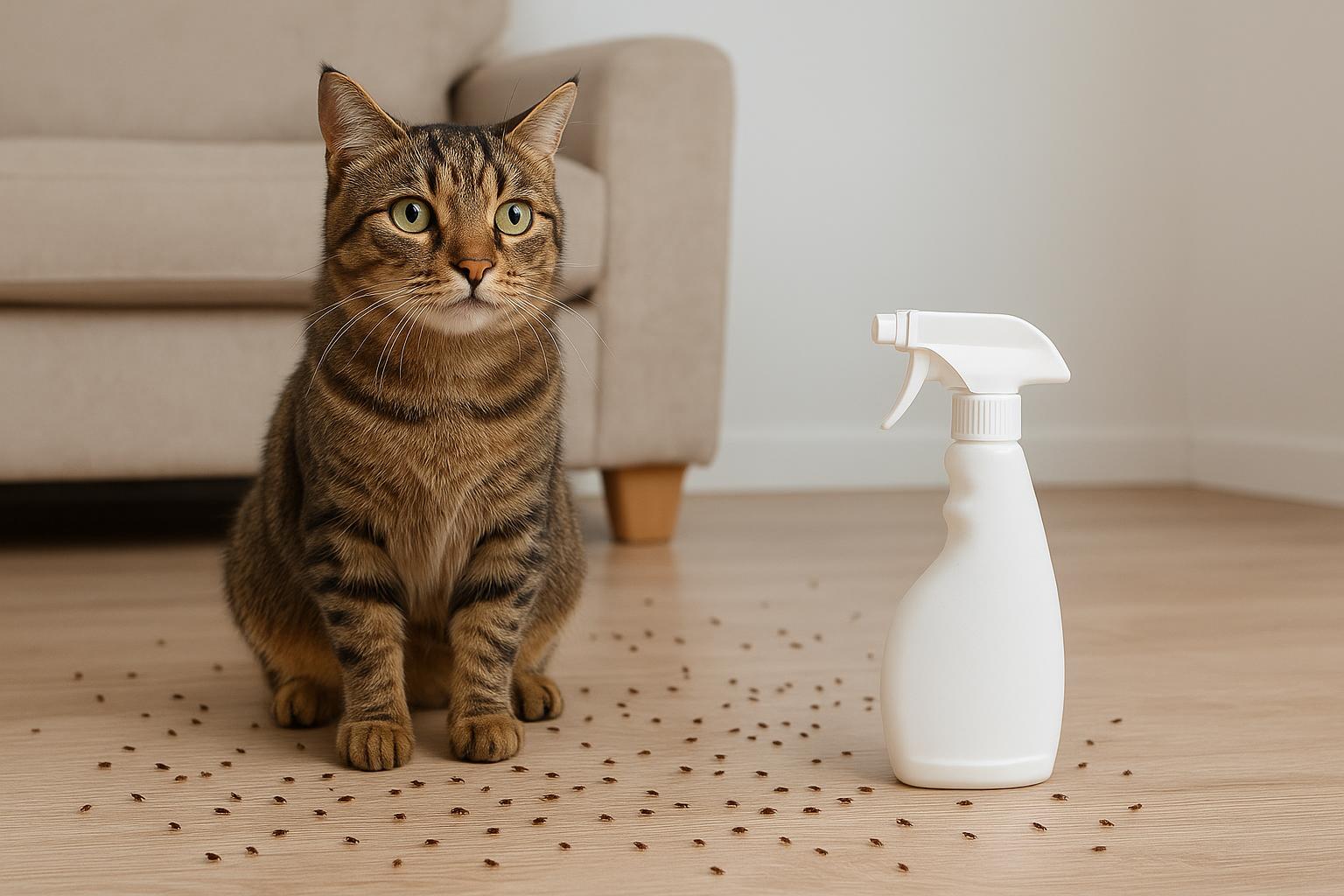
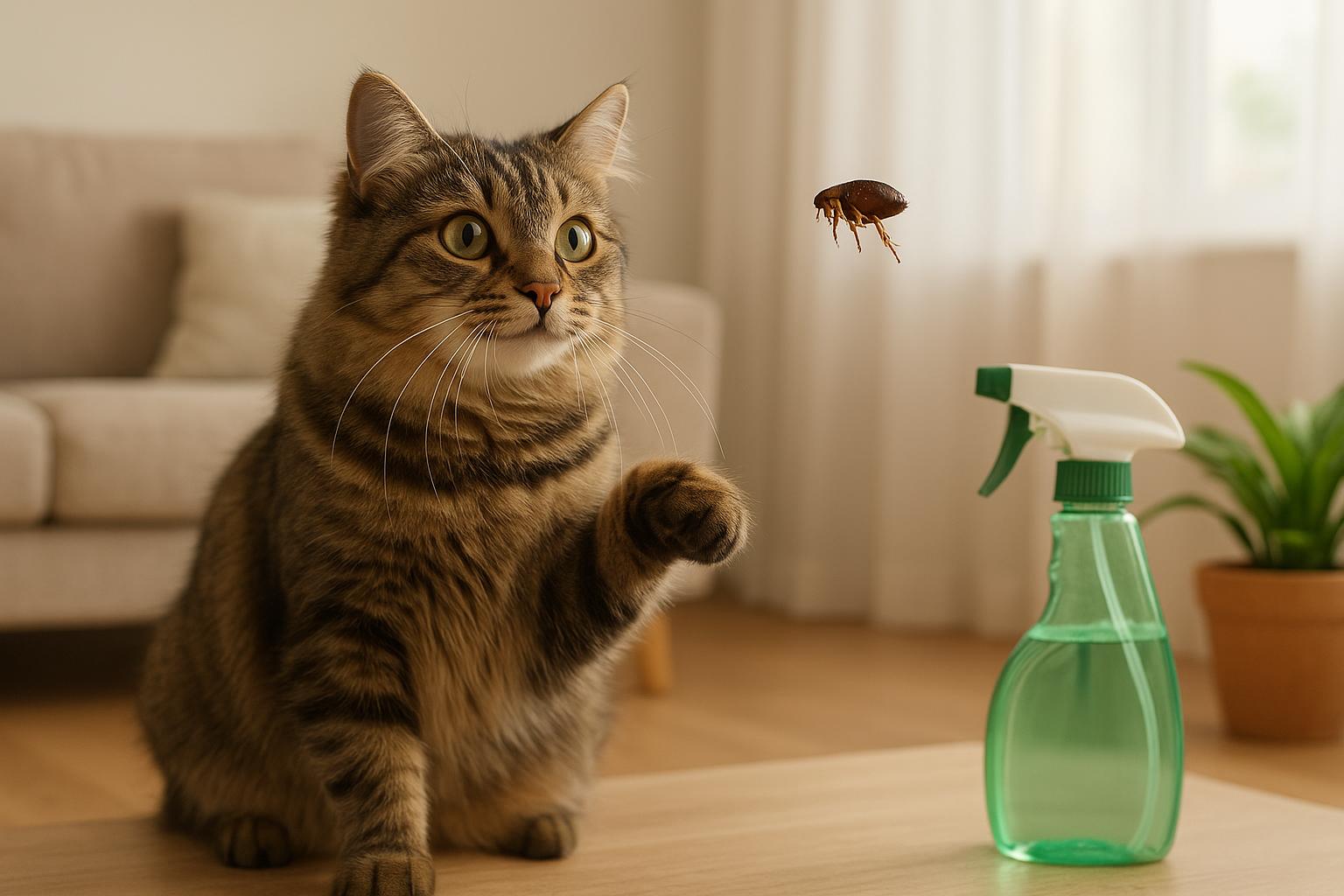
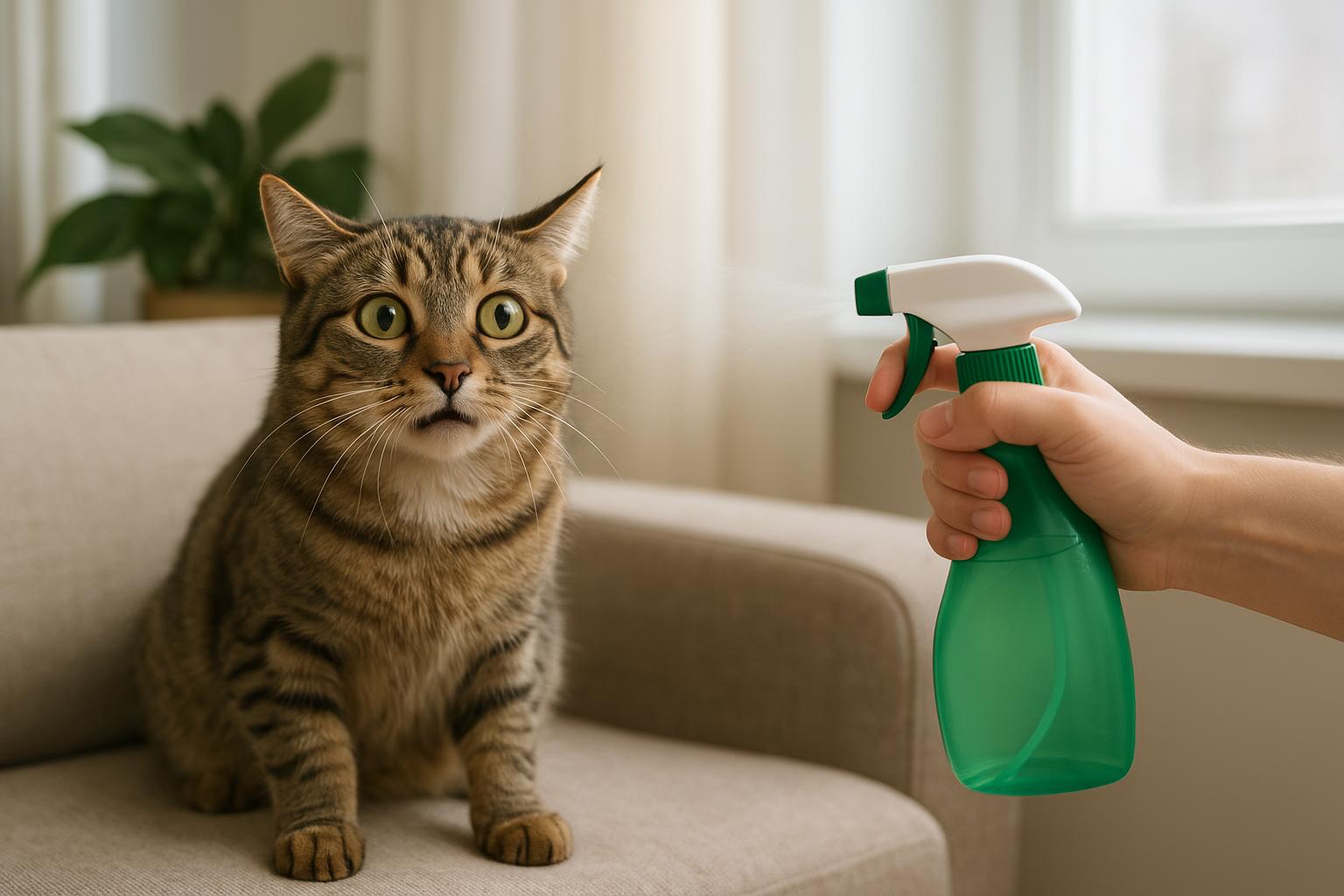
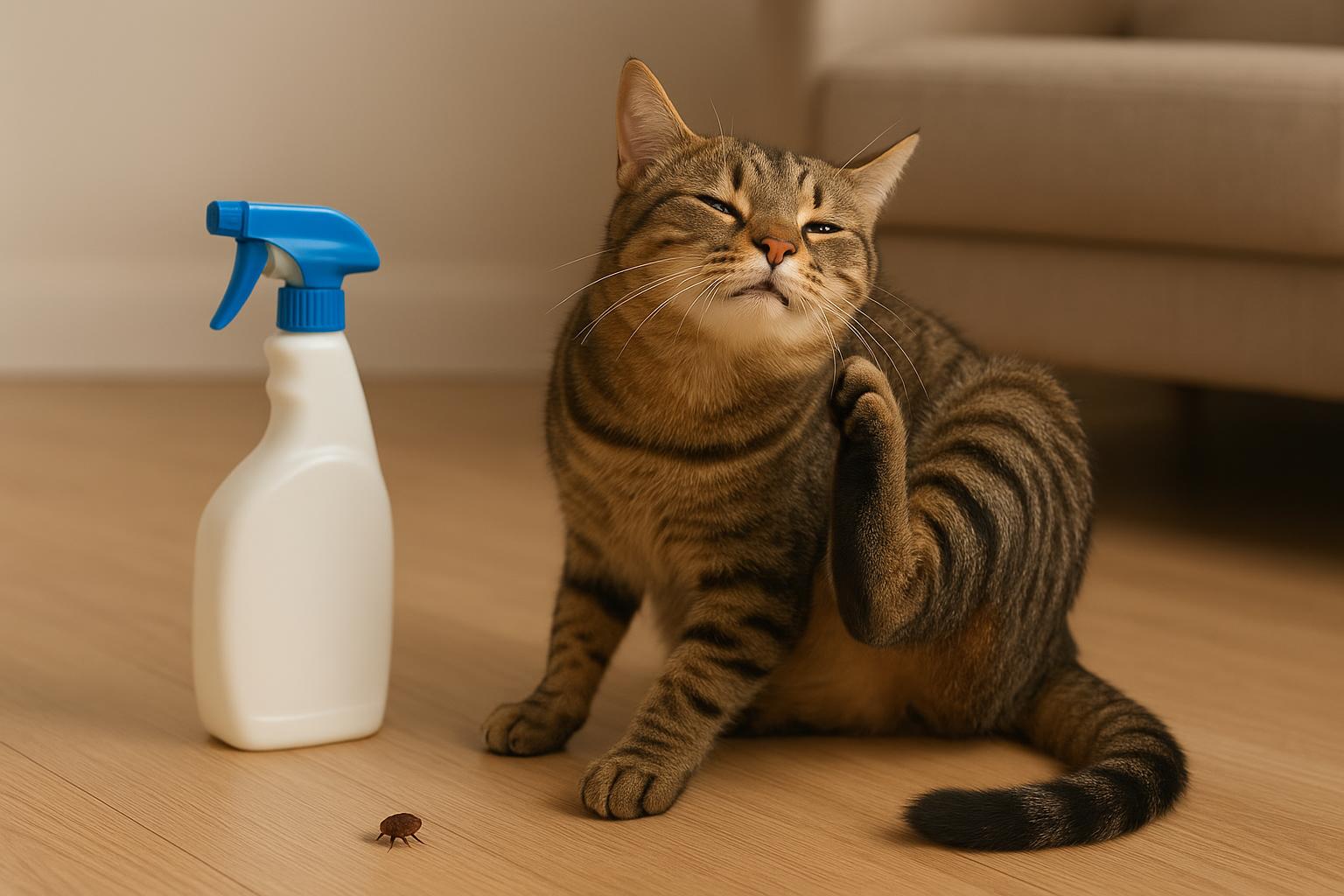
This is one of the most popular home remedies. Apple cider vinegar (ACV) is acidic and can make your cat’s coat less inviting to fleas; it’s a repellent rather than a pesticide. Use this as part of a broader program: combing, vacuuming, and washing bedding.
### Ingredients And Materials
– 1 cup water (filtered or boiled and cooled)
– 1 cup apple cider vinegar (mother-containing, unfiltered preferred)
– A clean spray bottle (8–16 oz)
– A soft cloth or sponge for spot tests
– Flea comb for checking results
### Step-By-Step Preparation And Application
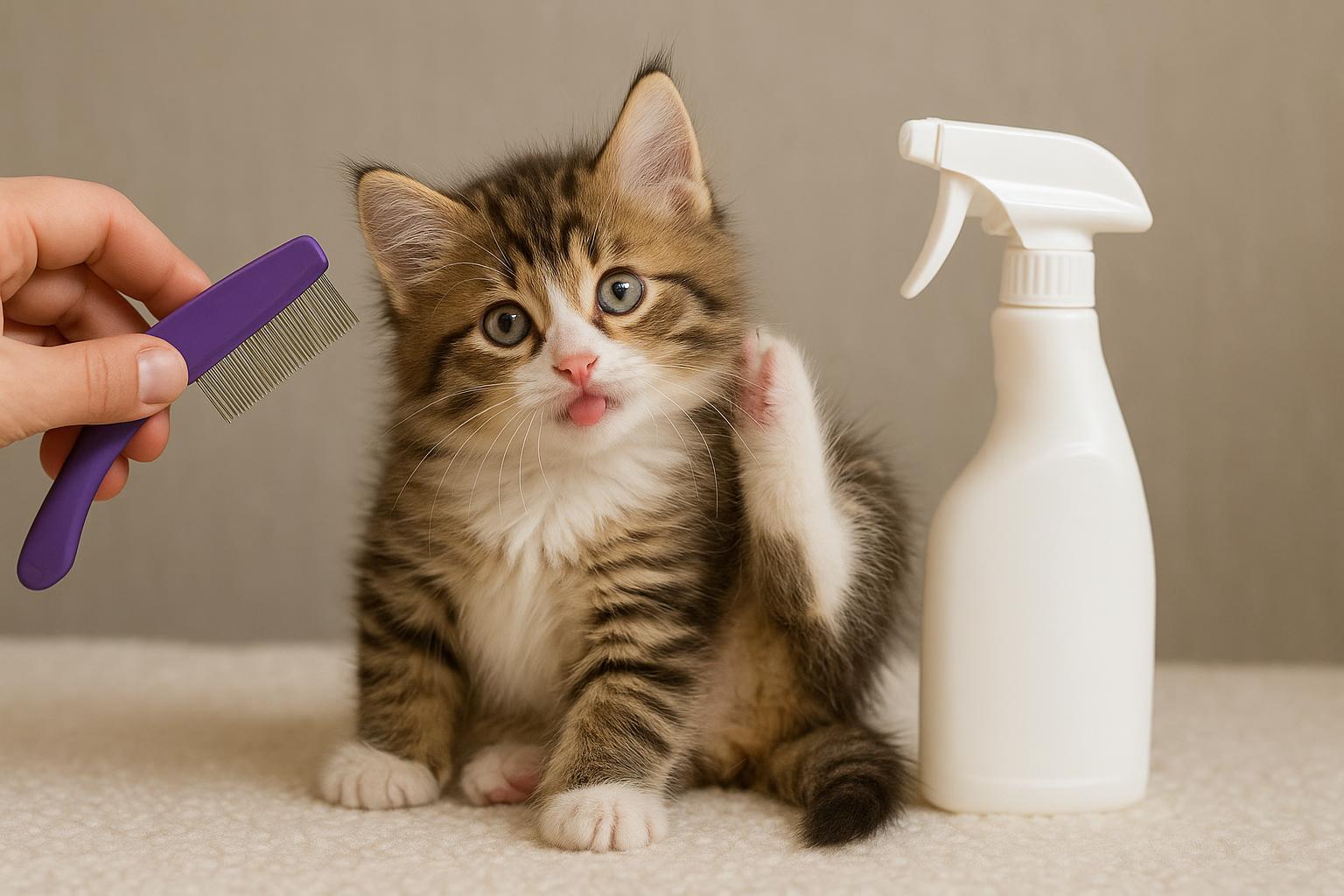
1. Combine the water and apple cider vinegar in the spray bottle and shake gently to mix.
2. Test a small area on your cat: spray a little on a cloth and dab the inside of a foreleg or scruff to check for irritation. Wait 24 hours.
3. If no irritation appears, lightly mist your cat’s coat, focusing on the back, base of tail, and along the spine. Avoid eyes, nose, mouth, and any open wounds.
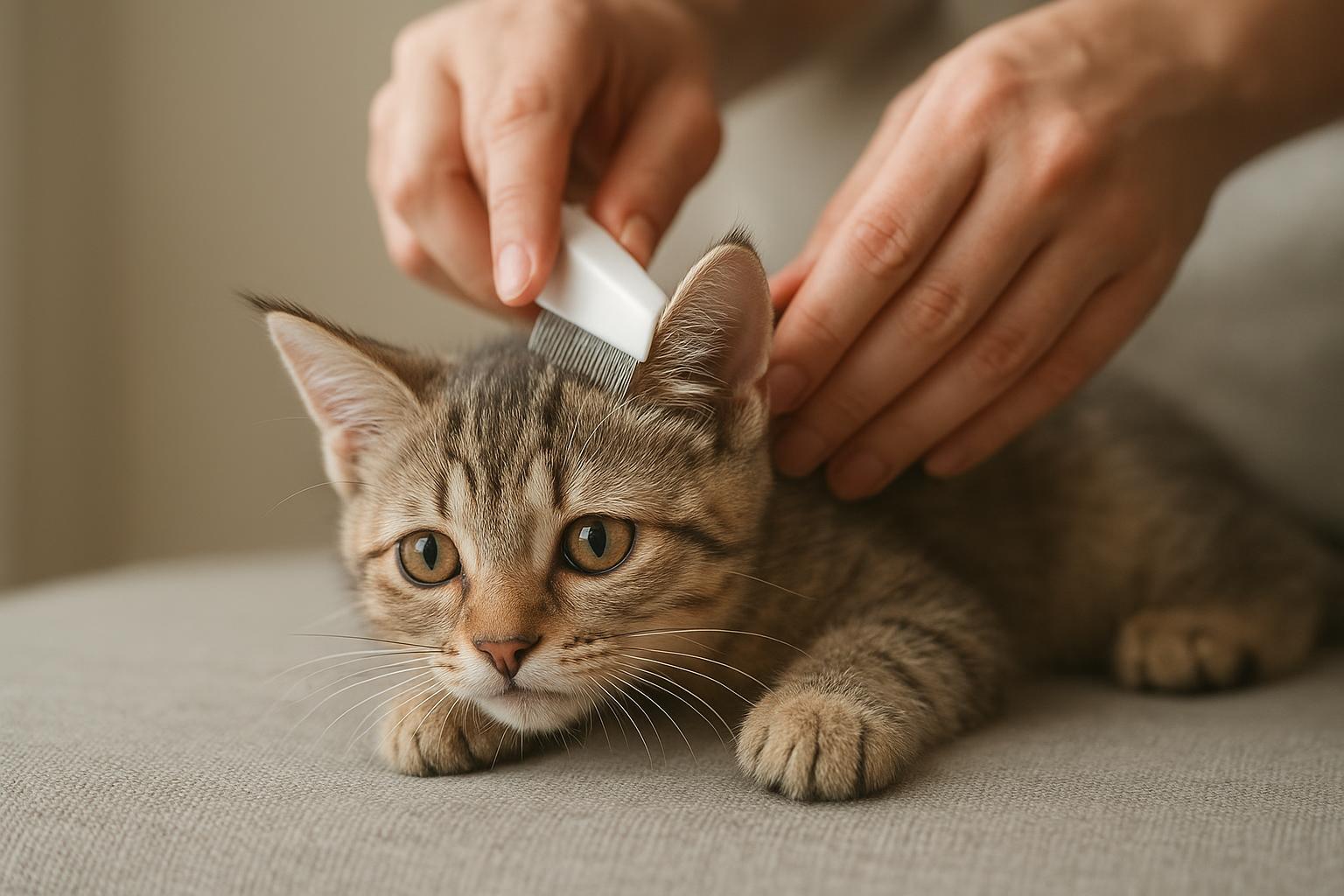
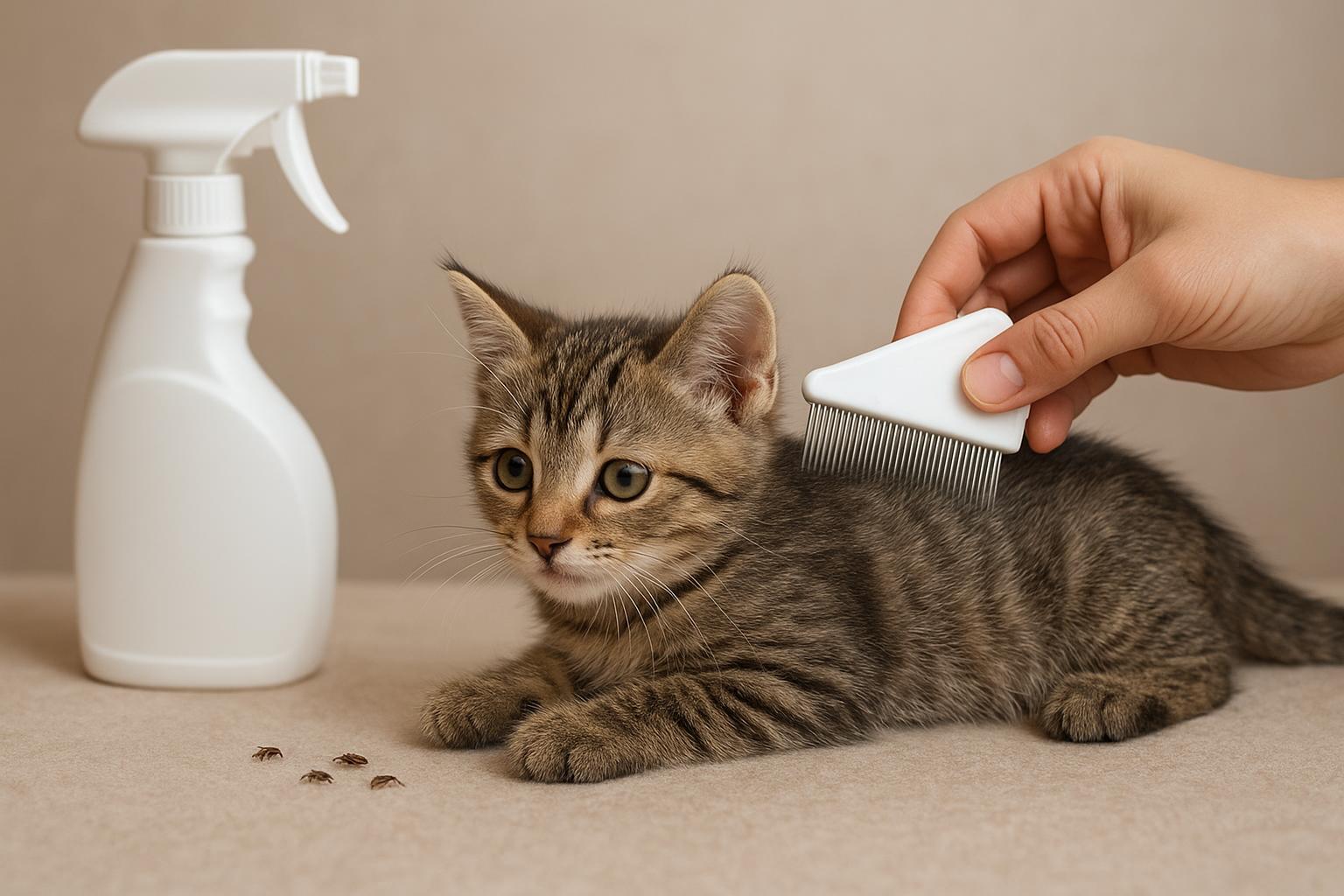
4. After spraying, gently comb the coat with a fine-tooth flea comb to remove adult fleas. Wipe the comb in soapy water to kill captured fleas.
5. Repeat application once daily for 7–10 days, then every other day for a couple of weeks as needed. Continue regular combing.
Notes: This treatment repels rather than eradicates eggs and larvae in the environment. For safety, do not use on kittens under 12 weeks, pregnant cats without vet approval, or cats with known vinegar sensitivities.
#### Tips For Safe Use
– Never soak a cat; a light mist is sufficient.
– If your cat grooms aggressively after application, consider spraying lightly onto a cloth and wiping rather than direct spraying.
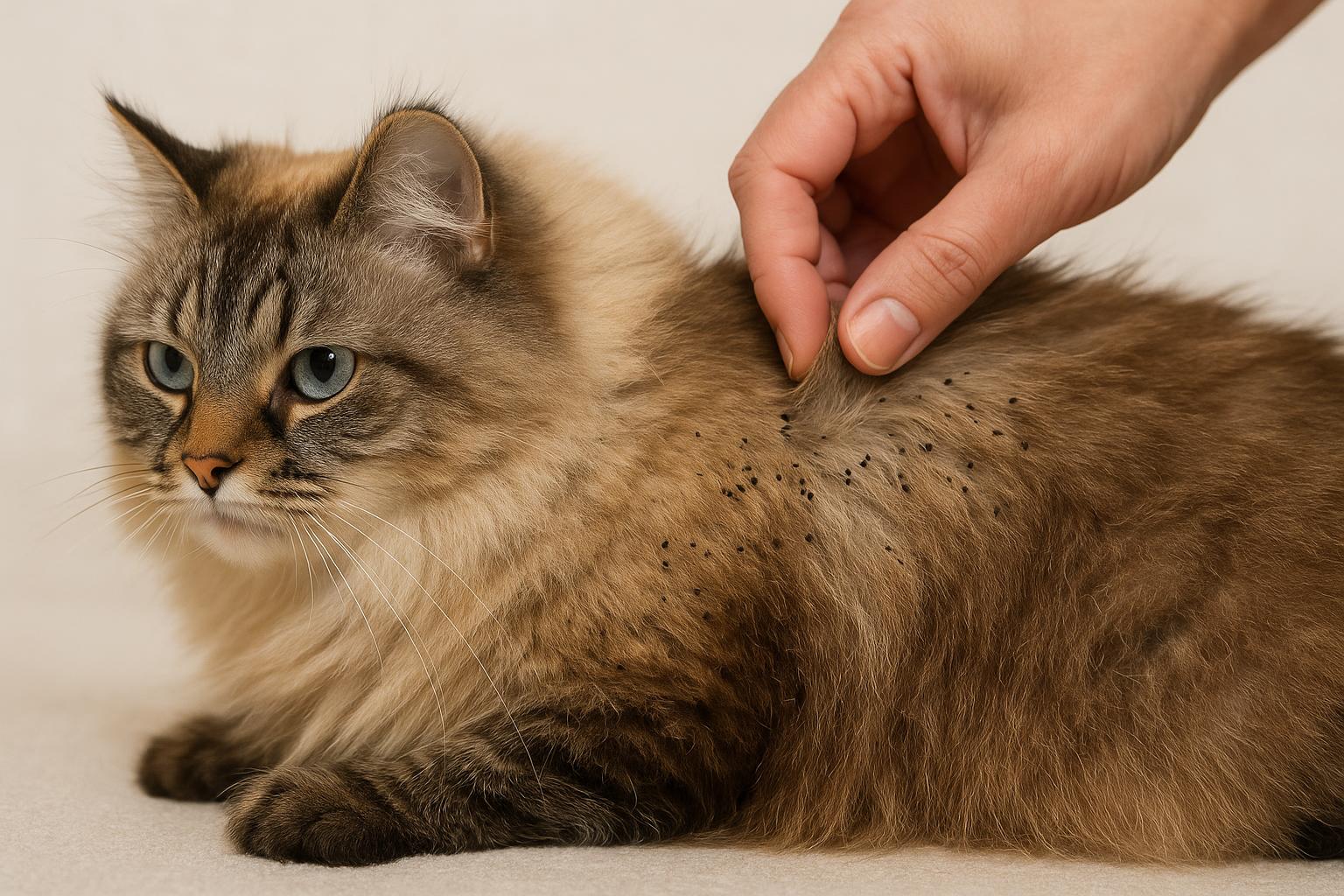
– Track results by photographing problem areas weekly.
## 2. Natural Flea Treatment With Diatomaceous Earth Dusting
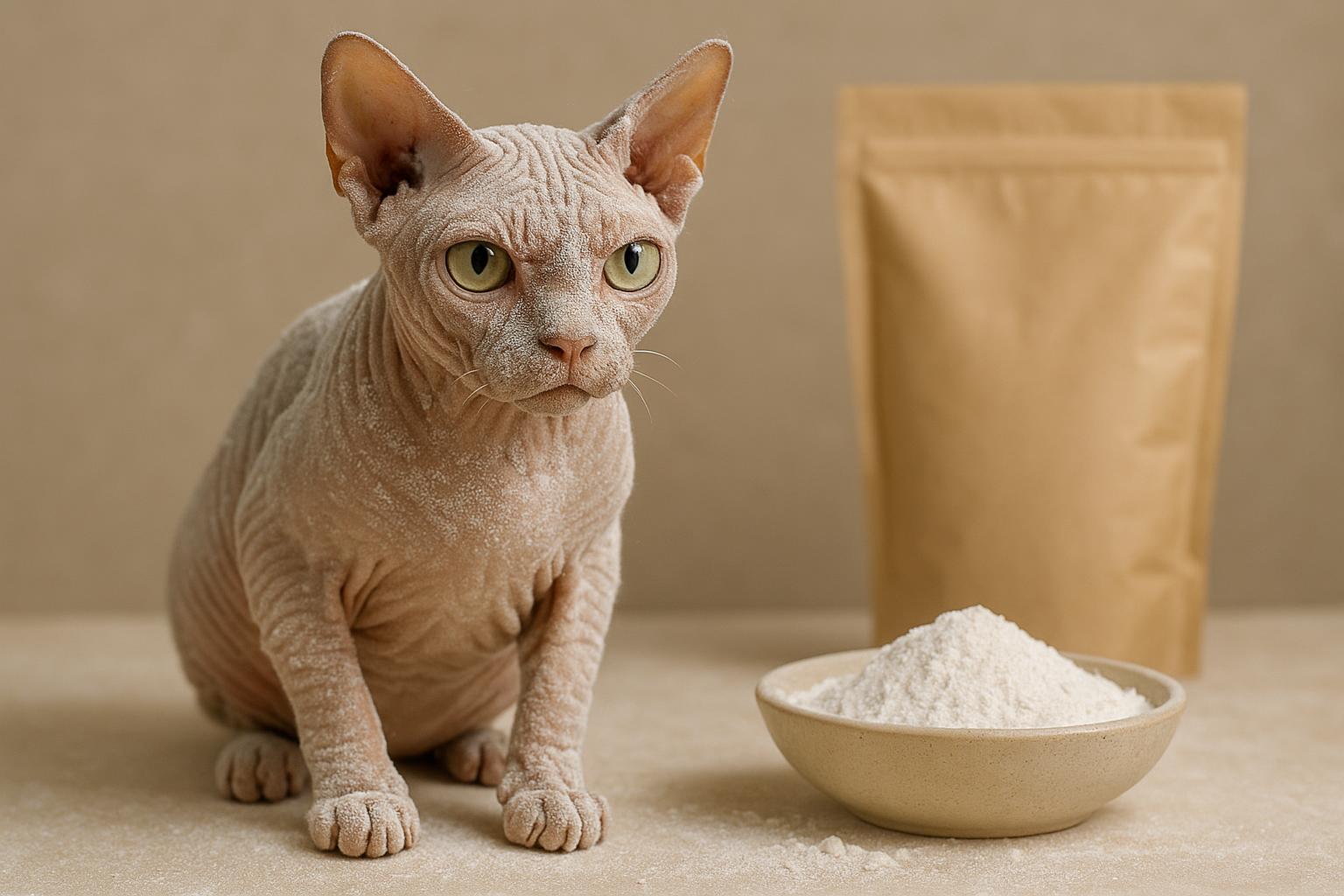
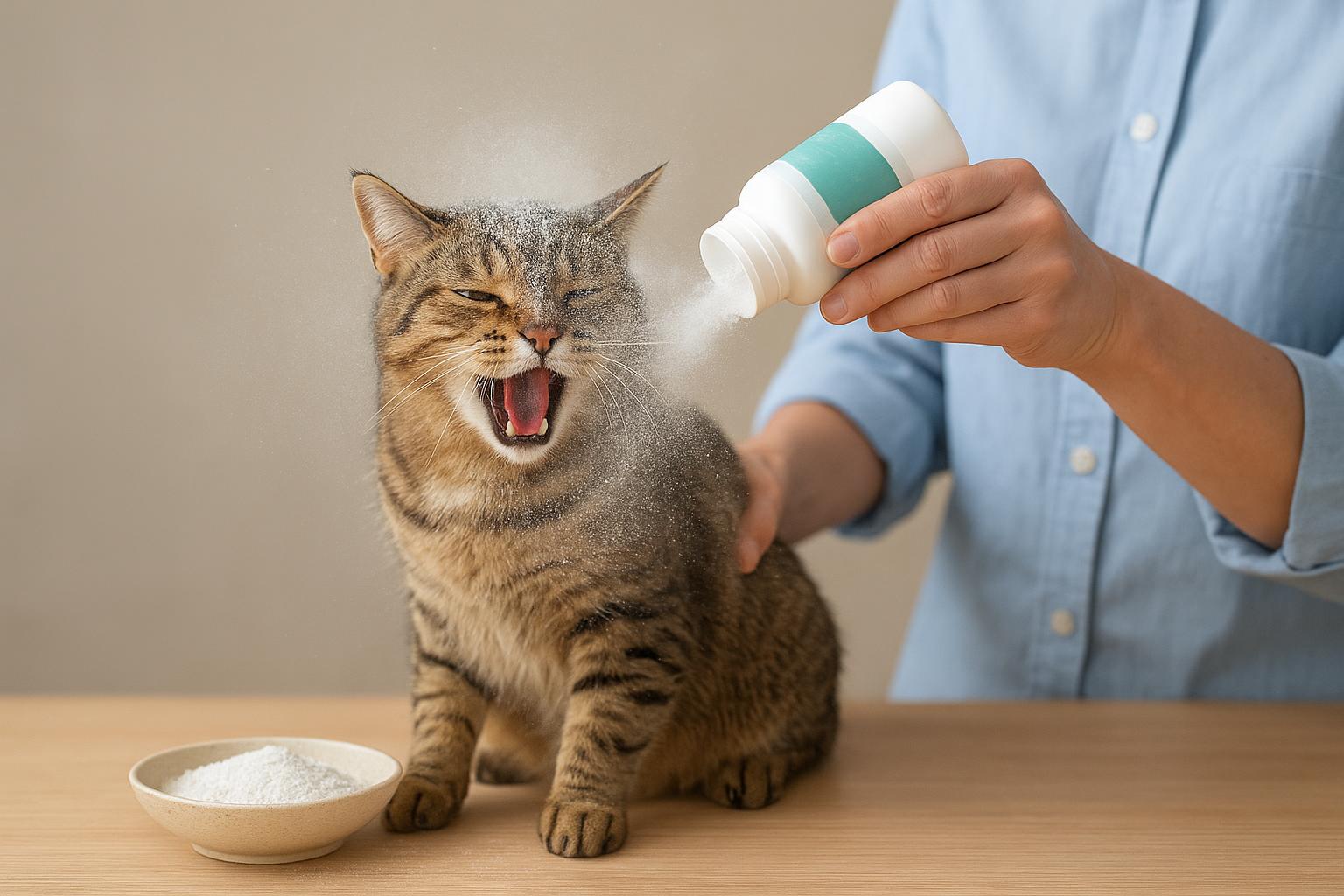
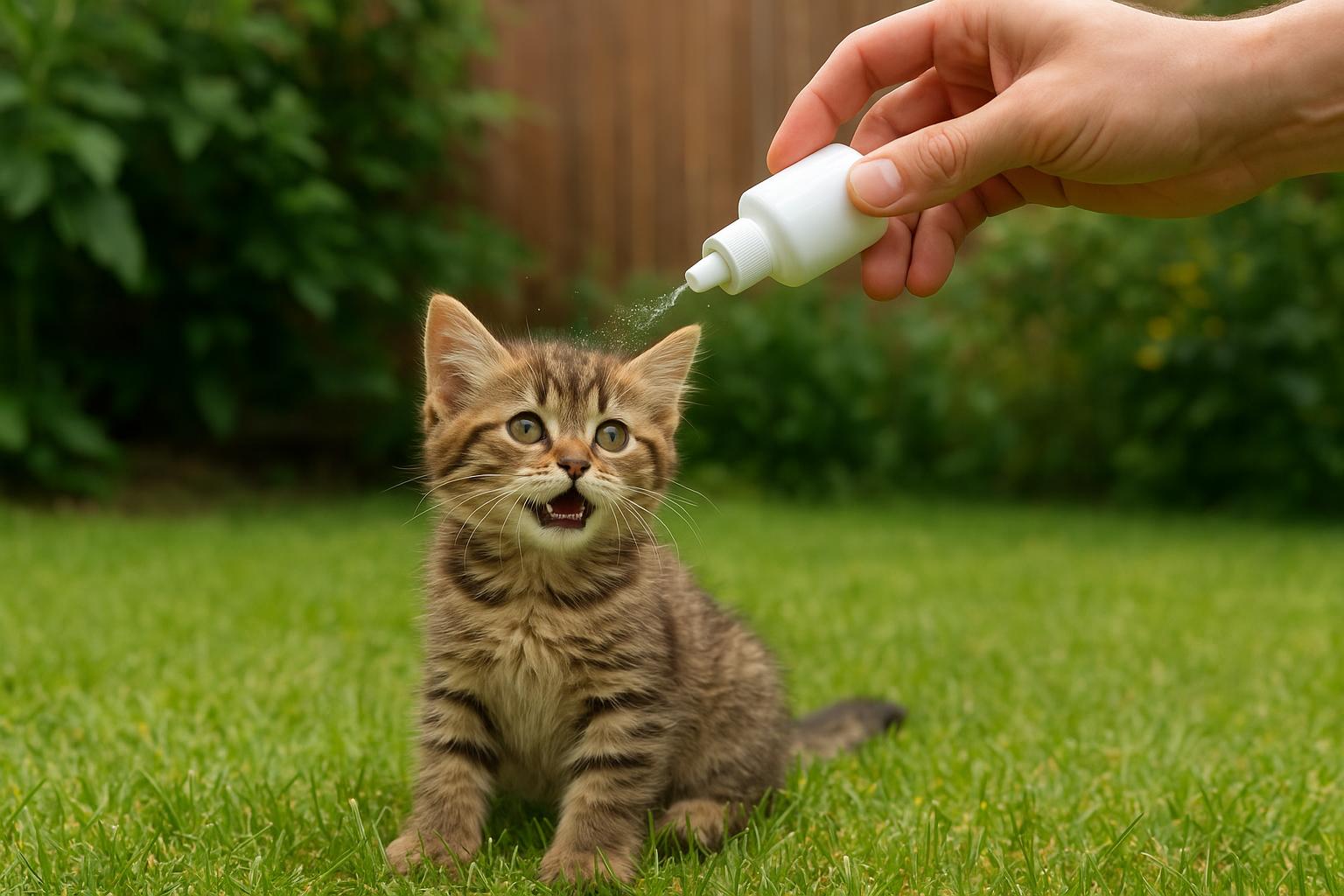
Food-grade diatomaceous earth (DE) is a fine powder derived from fossilized algae. It dehydrates insects by abrading their exoskeletons. When used properly, DE can reduce flea populations in the environment. It is a mechanical insecticide (not chemical), but proper handling is important.
### Ingredients And Materials
– Food-grade diatomaceous earth (not pool-grade)
– A small duster or shaker (sugar-shaker style)
– A dust mask and gloves for the person applying
– Vacuum with a HEPA filter
– Flea comb and shallow dish with soapy water for combing sessions
### Step-By-Step Preparation And Application
1. Ensure you have food-grade DE. Pool-grade DE is hazardous and must not be used on pets or around the home.
2. Put on a dust mask and gloves to avoid inhalation and skin irritation while applying.
3. Lightly dust carpets, rugs, pet bedding, and areas where your cat rests, focusing on baseboards and under furniture. Do not apply directly onto your cat’s fur.
4. Allow DE to sit for 48–72 hours. During this time, fleas that walk across the powder are affected.
5. Vacuum thoroughly after the waiting period. Dispose of vacuum bag contents in a sealed garbage bag outdoors. Repeat dusting and vacuuming weekly for 3–4 weeks to interrupt the flea life cycle.
6. Combine with regular combing and treatment of pet bedding in hot water.
Notes: DE is effective in dry areas; it loses efficacy when wet. Keep pets and family members away from freshly dusted areas until settled and avoid excessive airborne dust.
#### Where DE Works Best
– Carpets, rugs, furniture crevices, and pet bedding
– Avoid on plush furniture where powder will embed deeply; in those cases, use vacuuming more frequently.
## Environmental And Home Care To Support Any Natural Flea Treatment
A natural flea treatment works best when the whole environment is part of the plan. Flea eggs and larvae in carpets, bedding, and the yard need attention.
### Using A Flea Comb Correctly
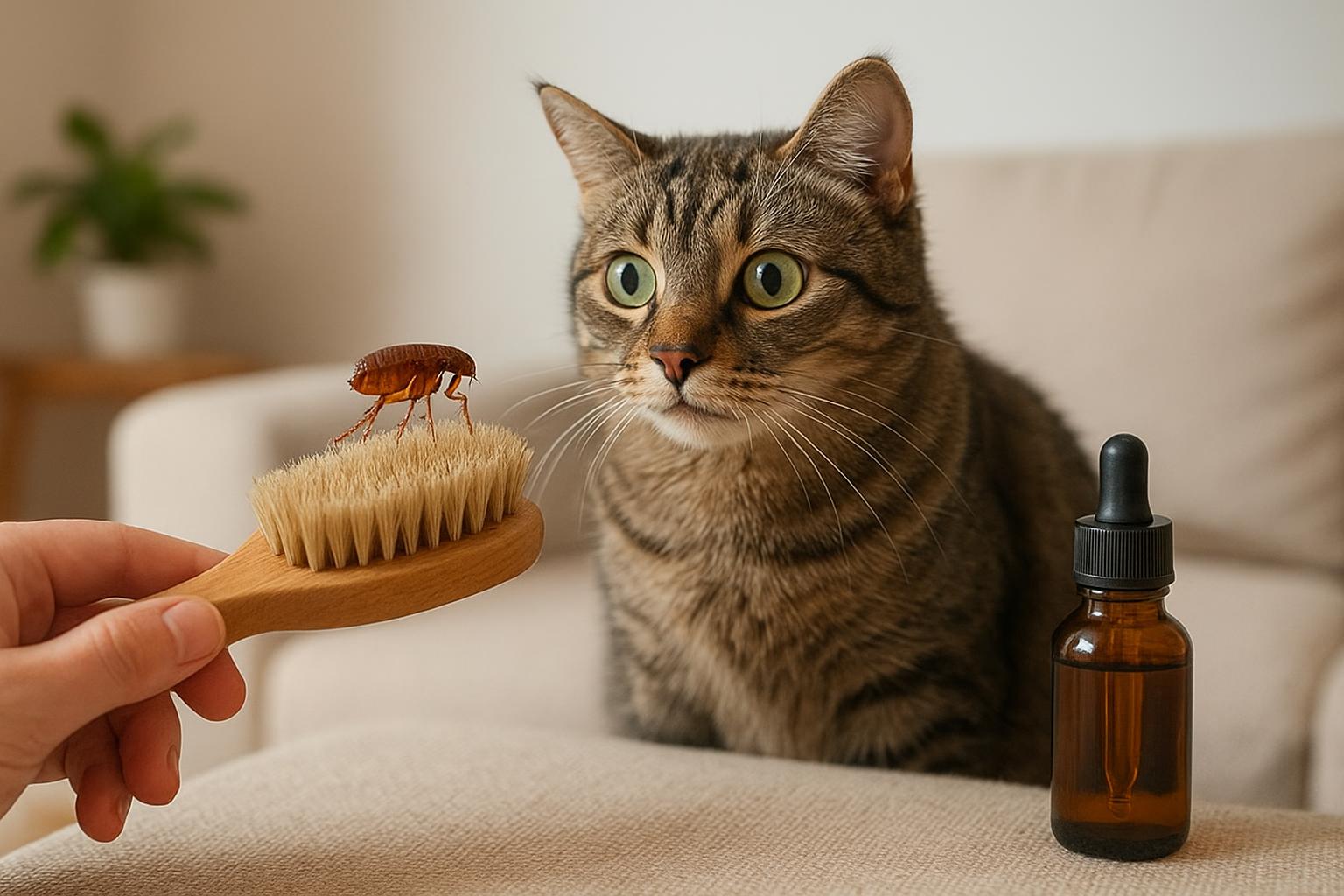
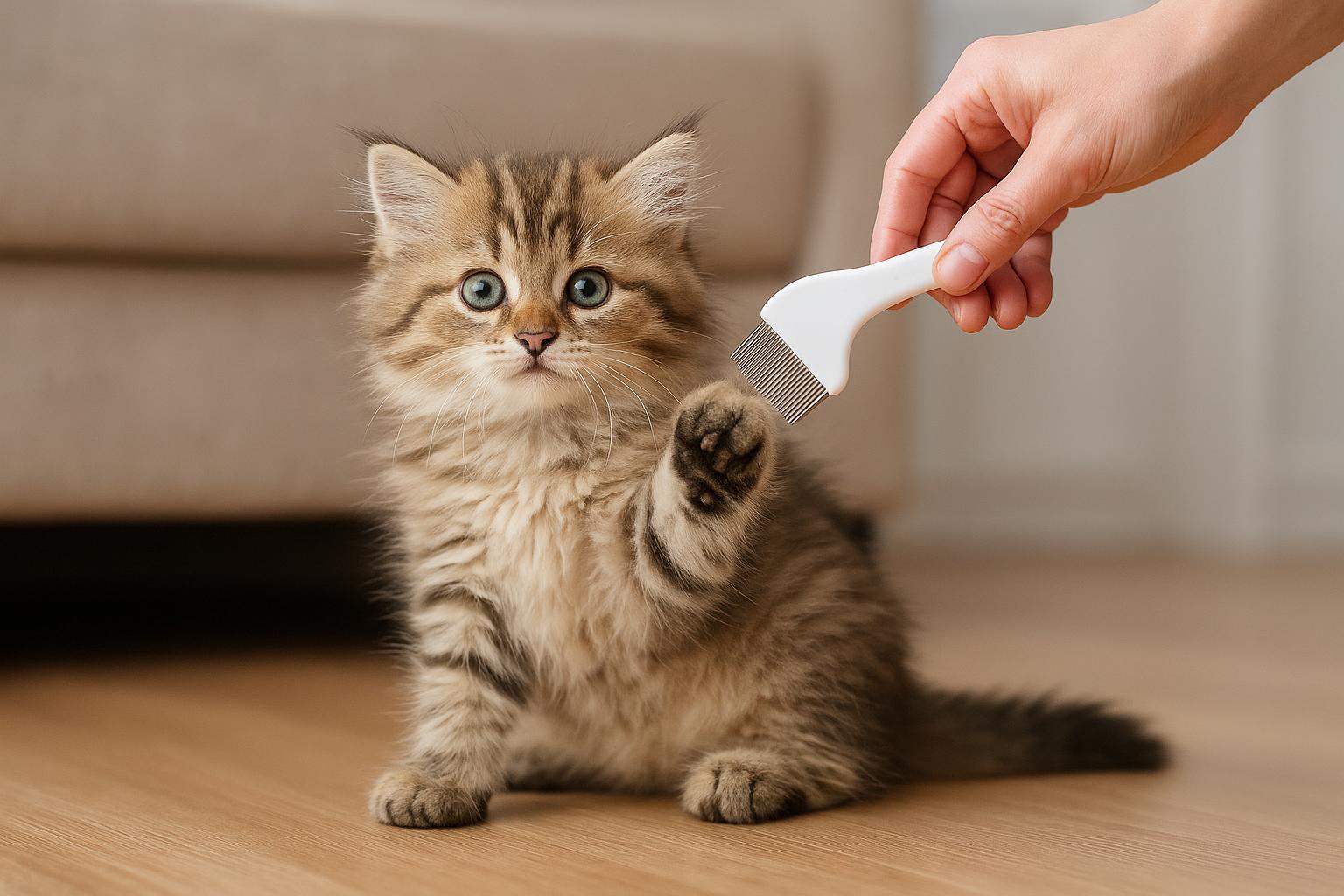
A flea comb is both diagnostic and therapeutic. Comb in the direction of hair growth, concentrating on the neck and base of tail. Wipe the comb into soapy water after each pass to drown captured fleas. Use daily until you see no live fleas for two weeks.
### Yard And Home Management
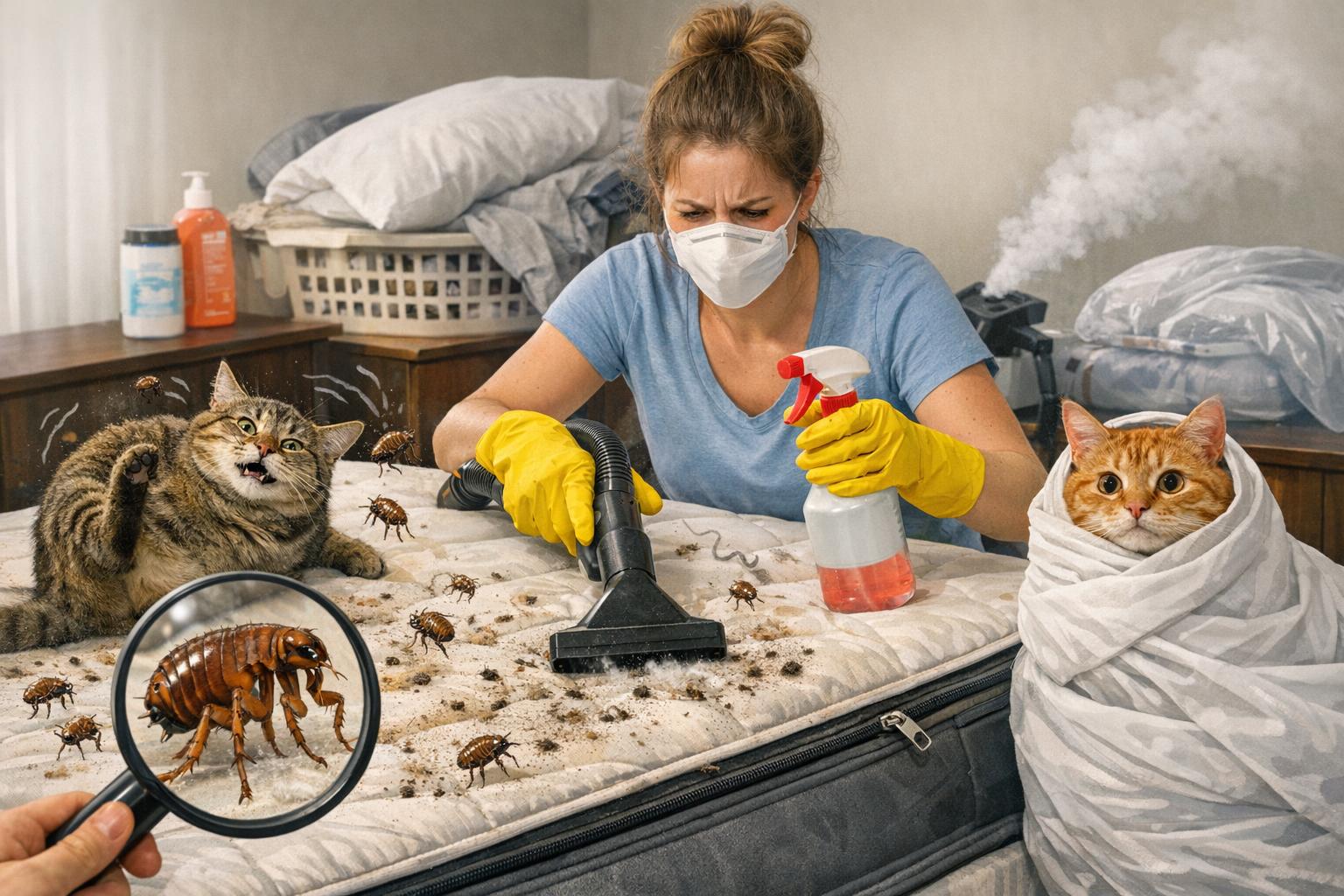
– Wash all pet bedding and frequently used textiles in hot water weekly.
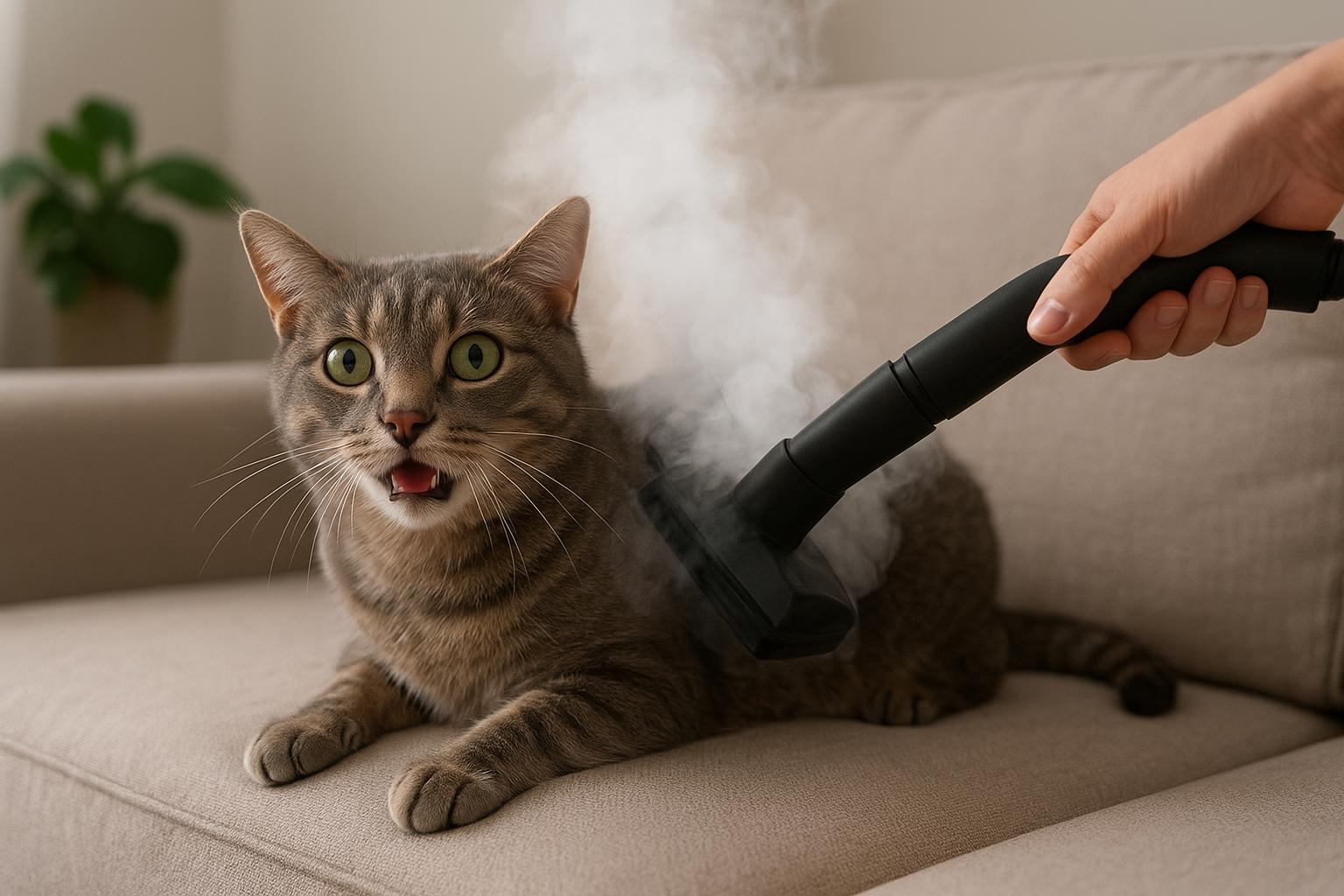
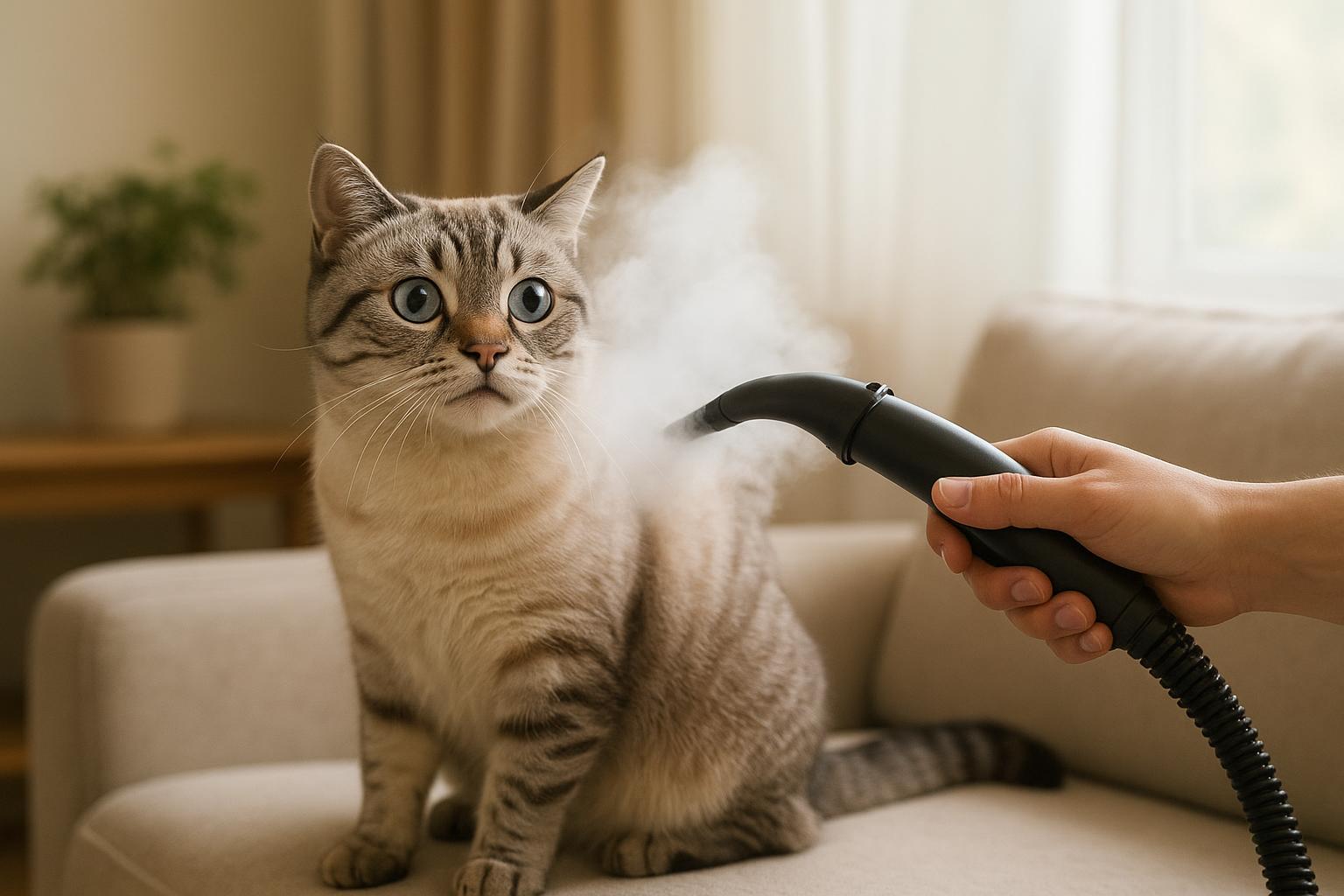
– Vacuum high-traffic areas daily for 2–3 weeks, then reduce frequency. Empty vacuum canisters outdoors.
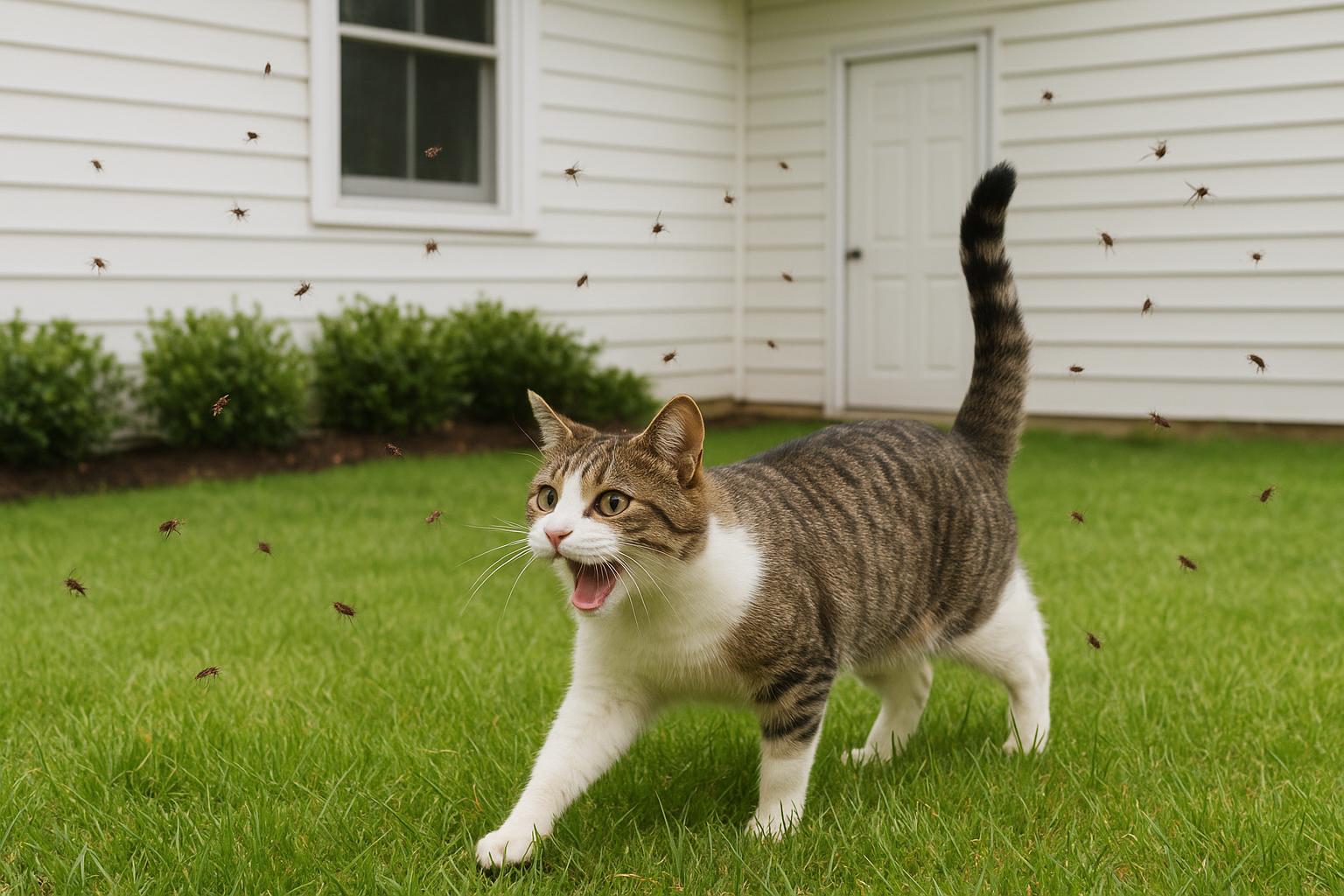
– Consider beneficial nematodes for lawns — microscopic organisms that prey on flea larvae, sold online and applied to soil.
– Keep grassy areas trimmed and reduce shaded, damp areas where flea larvae thrive.
– Cedar chips under outdoor bedding areas can be a mild deterrent. Avoid using pesticides in the yard if you want to maintain a truly natural approach.
## Safety, Limitations, And When Natural Flea Treatment May Not Be Enough
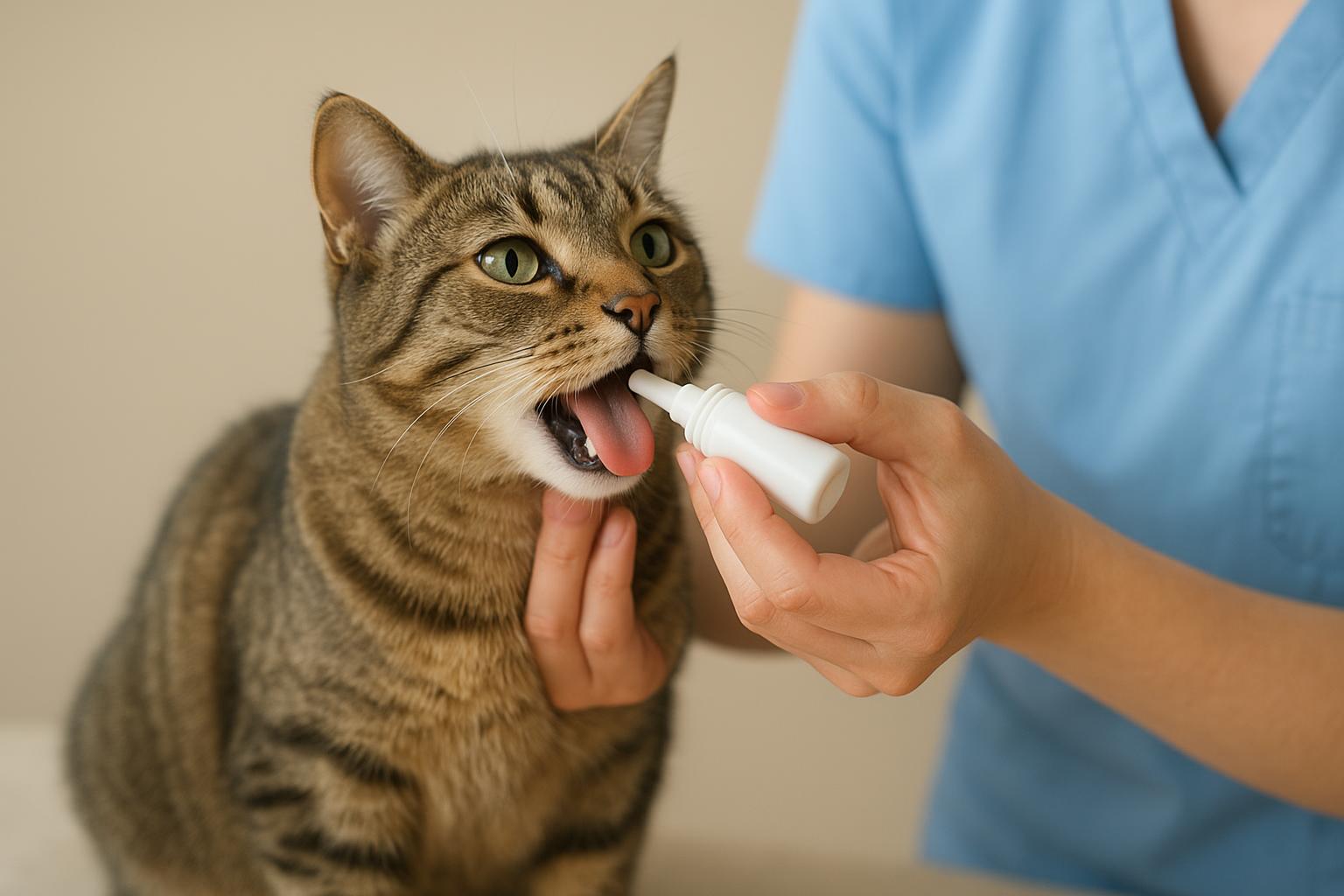
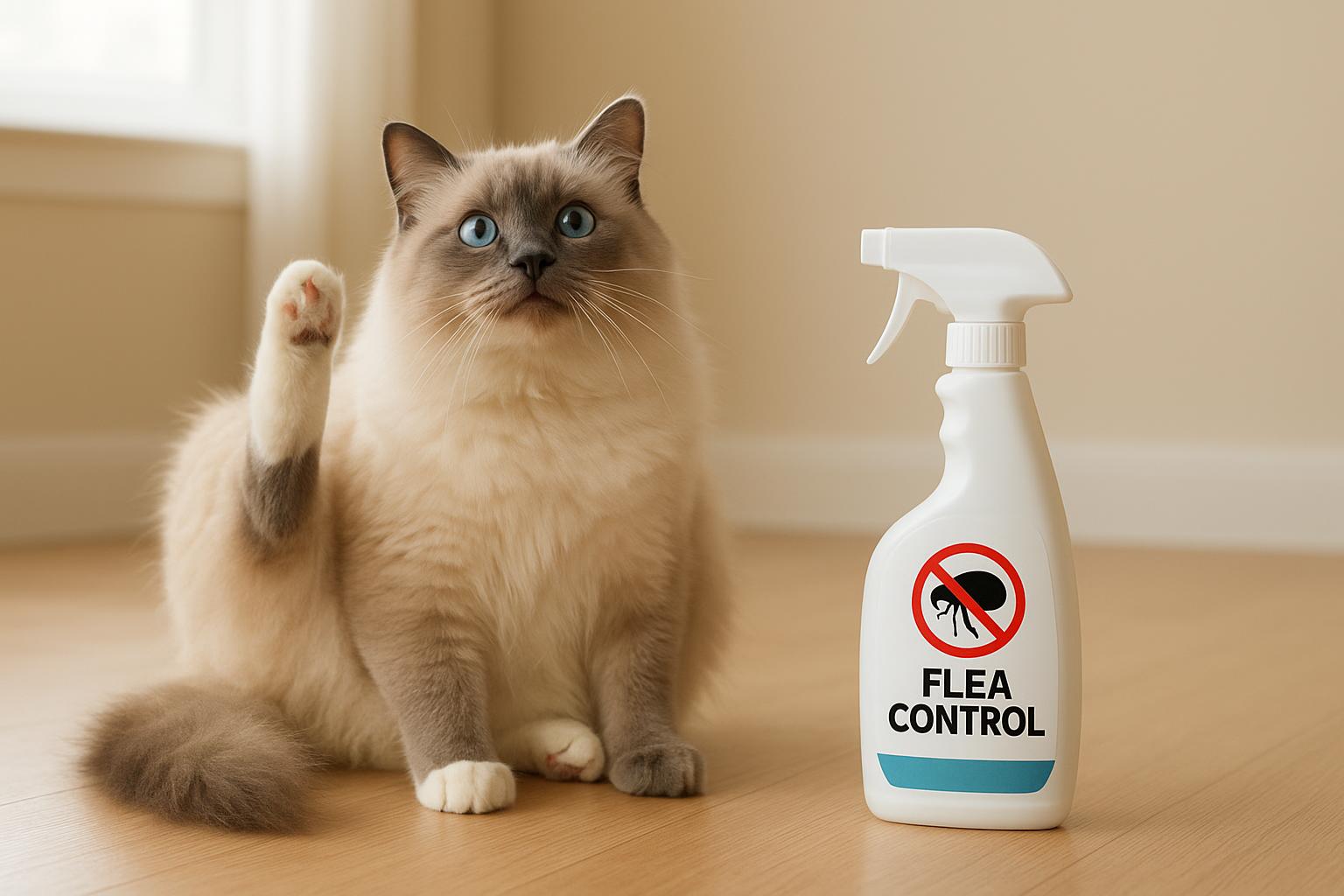
Natural flea treatment strategies can be very helpful, but they have limits. Heavy infestations often require combination therapy including vet-prescribed topical or oral treatments designed to kill adult fleas and interrupt reproduction. Cats with flea allergy dermatitis may need immediate veterinary care and medication to control inflammation and secondary infections.
### When To See A Vet
Seek veterinary attention if your cat:
– Is a kitten under 12 weeks with fleas
– Shows signs of anemia (pale gums, weakness)
– Has raw, infected skin lesions
– Has had no improvement after a consistent, multi-pronged natural control plan
### Final Practical Notes
– Consistency is crucial: repeat treatments and environmental management over several weeks are required because flea pupae can stay dormant and re-emerge.
– Combine methods: using apple cider vinegar spray, DE for the environment, frequent combing, and habitat adjustments will yield better results than any single approach.
– Keep records of what you try and how your cat responds; this helps you and your vet make informed decisions if escalation of care is needed.
Use these natural flea treatment options thoughtfully and patiently. You’ll be doing your cat (and your carpets) a solid — and you might even impress your neighbors with your eco-friendly pest control skills.
Leave a Reply