
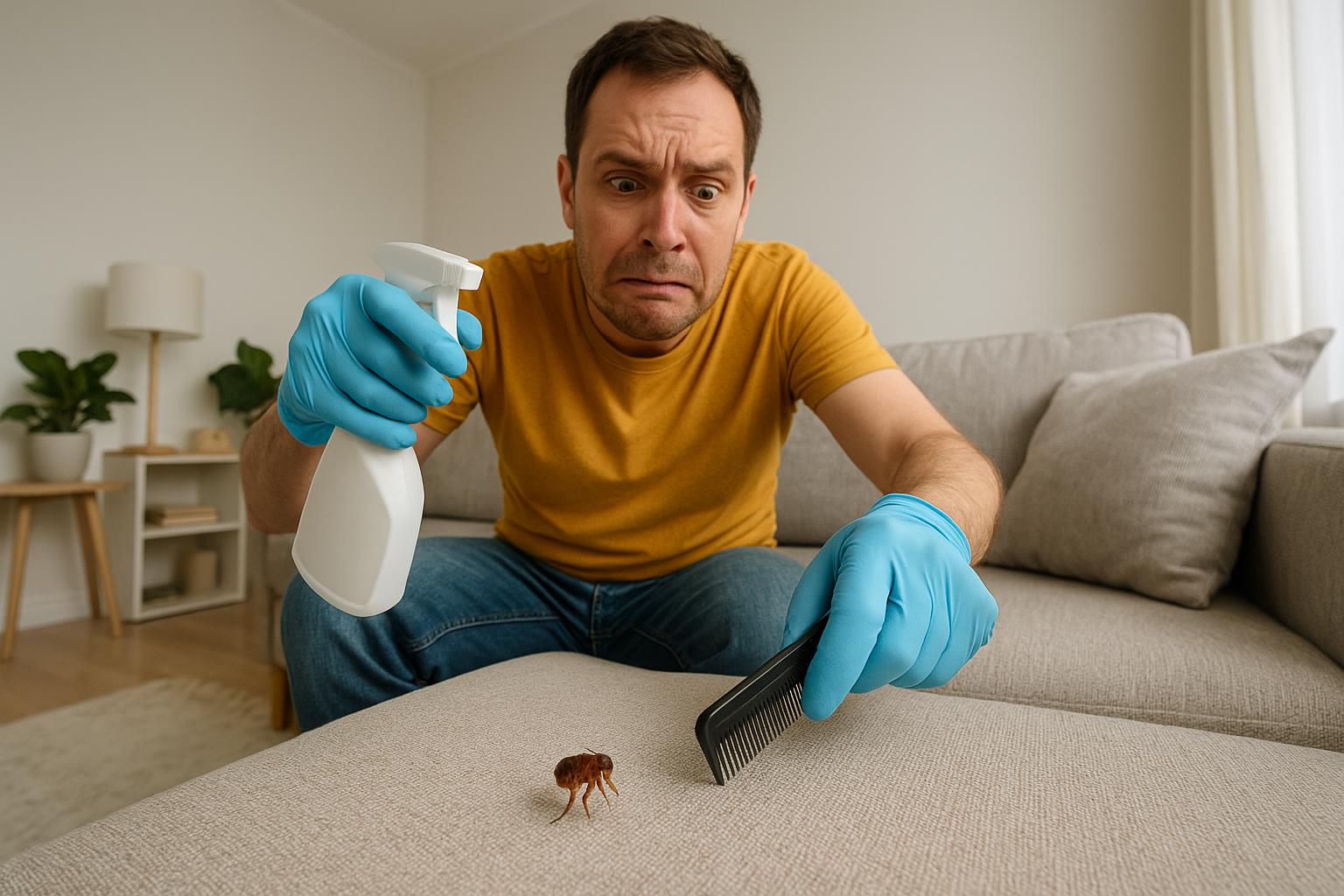
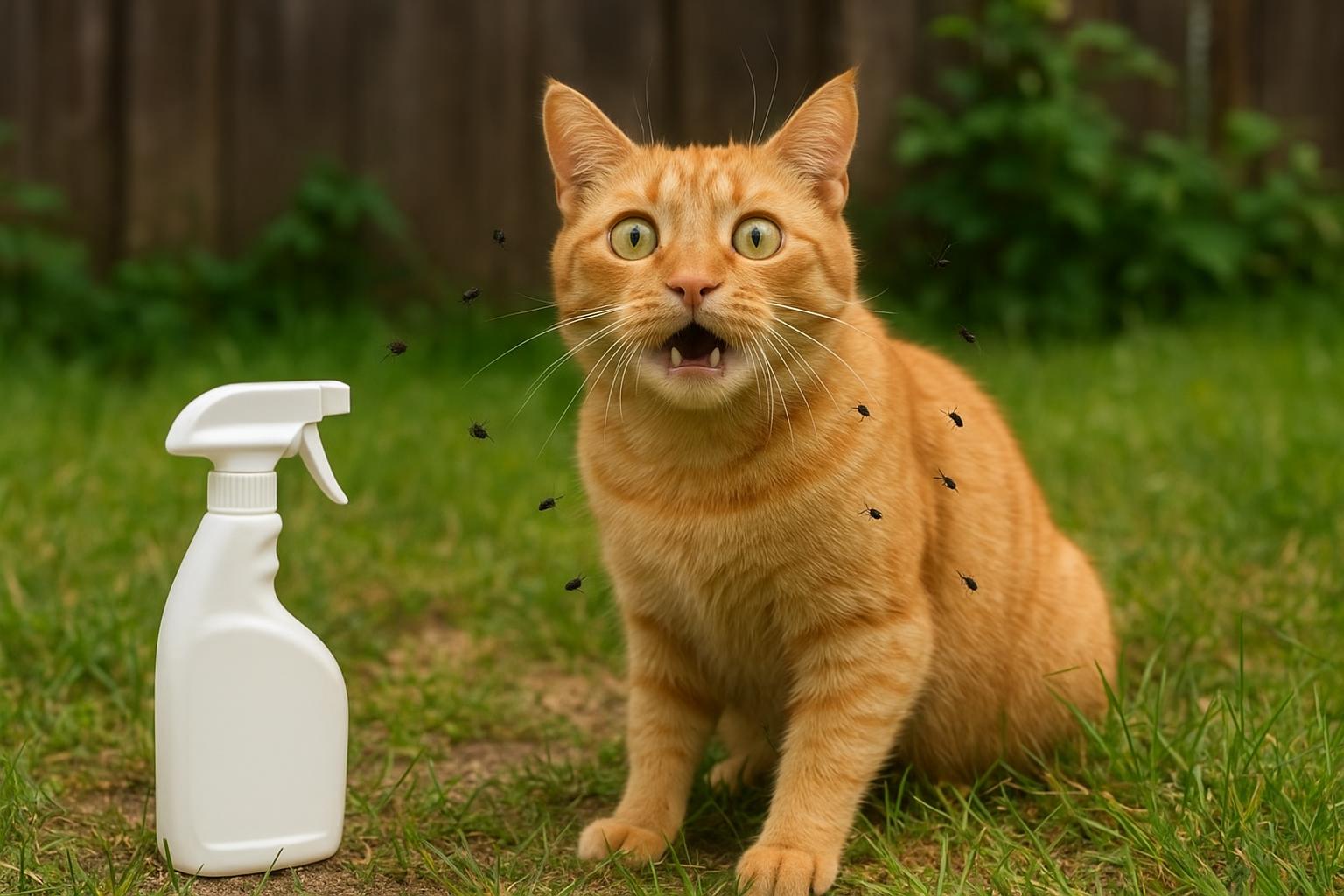
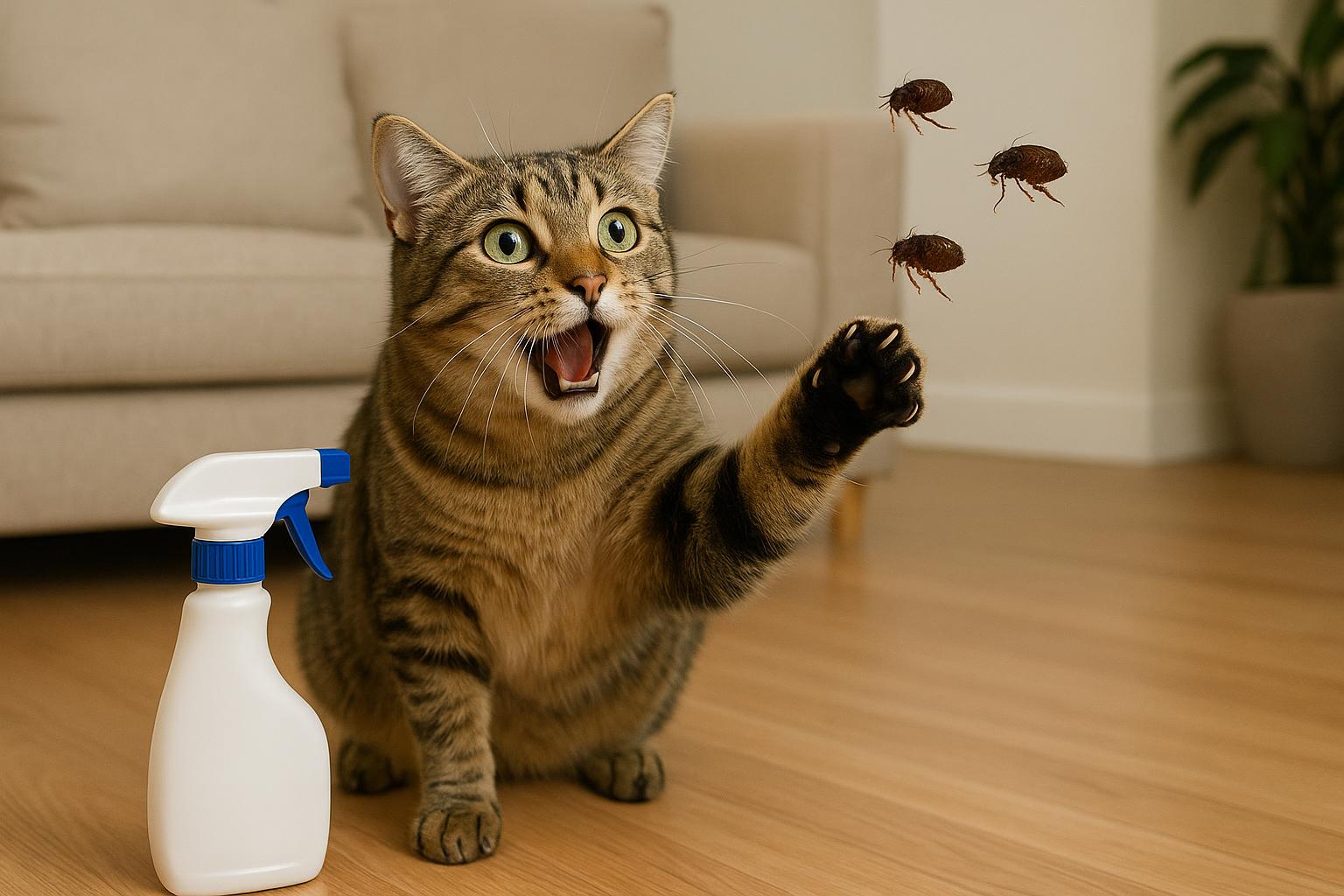
If you’re reading this, chances are your housemates include humans, pets, and tiny wingless vampires called fleas. You’re not alone—these pests are notorious for turning a cozy living room into an itchy audition. Below you’ll find practical, friendly guidance on spotting fleas, choosing the right tools, and carrying out reliable flea removal without turning your house into a science fair experiment (unless that’s your thing).
## Flea Removal: What You Need To Know
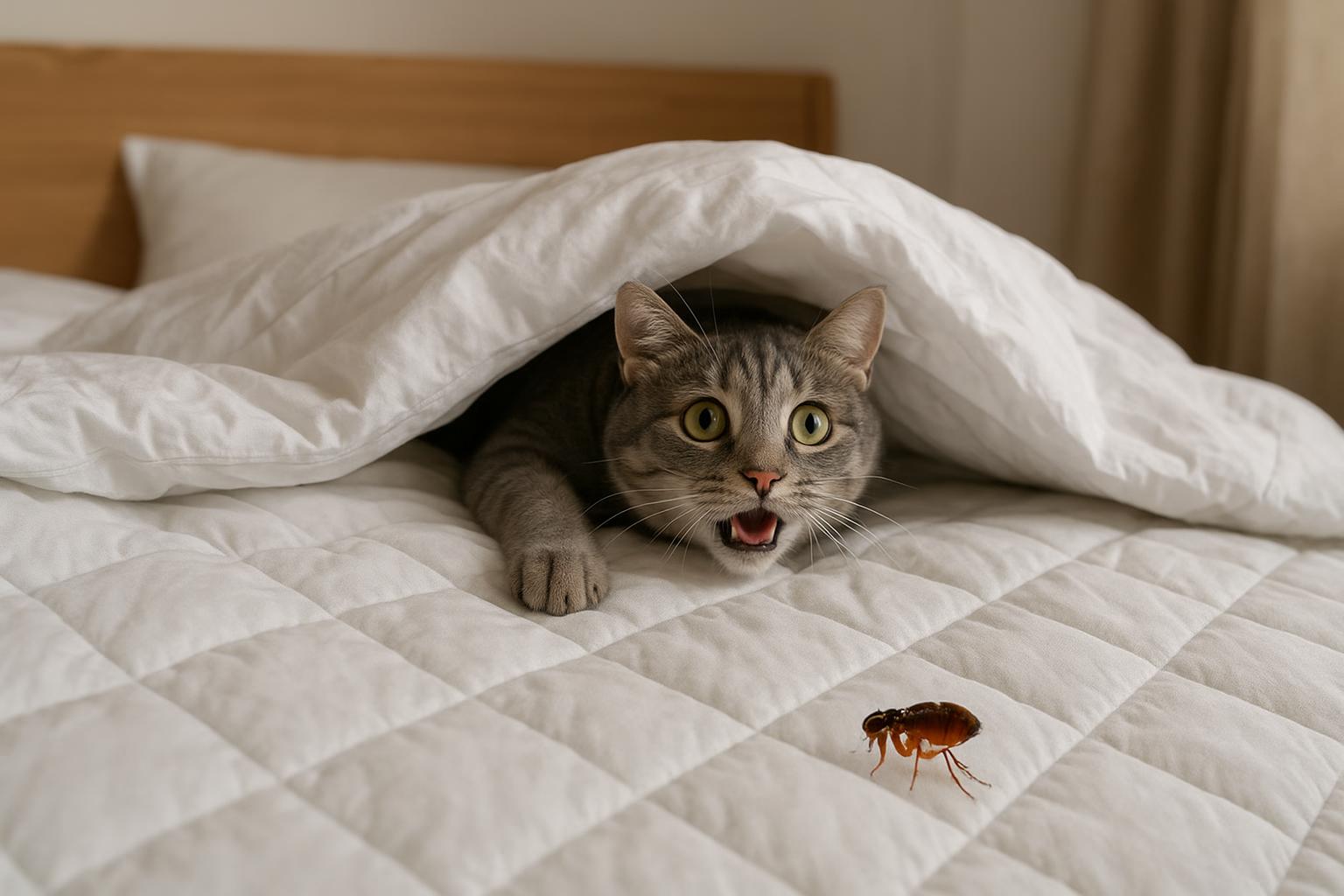
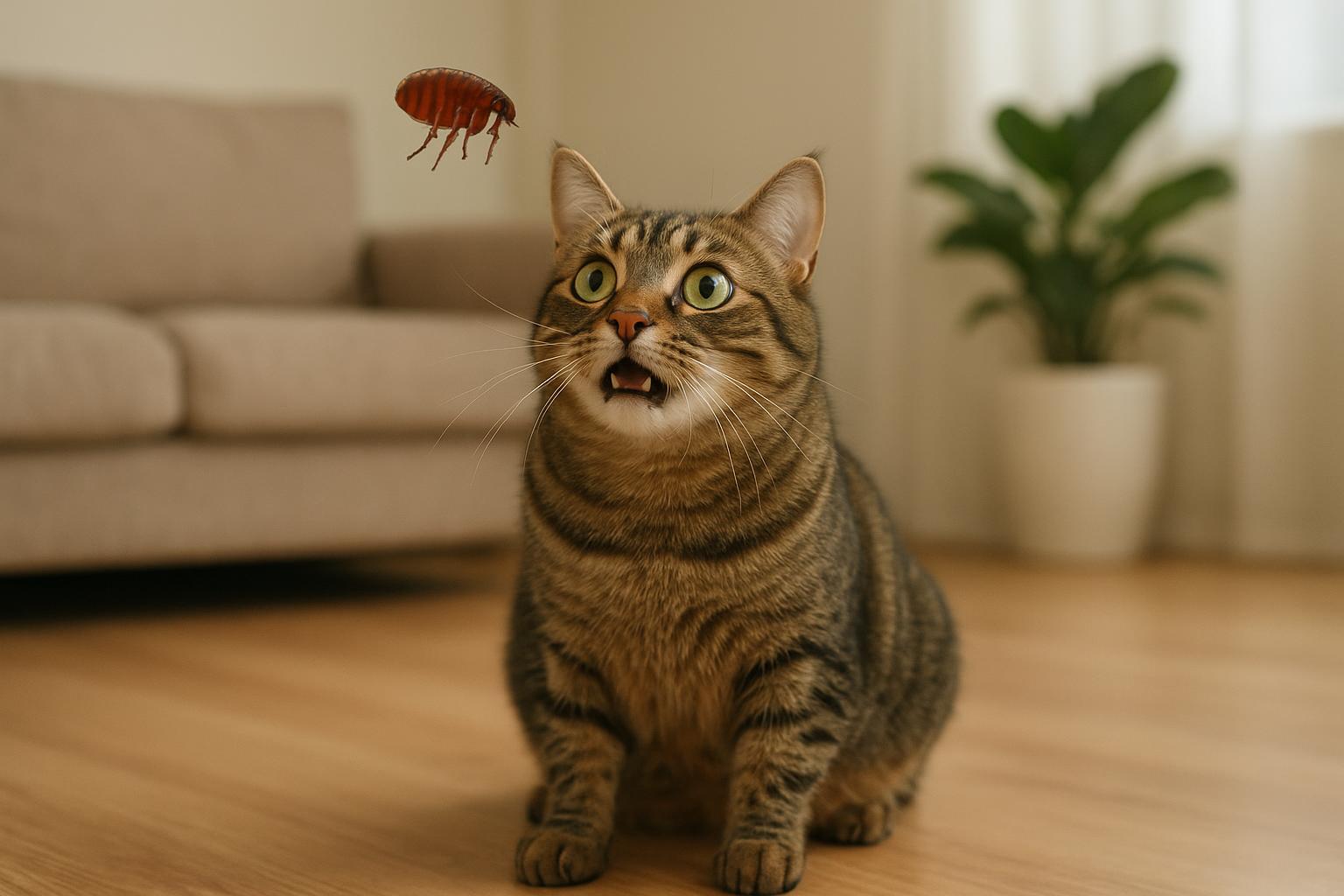
Fleas are small but mighty: a female flea can lay dozens of eggs a day, and those eggs can hide in carpet fibers, upholstery, pet beds, and cracks in flooring. Successful flea removal requires a multi-pronged approach that targets adults, eggs, larvae, and pupae. Skipping any stage means you might win the first round and lose the war.
### How Fleas Live And Reproduce
Understanding the flea life cycle makes the tactics sensible instead of magical. Adult fleas live on hosts (usually pets), feeding on blood. Eggs drop off into the environment. Larvae feed on organic debris and flea feces, then spin pupae where they can remain dormant for weeks or months until triggered by vibrations, carbon dioxide, or warmth.
#### Typical Infestation Hotspots
– Pet bedding and areas where your pet naps.
– Carpets, rugs, and upholstery.
– Cracks in hardwood floors and behind baseboards.
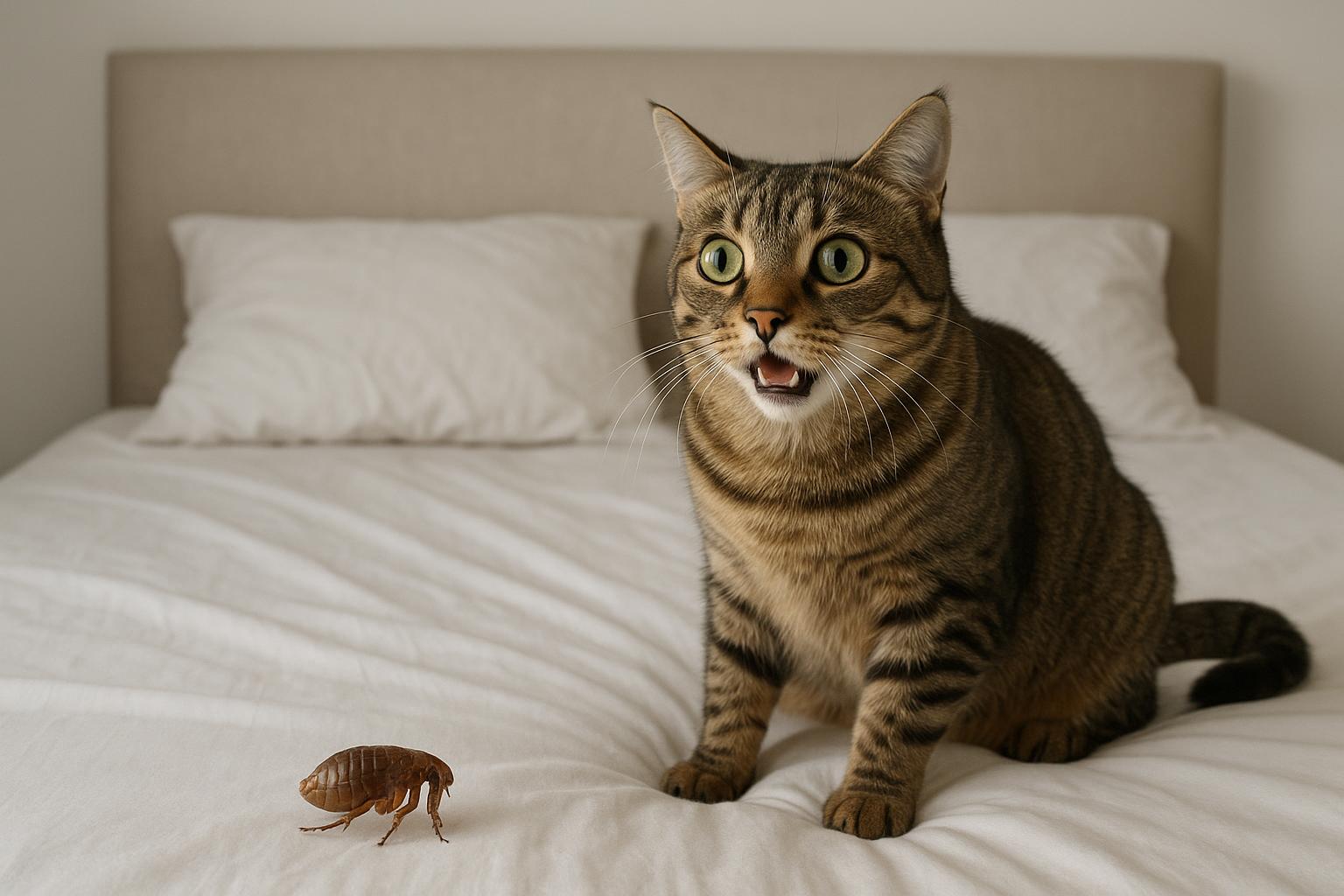
– Clothes and linens if pets nap on beds.
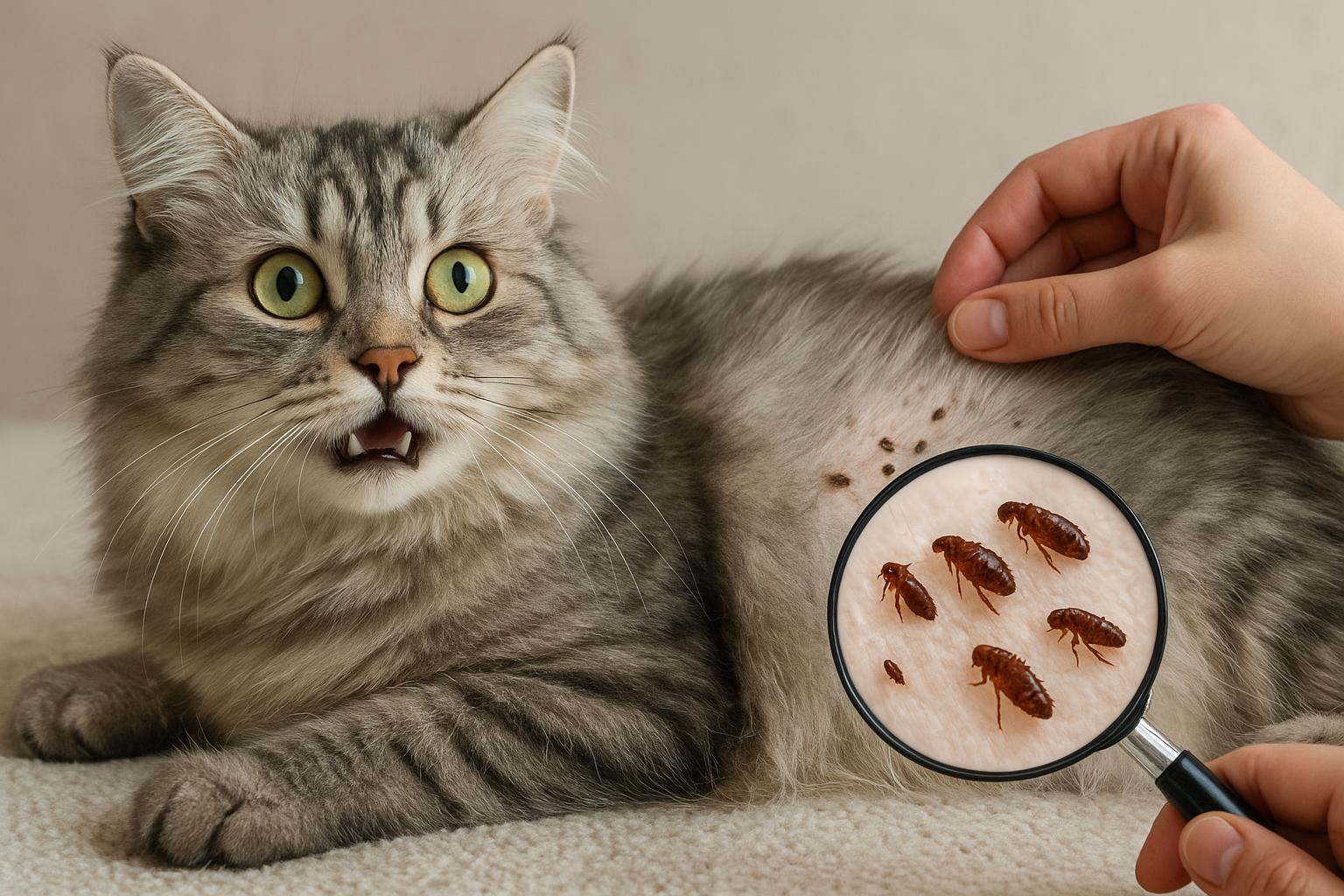
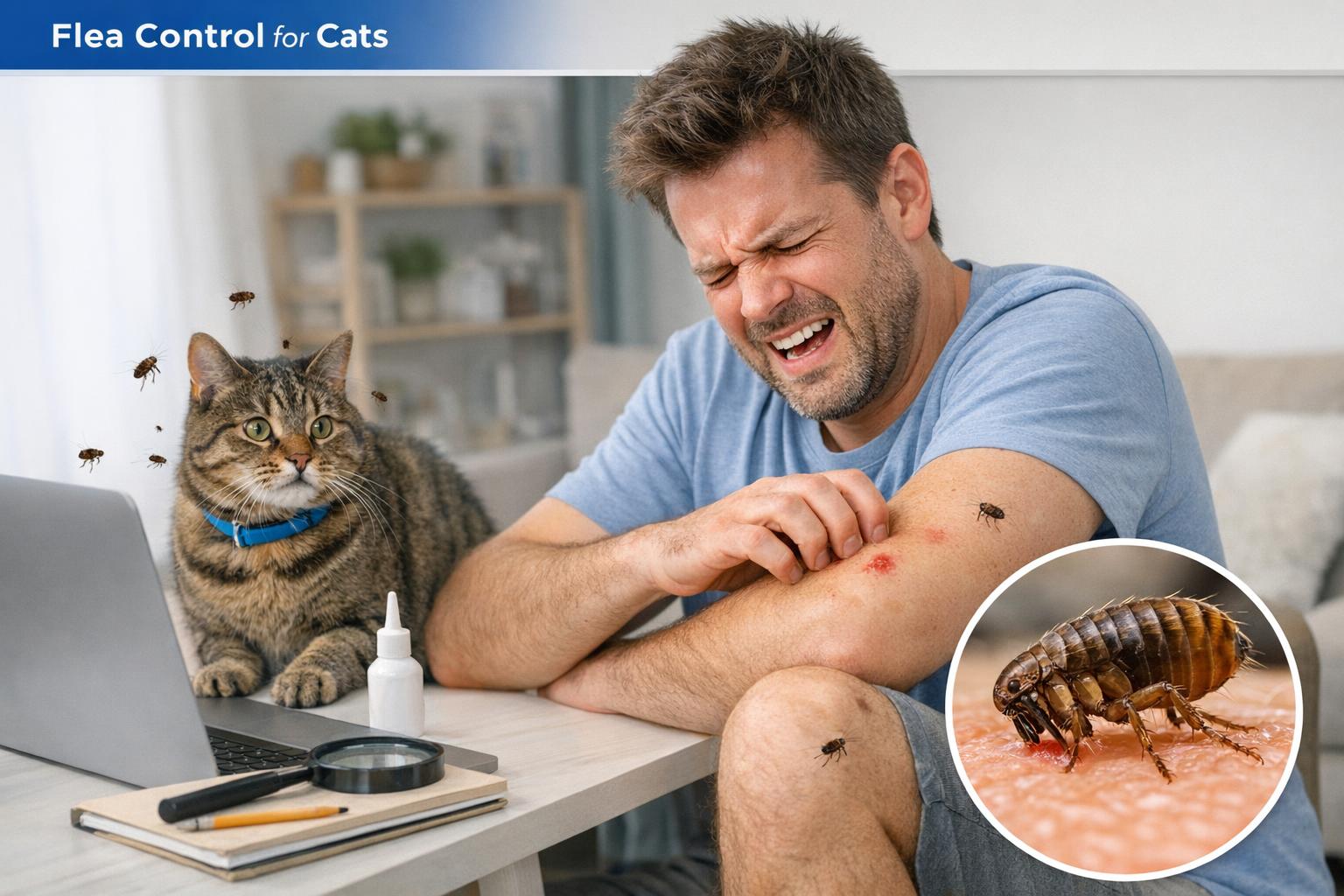
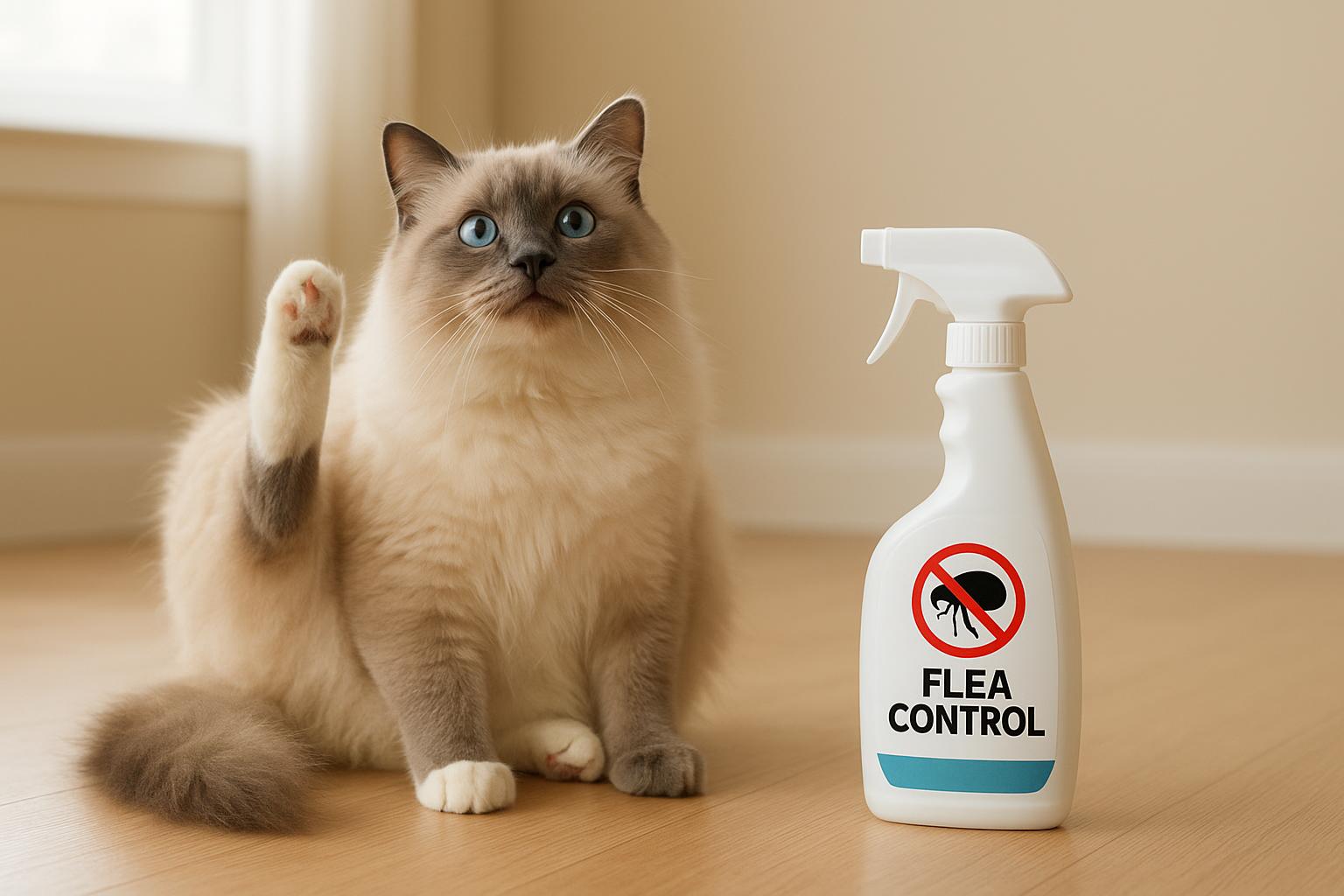
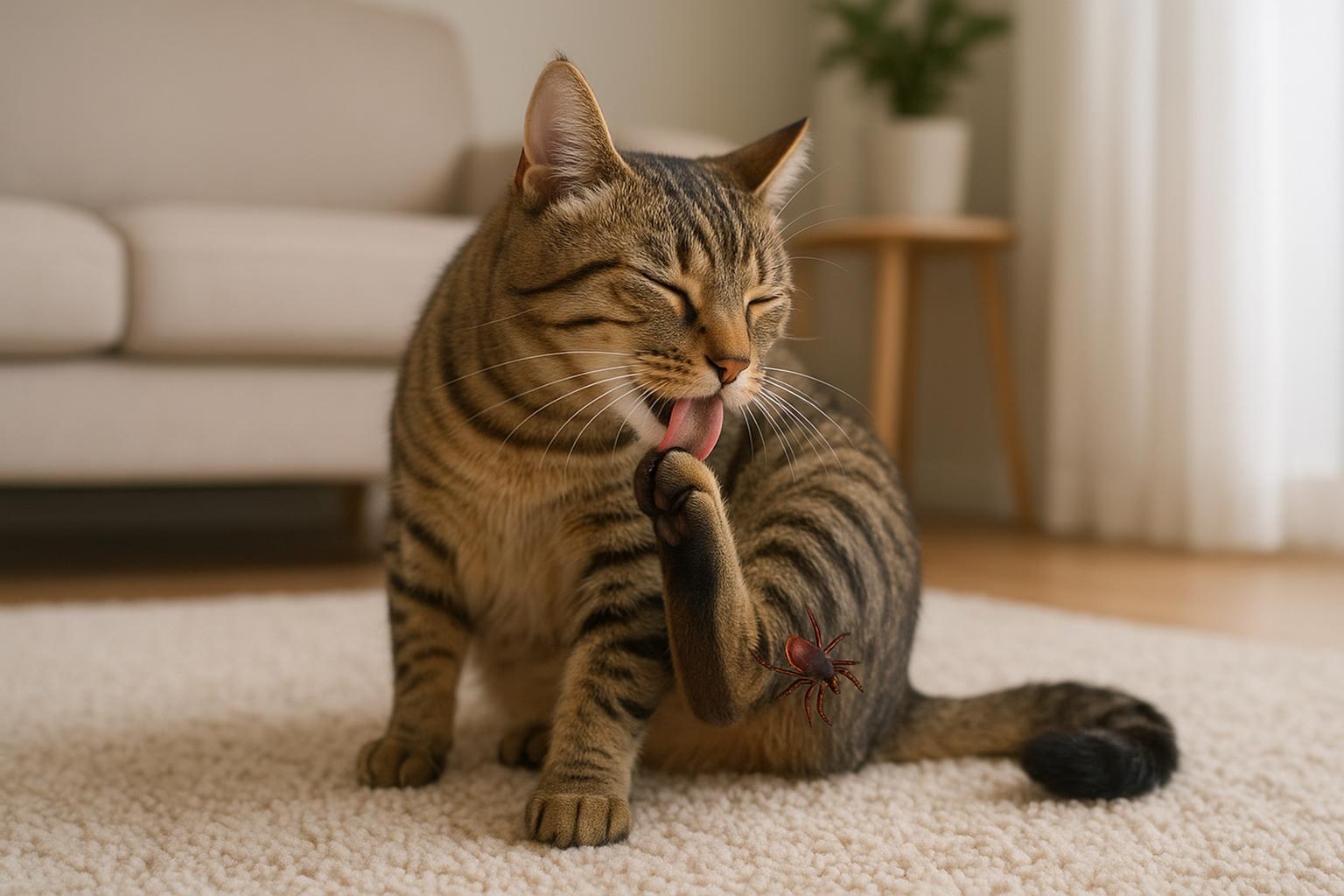
Detecting fleas early reduces the scale of treatment. You might spot adult fleas on a pet’s coat, find red bumps on family members, or notice your pet scratching and grooming excessively.
### Signs Of An Infestation
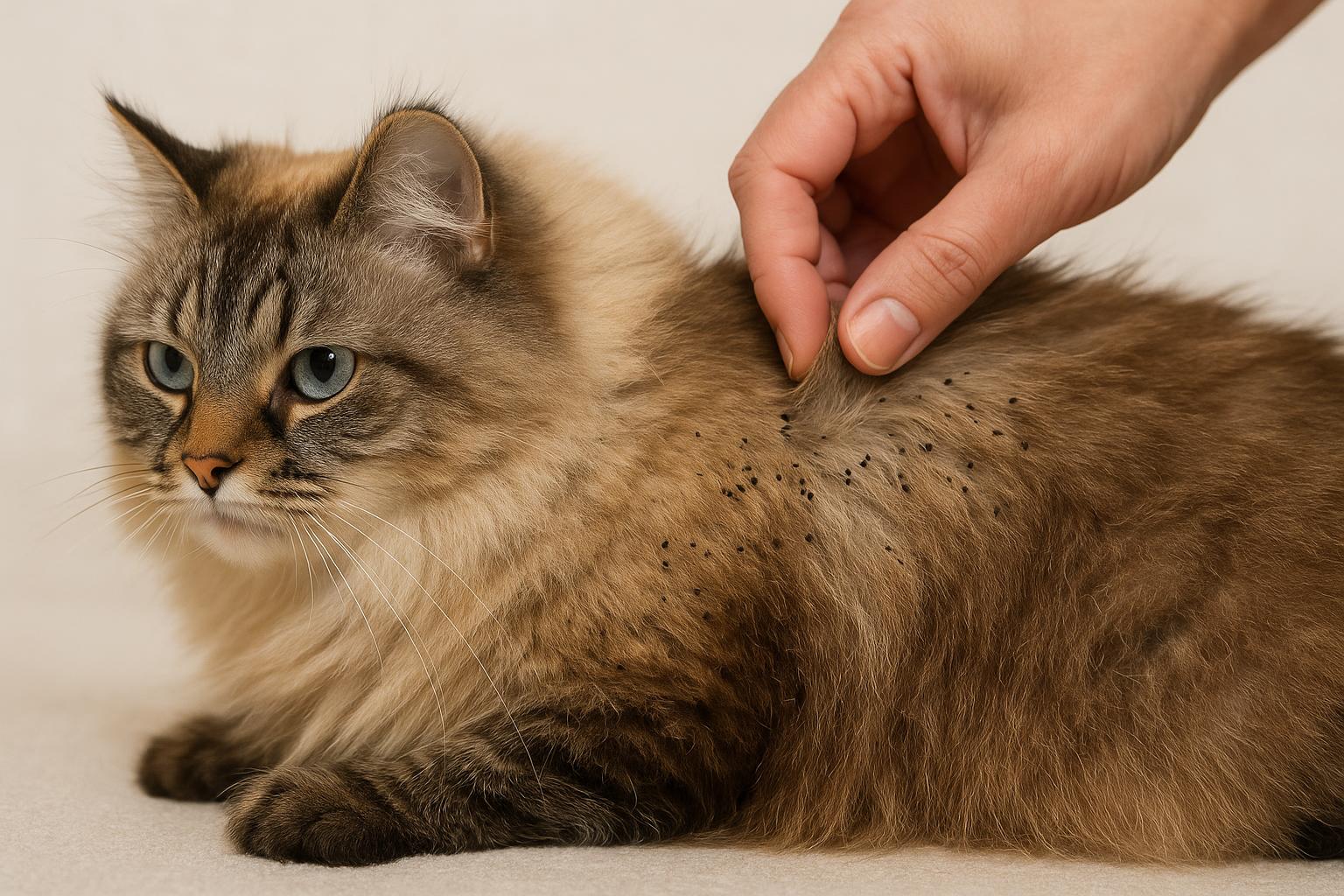
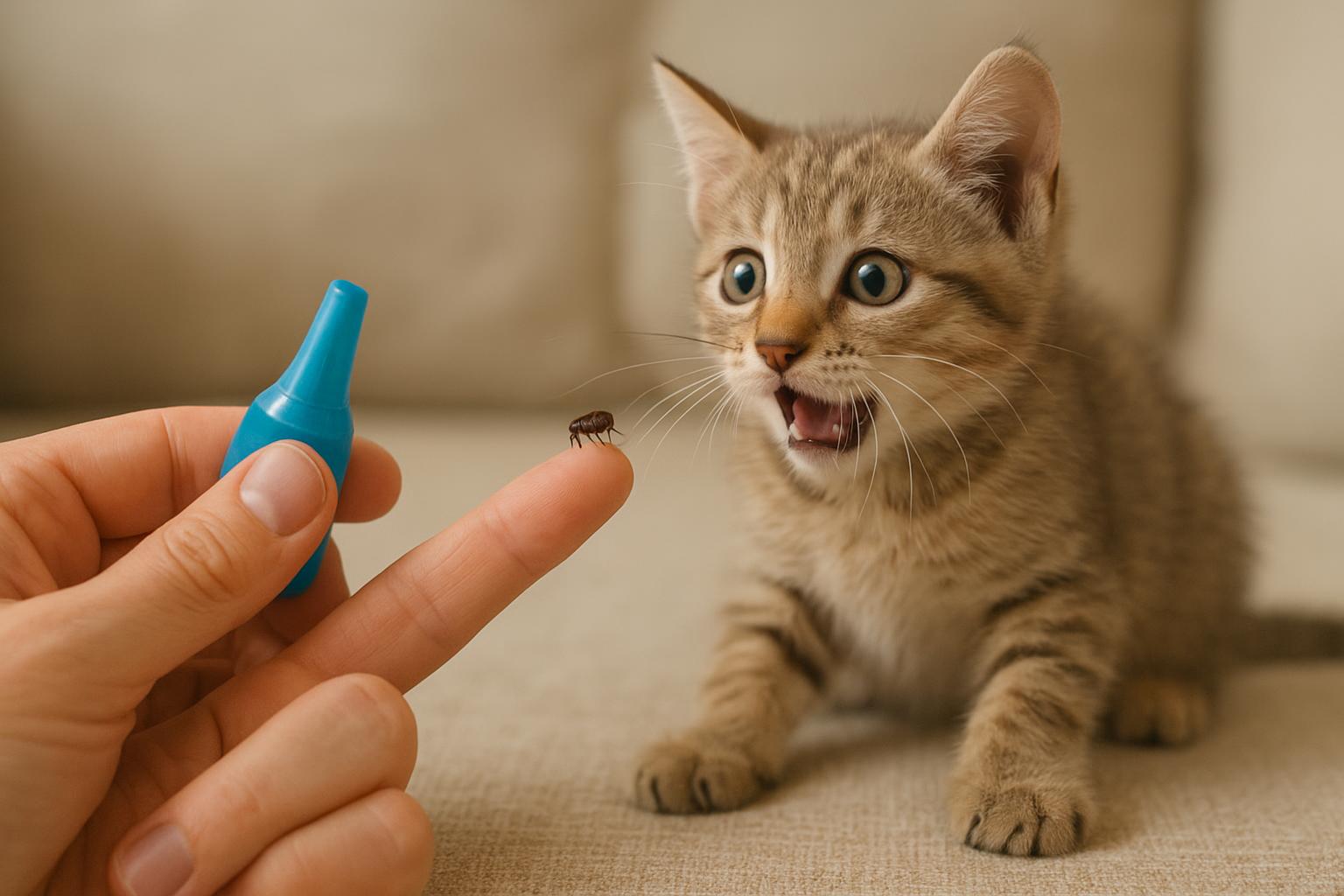
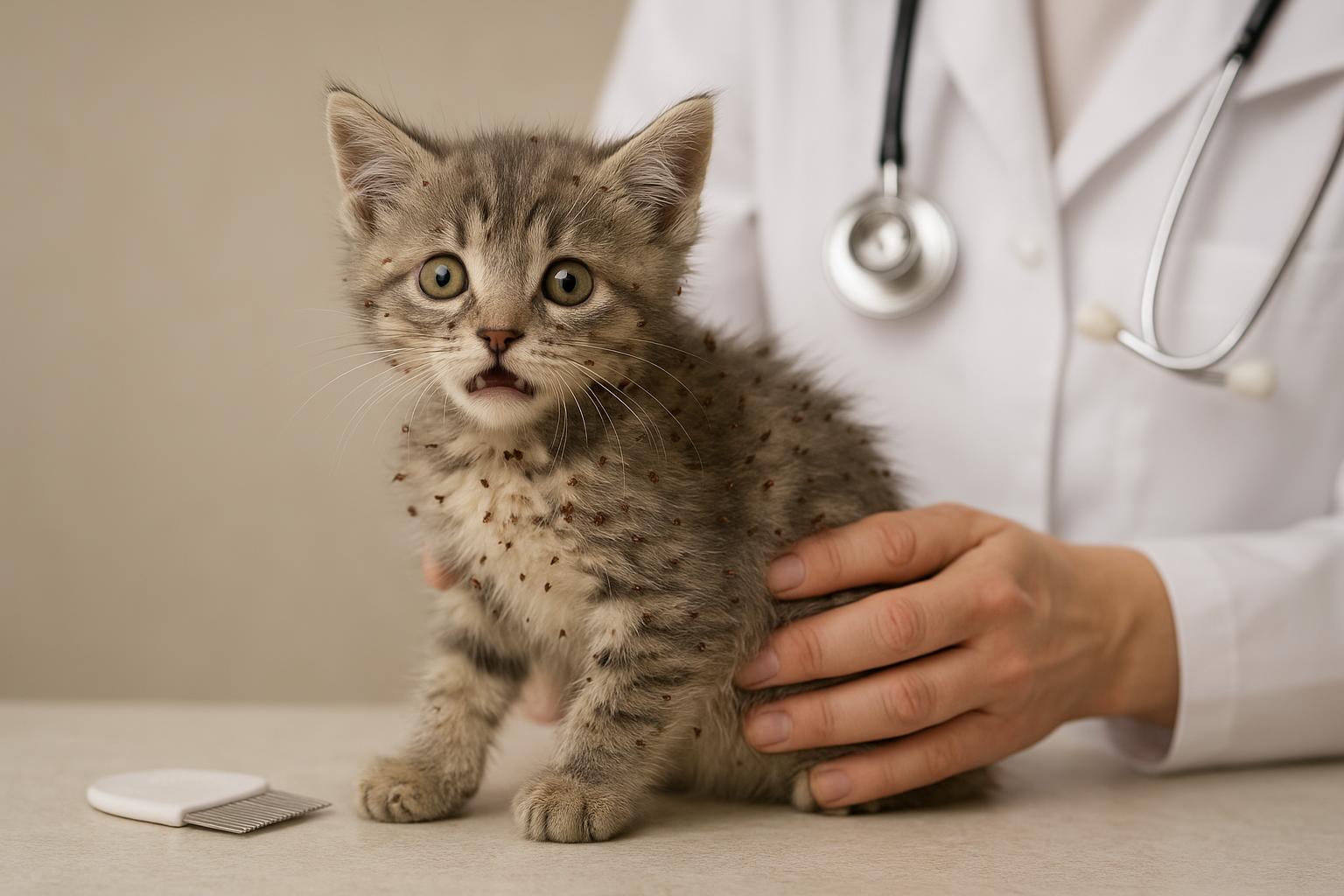
Look for these clues: constant scratching by pets, tiny black specks (flea dirt) on bedding, small jumping insects on furry areas, and visible bites on household members. A quick check: brush your pet over a light-colored towel—flea dirt will appear as tiny black specs that turn reddish-brown if wet.
## 1. Natural Home Remedy For Flea Removal
This remedy is a practical, do-it-yourself option that reduces flea numbers and helps prevent reinfestation. When discussing remedies, I’ll be formal and precise: follow the steps exactly for safety and effectiveness.
Materials And Ingredients
– Vacuum cleaner with a bag or sealed canister
– Steam cleaner (optional but recommended for deep treatment)
– Dish soap (unscented)
– Warm water
– Spray bottle
– Stiff brush
– Washing machine and hot water supply
– Fine-toothed flea comb
– Laundry detergent and dryer set to hot
Preparation And Application Steps
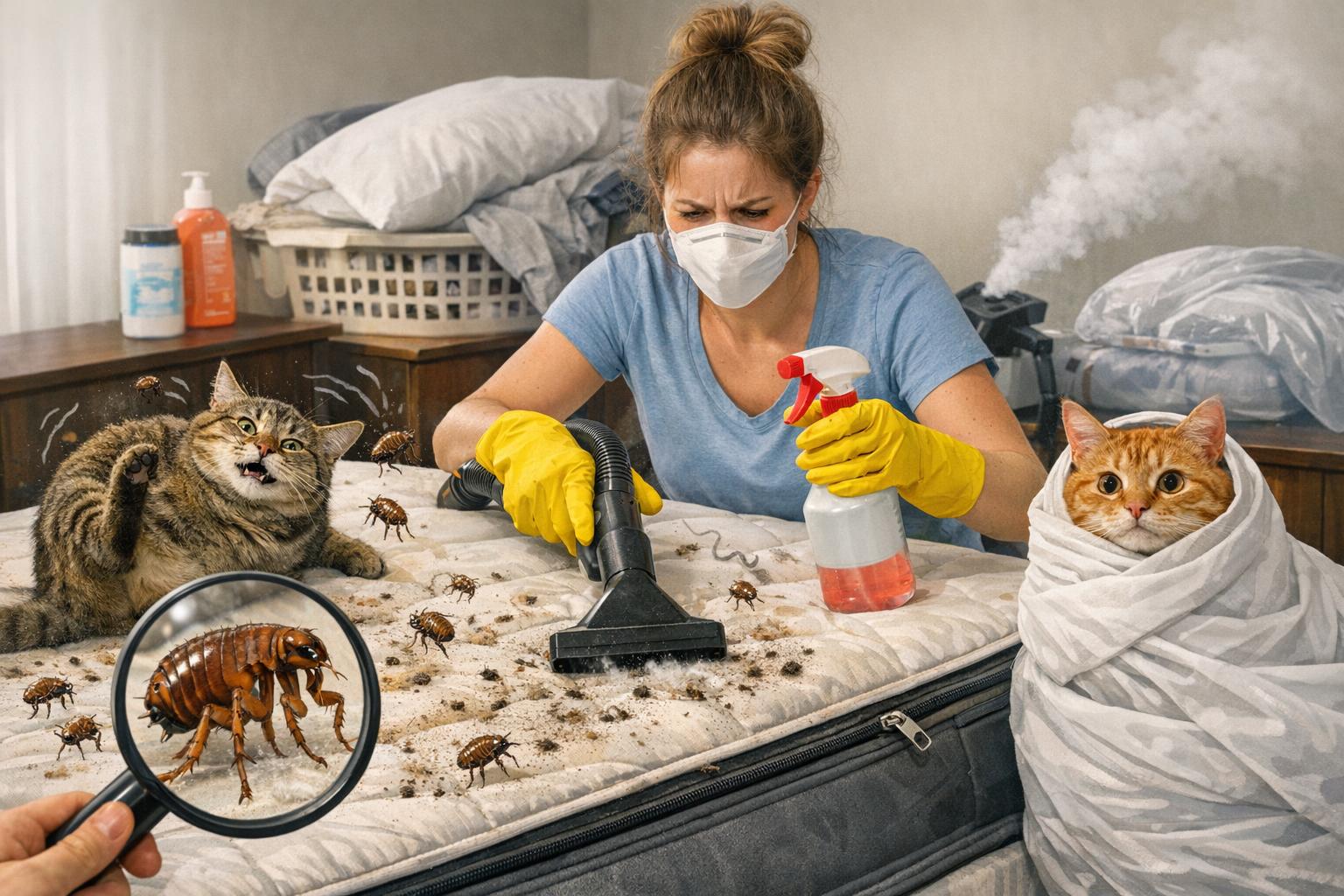
1. Remove and Wash Fabrics: Collect all pet bedding, throw blankets, and removable cushion covers. Wash in the hottest water the fabric allows, then dry on high heat for at least 30 minutes. High heat kills eggs and larvae.
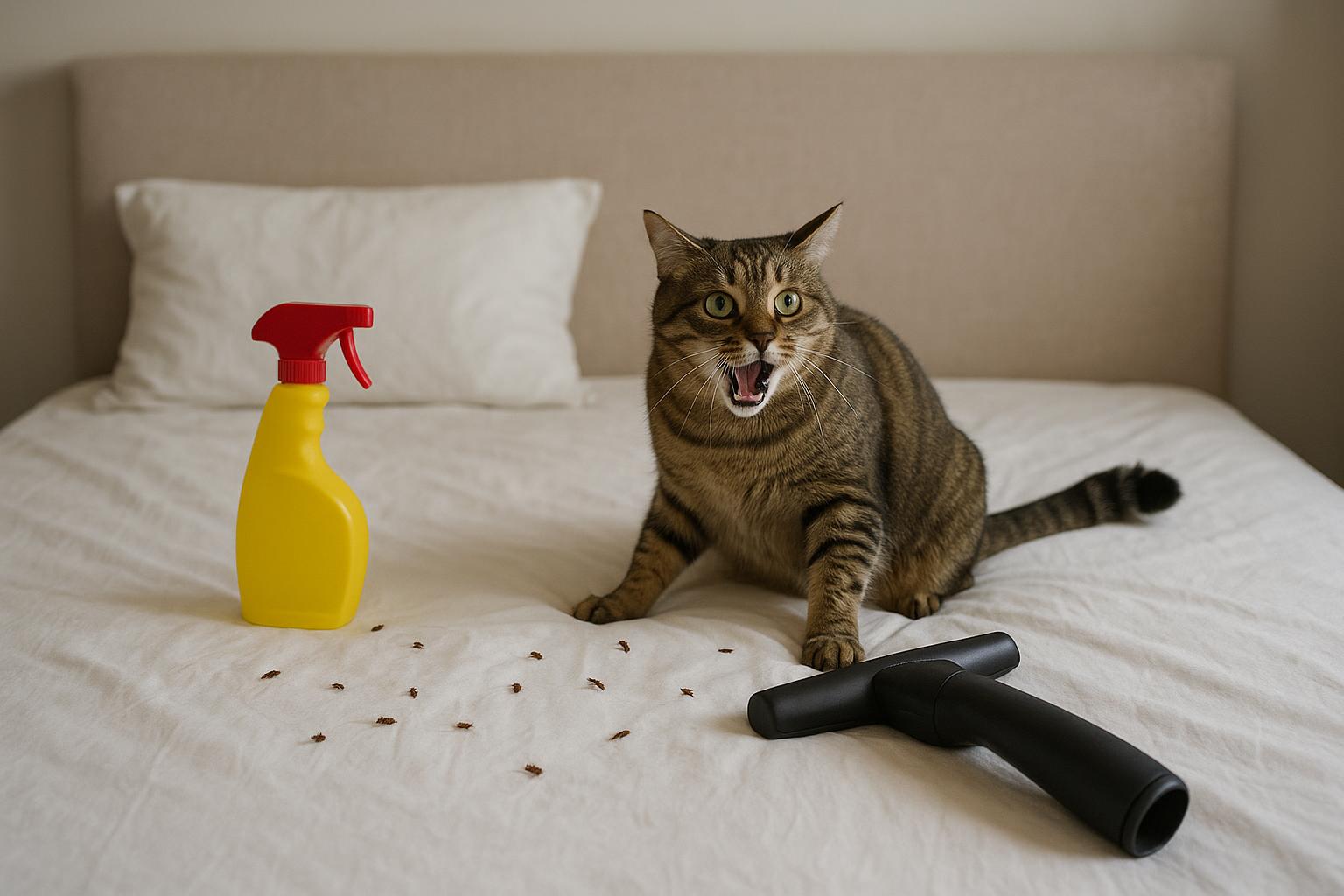
2. Vacuum Thoroughly: Vacuum carpets, rugs, upholstery, baseboards, and cracks. Use attachments to reach edges and under furniture. Empty the vacuum bag or canister into a sealed trash bag immediately and dispose outdoors to prevent re-infestation.
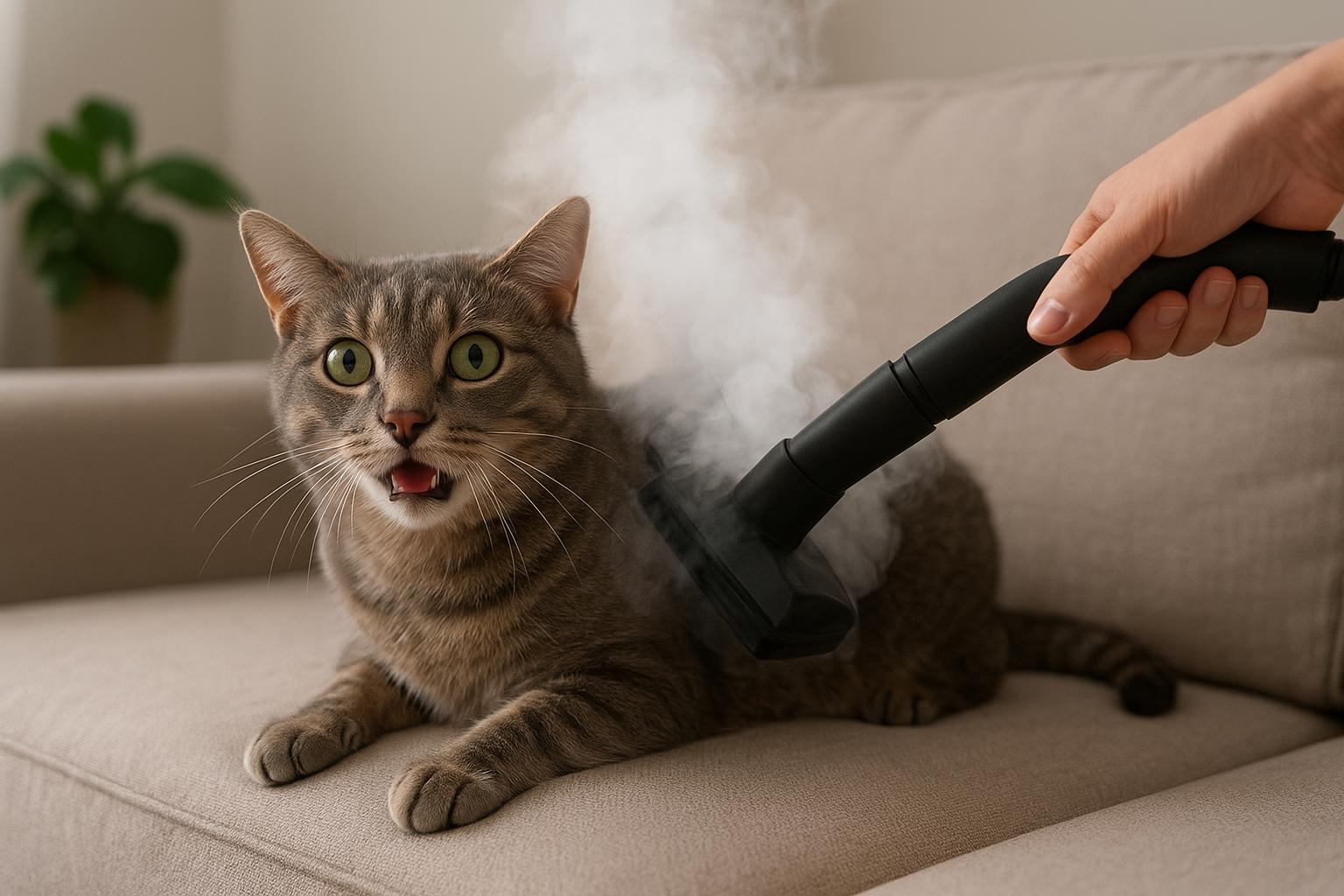
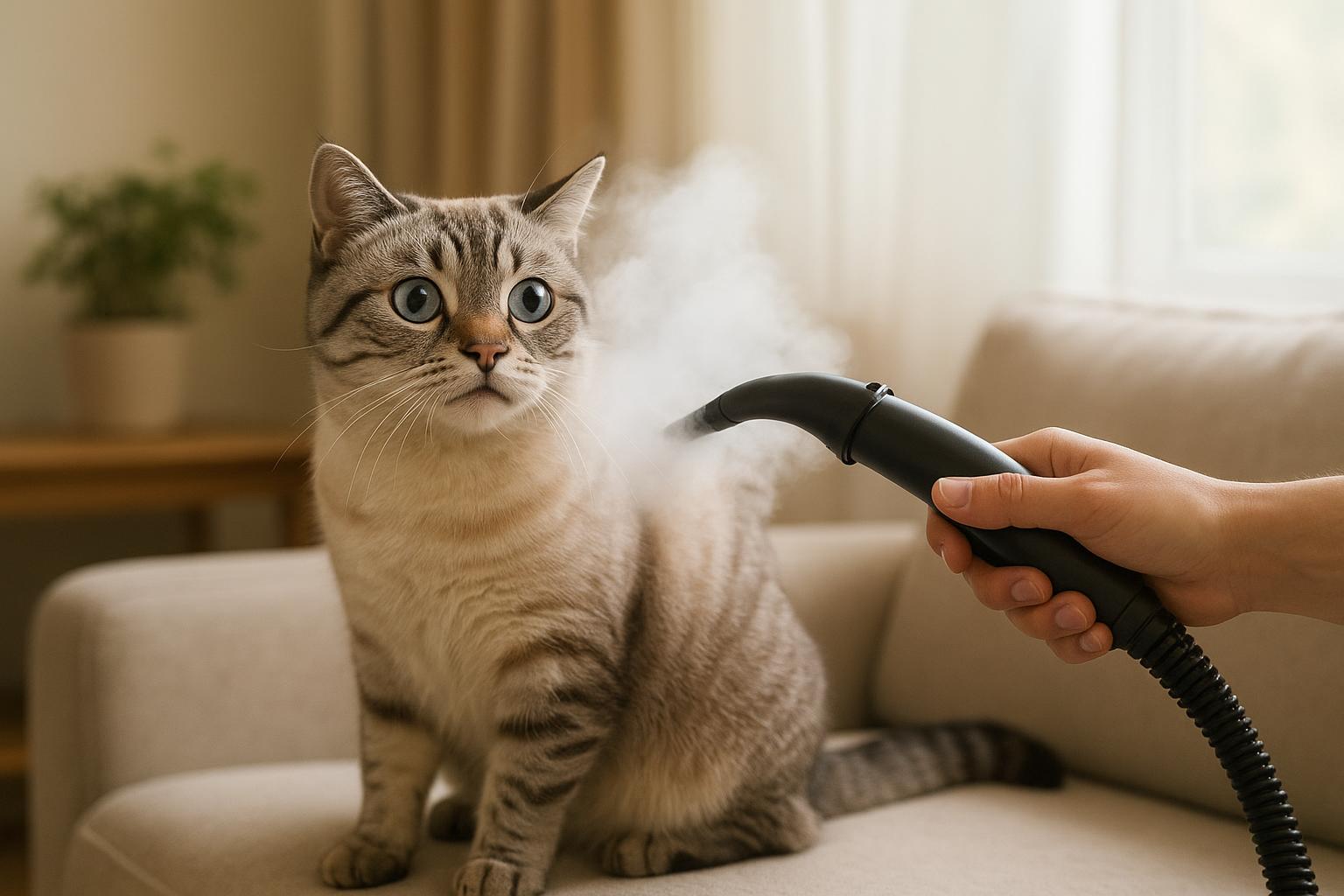
3. Steam Cleaning (Optional but Recommended): Use a steam cleaner on carpets and upholstery. Steam at high temperature kills fleas at all stages in fibers. Follow manufacturer’s safety instructions.
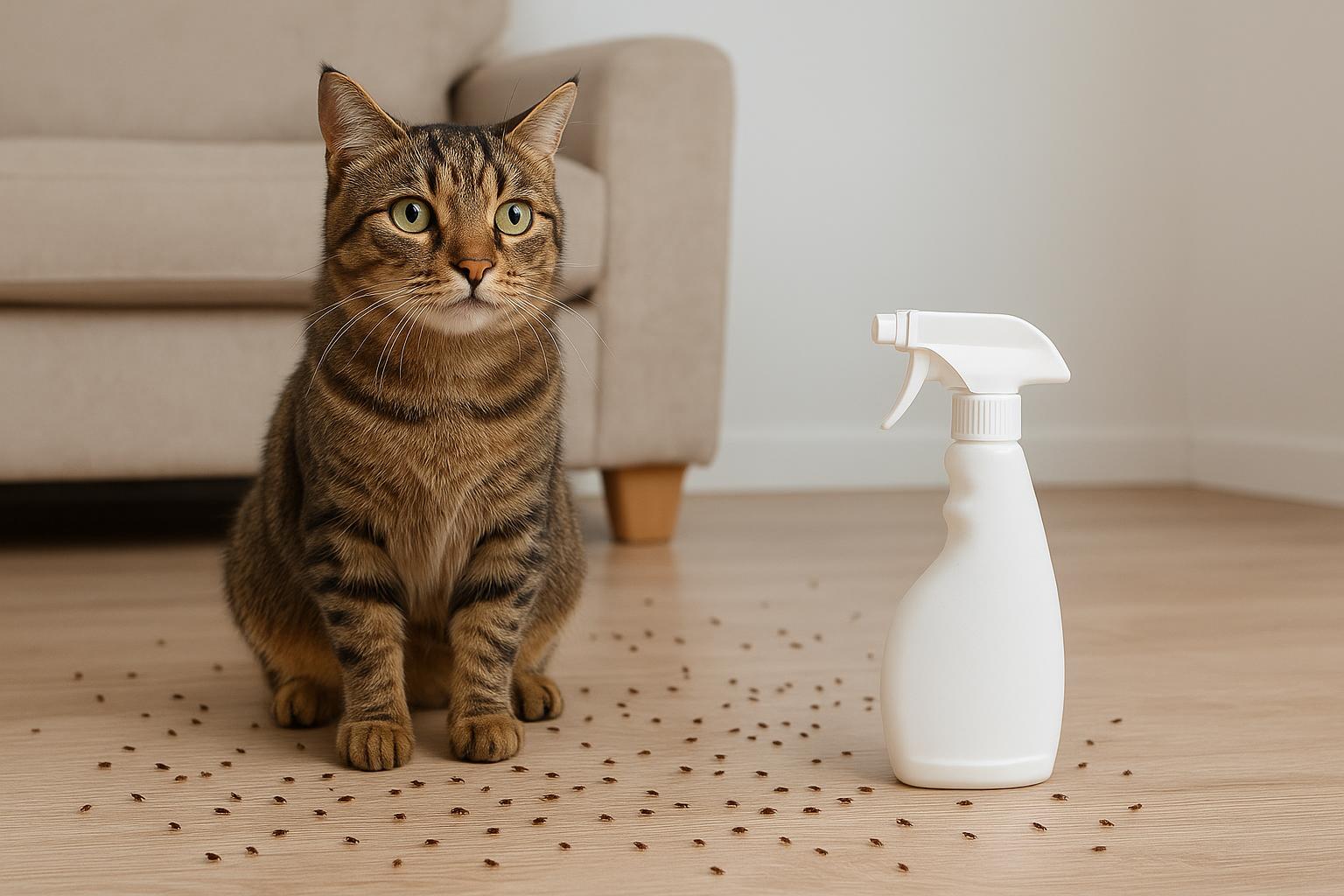
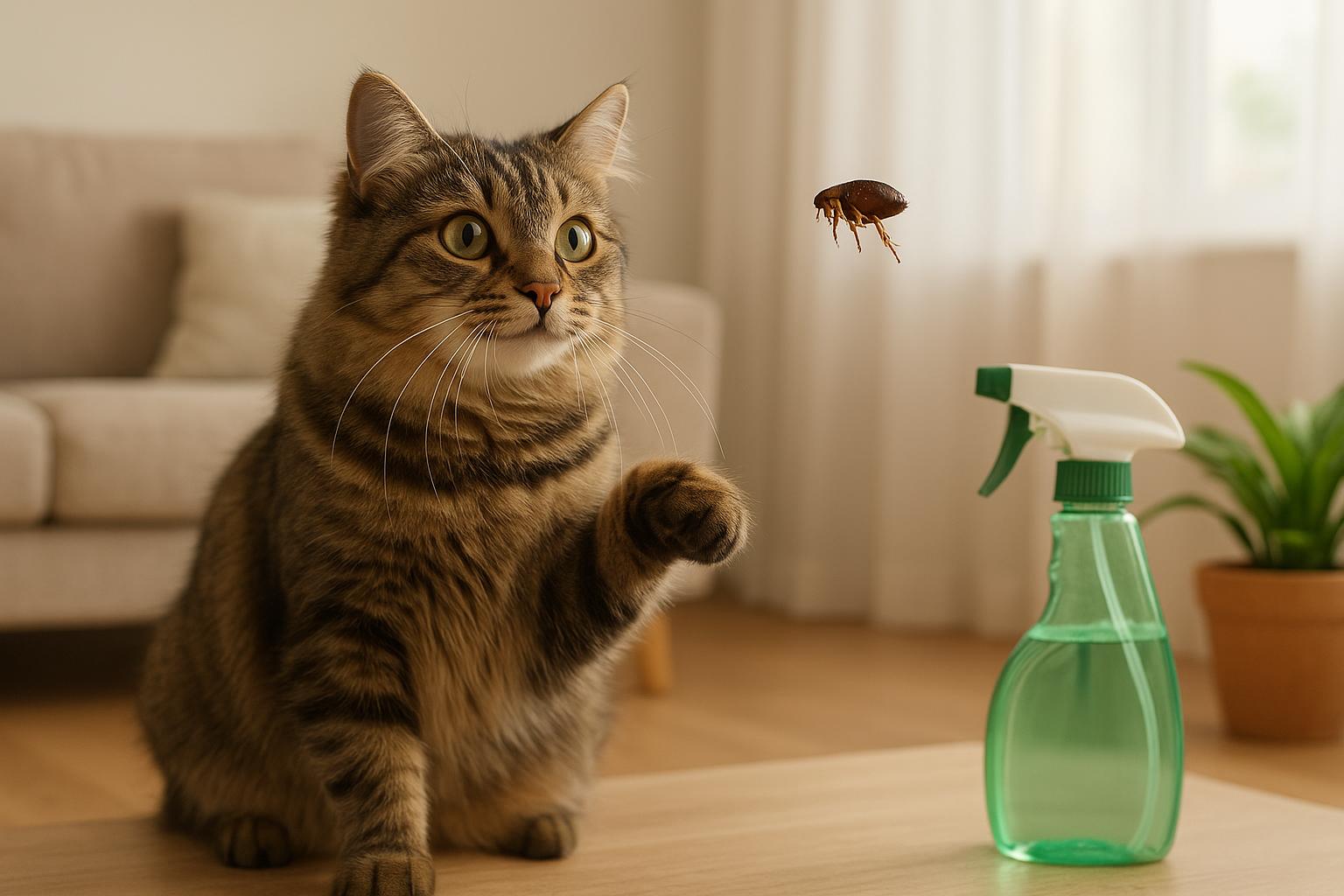
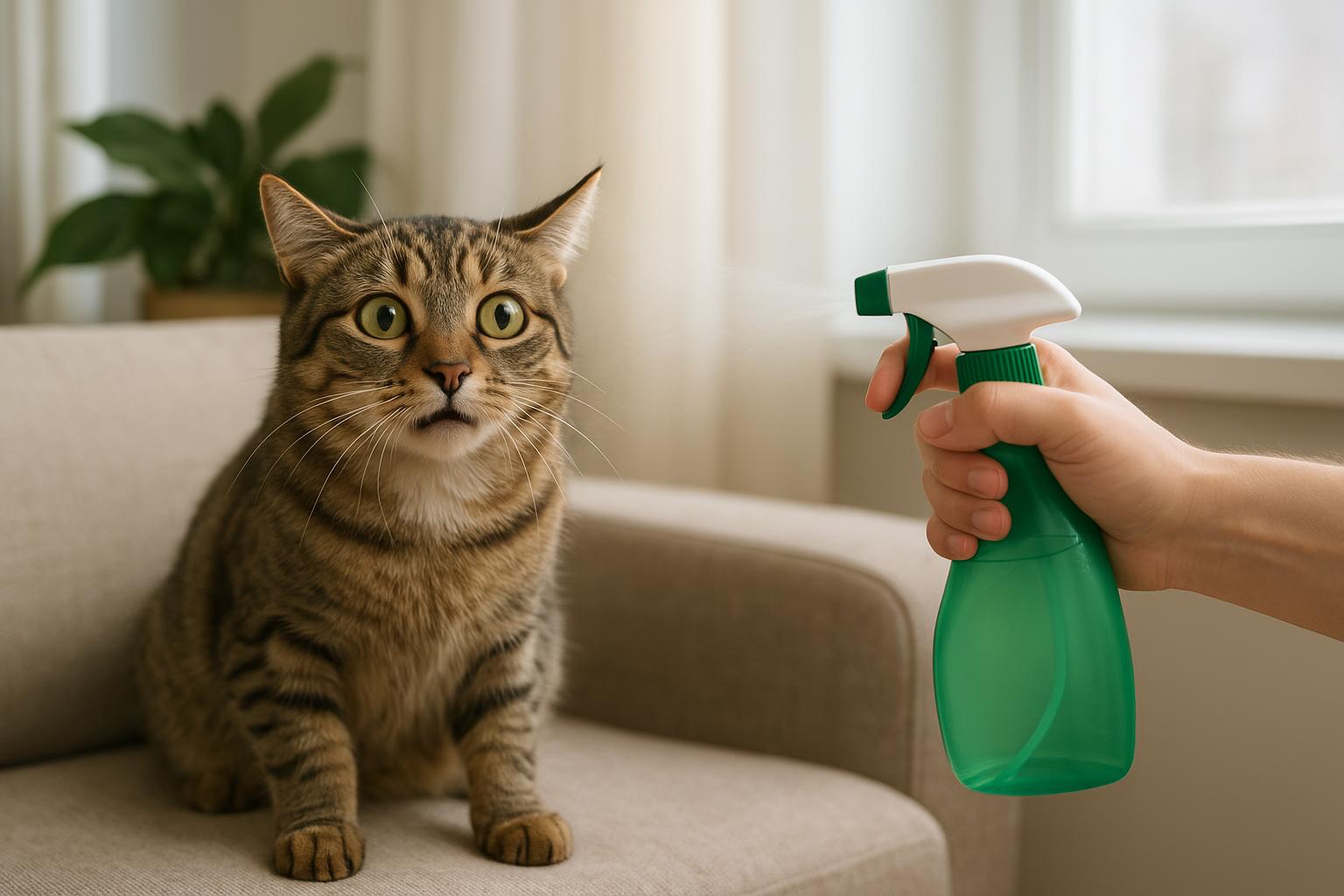
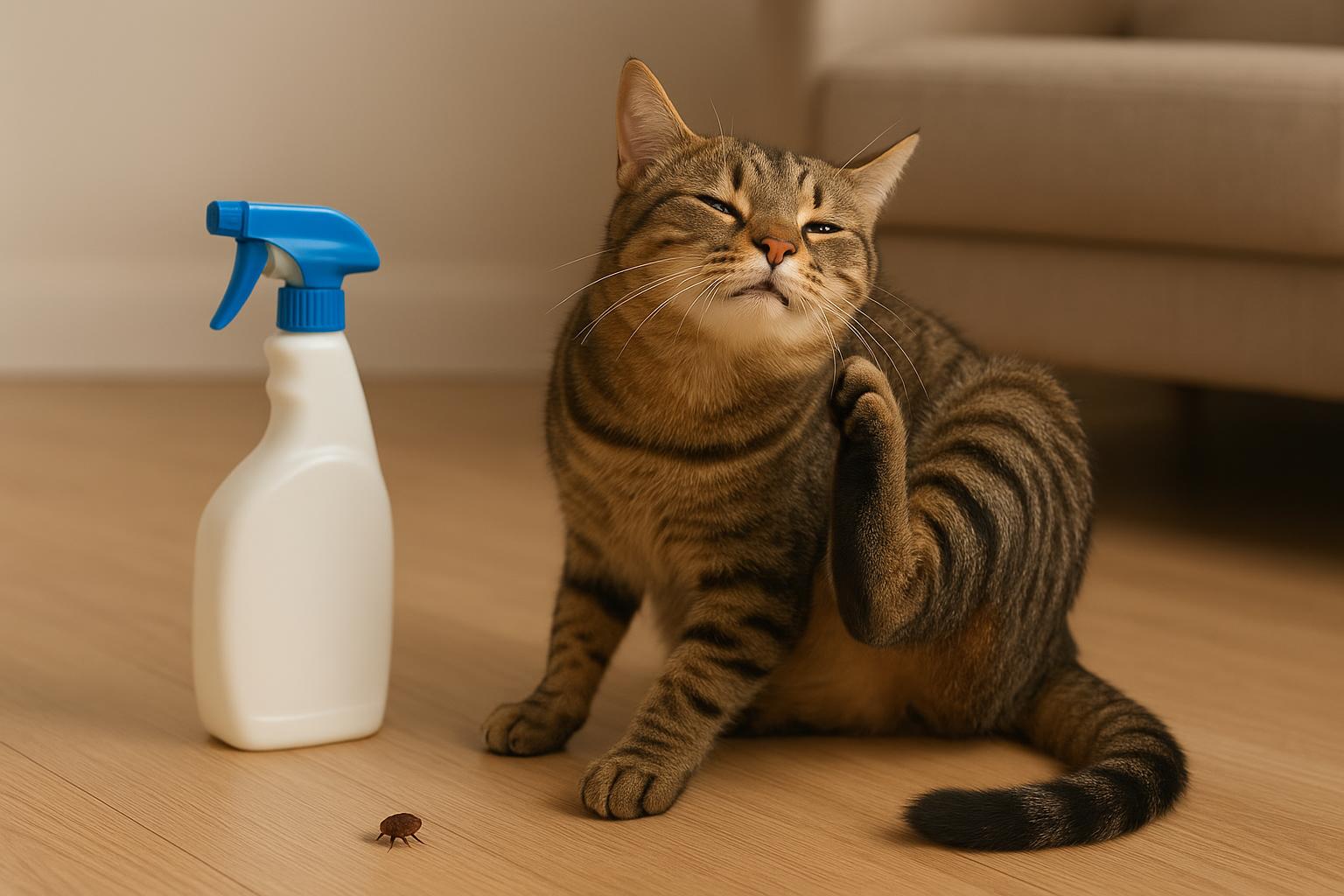
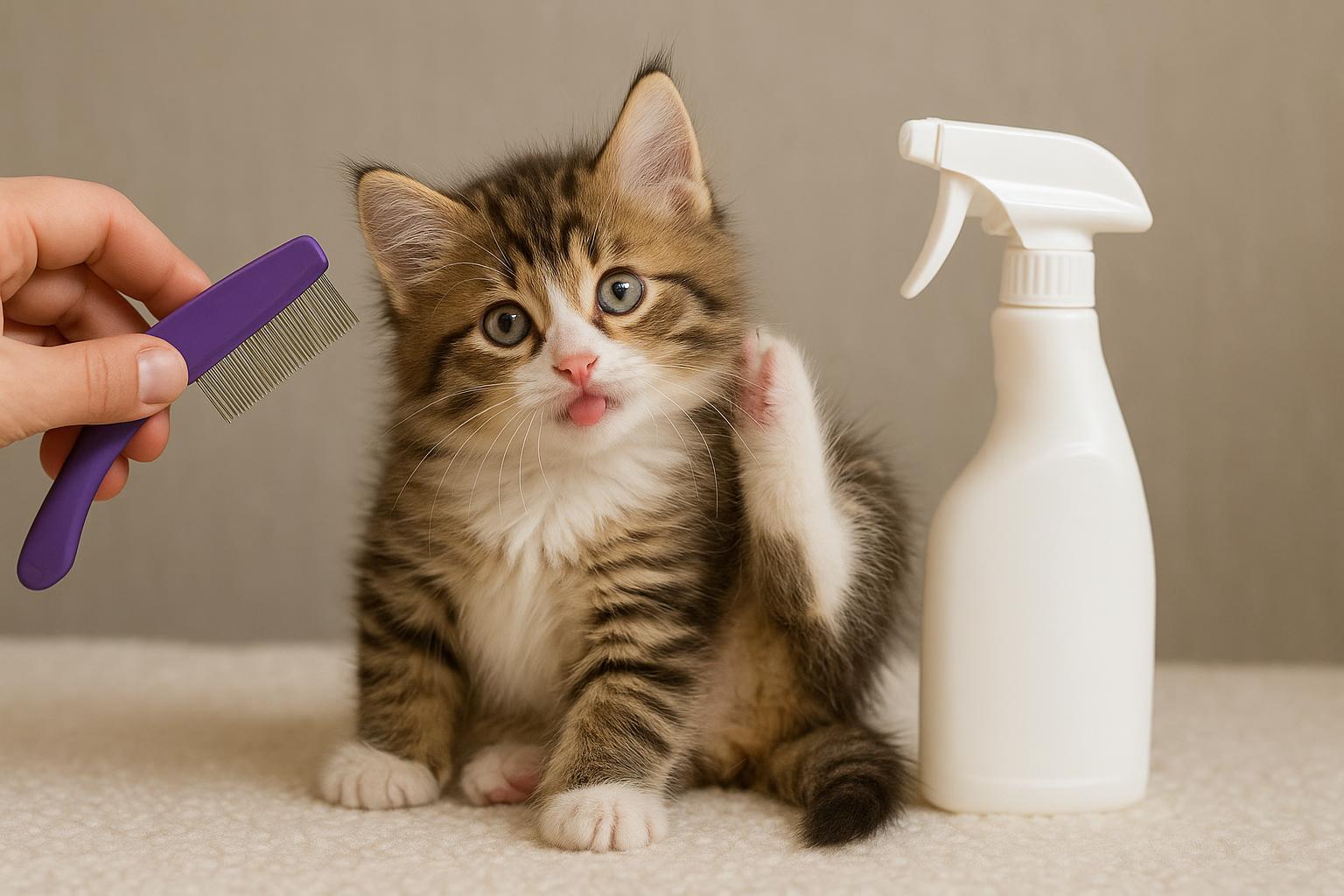
4. Soap Spray for Surfaces: Mix one tablespoon of dish soap with four cups of warm water in a spray bottle. Lightly mist areas where fleas congregate—pet bedding, base of sofas, and certain carpet spots. The soap breaks the fleas’ outer surface tension, helping to immobilize adults on contact. Do not soak furniture; test an inconspicuous area first for colorfastness.
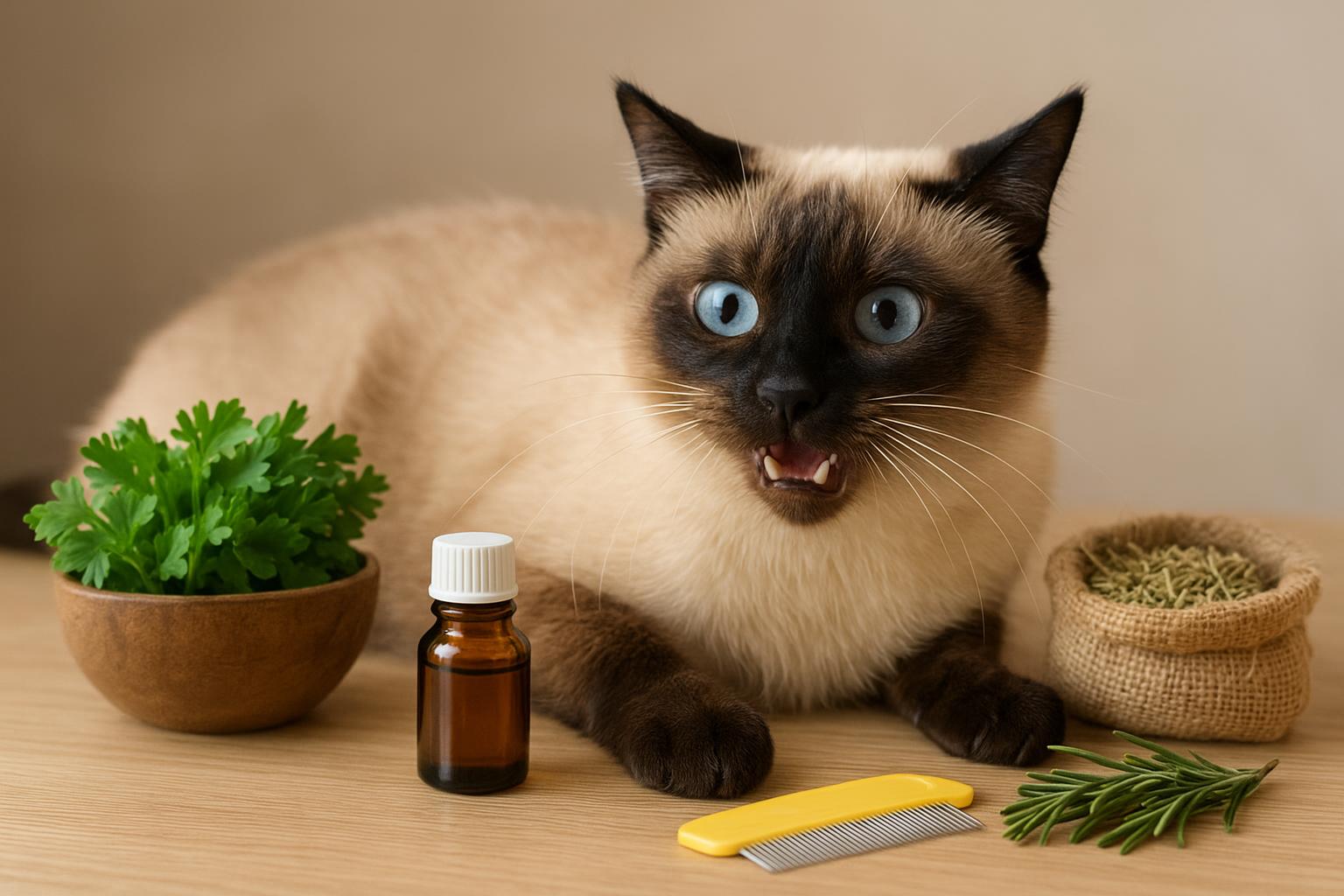
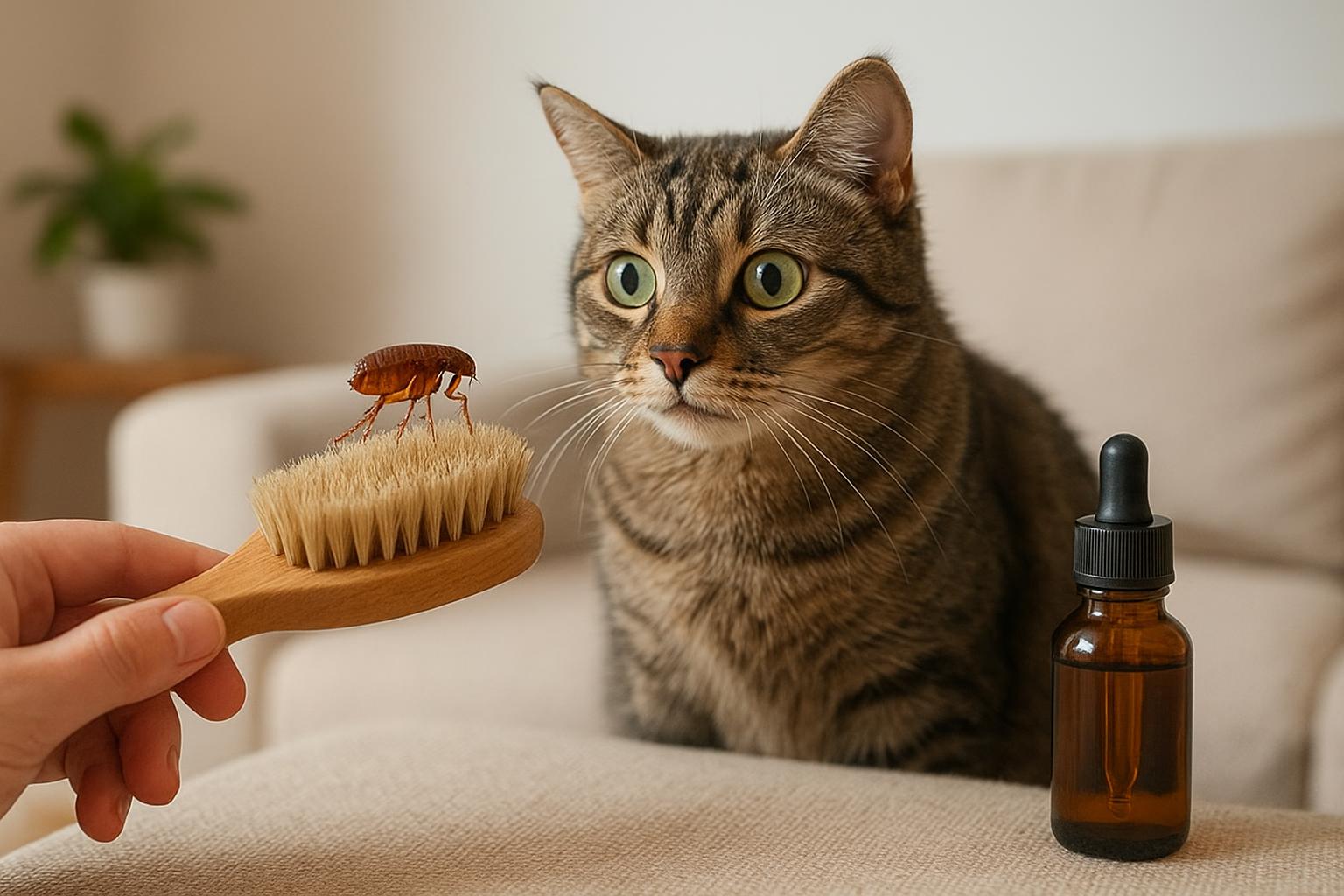
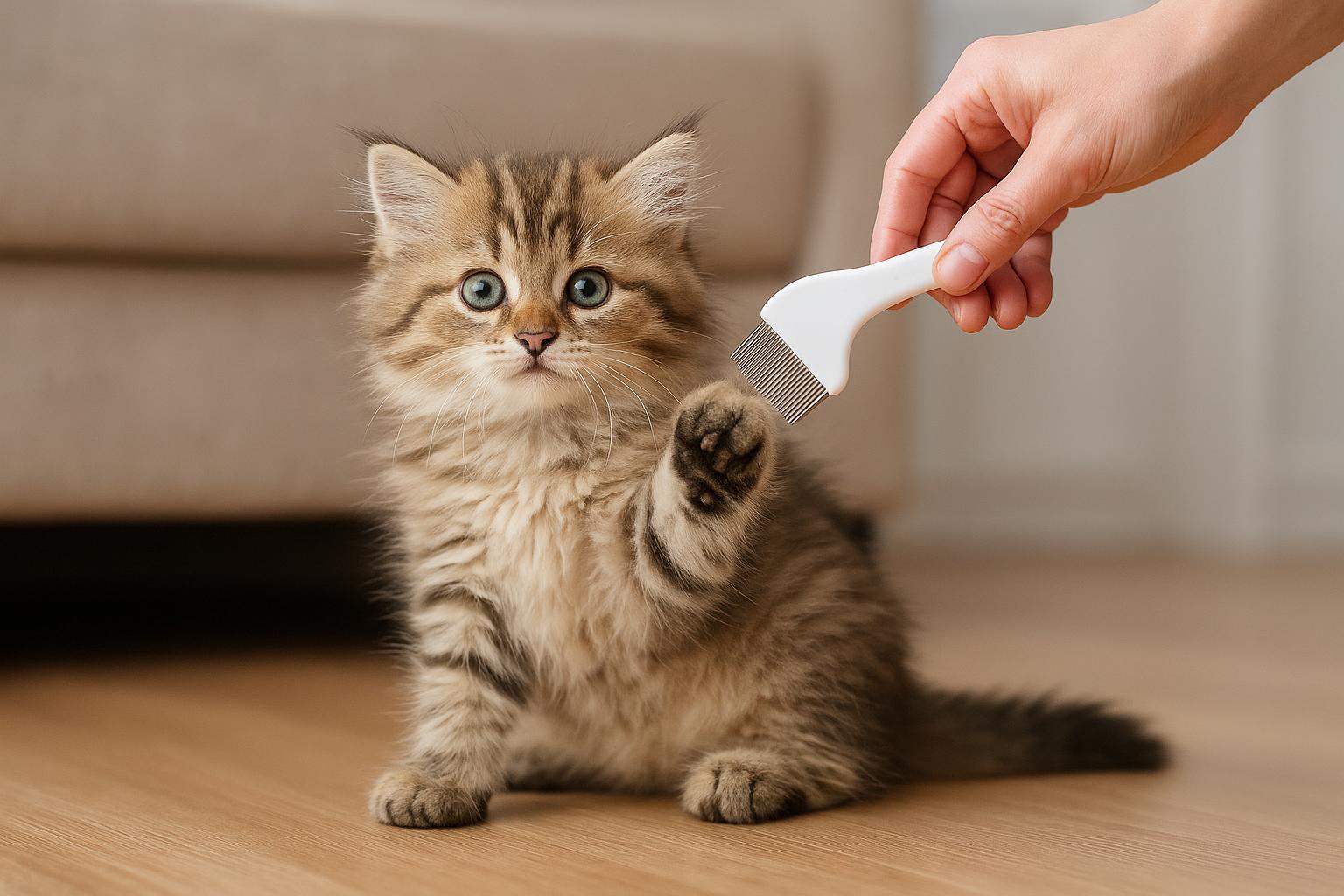
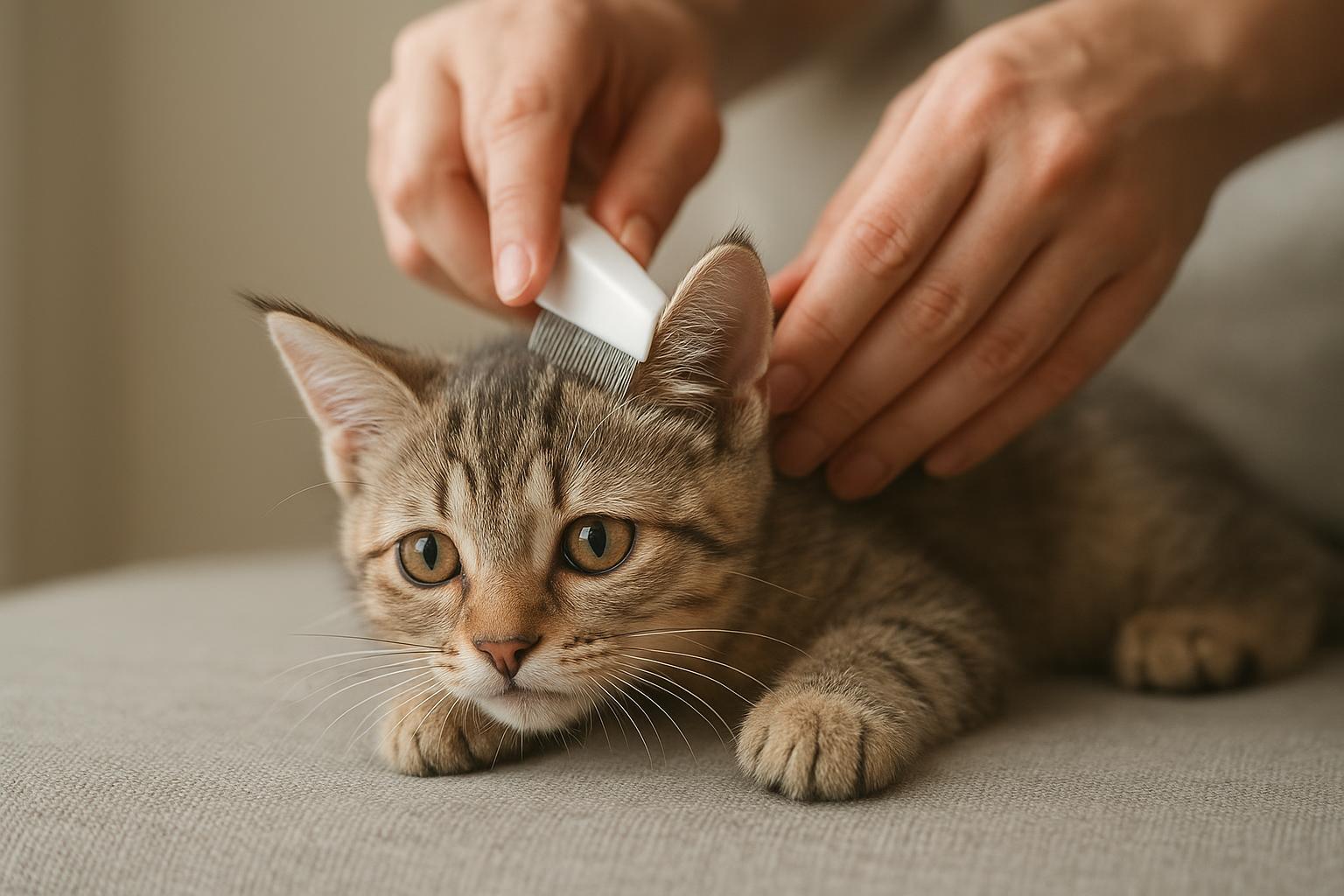
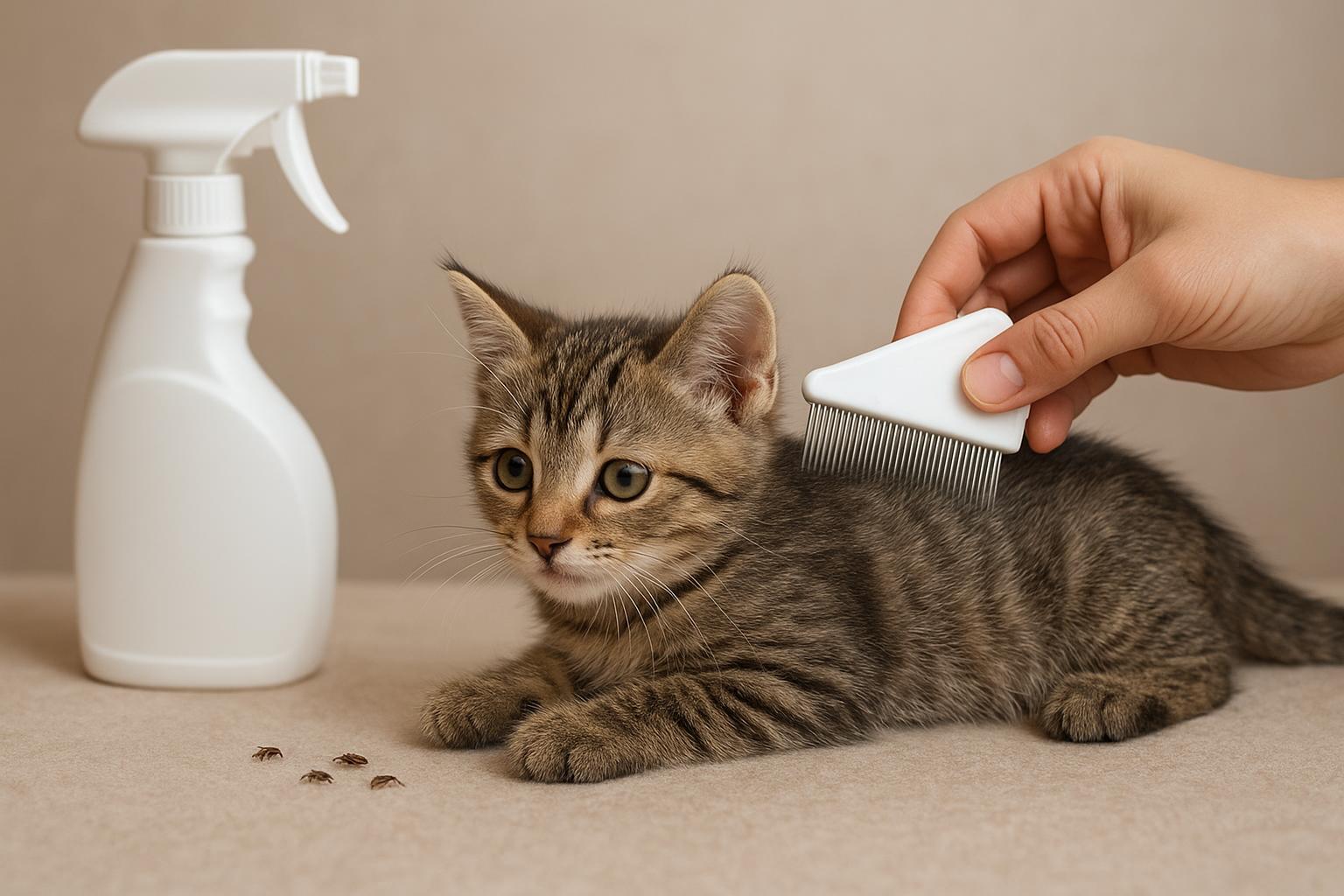
5. Brush And Comb Pets: Use a fine-toothed flea comb on pets daily, especially around the neck and tail base. Have a bowl of soapy water ready to dunk any caught fleas so they can’t escape.
6. Repeat Cleaning Cycle: Repeat vacuuming and washing weekly for at least six weeks to catch newly emerged fleas and interrupt the life cycle.
Notes: This approach is low-toxicity and good for households with children or chemically sensitive members. It reduces populations significantly but may not eradicate severe infestations on its own.
## 2. Professional-Grade Treatment For Flea Removal
When infestations are heavy or persistent, professional treatments are the recommended, evidence-based pathway. These methods should be carried out by licensed pest control professionals or veterinarians where treatments are involved for pets.
Required Materials And Professional Protocols
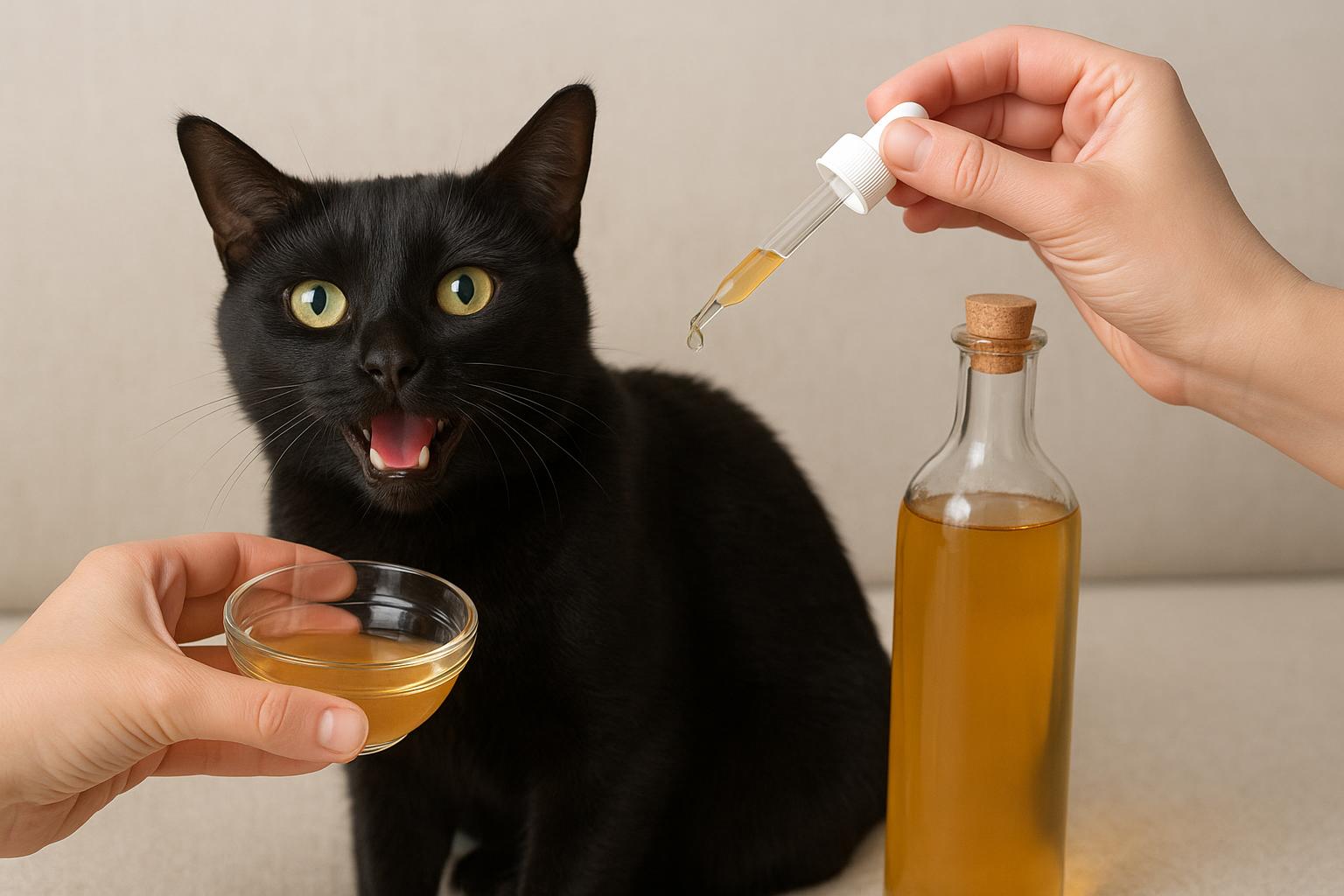
– Veterinary-approved topical or oral flea medications for pets (e.g., isoxazolines, fipronil, selamectin where appropriate)
– Insect Growth Regulators (IGRs) such as methoprene or pyriproxyfen
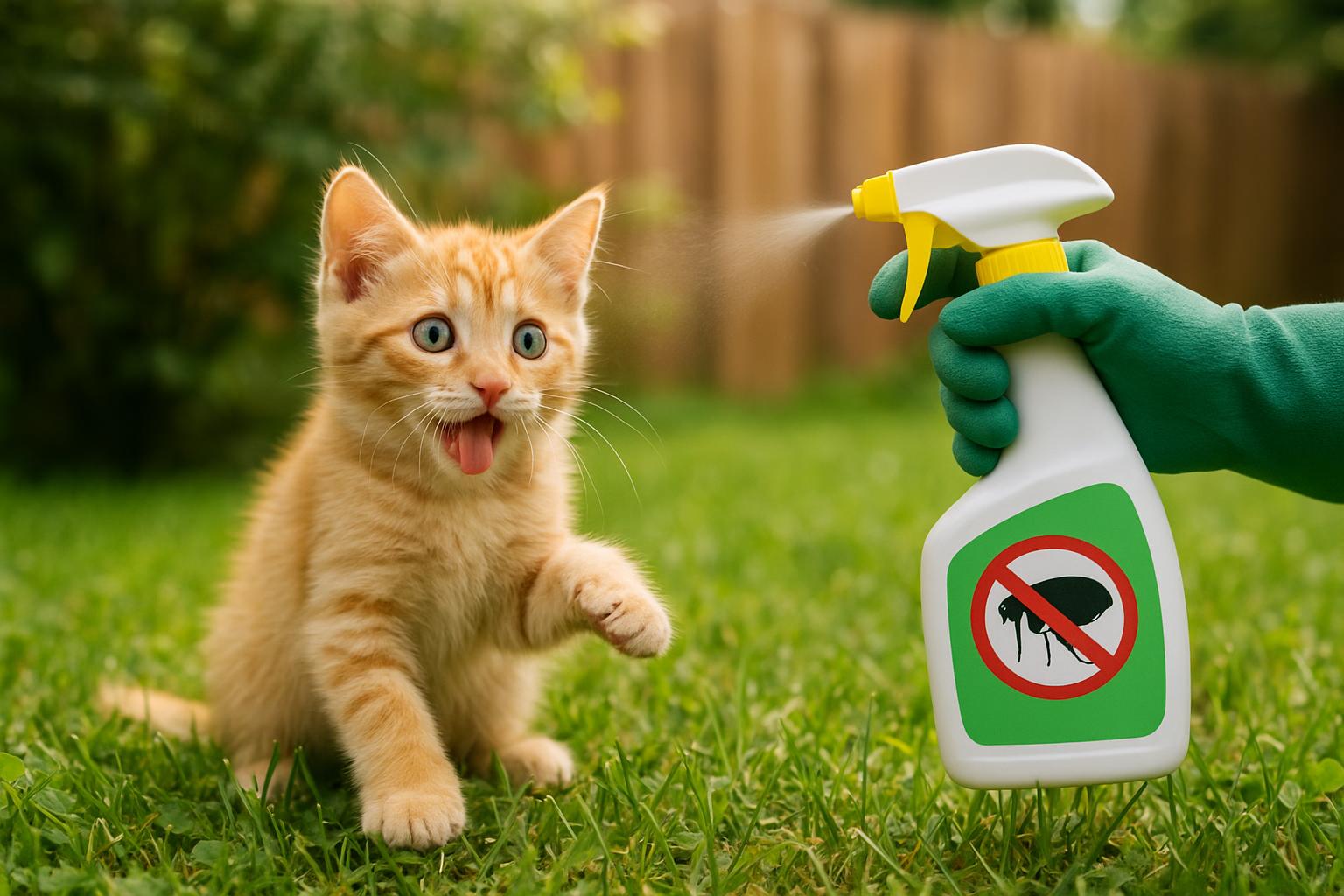
– Professional-grade insecticide spray for indoor application
– Spraying equipment and personal protective equipment for technicians
– Follow-up inspection and treatment schedule (typically at two-week to four-week intervals until no activity)
Application And Safety Steps
1. Consult A Professional: Contact a licensed pest control service and provide details about pets, children, and any allergies. Also consult your veterinarian before administering any pet treatments to confirm correct dosages and suitability.
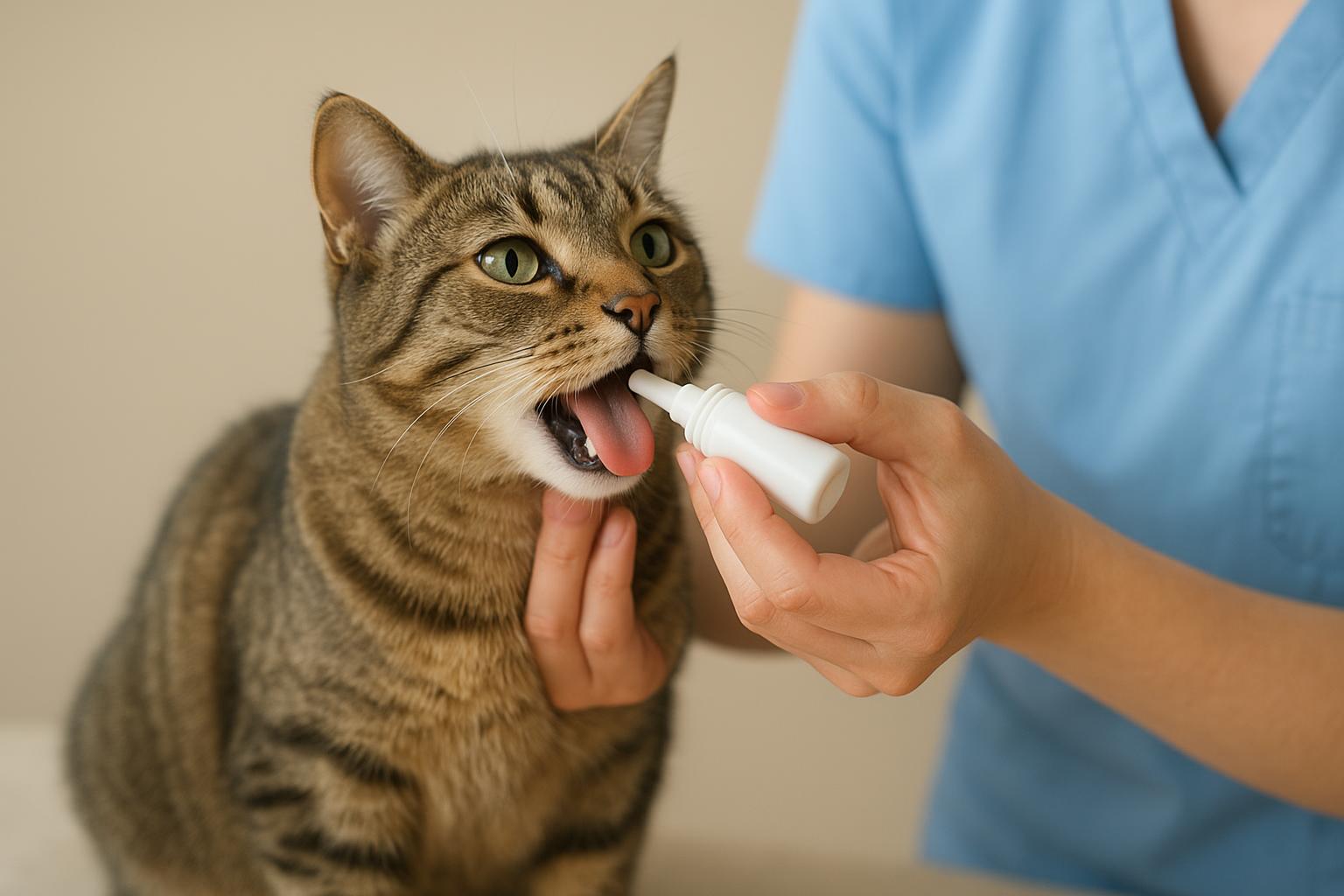
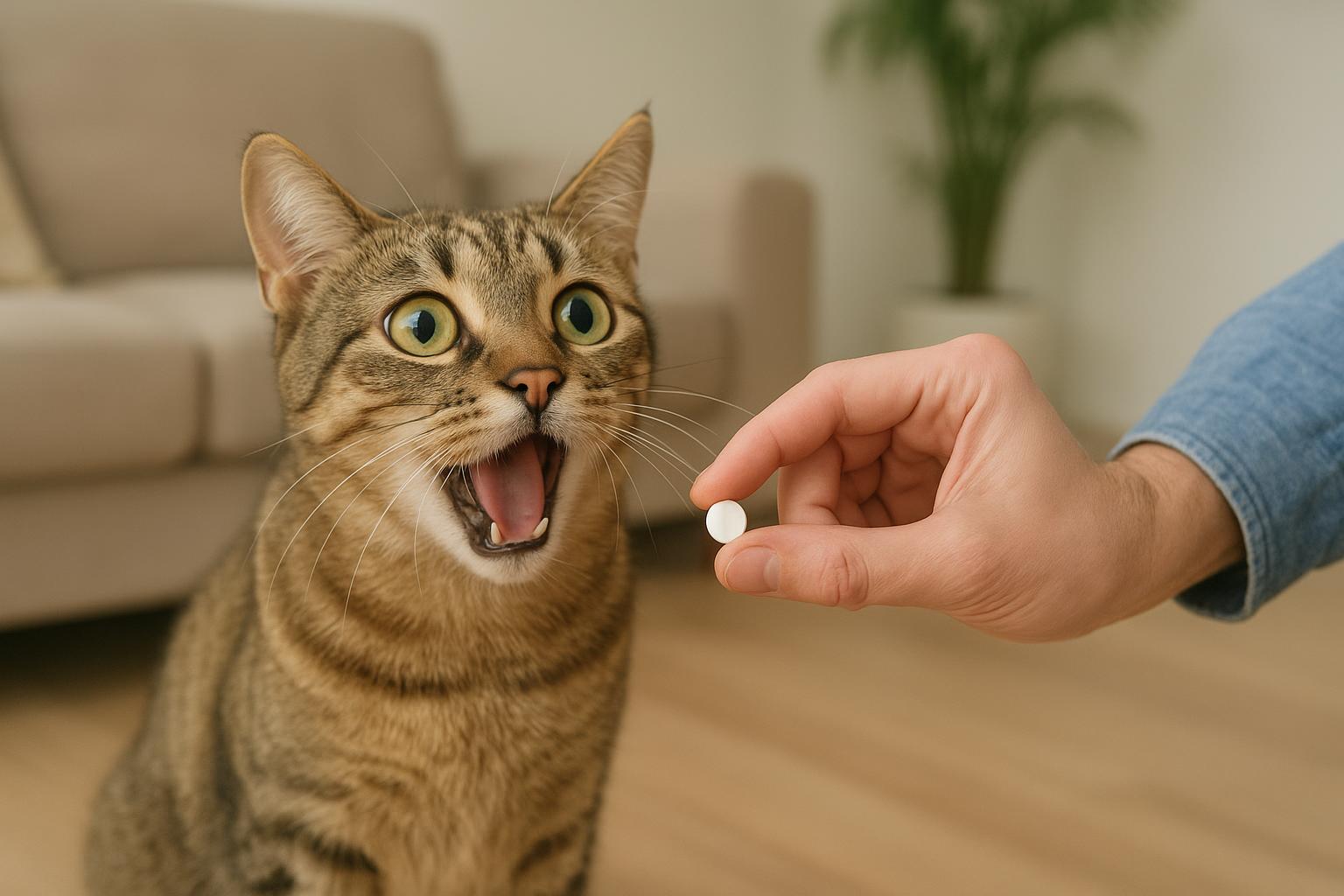
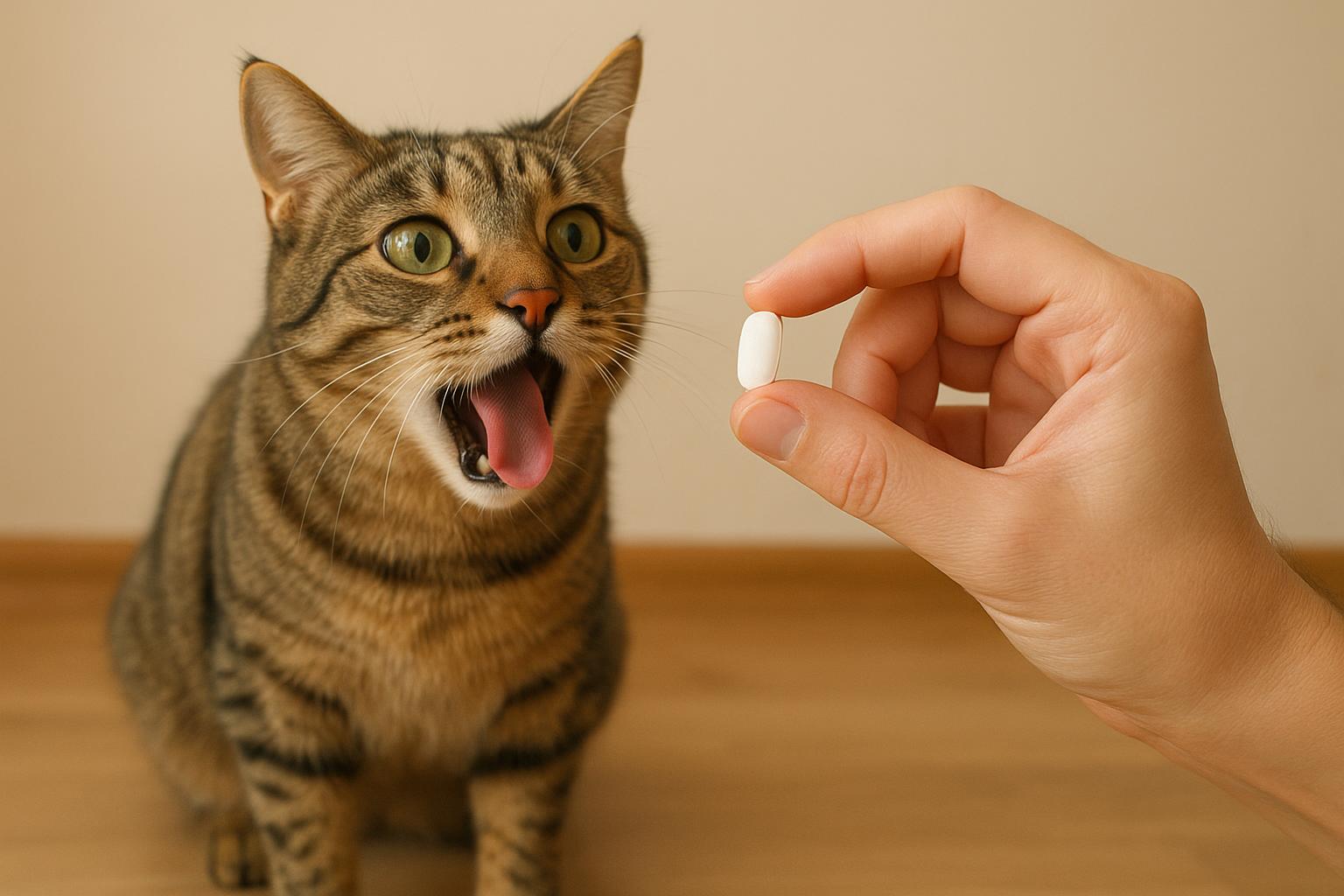
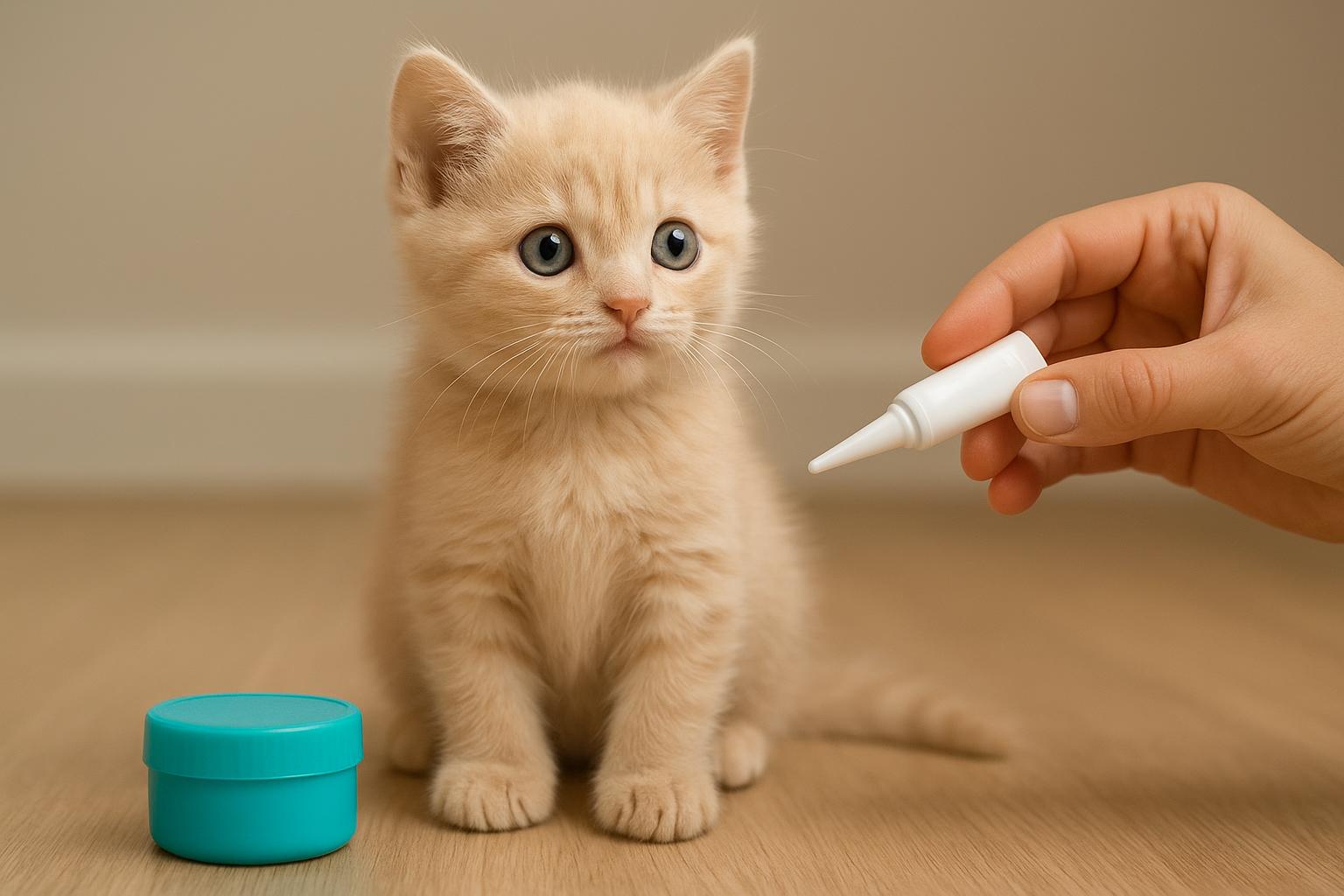
2. Treat Pets First: Administer veterinarian-recommended flea prevention/killers to all household pets. This reduces the source of adult fleas and prevents biting while the environment is treated.
3. Apply IGRs And Insecticide Indoors: Professionals will treat carpets, furniture, and baseboards with a combination of adulticide and insect growth regulator. This kills current adults and prevents development of eggs and larvae into reproducing adults.
4. Follow Label And Safety Guidelines: Only use products labeled for indoor household use and follow re-entry intervals, ventilation requirements, and safety measures. Technicians should inform you of areas to avoid until the treatment is dry and safe.
5. Schedule Follow-Up Treatments: Because pupae can be dormant and later emerge, follow-up treatments at two to four week intervals ensure complete lifecycle disruption.
Professional flea removal tends to be faster and more comprehensive for severe infestations, but it requires coordination, safety awareness, and, often, a short-term commitment to vacate treated spaces briefly.
### Combining Approaches Effectively
For many households, combining diligent home methods (regular vacuuming, laundering, and combing) with targeted professional treatments or veterinary prevention provides the best result. Home remedies reduce the environmental load while professional interventions address the more entrenched stages.
#### Pet-Focused Preventive Measures
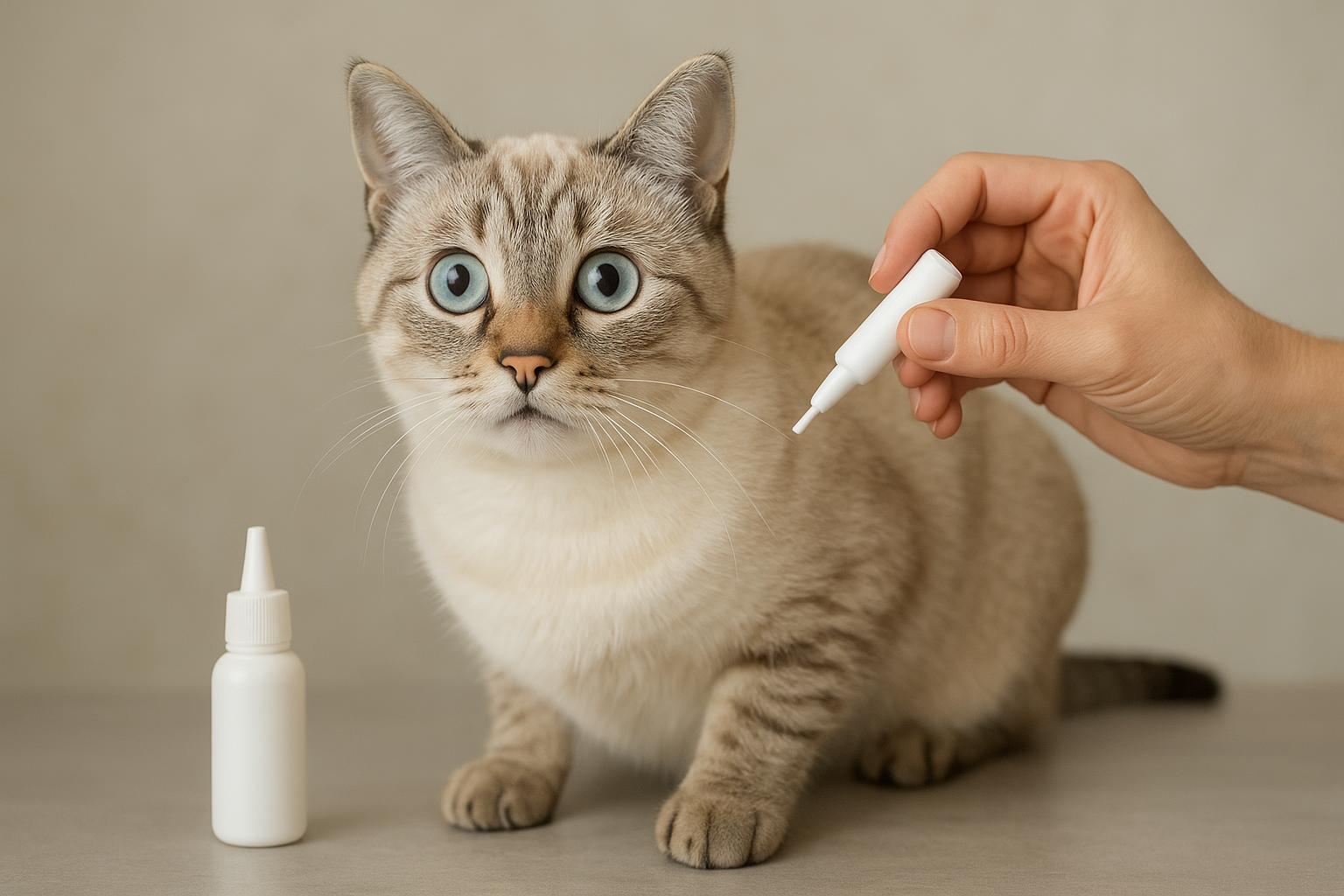
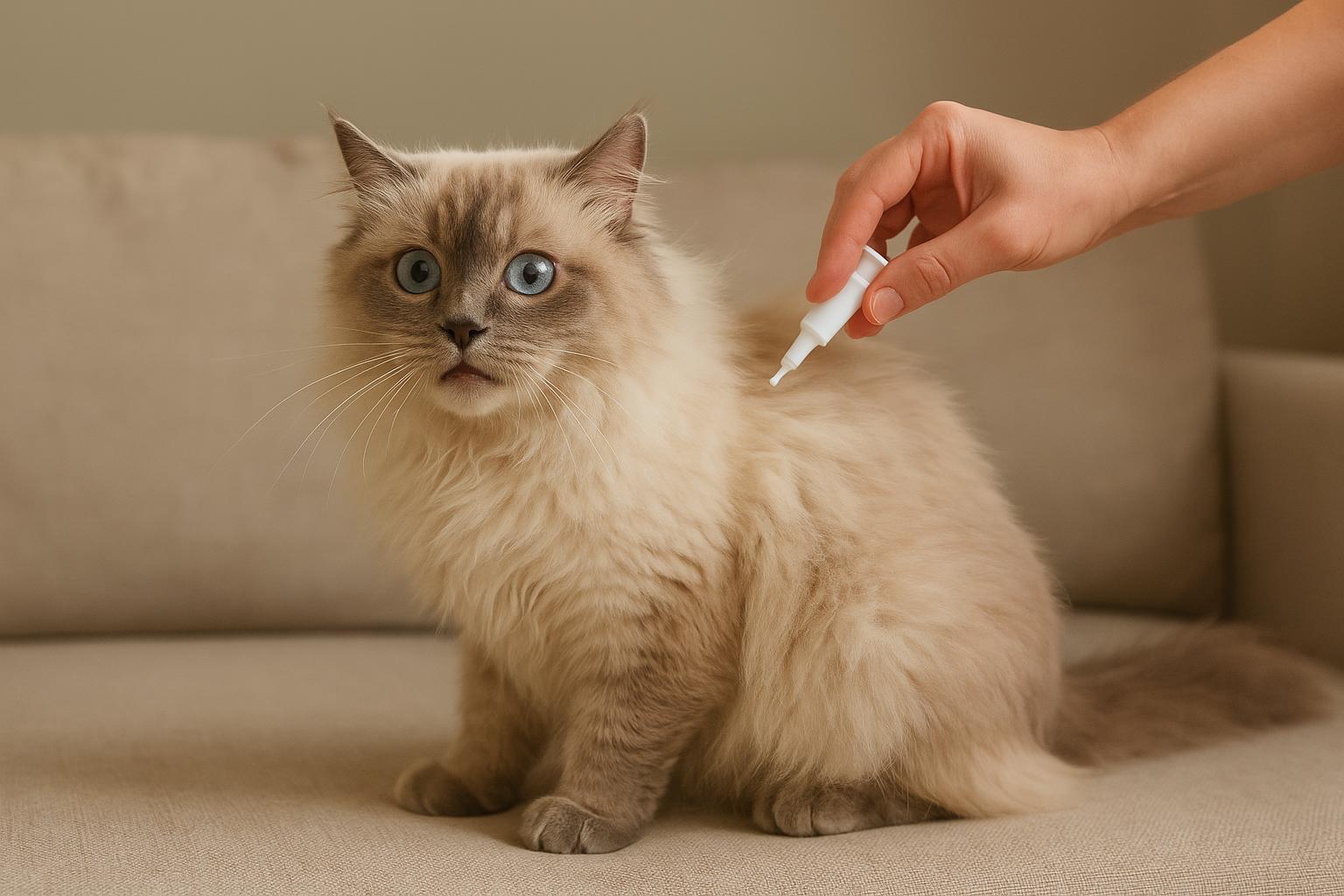
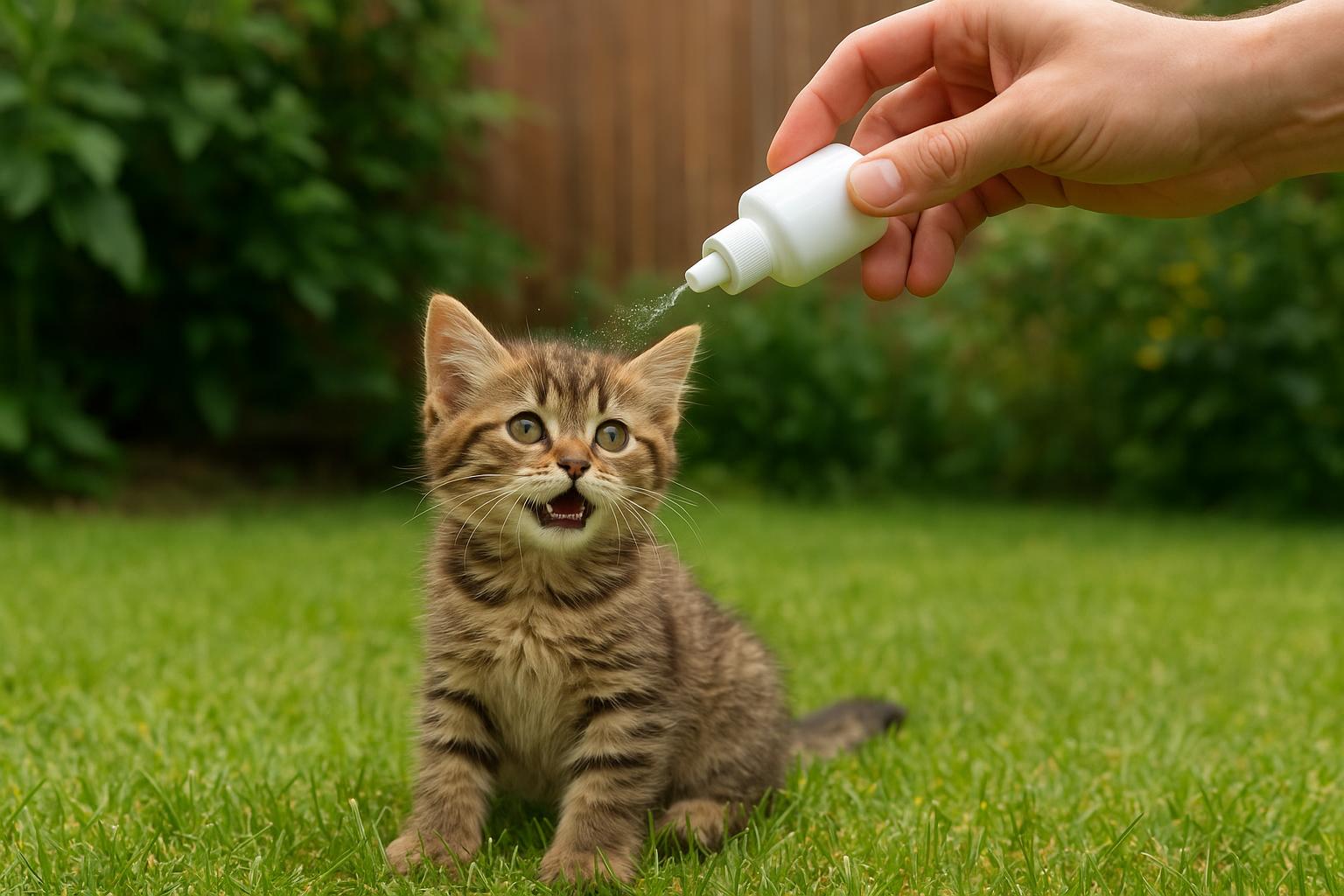
Use veterinarian-recommended monthly preventatives on all pets, and treat all animals in the home—treating only one pet allows fleas to keep cycling through untreated hosts. Maintain flea collars, spot-on treatments, or oral medications according to your vet’s advice.
## Preventing Reinfestation And Ongoing Flea Removal Practices
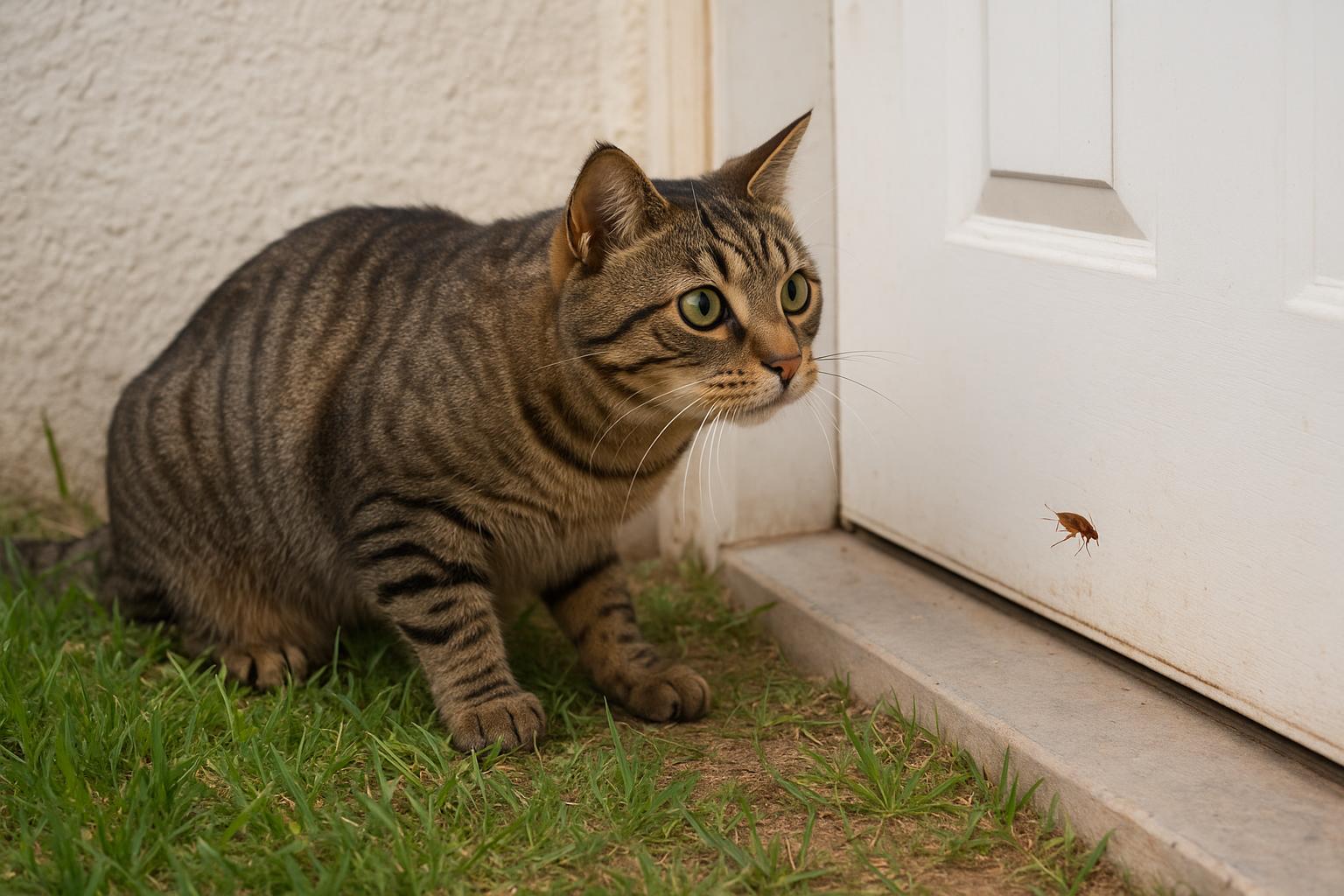
Once you’ve reduced flea numbers, adopt maintenance habits to keep them from returning. Frequent vacuuming, washing pet bedding weekly in hot water, and maintaining pet preventatives are core practices. Trim outdoor vegetation and keep lawn and grass short to reduce wildlife hosts that can introduce fleas to your yard.
Practical Tips
– Inspect pets weekly and use a flea comb after outdoor activity.
– Seal cracks and crevices where larvae might hide indoors.
– If you have wildlife access (raccoons, feral cats), create barriers or deterrents to reduce their presence near your foundation.
– Communicate with neighbors—fleas can move across yards and reintroduce an infestation.
For long-term flea removal, integrate both environmental control and pet protection into a routine. Persistence across weeks—not just a single frantic day—is what breaks the flea life cycle for good.
If you’d like, I can walk you through choosing the right veterinary flea medication for your pet species and lifestyle, or help you create a cleaning schedule tailored to your home layout and pet habits.








Leave a Reply