
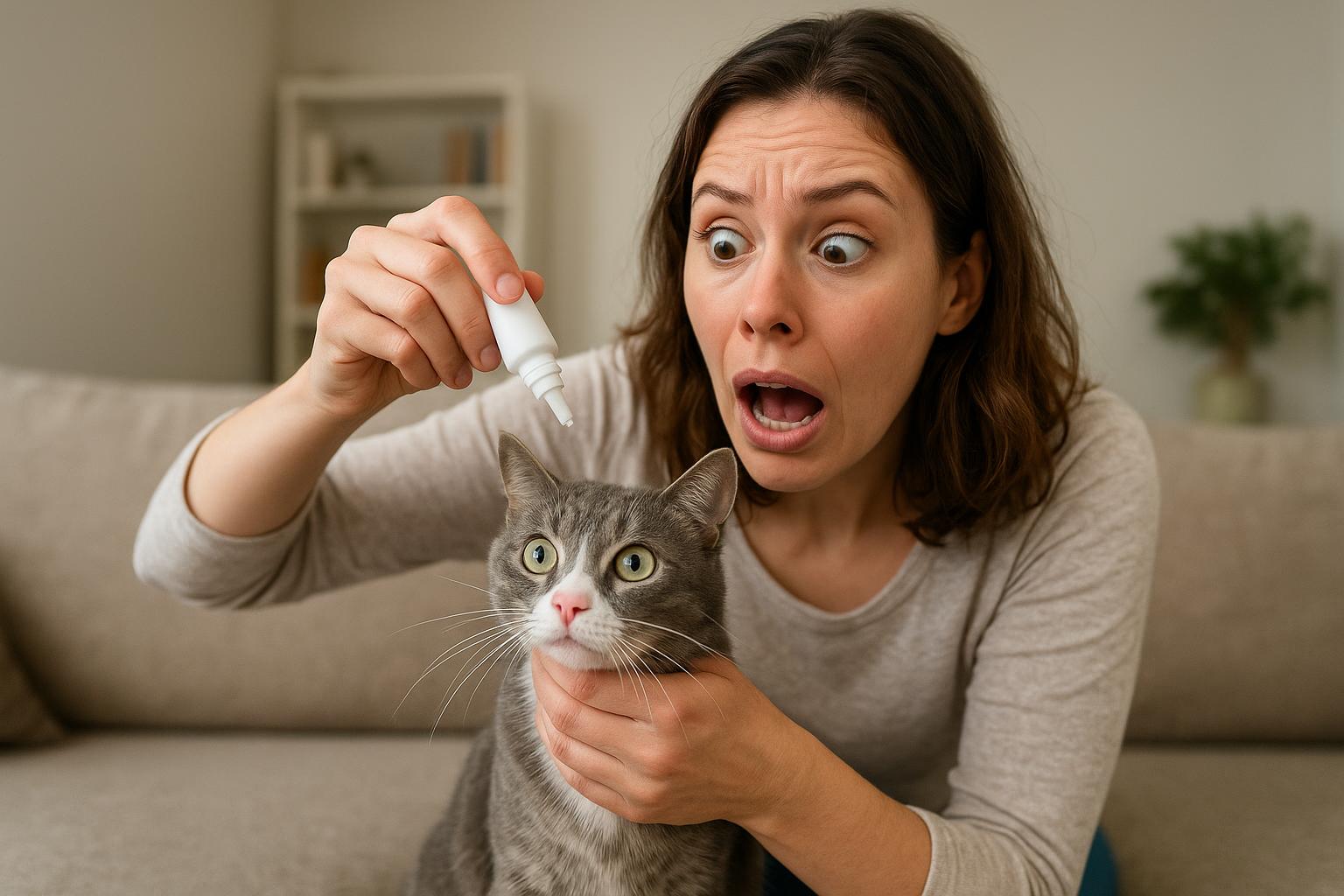
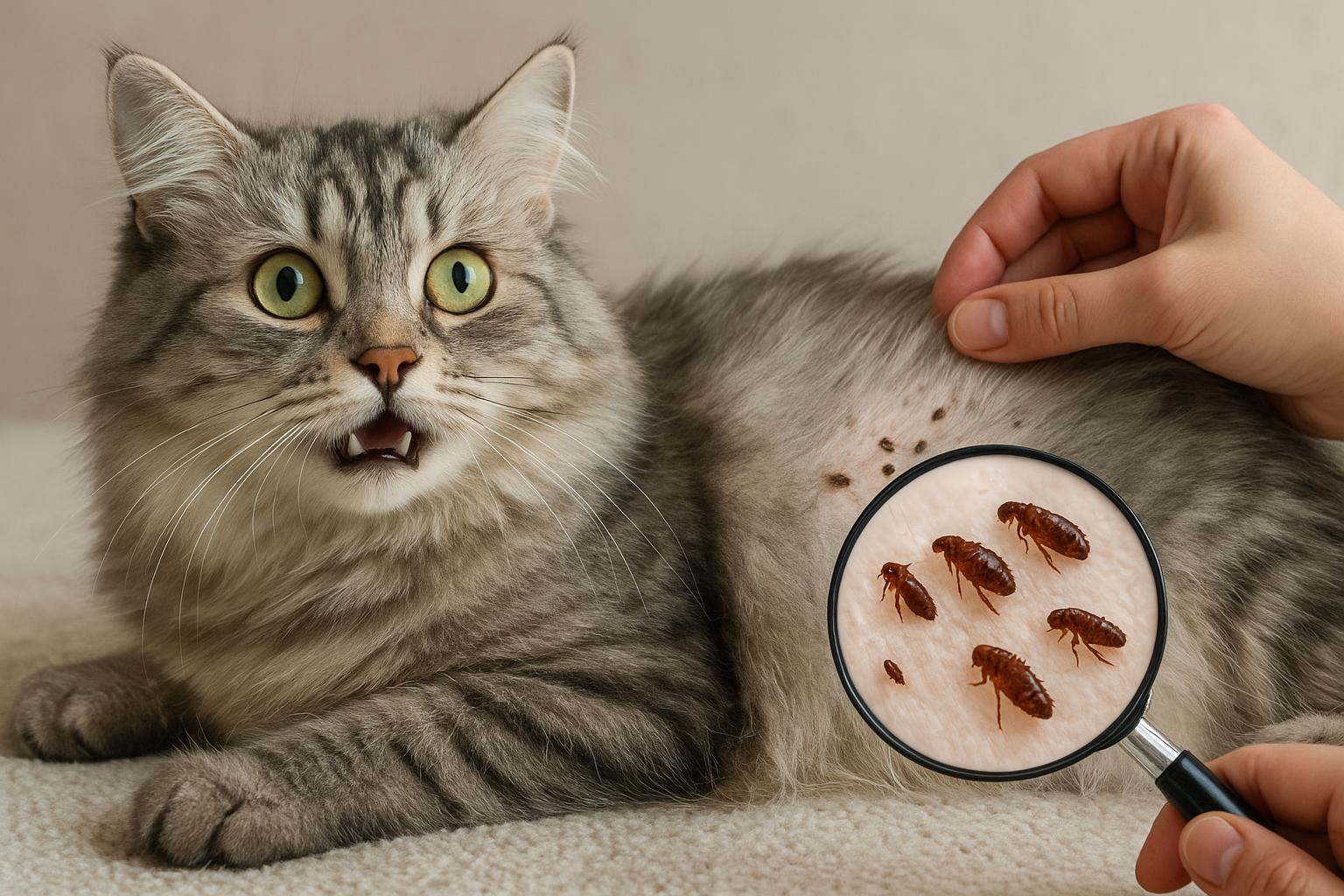
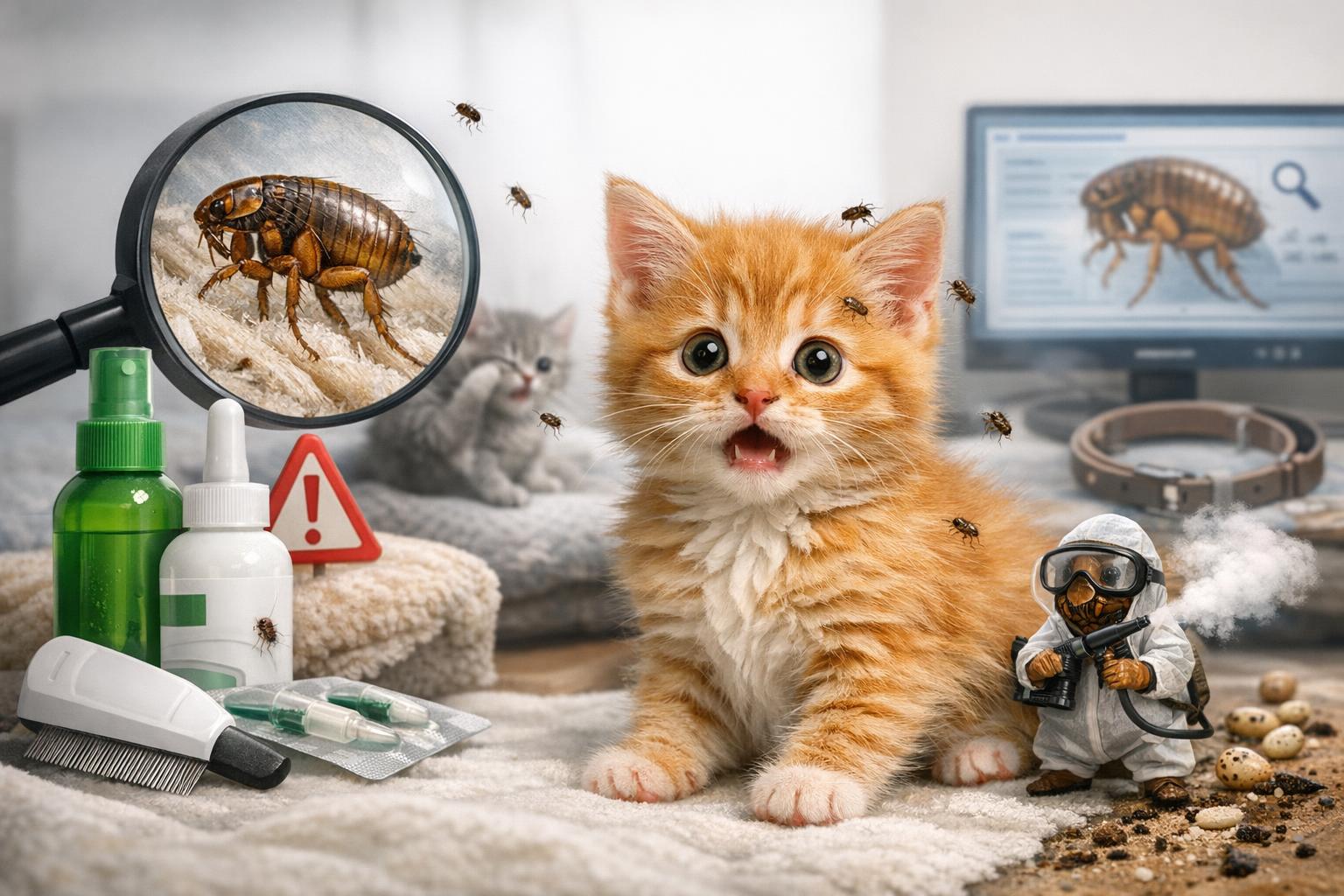
You know that tiny moment when you feel something crawling on your couch and suddenly your inner detective awakens? Yeah — fleas are the tiny villains of backyard life. Let’s walk through how those popular little pest-control drops actually work, what they do to your pet (and the bugs), and a cautious, vet-minded DIY topical you can consider as a short-term support measure.
## Flea Drops Exposed How They Work (Flea Topical) Today
### What People Mean By “Flea Topical”
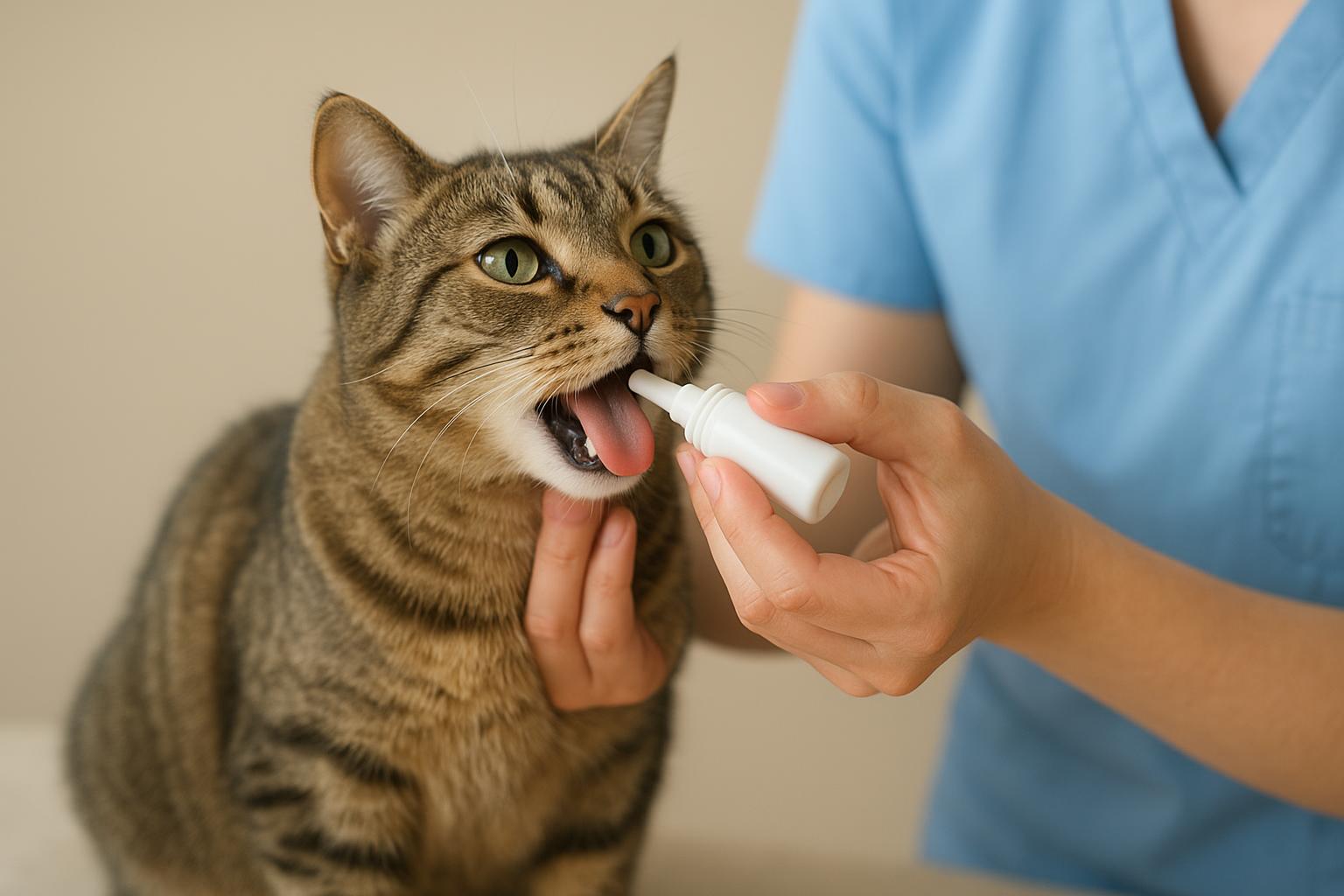
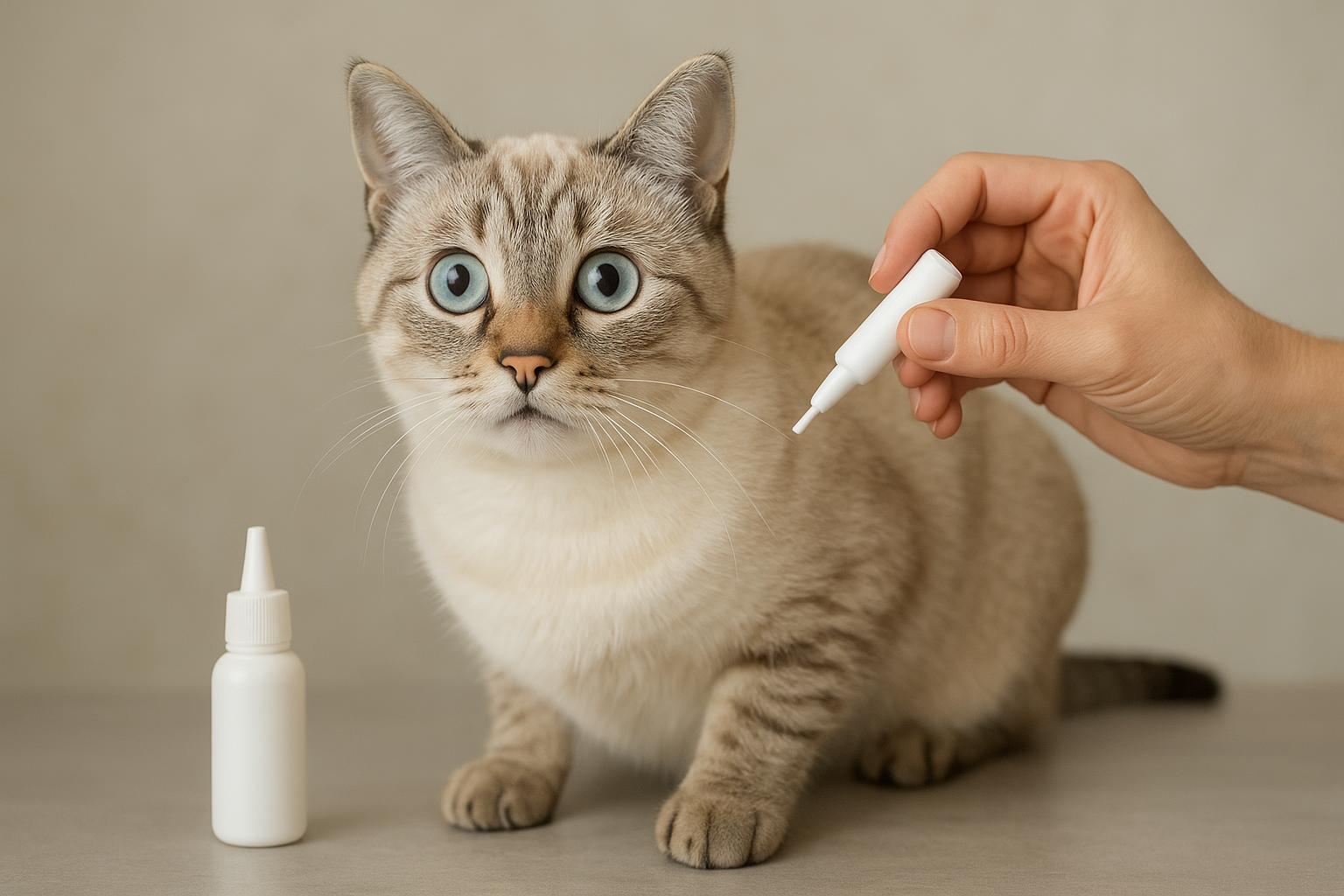
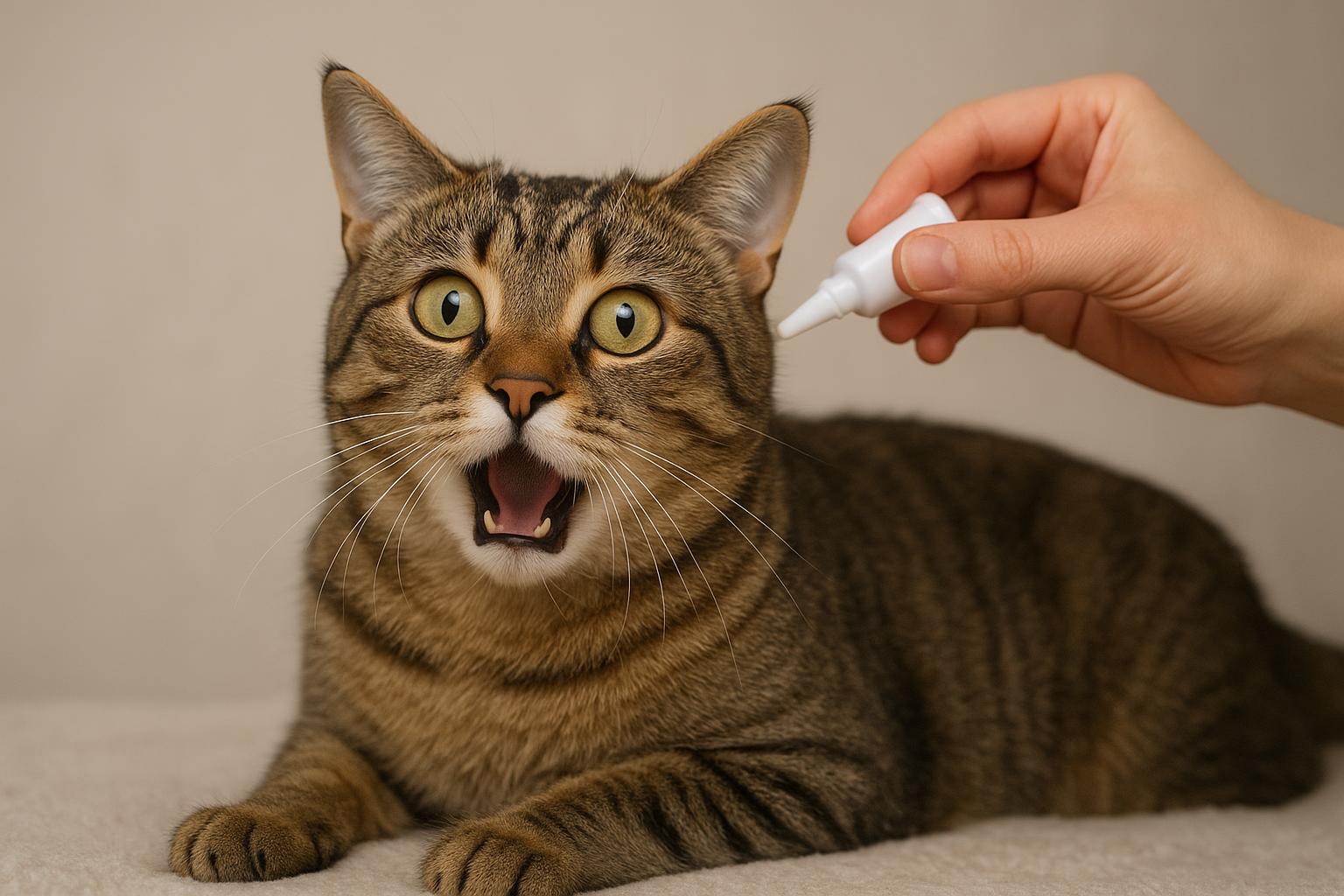
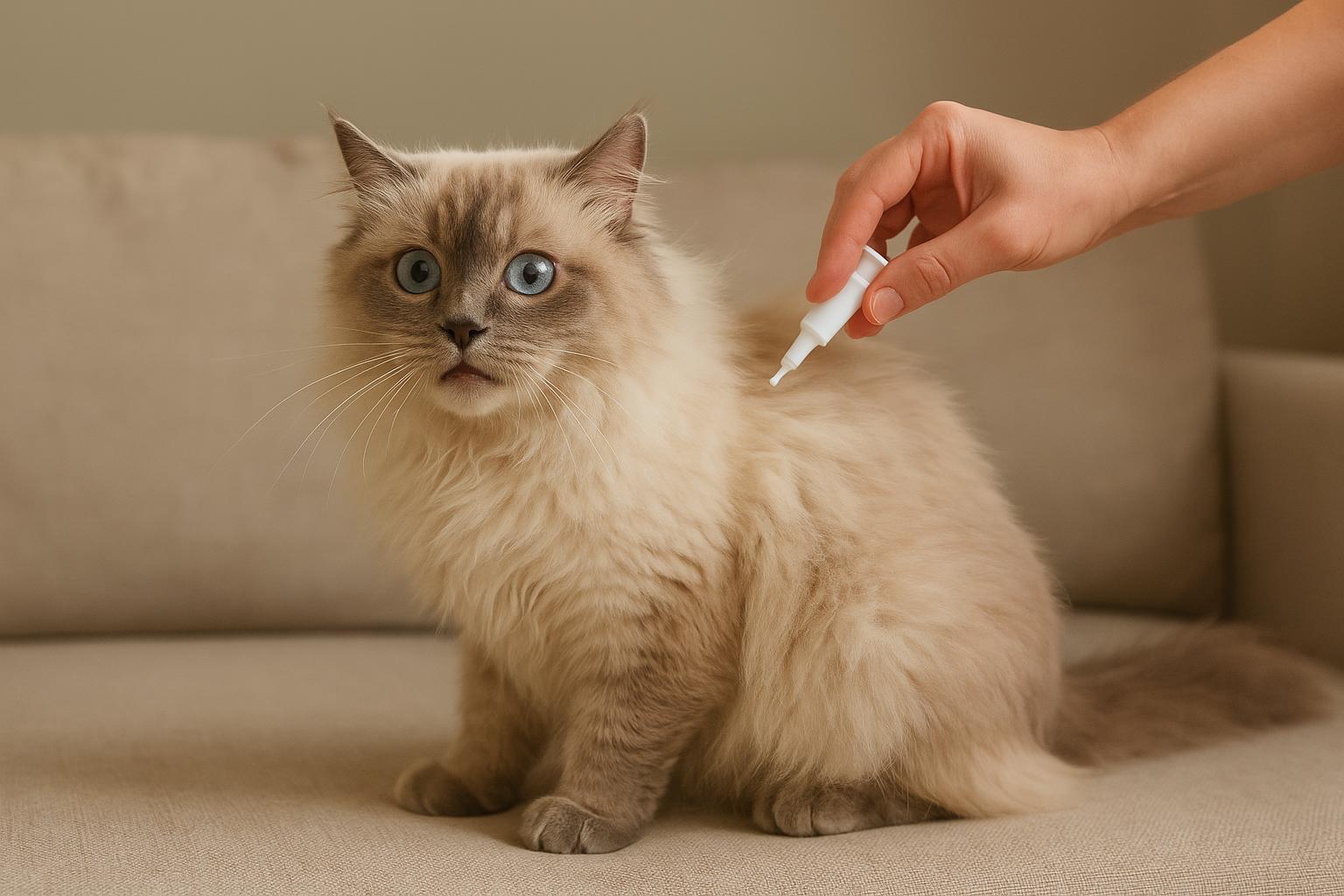
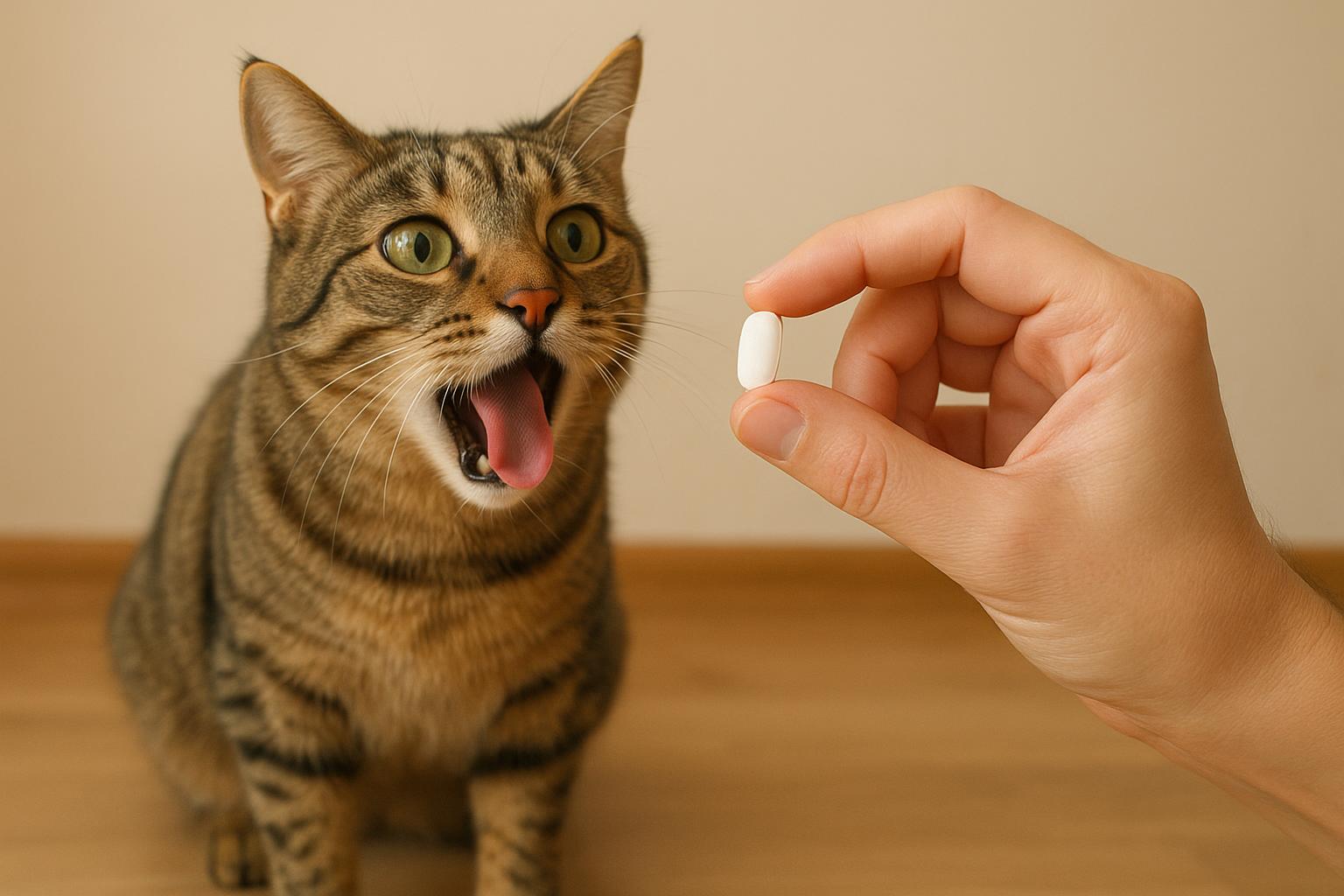
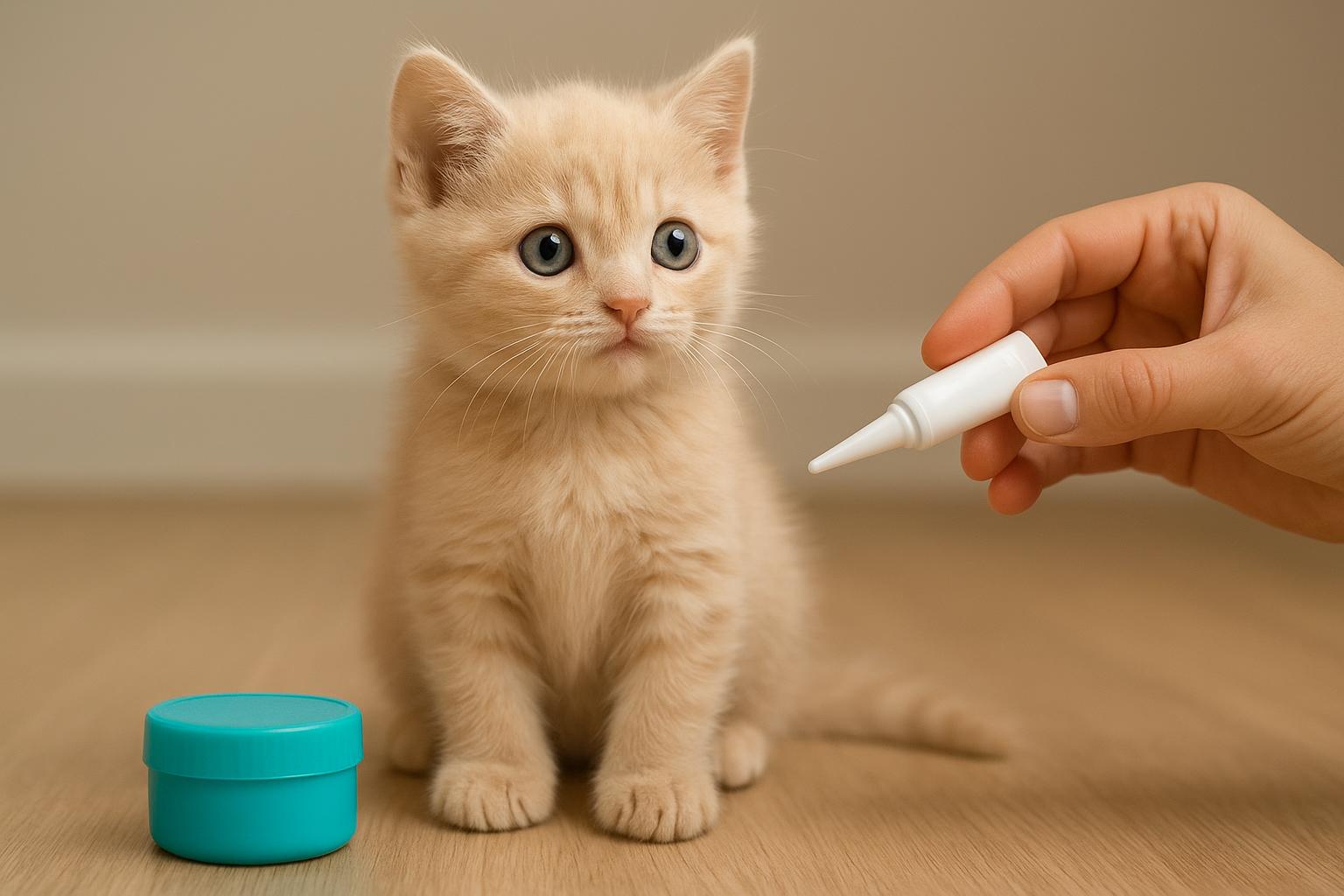
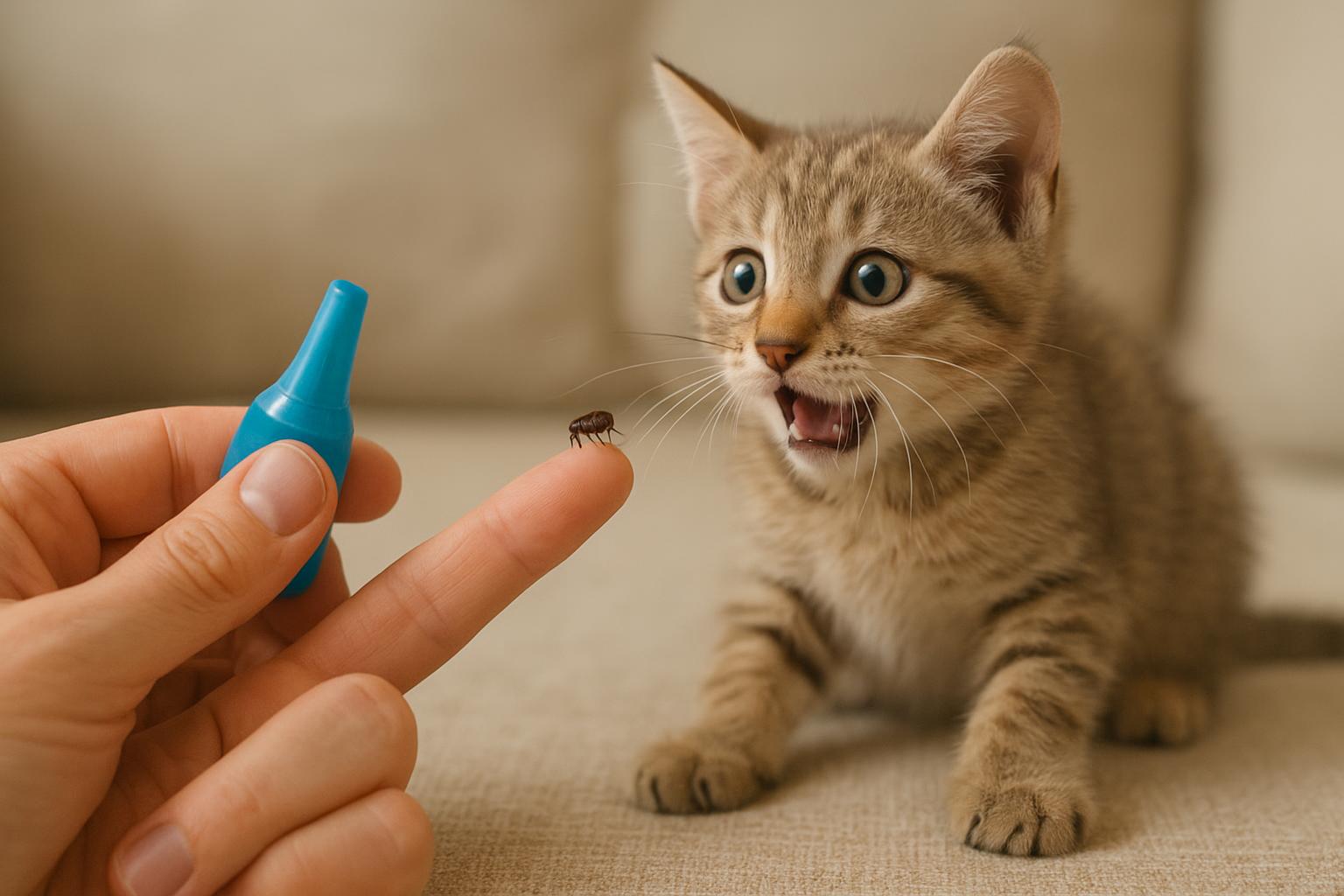
When folks say “flea topical” they usually mean a spot-on liquid you apply to the pet’s skin, most often between the shoulder blades. A flea topical is formulated so active ingredients spread over the skin and coat through natural oils or solvents; the goal is to kill adult fleas, disrupt the life cycle, or repel new arrivals. These products are designed to be easy to apply and to stay effective for weeks.
### Why Spot-On Placement Matters
The classic placement—between the shoulder blades—does two things: it keeps animals from licking the application site and it’s a central spot where oily migration disperses the active ingredients. If you’ve ever wondered whether bathing right after application ruins a flea topical, short answer: it can reduce effectiveness if done within the first 24–48 hours. Follow product directions for timing.
### Active Ingredients And Modes Of Action
Flea topicals fall into a few broad chemical families. Some common categories include synthetic insecticides that act on the flea’s nervous system, insect growth regulators (IGRs) that prevent immature stages from becoming adults, and newer molecules that target specific flea receptors.
#### Neonicotinoids, Insect Growth Regulators And Isoxazolines
– Neonicotinoids (e.g., imidacloprid) bind to insect nicotine receptors, paralysing fleas.
– IGRs (methoprene, pyriproxyfen) stop eggs and larvae from maturing, lowering future generations.
– Isoxazolines (fluralaner, afoxolaner) are systemic in chewables but related spot-on versions also attack flea nervous systems; note some of these are in oral formulations rather than topicals.
### The Difference Between Killing Fleas And Breaking The Cycle
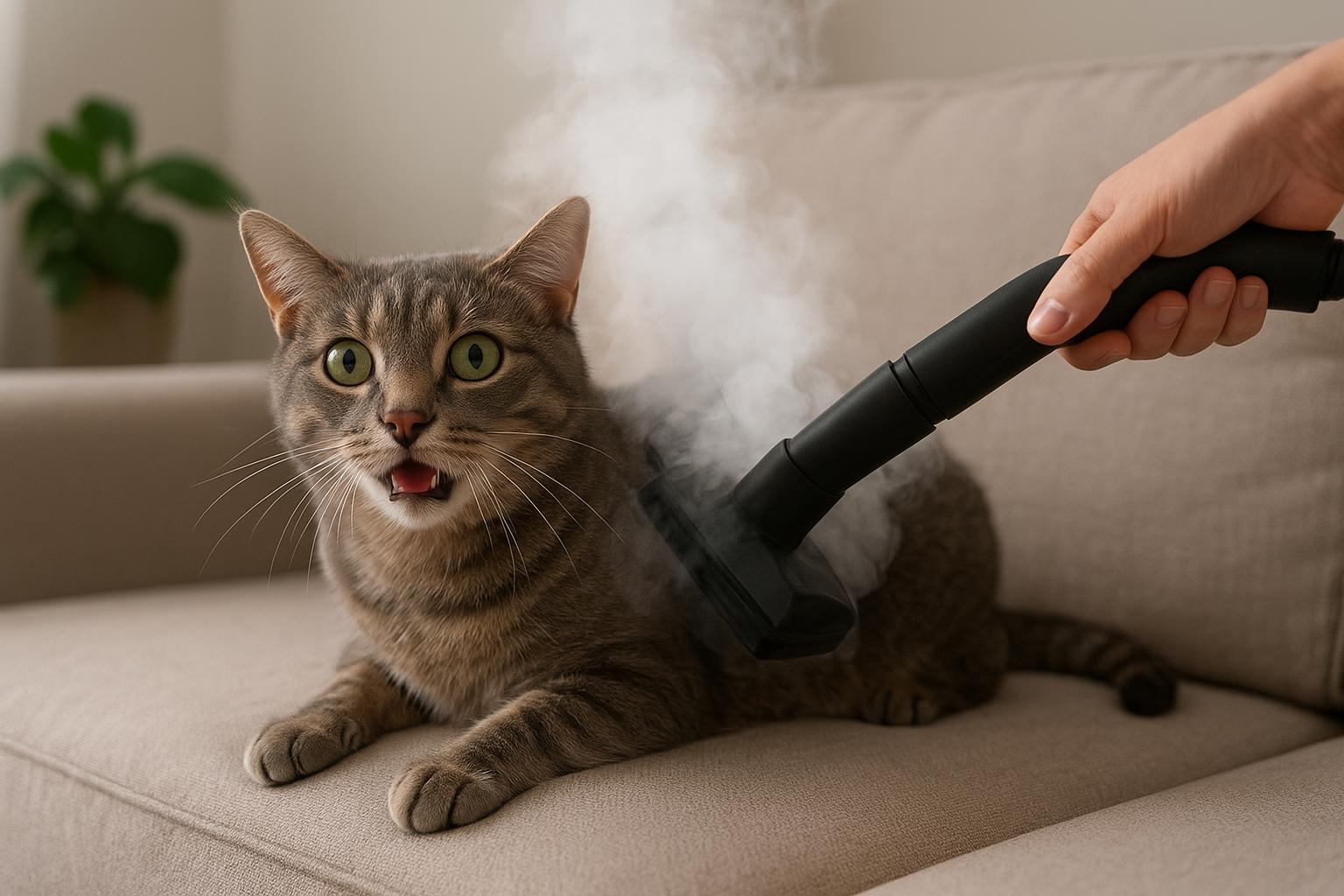
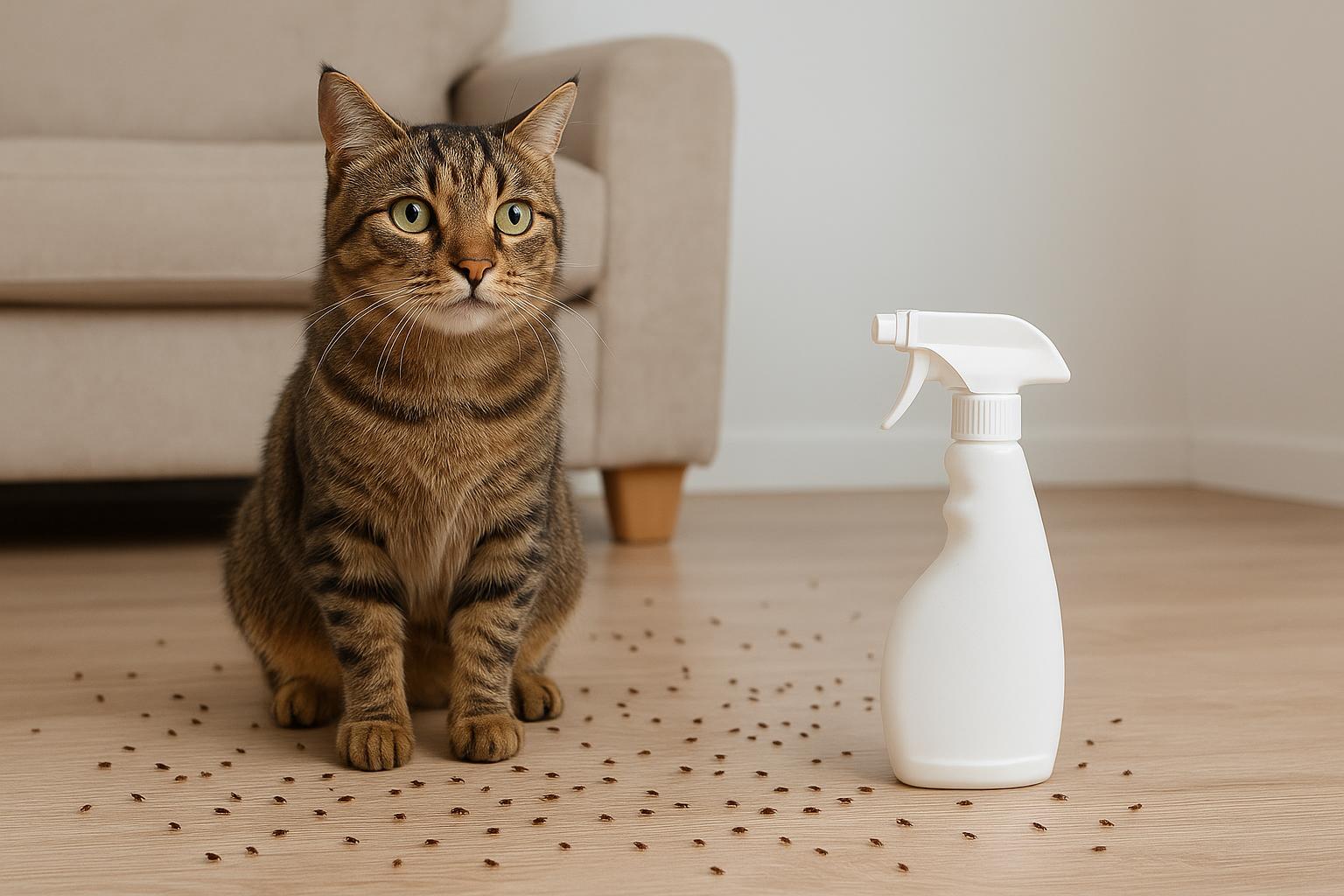
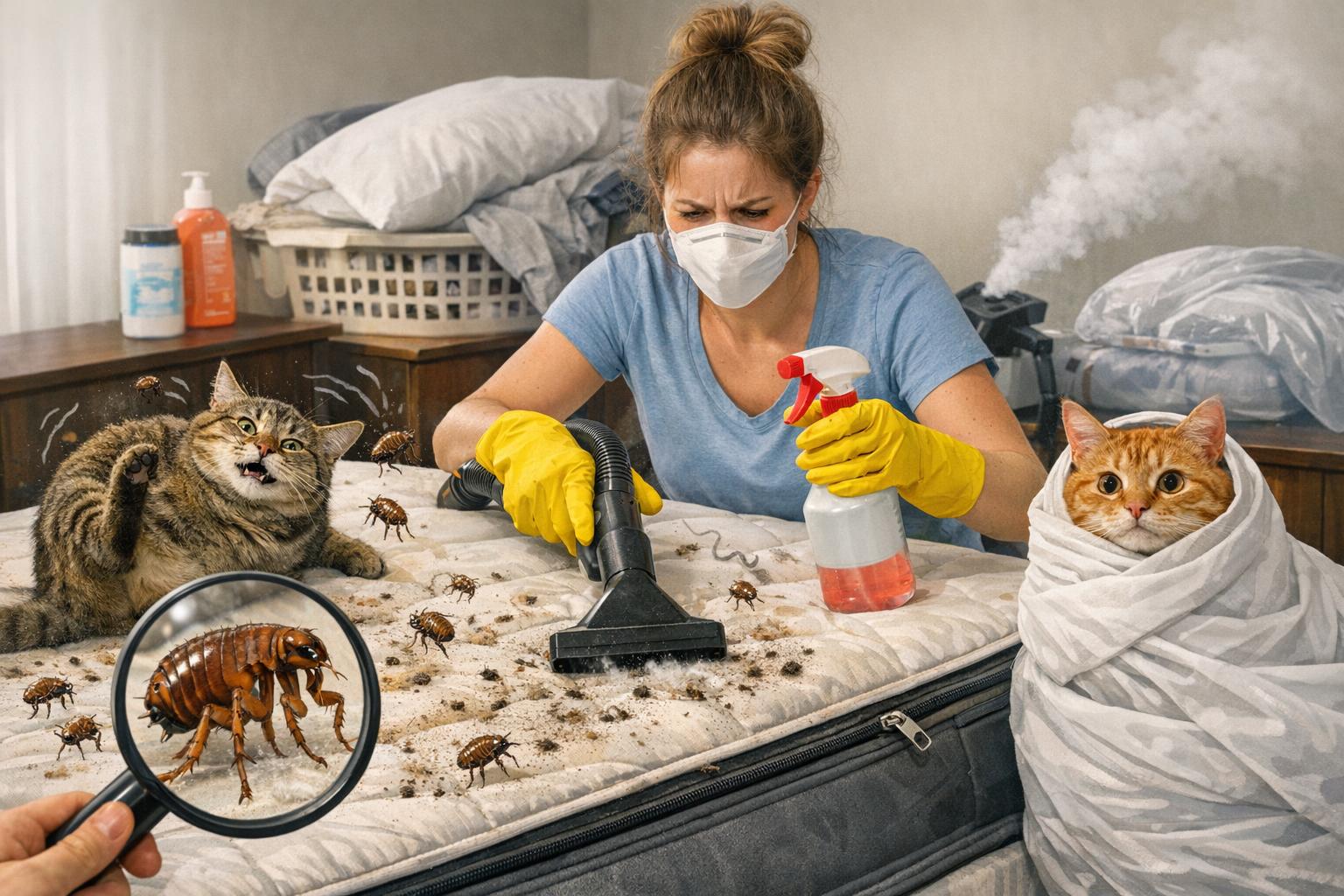
A single flea topical application can kill the adults on your pet quickly, but eggs in the environment still hatch. That’s why treating the environment (vacuuming, washing bedding) and treating all pets in the household are essential parts of a successful plan. A flea topical often needs to be combined with environmental measures and sometimes an IGR to truly break an infestation.
## Common Misconceptions About Flea Topicals
### They Don’t Work Instantly On Every Flea
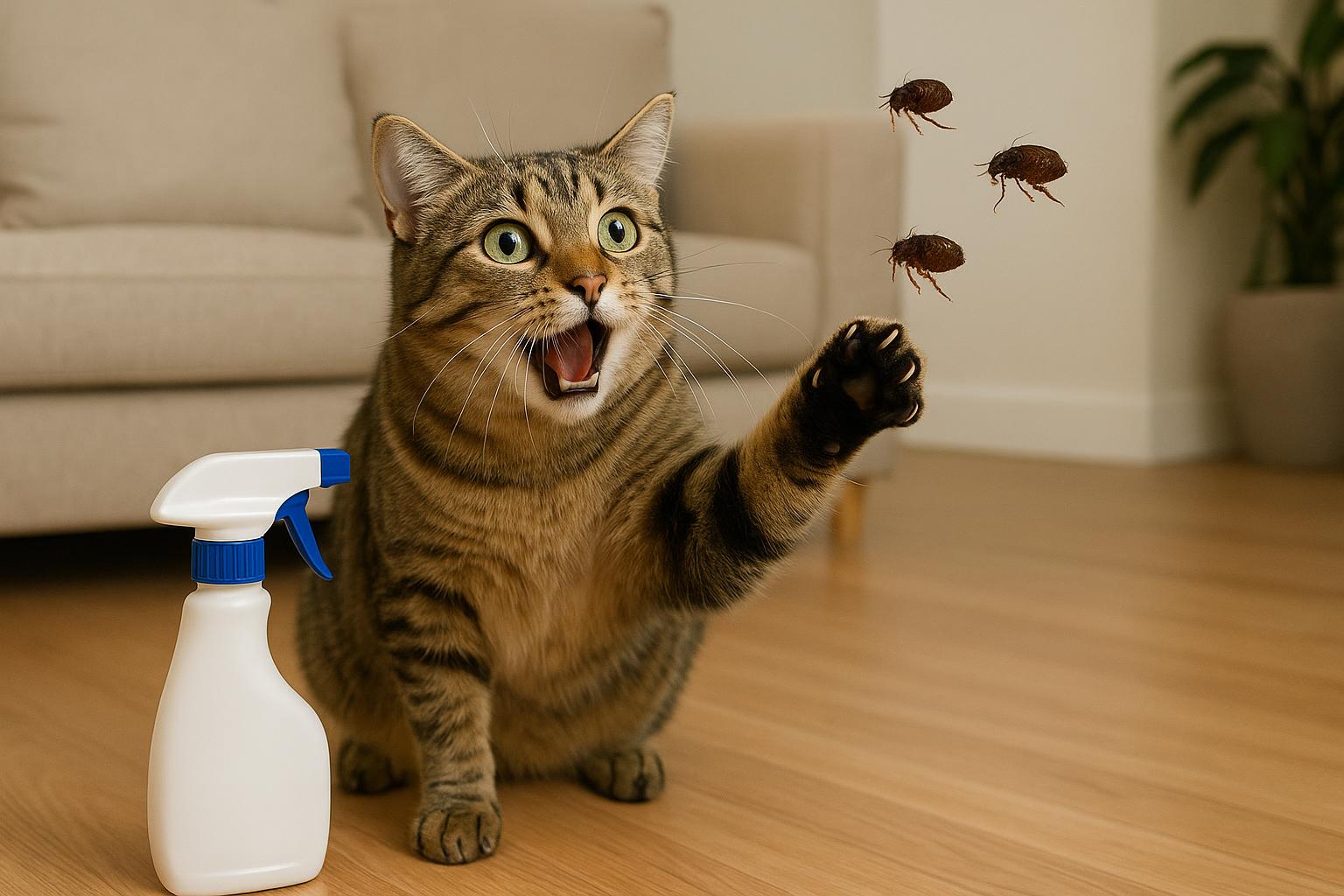
Most effective flea topicals kill within 12–48 hours, but if your home is full of flea larvae and eggs, you’ll see new adults emerging unless you tackle the environment too.
### A Single Application Won’t Make The Problem Vanish
Consistency matters. Most spot-ons are monthly. Skipping doses or partial application lowers control and can extend an infestation.
### Pets, People And Safety
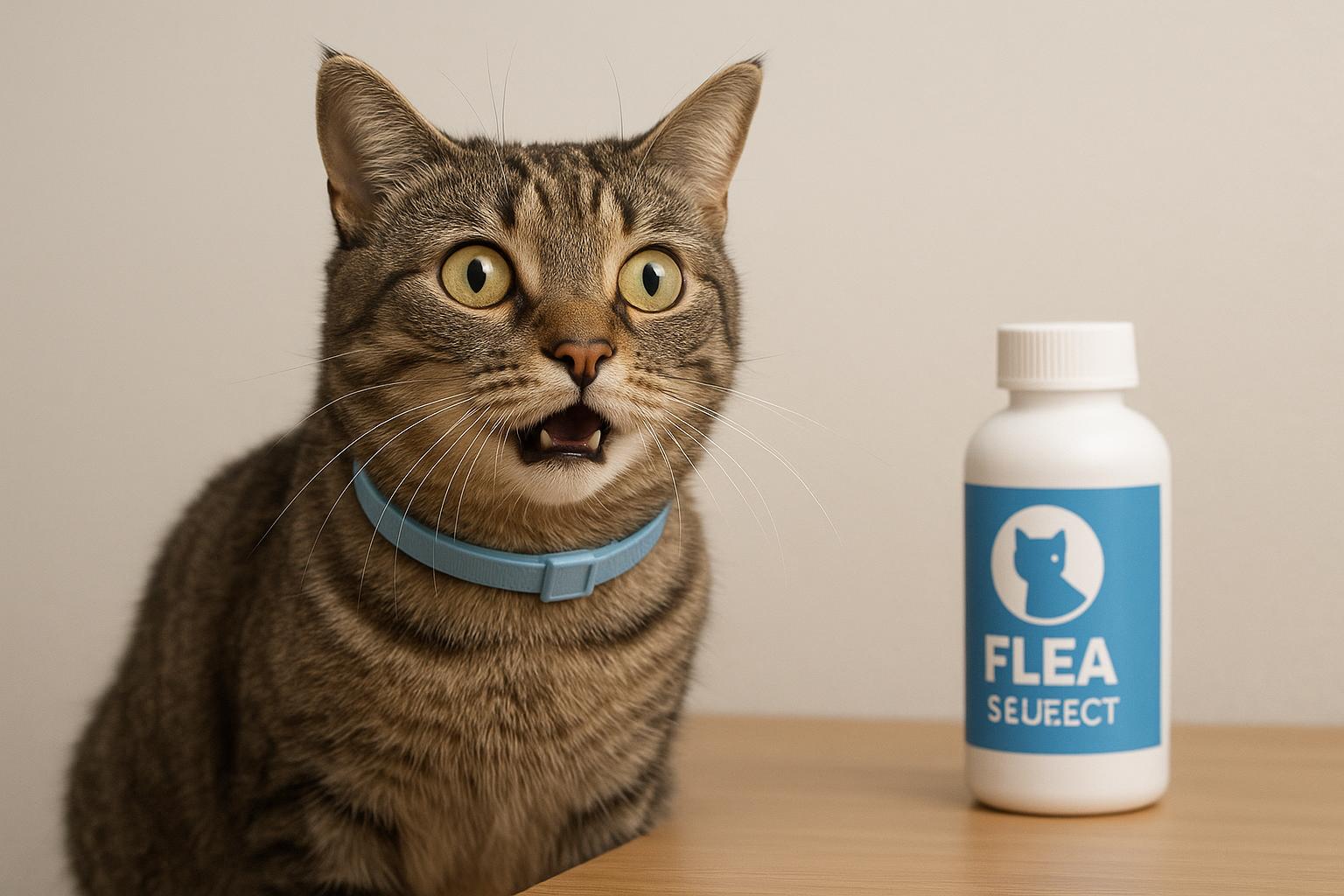
Most flea topicals are formulated to be safe when used as directed, but species matter: products safe for dogs can be toxic to cats. Always read labels and check with your veterinarian before switching product types or using a product off-label.
## DIY Flea Topical: A Vet-Cautious Homemade Formula
Below is a conservative, supportive topical you can make at home for dogs only. It is not meant to replace vet-prescribed, professional flea topicals that contain potent, clinically tested actives. If your dog has severe infestation, is very young, old, pregnant, nursing, or has health issues, consult your veterinarian before use. This formula is designed as a complementary, mild repellent/support, not a guaranteed flea killer.
#### Ingredients And Materials
– 1/4 cup fractionated coconut oil (acts as carrier and skin conditioner)
– 1 teaspoon pure neem oil (insect-repellent properties; use low concentrations)
– 2 tablespoons aloe vera gel (soothing base)
– 1 vitamin E capsule (pierced; antioxidant and skin support)
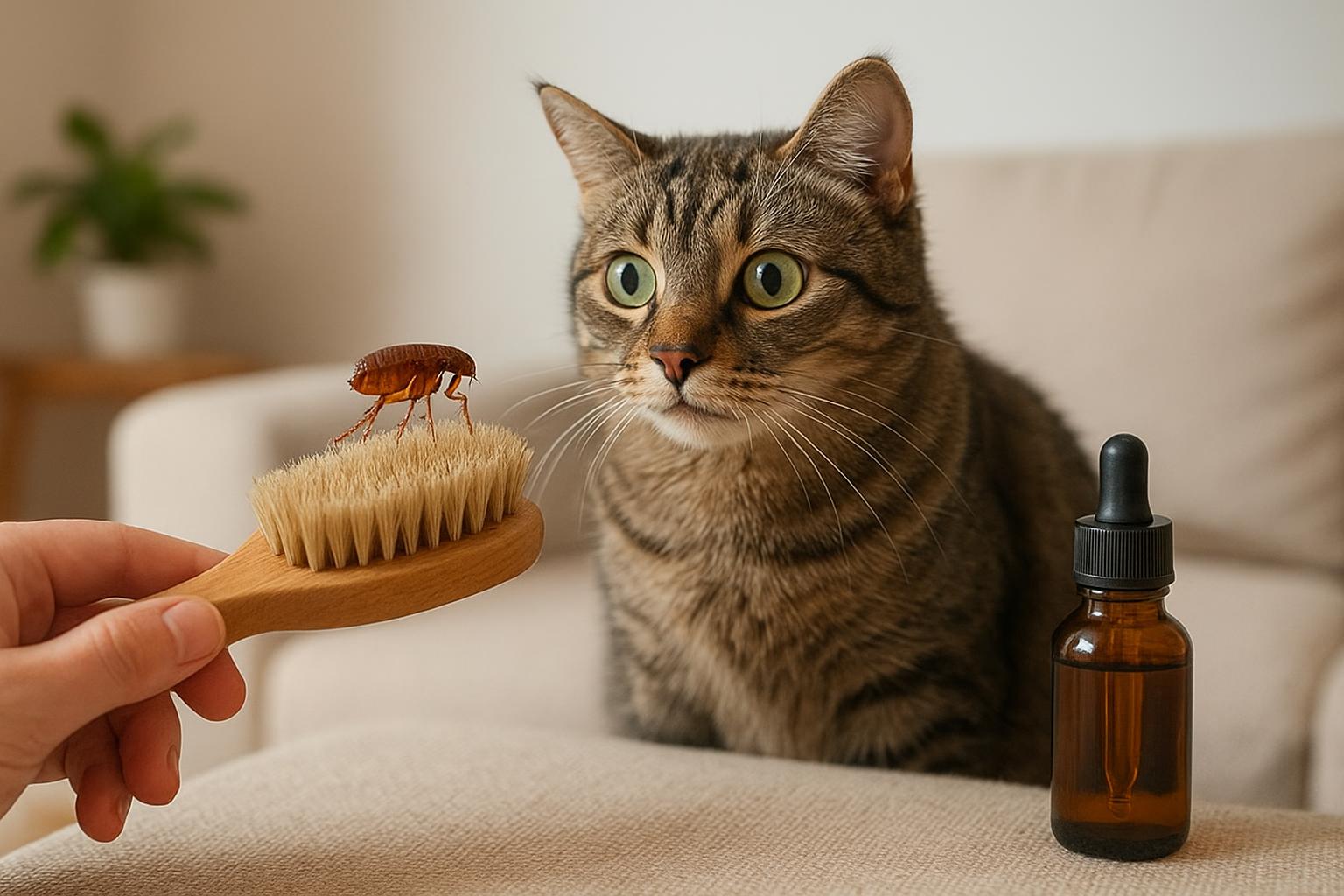
– 1 clean amber glass dropper bottle (30–50 ml)
– Small funnel and measuring spoons
– Cotton ball or clean hands for application
Note: This recipe is for dogs only. Do not use neem oil or essential oils on cats without explicit veterinary approval. Avoid any essential oils known to be toxic to pets.
#### Creation Steps
1. Sanitize your bottle and tools with hot water and mild soap; rinse thoroughly.
2. Warm the fractionated coconut oil slightly if solid to pour easily (do not overheat).
3. Using the funnel, pour 1/4 cup of fractionated coconut oil into the amber bottle.
4. Add 1 teaspoon of neem oil and 2 tablespoons of aloe vera gel.
5. Pierce the vitamin E capsule and squeeze its contents into the bottle.
6. Close the bottle tightly and roll it between your palms to mix, or gently invert it several times.
7. Label the bottle with contents and date. Store in a cool, dark place and use within 6–8 weeks.
#### Application Steps And Safety (Formal Guidance)
1. Verify Species Safety: Confirm with your veterinarian that your specific dog (breed, age, health status) can tolerate neem-based topical support. Do not use on cats.
2. Patch Test: Apply a small amount to a hairless patch on your dog’s inner thigh or elbow fold. Wait 24–48 hours to check for irritation, redness, swelling, or behavioral signs of distress.
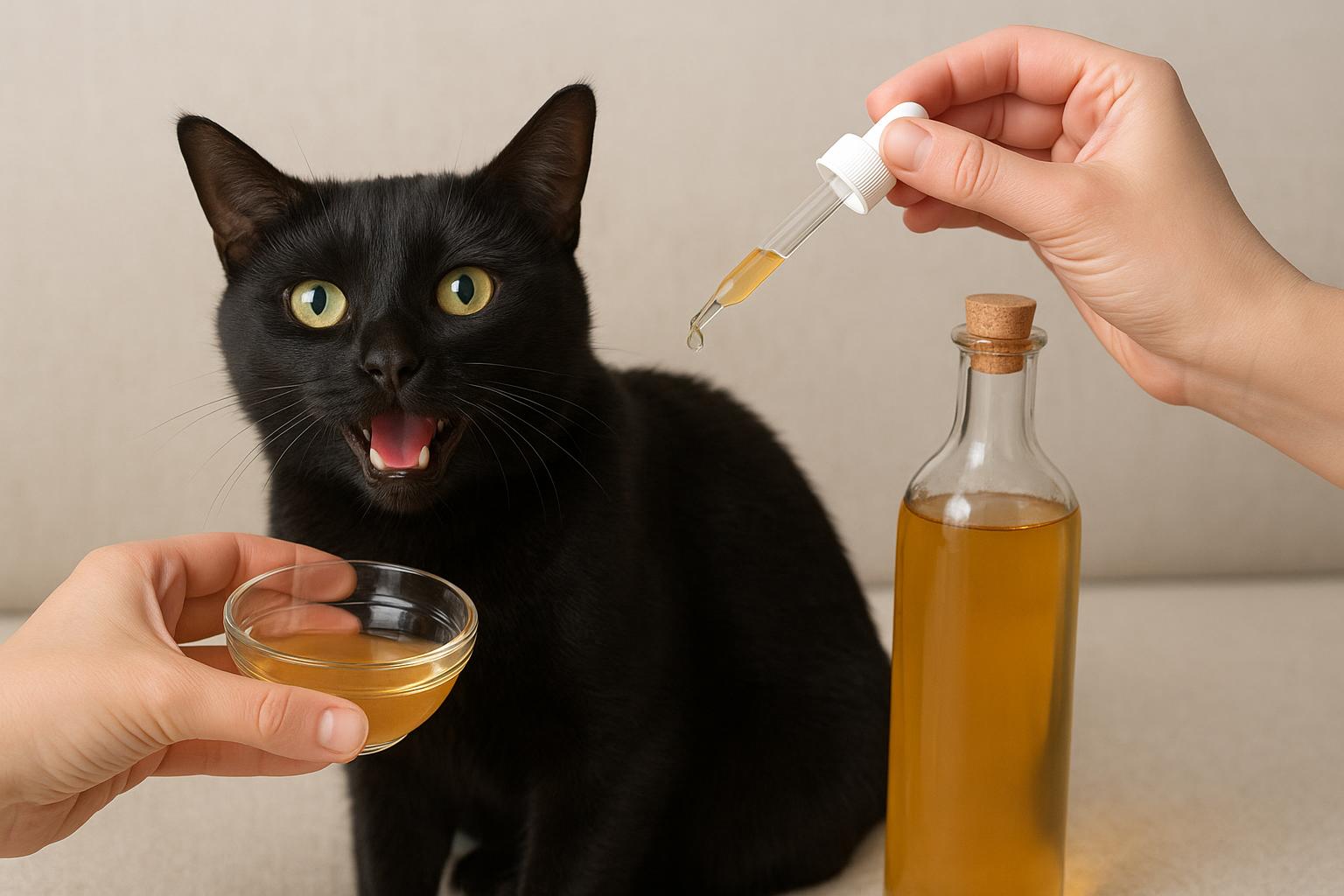
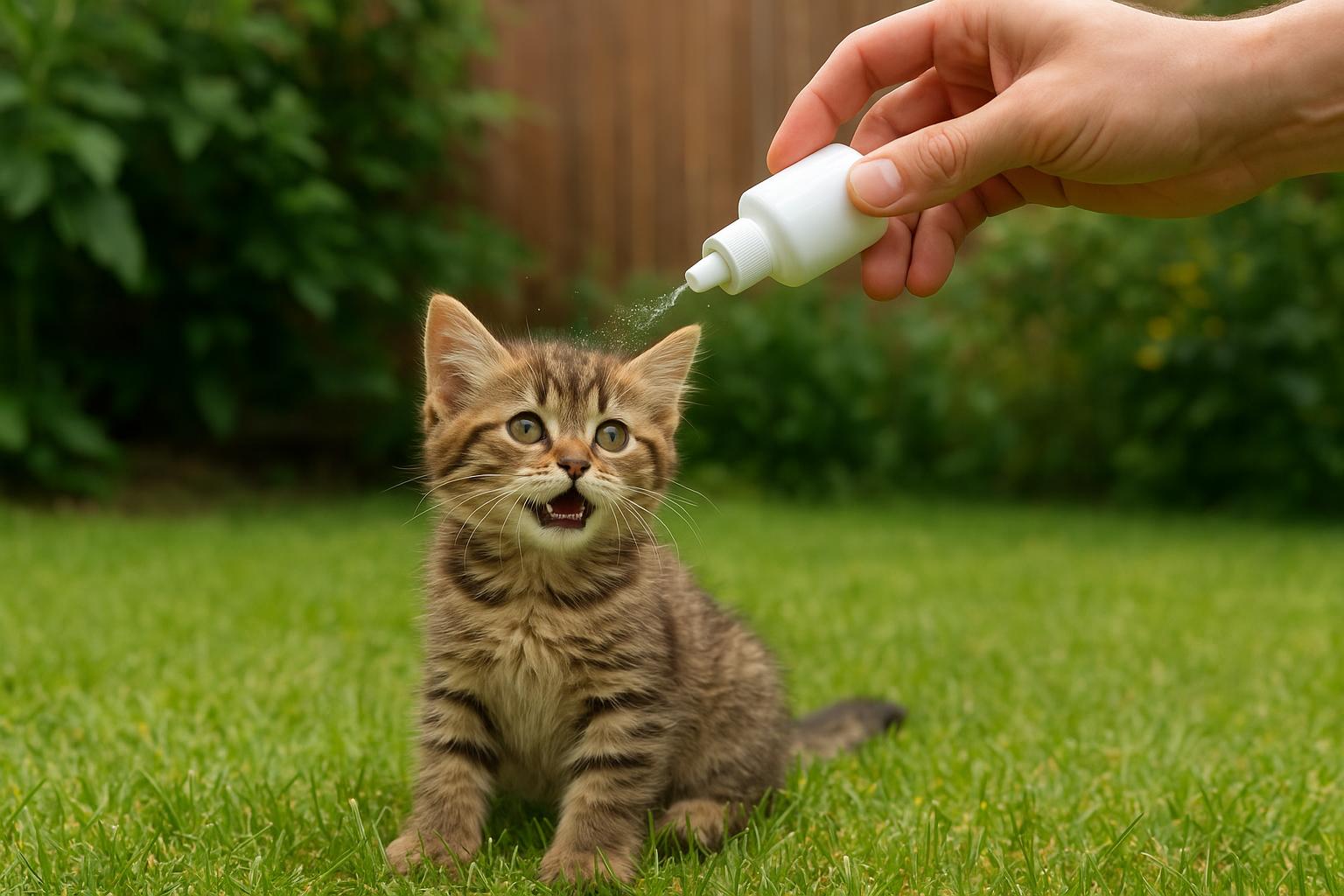
3. Application Method: For spot-on-style application, part the fur at the base of the neck between the shoulder blades and apply 1–2 ml (approx. 15–30 drops) directly to the skin. Do not saturate; the goal is skin contact, not full-coat coverage.
4. Frequency: Repeat no more than once weekly initially. If you observe irritation or other concerns, discontinue immediately and consult your veterinarian.
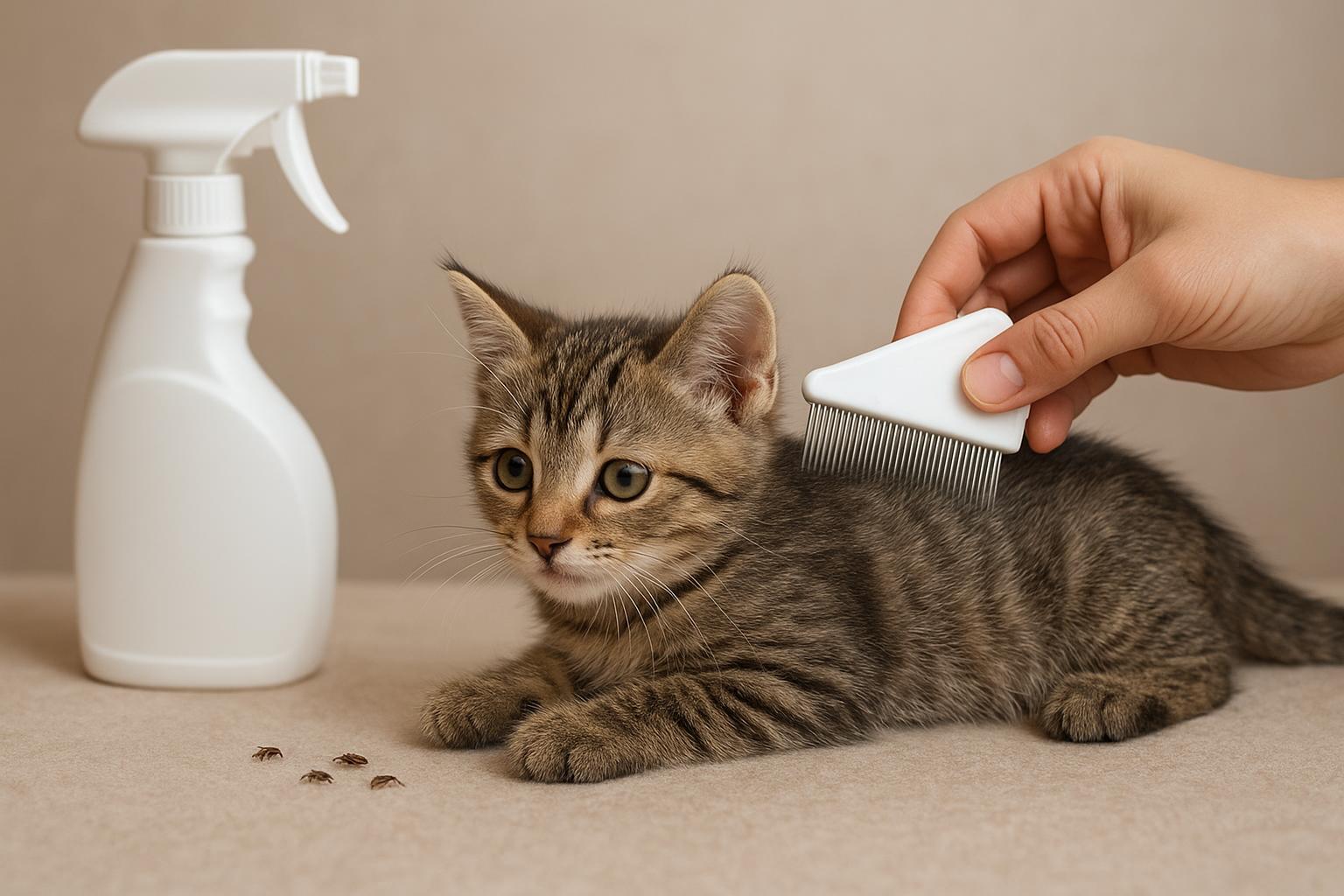
5. Environmental Steps: Combine topical use with vacuuming bedding, washing pet linens in hot water, and treating the yard if fleas are abundant. A topical alone will not clear a heavy environmental infestation.
6. Storage And Disposal: Keep out of reach of children and pets. Dispose of any leftover product following local regulations and do not reuse containers for food or drink.
## When Professional Flea Topicals Are The Right Choice
### Know When To Escalate
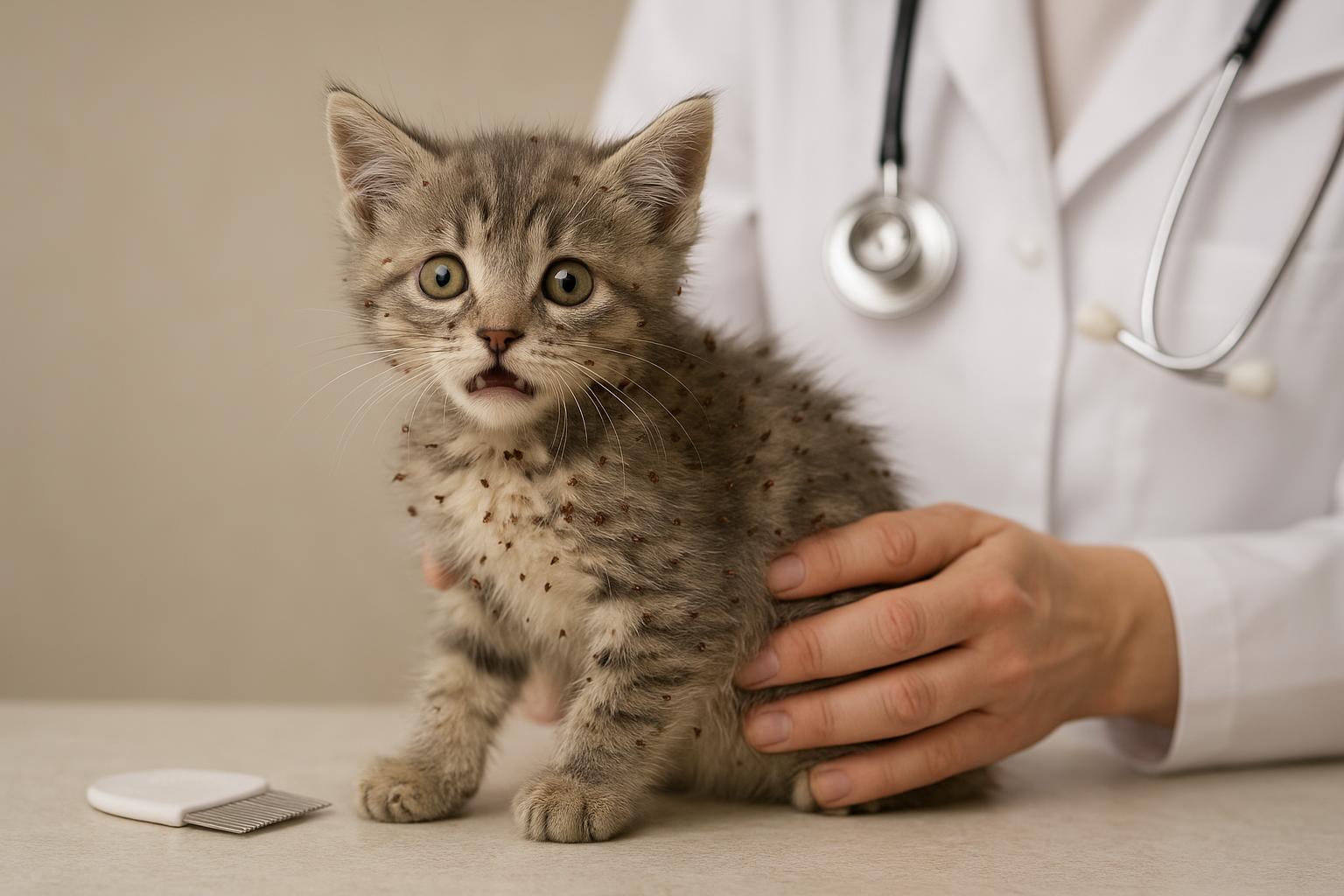
If you see large numbers of fleas, your pet is itchy and losing hair, or there are signs of flea-bite anemia (pale gums, lethargy in puppies or small dogs), you should move from supportive DIY measures to vet-approved flea topical products or oral treatments. These products are tested for efficacy and safety across doses and often include IGRs to stop the cycle.
### Species And Product Matching
Veterinary oversight ensures you choose a formulation appropriate to species (dog vs. cat), size, age, and health status. Some front-line flea topicals are prescription-strength or carry specific instructions for optimal safety — your vet can match product to pet.
### Monitoring And Reporting Adverse Reactions
Keep a close eye after any application. If you notice excessive drooling, vomiting, tremors, seizures, or profound lethargy after a flea topical application, seek emergency veterinary care and bring the product label with you.
### The Bigger Picture: Integrated Flea Management
Most effective programs combine:
– Vet-approved flea topical or oral treatment for every pet in the household
– Environmental measures: vacuuming, laundering pet bedding, and treating carpets or yard as needed
– Follow-up treatments to catch newly emerged fleas and continued monitoring
If you’re the hands-on type who enjoys making gentle supportive remedies, the DIY topical above can be a modest adjunct for dogs, done cautiously. But for sustained control, especially for serious infestations, rely on vet-approved flea topicals and coordinate environmental cleanup. If in doubt, call your veterinarian — they’re the pro in this little battle of pet vs. flea.











Leave a Reply