
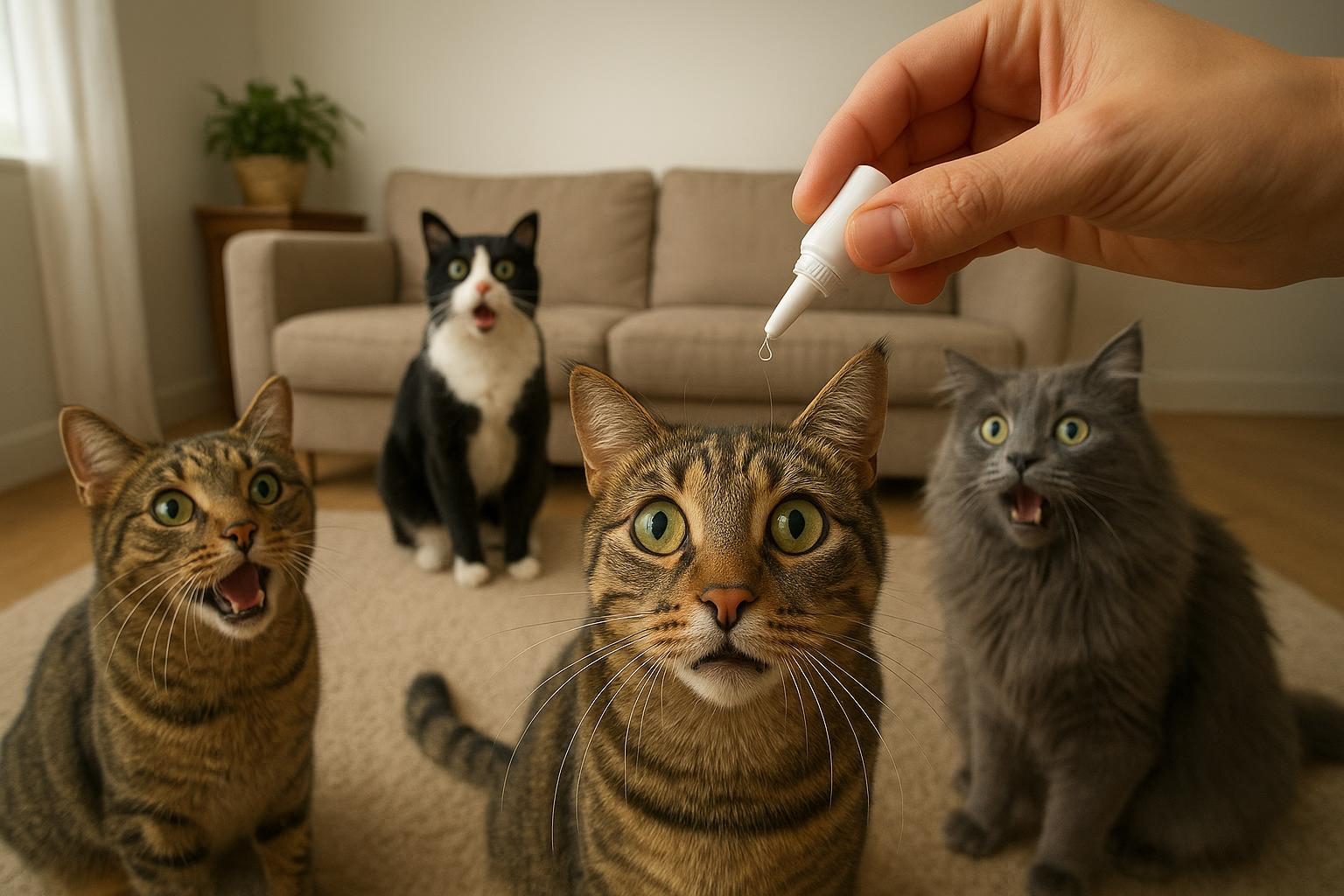
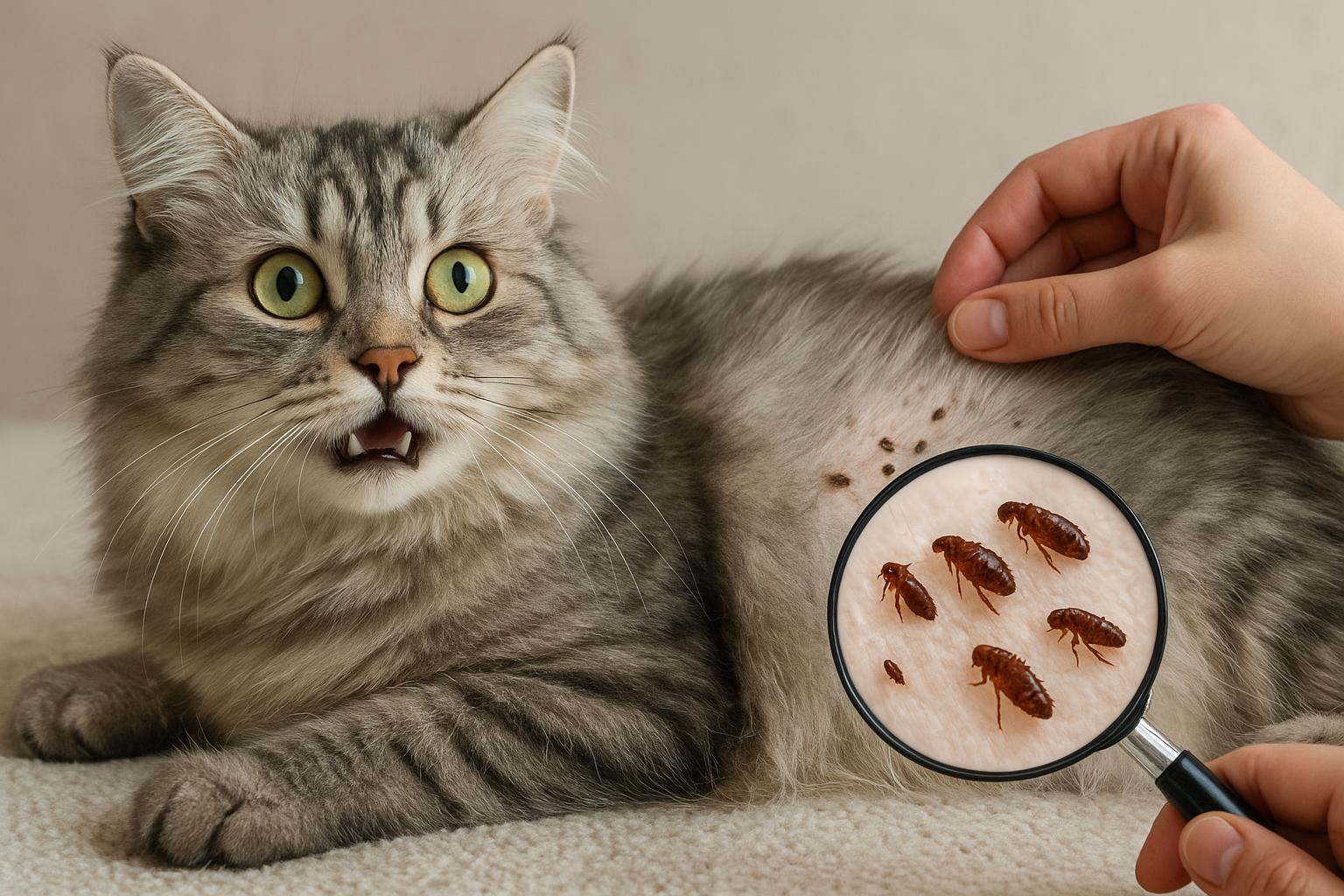
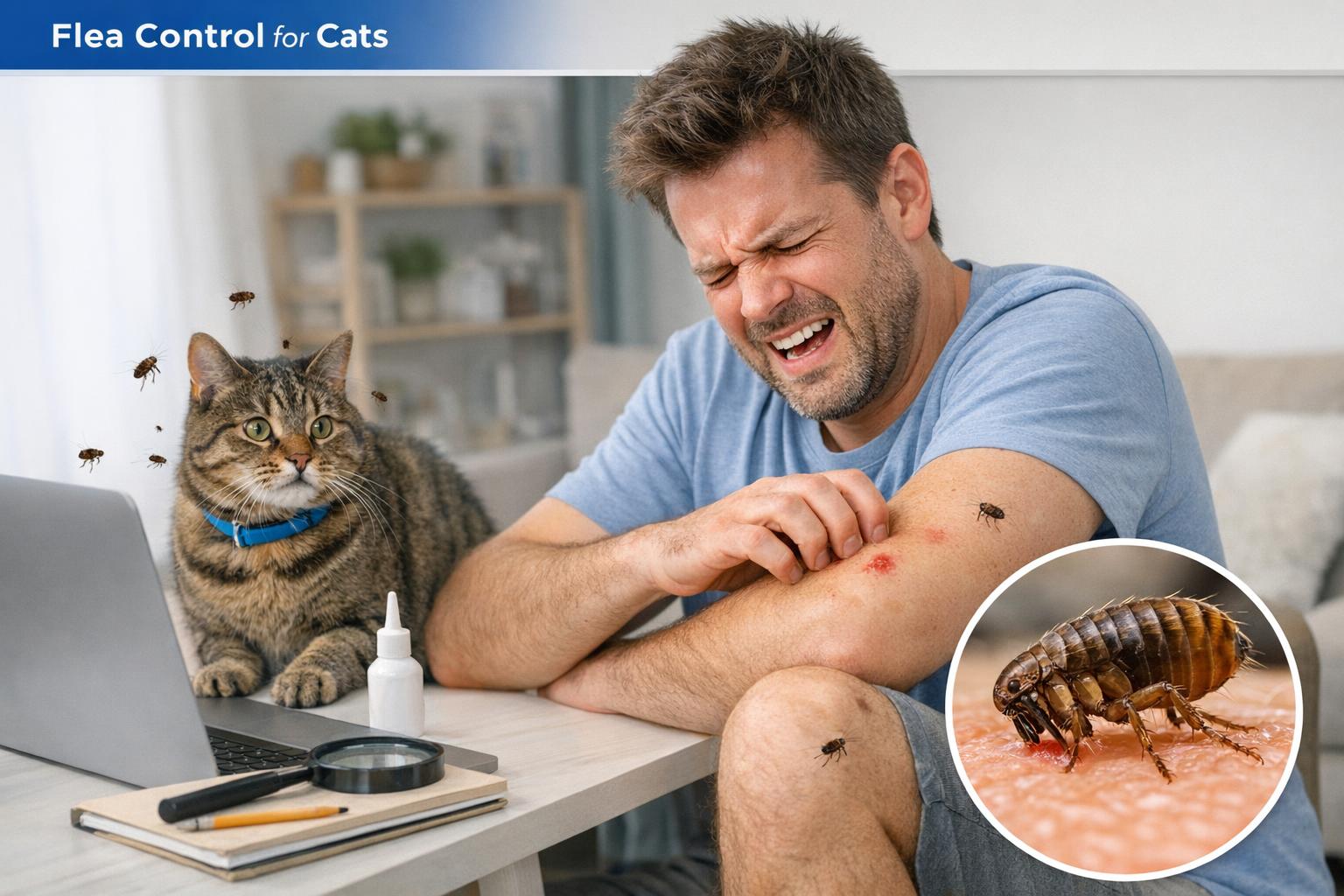
If you’ve ever watched a flea zoom down a dog’s spine and felt a small, panicked twinge, you’re not alone. Flea drops (the little pipettes of relief) have become the backyard warrior’s go-to, but beneath that tiny plastic tip is a surprisingly elegant chemistry class at work. This article walks you through the flea treatment mechanism behind those drops, explains the main active ingredients, and gives clear, practical steps to apply commercial products and treat your environment. Think of it as a friendly tour of how fleas meet their match—no microscope required.
## Flea Drops Demystified The Flea Treatment Mechanism
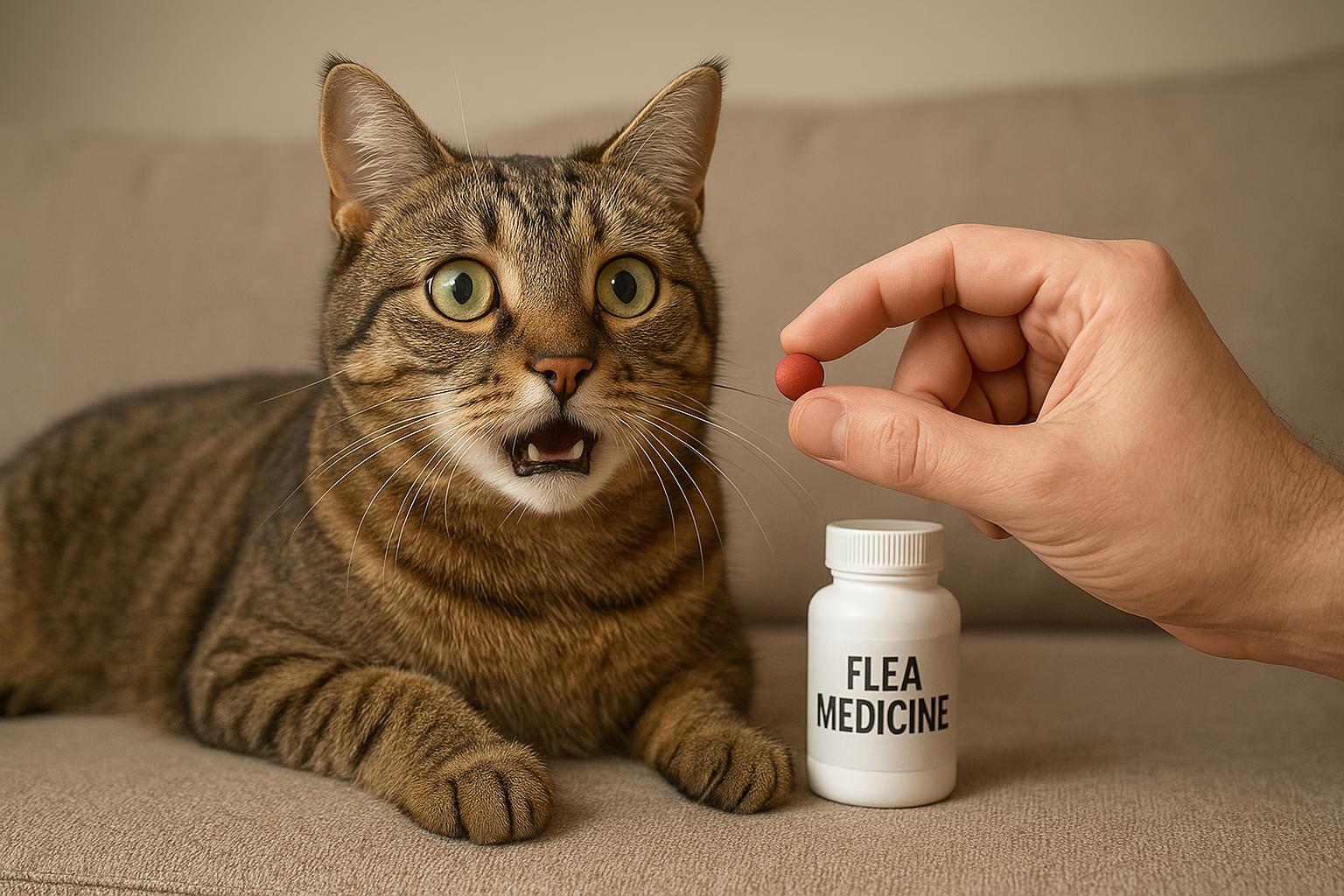
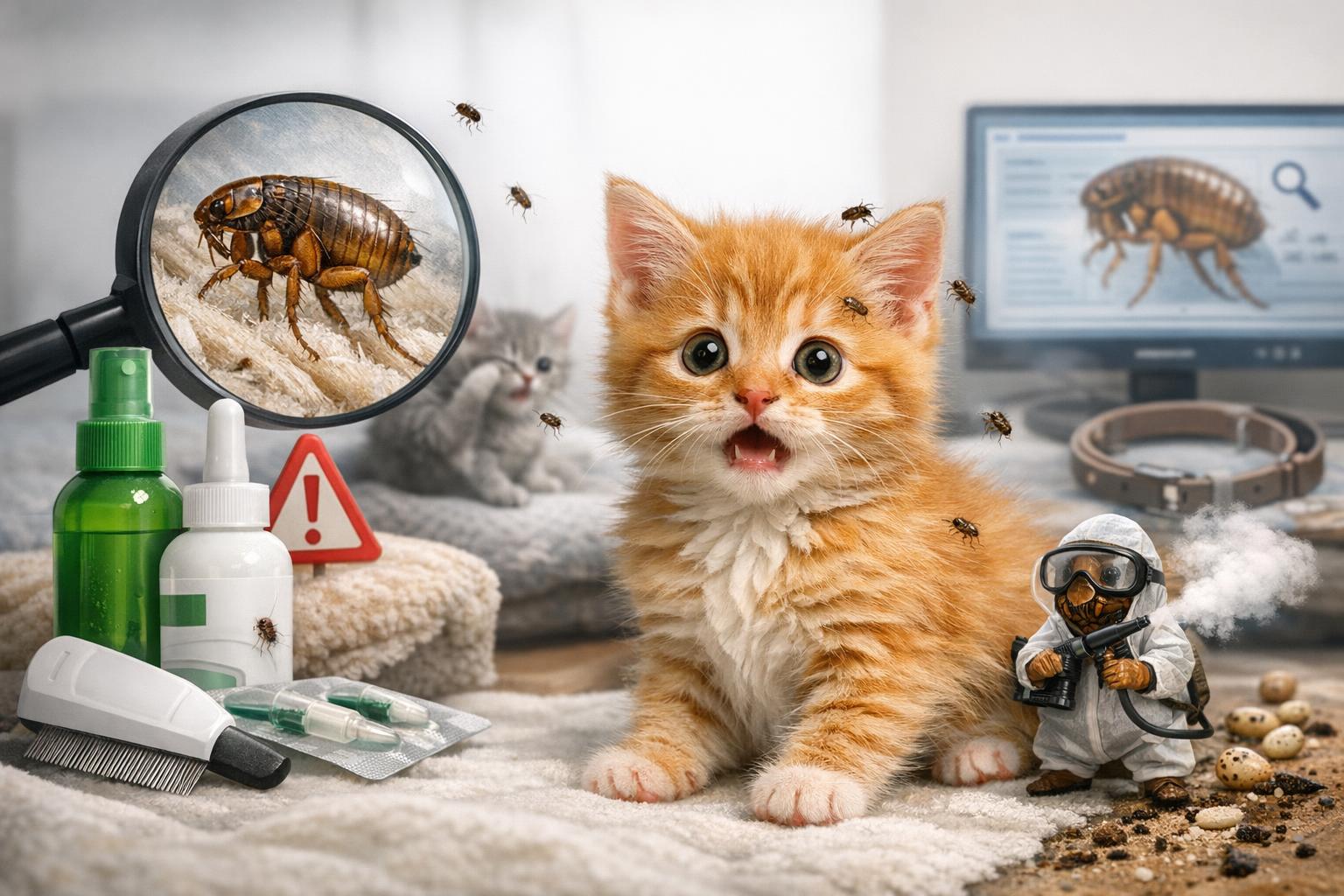
Flea drops are designed to do one job very well: interrupt the life cycle or nervous system of fleas so your pet stops hosting these tiny vampires. The flea treatment mechanism varies depending on the formulation—some products target adult fleas’ nervous systems, others prevent eggs from becoming viable adults, and a few do both. Understanding this helps you pick the right product for your pet’s lifestyle and for the level of infestation in your home or yard.
### How Flea Drops Actually Work
At the simplest level, flea drops use one or more active ingredients that either incapacitate adult fleas or block the development of immature stages. The mechanisms are usually one of the following:
– Neurotoxins that interrupt nerve signaling, causing paralysis and death.
– Insect growth regulators (IGRs) that mimic or block hormones required for development, preventing eggs or larvae from maturing.
– Fast-acting nicotinic modulators that provide quick knockdown of adults.
When applied to the pet’s skin, the formulation spreads across the coat via oils in the skin and hair follicles or is absorbed systemically in the blood (depending on the product). Fleas ingest or contact the compound and are affected according to the active ingredient’s mode of action.
### Active Ingredients Explained
You’ll find a few recurring classes of chemicals in flea drops. Here’s how each contributes to the flea treatment mechanism.
#### Fipronil And GABA Receptor Inhibition
Fipronil binds to GABA-gated chloride channels in insect nerve cells, blocking inhibitory signals and causing hyperexcitation, tremors, paralysis, and death. It’s primarily effective against adult fleas and provides residual activity on the skin for weeks.
#### Neonicotinoids Like Imidacloprid
Neonicotinoids target insect nicotinic acetylcholine receptors, causing continual nerve firing and eventual paralysis. These are often quick against adult fleas and are distributed over the skin surface.
#### Isoxazolines (Fluralaner, Afoxolaner, Sarolaner)
Isoxazolines are newer and very effective. They antagonize GABA and glutamate-gated chloride channels in fleas, causing rapid onset of paralysis and death. Many are available as systemic oral products, but the mechanism is shared with topical formulations that reach the blood or skin oils.
#### Spinosyns And Nicotinic Activation
Spinosad and related compounds activate nicotinic acetylcholine receptors in a way that overstimulates the insect nervous system. These can provide very quick adult flea kill with a distinct mode of action.
#### Insect Growth Regulators (Methoprene, Pyriproxyfen)
IGRs disrupt the flea treatment mechanism by mimicking juvenile growth hormones or blocking their action, preventing eggs and larvae from developing into reproducing adults. They don’t kill adult fleas quickly, but they break the life cycle—a critical long-term strategy.
### Why Combination Products Often Work Best
Many flea drops combine a fast-acting adulticide with an IGR. The adulticide handles the immediate problem (adult fleas biting your pet now), while the IGR prevents new generations from establishing. This two-pronged flea treatment mechanism is the reason some products resolve infestations faster than single-action treatments.
## 1. How To Apply Commercial Flea Drops (Flea Treatment Mechanism In Practice)
Materials/Ingredients:
1. Vet-recommended flea drops (correct species/dose for your pet).
2. Gloves (nitrile or latex).
3. Waste bin or container for used pipette.
4. Towels (optional, to restrain or comfort the pet).
5. Treats for calm behavior.
Application Steps (Formal, Clear, and Safe):
1. Confirm the product is labeled for your pet’s species, weight, and age. Misuse can harm animals.
2. Read the entire product insert. Note any contraindications (pregnancy, certain medical conditions).
3. Put on gloves. This prevents skin contact with the concentrated liquid.
4. Restrain your pet gently. Place a towel over a nervous pet’s shoulders if needed.
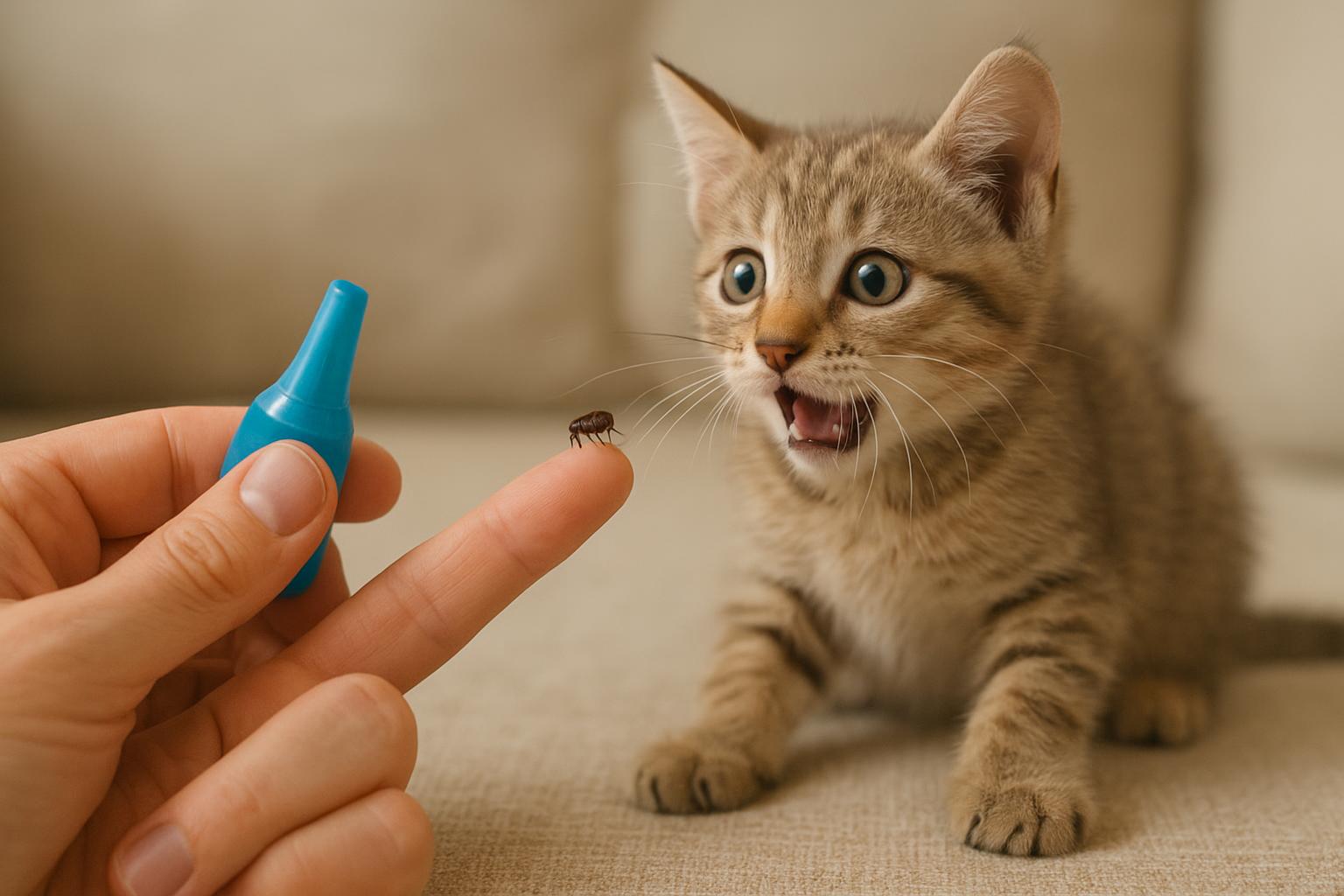
5. Open the pipette according to the manufacturer’s instructions; avoid touching the tip.
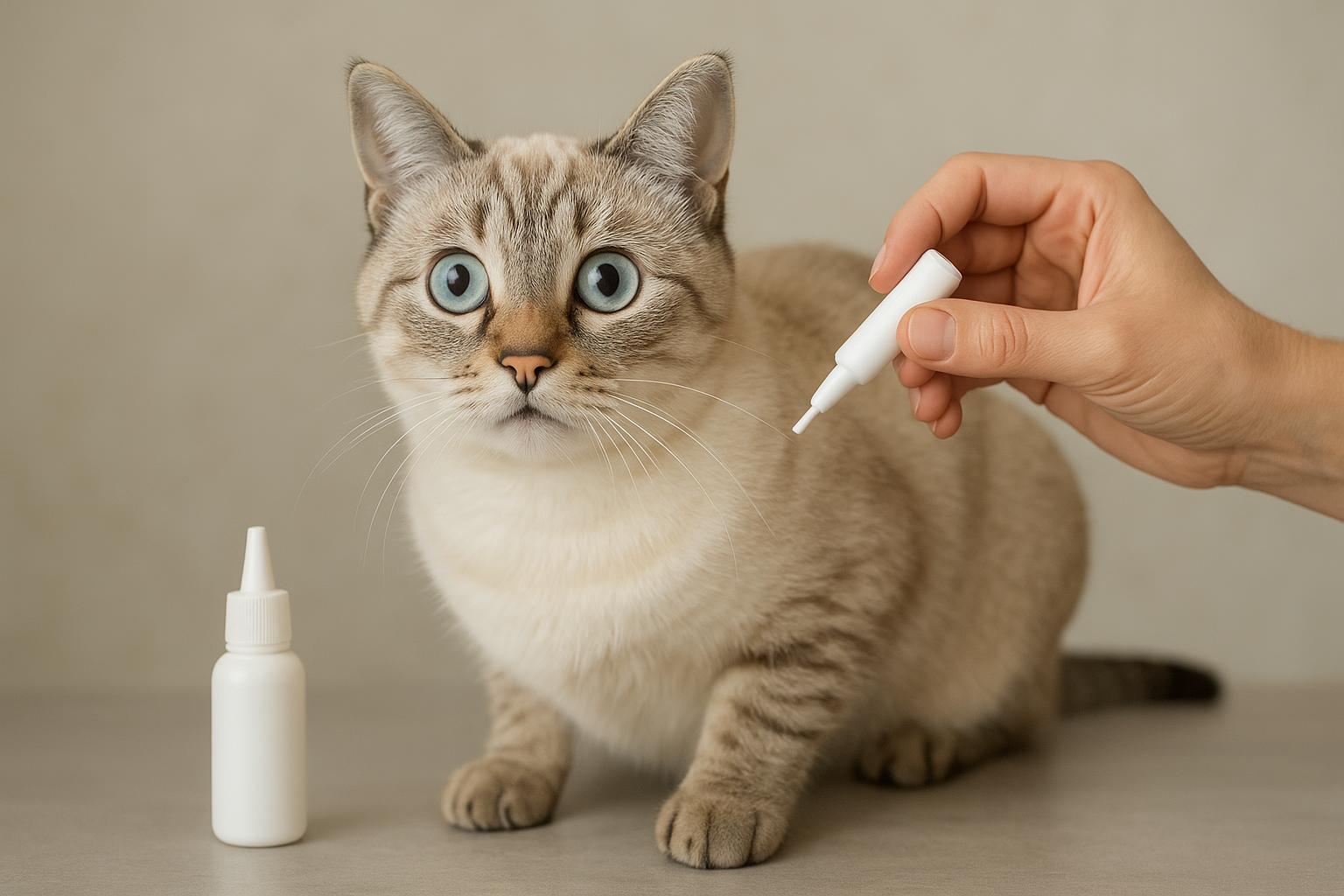
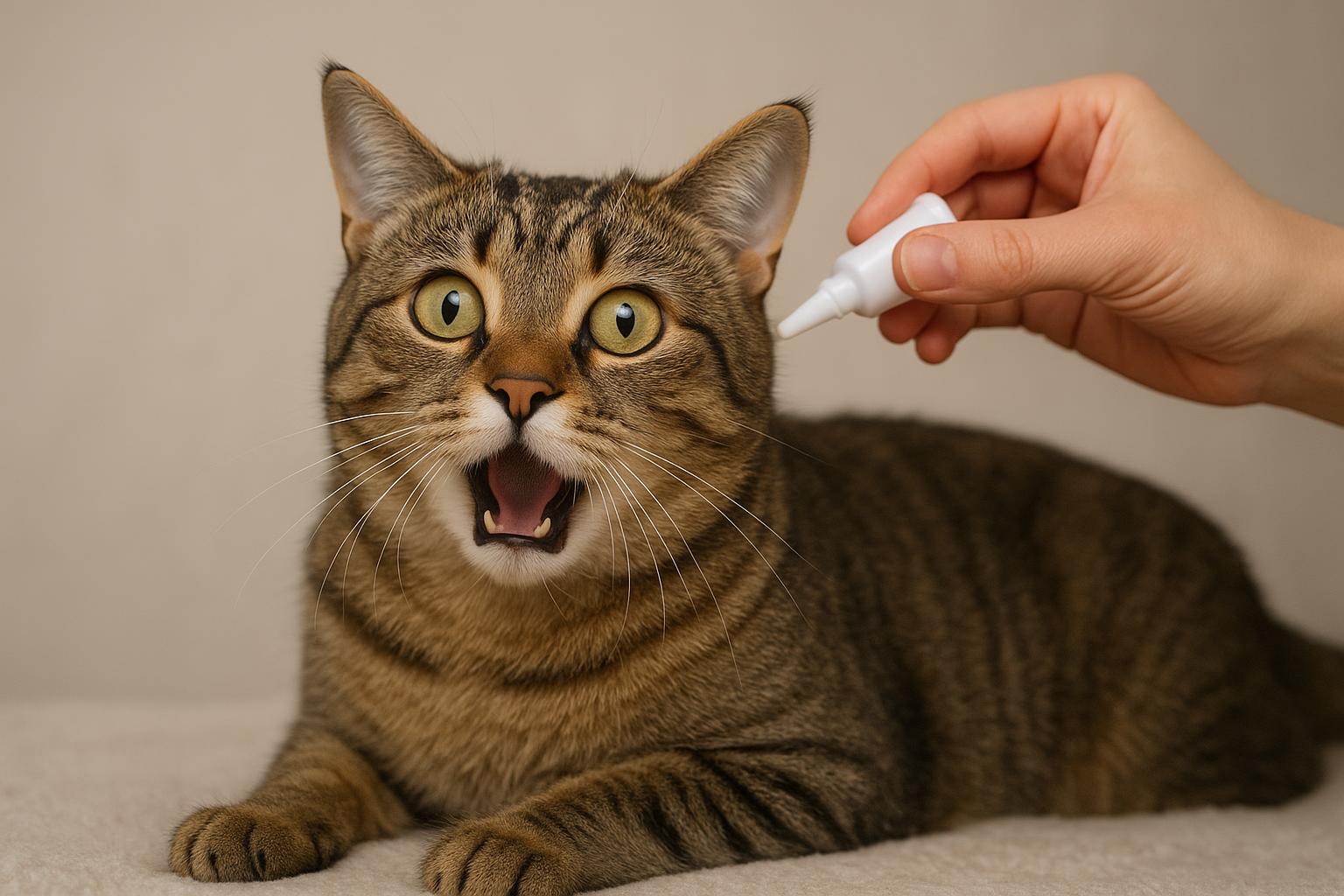
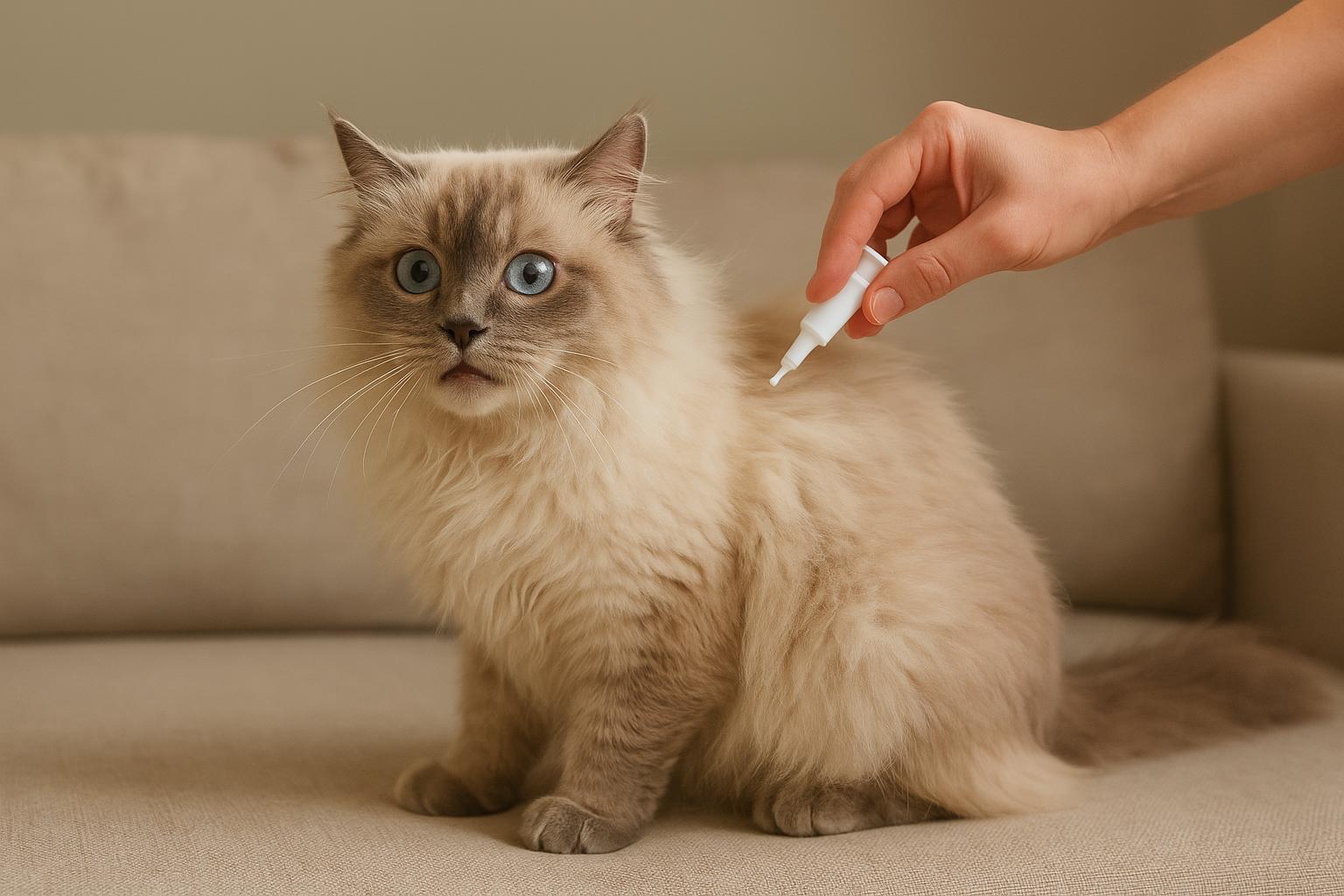
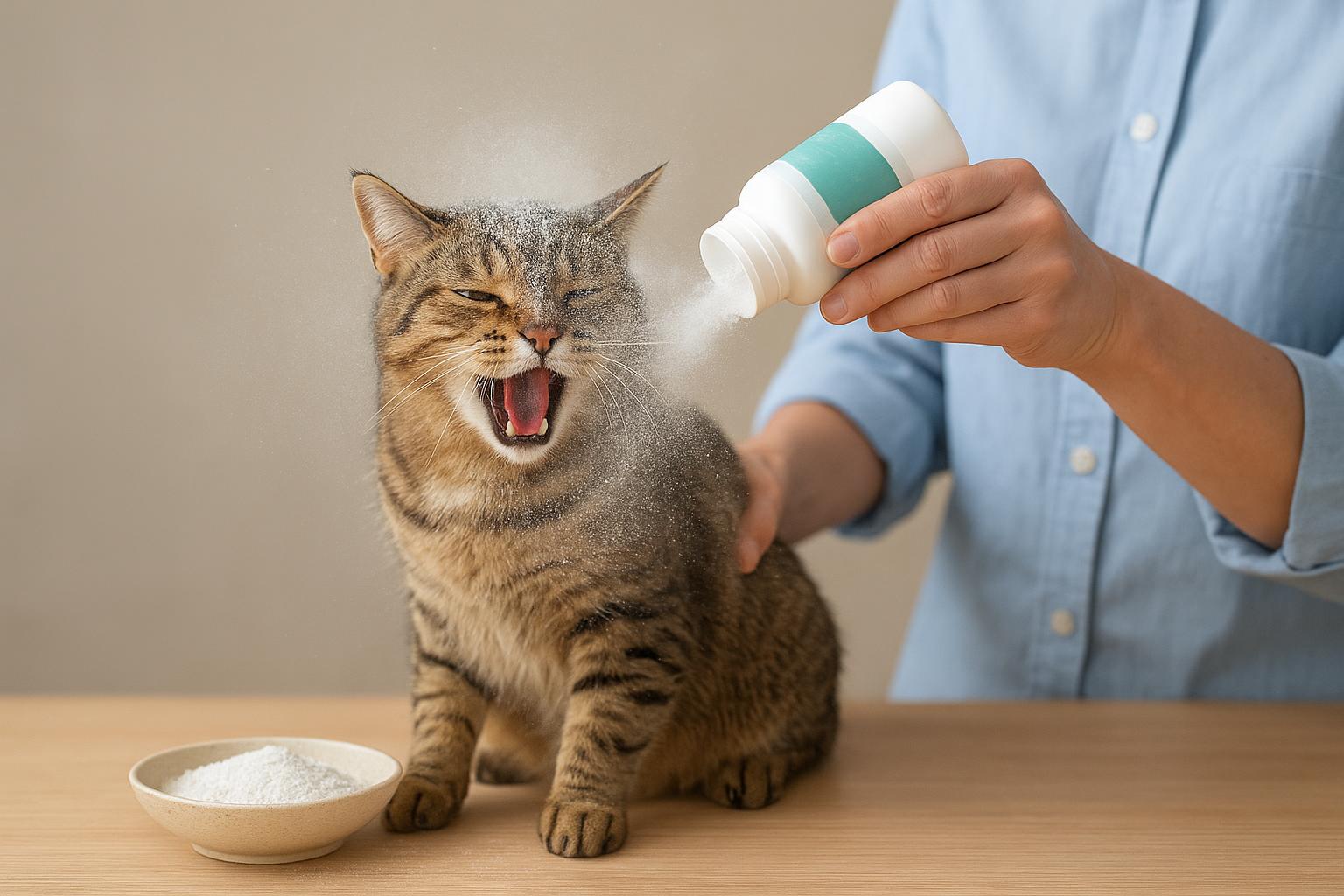
6. Part the fur at the base of the neck between the shoulder blades so the product contacts skin, not just fur.
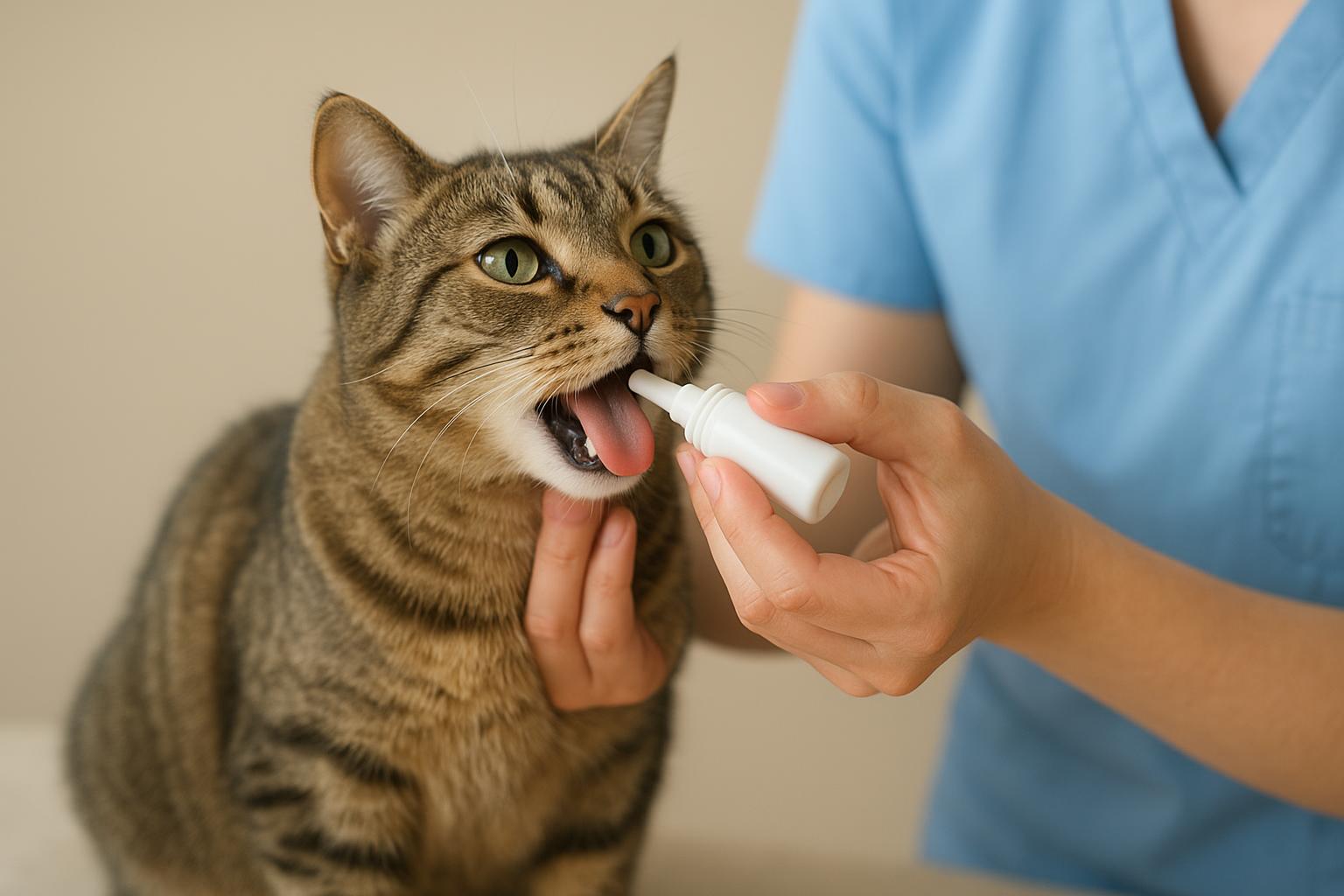
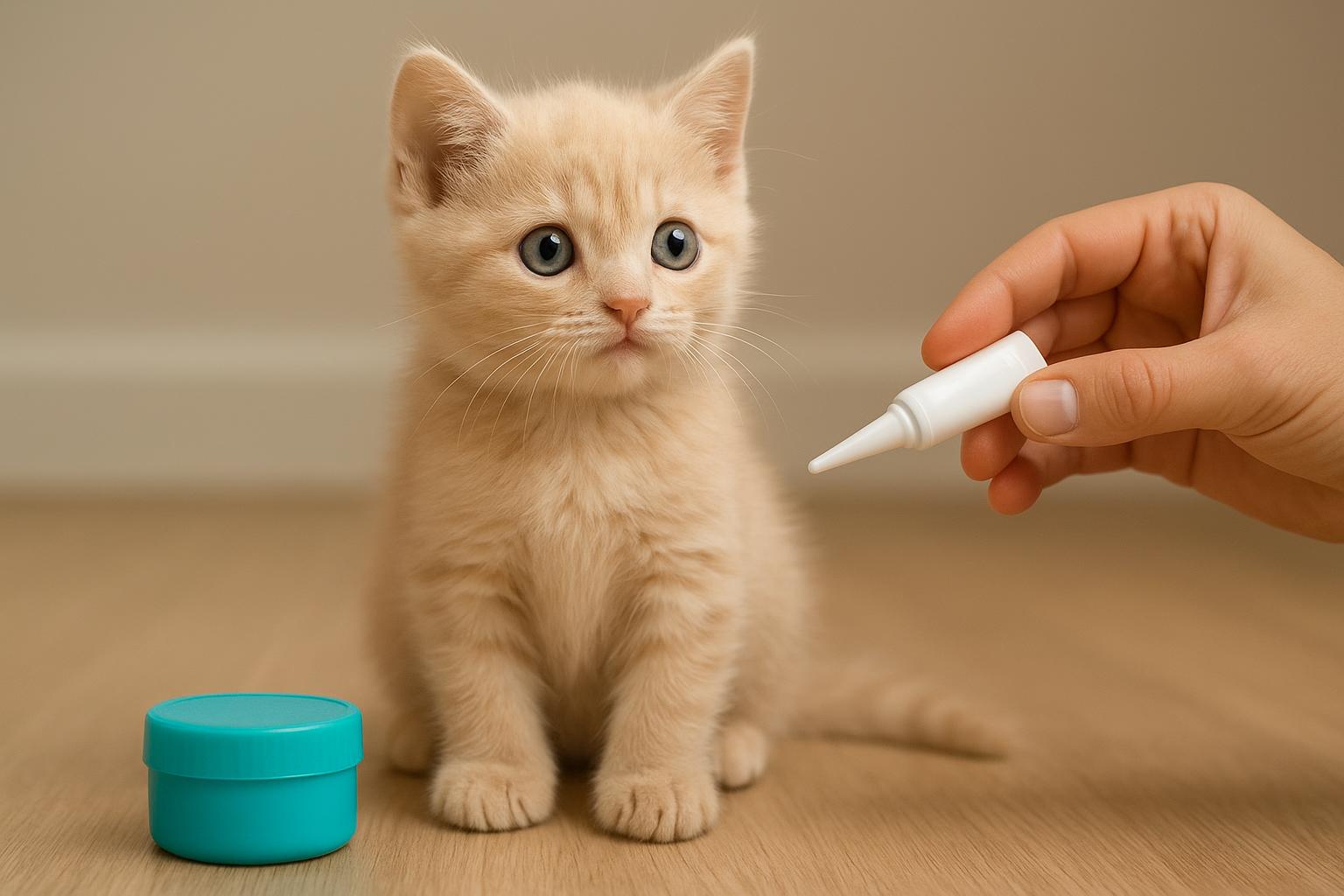
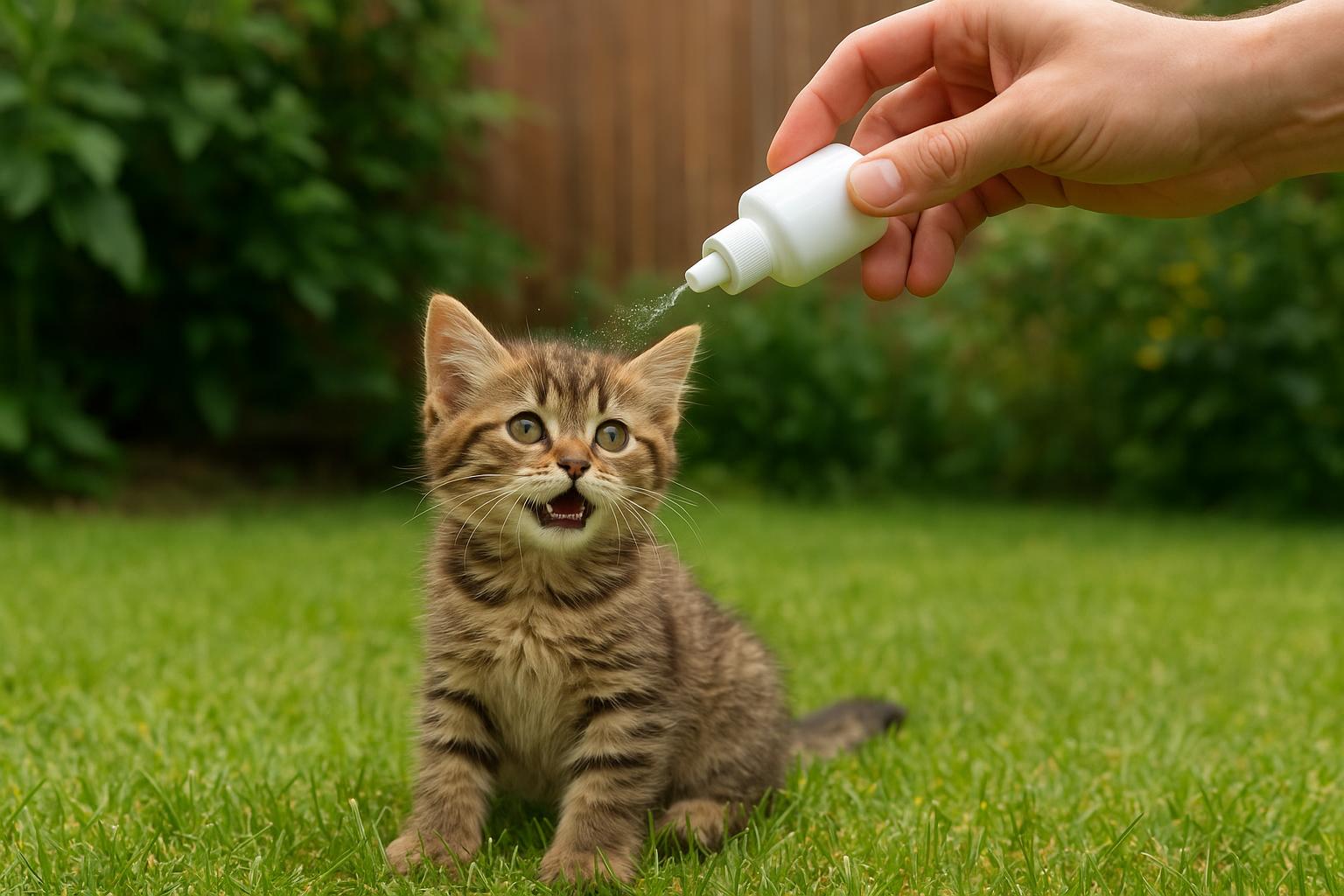
7. Squeeze the pipette and apply the entire contents to the skin in one or several spots as directed by the product.
8. Do not rub the area. Allow the product to dry and distribute naturally.
9. Keep treated pets away from water (bathing, swimming) for the time specified on the label to maintain efficacy.
10. Dispose of the empty pipette safely in the trash; do not reuse.
11. Monitor your pet for any adverse reactions for at least 24–48 hours and contact a veterinarian if you observe trembling, drooling, lethargy, or unusual behavior.
Note: The flea treatment mechanism only functions if the correct dose is used and the product is applied as intended. Underdosing reduces effectiveness and risks resistance; overdosing risks toxicity.
### Timing And Reapplication
Follow the label-specified interval for reapplication—commonly every 30 days for many topical products or longer for certain isoxazoline-based options. Adherence keeps the flea treatment mechanism active so any newly acquired fleas are affected before they reproduce.
## 2. Environmental Remedy: Treating The Home And Yard
Materials/Ingredients:
1. Vacuum and vacuum bags.
2. Washing machine and hot water supplies.
3. Enzyme-based or pet-safe carpet/furniture cleaner (optional).
4. Diatomaceous earth (food grade) or IGR spray for severe infestations.
5. Protective gloves, dust mask, and broom.
Steps For Home And Yard Treatment (Practical, Formal Guidance):
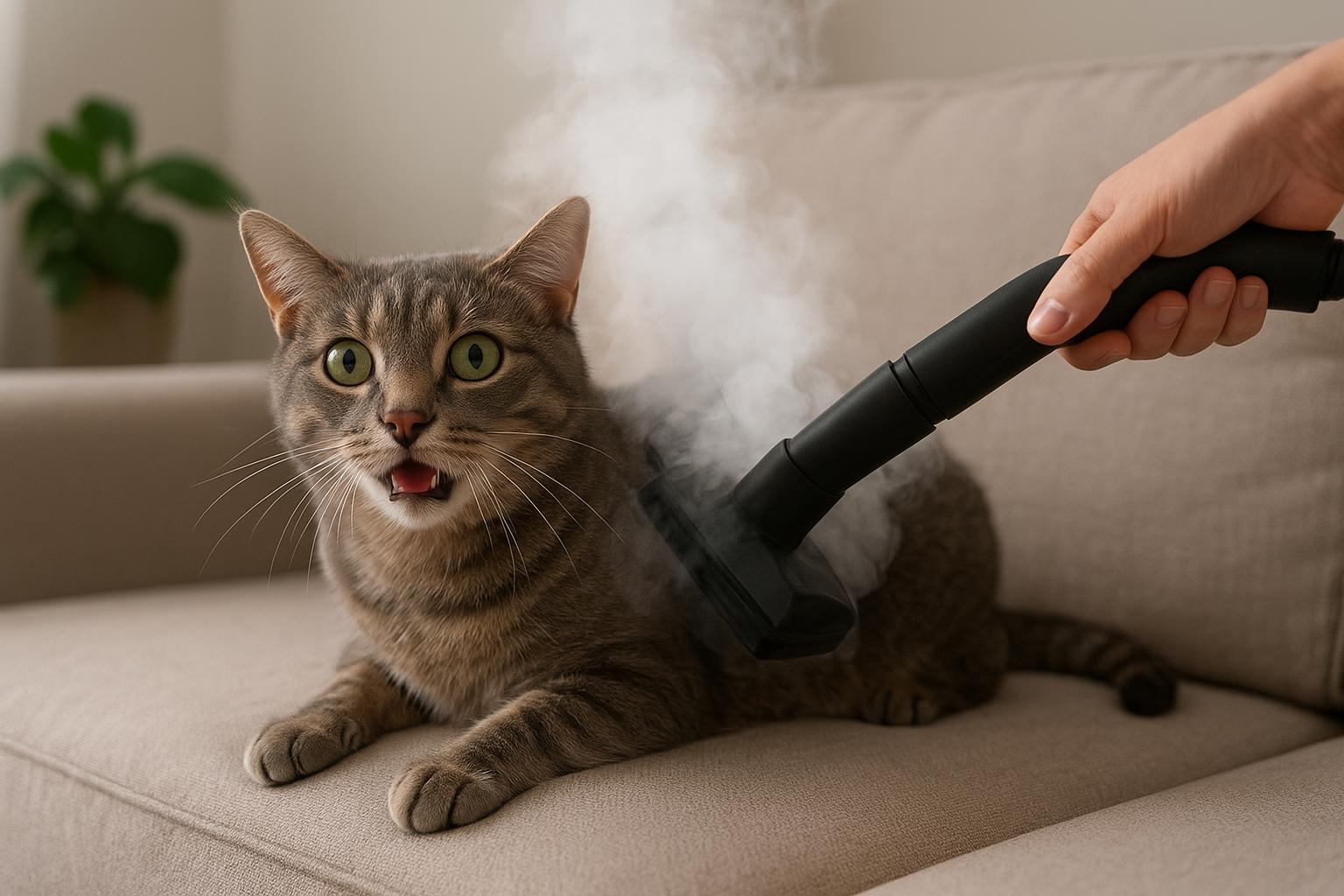
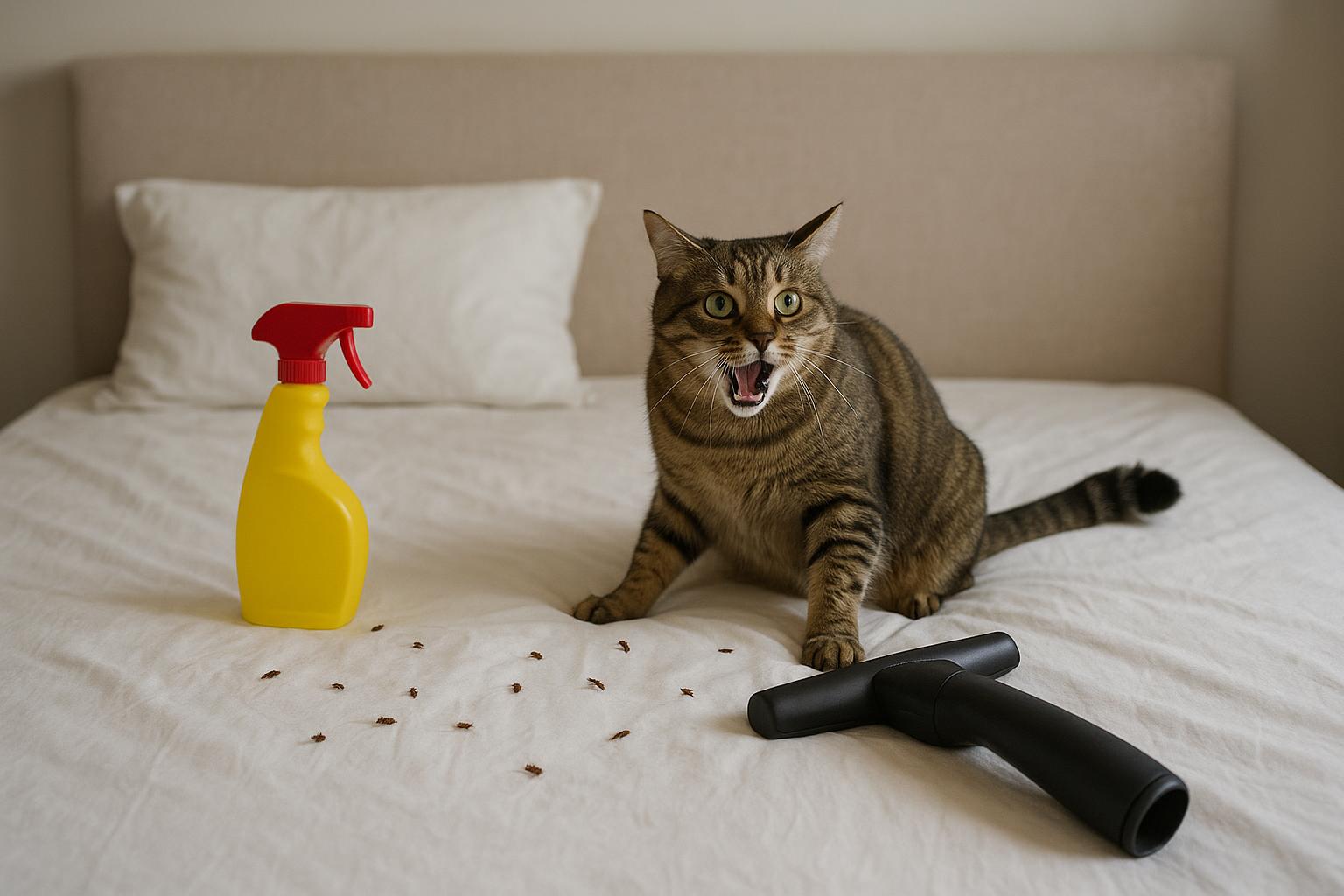
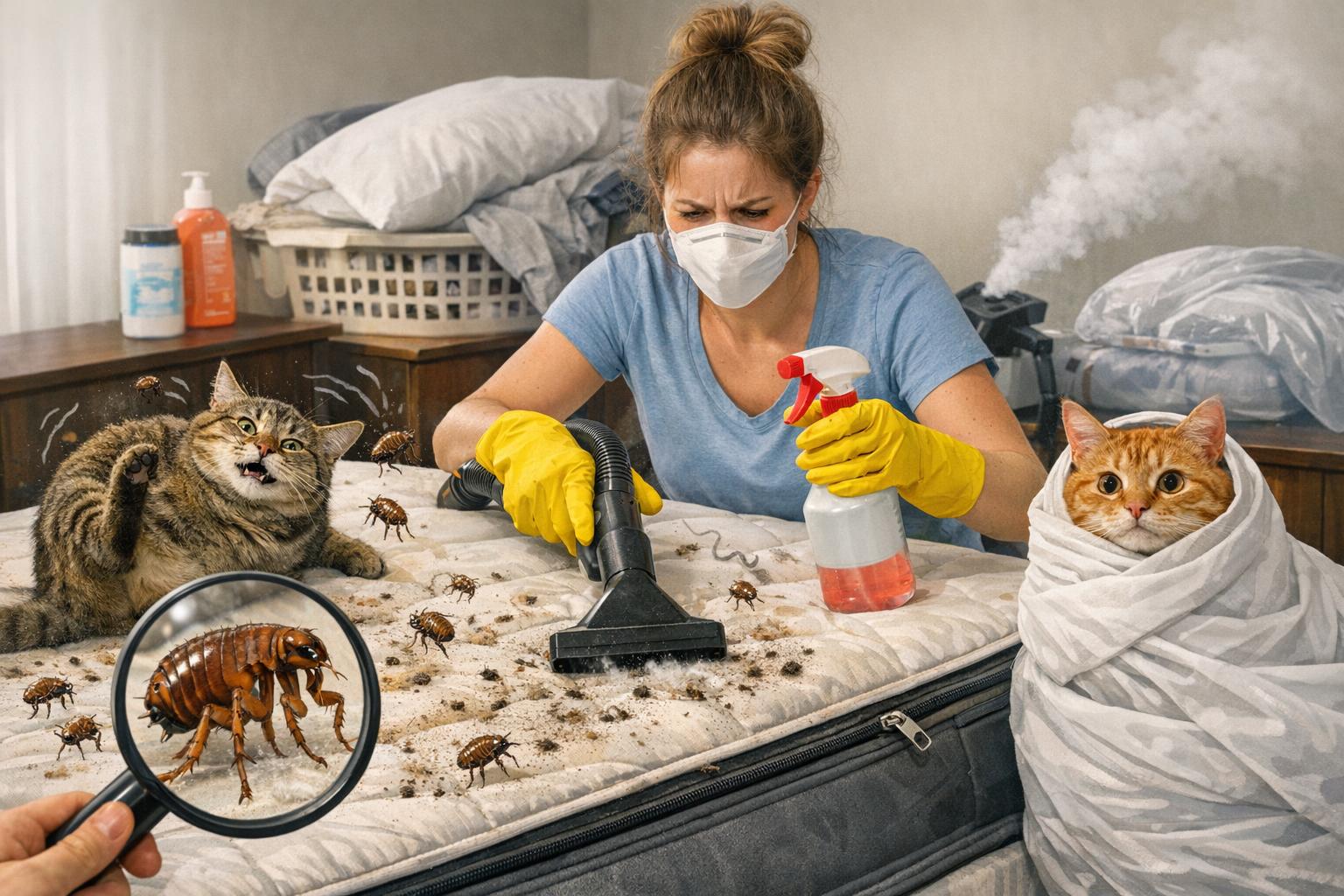
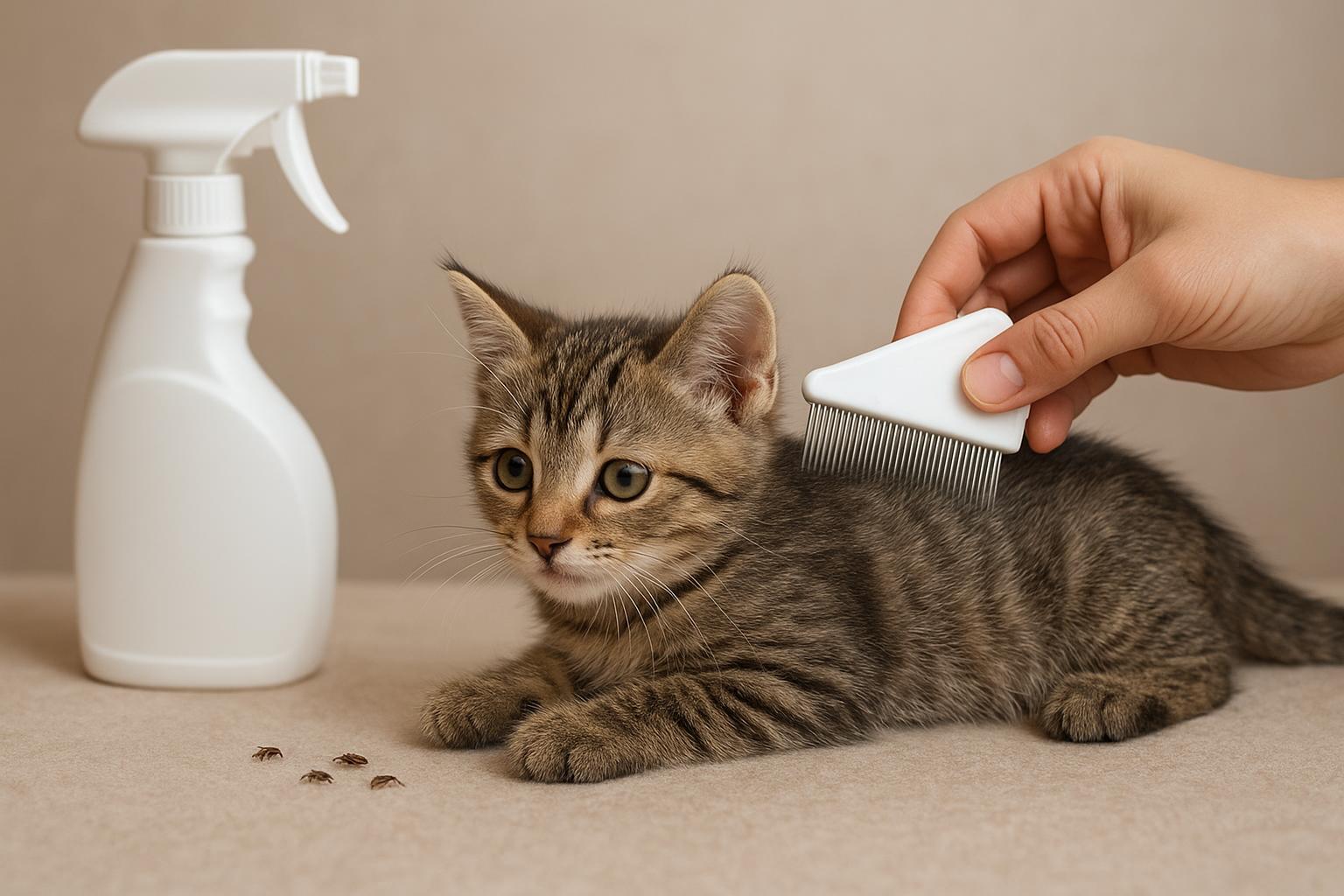
1. Vacuum thoroughly—carpets, rugs, upholstery, baseboards, and pet bedding. Vacuuming removes eggs, larvae, and adults. Empty vacuum bag or canister outside immediately.
2. Wash pet bedding, throw blankets, and removable covers in hot water and dry on high heat to kill eggs and larvae.
3. Treat areas where pets rest with an IGR spray labeled for indoor use if infestation persists. Follow label directions closely.
4. Sprinkle food-grade diatomaceous earth lightly in cracks and along baseboards if you prefer a non-chemical desiccant; leave for 48 hours, then vacuum up. Use a dust mask and avoid direct pet inhalation.
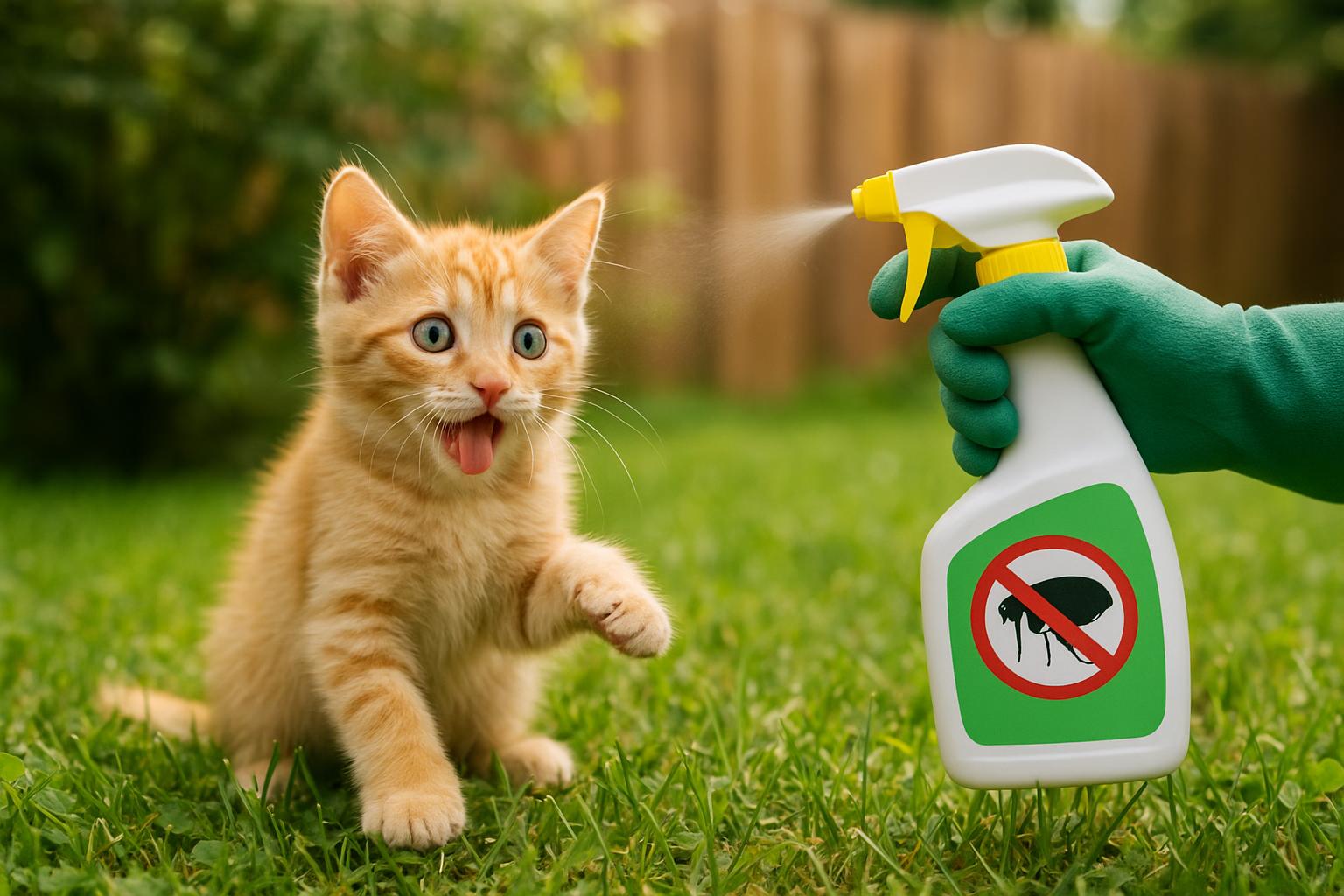
5. In the yard, keep grass short and trim brush where wildlife can harbor fleas. For heavy infestations, consider professional outdoor treatments or targeted IGR applications in shaded, moist areas where flea larvae thrive.
6. Continue environmental maintenance for several months. Because the flea treatment mechanism in the environment involves interrupting development, persistent action is required until all life stages are eliminated.
### Monitoring And When To Call A Professional
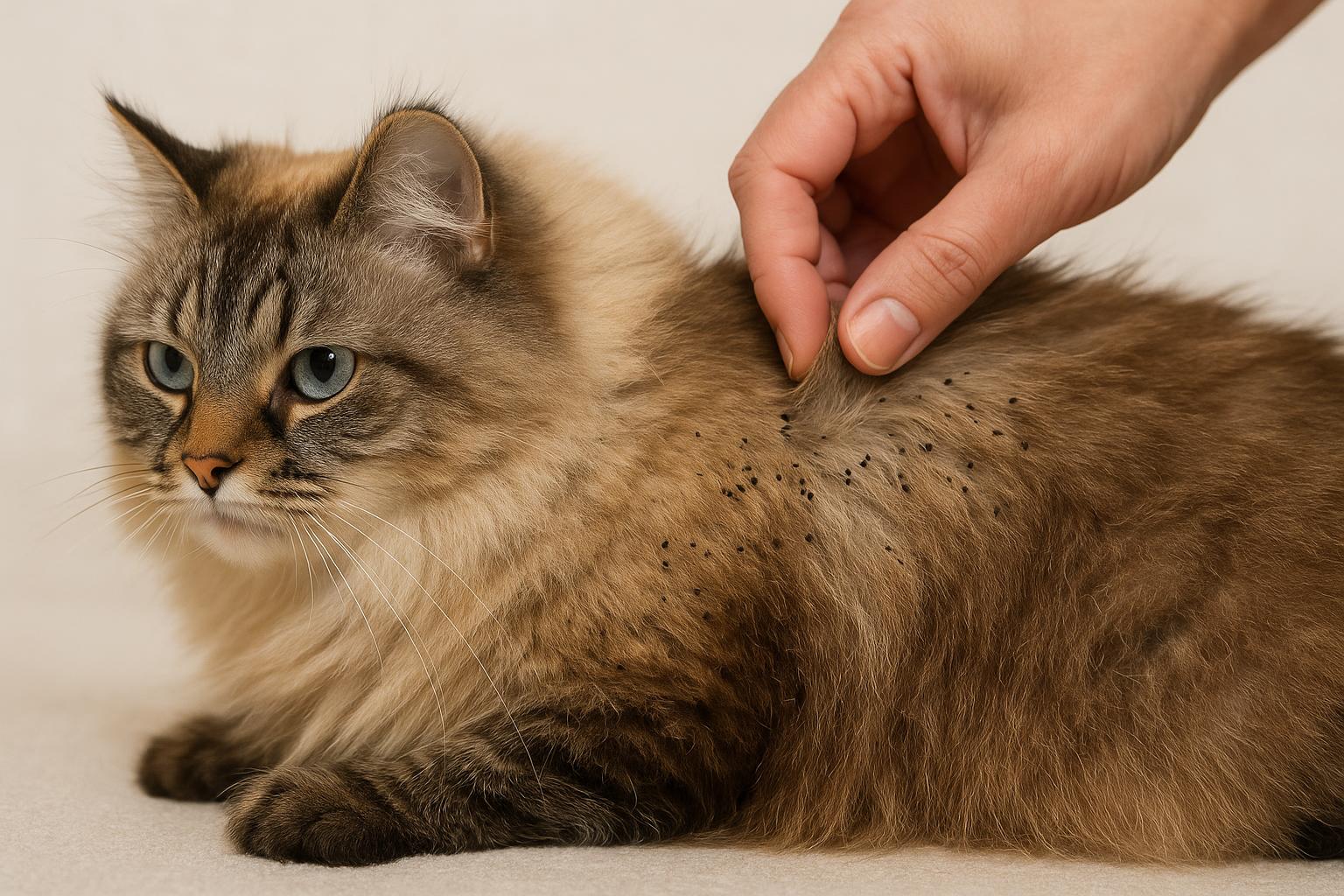
If fleas persist despite correct application and diligent environmental measures, consult a veterinarian and consider a professional pest control service for severe household infestations. Resistance patterns change, and a vet can recommend alternative active ingredients that match the current flea population’s susceptibility.
### Safety Considerations And Pets With Special Needs
Pets that are sick, young, elderly, or on other medications warrant veterinarian input before applying flea drops. Some topical ingredients can be toxic to cats (for example, permethrin in dog products) and to small mammals like rabbits. Ensure the flea treatment mechanism you’re deploying is appropriate for the species.
### Understanding Speed Versus Persistence
Some products provide rapid relief within hours but fade sooner; others offer weeks to months of residual protection. Selecting the best option depends on lifestyle (indoor-only vs. outdoor explorer), flea pressure in your area, and whether your household includes multiple pets. The flea treatment mechanism you choose should balance immediate adulticide action with strategies to prevent reinfestation (IGRs, environmental care).
If you want help choosing a product based on your pet’s weight, health status, and local flea prevalence, tell me your pet’s species, age, weight, and whether they spend time outdoors—I’ll walk you through options that align with the science behind the flea treatment mechanism.







Leave a Reply