
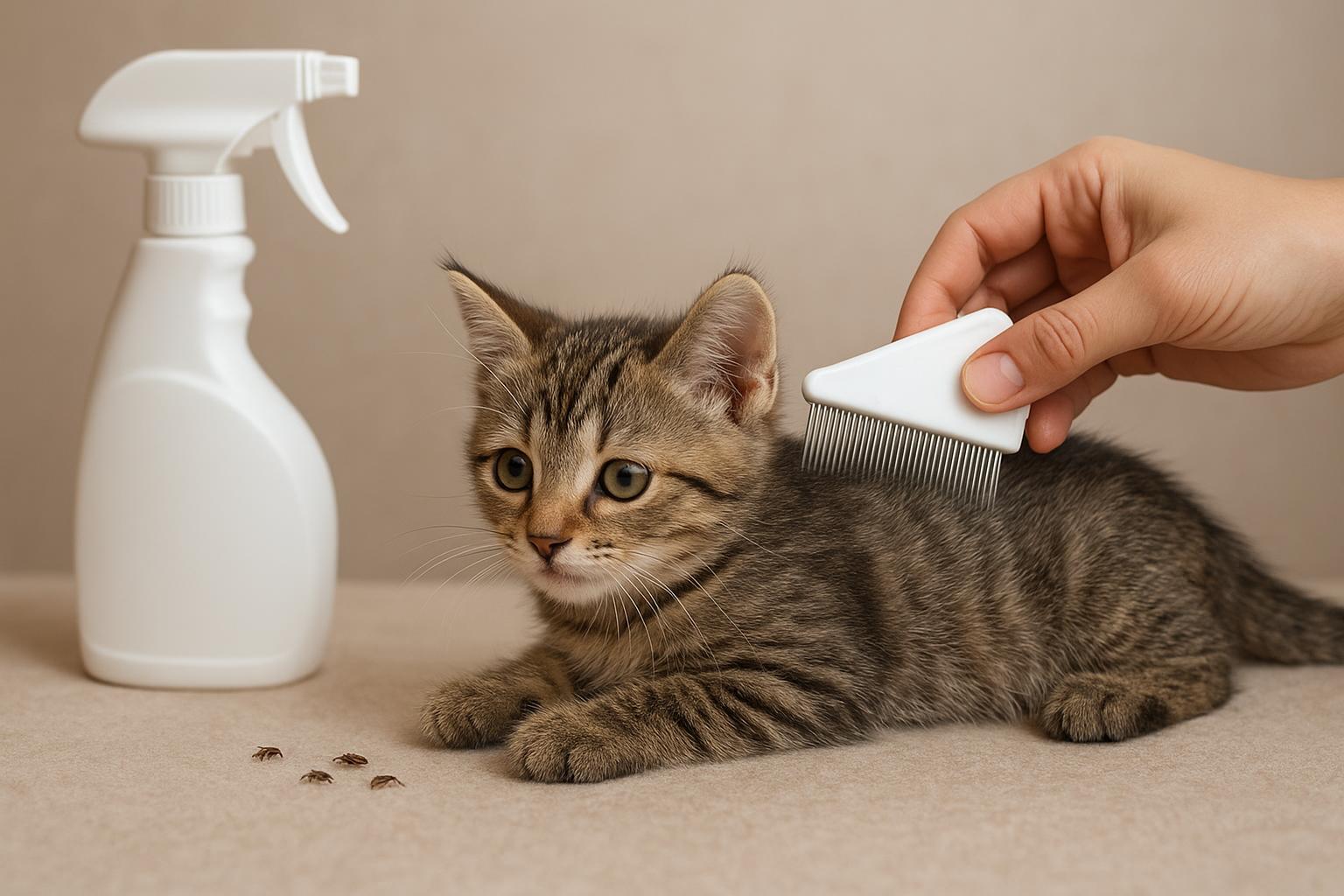
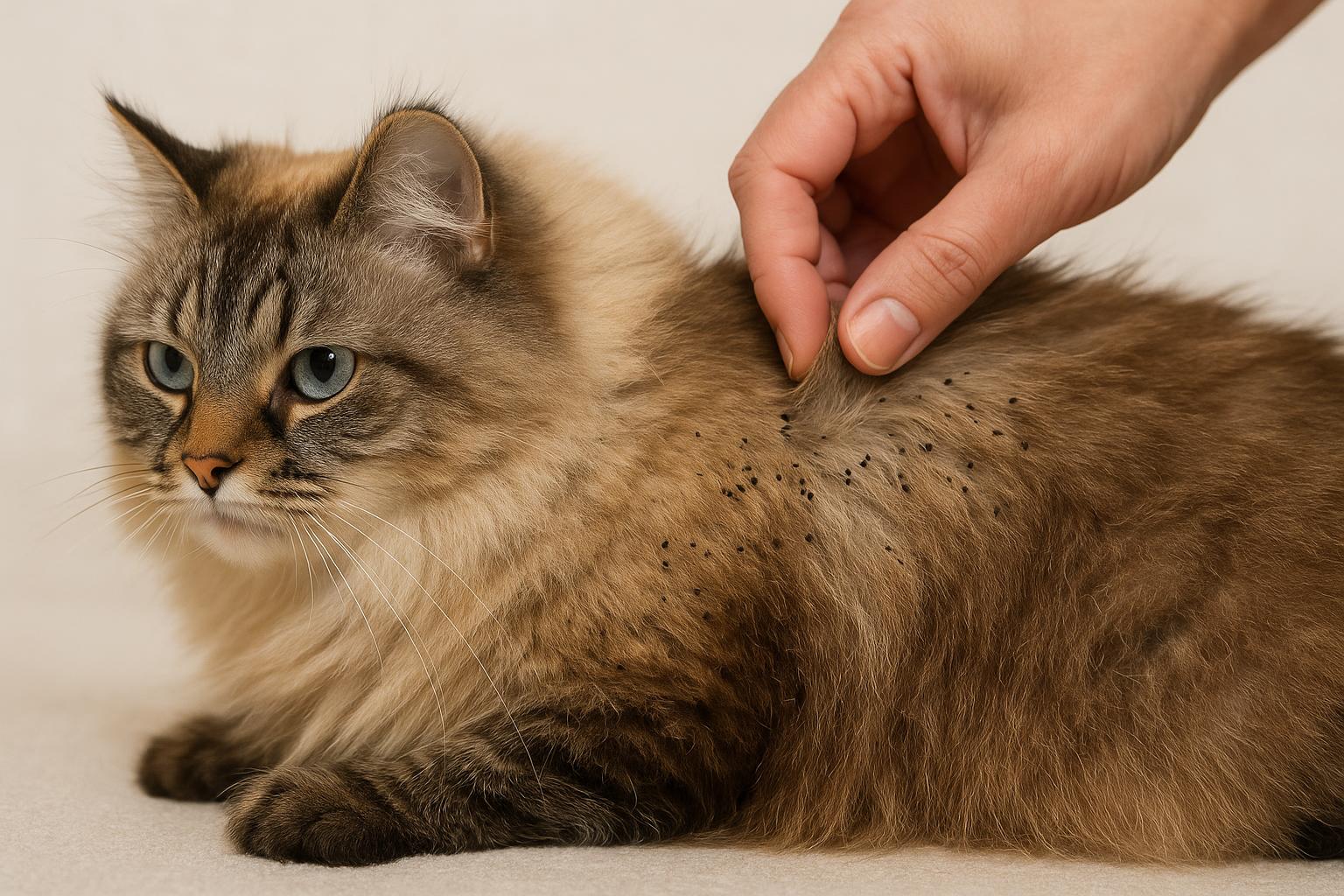
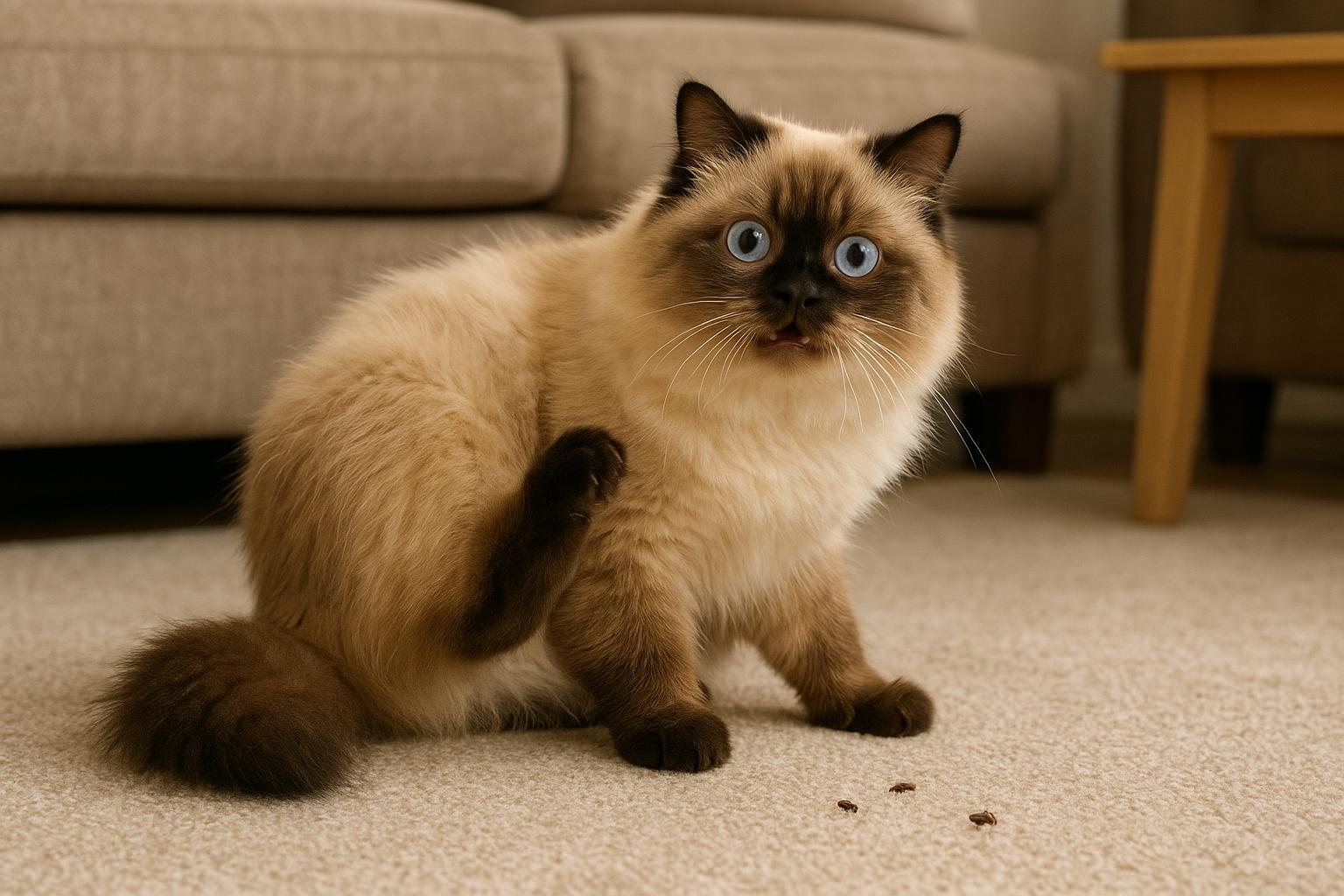
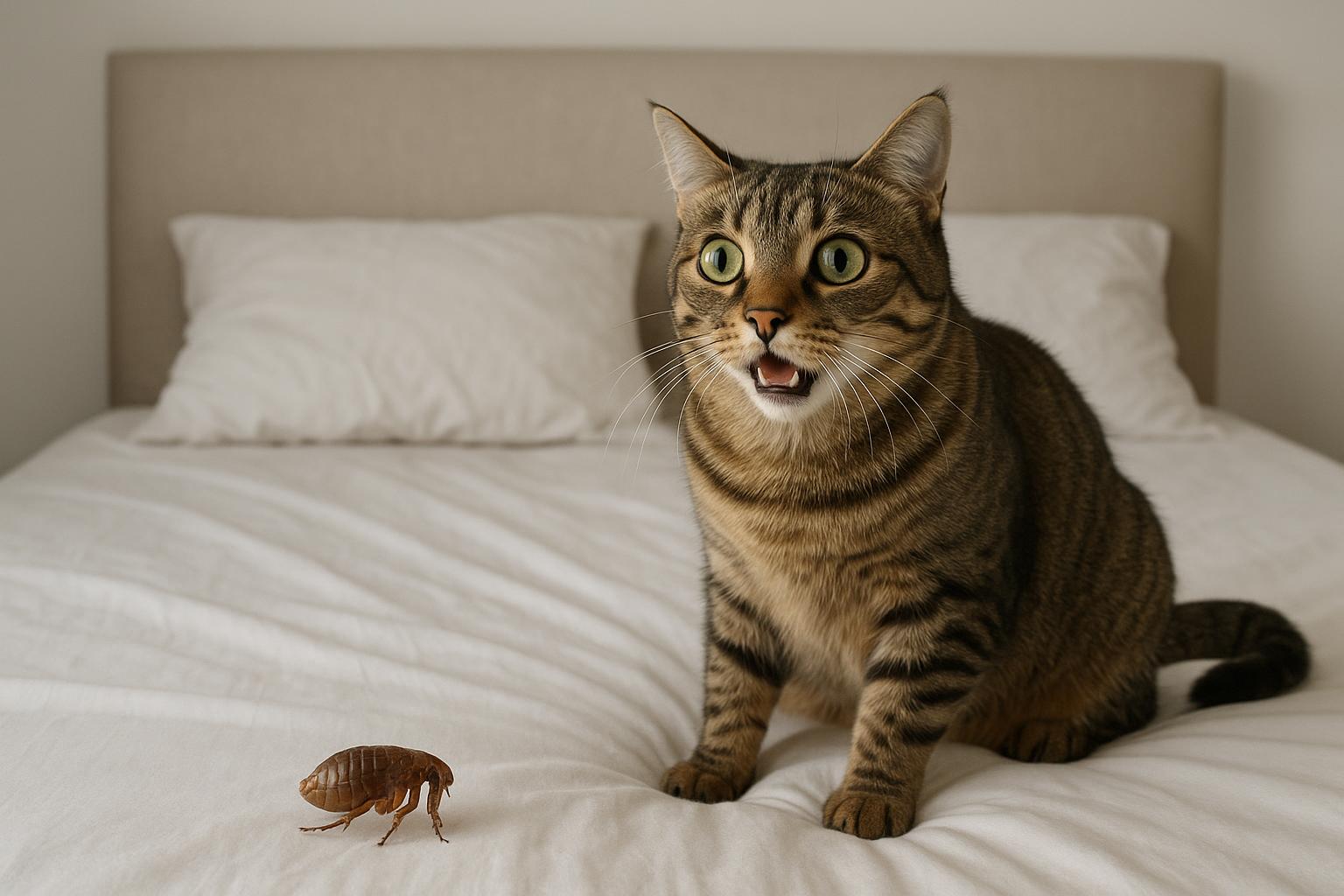
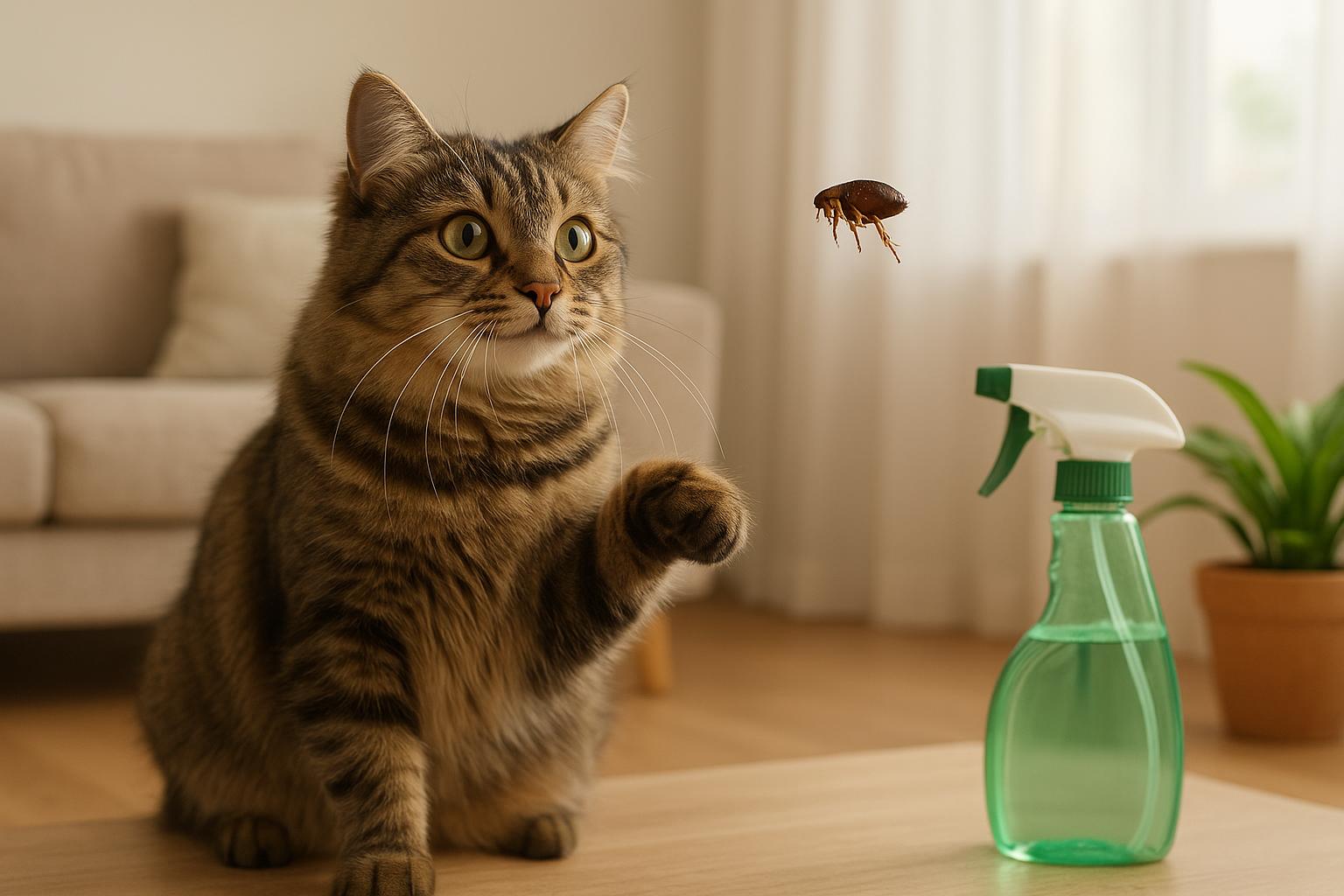
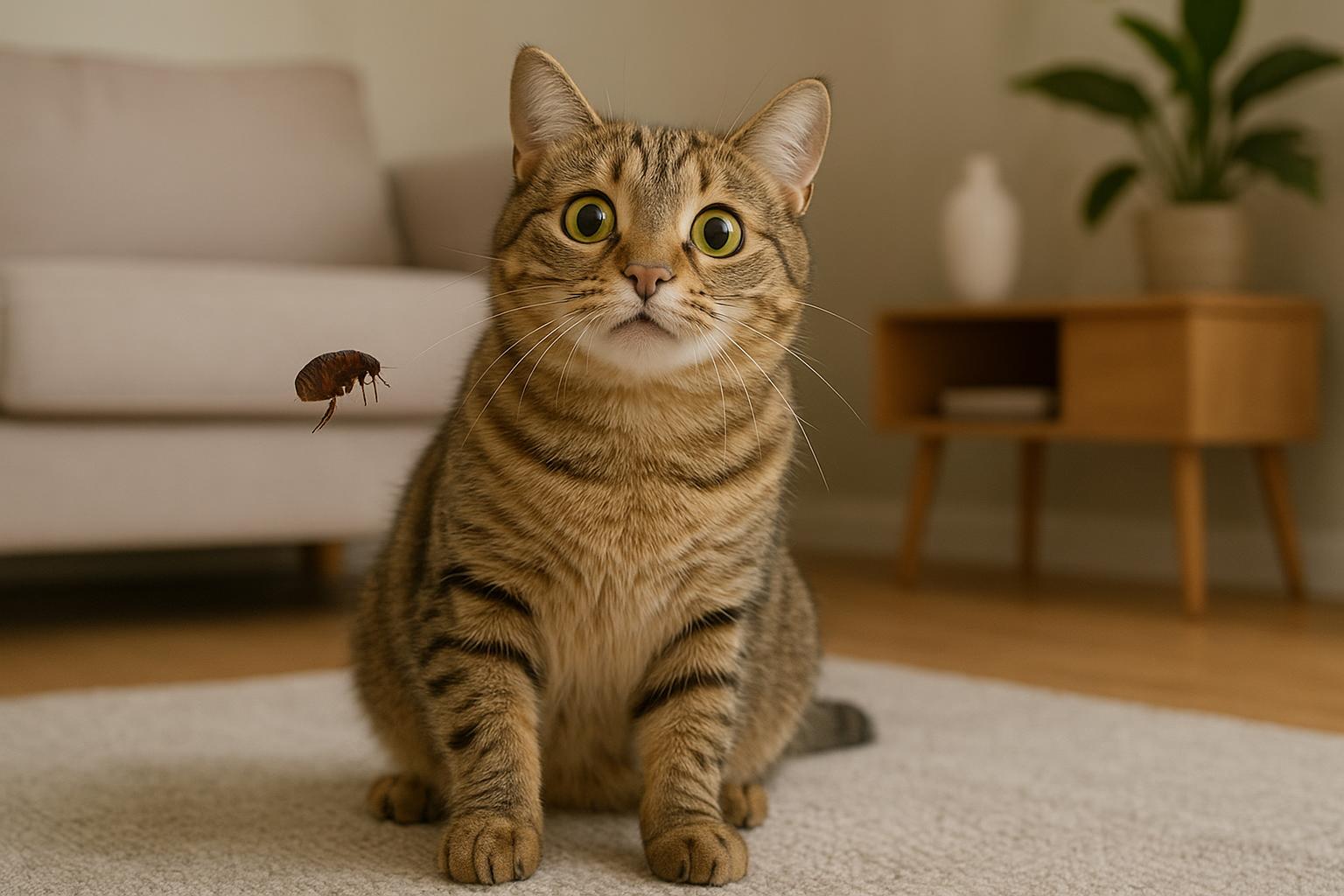
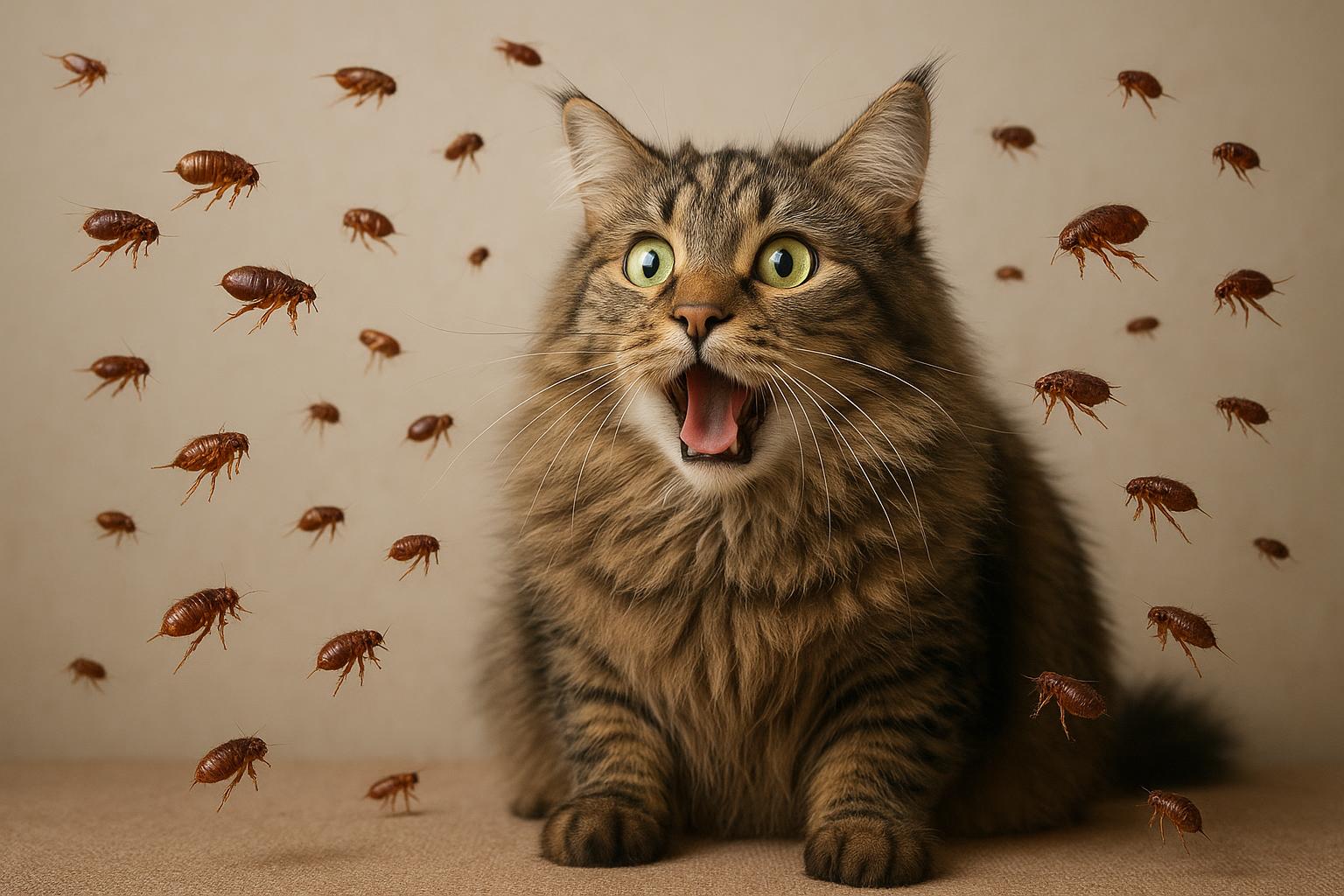
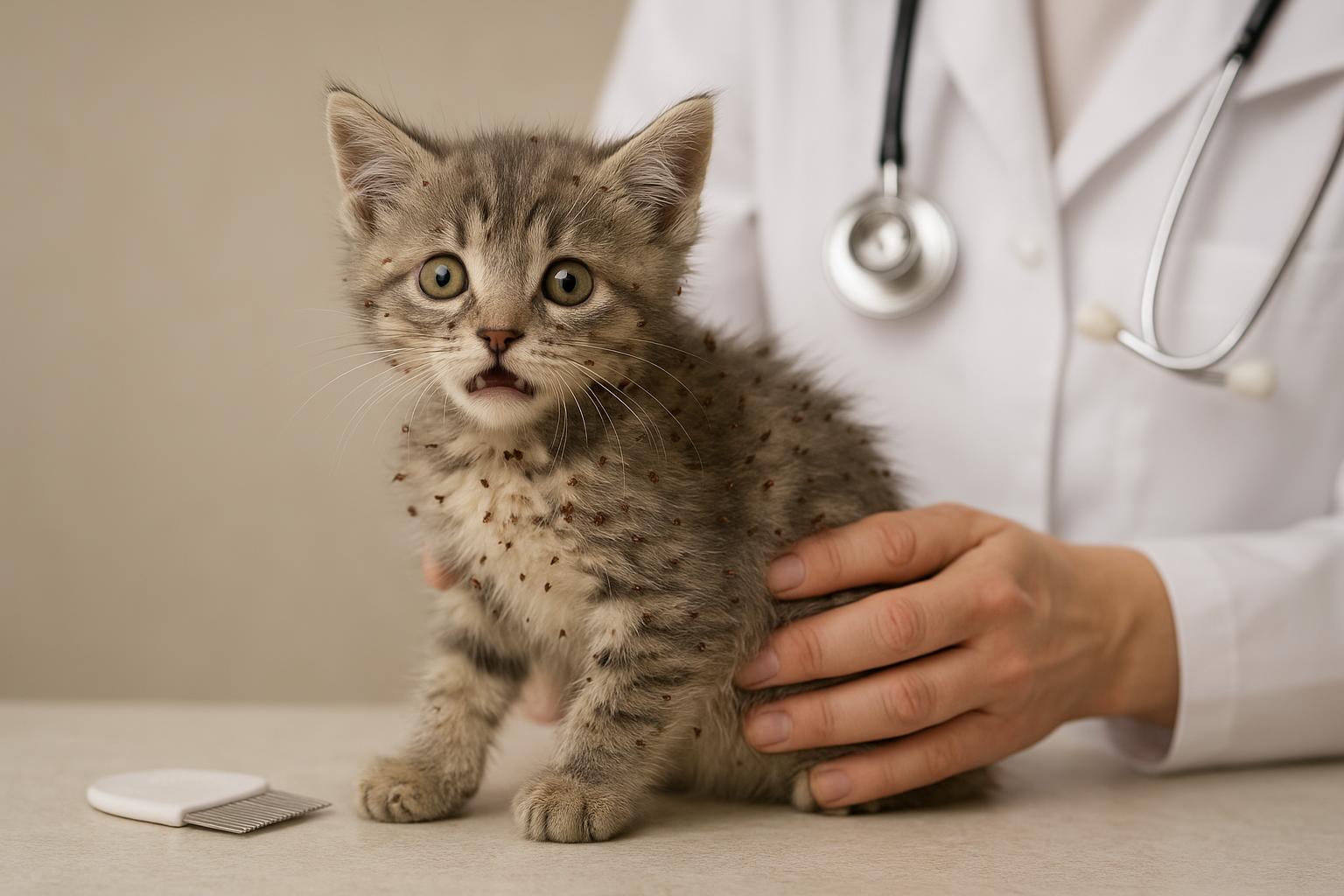
If you’ve ever looked down at a wiggly, wide-eyed kitten and found tiny black specks darting through the fur, your heart probably did a little flip. Fleas are annoying at best and dangerous at worst for young kittens. This article walks through the flea impact on kitten health, why anemia is a major concern, and how you can help your little bundle recover—without losing your cool (or your sense of humor).
## Flea Impact On Kitten Health And Anemia
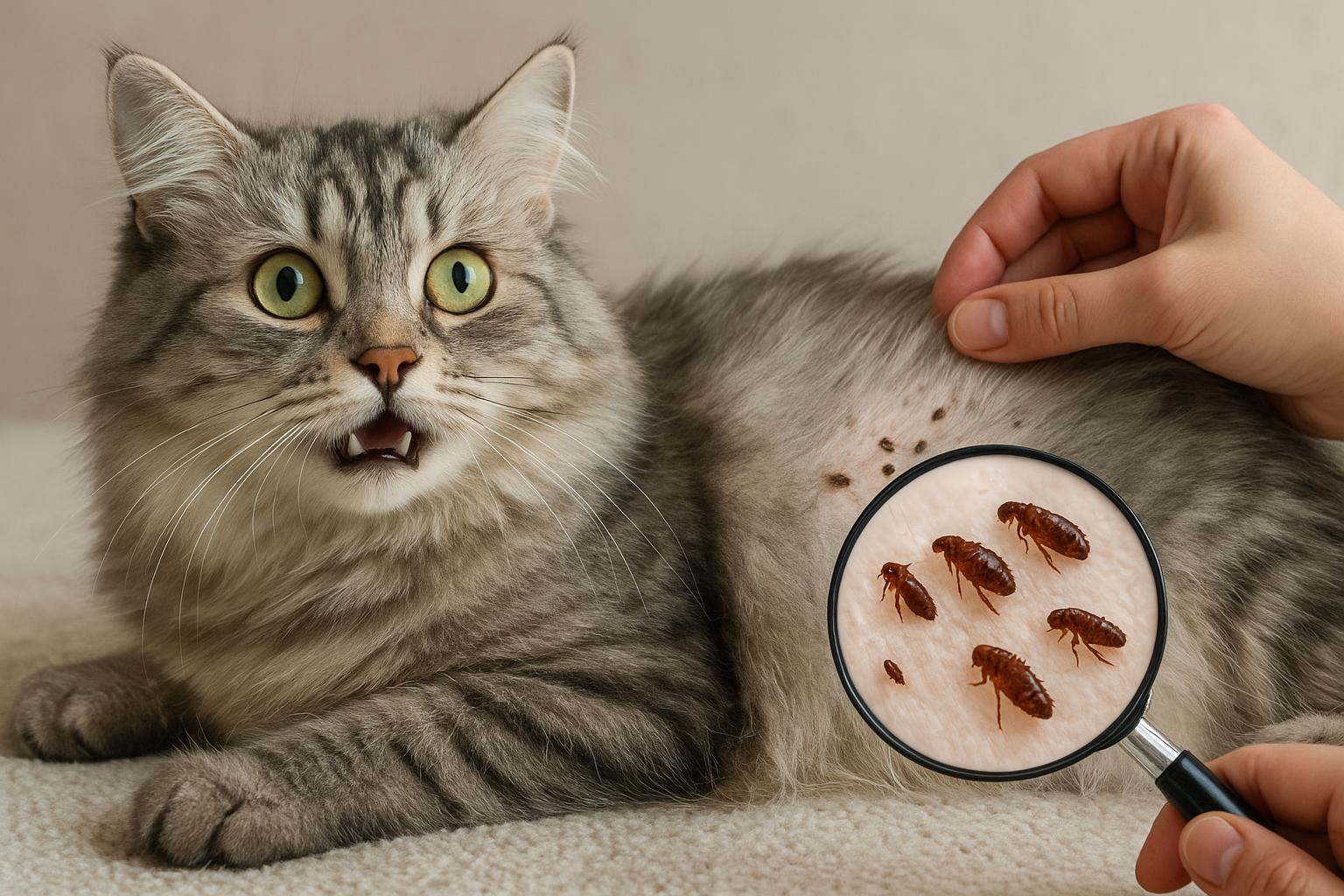
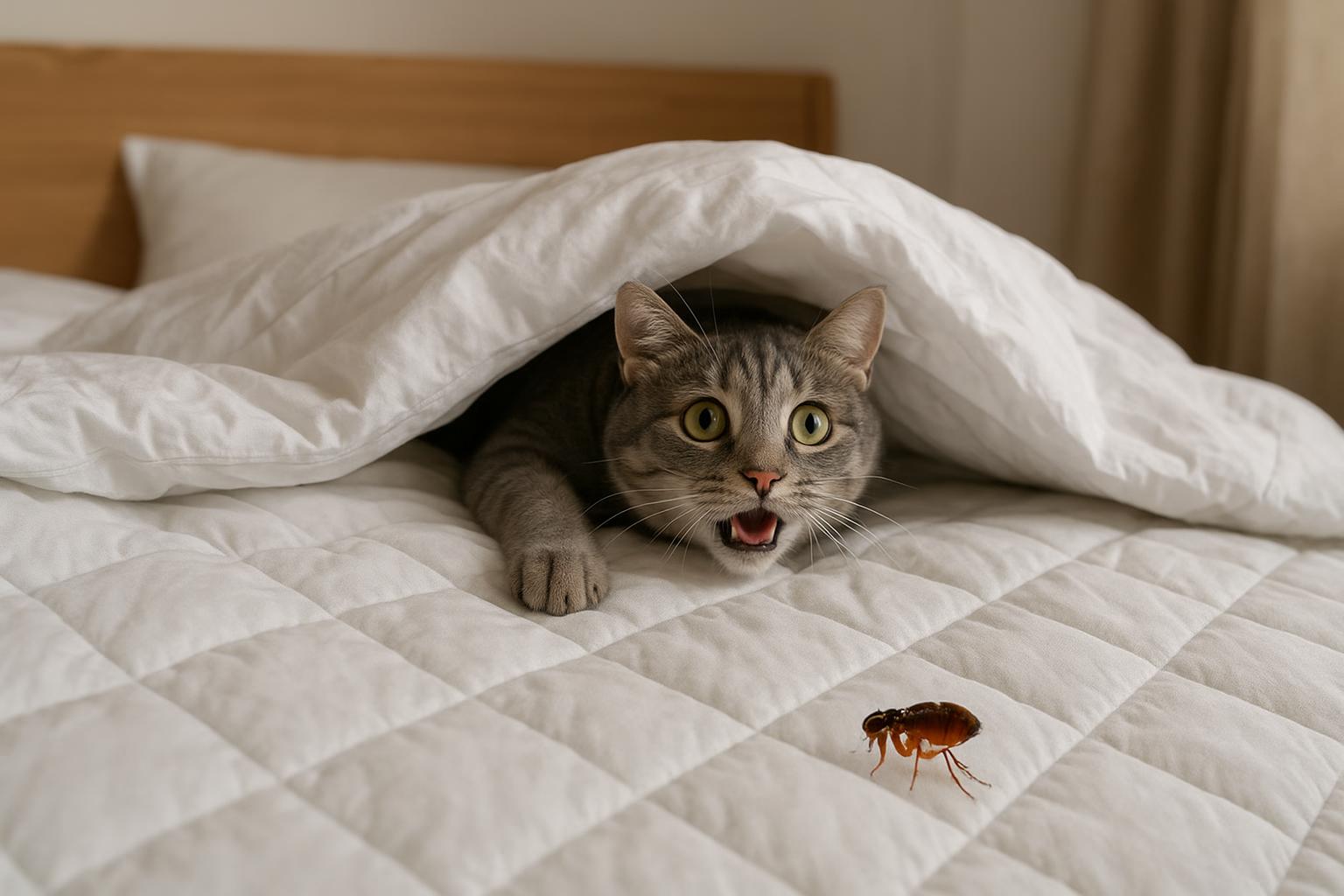
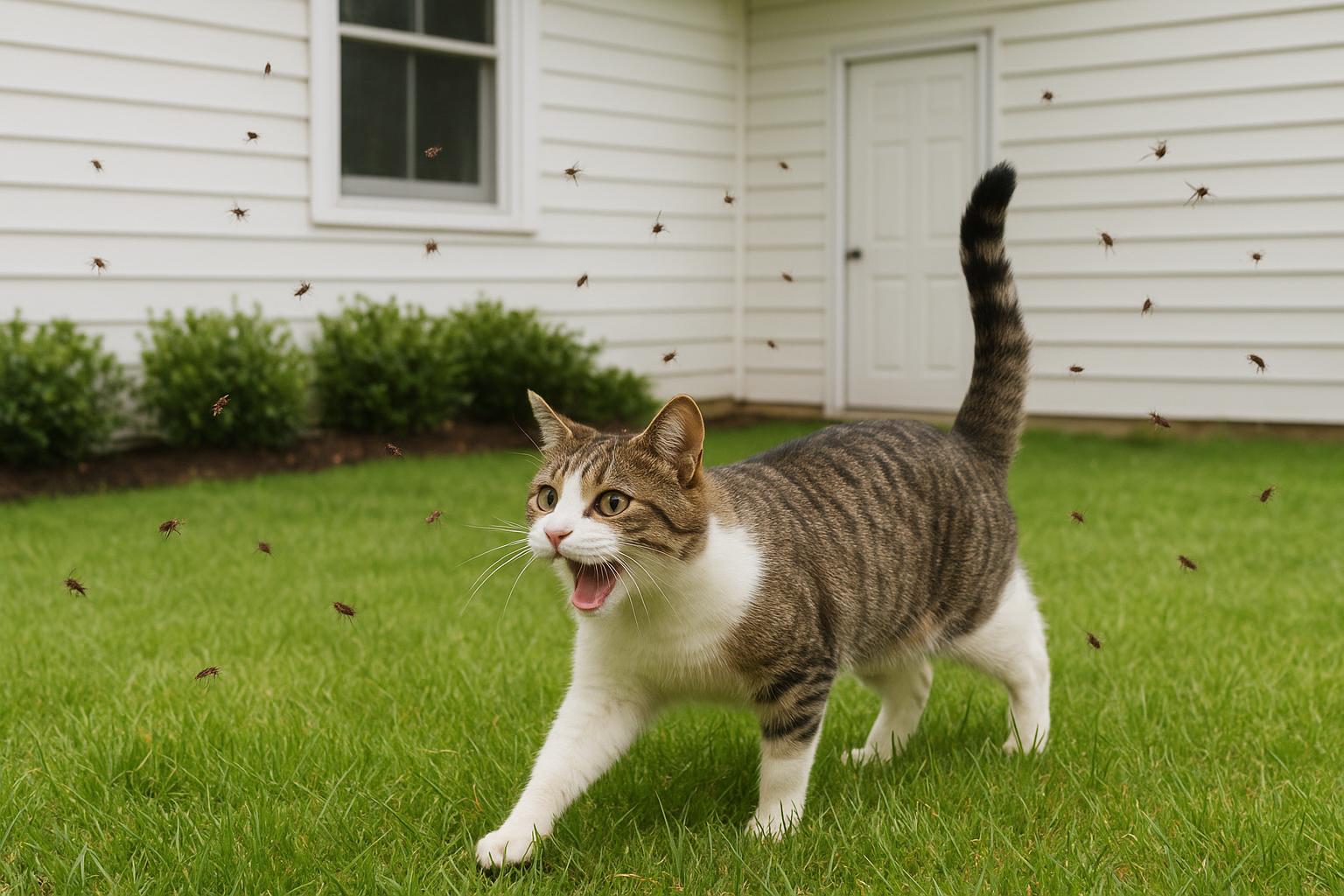
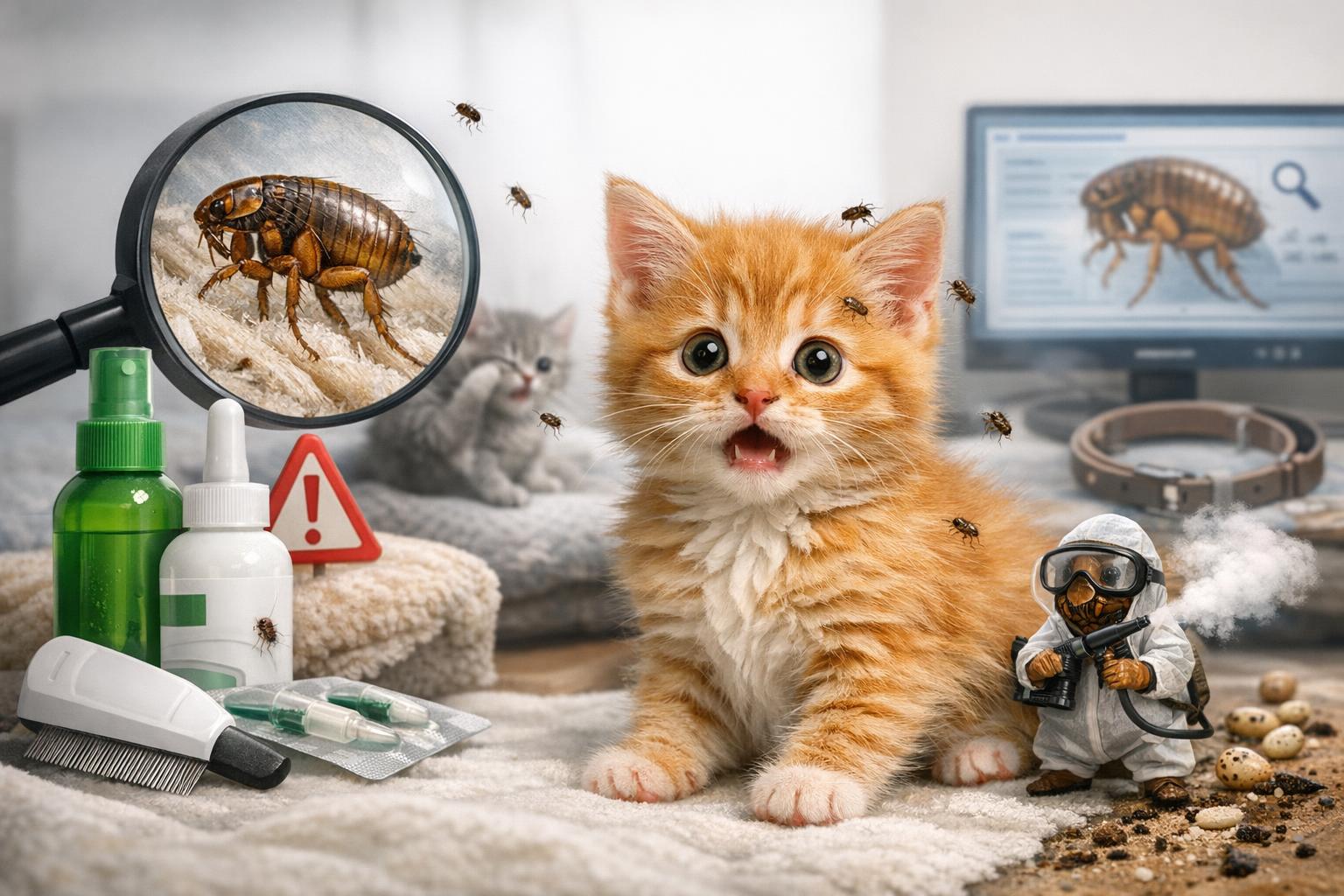
Fleas are more than itchy nuisances. The flea impact on a tiny kitten can be profound: each flea feeds repeatedly and a heavy infestation can strip enough blood to cause anemia. Kittens have a very small total blood volume, so even modest blood loss represents a larger percentage of their body’s supply than it would in an adult cat. Add in the stress and potential for secondary infections, and you can see why fleas shouldn’t be treated like a mere backyard inconvenience.
### How Fleas Cause Blood Loss
Fleas pierce the skin and drink blood. Over days to weeks, this chronic blood loss reduces red blood cell counts and the kitten’s ability to carry oxygen. The flea impact is compounded if the kitten is dehydrated, underweight, or infected with other parasites (for example, fleas can transmit tapeworm larvae that further weaken a kitten). In very severe cases, veterinarians may see critical anemia that requires immediate medical intervention.
### Signs Of Anemia To Watch For
Kittens can hide discomfort surprisingly well until they’re very sick, so early detection is important. Watch for:
– Pale gums and inner eyelids
– Lethargy or weakness (less playful, harder to stand)
– Rapid breathing or heart rate
– Reduced appetite or failure to gain weight
– Cold extremities or poor body temperature regulation
#### Pale Gums And Mucous Membranes
A quick in-home check: gently pull back the kitten’s upper lip and look at the gums. Healthy kittens show a pink color; pale, whitish, or gray gums suggest anemia and need prompt attention.
#### Lethargy And Poor Feeding
Kittens that won’t nurse or appear too weak to latch need immediate help. The flea impact can progress fast in very young animals.
### When Flea Infestations Become Life-Threatening
Not every flea is a catastrophe, but multiple factors increase the danger: kittens under about 8–12 weeks of age, those weighing very little, or kittens with concurrent illness or intestinal parasites are at higher risk. If you see many fleas or the clinical signs above, assume the flea impact is serious and seek veterinary care without delay.
## 1. Flea Combing And Supportive Care (Remedy)
This first remedy is practical, low-risk, and can be started at home immediately. It is safe for most kittens and focuses on removing adult fleas and supporting the kitten while awaiting veterinary evaluation if needed.
Ingredients / Required Materials:
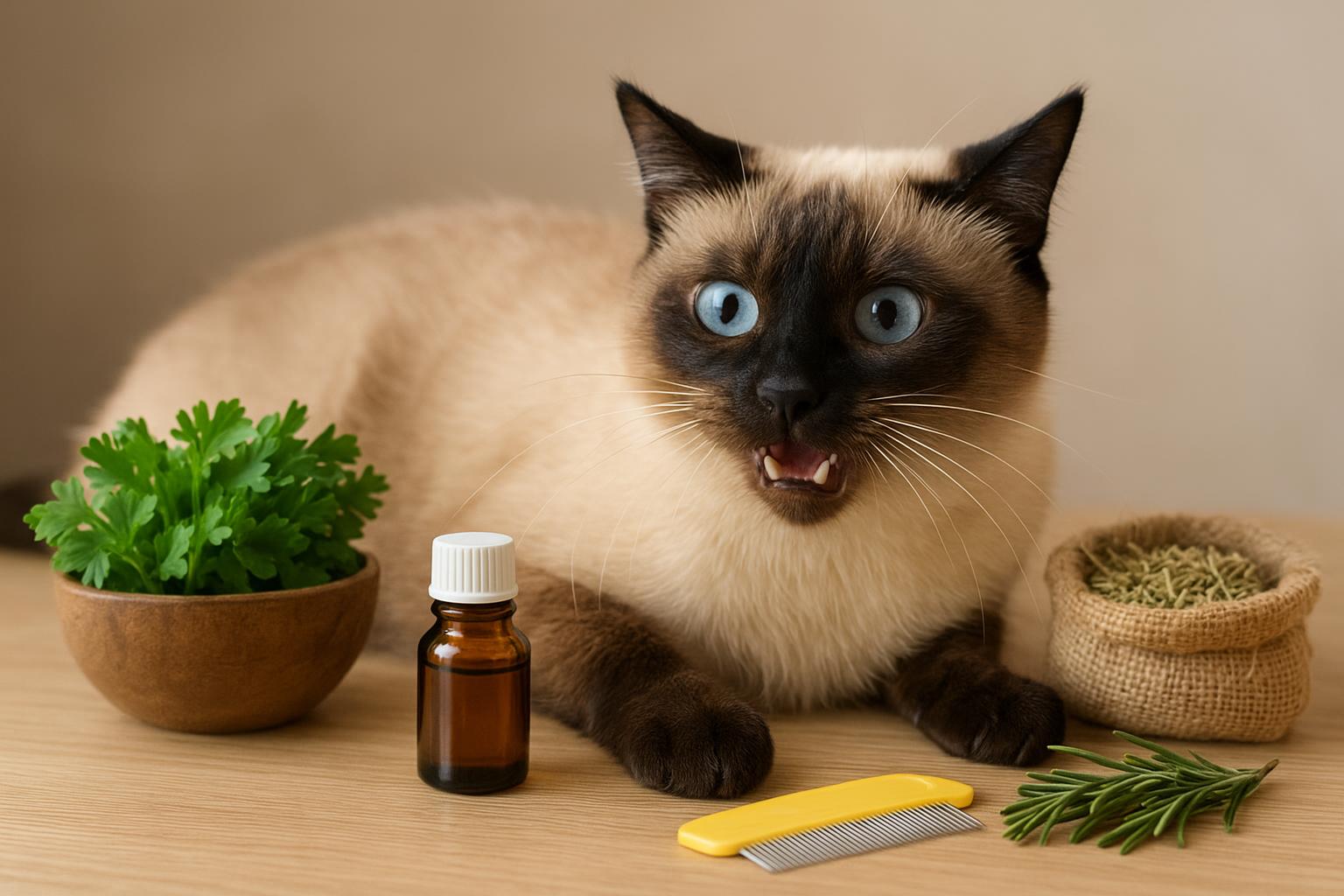
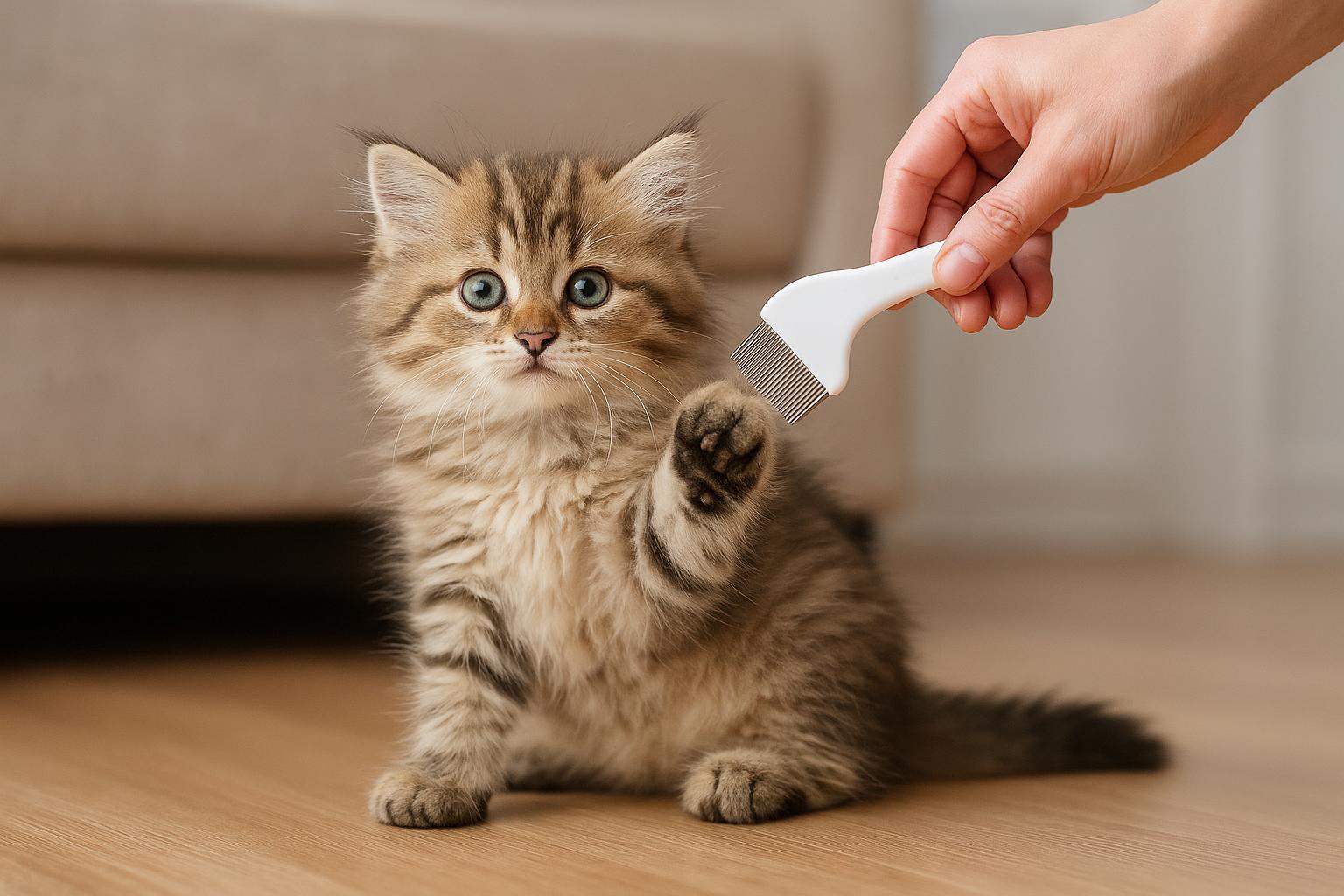
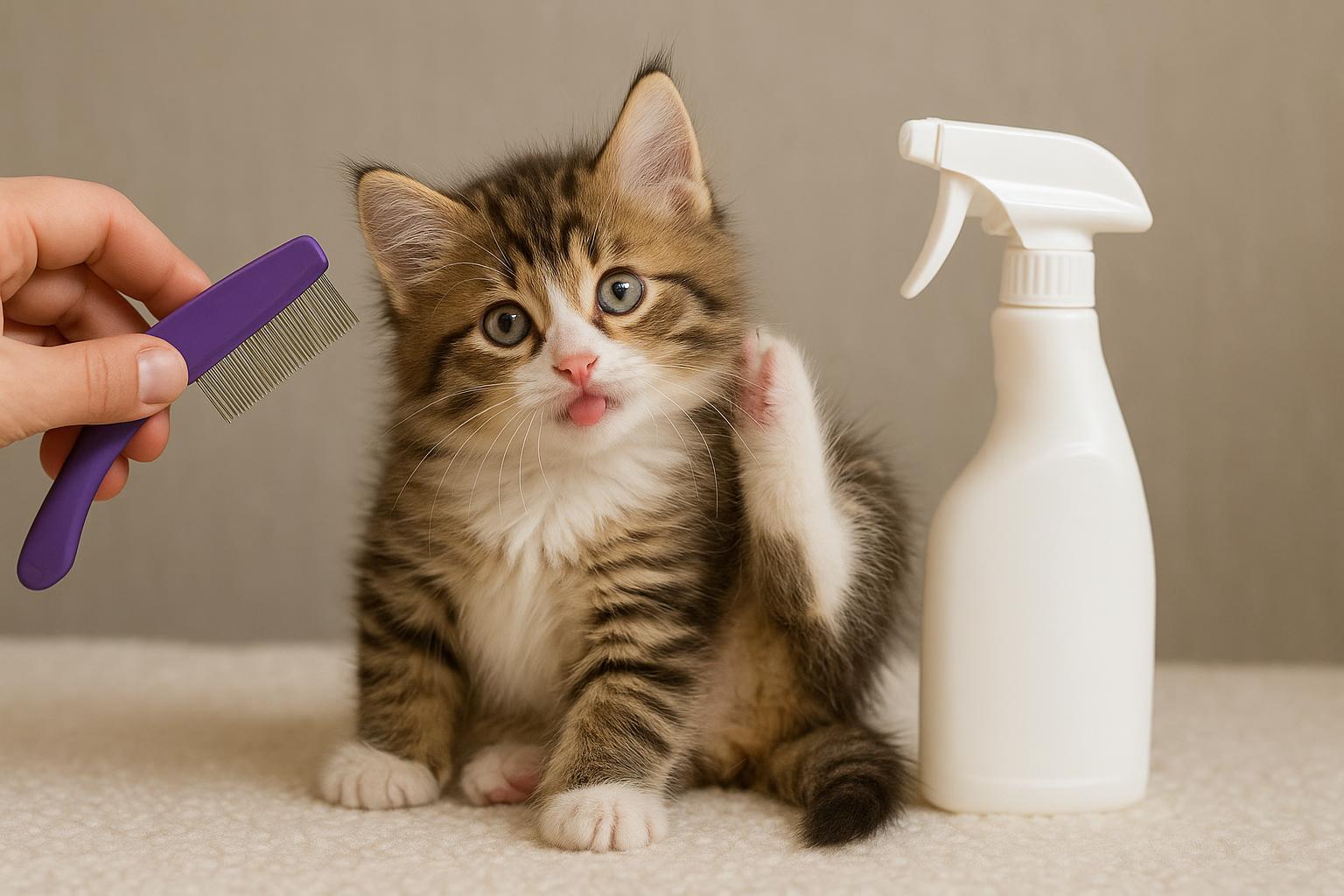
– Fine-toothed flea comb (metal teeth, narrow spacing)
– Shallow bowl or dish with warm soapy water (mild dish soap)
– Soft towels and a warm, draft-free area (heating pad set low, covered)
– Clean bedding that can be washed in hot water
– Gloves (optional)
– Small scale (for kitten weight monitoring, optional but helpful)
Step-by-Step Creation And Application:
1. Prepare the Area: Set up a warm, calm workspace with a towel and the bowl of soapy water. The soap helps trap and drown fleas that are combed off.
2. Restrain Gently: Wrap the kitten in a towel leaving the head exposed if the kitten is squirmy; this reduces stress and prevents accidental injury.
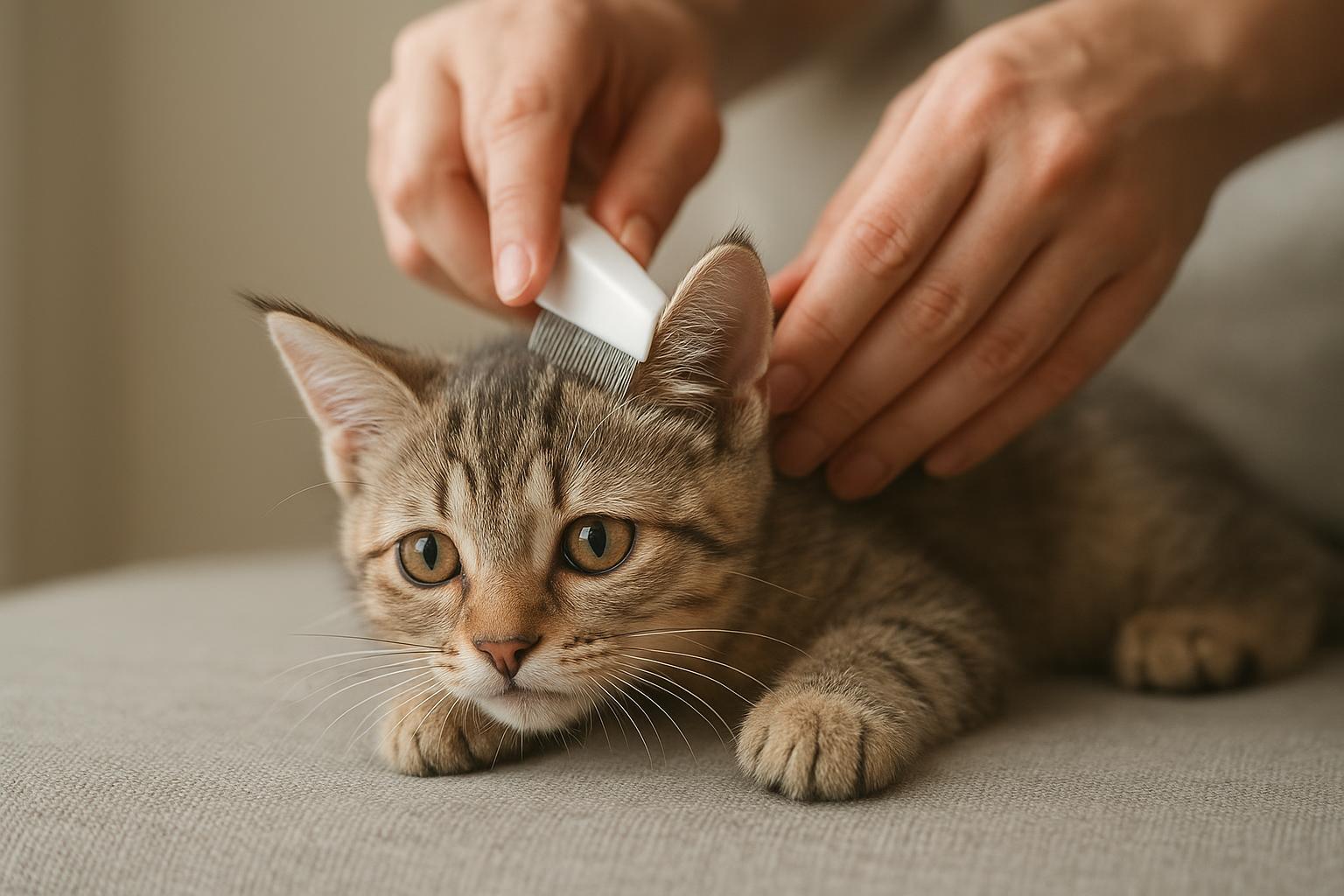
3. Comb Methodically: Starting at the neck and moving toward the tail, run the flea comb close to the skin. Wipe the comb into the soapy water after each pass. Focus on the base of the tail and along the spine—fleas love these spots.
4. Repeat Frequently: Comb several times a day for multiple days. Adult fleas are removed by combing, but eggs and larvae in the environment will continue to hatch.
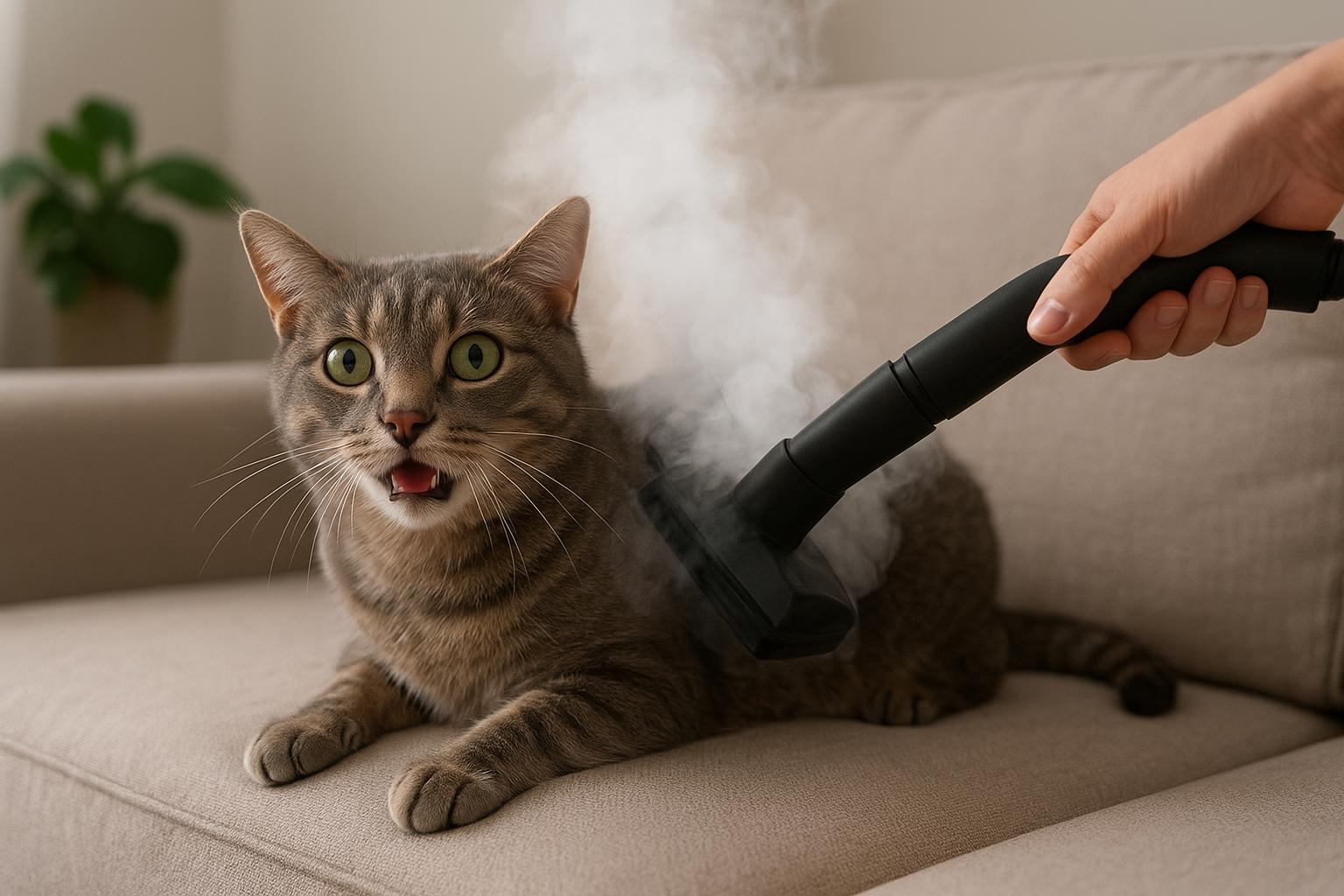
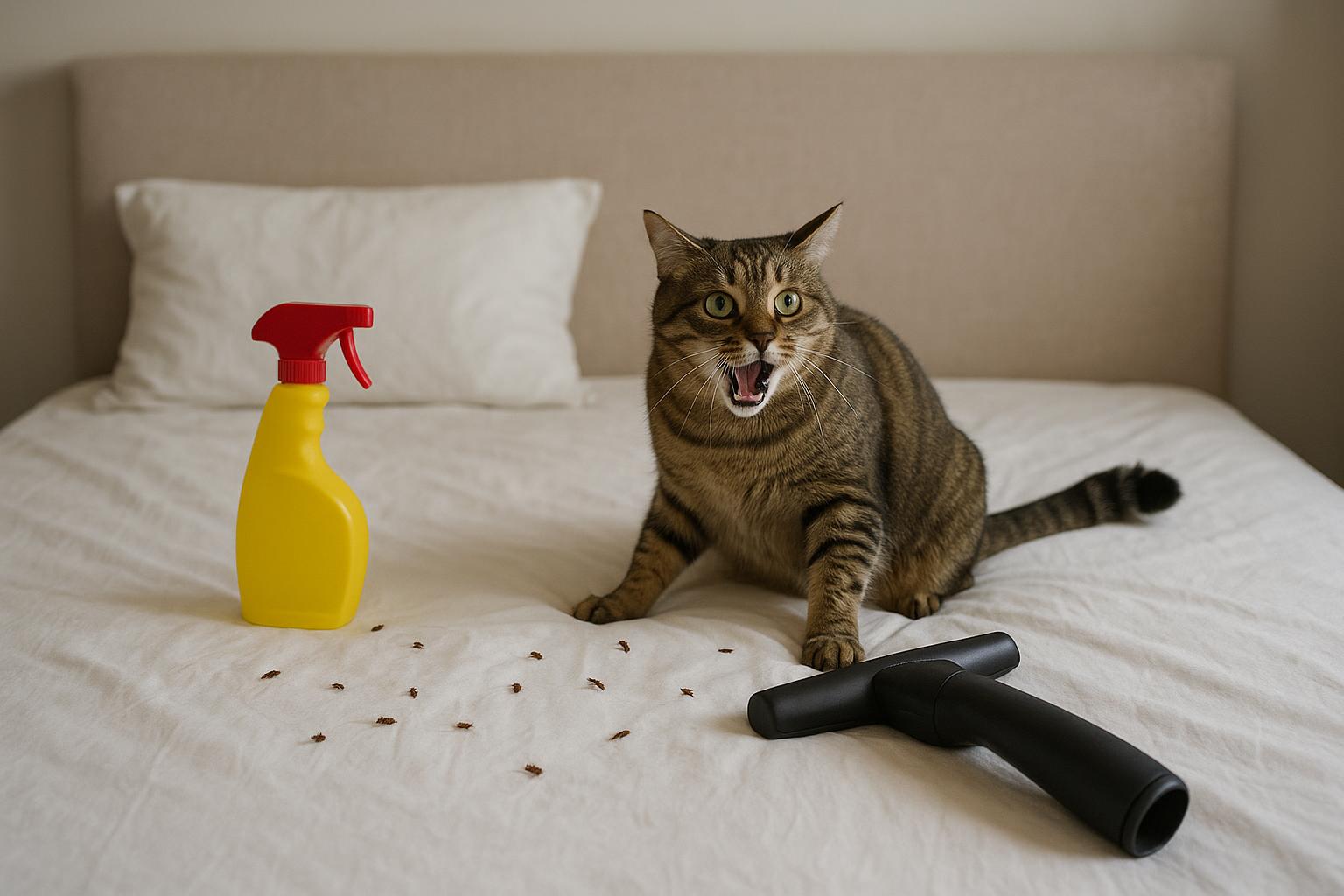
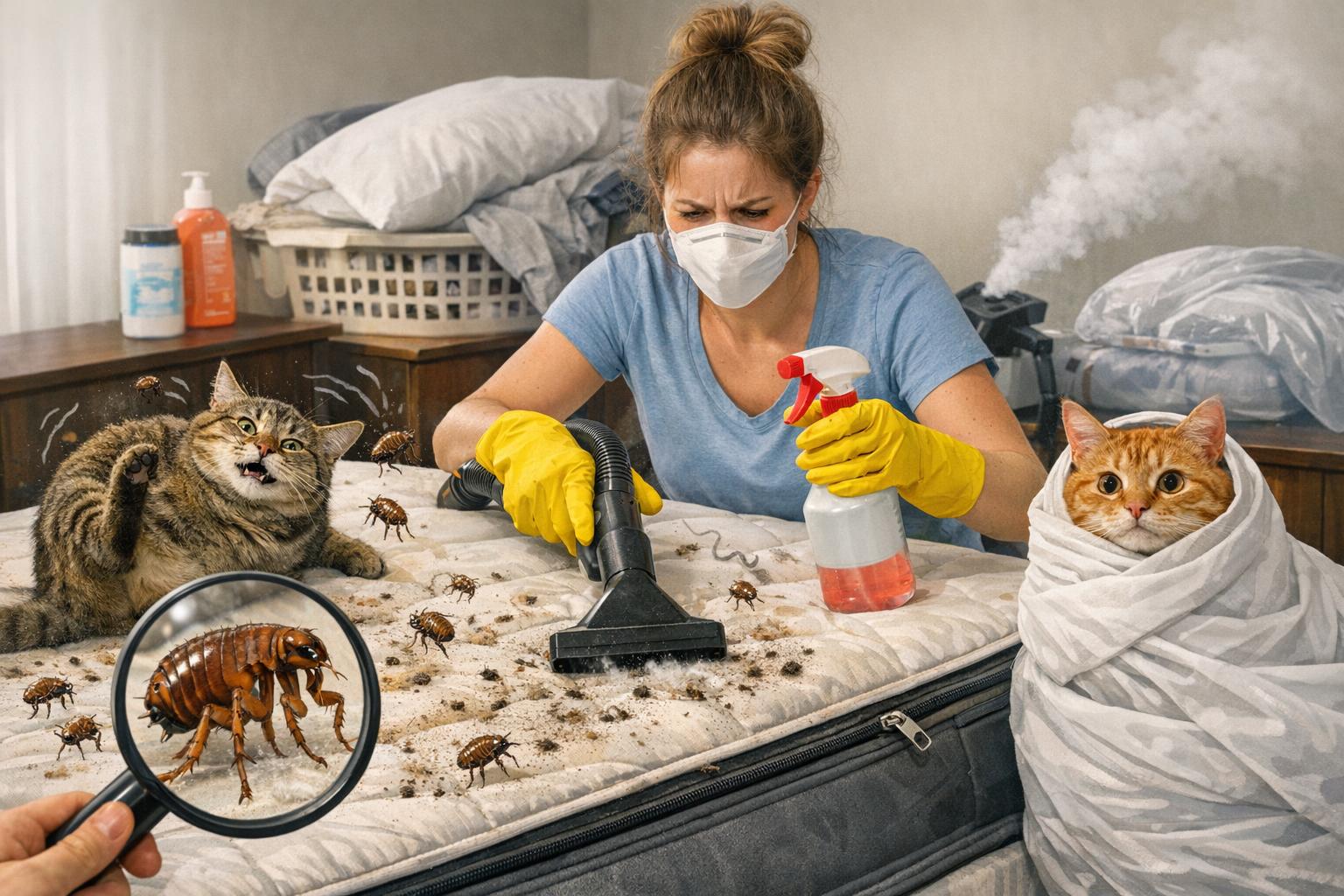
5. Clean Bedding And Environment: Wash all bedding and soft toys in hot water and dry on high heat. Vacuum carpets and upholstery daily; dispose of vacuum bags or empty canisters outside.
6. Monitor Weight And Behavior: Record the kitten’s weight daily if possible and note appetite and activity. Rapid weight loss, persistent weakness, or pale gums require immediate vet care.
Notes: This remedy addresses the adult flea population on the kitten and helps reduce immediate blood loss. It does not replace veterinary assessment or systemic treatment when needed. Use of flea combing is safe for neonates and young kittens, but be gentle—these are fragile creatures.
## 2. Veterinary Medical Treatment For Anemia And Fleas (Remedy)
When the flea impact has already produced significant anemia, or if the infestation is widespread, professional veterinary care is essential. This section describes common medical steps and what to expect. Follow these instructions and medications exactly as prescribed by your veterinarian.
Ingredients / Required Materials (Vet-Administered / Prescribed):
– Veterinary exam and diagnostic tests (complete physical, packed cell volume/hematocrit, blood smear)
– Intravenous or subcutaneous fluids (for dehydration)
– Iron supplementation or B vitamin complex (only if prescribed)
– Safe, age- and weight-appropriate flea treatment (topical or oral formulations prescribed by vet)
– Possible blood transfusion equipment and donor blood (if severe anemia)
– Deworming medication if intestinal parasites are present
Step-by-Step Creation And Application (Clinical Protocol Overview):
1. Veterinary Assessment: The vet performs a thorough exam, weighing the kitten and running bloodwork (PCV/HCT) to quantify anemia and check for other blood abnormalities. Fecal exam to check for intestinal parasites is standard.
2. Stabilization: If the kitten is dehydrated or shocky, IV or subcutaneous fluids are administered to support circulation. Oxygen supplementation may be necessary in severe cases.
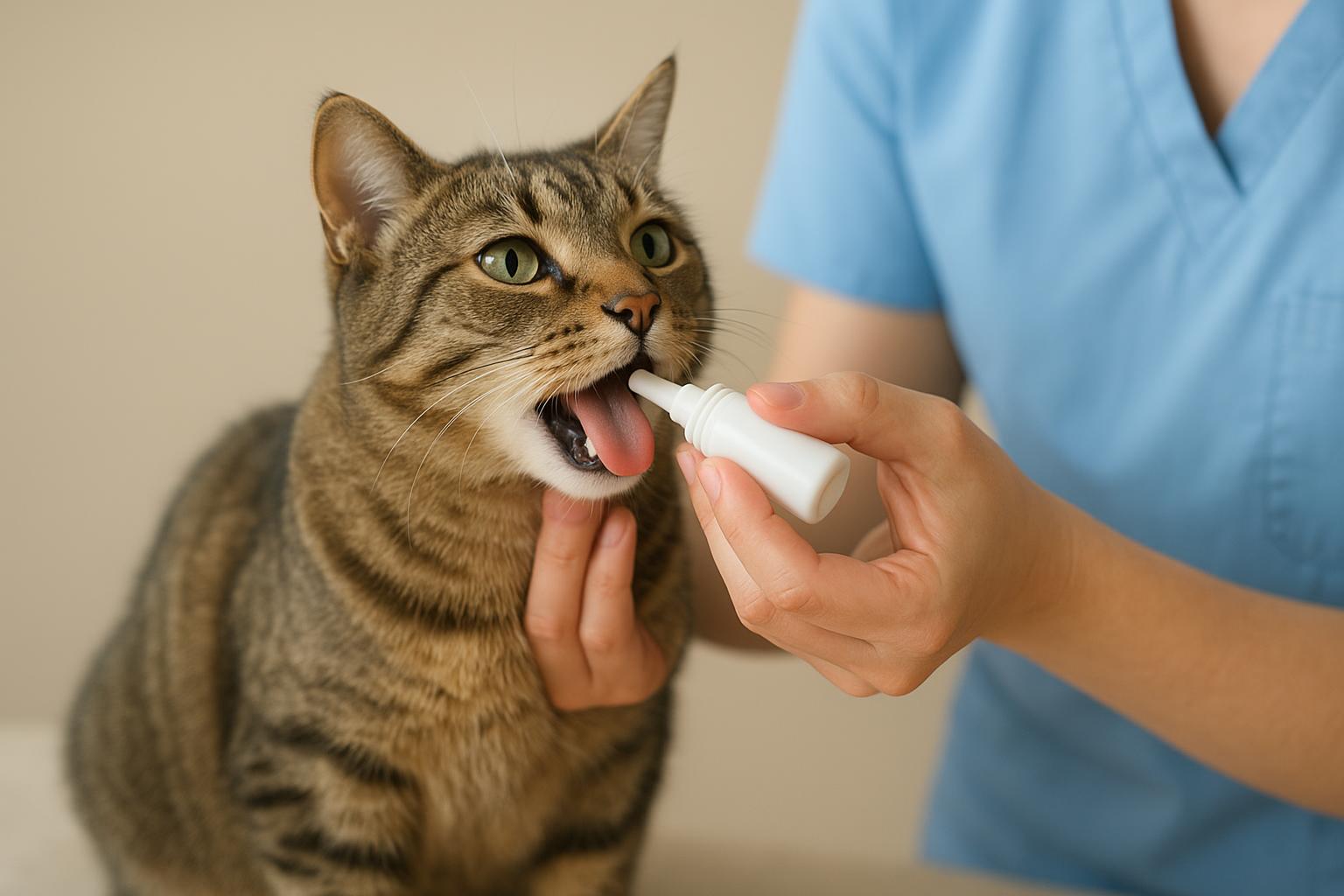
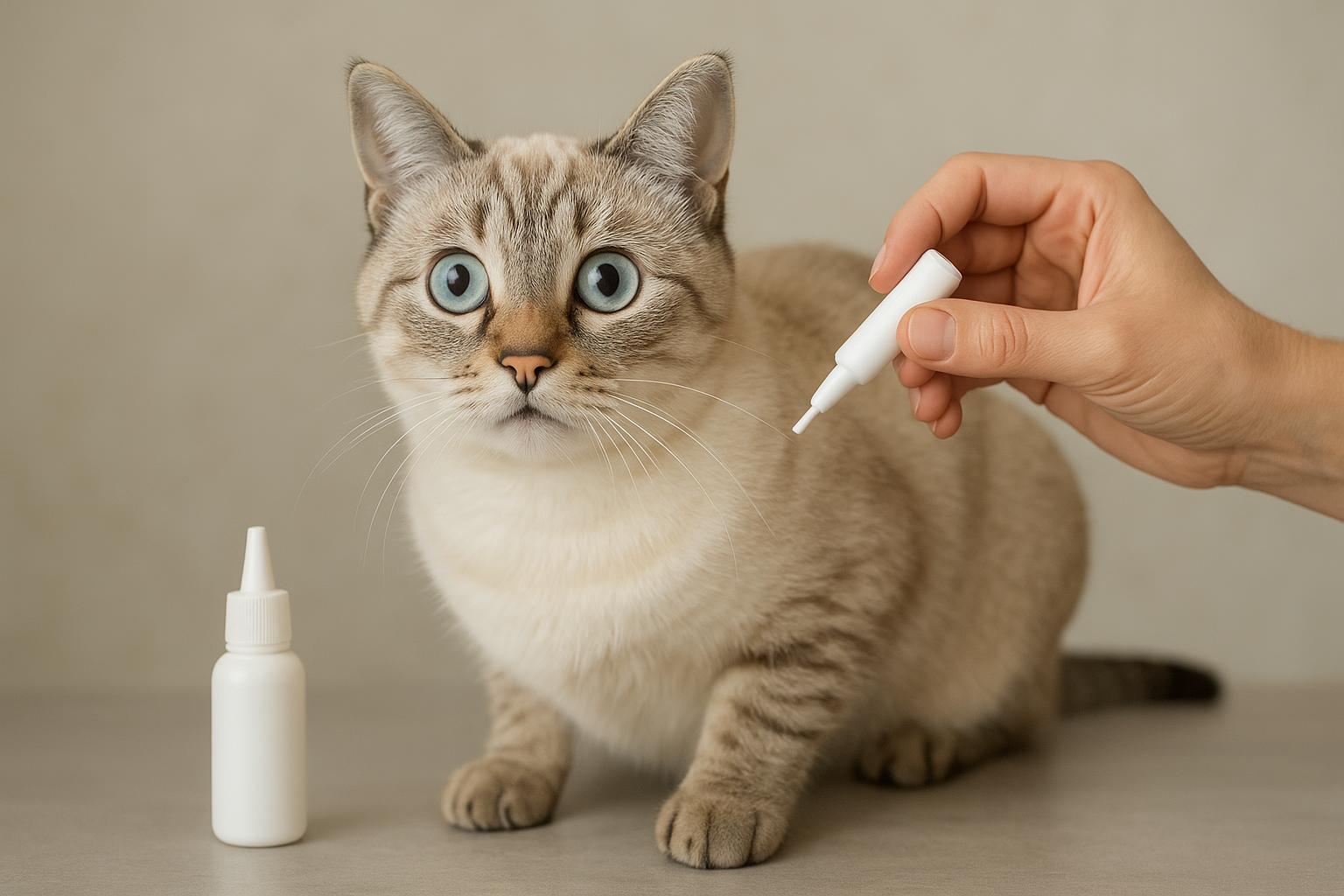
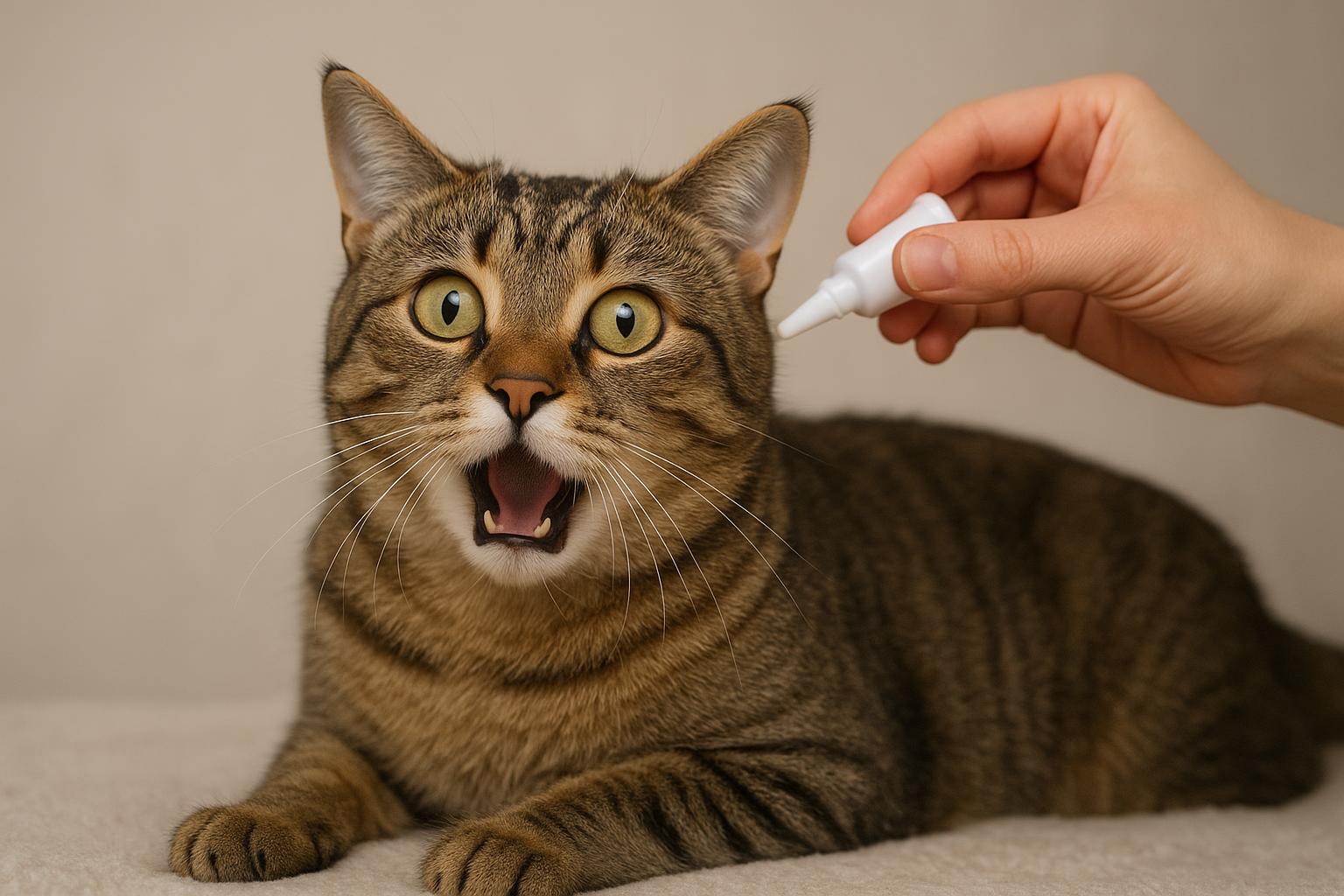
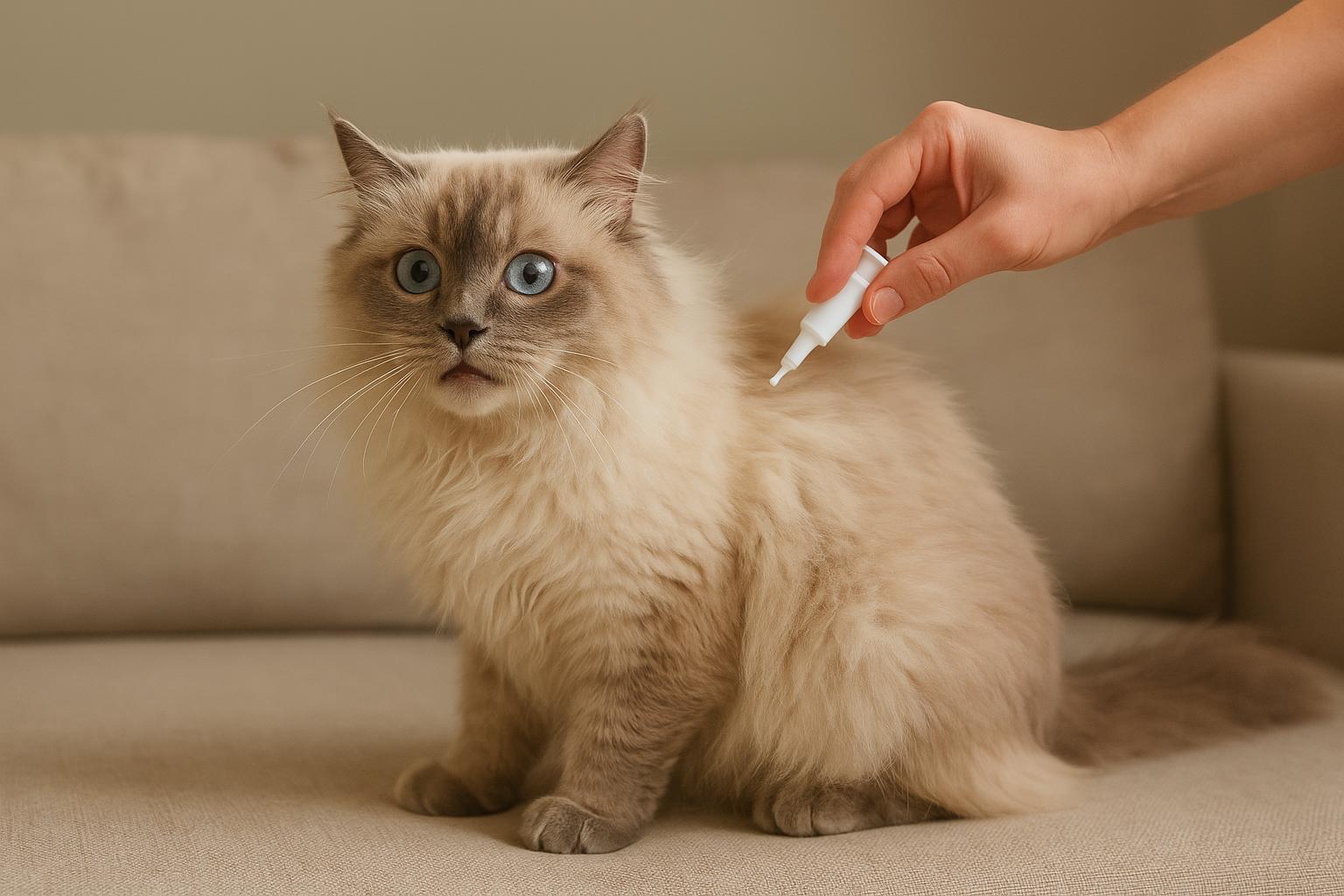
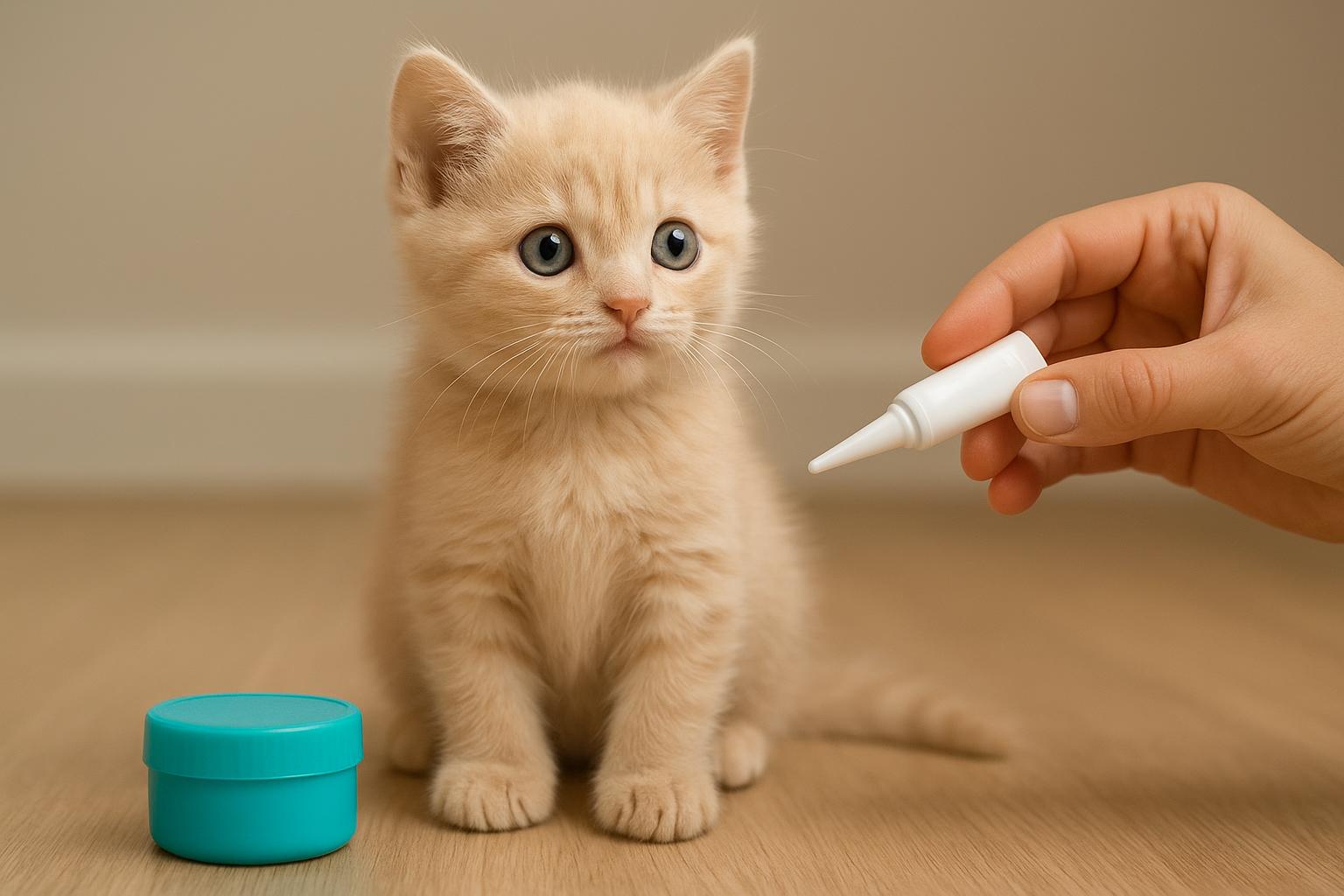
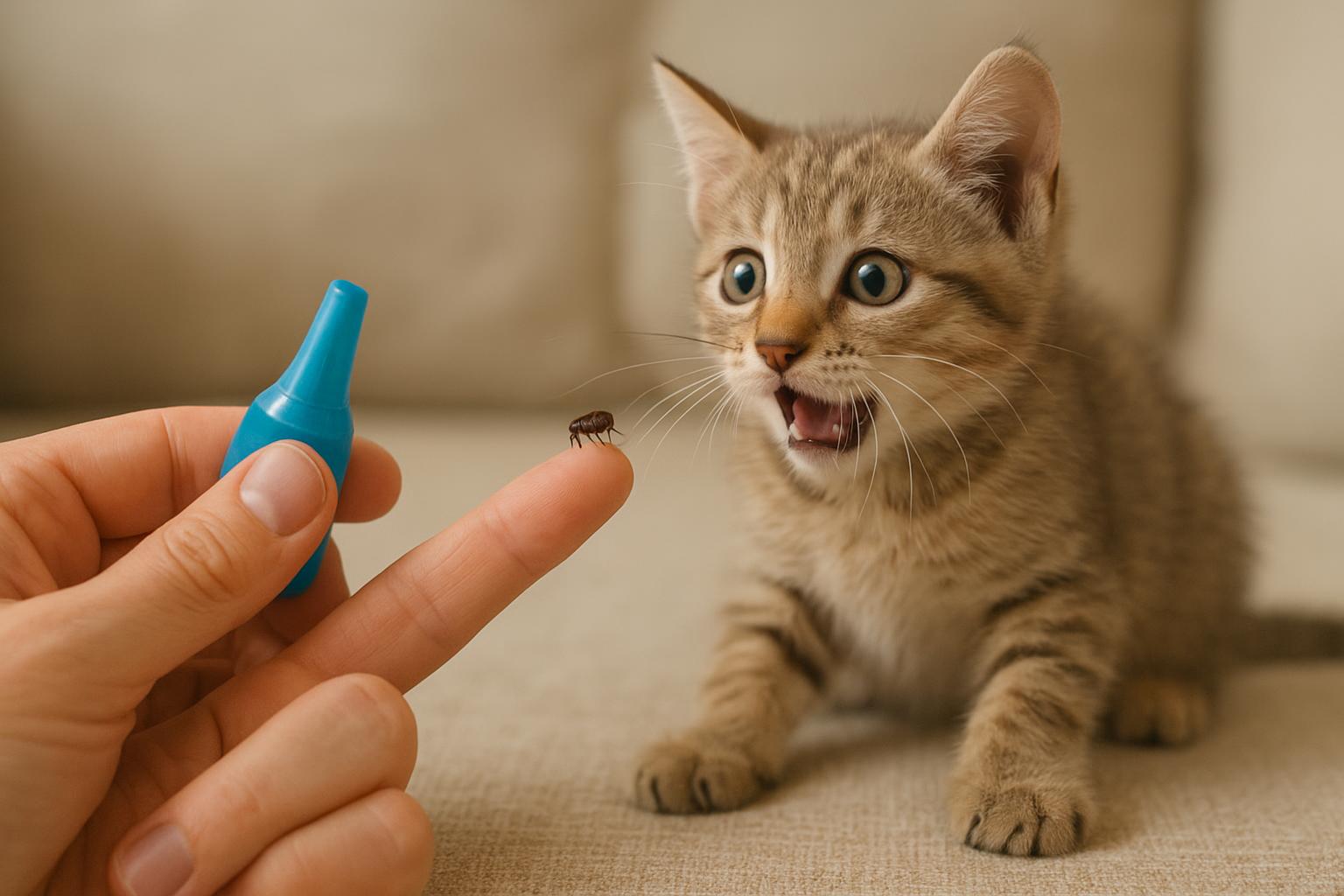
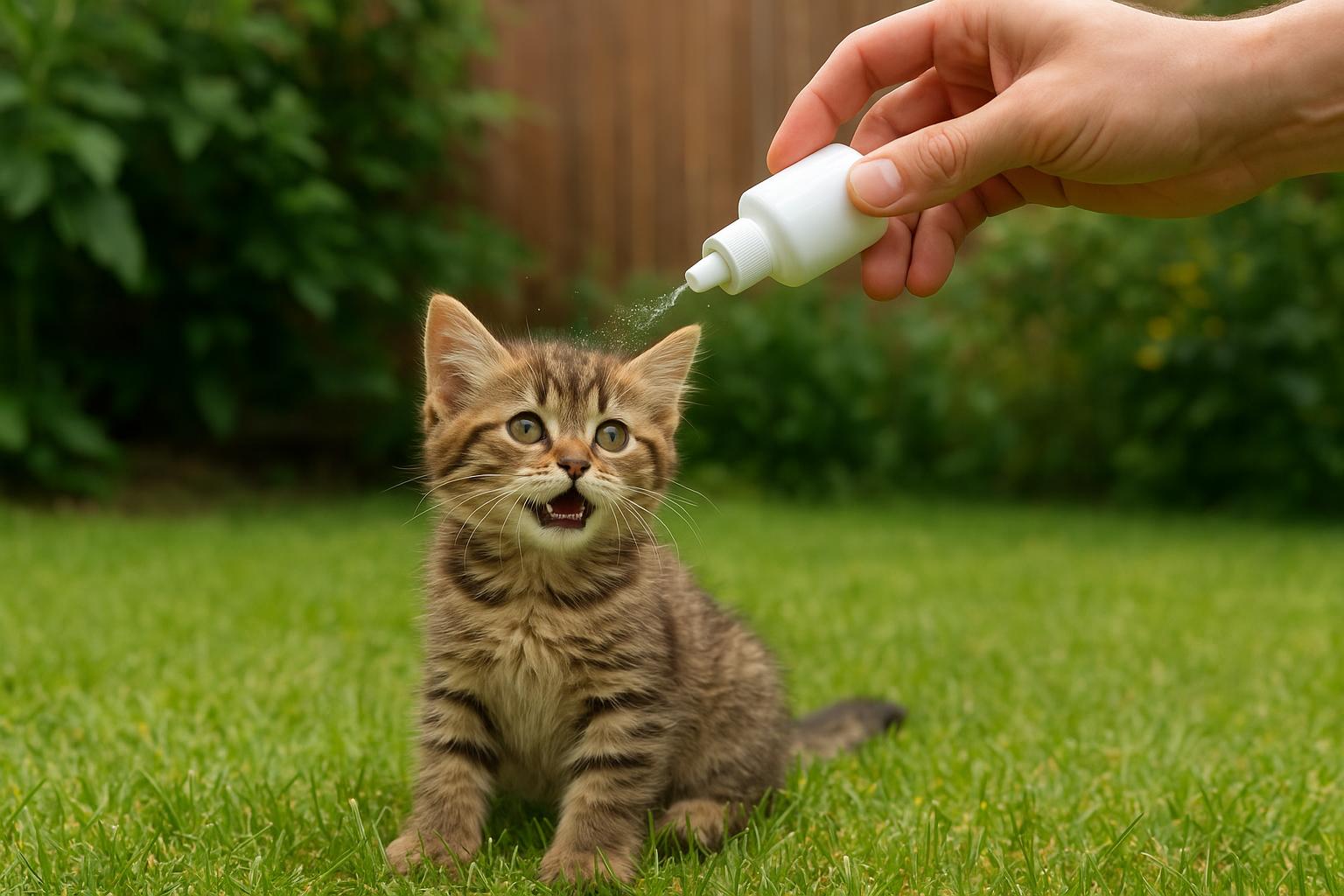
3. Treatment Of Fleas: The veterinarian prescribes a flea control product appropriate for the kitten’s age and weight. Do not use over-the-counter adult cat products on young kittens without veterinary guidance—many are unsafe.
4. Addressing Anemia: Depending on severity, the vet may prescribe iron supplements, B vitamins, or transfusion. Iron supplements should only be used under direction as improper dosing can be harmful.
5. Treat Secondary Issues: If tapeworm or other parasites are detected, targeted dewormers are given. Antibiotics are used only if there is secondary bacterial infection.
6. Follow-Up Care: Recheck appointments will monitor red blood cell recovery, weight gain, and the effectiveness of flea control. Ongoing environmental control measures are reinforced to break the flea life cycle.
Notes: Medical treatment must be tailored to the individual kitten. Flea medications that are safe for kittens often differ from adult formulations, and dosing is crucial. The flea impact on kitten health is reversible in many cases with timely, appropriate veterinary care.
### Environmental Control And Long-Term Prevention
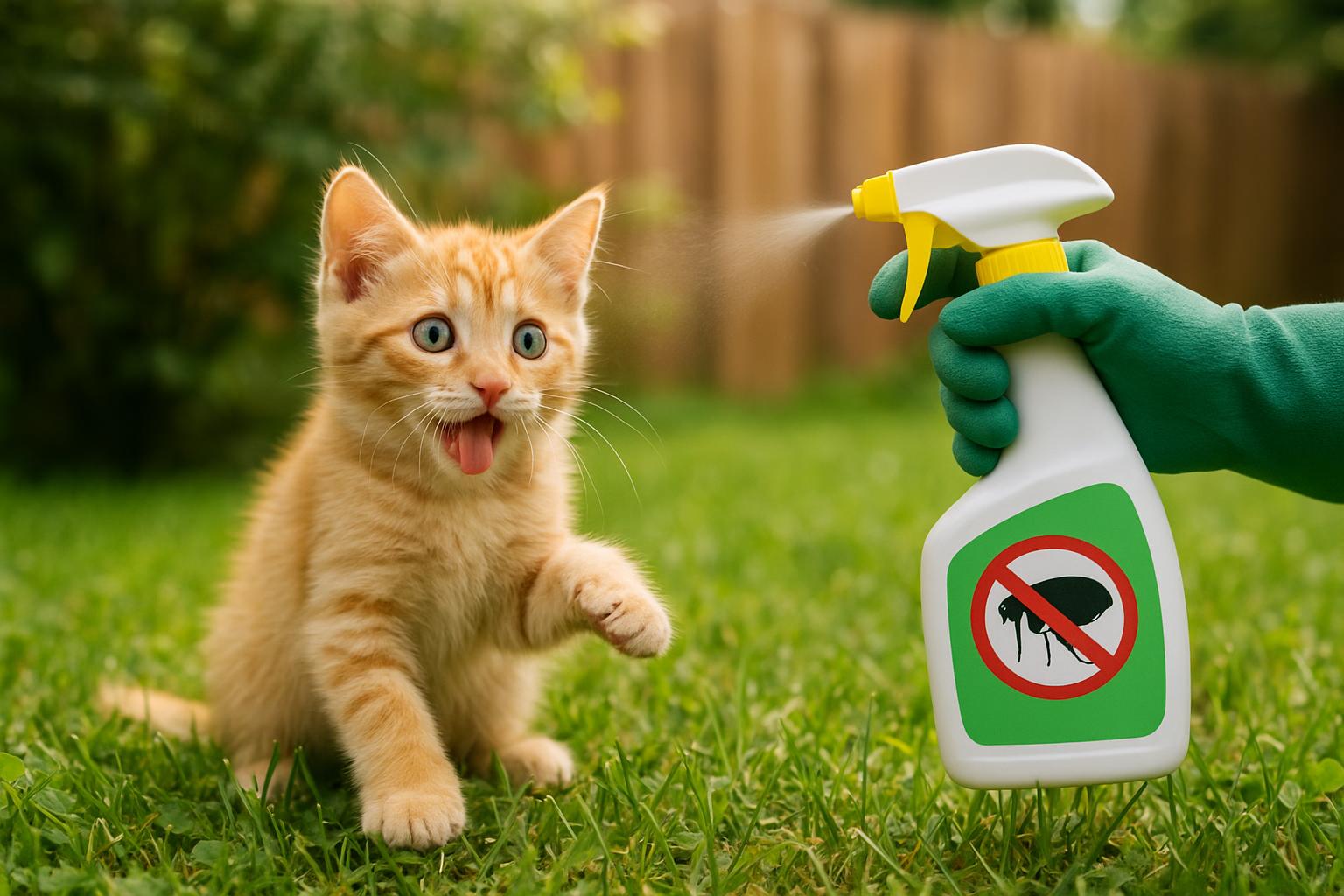
Even after treating the kitten, the flea impact persists until the environment is addressed—eggs and larvae can re-infest your pet. Wash bedding frequently, vacuum thoroughly, and consider using vet-recommended environmental products. For multi-pet households, treat all animals and consult your vet about safe products for each one.
### When To Seek Emergency Care
If the kitten is collapsing, not breathing normally, or extremely weak and unwilling to eat, consider this an emergency. The flea impact can escalate rapidly in tiny animals. Contact an emergency veterinary clinic immediately.
### Simple Monitoring Checklist
Keep an eye on:
– Daily weight and appetite
– Gum color and energy levels
– Frequency of combing results (diminishing numbers of fleas is a good sign)
– Response to prescribed flea medication (fewer live fleas, improved comfort)
A little humor to close this section: fleas might make your kitten perform acrobatics in the middle of the night, but they shouldn’t be in charge of your kitten’s health plan. Take swift, informed action—comb, clean, and consult a vet.
Now, go find that flea comb and your phone number for the vet. Your kitten is counting on you, and with prompt care the negative flea impact can be reversed and your furry friend will be back to purring and plotting world domination in no time.


Leave a Reply