
Hello! If your whiskered roommate keeps bringing home unwanted hitchhikers, you’ve come to the right place. This relaxed guide walks through safe, effective flea control focused on topical solutions and practical home management that actually work — no judgment if you bribe the cat with treats afterward.
## Why Flea Control Matters For Cats
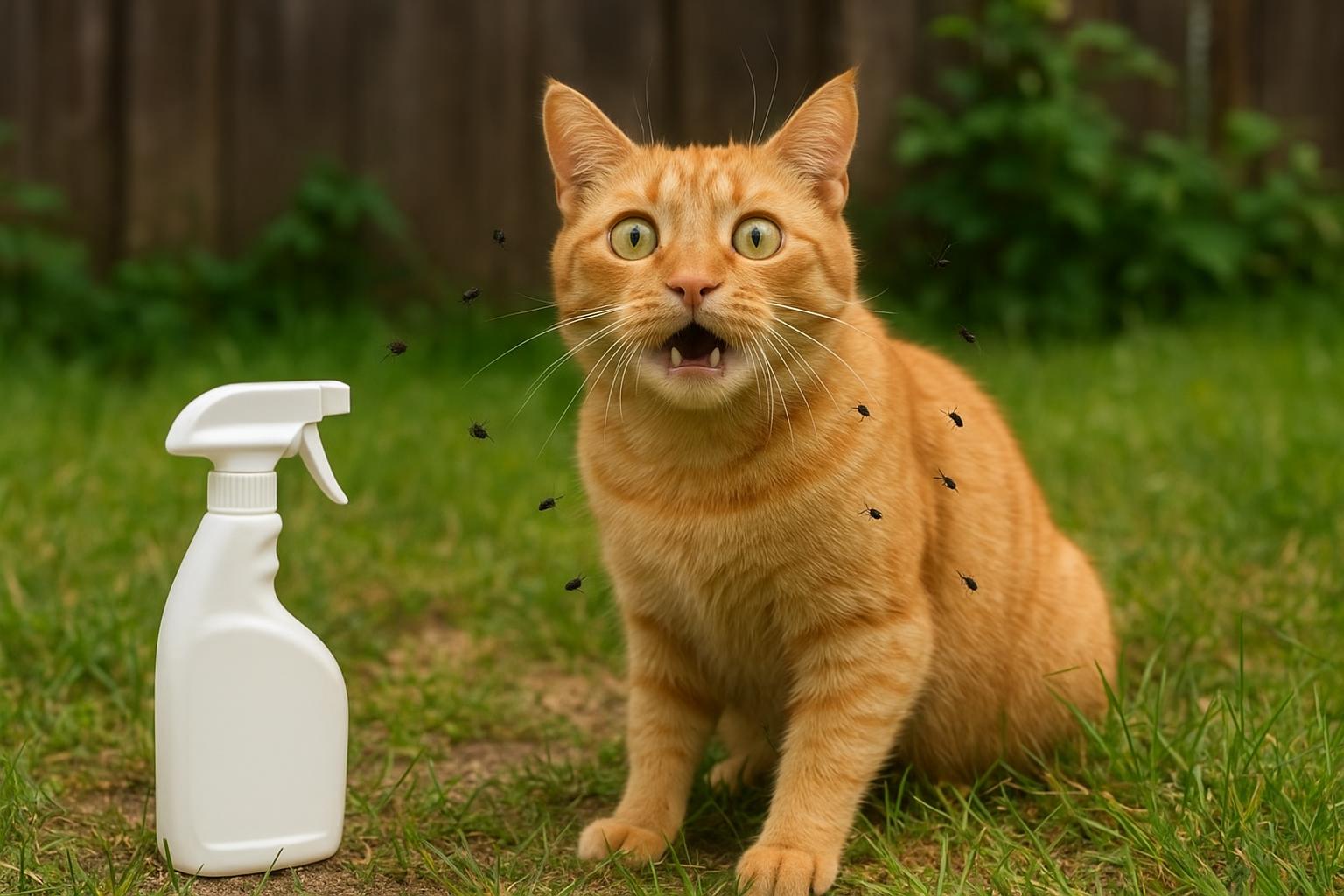
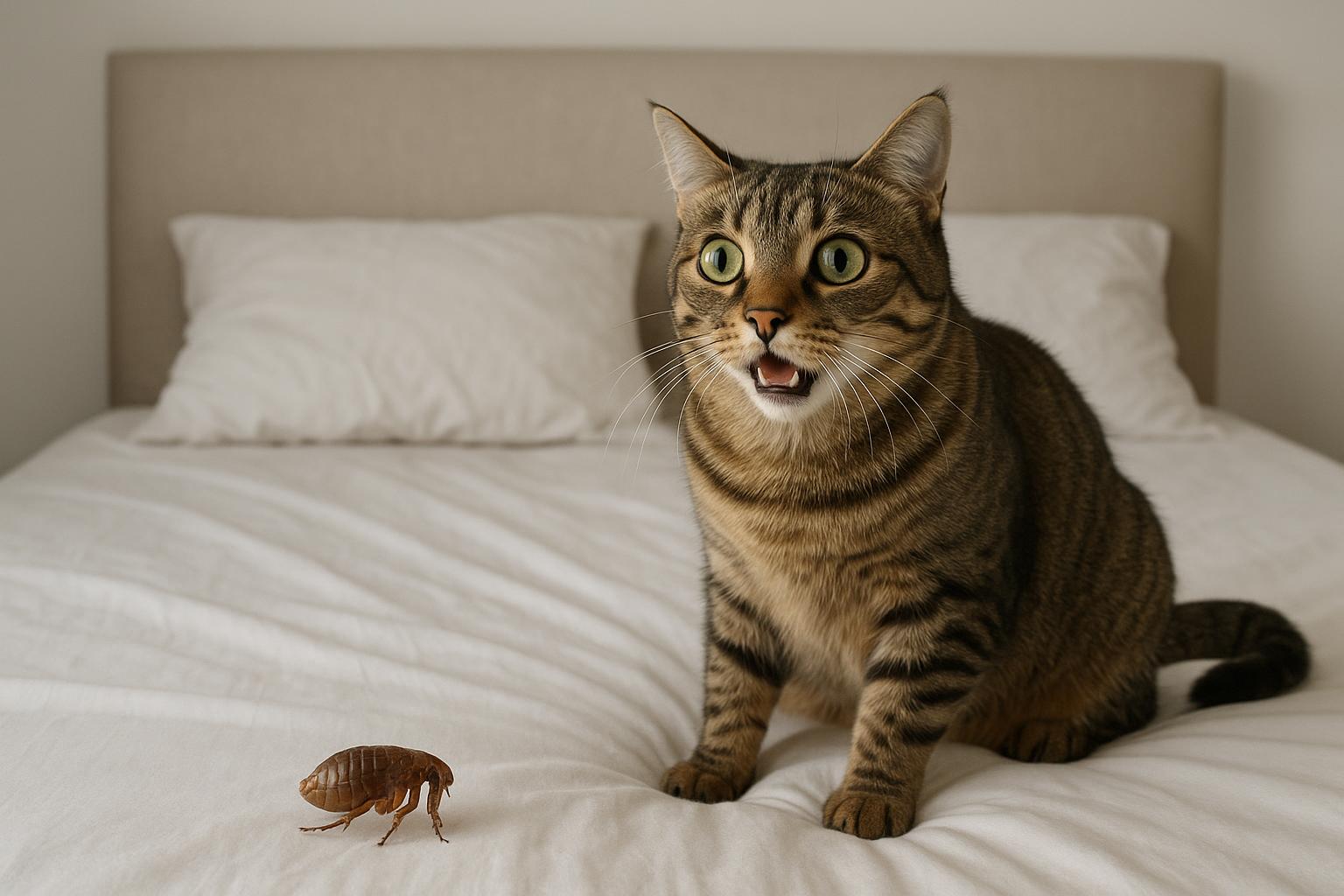
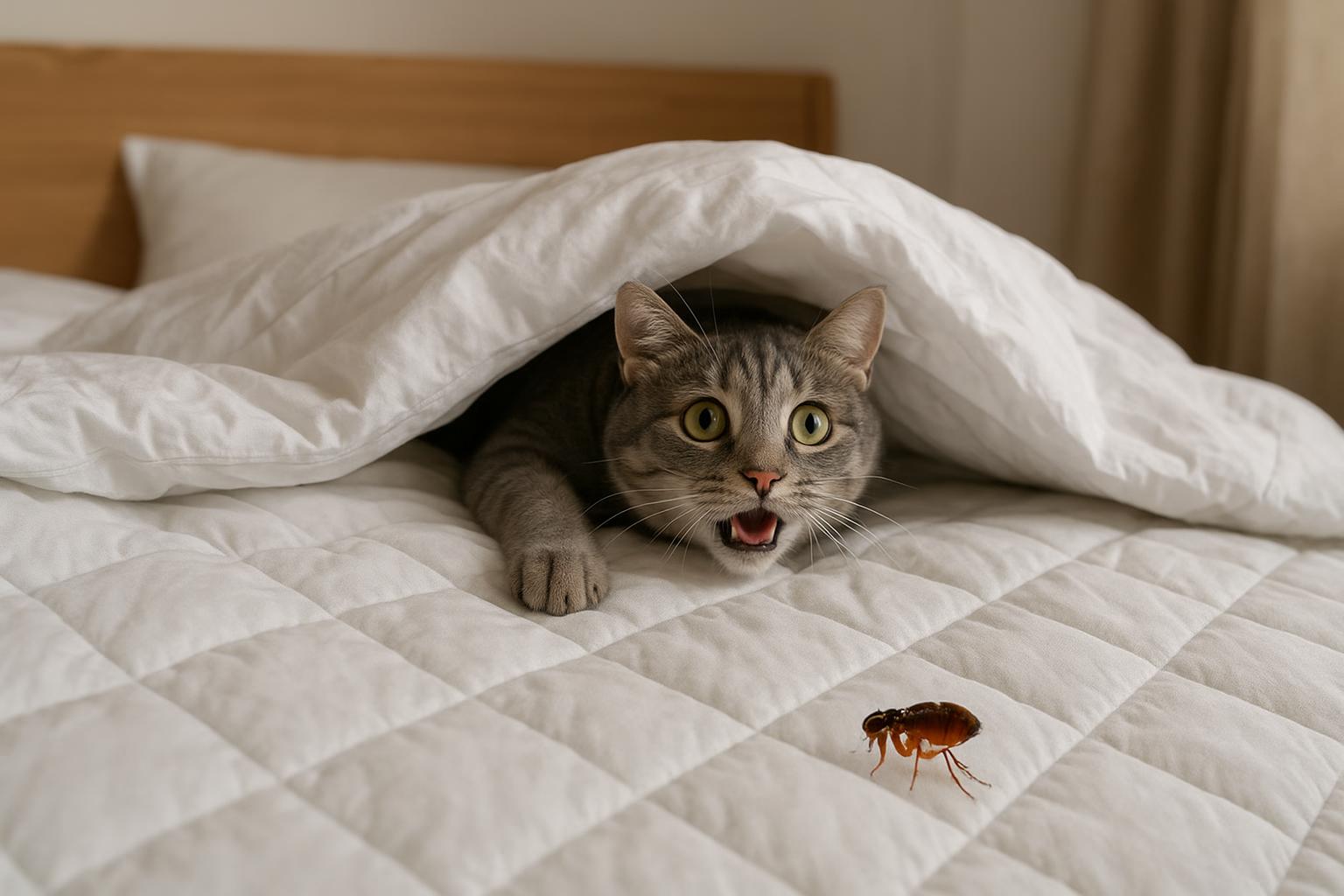
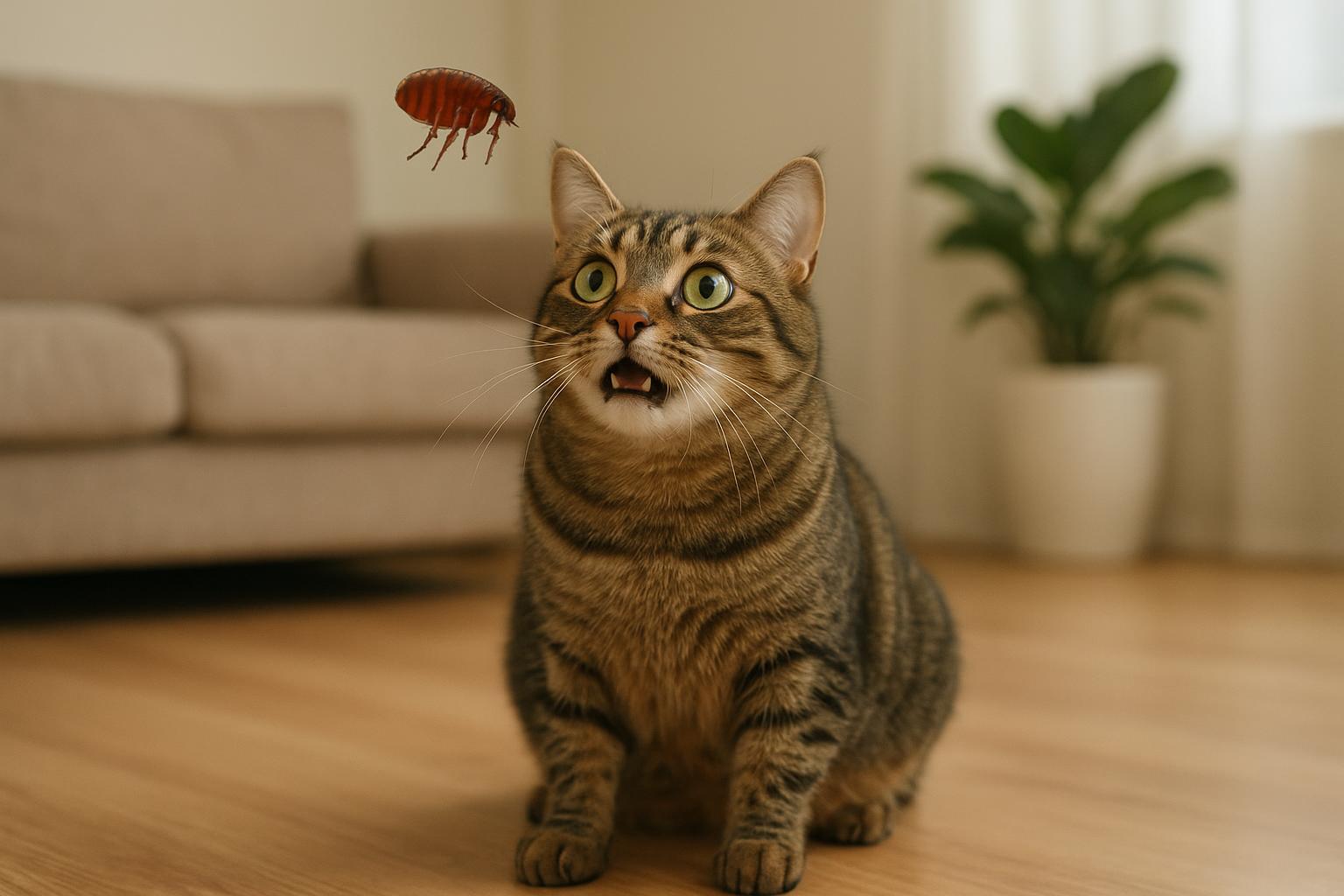
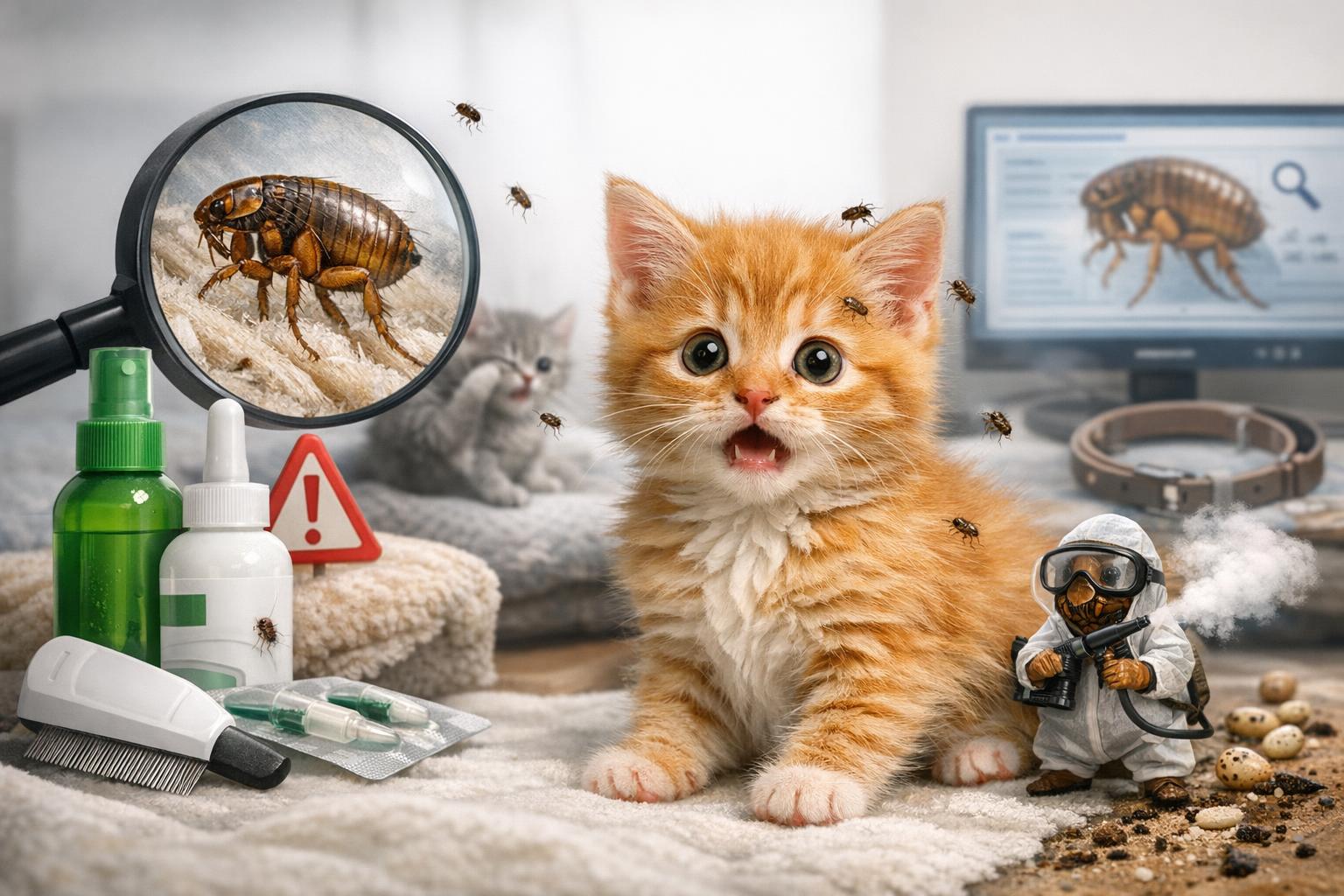
Fleas aren’t just itchy annoyances. They can cause anemia in kittens, allergic dermatitis in sensitive cats, and can transmit tapeworms. Controlling fleas promptly protects your cat’s comfort and health, and it keeps your home from turning into a flea convention. A responsible flea strategy often centers on a properly chosen topical cat product combined with environmental measures.
## Topical Cat Treatments: How They Work
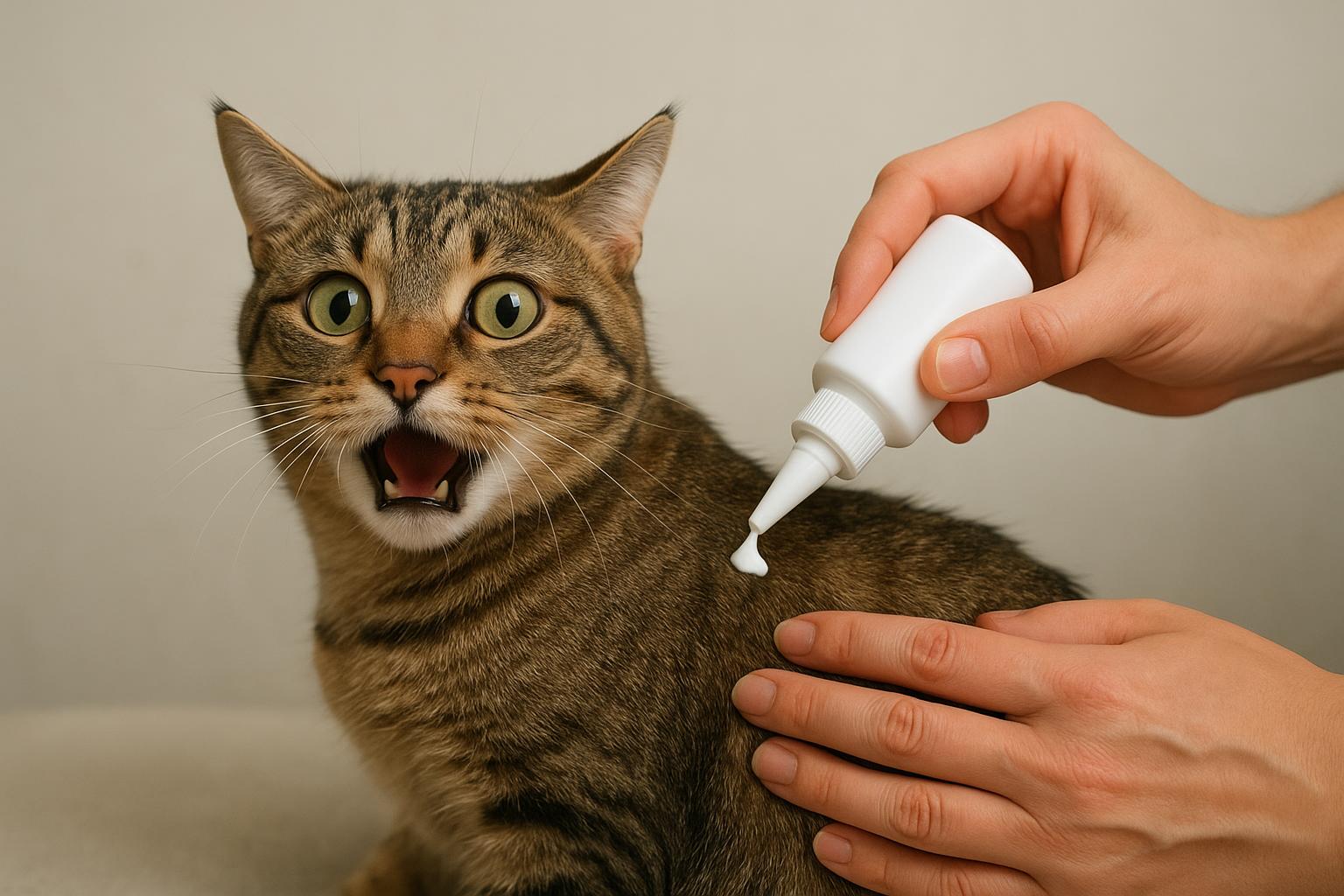
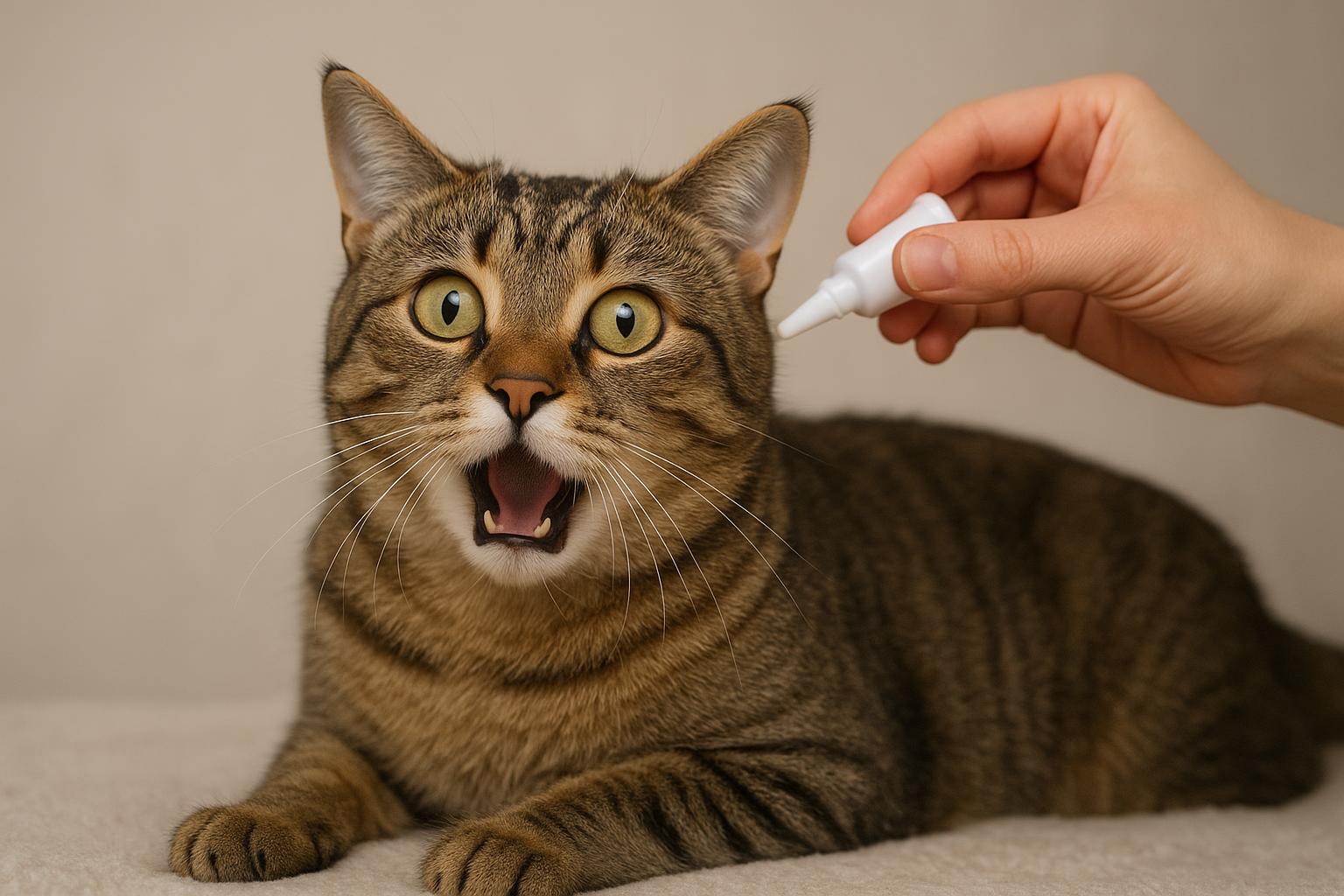
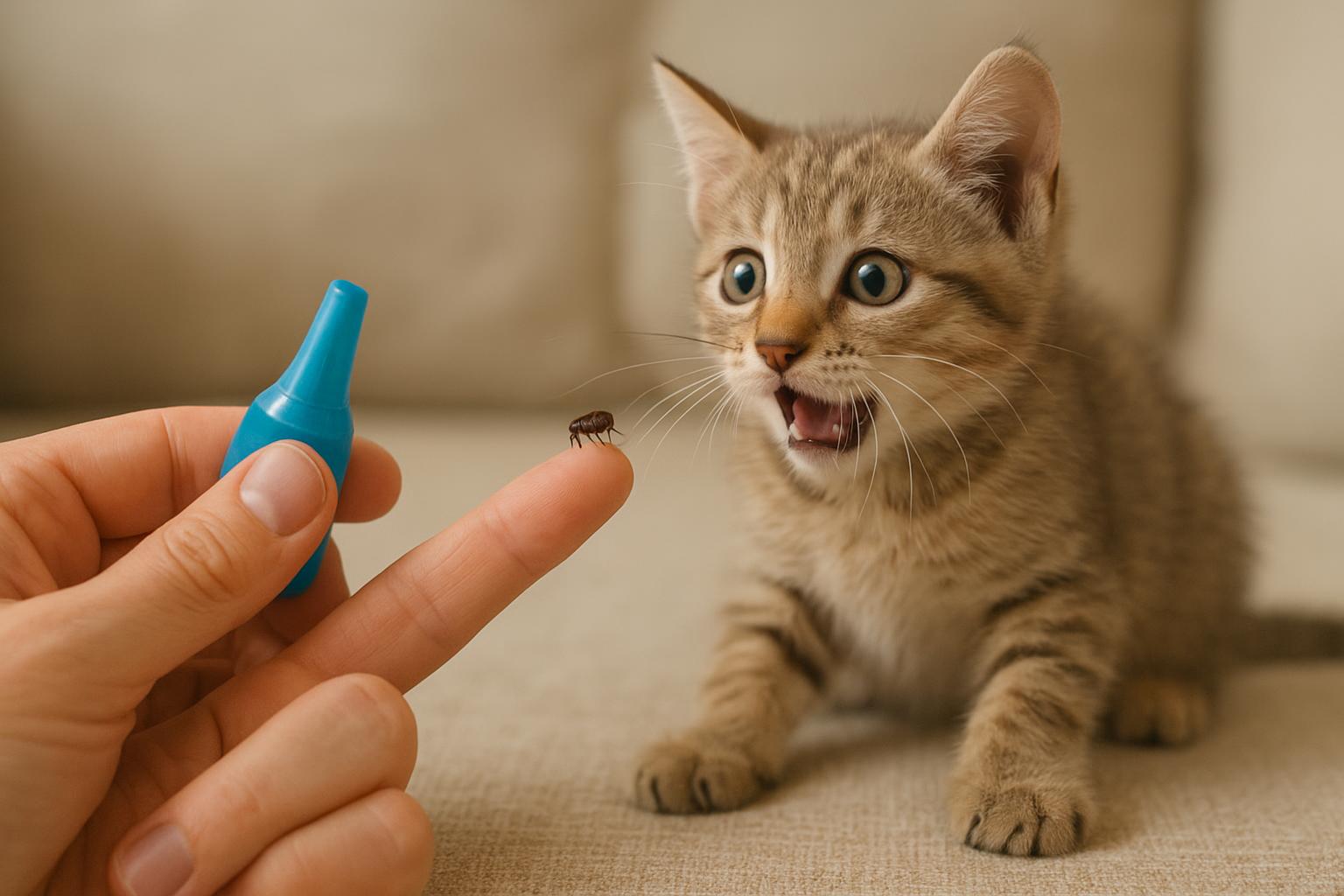
Topical cat (spot-on) products are applied to the skin, usually at the base of the neck. They contain active ingredients that kill fleas at various life stages: adulticides to kill mature fleas, insect growth regulators (IGRs) to stop immature fleas from developing, or both. Applied correctly, these treatments distribute across the skin surface via the skin’s oils — not by being licked off — so correct application and spacing from the shoulder blades is important.
### Signs You Need To Start A Treatment
– Persistent scratching or biting
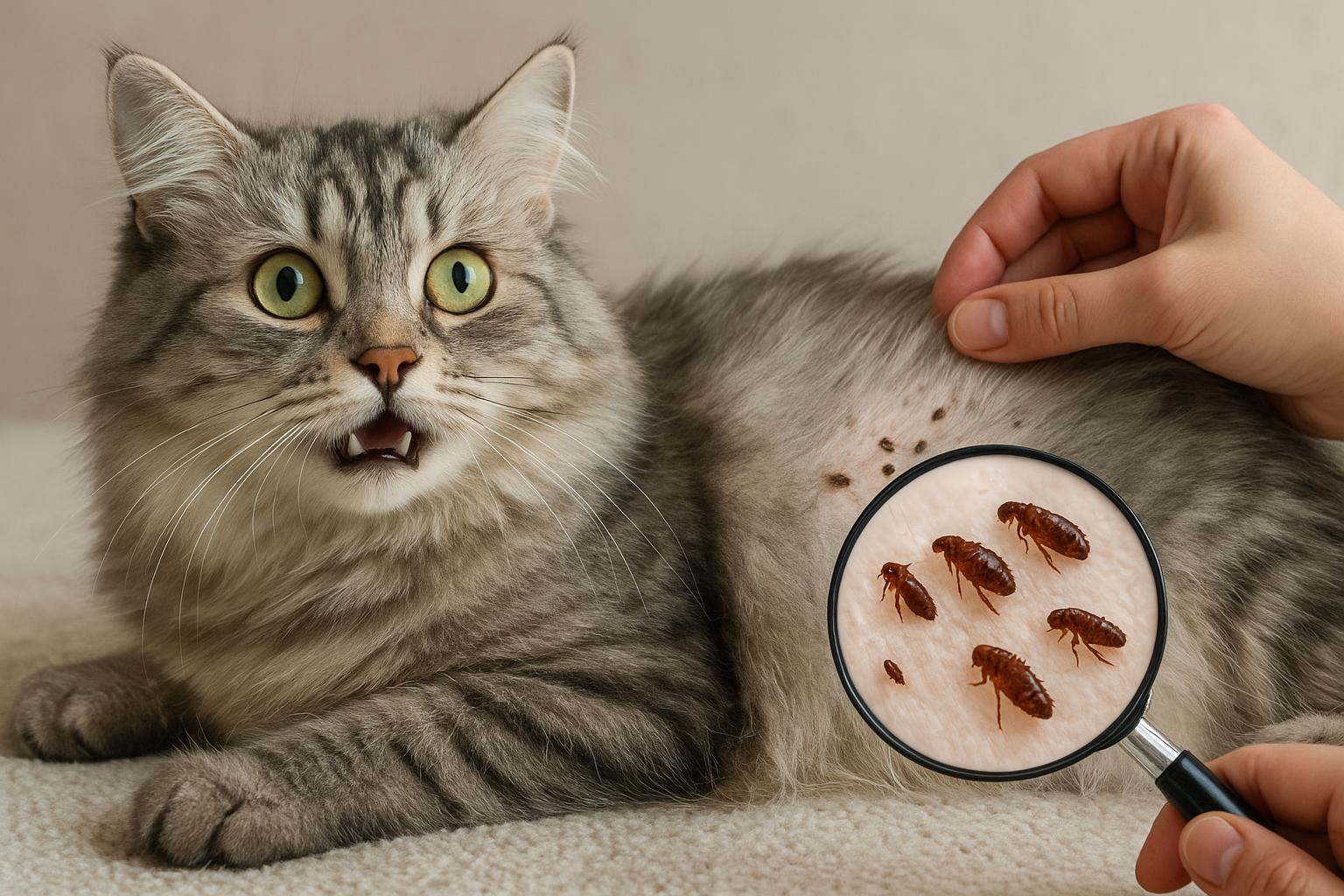
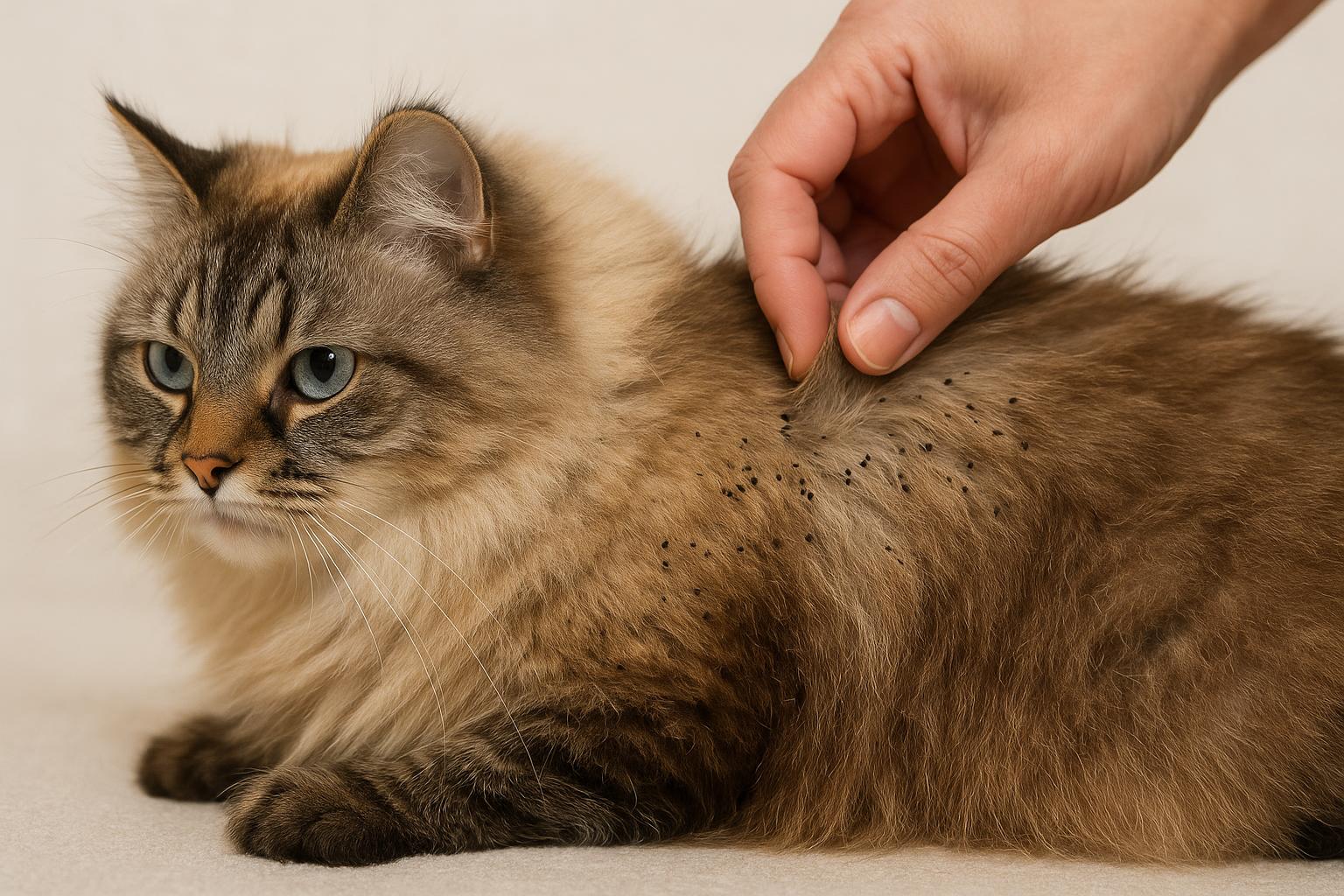
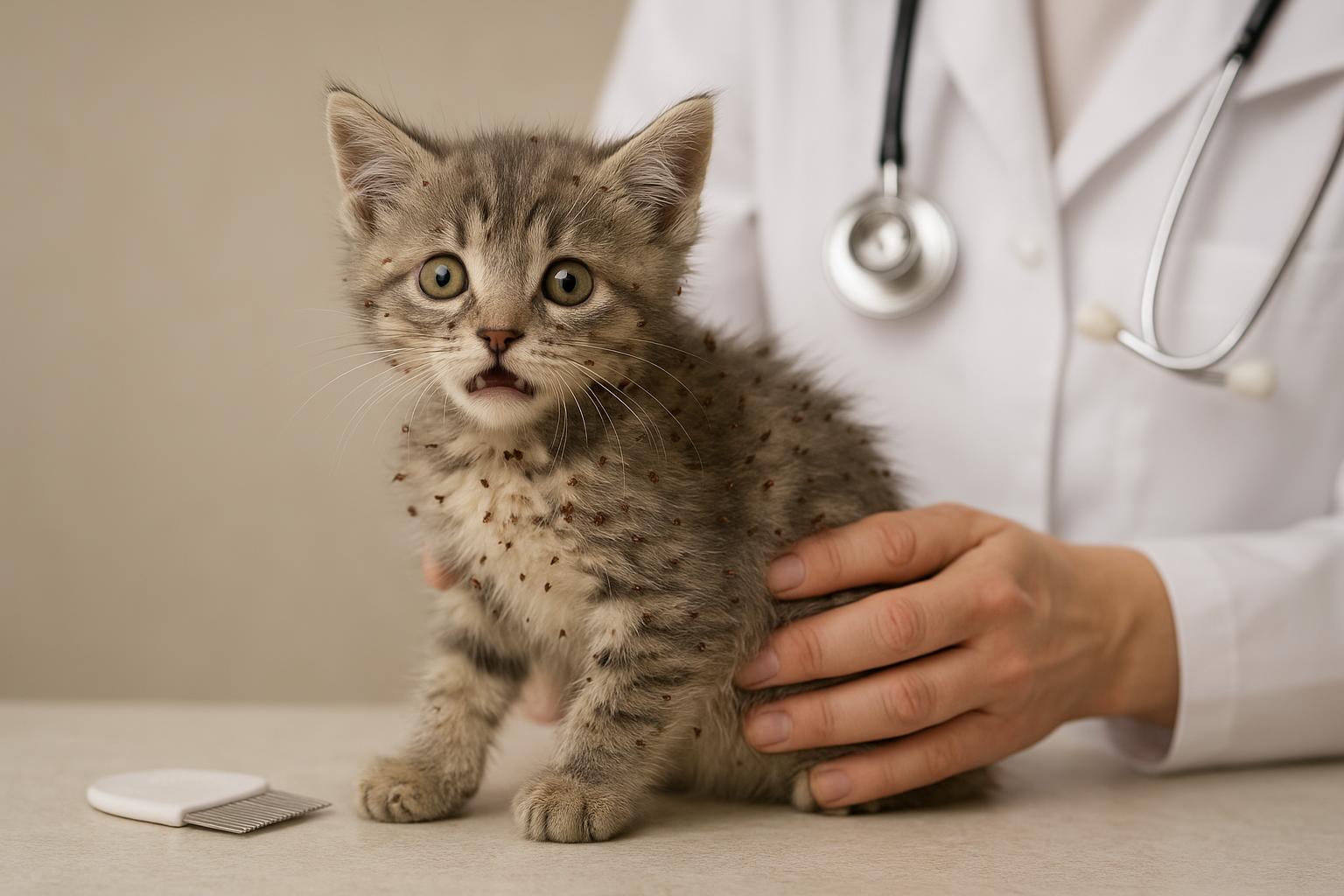
– Visible fleas or flea dirt (tiny black specks)
– Red or irritated skin, especially at the base of the tail and lower back
– Newly adopted or outdoor-exposed cats
### Safety First: Vet Guidance And Label Directions
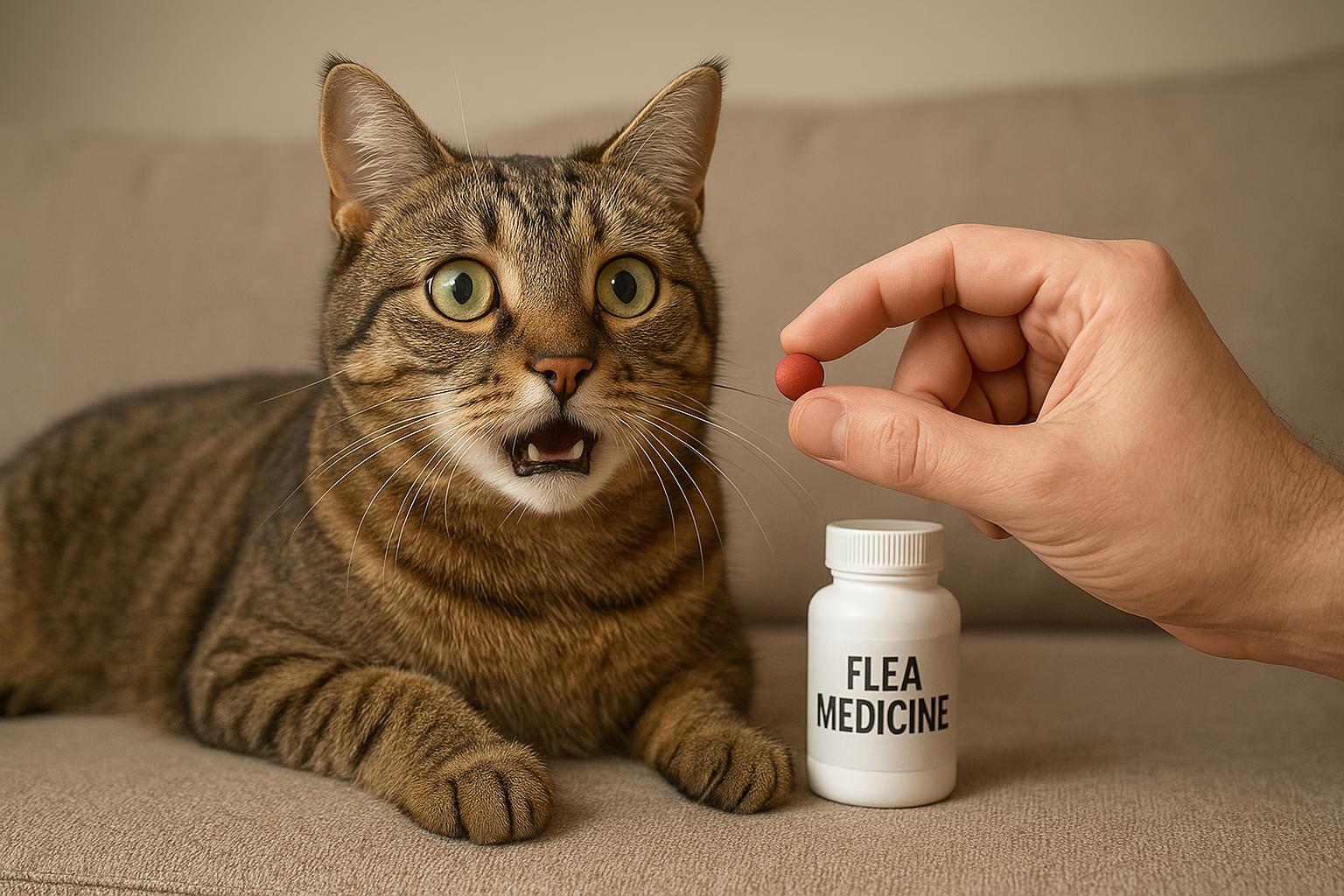
Before you use any topical cat product, weigh your cat and read the product label. Some flea medicines labeled for dogs are dangerously toxic to cats. Consult your veterinarian when choosing active ingredients (examples: imidacloprid, fipronil, selamectin, or combination products). Follow label dosing intervals exactly; over-application increases risk without increasing efficacy.
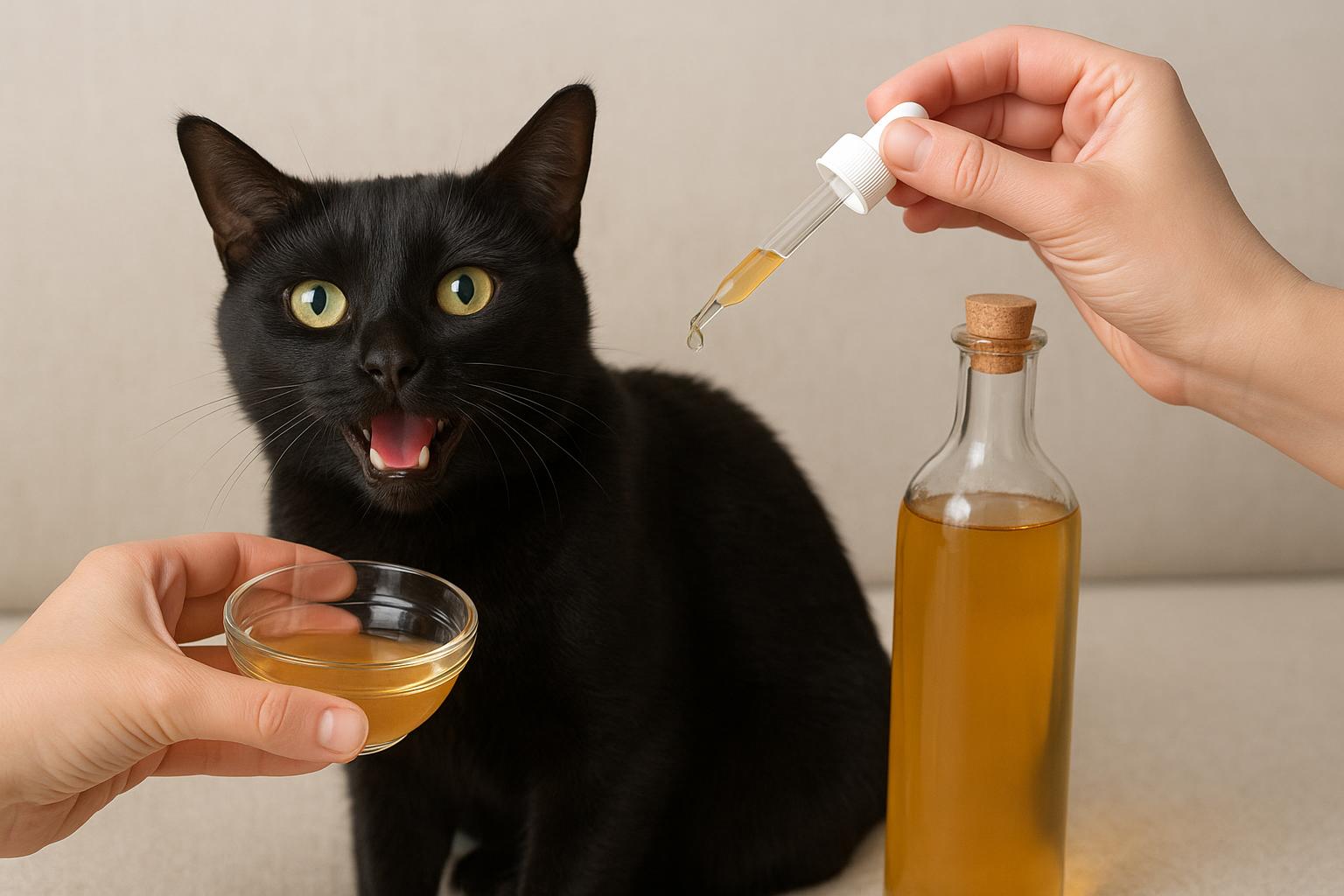
## 1. Commercial Topical Treatment (Spot-On) — Ingredients And Application
This is the most common and often the most reliable approach for controlling fleas on cats.
#### Required Materials
– Vet-recommended topical cat spot-on product sized for your cat’s weight
– Disposable gloves
– Clean towel
– Scale to confirm cat’s weight (optional but recommended)
– Waste disposal bag
#### Preparation And Application Steps
1. Confirm Weight And Product Selection: Verify your cat’s weight and choose the pack sized for that weight. Do not split doses between cats or use multiple tubes to approximate a larger dose; use the product designed for the weight range.
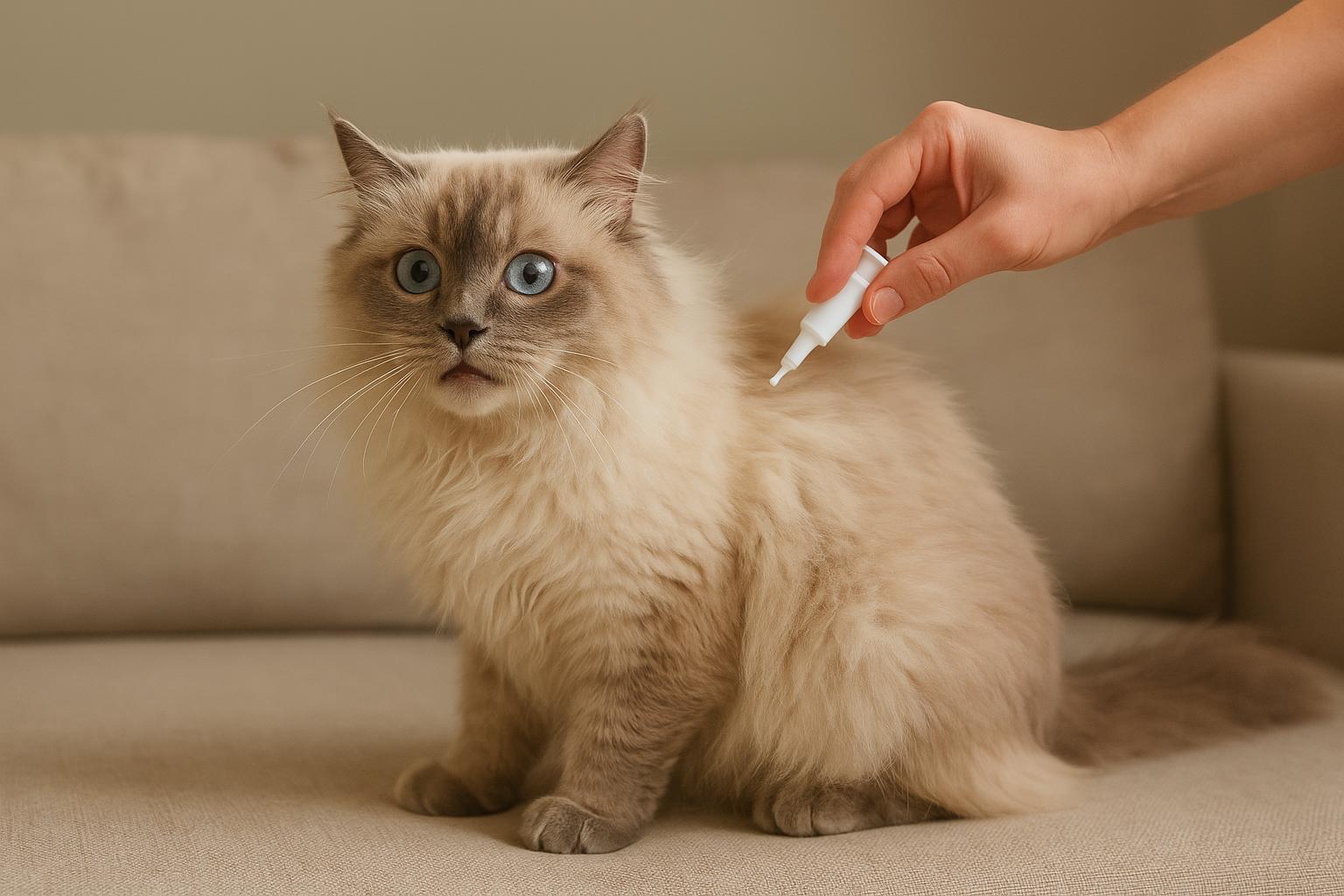
2. Choose Application Site: Select the scruff area at the base of the skull or between the shoulder blades. Cats can’t easily lick that spot, minimizing ingestion risk.
3. Restrain Calmly: Wrap the cat gently in a towel if needed to limit movement. Speak softly and reward cooperation.
4. Put On Gloves: Wear disposable gloves to avoid getting product on your hands.
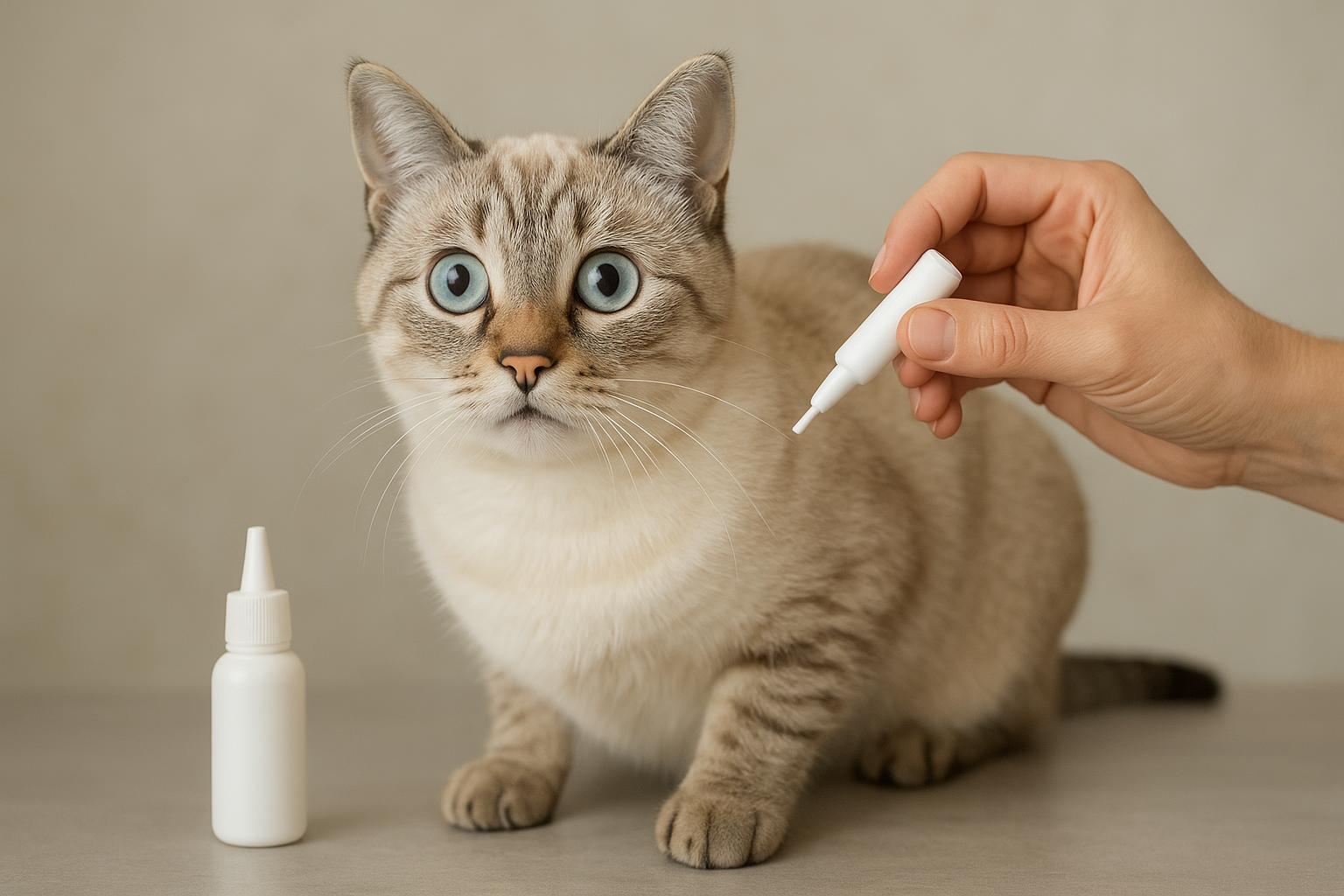
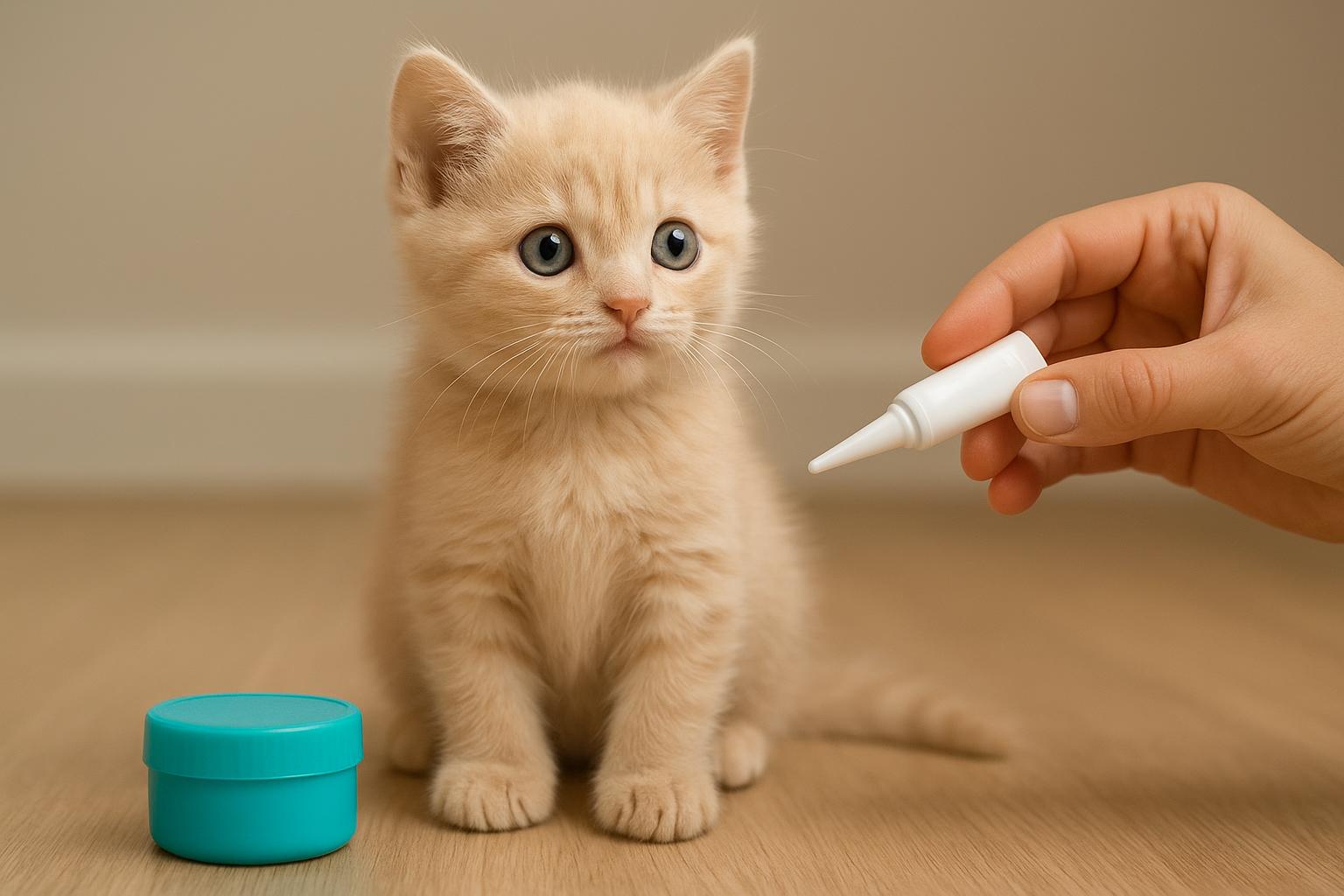
5. Open The Tube Correctly: Hold the tube upright, snap the tip, and point the nozzle at the exposed skin.
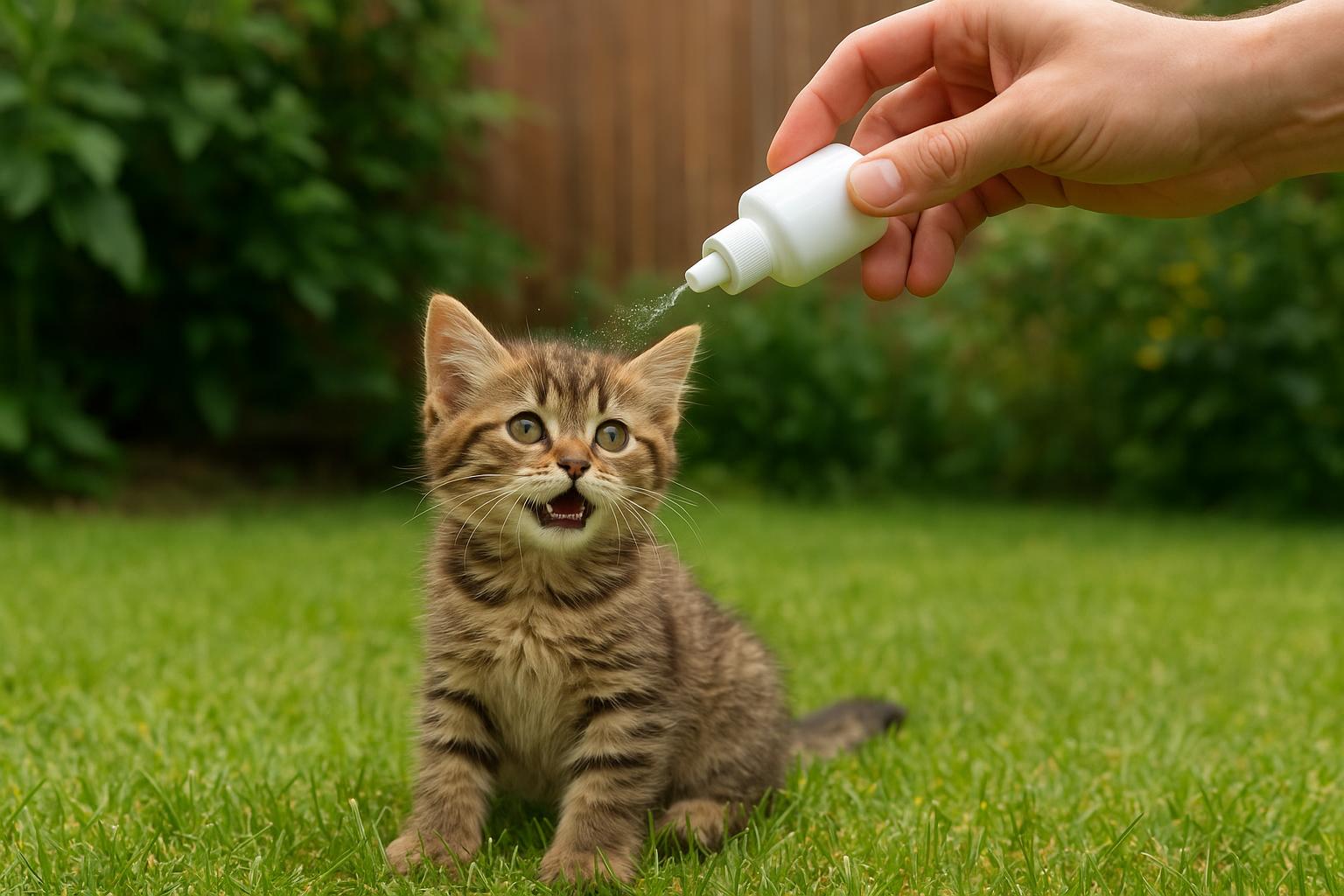
6. Apply To Skin, Not Fur: Part the fur until skin is visible and place the tip directly on the skin. Squeeze the entire contents at one or two spots as instructed by the label. The product must reach the skin to be effective.
7. Avoid Contact Until Dry: Keep other pets and people from touching the application site until the product dries (usually a few hours). Do not bathe the cat for at least 48 hours after application unless the product label specifies otherwise.
8. Record Date: Note the application date and set a reminder for the next dose window. Follow the prescribed dosing interval exactly.
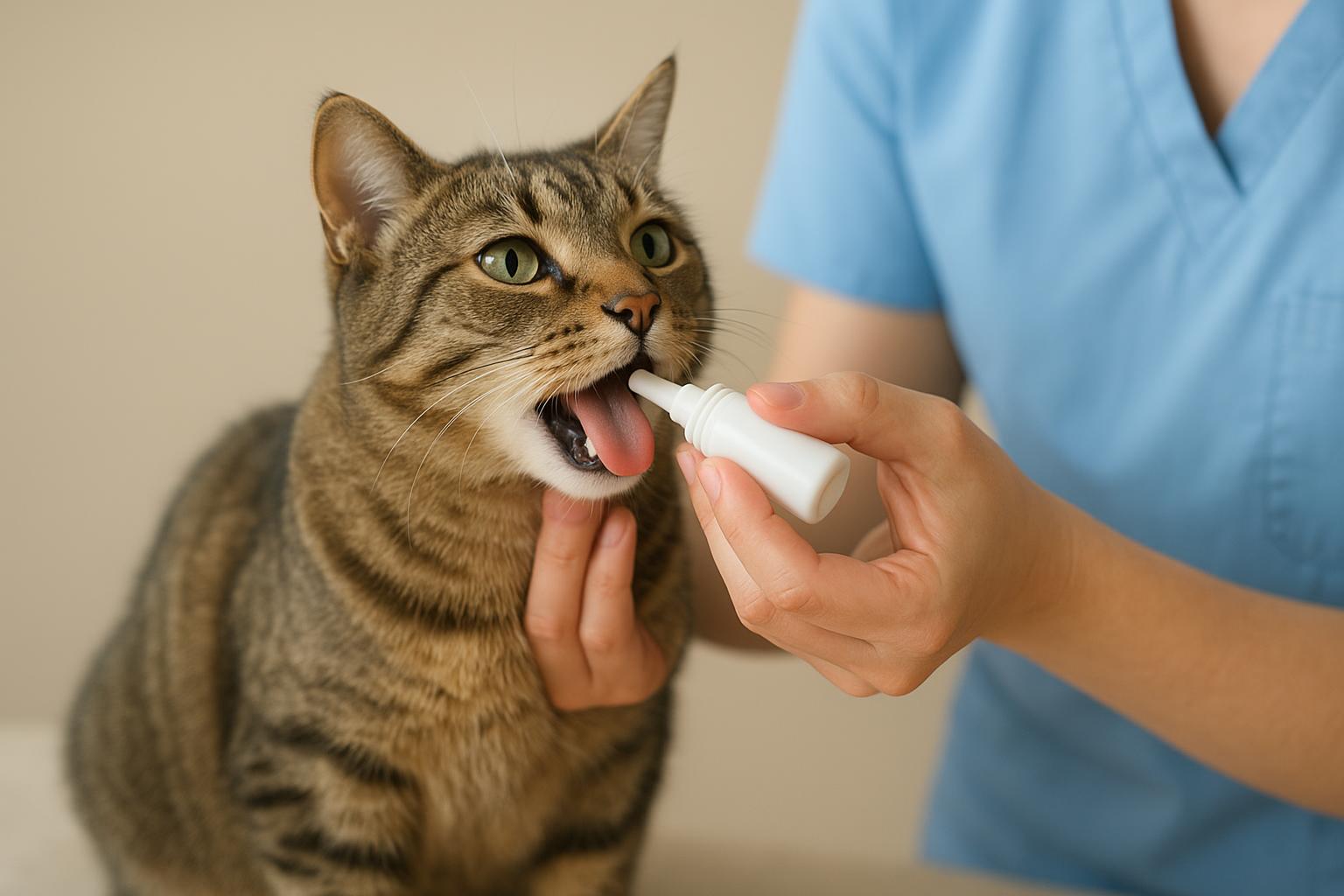
Be formal and precise here: adhere to label directions, never mix products unless a veterinarian advises, and seek veterinary care if the cat shows signs of adverse reaction (excessive drooling, tremors, vomiting, lethargy, or severe skin irritation).
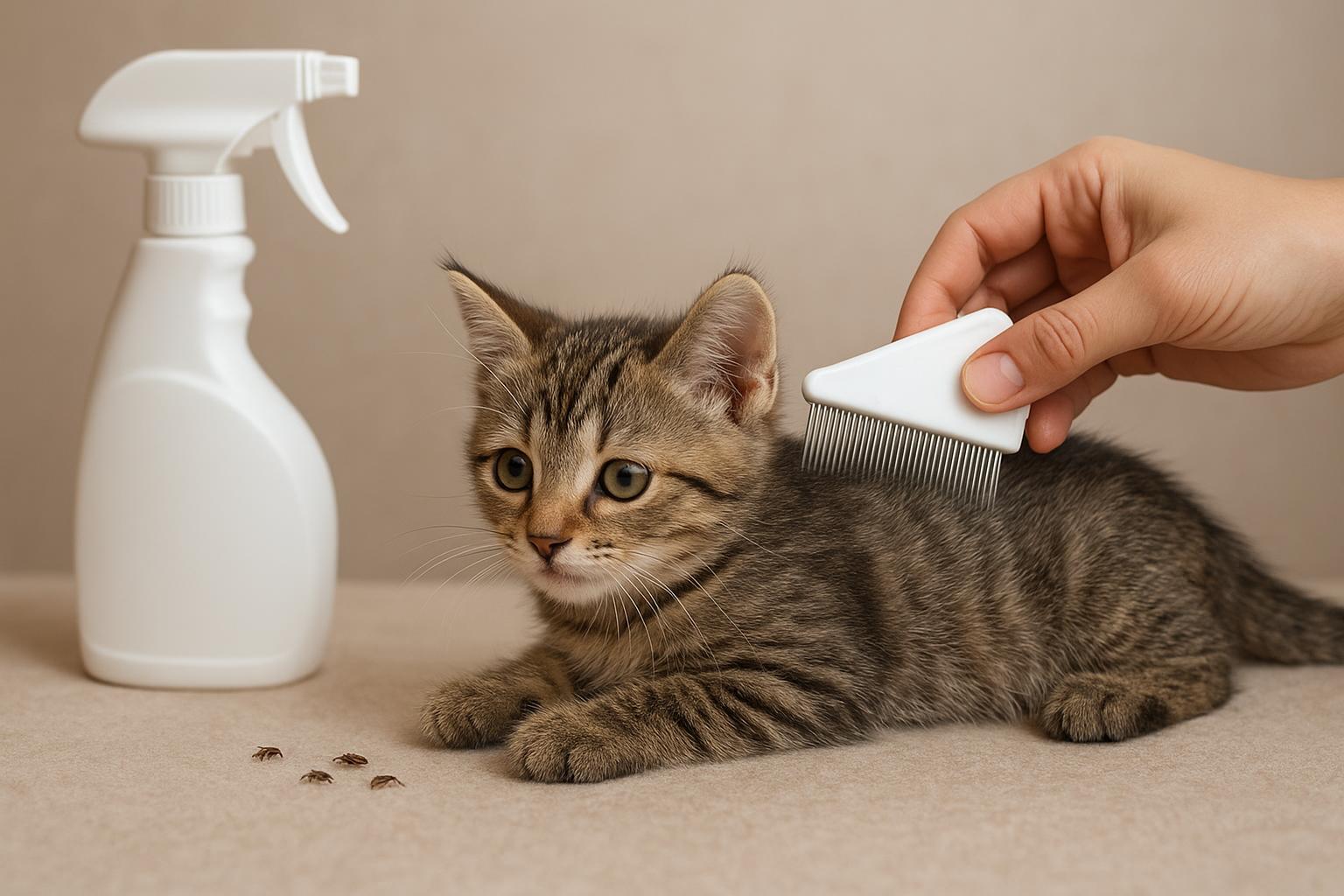
## 2. Home Management: Flea Comb And Soapy Water Method
If you prefer to reduce flea load without relying solely on chemicals, this is a safe, complementary approach. It’s especially useful for kittens or cats awaiting veterinarian-approved topical treatments.
#### Required Materials
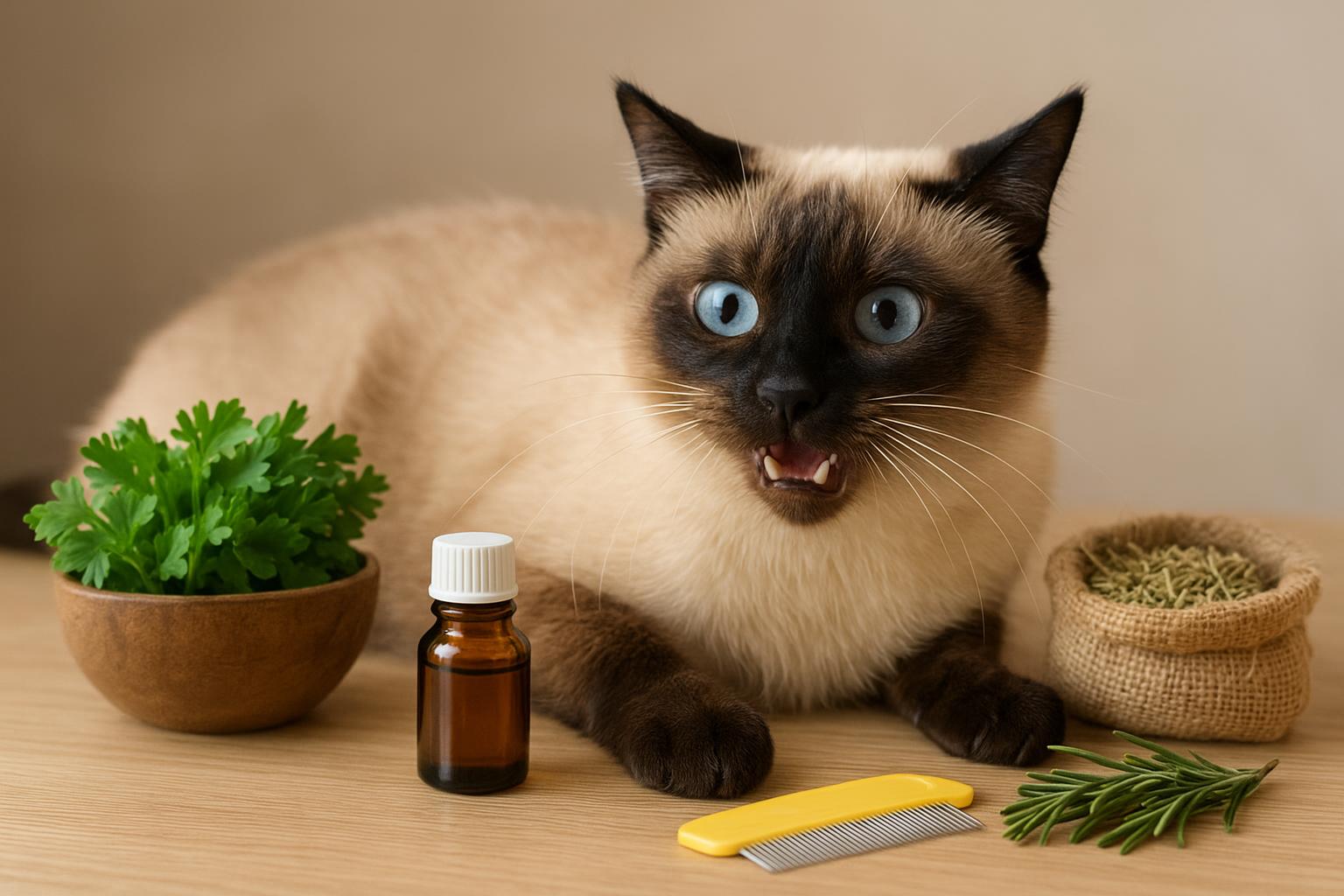
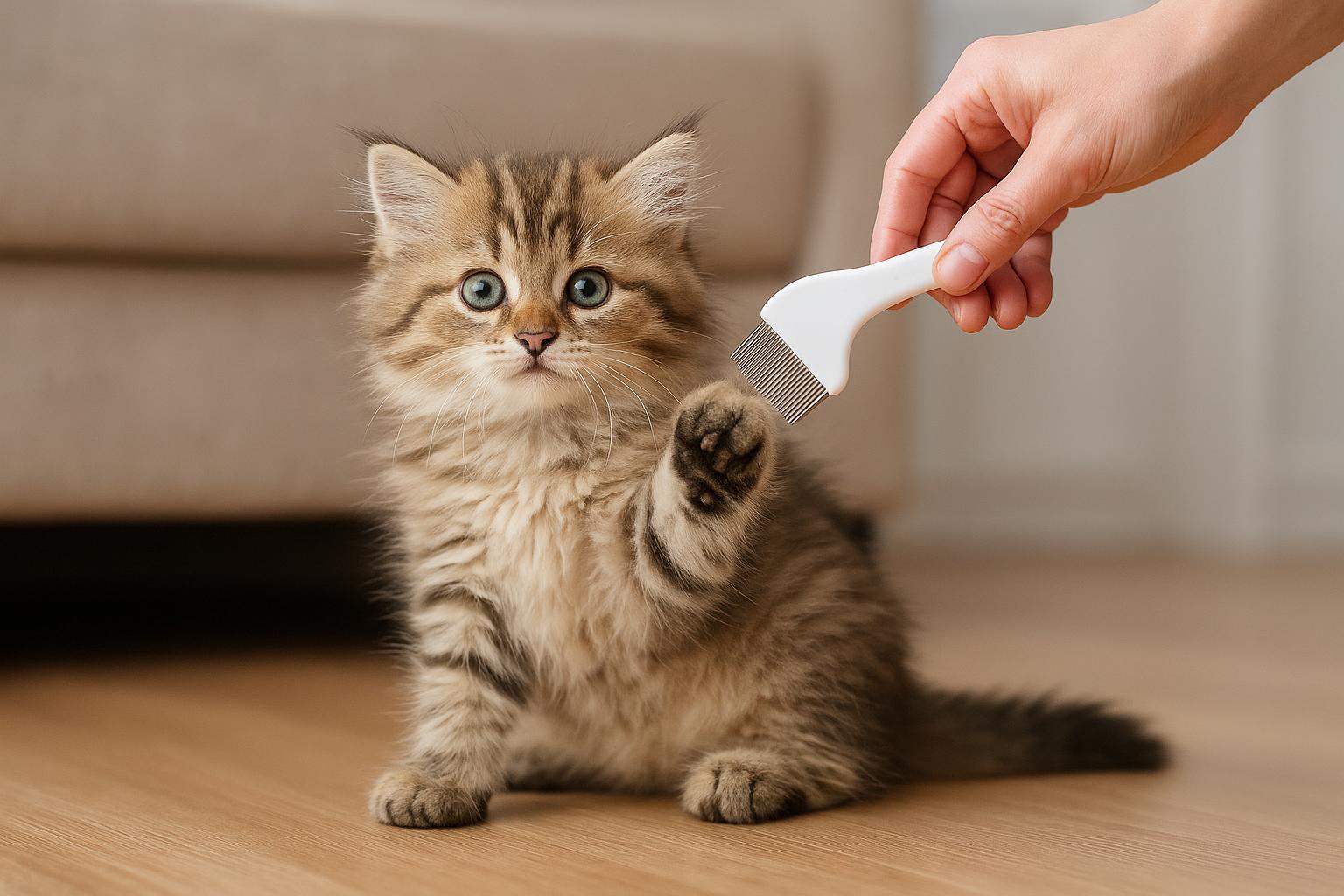
– Fine-tooth flea comb
– Large bowl or shallow container
– Dish soap (mild, unscented)
– Towels
– Treats and a helper (if needed)
– Vacuum with disposable bag or canister
#### Preparation And Application Steps
1. Prepare Soapy Water: Fill the bowl with warm water and add a teaspoon of detergent to make a frothy solution that will drown fleas.
2. Create A Comfortable Space: Lay a towel on a table or lap where the cat feels safe. Have treats ready.
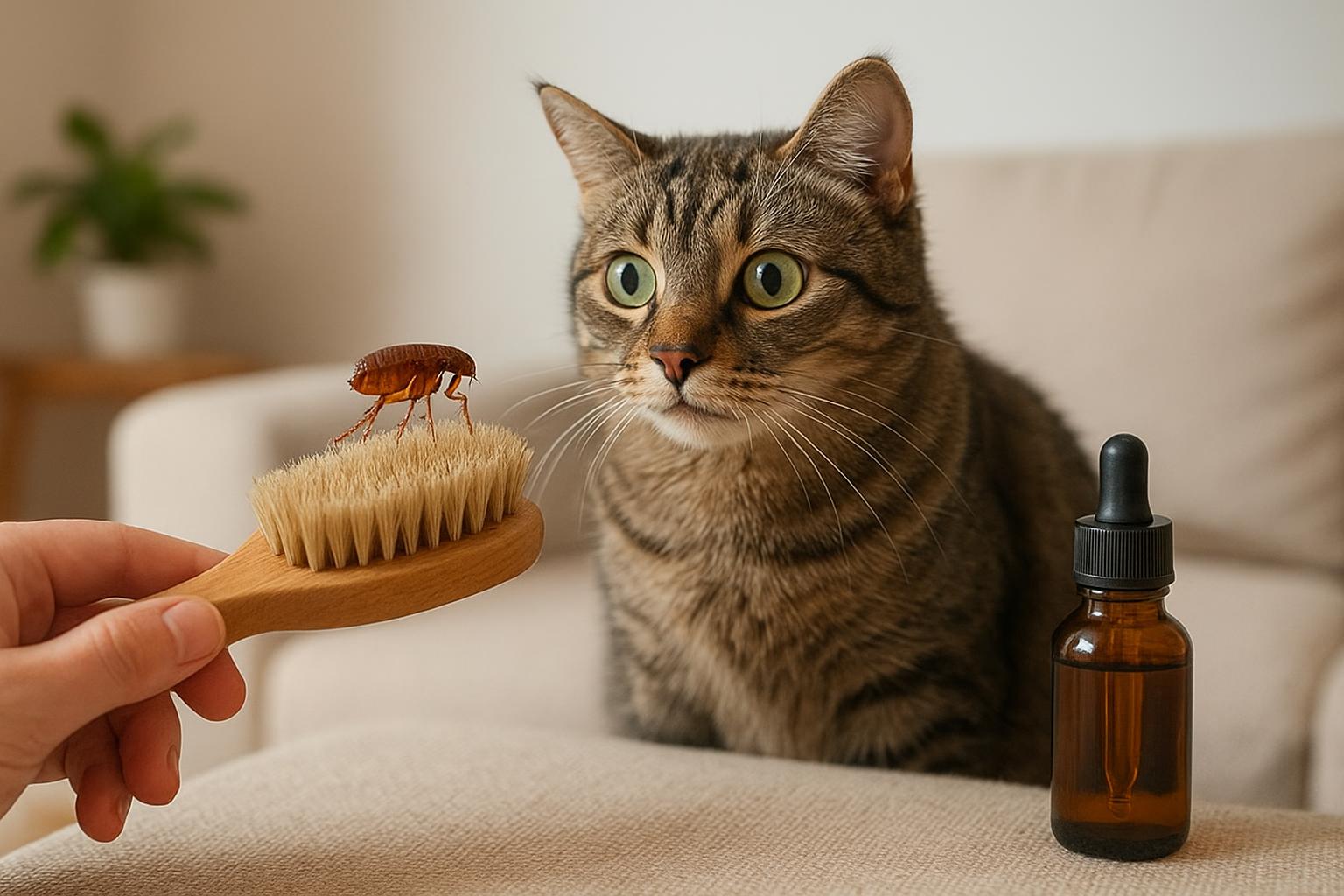
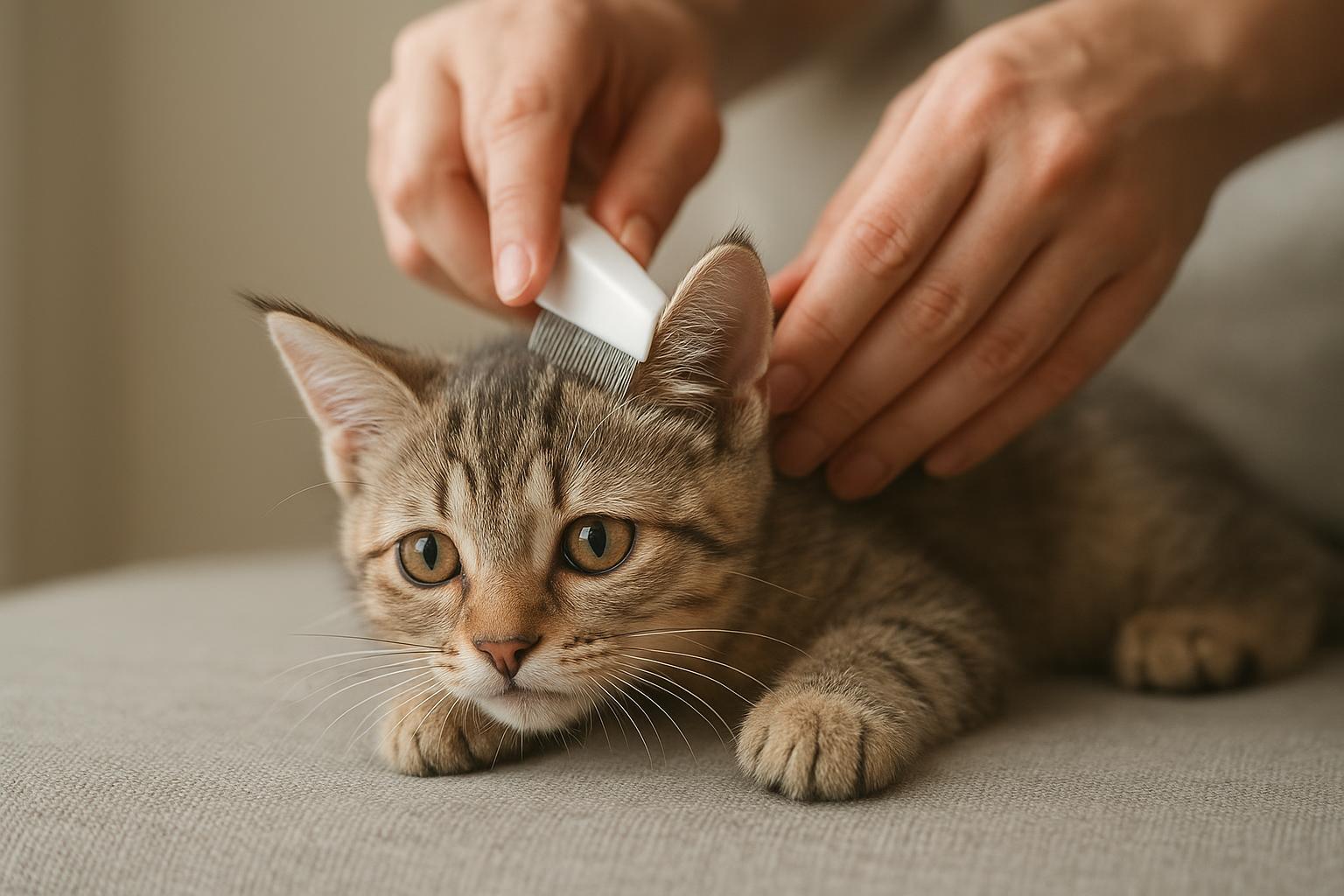
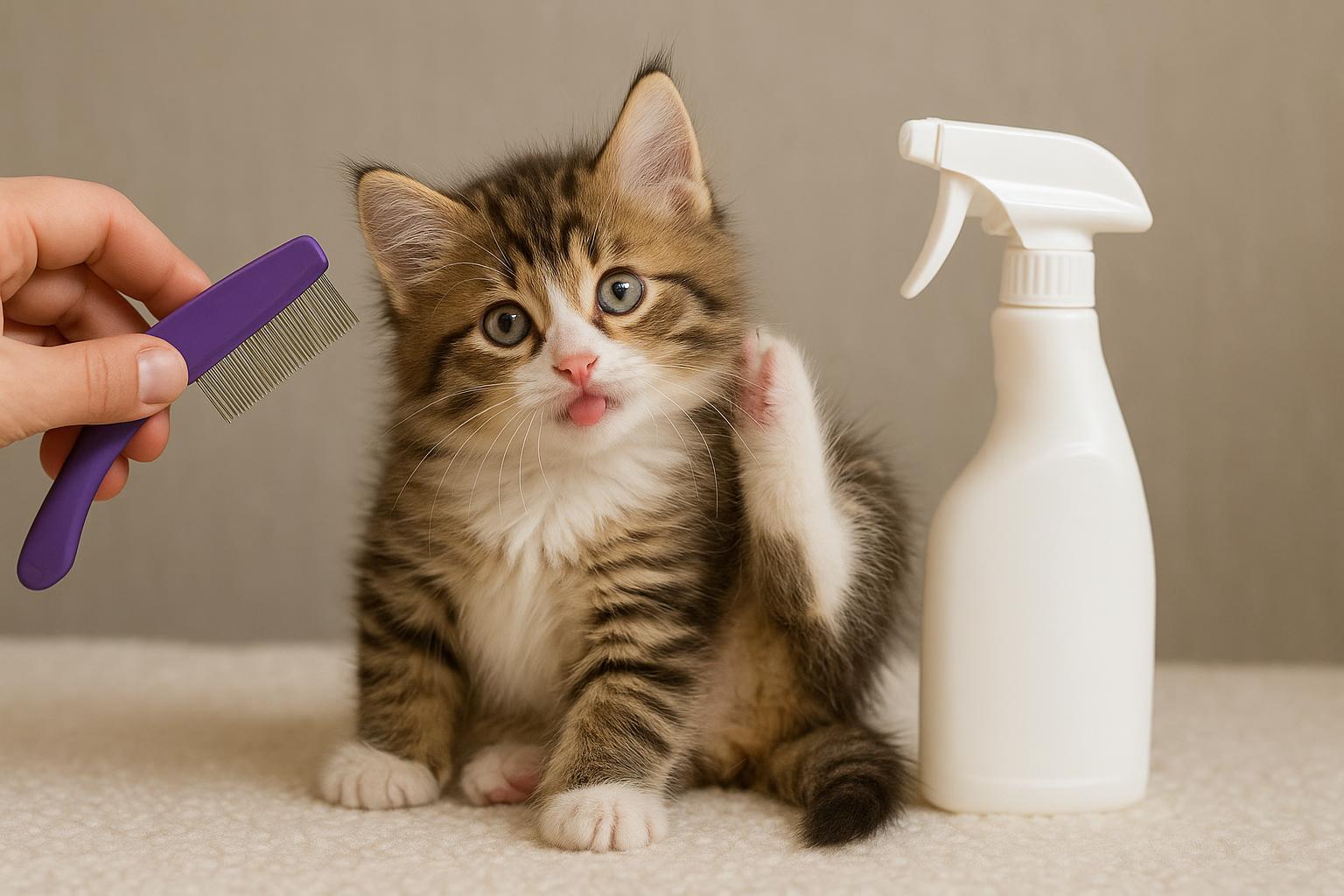
3. Comb Methodically: Gently comb from head to tail, focusing on the neck, base of tail, and underarms — places fleas prefer. After each pass, dip the comb into the soapy water to remove captured fleas.
4. Continue Regularly: Repeat combing daily for at least two weeks to remove newly hatched fleas before they lay eggs.
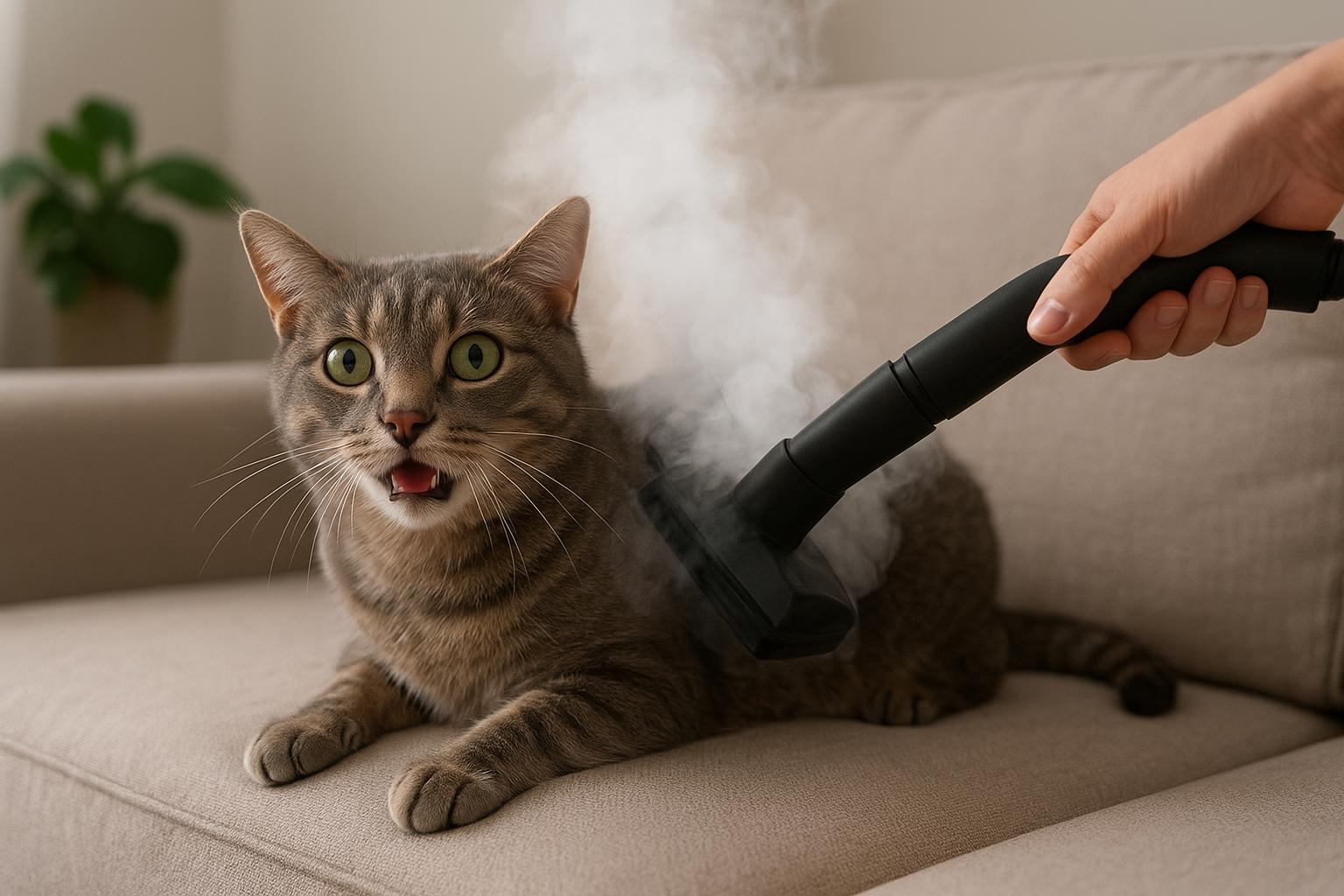
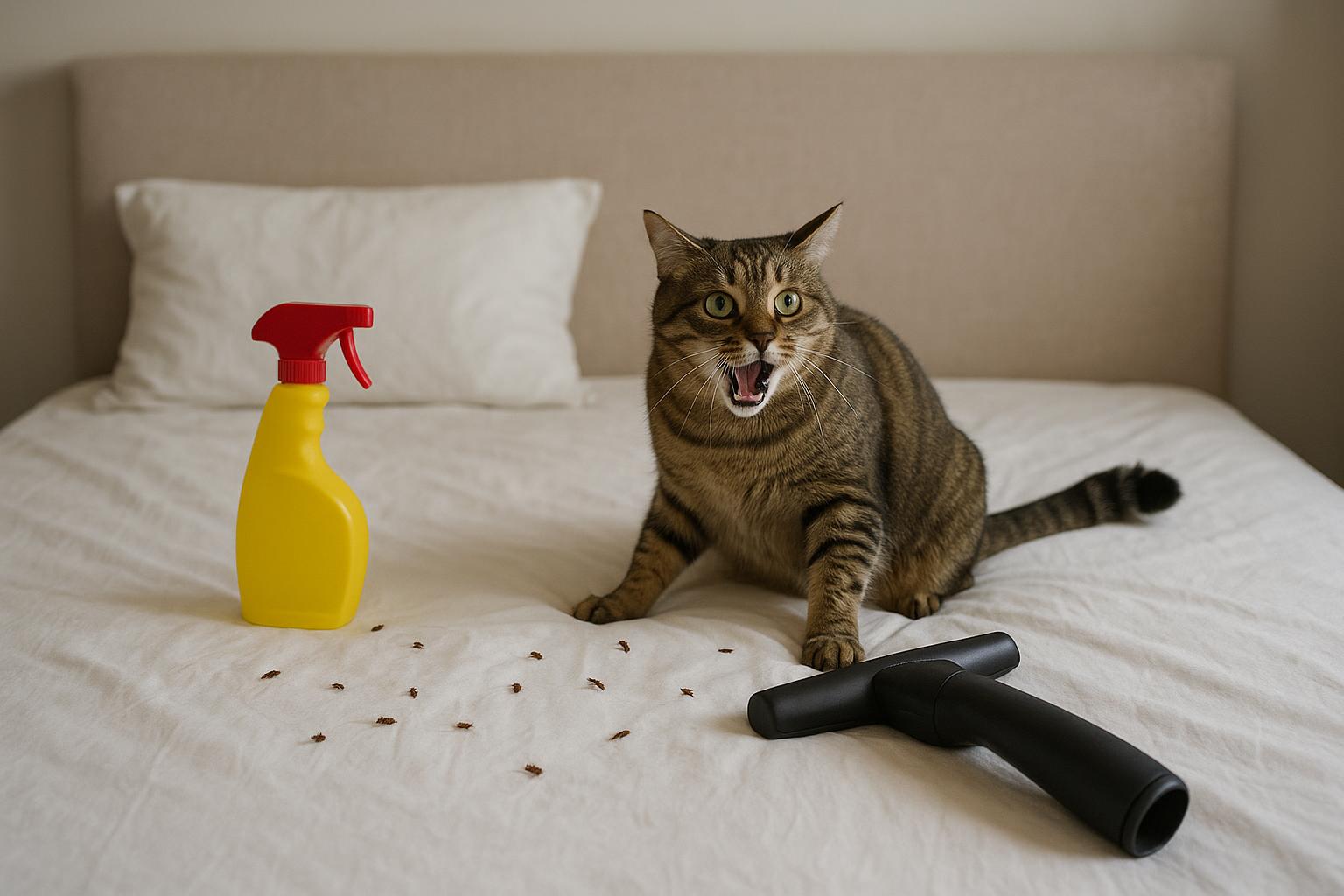
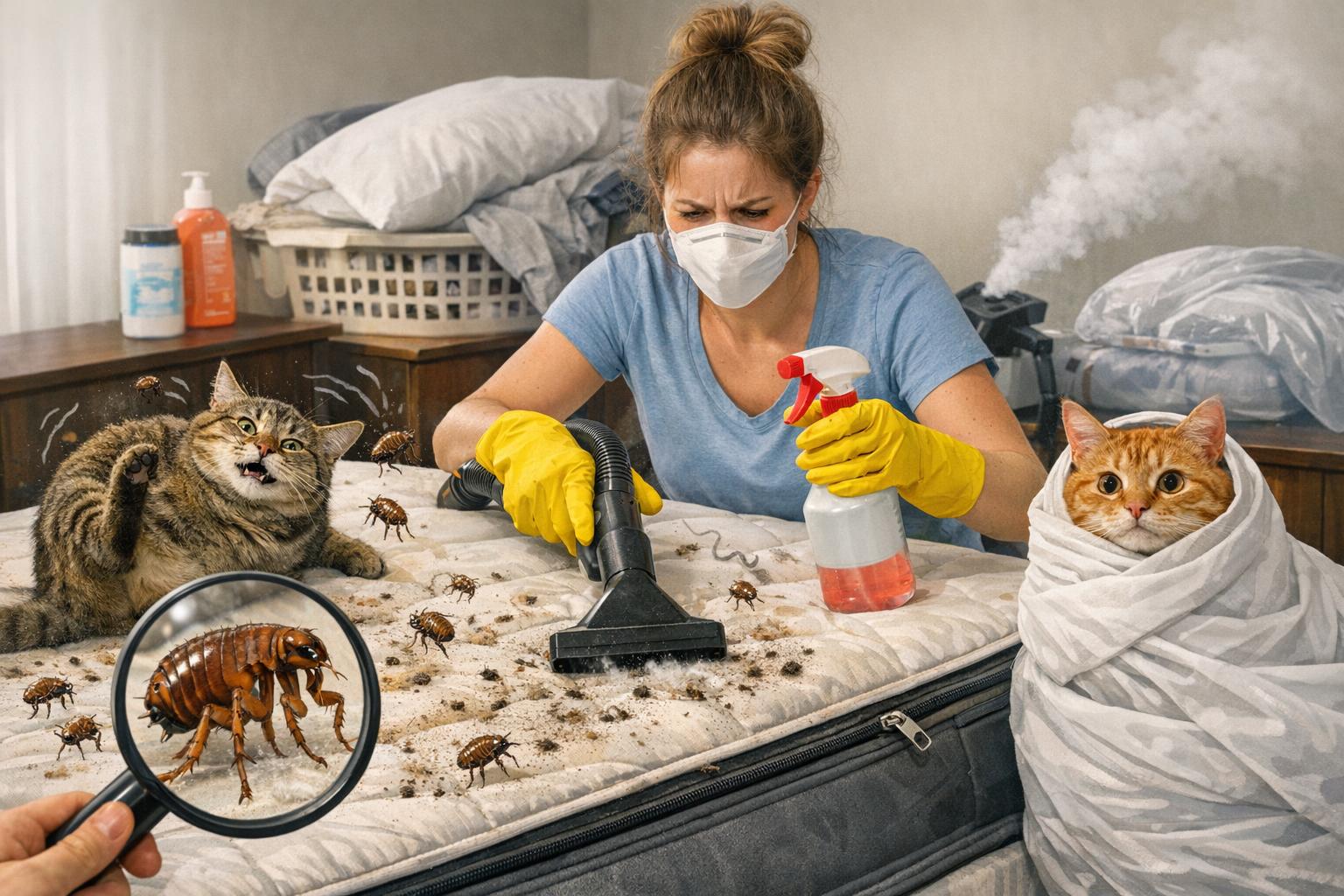
5. Clean The Environment: Vacuum floors, carpets, and upholstery thoroughly and dispose of vacuum bags or empty canisters outdoors. Wash bedding and any fabric cover where the cat sleeps in hot water weekly.
6. Monitor Progress: Flea combing reduces adult fleas immediately but does not stop reinfestation. Use in combination with vet-recommended topical cat treatments for best results.
### When A Bath Is Appropriate
Some cats tolerate a gentle bath with a mild dish soap specifically to remove fleas from the fur. If you bathe, do it only under calm conditions and avoid using products not labeled for cats; many insecticides for dogs are toxic to cats. Drown-and-comb is safer and less stressful for most felines.
## Environmental And Household Control
Treating your cat is half the battle. Flea eggs and larvae develop in the environment. Vacuum frequently, wash bedding, and consider a household spray or fogger with an insect growth regulator (IGR) if infestation is heavy. Always choose products labeled safe for homes with pets and follow safety intervals. Professional pest control can be appropriate for severe home infestations; inform them that you have cats so they use pet-safe treatments.
### Multi-Pet Households
If you have other pets, treat them as well with species-appropriate products. Keep cats away from dog-only flea medicines. For indoor/outdoor dynamics, try to limit exposure to untreated outdoor animals and inspect your cat regularly.
### Special Cases: Kittens, Pregnant, Or Sick Cats
Kittens under a certain weight or age cannot use many topical products. Pregnant or nursing queens may require a specific protocol. Consult your veterinarian before treating vulnerable cats. Your vet can recommend safe options or timing to protect both the mother and kittens.
## Troubleshooting And Common Concerns
– Ineffective Product: If fleas persist after two treatment cycles, confirm proper application, product expiration, and correct weight dosing. Resistance can occur; consult your veterinarian about alternative actives.
– Skin Reactions: Mild irritation can be normal right after application. Severe signs — swelling, persistent vomiting, tremors — require immediate veterinary attention.
– Licking And Grooming: Cats groom themselves; topical products are formulated to be safe if applied correctly. If you suspect ingestion, contact a vet.
– Human Exposure: Topical cat products intended for cats have lower mammalian toxicity but avoid direct skin contact; wash hands after application.
### Record Keeping And Scheduling
Keep a calendar of applications, environmental treatments, and veterinary visits. Consistency is critical: many topical cat products require monthly re-application to maintain control through the flea lifecycle.
If you follow these steps — a well-chosen topical cat product applied correctly, combined with environmental control and regular monitoring — you’ll dramatically reduce flea-related stress for both you and your feline friend. A little proactive care now saves you from a full-blown flea fiasco later, and you’ll both sleep easier (and less itchy).




Leave a Reply