

Hey there — before we dive in, a quick heads-up: fleas are sneakier than they look. This piece will walk you through exactly how these tiny jumpers make the trek from the yard into your living room, and then give you concrete, practical remedies to stop them dead in their tracks.
## Shocking Flea Routes Exposed From Outdoor Yards To Homes
### How Fleas Find The Doorway To Your Life
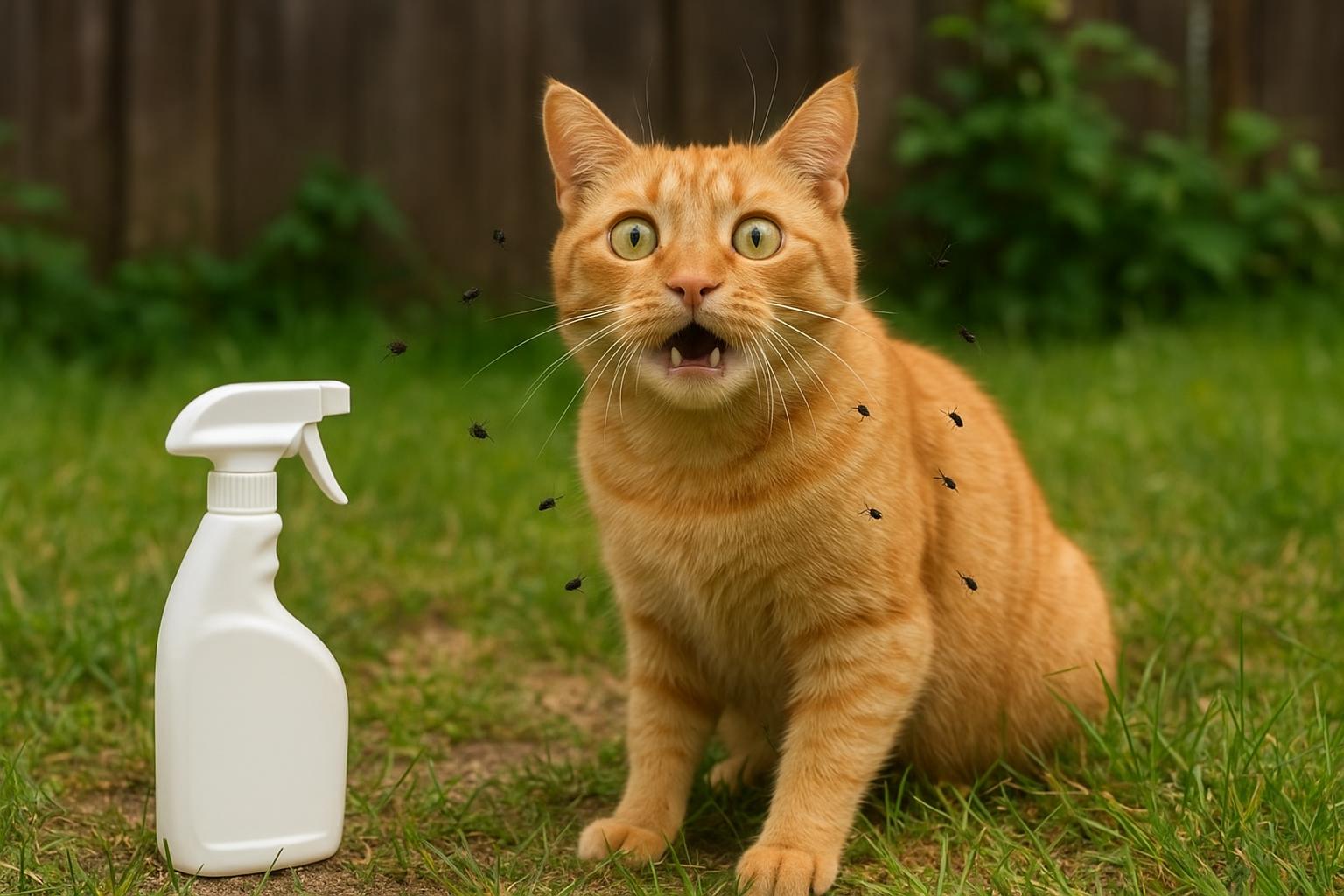
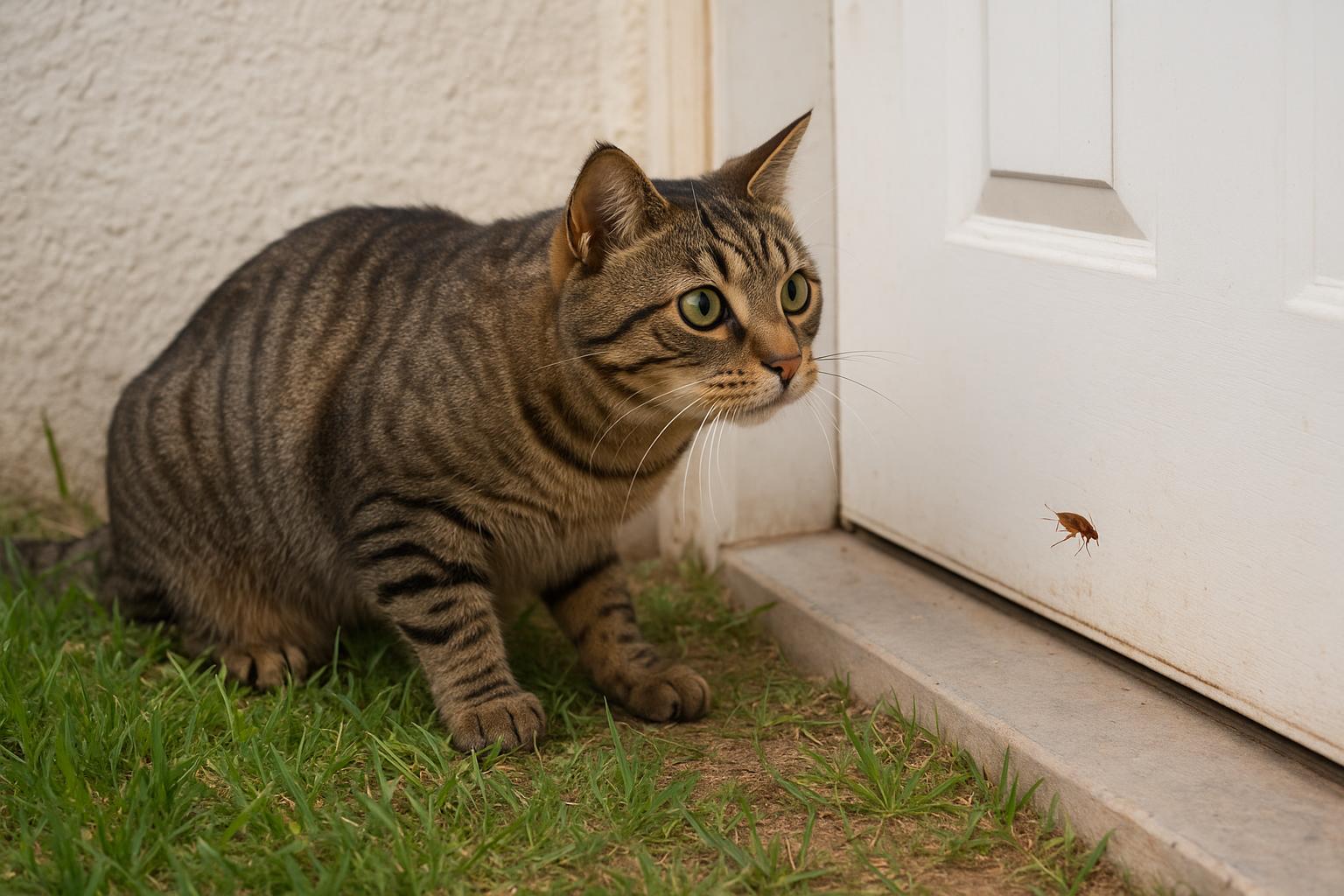
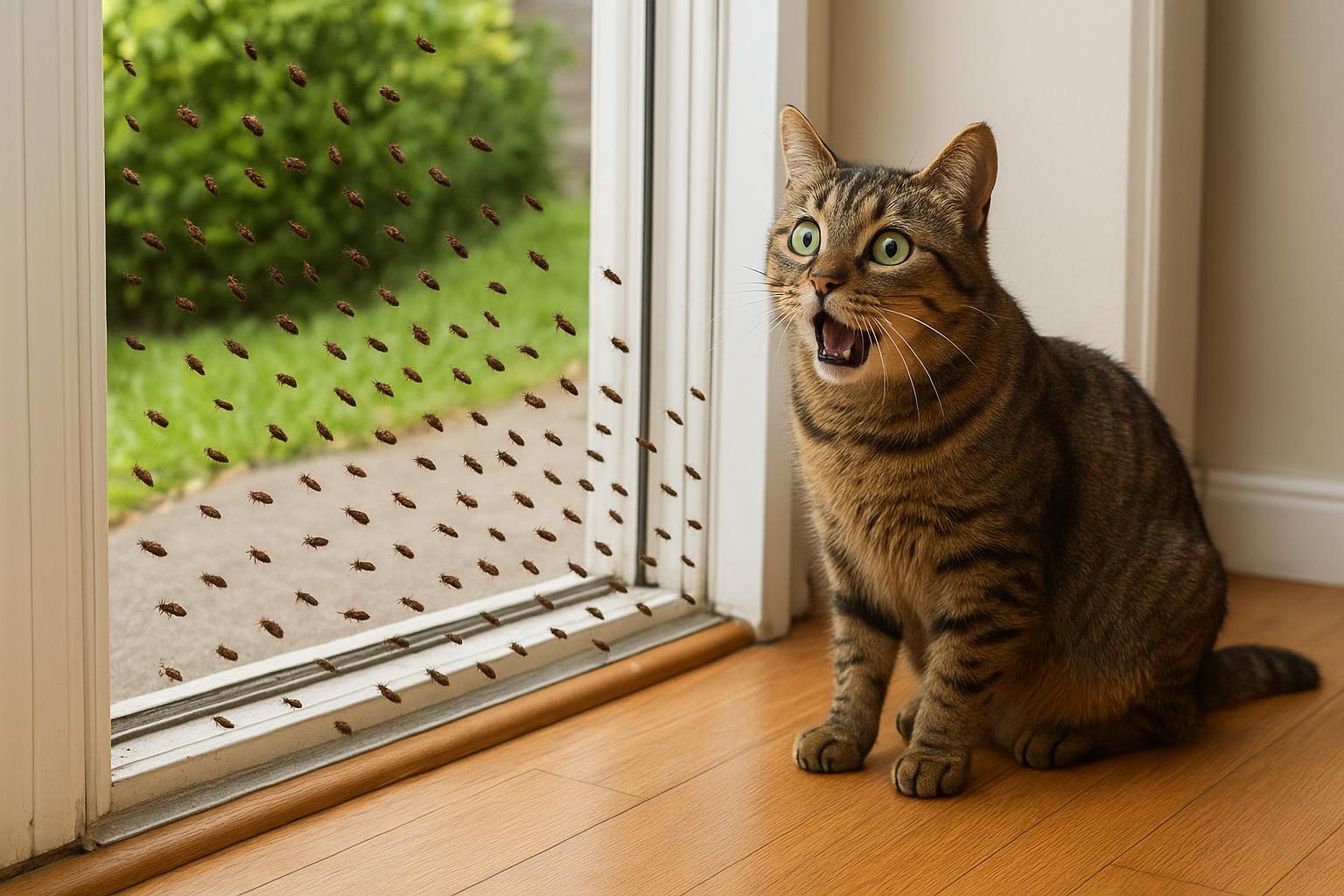
Fleas don’t open door knobs; they exploit routes. The term flea routes describes the typical paths and behaviors that carry fleas from outdoor habitats into indoor spaces. These routes are shaped by animal traffic, yard features, microclimates, and gaps in your home’s defenses. Once you recognize the common flea routes on your property, you can make targeted changes that dramatically reduce the chance of an infestation.
### How Fleas Hitch A Ride
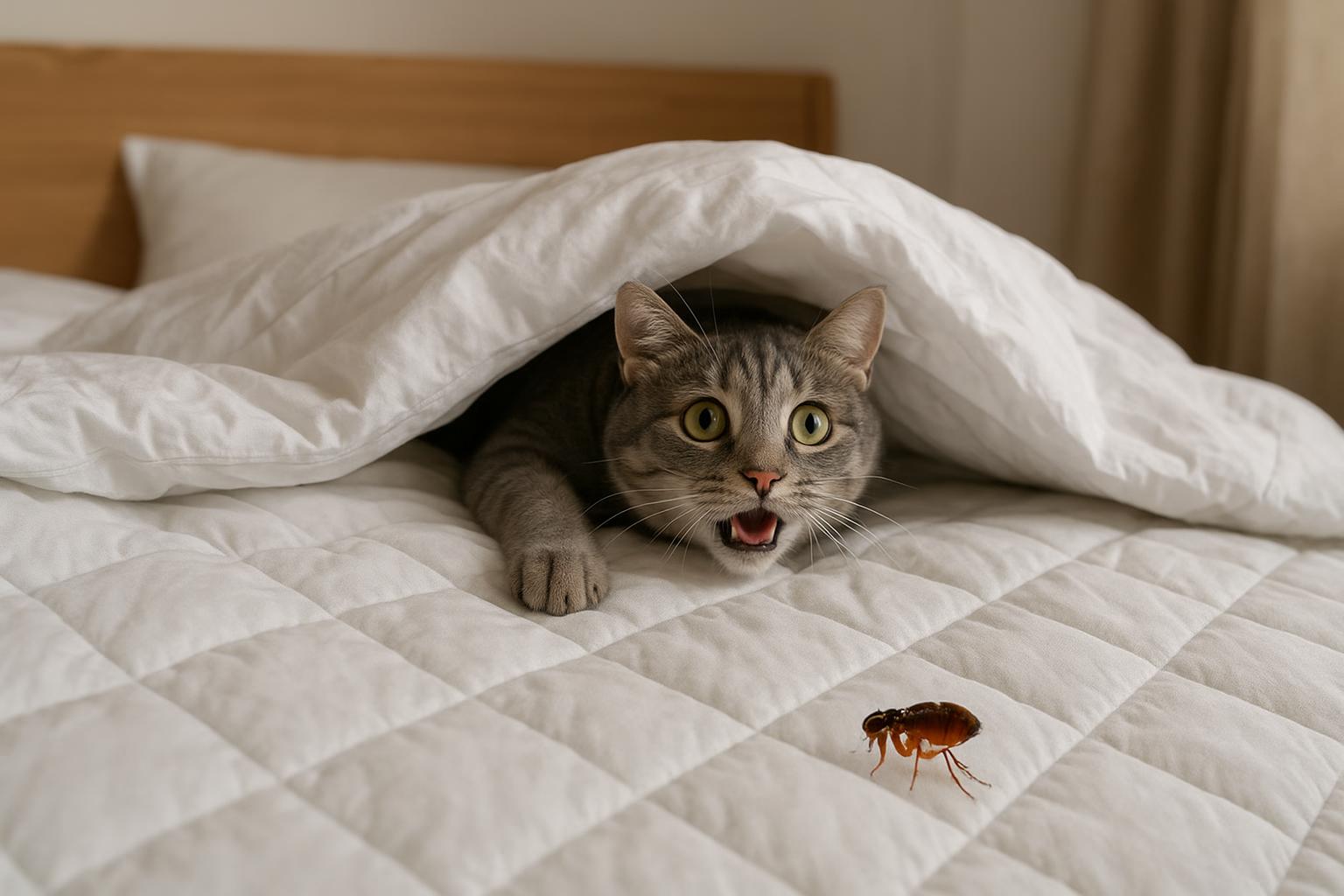
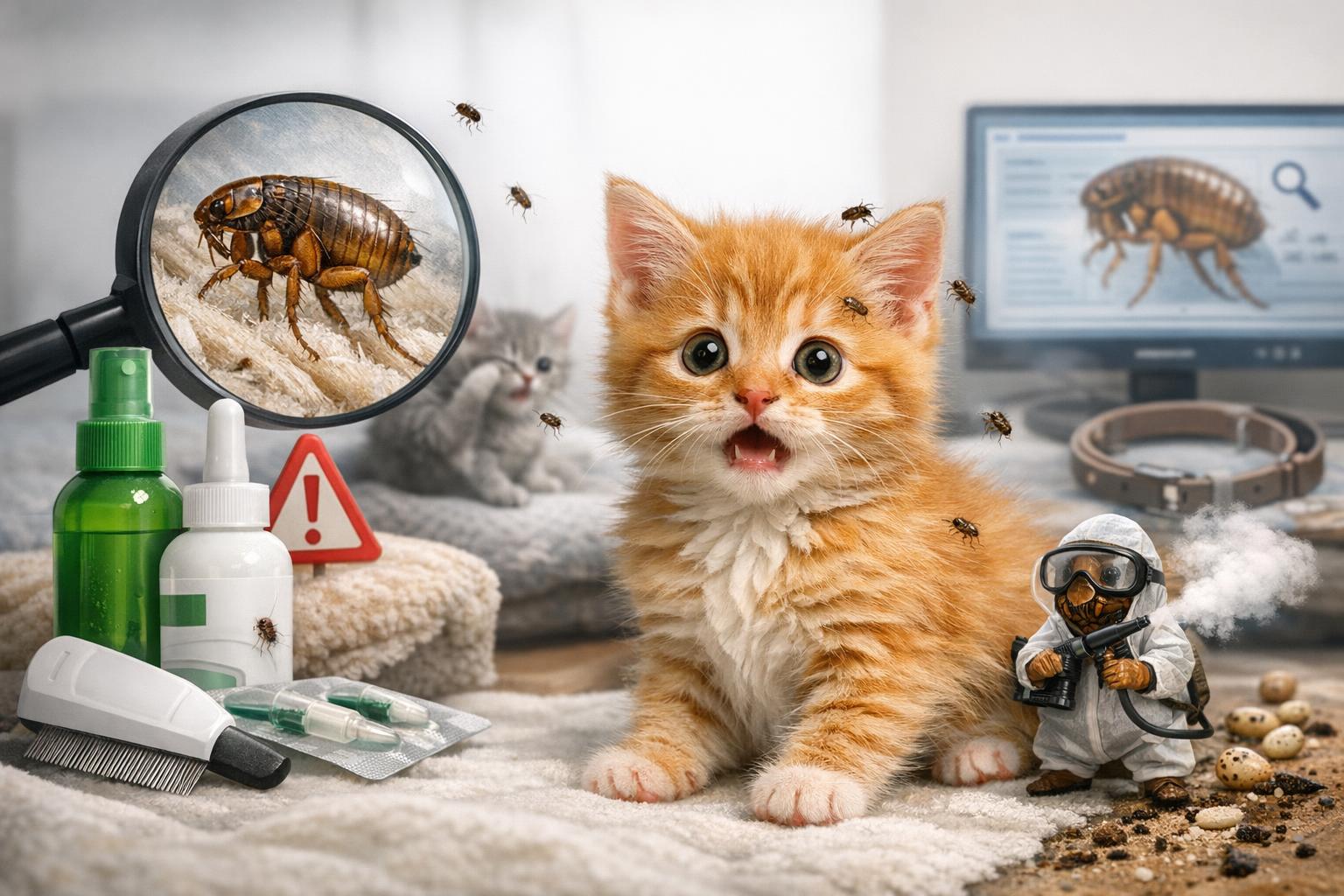
Fleas are tiny, but their life plan is simple and effective: eggs fall where hosts rest, larvae thrive in shaded, humid debris, pupae wait patiently, and adults latch onto the next warm body that passes by. Fleas use several “transport systems” to move:
#### Wildlife And Stray Animals
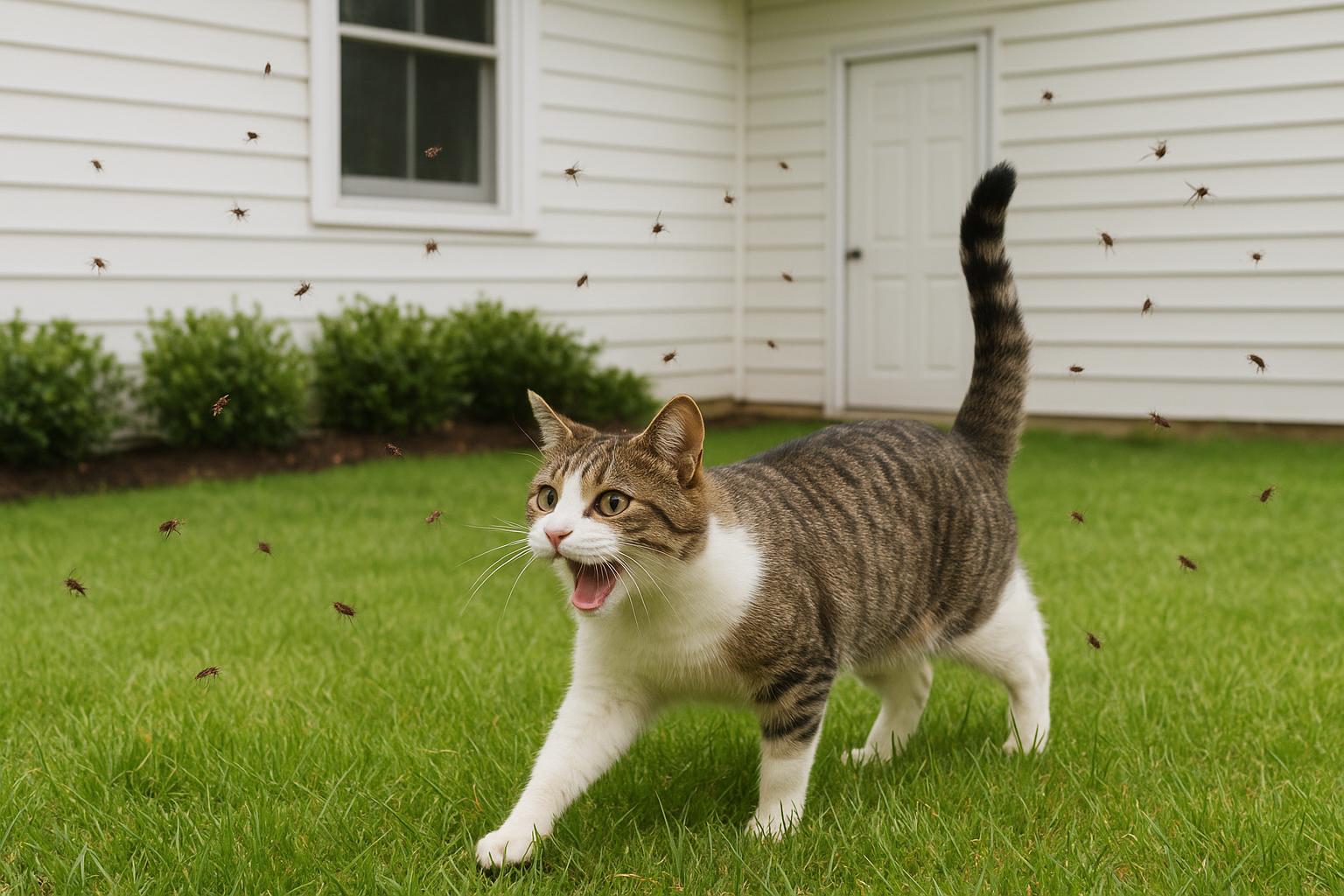
Raccoons, opossums, stray cats, and rodents are classic carriers. They move along fence lines, hedgerows, and under decks — establishing direct flea routes from natural areas to the immediate perimeter of your home.
#### Pets As Ferries
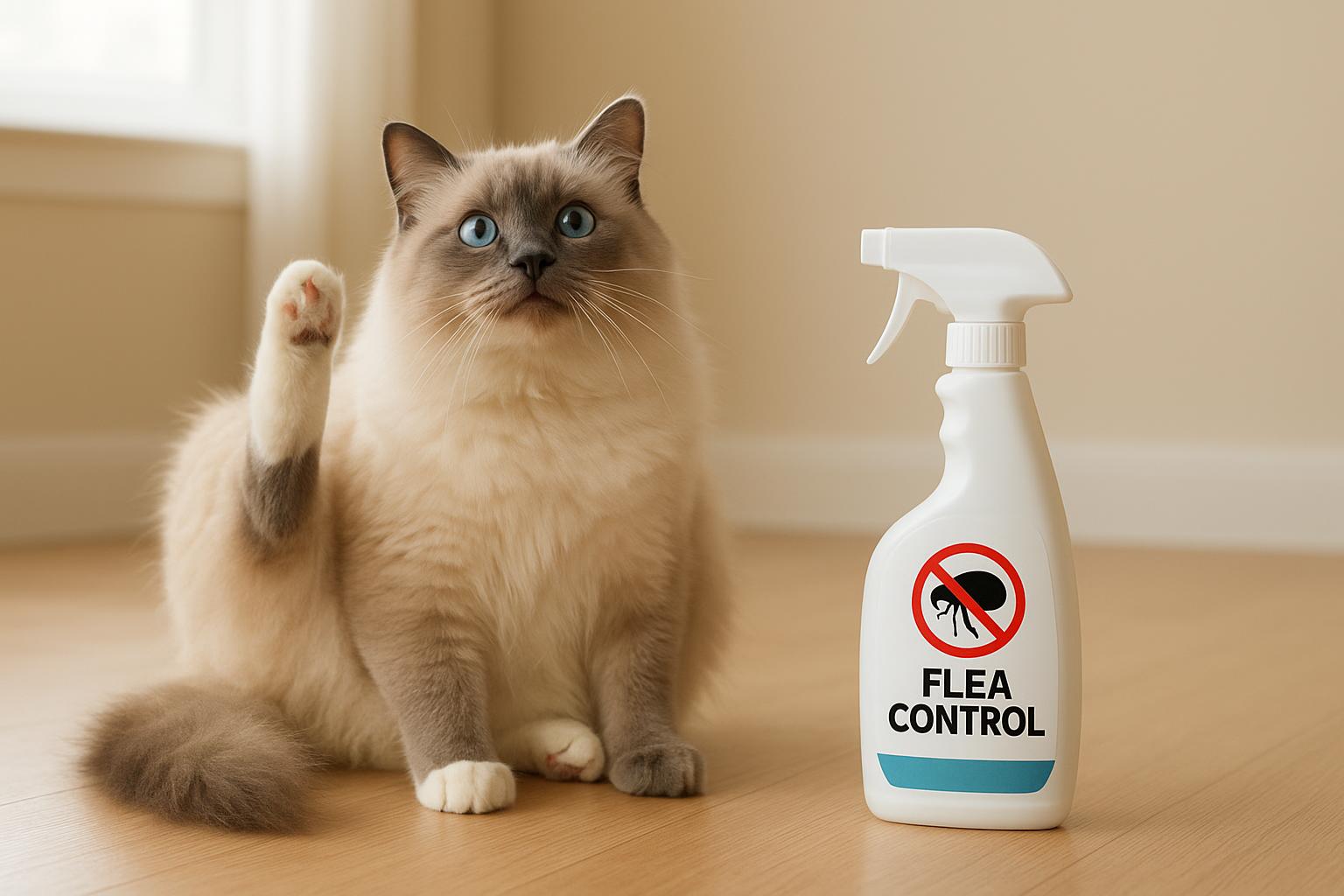
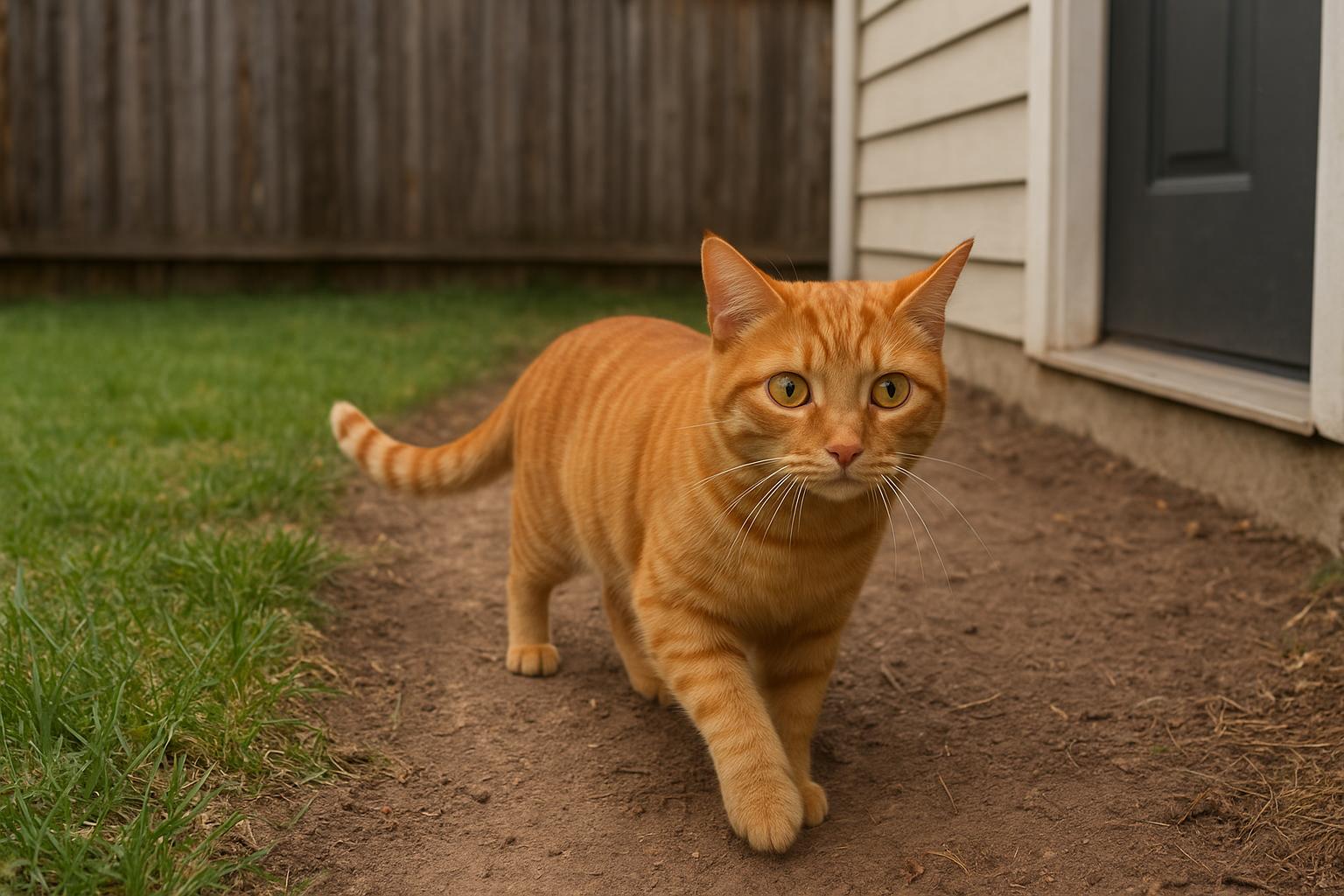
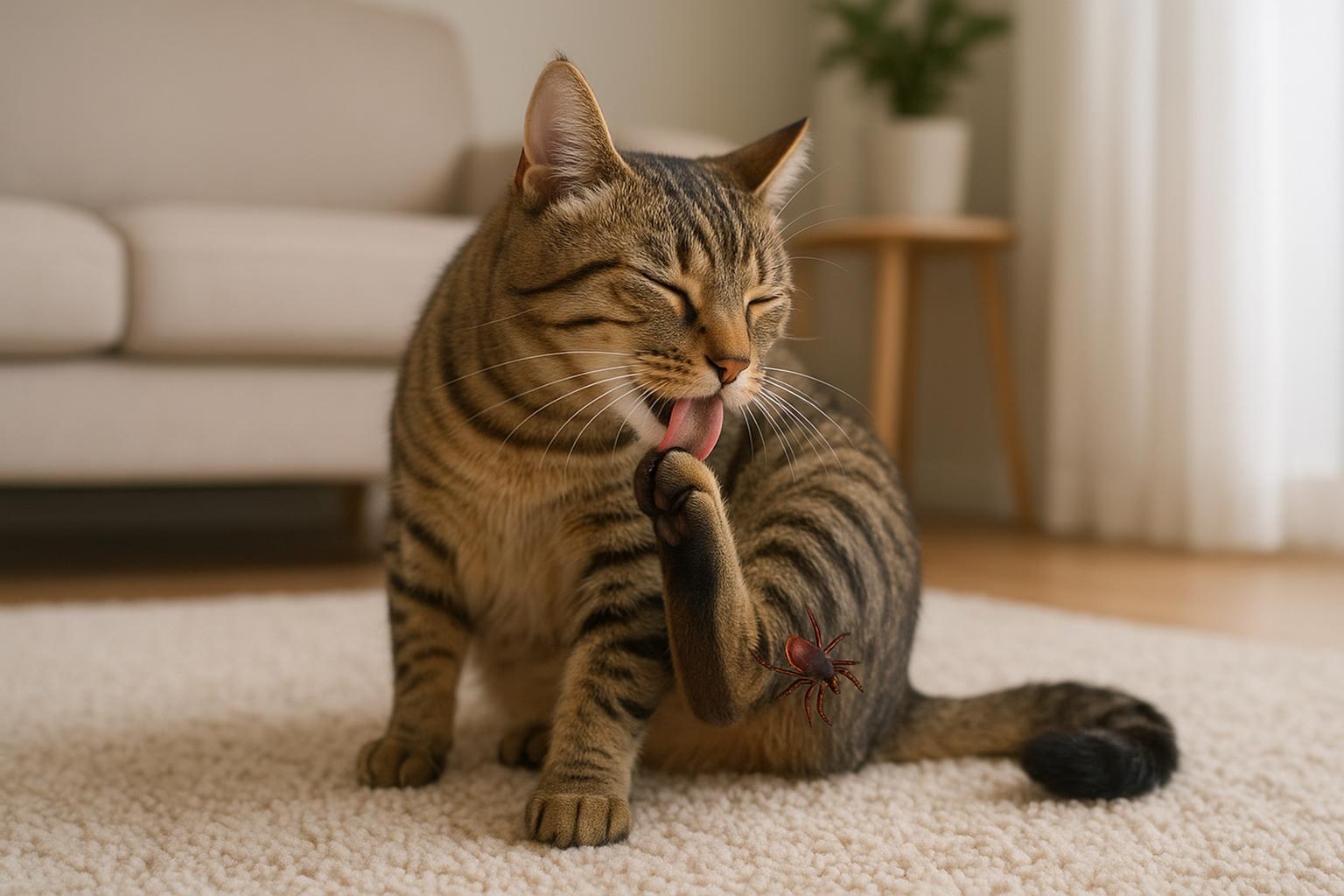
Your dog or cat is the most reliable ferry of fleas into the house. Even a single adult flea on a pet can lay hundreds of eggs after a blood meal. When pets roam, nap in the yard, or roll in tall grass, they pick up fleas and then bring them inside to your carpets and bedding.
#### Human And Laundry Traffic
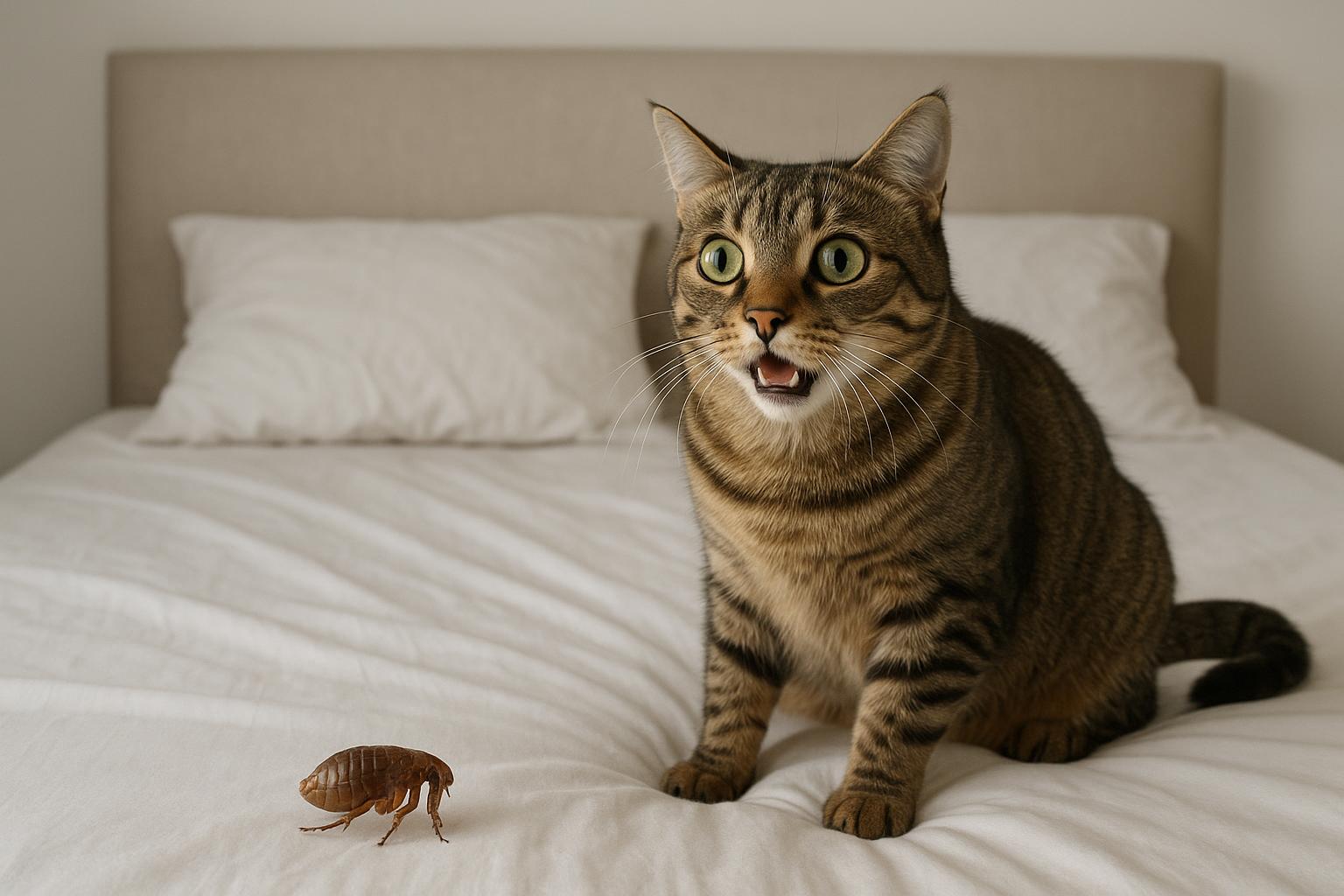
Fleas are hitchhikers; they can ride on clothing, blankets, or even outdoor furniture cushions. Laundry left on a line in a flea-prone yard or a visitor who’s been near a nest can unintentionally create a flea route indoors.
#### Landscaping And Yard Features
Mulch beds, heavy ground cover, woodpiles, and shaded, moist corners create ideal larval habitats. These spots often form contiguous corridors of suitable flea habitat — essentially an outdoor freeway leading straight to your foundation or pet door.
### Signs You’ve Got Active Flea Routes
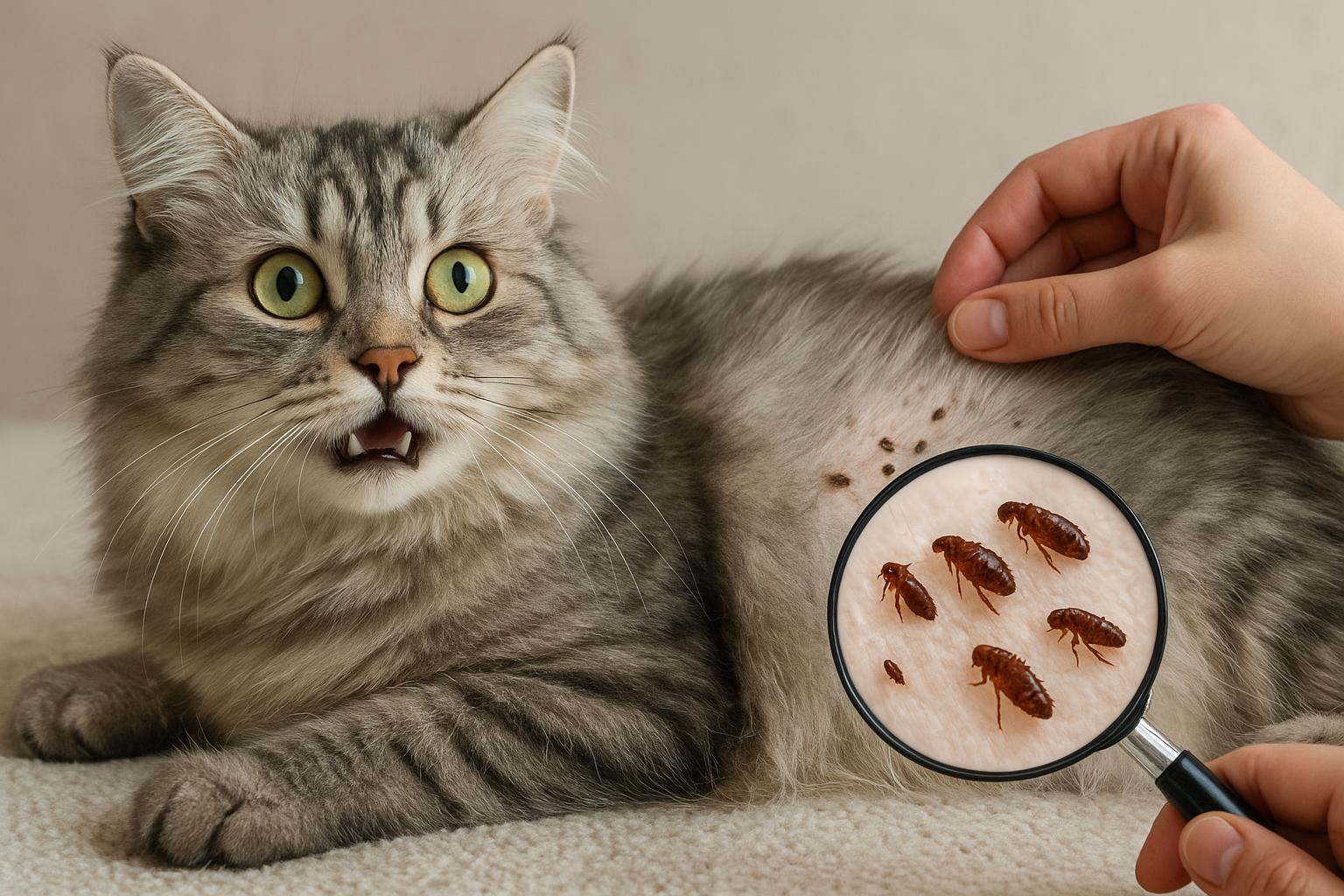
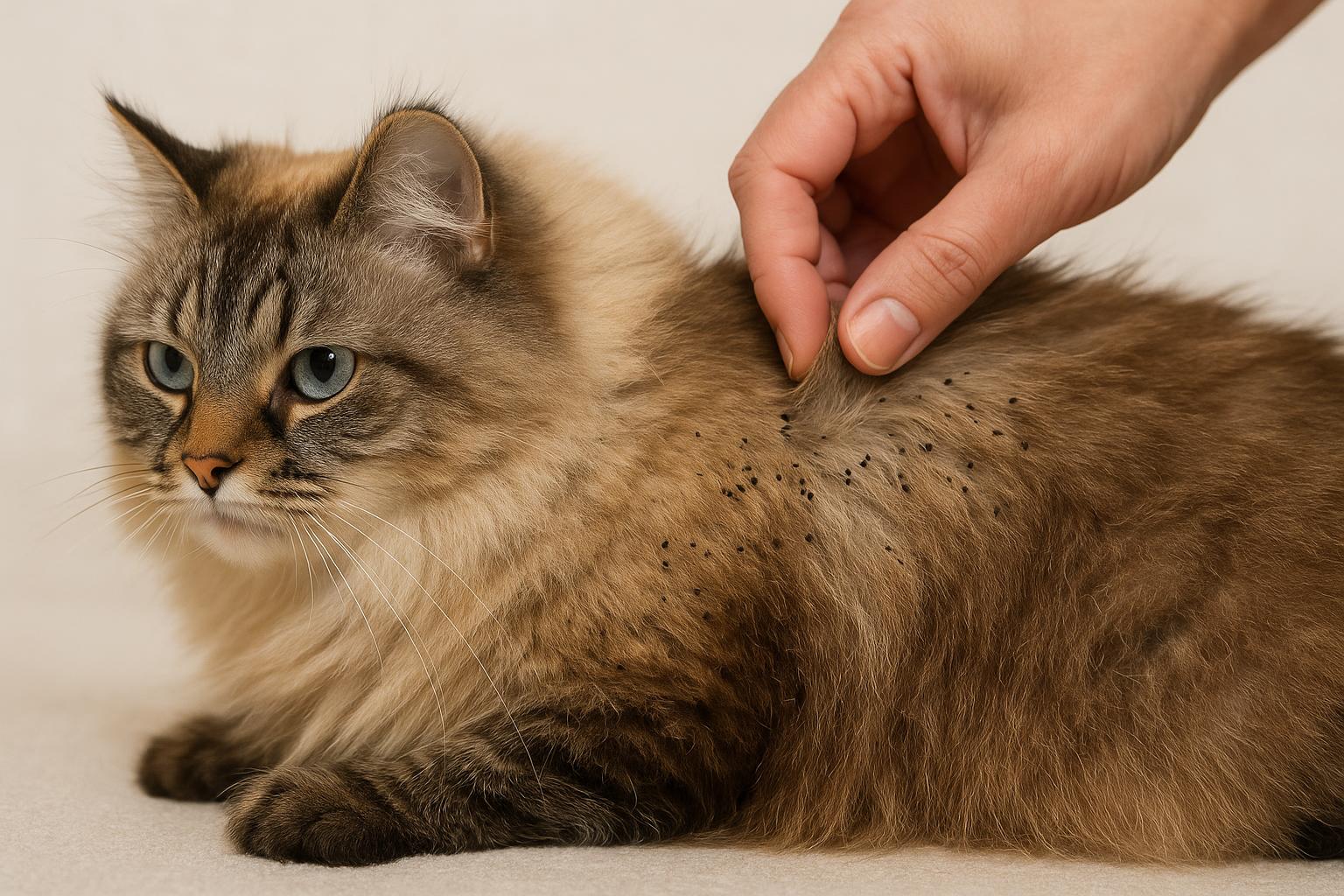
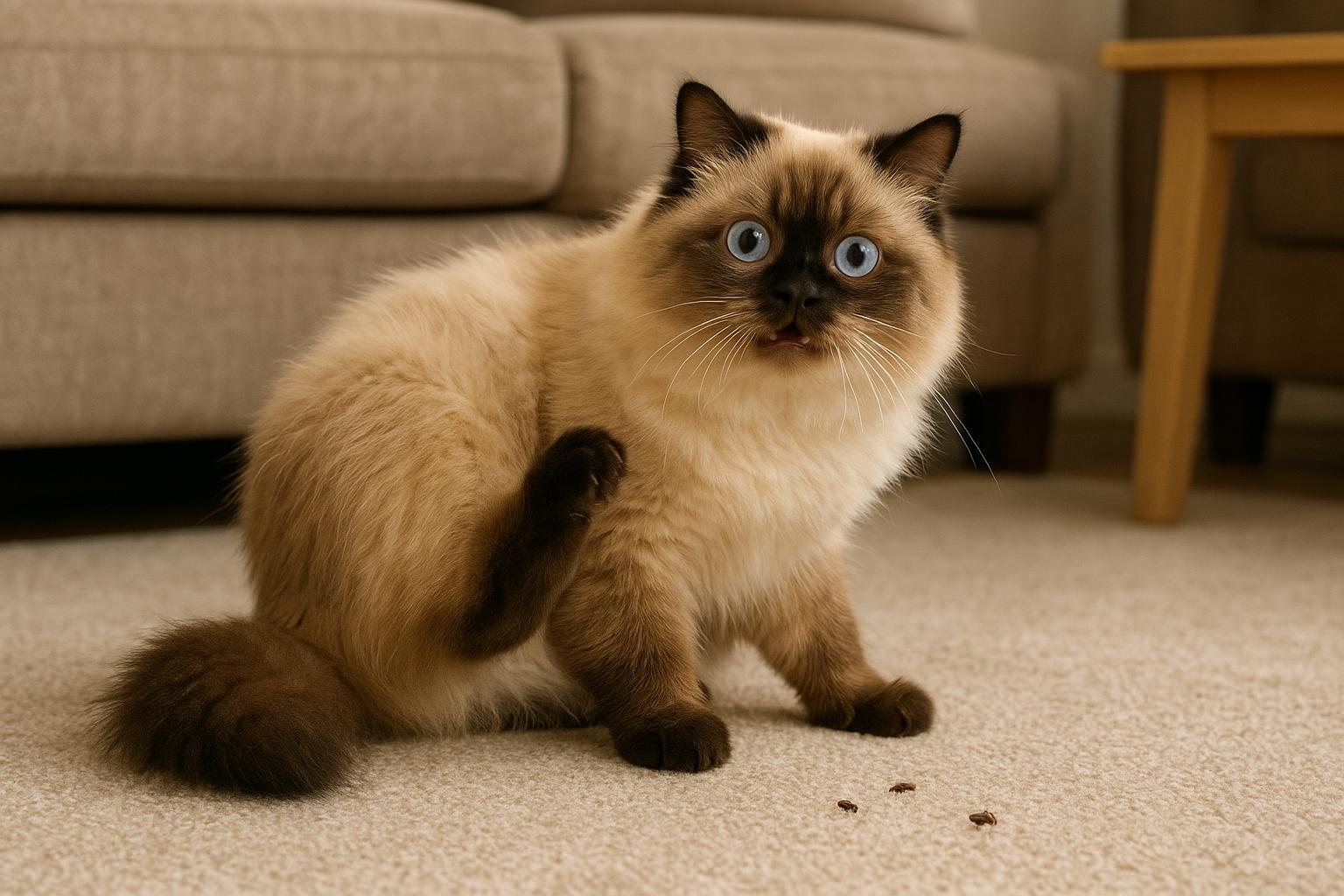
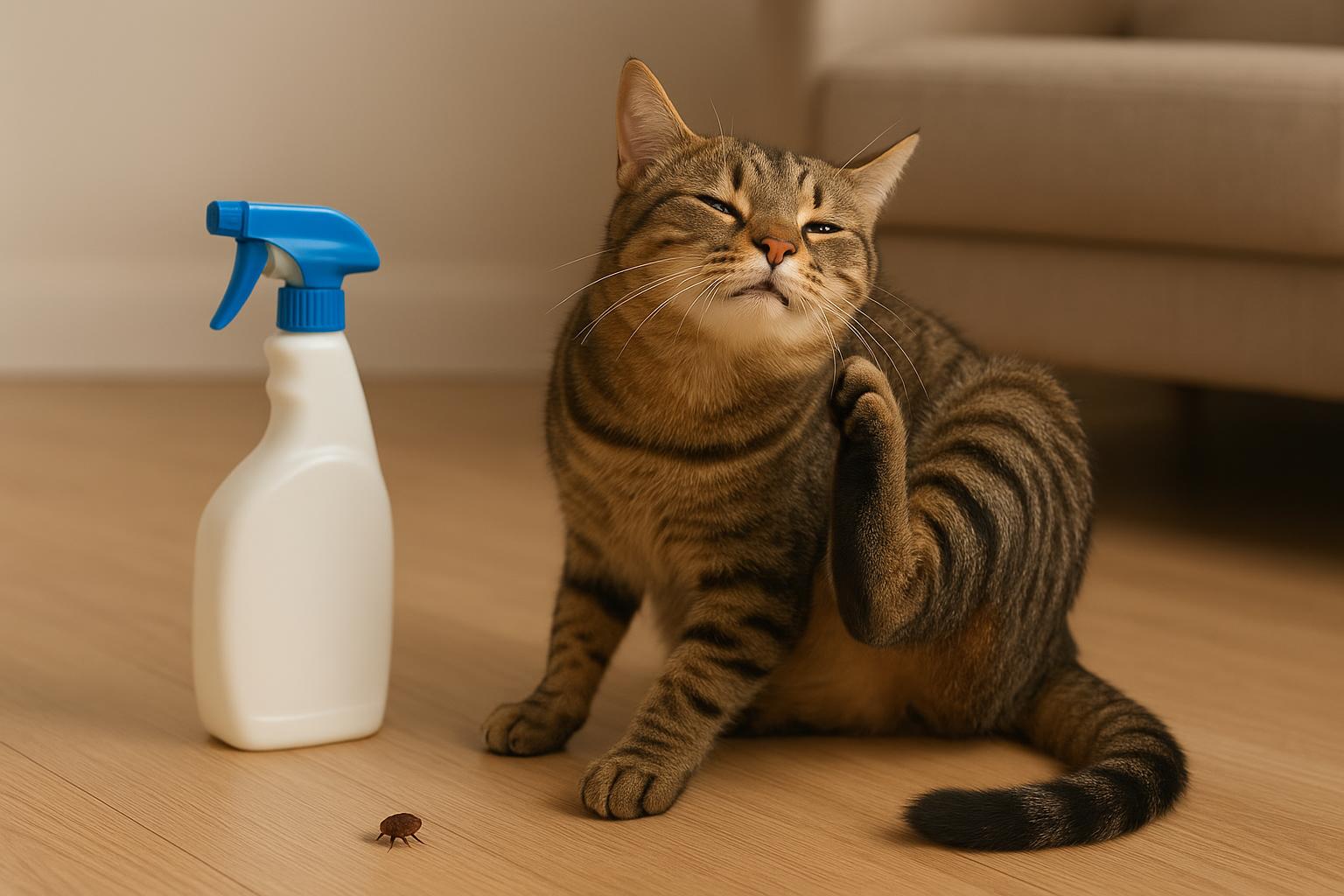
– Pets scratching more than usual, and finding adult fleas or flea dirt on their fur.
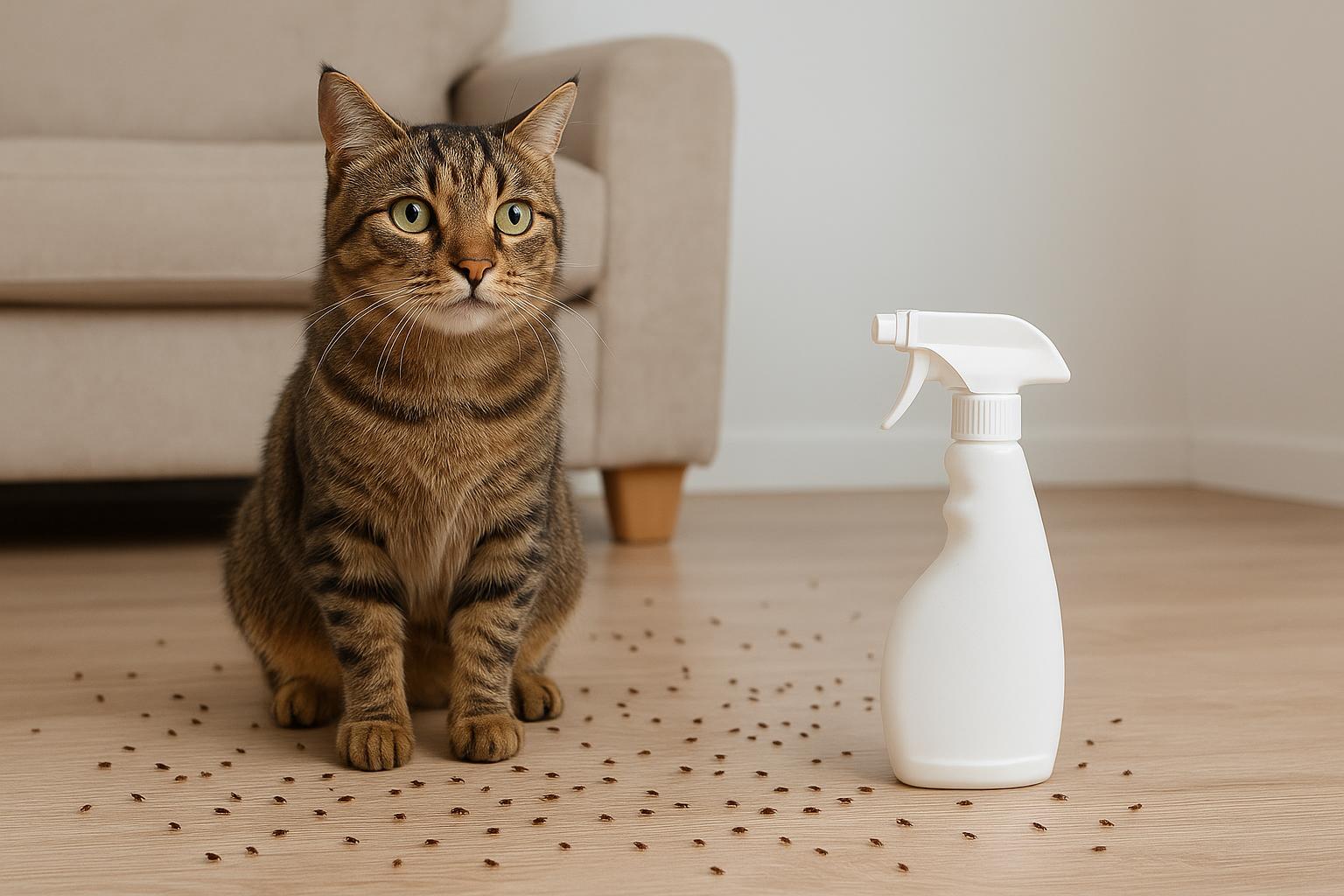
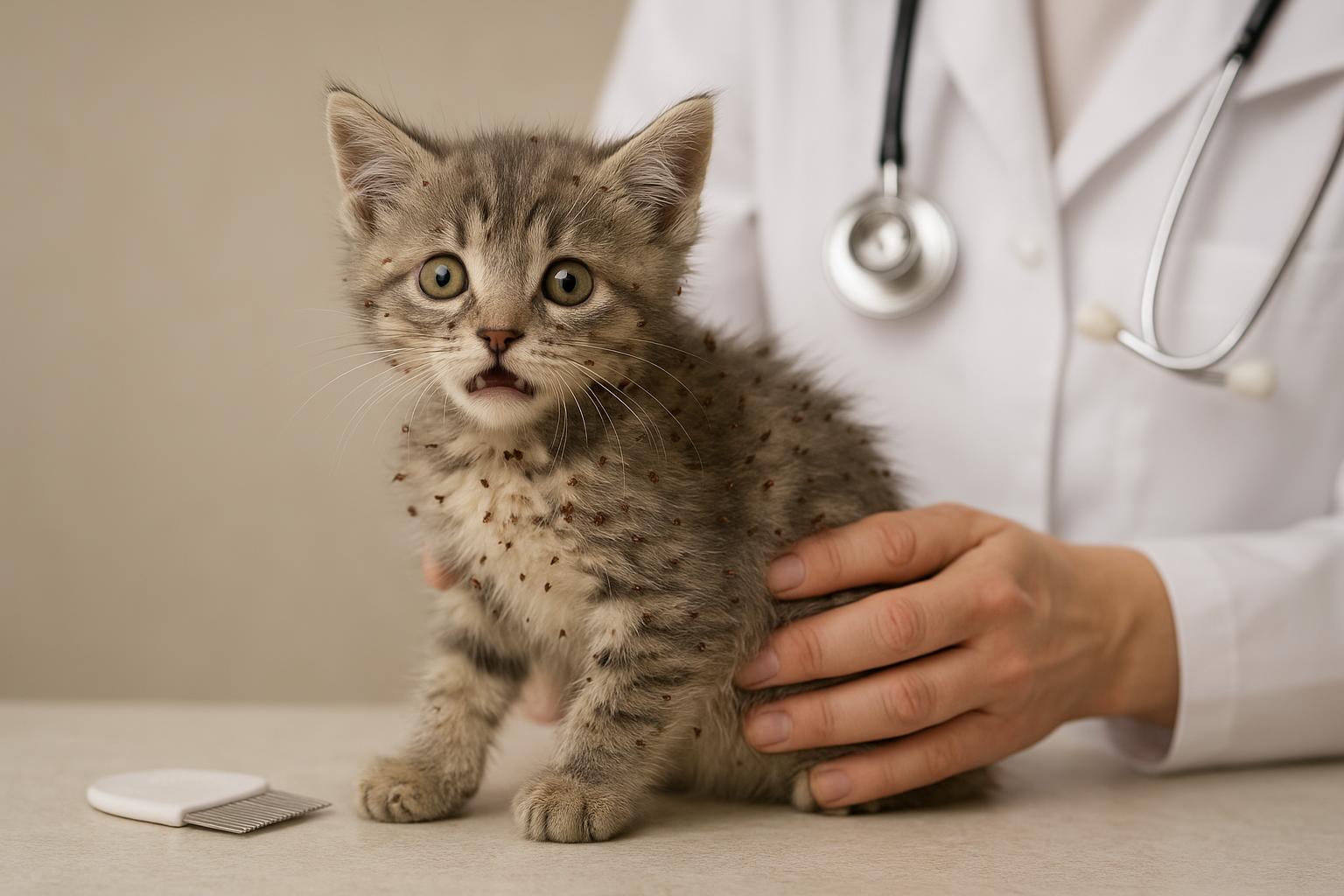
– Tiny black specks (flea feces) on cushions or pet bedding that turn red when moistened.
– Bites on family members that are small, itchy, and often in clusters on lower legs.
– Pupae hatching visible after vacuuming or new activity following yard disturbances.
## 3 Remedies To Block Common Entry Routes
Below are three evidence-based remedies to disrupt flea routes. Each remedy includes required materials and a clear, step-by-step creation and application protocol. The remedies range from environmental control to pet treatment and indoor sanitation. Read them carefully, and follow product labels and veterinary guidance where noted.
### Remedy 1: Yard Barrier And Habitat Reduction
#### Materials
– Stiff rake and leaf blower
– Garden gloves and protective eyewear
– Diatomaceous earth (food-grade) or granular insecticide labeled for fleas
– Mulch (inert type like cocoa-free mulch) or gravel
– Landscape fabric (optional)
– Sealed compost or debris bin
#### Steps
1. Survey and Sanitize: Walk the yard at dawn or dusk when flea activity is highest. Identify shaded, moist areas, piles of leaves, and rodent burrows that serve as developmental hotspots.
2. Remove Cover: Rake leaves, clear tall grass and overgrown ground cover within a 10–15 foot perimeter of the house, and trim vegetation that touches the house. Replace heavy mulch near foundations with gravel or install a decorative hardscaping barrier.
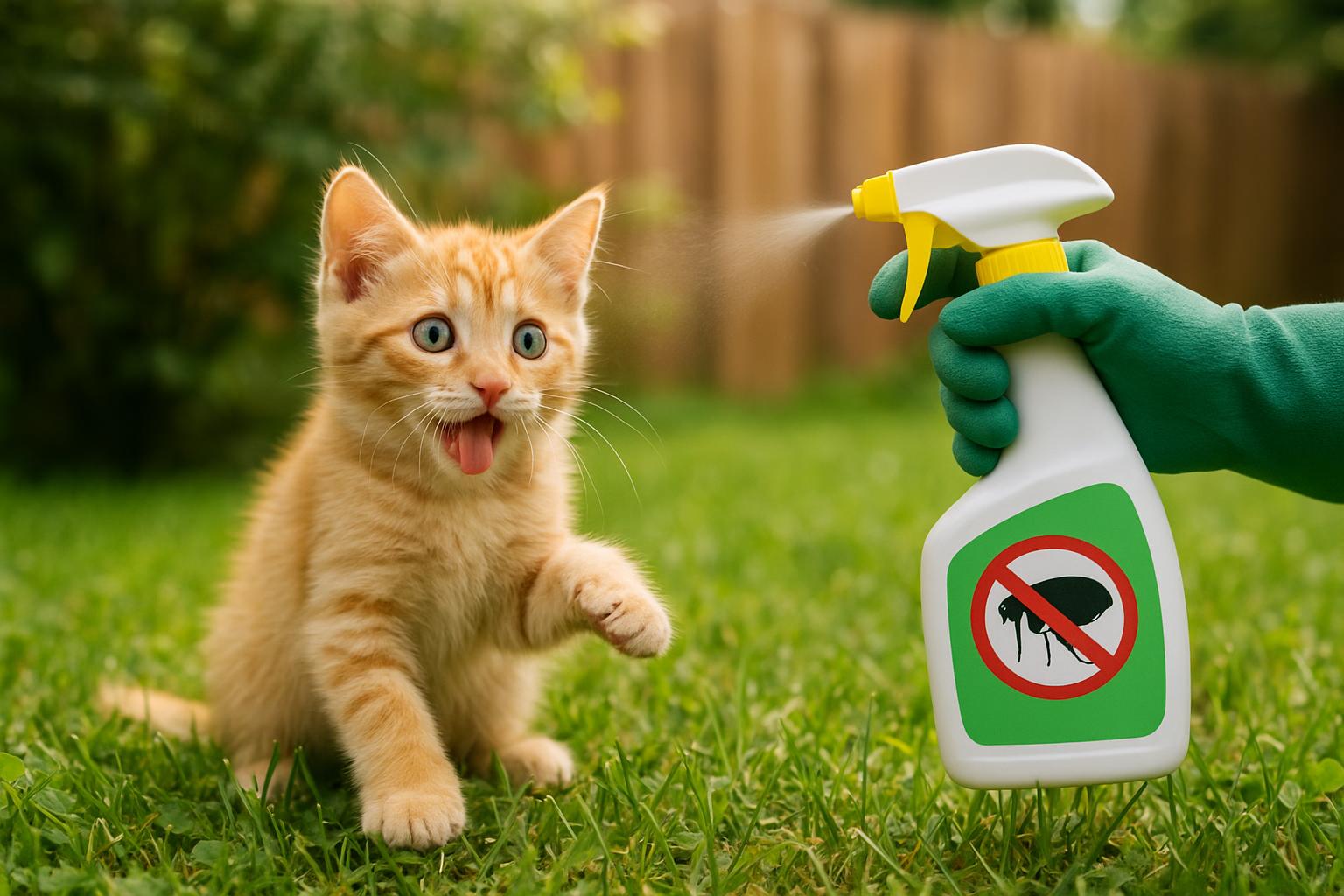
3. Treat Surfaces: Apply food-grade diatomaceous earth lightly to shaded areas, under decks, and along fence lines, or use a labeled granular insecticide according to the manufacturer’s directions. Keep treatments away from pools and water sources.
4. Secure Habitat: Seal woodpiles, elevate pet houses, and store compost in sealed containers to reduce moisture and organic matter where larvae feed.
5. Monitor And Reapply: Reassess monthly during flea season. Reapply diatomaceous earth or follow the insecticide reapplication schedule provided on the label.
### Remedy 2: Pet-Centered Break In The Chain (Treatments And Habits)
This remedy addresses the primary biological vehicle for most flea routes: pets. Formal veterinary consultation is recommended when using medications.
#### Materials
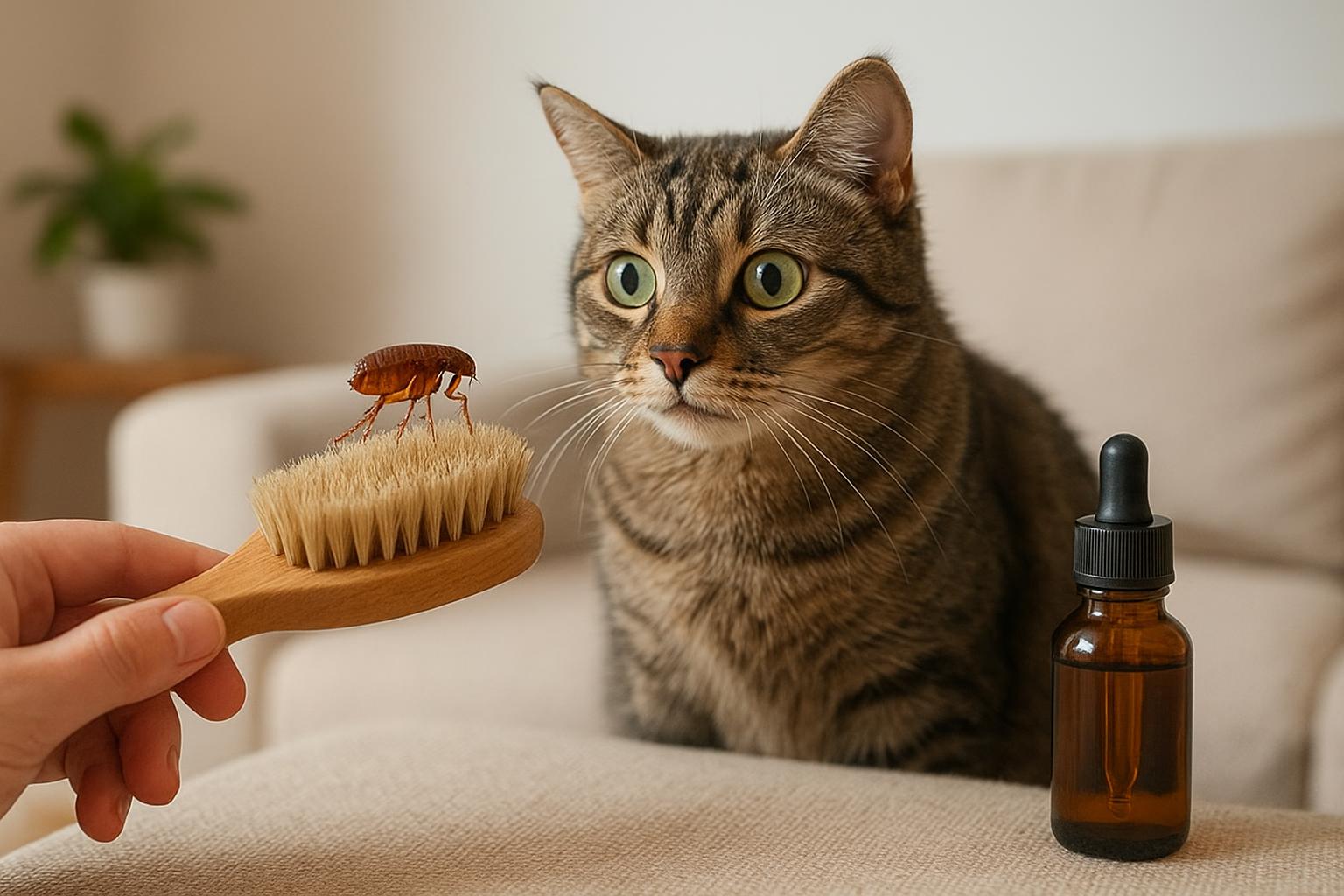
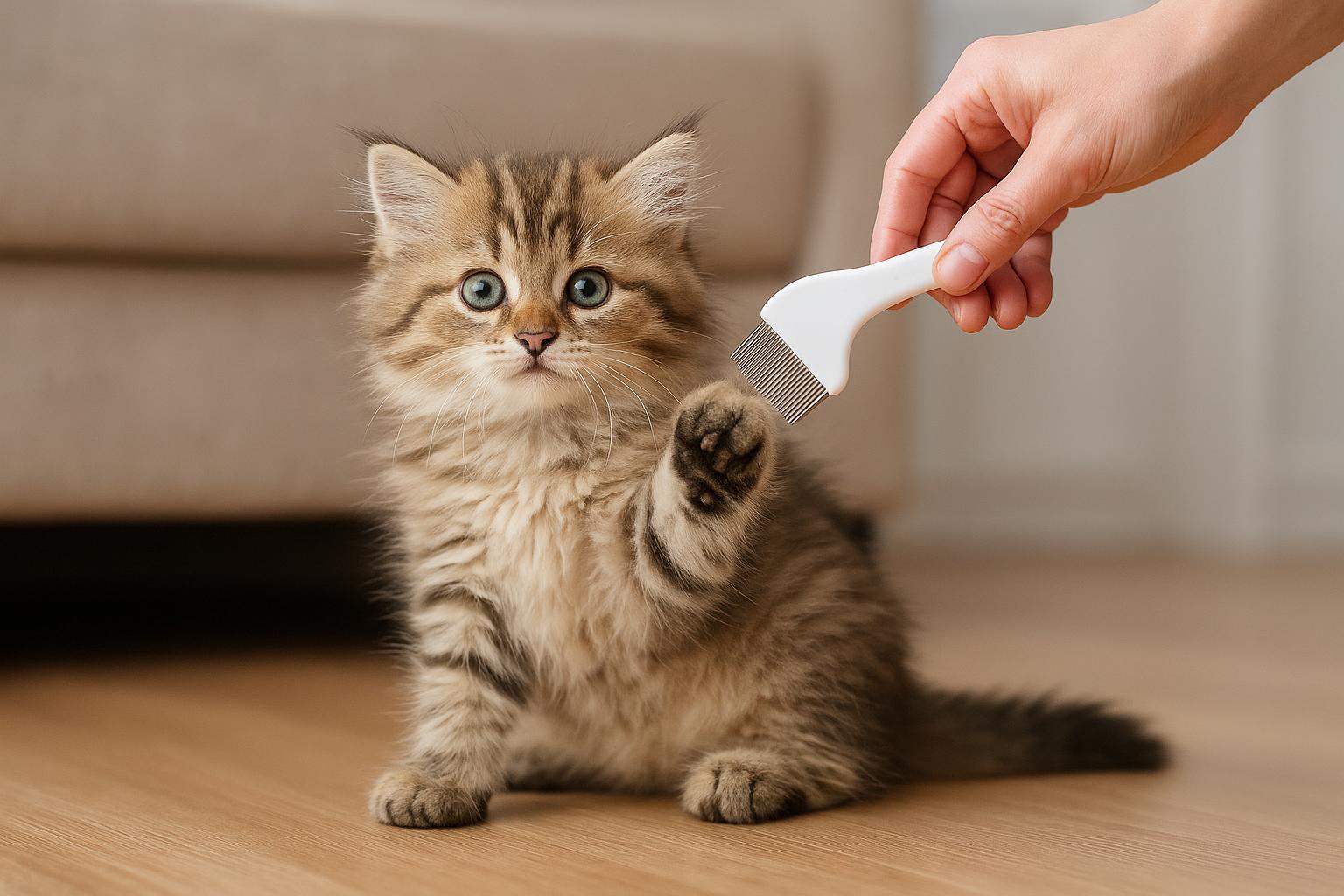
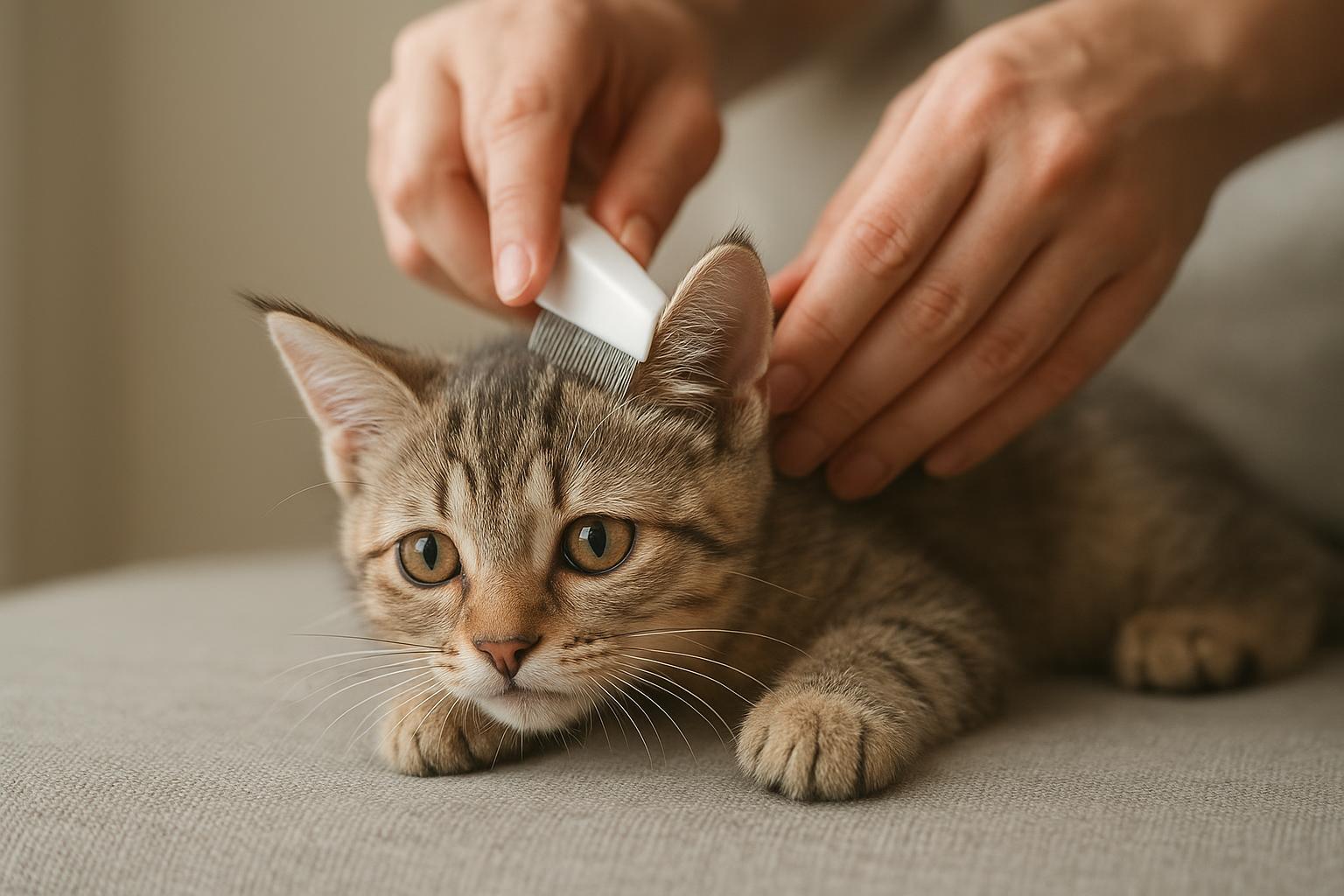
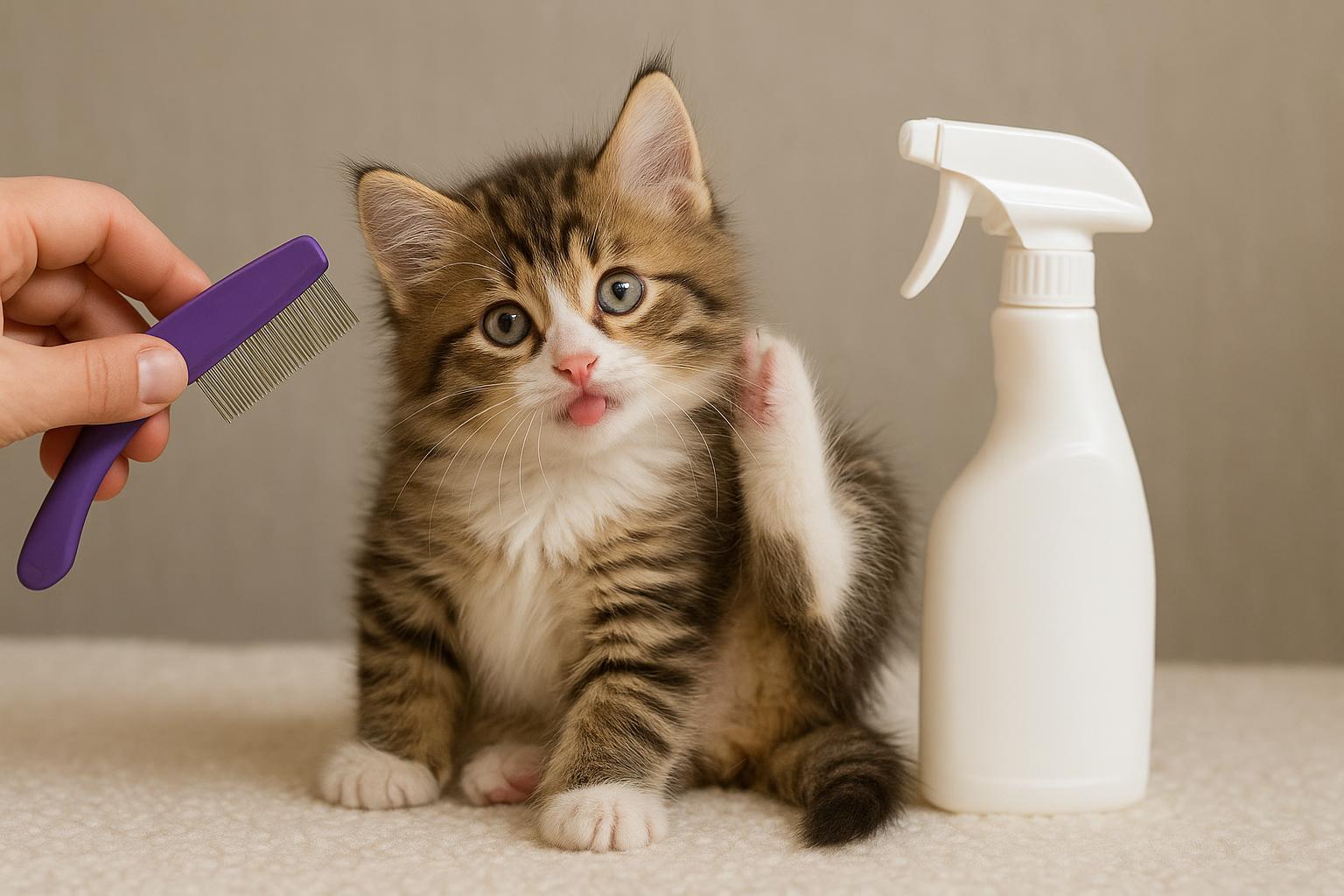
– Flea comb
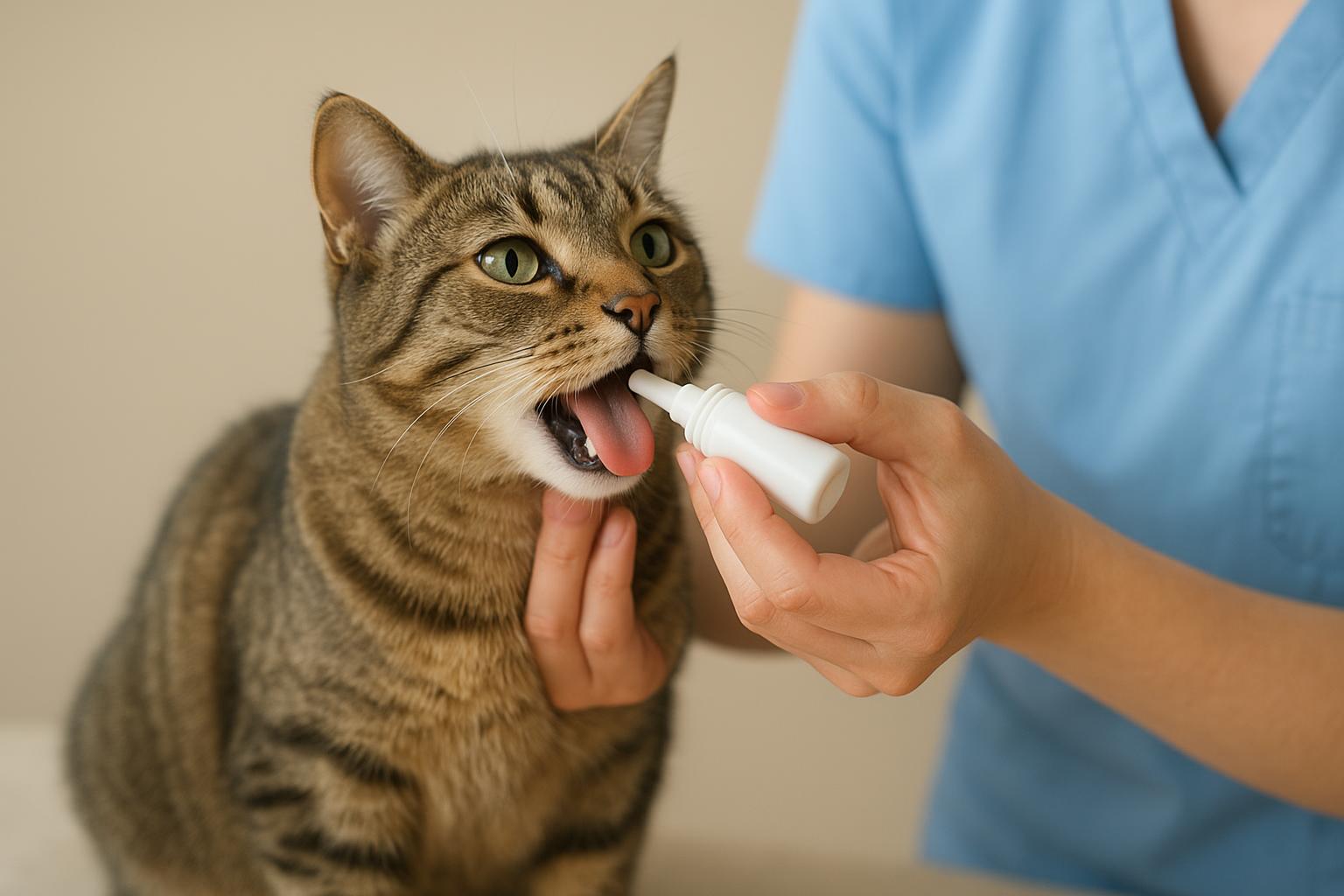
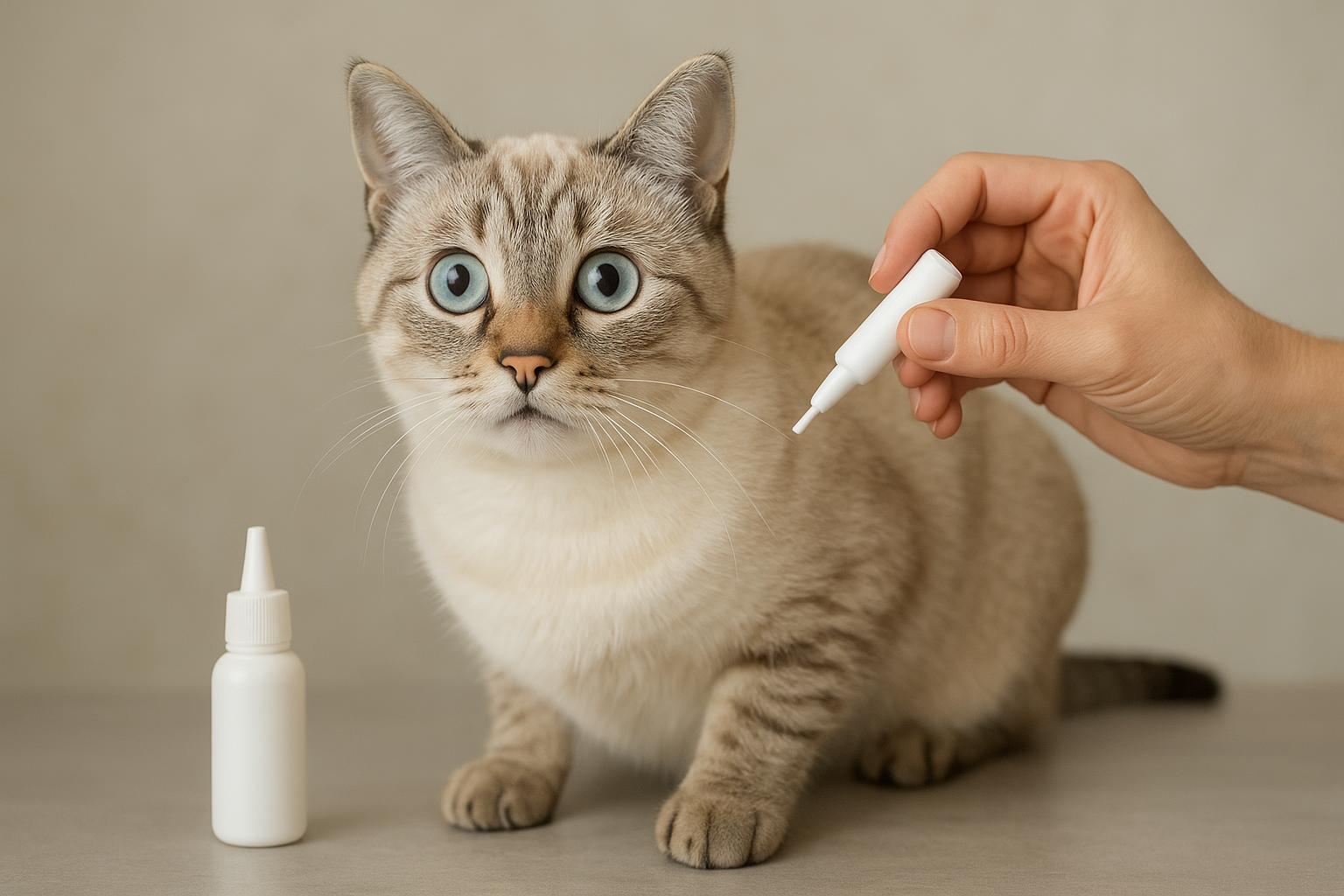
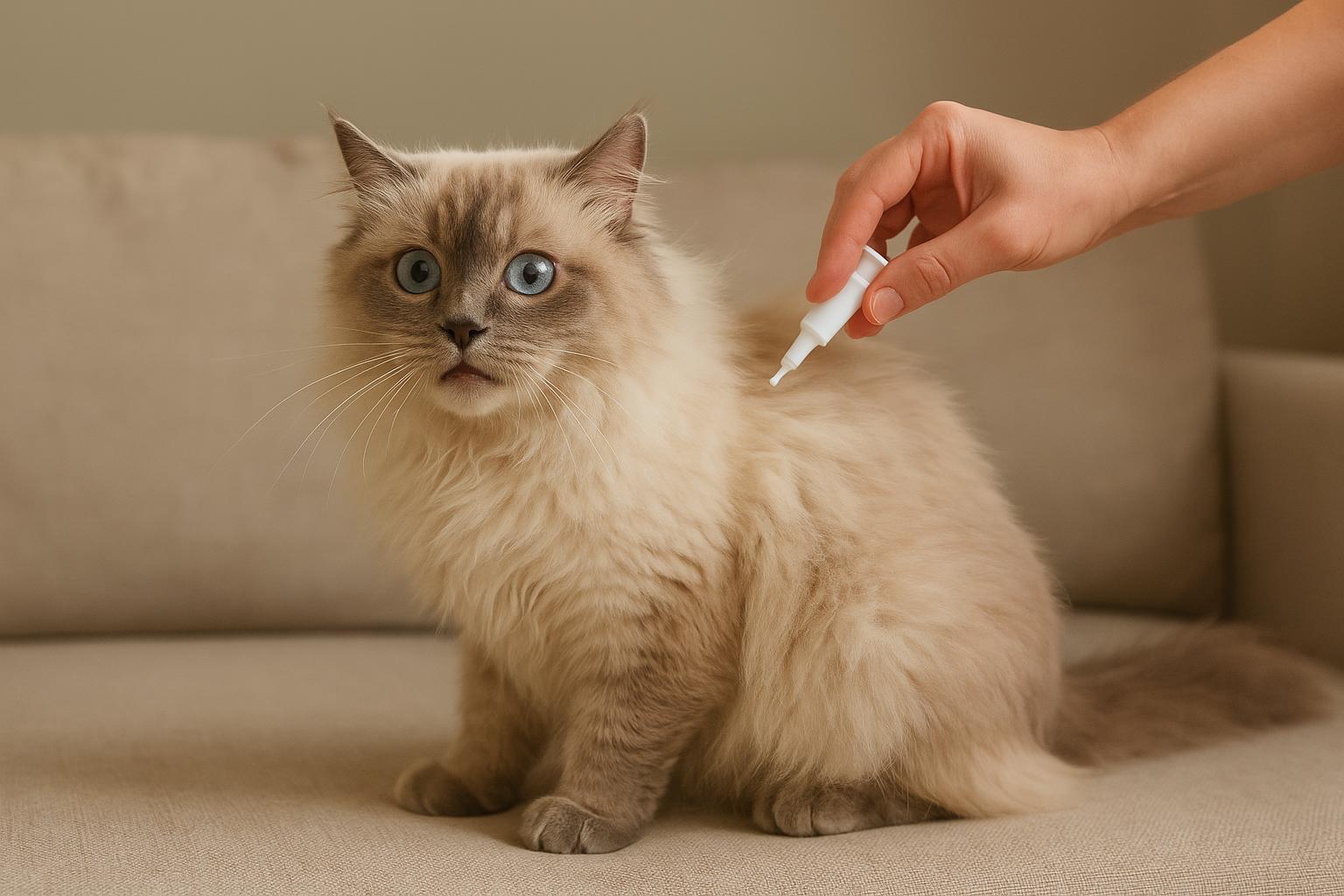
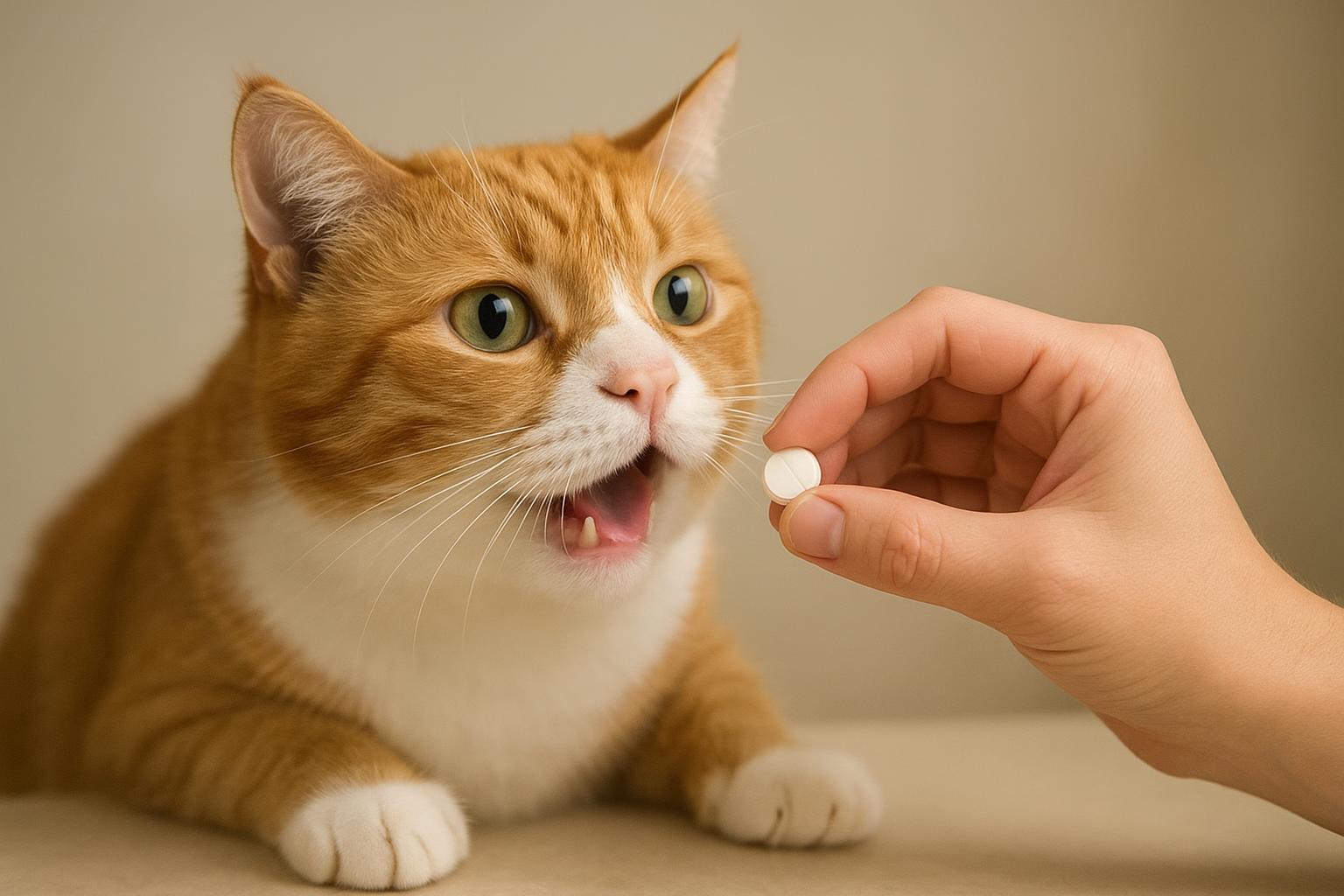
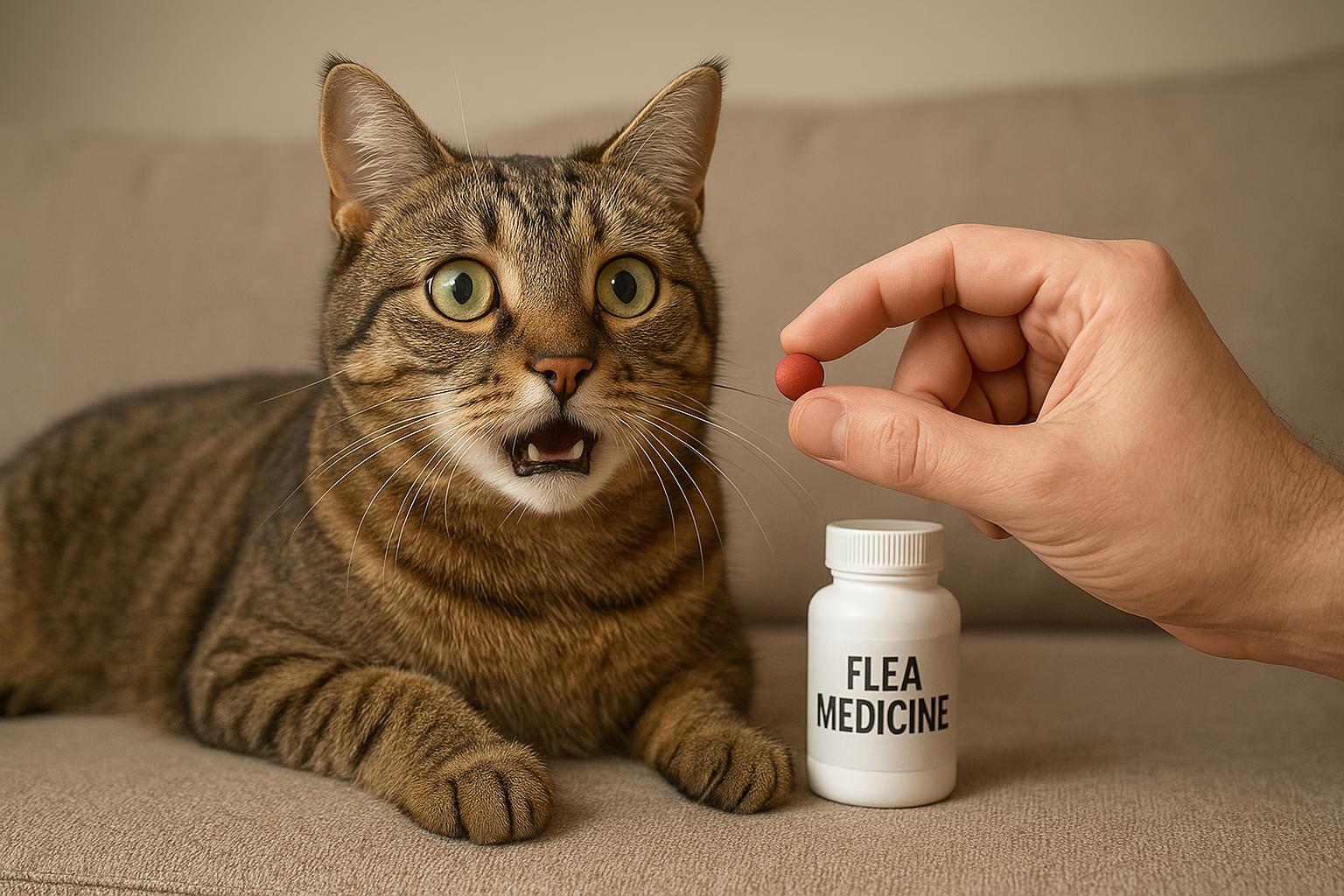
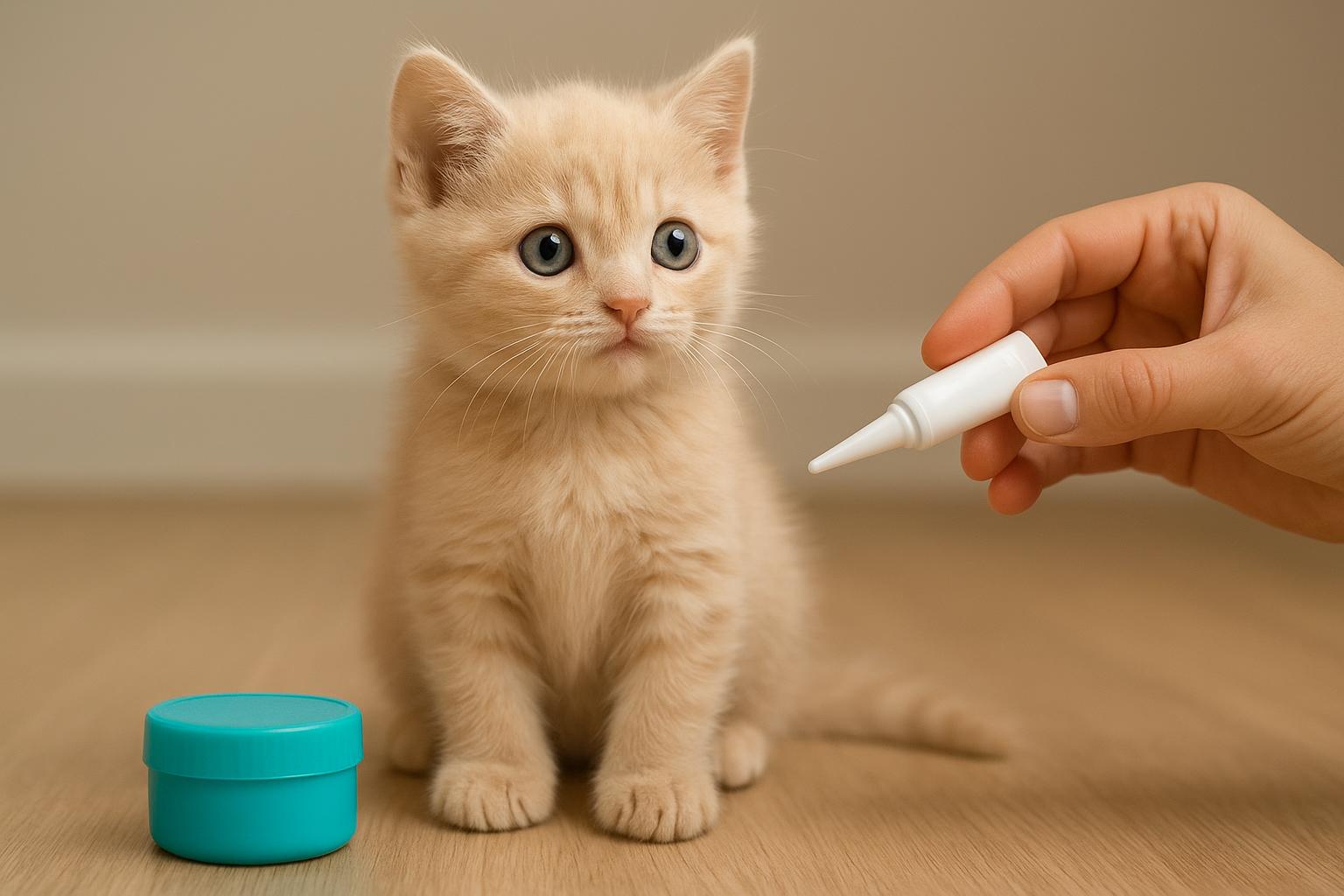
– Veterinary-approved topical or oral flea prevention product (as prescribed)
– Flea shampoo (veterinarian-grade), if immediate reduction is needed
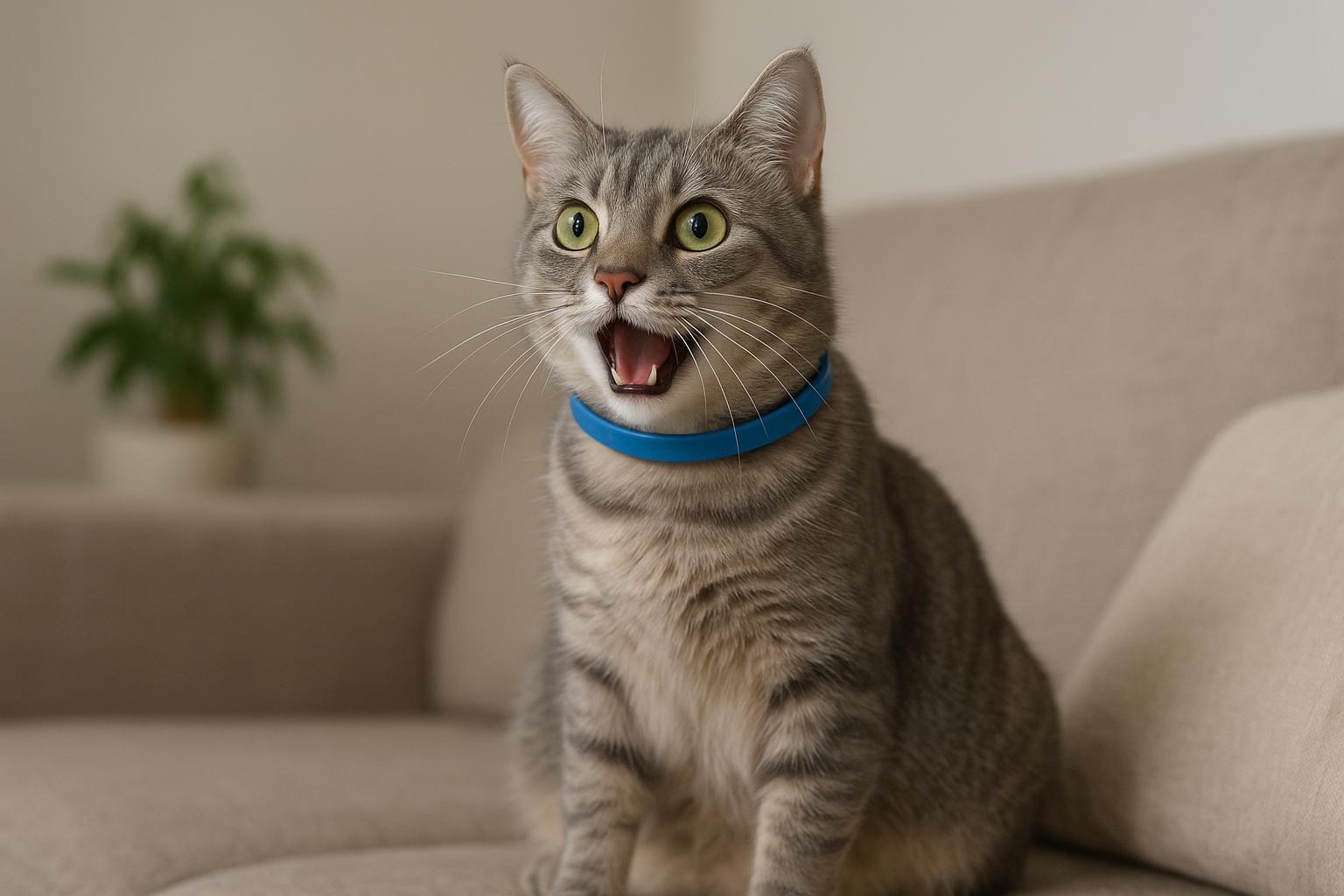
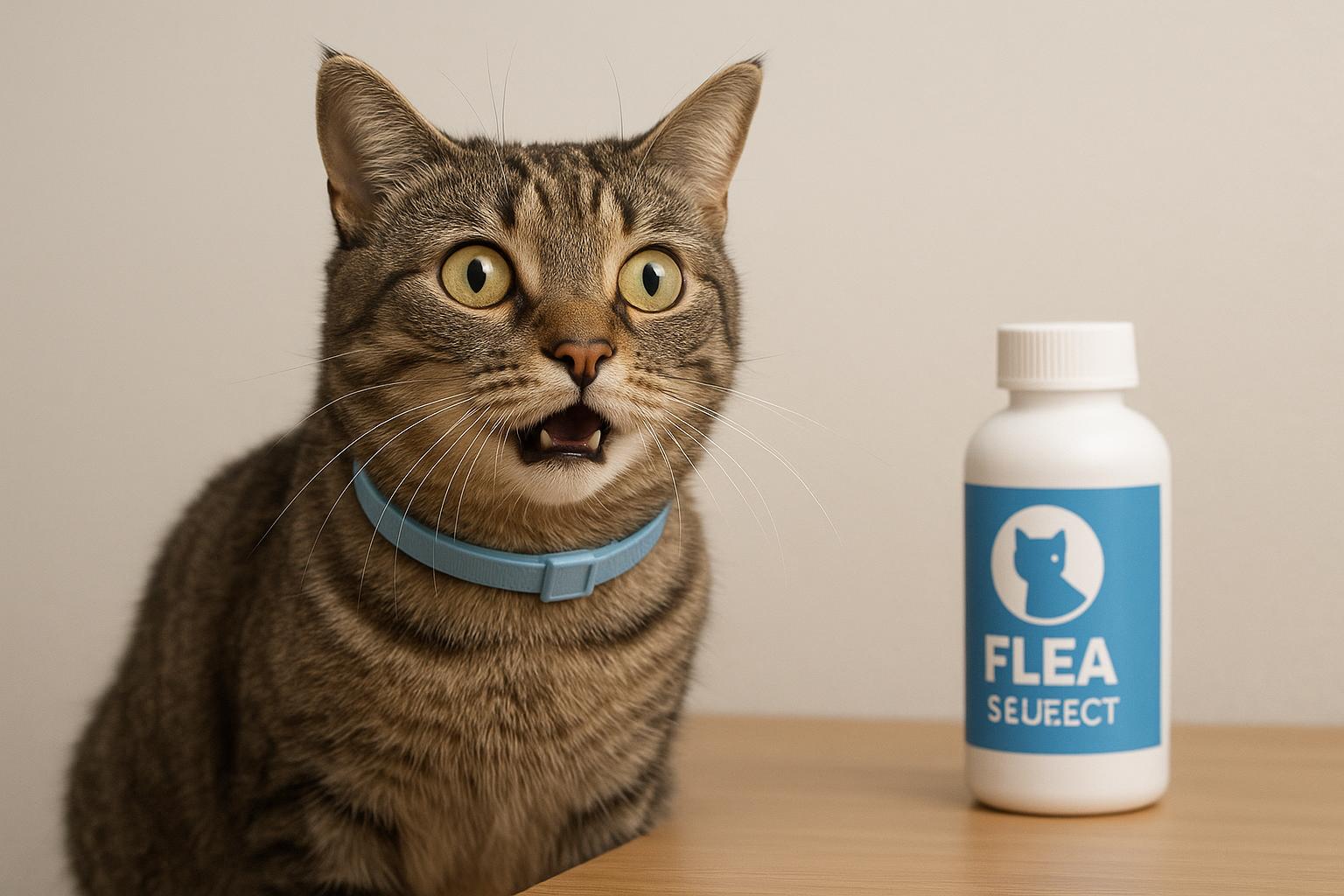
– Flea collars (vet-recommended brand)
– Clean towels and a handheld dryer (optional)
#### Steps
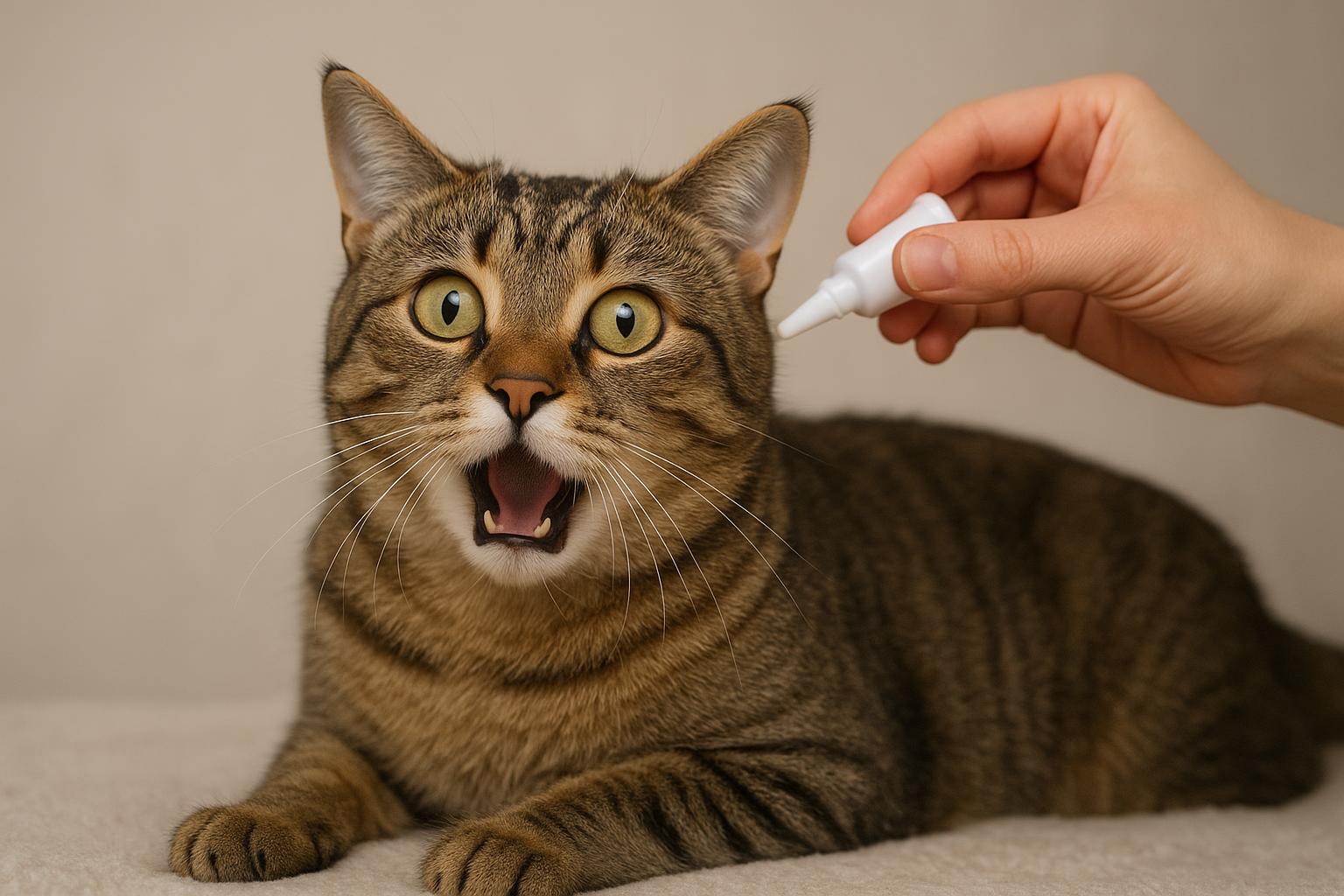
1. Veterinary Consultation: Schedule a vet appointment to select the appropriate long-term flea control (topical, oral, or collar). Effectiveness, pet age, health, and local resistance patterns influence the choice.
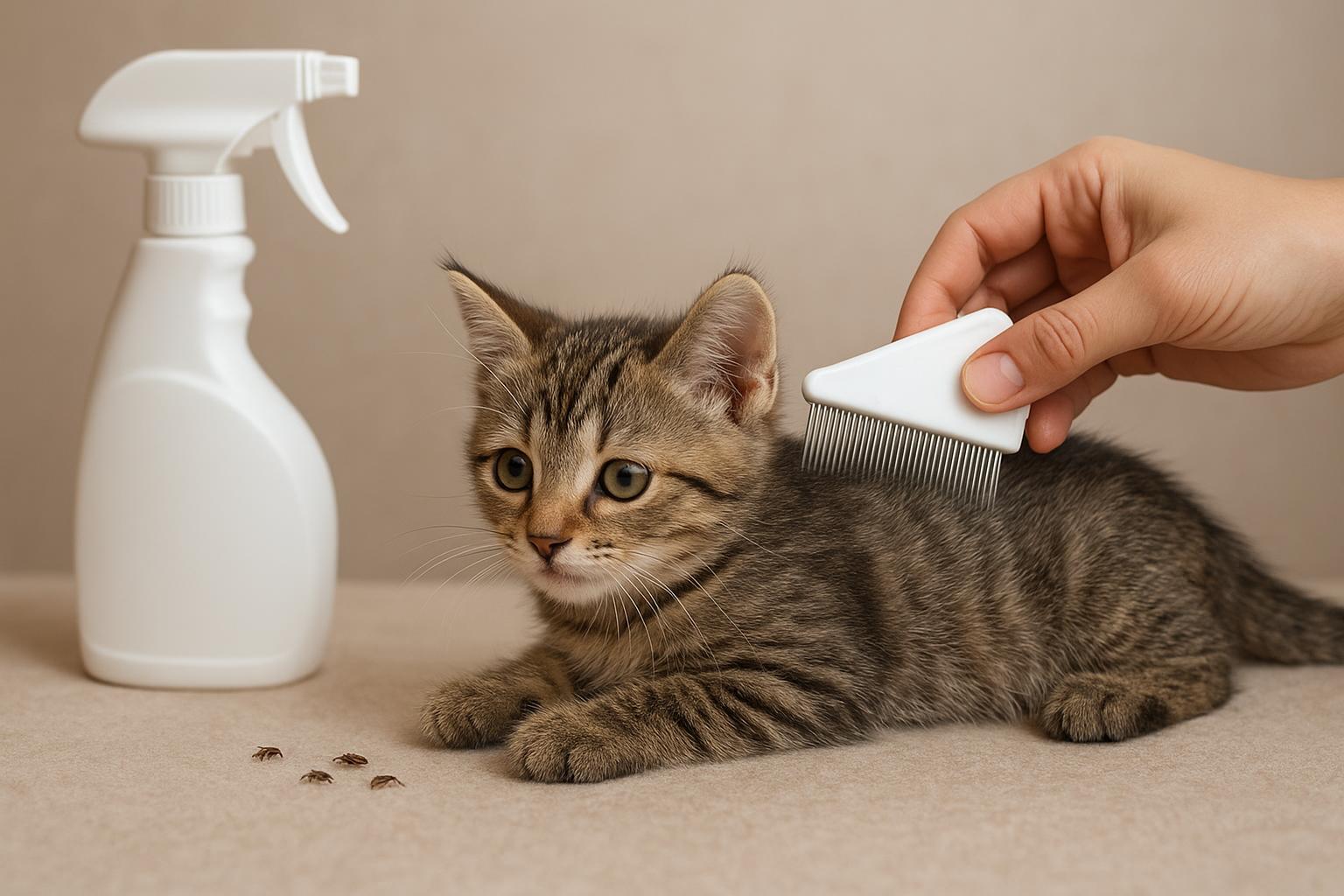
2. Immediate Relief: Bathe the pet with flea shampoo if heavy infestation is suspected. Use a flea comb during bathing to remove adults and flea dirt. Dry thoroughly to prevent hypothermia in small animals.
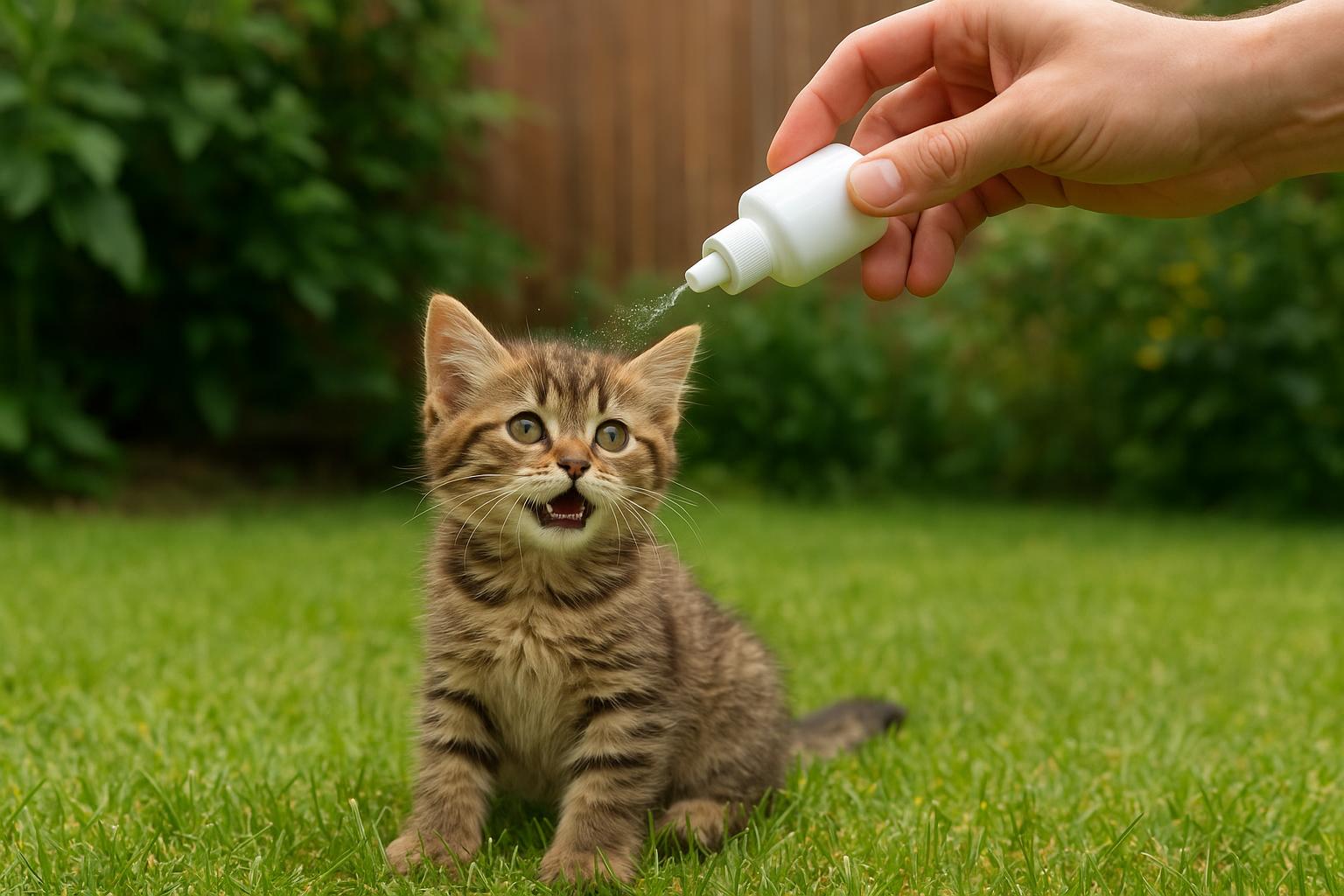
3. Preventive Administration: Apply or administer the selected veterinary product exactly as directed. Ensure timely monthly doses for topicals/orals, and replace flea collars per manufacturer recommendations.
4. Environmental Link: Wash pet bedding in hot water and dry on high heat weekly until the infestation is resolved. Treat outdoor dog houses and resting spots with diatomaceous earth or other approved products.
5. Follow-Up: Recheck the pet after treatment intervals suggested by your vet. Maintain continuous preventive coverage through flea season and consider year-round protection in endemic areas.
### Remedy 3: Indoor Interruption And Deep Clean (Vacuuming, Washing, And Targeted Treatments)
#### Materials
– High-suction vacuum cleaner with brush attachment
– Steam cleaner (optional but highly effective)
– Washing machine and dryer capable of hot cycles
– Boric acid or diatomaceous earth (applied with care and per label)
– Enzyme-based carpet cleaner (for pet stains)
– Sealed trash bags
#### Steps
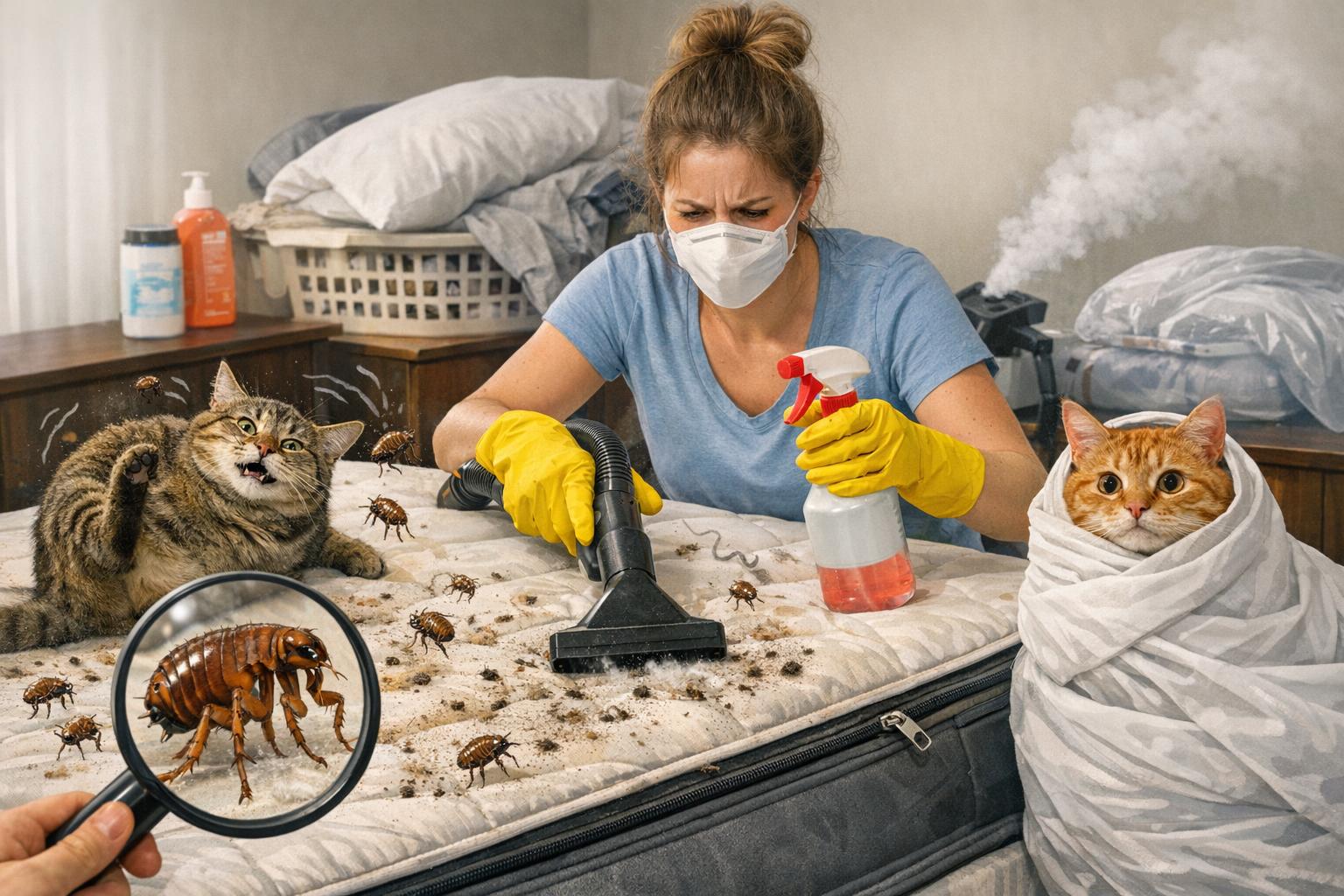
1. Declutter And Isolate: Remove toys, blankets, and clutter from floors. Place non-washable items in sealed bags in a sunny spot for several days if possible.
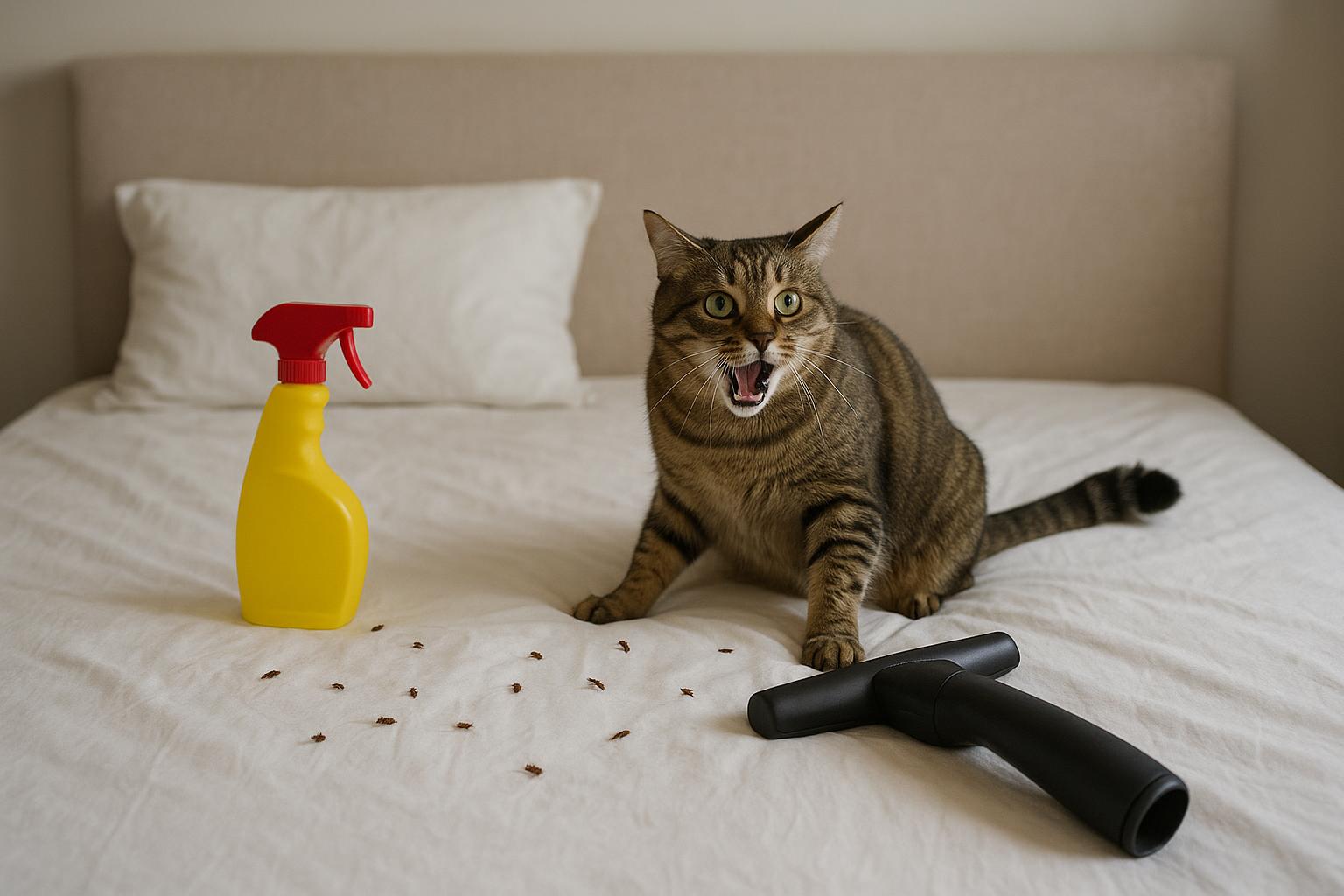
2. High-Intensity Vacuuming: Vacuum all carpets, rugs, upholstery, and baseboards thoroughly. Pay extra attention to pet resting spots. Immediately seal and dispose of the vacuum bag or empty the canister contents into a sealed bag outdoors.
3. Hot-Wash Fabrics: Launder pet bedding, slipcovers, and any washable rugs on the hottest settings safe for the fabric. Tumble dry on high heat for at least 30 minutes to kill eggs, larvae, and adults.
4. Targeted Treatments: For persistent hotspots, apply diatomaceous earth or an indoor flea product labeled for carpets and upholstery. Follow label safety instructions; keep children and pets out of treated areas until safe.
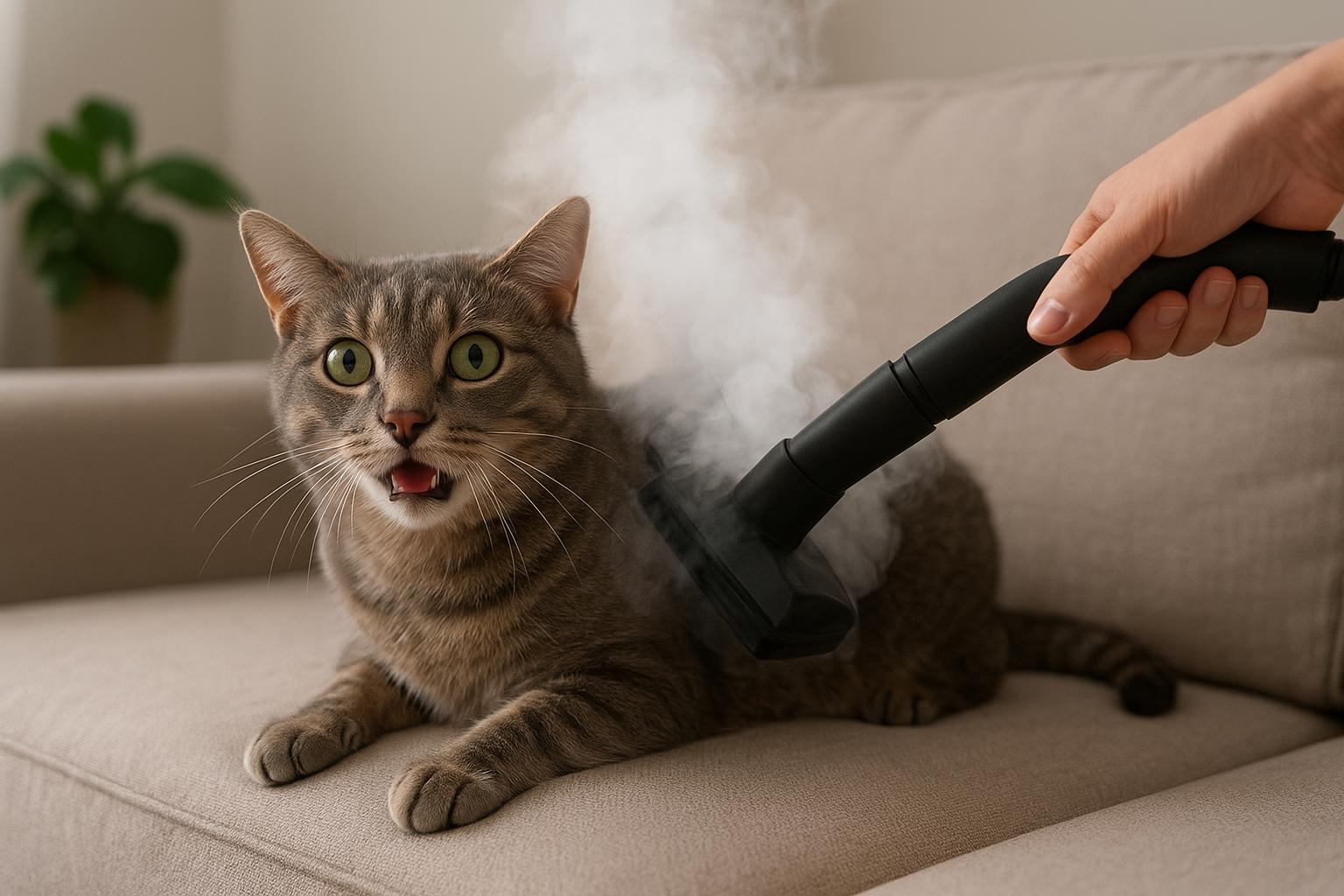
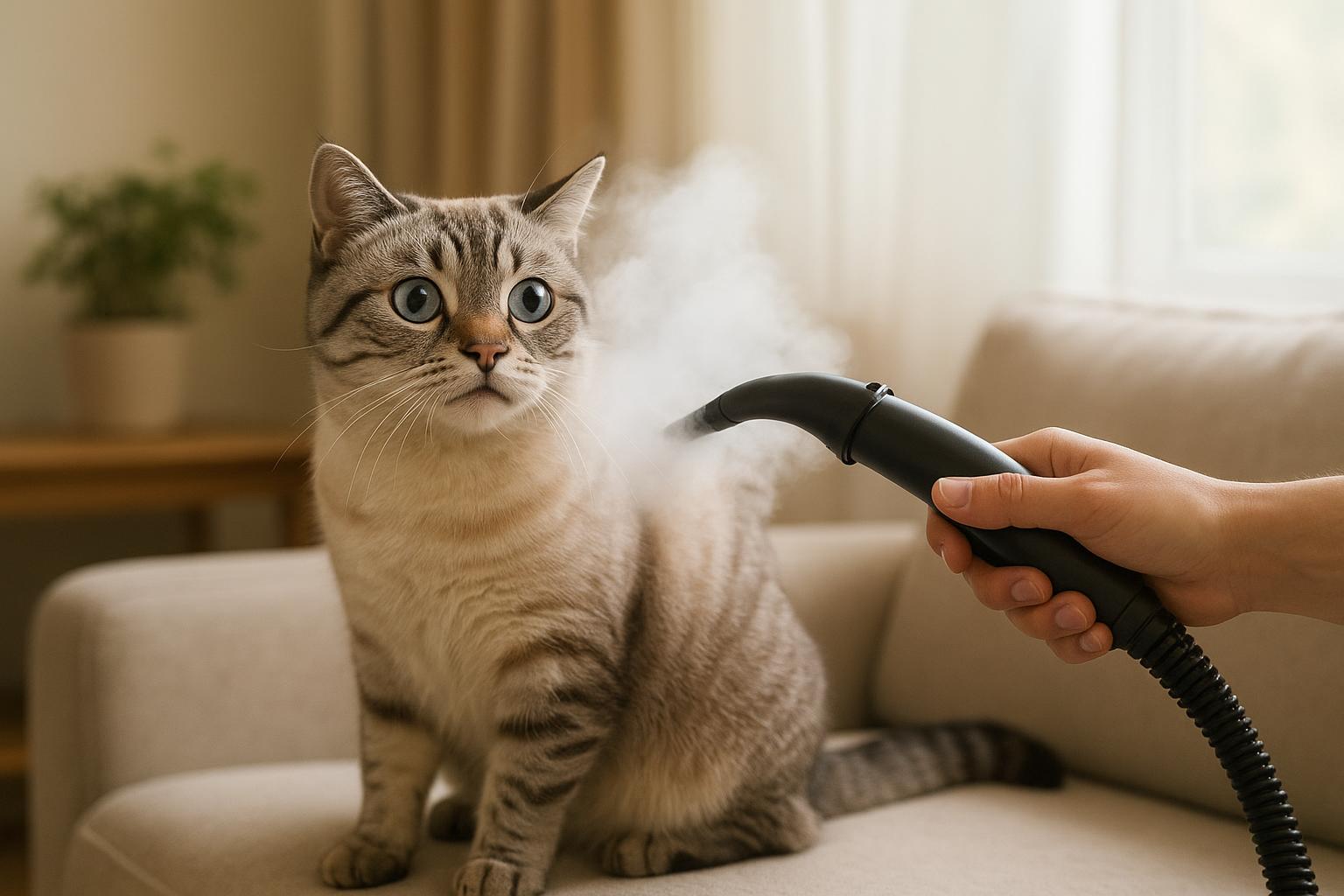
5. Use Heat To Your Advantage: When feasible, use a steam cleaner on carpets and furniture. Steam at high temperature destroys all flea life stages without chemicals.
6. Routine Maintenance: Implement a vacuuming schedule: daily for hotspots until control is established, then two to three times weekly as prevention.
### Where To Focus Your Efforts
#### Entry Point Reinforcement
Seal gaps around doors, pet doors, and foundation vents. Install tight-fitting screens and keep garage doors closed when not in use. These small fixes cut direct flea routes into the home.
#### Monitoring And Record-Keeping
Keep a simple log: date of treatment, product used, areas treated, and observed results. This helps determine which interventions are effective and where flea routes remain active.
#### Long-Term Landscape Planning
Consider low-maintenance landscaping that reduces shaded, moist microclimates. Native plantings, proper drainage, and minimal dense ground cover near foundations reduce suitable flea habitats and shorten the most common flea routes.
Playful note: Fleas like hide-and-seek. If you stop giving them cover, they lose the game quickly.




Leave a Reply