
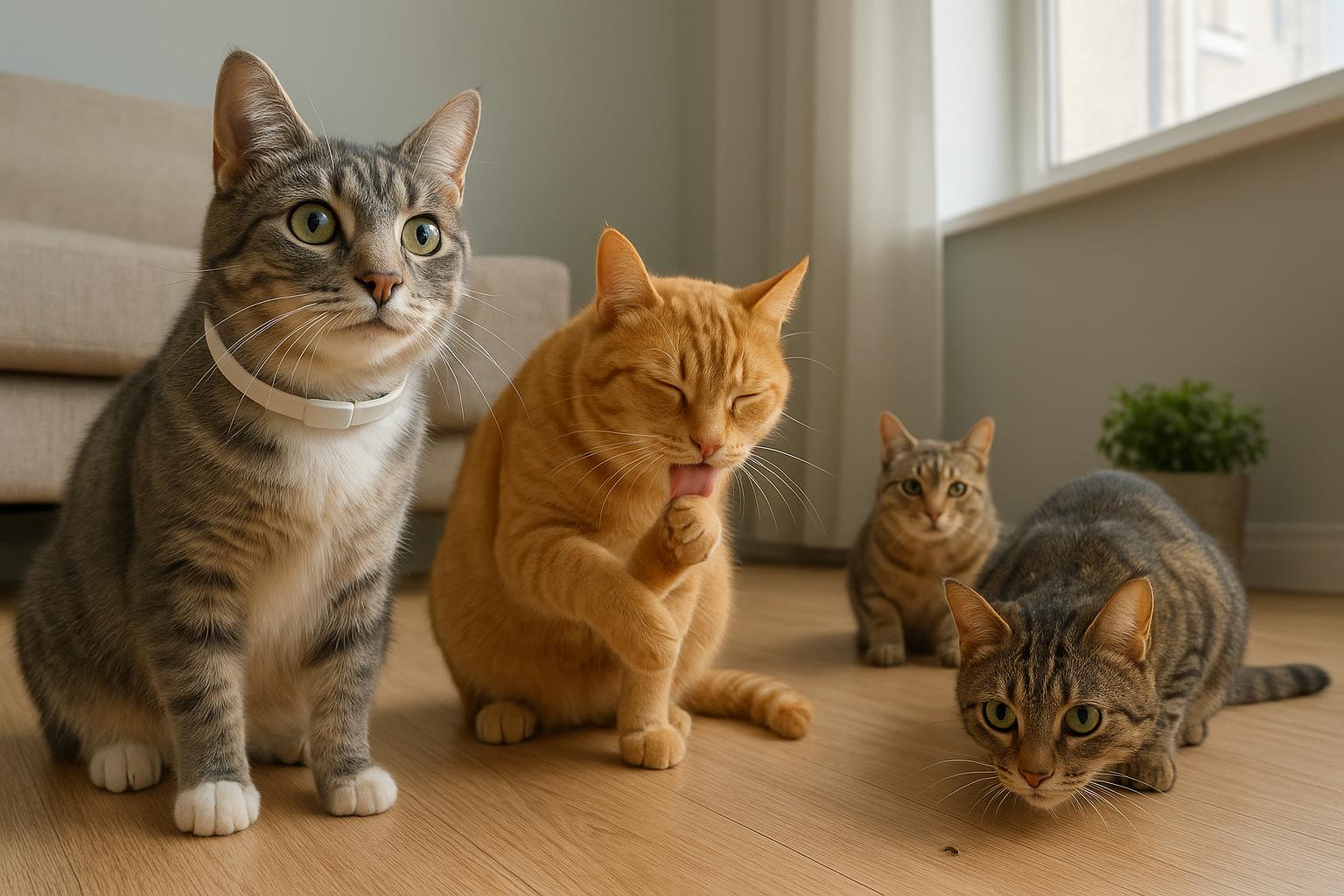
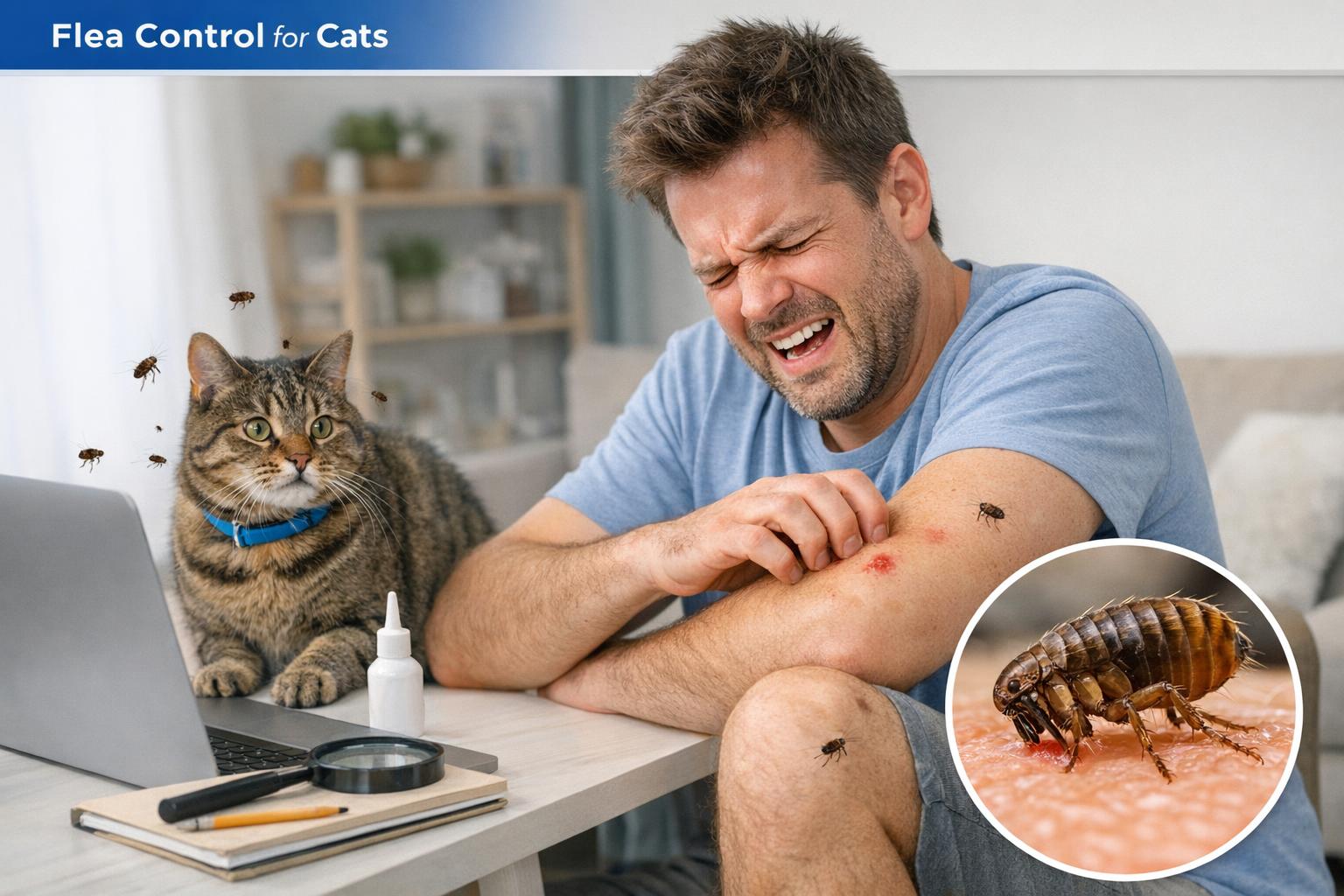
If your indoor cat seems more like a tiny, elegant couch ornament than an outdoor explorer, you might think fleas are a non-issue. Not quite. Fleas hitch rides on humans, other pets, or even a stray leaf tracked in on your shoes. The good news: with the right approach you can keep those tiny vampires off your cat and out of your house. Below I’ll lay out a relaxed, sensible plan — a smarter plan for the best flea prevention that’s realistic for indoor life and gentle on your peace of mind.
## Best Flea Prevention For Indoor Cats
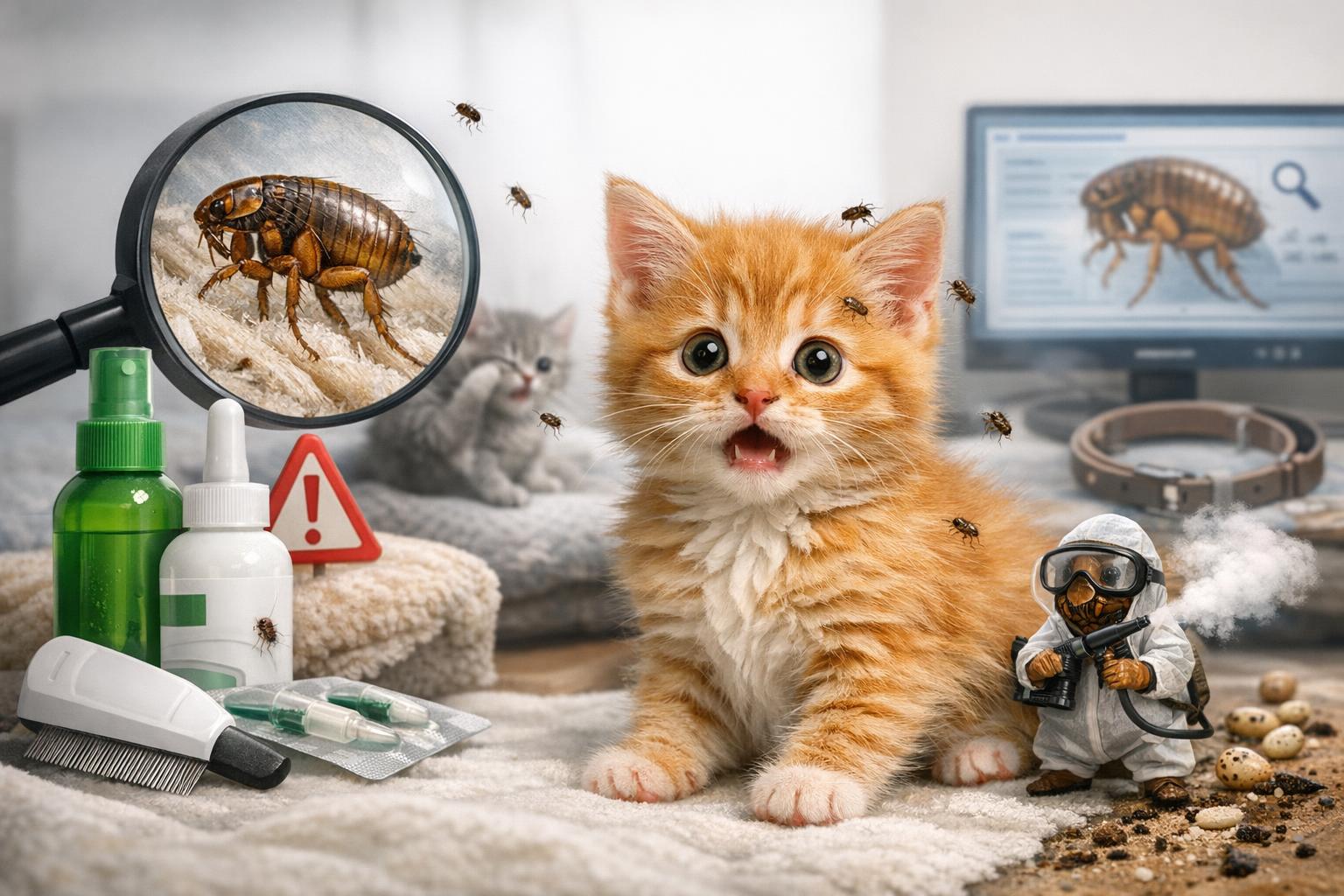
Fleas are adaptable little pests. Preventing them in an indoor-only cat requires a layered approach: effective veterinary products, environmental control, and vigilant housekeeping. The “best flea prevention” for an indoor cat is rarely a single product. Think of it like building a fence: the vet-prescribed barrier is primary, and your home care is the reinforcement.
### Why Indoor Cats Still Get Fleas
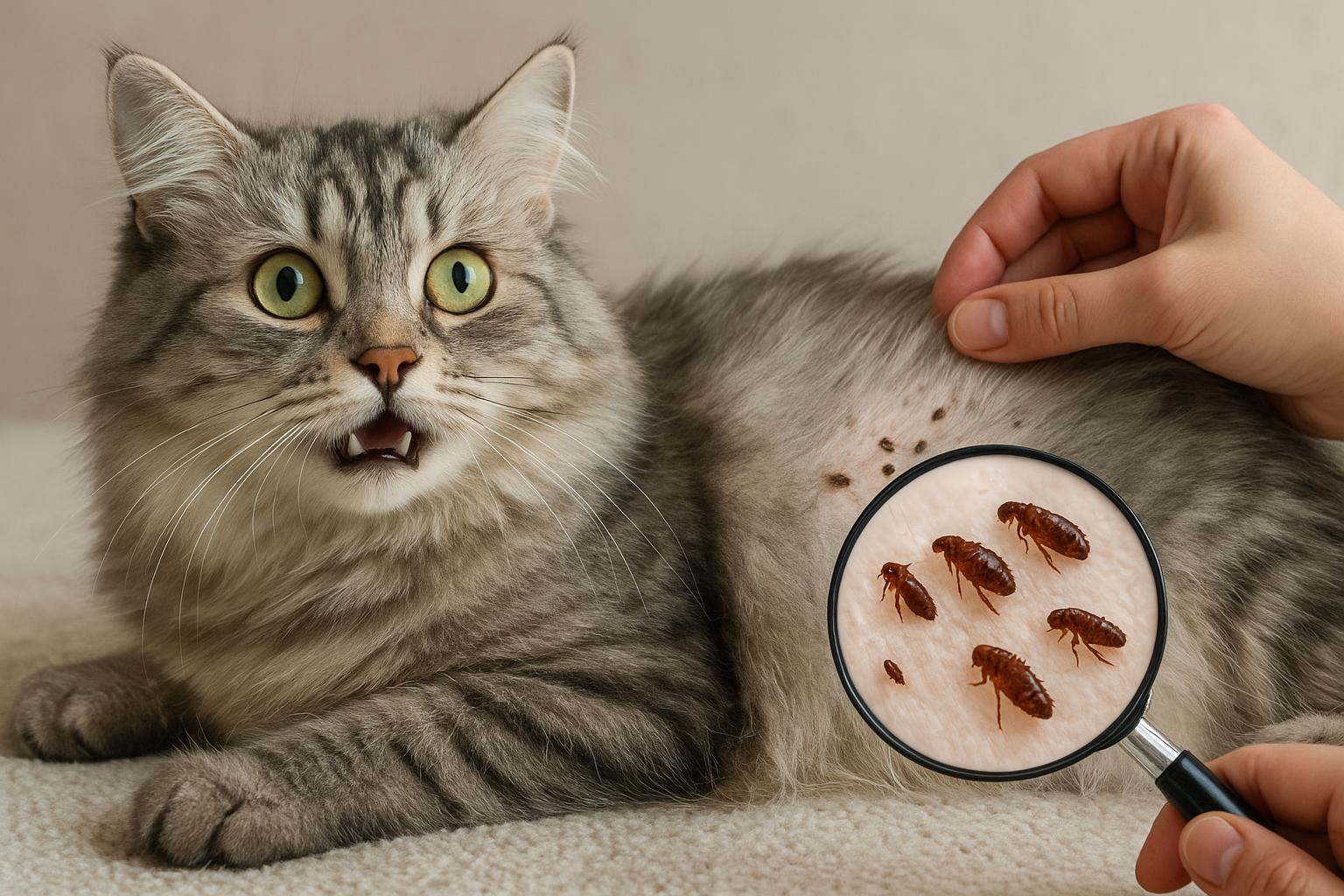
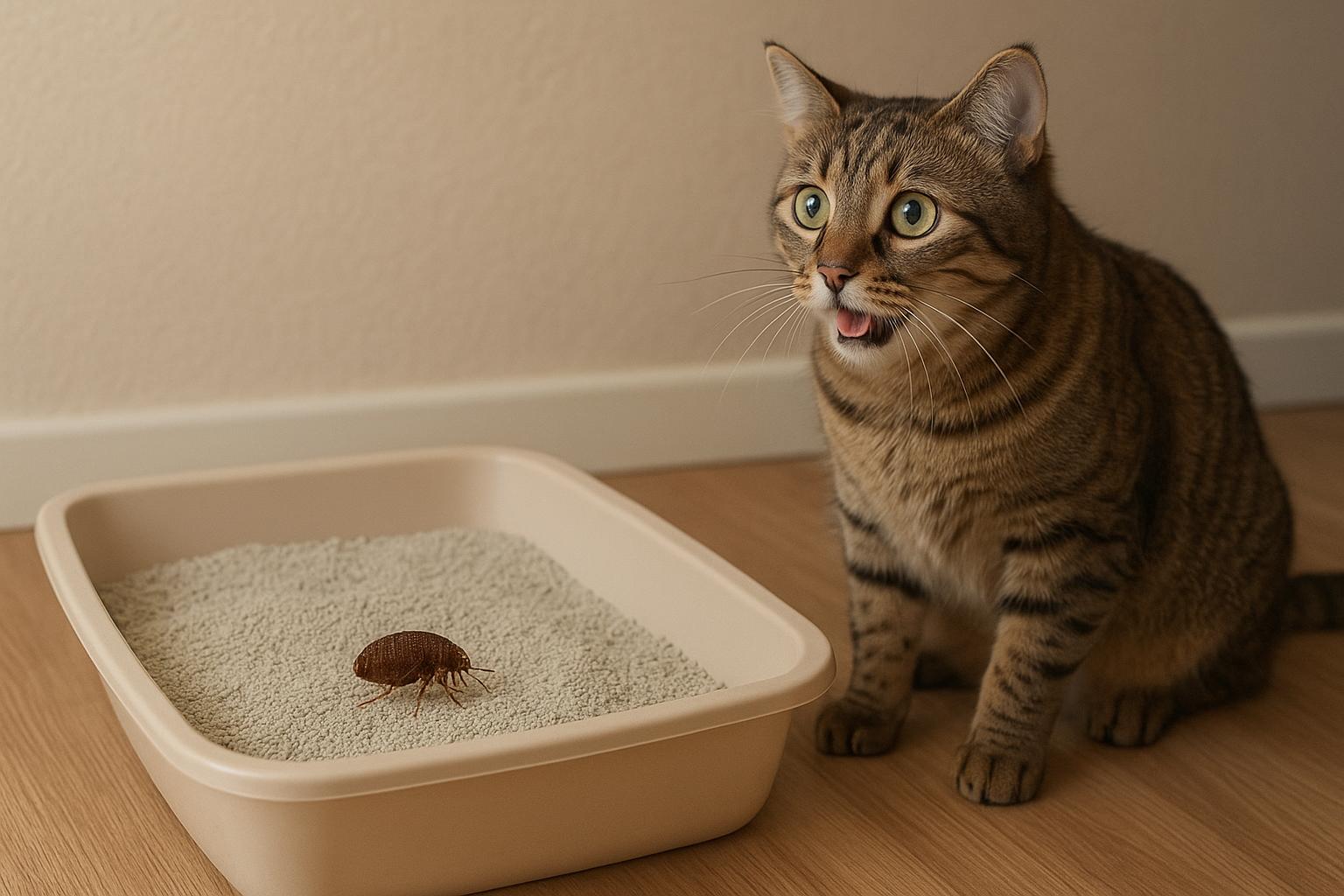
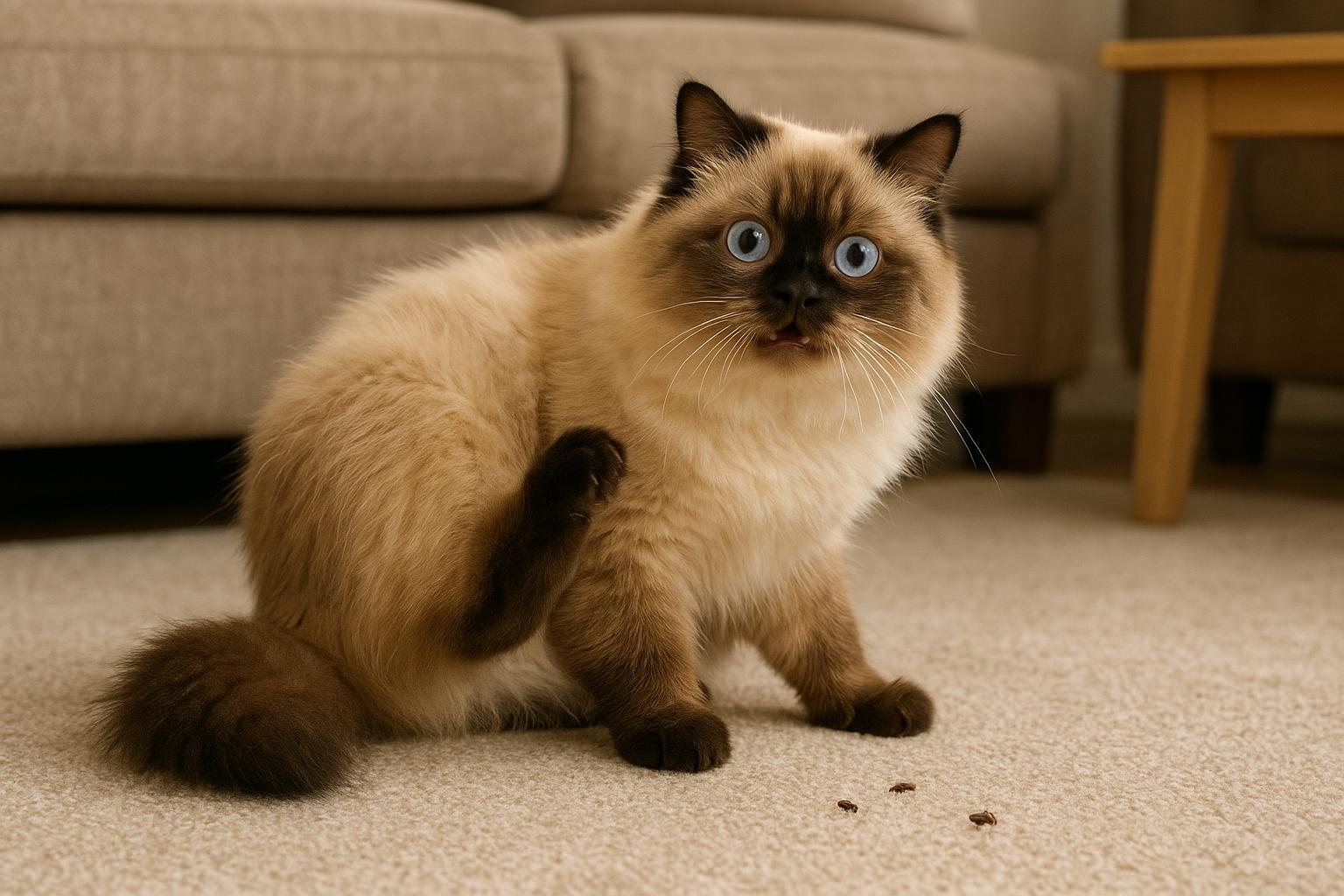
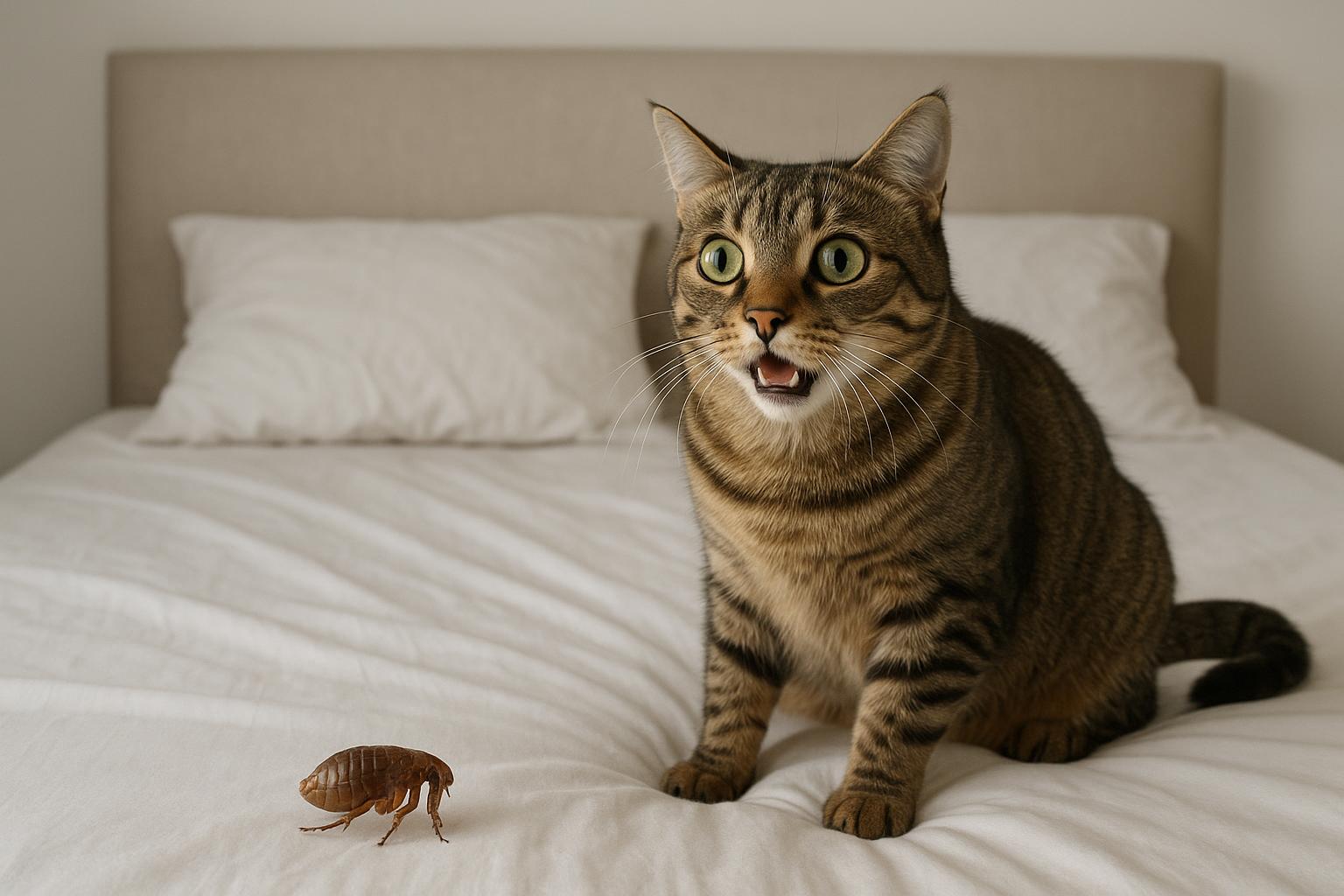
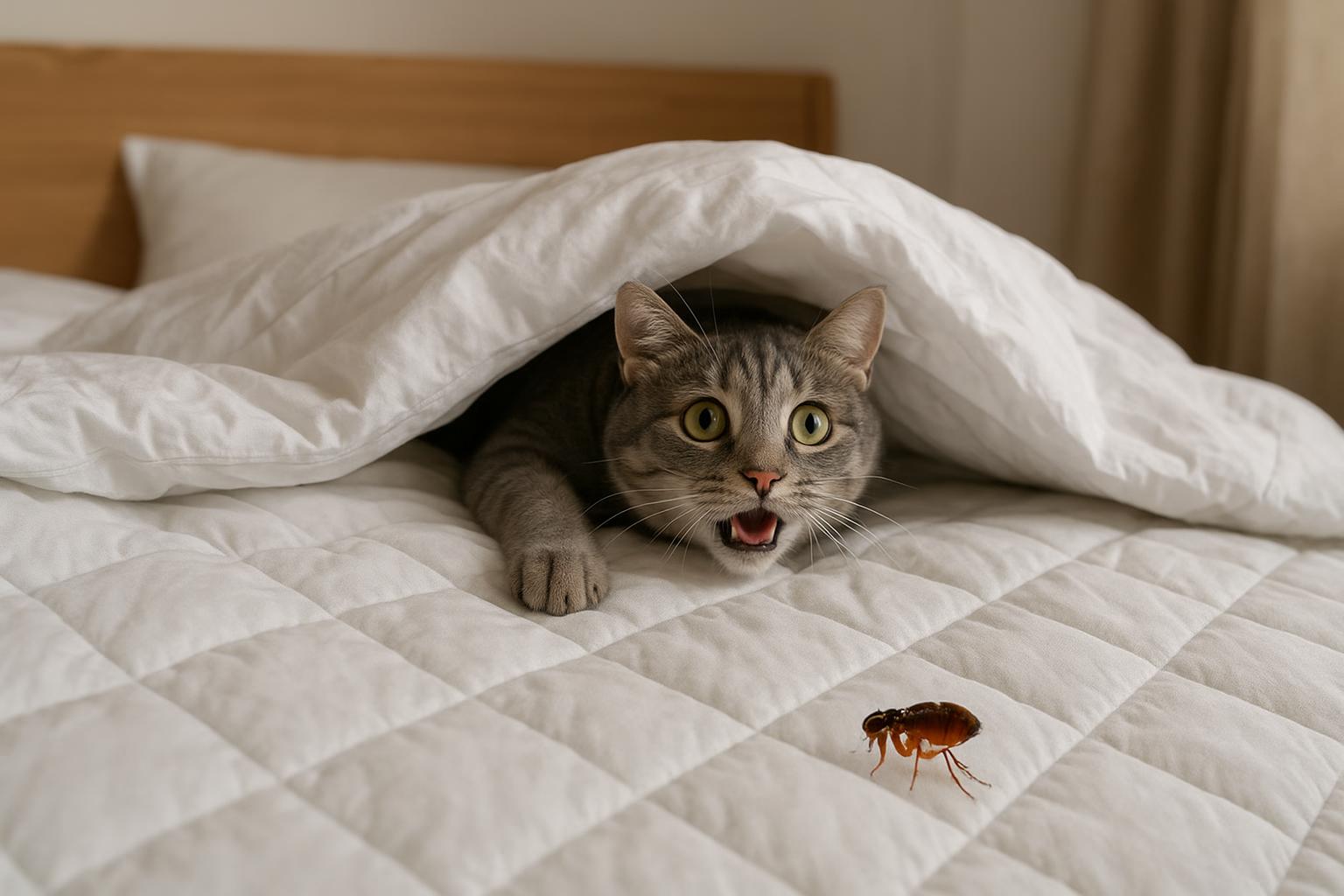
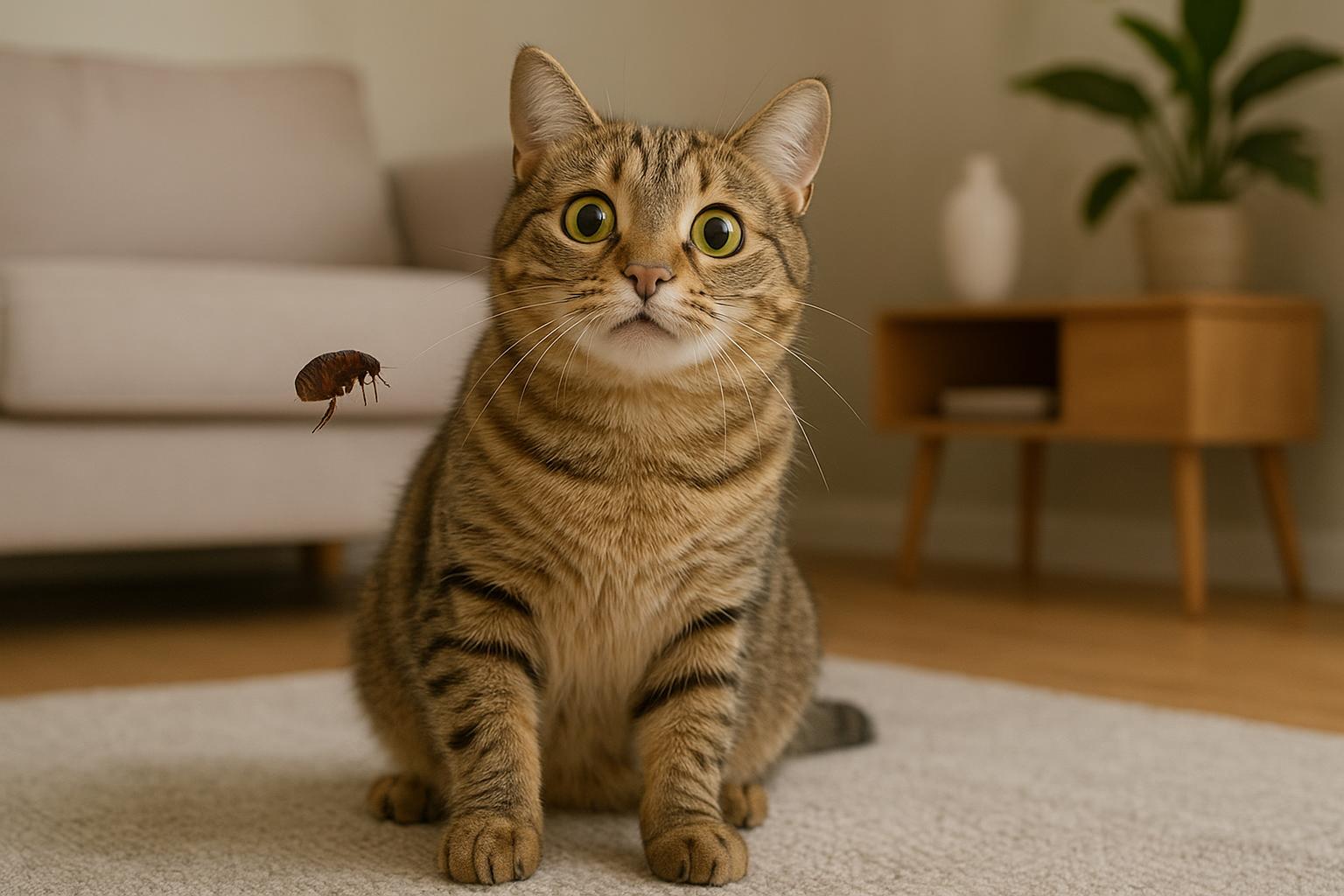
Even strictly indoor cats can get fleas. A visitor’s dog, a neighbor’s backpack, or a stray mouse that sneaks into the garage can carry fleas inside. Fleas lay eggs that end up in carpet fibers, upholstery, and pet beds; those eggs hatch when conditions are right. Because only a portion of a flea population is ever on the animal at once, you can treat your cat and still see new adults emerge from the environment unless you address both.
### Signs And Risks To Watch For
Keep an eye out for:
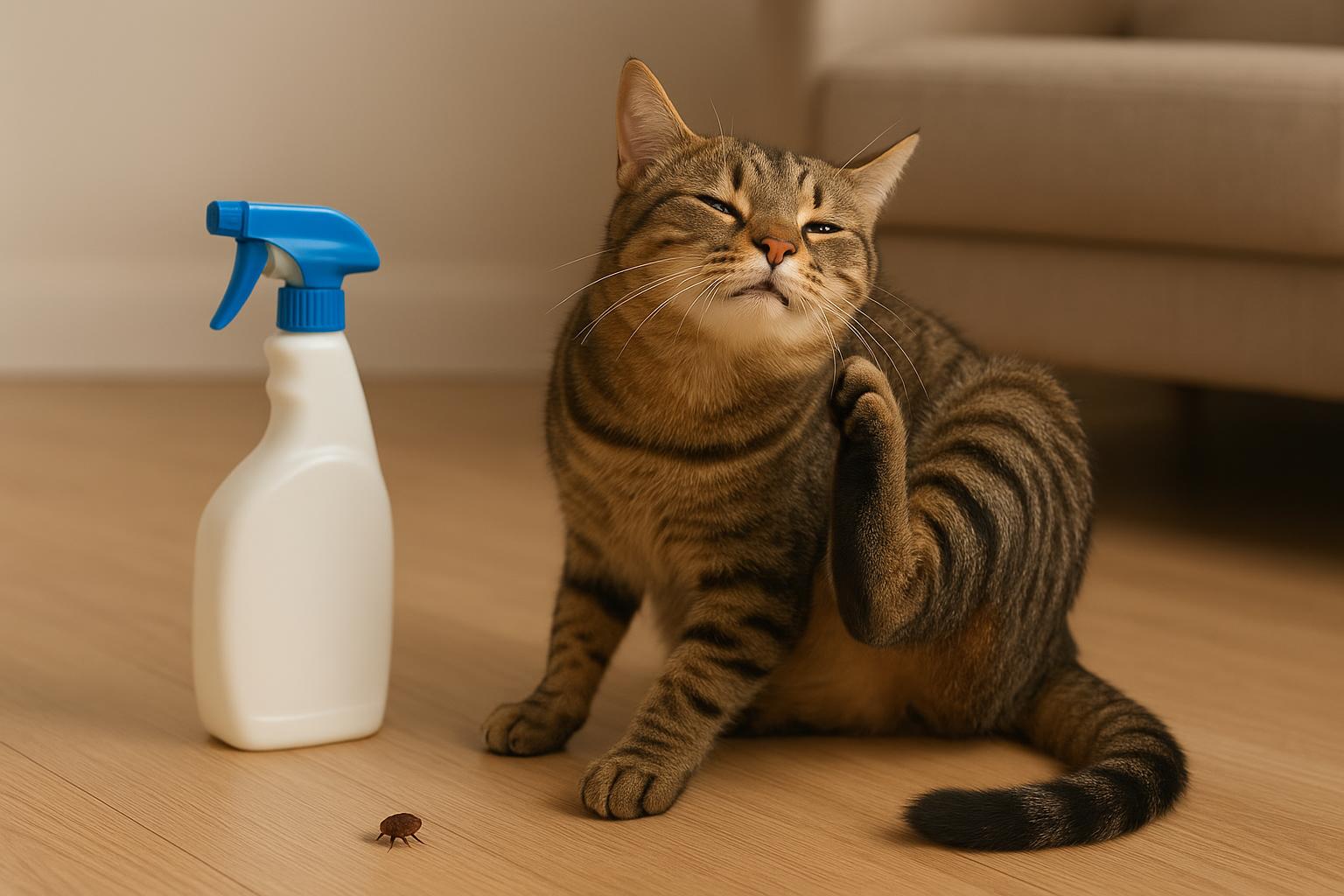
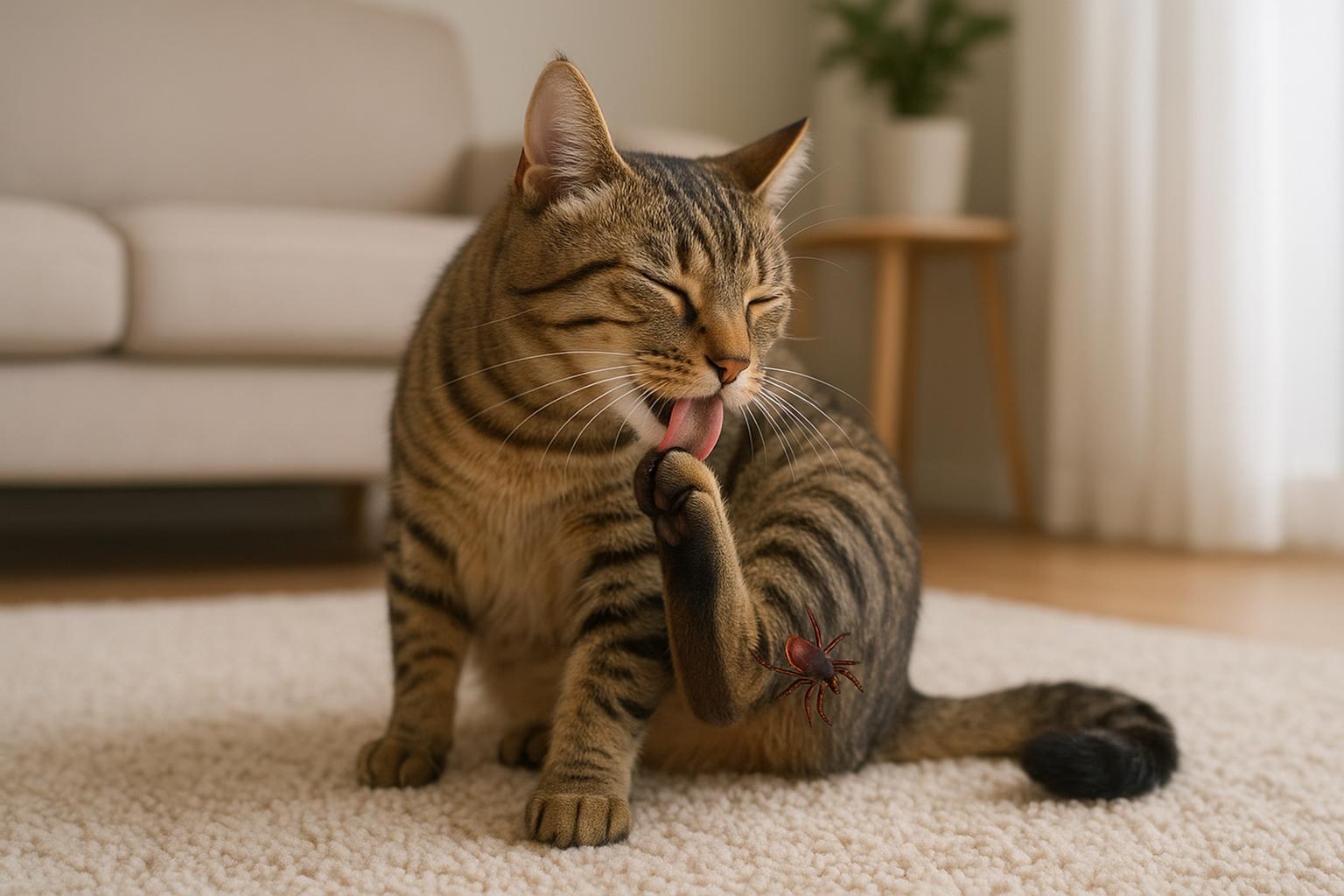
– Excessive scratching, biting, or grooming.
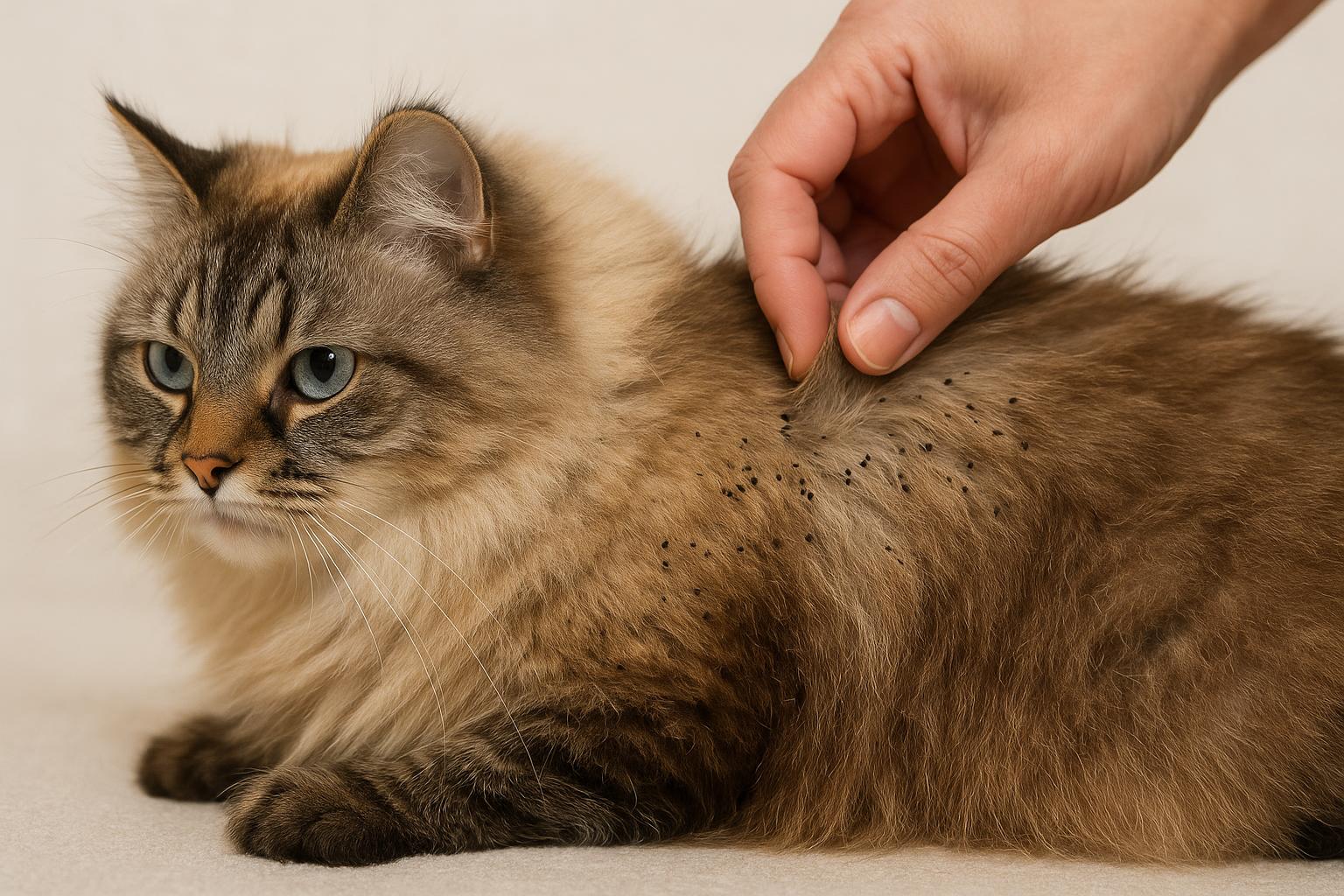
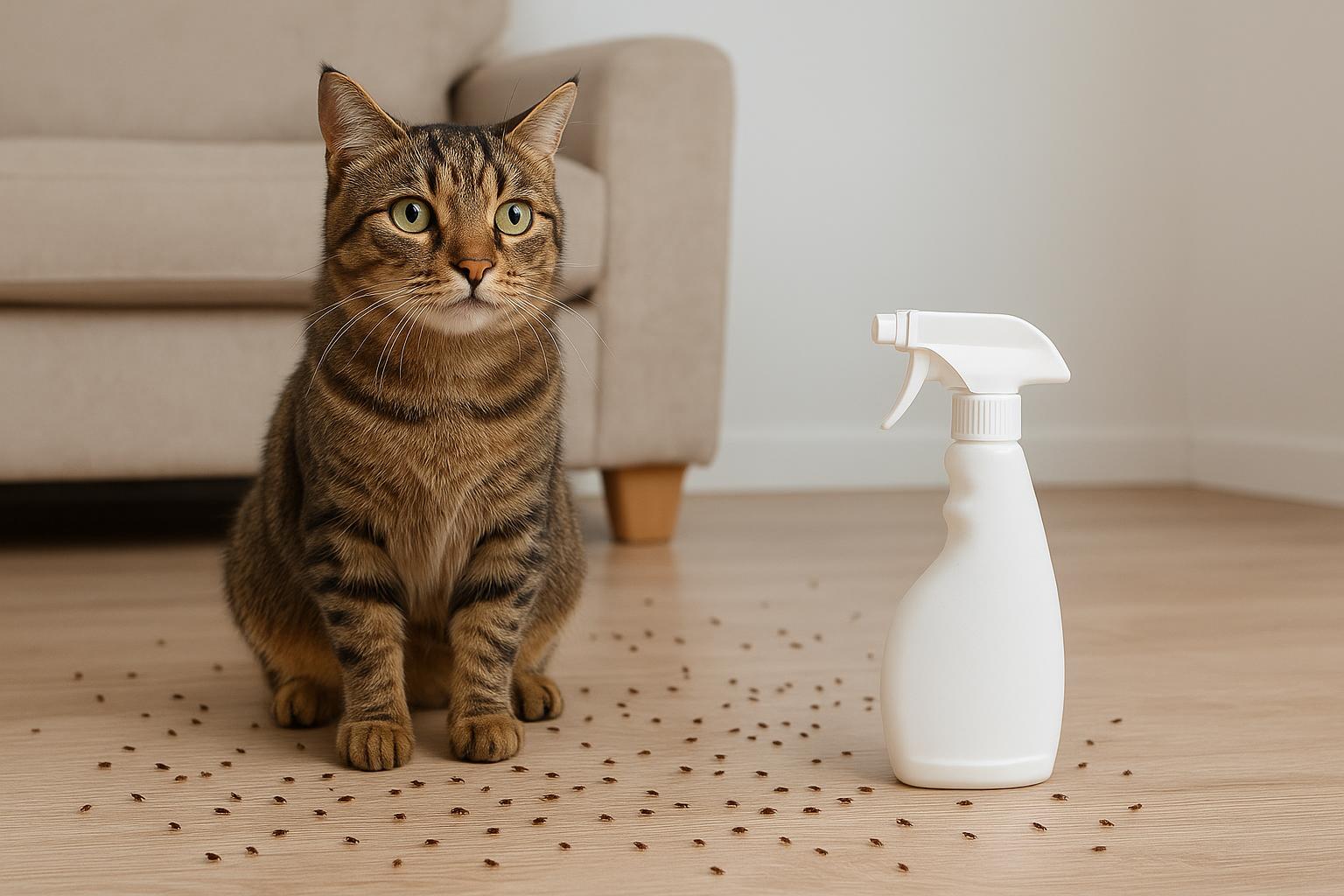
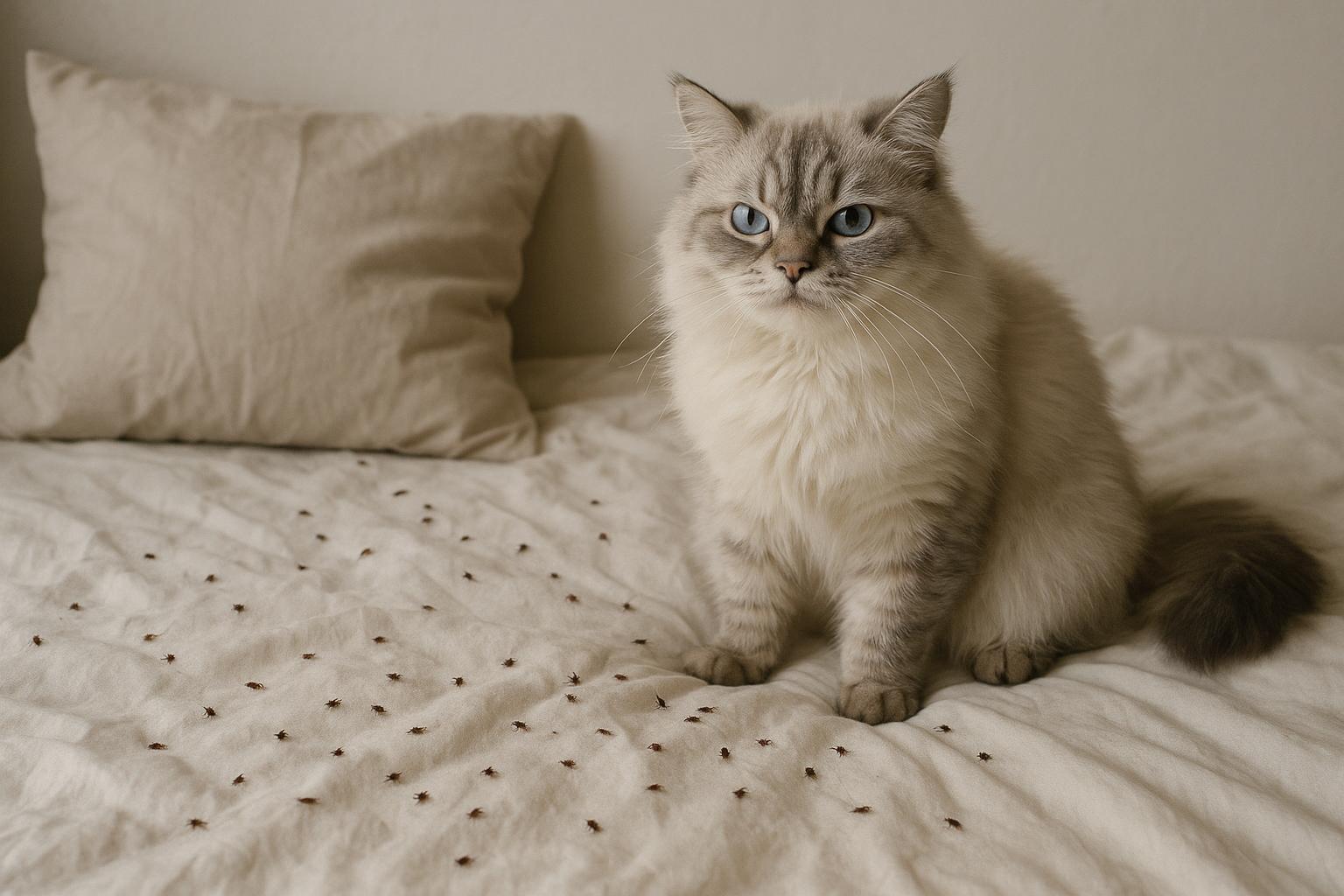
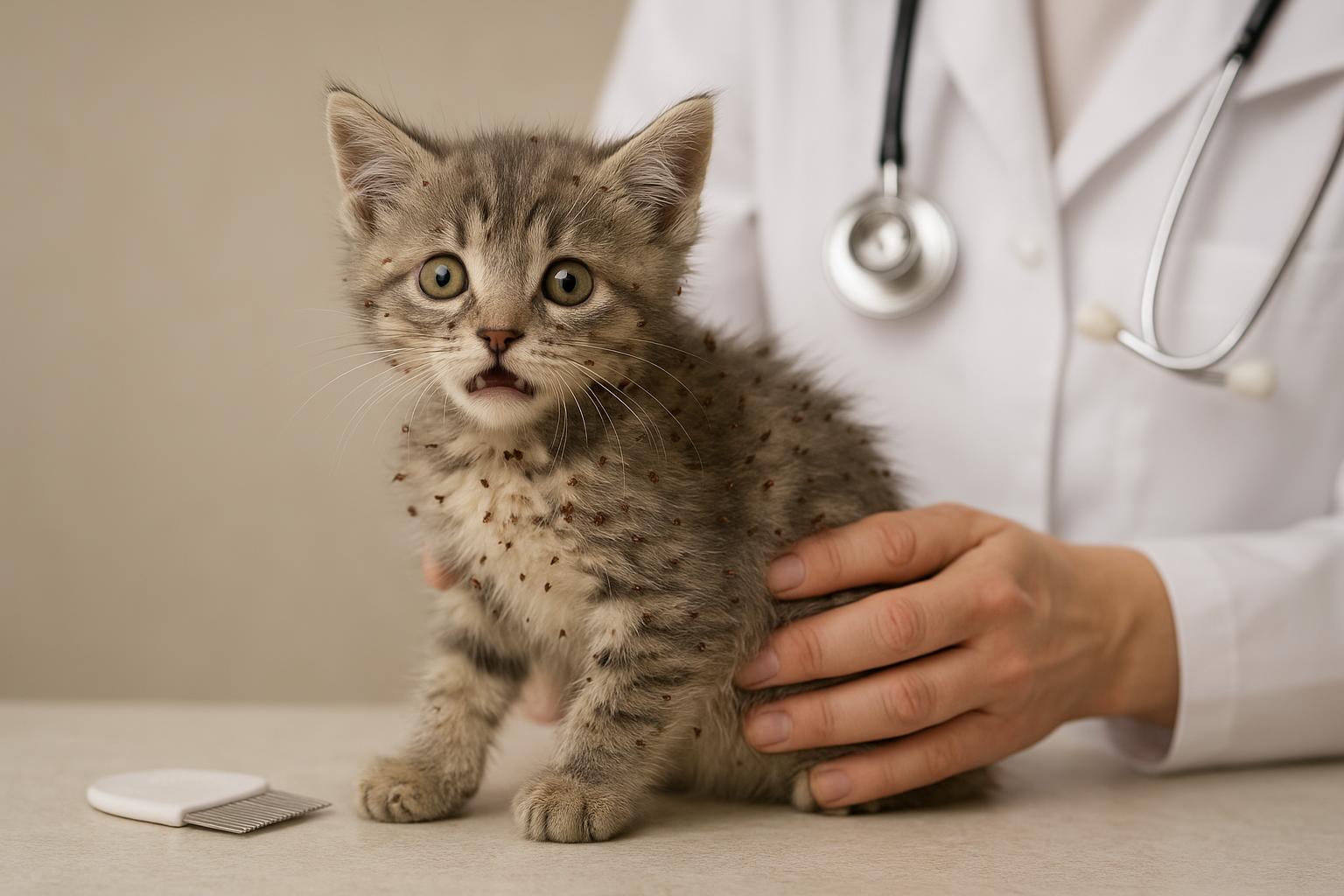
– Flea dirt (tiny black specks) on fur or bedding.
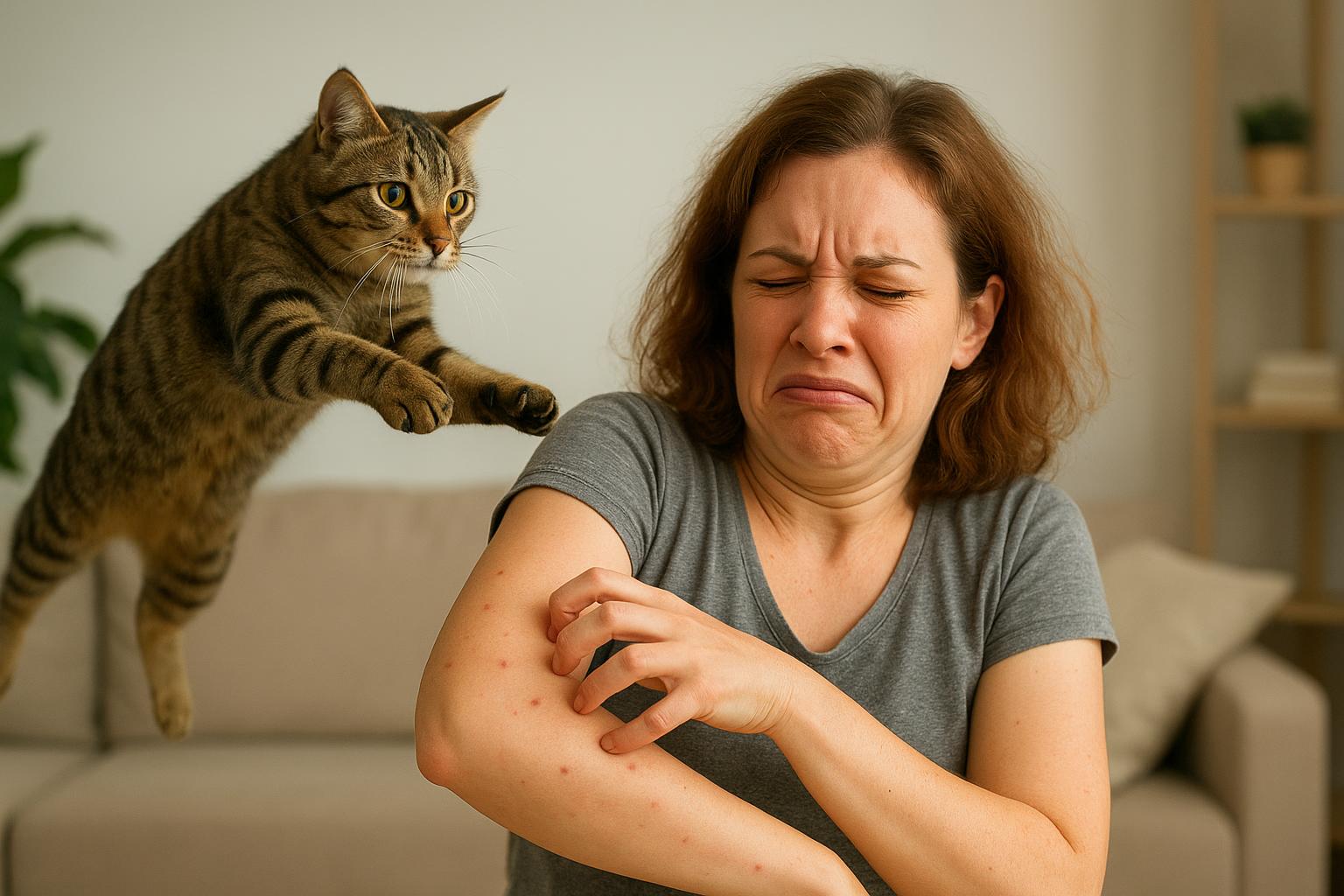
– Red, irritated skin or small scabs.
– Hair loss in spots, especially at the base of the tail.
Allergic reactions to flea saliva (flea allergy dermatitis) can make relatively small infestations painful. Prompt, appropriate action is important.
## Remedy 1: Vet-Approved Preventive Treatments
This is the core of a successful plan. When I say “core,” I mean: talk to your veterinarian, choose a vetted product appropriate for your cat’s age and health status, and use it consistently.
### Ingredients / Materials
– Veterinary consultation (in-person or telemedicine).
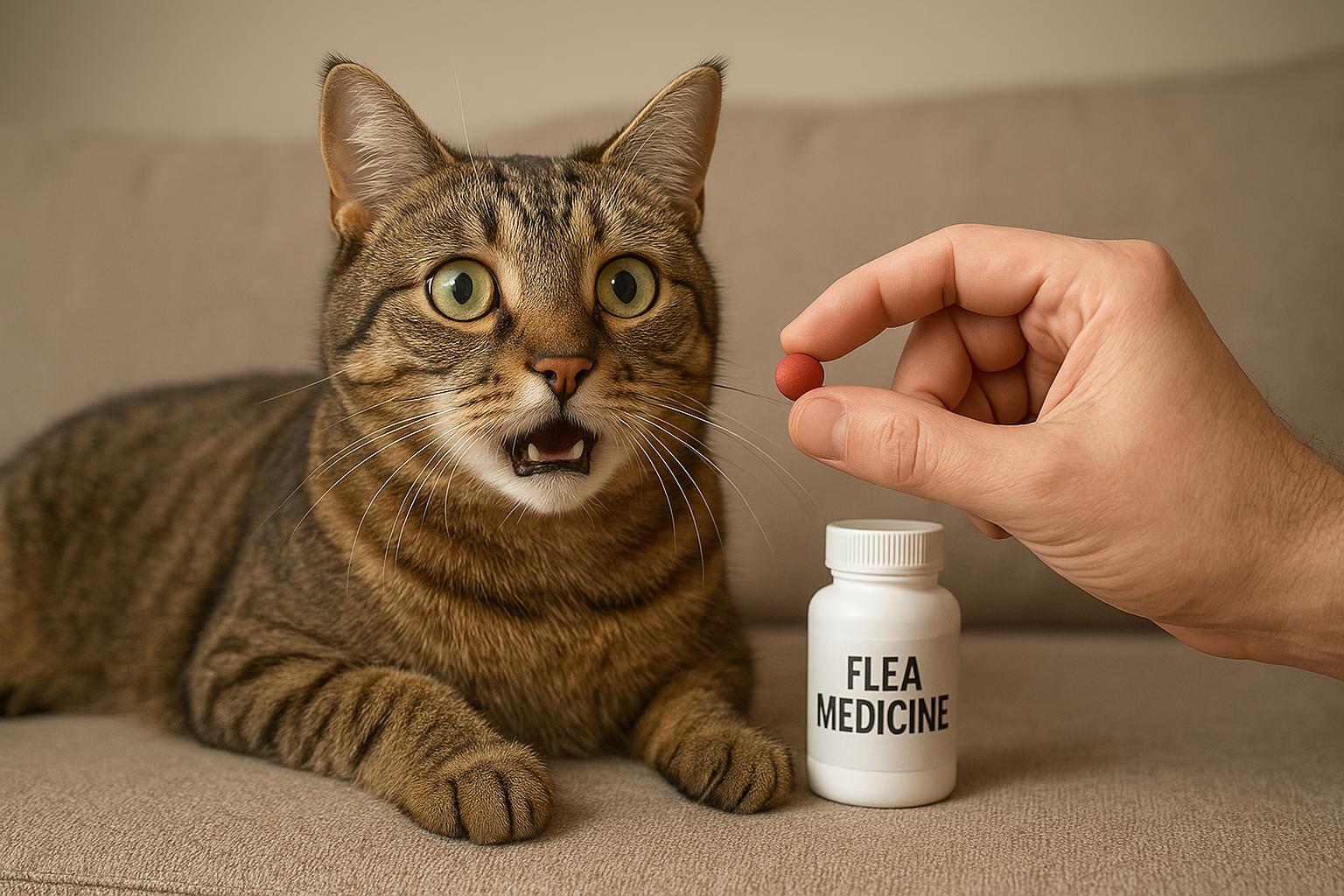
– Prescription topical or oral flea preventive labeled for cats (examples include modern spot-on treatments or single-dose oral options; product choices vary by region and veterinary judgment).
– Dosage calendar or reminder system to track monthly applications.
– Gloves (for topical applications).
### Step-By-Step Creation And Application (Remedy 1)
1. Schedule a veterinary consultation. Provide the vet with your cat’s weight, medical history, and any current medications.
2. Select an approved product. Your vet will recommend the safest and most effective product for your cat (factors include age, weight, pregnancy/lactation status, and medical conditions). Follow that recommendation rather than swapping to over-the-counter dog products or unapproved home mixes.
3. Read the label and instructions carefully. Confirm application frequency and any precautions. Topical products are usually monthly; some newer formulations offer longer durations.
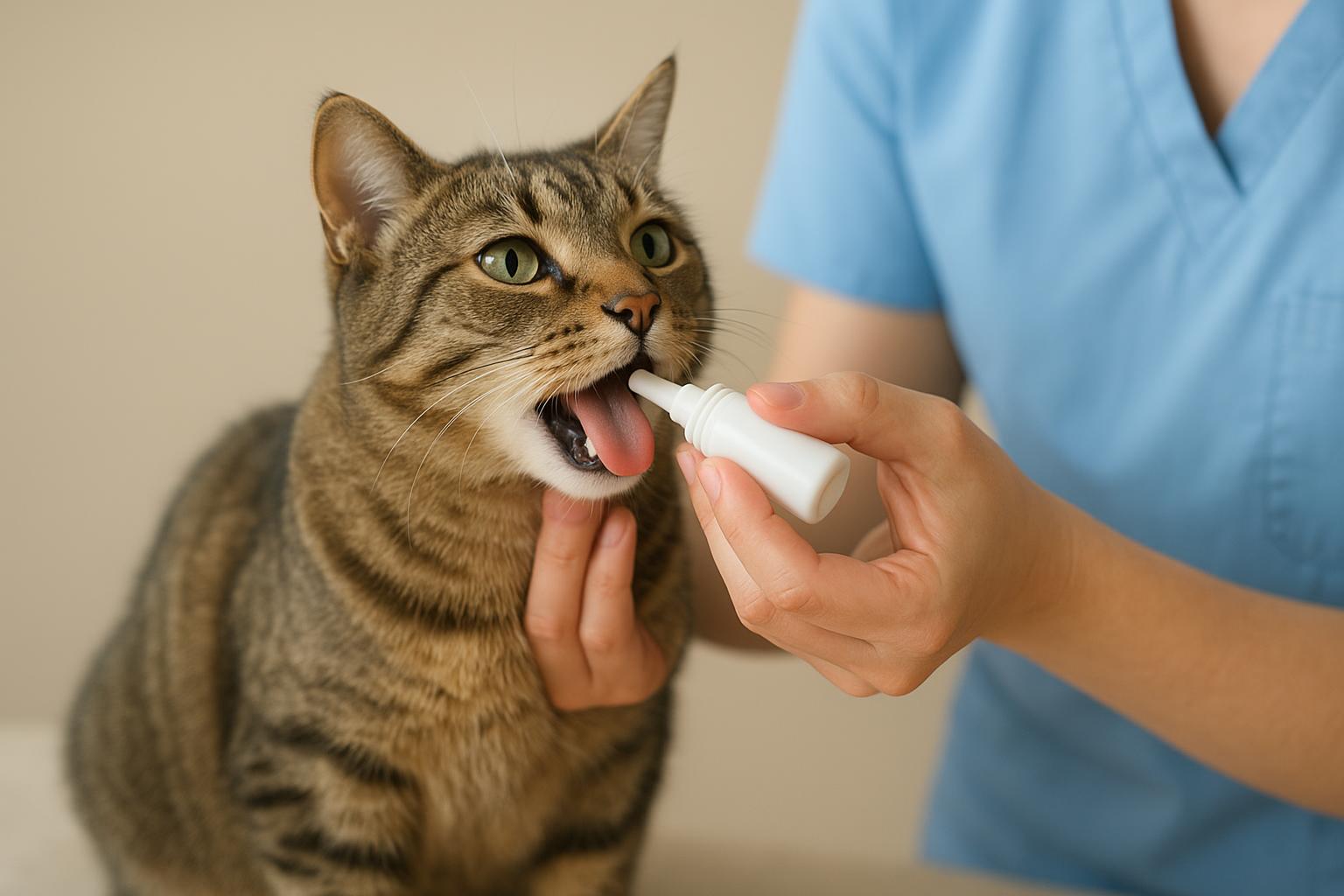
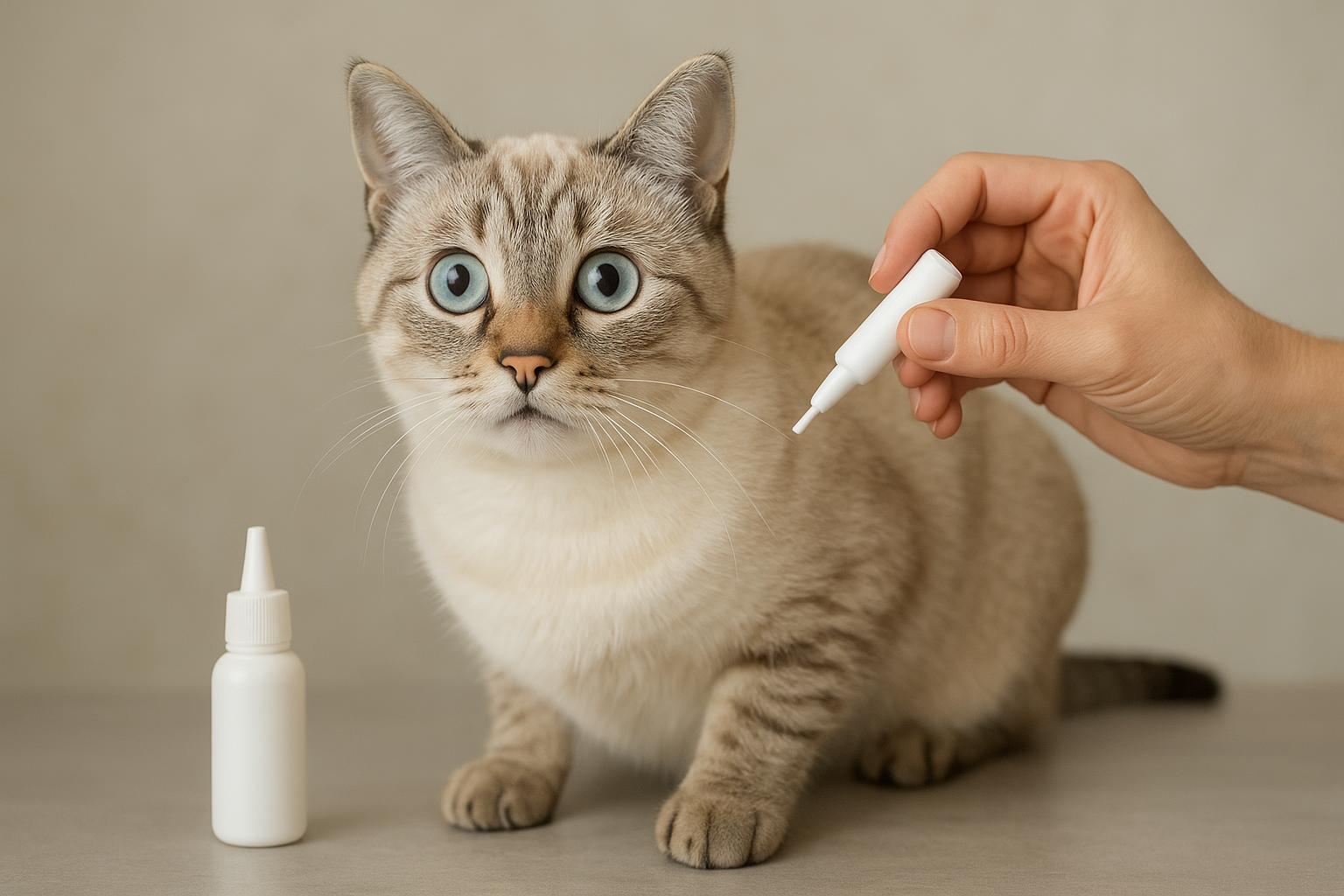
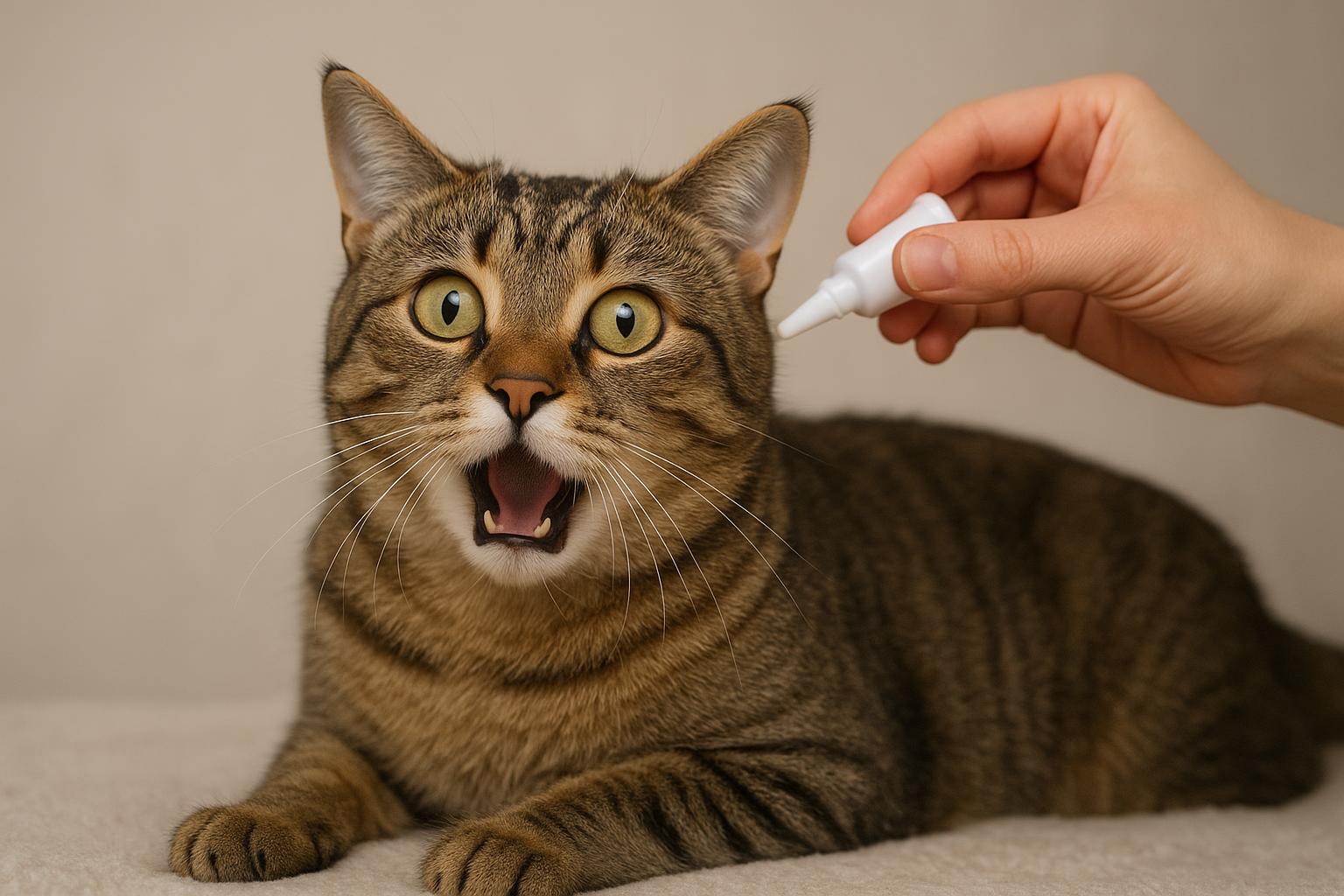
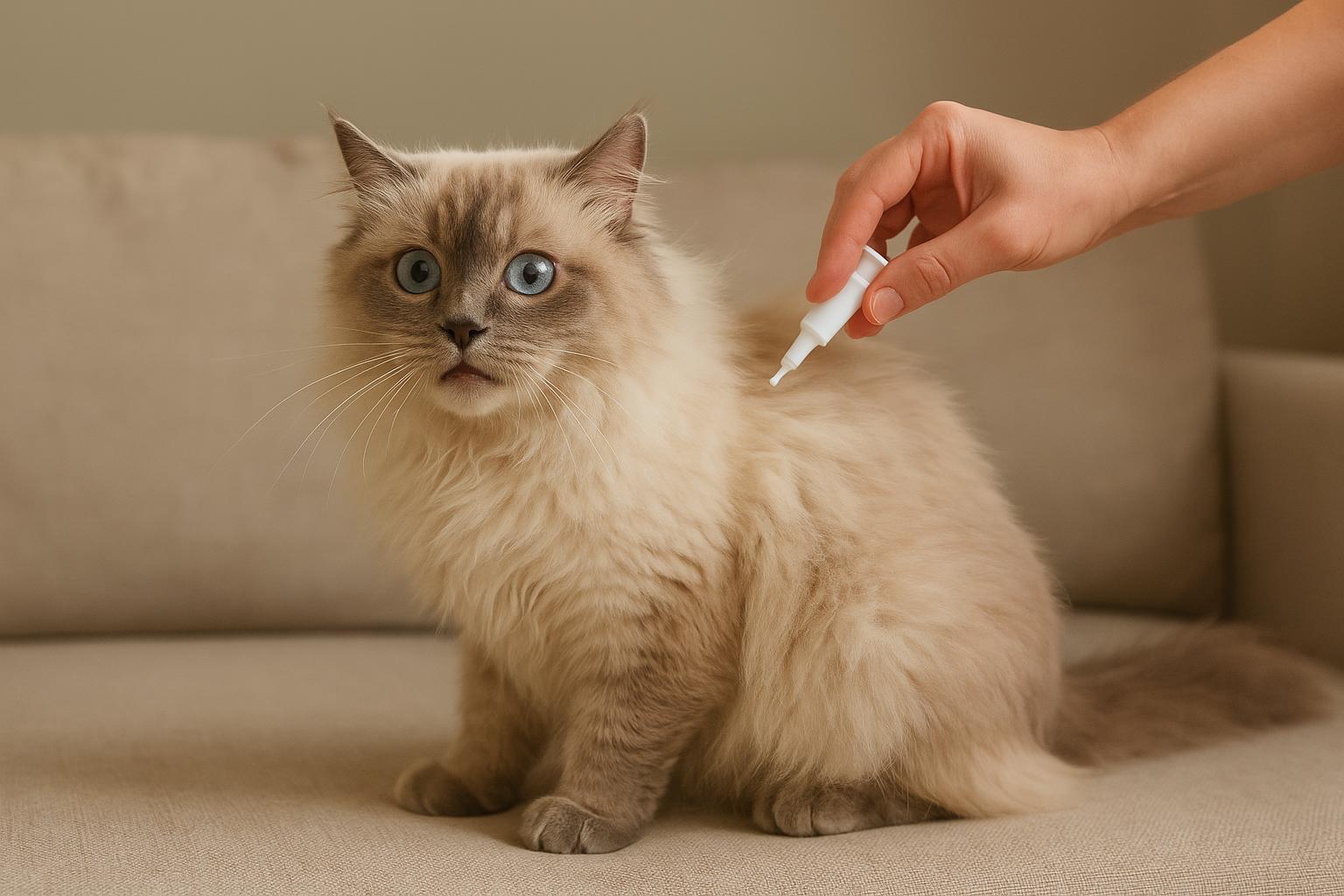
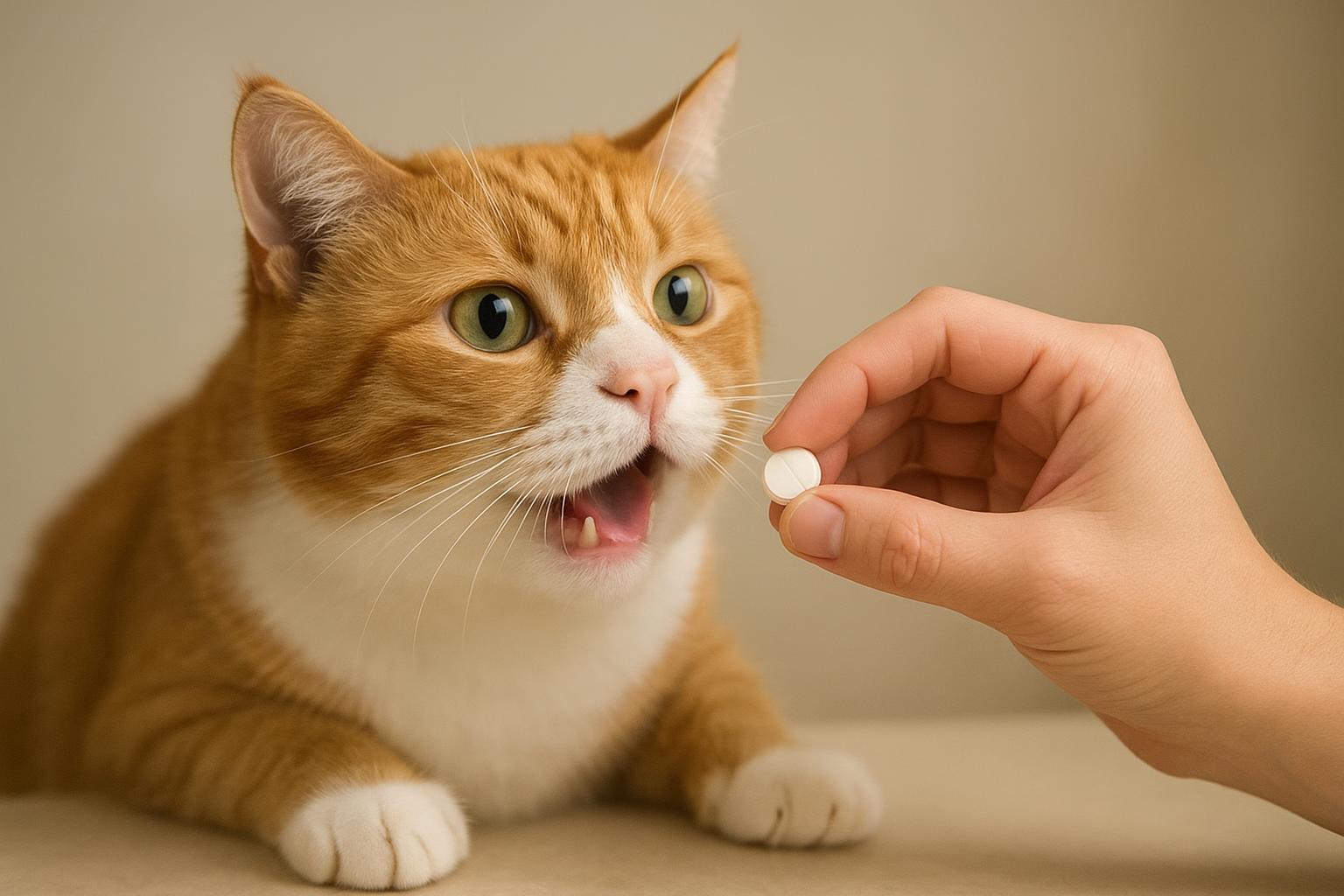
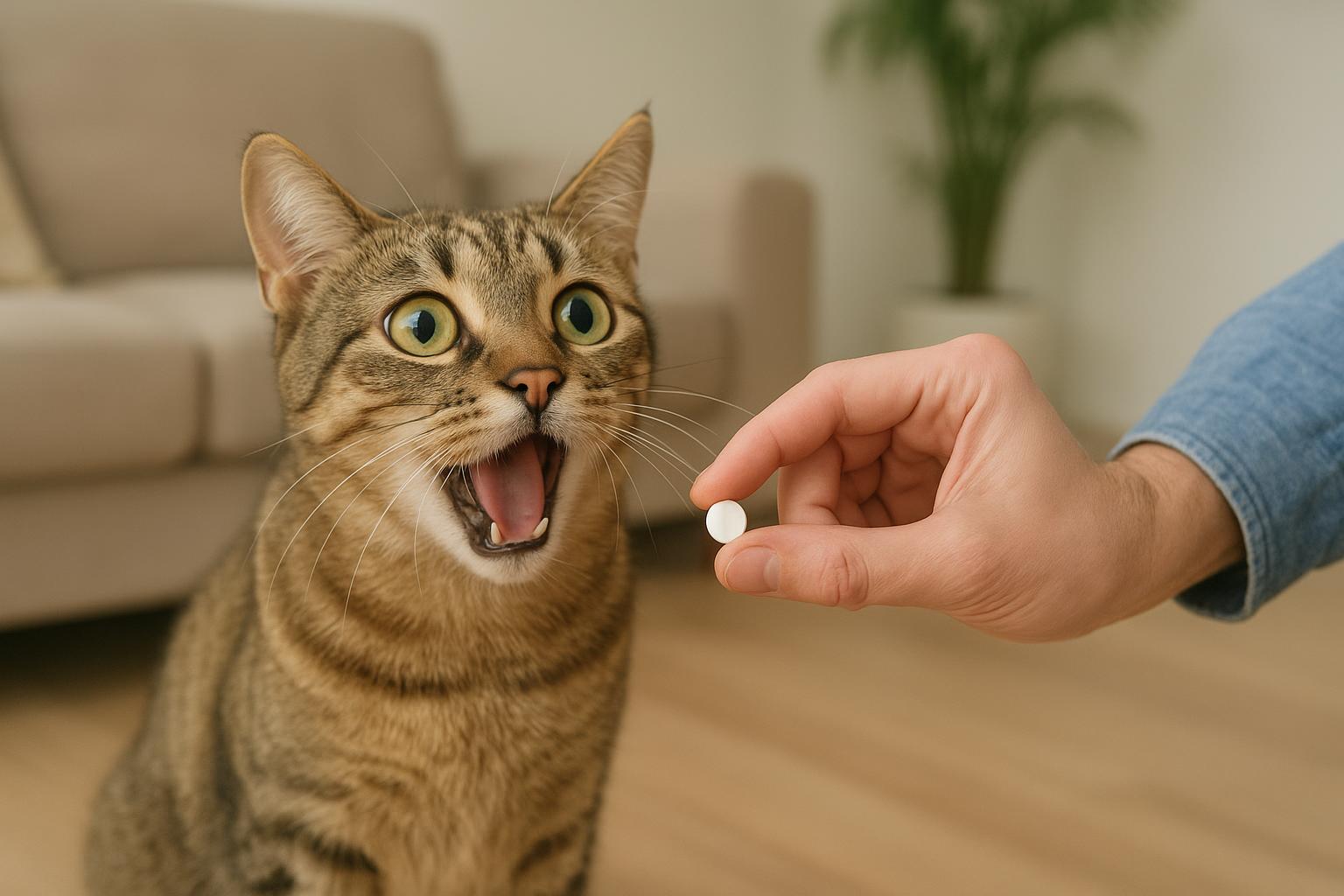
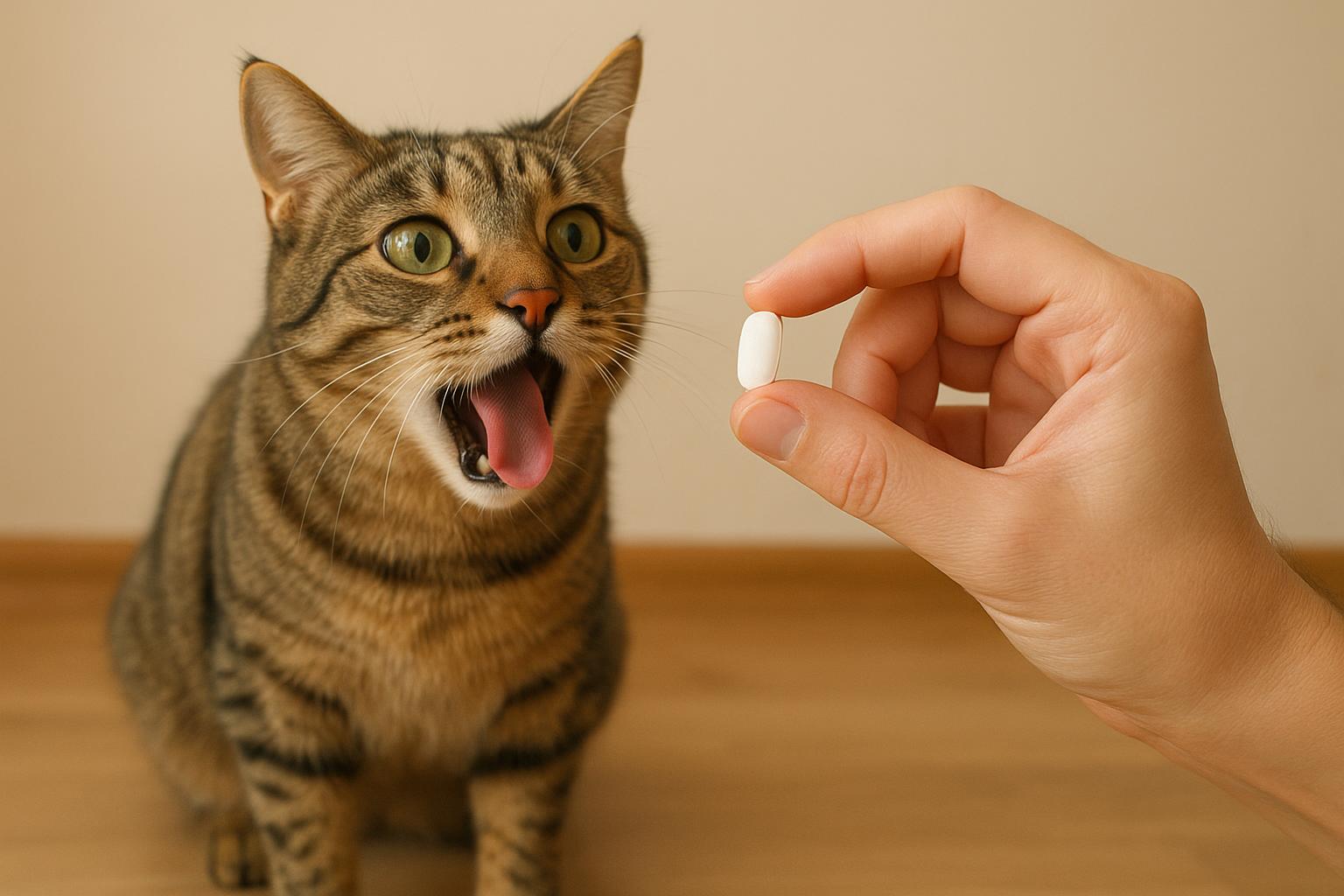
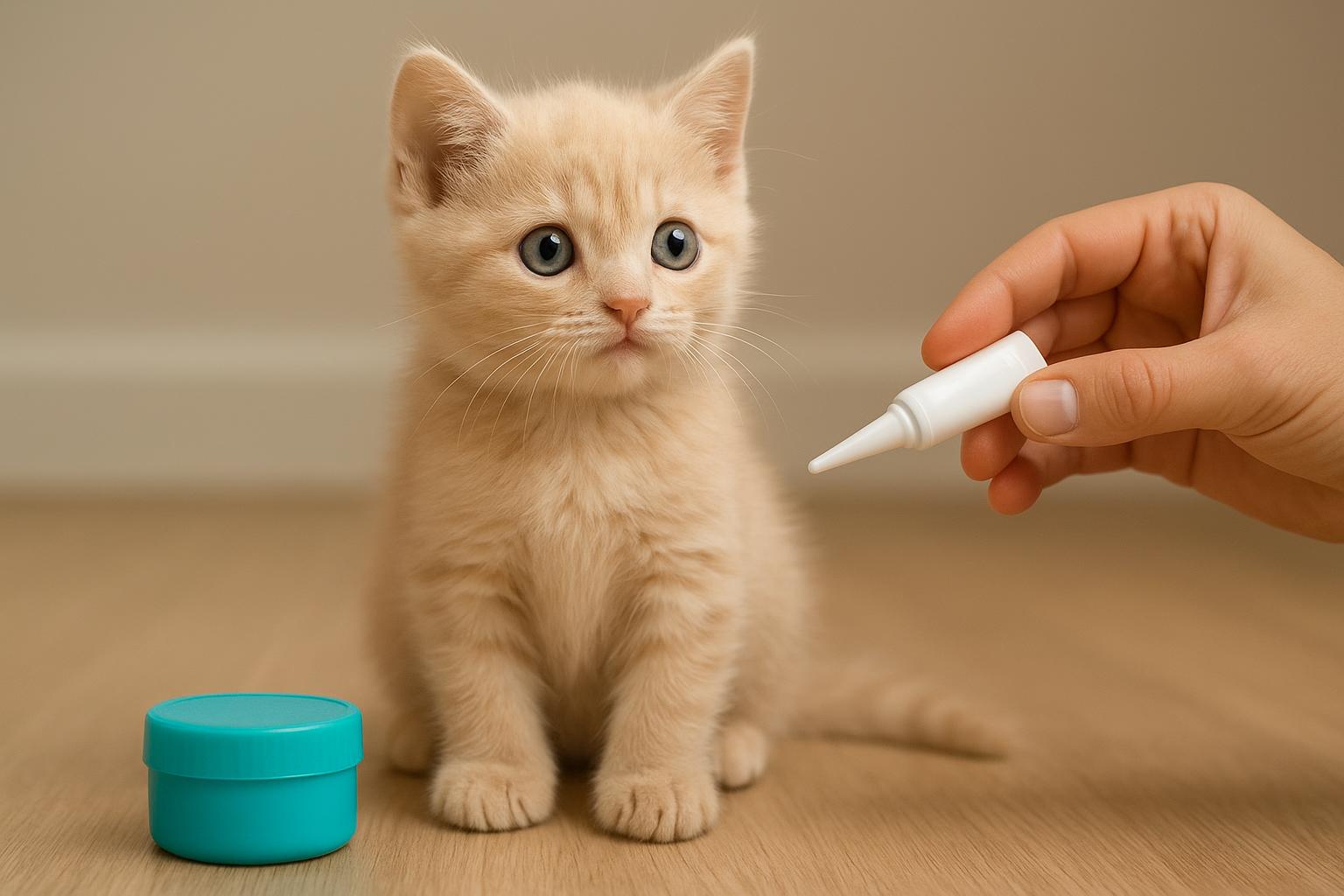
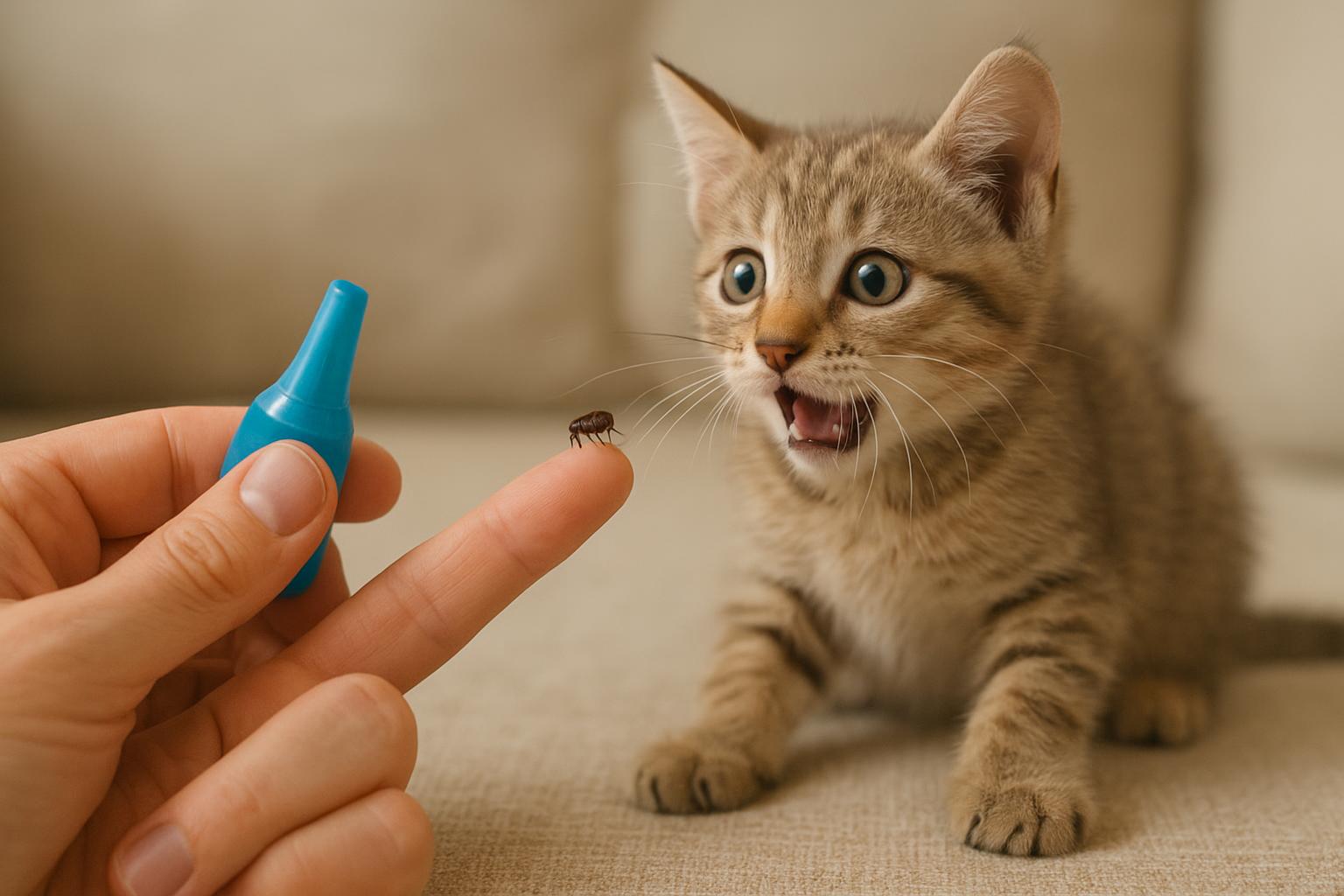
4. Prepare your cat calmly. For topical spot-on treatments, part the fur at the base of the skull to expose skin. For oral fast-acting treatments used in emergencies, verify the dose with the vet and administer directly or via a pill pocket if recommended.
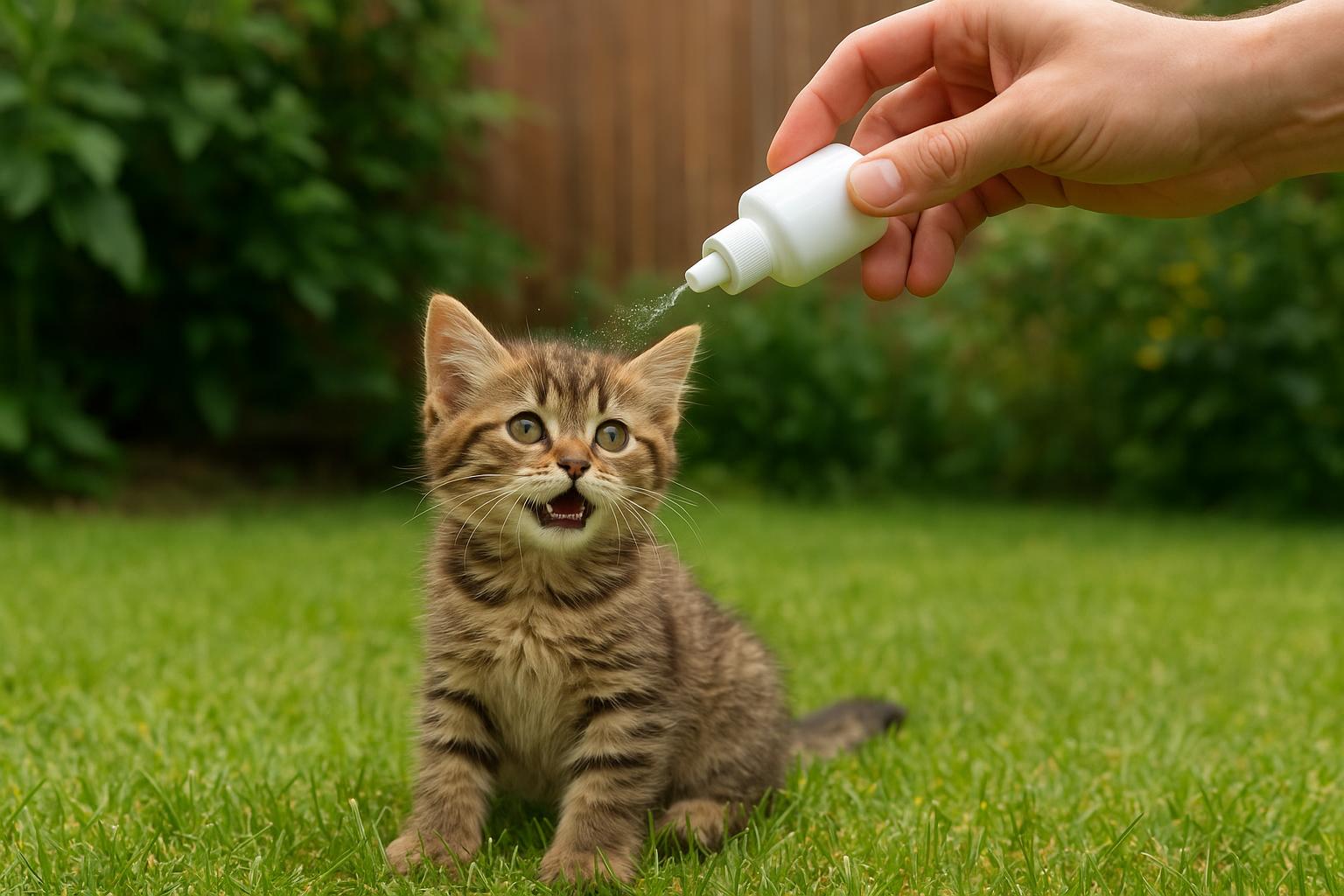
5. Apply the product as instructed. If topical, place product on skin; do not rub unless the label says to. Keep the cat indoors and discourage licking of the application site for the recommended time.
6. Track reapplication dates. Use a calendar reminder or vet app to ensure continuous coverage. Missing doses opens a window for infestation.
7. Monitor your cat for adverse reactions for 24–48 hours after the first application. If you observe vomiting, swelling, or unusual lethargy, contact the vet immediately.
Be aware: some dog flea products contain permethrin or other ingredients toxic to cats. Always use products specifically labeled for cats and prescribed or approved by your veterinarian.
## Remedy 2: Home And Environmental Controls
Even with the best flea prevention product on your cat, the environment must be managed. This remedy focuses on non-medical steps that reduce flea reproduction and exposure in your home.
### Ingredients / Materials
– Vacuum cleaner with strong suction and a sealed dust bin or bag.
– Hot water-capable washing machine and laundry detergent.
– Food-Grade Diatomaceous Earth (optional), labeled for household use, plus a mask and gloves.
– Disposable gloves and trash bags.
– Sticky flea traps or shallow dish, mild dish soap, and water.
– Insect Growth Regulator (IGR) spray labeled for home use (optional; follow label and safety guidelines around pets).
### Step-By-Step Creation And Application (Remedy 2)
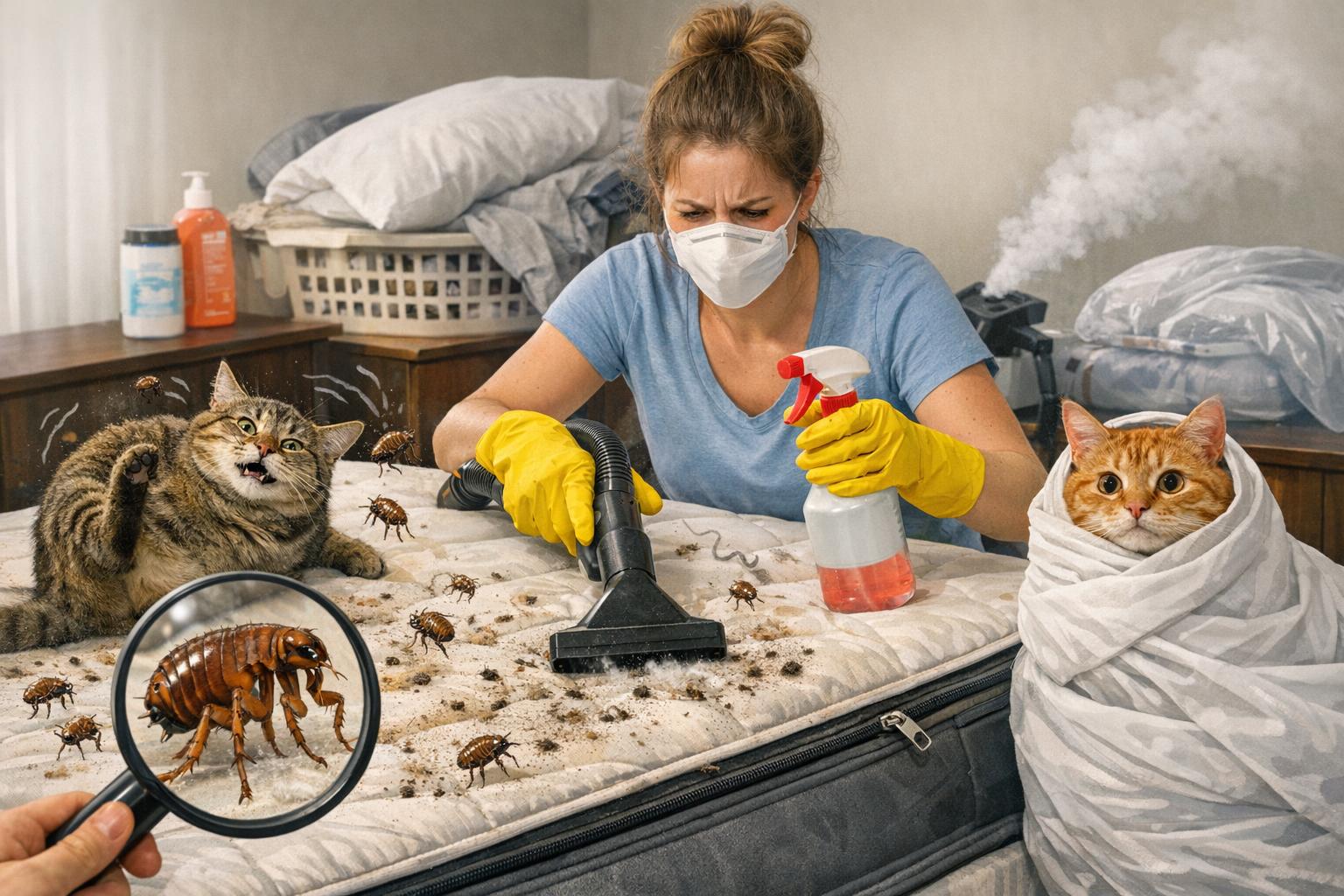
1. Wash all pet bedding, blankets, and removable cushion covers in hot water (at least 130°F or 54°C if your machine allows) and dry on high heat. Repeat weekly for at least three weeks to interrupt the flea life cycle.
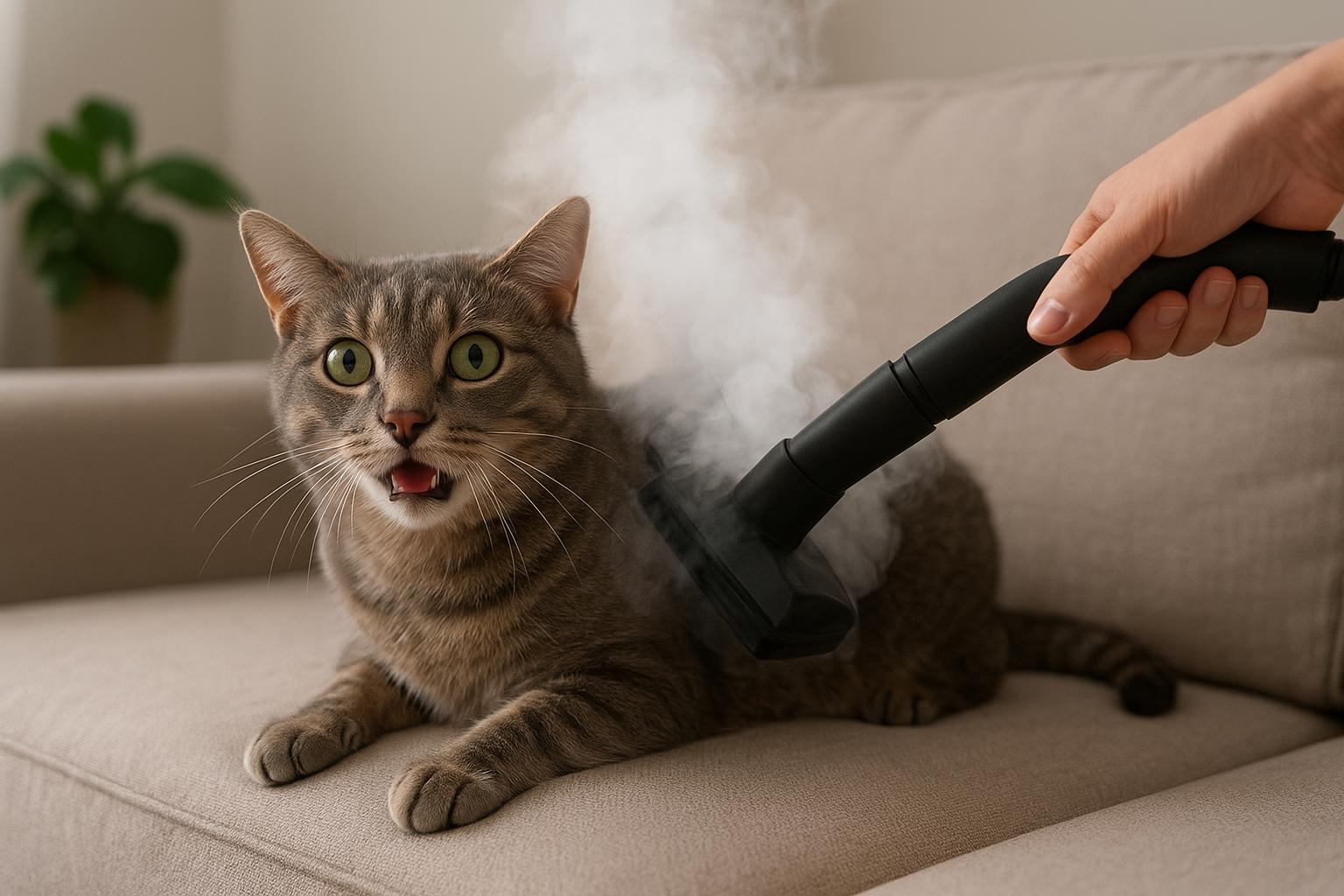
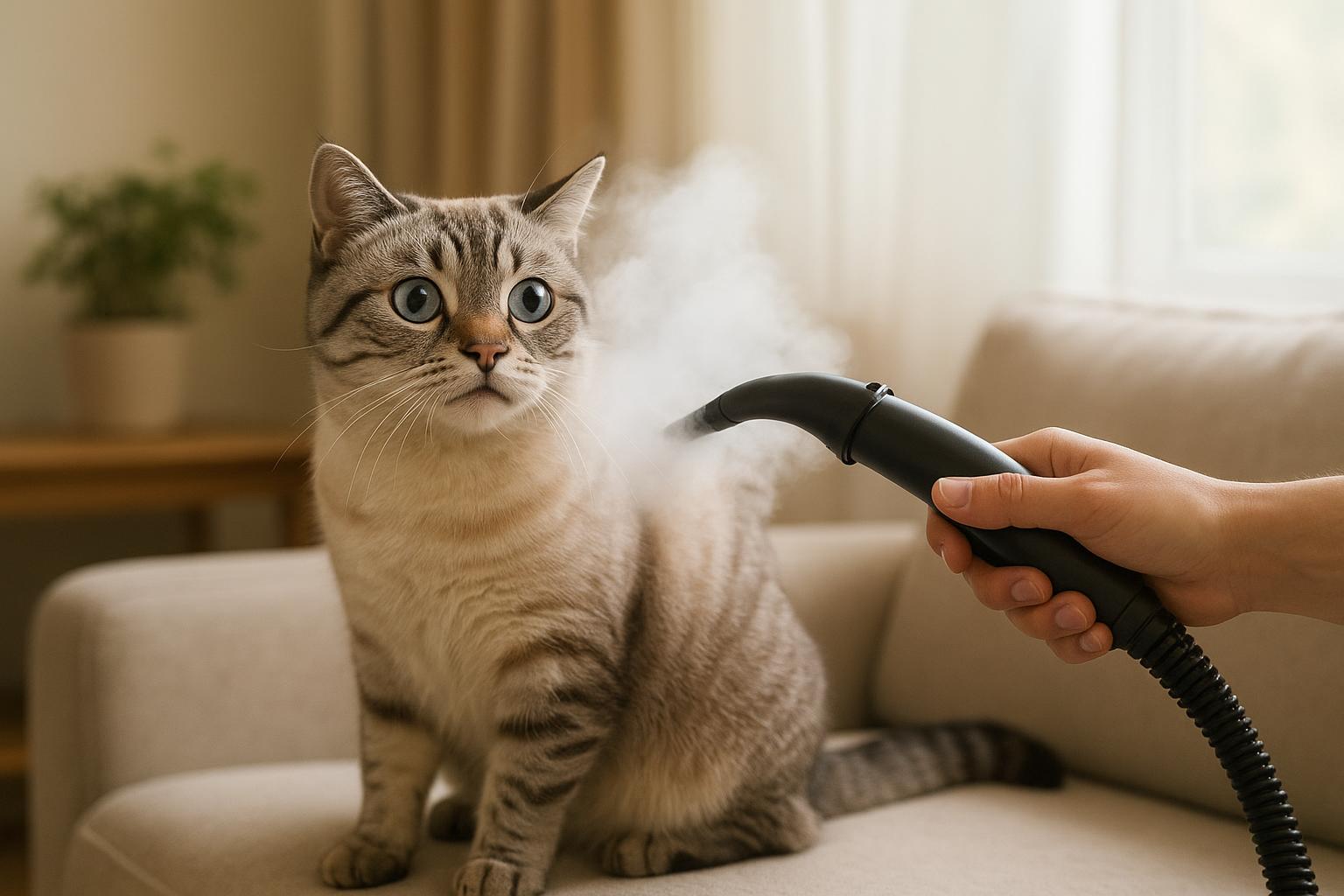
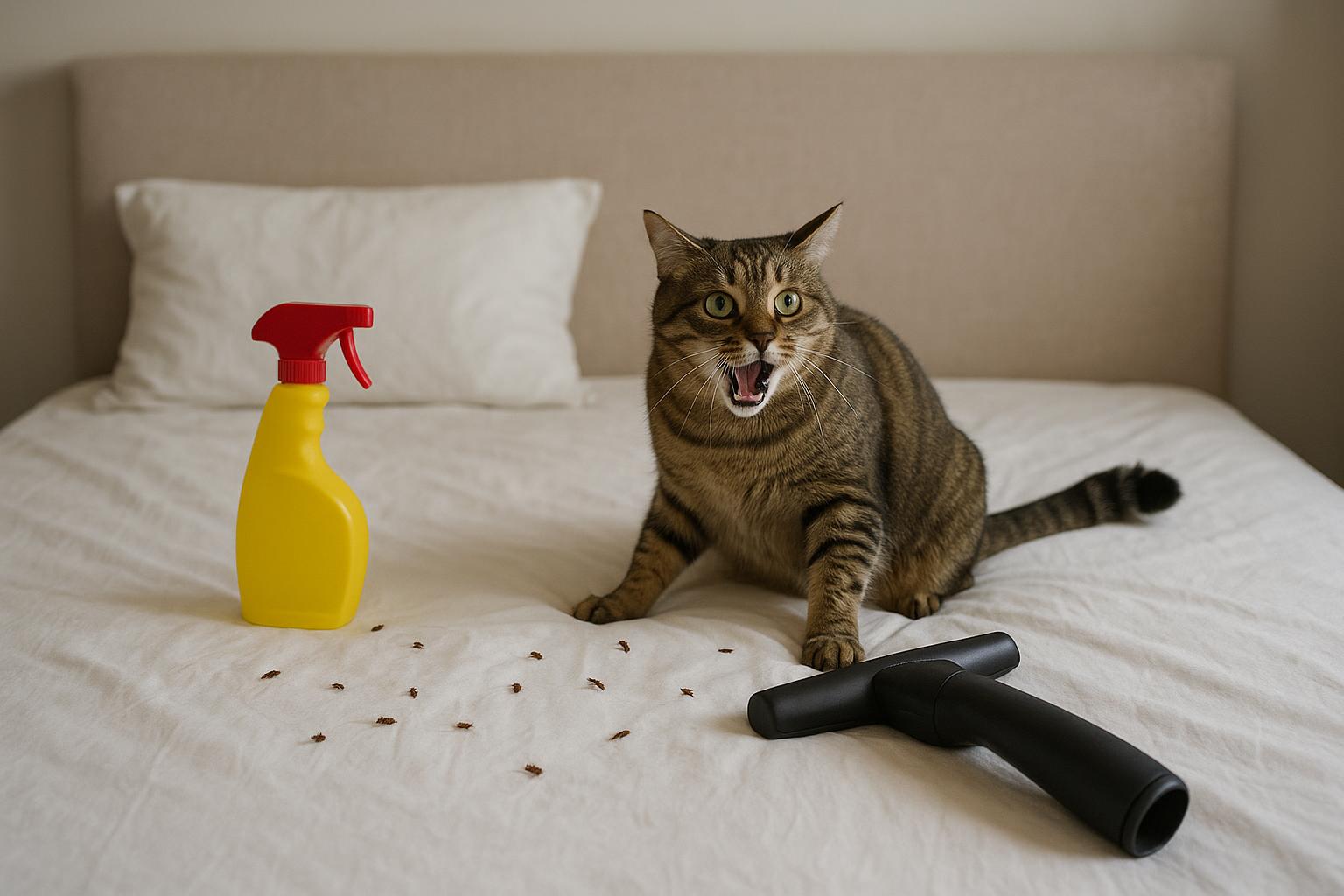
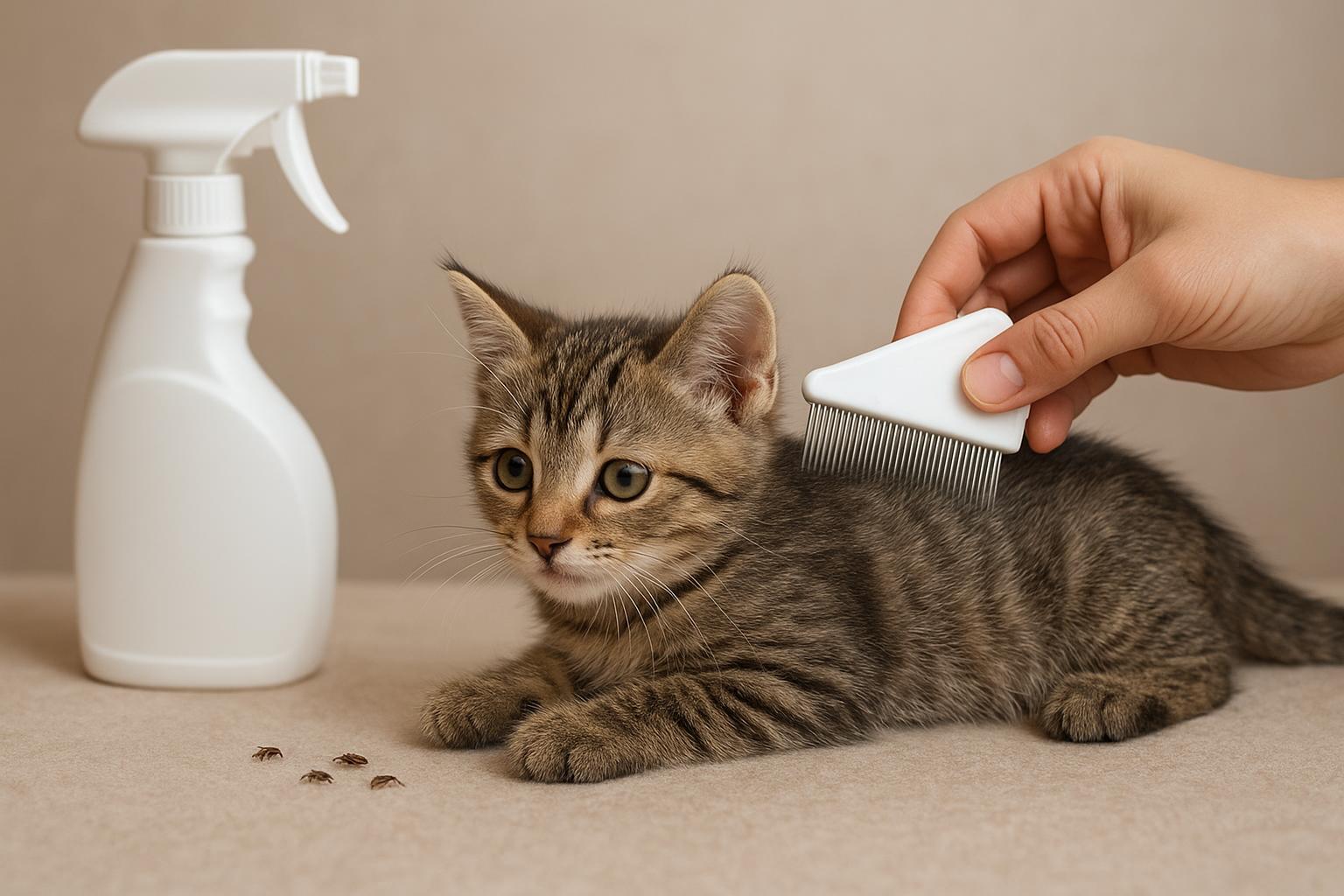
2. Vacuum carpets, rugs, upholstered furniture, and baseboards thoroughly. Immediately seal and dispose of the vacuum bag or empty the canister contents into a sealed trash bag and remove from the house. Vacuuming dislodges eggs and larvae and stimulates pupae to hatch, making them vulnerable to treatment.
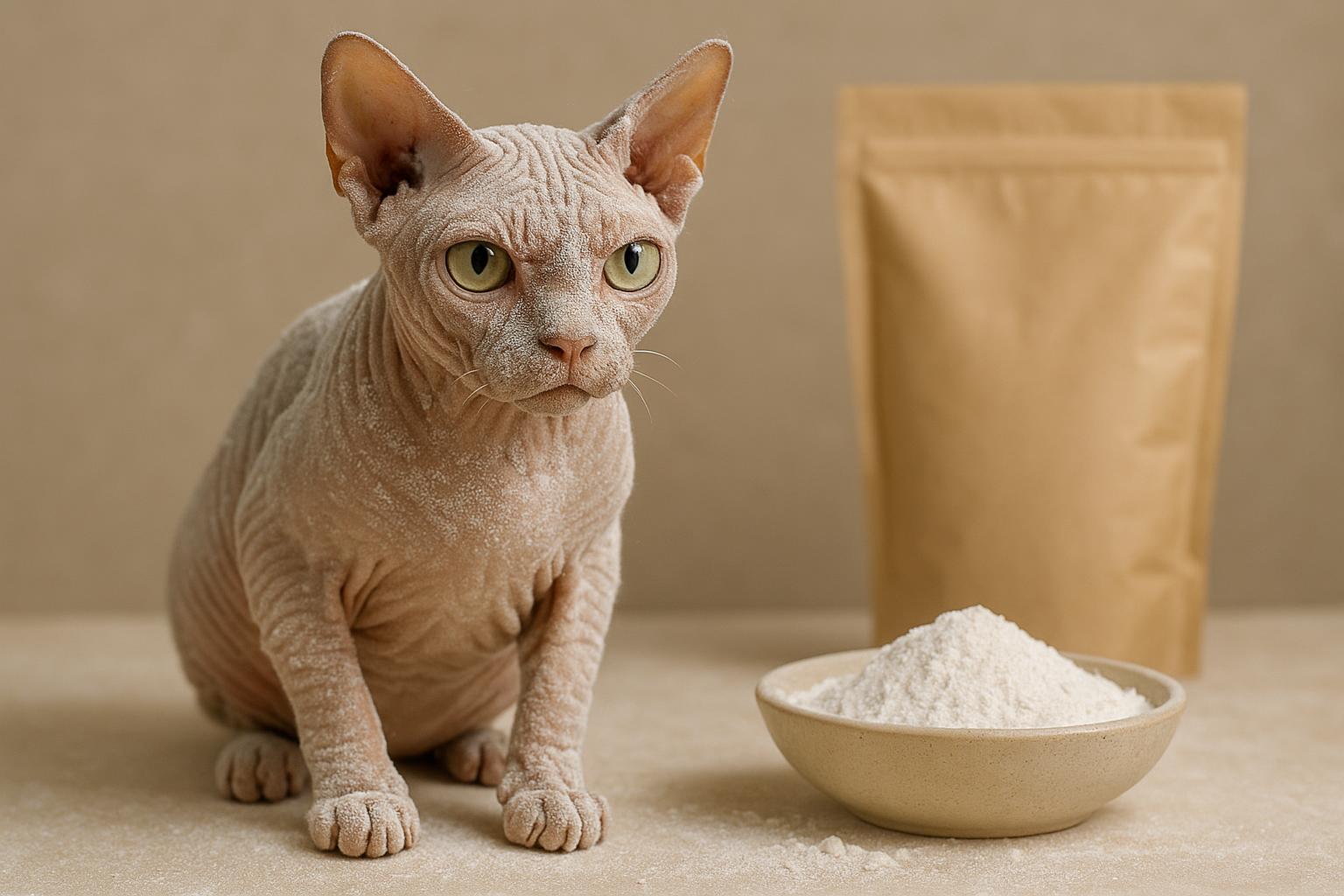
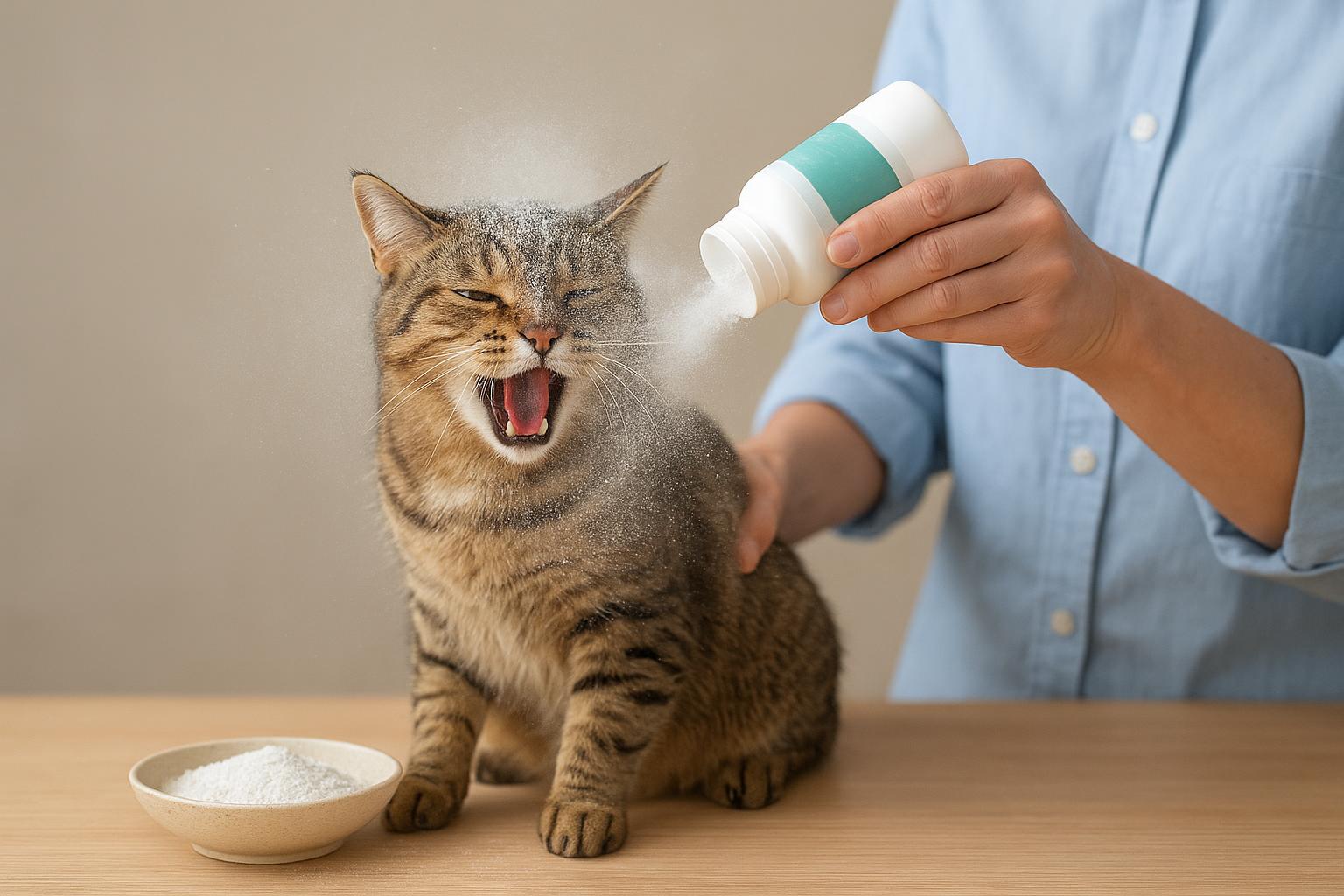
3. Consider targeted application of food-grade diatomaceous earth: wear a mask and gloves; apply a thin dusting to carpet edges, under furniture, and where your cat frequents. Leave for 48–72 hours, then vacuum. Use caution: inhalation can irritate humans and pets. Do not use DE on your cat.
4. Use a shallow dish with soapy water and a small desk lamp at night as a low-tech flea trap to reduce adult flea numbers. The lamp attracts fleas and they fall into the soap water and drown.
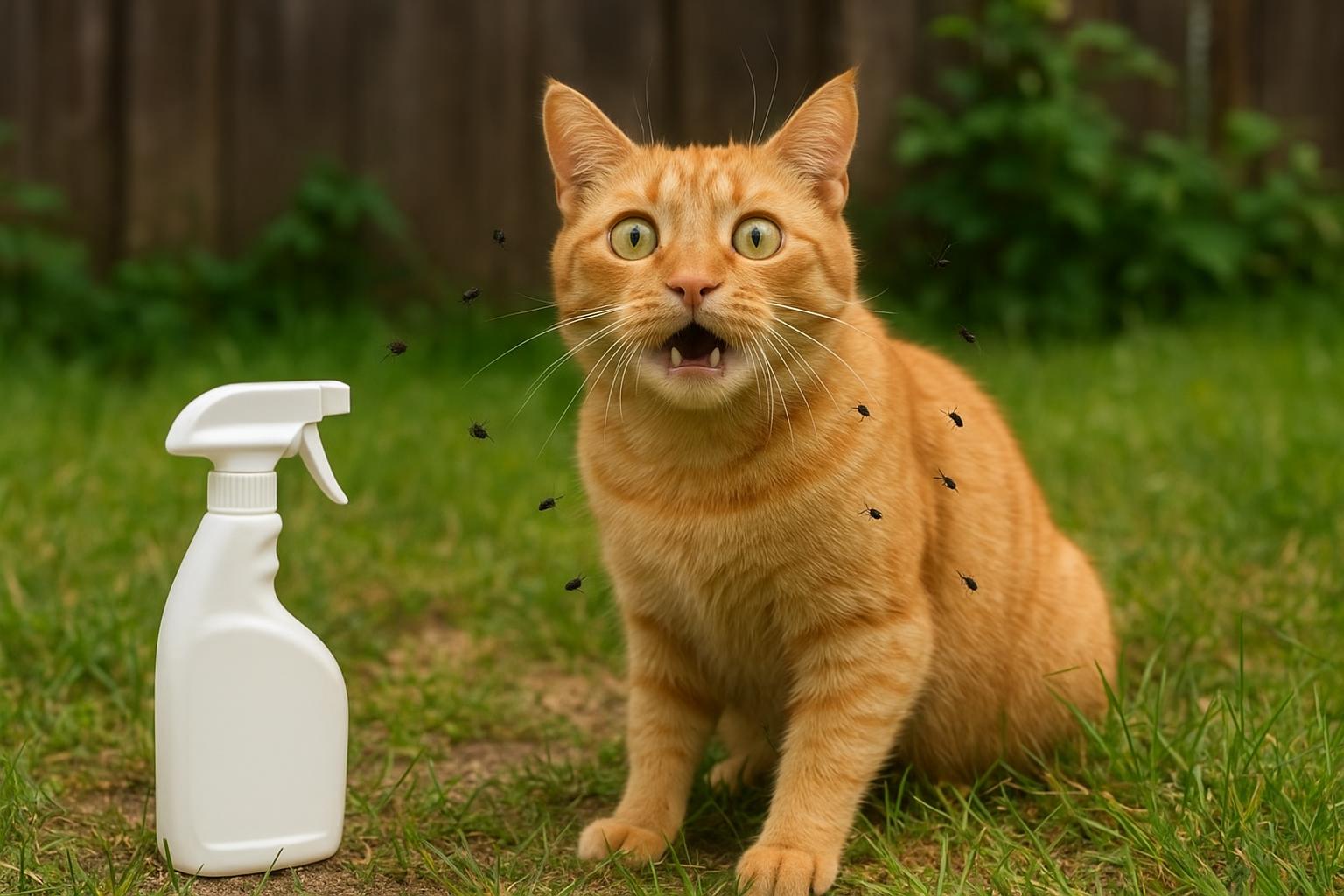
5. If infestation is significant, treat carpet and baseboards with a household spray containing an insect growth regulator (e.g., pyriproxyfen) labeled safe for use around pets. Follow product directions strictly and keep pets out of treated areas until dry and safe.
6. Repeat environmental cleaning weekly for six to eight weeks. Because pupae can remain dormant for months in some conditions, ongoing vigilance is required until you’re confident the cycle is broken.
### Safety Notes For Home Treatments
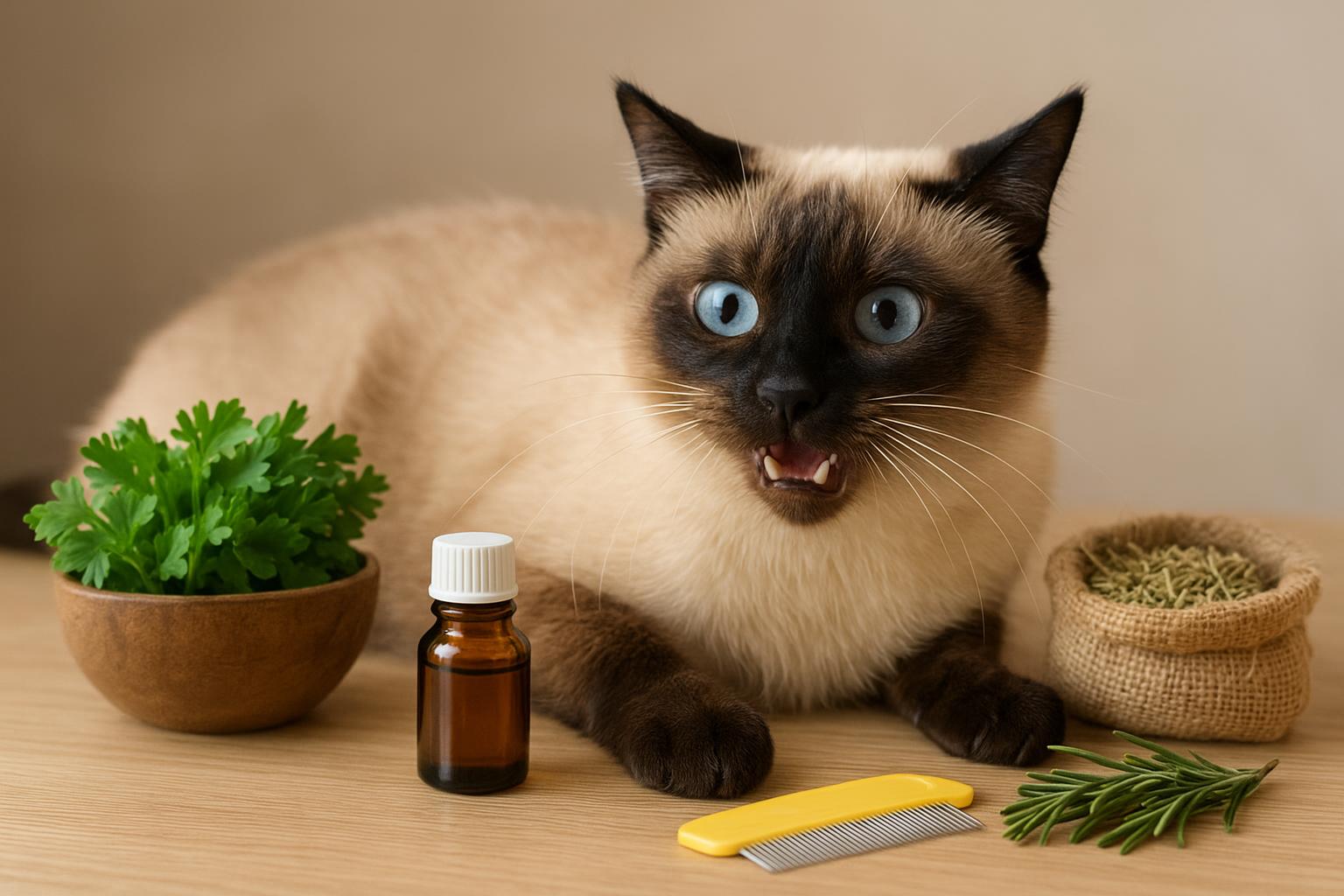
– Do not use essential oils (tea tree, eucalyptus, citrus oils) on cats; many are toxic. Avoid homemade spot-on mixtures containing oils, vinegar, or alcohol.
– Never use dog-specific flea products on cats: permethrin and other compounds can be fatal to felines.
– If using any chemical sprays in the home, read labels for pet safety and ventilation instructions.
### What To Avoid: Dangerous Myths And Missteps
A few common “shortcuts” are risky and should be avoided:
– Dog flea collars or topicals: can be toxic to cats.
– Essential oil blends applied to cat fur: cats metabolize certain compounds poorly.
– Over-the-counter mixes without veterinary guidance: incorrect dosing is dangerous.
If in doubt, call your veterinarian — it’s better than a frantic internet search at 2 a.m.
### Routine And Monitoring For Long-Term Success
The best flea prevention becomes habit. Keep to a monthly schedule for vet-approved preventives, maintain weekly washing and vacuuming routines during active seasons or right after travel, and inspect your cat and household periodically. If fleas or flea dirt return despite diligent care, revisit the vet because your cat may need a different product or you may have an overlooked environmental reservoir.
### When To Call The Vet Immediately
If your cat shows signs of severe infestation (many fleas, persistent anemia, or severe dermatitis) or if you detect unusual reactions after a treatment, contact your veterinarian immediately. Cats, especially kittens and elderly animals, can suffer rapid health declines from heavy flea burdens.
With a clear plan that combines professional, vet-approved treatments and thoughtful home practices, you’ll provide the best flea prevention for your indoor cat — and hopefully retain your furniture, your sanity, and a flea-free floof.



Leave a Reply