
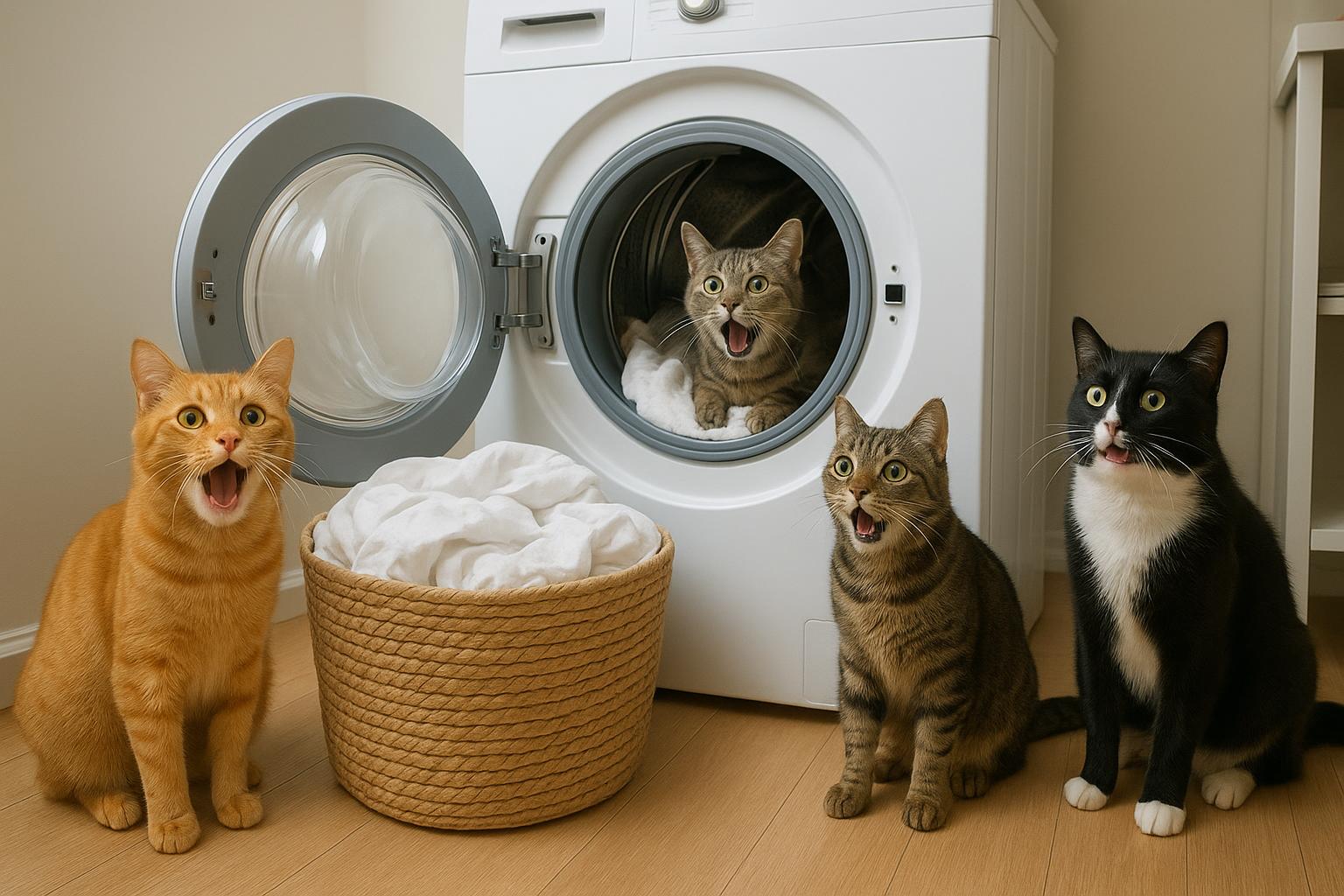
Dealing with fleas on pet bedding can feel like a tiny soap opera where the antagonists are very small and the drama keeps repeating. The good news: a proper approach to washing and treating fabrics — a solid flea bedding wash routine — breaks the cycle and makes your home much less hospitable to these hitchhikers.
## Flea Bedding Wash: Effective Home Techniques
Fleas and their eggs love the warm, sheltered nooks of pet beds, blankets, and soft toys. Doing a regular flea bedding wash is one of the highest-impact things you can do to reduce flea populations in the house. It’s simple in concept — remove harborages, expose pests to lethal heat or cold, and interrupt the life cycle — but execution matters. Below are practical, evidence-based methods and household-friendly protocols.
### Why Bedding Needs Special Attention
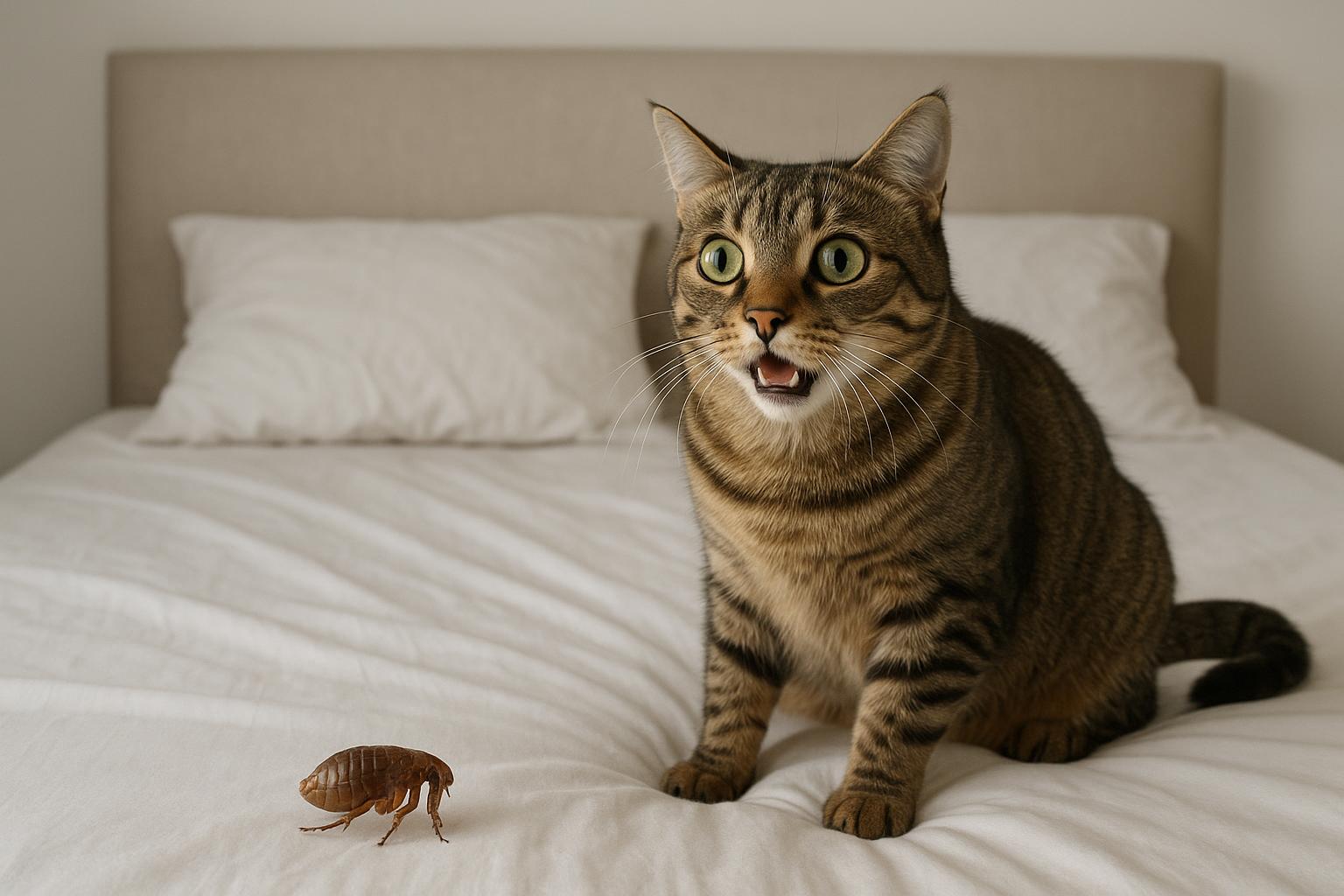
Bedding collects adult fleas, newly hatched larvae, and eggs that fall off pets. Even after you treat your pet, eggs on fabrics can hatch days later and restart an infestation. A targeted flea bedding wash destroys adults and immature stages that chemical topicals on a pet can’t reach.
### How Temperature And Time Kill Fleas
Heat is reliably lethal to fleas at certain thresholds: washing fabrics in hot water and drying thoroughly in a hot dryer is the fastest home method. Likewise, sustained freezing can kill fleas and eggs, though it requires longer exposure. When planning a flea bedding wash, always consider both temperature and exposure time.
#### Signs Your Bedding Has Fleas
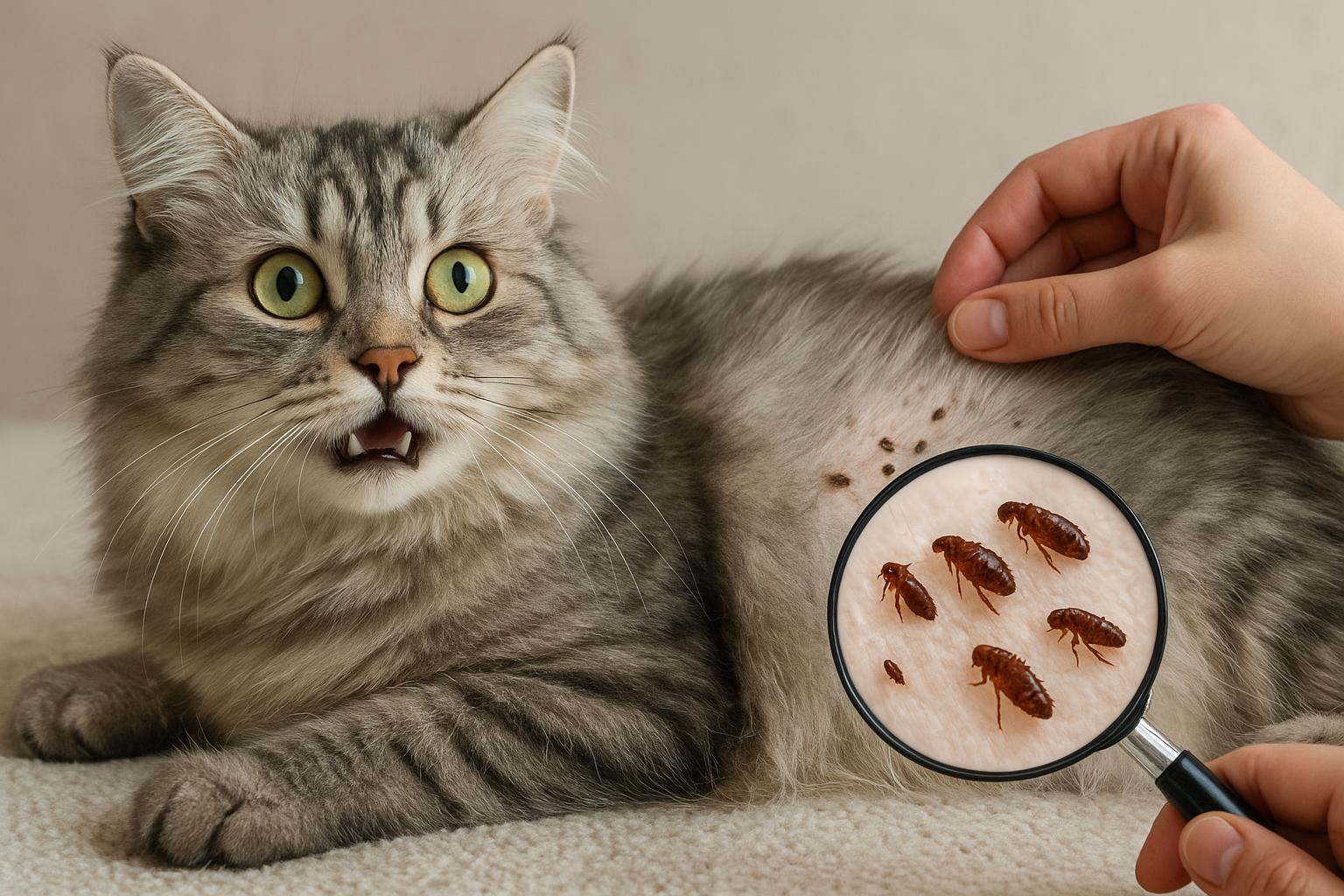
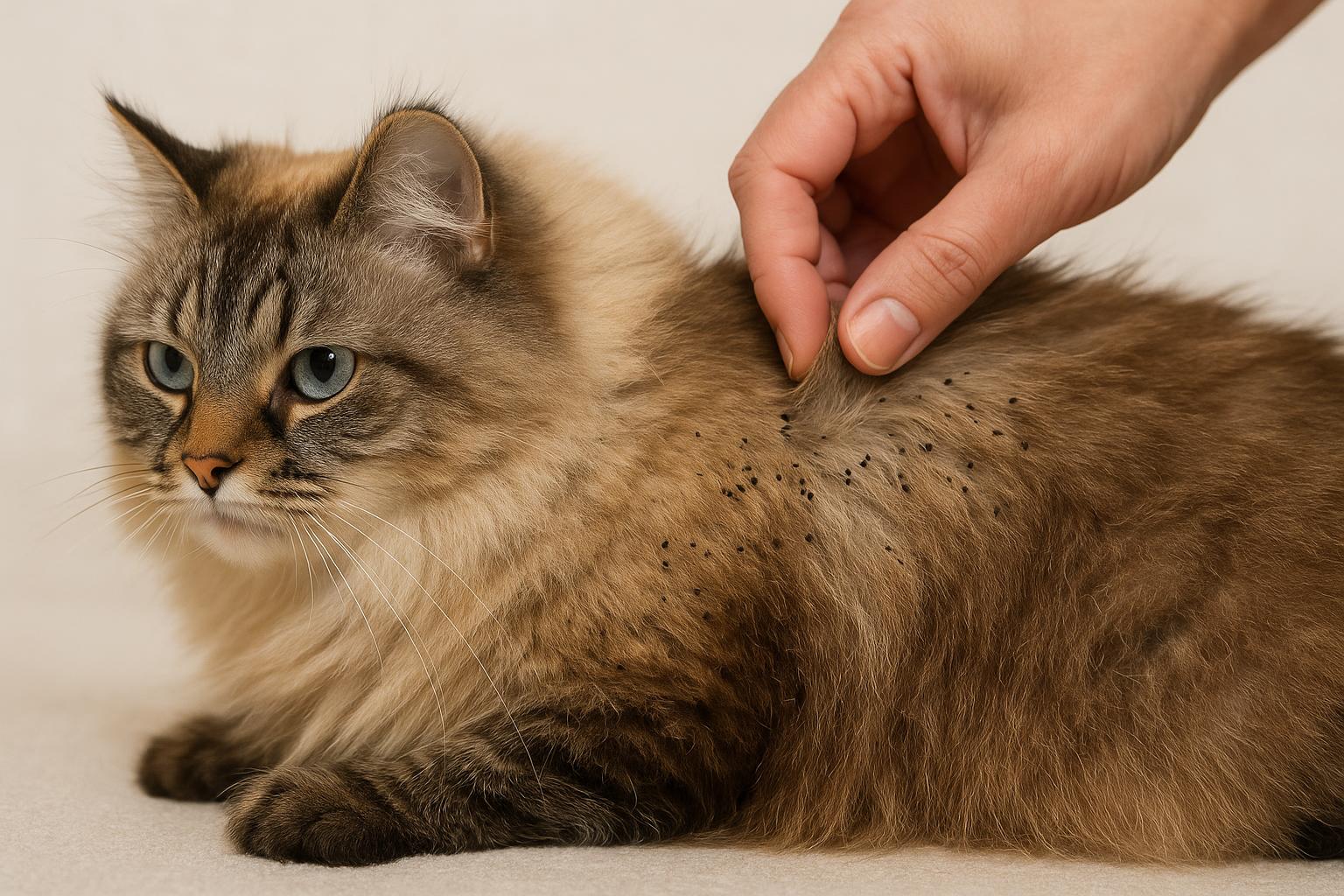
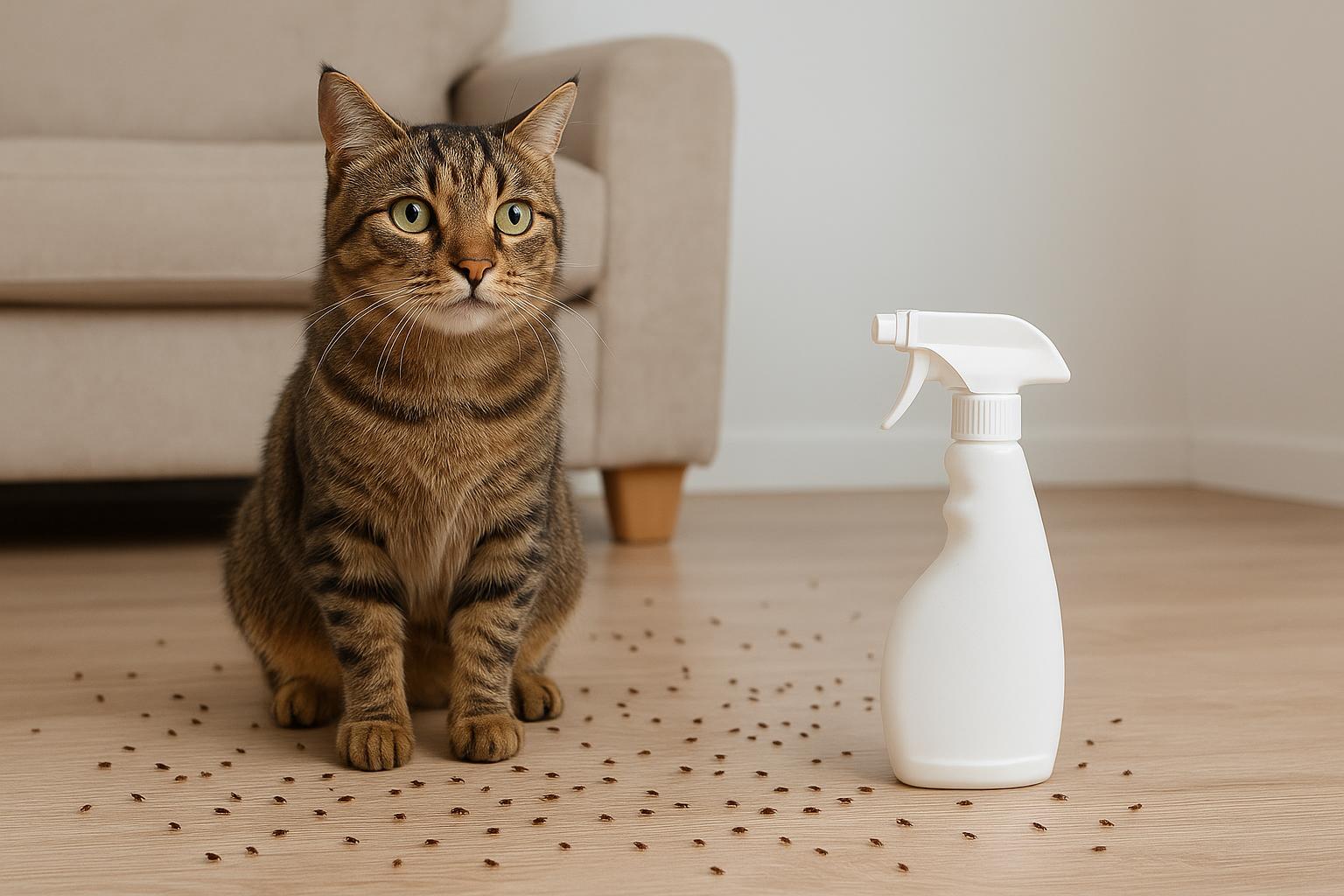
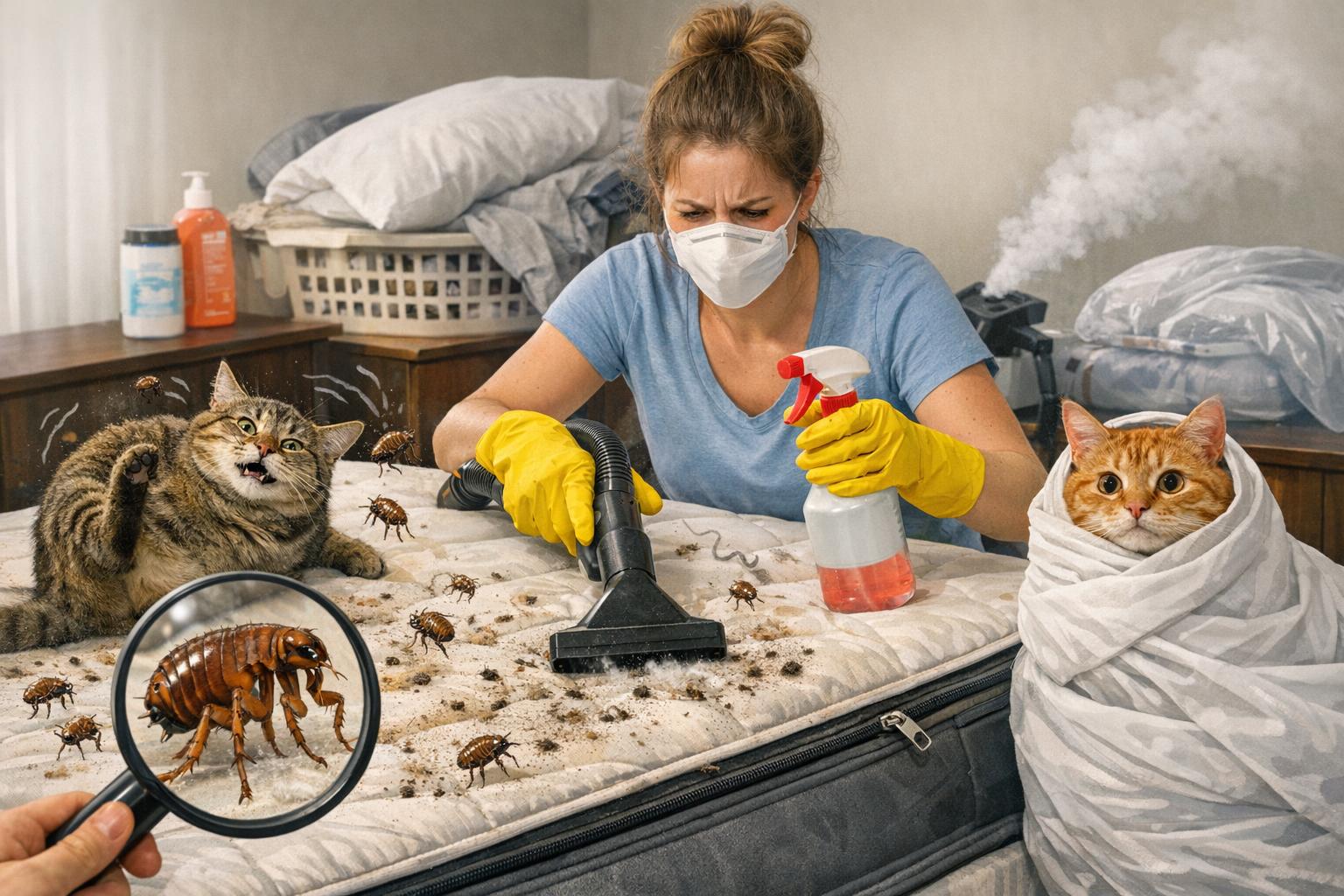
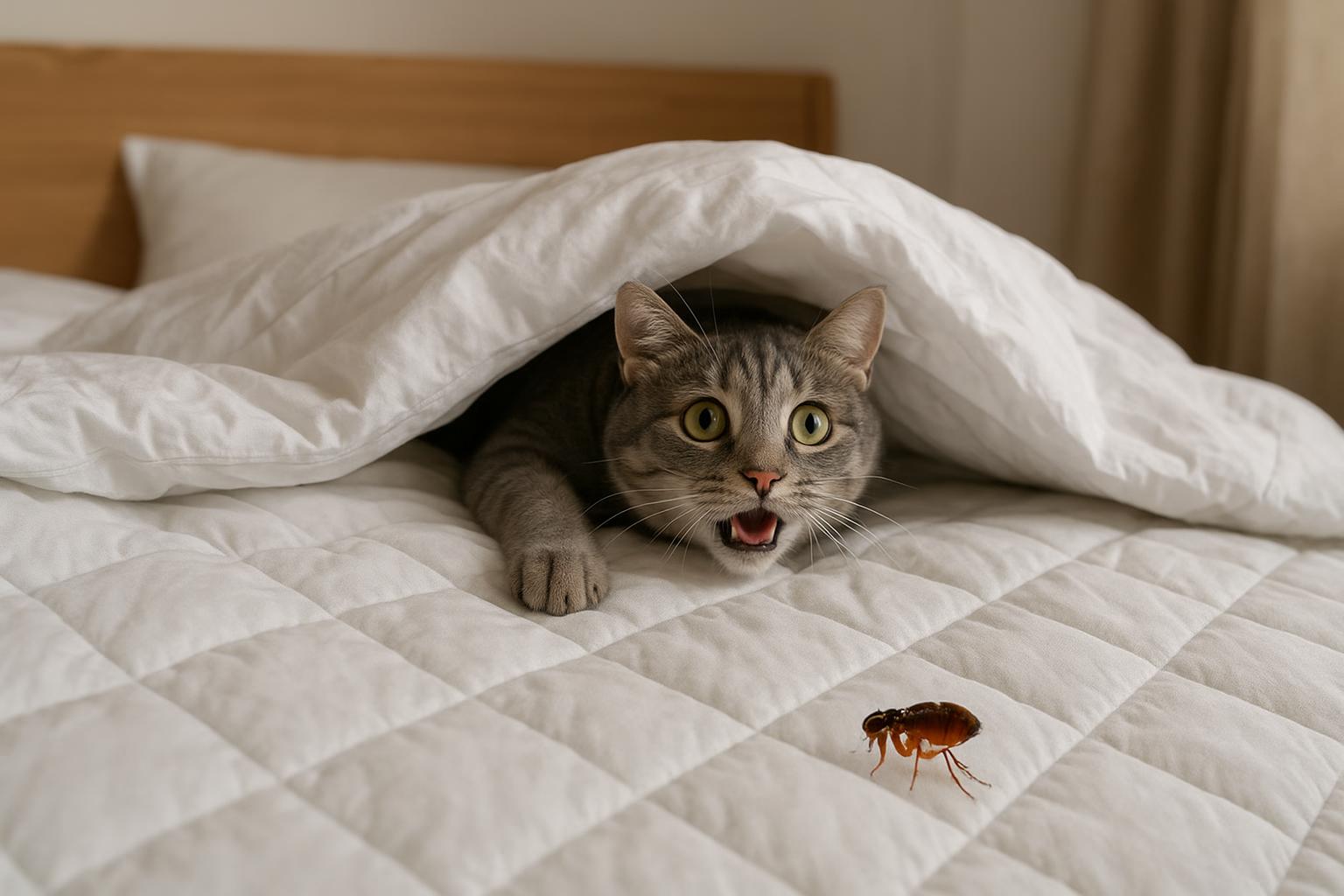
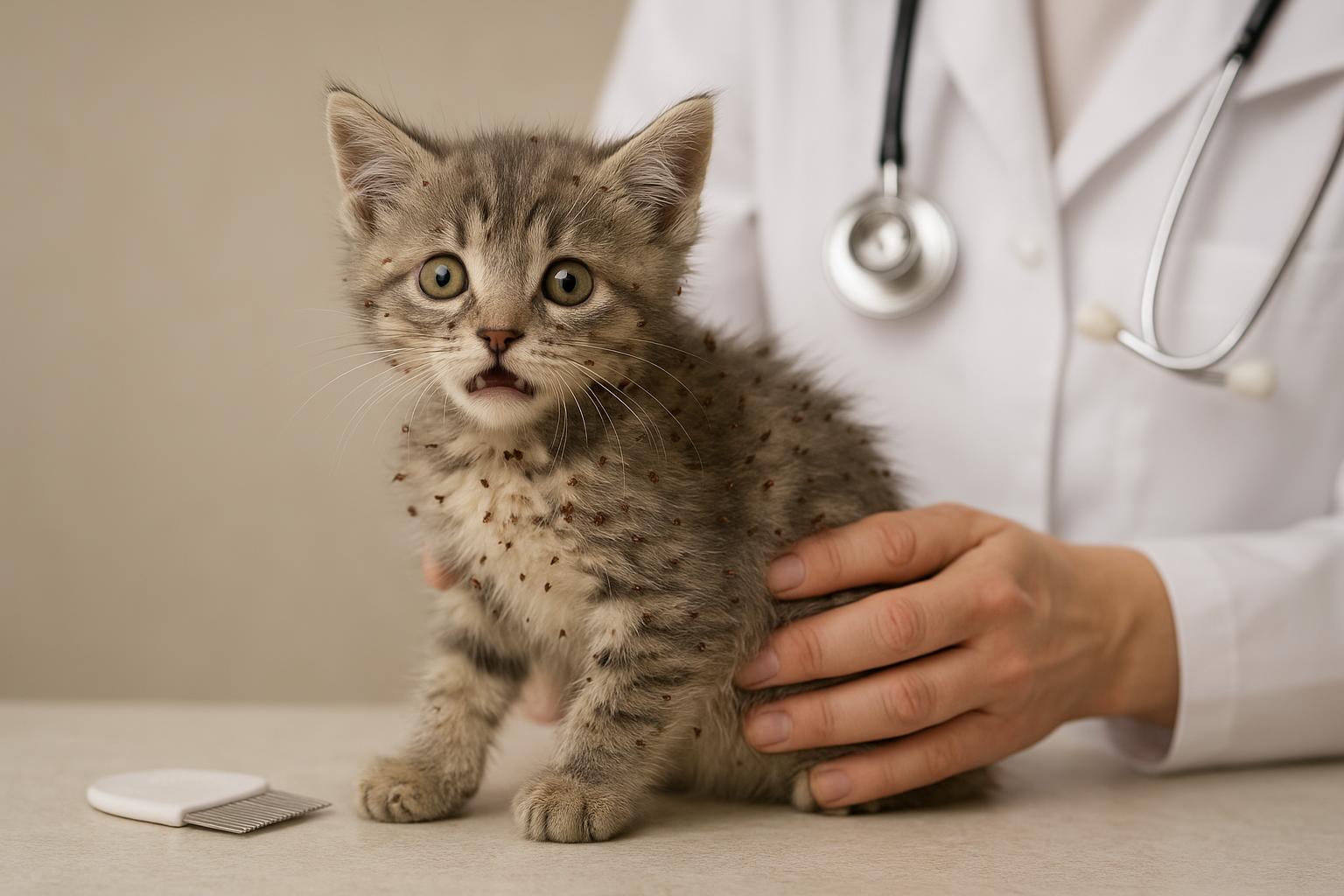
– Tiny dark specks (flea dirt) or live fleas on fabric
– Pets scratching more when on certain blankets
– Reappearance of fleas on pets after treatment
## Remedy 1: Flea Bedding Wash — Hot Wash With Detergent And Vinegar
This is the go-to, most reliable home method for most machine-washable items.
Materials/Ingredients
– Washing machine and dryer
– Laundry detergent (regular or heavy-duty)
– White vinegar (optional; not a replacement for heat)
– Hot water source capable of 140°F (60°C) or as hot as your fabric label allows
– Rubber gloves (optional)
– Plastic bags for transport (if bedding is heavily infested)
Formal Procedure (Follow Carefully)
1. Sort Items: Separate machine-washable pet bedding, blankets, and removable covers from non-washables. Place heavily infested items into sealed plastic bags for transport to the laundry to avoid spreading fleas.
2. Pre-Cleaning: If bedding is visibly soiled, shake it outdoors and brush off debris. Wear gloves to avoid flea bites.
3. Set Water Temperature: Use the hottest water safe for the fabric. The target is 140°F (60°C) for at least 10 minutes of exposure in the wash cycle. If your machine doesn’t display exact temperatures, choose the “hot” setting and ensure the dryer will run hot afterward.
4. Add Detergent: Use your normal detergent. Detergent reduces surface tension and helps remove and drown some parasites, but the primary kill mechanism is heat.
5. Optional Vinegar Rinse: Add 1/2–1 cup white vinegar to the rinse cycle if you like; vinegar won’t reliably kill eggs by itself but can help deodorize and remove residues.
6. Wash Cycle: Run a full wash cycle on hot with a full rinse. Allow the machine to complete.
7. High-Heat Drying: Immediately transfer items to the dryer and run on highest heat for at least 30–40 minutes. Heat from drying is essential; drying alone on high can often finish off any survivors.
8. Inspect and Store: After drying, inspect items for any remaining flecks or fleas. Store in a clean area; avoid returning bedding to environments still infested until the room is treated (vacuumed, cleaned).
Notes on Fabrics That Aren’t Machine-Washable
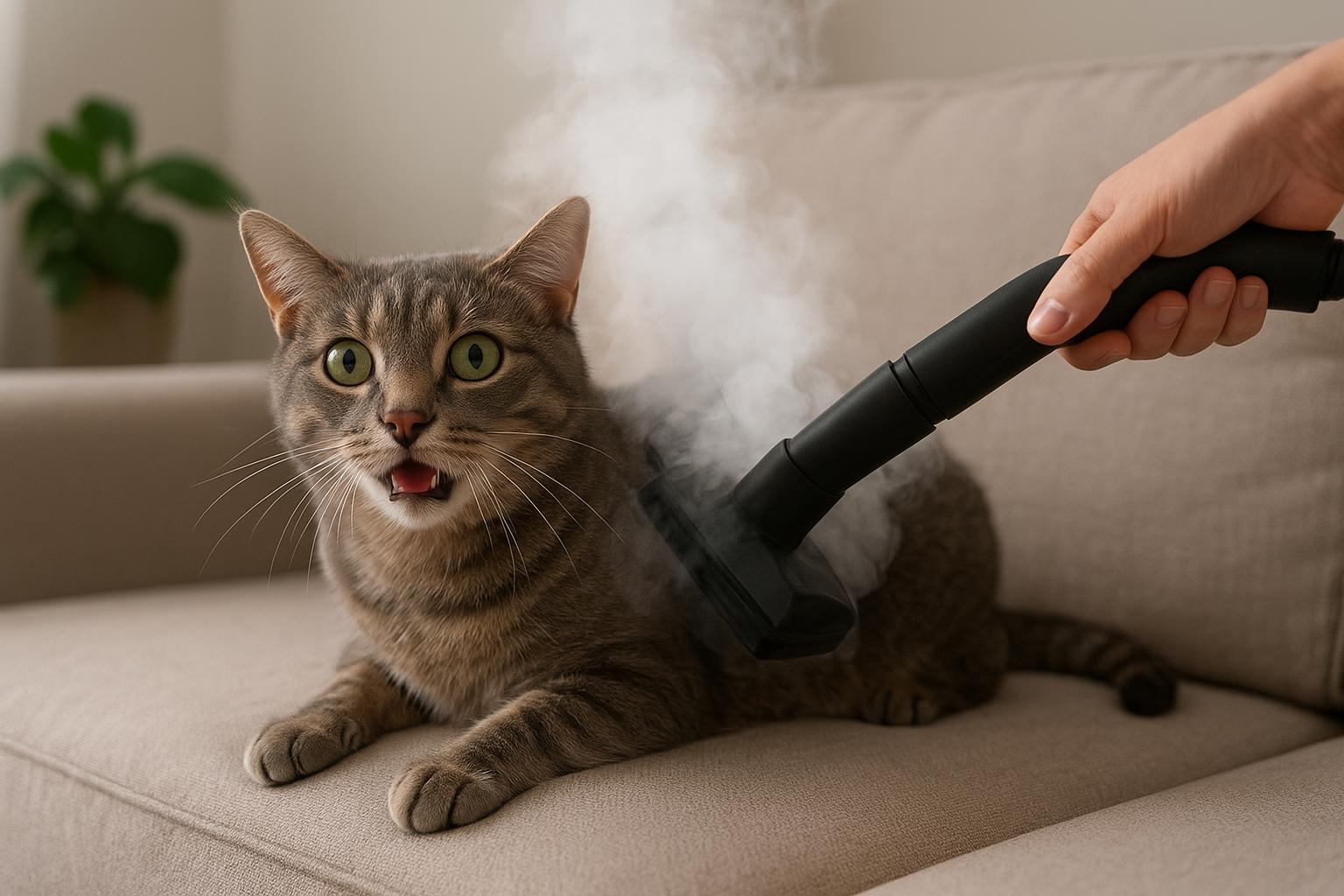
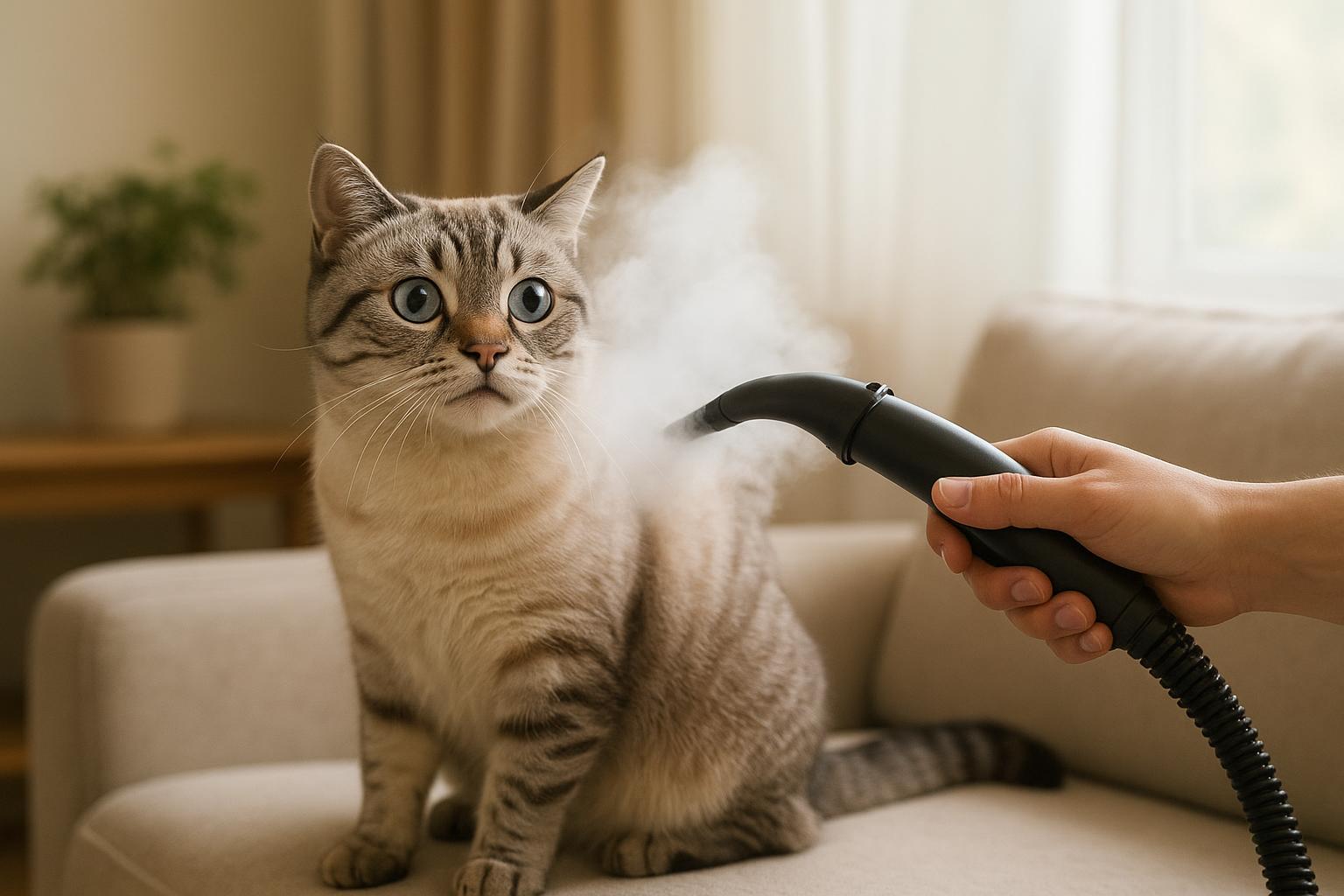
– For delicate or non-washable items, consider a professional cleaner, a sealed bag for freezing (see Remedy 2), or steam cleaning (high heat steam kills fleas).
## Remedy 2: Flea Bedding Wash Alternative — Freeze And Heat Combo
When hot washing is not possible (delicates, stuffed toys, or items labeled “dry clean only”), controlled freezing followed by a brief hot-dry treatment is a practical alternative.
Materials/Ingredients
– Heavy-duty sealed plastic bags or airtight zip bags
– Freezer capable of 0°F (-18°C)
– Access to a hot dryer or a steam cleaner (optional)
– Timer or calendar to track exposure time
Formal Procedure (Follow Carefully)
1. Seal Items: Place the non-washable or delicate items into airtight bags, removing as much air as possible and sealing securely.
2. Freeze Exposure: Place the sealed bags in a freezer set to 0°F (-18°C) or lower for a minimum of 48 hours. This exposure time increases the likelihood of killing eggs and adults; some recommendations extend to 72 hours for thicker items.
3. Thawing: Remove the items from the freezer and allow them to warm up in the sealed bag to avoid condensation forming on fabrics, which can create mildew.
4. Finish With Heat If Possible: After thawing, if the item can tolerate it, apply a short burst of heat — a 10–20 minute run in a dryer on a low setting or a steam pass with a garment steamer — to maximize mortality. If heat is not possible, the freeze-alone method is still helpful.
5. Return To Use Carefully: Only return items to clean environments. If the room remains infested, the effort will be negated.
### Why This Works
Temperature extremes disrupt biological processes. Freezing slows metabolism and can crystallize internal fluids in small arthropods, eventually killing them when exposure is sustained. However, freezing is slower and less uniform than heat, so the longer exposure times and airtight seals help ensure lethal conditions.
## Laundry And Handling Safety Tips
– Wear gloves when handling heavily infested bedding to avoid bites and transferring eggs to your clothing.
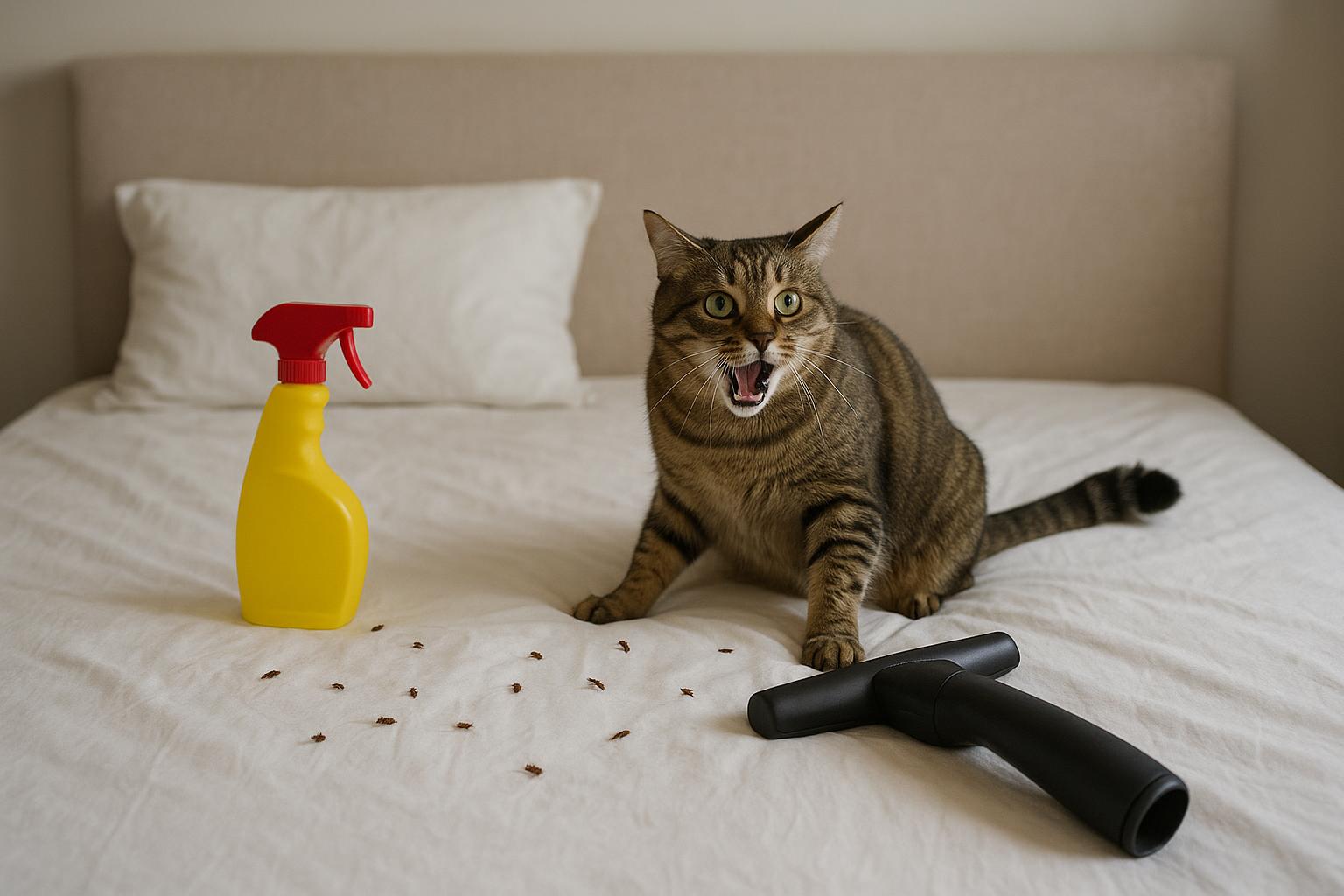
– Vacuum mattresses, carpets, and cracks before and after laundering to remove eggs and larvae. Empty vacuum contents into a sealed bag and dispose of it outdoors.
– Avoid overcrowding the washer or dryer; items must tumble and be exposed to consistent heat.
– Check care labels. If a label forbids high heat, use Remedy 2 instead.
– Always follow pet treatment plans recommended by your veterinarian; washing bedding is only one part of an integrated approach.
### Drying And Machine Settings
High-heat tumble drying is your best friend in a flea bedding wash routine. Set the dryer to a “high” or “cotton” cycle and run for 30 minutes or longer for bulky bedding. If using a laundromat, verify machines reach sufficient heat.
### Frequency And Scheduling
For active infestations, perform a full flea bedding wash on all pet linens weekly until no new flea activity is observed for a few weeks. For prevention, monthly washing reduces risk. If your pet spends lots of time outdoors or you live in a high-flea area, increase frequency.
### When To Call A Professional
If fleas persist after repeated flea bedding wash cycles, and you continue to find live fleas on pets and in the home, professional pest control and veterinary flea management may be necessary. Integrated pest management (IPM) that treats pets, indoor spaces, and exterior areas is the most reliable route for heavy infestations.
A well-executed flea bedding wash regimen dramatically reduces flea pressure in the home, protects your pets, and keeps you from becoming the unwitting concierge for these tiny freeloaders.





Leave a Reply