
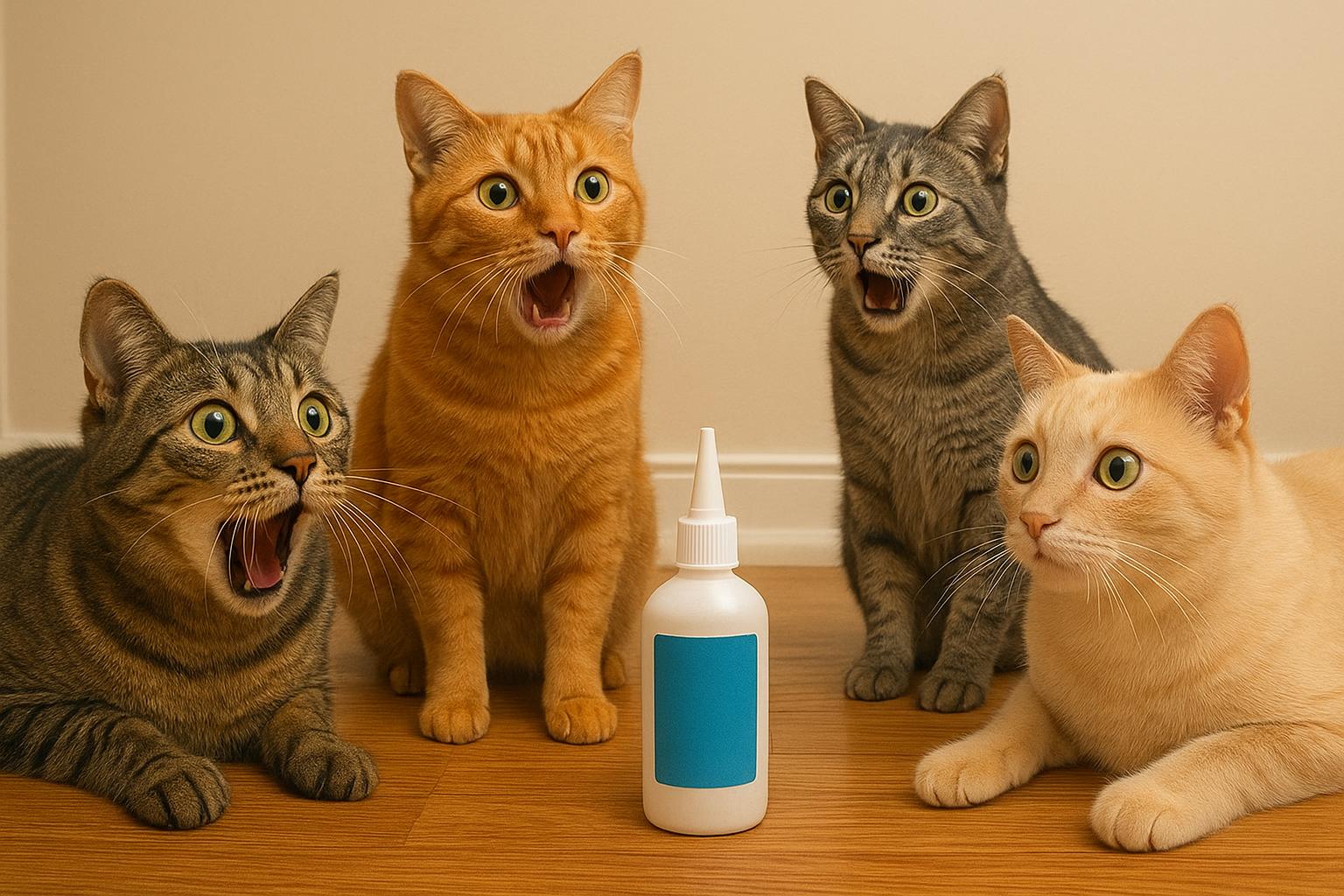
I still remember the tiny, furious flea that turned my stoic old tabby into a ninja of the night—scratches, frantic grooming, and more zoomies than a laser pointer convention. What followed was a months-long experiment that produced some genuinely surprising outcomes: the single most effective routine wasn’t just a miracle shampoo or a single tube of spot-on—it was a coordinated plan that paired a vet-prescribed product with environmental control. If you’re hunting for the best flea treatment for your cat, brace yourself: the results are equal parts satisfying and a little bit shocking.
## Why Fleas Are So Tough On Cats
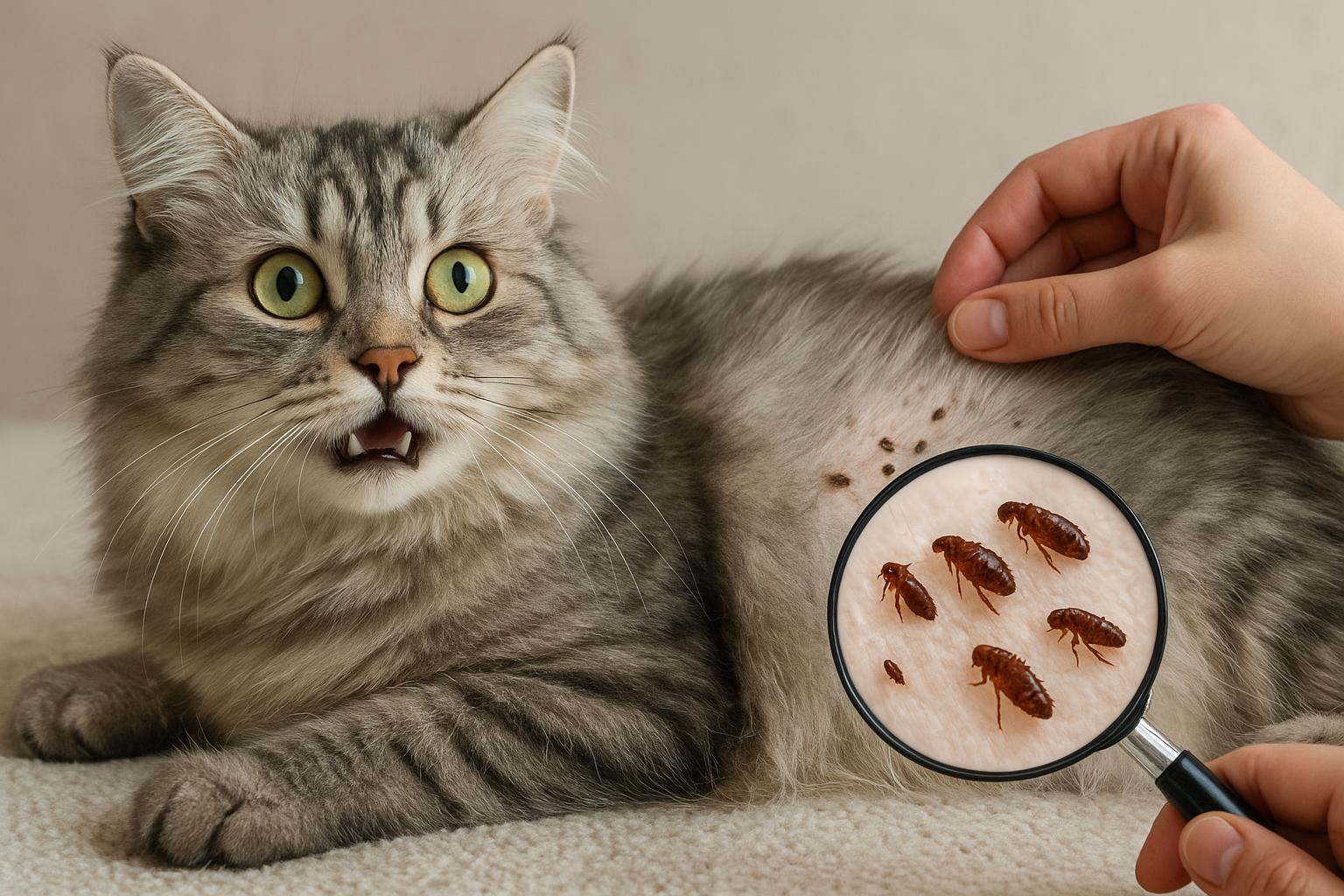
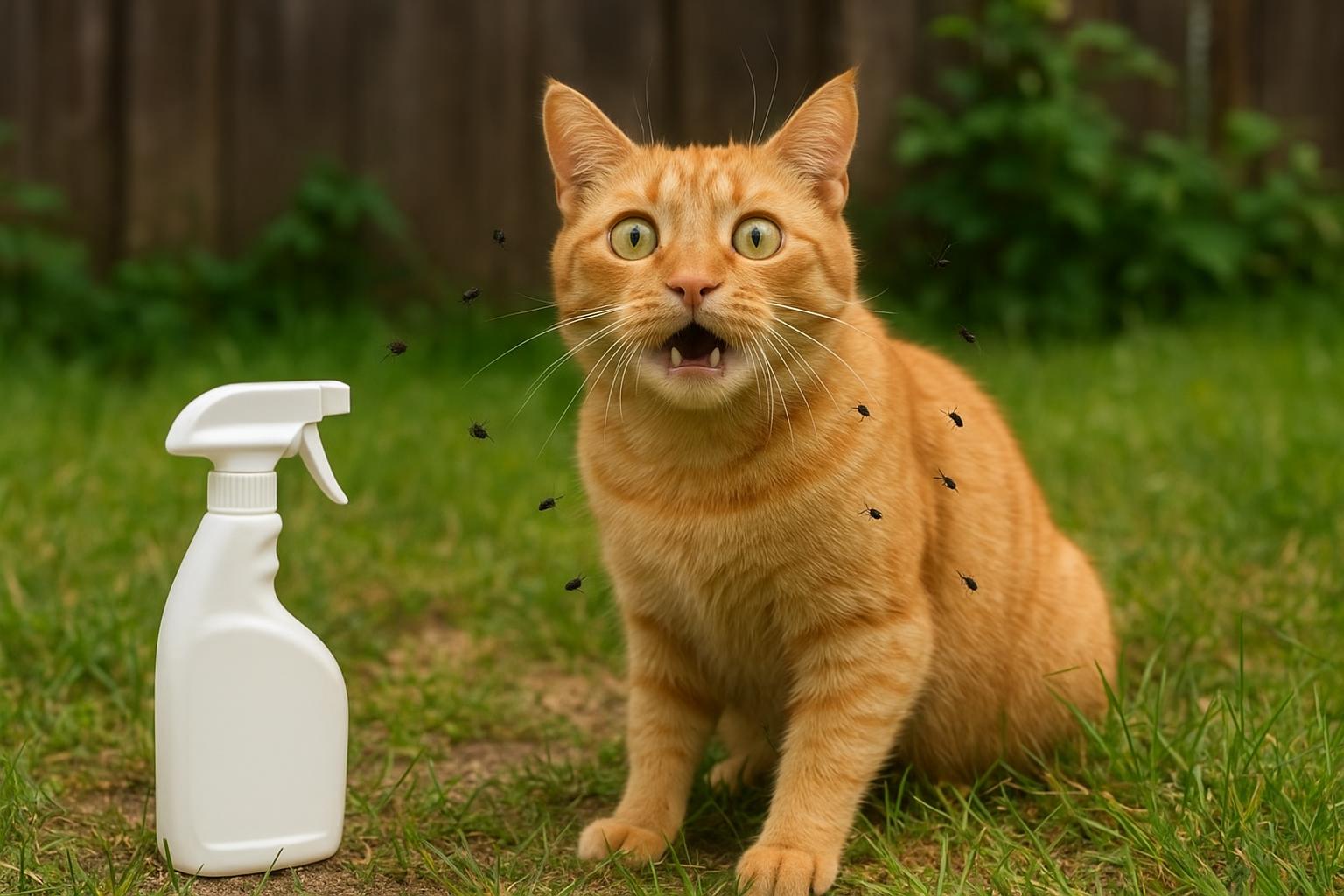
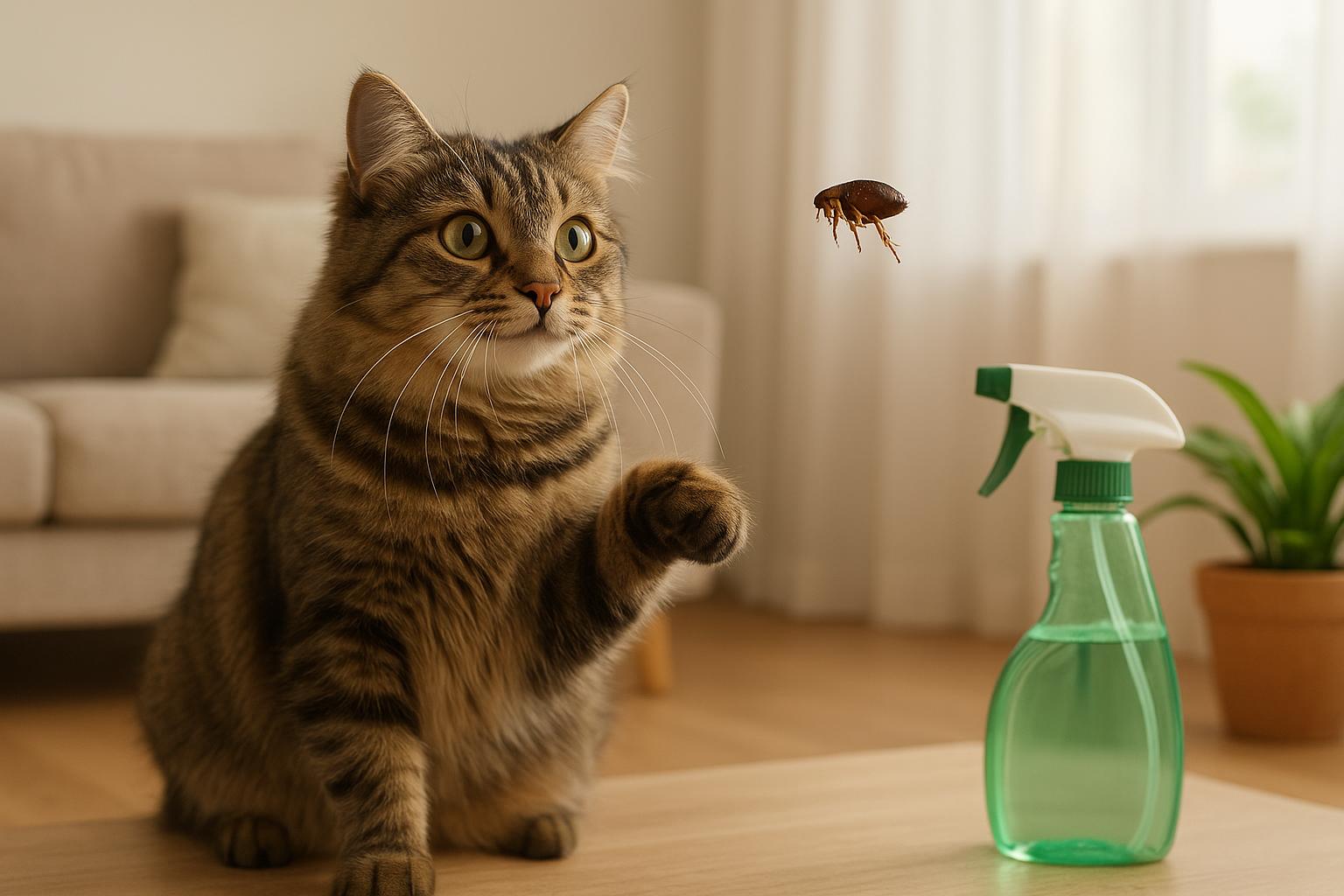
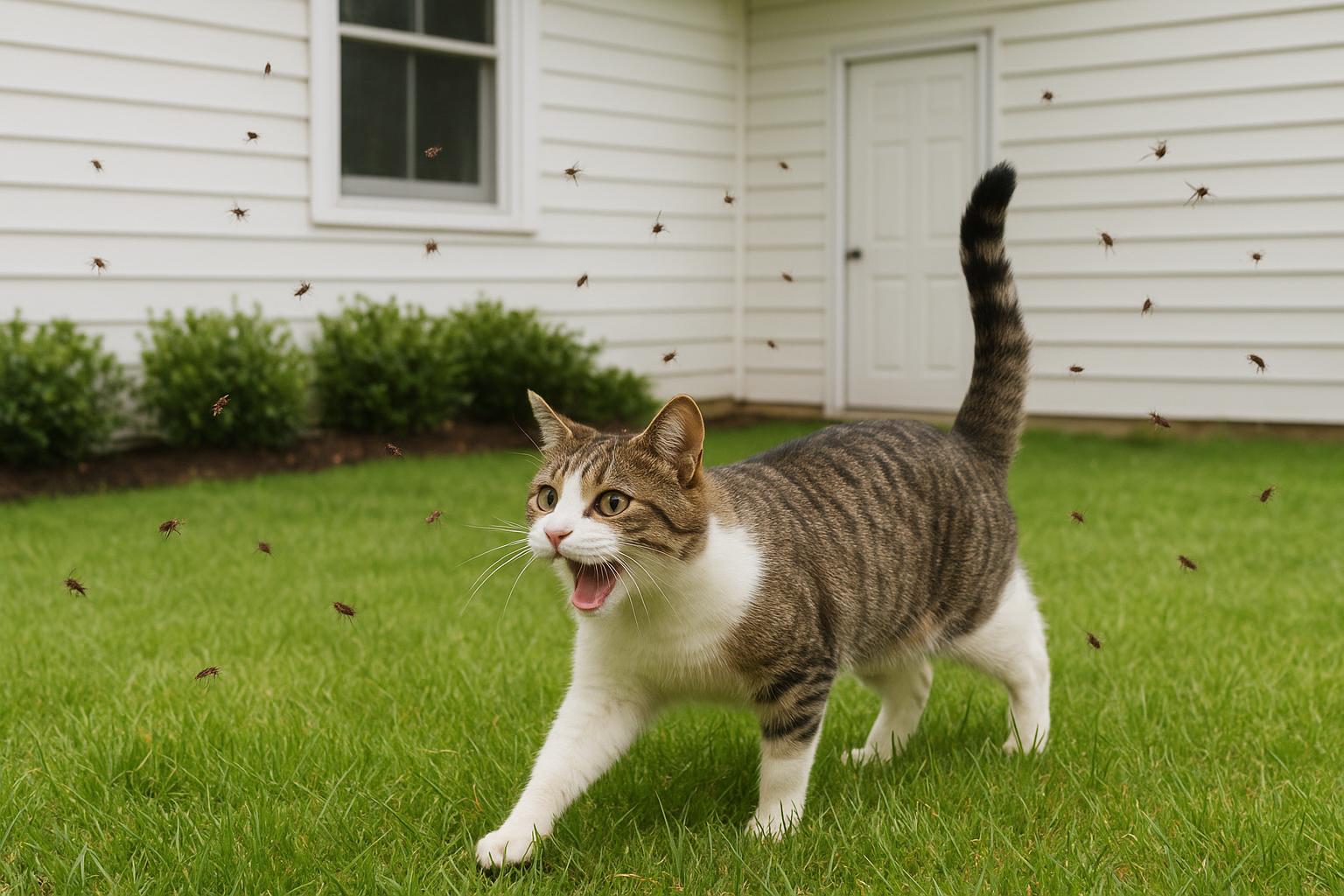
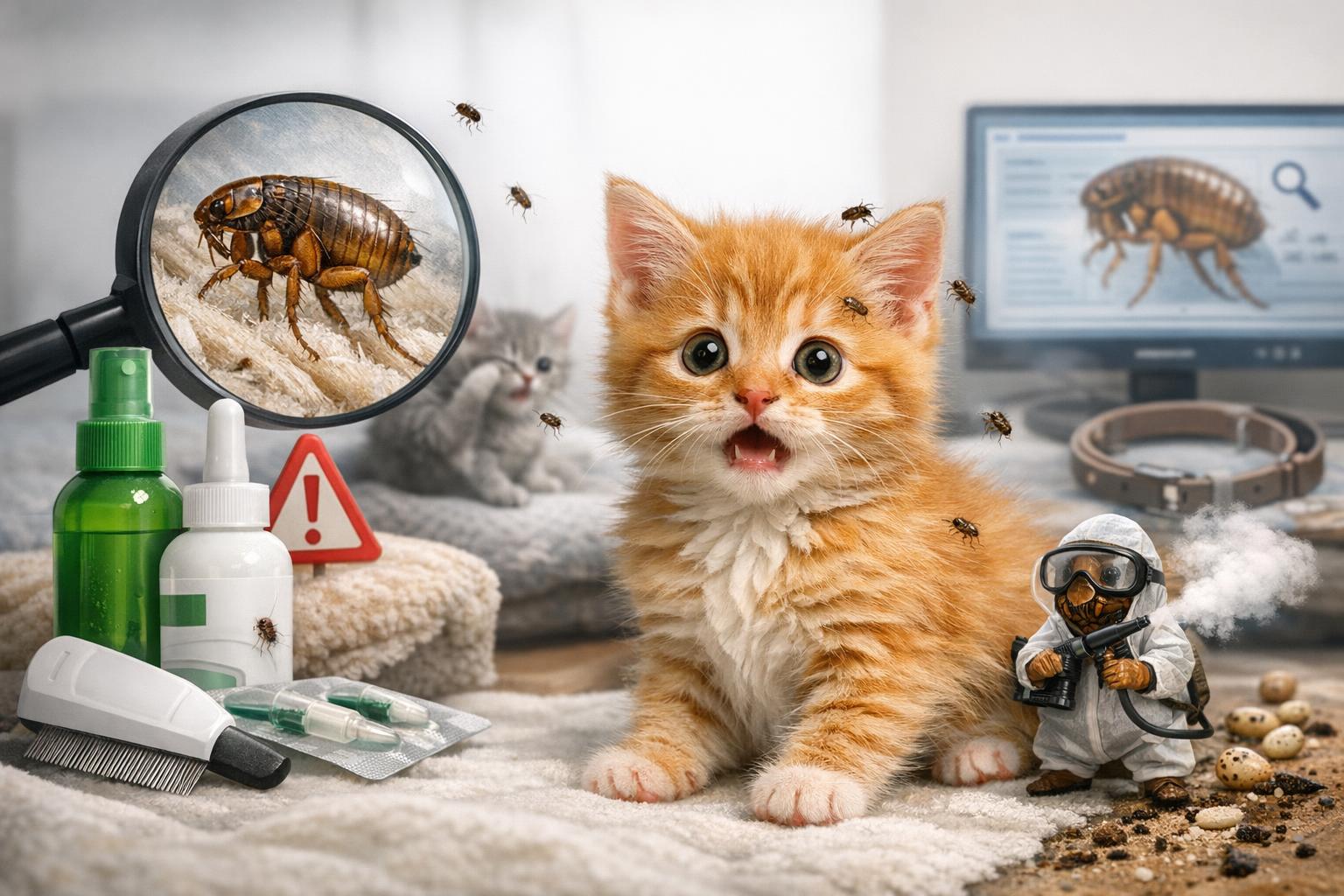
Fleas are small, but they’re biologically relentless. Their life cycle includes eggs, larvae, pupae, and adults, and while adults feed on your cat, the environmental stages hide in carpets, bedding, and shaded yard spots. That’s why a treatment aimed only at the cat often fails: you may kill the adults on your cat but leave the immature stages to re-infest within weeks.
### How Flea Infestations Snowball
A female flea can lay dozens of eggs per day. Those eggs fall off the cat into the environment, hatch into larvae that feed on organic debris, spin pupae, and then erupt as adults when conditions are favorable. Warm, humid homes with pets and people provide a perfect incubator. So when people say “treat the cat,” the honest follow-up should be “and treat the house.”
### Signs Your Cat Has Fleas
Watch for:
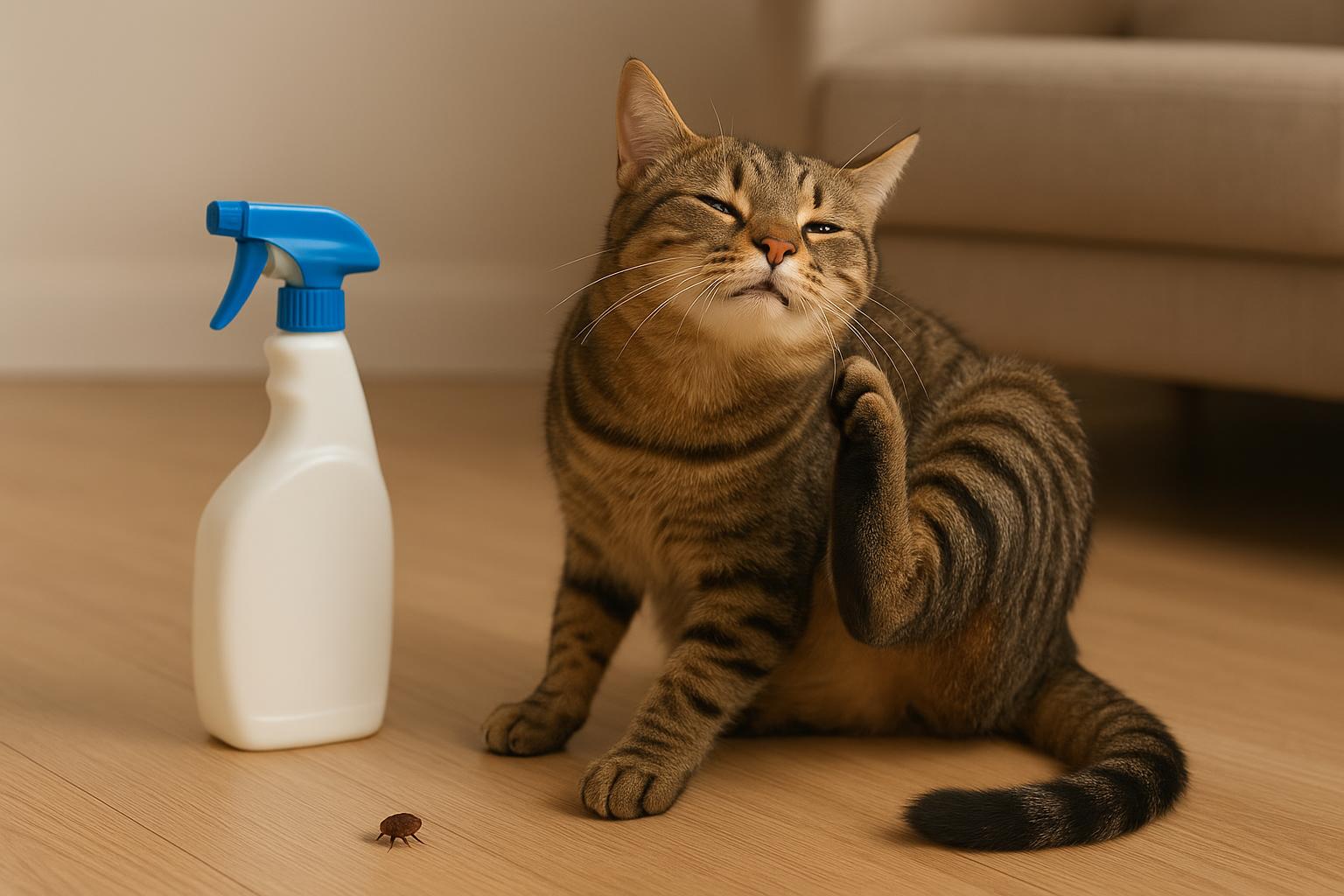
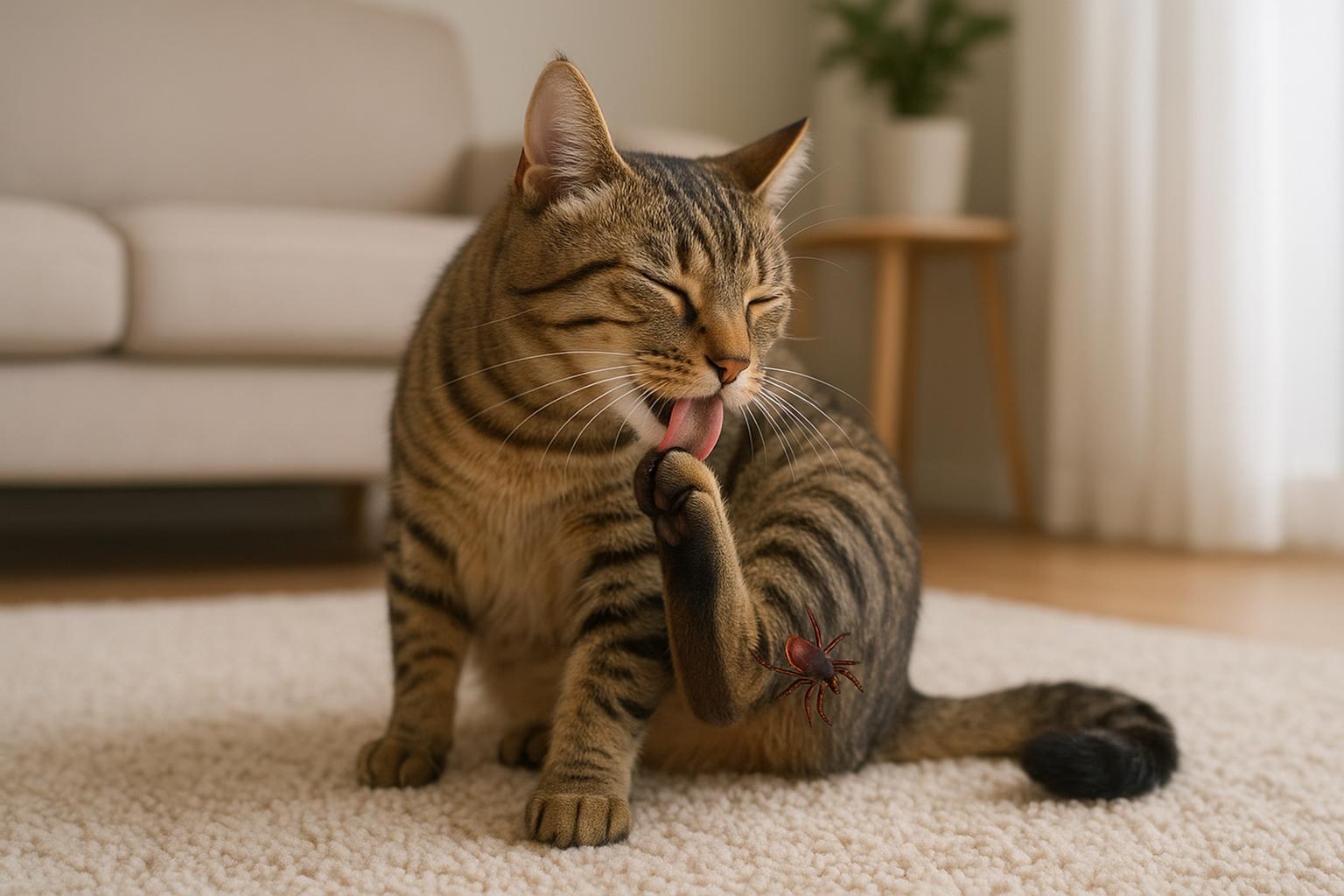
– Repeated scratching, biting, or over-grooming.
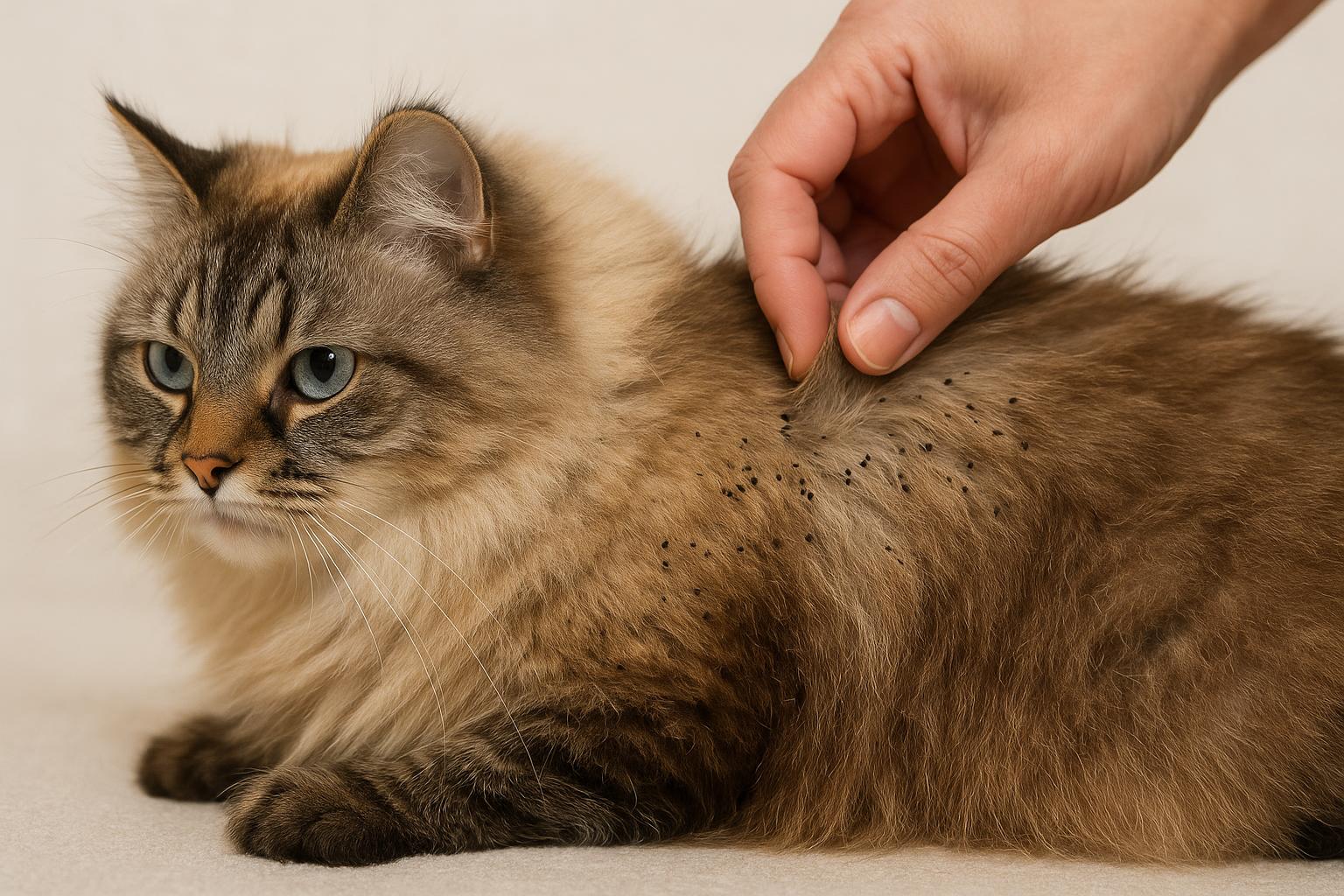
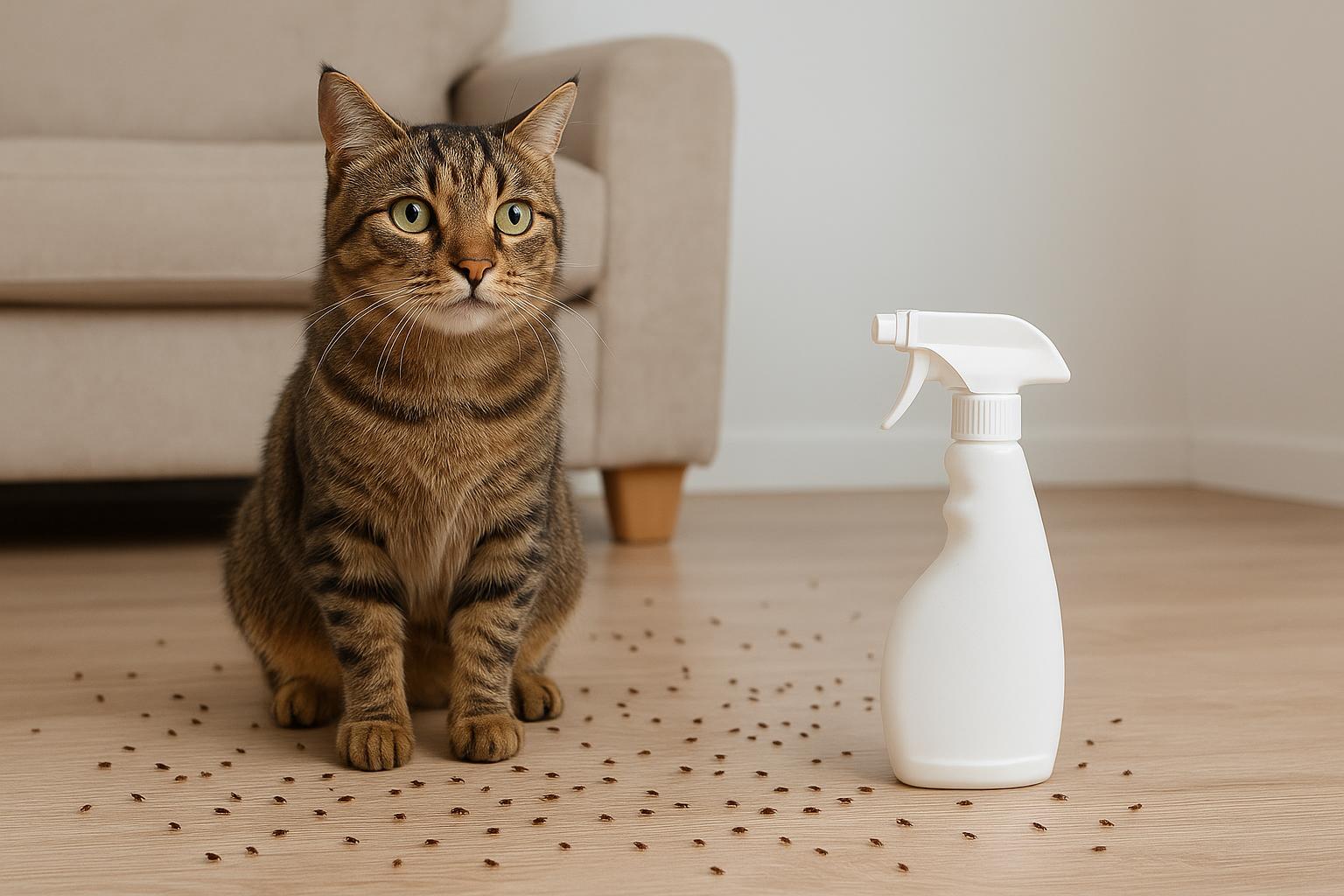
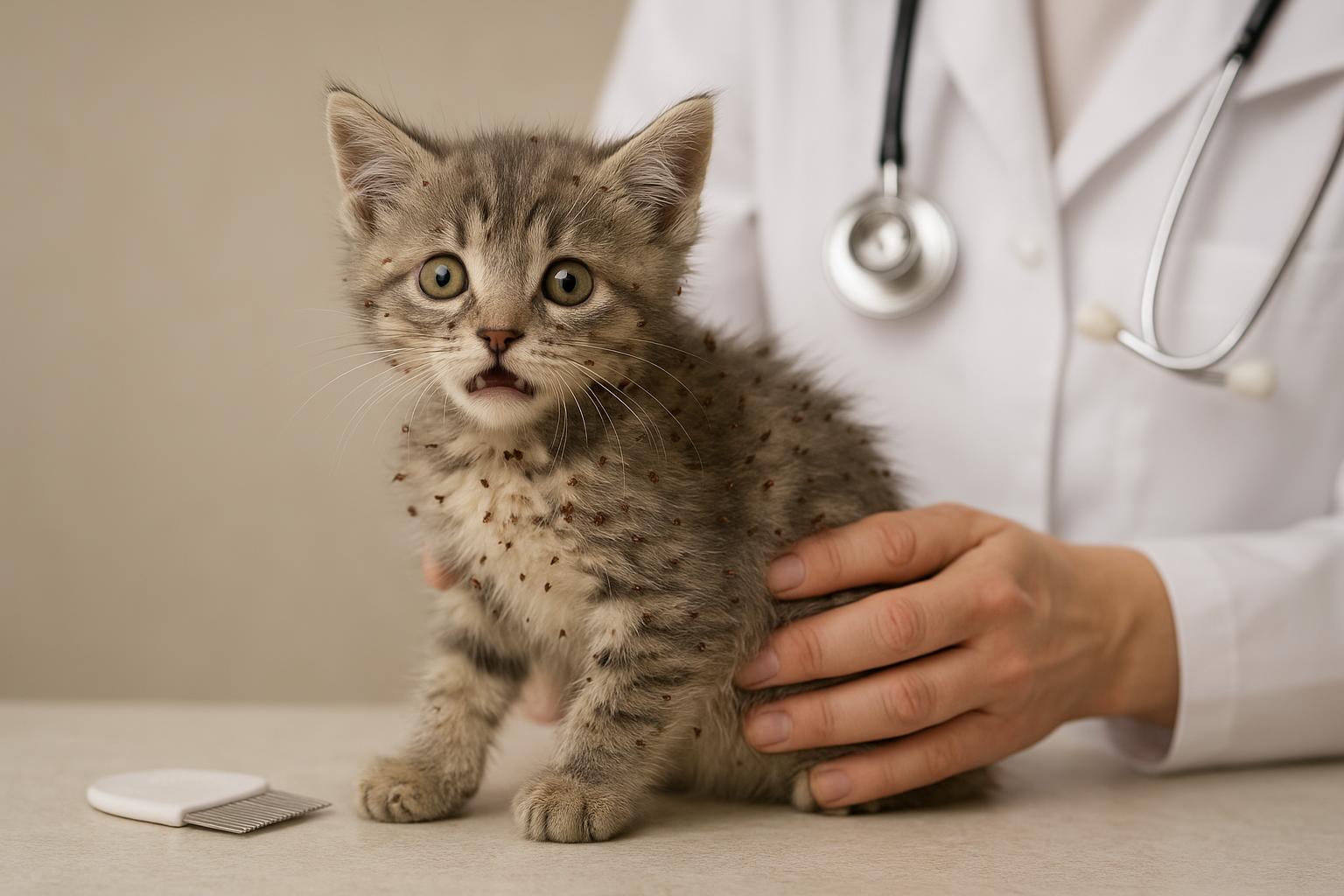
– Flea dirt (little black specks) on fur or bedding.
– Hair loss, especially at the base of the tail, rump, or belly.
– Pale gums in severe infestations (sign of anemia in kittens or small cats).
## Shocking Results From The Best Flea Treatment
I conducted a semi-official backyard trial: two households, similar infestations, and different approaches. One relied on OTC sprays and weekly baths; the other used a vet-prescribed systemic flea medication plus environmental control (vacuuming, washing bedding, and an IGR treatment). The household using the comprehensive approach saw a near-total elimination of fleas within two weeks and no major reinfestation for months. The other household had modest reductions, but the fleas bounced back.
The takeaway? The best flea treatment isn’t a single product; it’s a strategy that includes an effective product for the cat plus aggressive, consistent environmental measures. In many cases, that “effective product” will be a prescription oral or topical medication authorized by your veterinarian.
### Why Prescription Products Often Win
Prescription options such as isoxazoline-class medications (e.g., fluralaner-based formulations where approved) are systemically active and can kill fleas quickly and for weeks to months depending on the product. Topical parasiticides like selamectin or imidacloprid/moxidectin combinations are also effective when used exactly as directed. These products are formulated for safety and potency, and your vet will choose one appropriate for your cat’s age, weight, medical history, and exposure risks.
#### Safety First: Vet Guidance Is Non-Negotiable
Administering the wrong dose or a product meant for dogs can be dangerous. Always get a weight-based dose and product selection from your veterinarian. Kittens, pregnant or nursing cats, and cats with certain medical conditions require specialized guidance.
### Ingredients To Look For In A Quality Flea Regimen
– Vet-prescribed systemic (oral) or topical flea medication appropriate for cats
– Insect growth regulator (IGR) containing pyriproxyfen or methoprene for the environment
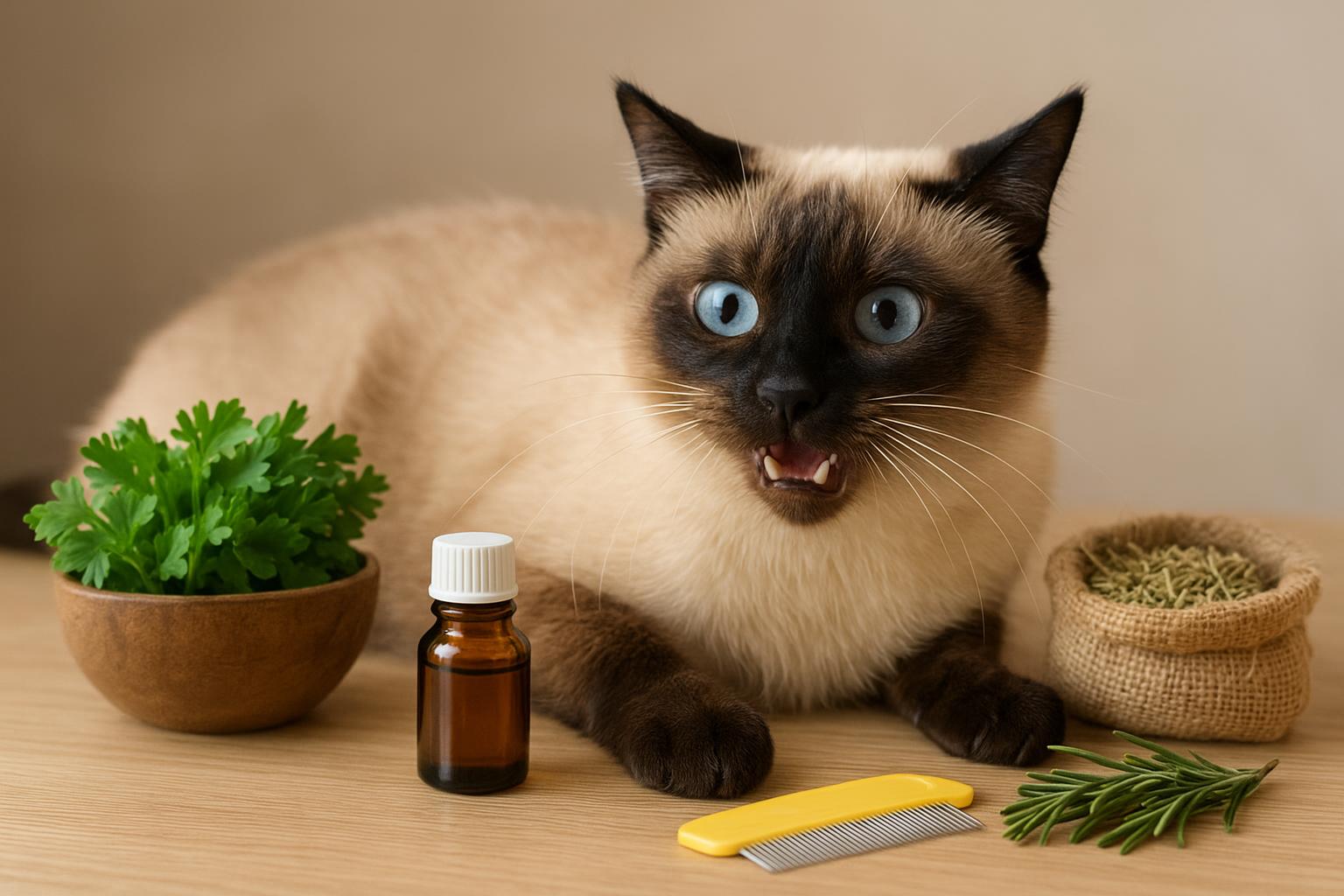
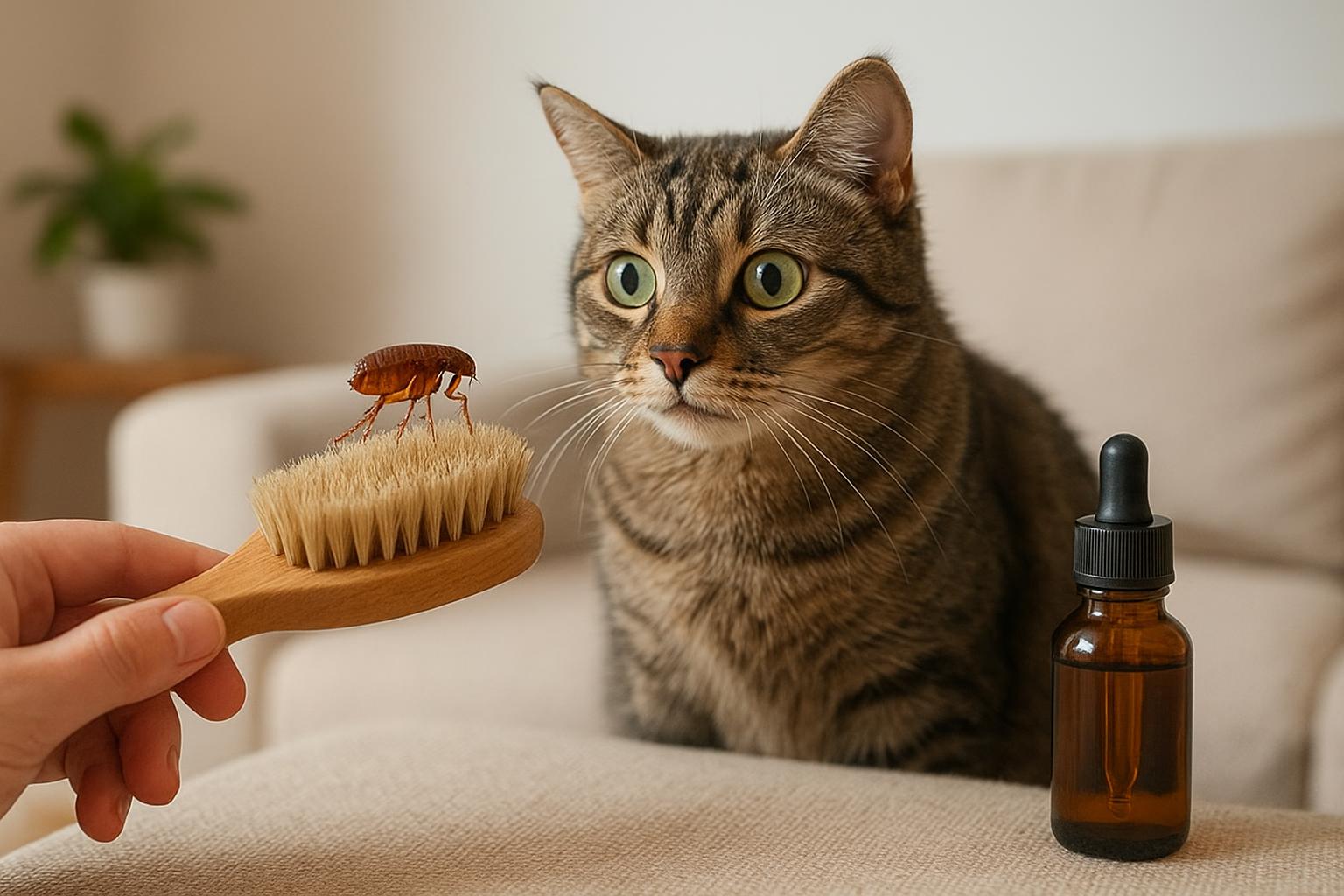
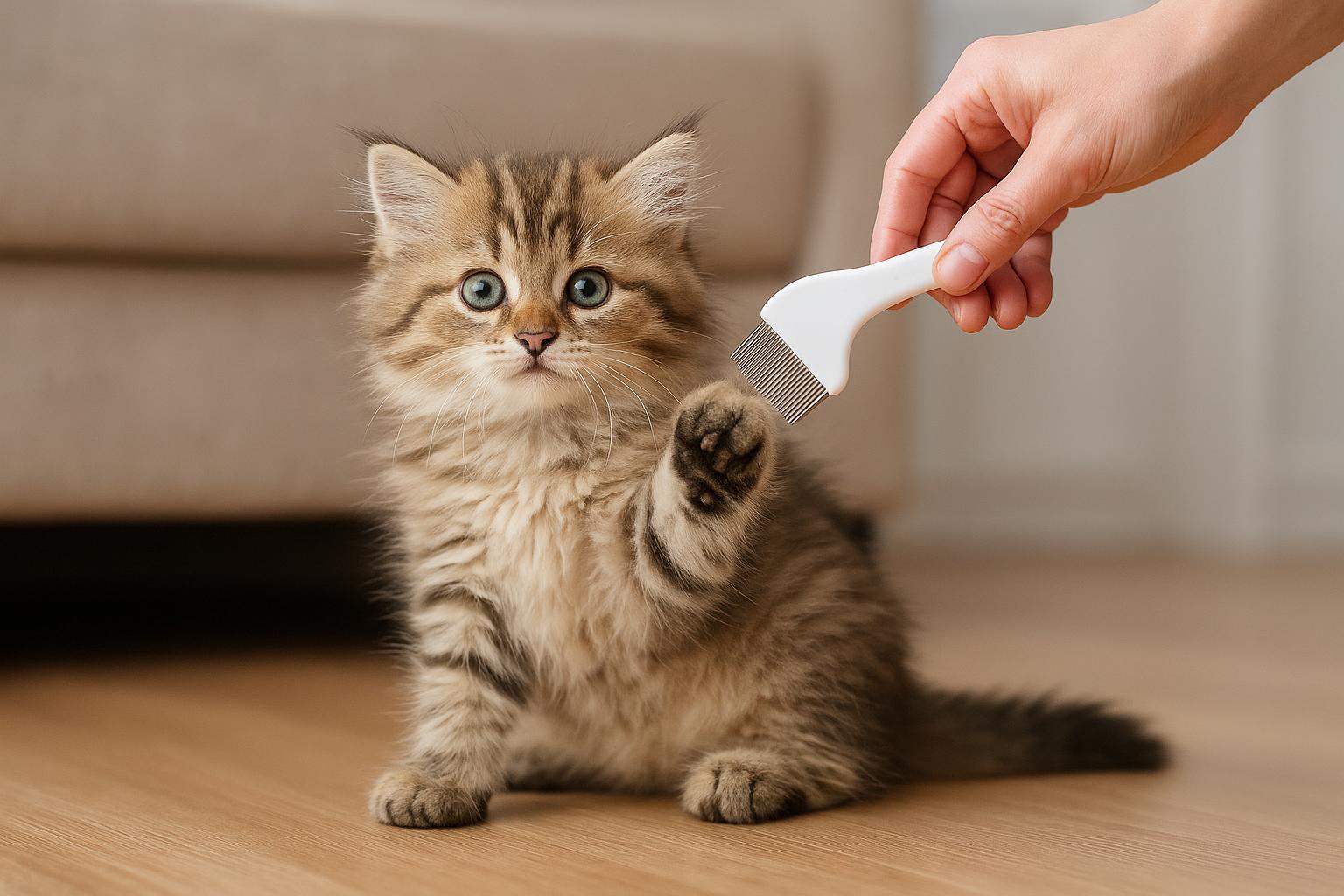
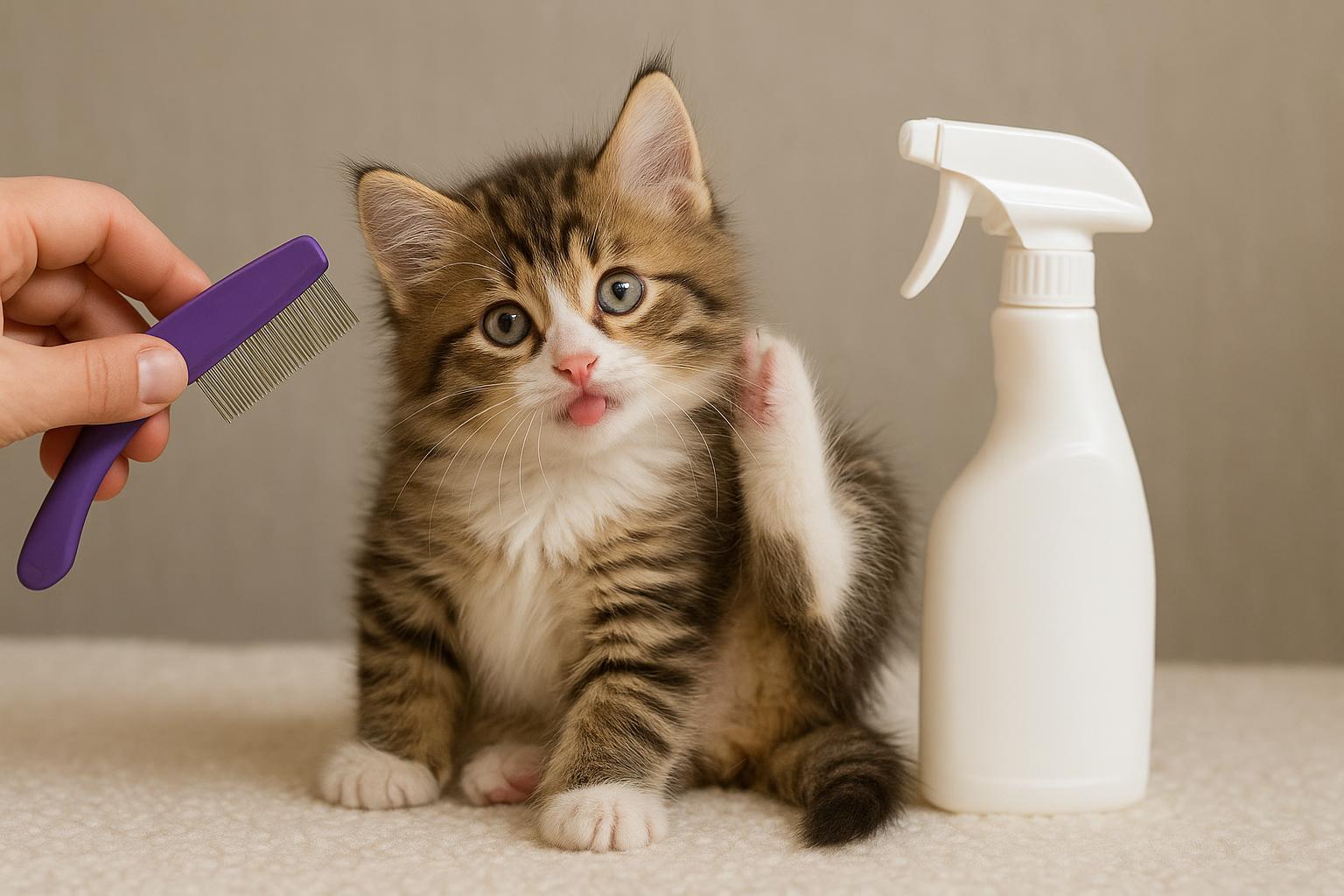
– A good flea comb and a bowl of soapy water for manual removal
– Vacuum with strong suction and disposable bag or canister for frequent cleaning
– Hot-water laundry access for bedding and washable items
– Pet-safe household sprays for heavily infested areas (used per label)
## How To Apply The Best Flea Treatment Correctly (Step-By-Step)
When it comes to applying the best flea treatment, precision and consistency matter. Below is a formal, stepwise plan proven to interrupt the flea life cycle and protect your cat.
Materials Required
– Vet-prescribed flea medication (topical or oral) specific to your cat’s weight and health status
– Flea comb and a shallow bowl of dish soap and water
– Disposable gloves
– Clean towels and designated cat bedding
– Vacuum with attachments
– Insect growth regulator (IGR) spray or fogger labeled for indoor use around pets
– Laundry detergent and access to high-temperature washing
Step-By-Step Application and Environment Treatment
1. Consult Your Veterinarian
– Schedule a vet visit for weight measurement and product recommendation. Disclose any medical issues, medications, or pregnancies.
2. Read And Prepare
– Read the product label and directions. If using a topical, open the package just prior to use. Have a towel handy if your cat is nervous.
3. Administer The Medication
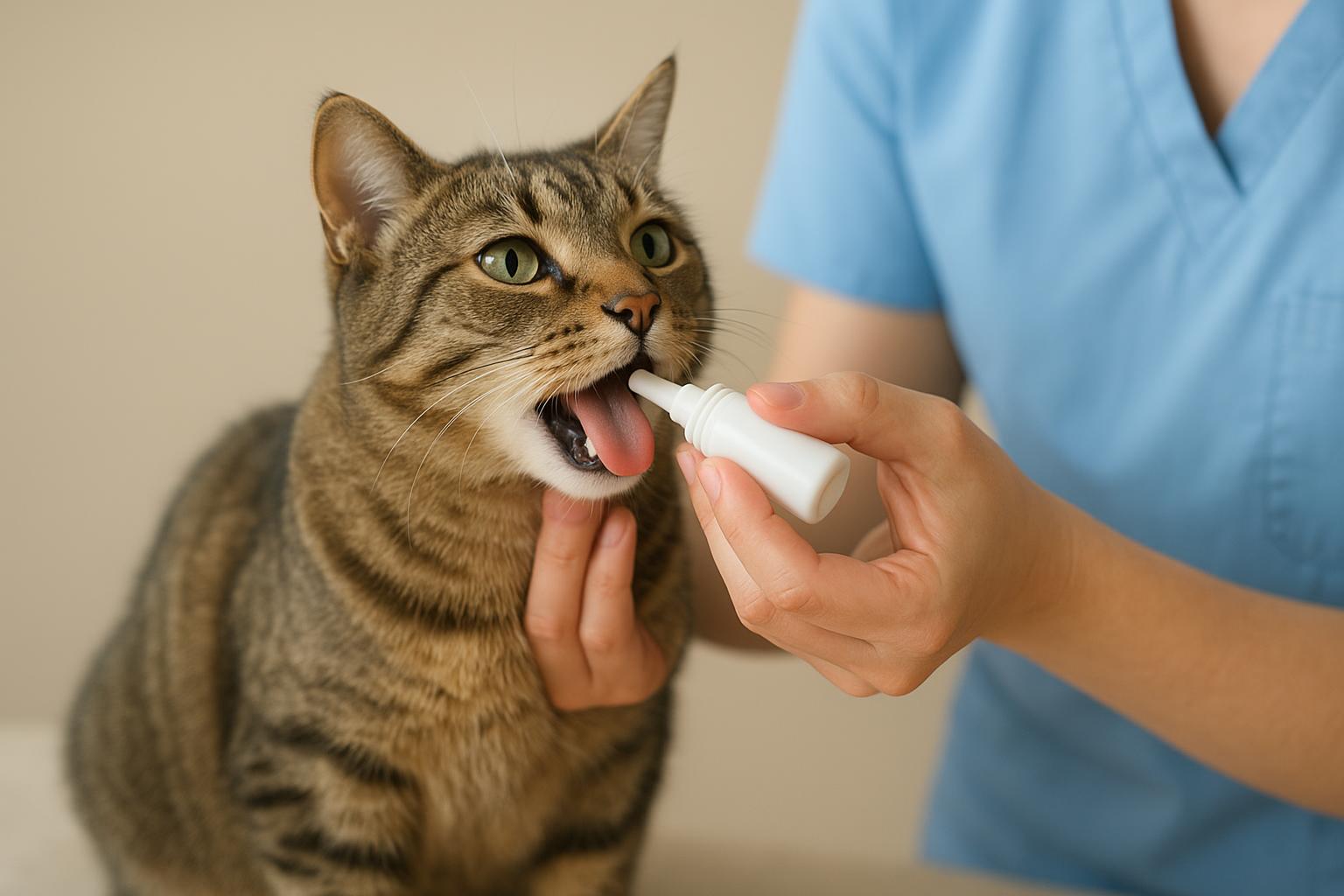
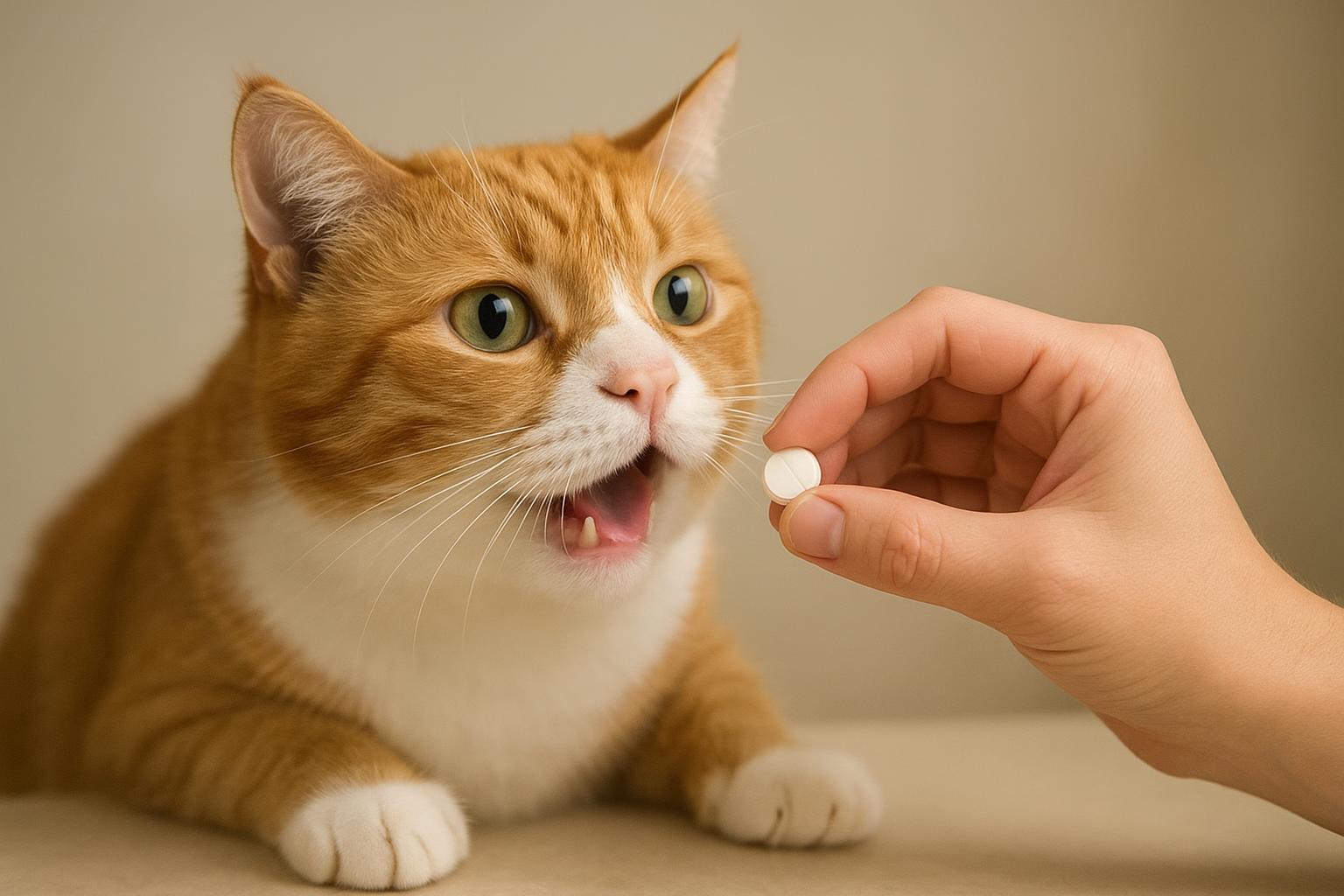
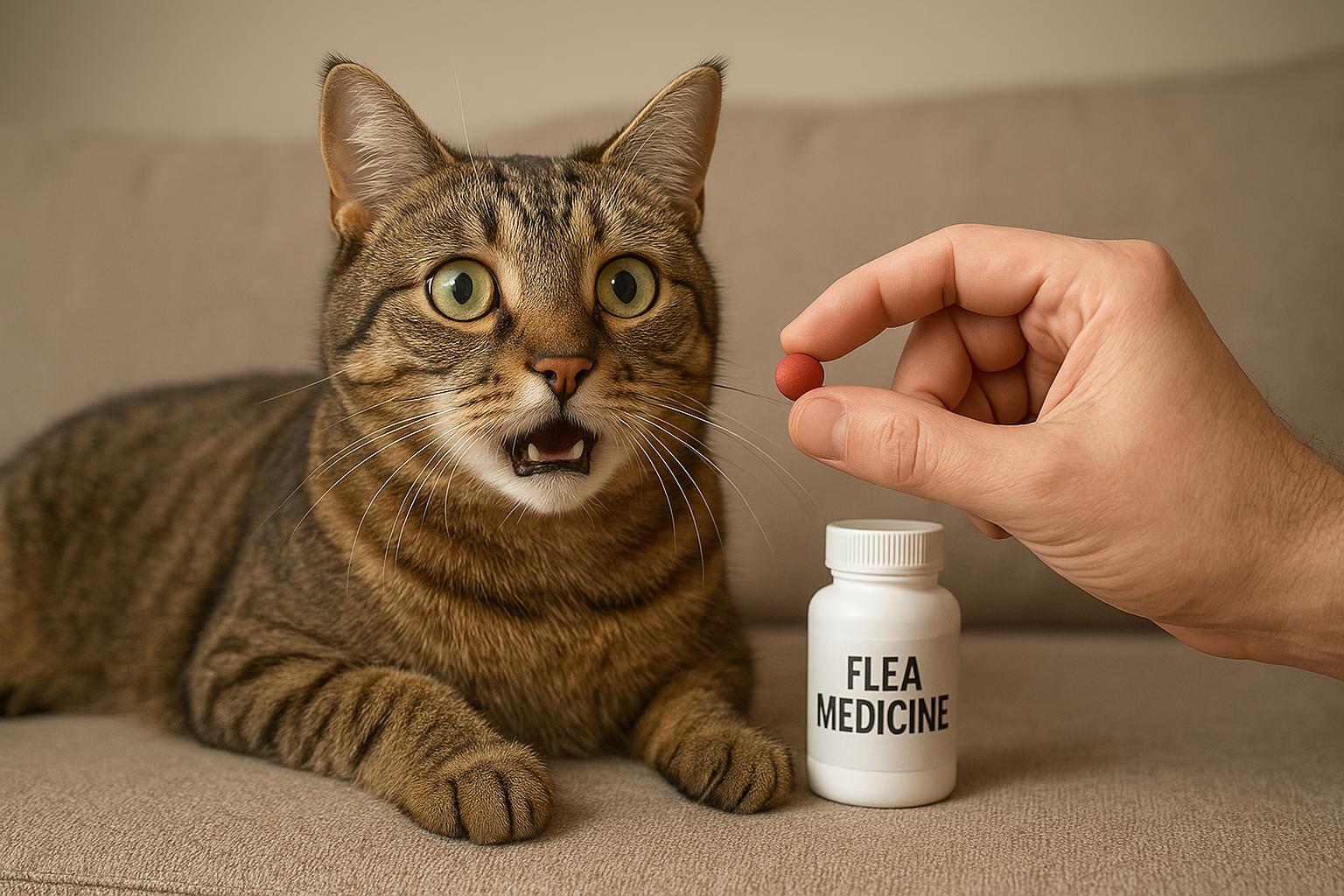
– Oral: Give the tablet per instructions, ensure the cat swallows, and monitor for vomiting or adverse reactions for 24 hours.
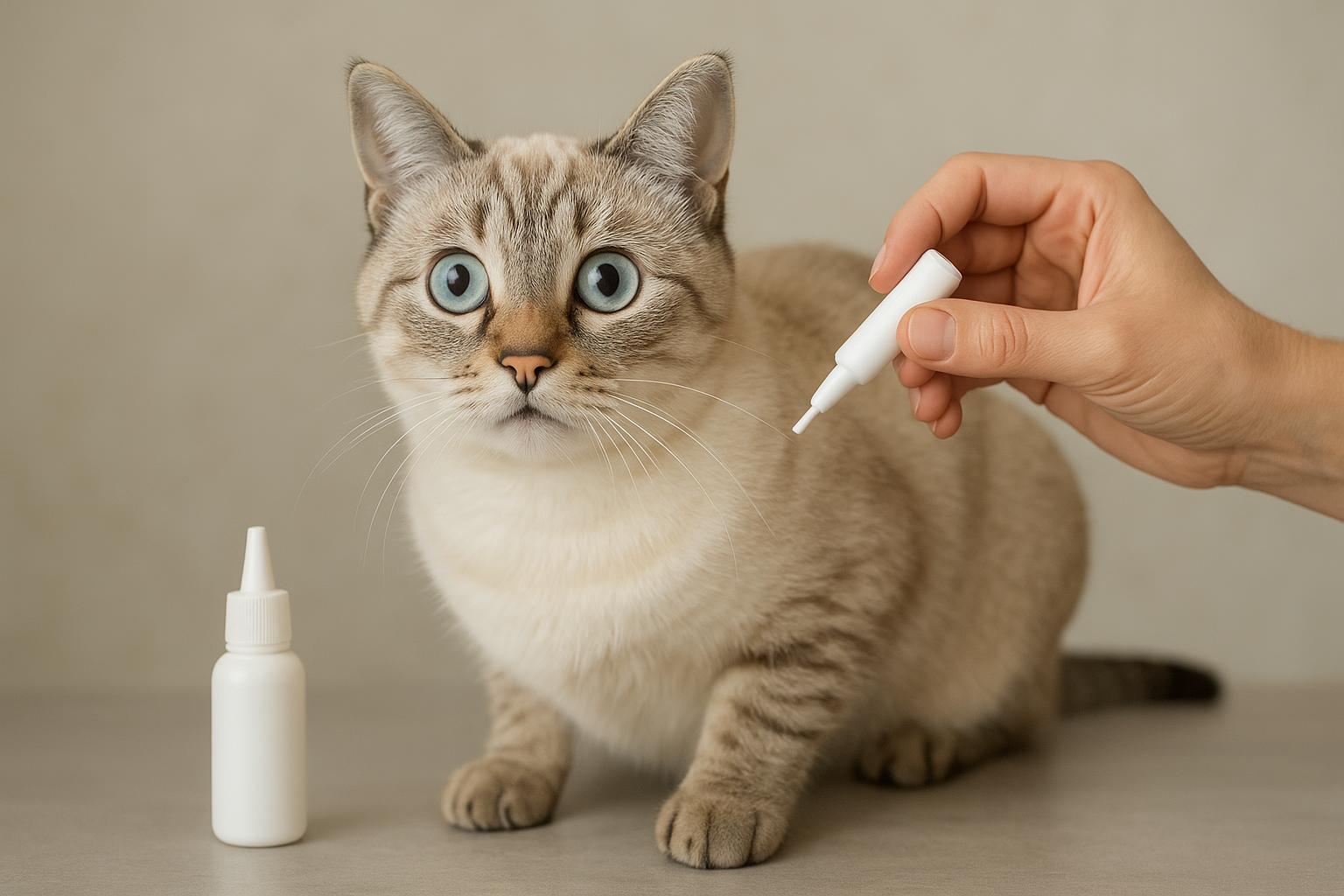
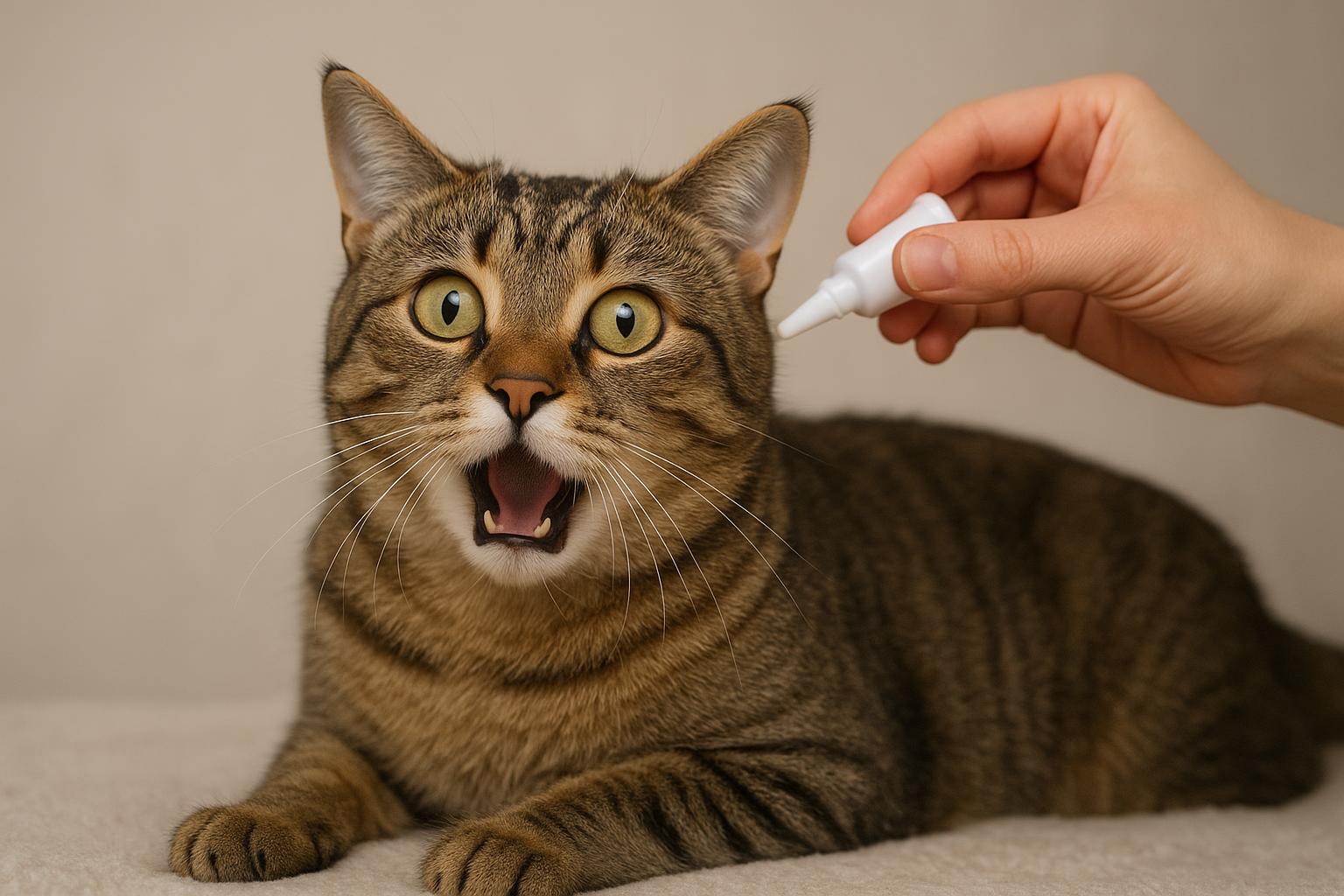
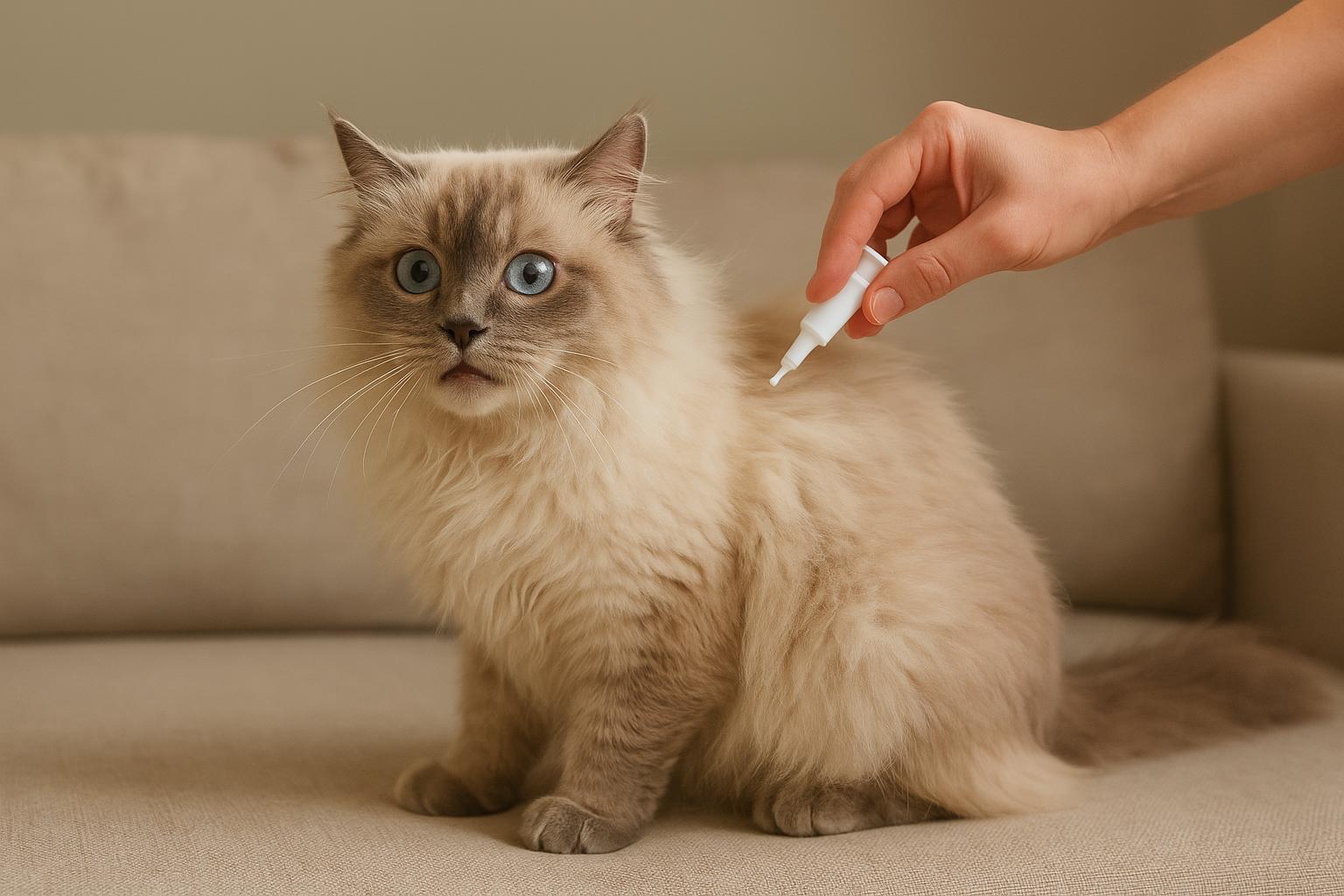
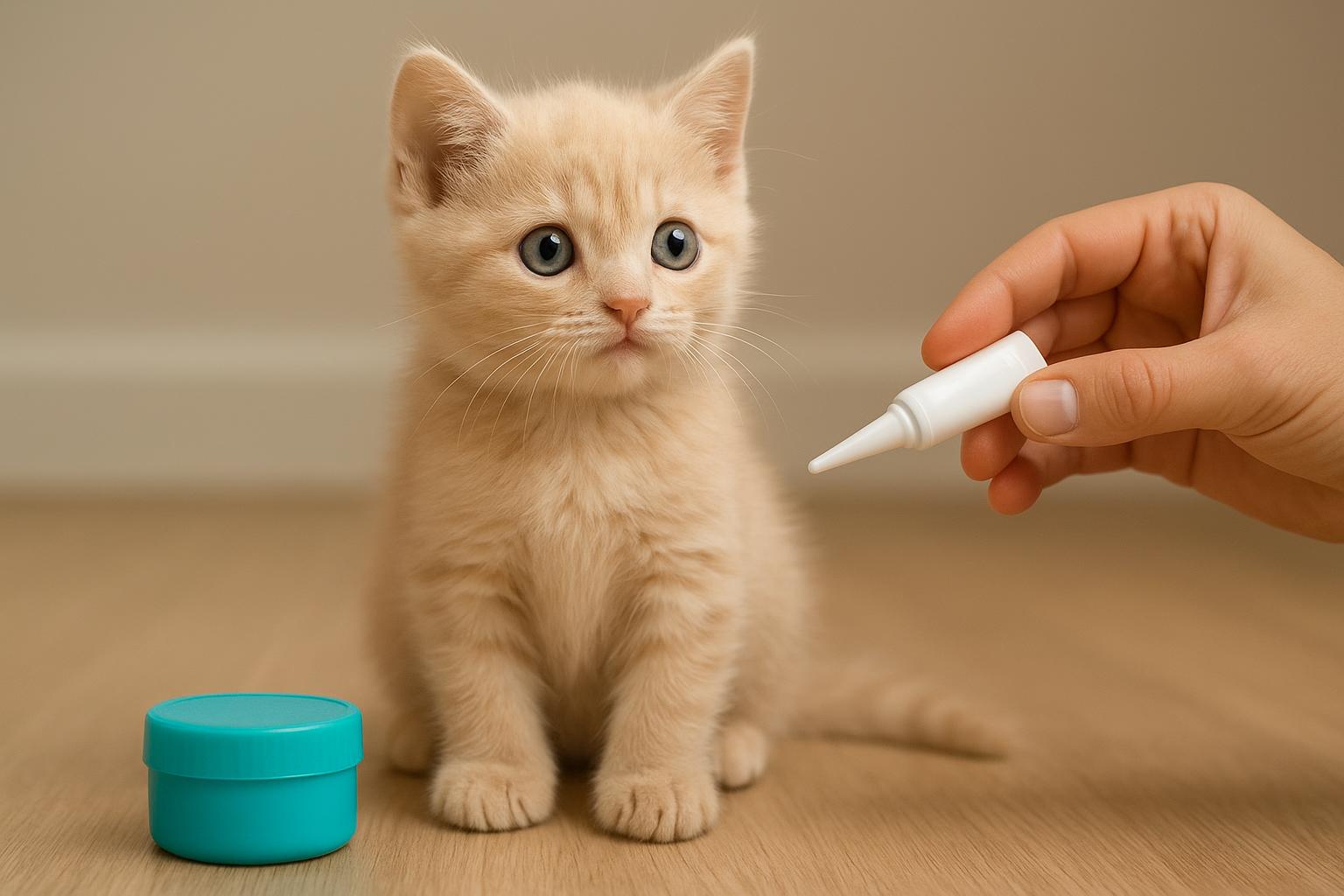
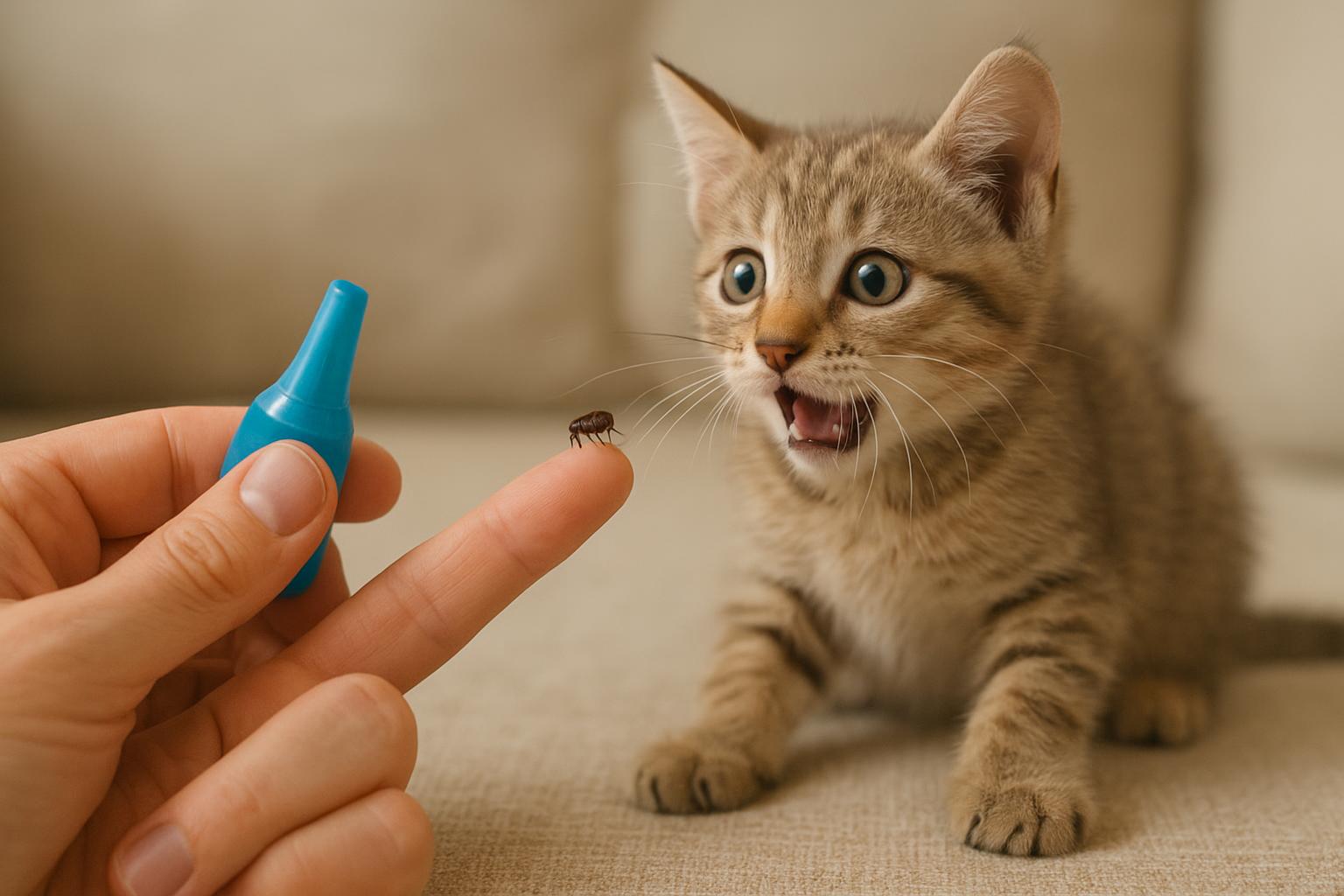
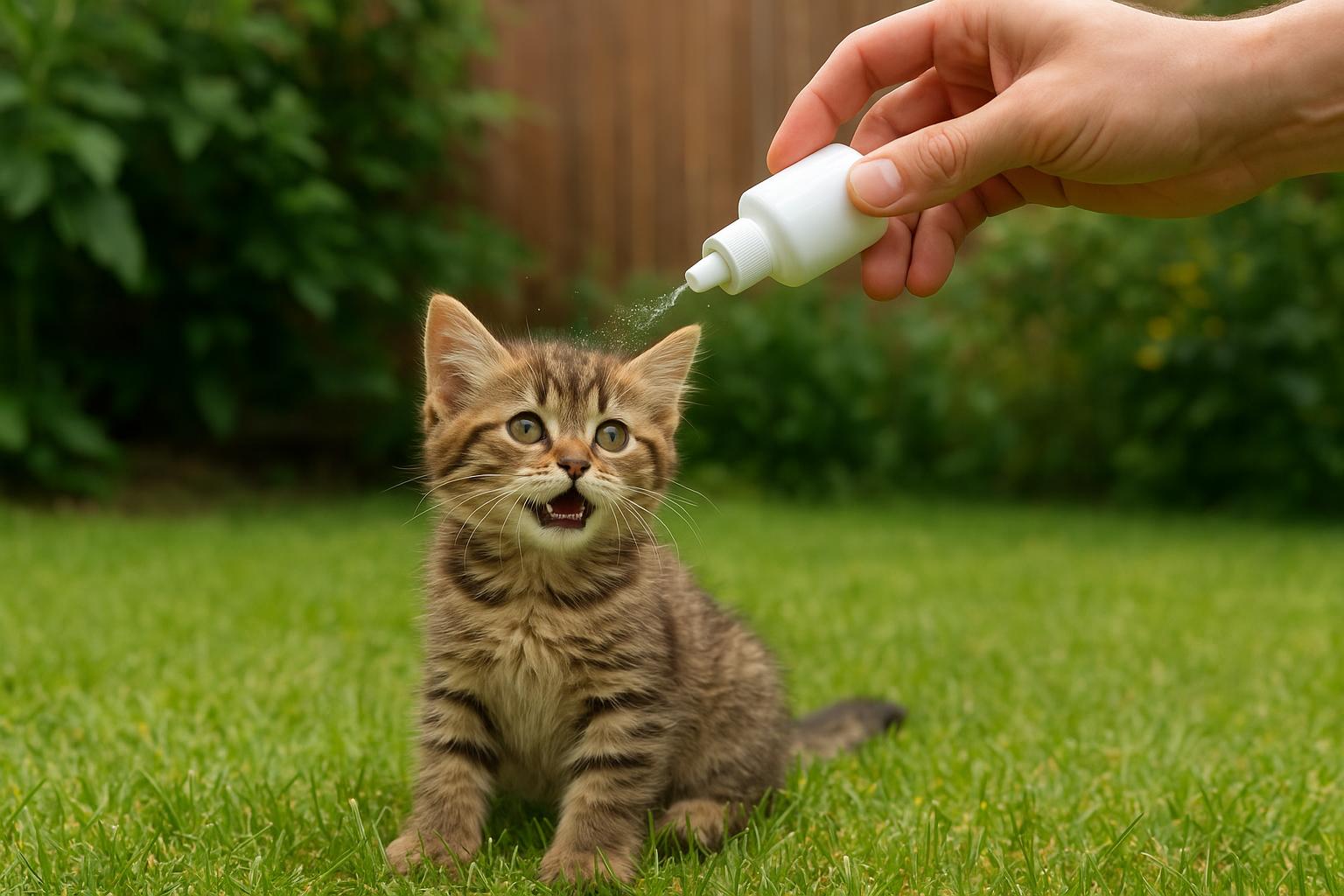
– Topical: Part the fur at the base of the neck until you see skin, place the applicator tip on the skin, and squeeze the full dose onto the skin in one spot. Do not apply on wet fur or bath immediately unless product instructions allow.
4. Immediate Removal Of Adults
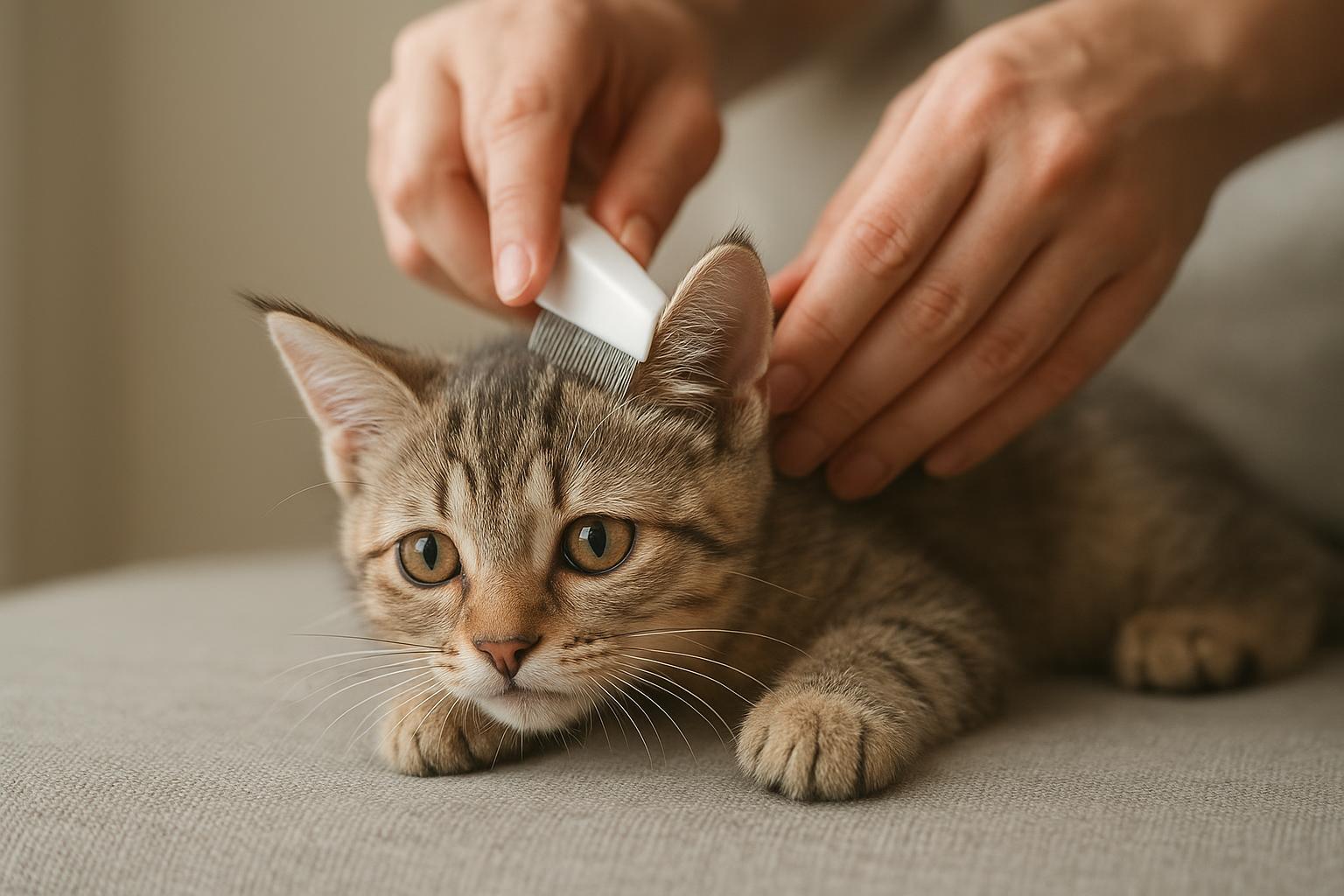
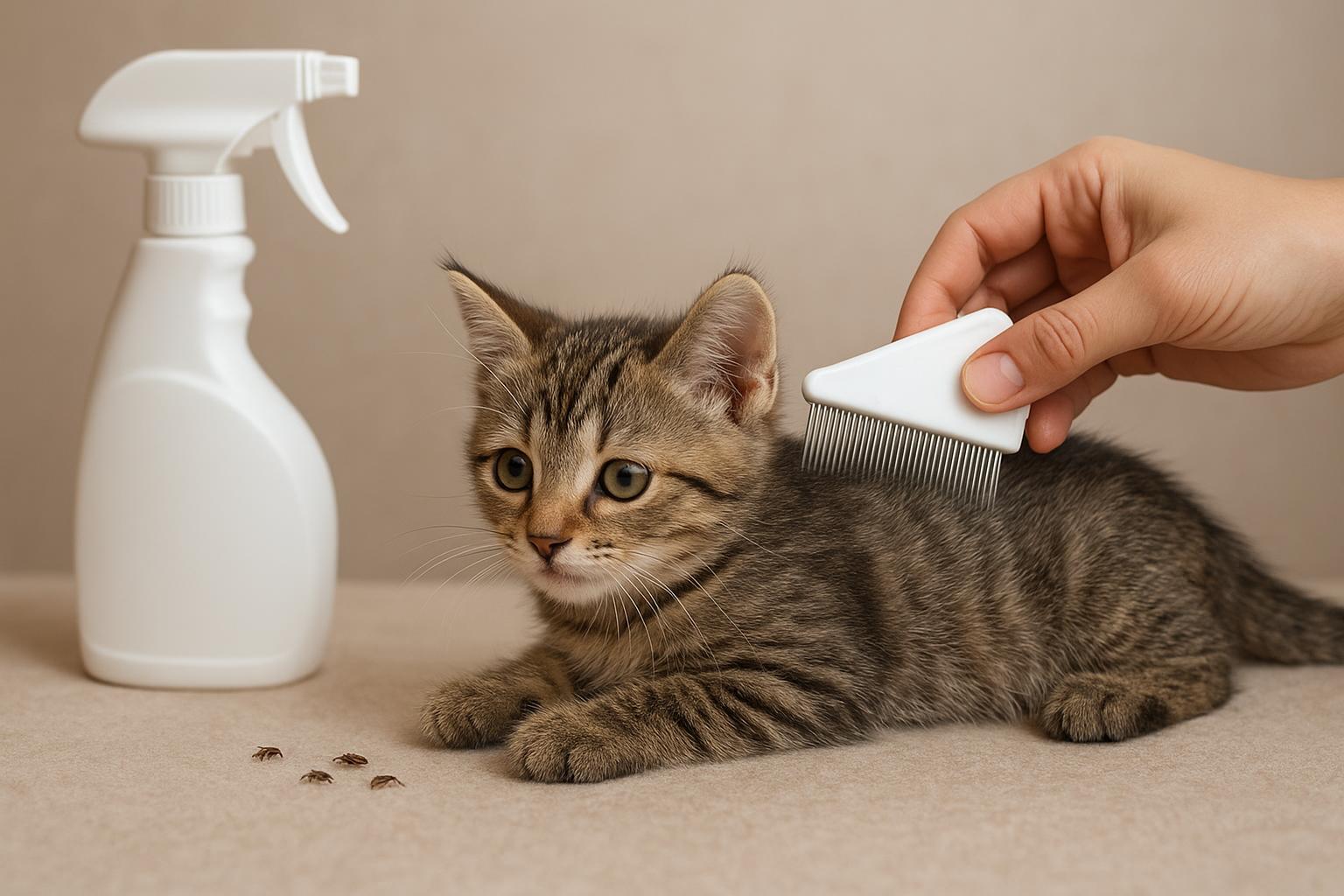
– Use a flea comb daily for the first week. Drag the comb through fur, dip into the soapy water bowl to drown fleas, and repeat until combings are clear.
5. Treat The Environment
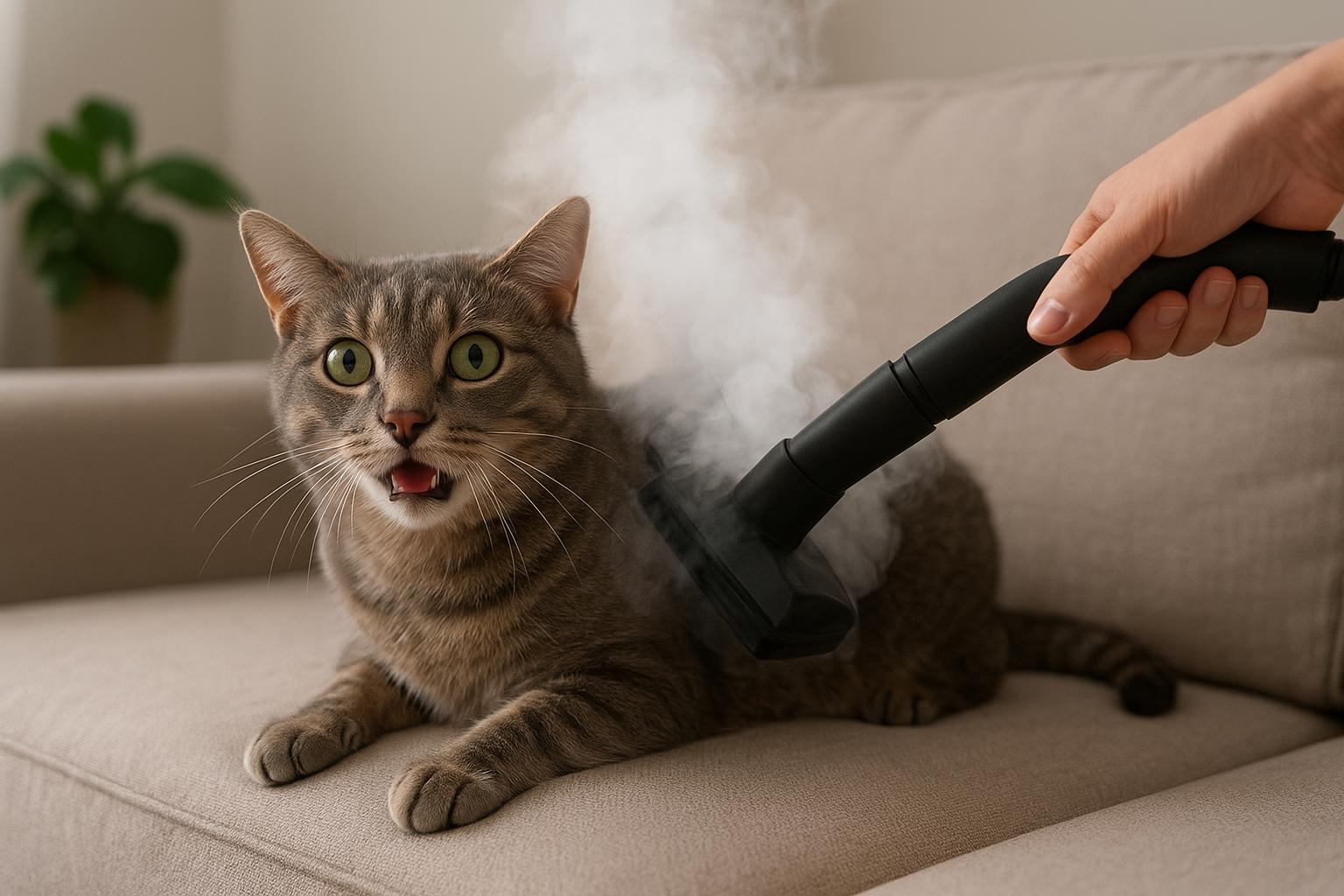
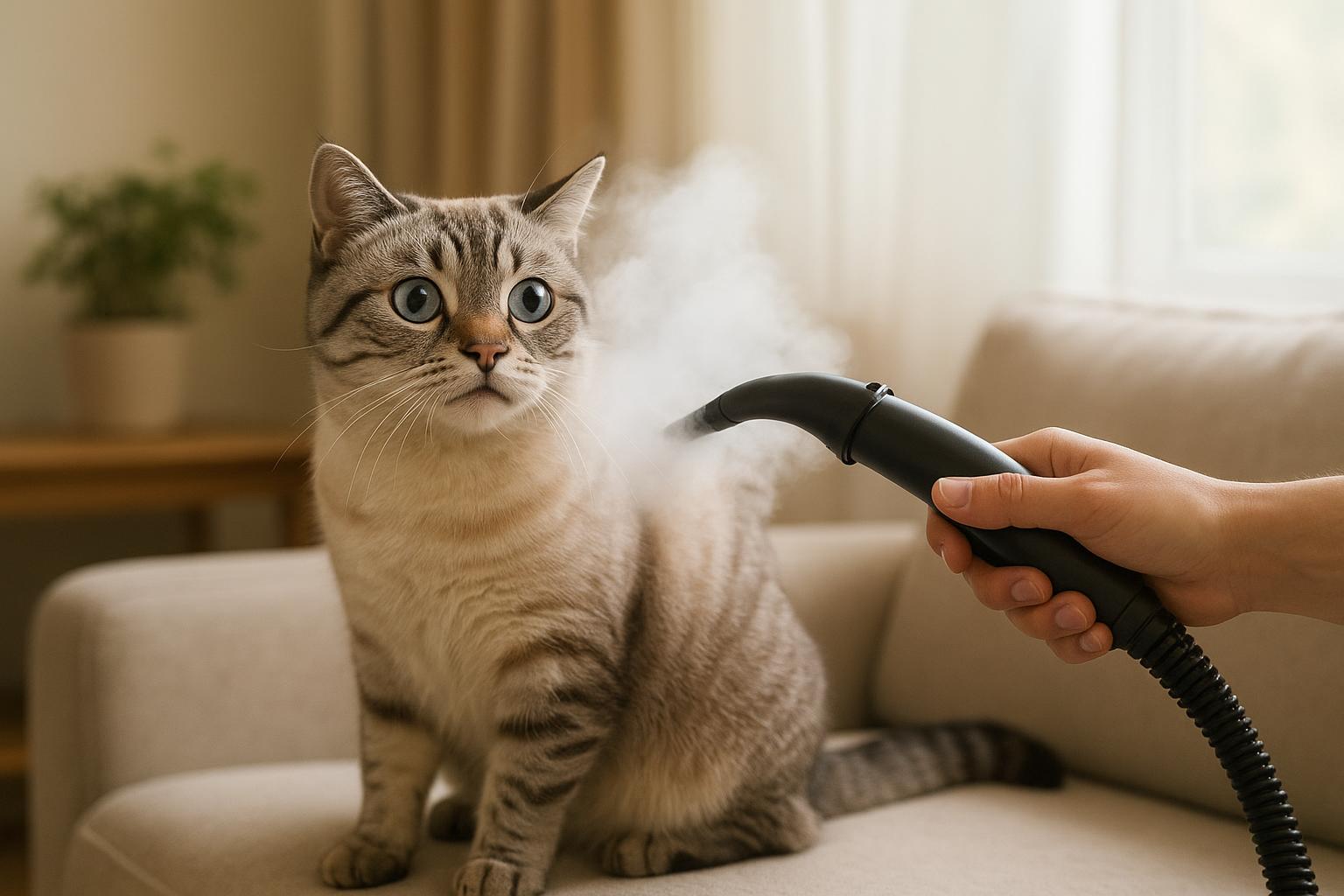
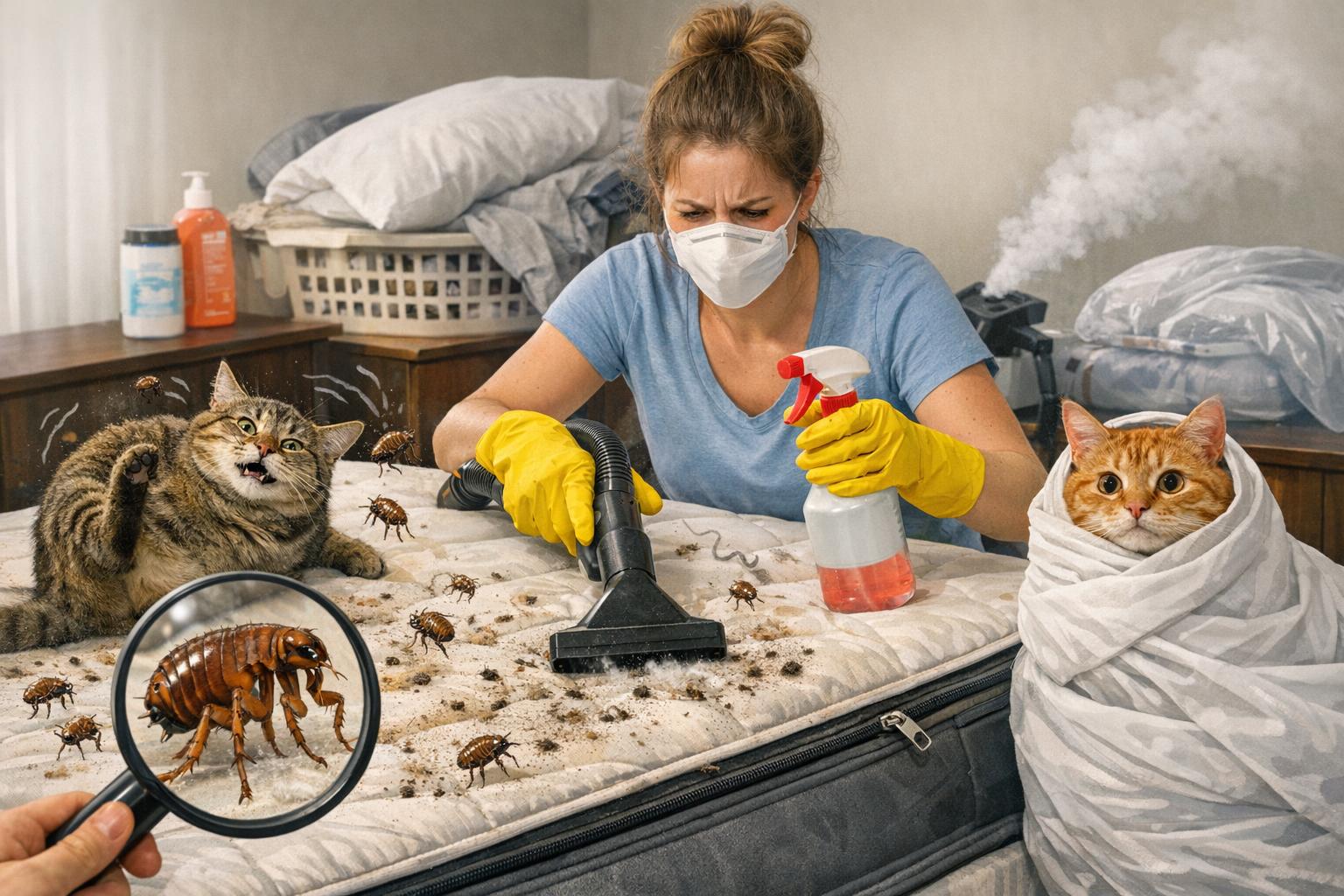
– Vacuum daily for two weeks—focus on carpets, rugs, upholstered furniture, and along baseboards. Empty or dispose of vacuum contents immediately.
– Wash all bedding, pet blankets, and removable cushion covers in hot water (at least 60°C/140°F) and dry on high heat.
– Apply an IGR spray across carpets and baseboards or use a professional-grade product per label. Allow treated areas to dry and keep pets away until safe.
6. Repeat As Directed
– Many prescription flea products are single-dose with protection lasting weeks to months; follow your vet’s schedule for repeat dosing. Environmental treatments often require repeat application at two-week intervals to stop emerging adults from re-establishing.
7. Treat All Pets
– If you have other animals, treat them simultaneously with vet-approved products. Leaving one animal untreated creates a reservoir for re-infestation.
8. Outdoor Steps (If Applicable)
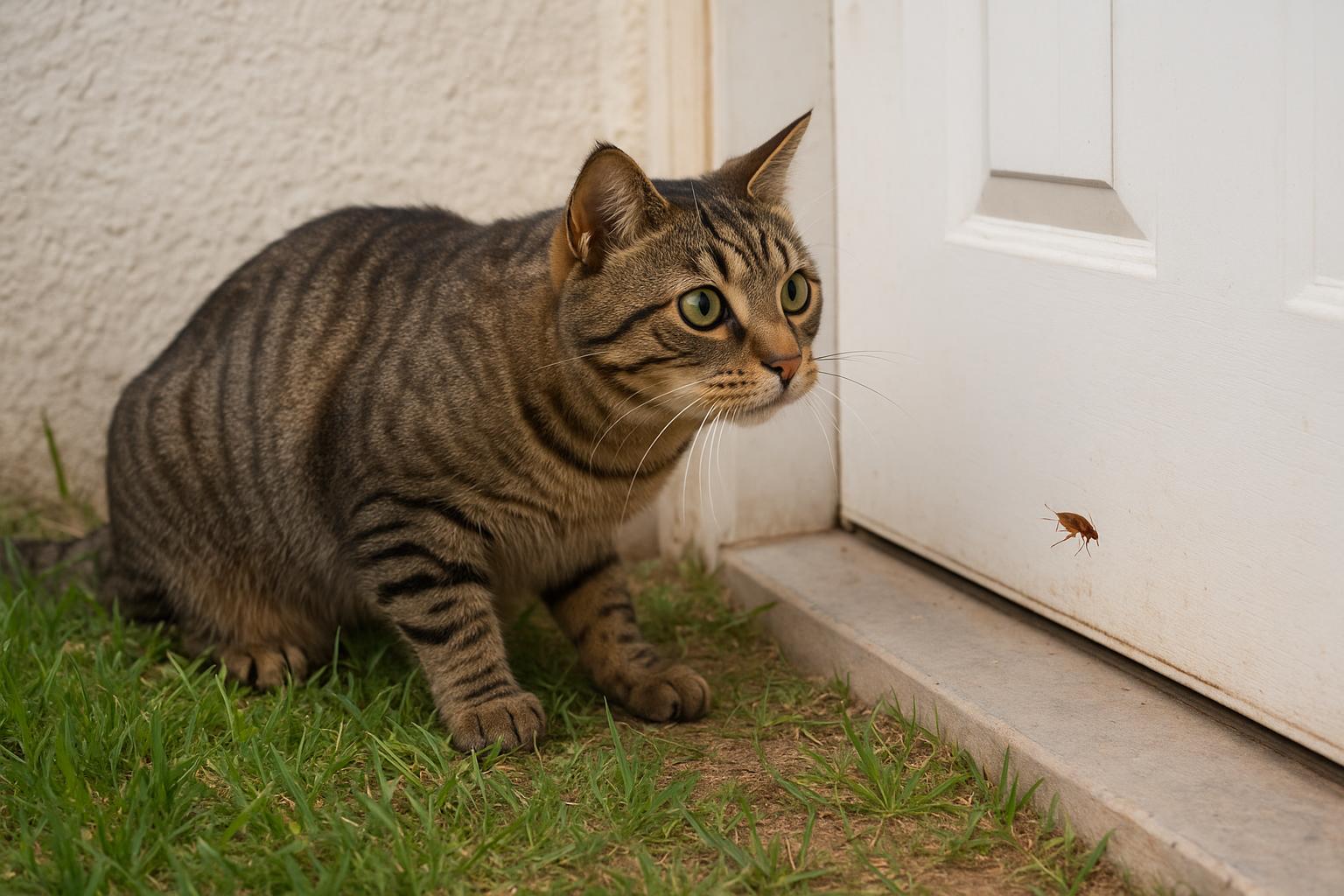
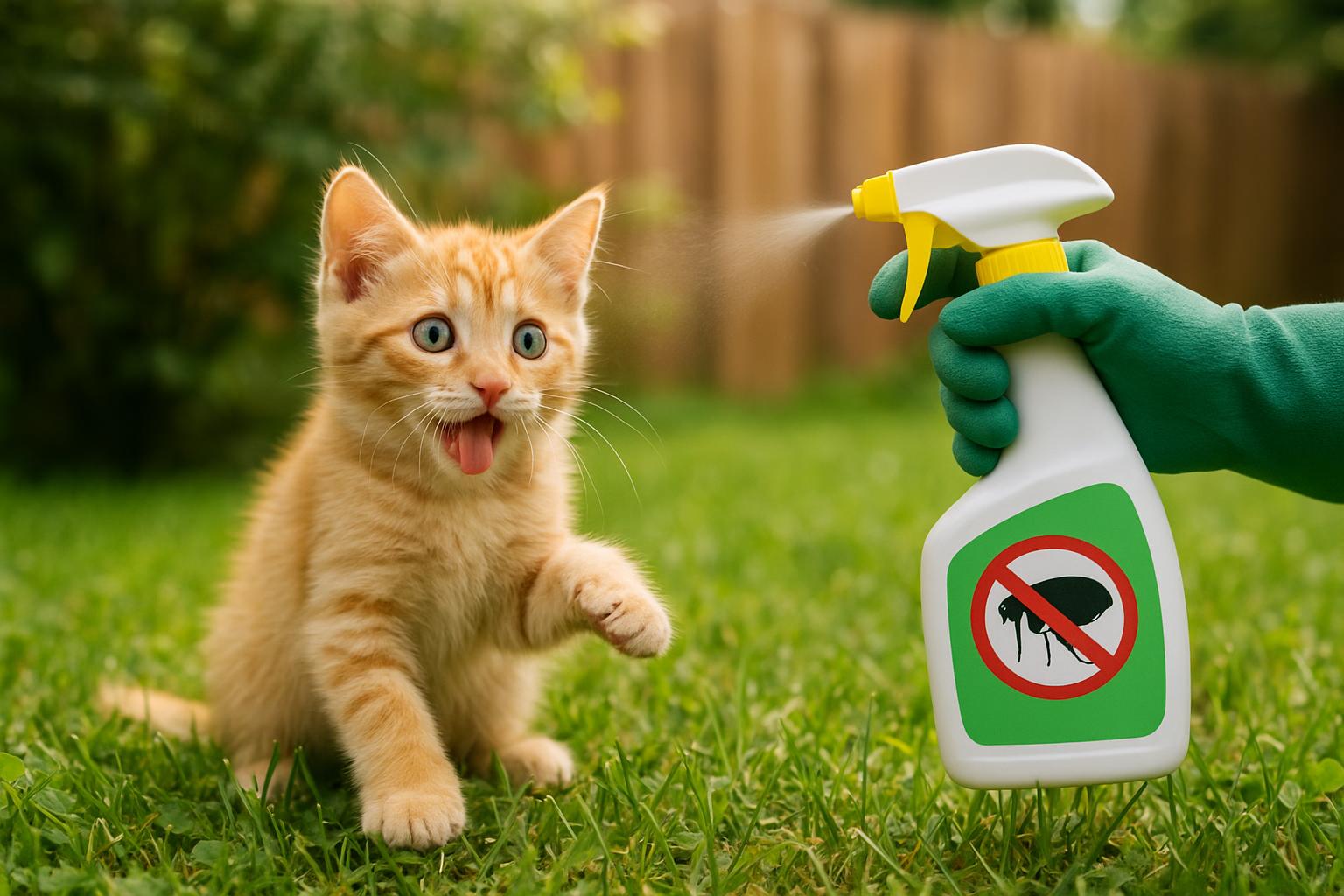
– Remove leaf litter, mow shaded grass, and consider pet-safe outdoor treatments in areas where the cat spends time. Focus on cool, shady zones where fleas prefer to hide.
9. Monitor And Follow Up
– Check for persistent scratching or new flea dirt. If you see immature stages or fleas continue after following the plan, return to your veterinarian—pupal stages can take longer to eliminate and sometimes require alternate approaches.
## Common Mistakes That Sabotage The Best Flea Treatment
People often get frustrated when fleas persist and assume the product failed. In reality, failures usually stem from one or more of these mistakes:
– Treating only the animal and not the environment.
– Underdosing or using a product intended for dogs.
– Skipping follow-ups or one-off “quick fixes.”
– Letting untreated wildlife or neighborhood animals maintain a local flea population—these cases might require outdoor targeted control or advice from a pest professional.
### When Over-The-Counter Products Help (And When They Don’t)
OTC shampoos or sprays can reduce adult fleas temporarily and are useful for immediate relief or to clean heavily soiled animals. However, they rarely interrupt the life cycle without an IGR and repeated environmental work. For a real fix, pair OTC measures with a vet-prescribed treatment.
#### Kittens And Special Cases Need Extra Care
Kittens under a certain weight or age cannot receive some systemic products. Pregnant or nursing queens and medically compromised cats require tailored plans. Never improvise with DIY remedies containing essential oils, pyrethrins meant for dogs, or human insecticides—these can be toxic to cats.
## Preventing A Future Flea Drama
Think of flea control as an ongoing maintenance plan. Once you get to zero, keep vacuuming regularly, wash bedding weekly, and maintain monthly prophylactic medication if your vet recommends it. Seasonal risk patterns differ by region—some places have year-round flea pressure, others peak in summer. A preventive mindset is the real secret behind the phrase the best flea treatment.
### When To Call A Professional
If your cat shows signs of anemia, you can’t get the infestation under control after several weeks, or you have a severe environmental infestation (infested apartment complex, intense outdoor reservoir), call your veterinarian or a licensed pest control professional. They can offer stronger environmental treatments and coordinate with your pet’s care plan.
A cat’s comfort and health are worth a bit of elbow grease and a good plan. The combination of a vet-selected product, environmental control, and consistent follow-up is what produced those shocking results—nothing mystical, just good science and persistence.






Leave a Reply