
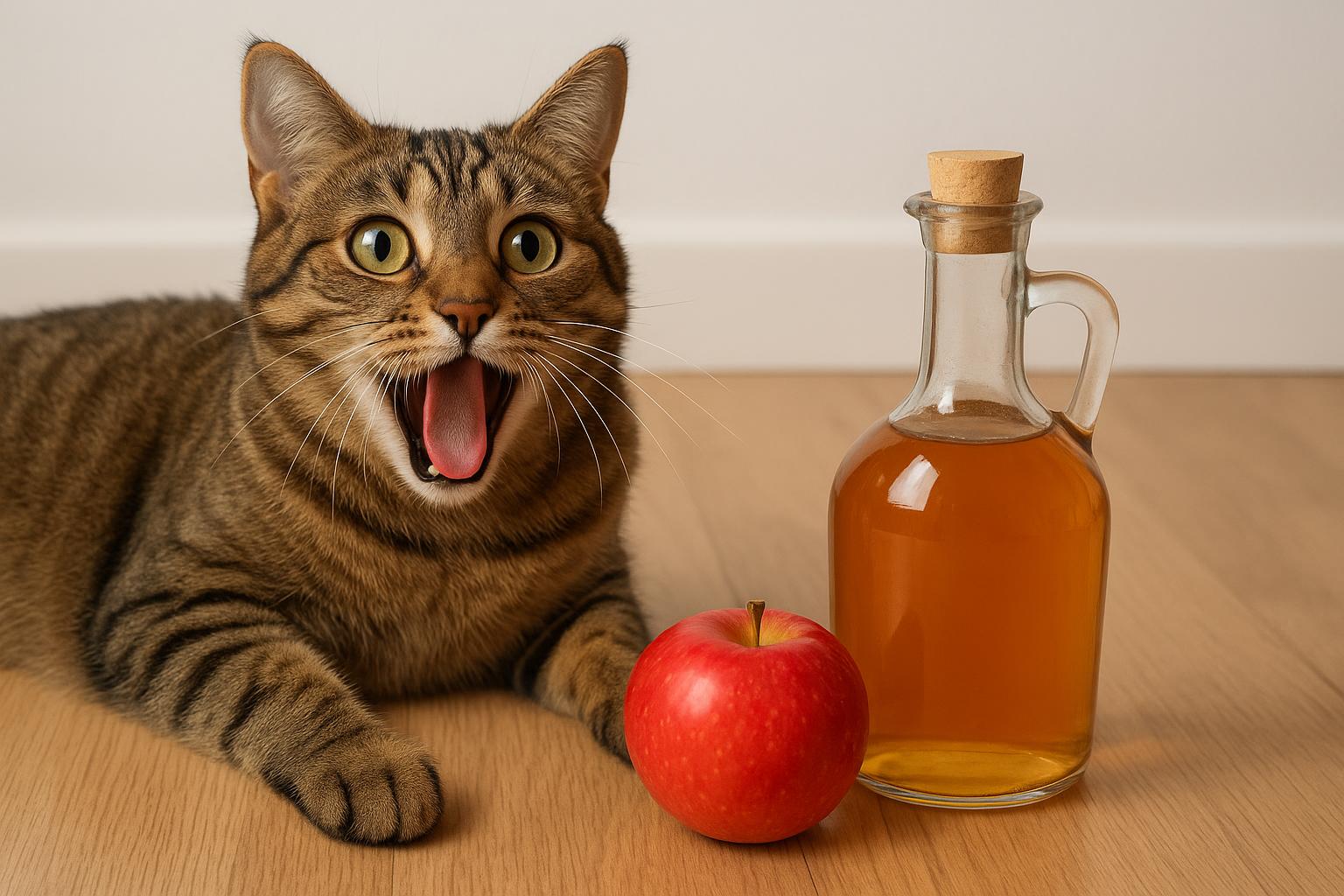
## Why People Try Apple Cider Vinegar For Fleas In Cats
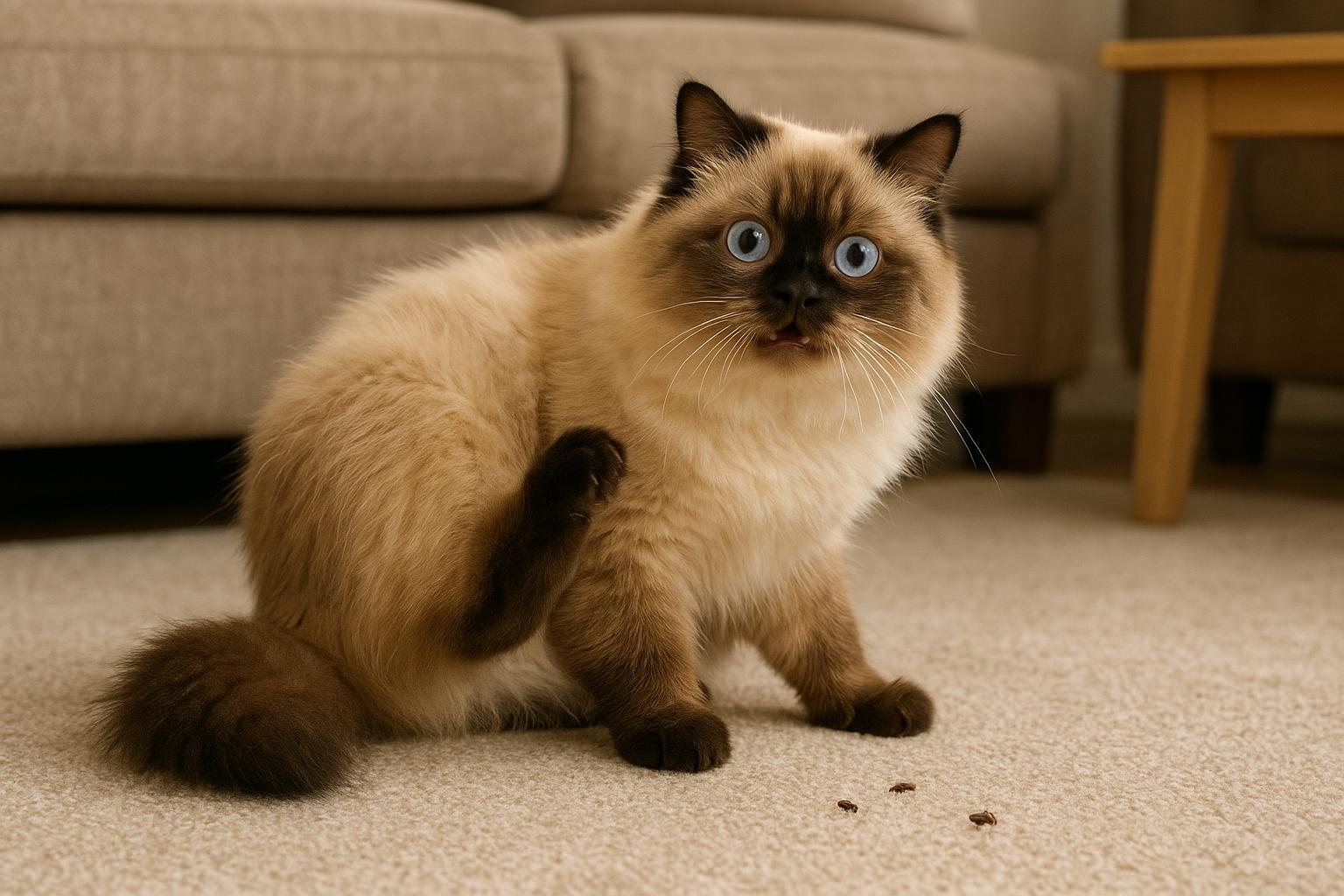
Most cat owners have tried something in the pantry at some point. Apple cider vinegar for fleas in cats shows up on forums, in comments, and on kitchen-table advice lists because it’s cheap, familiar, and mildly acidic. People report that a diluted ACV spray makes their cat’s coat smell fresher and that fleas seem less eager to hang on. Those stories aren’t impossible — but they’re also not the whole picture.
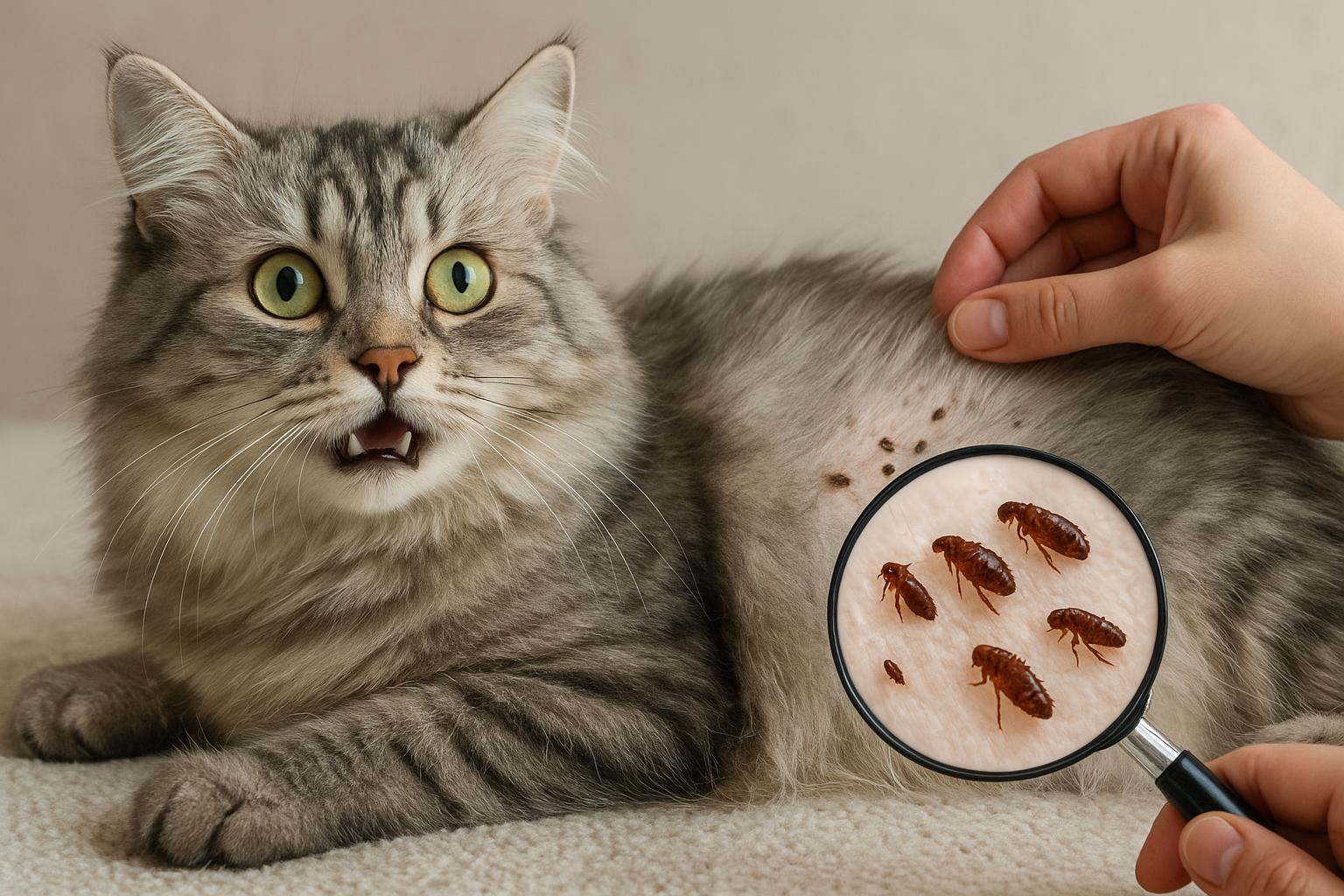
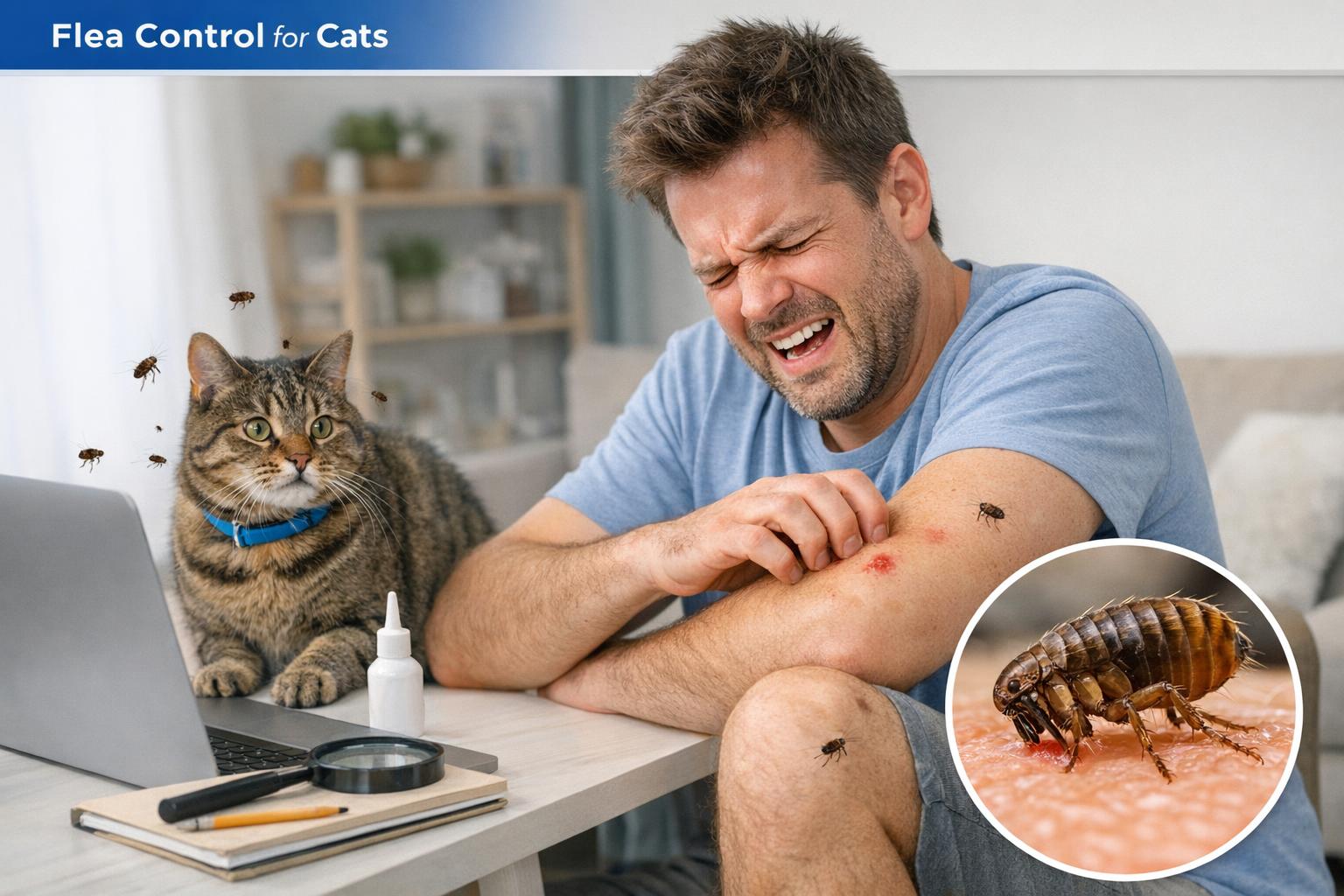
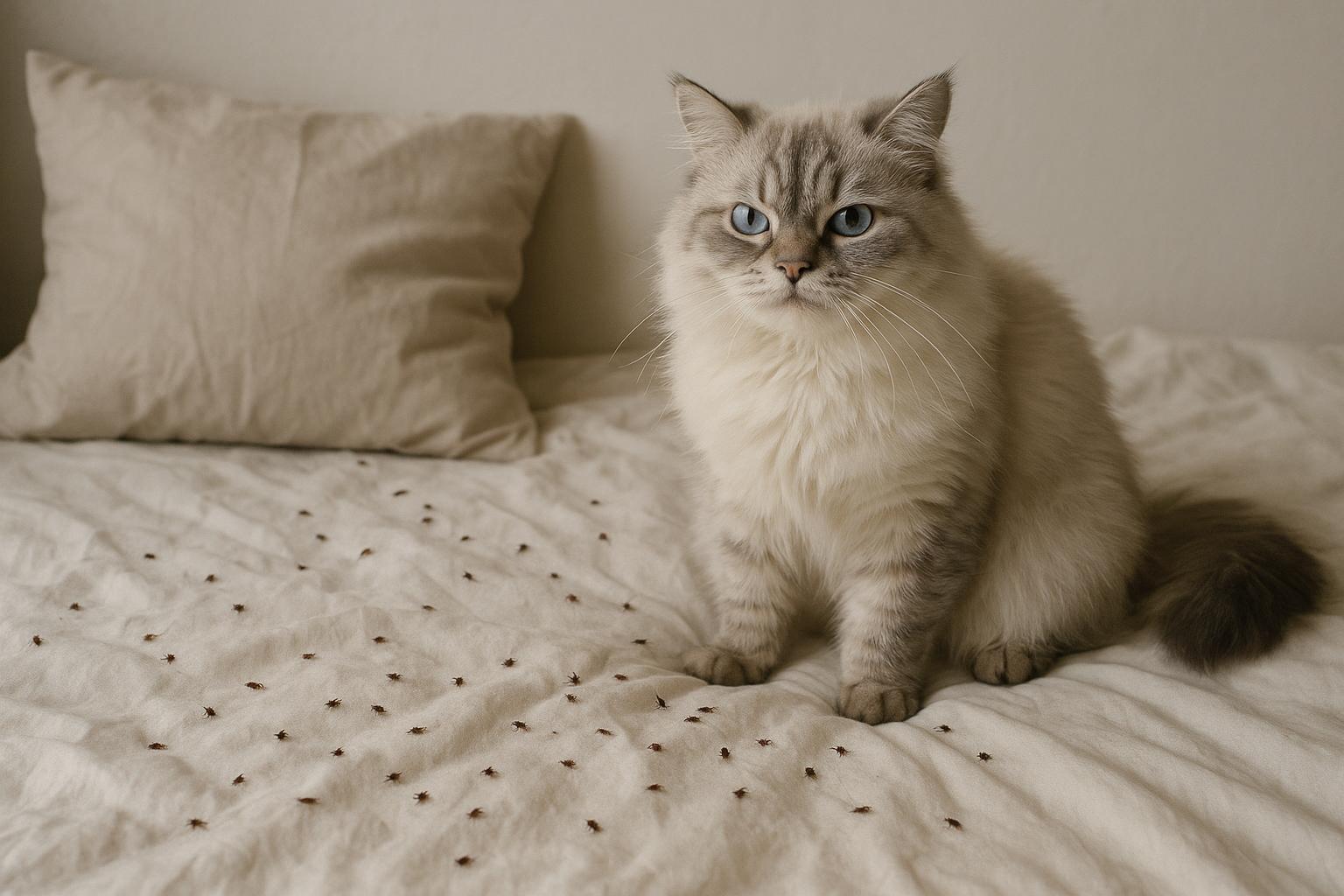
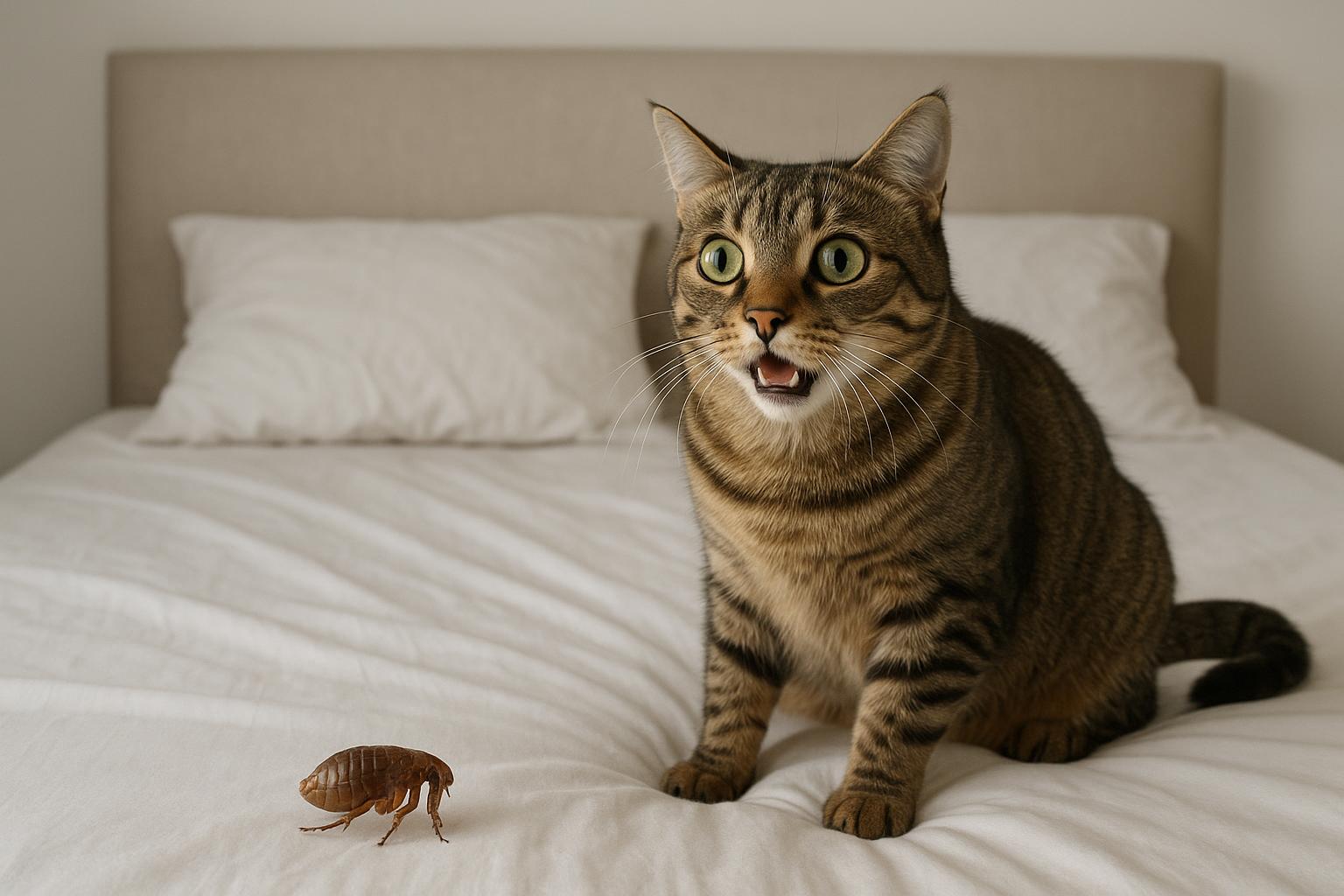
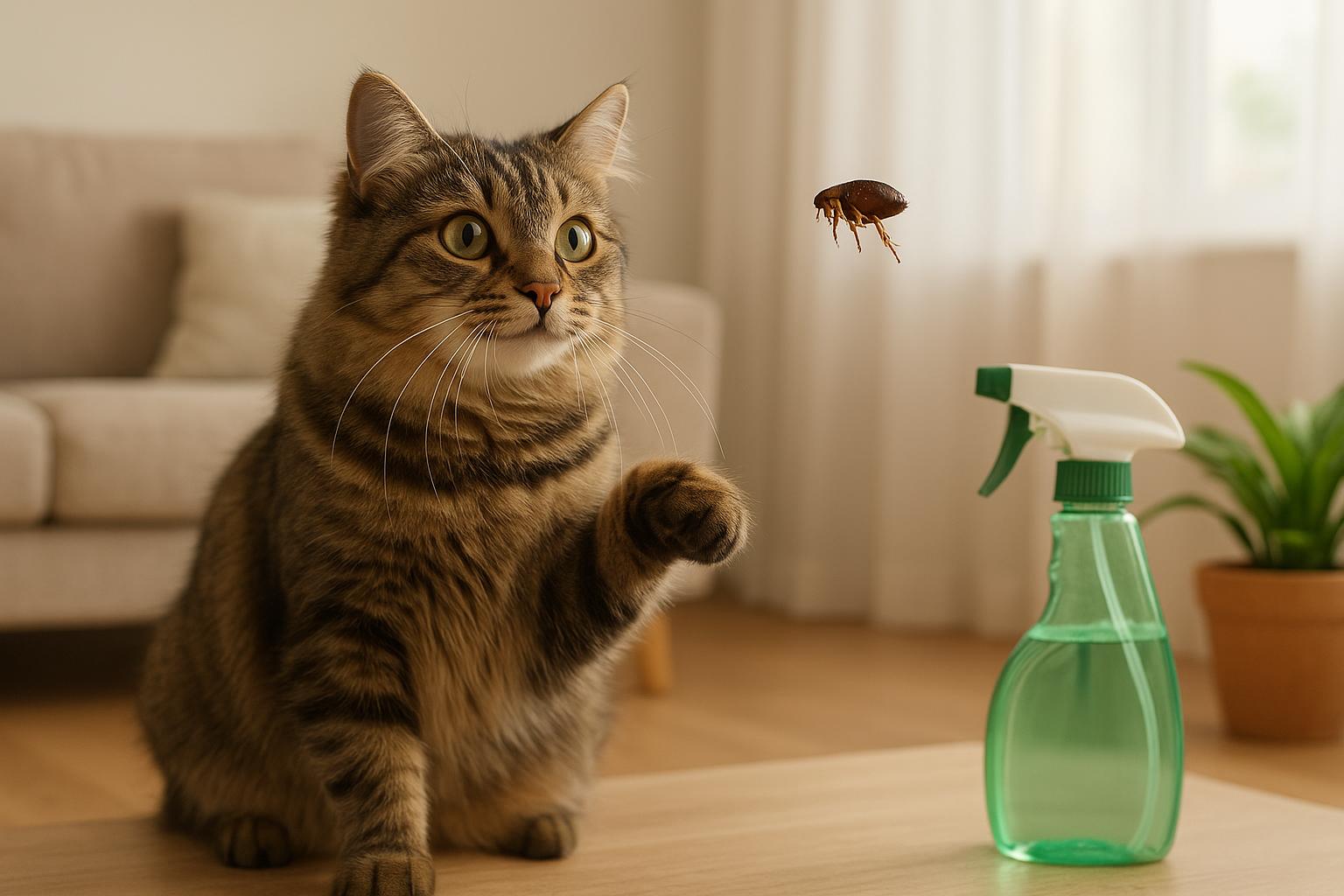
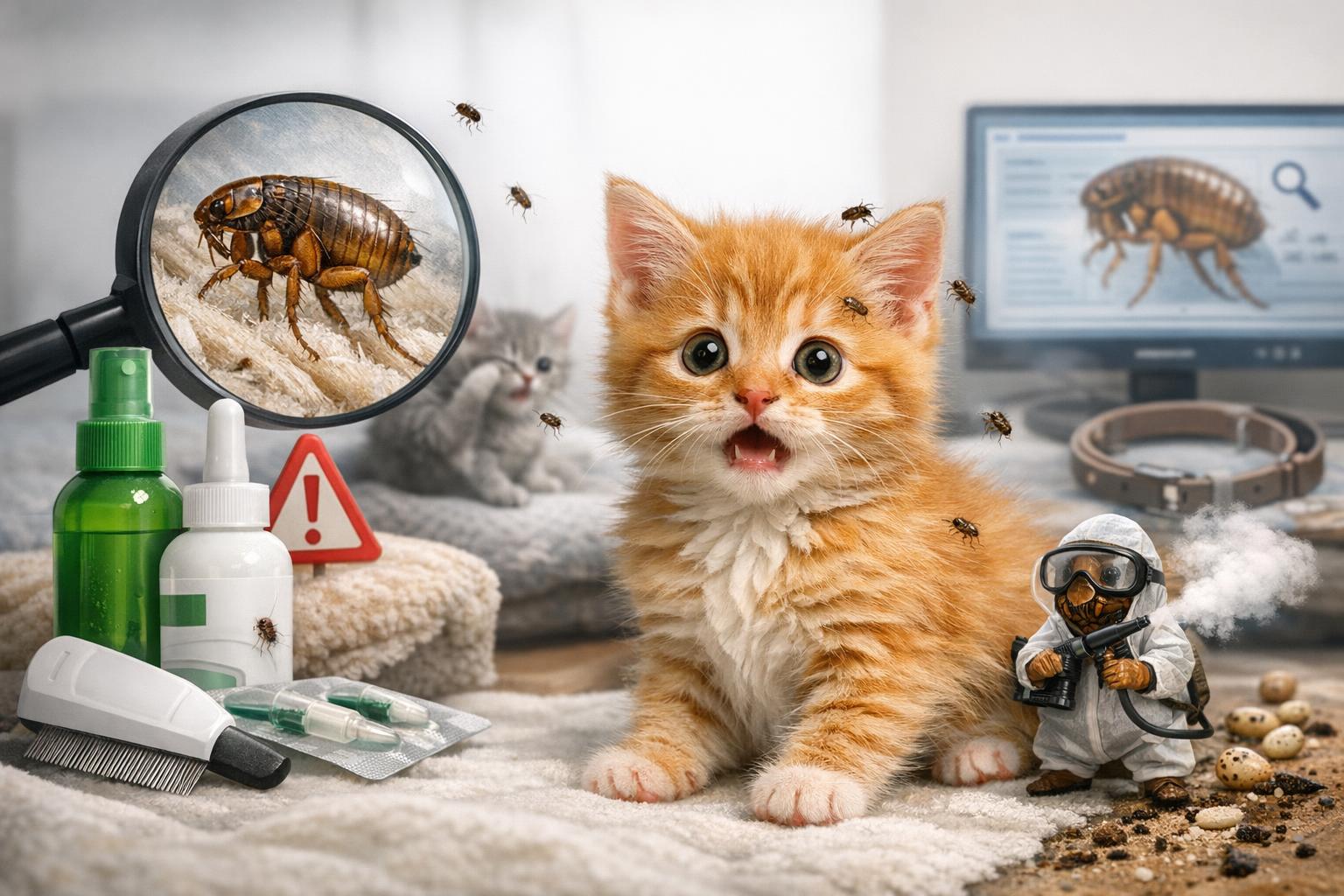
Fleas are persistent. A flea on your cat is a tiny part of an infestation that often includes eggs in carpets, larvae in upholstery, and adults bouncing in the yard. Using apple cider vinegar for fleas in cats can help as a small piece of a control plan, but it won’t sterilize a home or replace vet-grade treatments when an infestation is bad.
### How Apple Cider Vinegar Works (And What It Doesn’t)
ACV is acidic. That acidity can change the surface smell and pH of a cat’s coat, and that might make the environment less appealing to fleas that prefer neutral surfaces. Some folks believe ACV makes fleas slide right off. In practice, it’s more about deterrence than lethal action. If your cat has a few fleas, ACV might reduce the numbers you see. If a yard, house, or another pet is host to hundreds, ACV alone won’t interrupt the flea life cycle enough.
Also: cats groom themselves relentlessly. Anything you put on their fur needs to be safe if ingested. ACV is not poisonous in diluted amounts, but it’s not intended for internal dosing to kill fleas. Don’t give ACV orally as a “flea cure.” Use it topically and cautiously.
### Safe Ways To Use Apple Cider Vinegar For Fleas In Cats
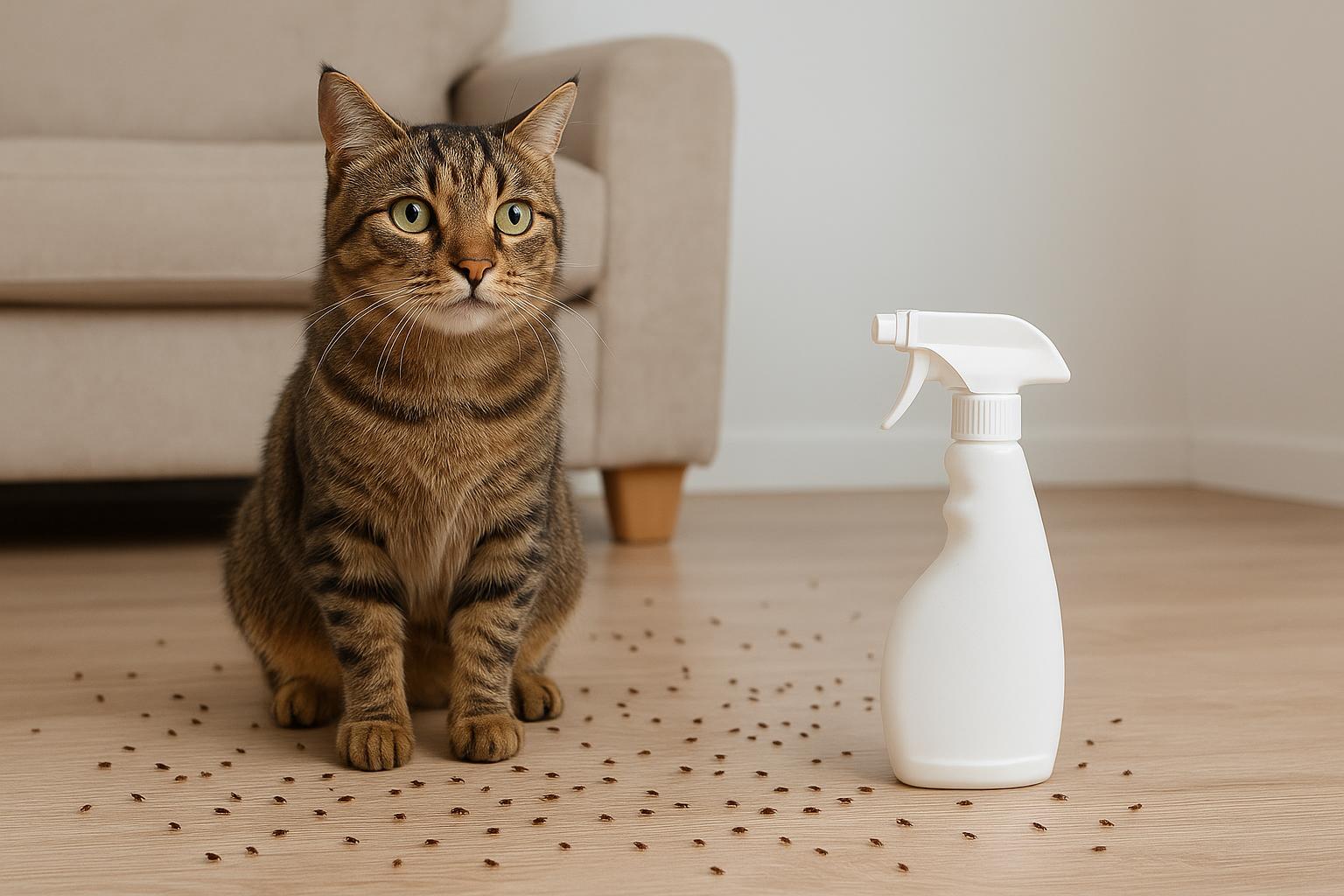
Start by diluting. A typical and conservative approach is one part apple cider vinegar to three parts water for a spray. Test on a small patch first. If the cat shows any irritation, rinse immediately with clean water. Keep the mixture away from eyes, nose, and mouth. Avoid applying to raw or irritated skin.
How to apply without stressing the cat:
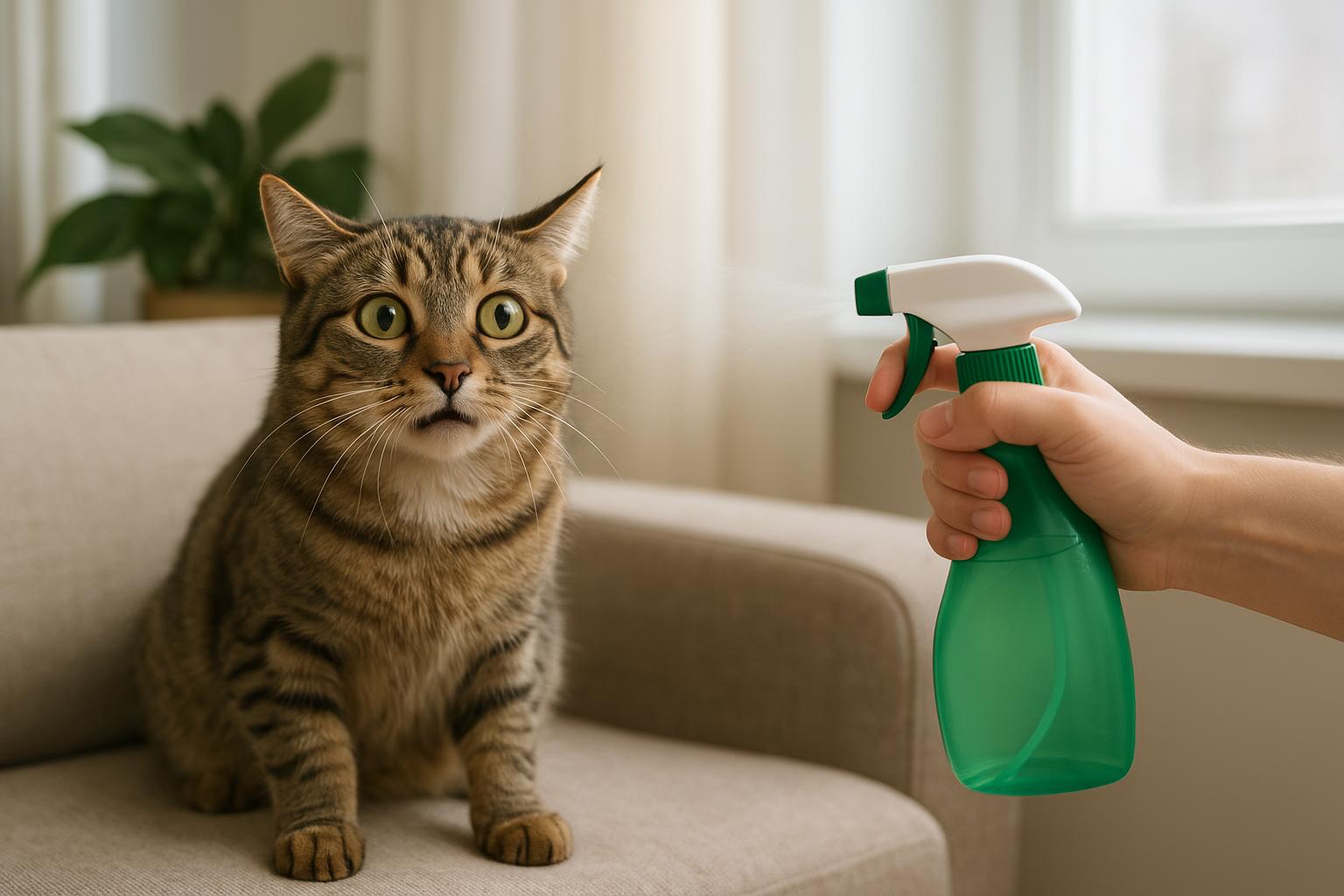
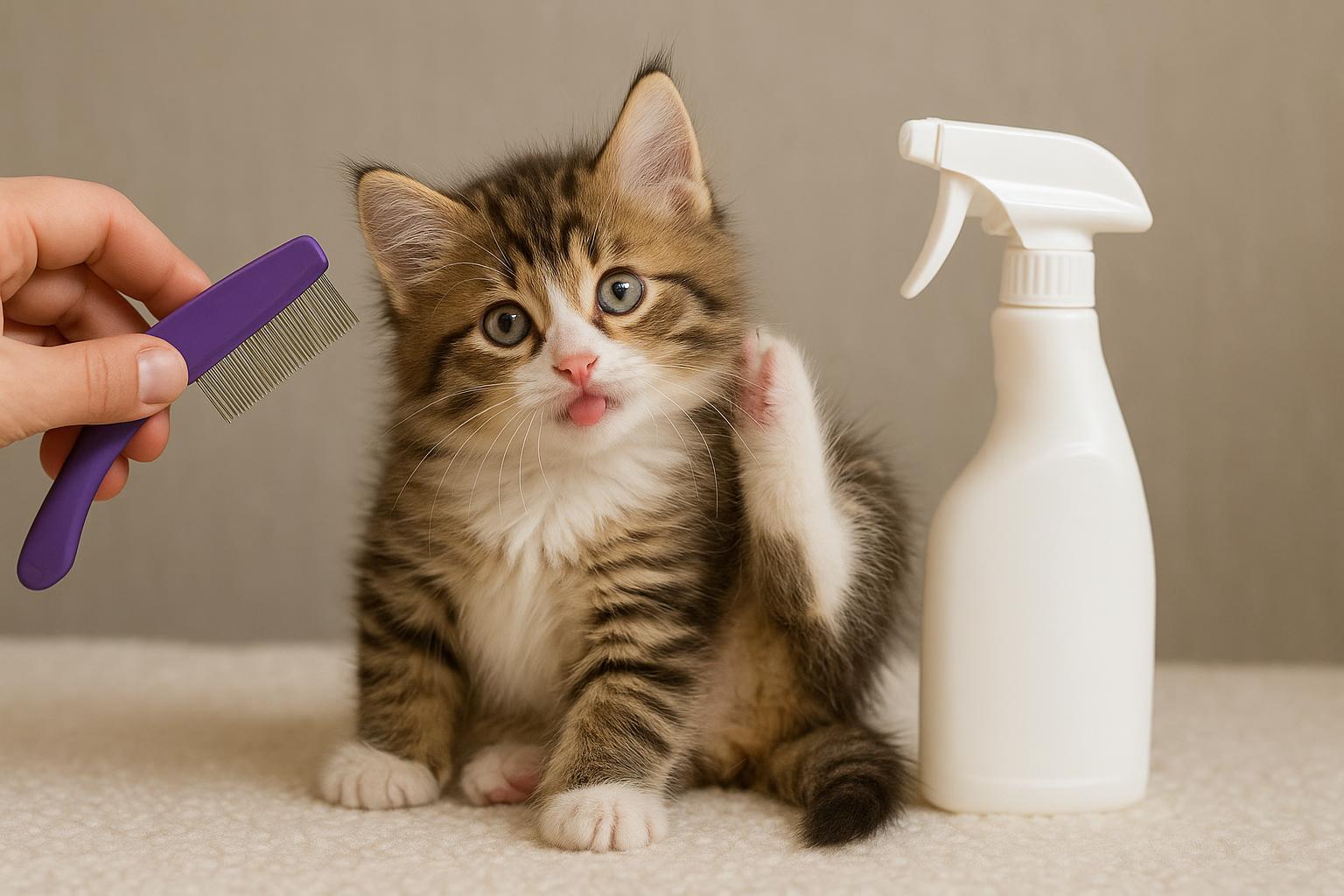
– Use a spray bottle for a light mist; don’t drench the fur.
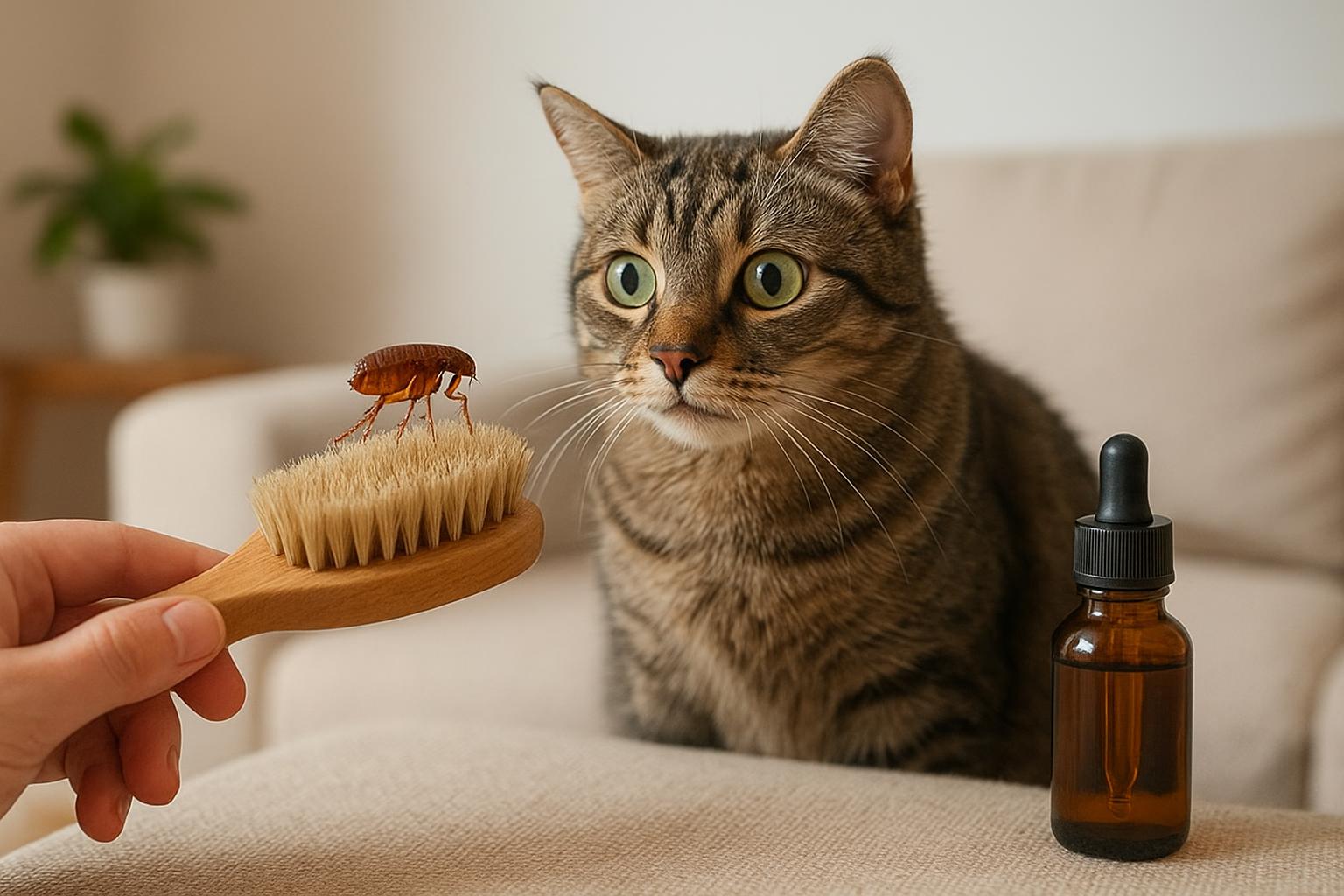
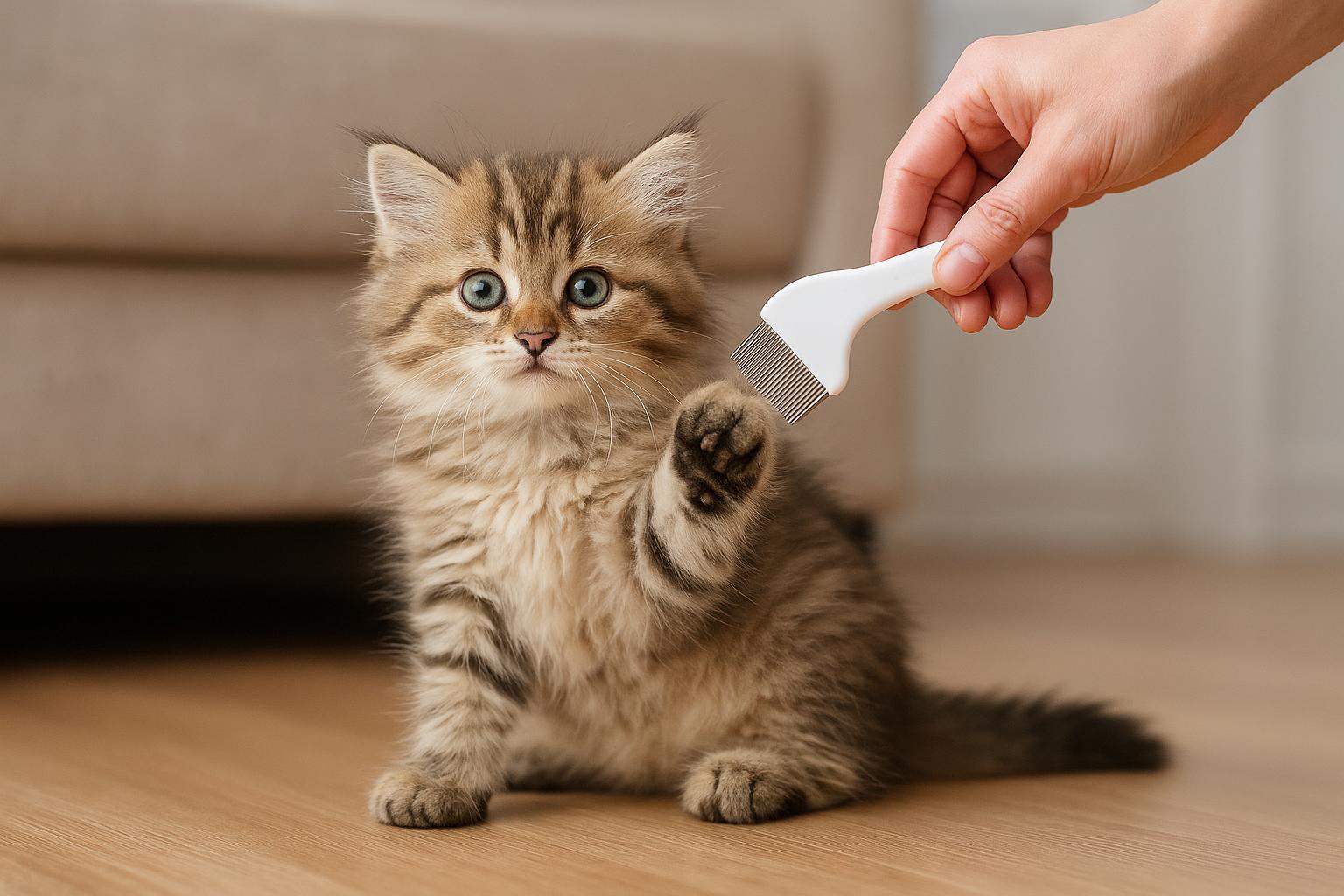
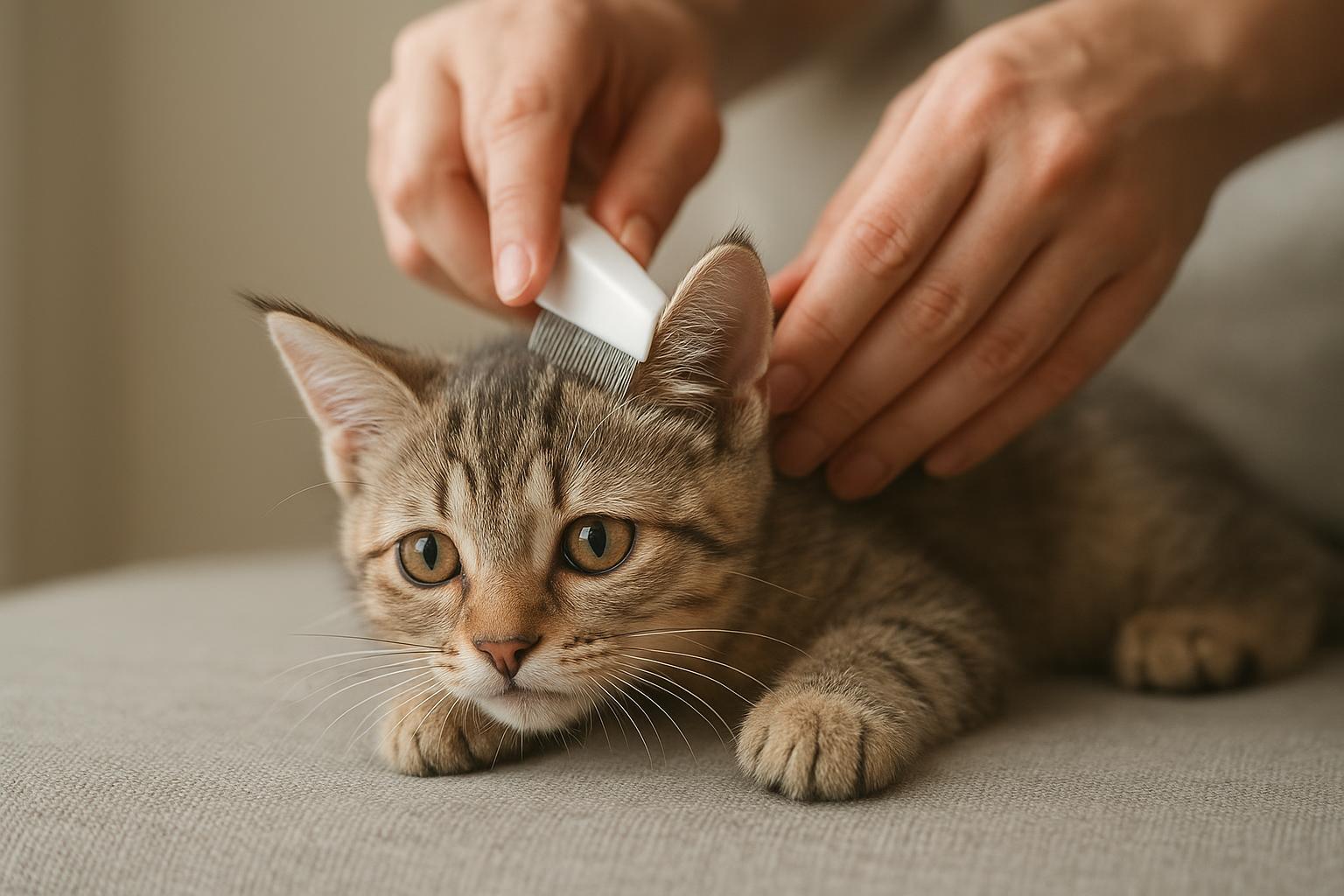
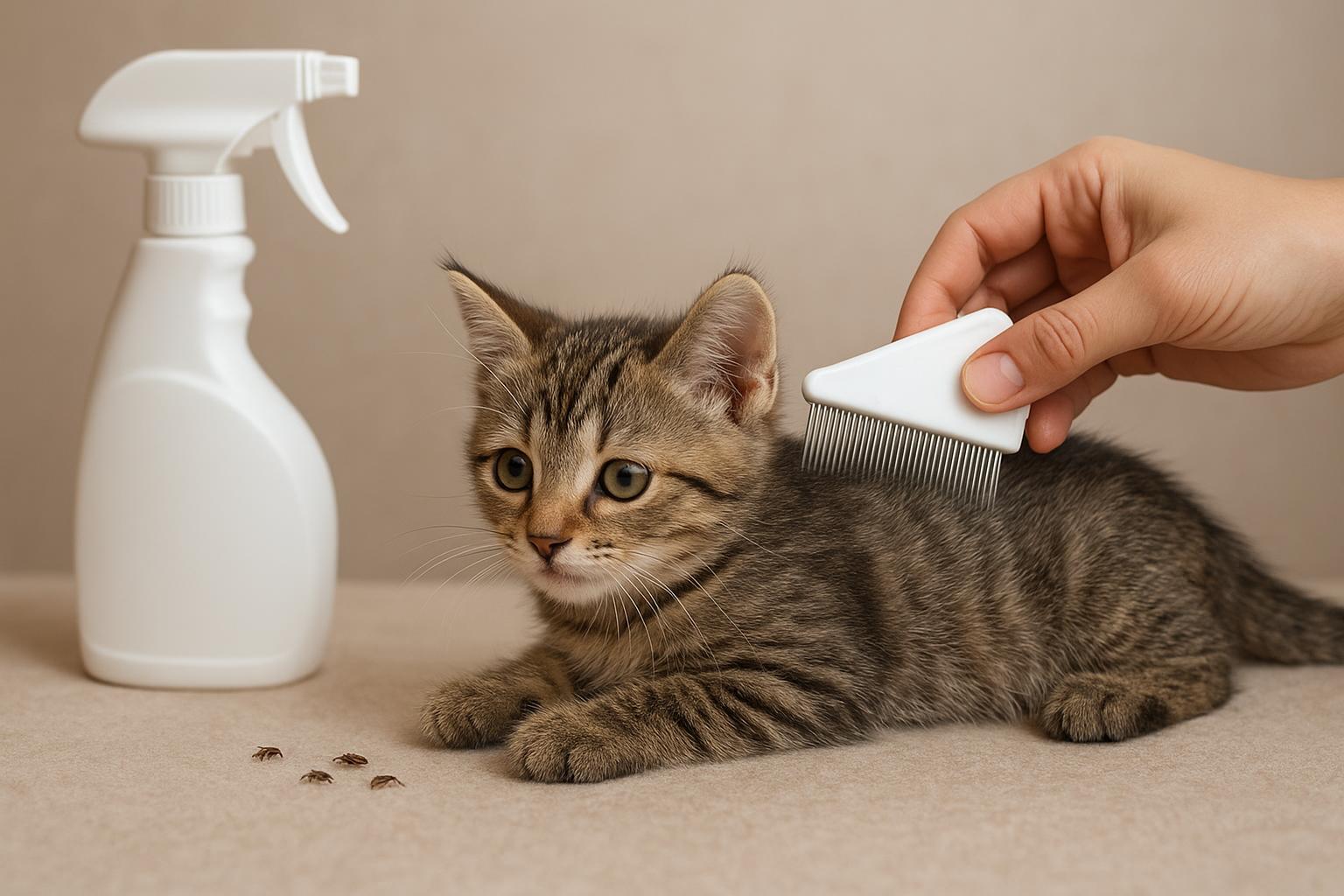
– Comb the coat immediately after misting — a flea comb catches any loosened adults and eggs.
– Apply only to the back and sides, not the belly or face.
– Use a towel to rub the diluted ACV through the fur rather than bathing if your cat hates water.
If you want to rinse, mix one part ACV to four parts water and use as a final rinse after a cat-safe shampoo. That’s gentler and leaves less concentrated acid on the skin.
#### Quick Spray Recipe
– 1 cup water
– 1/4 cup apple cider vinegar
– 1 small spray bottle
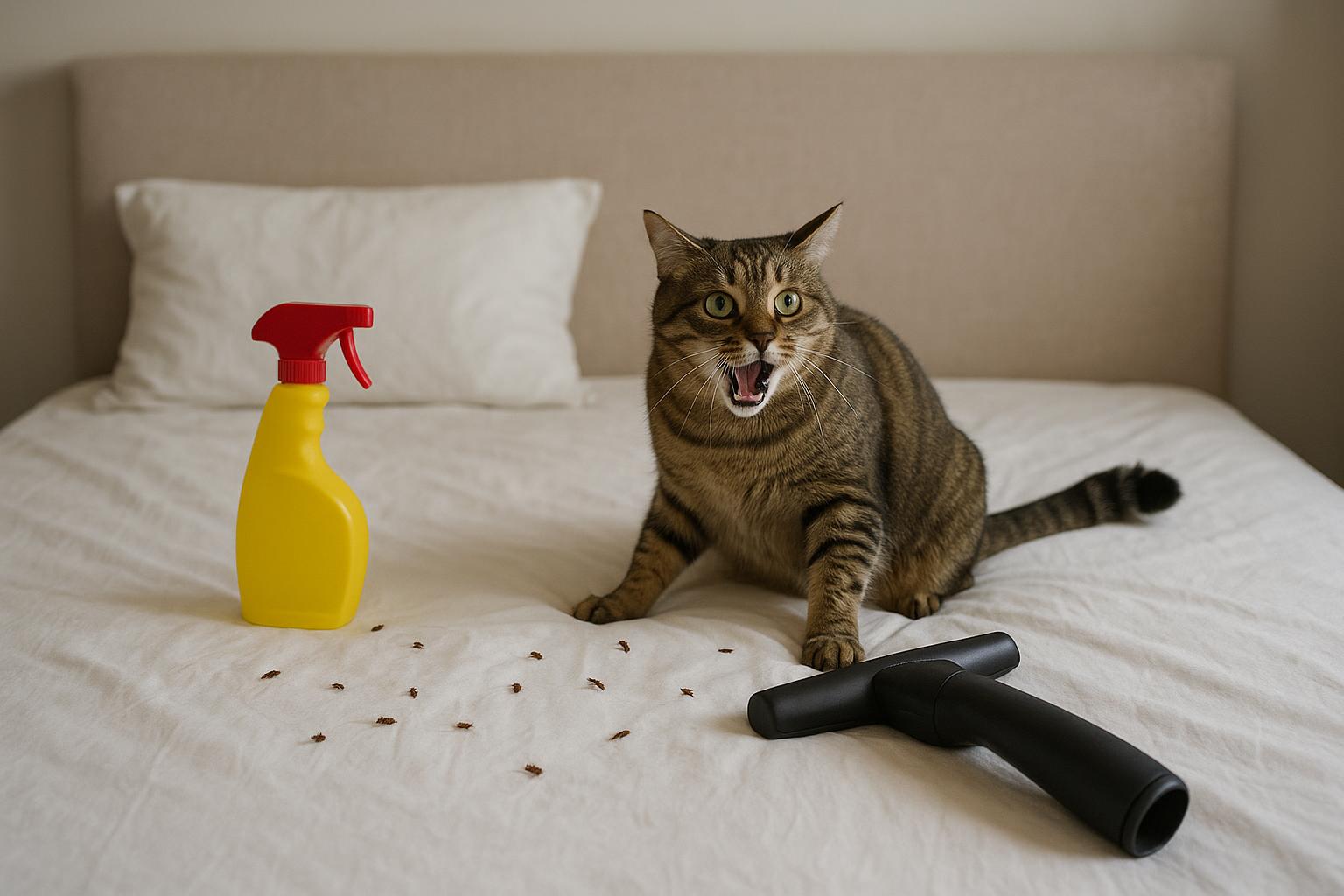
Shake before use. Lightly mist the coat, then comb. Reapply every few days during peak flea season or until you see improvement. Don’t use daily for weeks without checking skin health.
#### Rinse And Spot Treatment
For spot treatment, dip a cotton ball in a 1:4 ACV-water mix and wipe small areas of fur. Good for spots you think are most flea-prone, like base of tail and along the spine. Never saturate or leave cotton on skin for long.
### When Not To Use It
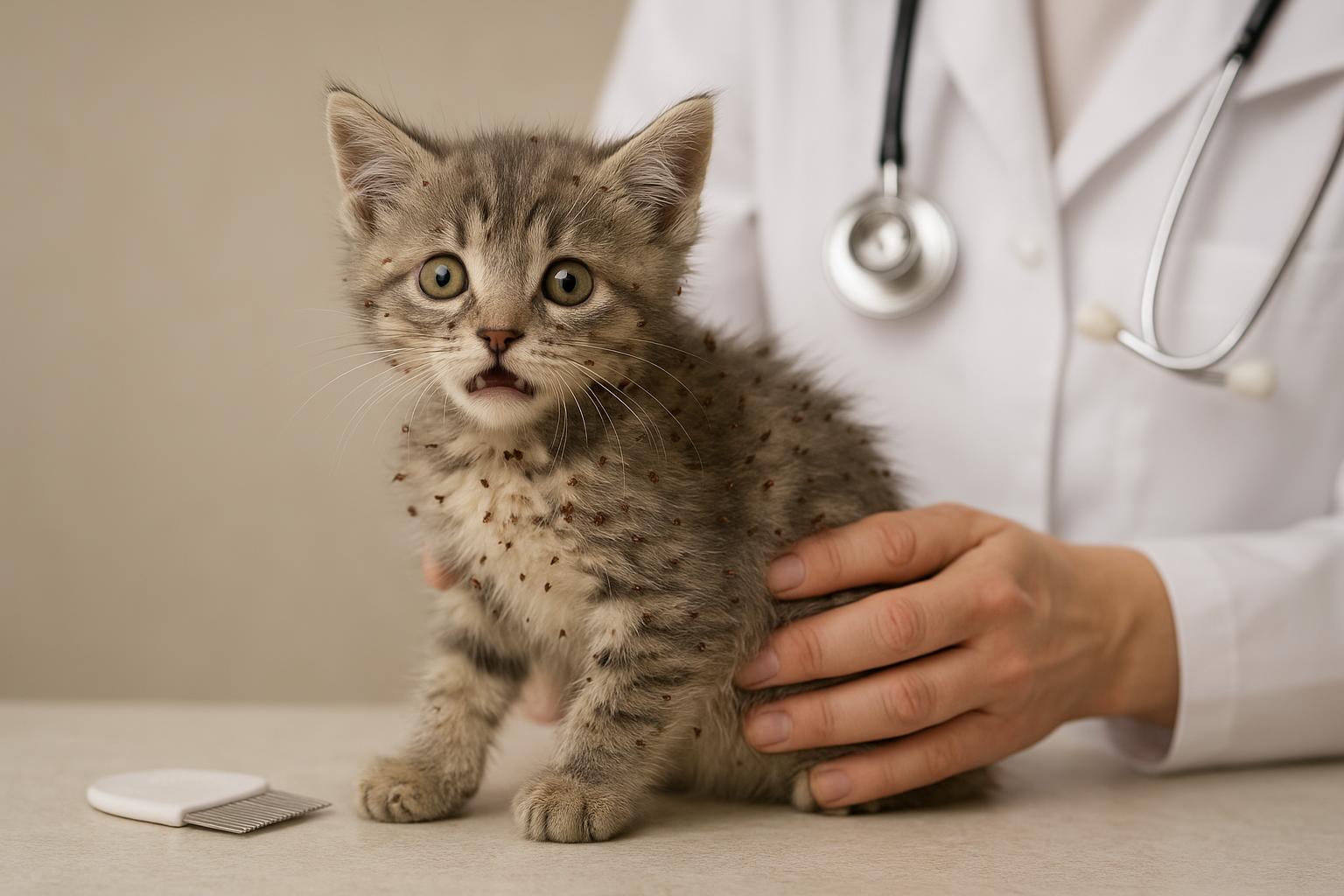
Do not use apple cider vinegar for fleas in cats if the cat has broken skin, sores, or severe dermatitis. ACV stings. If your cat has flea allergy dermatitis, ACV might make the discomfort worse. Kittens, elderly cats, pregnant cats, and immunocompromised cats should see a vet before trying home remedies.
If fleas are numerous, or if you see signs of anemia (pale gums, lethargy), treat the infestation aggressively with veterinary products and care. ACV can be a supplemental measure, not a replacement for professional flea control in those situations.
## Treating The Home And Yard To Stop Reinfestation
Treating a cat is only one side of the battle. Fleas spend most of their life off the host. Without addressing the enviroment, you’ll keep finding new guests.
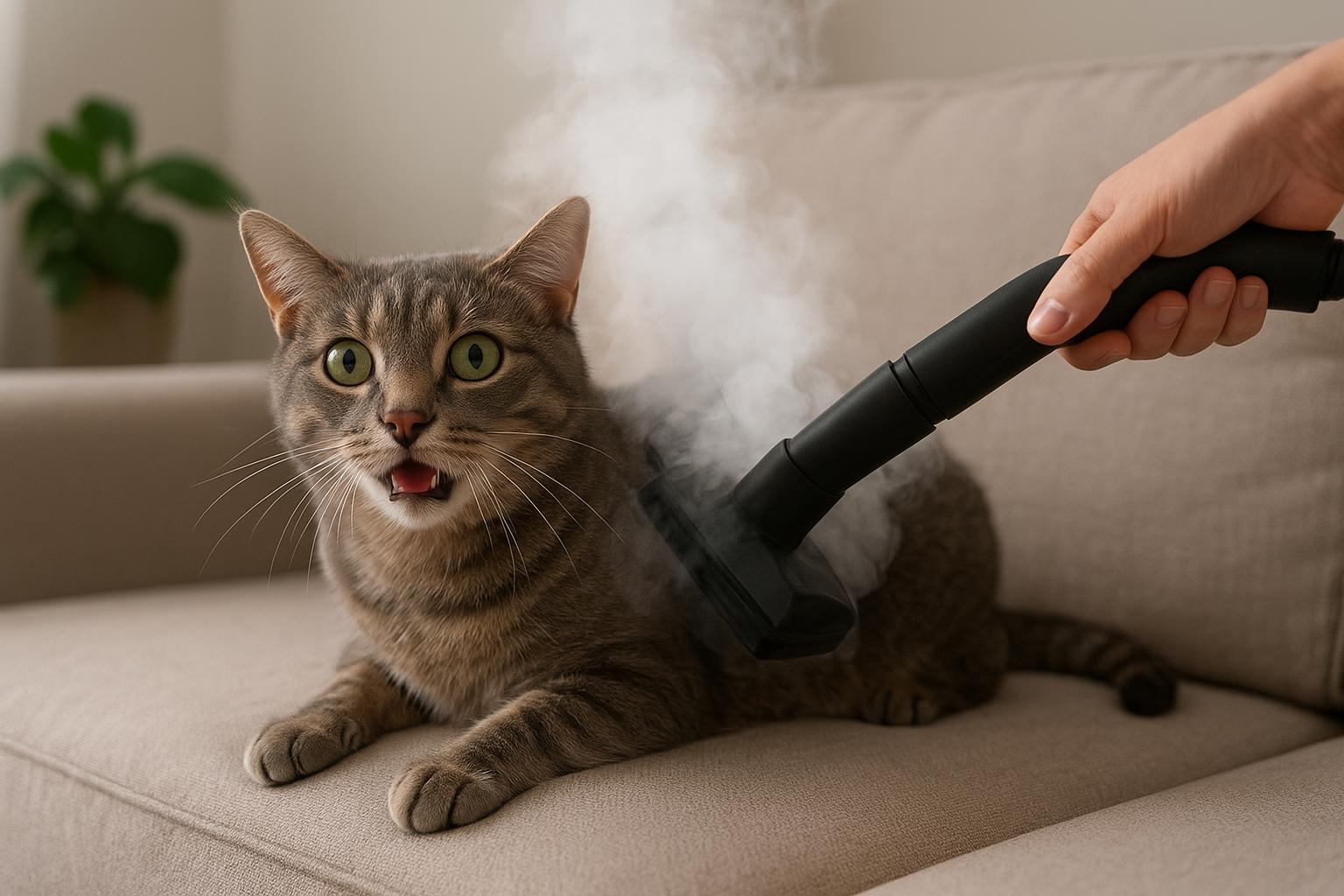
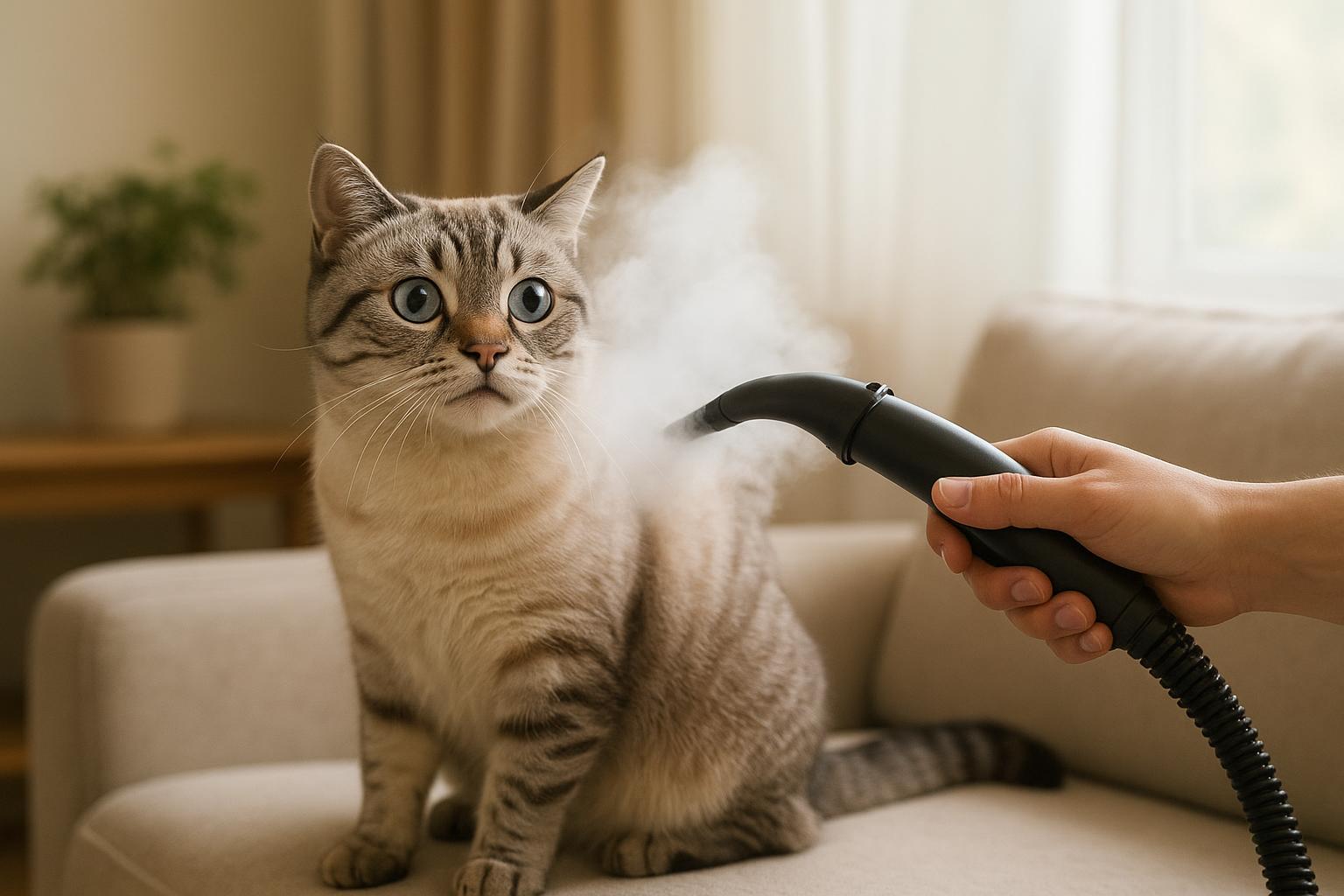
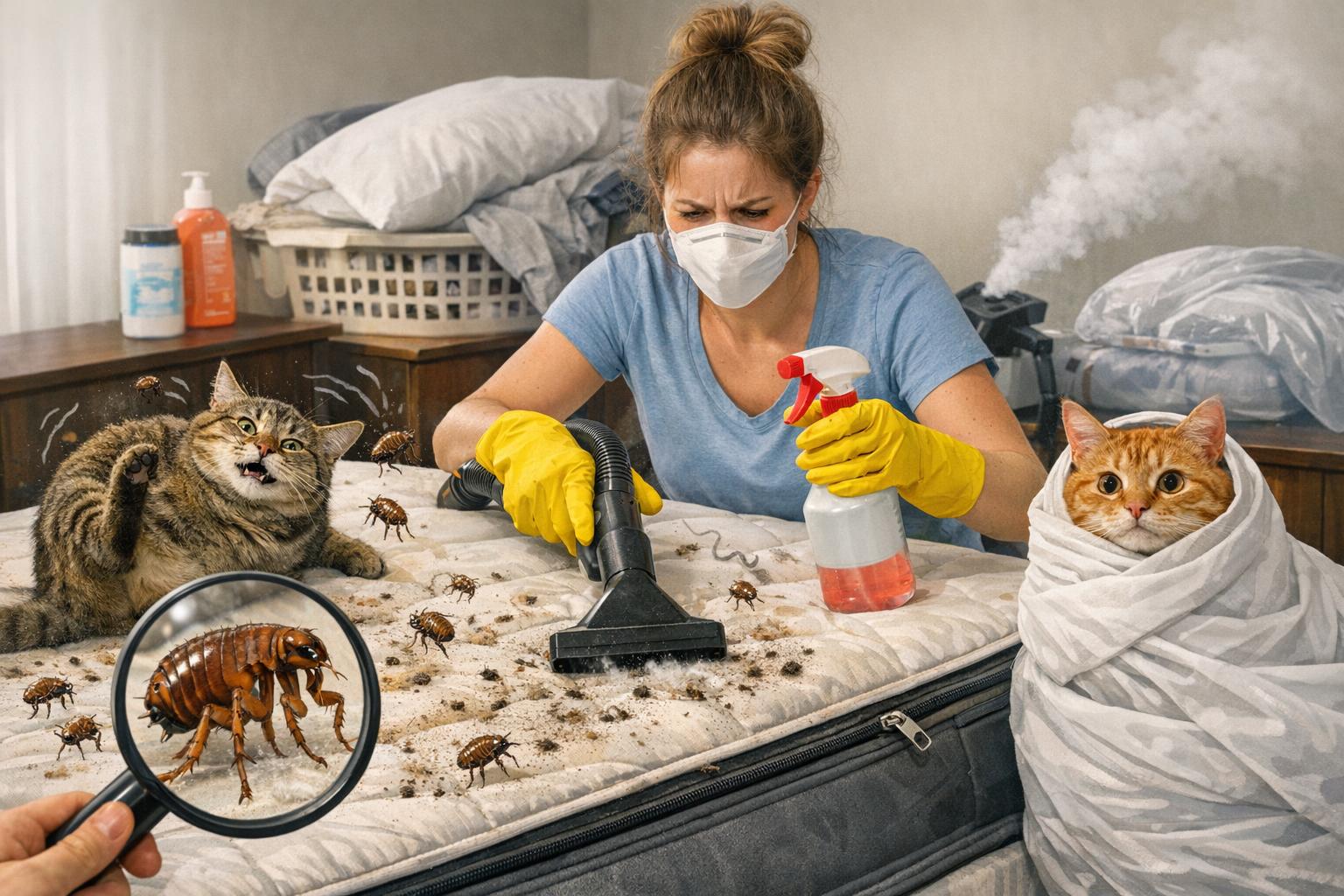
Vacuum daily for at least two weeks in active infestations. Empty the vacuum canister or change the bag immediately. Wash bedding, cat blankets, and soft toys in hot water weekly. Steam clean carpets if you can. Flea eggs and larvae hide in fibers; heat collapses their life cycle.
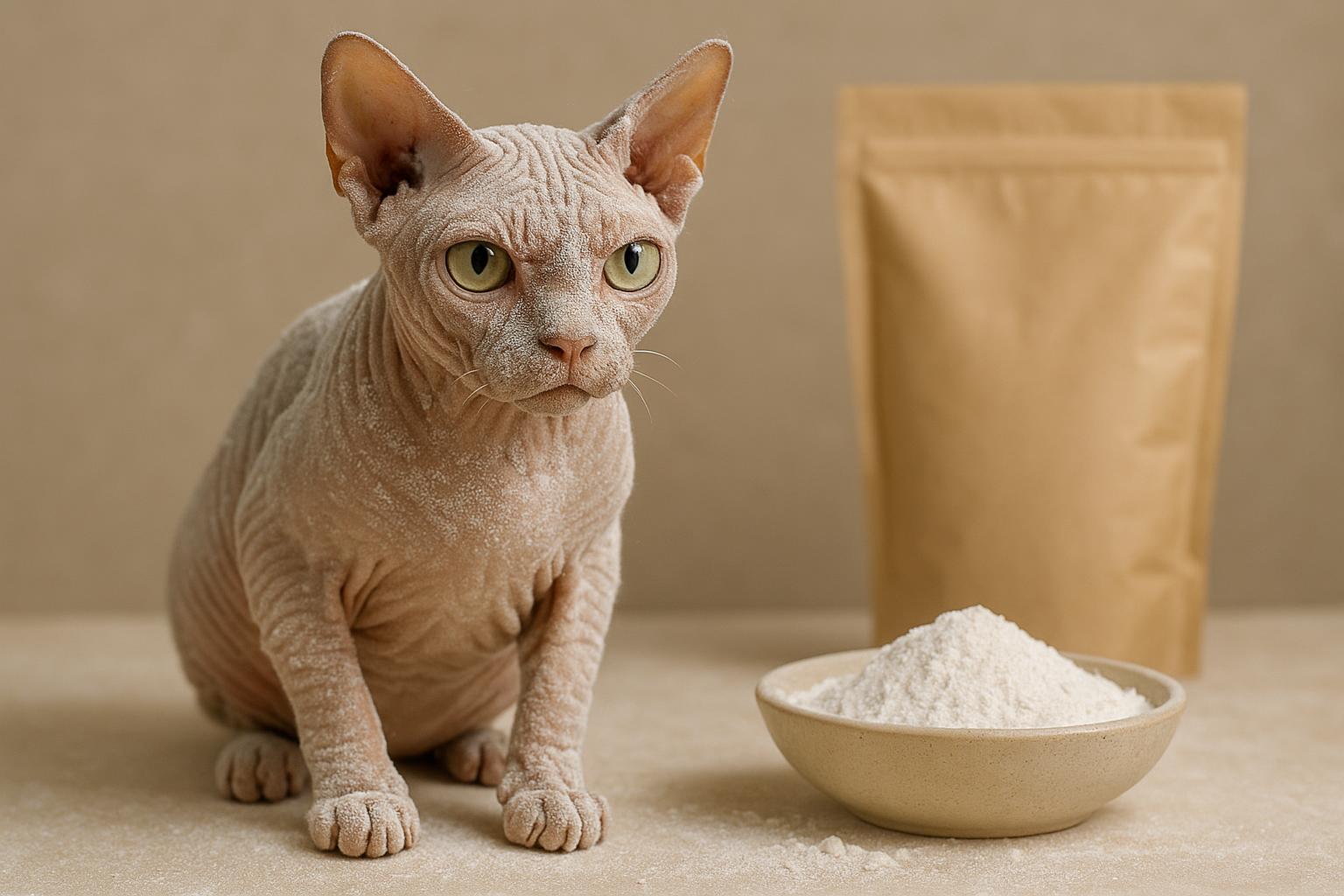
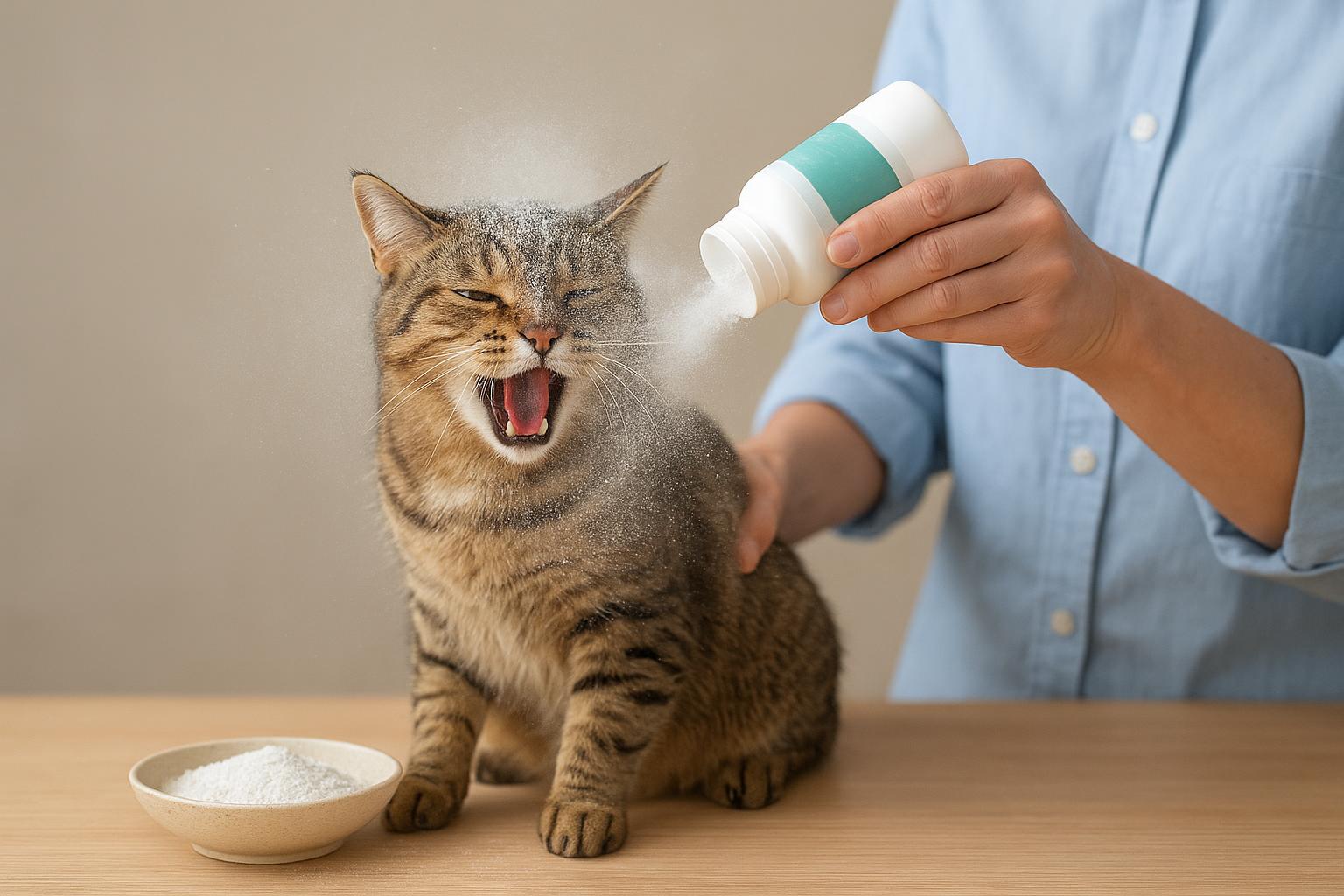
Diatomaceous earth (food grade) sprinkled lightly into carpets and brushed into edges can help physically desiccate immature fleas. Leave it 24 hours, then vacuum. Use caution with cats that have respiratory issues; apply sparingly and avoid dusty clouds.
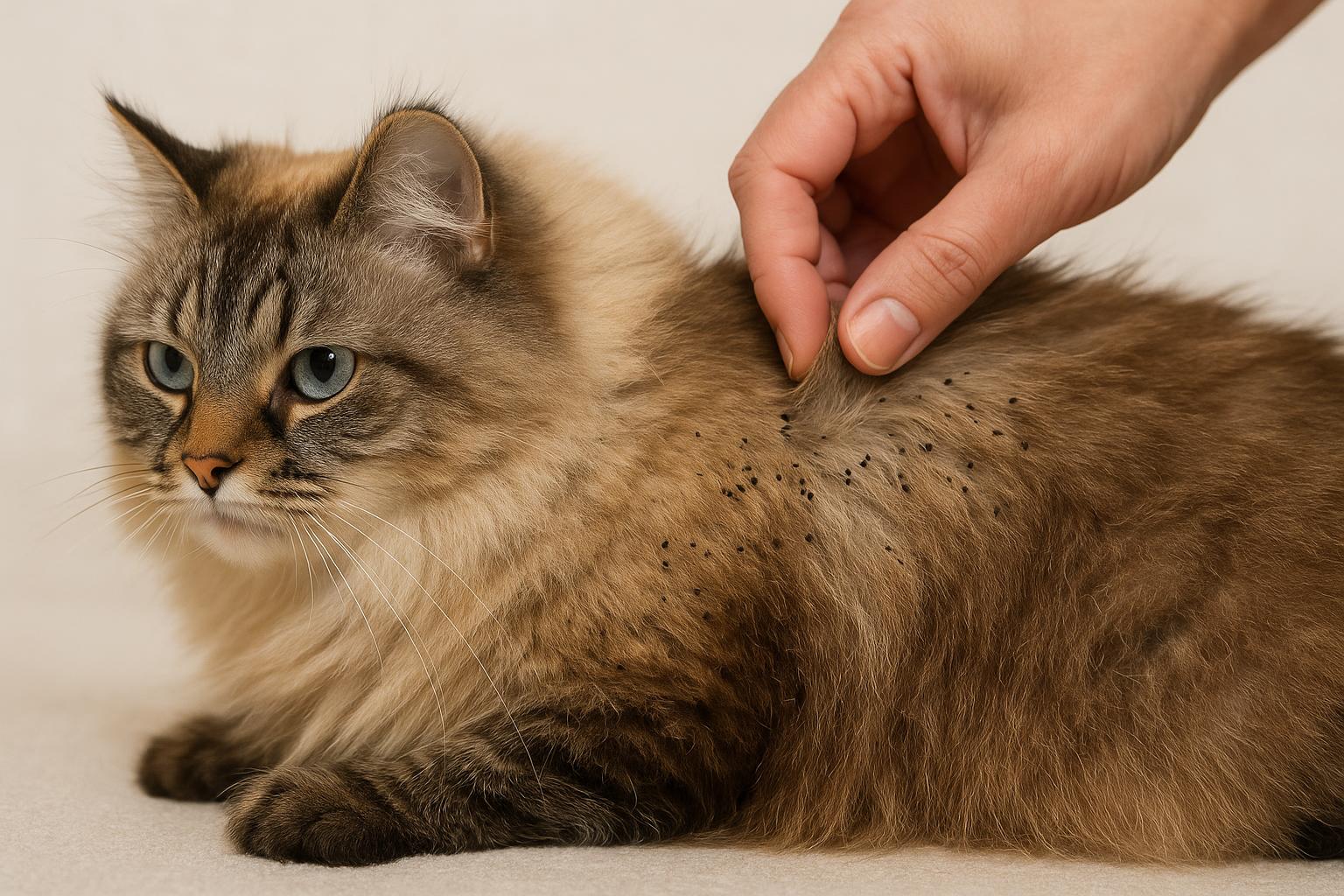
Give attention to rooms your cat frequents most. Fleas drop off and lay eggs where the cat sleeps. Comb daily and check the comb for flea dirt — a black speck that turns reddish when wet.
### Dealing With Lawn Fleas
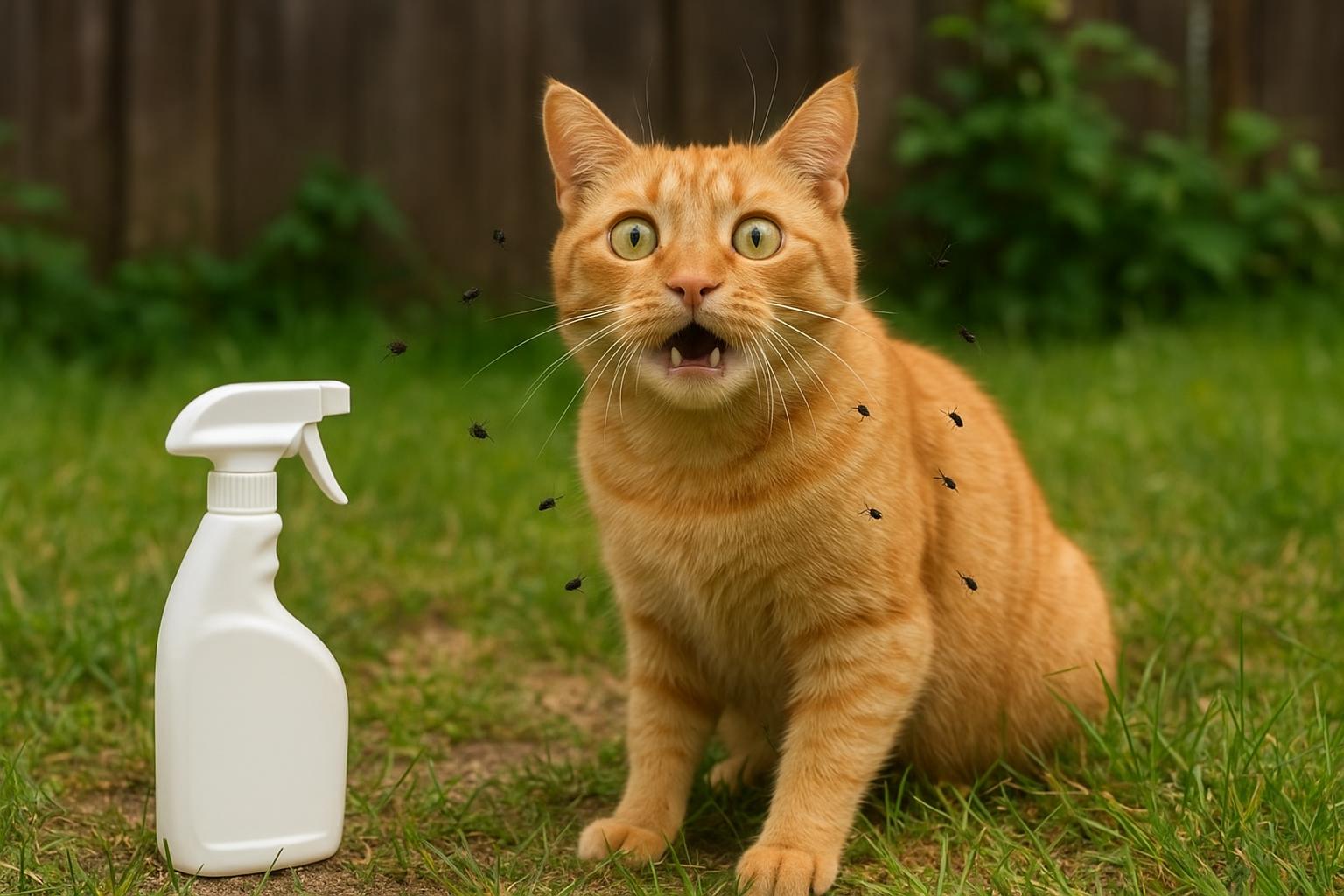
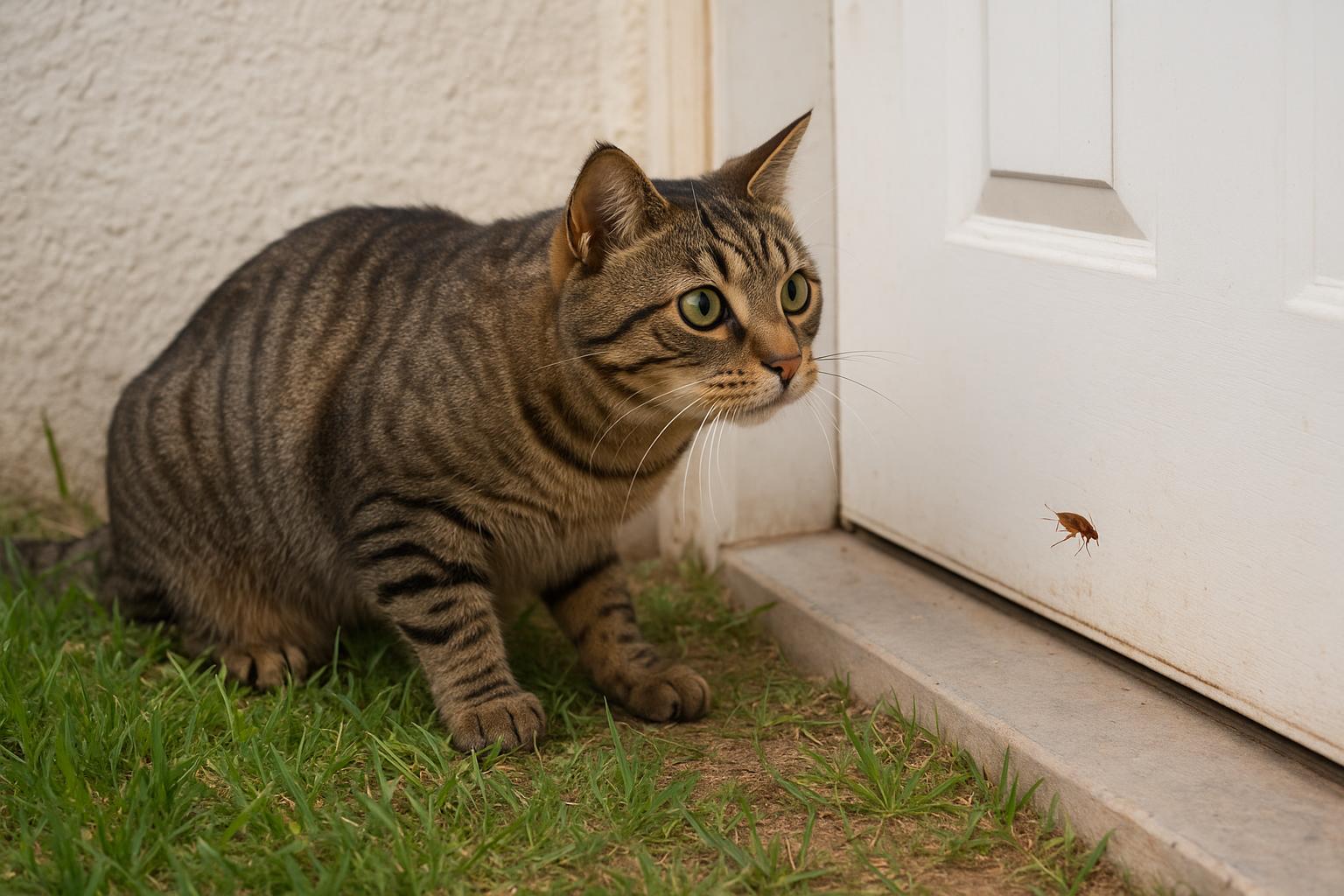
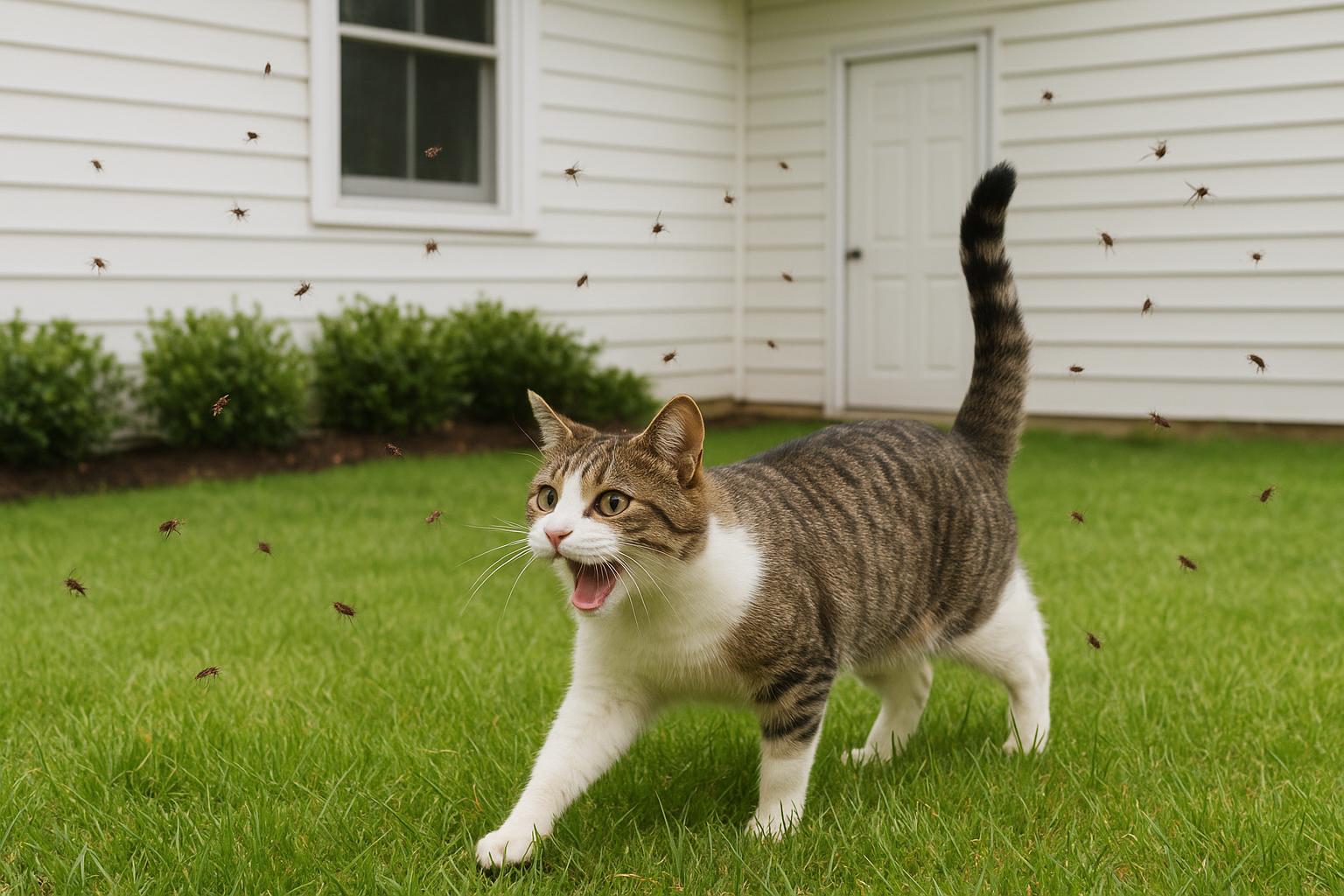
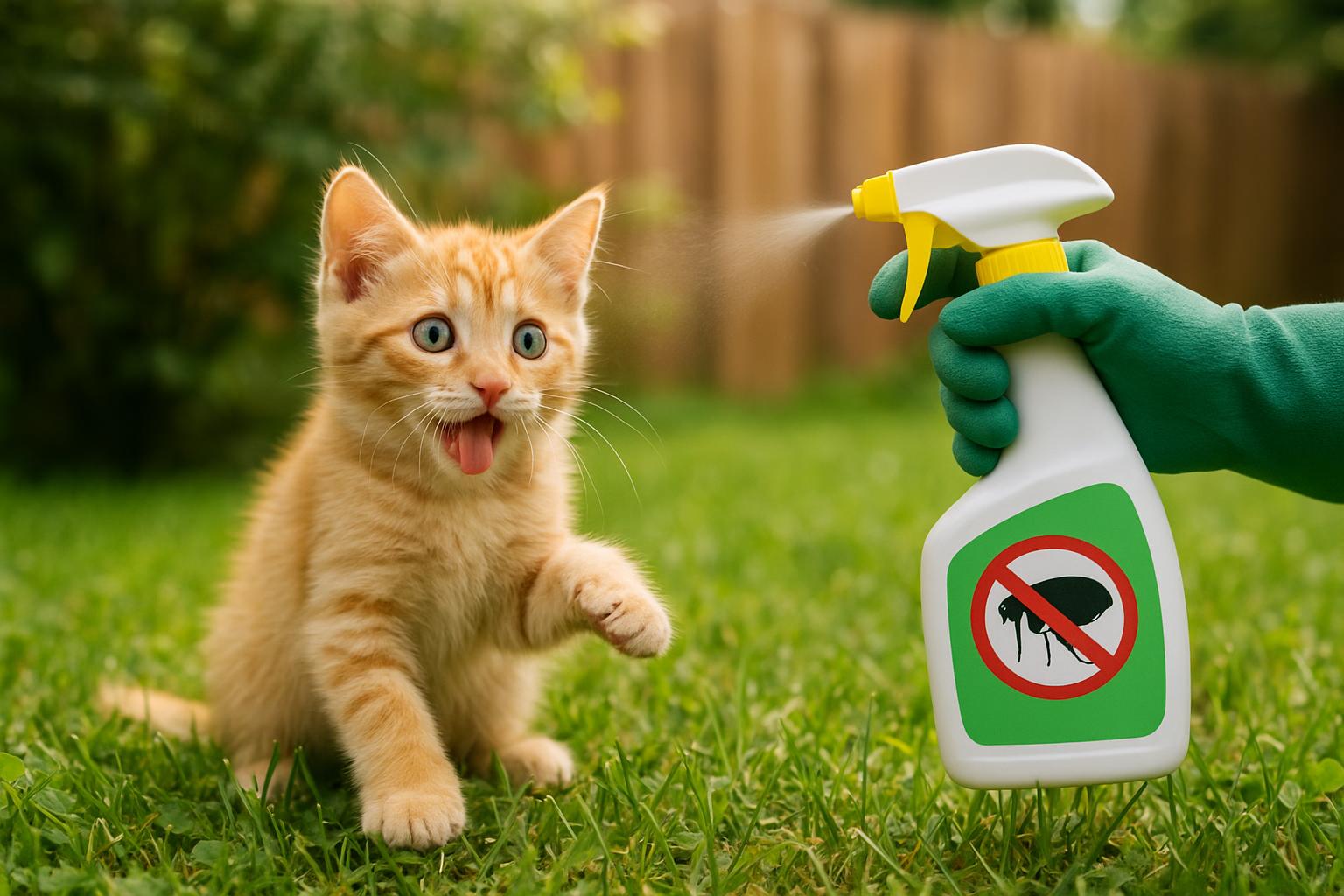
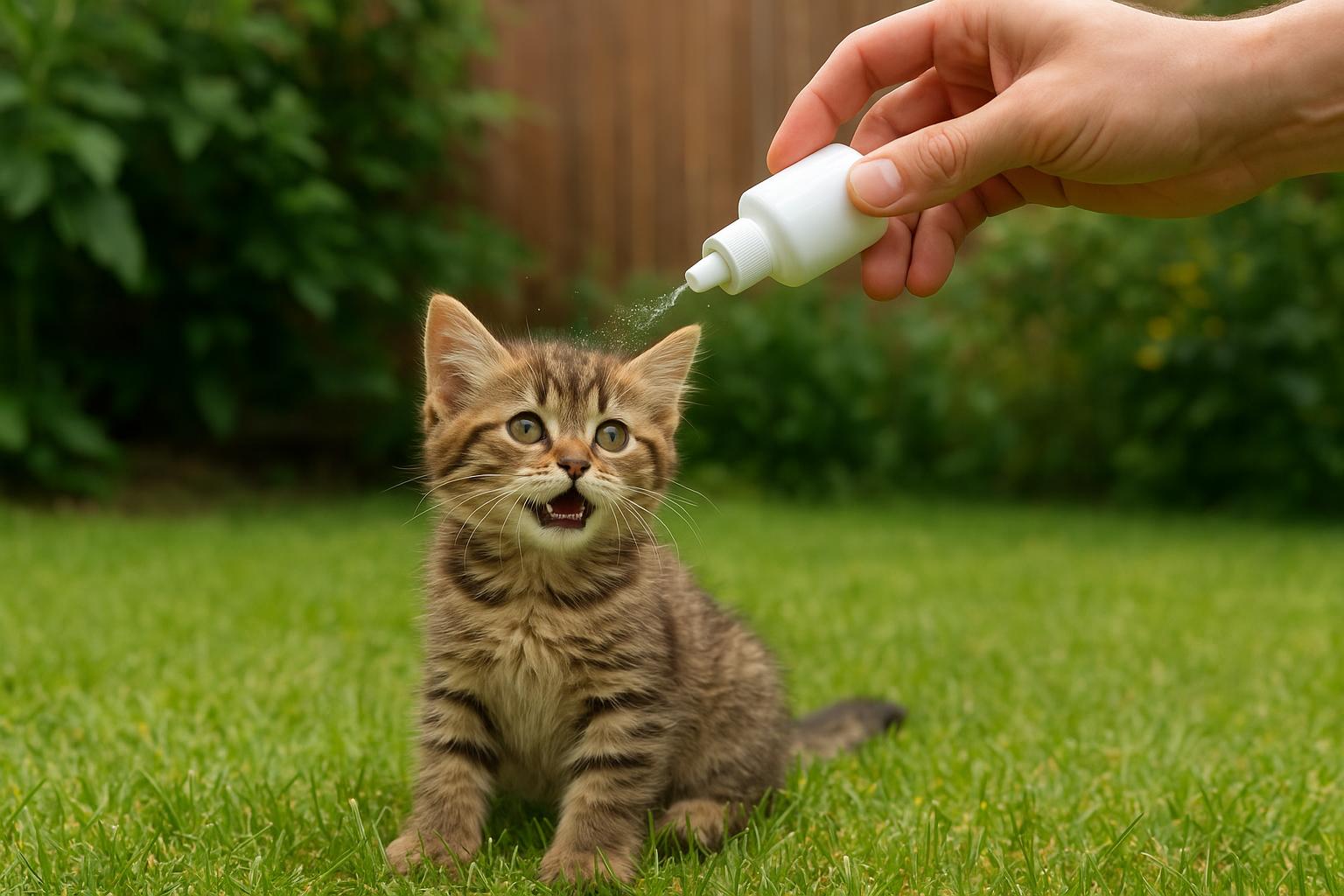
Yard treatment matters, especially if you see lawn fleas hopping on shoes or pets after outside time. Mow the lawn regularly and remove leaf litter. Fleas like shady, moist spots under hedges and around old wood piles.
Sprinkling nematodes (microscopic natural predators) or applying a pet-safe yard treatment reduces larval populations without heavy chemicals. You can use diatomaceous earth in dry conditions; it clings to grass blades and affects insects that brush past. Keep pets out of treated areas until the material settles.
Rotate strategies: if you’ve only been treating indoors, add a yard plan. If you’re only spraying plants, add vacuuming and bedding washing. Lawn fleas thrive when the outside and inside are treated in isolation.
## How Apple Cider Vinegar Compares To Other Natural Options
ACV is mild, inexpensive, and low-risk when used properly. But there are other home approaches, and understanding the differences helps you pick what’s sensible.
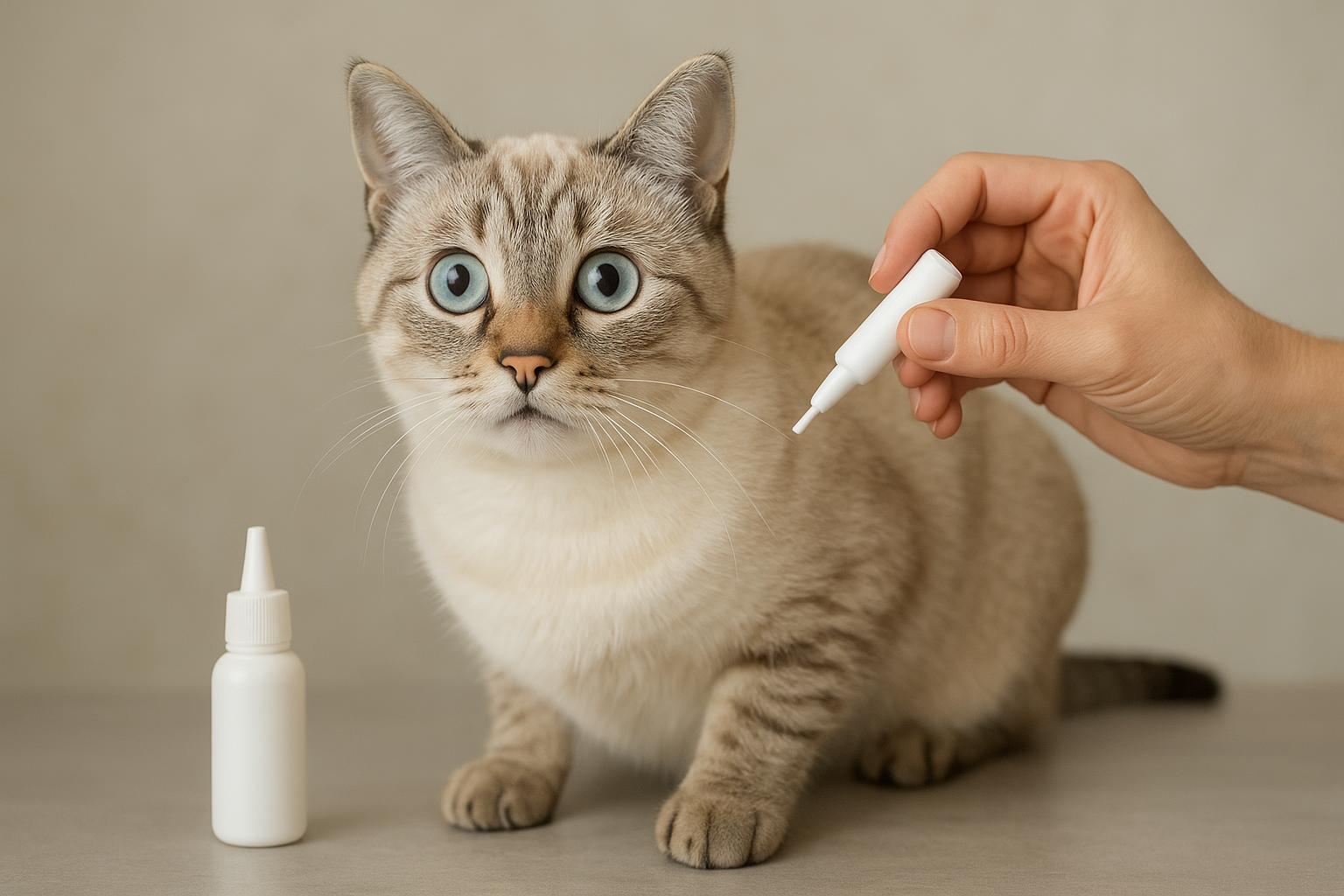
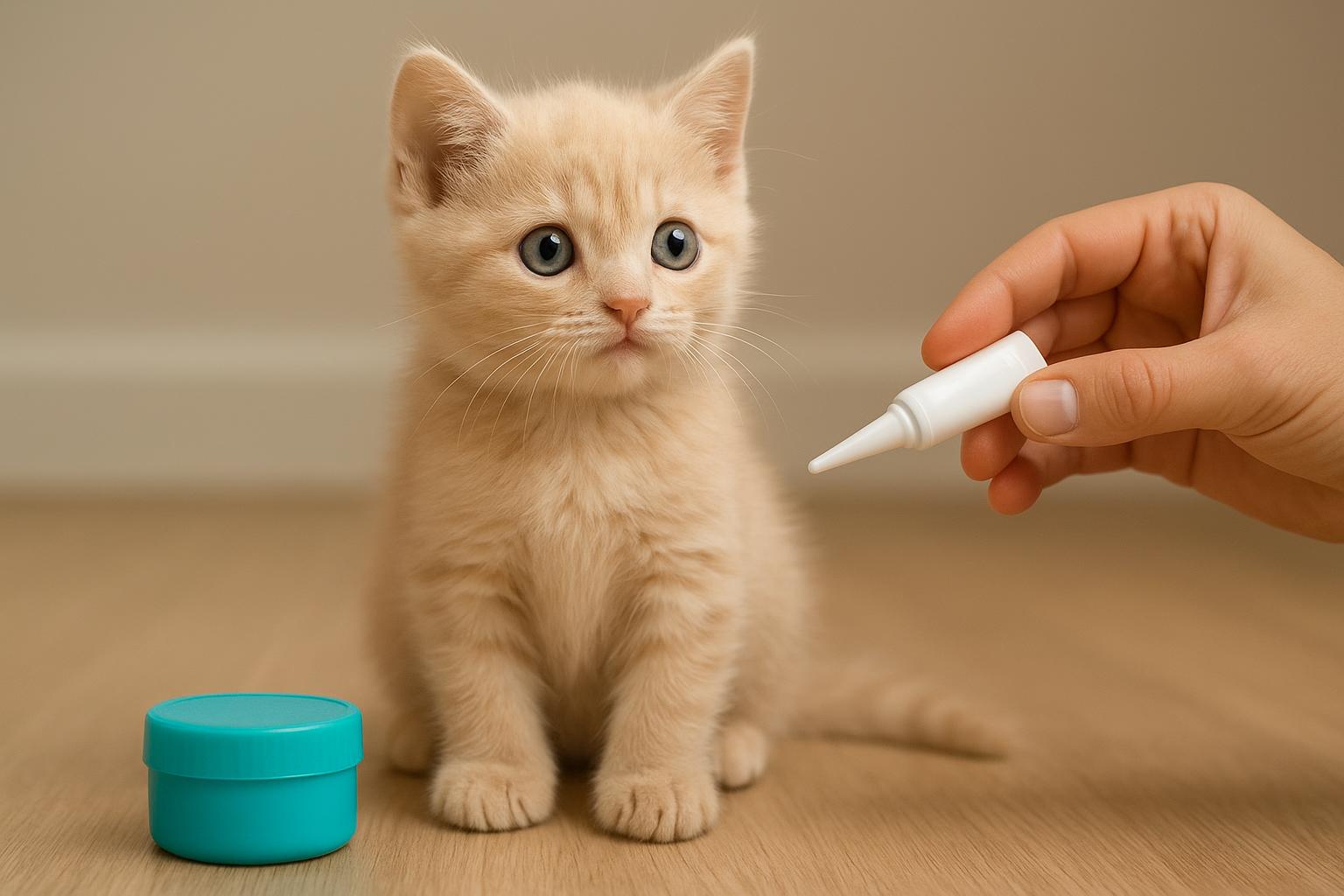
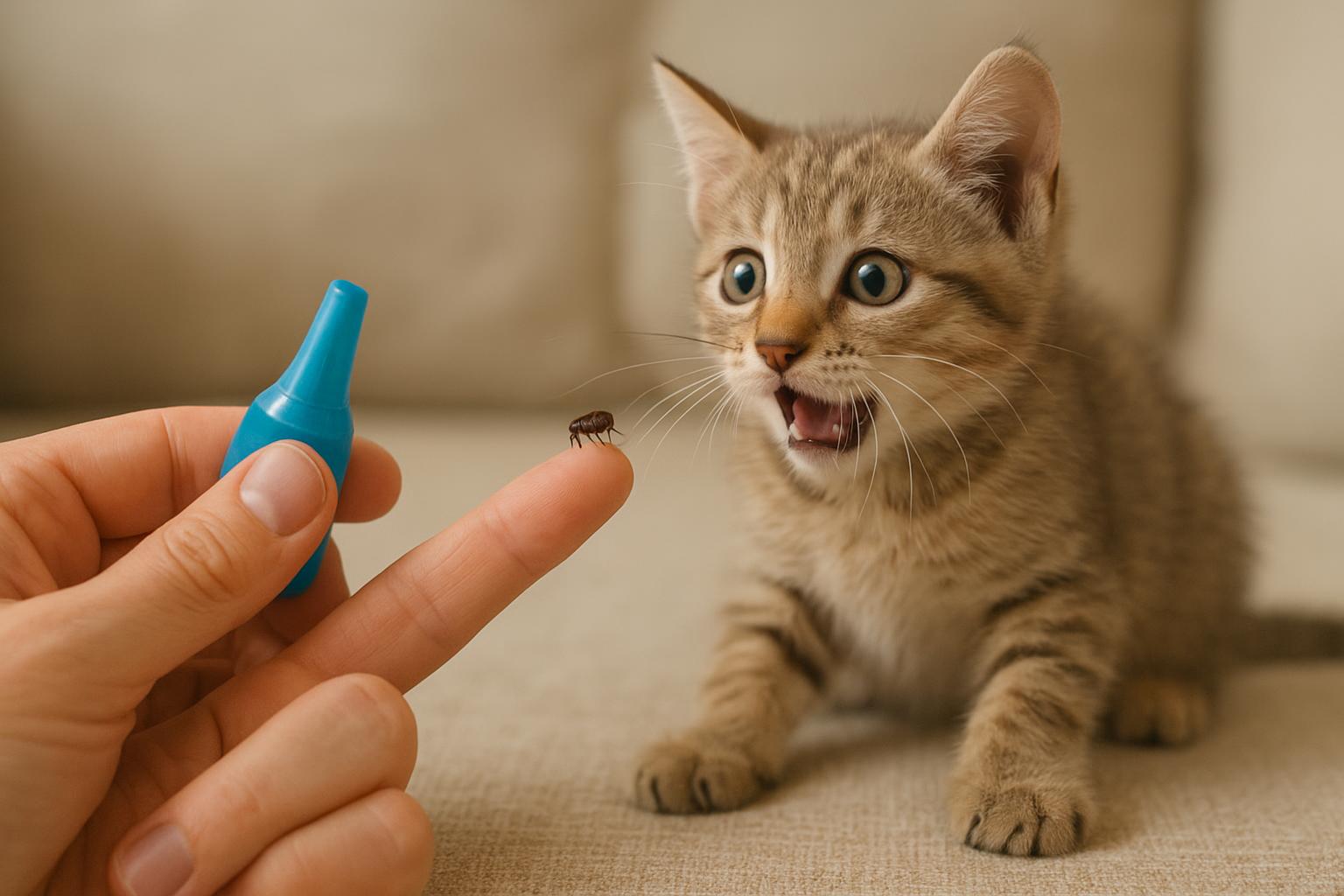
Chemical spot-on treatments (from vets or pharmacies) are specifically formulated to break the flea life cycle — they’re reliable and often necessary for heavy infestations. DIY natural measures like apple cider vinegar for fleas in cats, flea combing, and diatomaceous earth help reduce numbers and sustain a treated environment, but their evidence is mostly anecdotal.
Another common route is to use “herbal flea remedies.” These include botanical washes, sprays containing citronella, rosemary rinses, or collars infused with plant extracts. Some work to repel fleas; some don’t. The trouble is that cats are particularly sensitive to some botanical compounds. Tea tree oil, pennyroyal, and concentrated oils can be toxic. Herbal doesn’t automatically mean safe.
### Herbal Alternatives And Risks
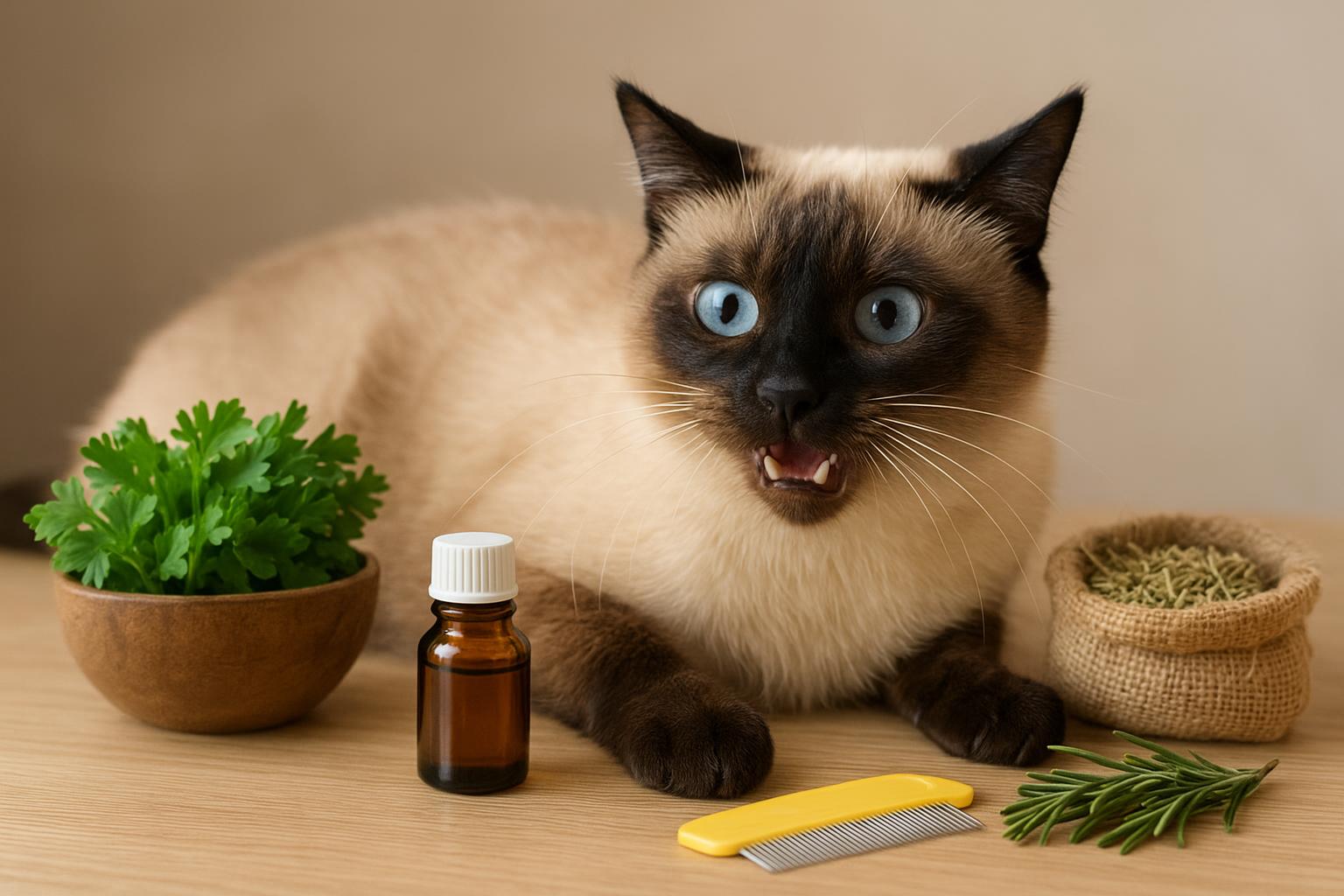
If you’re leaning toward herbal flea remedies, choose products made for cats and label-regulated for pets. Avoid essential oils unless the product is explicitly formulated for feline use and approved by a vet. A safer herbal approach is a rosemary rinse — steep rosemary in boiling water, let cool, strain, and use as a mild rinse. Again, dilute, test, and watch for reactions.
Supplements advertised to repel fleas, like brewer’s yeast or garlic tinctures, have mixed evidence and some risk. Garlic is dangerous in larger amounts for cats. Don’t add things to a cat’s food without vet approval.
If you use herbal flea remedies around the yard, remember they often reduce attractiveness rather than kill fleas. Combine them with mechanical controls: combing, vacuuming, and targeted environmental treatment.
## Practical Routine For A Flea-Free Cat (Daily To Monthly)
Create a routine that mixes prevention with targeted action. Here’s a practical template:
Daily:
– Quick comb-through with a flea comb, checking for adults or flea dirt.
– Inspect bedding and areas your cat favors.
Weekly:
– Wash bedding in hot water.
– Vacuum high-traffic zones and empty the vacuum container.
Biweekly to Monthly:
– Lightly mist coat with your diluted apple cider vinegar mix if you choose to use it.
– Treat the yard where fleas congregate; move outdoor feeding and resting spots.
– Reapply any vet-approved topical treatment per label.
Seasonal:
– If your region experiences warm weather year-round, maintain prevention constantly.
– If winter kills many pests in your area, stay vigilant as temperatures rise again.
Accessories that help:
– Sturdy flea comb
– Microfiber grooming towel
– Food-grade diatomaceous earth (if using sparingly)
– Vet-recommended spot-on if infestation risk is high
Keep notes. When you try a new step, note the date and any changes. Flea cycles take weeks. Seeing a slight decline after a week doesn’t mean the problem is solved.
### When To Call The Vet
Call your vet if:
– Your cat has many fleas despite home measures.
– The cat shows signs of anemia: weakness, pale gums, weight loss.
– You suspect flea allergy dermatitis (intense scratching, scabs).
– You have kittens, pregnant cats, or any cat with other health conditions.
– You’re unsure about a product’s safety for cats, including herbal flea remedies.
Veterinary treatments can include prescription spot-ons, oral medications, and sometimes environmental guidance. If your cat is losing weight or behaving differently, a professional evaluation is neccesary rather than relying on home fixes.
Use apple cider vinegar for fleas in cats as a careful, supplementary tool. It can be part of a low-toxicity approach and might reduce nuisance fleas on a healthy adult cat. But it’s not a miracle cure. If you treat the cat and ignore the house and yard, you’ll keep feeding the problem. If, on the other hand, you combine gentle home measures like ACV sprays with mechanical cleaning, strategic yard care for lawn fleas, and vet-approved treatments when needed, you stand a much better chance of getting ahead of the infestation.

Leave a Reply